Stick-Built vs. Factory-Assembled Exterior Cladding: Schedule and Cost Comparison
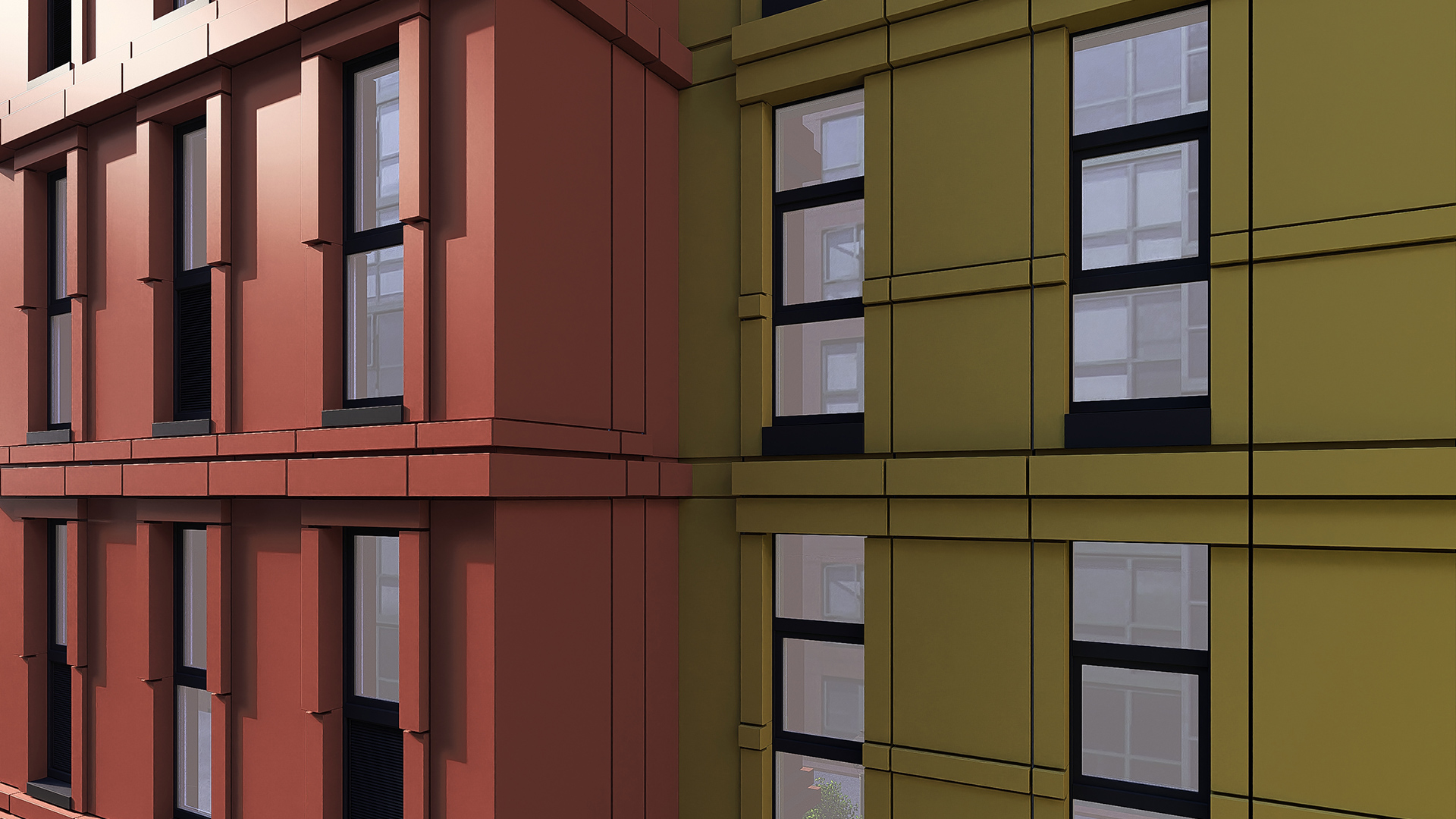
Stick-built exterior cladding is assembled at height, component by component, by field labor on the building. Factory-assembled exterior building components are produced in a controlled factory environment, delivered to the site as a complete unit, and installed by crane in a single operation. The schedule difference between the two approaches on a commercial high-rise project is not marginal — factory-assembled exterior building components install approximately 80% faster than stick-built alternatives, with 87% less on-site labor. Those numbers are not theoretical. They reflect the difference between a crew installing individual mullions, transoms, infill materials, and gaskets one at a time at height versus a crew setting a factory-complete unit in position and making the structural connection. For developers and architects making system selection decisions, understanding where the schedule and cost differences come from — and where they do not — is the foundation of a defensible procurement decision.
This guide breaks down how each approach works, where the schedule gap originates, how the cost comparison actually unfolds across the full project, and what the quality and risk differences mean for the parties who own the outcome.
How Stick-Built Exterior Cladding Works
A stick-built exterior cladding system is assembled sequentially on the building face. The installation sequence for a stick-built aluminum curtain wall illustrates the approach:
- Anchor brackets are installed on the structural frame at each floor level, coordinated with the structural engineer's embedment drawings
- Vertical mullions are hung from the anchors and plumbed, one bay at a time
- Horizontal transoms are connected to the mullions at specified intervals, forming the grid
- Glass, opaque infill, or composite cladding materials are set into the grid and secured with pressure plates and covers
- Gaskets and sealants are installed at every joint, both structural and aesthetic
- Each completed bay is inspected, and deficiencies are corrected before the scaffold or swing stage moves to the next bay
Every step of this sequence occurs at height, in outdoor conditions, performed by field labor whose productivity varies with weather, crew experience, and site access constraints. Sealant application in cold or wet weather produces different results than sealant application in optimal conditions. Gasket installation by an experienced crew produces different results than the same operation by a crew that has not run this system before. These variations are not exceptions — they are the normal operating condition of stick-built installation on a high-rise site.
The stick-built approach concentrates the project's quality risk in the installation phase — the latest possible moment in the construction sequence — at the location that is most difficult to access, inspect, and correct.
How Factory-Assembled Exterior Cladding Works
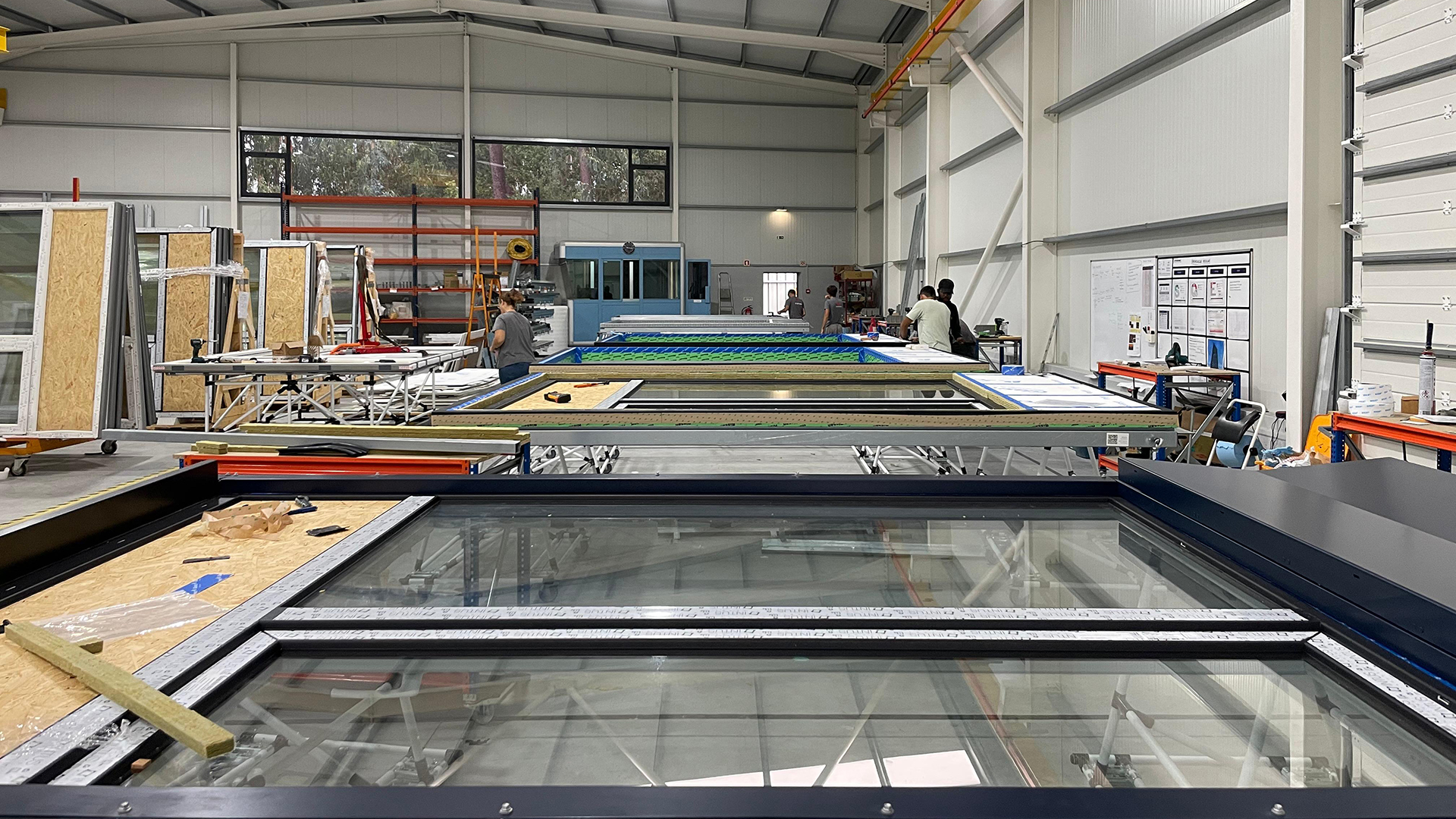
Factory-assembled exterior building components are produced in a climate-controlled manufacturing facility. The complete assembly — framing, insulation, cladding material, air and water control layer, and factory-sealed joints — is produced, inspected, and tested before it leaves the factory. What arrives on the jobsite is a finished component, not a collection of parts.
The on-site installation sequence for factory-assembled exterior components reflects this:
- Anchor brackets are installed on the structural frame at each floor, as in stick-built — this step is the same regardless of system type
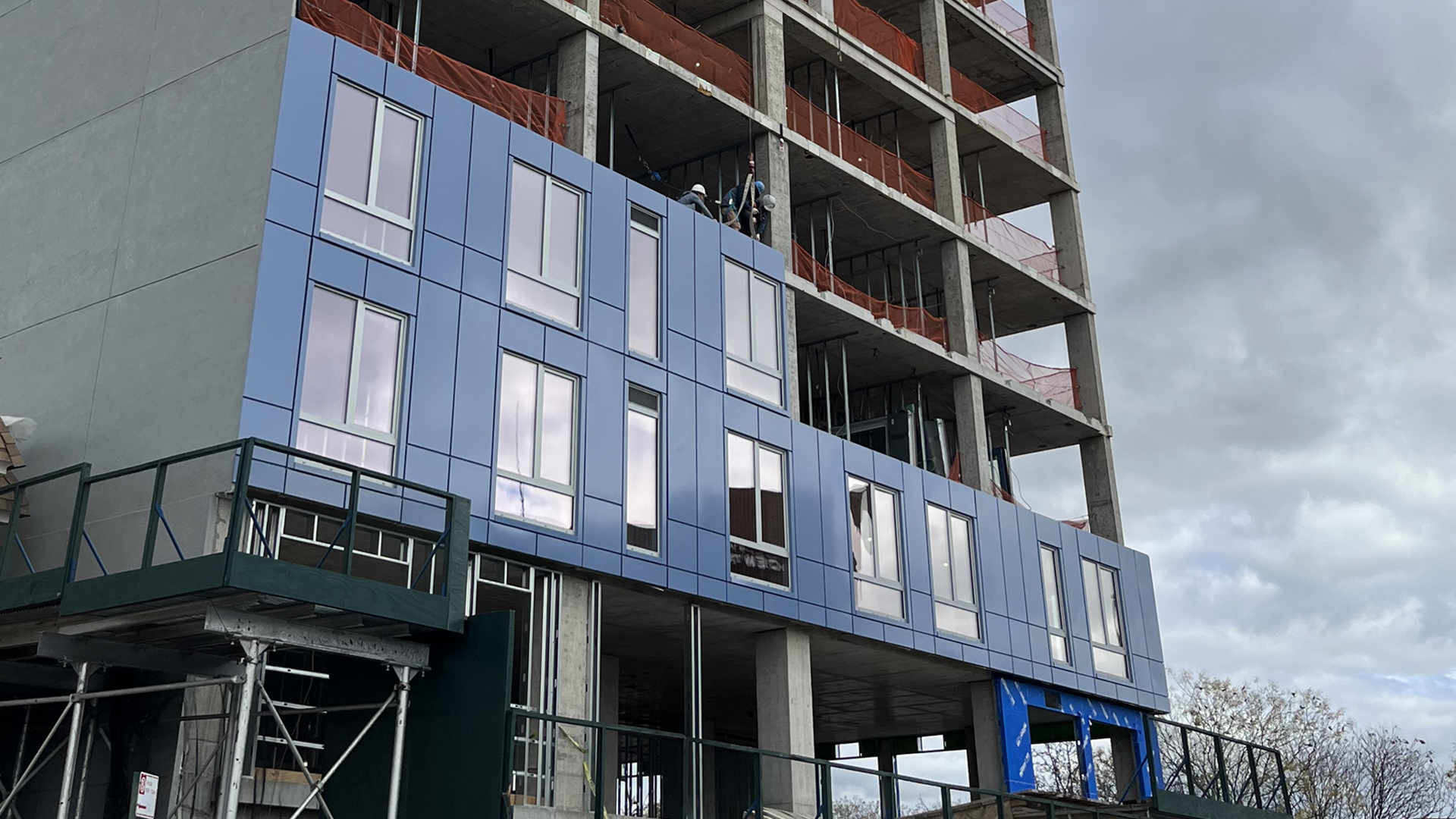
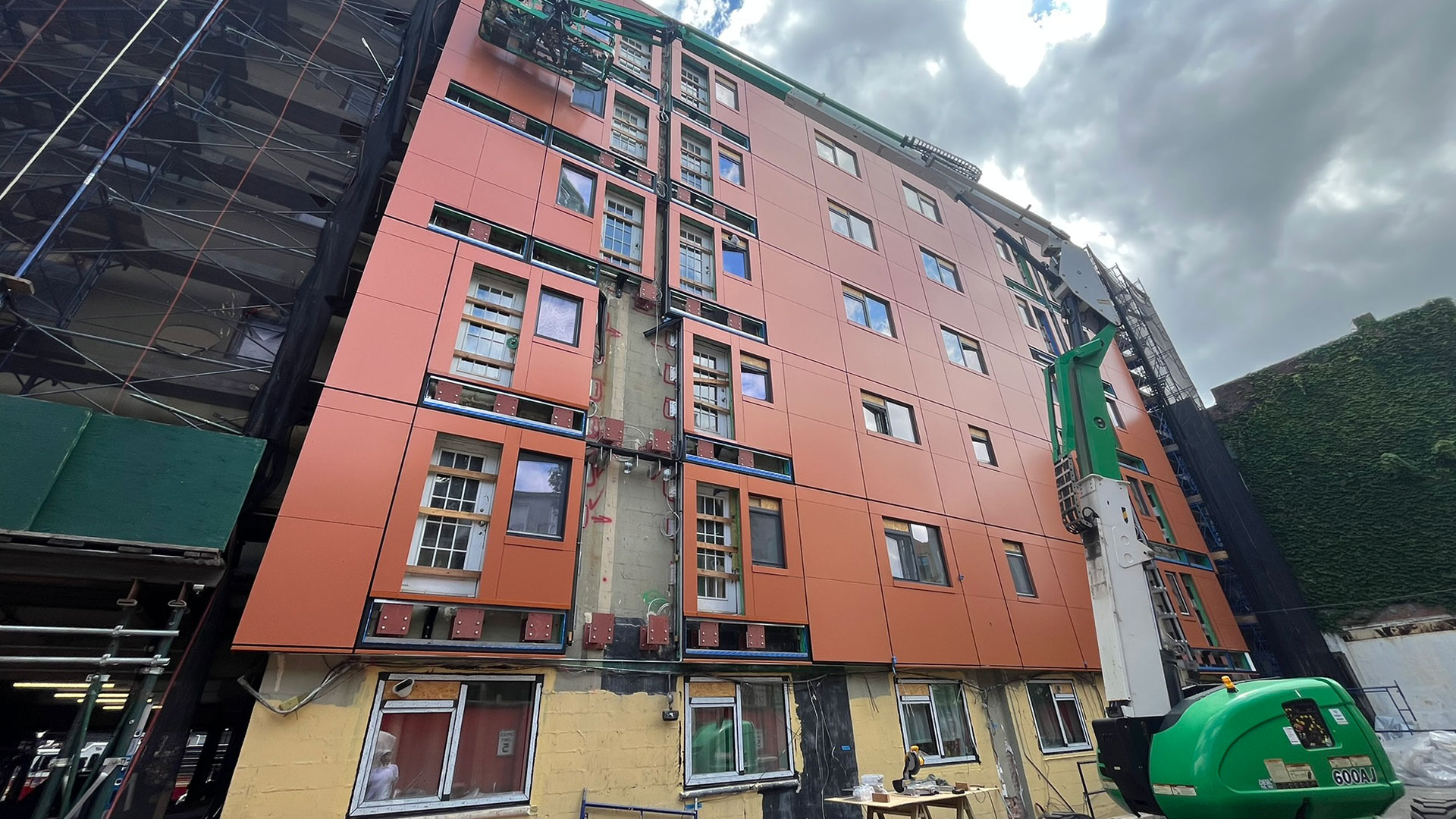
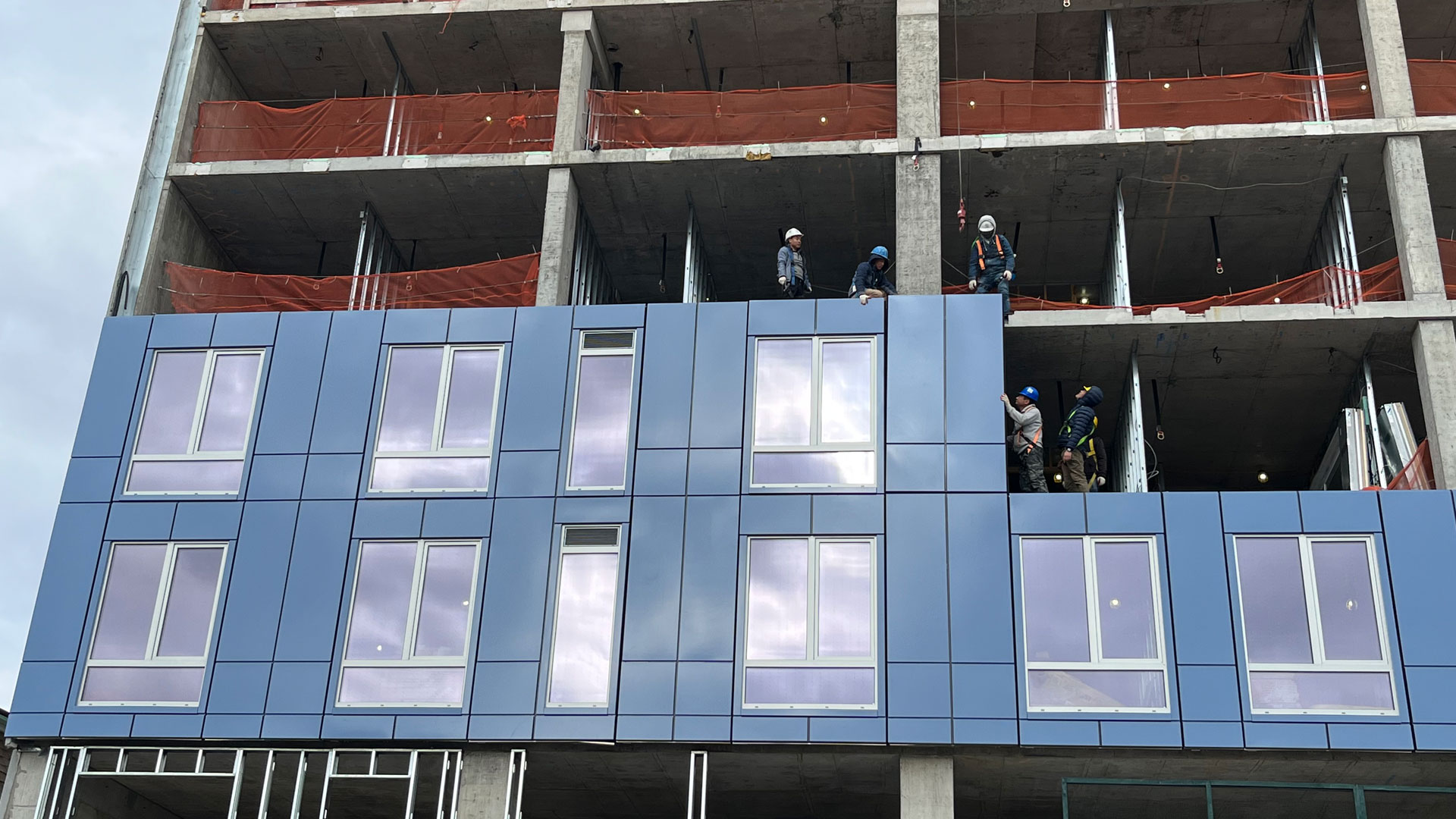
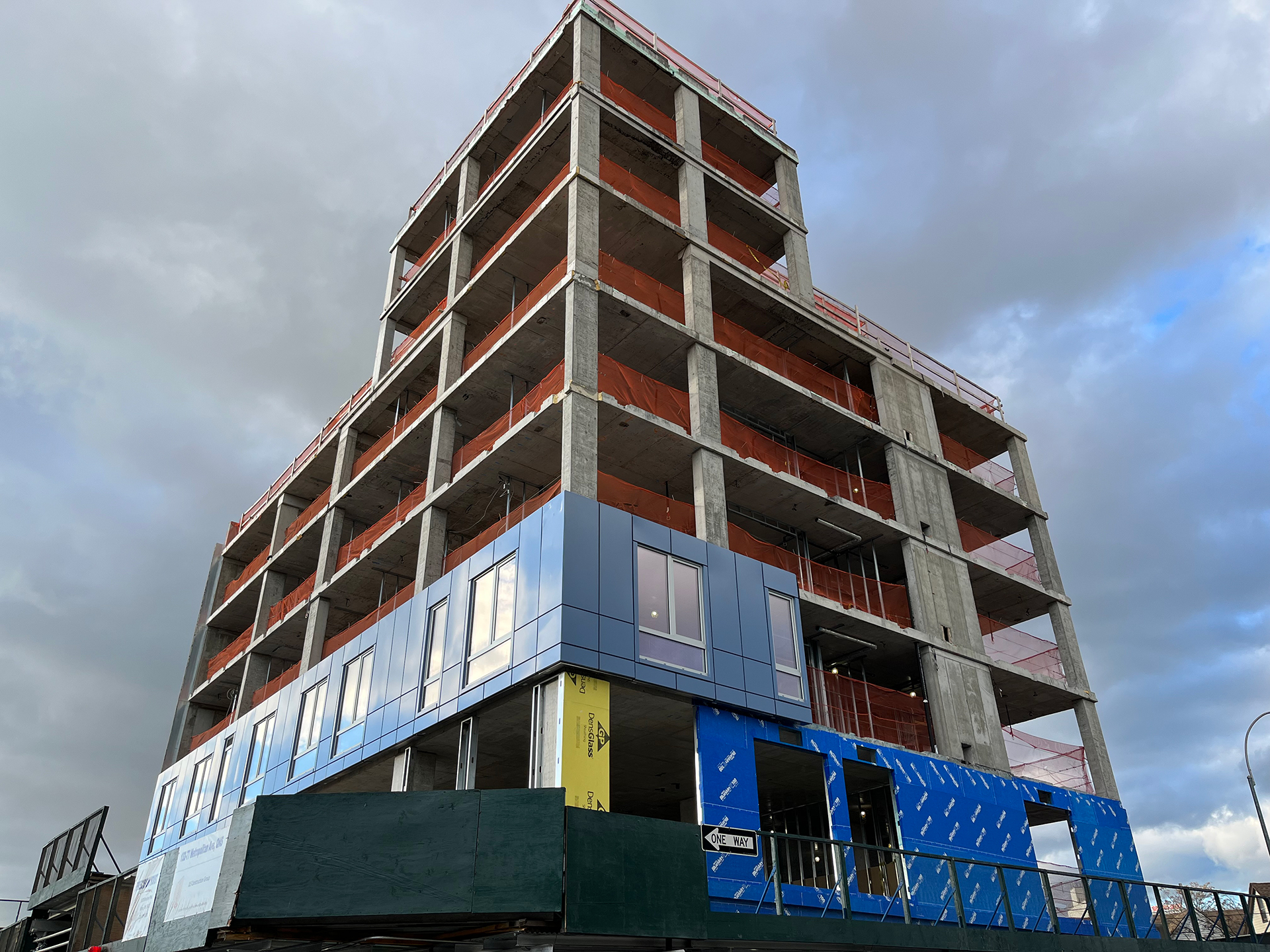
- The factory-assembled component is lifted by crane and set onto the anchor system
- The structural connection is made and the component is leveled and plumbed
- Adjacent components are connected at the interlocking joint, which was engineered and tested in the factory
- The floor is complete when the components are set and connected — there is no subsequent infill, gasket, or sealant sequence
The work that takes a stick-built crew weeks per floor — installing individual components, setting infill, sealing joints — is already done. The on-site crew sets the factory-complete unit and moves to the next one. The quality of the joints, the gasket installation, and the infill setting was controlled in the factory, not resolved on the swing stage.
Schedule: Where the 80% Faster Figure Comes From
The 80% installation speed advantage of factory-assembled exterior building components over stick-built alternatives reflects the compression of the on-site work sequence. Consider what the on-site crew is doing in each approach:
- Stick-built: Install anchors → hang mullions → connect transoms → set infill → install gaskets → apply sealant → inspect → correct deficiencies → repeat for each bay on each floor
- Factory-assembled: Install anchors → set component → make structural connection → repeat
The stick-built sequence has six to eight distinct steps per bay, each of which requires specialized labor, access equipment, and inspection. The factory-assembled sequence has two steps per unit that occur on the building. Every other step was completed in the factory before the component arrived on site.
On a 30-story building with a typical floor plate, the difference in on-site installation duration translates directly into crane time, scaffold or swing stage rental, general conditions costs for the period of facade installation, and the date at which the building can be weather-tight for interior finish trades. Each week of reduced facade installation time removes a week of crane rental, a week of elevated general conditions, and a week of delay in the interior trade sequence that cannot begin until the envelope is closed.
Cost: The Full Comparison, Not Just Material Price
The material and fabrication cost of factory-assembled exterior building components is higher than the material cost of the equivalent stick-built system. Factory production has overhead — the facility, the quality control program, the production engineering — that field assembly does not carry as a line item in the material cost. Developers and architects who compare system costs at the material level reach the wrong conclusion.
The complete cost comparison requires accounting for:
- On-site labor. Factory-assembled exterior building components require 87% less on-site labor than stick-built alternatives. On a high-rise project, on-site labor for facade installation is one of the largest cost lines in the facade package. The labor reduction is real, it is measured in worker-hours, and it directly offsets the higher fabrication cost of factory production.
- Crane time. Crane rental on a high-rise construction site is expensive and crane time is shared across all trades. Faster facade installation reduces the facade trade's claim on the crane schedule, freeing crane capacity for other trades and reducing the overall crane rental period that the facade sequence drives.
- General conditions during facade installation. Site supervision, safety systems, scaffold or swing stage rental, temporary weather protection — all of these costs run for the duration of facade installation. An 80% reduction in installation time is a proportional reduction in the general conditions costs attributable to the facade work period.
- Error correction and weather delay. Stick-built installation accumulates field errors that must be identified, accessed, and corrected — at height, in whatever weather conditions exist when the deficiency is found. Factory-assembled components are inspected before delivery; deficiencies are corrected in the factory before the component reaches the site. The cost of field error correction in stick-built facade installation is real, recurring, and rarely budgeted explicitly.
When labor, crane, general conditions, and error correction are included in the comparison, factory-assembled exterior building components deliver a total cost approximately 15 to 20% below stick-built alternatives on commercial high-rise projects — despite higher fabrication cost at the material level.
Quality and Risk: The Comparison That Rarely Appears in the Budget
Schedule and cost comparisons are quantifiable. The quality and risk comparison is harder to put in a spreadsheet but ultimately more consequential.
Stick-built exterior cladding concentrates quality-determining operations — sealant application, gasket installation, infill setting — at the point in the project where quality control is most difficult: at height, late in the schedule, under time pressure, in outdoor conditions. When a stick-built facade leaks three years after occupancy, the source of the failure is typically a sealant joint that was applied in suboptimal conditions and was never accessible for post-installation inspection. The cost to diagnose, access, and repair a water infiltration failure in an occupied high-rise building is high — and the liability exposure sits with the architect of record, the general contractor, and the facade subcontractor.
Factory-assembled exterior building components shift quality-determining operations to the factory, where temperature and humidity are controlled, where inspection is systematic rather than opportunistic, and where deficiencies are corrected before the component leaves the facility. The tested assembly that passes the factory quality check is the assembly that arrives on the building — not a field approximation of it.
D Wall® Modular Building Components: Factory-Assembled for High-Rise
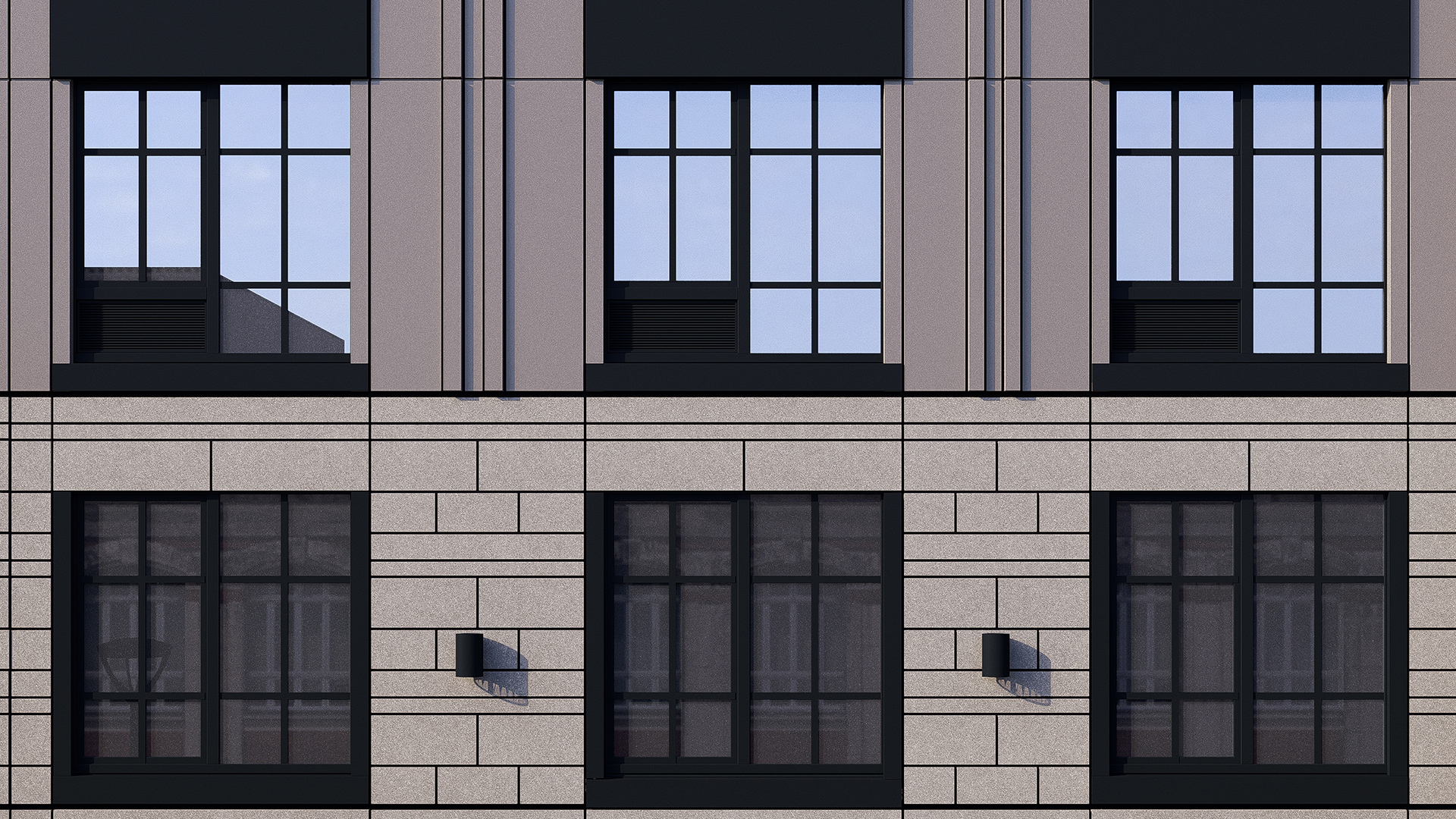
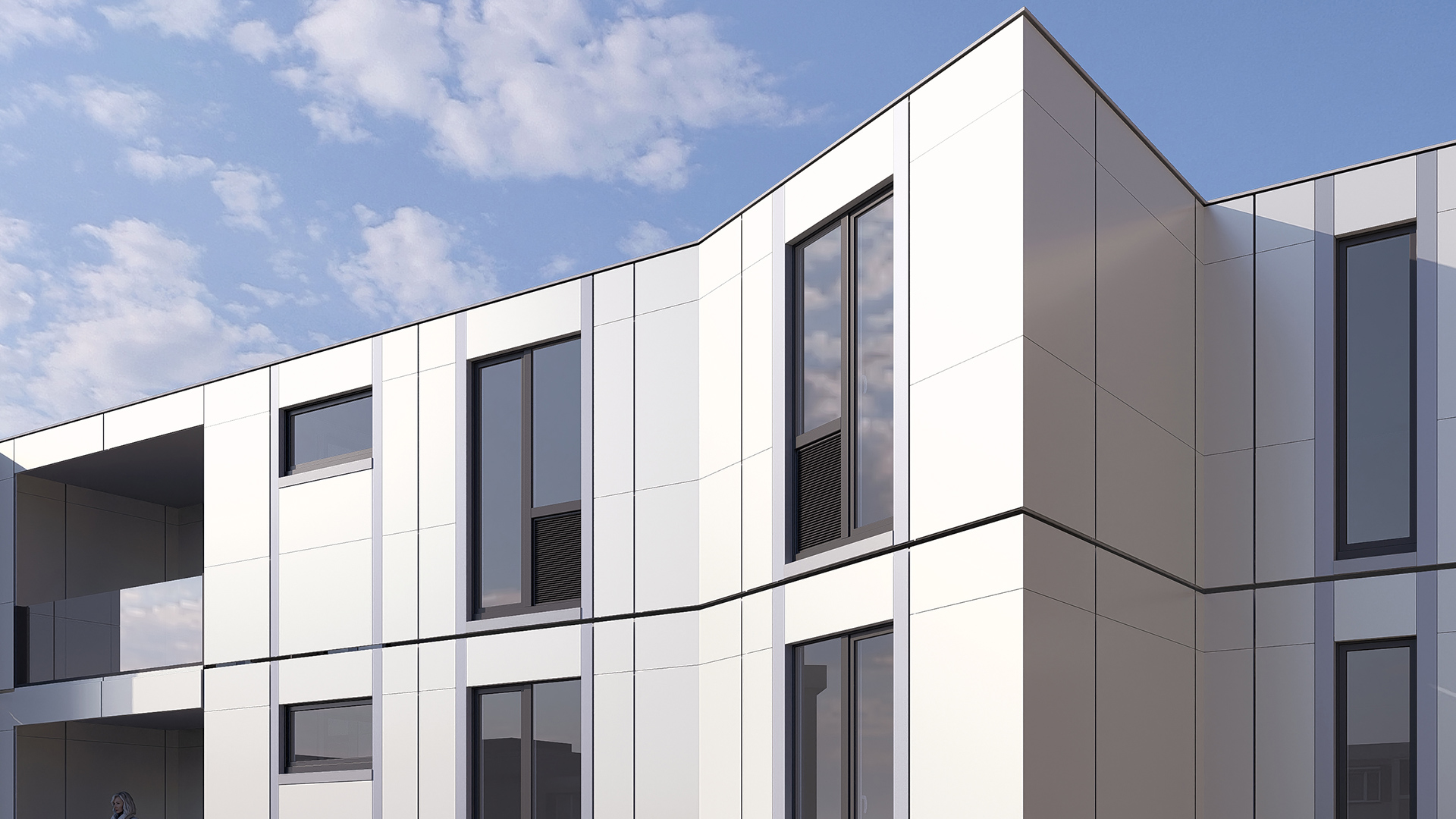
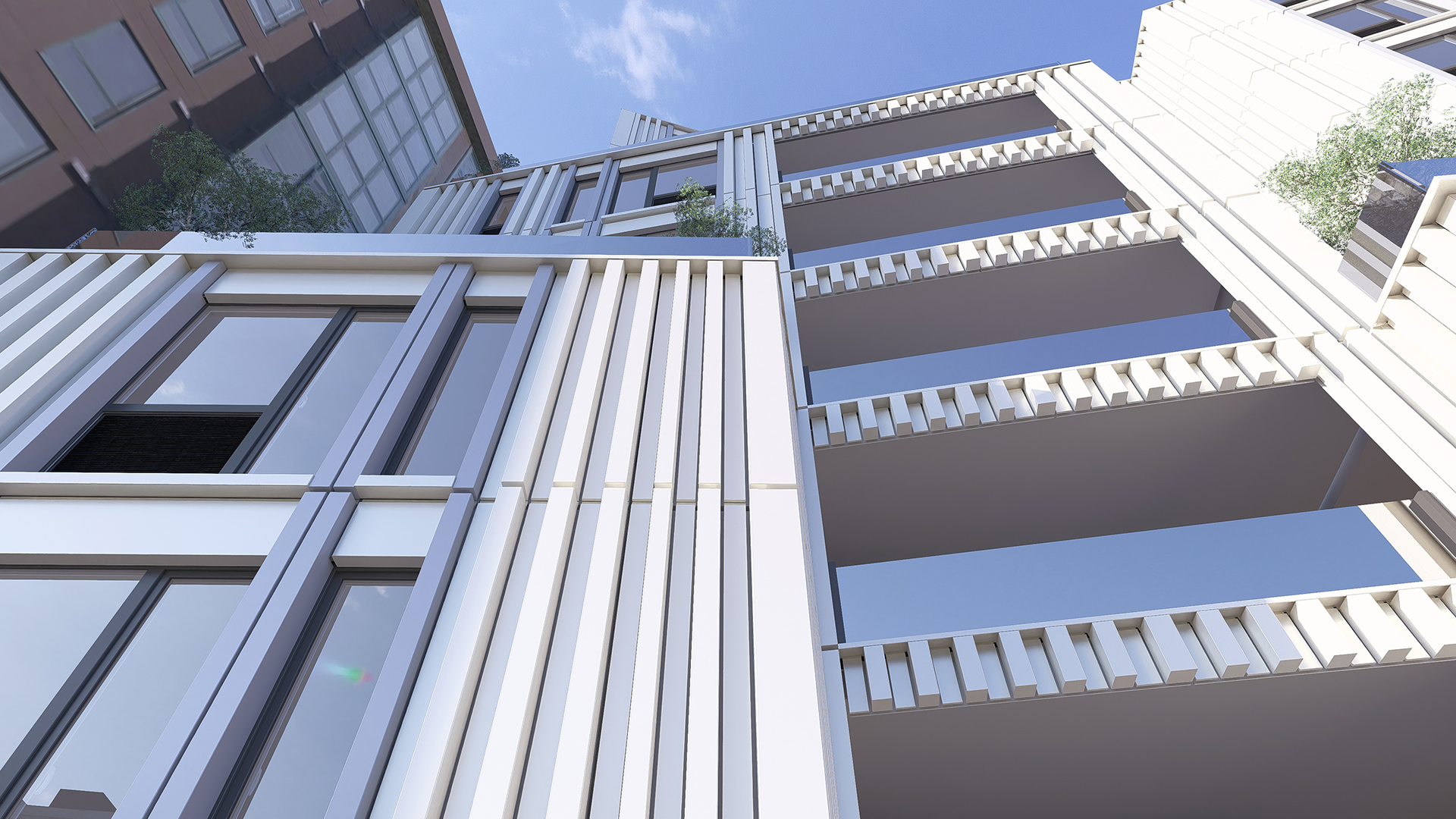
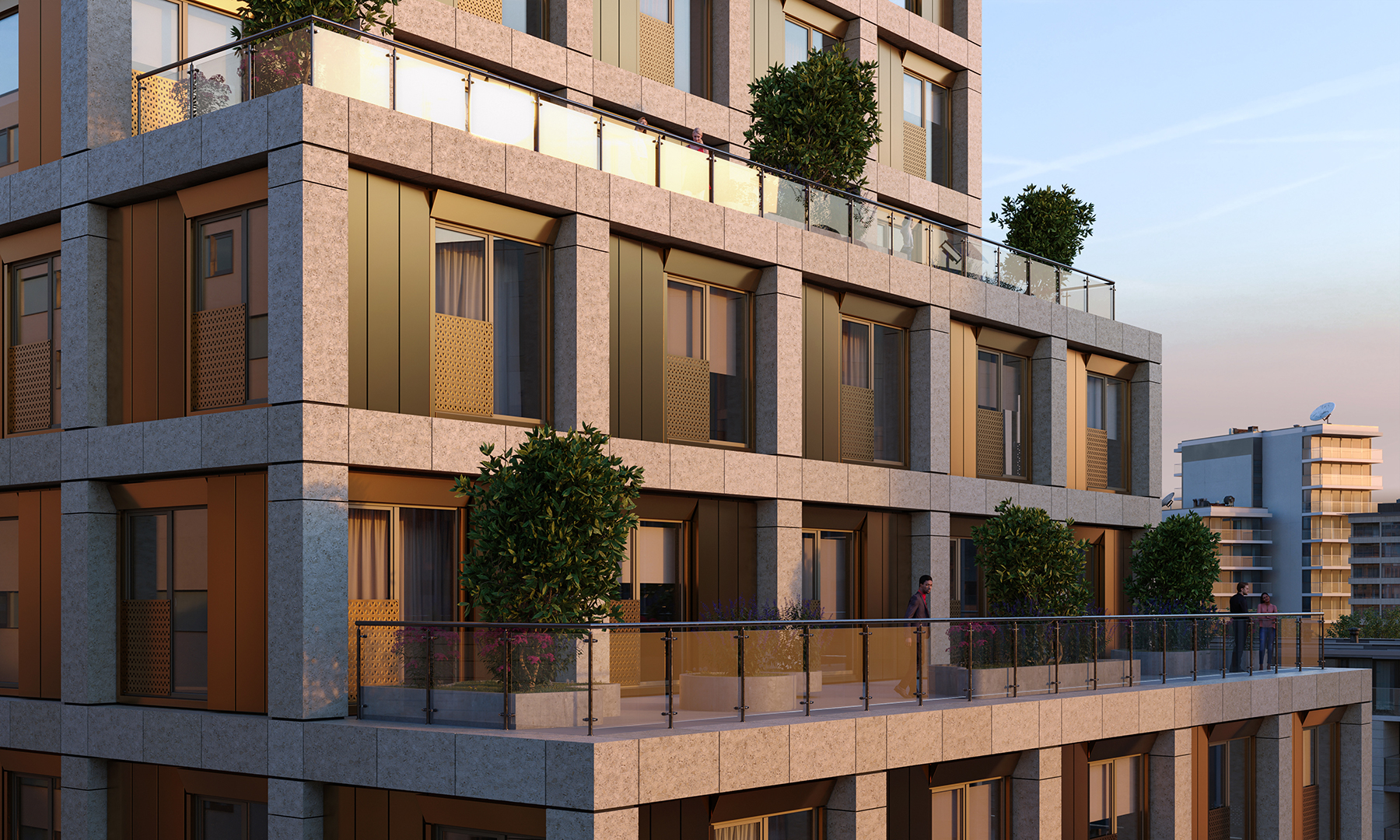
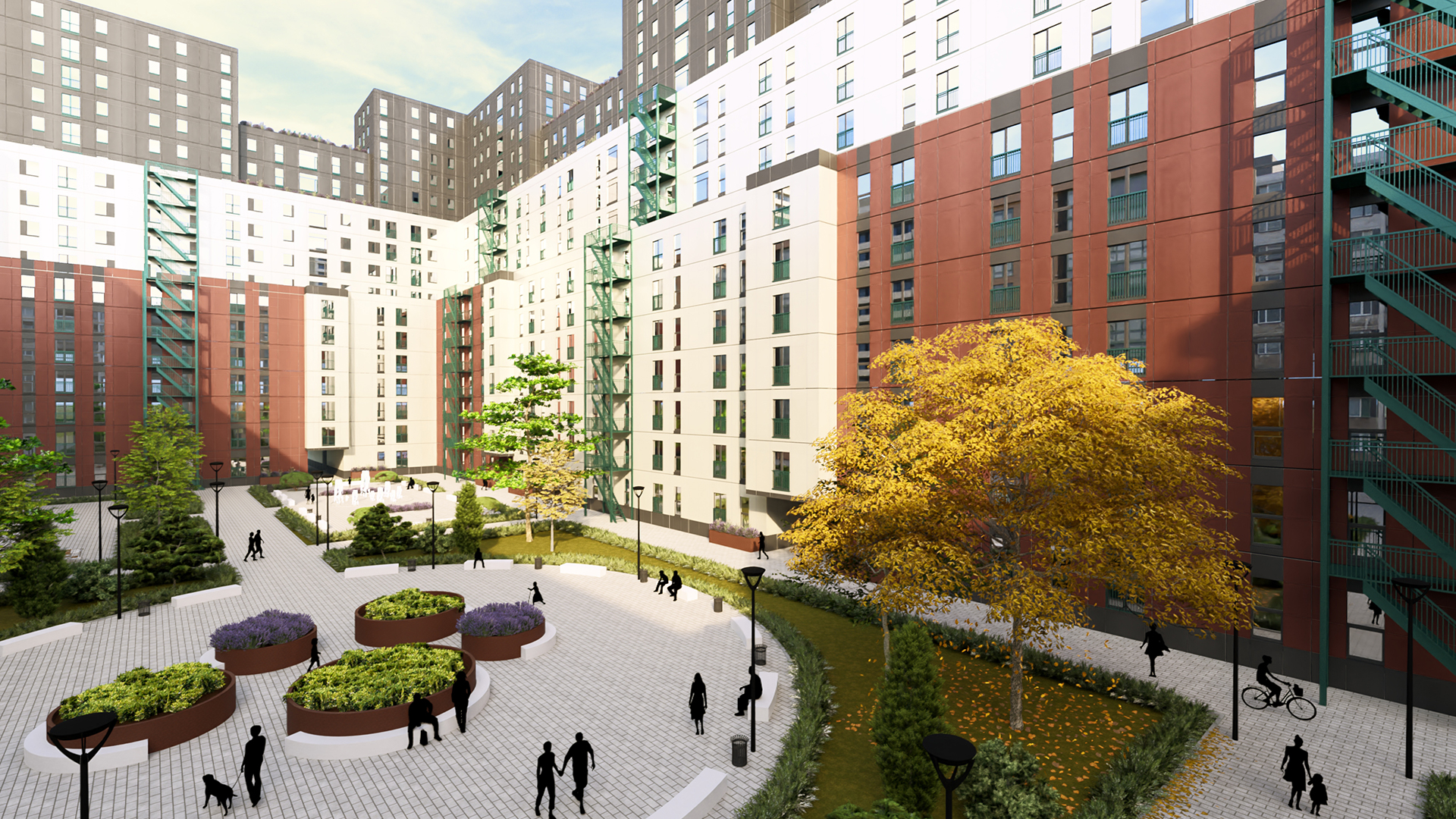
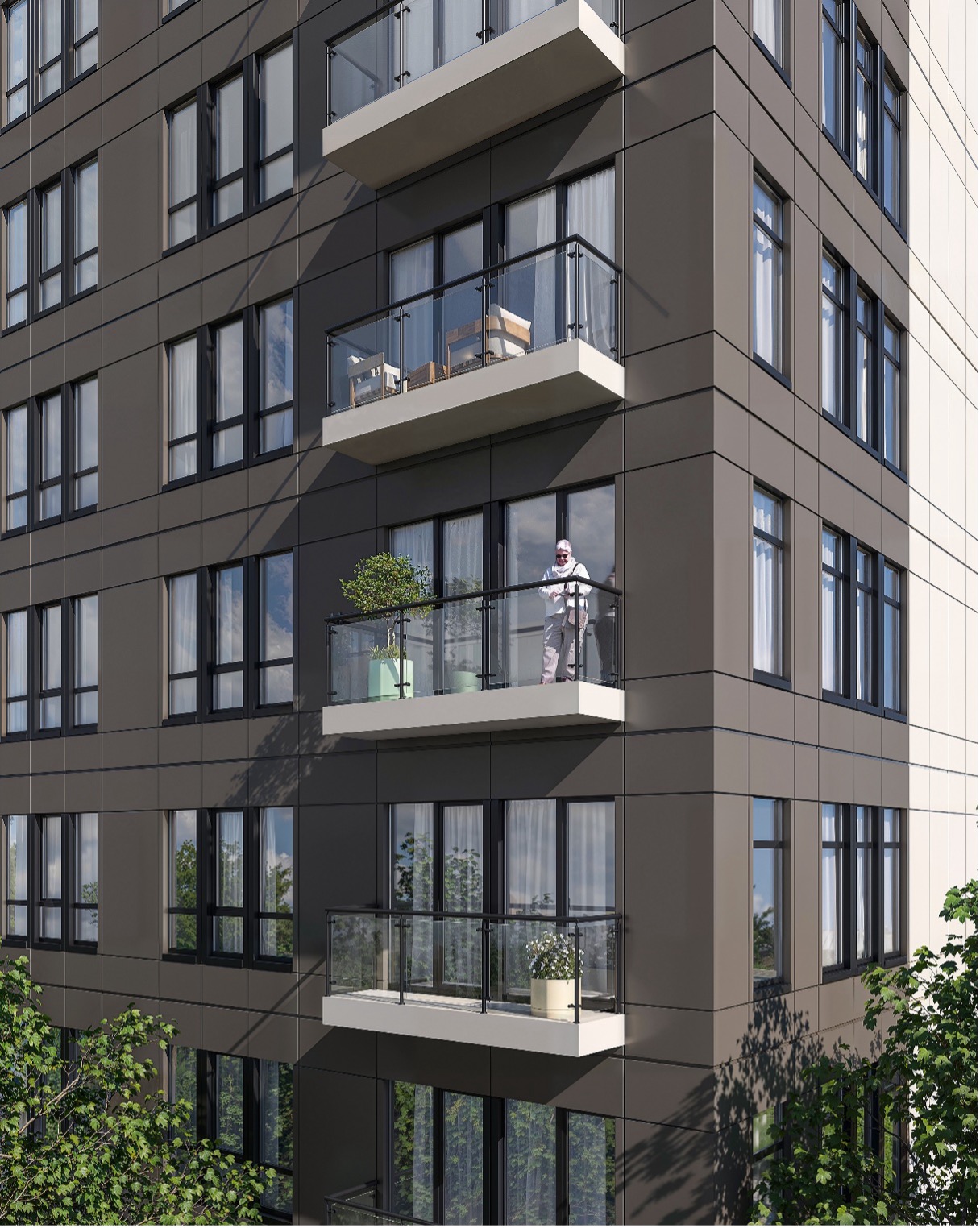
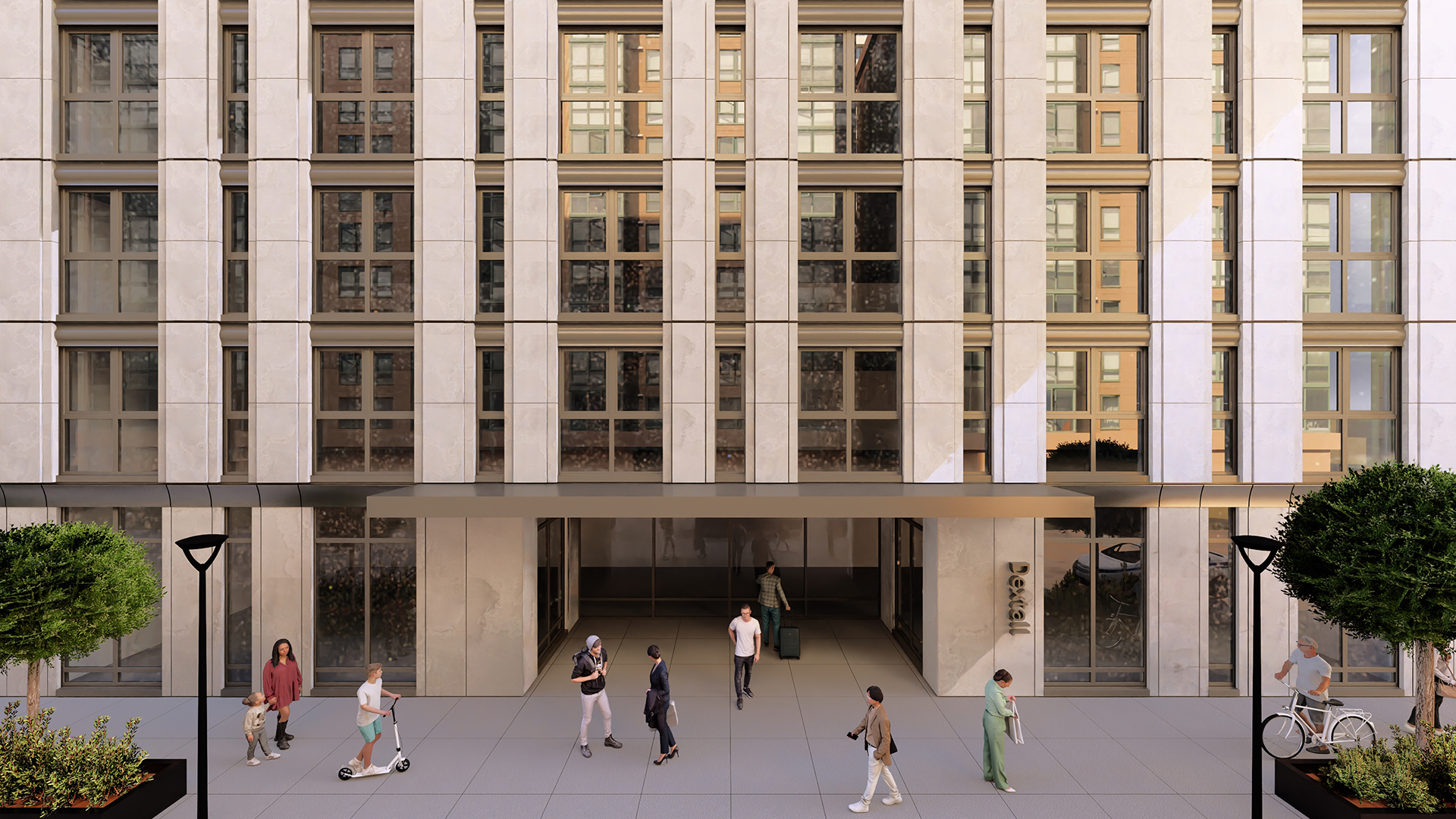
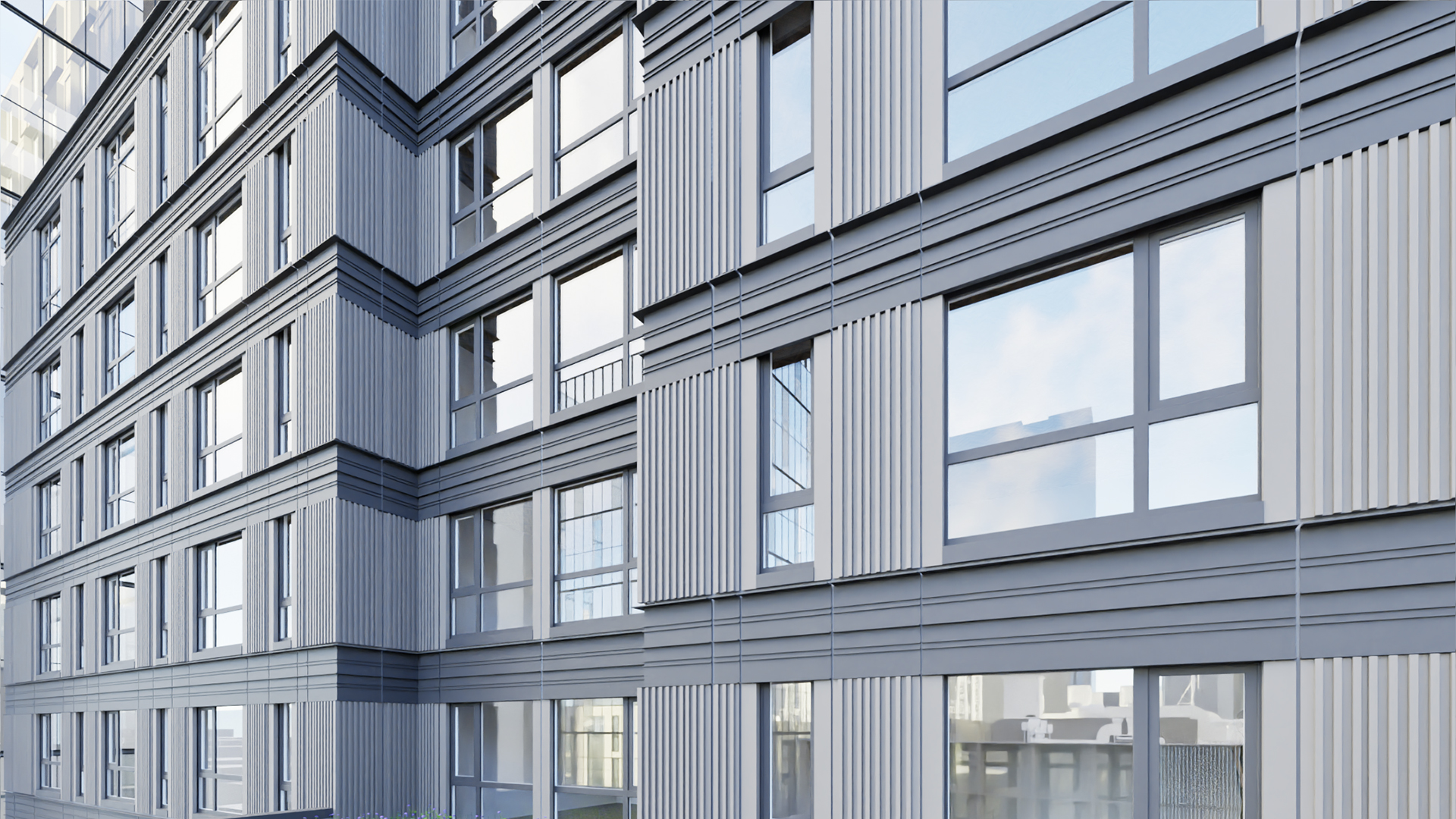
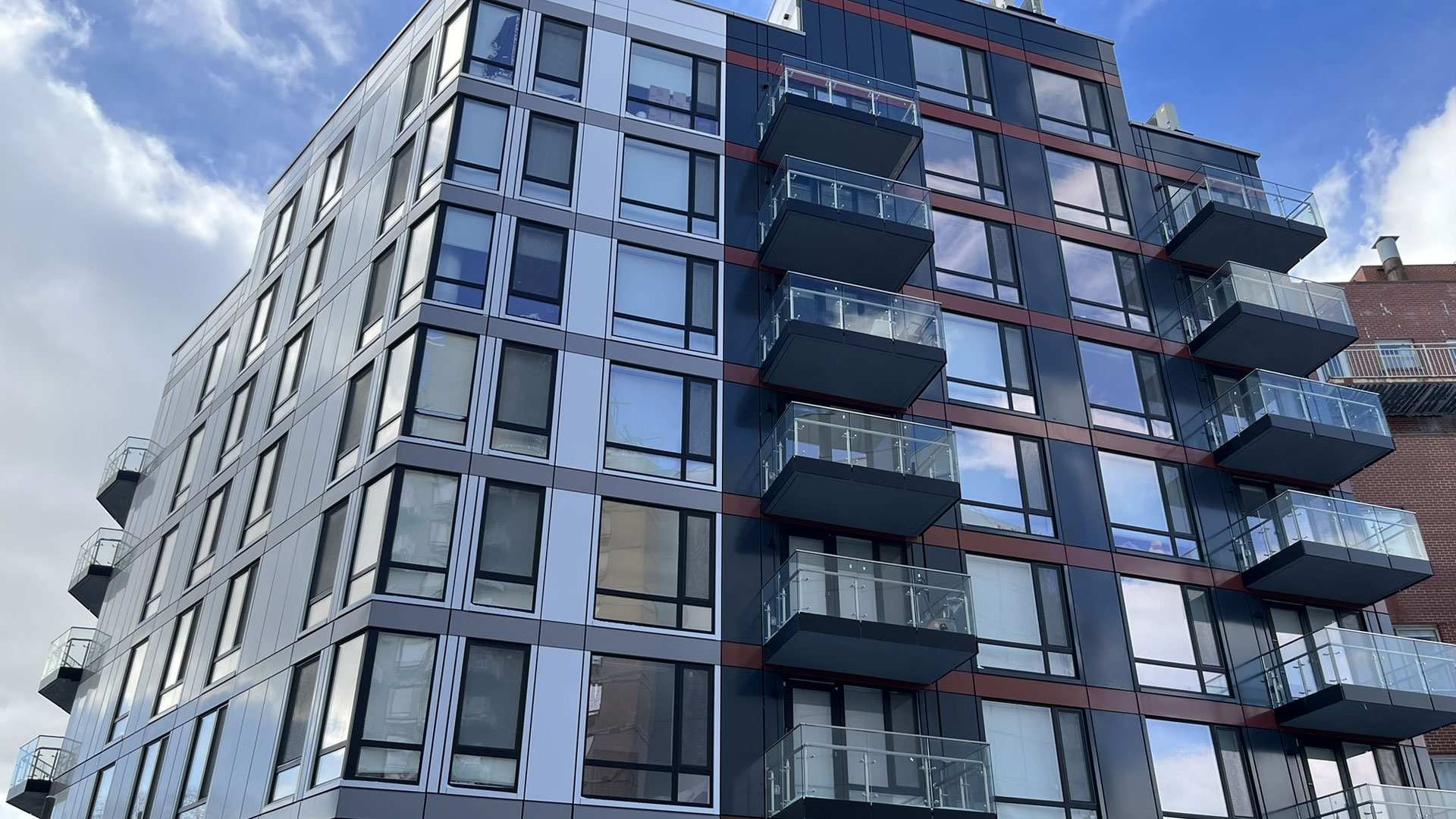
D Wall® modular building components for exteriors are factory-assembled in Dextall's manufacturing facility, incorporating aluminum framing, insulation, ACM cladding or Architectural Stone finish, air and water control layer, and factory-sealed joints in a single production run. Each component is inspected and tested before shipping.
On-site installation is crane, set, and connect. The 80% installation speed advantage and 87% labor reduction are consistent across Dextall's project portfolio in New York City, Boston, and Washington D.C. The 10-year warranty covers the complete factory-assembled component — not individual materials with separate warranty terms from separate manufacturers.
For developers evaluating total project cost and schedule for new high-rise construction, the comparison between stick-built and factory-assembled exterior cladding is not primarily a materials decision. It is a schedule risk decision, a labor cost decision, and a quality assurance decision that are made simultaneously when the system type is selected. Contact Dextall at dextall.com to discuss how D Wall® fits your project's schedule and budget.
Key Takeaways
- Stick-built exterior cladding is assembled at height, step by step, in field conditions. Factory-assembled exterior building components arrive on site as complete units and are installed in a crane-set-connect sequence.
- Factory-assembled exterior building components install approximately 80% faster than stick-built alternatives and require 87% less on-site labor. These figures reflect the compression of the on-site work sequence, not a theoretical efficiency.
- Total cost comparison must include on-site labor, crane time, general conditions during the installation period, and field error correction — not material price alone. When all cost categories are included, factory-assembled components deliver approximately 15 to 20% cost savings on commercial high-rise projects.
- Stick-built installation concentrates quality-determining operations at the point of highest risk: at height, late in the schedule, in outdoor conditions. Factory production moves those operations to a controlled environment with systematic inspection before delivery.
- The system selection decision is made simultaneously across schedule risk, labor cost, quality assurance, and warranty structure — not as a materials procurement decision alone.
FAQ
What is stick-built exterior cladding?
Stick-built exterior cladding is assembled component by component on the building at height. For curtain wall systems, this means installing vertical mullions, horizontal transoms, infill materials, gaskets, and sealants in sequential field operations — each performed by on-site labor in outdoor conditions. Every step of the assembly sequence occurs on the building, in whatever weather conditions exist during the installation period.
How much faster is factory-assembled exterior cladding than stick-built?
Factory-assembled exterior building components install approximately 80% faster than stick-built alternatives on commercial high-rise projects. The speed advantage comes from compressing the multi-step stick-built installation sequence — mullion hang, transom connection, infill set, gasket install, sealant apply — into a single crane, set, and connect operation. The work that takes a stick-built crew weeks per floor occurs in the factory before the component arrives on site.
Does factory-assembled exterior cladding cost more than stick-built?
Factory-assembled exterior building components have higher fabrication costs than stick-built systems at the material level. However, the total project cost comparison — including on-site labor, crane time, general conditions during installation, and field error correction — consistently favors factory-assembled systems by approximately 15 to 20% on commercial high-rise projects. The labor reduction alone (87% less on-site labor) offsets the fabrication premium in most project budgets.
What are the quality advantages of factory assembly over stick-built installation?
Factory assembly moves quality-determining operations — joint sealing, gasket installation, infill setting — from the field into a controlled environment where temperature, humidity, and process inspection are managed. Factory-assembled components are inspected before delivery; deficiencies are corrected in the factory. Stick-built installation performs these operations at height, in outdoor conditions, under time pressure, where quality varies with crew experience and weather and where post-installation inspection is difficult.
How does factory-assembled exterior cladding affect the interior trade schedule?
Factory-assembled exterior cladding closes the building envelope significantly faster than stick-built systems. An 80% reduction in facade installation time means the building becomes weather-tight earlier, which moves the start date for interior finish trades — mechanical, electrical, plumbing, drywall, and finishes — forward by the same margin. On a project where facade installation drives the envelope-close date, the schedule savings from factory assembly propagate through the entire interior trade sequence.
Sources










.jpeg)
-Compliance-for-NYC-Multifamily-%26-Co-Op-Facades.jpg)












_format(webp).avif)
_format(webp)%20(6).avif)
_format(webp)%20(5).avif)
_format(webp)%20(4).avif)
_format(webp)%20(2).avif)
_format(webp)%20(3).avif)


.avif)
_format(webp)%20(2).avif)