Affordable Prefab Facade Solutions: A New Facade on a Smart Budget—Without Compromising Qualit
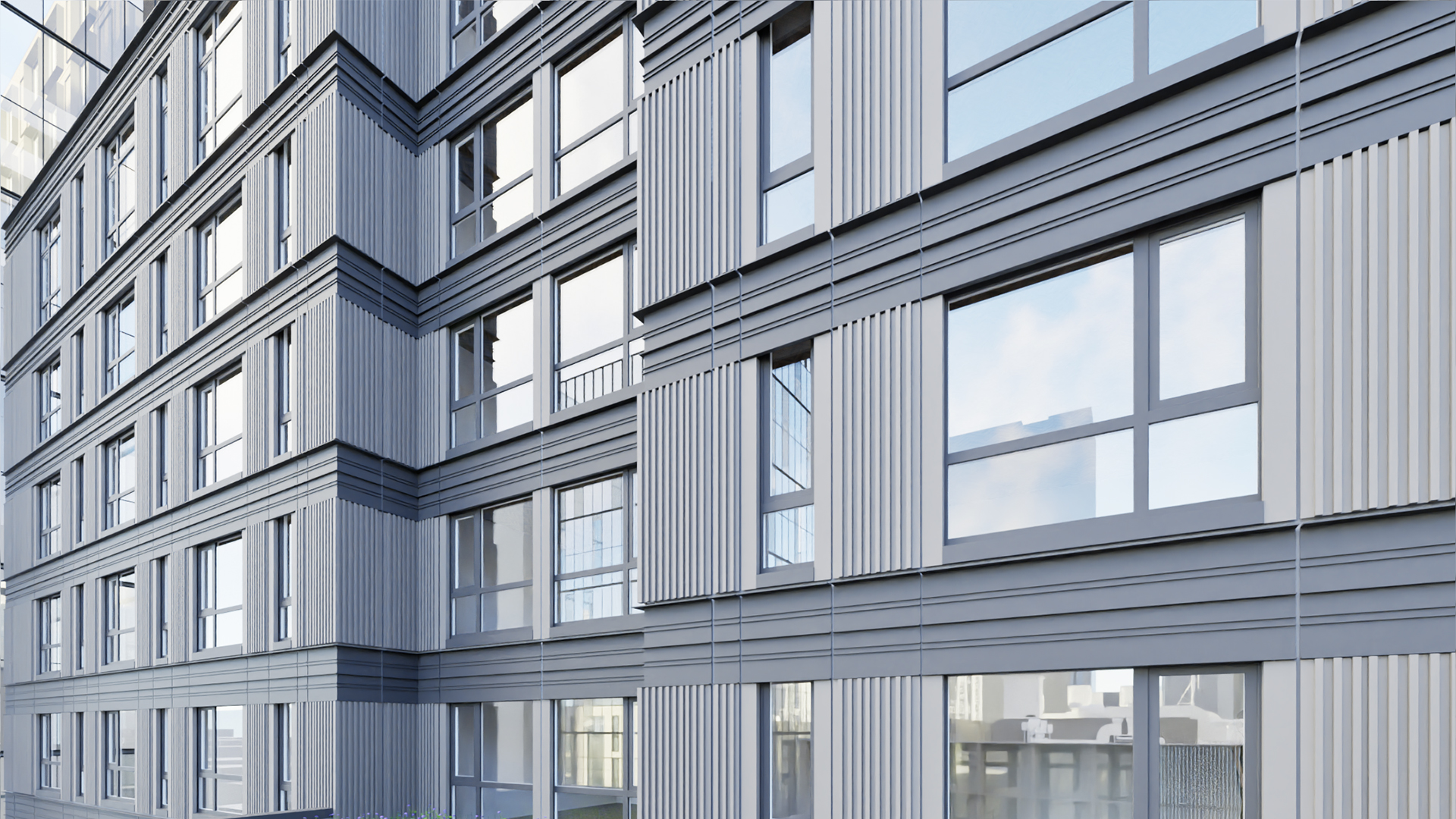
The facade is the "face" of a building, but it's also the part that most often eats up the budget: scaffolding, long schedules, design changes, and unforeseen site work. As a result, the owner ends up paying more than planned, and the building lives in a constant state of renovation.
Prefab facades offer a different scenario: more work in the factory, less chaos on site, predictable timelines, and controlled costs—without compromising quality or safety.
Why Facades Get Expensive: Hidden Budget Drivers
Even when materials seem "reasonable" in price, the facade can still blow the budget. The reason lies in hidden cost drivers that don't show up clearly in the initial estimate. These are scaffolding, extended schedules, ongoing changes during construction, and dependence on "wet" processes that are constantly affected by weather and human factors.
Scaffolding and long schedules
Scaffolding isn't just a temporary structure—it's a long-term cost item. You have to pay for rental, assembly, disassembly, safety inspections, and all the idle days when work is paused but the scaffold is still on the meter. The longer the facade cycle, the more money burns away on these infrastructural "details."
On top of that come long schedules: while the building is wrapped in scaffolding, it's harder to organize access, logistics, and parallel trades. The facade essentially becomes a bottleneck that drags the rest of the project behind it.
Change orders and "wet" processes
Traditional facades depend heavily on on-site work and weather conditions. This creates fertile ground for changes, extras, and delays. The most common sources of problems are:
- Changes during construction: actual dimensions, structural deviations, or "forgotten" details force solutions to be redesigned right on site.
- Wet processes (plaster, masonry, screeds, coatings): any rain, cold, or heat can make the work incompatible with the technology—or stop it completely.
- Too many handoffs between trades: where one crew finishes and another "fixes" or adjusts, you often get rework and finger-pointing over who caused the defect.
As a result, the budget stops being fixed and turns into a moving target: every week can bring new changes—and with them, new costs.
Why Prefab Is Truly Cheaper in the End
On paper, a prefab facade might not look "that cheap" per square foot. But real savings appear when you look beyond material cost and consider the entire cycle—from design to occupancy. Less chaos on site, fewer contractors, fewer delays and reworks—all of this adds up to a significantly lower total cost of ownership for the building.
Fewer trades, more factory work
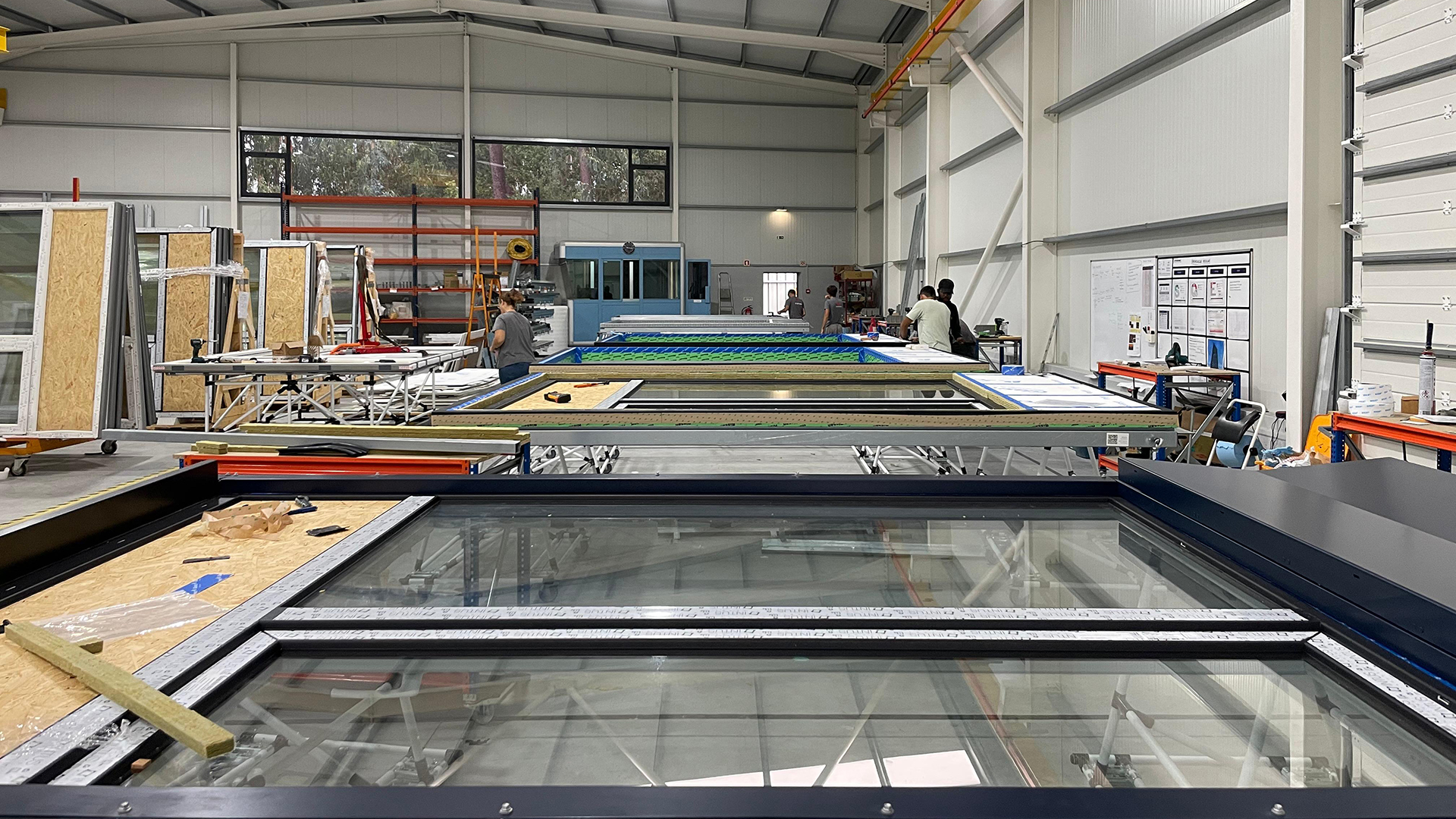
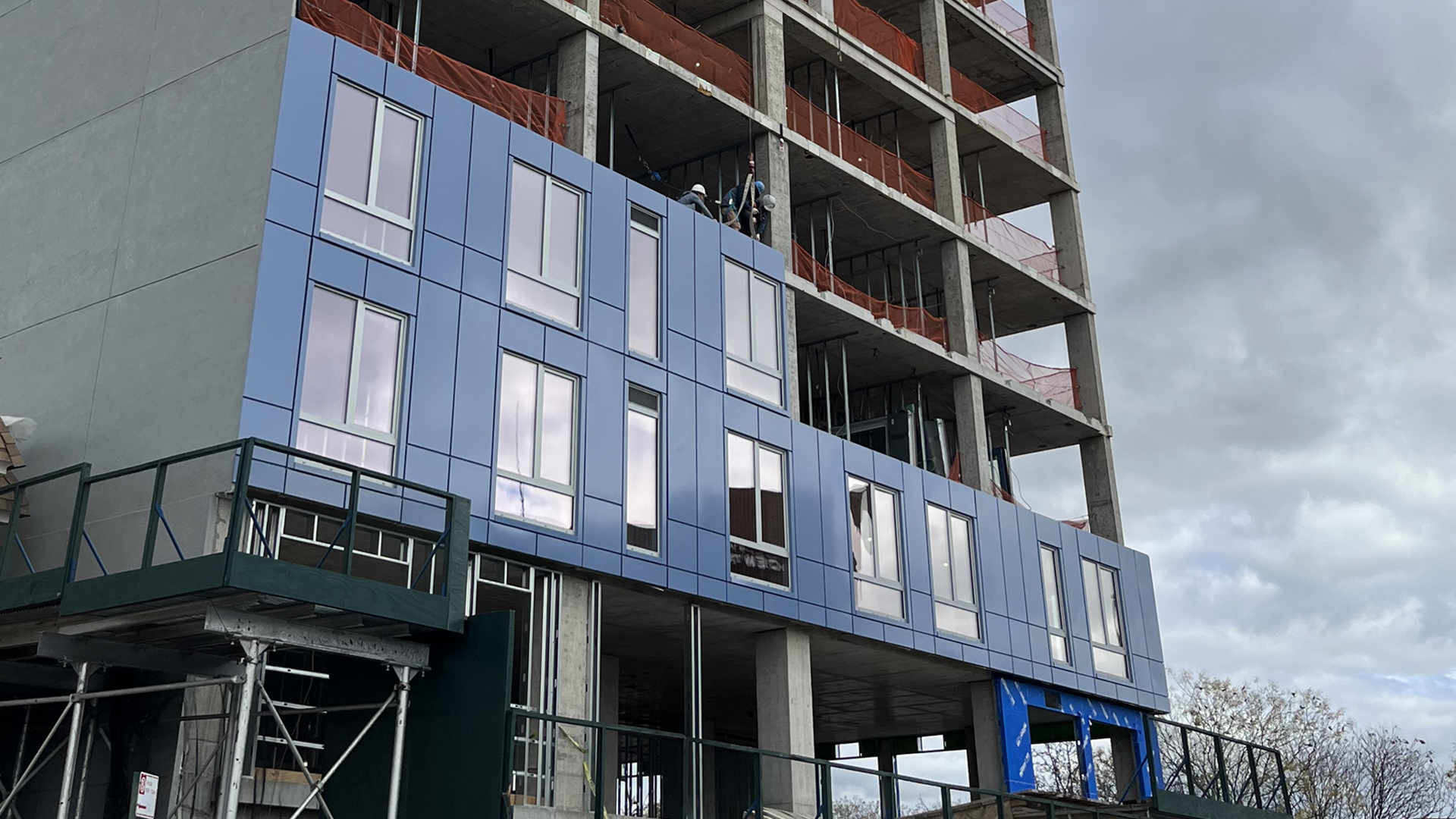
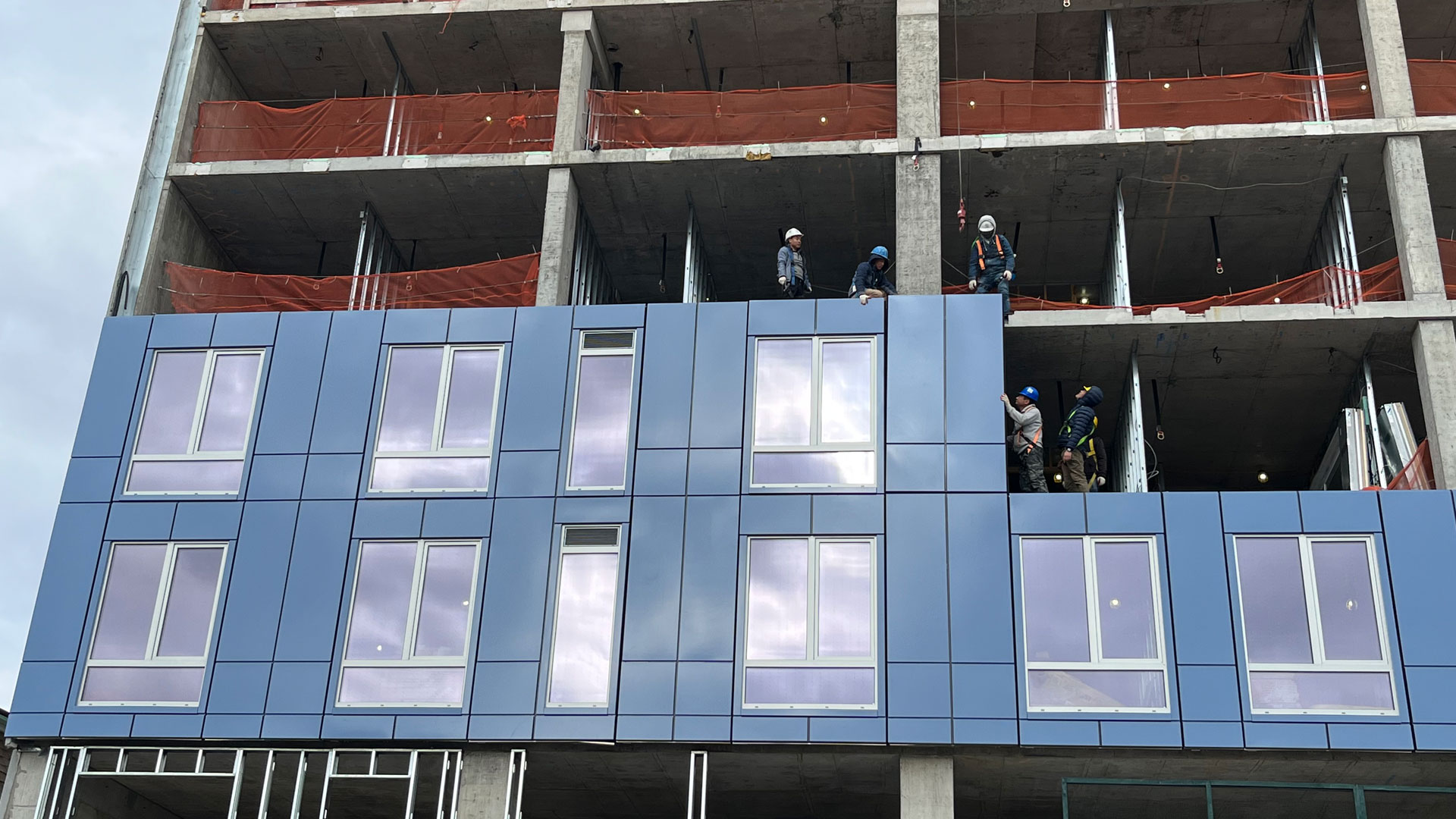
Prefab shifts most of the complex work from the jobsite into the factory. Instead of assembling the facade from scratch on site, layer by layer, you receive ready-made panels with integrated layers.
On site, you need fewer specialists, fewer trade overlaps, and fewer points where something can go wrong. The crew focuses on installation, not on improvising temporary fixes for details that don't match the drawings. This saves money and improves quality: factory assembly consistently outperforms on-the-fly solutions at height.
Faster install = lower indirect costs
Faster installation of prefab panels directly cuts indirect costs that are often underestimated. By shortening timelines, you reduce:
- expenses for general conditions (site offices, security, logistics);
- the period when the building is partially unusable or not generating income;
- risks of delays due to weather or lack of labor;
- the number of clashes with other trades (fewer downtime situations for others).
In the end, prefab doesn't just lower the cost per square foot of facade—it reduces the long "tail" of expenses that usually comes with a lengthy, unpredictable facade cycle.
Why Dextall: a prefab facade system with budget control
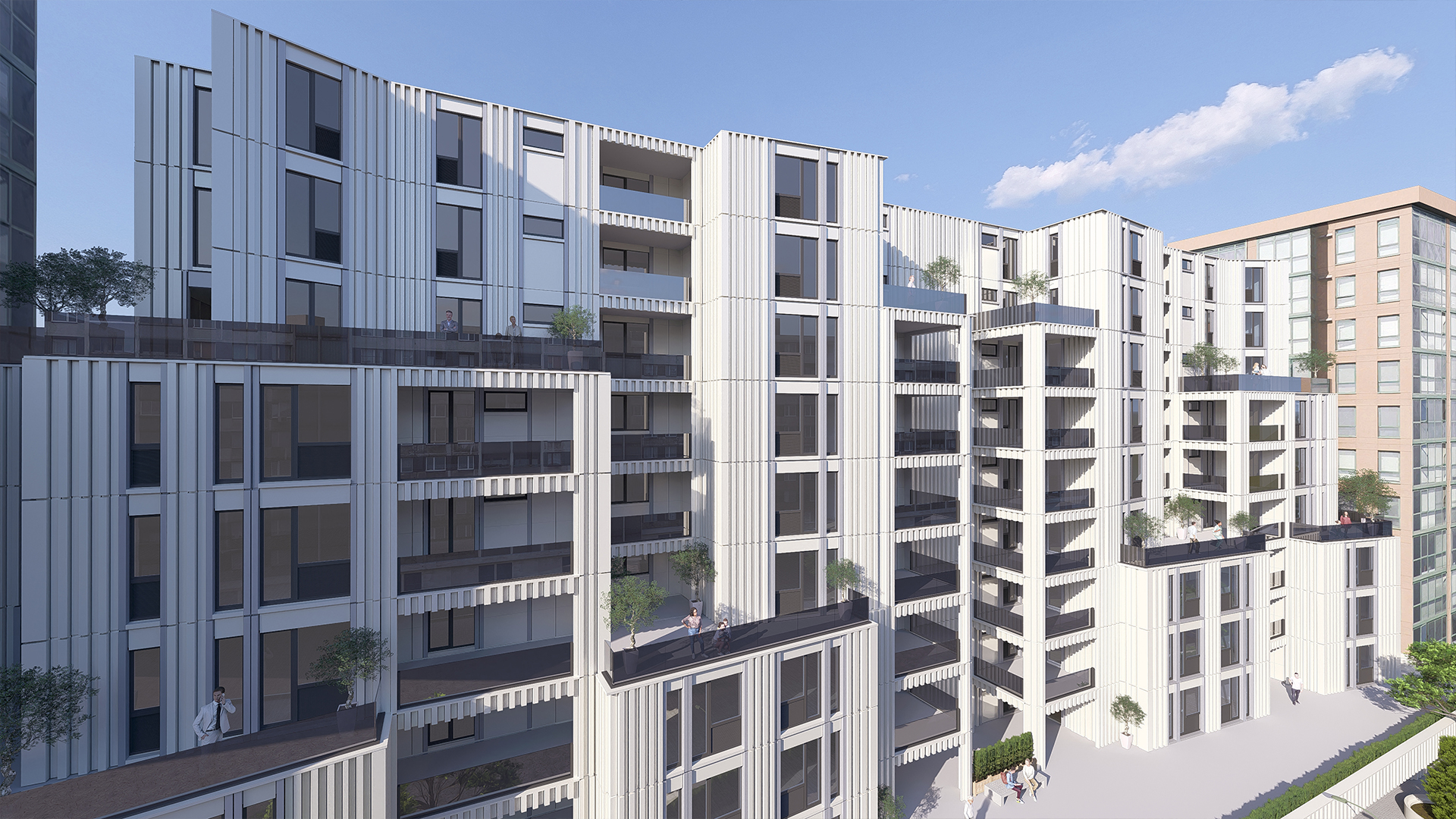
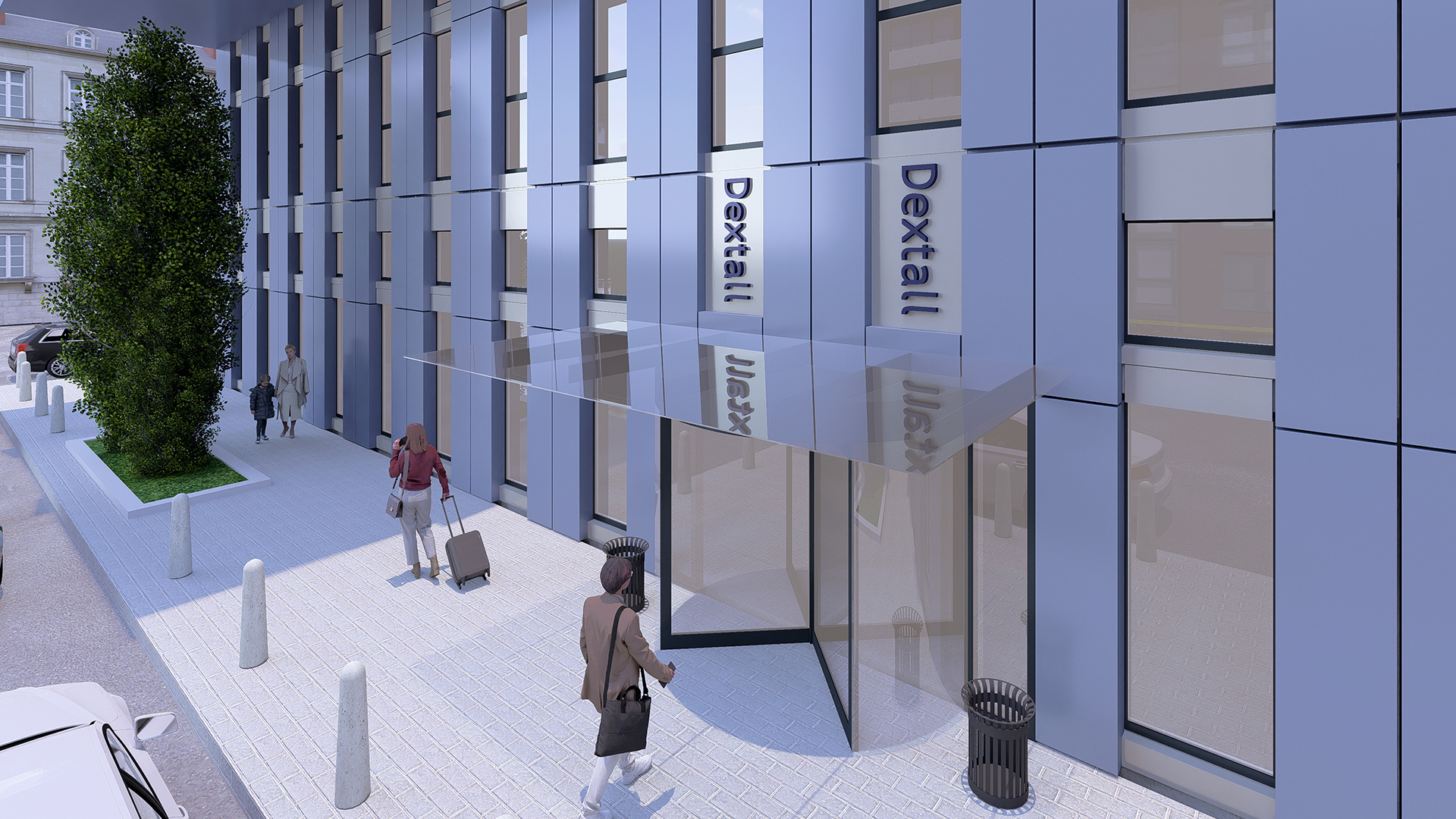
Dextall is designed to make facade projects more predictable in both performance and cost. By using prefab panels and planning things up front, it helps reduce budget overruns, change orders, and long stretches of work on scaffolding.
Integrated panels and a digital tool in one package
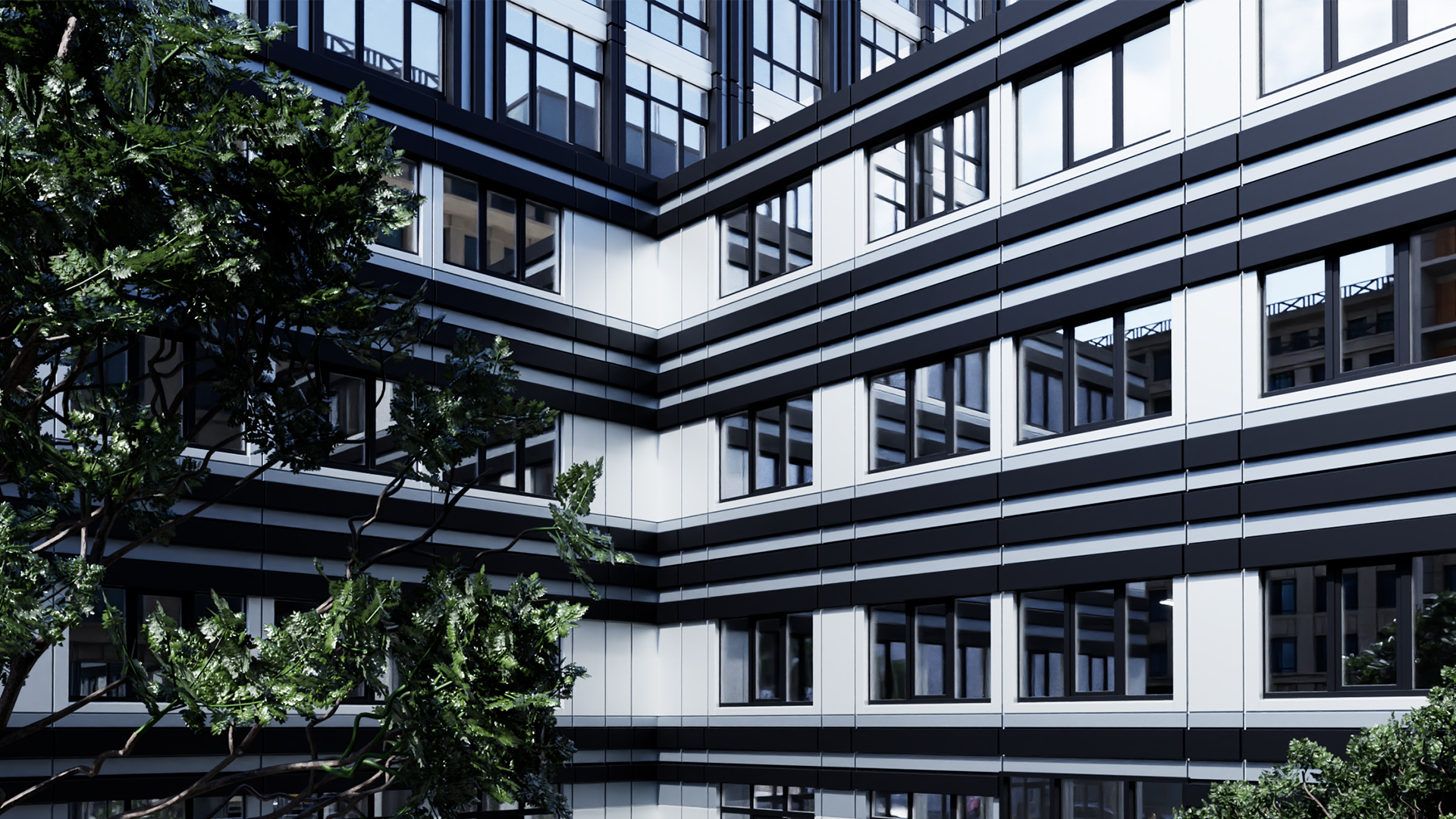
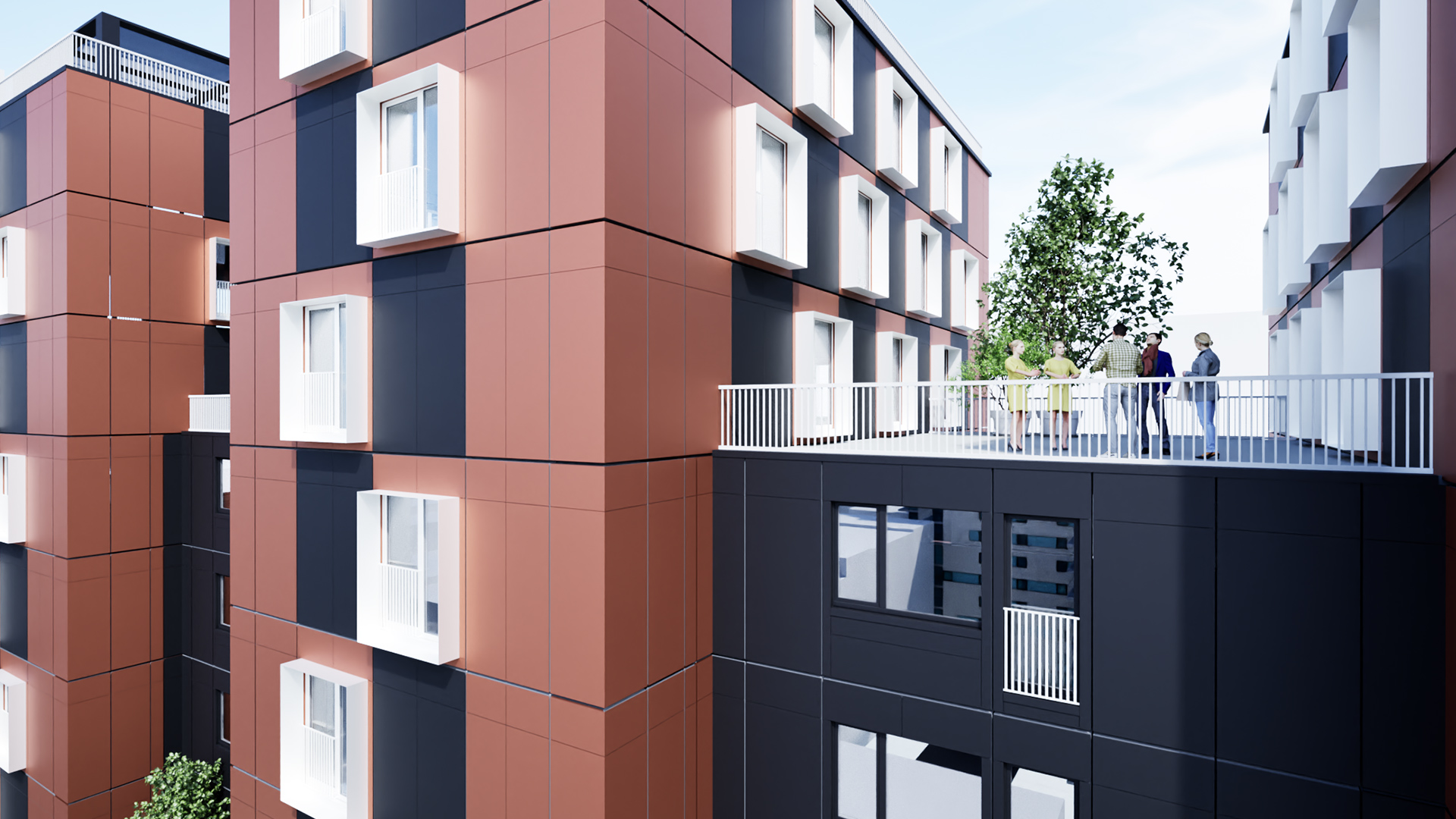
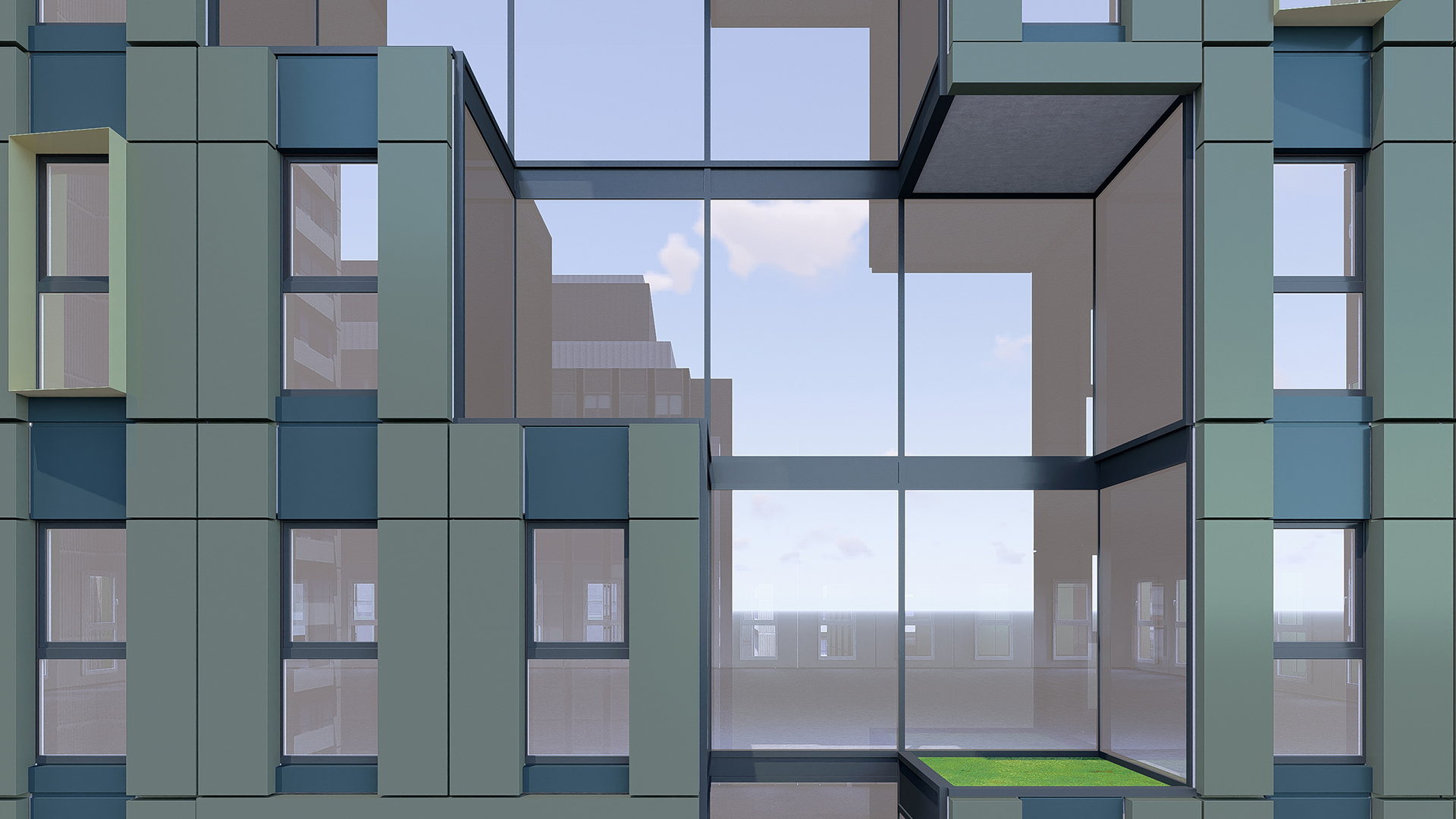
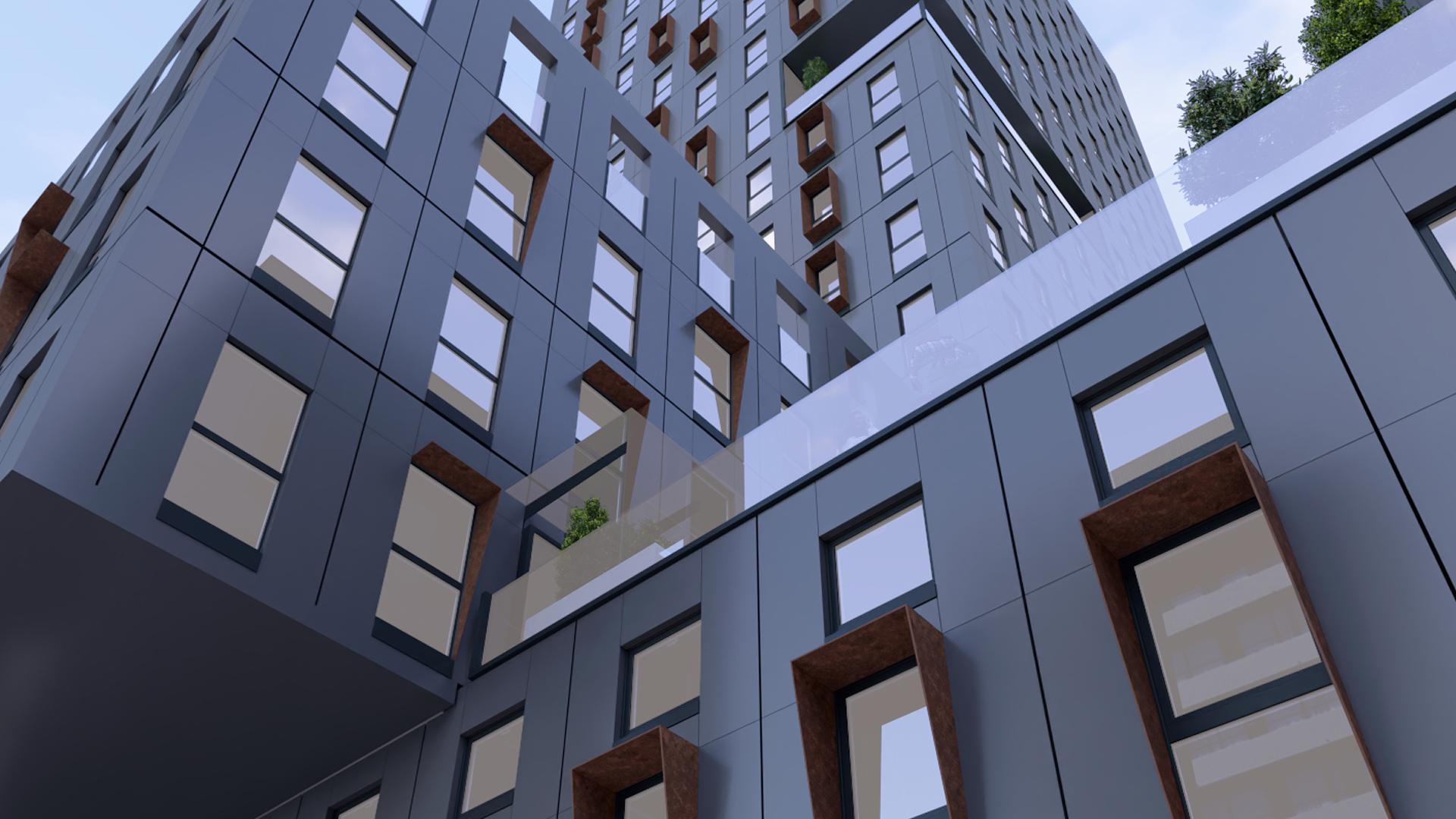
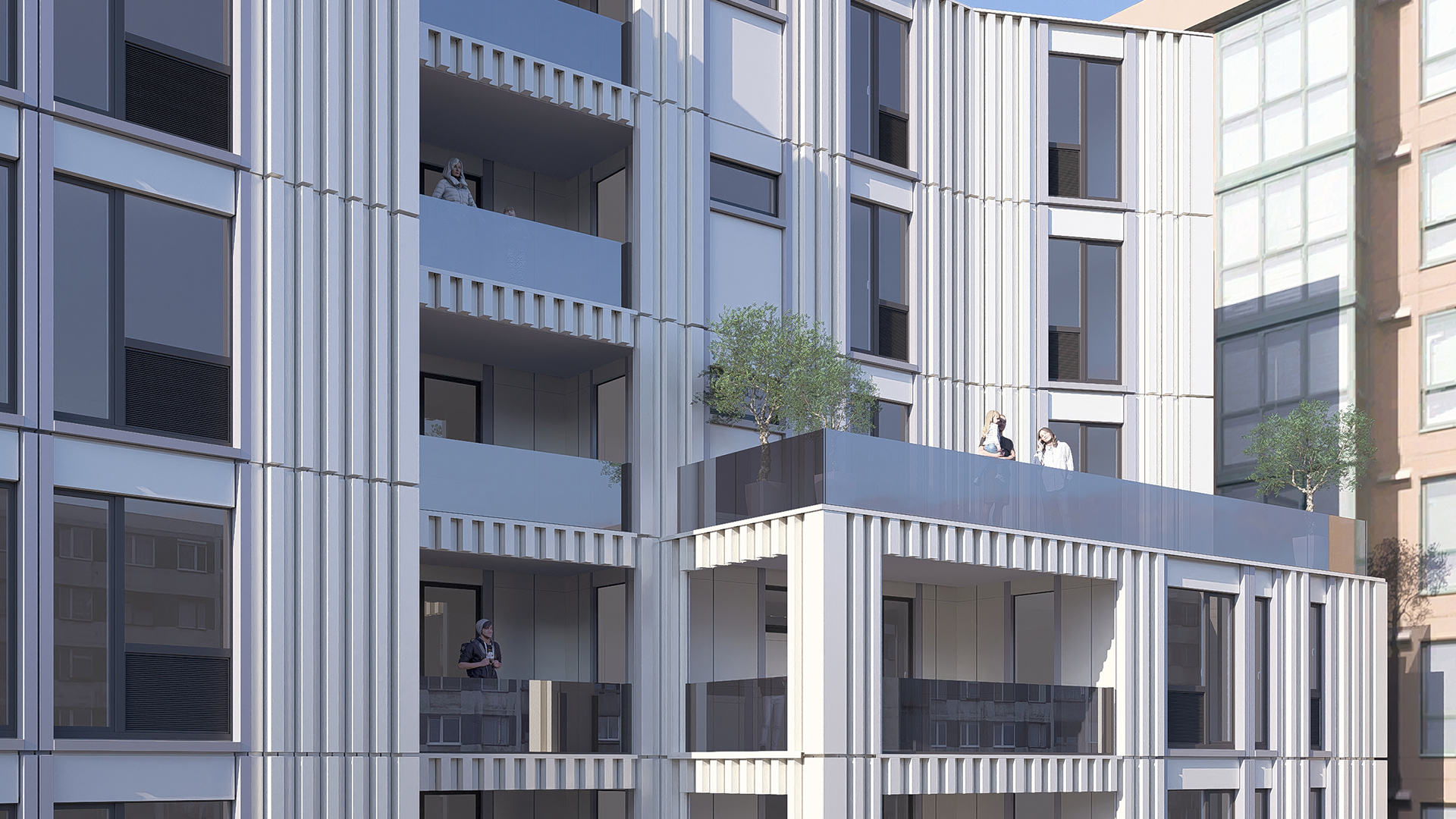
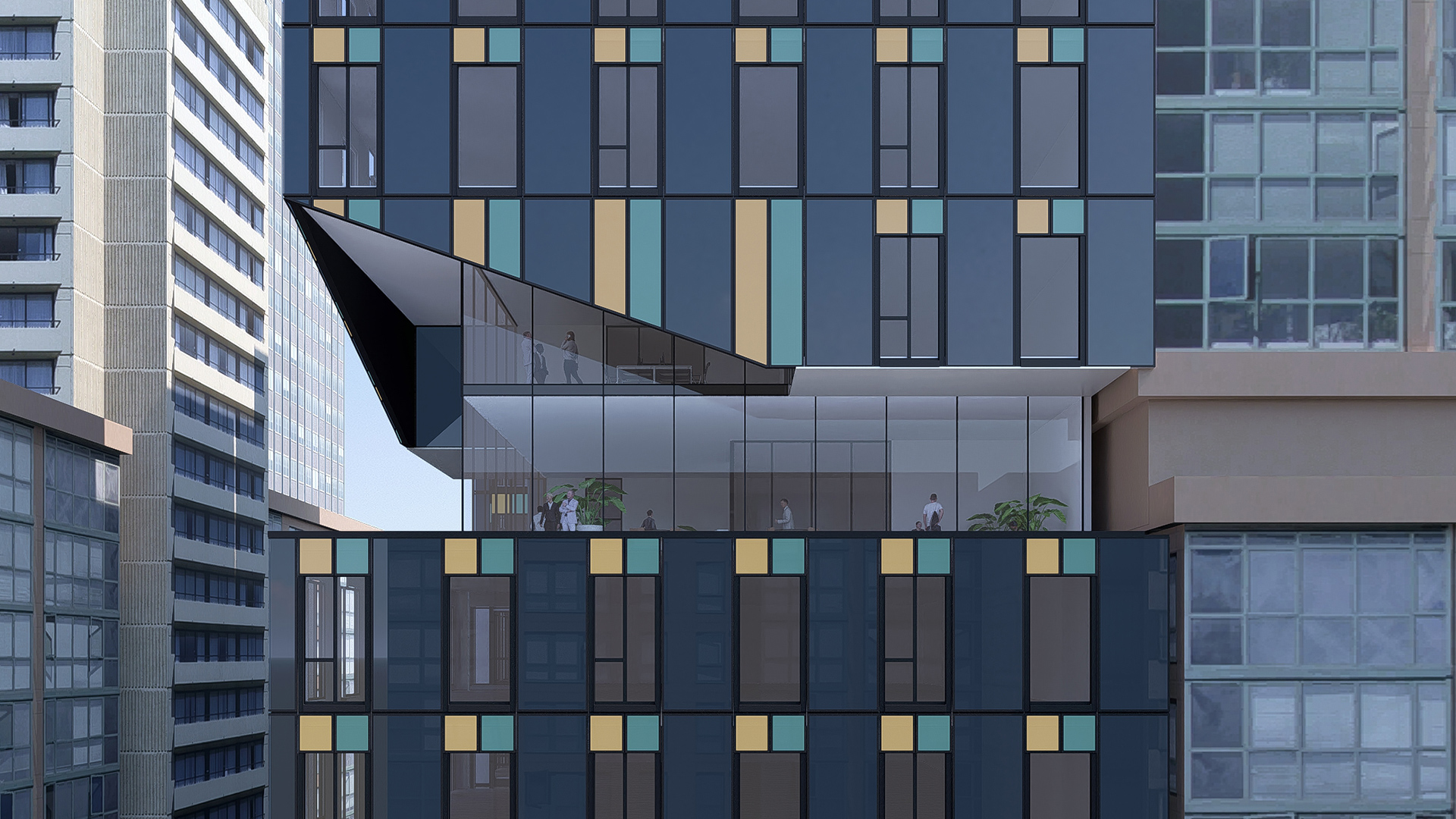
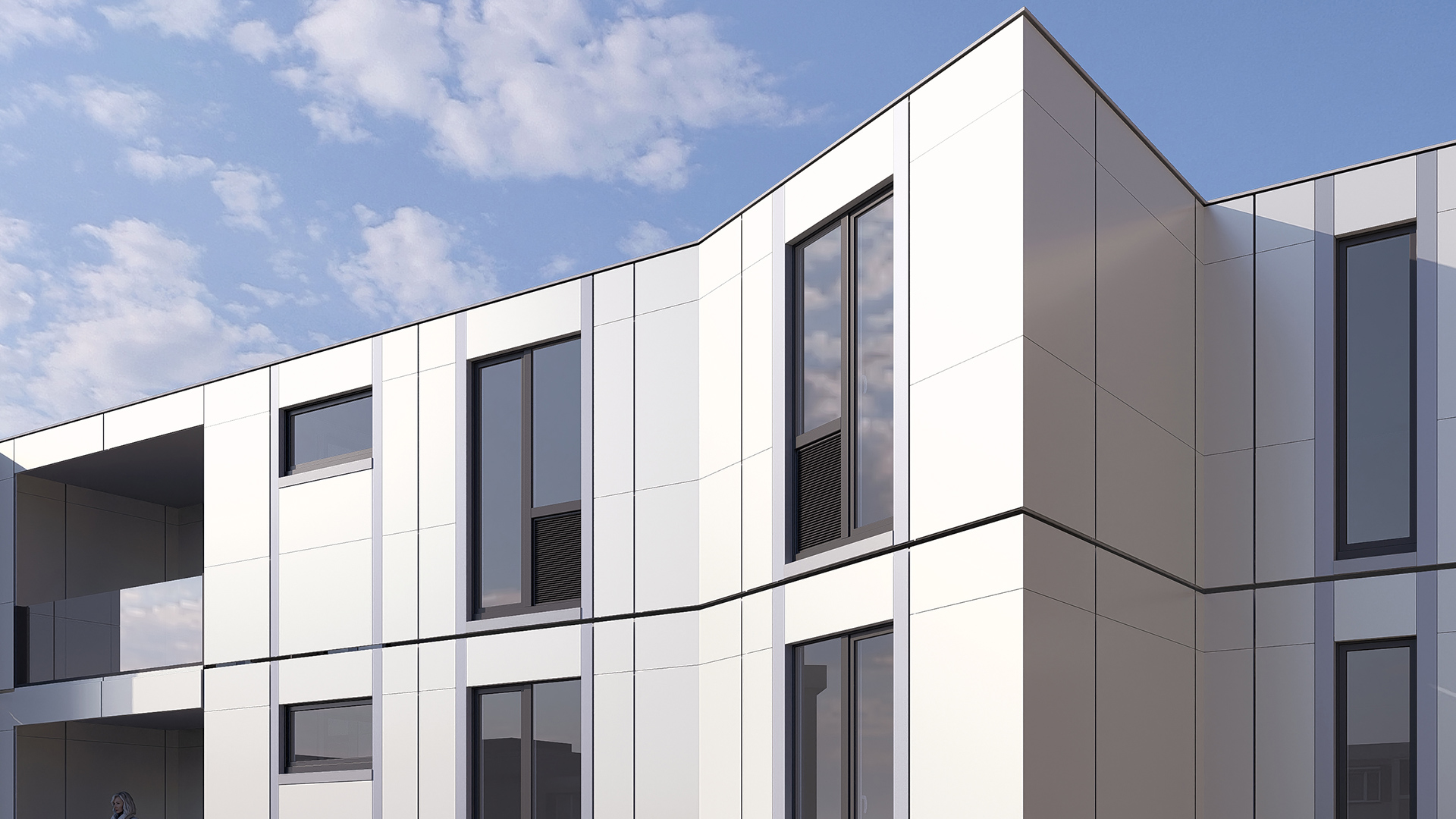
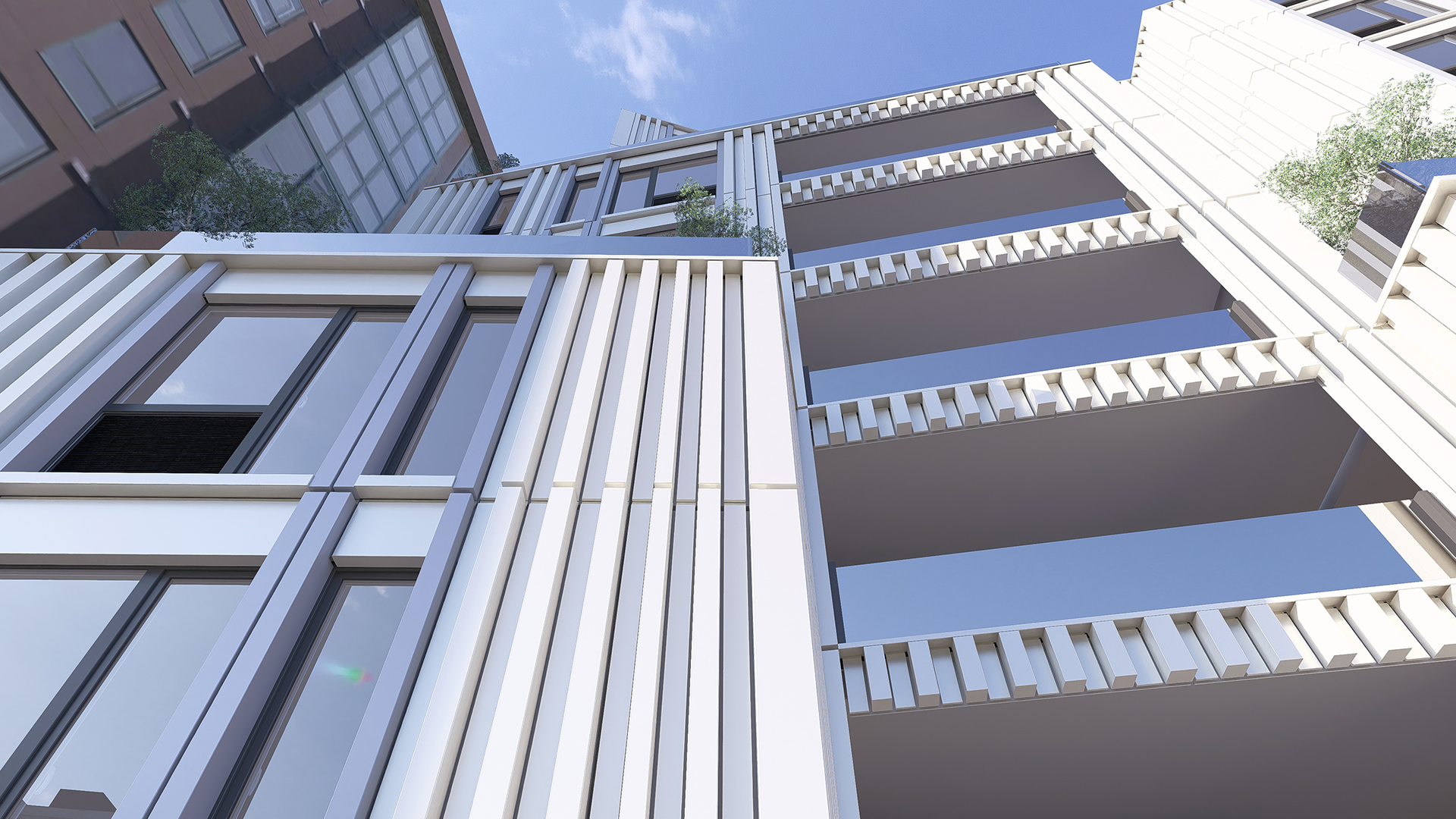
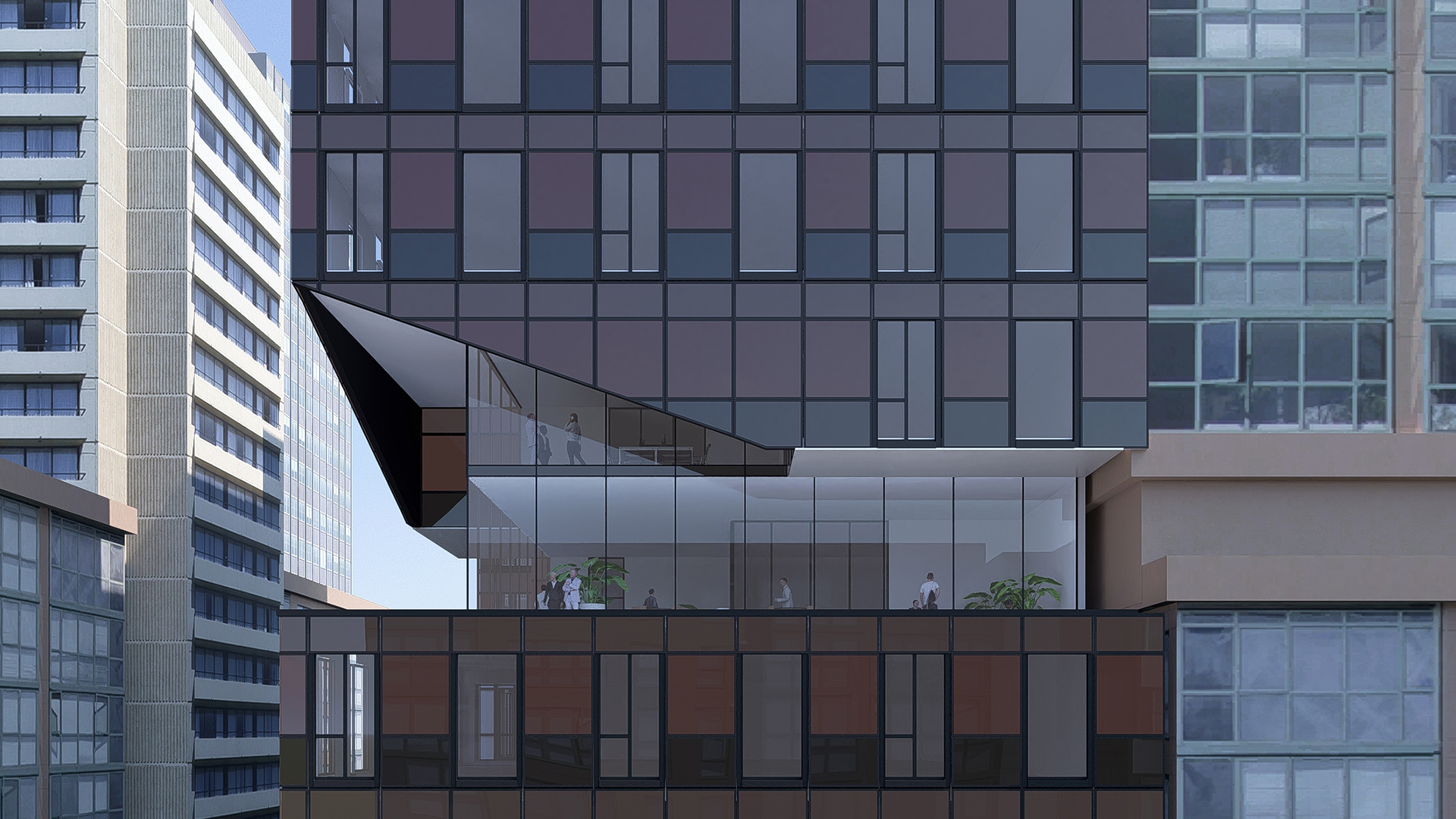
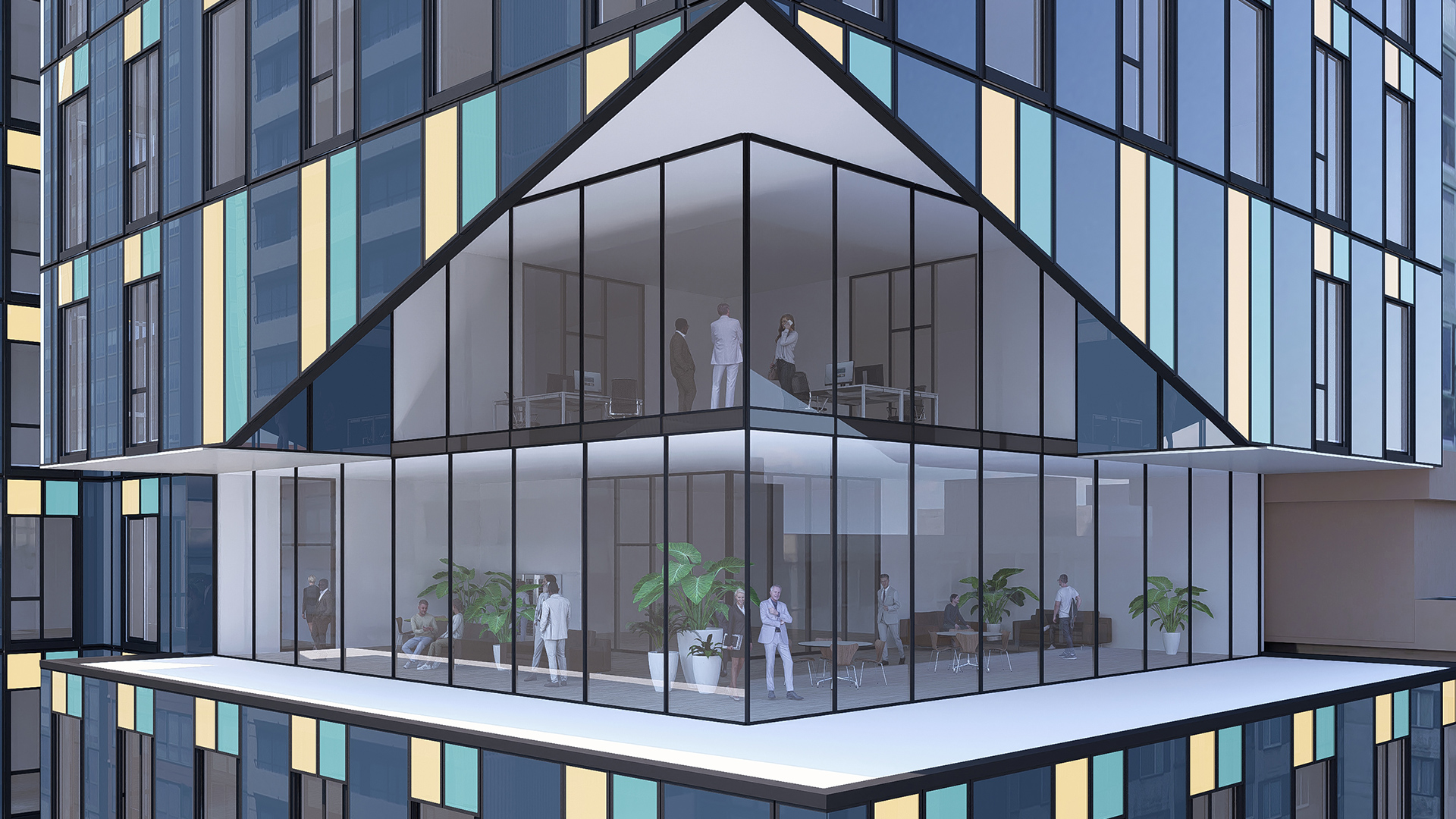
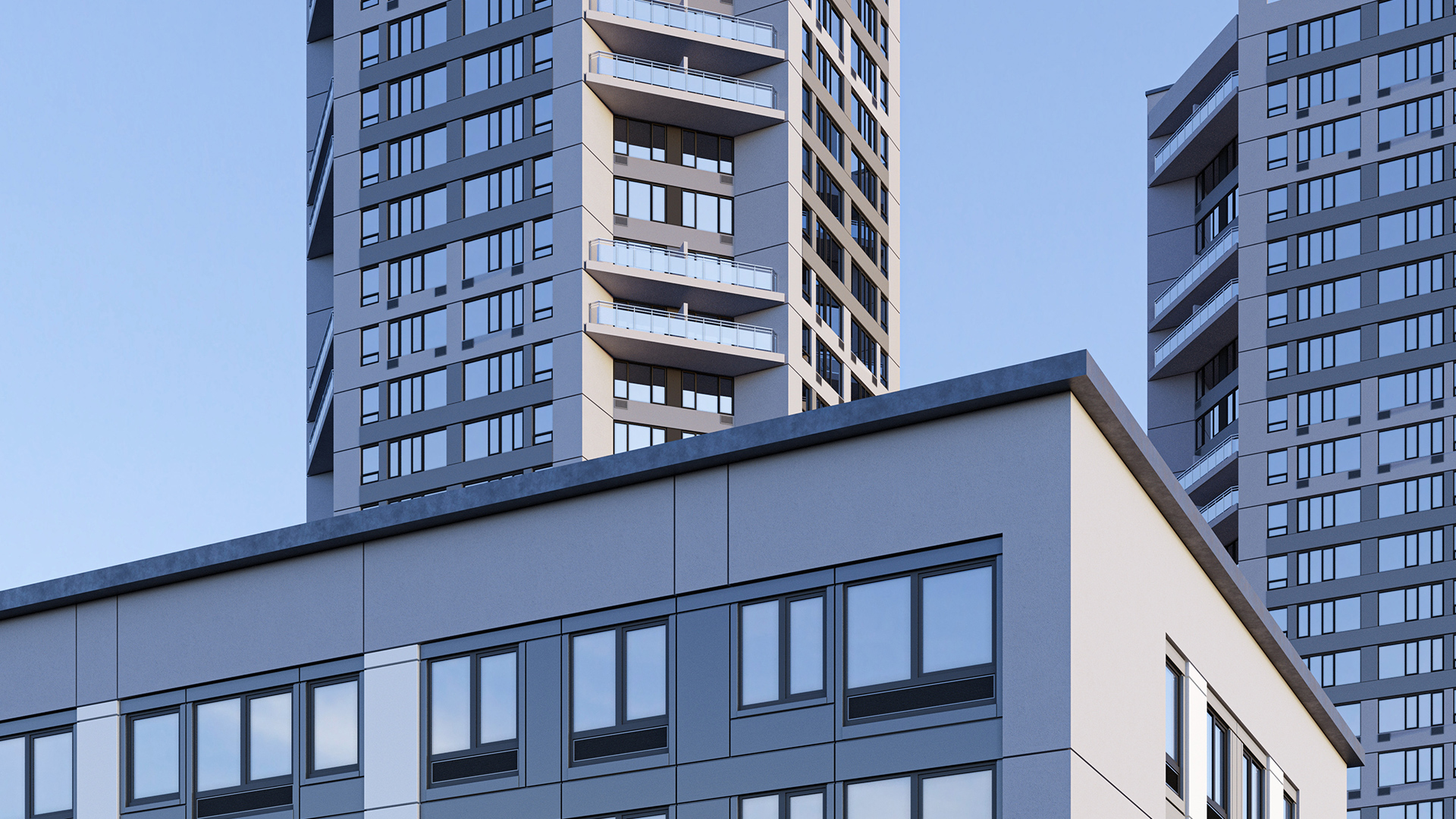
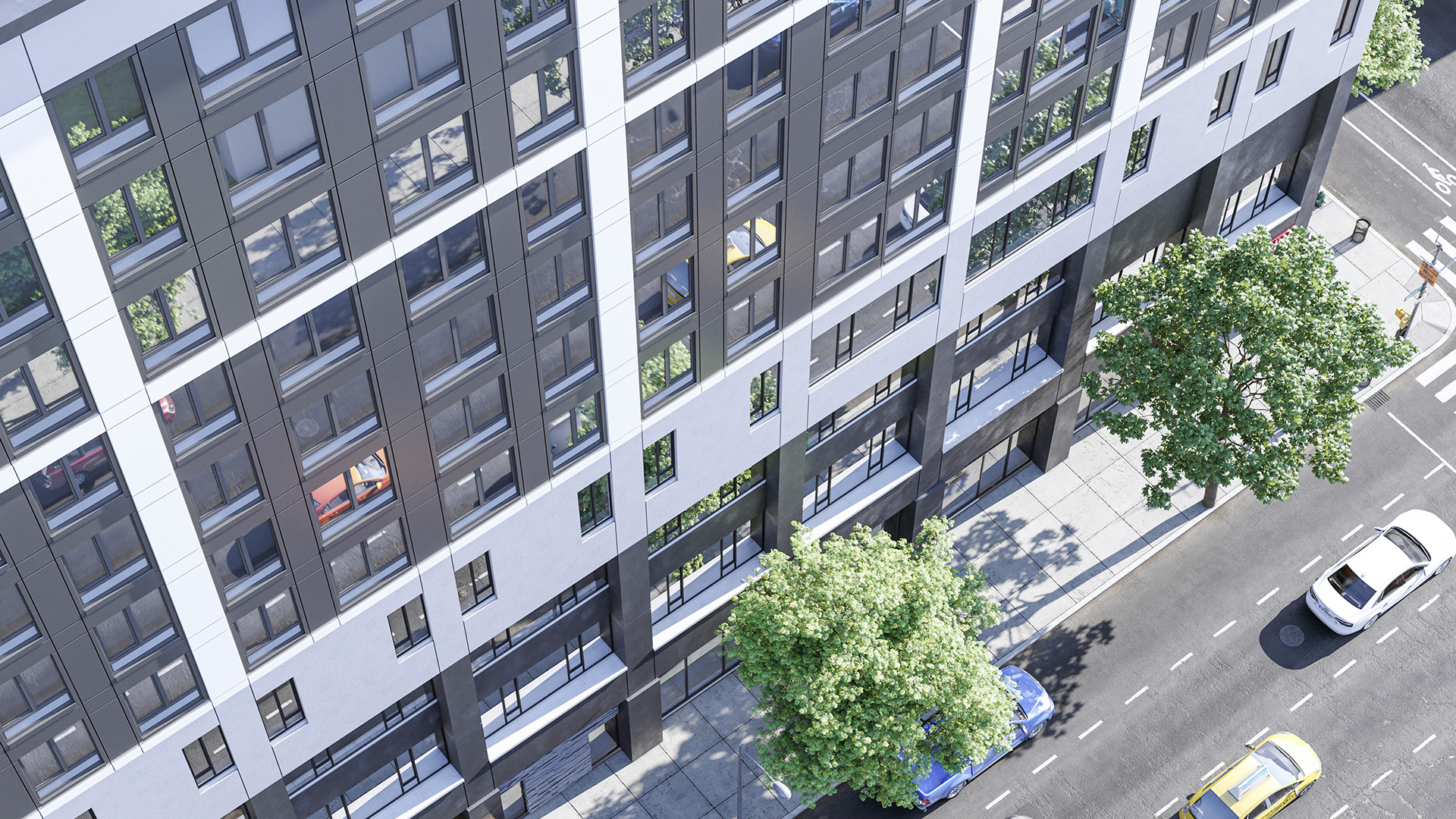
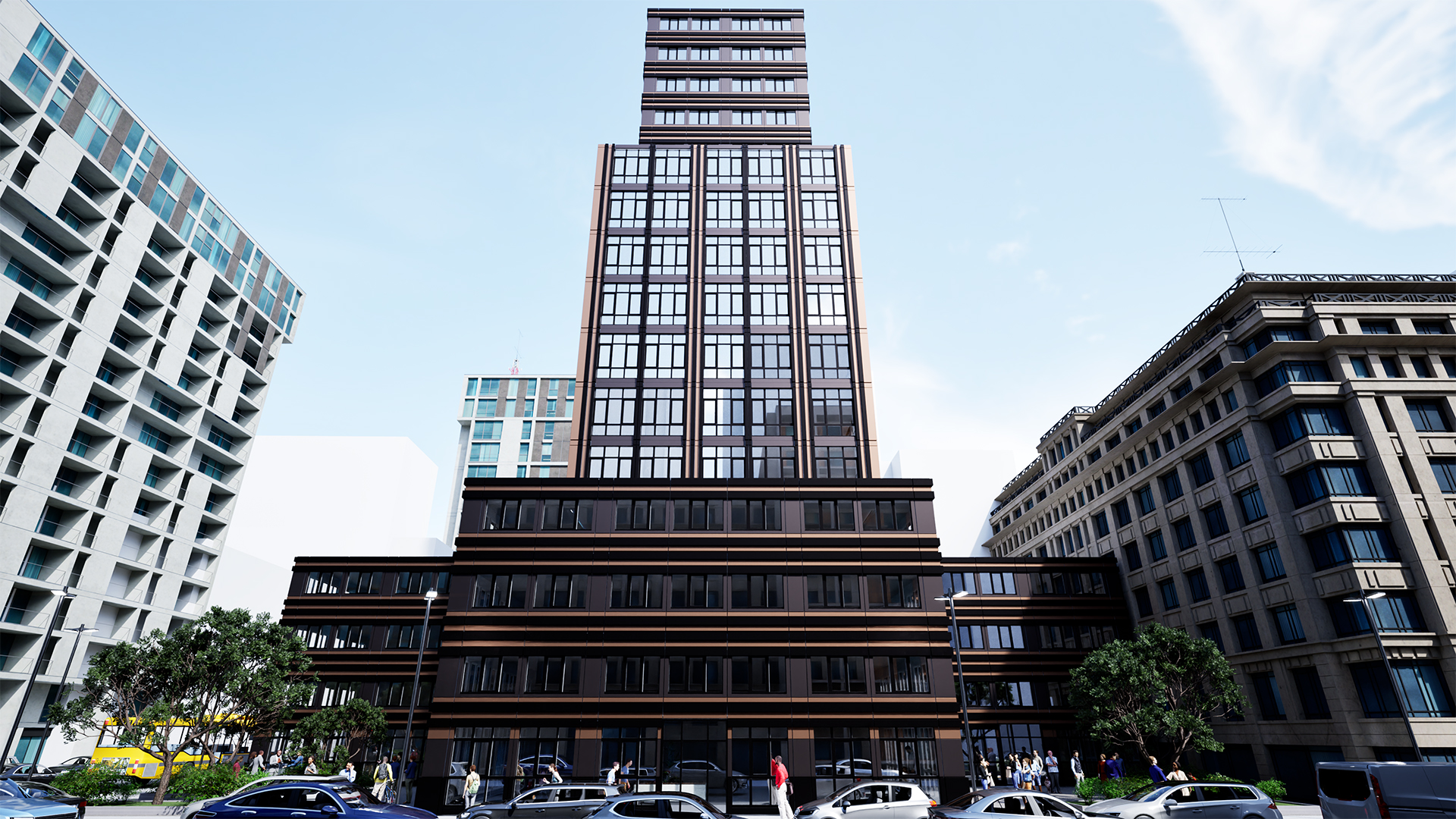
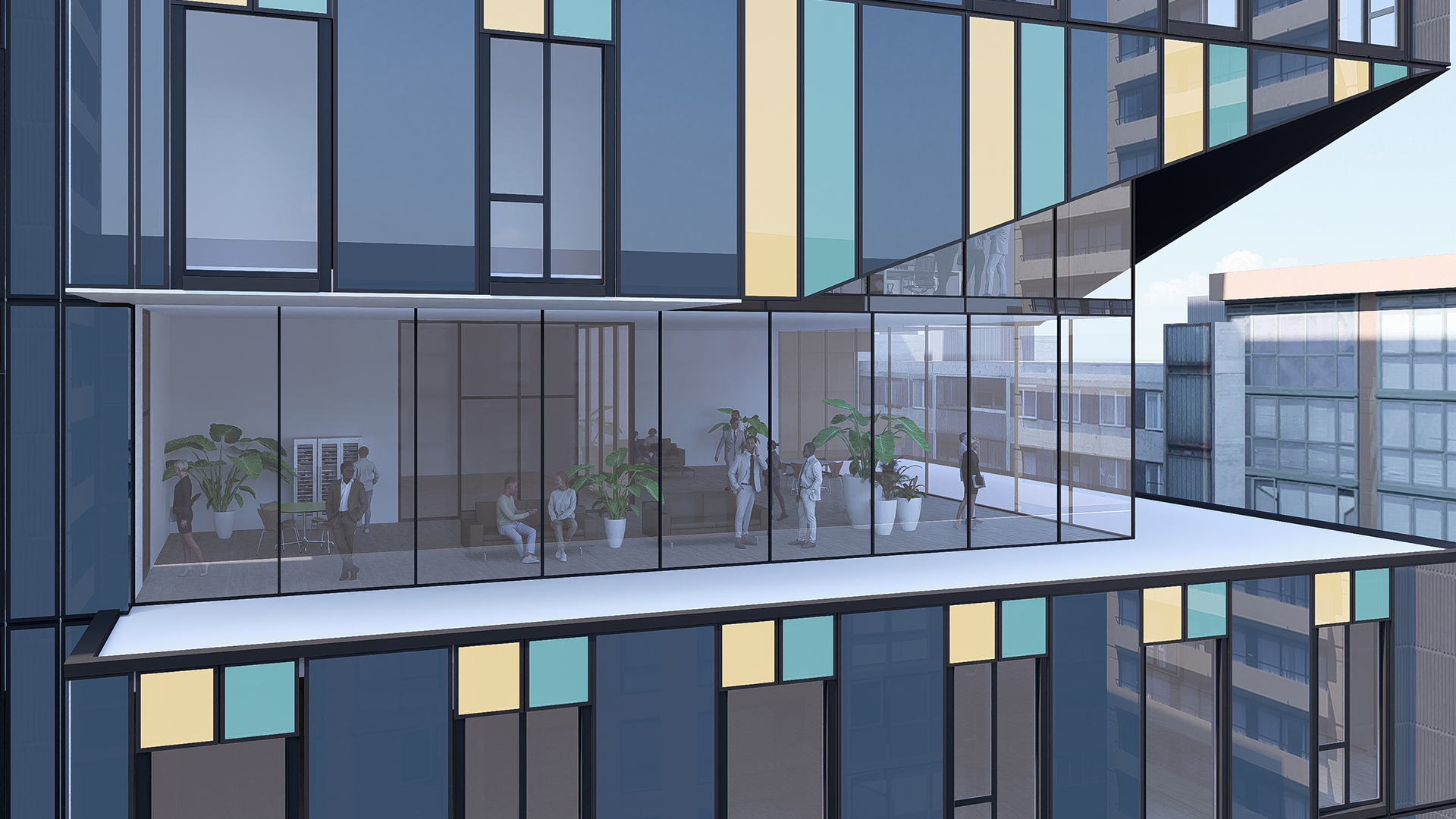
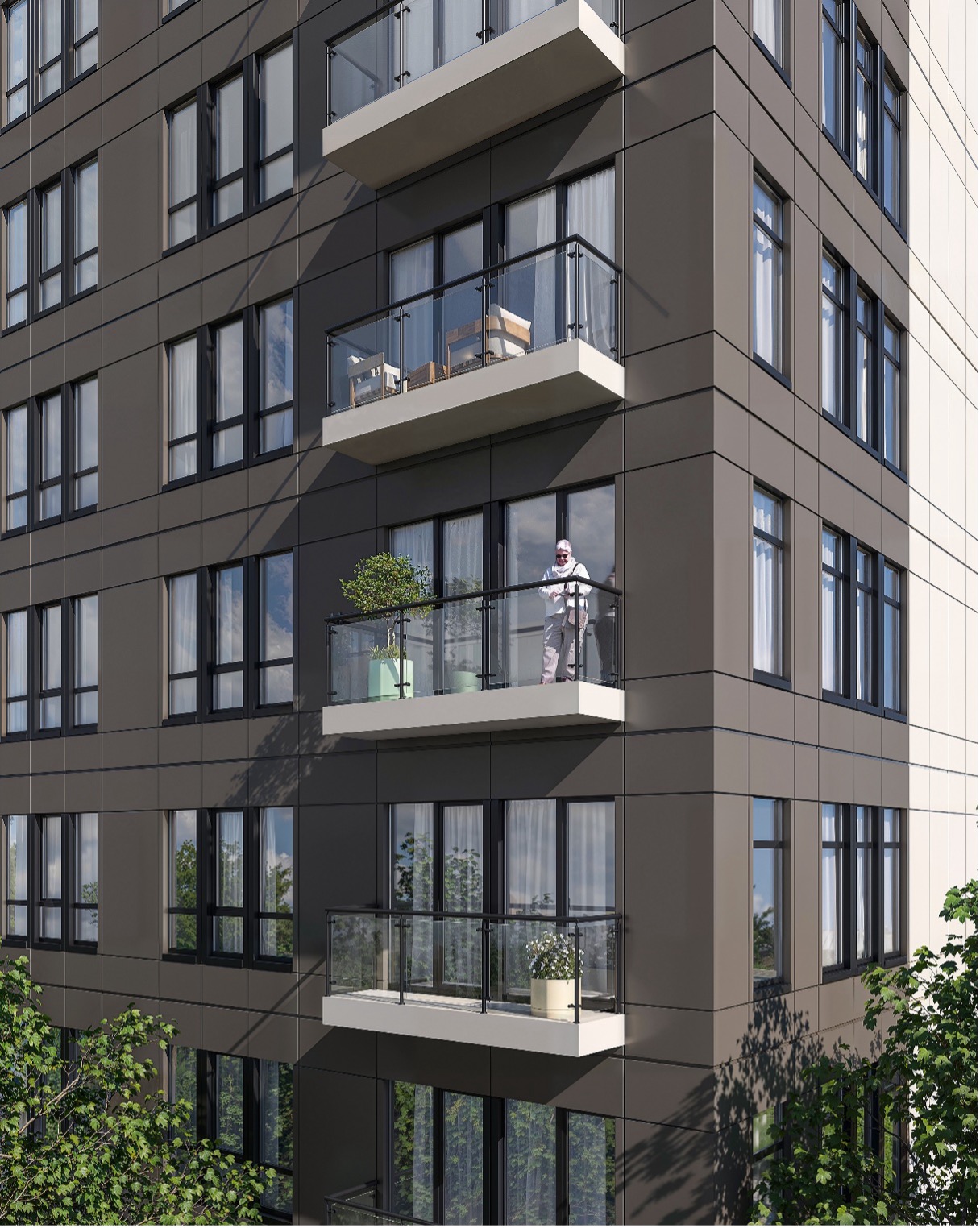
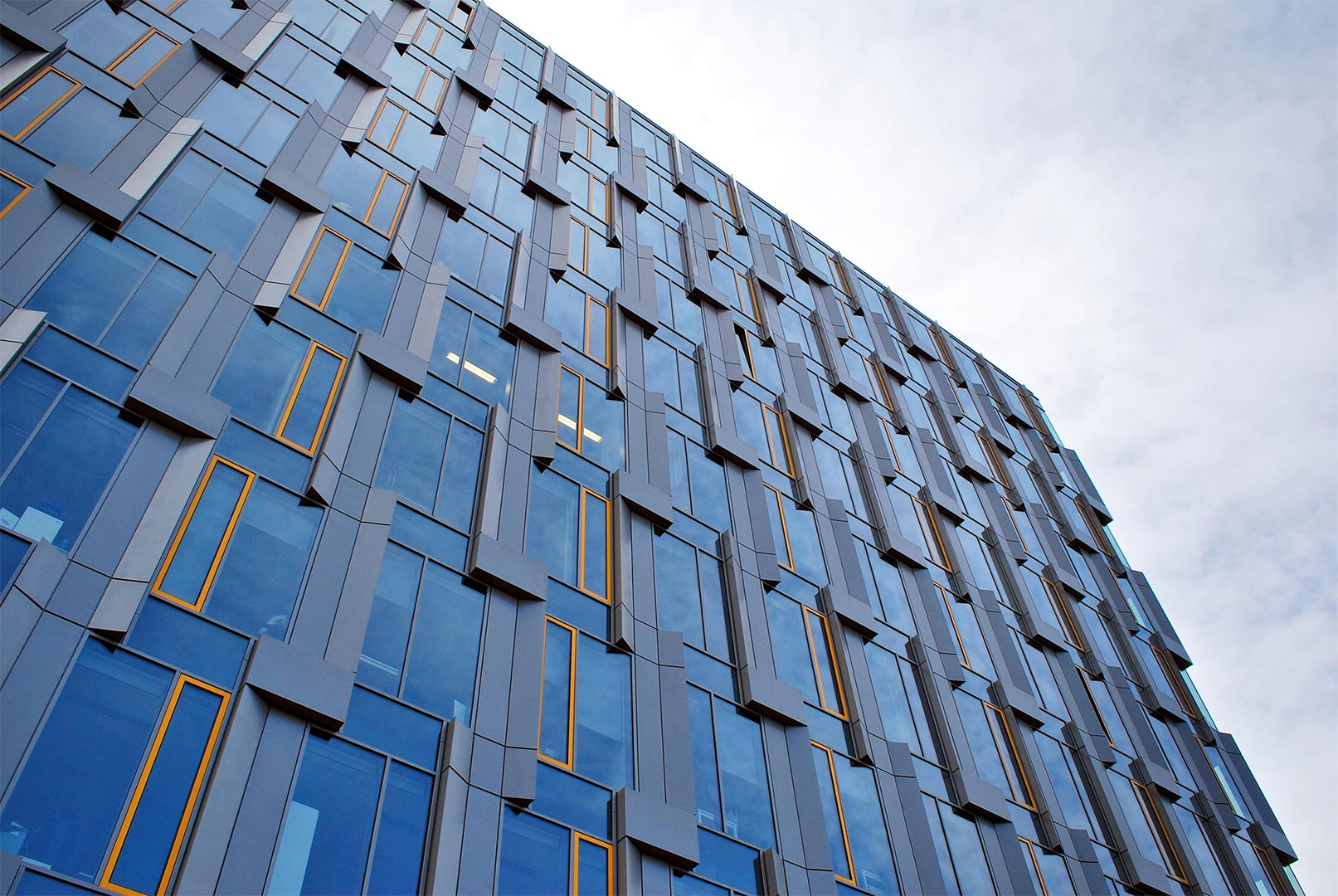
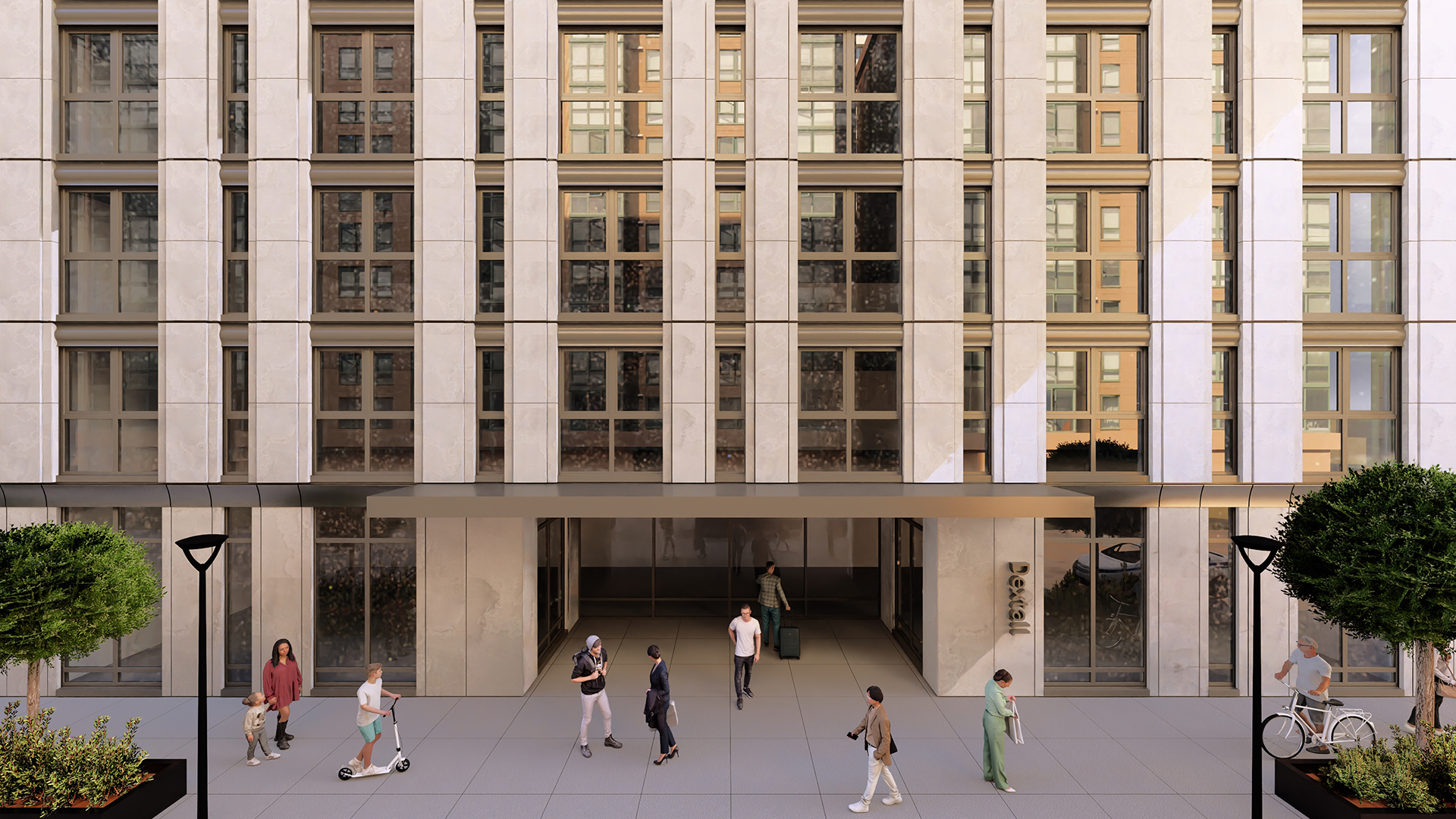
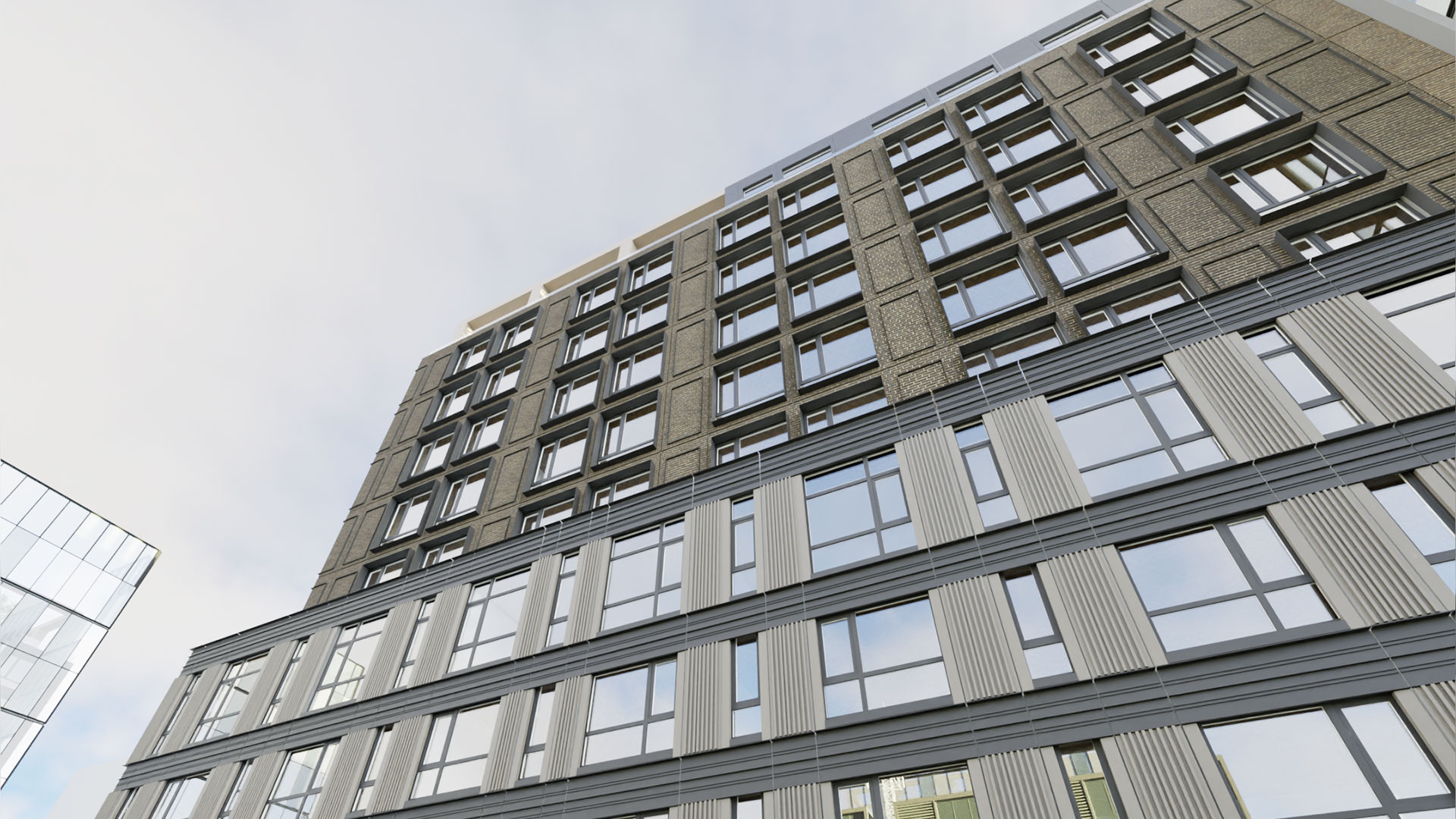
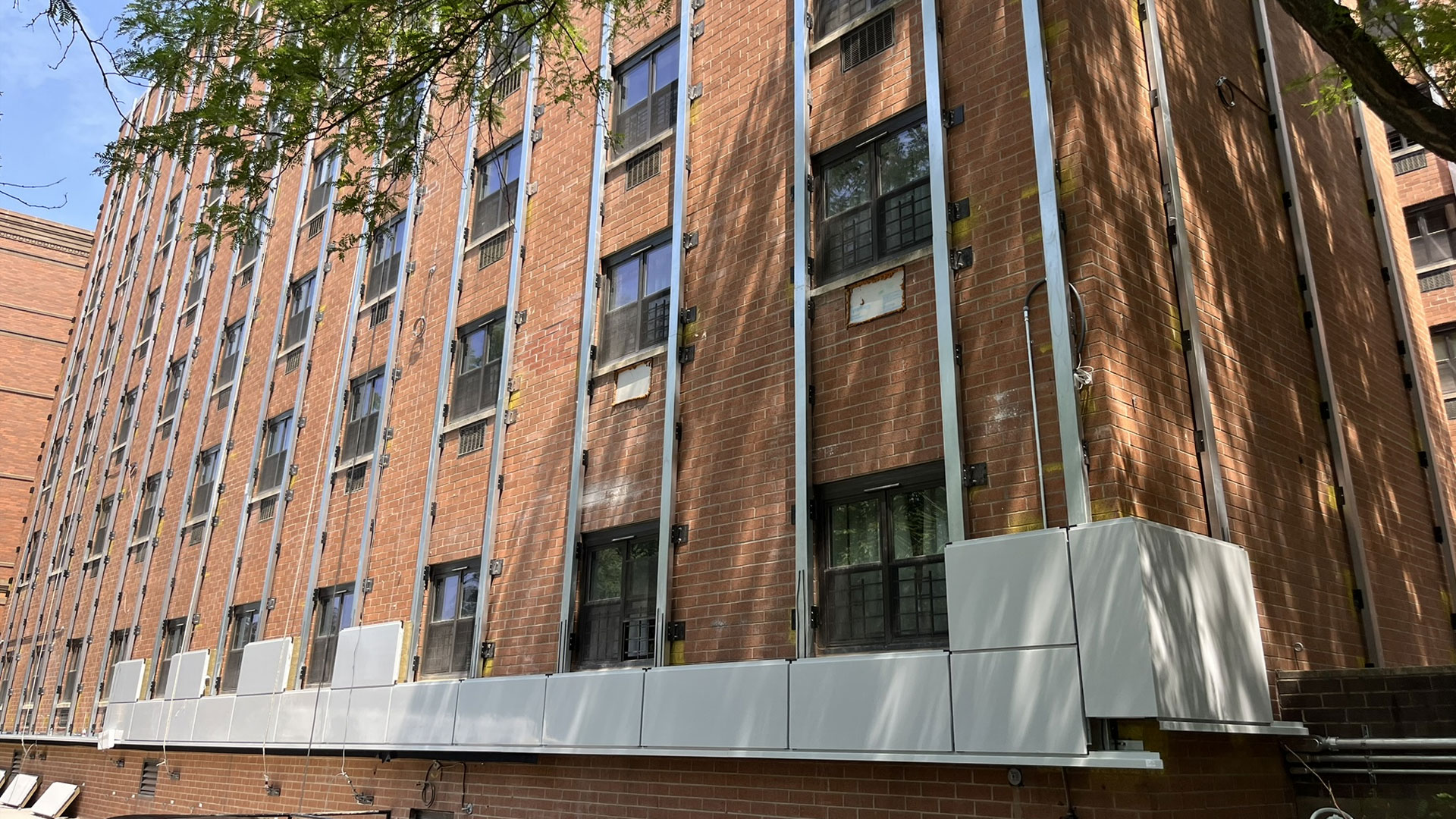
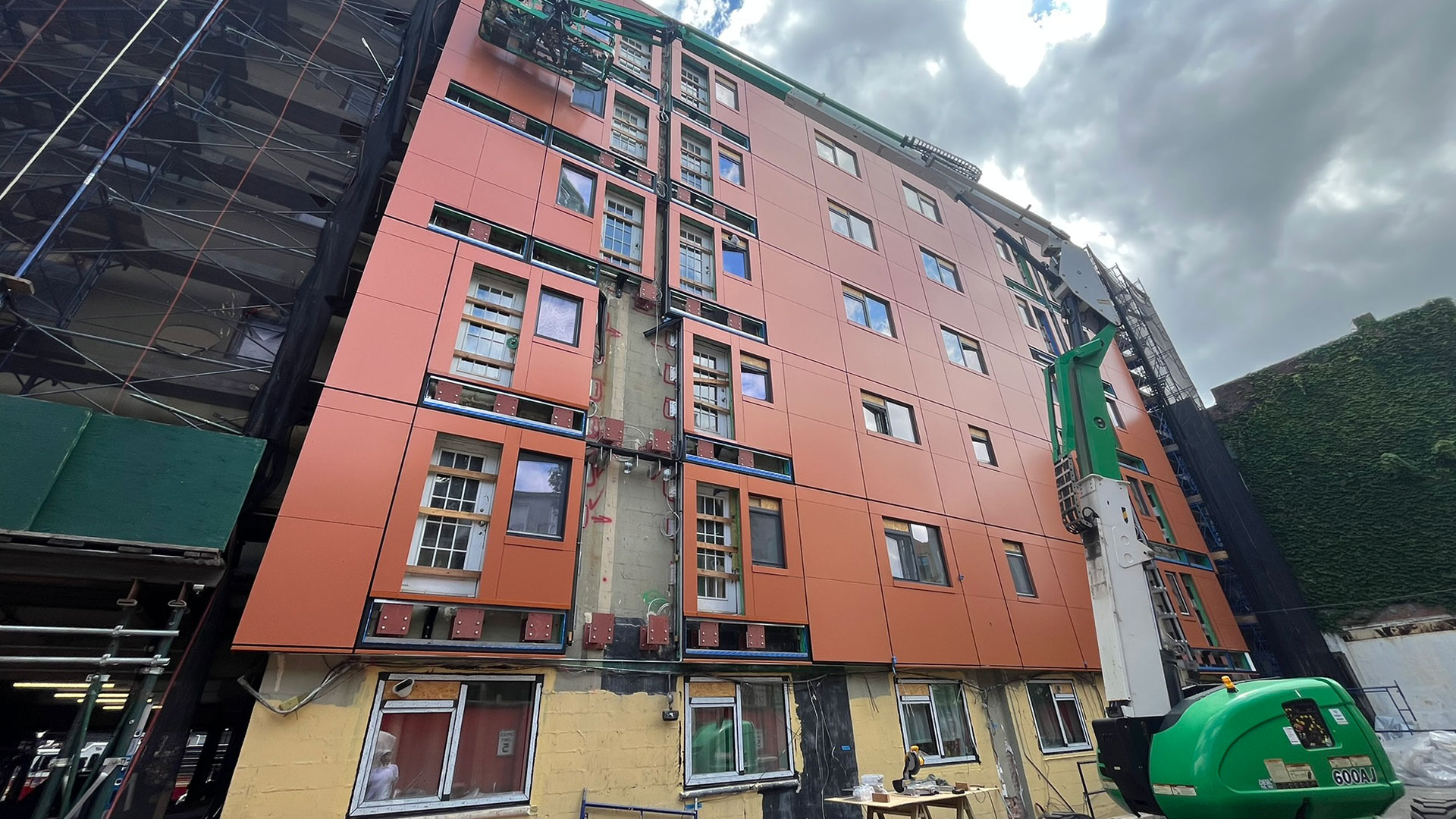
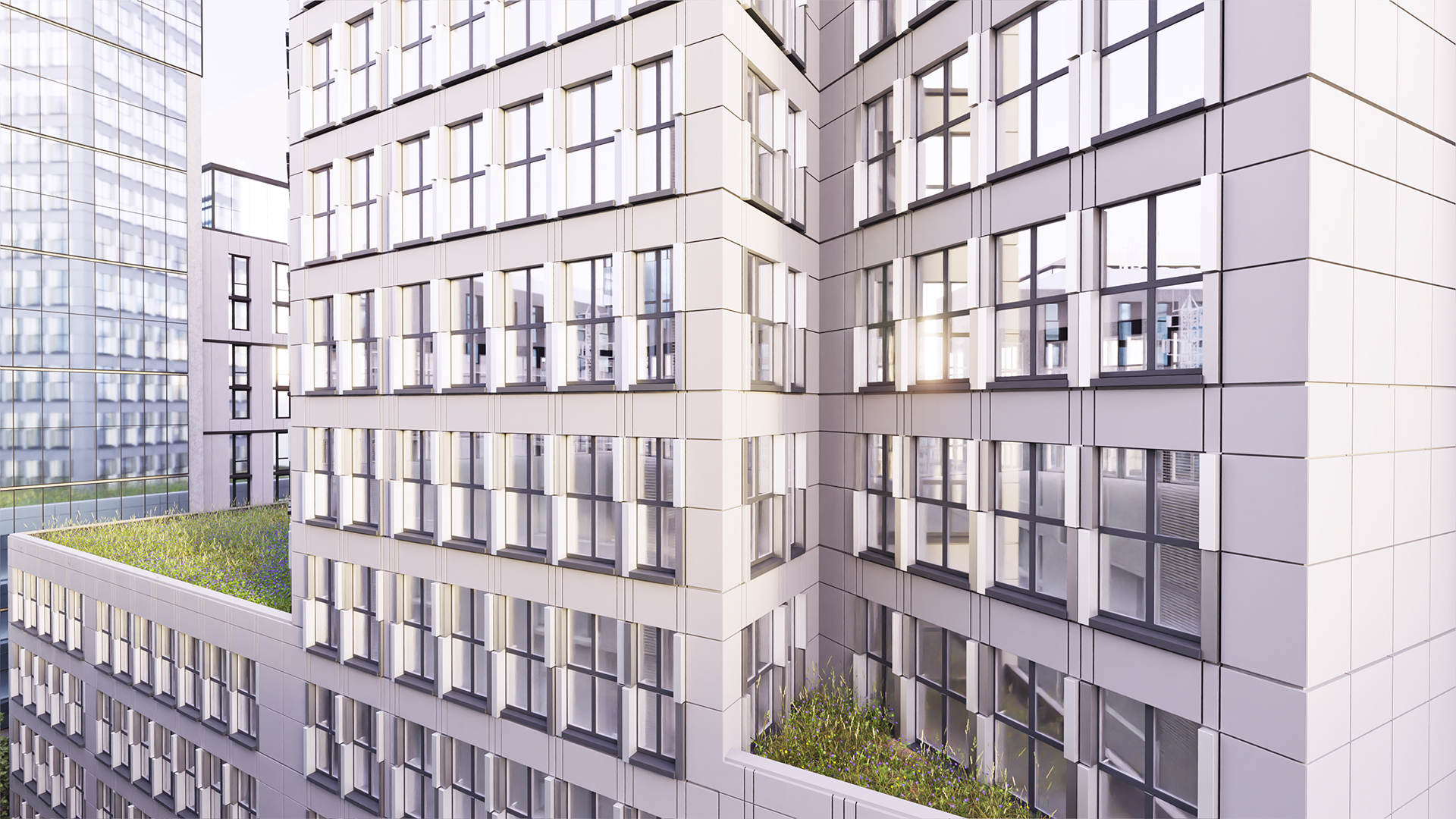
Dextall panels combine windows, insulation, and cladding in one unit with a non-combustible wall assembly that installs quickly without "wet" work on site. Together with Dextall Studio—a digital tool that shows layouts, key details, and price ranges already at the design stage-the team gets a clear view of what the facade will look like, how it will perform, and what it will cost from day one.
Key benefits for the owner:
- less on-site work and faster installation;
- one accountable system instead of many separate layers and contractors;
- a non-combustible exterior wall that meets modern safety requirements;
- ballpark pricing and schedule impact visible already during design.
To see what's inside an affordable prefab facade in more detail, including how Dextall panels and Dextall Studio work together, check out our next article, "What's in an Affordable Prefab Facade"
FAQ: Prefab Facades and Budget Control
Is a prefab facade always cheaper than a traditional one?
Not always on a pure material line-item basis. Sometimes the panel price per square foot can look higher. But when you factor in less scaffolding, fewer trades on site, fewer change orders, and a shorter schedule, the total project cost is often lower.
Can prefab facades work for existing buildings, or only for new construction?
They work for both. In many cases, prefab is even more valuable for retrofits and recladding, because it shortens the time the building spends "under construction" and reduces noise, dust, and disruption for occupants.
Will the building look "standard" if I use prefab panels?
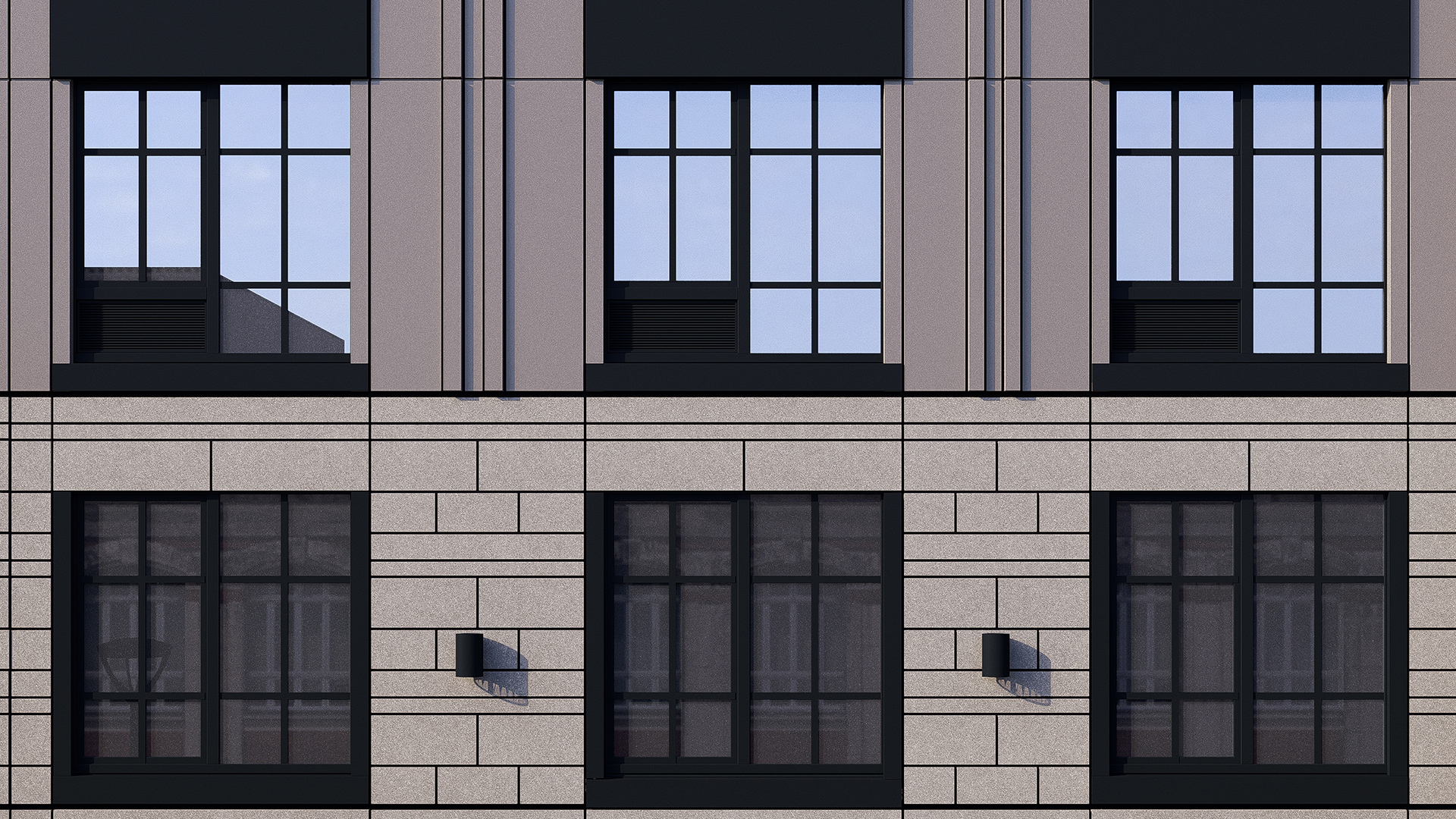
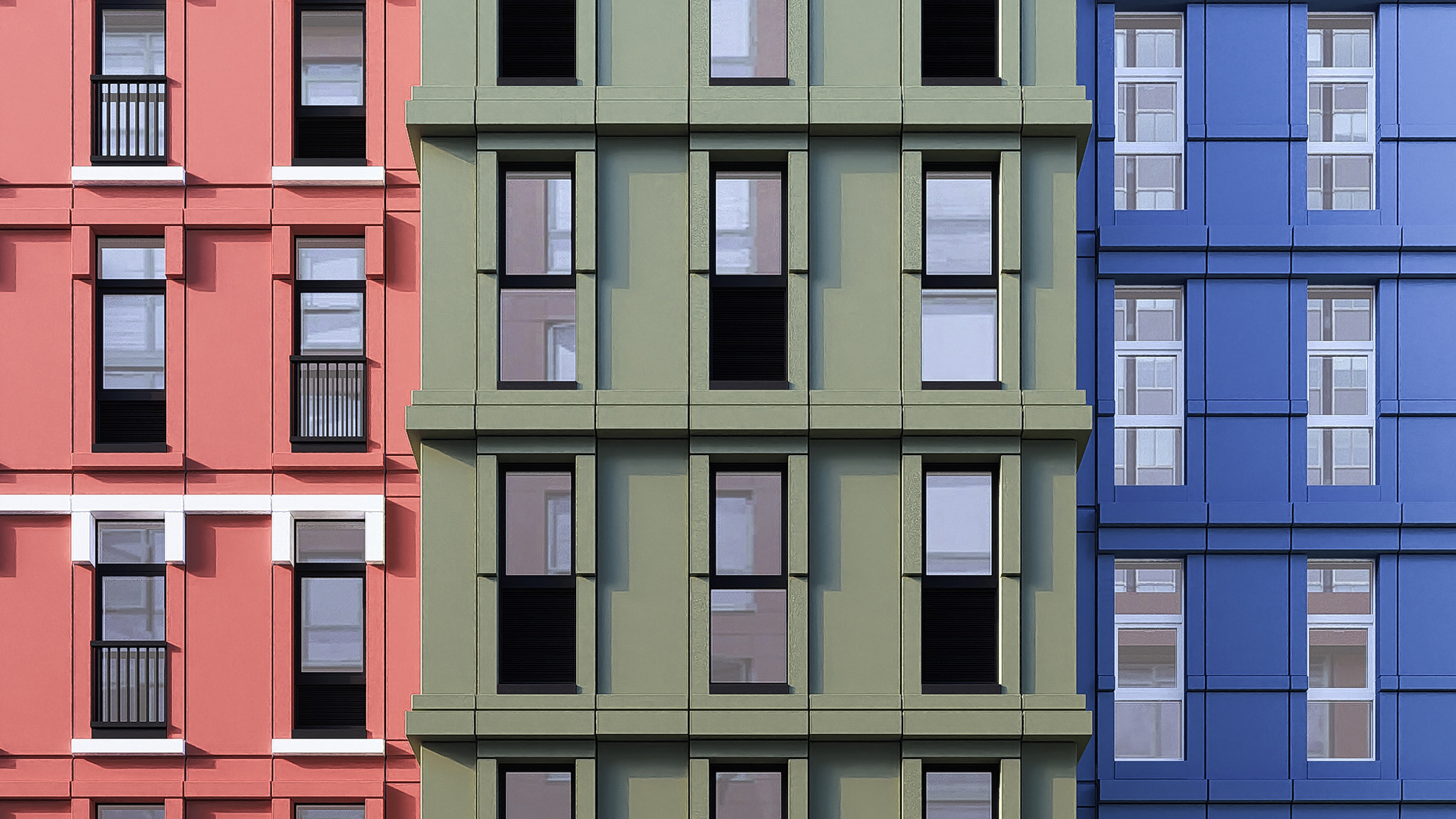
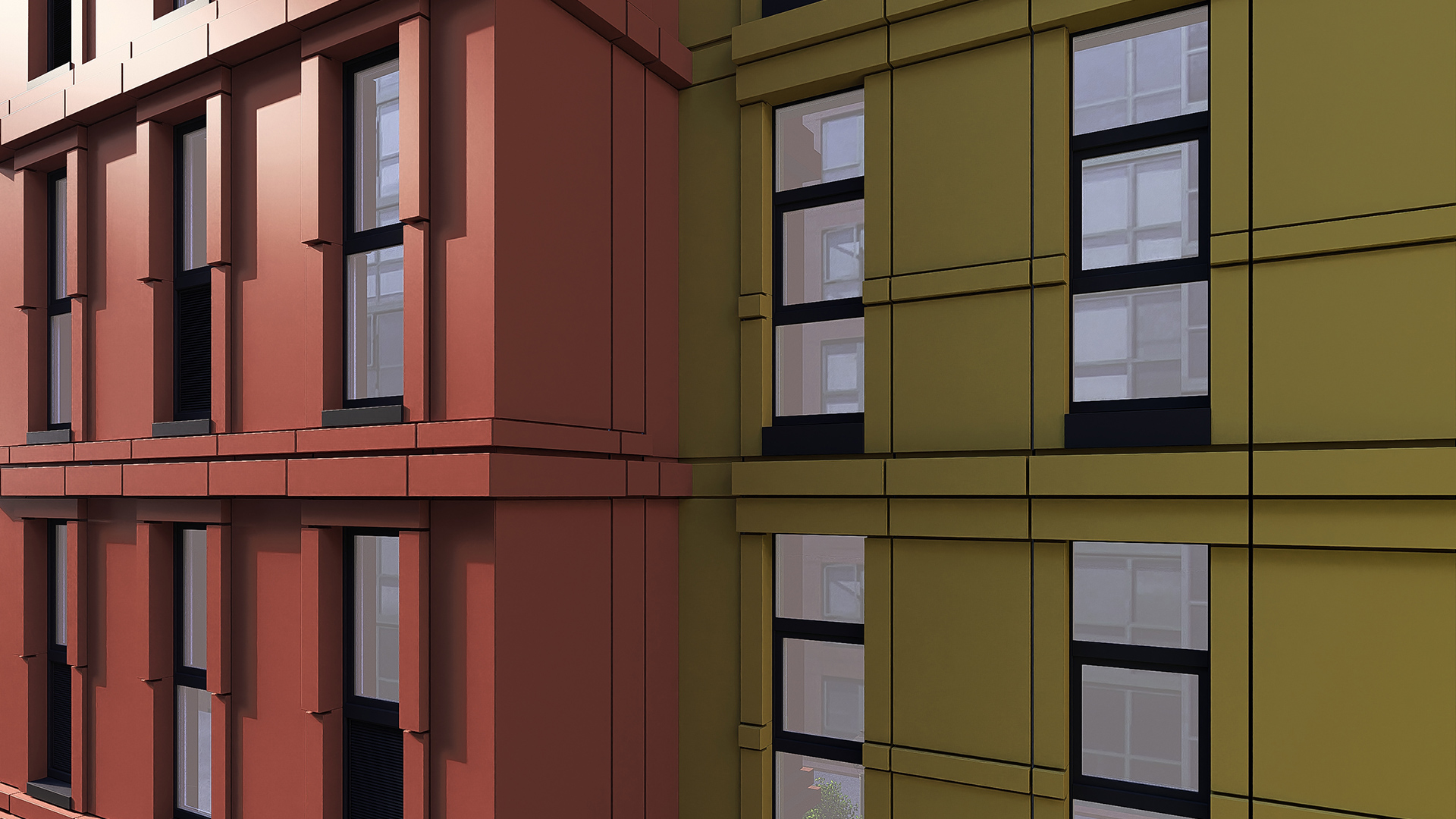
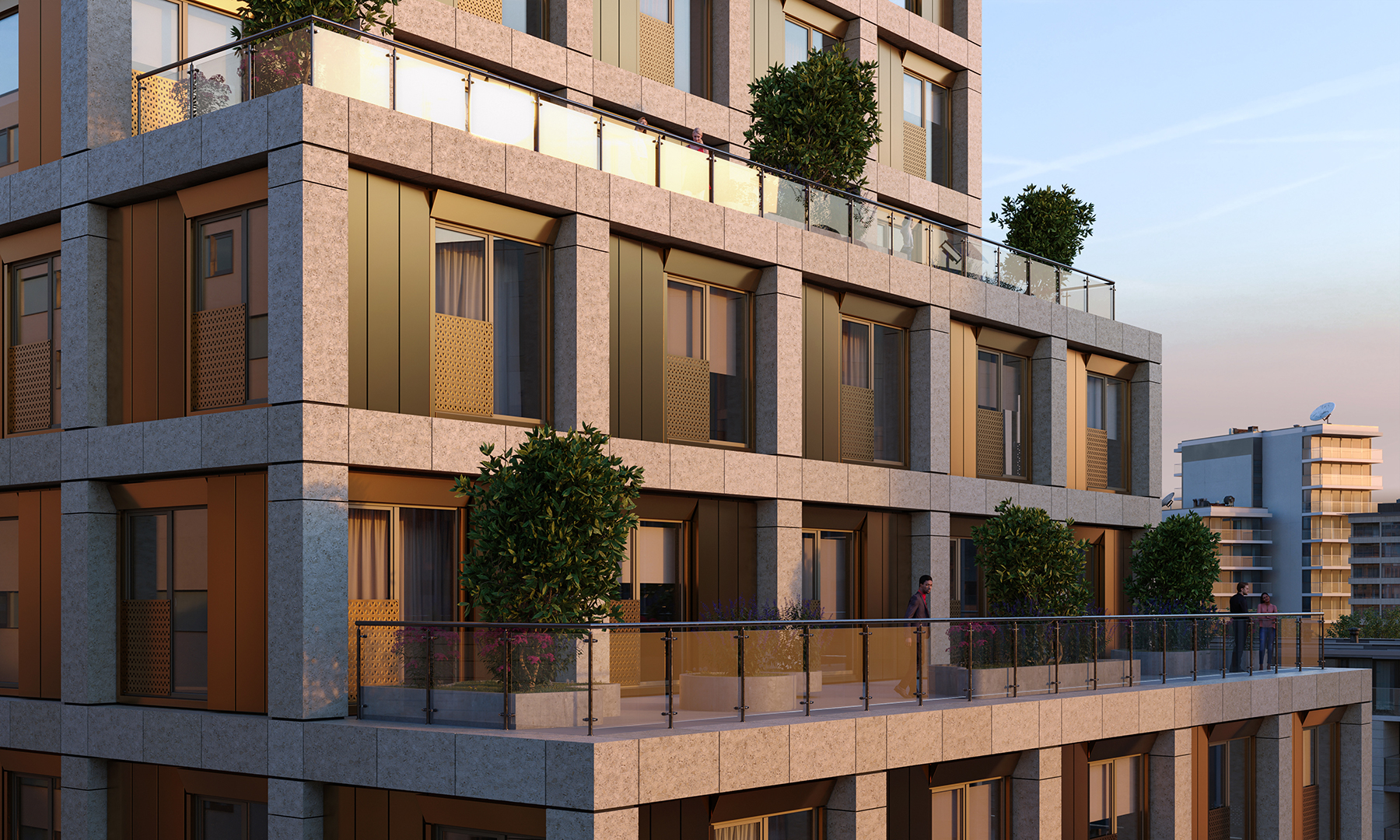
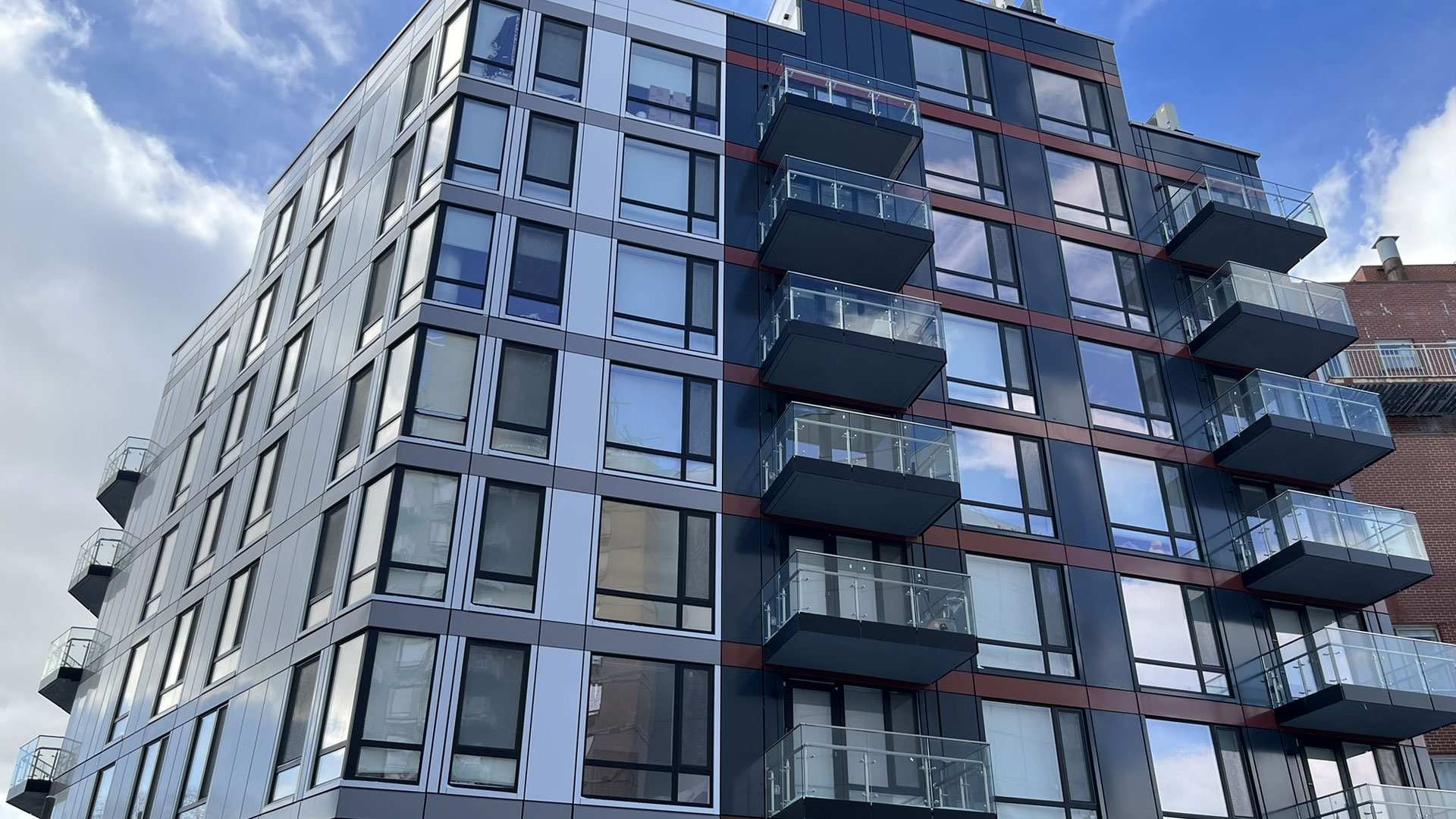
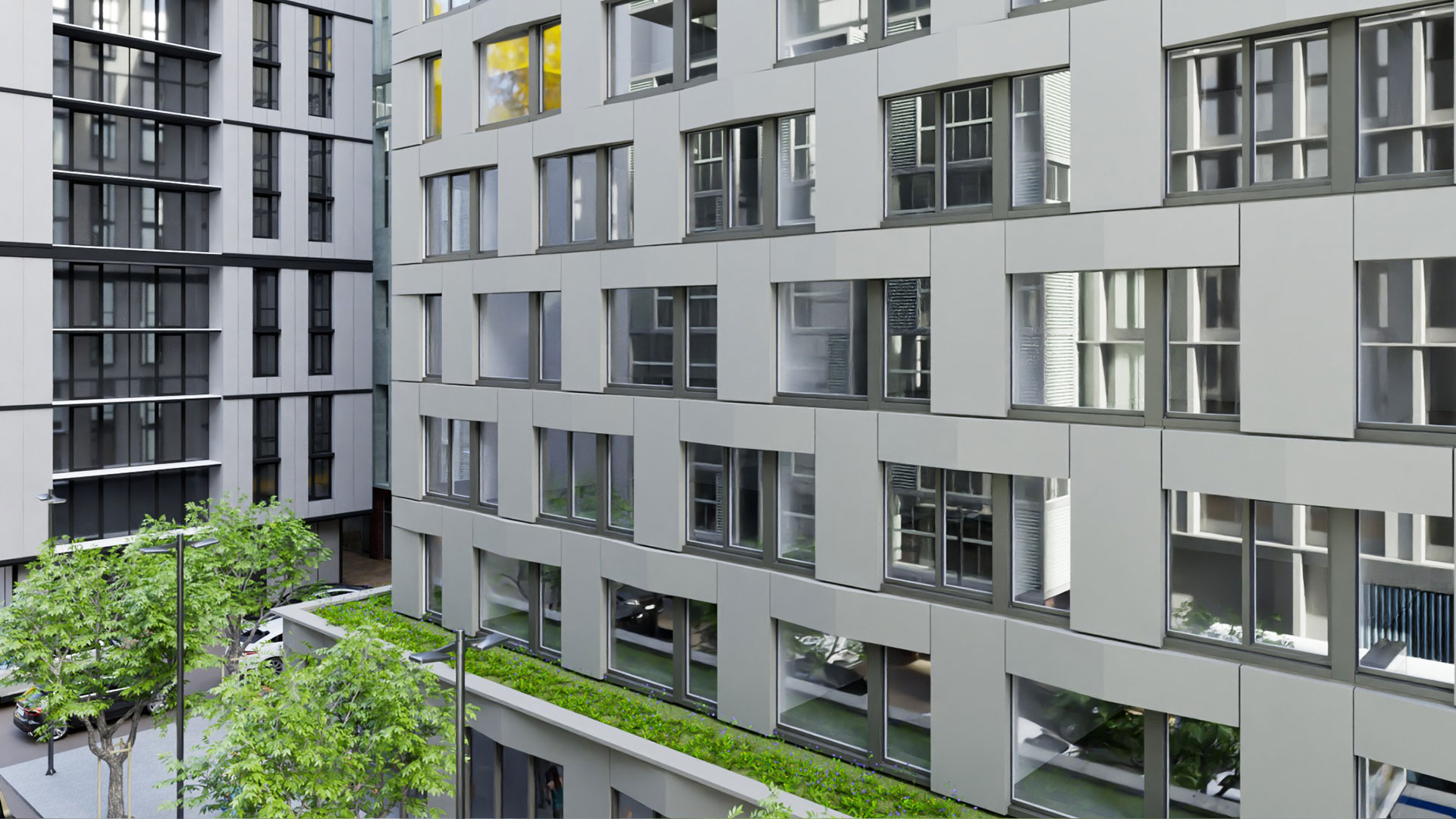
No. Standardization mostly applies to the technical details and connections, not to the visible design. Color, module size, window rhythm, and cladding textures can be adjusted to fit the architectural intent without turning the facade into a one-off prototype.
Where does Dextall fit into all of this?
Dextall provides a unitized prefab facade system and a digital planning tool that work together. The panels deliver the physical performance (non-combustible wall assembly, integrated windows, faster installation), while Dextall Studio helps the team understand layouts, details, and budget impact early in design.










.jpeg)
-Compliance-for-NYC-Multifamily-%26-Co-Op-Facades.jpg)











_format(webp).avif)
_format(webp)%20(6).avif)
_format(webp)%20(5).avif)
_format(webp)%20(4).avif)
_format(webp)%20(2).avif)
_format(webp)%20(3).avif)


.avif)
_format(webp)%20(2).avif)