Sendero Verde: World's Largest Affordable Passive House Proves Energy Efficiency Doesn't Have to Cost More
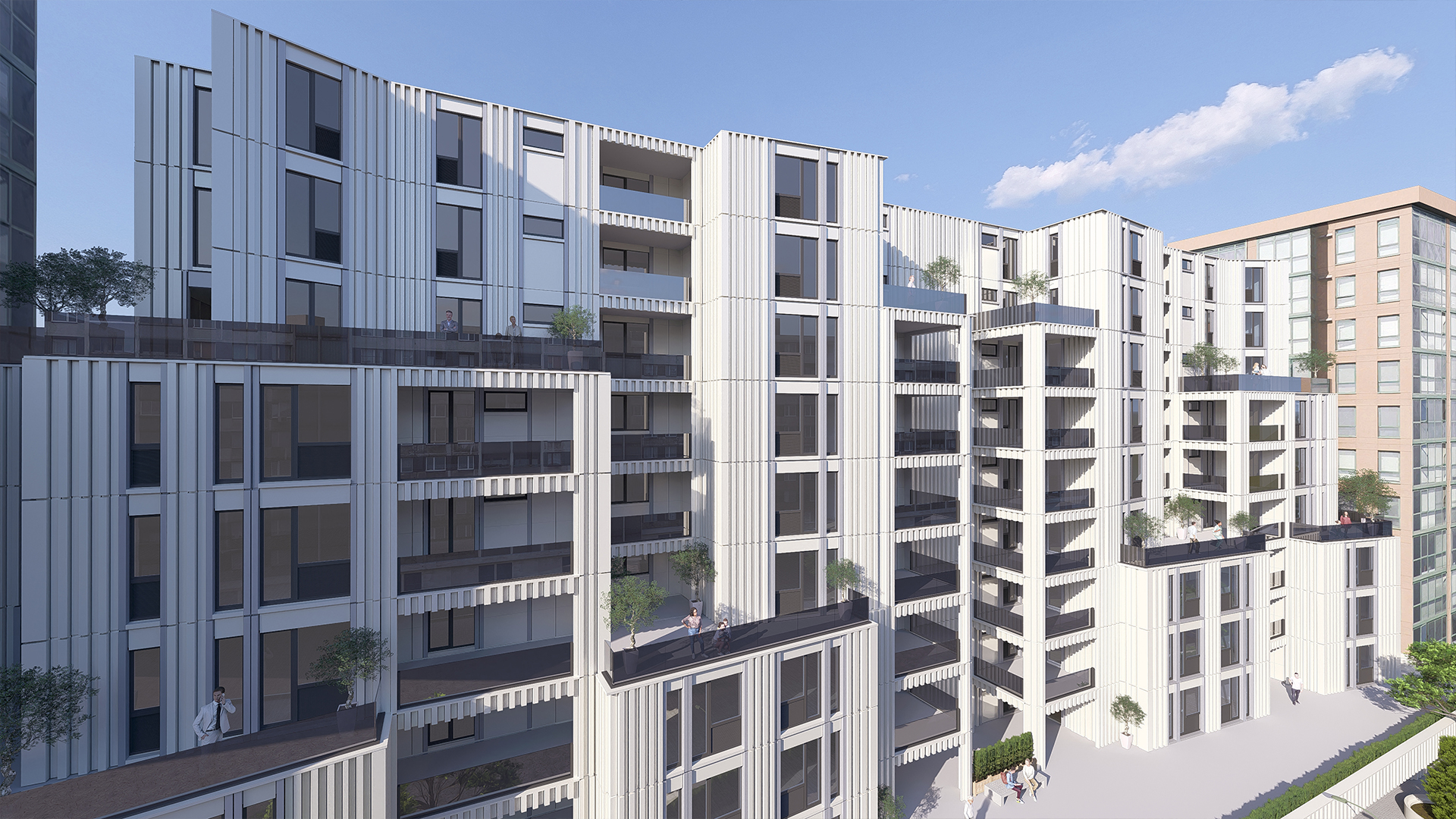
Imagine 709 affordable apartments in two East Harlem towers where every unit consumes half the energy of a typical New York City building. This isn't a theoretical exercise or demonstration project. It's Sendero Verde, the world's largest fully affordable Passive House, quietly demolishing the persistent myth that energy-efficient construction and affordability are mutually exclusive. When developers Jonathan Rose Companies and L+M Development Partners completed the second phase in 2024, they demonstrated something radical: families earning anywhere from 30% to 110% of area median income can live in buildings meeting some of the world's most rigorous energy performance standards.
The implications stretch far beyond East Harlem. As cities across the U.S. grapple with affordable housing crises and mounting decarbonization mandates, Sendero Verde offers a template that works. The project didn't rely on experimental technologies or unlimited budgets. It used prefabricated systems, government incentives, and careful planning to deliver Passive House certification at costs that work for affordable housing. For architects and developers working on mid-rise residential construction nationwide, the lessons from this project reveal how to make sustainability affordable rather than a luxury.
What Makes Sendero Verde Notable
The numbers tell a compelling story. Sendero Verde spans 709 units of affordable housing distributed across two phases on two city blocks between East 111th and 112th Streets. The first phase, completed in 2021, delivered 361 apartments. The second phase, a 34-story tower, added 348 units in 2024. Together they create 750,000 square feet of residential space where every unit achieved full Passive House certification from the Passive House Institute. This isn't just the largest affordable Passive House project in the United States. It's the world's largest fully affordable Passive House development, proving that scale and performance standards can coexist.
The affordability model stands out as much as the energy standards. Sendero Verde serves mixed incomes from formerly homeless families to households earning 110% of area median income. Rents start at $388 per month for studios and reach $3,169 for three-bedrooms, creating genuine economic diversity rarely seen in new construction. Thirty-six units are specifically set aside for formerly homeless families with access to social services through Promesa. This vertical integration of income levels avoids the economic segregation that often plagues affordable housing developments.
But Sendero Verde's real strength extends beyond residential units. The project weaves in 85,000 square feet of community space including a full gymnasium for DREAM Charter School, Union Settlement Association space for senior and youth programs, and a preventative health clinic run by Mount Sinai Hospital. The publicly accessible courtyard, raised one level above the street, contains children's play areas, adult exercise equipment, seating spaces, and a performance stage. Four GreenThumb community gardens that previously occupied the site were relocated onto the development grounds, preserving the green space that defines the neighborhood's character. This integration of housing, education, healthcare, and open space creates what developers call a "Community of Opportunity" rather than just a residential complex.
Breaking the Affordability Myth: How Passive House Works at Scale
The Passive House standard sets a bar many developers consider incompatible with affordable housing. The requirements are strict. Buildings must achieve annual heating and cooling demand no greater than 15 kilowatt-hours per square meter per year. Airtightness must reach a maximum 0.6 air changes per hour at 50 pascals pressure, measured by blower door testing. Total primary energy consumption can't exceed 120 kilowatt-hours per square meter per year. These numbers aren't recommendations. They're certification requirements verified by independent Passive House certifiers through rigorous testing and monitoring.
Achieving these standards requires a multi-layered approach to building envelope construction. Sendero Verde uses triple-glazed windows throughout with low-emissivity coatings and inert gas between panes that minimize heat transfer. Walls incorporate thick insulation and airtight membranes that eliminate thermal bridges—places where heat can leak through structural elements. The heat recovery ventilation system captures up to 75% of heat from exhaust air and transfers it to incoming fresh air streams, keeping interior temperatures stable without wasting energy. Together these elements reduce energy consumption by approximately 50% compared to typical code-compliant New York City multifamily buildings.
The upfront cost premium is real but misunderstood. Studies of Passive House projects show construction premiums ranging from 0% to 15% depending on location, scale, and team experience. Sendero Verde benefited from government financing through HPD's ELLA (Extremely Low and Low-Income Affordability) program and incentives from NYSERDA (New York State Energy Research and Development Authority) that covered portions of premium costs. But the real economic story lives in operational savings. Residents pay roughly 50% less for utilities than in comparable non-Passive buildings. For families earning 30-60% of area median income, these savings of $50-150 per month represent a significant percentage of monthly budget.
The additional benefits extend beyond energy bills. Passive House construction creates exceptional indoor air quality through constant filtered ventilation. Residents report quieter interiors because triple glazing and heavy insulation block outside noise—particularly important adjacent to the Park Avenue Metro-North rail lines. Stable temperatures eliminate hot and cold spots that plague traditional buildings. These comfort and health benefits are intangible but profoundly impact quality of life, especially for vulnerable populations including children, elderly residents, and those with respiratory conditions.
Prefabrication's Role in Achieving Passive House Standards
Reaching the 0.6 air changes per hour target requires near-surgical precision during construction. Traditional stick-built construction struggles with this requirement because site conditions create inconsistencies. Rain delays work. Temperatures fluctuate during sealing membrane installation. Multiple crews work on different floors with varying attention to detail. Every seam, every connection, every penetration creates a potential air leakage point. Blower door tests reveal these defects, but correcting them after construction completion costs time and money.
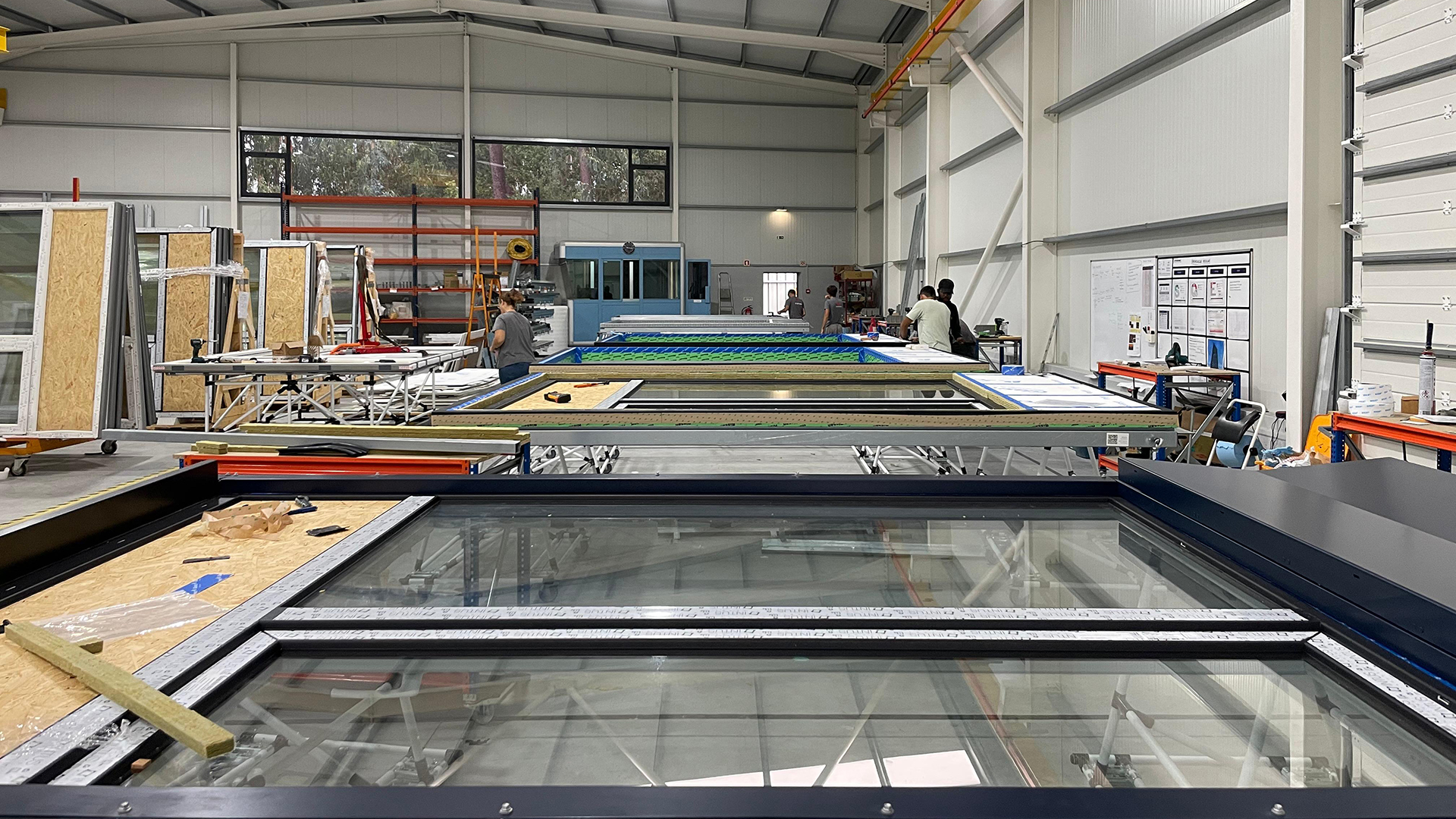
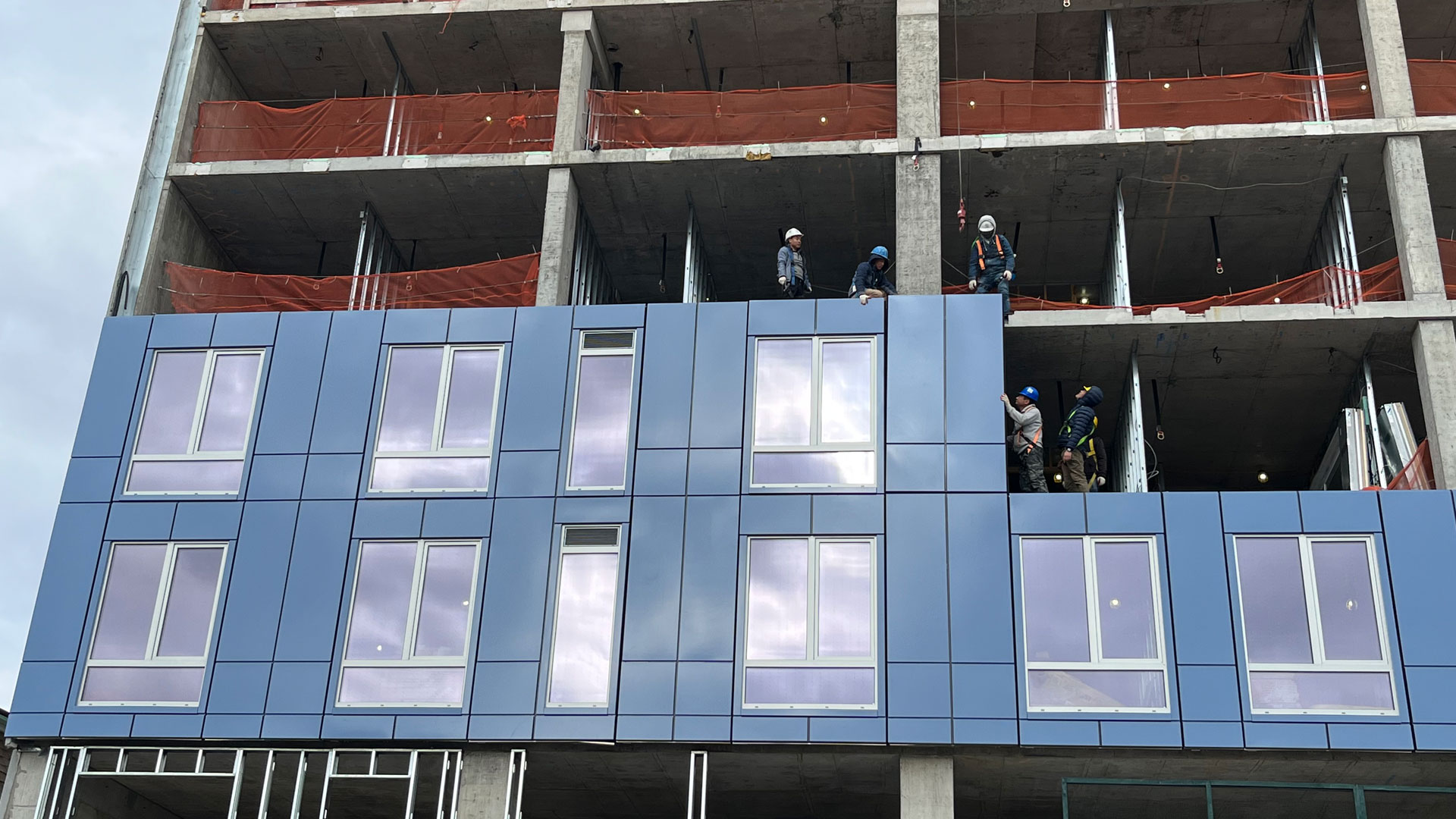
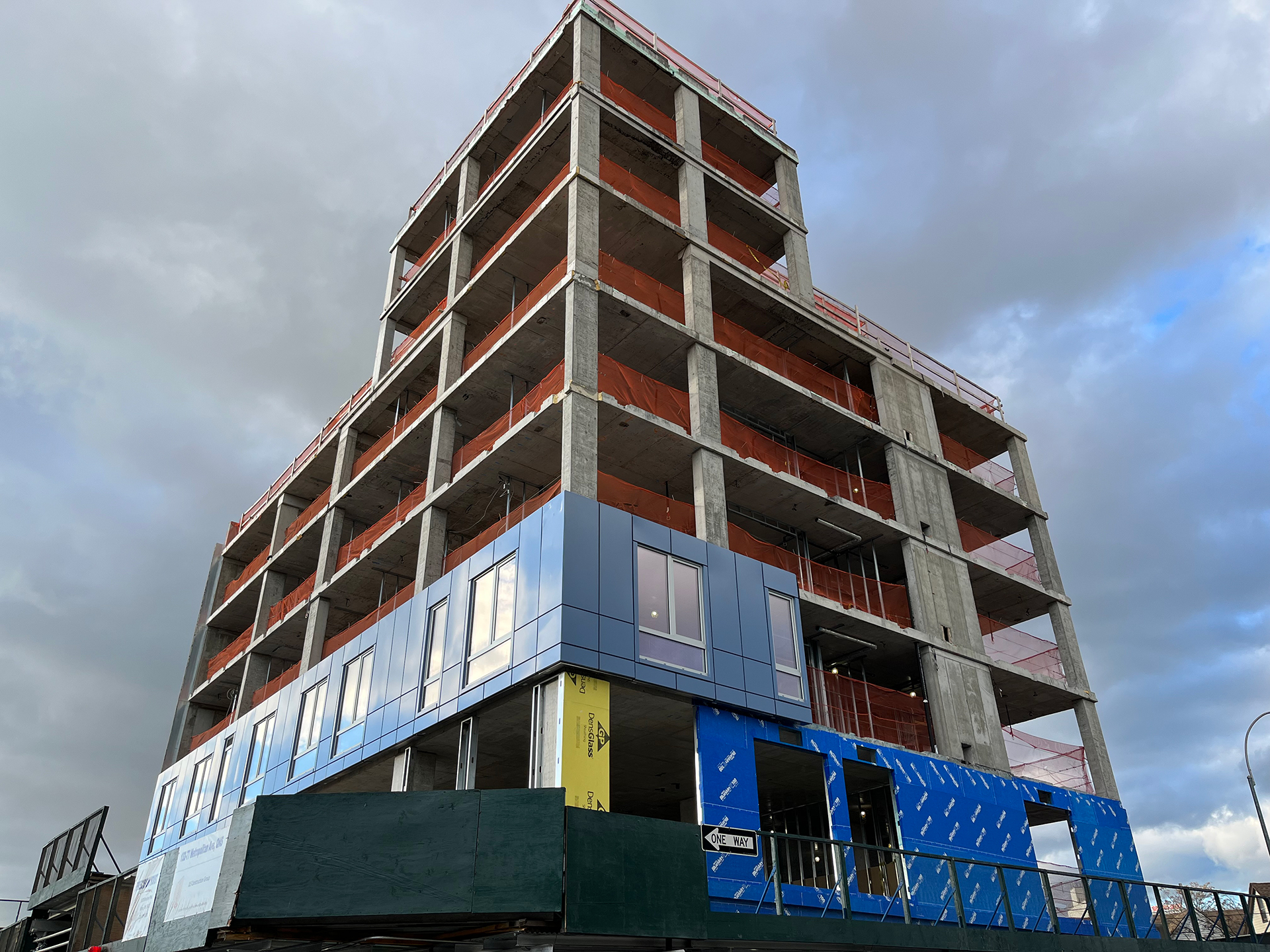
Prefabrication solves these challenges by moving critical fabrication into controlled factory environments. Factory conditions eliminate weather delays. Robotic equipment ensures consistent seam quality. Quality control happens at every production stage rather than after installation. Panels arrive at the site with windows, insulation, and cladding pre-installed, reducing on-site labor and associated opportunities for error. When panels are installed, crews focus on precise connections between panels rather than trying to simultaneously manage windows, insulation, and cladding.
Parallel fabrication compresses project schedules dramatically. While contractors finish foundations and structural frames, panel manufacturers work on facade components. This simultaneous work reduces overall construction schedules by 30-50% compared to traditional methods. For affordable housing projects where carrying costs and delays in rental income generation impact pro formas, this schedule compression directly improves project economics. Faster completion means faster occupancy, which means earlier cash flows that help offset any upfront premium costs.
Precision also enables complex coordination between systems. Passive House requires that windows install within the airtight layer rather than simply in the structural opening. Ventilation penetrations need special collars that maintain airtightness. Electrical boxes need sealed pockets that prevent air flows through wall cavities. Factory fabrication allows this coordination to happen in controlled conditions where engineers can verify every connection before shipping. Projects like Alafia in Brooklyn demonstrate how prefabricated panel systems deliver Passive House certification at mid-rise scale using these same factory control principles.
Lessons for Affordable Housing Developers Nationwide
Sendero Verde's success raises the obvious question: can this replicate outside New York? The answer is nuanced. Passive House specifics adjust for different climate zones. A building in Phoenix faces different challenges than one in Minneapolis. Cooling dominates in hot humid climates while heating drives design decisions in cold regions. Window-to-wall ratios, insulation thickness, HVAC system efficiency all vary based on local conditions. But the core principles—airtightness, thermal bridge elimination, heat recovery—remain constant regardless of geography.
Policy support plays a crucial role. New York created an ecosystem that encourages Passive House construction through programs like RetrofitNY, expedited permits for high-performance buildings, and requirements that new city housing projects meet aggressive energy targets. HPD (Department of Housing Preservation and Development) and HDC (Housing Development Corporation) structured financing programs that recognize upfront premium costs and compensate through favorable loan rates. These institutional supports make Passive House economically viable for affordable housing where margins are thin and bankability critical.
Cities without these supports can create them. NYSERDA Buildings of Excellence funding provides grants and technical assistance for high-performance projects. Federal Low-Income Housing Tax Credits can be structured to reward energy efficiency. Utility rebate programs offset installation of high-efficiency systems. Green banks and mission-driven lenders offer more favorable terms for sustainable projects. The challenge lies in coordinating these resources into a coherent package that works for the specific location and population served. Energy mandates also create incentives, making high-performance construction not just desirable but necessary.
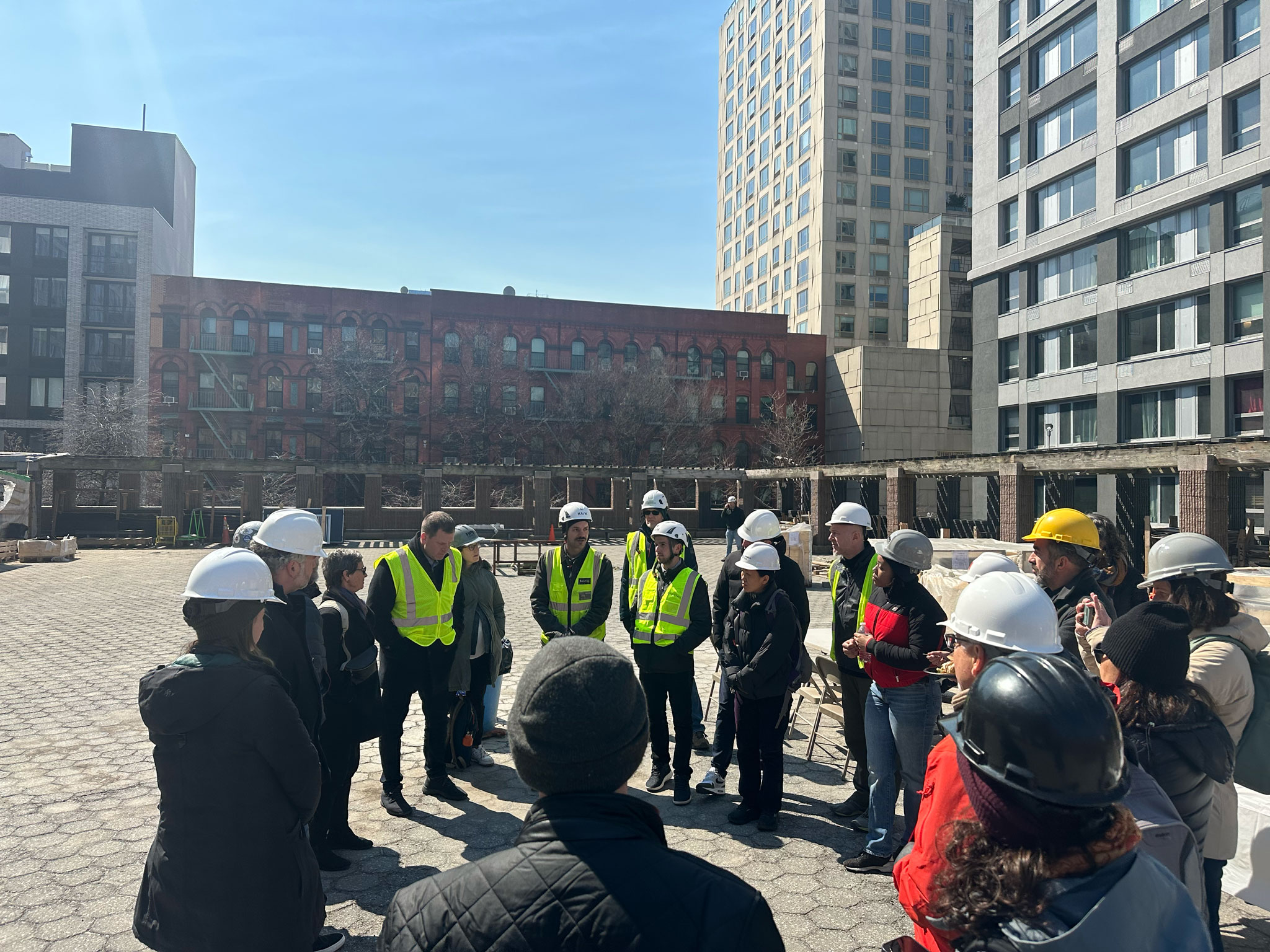
Community engagement from the outset proved critical for Sendero Verde. East Harlem has strong neighborhood organizations and community gardens that occupied the site. Developers conducted extensive consultations, relocated gardens, opened the courtyard to public access, and ensured community facilities served existing residents rather than just new tenants. This upstream work prevented opposition that has drowned other projects and created local support that lasted through construction challenges. For affordable housing where community buy-in can determine success, this upfront investment pays dividends.
The multi-phase approach spreads risk and builds expertise. Jonathan Rose Companies and L+M Development Partners completed Phase 1 before starting Phase 2, allowing them to learn from operational data and refine design for the second tower. Early blower door tests revealed sealing techniques that worked better than others. Resident feedback informed amenity planning. The construction team developed specialized expertise in Passive House details that accelerated Phase 2 construction. This iterative approach reduces the likelihood of costly mistakes on later phases and creates institutional knowledge that transfers to future projects.
Dextall's Approach to Energy-Efficient Affordable Housing
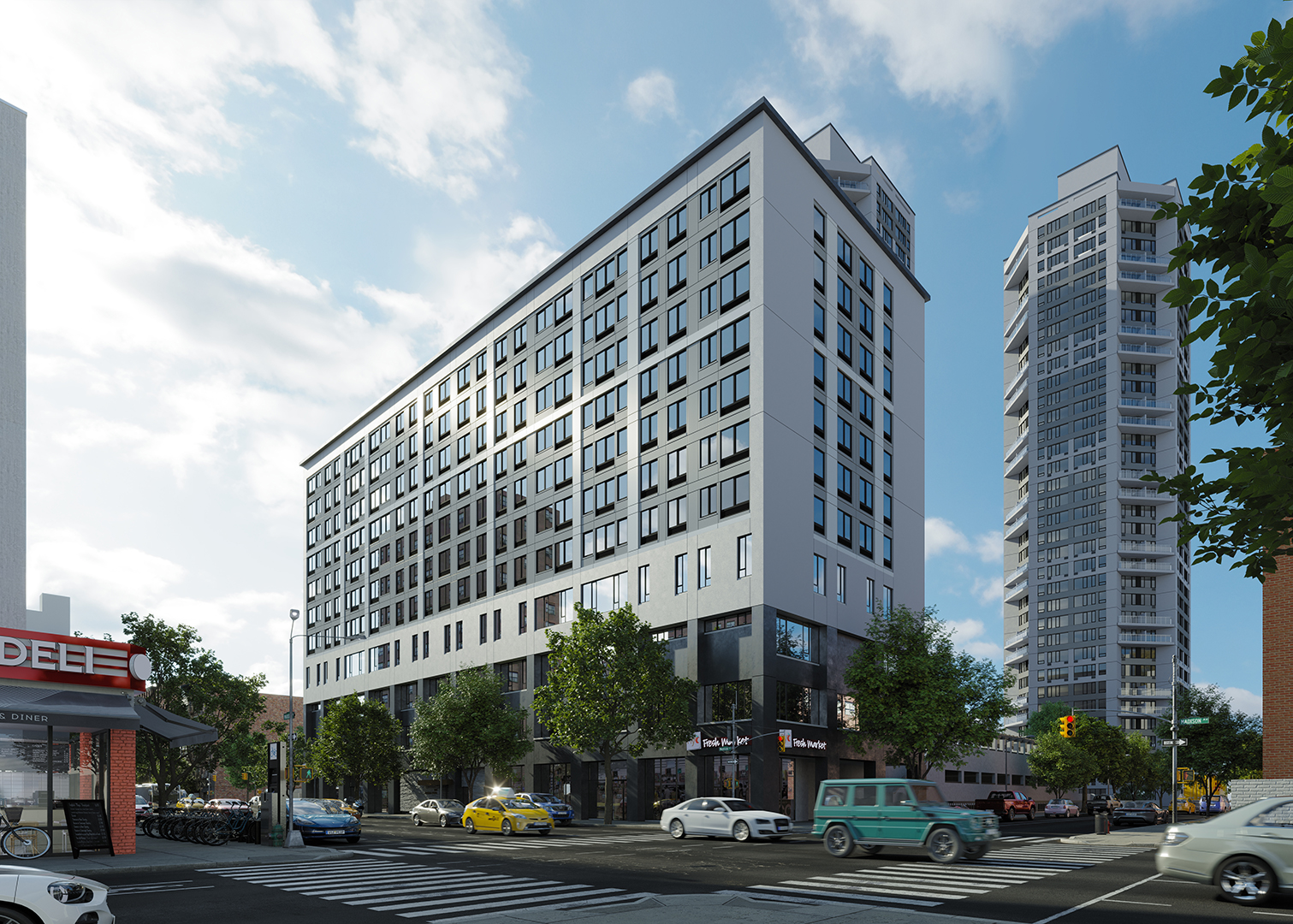
While Sendero Verde demonstrates Passive House in new construction, The Heritage project at 1660 Madison Avenue shows how to apply similar principles to existing affordable housing through retrofit. Heritage faces different challenges. The structural core and envelope remain in place. Residents occupy units during construction. Budget constraints are even tighter than new construction. But the core goal is identical: dramatically improve energy efficiency while maintaining affordability and minimizing disruption to residents.
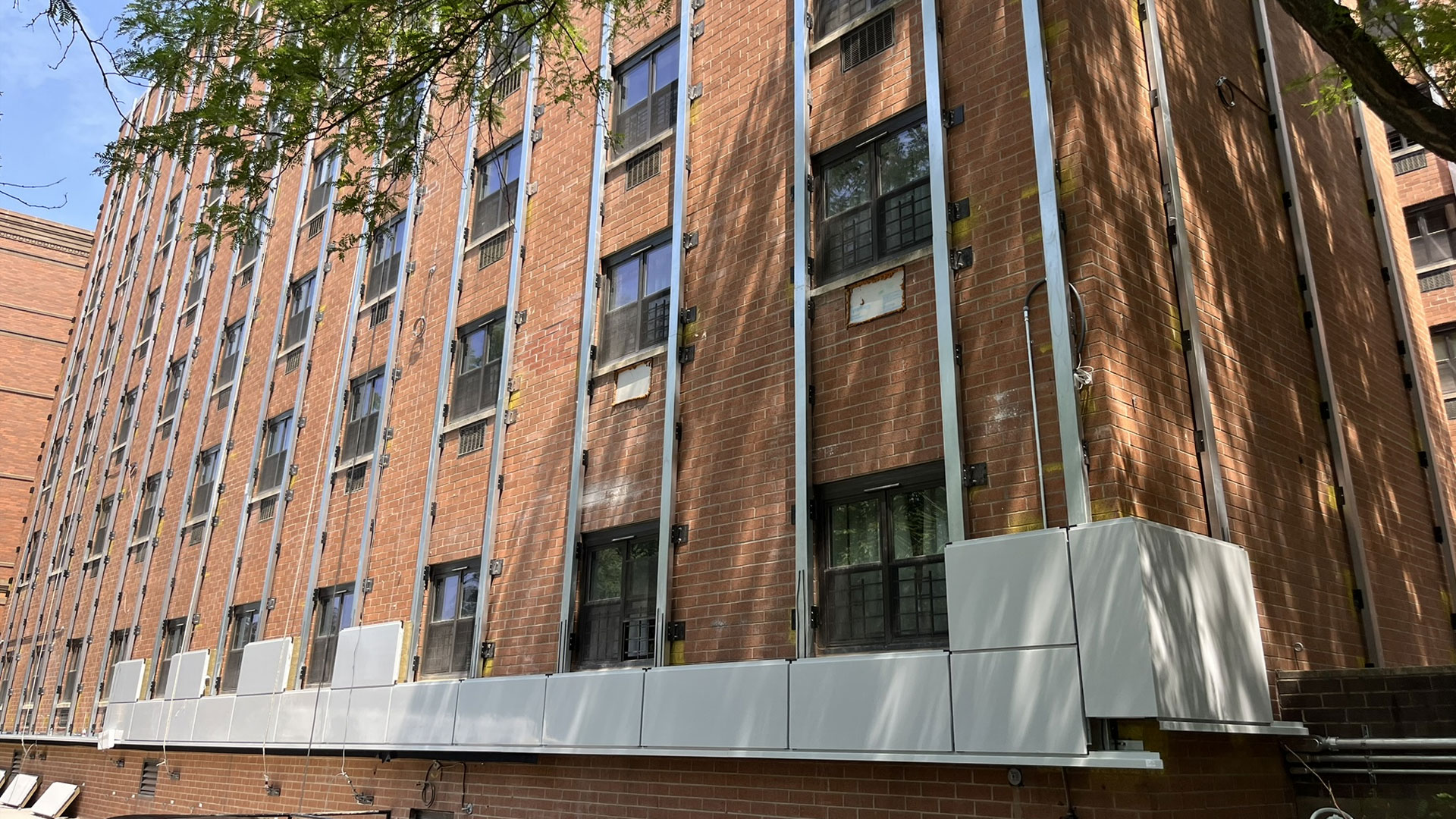
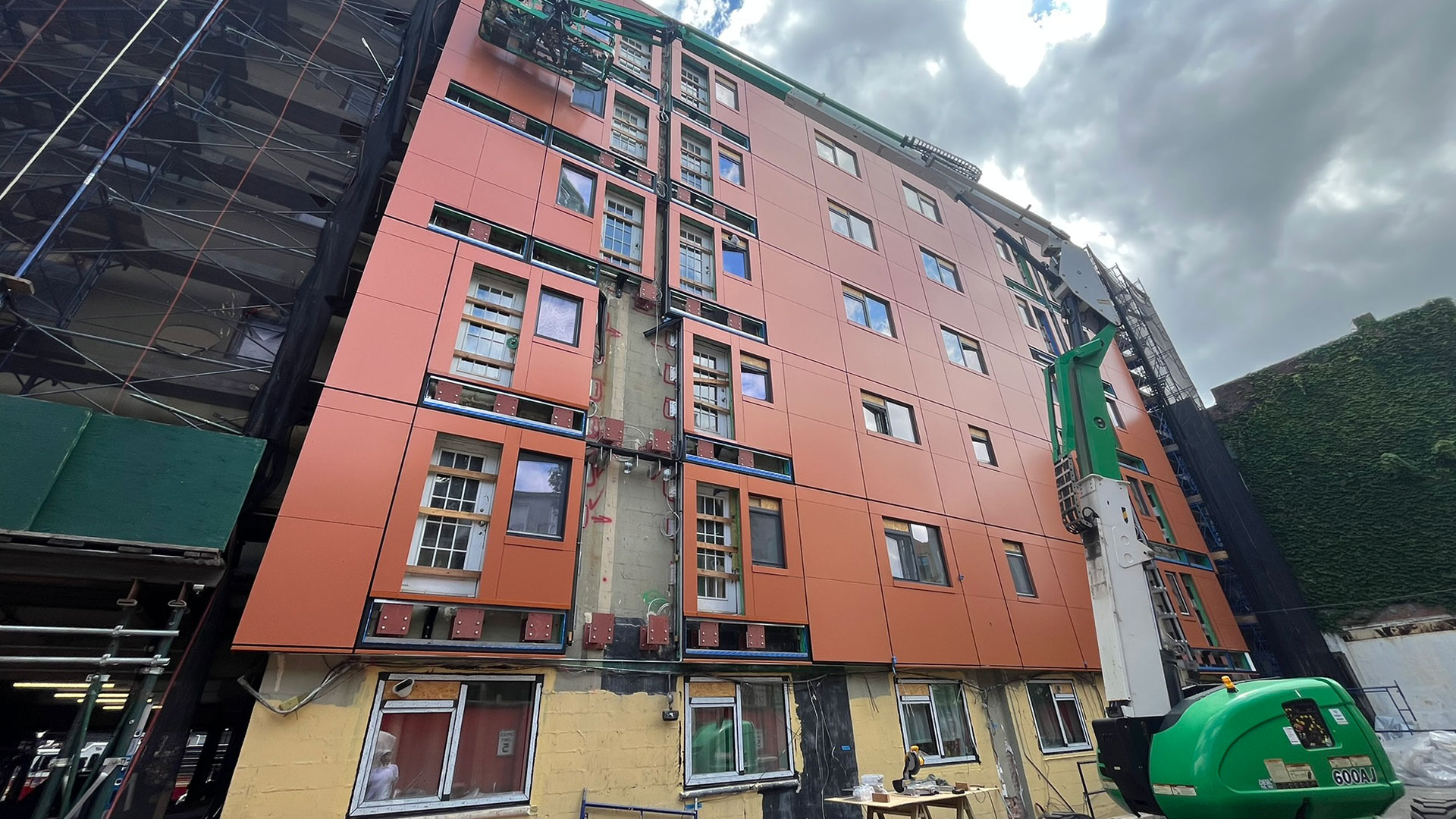
Interior installation methodology becomes critical for occupied retrofits. Traditional exterior scaffold systems add 20-30% to project budgets on mid-rise buildings and create neighborhood disruption that can last months. Scaffolding blocks light, creates noise, and requires complex logistics for material delivery in dense urban settings. Interior installation works from inside the existing envelope, eliminating scaffold requirements. Crews access each unit from interior, remove existing windows and facade elements, and install new D Wall® prefabricated panels from inside. Residents experience renovation more like interior work than external construction.
Carmen Villegas Apartments in the Bronx show how solar integration can enhance affordability through operational savings. The project incorporates building-integrated photovoltaics (BIPV) that generate electricity on-site, reducing utility bills for residents. The combination of high-performance envelope with renewable generation achieves net-zero energy targets that previously seemed impossible for affordable housing. Dextall Studio enables this integration through digital coordination that ensures solar panels and facade systems work together seamlessly.
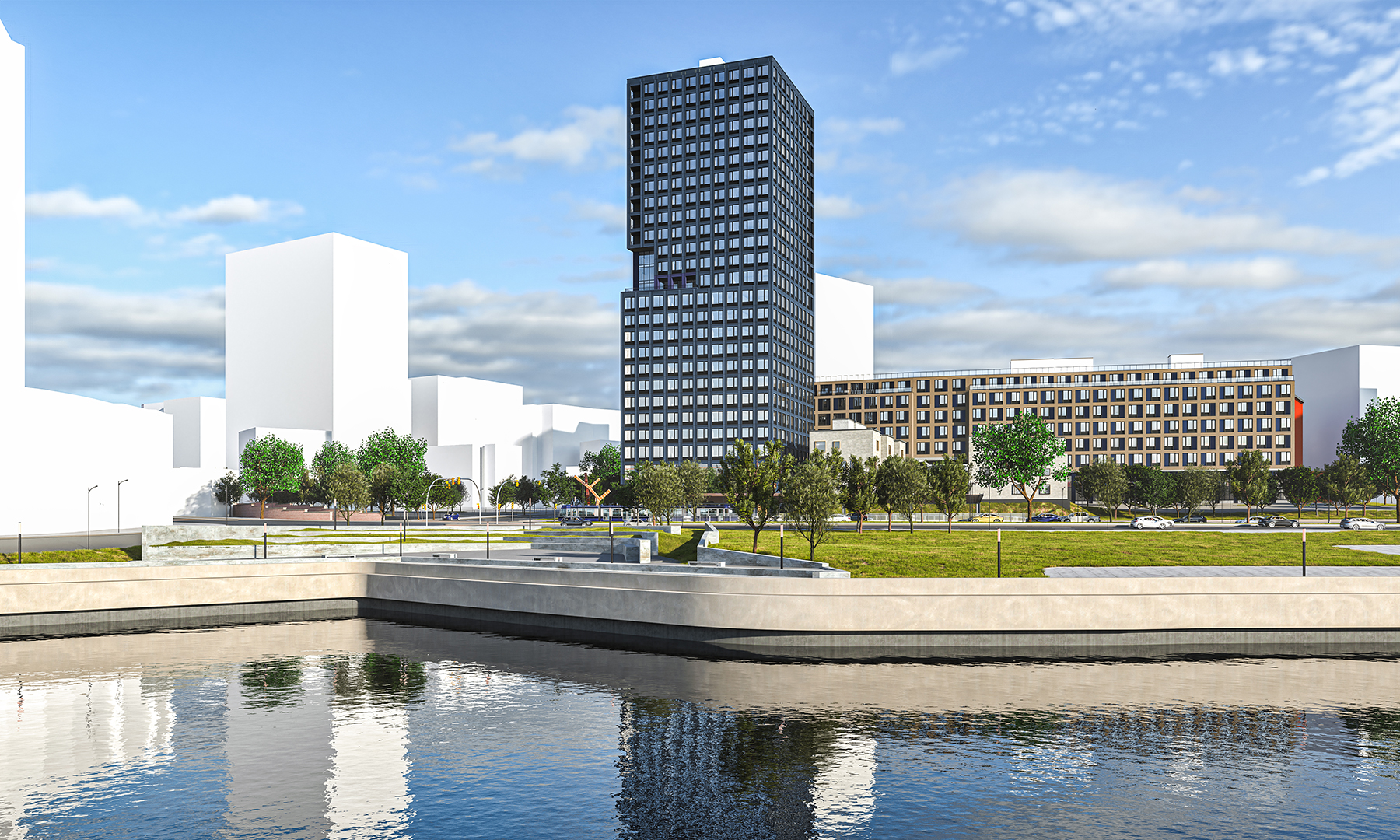
The NJPAC project in Newark demonstrates the scalability of the prefab approach to mixed-use developments. The 25-story, 199-unit tower includes ground-floor retail and community spaces, creating a vertical neighborhood similar to Sendero Verde. Factory fabrication parallel to site work compressed timelines significantly. Precision manufacturing eliminated weather delays and quality inconsistencies. Digital coordination through BIM integration ensured panels integrated seamlessly with existing structure and new interior layouts. The result: a high-performance building delivered faster and with better quality than traditional methods could achieve.
Where Sendero Verde and Dextall converge is in the recognition that operational efficiency benefits low-income residents most. A family earning $40,000 annually spends a far larger percentage of income on utilities than higher-income households. A 50% reduction in energy bills can mean the difference between housing stability and eviction risk. One hundred dollars per month saved on heating and cooling translates to $1,200 per year that becomes an emergency savings fund or payment for child care or investment in education. Prefabricated facade systems that enable these savings aren't luxury amenities. They're economic justice tools that reduce housing cost burden for vulnerable populations.
Key Takeaways for Developers and Architects
Sendero Verde crystallizes several principles that apply to affordable housing development regardless of scale. First, Passive House and affordability are compatible when projects are structured correctly. The upfront cost premium is real but manageable, especially with government incentives and advantageous financing. Lifetime operational savings for residents significantly exceed upfront investment. The myth that energy efficiency is a luxury that low-income communities cannot afford collapses under the weight of real project data from Sendero Verde and similar developments nationwide.
Second, policy support cannot be an afterthought. Successful high-performance affordable housing projects almost always rely on coordinated government programs that address both capital costs and operational financing. This means expedited permits for sustainable projects. It means tax increment financing that captures long-term community value. It means utility partnerships that recognize that demand reduction benefits the electricity grid as much as individual residents. Developers and architects must become adept at navigating these programmatic resources and advocating for new ones when existing gaps remain.
Third, prefabrication is critical not just for speed but for quality assurance. Achieving Passive House standards requires precision that stick-built methods struggle to deliver consistently. Factory-controlled manufacturing eliminates weather-related delays, ensures consistent quality across repetitive elements, and allows rigorous testing before installation. For affordable housing where margins are tight and schedules compressed, these advantages translate directly to improved project economics. Skepticism about prefab in some markets persists, but projects like Sendero Verde demonstrate that properly executed factory production delivers superior results.
Fourth, community engagement pays dividends. Affordable housing projects face NIMBYism in many neighborhoods. Early consultation, transparent communication about project goals, and intentional integration with existing community institutions build support. Sendero Verde succeeded partly because developers worked with Union Settlement, Harlem Children's Zone, and local organizations from the start. Community facilities open to the broader neighborhood rather than just residents create shared ownership. Public courtyard space and relocated gardens demonstrate commitment to preserving neighborhood character even when transforming a full city block.
Finally, long-term thinking must drive decision-making. The 30-year affordability restrictions that Sendero Verde carries mean that operational efficiency benefits accumulate for decades. Buildings designed today will serve residents through the 2050s when climate impacts intensify and energy costs likely rise. High-performance envelopes and efficient systems aren't trendy upgrades. They're infrastructure investments that protect vulnerable populations from future shocks. Developers and funding agencies that recognize these long-term dynamics create housing that serves communities more effectively than projects optimized purely for upfront cost minimization.
FAQ
What is Passive House certification and why does it matter for affordable housing?
Passive House certification verifies that a building achieves extreme energy efficiency through rigorous requirements: annual heating/cooling demand ≤15 kWh/m²/year, airtightness ≤0.6 air changes per hour, and total primary energy consumption ≤120 kWh/m²/year. For affordable housing, these standards matter particularly because operational savings directly benefit low-income residents. Reducing utility bills by 40-60% translates to hundreds of dollars annually per household, making housing more affordable long-term. Passive House also ensures better air quality, temperature stability, and comfort that improve health and wellbeing. Certification by independent verifiers guarantees these benefits are delivered rather than just projected.
How does prefabrication help achieve Passive House standards?
Passive House requires near-perfect airtightness that's difficult to achieve through stick-built methods where weather conditions, crew variability, and site logistics create inconsistencies. Prefabrication moves critical production into factory environments where temperature, humidity, and quality control can be maintained constantly. Automated equipment ensures precise seams between panel components. Windows install in controlled conditions with proper integration to airtight membranes. Quality inspections happen at every production stage rather than after installation when corrections are expensive. Factory production also allows parallel work where panels manufacture while site preparation continues, compressing overall timelines by 30-50%. This combination of quality assurance and schedule compression makes Passive House economically viable for affordable housing where margins are tight.
Can Passive House methods work outside New York City?
Yes, but strategies adjust for different climates. Passive House standards apply globally, but specific techniques vary based on local conditions. Phoenix projects prioritize cooling loads through shading, overhangs, and reflective surfaces. Minneapolis buildings focus on heating through thicker insulation and optimized solar orientation. Humidity management differs between Seattle and Miami. The performance metrics (annual energy demand, airtightness, primary energy) remain constant, but design paths to achieve them adapt to regional climates. Successful Passive House projects exist in all 50 states and diverse international locations, demonstrating that principles work universally when properly applied. The challenge isn't technical feasibility but rather building local expertise in design teams, trades, and inspectors, plus creating supportive policy frameworks.
What are the typical cost premiums for Passive House construction?
Cost premiums vary widely from 0-15% depending on location, project scale, team experience, and baseline code requirements. Early Passive House projects in North America saw 10-15% premiums, but experienced teams now regularly deliver at 0-5% premiums or even cost parity, especially when government incentives apply. Germany and Austria routinely build Passive House multifamily projects at mainstream costs. Key factors include climate (milder climates easier than extreme ones), baseline energy codes (states with weak codes see larger premiums), team learning curves (first projects cost more), and scale (larger projects benefit from economies). For affordable housing, government programs like NYSERDA grants, federal tax credits, and utility rebates often cover the entire premium, making lifecycle costs lower than code-minimum alternatives when operational savings are factored.
How does Dextall's approach differ from traditional affordable housing construction?
Dextall's approach centers on factory-controlled prefabrication where facade panels arrive with windows, insulation, and cladding pre-installed, eliminating weather delays and site quality inconsistencies. For occupied building retrofits, interior installation methodology eliminates exterior scaffolding, dramatically reducing neighborhood disruption and often cutting 20-30% from project budgets. Digital coordination through Dextall Studio compresses design-to-fabrication timelines from months to days, enabling parallel workflows. Panels integrate seamlessly with existing structures or new construction while maintaining high thermal performance standards that enable Passive House certification. Unlike traditional approaches where facade work occurs late in construction schedules, prefab systems allow envelope closure early, protecting interior work from weather and accelerating overall delivery. For affordable housing, these speed and quality advantages translate directly to improved project economics and faster occupancy.
Disclaimer
Dextall is not involved in the Sendero Verde project. This article analyzes publicly available information about Handel Architects' design and Jonathan Rose Companies, L+M Development Partners, and Acacia Network's development plans to explore how principles from large-scale affordable Passive House projects can inform mid-rise housing strategies in the U.S. market. For questions about the Sendero Verde project, contact Jonathan Rose Companies, L+M Development Partners, or Handel Architects. For information about Dextall's prefabricated building envelope solutions and energy-efficient affordable housing capabilities, visit dextall.com.
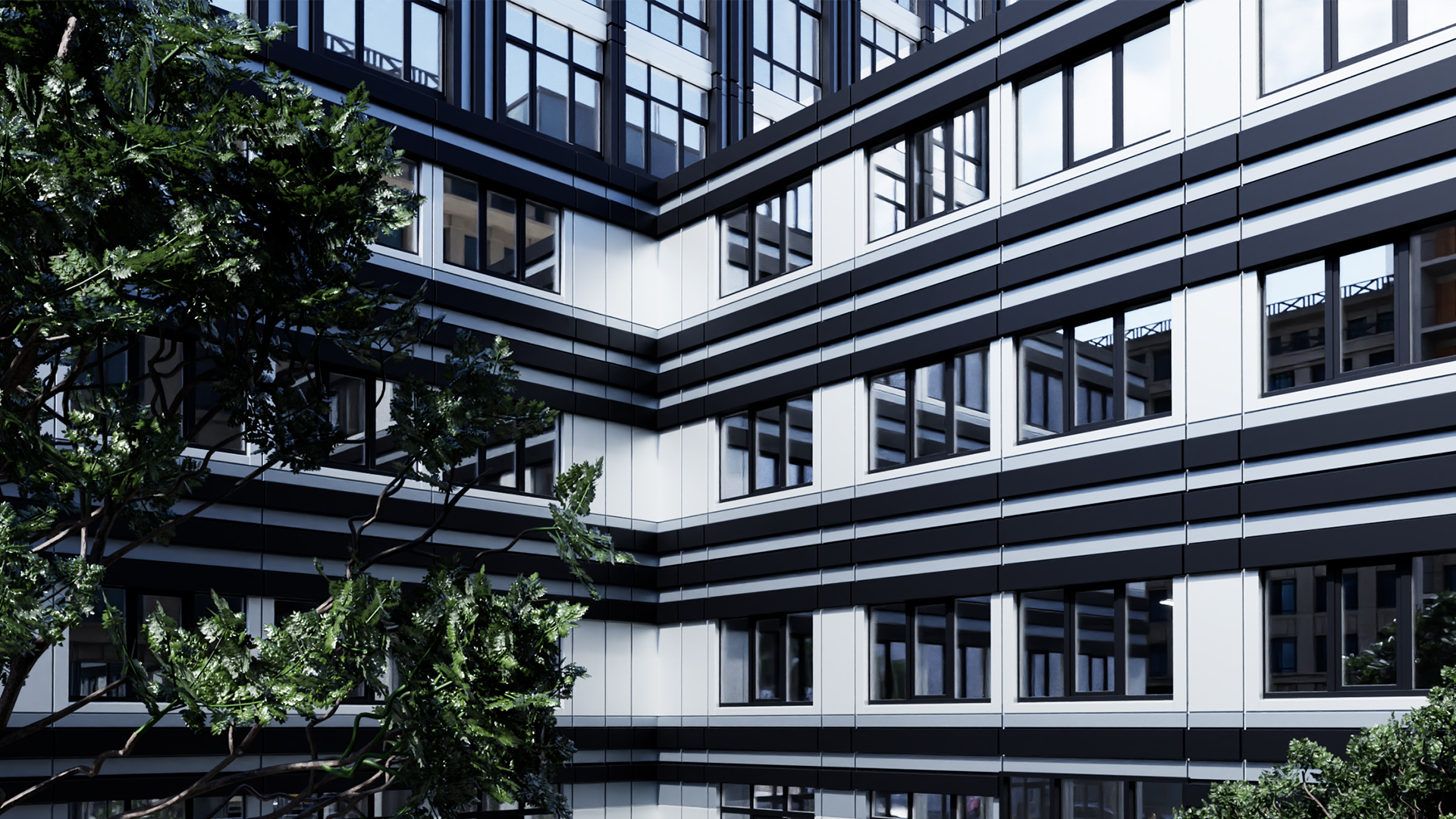
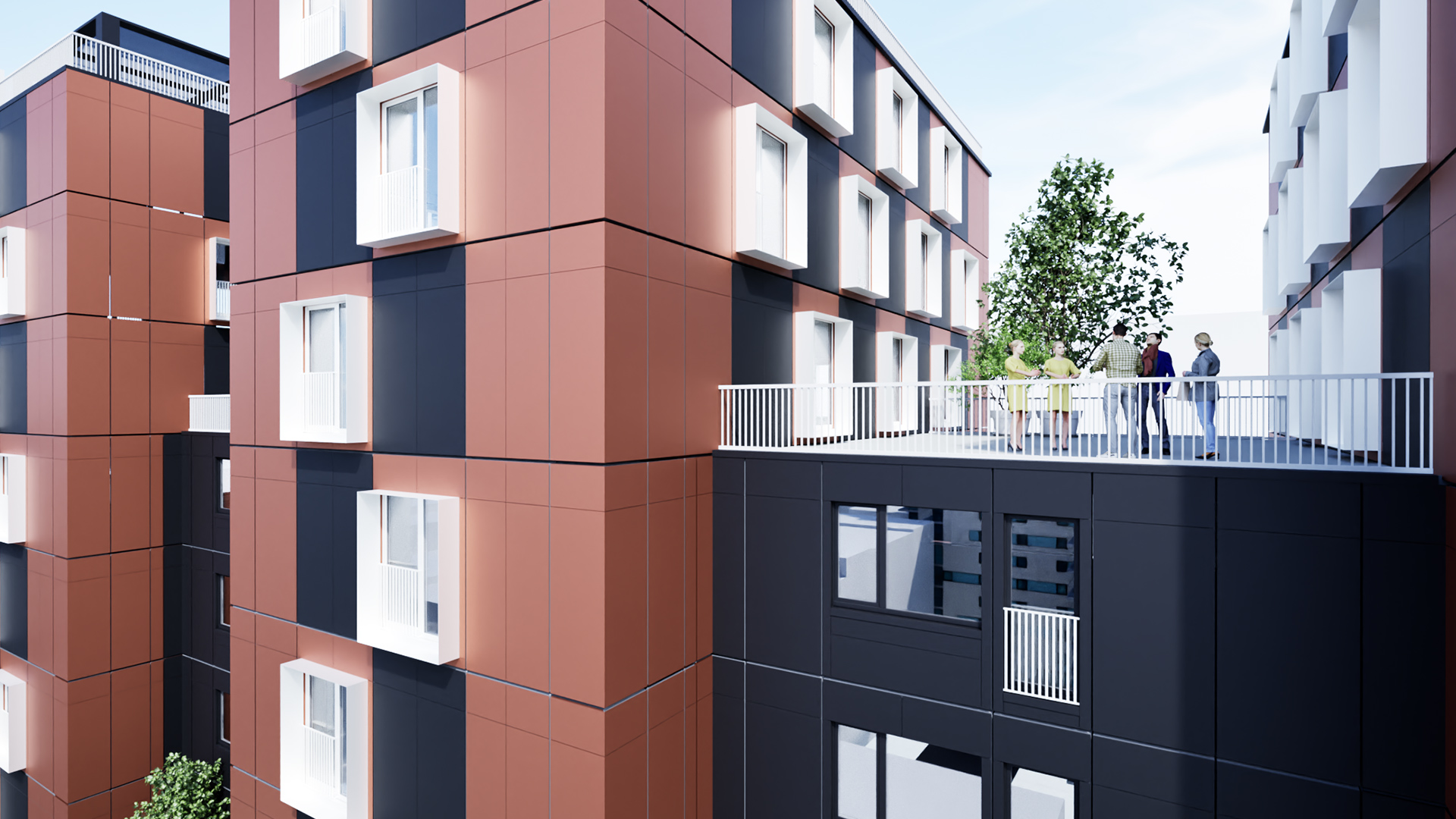
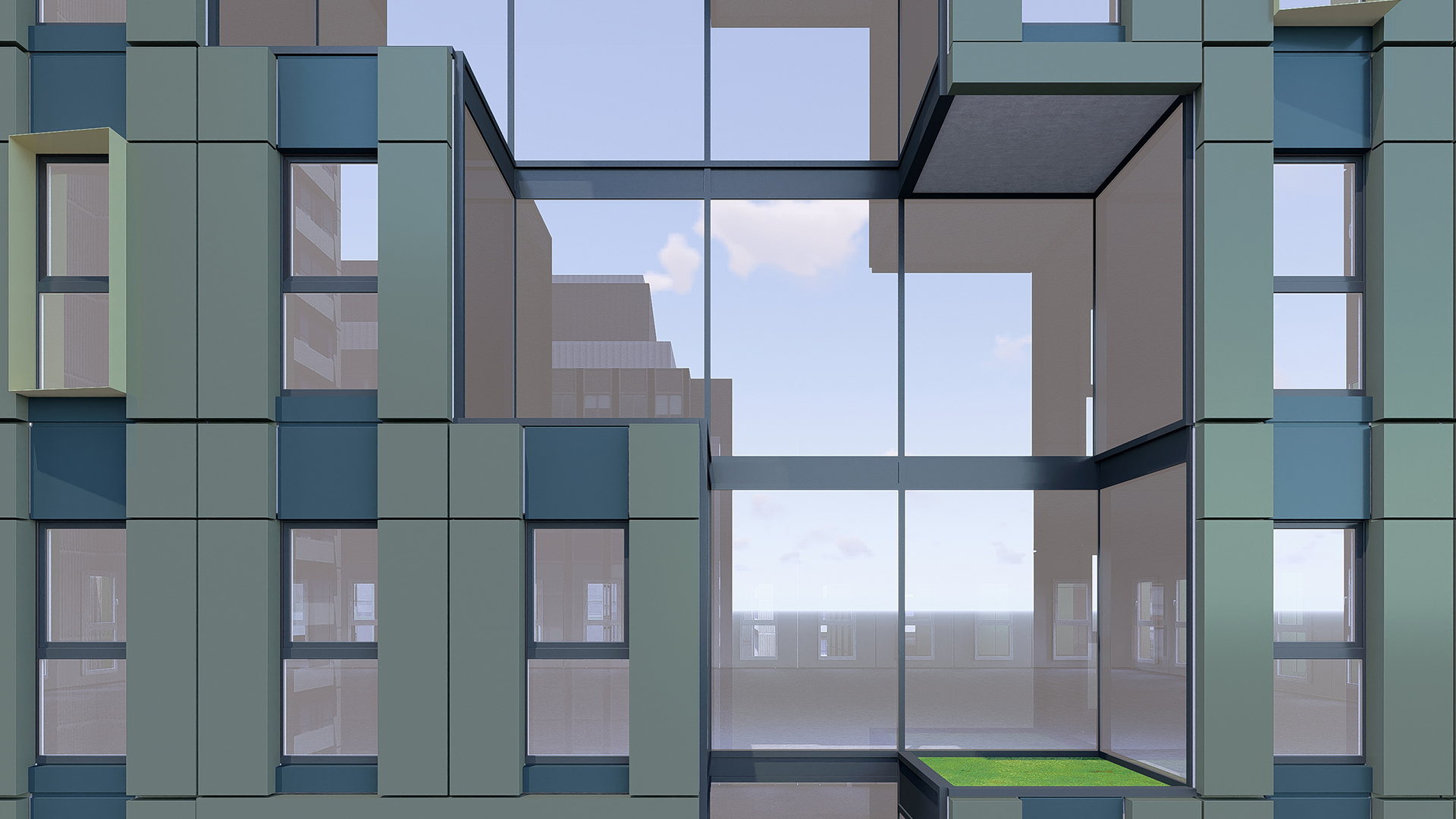
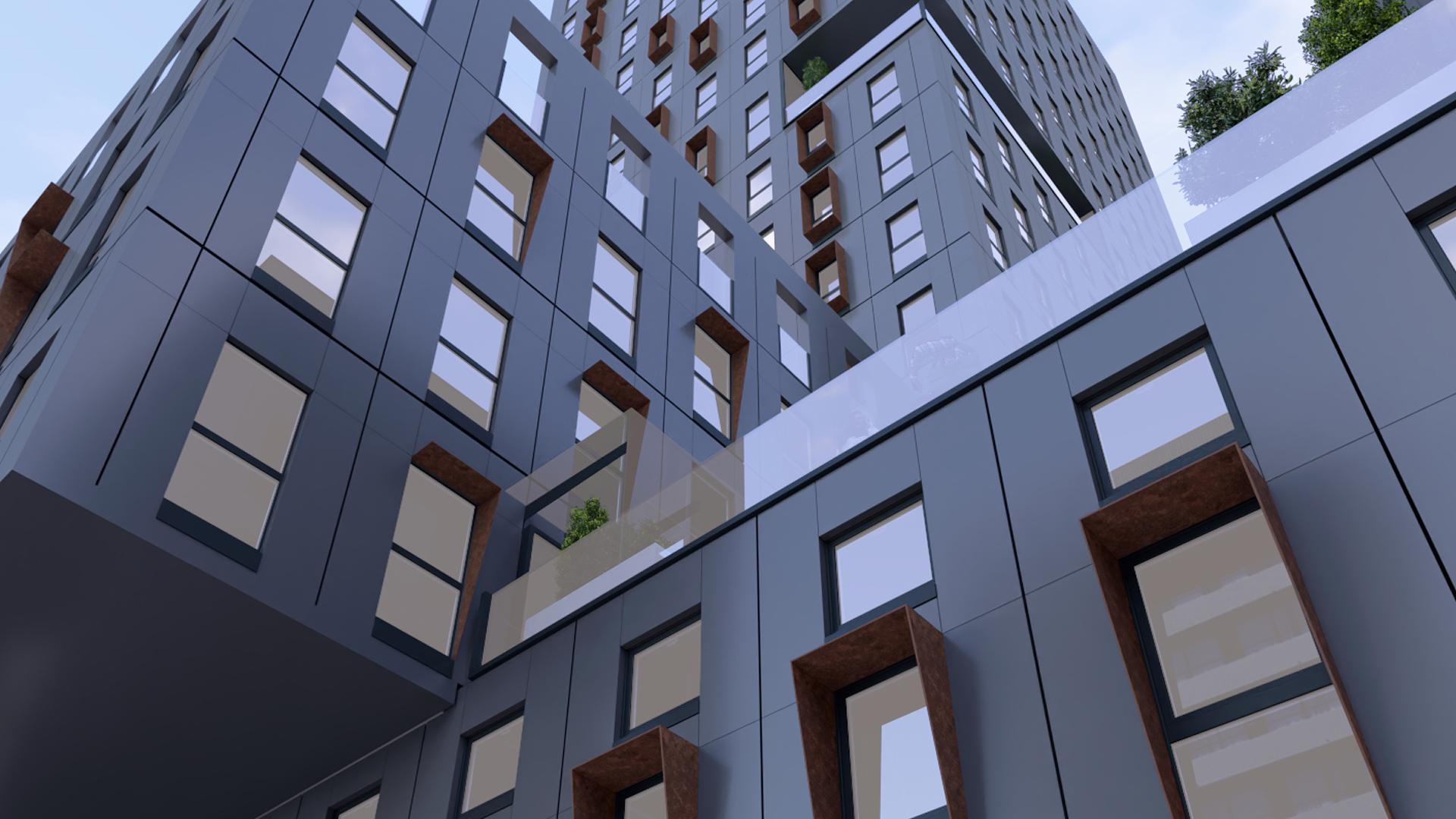
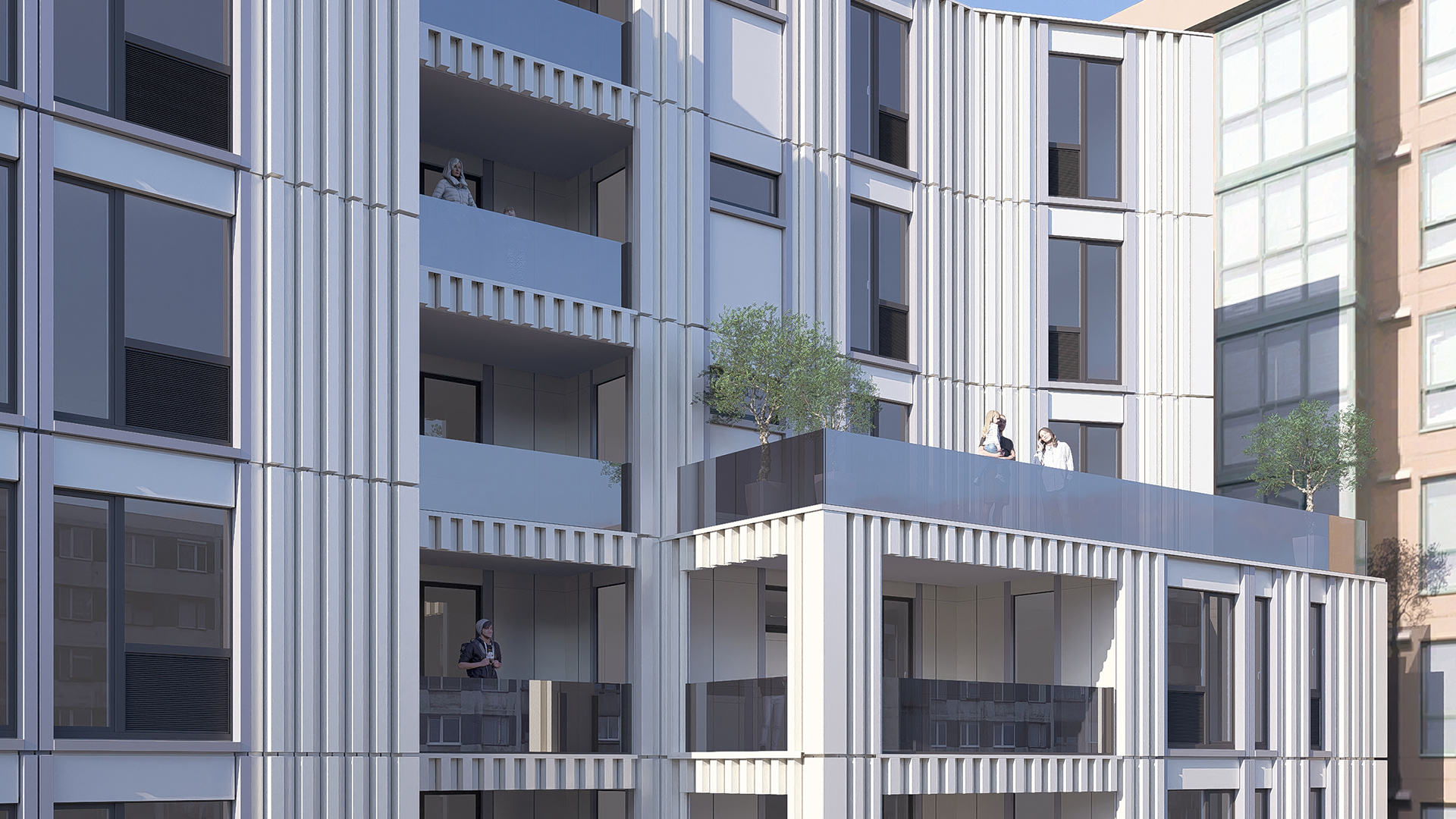
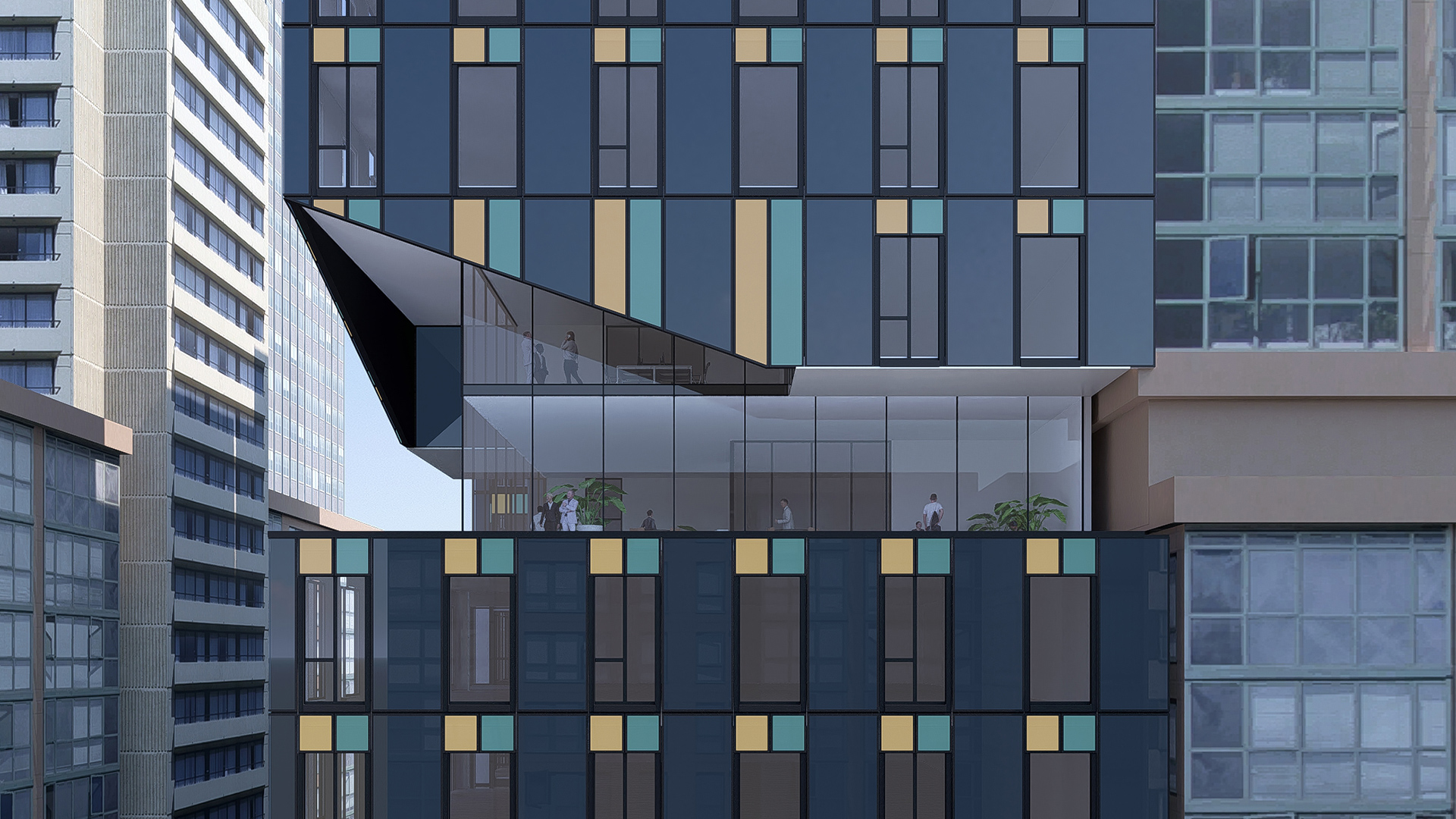
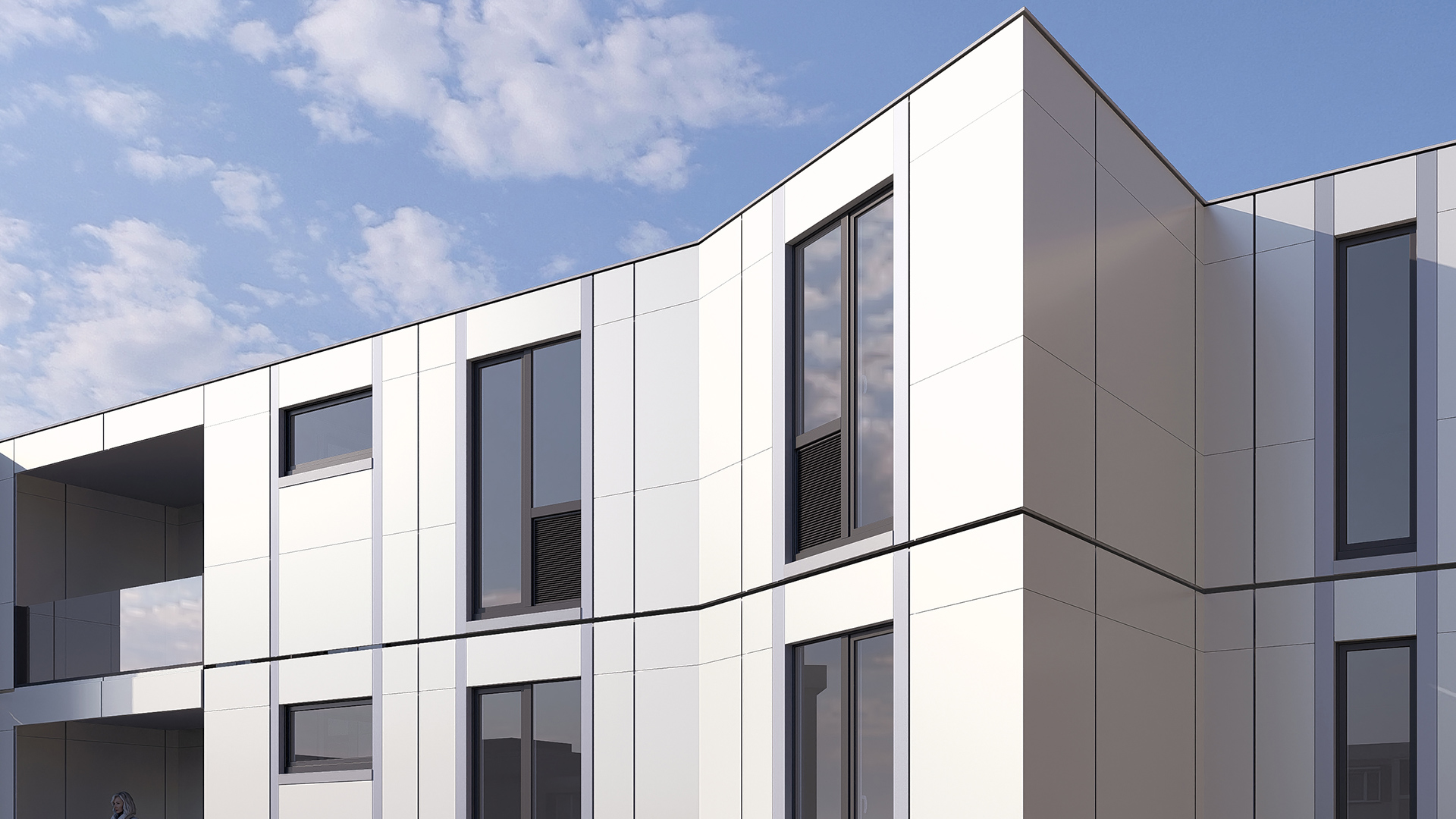
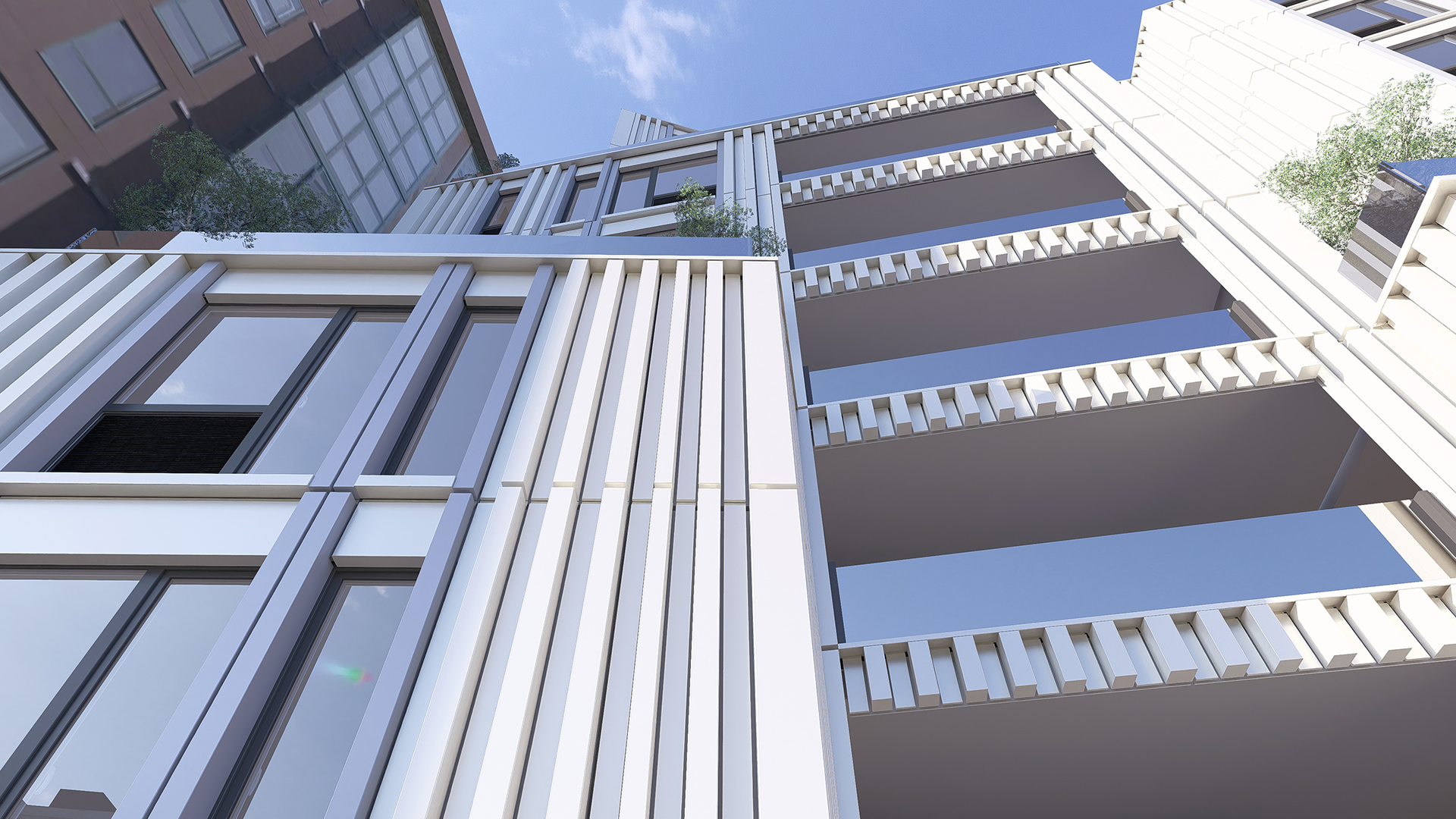
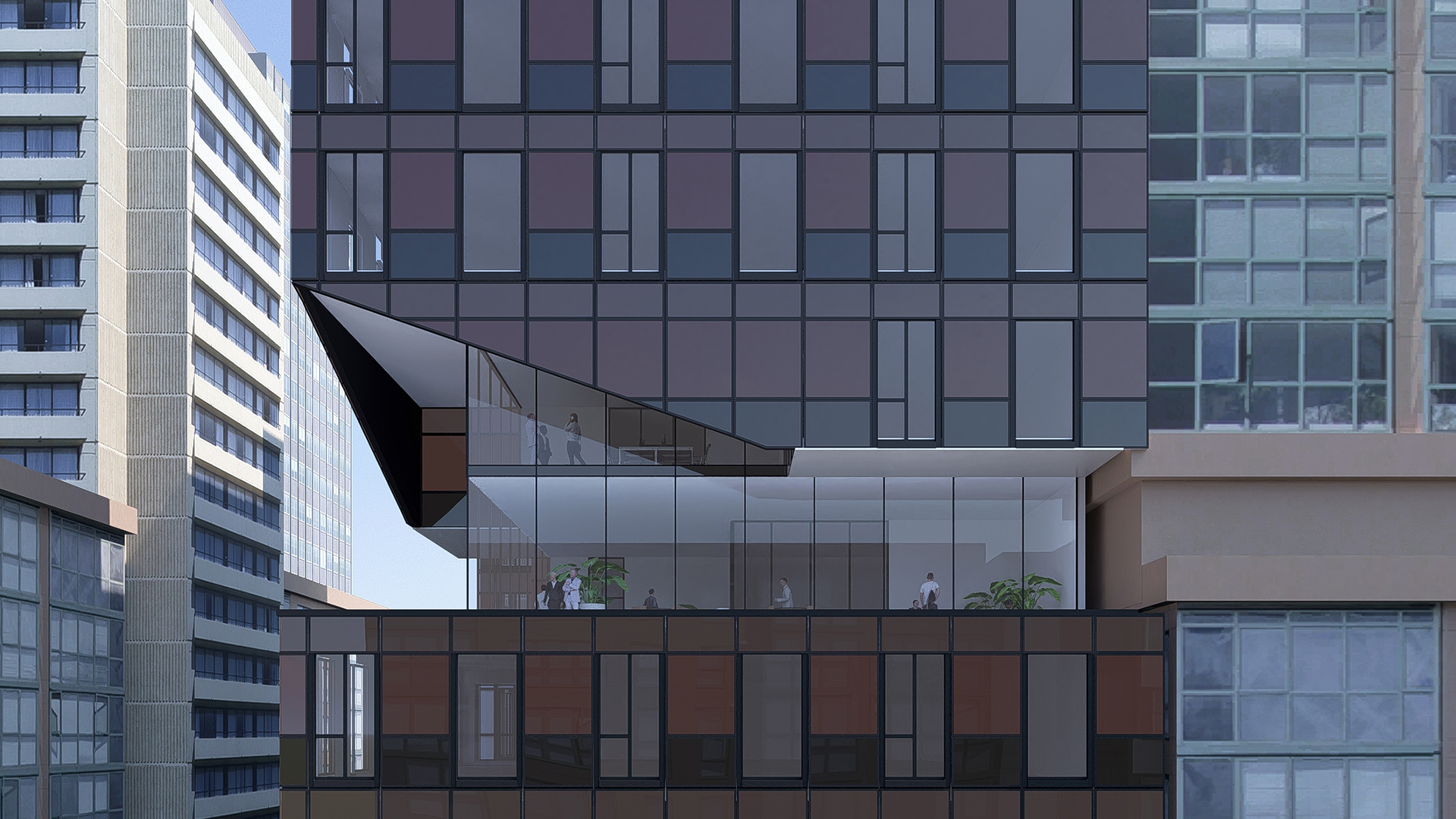
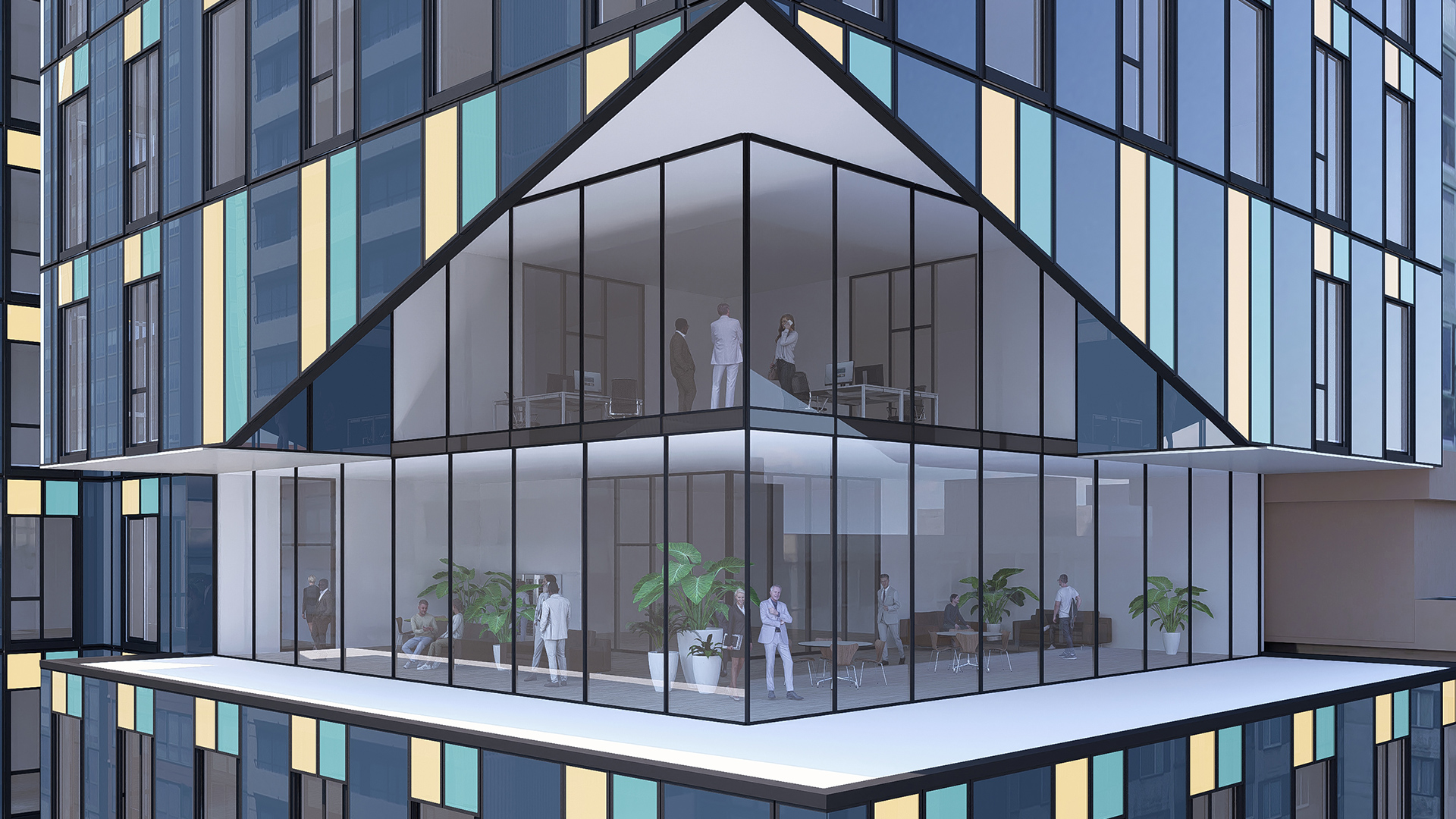
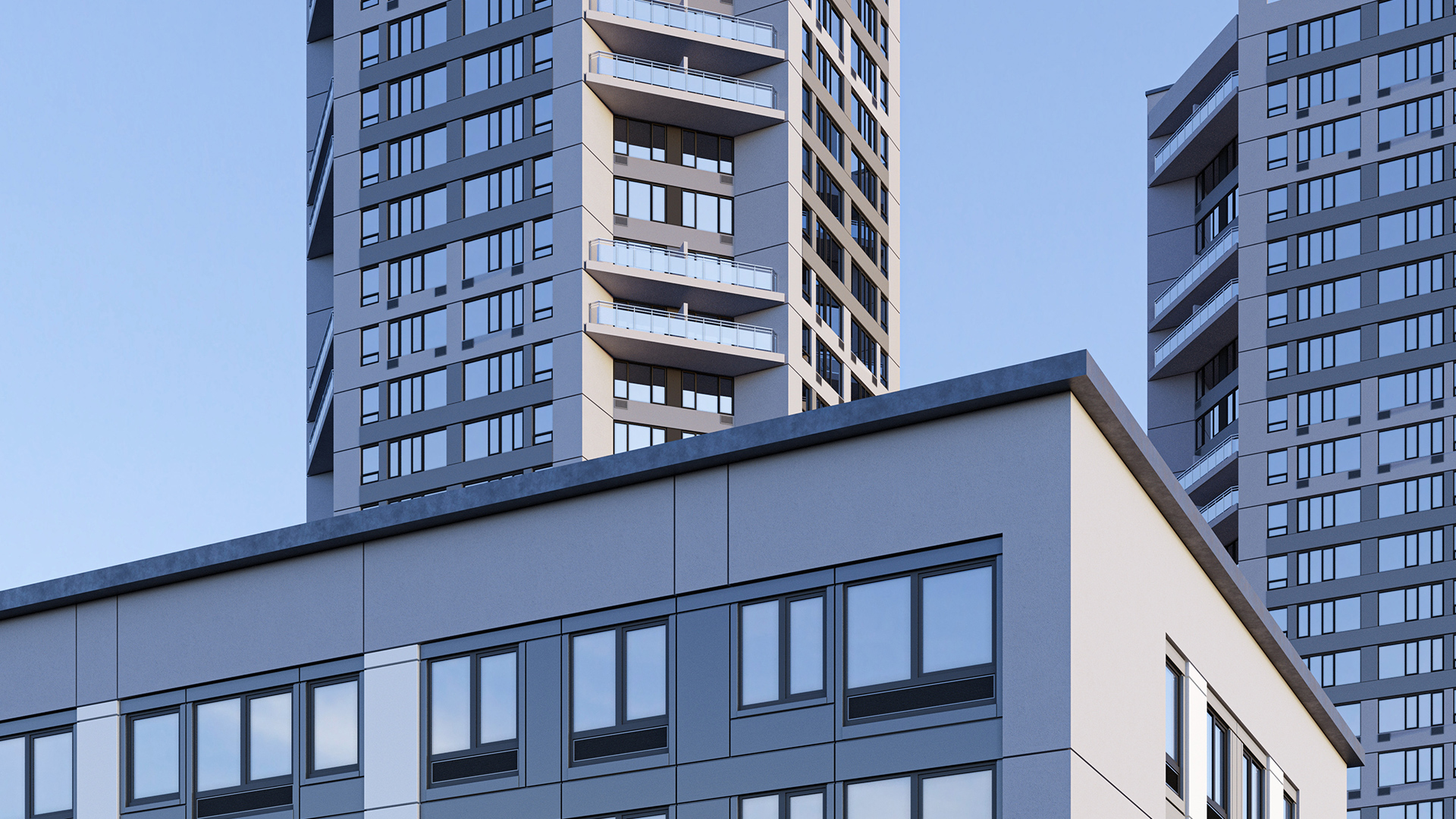
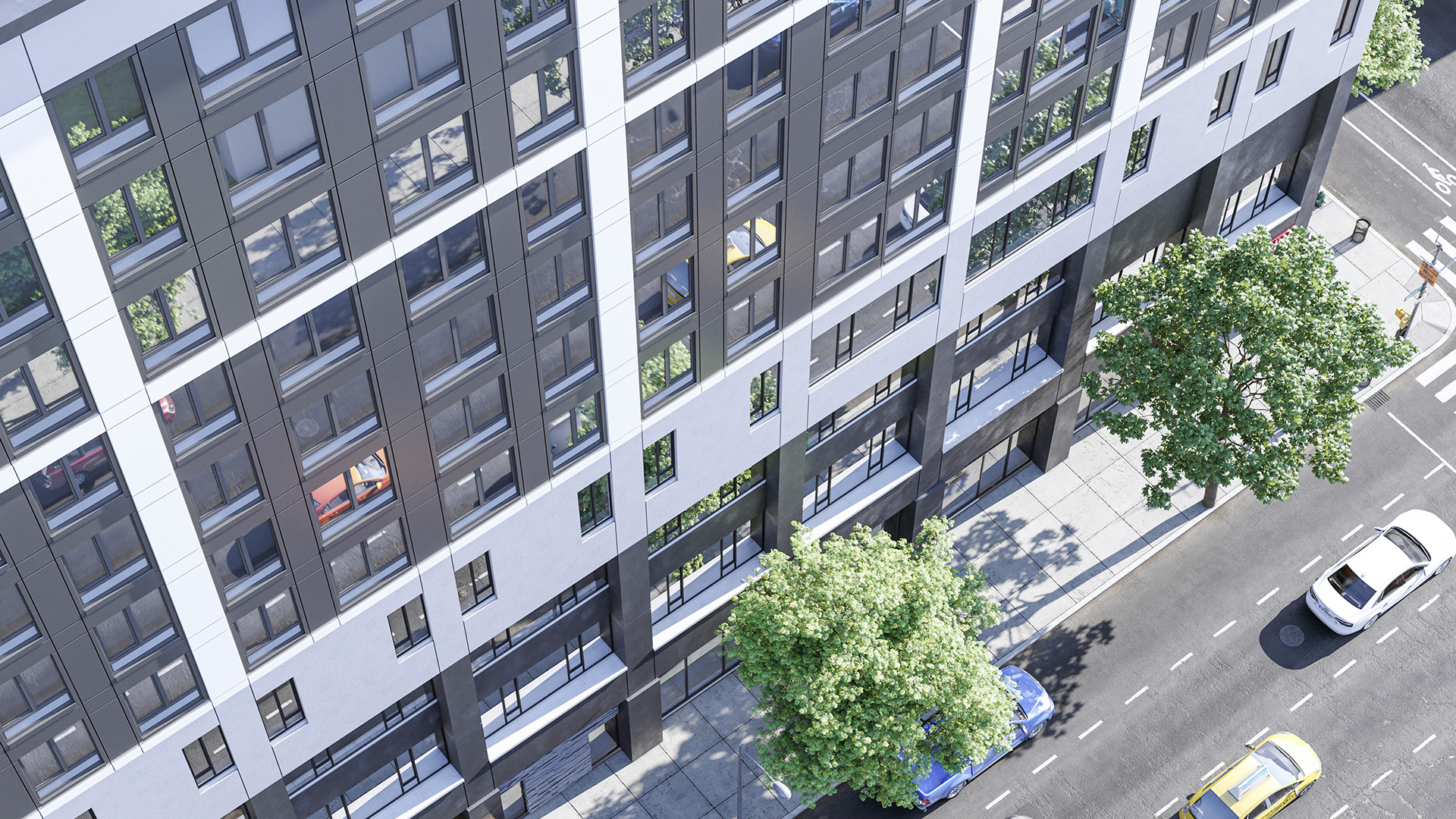
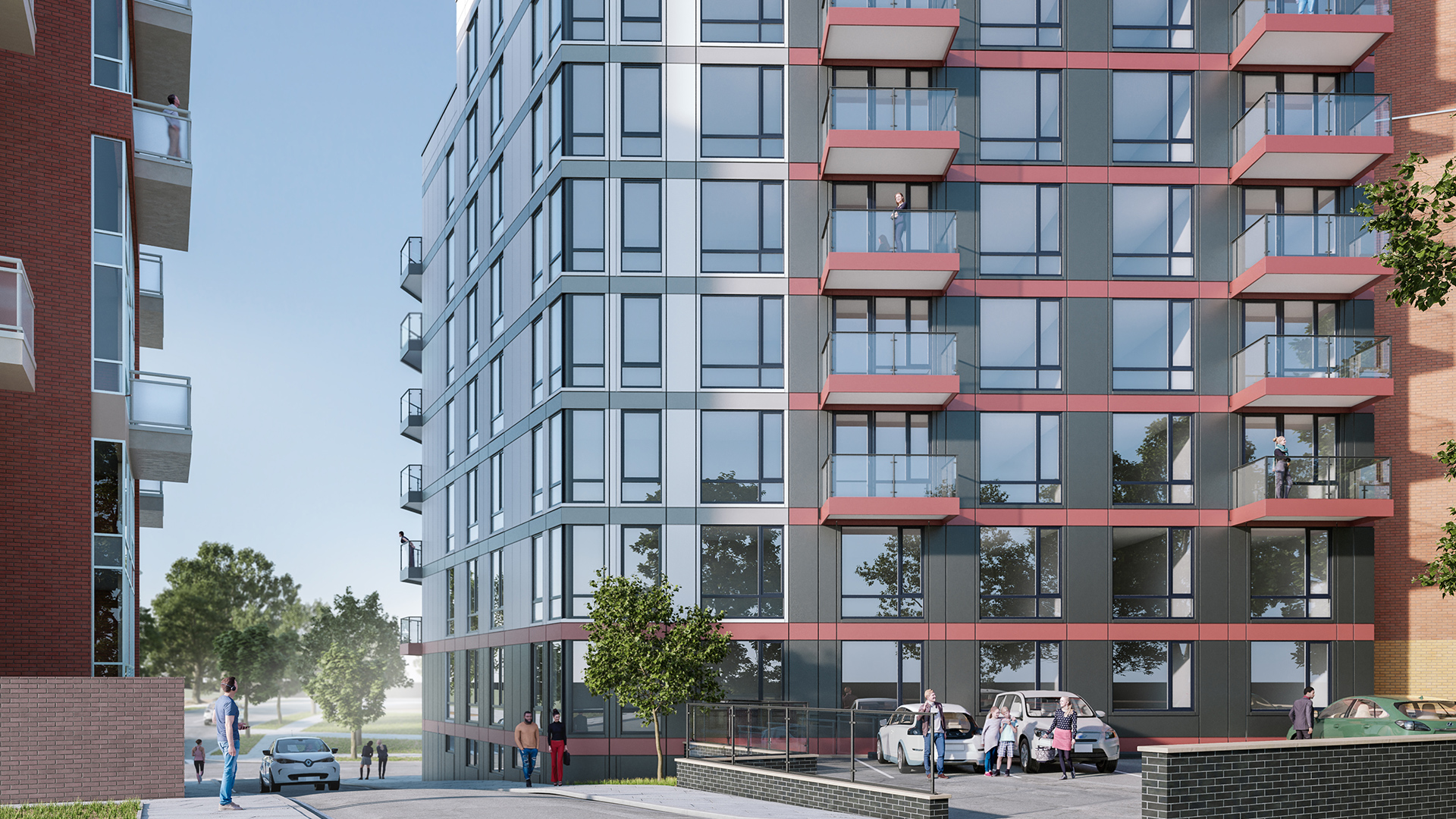
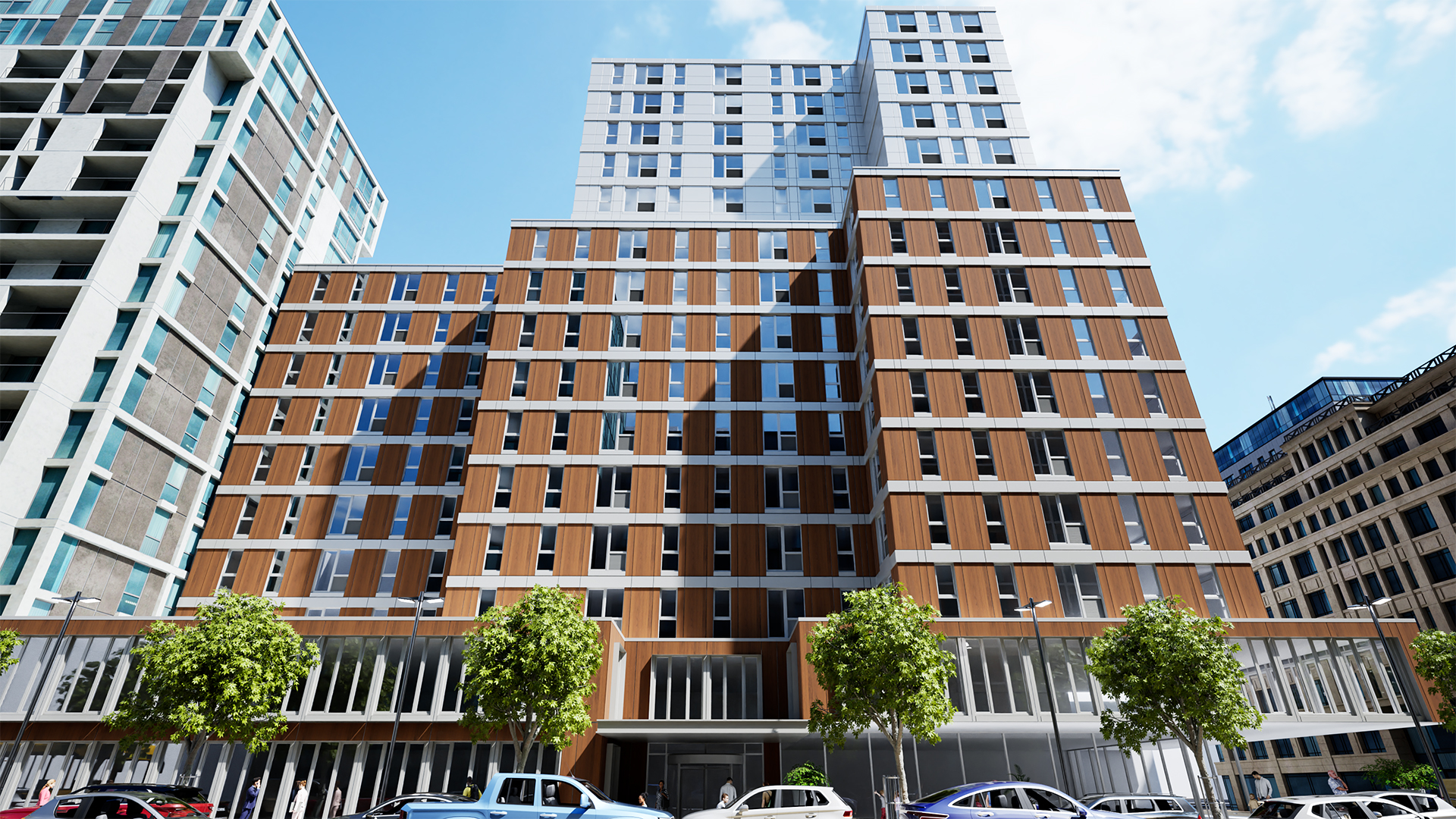
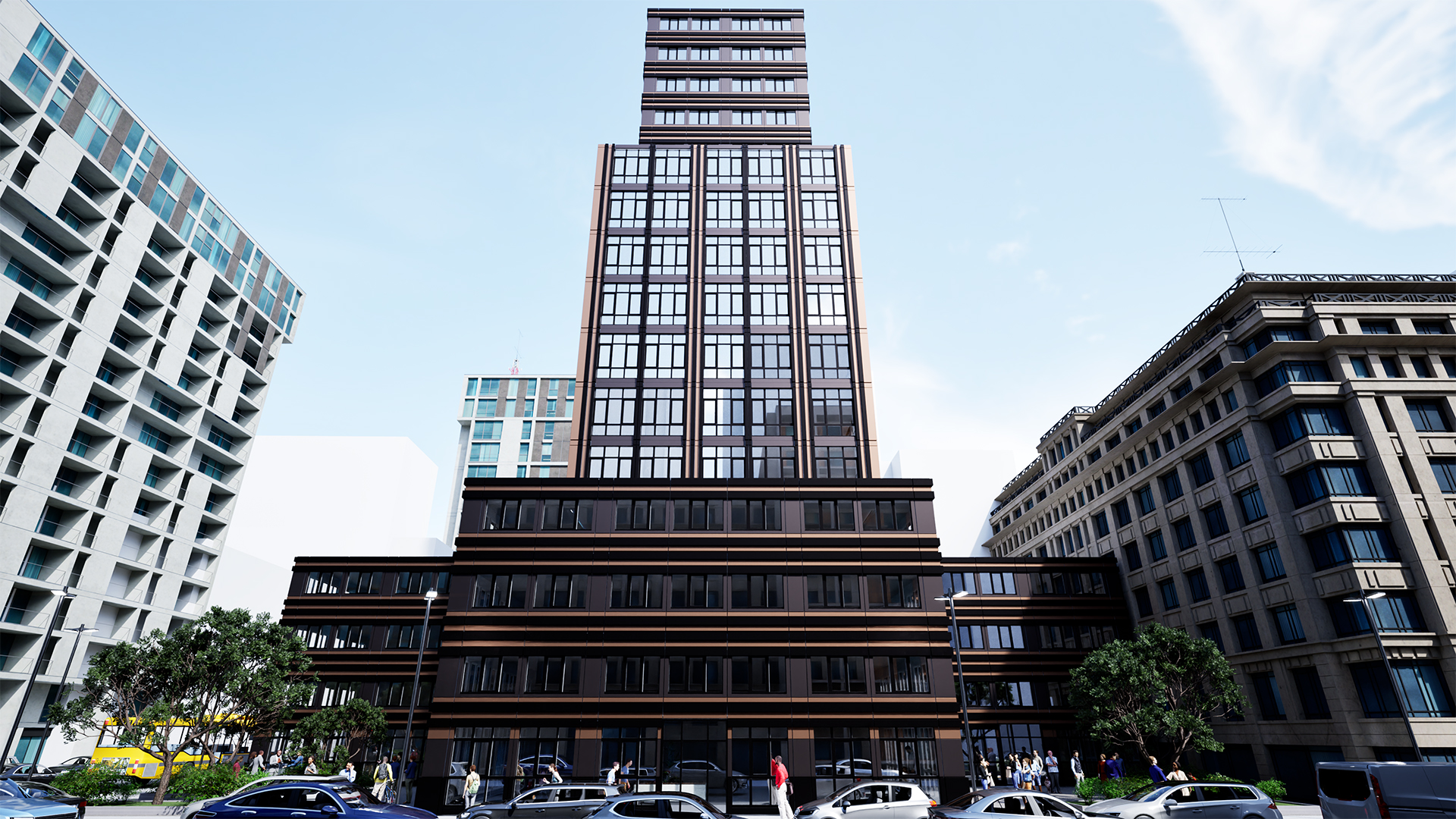
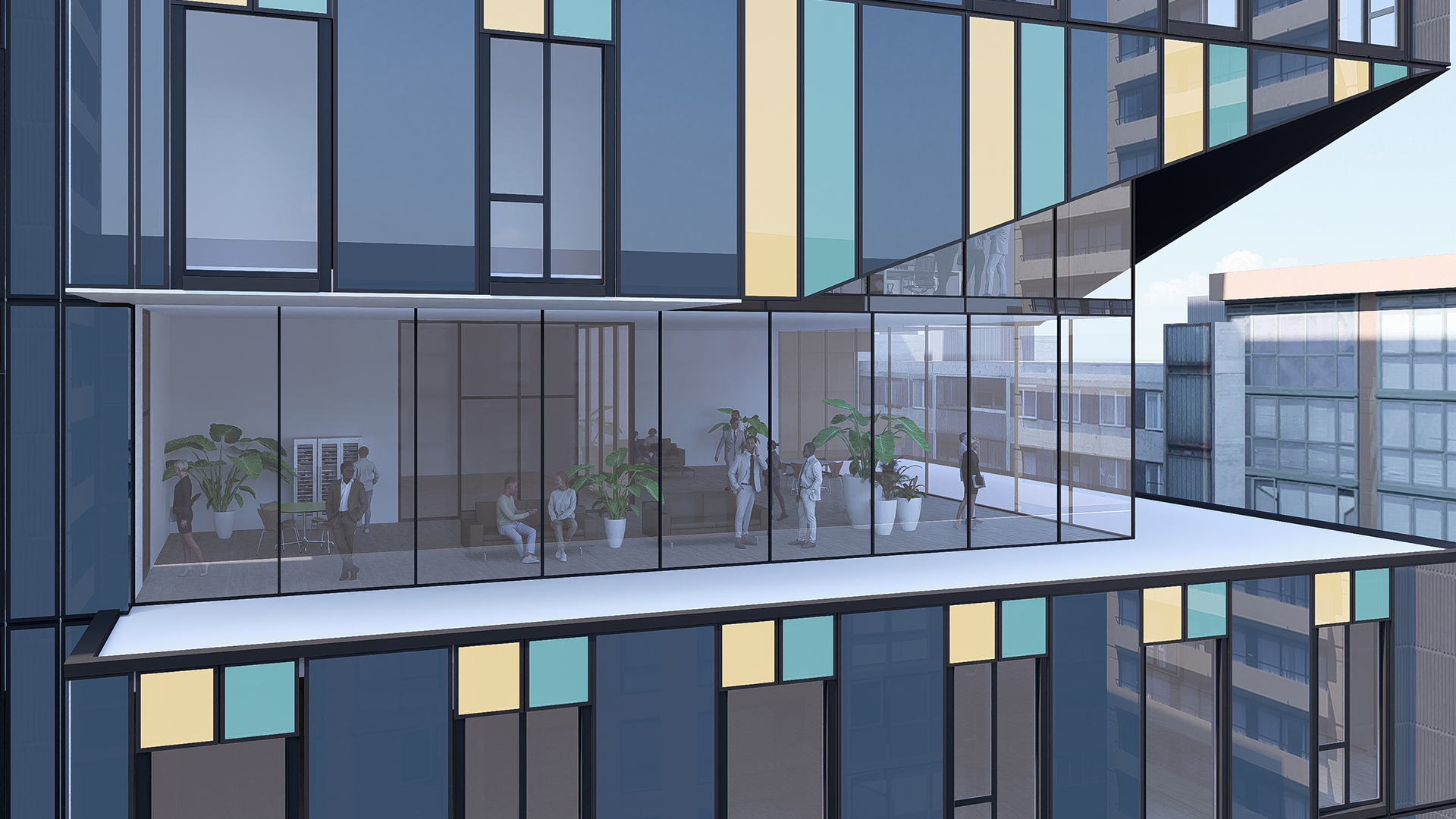
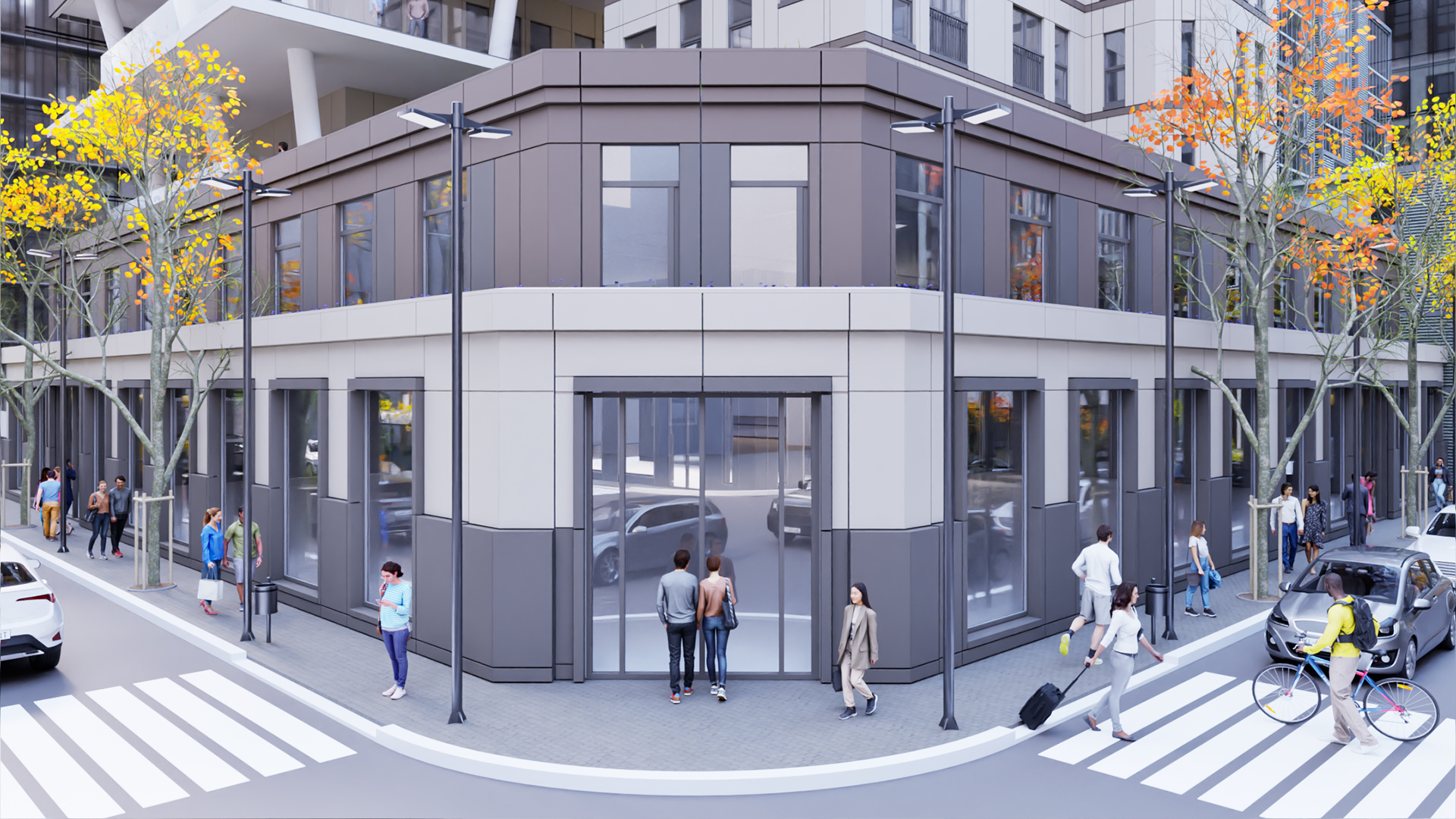
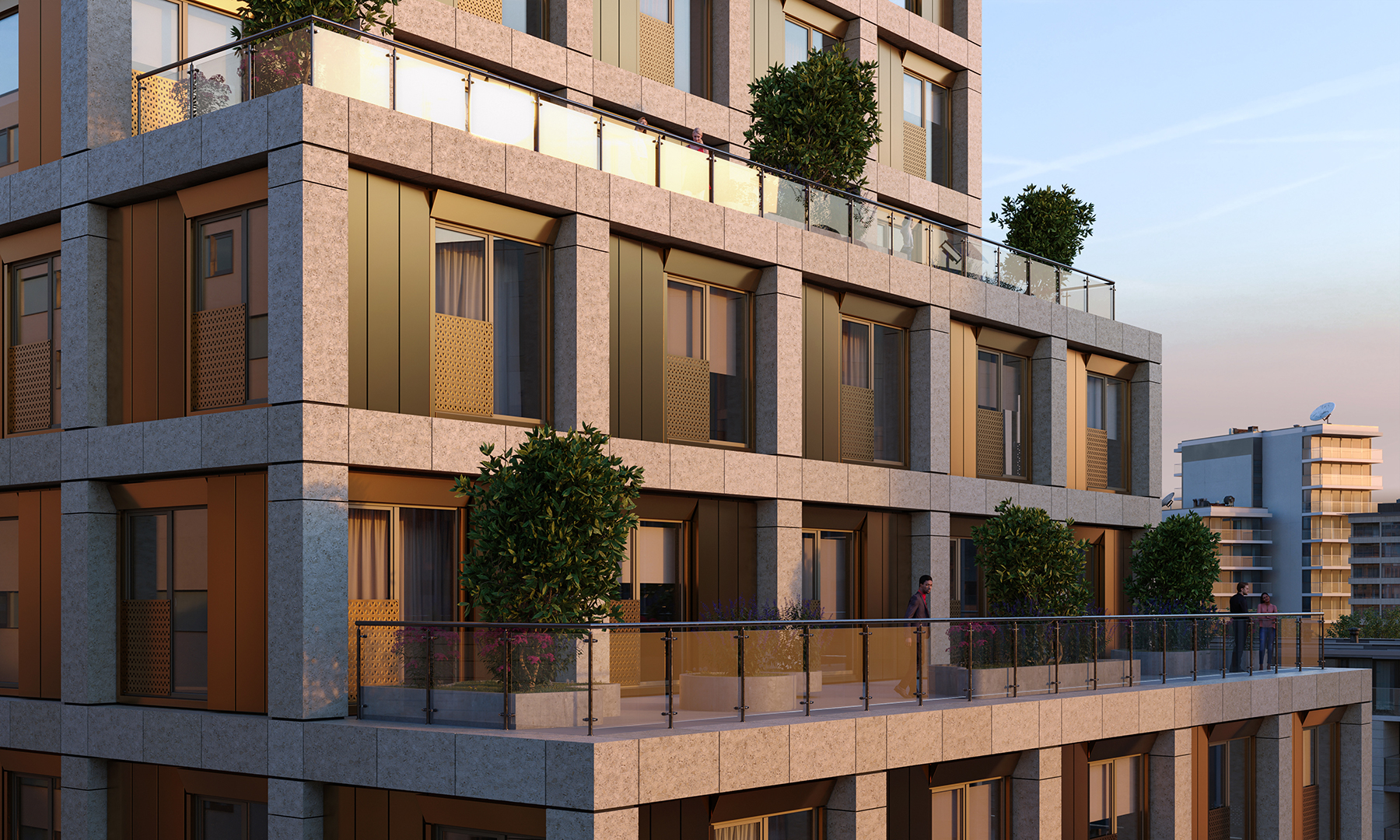
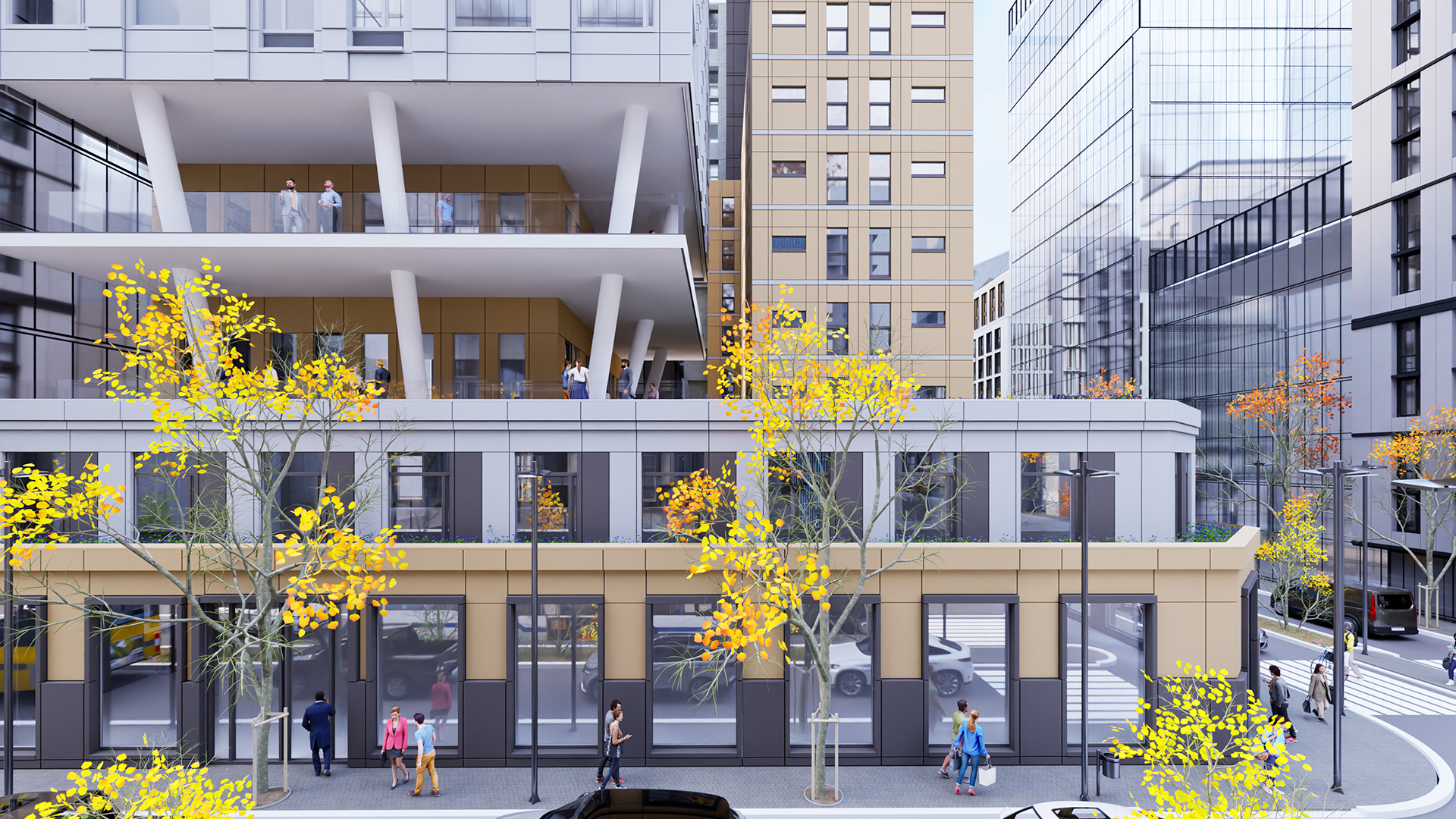
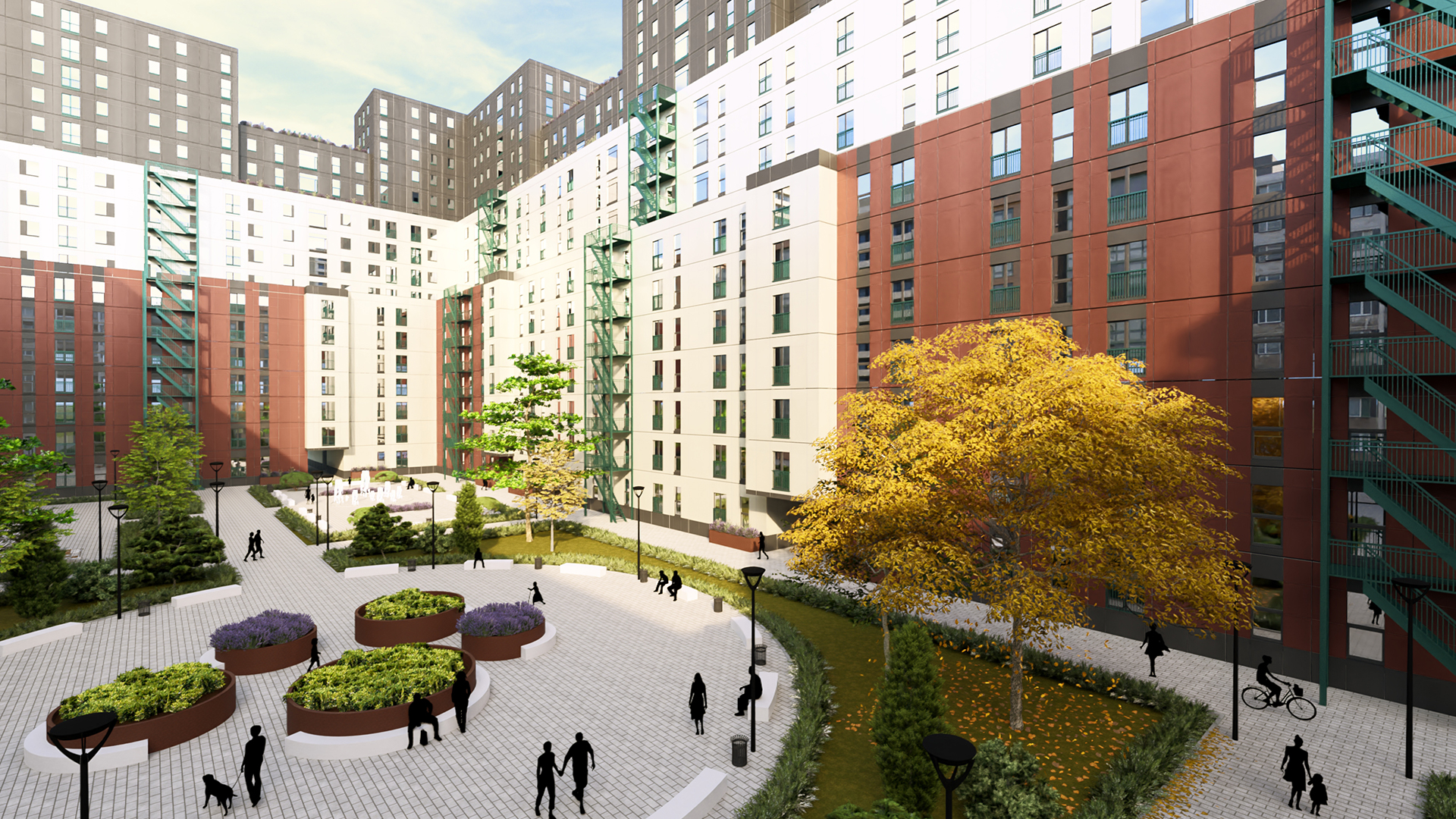
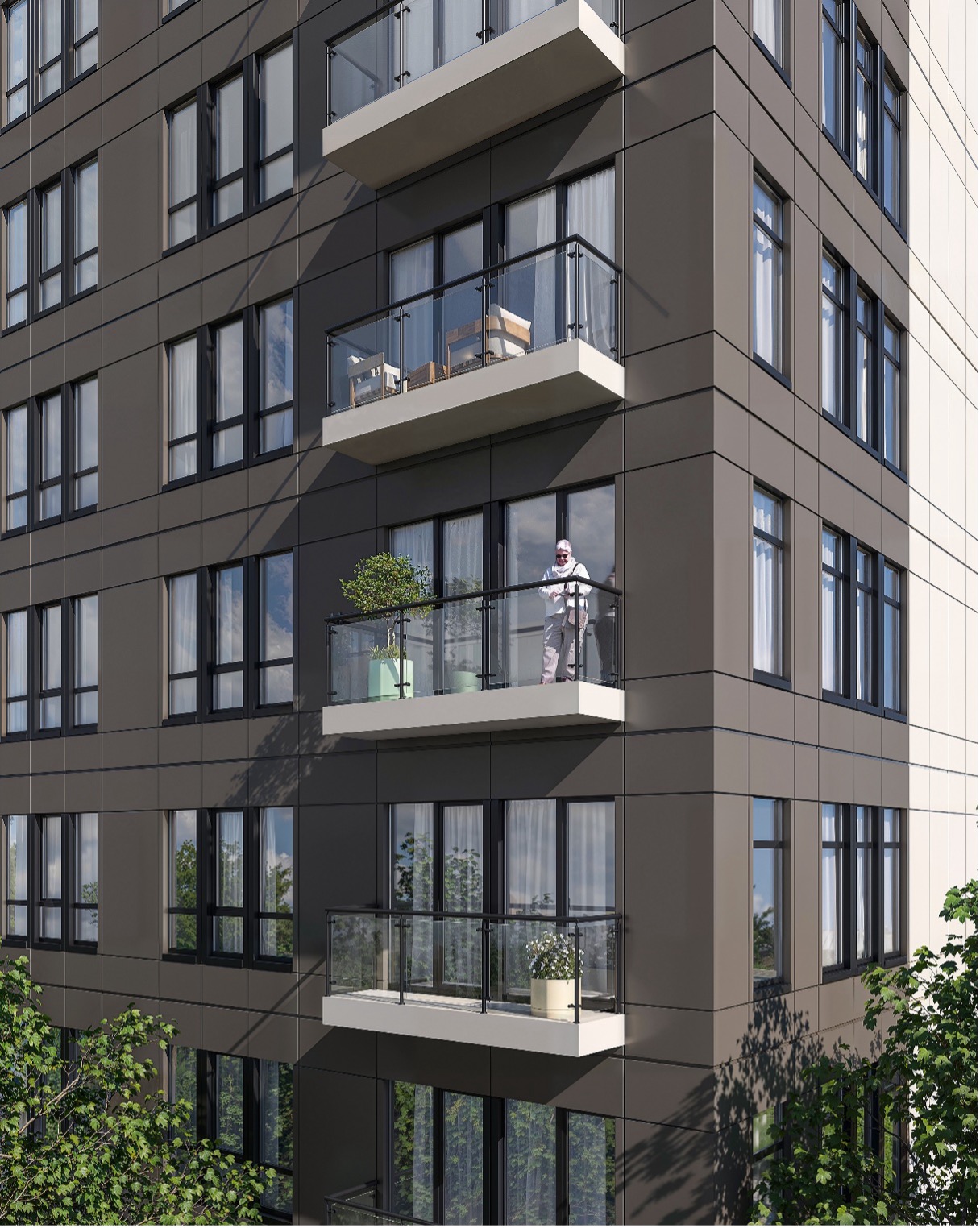
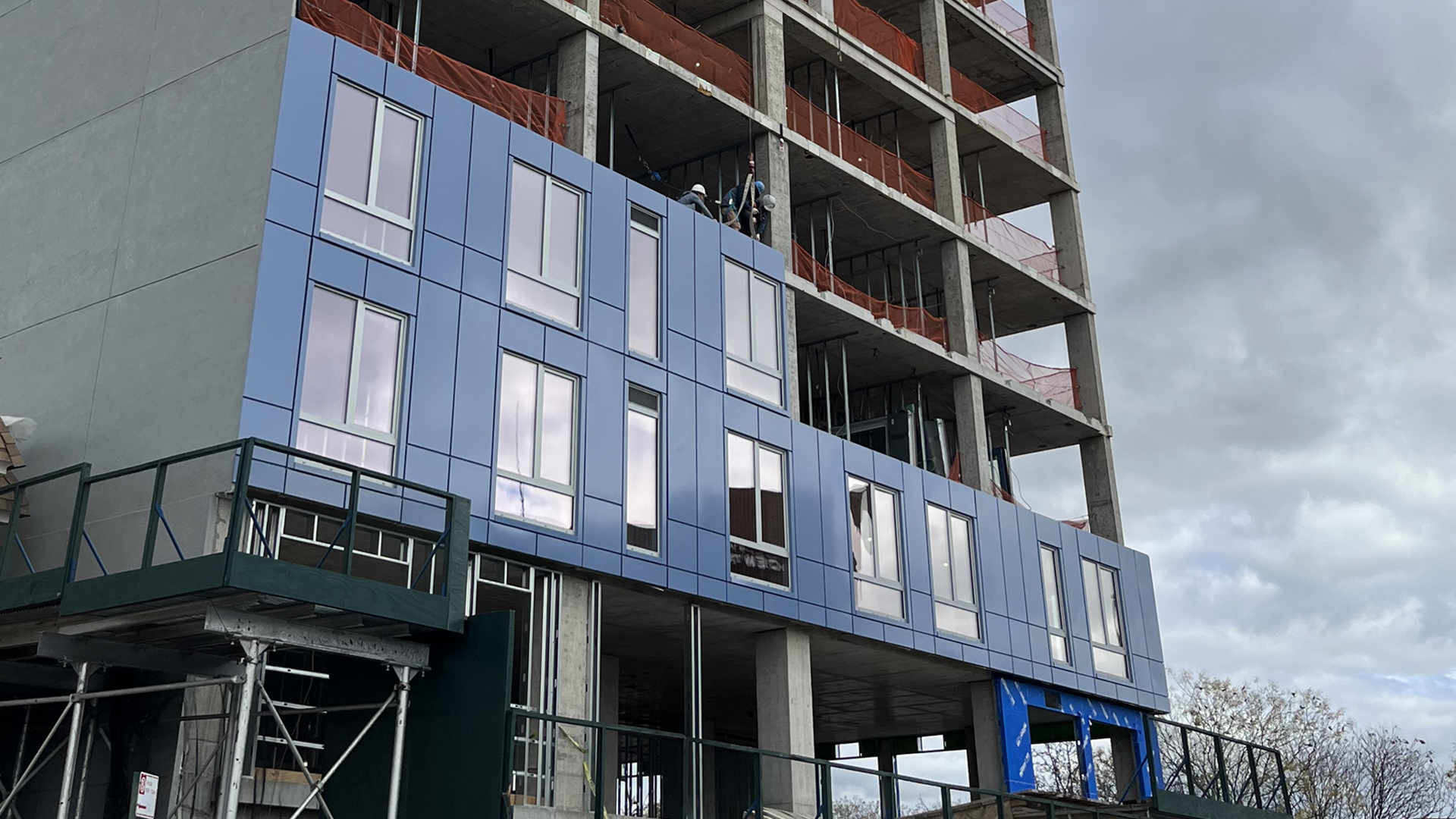
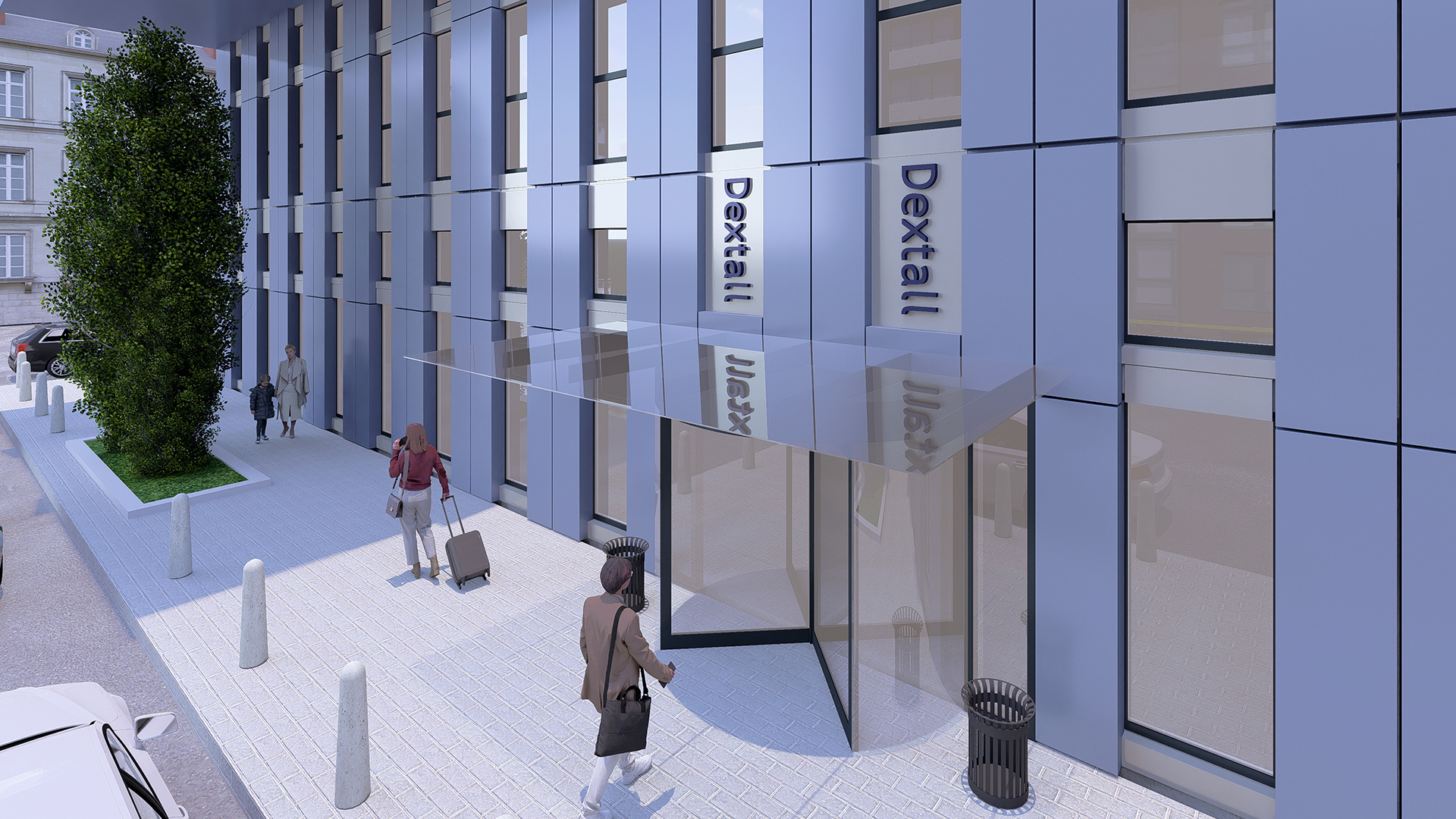
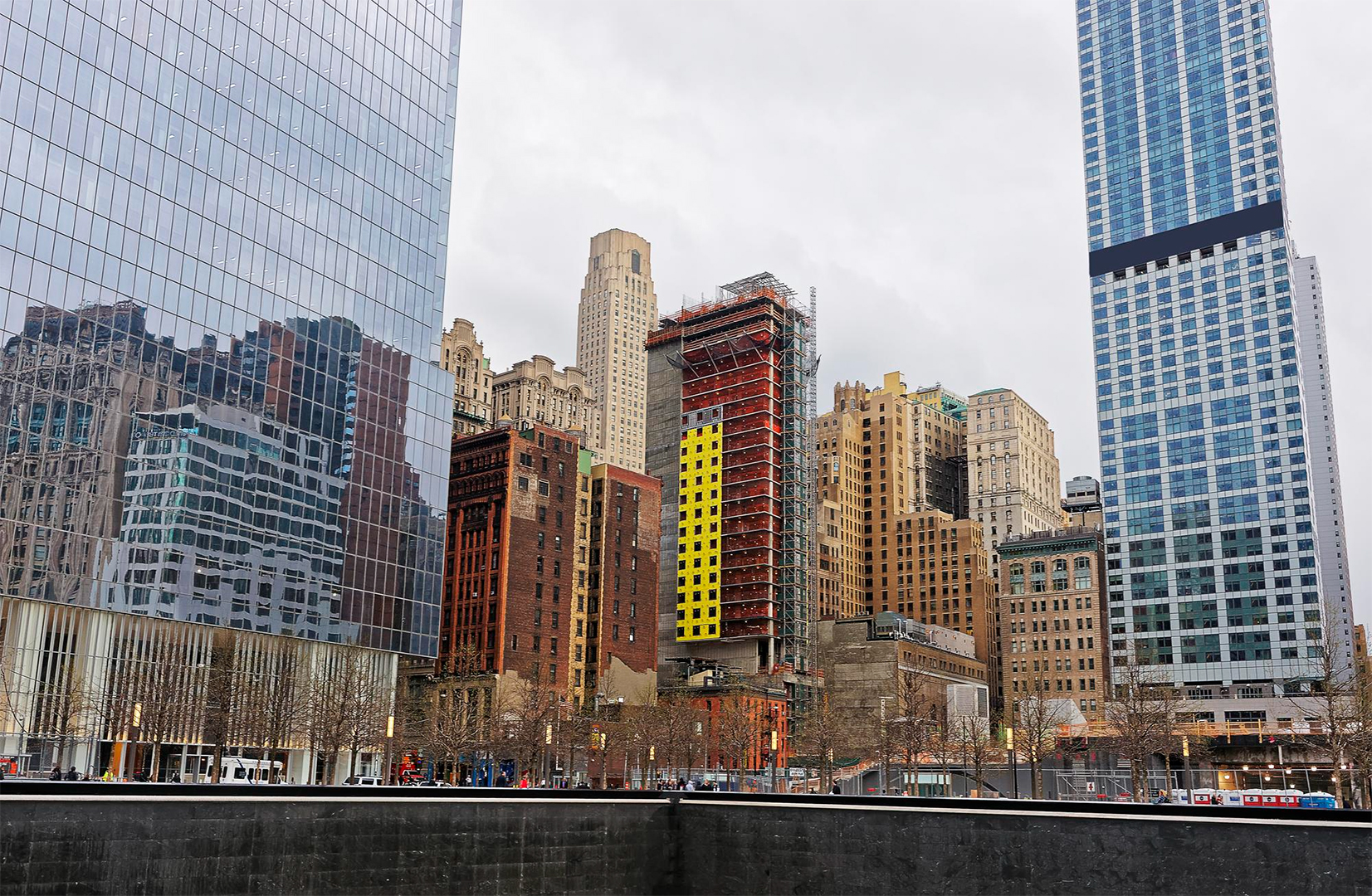
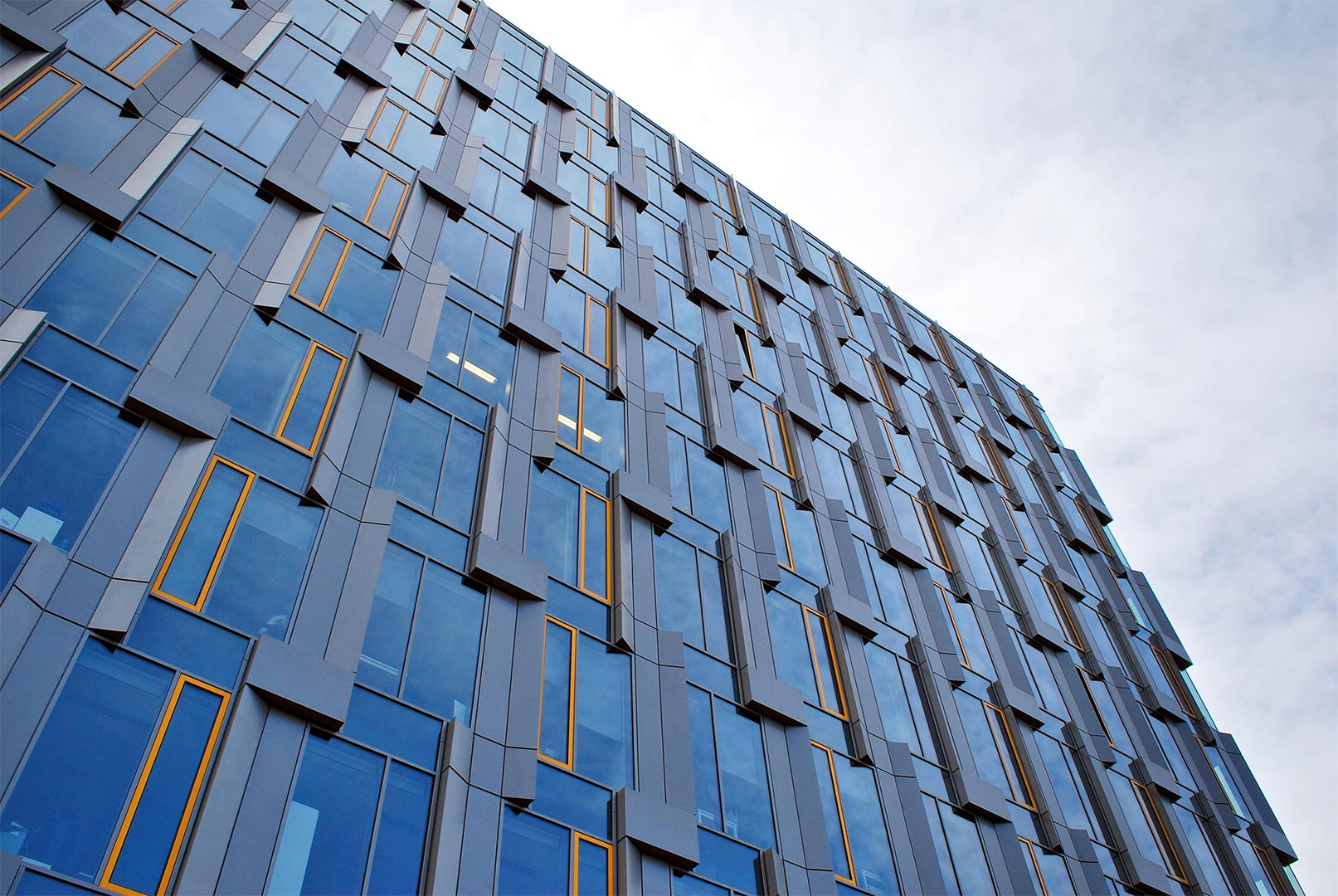
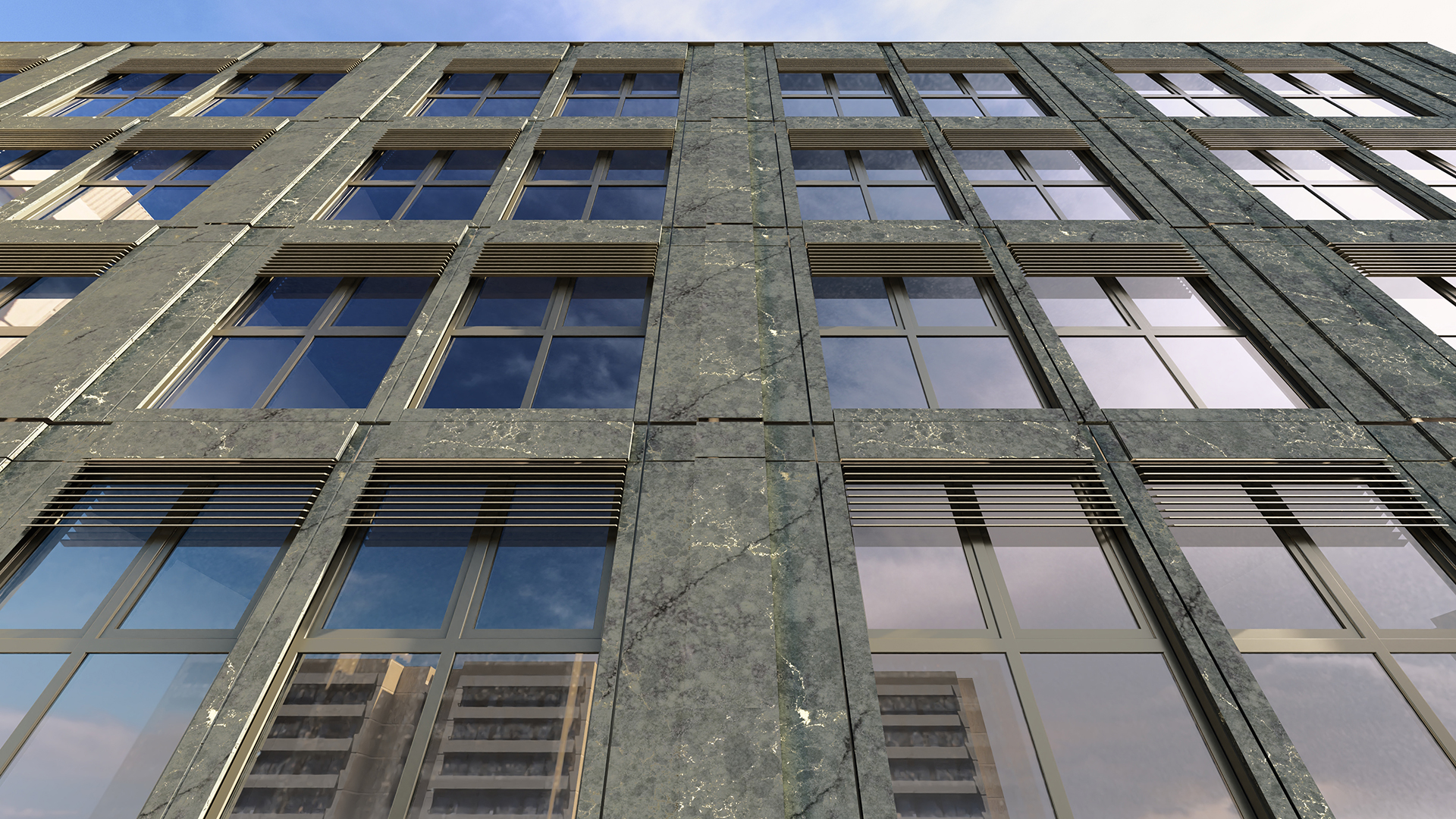
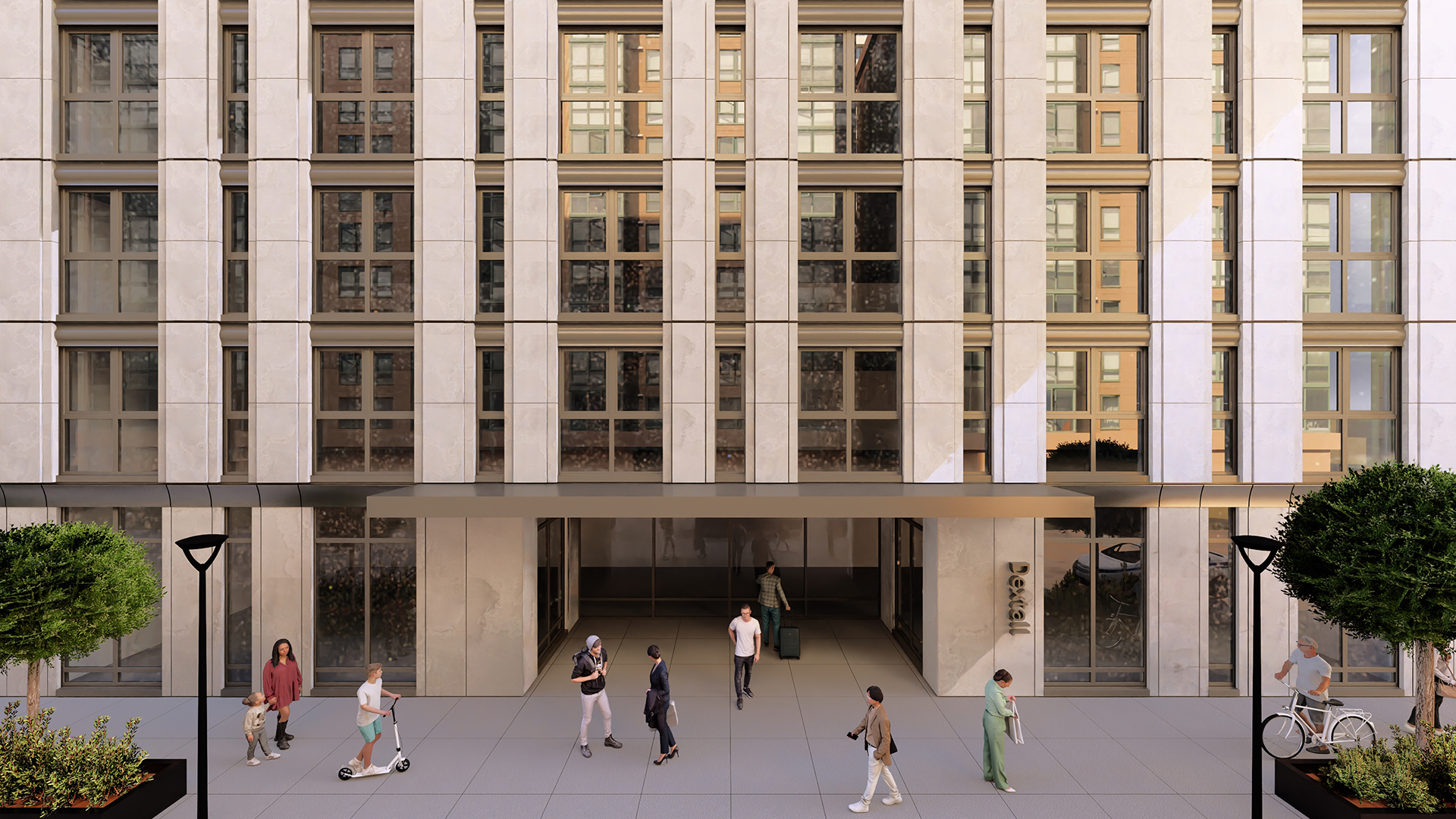
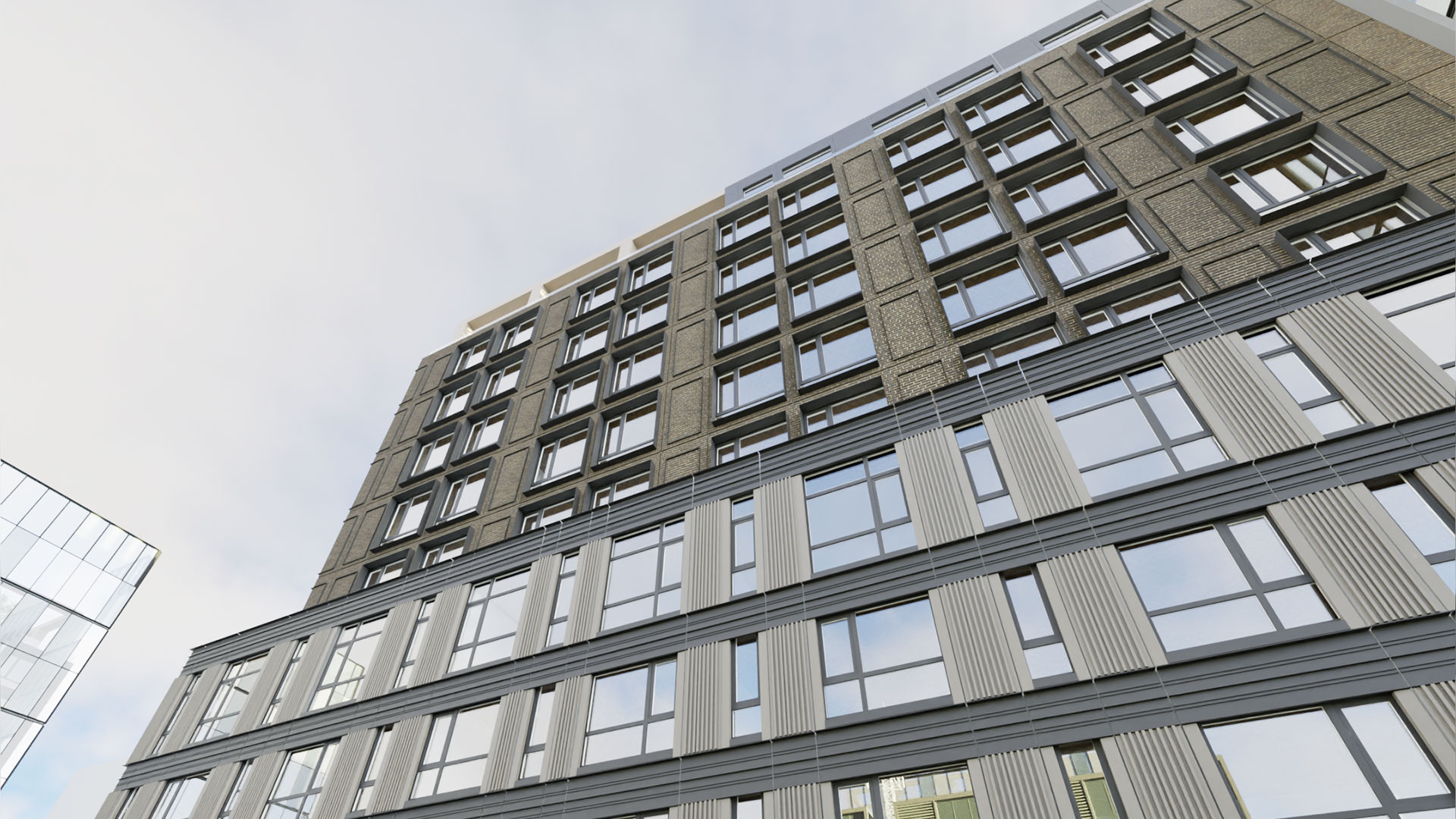
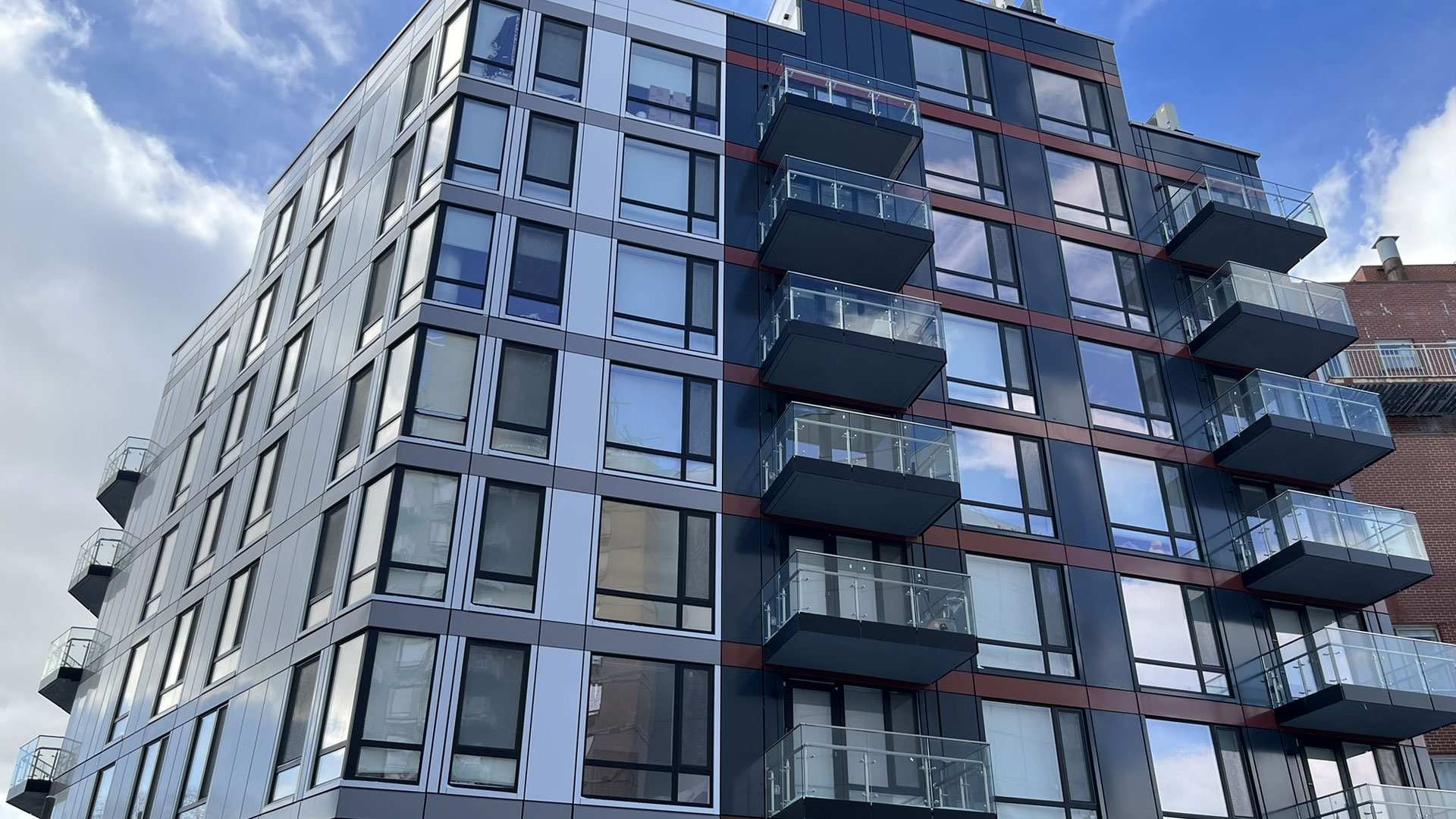
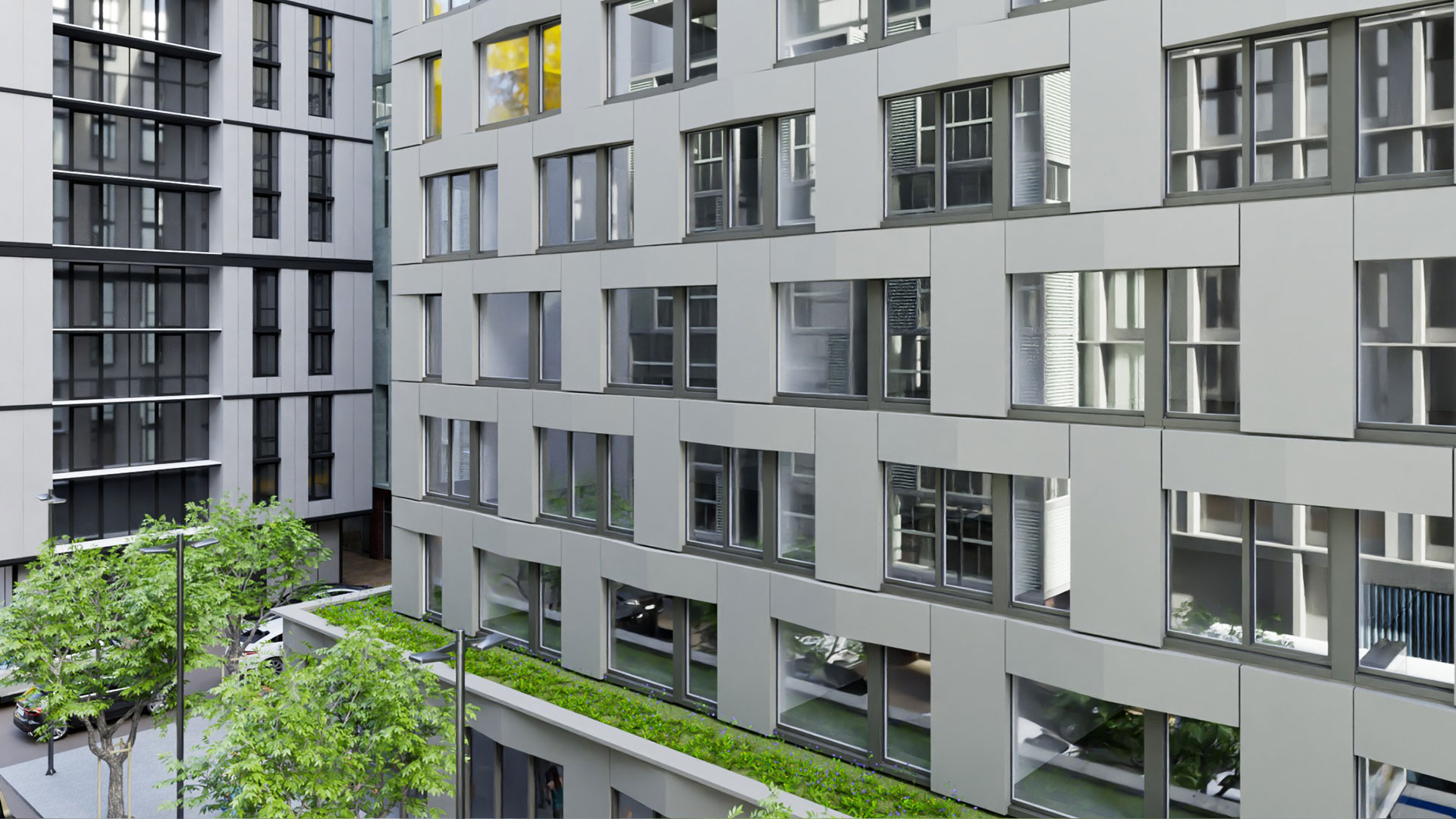
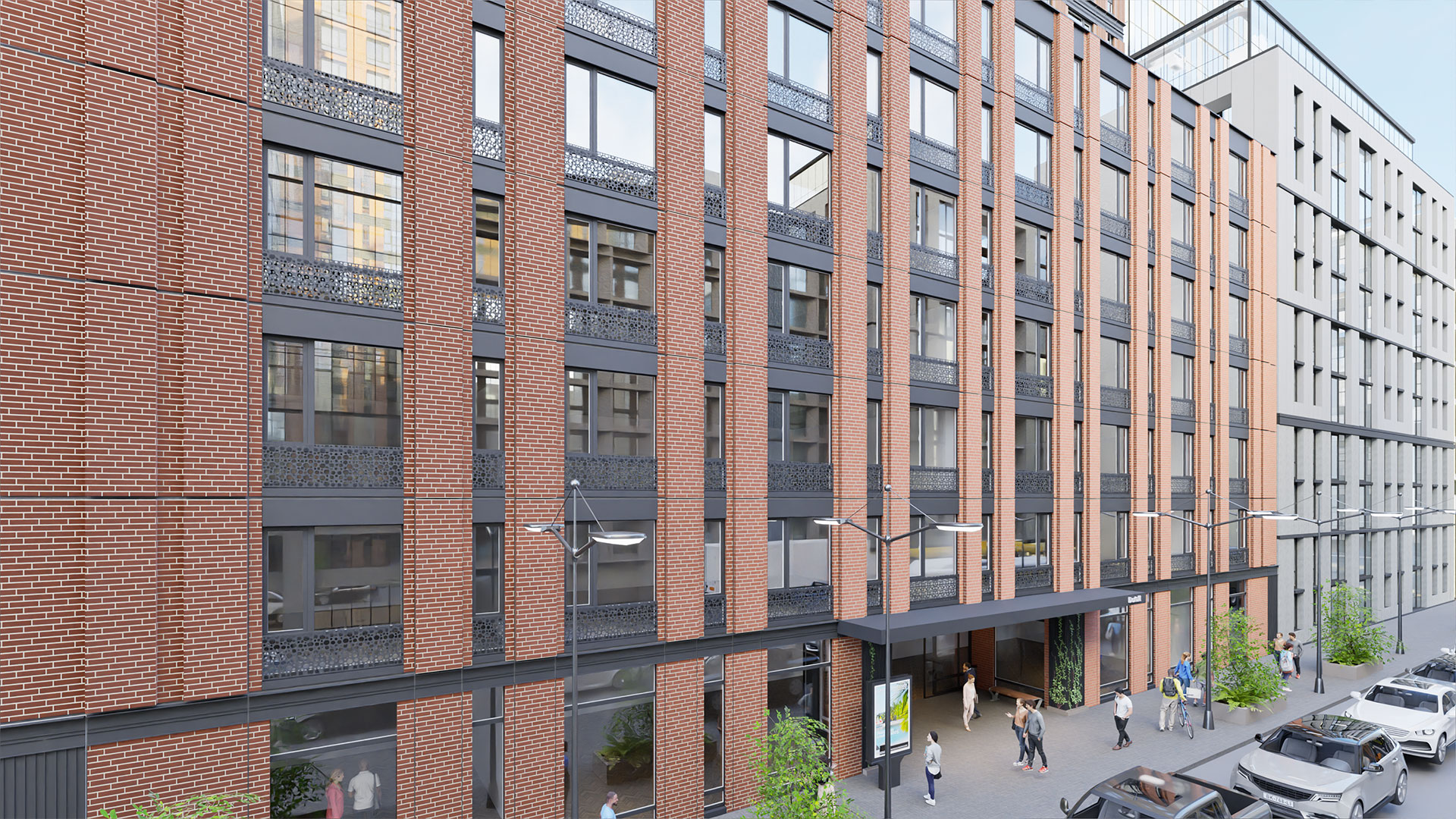
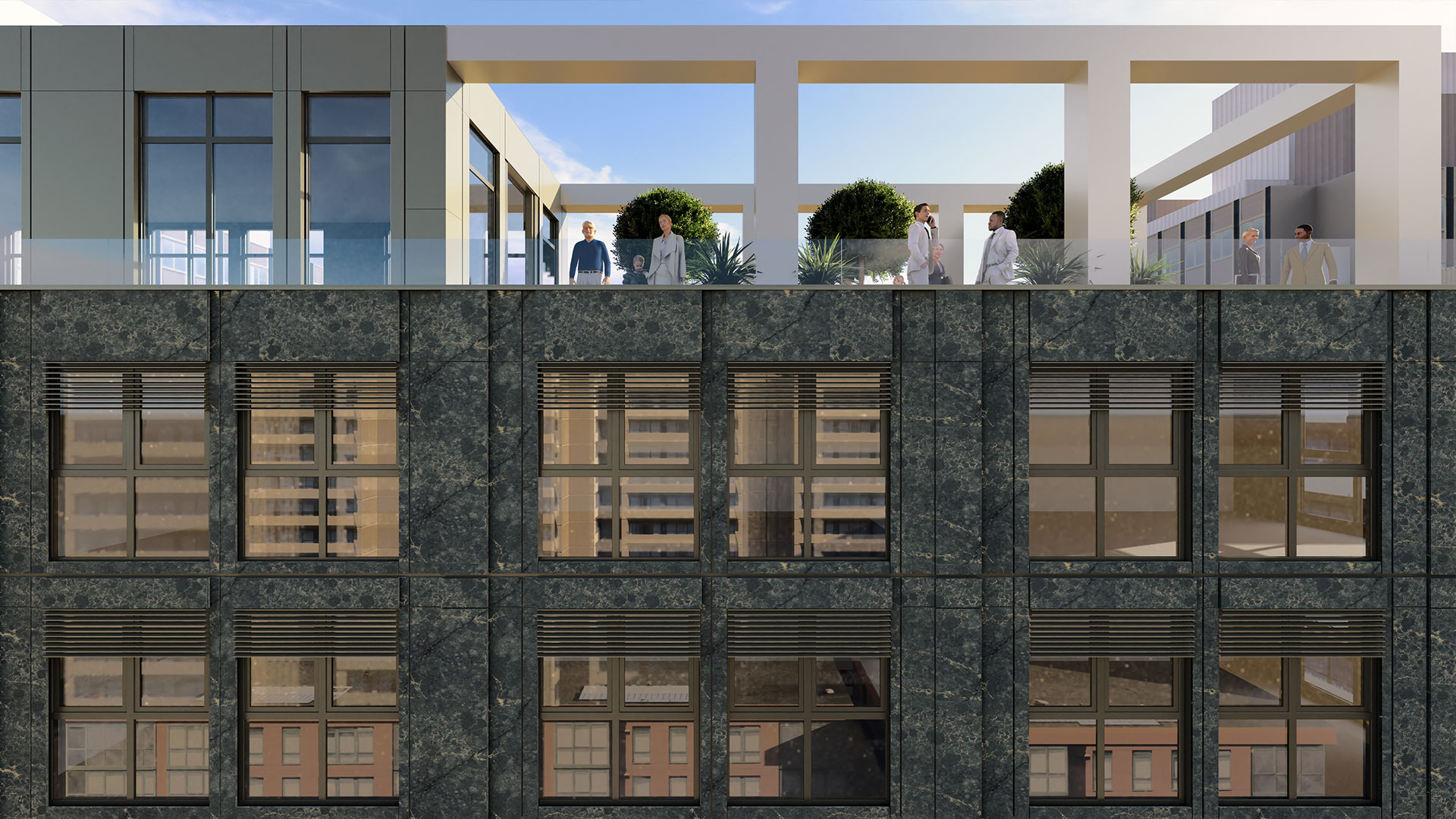
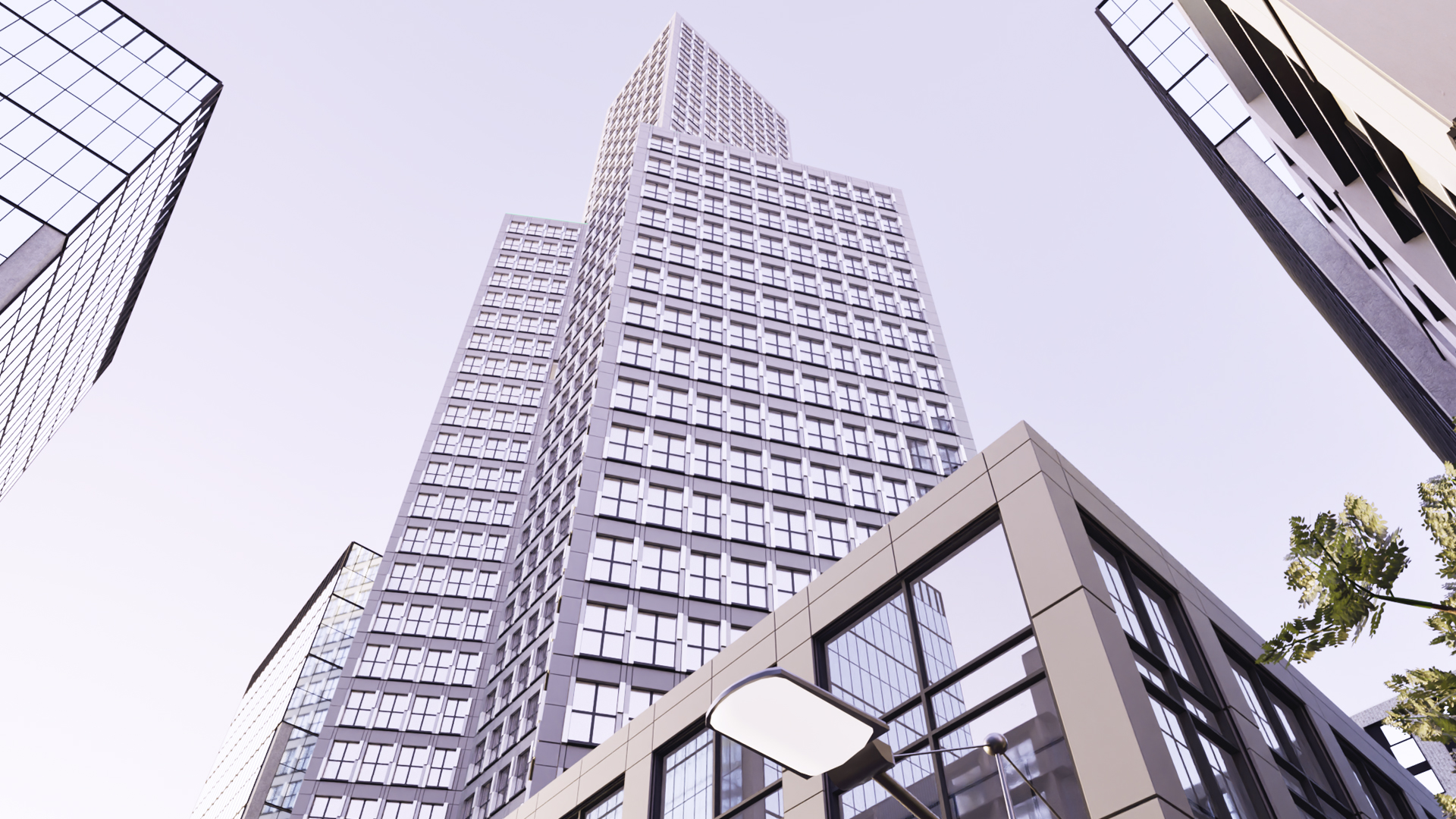
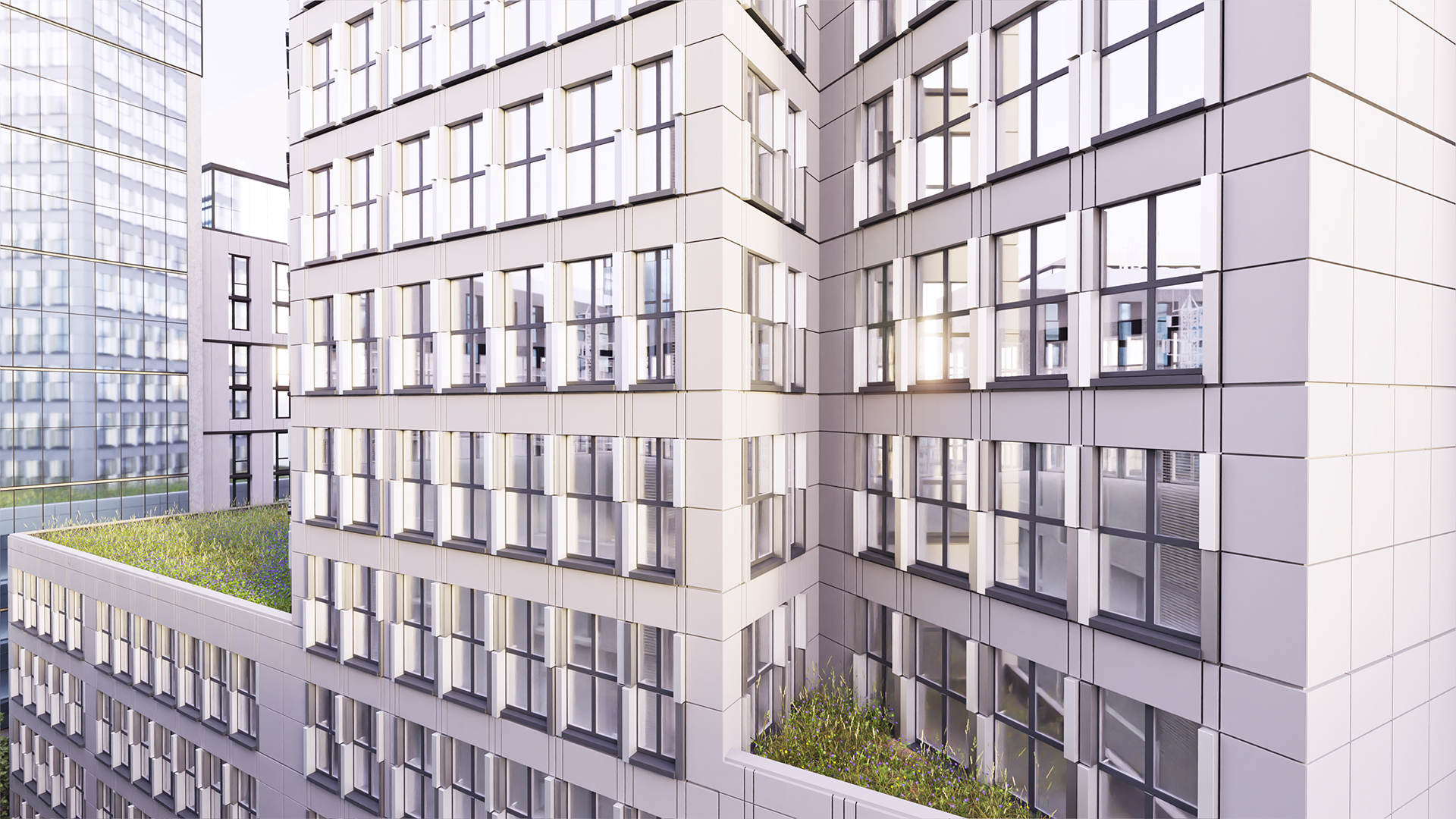
Images featured in this article depict Dextall's projects and are used for illustrative purposes only.









.jpeg)
-Compliance-for-NYC-Multifamily-%26-Co-Op-Facades.jpg)










_format(webp).avif)
_format(webp)%20(6).avif)
_format(webp)%20(5).avif)
_format(webp)%20(4).avif)
_format(webp)%20(2).avif)
_format(webp)%20(3).avif)


.avif)
_format(webp)%20(2).avif)