How MVRDV's Valley Amsterdam Engineered 40,000 Stone Tiles Into a Modular Facade System
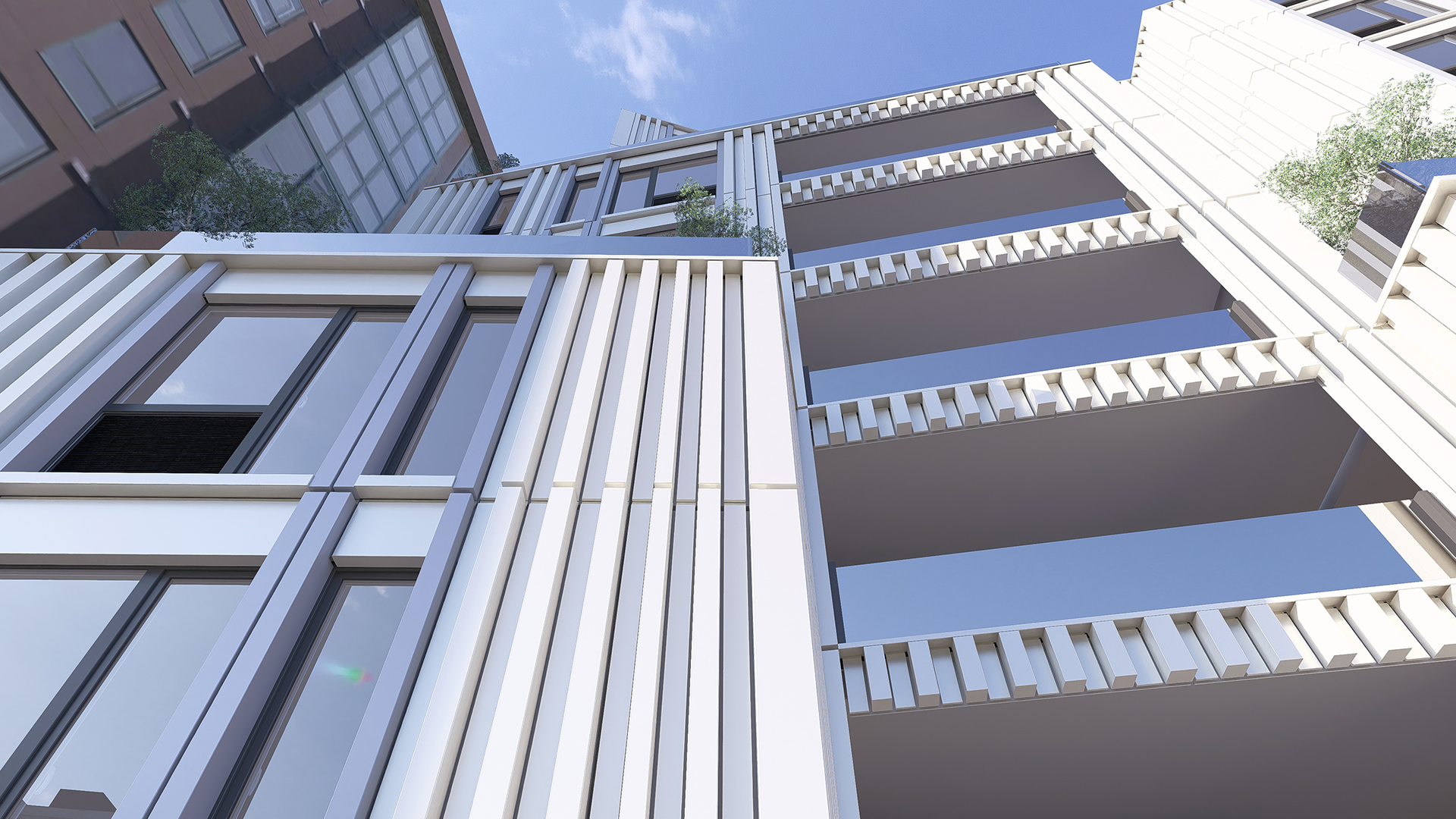
A modular facade system is most often discussed in terms of standardization — the same panel, repeated. Valley Amsterdam, MVRDV's mixed-use complex in Amsterdam's Zuidas financial district, turns that assumption on its head. Completed in September 2022, Valley's three towers — 67, 81, and 100 meters tall — are clad in over 40,000 natural stone tiles, no two positioned identically in a pattern generated, optimized, and refined through a custom parametric tool built specifically for this project. The result looks anything but standardized, but was assembled with the same precision as any high-performance curtain wall system.
MVRDV and Arup Amsterdam spent eight months running 45 design iterations on a parametric model that controlled daylight, privacy, structural load, and tile placement simultaneously. The 75,000 m² project, developed by EDGE, won the Emporis Skyscraper Award for World's Best New Skyscraper and a CTBUH Award for Best Tall Building under 100 metres. It was a finalist for the International High-Rise Award 2024/25. For architects and developers considering complex facade geometry — cascading terraces, irregular profiles, integrated planting — Valley is one of the most closely studied buildings of the decade.
What Valley Amsterdam Is and Why It Matters
Valley sits at Beethovenstraat in Amsterdam's Zuidas district, the city's densest mixed-use corridor. The complex comprises three interconnected towers over a shared podium: the tallest reaches 100 meters, flanked by towers at 81 meters and 67 meters. The 75,000 m² program stacks 200 apartments above seven floors of offices, with retail, restaurants, and cultural spaces at ground level. A publicly accessible green valley — the atrium connecting the towers at floors four and five — opens to the city as a shared garden space.
What makes Valley significant for facade engineering is a decision made early in design: no two apartments would share the same floorplan, orientation, or facade treatment. MVRDV designed 200 unique dwellings, each with its own balance of natural light, privacy, and views. That decision produces a facade that shifts geometry at every level — cascading terraces, cantilevered overhangs, recessed gardens, and irregular setbacks — all clad in a consistent material while remaining structurally resolved at every junction.
The material MVRDV chose is natural stone: over 40,000 one-inch-thick tiles in six standard sizes, cut and laid in a "wild bond" pattern that reads as random but is parametrically controlled. No two sections of the facade repeat the same tile sequence. The stone was supplied and fabricated by KOLEN Keramiek en Natuursteen of Eindhoven. The combination of a rigid six-tile system and unlimited placement variation is what allowed a building of this geometric complexity to be fabricated without custom tooling at the tile level.
How MVRDV and Arup Engineered the Parametric Facade
MVRDV's in-house digital practice, MVRDV NEXT, developed a custom parametric design tool in collaboration with Arup Amsterdam. The tool ran 45 full design iterations over eight months, tracking four variables simultaneously for each of the 200 apartments: daylight access, direct sunlight quantity, privacy from neighboring facades, and structural feasibility of the cantilever geometry. The stone tile pattern — appearing random — was generated and optimized within the constraints of six standard tile sizes, with a maximum obtuse joint angle of 40 degrees to prevent cracking under thermal expansion.
The stone cladding attaches to a gridded curtain wall facade system supplied by Dutch manufacturer Blitta gevelsystemen. The glazing uses Solarlux Ecoline and Highline bi-folding units, configured in 23 customized designs across the residential towers — corner angles range from 100° to 140° depending on each apartment's orientation and the facade's setback geometry. Approximately 10 different facade angles appear across the building's exterior surfaces.
The cantilevered sections — some of the building's most dramatic visual moves — are supported by 11 custom steel "specials" bolted to the concrete structural frame, engineered by Van Rossum Raadgevende Ingenieurs. The cantilevers allow the towers' profiles to shift outward above the podium without additional columns at the ground plane, preserving the publicly accessible green valley at the base. For engineering prefabricated wall systems that meet both aesthetic and structural requirements at this complexity, MVRDV built the design tool before resolving the facade — a sequence that applies equally to any project where geometry and performance have to be resolved together.
The Living Facade: 13,500 Plants, 220 Species, and Piet Oudolf
Valley's planted terraces are integrated structurally and operationally into the facade system. The building carries 13,500 young plants — including 271 trees and shrubs across 220 plant species — in fixed natural stone planters embedded at each terrace level. The planters are automatically hydrated through irrigation lines built into the facade structure. MVRDV commissioned landscape architect Piet Oudolf, known for the High Line in New York City, to design the planting scheme with a focus on year-round appearance and urban biodiversity.
The building supports dedicated facade gardeners who access the terraces via the apartment and office levels. Biodiversity infrastructure — bird boxes, bat boxes, bee hotels, and insect hotels — is distributed across the planted levels. The planted area contributes to the building's BREEAM-NL Excellent certification for commercial spaces and a GPR Building score of 8/10 for residential areas. Valley's energy performance runs 30% better than Dutch building regulations require, supported by IP-based building automation systems with usage-monitoring sensors in office spaces.
From a facade systems perspective, the planted terraces are a vertical integration of waterproofing, load-bearing, irrigation, and cladding that required resolution at every level. The stone planters sit on structural terrace slabs with drainage built in. Each planted terrace is an extension of the envelope — not an addition to it. Developers specifying terrace integration in curtain wall high-rises face the same resolution requirement: the envelope must be continuous at the terrace edge, or the thermal and waterproofing performance fails at precisely the point where it is most exposed.
Five Lessons Developers Can Apply from Valley Amsterdam
Valley was built at a scale — 75,000 m² across three towers — that most mid-rise development projects will not approach. The engineering logic applies at 10 to 20 stories with equal force.
- Parametric tools resolve complexity before fabrication starts. MVRDV and Arup ran 45 design iterations in eight months to lock the tile pattern. For any project with irregular facade geometry, resolving the cladding logic in the model — not on-site — is what makes complex shapes buildable on a contractor's schedule. BIM tools that fuse design and constructibility apply the same logic at mid-rise scale.
- Customization and standardization are not opposites. Valley's 40,000 tiles are all one-inch-thick stone in six standard sizes. The variation is parametric, not physical. Prefabricated wall panels follow the same principle — a standardized base system with parametrically generated geometry at the facade allows each project to be unique without requiring unique fabrication tooling for every element.
- Terrace integration demands structural resolution at every level. Valley's planted terraces are load-bearing, waterproofed, and irrigated structural elements — not architectural add-ons. Any developer adding terraces to a high-rise program needs to resolve the envelope at the terrace edge from the beginning of design, not treat it as a detail to be handled in construction documents.
- Sustainability certifications require documented performance data. Valley's BREEAM-NL Excellent rating and 30% energy advantage over Dutch code both required calculation, not just intent. Energy code compliant wall systems are a prerequisite for green certification on any commercial project — and the certification drives design decisions from envelope to building automation.
- Green facade maintenance is an operating cost line. Valley's 13,500 plants require professional facade gardeners with regular access. Any developer specifying planted terraces needs a maintenance contract, irrigation infrastructure, and clear access routes designed into the facade from day one. The operating cost is real — but in dense urban markets where outdoor space commands a premium, so is the market differentiation.
Key Takeaways
- Valley Amsterdam is a 75,000 m² mixed-use complex by MVRDV in Amsterdam's Zuidas district, completed September 2022, comprising three towers at 67, 81, and 100 meters with 200 apartments, seven office floors, and ground-level retail and cultural space
- The facade uses over 40,000 natural stone tiles in six standard sizes — cut by KOLEN Keramiek en Natuursteen, fitted to a Blitta gevelsystemen curtain wall grid — with a parametrically generated tile pattern developed through 45 design iterations over eight months by MVRDV NEXT and Arup Amsterdam
- 13,500 plants from 220 species, designed by Piet Oudolf, are integrated into the facade as planted terraces with automatic irrigation systems and dedicated gardener access built into the building's operational model
- Valley holds BREEAM-NL Excellent certification for offices and a GPR Building score of 8/10 for residential areas; energy performance is 30% better than Dutch building regulations
- Valley won the Emporis Skyscraper Award for World's Best New Skyscraper (2021/2022) and a CTBUH Award for Best Tall Building under 100 metres; it was a finalist for the International High-Rise Award 2024/25
FAQ
What type of facade system does Valley Amsterdam use?
Valley uses natural stone tile cladding on a gridded curtain wall substrate by Dutch manufacturer Blitta gevelsystemen. Over 40,000 one-inch-thick stone tiles in six standard sizes are laid in a parametrically generated "wild bond" pattern. The glazing uses Solarlux Ecoline and Highline bi-folding systems in 23 customized configurations across the residential towers, with corner angles ranging from 100° to 140° depending on each apartment's orientation.
Who designed the planted terraces at Valley Amsterdam?
Landscape architect Piet Oudolf — known for the High Line in New York City — designed the planting scheme for Valley's terraces. The building carries 13,500 young plants from 220 species, including 271 trees and shrubs, in fixed natural stone planters with automatic irrigation. Bird boxes, bat boxes, bee hotels, and insect hotels are distributed across the planted levels to support urban biodiversity.
What sustainability certifications does Valley Amsterdam hold?
Valley Amsterdam holds BREEAM-NL Excellent certification for its commercial and office spaces, and a GPR Building score of 8/10 for the residential areas. Energy performance is 30% better than Dutch building regulations require. An IP-based building automation system with usage-monitoring sensors in office spaces supports energy management across the complex.
How was the parametric facade design developed?
MVRDV's in-house digital practice, MVRDV NEXT, developed a custom parametric design tool with Arup Amsterdam. The tool ran 45 design iterations over eight months, controlling daylight access, direct sunlight quantity, privacy, and structural feasibility of cantilever geometry simultaneously across all 200 unique apartment configurations. The stone tile pattern — appearing random — was generated by this tool within the constraints of six standard tile sizes and a maximum 40-degree obtuse joint angle.
Can the facade principles from Valley Amsterdam apply to smaller mixed-use buildings?
Yes. The core logic — parametric resolution of complex geometry, standardized base components with position-specific customization, integrated terrace waterproofing and drainage — applies at 10- to 20-story scale. Modular facade systems for mid-rise construction use the same principle: a factory-built panel system that accommodates geometric variation without variation in fabrication quality. The parametric tooling scales down with the building, but the resolution approach is identical.
Disclaimer
Dextall is not involved in the Valley Amsterdam project. This article analyzes publicly available information about MVRDV's design and engineering to explore how principles from complex facade projects can inform mid-rise construction strategies. For questions about Valley Amsterdam, contact MVRDV or developer EDGE. For information about Dextall's prefabricated building envelope solutions, visit dextall.com.
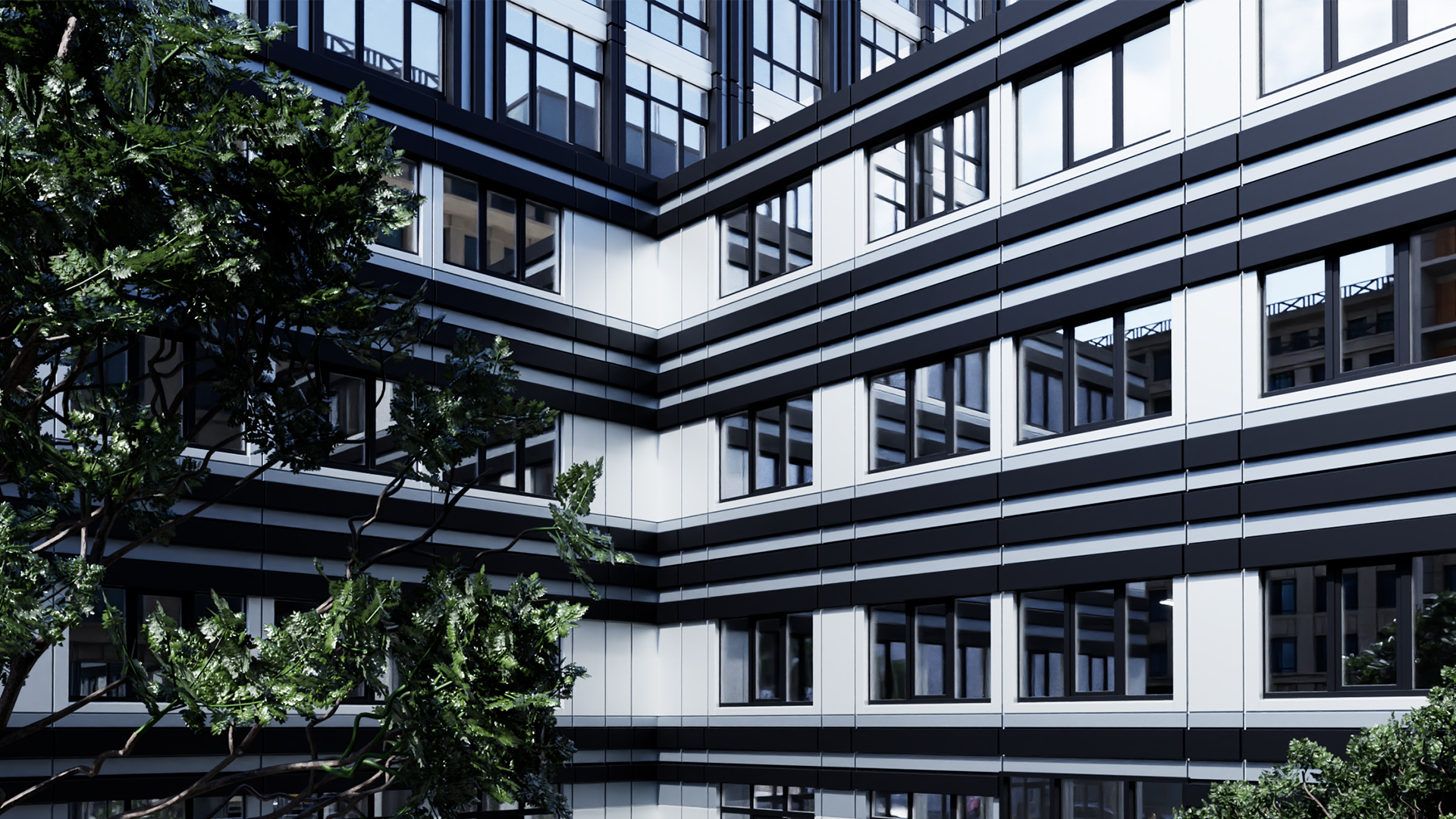
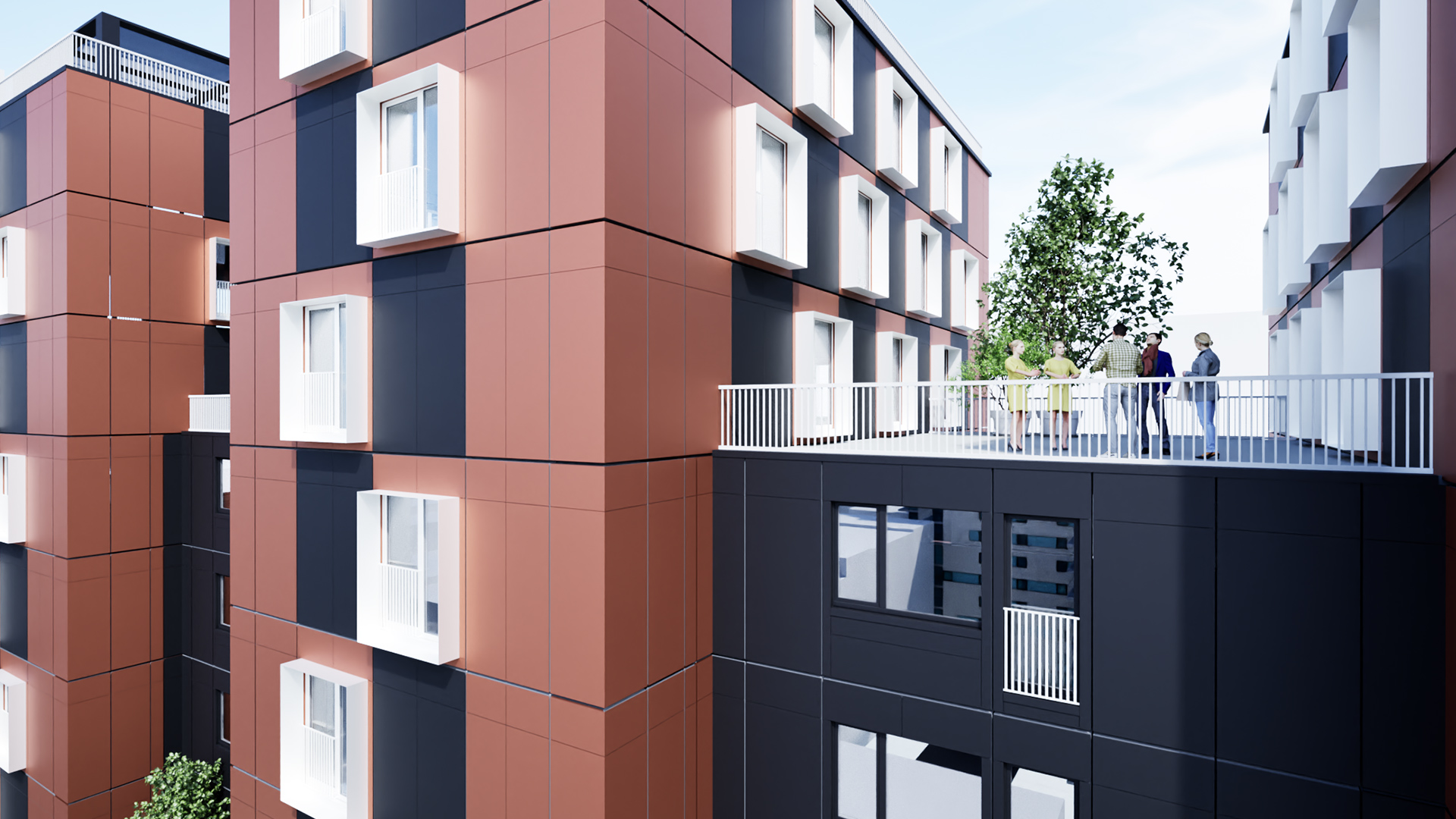
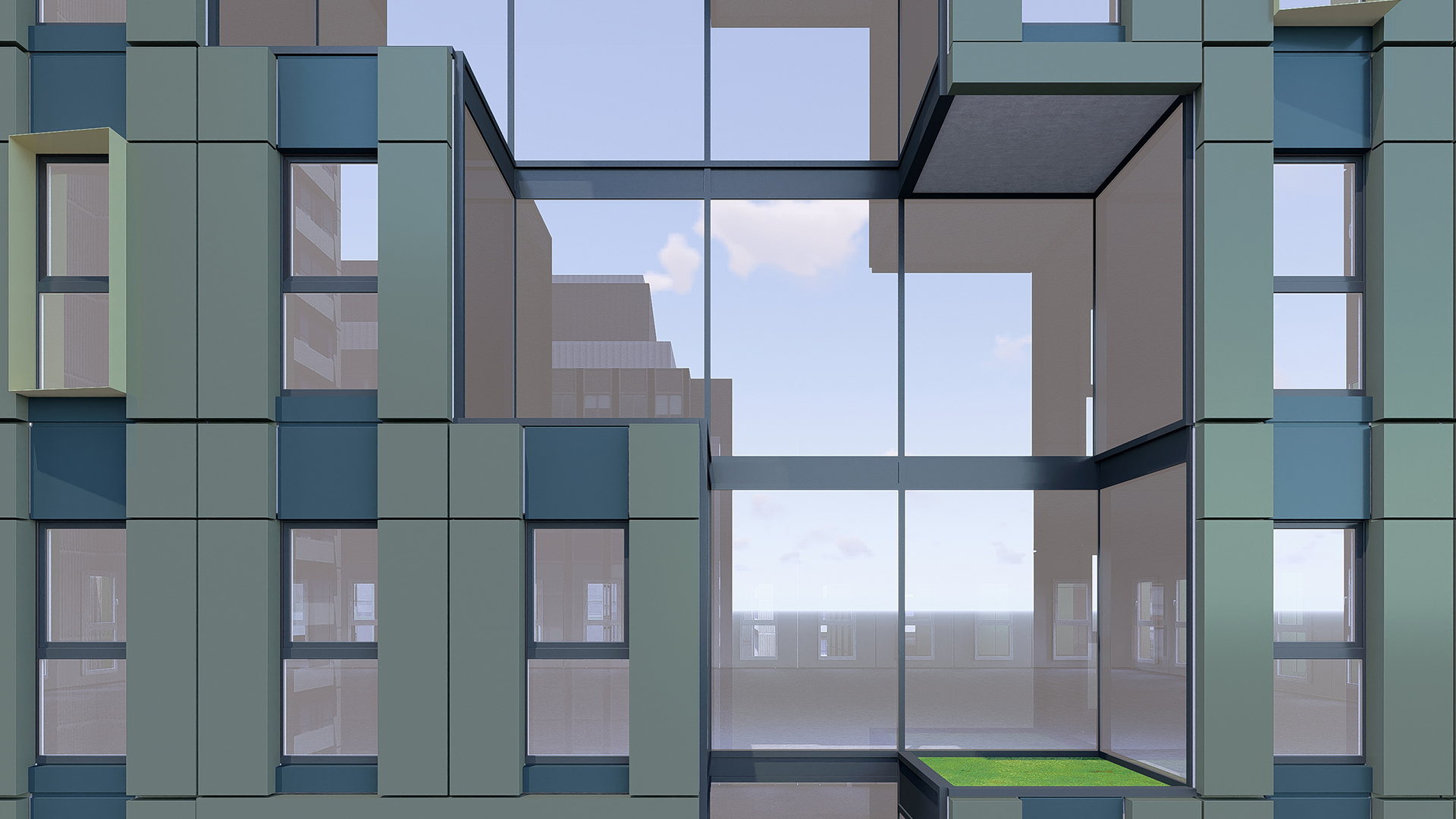
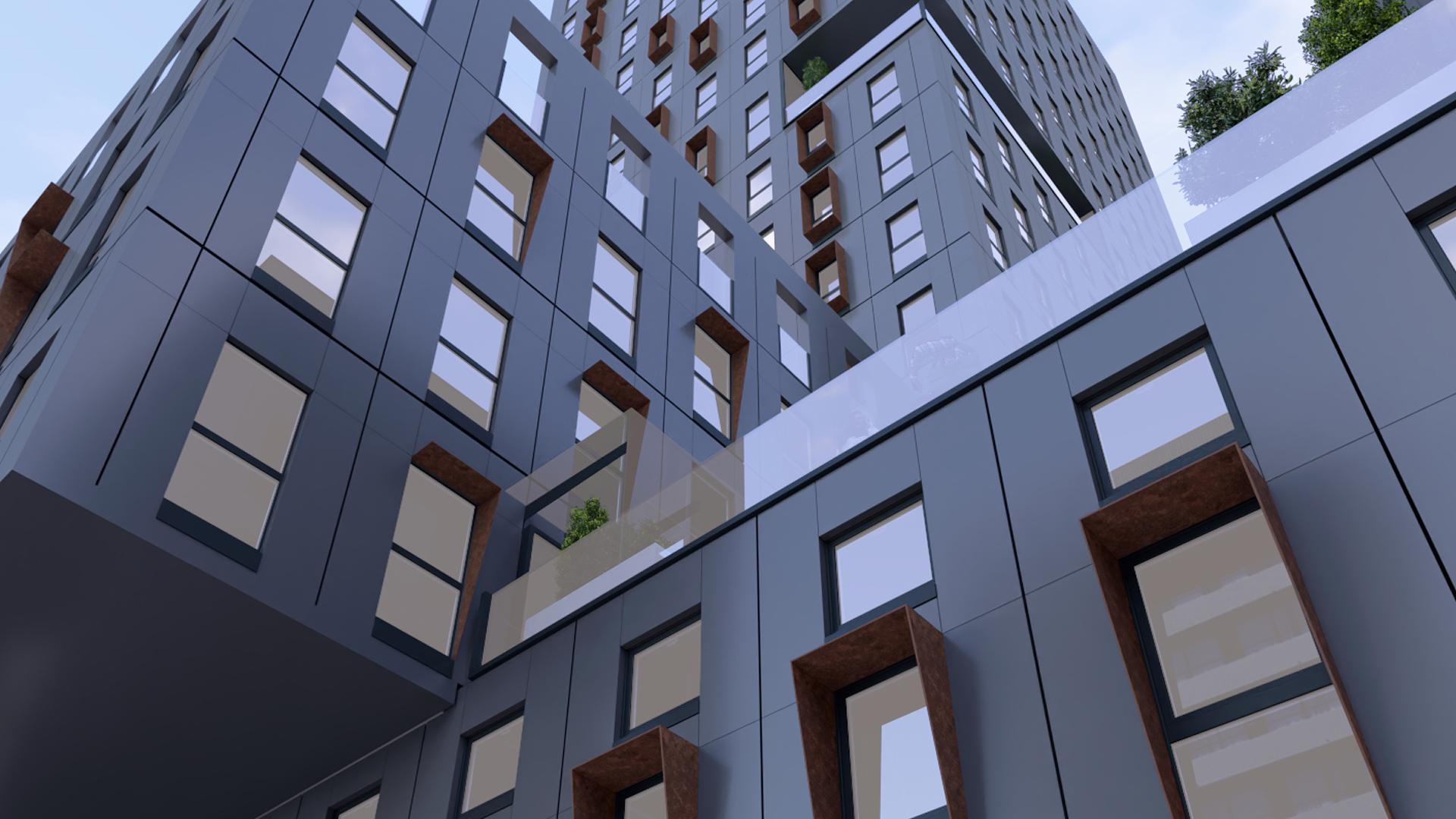
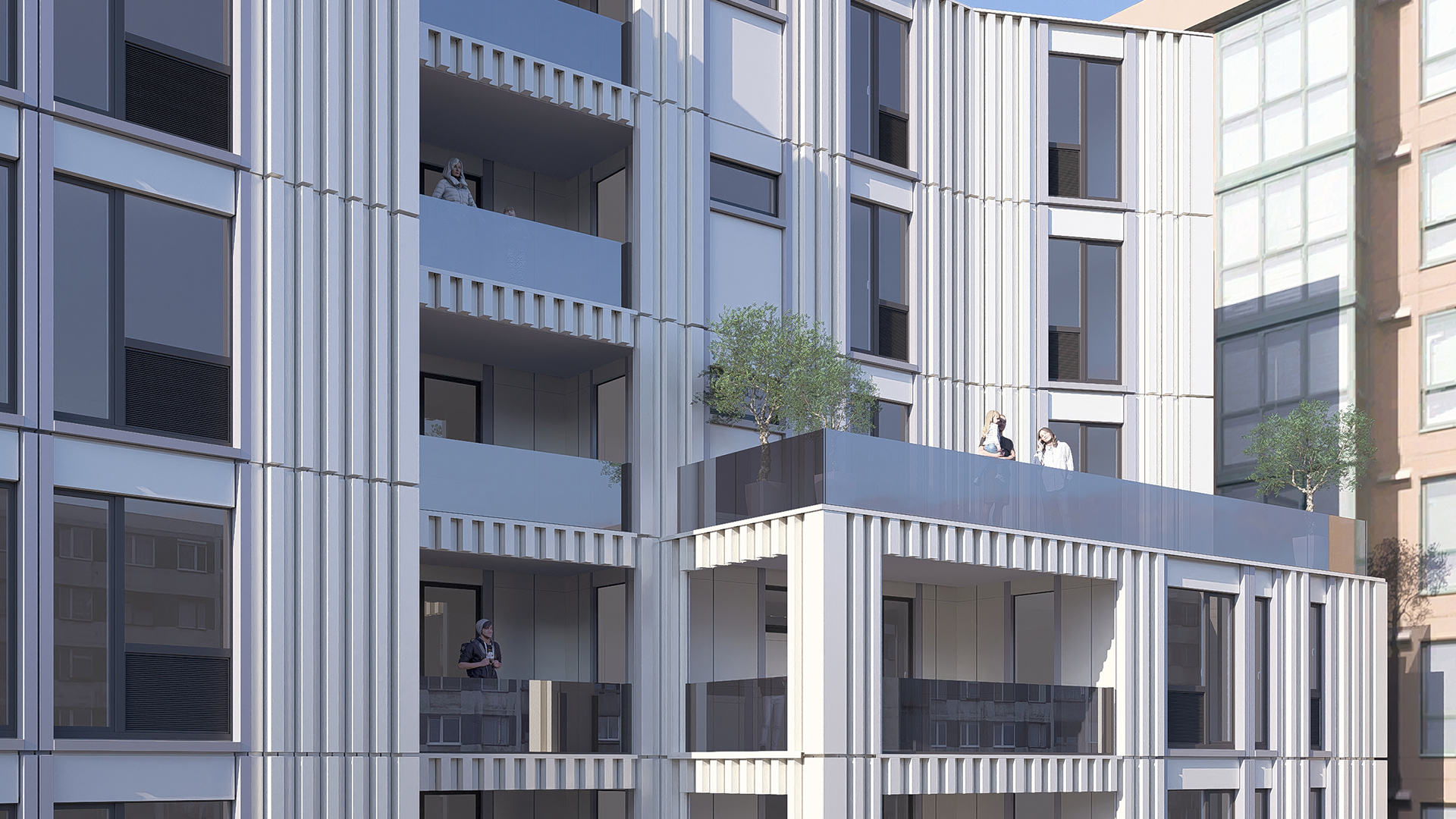
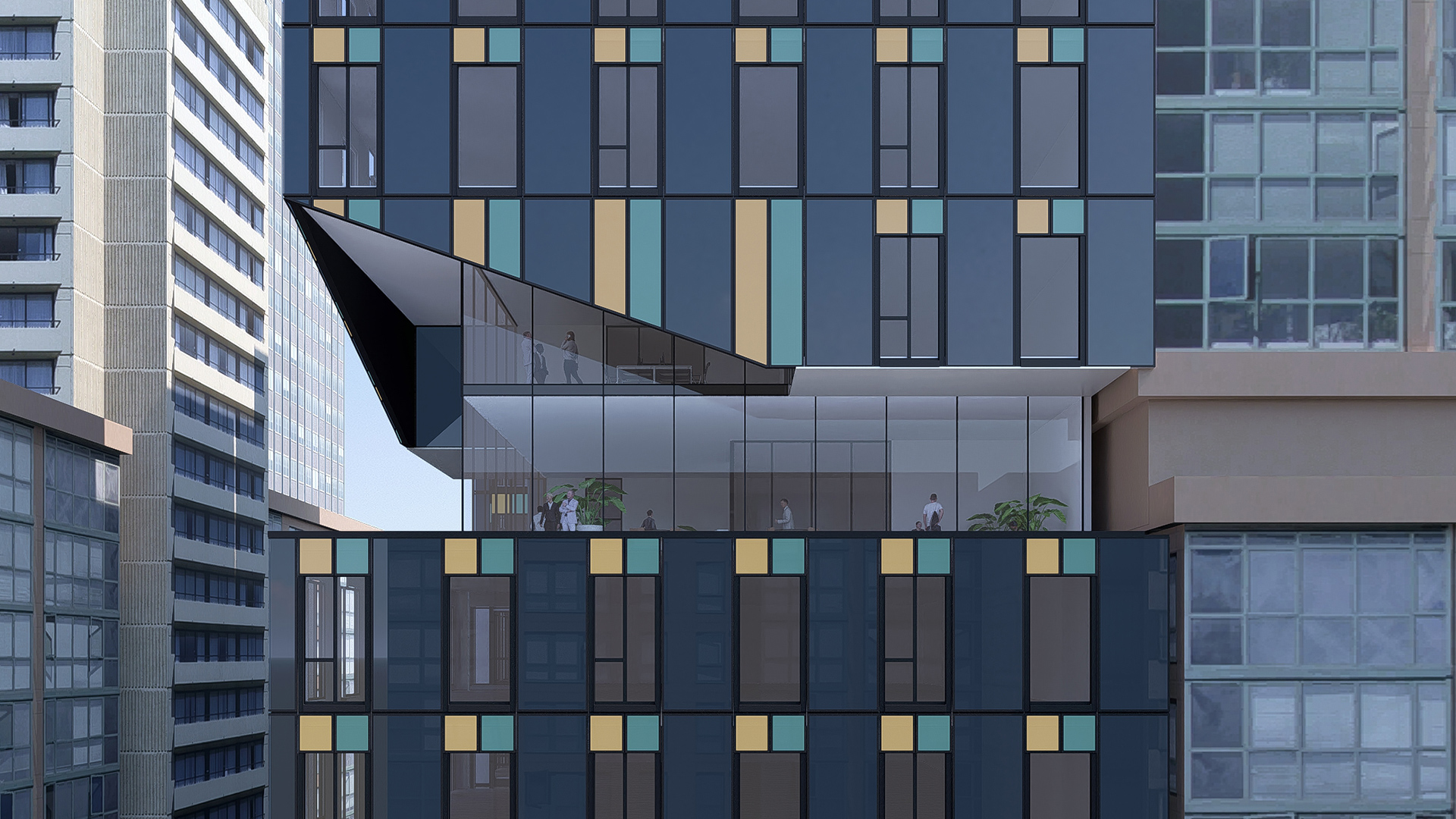
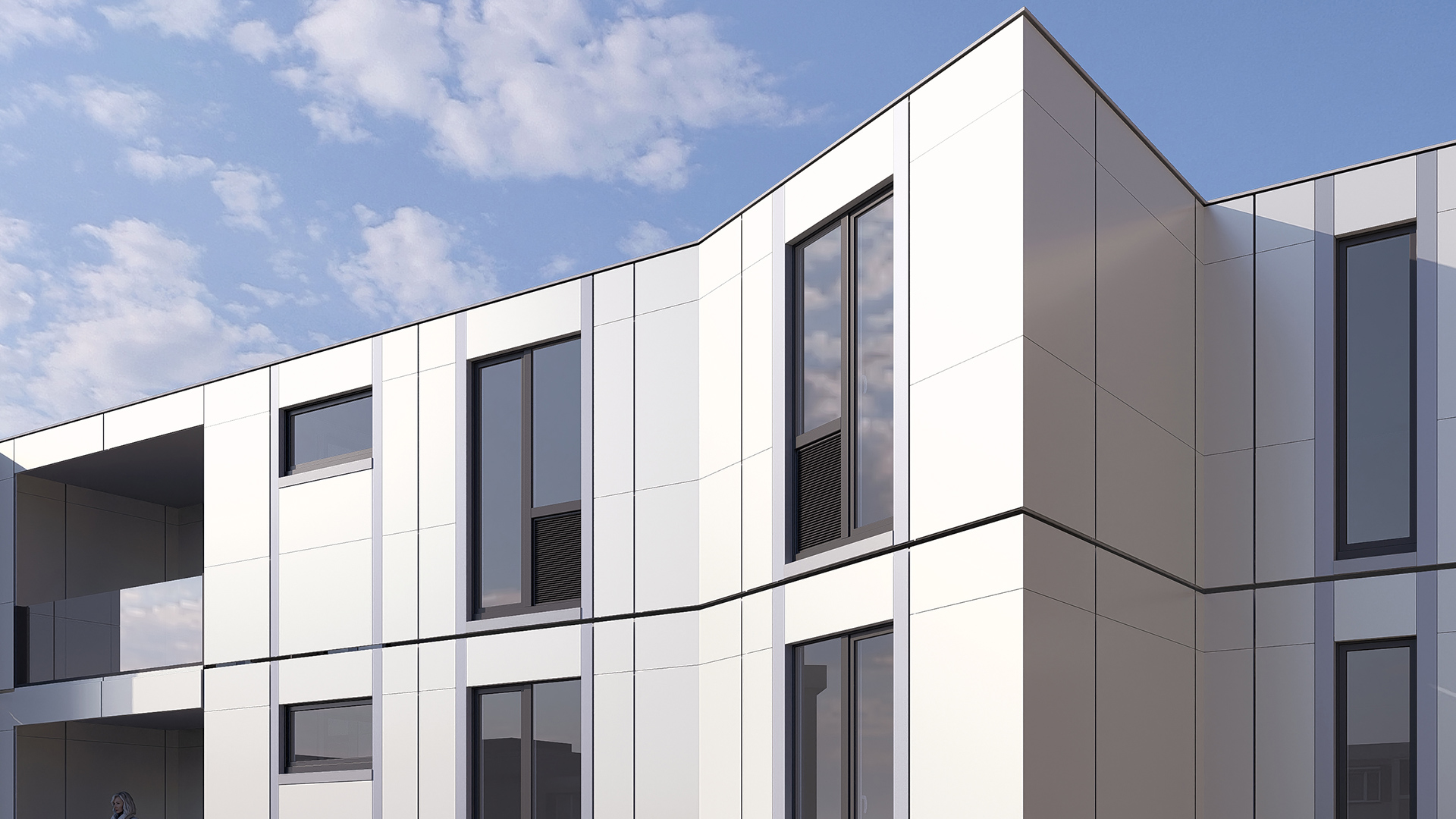
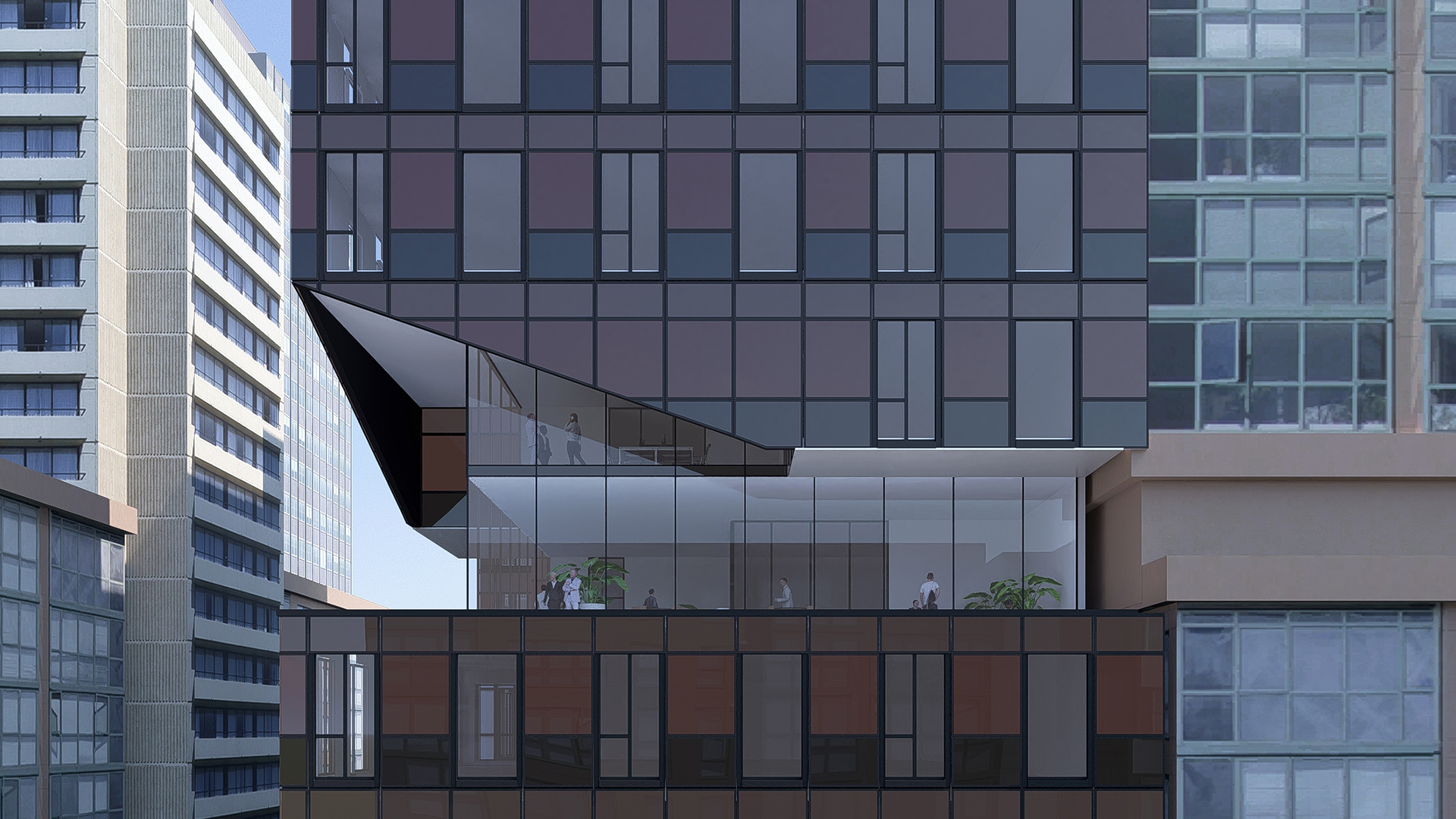
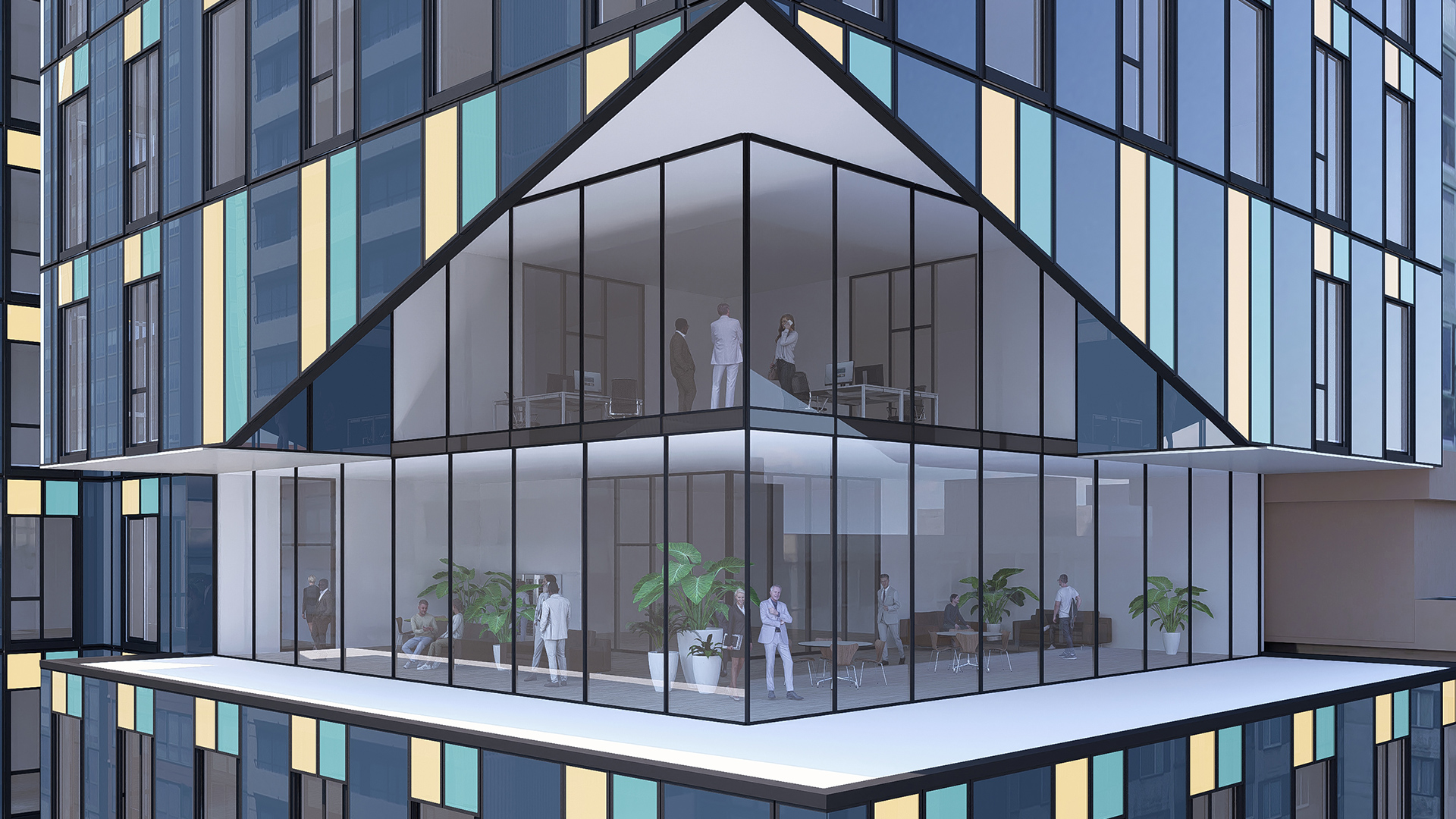
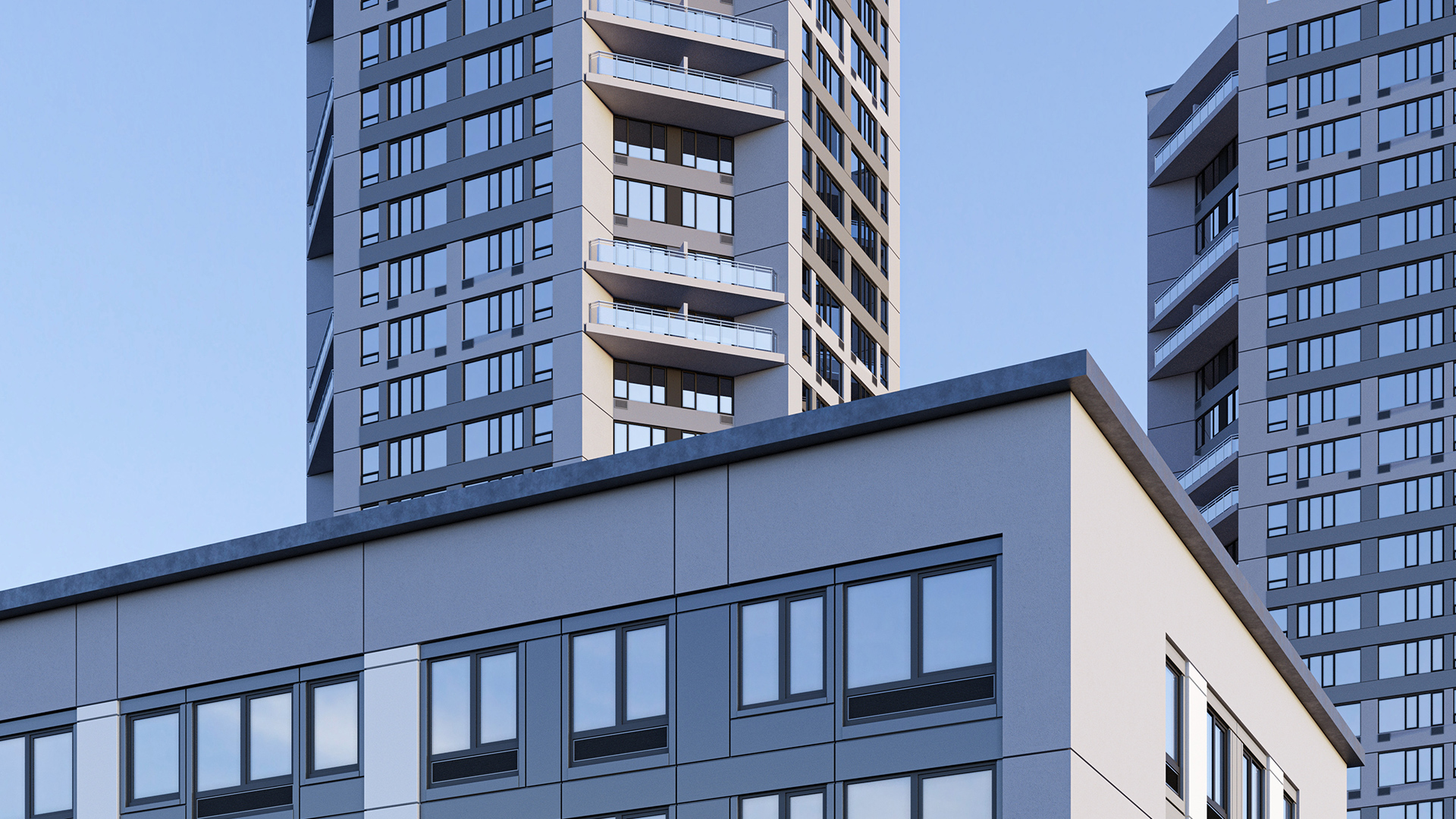
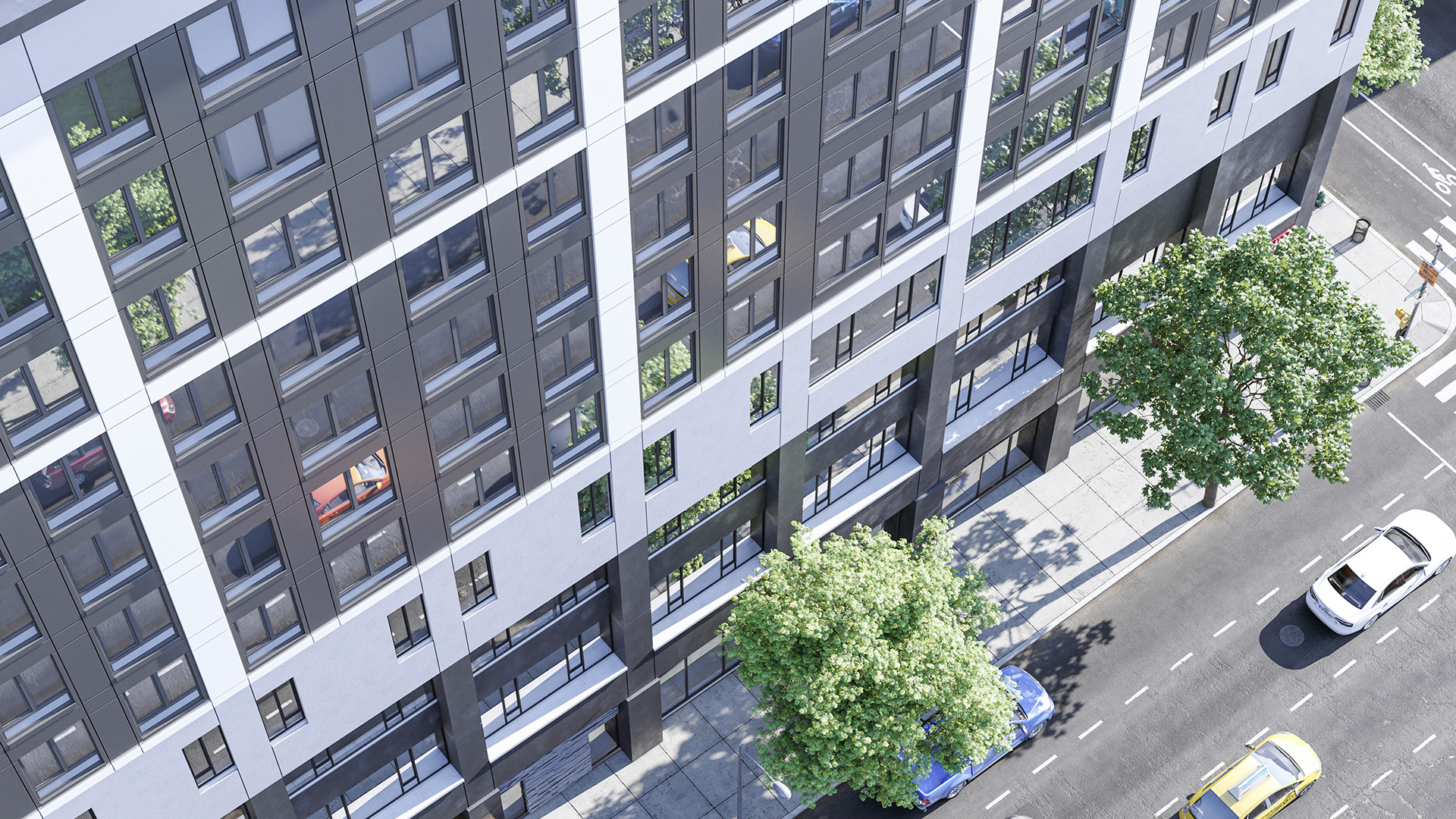
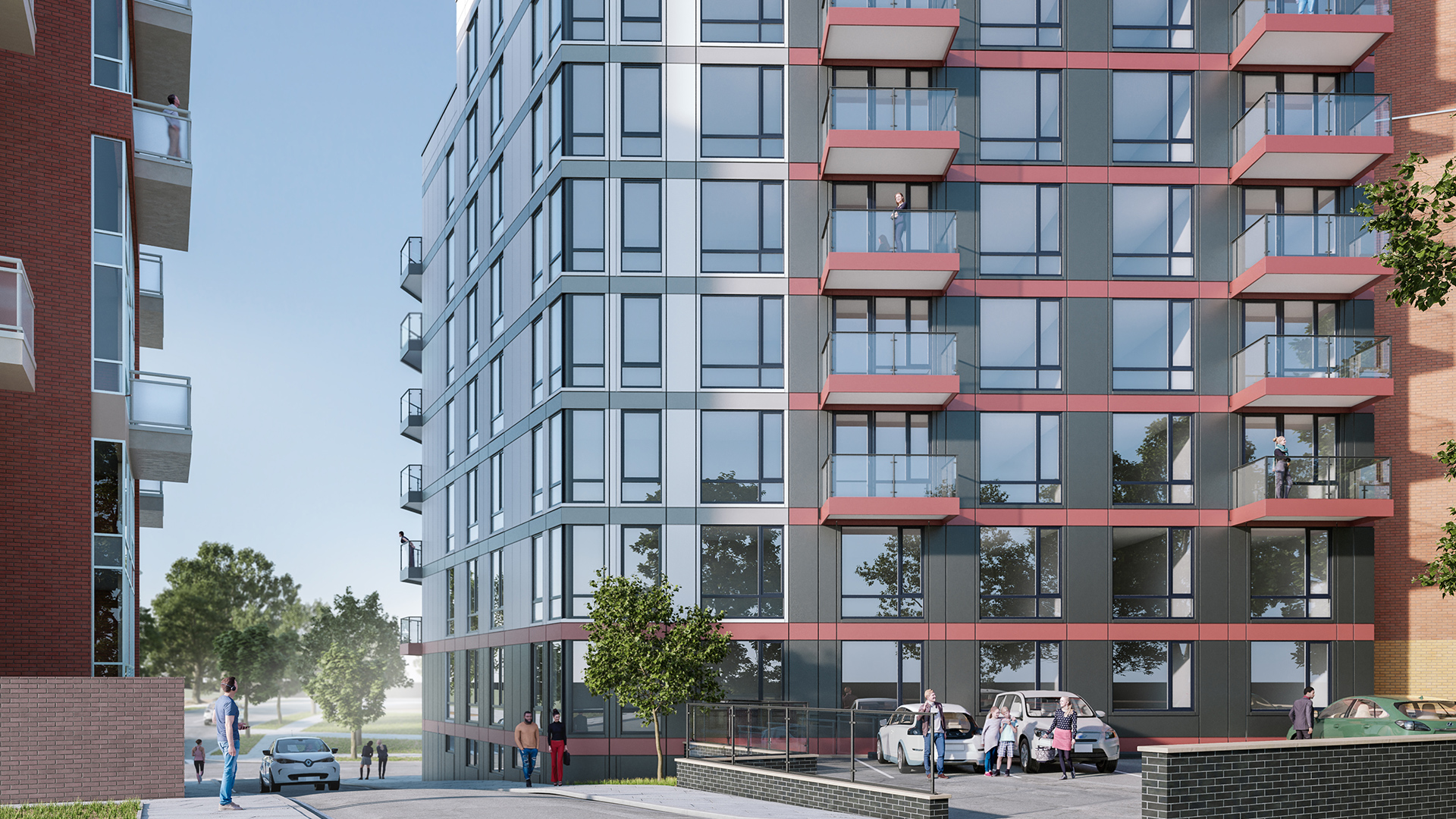
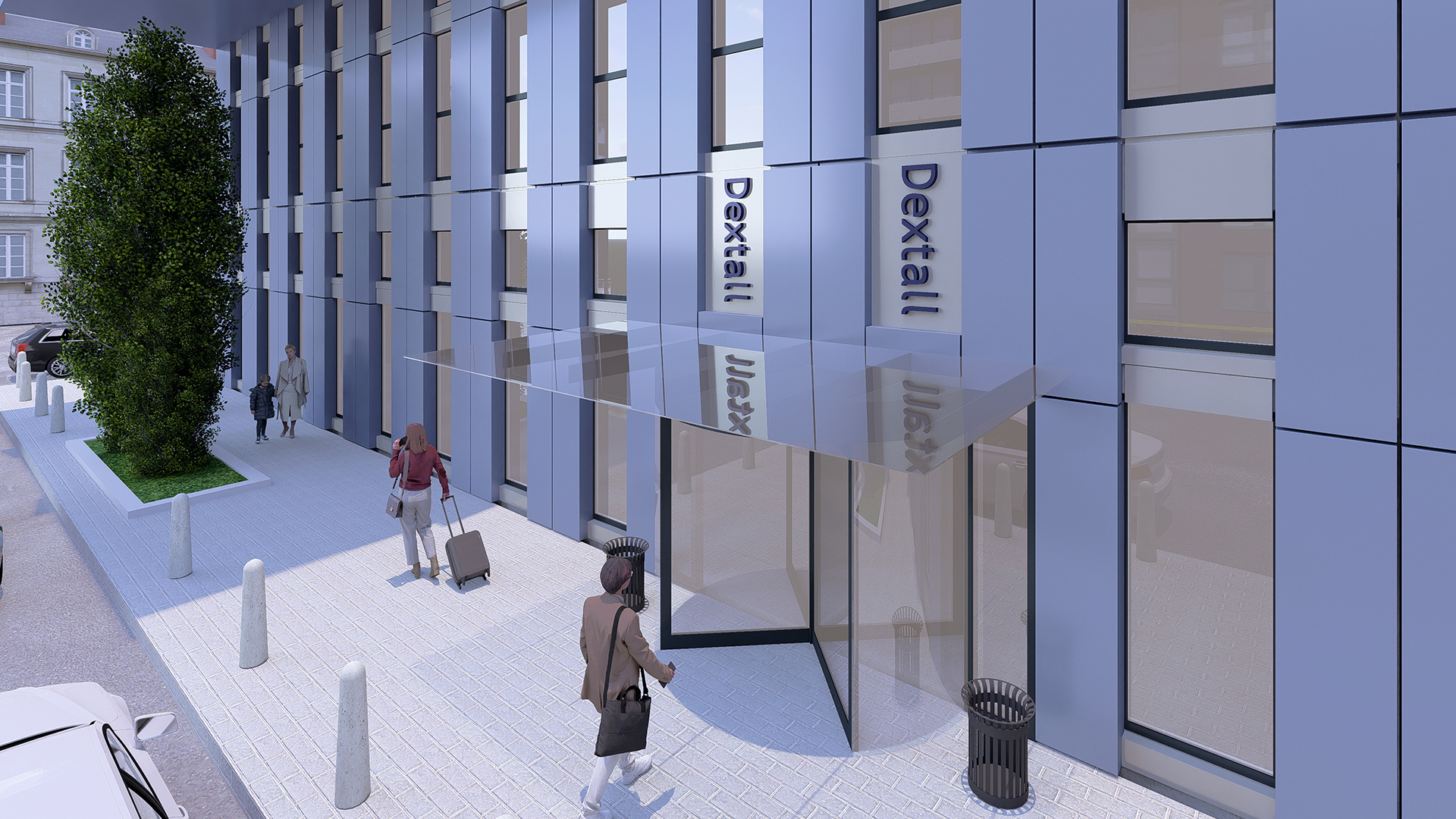
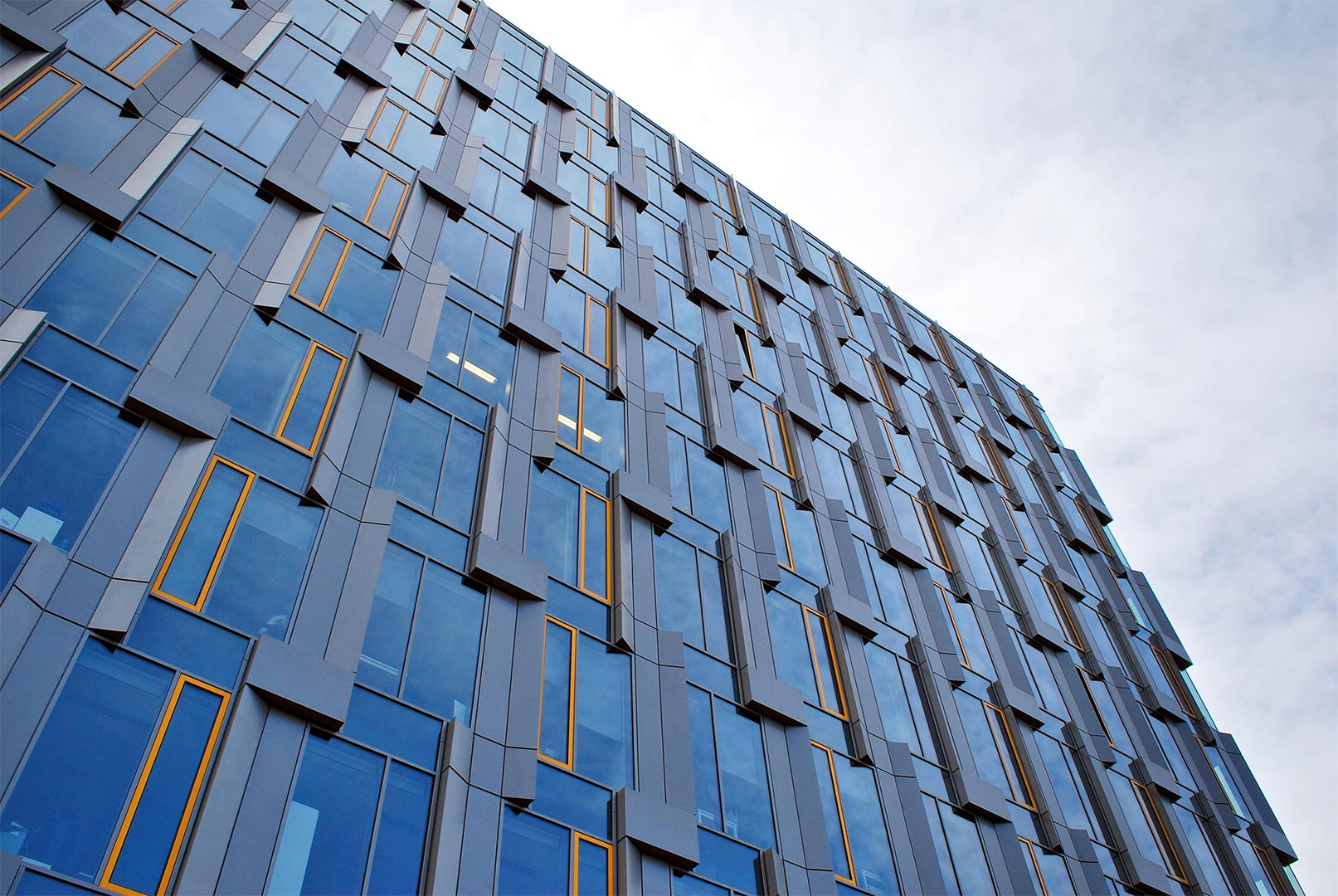
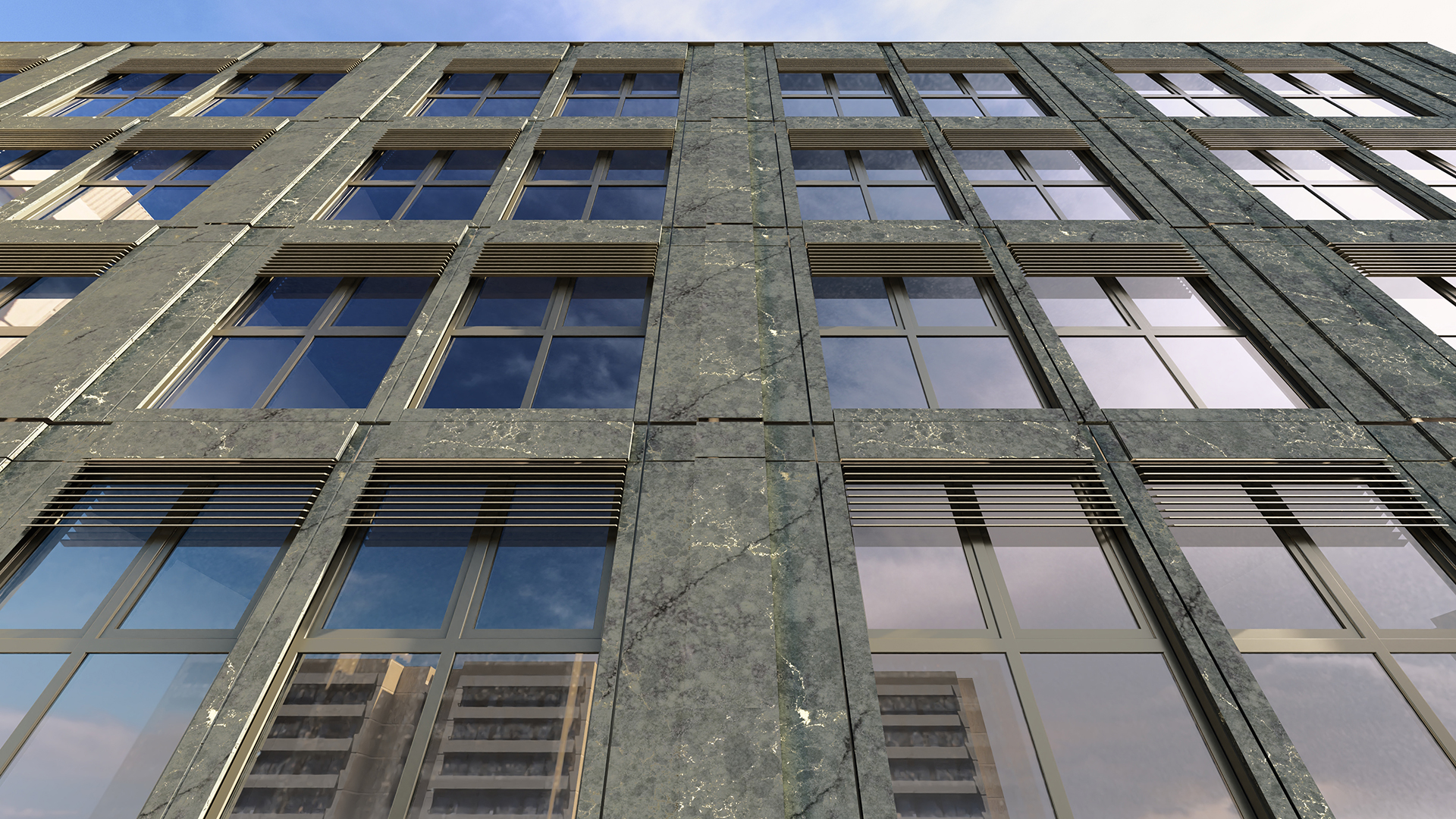
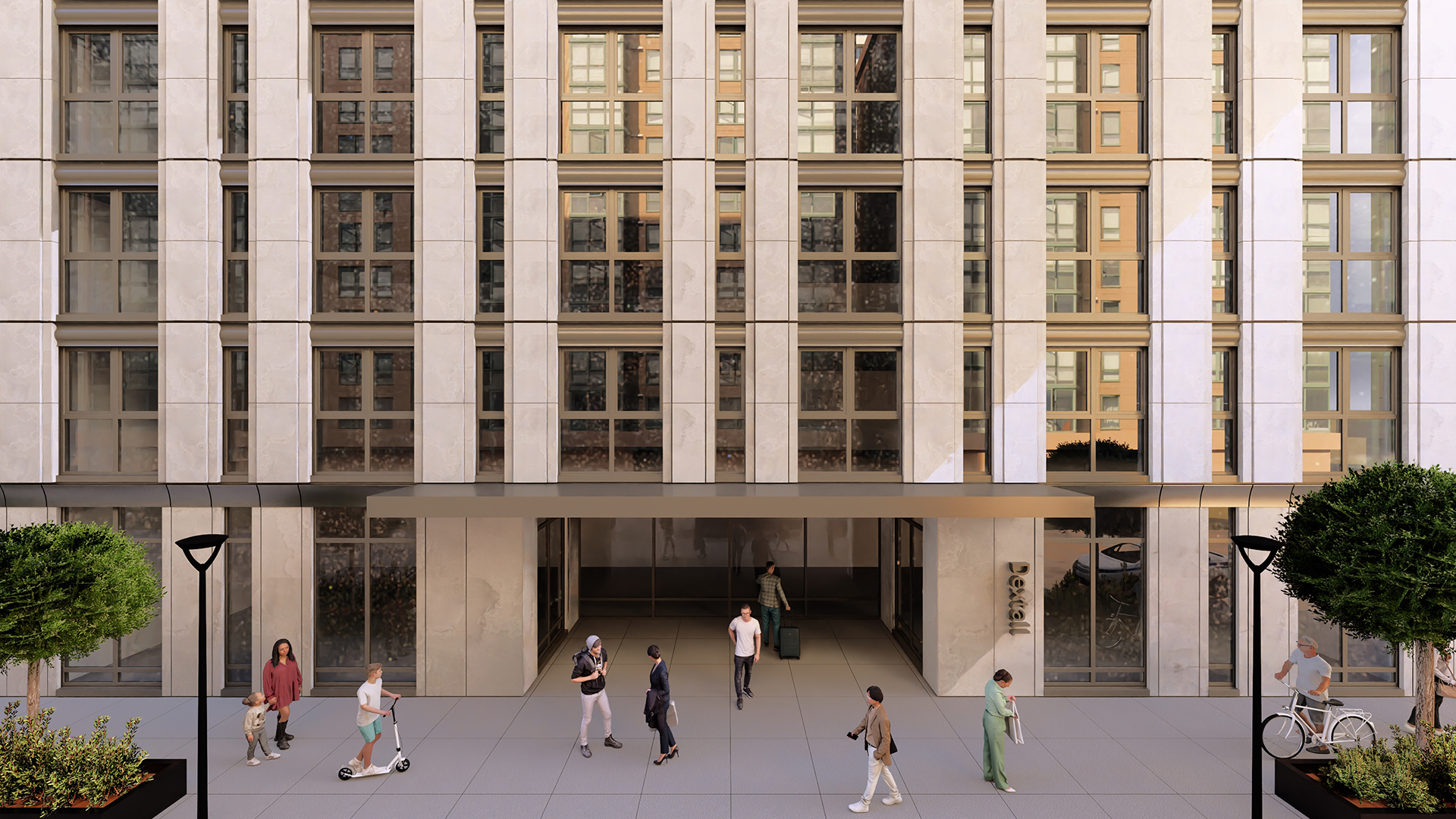
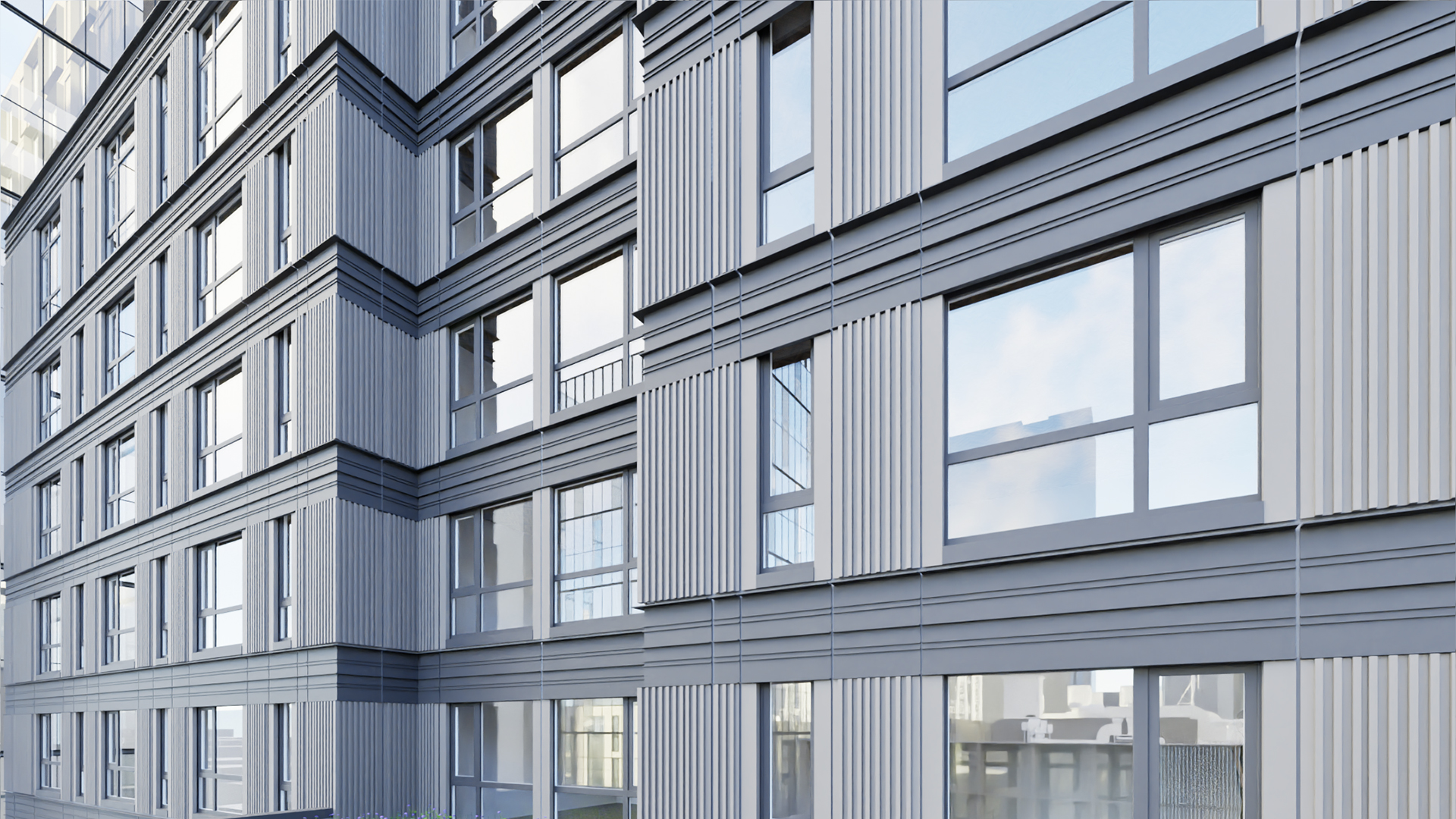
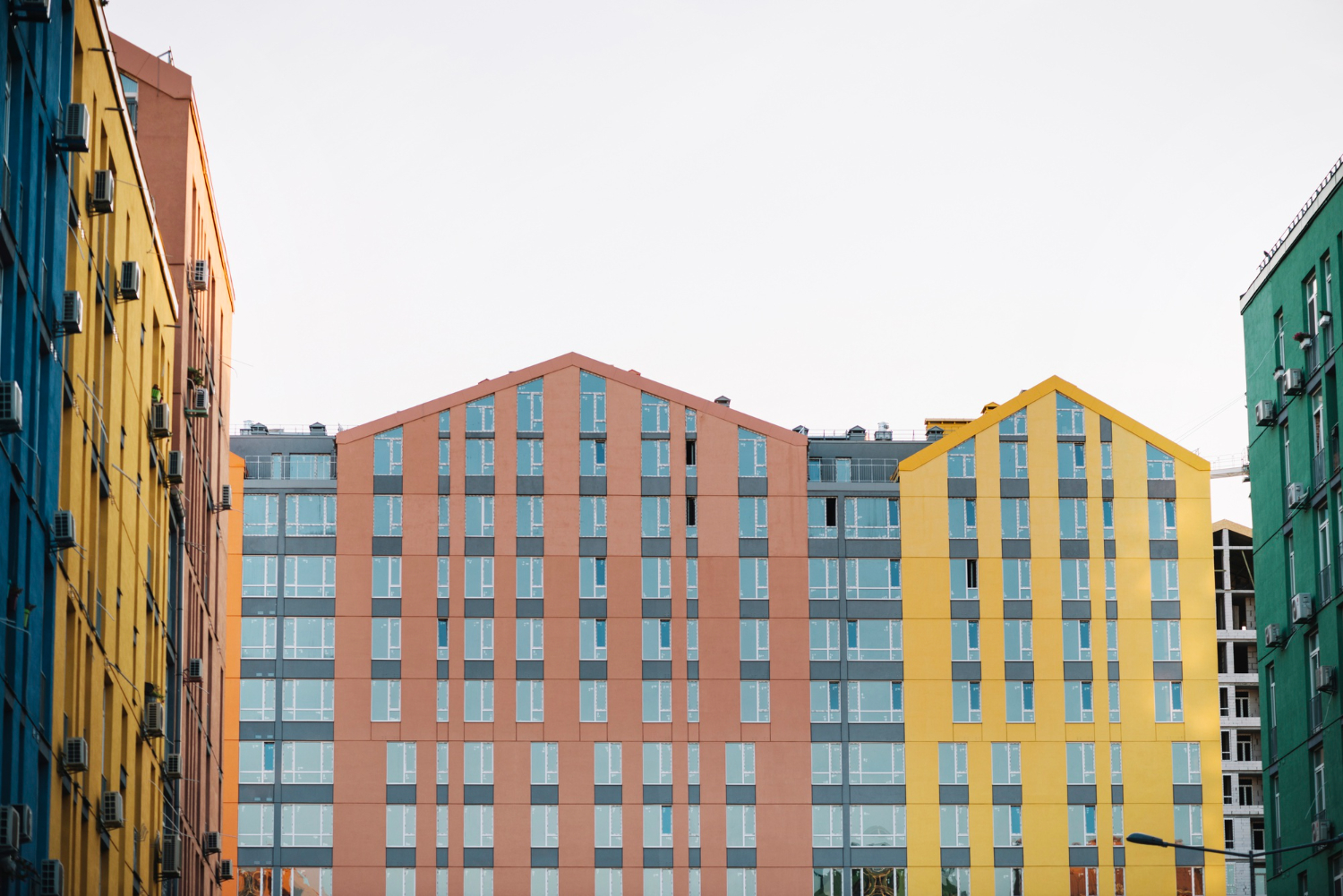
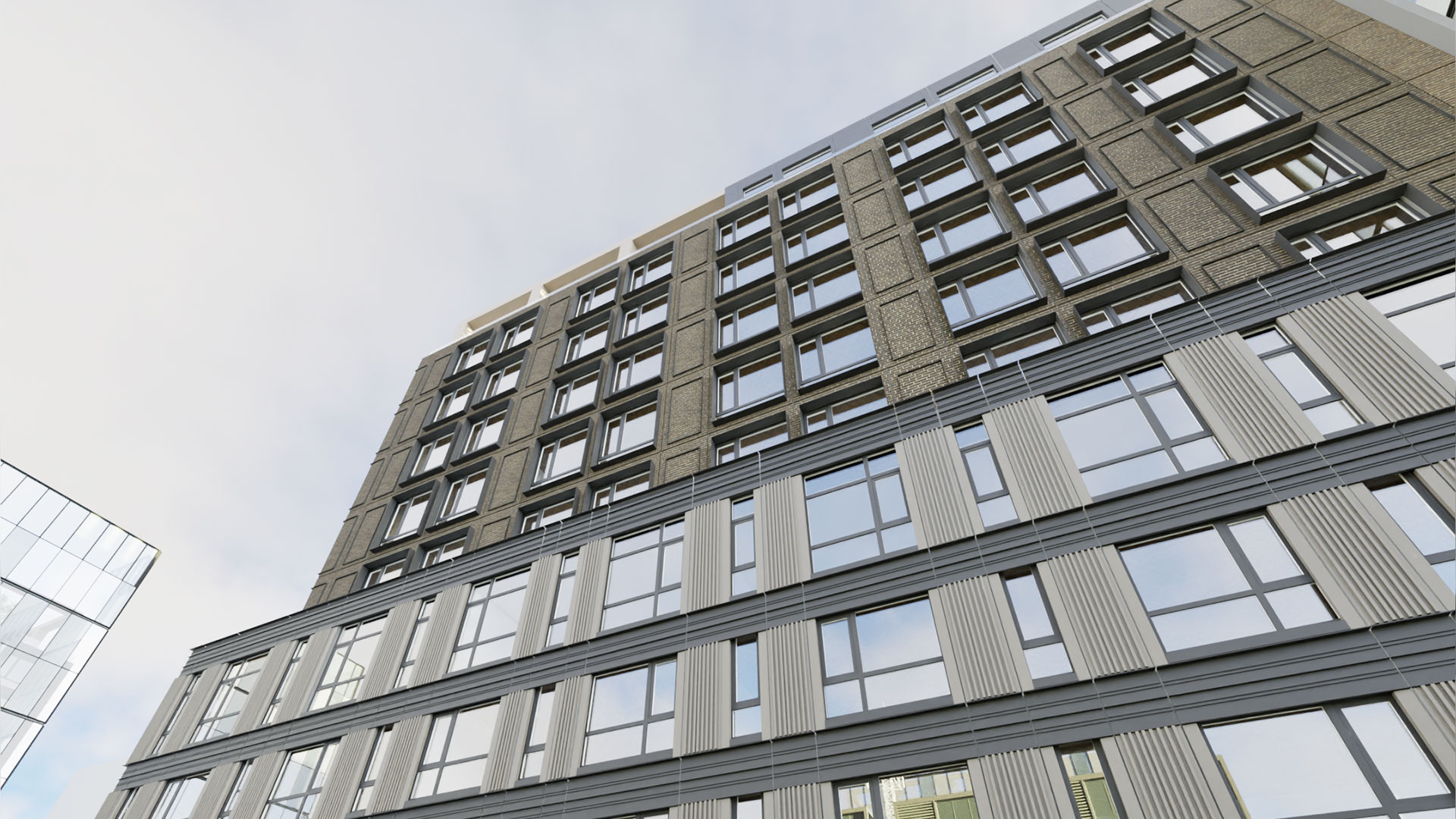
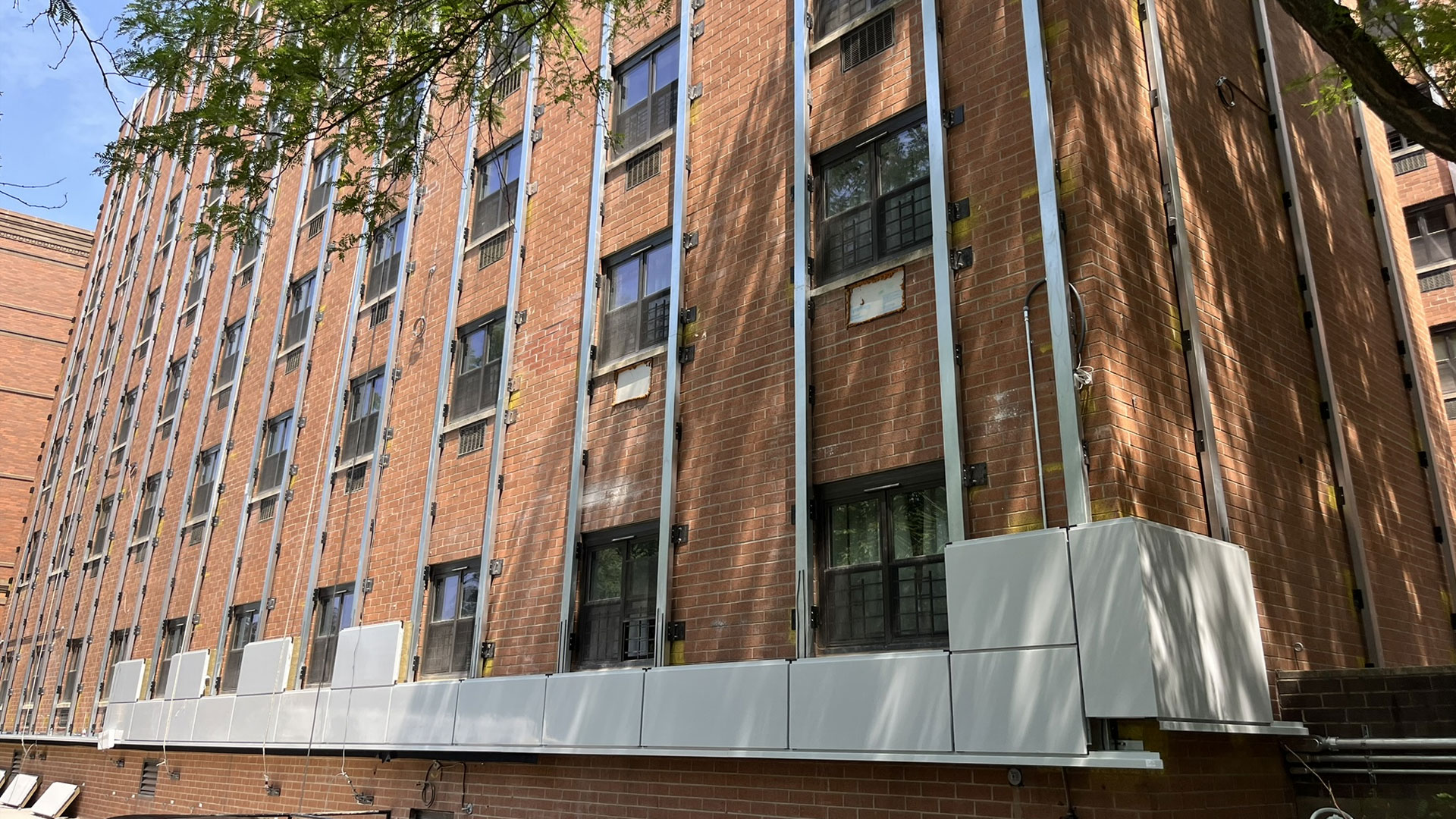
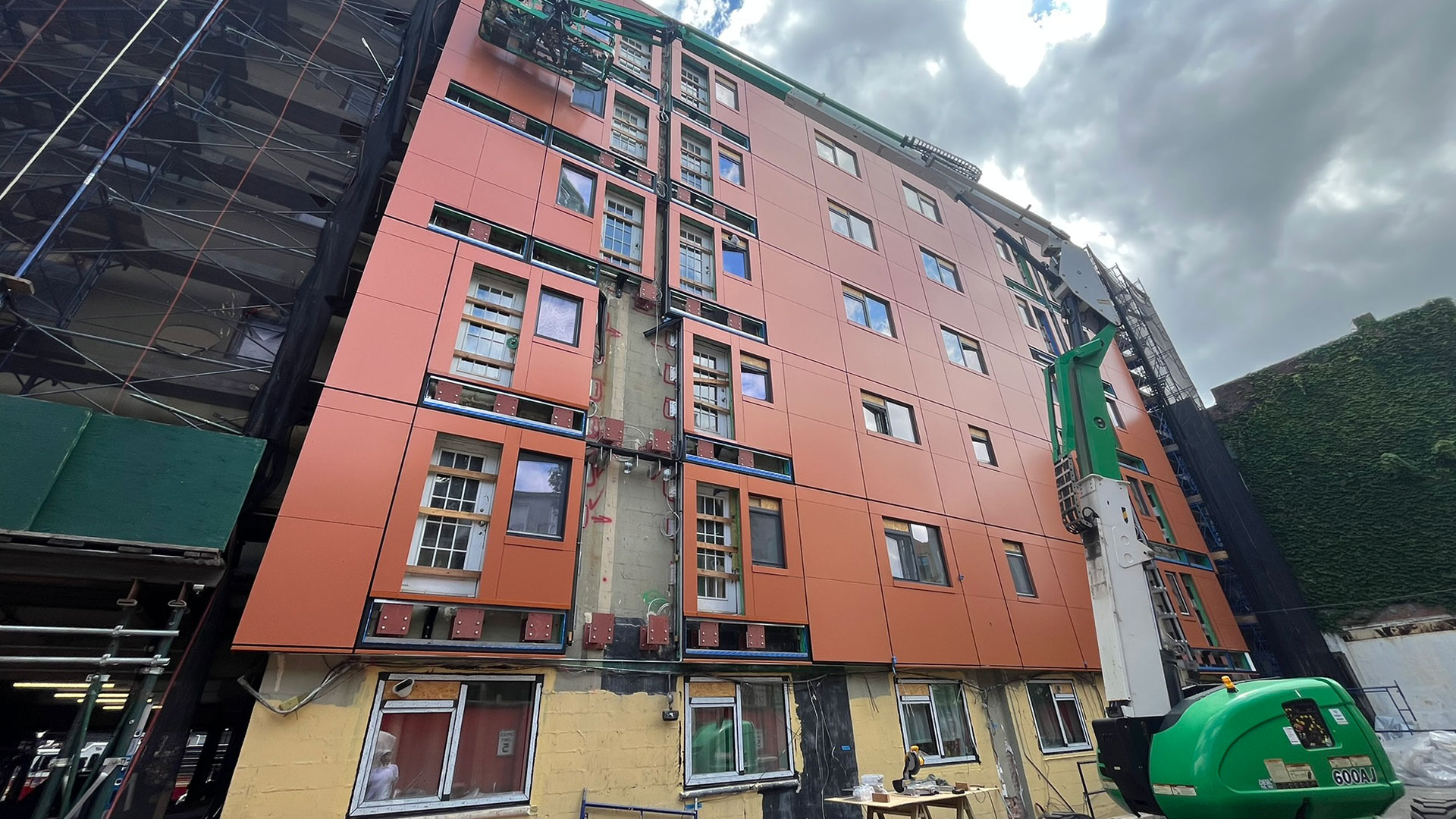
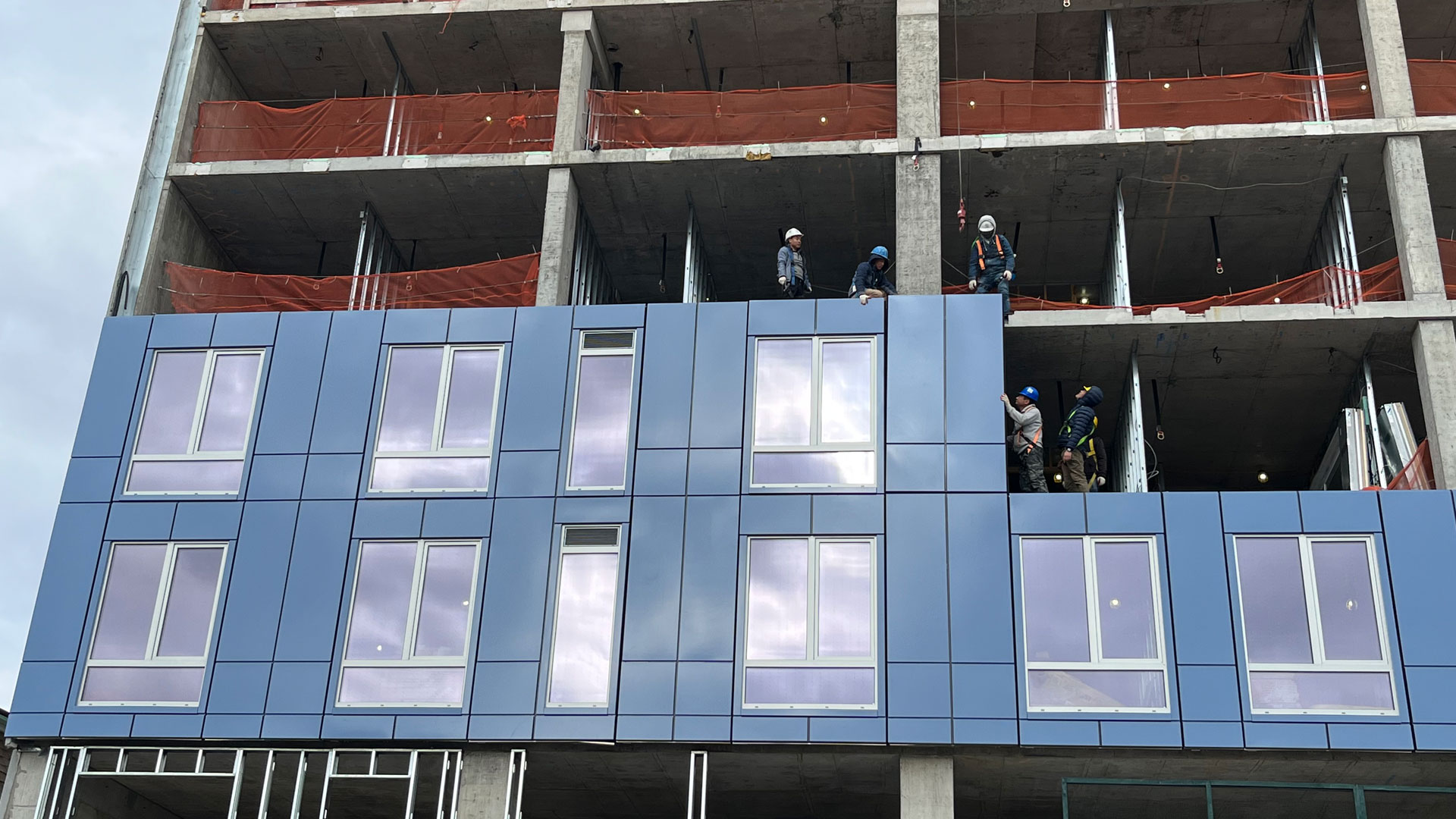
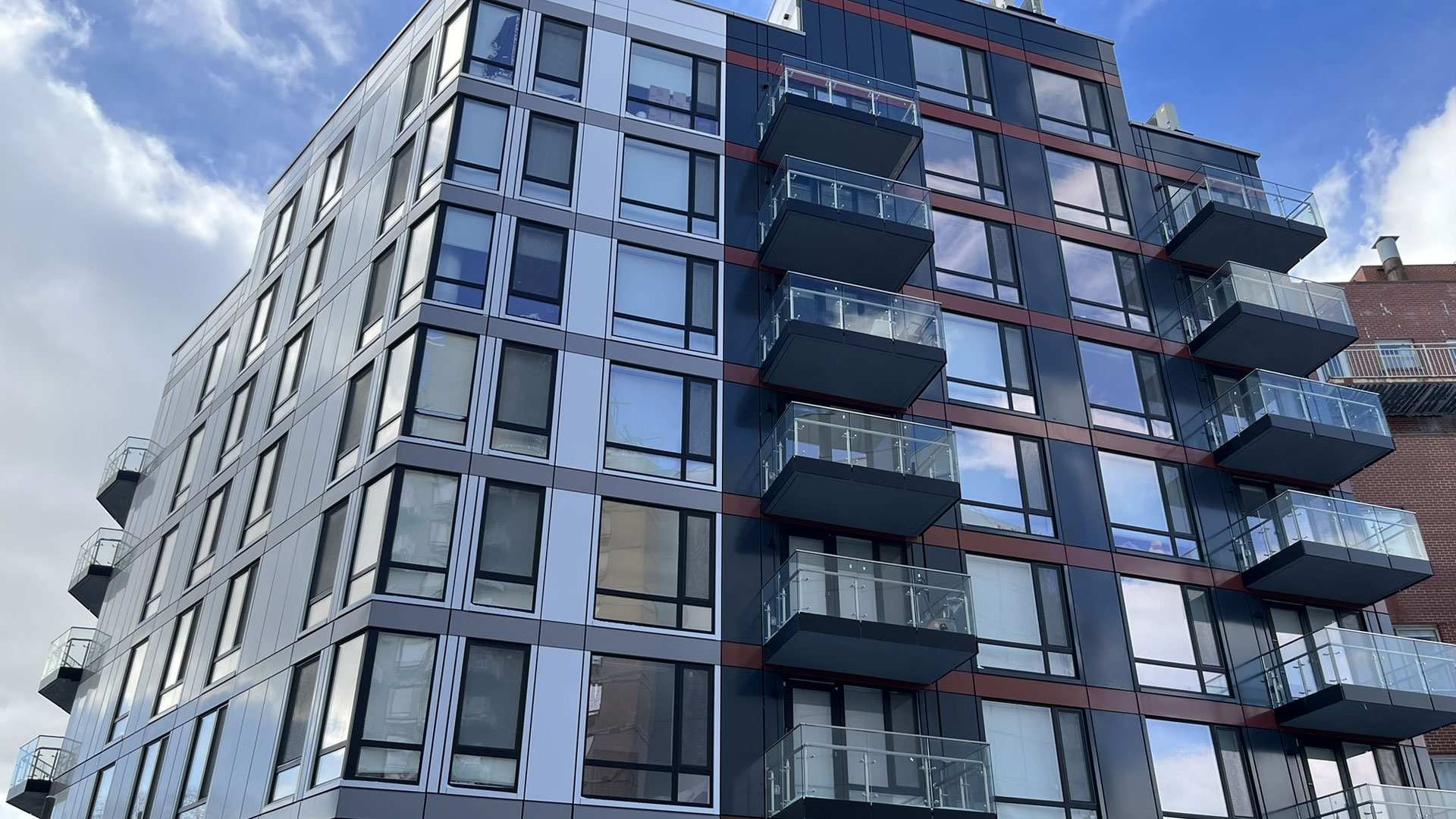
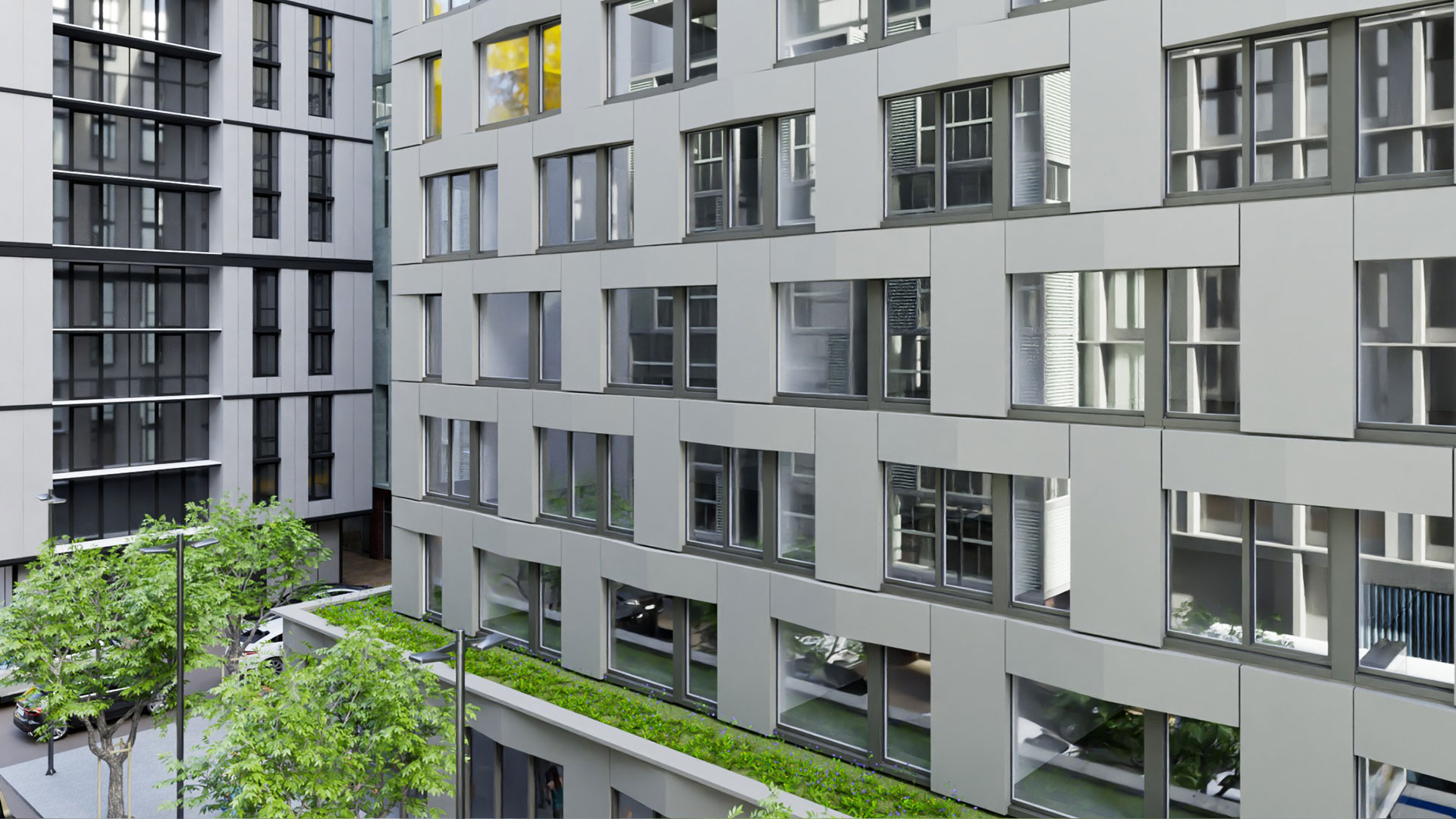
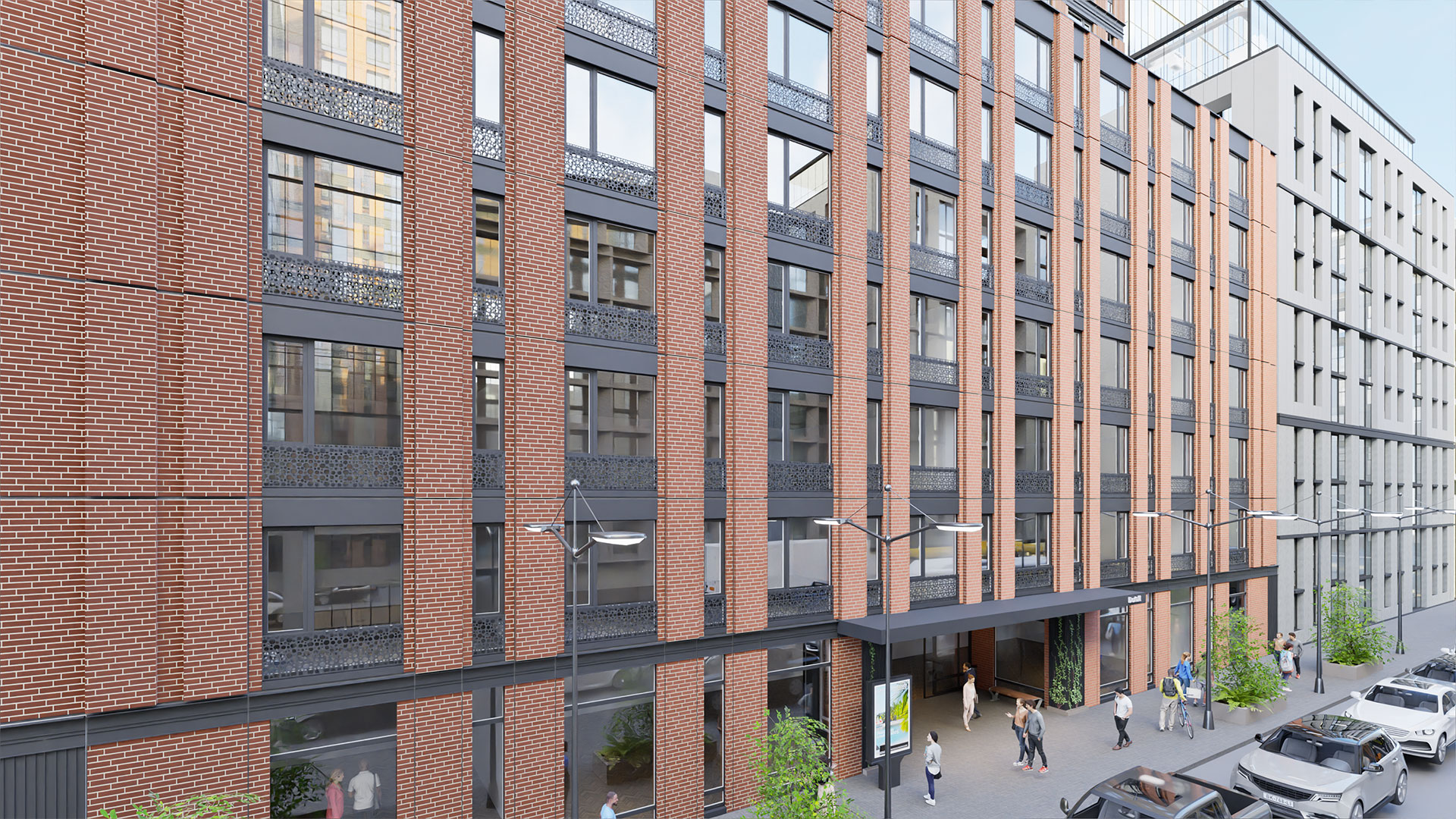
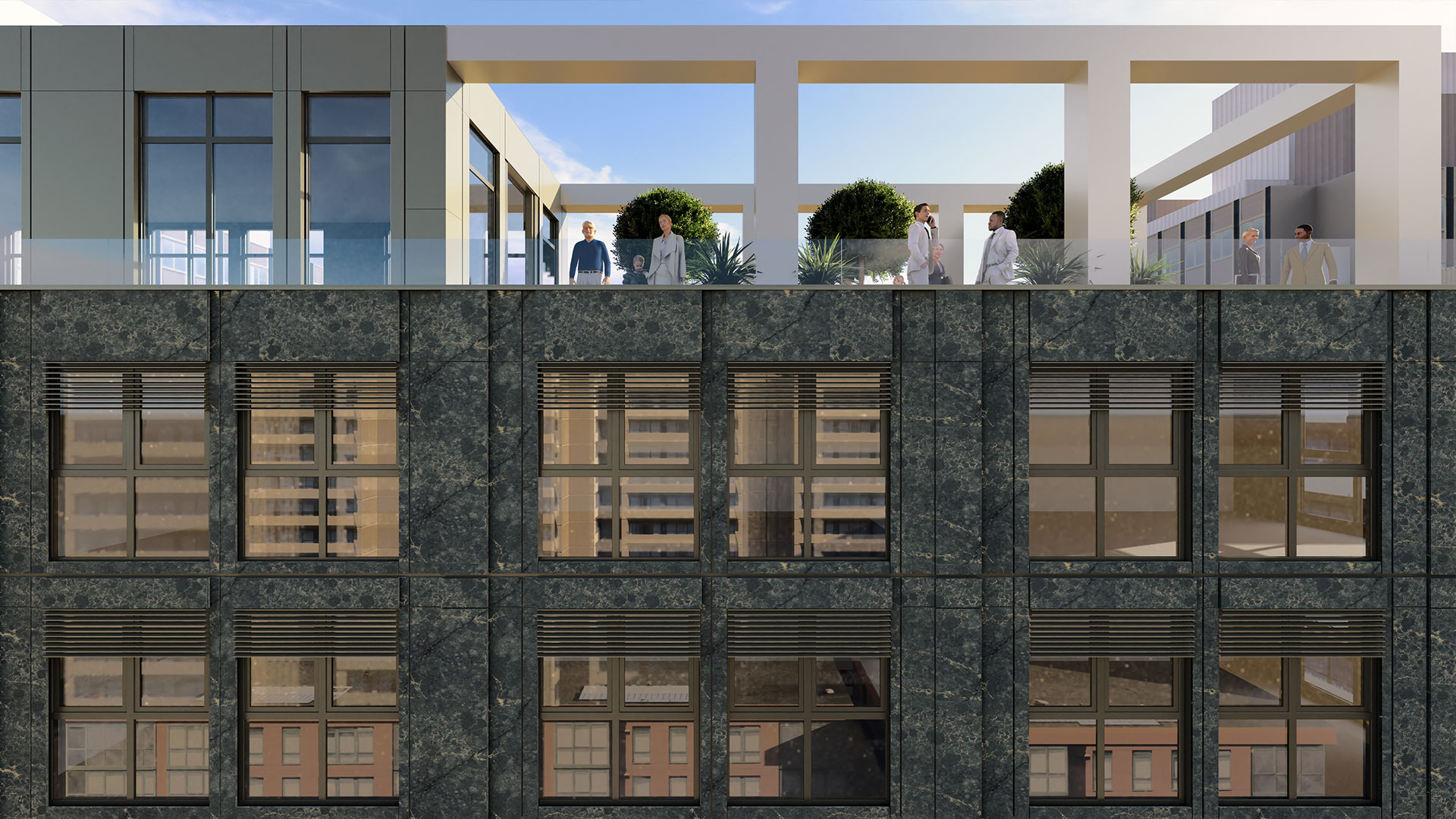
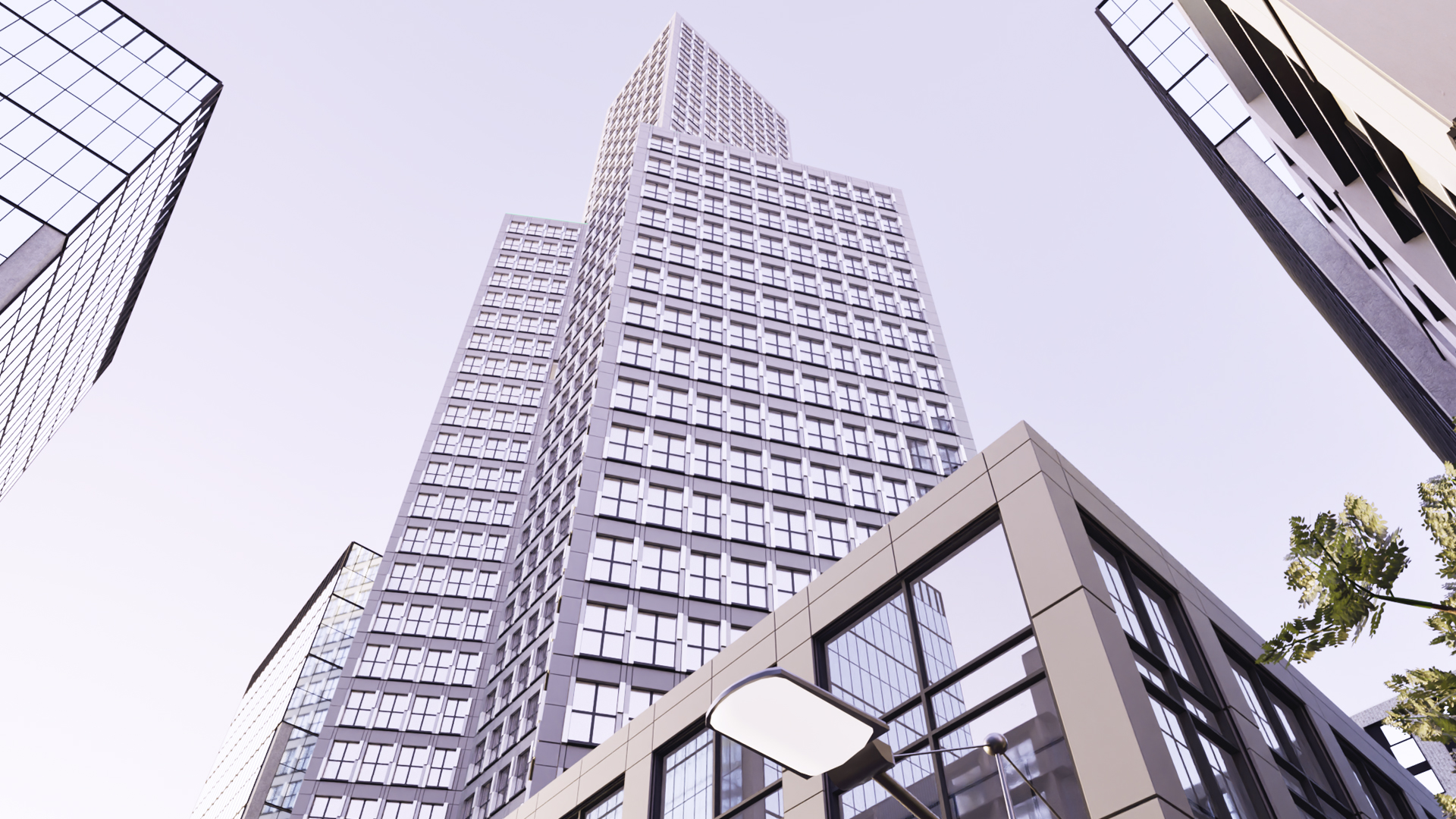
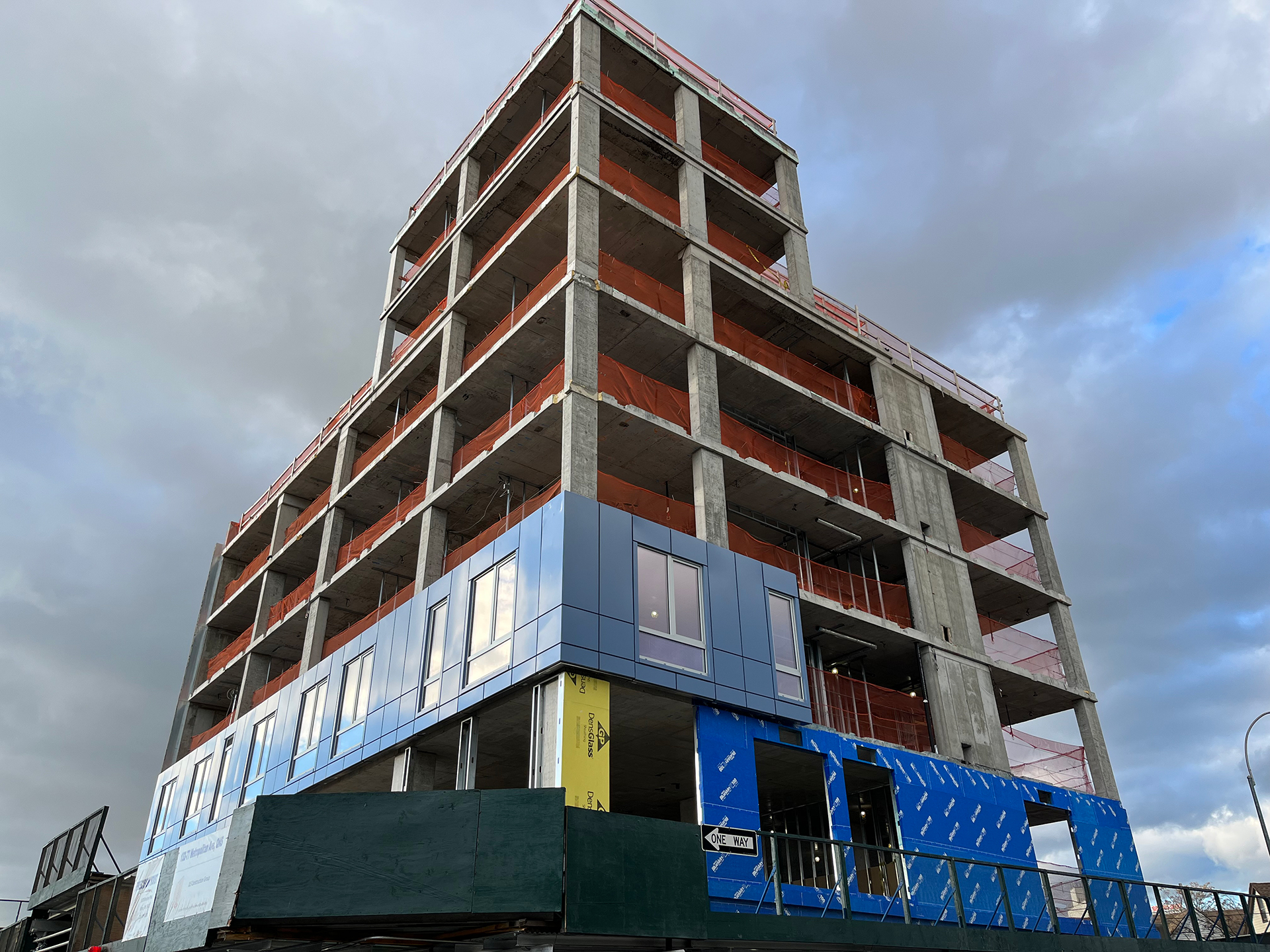
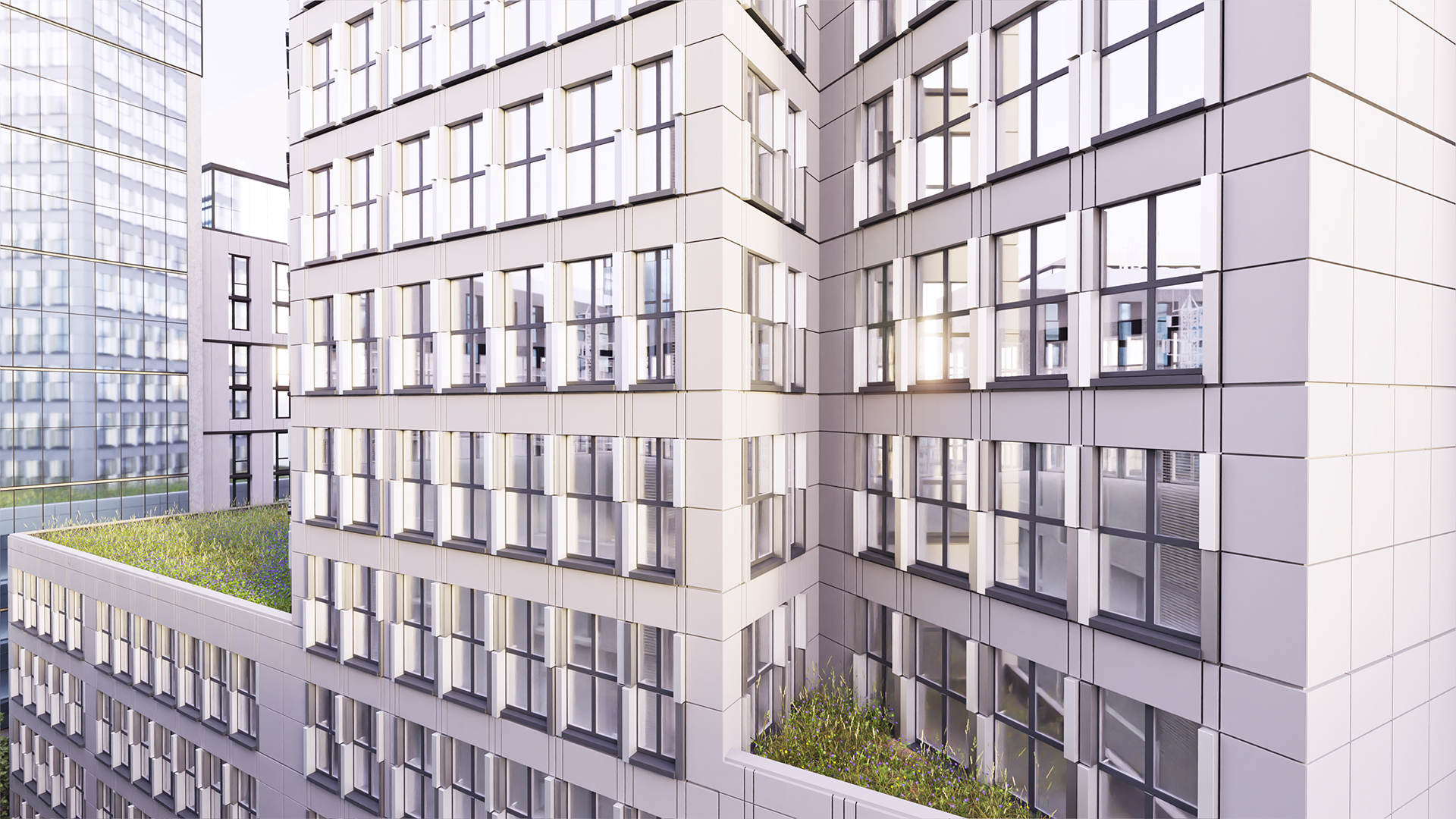
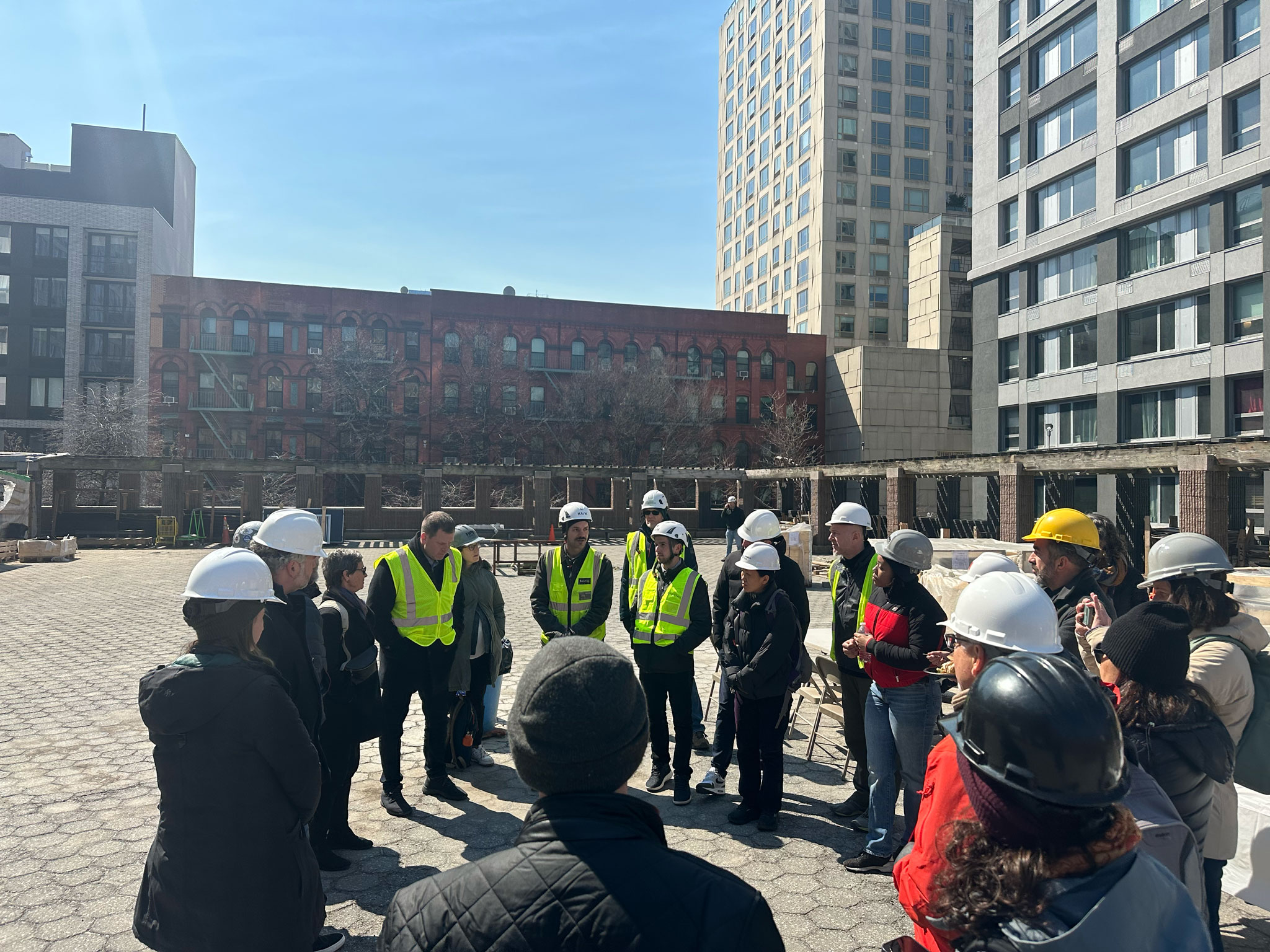
Images featured in this article depict Dextall's projects and are used for illustrative purposes only.
Sources










.jpeg)
-Compliance-for-NYC-Multifamily-%26-Co-Op-Facades.jpg)











_format(webp).avif)
_format(webp)%20(6).avif)
_format(webp)%20(5).avif)
_format(webp)%20(4).avif)
_format(webp)%20(2).avif)
_format(webp)%20(3).avif)


.avif)
_format(webp)%20(2).avif)