How The Wharf Washington DC Engineered Energy-Code Facades Across a 3.2 Million Square Foot Waterfront Development
An energy code compliant wall system is typically discussed at the individual building level — one project, one envelope, one set of code requirements. The Wharf Washington DC scales that problem by a factor of more than twenty. The $3.6 billion mixed-use waterfront development on the Southwest Waterfront comprises 3.2 million square feet of residential, office, hotel, retail, and cultural space across 24 acres of land and more than 50 acres of water — delivered in two phases, opened in October 2017 and October 2022, by developers PN Hoffman and Madison Marquette. Every building in the development targets LEED Gold or Silver. The overall project holds LEED Neighborhood Development Gold certification.
Perkins Eastman led master planning, working with more than fifteen architectural firms across the two phases — including SHoP Architects, WDG Architecture, Morris Adjmi, Rafael Viñoly, HWKN, S9 Architecture, and David M. Schwarz Architects. The result is a development where every building has a distinct architect and a distinct facade system, but where energy performance, material quality, and wind load engineering are common standards from the Southwest Waterfront to the Washington Channel. For developers planning mixed-use projects in DC, Northern Virginia, or any waterfront market governed by performance-based energy codes, The Wharf is a reference case for what systematic facade compliance looks like at scale.
What The Wharf Is and How It Was Assembled
The Wharf occupies the southwest waterfront of Washington DC, running from the historic Municipal Fish Market to Fort McNair along the Washington Channel. The site sat largely underused for decades until PN Hoffman and Madison Marquette assembled the development team in the 2000s, with groundbreaking in May 2014.
Phase 1 opened October 12, 2017, delivering approximately 2 million square feet including three hotels, two residential buildings, 210,000 square feet of retail and restaurant space, The Anthem (a 6,500-seat music venue designed by David M. Schwarz Architects and Rockwell Group), and the reconstructed Wharf pier. Phase 2 broke ground in March 2019 and opened in October 2022, adding three office buildings — including 670 and 680 Maine Avenue by SHoP Architects and WDG Architecture — plus a Pendry Hotel, a 96-unit condominium building by Rafael Viñoly, 255 rental apartments, and 109,000 additional square feet of retail. Total program across both phases: approximately 850 residential units, more than 400 hotel rooms, 625,000 square feet of office space, and 320,000 square feet of retail and restaurant.
The $3.6 billion total cost reflects not just the scale but the performance standard the development is built to: every building engineered for waterfront exposure, every envelope specified for energy code compliance, every facade reviewed against a master plan that prioritized pedestrian-scale materiality and varied articulation along the water's edge.
How the Facade Systems Were Engineered Building by Building
The Wharf's master plan explicitly required facade diversity — no two buildings share the same cladding system or architectural language. What they share is a rigorous engineering baseline: wind load analysis for waterfront exposure, thermal performance for DC's climate zone, and compliance with the DC Building Energy Performance Standards (DC BEPS), which apply to buildings over 10,000 square feet.
The most technically detailed facade work in Phase 2 is at 670 and 680 Maine Avenue — the two 11-story Class A office towers totaling 527,000 square feet, designed by SHoP Architects with WDG Architecture as architect of record. The towers use a custom unitized curtain wall system engineered and supplied by Fabbrica, with all-glass facades set at differing angles across the elevation. The angled glazing planes respond to solar orientation while maintaining views across the Potomac River. For an office building at this waterfront exposure, a unitized system — where each panel arrives factory-assembled with framing, glass, and weatherproofing integrated — eliminates the field glazing variables that would be amplified by wind and thermal cycling at the water's edge.
Water Building One, designed by HWKN (Matthias Hollwich), takes a different approach: a steel ring truss in rectangular hollow sections frames a glass curtain wall for a two-story fine dining building that makes the structural system the primary elevation element. Water Building Two, by S9 Architecture, uses zinc-coated steel panels and wood fins as the primary facade, aging to a consistent gray finish consistent with the waterfront's industrial palette. The development's residential and hotel buildings use a primary material palette of brick, metal panels, and glass, with the waterfront pier clad in Kebony sustainable timber — a modified wood product that ages to classic gray without preservatives.
Facade engineering across all buildings addressed four technical requirements specific to the waterfront site: components and cladding wind load analysis for maximum and minimum design pressures; joint design for interstory drift, live load deflection, creep, and thermal expansion; condensation potential analysis in glazing assemblies; and hygrothermal analysis of exterior wall assemblies to determine air barrier and vapor retarder locations. The combination of wind exposure, humidity from the Washington Channel, and DC's climate — hot humid summers, cold winters — requires higher-performance detailing than an equivalent inland site.
Energy Code Compliance at Neighborhood Scale
The Wharf's LEED ND Gold certification — earned for the project as a complete neighborhood rather than individual buildings — sets the standard for how a multi-building mixed-use development can achieve systematic energy compliance across diverse building types. LEED ND Gold requires documented performance across transportation, energy, water, and materials at the site level, not just individual building certifications. Individual buildings across both phases target LEED Gold or Silver — with 800 Maine Avenue (office, Phase 1) achieving LEED Gold Core and Shell, and the InterContinental Hotel achieving LEED Silver.
DC's Building Energy Performance Standards require buildings over 10,000 square feet to meet minimum thresholds based on building type and median ENERGY STAR scores, with regular benchmarking and escalating performance requirements. For a development that opened Phase 1 in 2017 and Phase 2 in 2022, both phases were designed under increasingly stringent DC energy code cycles. The consistent LEED targeting across the development required each architect to design their building's envelope — glazing specification, wall system thermal performance, air barrier continuity — to meet the same performance standard regardless of the building's specific program or cladding system.
That consistency is the key lesson for mid-rise developers. In a mixed-use development where the office buildings have curtain walls, the residential buildings have punched windows, and the hotel buildings have a hybrid system, the envelope performance requirement is the same for all of them. Energy code compliant envelope design must be a project-level standard, not a building-level decision made late in design development.
Prefabrication and the Construction Schedule at The Wharf
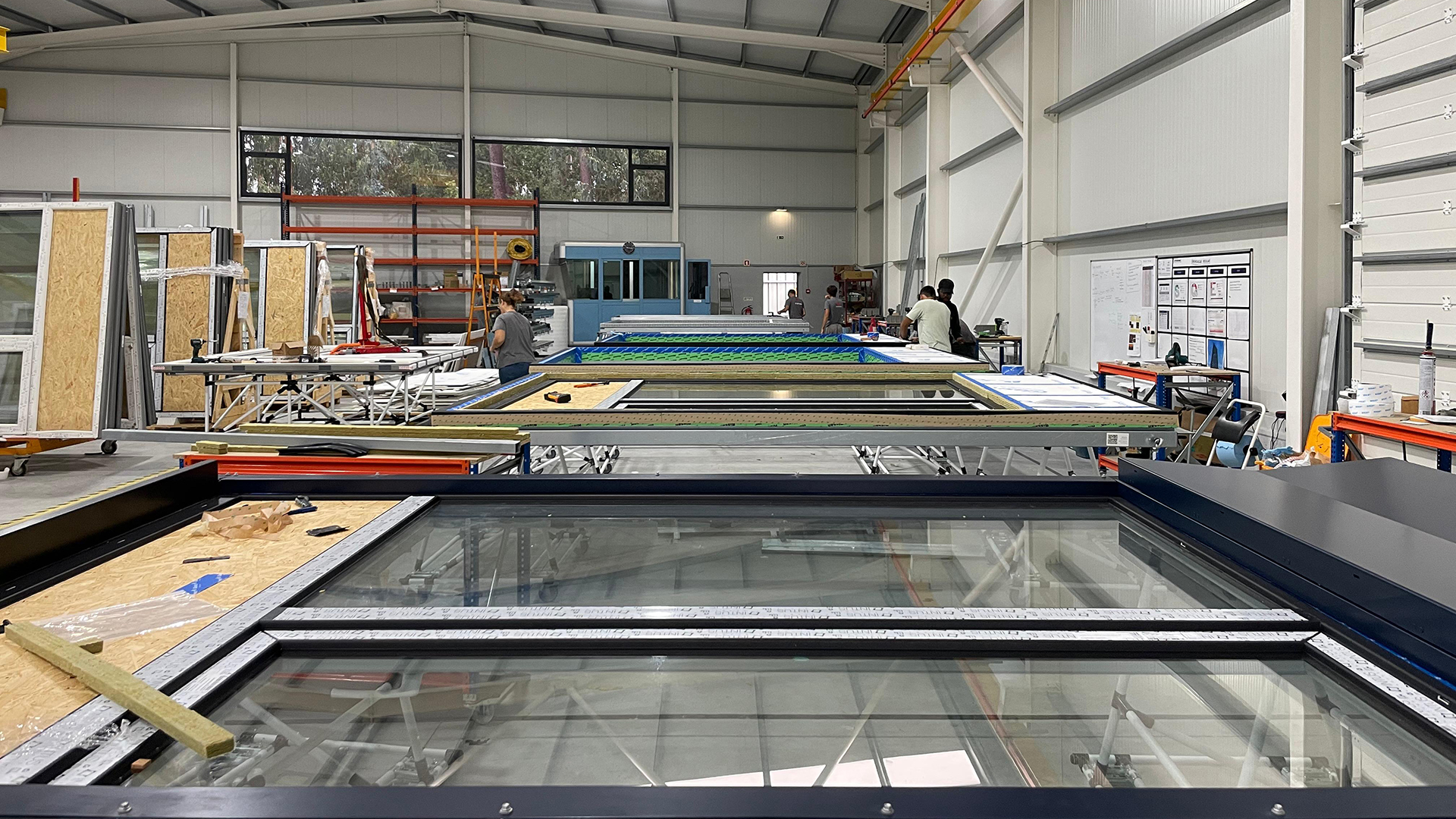
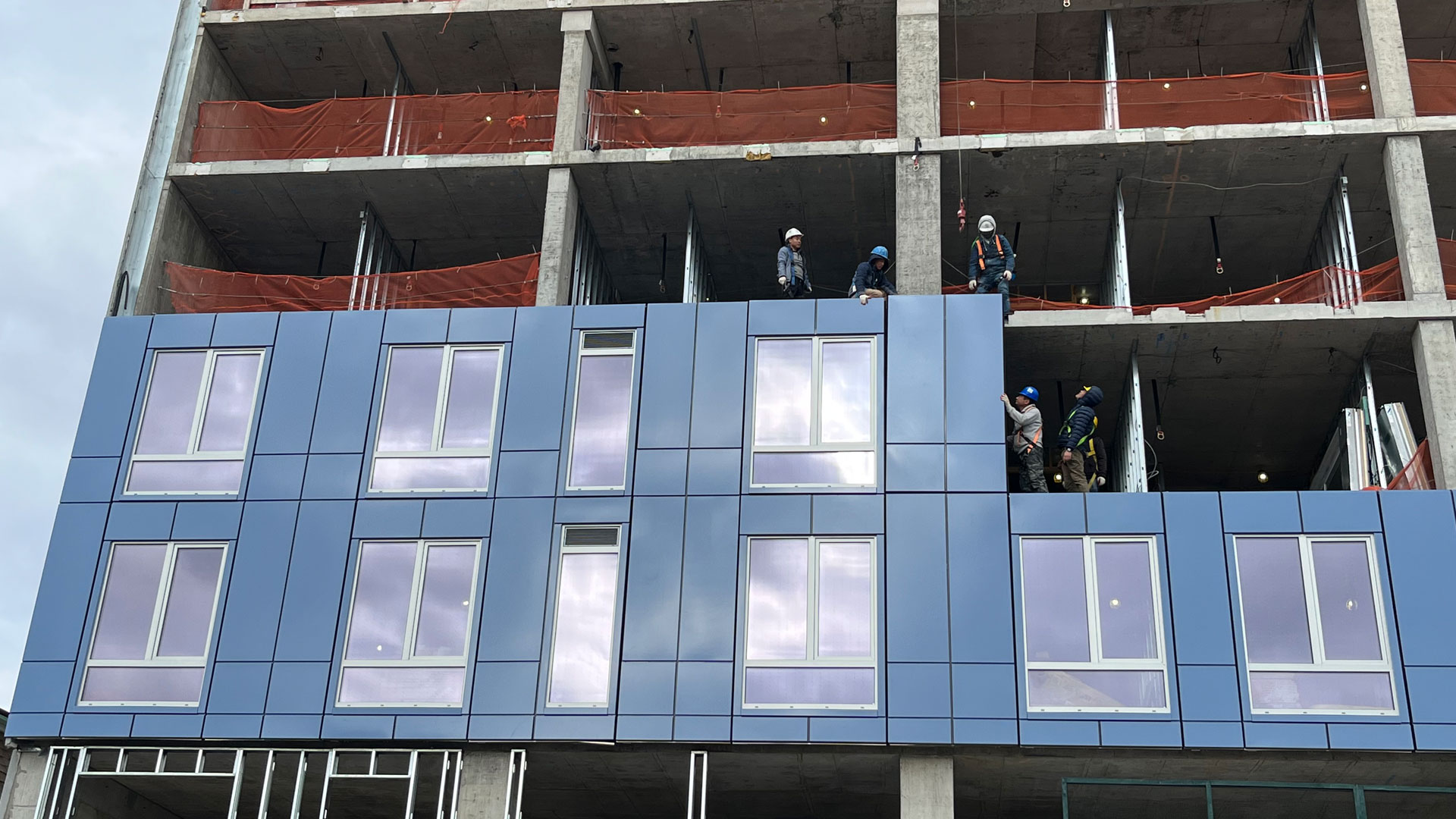
Clark Construction managed general contracting across multiple Phase 1 buildings, applying a construction methodology that used prefabricated and modular facade components to compress the schedule on a development where multiple buildings were built simultaneously. Facade systems, MEP racks, electrical rooms, and bathroom pods were manufactured offsite and delivered to the site as complete assemblies. On a 24-acre site where multiple buildings are under construction simultaneously, prefabricated components reduce on-site congestion, shorten installation time per floor, and eliminate the weather risk of open-air fieldwork on an exposed waterfront location.
The schedule compression from offsite fabrication is documented across the development: an aggressive communication process — including RFI resolution before engineering completion — allowed facade fabrication to begin earlier, so installation could start while structural work continued on upper floors. At The Wharf's scale, that coordination advantage translates directly to earlier occupancy for the developer and earlier revenue from retail and residential tenants.
The same principle applies directly to mid-rise projects. A unitized facade system for a 15-story mixed-use building on a constrained urban site delivers the same schedule advantage — factory fabrication in parallel with structural construction, predictable installation sequencing, and minimal on-site labor in exposed or high-traffic areas. For developers working on DC, Maryland, or Virginia projects under DC BEPS or ASHRAE 90.1 requirements, specifying a high-performance prefabricated exterior wall panel system addresses both the energy compliance requirement and the construction schedule constraint in one decision.
Five Lessons for Mixed-Use Developers from The Wharf
- Set energy performance as a neighborhood standard, not a building-by-building negotiation. The Wharf's LEED ND Gold framework required every architect to design to the same energy baseline. That consistency means no building in the development is an outlier on operating cost or compliance exposure as DC BEPS requirements tighten.
- Waterfront exposure requires higher envelope performance than comparable inland sites. Wind loads, humidity, and thermal cycling at The Wharf's Washington Channel location demanded facade detailing — joint design for drift and thermal movement, condensation analysis in glazing, hygrothermal analysis of wall assemblies — that should be standard on any waterfront mid-rise project. Coastal facade engineering for hurricane and wind resistance follows the same logic.
- Facade diversity and performance consistency can coexist at the master plan level. More than fifteen architects designed buildings at The Wharf, each with a distinct facade system. The consistent standard was performance — LEED compliance, wind load engineering, energy code compliance — not material or form. A master plan that specifies performance requirements while allowing architectural diversity is how large-scale mixed-use developments maintain quality without homogeneity.
- Prefabricated systems are a construction management tool, not just a design choice. Clark Construction's use of offsite-fabricated facade components at The Wharf was driven by schedule management on a multi-building, constrained waterfront site. Prefabricated wall panels reduce on-site labor hours, compress installation schedules, and eliminate weather risk for open-air field glazing.
- Unitized curtain walls for office buildings deliver premium performance at Potomac River exposure. The custom Fabbrica unitized system at 670 and 680 Maine Avenue was specified for a waterfront Class A office building where glazing performance and installation quality directly affect tenant comfort and building energy models. The unitized approach — factory assembly, panel-level quality control, predictable on-site installation — is the standard for Class A facades at any urban waterfront site.
Key Takeaways
- The Wharf DC is a $3.6 billion, 3.2 million square foot mixed-use waterfront development on Washington DC's Southwest Waterfront, delivered in two phases (October 2017 and October 2022) by PN Hoffman and Madison Marquette, with Perkins Eastman as master planner
- The development holds LEED Neighborhood Development Gold certification; all buildings target LEED Gold or Silver, with documented energy performance compliance under DC Building Energy Performance Standards
- 670 and 680 Maine Avenue — 527,000 sq ft of Class A office by SHoP Architects and WDG Architecture — use a custom unitized curtain wall system engineered and supplied by Fabbrica, with all-glass facades set at differing angles for solar performance and Potomac River views
- Waterfront facade engineering across all buildings addressed wind load analysis, joint design for interstory drift and thermal movement, glazing condensation analysis, and wall assembly hygrothermal performance — requirements that are amplified at waterfront exposure versus comparable inland sites
- Clark Construction applied prefabricated and modular facade components to compress construction schedules on a 24-acre site with multiple simultaneous buildings, demonstrating that offsite fabrication is a schedule management tool as much as a performance specification
FAQ
What facade systems does The Wharf Washington DC use?
The Wharf uses a diverse palette of facade systems across more than fifteen buildings. The most technically specified is a custom unitized curtain wall by Fabbrica on the 670 and 680 Maine Avenue office towers, designed by SHoP Architects and WDG Architecture. Other buildings use zinc-coated steel panels, brick, glass curtain wall, metal panels, and Kebony sustainable timber cladding on the waterfront pier. All systems were engineered for waterfront wind loads and DC energy code compliance.
What LEED certifications does The Wharf hold?
The Wharf holds LEED Neighborhood Development Gold certification for the overall development. Individual buildings target LEED Gold or Silver: 800 Maine Avenue achieved LEED Gold Core and Shell; the InterContinental Hotel achieved LEED Silver. Phase 2 buildings, including the 670 and 680 Maine Avenue office towers, were designed to meet LEED certification requirements under DC Building Energy Performance Standards.
Why do waterfront buildings require higher-performance facade systems?
Waterfront sites expose facades to higher wind loads, greater humidity, and more severe thermal cycling than comparable inland locations. Facade engineering at The Wharf required wind load analysis for maximum and minimum design pressures, joint design for interstory drift and thermal movement, condensation analysis in glazing assemblies, and hygrothermal analysis of wall assemblies to determine air barrier placement. These requirements apply to any facade on a waterfront site — from a supertall office tower to a 12-story residential building on the Washington Channel.
How did prefabrication support The Wharf's construction schedule?
Clark Construction used prefabricated facade systems, MEP racks, and modular components — including bathroom pods and electrical rooms — to manage the construction of multiple buildings simultaneously on a 24-acre waterfront site. Offsite fabrication allowed facade installation to begin earlier in the construction sequence, reducing on-site congestion and weather risk. An aggressive RFI resolution process enabled fabrication to start before full engineering completion, compressing the overall schedule.
What DC energy codes apply to new developments at The Wharf?
DC's Building Energy Performance Standards (DC BEPS) apply to buildings over 10,000 square feet, requiring minimum energy performance thresholds based on building type and median ENERGY STAR scores. Phase 1 and Phase 2 buildings were designed under successive DC energy code cycles that became more stringent between 2014 and 2022. LEED Gold or Silver certification requires documented energy performance that meets or exceeds code baseline. For developers planning new projects in DC, the facade envelope — U-values for glazing and walls, air barrier continuity, thermal bridging — directly determines whether the building can achieve the required ENERGY STAR scores.
Disclaimer
Dextall is not involved in The Wharf Washington DC project. This article analyzes publicly available information about the development's design, engineering, and energy compliance to explore how principles from large-scale mixed-use waterfront projects can inform facade strategy for mid-rise development. For questions about The Wharf, contact PN Hoffman, Madison Marquette, or Perkins Eastman. For information about Dextall's prefabricated building envelope solutions, visit dextall.com.
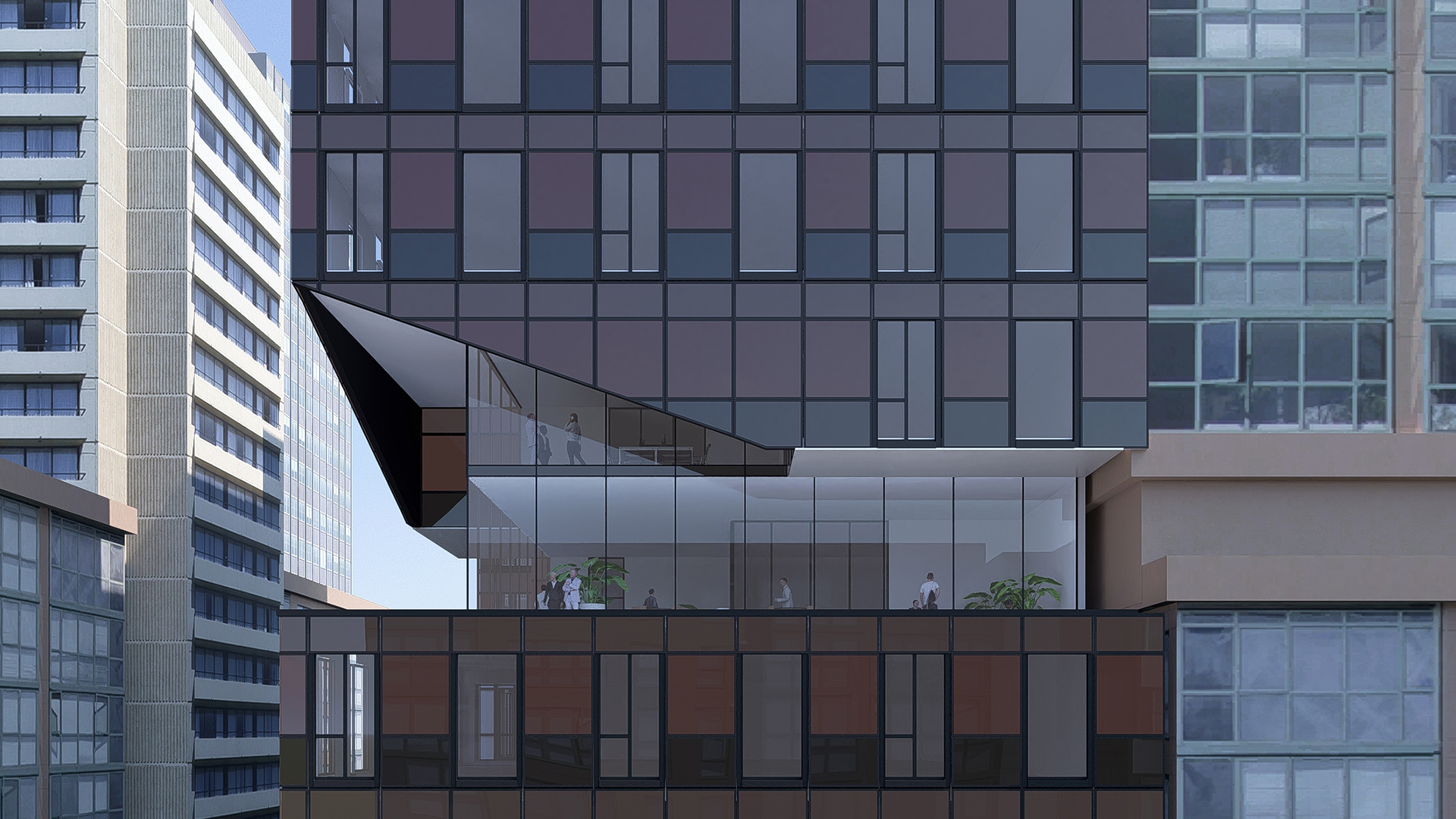
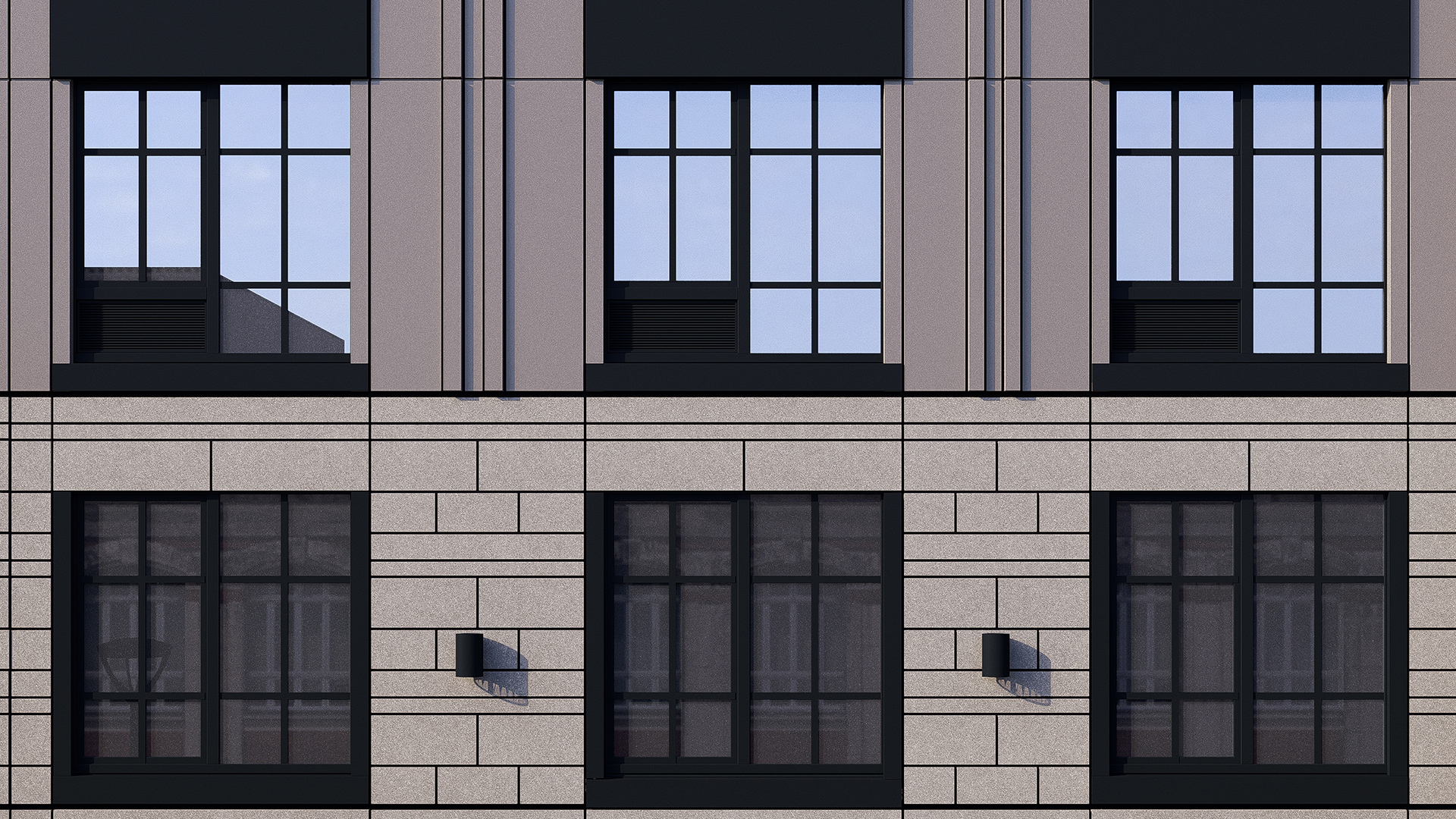
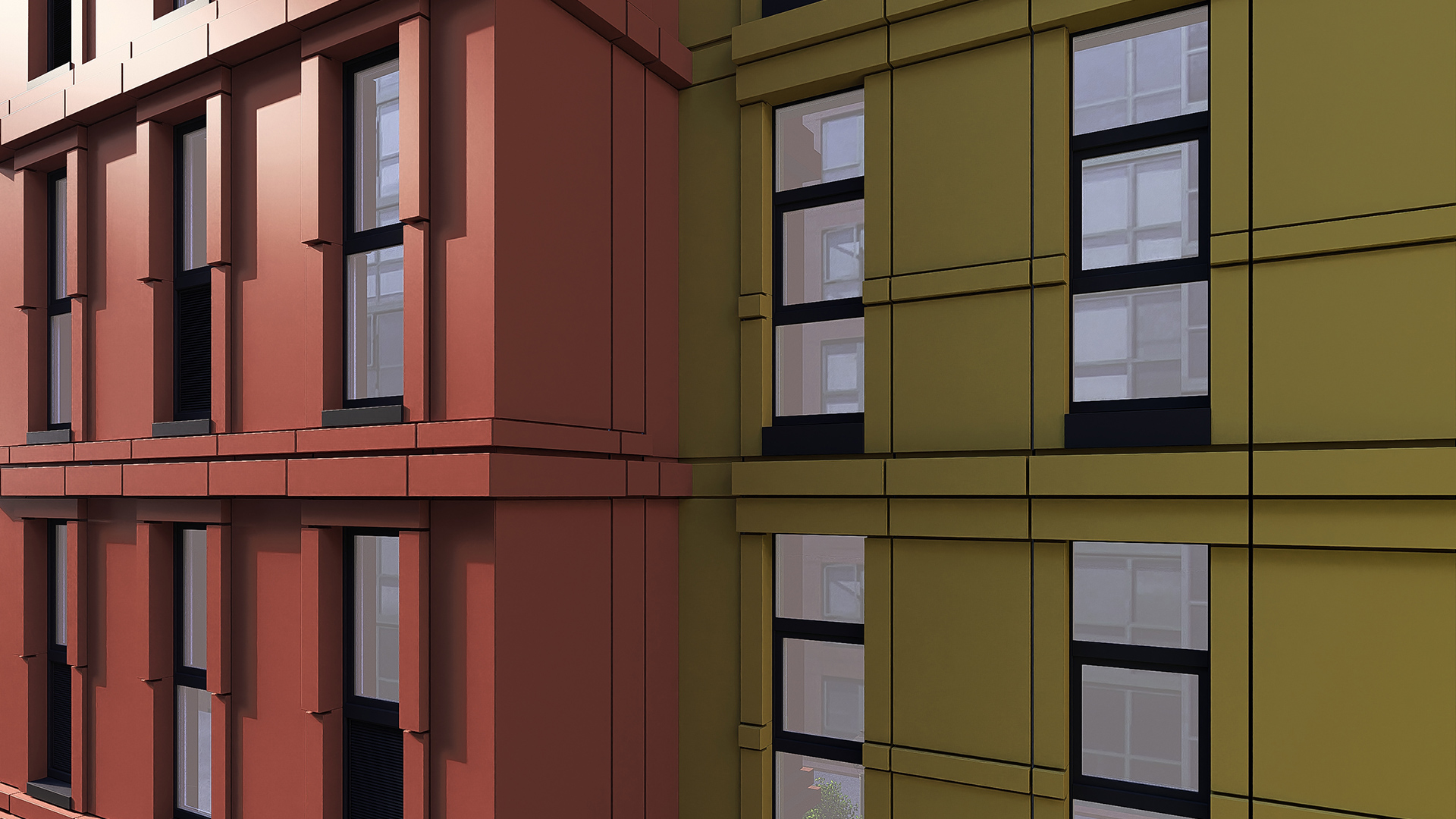
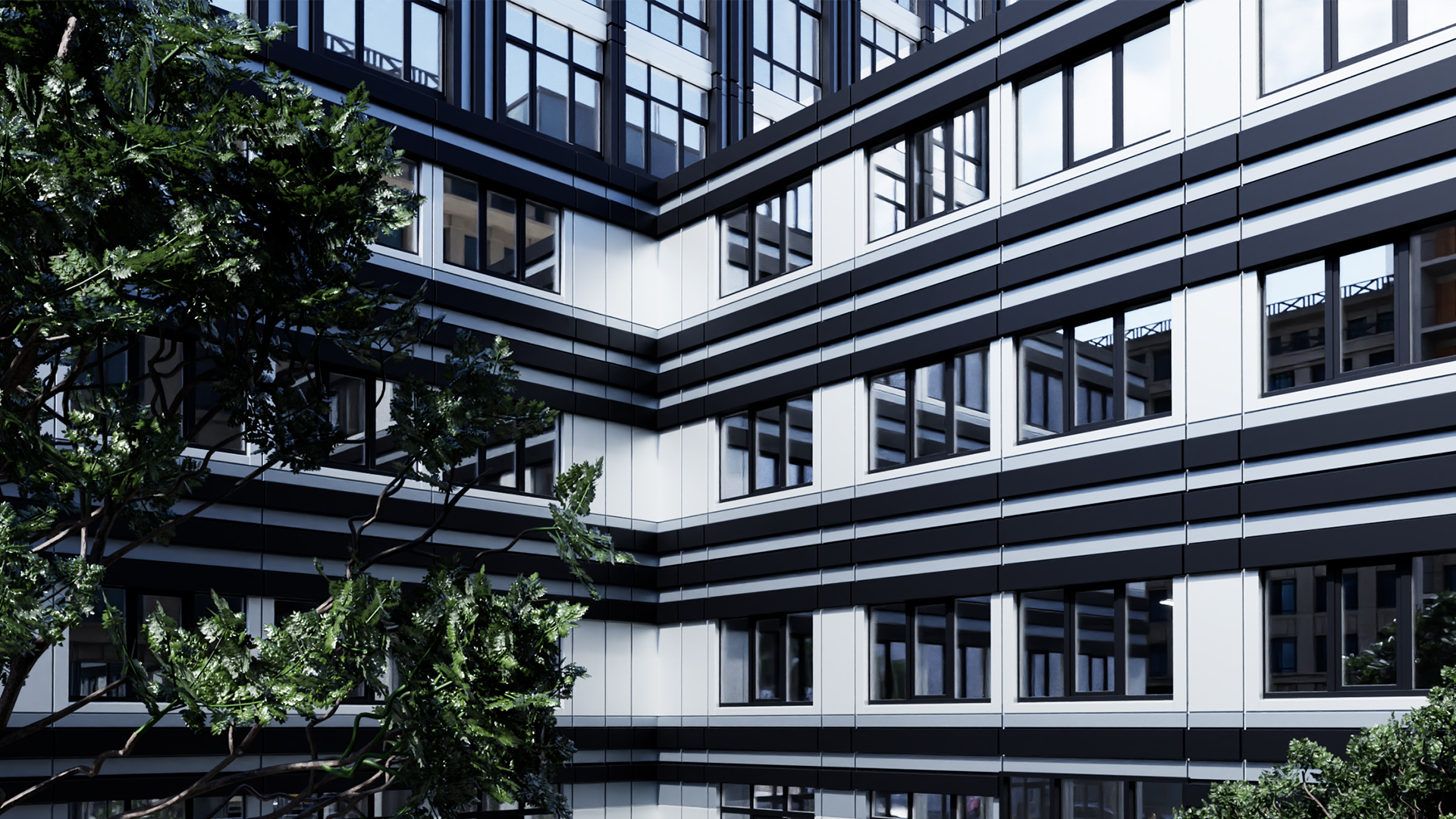
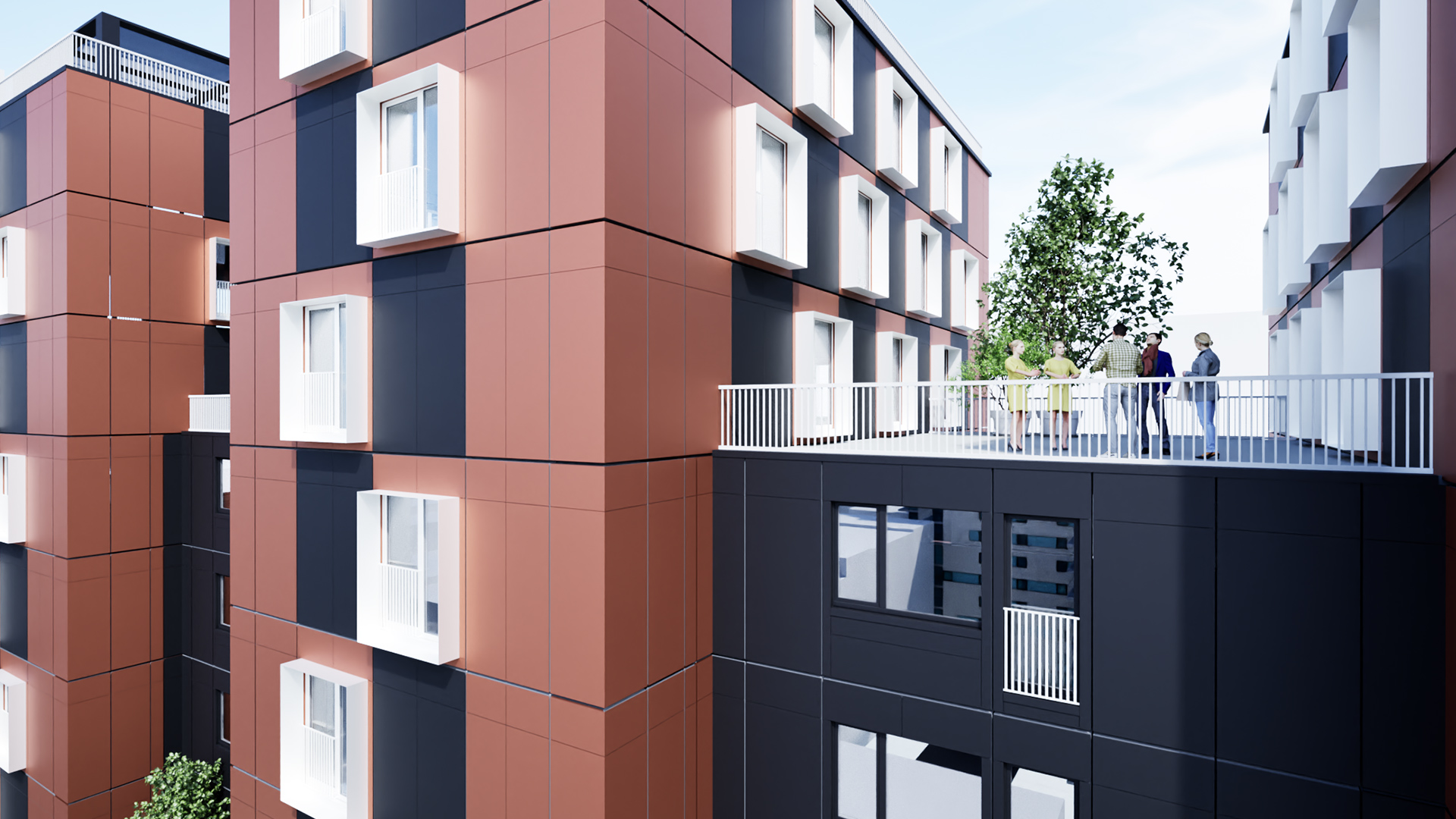
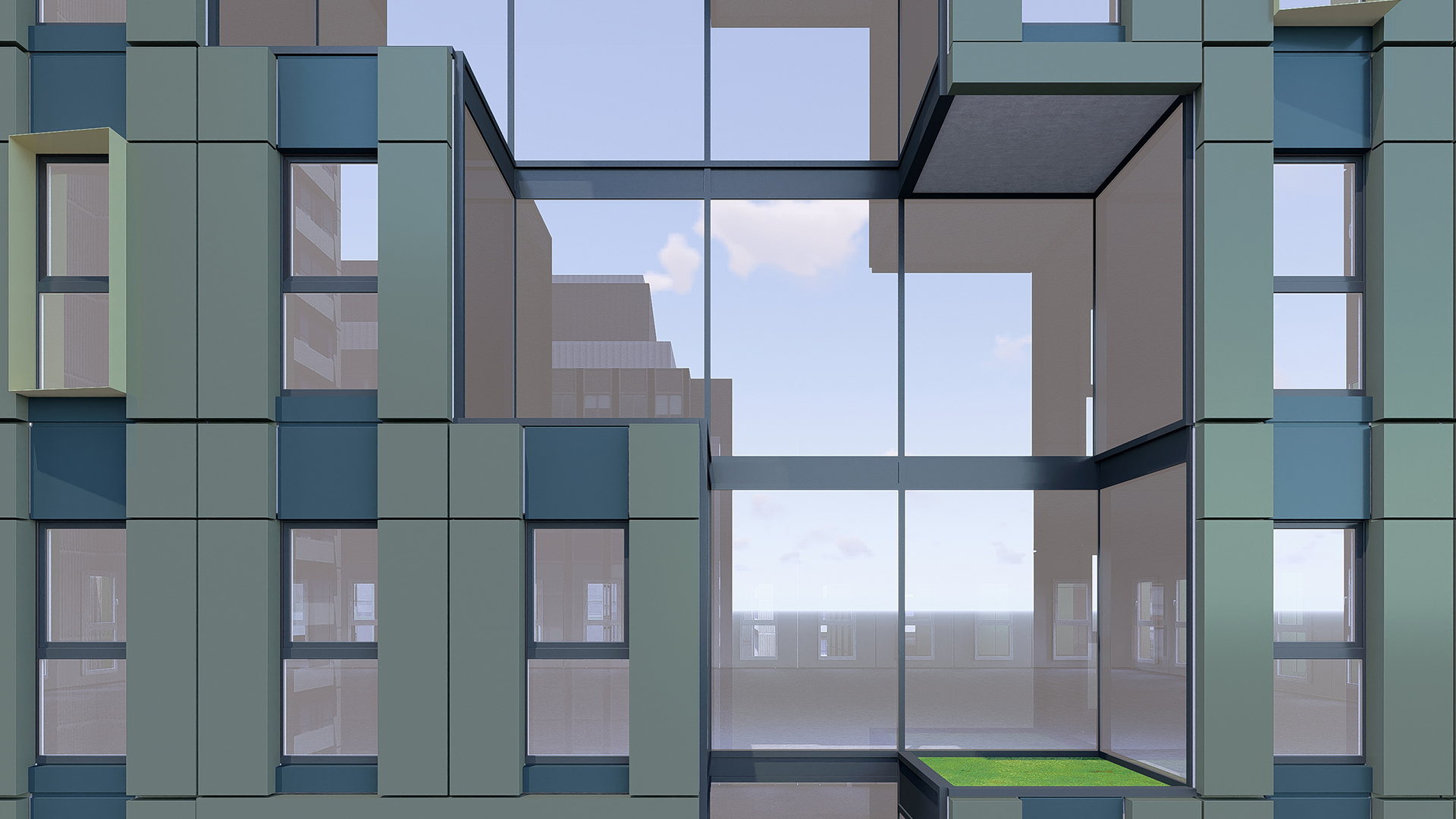
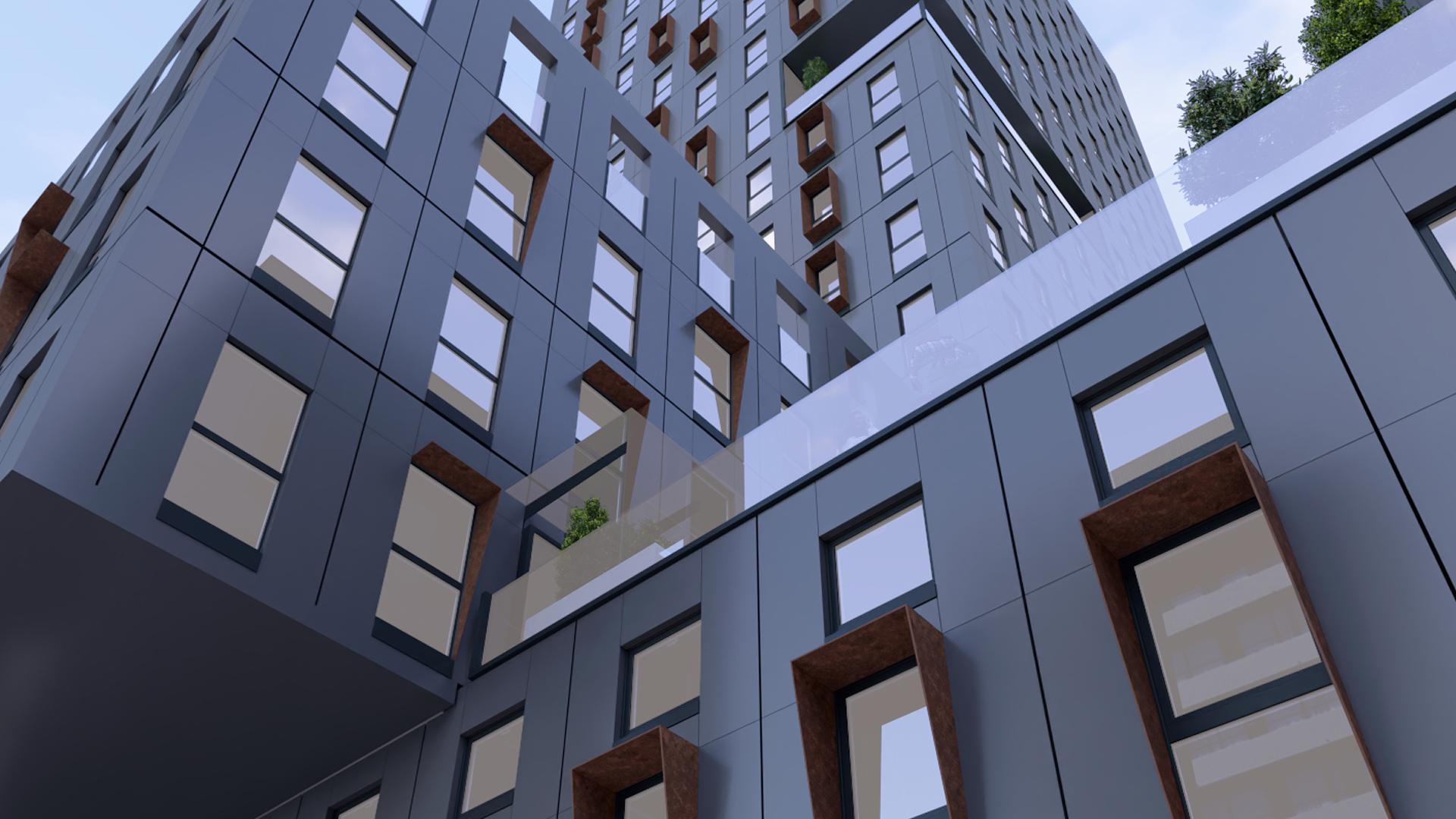
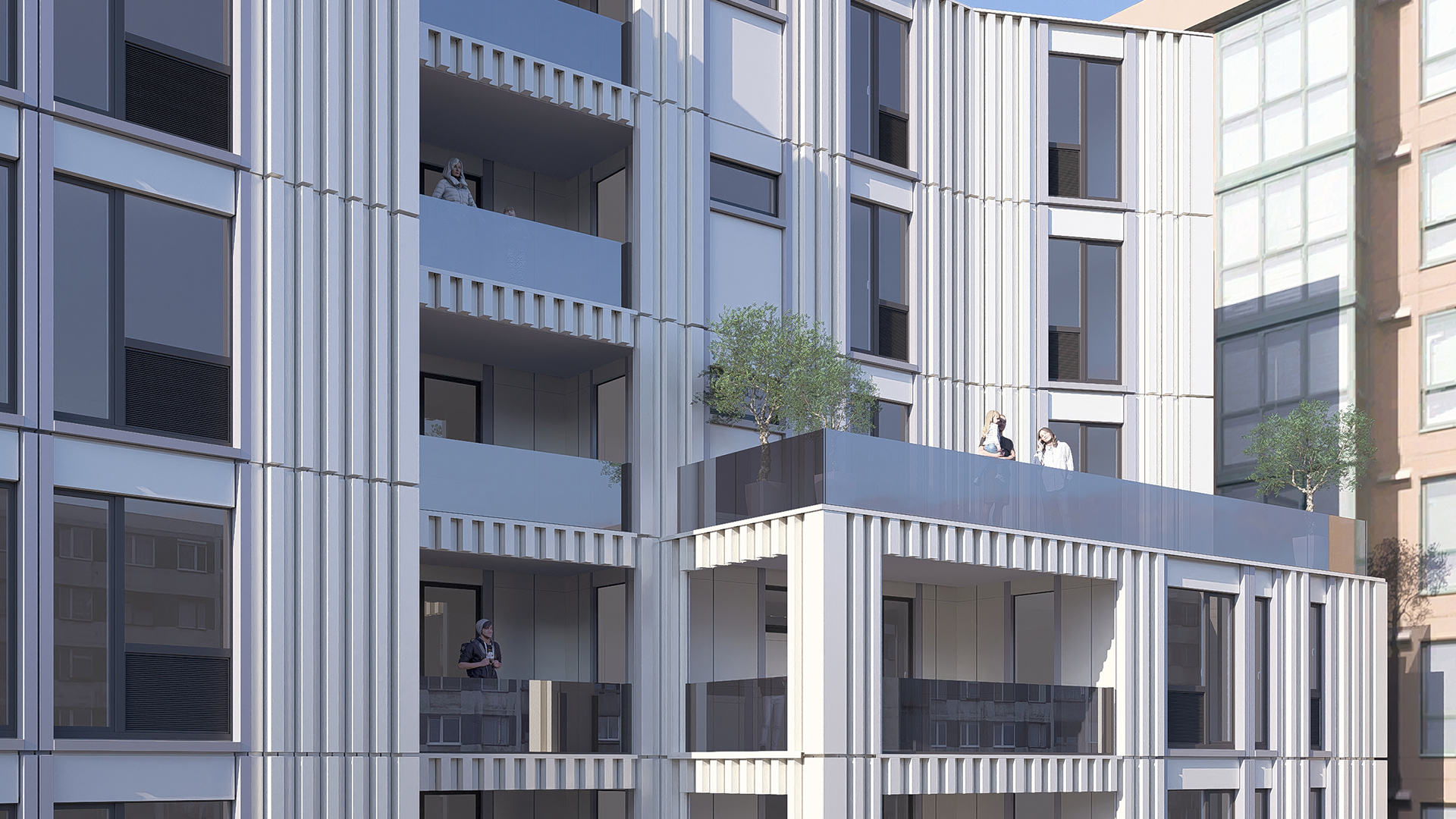
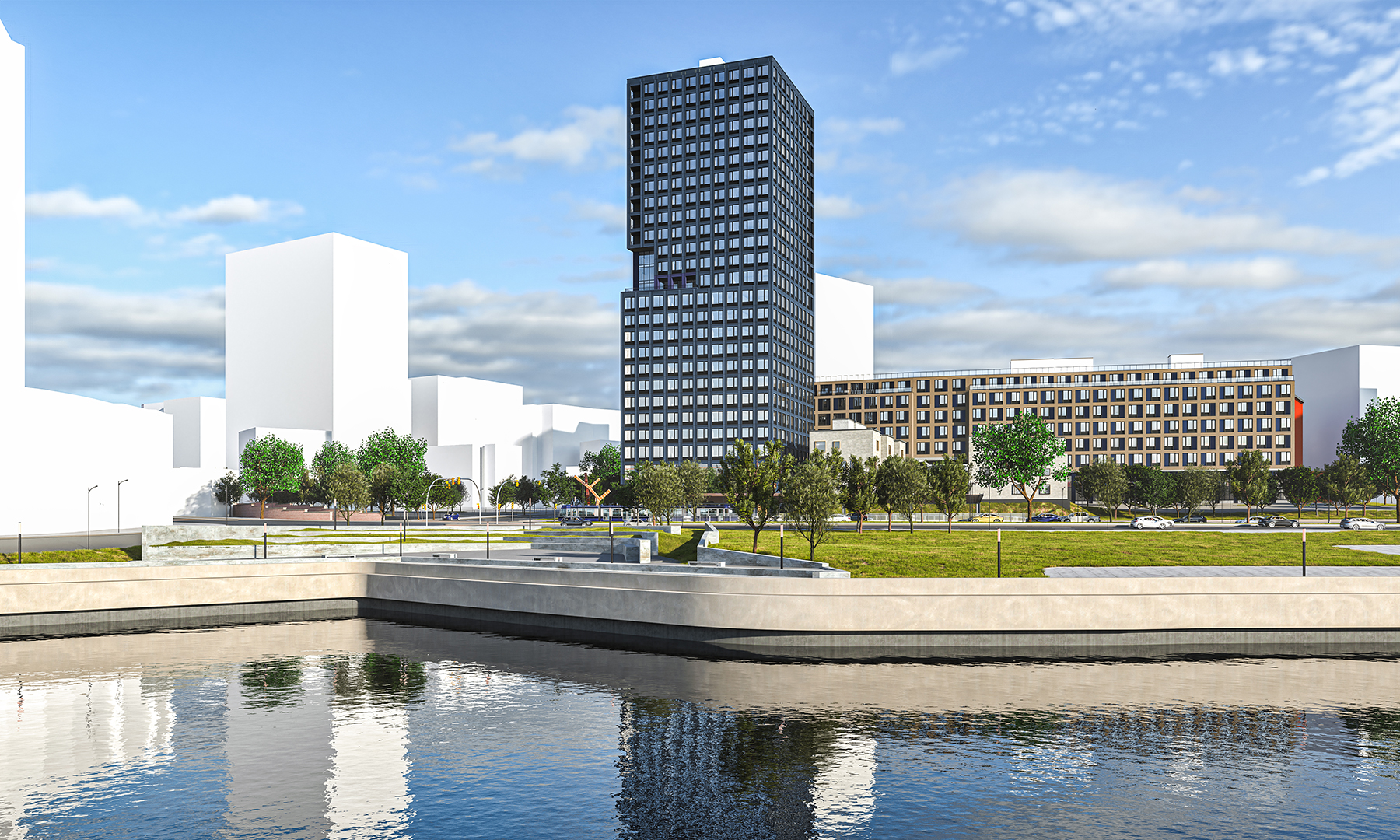
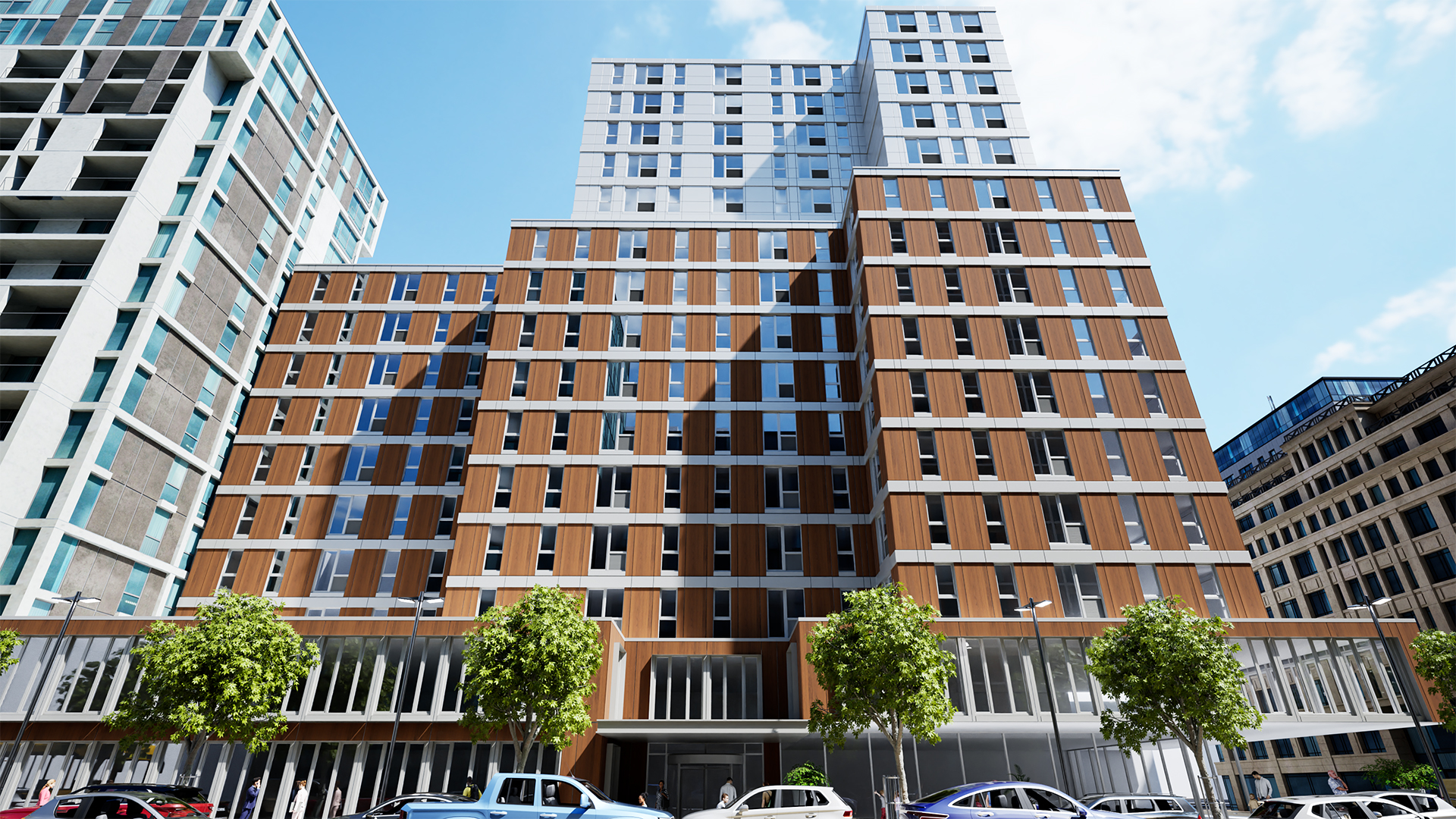
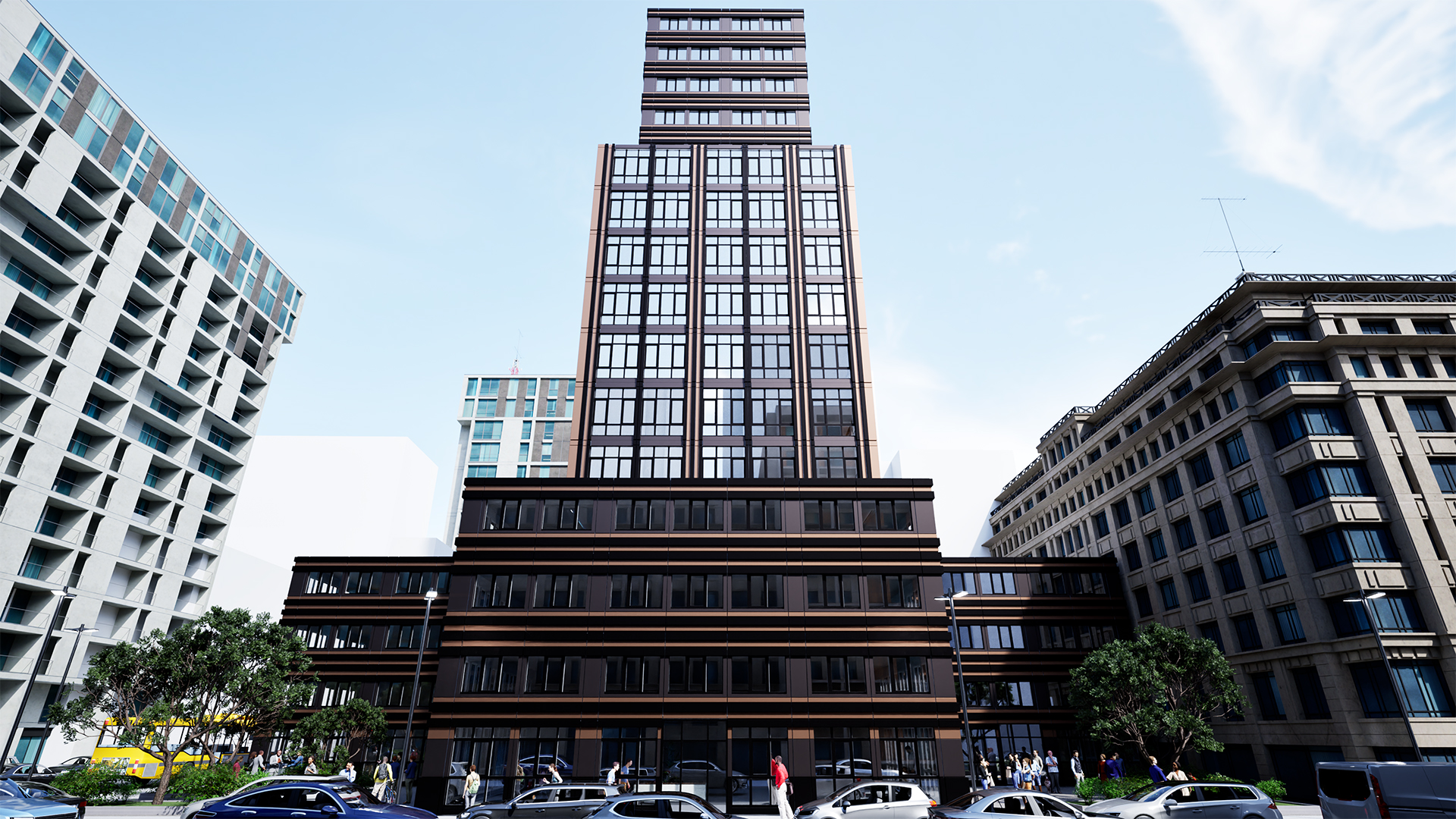
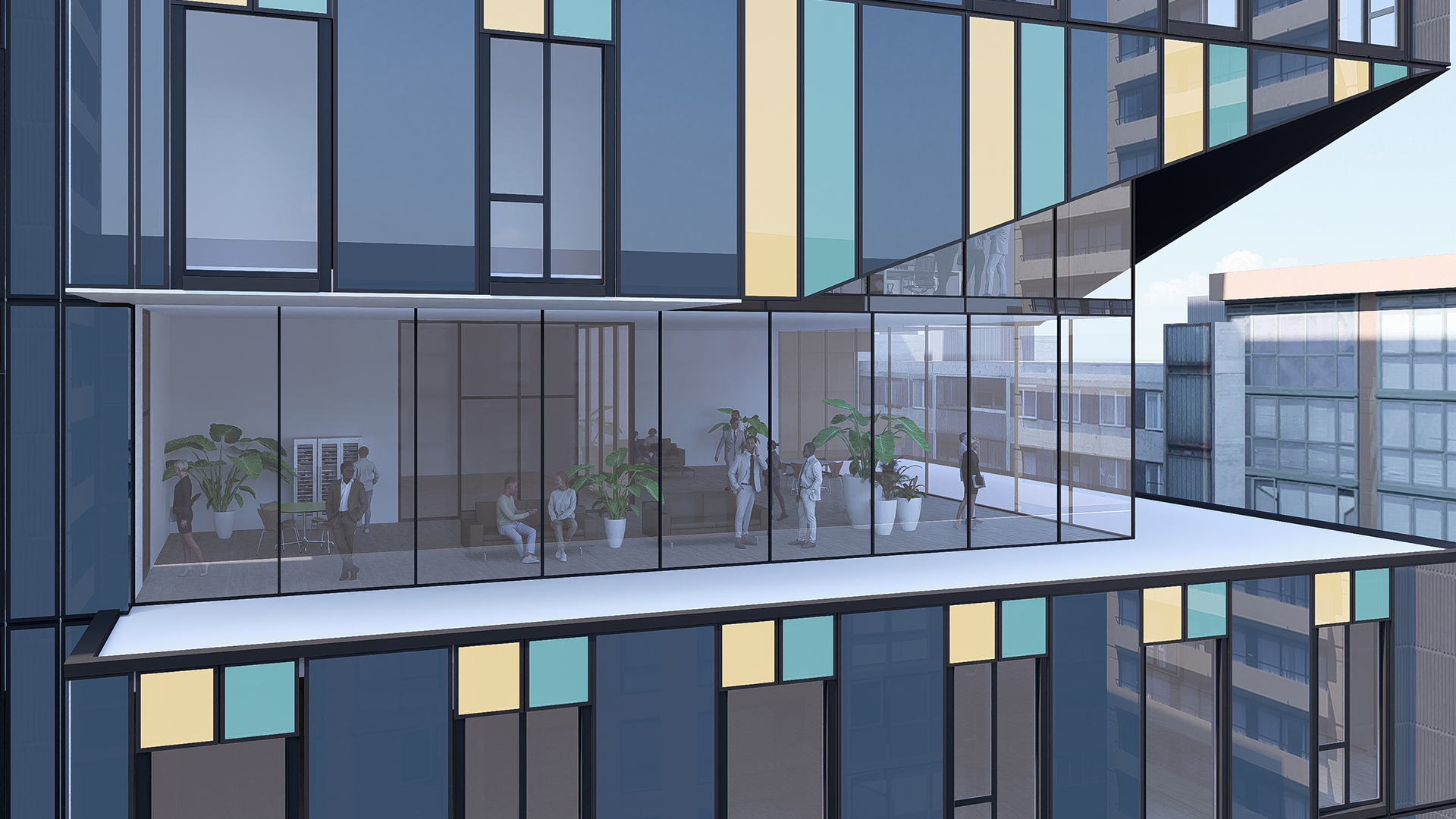
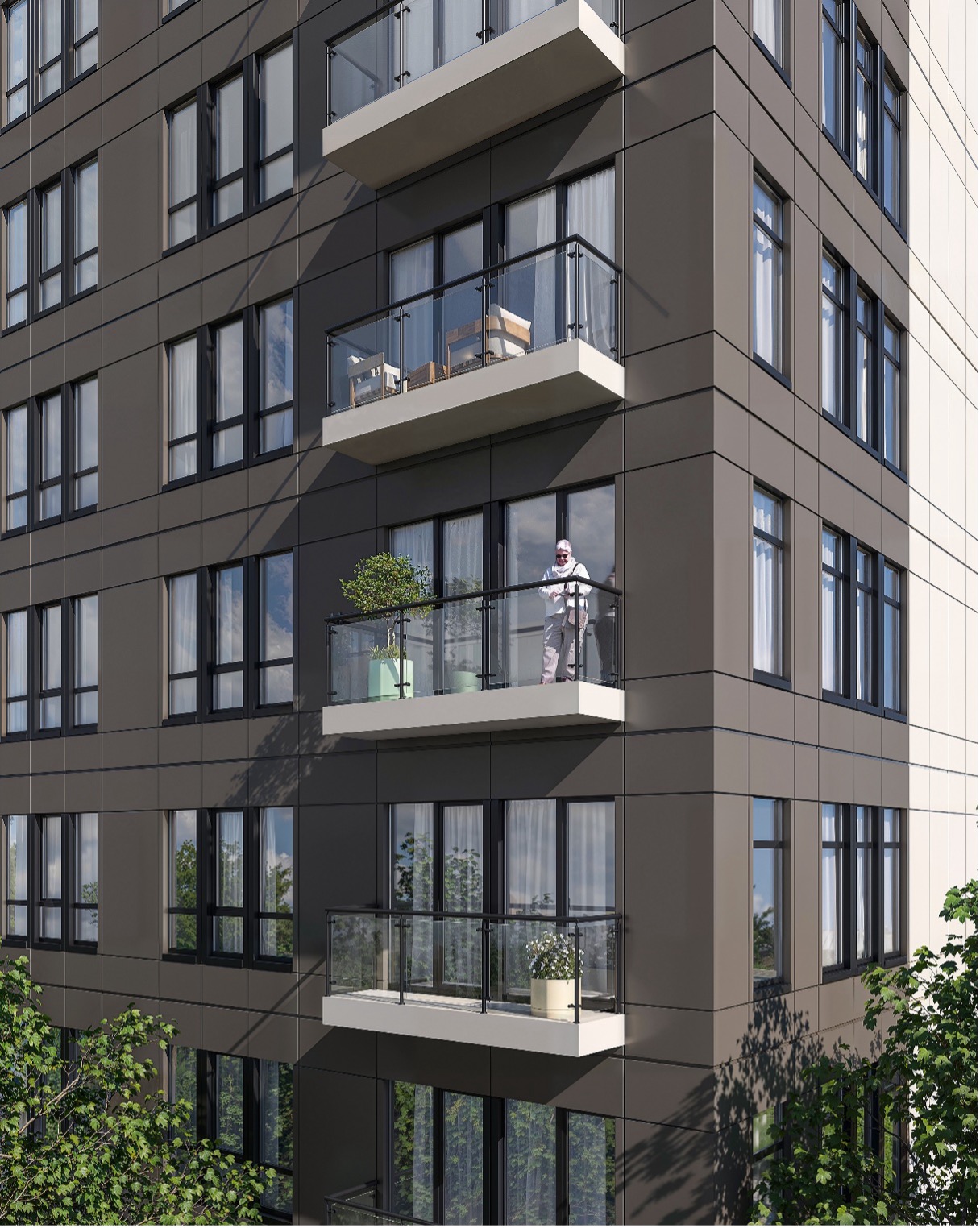
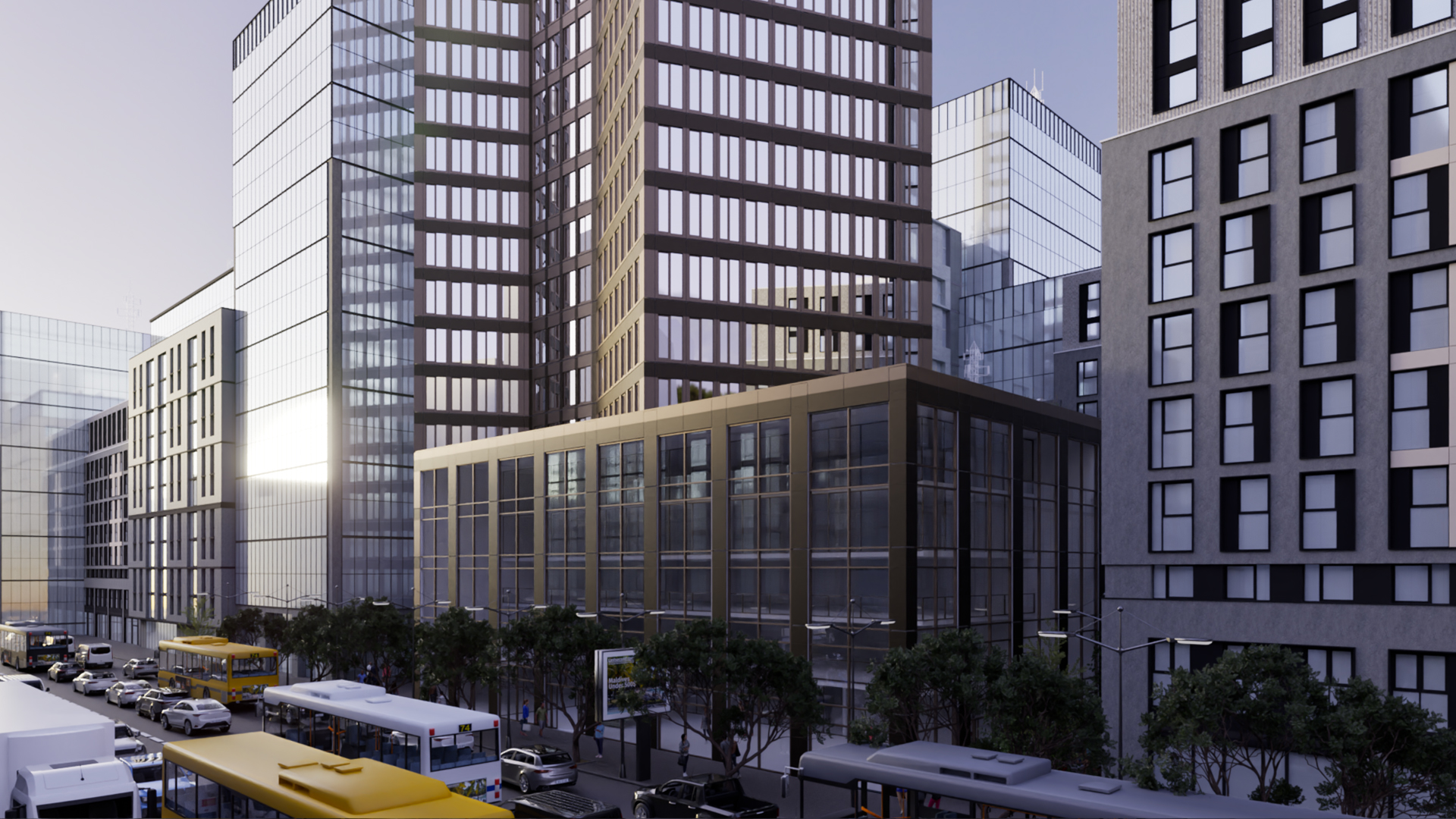
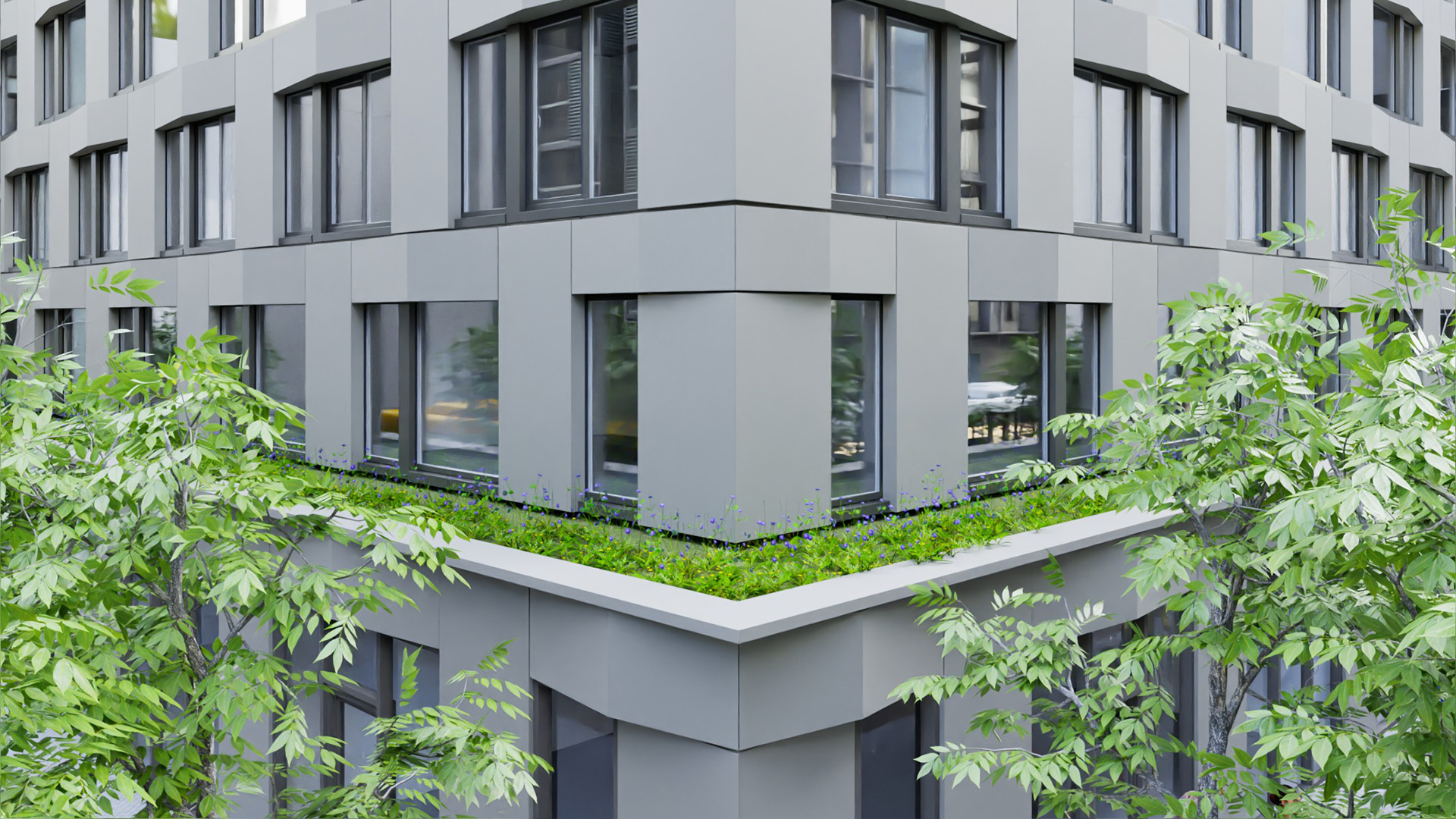
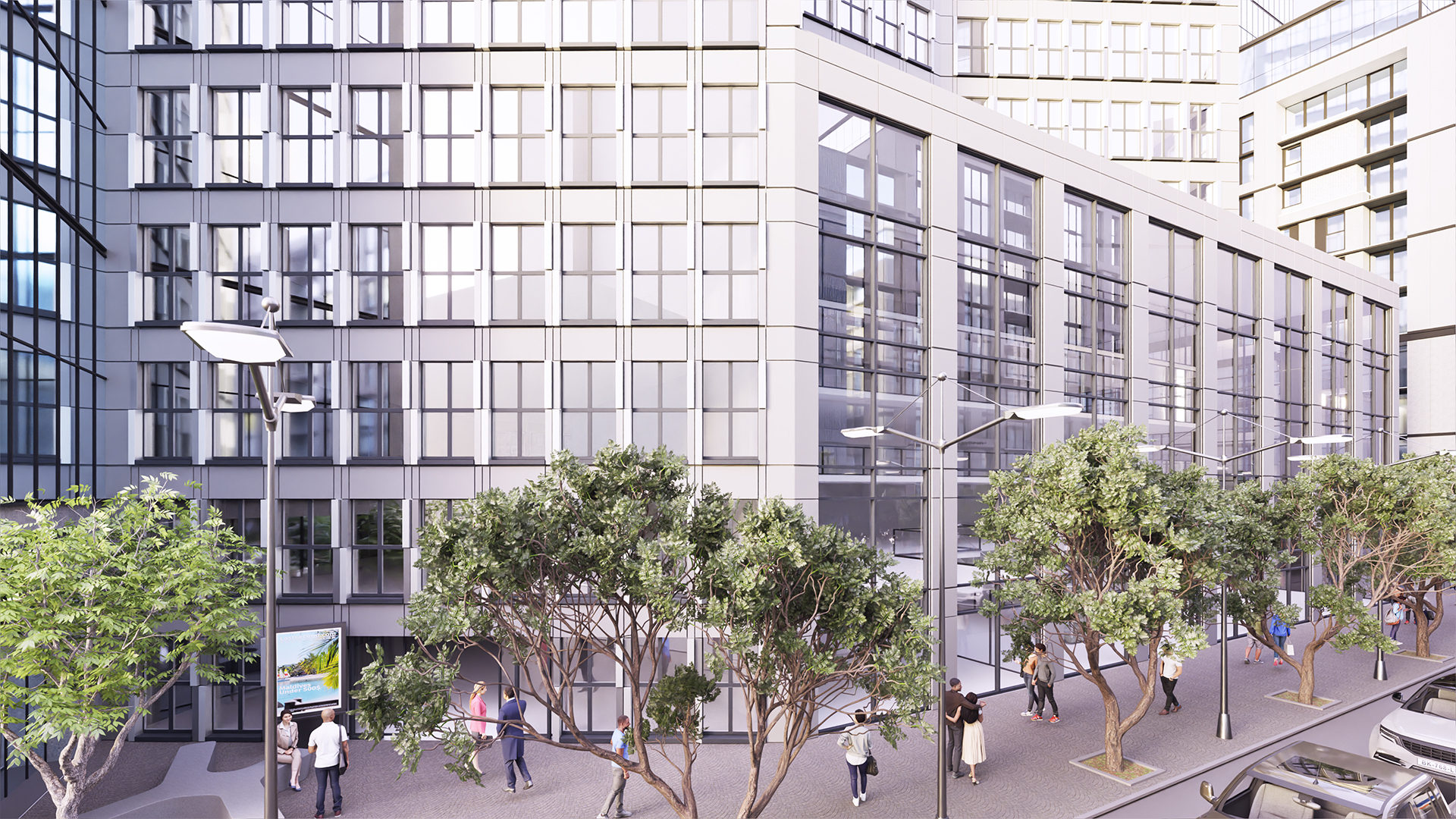
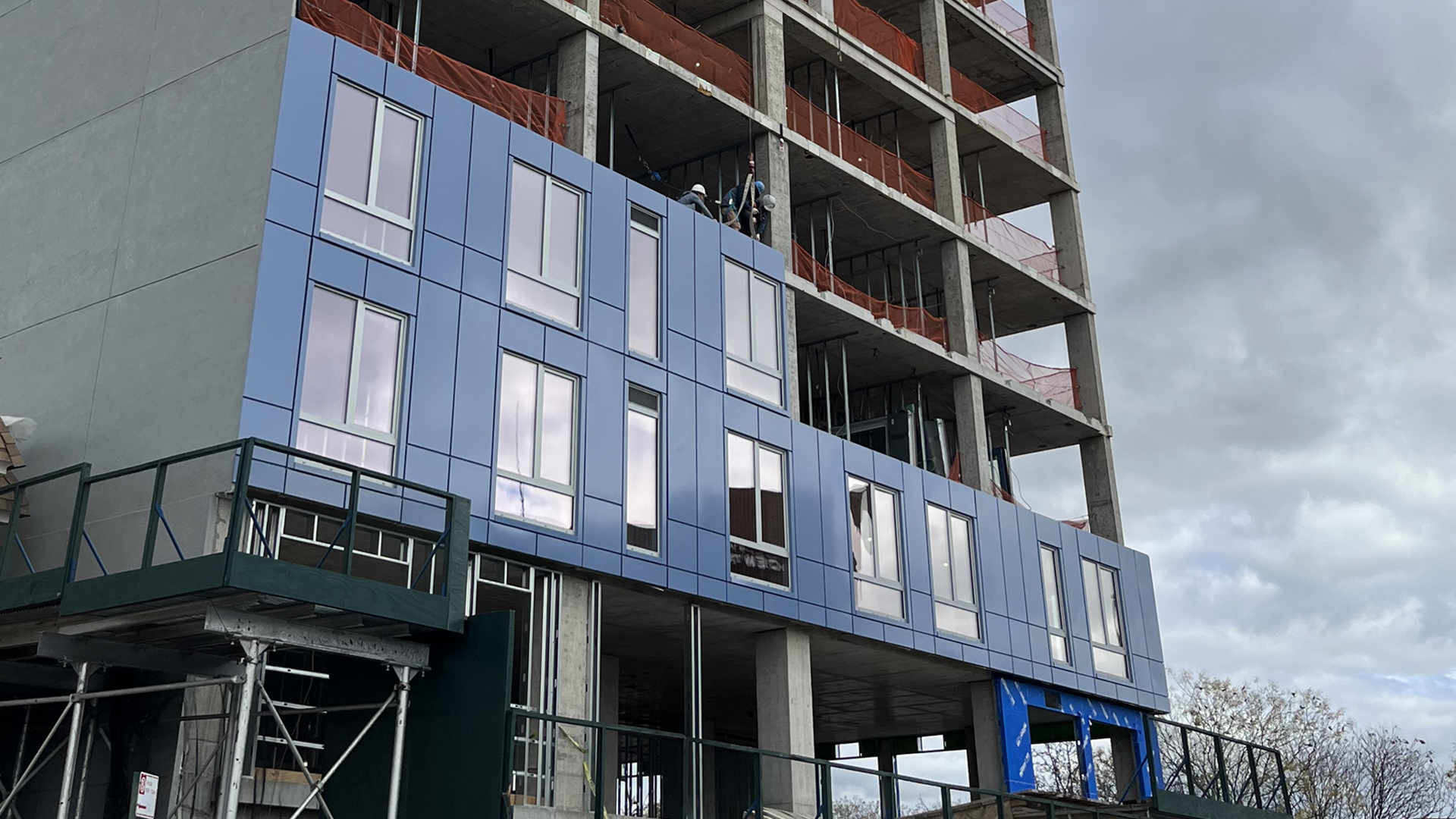
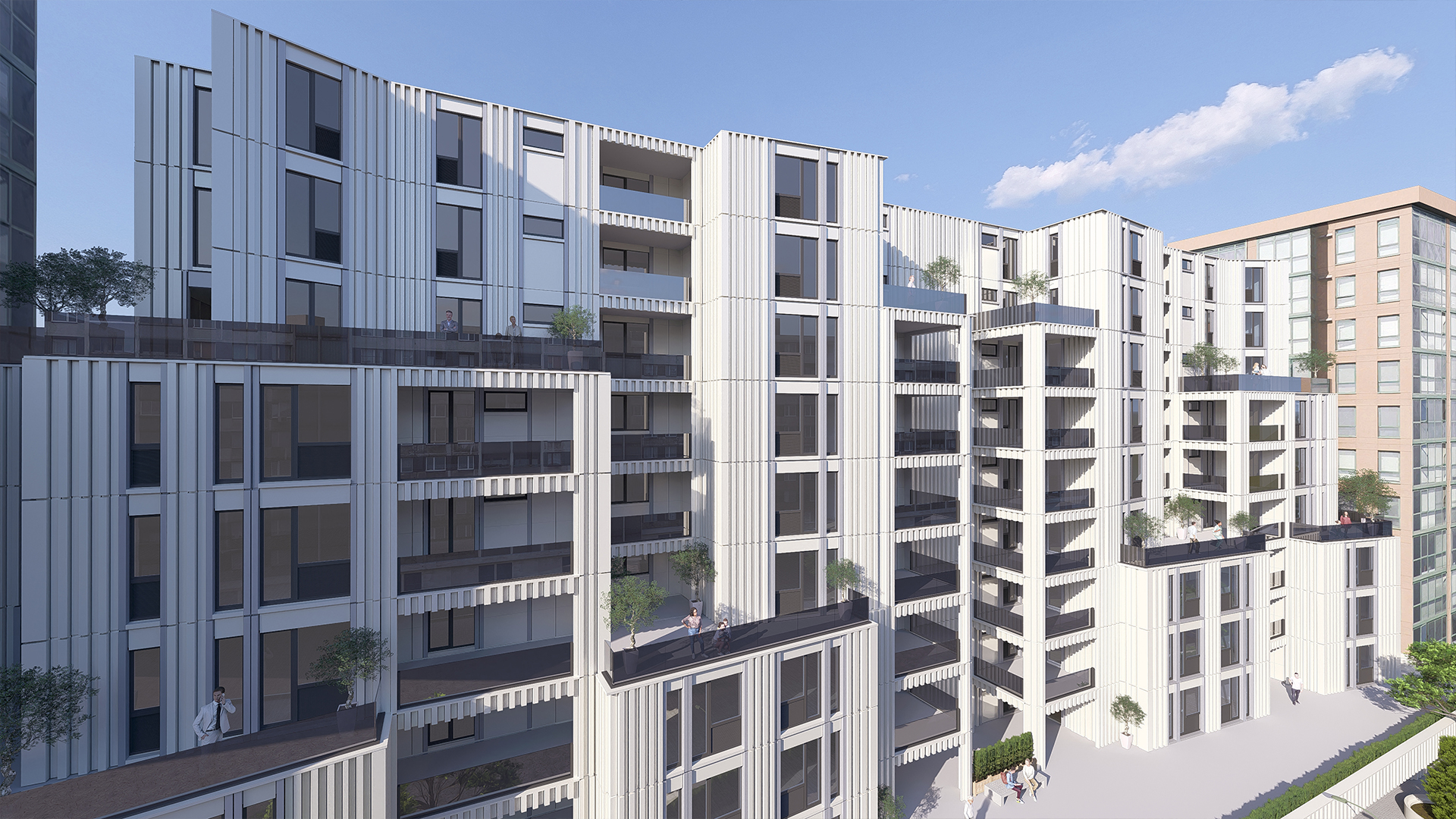
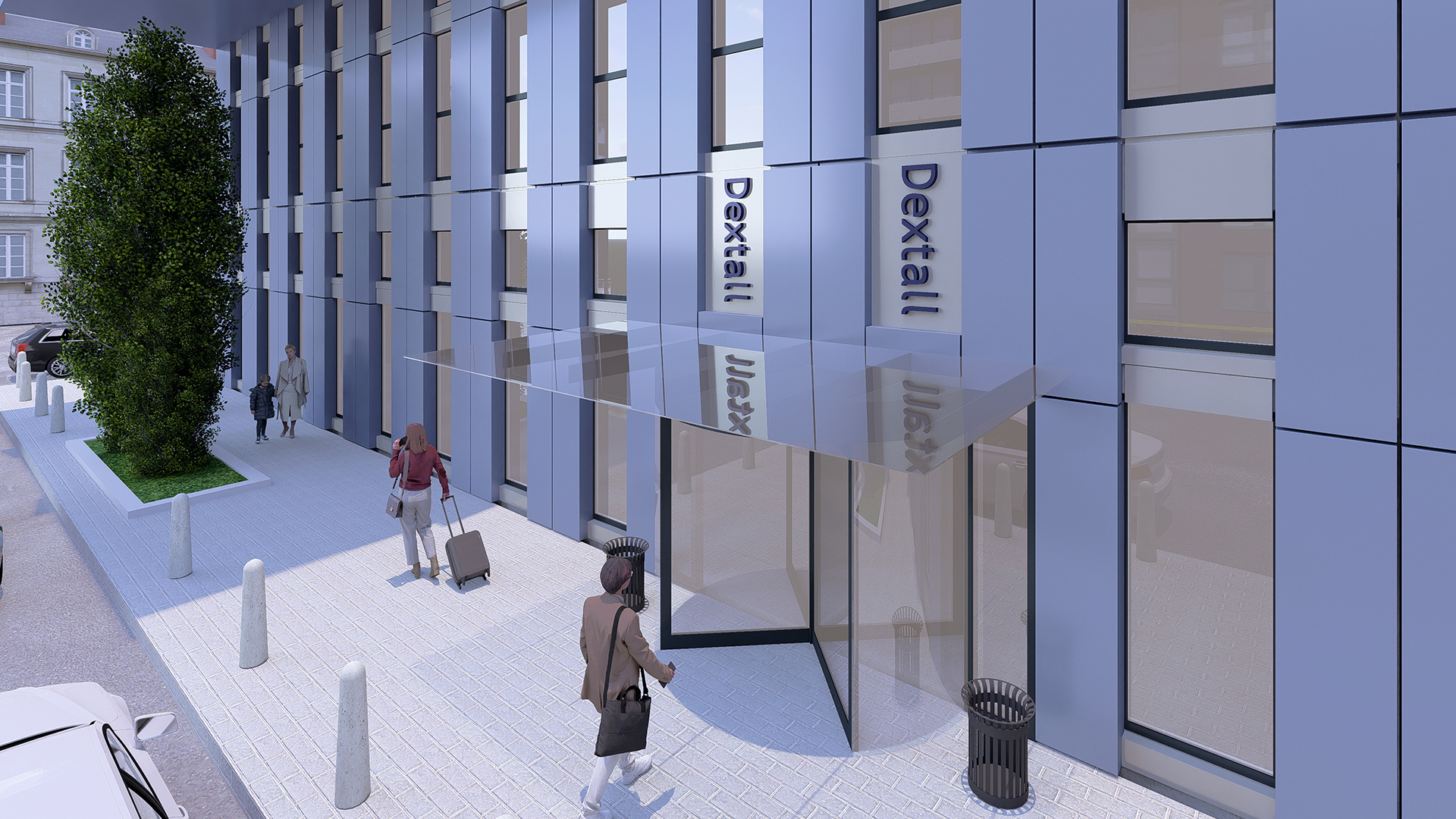
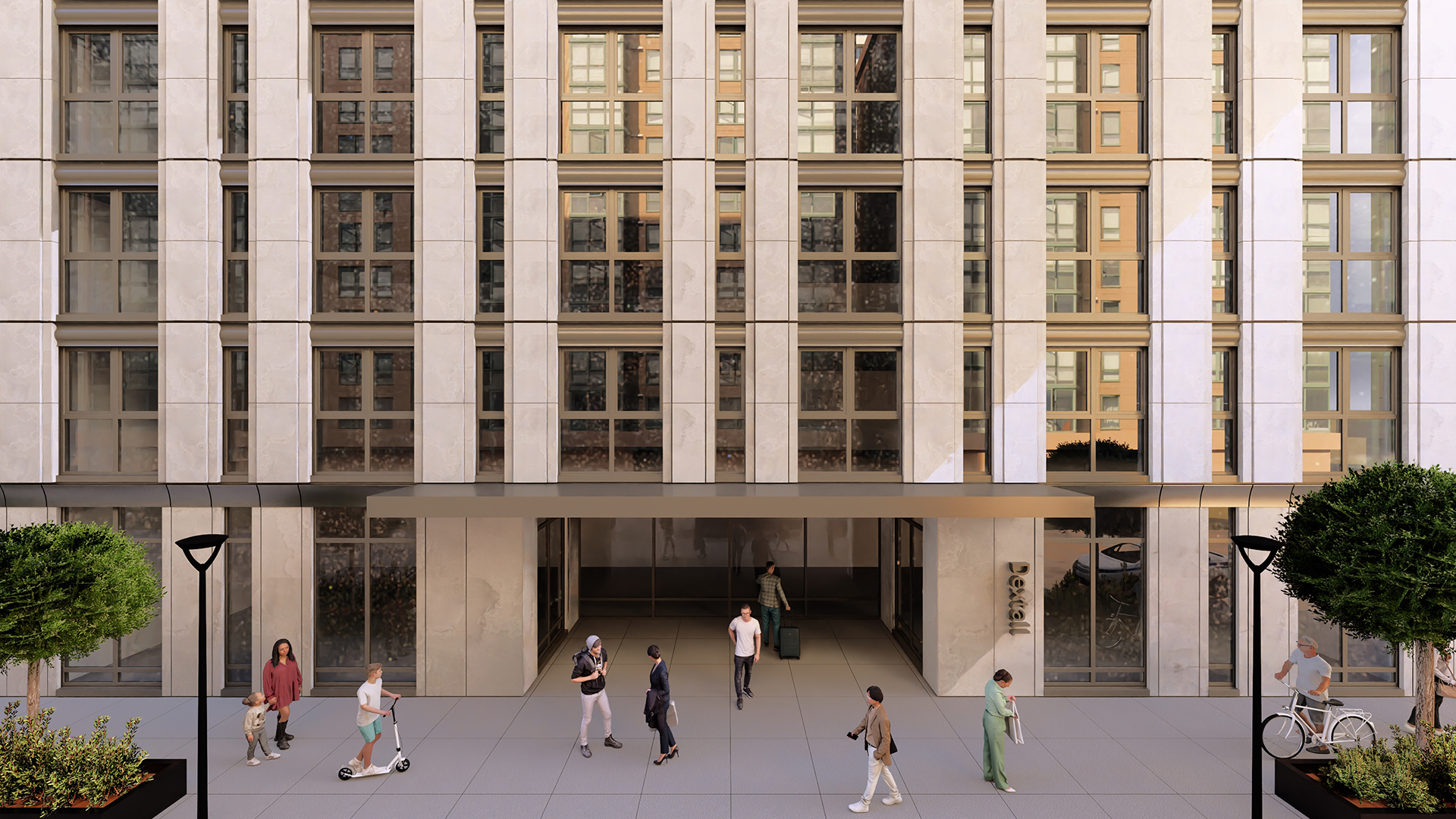
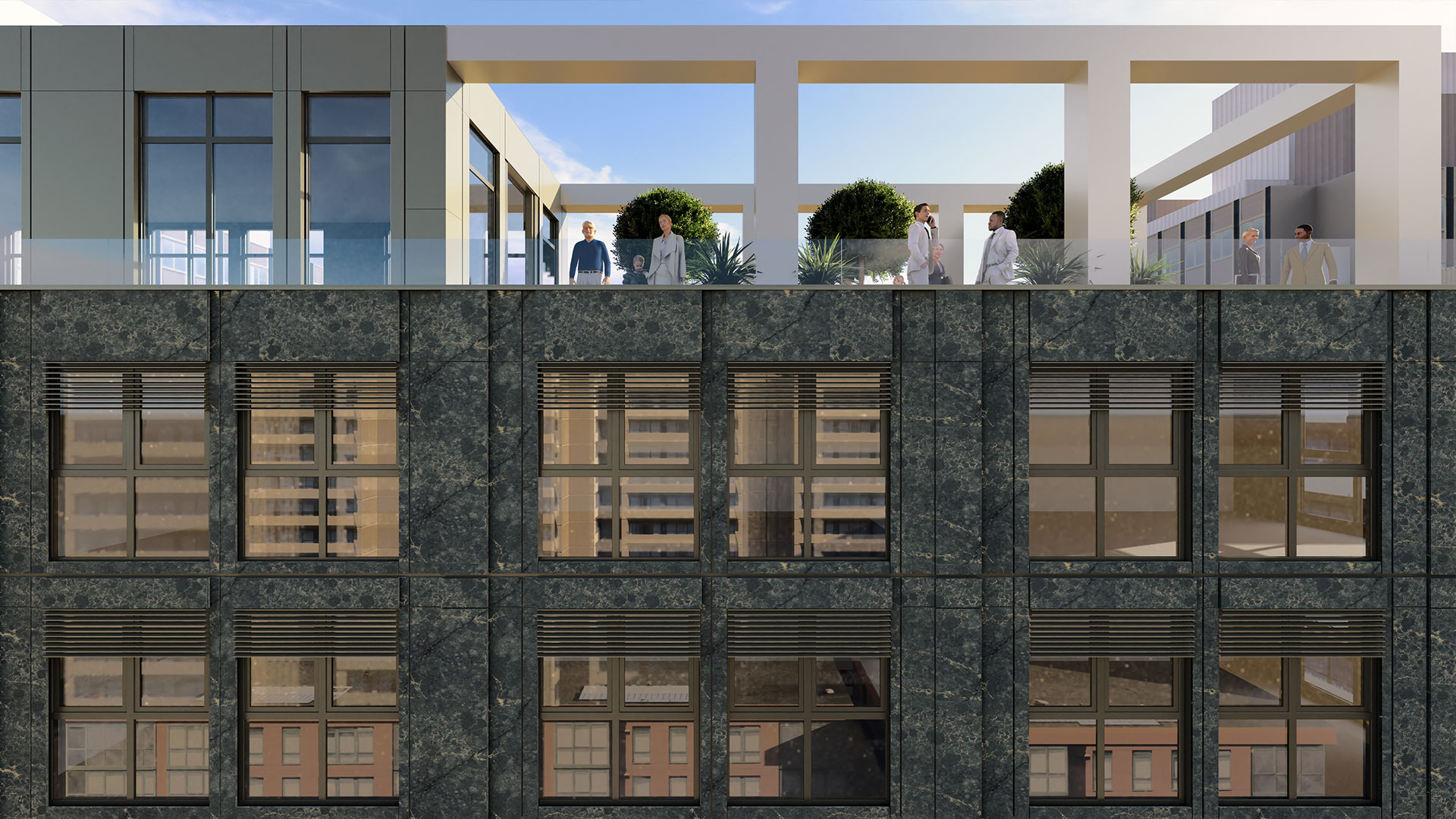
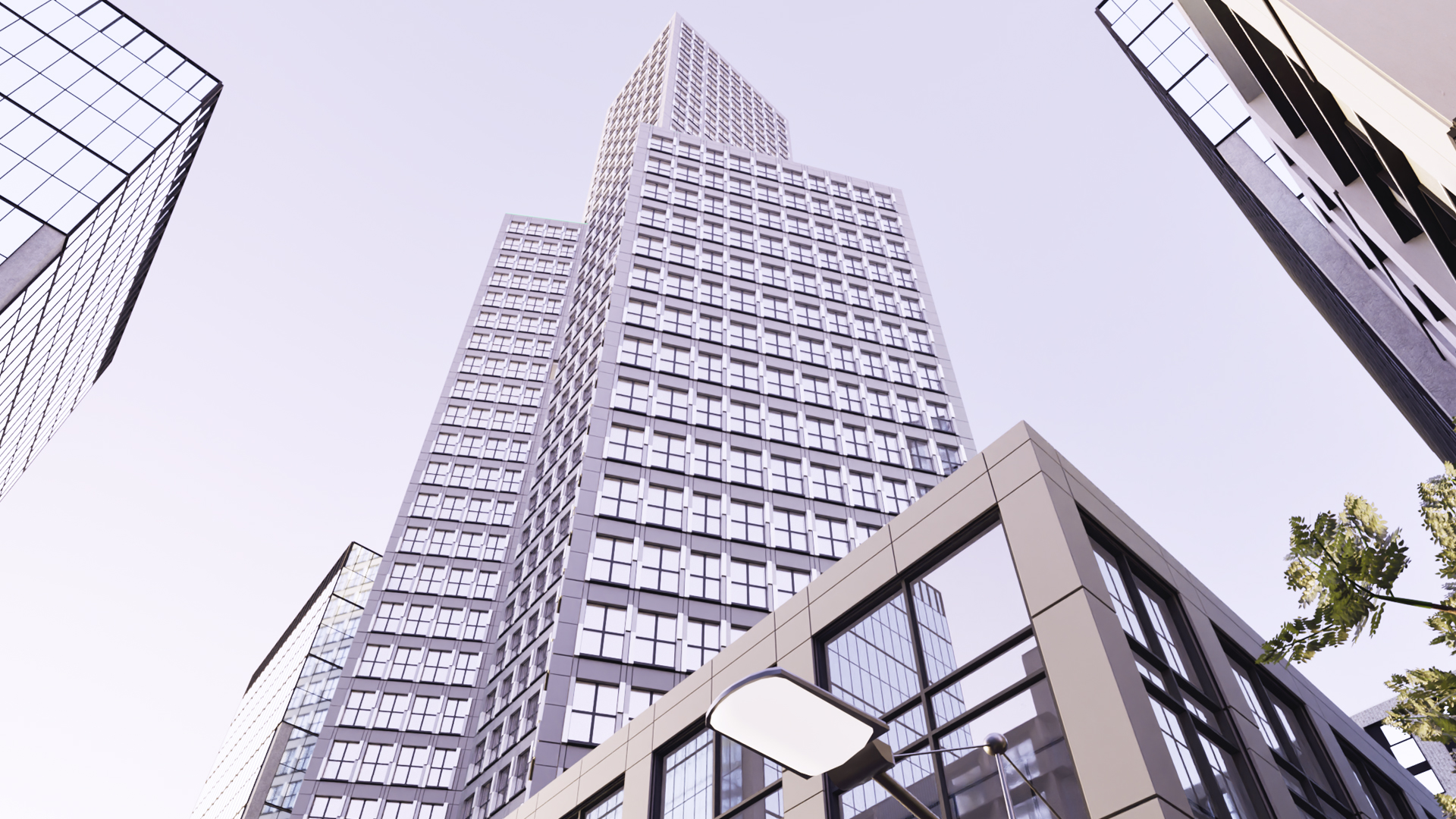
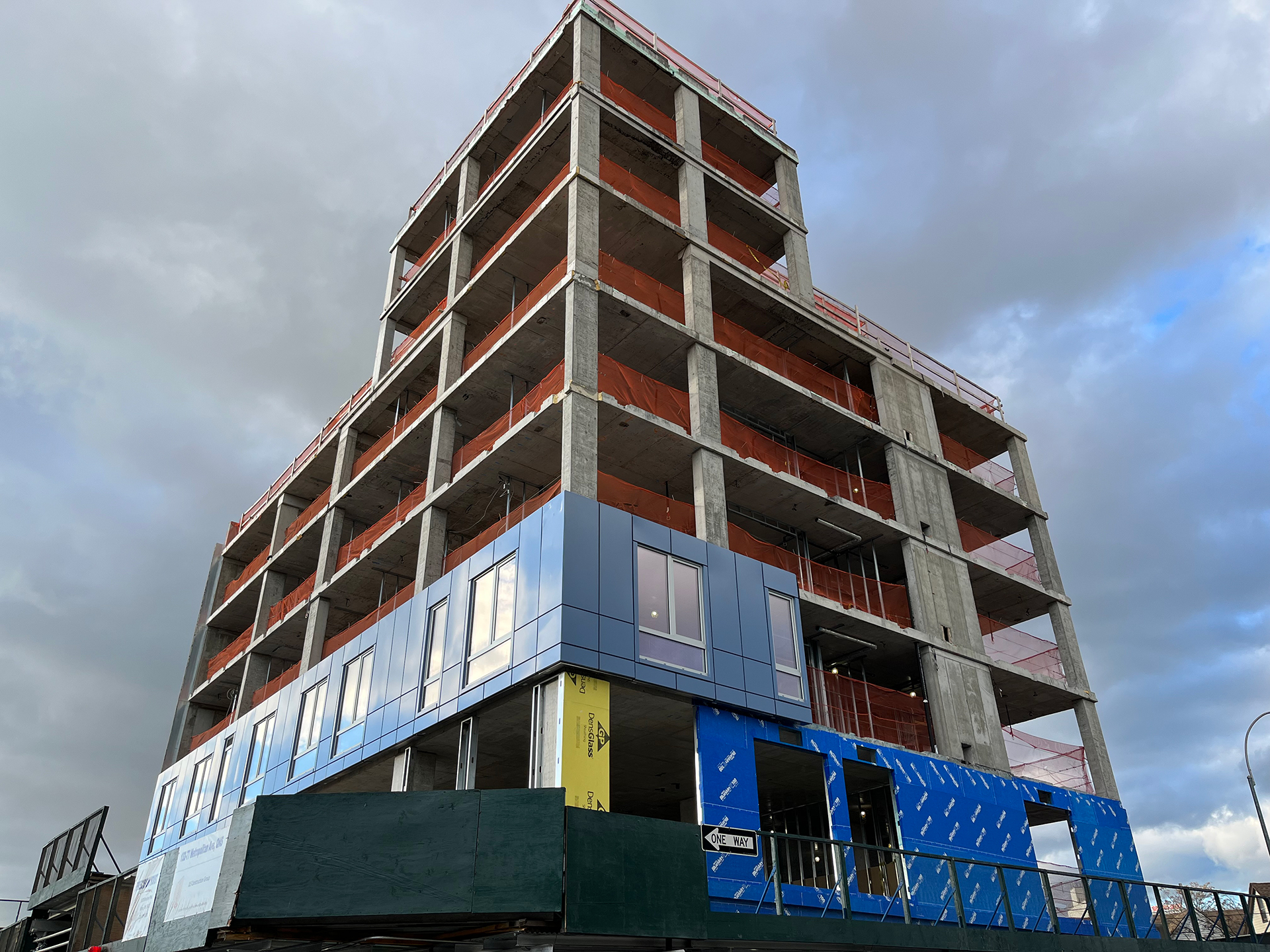
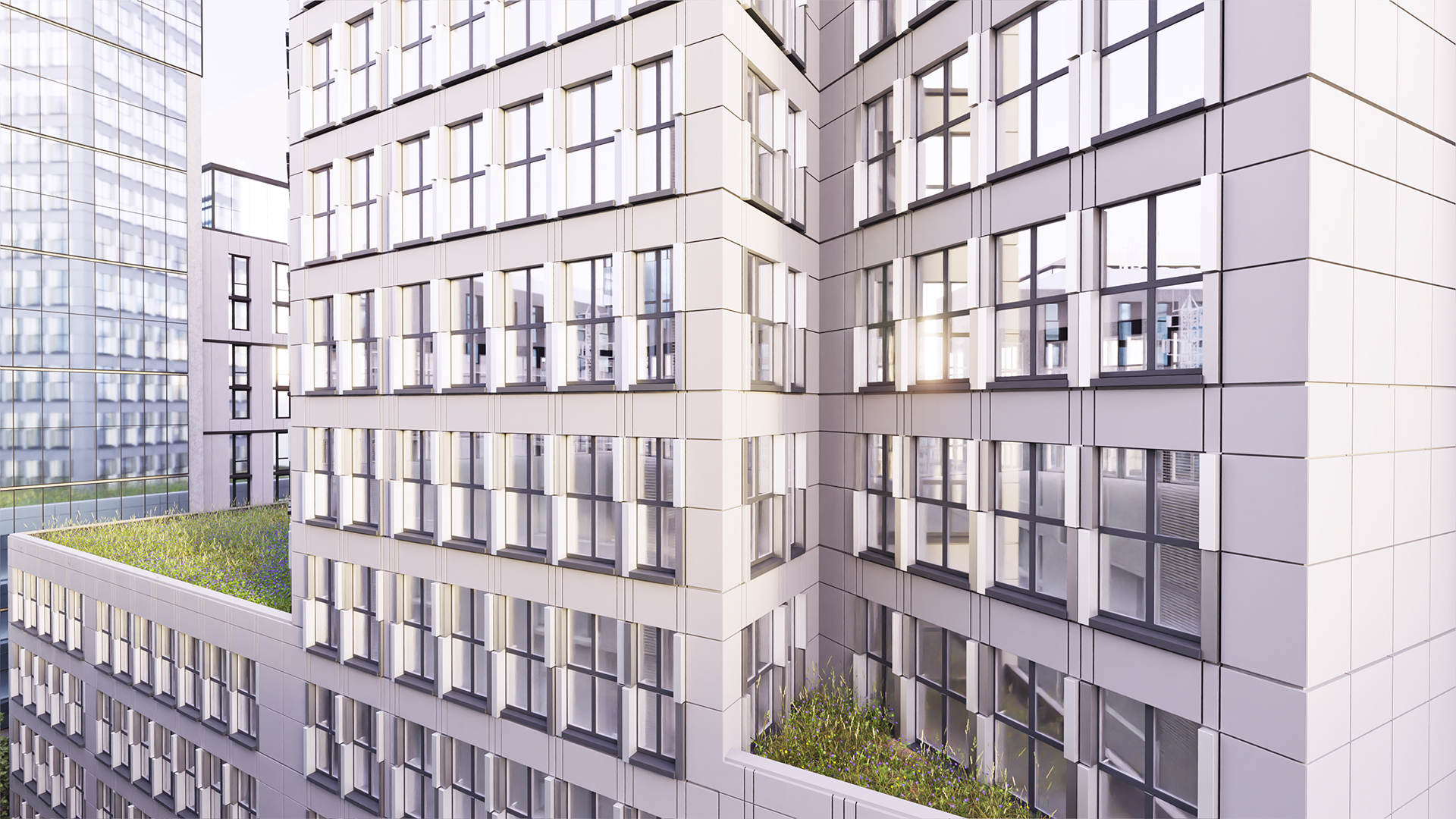
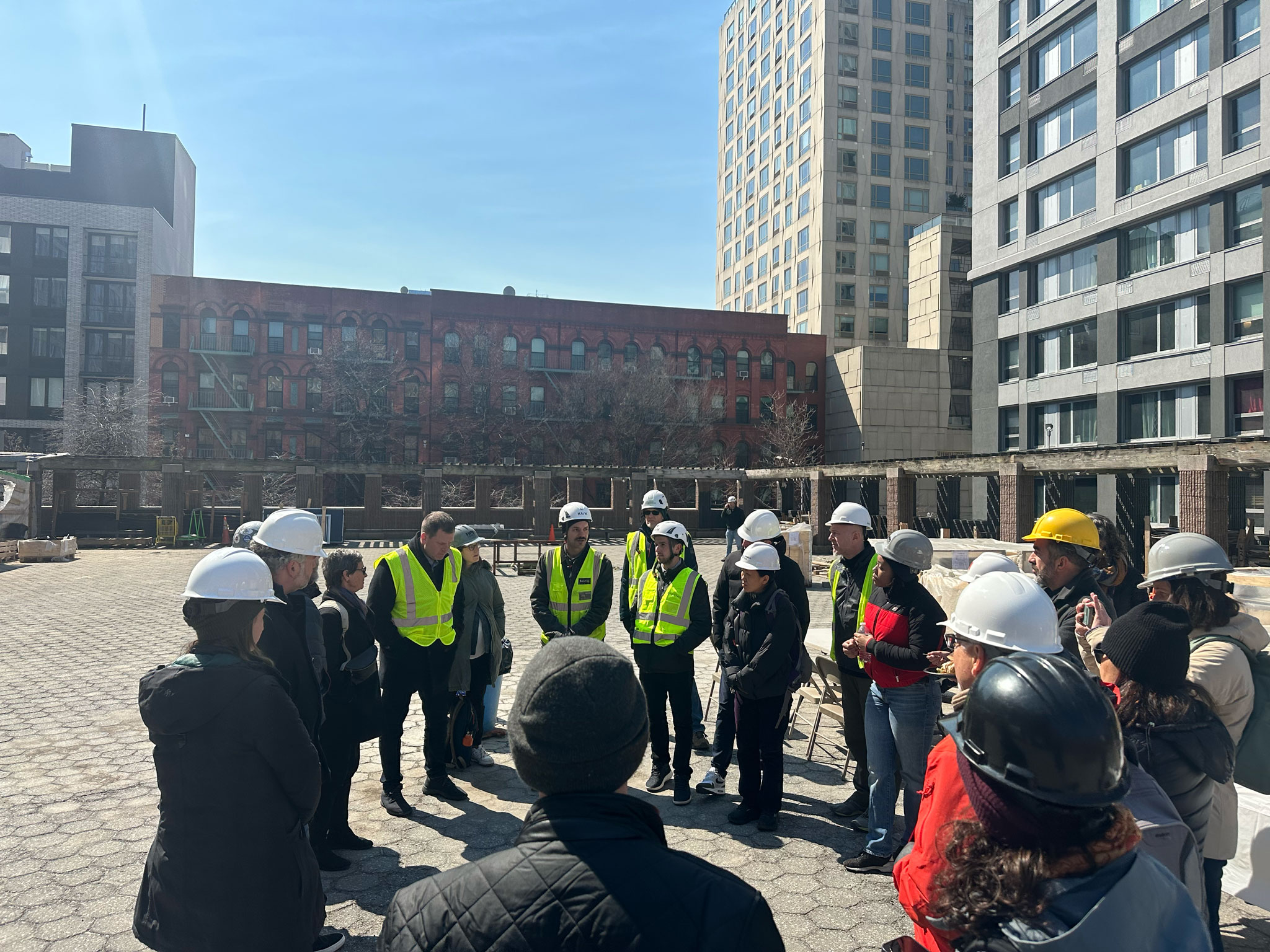
Images featured in this article depict Dextall's projects and are used for illustrative purposes only.
Sources











.jpeg)
-Compliance-for-NYC-Multifamily-%26-Co-Op-Facades.jpg)











_format(webp).avif)
_format(webp)%20(6).avif)
_format(webp)%20(5).avif)
_format(webp)%20(4).avif)
_format(webp)%20(2).avif)
_format(webp)%20(3).avif)


.avif)
_format(webp)%20(2).avif)