How to control the Facade Budget from Day One
can you refresh a building facade so the budget stops "breathing," the schedule compresses, and change orders almost disappear? Yes-if, from Day 1, you price actual assemblies (not an average $/SF), work from as-built geometry (3D surveys + BIM), and plan a dry, unitized install without months of scaffolding. This article is a practical checklist for a controllable budget-from Day-1 guardrails and a risk register to assembly-based costing and parallel factory/site tracks. You'll also see where solutions like Dextall fit and how they strengthen cost and lead-time predictability. Ready to remove the "invisible" costs? Let's go.
Day-1 Plan: scope, metrics, and cost drivers
The first day sets the project's trajectory: define what you're building, how you'll measure progress, and where the budget can leak. clear guardrails and metrics turn estimates and timelines into controllable targets.
Scope, KPIs, and required deliverables
Lock in the target budget (per SF or total), deadline, building status (occupied / unoccupied), and facade zones with constraints. Define KPIs: change-order count, crane days, install rate (panels/shift), plus acceptable budget/schedule variance thresholds. Agree up front on deliverables: a facade BIM model, key details/specs, a mock-up to freeze quality, a decision matrix (finish / glazing / insulation), and a preliminary panel hoist sequence. This becomes the "expectations contract" guiding every later compromise.
cost drivers
- Duration & scaffolding. Daily rental, sidewalk sheds, safety/oversight escalate with time.
- custom details & wet processes. Weather- and geometry-sensitive work triggers rework and downtime.
- crane logistics. crane days, hoist queues, access windows drive indirects.
- Openings & fire requirements. complex apertures and fire separations increase labor and risk.
Put each risk into a risk register with an owner, a trigger (e.g., >48-hour material delay, >60% rain probability), and a response plan (alternate finish/bracket, resequencing, night shifts). This discipline prevents small issues from becoming change orders, keeping the schedule tight and general conditions in check.
Verify Existing conditions: real geometry, coordinated design
To keep budget and schedule aligned, price the building you actually have-not an idealized model. This stage turns the structure into data you can trust: you capture measurements, map deviations, and pre-agree how and where the facade connects.
3D surveys and deviation mapping
Run LiDAR/photogrammetry and produce a deviation map of slabs and walls so you're pricing as-built geometry. Push those tolerances into the estimate and connection details-reducing buffers, rework, and installation downtime.
Anchor strategy and BIM clash checking
confirm anchor zones, bracket types, and load paths in the model to avoid hidden field work. Then clash-check panels against openings, MEP, and logistics:
- intersections with windows, MEP penetrations, and fire breaks;
- crane/swing-stage paths, staging and laydown zones, install sequencing;
- tolerances for brackets, embeds, and shim allowances;
- panel rhythm vs. slab spacing and existing movement joints.
Resolve conflicts before fabrication so panels install without pauses or extra crane days.
Assembly-Based costing & Schedule
When you estimate at the assembly level, the budget stops drifting: you see what each panel (and its details) costs, how long it takes to install, and how a finish swap moves price and lead time. At the same time, the schedule compresses: fewer one-offs, more parallel work.
Panel catalog, BoM, and VE rules
Build a concise but complete catalog: panel sizes, repeatable details (corners, returns, sills), and finish / glazing / insulation options with clear cost and lead-time deltas. Attach a BoM (materials + labor) to each configuration-so $/SF becomes an outcome of real choices, not a guess.
- core sizes & rhythm. choose 2-3 base widths/heights aligned to slab spacing and openings.
- Standard details. One detail set for all common conditions → fewer one-offs and RFIs.
- Option deltas. For every finish/glazing/insulation: show Δ cost and Δ lead time in the catalog.
- BoM per panel. Materials, fasteners, sealants, labor hours visible pre-fab.
- VE rules. What may be simplified (attachments, subframing, textures) and what's off-limits if it harms airtight/watertight or fire performance.
This narrows guesswork and makes tradeoffs honest: change a finish, instantly see budget and schedule impact. Fewer surprises → fewer change orders.
Parallel tracks and dry install (no long-term scaffolding)
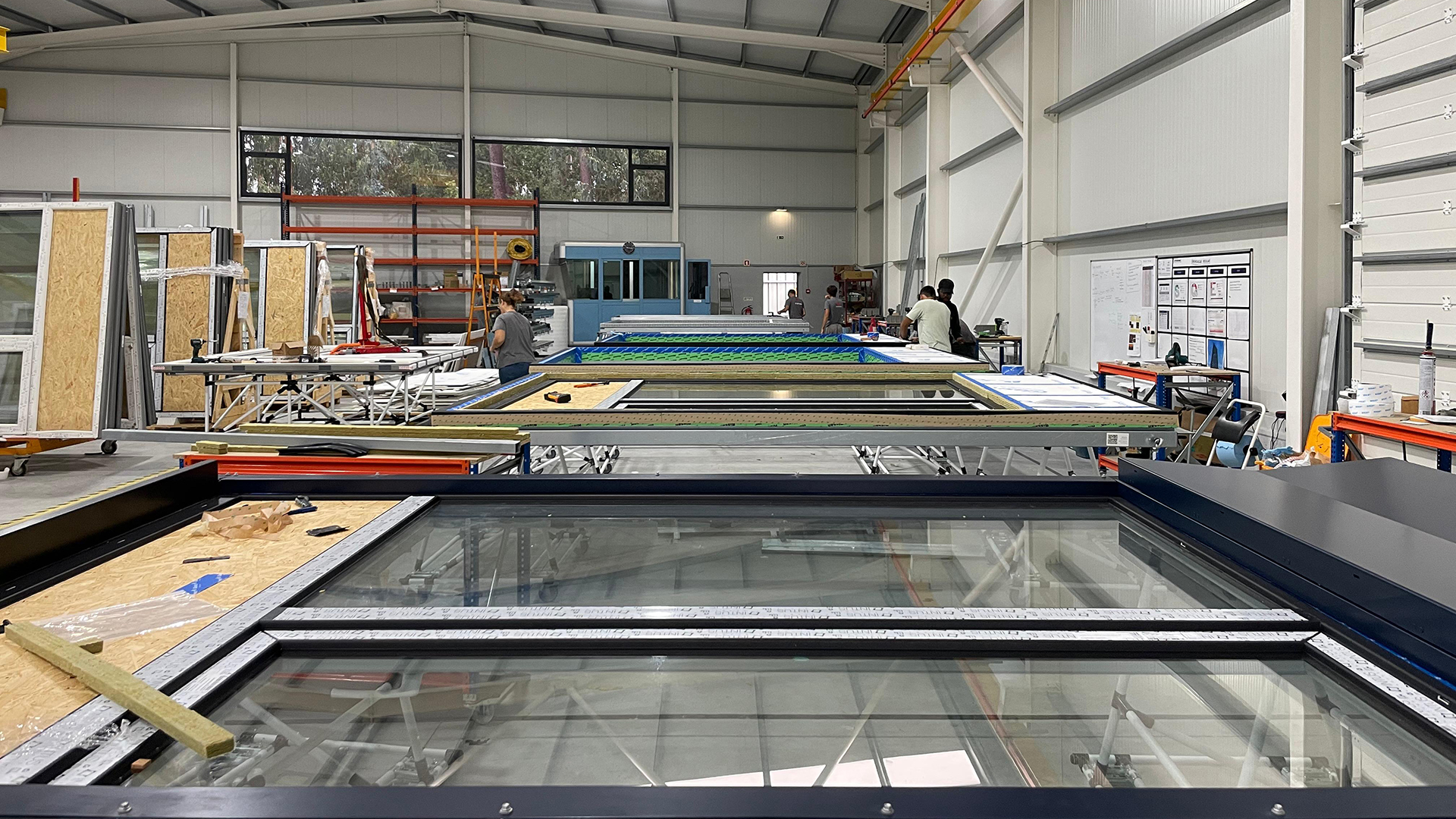
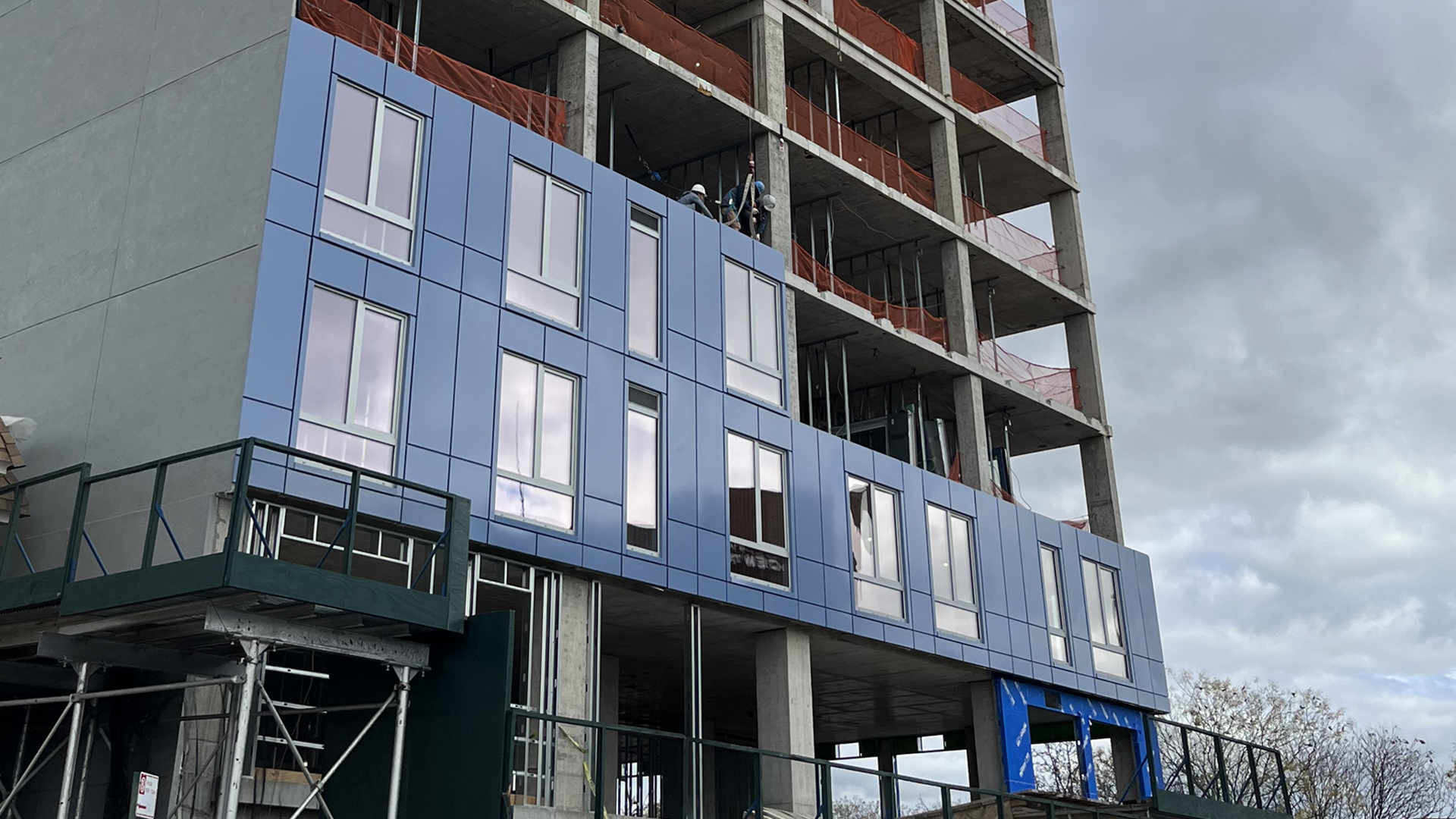
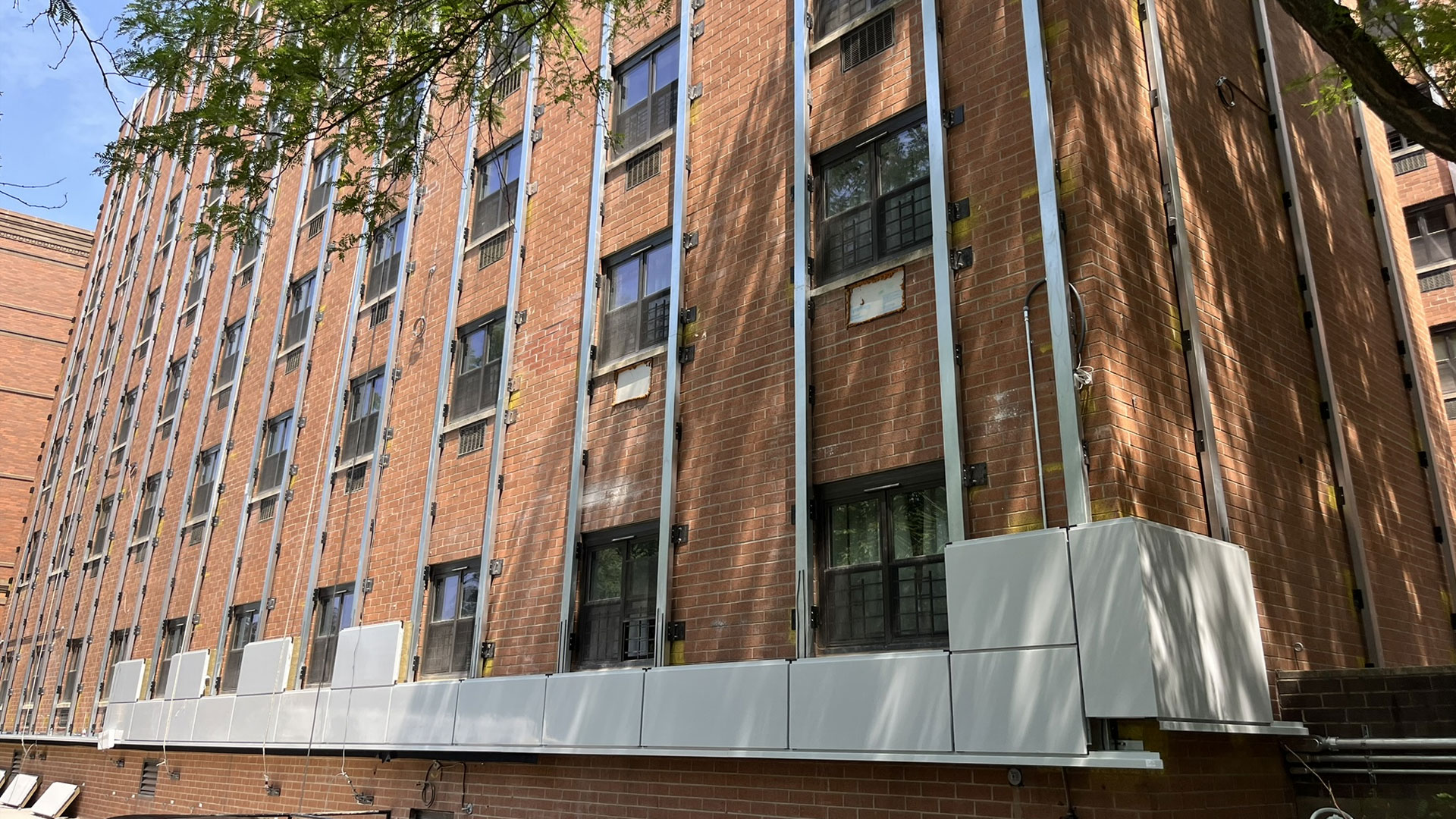
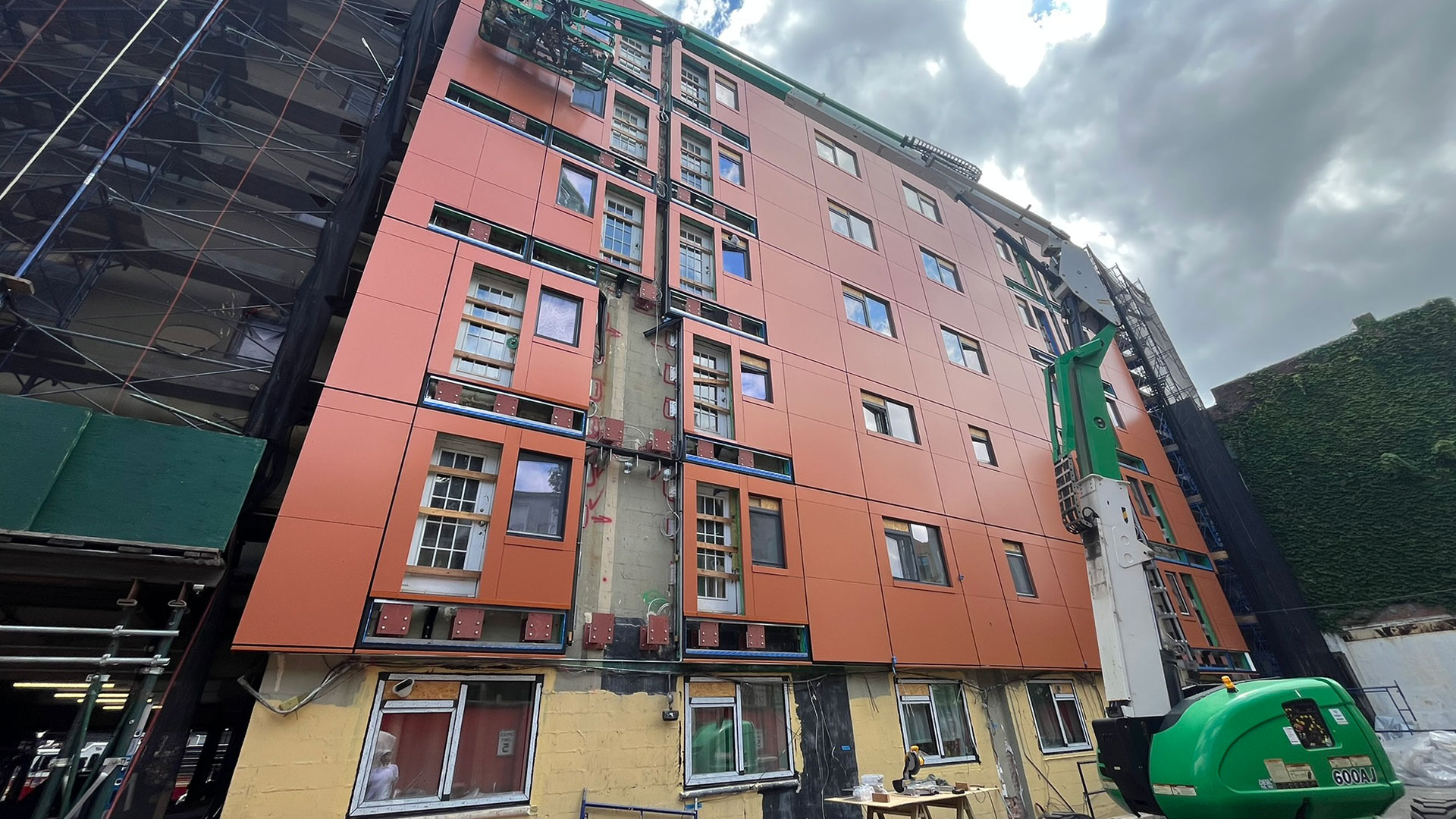
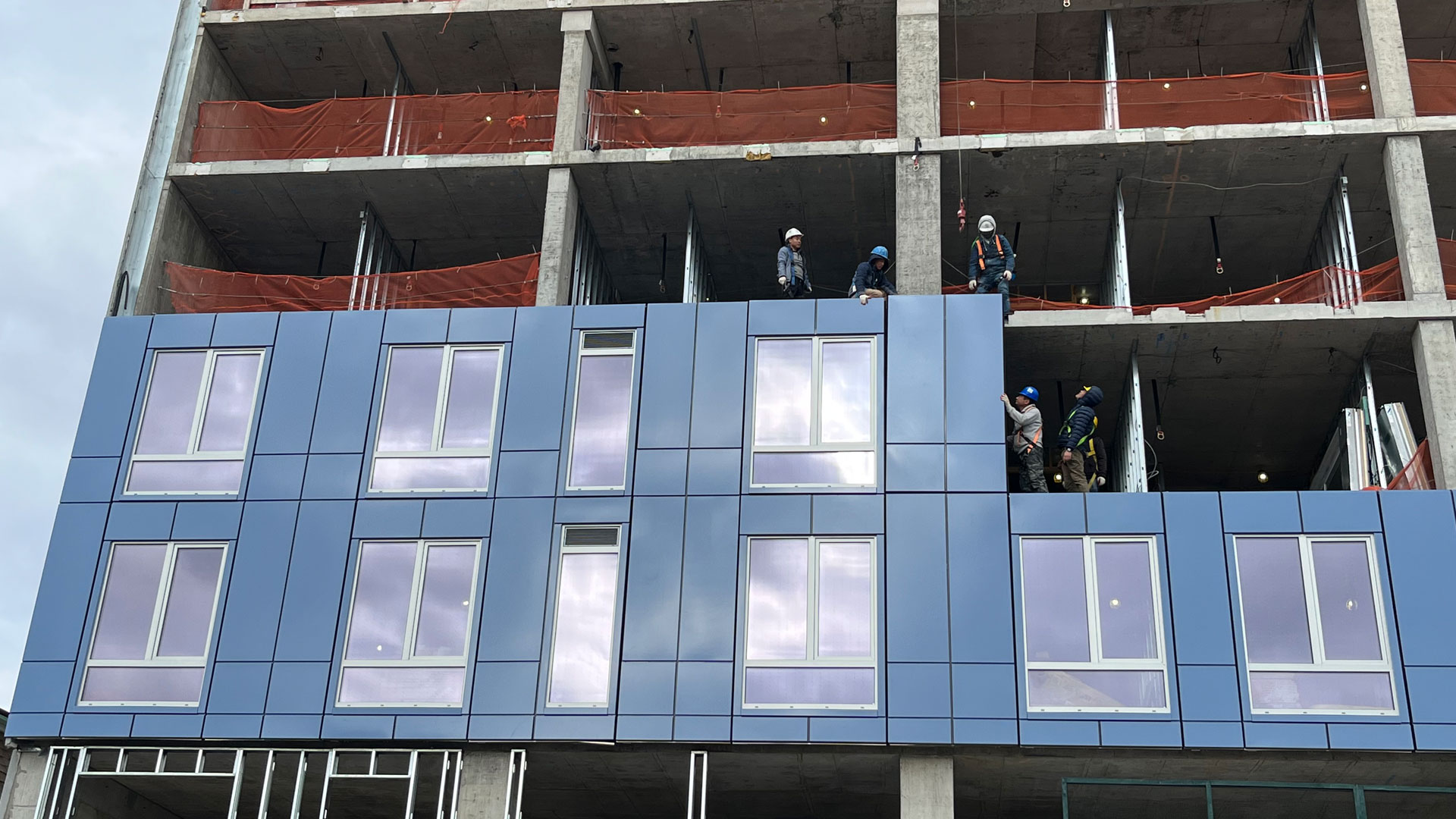
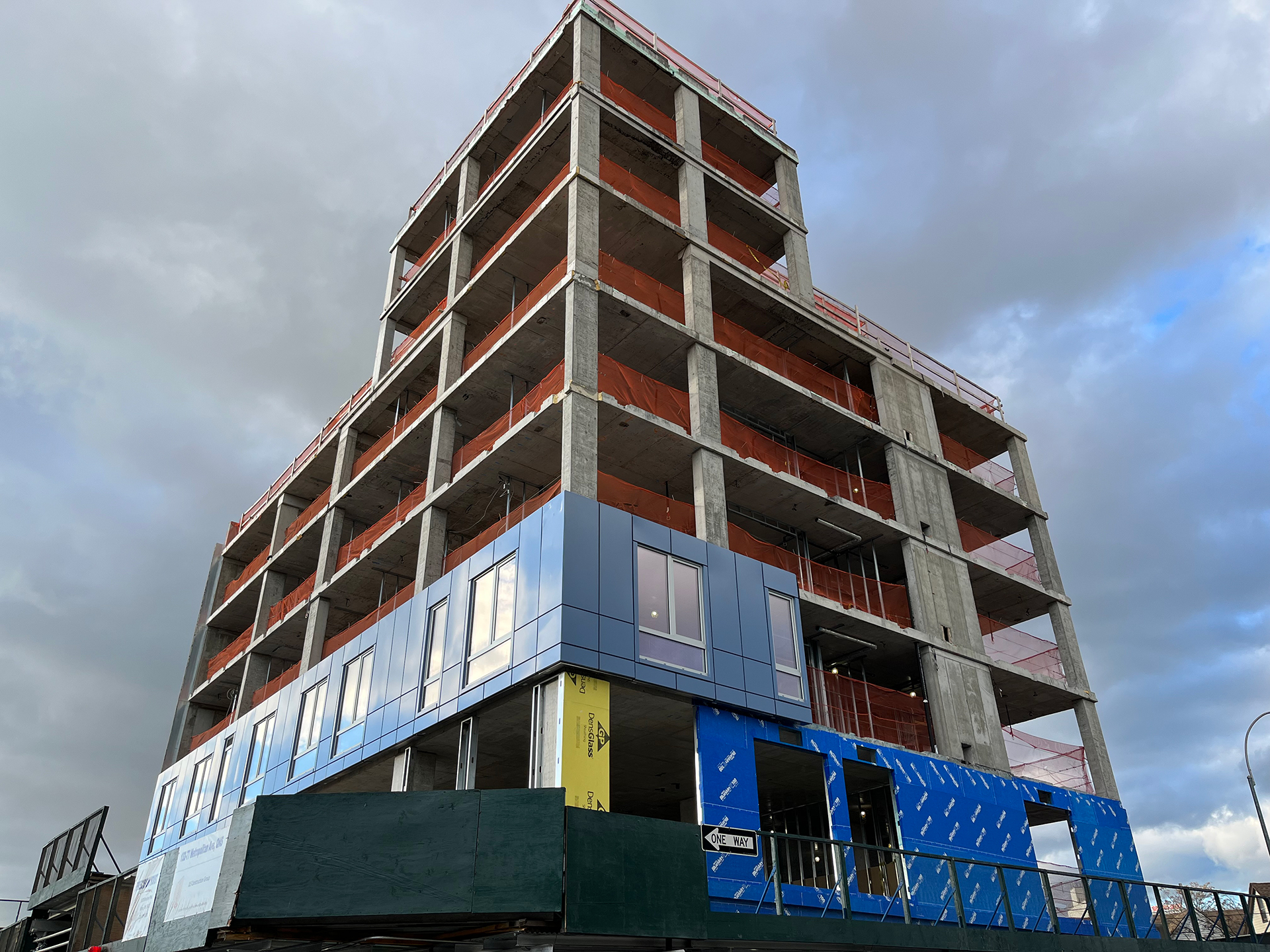
Run two streams: the factory fabricates panels while the site prepares anchors, hoist routes, and laydown. Then execute unitized installation in short, predictable sets-windows and cladding arrive in the panel; joints are dry and repeatable.
Pre-approve panel sequencing, crane days, and weather reserves to protect the critical path. A steady weekly cadence (e.g., "X panels/shift") cuts general conditions: fewer scaffold days, less security/sidewalk closure time, lower coordination overhead. Net result: faster to a sealed envelope and a more controlled installcost.
Solutions Landscape + Dextall (brief and to the point)
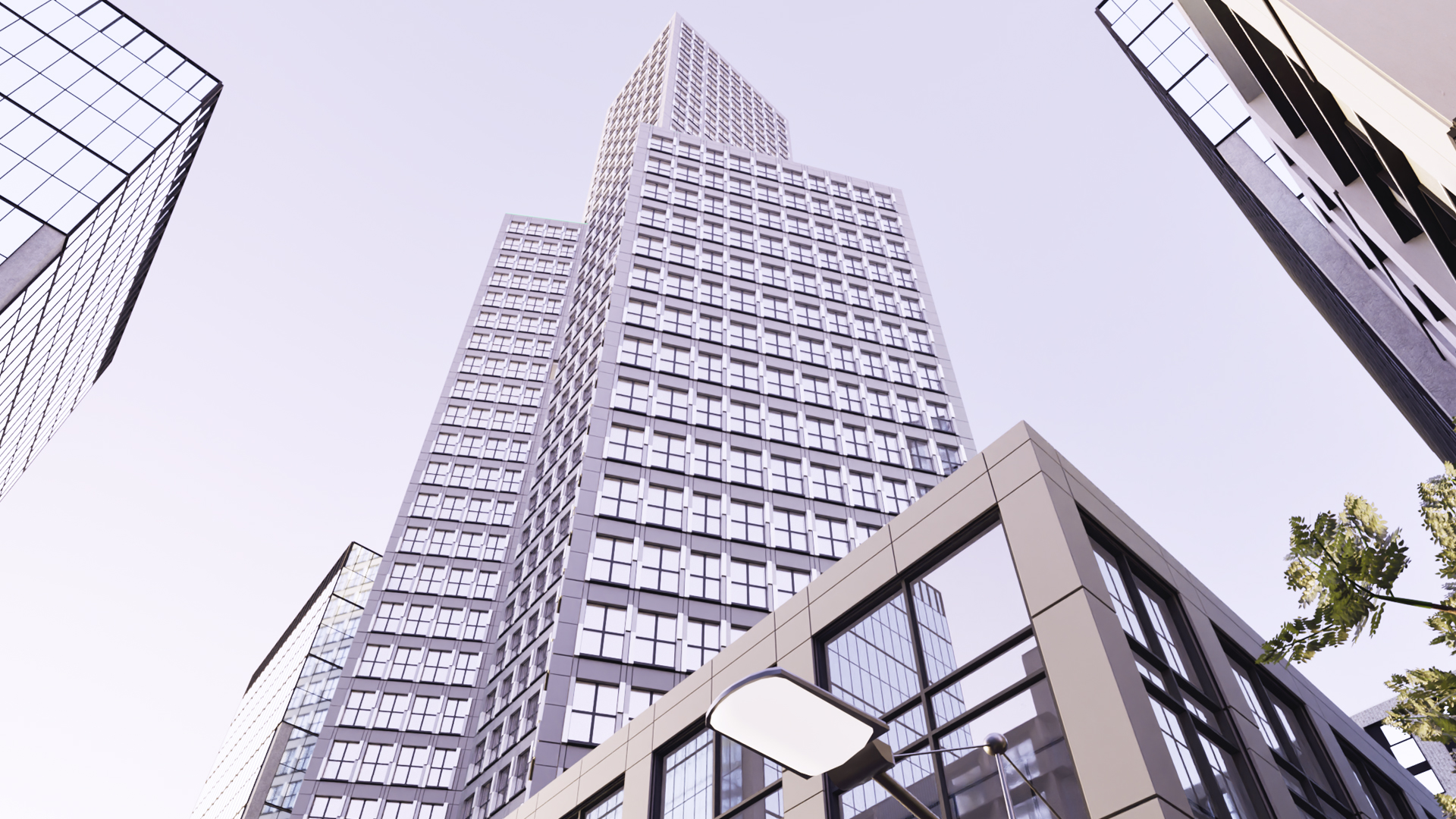
The prefab facade market is moving toward unitized, assembly-driven systems: more work in controlled environments, fewer field variables, and faster envelope close-in-vital for occupied retrofits where each day under scaffolding inflates indirects.
Typical advantages of modern prefab
Fewer trades and field steps, standardized joints, quicker install, and lower indirects in occupied buildings. Repetition of sizes/details makes logistics predictable, reduces crane days, and stabilizes the install rate.
Dextall as a strong option in the category
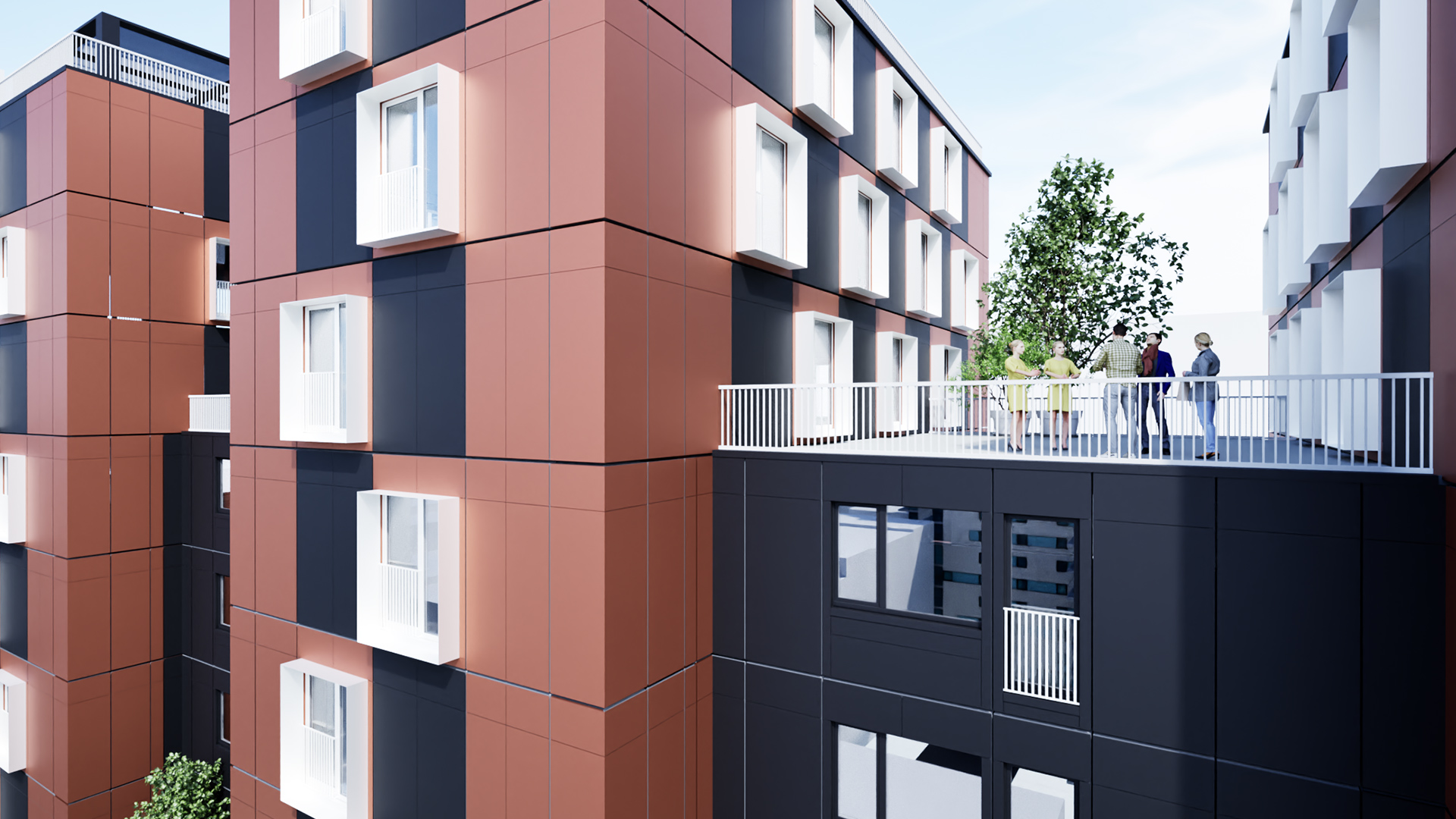
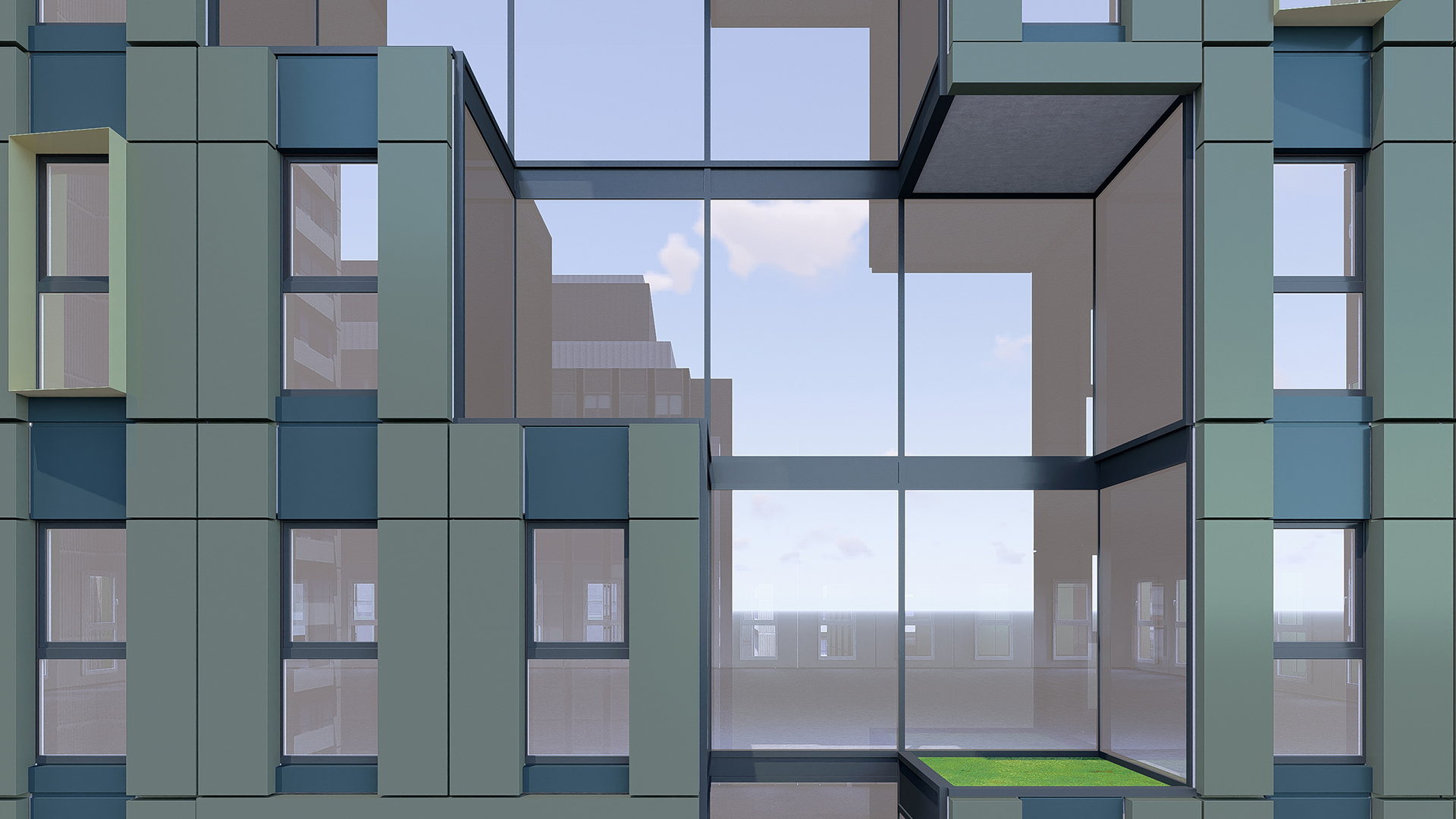
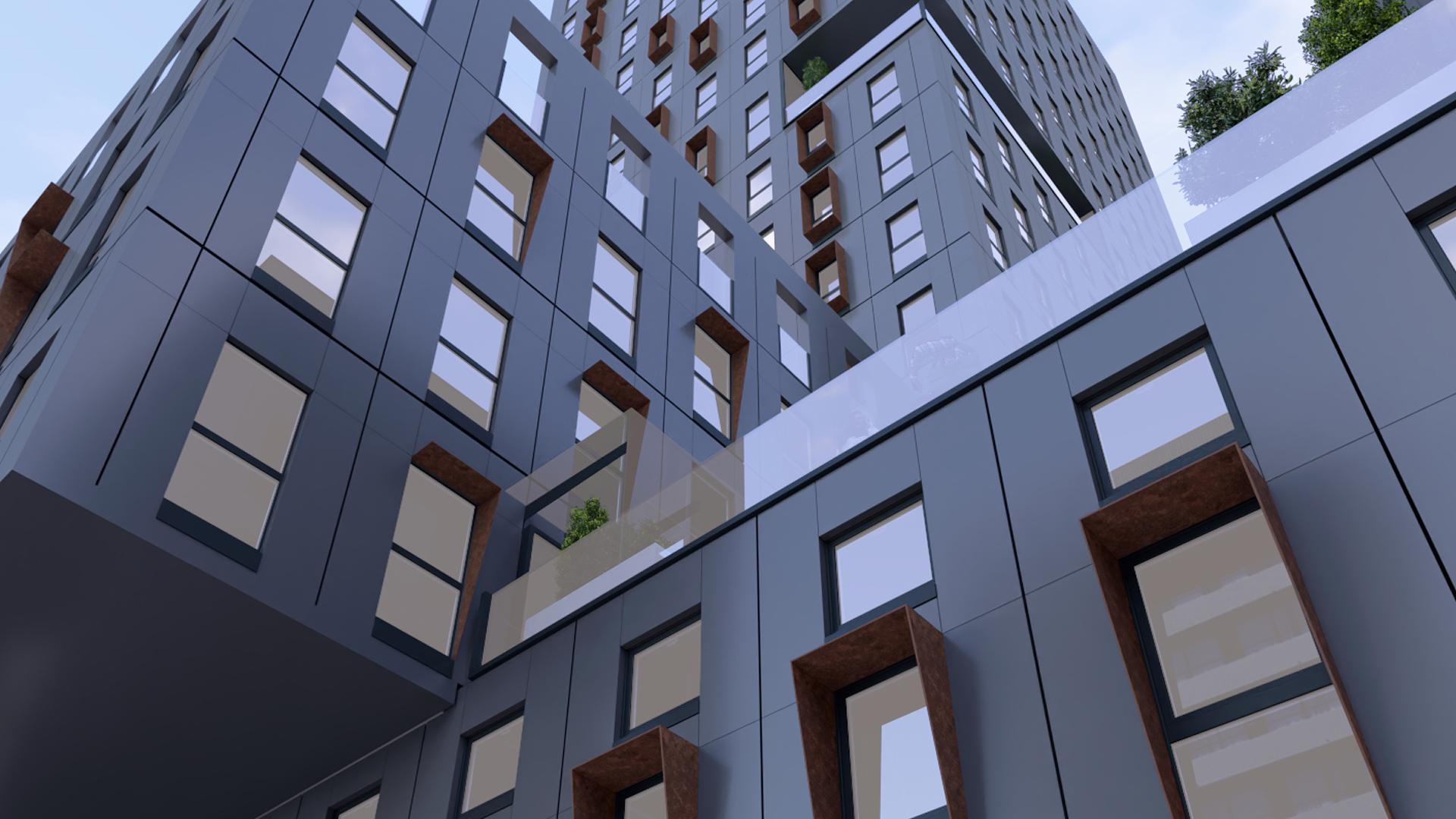
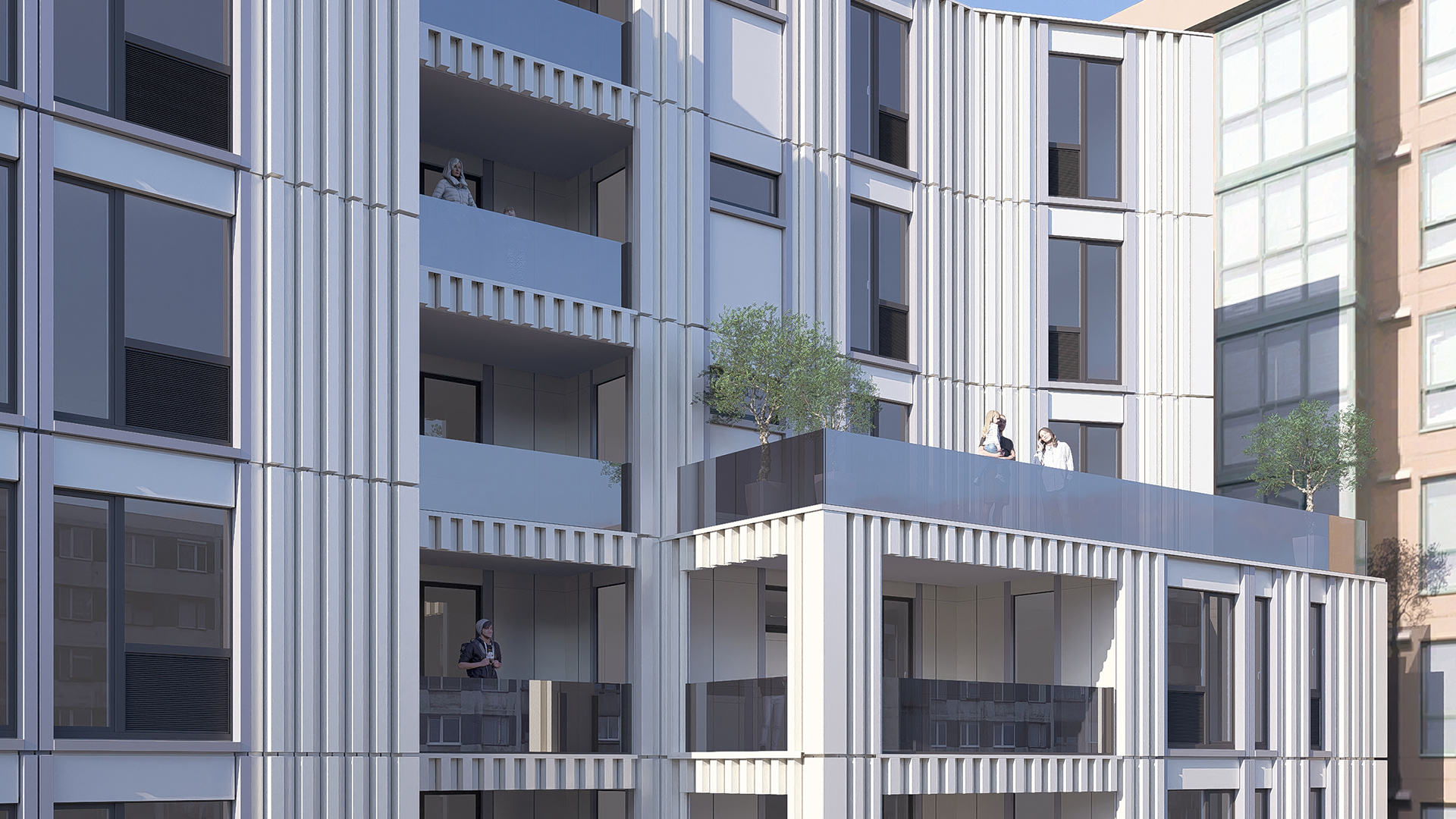
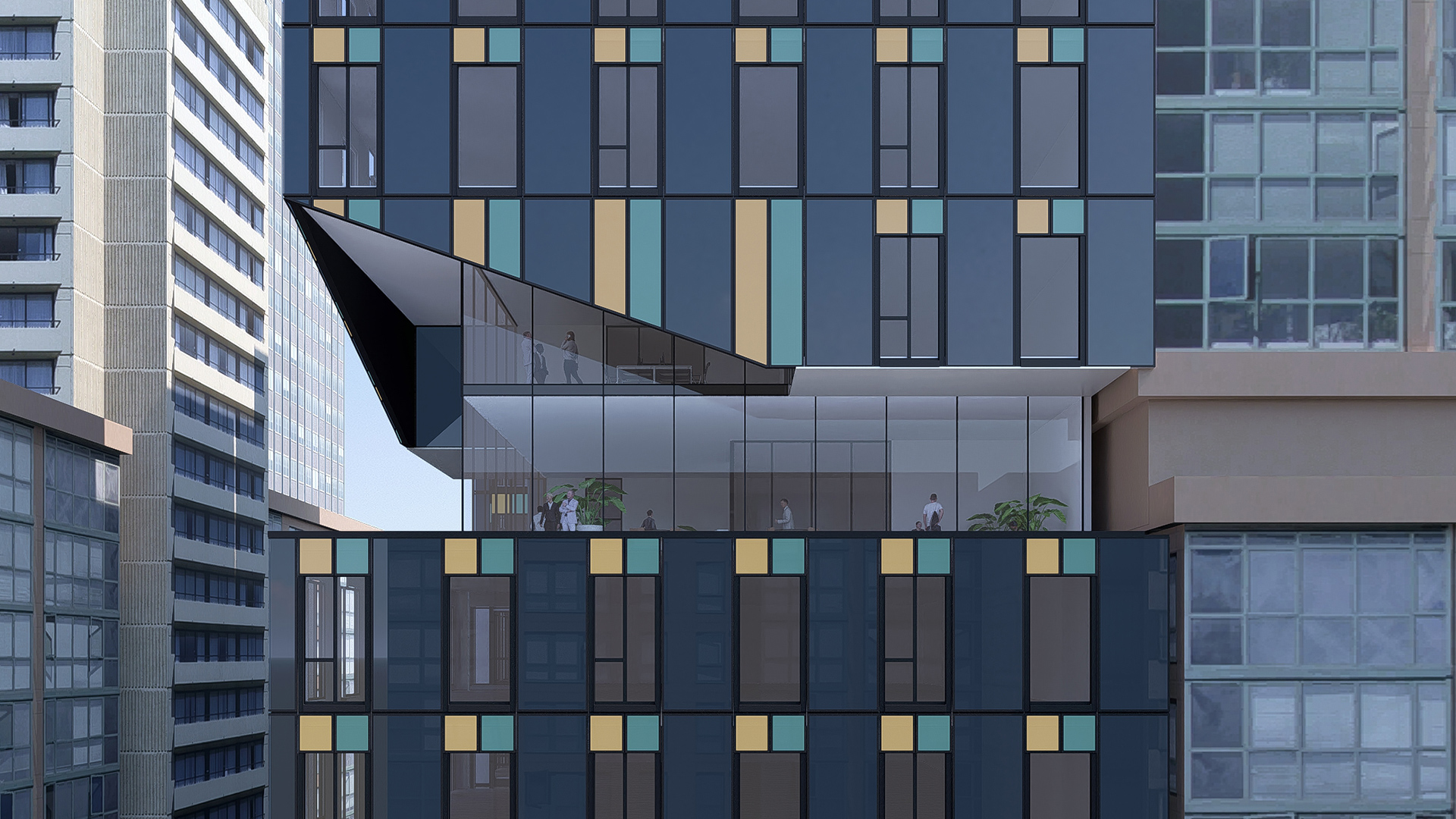
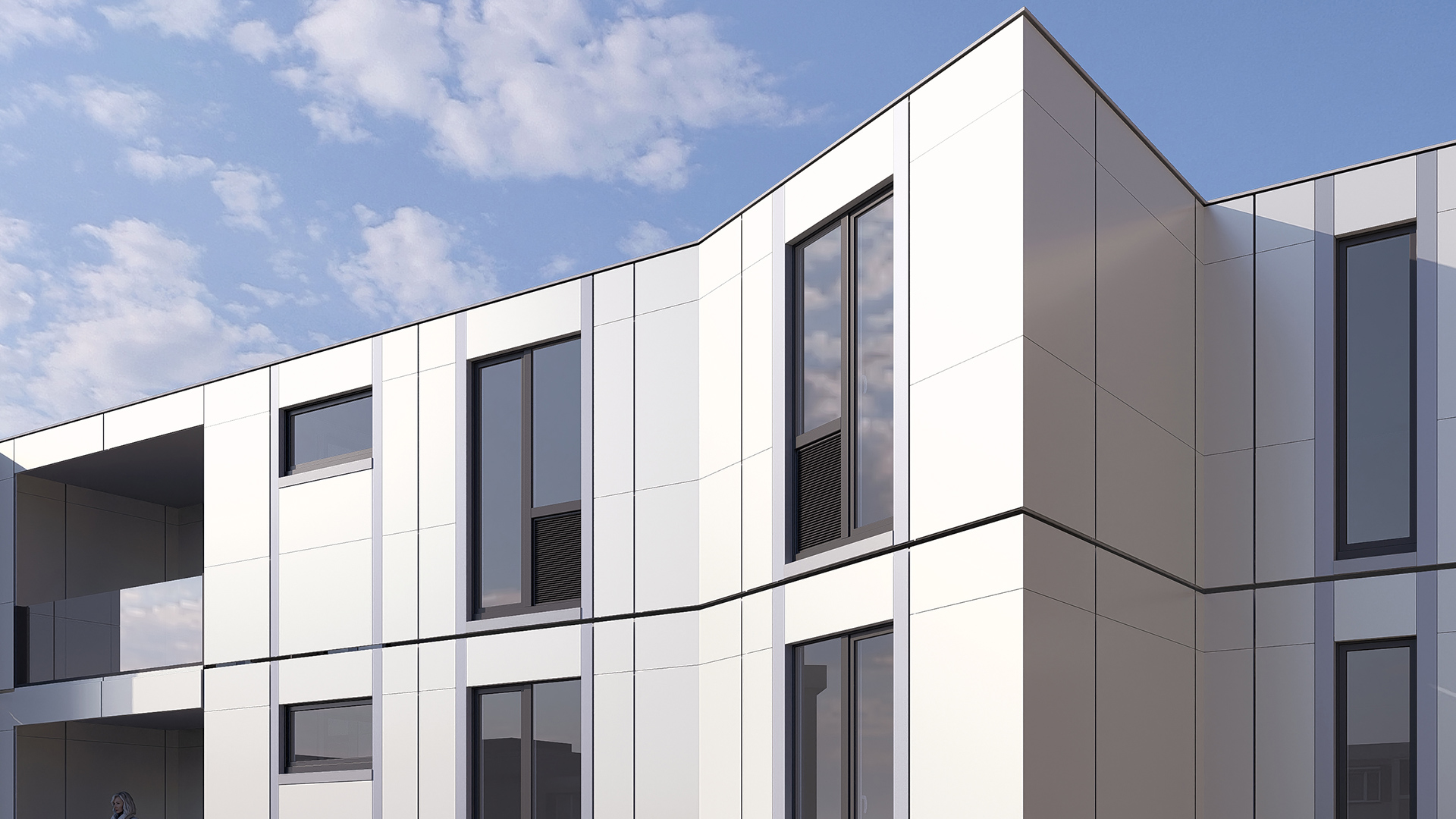
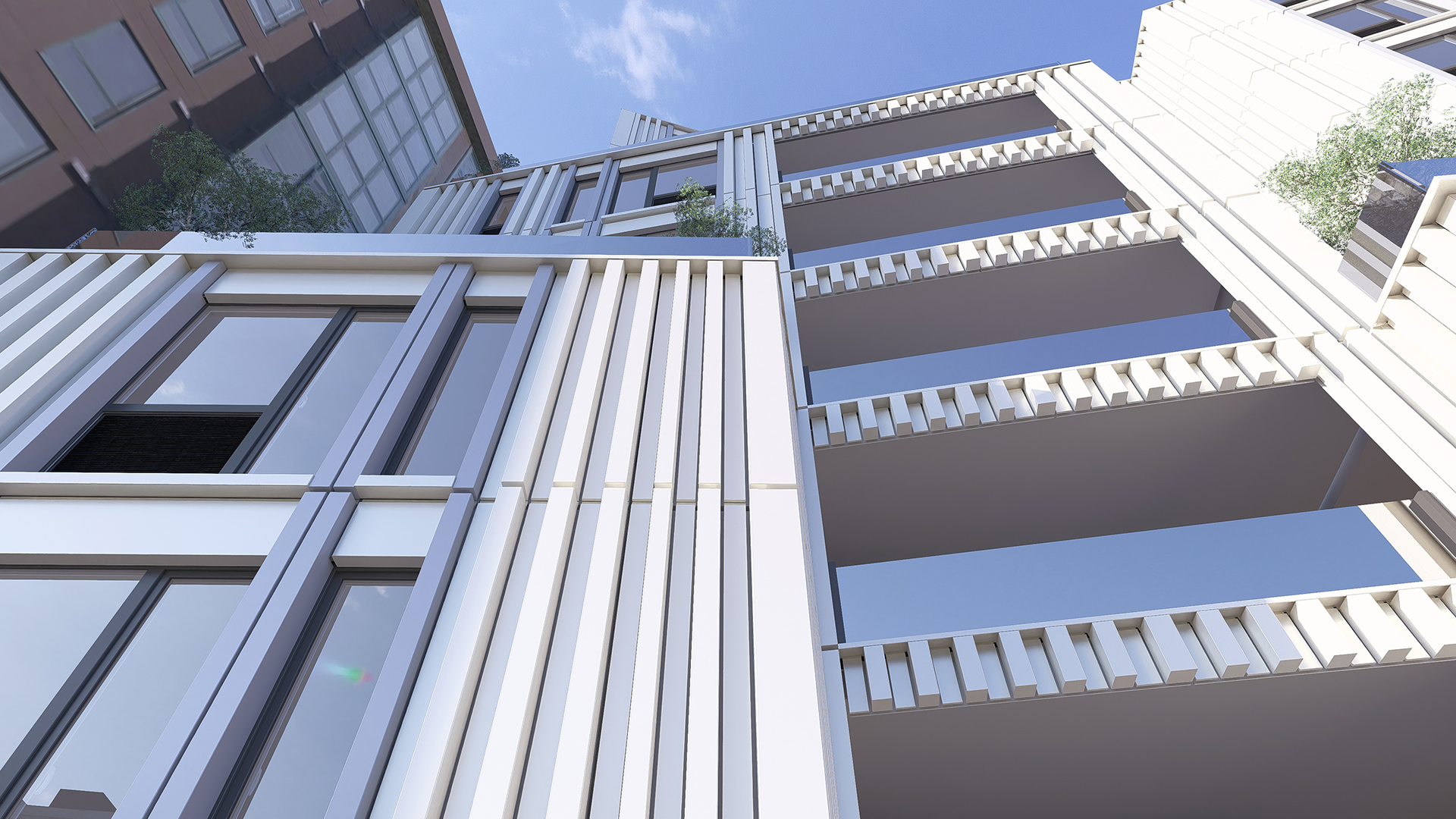
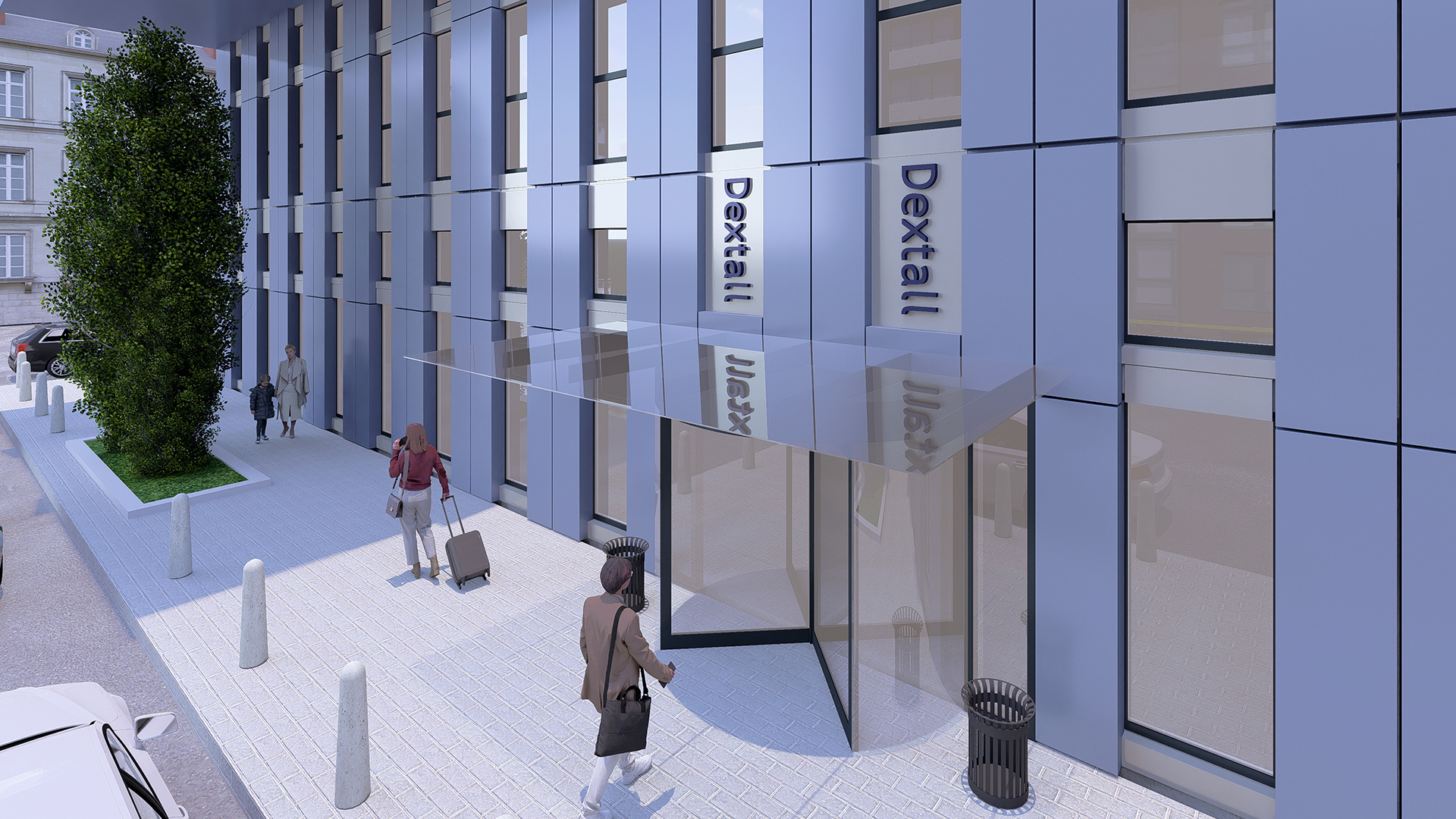
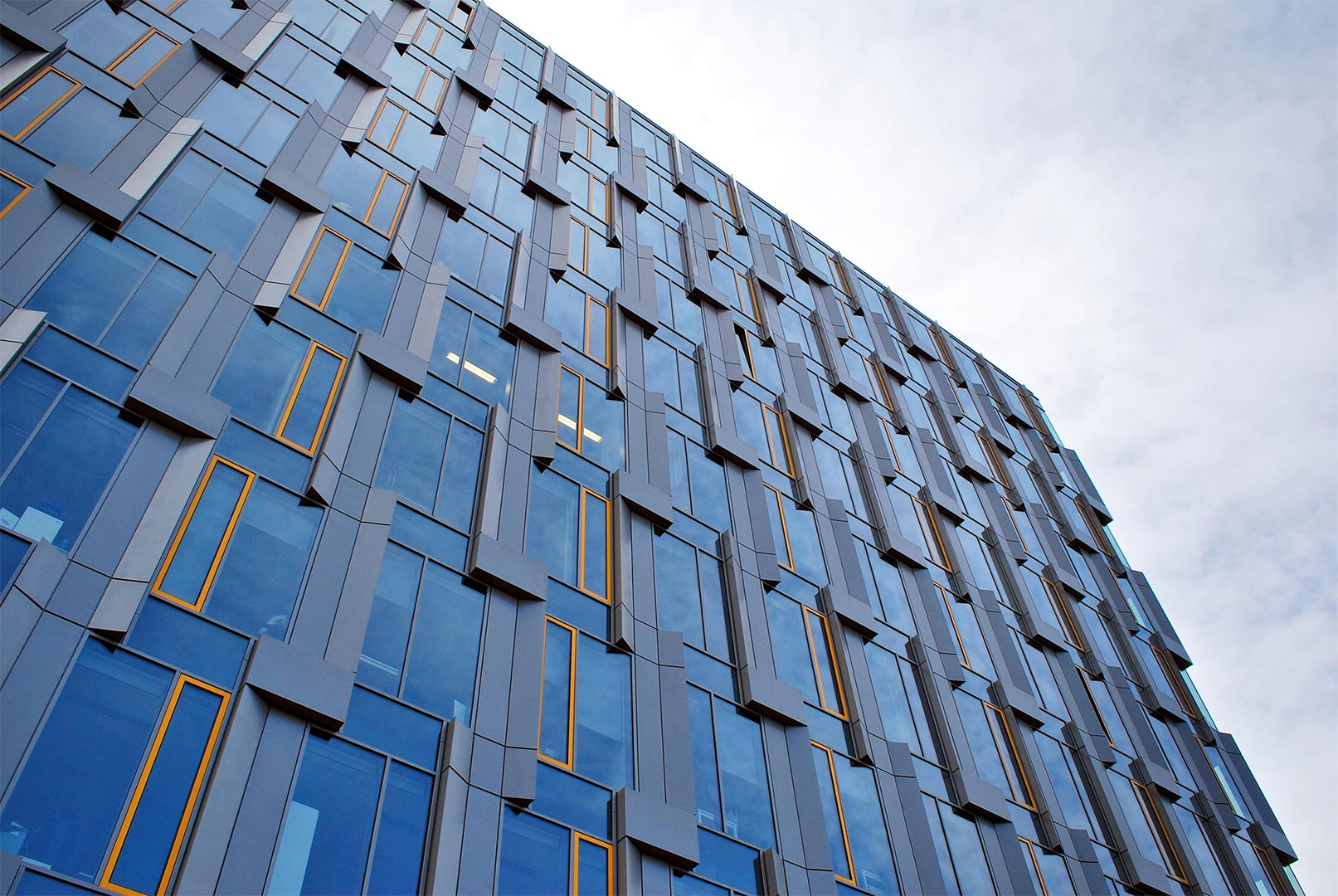
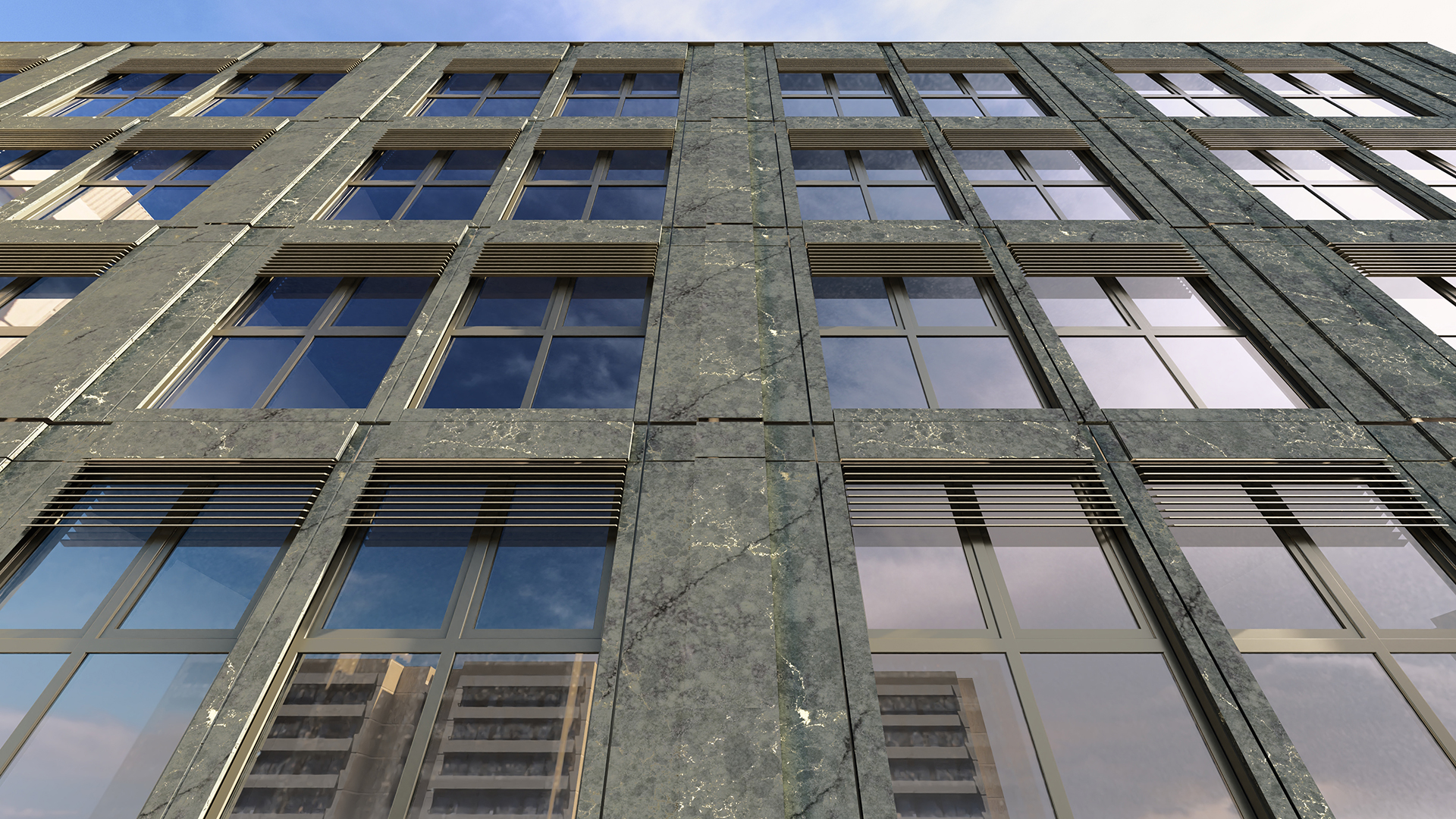
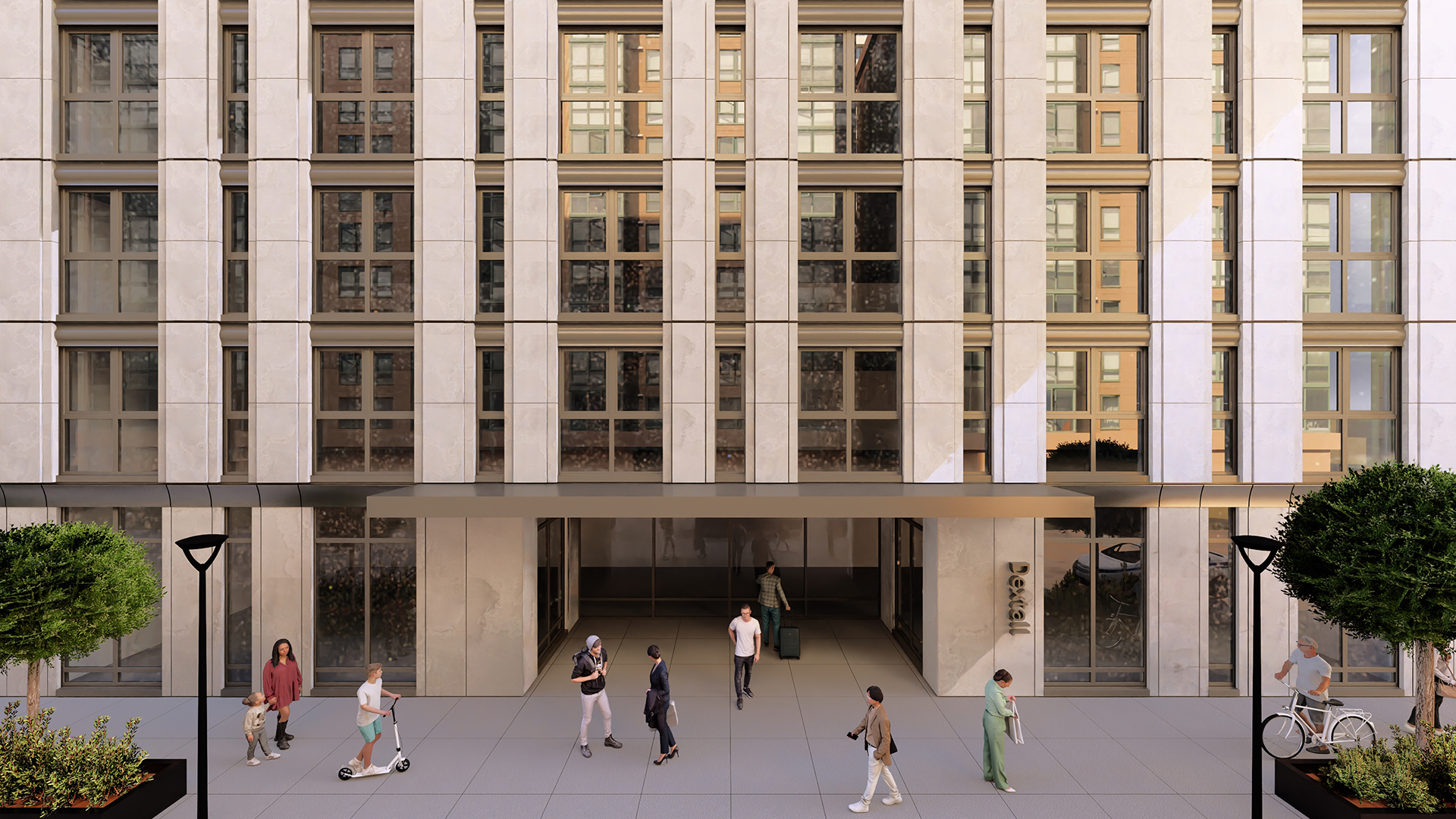
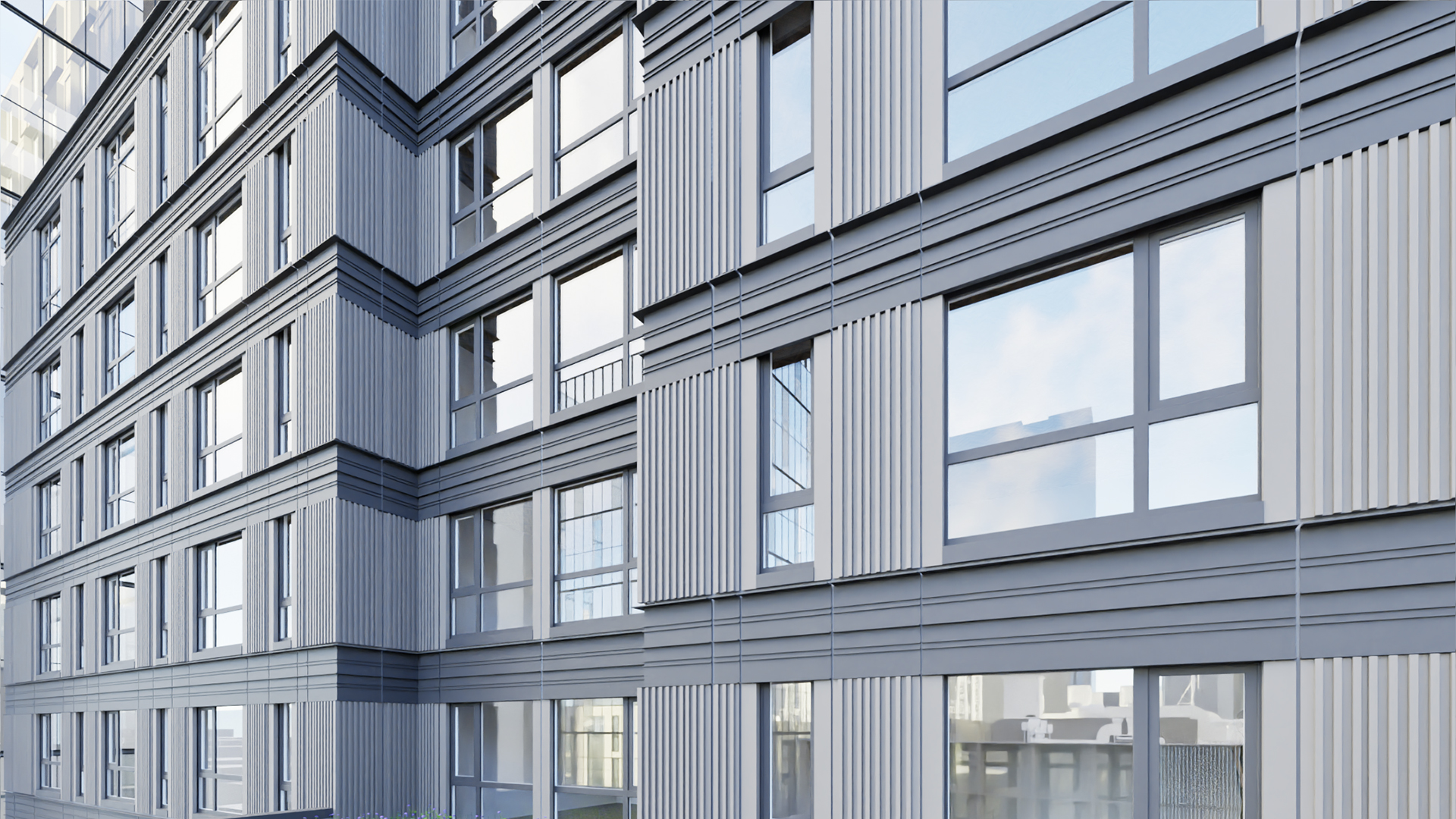
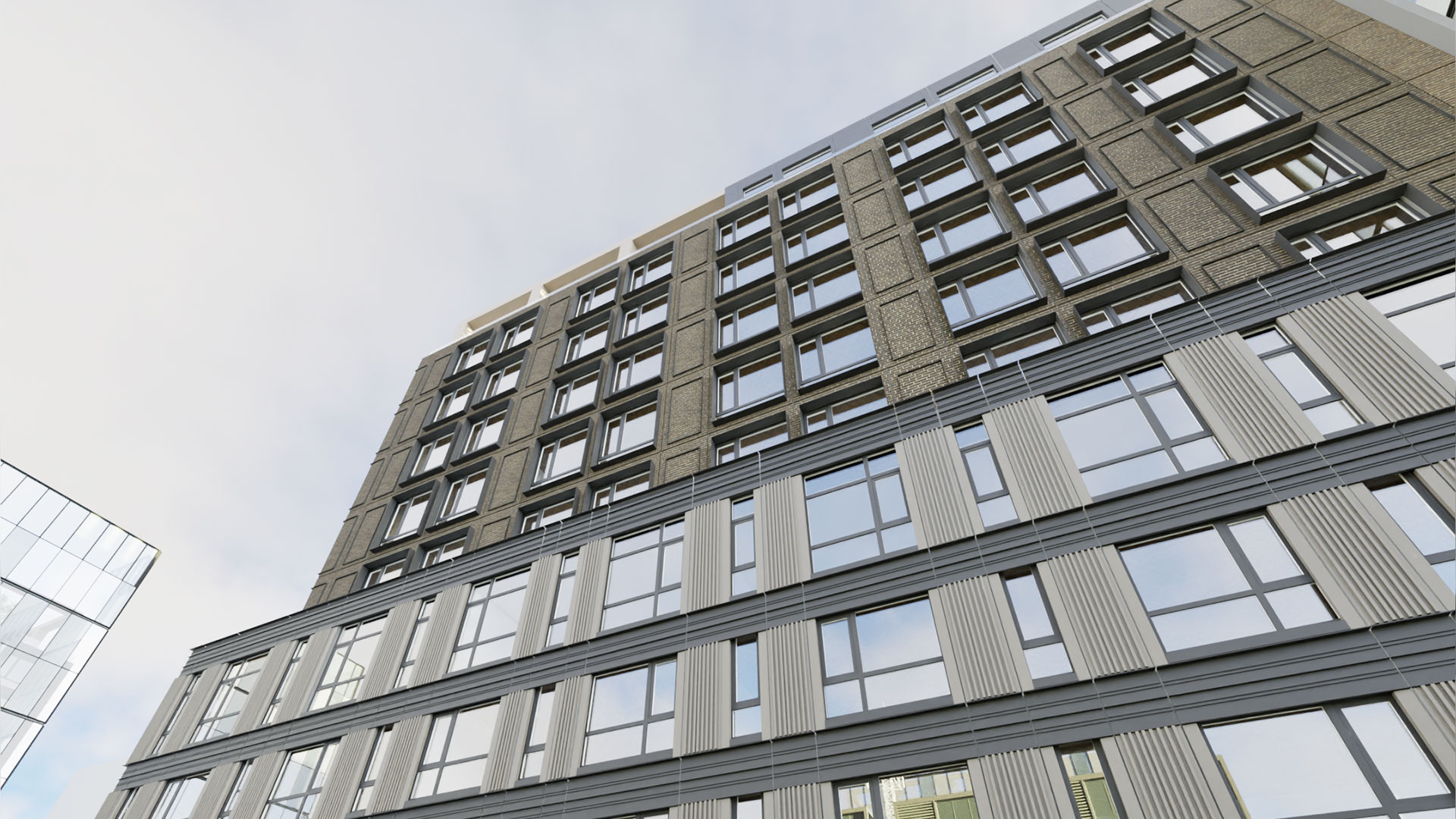
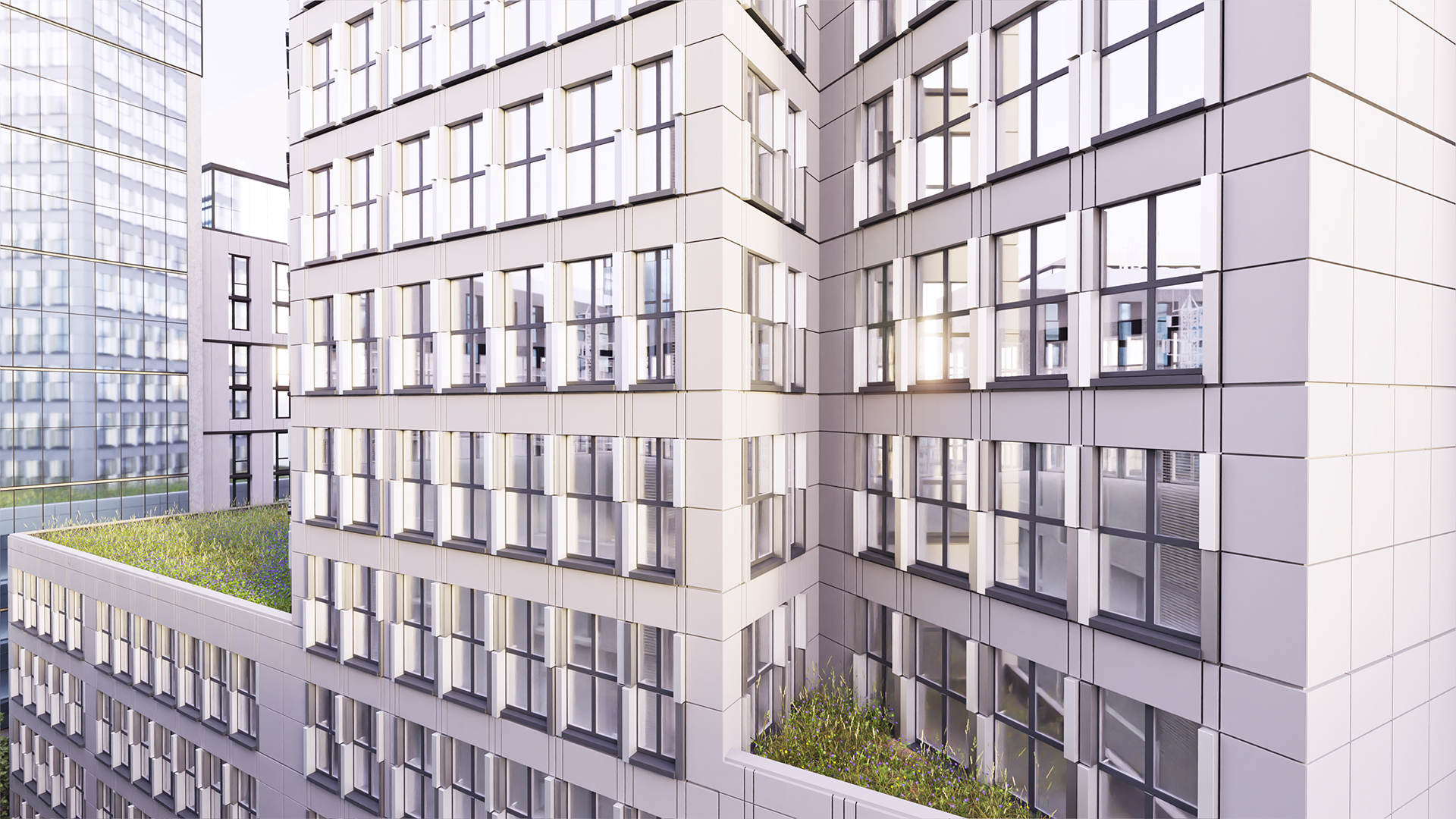
Product. Dextall manufactures unitized panels on a light metal frame with a non-combustible insulation core, with factory-integrated windows and cladding. They emphasize airtight/watertight performance, structural reliability, acoustics, and fire resistance-panels arrive install-ready, reducing onsite work and speeding envelope close-in. Suitable for new builds and occupied retrofits.
Software. Dextall Studio is built to address these coordination and predictability challenges. As a Revit-native toolkit, it provides standardized panel and window families, automatically generates quantities and system-level bills of materials, and produces preliminary facade pricing at both system and whole-building scale. This lets teams explore design options directly in the model and see how changes impact specifications, budget, and fabrication and installation planning, helping reduce late-stage surprises and making facade delivery more predictable.
Control your facade budget from Day One: real assemblies, precise 3D data, zero waste
Can we skip long-term scaffolding during renovation?
Yes. With a unitized approach, most work happens as short exterior sets from a crane/swing stage-fewer crane days, no extended scaffold rental, and a faster airtight/watertight enclosure.
Why 3D surveys if we already have drawings?
Legacy drawings rarely match as-built geometry. LiDAR/photogrammetry creates a slab/wall deviation map to adjust anchors, tolerances, and estimates, reducing buffers and rework risk.
Should we price $/SF or by assemblies?
$/SF is approximate. Assembly-based costing builds a BoM and labor for each panel, adds transparent deltas for finish/glazing/insulation, and shows immediate cost/lead-time impact. Fewer assumptions → fewer change orders.
What truly compresses the schedule?
Three things: factory/site parallelization, a scaffold-free unitized install, and a pre-approved panel sequence with weather reserves. Together, these cut general conditions and stabilize the install rate.
When does Dextall make sense?
When you need fast exterior installation with minimal field work and predictable economics. Unitized panels with a non-combustible core plus Dextall Studio (metrics, BoM, cost/lead-time impact in-model) align with a Day-1 budgeting approach, reducing RFIs and cOs.











.jpeg)
-Compliance-for-NYC-Multifamily-%26-Co-Op-Facades.jpg)












_format(webp).avif)
_format(webp)%20(6).avif)
_format(webp)%20(5).avif)
_format(webp)%20(4).avif)
_format(webp)%20(2).avif)
_format(webp)%20(3).avif)


.avif)
_format(webp)%20(2).avif)