Apple's First Mass Timber Store: Prefab Goes Mainstream
When Apple opened its Miami Worldcenter store in January 2025, something was different. Instead of the brand's signature glass and aluminum, the 534th Apple Store globally features extensive use of cross-laminated timber—regionally sourced wood panels fabricated off-site and assembled with factory precision. For an industry watching prefabricated construction creep from niche sustainability projects into commercial viability, Apple's adoption carries weight that transcends retail architecture.
Brand leaders don't experiment with construction methods. They validate them. Apple's decision to build its first mass timber store in downtown Miami represents more than environmental messaging—it demonstrates that prefabricated building systems have matured enough to meet the quality control, timeline, and aesthetic standards of one of the world's most demanding brands. That shift matters for everyone building mid-rise projects across U.S. cities.
What Makes Apple Miami Worldcenter Notable
The store breaks from Apple's typical pattern in several ways. Designed entirely by Apple's in-house team rather than longtime partner Foster + Partners, the standalone pavilion synthesizes the company's minimalist aesthetic with Miami's Art Deco architectural heritage. Curved perimeter rooflines and softly undulating plaster walls echo the geometric precision found in South Beach's historic district, while floor-to-ceiling glazing maintains the transparency Apple stores are known for.
But the real departure sits in the structure itself. Cross-laminated timber panels form the building's bones—layers of wood boards stacked perpendicular and bonded together under pressure to create structural elements as strong as steel. The timber came from FSC-certified forests in the region, processed with CNC precision at manufacturing facilities before arriving on-site ready for installation. Apple reports the approach significantly reduced the carbon intensity of construction compared to conventional methods.
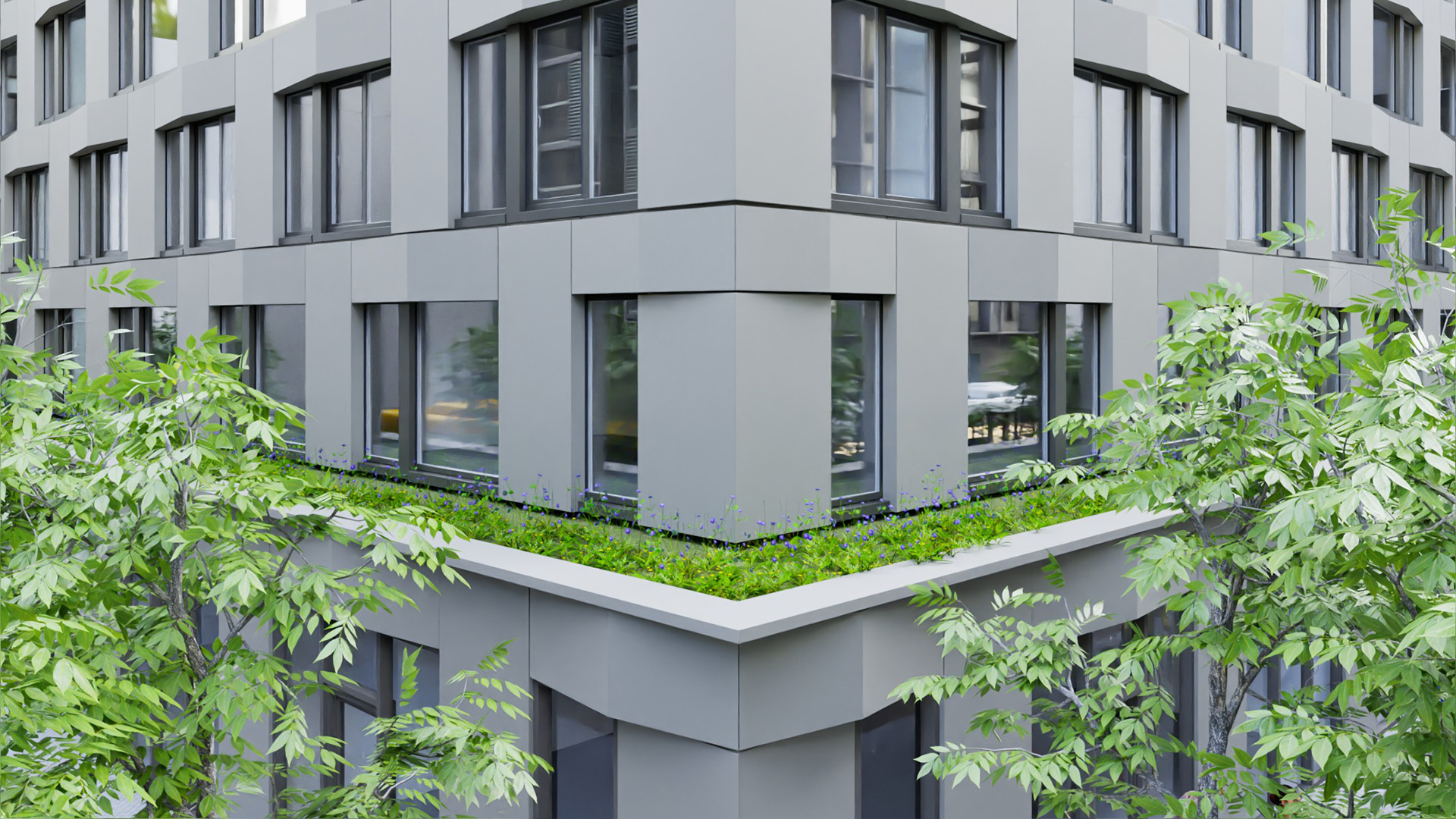
The biophilic design extends beyond the structure. Rather than isolated planters, the store sits within a densely planted public space featuring flora inspired by Miami's Latin American influence. The roof itself becomes a raised garden visible from surrounding towers, completing what Apple retail design lead BJ Siegel describes as "full integration of the landscape." Biomass-based terrazzo flooring, oak framework incorporating service areas, and careful attention to acoustics reinforce the connection to natural materials throughout the 100% renewable energy-powered space.
From Prototype to Production: Mass Timber in Retail
Mass timber construction delivers speed advantages that align perfectly with retail development timelines. Industry data suggests CLT buildings go up roughly 25% faster than concrete equivalents, with some projects shaving three to four months off construction schedules. That acceleration comes from prefabrication—panels arrive on-site pre-cut to specification, reducing the coordination chaos and weather delays inherent in field construction.
The weight advantage compounds these benefits. CLT panels weigh significantly less than concrete or steel, which means smaller foundations and reduced seismic loads. For developers, foundation savings can offset some of the premium CLT materials currently command. More importantly, lighter components require less heavy equipment on-site, reducing insurance costs and logistical complexity in dense urban locations like downtown Miami.
Apple's quality control requirements are famously rigid. Every surface, every joint, every detail must meet exacting standards. That the company chose factory-controlled manufacturing for its first mass timber store reveals something about where construction quality now lives. Computer-controlled cutting eliminates the variability of field measurements. Climate-controlled assembly facilities prevent the moisture issues and material degradation that plague outdoor construction. The precision Apple demands actually becomes easier to achieve in a factory than on a jobsite.
The exposed CLT structure also functions as finished interior design—warm wood tones visible throughout the space. This dual purpose eliminates the need for additional ceiling systems or cladding that traditional steel or concrete structures require. When architects can leave structural elements exposed as premium aesthetic features, they're not compromising on design to adopt prefabrication. They're gaining it.
Lessons for Mid-Rise Construction
Apple's validation of mass timber construction matters because it removes adoption risk for other developers. When a global brand stakes its retail experience on a relatively new building method, it signals that the technology has moved beyond experimental phase. Insurance underwriters take notice. Lenders recalculate risk models. Municipal building departments gain familiarity with approval processes. The entire ecosystem adjusts.
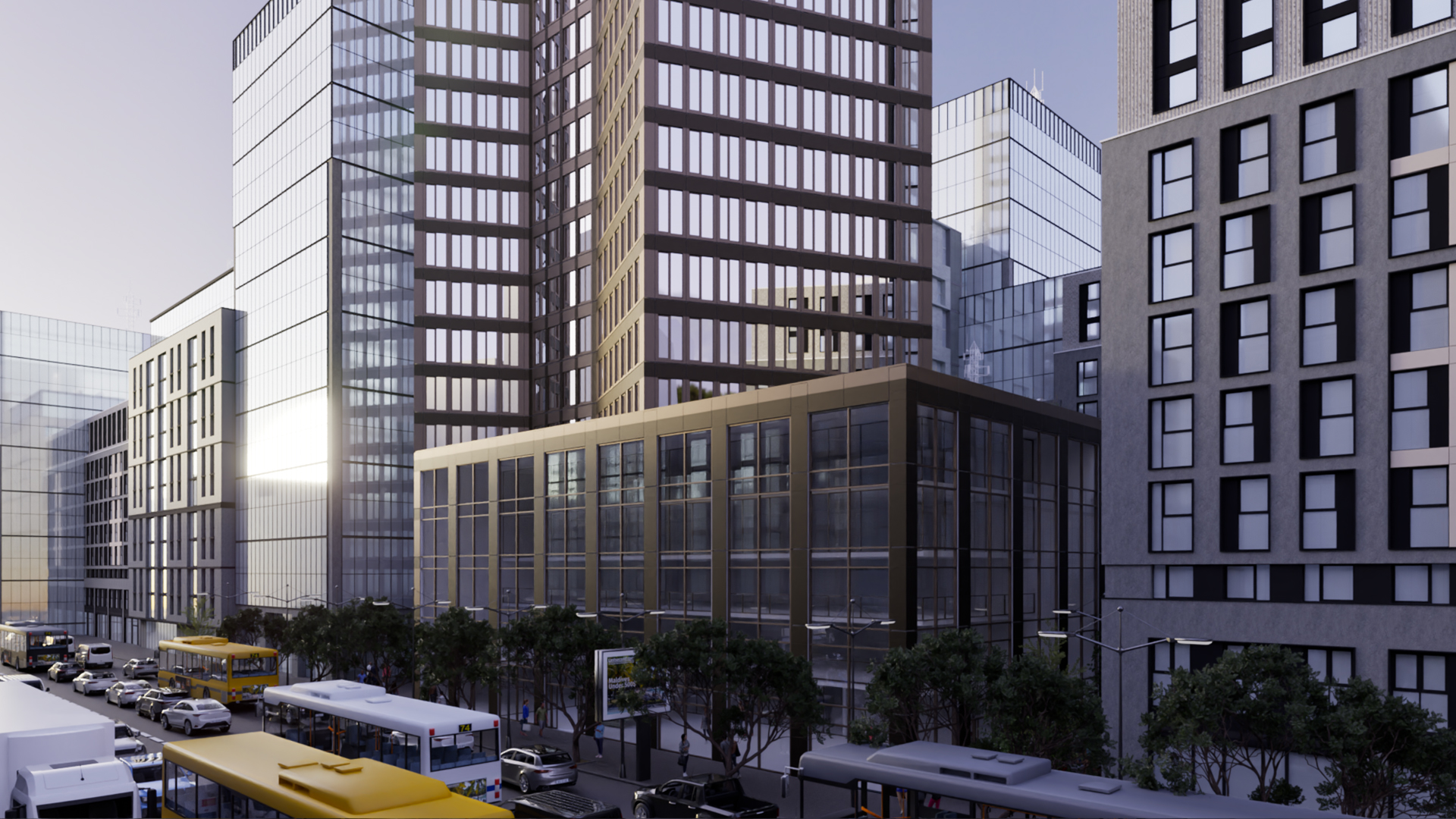
The principles Apple applied at Miami Worldcenter scale directly to mid-rise residential and mixed-use development. Factory fabrication, modular assembly, reduced onsite labor, faster enclosure—these advantages compound when you're building 10 stories instead of one. Projects like NJPAC's 25-story mixed-income tower in Newark demonstrate how prefabricated panel systems compress timelines while maintaining design flexibility across significantly larger envelopes.
The digital coordination required for mass timber construction mirrors the workflow innovations transforming facade design. Just as CLT panels rely on CNC precision from 3D models, modern curtain wall systems use BIM integration to move from schematic design to fabrication-ready drawings in days rather than months. Apple's in-house team leveraged this digital continuity—a capability that platforms like Dextall Studio now make accessible to projects at every scale.
Fire resistance deserves attention here because it's often raised as a mass timber concern. Testing shows CLT structures char slowly rather than burning catastrophically—taking 90 minutes to structural failure compared to 17 minutes for conventional wood-frame construction. The thick laminated panels develop a protective char layer that insulates the wood beneath. This performance, combined with non-combustible core insulation in facade systems, addresses life safety requirements that once limited wood construction to low-rise buildings.
Practical Applications for Dextall's Market
The logic driving Apple's mass timber adoption—factory precision, quality control, speed, sustainability—applies equally to prefabricated facade panel systems. Both technologies recognize that the construction site isn't the optimal environment for precision manufacturing. Weather doesn't stop. Skilled labor shortages don't resolve themselves. Coordination between 15 different trades doesn't magically improve when everyone's working outdoors under deadline pressure.
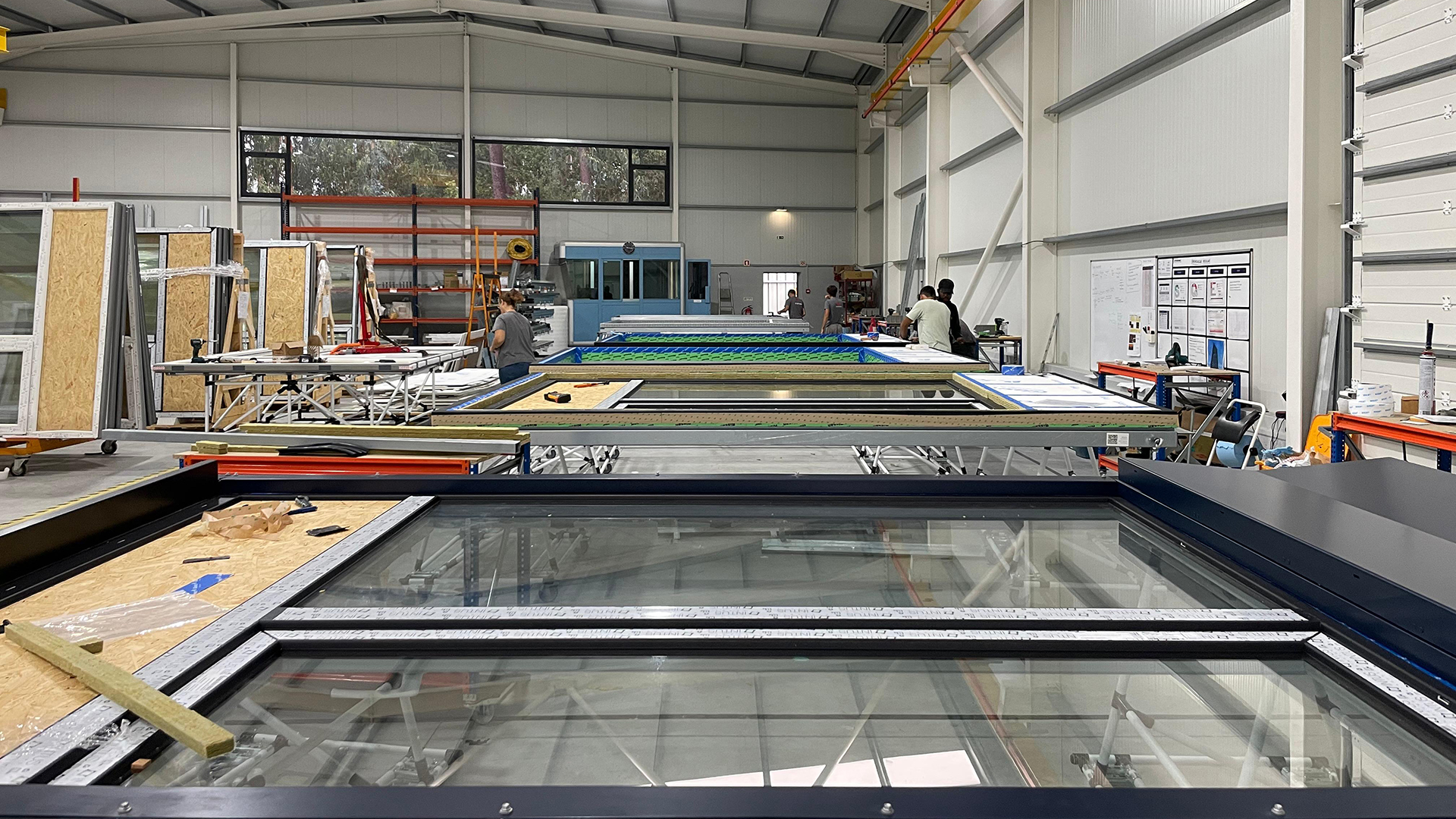
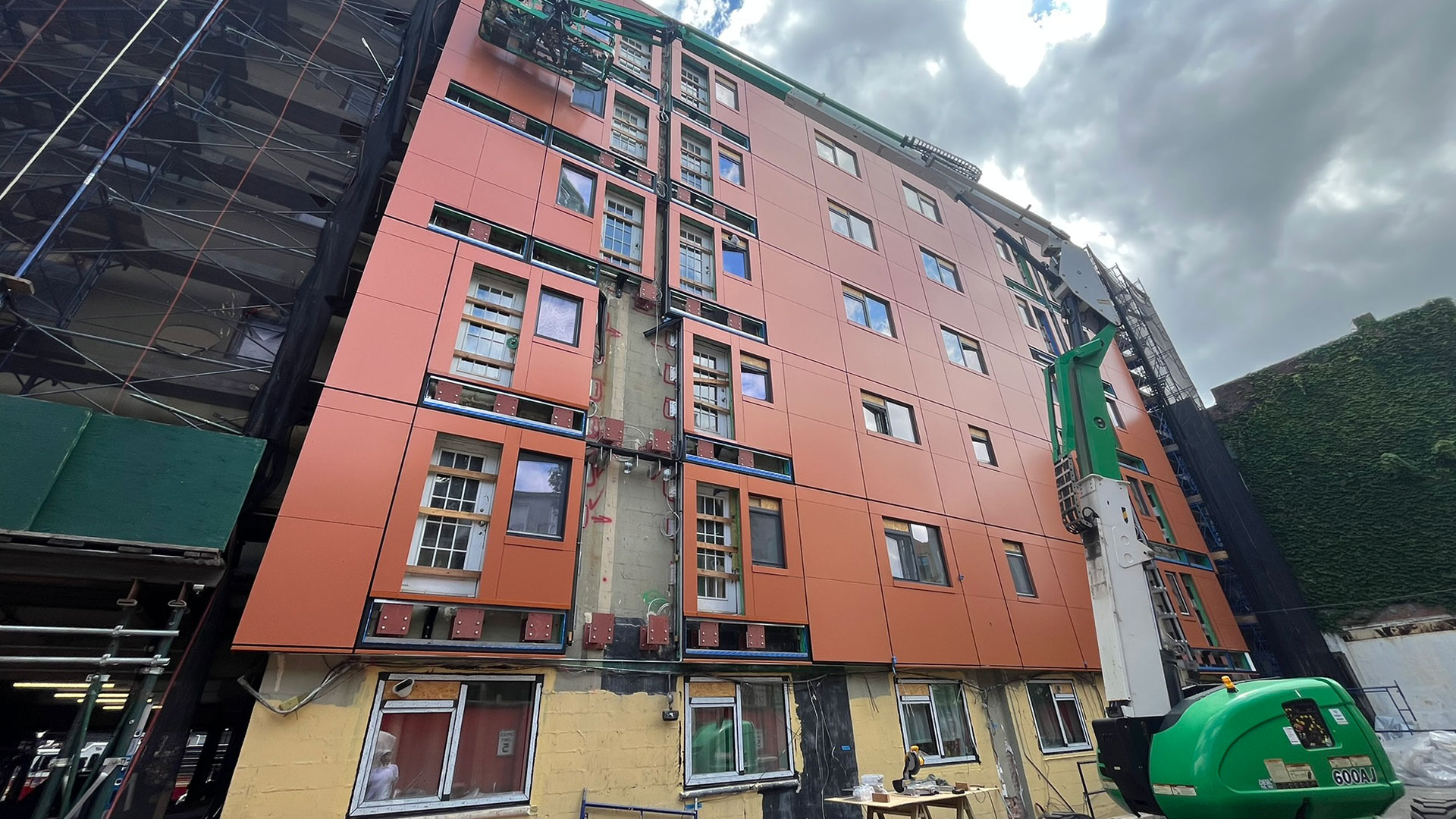
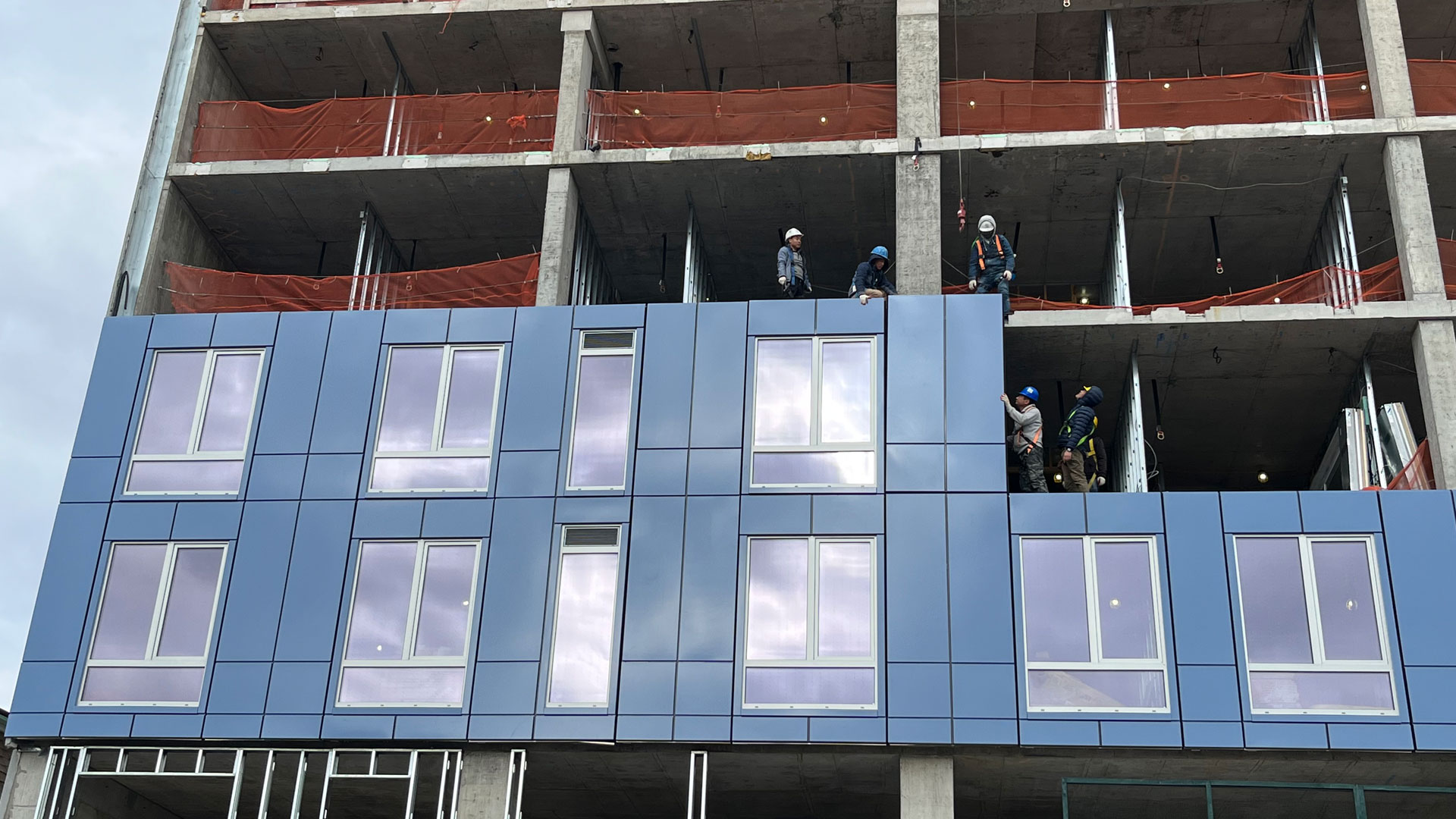
Dextall's approach to unitized facade panels follows the same principle Apple applied to its Miami structure: move complexity into controlled environments where quality can be verified before anything reaches the site. Light gauge metal-framed panels arrive with windows installed, cladding attached, insulation in place, and weatherproofing complete. The installer's job becomes assembly rather than fabrication, dramatically reducing the opportunities for error that plague traditional stick-built construction.
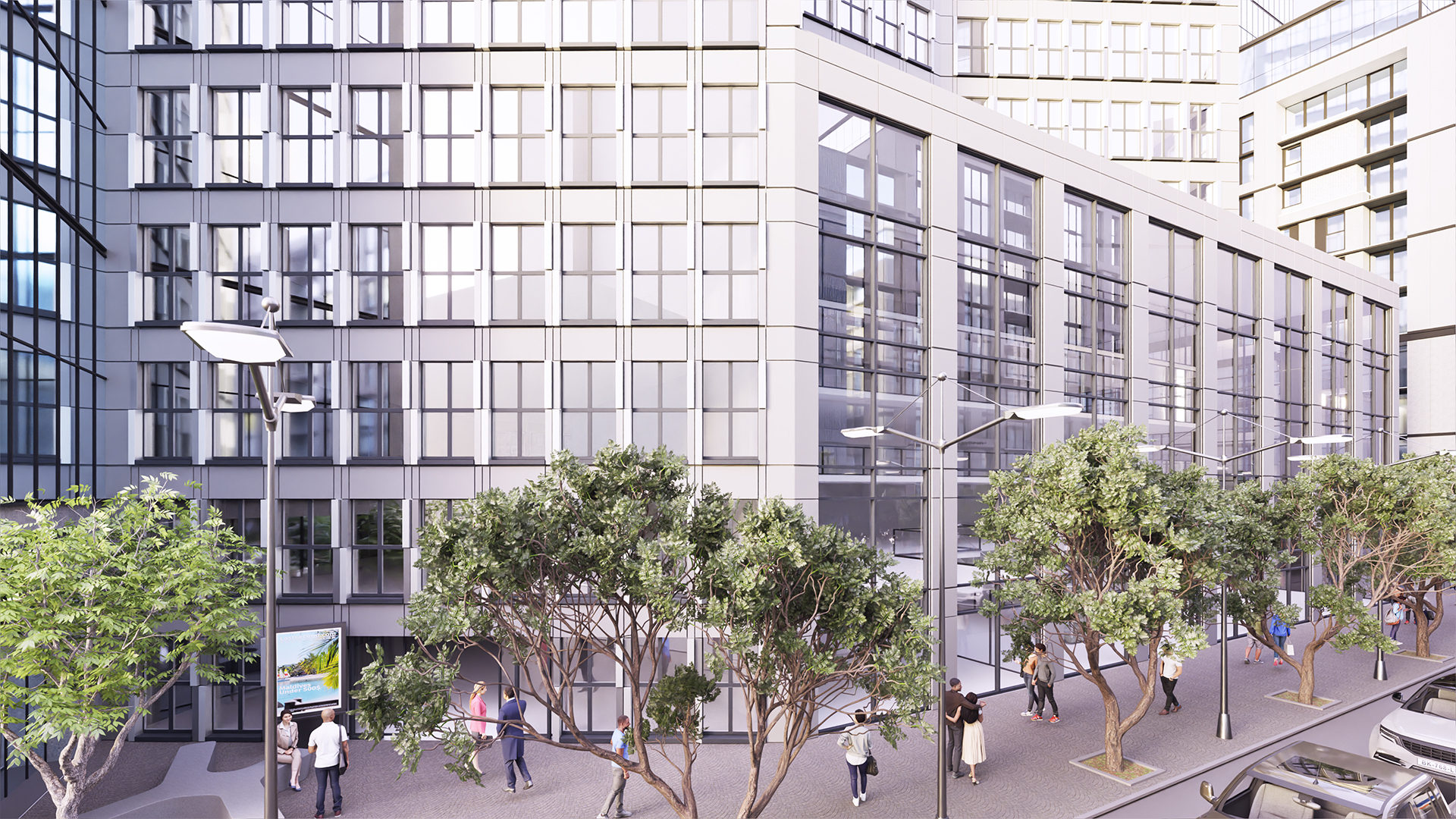
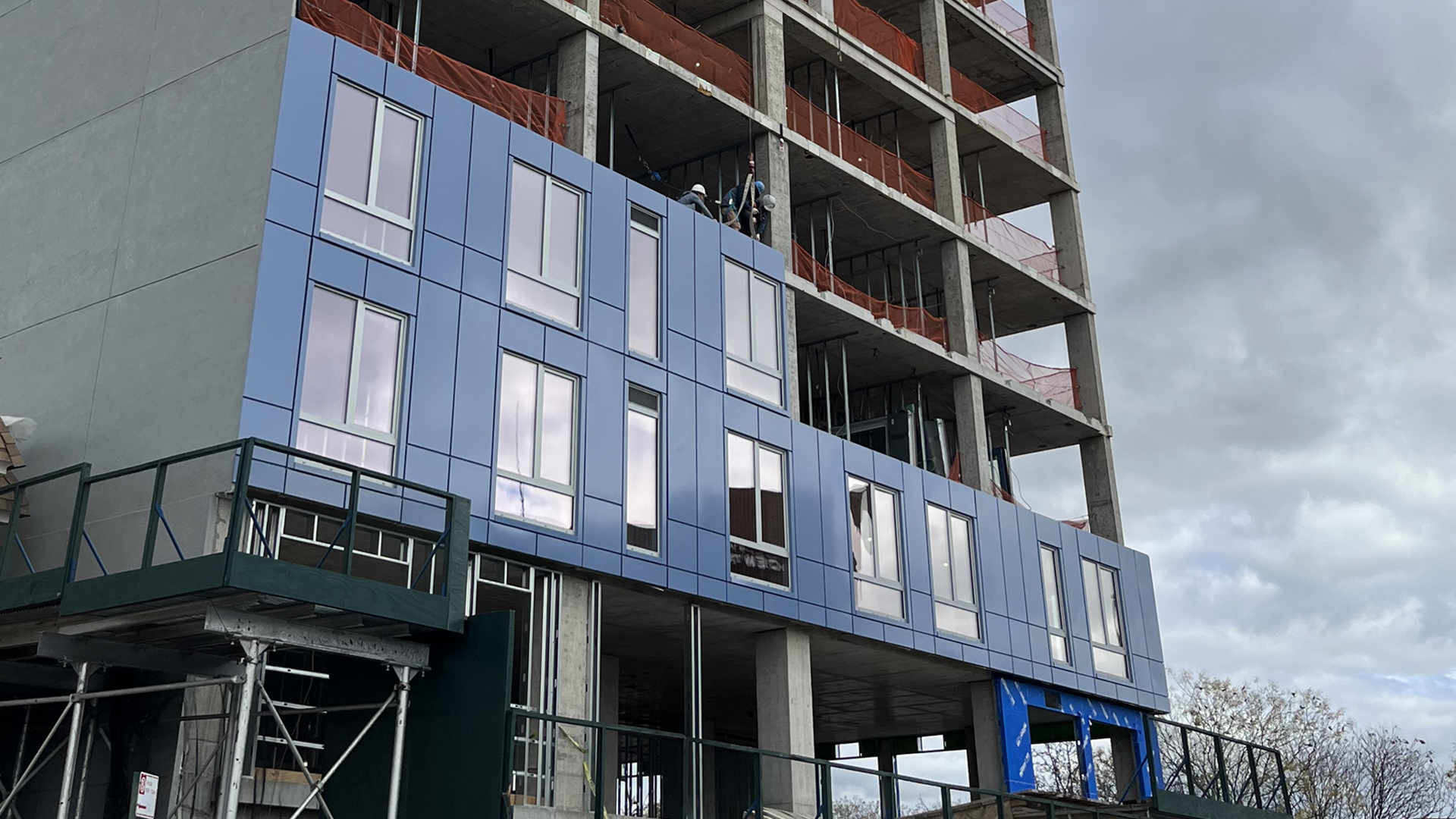
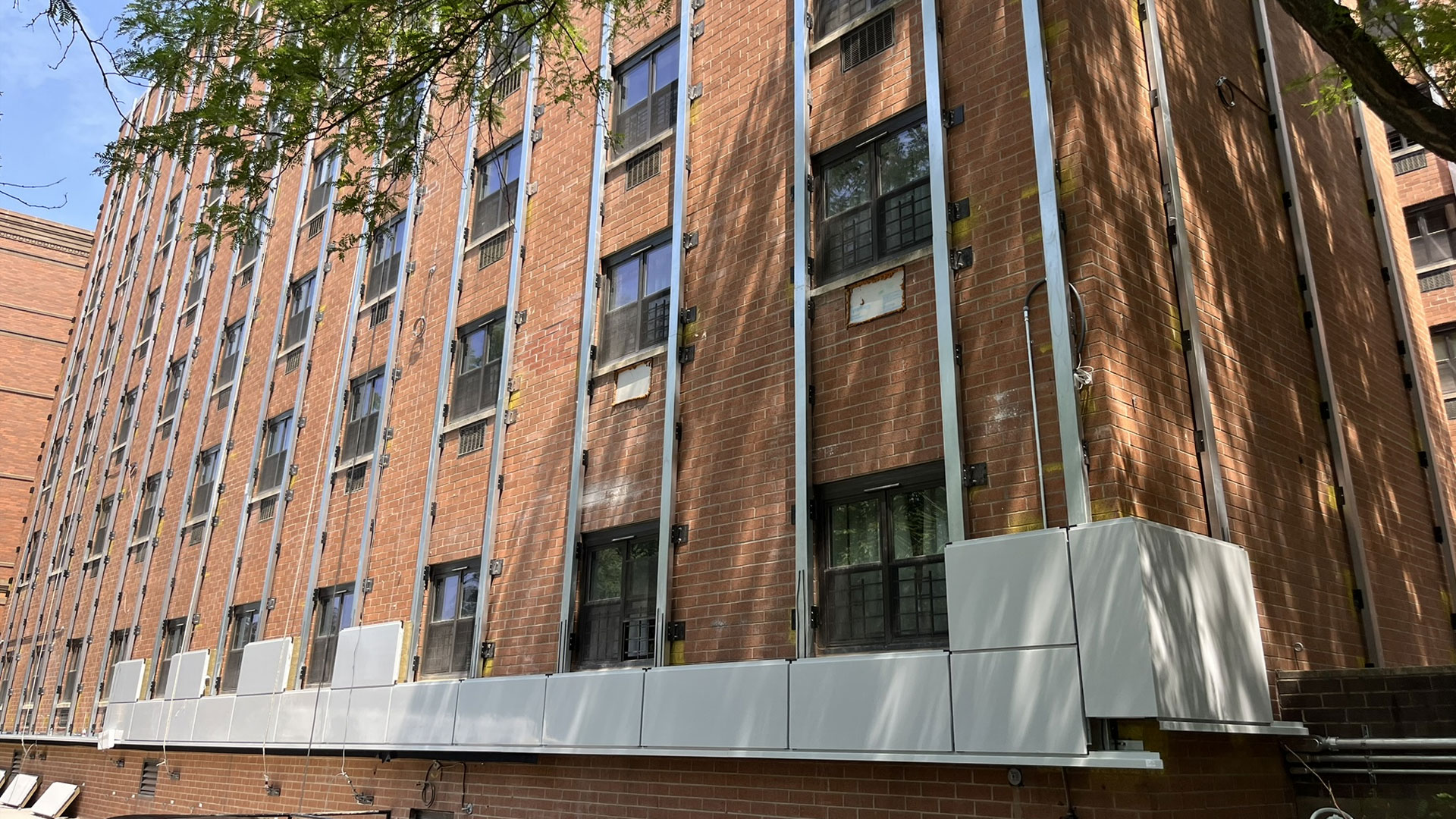
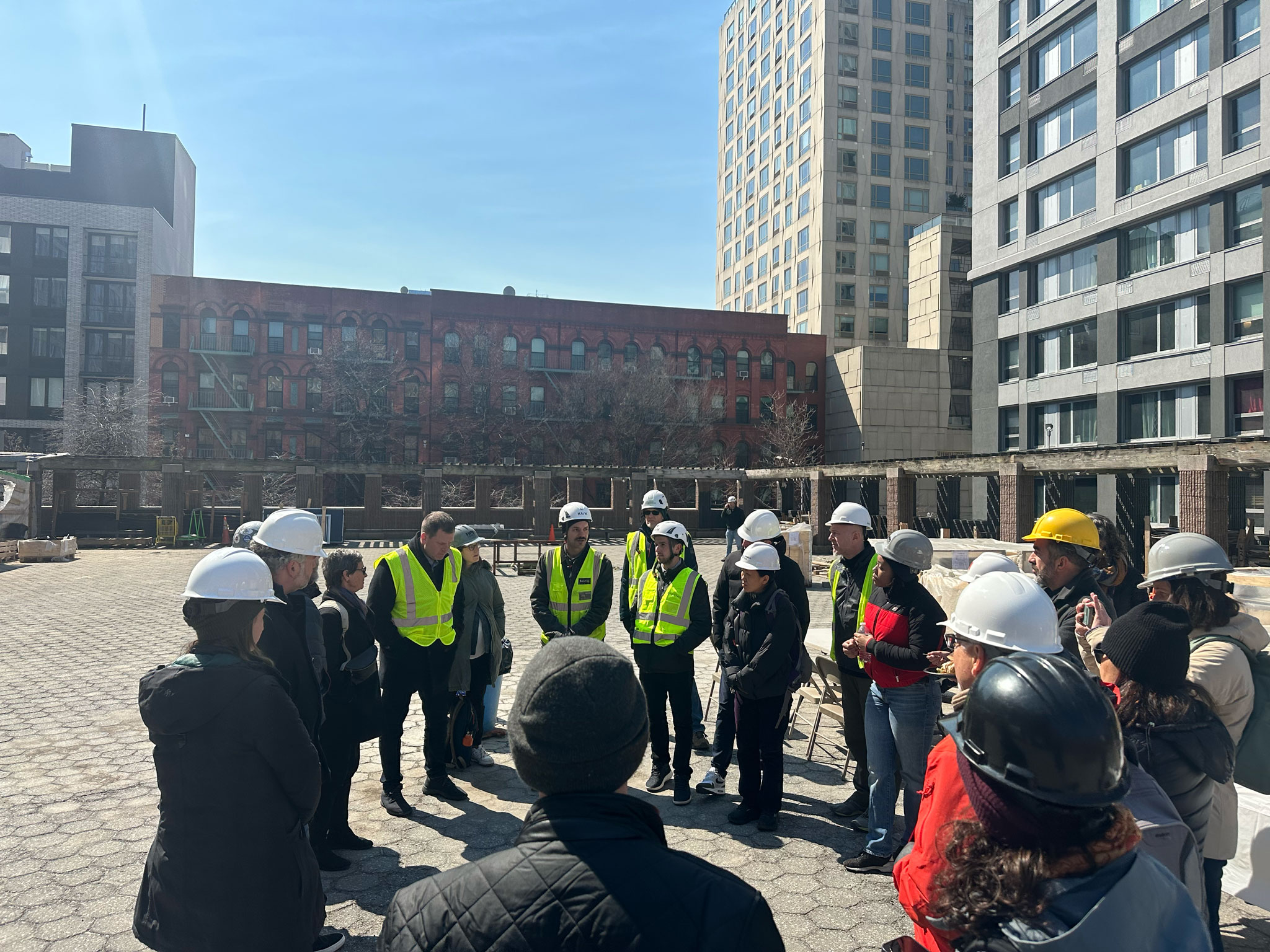
The Heritage project retrofit on occupied affordable housing in Manhattan demonstrates this quality control advantage. Installing a new building envelope on a standing structure while residents remain in place demands precision that field construction struggles to deliver consistently. Factory-built panels maintained dimensional accuracy across hundreds of units, enabling interior installation that minimized tenant disruption while meeting performance standards that will reduce energy costs by 20%.
Speed compounds across larger projects. While Apple's single-story retail store saw timeline benefits from prefabrication, those advantages multiply for multi-story developments. The manufacturing facility produces panels in parallel with site preparation and foundation work, collapsing what would otherwise be sequential operations. Once the structure reaches envelope-ready status, installation proceeds at rates that let interior trades start earlier—shortening the critical path that determines when buildings can begin generating revenue.
Digital coordination ties these advantages together. Just as CLT fabricators work from precise 3D models generated by architects, Dextall Studio transforms design intent into fabrication specifications through AI-powered automation. The platform analyzes schematic designs, optimizes panel layouts, generates detailed shop drawings, and produces real-time cost estimates—turning a process that traditionally consumed months into a workflow measured in days. That acceleration doesn't compromise architectural vision. It enables it by removing the technical barriers that force designers to simplify concepts for constructability.
Key Takeaways
- Brand validation accelerates industry adoption. When companies like Apple stake their reputation on prefabricated construction methods, they remove adoption risk for other developers and shift the entire market's perception of what prefab can deliver.
- Factory control beats field variables. Climate-controlled manufacturing facilities with CNC precision consistently outperform outdoor construction sites for quality control, dimensional accuracy, and material optimization—advantages that matter more as performance standards tighten.
- Speed advantages compound at scale. The timeline benefits of prefabrication that Apple gained on a single-story retail pavilion multiply across mid-rise residential and mixed-use projects, where parallel manufacturing and installation can compress critical path schedules by months.
- Digital continuity enables complexity. The seamless flow from design to fabrication that mass timber construction requires—3D modeling to CNC cutting without manual translation—mirrors the digital workflows transforming facade systems, making sophisticated building envelopes accessible to projects at every budget level.
- Sustainability credentials meet market demands. As decarbonization targets shift from aspiration to requirement, construction methods that reduce embodied carbon through material optimization and waste reduction move from premium positioning to competitive necessity in urban markets like New York, Boston, and Washington D.C.
FAQ
How does mass timber construction compare to steel in terms of speed?
Mass timber buildings typically go up 25% faster than concrete structures and can shave three to four months off construction schedules compared to steel. The speed advantage comes from prefabrication—CLT panels arrive pre-cut to specification and ready for installation, eliminating the coordination delays and weather dependencies that extend timelines for field-fabricated steel structures. Manufacturing happens in parallel with site preparation, compressing what would otherwise be sequential operations into overlapping workflows.
Can prefabricated facade systems achieve the same quality control as CLT panels?
Yes, and for the same reasons. Both technologies leverage factory-controlled environments where climate conditions remain consistent, measurements can be verified before installation, and skilled labor works under optimal conditions rather than outdoor variables. Prefabricated facade panels undergo quality inspection at multiple stages of manufacturing—frame assembly, window installation, insulation placement, cladding attachment—catching issues before they reach the site where corrections become exponentially more expensive and time-consuming.
What are the advantages of factory-built components for occupied building retrofits?
Factory fabrication becomes essential for occupied building work because it minimizes onsite disruption and installation time. Panels arrive complete with windows, insulation, and cladding already integrated, reducing the coordination chaos that makes traditional retrofits so disruptive to residents. Interior installation methods eliminate the need for exterior scaffolding, further reducing tenant impact while maintaining the weather protection occupied buildings require. The Heritage project demonstrated these advantages by installing a complete new envelope without relocating residents—something that would be nearly impossible with field-assembled construction.
How does Dextall's approach align with mass timber construction principles?
Both methodologies recognize that modern construction demands exceed what field fabrication can consistently deliver. Mass timber moves structural complexity into manufacturing facilities where CNC precision replaces tape measures and climate control prevents material degradation. Dextall's prefabricated panels apply identical logic to building envelopes—integrating multiple building systems in a controlled environment before installation rather than coordinating trades sequentially on scaffolding. The digital workflow is parallel too, with BIM models driving both CLT cutting machines and facade panel production lines directly from architectural designs.
Can prefab systems work for high-profile projects with strict quality requirements?
Apple's decision to use mass timber for its Miami store answers this question definitively. Brands with rigorous quality standards increasingly prefer prefabrication precisely because factory environments deliver more consistent results than field construction. The controlled conditions, precision equipment, and multi-stage quality verification that manufacturing facilities provide actually make it easier to meet demanding specifications than trying to achieve the same standards outdoors with hand tools and variable conditions. High-profile projects aren't compromising on quality by choosing prefab—they're gaining the control necessary to achieve it reliably.
Disclaimer
Dextall is not involved in the Apple Miami Worldcenter project. This article analyzes publicly available information about Apple's design to explore how principles from high-profile mass timber retail construction can inform mid-rise building strategies in the U.S. market. For questions about Apple Miami Worldcenter, contact Apple's retail team. For information about Dextall's prefabricated building envelope solutions, visit dextall.com.
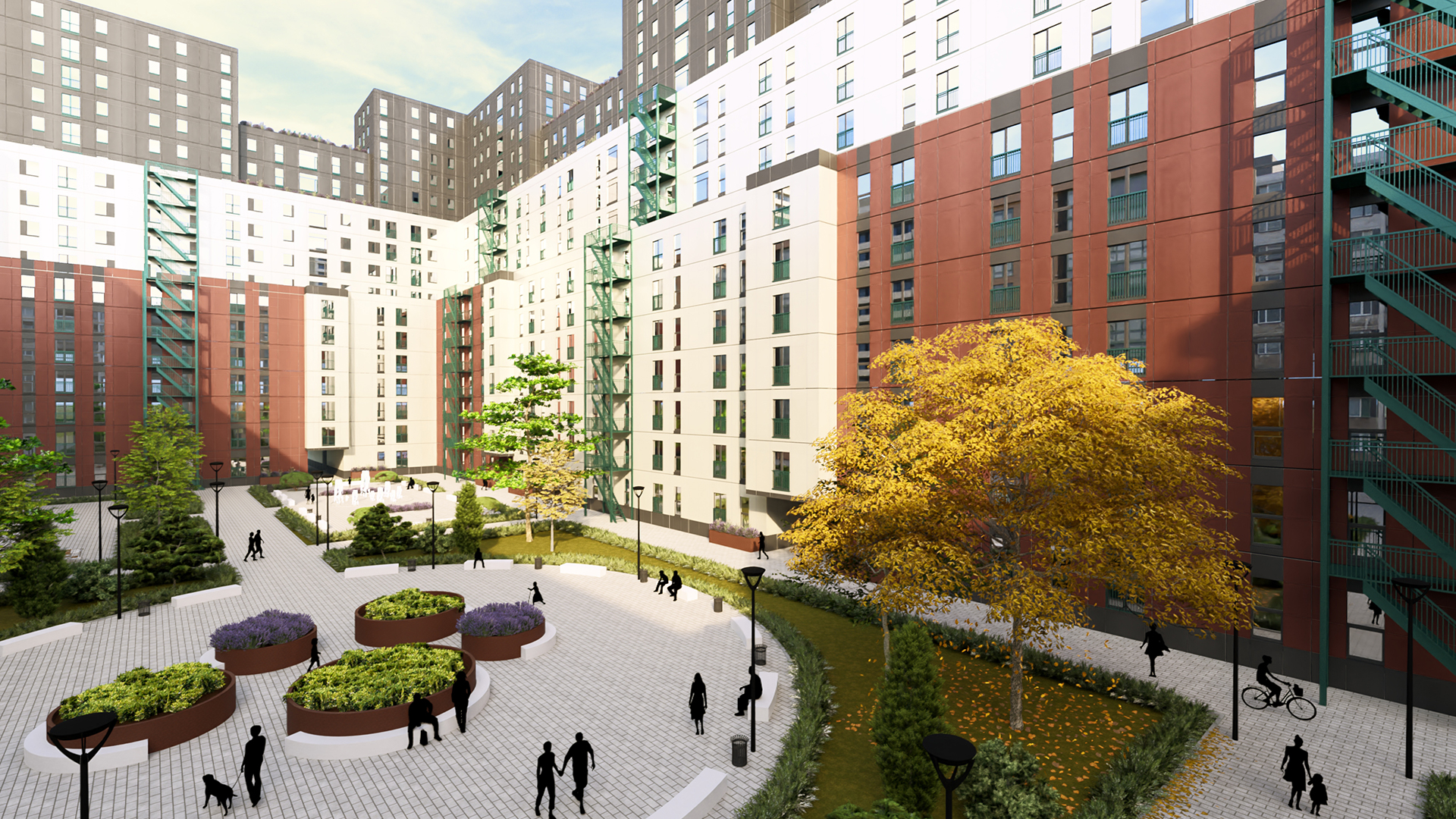
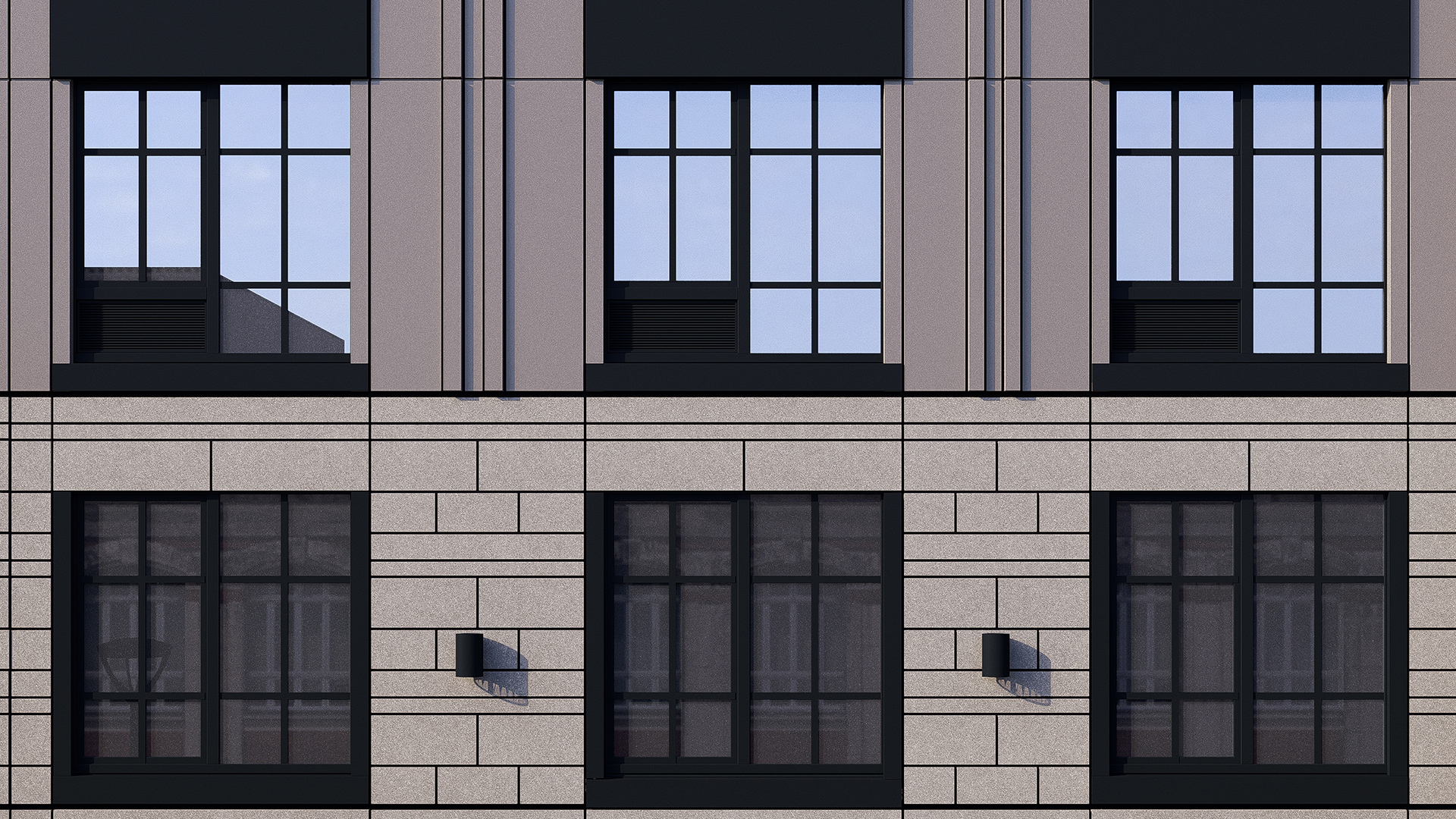
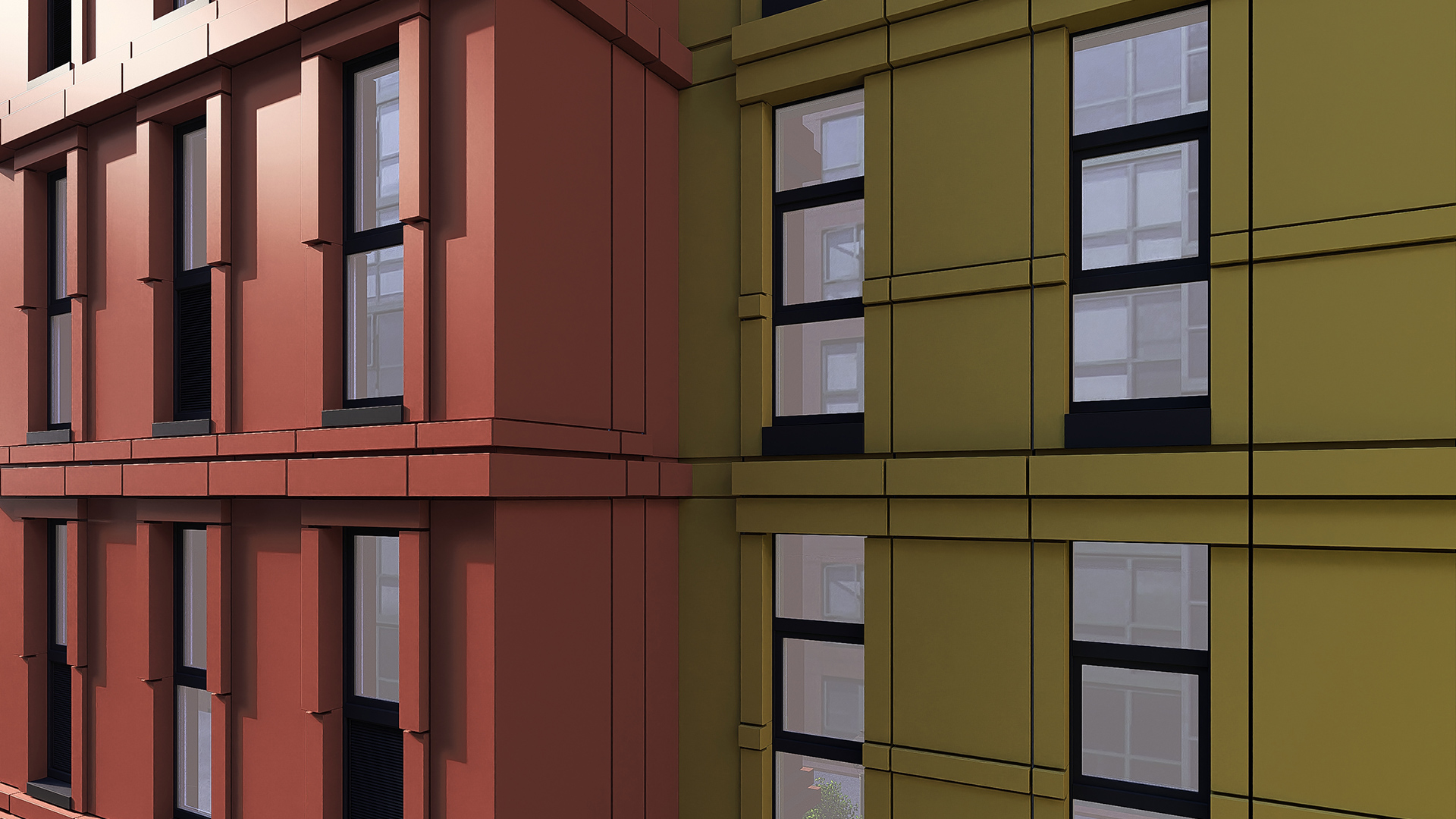
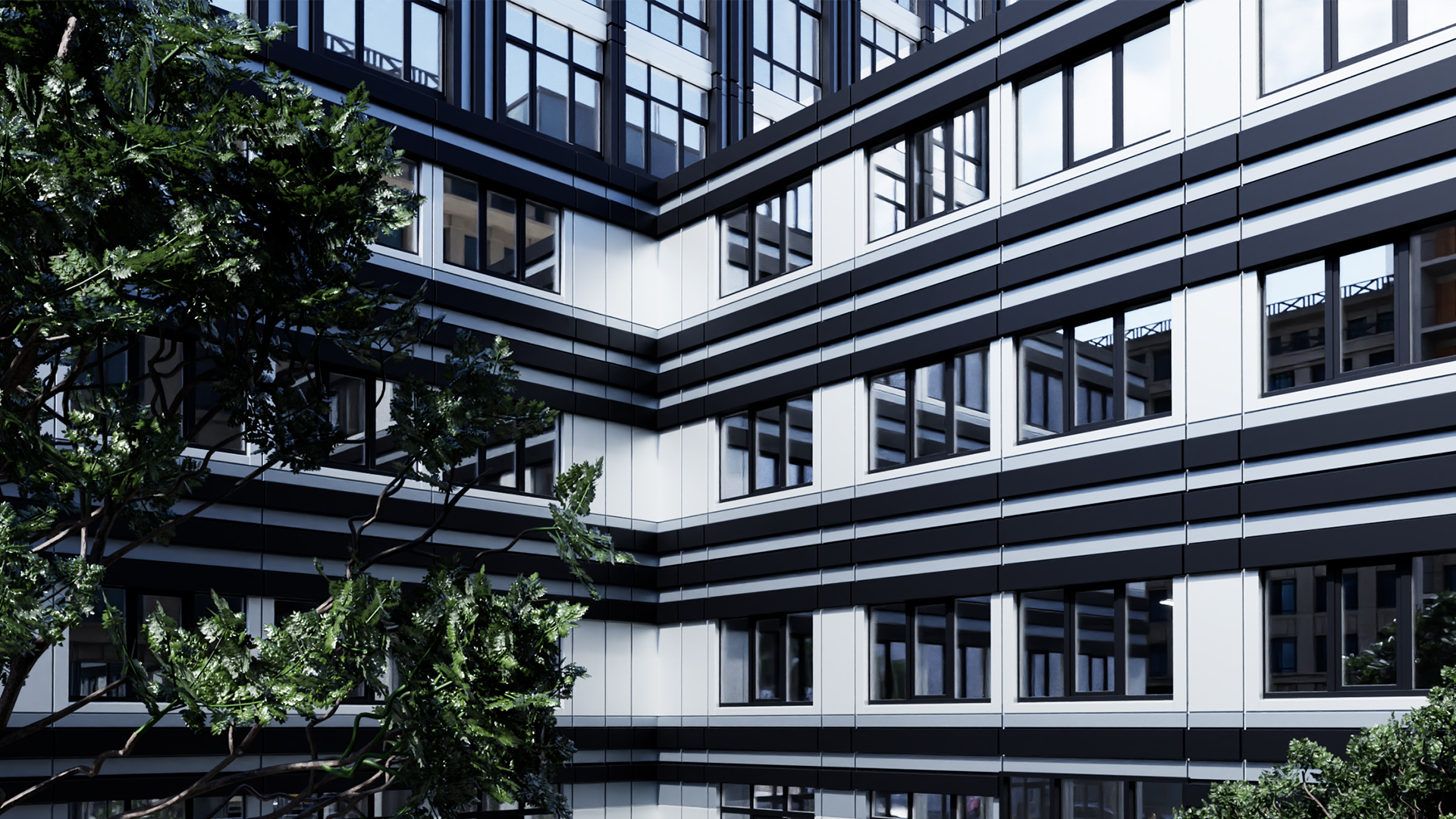
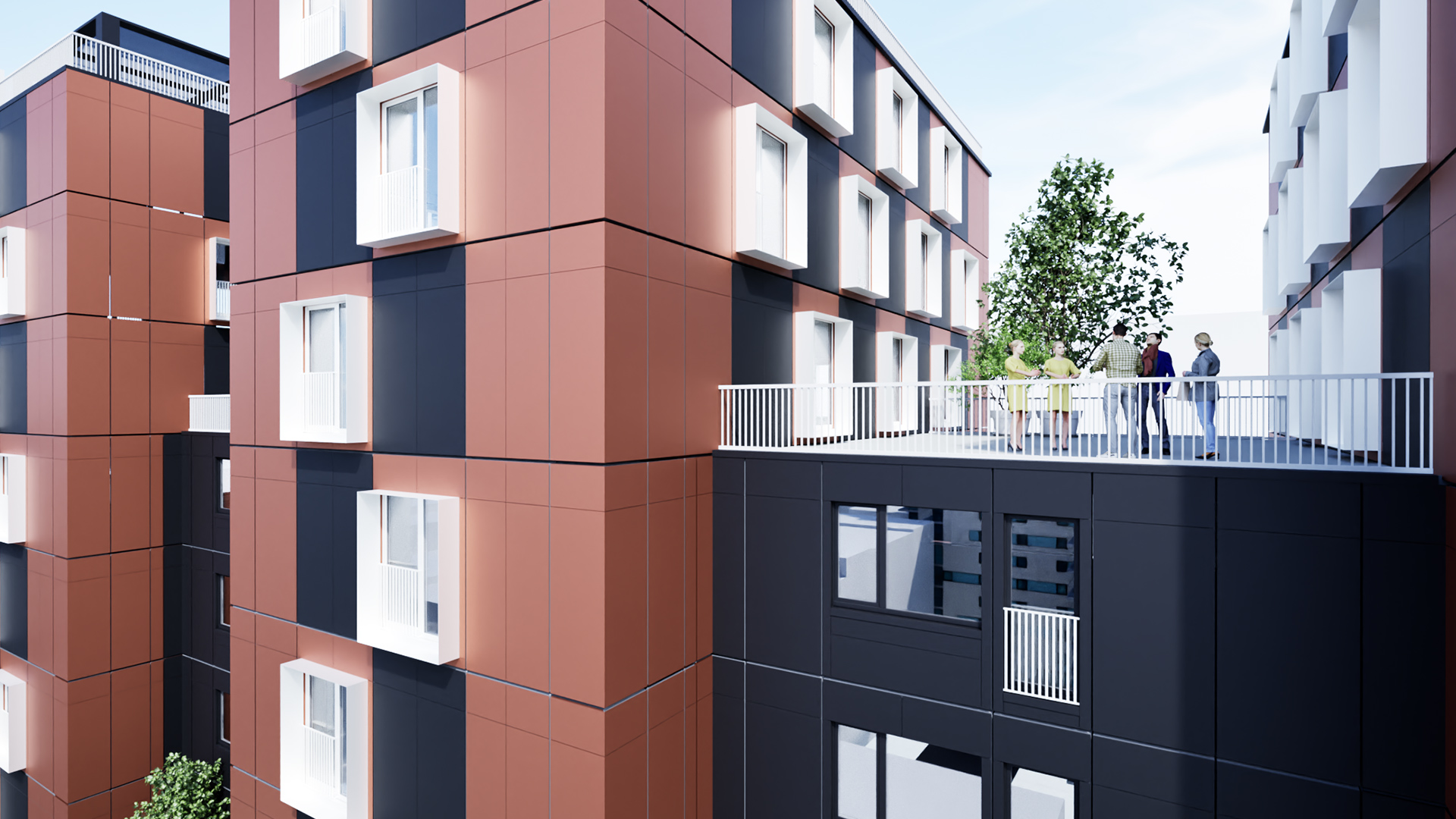
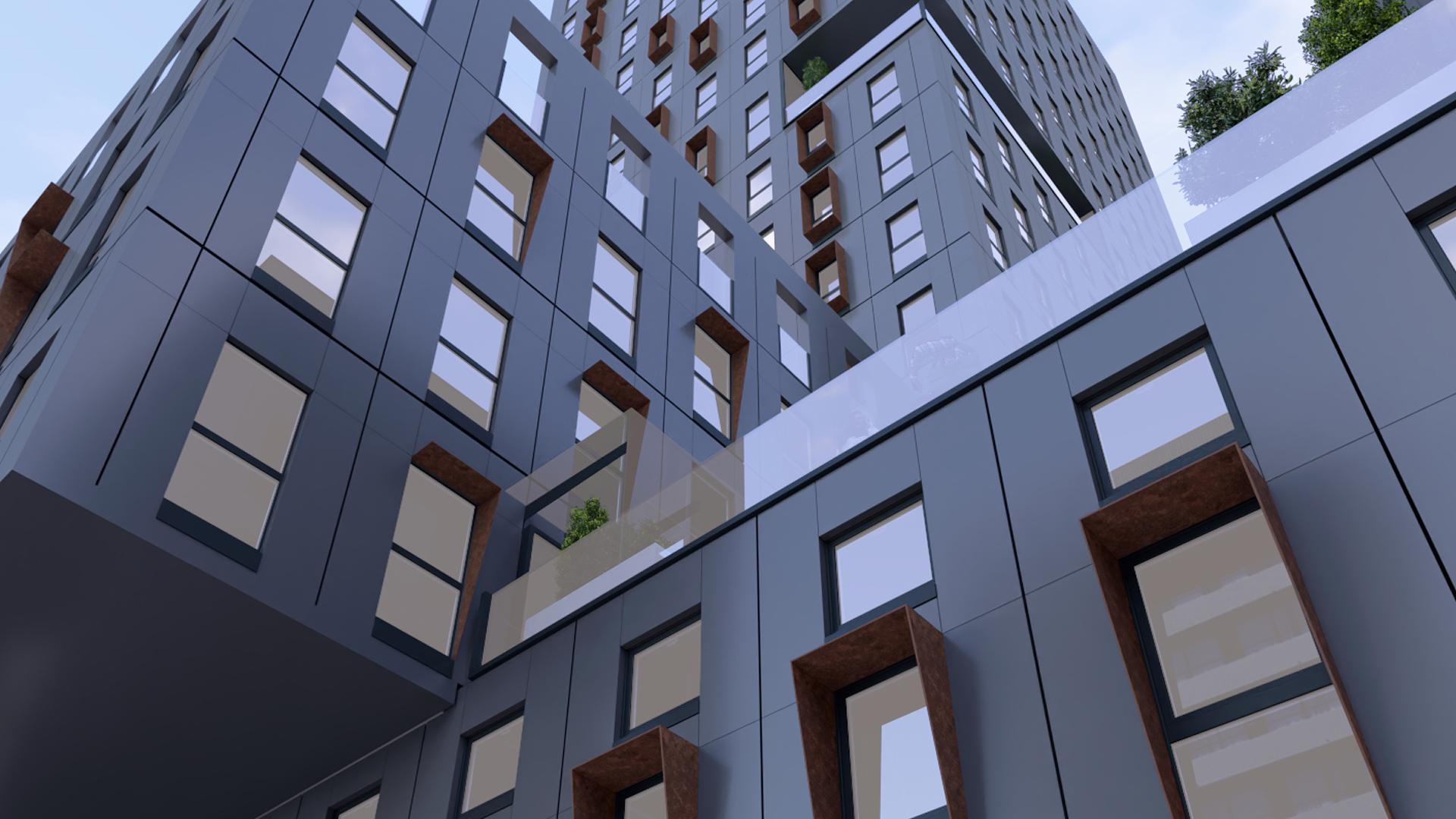
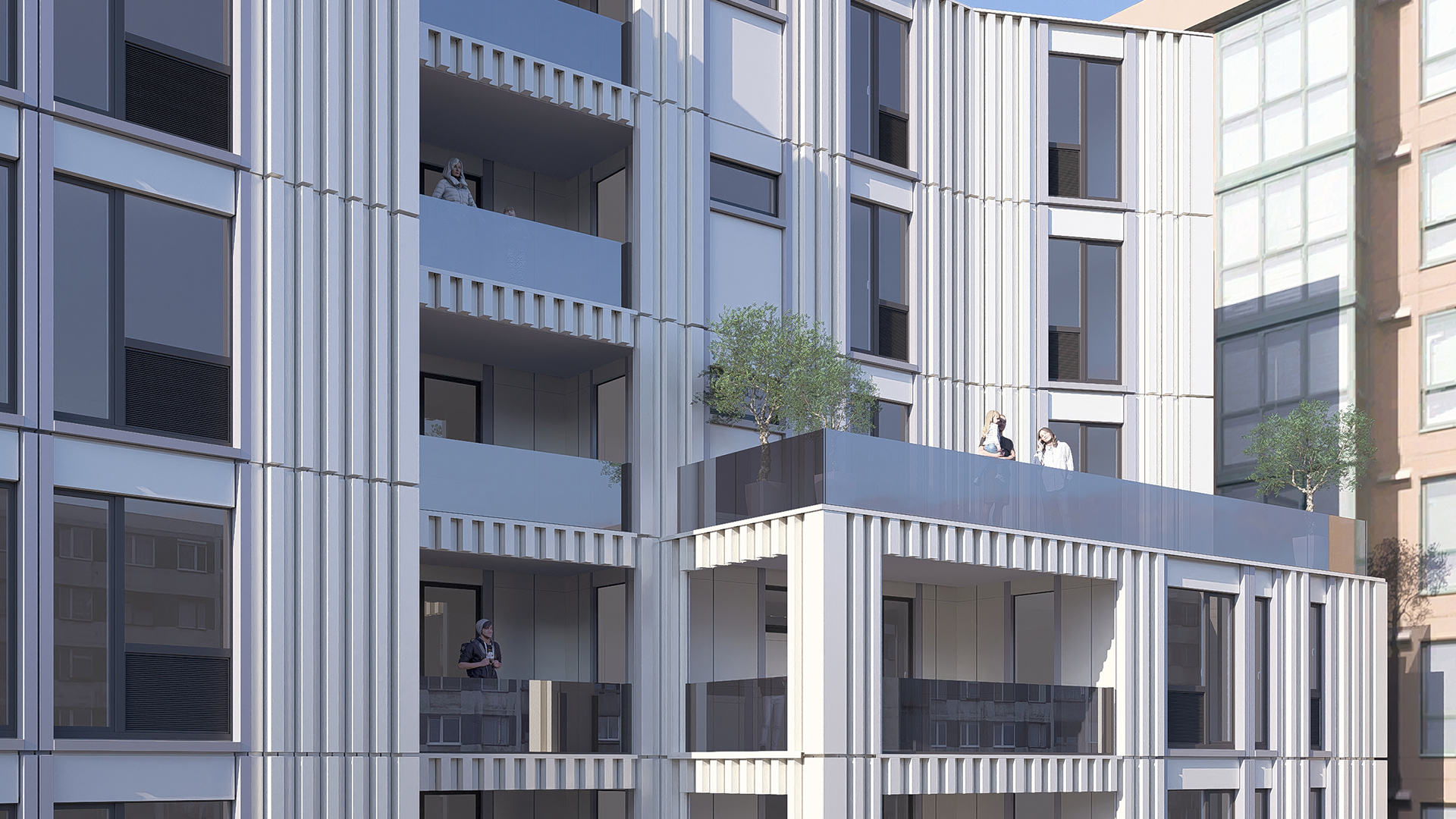
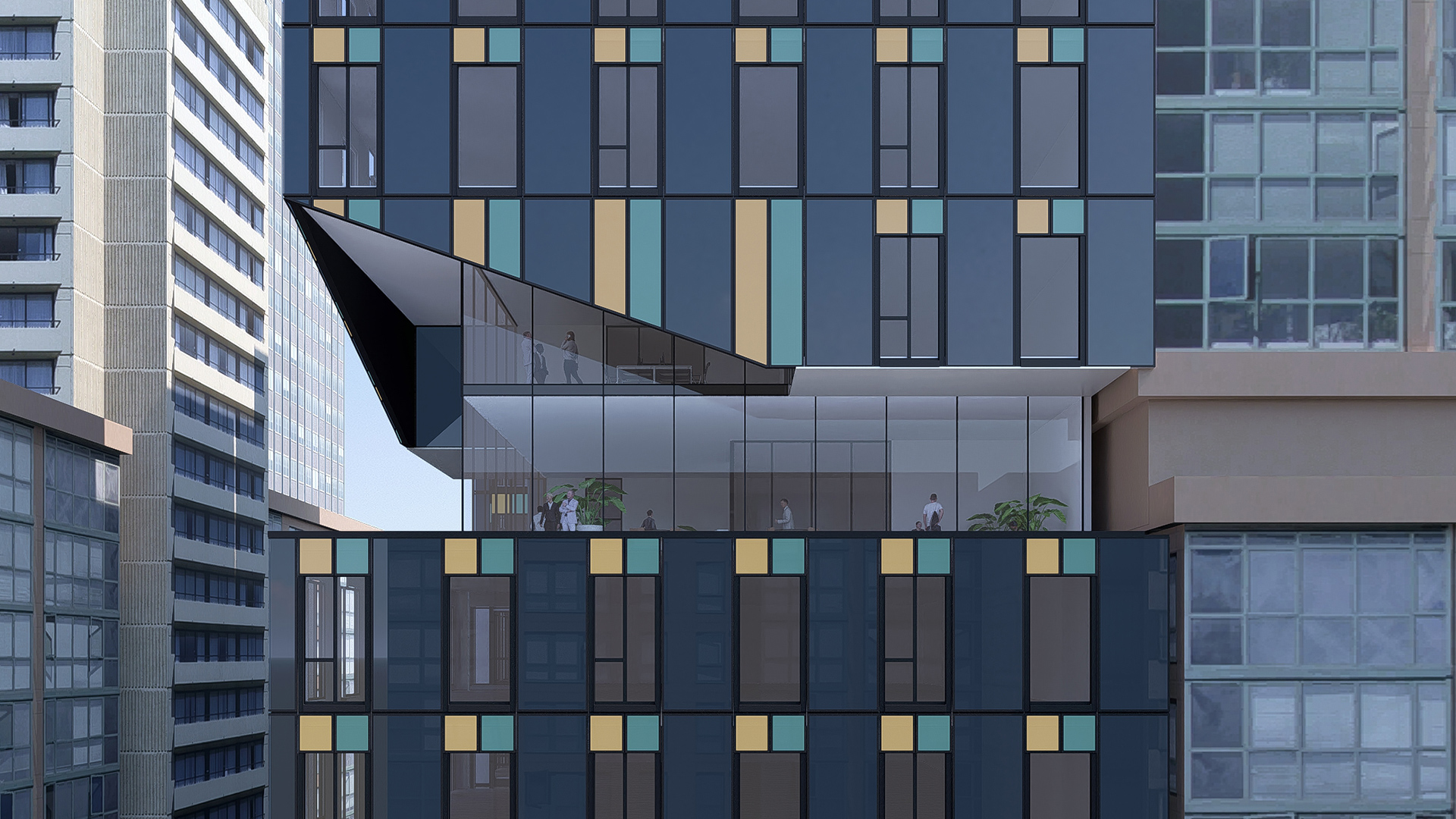
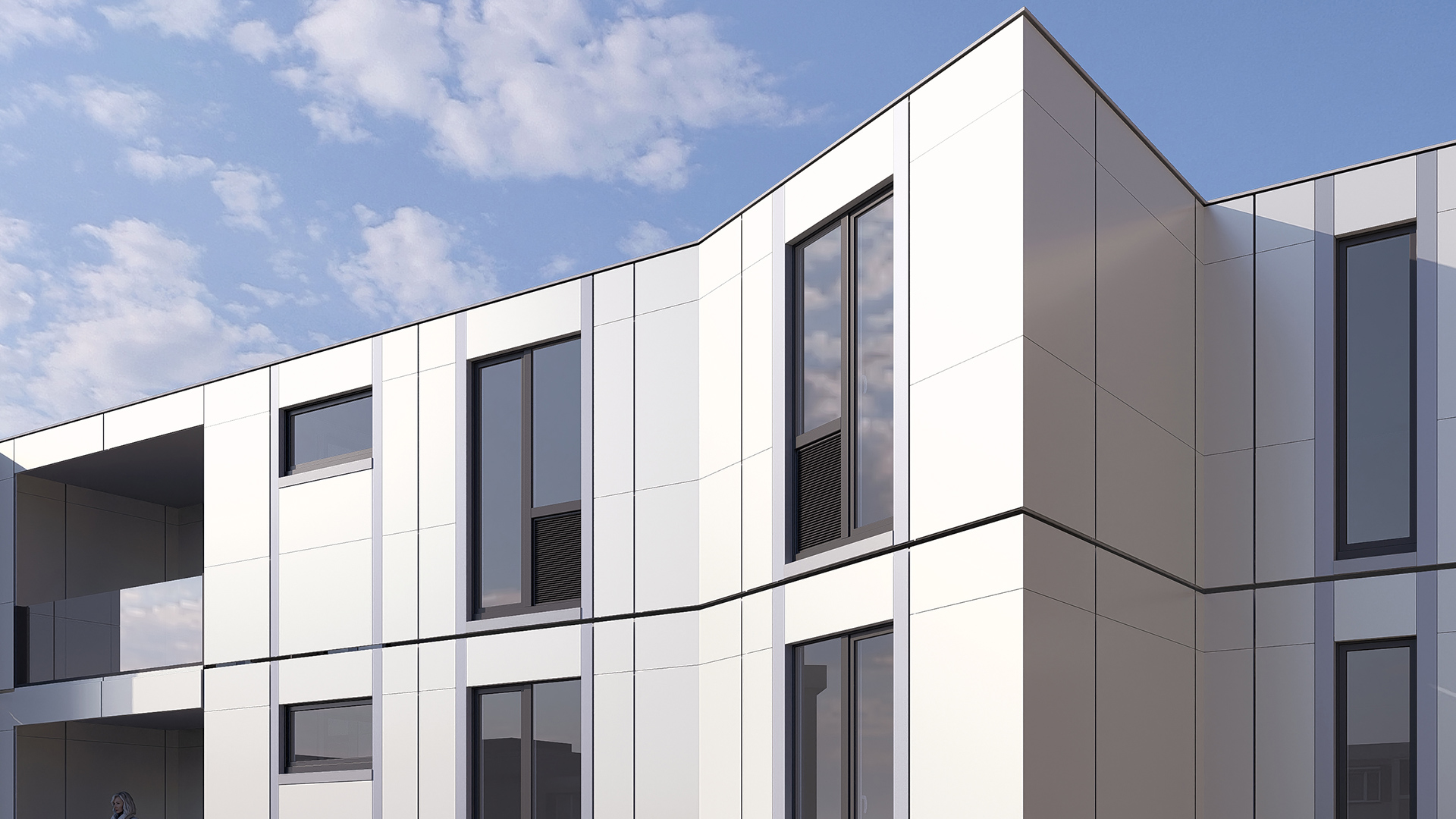
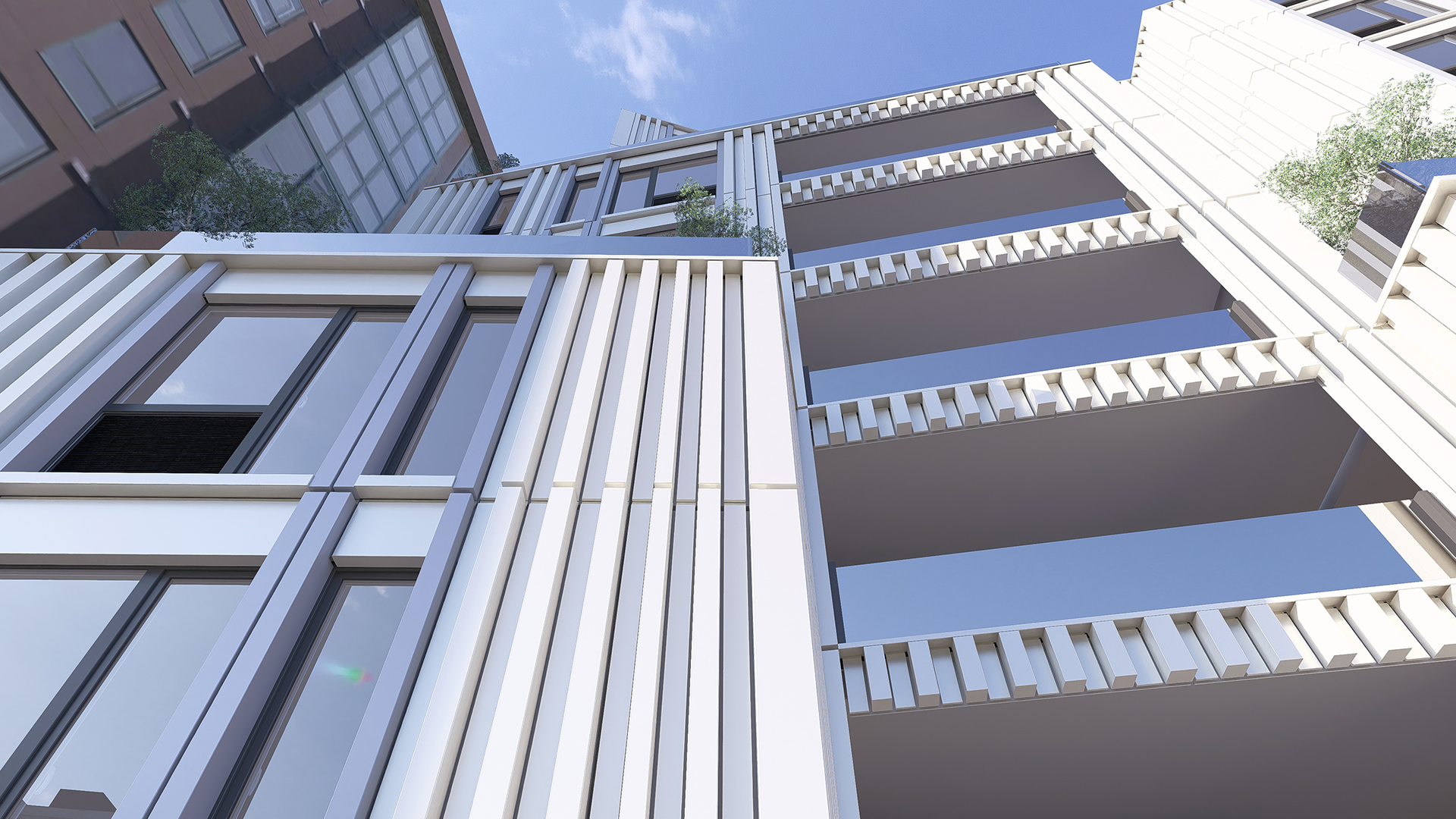
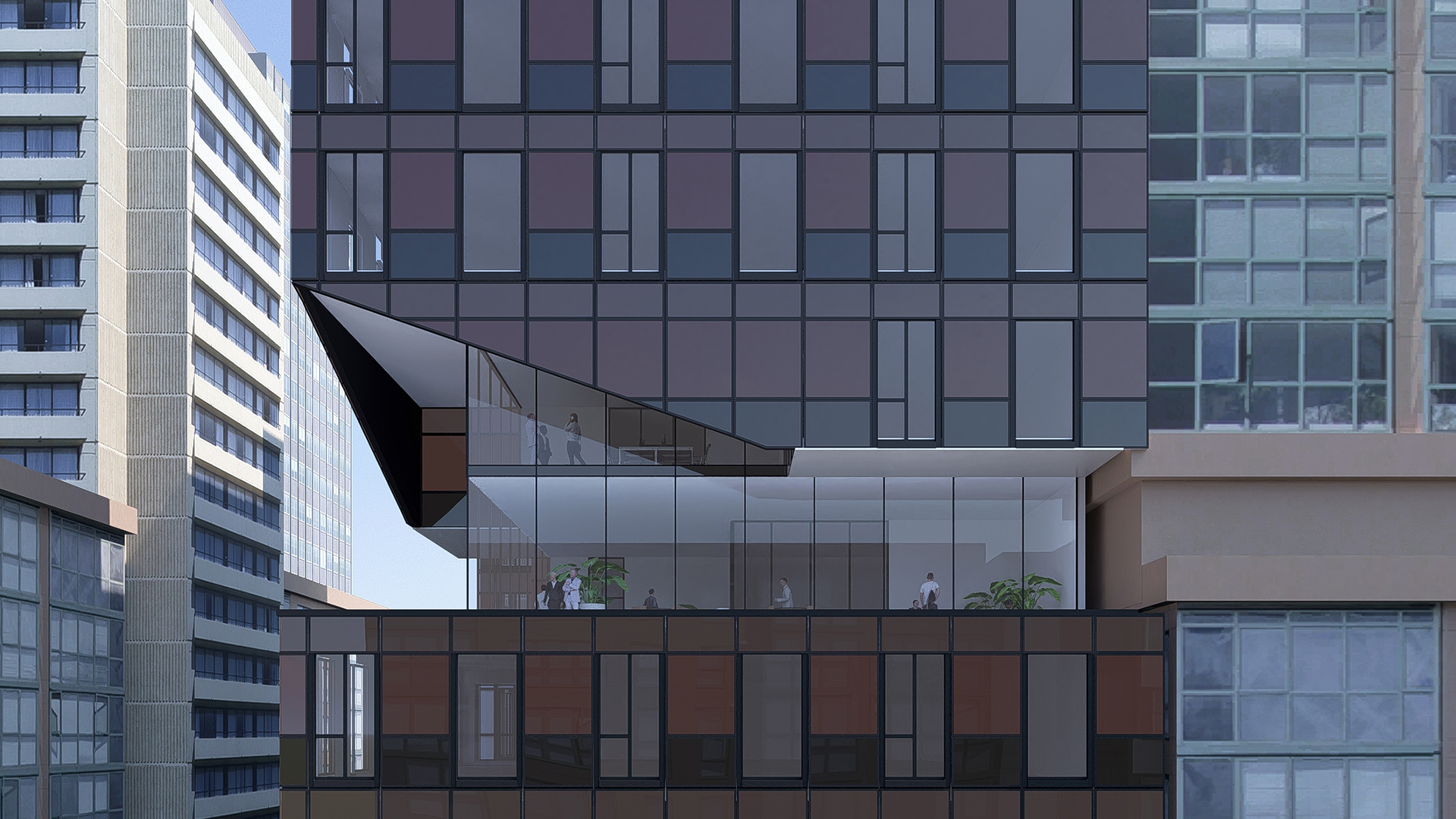
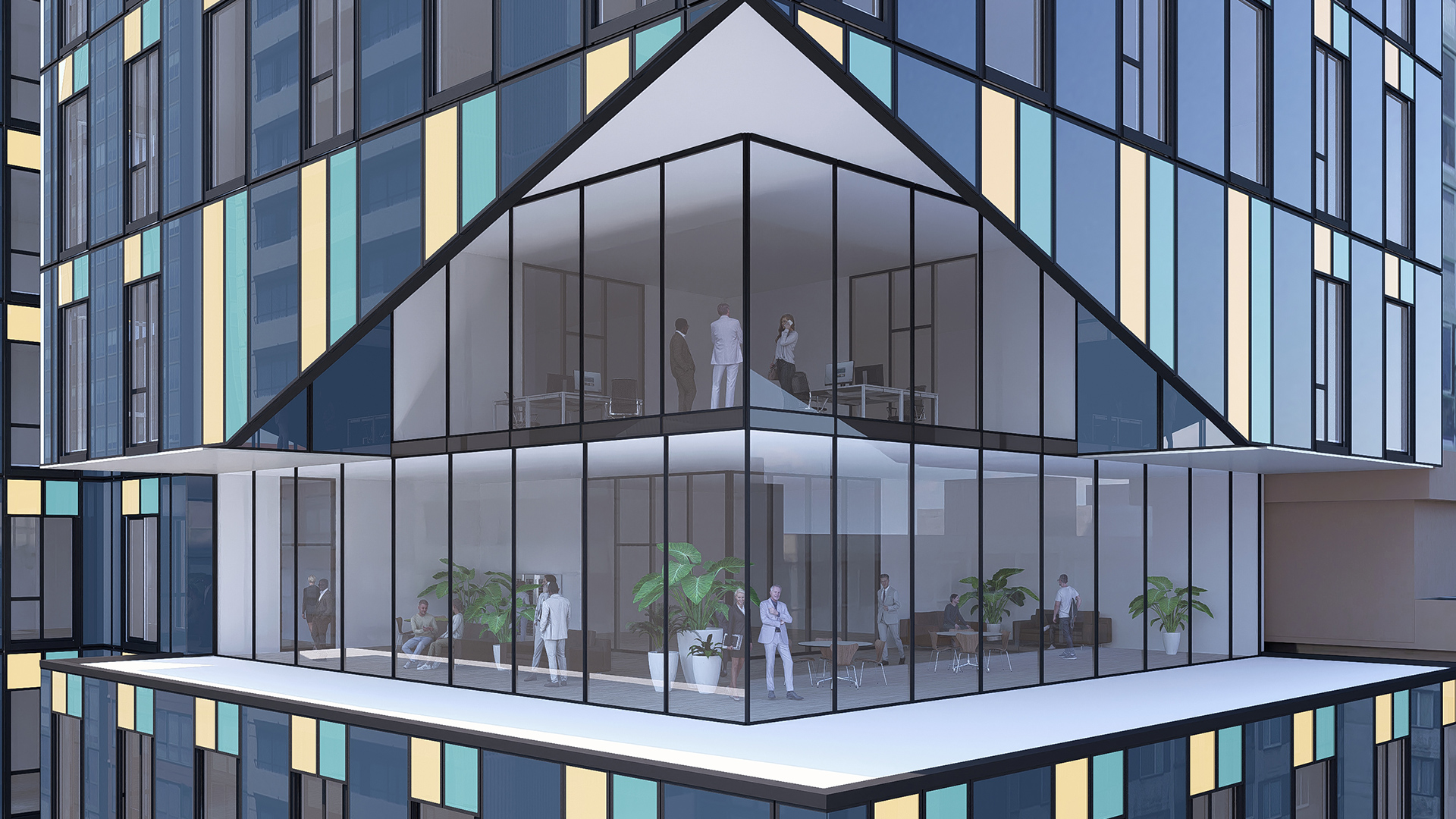
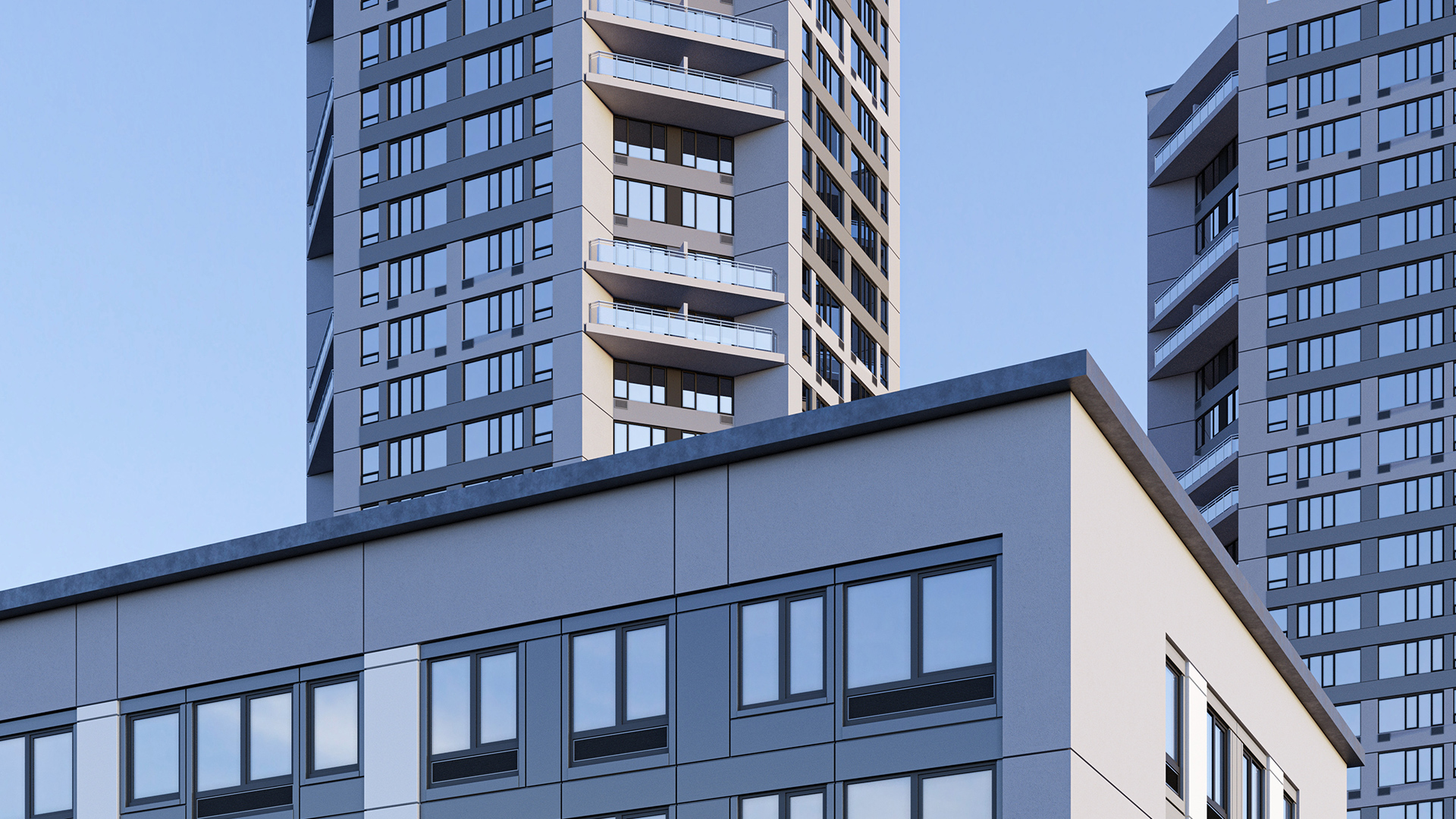
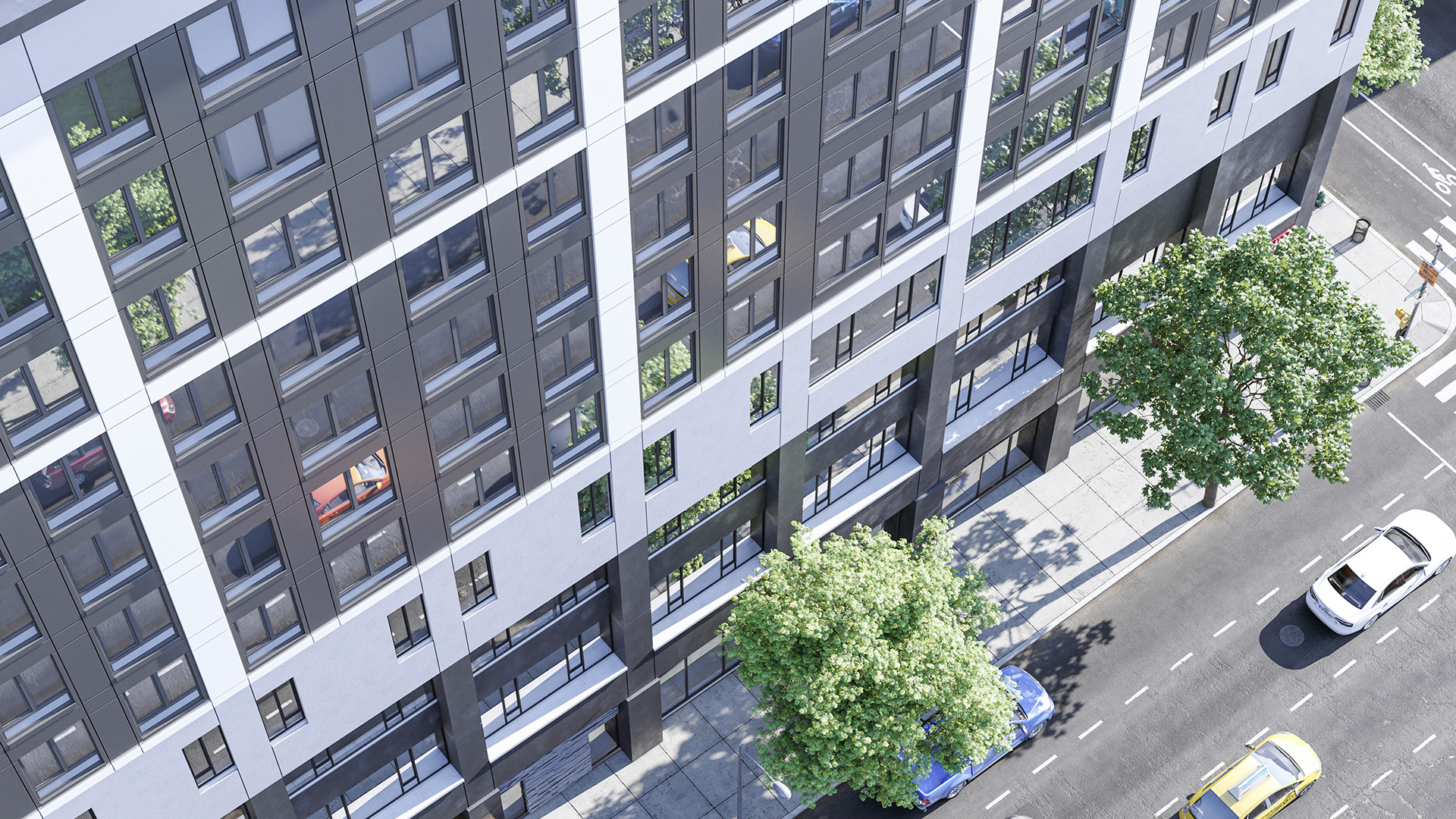
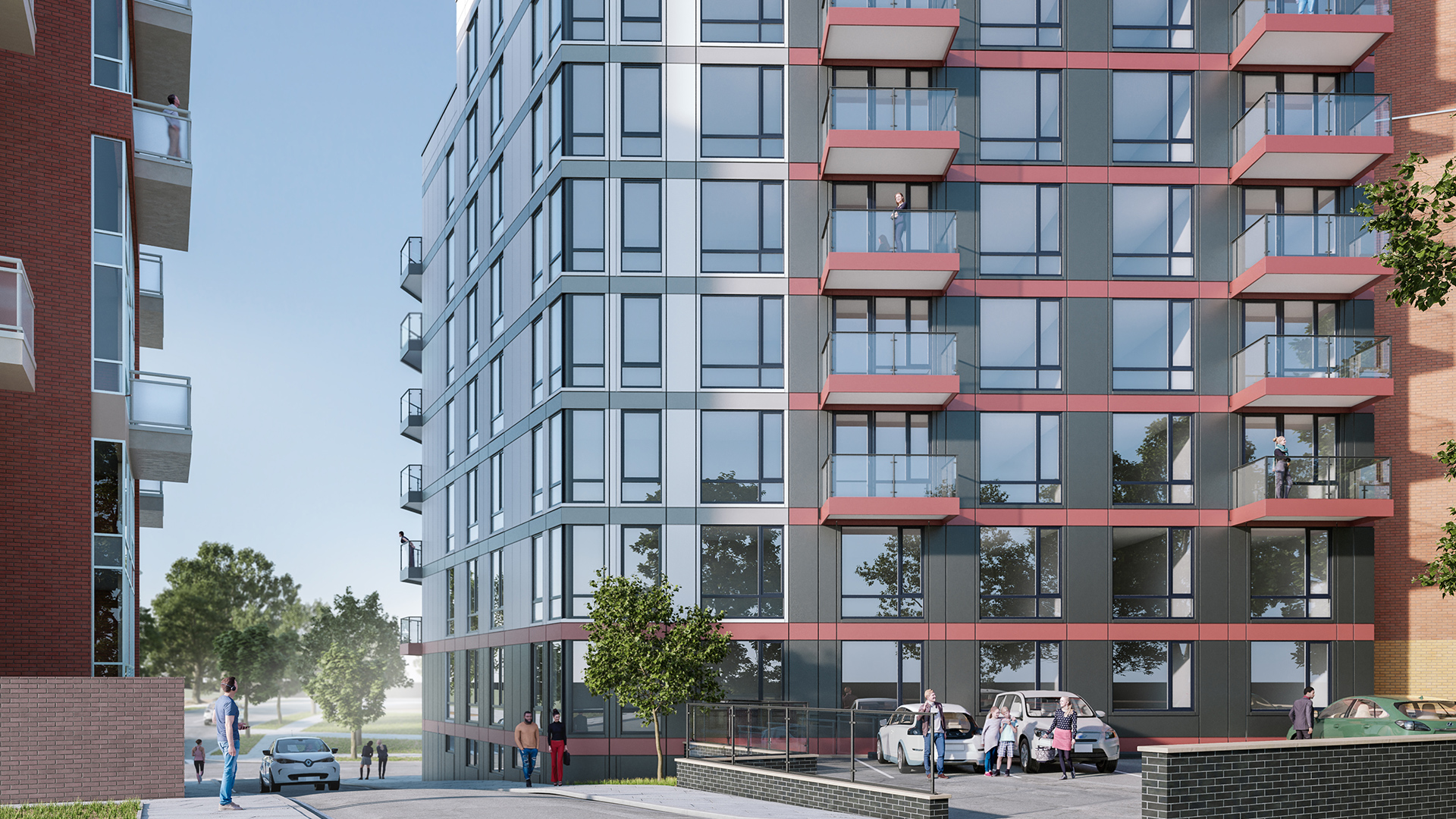
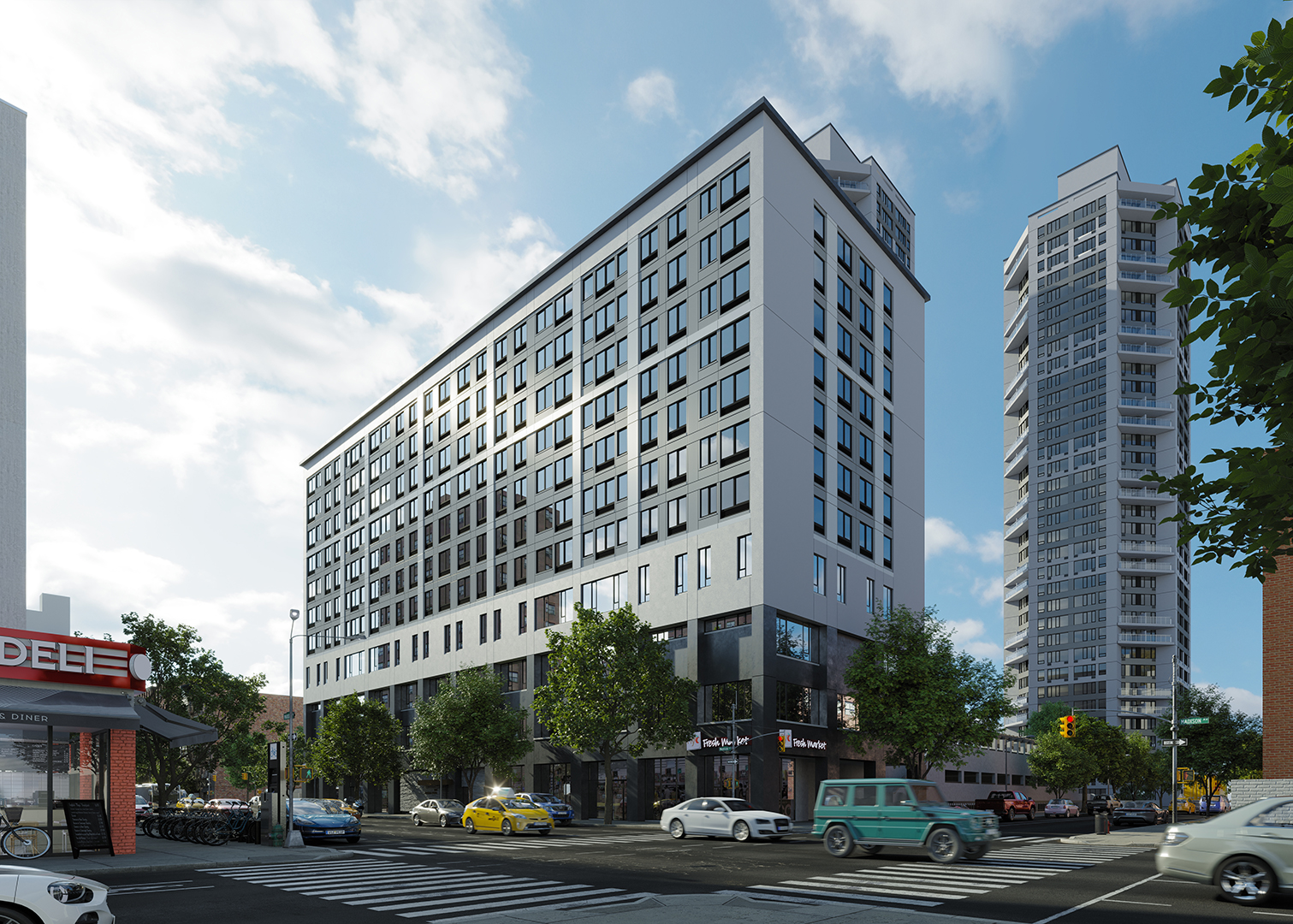
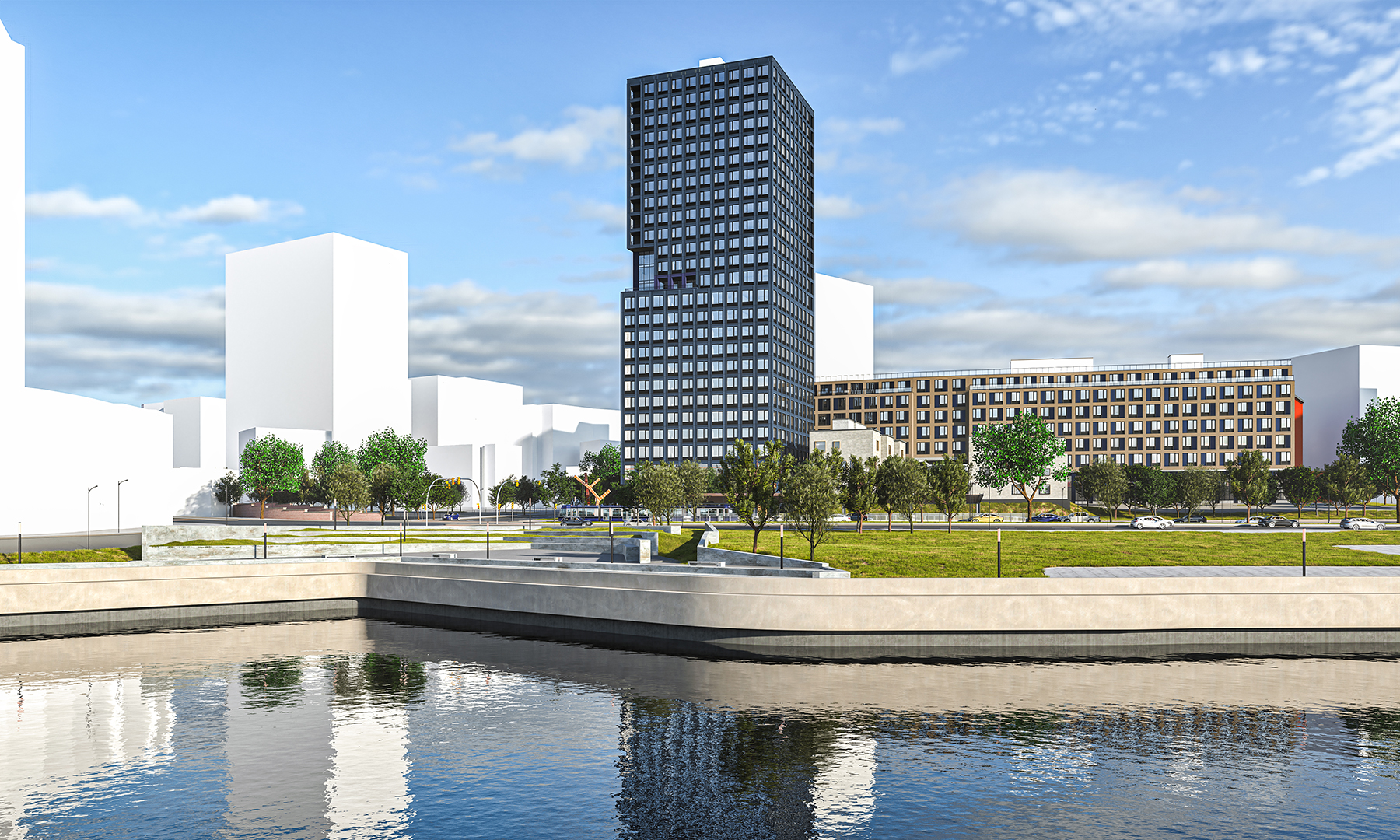
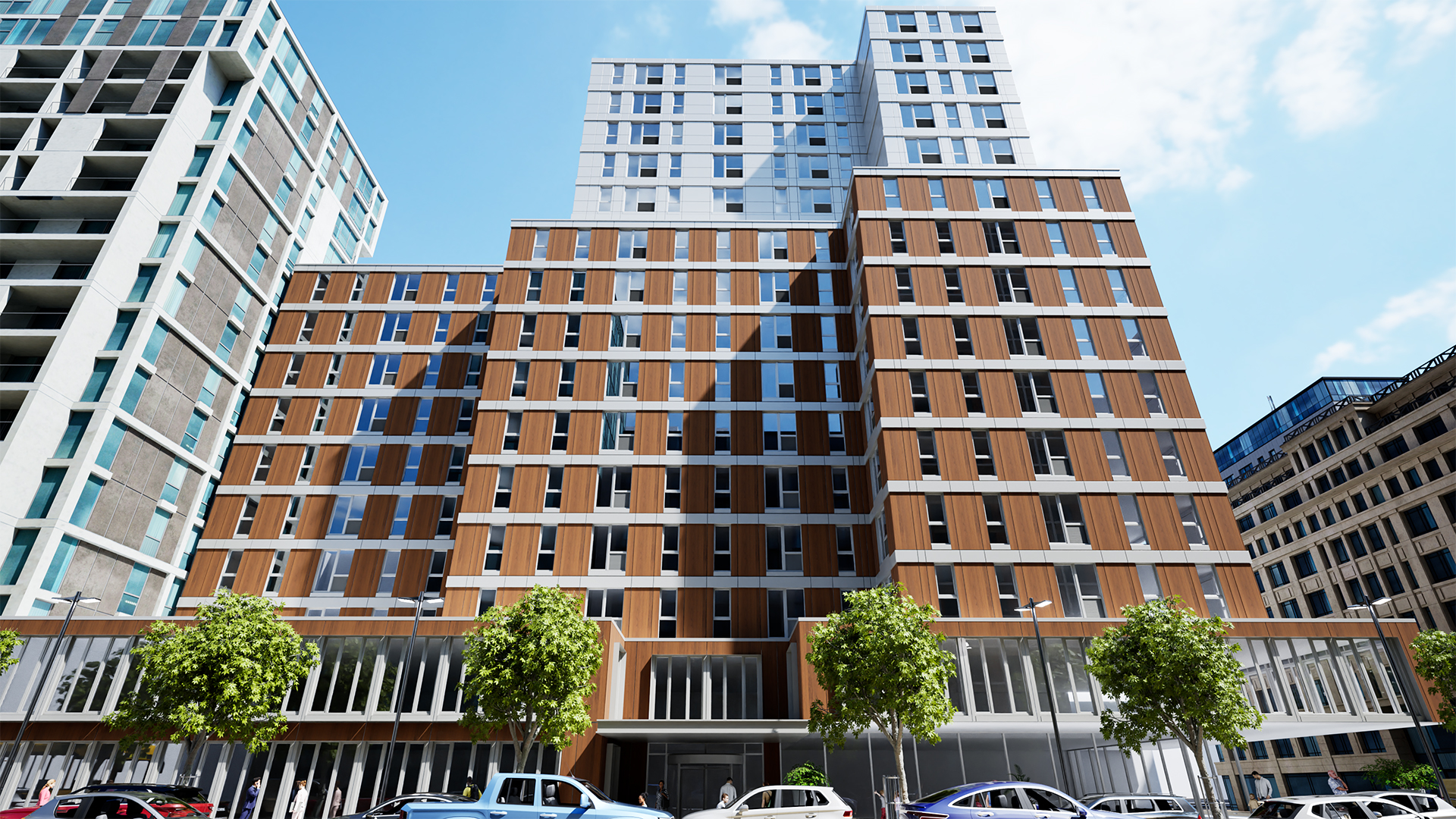
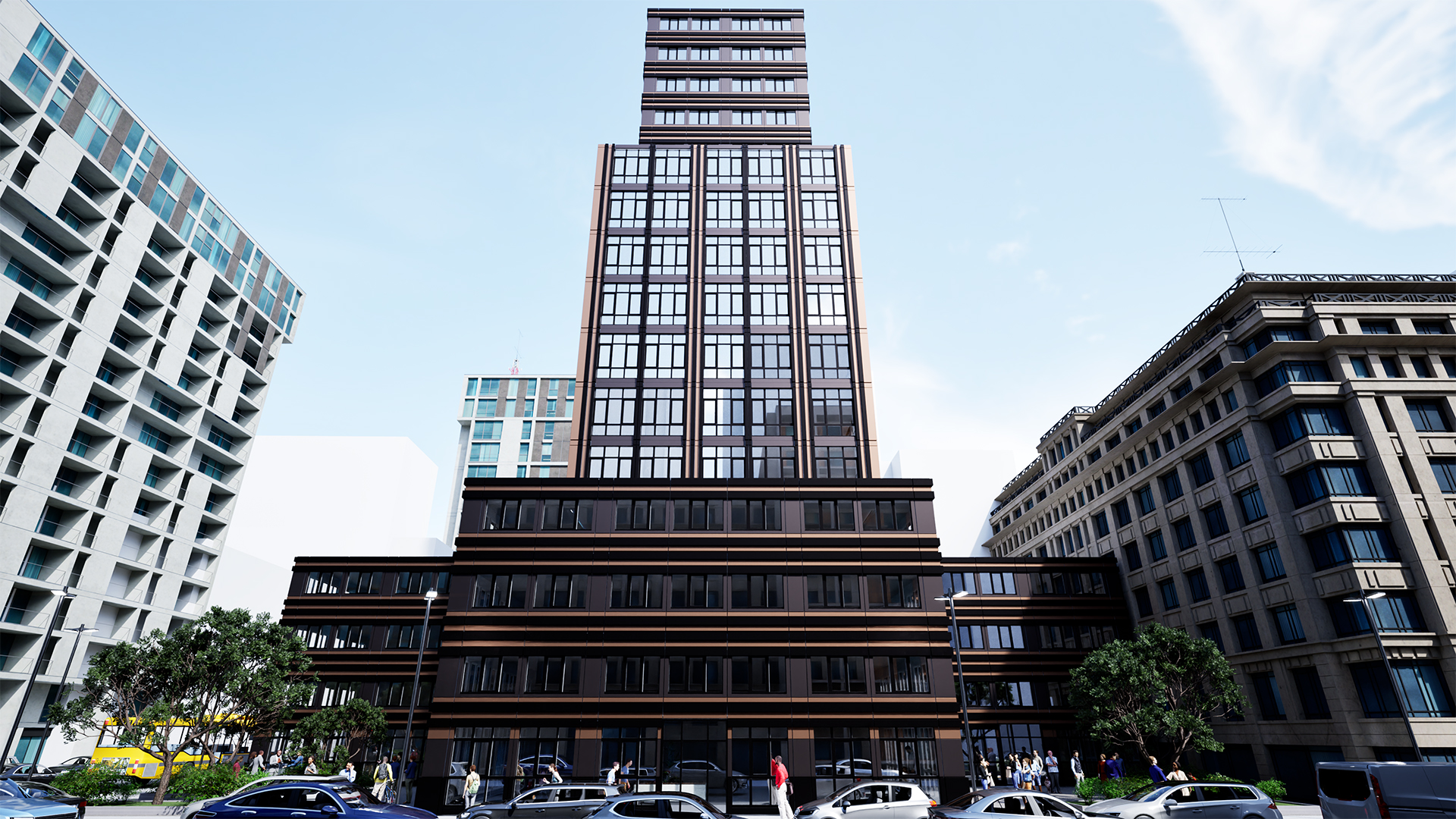
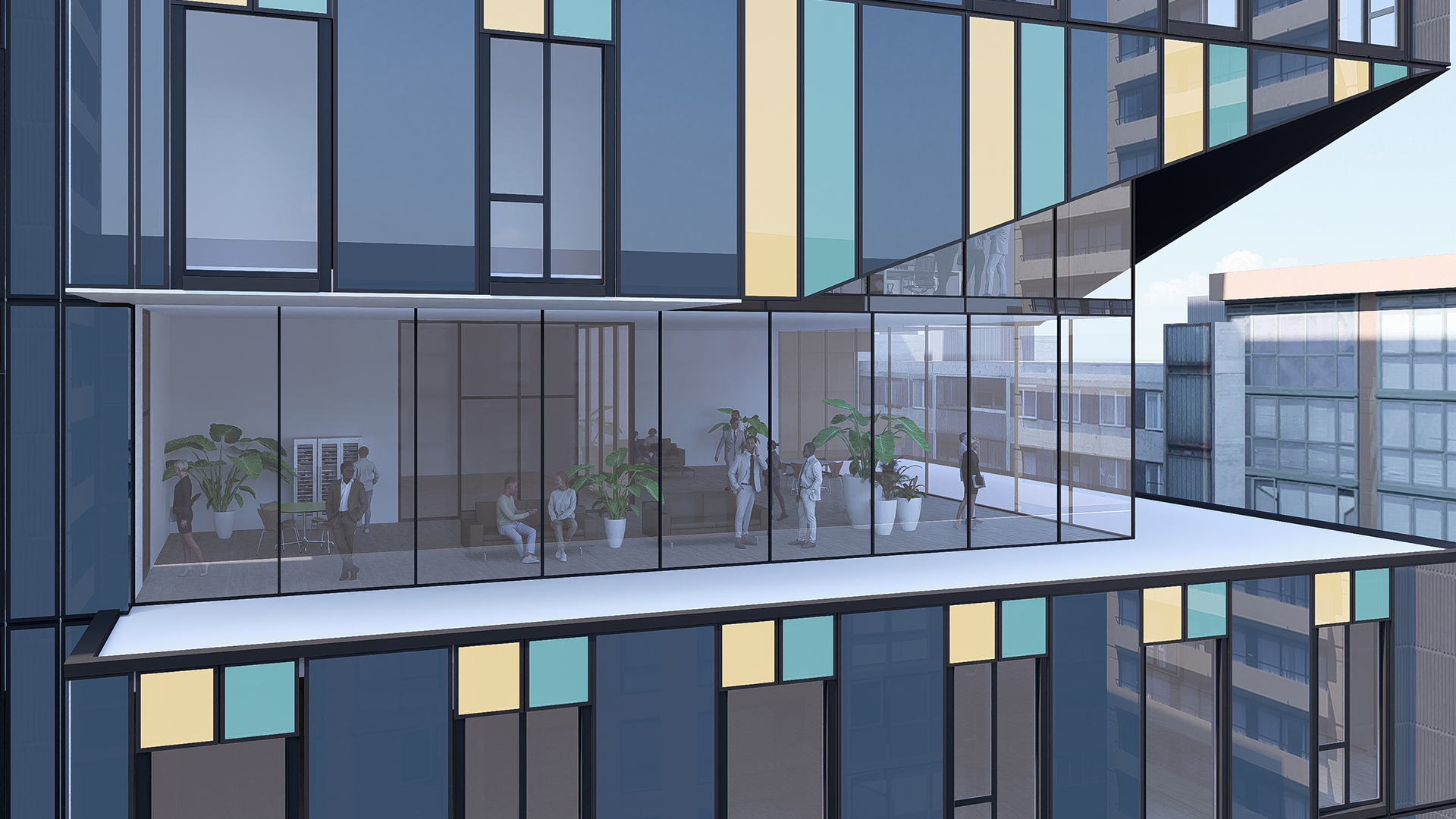
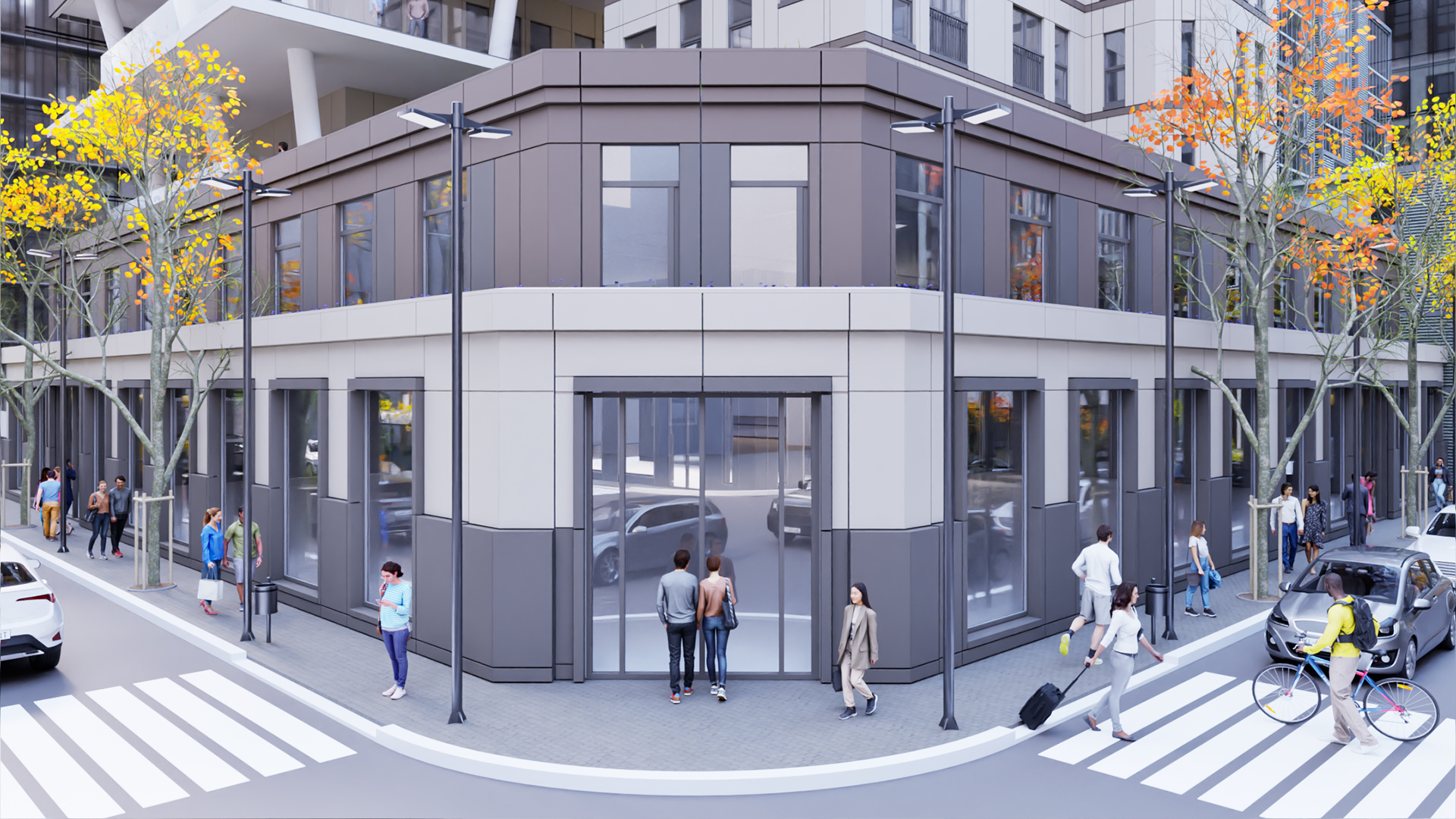
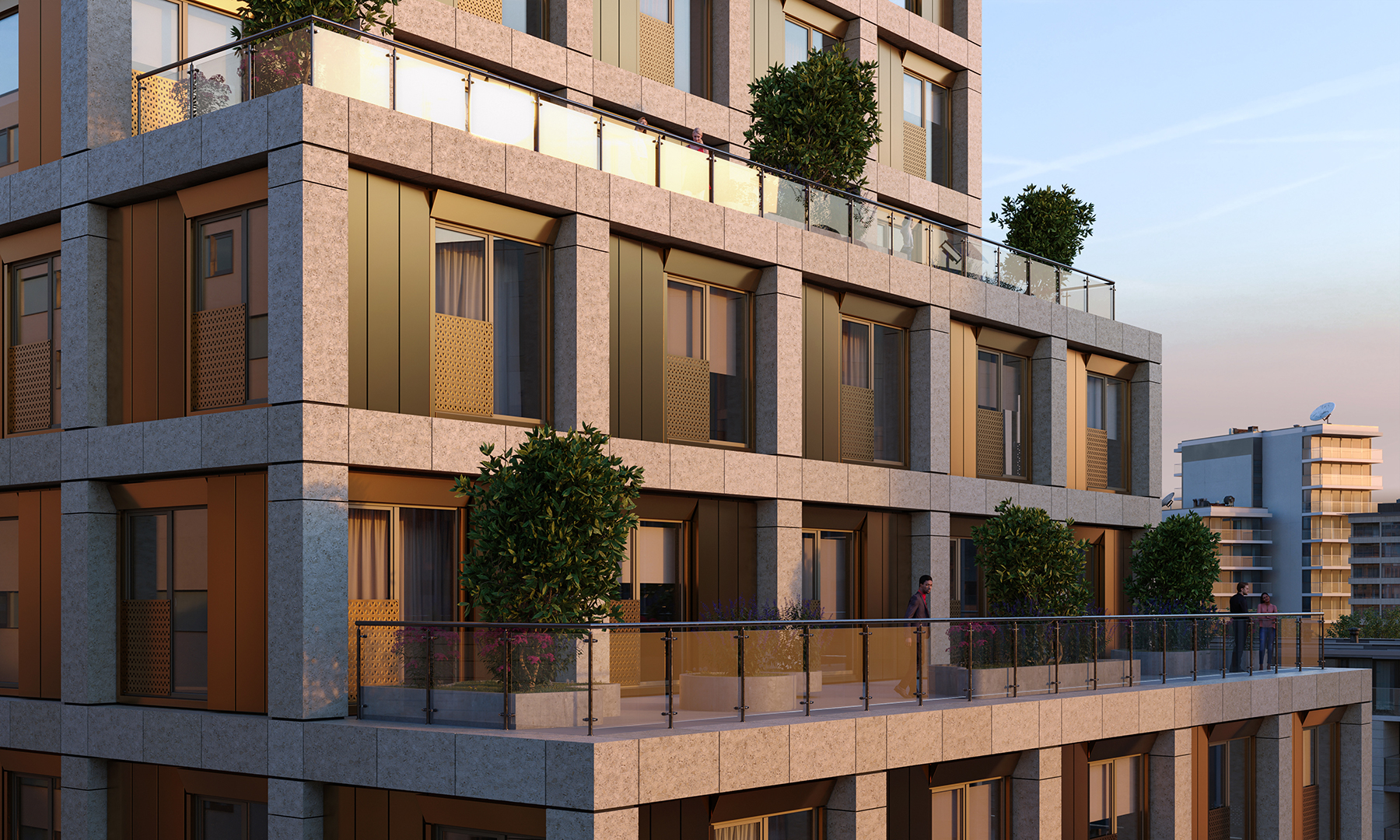
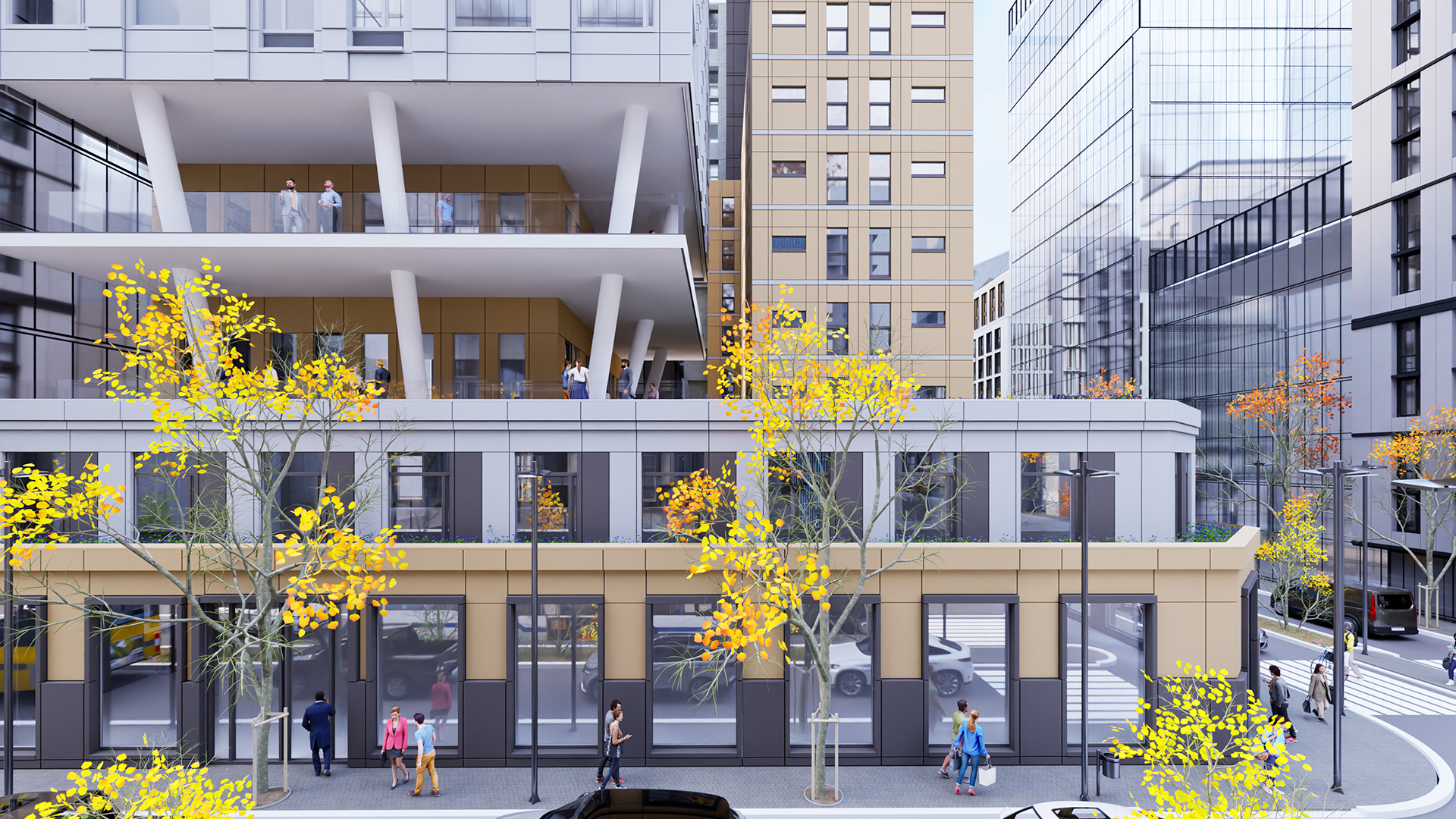
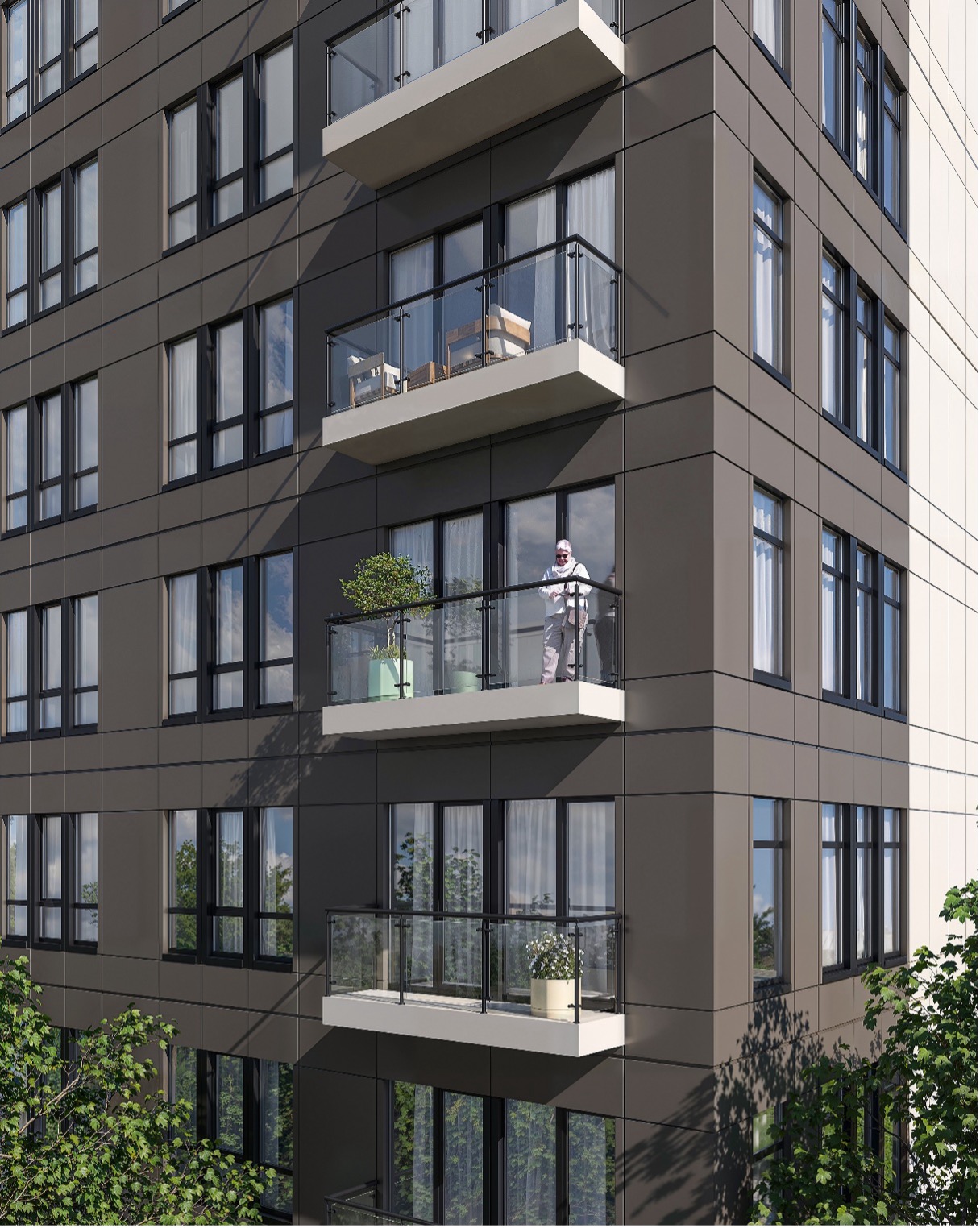
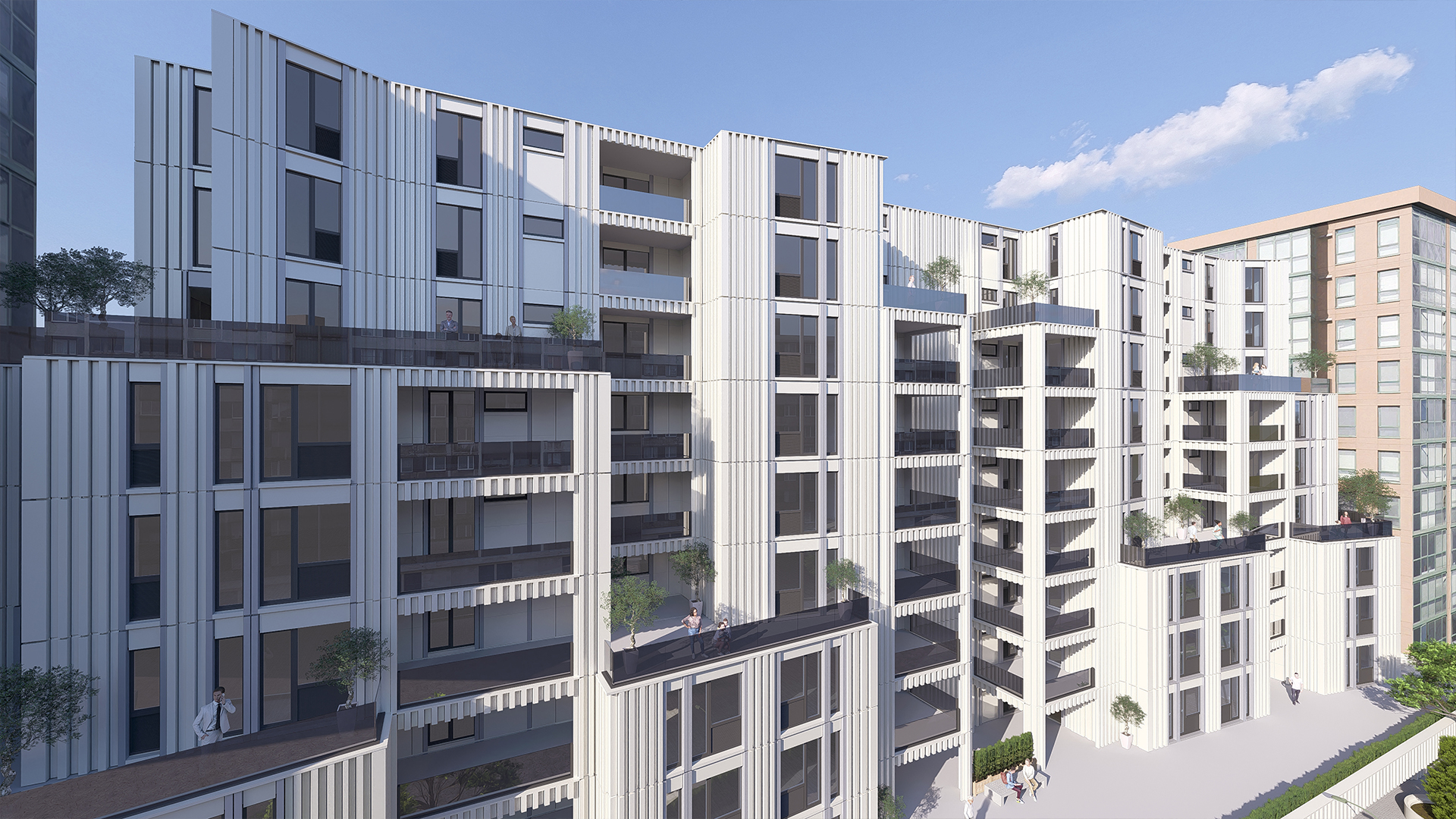
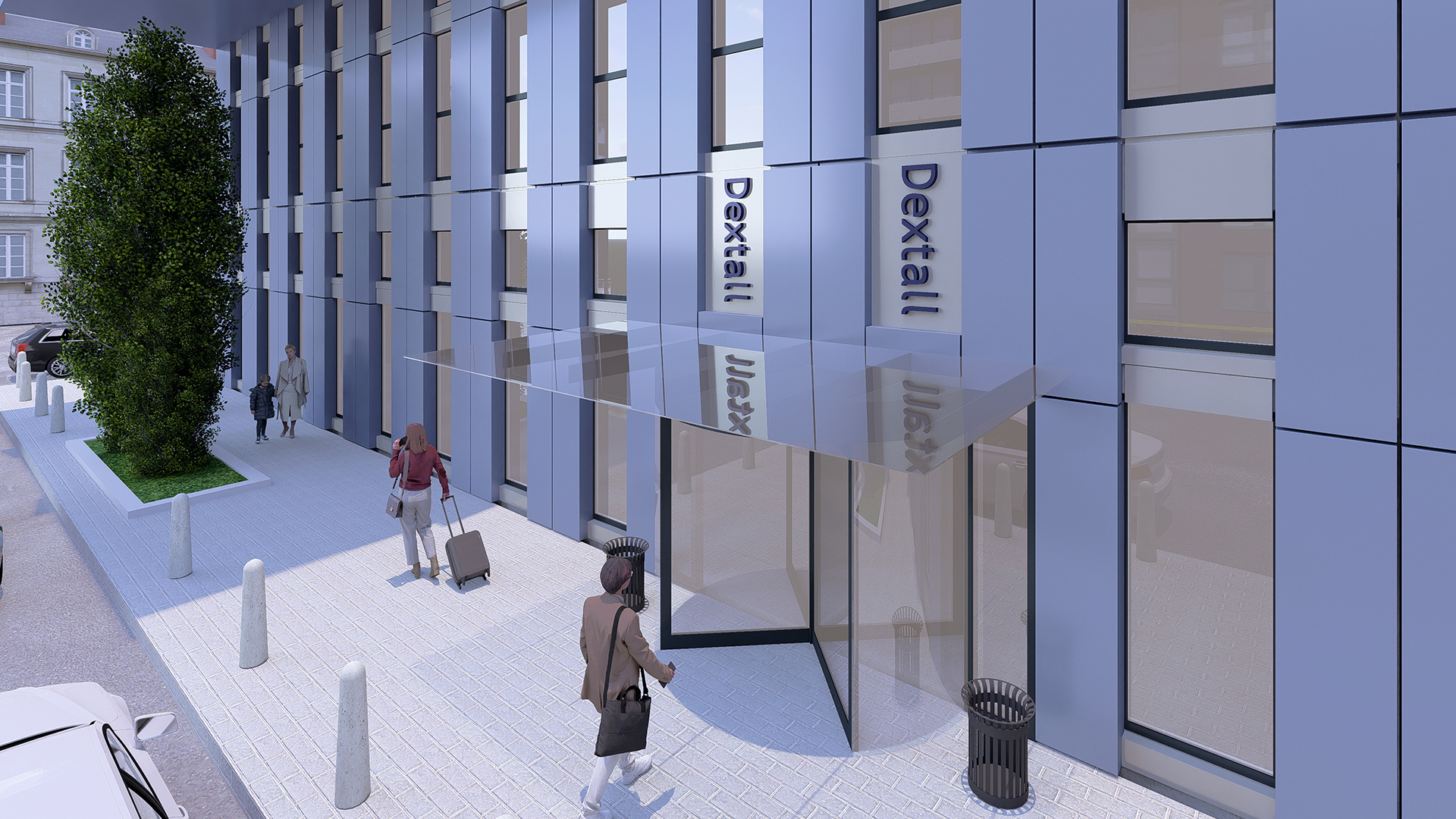
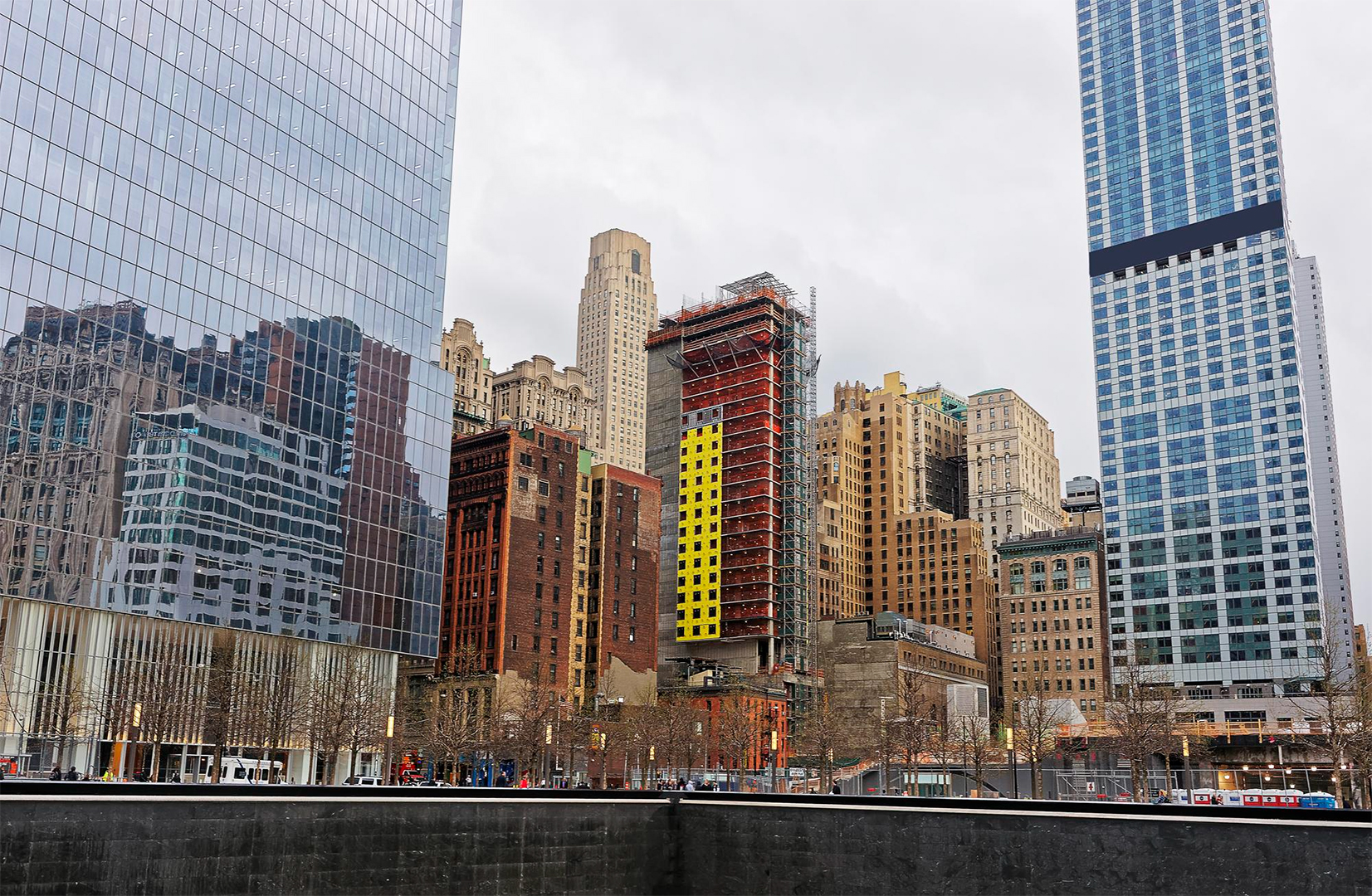
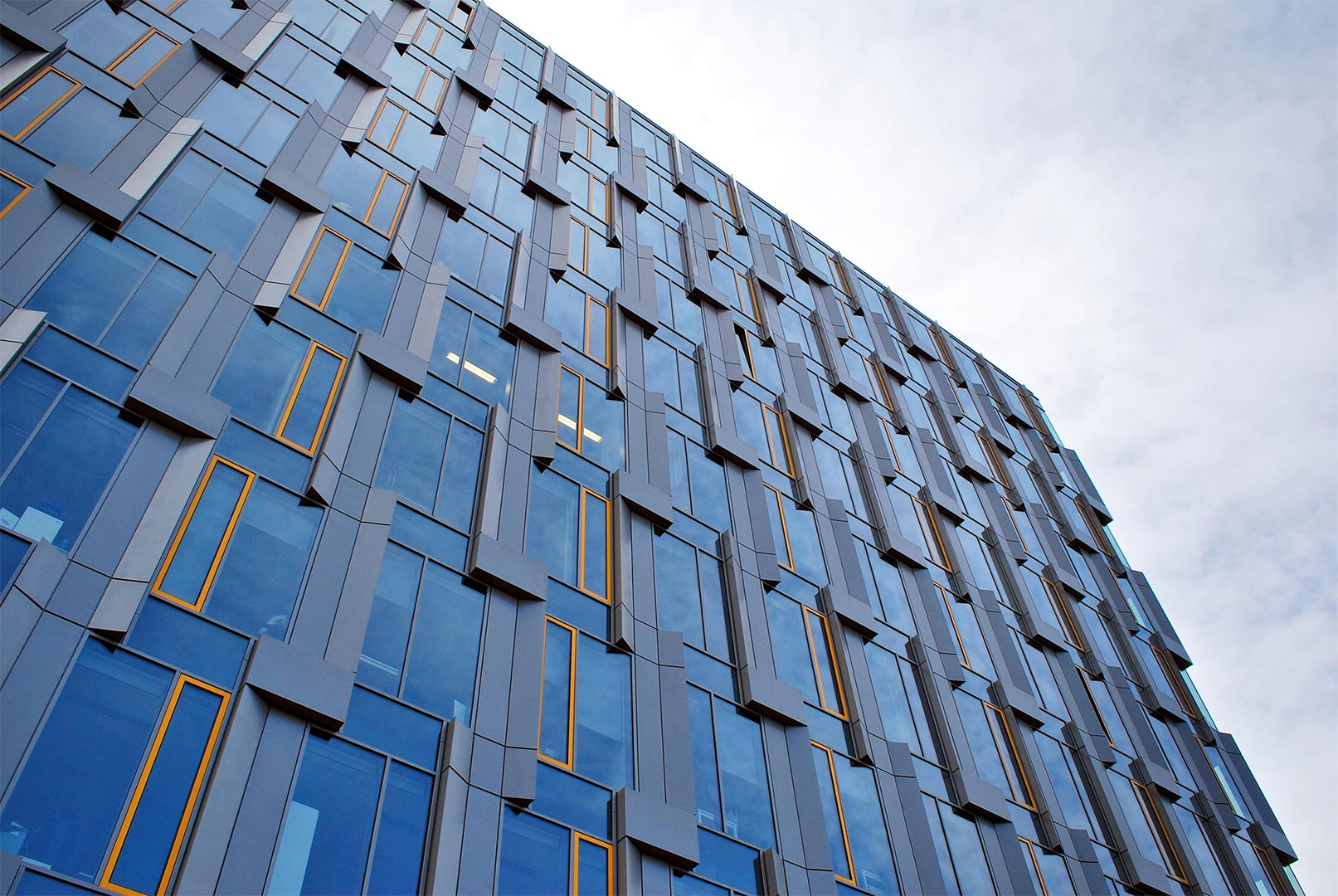
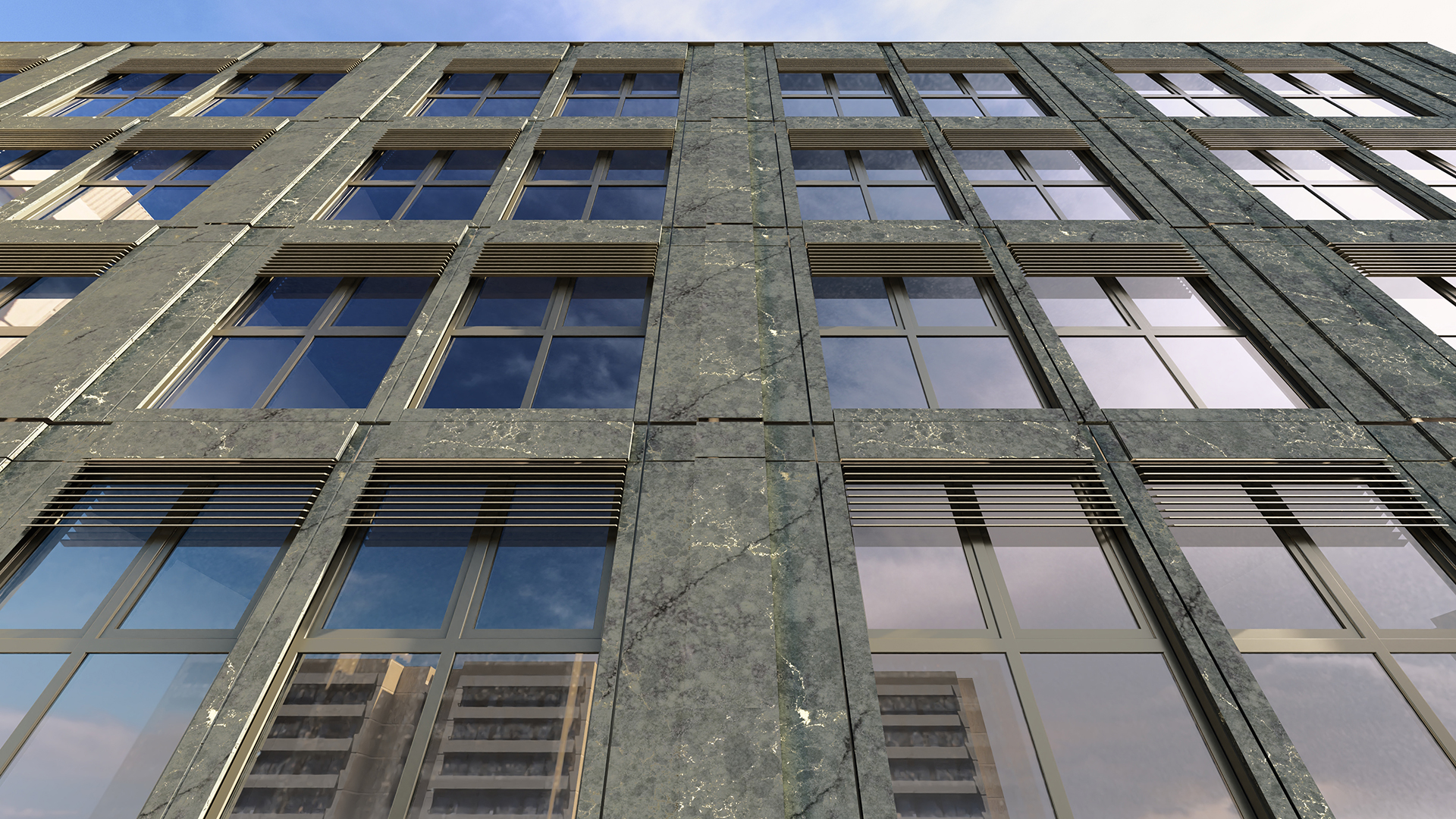
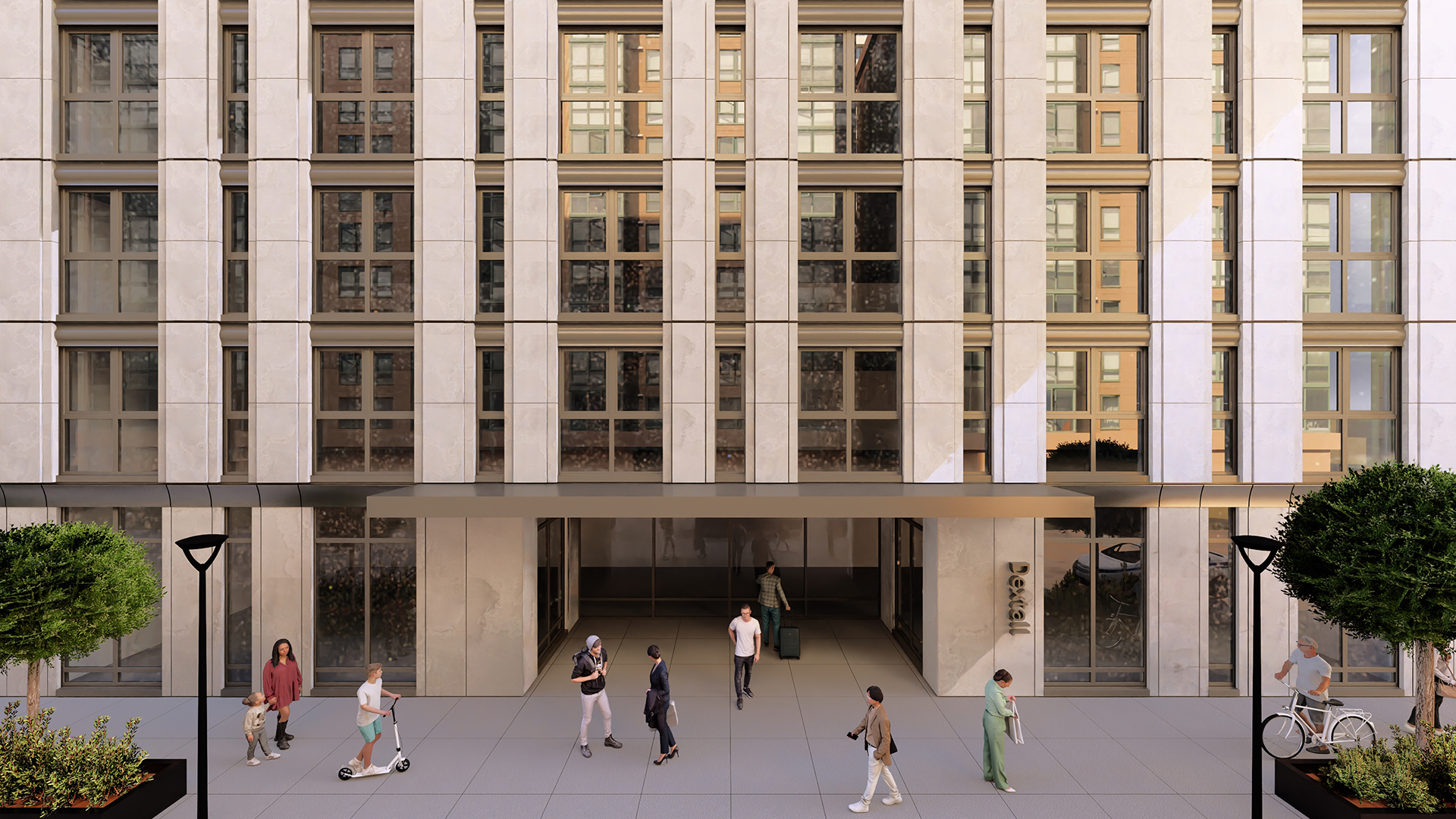
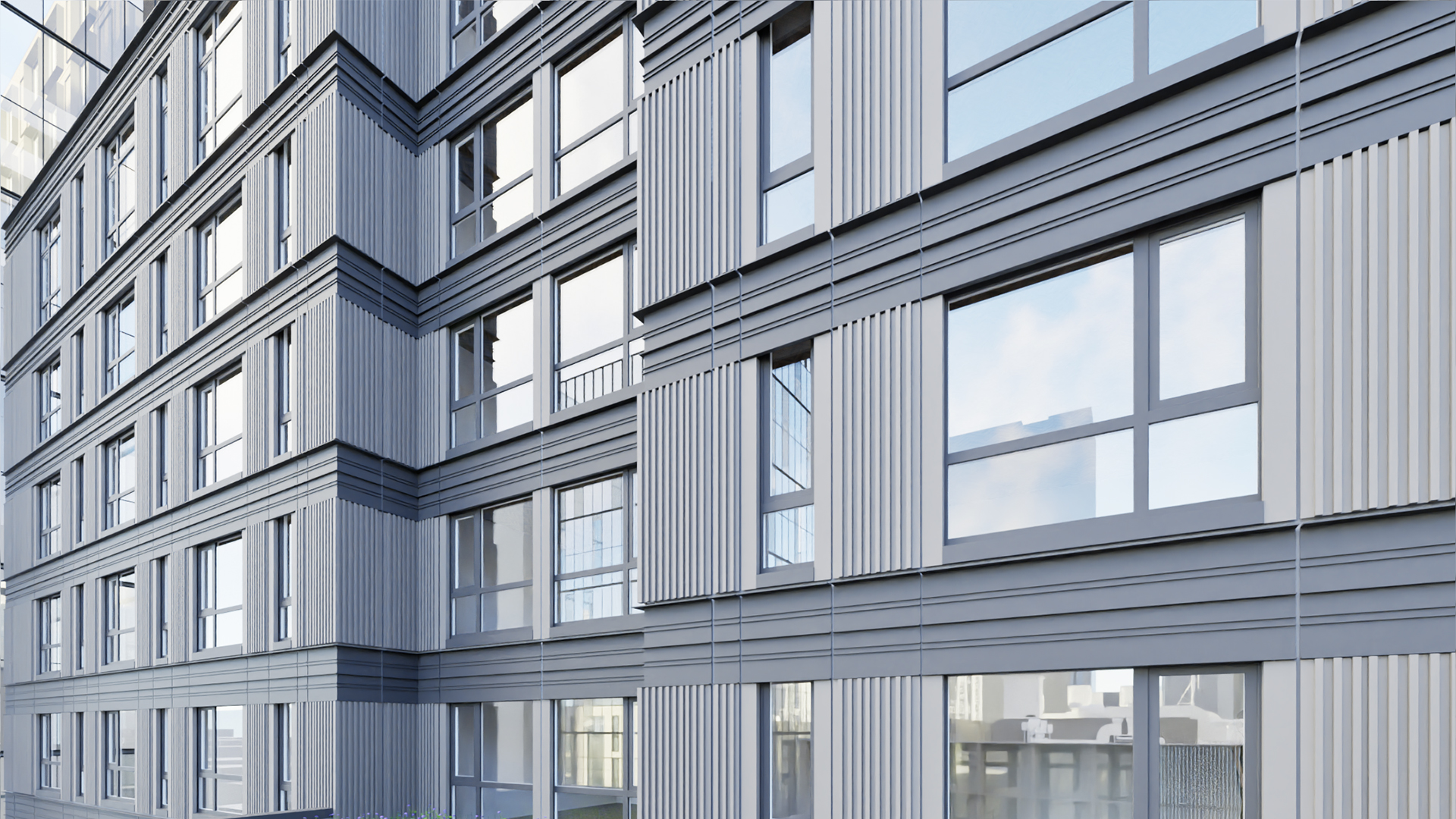
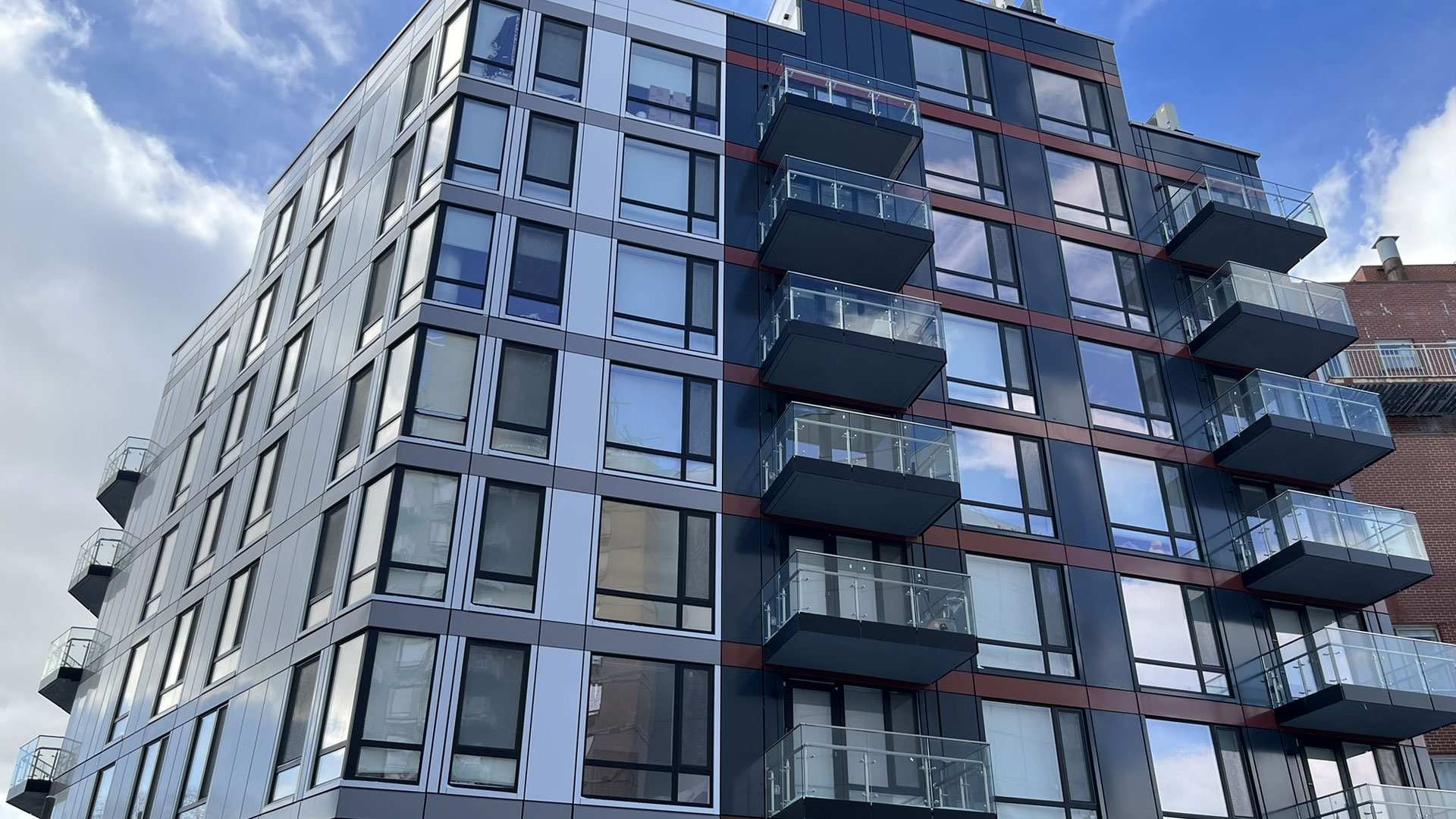
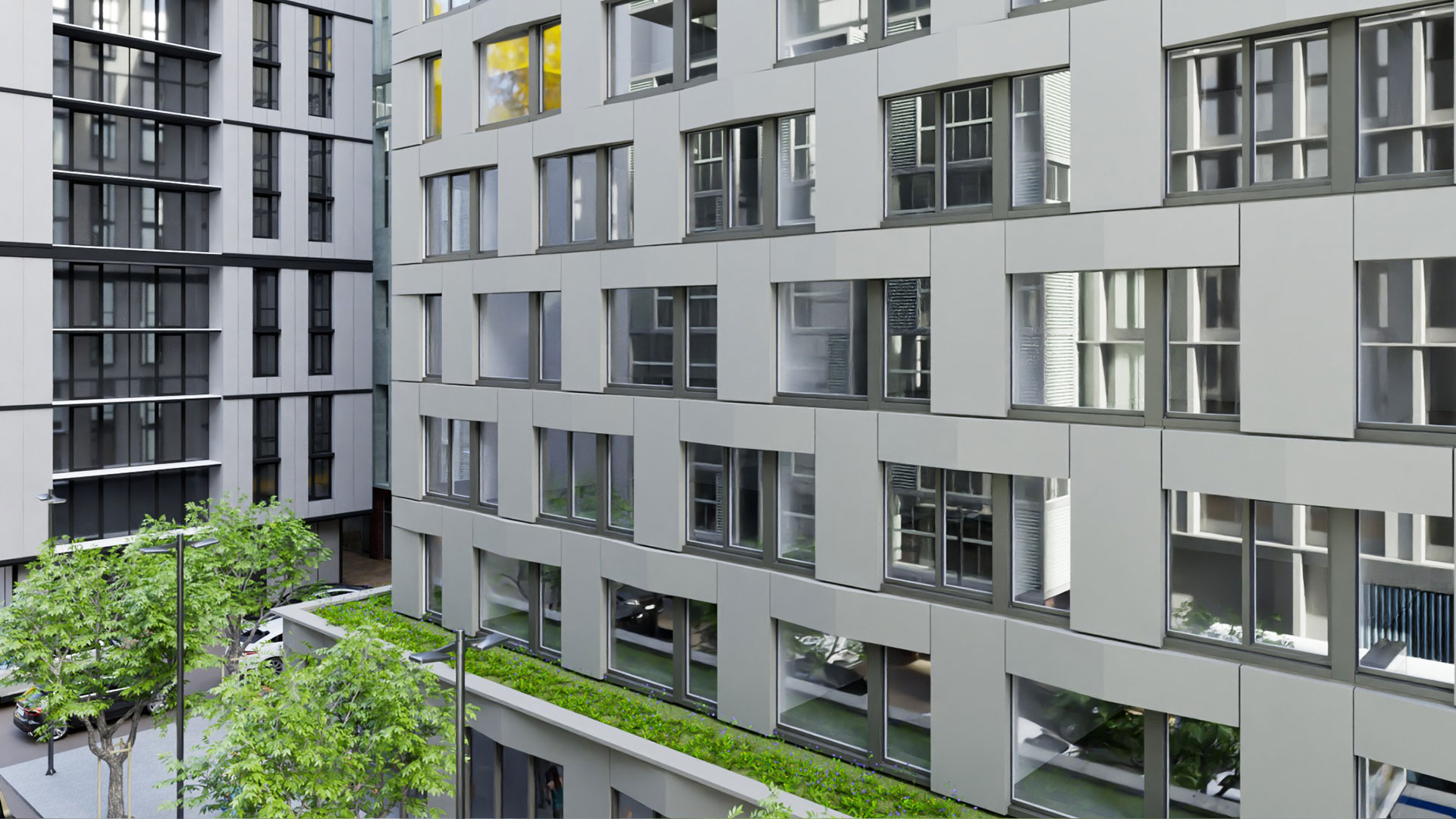
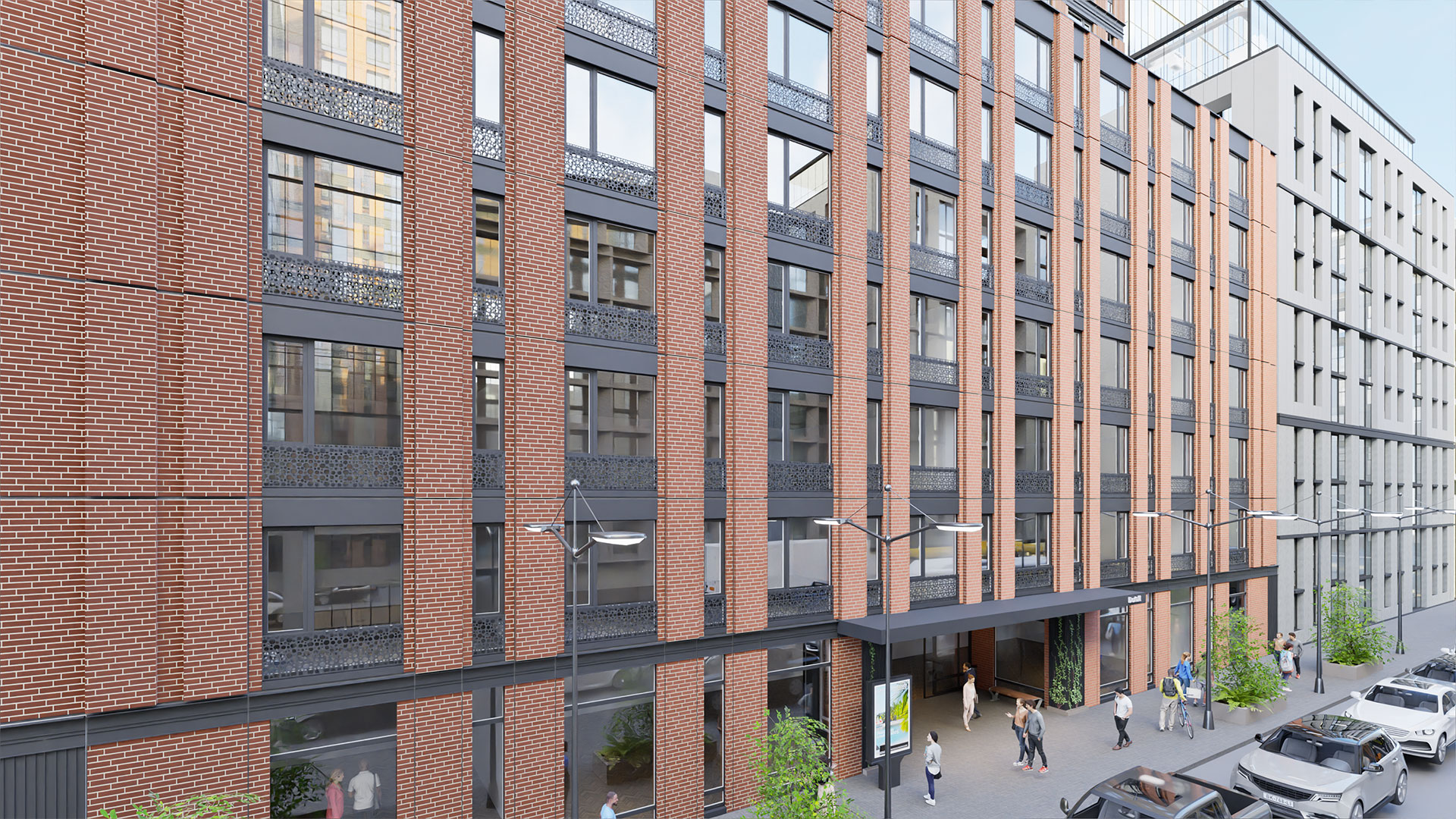
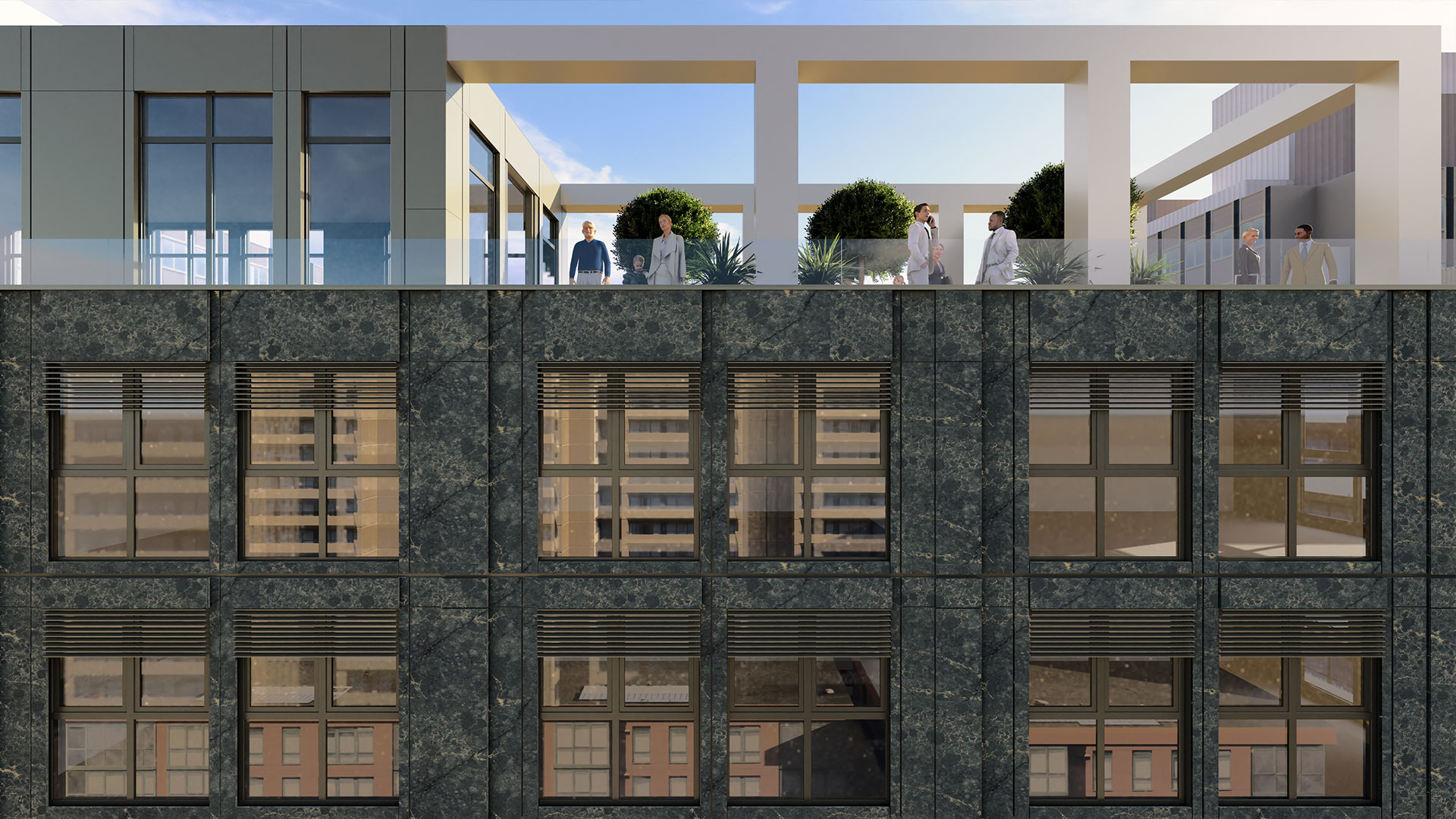
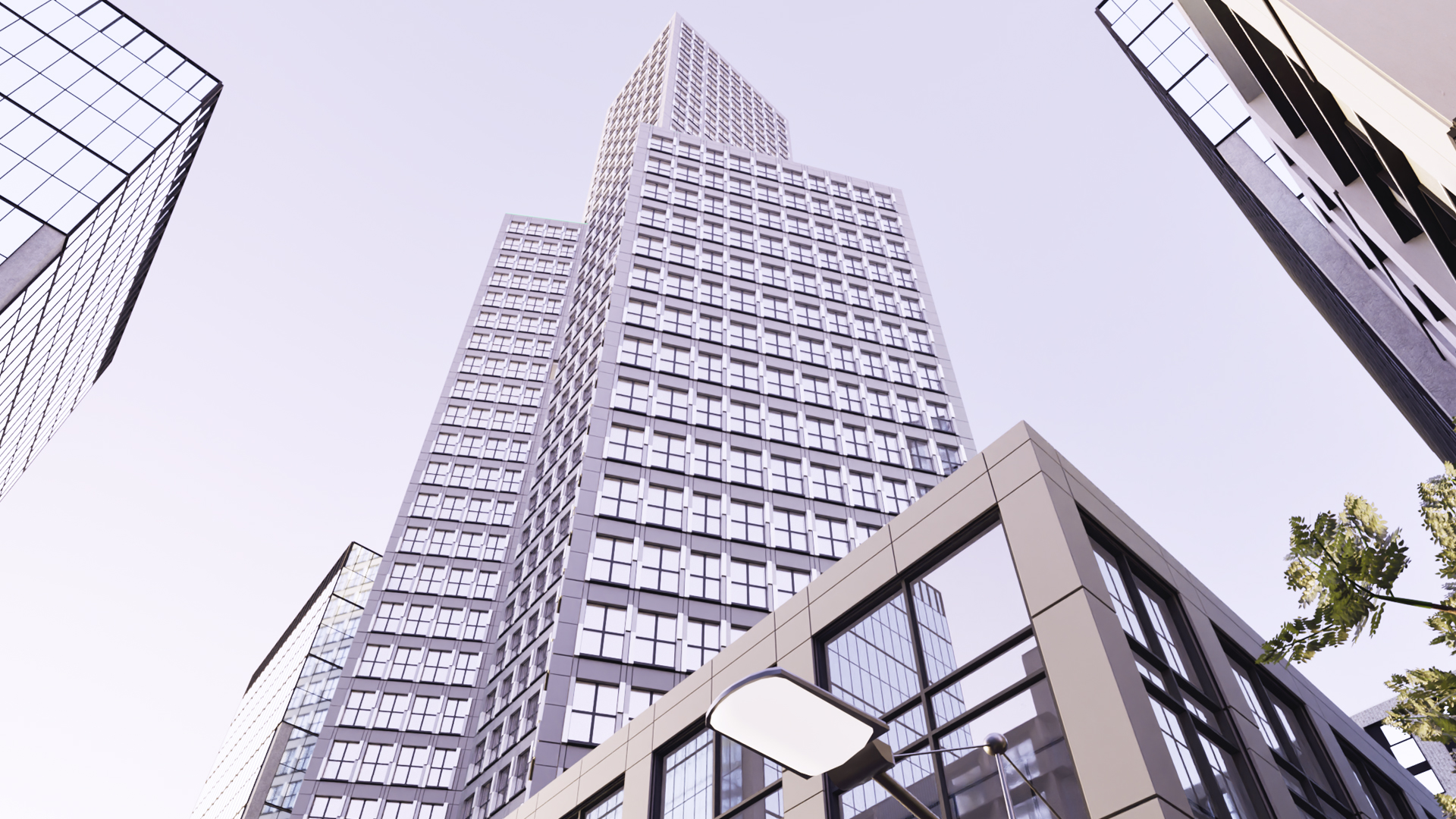
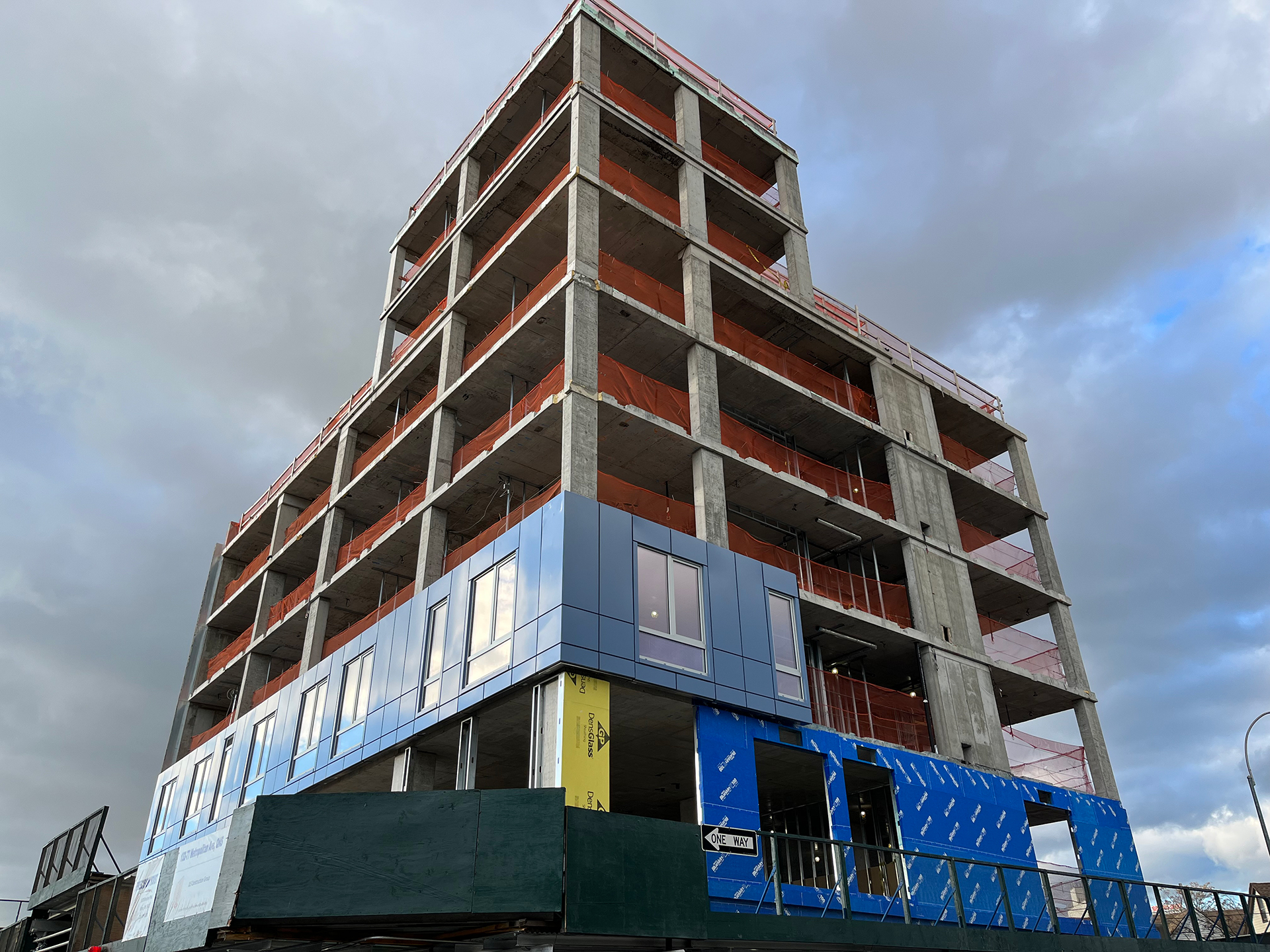
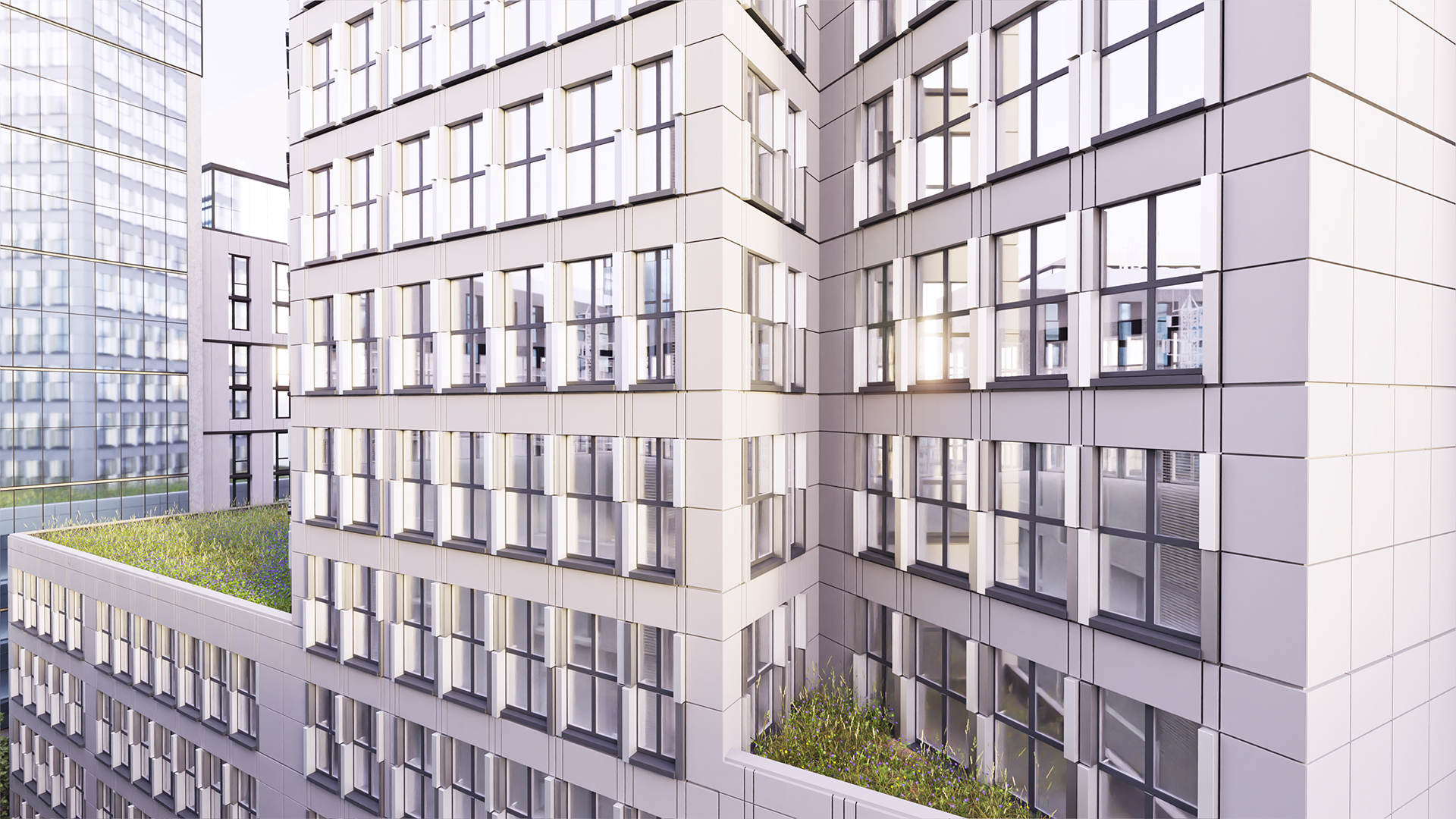
Images featured in this article depict Dextall's projects and are used for illustrative purposes only.












.jpeg)
-Compliance-for-NYC-Multifamily-%26-Co-Op-Facades.jpg)














_format(webp).avif)
_format(webp)%20(6).avif)
_format(webp)%20(5).avif)
_format(webp)%20(4).avif)
_format(webp)%20(2).avif)
_format(webp)%20(3).avif)


.avif)
_format(webp)%20(2).avif)