Non-combustible Building Materials for Facades

A facade can either slow a fire down—or help it race up the building. The difference is rarely visible from the street.
Behind the finished surface, every layer matters: the insulation, sheathing, cladding and subframing either add fuel or stay inert under extreme heat. As codes tighten and high-rise risks stay in the spotlight, "non-combustible" is no longer a nice label in a spec sheet, but a hard requirement for developers, architects and insurers.
That's why interest is shifting from decorative facades to fully engineered, non-combustible wall assemblies built around mineral wool cores, robust sheathing and metal or fiber cement finishes. And when these materials come pre-integrated into prefabricated systems like Dextall, the result is not just safer envelopes, but cleaner details, faster installation and much more predictable performance on real projects.
Core Non-Combustible Components of Modern Facades
A façade isn't made non-combustible by a single "magic" product, but by how every layer in the wall assembly behaves in a fire. Insulation, sheathing, substrates, cladding and subframing together decide whether flames can travel, drip, or spread up the elevation. Understanding these core components is the first step to designing an exterior wall that looks refined but acts as a fire barrier.
Mineral Wool, Sheathing and Substrates for a Non-Combustible Wall Core
A non-combustible façade starts with a wall core that simply doesn't burn. Mineral wool (stone wool) is made from melted rock, so it stays stable at high temperatures and doesn't melt, drip or feed a fire the way foam insulation can.
Paired with glass-mat gypsum or cement-based sheathing and non-combustible substrates like concrete, masonry or steel stud walls, it creates a "cold" backbone for the façade — structurally solid, fire-stable and ready to support the rest of the assembly.
Key advantages of a mineral wool–based core:
- No added fuel in the cavity – the insulation itself doesn't ignite.
- High temperature stability – keeps its form under fire exposure.
- Good thermal and acoustic performance – comfort without combustible foam.
Metal, Fiber Cement and Masonry: Cladding and Subframing Without Added Fire Risk
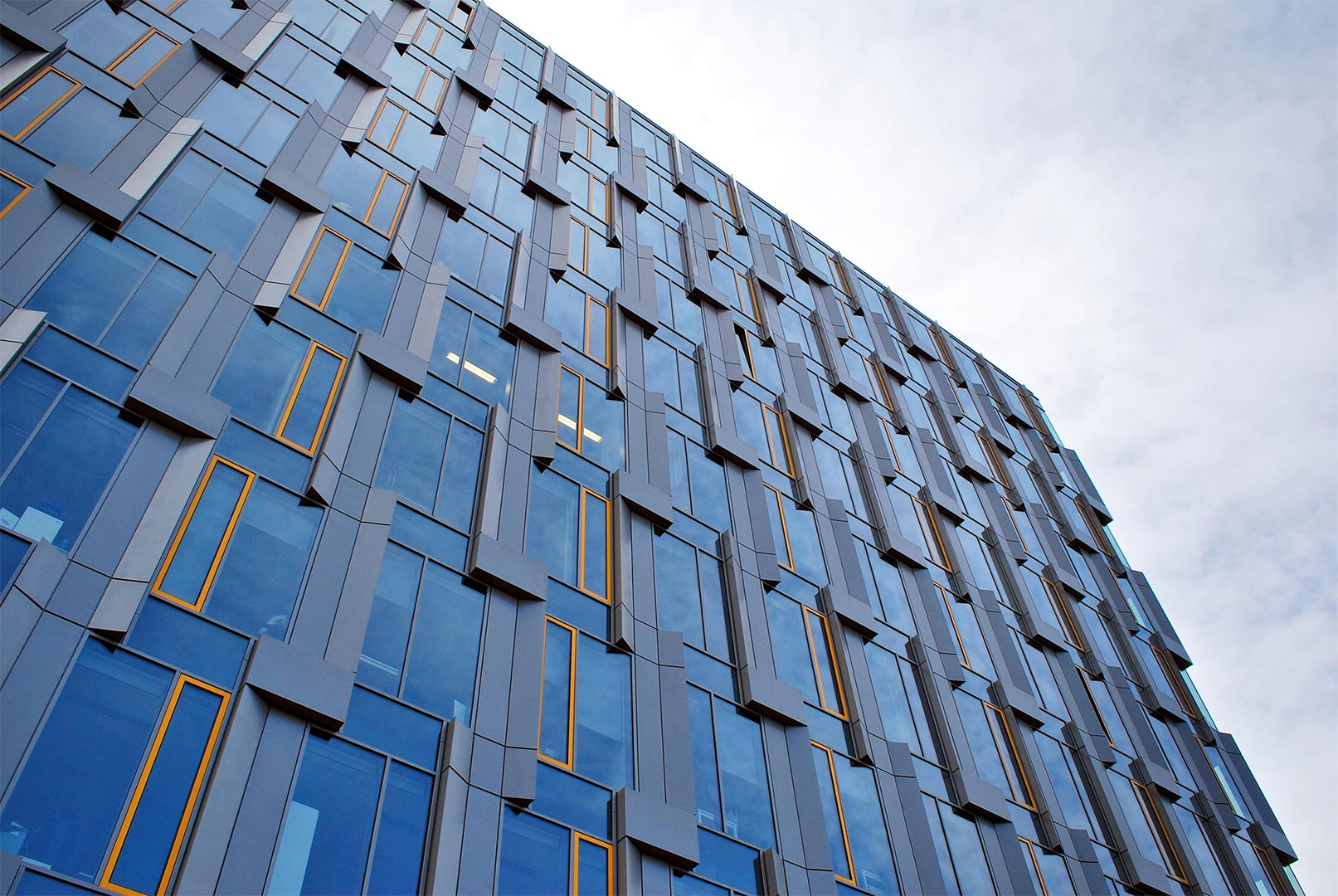
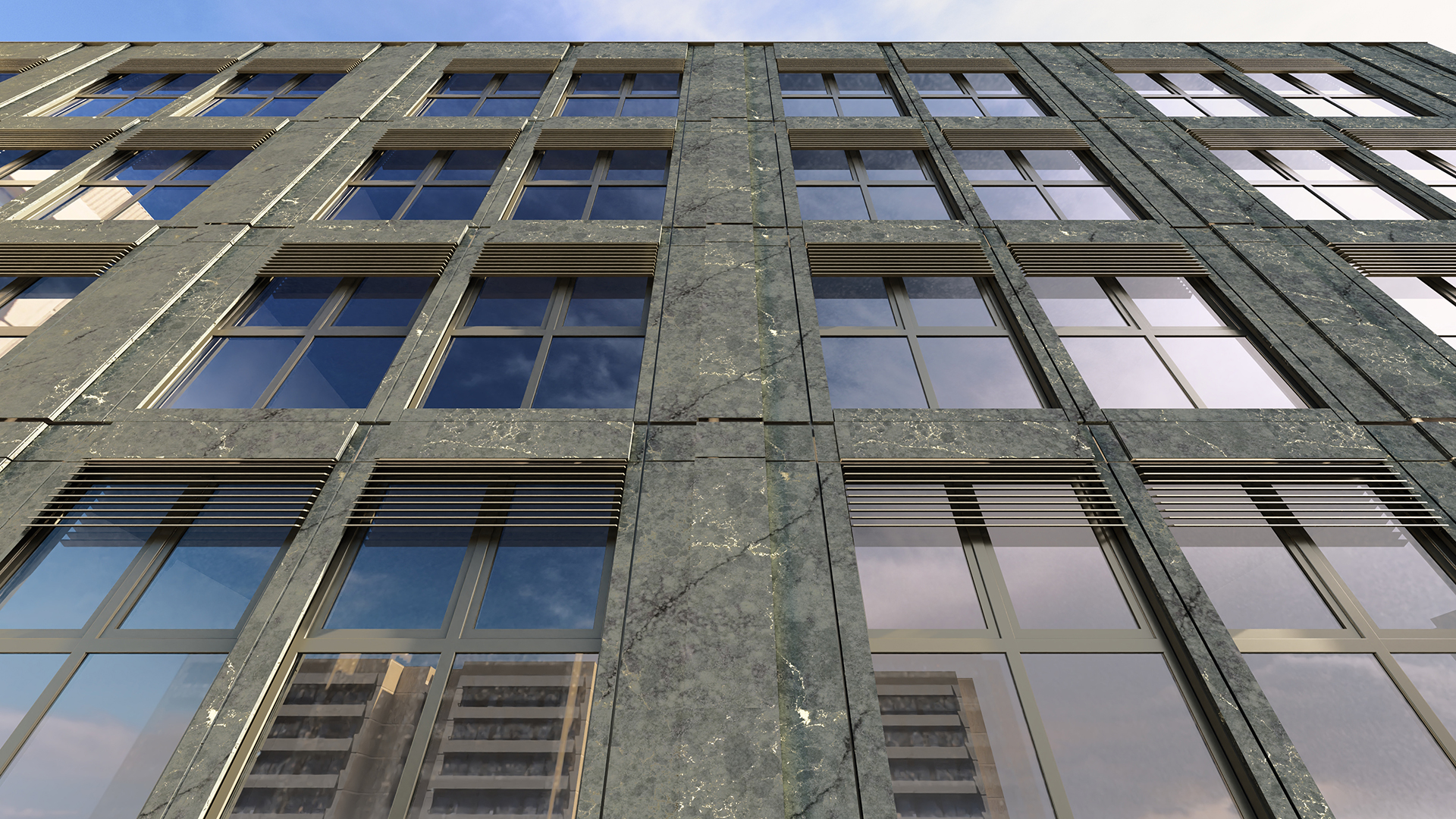
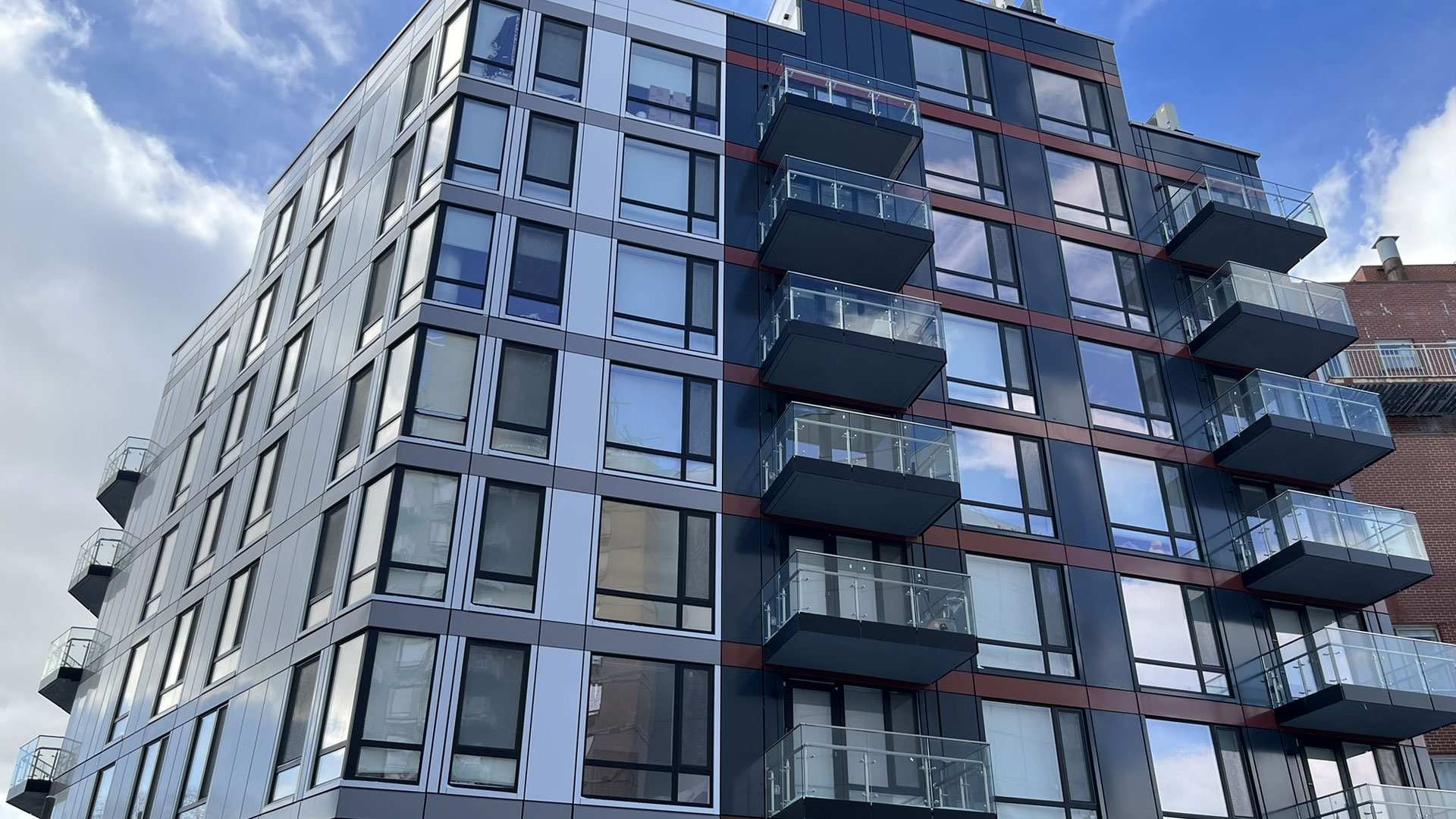
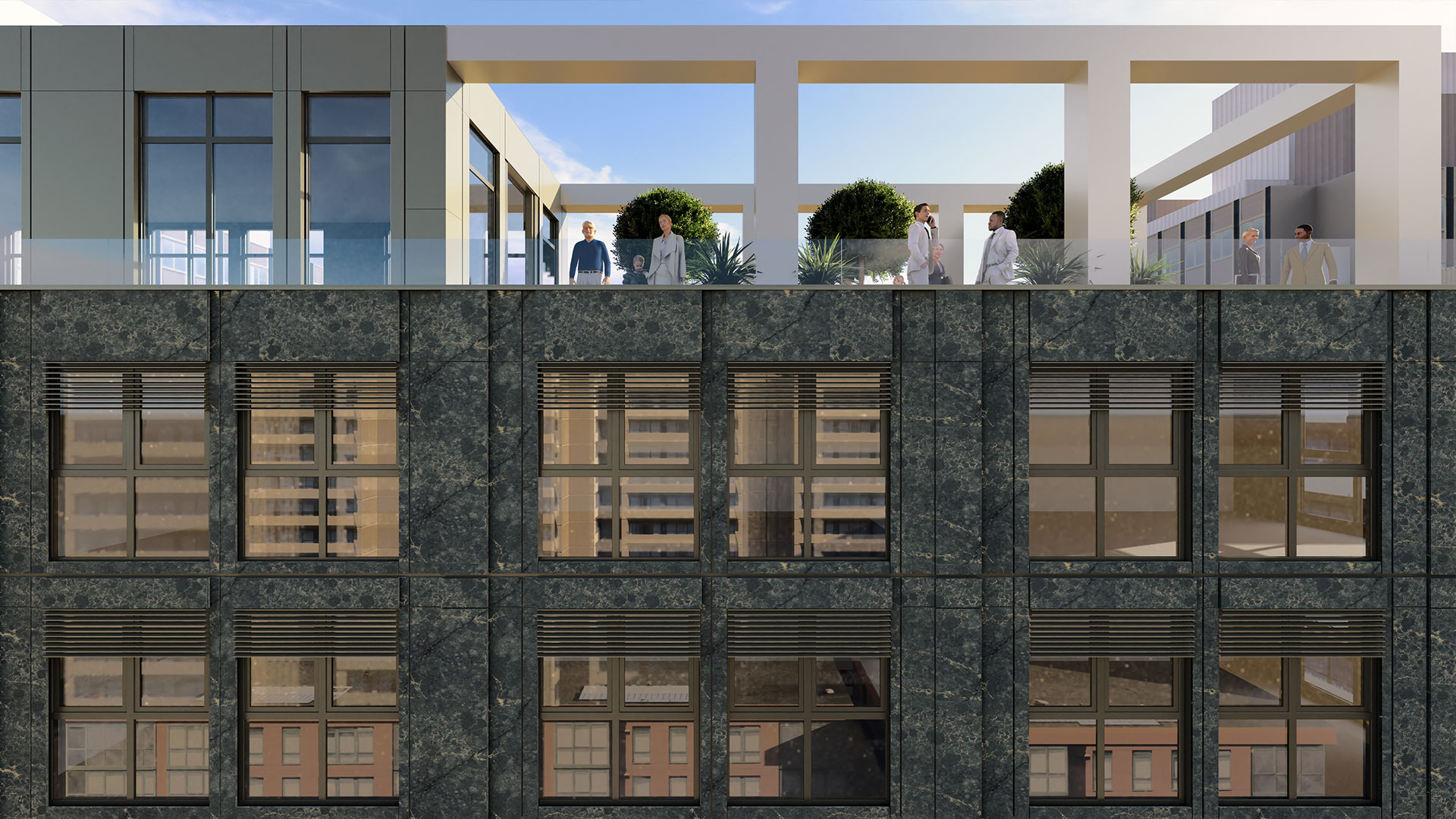
On the exterior, the safest strategy is to finish the building with materials that look bold but stay inert in a fire. Metal panels (aluminum or steel) don't burn and, in a tested rainscreen system, help shed heat rather than act as fuel. Fiber cement offers a more textured, "architectural" look while achieving strong fire ratings thanks to its cementitious base.
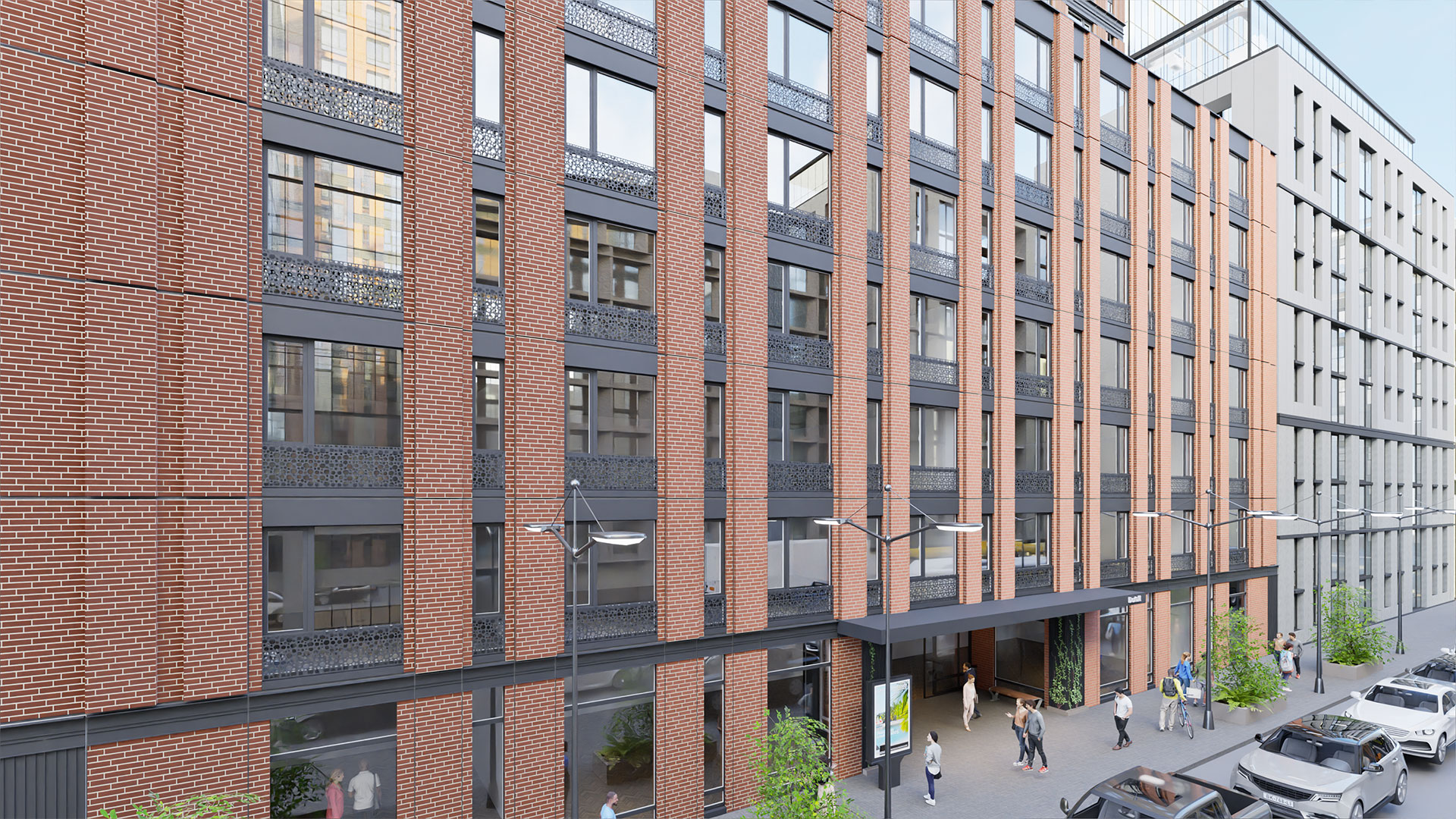
Masonry - brick, stone, precast - is naturally non-combustible and can handle intense heat without contributing to flame spread. When these claddings are supported on aluminum or galvanized steel subframing instead of wood battens, the entire visible layer of the façade remains non-combustible, giving designers freedom in color and texture without loading the envelope with hidden fire risk.
Designing Non-Combustible Facade Strategies and Material Palettes
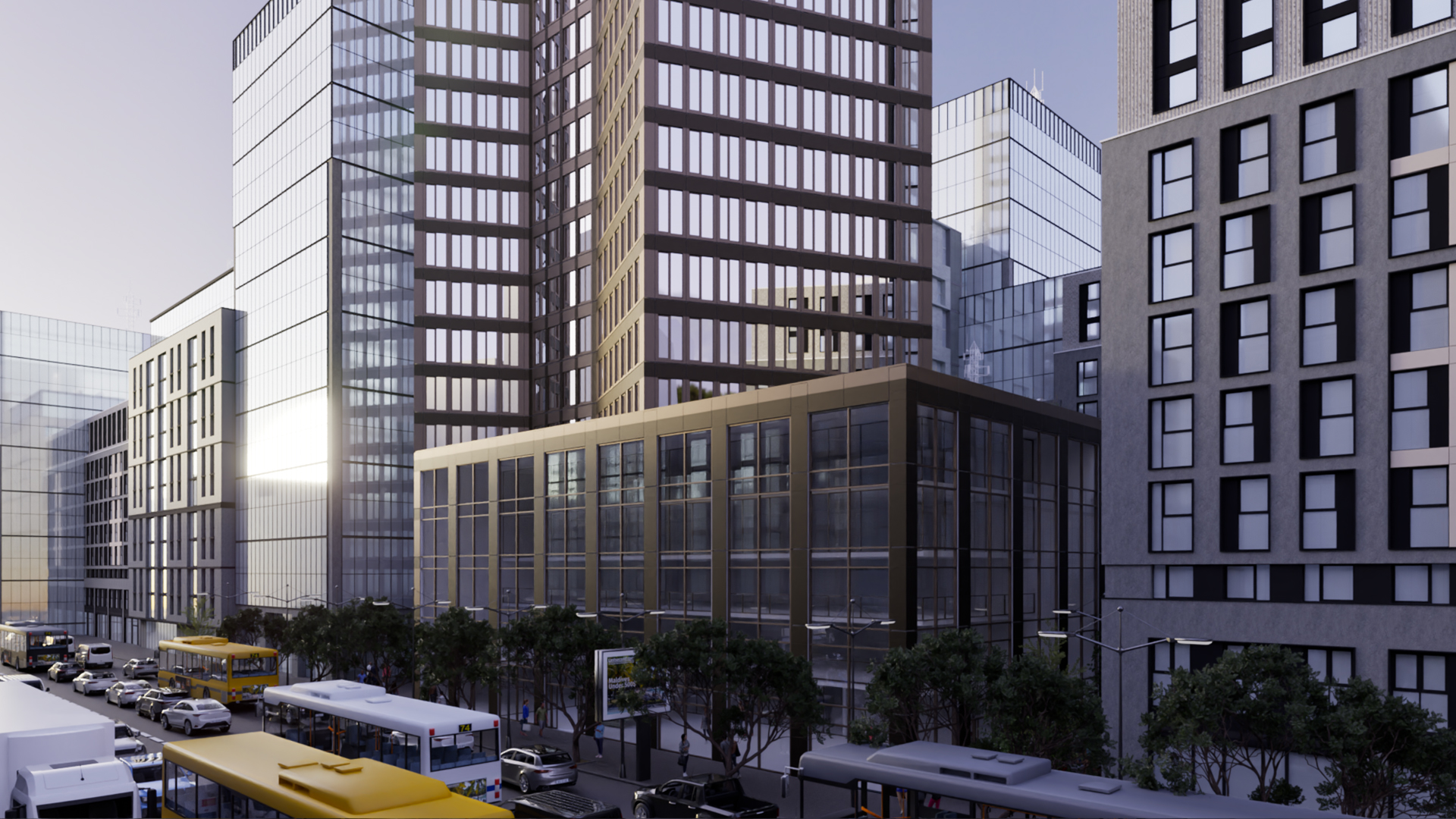
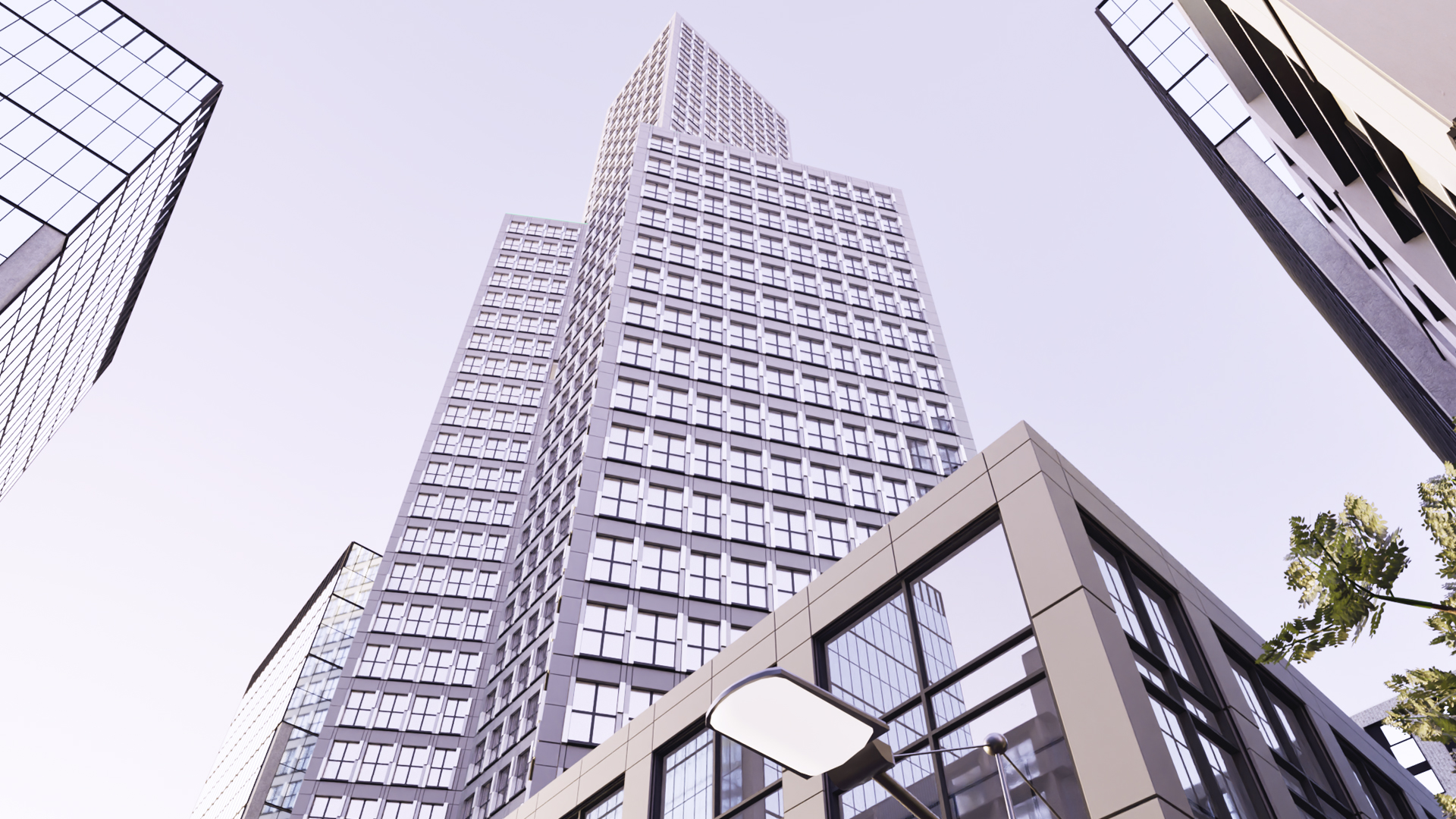
Non-combustible façades don't happen by swapping a single product in the spec. They come from a deliberate strategy: every layer of the wall, every connection, every material choice is calibrated for fire performance, code compliance and constructability. The challenge is to do this while still delivering signature architecture and a clean pro forma. This is exactly the niche where prefab, non-combustible systems like Dextall are built to shine.
High-Rise Envelopes and Retrofits: Non-Combustible by Strategy, Not by Accident
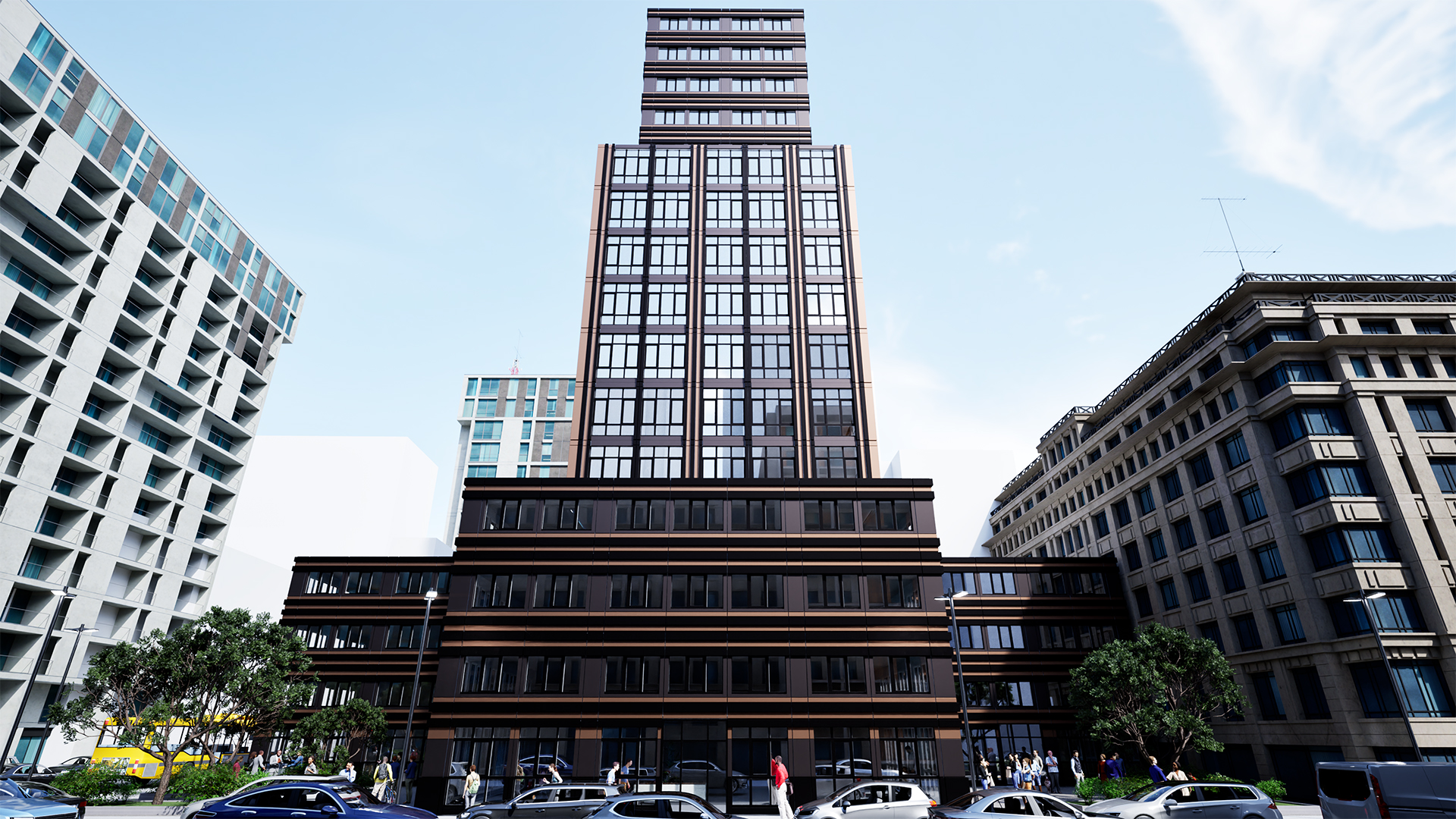
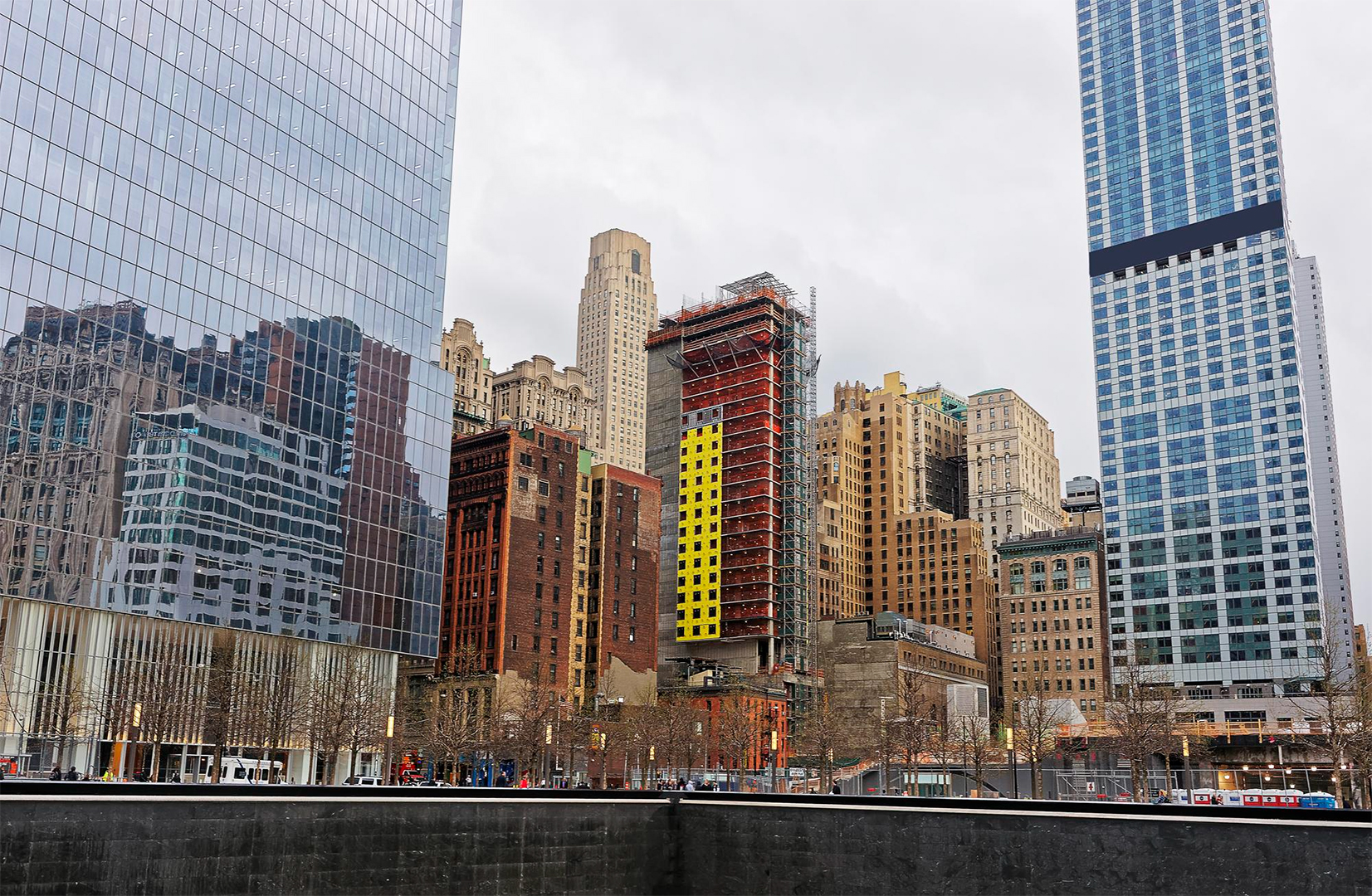
High-rise and mid-rise buildings face the highest scrutiny because vertical fire spread along the façade can escalate in minutes. For these projects, "mostly non-combustible" is not good enough — the entire exterior wall assembly has to be designed as a coordinated fire strategy.
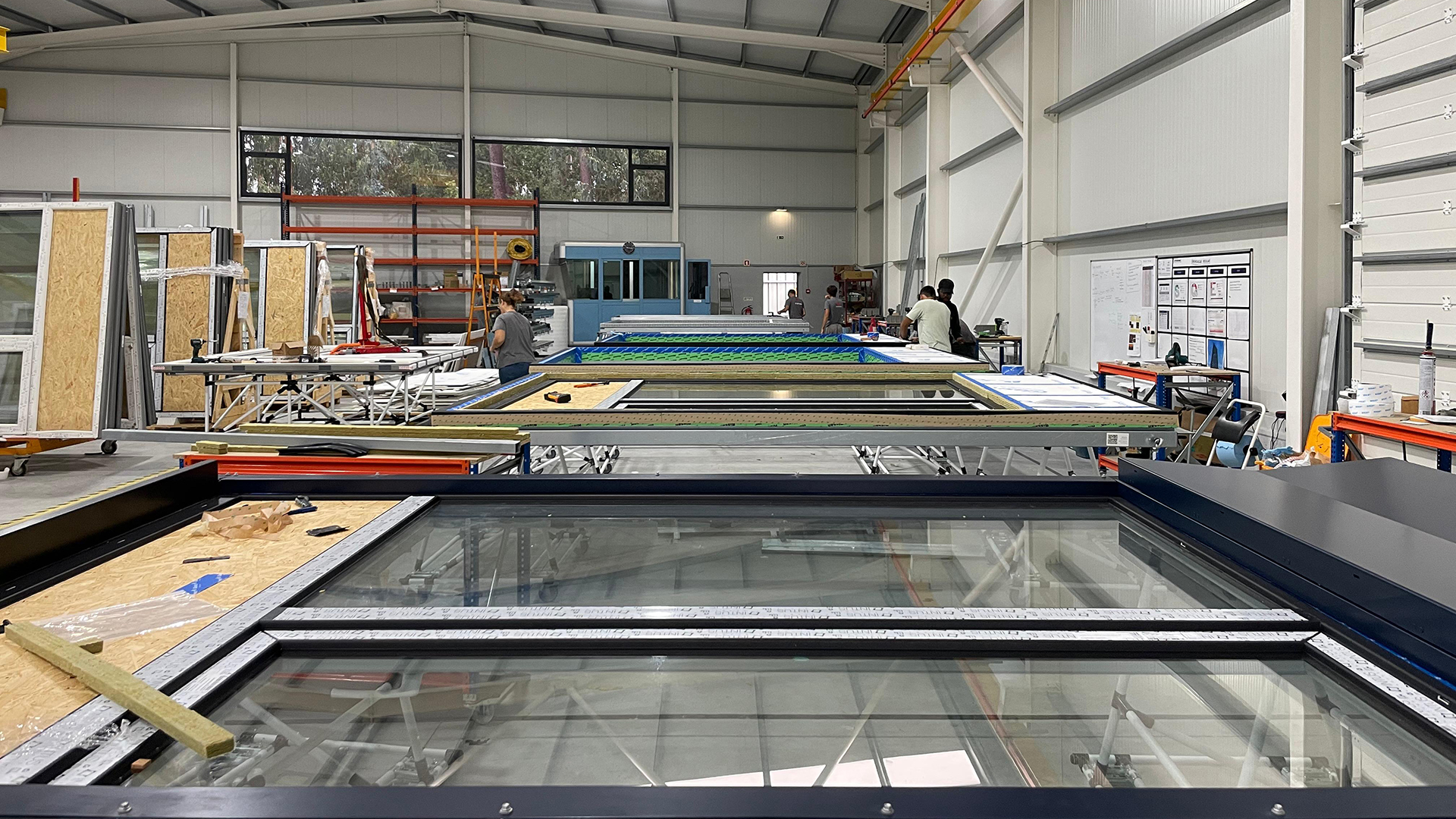
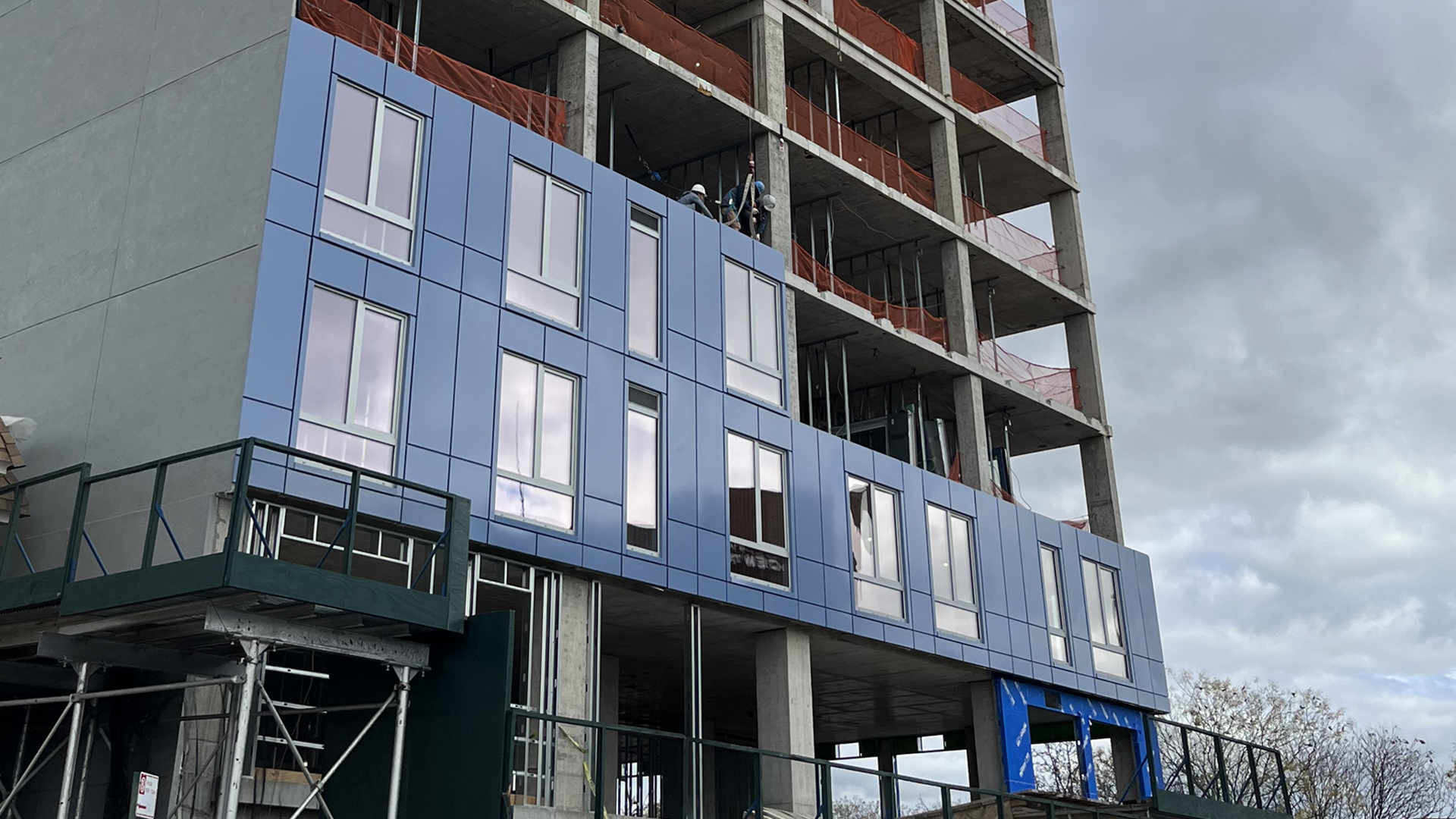
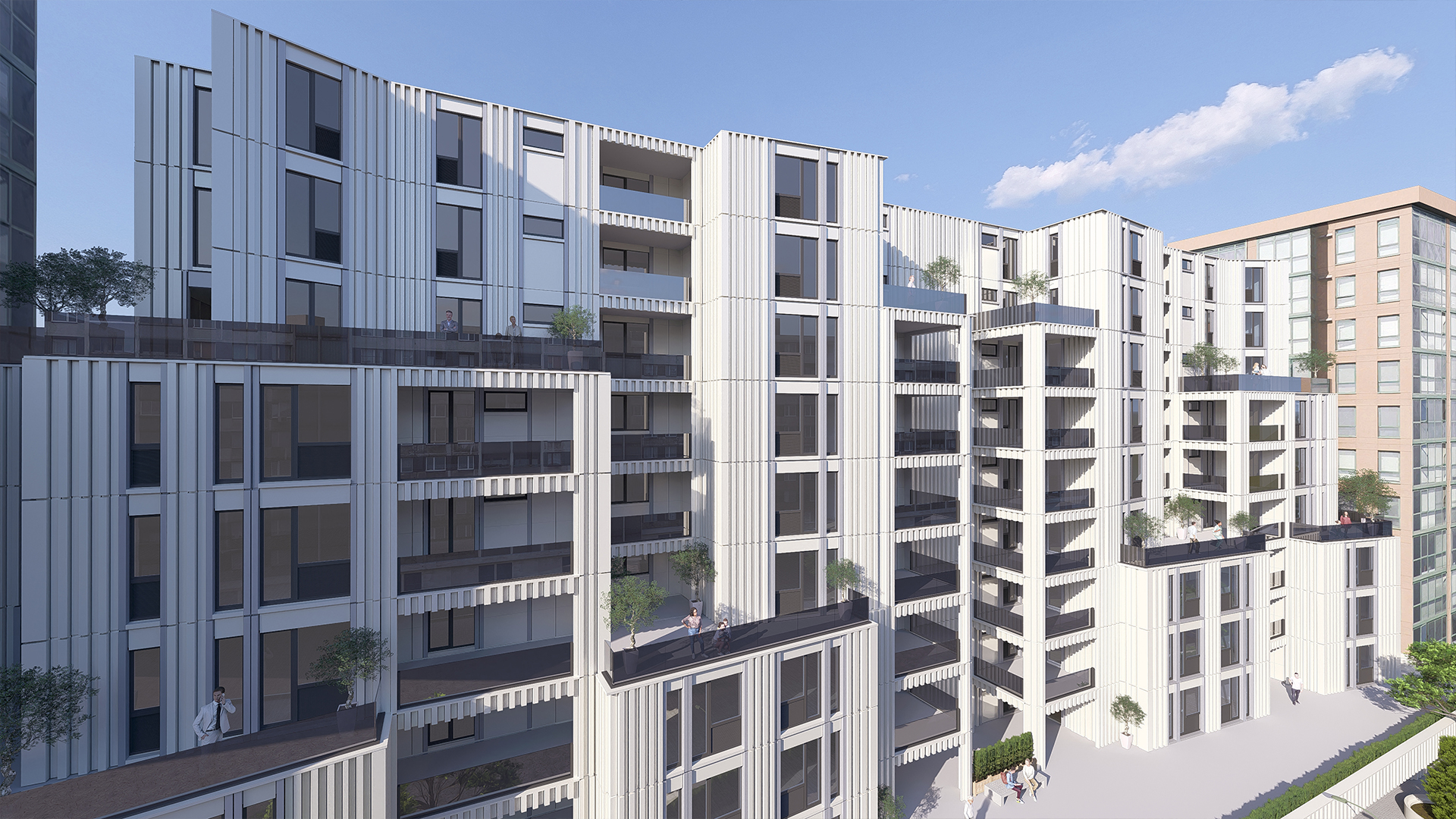
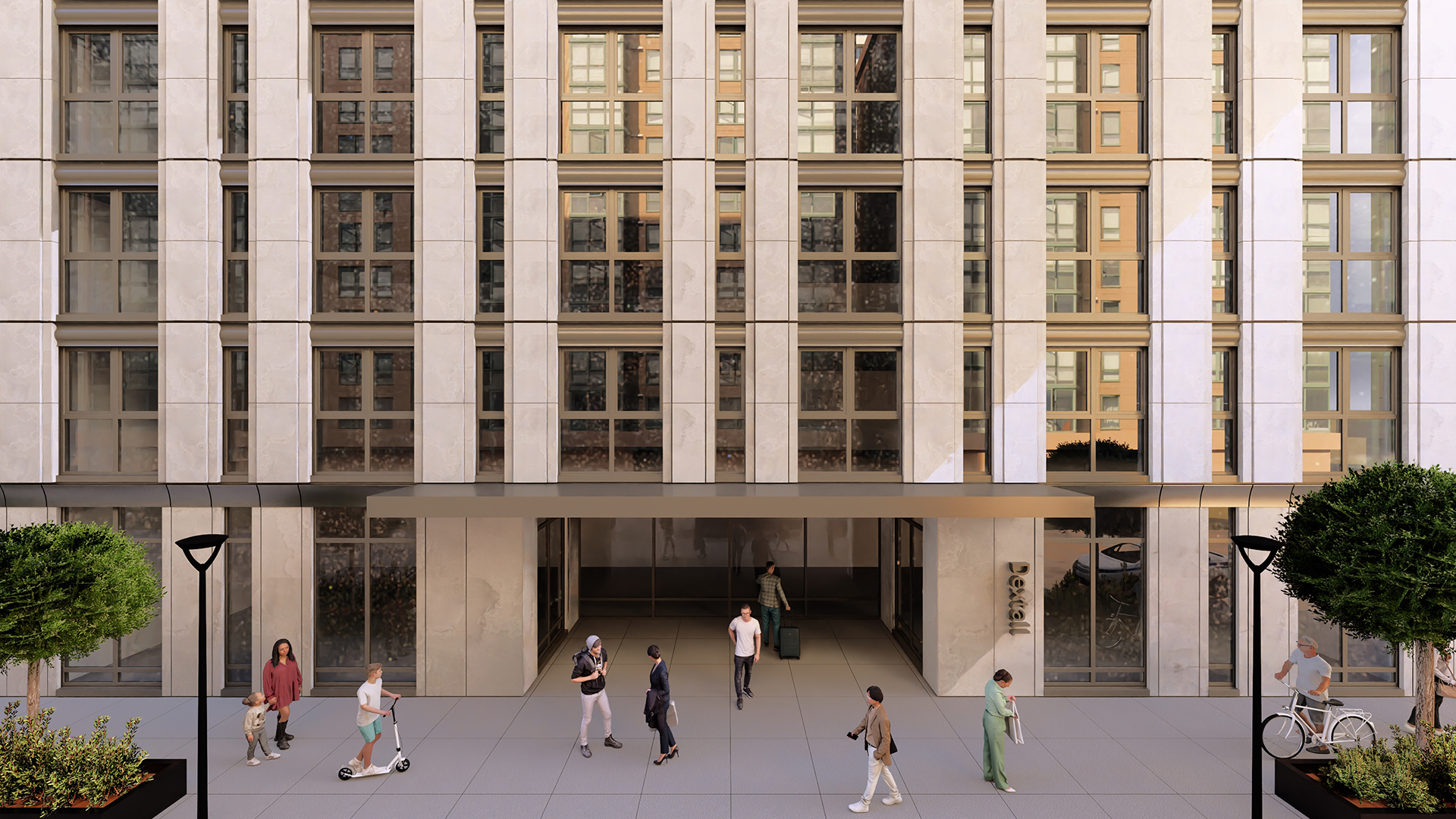
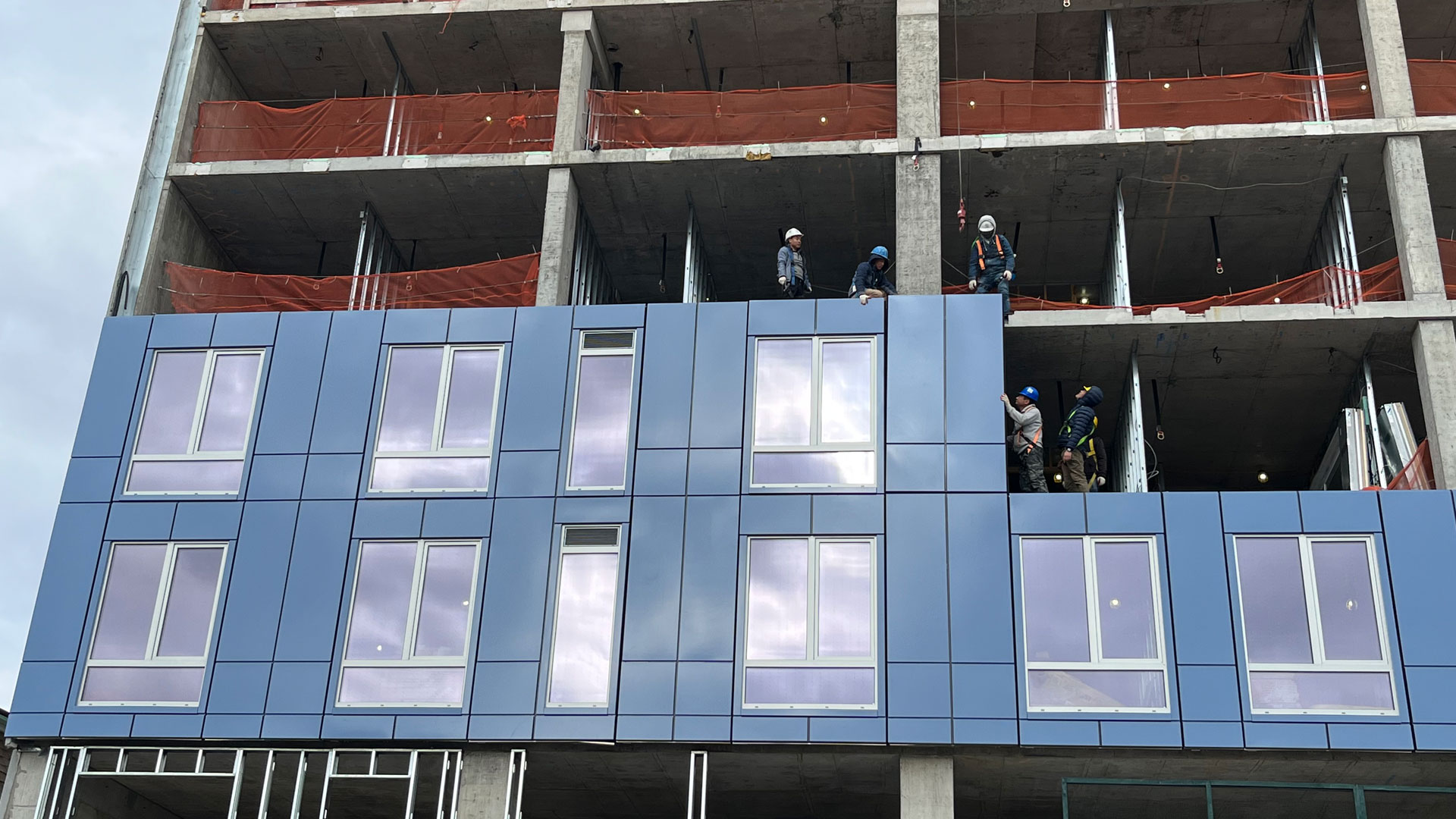
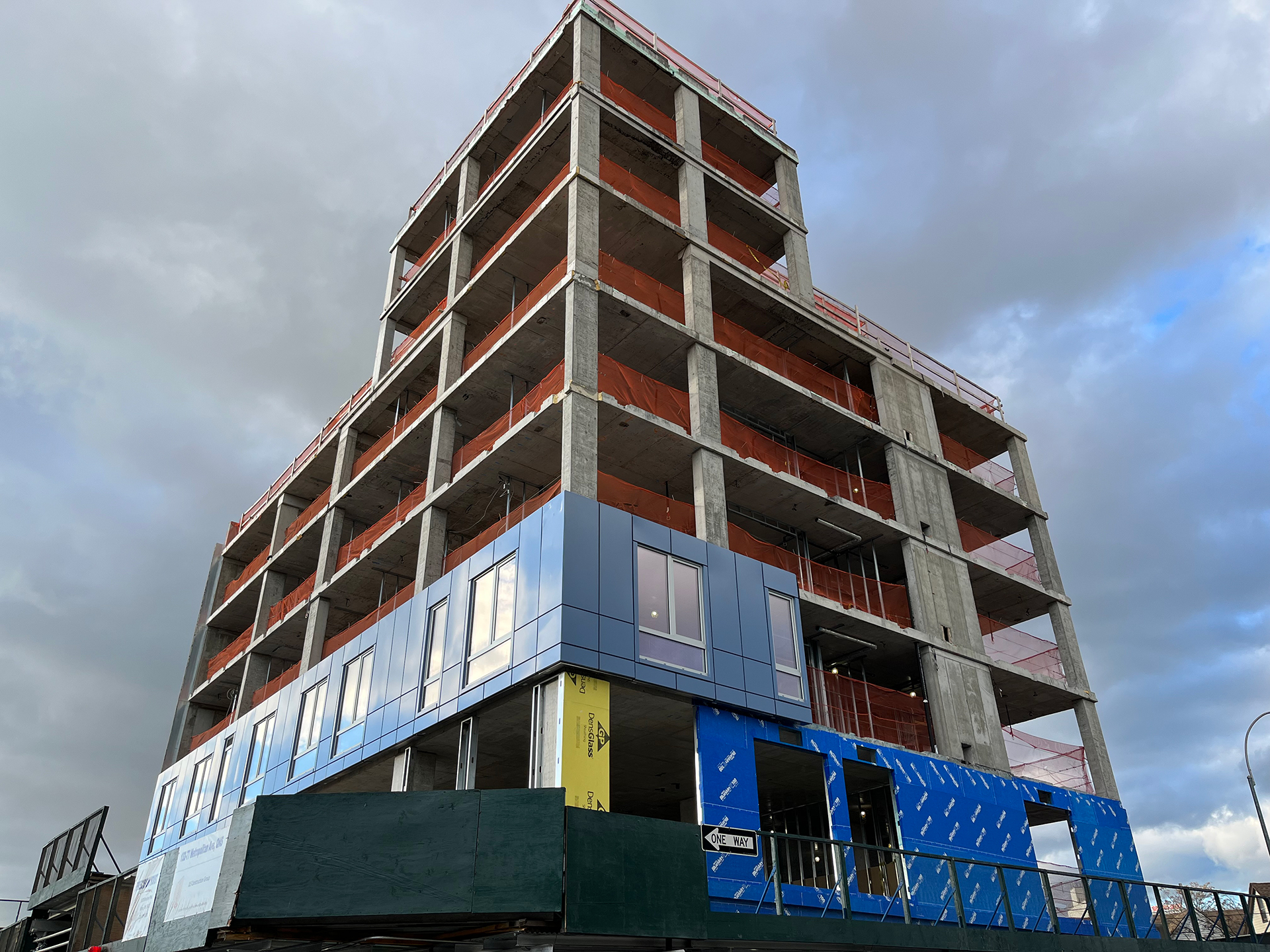
Instead of assembling dozens of components on site and hoping the final wall behaves like the tested mockup, prefabricated non-combustible panels lock the strategy in at the factory. Dextall's approach is to integrate mineral wool insulation, non-combustible sheathing, subframing and cladding into unitized panels engineered as a single, tested envelope system. That means the fire performance is designed, modeled and verified before panels ever reach the jobsite.
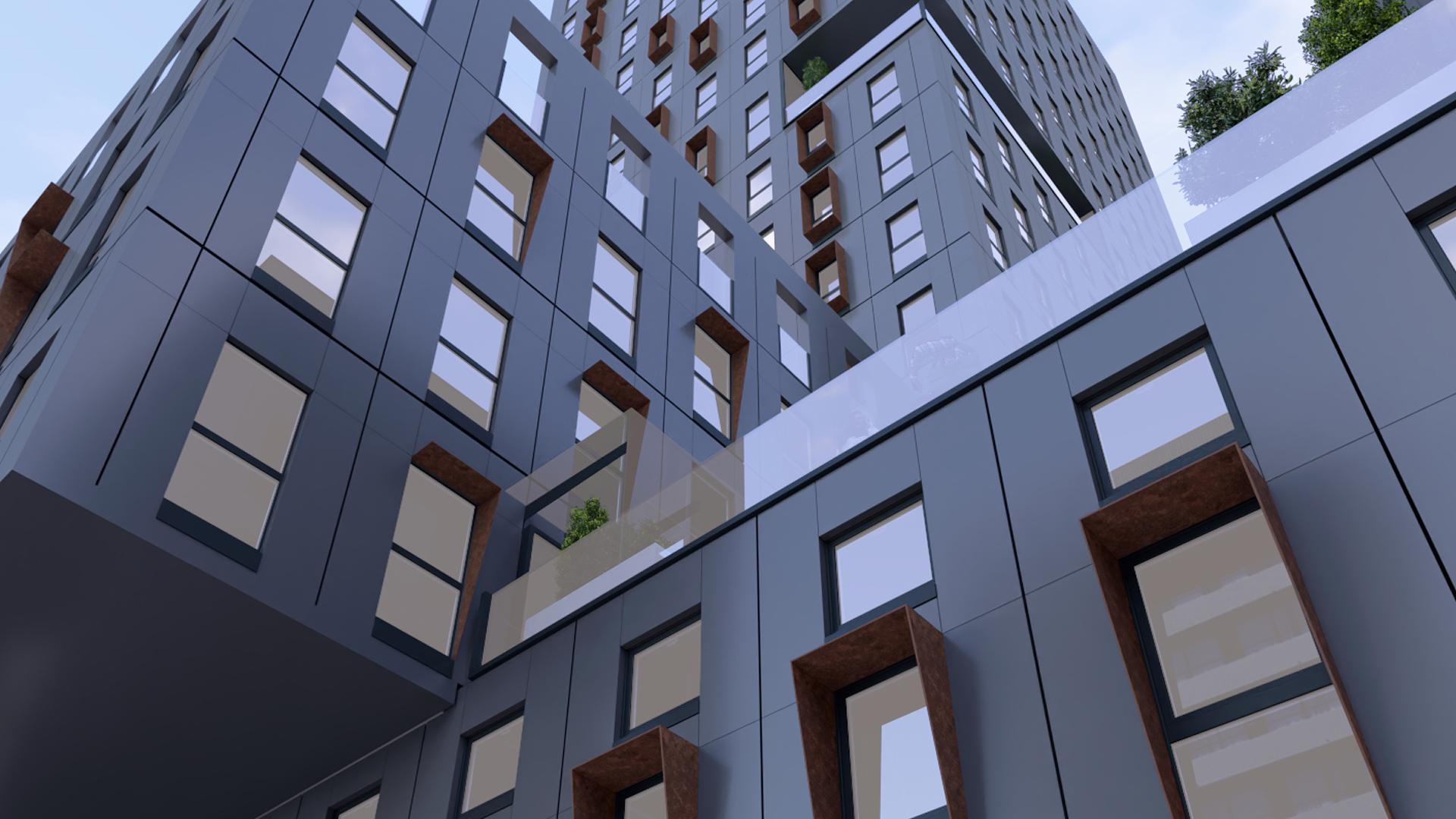
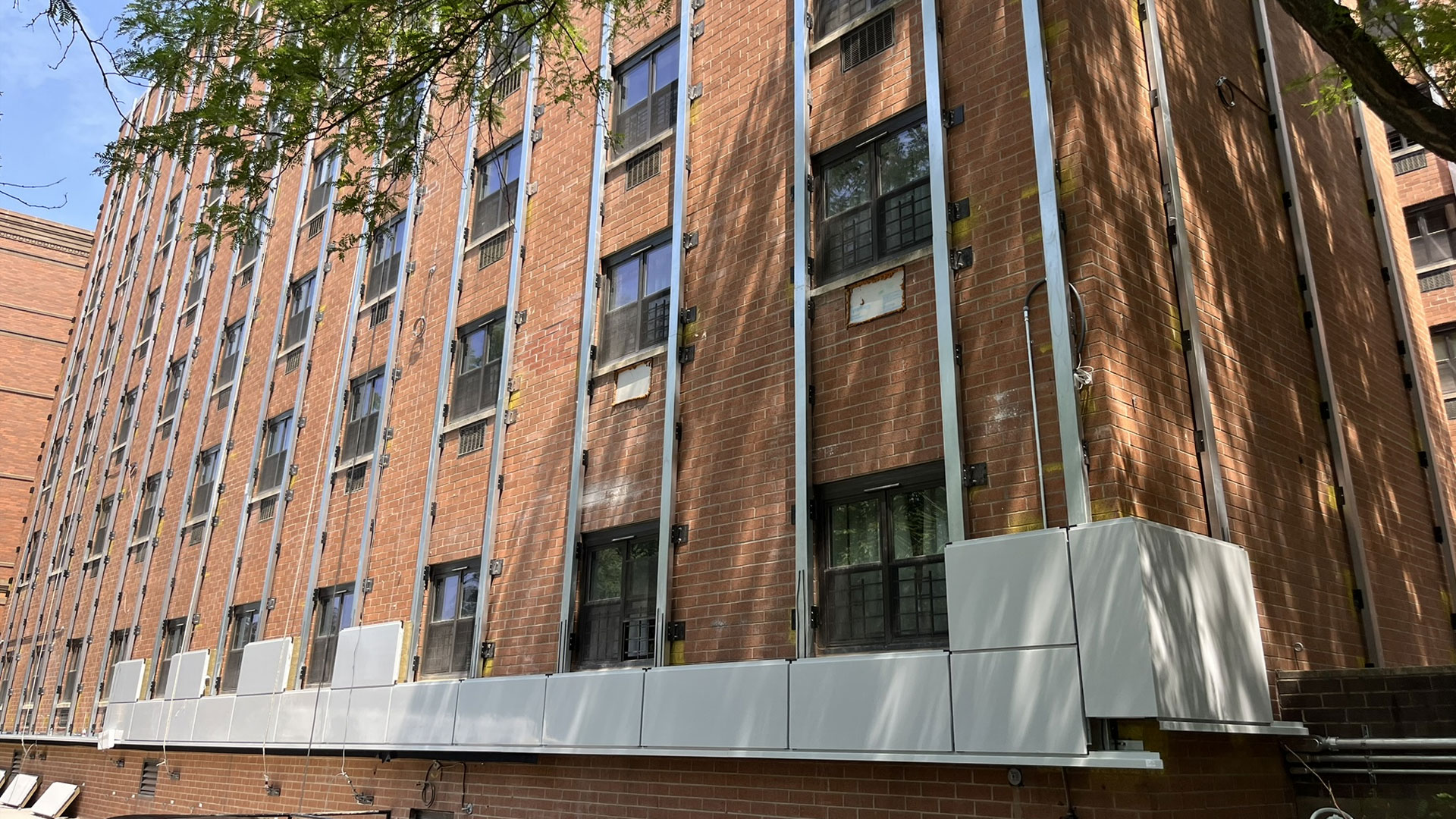
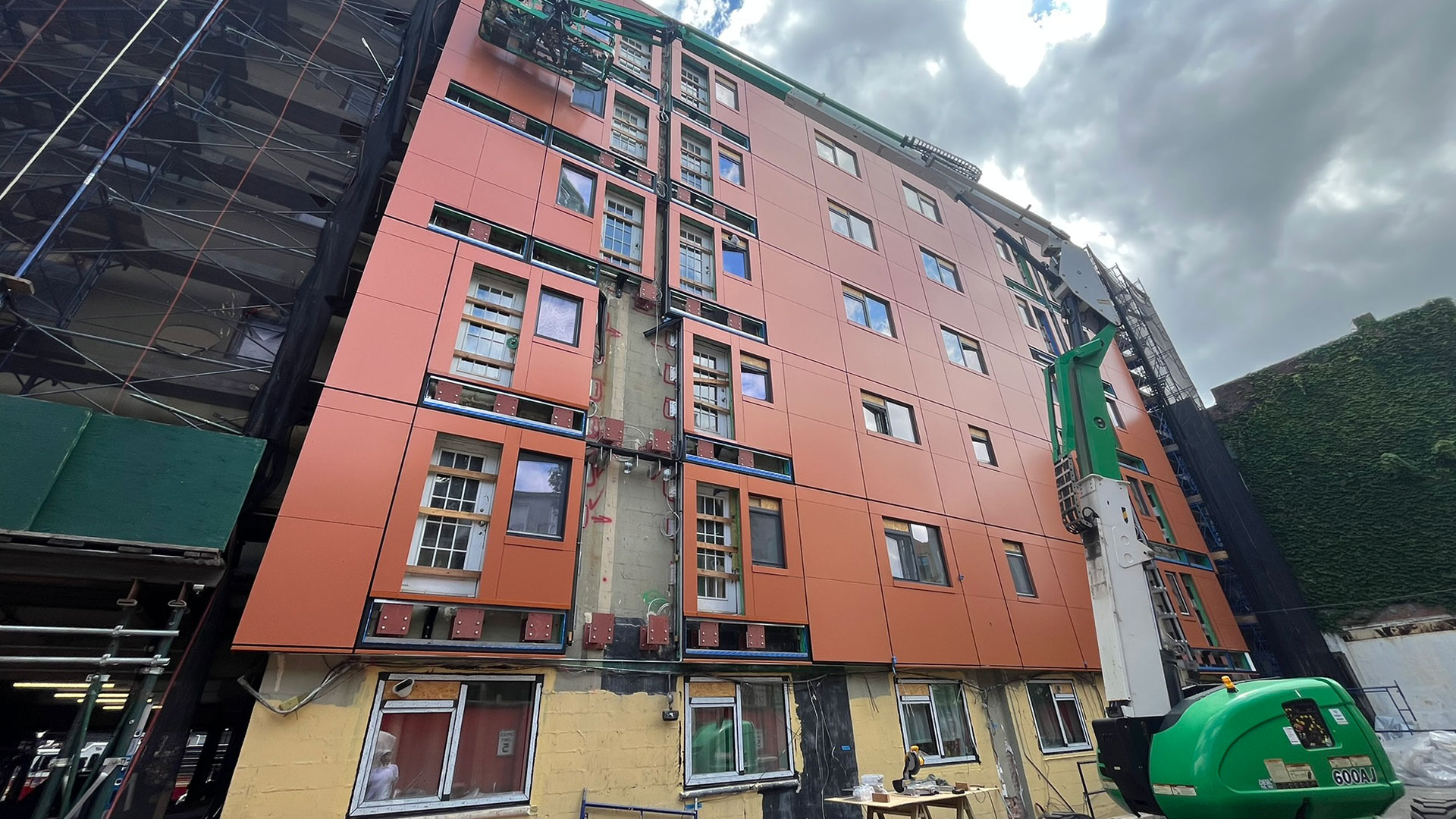
For retrofits, this becomes a powerful tool. Existing buildings with outdated or combustible cladding can be overclad with Dextall-style panels, upgrading the façade to a non-combustible assembly while residents stay inside and the structure remains untouched. Crews work from the exterior, anchoring panels back to the existing frame, which helps:
- Control vertical fire spread with continuous non-combustible layers.
- Upgrade code compliance without rebuilding the whole wall from the inside out.
- Shorten on-site time compared to traditional strip-and-rebuild approaches.
The result is a high-rise envelope or retrofit that is non-combustible by design, not by a patchwork of field decisions.
Balancing Aesthetics, Cost and Non-Combustibility With Prefab Systems Like Dextall
One of the biggest fears around non-combustible façades is that they will be either too expensive or too "institutional" looking. Prefab systems like Dextall exist to break that trade-off.
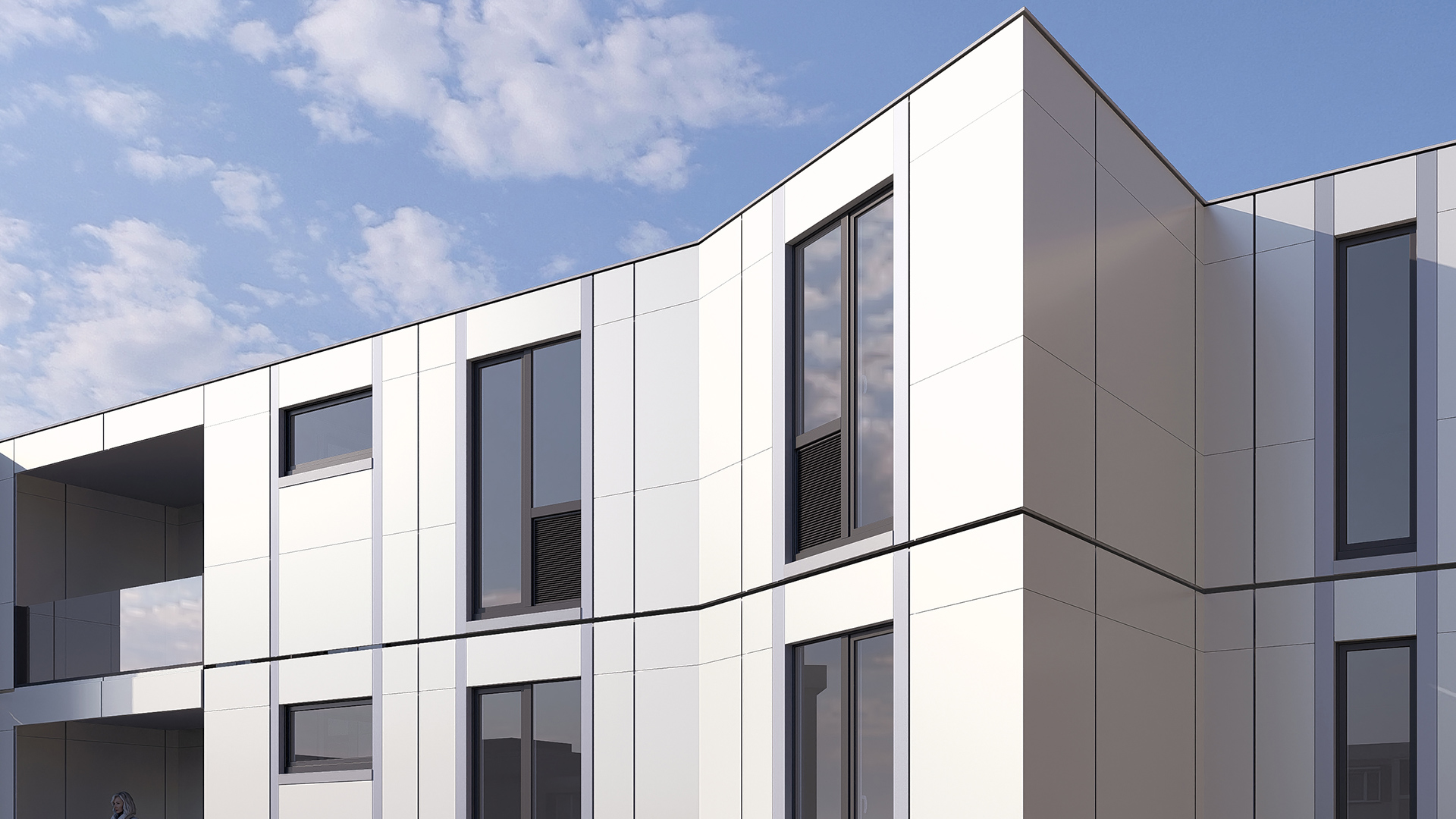
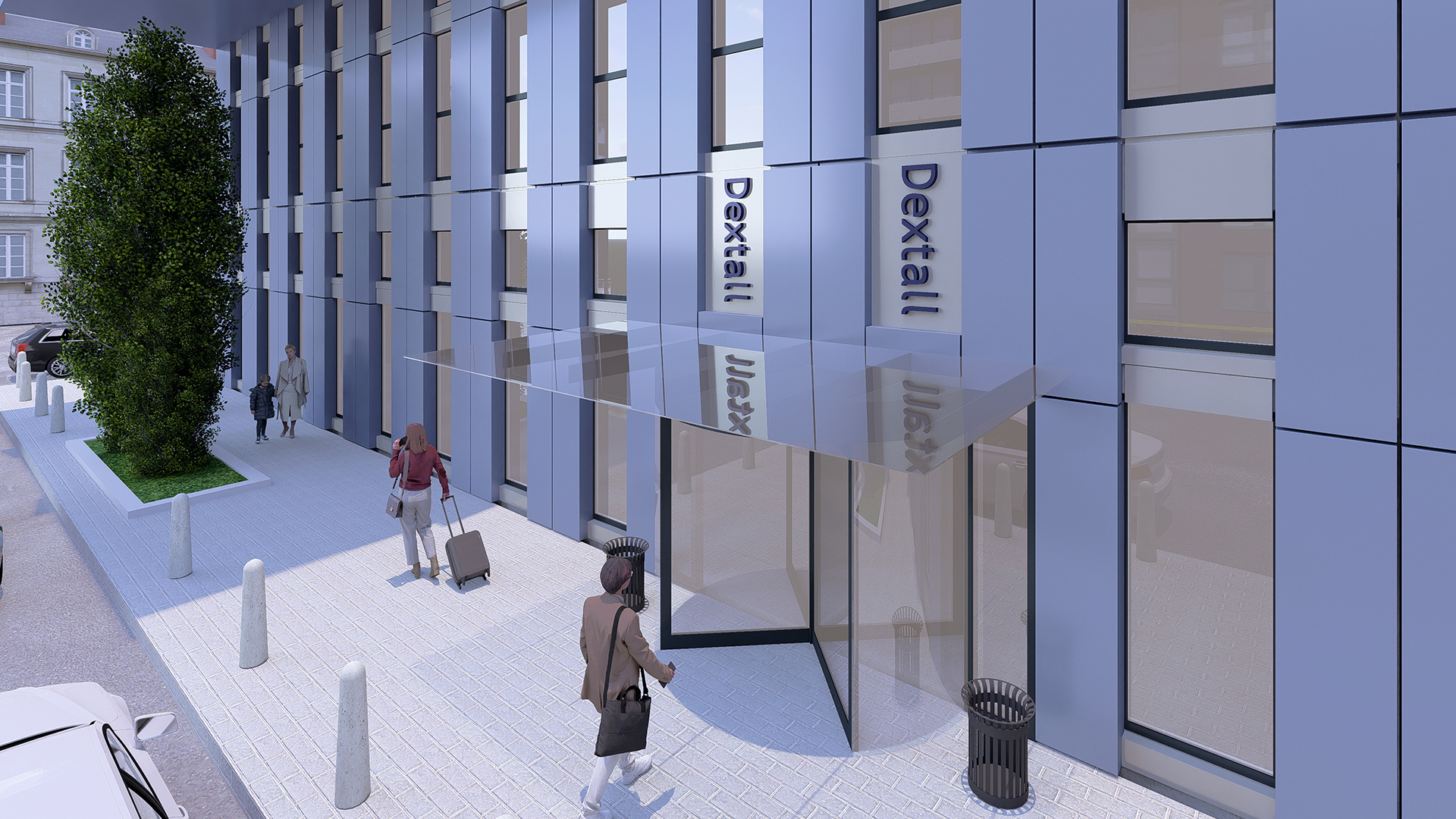
Because the wall assembly is designed as a product, not a one-off detail, the team can optimize the mix of mineral wool, sheathing, metal or fiber cement finishes and subframing for both cost and performance. Dextall panels arrive on site with the non-combustible core, attachment system and exterior finish already integrated, so the project pays for fewer trades, fewer sequences and far less rework.
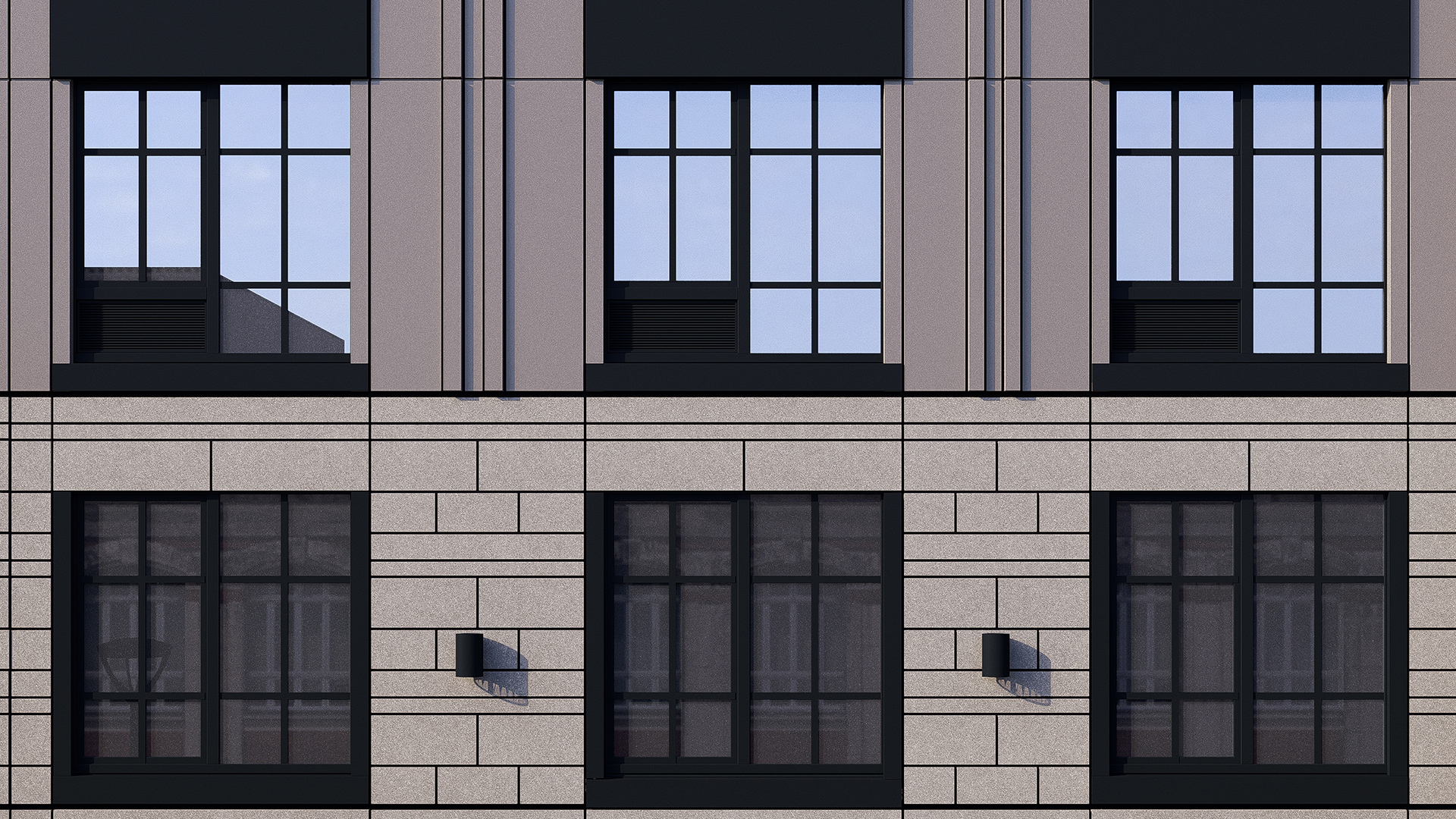
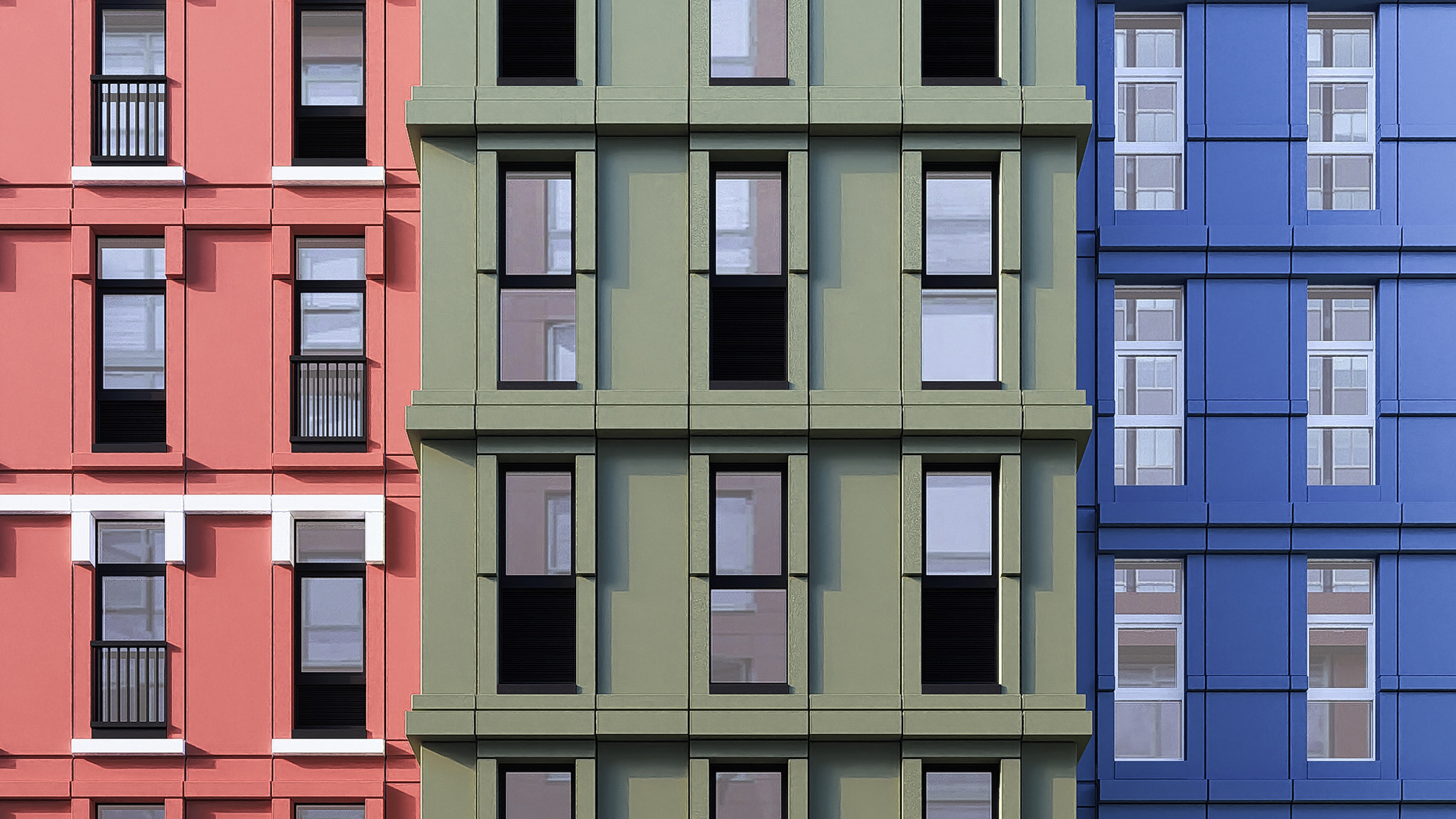
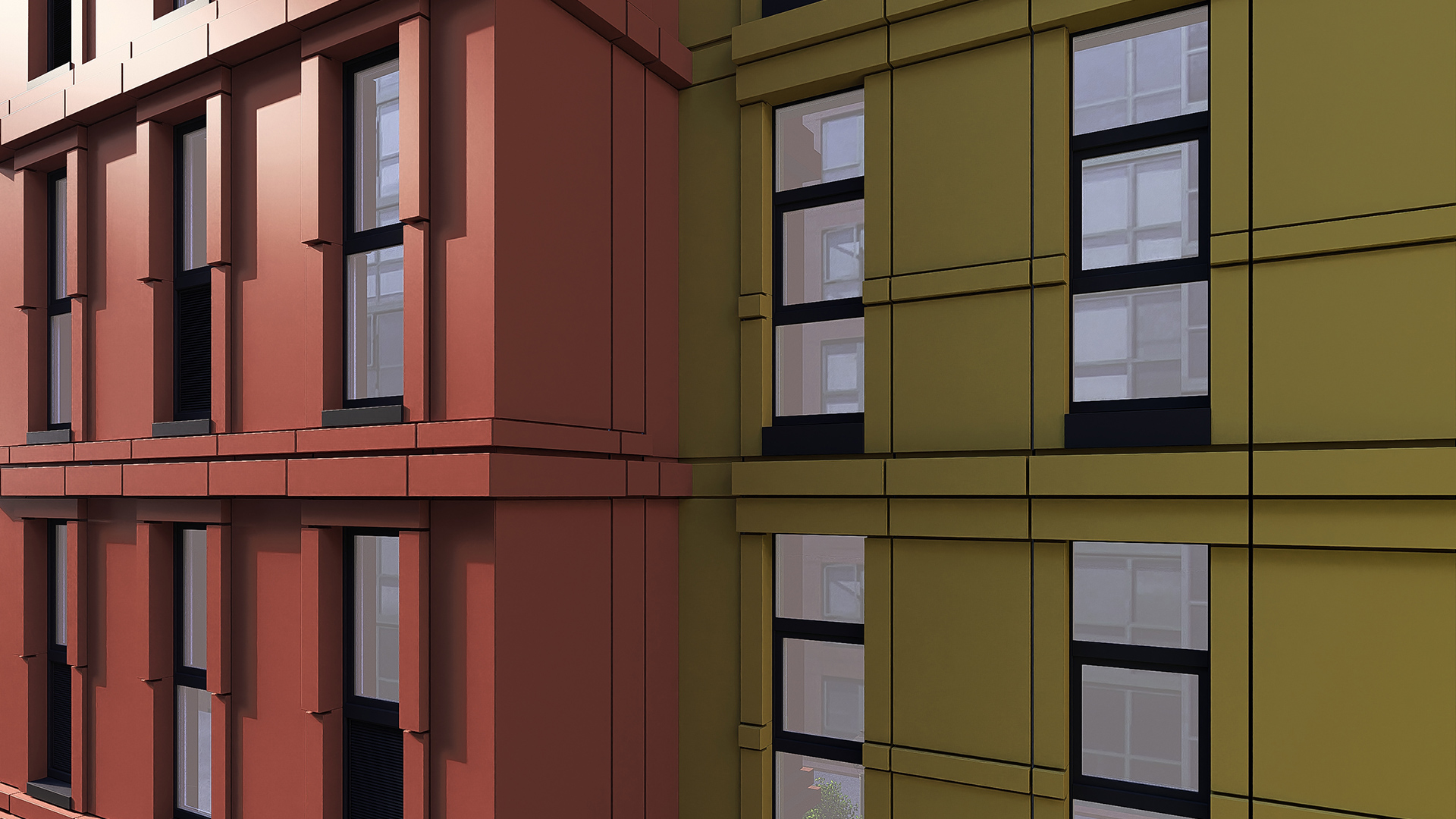
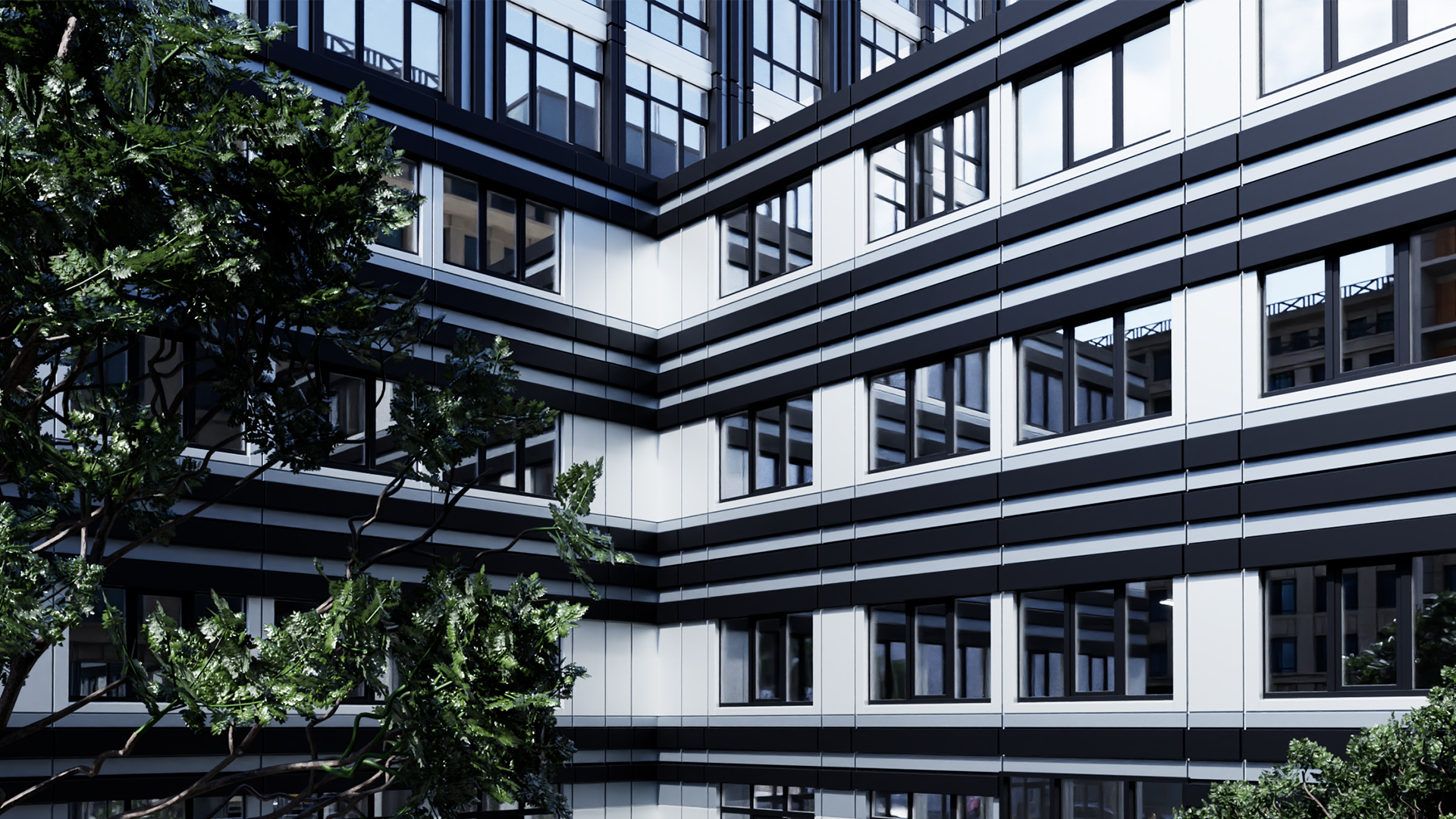
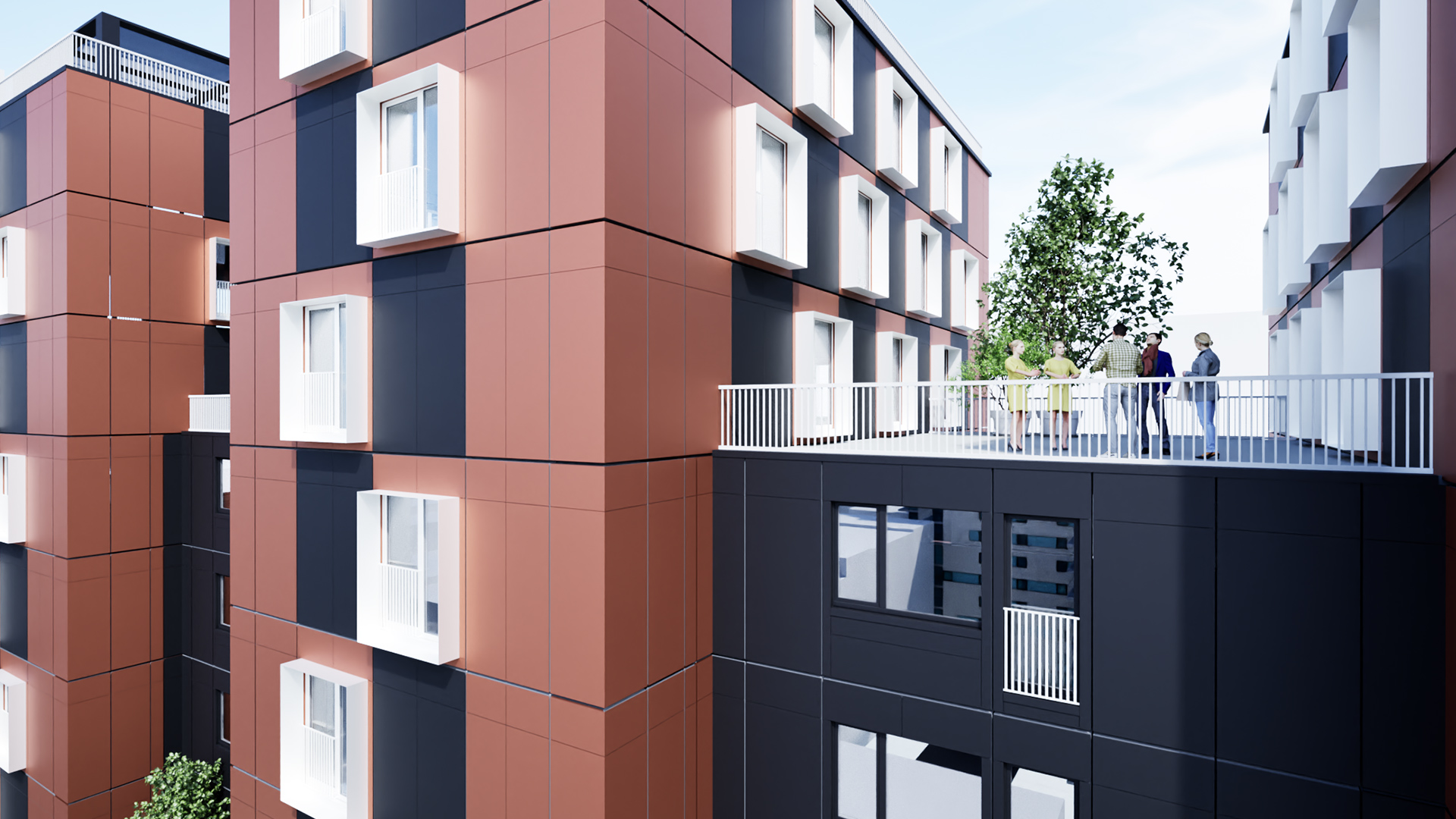
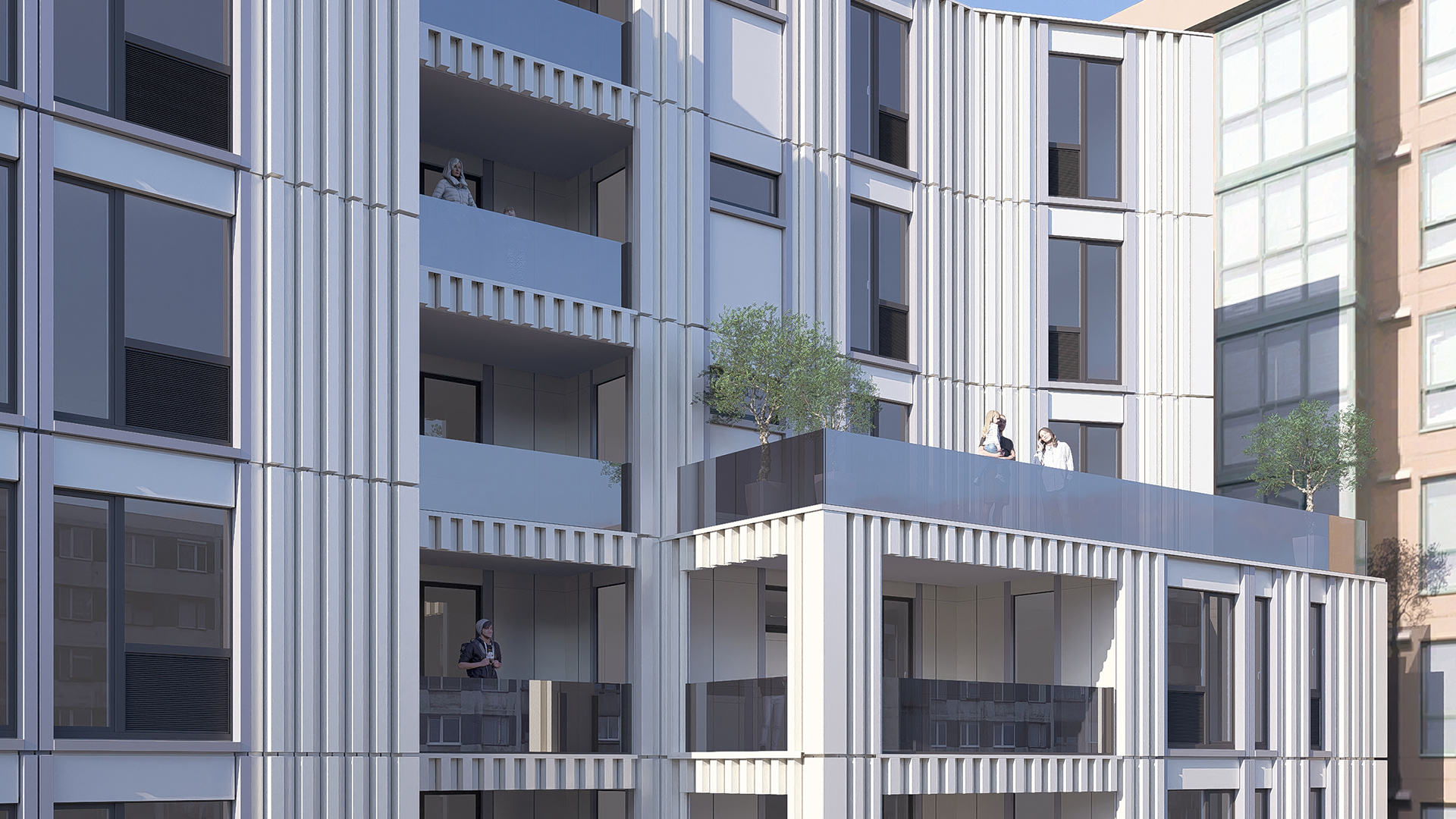
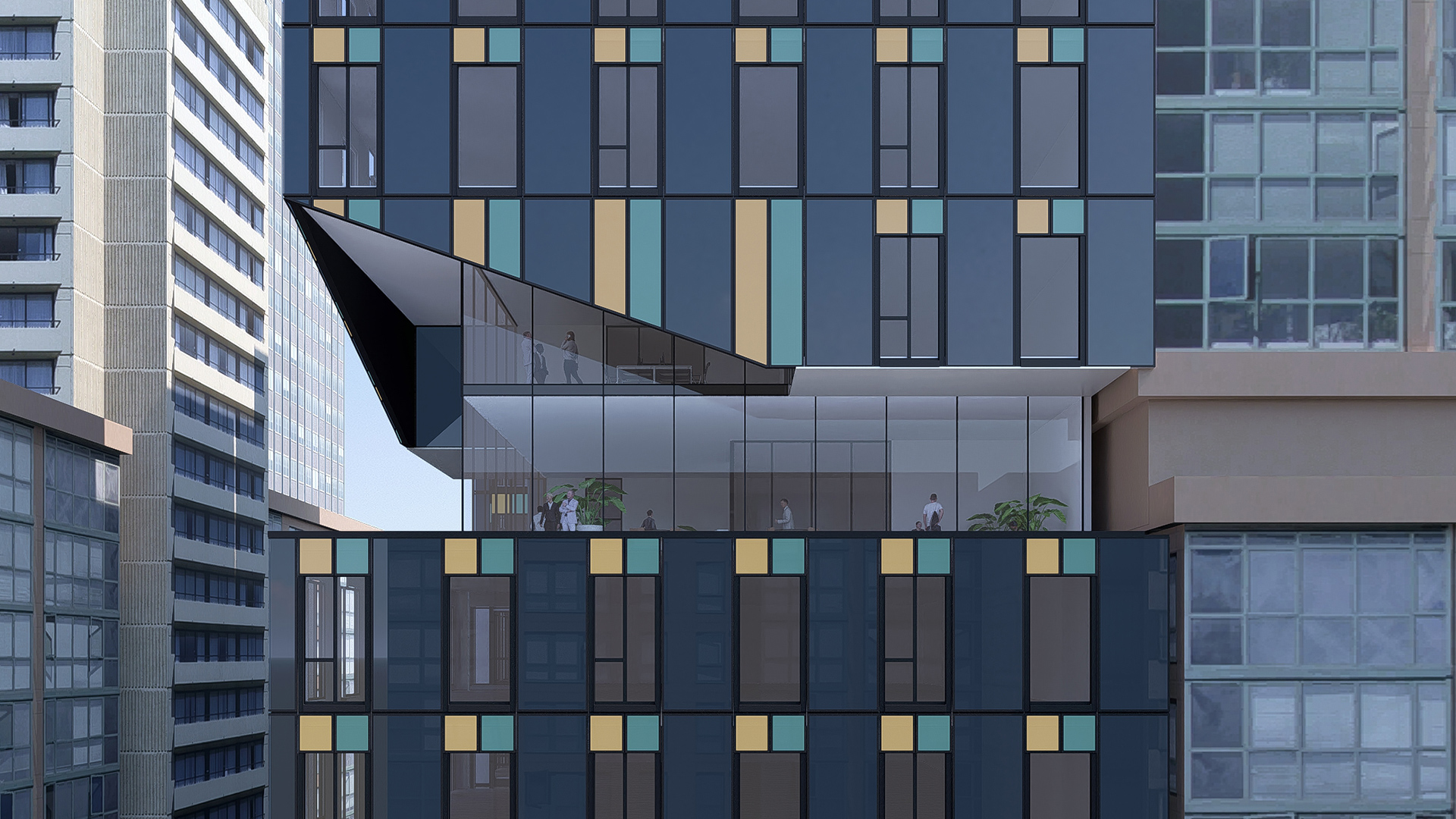
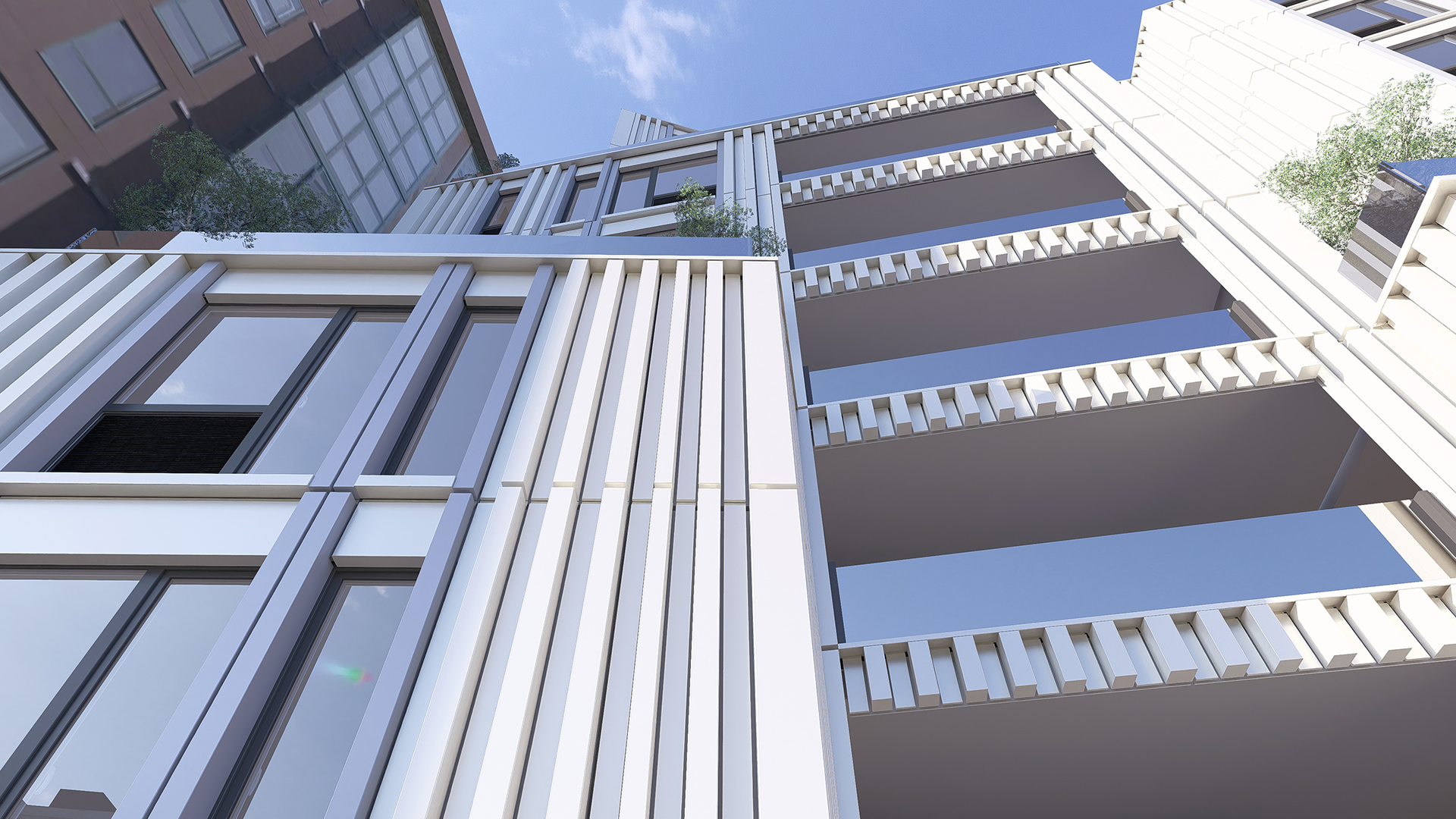
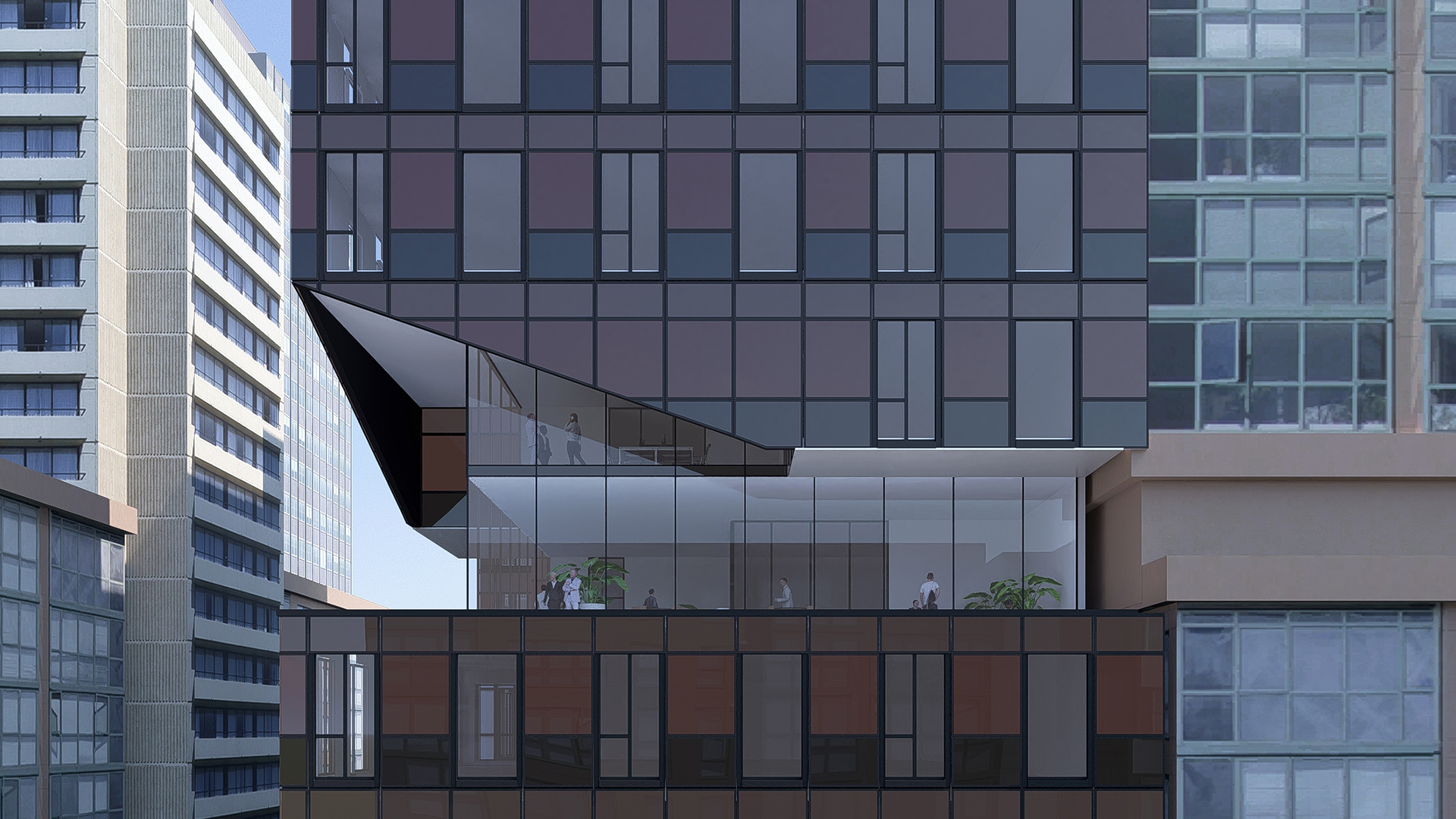
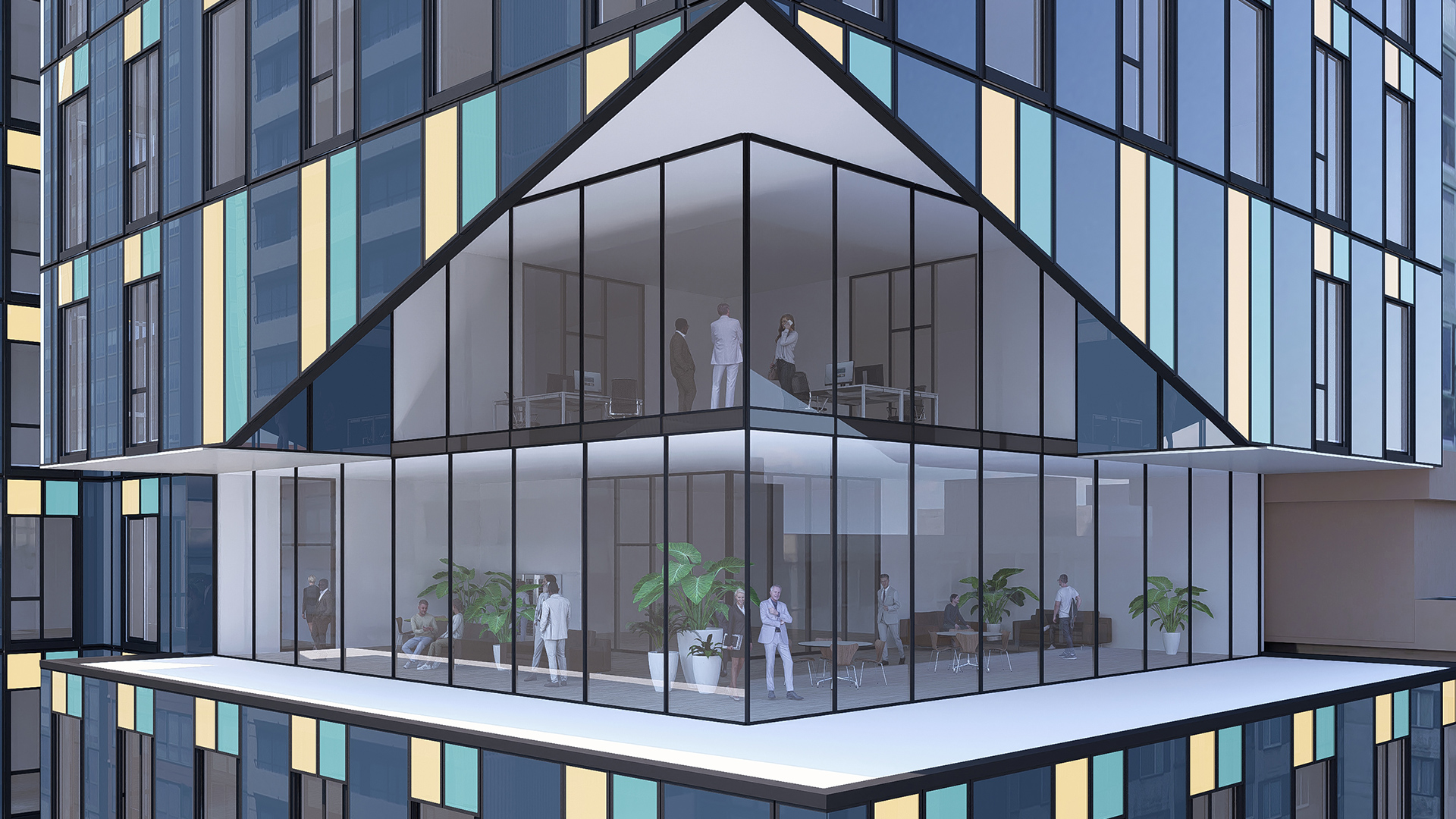
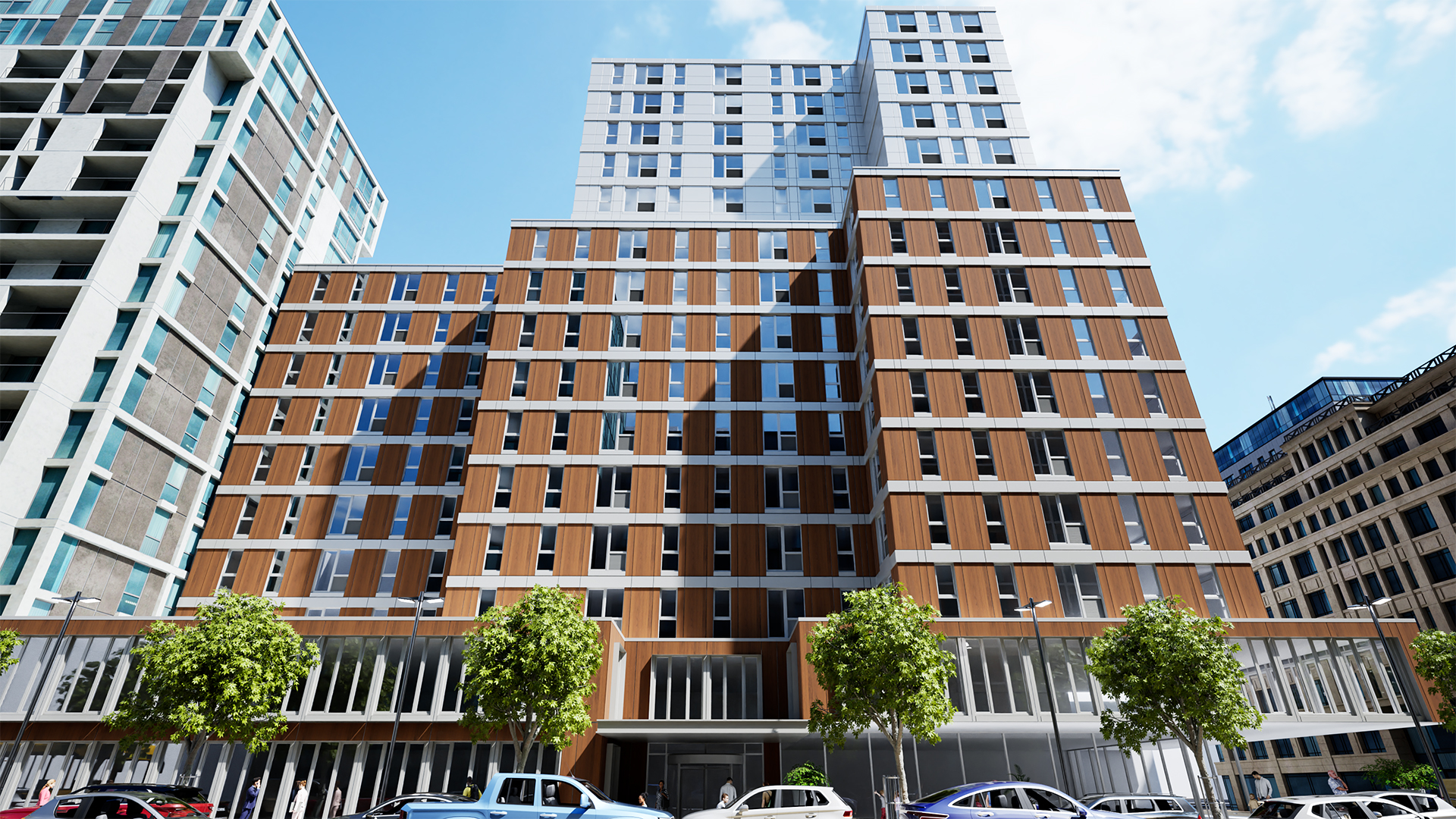
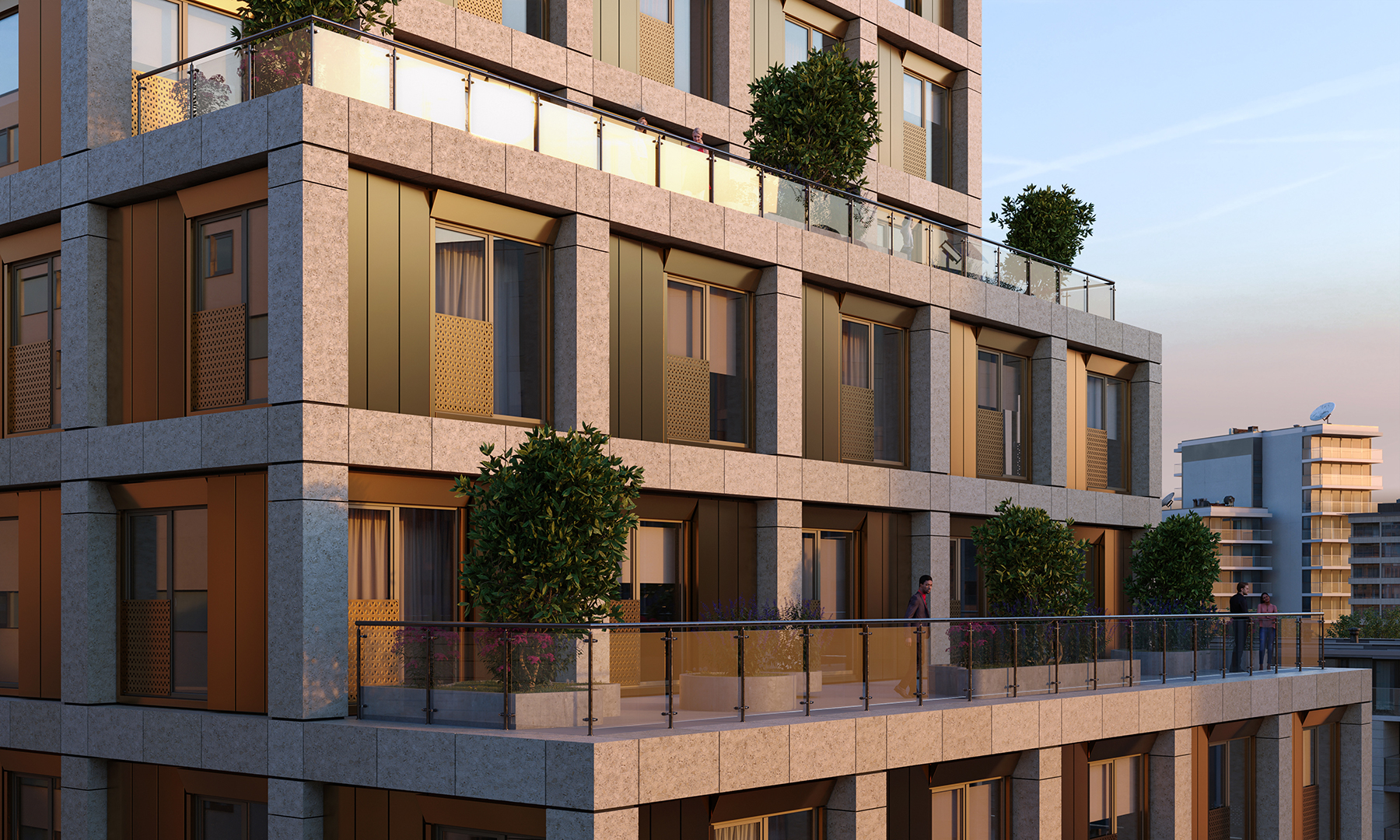
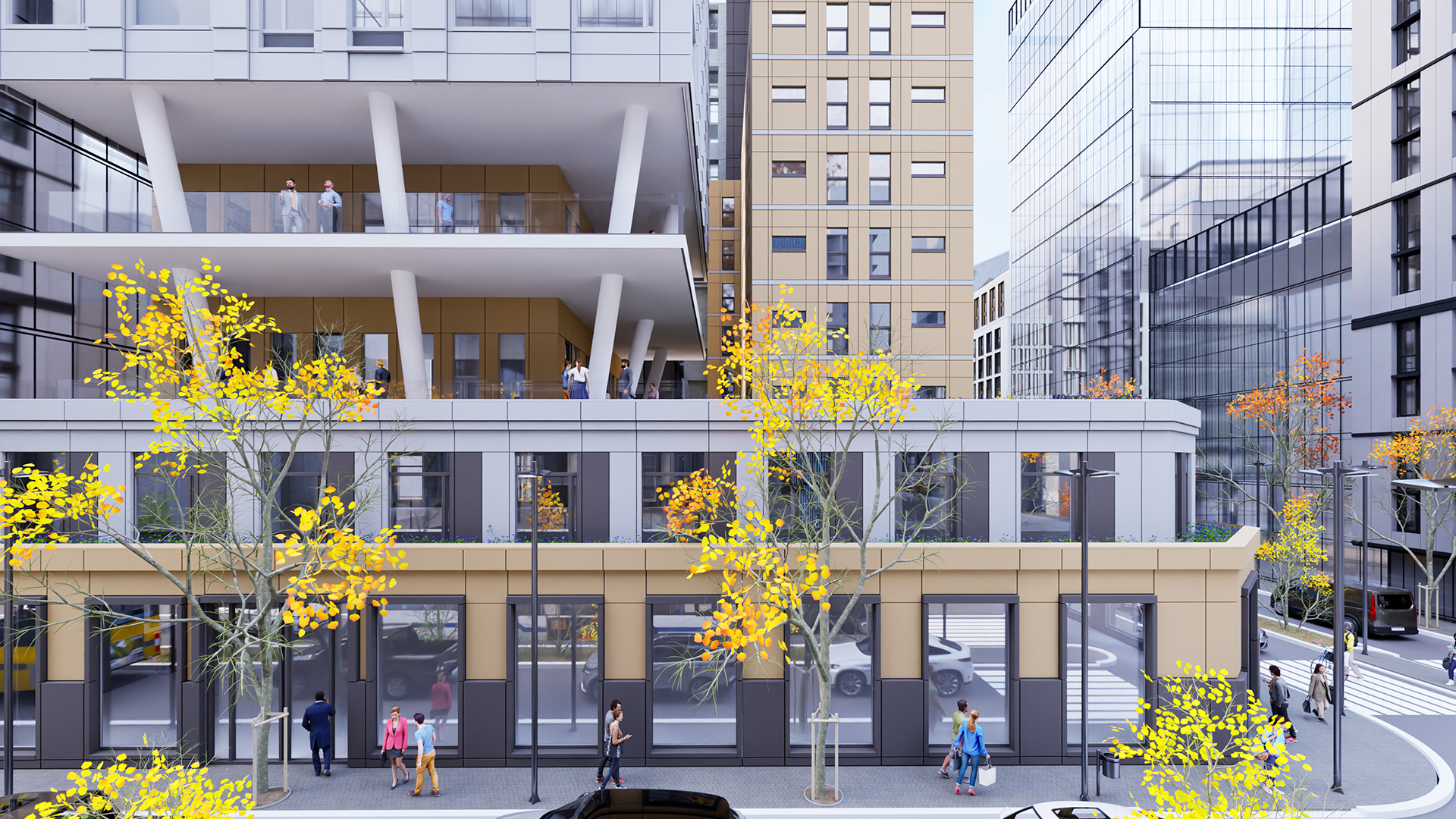
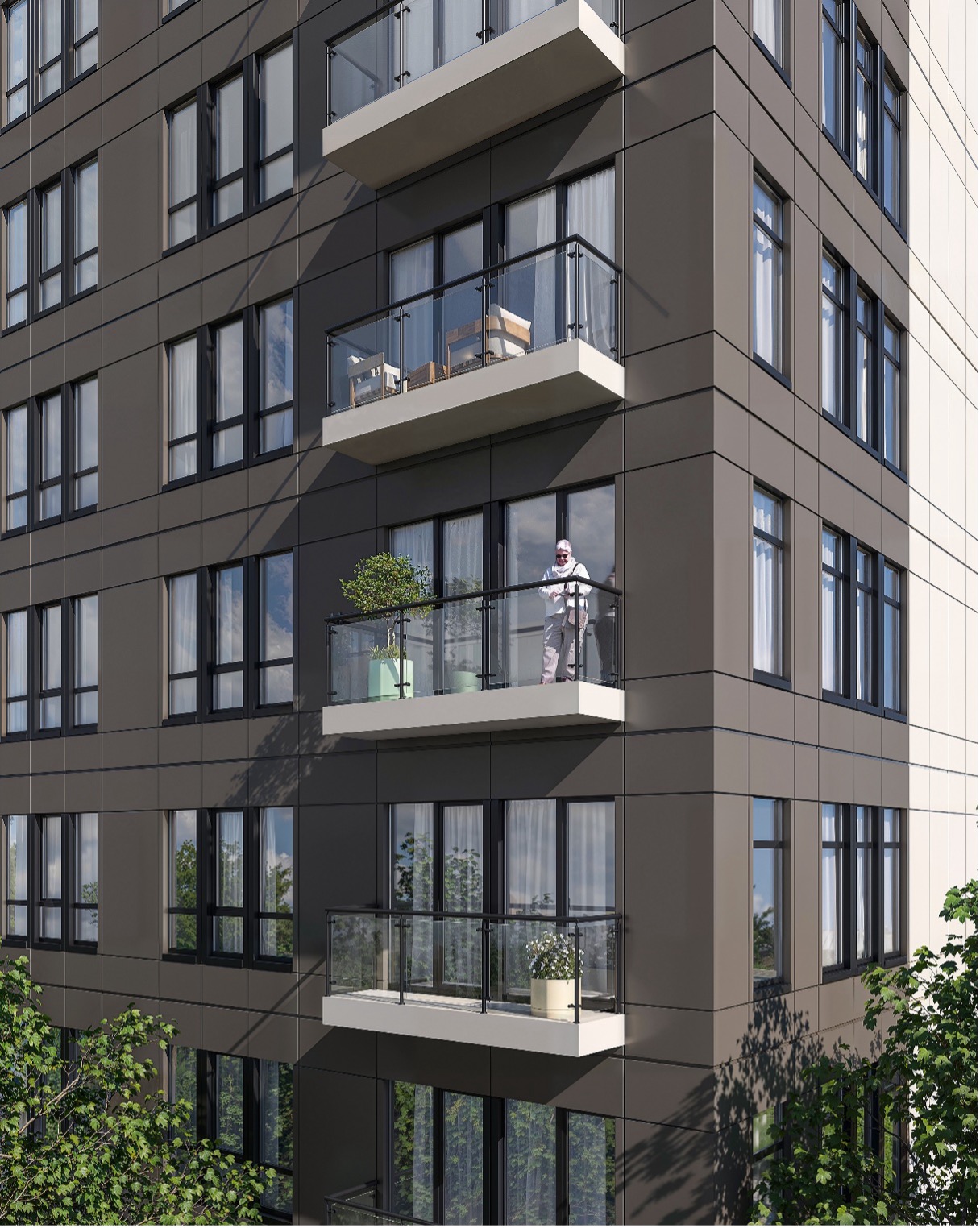
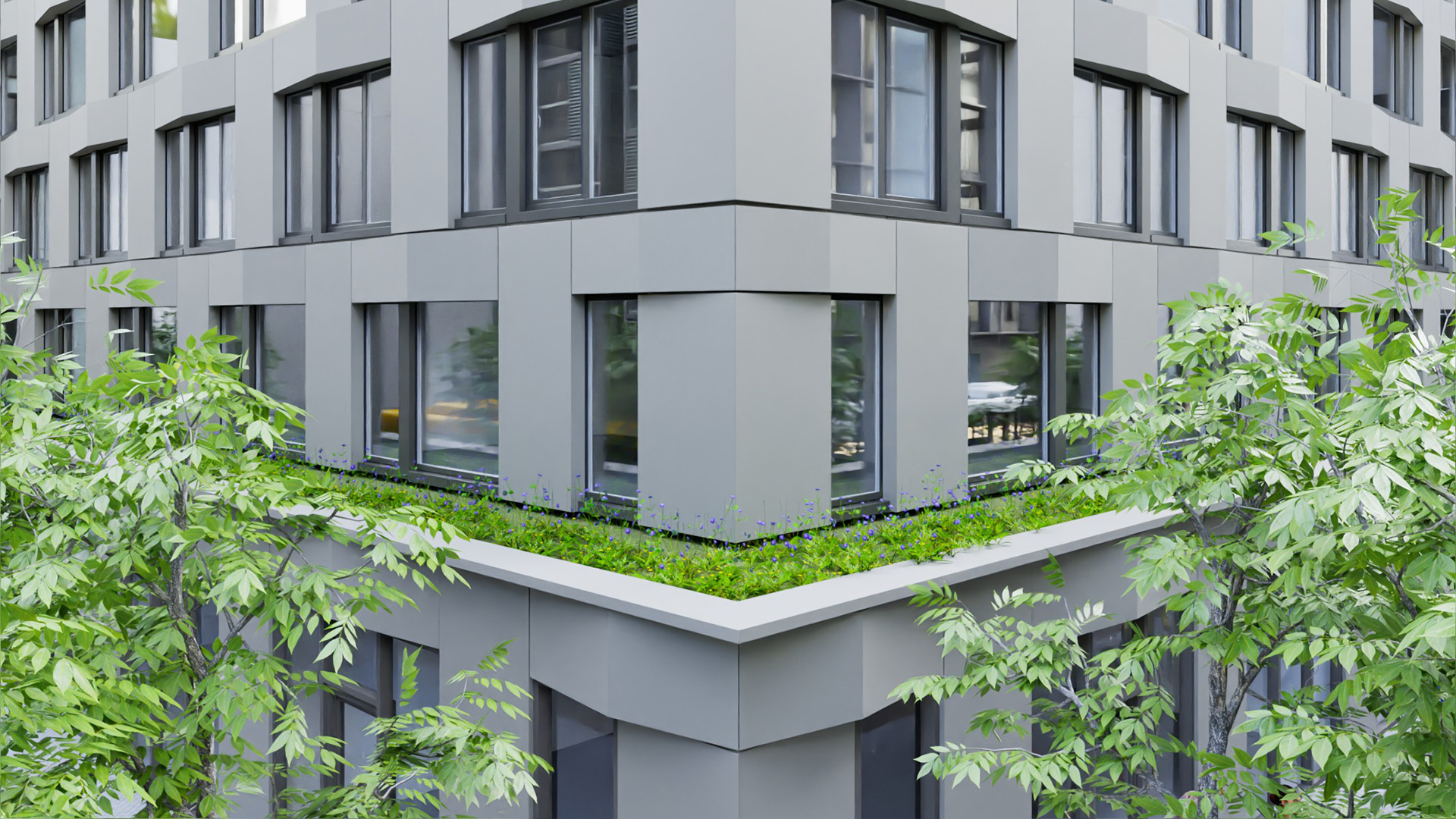
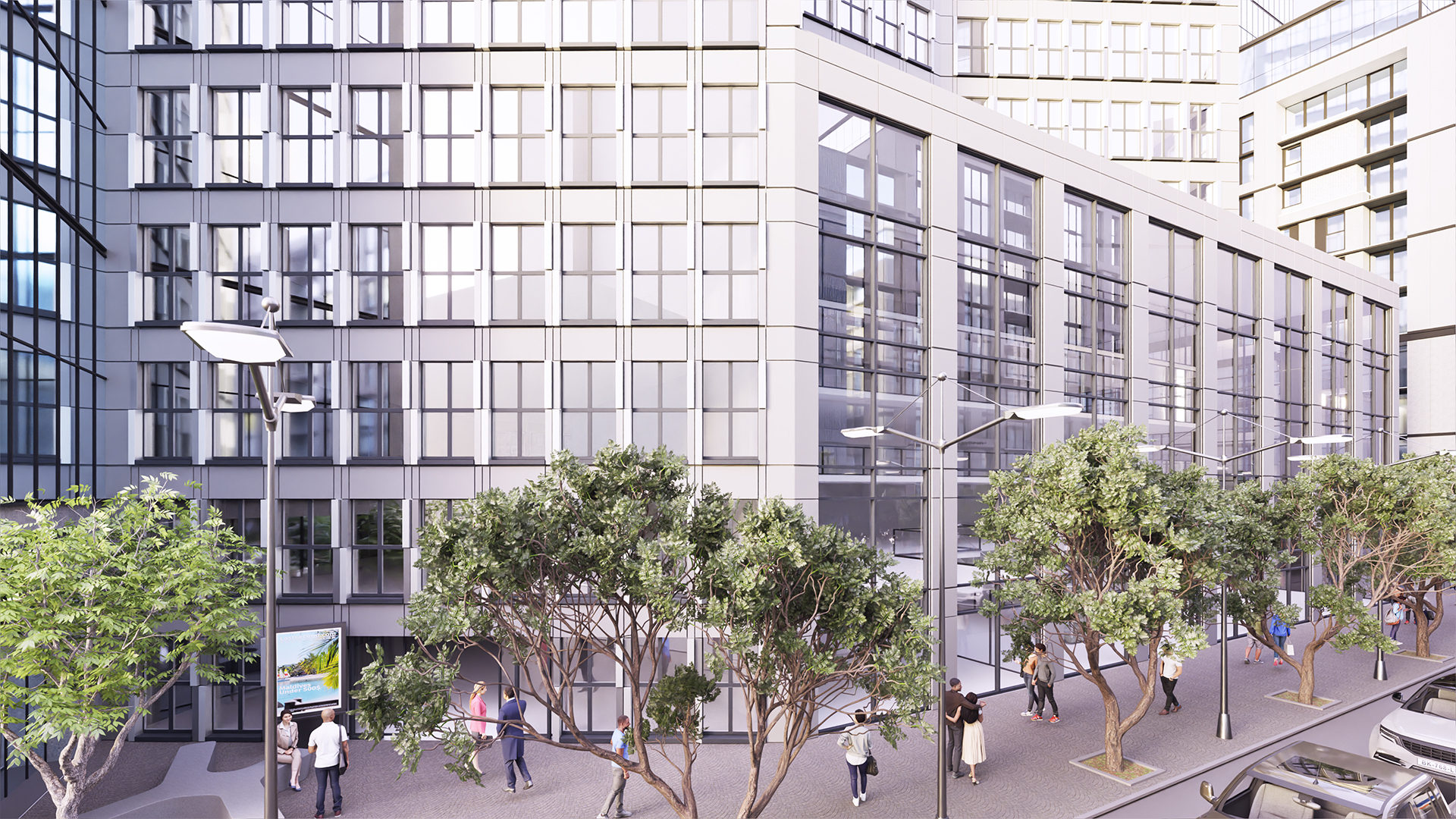
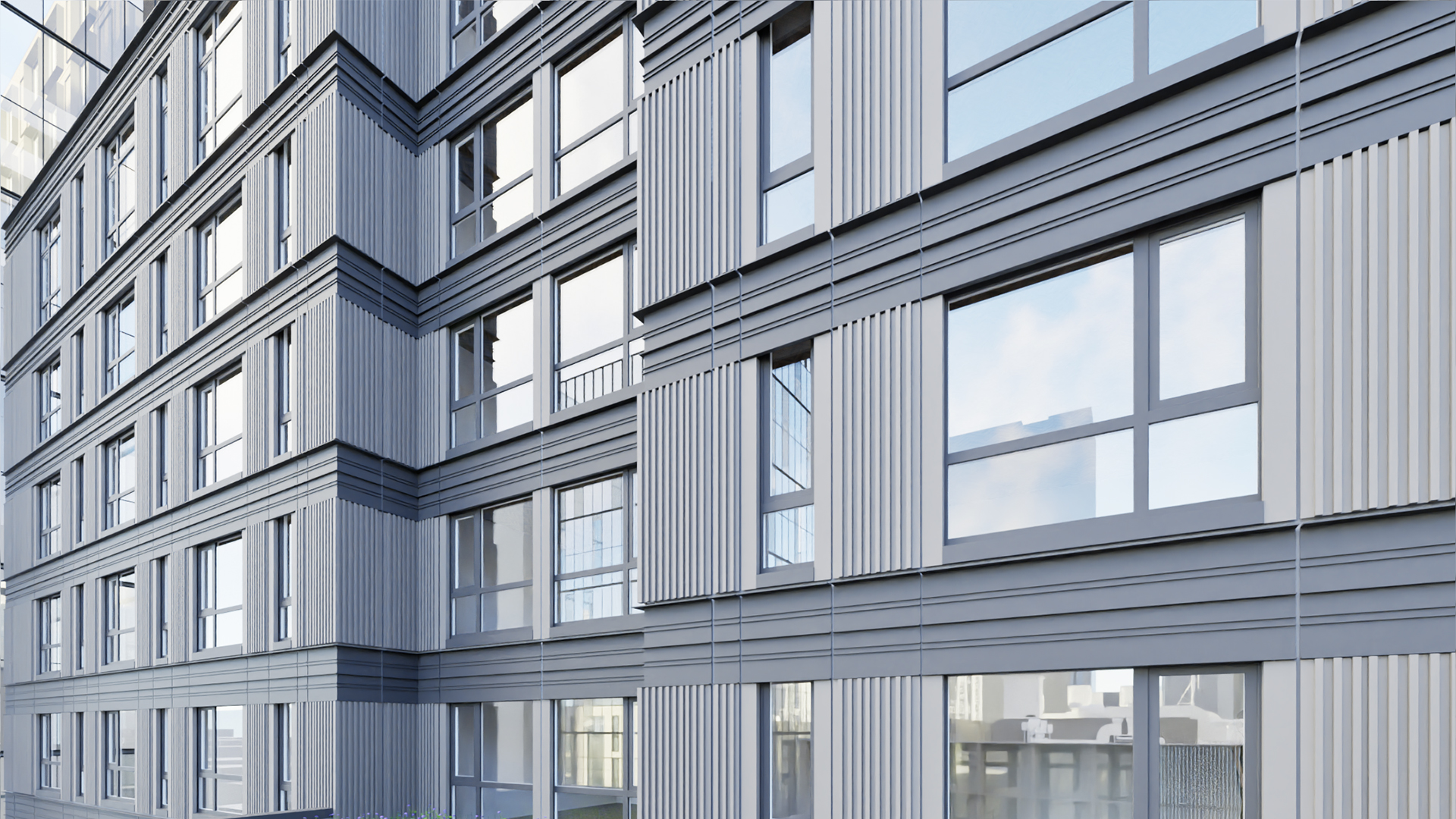
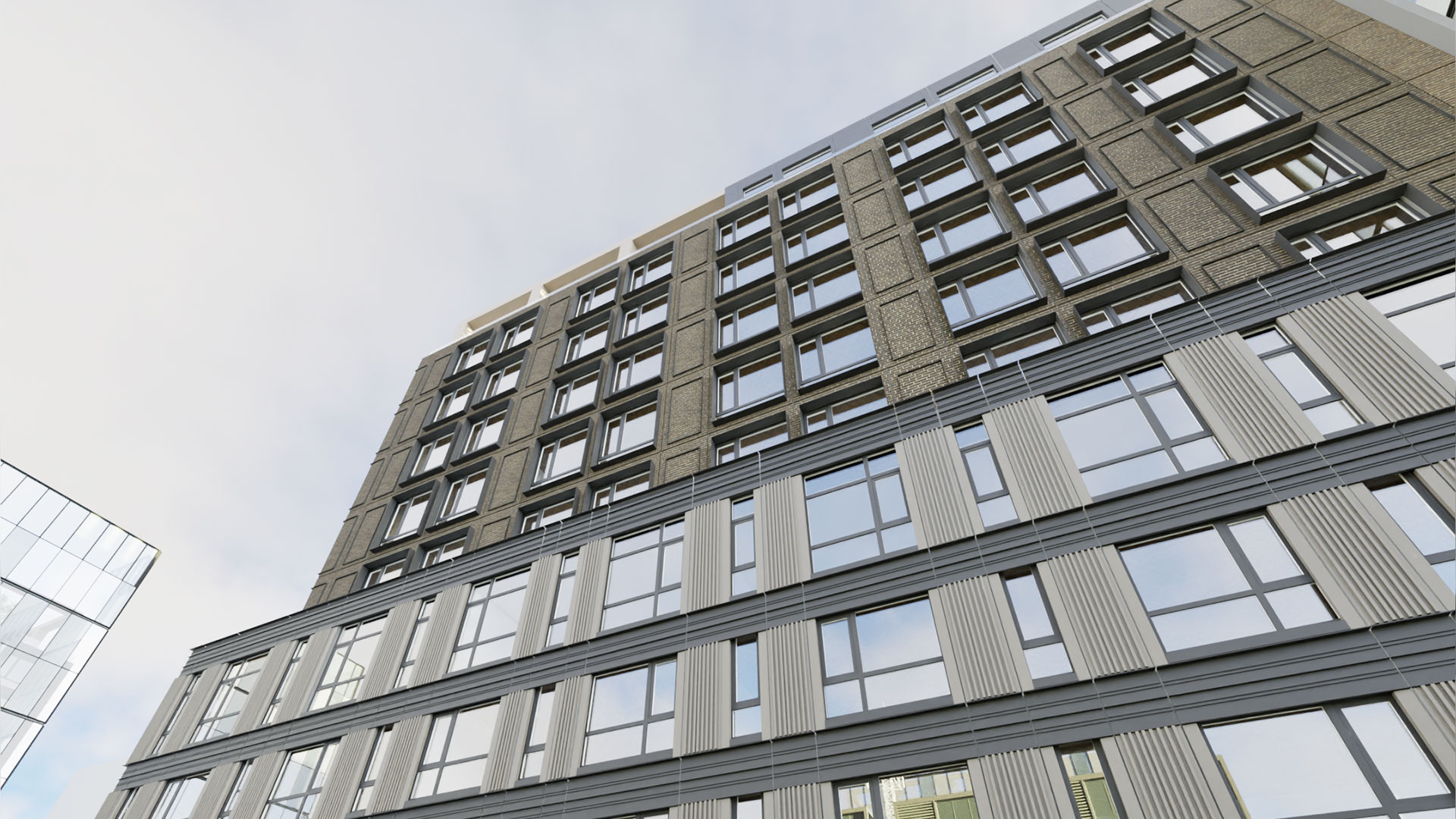
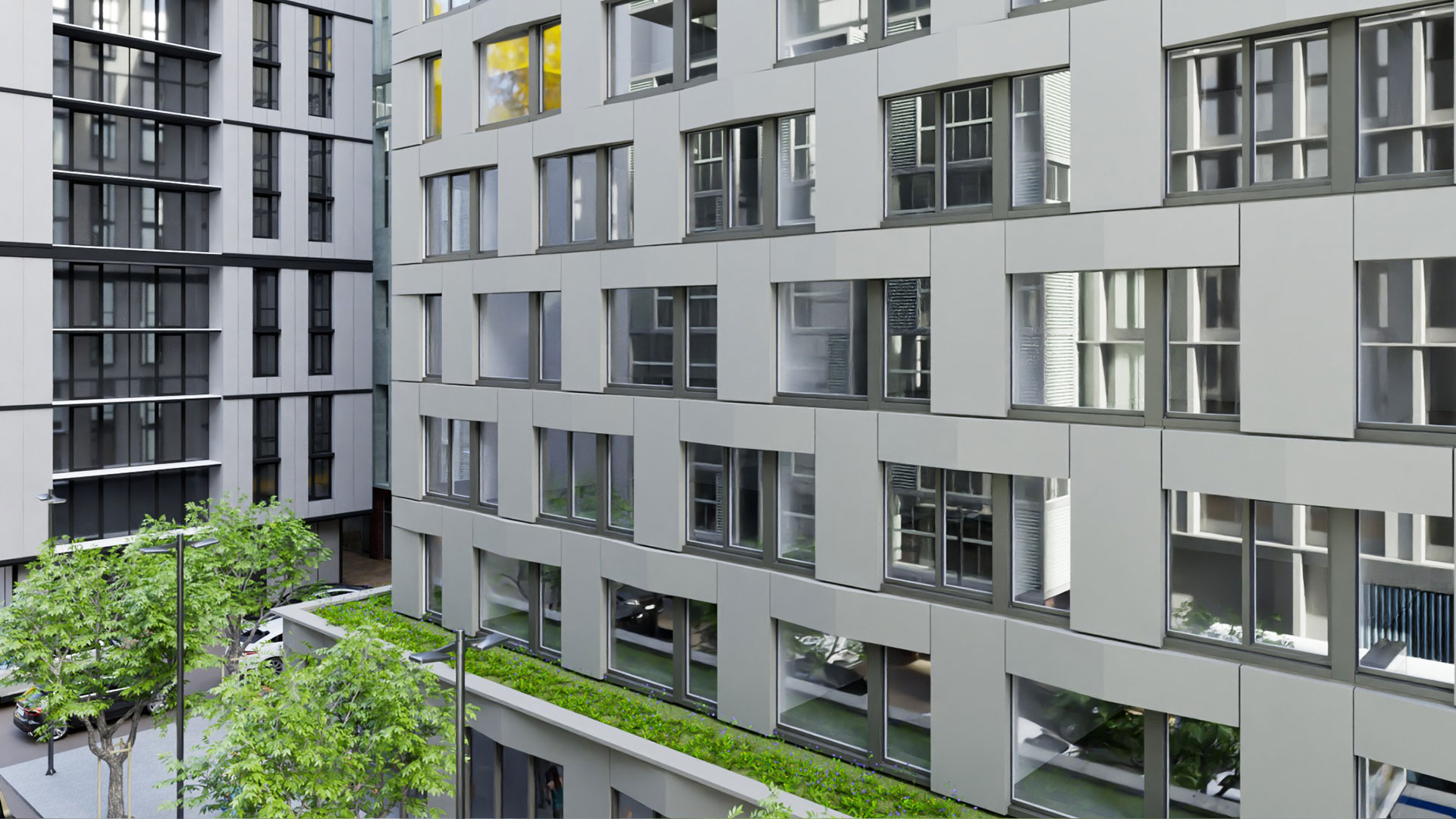
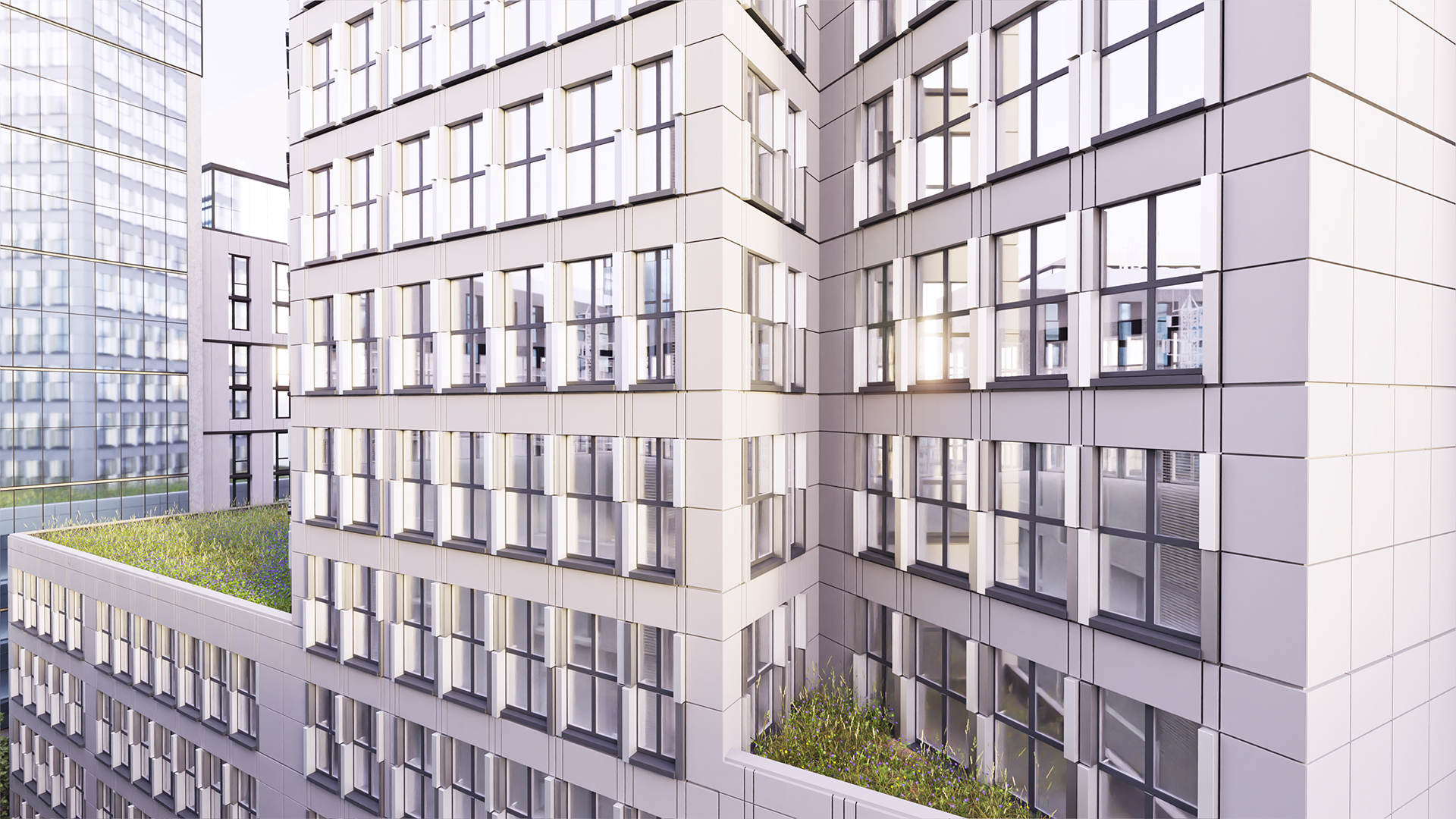
At the same time, the façade doesn't have to look like a compromise. Module sizes, joint patterns and finish options (metallic, matte, textured, warm tones, cool tones) give architects a wide palette while keeping every visible layer non-combustible. Instead of value engineering fire safety out of the design, teams can value engineer toward a prefabricated system that keeps:
- Aesthetics – clean lines, controlled joints, consistent factory-quality finishes.
- Cost and schedule – predictable pricing, faster dry-in, fewer site variables.
- Non-combustibility – a fully integrated wall assembly built around inert materials.
In this niche segment of non-combustible prefab façades, Dextall positions the envelope as a high-performance product: engineered, repeatable and attractive - not just a pile of components assembled in the weather.
Smart Facades, Straight Answers: FAQ
What makes a façade "non-combustible"?
Most of the wall layers - insulation, sheathing, cladding and subframing - are made from materials that don't burn and are part of a tested fire-rated system.
Why choose mineral wool instead of foam?
Mineral wool doesn't ignite, melt or drip in a fire, while many foams can add fuel and smoke.
Are metal and fiber cement panels safer?
Yes. They're non-combustible, so they don't act as fuel on the exterior and help limit flame spread.
How do prefab systems like Dextall help with fire safety?
Dextall panels come with a non-combustible core, sheathing and finish already engineered as one unit, so the fire strategy is built in, not assembled ad hoc on site.
Can I upgrade an existing building to a non-combustible façade?
Yes. Non-combustible prefab panels like Dextall can be overclad onto existing structures to improve fire performance and appearance.









.jpeg)
-Compliance-for-NYC-Multifamily-%26-Co-Op-Facades.jpg)










_format(webp).avif)
_format(webp)%20(6).avif)
_format(webp)%20(5).avif)
_format(webp)%20(4).avif)
_format(webp)%20(2).avif)
_format(webp)%20(3).avif)


.avif)
_format(webp)%20(2).avif)