Budget Re-Cladding for Occupied NYC Multifamily
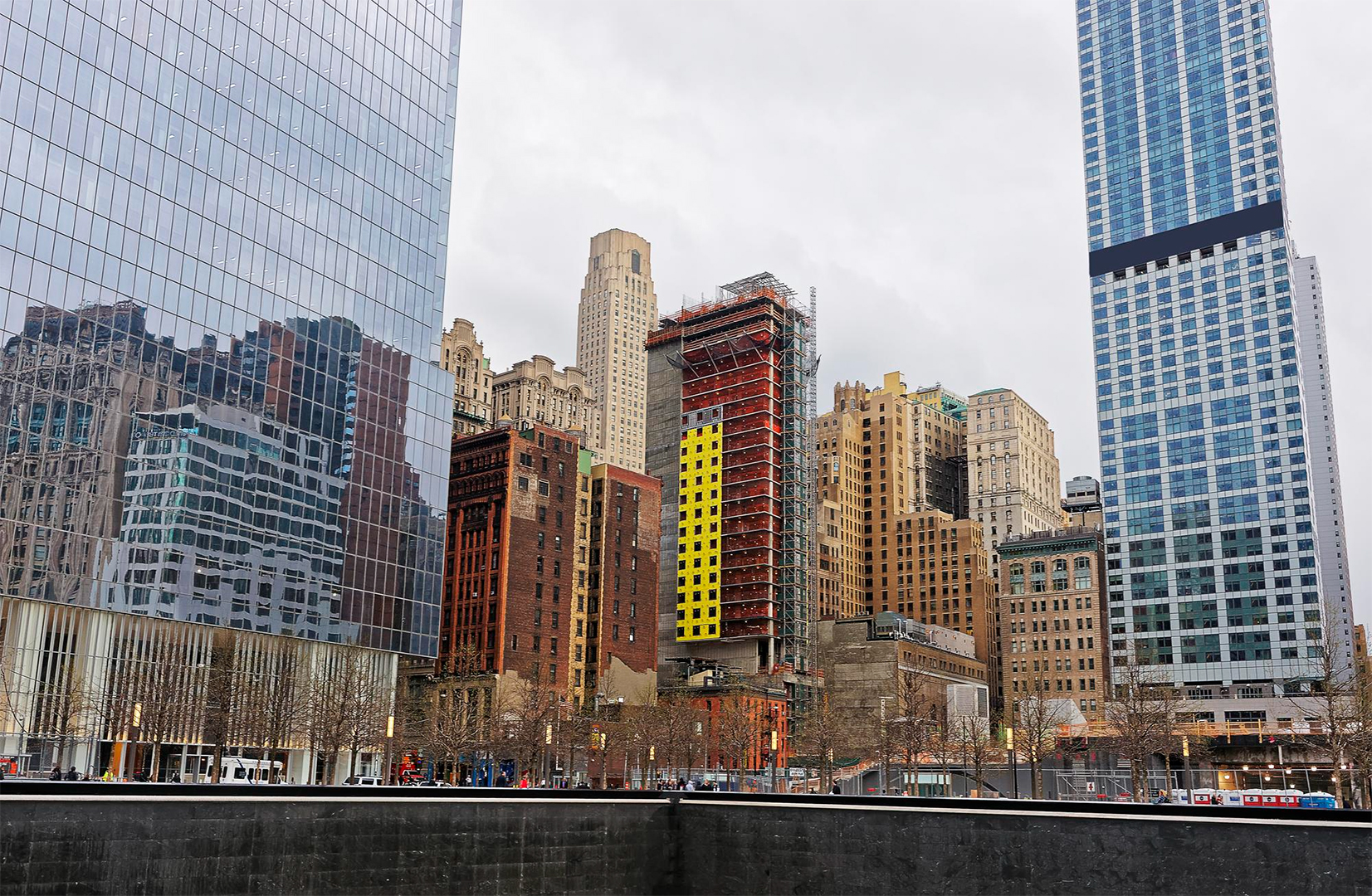
In New York City, a building's façade isn't just "curb appeal." It's safety, comfort, weather protection, and a big driver of long-term asset value. The problem is that once a multifamily building is occupied, re-cladding stops being a simple construction job and turns into a high-stakes balancing act—budget, schedule, access, and resident disruption all pulling in different directions.
Here's the good news: "budget re-cladding" doesn't have to mean cutting corners. The real savings usually come from working smarter—reducing on-site hours, tightening logistics, and making the process predictable. And that's where modern approaches like Dextall can shine: faster execution, cleaner coordination, and fewer surprises that blow up costs mid-project.
Cut Costs Without Cutting Quality
Keeping an occupied NYC multifamily building running while you re-clad the exterior is exactly where budgets get tested. The smartest cost cuts usually don't come from cheaper materials—they come from trimming the hidden expenses that pile up on every active jobsite: access setup, labor hours, and schedule creep. In this section, we'll break down where the money really goes and how to protect performance and durability while still bringing the total cost down.
Biggest drivers: access, labor, schedule
In occupied NYC multifamily buildings, the budget usually isn't blown by the panel you choose—it's blown by how hard it is to work around people and the city.
- Access: sidewalk sheds, scaffolding, swing stages, and tight streets can force slower installs, limited staging, and restricted delivery windows. Every constraint adds time.
- Labor: complex "one-off" details mean more field cutting, fitting, and rework. Labor is where costs climb fastest when the job gets messy.
- Schedule: time is a multiplier—longer duration means more weeks of access rentals, supervision, coordination, and higher risk of weather or sequencing delays.
Smart savings: phasing + standard details
The best "budget" strategy is simple: make the work repeatable and keep disruption contained.
- Phase the job (by elevation/stack) so residents keep predictable entrances and the site team stays focused instead of scattered.
- Standardize details (corners + window head/sill/jamb + transitions) so crews install faster and mistakes drop.
- Repeat modules where possible—fewer unique parts = fewer surprises, smoother logistics, quicker closeout.
In the end, the real savings come from a smoother, more controlled process—not from downgrading performance.
Dextall Prefab Panels for Faster Re-Cladding
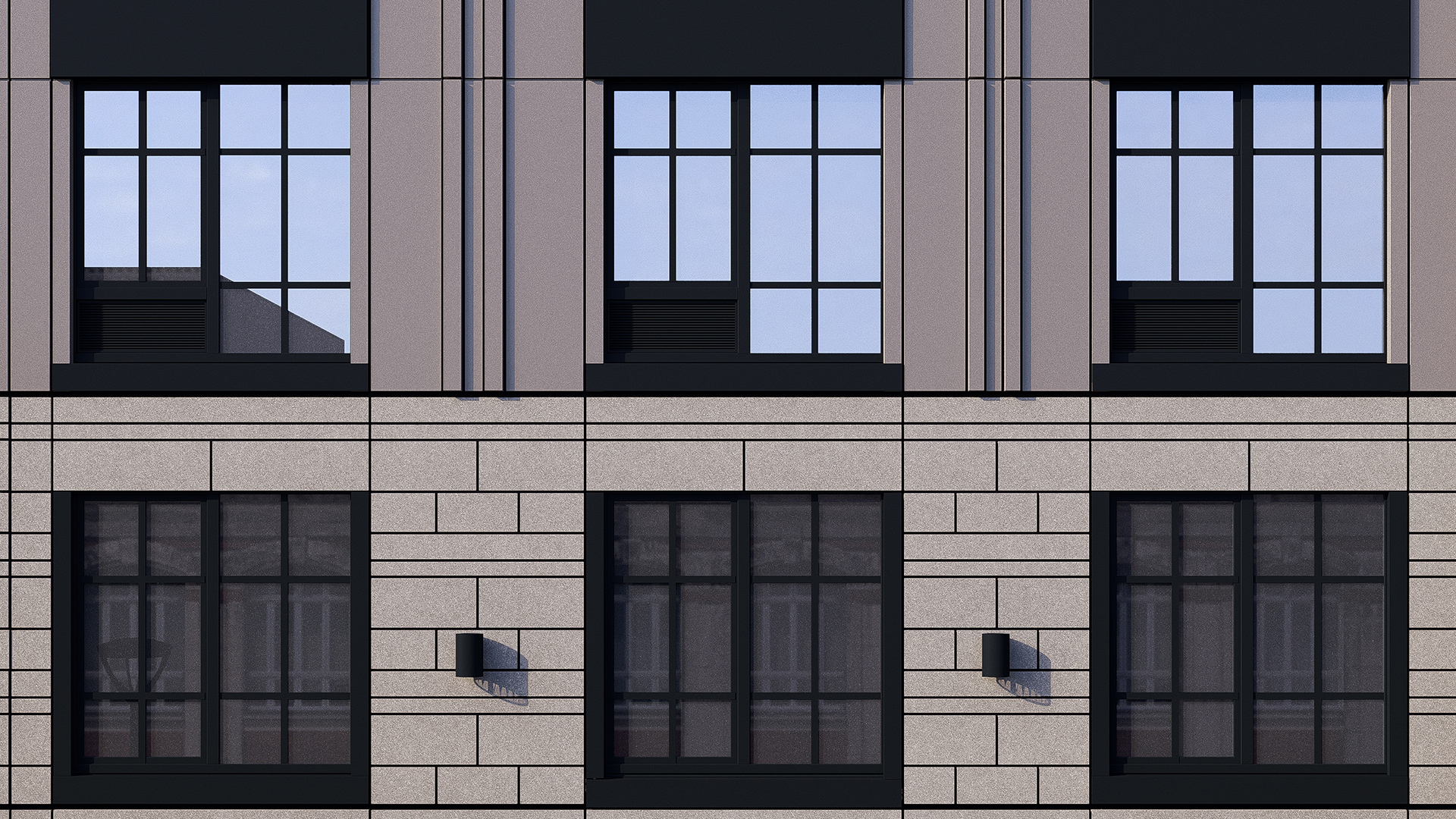
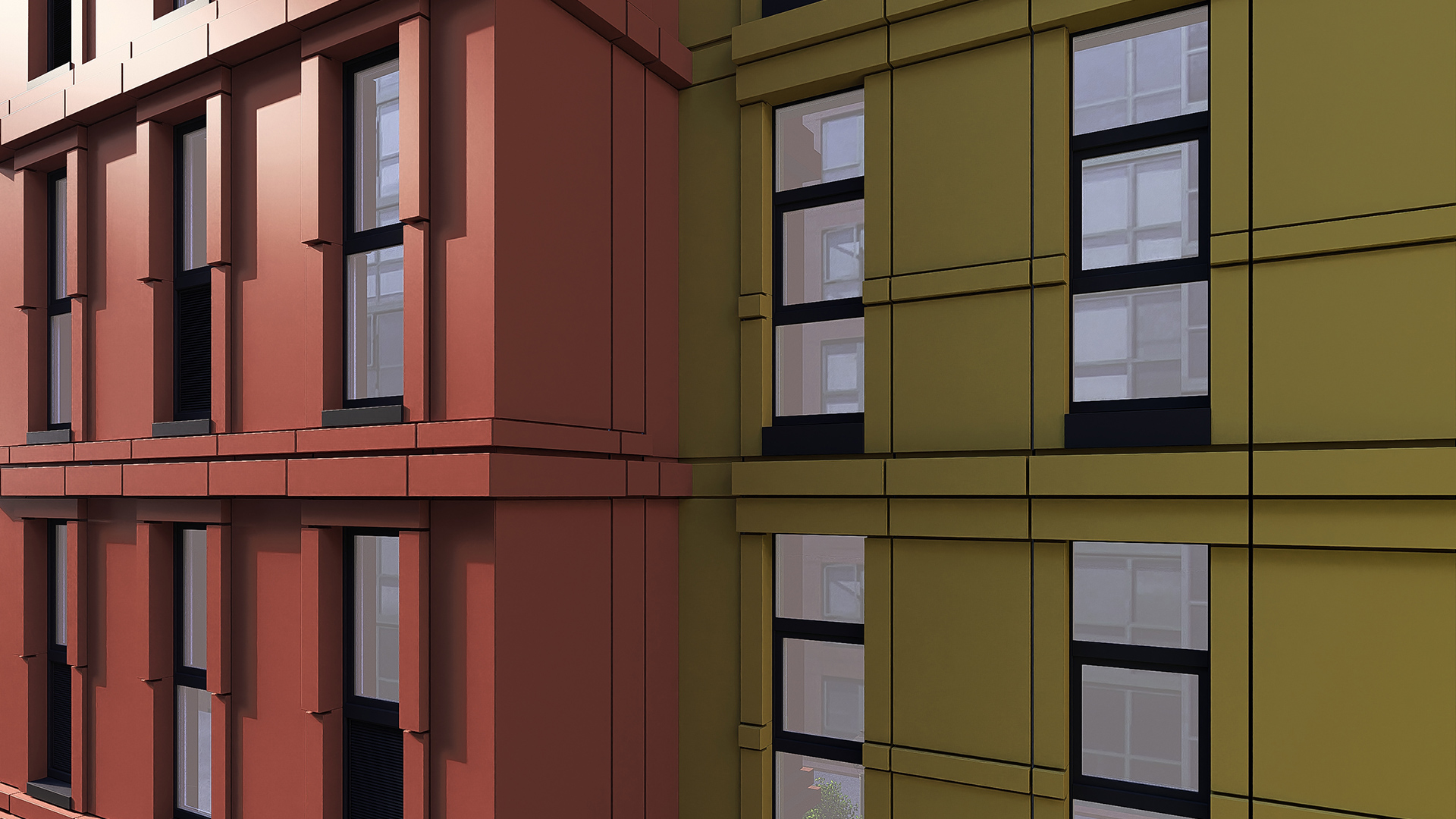
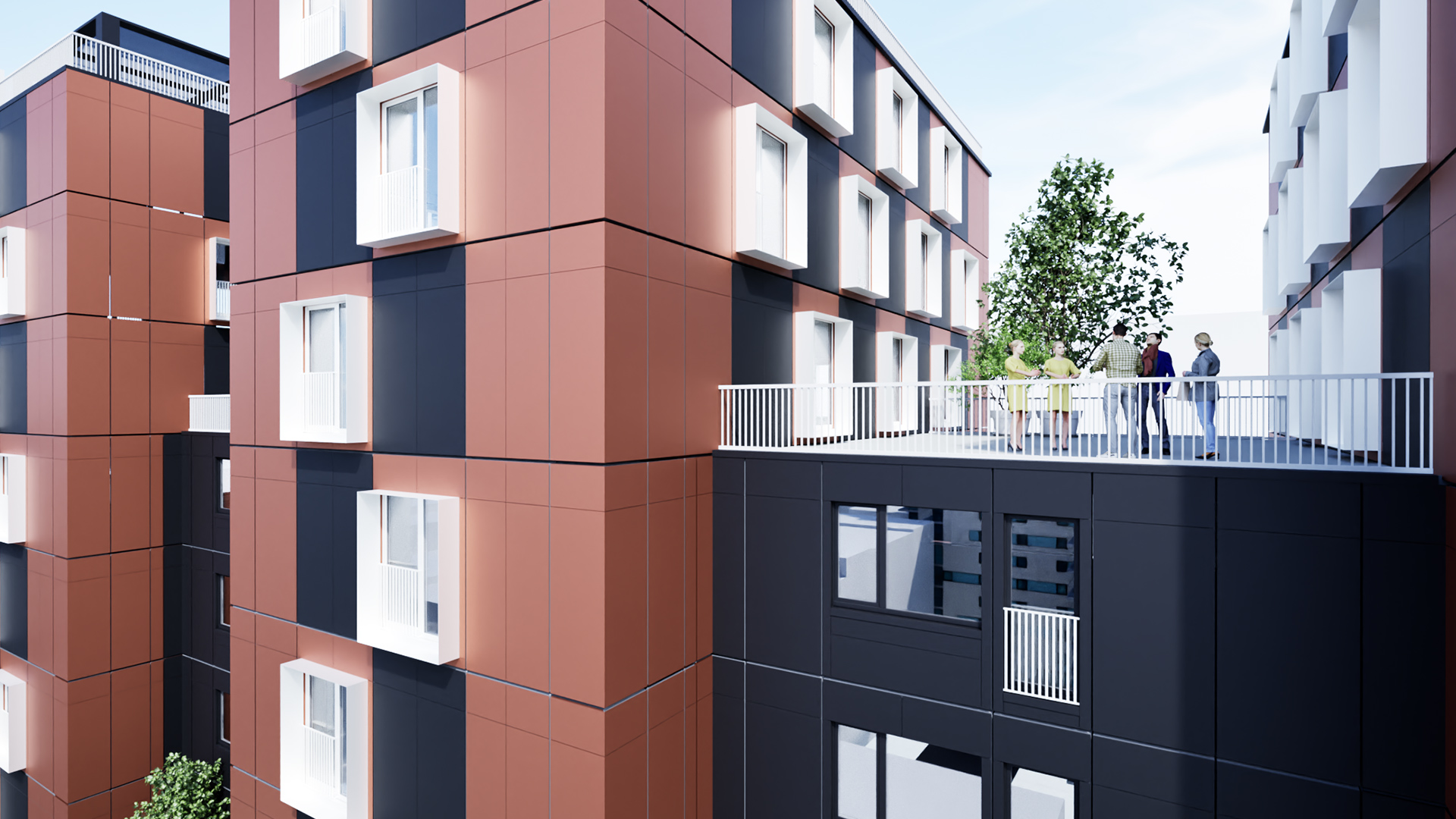
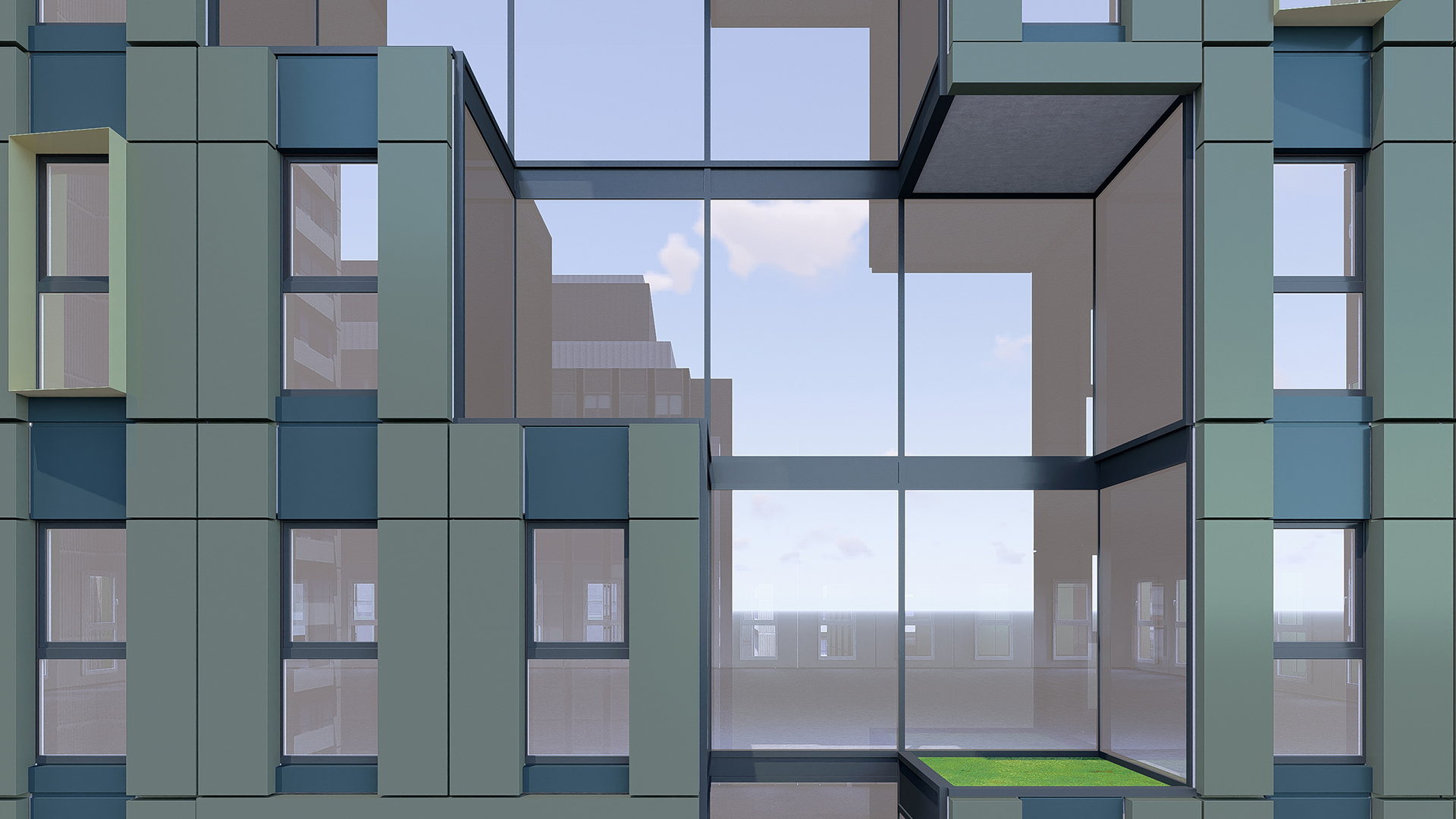
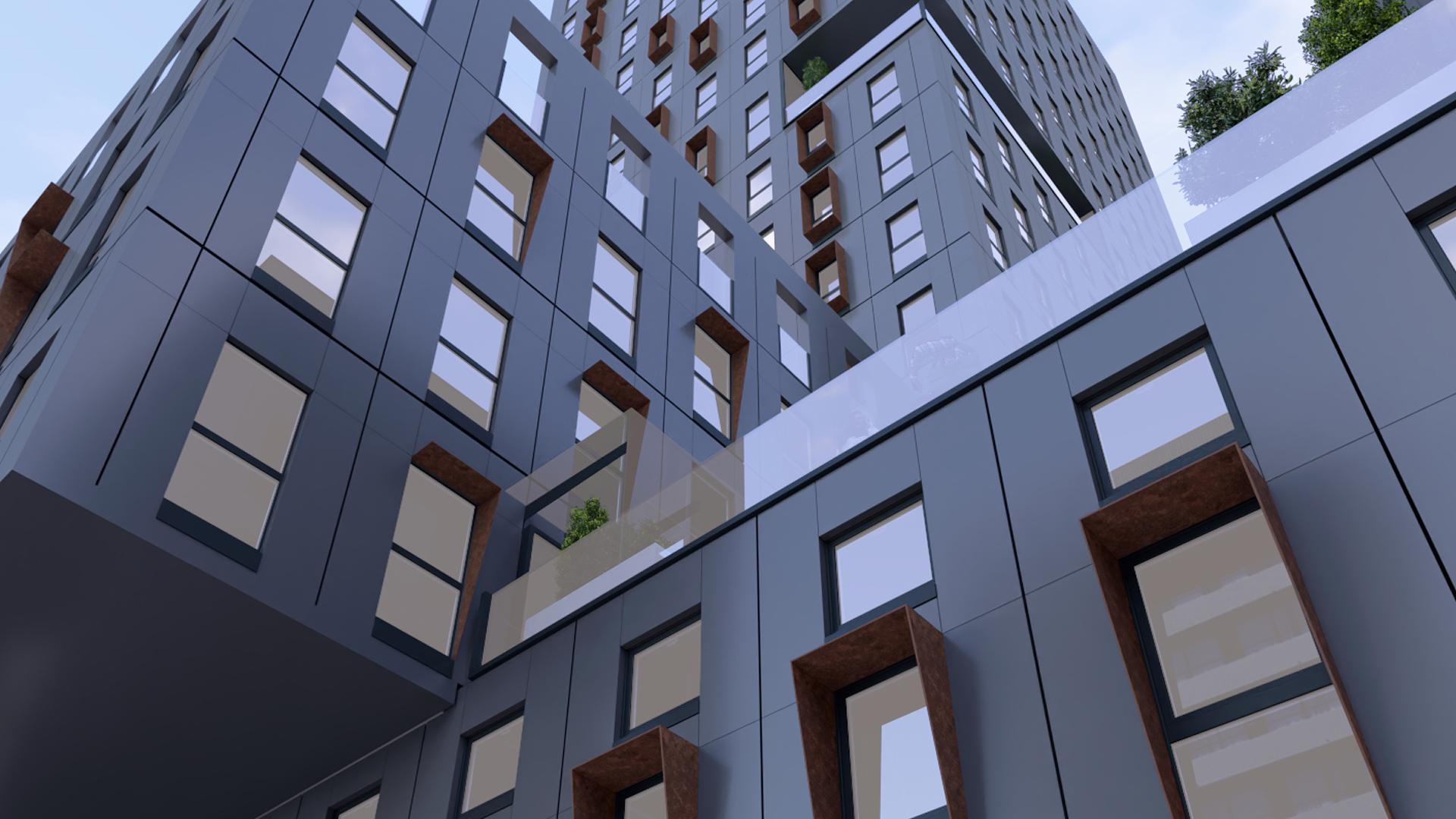
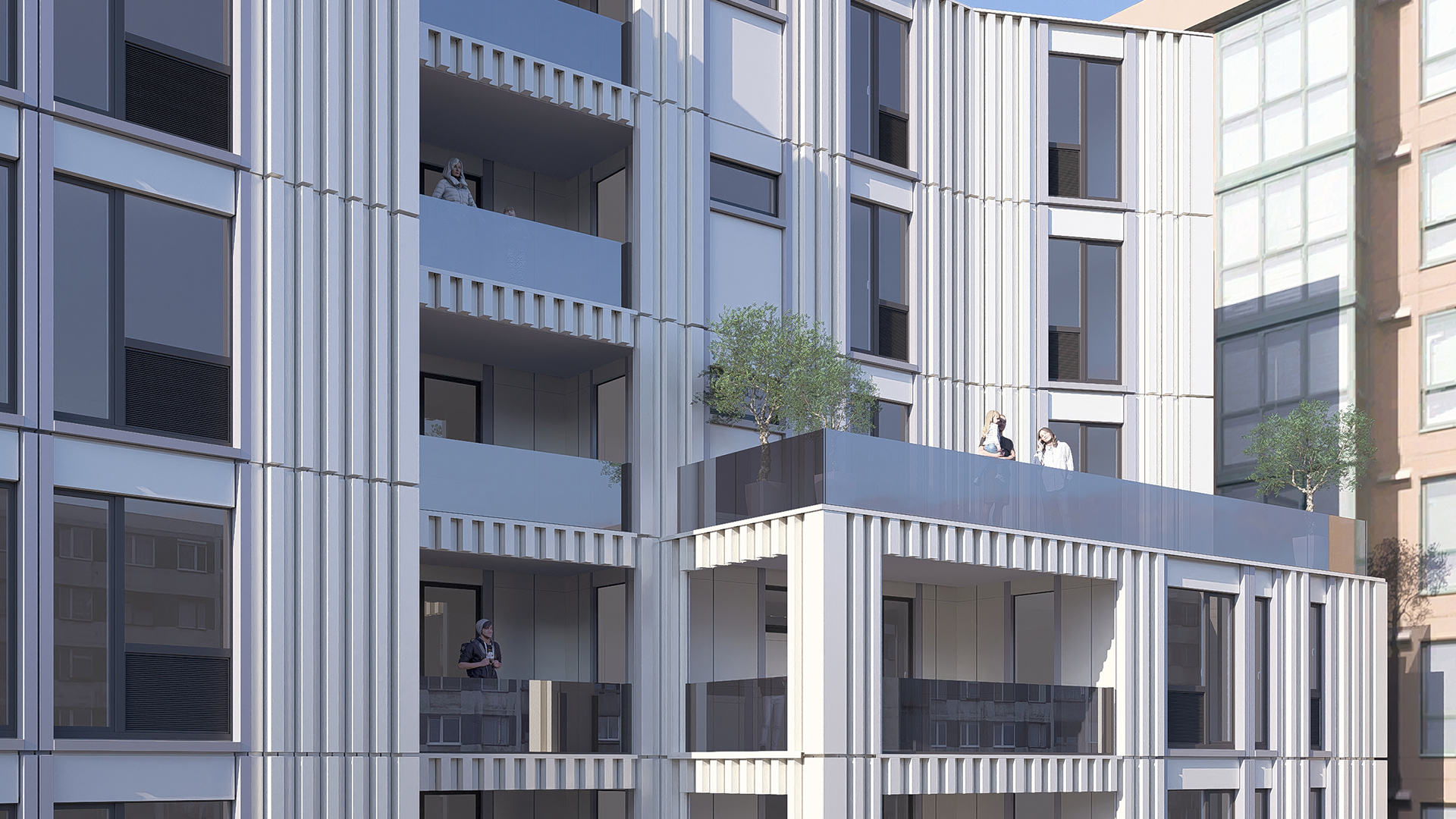
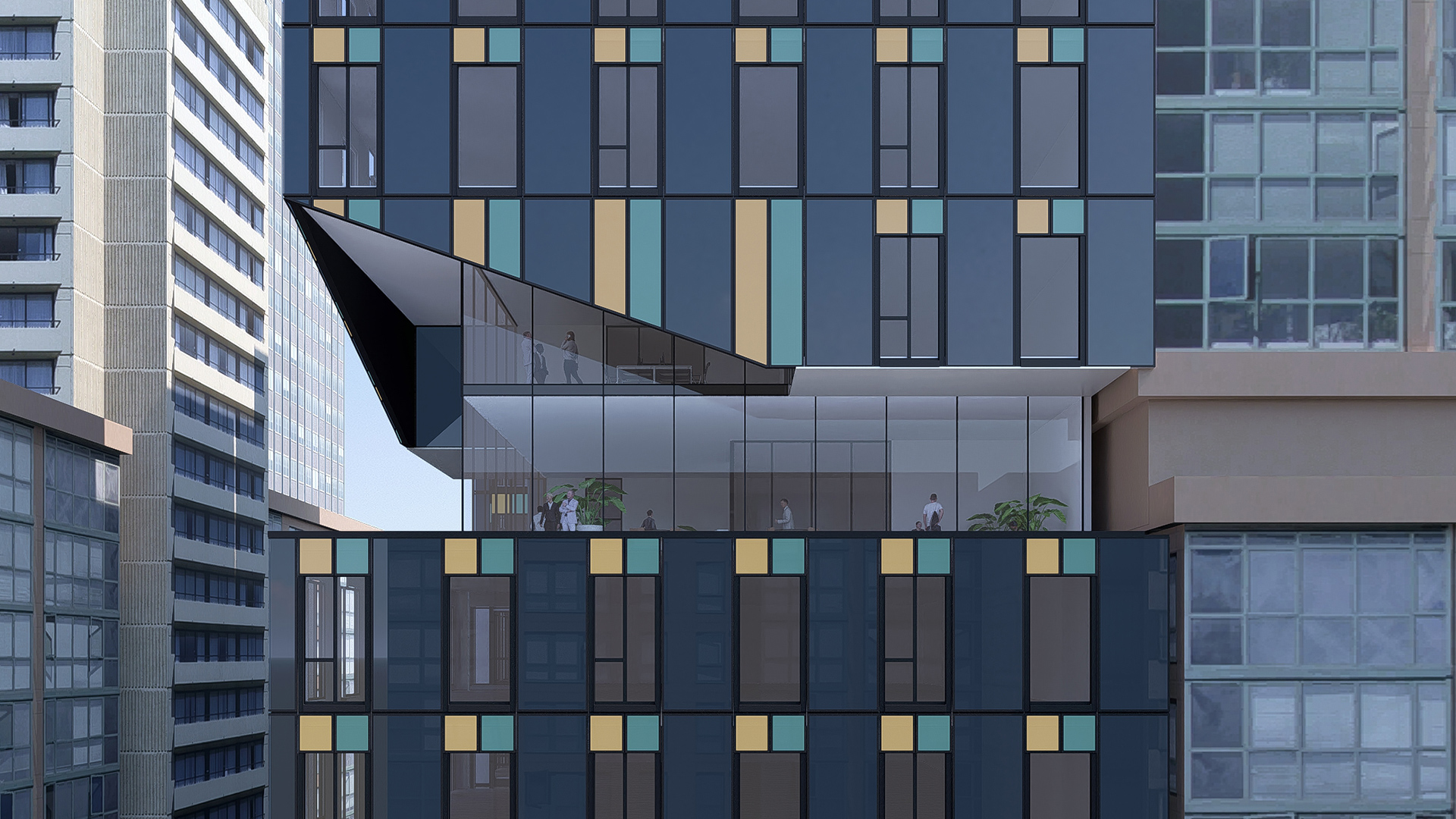
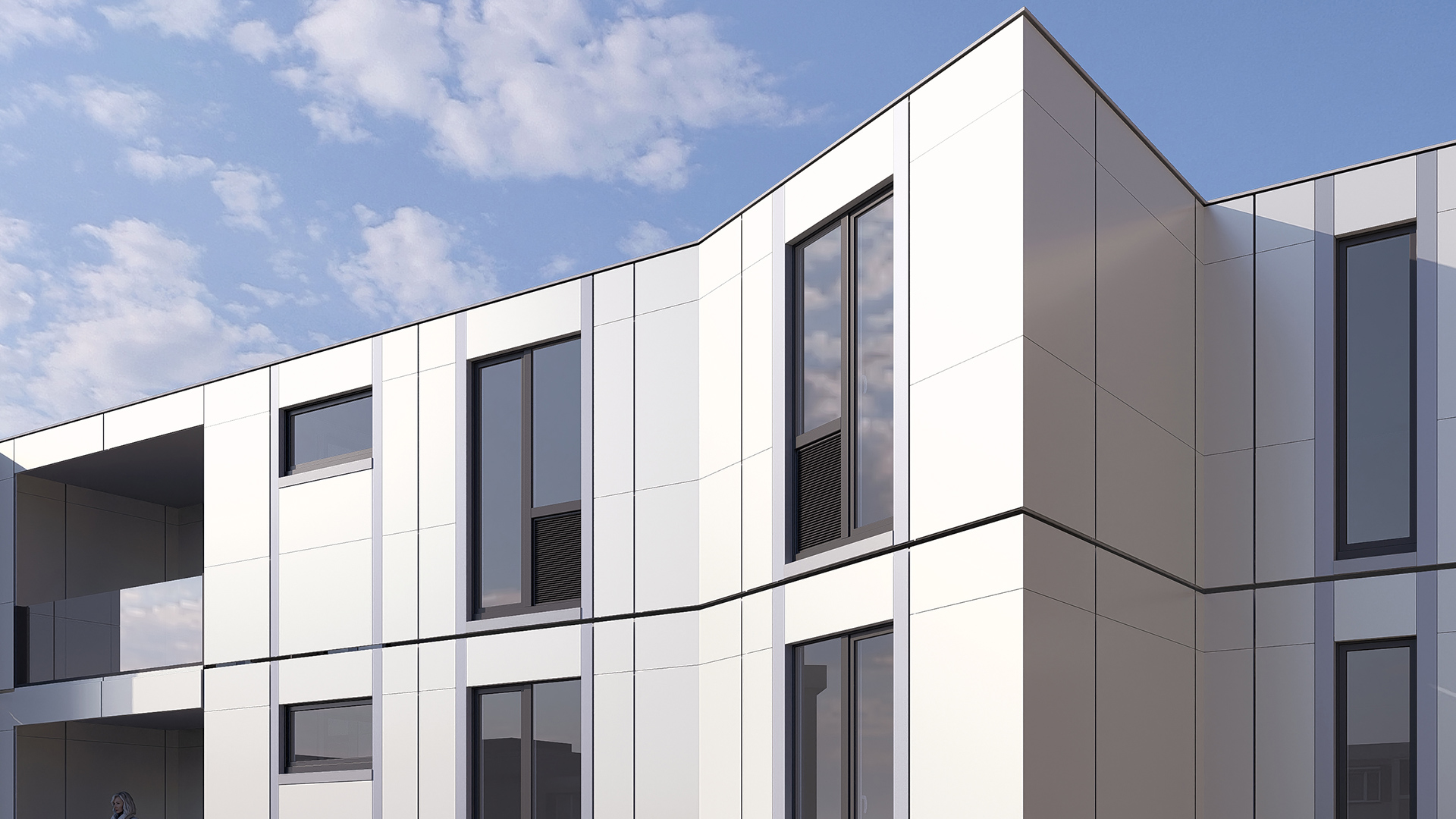
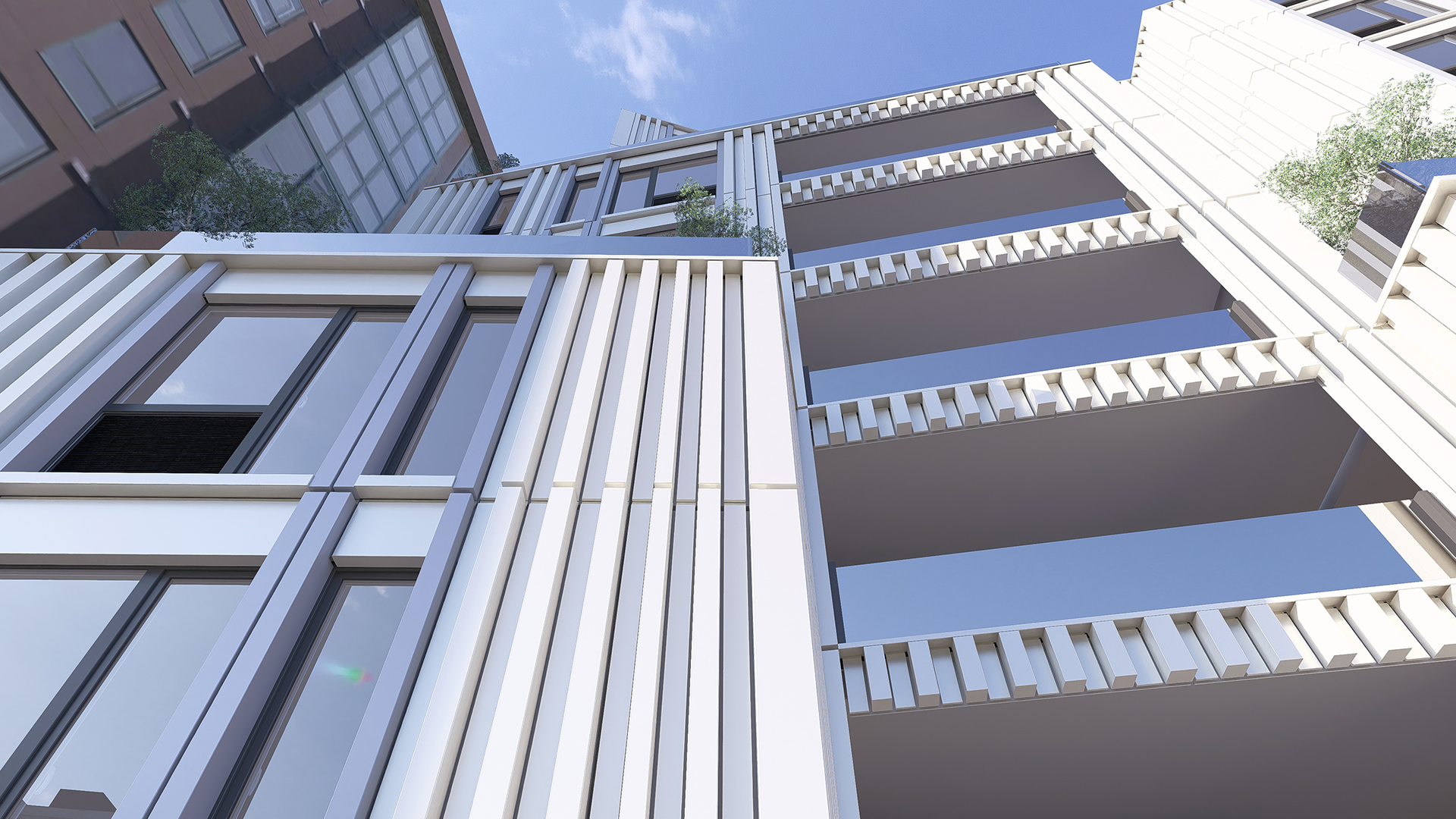
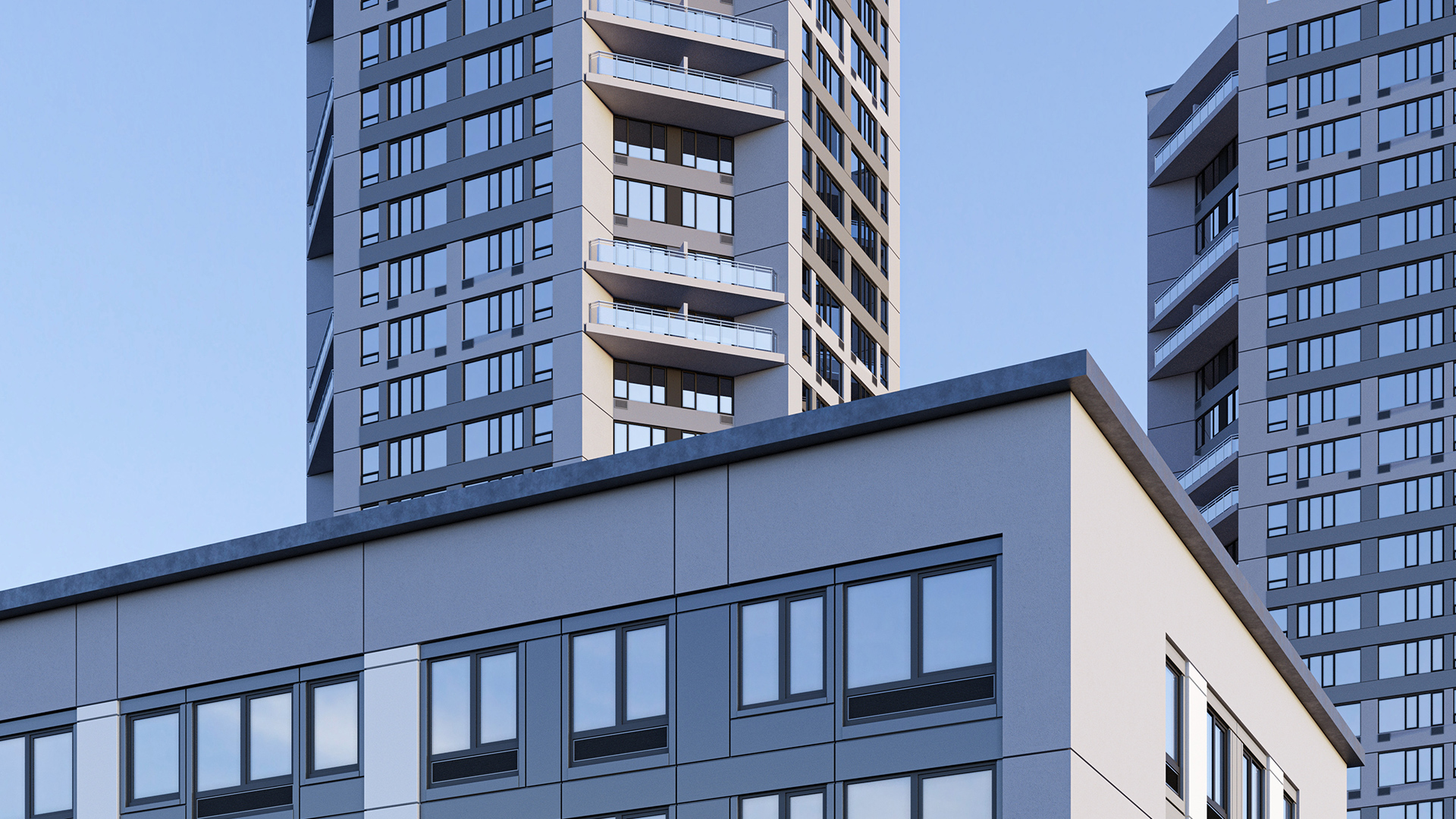
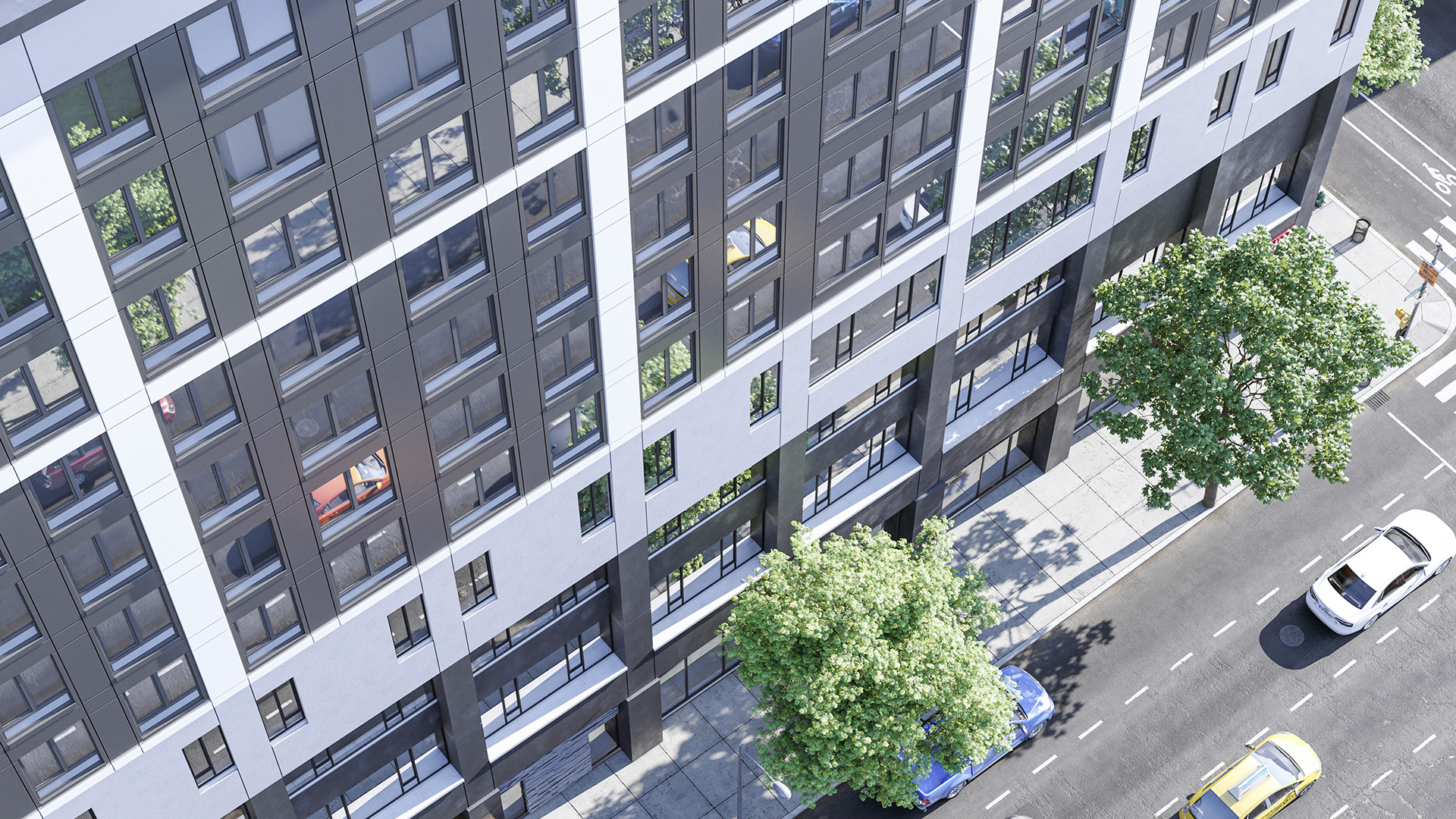
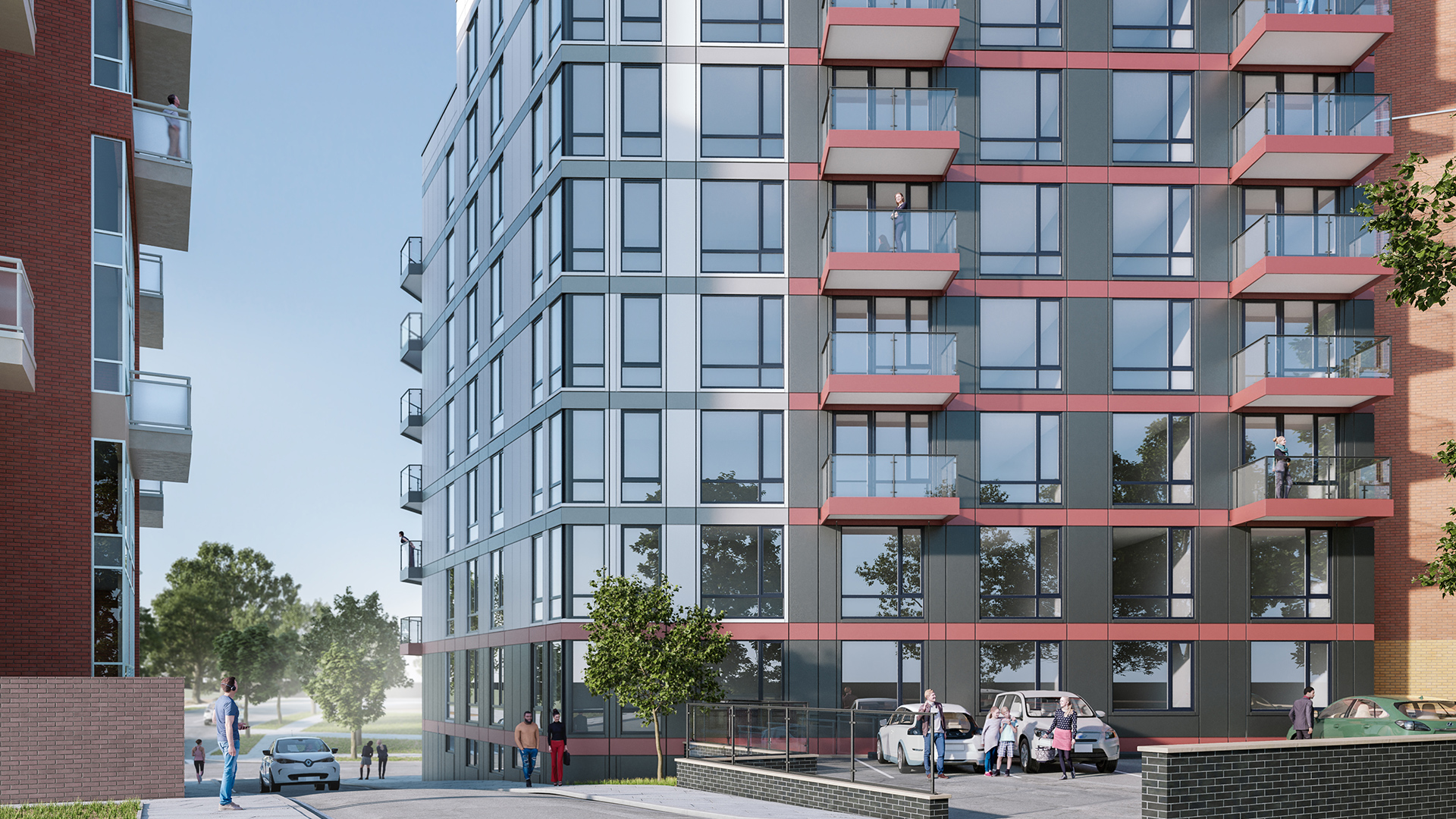
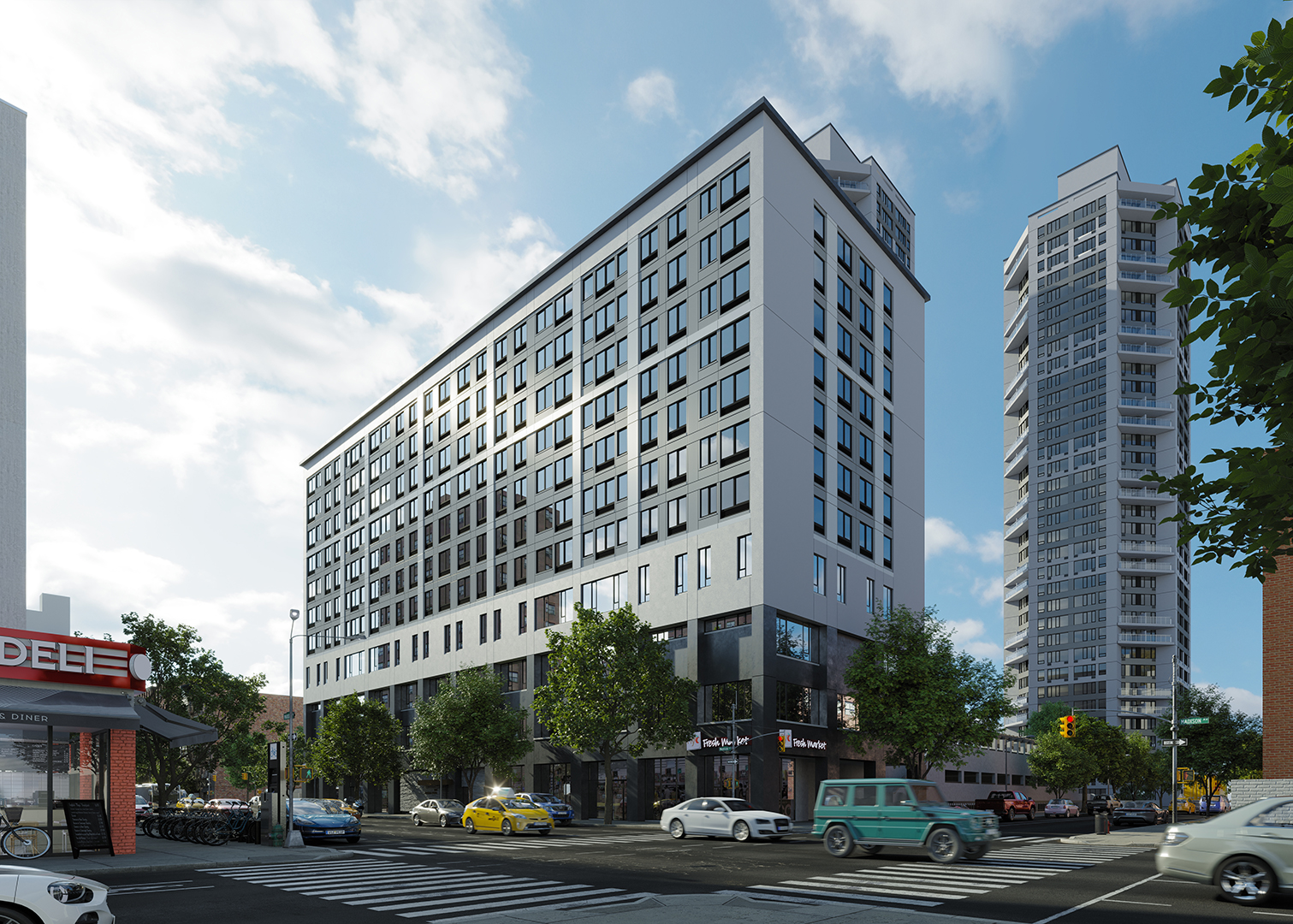
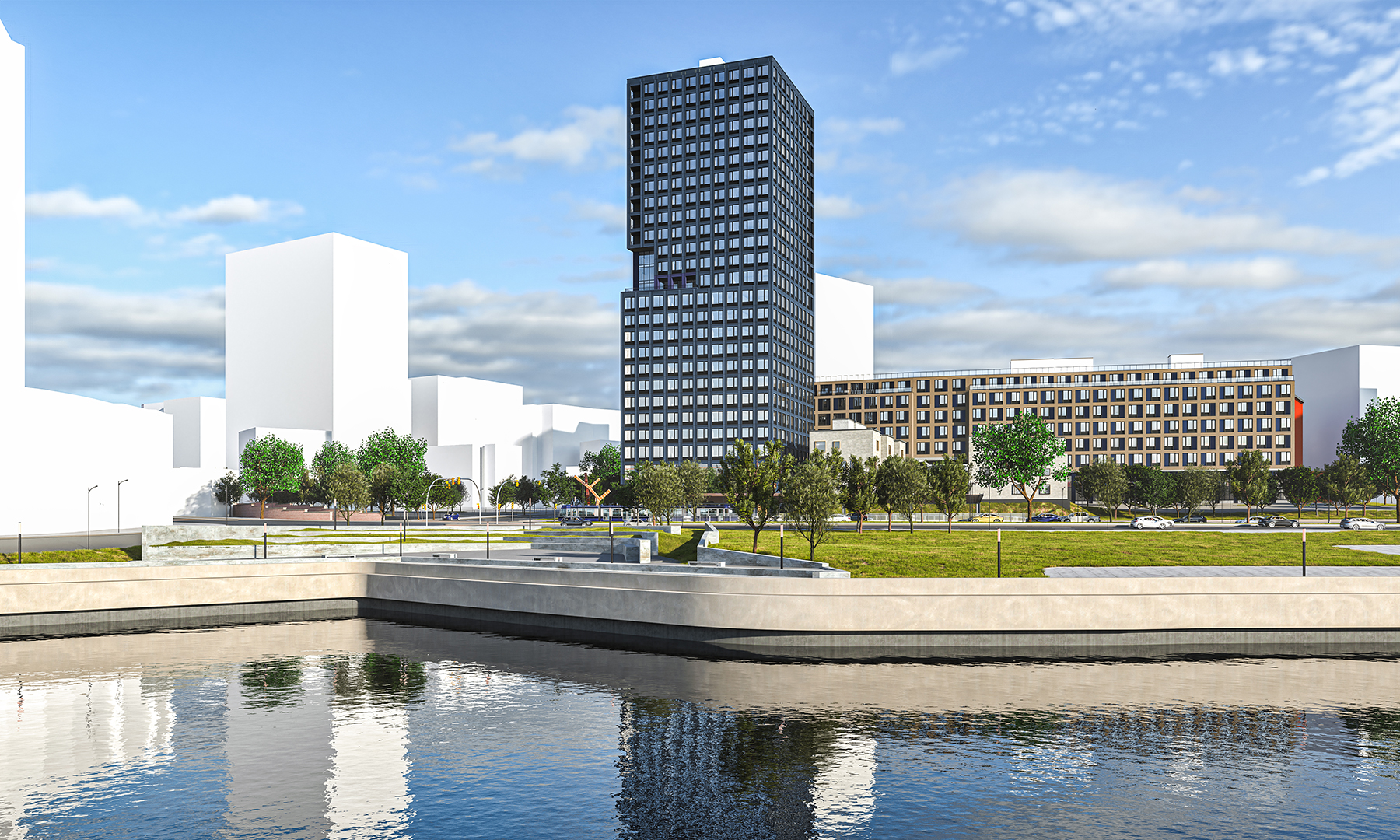
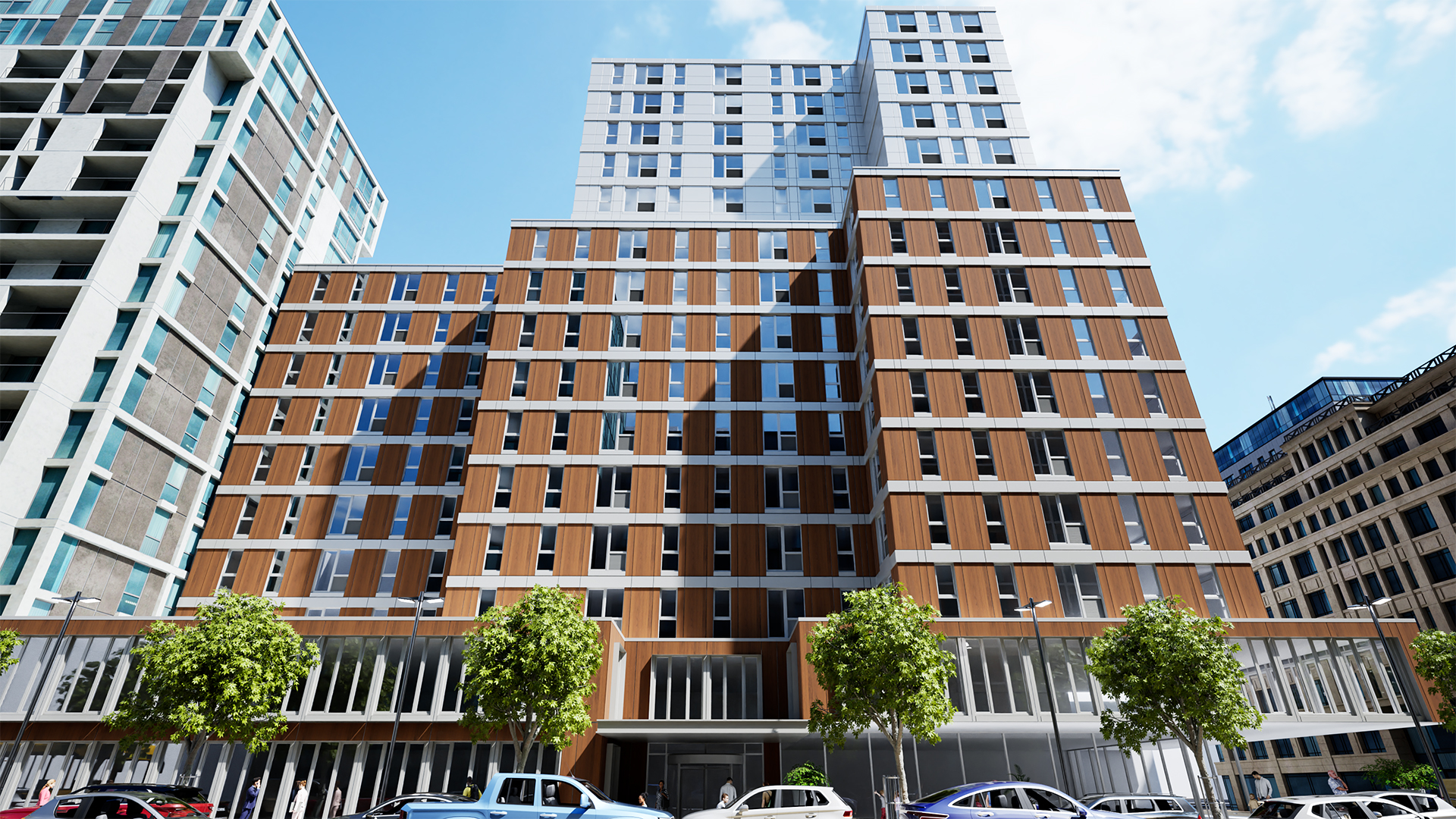
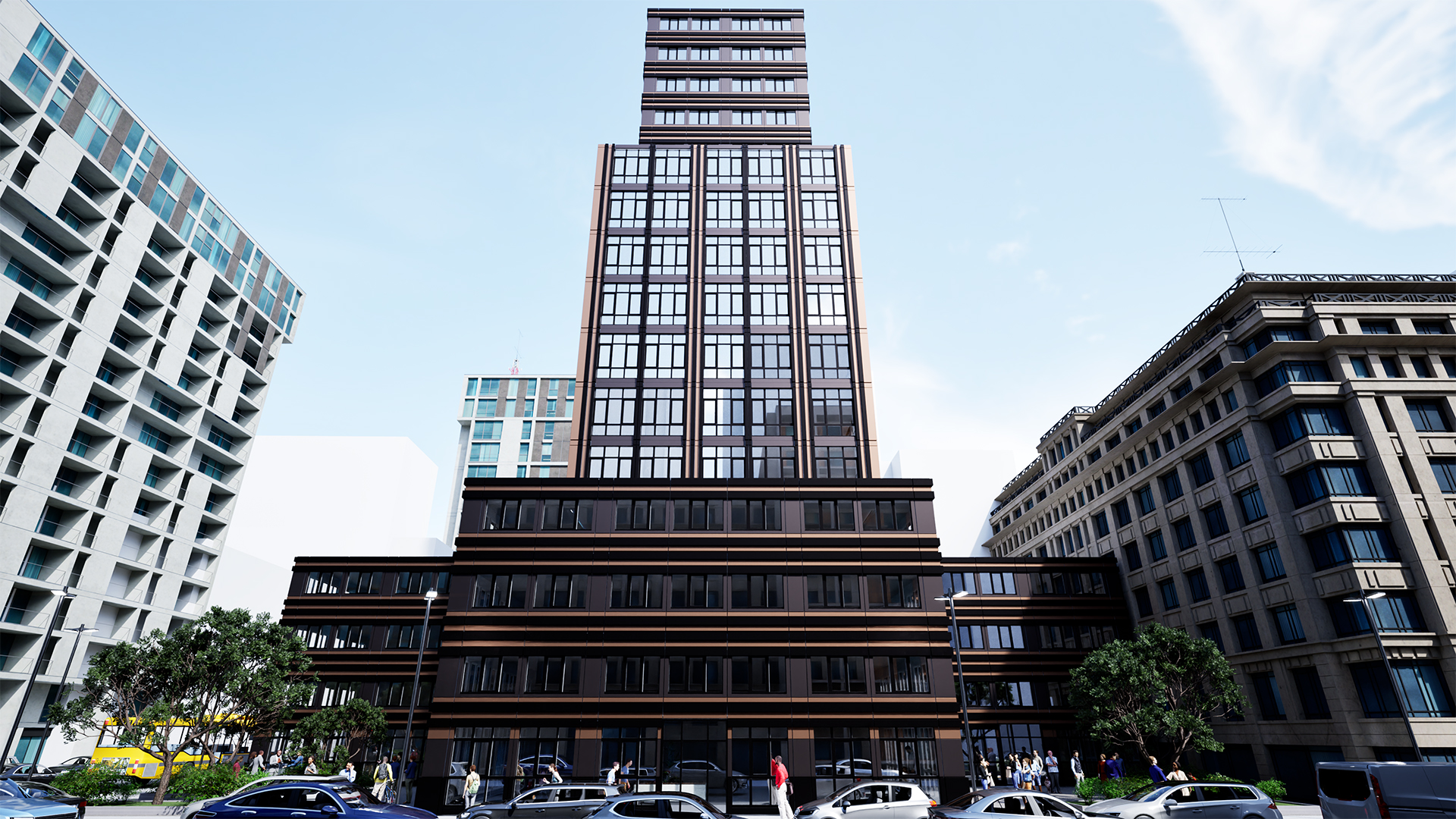
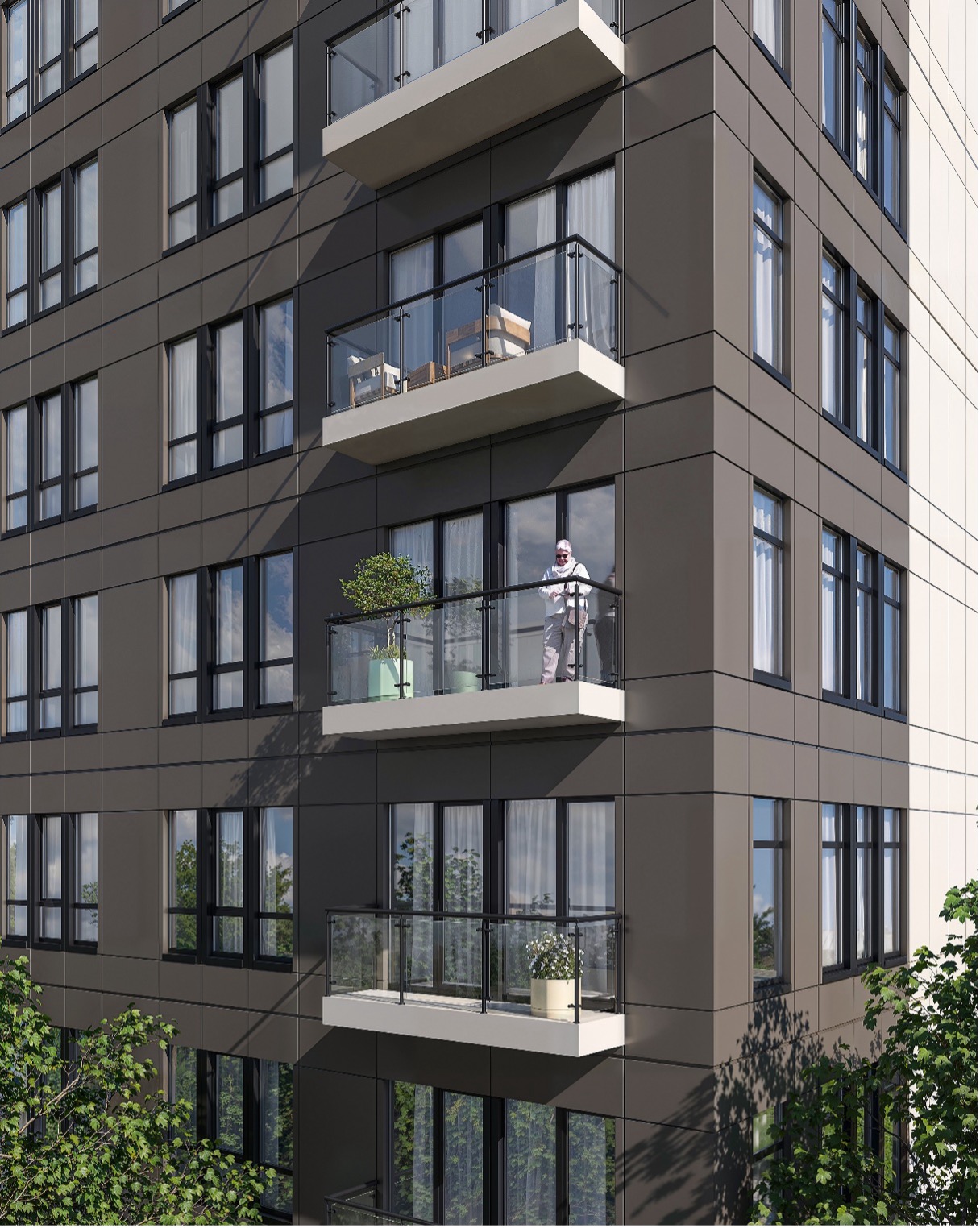
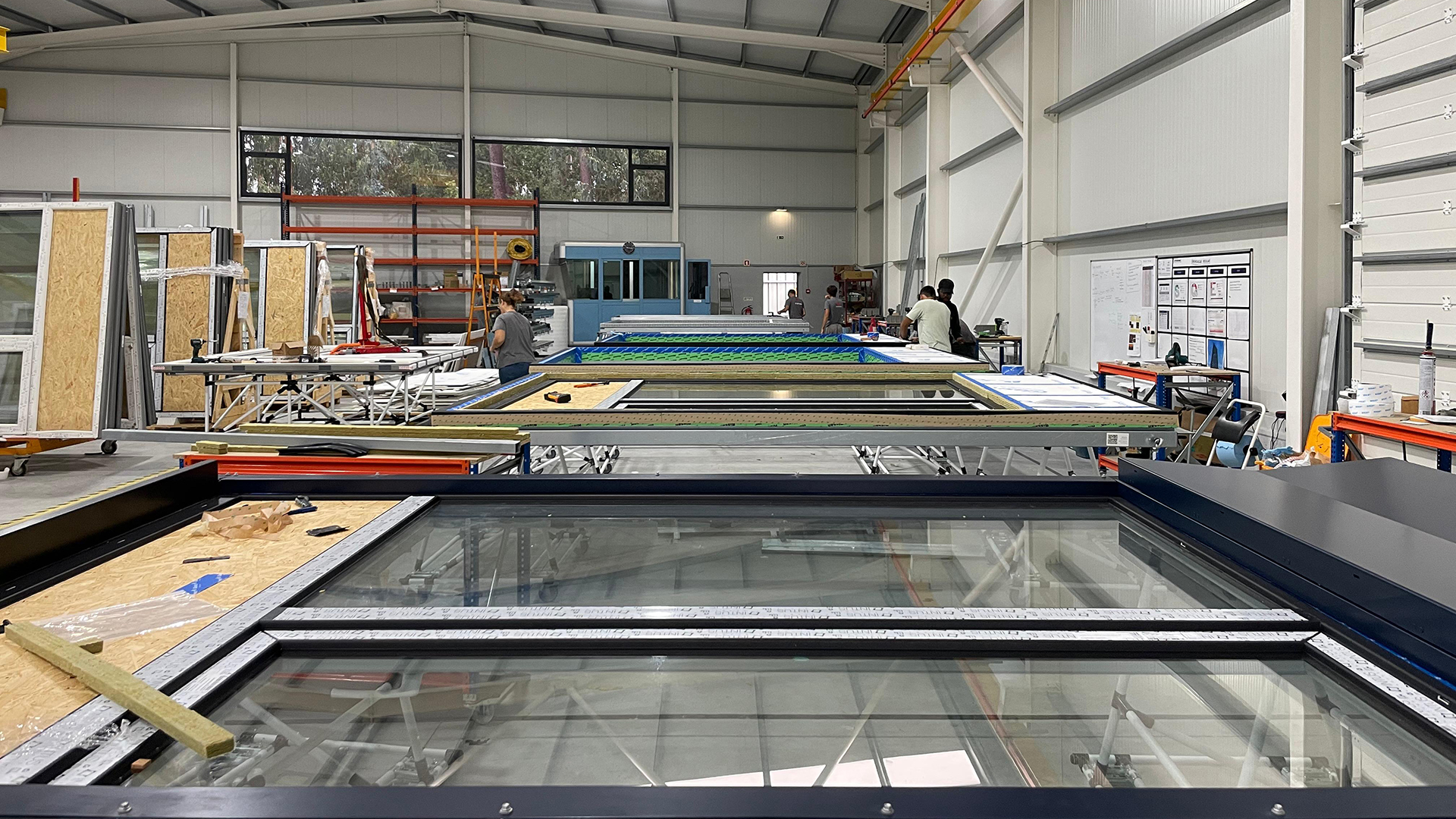
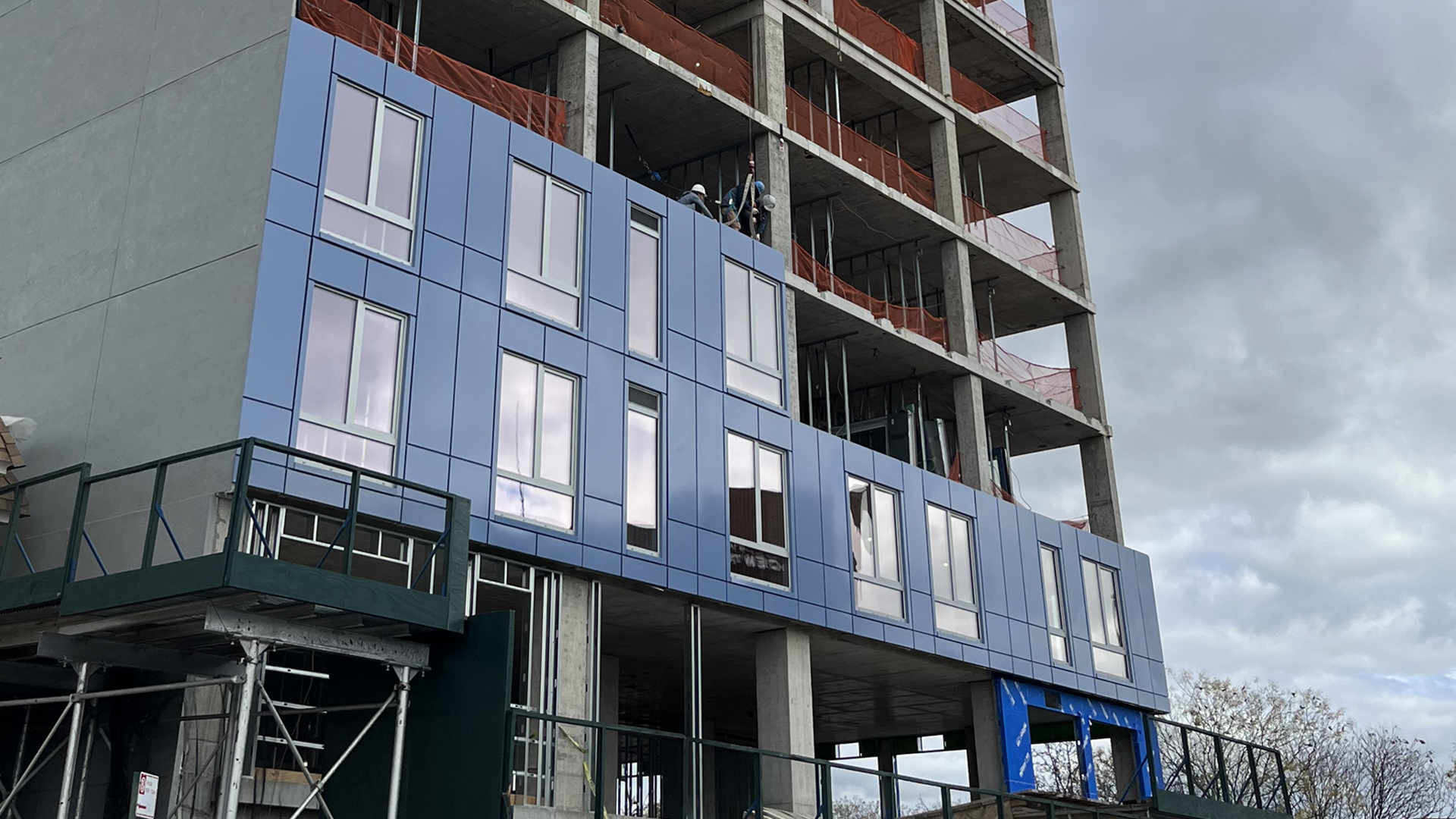
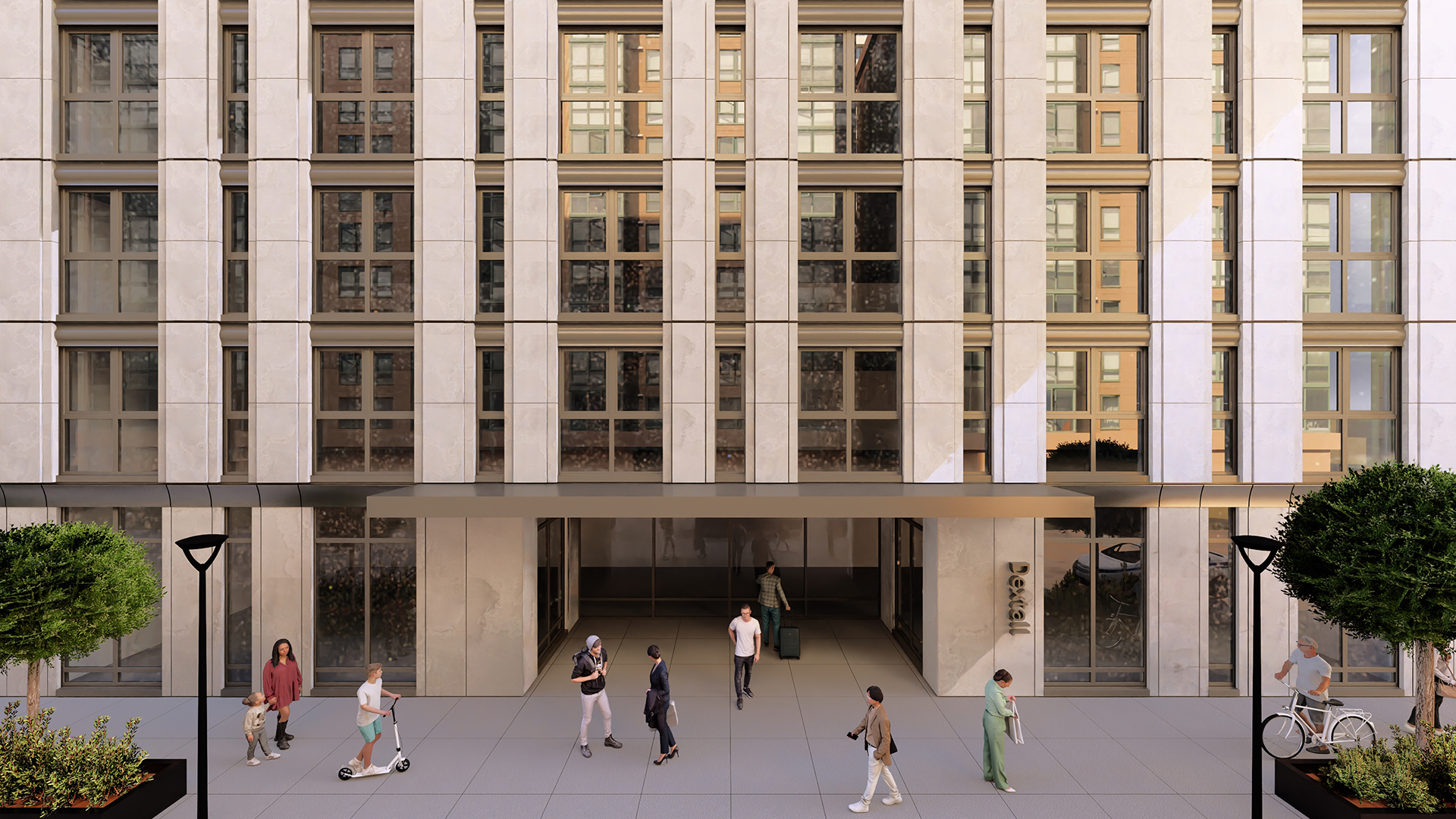
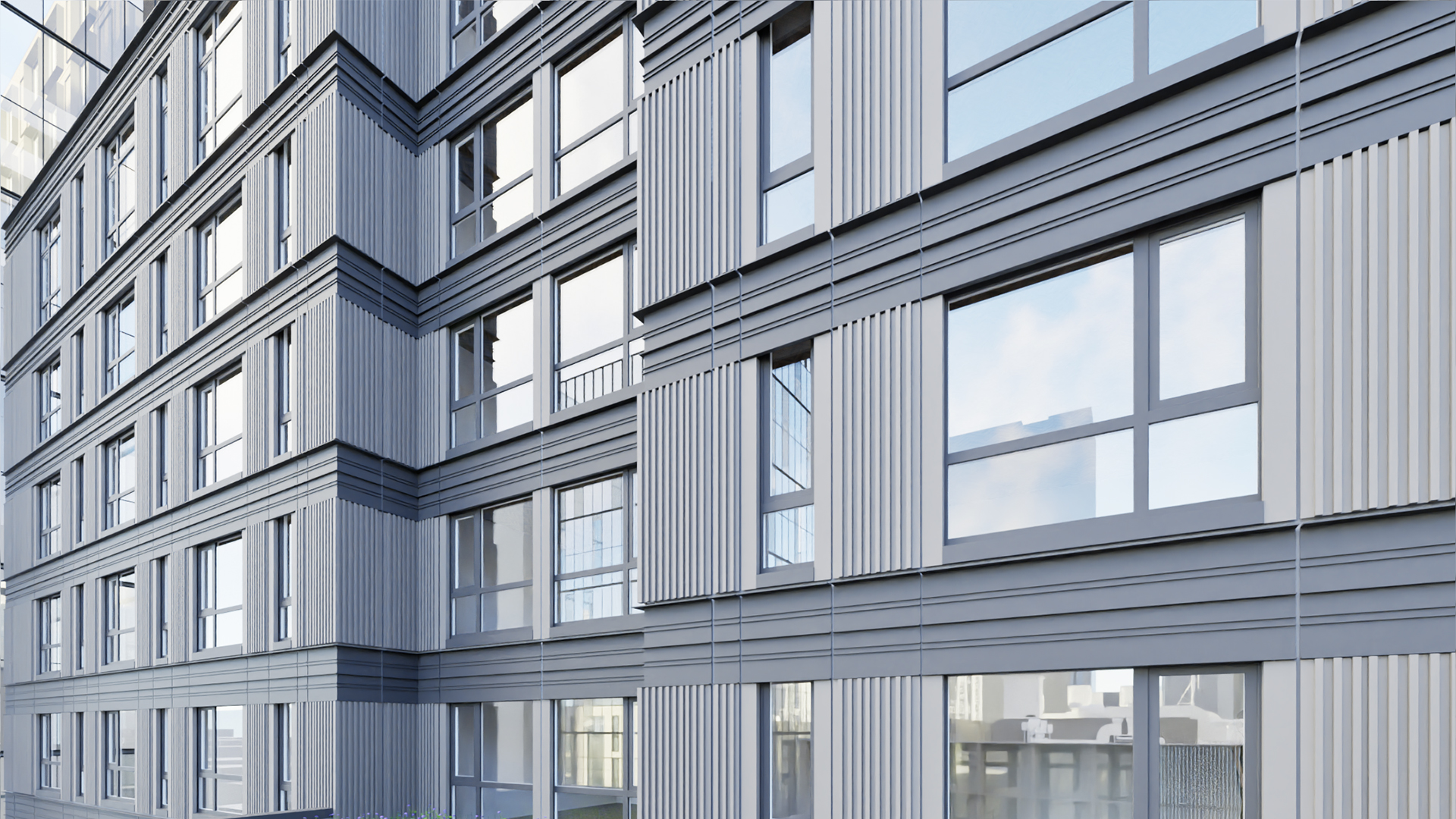
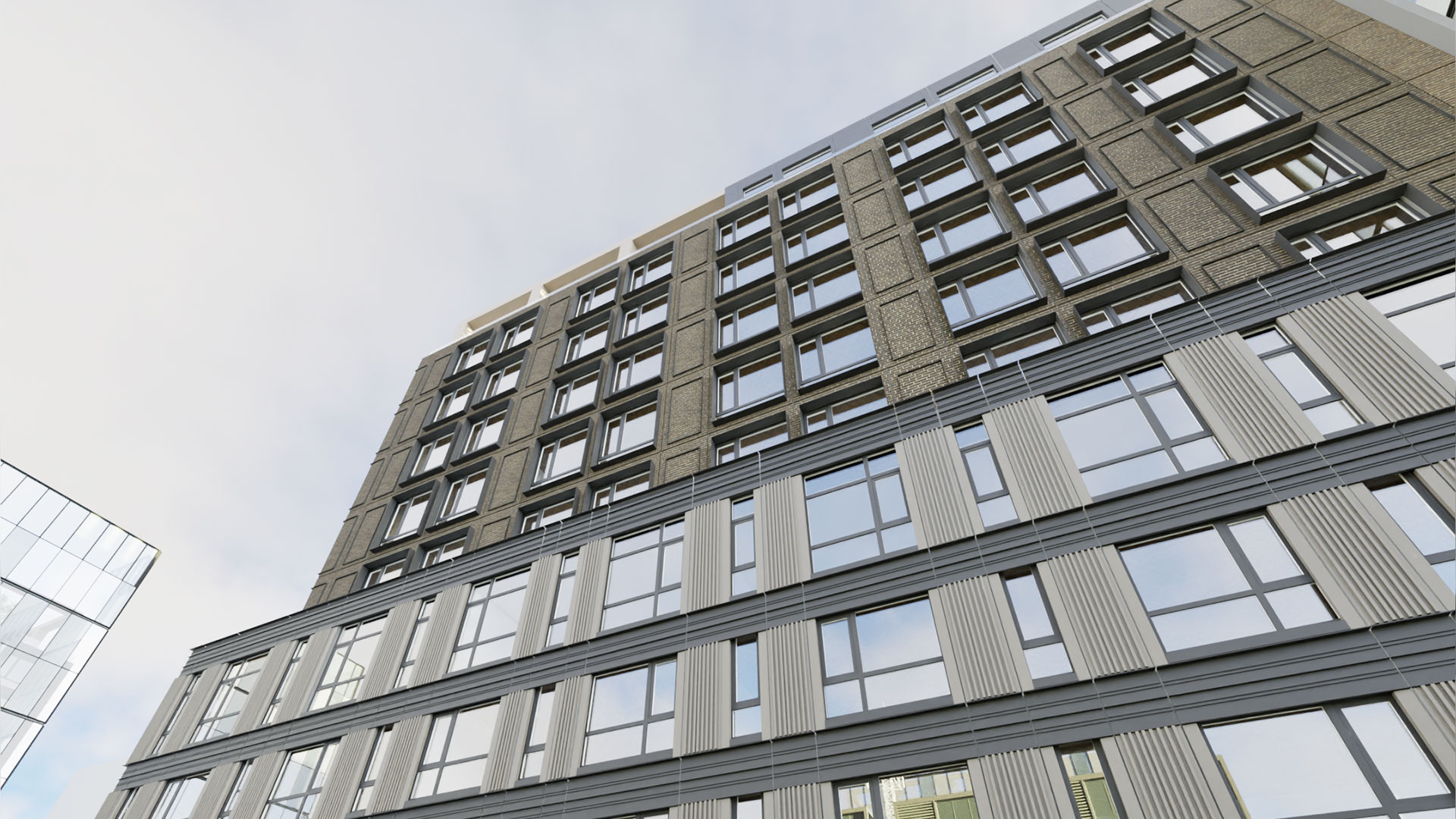
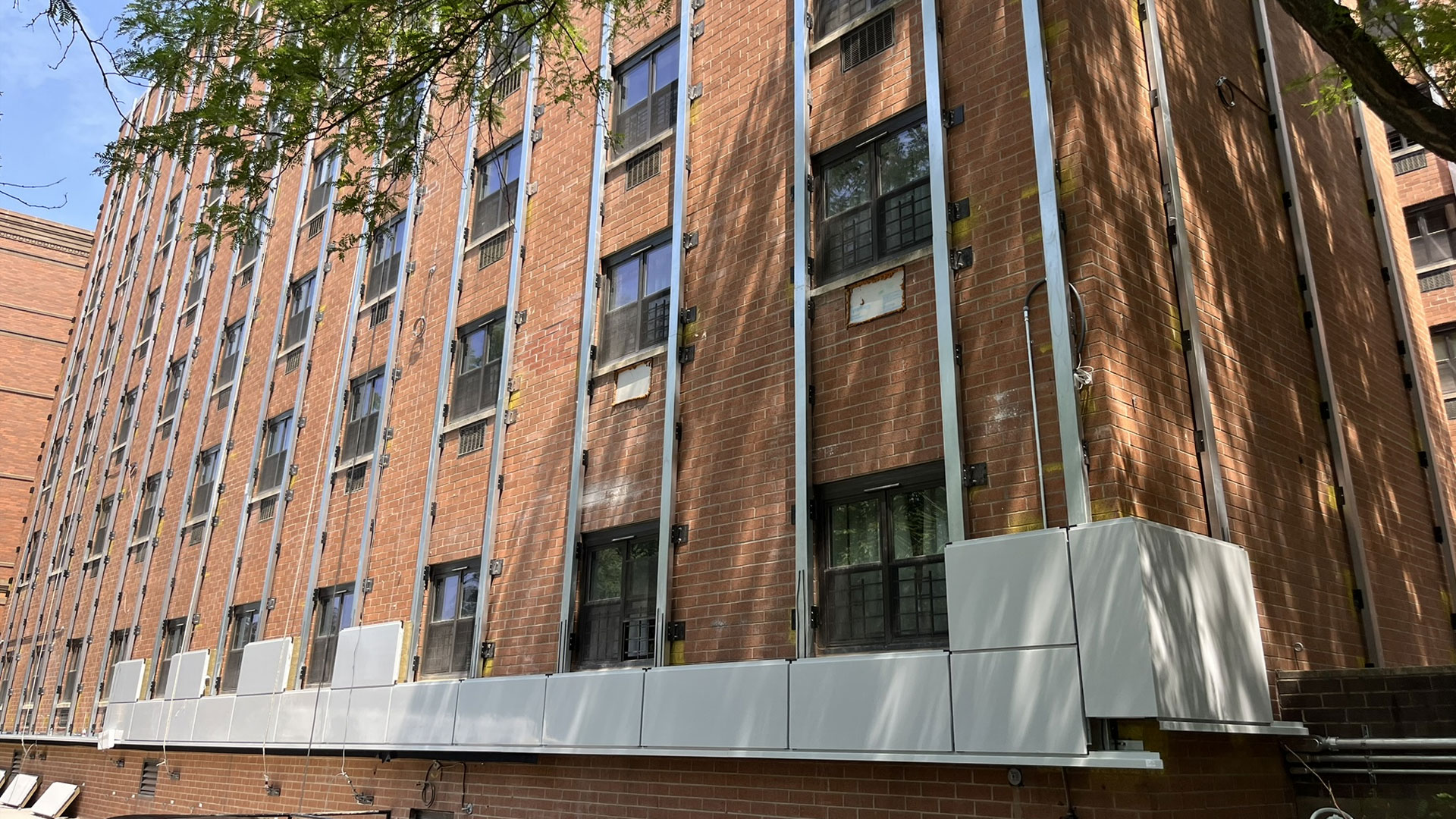
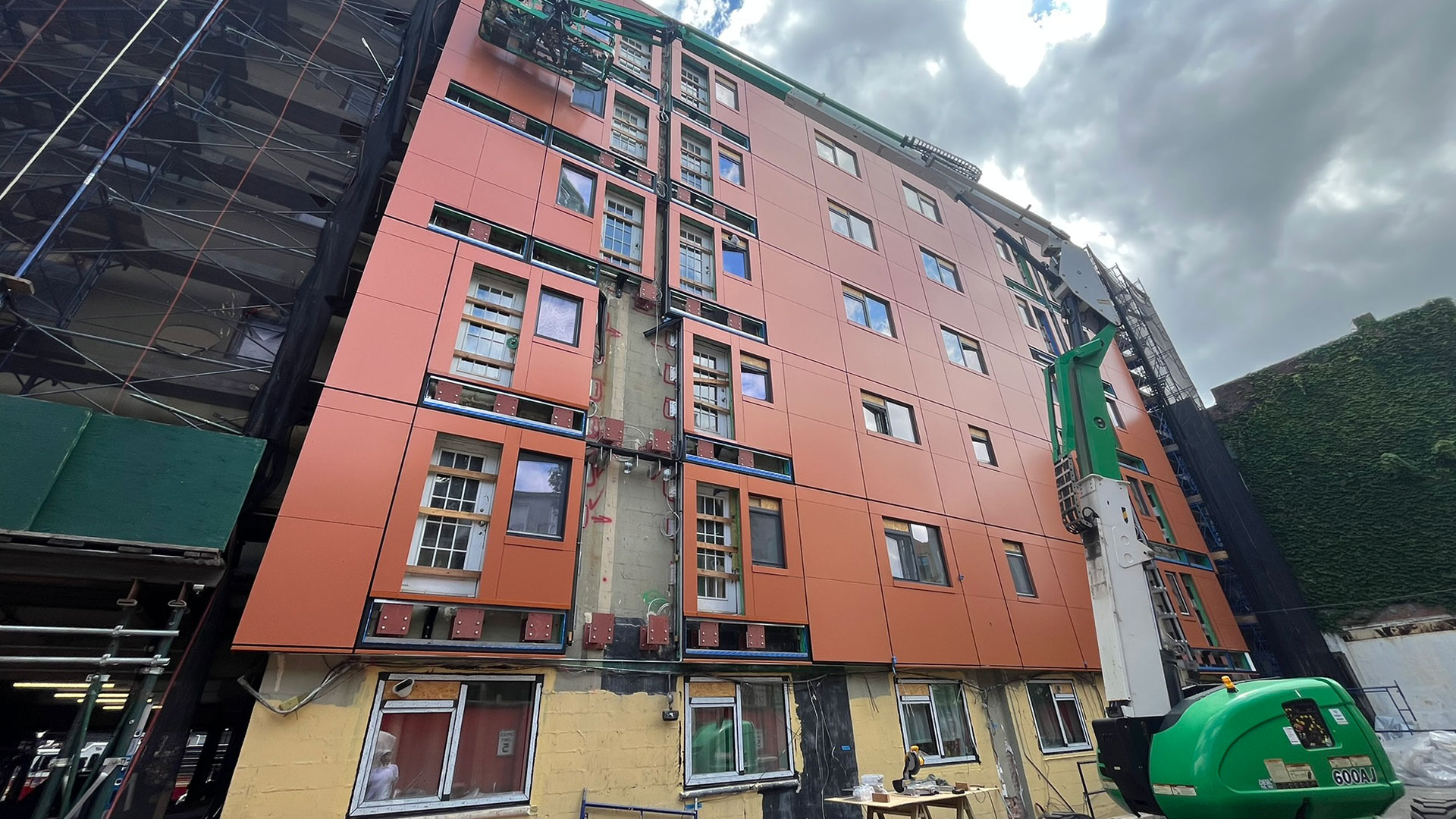
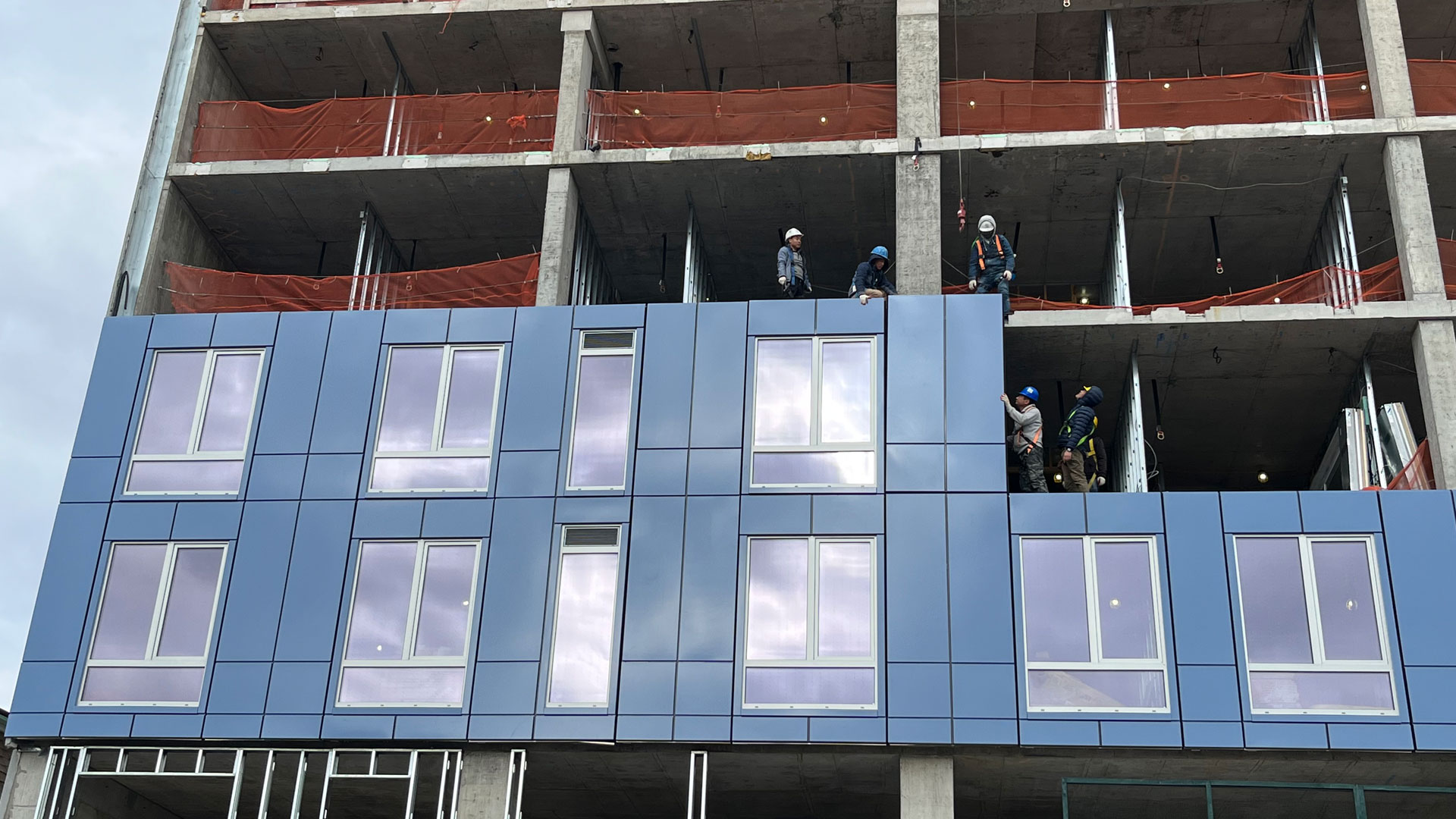
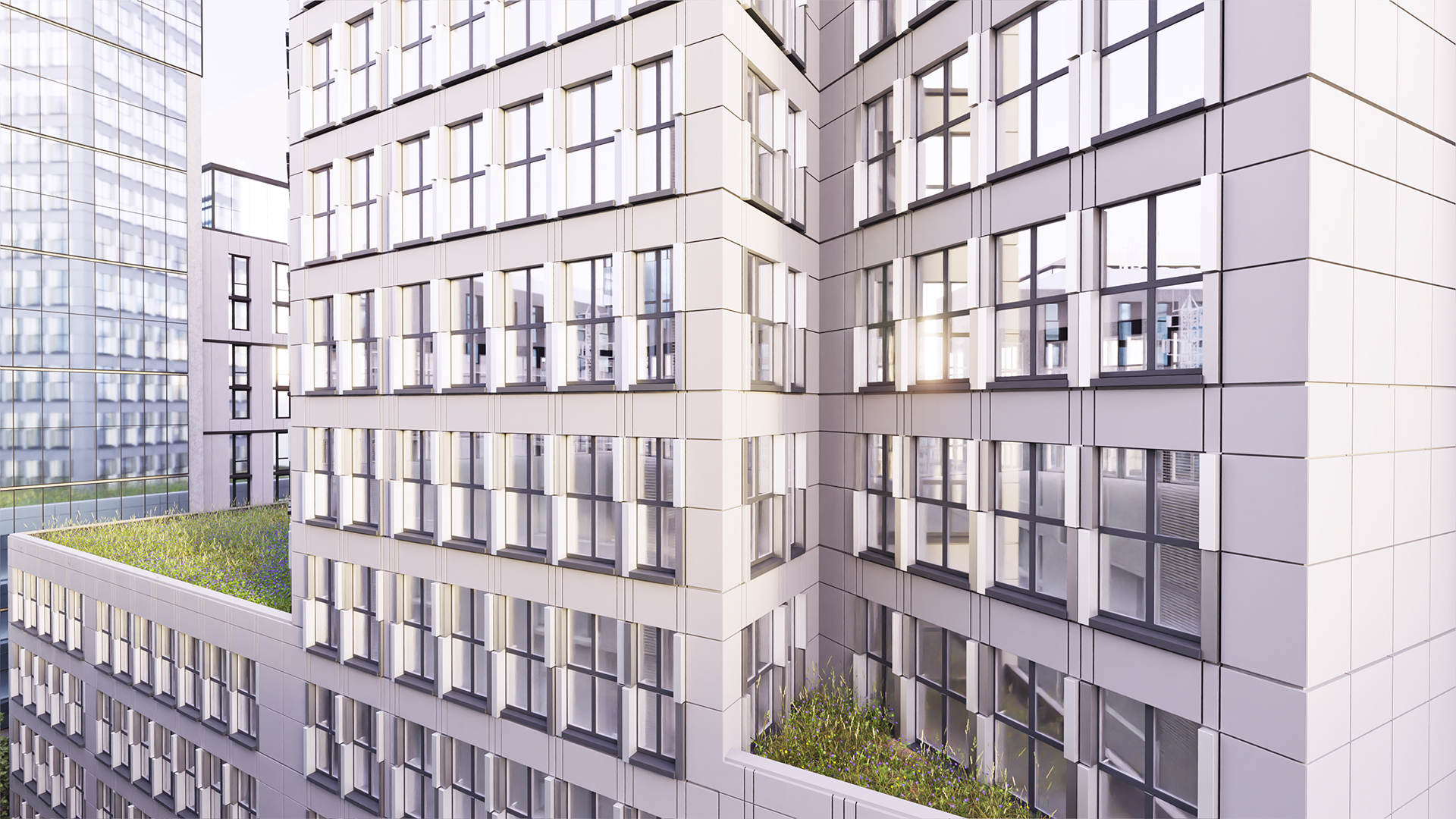
When an NYC multifamily building is occupied, speed isn't just a convenience—it's a cost strategy. Dextall prefabricated panels are built off-site in controlled conditions, then installed quickly on the building, which helps shift work away from the most expensive place to do it: a live NYC jobsite.
When prefab is the budget winner
Prefab tends to win on budget when your project is being squeezed by time, access limits, or resident impact.
- When schedule is tight: fewer on-site labor days can mean a smaller total bill (and fewer opportunities for delays to snowball).
- When access is expensive: if scaffolding/sheds/swing stages are driving costs, faster installation can reduce how long you need them.
- When details repeat: buildings with lots of similar window bays and typical conditions are perfect for panelization—repeatability is where prefab shines.
- When risk is high: factory-built panels can reduce field improvisation, which is often where rework and change orders start.
Dextall's strength here is making prefab feel practical—not experimental—so teams can move faster without turning the façade into a custom, on-site puzzle.
Cleaner logistics, shorter disruption
Occupied buildings don't just need "fast." They need clean and coordinated—especially in NYC streets where staging space is minimal.
- Fewer deliveries, less clutter: panels can arrive in planned sequences, reducing constant trucking and on-site storage.
- More predictable installs: crews spend more time installing and sealing, less time cutting and fabricating in place.
- Shorter disruption window: quicker exterior progress means less prolonged noise, dust, blocked views, and resident frustration.
- Better day-to-day control: the jobsite stays more organized, which helps safety and keeps the building functioning normally.
The practical payoff: Dextall panels help turn re-cladding into a controlled operation—quicker to execute, easier to manage, and friendlier for residents living through it.
Budget NYC Re-Cladding, Faster
What actually blows the budget on occupied NYC re-cladding?
Access setups, labor hours, and a schedule that drags on longer than planned.
Where's the "smart" savings without lower quality?
Phasing the work and repeating standard details so crews install—not improvise.
When does prefab become the cheaper move?
When access is expensive and time is tight—speed cuts total site costs.
Why Dextall for occupied multifamily?
Dextall prefab panels help move work off-site and keep installs predictable and fast.
Will residents feel more disruption with faster work?
Usually less—shorter duration means fewer days of noise, dust, and blocked paths.












.jpeg)
-Compliance-for-NYC-Multifamily-%26-Co-Op-Facades.jpg)













_format(webp).avif)
_format(webp)%20(6).avif)
_format(webp)%20(5).avif)
_format(webp)%20(4).avif)
_format(webp)%20(2).avif)
_format(webp)%20(3).avif)


.avif)
_format(webp)%20(2).avif)