Exterior Wall Panel Systems for Retrofits: Upgrading Existing Facades
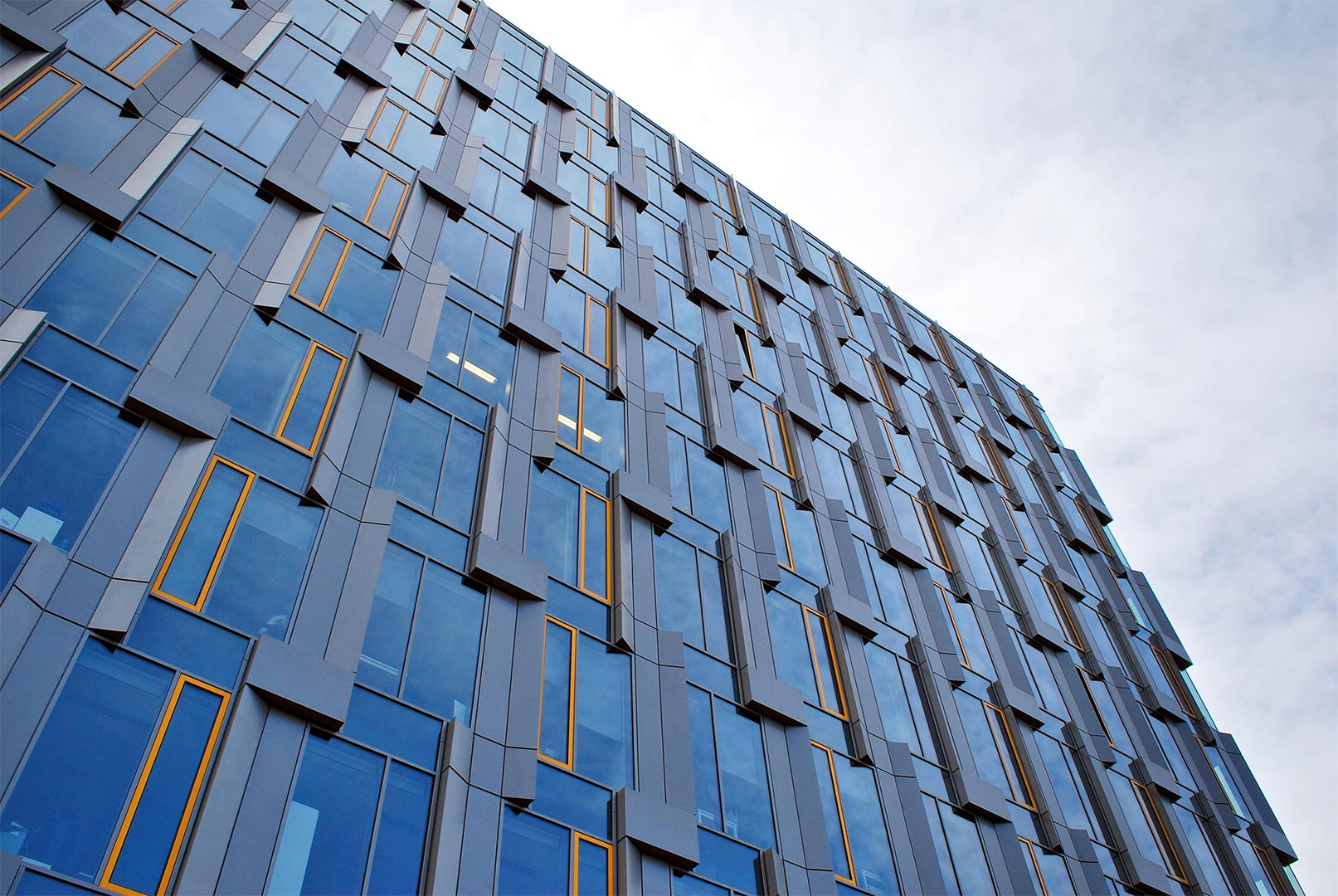
When you upgrade an existing building, you don't start with a clean structural frame. You start with a tired envelope: a facade with cracks, thermal bridges, aging windows, and layers of decisions made 10–40 years ago. Drafts, cold concrete bands, fogged-up jambs, tenant complaints, and rising energy bills are not random—they're the visible result of how the exterior wall now performs.
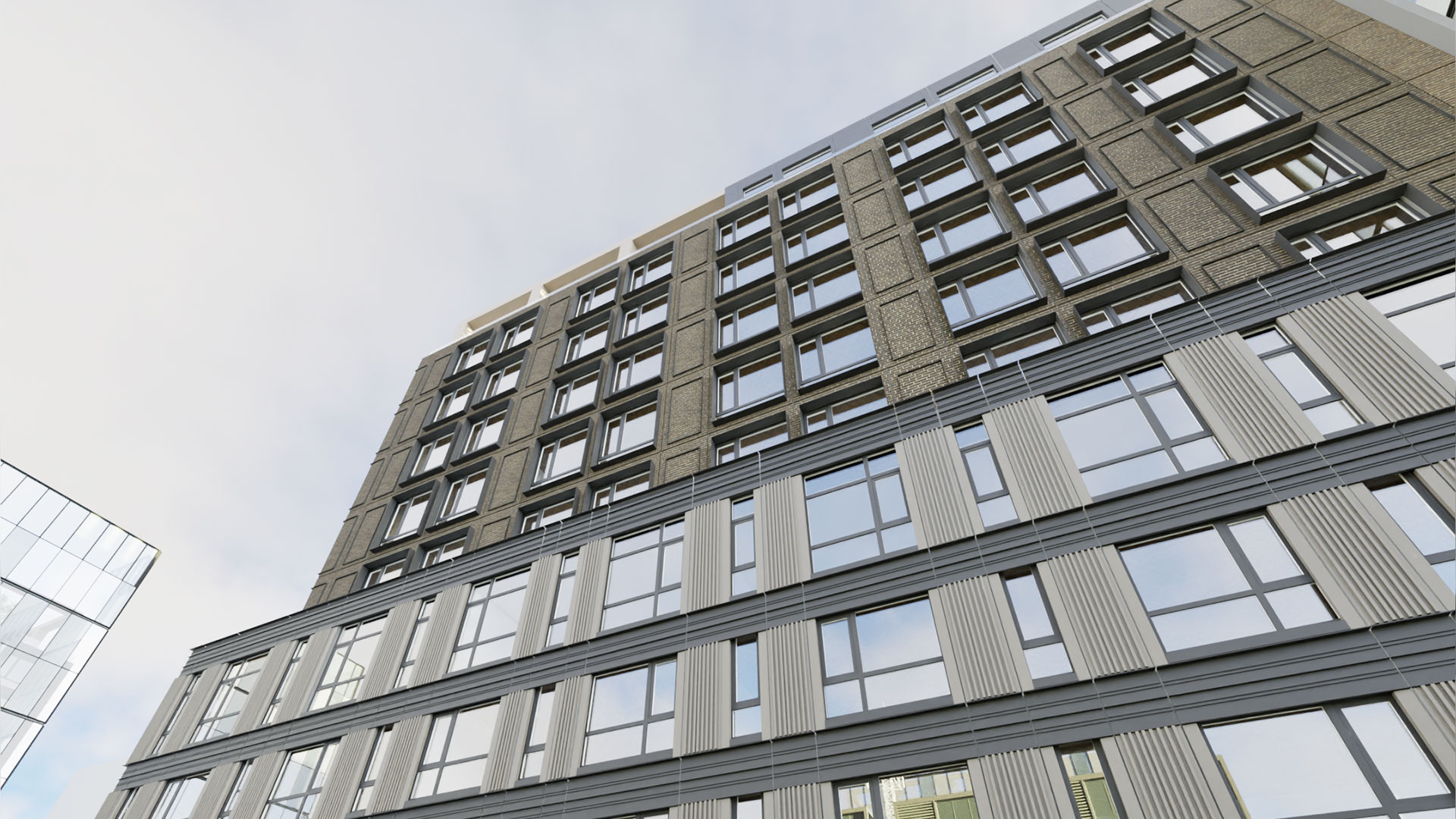
Retrofit exterior wall panel systems let you radically improve comfort and energy performance without demolishing the building. A new layer with engineered structure, insulation, air and water control, and a fresh architectural expression goes over the existing wall. But just like in new construction, behind similar promises—"high R-value," "fast install," "non-combustible"—you'll find very different risks, constraints, and timelines when you're working on an occupied building.
Retrofit Reality: Working With the Envelope You Already Have
In a retrofit, you don't choose an "ideal" wall from scratch—you choose a system that can actually work with what's already there:
- uneven or partially insulated walls
- multiple materials (brick, panels, concrete, patch repairs)
- old details at slab edges and window heads
- a building that stays occupied while you're working on it
The core question shifts to: will this system make the existing envelope stable, safe, and controllable—or just cover it with a prettier layer?
Fire, moisture, and aging in layered walls
When you add a new facade over an old one, fire performance has to be evaluated for the entire composite wall, not for individual non-combustible components. The new layer must not create vertical chimney paths in cavities, and details at floor lines and openings have to work with fire-stopping, not against it.
Aging and moisture behavior are just as important. The new system must not trap water inside the existing wall or block safe drying paths. Thoughtful drainage, durable fasteners, and details tested under realistic conditions matter more than any brochure.
Performance Priorities When You Over-Clad an Existing Wall
In retrofit projects, energy performance is usually a major driver—but a thicker insulation layer alone doesn't guarantee results. You need coordinated control of heat, air, and moisture in the context of how the existing structure behaves.
Thermal and air performance in a retrofit
When you evaluate panel systems for retrofits, insist on:
- Overall U-factor for the upgraded wall, including brackets and fasteners, not just "clear wall" values
- Minimization of new thermal bridges through thermally broken elements and continuous exterior insulation
- Tested air leakage and water penetration performance under pressure, not just marketing claims
- Dew point analysis in the multi-layered wall, so condensation doesn't end up in the old assembly
- Clear strategies for drainage and ventilation paths, so wind-driven rain that gets behind the cladding has a safe way out
If the system fails even one of these checks, you end up with cold spots, damp patches around legacy details, and energy bills that don't drop—even though "the facade was just redone."
Choosing Panel Systems That Work With Existing Structures
In retrofit projects, materials and subframing behave differently than in new construction. Weight, fastening strategy, and how often you have to touch the primary structure are critical.
Materials under retrofit constraints
Metal panels (aluminum, steel)
Are lightweight, give clean geometry, and create an updated look. Low weight is a big advantage when the existing structure has limited reserve capacity or when access for equipment into courtyards or tight streets is constrained.
Mineral-based solutions (fiber cement, stone, GRC)
Add mass and non-combustibility, but require more robust subframing and more anchors. On an older building, that often means more structural checks and potentially more wet trades.
Composite panels
Provide very flat surfaces and wide finish options, but the core must meet fire requirements for the building's height, use, and jurisdiction.
Regardless of material, the system has to offer enough tolerance for irregular substrates—so you can establish a true plane without hundreds of hours spent chasing every millimeter of the old wall.
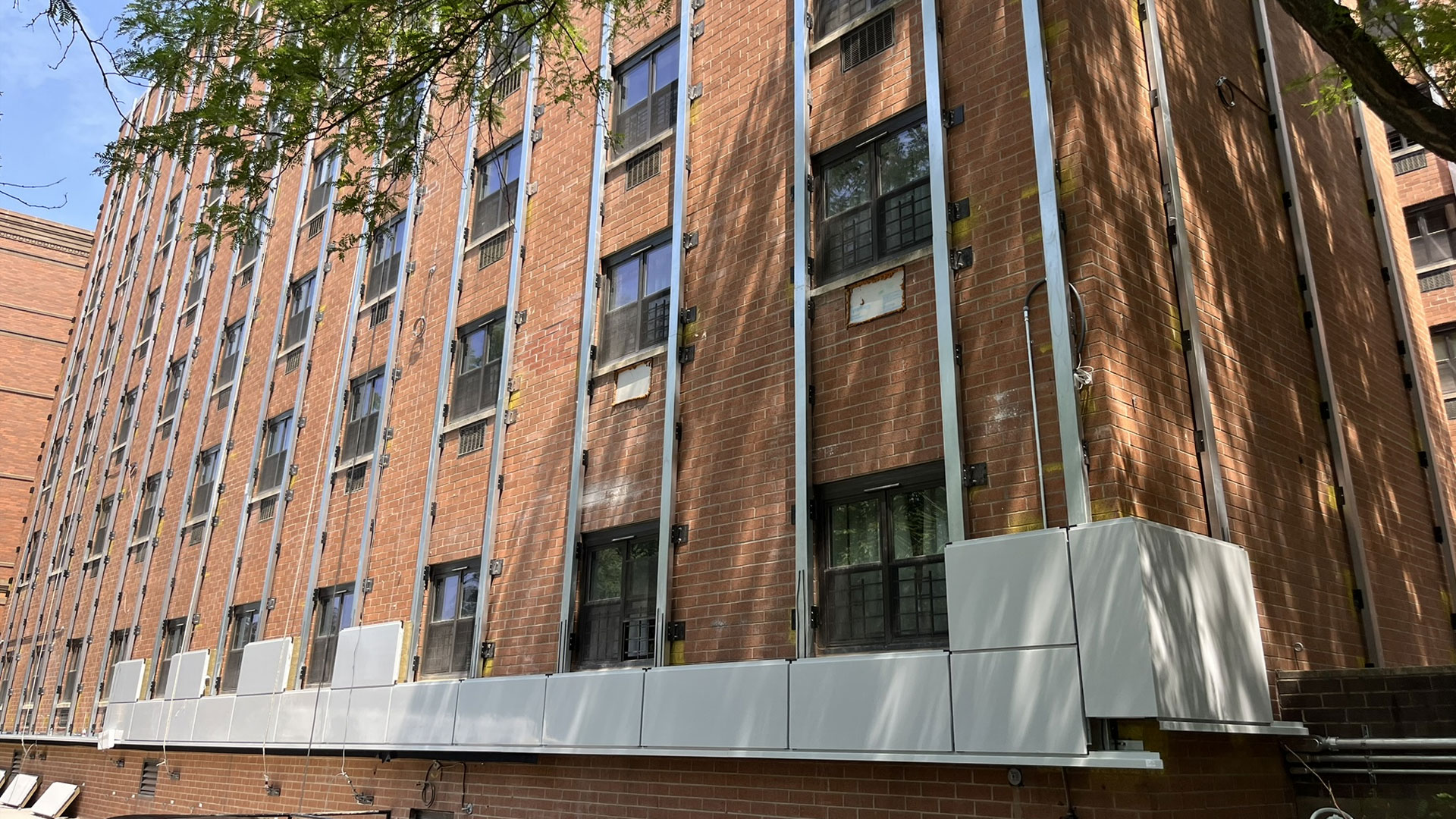
Subframing, bridges, and slab edges
Retrofit subframing is where it's very easy to create dozens of new thermal bridges—and just as easy to disrupt existing fire stops. Good systems tend to:
- Use adjustable brackets and rails that accommodate surface irregularities without adding unnecessary steel
- Minimize direct contact between "cold" exterior metal and the interior environment
- Provide well-documented details at slab edges, balconies, and window heads that account for existing fire safing and infill
Retrofit in the City: Building Around Life Inside
On an occupied building, the facade is as much about site choreography as it is about structure. Any system has to answer a simple question: what will installation look like when people, equipment, waste, and deliveries all share the same limited space?
Access and installation with minimal disruption
Before locking in a panel system, it helps to run the project through a few practical filters:
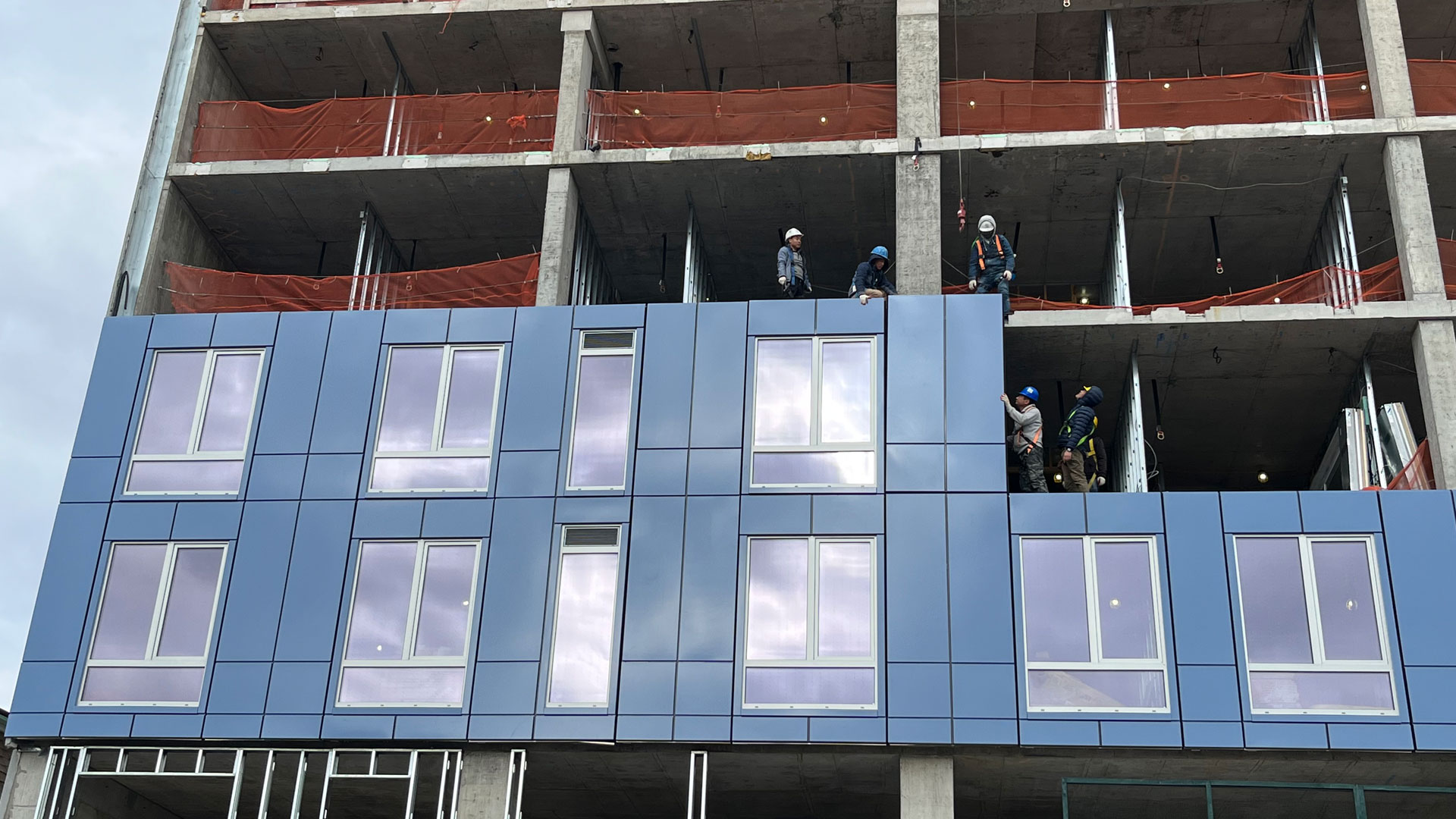
- Can panels be delivered and lifted by crane, boom truck, or from the roof without months of lane closures?
- Is the manufacturer set up for frequent, small deliveries instead of only full truckloads that flood the site with material?
- Do panel size and weight actually work with this building's logistics (courtyards, elevators, narrow access routes)?
- Can crews install from swing stages or mast climbers instead of wrapping the building in full scaffolding?
- How sensitive is the installation process to rain and low temperatures?
A system that passes these tests has a much better chance of bringing the retrofit to the finish line without turning the building into a never-ending construction site.
Dextall's Retrofit Approach: Prefab Panels Plus a Digital Engine
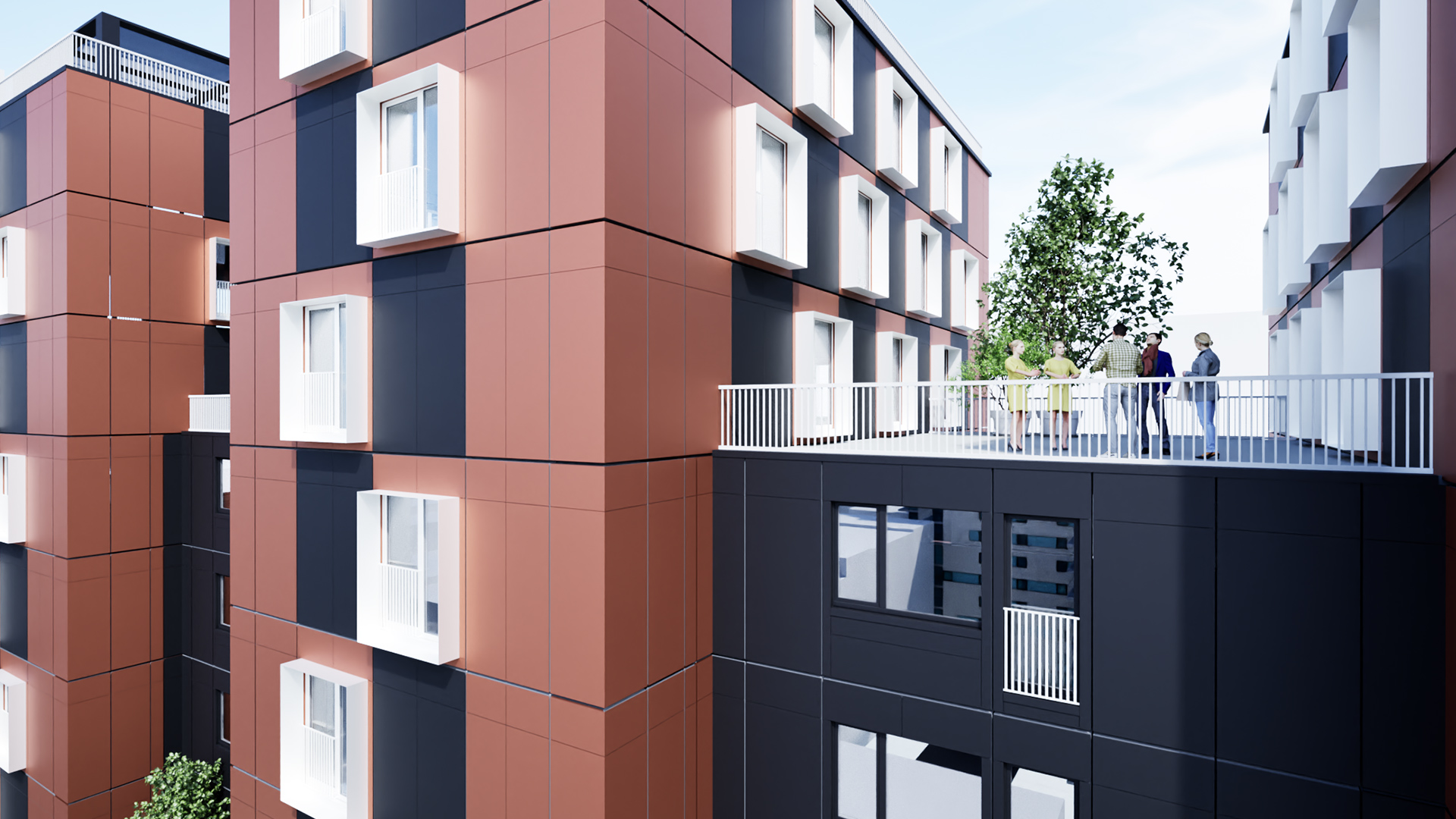
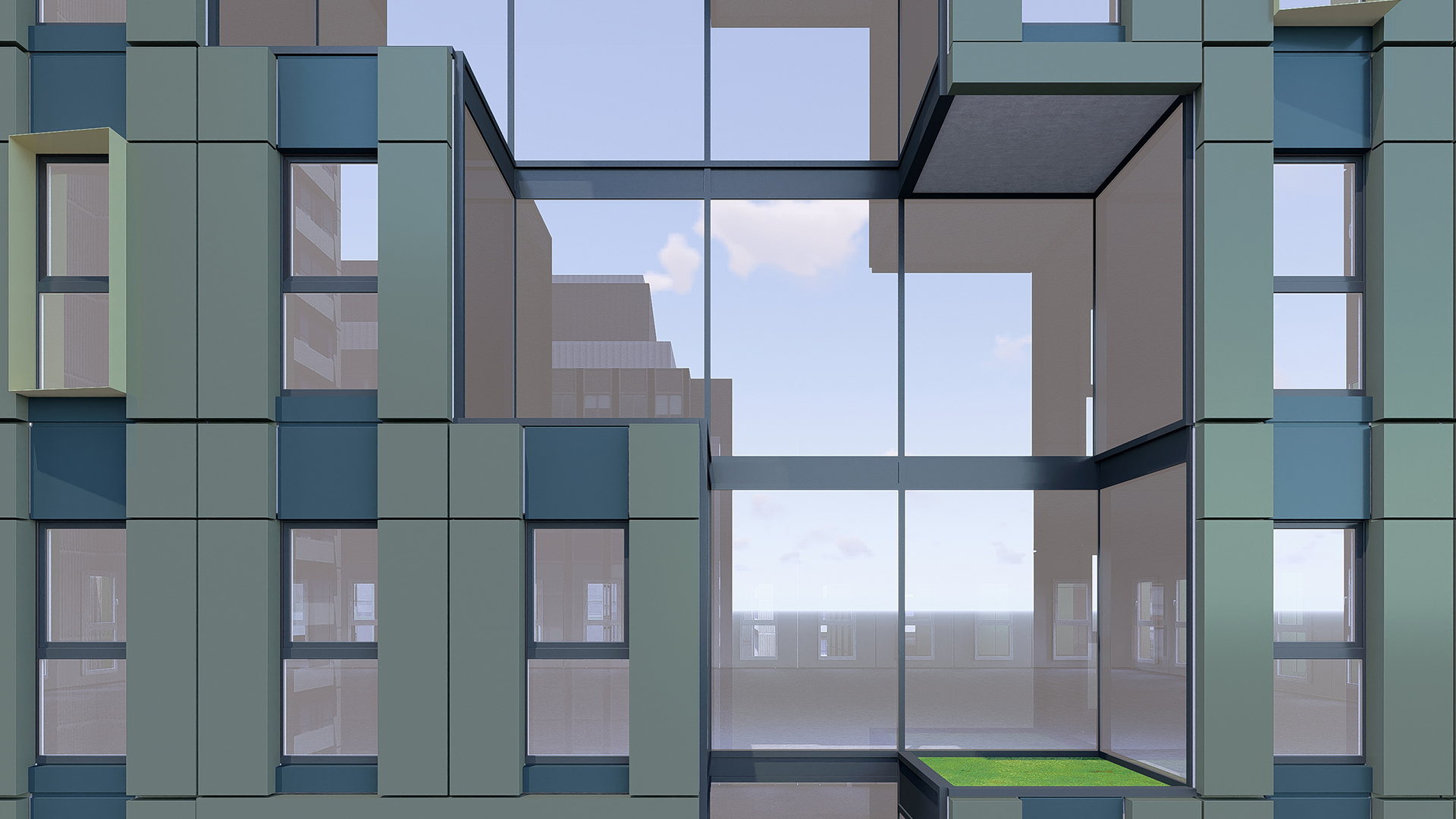
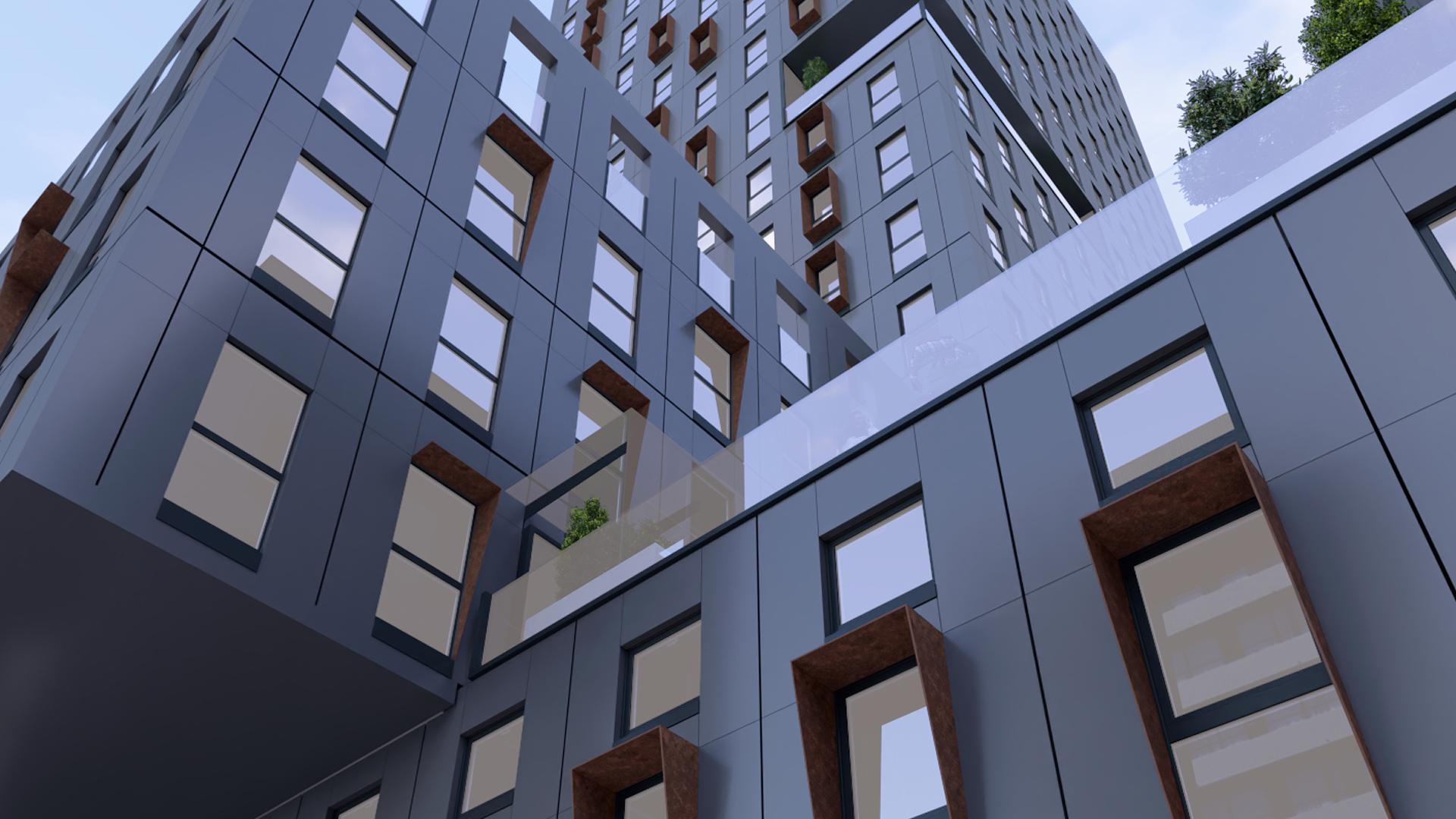
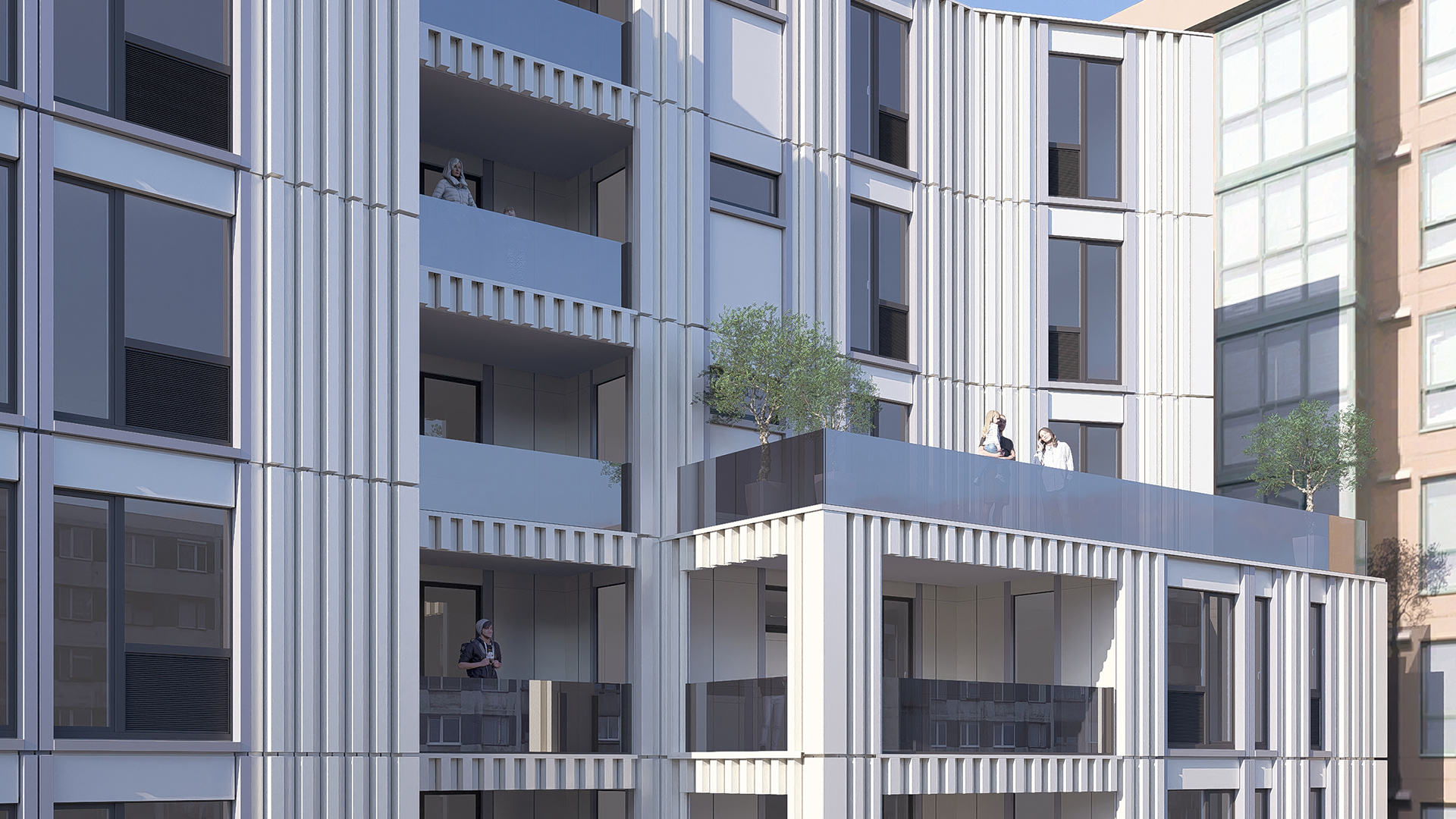
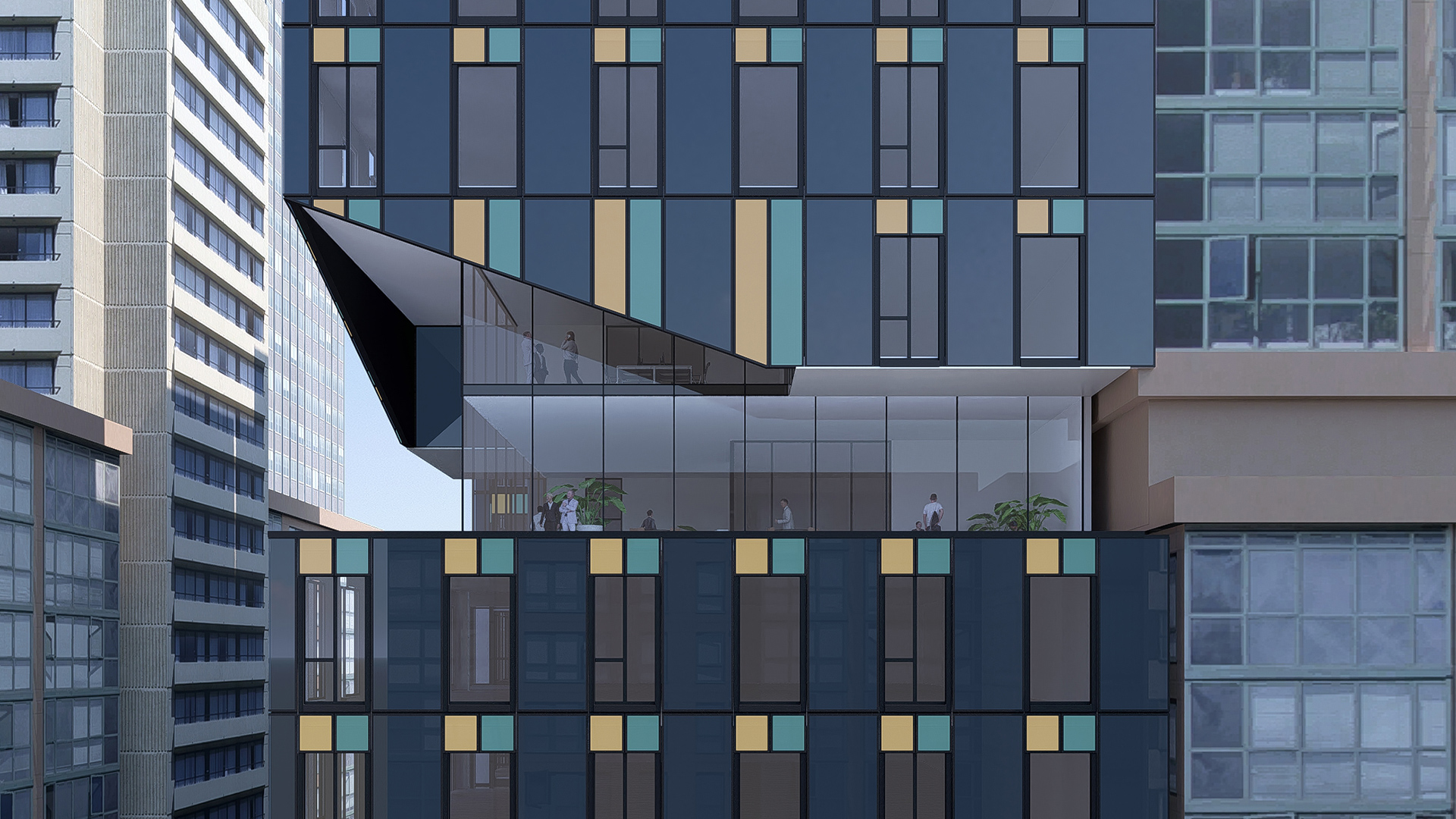
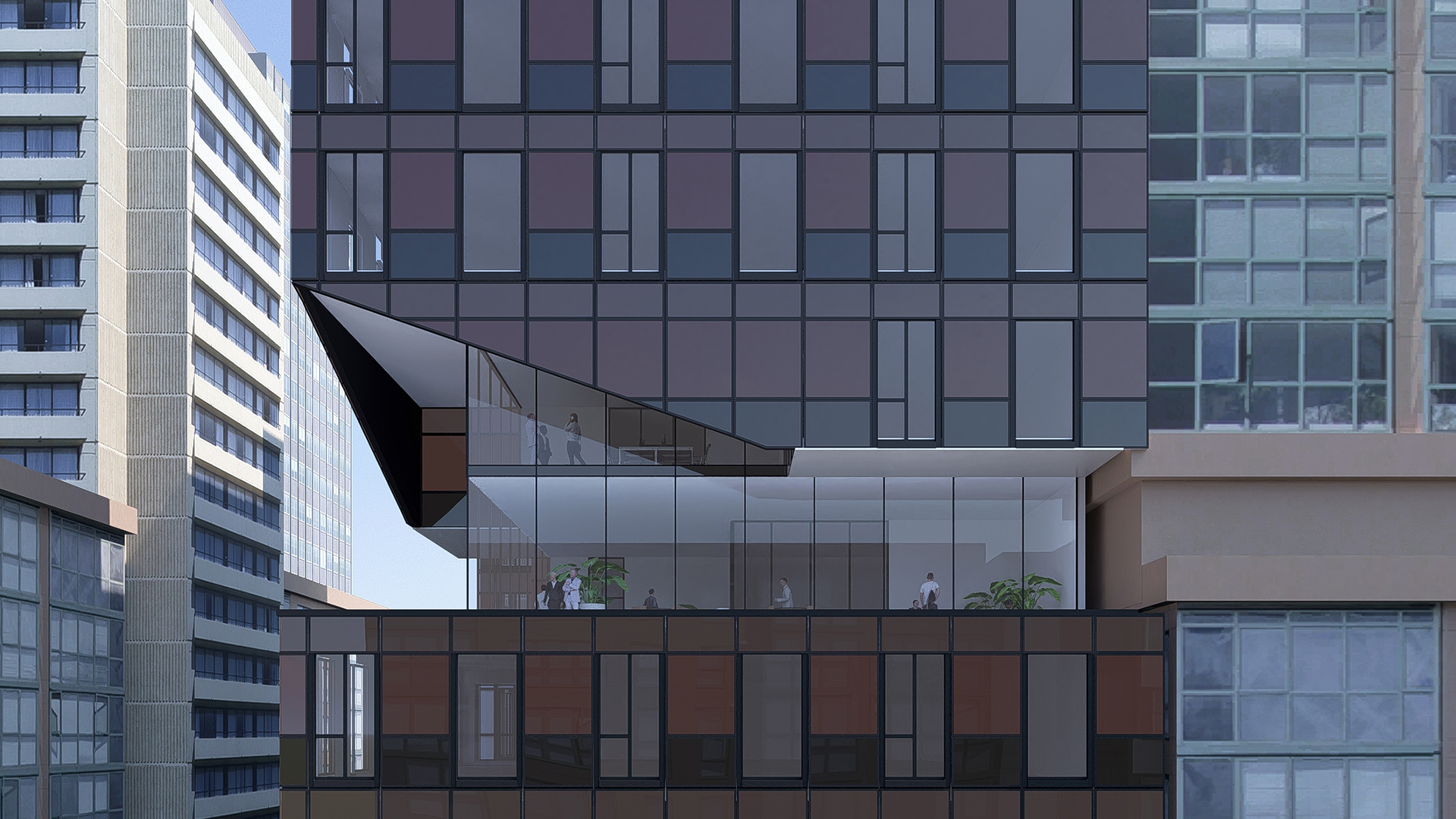
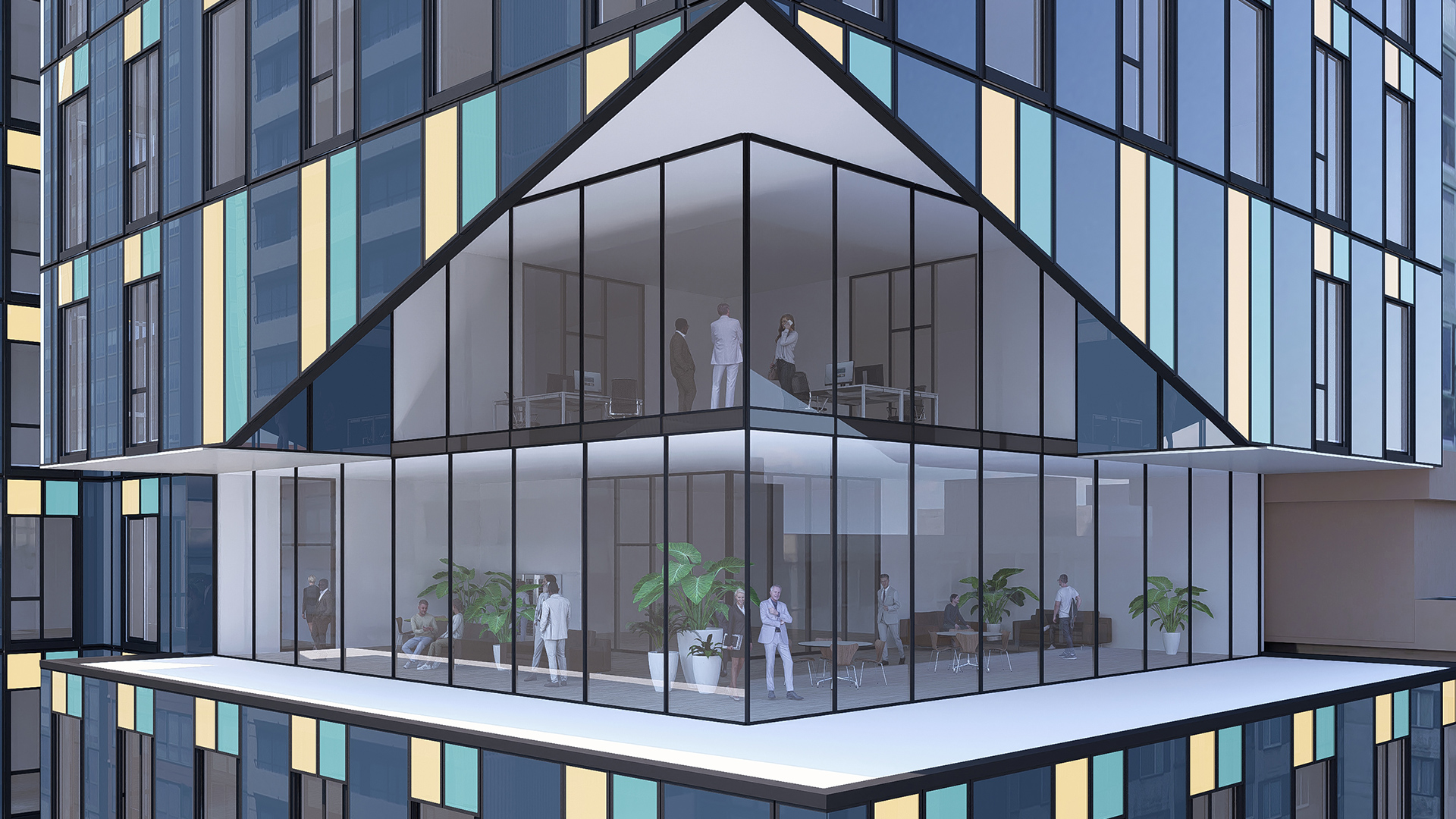
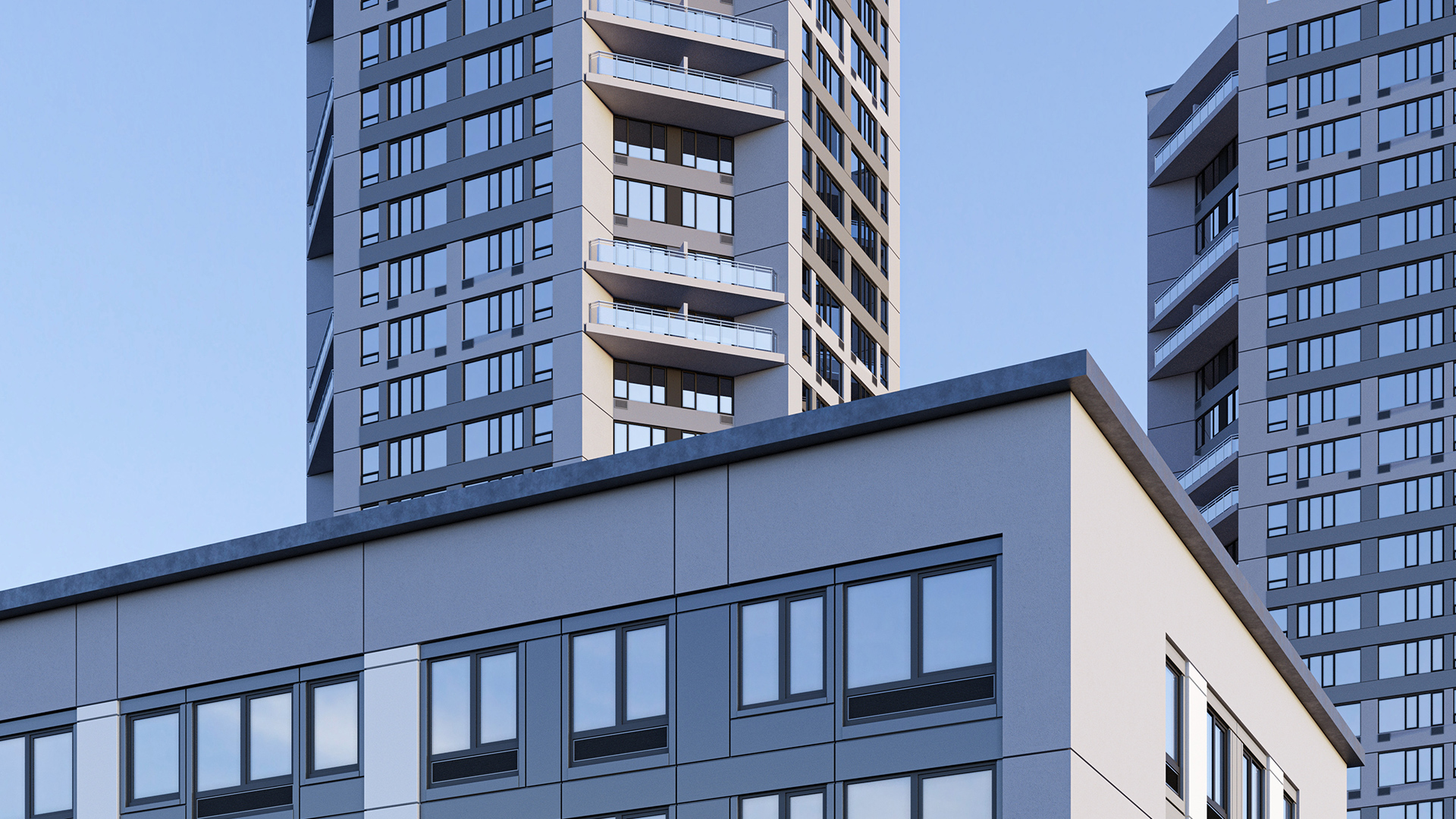
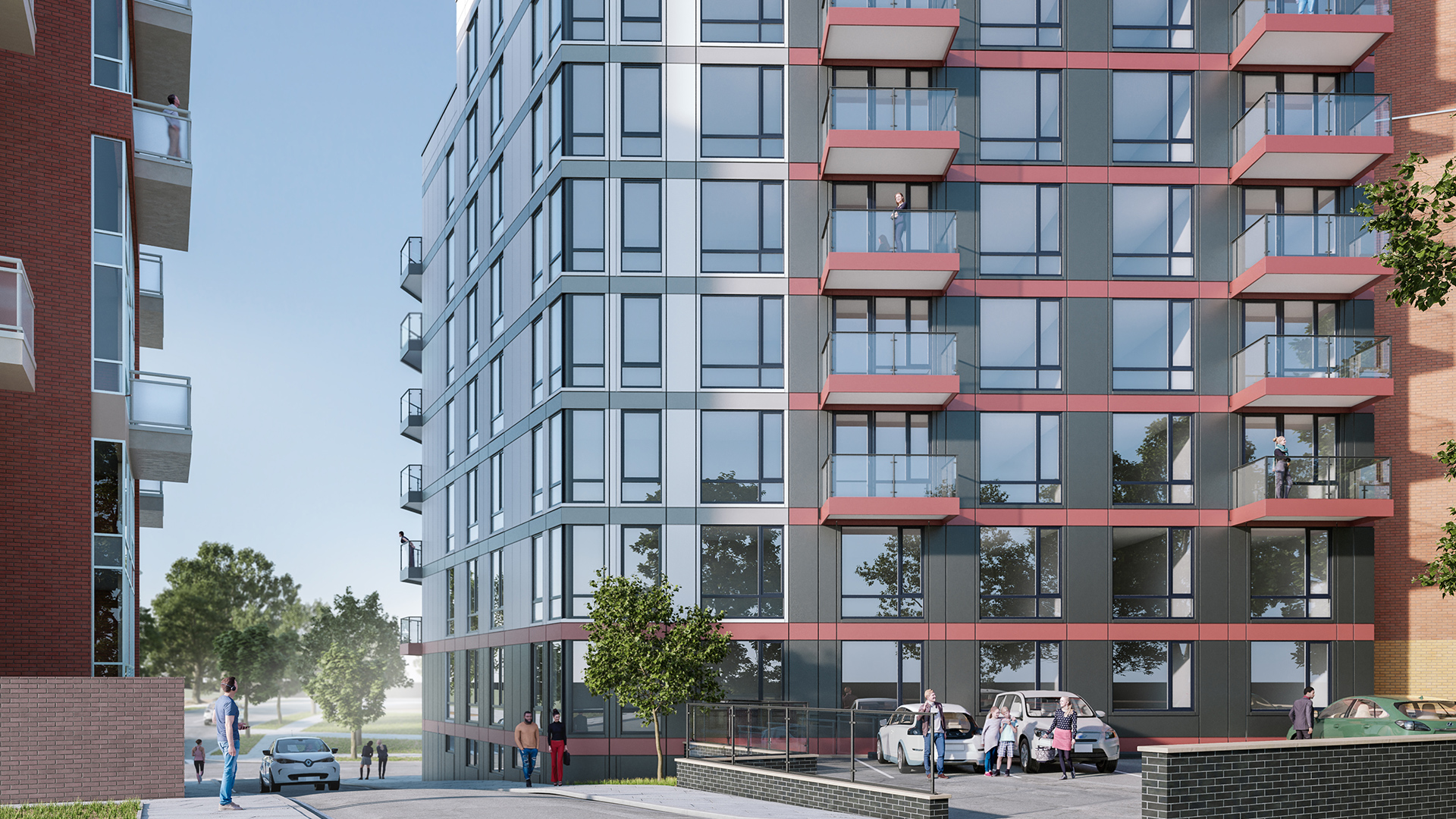
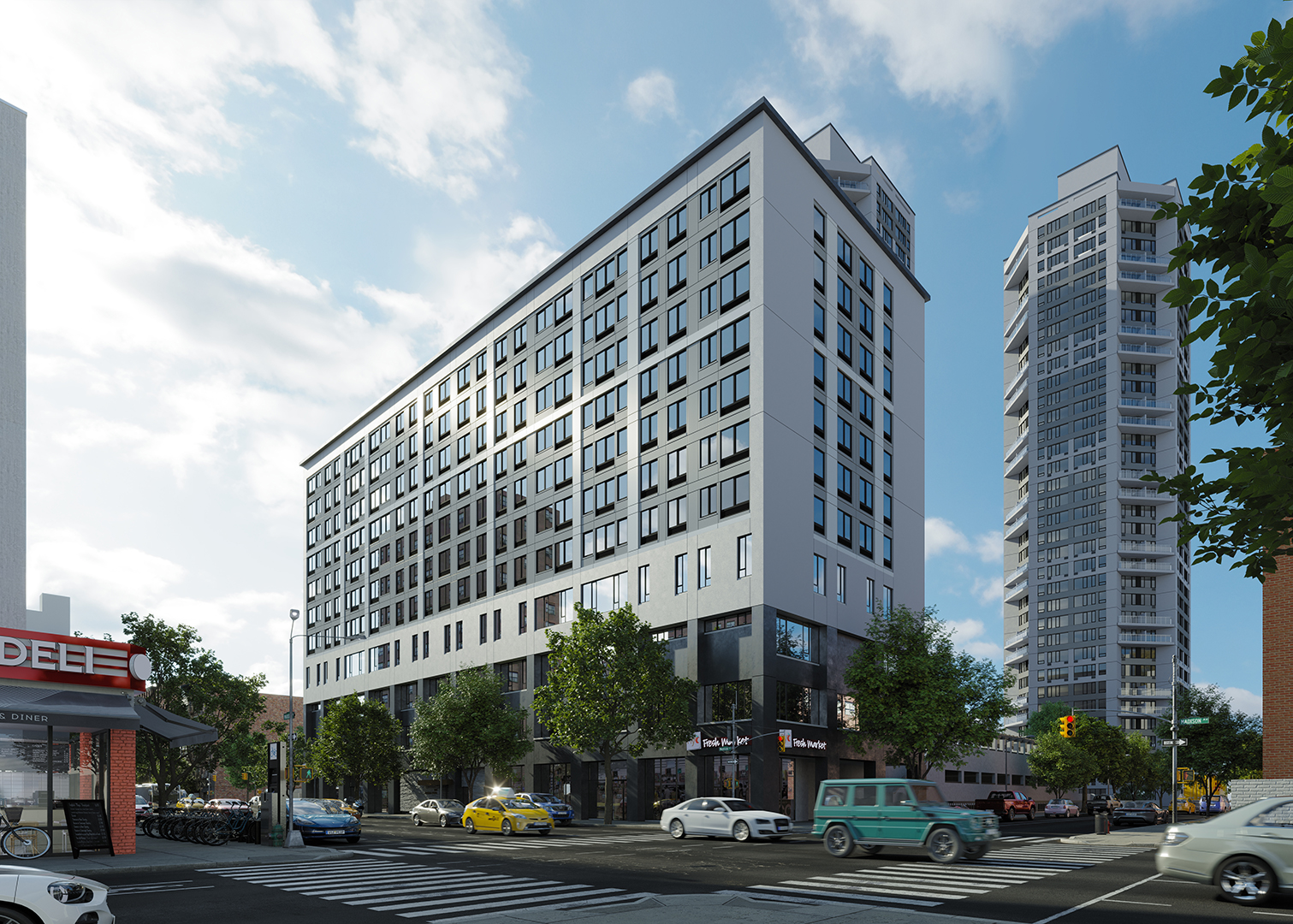
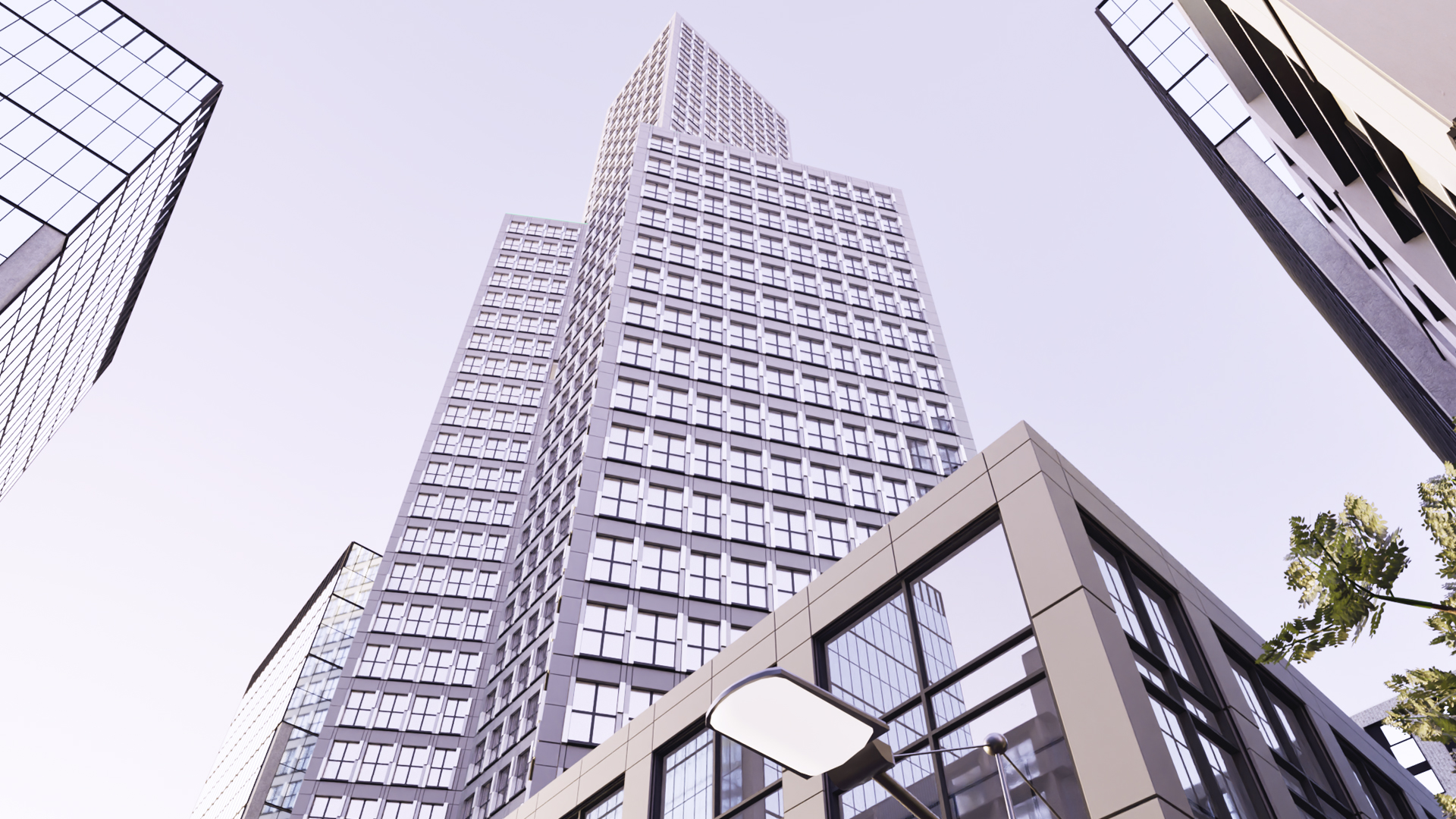
Dextall combines unitized, factory-built exterior wall panels with the Dextall Studio digital platform, which helps teams understand cost, carbon, and technical consequences of facade decisions early in the modeling process.
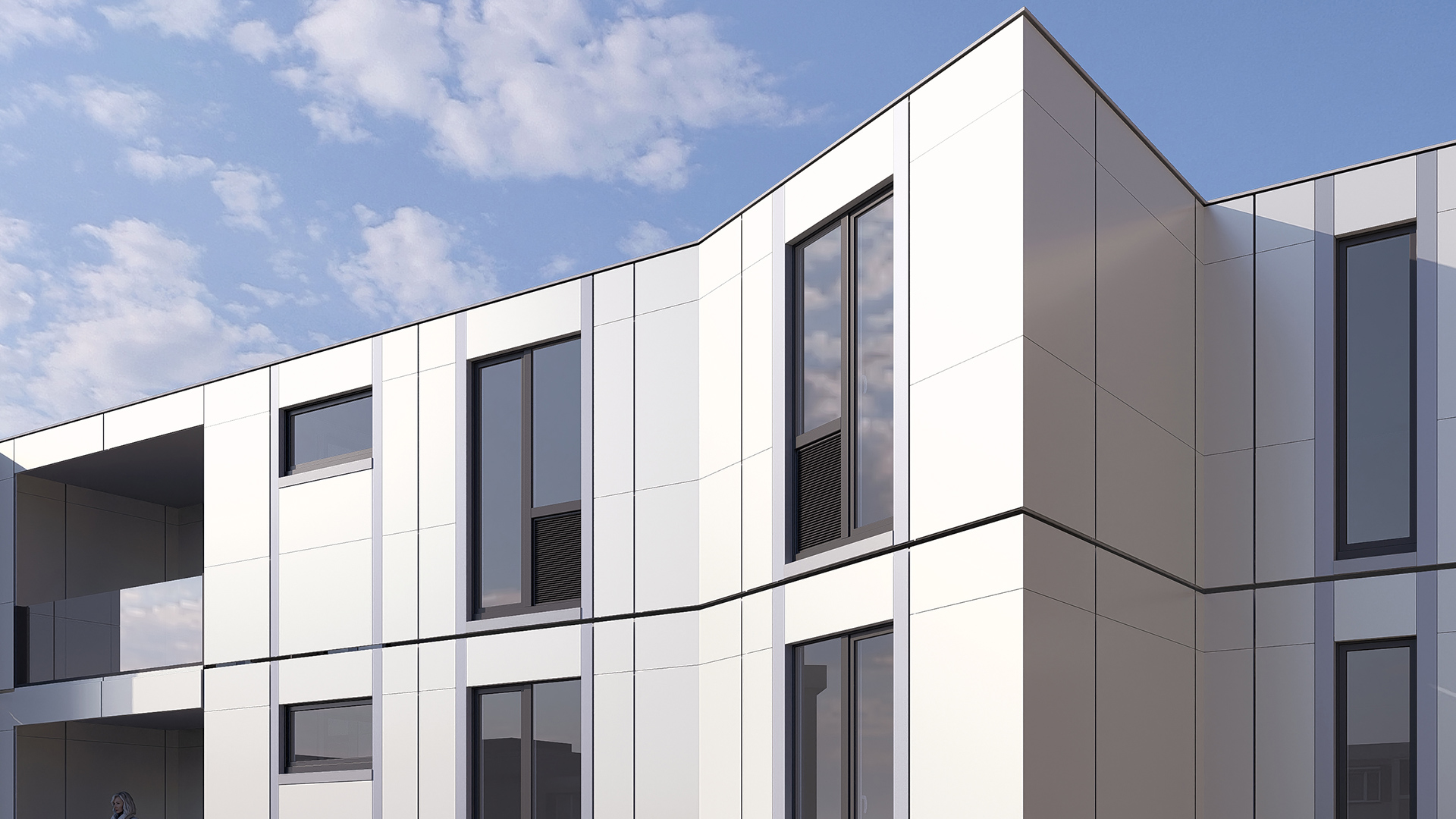
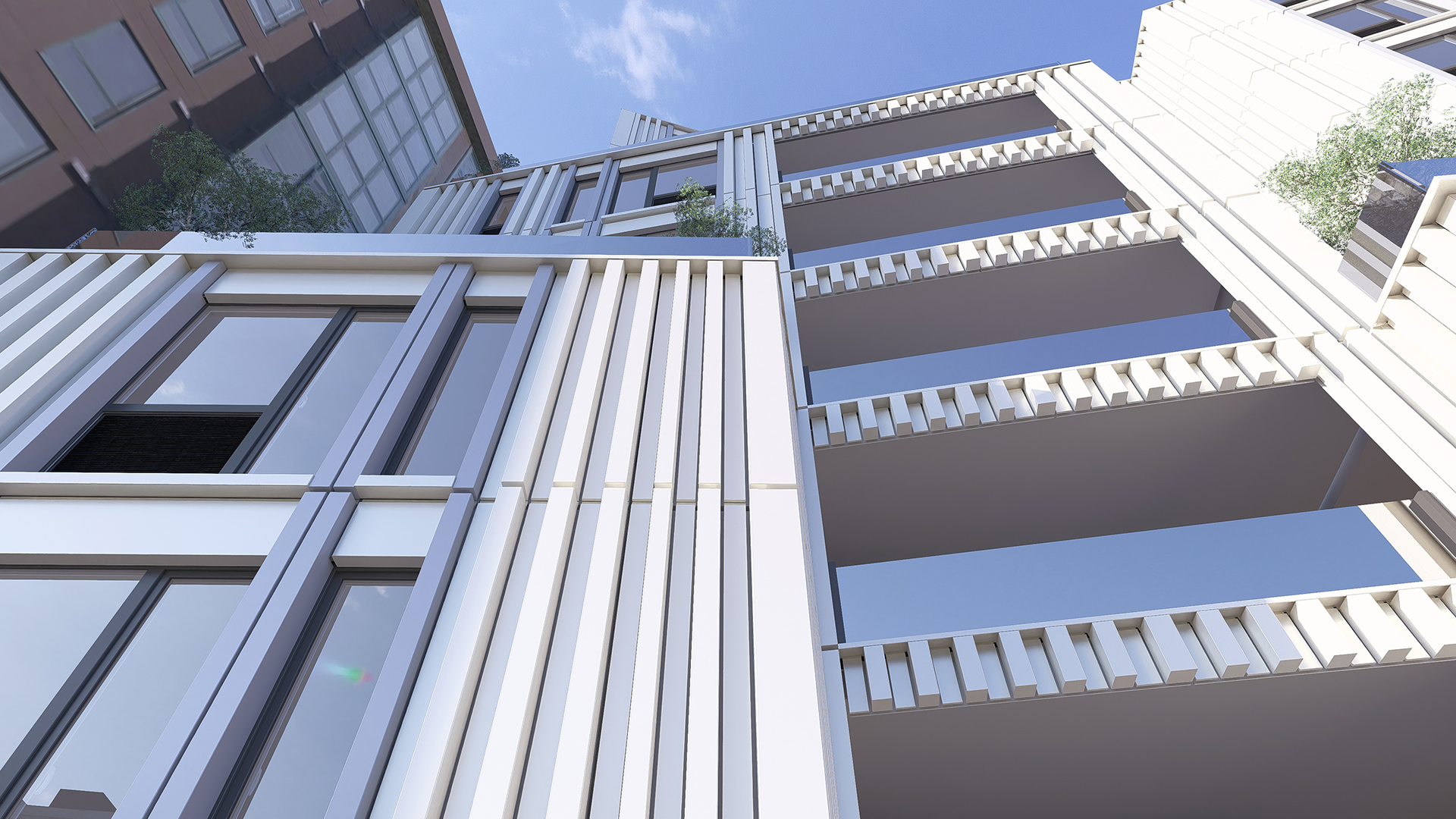
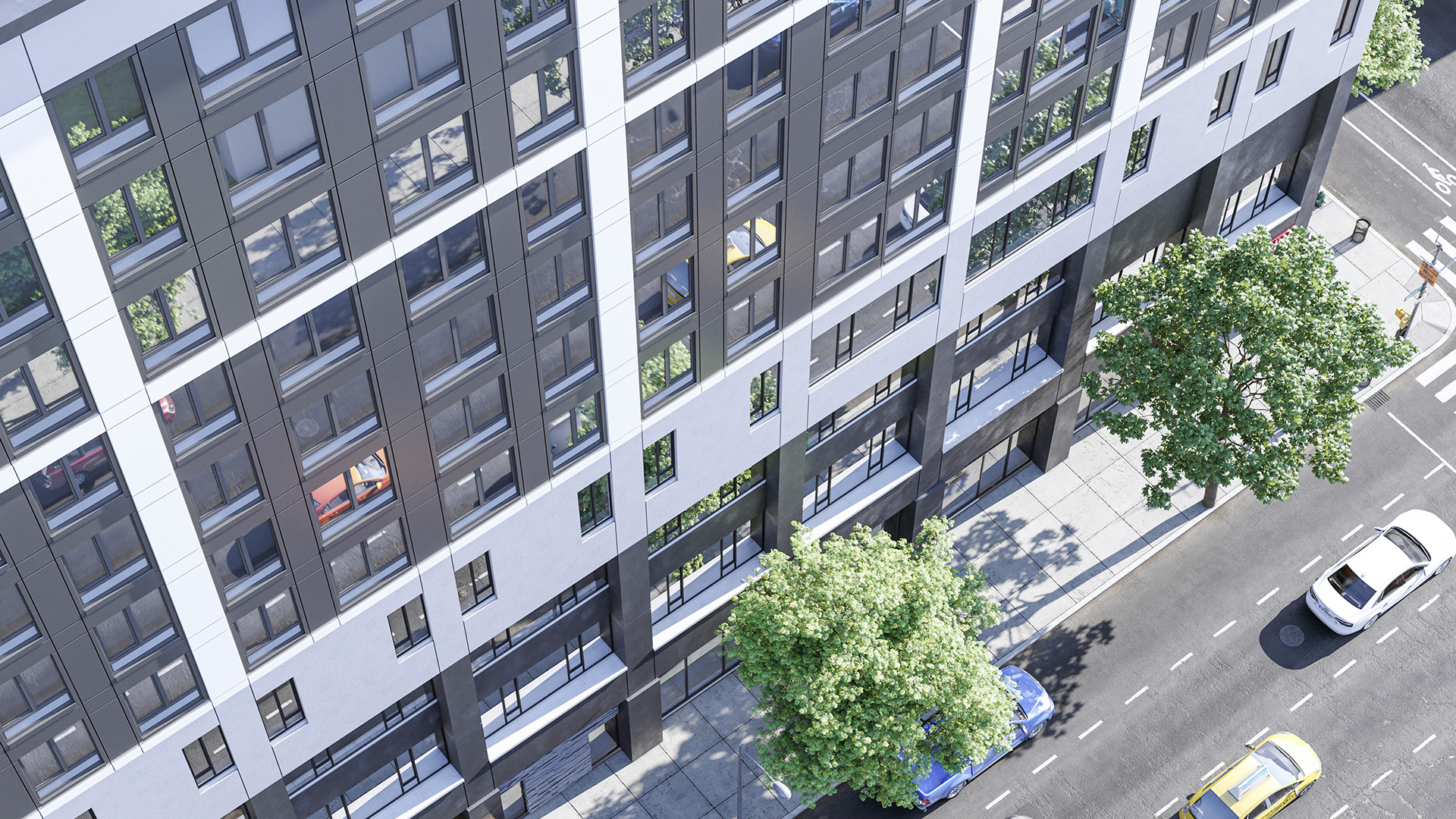
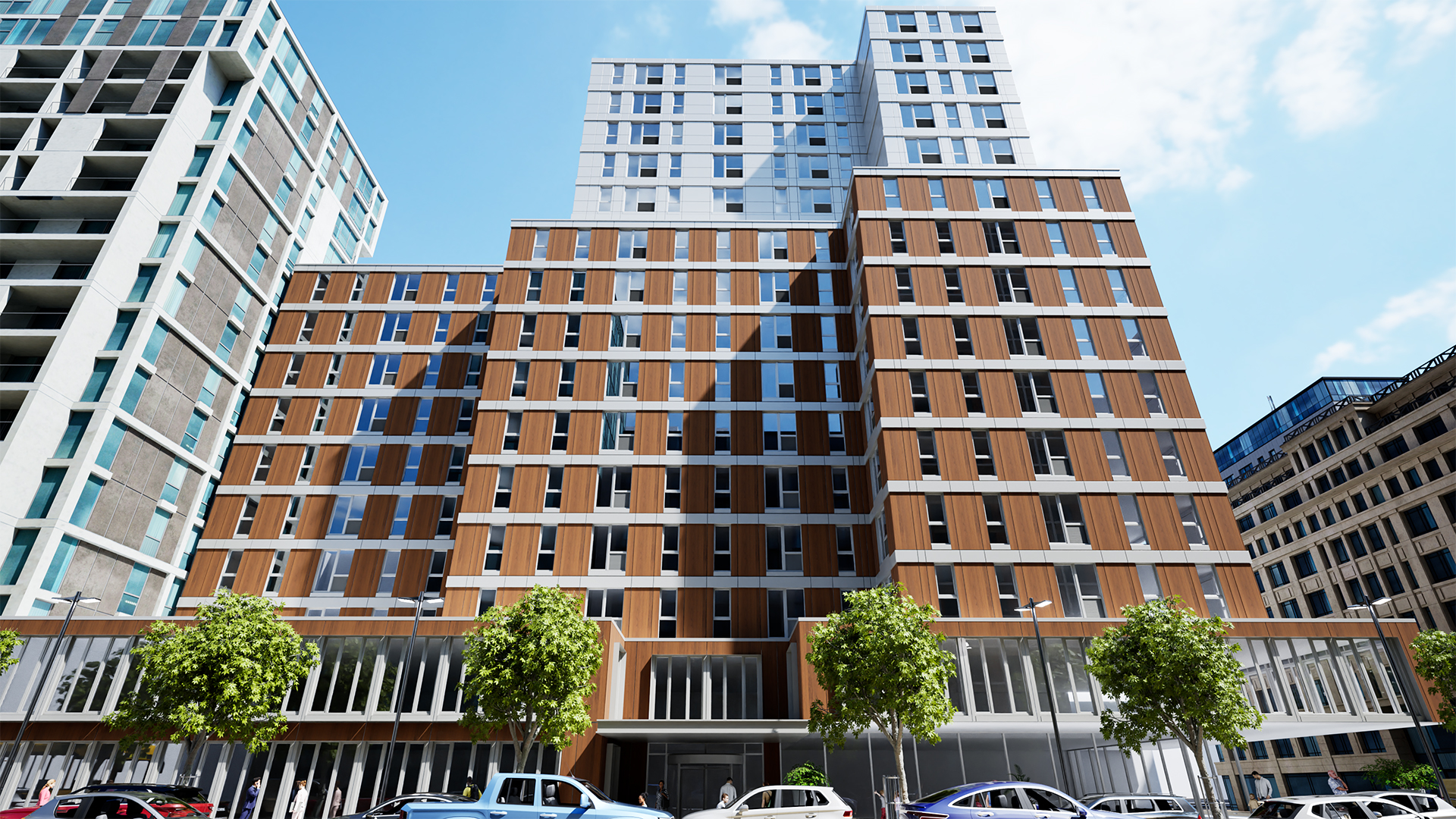
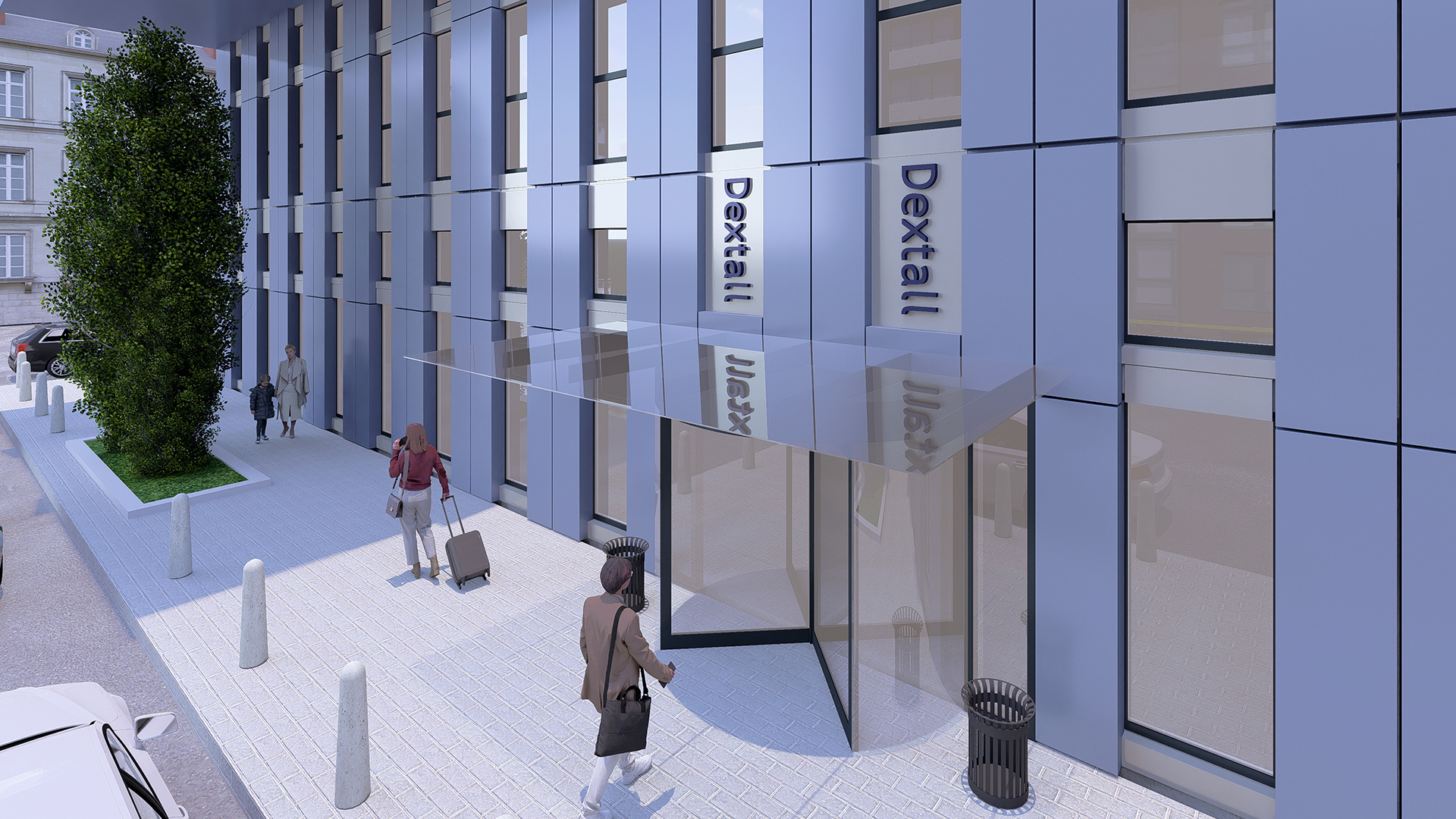
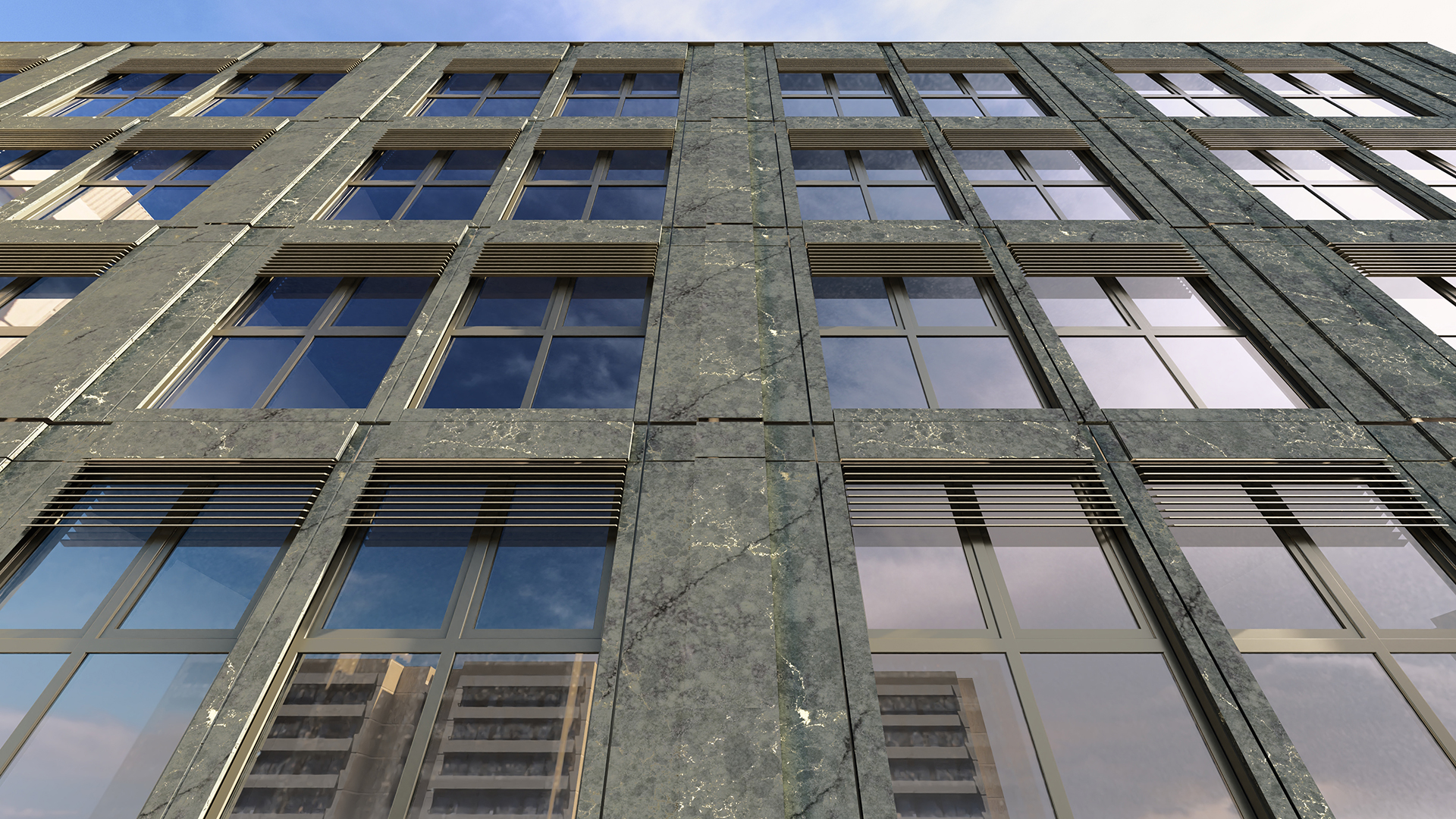
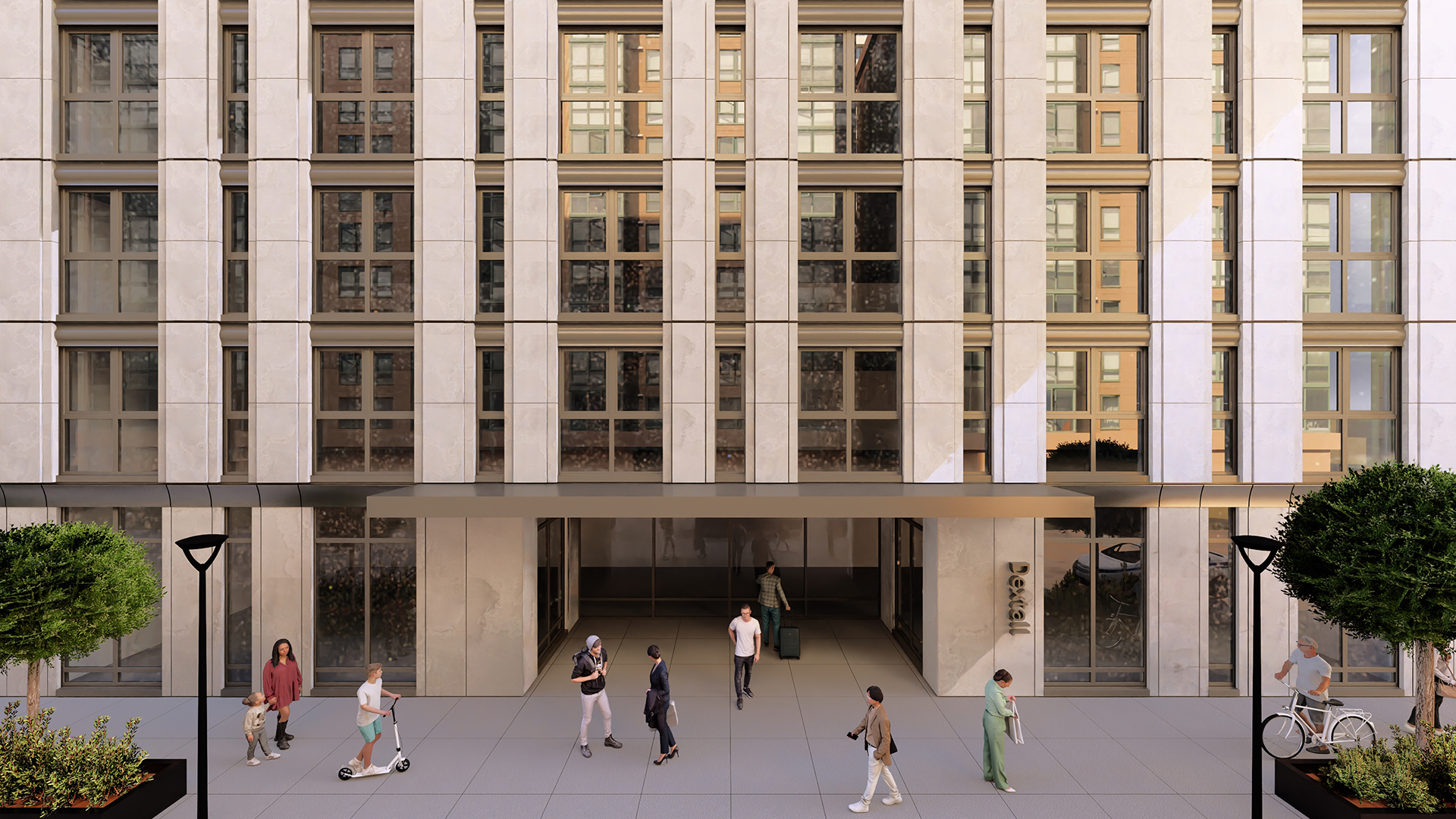
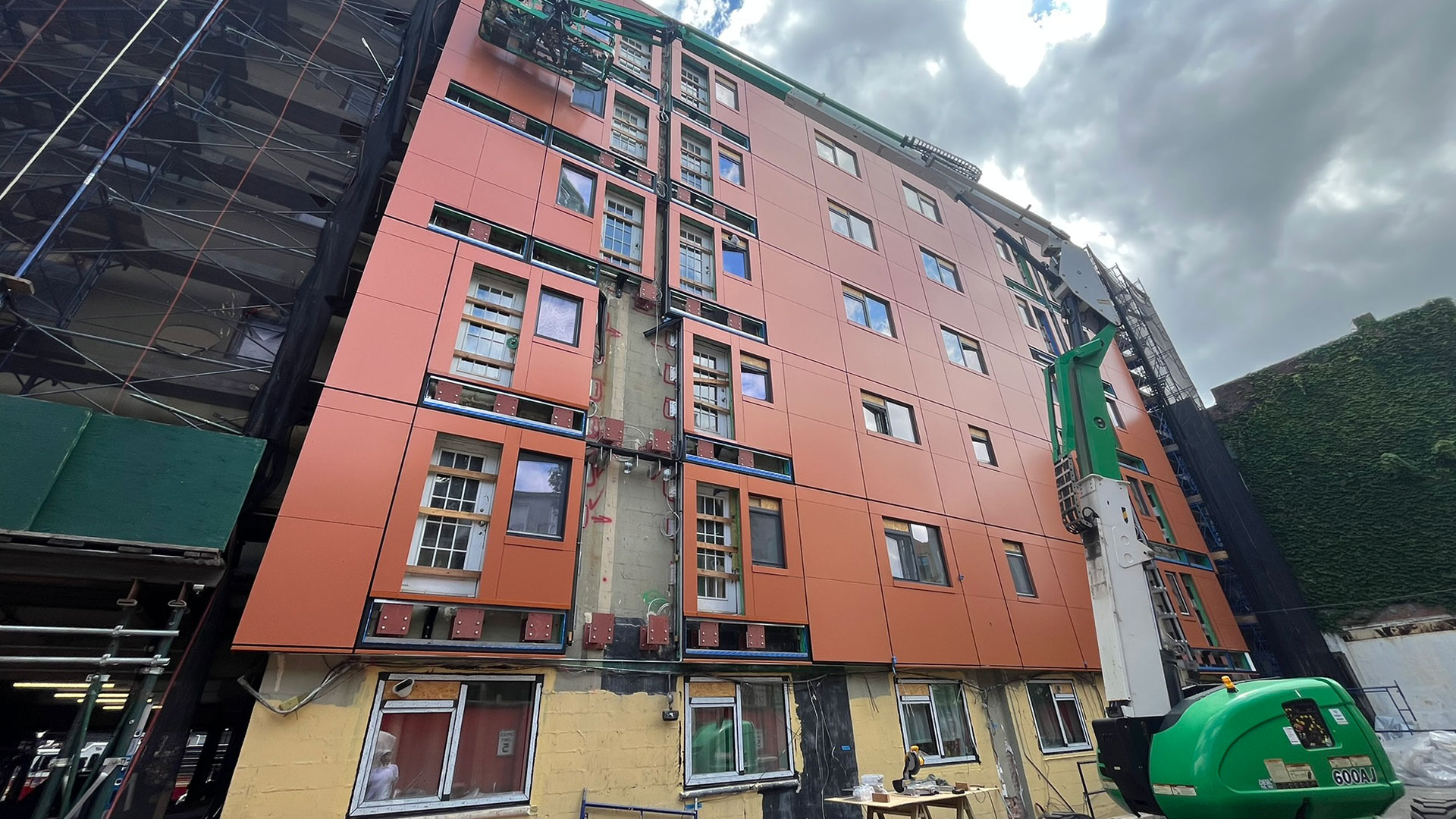
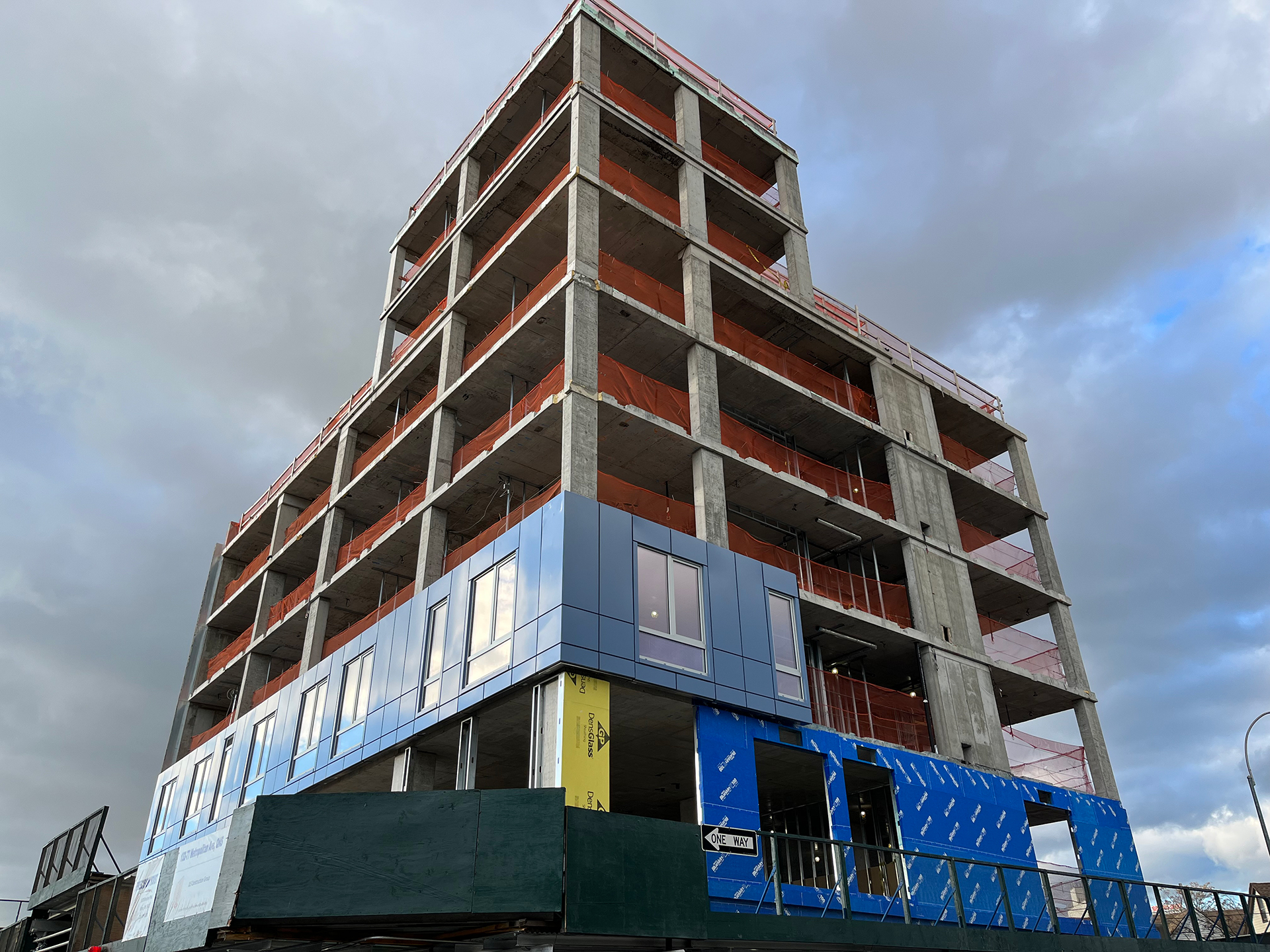
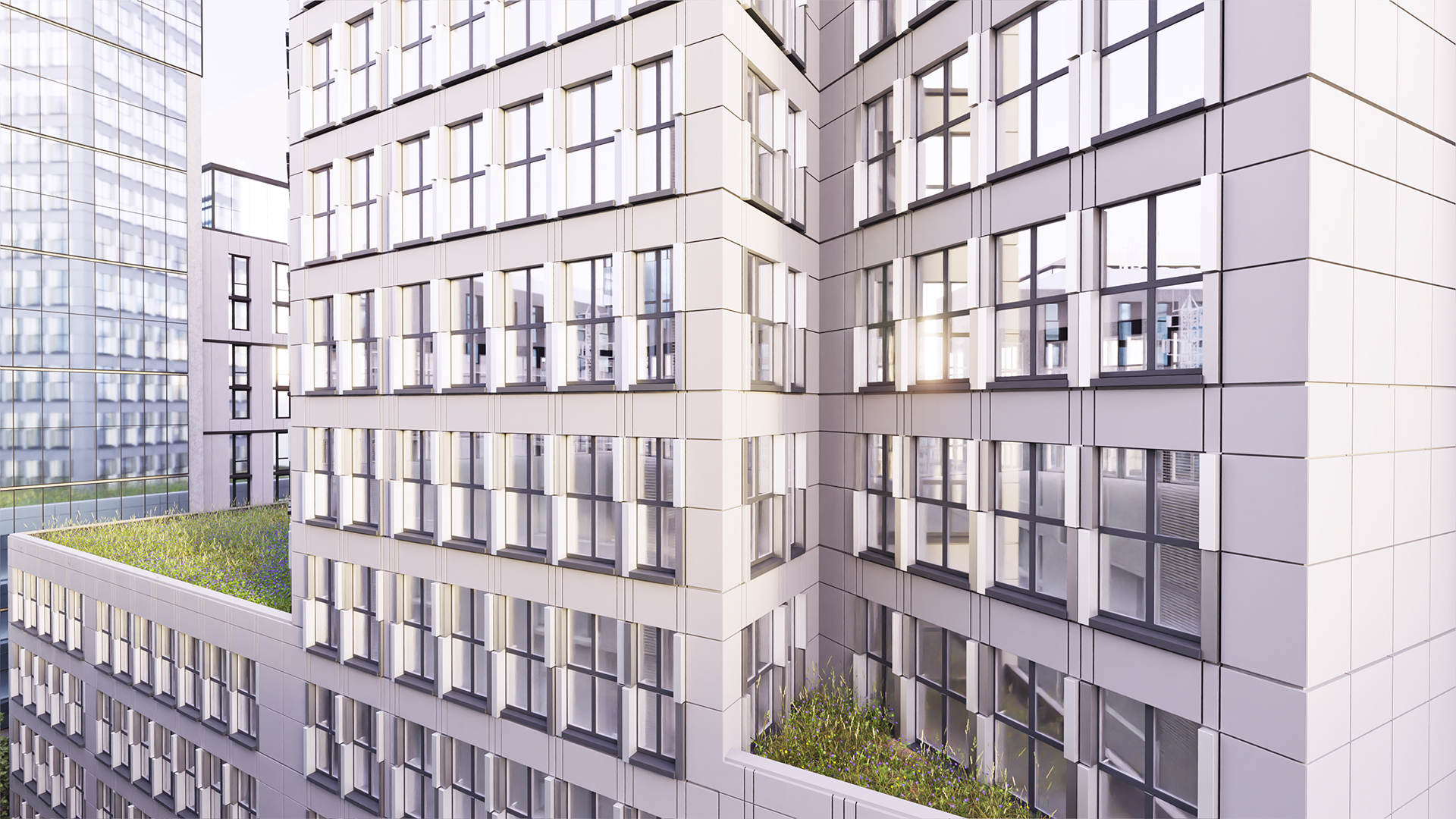
Dextall's D Wall Retrofit: over-cladding as a complete wall module
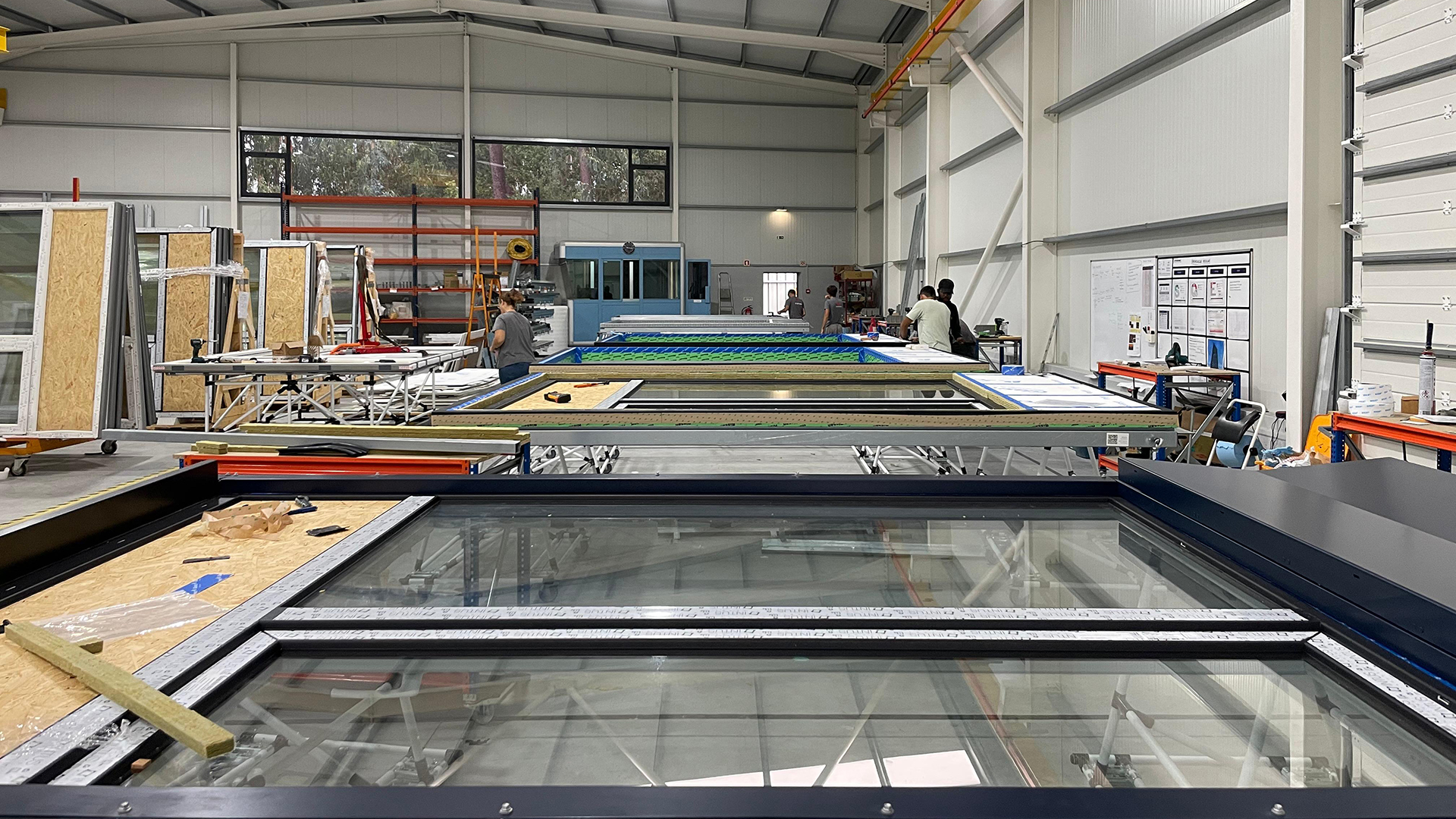
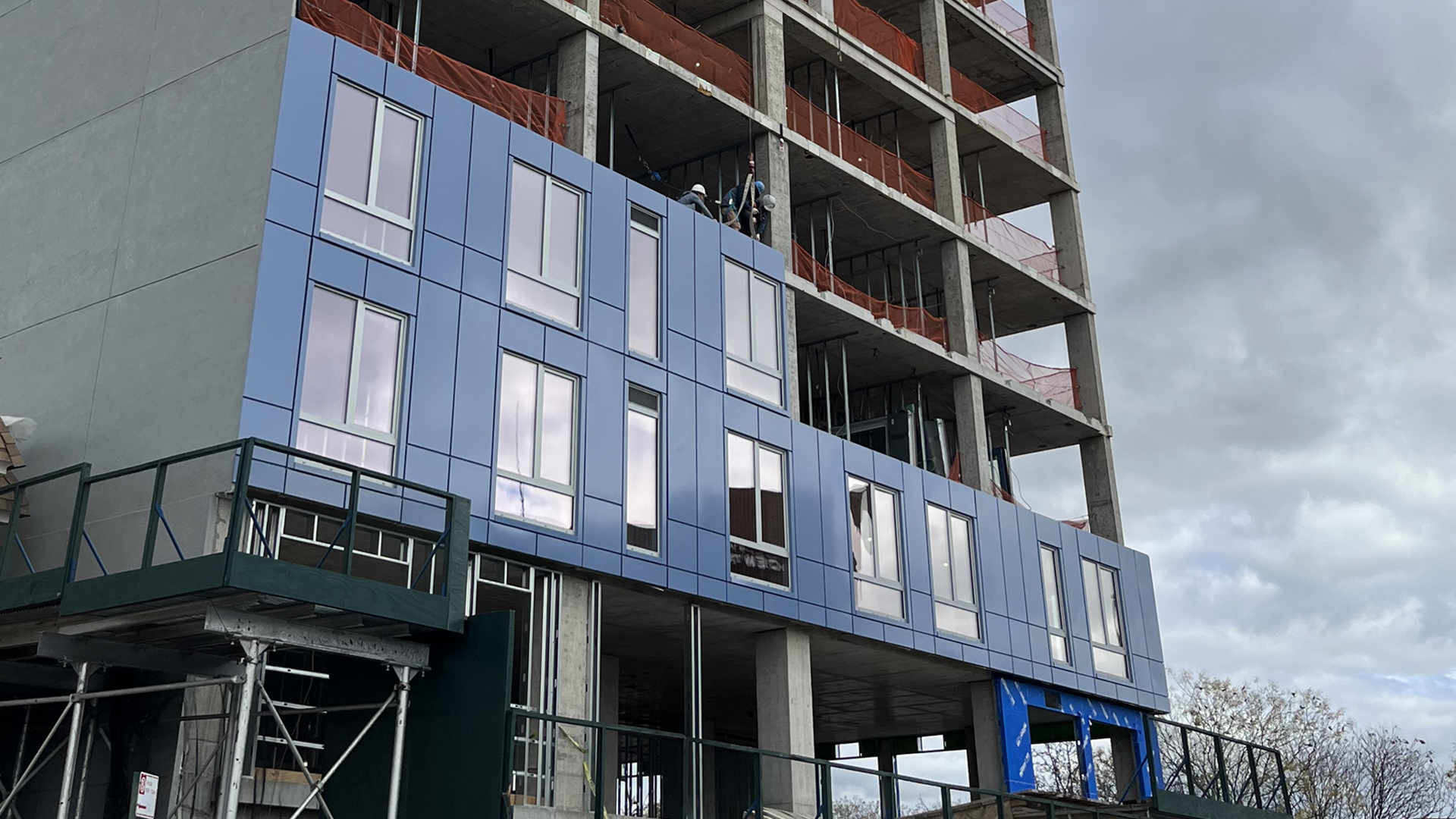
For existing buildings, Dextall offers full-size, light-gauge metal-framed panels with:
- factory-installed windows and cladding
- non-combustible mineral wool insulation
- integrated air and water control layers
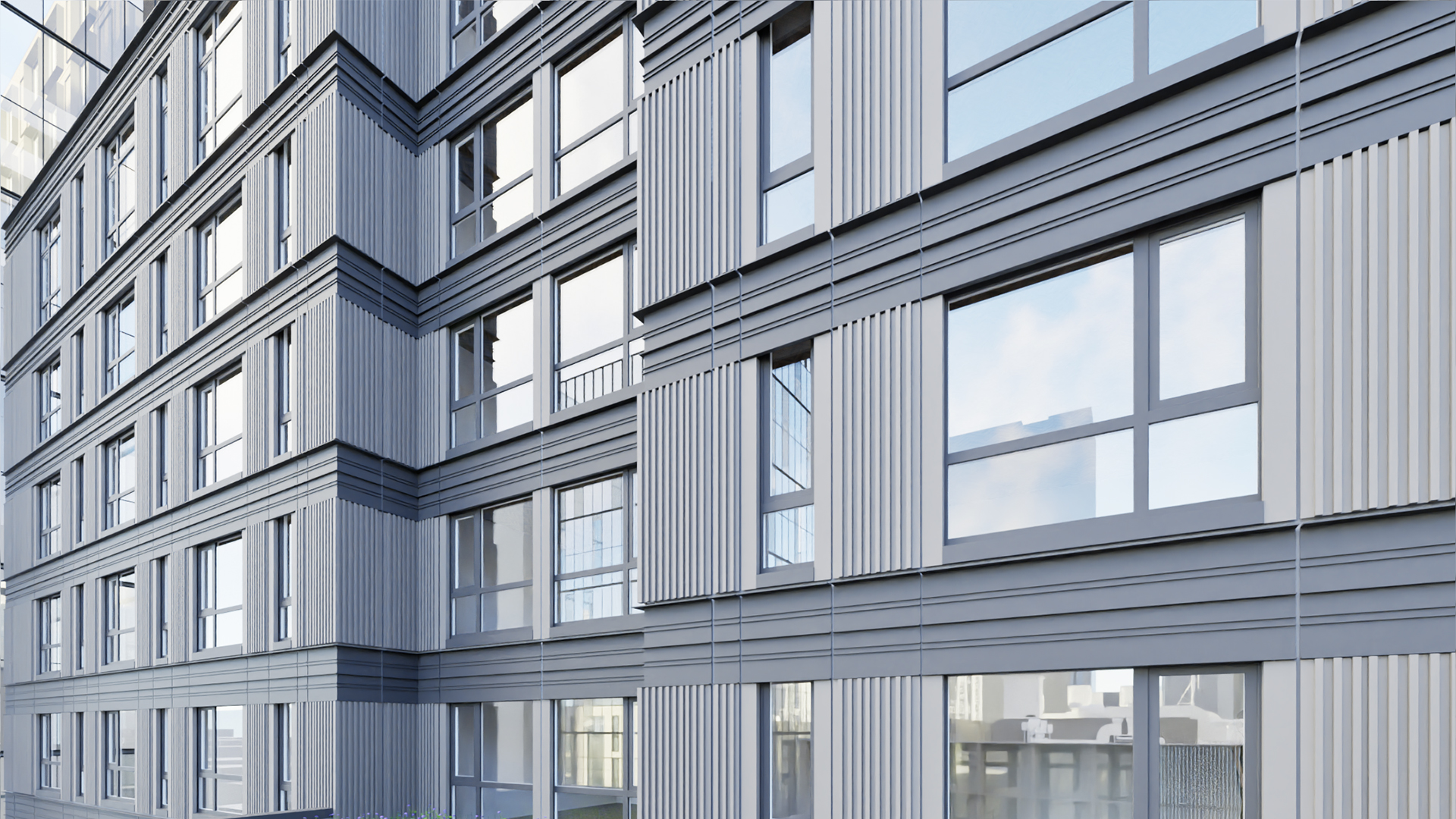
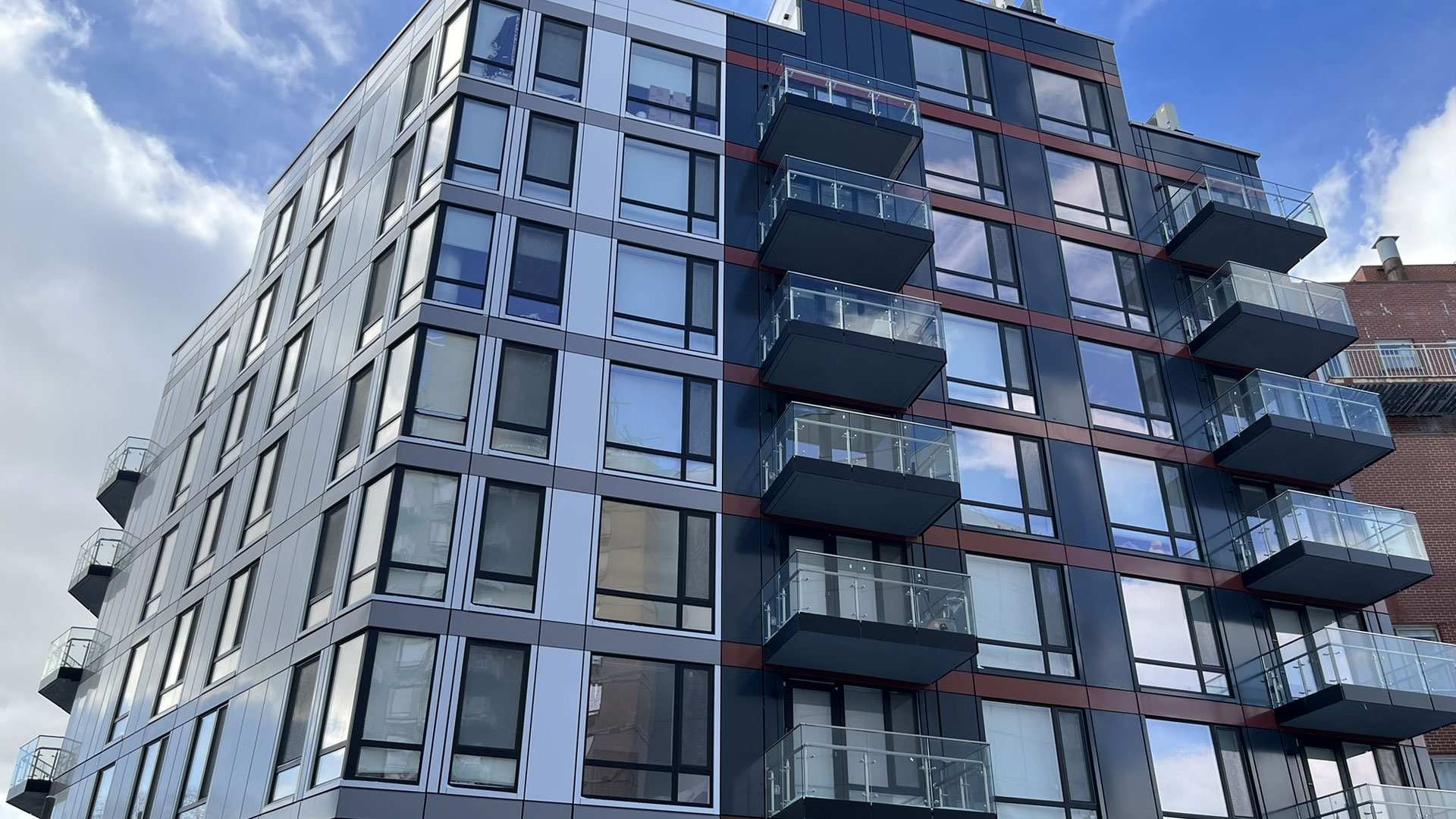
The panels act as complete exterior wall modules. Joints are formed with interlocking gaskets, so there's no need for wet sealants at height, and the over-cladding can deliver significantly higher energy performance compared to a code-minimum, site-built wall.
Dextall Studio: compressing timelines and cutting carbon
Dextall Studio turns facade sketches into detailed, fabrication-ready models, generates specifications, and analyzes material waste and embodied carbon. The platform is aimed at architects and facade teams and is designed to shorten the path from concept to buildable solution from months (or even years) down to weeks.
Dextall reports:
- more than 80% reduction in facade timelines, thanks to the combination of Studio and factory production
- up to 43% reduction in embodied carbon, through panel, material, and logistics optimization
- lower operational energy use, driven by a continuous thermal envelope and controlled air and water tightness—especially important in deep retrofit projects
Taken together, Dextall operates as an end-to-end envelope upgrade: digital planning, factory-made panels with integrated windows, and fast, dry installation that lets existing buildings move into a completely different class of comfort and energy performance—without a full structural restart.
Retrofit FAQs: A Quick Reality Check
Why can't I look only at panel price per square foot?
Because in retrofits most of the cost is in access, substrate preparation, working around occupants, and post-project energy use. A panel that's cheap on paper but difficult to install, or weak on air and thermal performance, quickly turns into an expensive envelope over the life of the building.
Do I have to use unitized systems for retrofit?
Not strictly—but factory-built unitized systems with fewer field operations mean fewer mistakes, less time at height, and less dependence on weather. On an occupied urban building, that often matters more than a small difference in material price.
Can I keep the old windows and just add new panels?
You can, but it's almost always a compromise: the joints around old frames become weak points for air and water. The best results for comfort, noise, and energy use come when windows and panels are designed and installed as a single, integrated system, planned and executed together.











.jpeg)
-Compliance-for-NYC-Multifamily-%26-Co-Op-Facades.jpg)












_format(webp).avif)
_format(webp)%20(6).avif)
_format(webp)%20(5).avif)
_format(webp)%20(4).avif)
_format(webp)%20(2).avif)
_format(webp)%20(3).avif)


.avif)
_format(webp)%20(2).avif)