How 270 Park Avenue's Unitized Curtain Wall Redefines High-Rise Facade Engineering in NYC

A unitized curtain wall is a prefabricated facade system where factory-assembled panels are lifted into position as complete units — glass, framing, and weatherproofing included. At 270 Park Avenue, JPMorgan Chase's new global headquarters in Midtown Manhattan, Foster + Partners applied this approach across 1.2 million square feet of triple-pane glass and commercial bronze cladding. The building opened in October 2025 as New York City's largest all-electric skyscraper, powered entirely by renewable hydroelectric energy, with net-zero operational emissions.
New Hudson Facades manufactured every panel at its Pennsylvania facility starting in July 2022, delivering precision-fit units for a 60-story, 1,388-foot building. Workers installed them floor by floor across a tower that now houses up to 14,000 employees. For architects and developers working on mid-rise projects in New York City, the technical choices made here map directly onto 10- to 30-story buildings where curtain wall systems, factory quality, and energy compliance drive project outcomes.
What Makes 270 Park Avenue Different from Every Other NYC Supertall
JPMorgan Chase demolished the former Union Carbide Building in 2021 — the world's largest voluntary demolition of a skyscraper — and diverted 97% of the materials from landfill through recycling, reuse, and upcycling. That decision cleared the site for a ground-up design with no adaptive reuse constraints, giving Foster + Partners full control over the building's structural and envelope systems from the start.
The tower stands 1,388 feet (423 m) across 60 stories and occupies an entire city block on Park Avenue between 47th and 48th Streets. Its structural system uses massive fan columns that rise 80 feet above street level, creating a column-free lobby. Outboard bronze columns — clad in commercial copper-nickel alloy — carry load and define the elevation simultaneously. On the east and west facades, diamond-shaped panels of the same alloy form the building's signature diagrid. These panels are structural, not decorative.
270 Park Avenue operates entirely on hydroelectric power from New York State, achieving net-zero operational emissions. It targets LEED Platinum, WELL Platinum, and Fitwel 2-Star certifications. Construction cost ran between $3 billion and $4 billion — a figure that reflects the scale, the material specification, and the performance standards the building was built to meet.
How New Hudson Facades Built 1.2 Million Square Feet of Unitized Curtain Wall
New Hudson Facades (NHF) produced and installed the complete curtain wall facade system, covering 1.2 million square feet across the tower's exterior. Manufacturing started at NHF's Pennsylvania facilities in July 2022 — well before the building topped out in November 2023 — so fabrication and structural construction ran on parallel tracks. Employees moved in by August 2025, and the ribbon cutting took place on October 21, 2025.
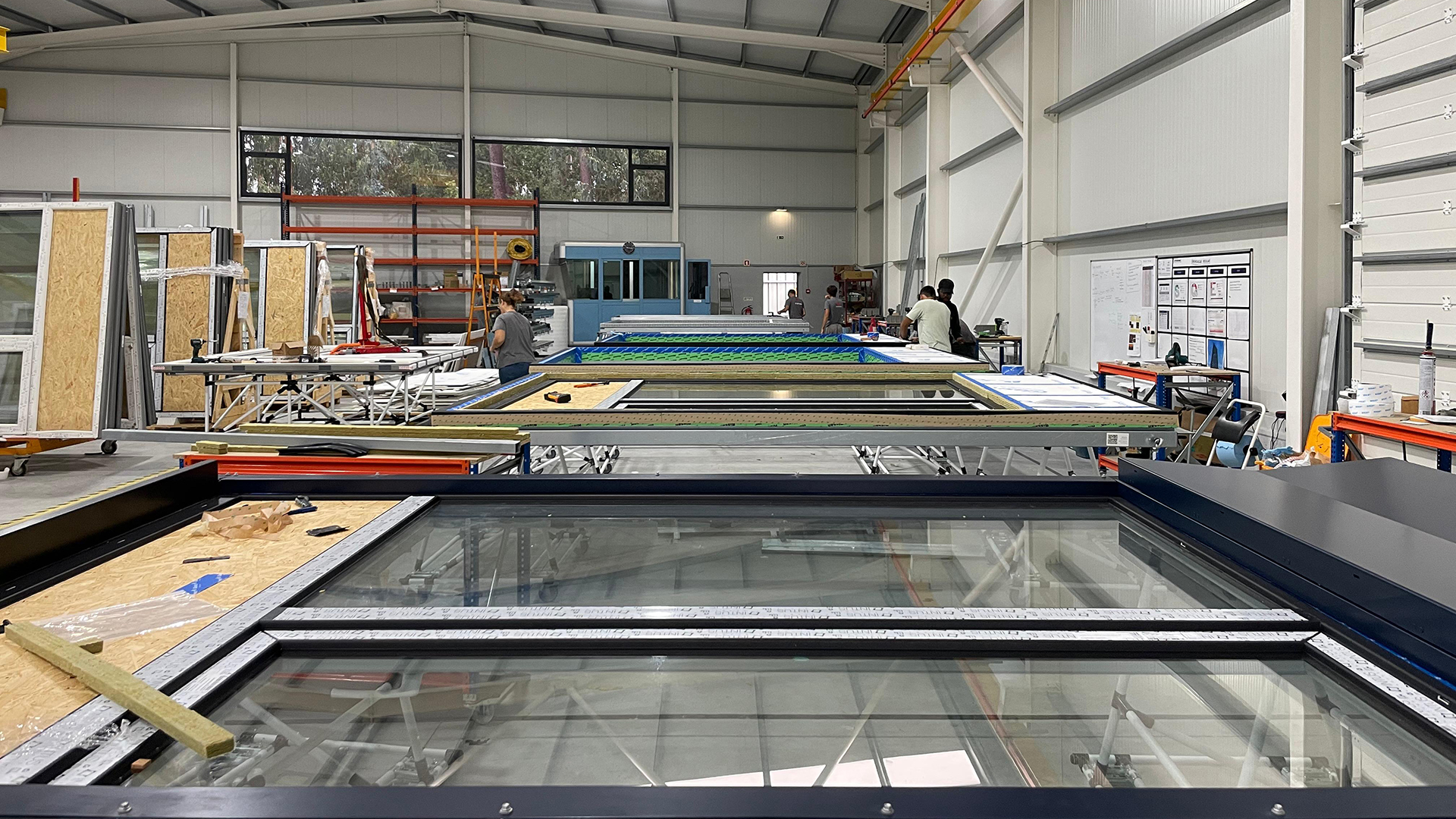
Each panel arrives on-site as a complete unitized module: triple-pane insulated glass units, framing, and weatherproofing factory-assembled before leaving Pennsylvania. Workers attach each unit to the structural frame, seal the joint, and move to the next panel. This contrasts with a stick-built or field-glazed system, where every mullion and glass pane is installed in sequence in open air. At 1.2 million square feet across 60 stories in Midtown, the unitized approach kept on-site labor controlled and the installation schedule predictable.
The glazing specification is triple-pane IGUs with low-emissivity coatings, argon gas fill, and automatic solar shades. The triple-pane units deliver 30% more natural light than the building's predecessor while maintaining superior thermal and acoustic performance. For a net-zero facility on Park Avenue, those specifications carry the energy model — not support it.
Custom bronze-finished mullions tie the glass units to the structural frame, integrating with the exoskeleton's geometry. The entire unitized wall system was designed for disassembly: individual panels can be replaced or recycled without breaking the thermal envelope. That decision reduces future maintenance costs and positions the building for facade upgrades as energy codes evolve over the next 50 years. The scale of facade fabrication here — parallel production in Pennsylvania, precision delivery to Manhattan, sequential installation up 60 floors — set a benchmark for factory-first curtain wall work on flagship projects. The Brooklyn Tower curtain wall earlier demonstrated the coordination demands of supertall facade work; 270 Park Avenue extended that logic to a larger footprint with a more complex material combination.
Five Lessons Mid-Rise Construction Teams Can Take from 270 Park Avenue
The scale difference between a 60-story supertall and a 15-story multifamily building is obvious. The engineering logic applies across both.
- Factory quality eliminates field variables. NHF produced panels under controlled conditions in Pennsylvania and shipped them to Manhattan. That shift is the core argument for any prefabricated facade panels approach — defects caught in production cost a fraction of what defects cost on the 15th floor of an occupied building.
- Triple-pane glazing is where energy codes are heading. The triple-pane IGUs at 270 Park Avenue deliver thermal performance that Local Law 97 is steering all NYC buildings toward as compliance deadlines tighten. Mid-rise owners who specify double-pane today will face envelope upgrades before 2035.
- Parallel fabrication removes months from the project timeline. NHF started production in July 2022. The building topped out in November 2023. On a mid-rise project, a 16-week lead time from shop drawing approval to panel delivery means facade installation begins before the structural frame is complete on upper floors.
- Design for disassembly is a long-term cost decision. Panels that can be replaced individually — without full re-cladding — reduce the cost of future compliance work. As NYC energy codes tighten on a three-year cycle, facades built for panel-level access are worth more over a 30-year hold.
- Structure and envelope can do the same work. Bronze columns at 270 Park Avenue carry load and define the elevation in one move. Prefabricated wall panels with integrated insulation operate on the same principle — fewer layers, better performance, simpler field detailing.
How NYC Developers Can Apply These Principles on Projects Under 30 Stories
The NYC mid-rise market — multifamily and mixed-use buildings from 8 to 30 stories across the five boroughs — faces the same performance pressures as 270 Park Avenue, compressed into tighter budgets and faster schedules. Local Law 97 imposes carbon limits on buildings over 25,000 square feet, with escalating penalties from 2030. Local Law 11 requires facade inspections every five years. Constrained streets mean every on-site labor hour extends the schedule and affects neighbors. The case for nyc curtain wall installation via prefabricated, unitized panels is an operational response to how this city works.
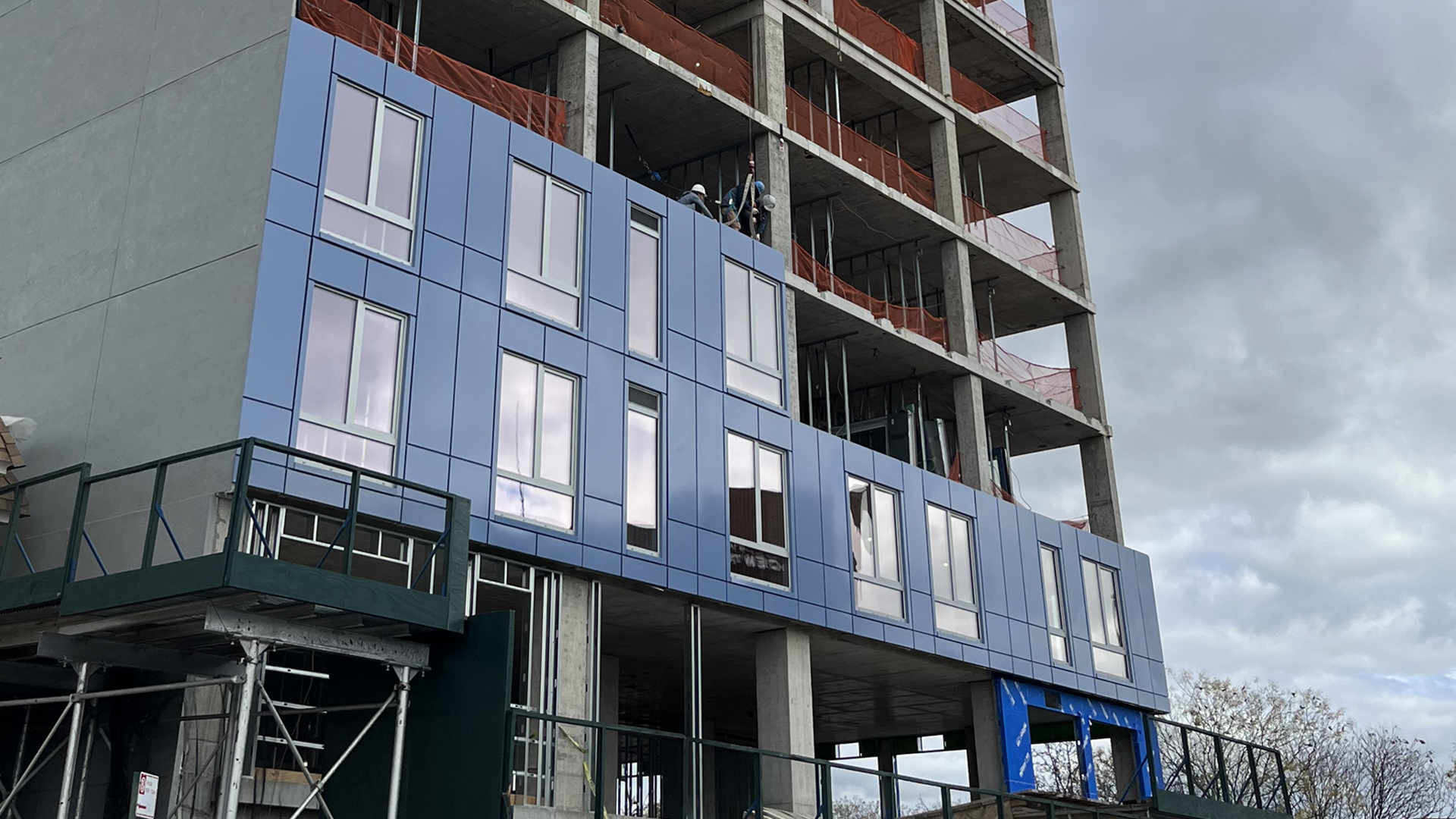
Controlling the facade budget from day one starts with the same decision NHF made at 270 Park Avenue: move fabrication off-site. Dextall's D Wall® system applies unitized panel logic at mid-rise scale. Panels arrive factory-built, require 87% less on-site labor than traditional stick construction, and deliver in 16 weeks from shop drawing approval. That schedule compression means earlier occupancy and faster revenue for the developer.
The energy compliance case follows the same logic. D Wall® panels deliver an energy code compliant wall system for NYC multifamily buildings — the same pressure that made triple-pane IGUs the standard at 270 Park Avenue now applies to every new multifamily building in the five boroughs. A unitized facade system built to those specs from day one costs less to maintain than one that needs upgrades within ten years.
The pattern holds across the region. The 400 Lake Shore Drive curtain wall in Chicago showed the same schedule and quality advantages on a mid-rise mixed-use project. For developers in Brooklyn, Newark, or Washington Heights working through permits today, unitized systems deliver a building that competes on schedule with competitors who are still field-glazing their upper floors.
Key Takeaways
- 270 Park Avenue's curtain wall covers 1.2 million square feet of unitized, triple-pane glass manufactured by New Hudson Facades in Pennsylvania and installed across 60 stories in Midtown Manhattan
- The all-electric tower opened in October 2025 with net-zero operational emissions, powered by New York State hydroelectric energy, with 97% of demolition materials recycled or reused
- Unitized panel systems shift fabrication from the field to the factory — reducing on-site hours, improving quality control, and compressing installation schedules
- Triple-pane IGUs with low-e coatings, argon fill, and automatic solar shades deliver 30% more natural light while meeting the thermal standard NYC energy codes require
- Mid-rise developers can apply the same unitized approach at 8- to 30-story scale, with a 16-week lead time from shop drawing approval and 87% less on-site labor
FAQ
What is a unitized curtain wall system?
A unitized curtain wall is a prefabricated facade system where individual panels — complete with glass, framing, and weatherproofing — are assembled in a factory and installed as single units on-site. This contrasts with stick-built systems where components are installed piece by piece in the field. Unitized systems deliver better quality control, faster installation, and more predictable scheduling on both supertall and mid-rise projects.
How does triple-pane glazing improve building energy performance?
Triple-pane insulated glass units use three layers of glass separated by gas-filled cavities. Low-emissivity coatings reduce heat transfer, while argon gas fill improves insulation values. The result is higher R-values and better acoustic performance than double-pane glass. For NYC buildings under Local Law 97, triple-pane glazing directly supports compliance with carbon emission limits that tighten through 2030.
How much of 270 Park Avenue's facade was prefabricated?
The entire curtain wall — 1.2 million square feet — was prefabricated by New Hudson Facades at its Pennsylvania facilities. Manufacturing began in July 2022, running in parallel with structural construction so installation could proceed floor by floor as the building rose toward its November 2023 topping out.
Can unitized curtain wall systems work on mid-rise buildings?
Yes. The same unitized logic scales from supertalls to 8- to 30-story buildings. Mid-rise projects benefit from the same advantages: factory quality, faster installation, and fewer on-site labor hours. How prefabricated facade systems work at mid-rise scale follows identical principles — complete envelope delivery in 16 weeks from shop drawing approval compresses the overall project schedule.
What NYC regulations make high-performance curtain walls important for developers?
Local Law 97 sets carbon emission limits for buildings over 25,000 square feet, with escalating penalties beginning in 2030. Local Law 11 requires facade inspections every five years. Both laws favor non-combustible wall insulation and high-performance envelope systems that are easy to inspect and replace at the panel level. Unitized systems designed for disassembly meet these requirements more efficiently than field-built alternatives.
Disclaimer
Dextall is not involved in the 270 Park Avenue project. This article analyzes publicly available information about Foster + Partners' and New Hudson Facades' design and engineering to explore how principles from large-scale curtain wall projects can inform mid-rise construction strategies in the U.S. market. For questions about 270 Park Avenue, contact JPMorgan Chase or Foster + Partners. For information about Dextall's prefabricated building envelope solutions, visit dextall.com.
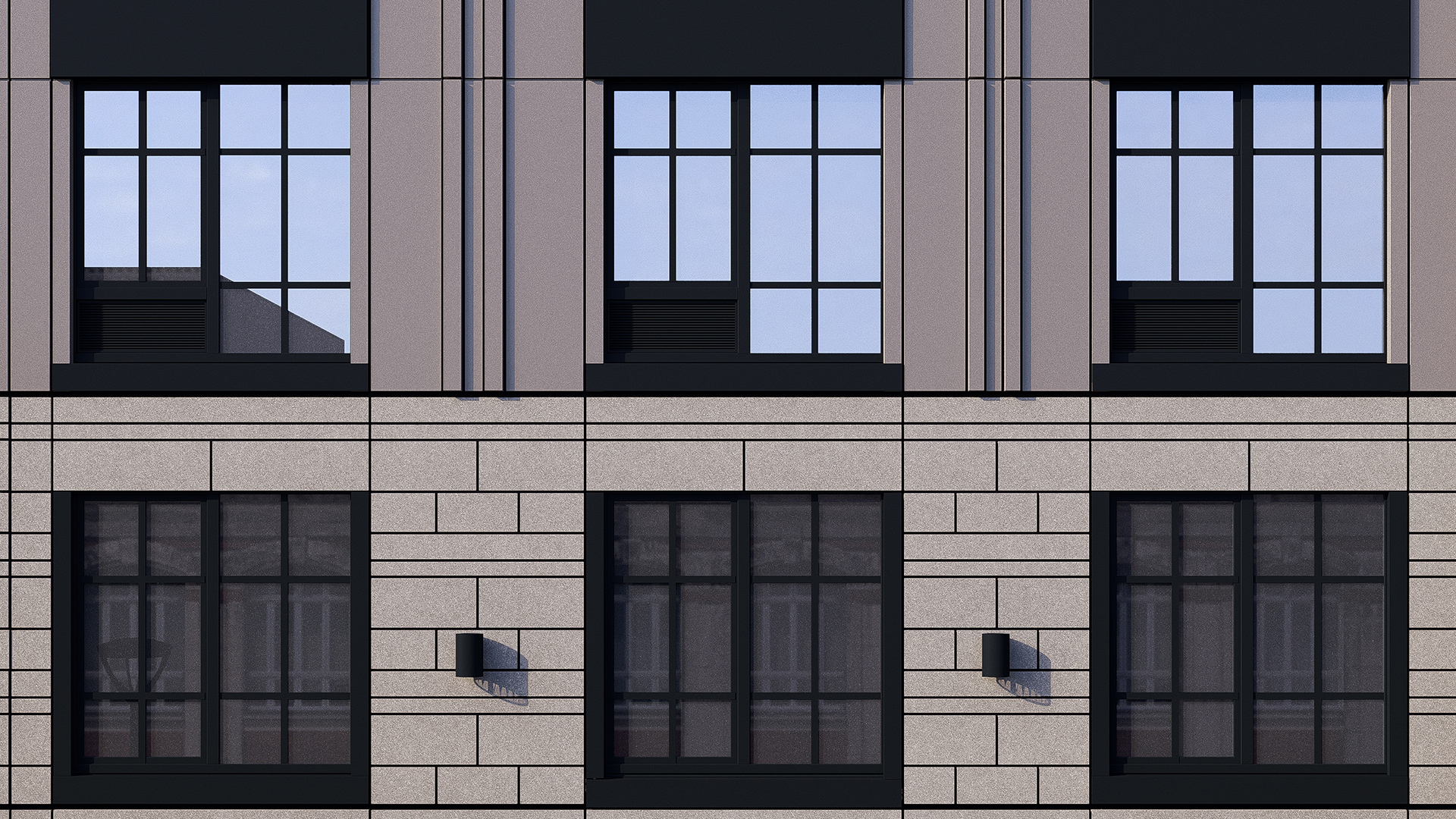
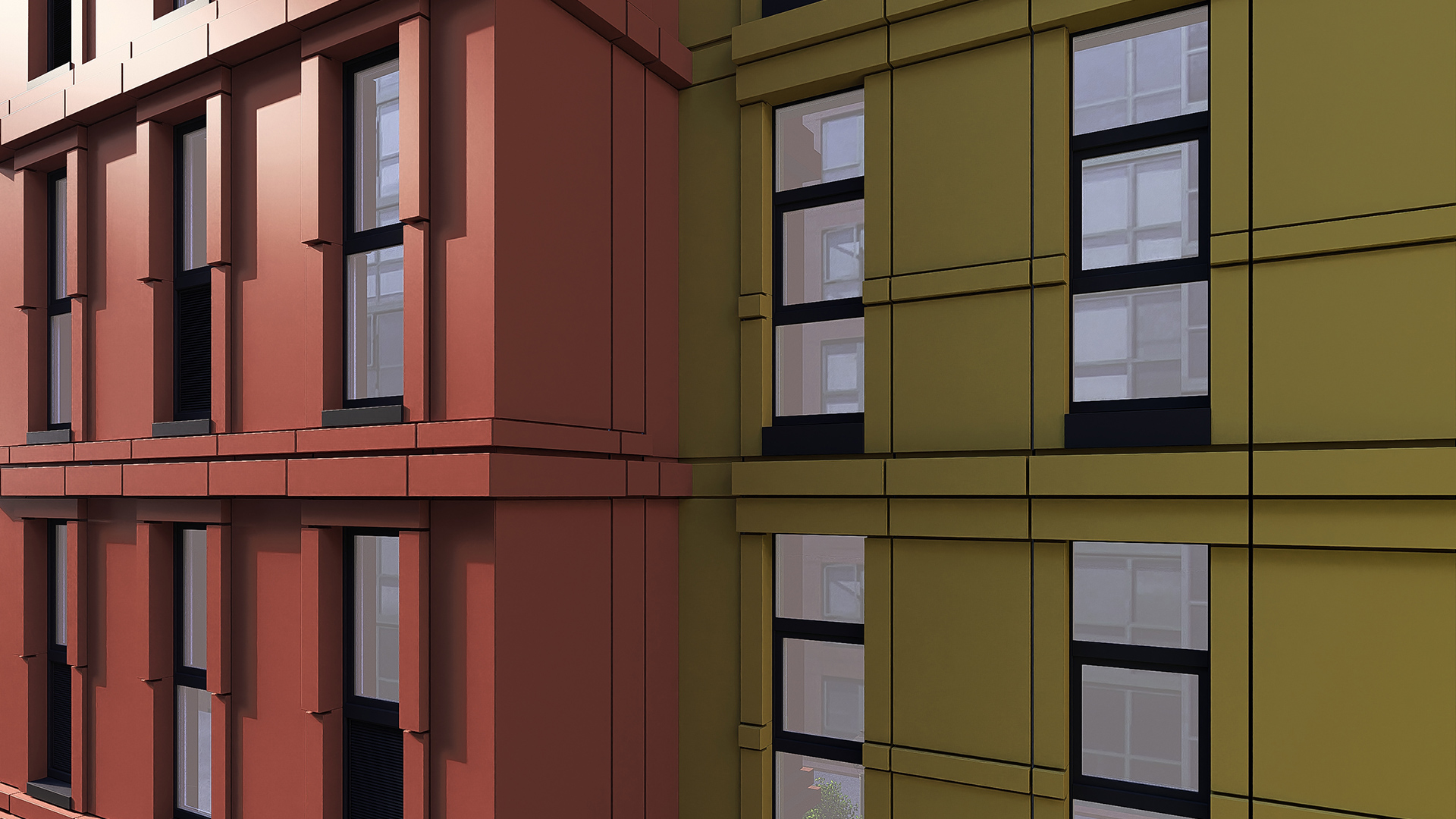
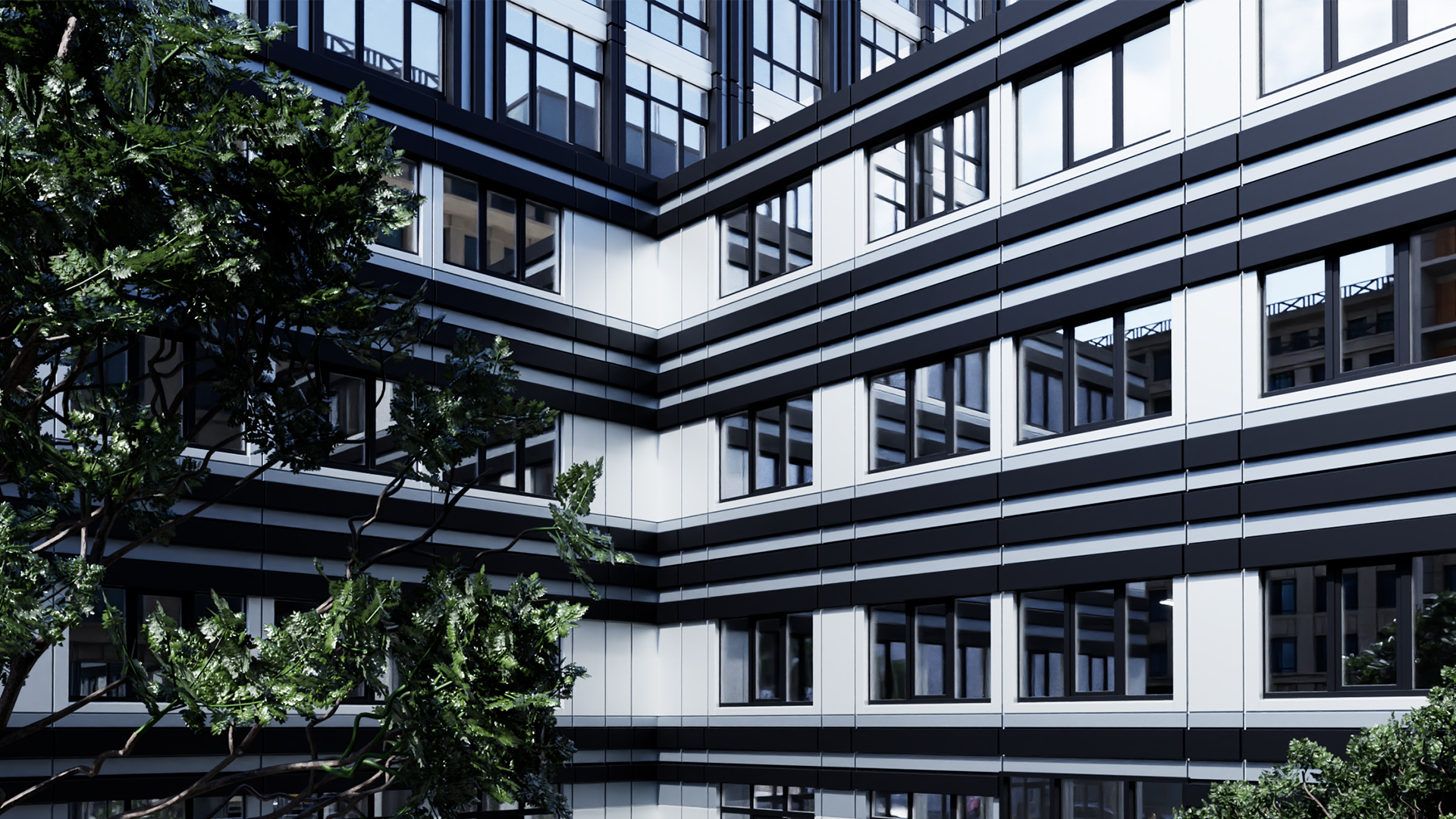
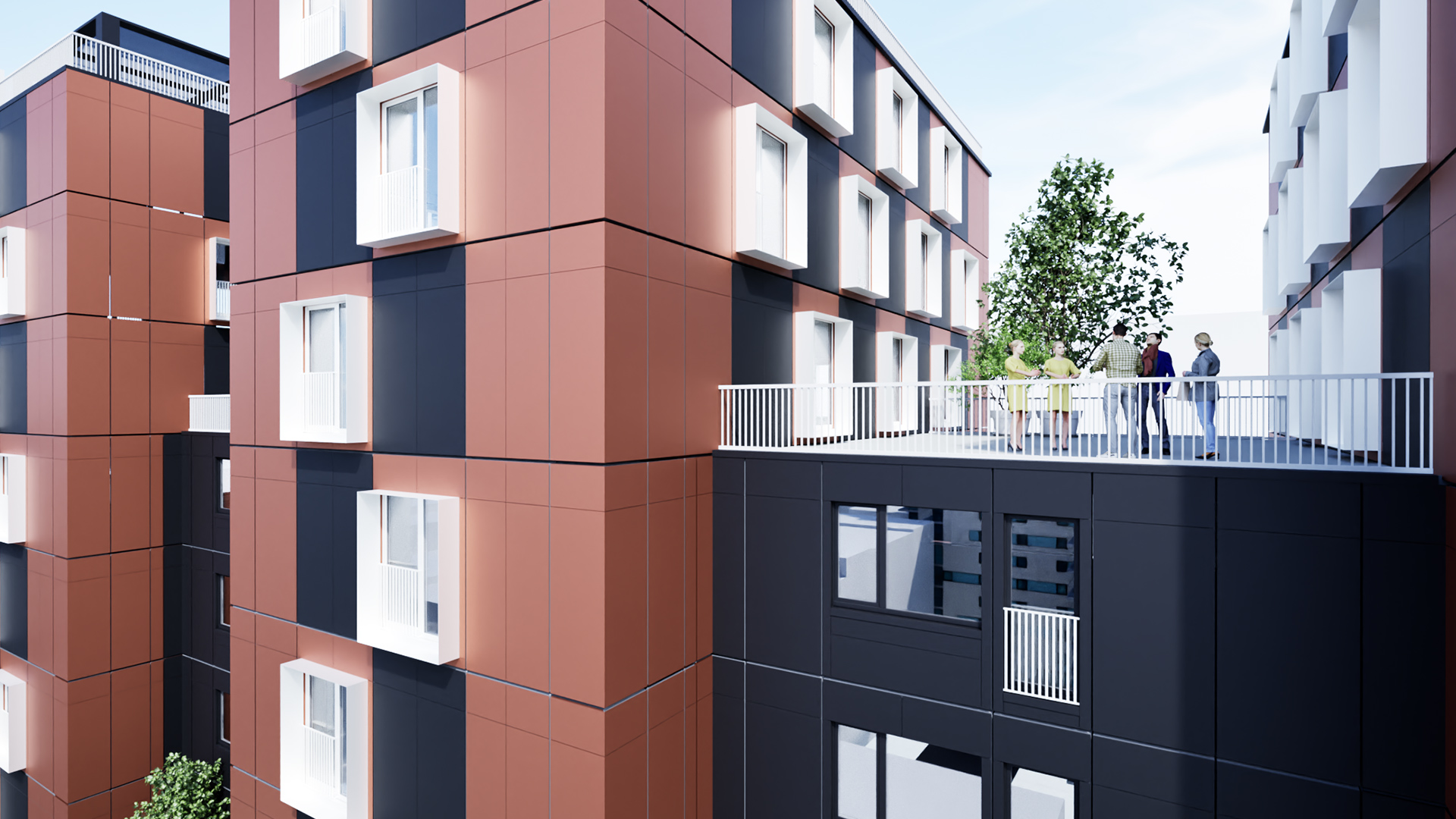
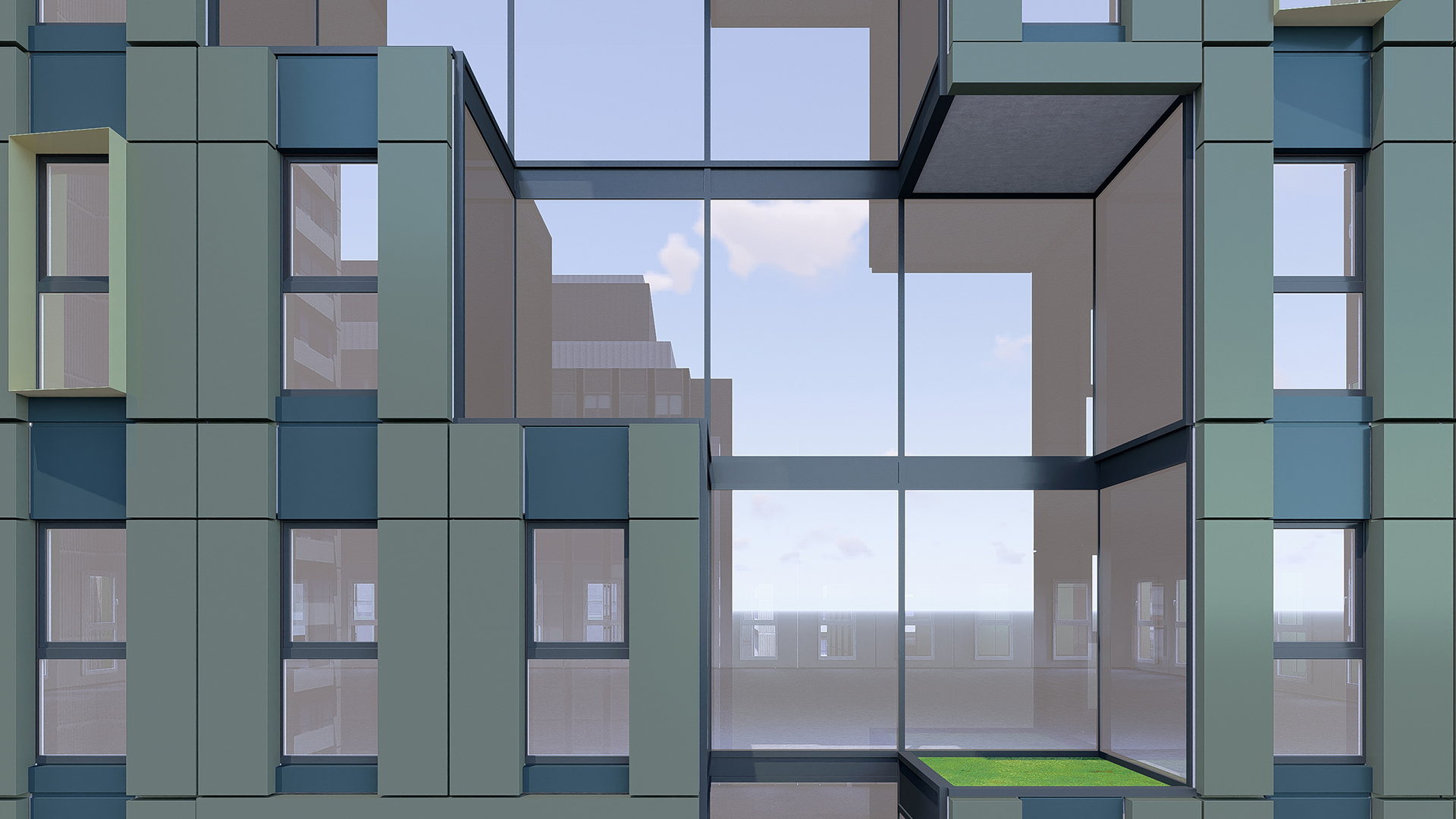
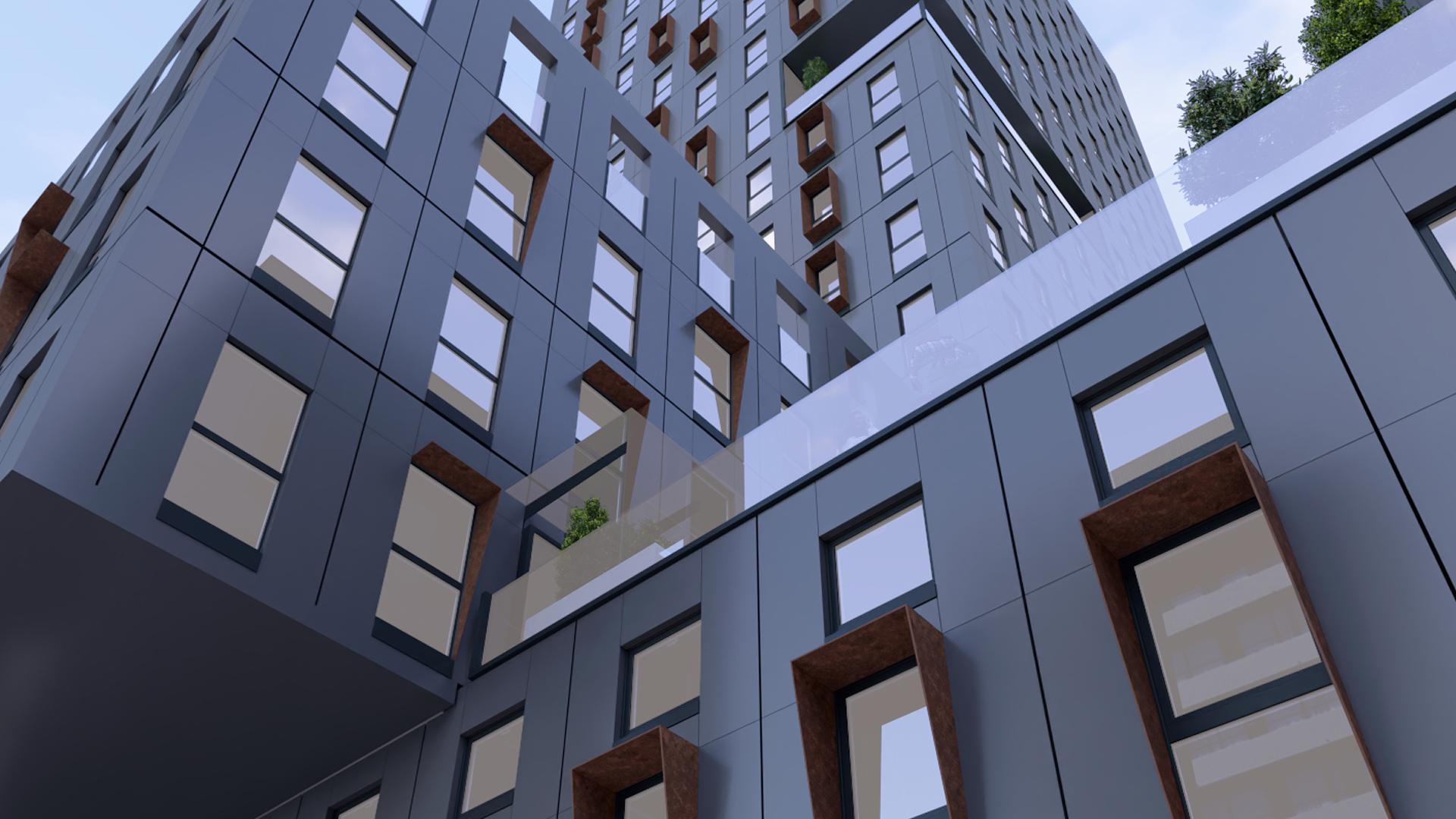
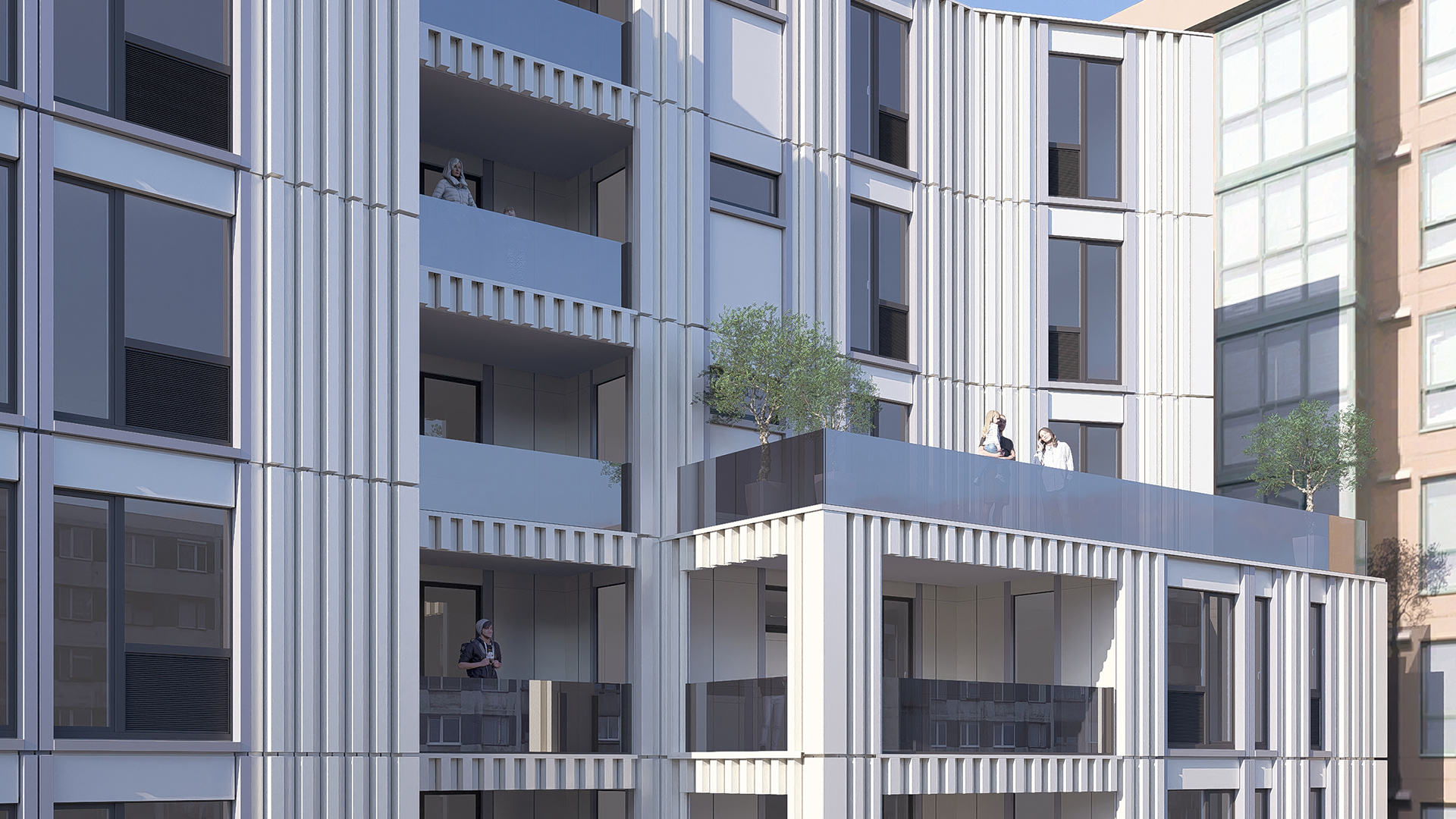
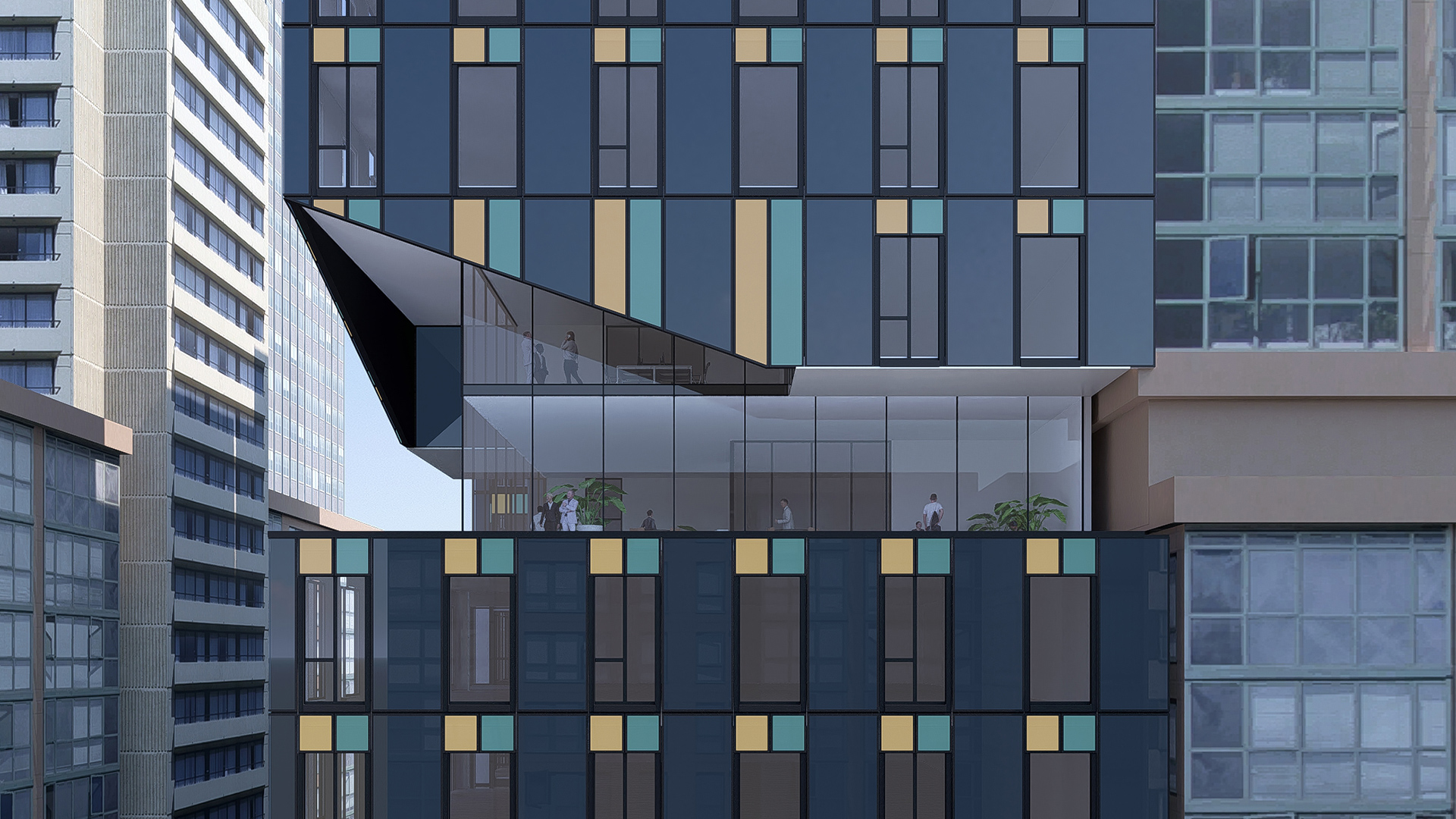
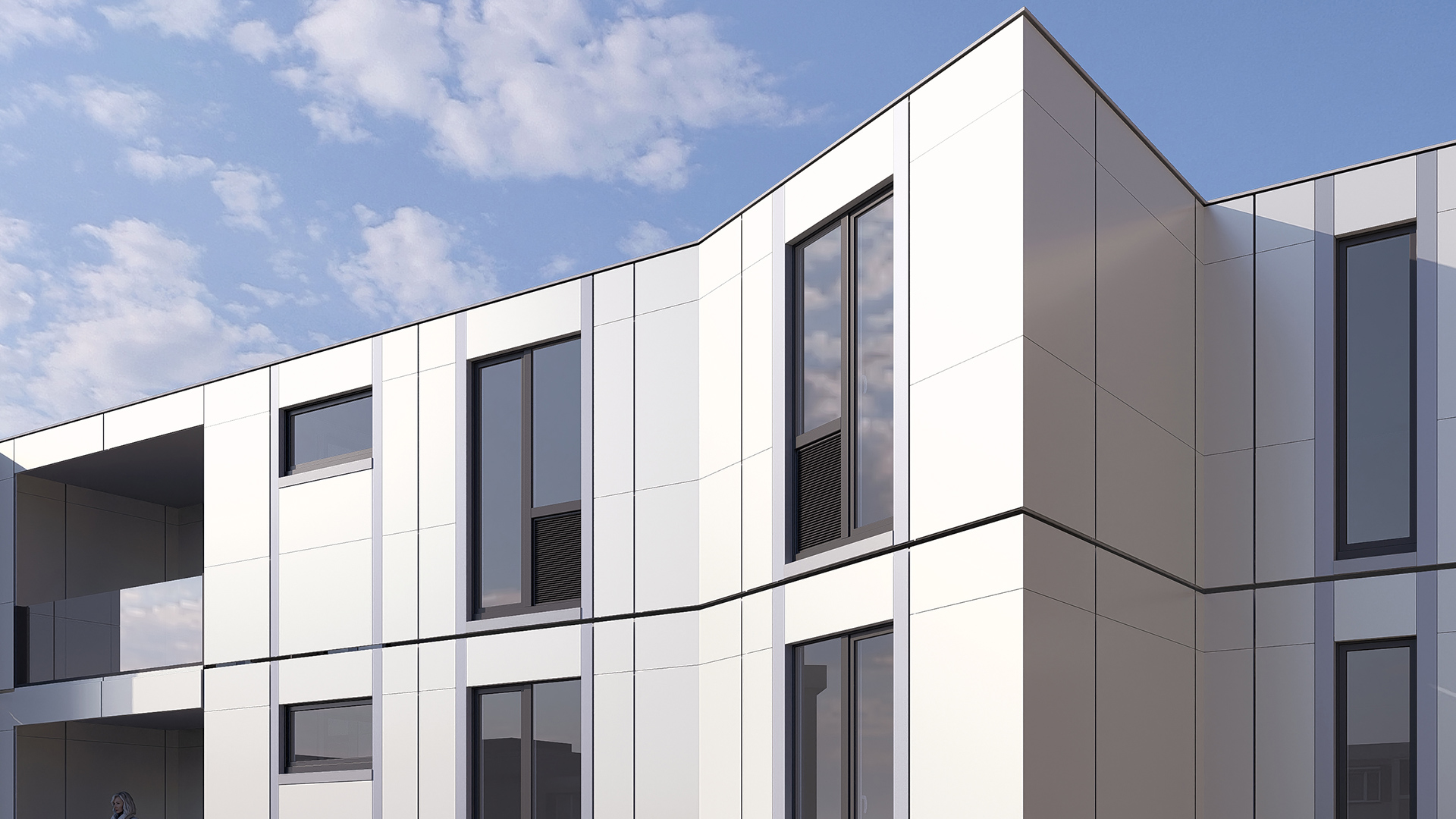
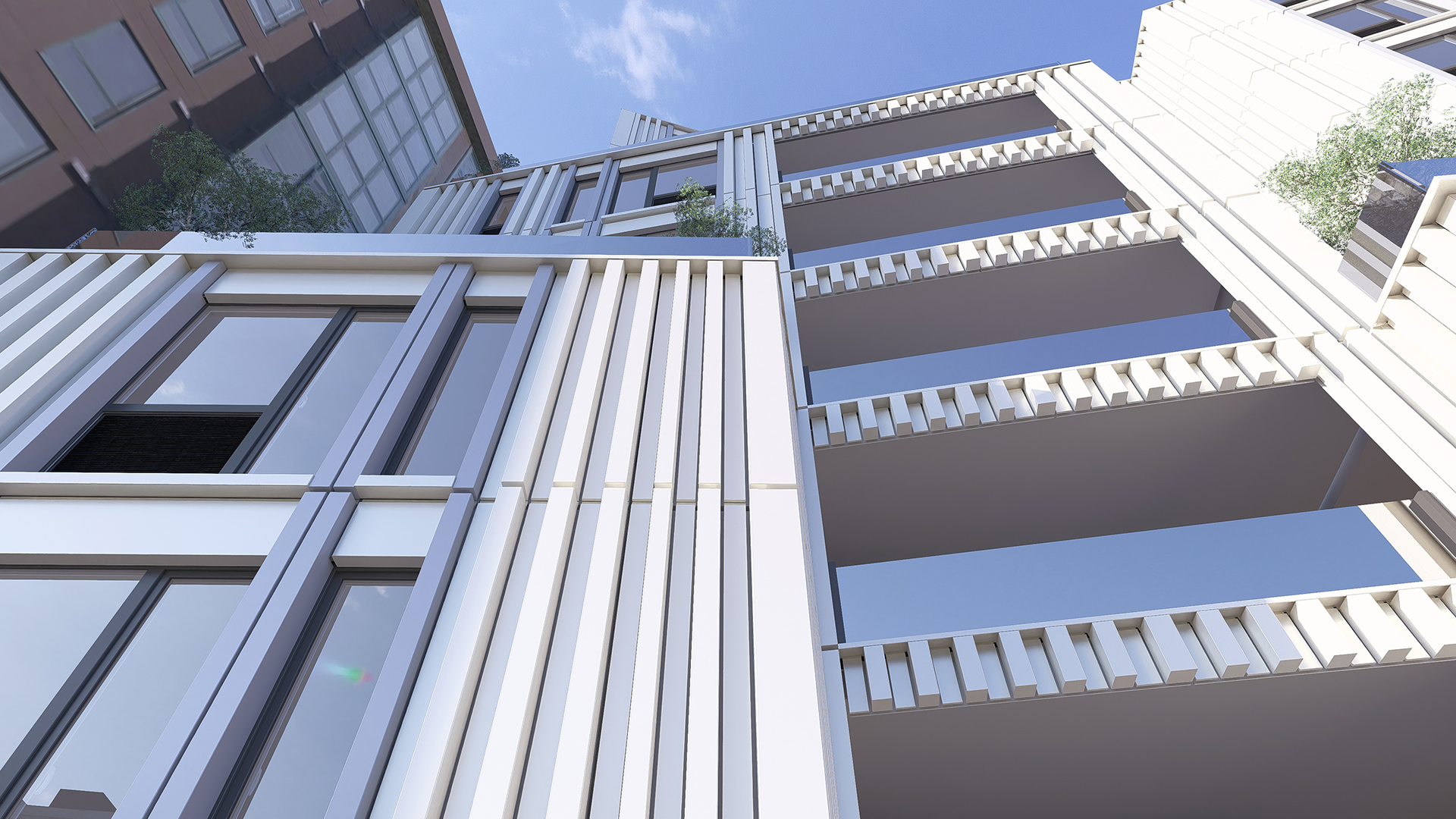
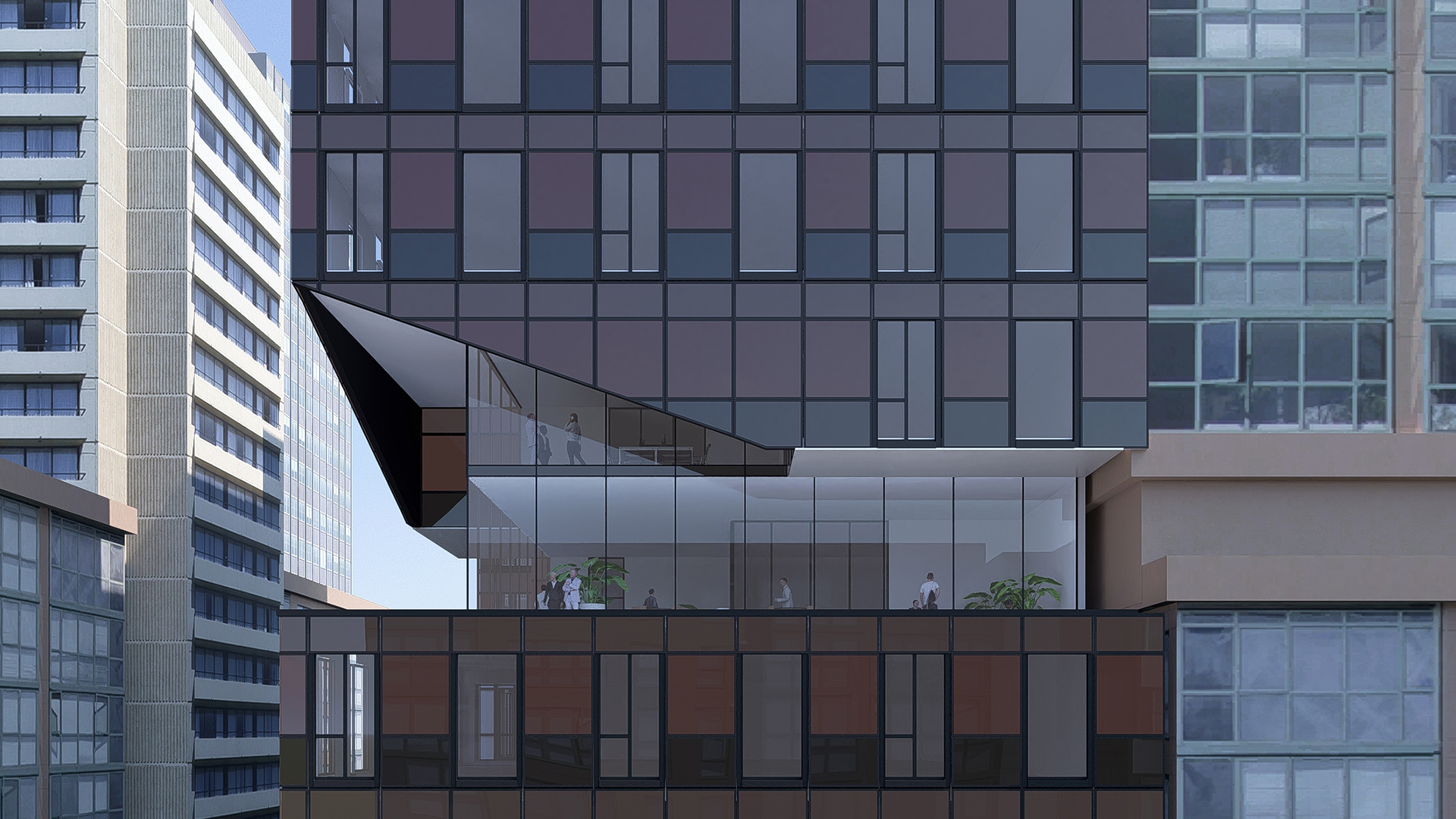
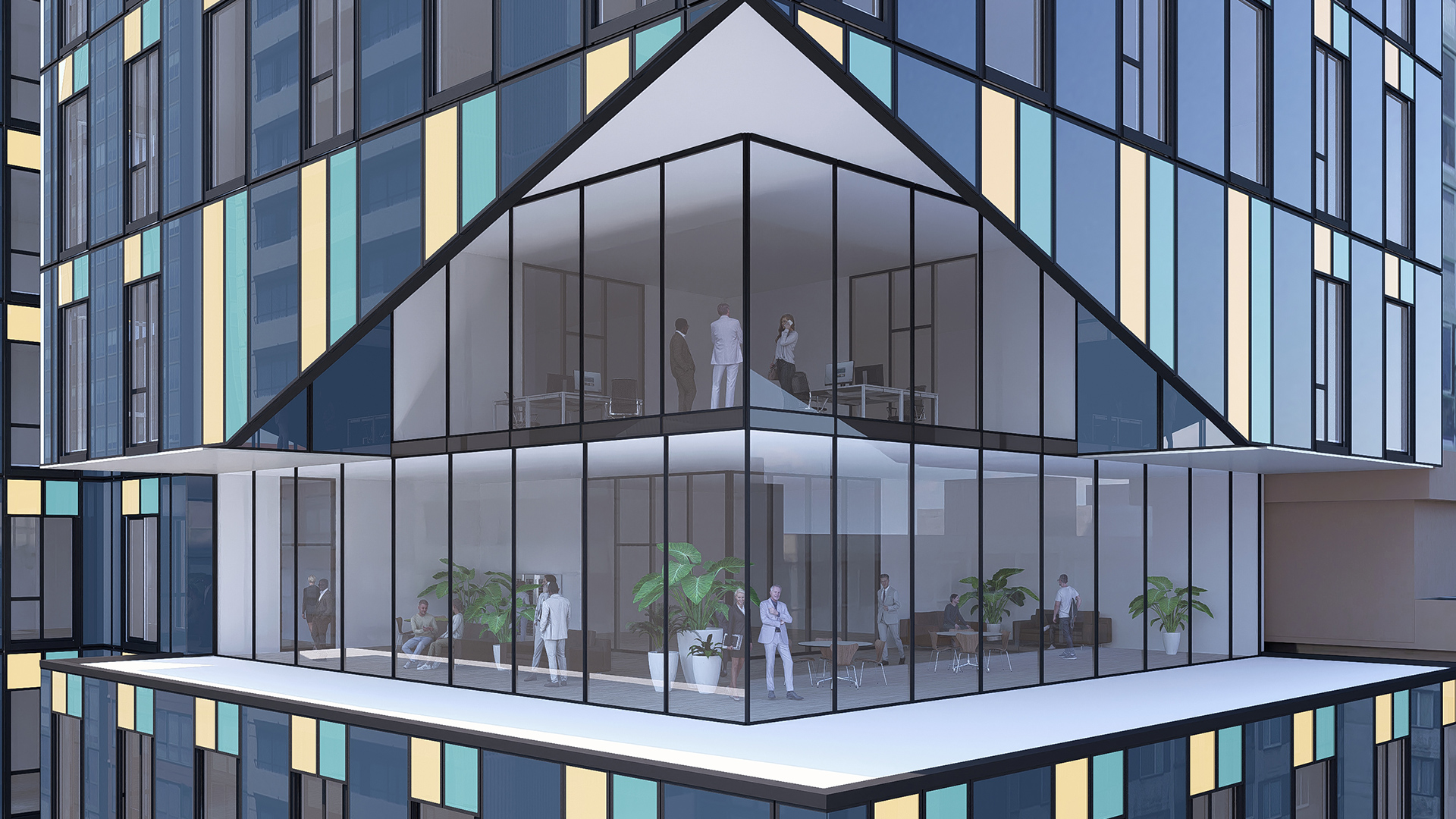
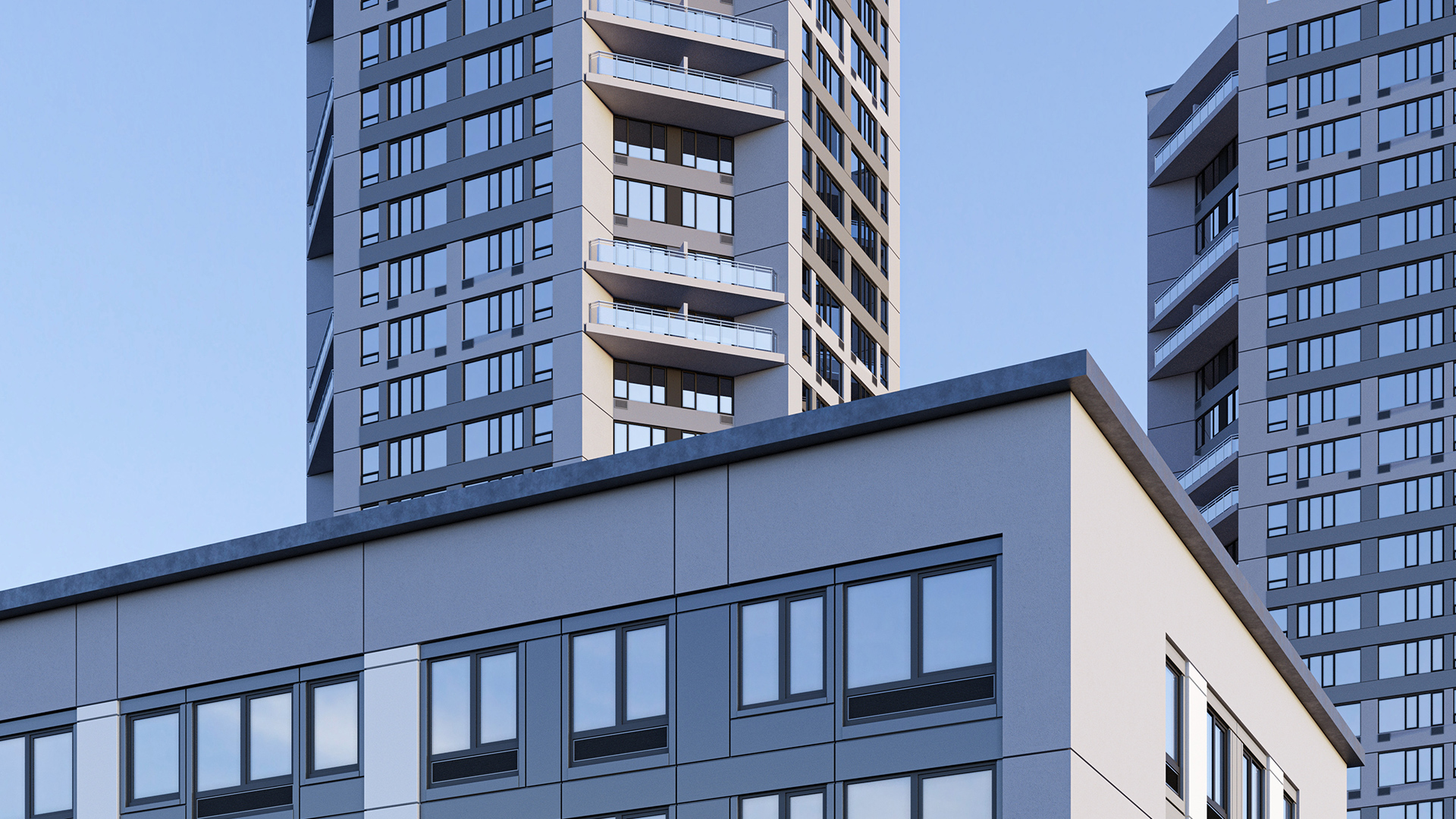
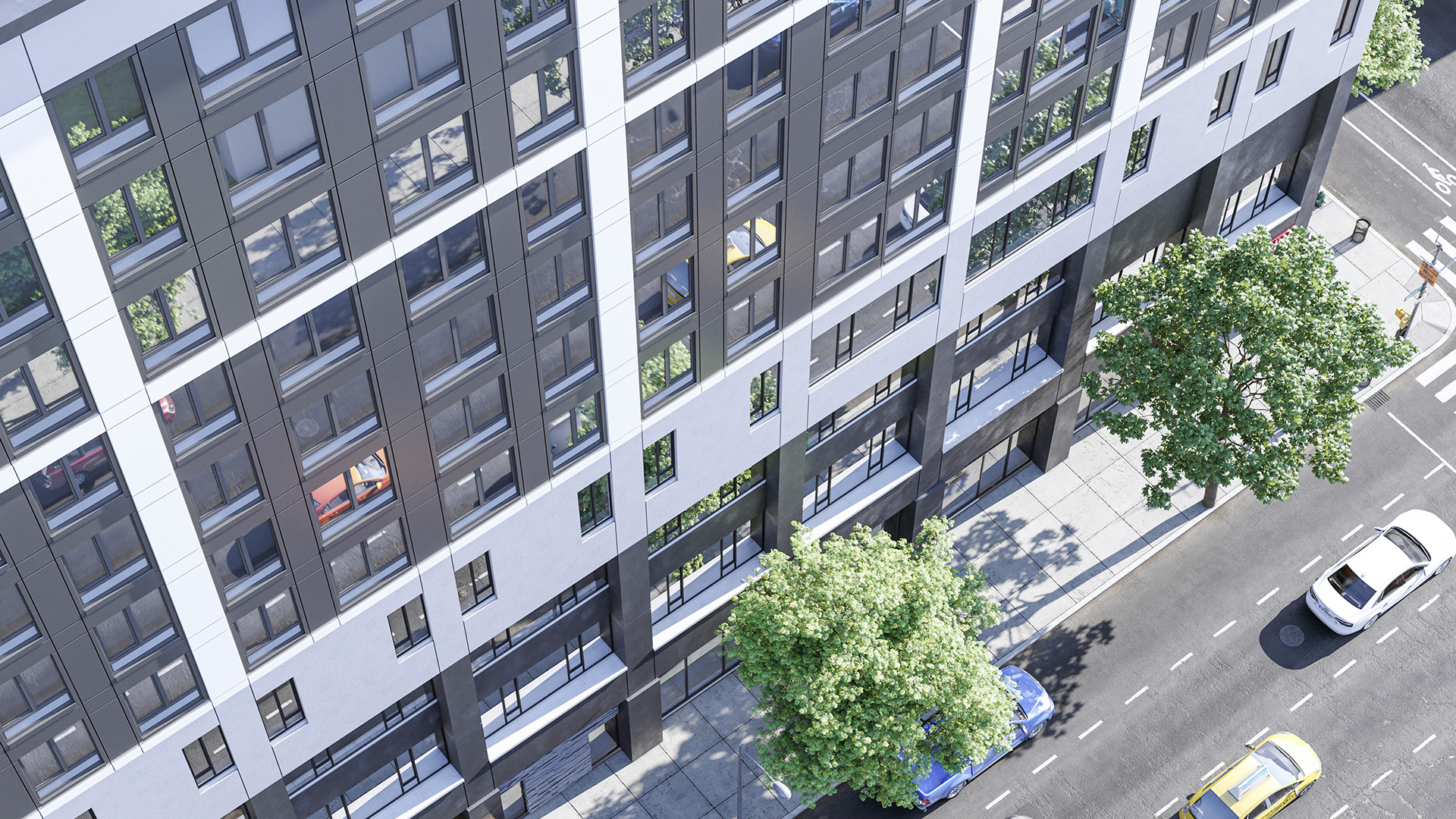
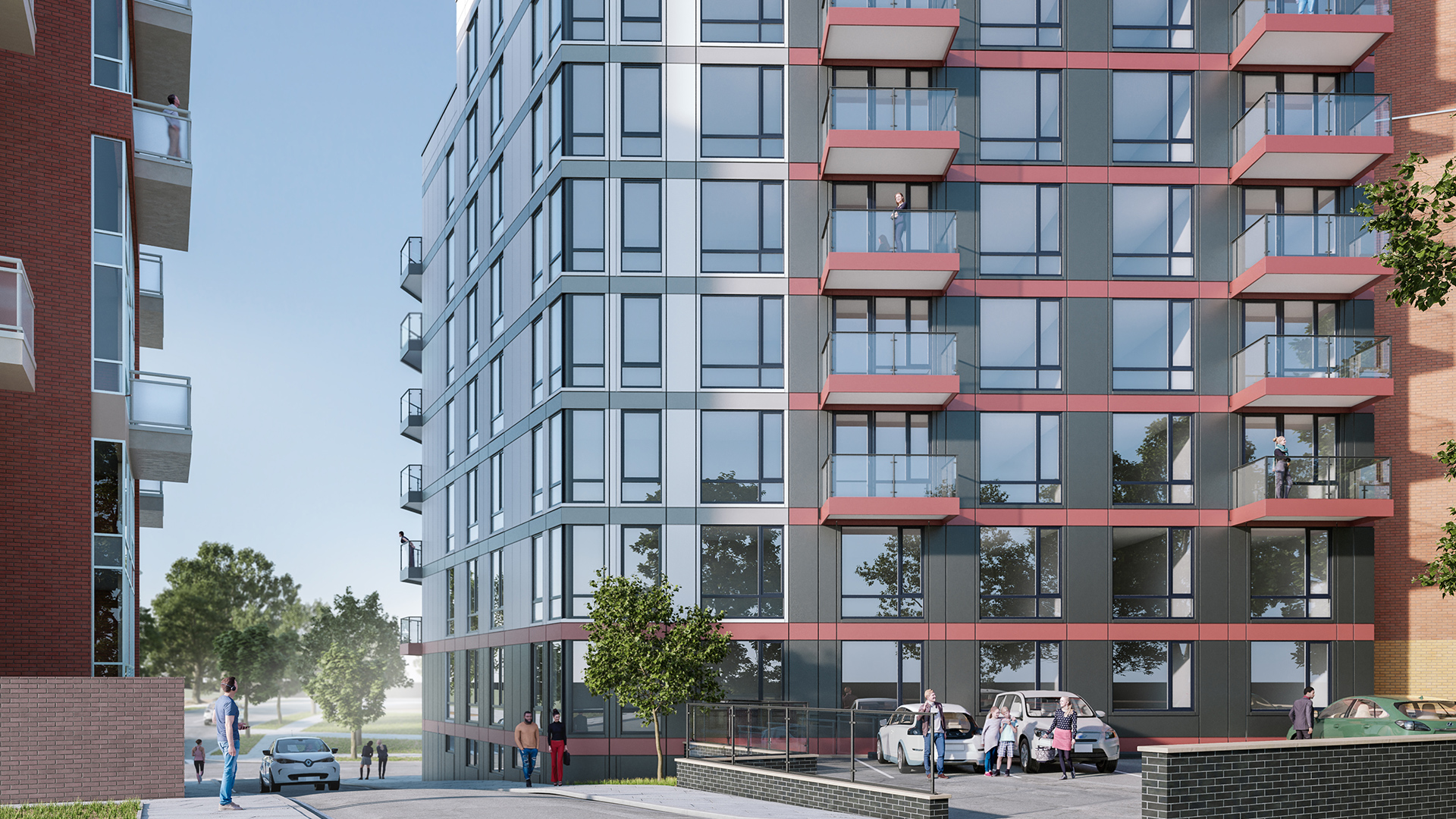
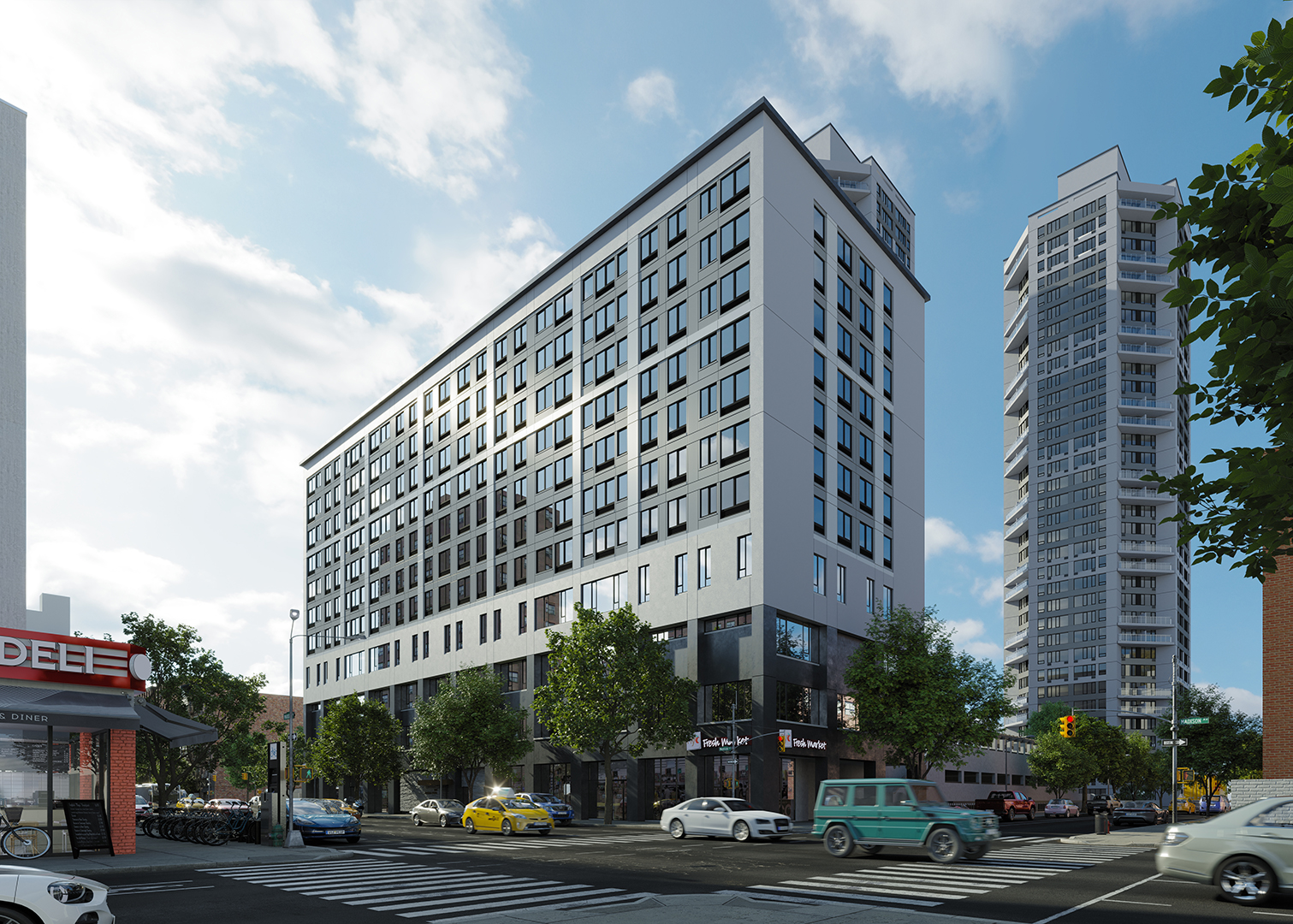
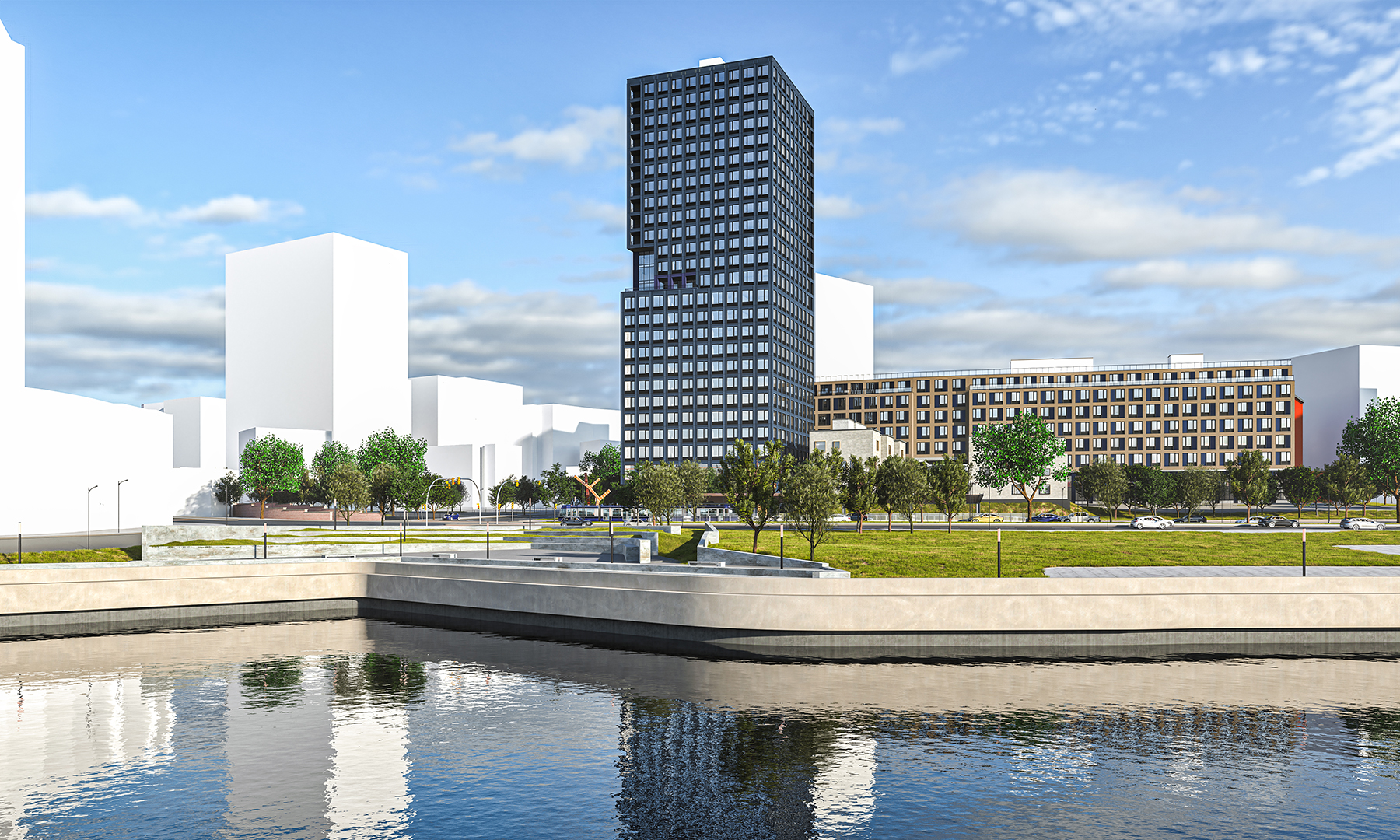
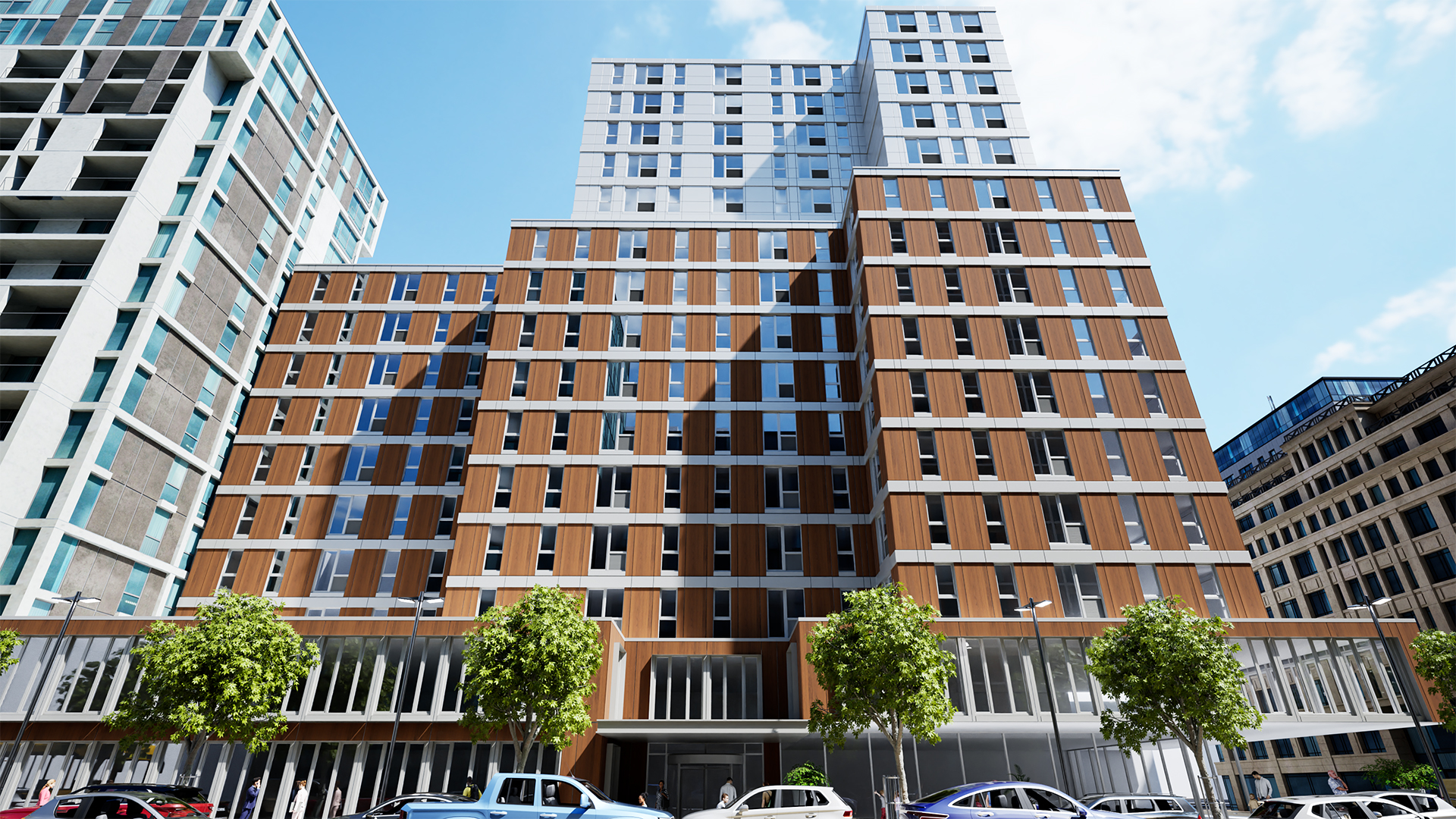
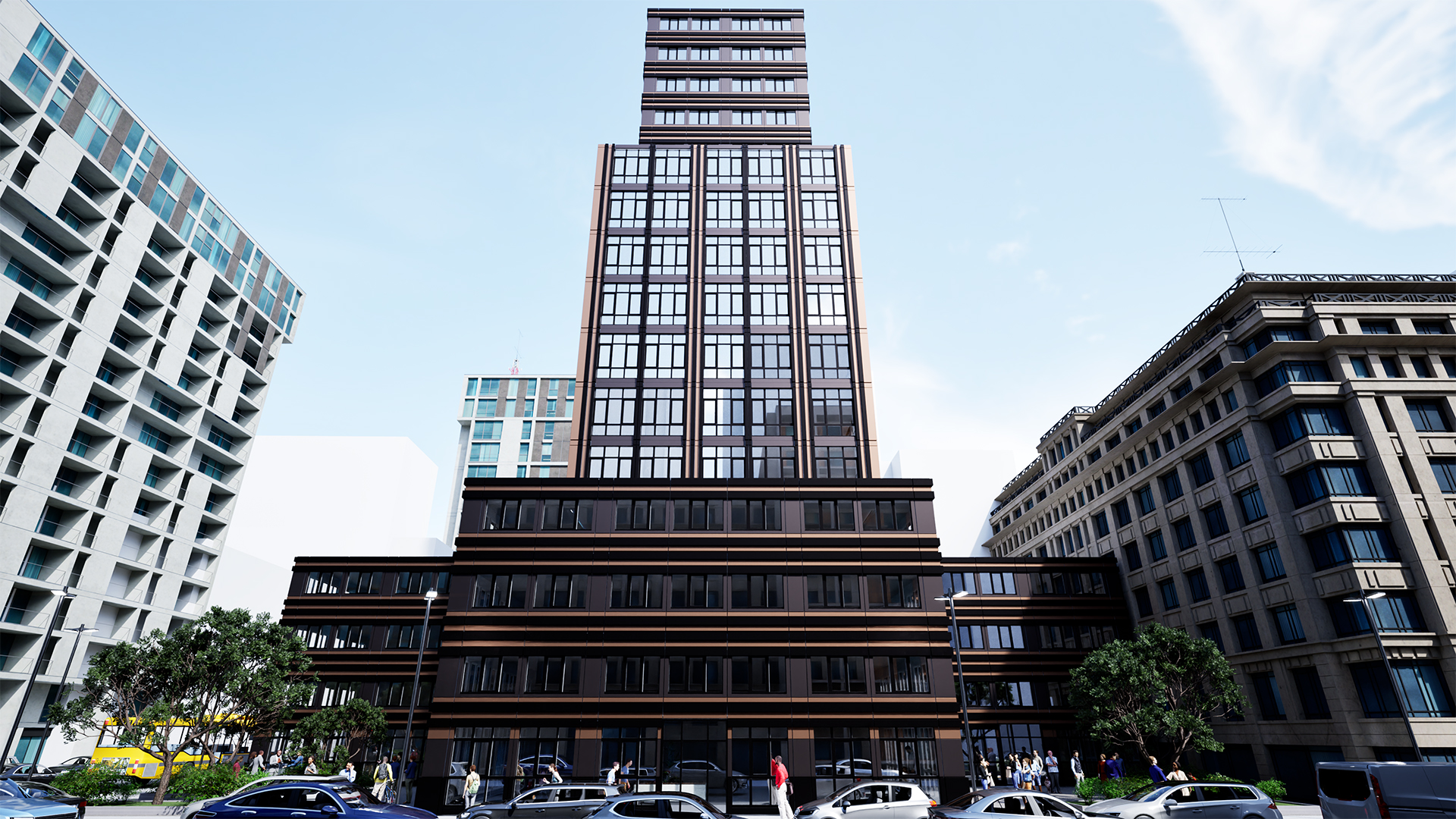
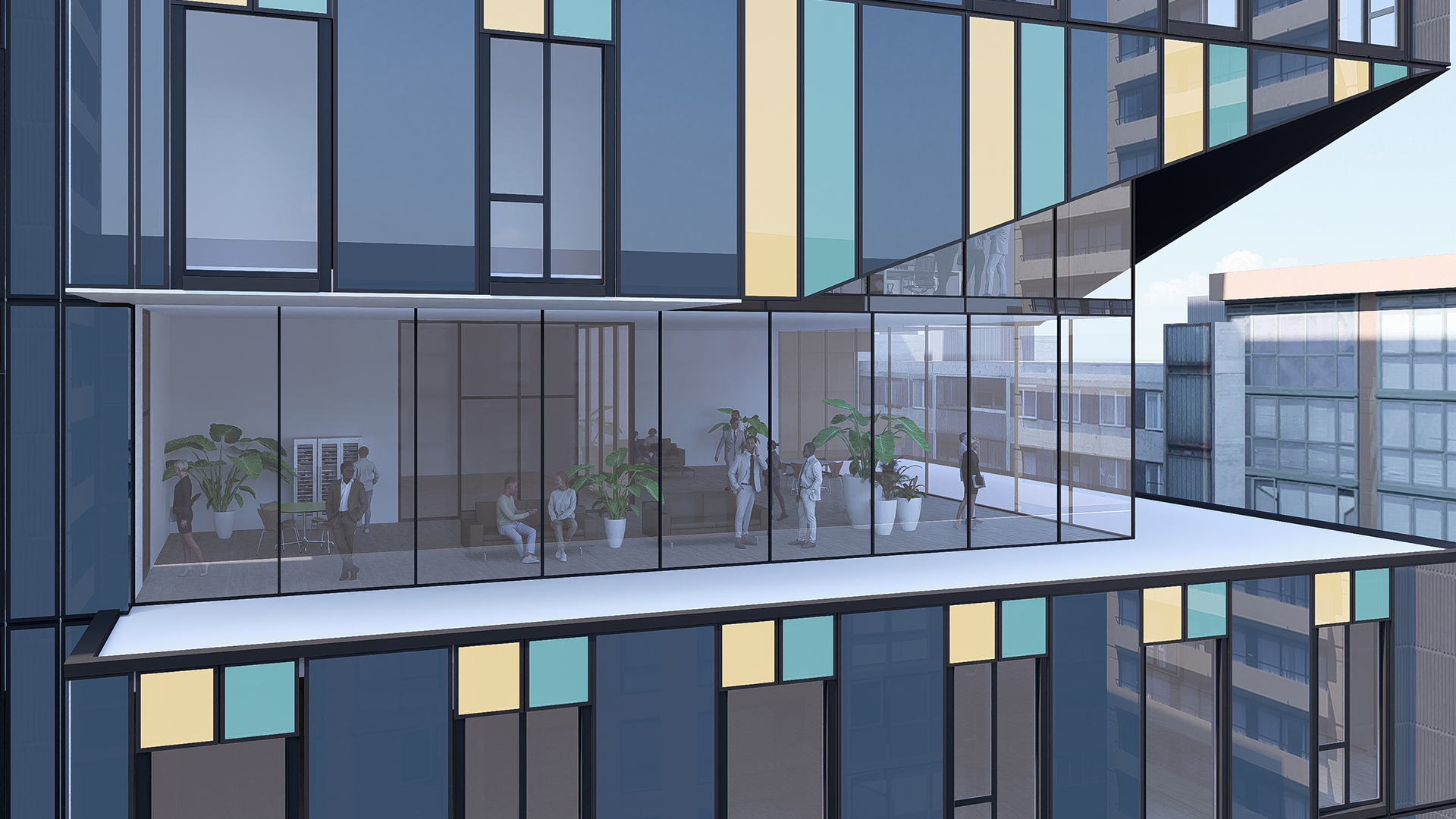
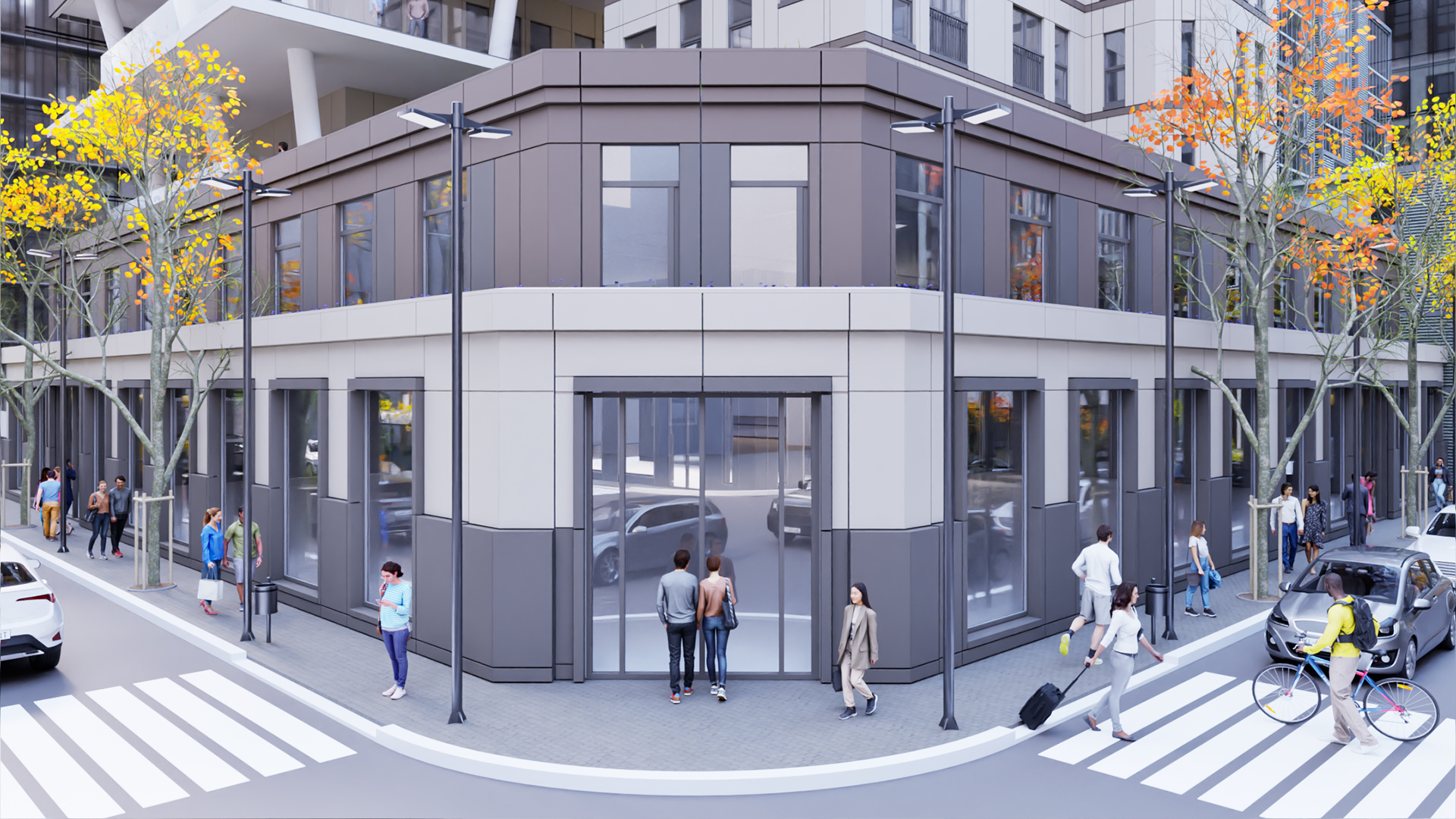
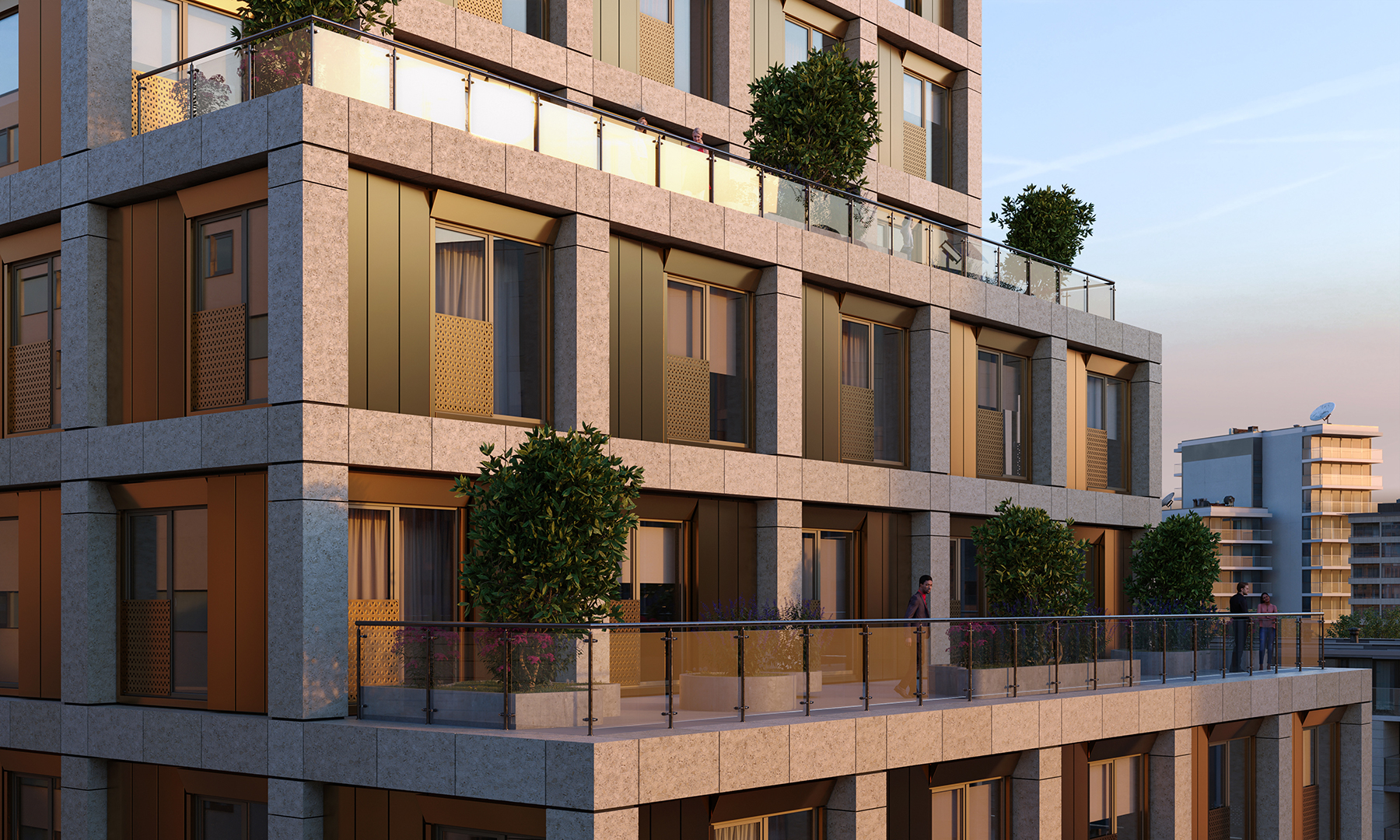
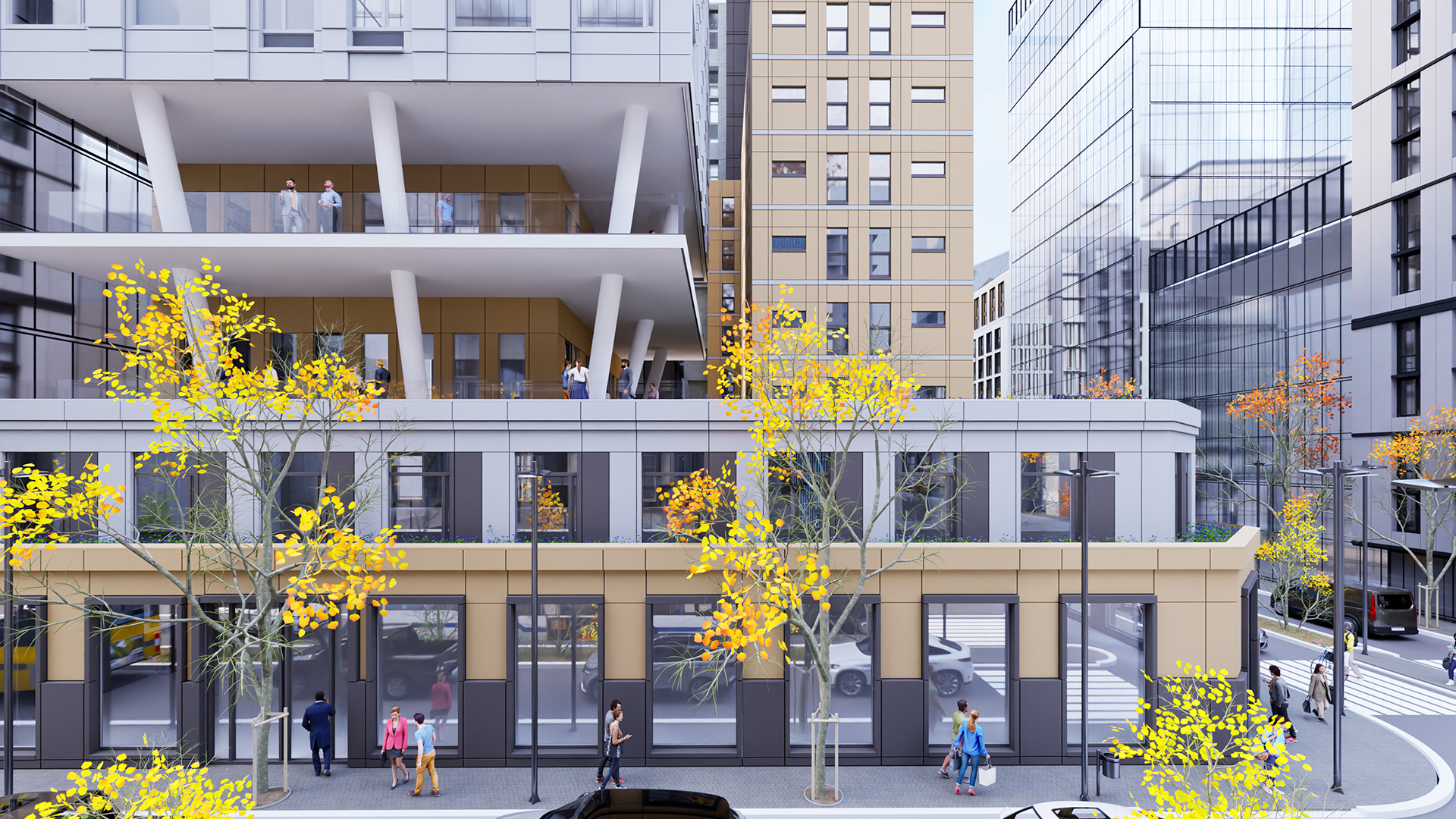
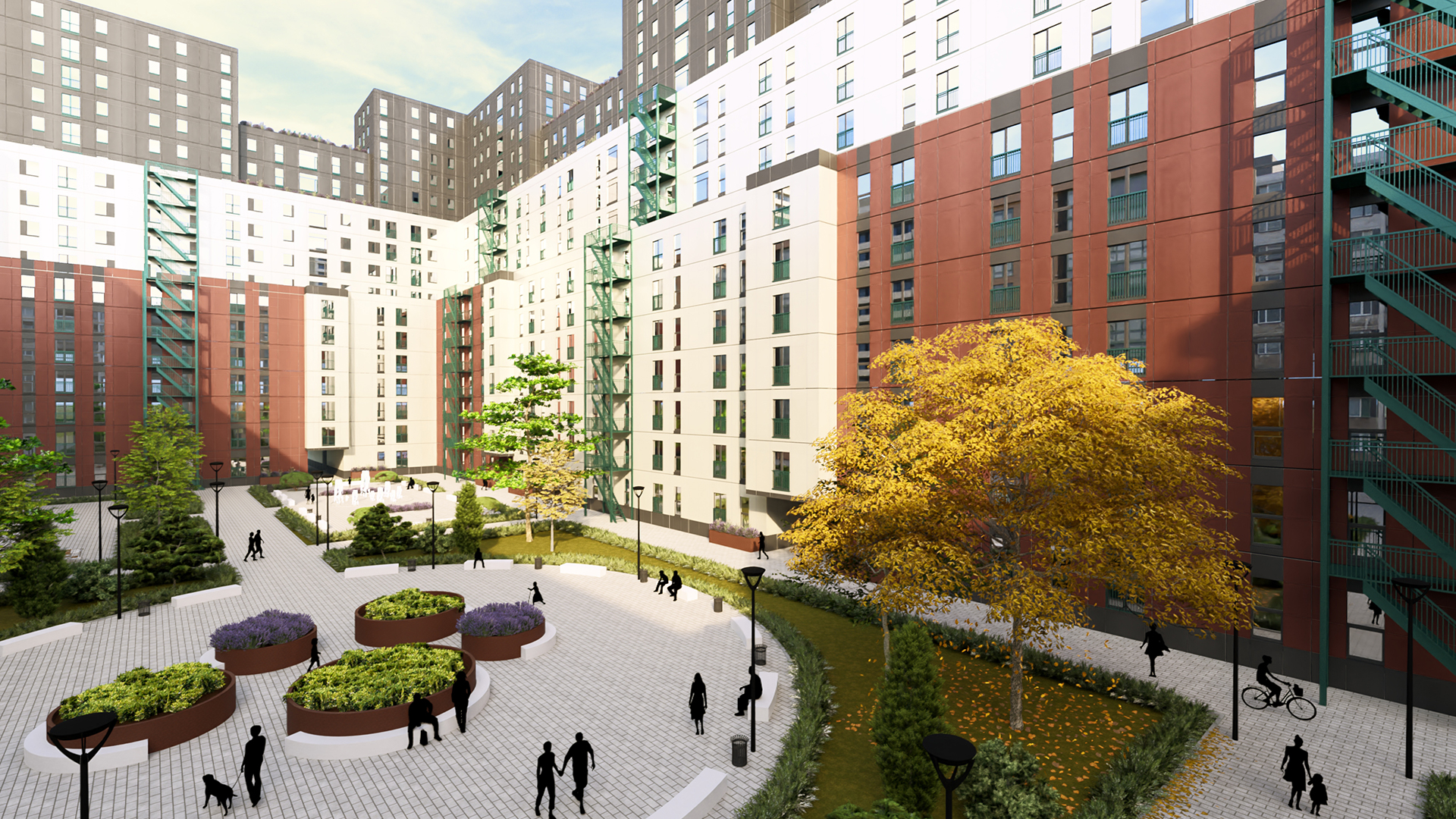
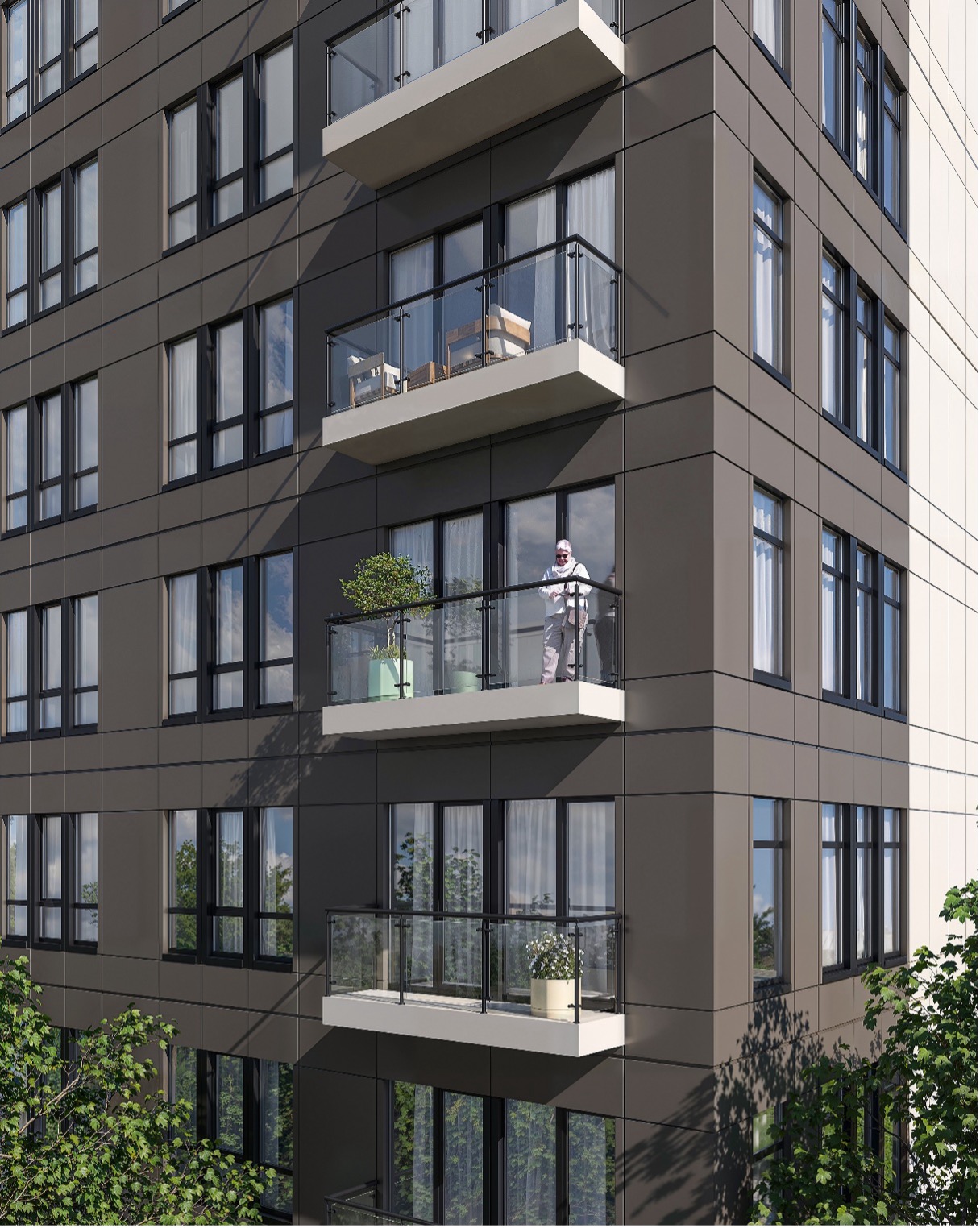
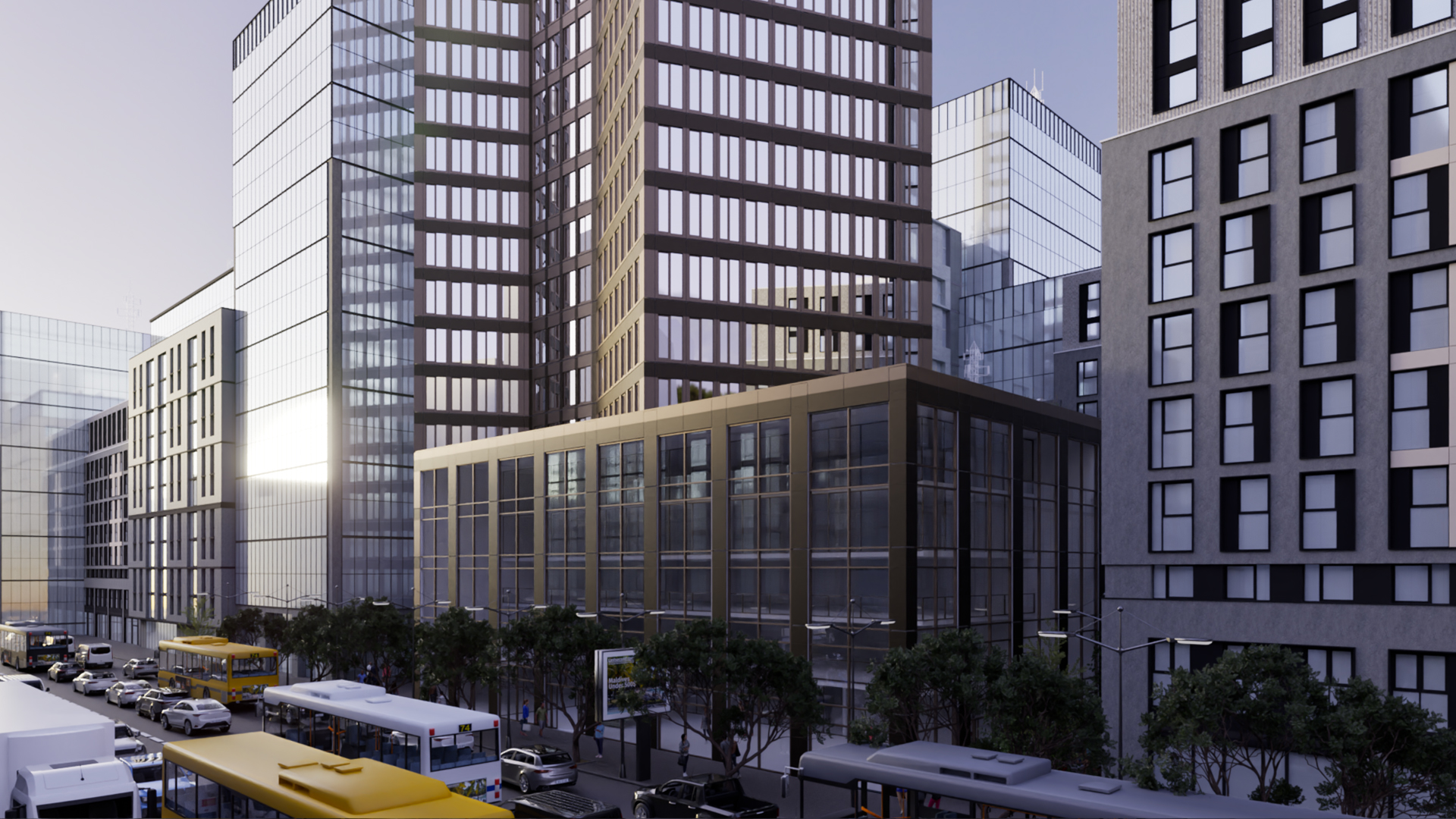
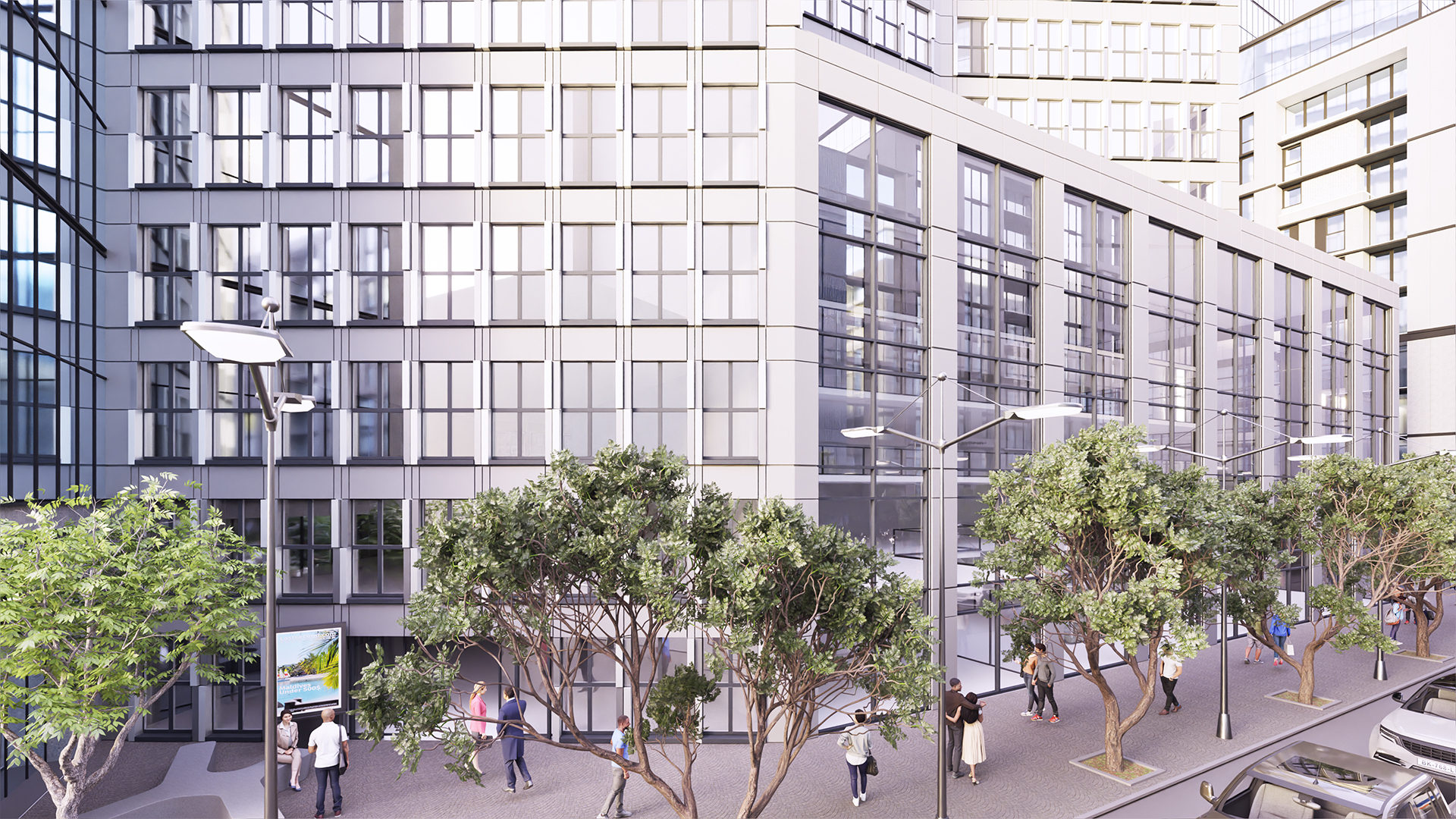
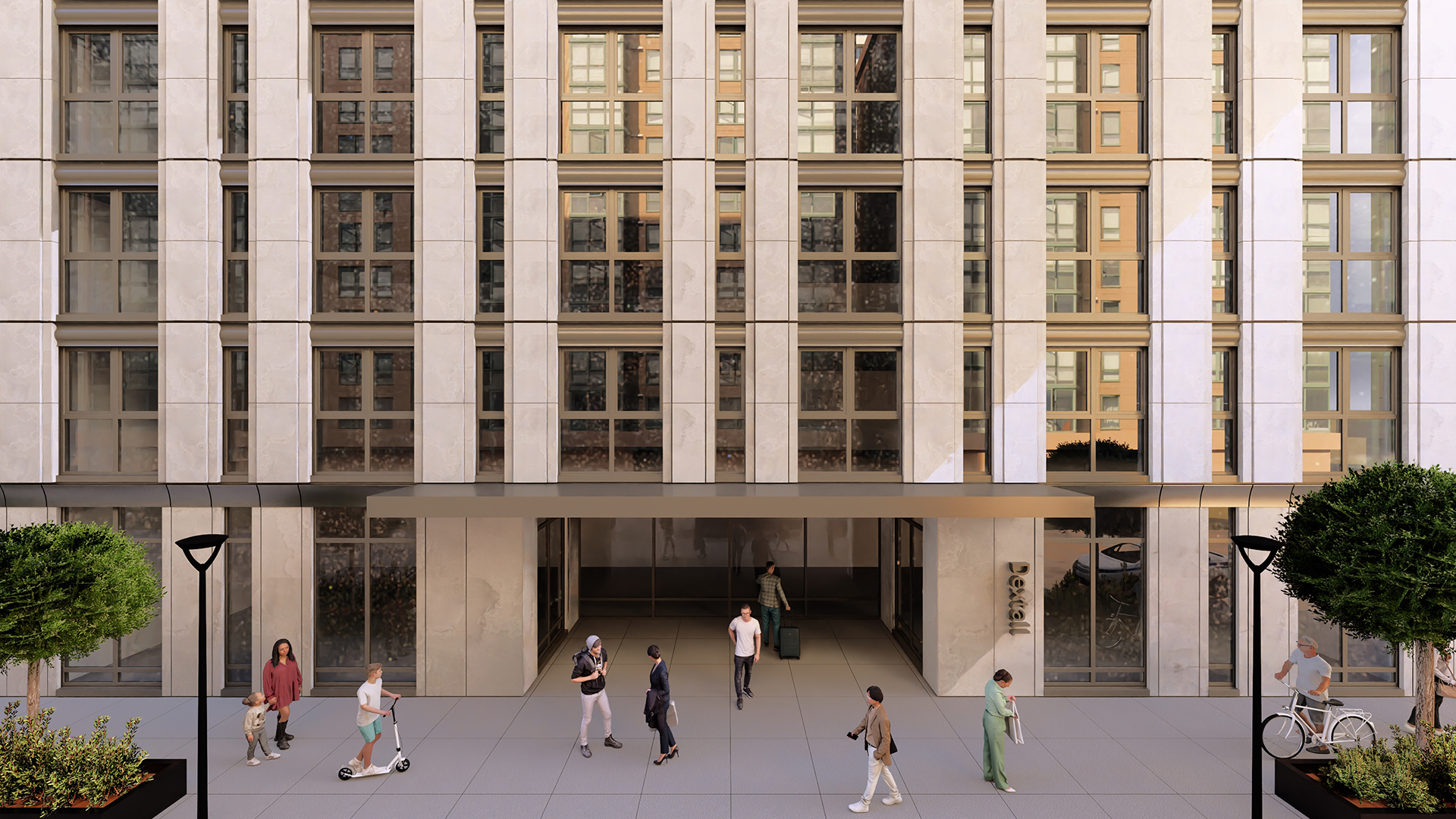
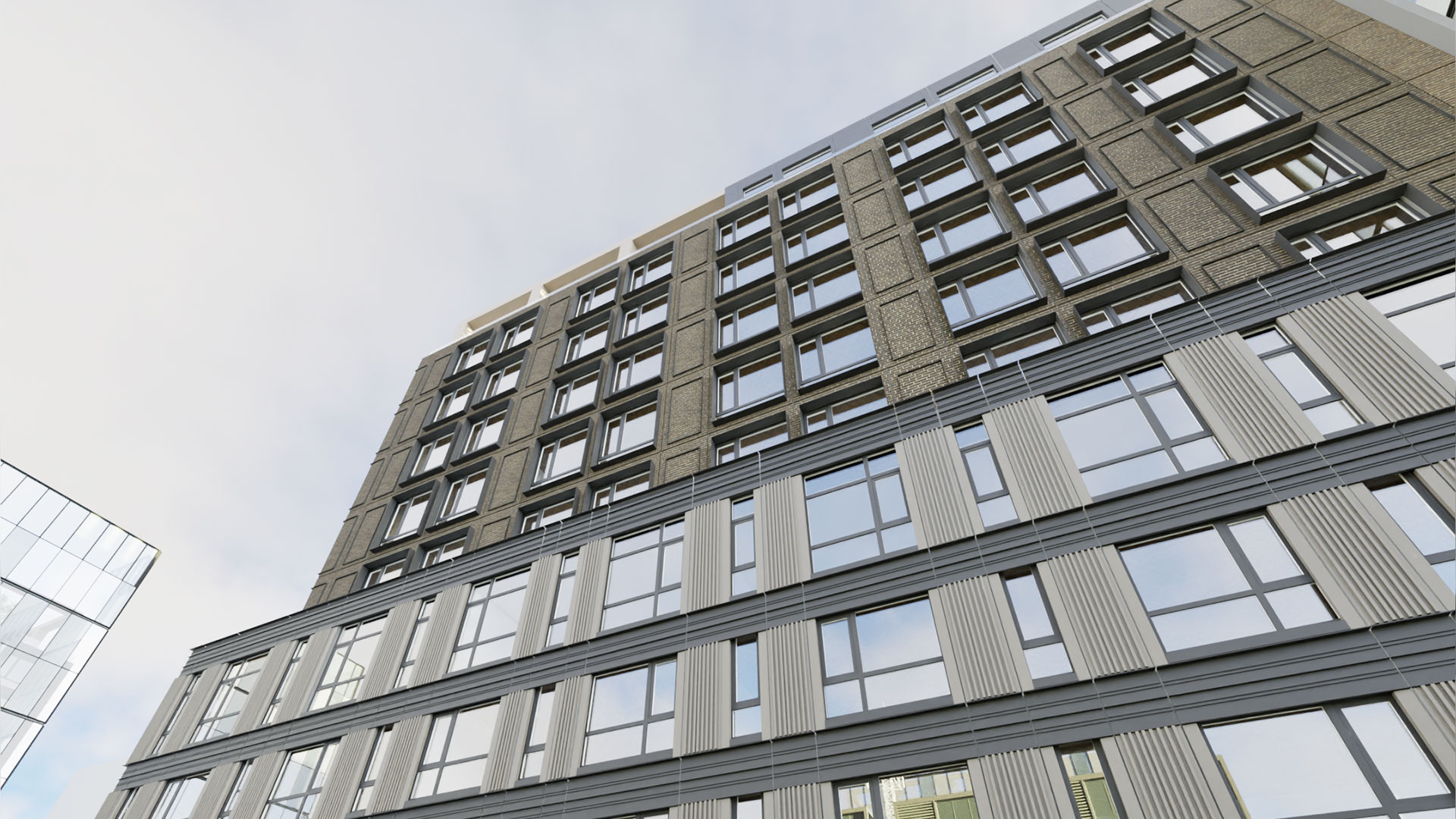
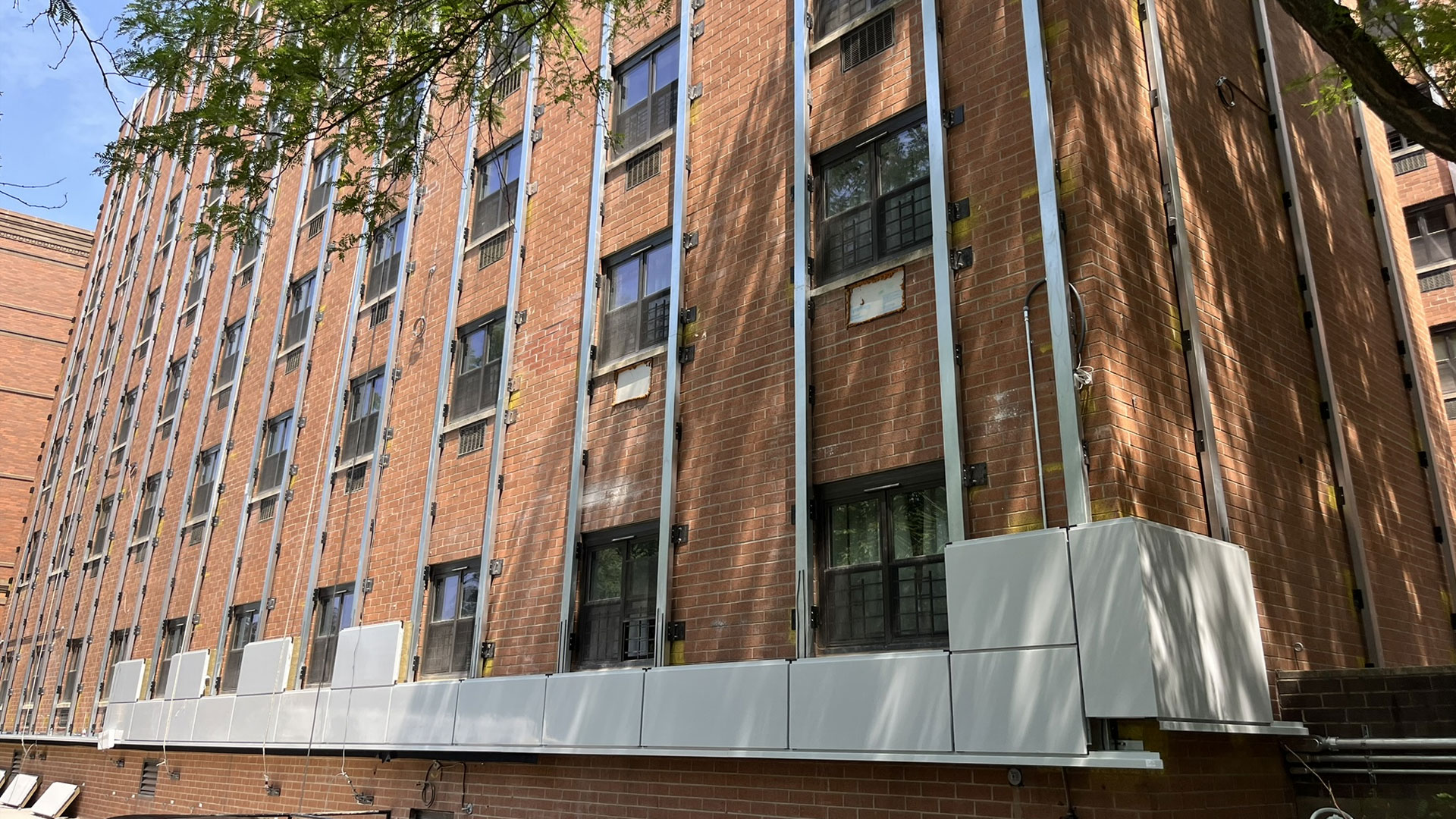
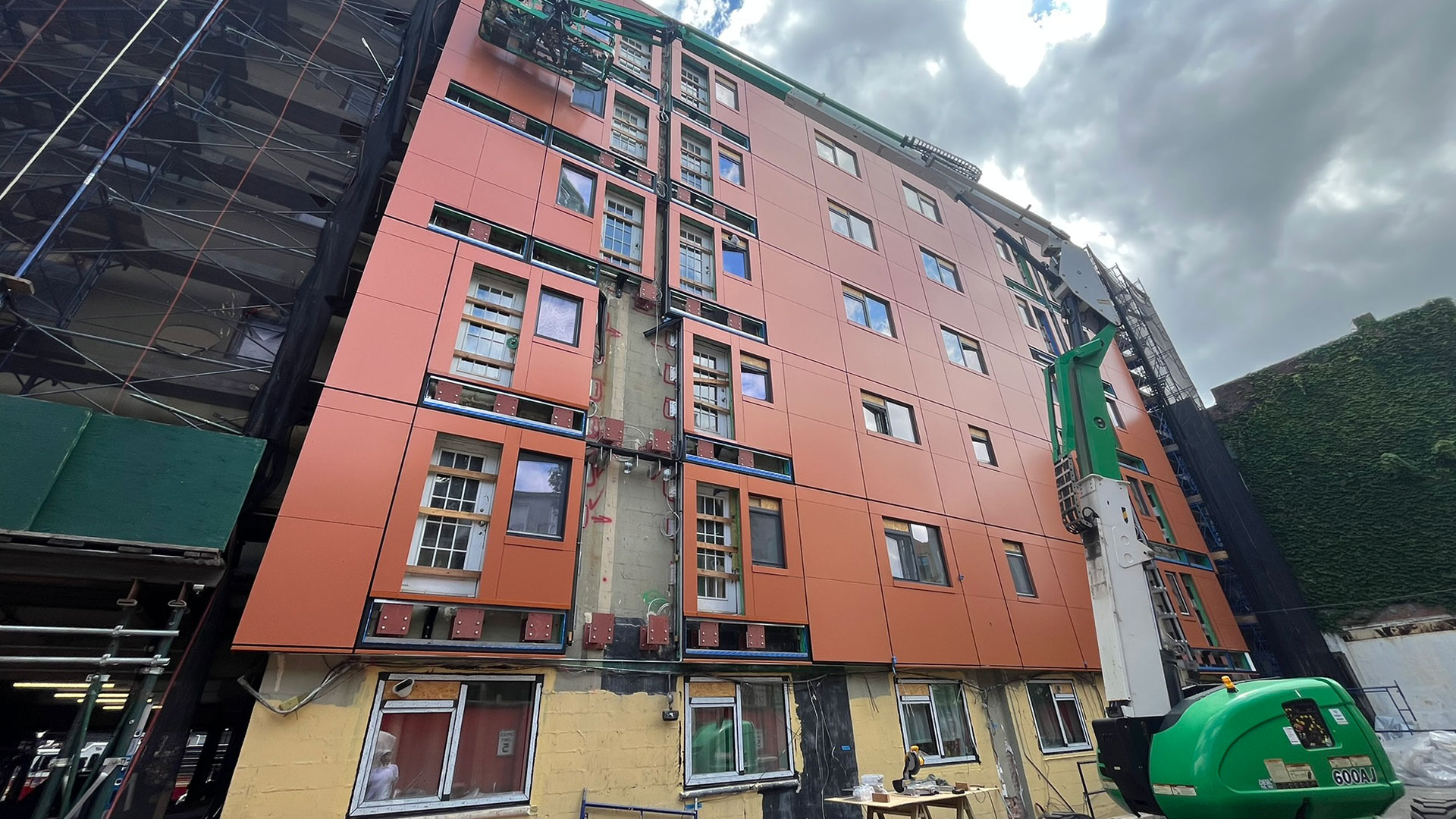
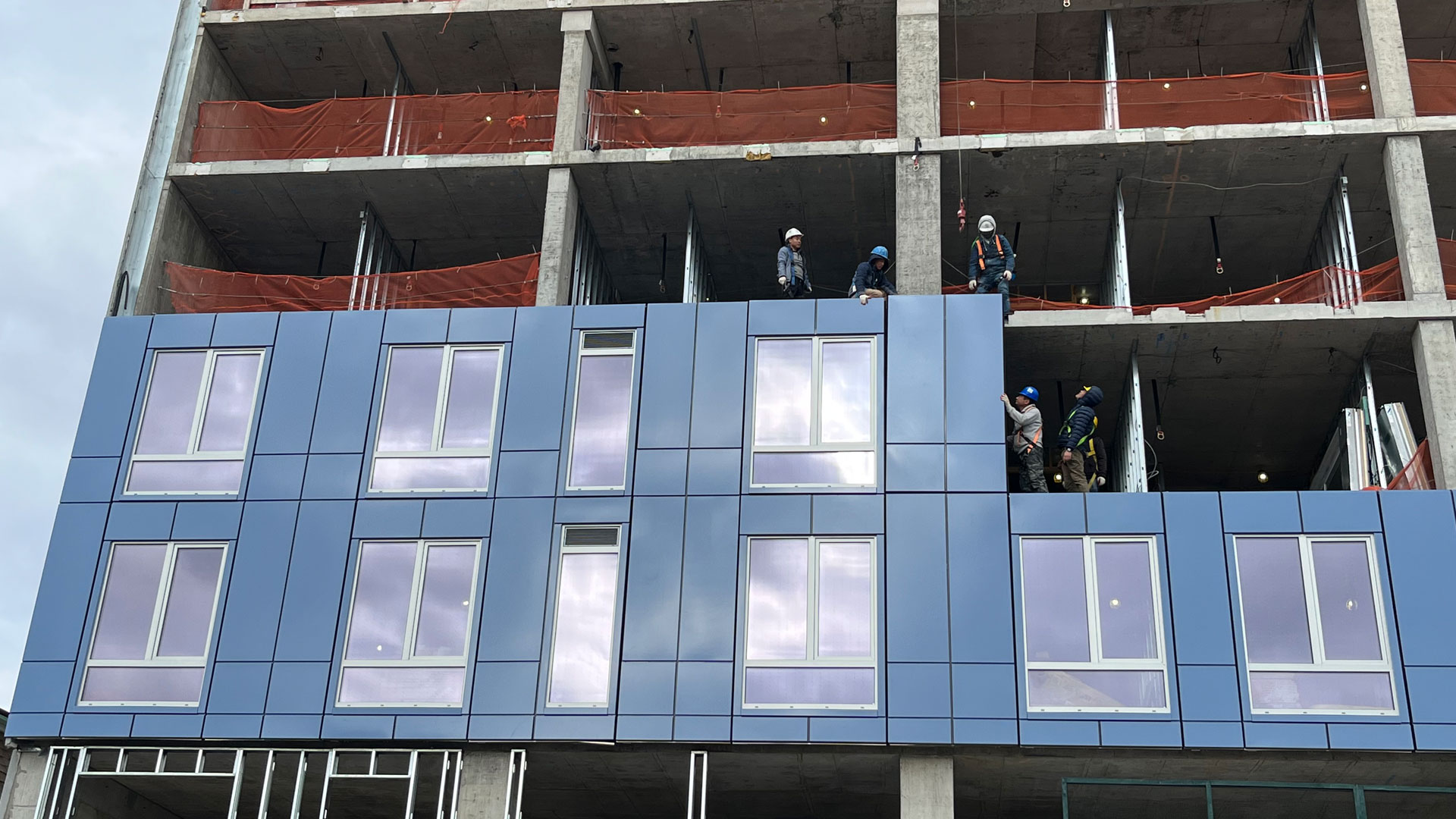
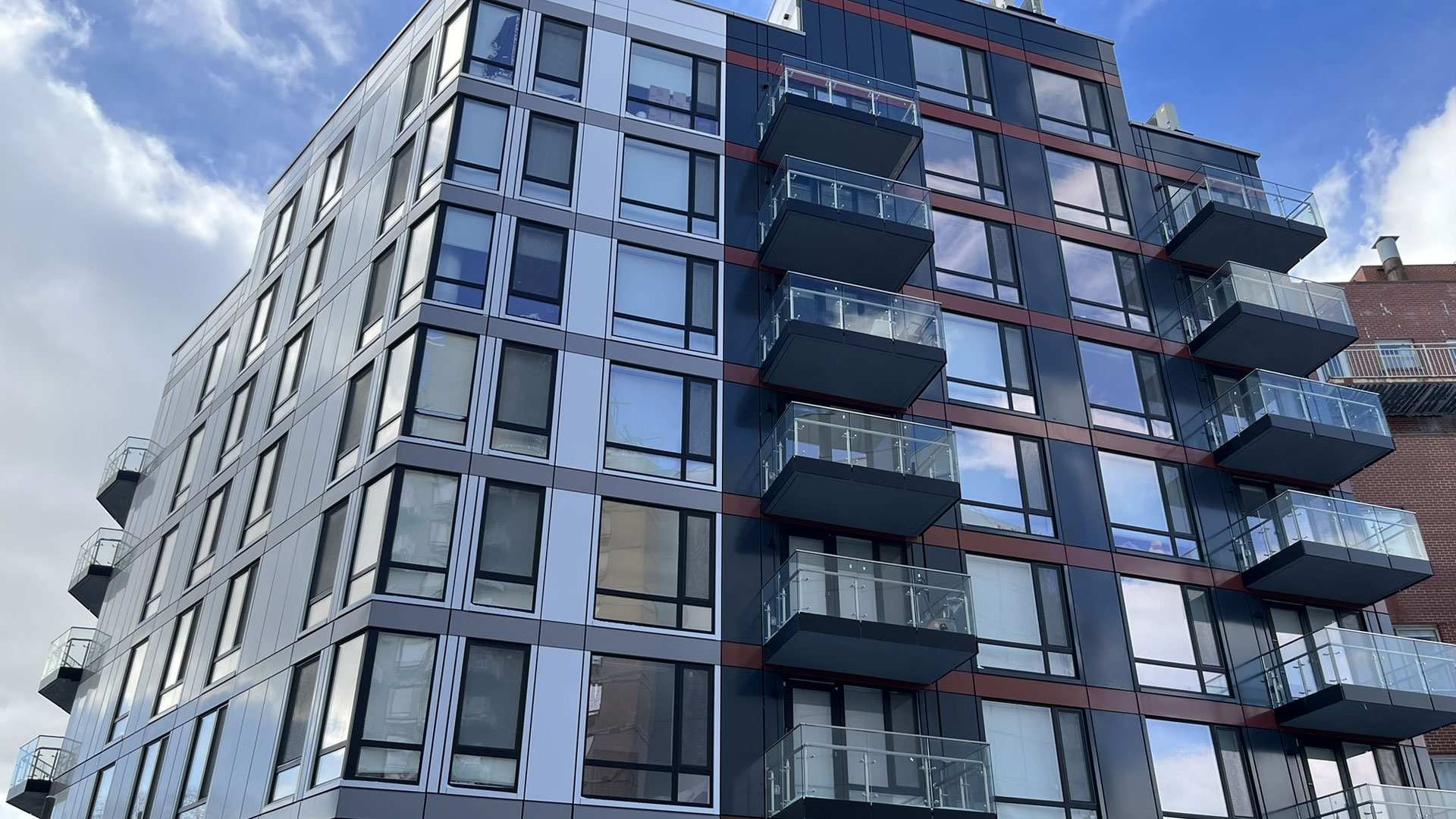
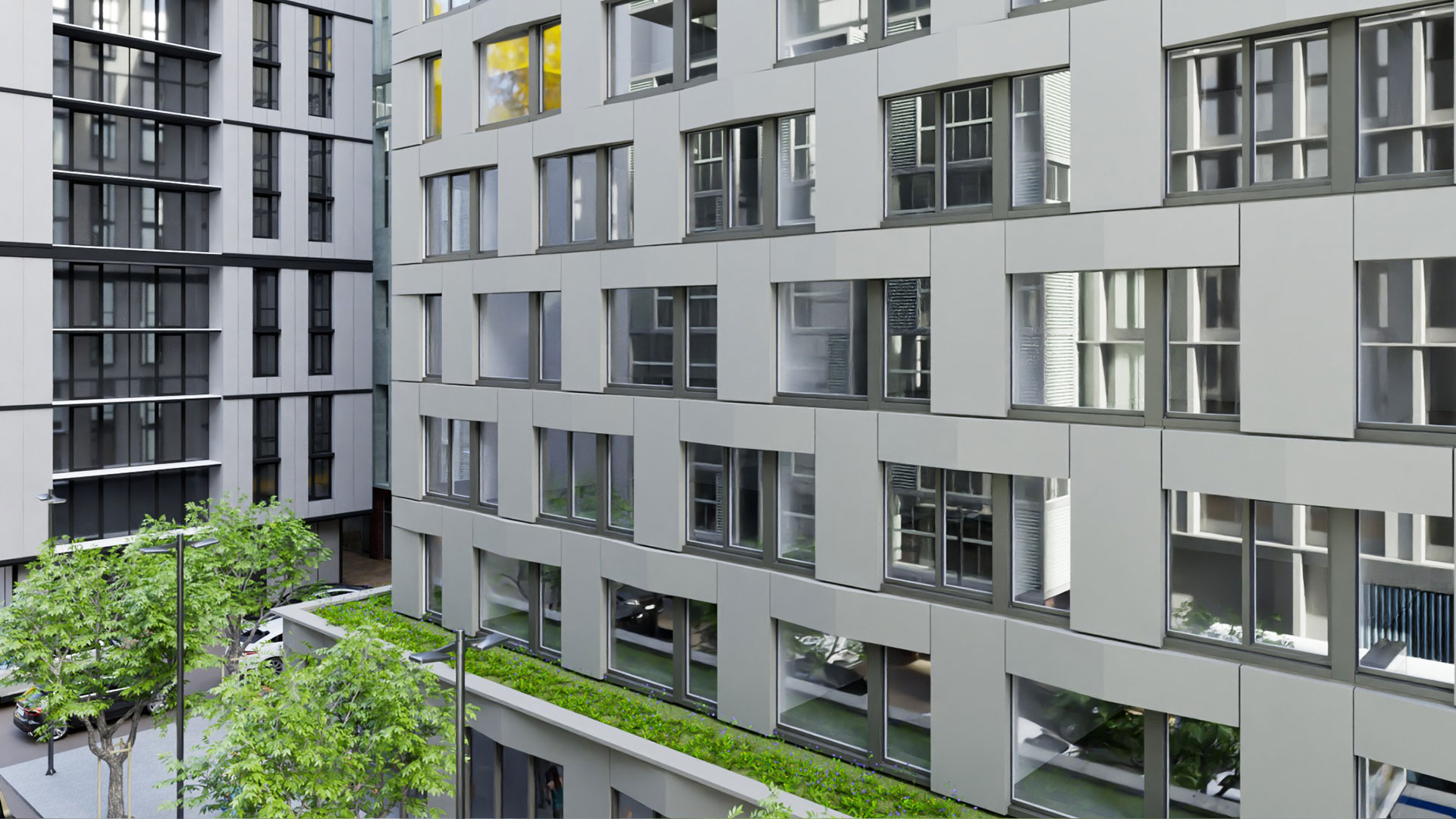
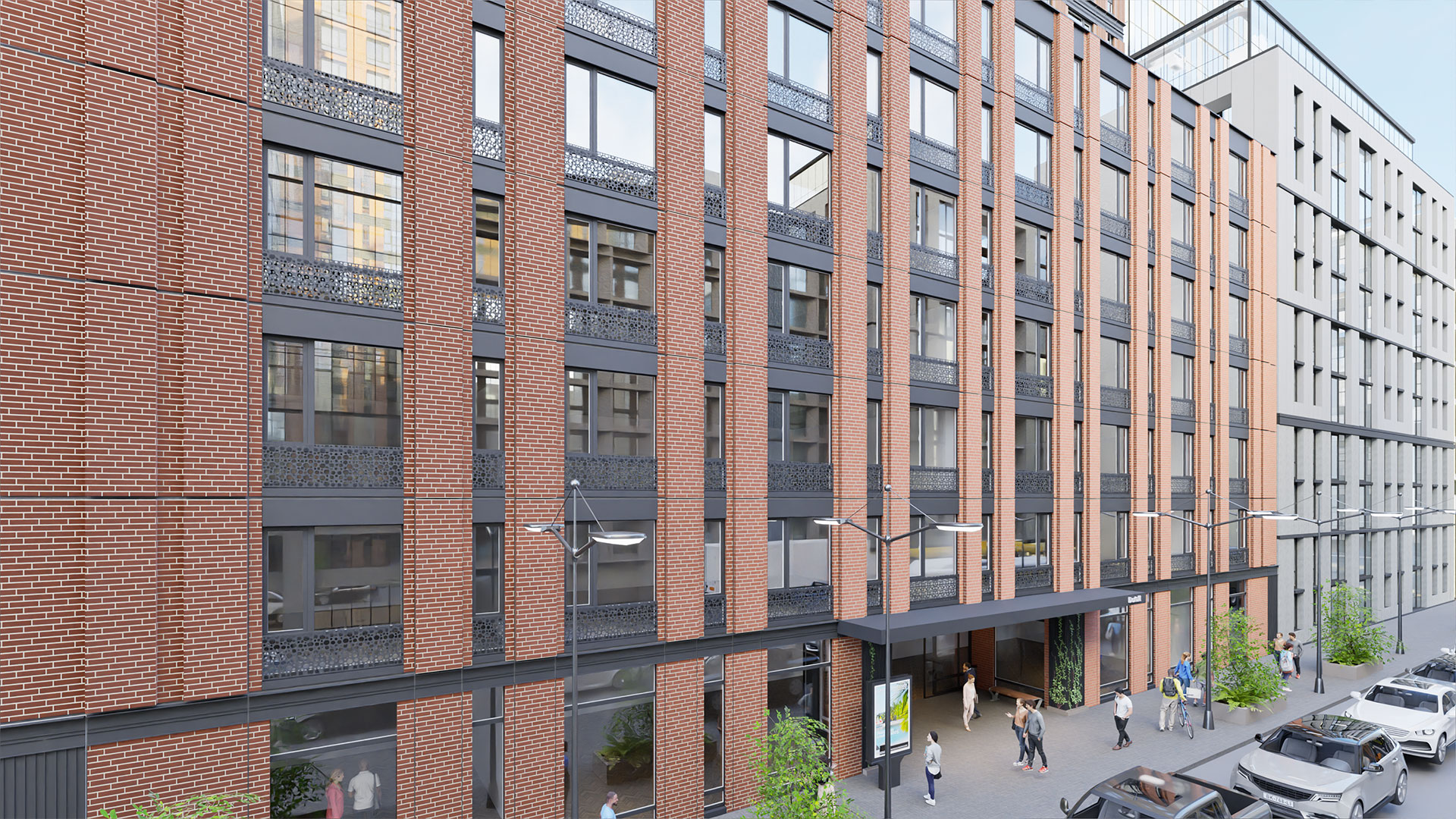
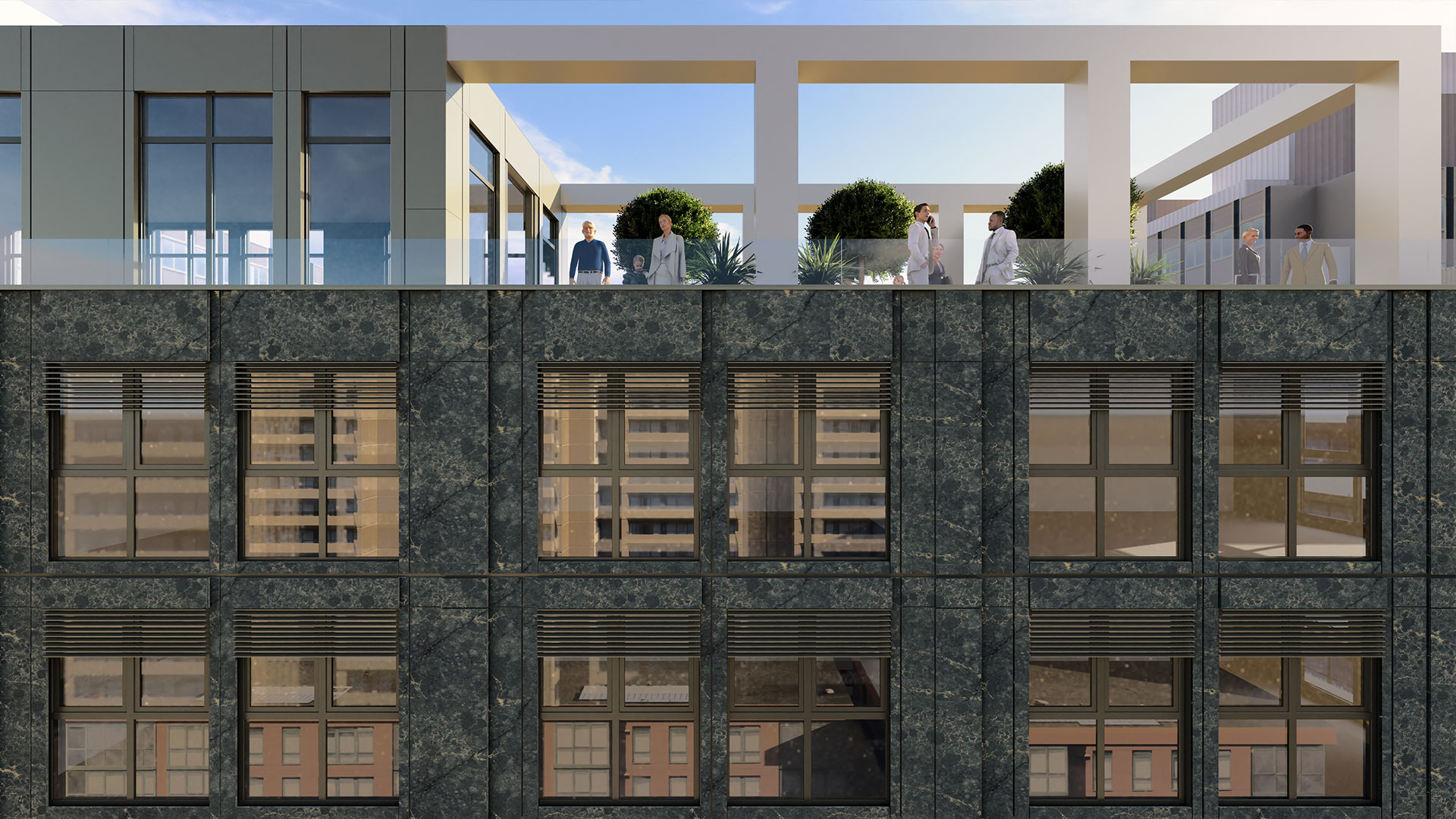
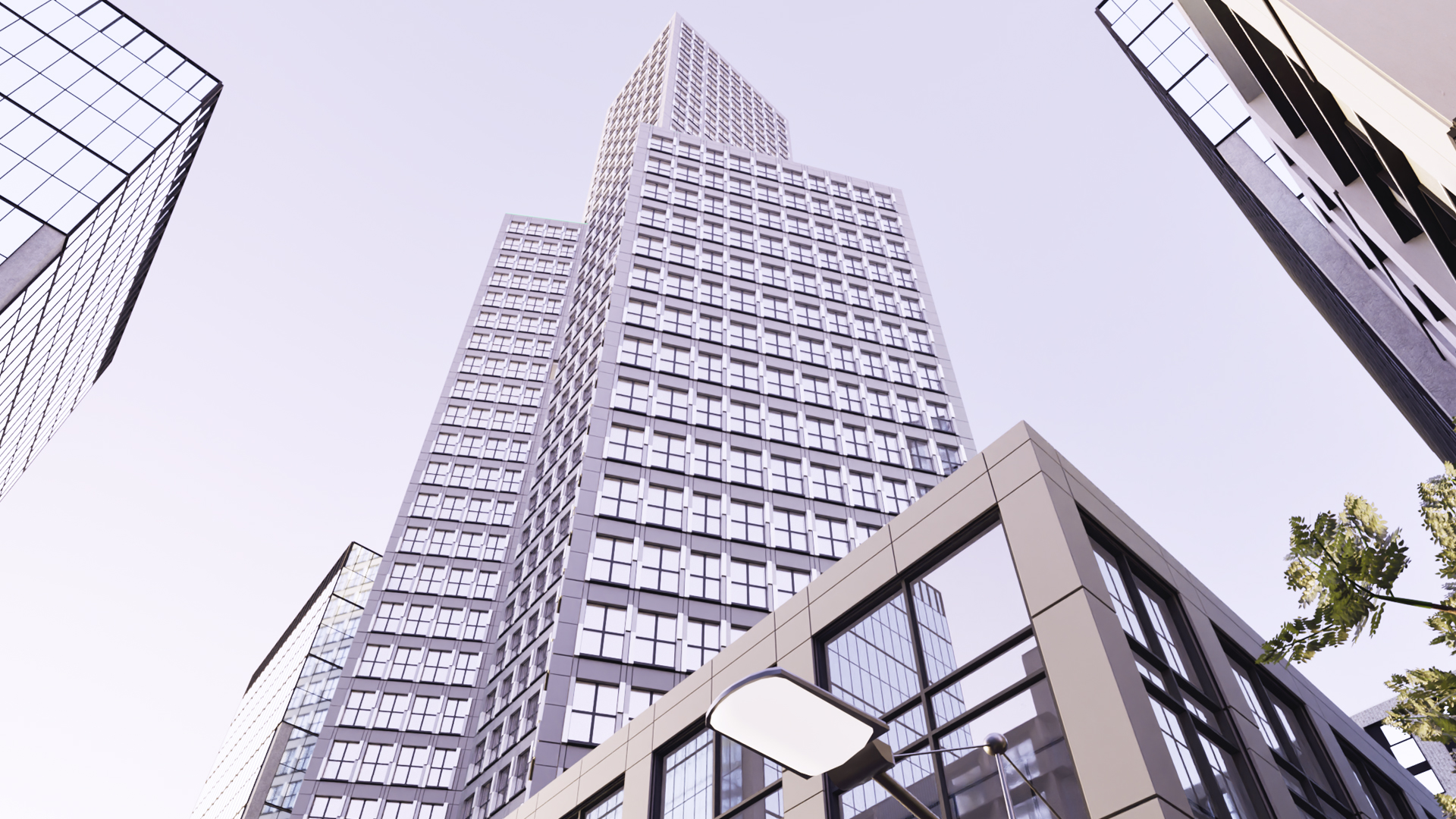
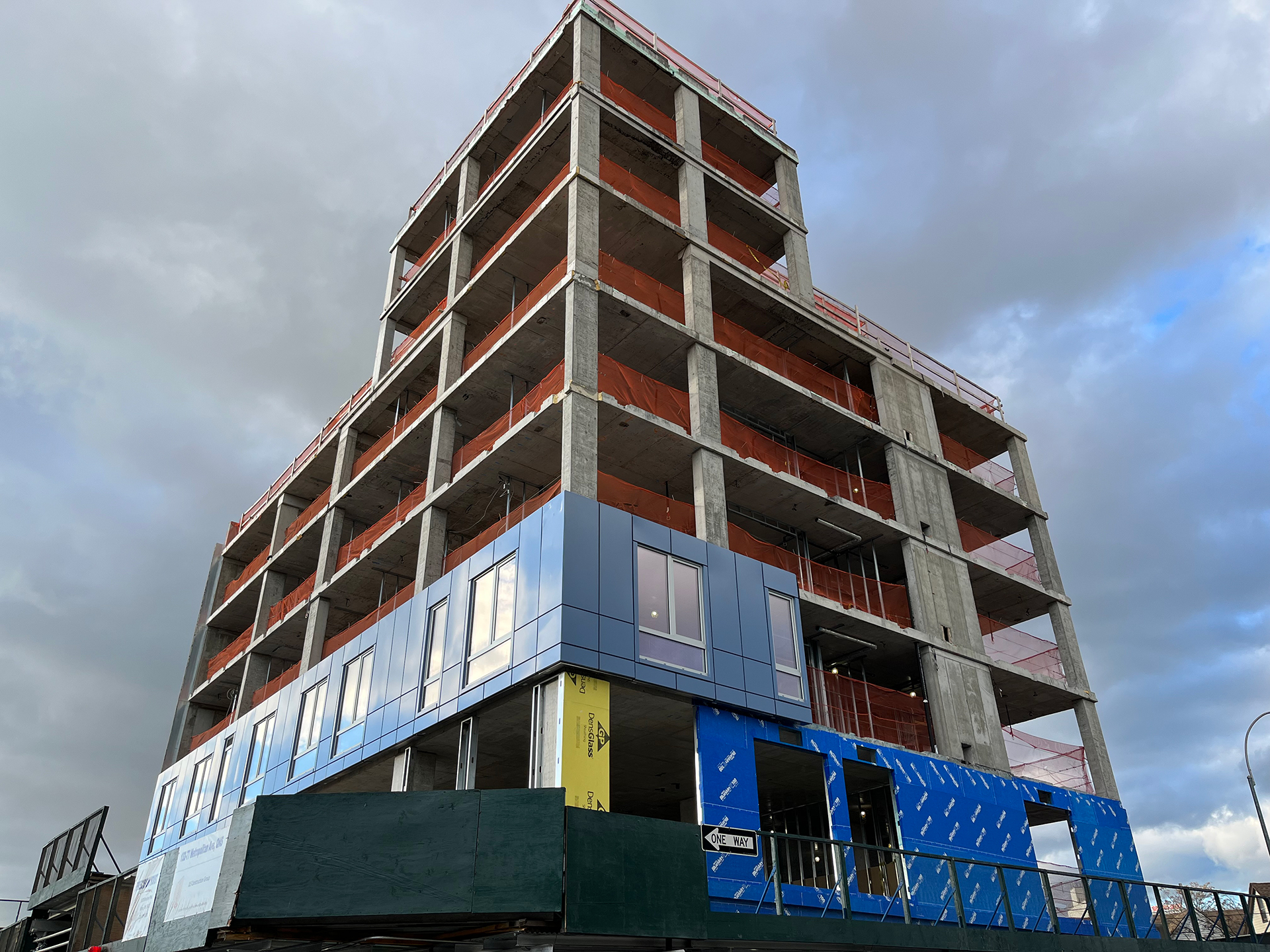
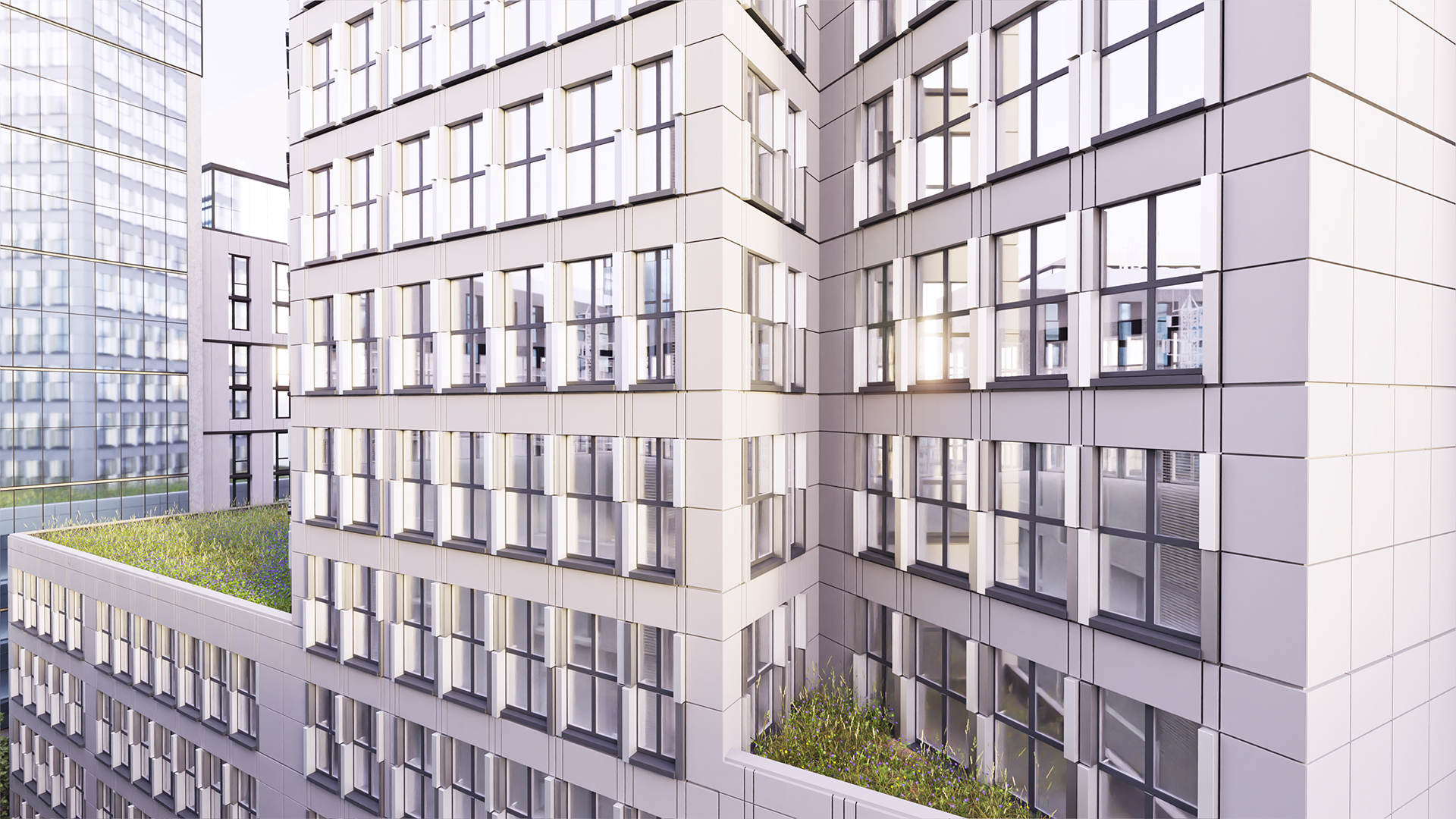
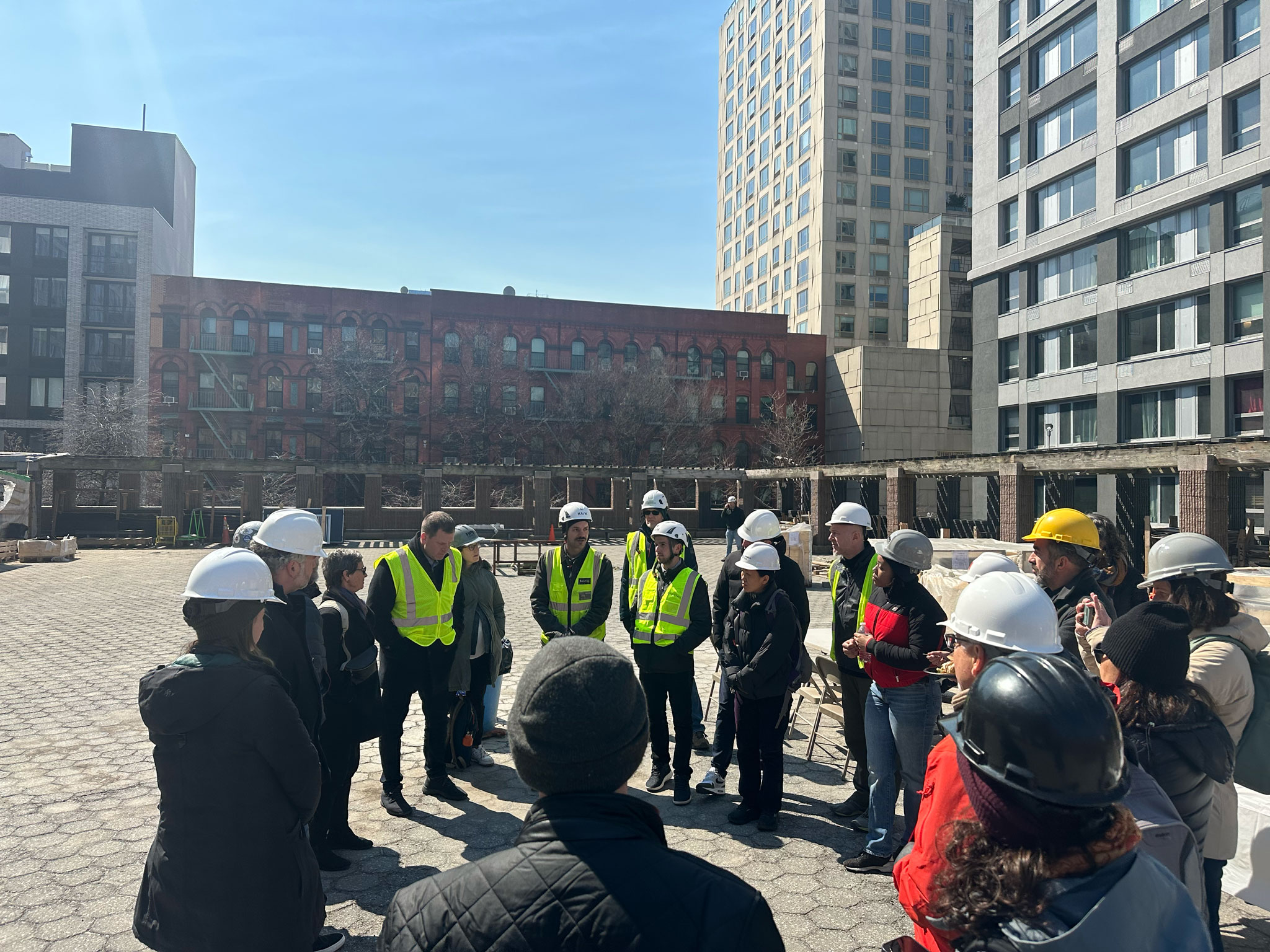
Images featured in this article depict Dextall's projects and are used for illustrative purposes only.
Sources
- Foster + Partners completes 270 Park Avenue skyscraper in New York — Dezeen
- 270 Park Ave — New Hudson Facades
- Curtain wall installation begins on JPMorgan headquarters at 270 Park Avenue — NY YIMBY
- JPMorgan holds ribbon cutting for supertall headquarters — NY YIMBY
- 270 Park Avenue: The Bronze Tower Redefining Midtown — Fools for Facades
- JPMorganChase celebrates grand opening of new global headquarters — JPMorgan Chase
- 270 Park Avenue (2025–present) — Wikipedia
Images featured in this article depict Dextall's projects and are used for illustrative purposes only.










.jpeg)

-Compliance-for-NYC-Multifamily-%26-Co-Op-Facades.jpg)











_format(webp).avif)
_format(webp)%20(6).avif)
_format(webp)%20(5).avif)
_format(webp)%20(4).avif)
_format(webp)%20(2).avif)
_format(webp)%20(3).avif)


.avif)
_format(webp)%20(2).avif)