NYC LL11 Compliance Panels for Multifamily Buildings

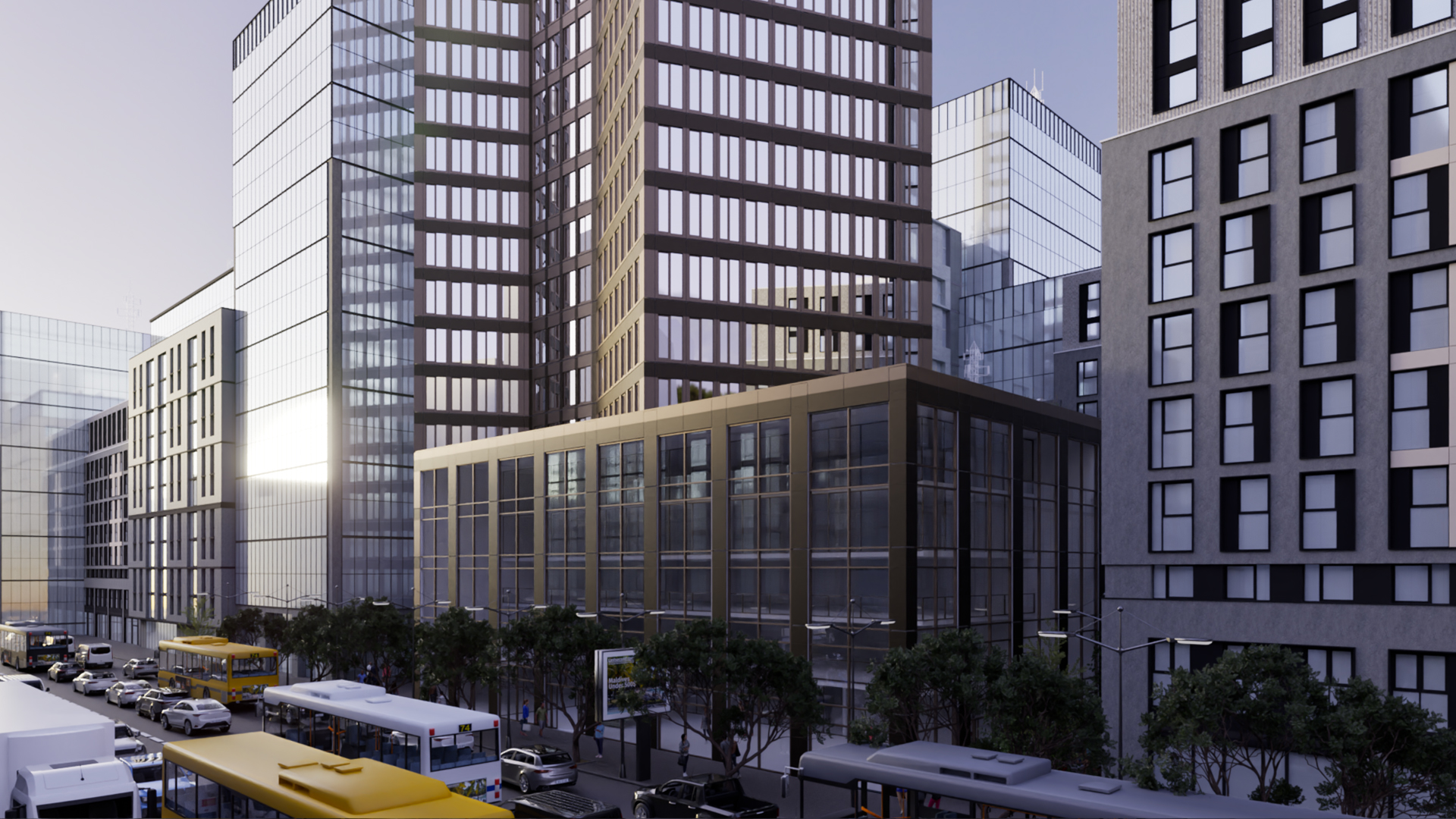
Local Law 11 (FISP) keeps NYC multifamily owners on a tight clock: inspect, file, repair—and often keep sidewalk sheds up far longer than anyone planned. When facade conditions repeat cycle after cycle, "patch and scaffold" turns into a permanent operating headache: resident complaints, blocked storefront visibility, unpredictable access costs, and schedule risk that compounds with every winter shutdown and contractor backlog.
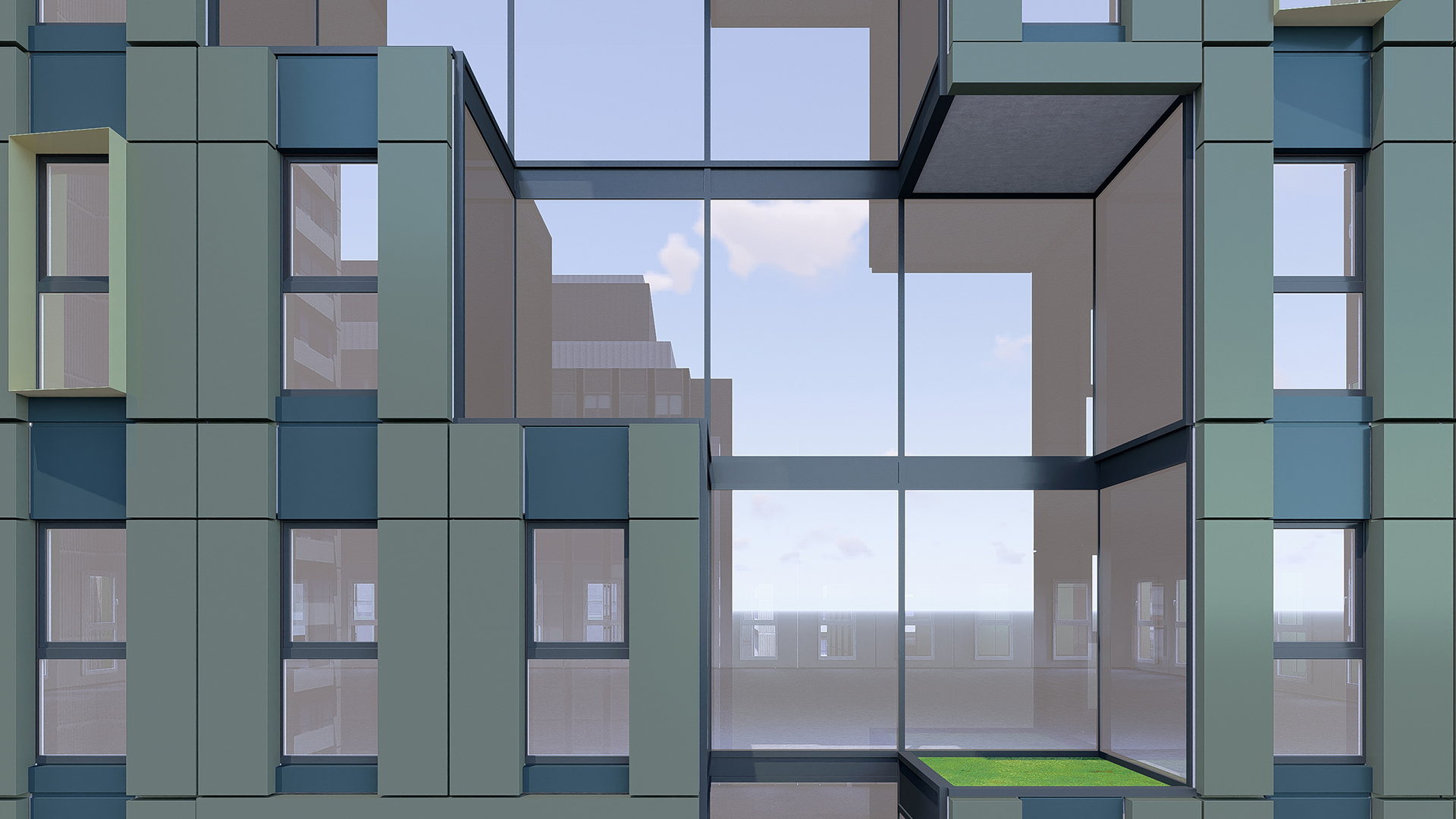
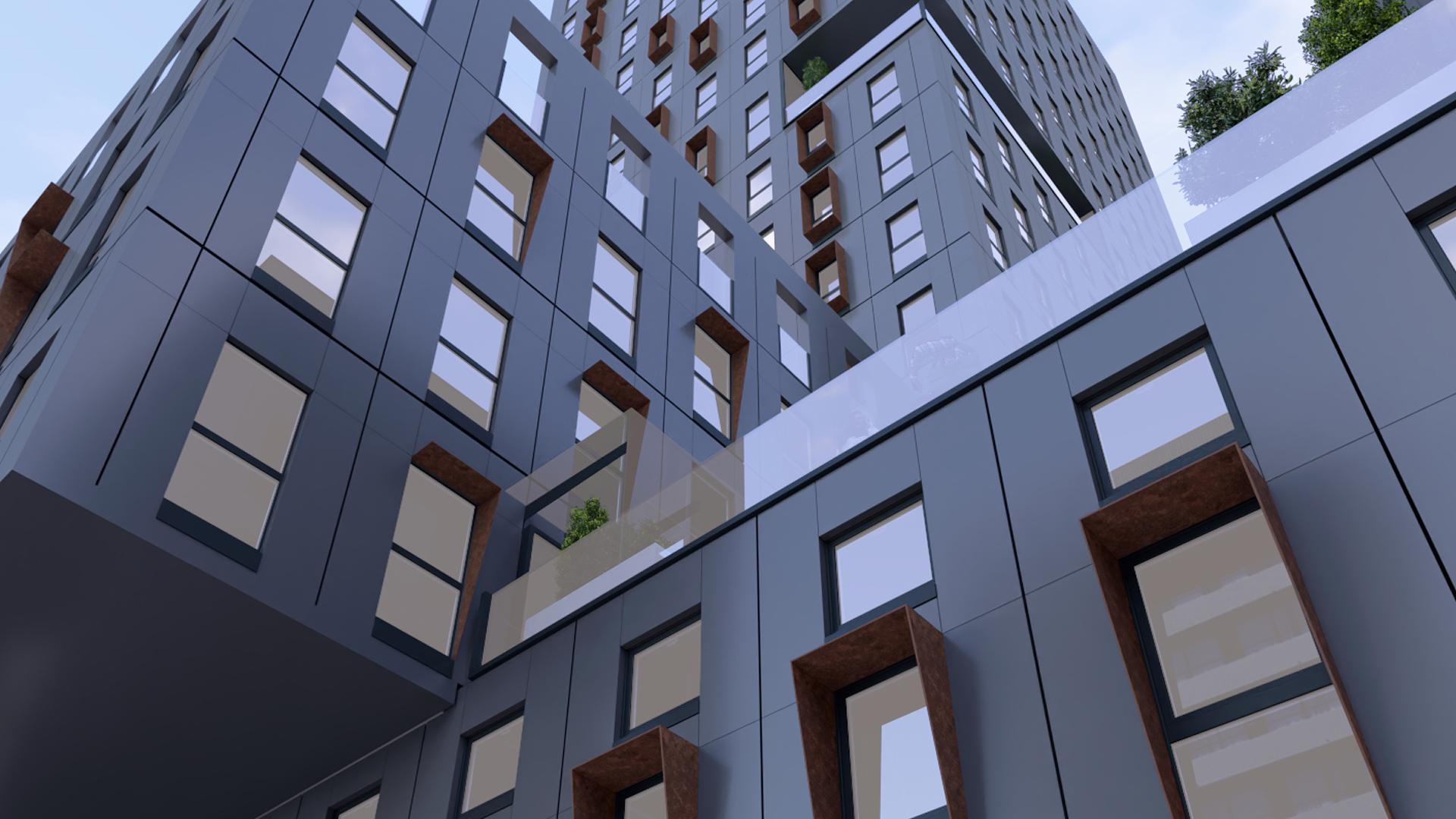
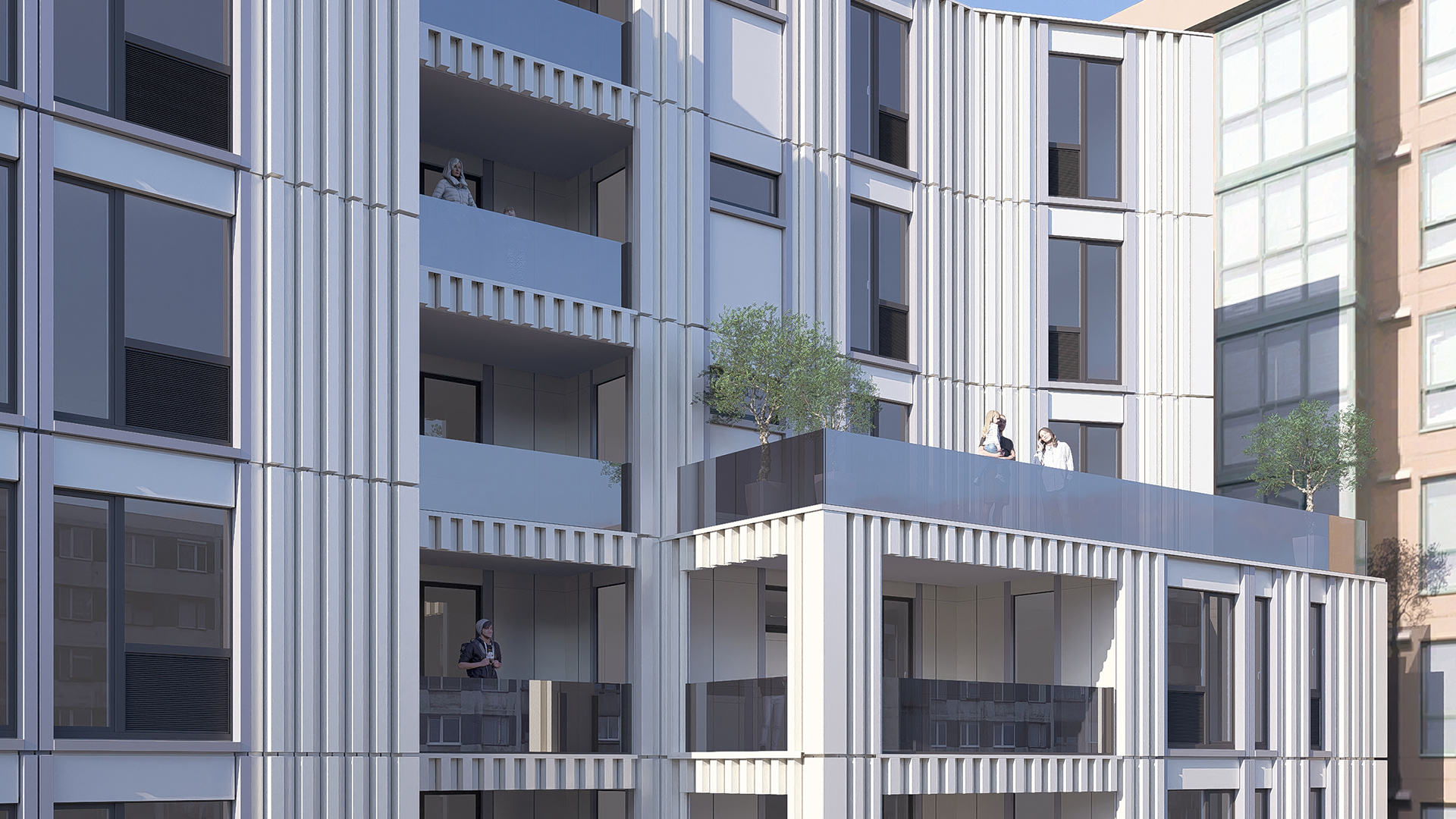
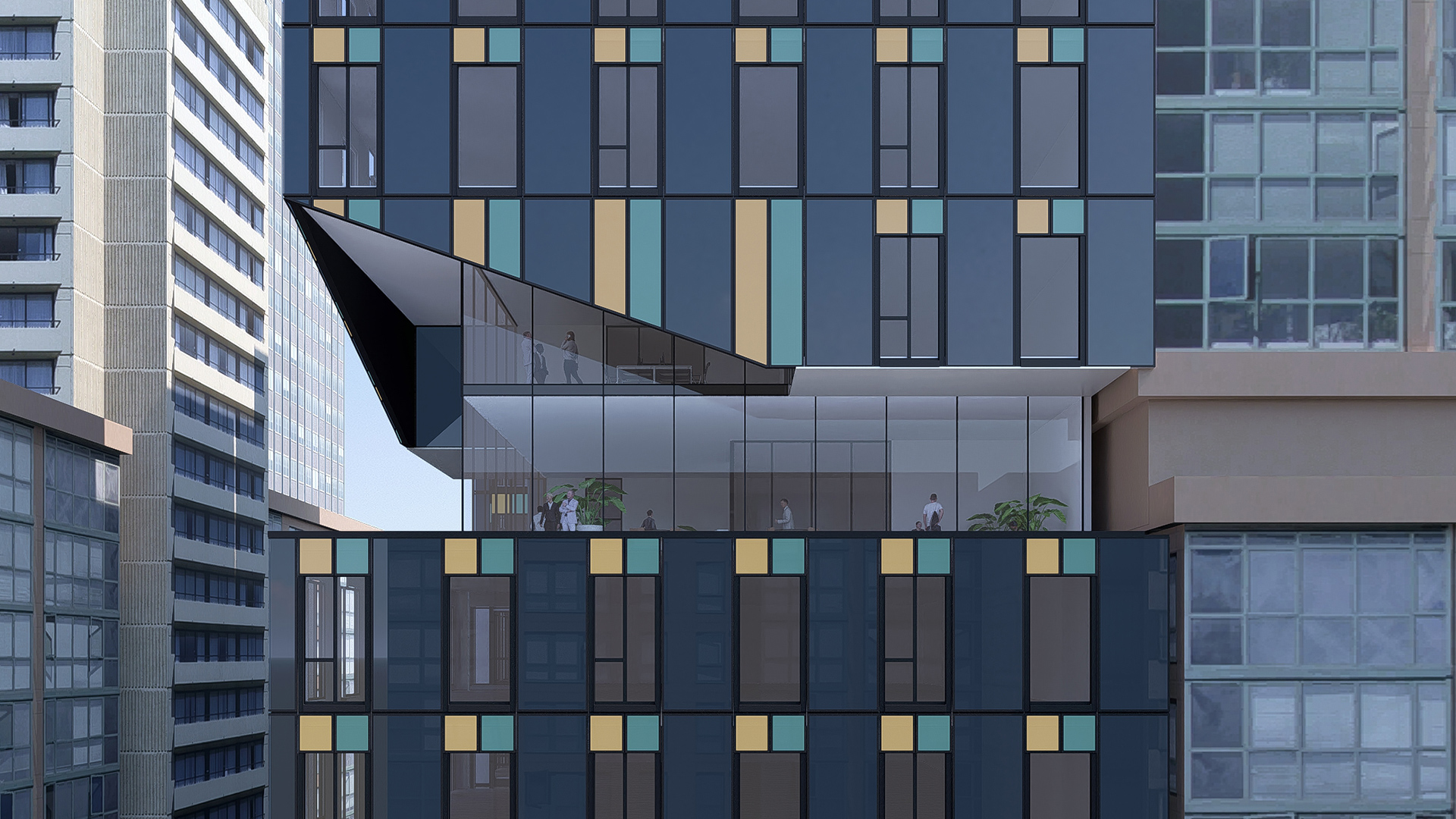
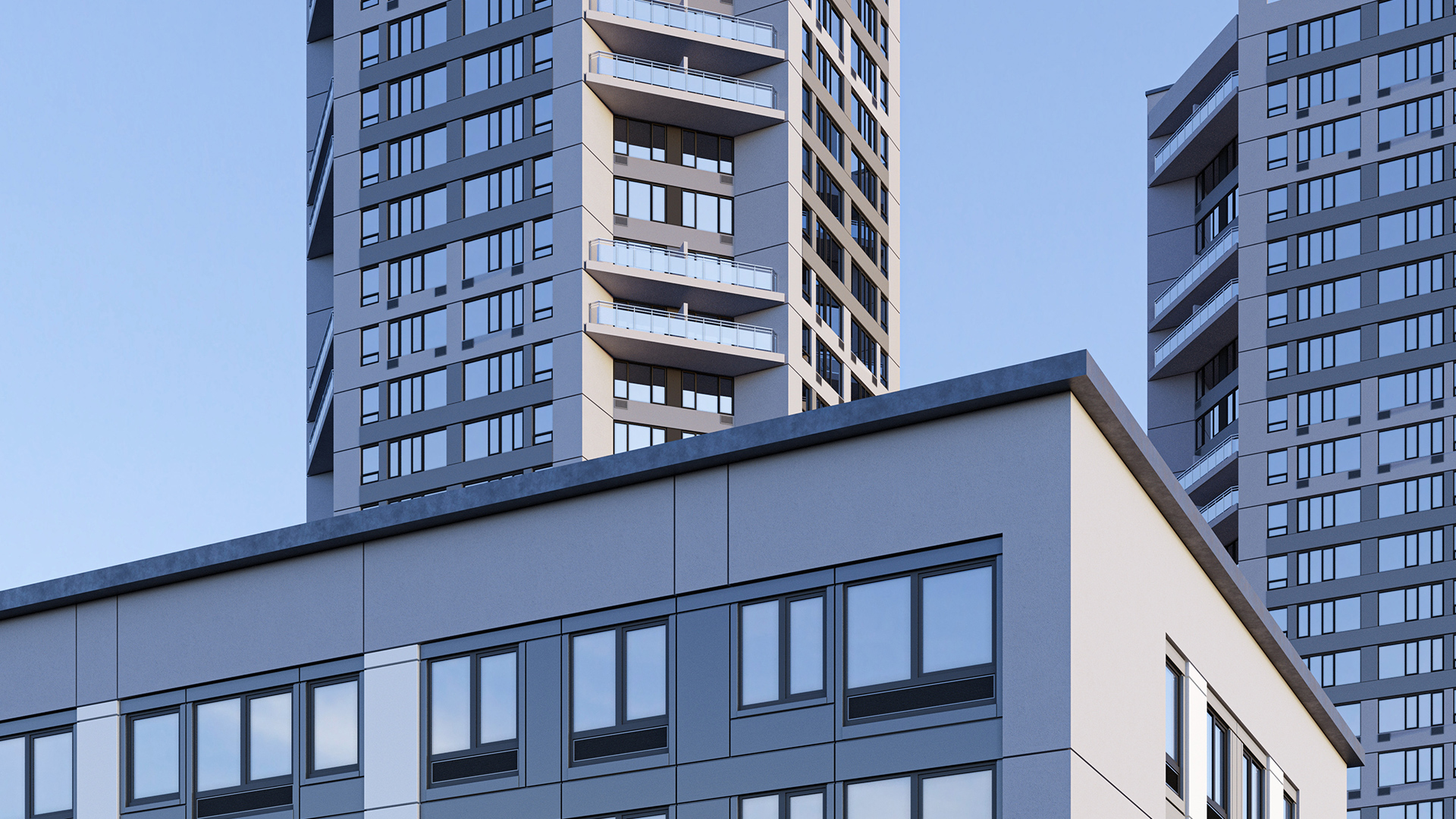
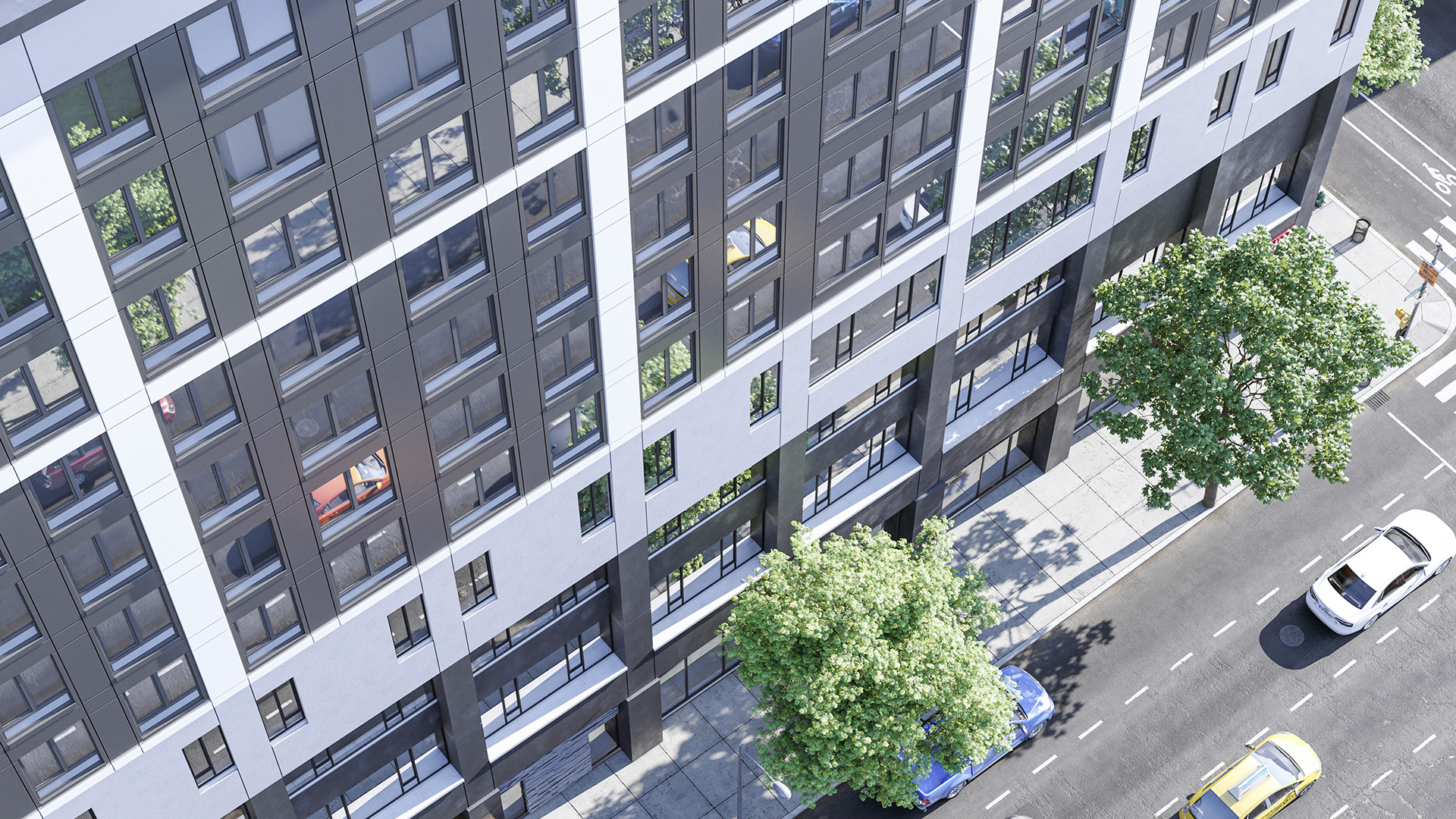
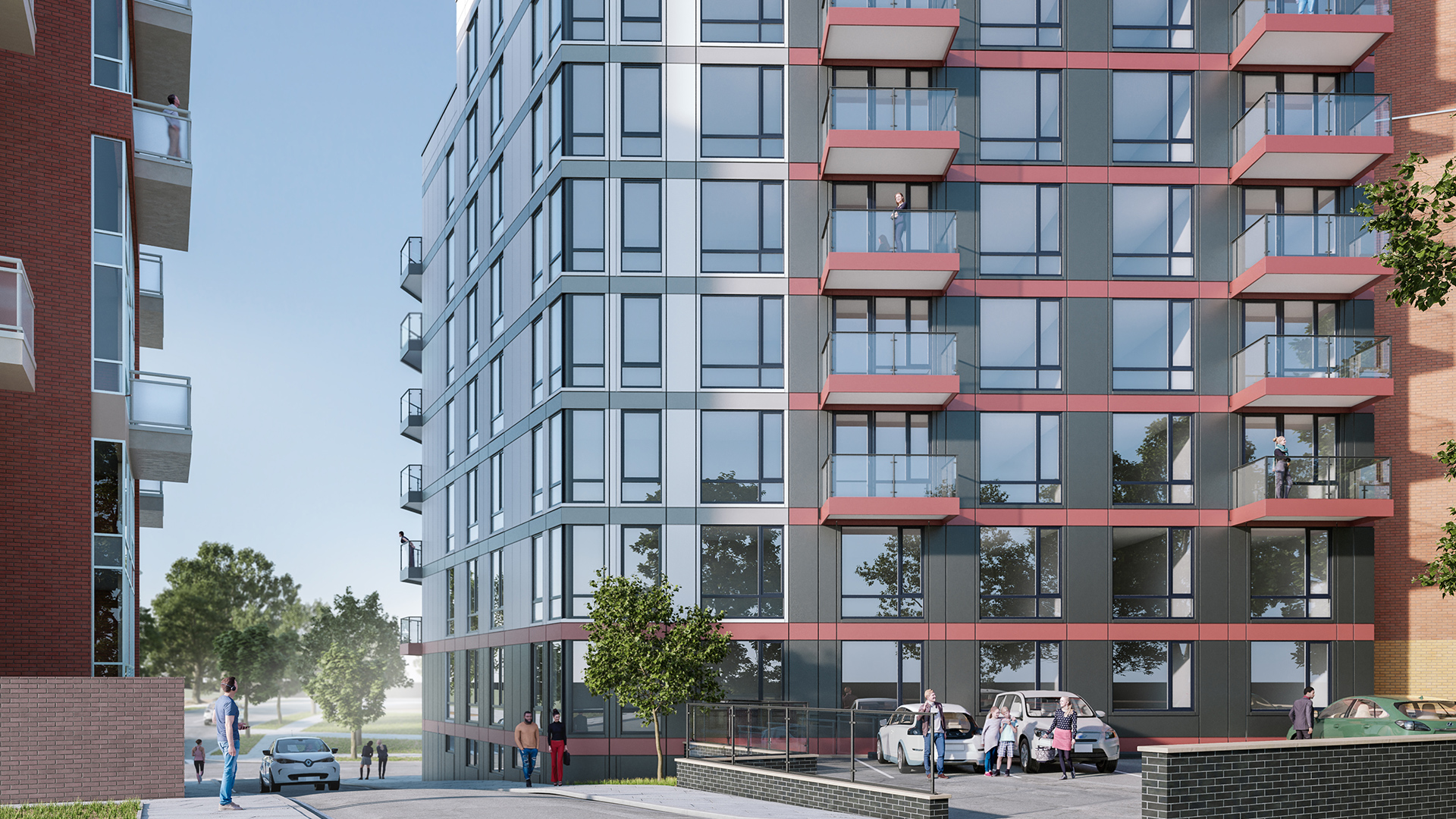
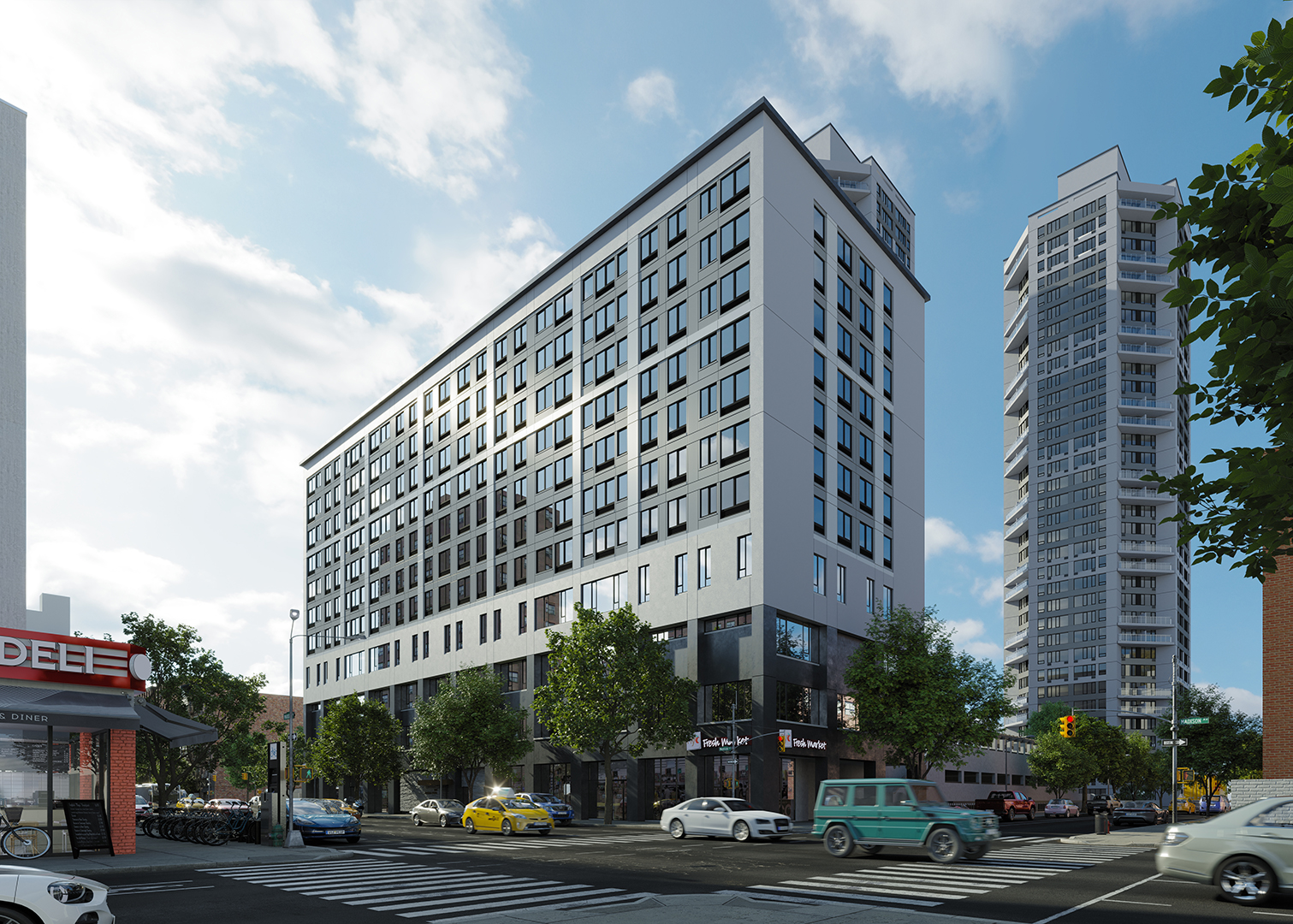
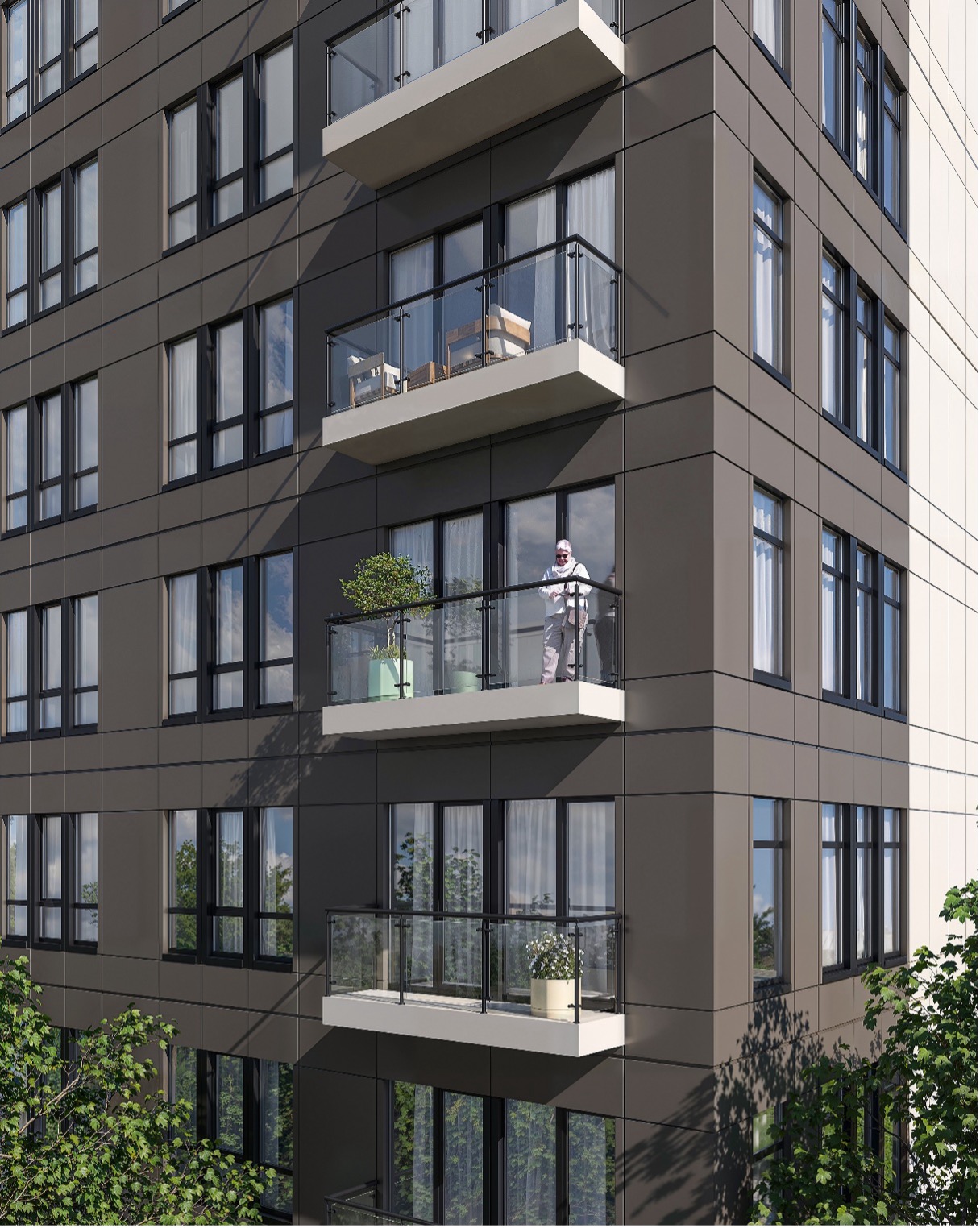
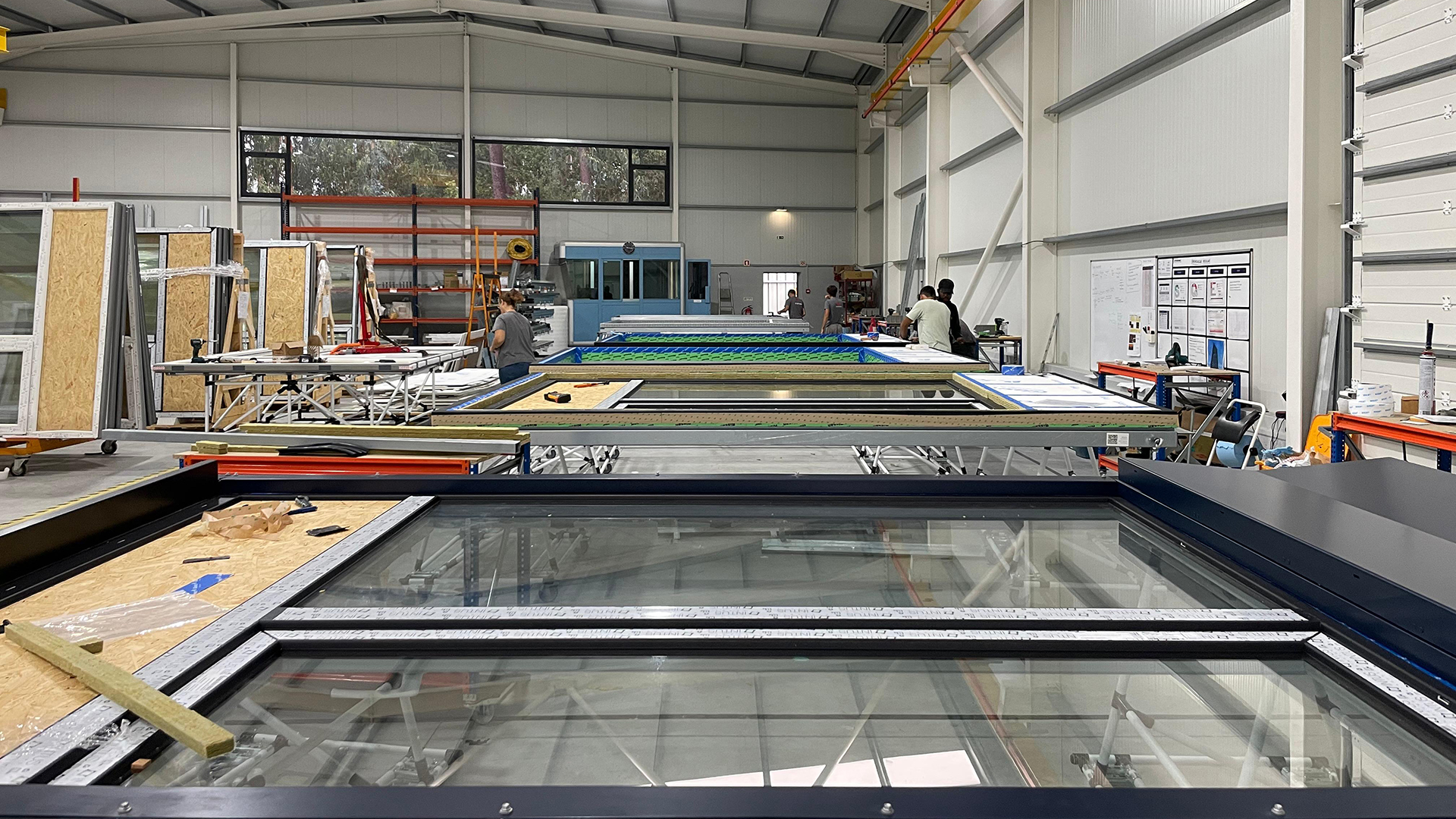
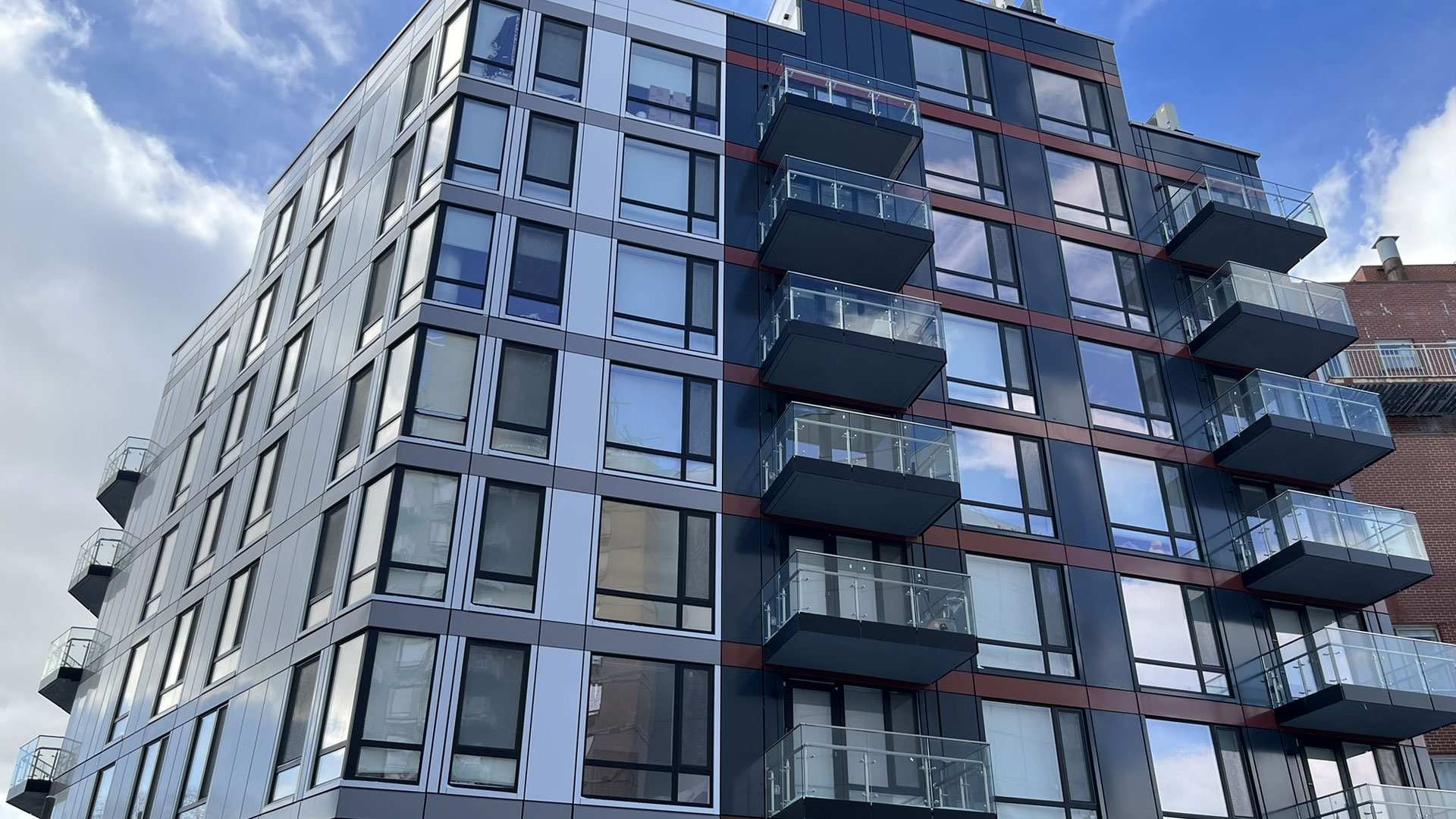
Panelized LL11 compliance upgrades offer a different path. Instead of chasing isolated repairs across multiple seasons, owners can use prefabricated exterior wall panels to complete a targeted, code-driven facade renewal in phased runs—reducing on-site trades, tightening the schedule, and improving long-term enclosure performance. Dextall's LL11 compliance panels are built for this exact use case: a one-time upgrade strategy designed around occupied buildings, predictable phasing, and durable results that help eliminate the "endless shed" cycle.
Dextall LL11 Compliance Panels: One-Time Upgrade Instead of Endless Sheds
For many NYC multifamily buildings, LL11 work turns into a loop: identify problems, install sheds, patch what's reachable, then repeat in the next cycle when new areas fail. The shed becomes the "default solution," not because owners want it—but because traditional repair approaches are slow, access-heavy, and hard to control in occupied properties.
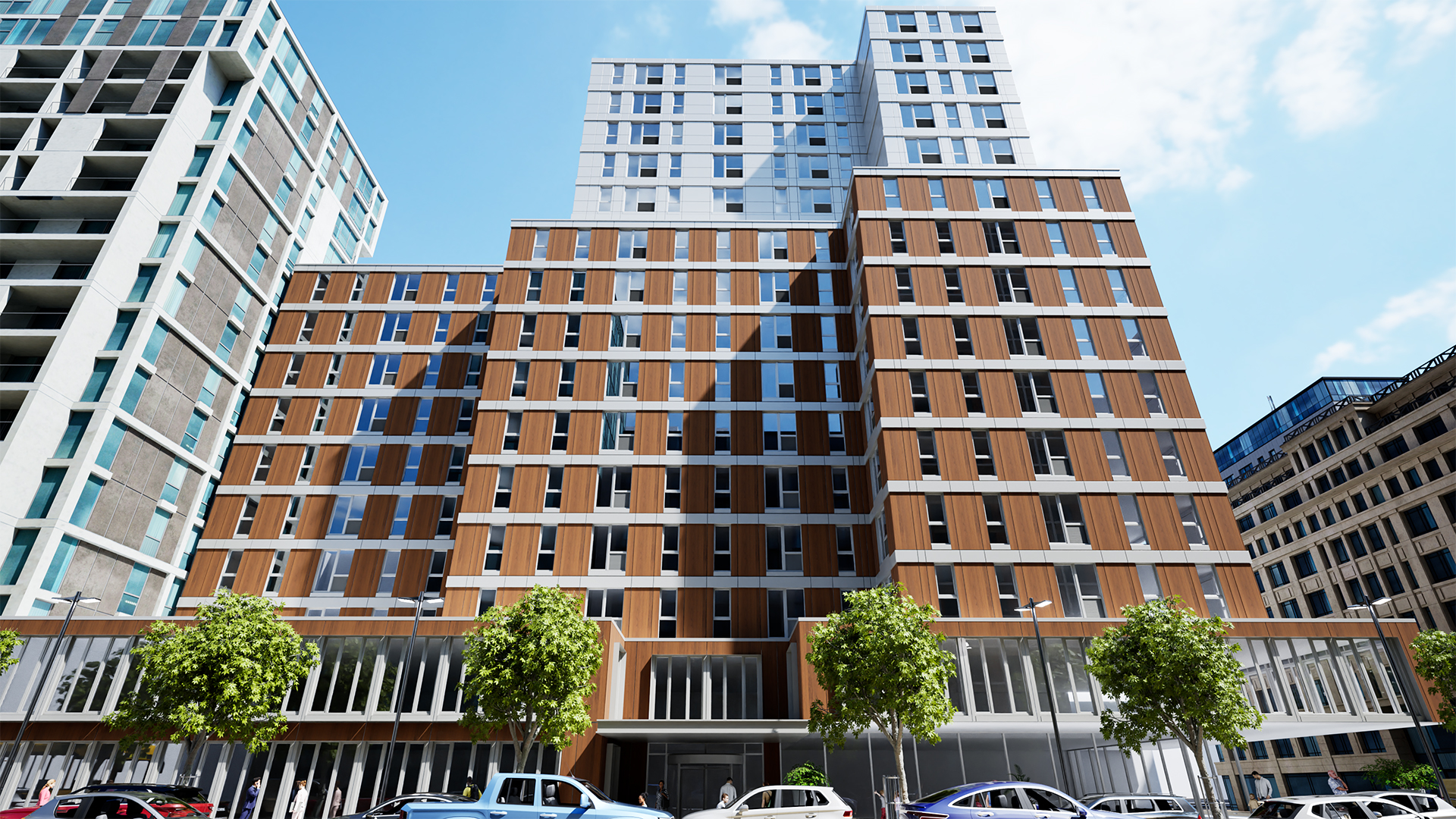
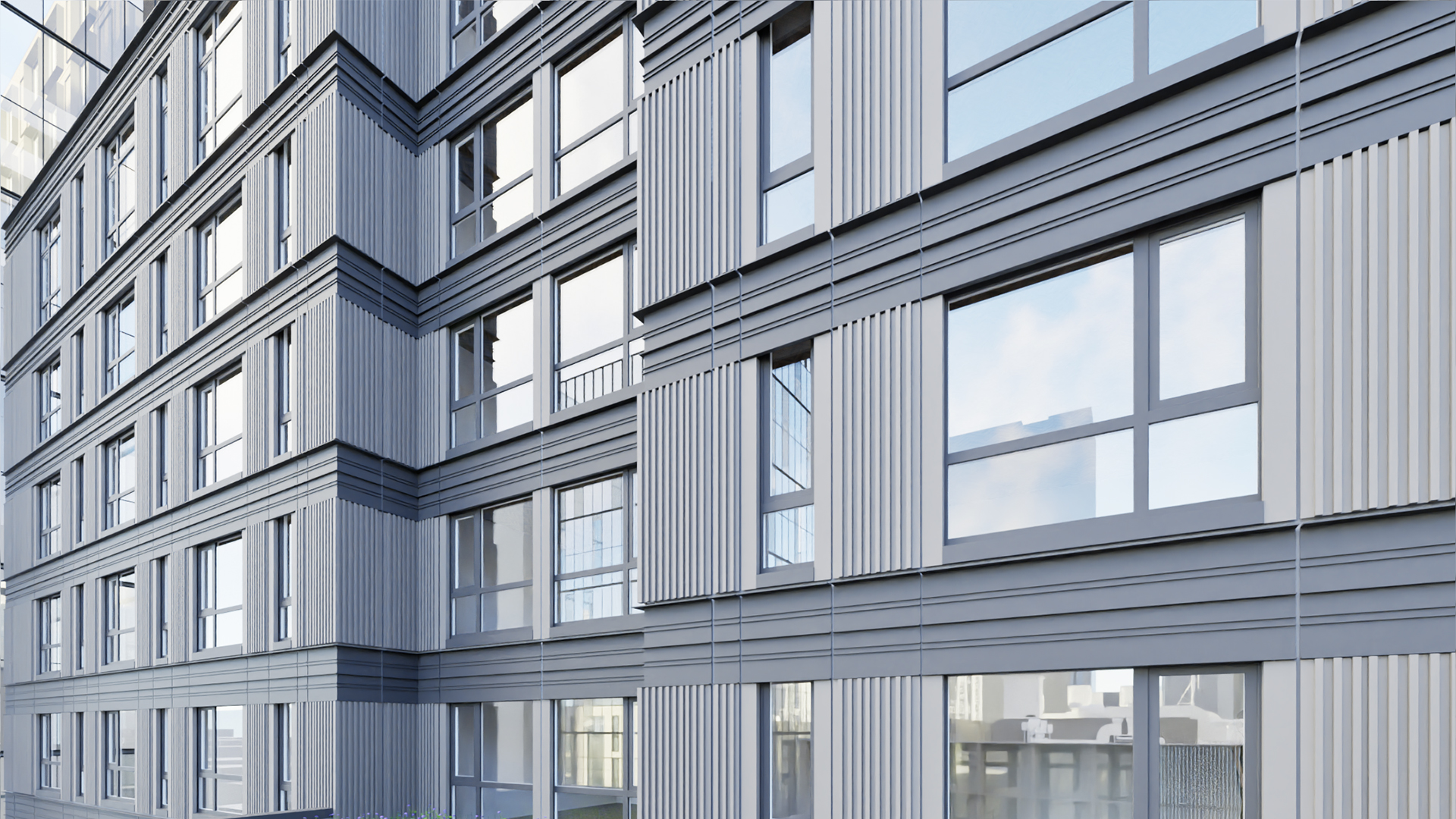
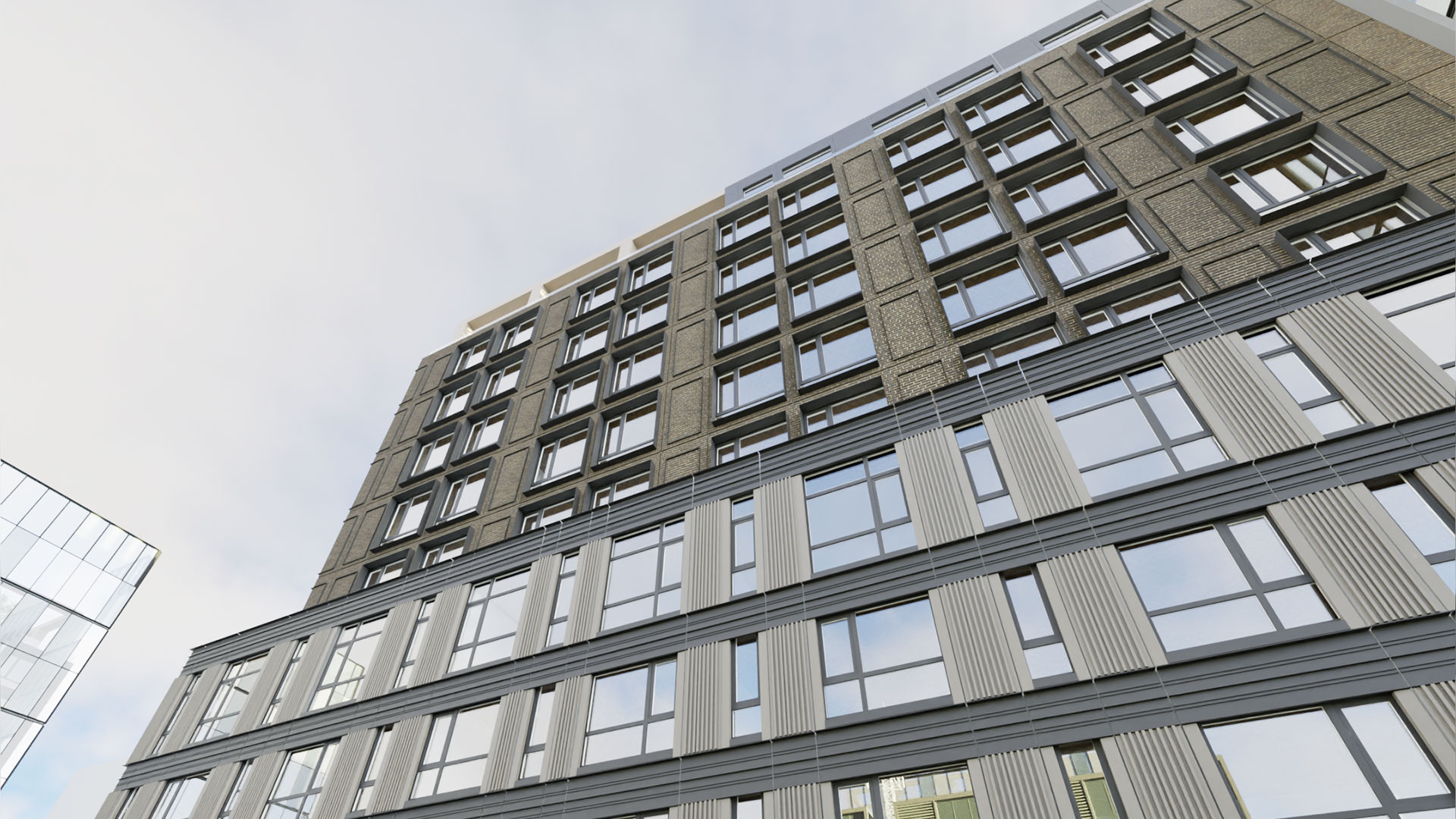
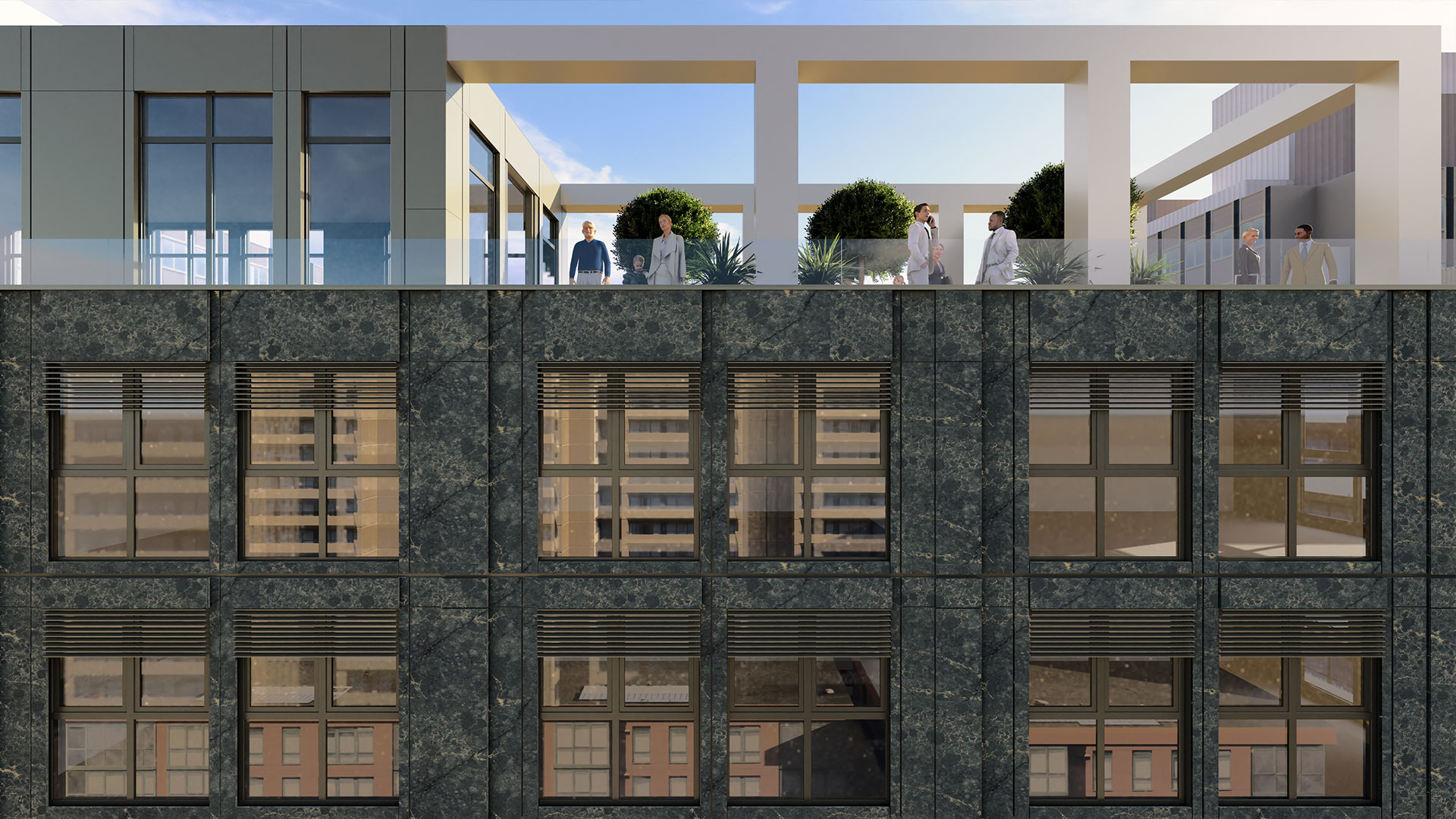
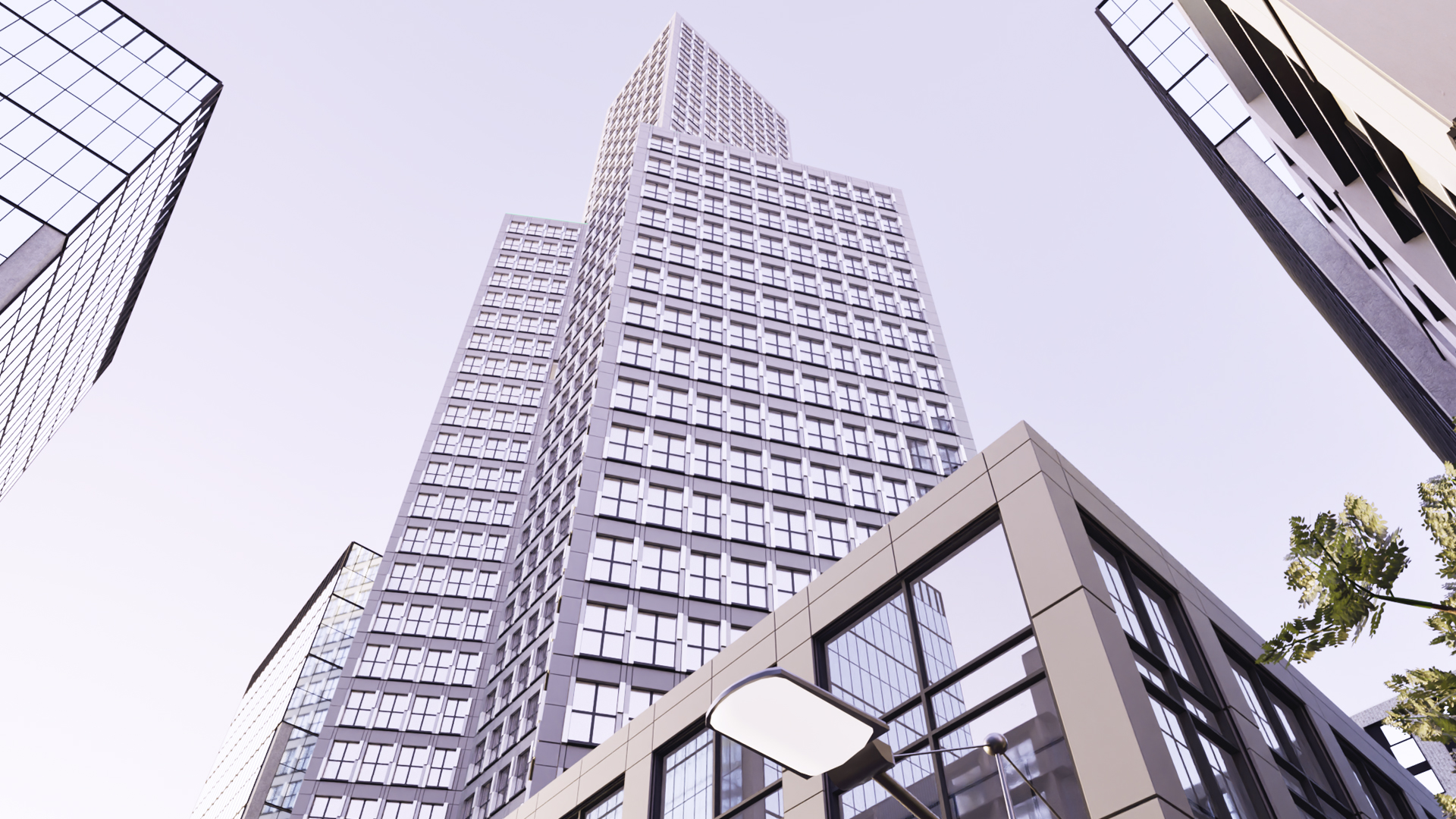
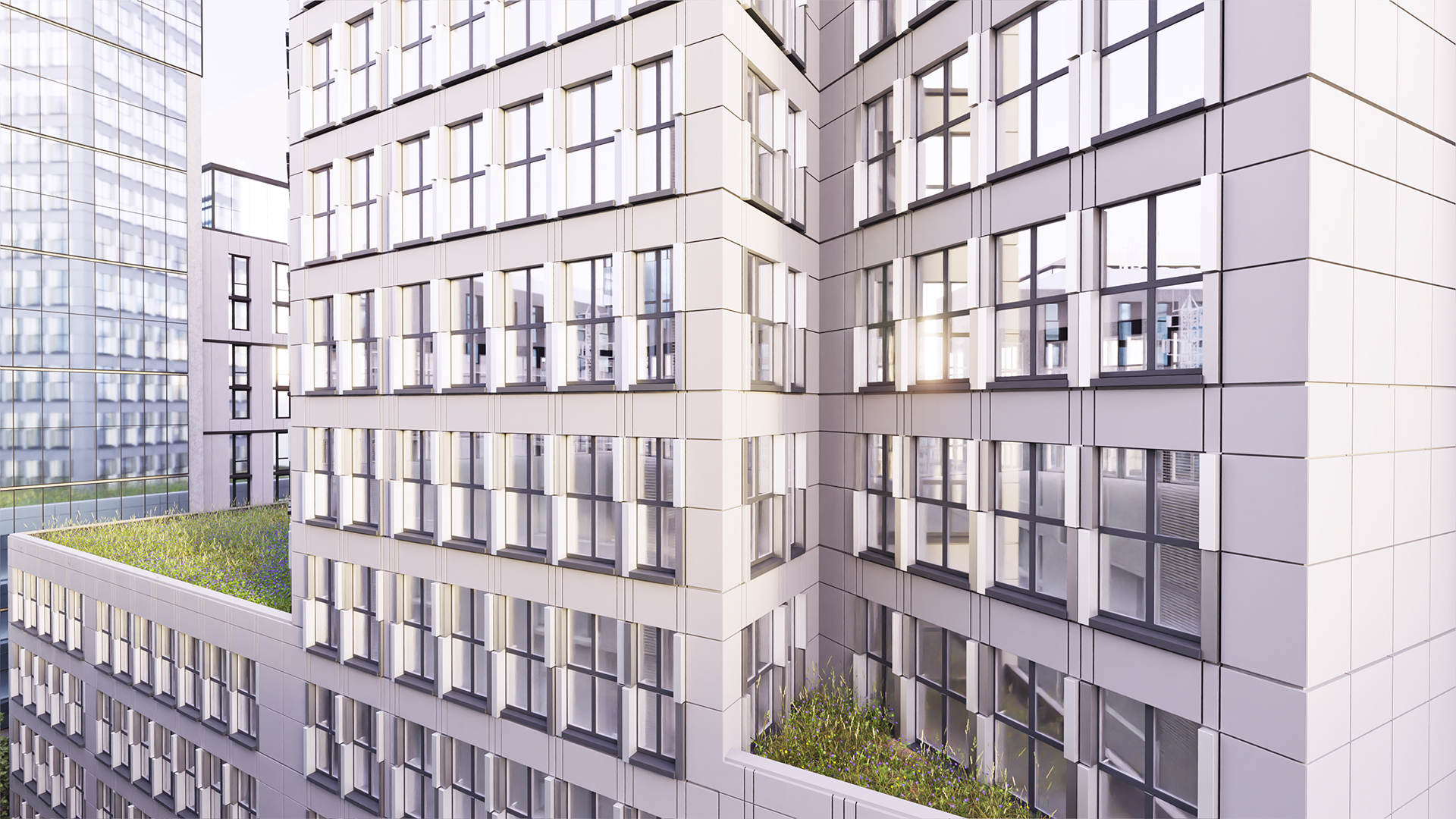
A panelized compliance upgrade changes the math. Instead of piecemeal masonry fixes across multiple seasons, Dextall panels let owners replace the problem exterior zones with a prefabricated, performance-based wall assembly—installed in planned phases with fewer trades on site. The goal isn't just to pass the next filing; it's to end the recurring repair-and-shed pattern with a single, durable upgrade that's easier to schedule, easier to budget, and easier on residents.
How Dextall Panels Fit LL11, Schedule and Resident Impact
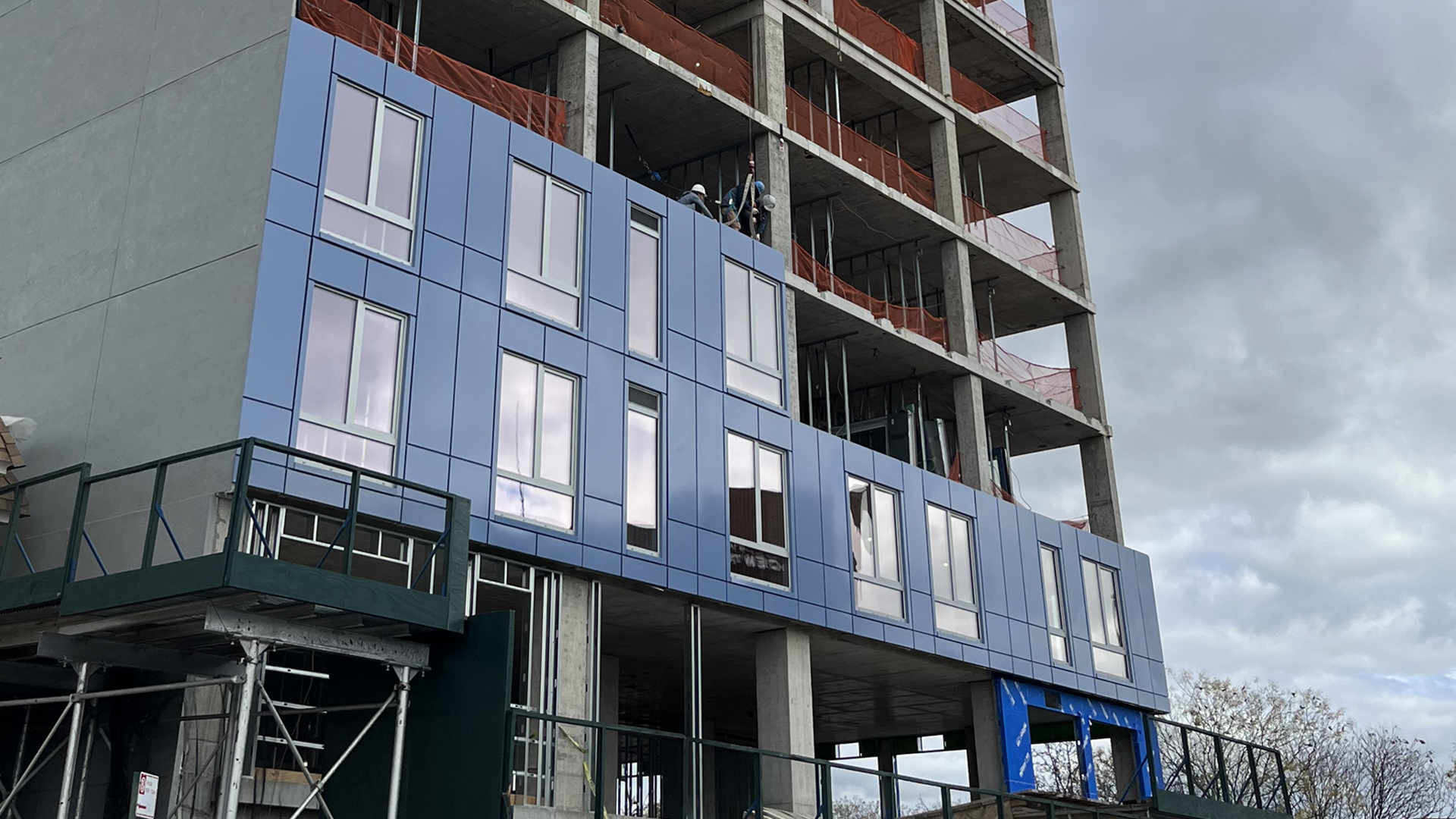
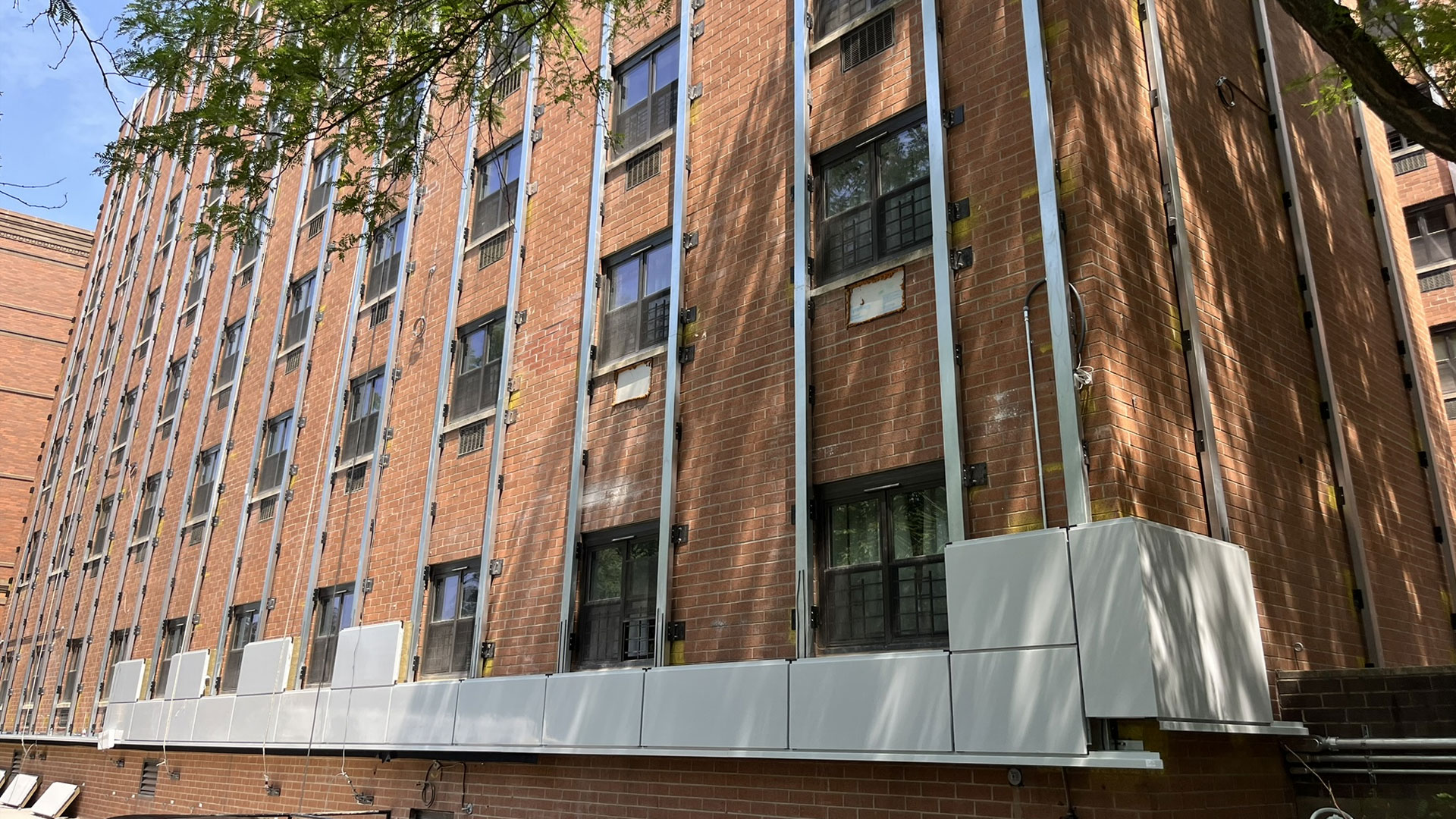
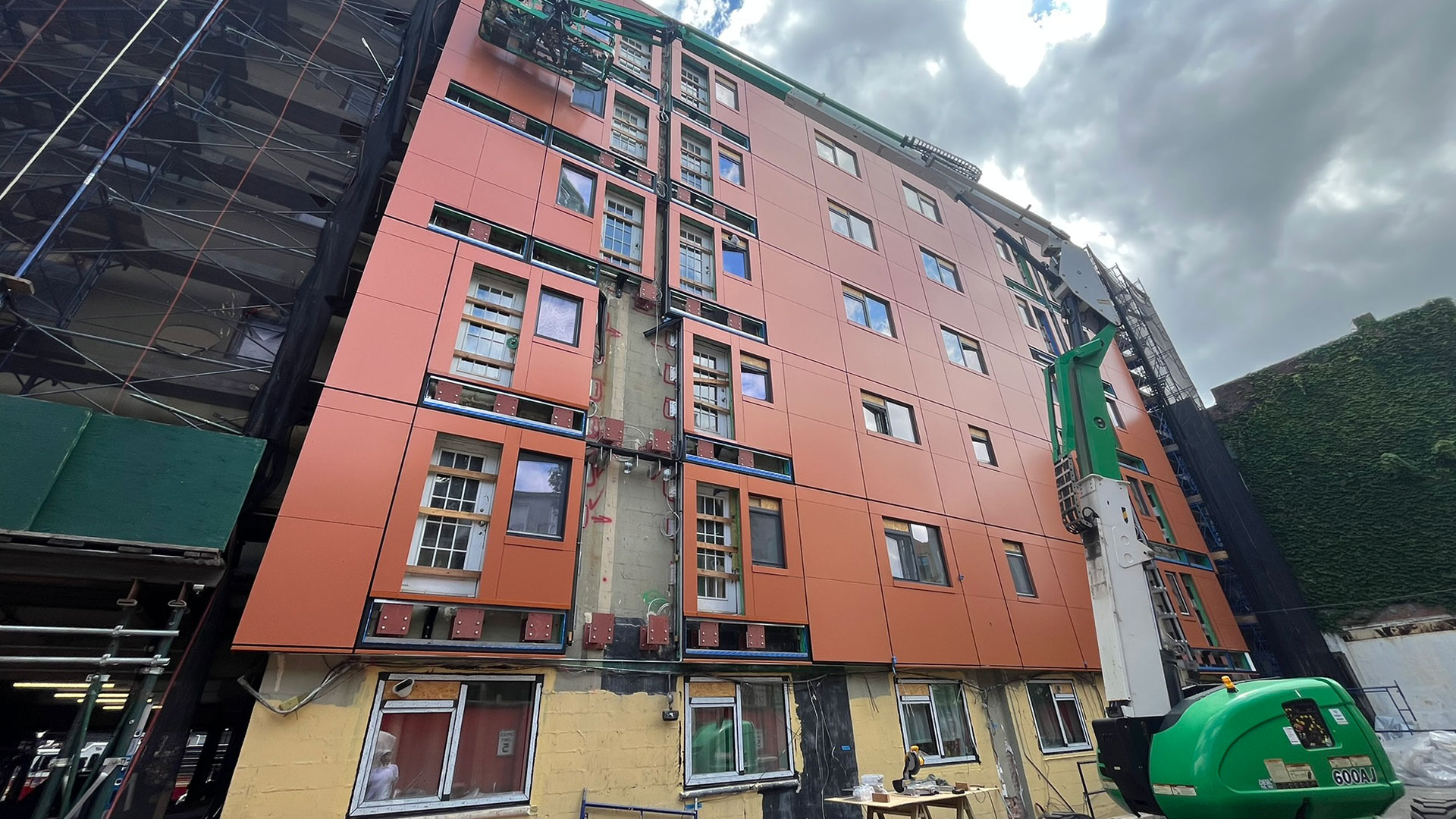
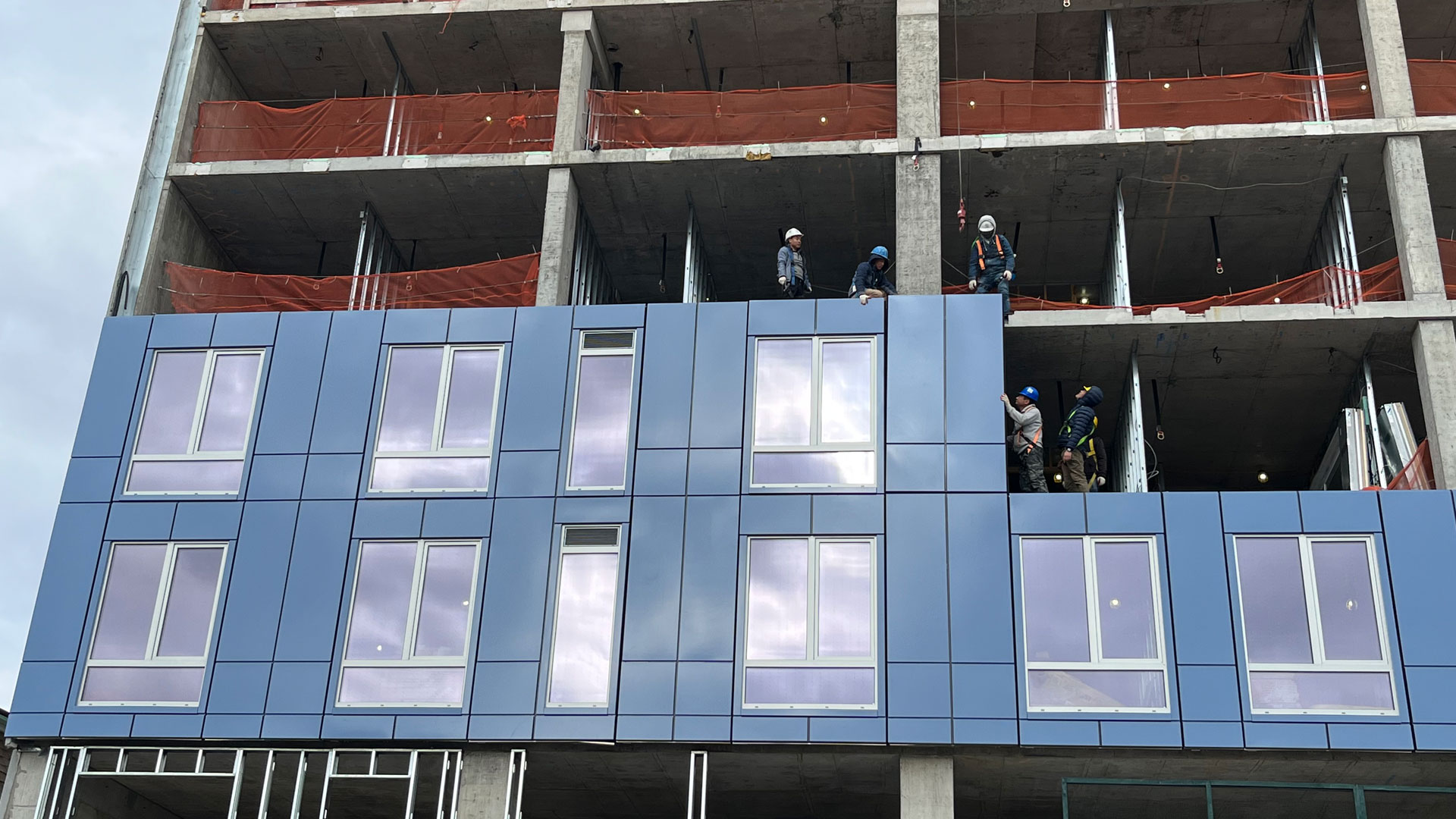
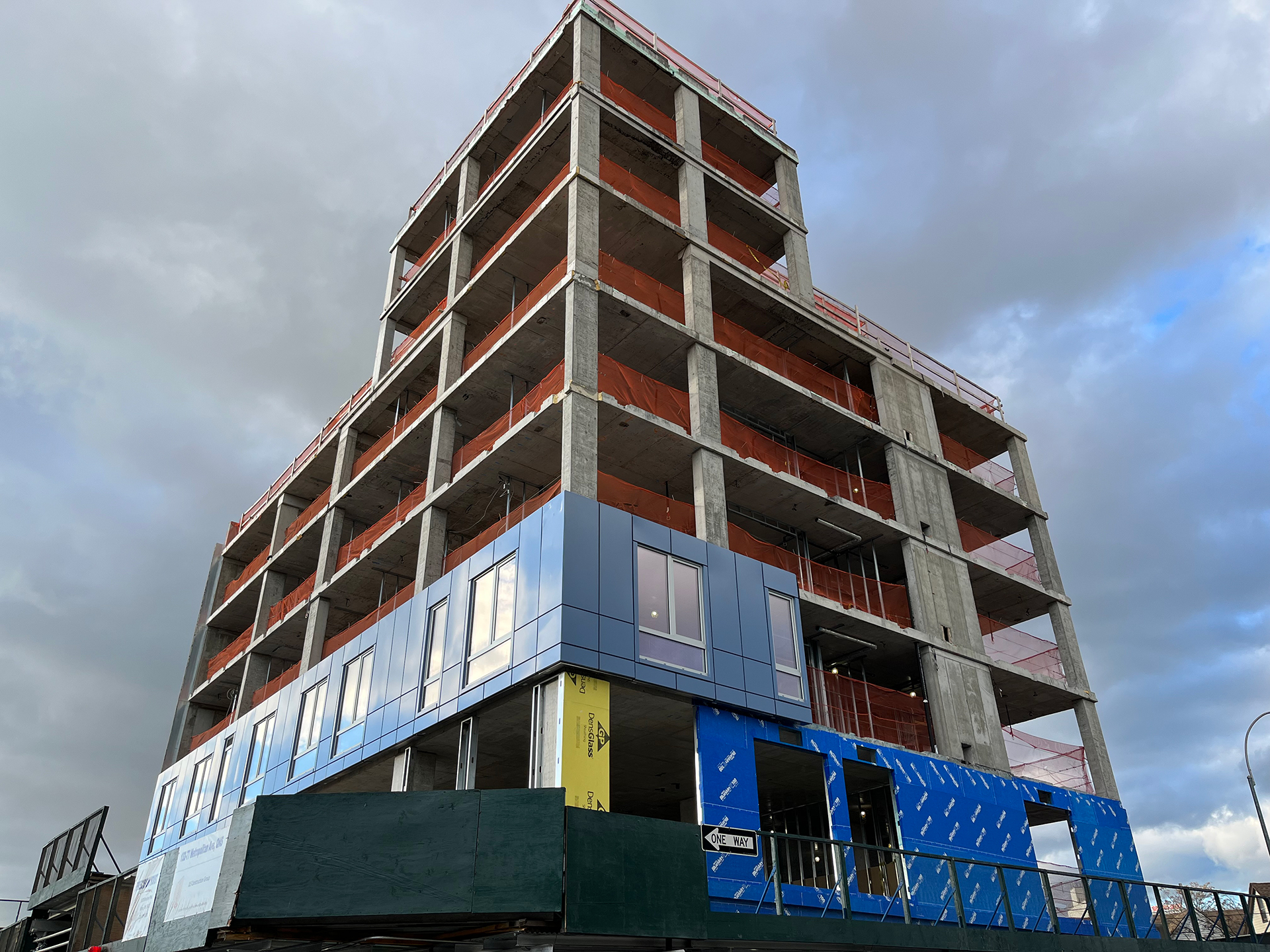
Dextall panels are planned around what LL11 actually demands: fix the documented facade conditions on a deadline—without letting access and logistics turn into a long-term shed situation. Instead of dragging work out through scattered spot repairs, the scope is packaged into prefabricated wall sections built off-site and installed in controlled phases on the elevations tied to the report.
Because more complexity moves off the sidewalk and into the factory, the on-site work becomes more repeatable. The project can run elevation-by-elevation (or stack-by-stack), keep entrances and egress paths usable, and limit the loud/dusty moments to short, communicated windows.
Where owners typically see the impact:
- Time: fewer overlapping trades and fewer weather-sensitive steps help keep the sequence moving.
- Site impact: tighter staging and clearer daily targets reduce chaos at the sidewalk line.
- Resident experience: most work stays exterior, with disruption managed in predictable bursts rather than constant interruption.
Planning Panelized LL11 Upgrades with Dextall: Phasing, Costs and Long-Term Value
A panelized LL11 upgrade succeeds or fails in planning. The point is to turn the inspection pressure into a controlled scope: what gets replaced, in what sequence, with what access—while the building stays occupied. With Dextall, that usually means a repeatable install plan, predictable logistics, and fewer "surprises" that stretch sheds and budgets.
Translating LL11 Facade Findings into Dextall Panel Design and Phasing
The QEWI findings should drive the panel boundaries and the order of work. Instead of chasing isolated repairs, the plan targets the elevations and details that keep generating risk and recurring fixes.
- Start with the drivers: prioritize the zones most likely to trigger sheds and repeat violations.
- Set clean panel runs: define replacement extents that crews can install efficiently.
- Phase for operations: elevation-by-elevation or stack-by-stack so entrances and egress stay usable.
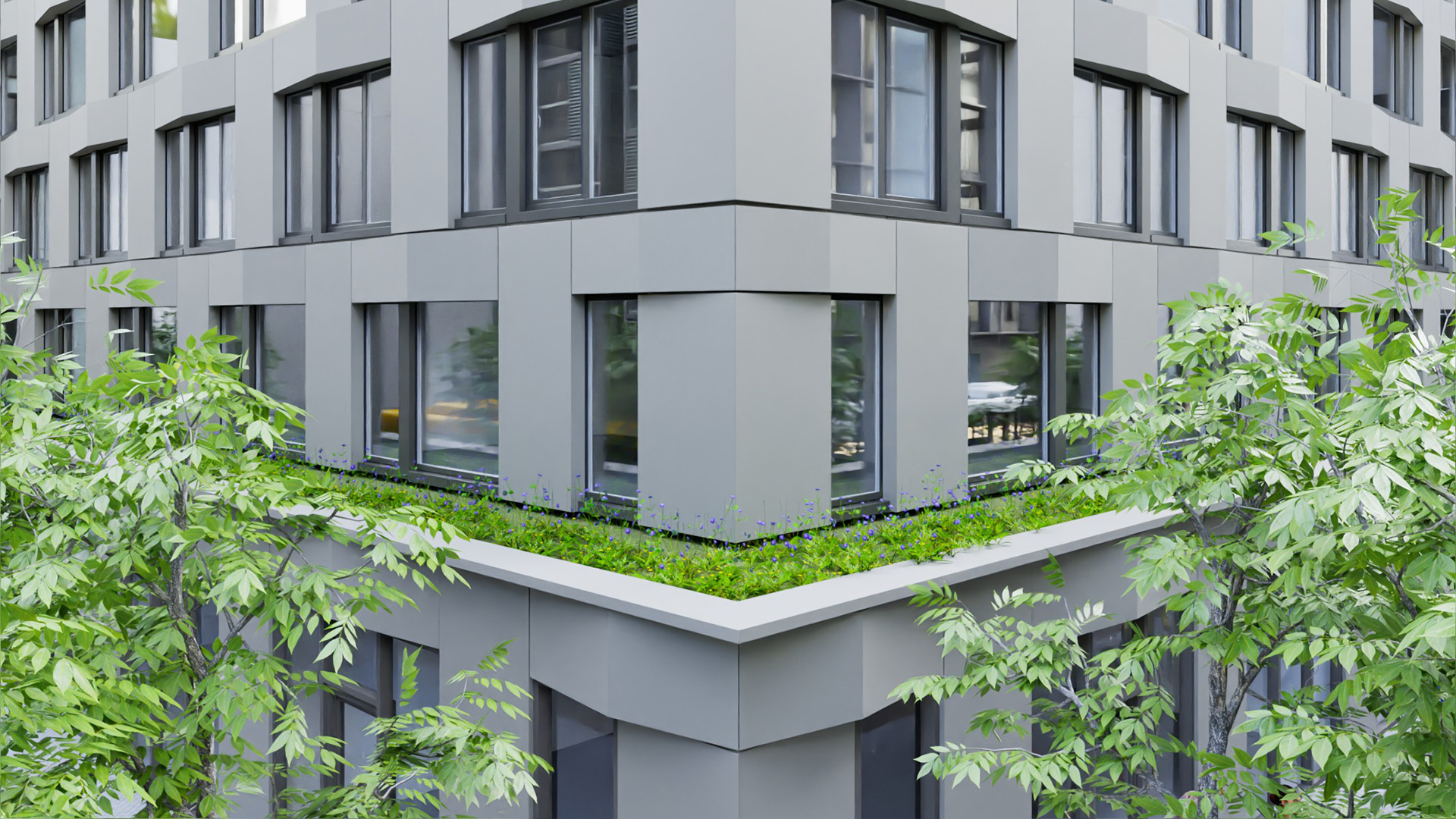
- Solve transitions early: corners, openings, tie-ins, and tolerances should be resolved before field work starts.
Cost, Schedule and Life-Cycle Benefits of LL11 Compliance Panels
Panels often win because LL11 costs aren't just "materials and labor"—they're access duration, remobilizations, and schedule risk.
- More predictable cost: clearer scope reduces change orders.
- Faster execution: fewer on-site steps and trades can shorten the exterior work window.
- Less repeat work: replacing chronic failure zones reduces the chance of paying again next cycle.
- Long-term value: better enclosure continuity supports durability, comfort, and asset performance.
FAQ: The Questions NYC Owners Ask Before Committing to a Panelized LL11 Upgrade
Will panels actually help us get the sidewalk shed down faster?
Often yes—because the work is organized into repeatable installation phases with fewer on-site steps, which can shorten the time heavy access stays in place compared to drawn-out spot repairs.
How do we decide what areas become "panel scope" from the LL11 report?
Focus on recurring failure zones and elevations driving the highest risk and ongoing repairs, then set clean, buildable panel runs instead of scattered patches.
Can this be done while residents stay in the building?
Yes. The plan is typically designed to keep most work exterior, maintain entrances/egress, and manage noise/dust in short, communicated work windows.
What usually drives cost the most on LL11 work—materials or access/time?
In many NYC projects, access duration and schedule uncertainty are the real cost multipliers. Panelization helps by tightening scope and reducing on-site complexity.
Why choose panels instead of "just repairing" again this cycle?
If the same conditions keep coming back, panels shift the strategy from recurring maintenance to a one-time exterior upgrade—aimed at durability, predictability, and fewer repeat headaches in future cycles.











.jpeg)
-Compliance-for-NYC-Multifamily-%26-Co-Op-Facades.jpg)










_format(webp).avif)
_format(webp)%20(6).avif)
_format(webp)%20(5).avif)
_format(webp)%20(4).avif)
_format(webp)%20(2).avif)
_format(webp)%20(3).avif)


.avif)
_format(webp)%20(2).avif)