NJPAC Jobsite Walk: Unitized Facade Delivery for Mixed-Income High-Rise Housing
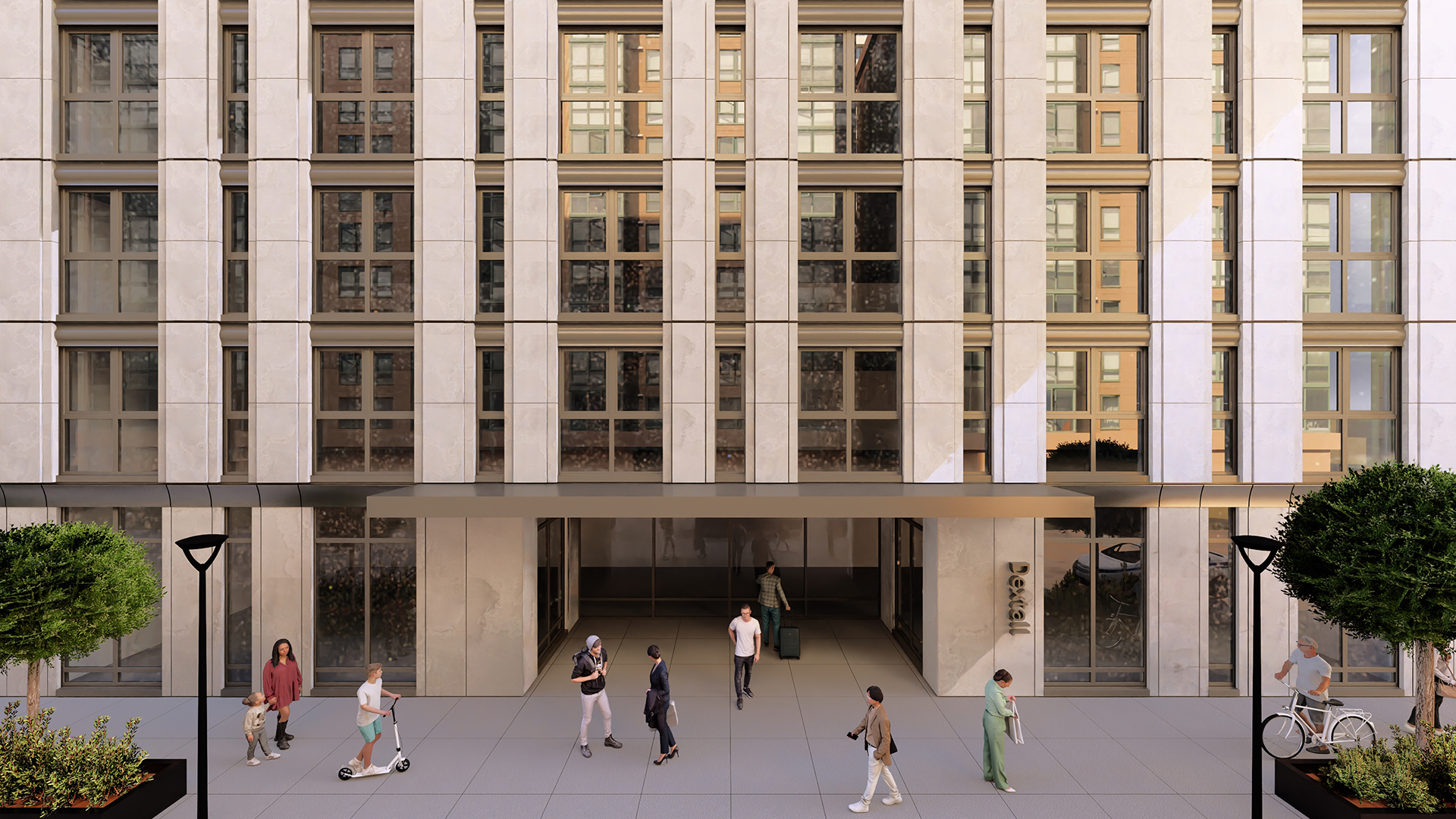
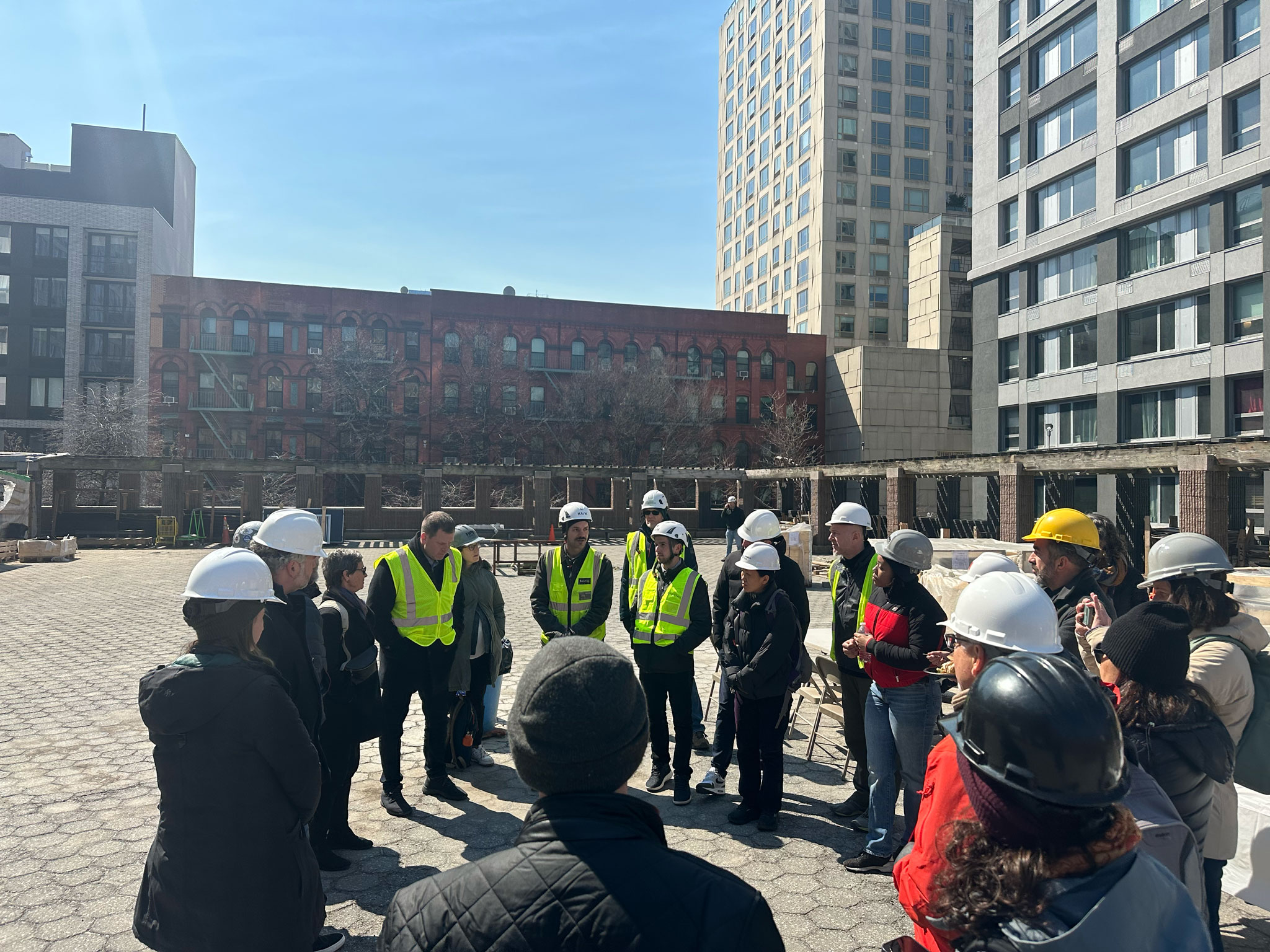
At NJPAC in downtown Newark, a new high-rise residential tower is taking shape just outside the New Jersey Performing Arts Center—delivering 350 mixed-income housing units to the city. Like many urban projects, the schedule is real, the site is constrained, and the pressure to move from structure to enclosure—fast—is constant.
That's exactly where a unitized panel system can change the equation.
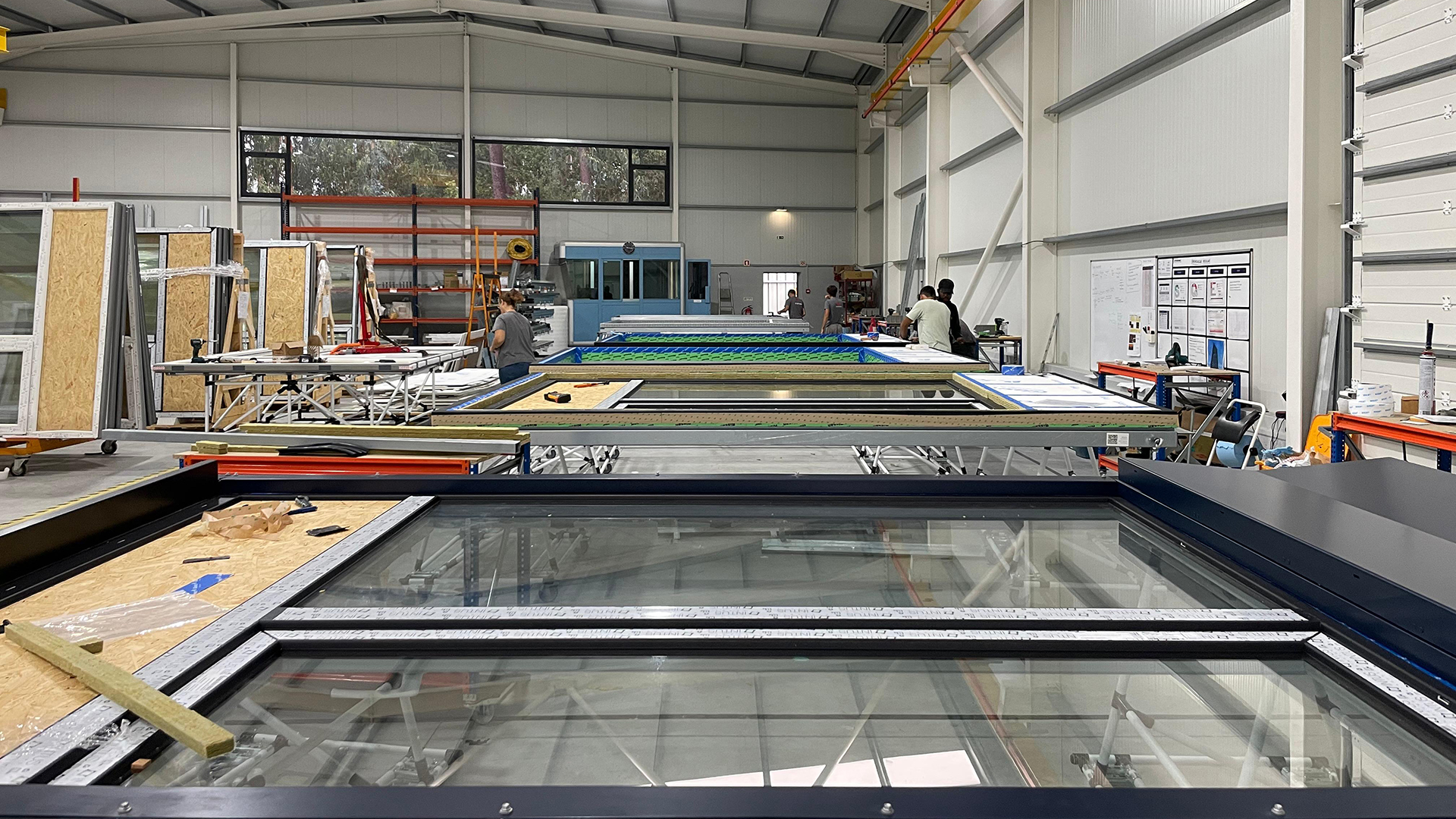
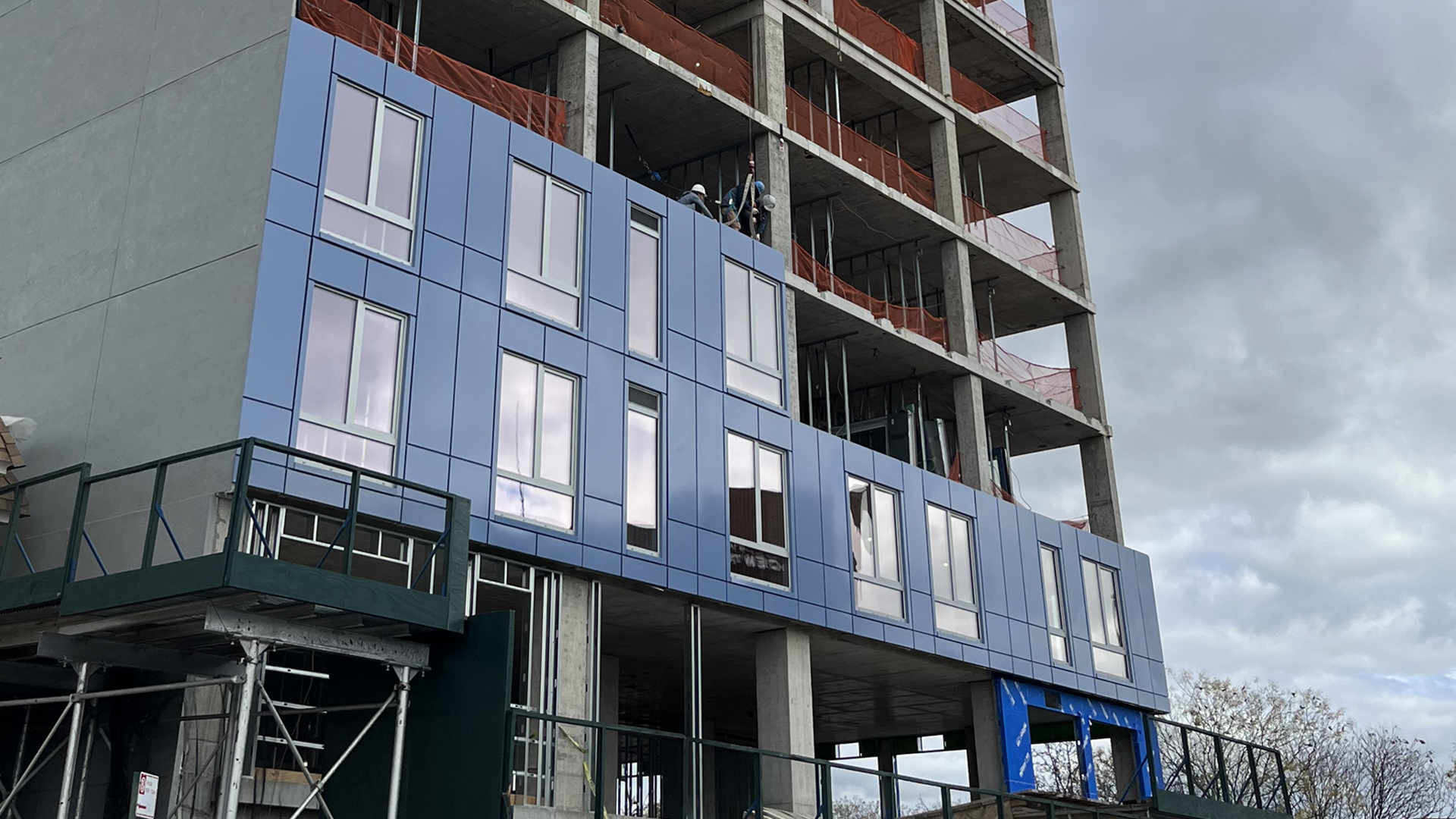
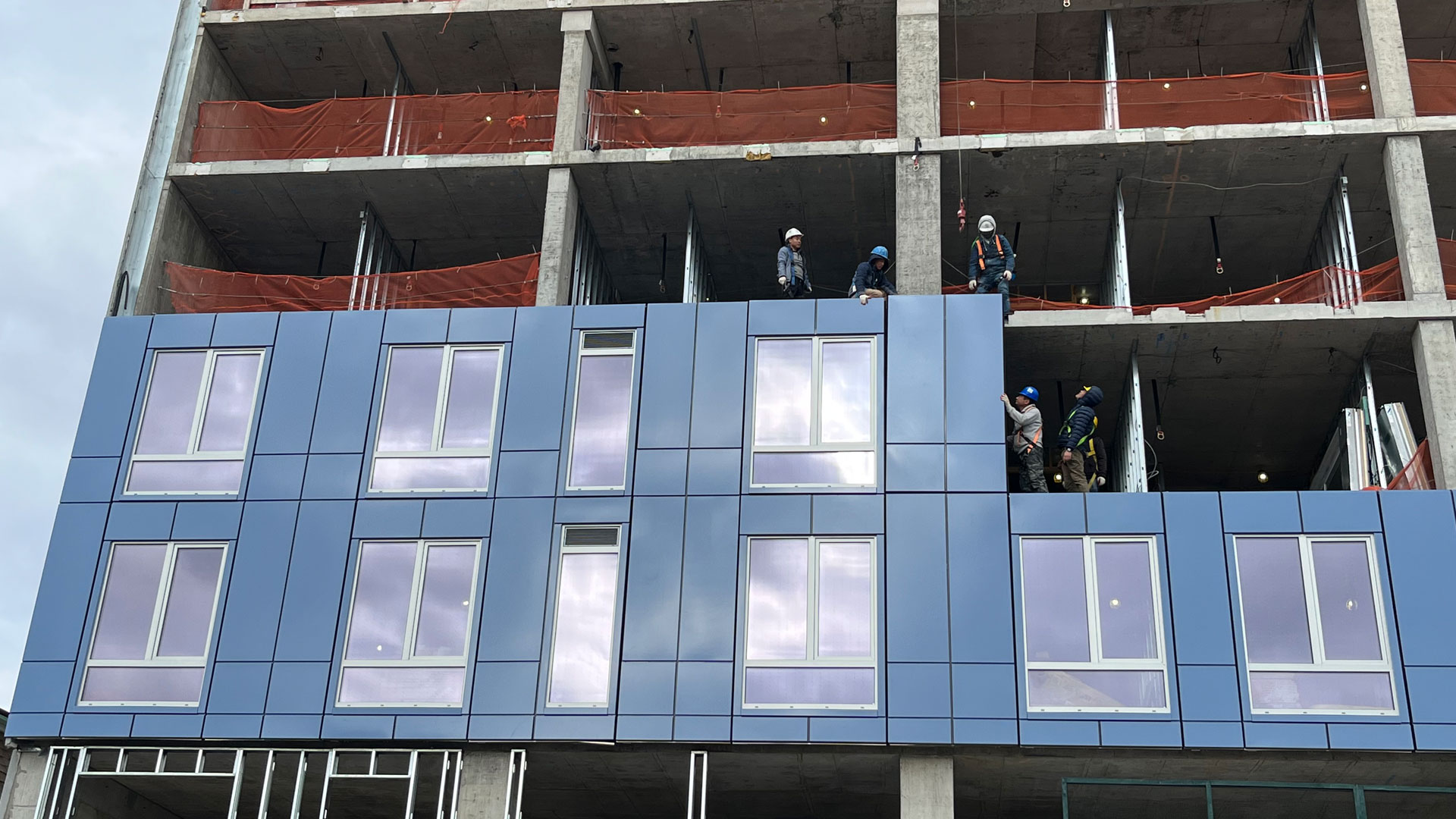
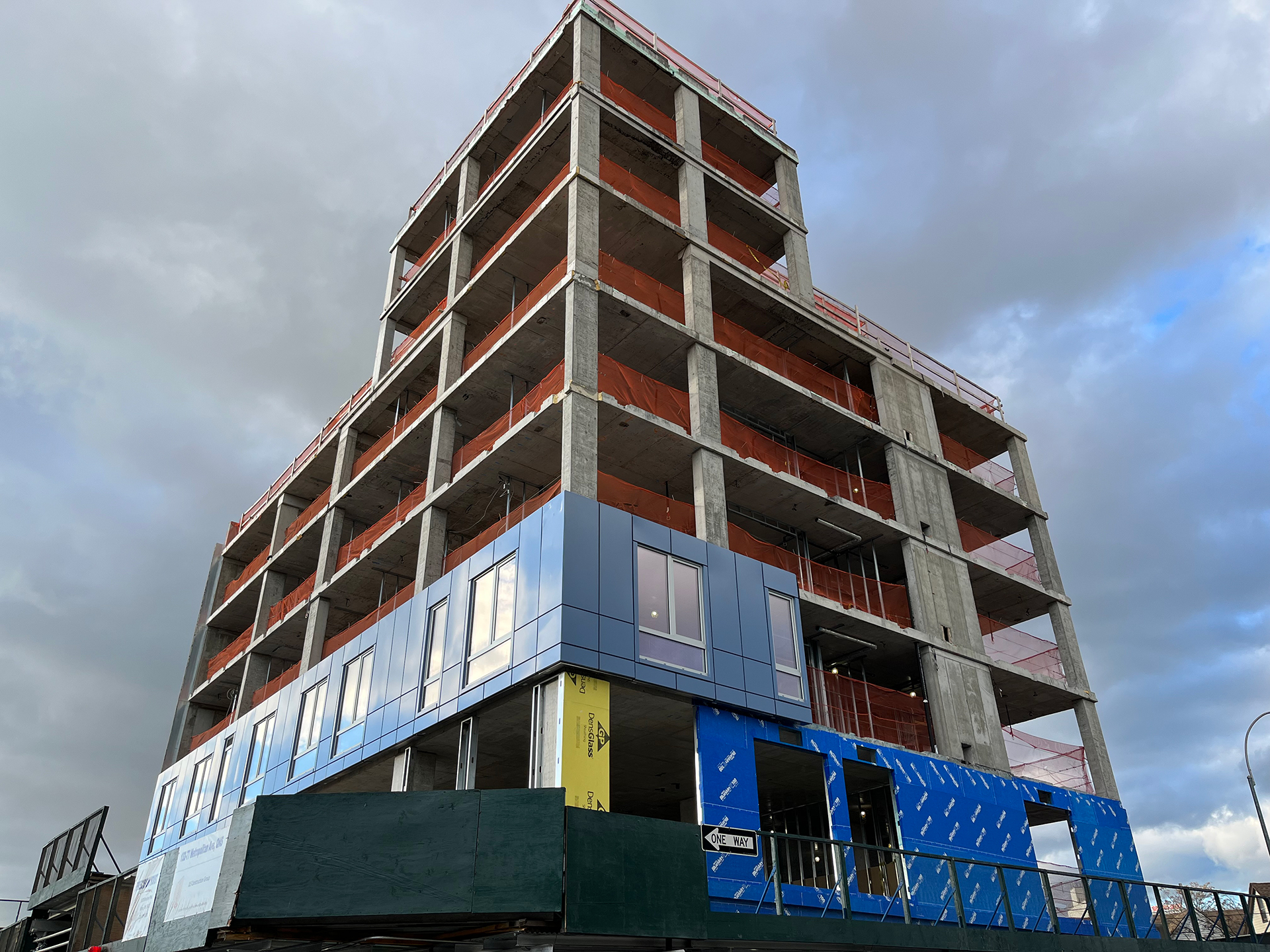
In our first jobsite video, Dexter walks the NJPAC site to show how Dextall's unitized wall system is supporting a more efficient enclosure strategy: panels are fabricated off-site in a controlled environment, delivered ready to install, and set unit-by-unit from the interior using a spider crane.
A panelized approach built for speed and consistency
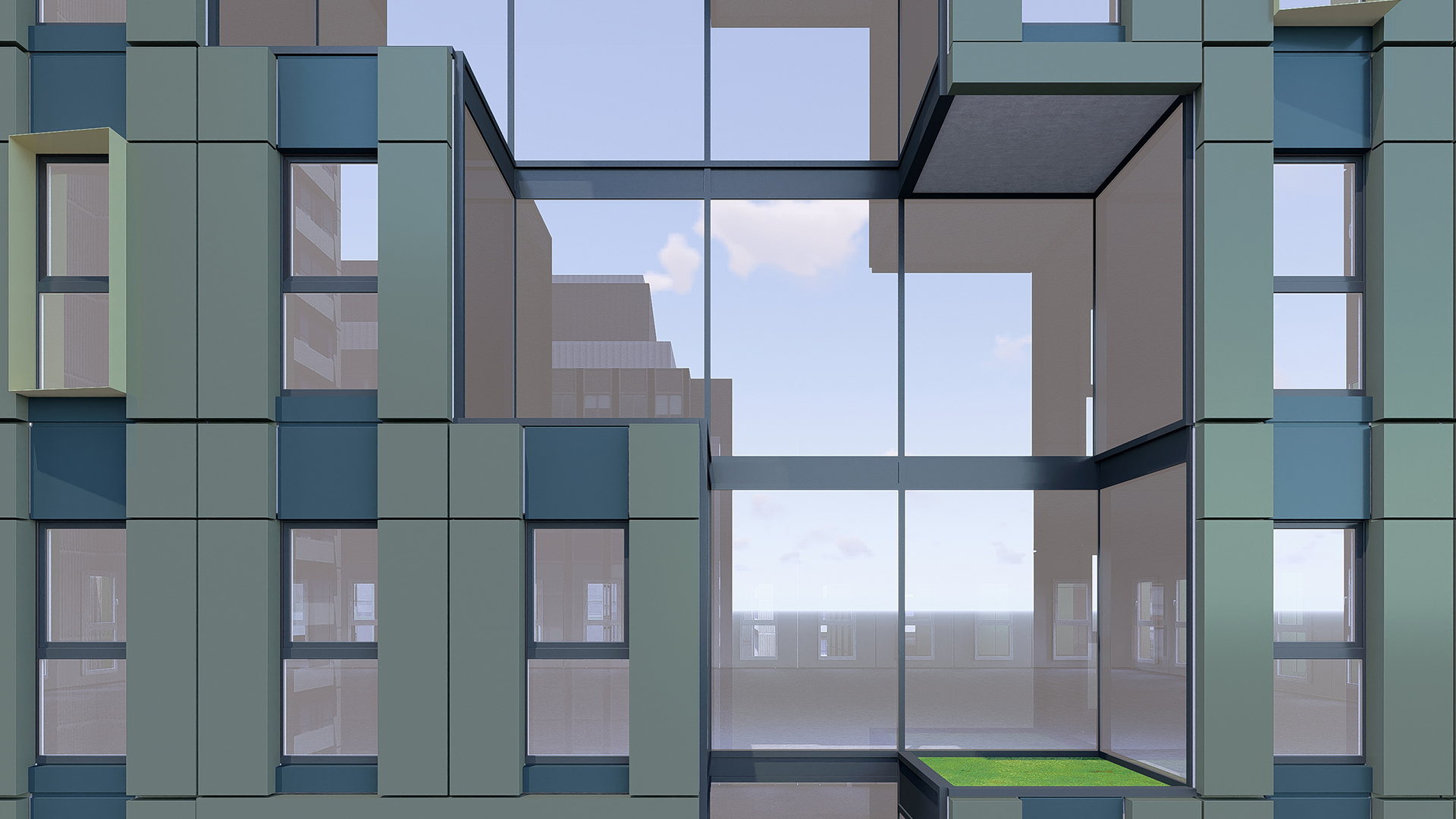
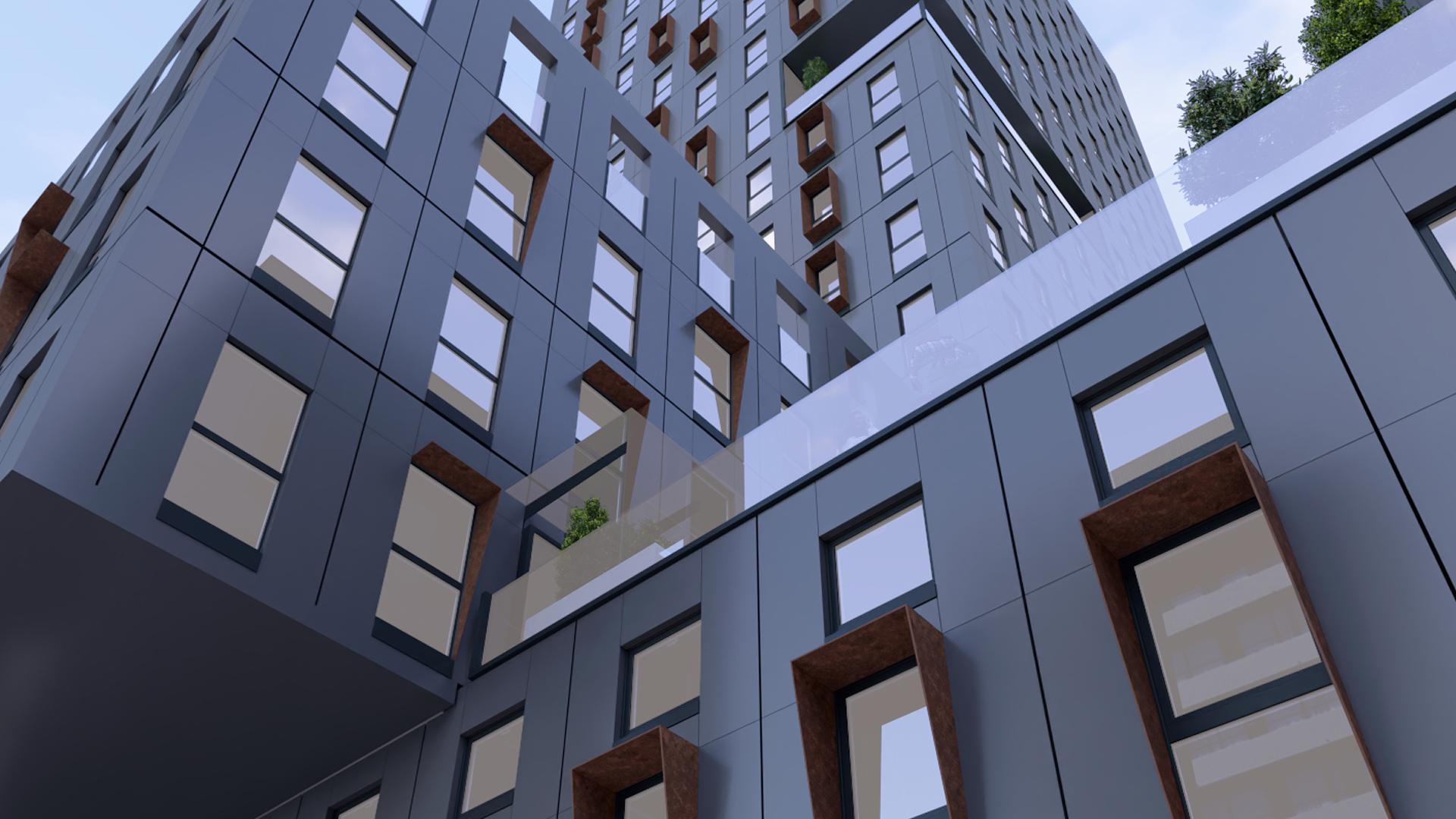
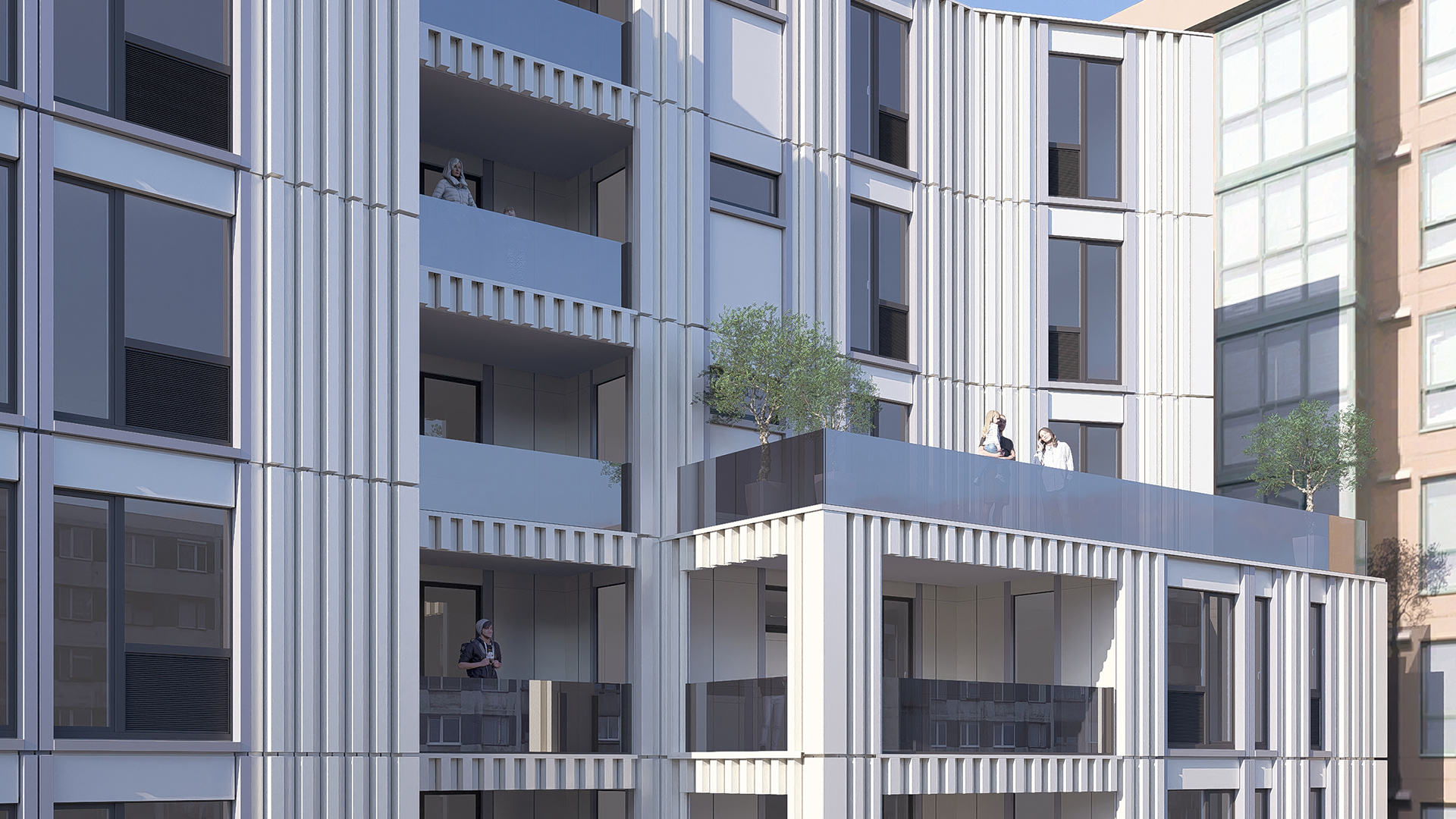
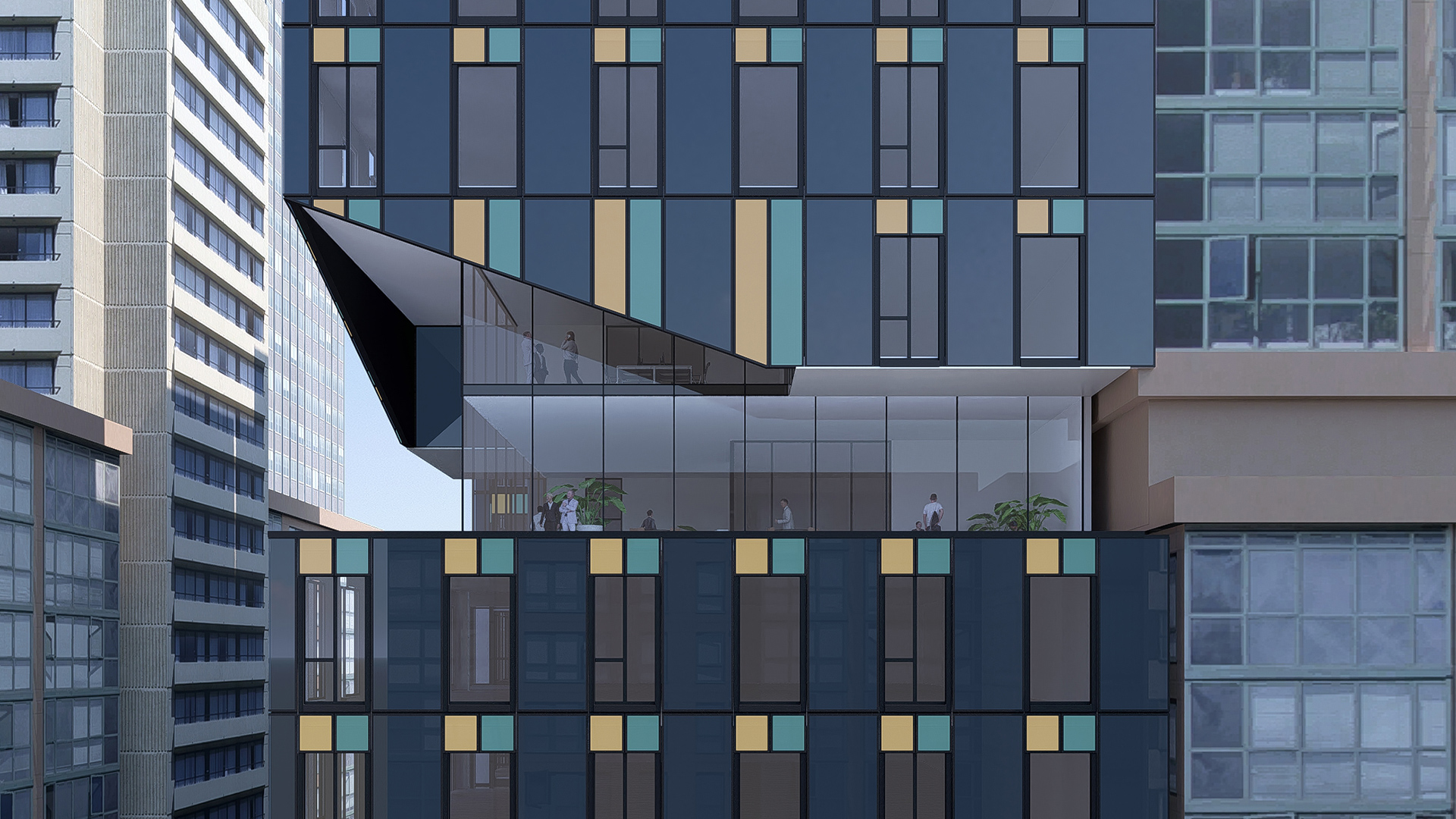
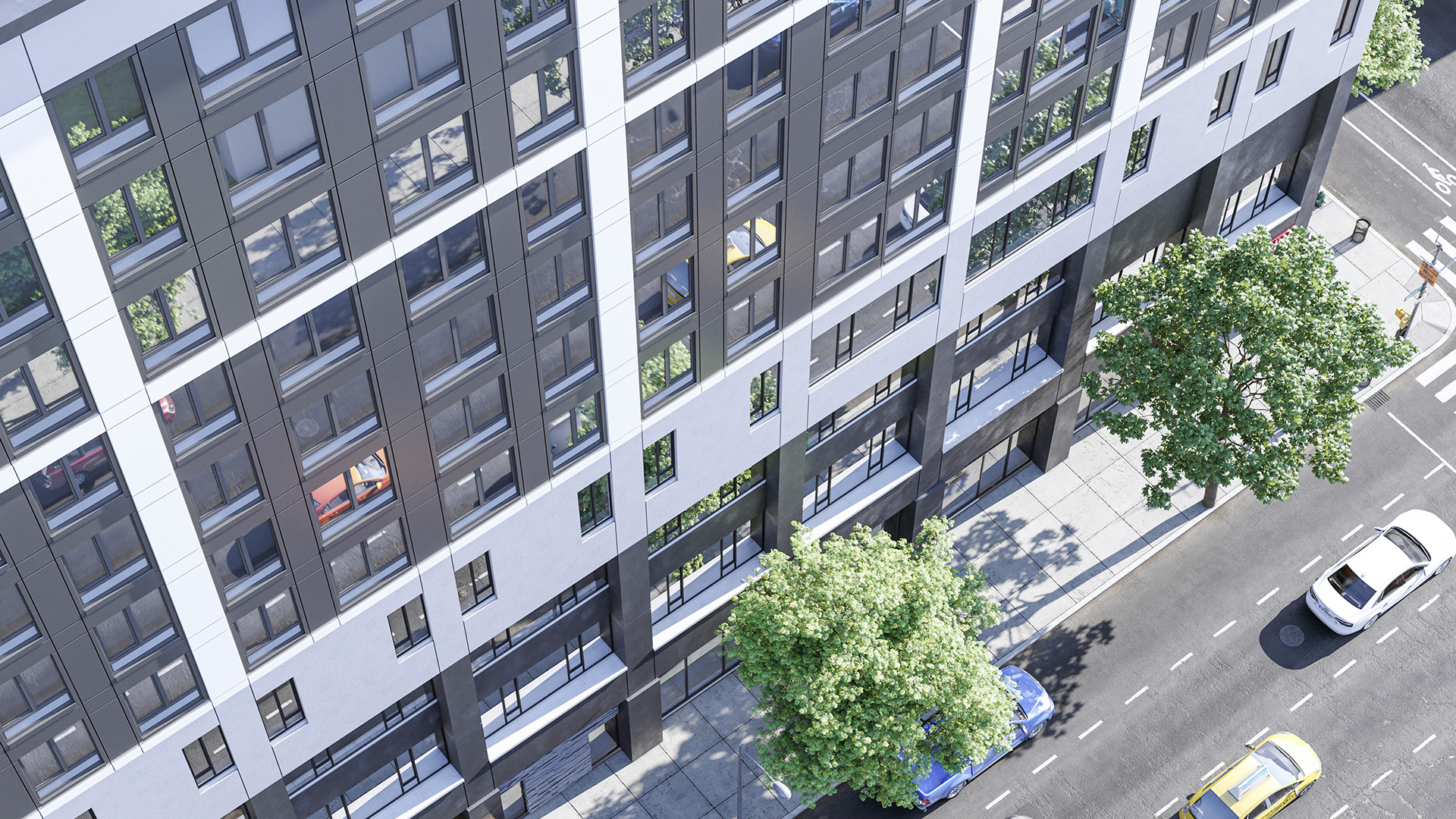
Each Dextall panel for NJPAC is fabricated off site in a controlled environment, arriving to the job complete with:
- Insulation
- High-performance uPVC windows
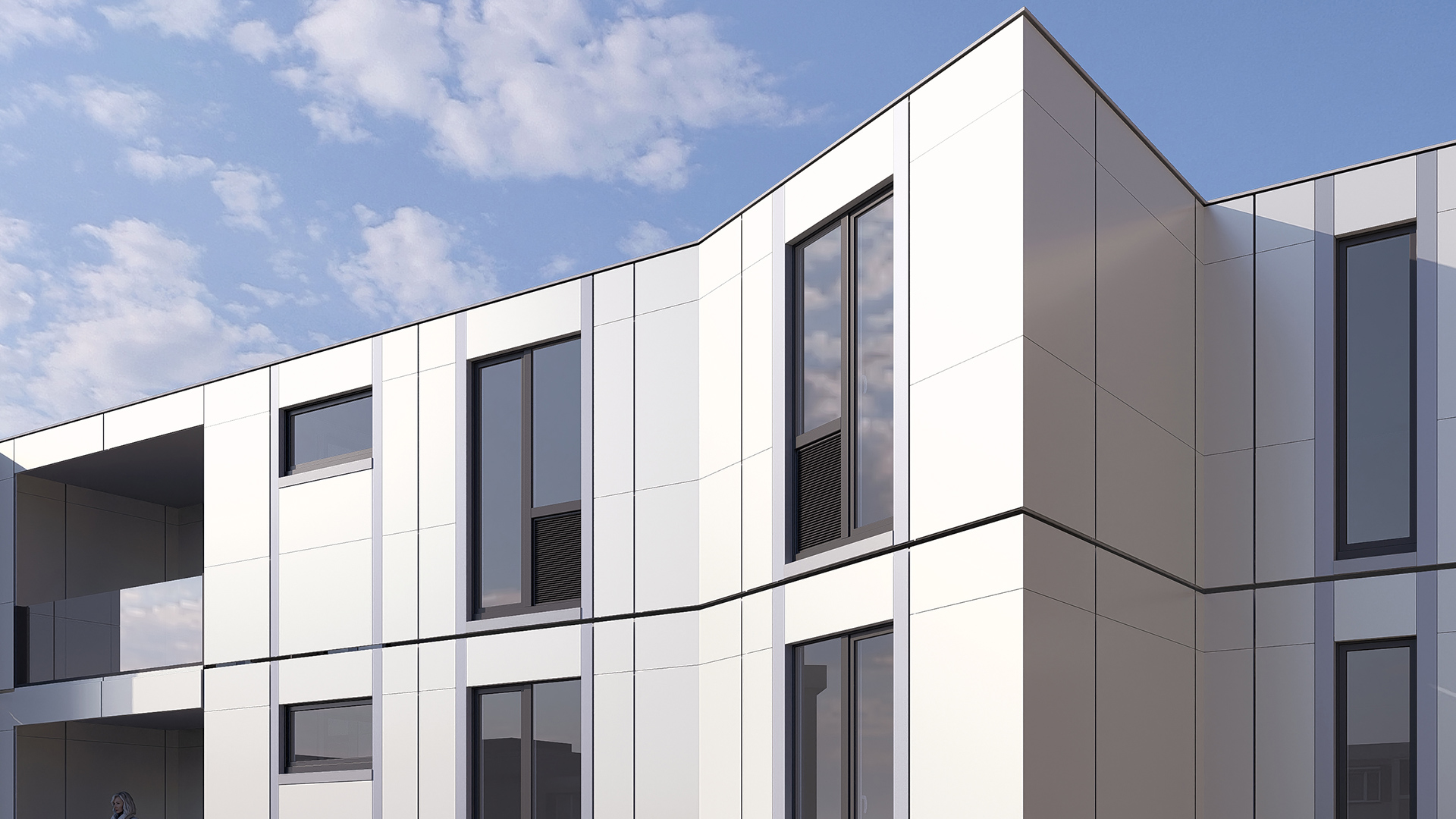
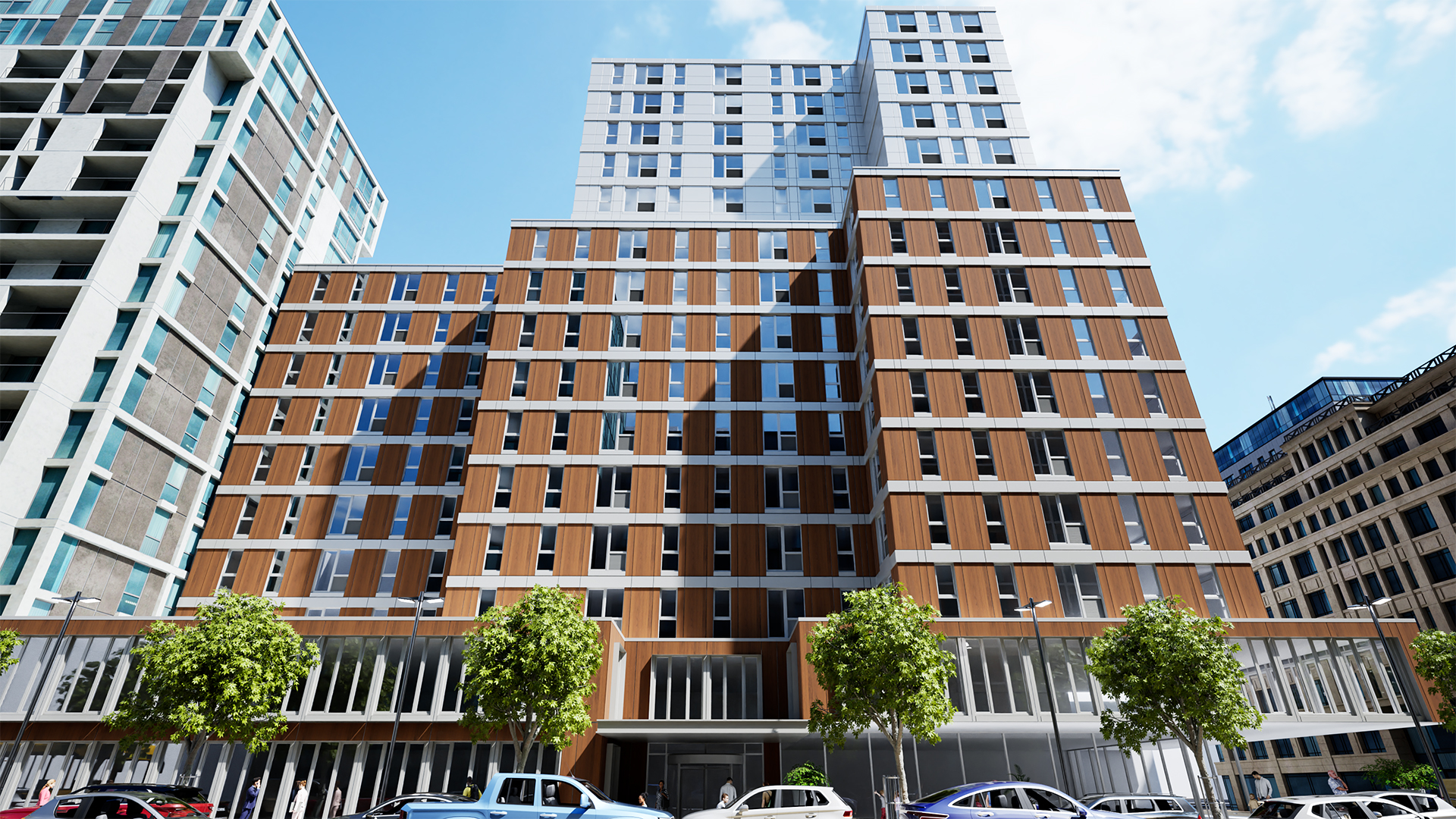
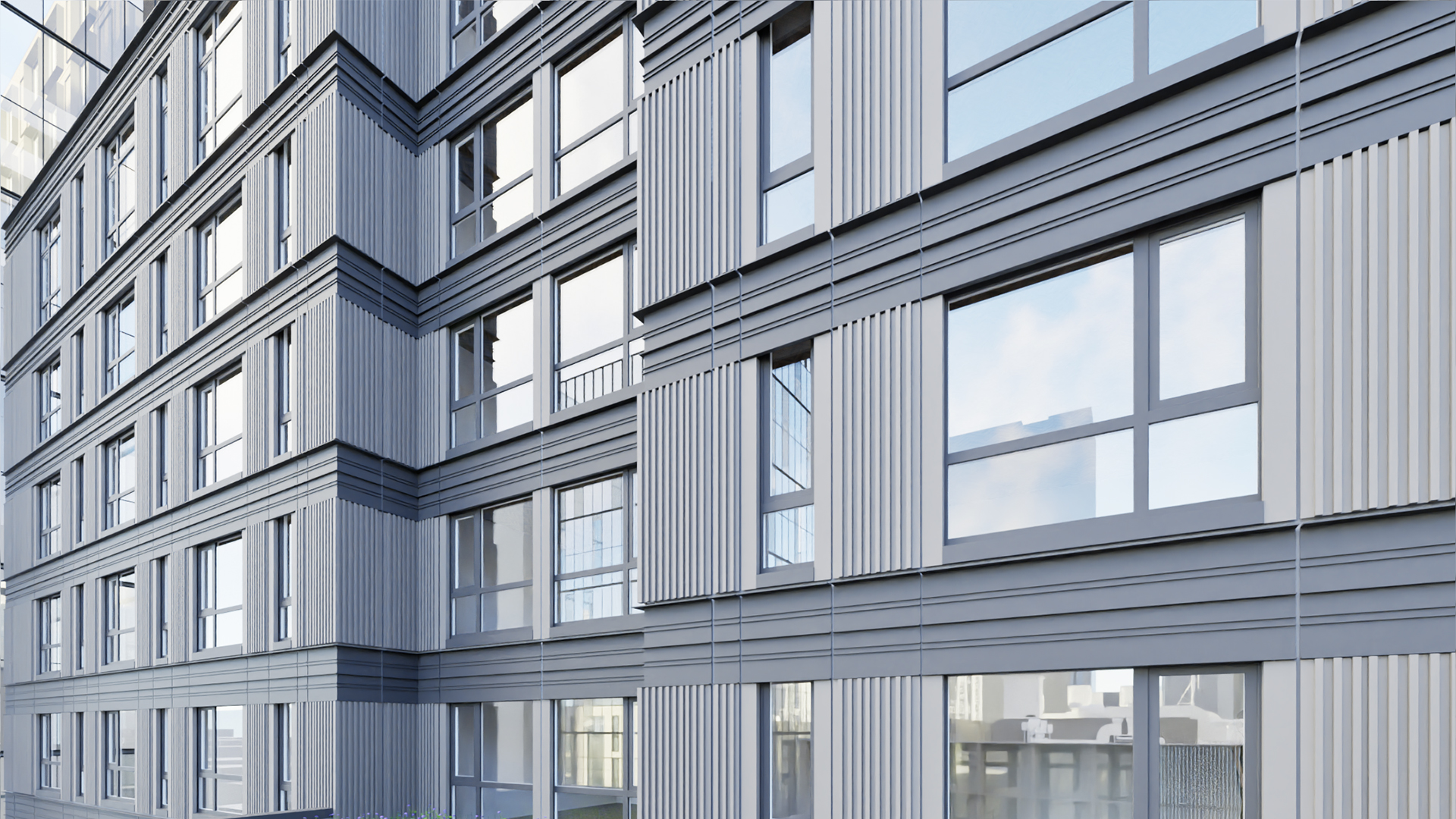
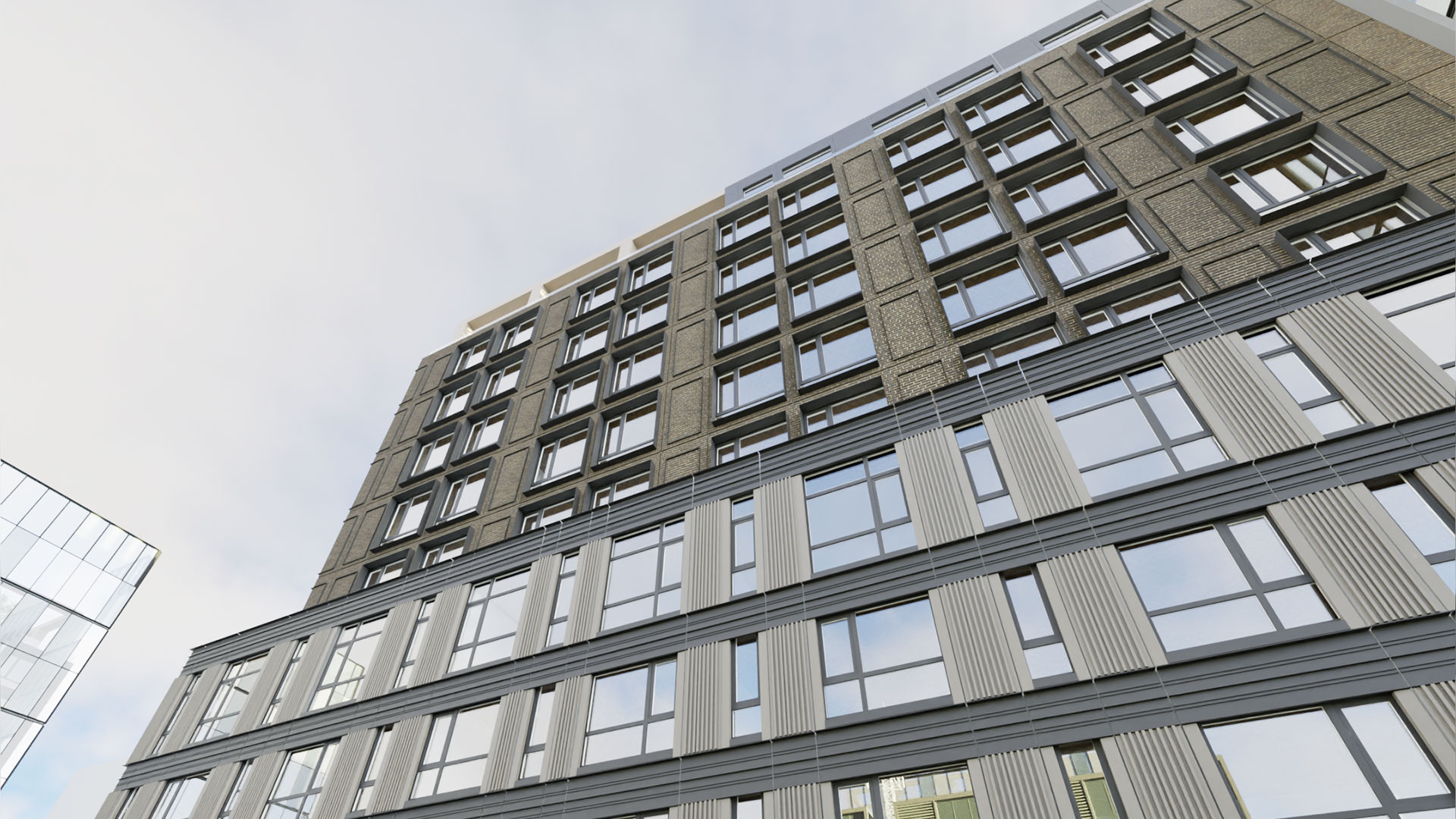
- V-bent aluminum cladding
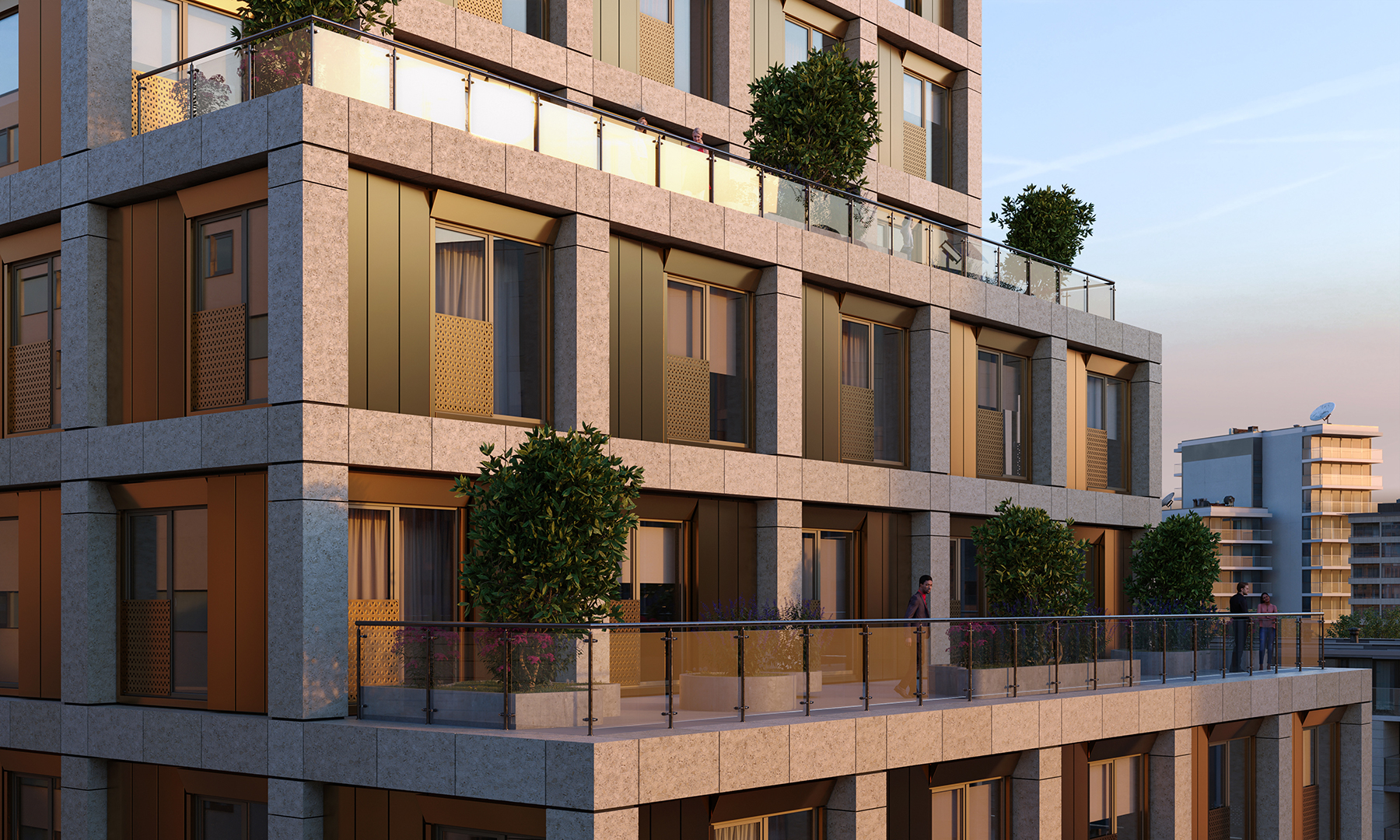
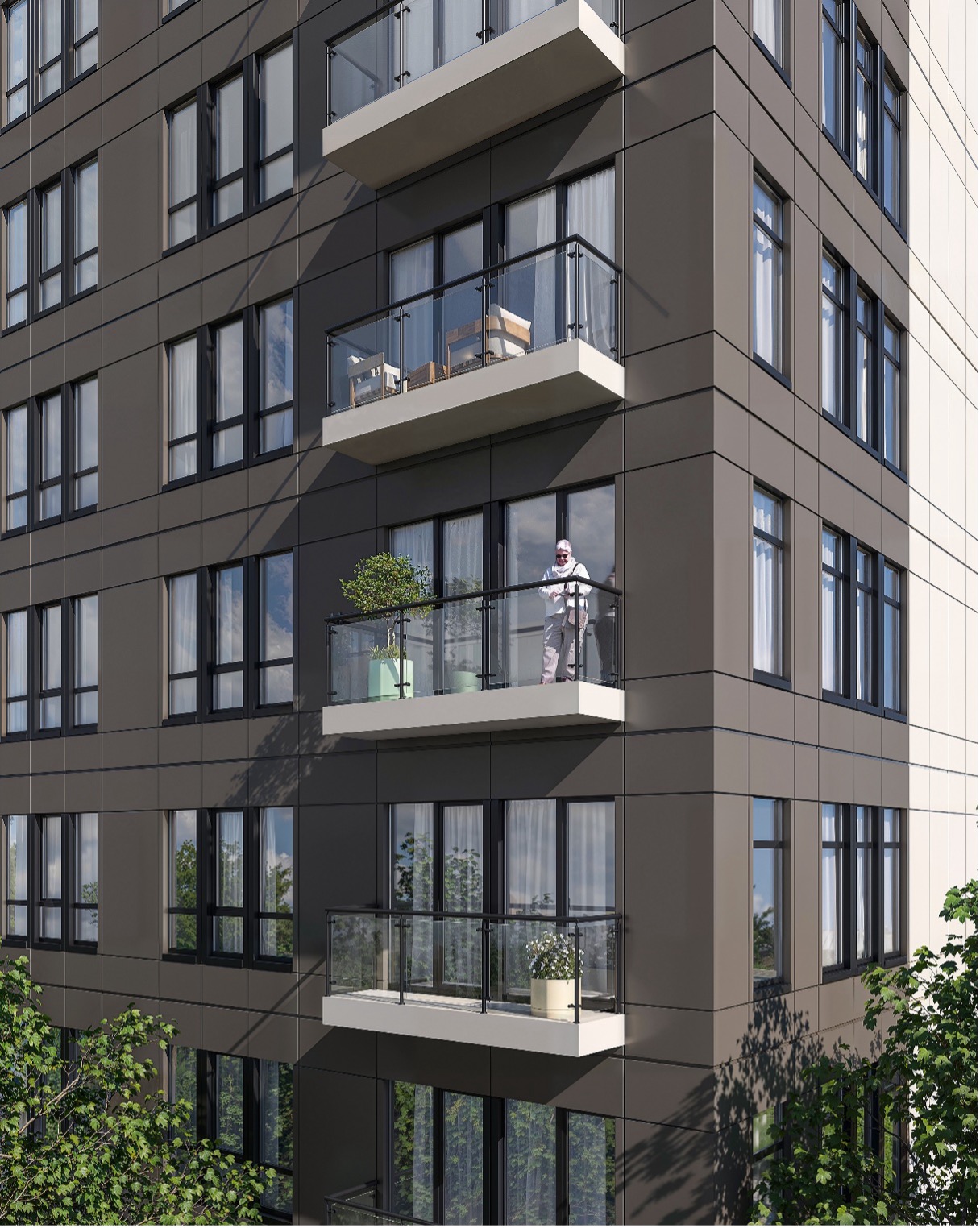
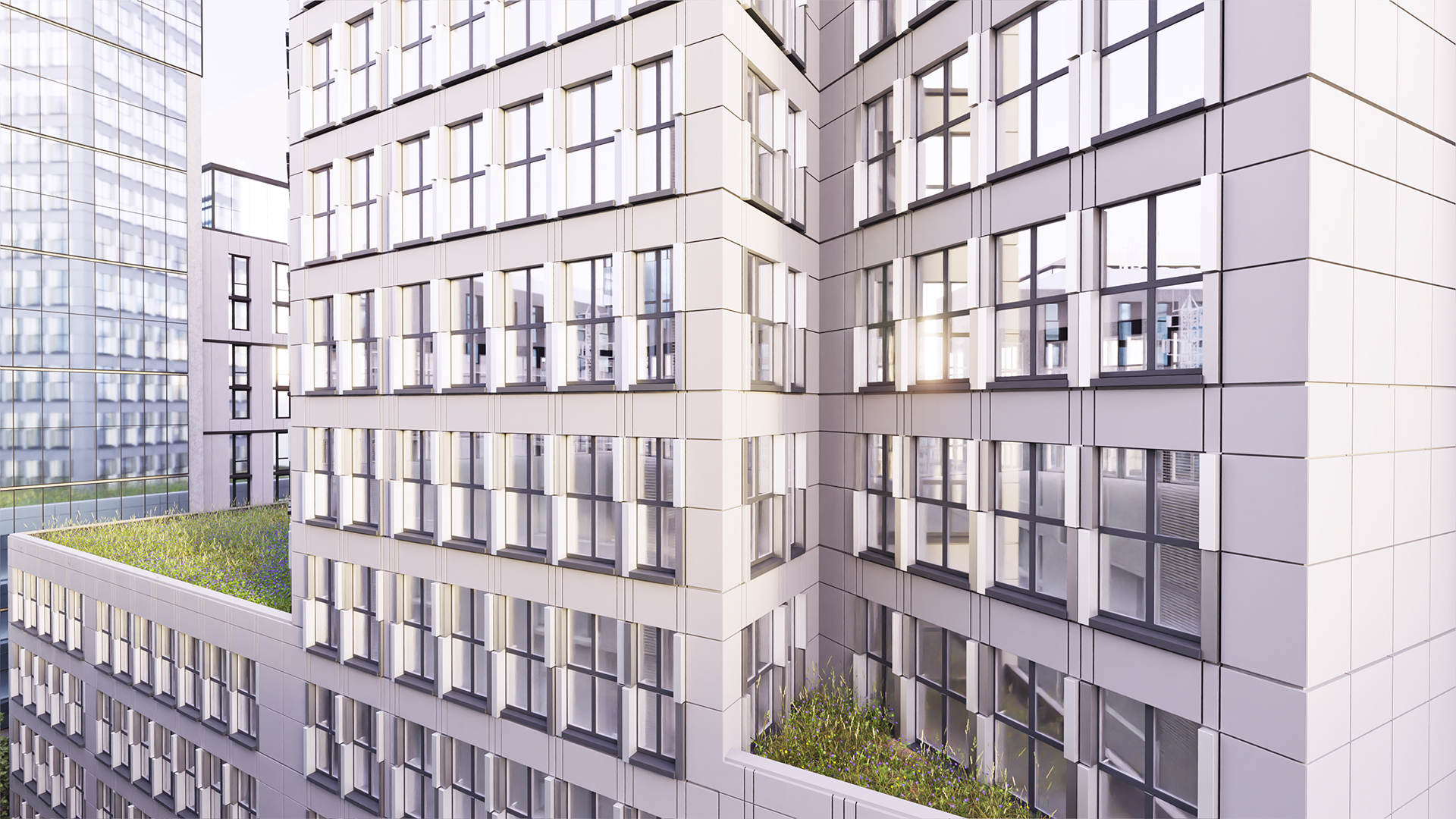
That last element—V-bent aluminum cladding—is a subtle but powerful design move. By helping conceal panel joints, it improves the facade's visual continuity, supporting a cleaner exterior expression while maintaining the benefits of a unitized cladding system.
Installation that reduces site constraints
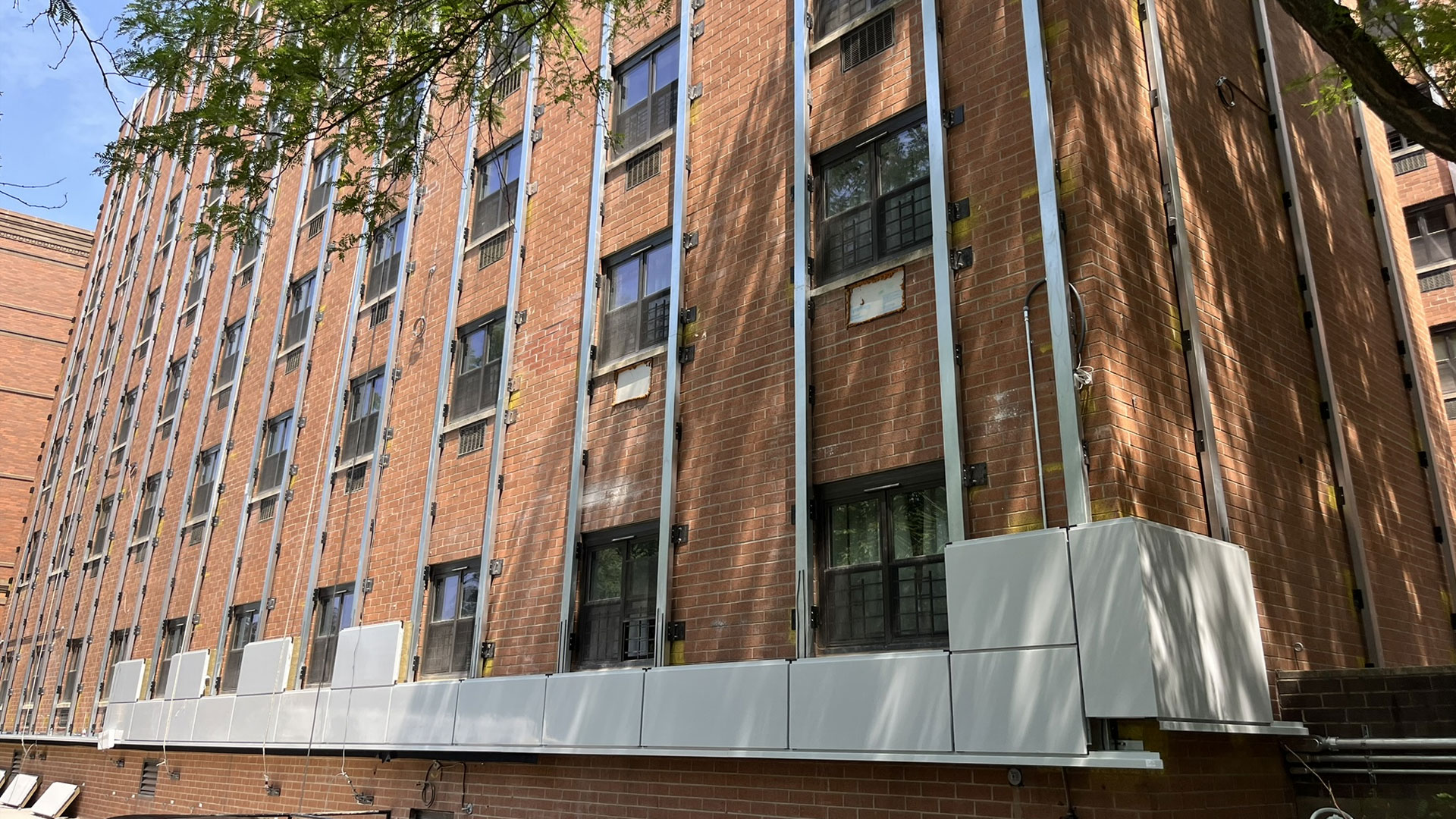
Once delivered, unitized panels are installed from the interior using a spider crane. The practical impact on site is significant:
- No tower cranes required for facade installation
- No exterior scaffolding needed for panel setting
- Panels are placed efficiently, unit by unit, supporting a steady enclosure cadence
For many urban projects, minimizing reliance on major exterior equipment and access strategies isn't just a convenience—it can be the difference between a manageable site plan and one that constantly fights the building, the street, and the schedule.
Why it matters: earlier interiors, fewer headaches
A faster enclosure sequence creates downstream benefits that owners, general contractors, and trade partners feel immediately. When the building skin goes in sooner, the project gains momentum:
- Interior trades can start earlier
- Schedules compress, reducing time-related costs
- Less labor and debris accumulates on site
- Fewer site constraints support a more predictable path from enclosure to occupancy
In short: a more efficient enclosure approach doesn't only improve the facade scope—it improves the overall project flow.
Watch the NJPAC jobsite video

If you want to see what this looks like in the field—from panel details to the interior-set installation approach—watch the full NJPAC jobsite walk:
Want to explore a similar approach for your project?
If you're evaluating enclosure strategies for a high-rise or a constrained urban site, we'd love to compare notes. Get in touch to discuss how a unitized facade approach could work for your project.













.jpeg)

-Compliance-for-NYC-Multifamily-%26-Co-Op-Facades.jpg)
















_format(webp).avif)
_format(webp)%20(6).avif)
_format(webp)%20(5).avif)
_format(webp)%20(4).avif)
_format(webp)%20(2).avif)
_format(webp)%20(3).avif)


.avif)
_format(webp)%20(2).avif)