Via Verde Bronx: How Dattner and Grimshaw Built a High-Performance Prefabricated Facade for 222 Affordable Units
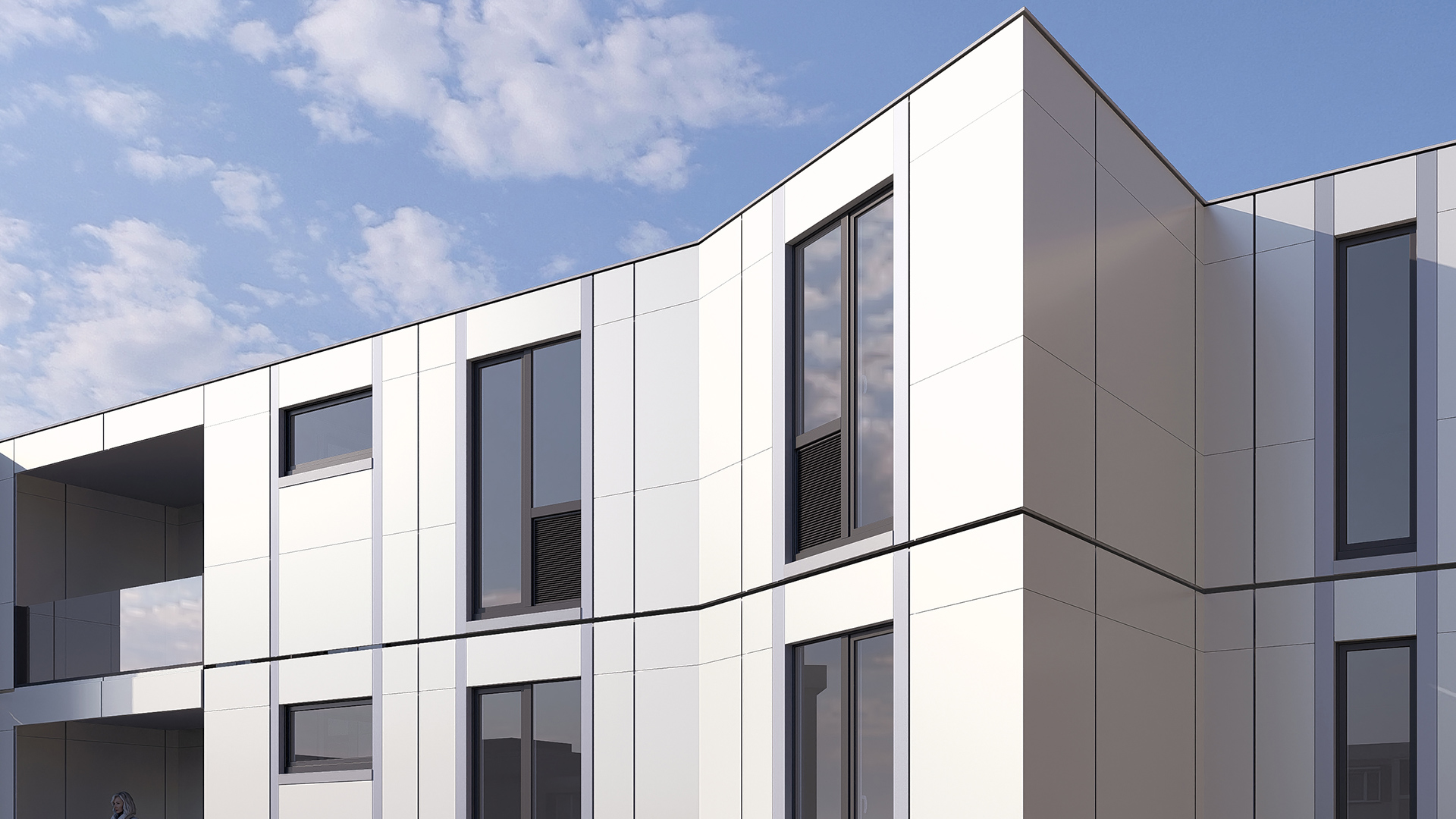
High-performance building envelopes are often discussed in the context of flagship office towers and luxury residential projects. Via Verde — The Green Way — is a 222-unit affordable mixed-income housing development in the South Bronx that achieves LEED Gold and 30% energy savings over ASHRAE 90.1-2004 baseline on a budget that required cost discipline at every decision. The project, completed in 2012 at 700 Brook Avenue in the Melrose neighborhood of the Bronx, was designed by Dattner Architects (architect of record) and Grimshaw Architects (design consultant) for co-developers Jonathan Rose Companies and Phipps Houses. It won through the New Housing New York Legacy Project competition organized by NYC's Department of Housing Preservation and Development and the AIA New York Chapter.
Via Verde's facade strategy — a prefabricated exterior wall panel rainscreen system with R-20 insulation, integrated solar arrays, and a spiral of green roofs ascending from townhouses to a 20-story tower — shows how a high-performance building envelope is achievable for affordable housing when the system is designed for cost efficiency from the start. For developers and architects working on multifamily projects in New York City under Local Law 97 and Local Law 11, Via Verde is a model for how envelope performance and construction discipline can coexist at below-market development budgets.
What Via Verde Is: Program, Typology, and Site
Via Verde occupies a brownfield site on Brook Avenue at East 156th Street in Melrose, a South Bronx neighborhood with some of the highest asthma rates in the United States and historically poor access to fresh food and green space. The development was designed explicitly to address both the housing need and the environmental conditions of the neighborhood.
The building mixes three typologies in a single connected complex: a 20-story cast-in-place concrete tower at the north end, a 6- to 13-story mid-rise section with duplex units in the center, and 2- to 4-story townhouses at the south end. Total program is approximately 290,000 to 294,000 square feet across 222 units — 151 affordable rental units and 71 co-op ownership units — plus 7,500 square feet of retail and community space. Total project cost was approximately $98 to $100 million, approximately 5% above comparable affordable housing construction due to the cast-in-place concrete tower and brownfield remediation requirements.
The spiral massing — each building type stepping up from the townhouses to the tower — was driven by a specific environmental logic: each roof level serves as a green terrace for the units above, with south-facing exposures optimized for solar access and the facade geometry allowing cross-ventilation through two-exposure window placement in each unit.
The Prefabricated Rainscreen Facade: Materials and Assembly
Via Verde's facade uses a prefabricated rainscreen system fabricated by Island International Exterior Fabricators of Calverton, New York. The exterior panel layer combines three primary materials: aluminum composite panels (Alcoa Reynobond ACM, approximately 60% of wall area), matte fiber cement board (Cem5), and warm-toned composite wood and phenolic wood components. The combination produces a facade that is low-maintenance, durable, and visually varied across the building's stepped elevations — without the cost of custom cladding or unitized curtain wall systems.
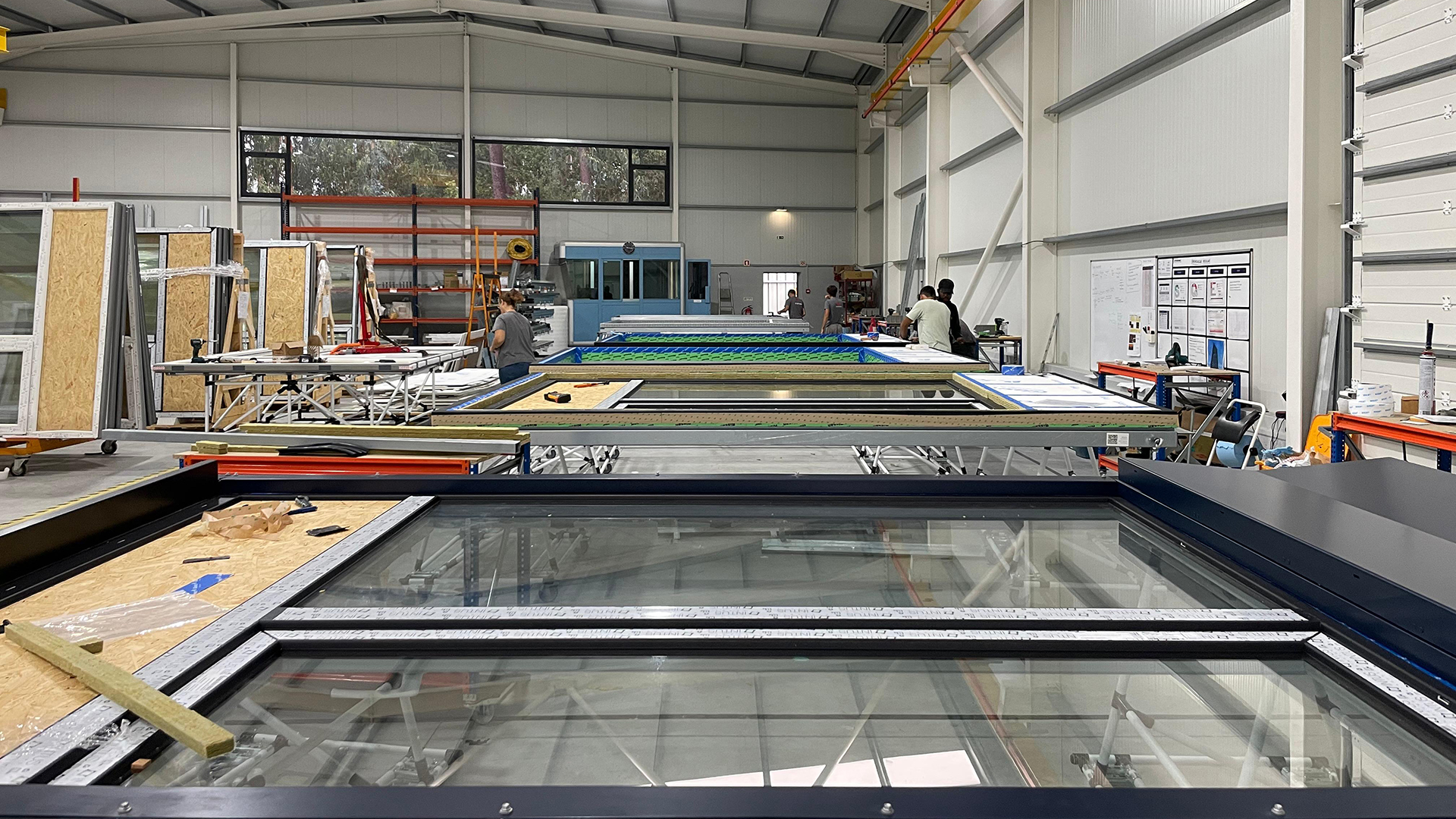
Behind the rainscreen panel layer, the wall assembly works from outside to inside: exterior panels, an air space for circulation and moisture drainage, cement board sheathing, a waterproof membrane, and an insulation layer delivering R-20 thermal performance. The prefabricated production approach — panels assembled in a controlled factory environment before delivery to site — ensured consistent air tightness across the envelope, addressing one of the primary failure modes for affordable housing construction: field-installed assemblies with variable air barrier quality.
Windows are specified with low-emissivity glass and thermal breaks in the framing to reduce U-values and solar heat gain. Units are oriented for cross-ventilation through two-exposure window placement wherever the building typology permits — reducing air conditioning load and operating costs for residents in a neighborhood where utility burden is a direct affordability concern. Operable windows with trickle vents support passive cooling. The facade integrates sunshades on selected elevations as solar shading elements.
The prefabricated rainscreen approach — factory-built panels, controlled air tightness, R-20 insulation, and systematic window placement — produced a building that runs 27% to 30% more efficiently than the ASHRAE 90.1-2004 baseline, with annual savings of approximately 441,866 kWh and 43,610 therms per year. Total annual utility savings run approximately $115,000, or roughly $518 per unit — a meaningful operating cost advantage for both the affordable rental residents and the co-op owners. The project also qualifies for ENERGY STAR certification alongside its LEED Gold rating.
The 66 kW BIPV Solar System: 288 Panels Integrated into the Facade
Via Verde's building-integrated photovoltaic system is one of the earliest examples in New York City of solar panels integrated directly into the architectural elements of an affordable housing project rather than added to a flat roof. The 66 kW system uses 288 photovoltaic panels in six arrays mounted on terraced, south-facing exterior walls, with additional arrays on the 5th and 7th floor roofs and integrated into outdoor pergolas. The solar wall and lofted solar canopy become defining visual elements of the building's south elevation.
Annual electricity savings from the BIPV system run approximately $12,000 — about $54 per unit per year — a figure that is modest in isolation but meaningful in the context of a $100 million project built for residents who cannot absorb energy cost increases. The integration of solar panels into the facade architecture, rather than treating them as equipment, demonstrates how prefabricated wall panels with BIPV integration can contribute to both the building's energy model and its architectural expression without requiring additional roof area or separate structural support.
40,000 Square Feet of Green Roofs: Environmental Performance at Terrace Scale
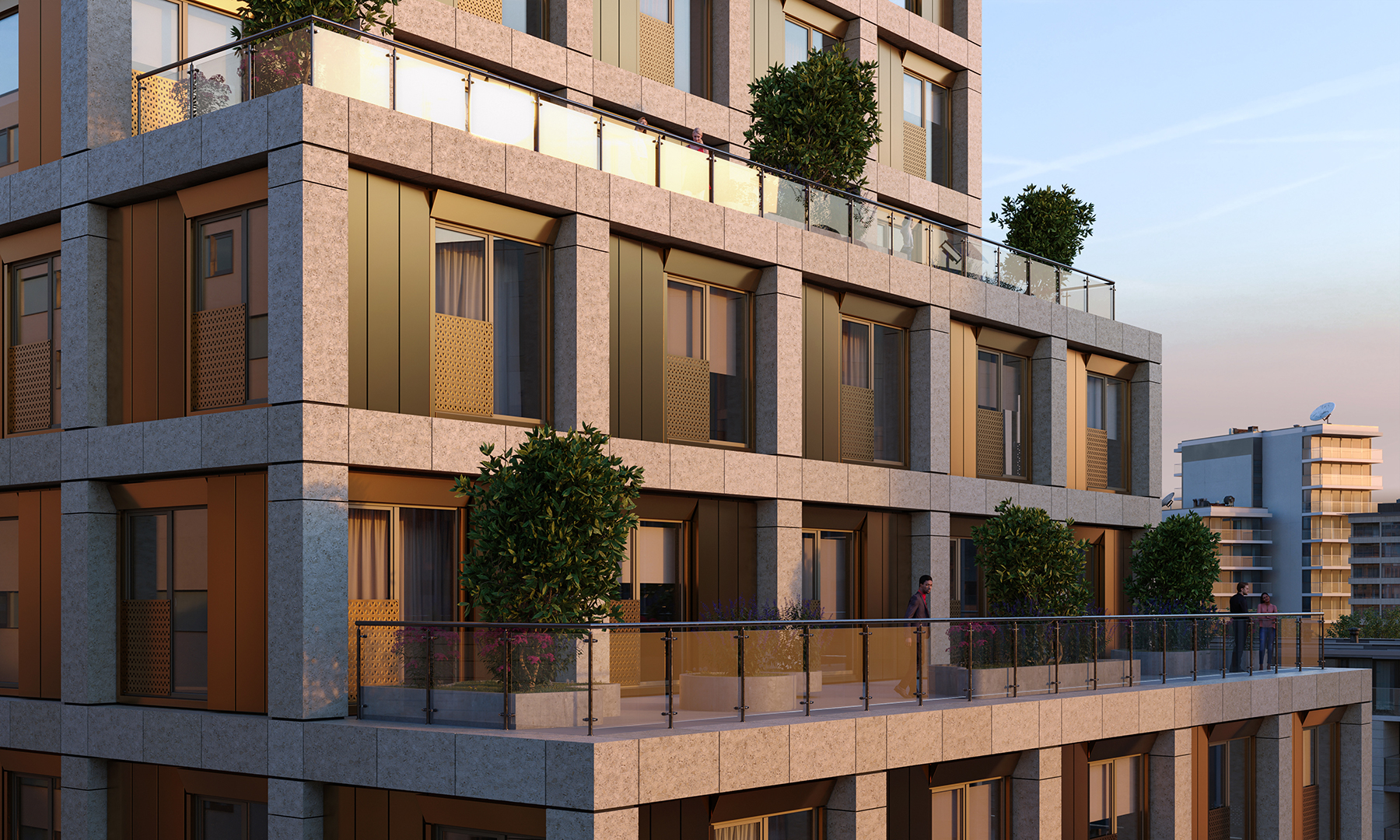
The spiral of green roofs ascending from the townhouses to the tower was a founding design principle — each building level's roof becomes the accessible terrace for the level above, producing 40,000 square feet of green roof and garden space distributed across the building's height. The plantings include succulents, sod, perennials, annuals, vegetables (kale, tomatoes), fruits (raspberries, blueberries), small apple and fir trees, and an evergreen grove. A 5,000 square foot communal productive garden yielded 1,000 pounds of organic herbs, vegetables, and edible flowers in its first growing season, distributed to residents, a local school, and a food pantry.
A rainwater harvesting system collects and recycles water for irrigation across all planted levels, reducing potable water consumption and managing stormwater runoff on a site where impervious surface reduction was part of the brownfield remediation strategy. The green roofs also reduce urban heat island effect — a documented environmental concern in the South Bronx — and contribute to the building's LEED Gold score through credits for stormwater management and urban heat island reduction.
From a facade systems perspective, the green terrace integration at Via Verde follows the same logic that applies to any terrace integration in curtain wall high-rises: the envelope must be continuous at the terrace edge, waterproofing and drainage must be integrated into the structural slab, and irrigation infrastructure must be designed into the building, not added after the fact. At Via Verde, these requirements were resolved in the initial design for a $100 million affordable project — demonstrating that terrace integration is an engineering discipline, not a luxury specification.
Five Lessons for NYC Affordable and Mid-Rise Developers
- Prefabricated envelope systems achieve high performance at affordable budgets. Via Verde's R-20 rainscreen panels, factory-built by Island International, delivered consistent air tightness and thermal performance across a 290,000 SF project without the cost of unitized curtain wall. Affordable prefab facade solutions for multifamily projects in NYC produce the same LEED-qualifying envelope performance at mid-rise scale.
- Energy performance at 30% above baseline directly reduces tenant operating costs. Via Verde's annual utility savings of $518 per unit are not an environmental metric — they are an affordability metric. For developments serving low- to moderate-income residents, envelope performance that reduces utility burden is part of the housing finance case, not just the sustainability case.
- BIPV integration should be treated as an architectural element, not equipment. Via Verde's 288 solar panels on south-facing facade walls and pergolas became the building's visual signature. Integrating BIPV into the facade — rather than placing panels on a flat roof — uses building area that would otherwise be passive, contributes to the architectural expression, and avoids the structural and maintenance complexity of rooftop arrays.
- Cross-ventilation through two-exposure unit planning reduces mechanical cooling demand. Each unit at Via Verde is oriented for cross-ventilation through windows on two exposures. In NYC's climate, operable windows with trickle vents reduce air conditioning hours and utility costs. Building section design that allows two-exposure units is an envelope strategy, not just a planning preference.
- Green roofs require structural and waterproofing resolution from the start. Via Verde's 40,000 square feet of productive and amenity green roof was designed into the spiral building section from day one. Retrofitting a green roof to an existing terrace slab is significantly more expensive than designing for it from the beginning — and the productive garden yields (1,000 pounds of food in year one) and LEED credits are only available if the irrigation, drainage, and growing medium are part of the original design.
Key Takeaways
- Via Verde is a 222-unit affordable mixed-income development at 700 Brook Avenue in the South Bronx, completed 2012, designed by Dattner Architects and Grimshaw Architects for Jonathan Rose Companies and Phipps Houses, at a total cost of approximately $98 to $100 million
- The prefabricated rainscreen facade — aluminum composite panels (Alcoa Reynobond ACM), fiber cement board (Cem5), and composite wood, fabricated by Island International Exterior Fabricators — delivers R-20 insulation and consistent air tightness, producing 27% to 30% energy savings over ASHRAE 90.1-2004 baseline and approximately $115,000 in annual utility savings across 222 units
- A 66 kW building-integrated photovoltaic system uses 288 panels in six arrays on south-facing exterior walls and pergolas, generating approximately $12,000 in annual electricity savings ($54 per unit)
- 40,000 square feet of green roofs and productive gardens — designed by Lee Weintraub Landscape Architecture — are integrated into the building's spiral section, with a rainwater harvesting system for irrigation and stormwater management
- Via Verde achieved LEED Gold New Construction and ENERGY STAR certification; it received the Rudy Bruner Award for Urban Excellence Silver Medal (2013) and awards from AIA New York and ULI
FAQ
What facade system does Via Verde use?
Via Verde uses a prefabricated rainscreen facade system fabricated by Island International Exterior Fabricators of Calverton, New York. The exterior cladding combines aluminum composite panels (Alcoa Reynobond ACM, approximately 60% of wall area), matte fiber cement board (Cem5), and composite and phenolic wood components. Behind the panels, the wall assembly includes an air space, cement board sheathing, a waterproof membrane, and insulation to R-20. Windows use low-emissivity glass with thermally broken framing to reduce heat transfer and solar gain.
Is Via Verde a Passive House building?
Via Verde is not Passive House certified. It achieves LEED Gold New Construction and ENERGY STAR certification, with documented energy performance 27% to 30% better than the ASHRAE 90.1-2004 baseline. The building uses high-performance passive strategies — cross-ventilation, solar shading, operable windows, R-20 insulation — but was not designed or certified to the Passive House Institute's specific infiltration and heating demand thresholds. NYC's passive house wall systems for affordable housing, like the Cornell Tech Residential building, take the next step in performance by meeting full Passive House standard.
How is the solar system integrated into Via Verde's facade?
Via Verde's 66 kW BIPV system uses 288 photovoltaic panels in six arrays mounted on south-facing terraced exterior walls and integrated into outdoor pergolas and roof areas on the 5th and 7th floors. The solar arrays are designed as architectural elements — a cascading solar wall on the south elevation — rather than as roof-mounted equipment. Annual electricity savings run approximately $12,000 across the development.
How much do Via Verde's green roofs cost to maintain?
Maintenance costs for Via Verde's 40,000 square feet of green roofs are supported by the building's operational structure — Jonathan Rose Companies manages the rental portion, and the co-op association manages ownership units. The productive community garden is maintained by residents with support from the building management. The rainwater harvesting system reduces irrigation water costs by recycling stormwater runoff. Specific annual maintenance cost figures are not publicly disclosed, but the design integrated irrigation infrastructure and growing medium into the original building budget rather than treating garden maintenance as an ongoing capital expense.
How does Via Verde's facade apply to new affordable housing in NYC today?
Via Verde's core lessons — prefabricated rainscreen panels for consistent air tightness, cross-ventilation through two-exposure unit planning, BIPV integration in the facade architecture, and green roof design built into the structural section — are directly applicable to any NYC affordable housing project under current Local Law 97 requirements. LL97 penalizes buildings over 25,000 square feet for excess carbon emissions, with penalties escalating from 2030. An energy code compliant wall system for multifamily housing in NYC must achieve performance comparable to Via Verde's envelope simply to avoid LL97 exposure on a standard affordable housing development timeline.
Disclaimer
Dextall is not involved in the Via Verde project. This article analyzes publicly available information about Dattner Architects' and Grimshaw Architects' design and engineering to explore how principles from high-performance affordable housing projects can inform facade strategy for multifamily development in New York City. For questions about Via Verde, contact Jonathan Rose Companies or Phipps Houses. For information about Dextall's prefabricated building envelope solutions, visit dextall.com.
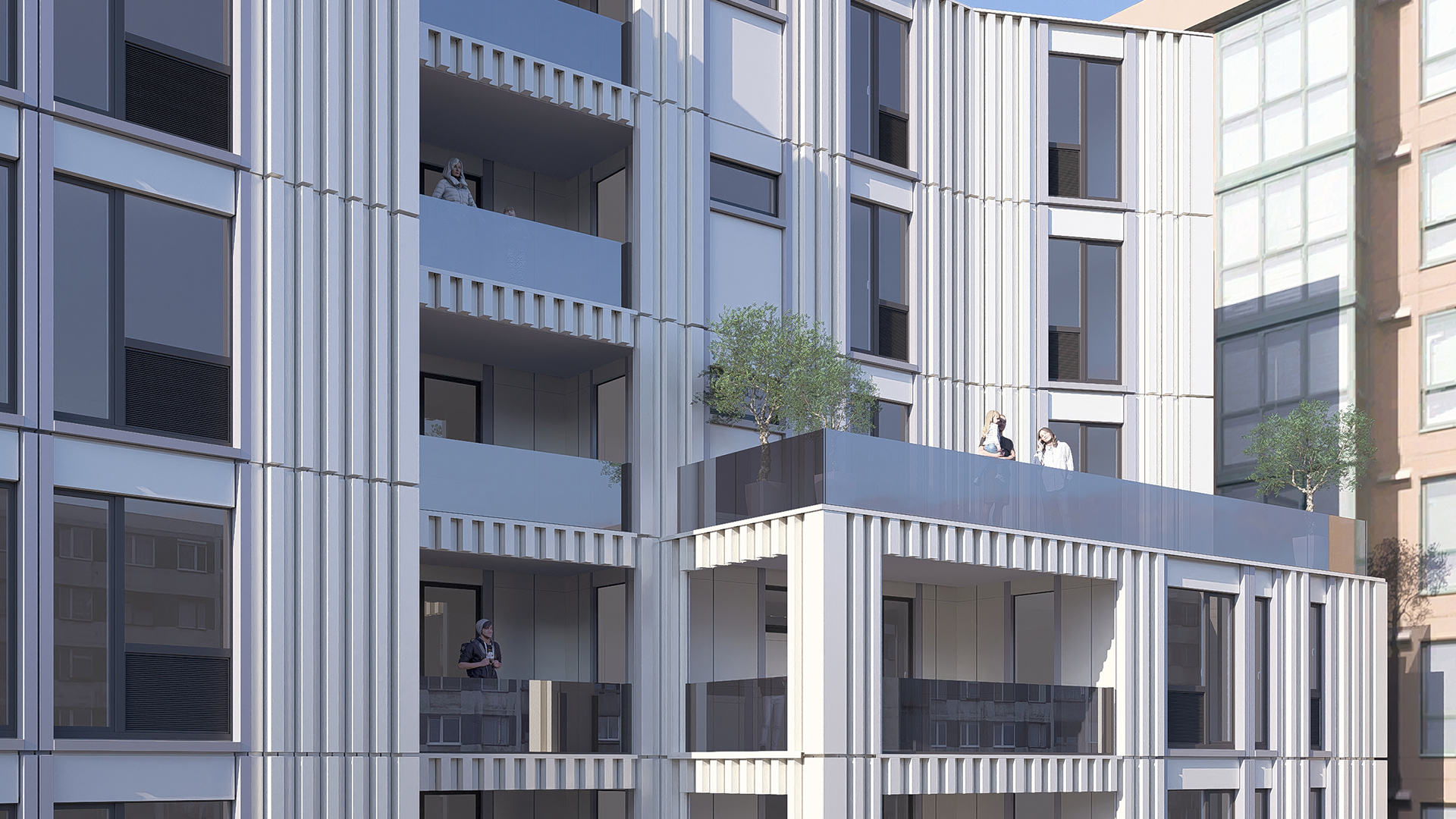
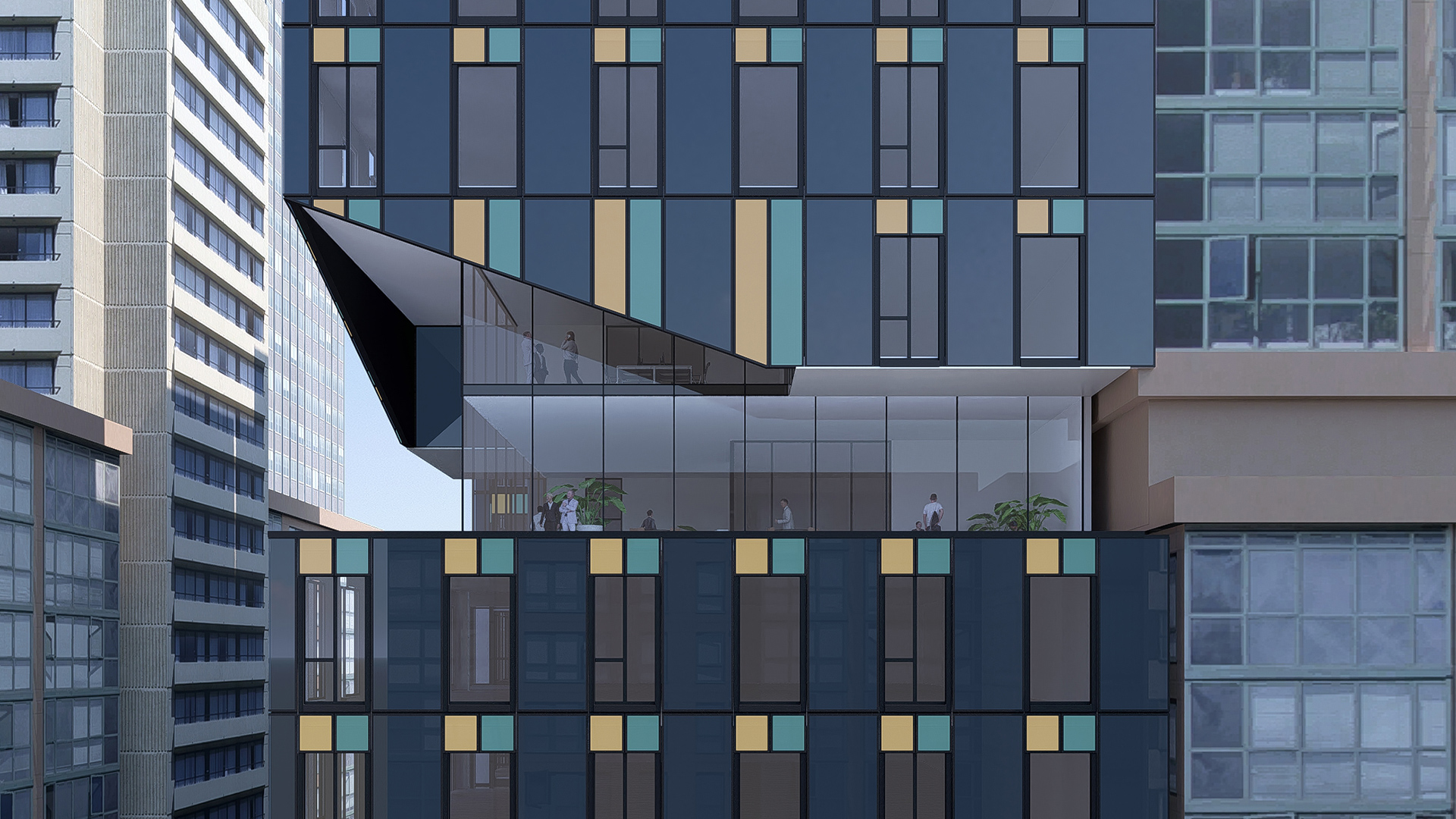
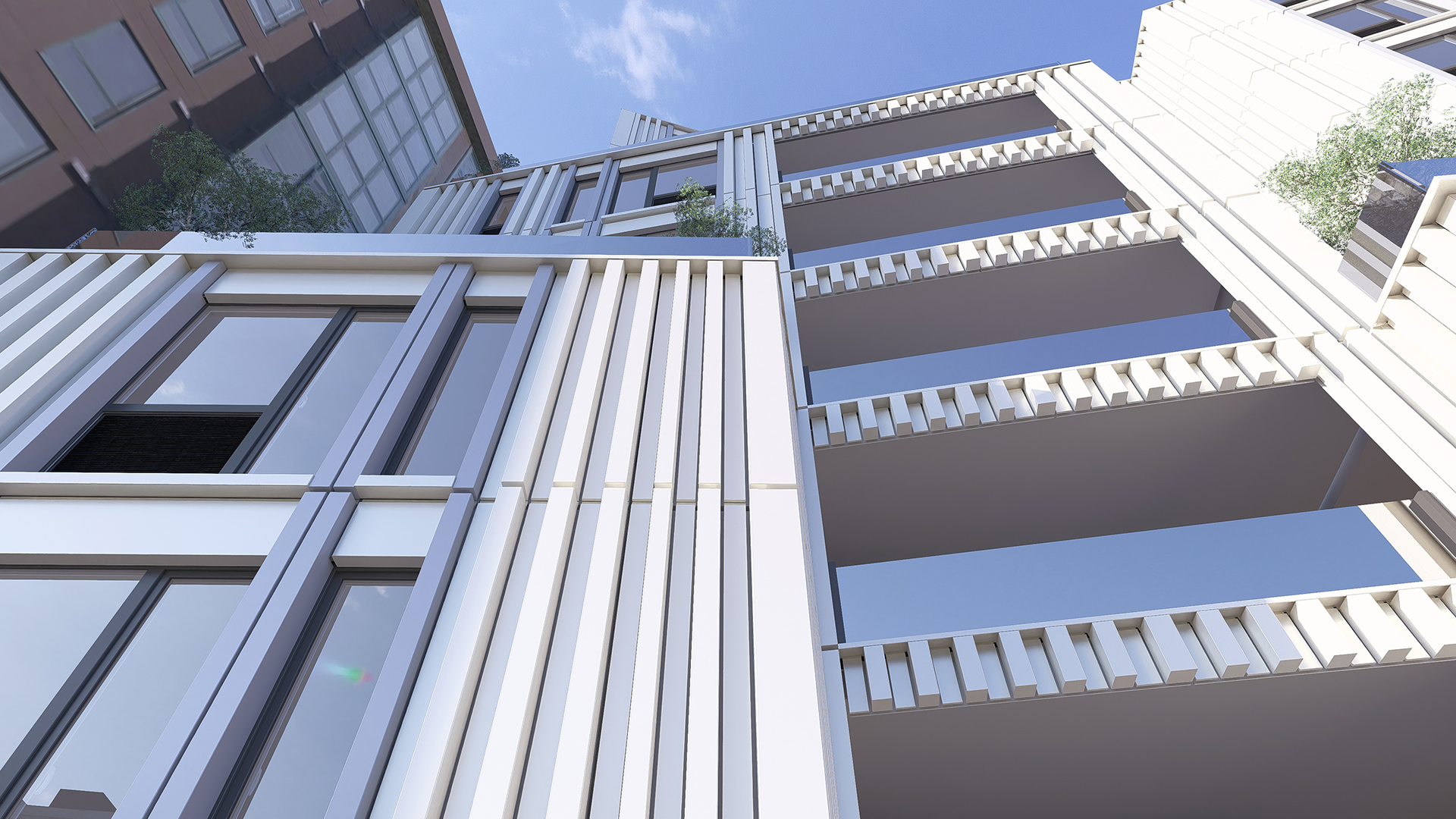
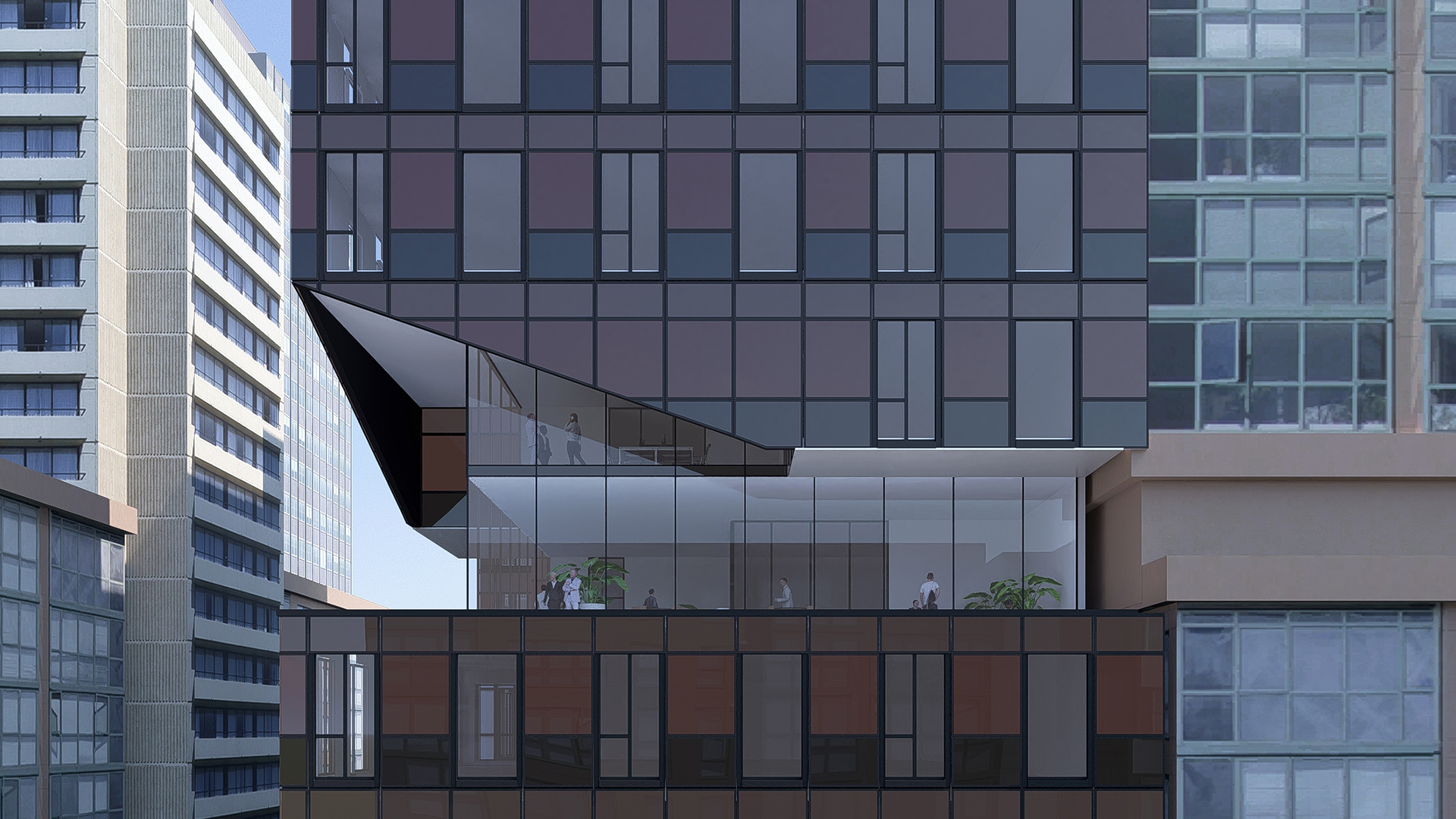
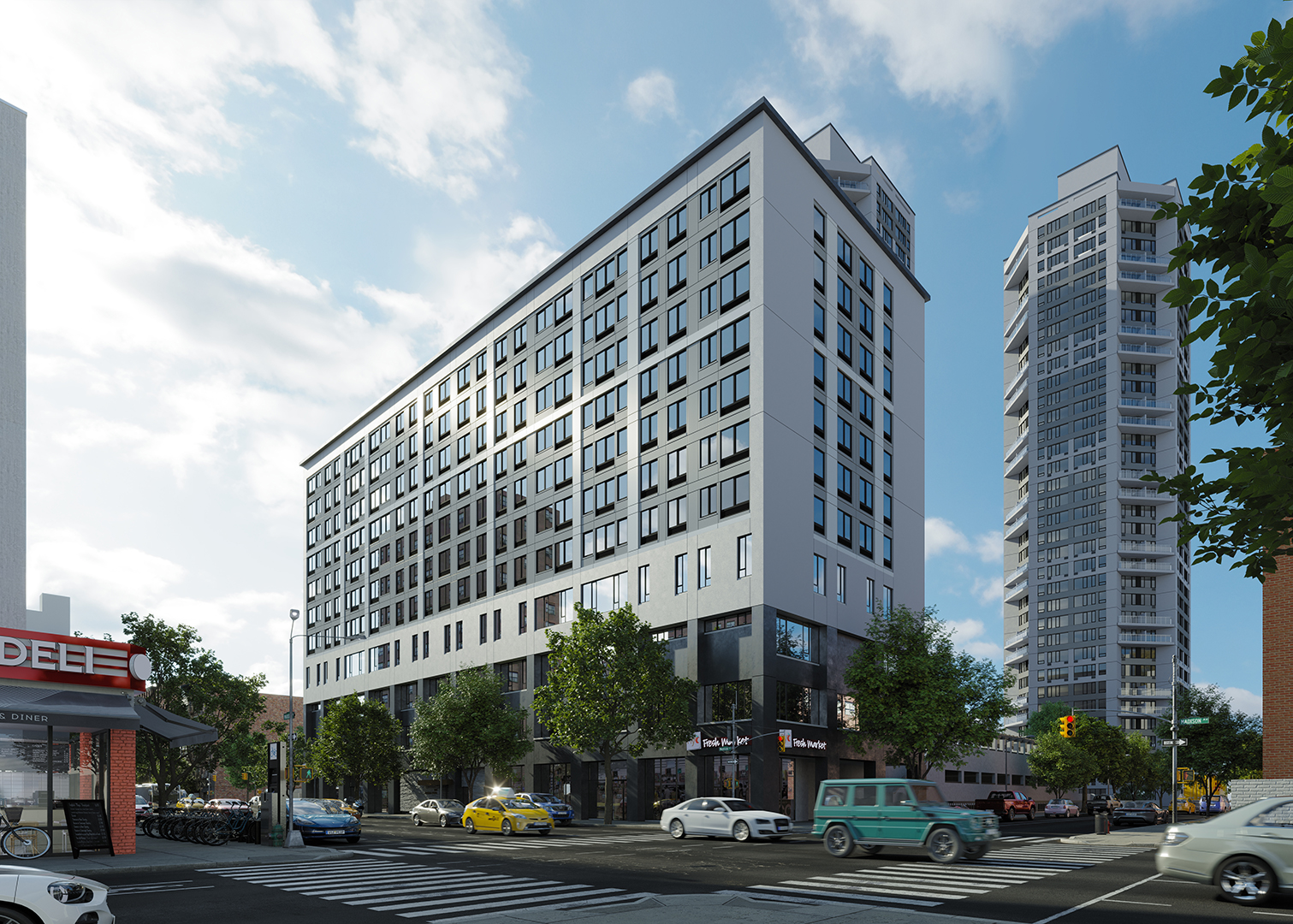
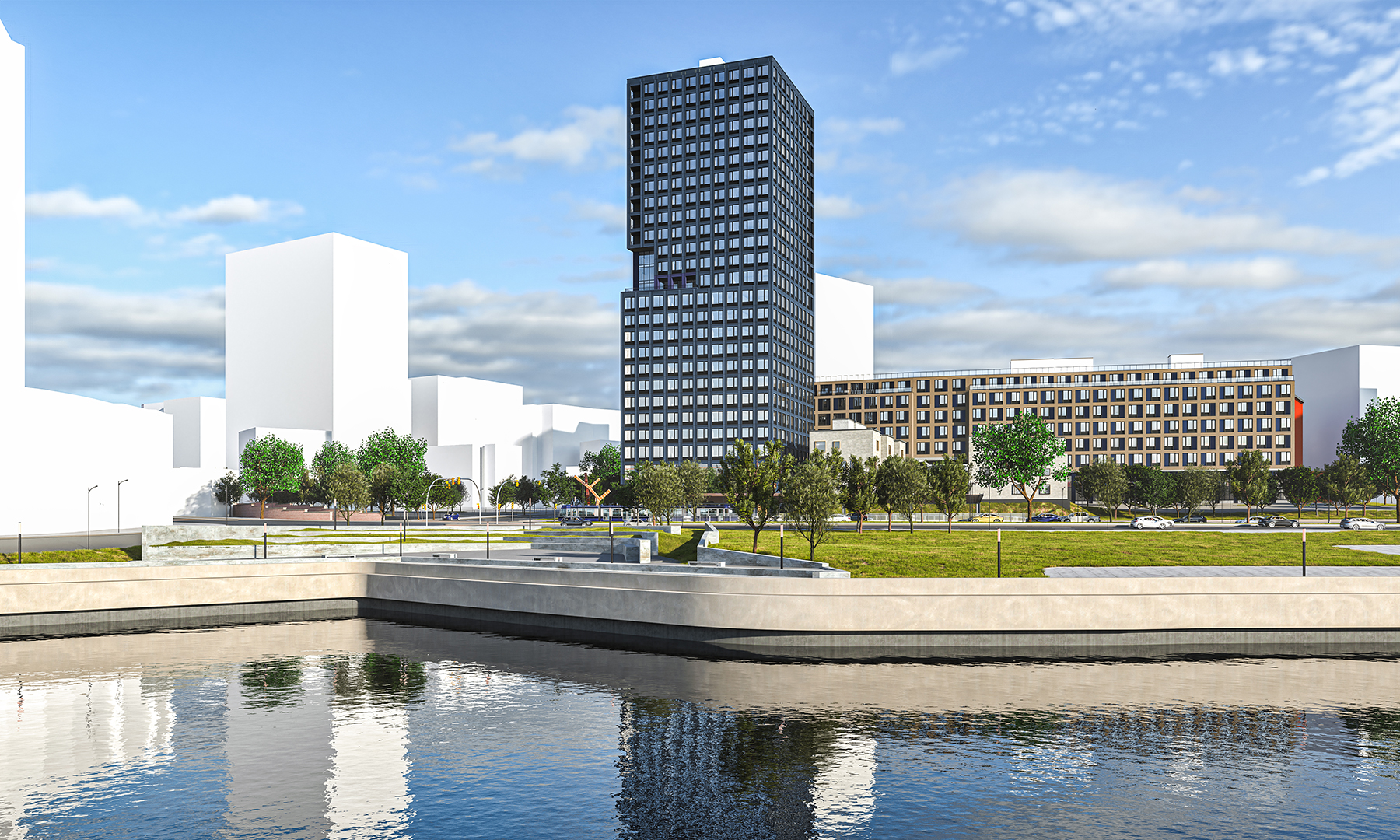
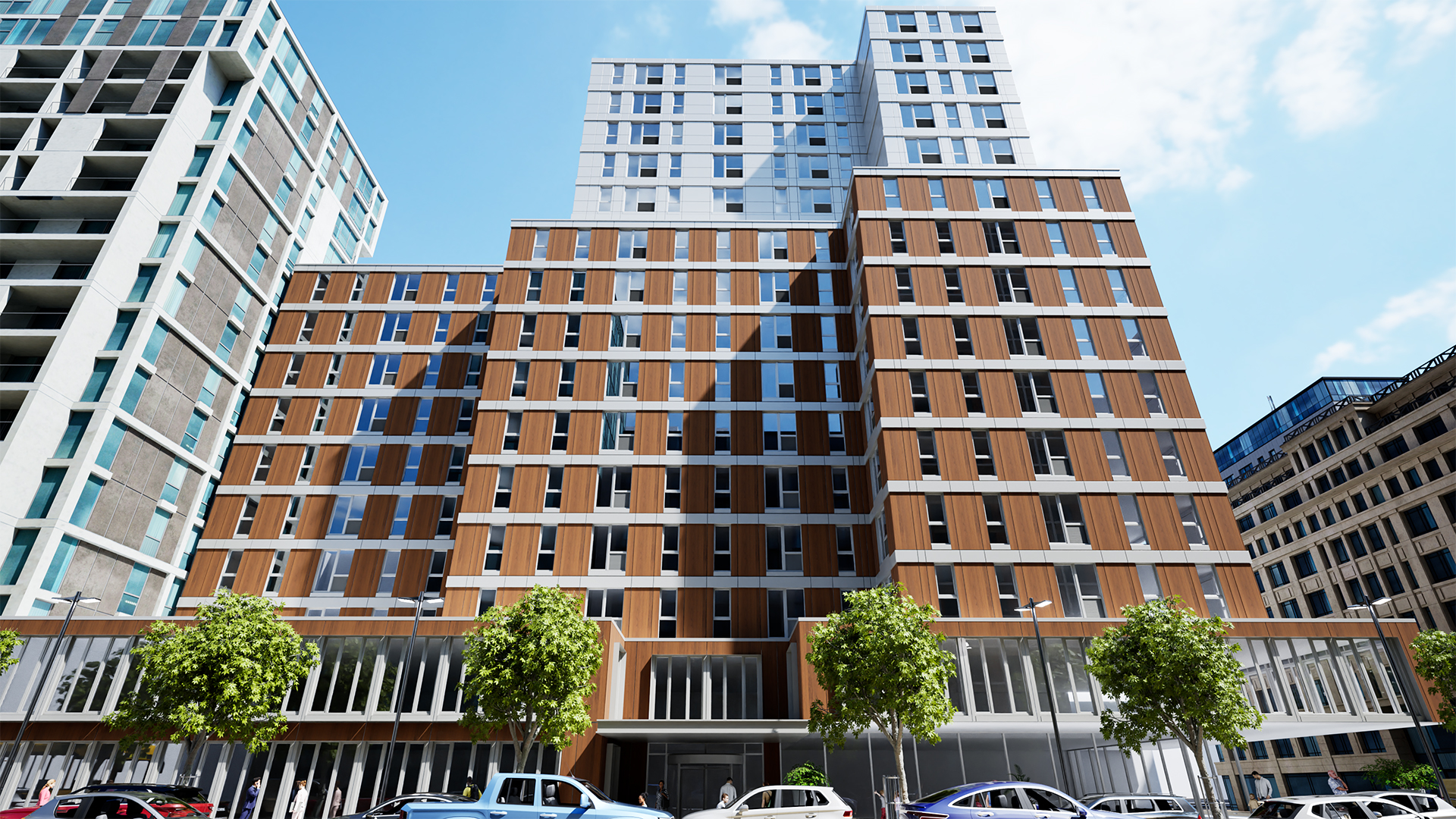
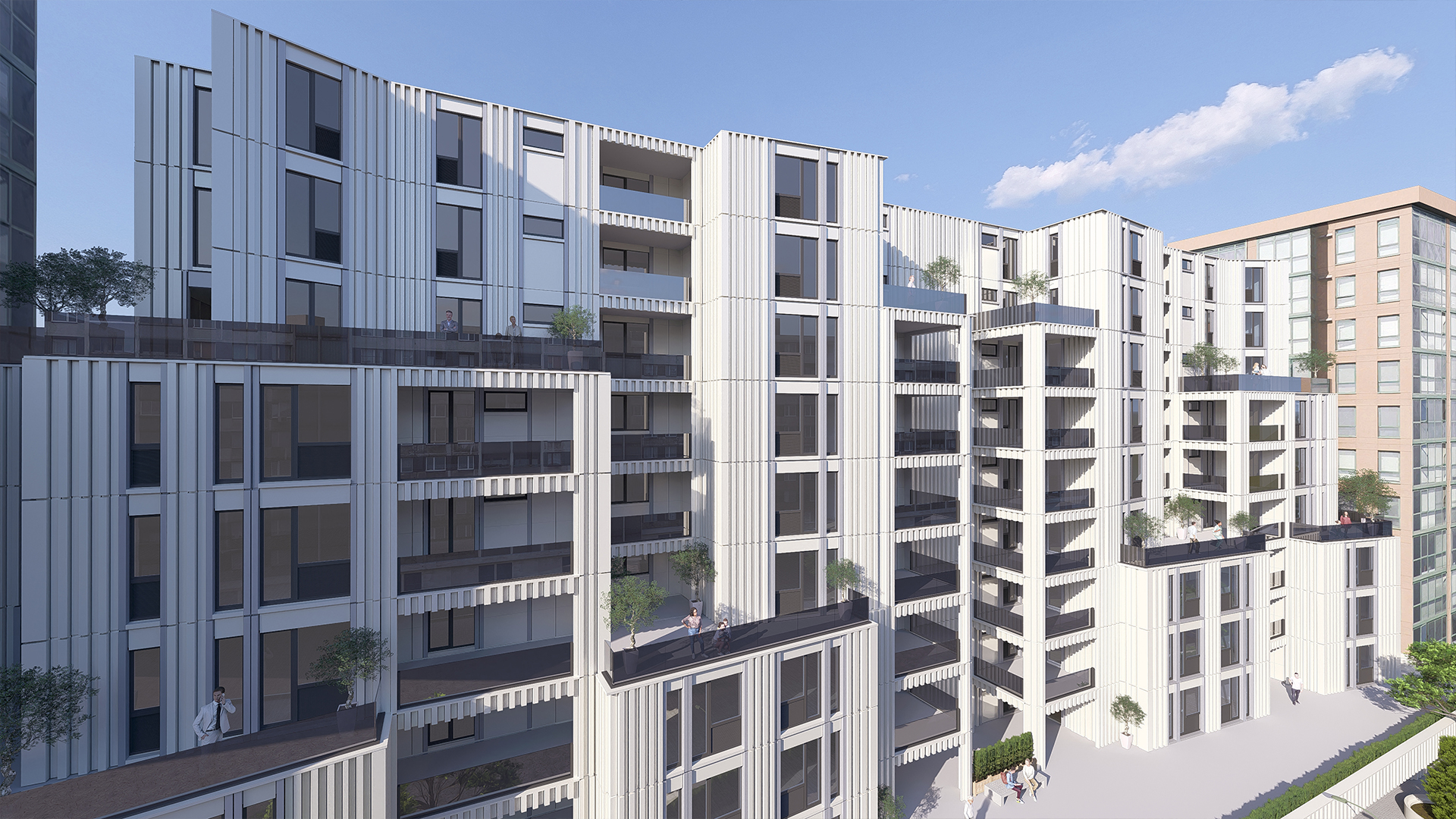
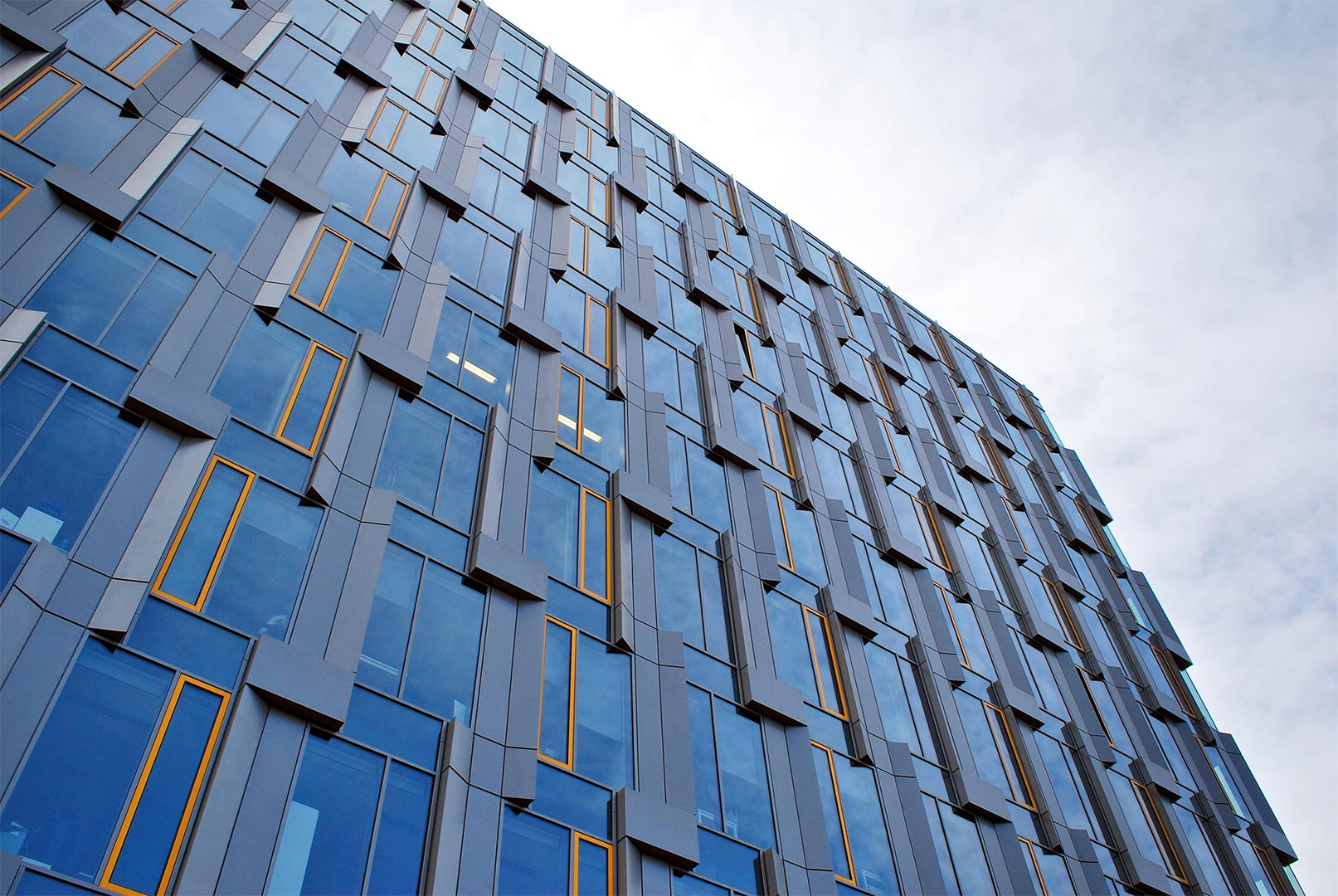
Images featured in this article depict Dextall's projects and are used for illustrative purposes only.
Sources









.jpeg)
-Compliance-for-NYC-Multifamily-%26-Co-Op-Facades.jpg)










_format(webp).avif)
_format(webp)%20(6).avif)
_format(webp)%20(5).avif)
_format(webp)%20(4).avif)
_format(webp)%20(2).avif)
_format(webp)%20(3).avif)


.avif)
_format(webp)%20(2).avif)