400 Lake Shore Drive Chicago: How a Unitized Curtain Wall Reinvents the Classic Bay Window at 72 Stories
A 76-foot crater in concrete. That's what remained of the Chicago Spire — an ambitious project meant to become the tallest building in the Western Hemisphere at 150 stories. Santiago Calatrava designed it, investors promised the world, and the 2008 financial crisis destroyed everything. The hole at the junction of Lake Michigan and the Chicago River sat empty for nearly two decades. Now, into that same hole, 250 concrete trucks poured 9 million pounds of concrete in 12 hours — the foundation for a tower that's finally rising. 400 Lake Shore Drive, 72 stories, 857 feet, 362,000 square feet of unitized curtain wall facade. Not the tallest in the city. But possibly the most interesting from a facade technology perspective.
Skidmore, Owings & Merrill — the firm behind Willis Tower and One World Trade Center — took the iconic Chicago bay window from the 1880s and reimagined it as a unitized curtain wall system for a supertall. Each bay unit integrates an aluminum pilaster and two wings with floor-to-ceiling glass. Here's the key detail: the entire facade — all 362,000 square feet — was fully designed, fabricated, and tested at New Hudson Facades' facility near Philadelphia, 750 miles from the construction site. Then shipped by truck to Chicago and installed floor by floor. For architects, developers, and general contractors, this isn't just another luxury tower. It's a demonstration of how prefabricated facade panels scale to the largest projects in the country.
What Makes 400 Lake Shore Drive Notable
The project consists of twin towers: the North Tower at 72 stories (857 feet) and the South Tower at 765 feet — over 1,100 apartments combined. Phase one is currently under construction — the North Tower with 635 apartments, 20% of which (127 units) are reserved as affordable housing for households earning 30-50% of Area Median Income. Phase one budget — $500 million. Financing combines Illinois Housing Development Authority (IHDA) tax bonds and Wells Fargo credit facilities.
Developer Related Midwest (led by president Curt Bailey) assembled a team matching the project's scale. SOM's Chicago Office under Scott Duncan and David Childs — the architect who designed One World Trade Center — leads design. Stantec serves as architect of record. MAWD (March and White Design) handles interiors. Two co-general contractors — LR Contracting (Related's in-house arm) and BOWA Construction (CEO Nosa Ehimwenman) — manage construction. Goebel Forming pours concrete and operates the tower crane. New Hudson Facades fabricates and installs the entire curtain wall.
But 400 Lake Shore is more than a tower. As a condition for receiving the Certificate of Occupancy, Related committed to building the 3.3-acre DuSable Park and completing the pedestrian connection between Chicago's famous Riverwalk and Lake Michigan. That's 4.5 acres of open green space on one of the last undeveloped waterfront parcels in the city. Upon completion — the 13th tallest building in Chicago.
Engineering a Bay Window at 857 Feet
The Chicago bay window isn't merely an architectural style. It's a functional invention. In 1884, William LeBaron Jenney used a three-part window in the Home Insurance Building — widely considered the world's first skyscraper. A large fixed center pane of glass flanked by two narrow operable sashes. This combination solved two problems simultaneously: maximum natural light and ventilation. Louis Sullivan, Daniel Burnham, Holabird & Root — they all used the bay window as a defining feature of what became known as the Chicago School of Architecture. Bay windows often projected beyond the facade plane, creating oriel windows over the street.
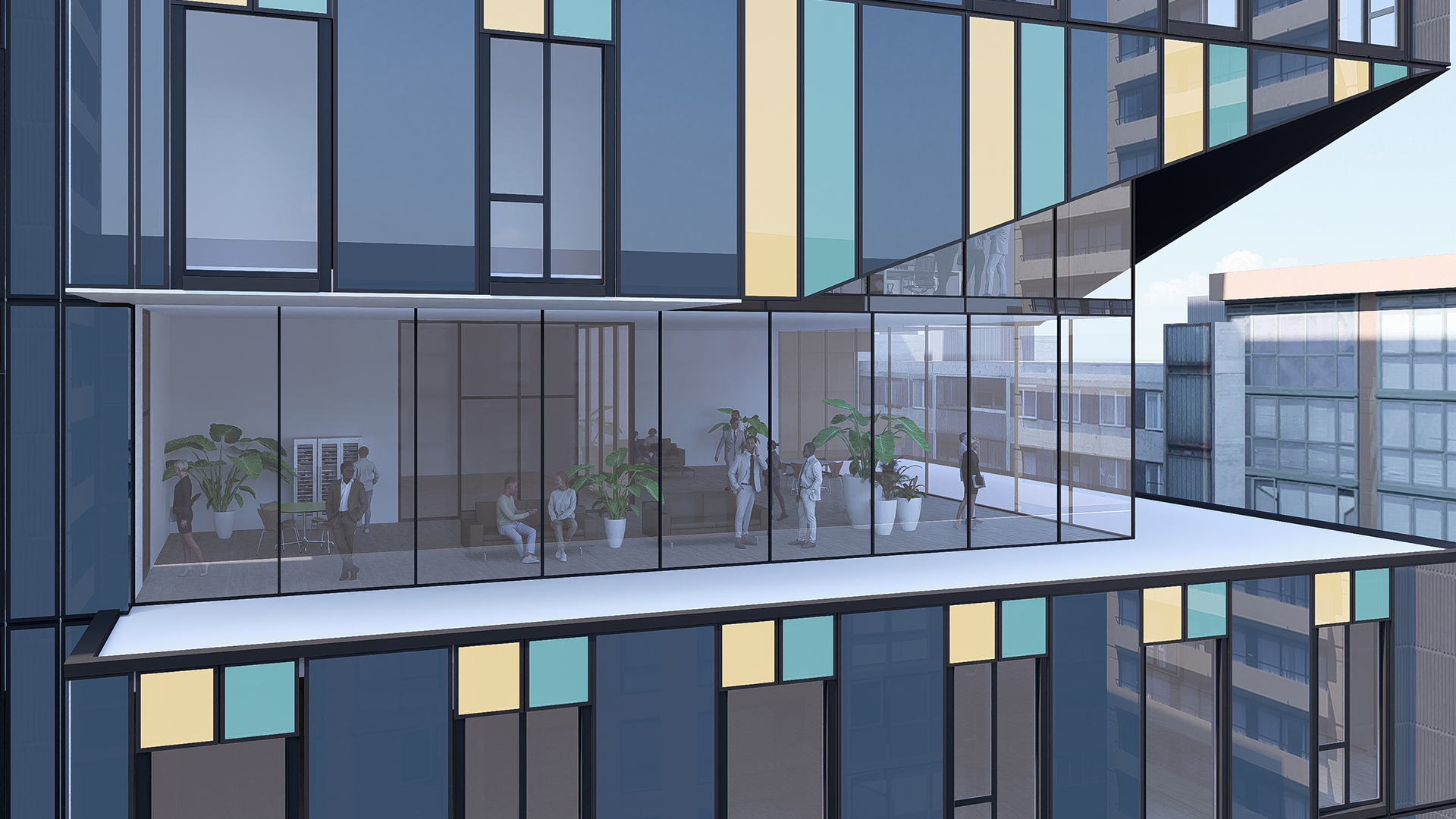
SOM took this 140-year-old tradition and reimagined it for a 72-story supertall. A three-sided shallow bay with floor-to-ceiling glass replaces the classic three-part composition. Each bay unit is a single module: aluminum pilaster at center with two glass wings. Pilasters run vertically across the full building height in front of columns and between sections, creating visual depth and architectural rhythm visible for miles from the lakefront. The metal detailing evokes the rippling surface of Lake Michigan — a deliberate reference to the tower's location at the junction of lake and river.
The facade's technical solutions are striking. Glass features Stopray coating for reduced reflectance and improved energy efficiency. The facade is bird-friendly — low reflectance reduces collision risk, a critical factor on the Lake Michigan migratory flyway. And a rare detail for a supertall: glazed-in operable vent assemblies are integrated into bay window units — residents on the 72nd floor will be able to open a window for fresh air. This is exceptionally unusual for high-rise buildings with prefabricated wall systems, where ventilation is typically fully mechanical.
Geographic conditions complicate everything. The tower stands on one of Chicago's most exposed waterfront sites — directly at the confluence of lake and river. Wind loads at 857 feet above Lake Michigan are extreme. Related Midwest reported completing the "primary belt wall" — a specialized structural element that reinforces the tower against powerful lakefront winds. The unitized curtain wall system from New Hudson Facades must withstand these loads while maintaining airtightness and thermal performance on every floor.
Building at the Speed of Prefabrication
This is where the real magic of parallel workflows begins. Goebel Forming pours a new concrete floor every three days. As of August 2025, the tower reached the 35th story — exactly halfway through its 72 floors. The superstructure of 59,089 cubic yards of concrete (236 million pounds) and 5,520 tons of rebar (13 million pounds) was expected to complete by October 2025. Meanwhile, New Hudson Facades installs the curtain wall trailing the concrete by just a few floors — one floor wrapped in glass approximately every 3.5 days.
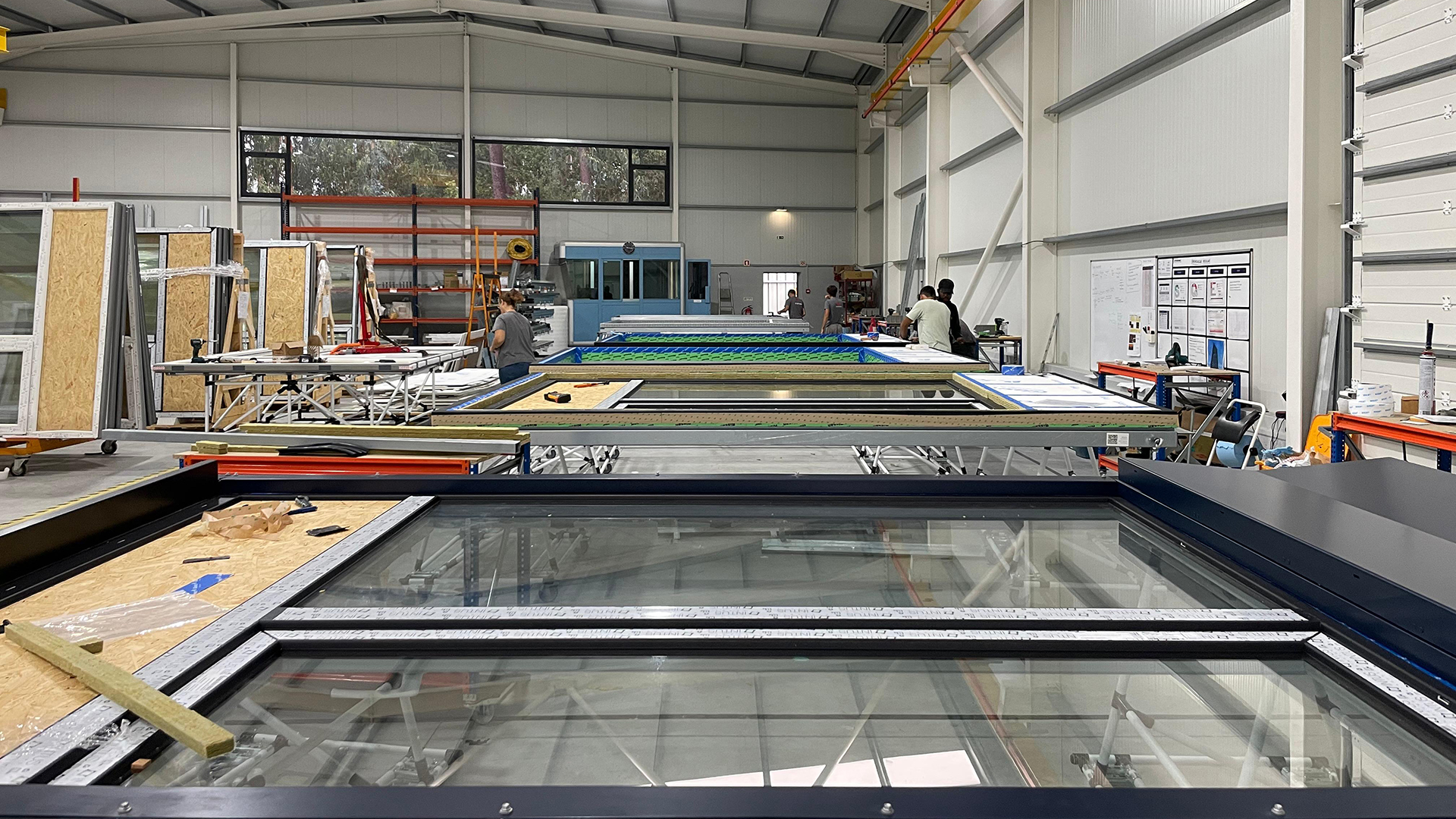
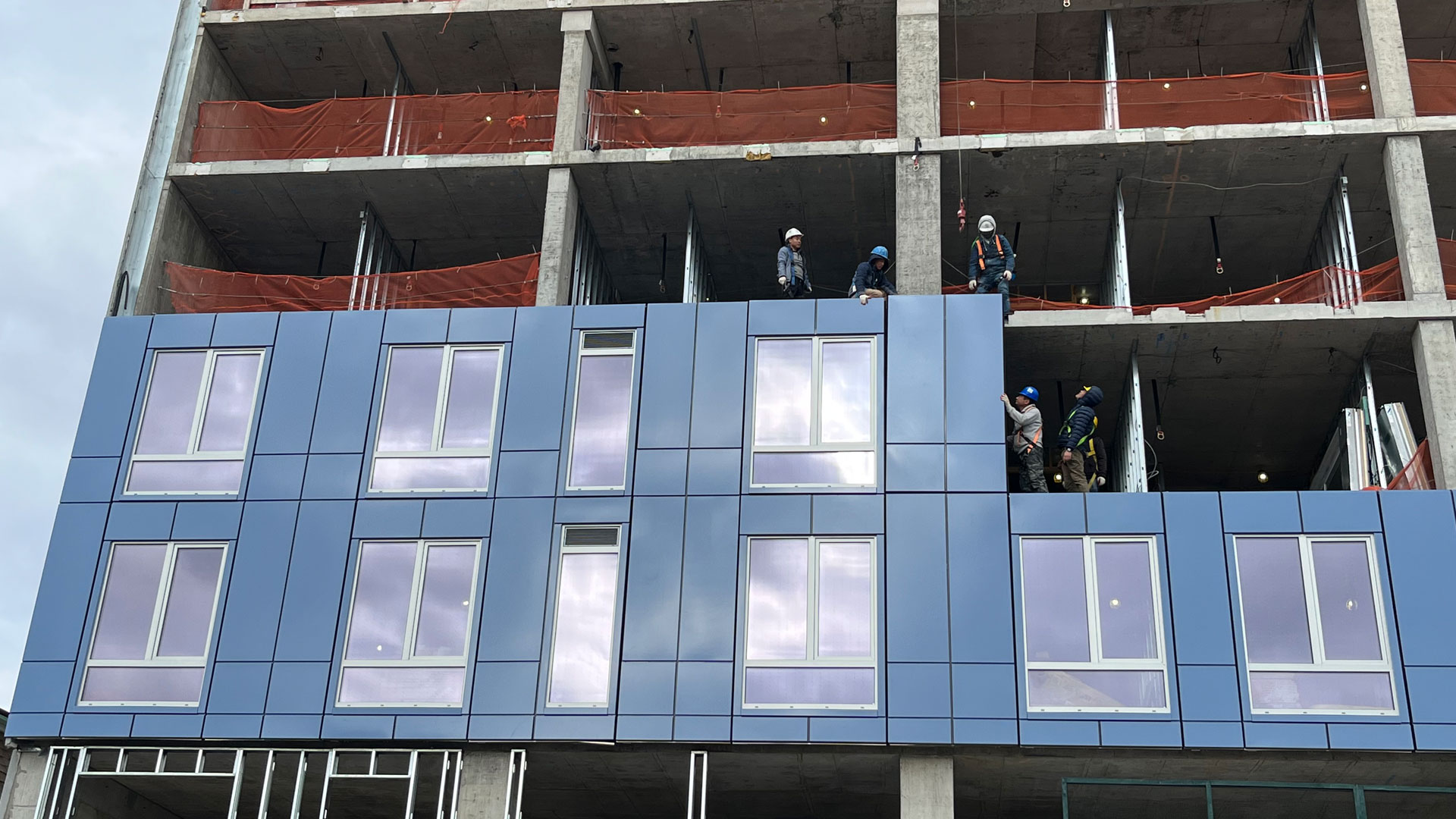
This is a textbook example of the unitized wall system schedule advantage. While Goebel pours the 35th floor at the Chicago construction site, New Hudson Facades is already fabricating panels for the 50th floor at their factory near Philadelphia. Fabrication, assembly, quality testing — everything happens in a controlled factory environment, regardless of rain, snow, or wind at the construction site. Panels are trucked 750 miles and installed on-site by tower crane.
Three hundred tradespeople work simultaneously on site. Coordination between concrete crane, facade installation, interior work, and below-grade construction is a logistical puzzle. The below-grade zone adds complexity: three underground parking levels for 300 cars are being built top-down simultaneously with the tower's vertical rise. A cofferdam system protects the excavation from groundwater — the site sits directly adjacent to Lake Michigan. All truck traffic routes through ramps to Lake Shore Drive, with East North Water Street used only for oversize loads — caissons, tower crane, hoists.
Timeline: superstructure — October 2025. Curtain wall completion — October 2026. First residents — Q1 2027. From the marathon foundation pour to move-in — less than three years. Without prefabricated wall systems for high-rise buildings manufactured in parallel with structural work, that schedule would be impossible.
Affordable Housing at Supertall Scale
One hundred twenty-seven apartments for households earning 30-50% of Area Median Income. Studios, one-bedrooms, two-bedrooms, three-bedrooms — the full range of unit types. These units are integrated into the same tower, with the same facades, the same panoramic views, the same access to DuSable Park. Not a separate building. Not a rear facade. The same building.
The financial model relies on IHDA tax bonds — an Illinois Housing Development Authority instrument for incentivizing mixed-income construction. Wells Fargo provides additional financing. But here's what rarely gets discussed: unitized facade systems play a critical role in affordable housing economics. Compressing the construction schedule by 30-50% through parallel fabrication means lower carrying costs — interest on loans, insurance, overhead. Faster occupancy means earlier cash flows. For a project with an affordable housing component where margins are already tight, every month saved in construction directly impacts the pro forma.
In the context of rising construction costs, the mixed-income model is becoming standard for large residential projects across major U.S. cities. Chicago, New York, Boston, Philadelphia — everywhere developers are integrating affordable housing into new luxury construction. Unitized curtain wall systems make this economically viable because standardizing facade panel production doesn't mean standardizing design — the same bay window module works identically for market-rate and affordable units.
Dextall's Unitized Panel Approach to High-Rise Construction
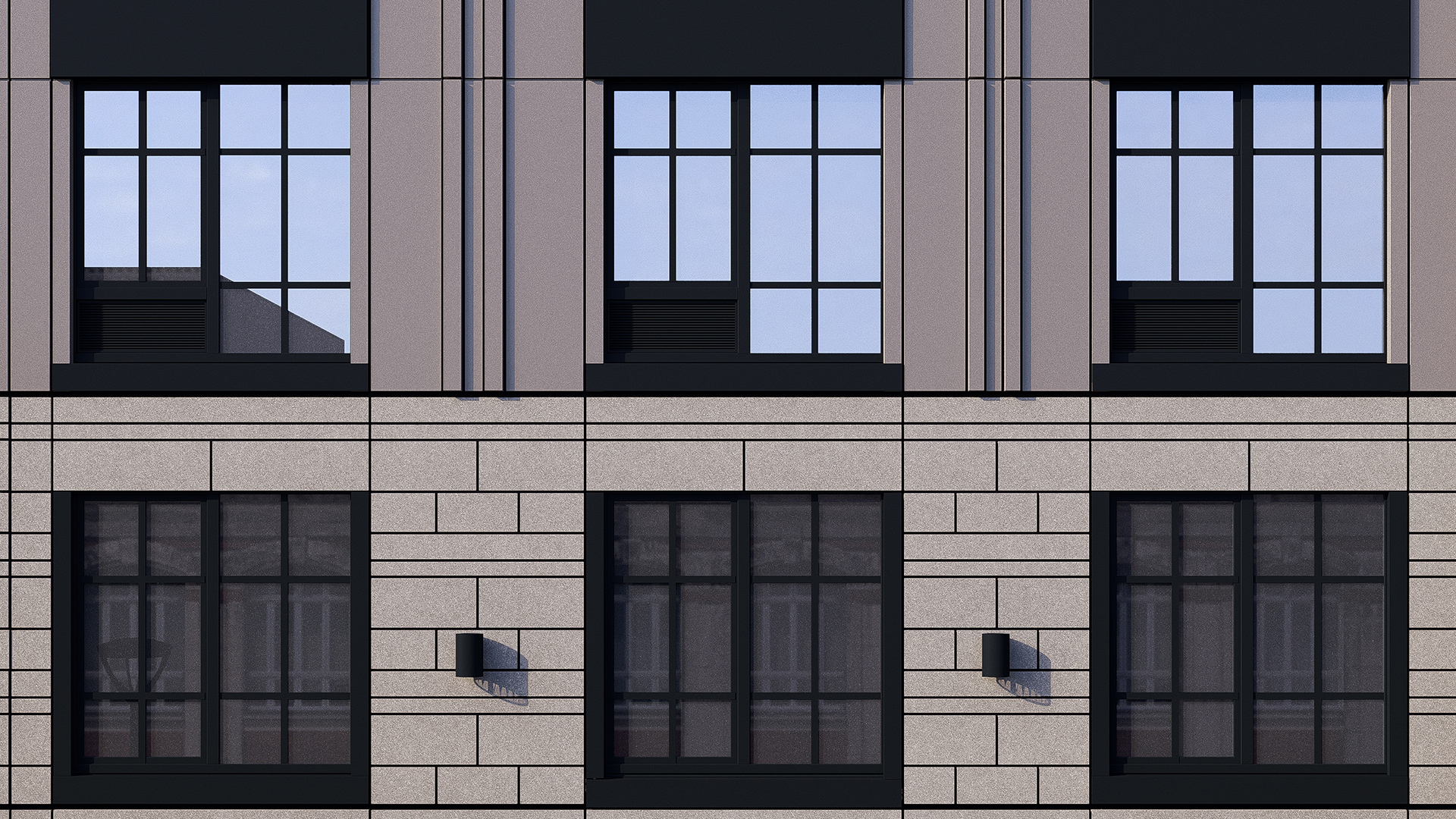
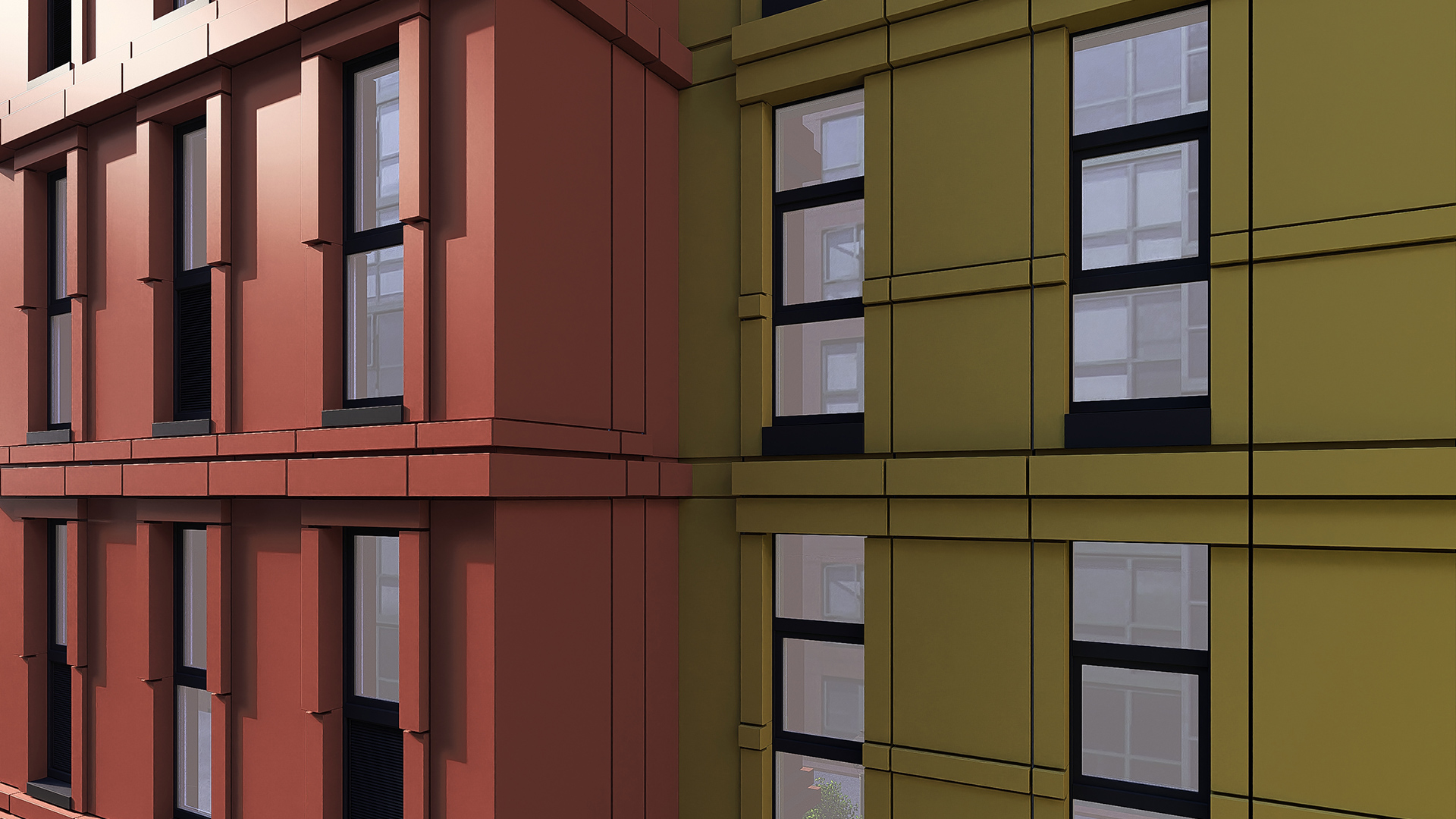
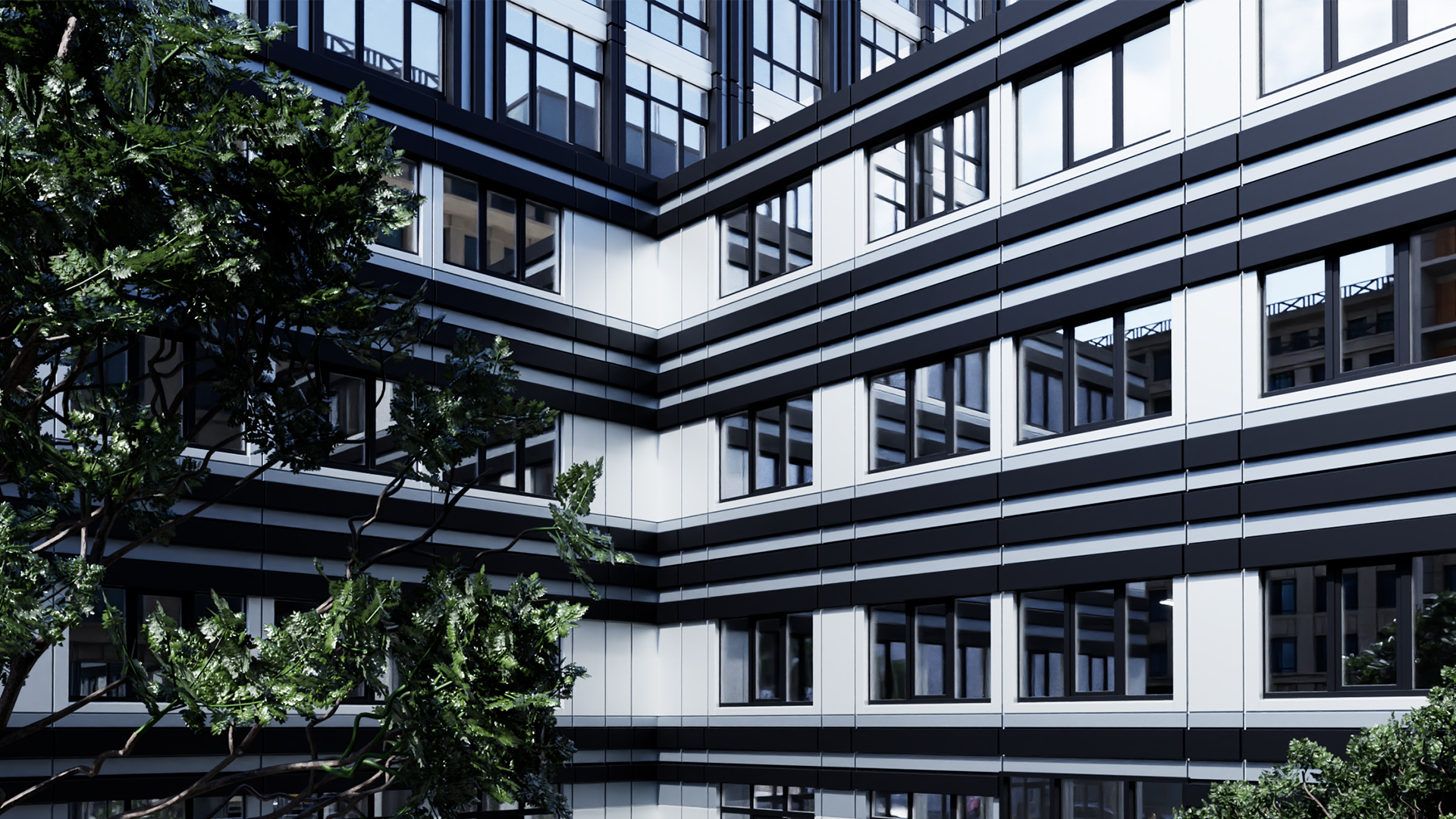
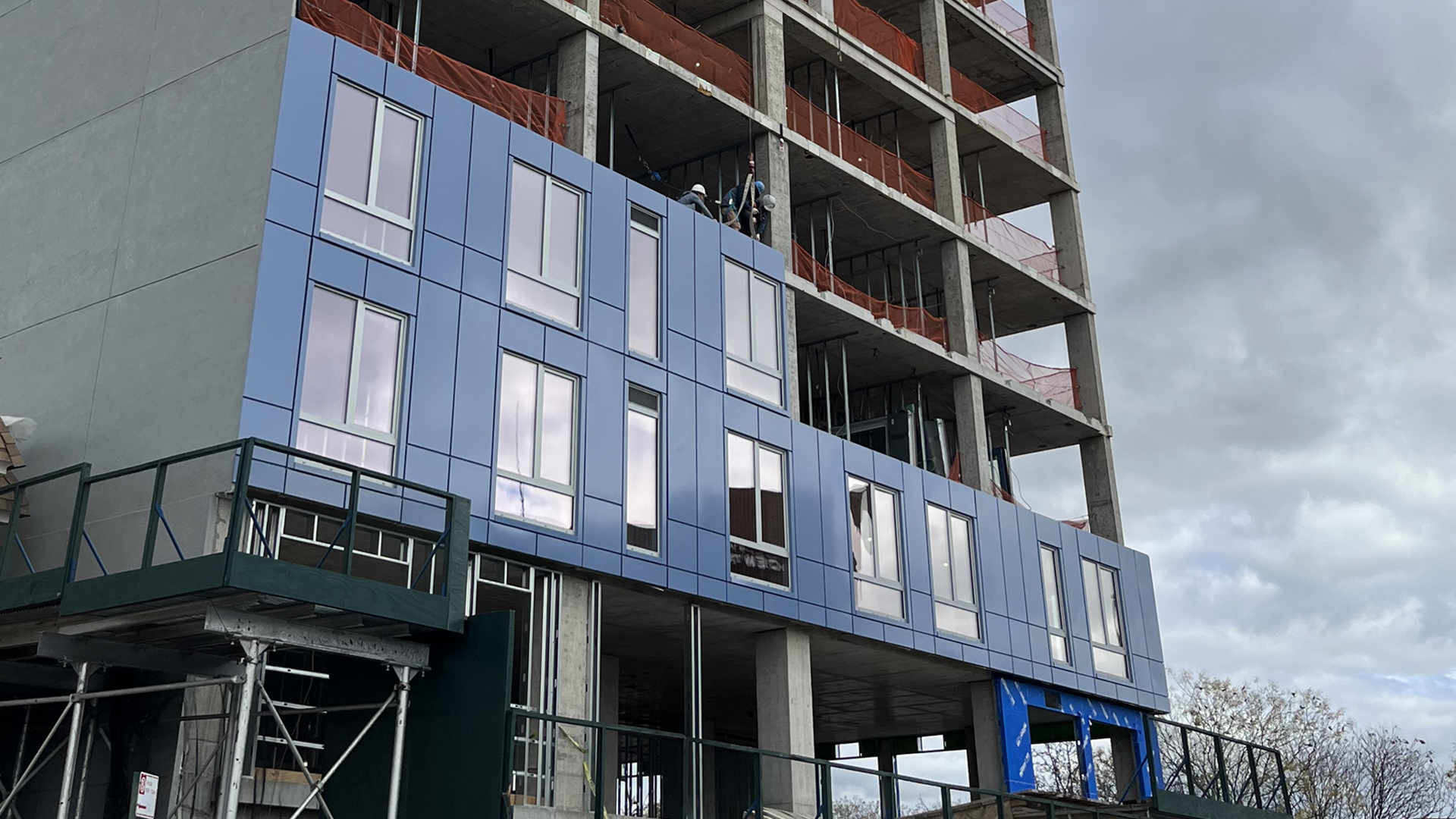
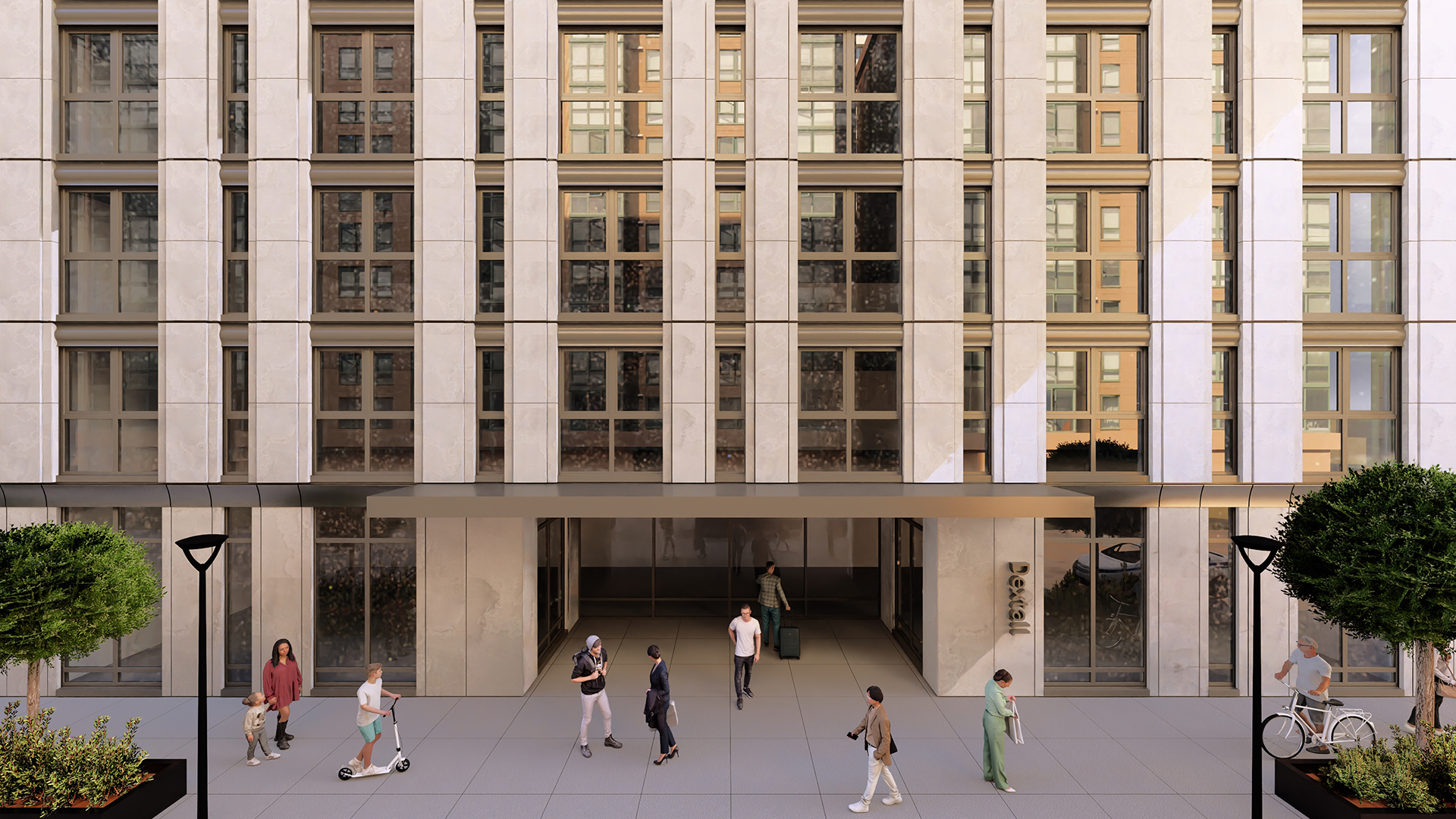
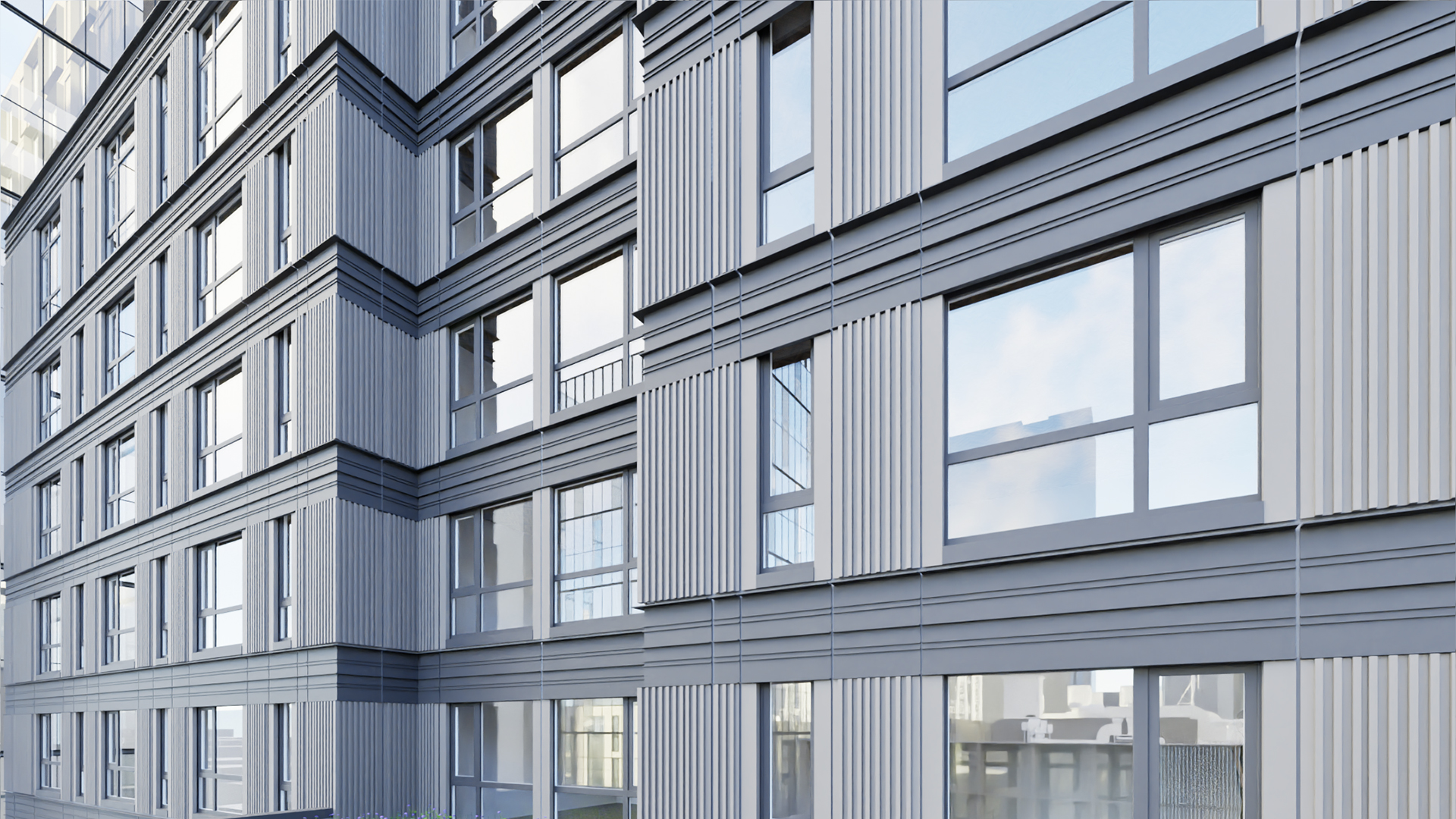
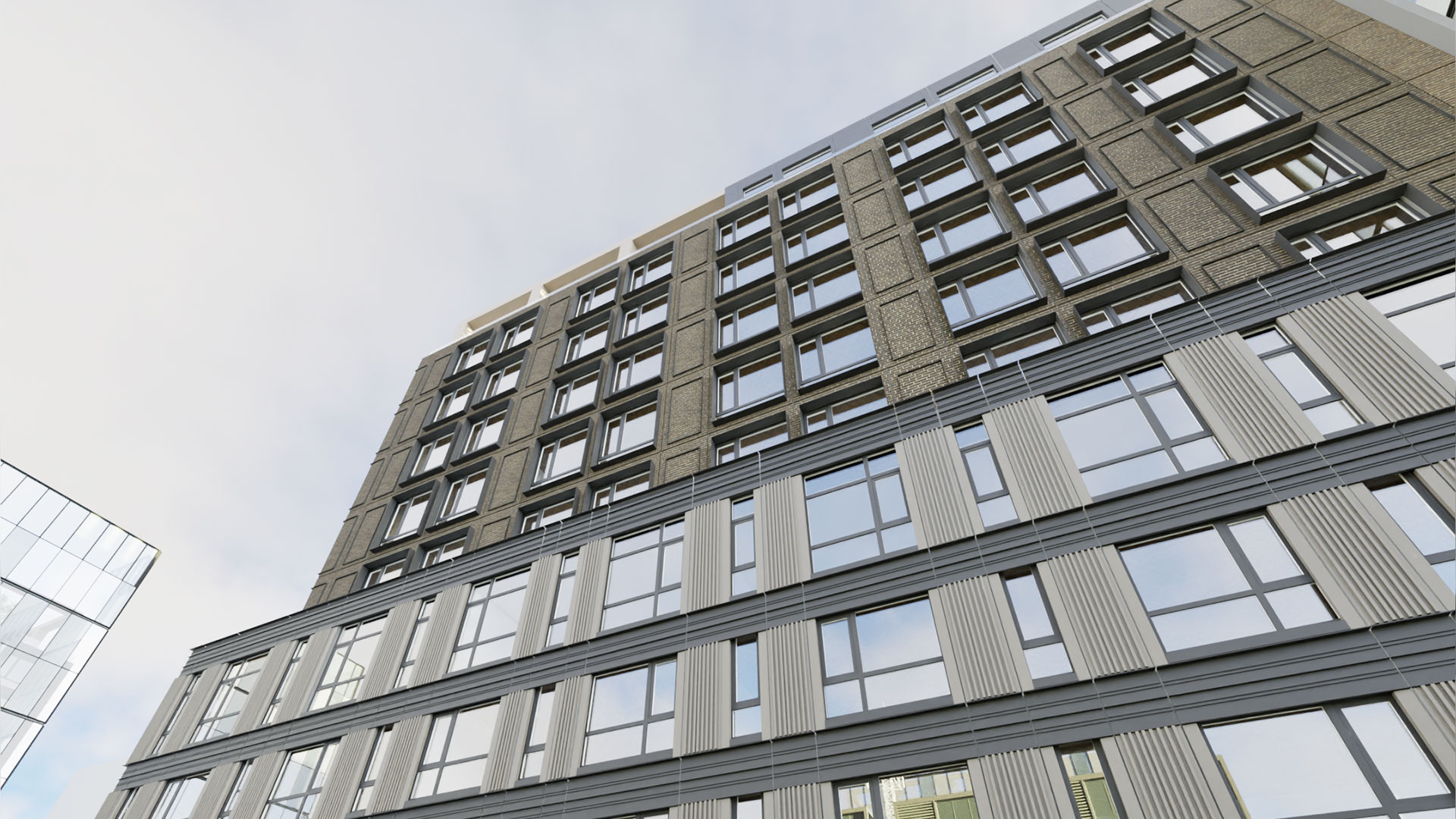
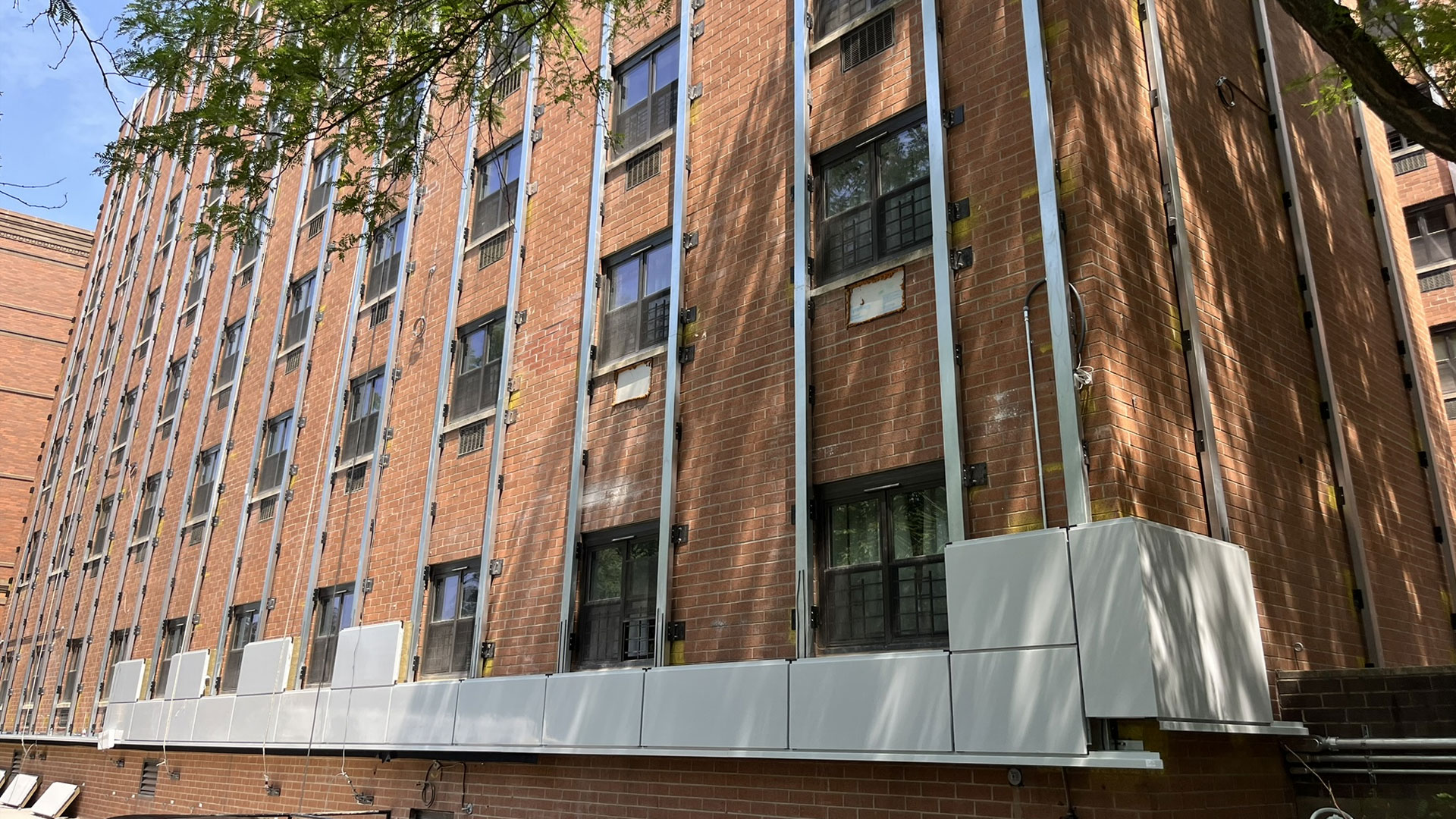
400 Lake Shore Drive demonstrates principles that Dextall applies across its projects. The D Wall® unitized panel system uses the same factory-to-site methodology: panels with windows, insulation, and cladding are fully fabricated in a controlled environment, delivered to site, and installed floor by floor. The result — 80% reduction in exterior work time and up to 87% reduction in on-site labor requirements.
The NJPAC project in Newark — a 25-story tower with 199 apartments featuring unitized facade delivery — demonstrates this methodology in practice for mixed-use high-rise housing. Factory fabrication parallel to structural site work compresses overall timelines. Precision manufacturing eliminates weather delays and ensures consistent quality that stick-built methods cannot guarantee.
Dextall Studio — the AI-powered design automation platform — coordinates the entire process from schematic design to fabrication drawings. The traditional process takes up to 36 months. Dextall Studio completes it in under a week. For projects at the scale of 400 Lake Shore, where coordination between architect, general contractor, facade manufacturer, and dozens of subcontractors determines success, digital integration through BIM becomes not an advantage but a necessity.
Projects like Innovation Queens and Hunter Street in Long Island City demonstrate unitized delivery at mid-rise scale. The principles are identical: factory quality control, parallel workflows, schedule compression, non-combustible insulation. Chicago is among Dextall's new target markets following the $15 million Series A raise — alongside Boston, Philadelphia, and Washington D.C.
Key Takeaways for Developers and Architects
400 Lake Shore Drive crystallizes several principles that work at any scale — from mid-rise to supertall. First: unitized curtain wall scales. The same methodology that works on a 12-story building in Queens works on a 72-story tower in Chicago. The difference lies in panel sizes, wind loads, and logistics, but the fundamental factory-fabrication → site-installation process remains unchanged.
Second: prefab doesn't mean boring boxes. SOM transformed a standard curtain wall grid into a reinterpretation of the iconic Chicago bay window with pilasters, visual depth, and metal detailing that evokes lake waves. Factory production ensures the precision that makes this level of detail possible and repeatable across 72 floors.
Third: parallel fabrication compresses schedules regardless of height. New Hudson Facades' factory near Philadelphia operates simultaneously with Goebel Forming at the Chicago construction site. This eliminates the sequential dependency of "structure first, facade second" that traditionally adds months to project timelines. For projects with affordable housing components — where carrying costs eat into margins — every month saved has a direct impact on financial viability.
Fourth: the mixed-income model works with unitized economics. Standardizing the manufacturing process means affordable and market-rate units receive identical facade quality. This isn't a compromise — it's an advantage of factory-controlled manufacturing, where every panel undergoes the same quality control regardless of which apartment it's installed in.
FAQ
What is a unitized curtain wall system and how does it differ from stick-built?
A unitized curtain wall is a facade system where large panels (typically floor-height by one or two window modules wide) are fully fabricated at a factory with integrated glass, insulation, and seals. Panels are delivered to site and installed by crane floor by floor. Stick-built systems, by contrast, are assembled on-site from individual components — frames, glass, and seals. The unitized approach delivers higher quality through factory control, faster installation (one floor per day or two versus weeks for stick-built), weather independence, and less on-site labor. The primary advantage is parallel workflow: panels are manufactured at the factory while structural work continues at the construction site.
How does factory fabrication reduce construction timelines for high-rise facades?
Factory fabrication eliminates the sequential dependency between structural and facade work. In traditional construction, the facade begins only after the structure of the corresponding floor is completed. In the unitized model, the factory manufactures panels for upper floors in parallel with lower-floor concrete pours. This compresses the overall schedule by 30-50%. In the case of 400 Lake Shore Drive: a concrete floor is poured every 3 days, while the facade is installed trailing by only a few floors — every 3.5 days. Without parallel fabrication, completing the facade would require an additional 12-18 months after the superstructure finish.
Can unitized facade systems accommodate complex architectural designs?
Yes. 400 Lake Shore Drive demonstrates this clearly — SOM reinterpreted the classic Chicago bay window as a unitized module with aluminum pilasters, three-sided glass bays, and operable vent assemblies. Each module uniquely integrates a pilaster and two wings. Factory production actually facilitates complex geometry: CNC equipment ensures precision that manual site work cannot guarantee. For architects, this means greater design freedom for facades — without compromising execution quality.
What role do prefabricated panels play in affordable housing economics?
Prefabricated facade systems impact affordable housing economics through three channels. First: compressing construction schedules by 30-50% reduces carrying costs — interest on construction loans, insurance, overhead. Second: reducing on-site labor requirements by up to 87% lowers direct labor costs. Third: manufacturing standardization allows affordable and market-rate units to receive identical facade quality at no additional cost. In projects with mixed-income models — like 400 Lake Shore Drive with its 20% affordable component — these factors directly impact financial viability. Faster occupancy means earlier rental income, which is critical for affordable housing pro formas.
How does Dextall's D Wall® system compare to traditional curtain wall approaches?
D Wall® is a unitized prefab panel system that uses the same factory-to-site methodology employed by New Hudson Facades at 400 Lake Shore Drive. Key differences from traditional curtain wall approaches: panels arrive on-site with fully integrated windows, insulation, and cladding. Installation occurs from inside the building, eliminating the need for exterior scaffolding — which is especially critical for projects in dense urban settings. Exterior work time reduction reaches 80%. D Wall® panels are non-combustible, fire-rated, and meet Passive House and Net Zero standards. For projects ranging from mid-rise to high-rise, the system delivers factory quality at any scale.
Disclaimer
Dextall is not involved in the 400 Lake Shore Drive project. This article analyzes publicly available information about SOM's design and Related Midwest's development to explore how unitized curtain wall systems and prefabricated facade technologies are advancing high-rise residential construction in the U.S. market. For questions about 400 Lake Shore Drive, contact Related Midwest or SOM. For information about Dextall's prefabricated building envelope solutions and unitized panel systems, visit dextall.com.
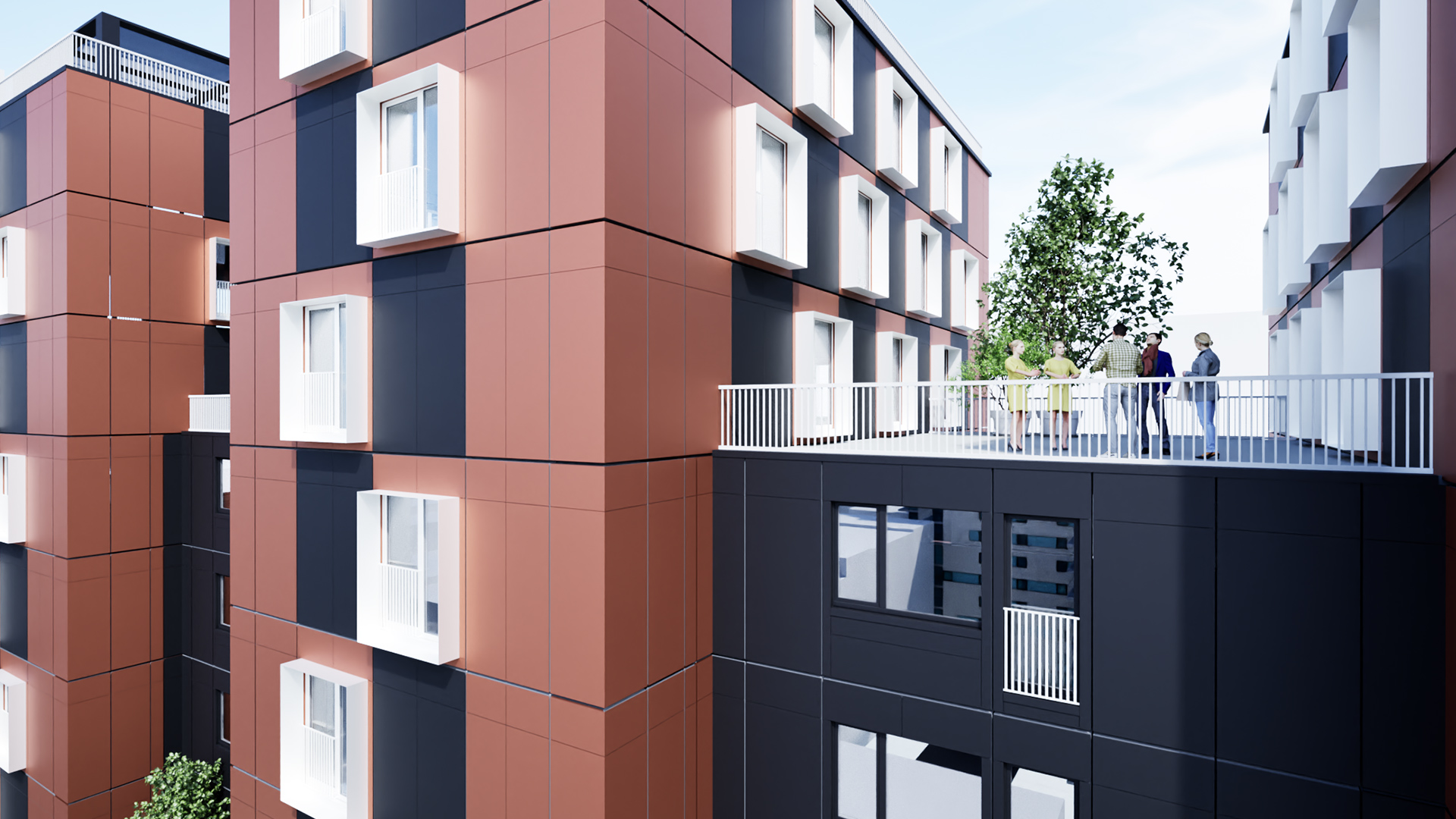
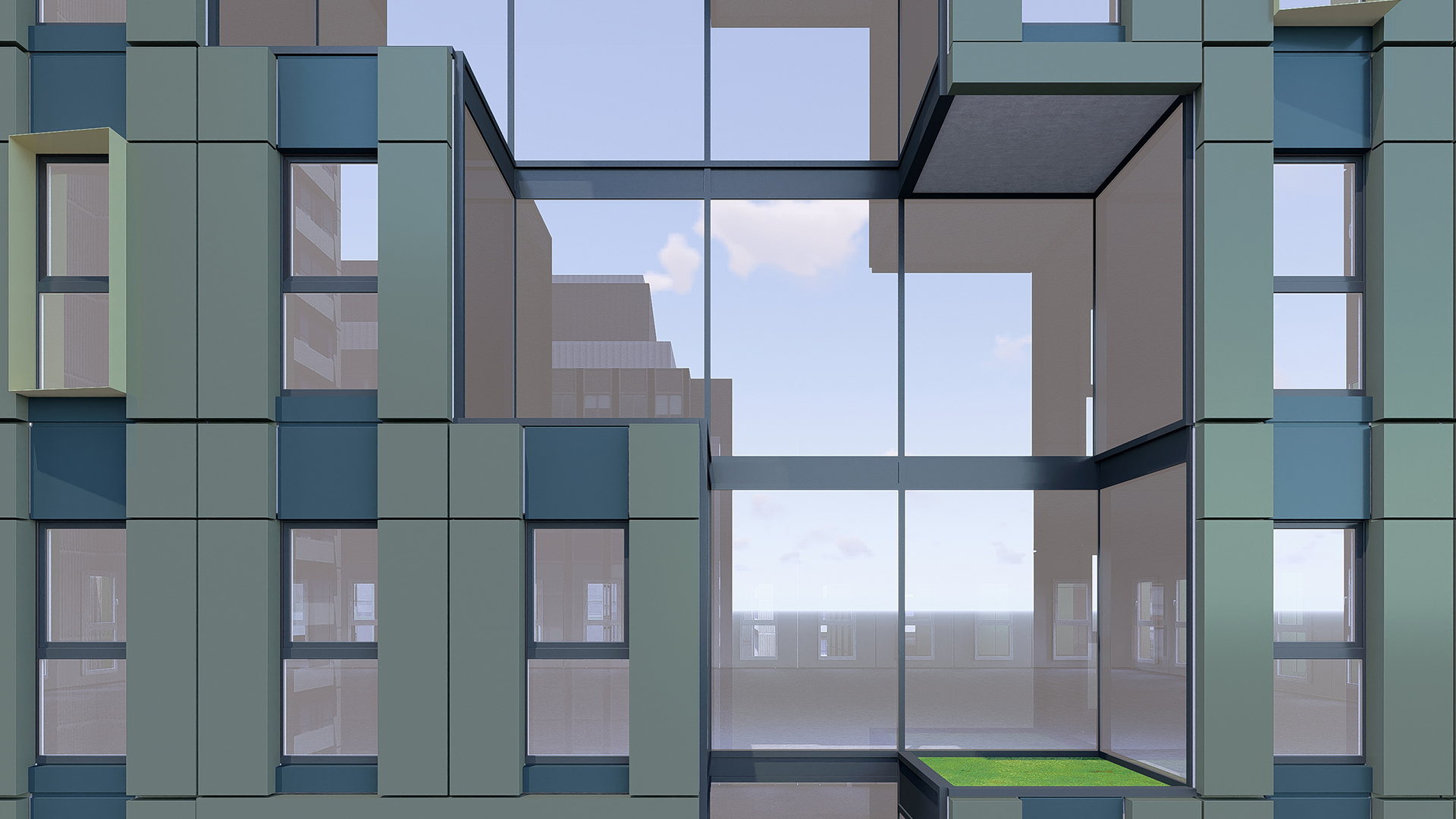
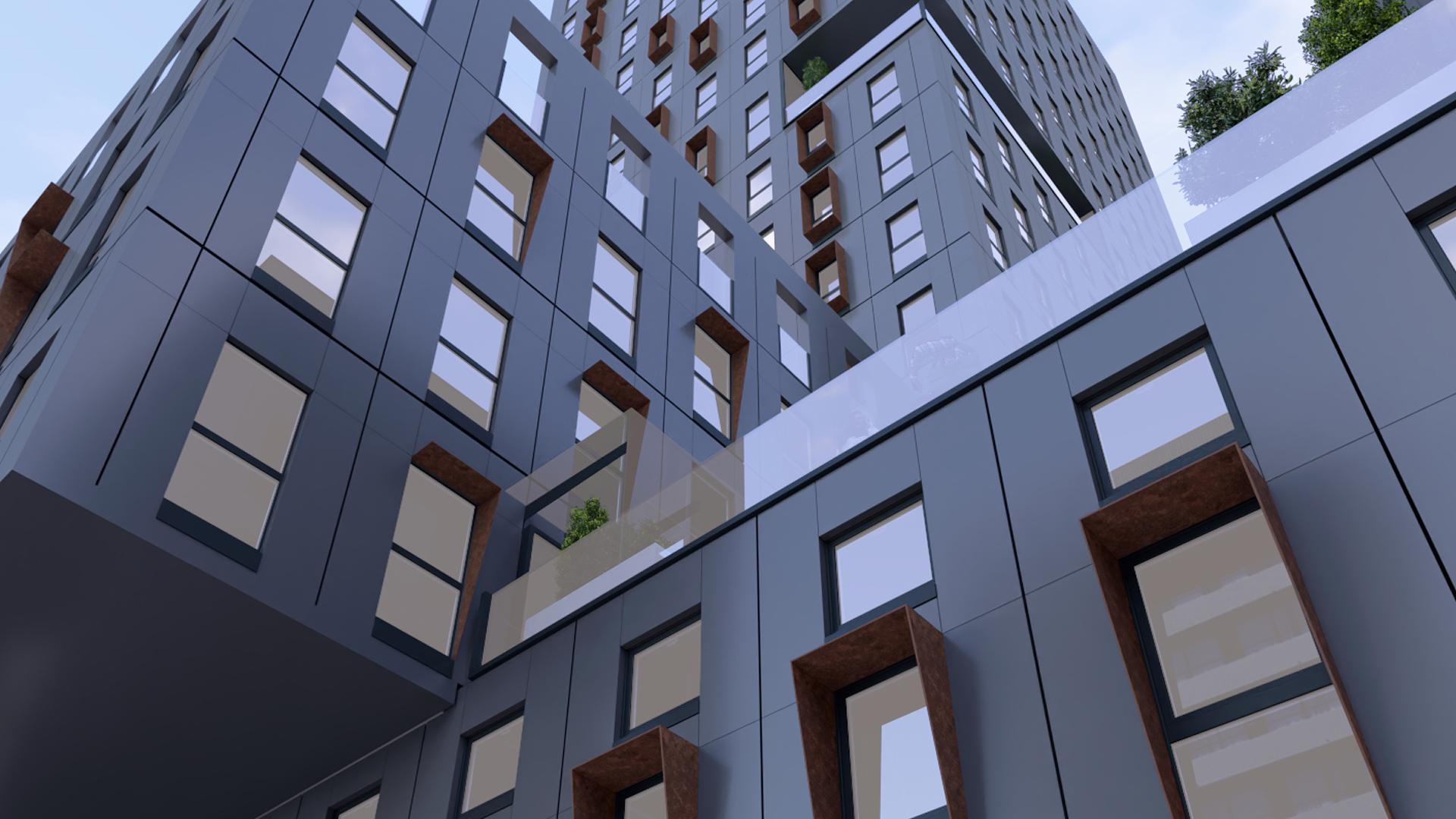
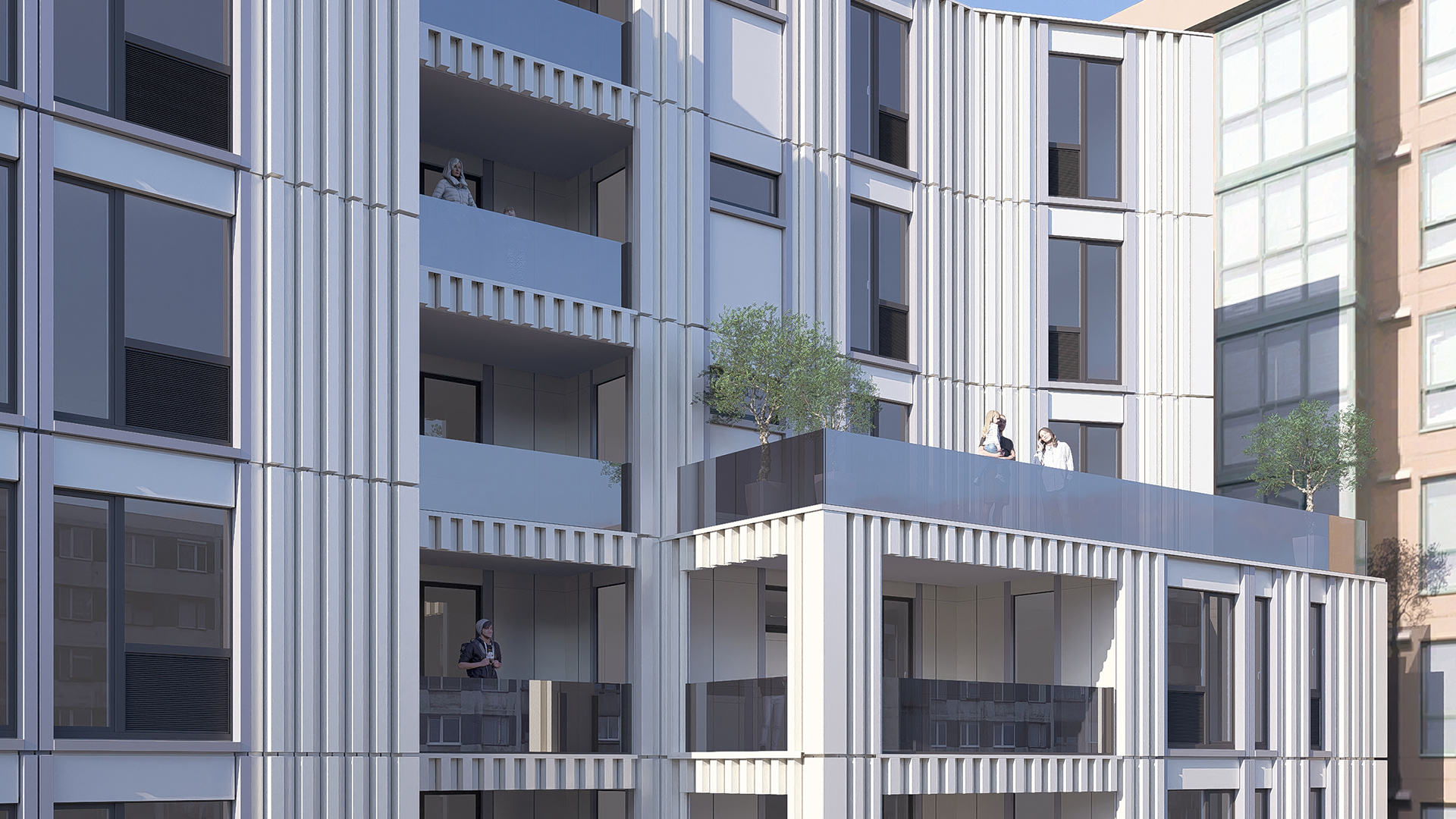
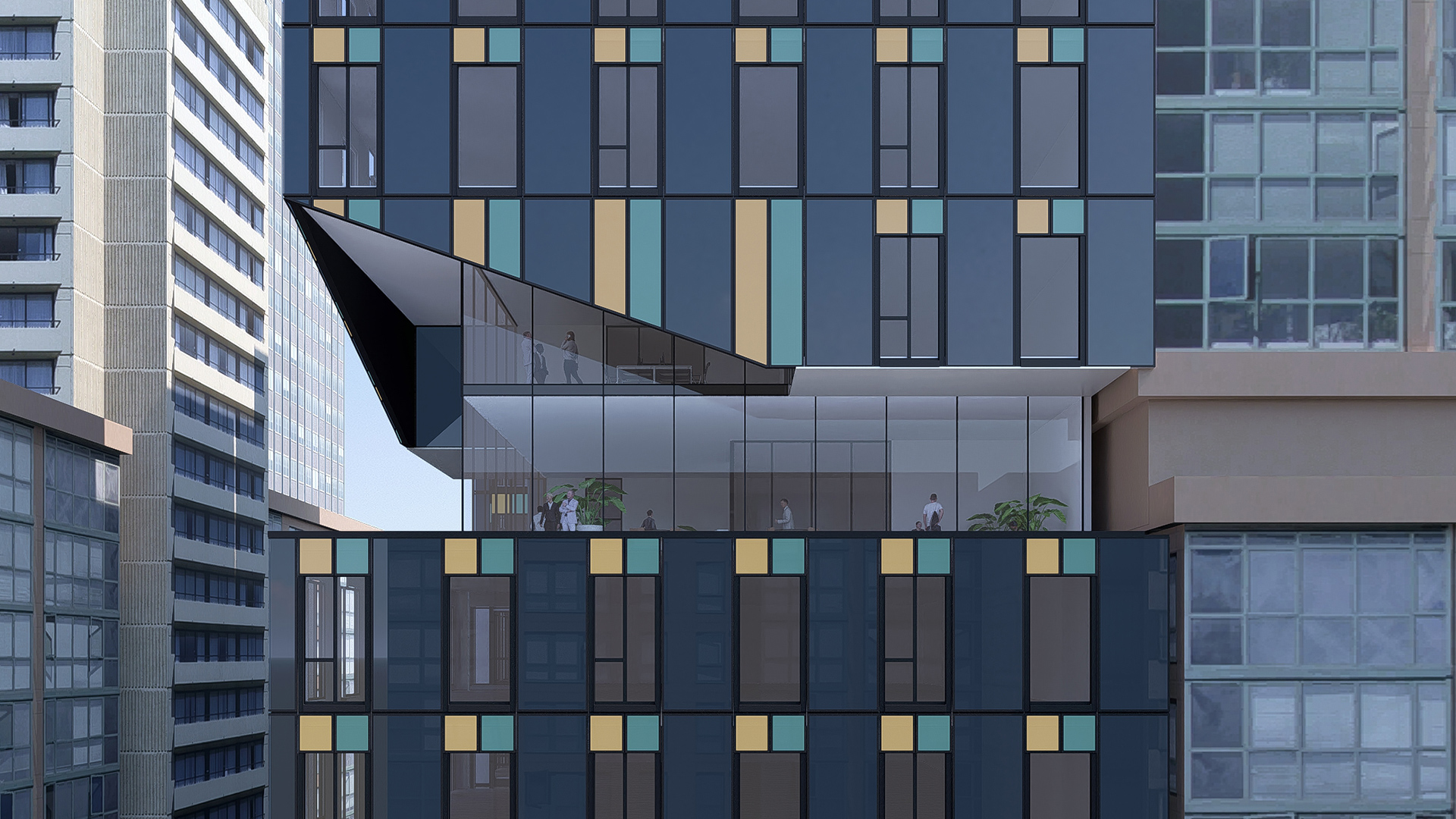
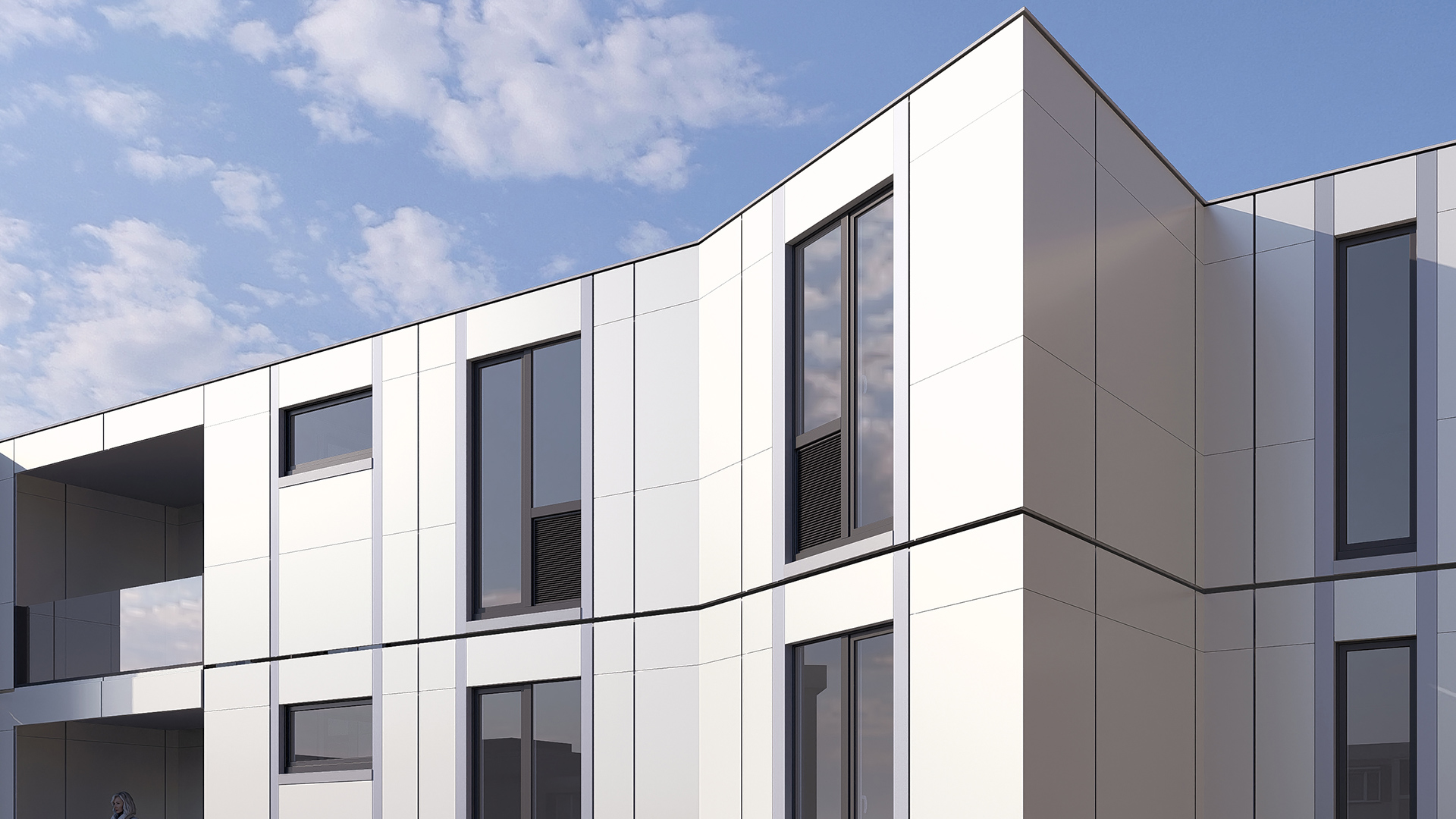
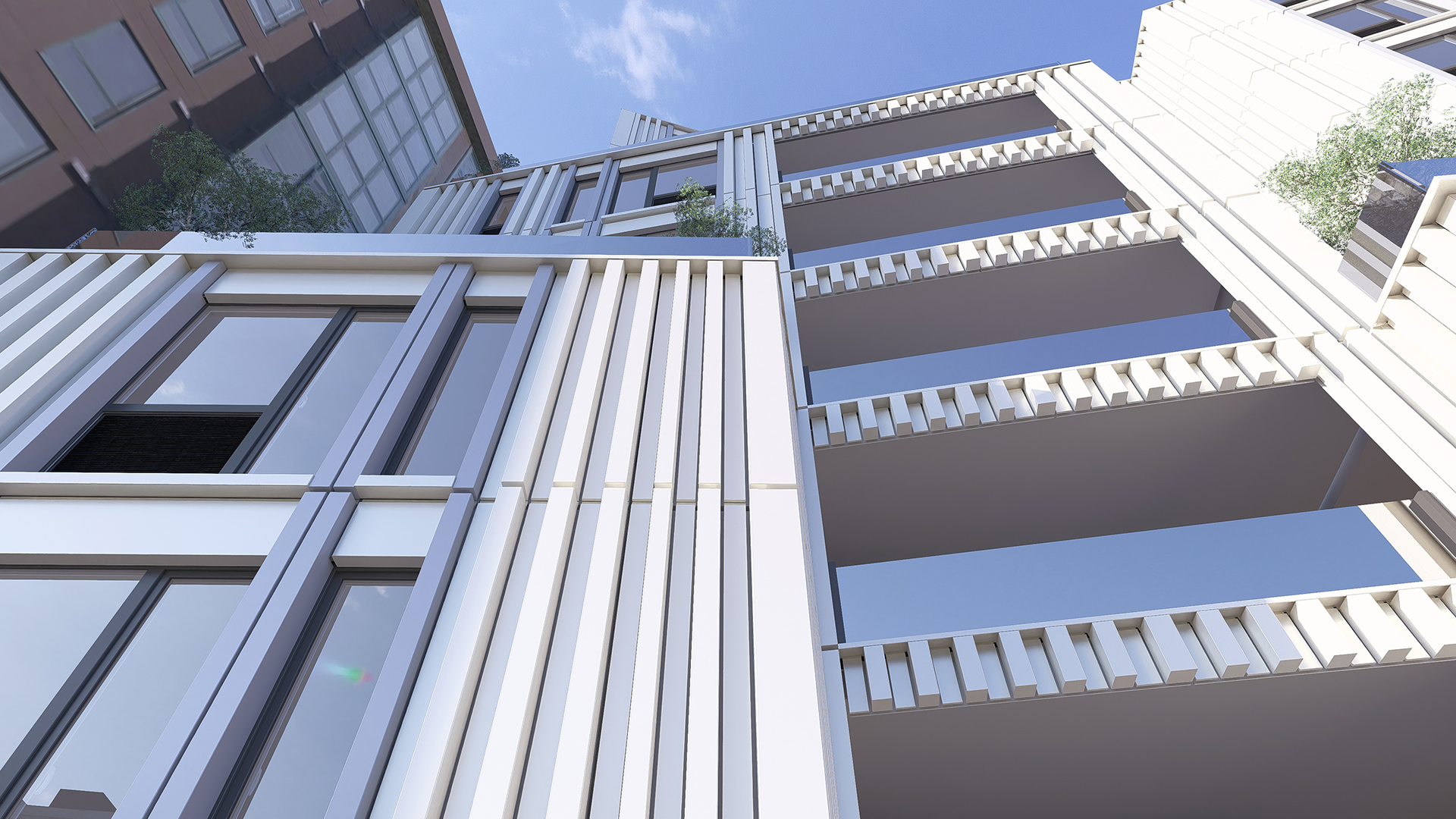
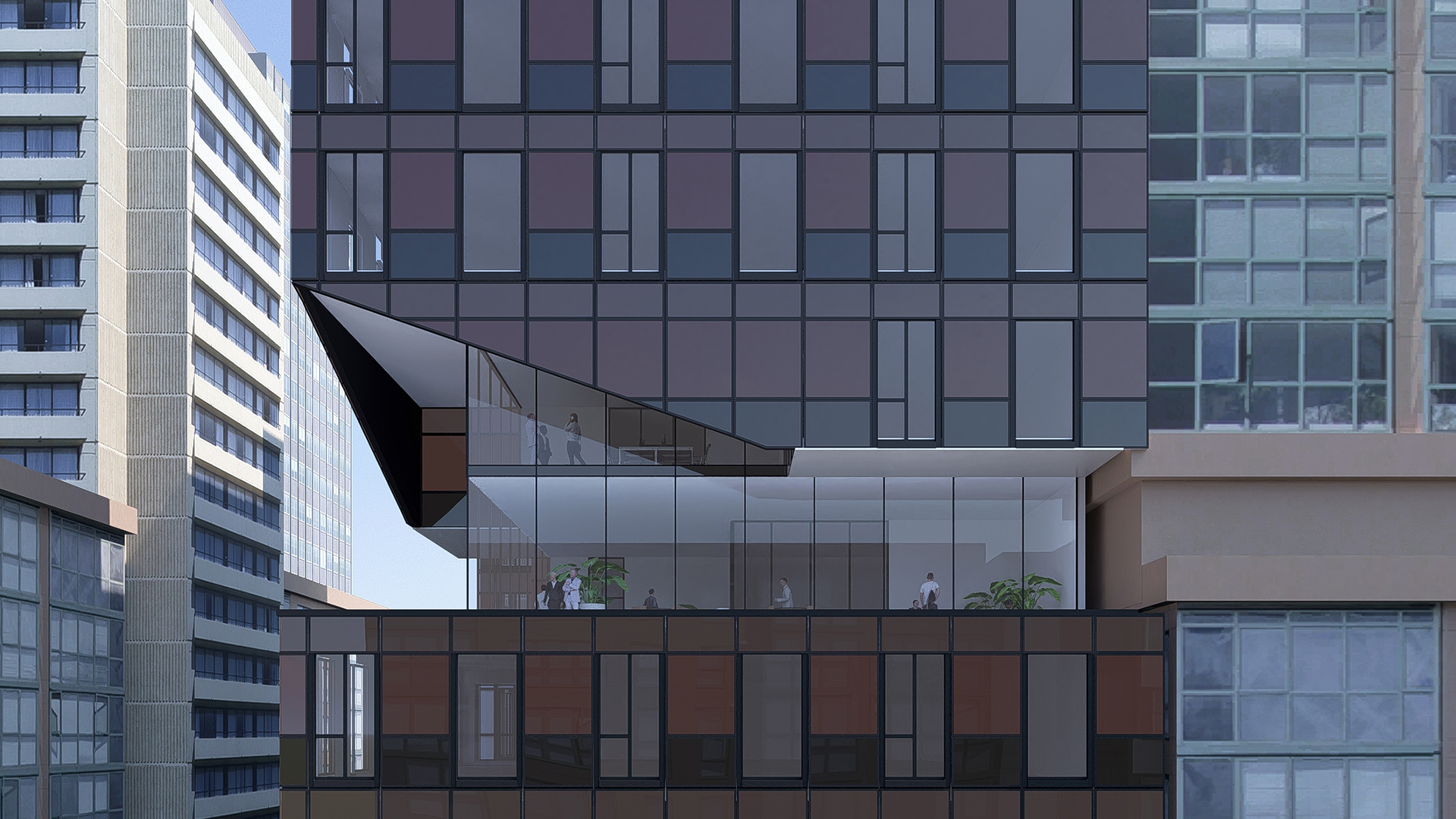
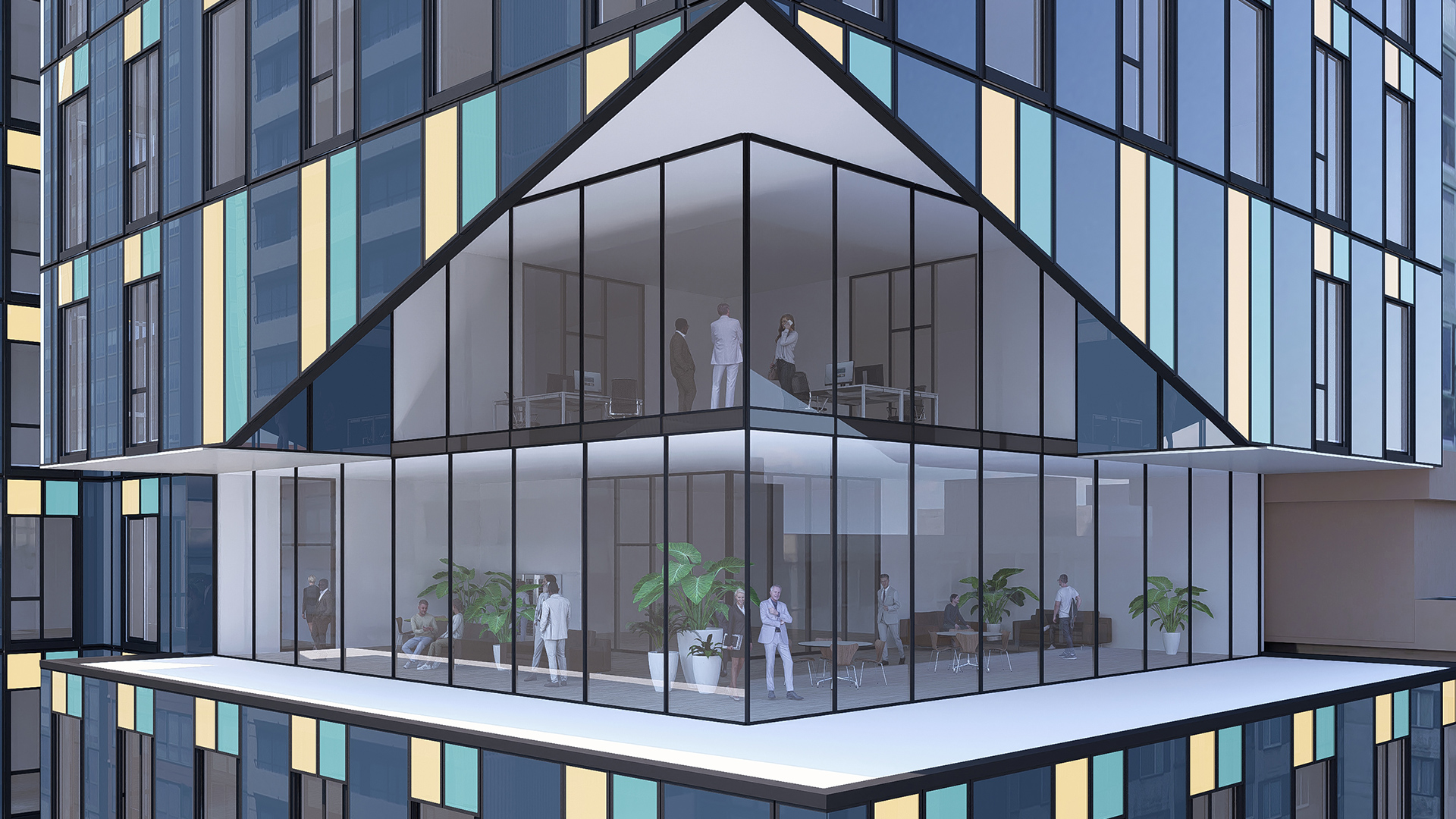
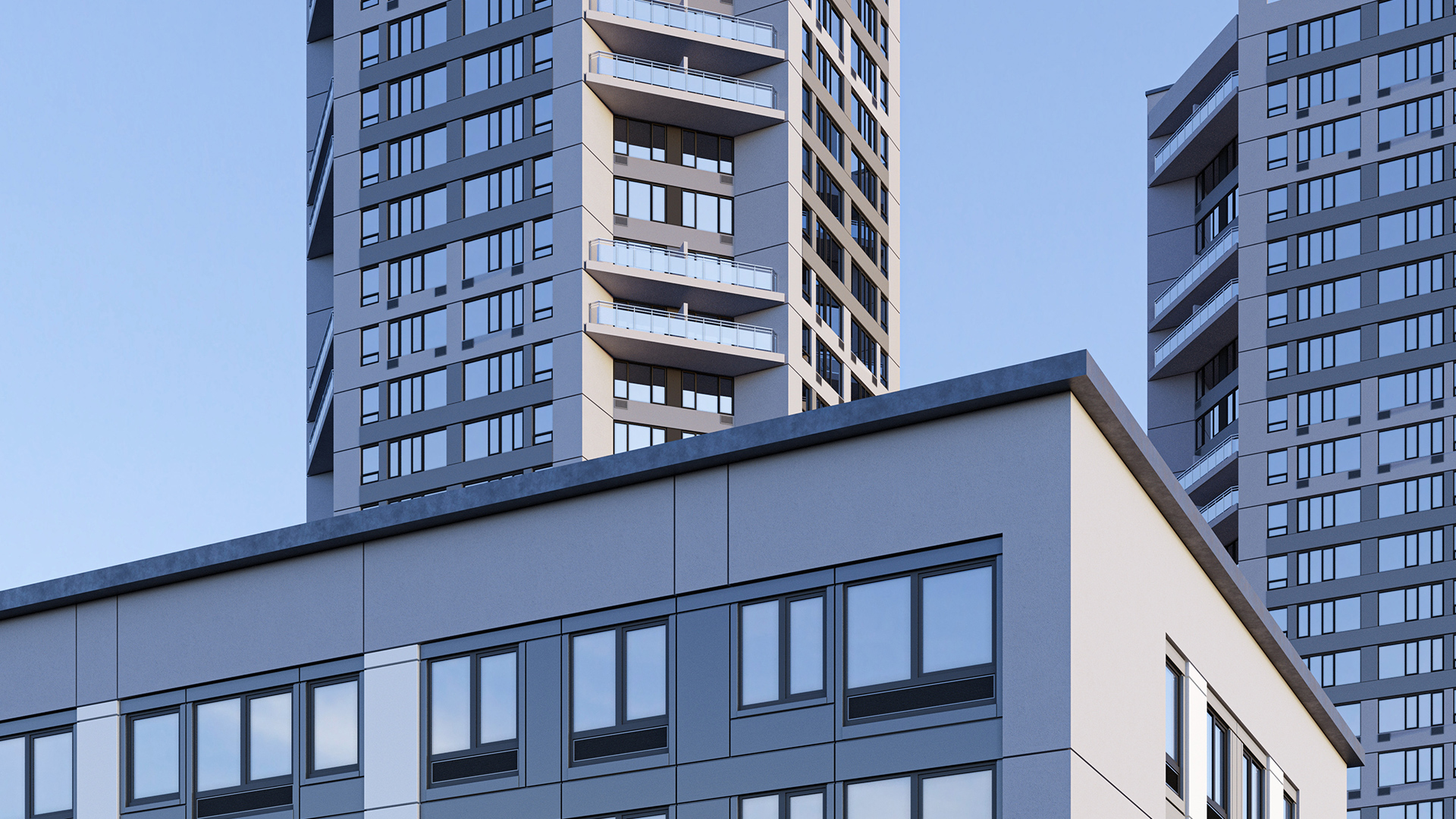
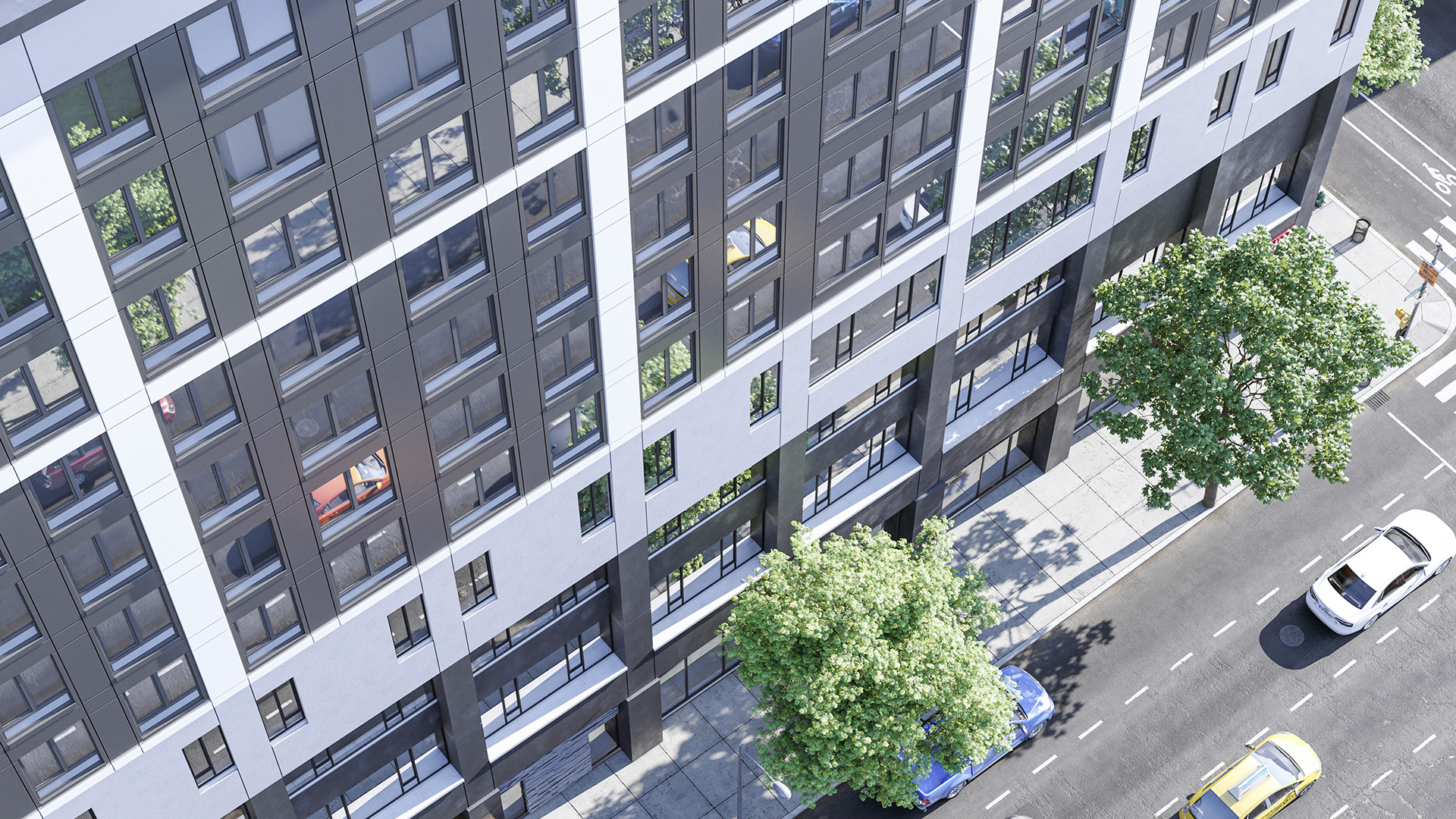
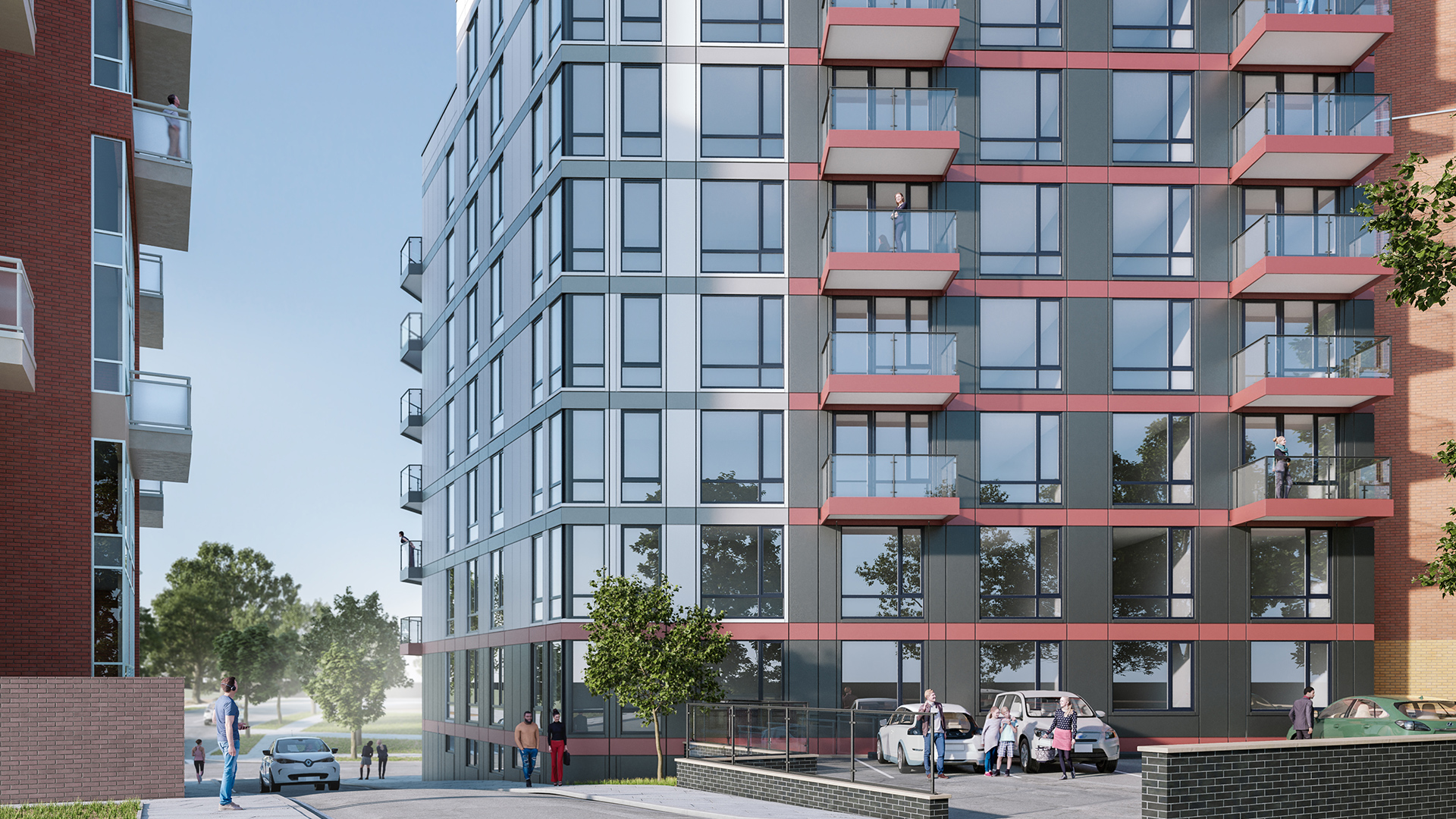
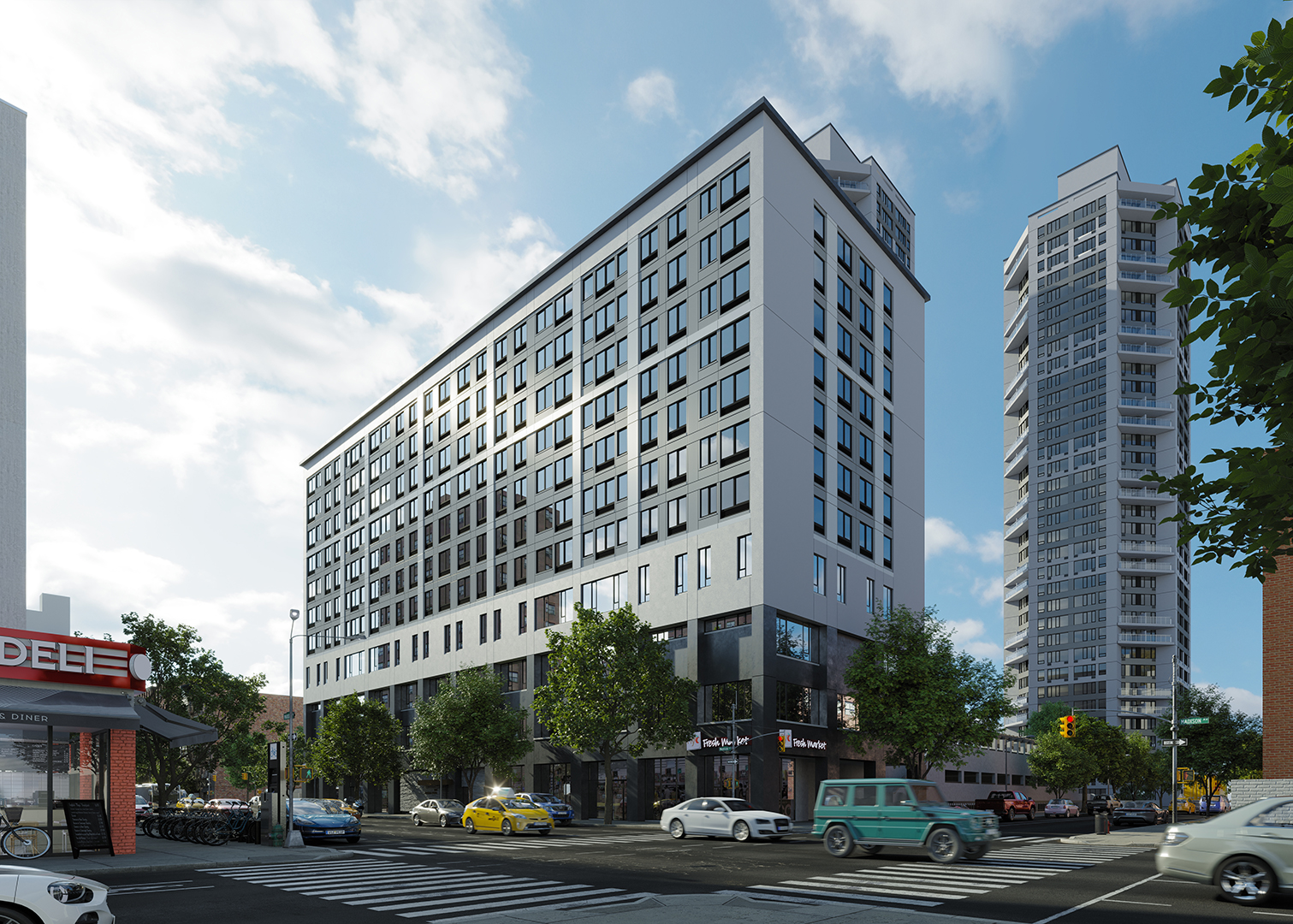
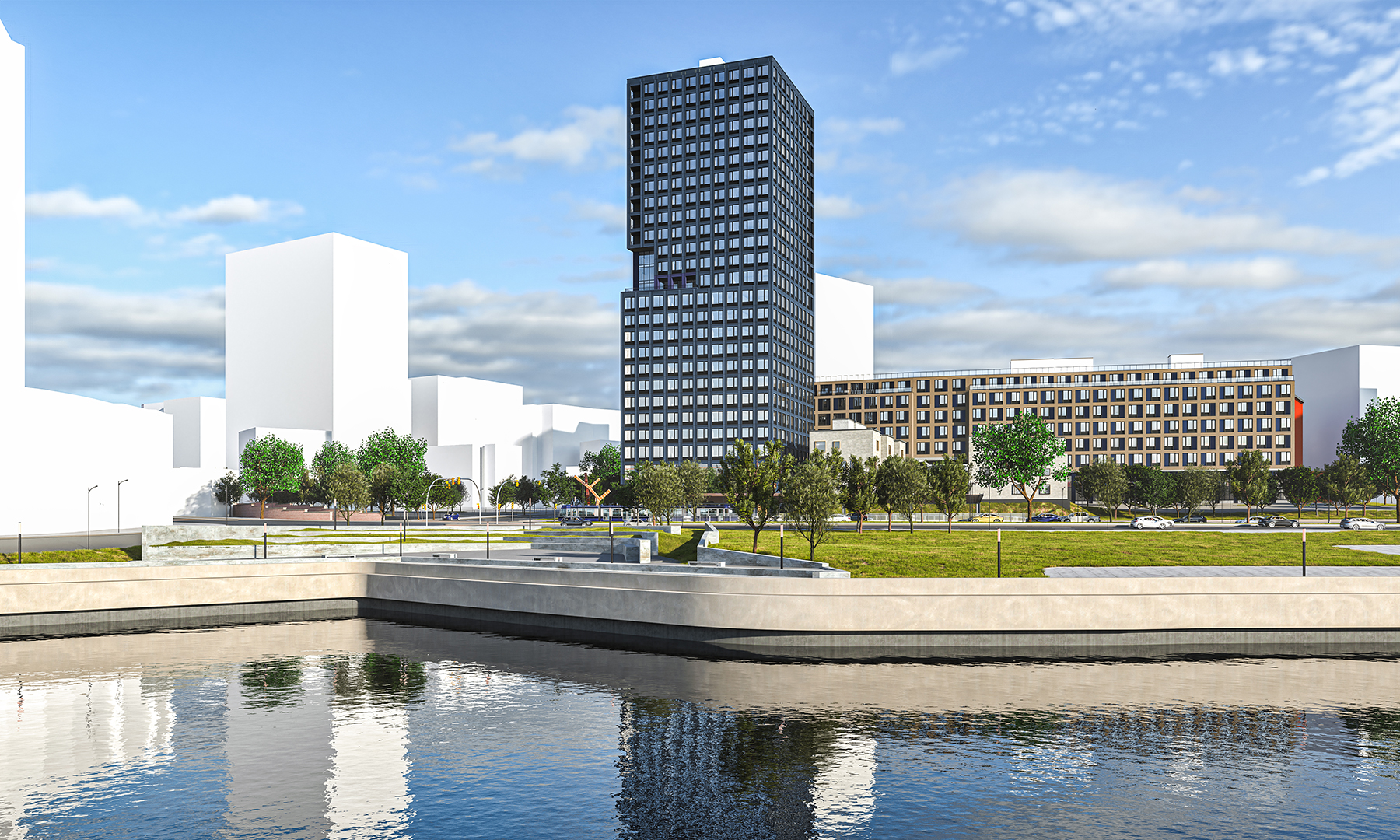
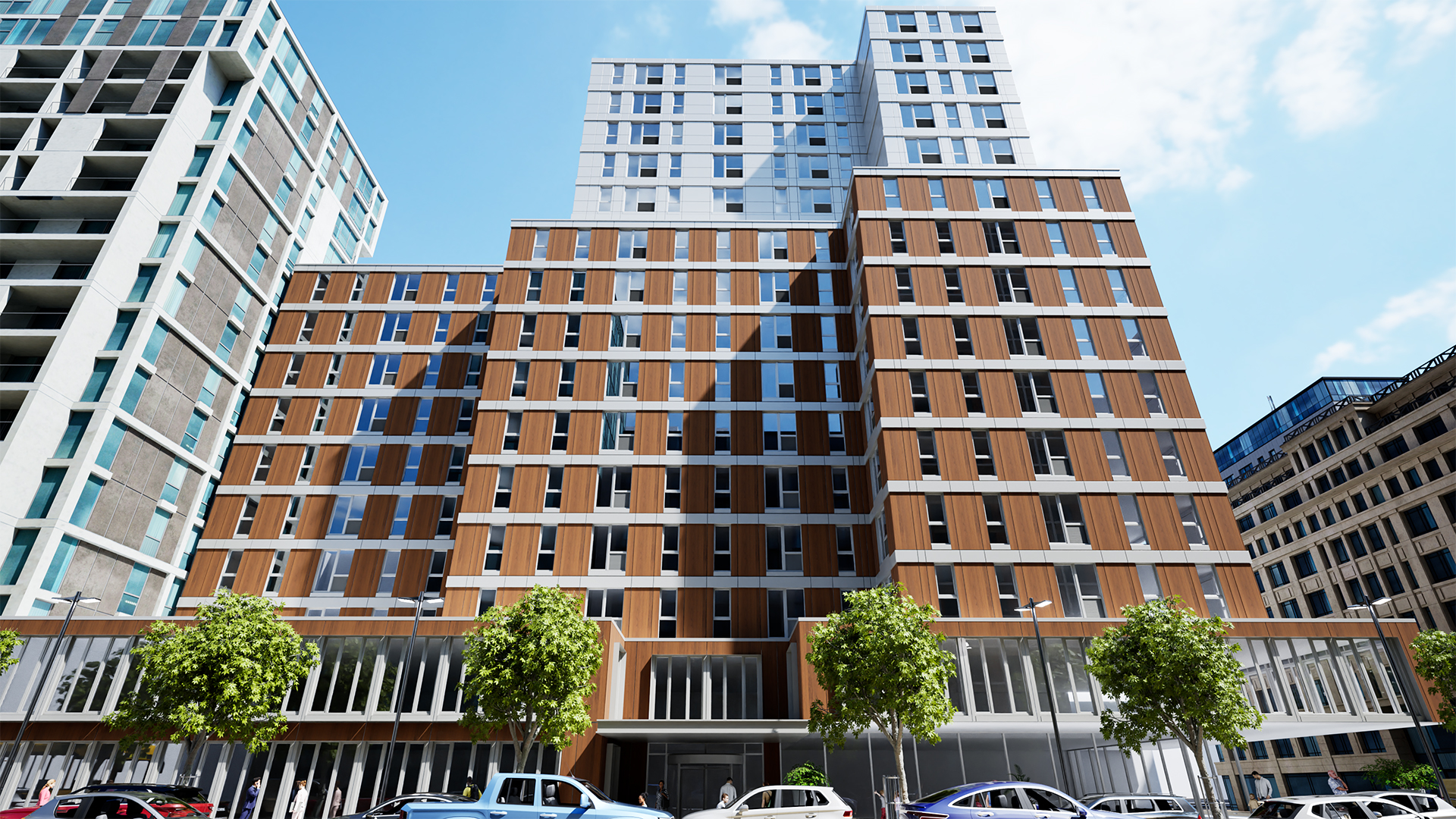
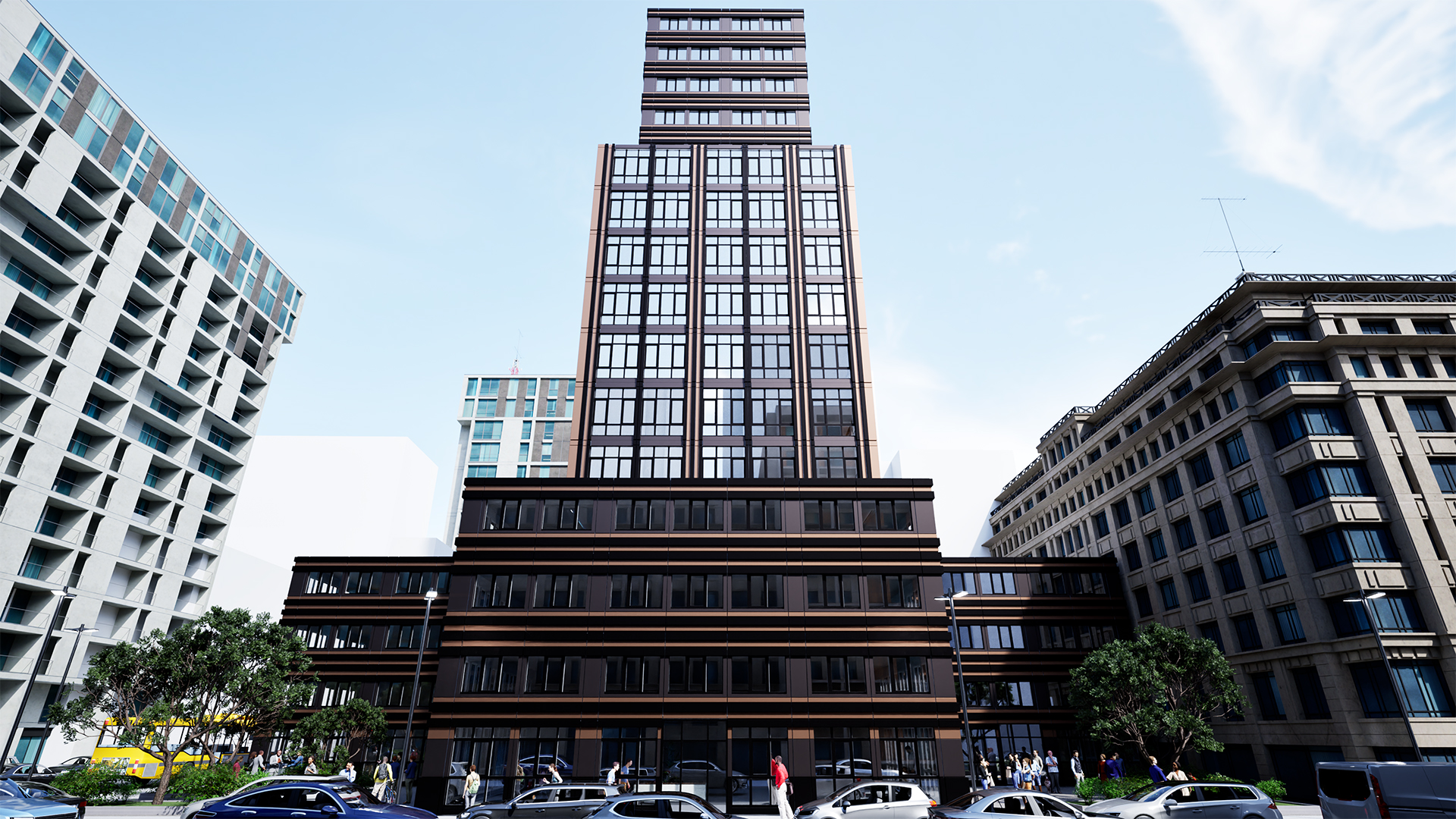
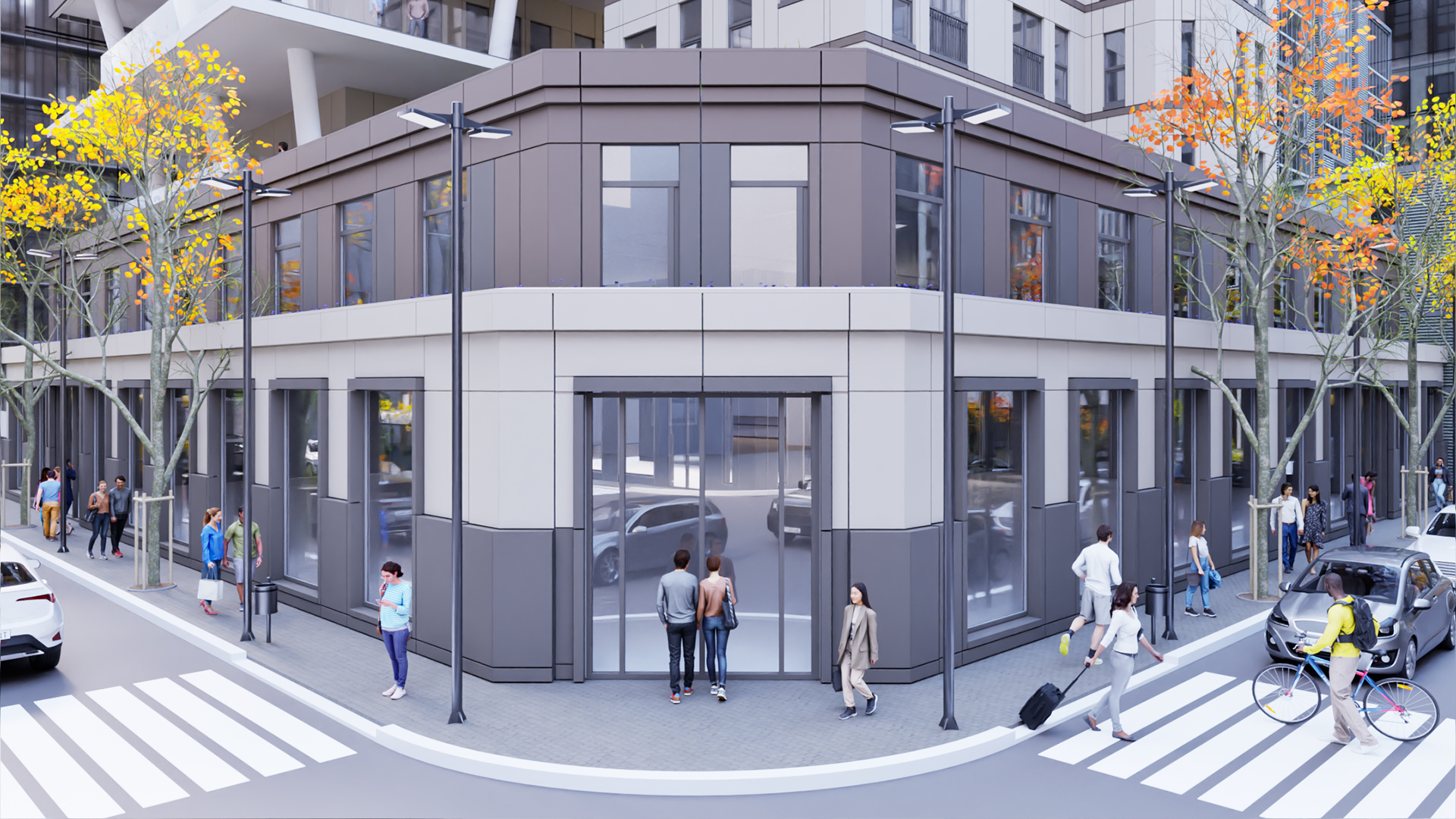
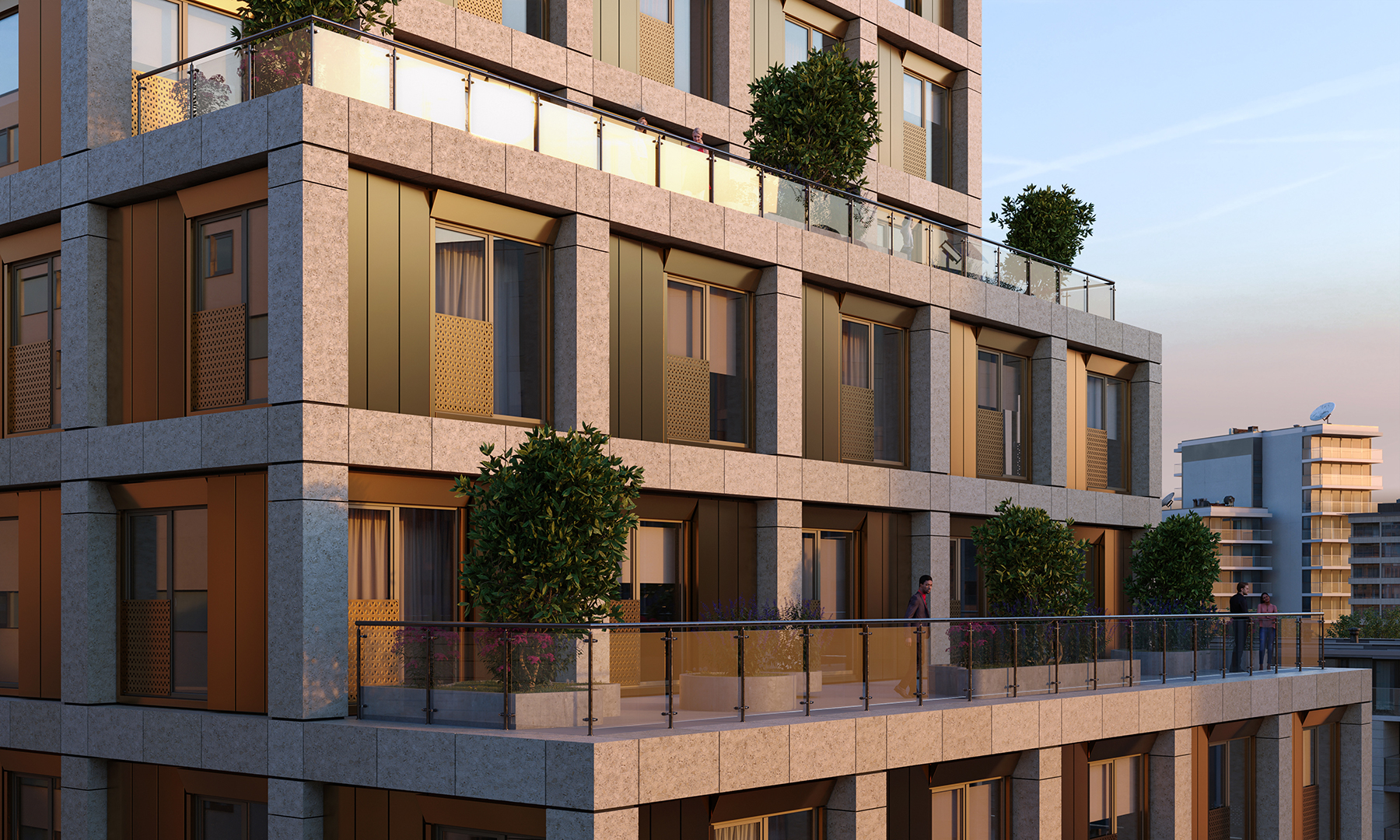
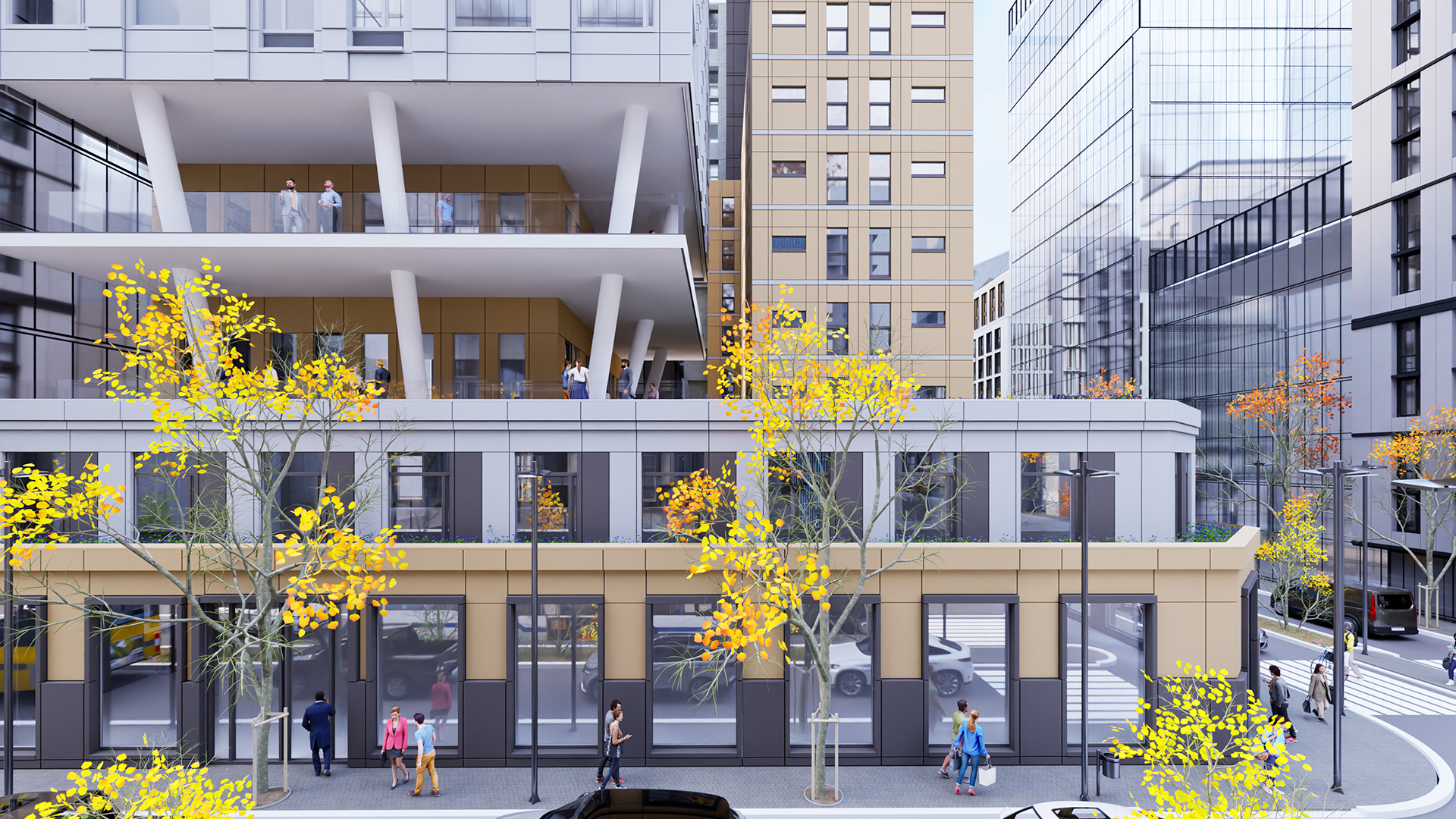
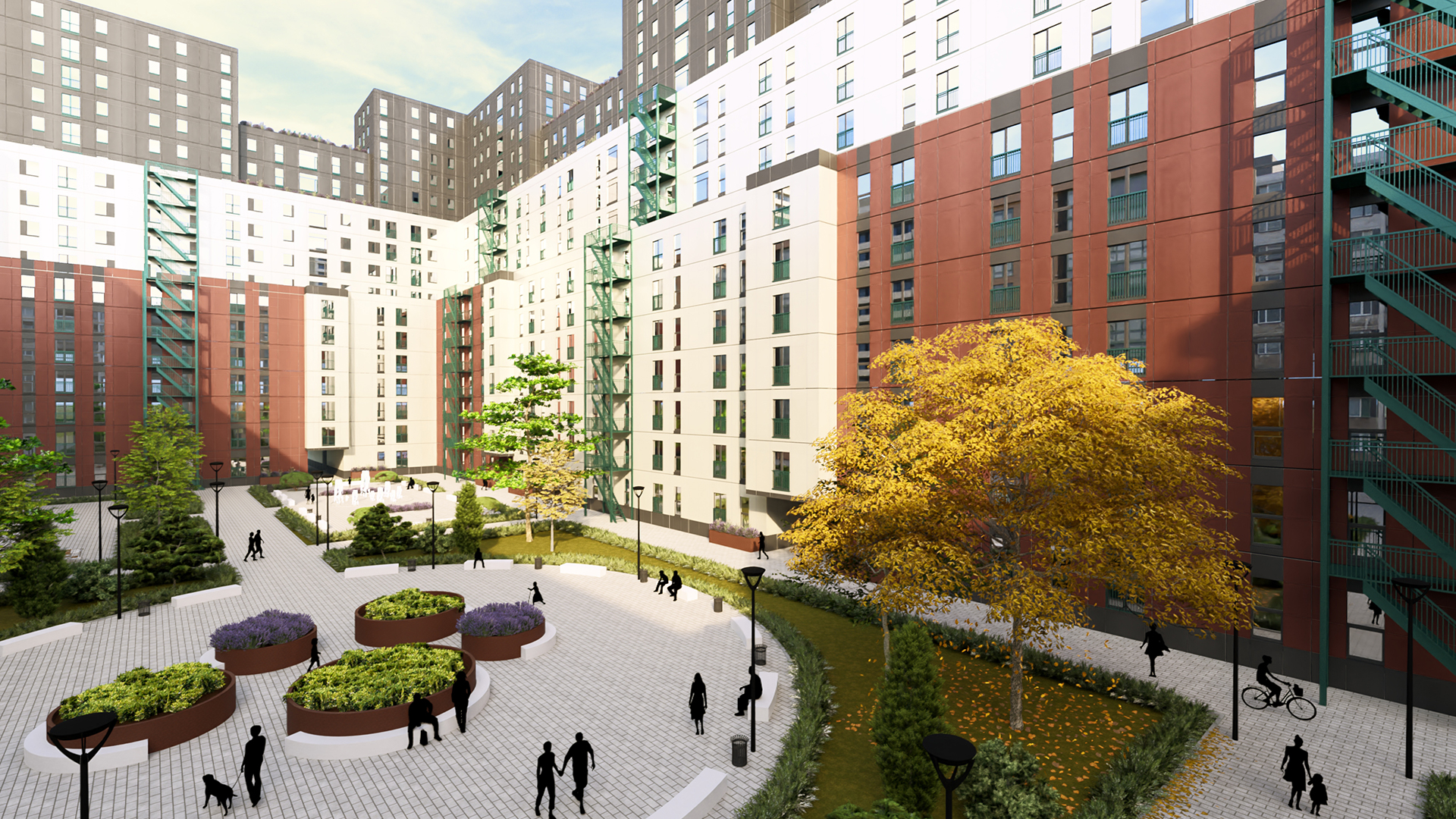
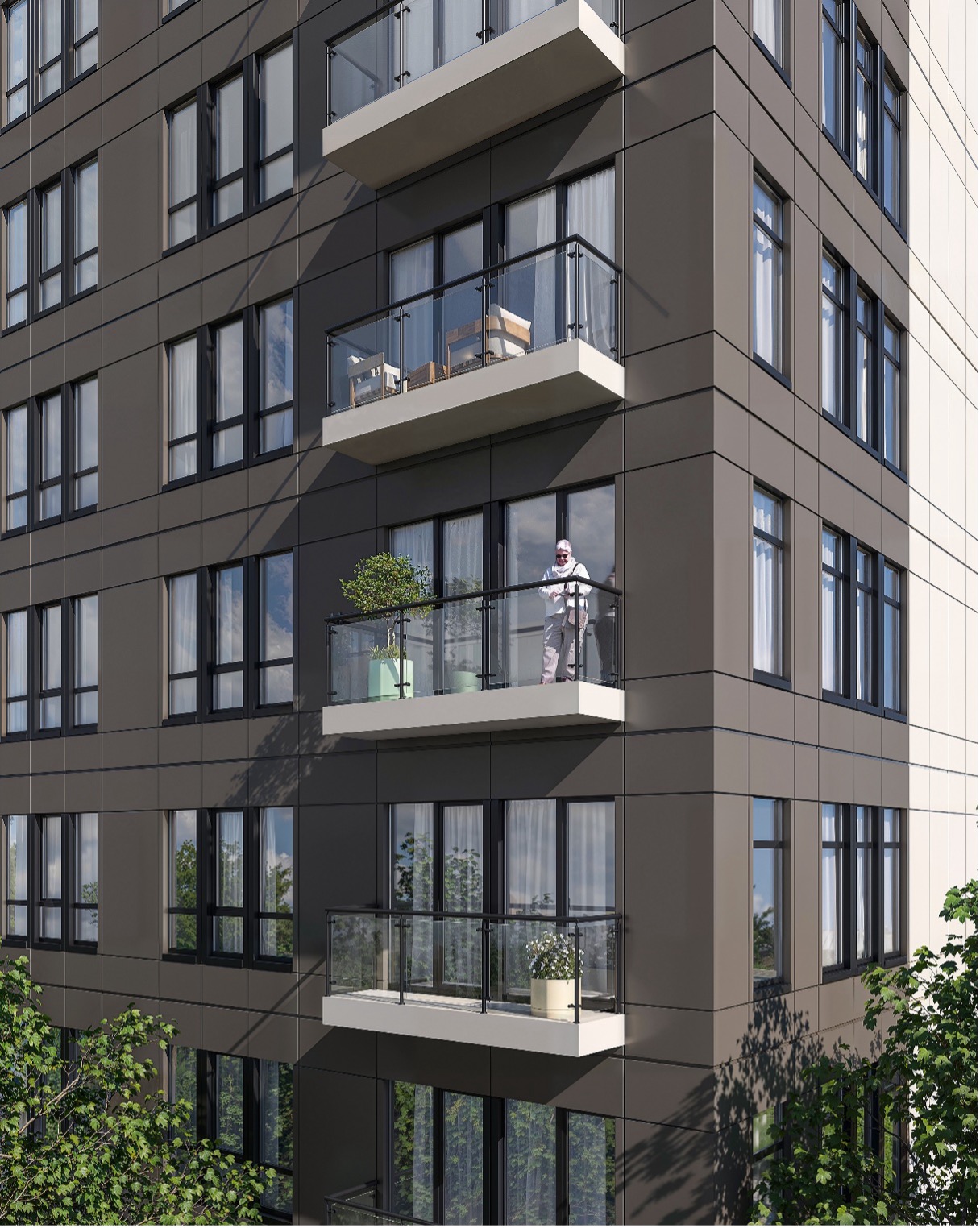
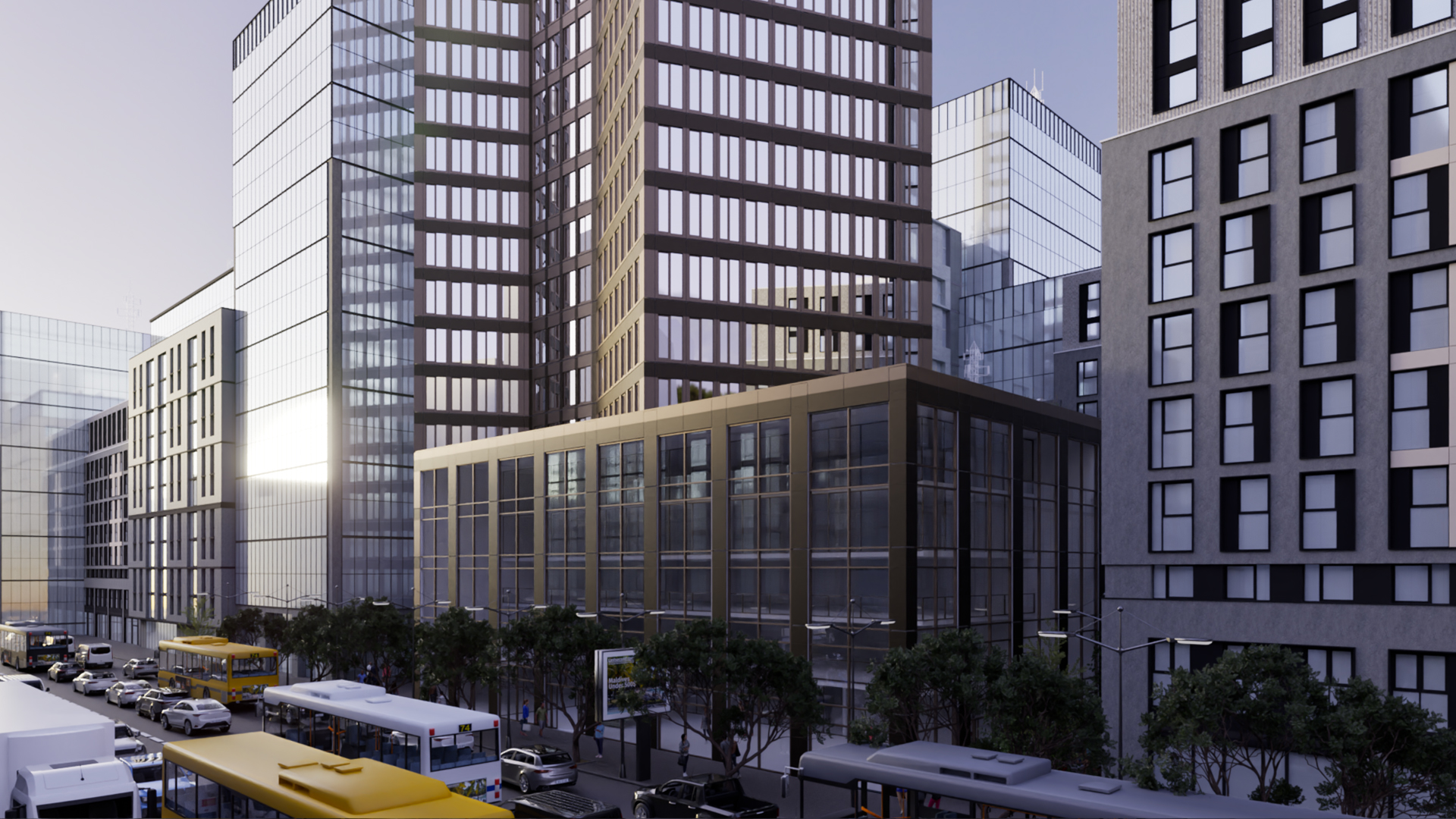
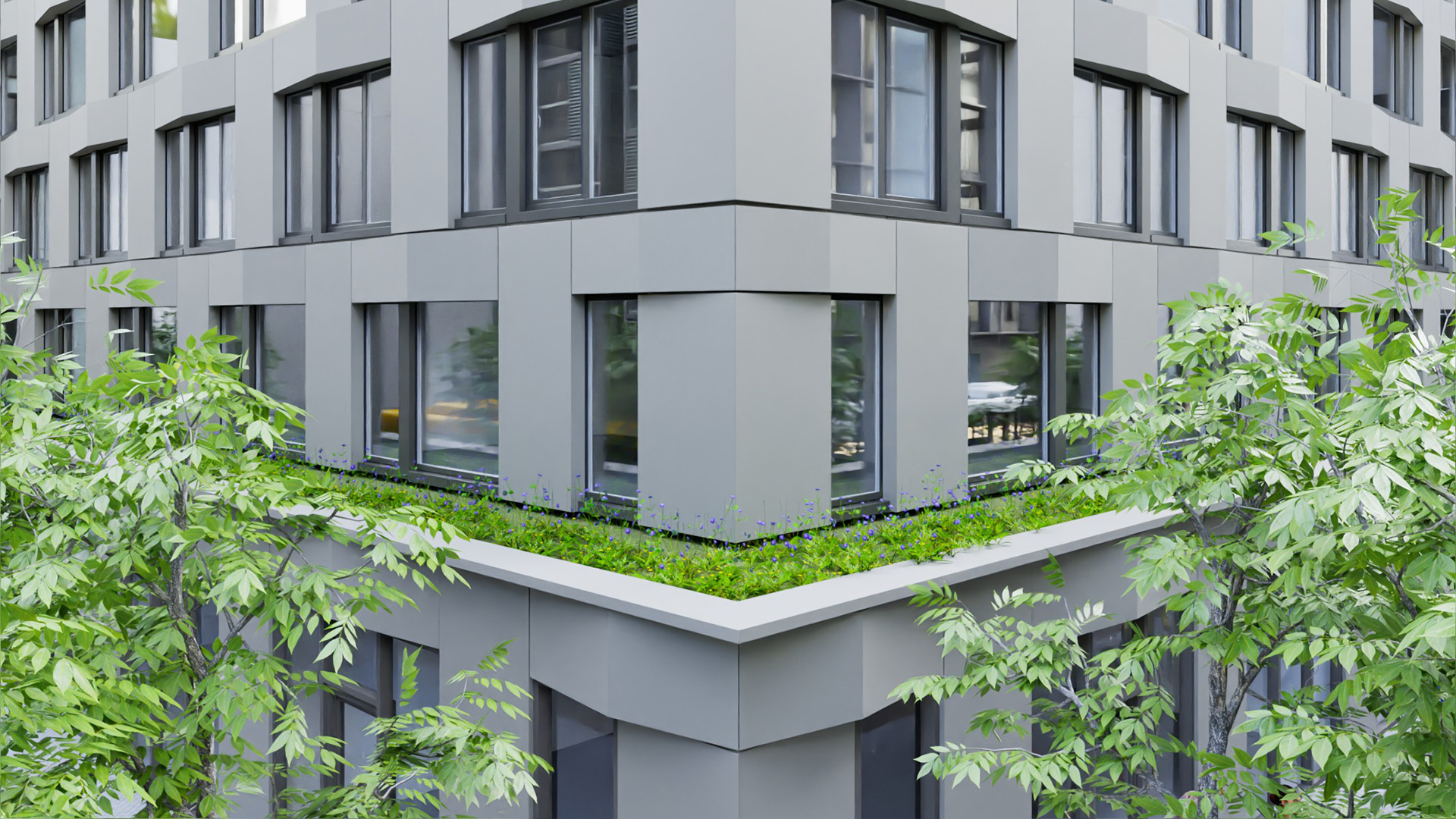
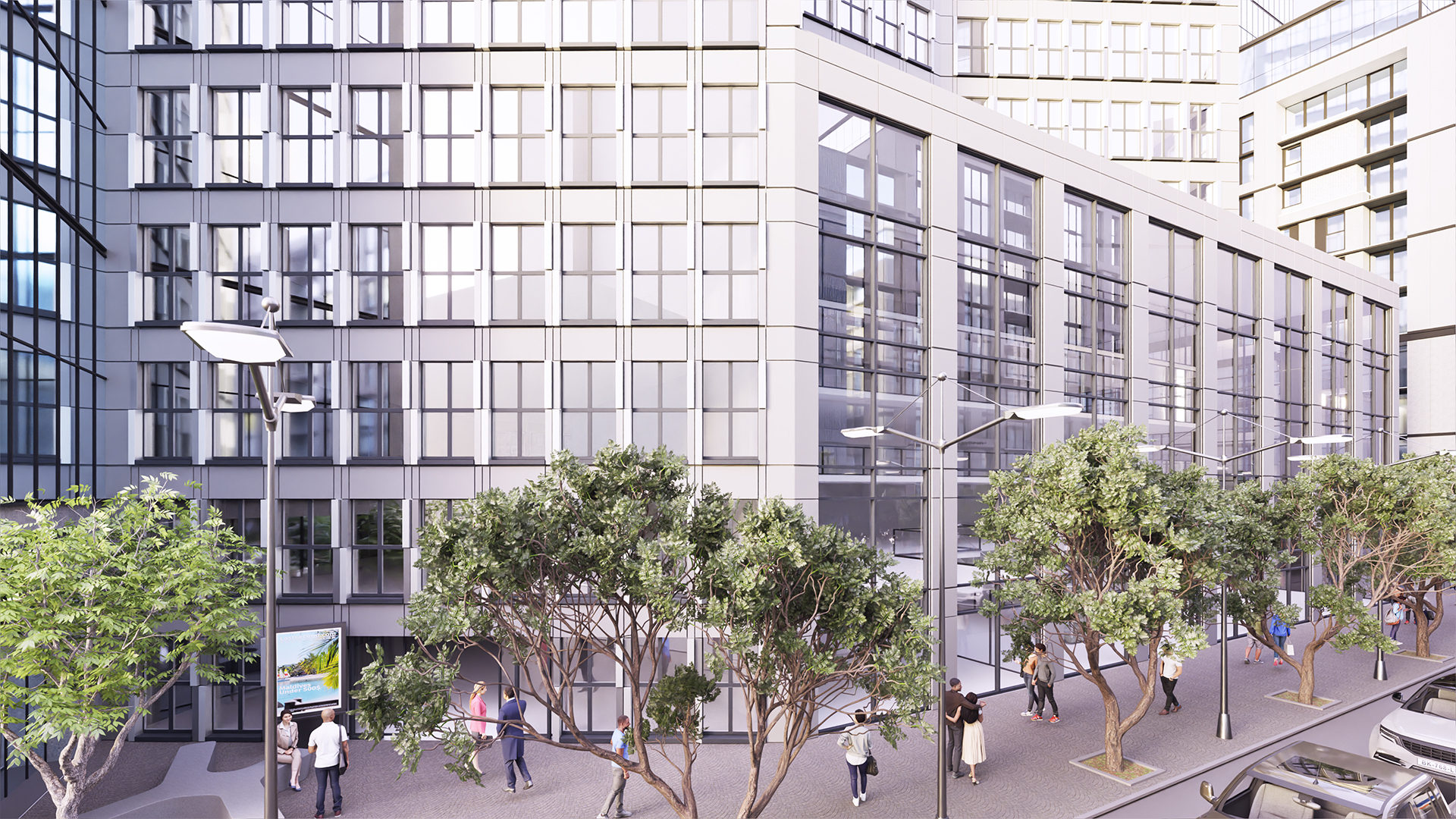
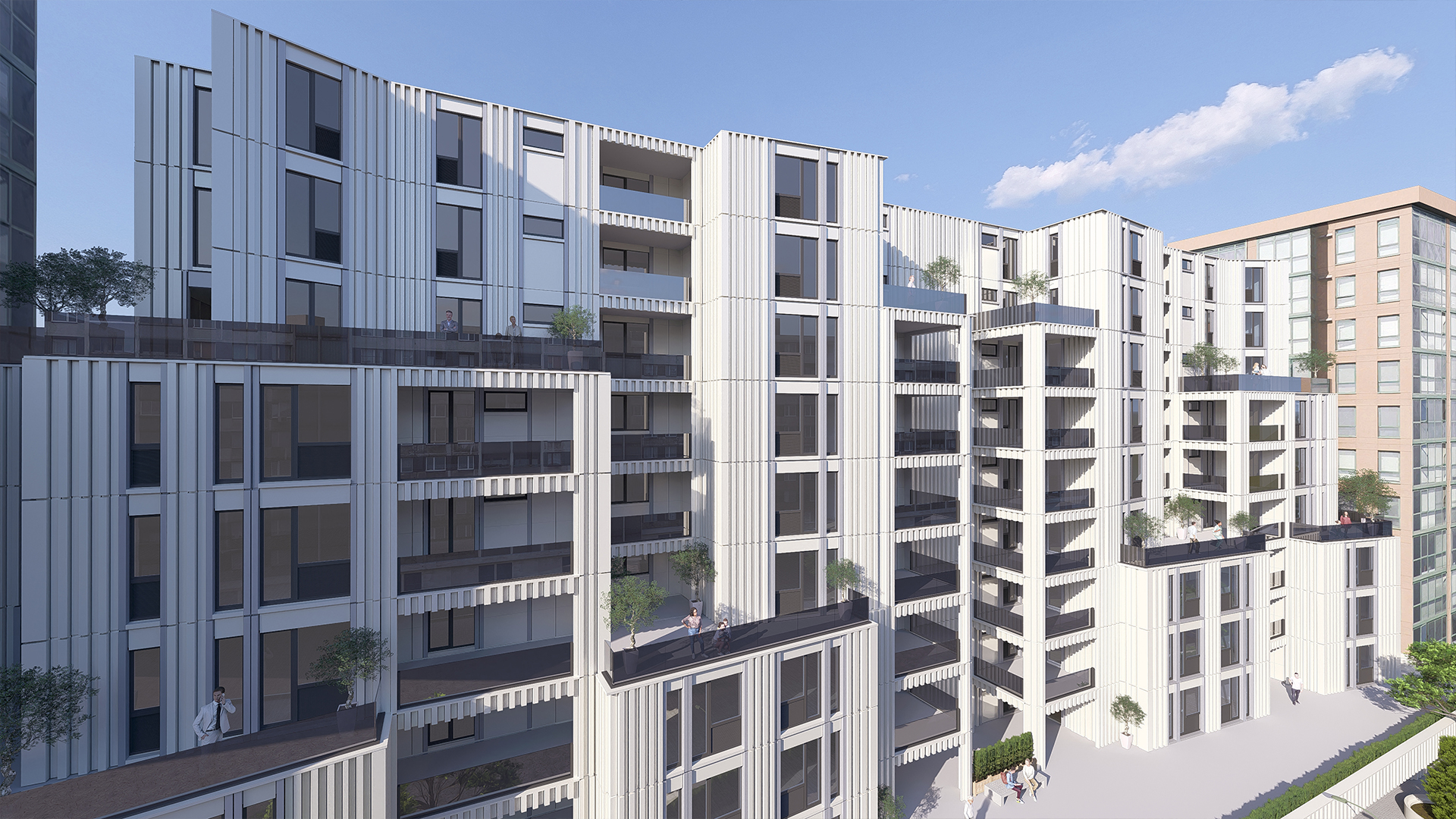
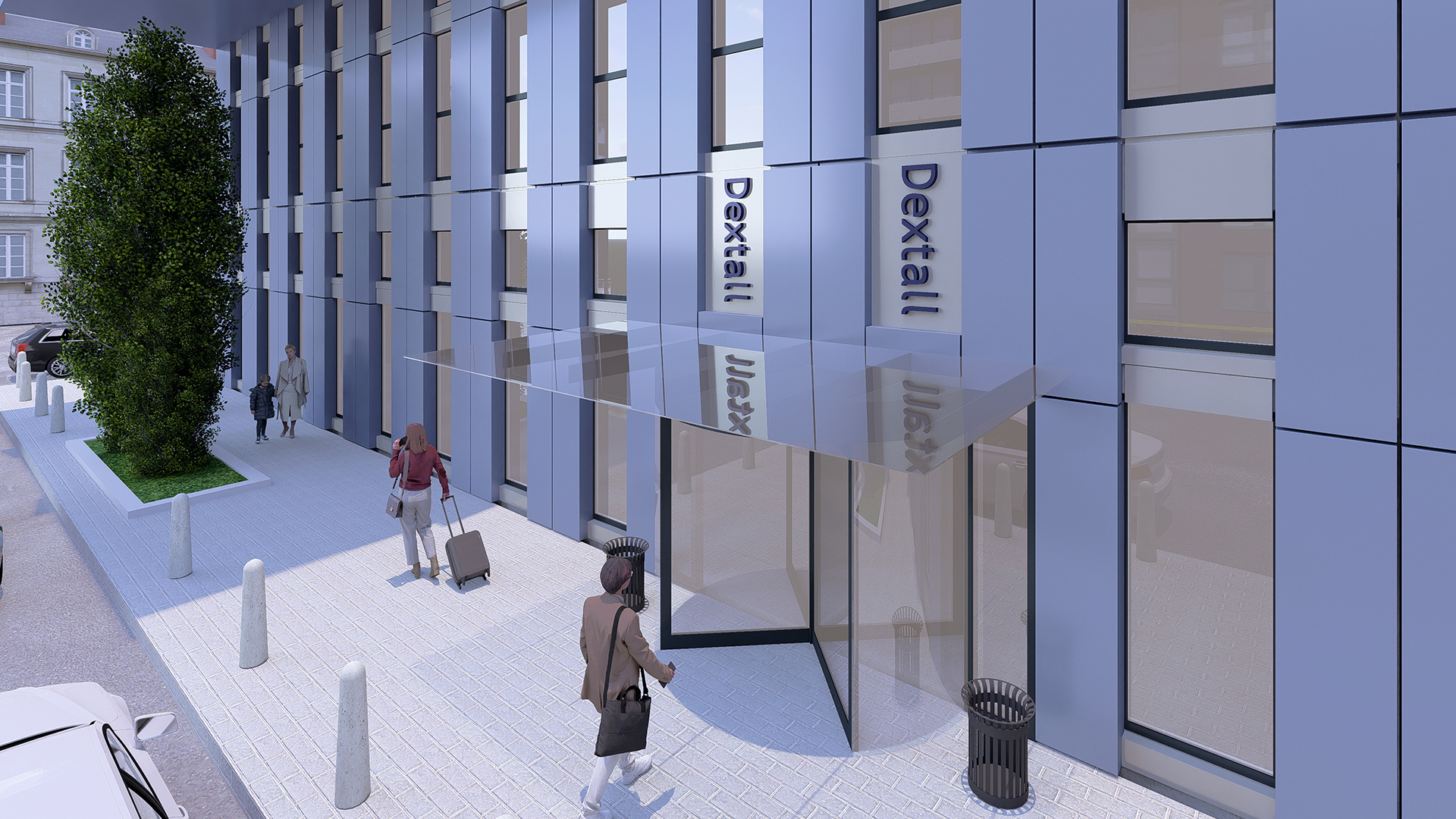
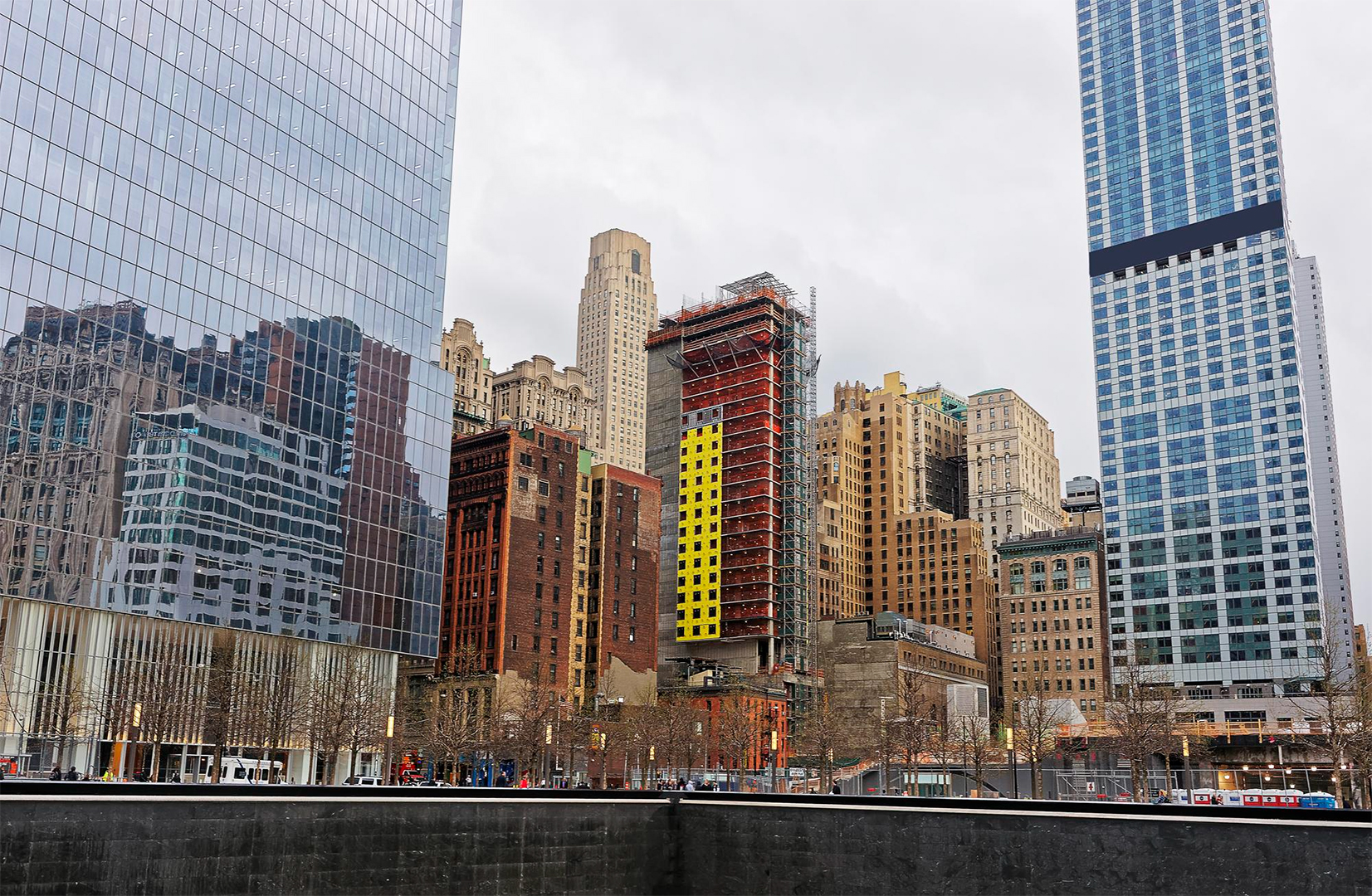
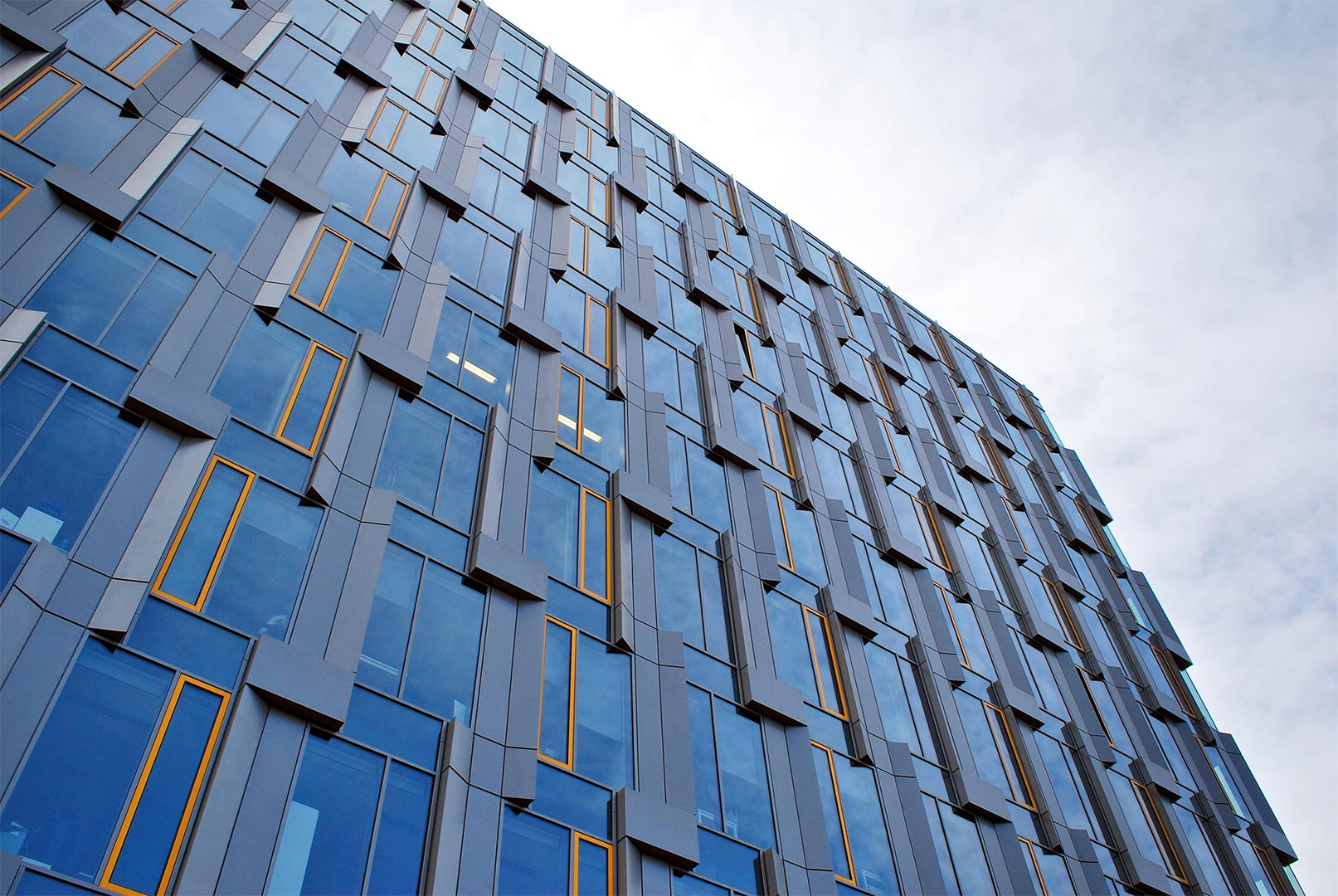
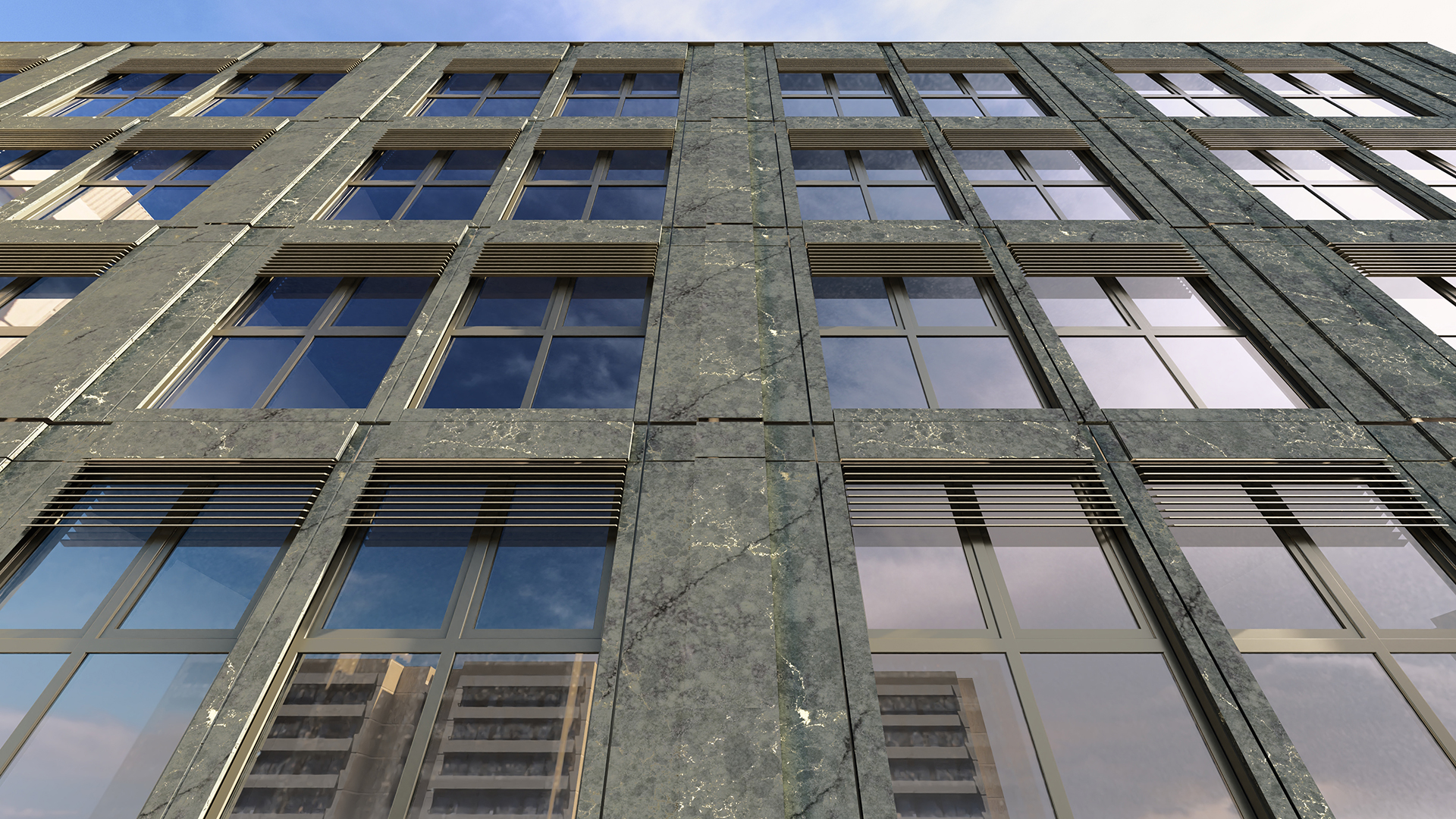
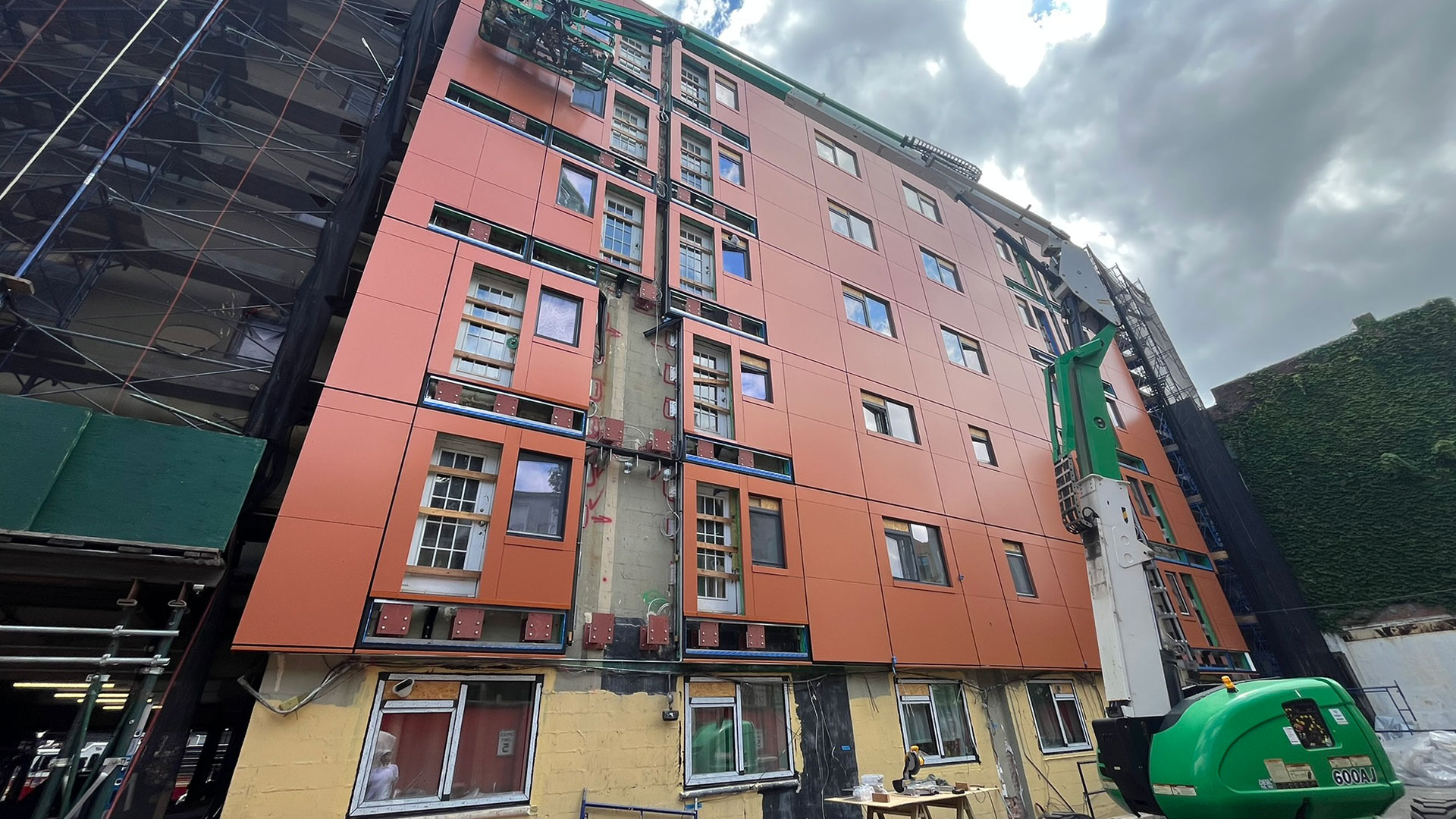
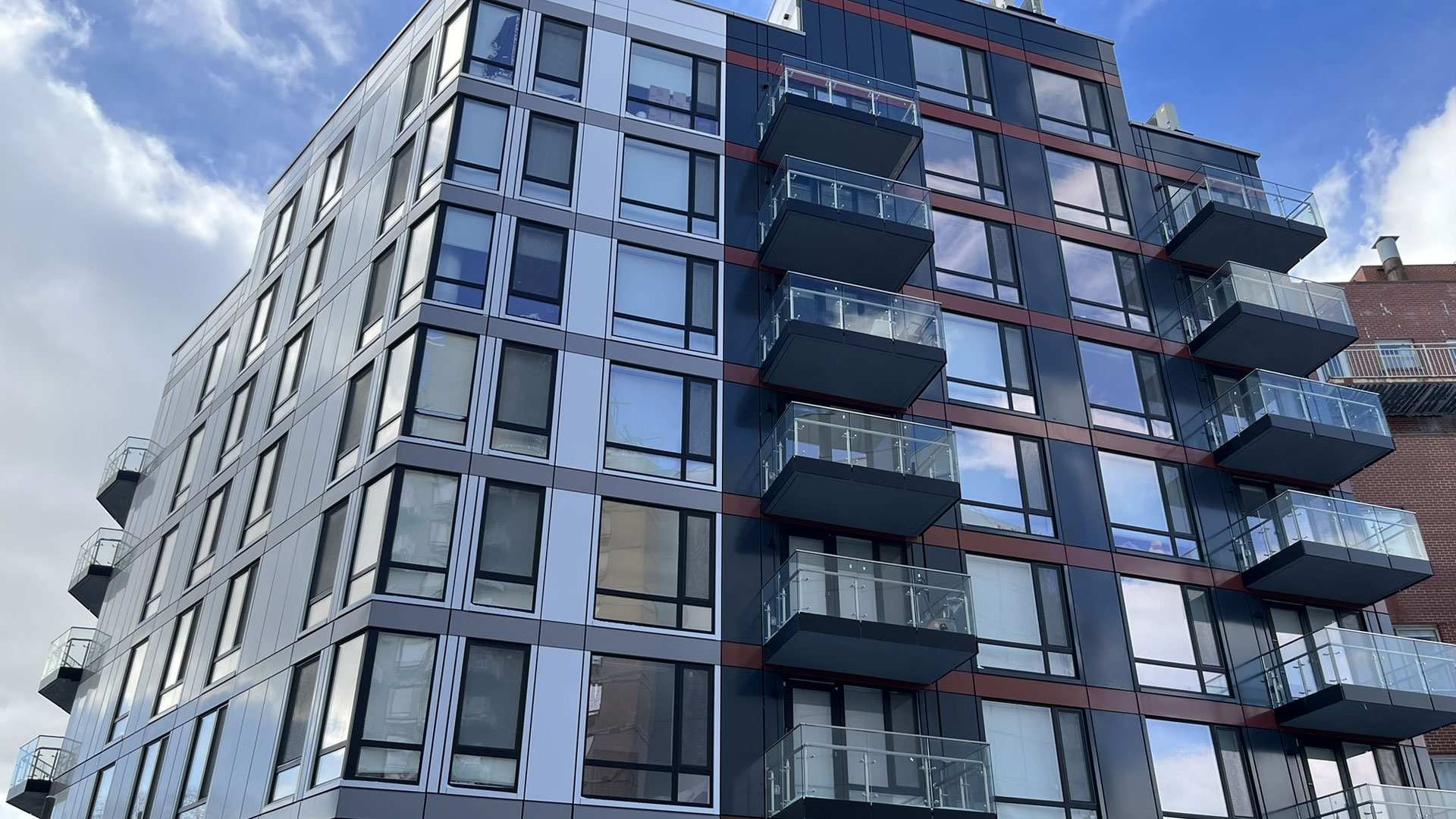
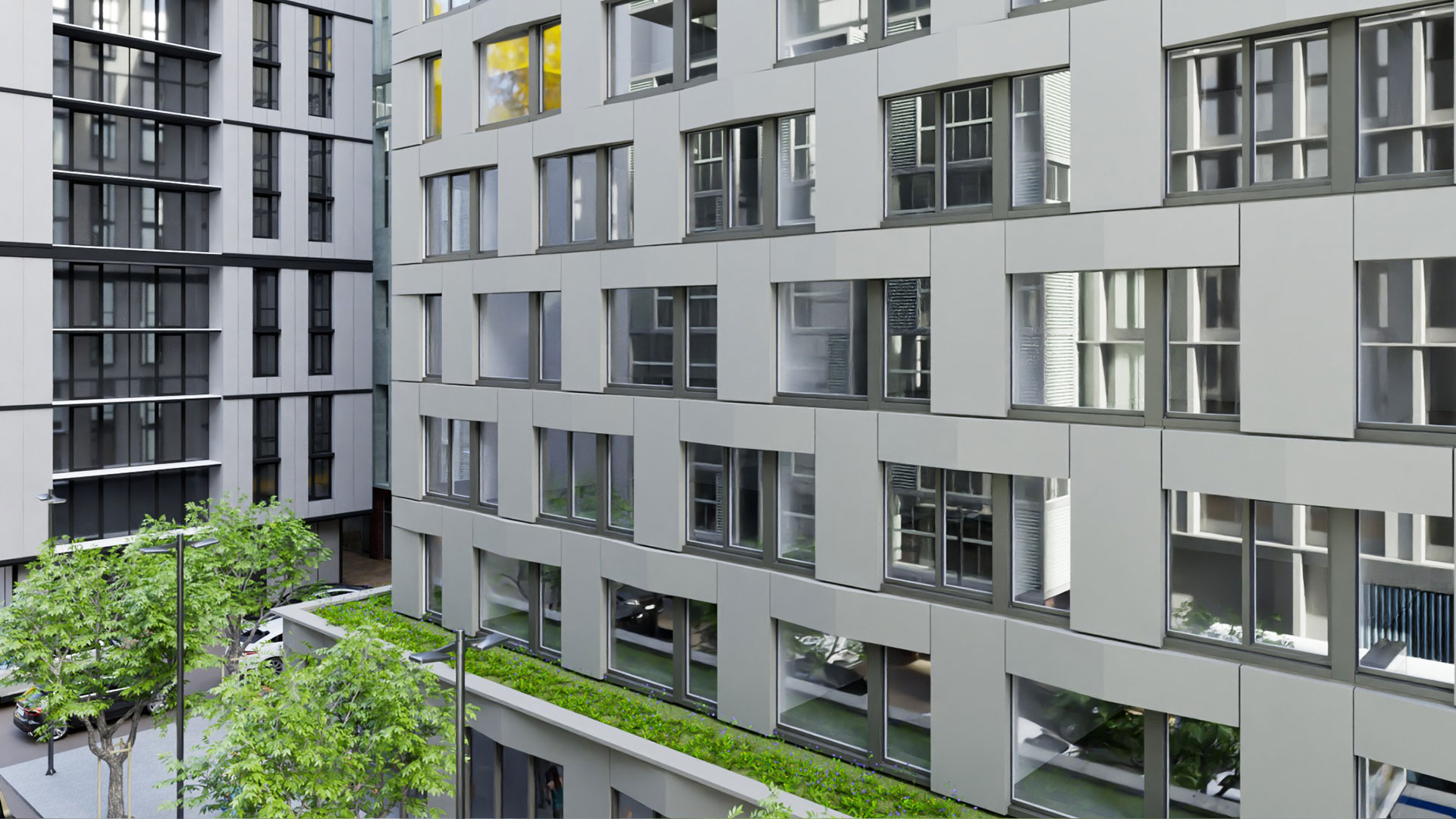
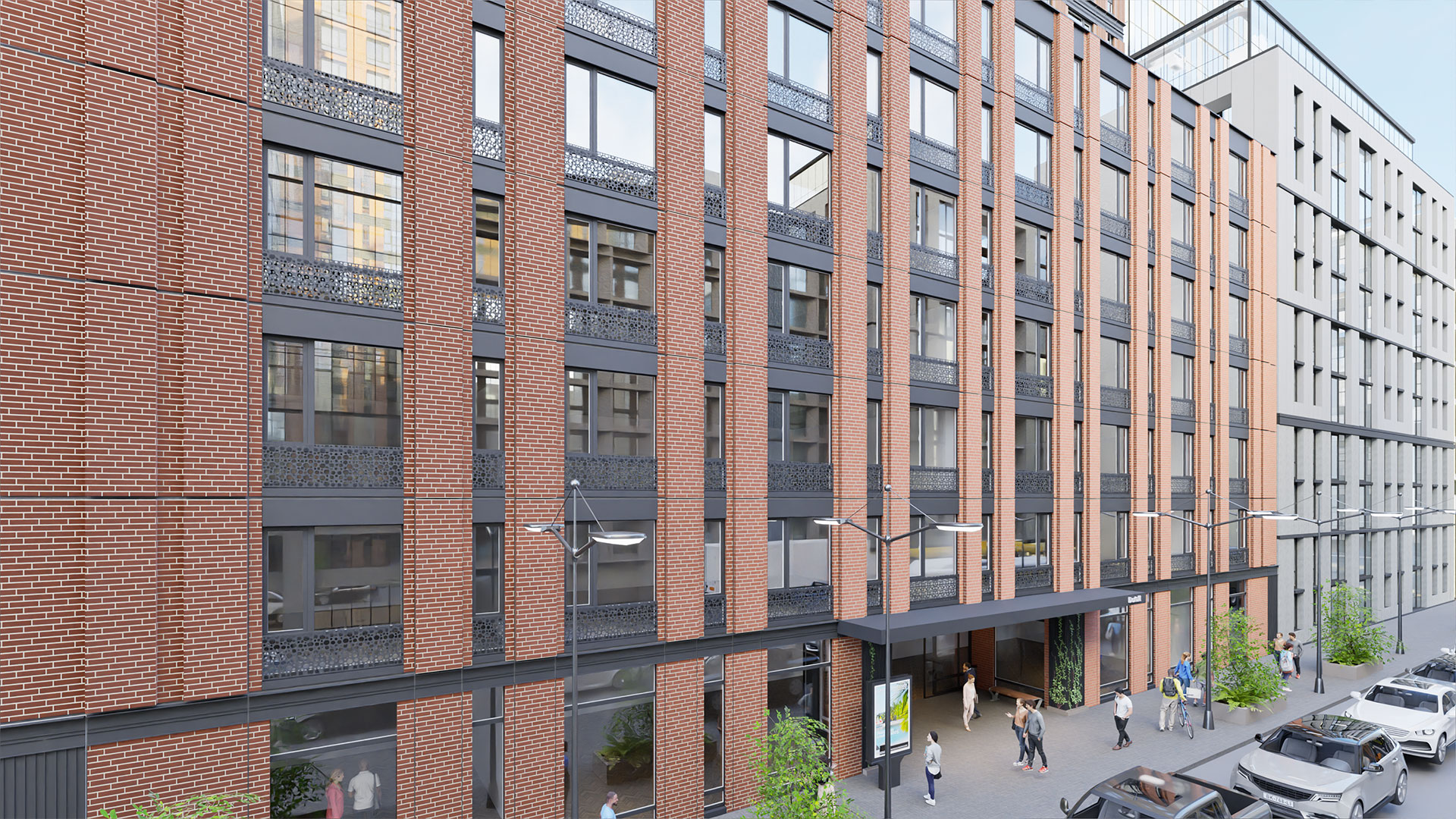
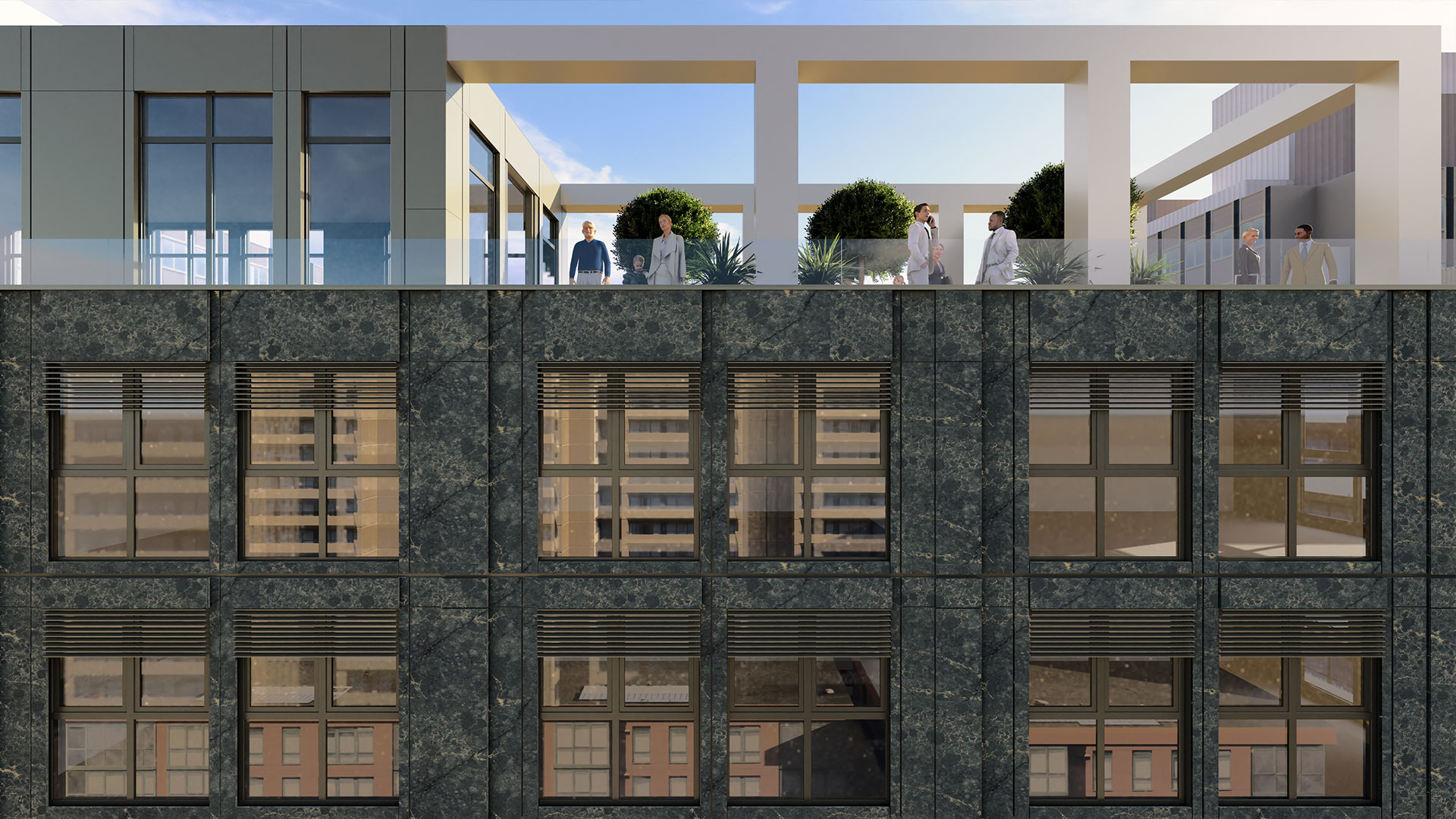
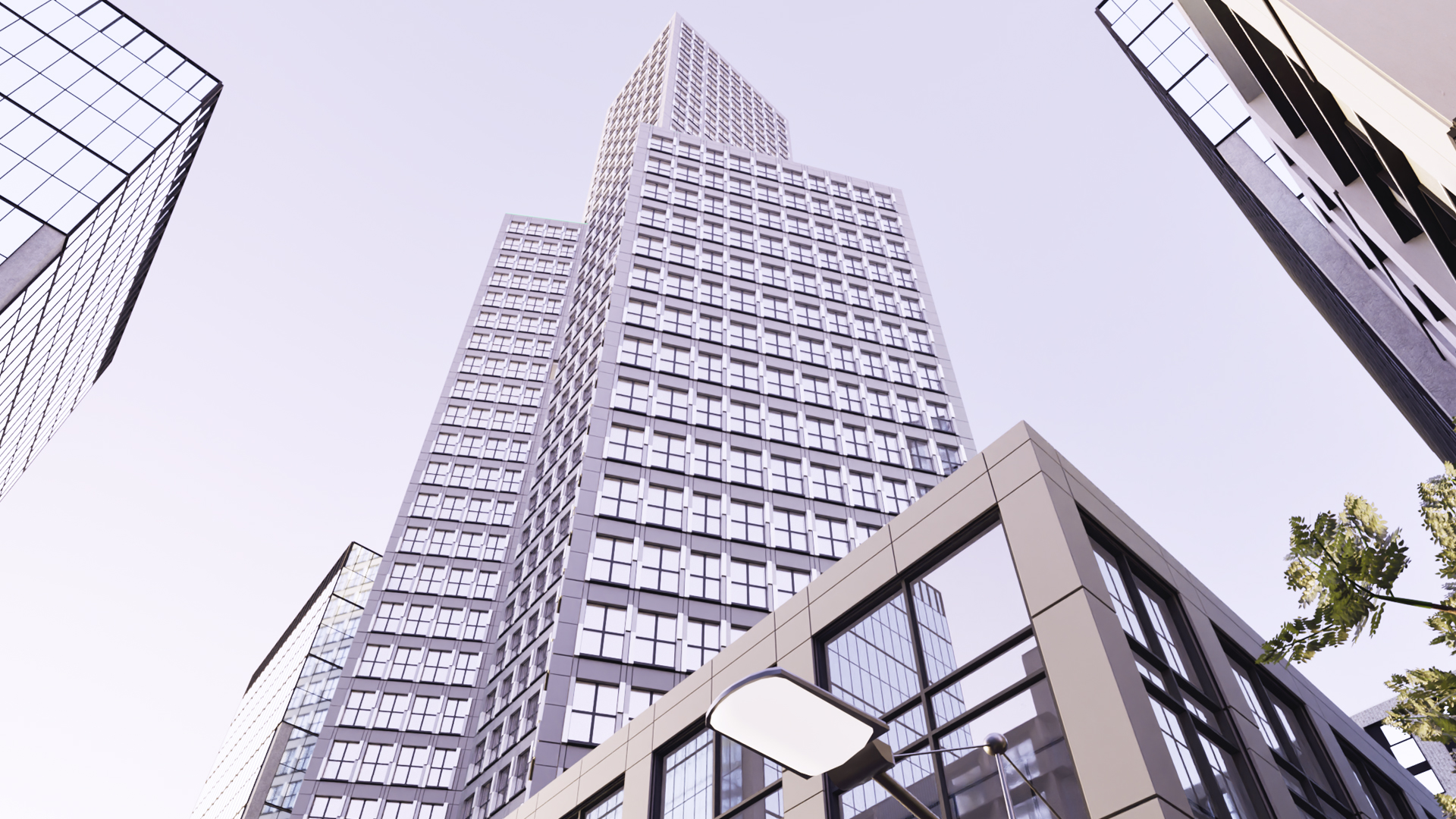
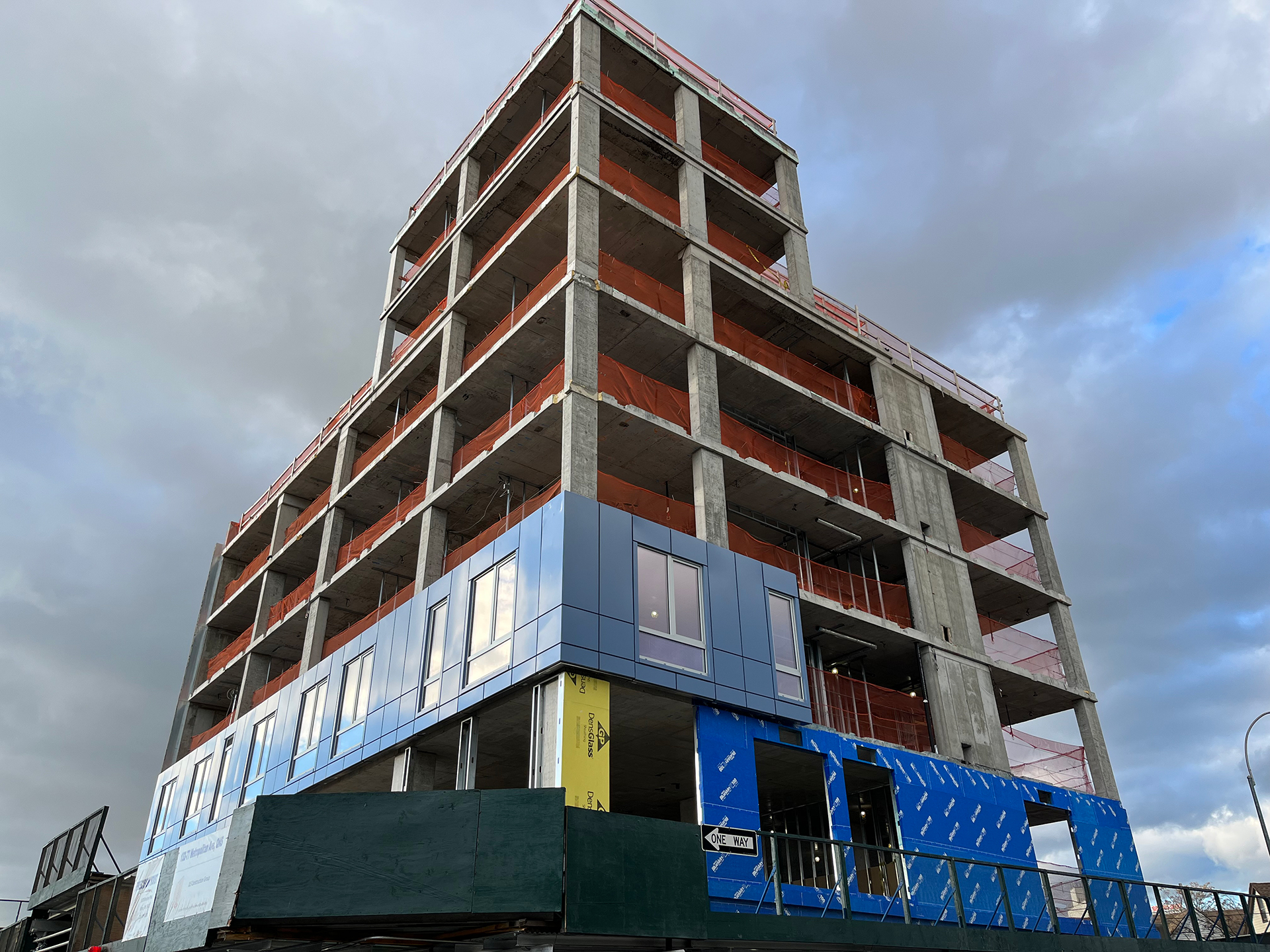
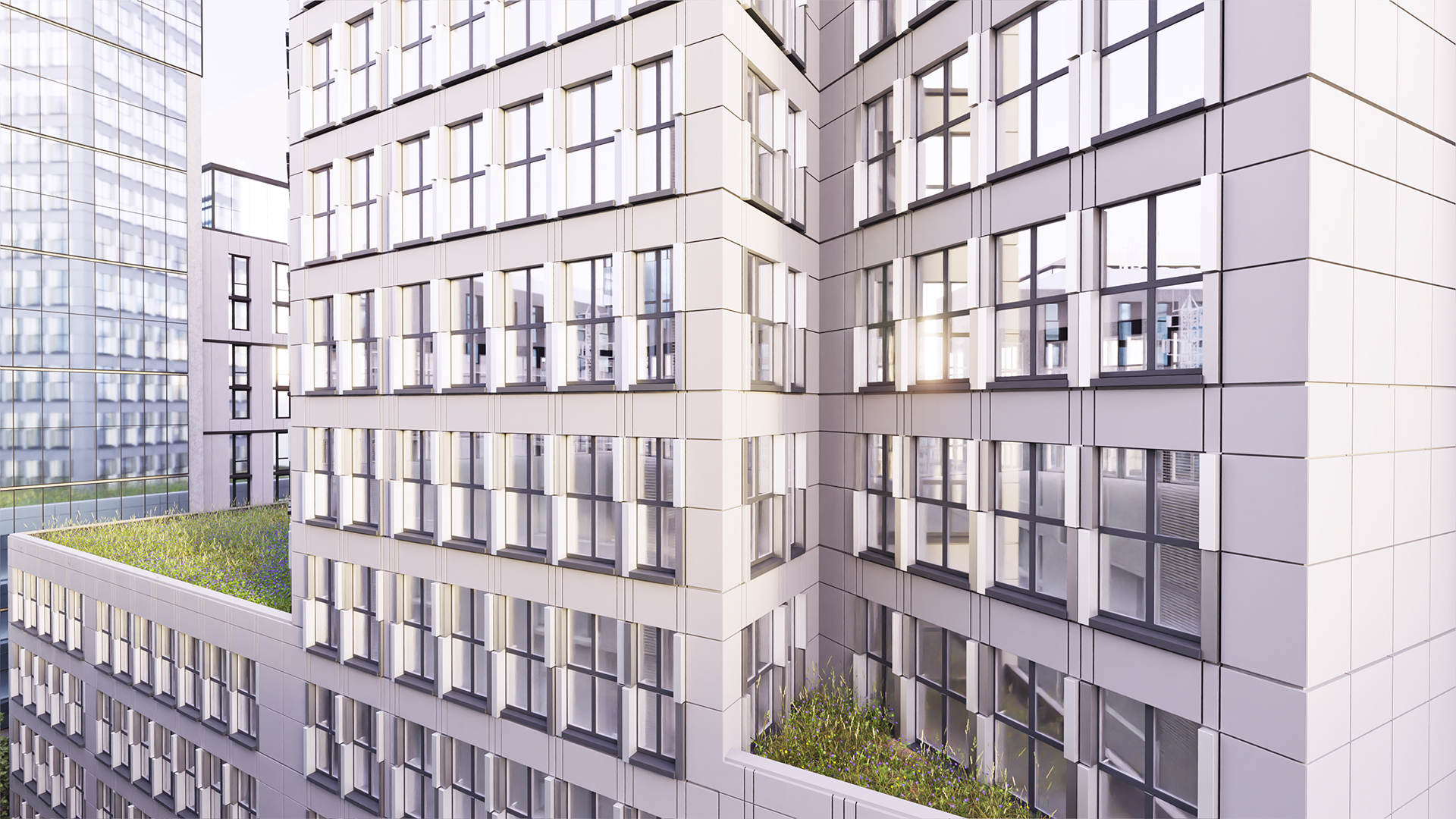
Images featured in this article depict Dextall's projects and are used for illustrative purposes only.
Sources
The information in this article is based exclusively on publicly available sources. Dextall does not have access to internal documentation for the 400 Lake Shore Drive project and did not consult with project participants in preparing this material.
- SOM — 400 Lake Shore project page
- Related Midwest — 400 Lake Shore official site
- Urbanize Chicago — Facade installation begins on 400 Lake Shore Drive (April 2025)
- Chicago YIMBY — Construction Progresses at 400 Lake Shore North Tower (March 2025)
- Chicago Sun-Times — A year later, first tower at former Chicago Spire site takes shape (August 2025)
- Chicago YIMBY — 400 Lake Shore Enters July with Construction at Its 35th Story (July 2025)
- New Hudson Facades — 400 Lake Shore project page
- Bisnow — Related Midwest Starts Glass Curtain Wall Installation (April 2025)
- Wikipedia — Chicago window
- Chicago Architecture Center — Chicago Window










.jpeg)
-Compliance-for-NYC-Multifamily-%26-Co-Op-Facades.jpg)











_format(webp).avif)
_format(webp)%20(6).avif)
_format(webp)%20(5).avif)
_format(webp)%20(4).avif)
_format(webp)%20(2).avif)
_format(webp)%20(3).avif)


.avif)
_format(webp)%20(2).avif)