Prefabricated Wall Systems for High-Rise Buildings: From Factory to Tower
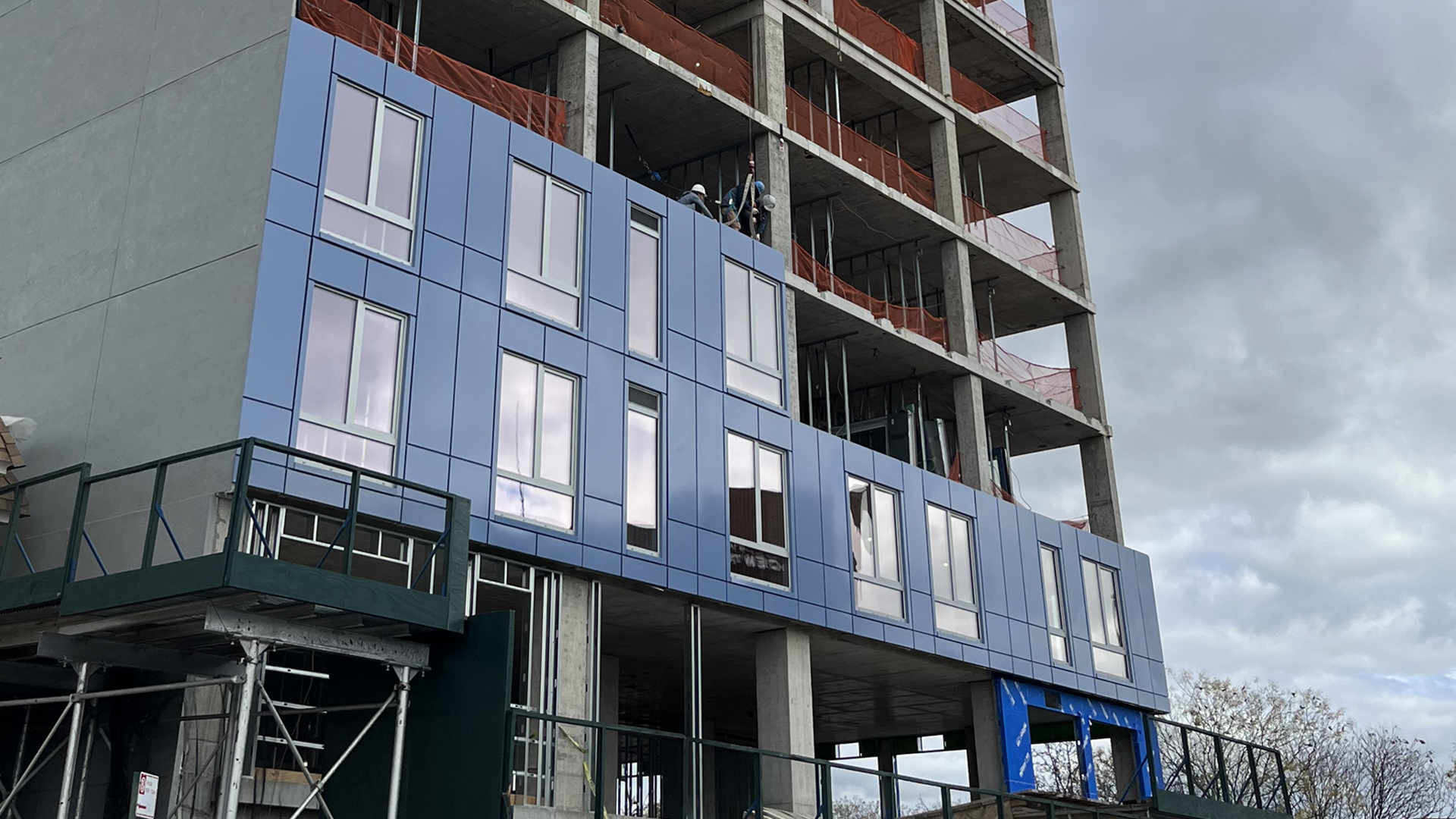
A high-rise facade isn't just "cladding"—it's the building's weather and performance line, installed under tight schedules and tight urban constraints. On tower projects, small misses in tolerances, access planning, or sequencing can quickly turn into lost crane windows and expensive rework.
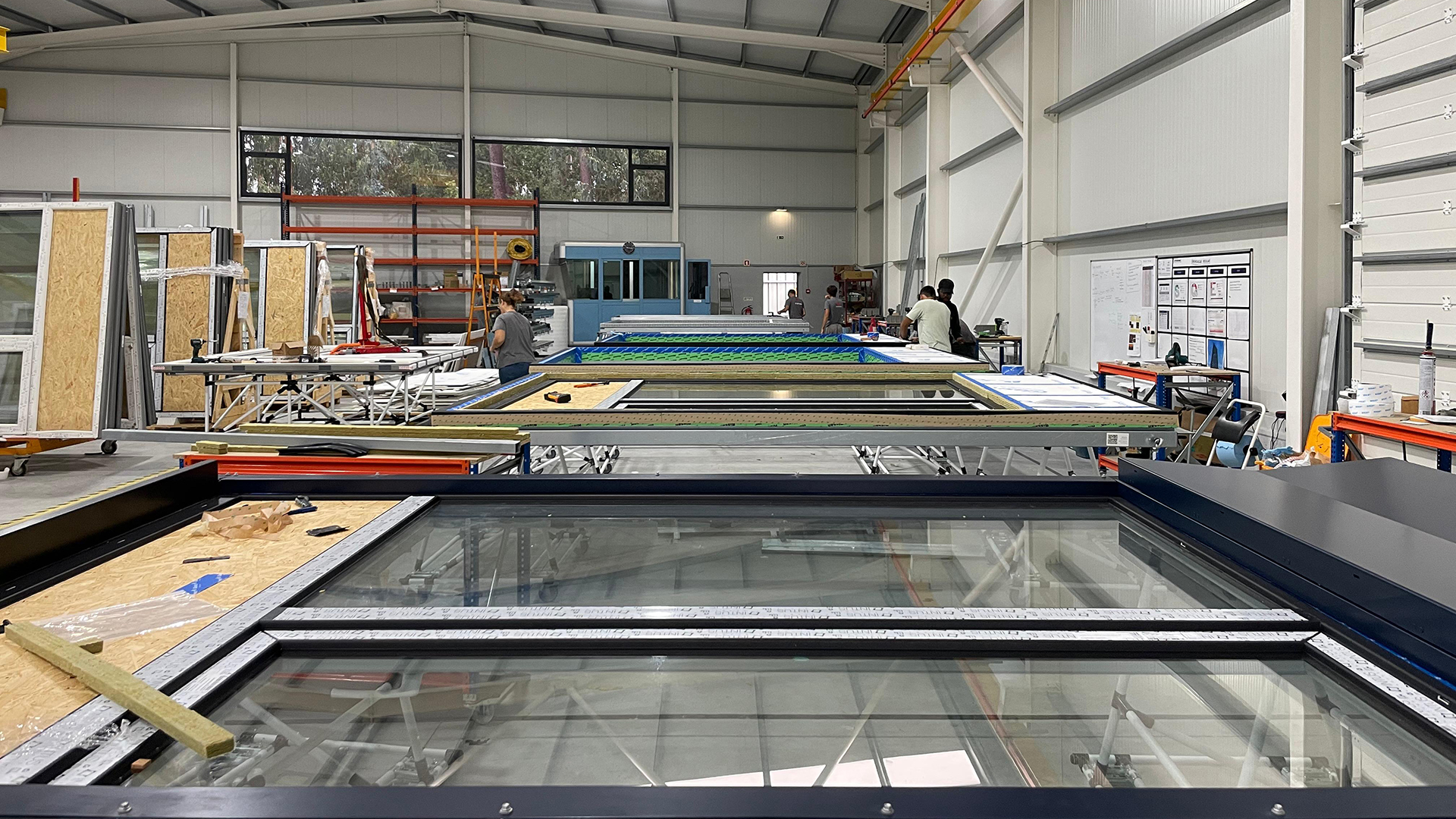
Prefabricated wall systems reduce that uncertainty. More scope happens in controlled factory conditions, so panels arrive checked, labeled, and ready to hoist. Instead of field-building piece by piece, crews follow a repeatable set-and-seal sequence that keeps the job moving.
From Factory to Tower: Hoisting and Schedule Advantages
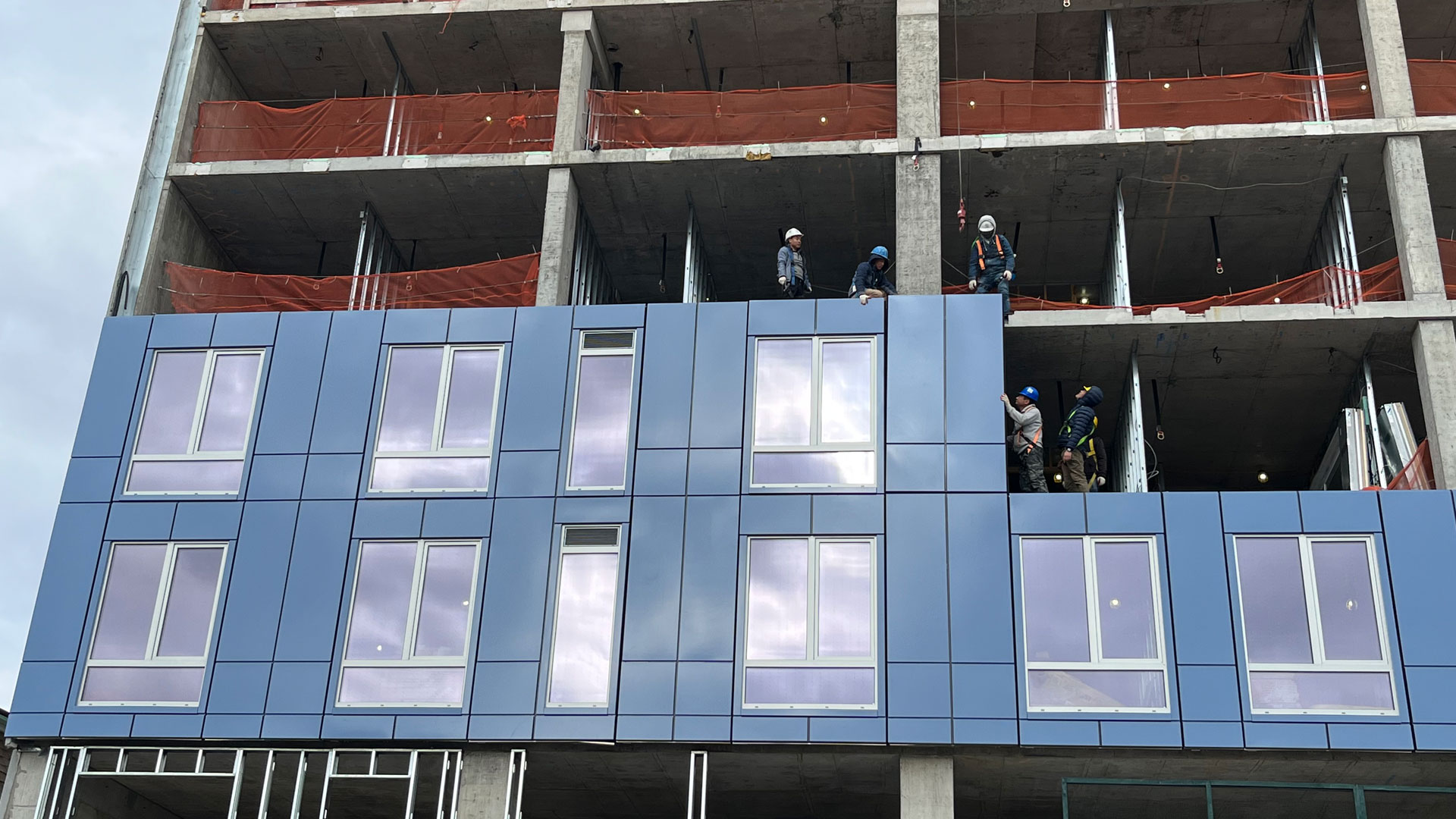
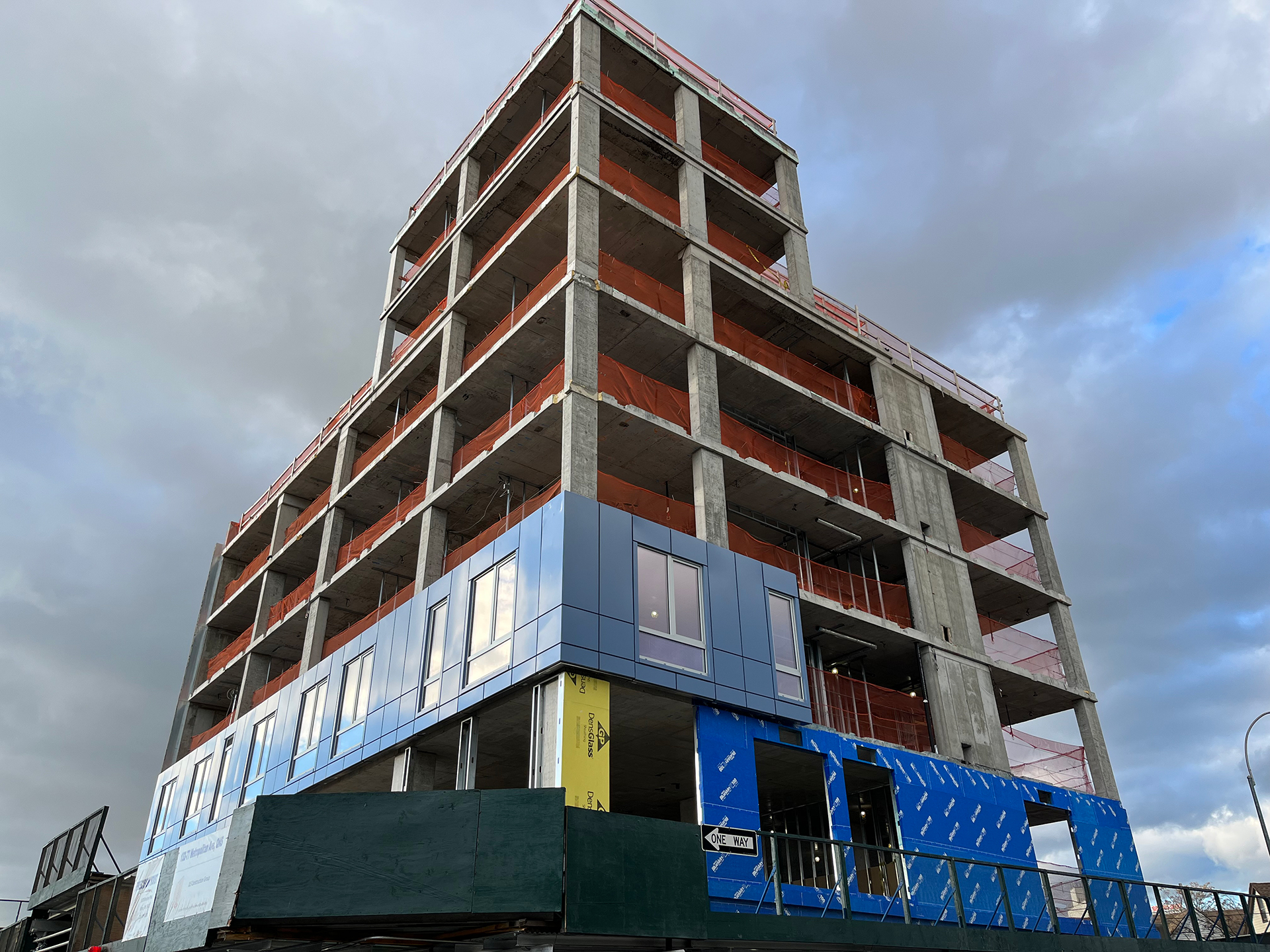
The biggest payoff of prefabrication shows up the moment panels leave the factory. On a high-rise site, space is limited, deliveries are choreographed, and crane time is one of the most expensive "tools" on the project. Prefab panels turn facade installation into a planned lifting operation: each unit arrives when it's needed, gets flown directly to the workface, and is set in a defined sequence.
That shift changes the schedule, too. While the structure climbs, panels can be built in parallel offsite—reducing trade stacking, cutting weather exposure, and lowering the chance of field rework. The result is a tighter, more predictable path from envelope close-in to interior progress.
Crane Use and Hoisting on Tight High-Rise Sites
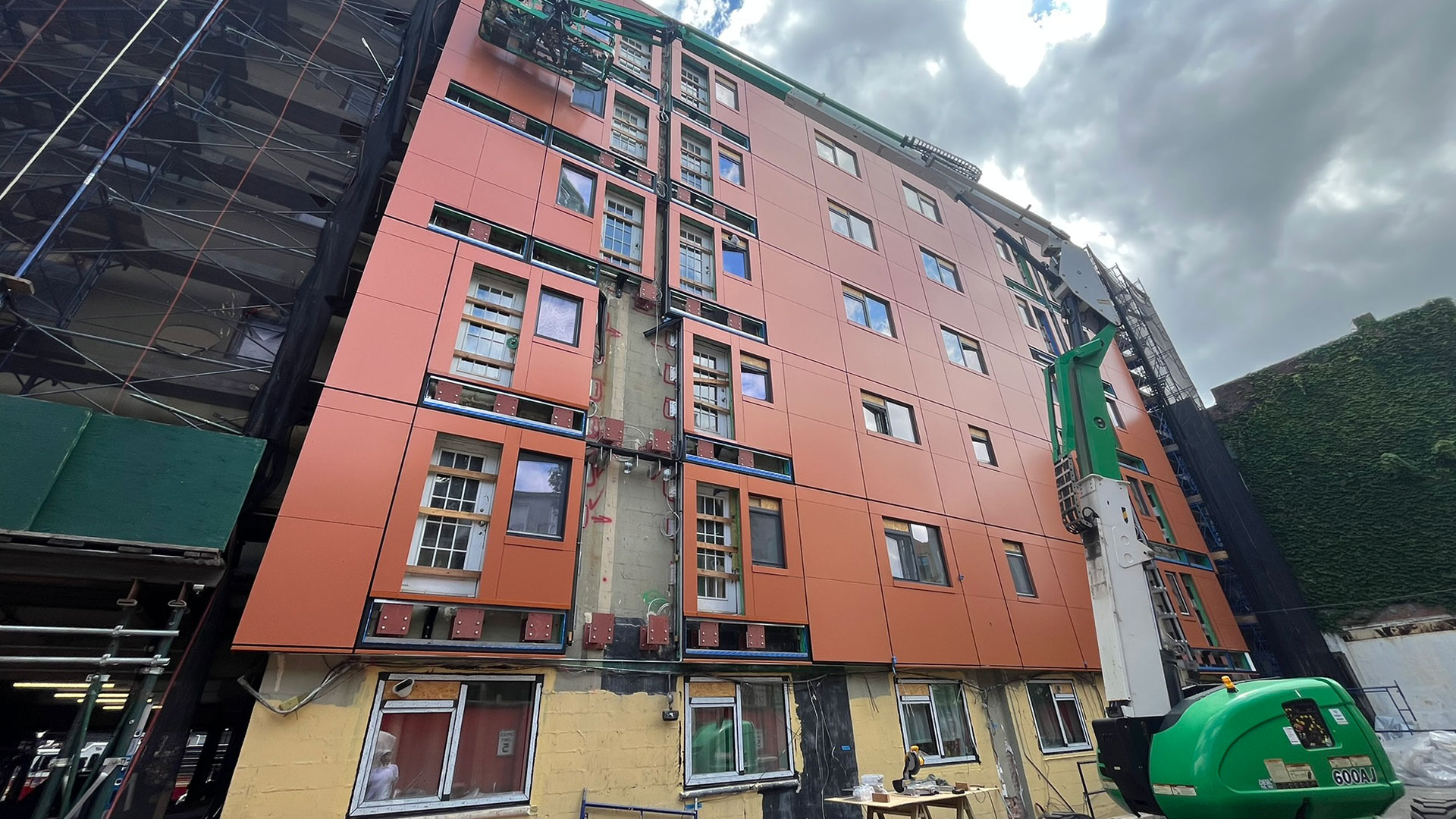
On tight urban towers, crane time and access drive everything. Prefabricated wall systems work best when facade panel hoisting is treated as a planned sequence, not a series of improvised picks. Panels are shipped and labeled by elevation, aligned to a crane pick plan, and set in a repeatable order so crews spend more time installing and less time waiting.
On sites with limited laydown space, just-in-time deliveries become part of the installation strategy. Rigging and lifting points need to be coordinated early to avoid on-the-fly fixes, and a clear hoisting sequence helps reduce downtime between picks. When panel sizes and details are consistent, high-rise facade installation speeds up floor by floor.
- Just-in-time deliveries to avoid staging problems on constrained sites
- Verified rigging and lifting points for faster, safer picks
- Hoisting sequence by elevation to keep the crew in a steady rhythm
- Repeatable panel dimensions to reduce crane idle time and field adjustments
Schedule, Risk and Prefab vs. Traditional Cladding
Traditional cladding builds the exterior wall assembly in layers on site, which increases trade stacking and leaves more scope exposed to weather and field variability. Prefabricated facade systems shift more assembly into controlled factory conditions, so the jobsite scope is simpler and the schedule is easier to hold.
The real advantage is predictability. Offsite production can run in parallel with the rising structure, reducing late-stage schedule compression. With fewer handoffs and better dimensional control, teams typically see less rework tied to tolerances and interface coordination, which lowers risk when every day matters.
- Parallel offsite fabrication while the structure climbs
- Fewer trade handoffs compared with traditional cladding
- Less weather-driven delay from field-built steps
- Lower rework risk because tolerances and interfaces are coordinated earlier
Dextall Prefabricated Wall Systems for High-Rise Projects
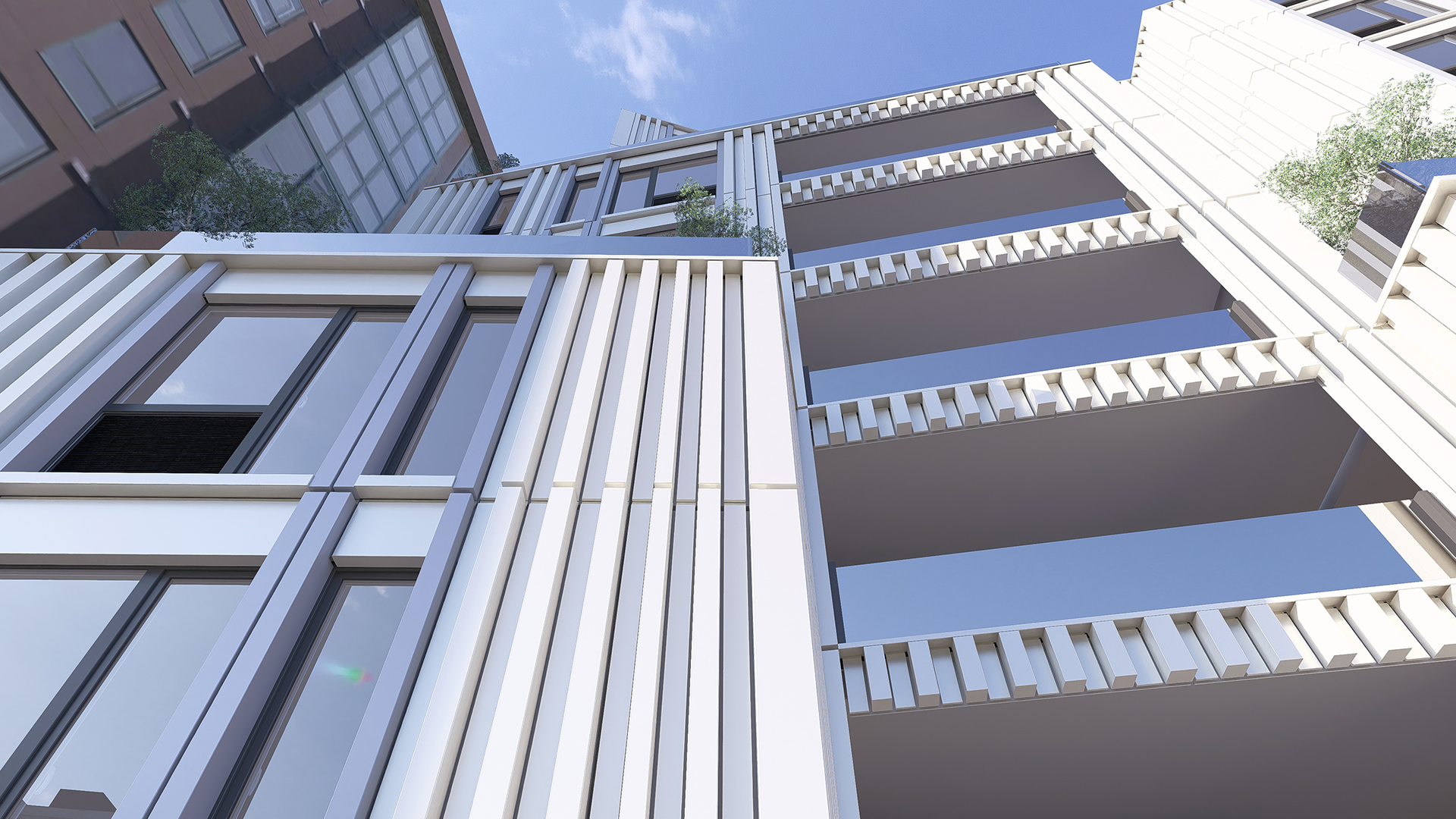
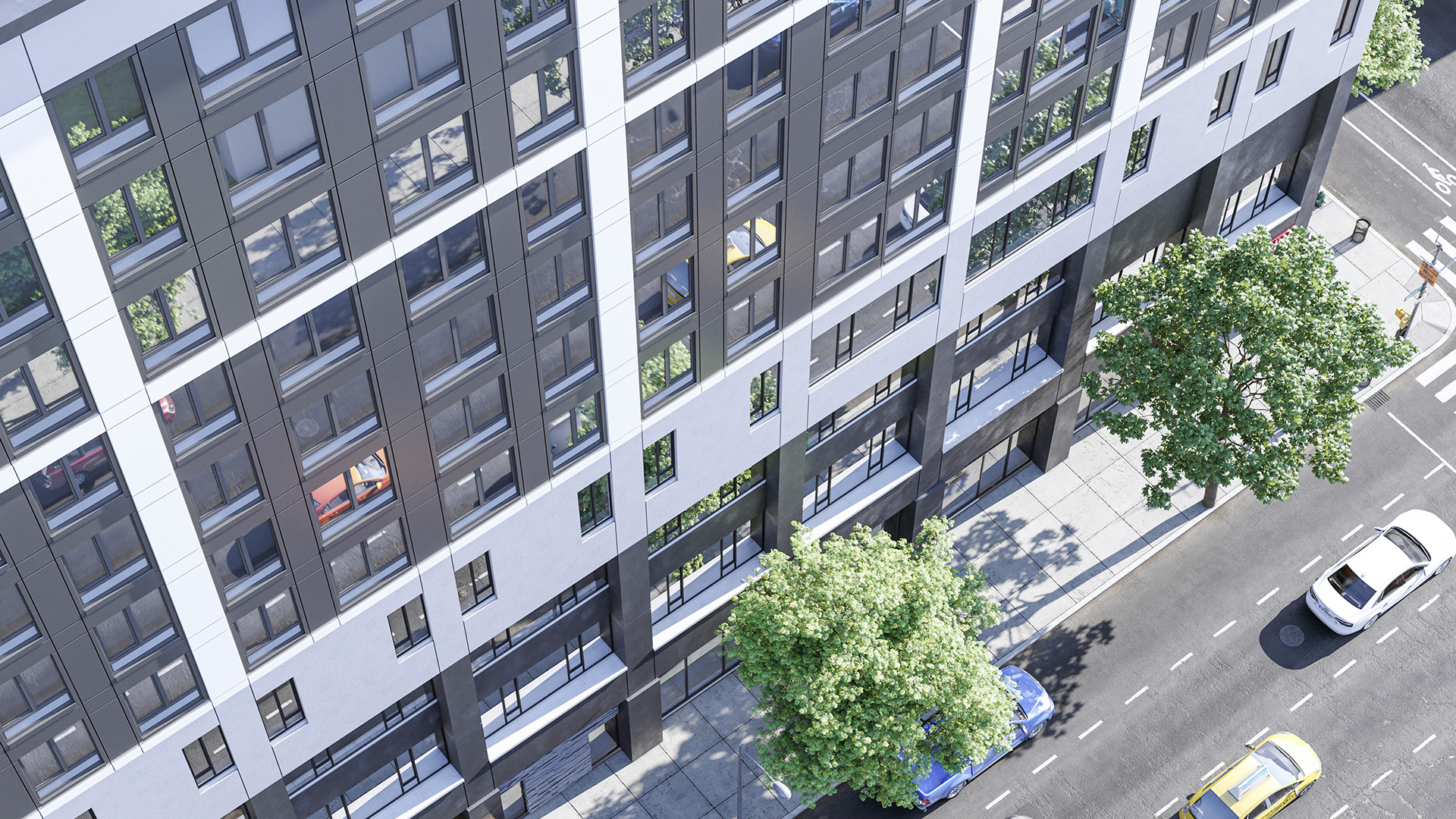
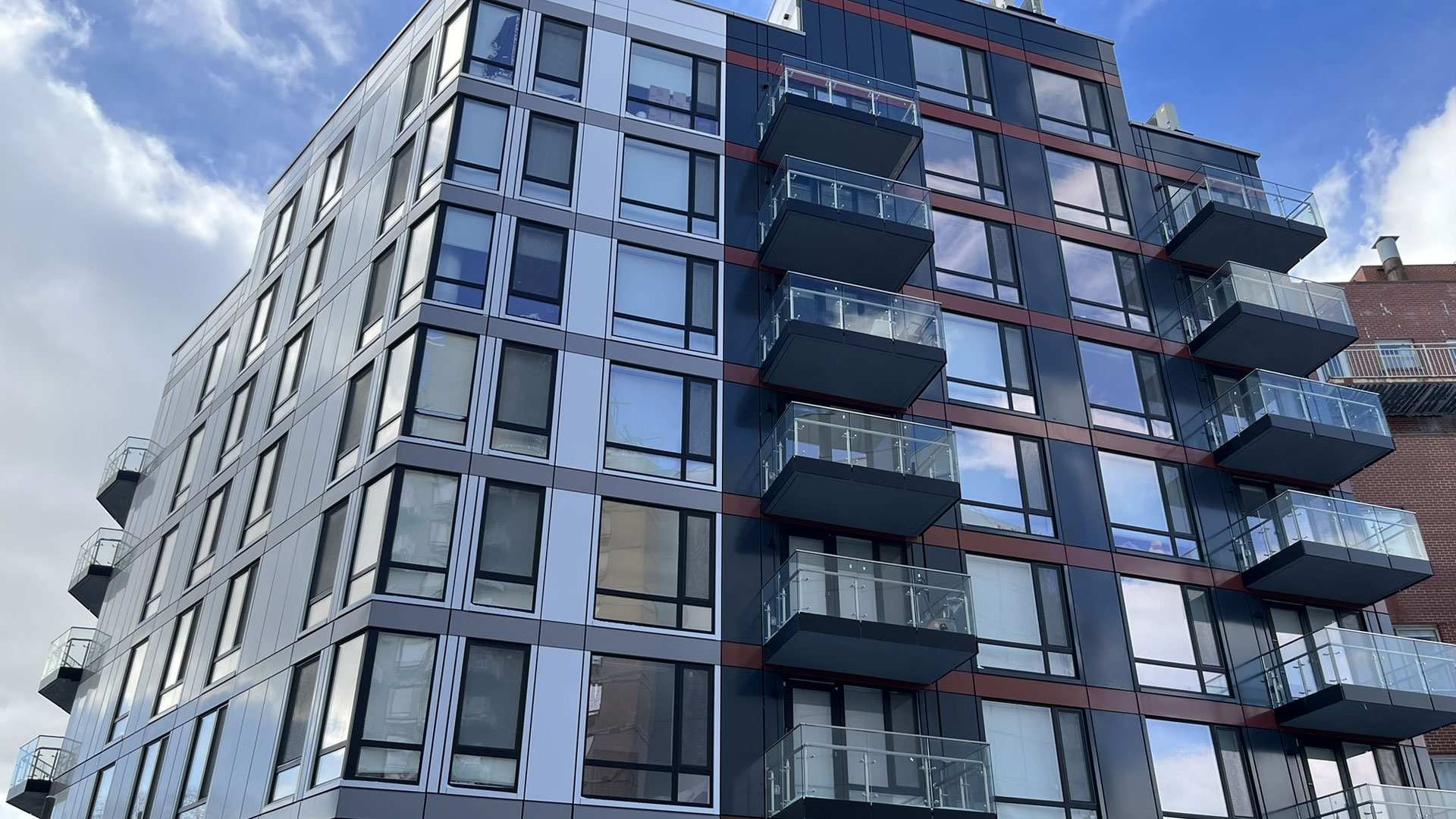
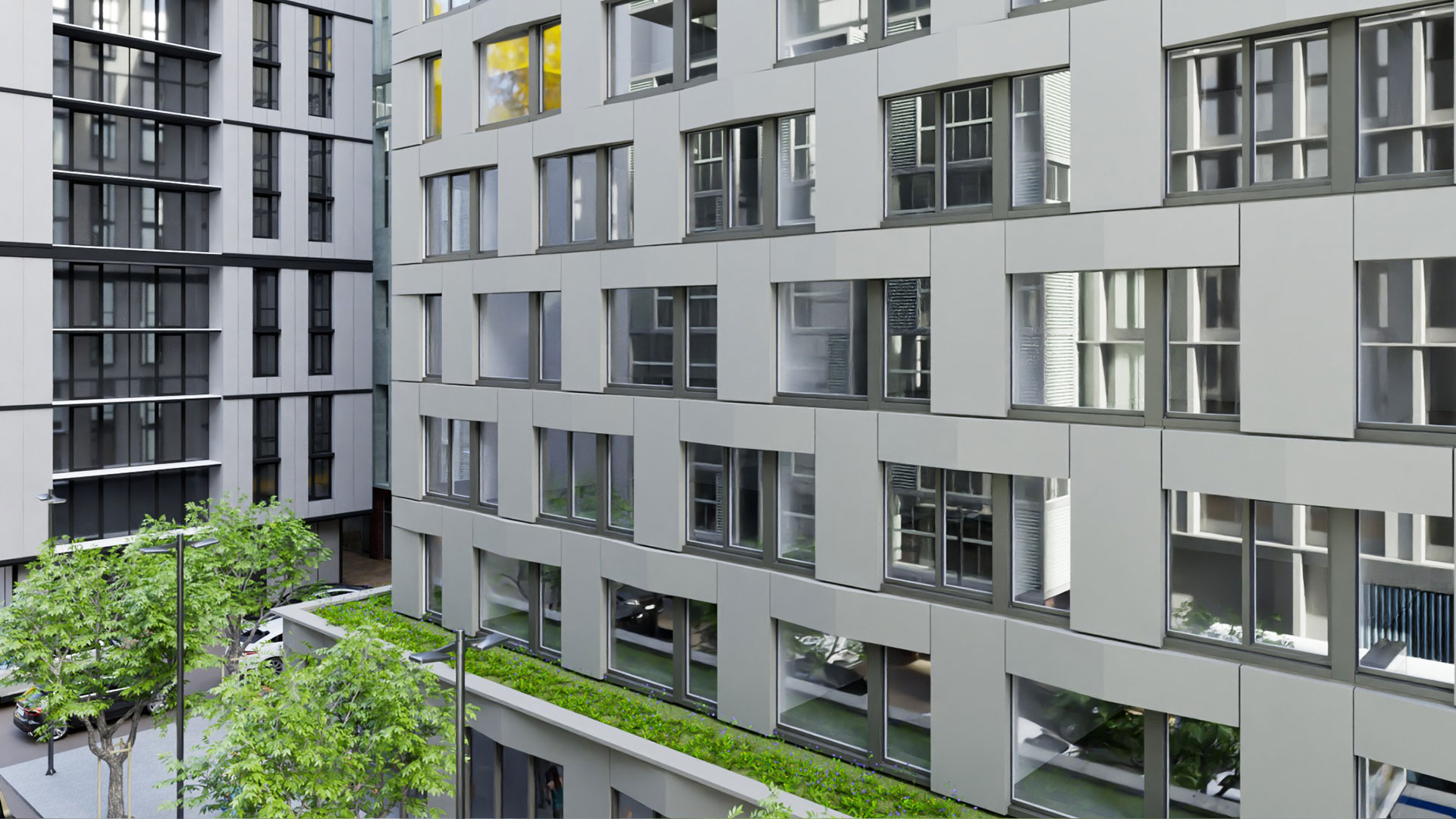
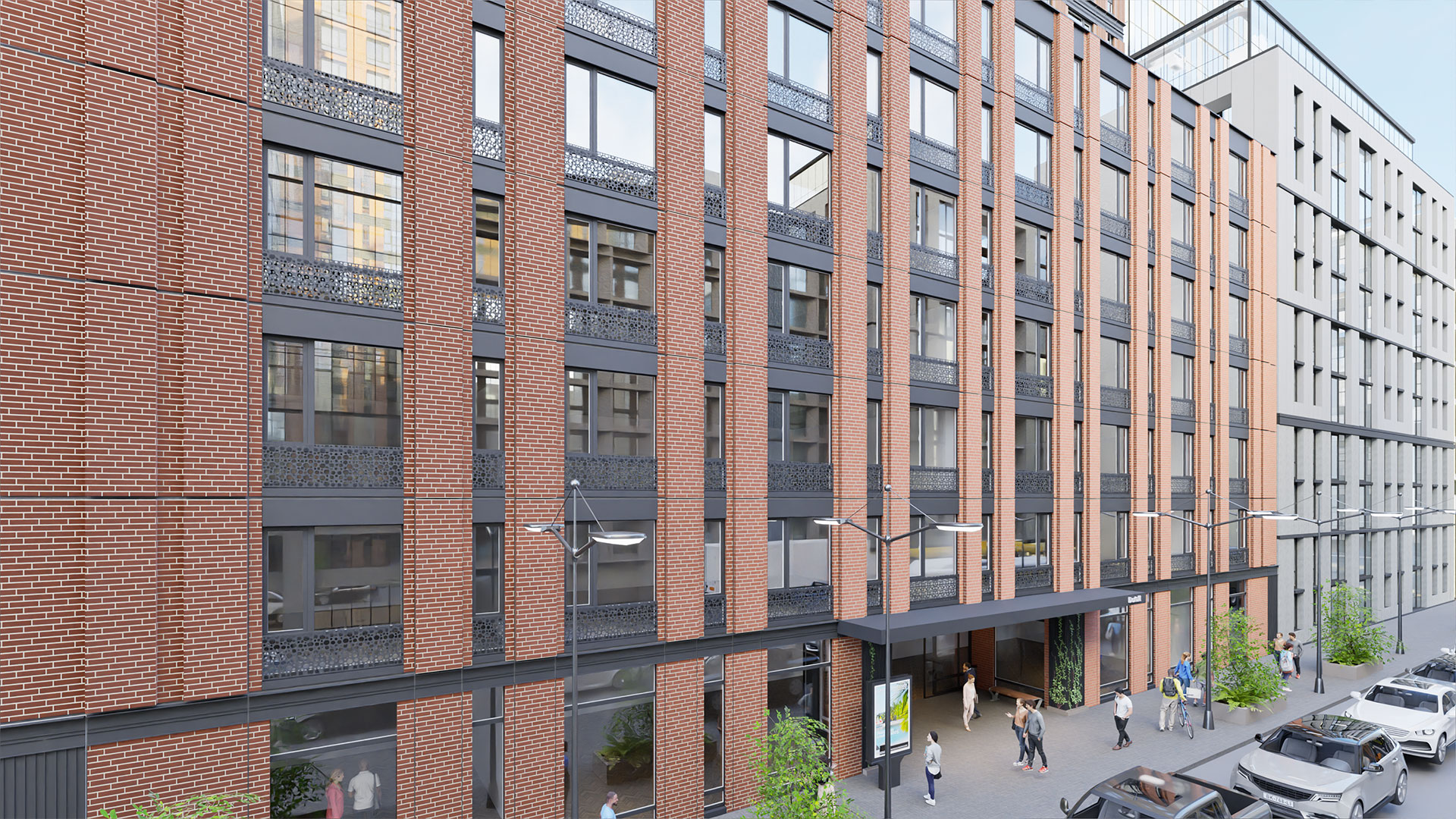
For high-rise teams that want prefab speed without giving up facade performance, Dextall positions its offering as a full system, not a collection of parts. Its product lineup centers on unitized prefabricated exterior wall panels built around a light-gauge, metal-framed assembly with factory-installed window and cladding components and a non-combustible insulation core, designed to deliver facades that are both water- and airtight.
On the front end, Dextall also supports a more controllable design-to-fabrication workflow through Dextall Studio, a BIM-integrated platform aimed at producing fabrication-ready outputs and providing real-time design analytics and cost visibility during facade development.
How Dextall Turns Facades Into a Manageable Kit of Parts
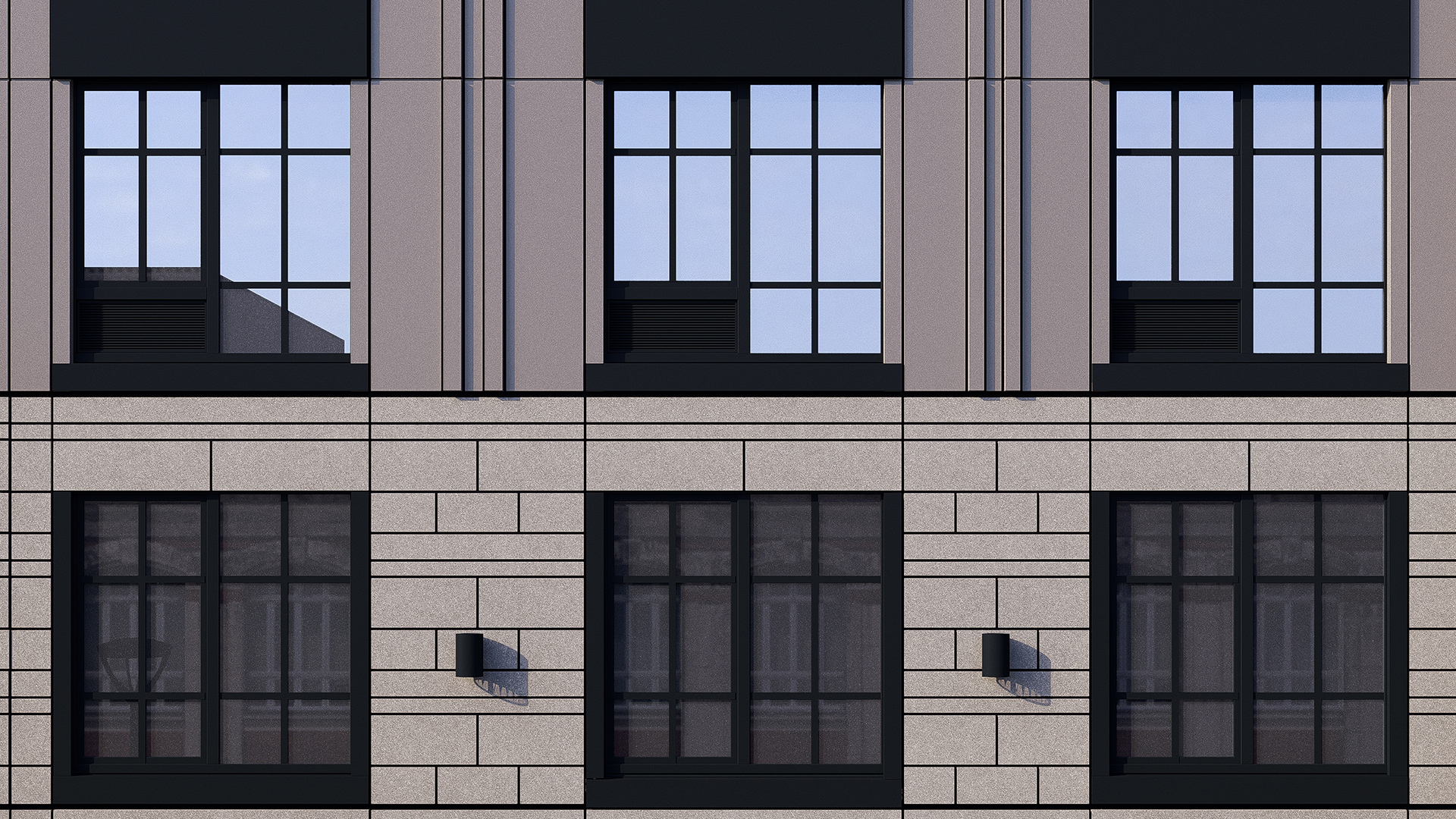
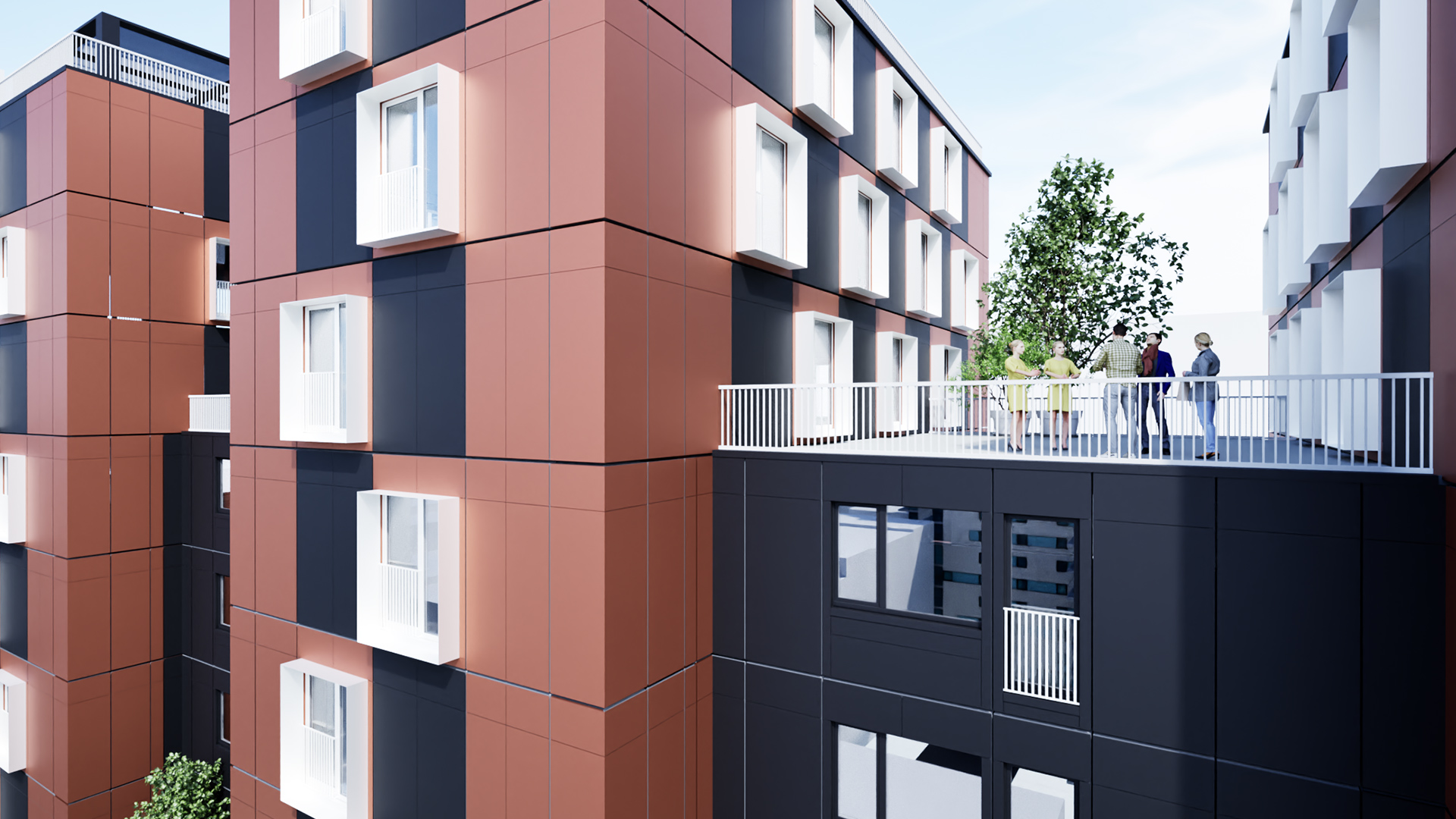
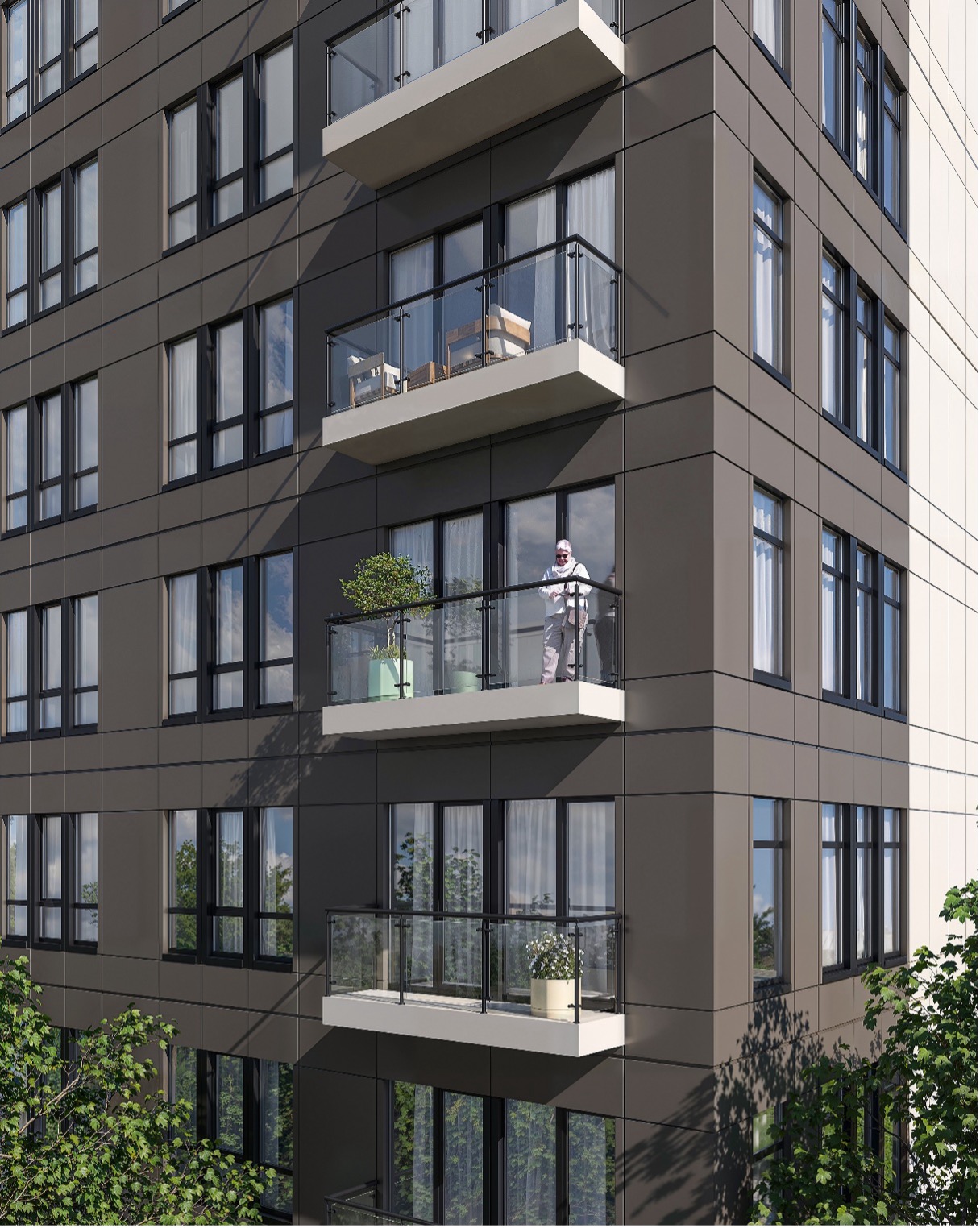
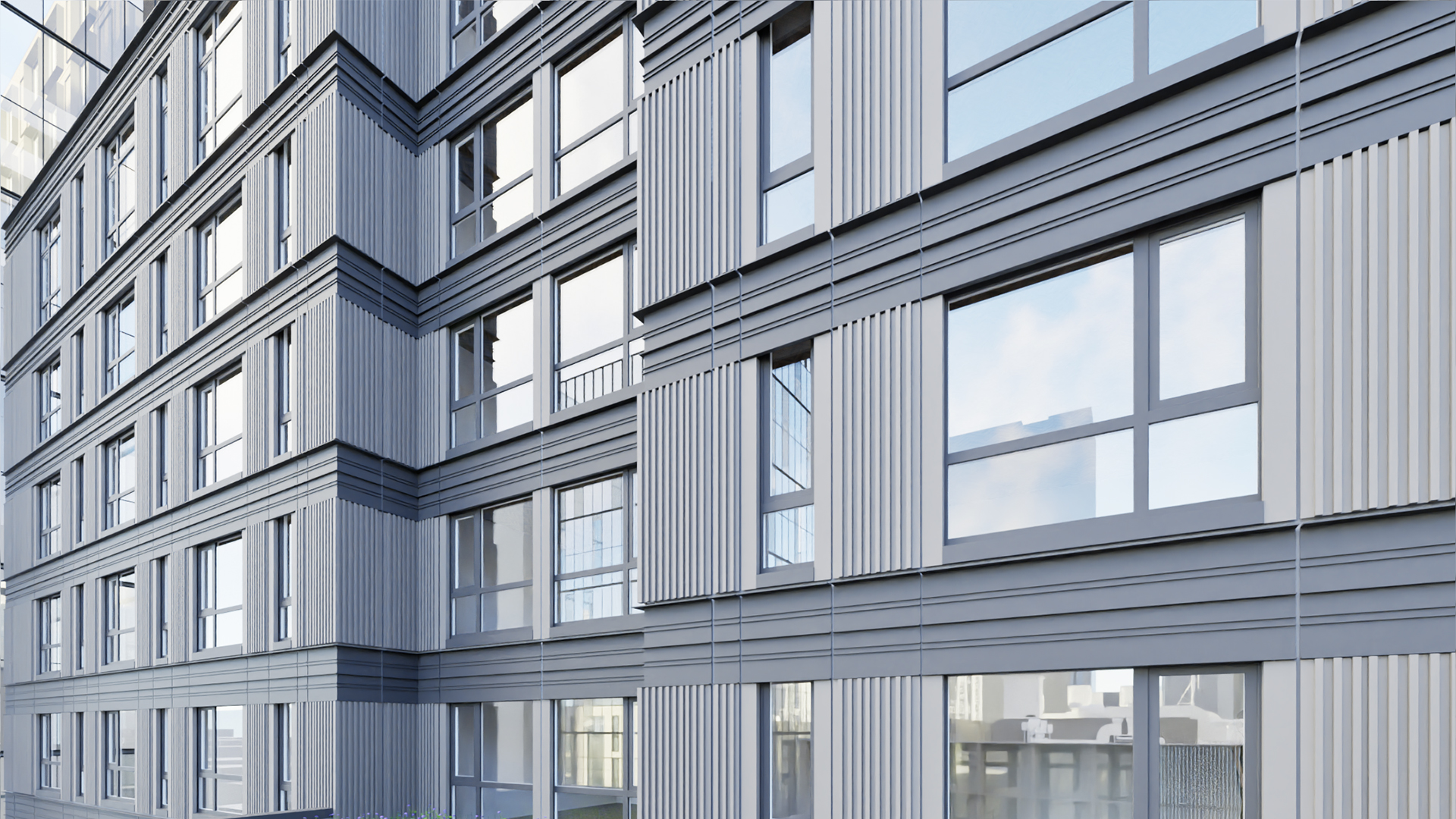
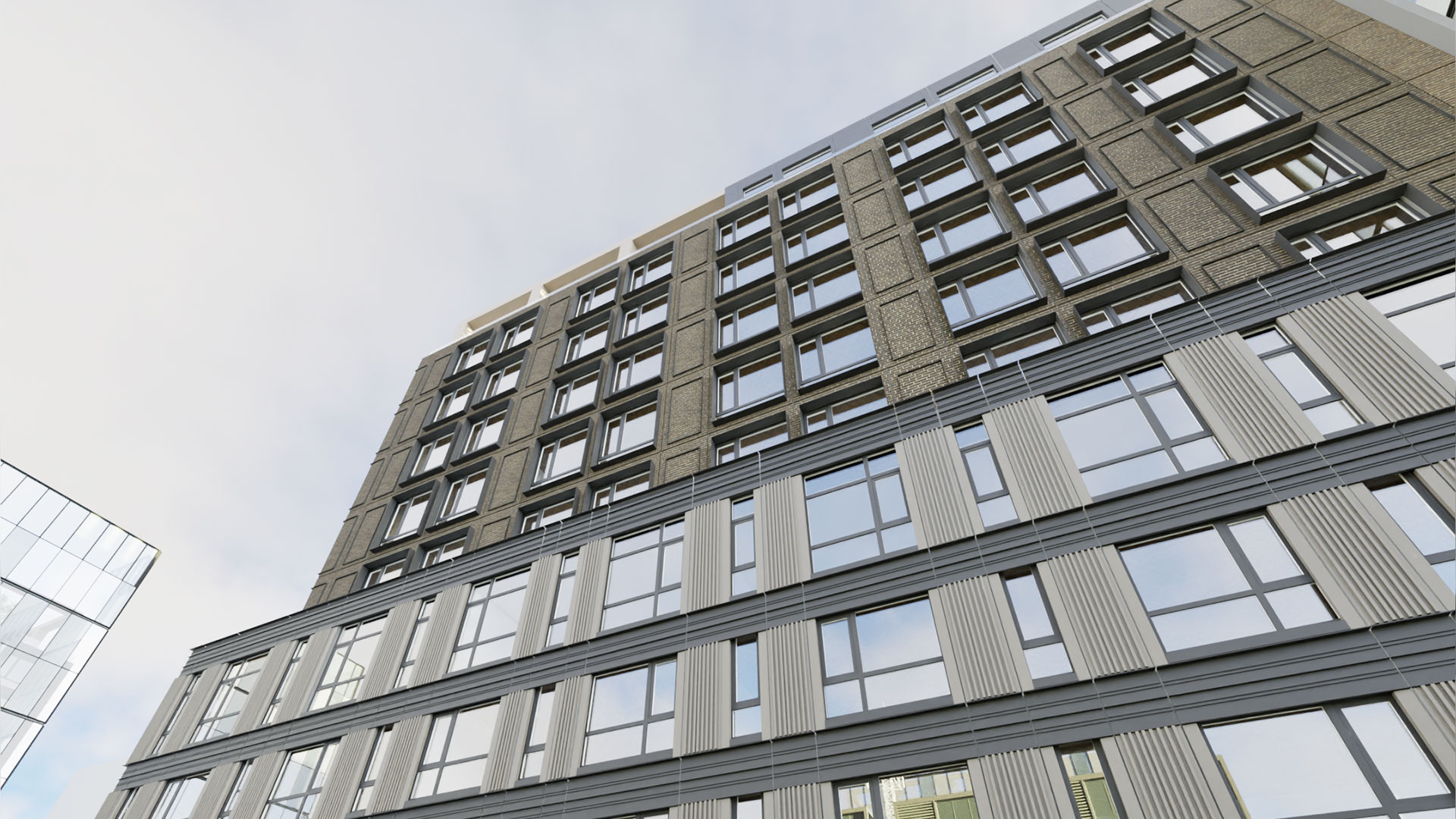
The "kit of parts" idea works when each panel arrives as a complete, coordinated module instead of a stack of disconnected trades. Dextall describes an integrated prefab panel as a single facade unit that combines the window, continuous insulation, air and moisture control layers, and exterior finish, with key interfaces resolved in controlled conditions before it reaches the site.
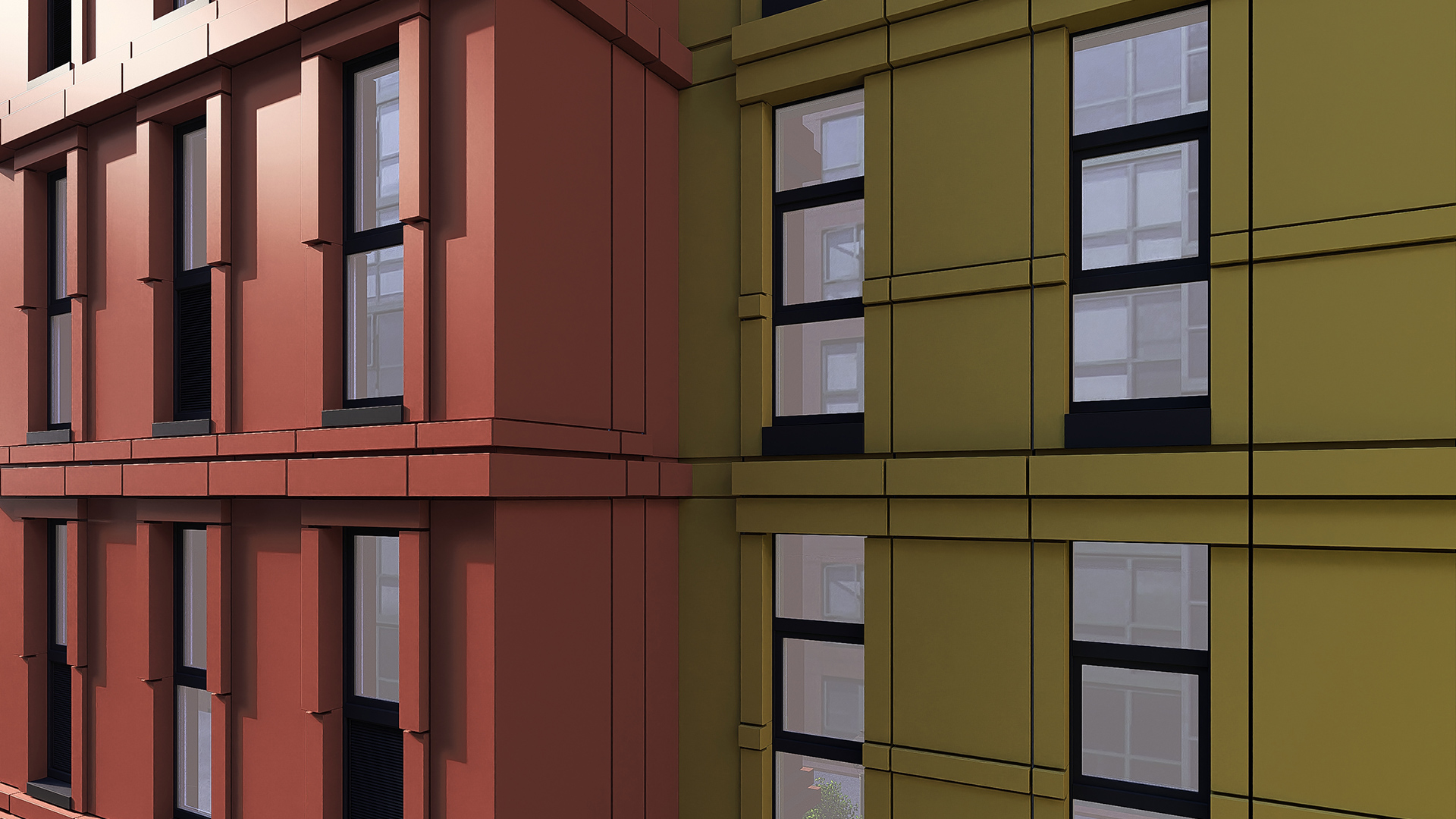
That kit becomes easier to manage when the design model is also organized around panel families and repeatable types. Dextall Studio is built to surface facade metrics (like window-to-wall ratio, areas, and counts of panel types) and to help translate design intent into fabrication-ready information.
- Integrated panels package window + insulation + control layers + finish into one coordinated assembly.
- Panel "types" and repeatable families help reduce one-off detailing and simplify coordination.
- BIM-based analytics support early decisions around panel counts, opaque vs. glazed area, and system-level consistency.
Dextall in High-Rise Retrofits and Structural Coordination
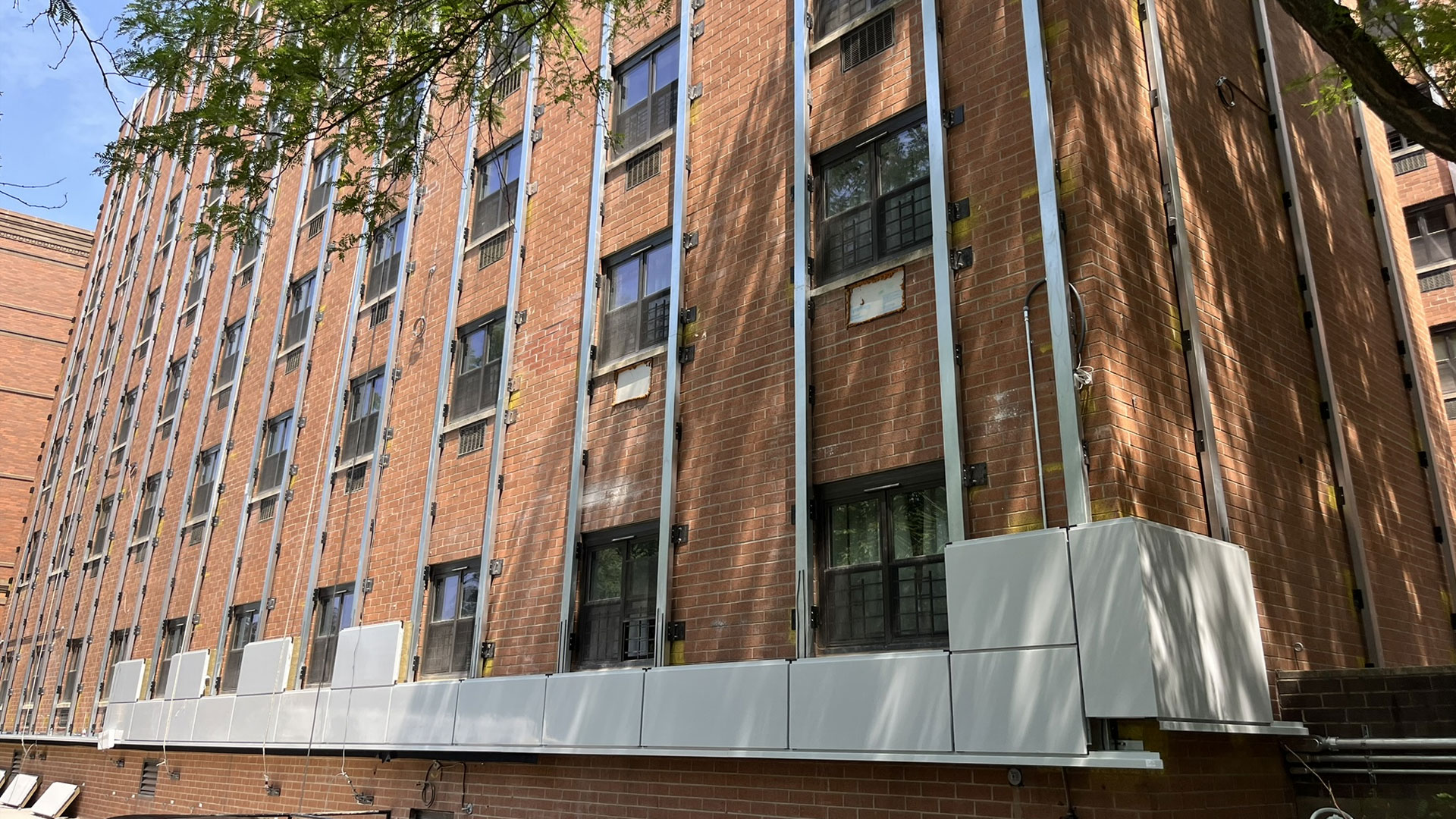
Retrofits raise the stakes: existing geometry, tolerances, and phased access can make the facade the hardest scope to control. Dextall frames its retrofit approach around modular, non-combustible systems such as S-Wall, described as a pretested cladding system for retrofitting (and new construction), with published ranges for thermal resistance and stated air/water performance test results on its project pages.
On coordination, Dextall emphasizes using as-built data and early planning tools (including 3D/as-built workflows and assembly-based costing) to stabilize scope and reduce change-order churn before fabrication and installation begin.
- A non-combustible, pretested system helps teams move faster without guessing at baseline performance.
- As-built geometry and early assembly-level planning support cleaner structural coordination and fewer surprises later.
- A dry, unitized install concept (including dry perimeter gasket approaches described by Dextall) targets faster exterior work with less wet field sealing.
Quick Answers for High-Rise Prefab Facades
What makes a wall system "prefabricated" on a high-rise?
It's built as large, repeatable facade panels offsite, with key layers and components coordinated ahead of time, then lifted into place in a set sequence.
Why does hoisting matter so much on tower projects?
Because crane windows are limited and expensive. A clean hoisting plan, labeled panels, and just-in-time delivery reduce downtime between picks and keep installation moving floor by floor.
Is prefab always faster than traditional cladding?
Often, yes, because offsite production can run in parallel with the rising structure. The bigger advantage is predictability: fewer trade handoffs and less rework from field variability.
What needs to be decided early to avoid delays later?
Panel types, install sequence, lifting strategy, and the key interfaces, especially slab edge conditions and anchorage coordination. If those are late, the schedule usually pays for it.
Can prefabricated wall systems work for high-rise retrofits?
Yes, especially when the retrofit is planned around as-built conditions and phasing. Prefab helps reduce disruption and site labor, but coordination and tolerances matter even more than in new builds.














.jpeg)

-Compliance-for-NYC-Multifamily-%26-Co-Op-Facades.jpg)















_format(webp).avif)
_format(webp)%20(6).avif)
_format(webp)%20(5).avif)
_format(webp)%20(4).avif)
_format(webp)%20(2).avif)
_format(webp)%20(3).avif)


.avif)
_format(webp)%20(2).avif)