Next-Gen Prefab Facade Performance
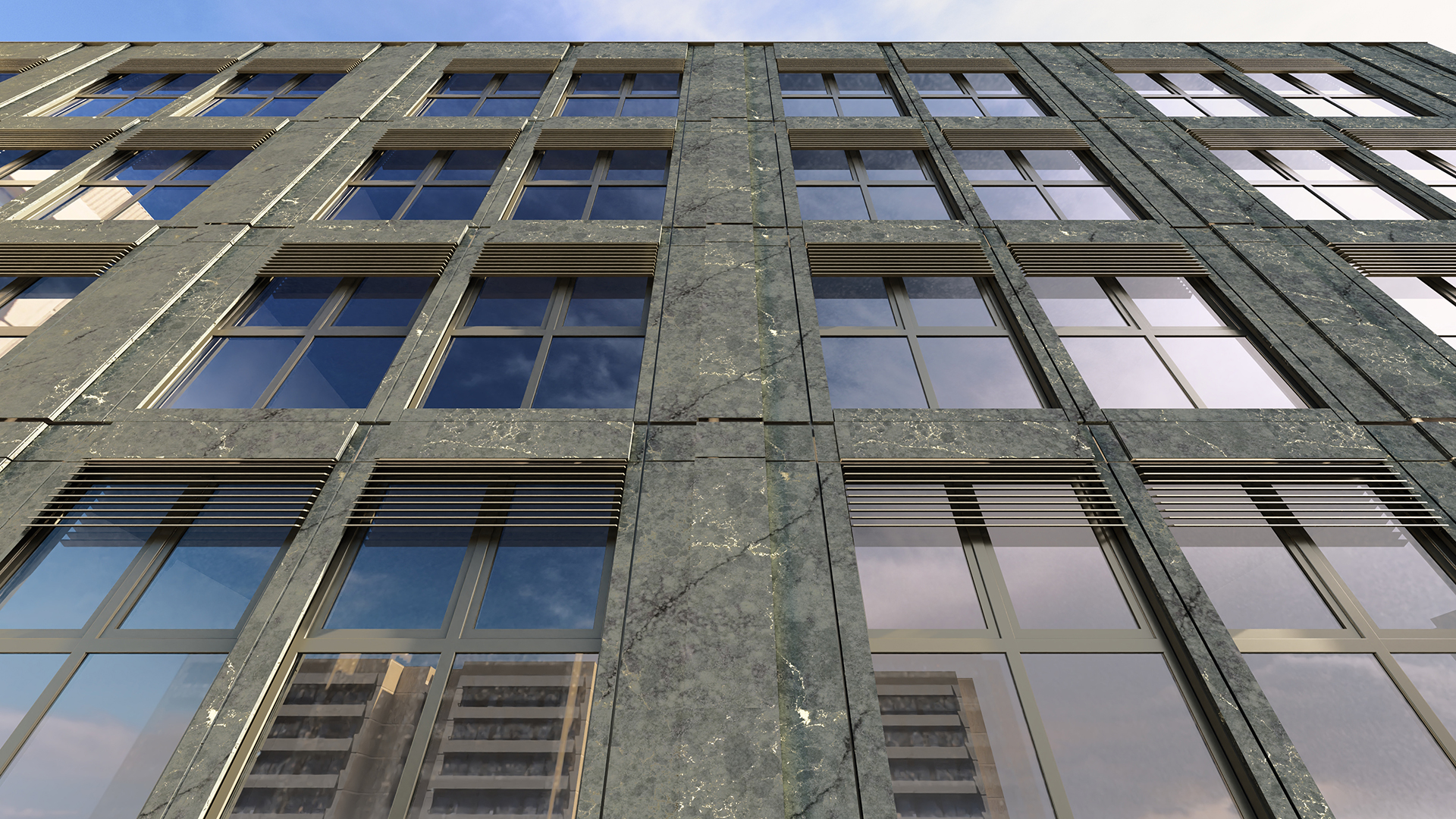
Today's buildings demand more from their facades than a good-looking skin. The envelope has to deliver energy efficiency, comfort, and reliable performance under tight urban schedules and site constraints.
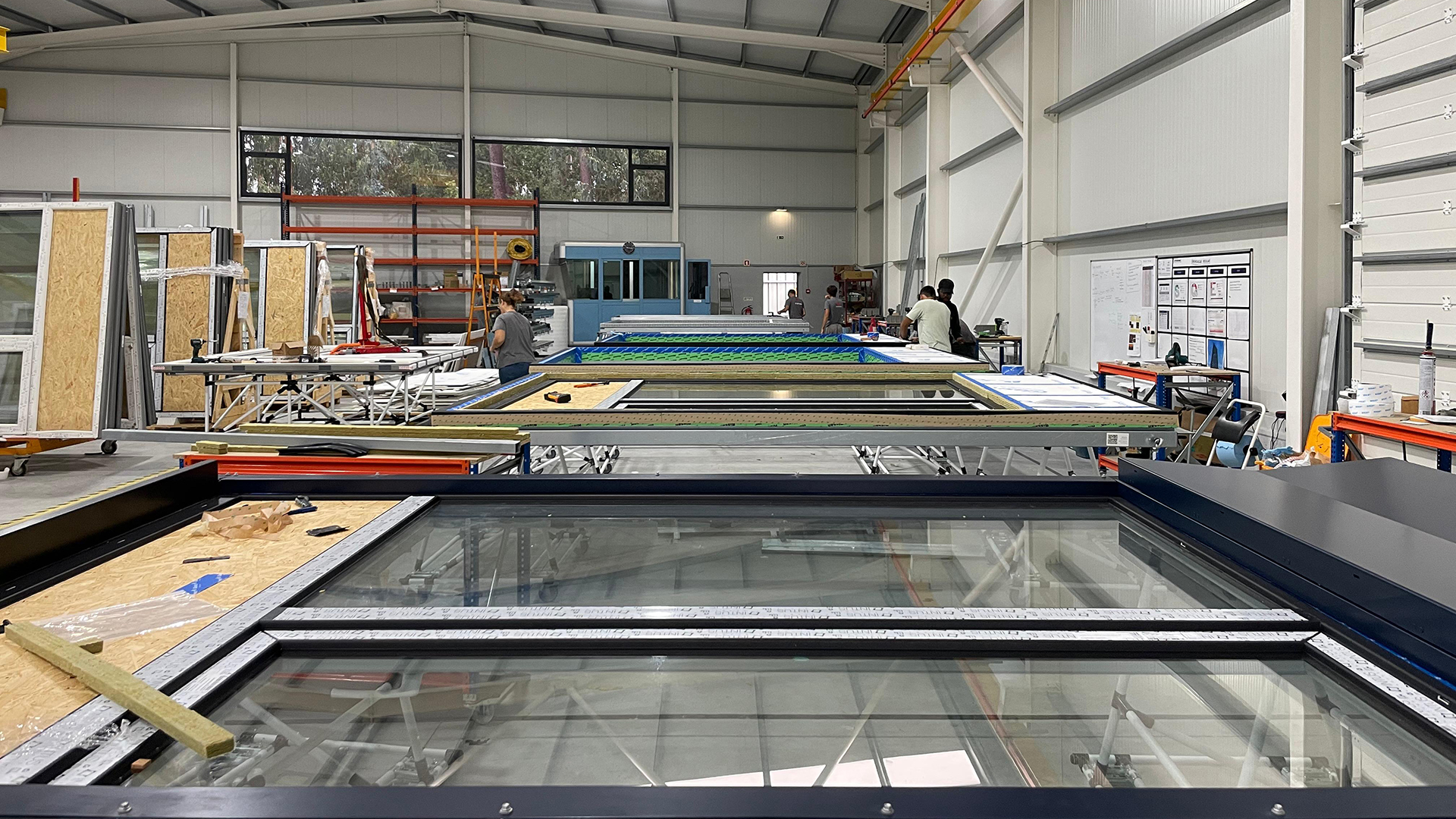
Next-gen prefab systems push most of that complexity into a controlled factory environment, where tolerances, air and water performance, and thermal behavior are engineered and verified before the first panel arrives on site. Solutions like Dextall give project teams a way to lock in facade performance early, keep installation predictable, and still meet ambitious architectural and sustainability goals.
Tolerances and Envelope Behavior
Behind every "clean" facade line is a stack of very real imperfections: slab edges that wander, columns that drift, and movements that keep going long after the building is topped out. How the facade system absorbs those tolerances—and still delivers tight joints—is what separates a high-performance envelope from a constant punch-list problem.
Next-gen prefab facades are engineered around this reality. Instead of fighting building movement on site, they anticipate it with defined tolerance ranges, adjustable connections, and tested details that keep the air, water, and thermal performance of the envelope stable over time.
Floor-to-Floor and Stack Tolerances
No structure is perfectly repeatable from level to level: slab edges drift, columns move a bit, and those small shifts stack up as you go higher. If a facade system doesn't allow for that, installers start forcing anchors, shaving concrete, and "stretching" joints to make panels fit.
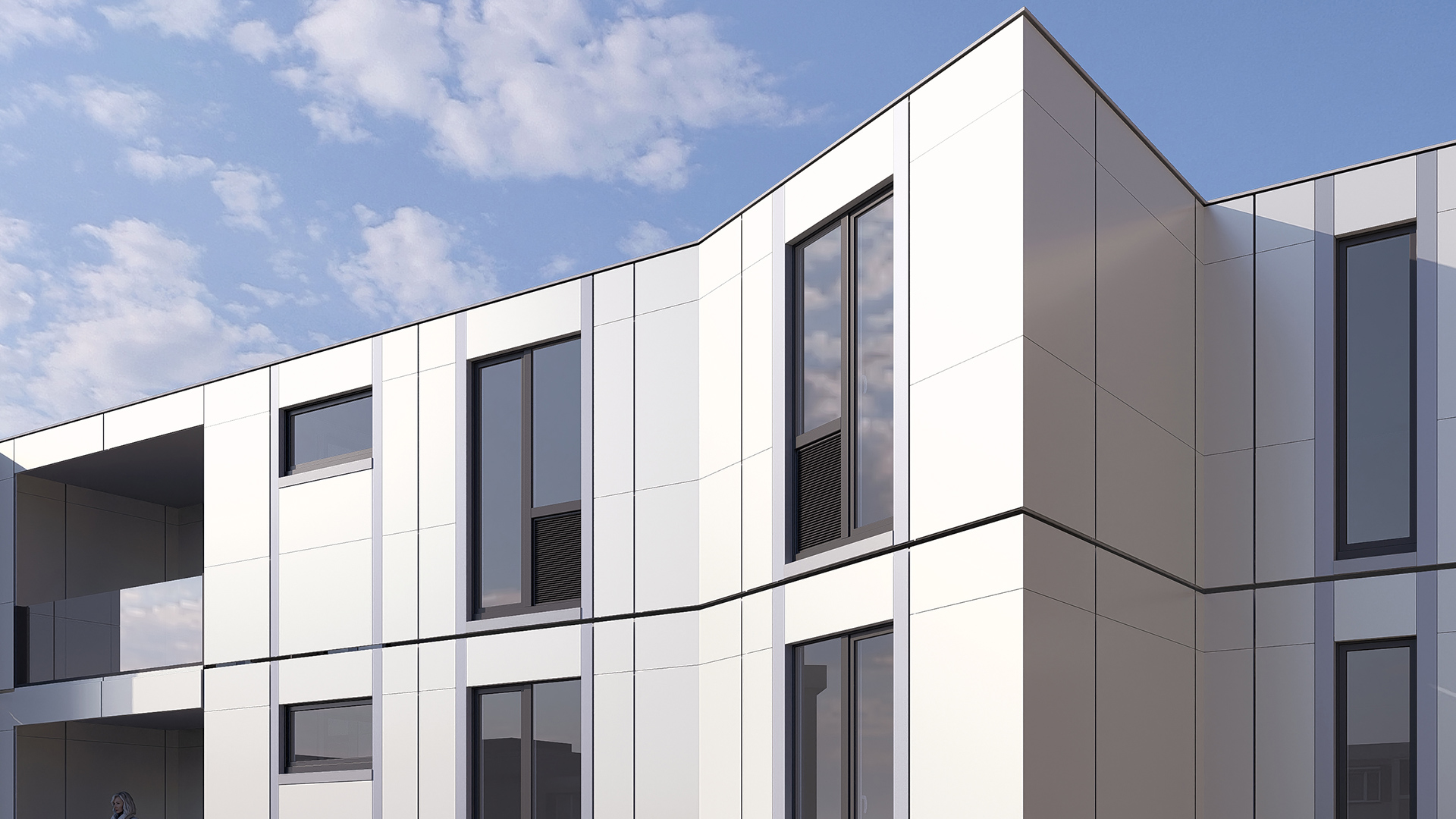
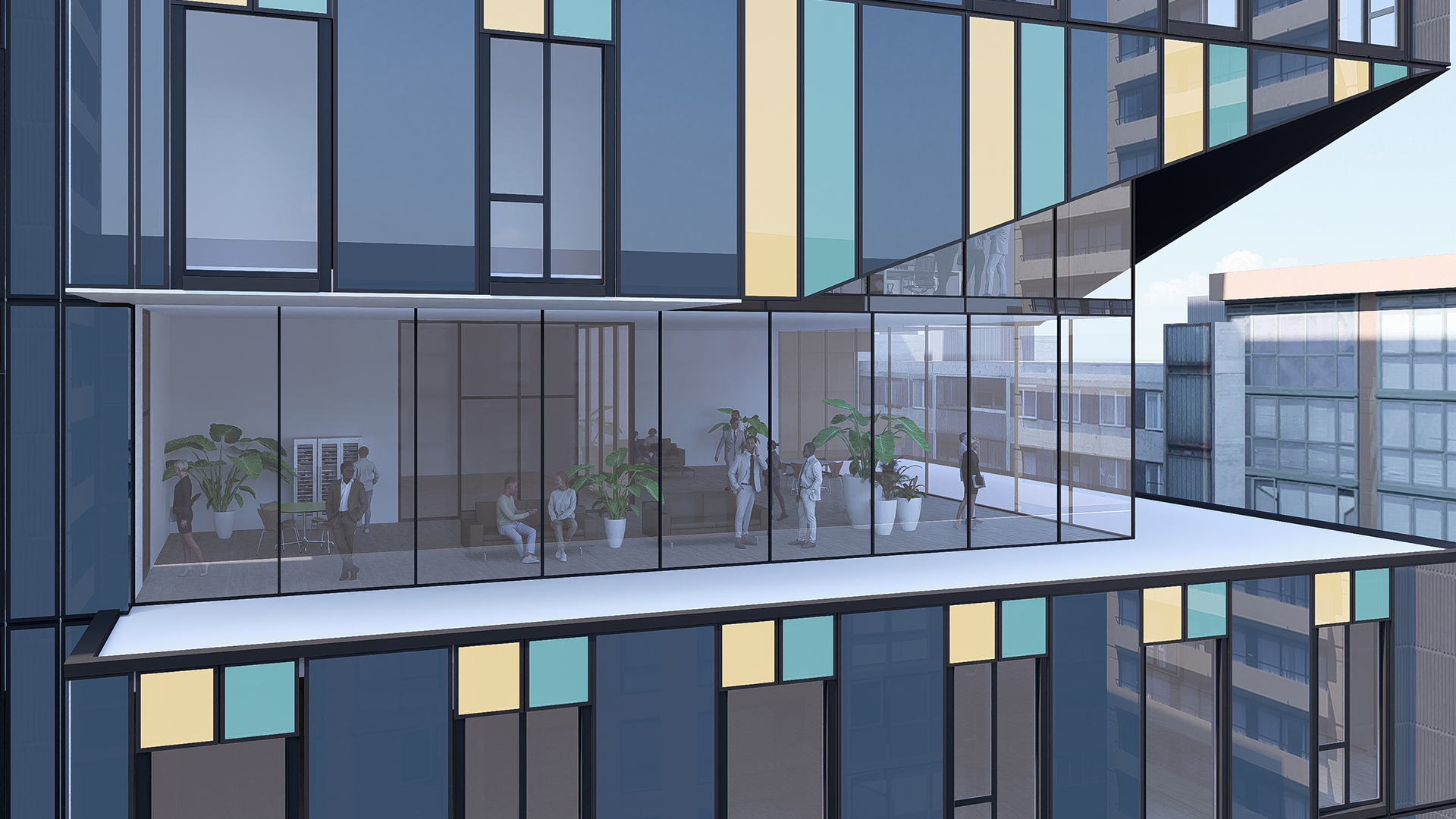
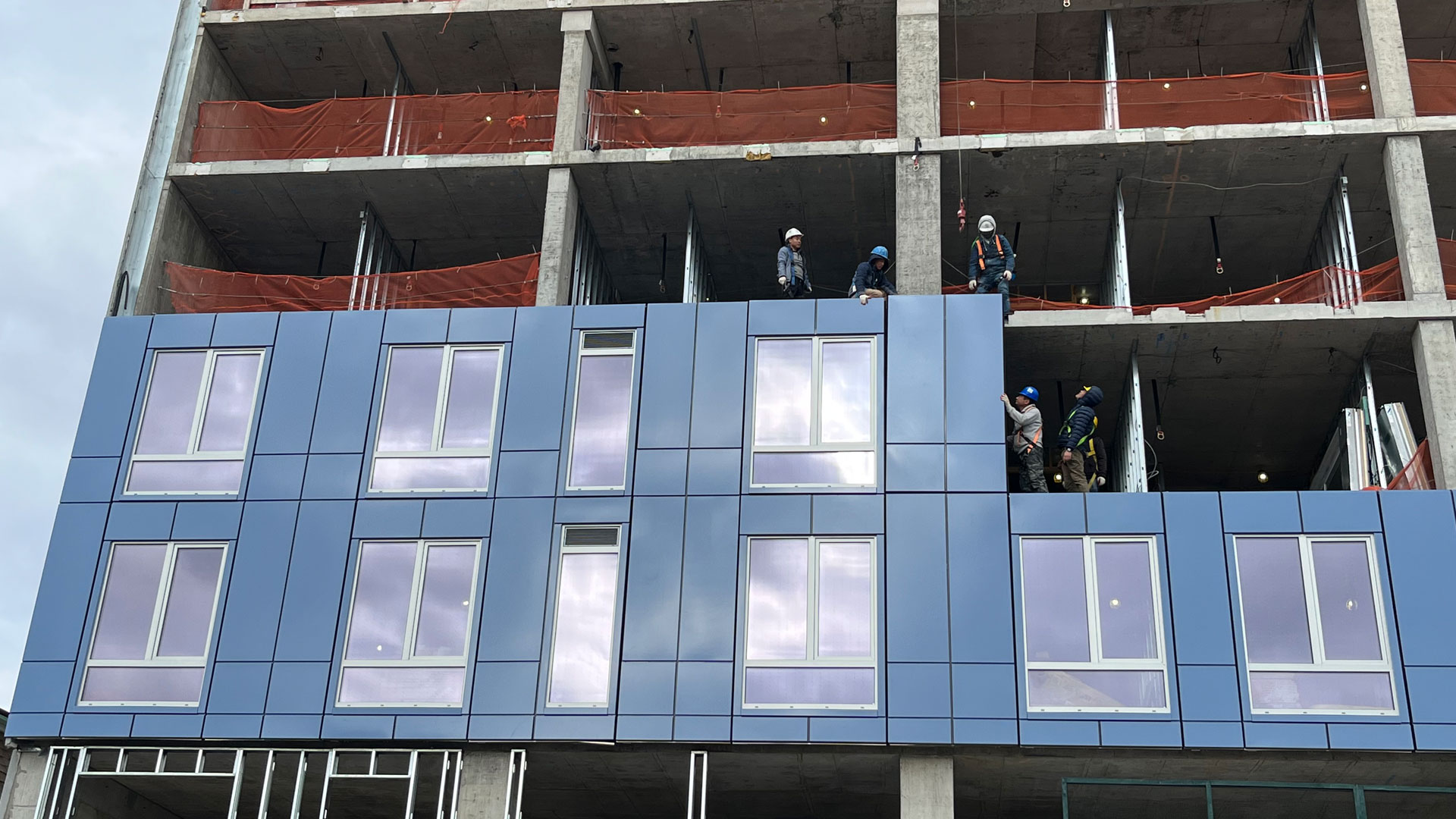
Prefab facades that are engineered for real-world floor-to-floor and stack tolerances use coordinated panel layouts and adjustable connections, so crews can pick, set, and align panels quickly—without turning every floor into a custom fix.
Air/Water Tightness and Thermal Bridging
Once the panels are in place, performance is all about how the envelope handles air, water, and heat flow. Well-designed prefab systems typically include:
- Continuous air barrier through panels and joints, not broken at every floor line.
- Layered water management, where outer seals deflect rain and backup paths safely drain what gets through.
- Reduced thermal bridges at brackets, slab edges, and perimeter details to avoid cold spots and condensation.
- Factory-built critical joints, so key seals and insulation aren't dependent on site conditions.
This approach keeps comfort and energy use more predictable, and gives systems like Dextall a clear edge over facades that rely on one-off, fully field-built details.
Dextall for Urban Projects
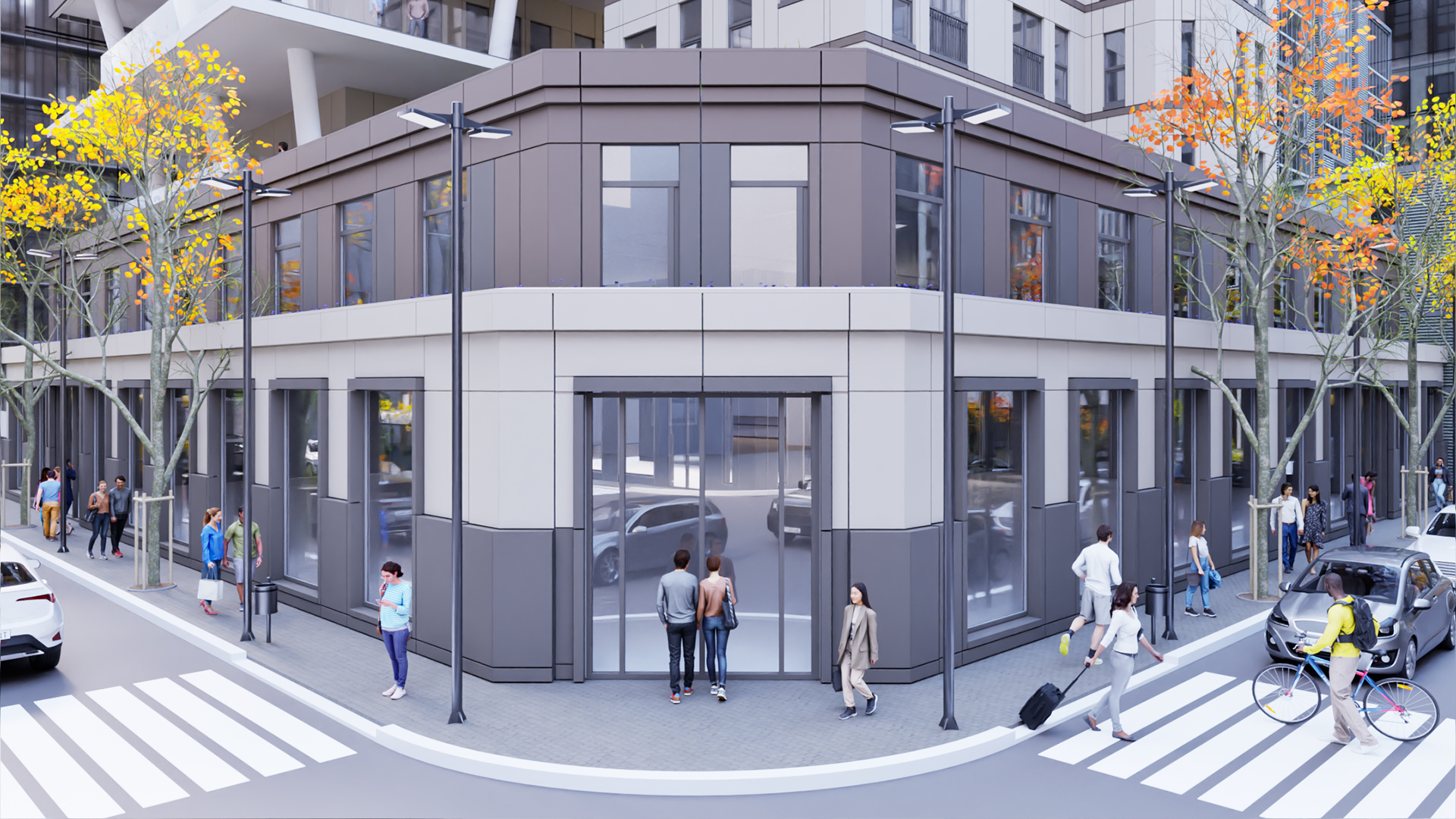
Urban sites are tight, busy, and unforgiving to slow facade work. There's rarely room for big crews, big laydown areas, or long lane closures.
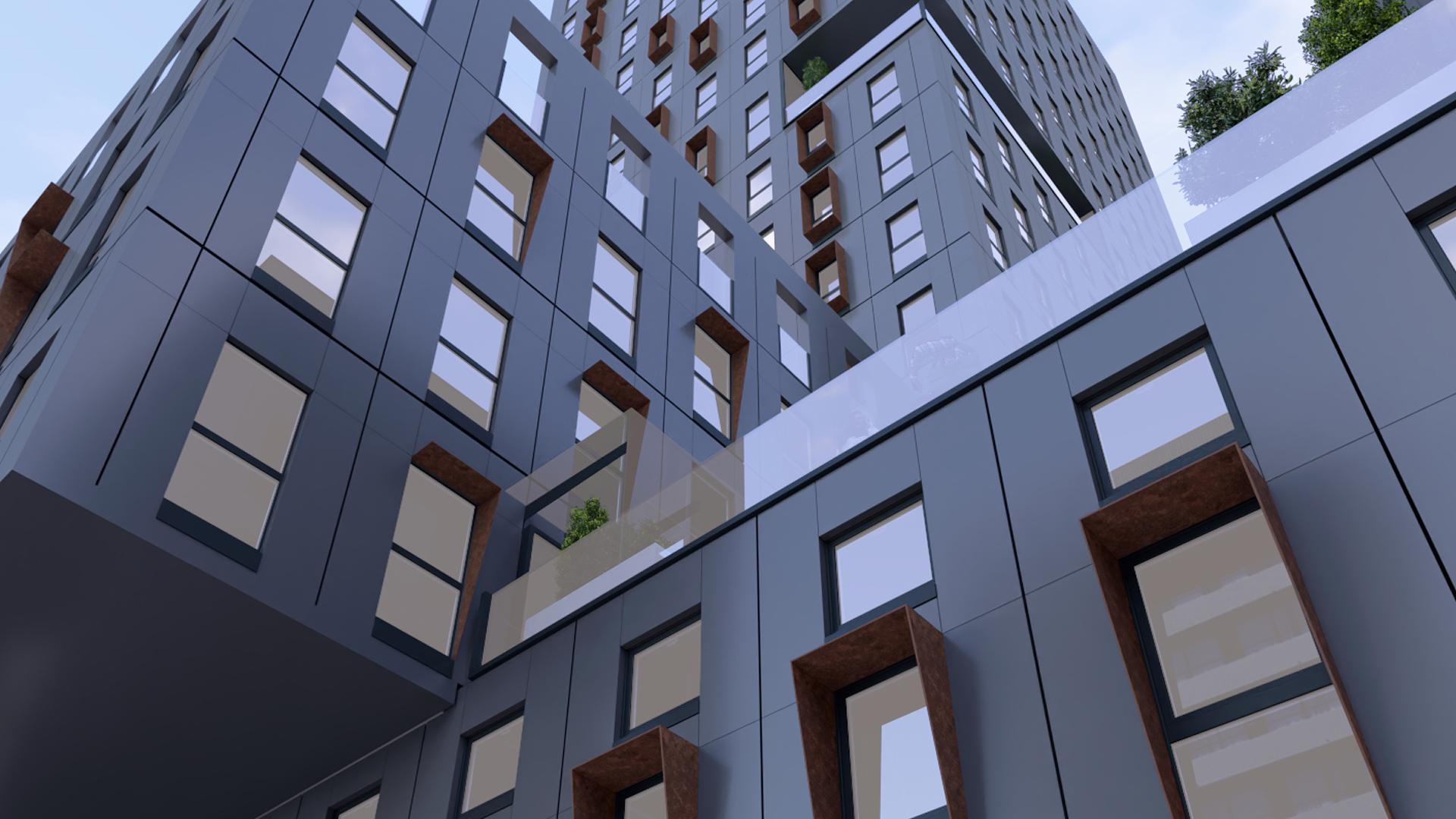
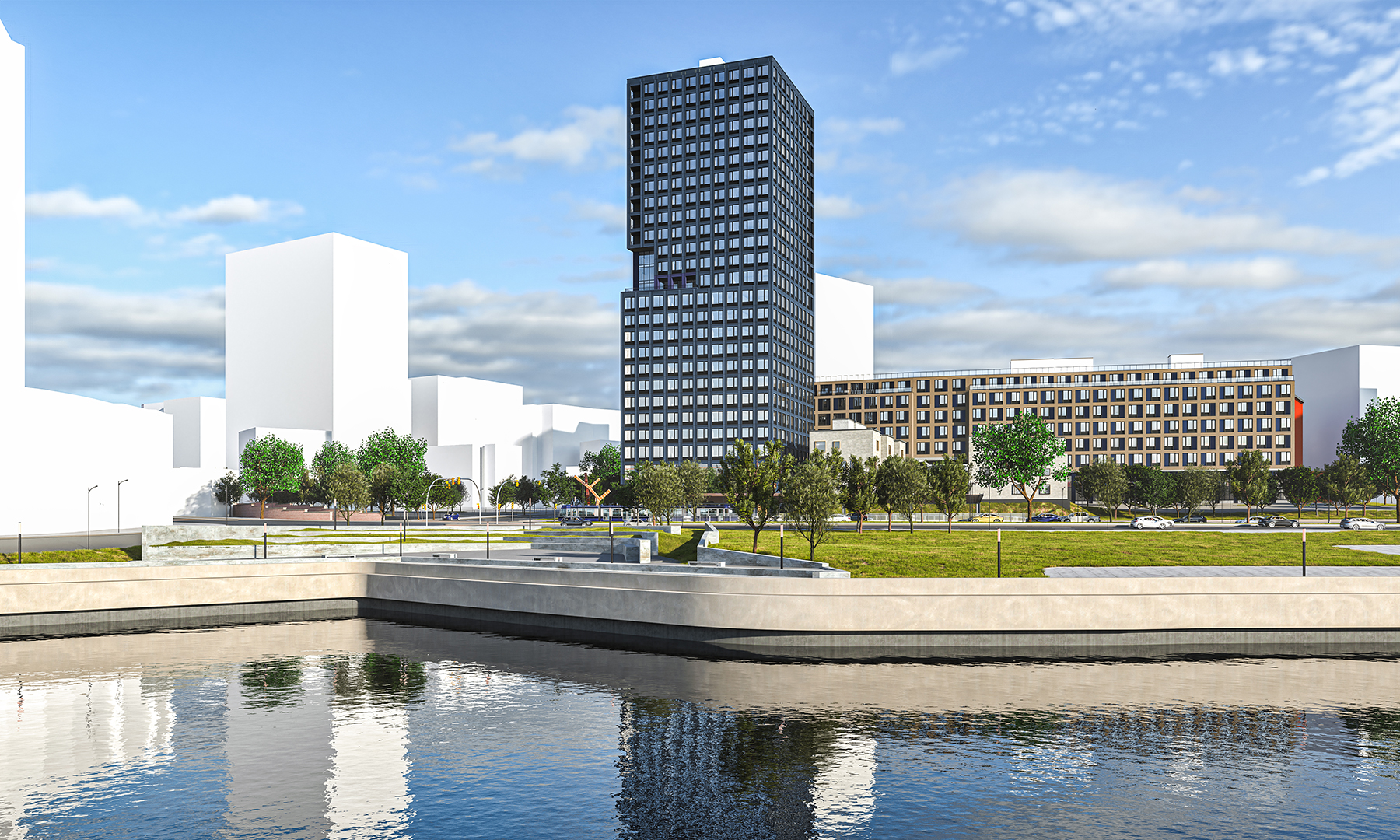
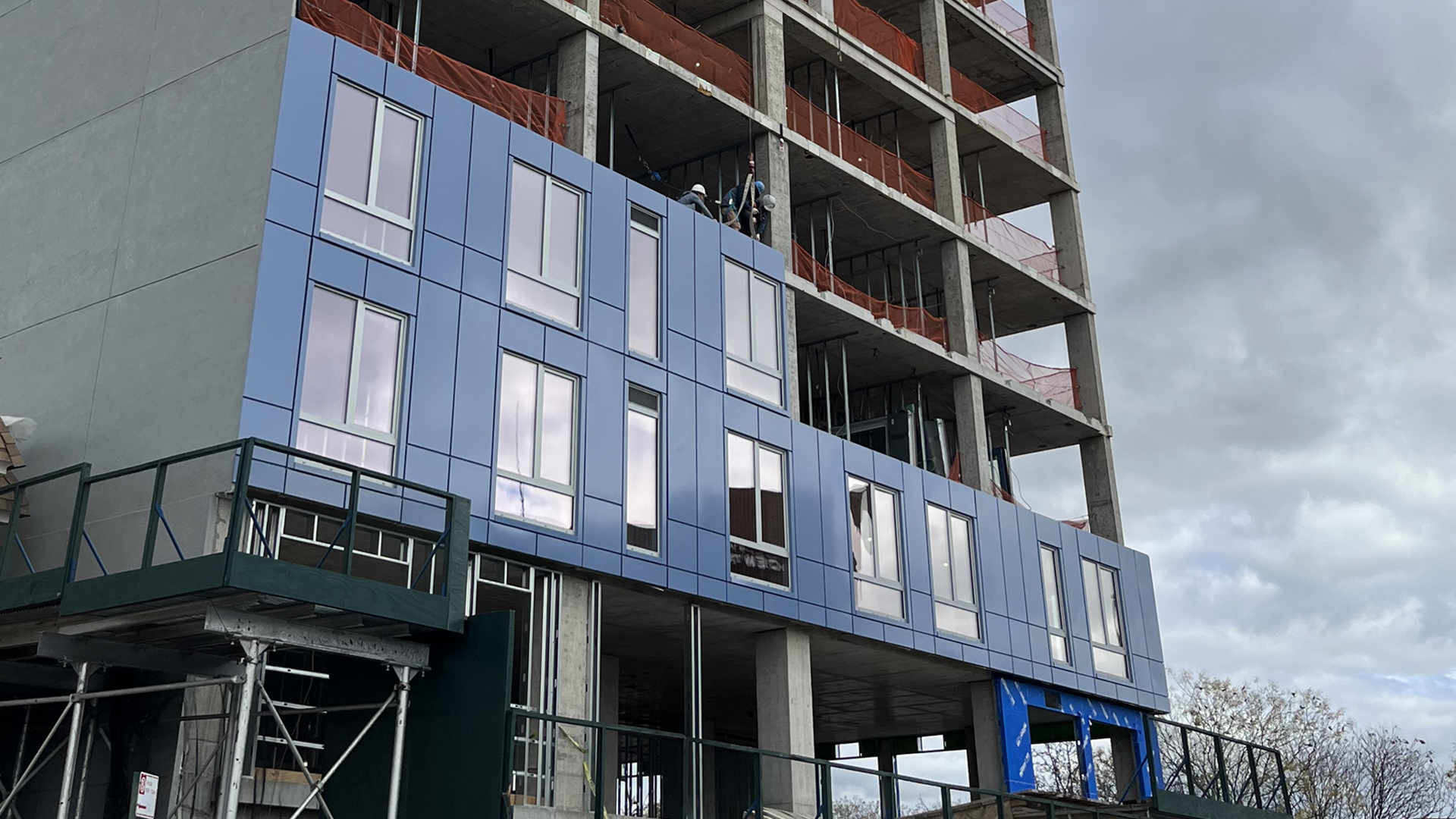
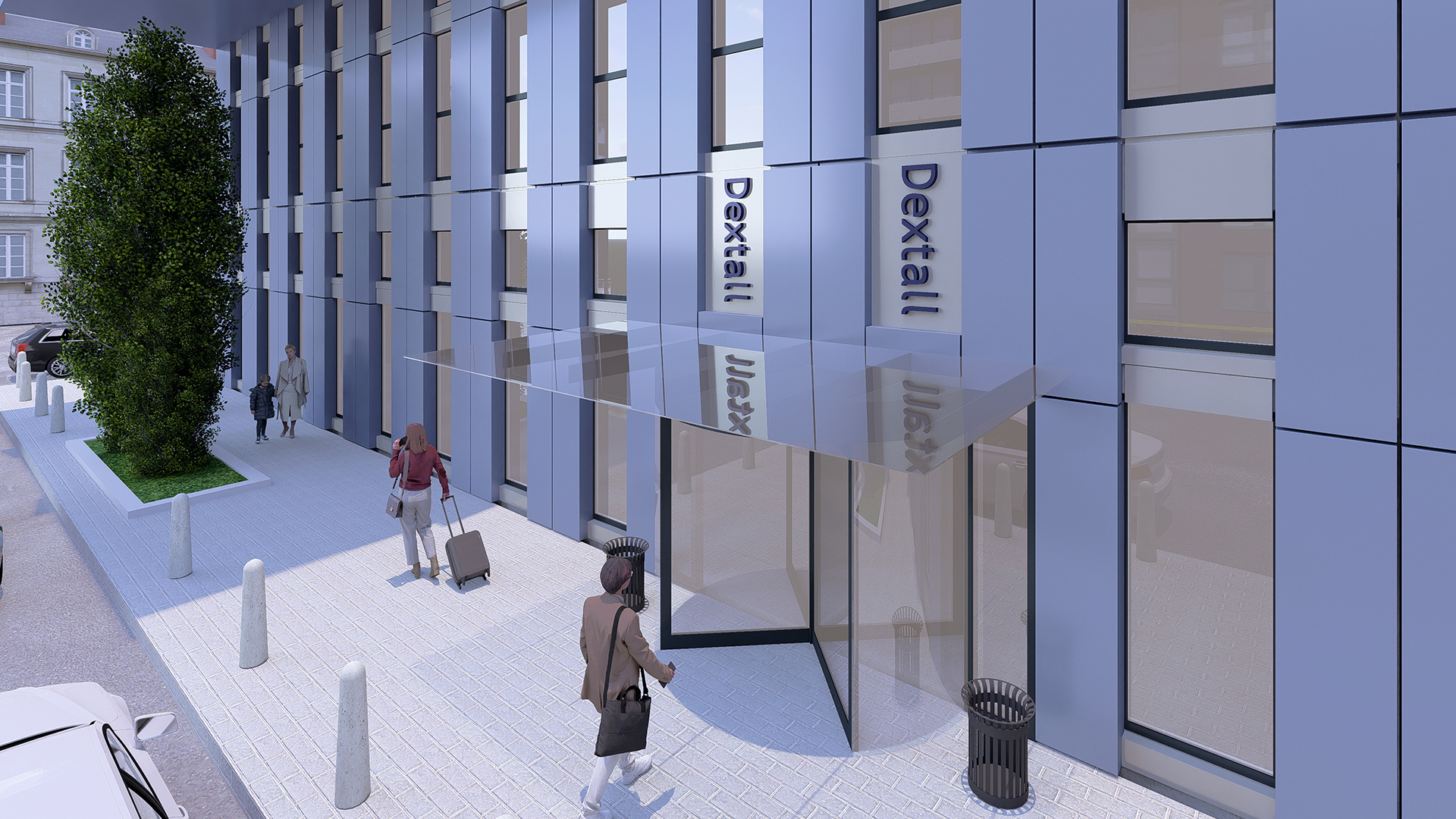
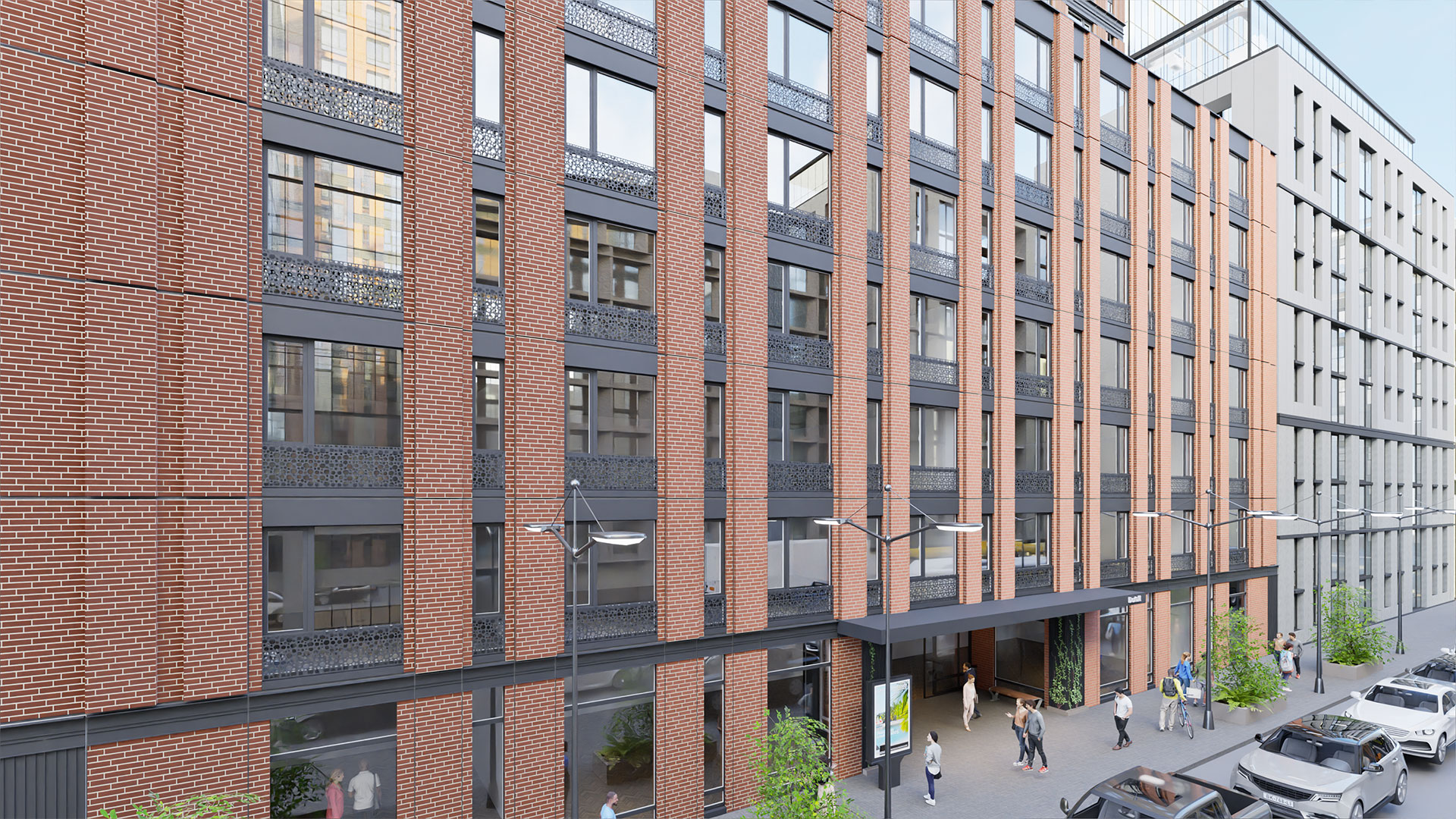
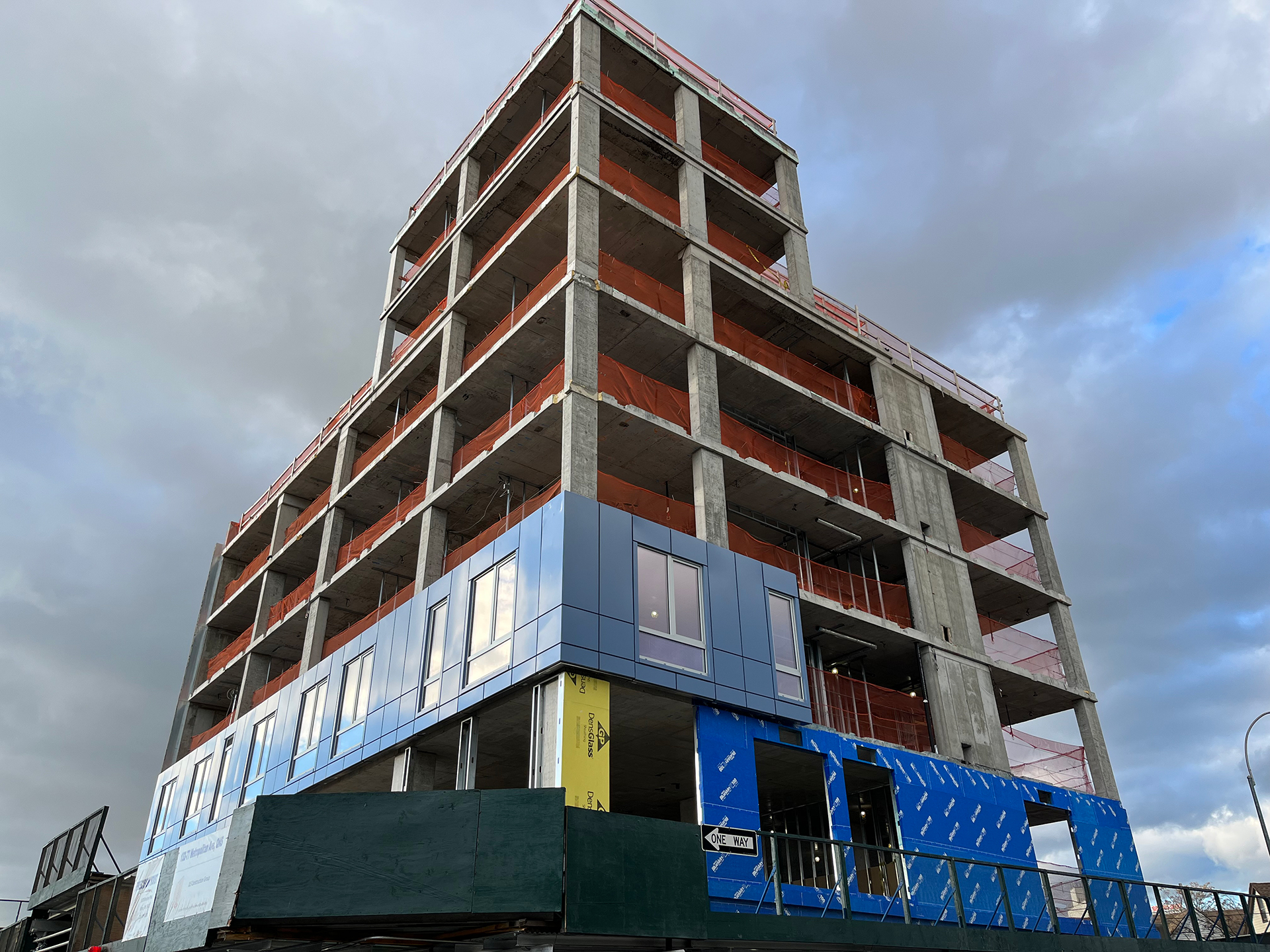
Dextall is tuned for that environment: panels arrive sequenced, prefinished, and ready to hang, so crews spend more time enclosing the building and less time cutting, patching, and sealing on the sidewalk. For dense city projects, that means cleaner logistics, fewer trades stacked on top of each other, and a faster path to a weather-tight shell.
Panelization, Connections, and QA/QC
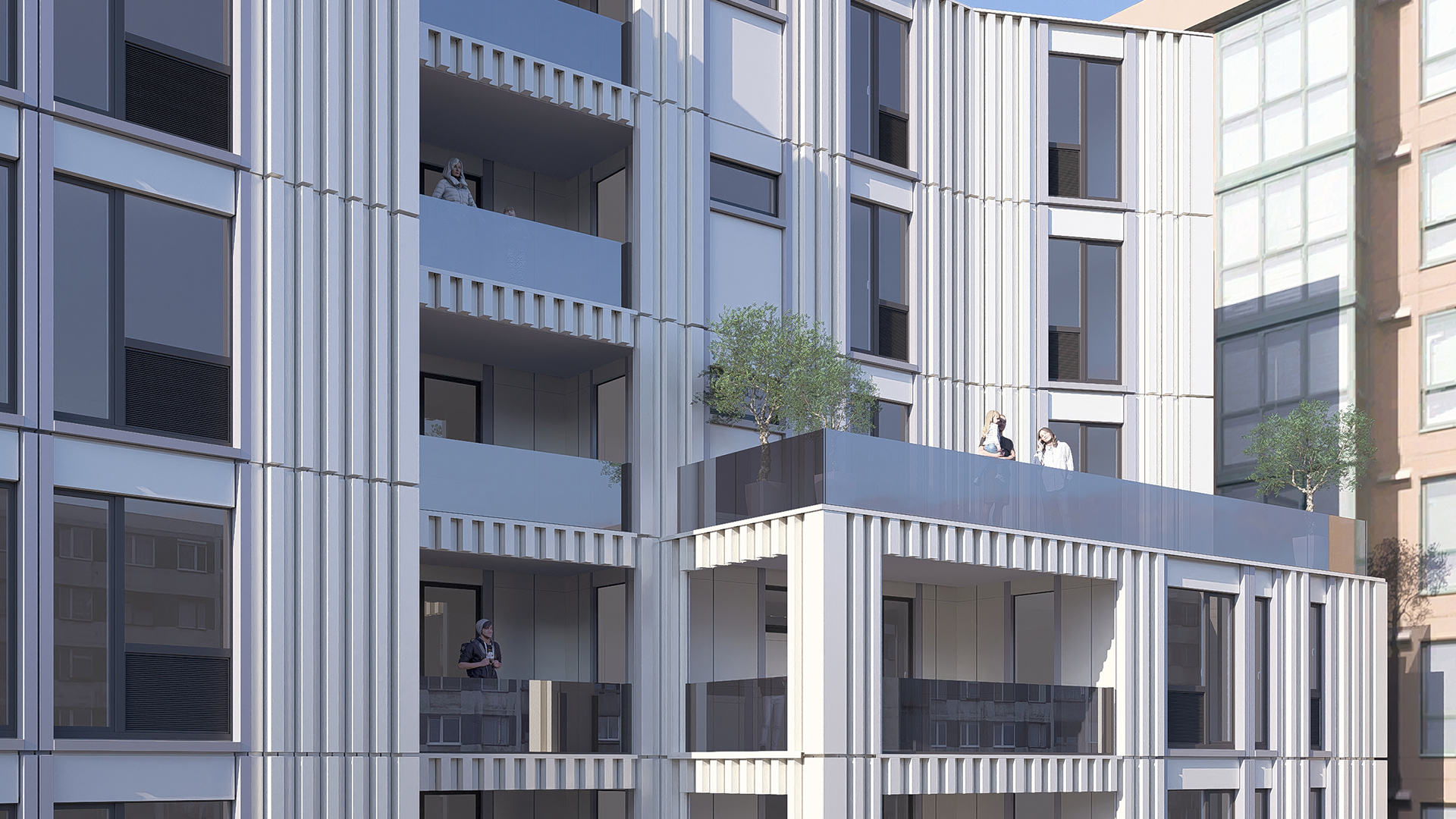
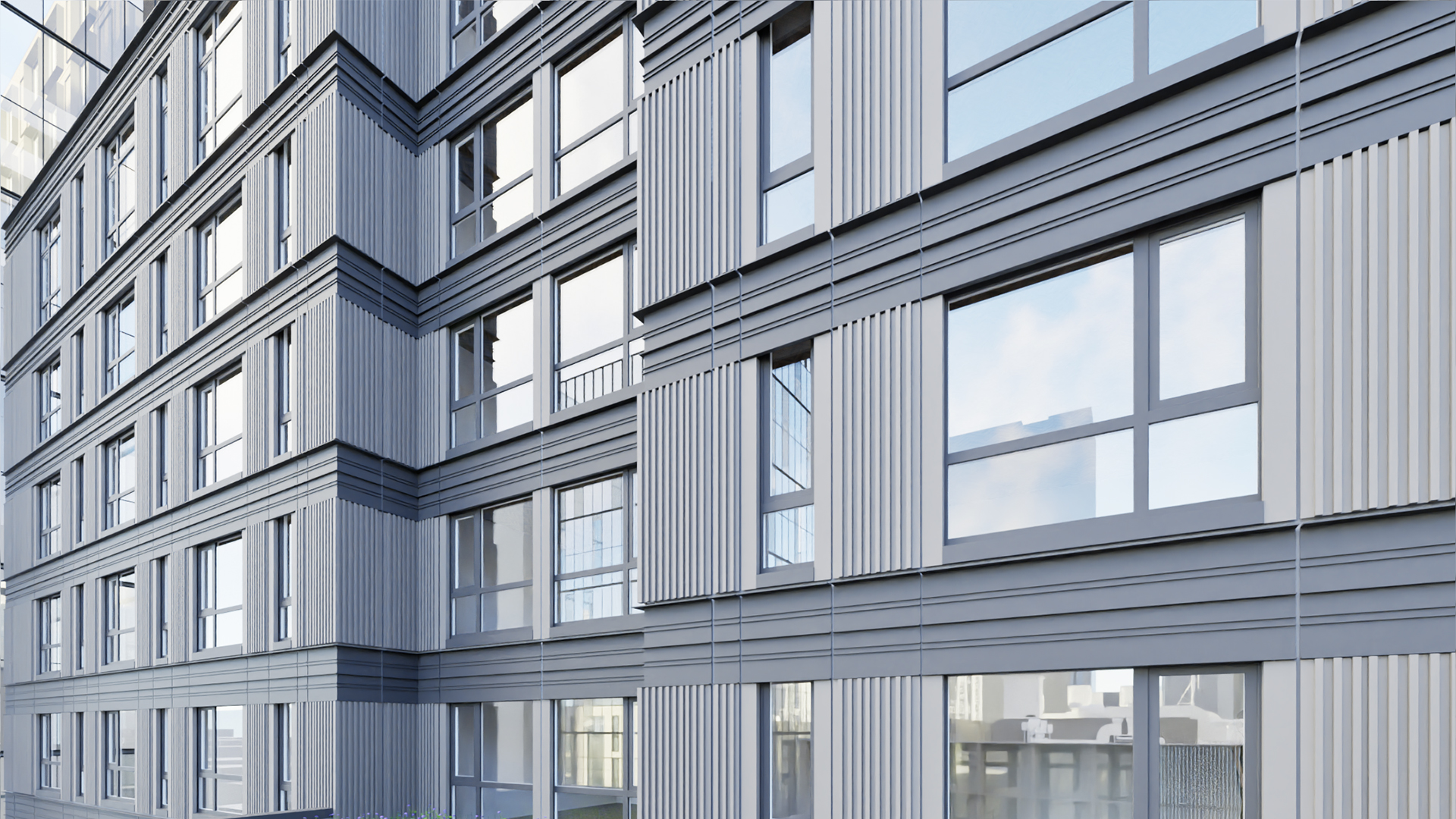
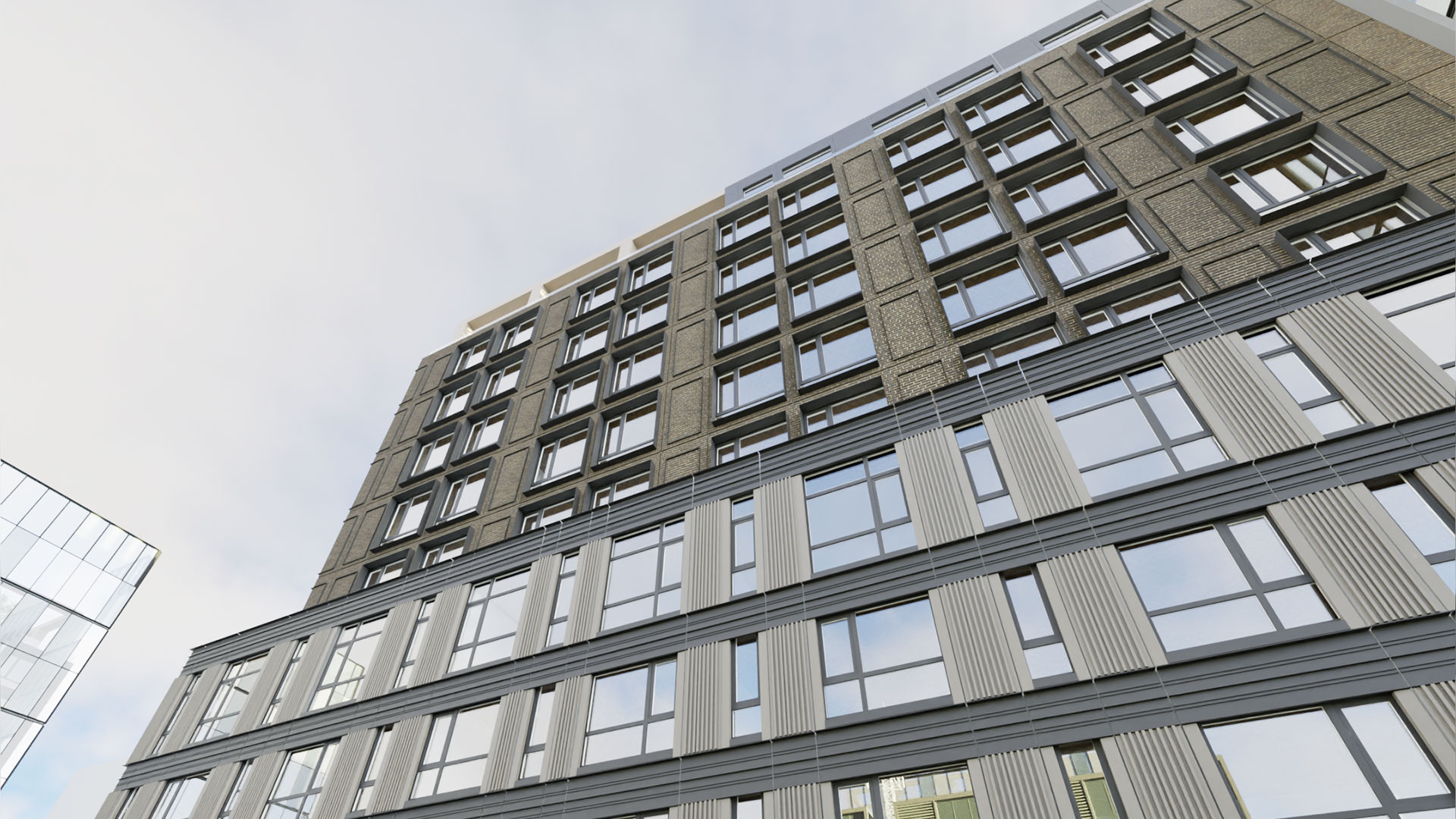
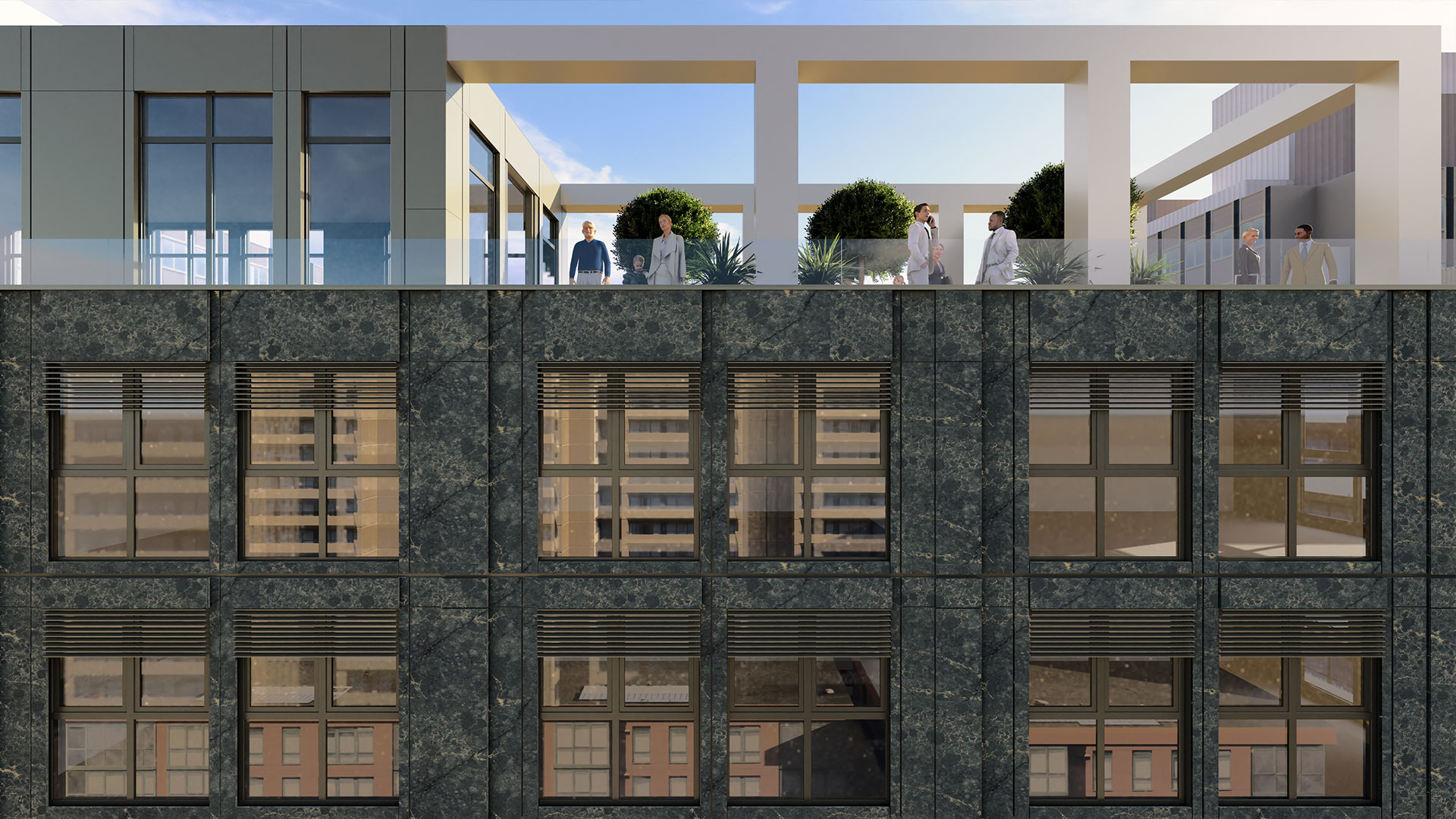
Dextall doesn't just divide elevations into random panels. Modules are planned to align with glass, opaque zones, and structure, so the facade looks intentional and stays install-friendly.
Connections are straightforward and adjustable, letting installers pick and set panels quickly without heavy field modification.
Key points:
- Rational panel modules that work with real site constraints and transport limits.
- Adjustable brackets and hangers to absorb structural drift and keep joints consistent.
- Standardized joint details repeated across the building instead of one-off patches.
- Factory checks and testing to verify geometry, insulation, and critical seals before shipping.
Together, this turns facade installation into a repeatable process instead of a floor-by-floor experiment.
New Build vs. Retrofit Use Cases
On new builds, Dextall can be coordinated early with the structural grid and MEP, so panel modules, embeds, and corner conditions are resolved before concrete is poured. That helps lock in:
- Earlier enclosure dates.
- Cleaner coordination at slab edges.
- A buildable facade concept from schematic design.
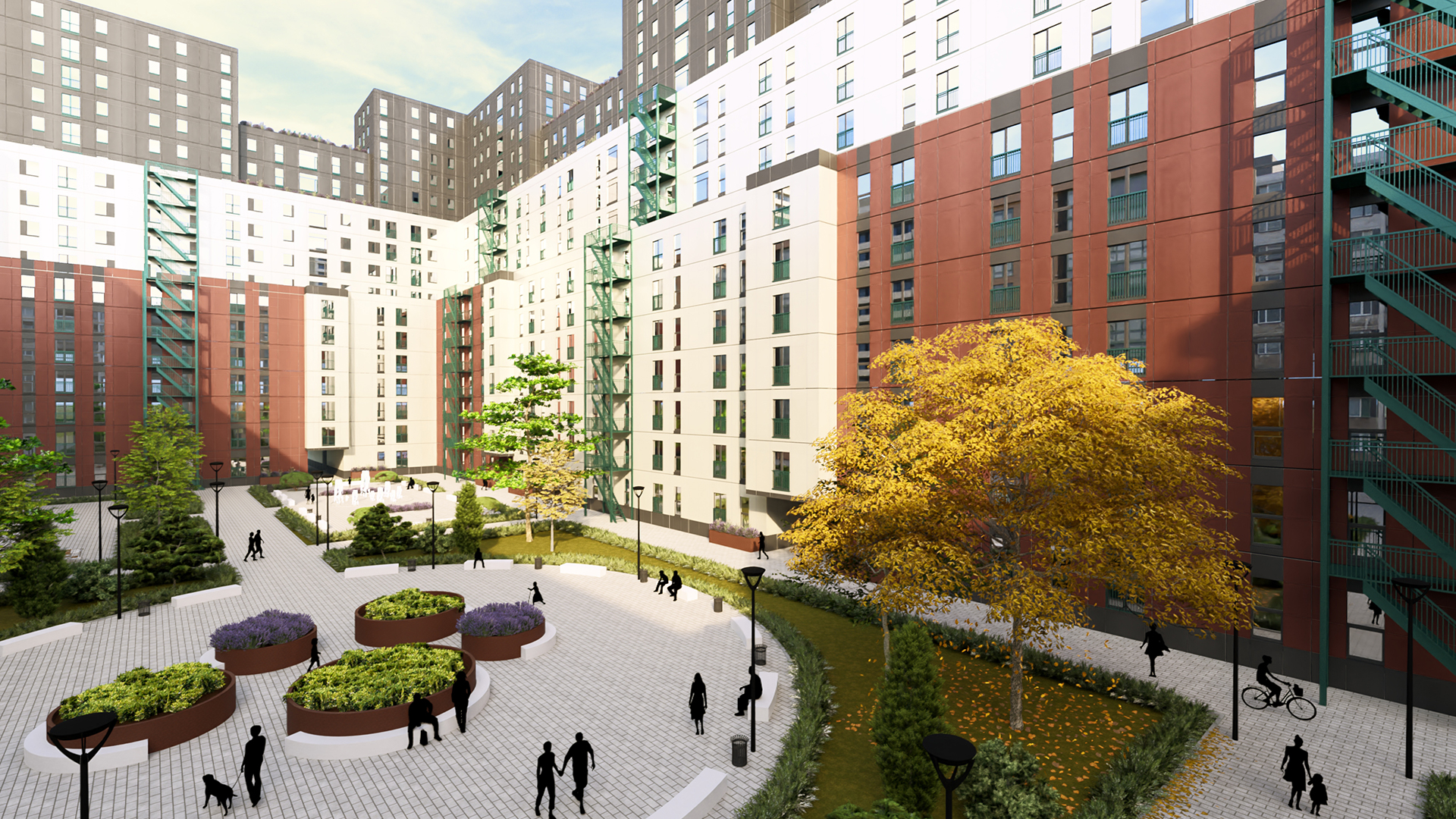
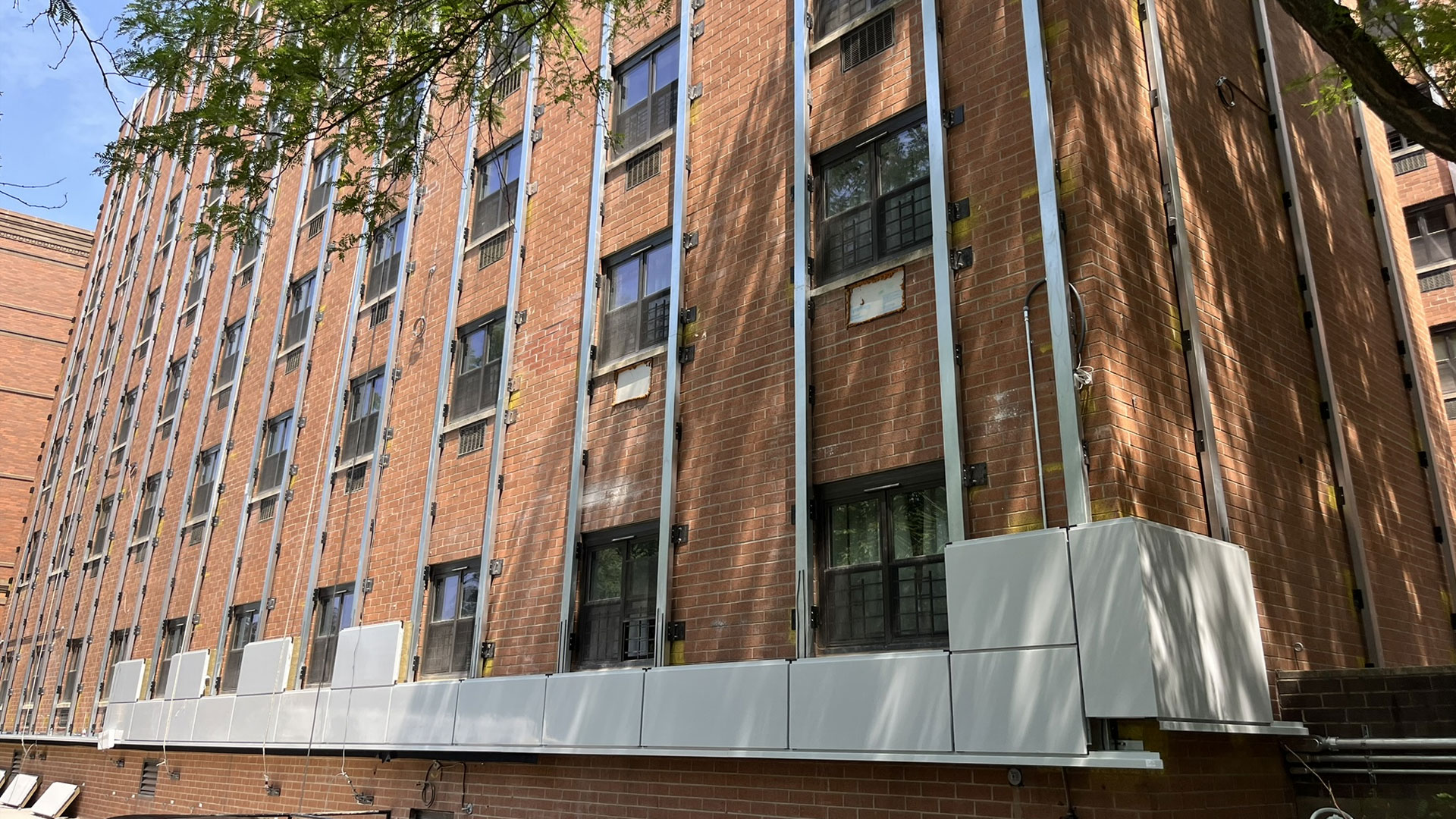
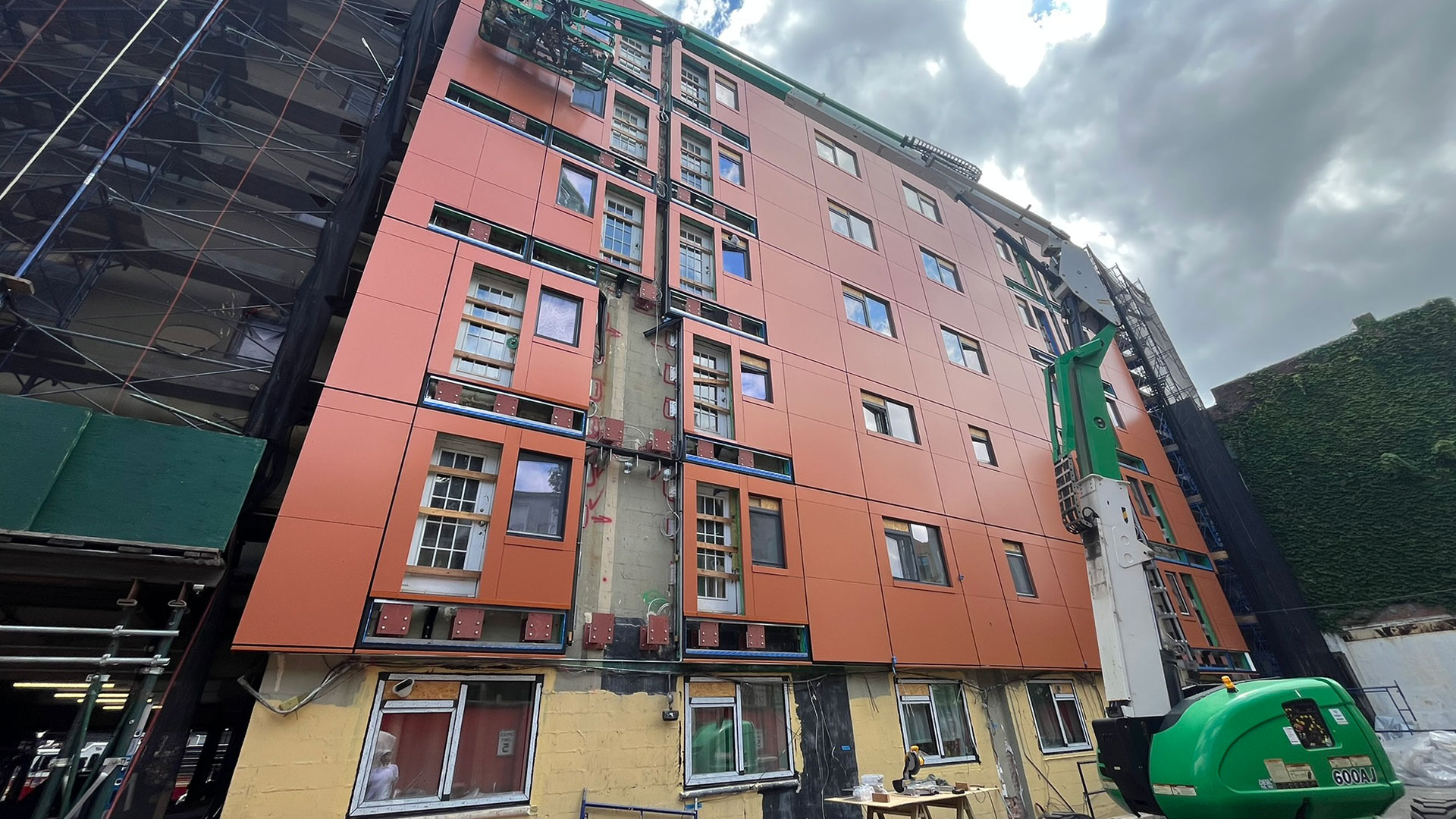
On retrofit projects, the same prefab logic helps upgrade aging envelopes with less disruption. Panels can overclad or replace existing skins with shorter on-site operations and fewer tenant interruptions, while lifting both performance and appearance.
In both cases, Dextall acts as a focused tool for urban work: a prefab facade system built to handle real-world constraints while still delivering a sharp, high-performance envelope.
Fast FAQ: Dextall and Next-Gen Prefab Facades
Why are tolerances such a big deal?
Because slabs and columns never land exactly where drawings say. Systems designed for real floor-to-floor and stack tolerances install cleaner and avoid "fix-it" work on every level.
What makes Dextall different from stick-built facades?
Most of the work moves to the factory: panels, joints, and key seals are prebuilt and checked, so on site it's mainly lifting, aligning, and locking into structure.
Is Dextall only for new buildings?
No. It works on both new towers and retrofits, either as a primary facade solution or as a fast way to reclad and upgrade older envelopes.
Does prefab mean boring design?
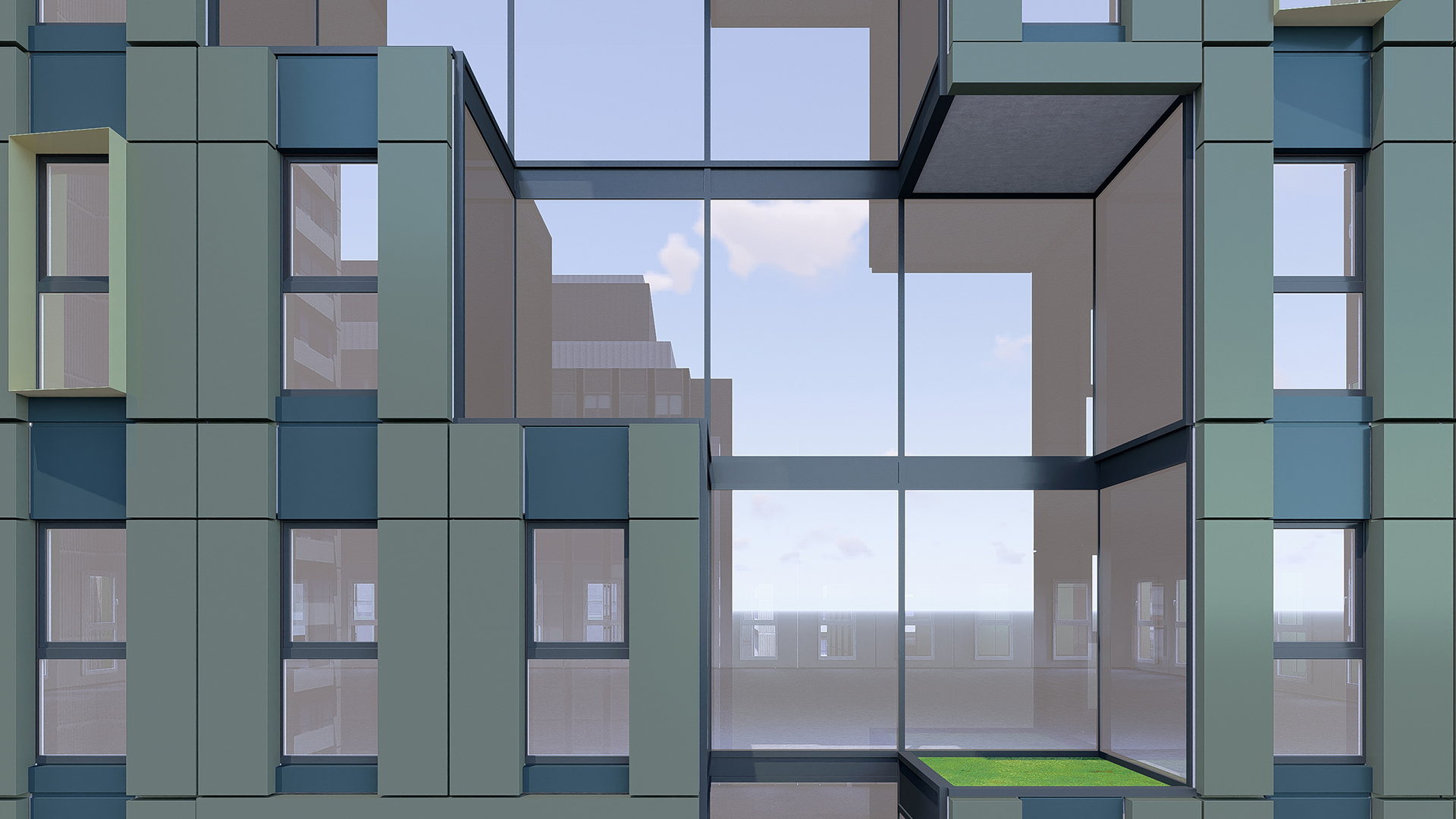
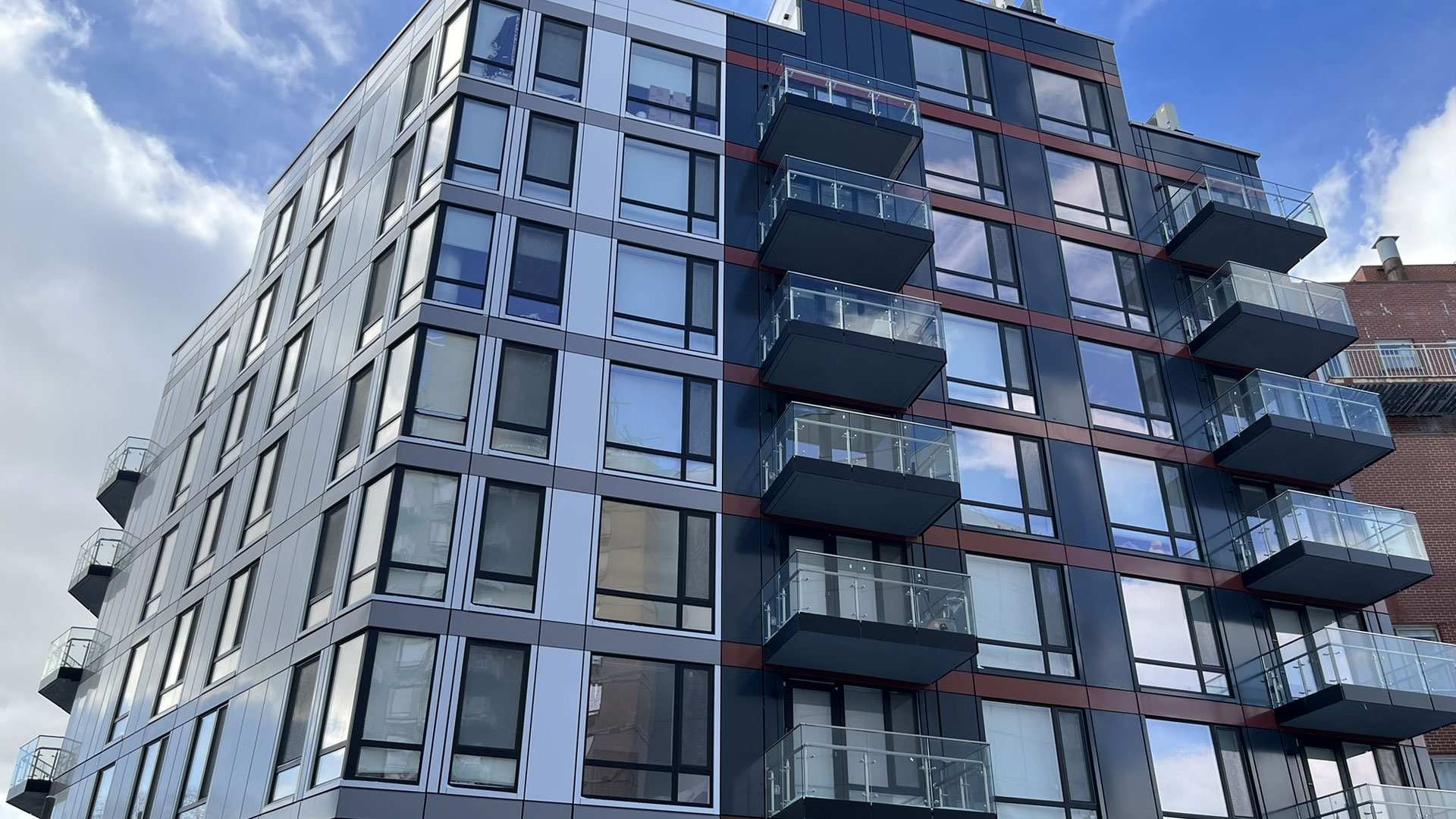
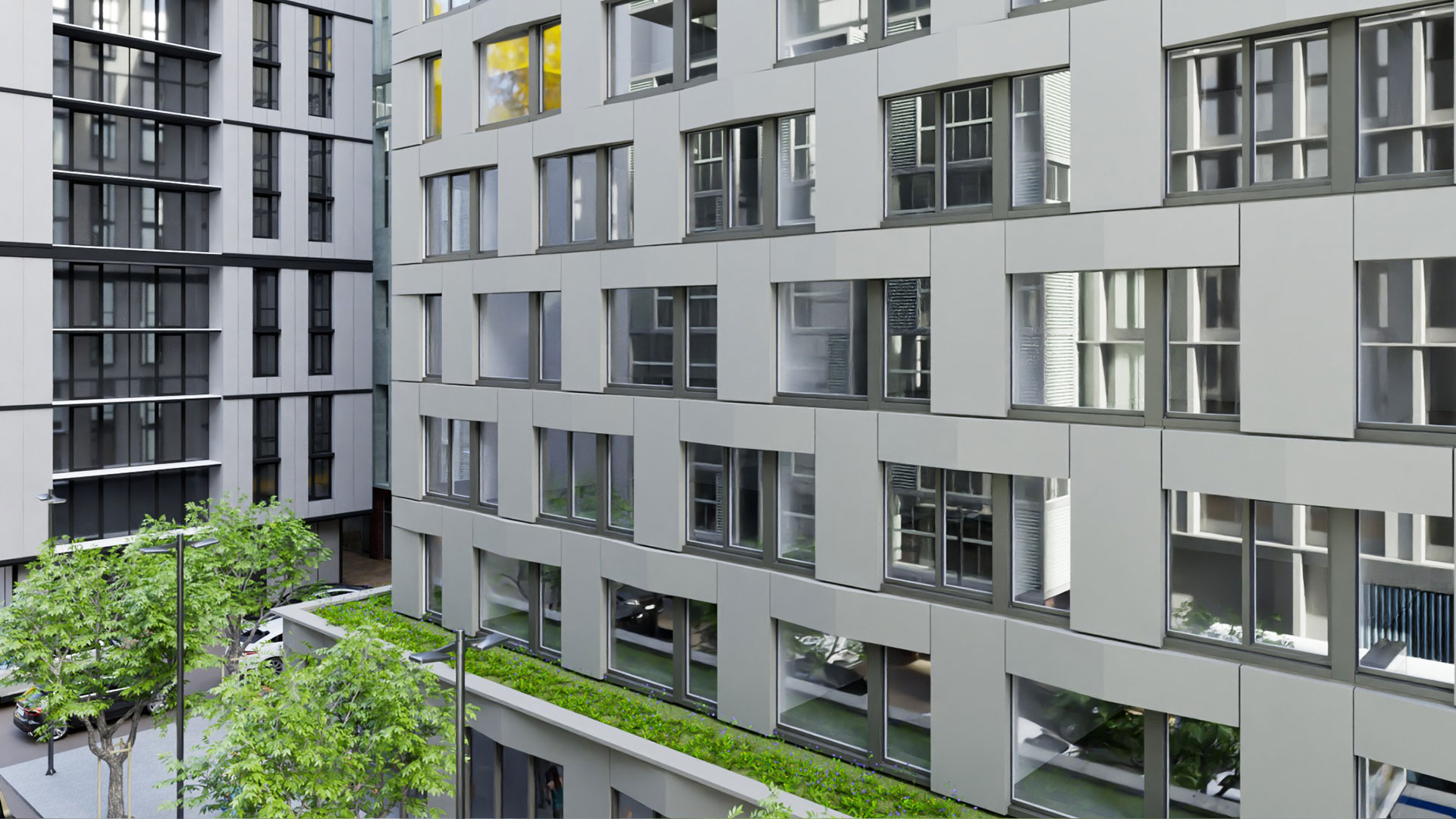
Not with a smart panel layout. Dextall supports different glazing patterns, finishes, and rhythms while keeping modules repeatable and install-friendly.
How does Dextall help on tight urban sites?
Prefinished panels arrive sequenced and ready to hang, cutting on-site trades, lane closures, and time to get the building dry.

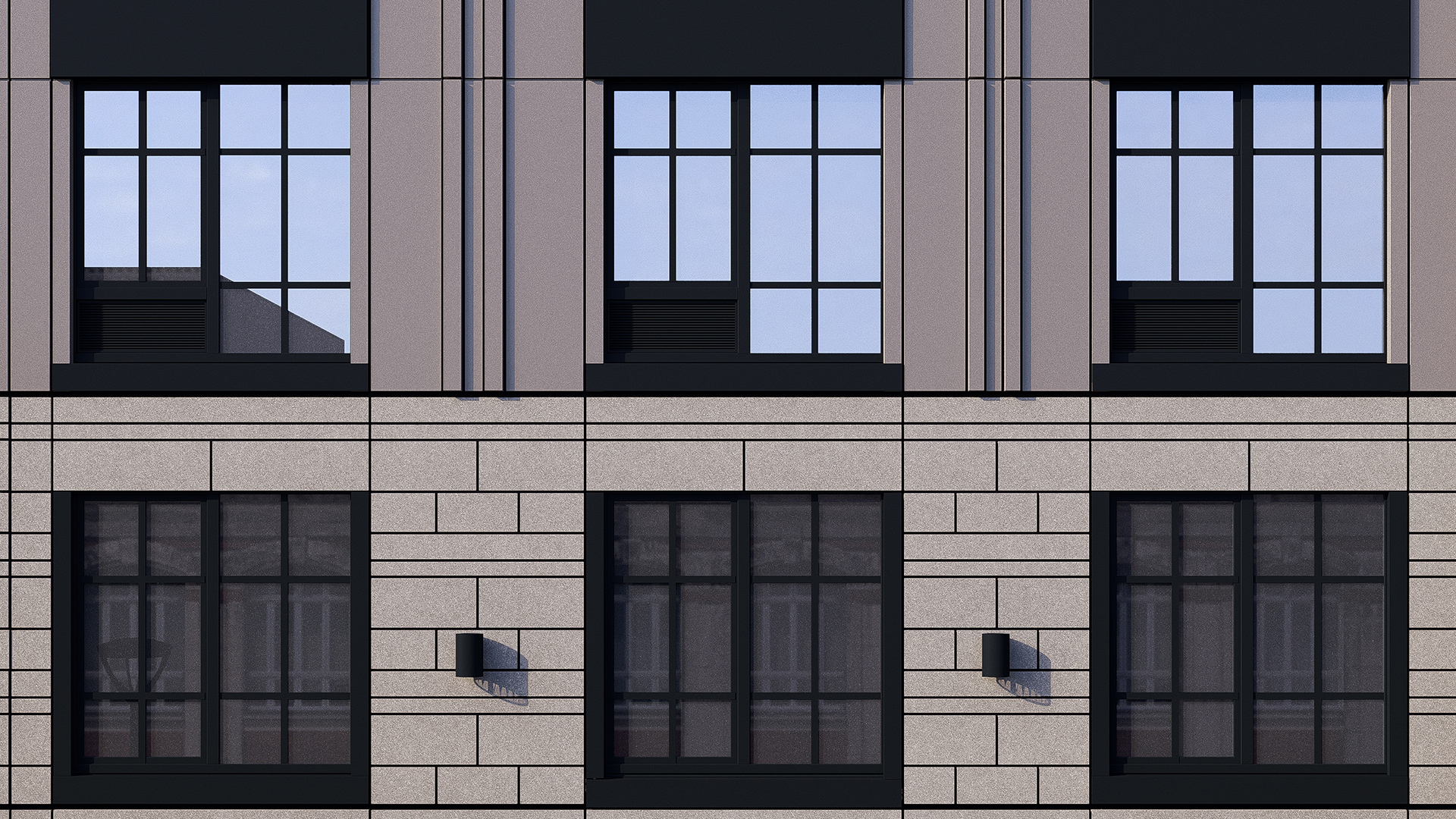

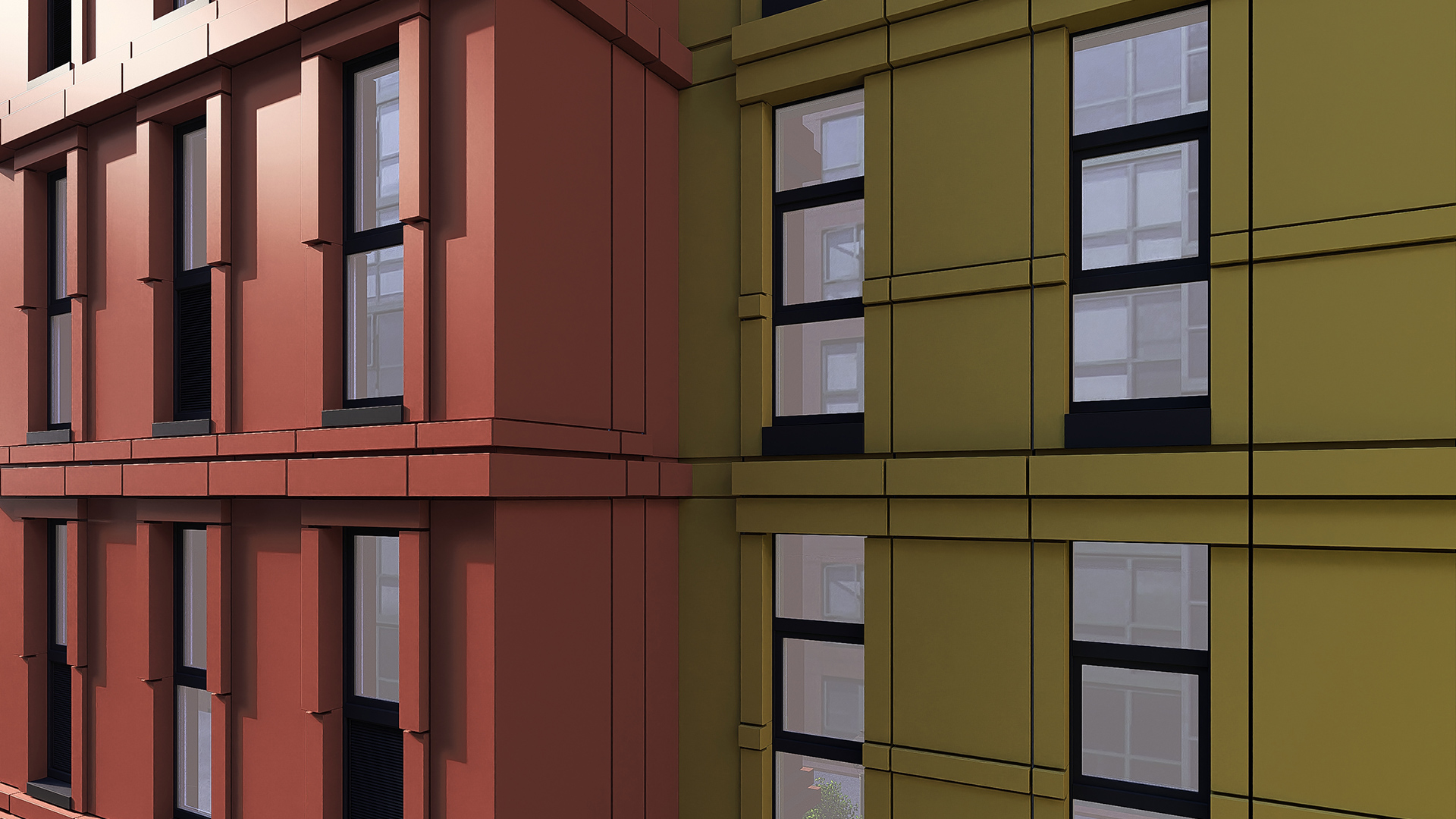


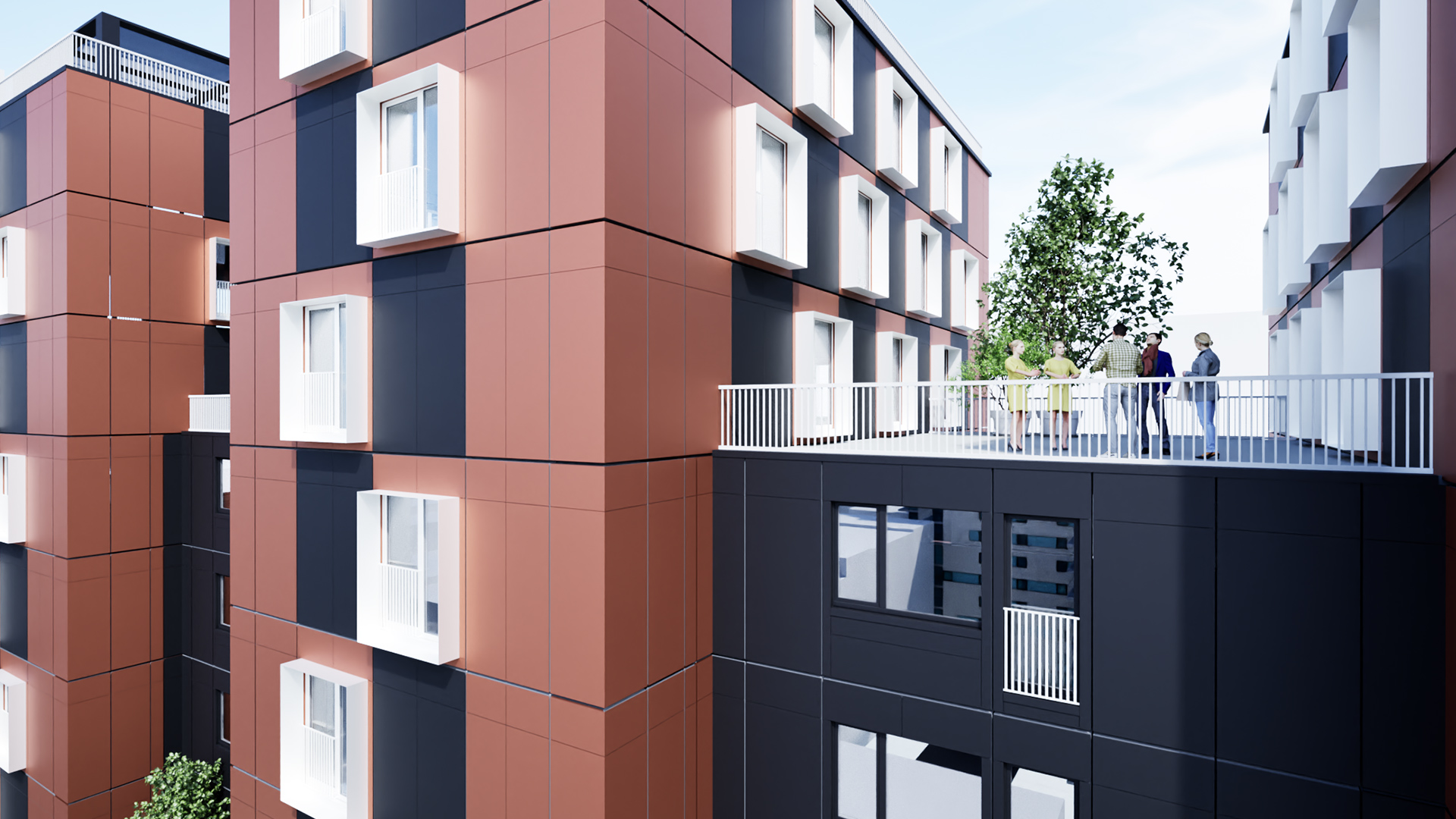
















.jpeg)


-Compliance-for-NYC-Multifamily-%26-Co-Op-Facades.jpg)





















_format(webp).avif)
_format(webp)%20(6).avif)
_format(webp)%20(5).avif)
_format(webp)%20(4).avif)
_format(webp)%20(2).avif)
_format(webp)%20(3).avif)


.avif)
_format(webp)%20(2).avif)