What’s in an Affordable Prefab Facade
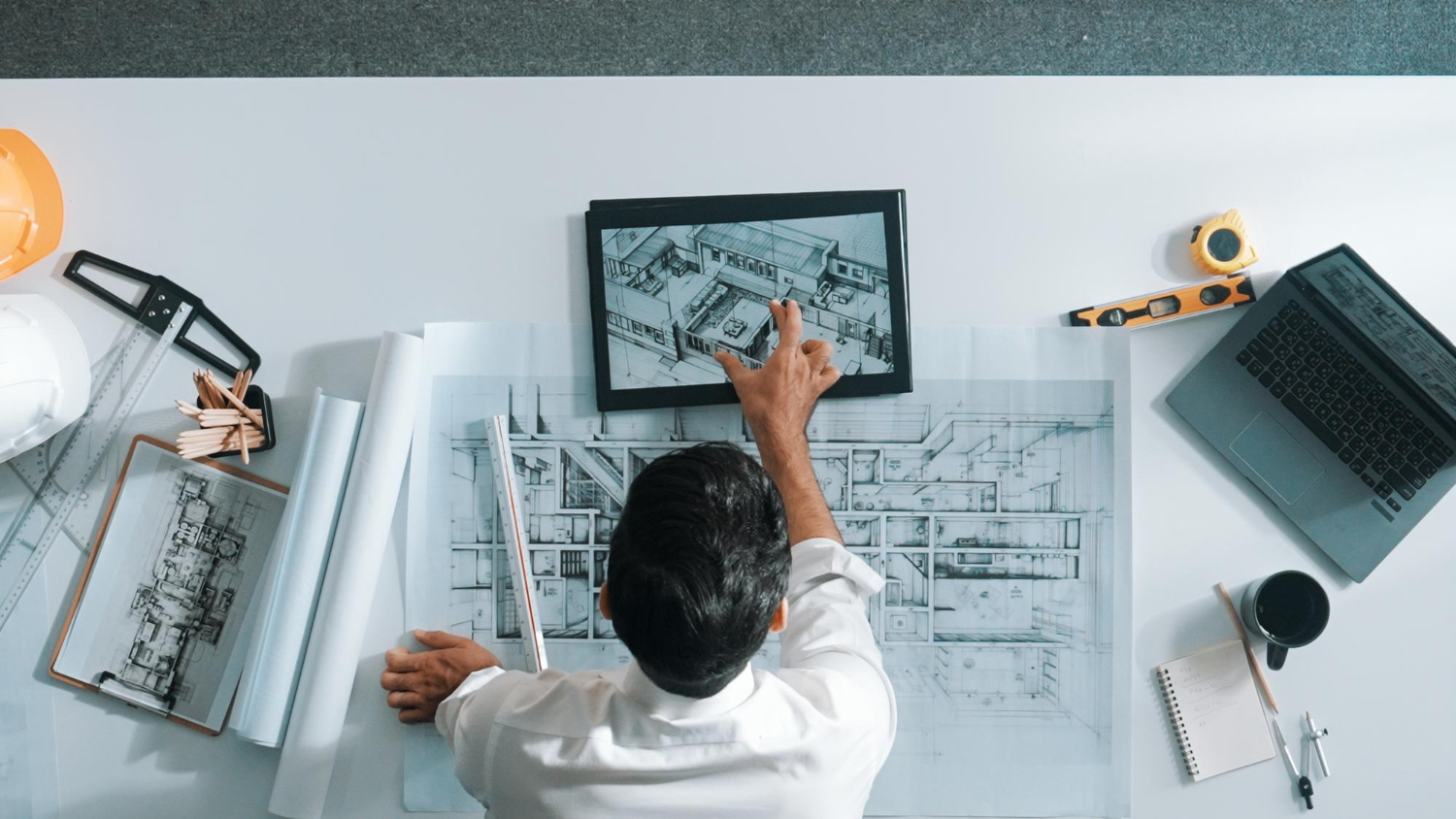
An "affordable" prefab facade doesn't mean cutting corners. It means combining key facade elements into one coordinated system so the project is easier to design, build, and maintain—and less exposed to hidden costs.
Below, we'll look at what typically goes into an affordable prefab solution, what it changes for the building and its users, and how Dextall turns these ideas into a ready-to-use system.
What's Included in an "Affordable" Solution
An "affordable" prefab solution is not about cheap materials; it's about smart bundling. The key is to have most of the critical facade elements combined in a single product that works as a system, not as a pile of separate layers and contractors.
Integrated panels (windows + cladding)
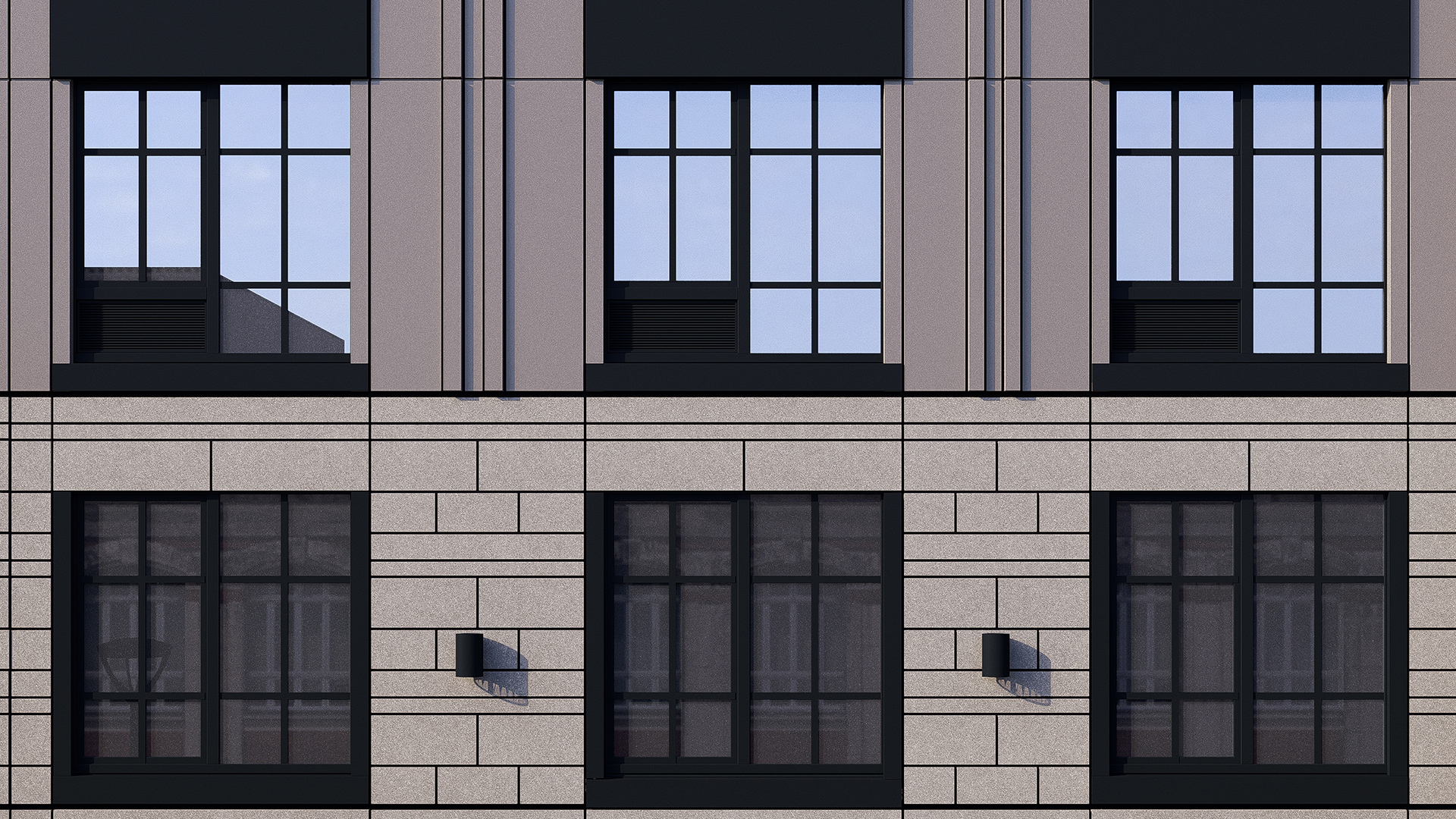
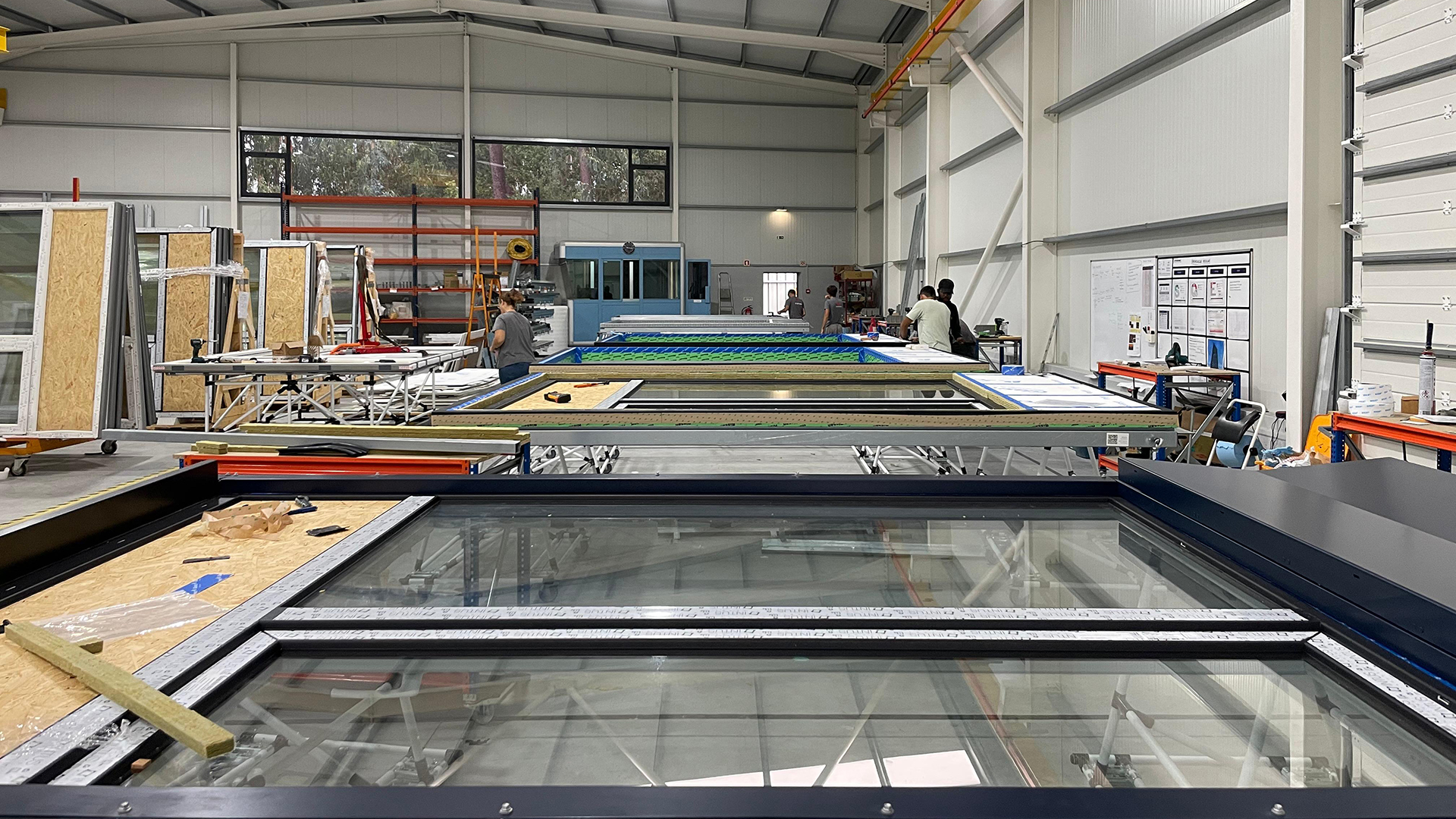
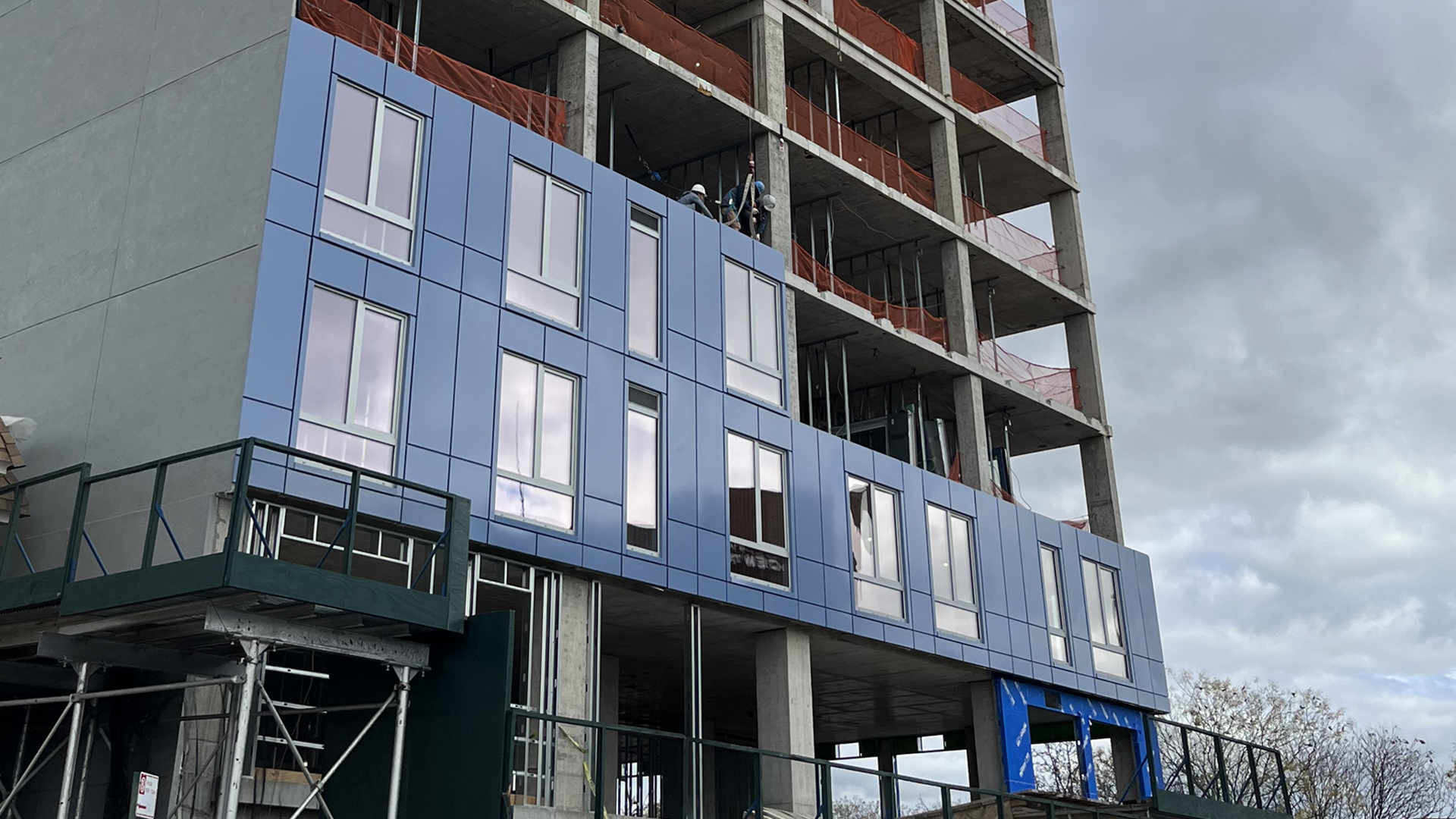
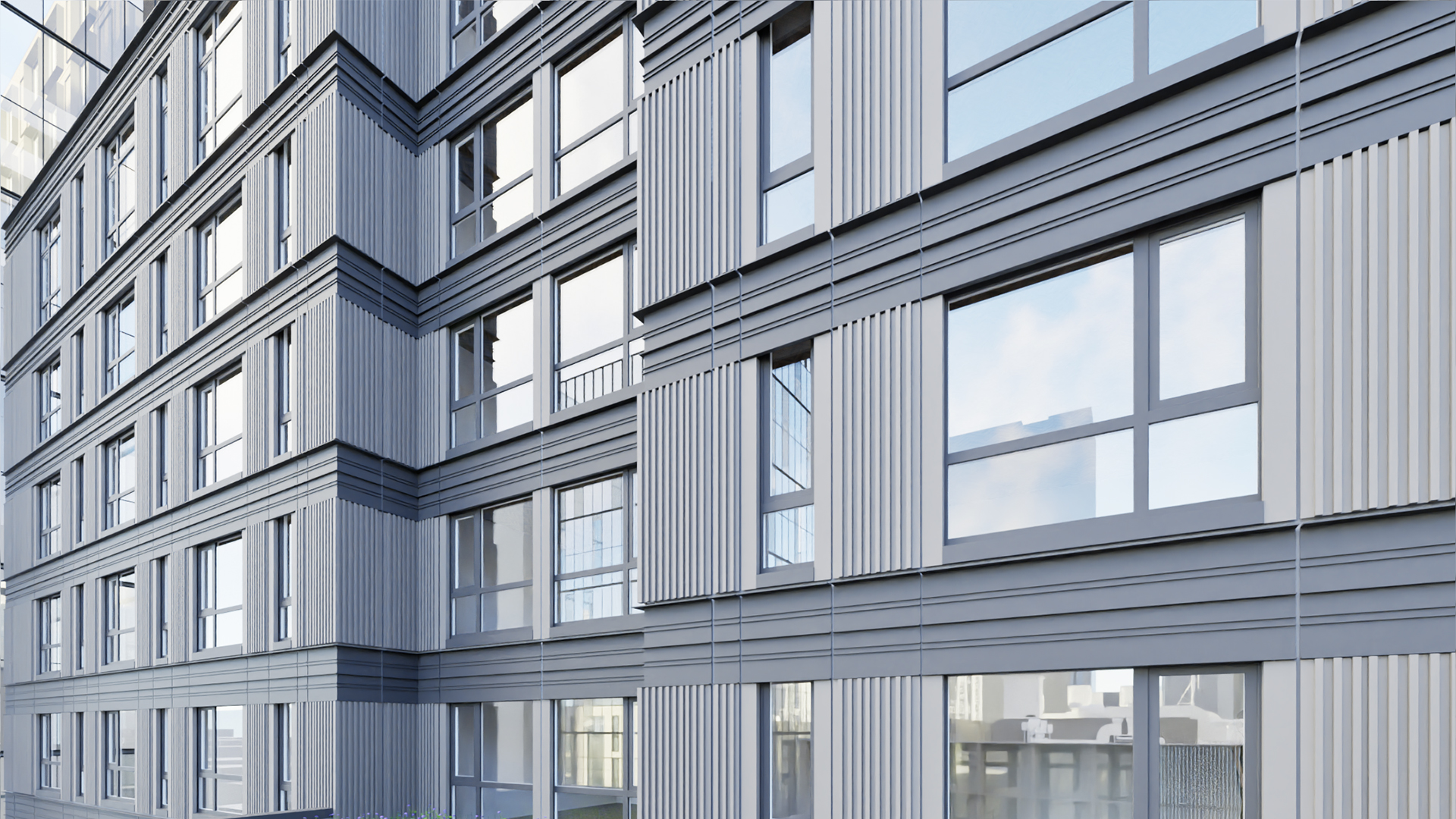
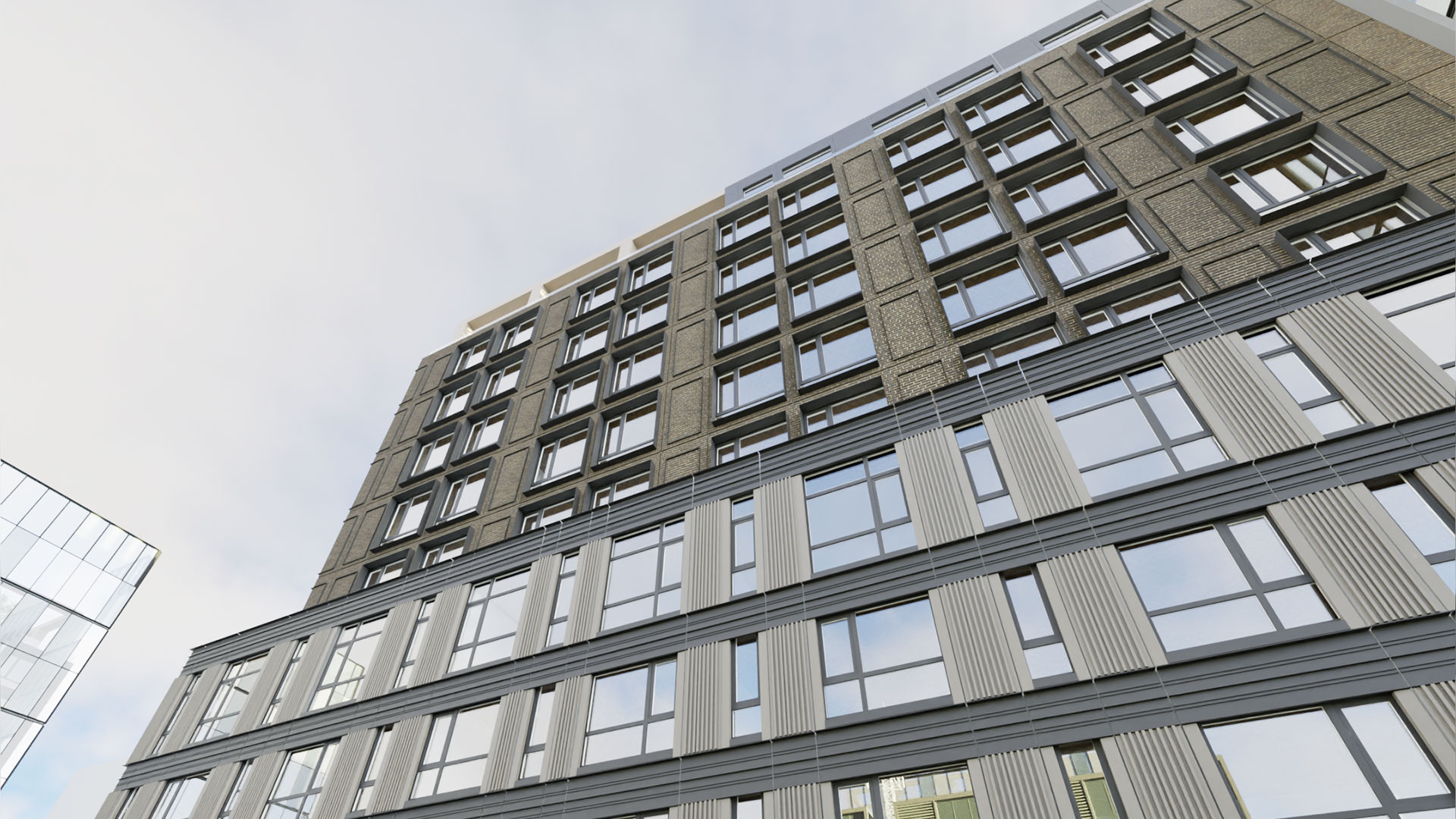
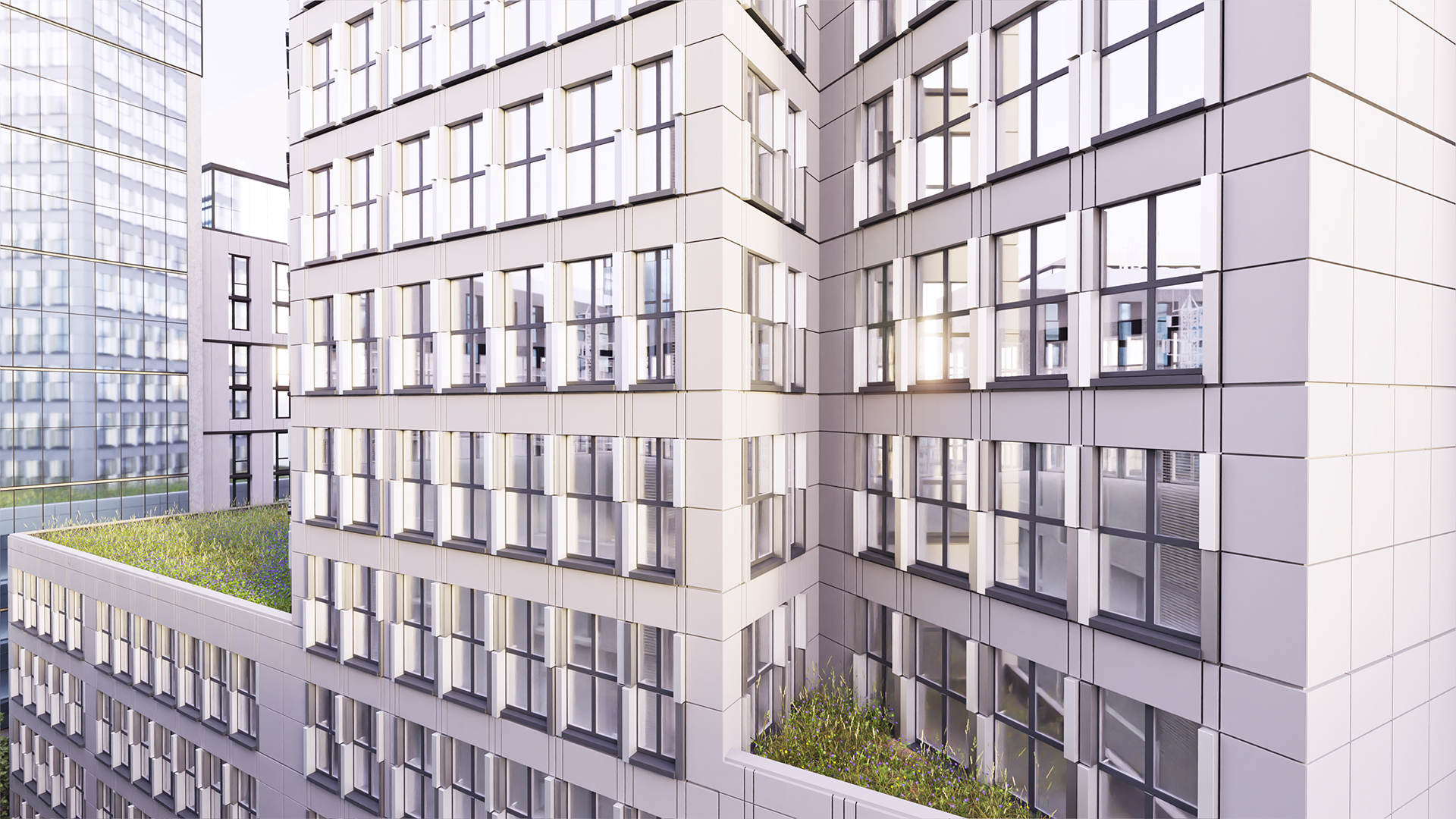
The baseline includes panels where the window, insulation, air and moisture control layer, and exterior cladding are combined in a single module. This removes separate window bids, complex interface details, and ad-hoc "invented on site" solutions. Fewer joints mean fewer chances for leaks, thermal bridges, and disputes between trades over who caused which defect.
Standardized details with minimal custom work
To keep the solution affordable, most of the facade relies on a standard library of details. Only what truly needs it stays custom—color, texture, and module size.
Standardization brings clear advantages:
- predictable pricing and production lead times;
- fewer design and installation errors;
- faster coordination with engineers and inspectors;
- easier maintenance and replacement of elements in the future.
Outcomes for Buildings and People
A well-designed prefab facade changes not only how a building looks, but also the everyday experience of the people who live or work inside. Less stress from construction, better indoor comfort, and lower energy bills are all direct results of how the building envelope is put together.
Less noise/dust, clean entrances
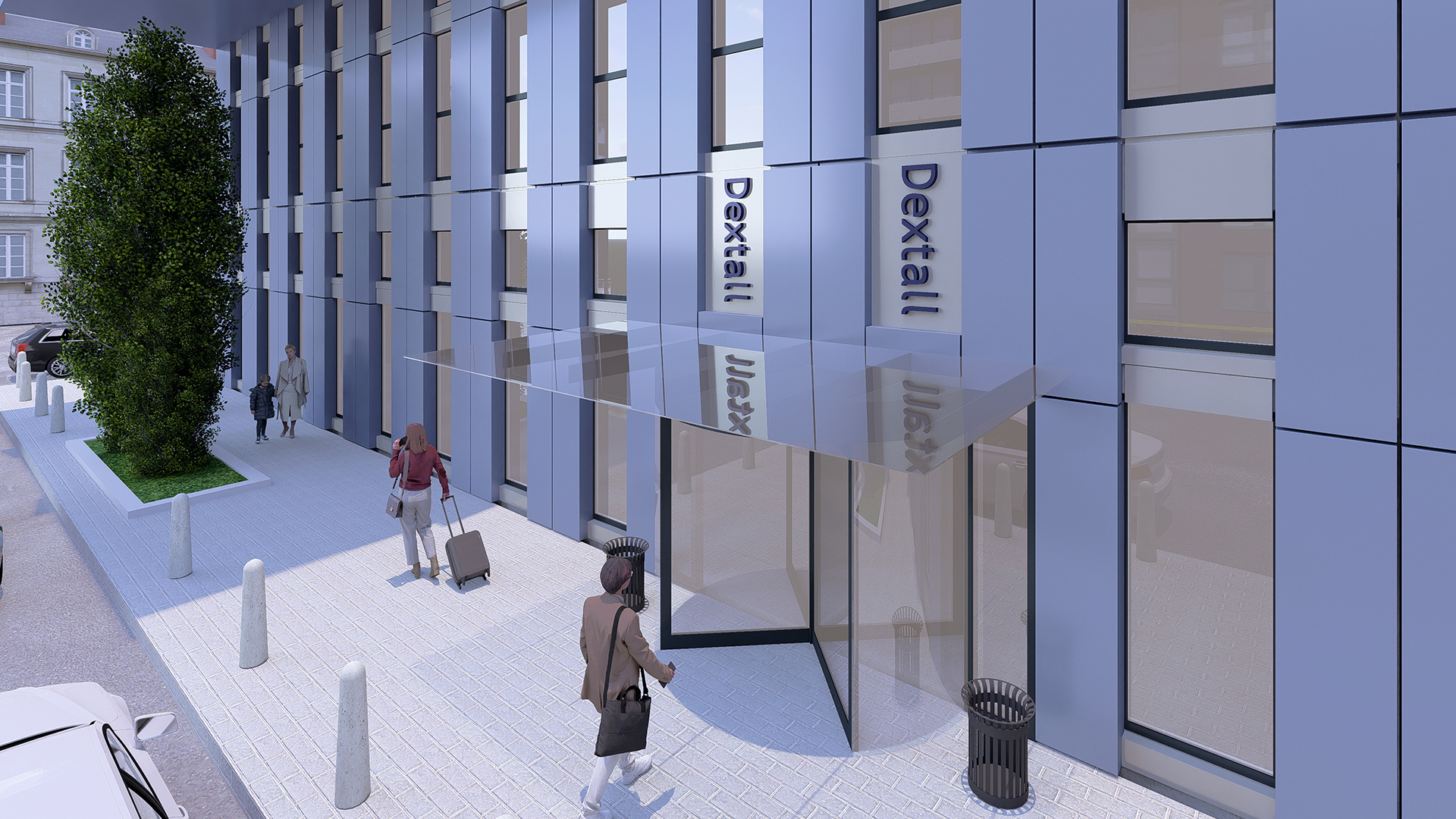
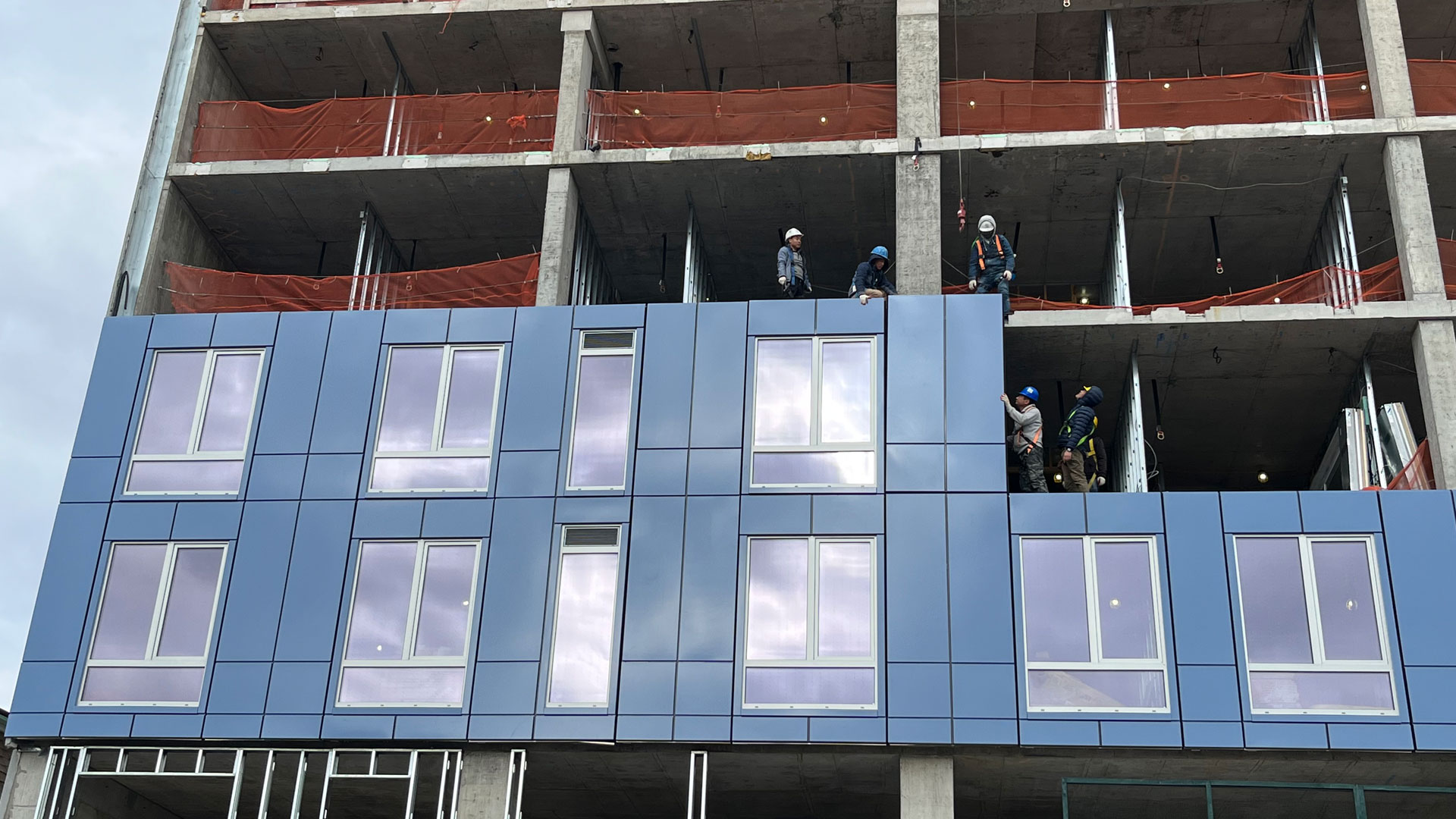
Since most of the work happens in the factory, the jobsite is left with a shorter and "cleaner" installation phase. Less cutting, drilling, and wet work means less noise and dust for occupants and neighbors. Entrances can stay open and safe, instead of turning into a maze of scaffolding and temporary barriers. This is especially important for residential buildings, schools, hospitals, and occupied office properties.
Airtight/watertight → lower utility bills
The panels are designed as a continuous, airtight, and watertight system: controlled air leakage, planned drainage paths, and an uninterrupted insulation layer. As a result:
- less heat loss in winter and overheating in summer;
- more stable indoor comfort without drafts and cold spots near windows;
- reduced load on heating and cooling systems;
- visible savings on energy bills over the entire life cycle of the building.
That's how an "affordable" facade solution turns into an investment that pays for itself year after year.
Why Dextall for Affordable Prefab Facades
Non-combustible, integrated panels as a baseline
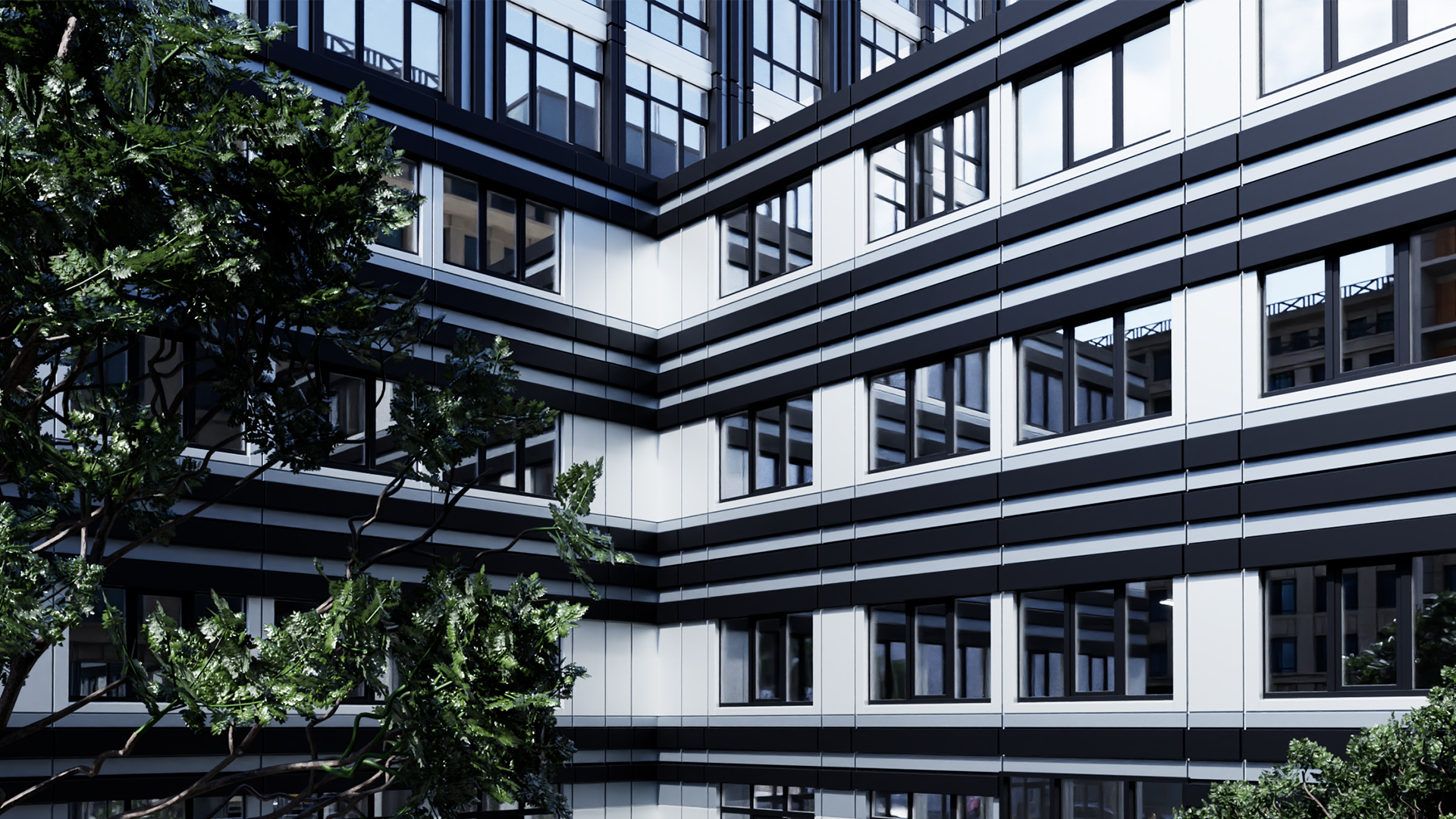
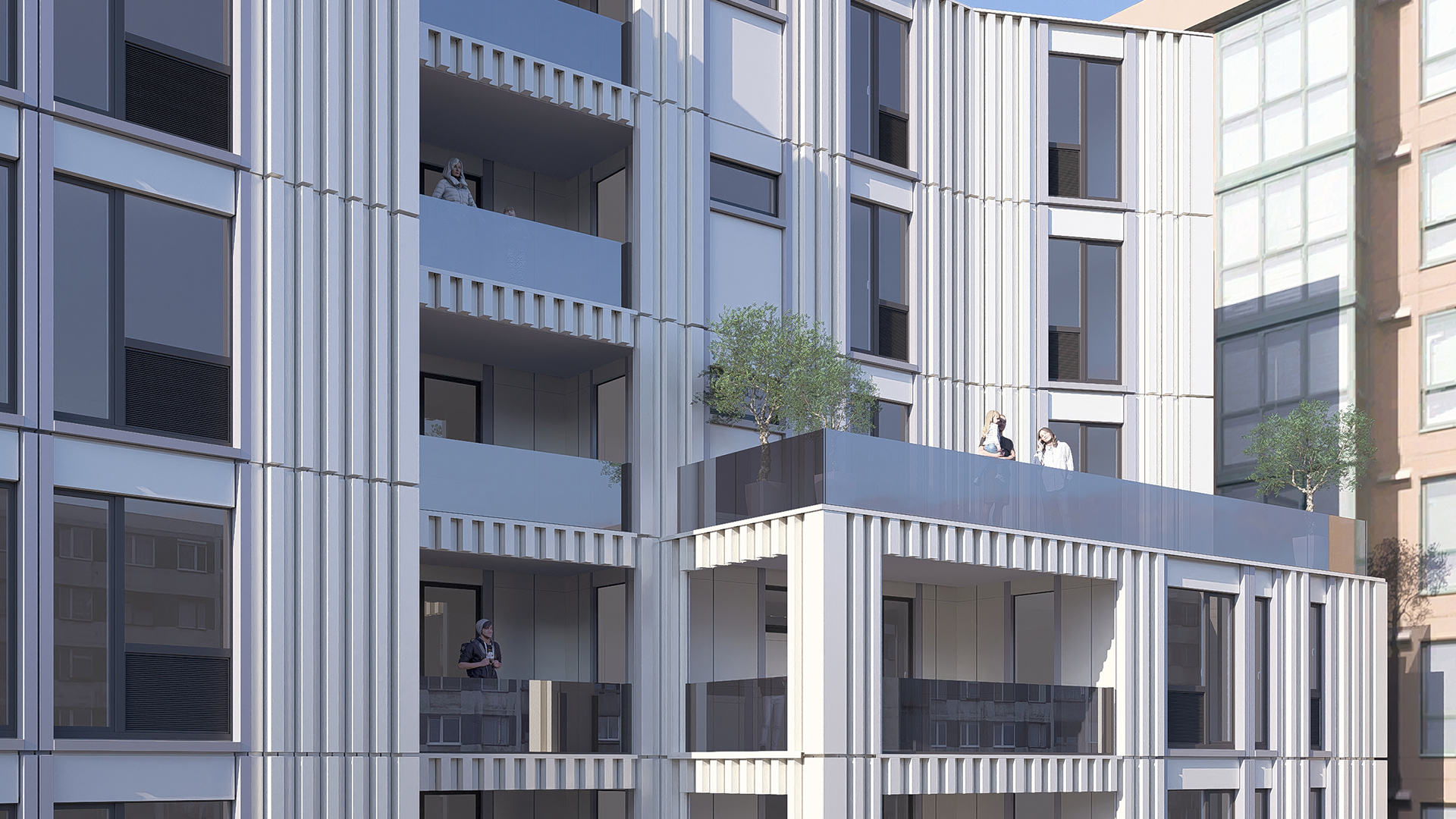
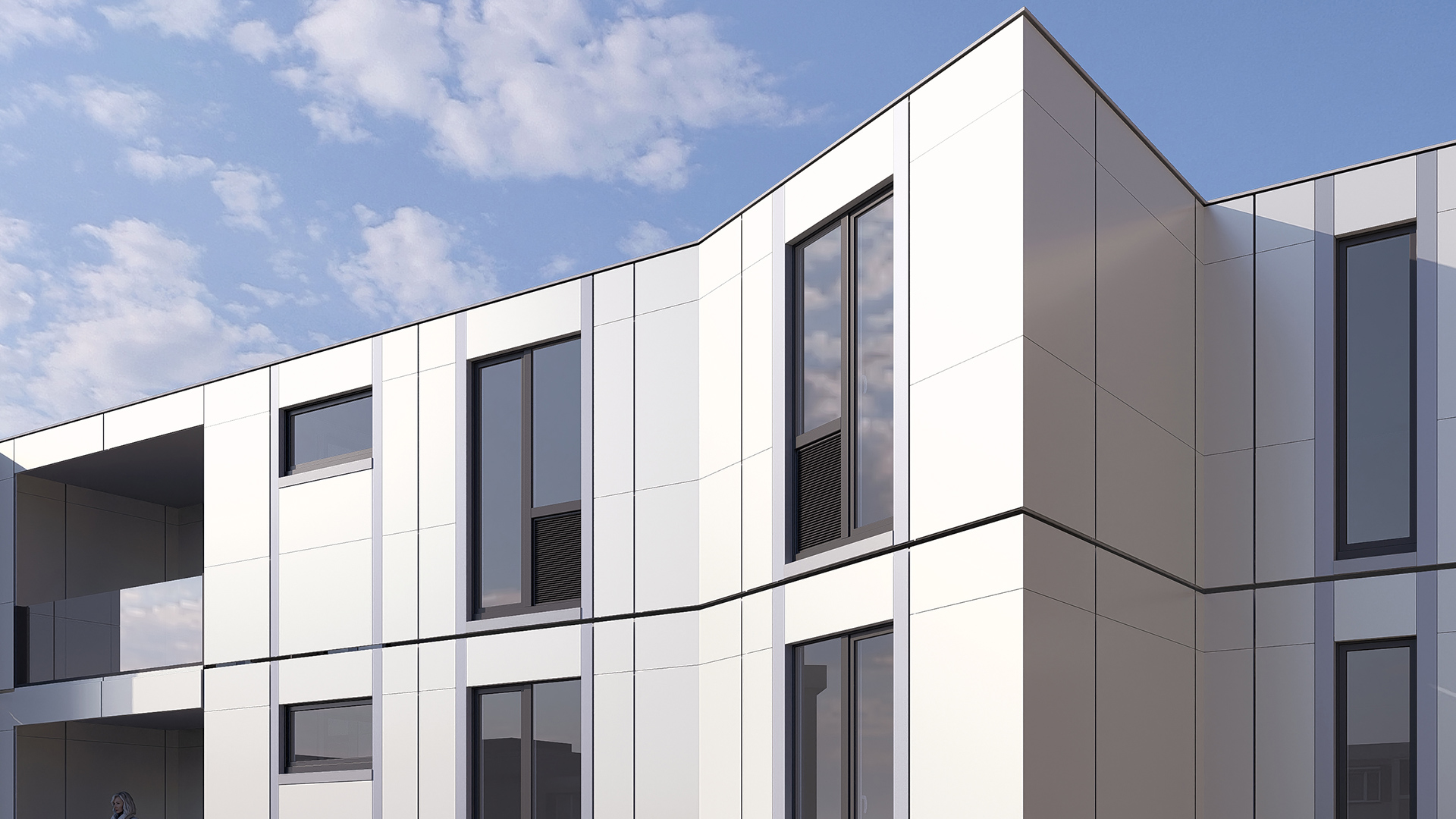
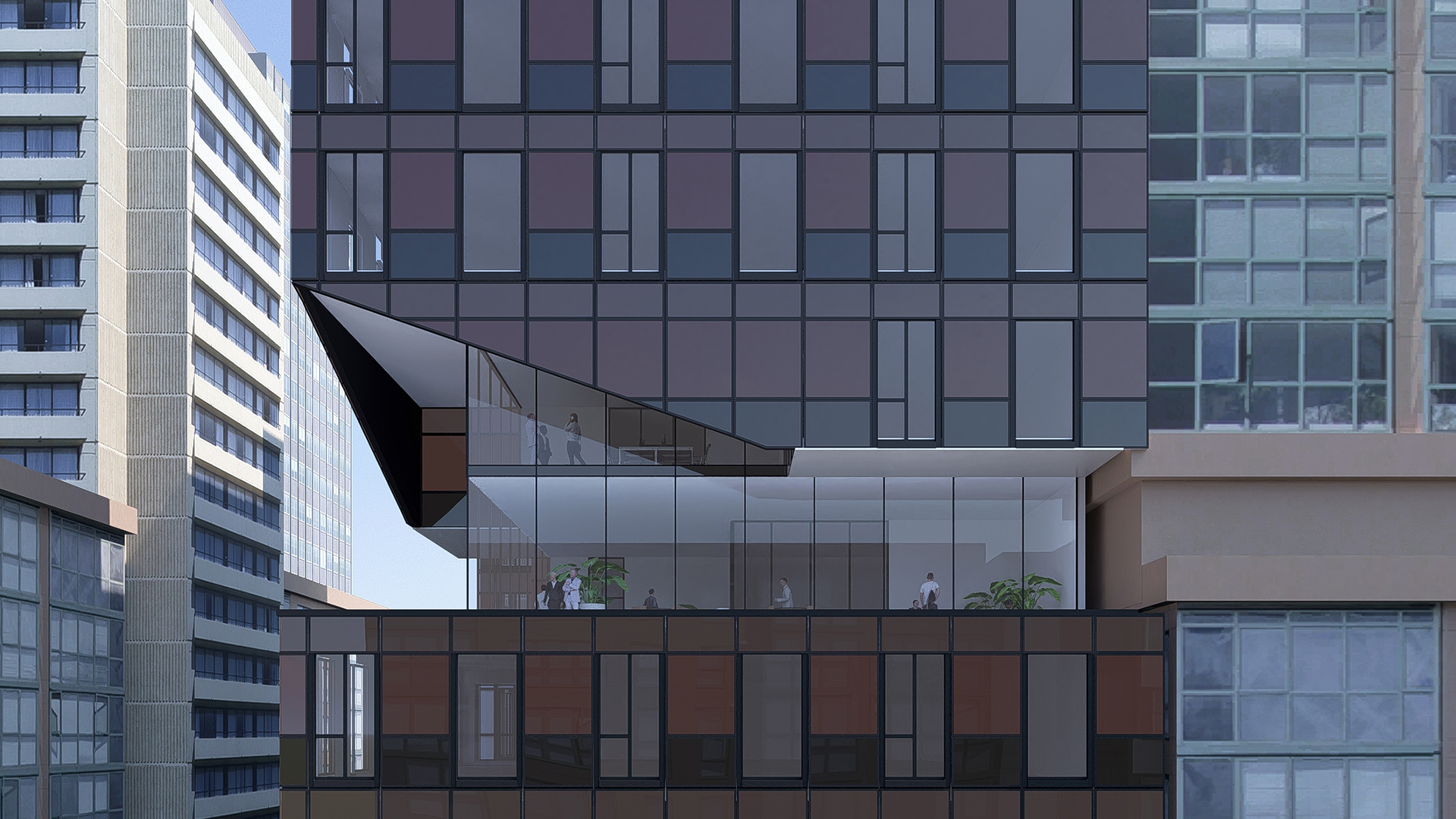
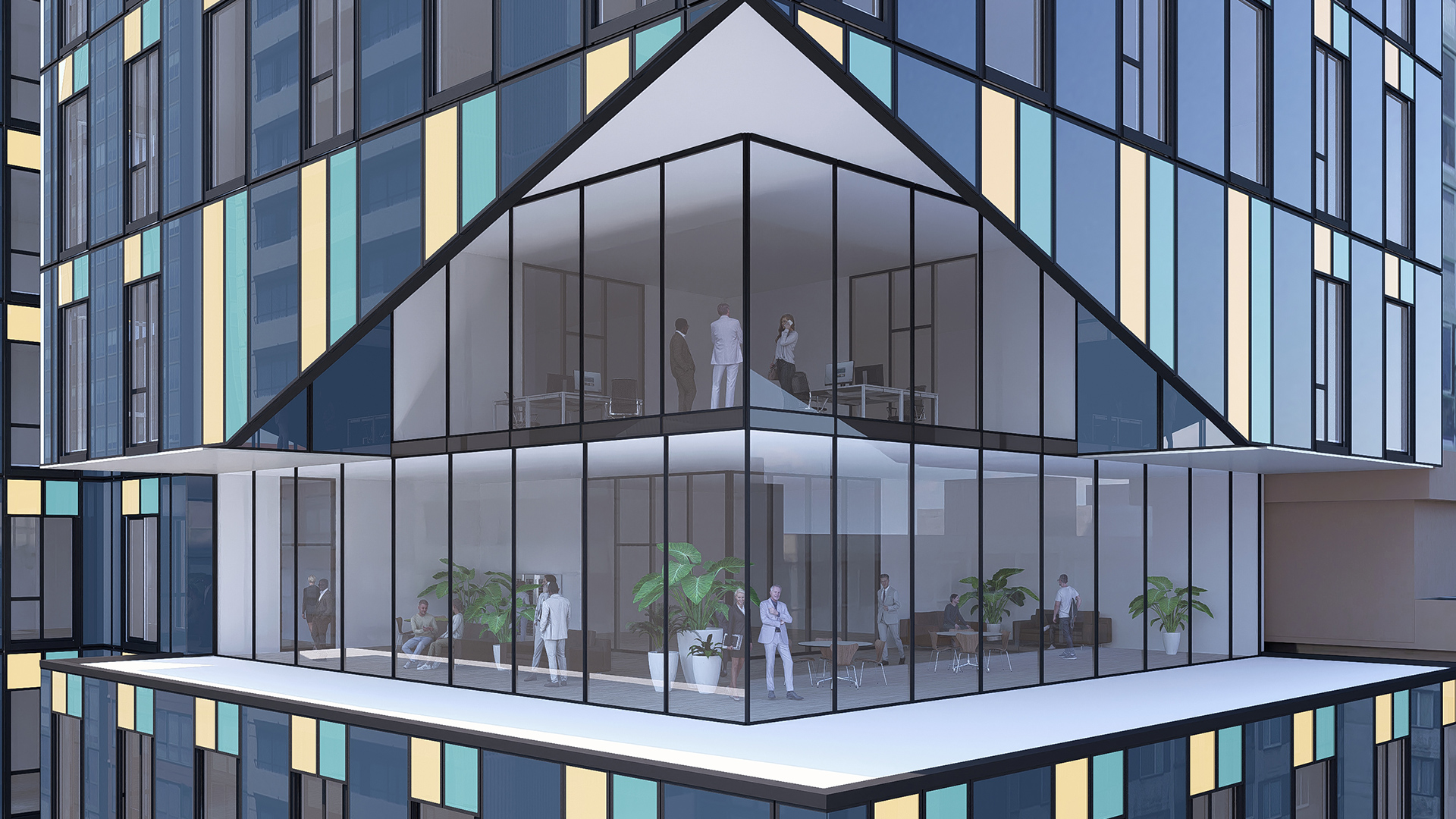
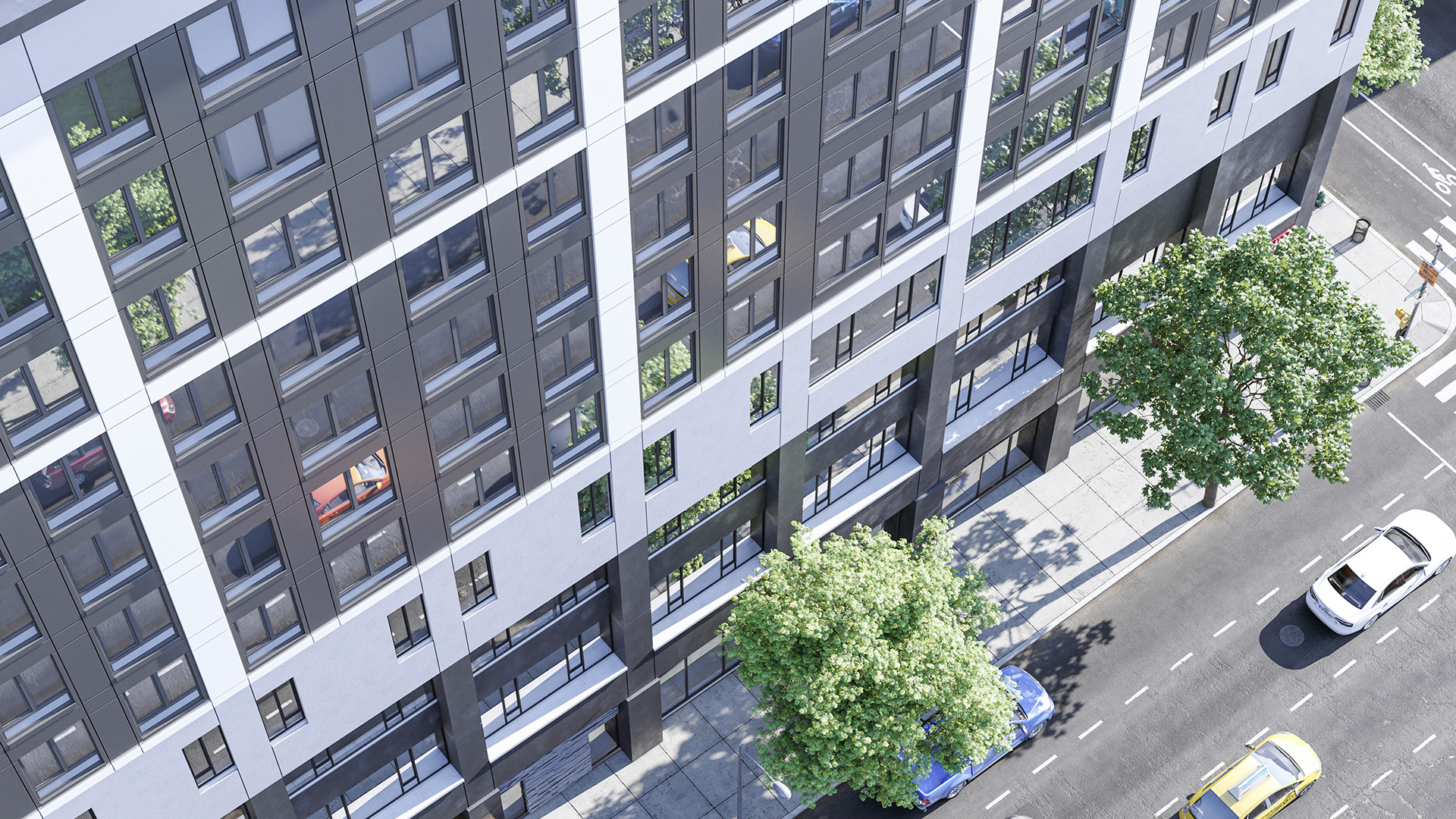
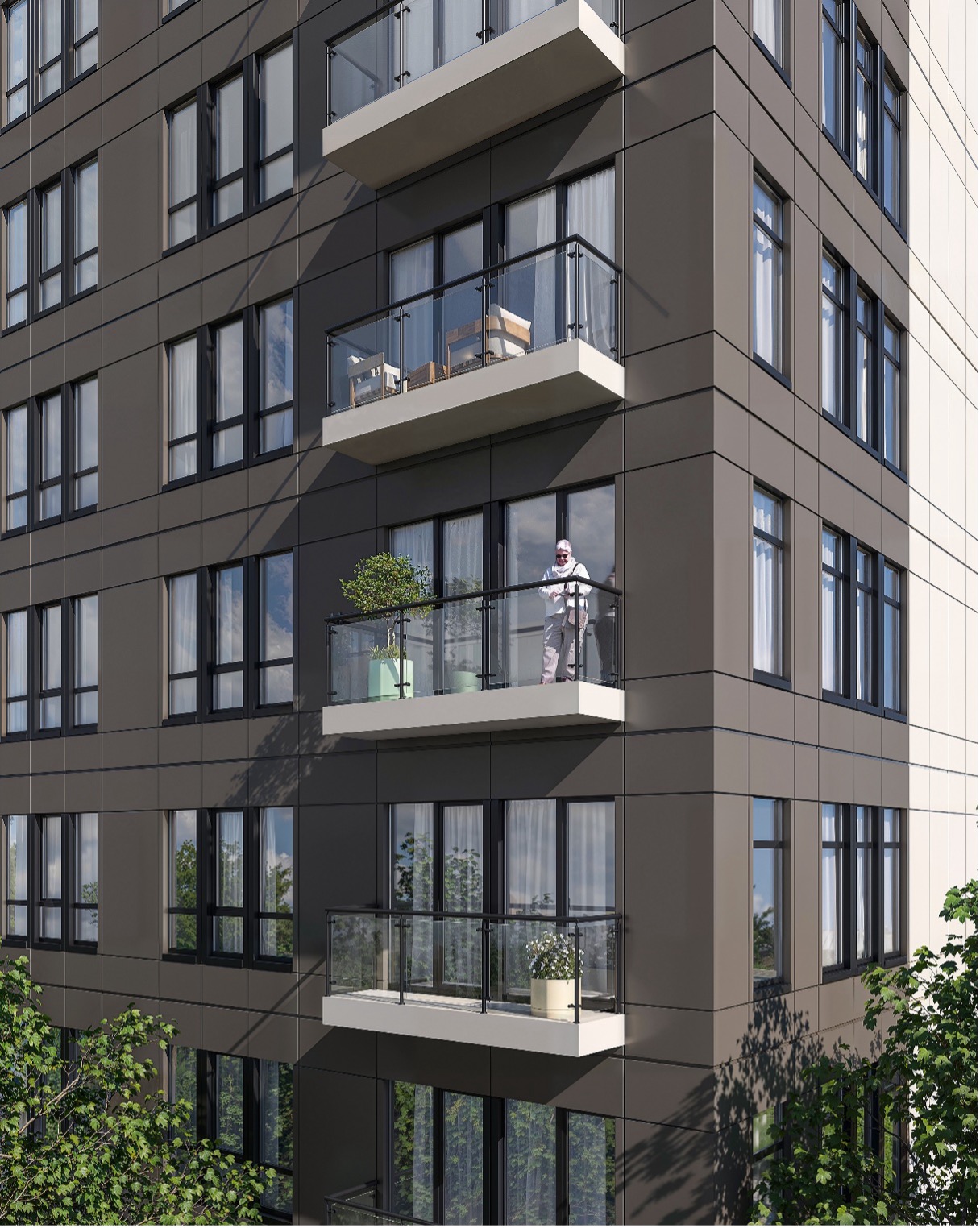
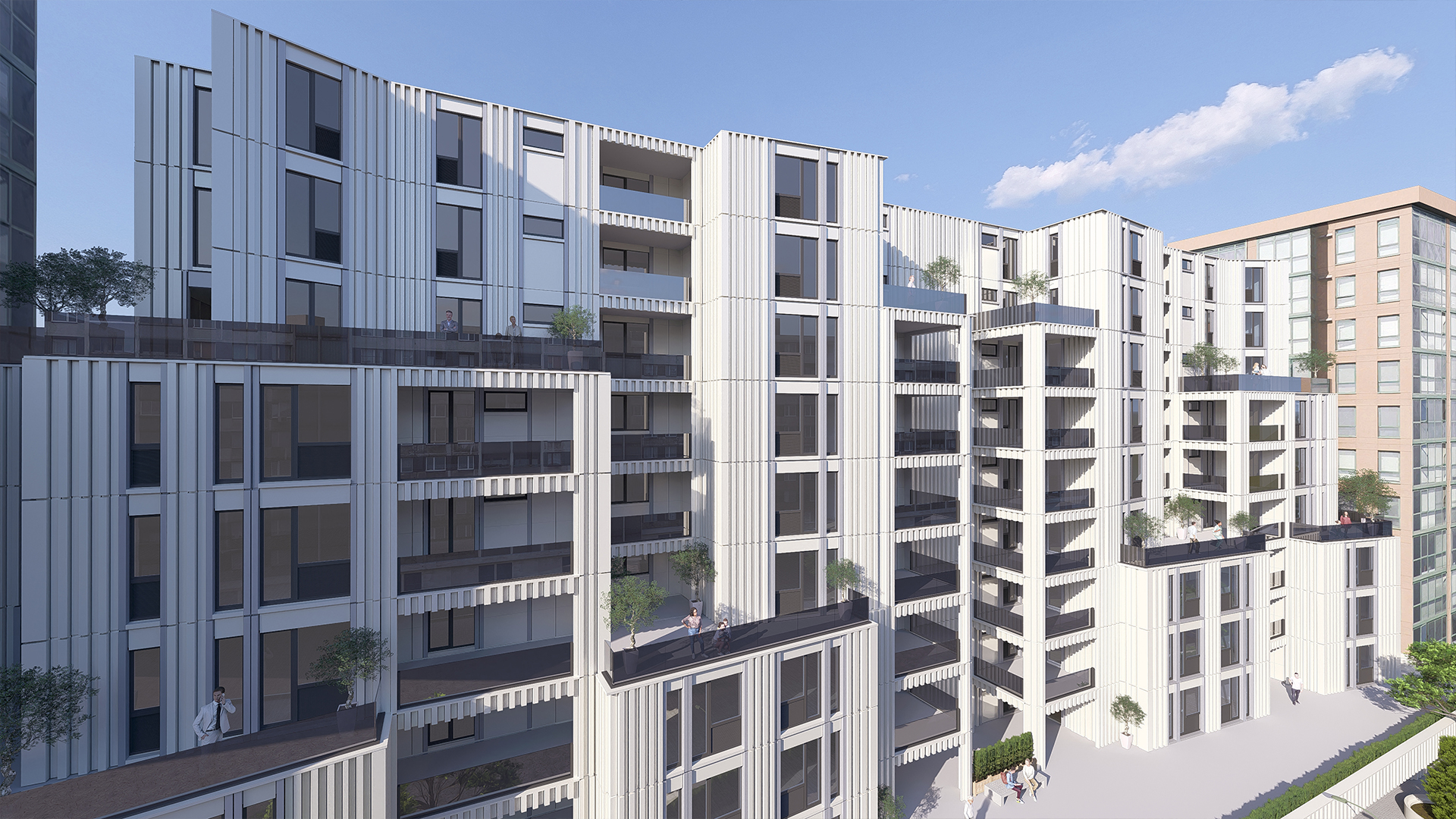
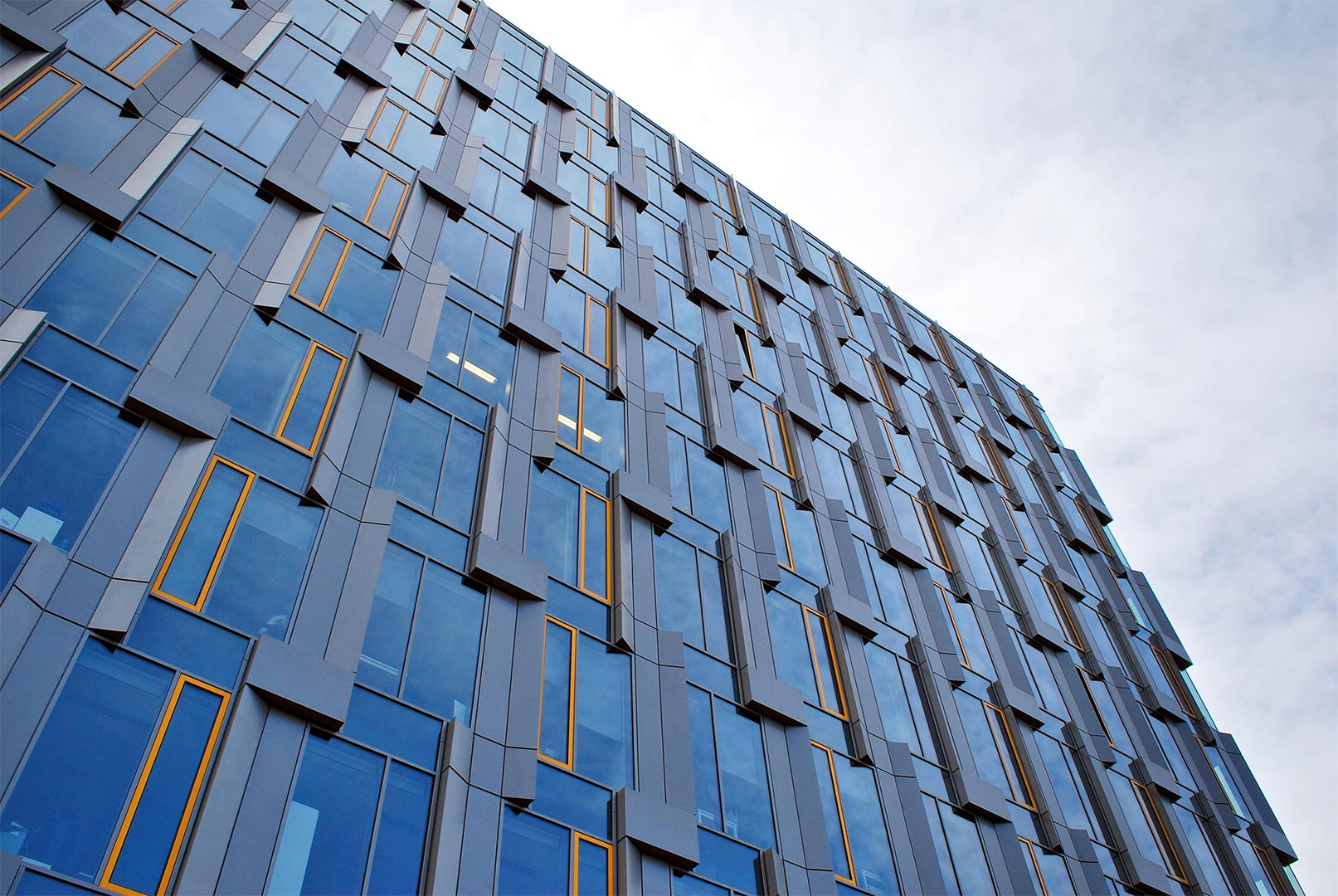
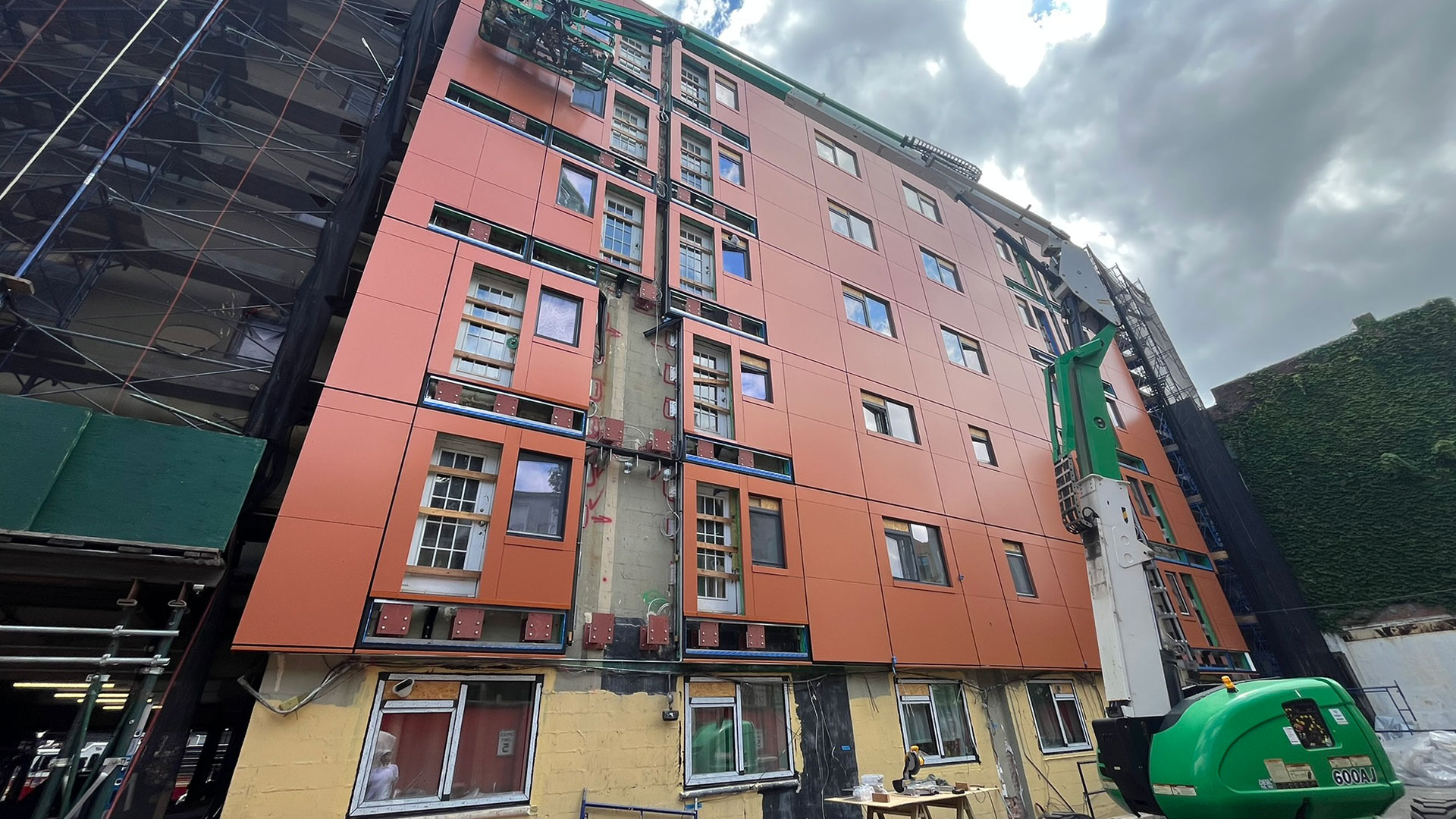
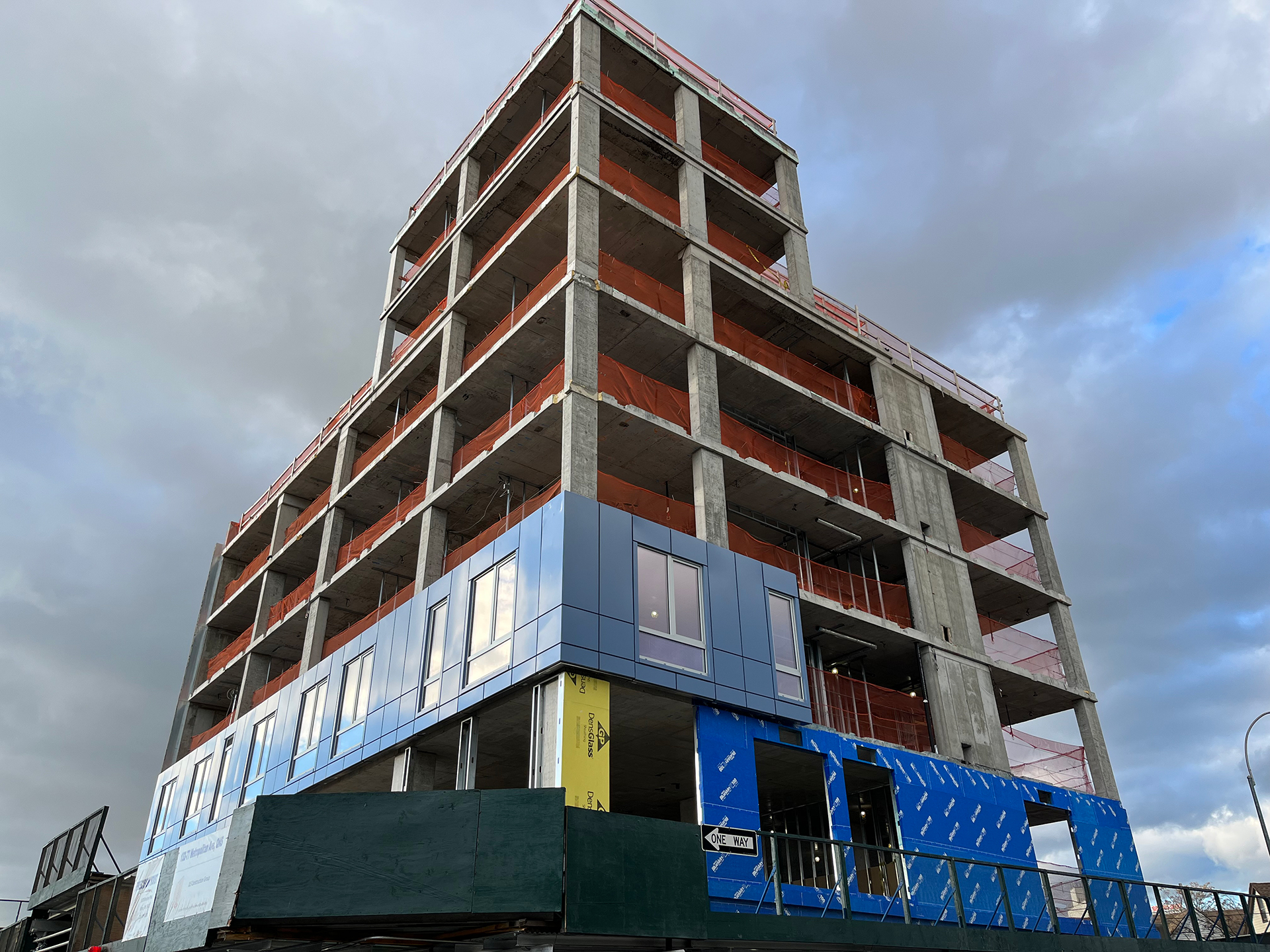
Dextall builds on these prefab principles and offers them as a ready-made product. Its panels are multi-layered units that combine factory-installed windows, rainscreen cladding, insulation, and other layers in a light metal frame.
The wall assembly uses non-combustible stone wool as the insulating core, paired with a non-combustible, vapor-permeable insulated layer with built-in moisture protection. This means:
- windows and opaque wall are integrated into a single panel;
- the exterior wall assembly is non-combustible and aligned with modern fire-safety requirements;
- panels arrive ready for installation, with no "wet" facade processes on site.
For owners and project teams, this reduces on-site risk, simplifies coordination, and ensures the facade is designed and delivered as one system from the start.
Dextall Studio: planning, pricing, and schedule from day one
Dextall Studio is a BIM-oriented digital tool that connects directly with Revit/CAD. It allows teams to:
- review panel layouts, configurations, and key details early in design;
- generate 2D/3D details, window schedules, and specifications that are ready for fabrication;
- get approximate pricing and analytics based on real assemblies, local labor rates, building complexity, location, and 3D survey data for existing buildings.
This "data from day one" approach so owners can compare options, lock in realistic budgets earlier, and reduce the risk of late design changes.
FAQ: Prefab Facades in Practice
Is a prefab facade always cheaper than a traditional one?
Not always if you only compare the price per square foot of materials. Panel pricing can sometimes look higher. But when you add in less scaffolding, fewer trades on site, fewer change orders, and a shorter schedule, the total project cost is often lower.
Can prefab facades be used for existing buildings, or only for new construction?
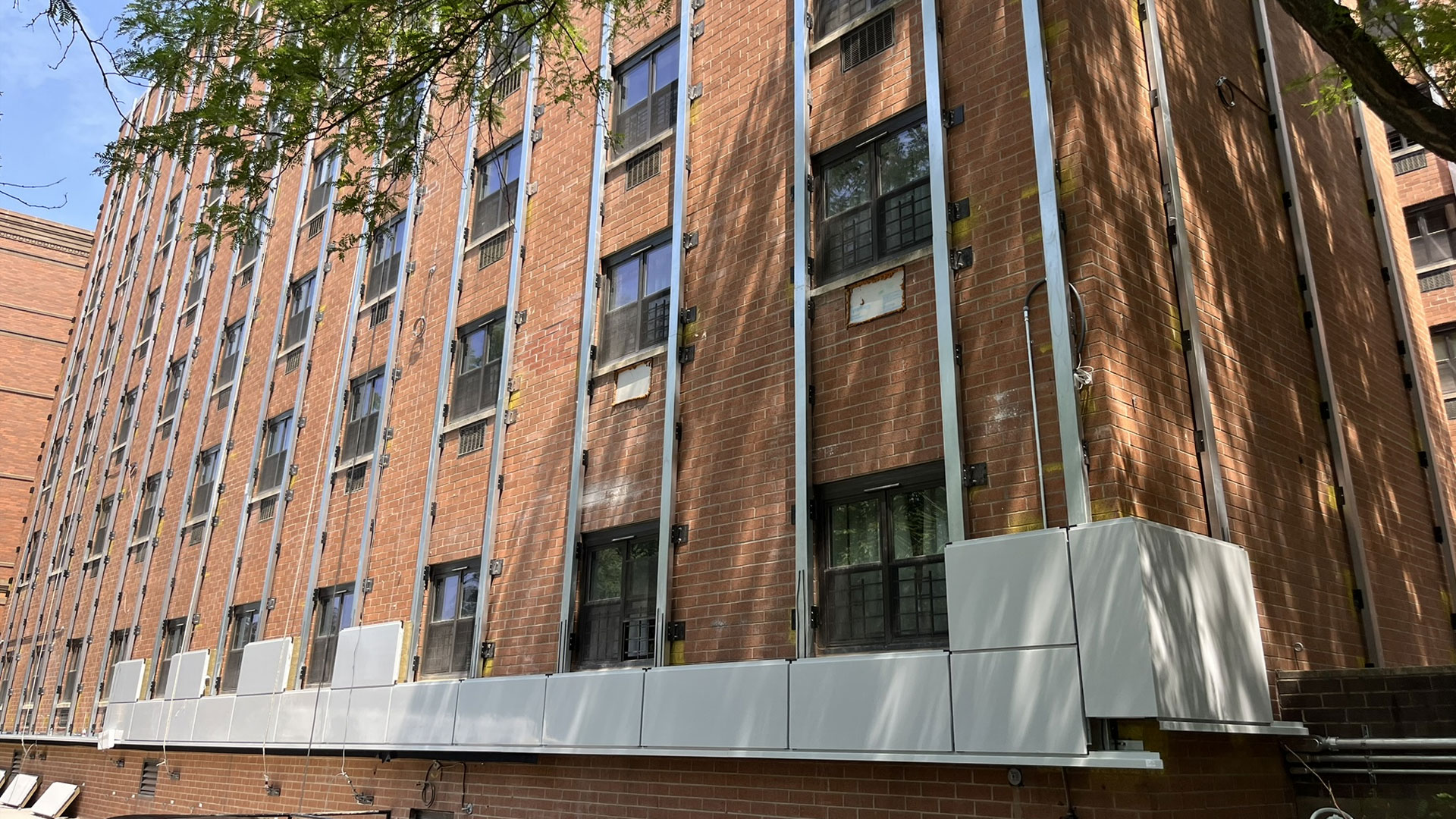
They work for both. In many cases, prefab is especially valuable for renovations and recladding because it shortens the time the building spends under construction and reduces noise and disruption for occupants.
Will the building look "standard" if I use prefab panels?
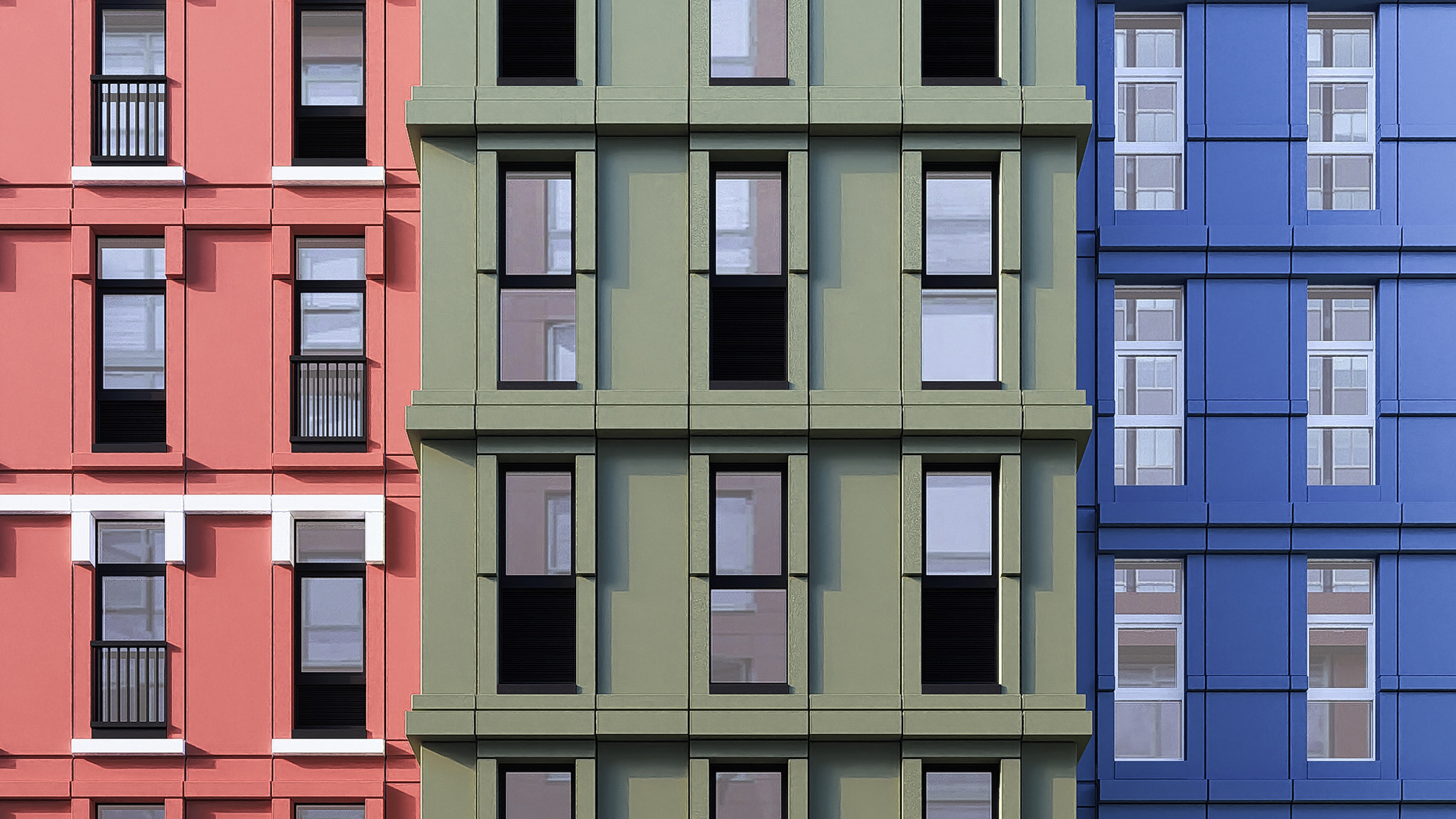
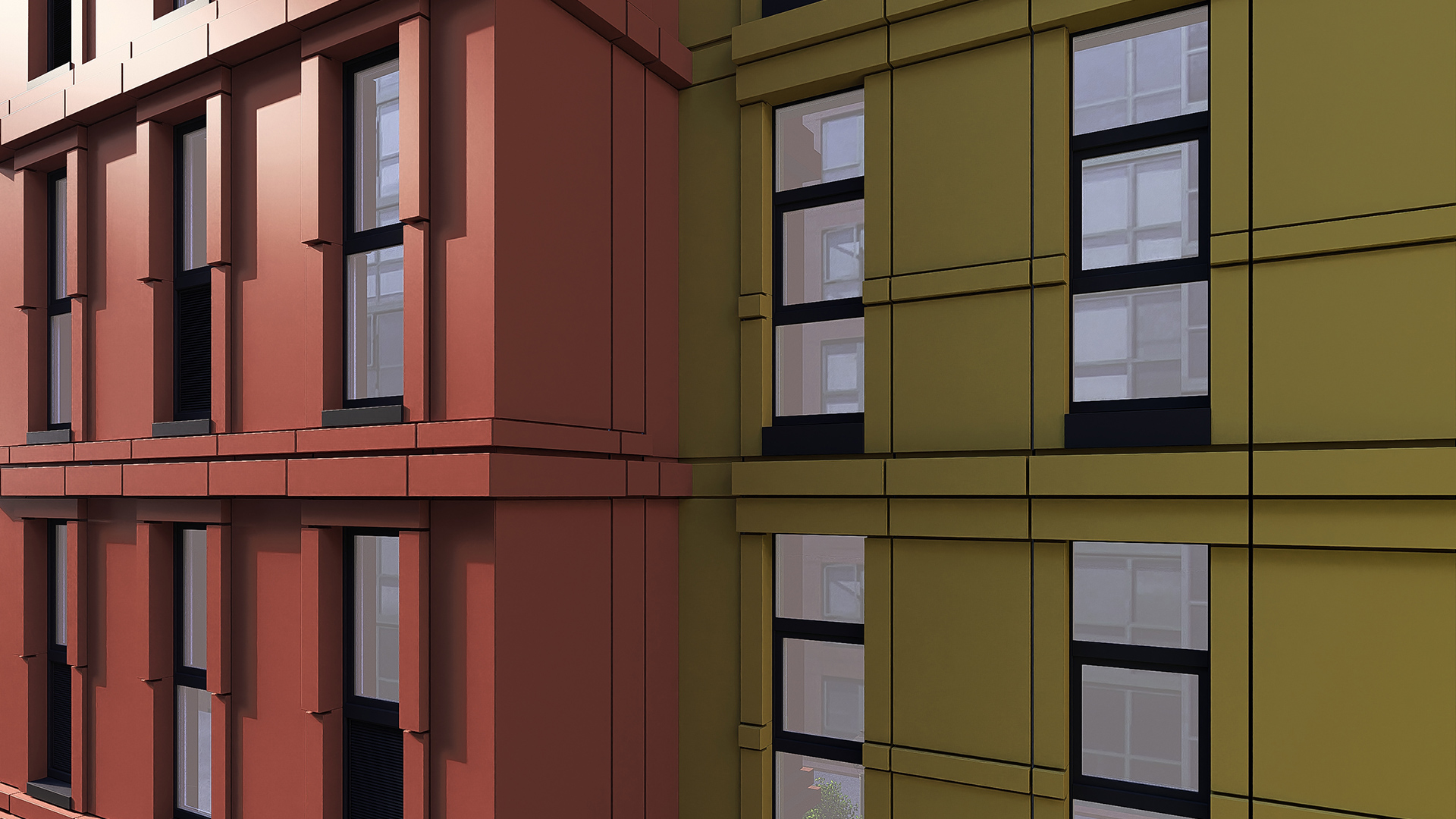
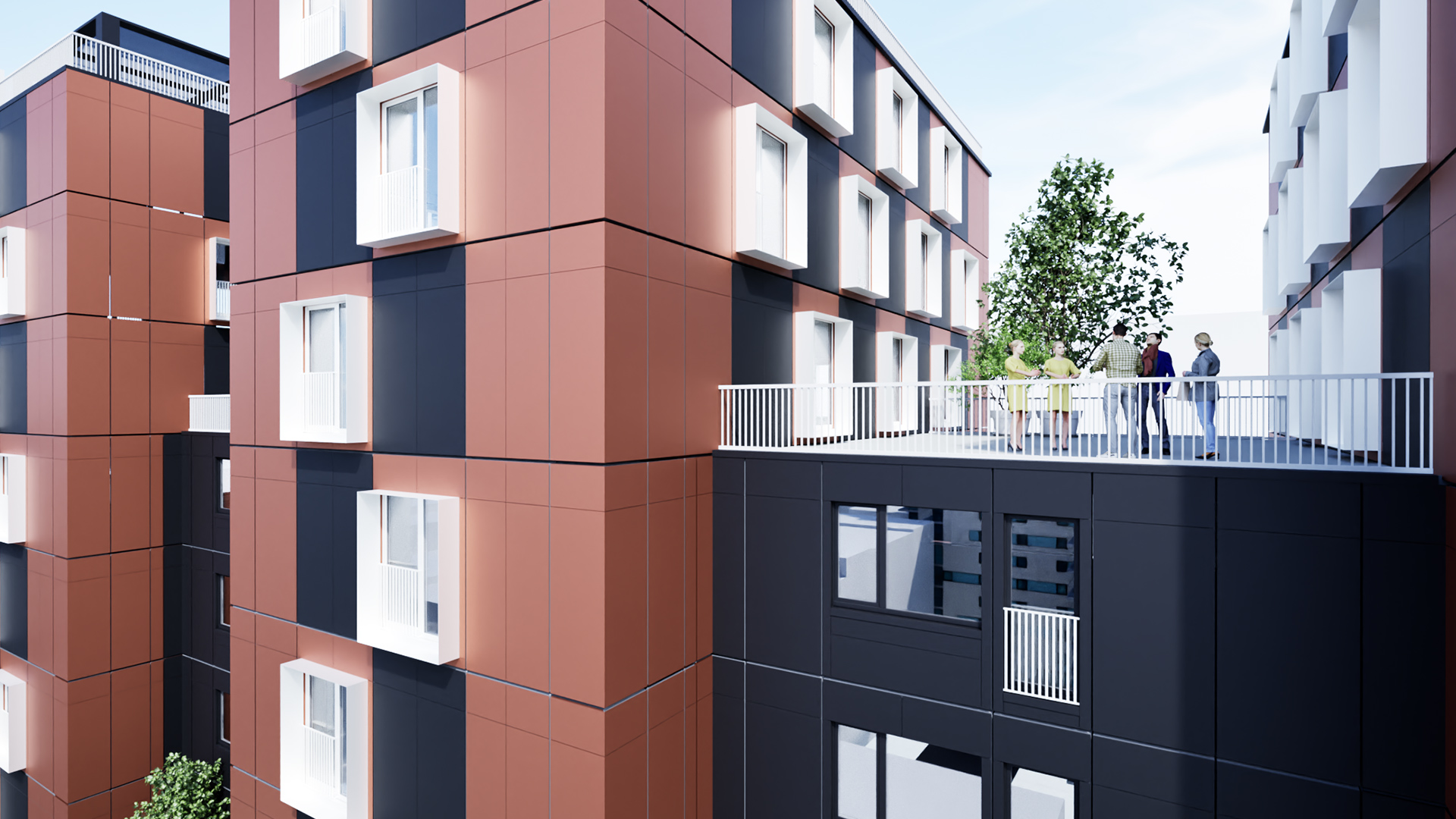
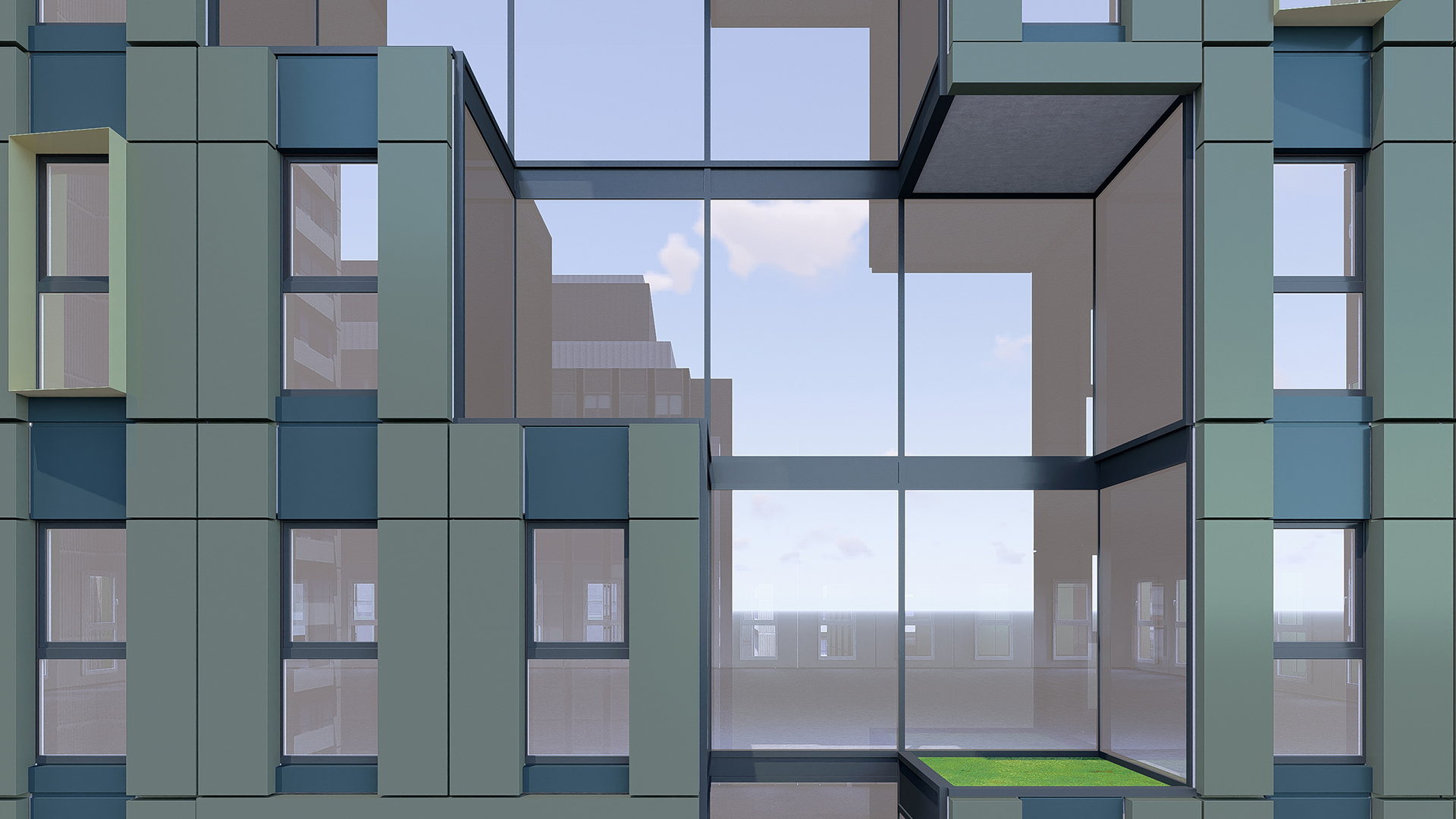
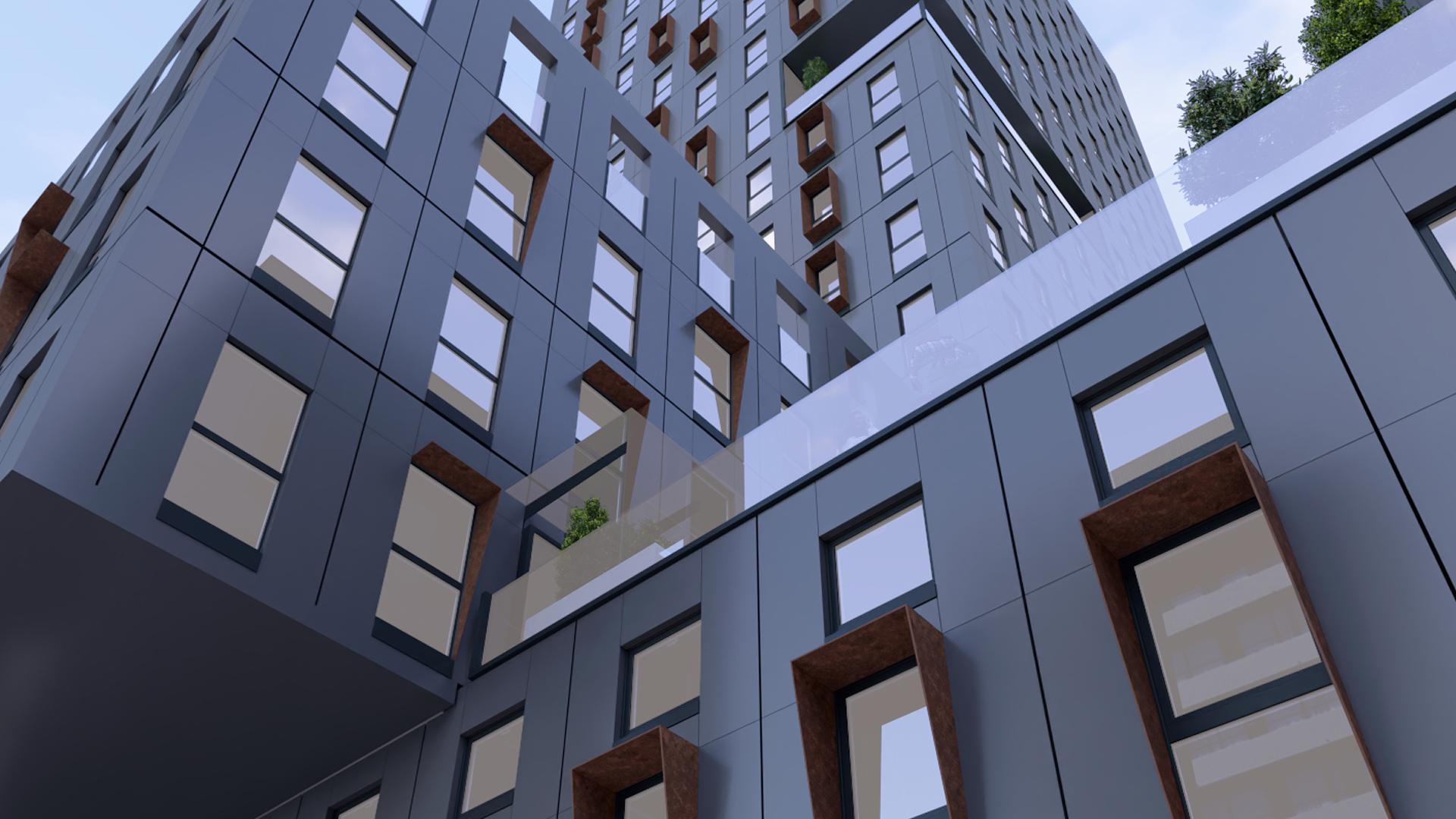
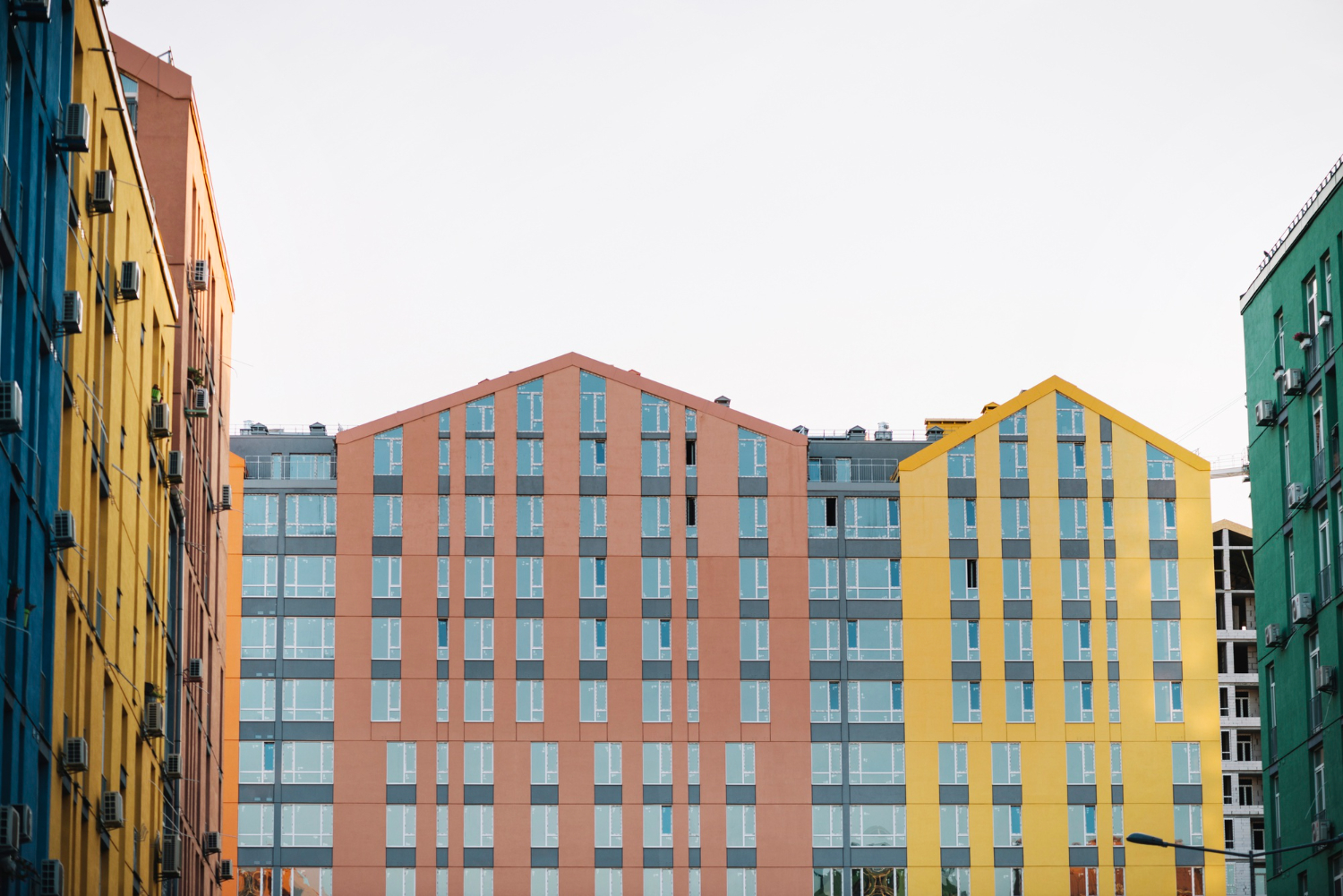
No. Standardization mainly applies to hidden technical details and connections. Color, panel size, window layout, and cladding textures can be adjusted to support the architectural concept without turning the facade into an expensive one-off prototype.
How does Dextall support long-term durability and maintenance?
Dextall panels are designed as repeatable modules with controlled details, which makes performance more predictable over time. If damage occurs, a single panel or element can be replaced without dismantling large sections of the facade, helping keep maintenance simpler and lifecycle costs under control.










.jpeg)
-Compliance-for-NYC-Multifamily-%26-Co-Op-Facades.jpg)











_format(webp).avif)
_format(webp)%20(6).avif)
_format(webp)%20(5).avif)
_format(webp)%20(4).avif)
_format(webp)%20(2).avif)
_format(webp)%20(3).avif)


.avif)
_format(webp)%20(2).avif)