Morpheus Hotel Macau: How Zaha Hadid Architects Engineered the World's First Free-Form Exoskeleton Curtain Wall System
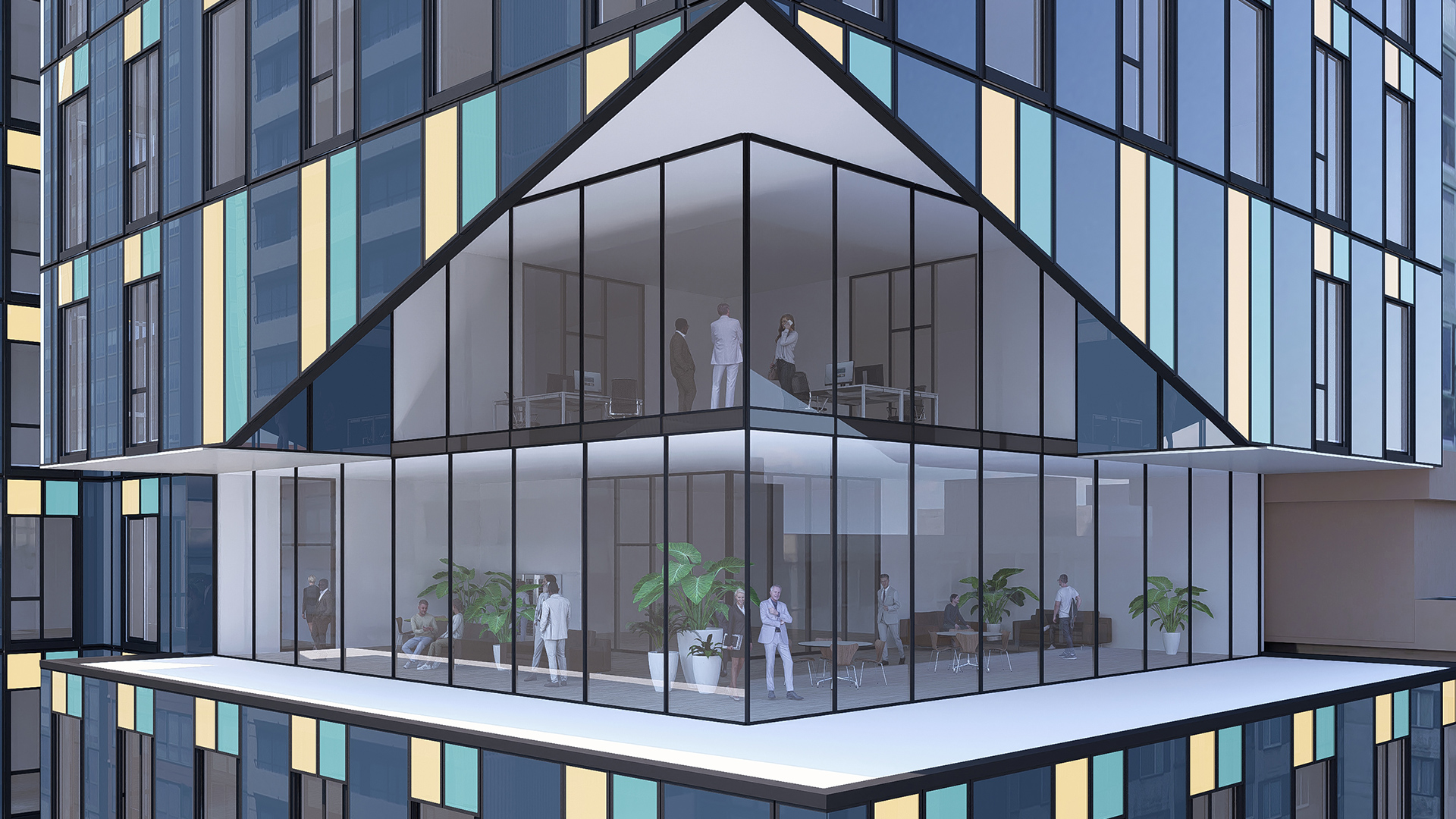
Most curtain wall systems attach to a regular orthogonal structural frame — mullions, transoms, glass. Morpheus Hotel at City of Dreams on Macau's Cotai Strip operates on a fundamentally different principle. The building's load-bearing structure is its facade: a free-form steel exoskeleton of interlocking diagrid members that rises from the ground, narrows and expands around three voids cut through the building's center, and terminates at the roof 153.7 meters above street level. The glass curtain wall hangs inside this exoskeleton, set 1.3 meters behind the structural aluminum-clad steel members that simultaneously carry the building's loads and screen the sun.
Designed by Zaha Hadid Architects and opened June 15, 2018, Morpheus was the last building project led by Zaha Hadid before her death in 2016, with Patrik Schumacher leading the final phases. At $1.1 billion and 147,860 square meters of total floor area, developed and operated by Melco Resorts and Entertainment, it is documented by the Council on Tall Buildings and Urban Habitat as the world's first high-rise with a free-form exoskeleton structural system. The Society of Facade Engineering recognized the project with its International Award for Facade Engineering Excellence. For architects and engineers working on buildings where structure and envelope must function as a single system, Morpheus is the reference case.
What Morpheus Is: Program, Scale, and Context
Morpheus is a 40-story luxury hotel tower within the City of Dreams casino resort complex on the Cotai Strip in Macau. The building stands 153.7 meters (504 feet) on a 52-by-99-meter footprint, delivering 147,860 square meters of total floor area for 772 guest rooms — including nine two-story sky villas, three of which have private pools. The atrium spaces carved through the building's center rise 35 to 40 meters.
The project faced a structural constraint from the outset: Melco Resorts had already built the below-grade foundations for a conventional tower on the 6,850 square meter site. ZHA had to design a 40-story building with a free-form exoskeleton using pre-existing foundation geometry that was not designed for the loads a diagrid exoskeleton would impose. BuroHappold Engineering resolved this by redesigning the load paths so the exoskeleton's complex geometry was compatible with the existing foundation capacity — a constraint that shaped the structural engineering from the first design iteration.
The Free-Form Exoskeleton: 28,000 Tons of Steel, No Internal Columns
The Morpheus exoskeleton is the building's primary structural system — not a decorative layer applied over a conventional frame. The 28,000-ton steel structure rises from the ground as interlocking diagrid members that progressively change density as they ascend, forming the three hollow void spaces that give the building its distinctive silhouette. There are no internal columns above the transfer structure at the base. The exoskeleton alone carries all gravity loads and lateral forces for the 40-story tower.
The steel was fabricated locally in Macau by a shipbuilding company — the only local fabricator with the welding capability to handle the project's 18,580 individual steel cleat connections. Structural members are steel plates, tubes, and rolled sections bent, cut, twisted, and welded together in three-dimensional jigs. After fabrication, each member was coated with epoxy intumescent paint for fire protection before installation. The steel exoskeleton stands 1.3 meters proud of the inner glass facade, creating a structural solar screening layer that reduces solar heat gain on the glazed portions of the building without the need for separate shading devices.
The three voids cut through the building's center — the building's most recognizable architectural feature — are structural moves, not visual ones. The voids create the skybridge connections between the two hotel towers and the resort podium below, while the ring beams at each void level carry the exoskeleton loads around the opening and redistribute them to the intact perimeter members. The voids also allow daylight penetration into the building's interior communal spaces and generate the changing perspectives of Macau's Cotai Strip that ZHA specified as part of the guest experience.
The Curtain Wall System: Thirty Types of Facades on a Single Building
The facade at Morpheus is not a single curtain wall — it is more than thirty different facade systems applied to a single building, coordinated by a comprehensive parametric model that tracked every interface between the structural exoskeleton, the unitized glass panels, the free-form glazing, and the aluminum cladding components.
The glass facade covers 43,388 square meters in total, divided into two primary system types. The first is 39,000 square meters of unitized curtain wall — factory-assembled panels with flat, single-curved, and faceted glazing that attach to a secondary steel substructure hanging from the exoskeleton. The second is 8,500 square meters of free-form facade: triangulated glazed panels that follow the doubly curved geometry of the exoskeleton's most complex zones. The 24,577 glass panels across both systems use Saint-Gobain Coolite ST136 solar control glass, specified in flat, single-curved, and double-curved variants. Curved glass was fabricated to tolerances of 8 millimeters — tighter than standard bending glass standards for the panel dimensions involved.
The aluminum cladding covering the exoskeleton itself presents a different scale of complexity. The off-white aluminum cladding covers 57,000 square meters of the exoskeleton's surface, with 12,155 square meters of that area being double-curved — requiring individually unique panel geometry for each component. The fabricated component count is staggering: 1,212,637 unique freeform cladding components, 1,059,234 aluminum brackets, 79,310 panel stiffeners, and 5,135,563 fasteners, totaling 1,668,301 fabricated cladding components and 538,195 linear meters of aluminum extrusions. Every single one of those components is a unique part, not a repeated standard element.
For facade fabrication at this scale and geometry, the only path to construction was digital: a parametric model that contained every component's precise geometry, material specification, and connection detail before a single piece of aluminum was cut. The documentation phase — 12 months to complete detailed design and connection documentation — reflects the volume of information required to move from parametric model to fabrication drawings for 1.2 million unique parts.
The Parametric Design Process: How ZHA Designed and Documented 1.2 Million Unique Parts
ZHA built custom parametric tools and scripts using Rhino3D and Grasshopper visual programming language specifically for Morpheus. The tools integrated aesthetic geometry, structural analysis, and fabrication requirements into a single parametric model — so changes to the exoskeleton's form automatically propagated through structural sizing, connection geometry, panel dimensions, and bracket positioning. BuroHappold developed parallel parametric tools for structural analysis that communicated directly with ZHA's geometric model.
The design inspiration — traditional Chinese jade carving with fluid, organic forms — produced geometry that could not be approximated as a series of flat faces or regular curves. The exoskeleton members twist, intersect, and branch in three dimensions. Each node where members meet is a unique three-dimensional connection that required individual engineering. The 18,580 steel cleat connections at node points were each documented individually in the 12-month detailed design phase, with connection geometry derived directly from the parametric model rather than drawn by hand.
The parametric model also determined the subdivision of the curtain wall and free-form glazing into panels — balancing glass sizes against curvature limits, structural deflection at panel edges, and the tolerances achievable in tempered and heat-strengthened curved glass production. The same model tracked the aluminum cladding panel geometry, allowing ZHA to verify that every unique cladding component could be fabricated within the production tolerances of the local aluminum fabricators before construction began. This is parametric design not as a stylistic approach but as a production management tool: the model is the fabrication database.
The same parametric logic that ZHA applied to a 1.2-billion-dollar tower with 1.2 million unique parts applies — at a dramatically different scale — to any project where prefabricated wall panels must be coordinated across complex geometry. BIM tools that connect design geometry to panel geometry to fabrication output are the mid-rise equivalent of the parametric infrastructure that made Morpheus buildable.
Five Lessons for High-Rise Facade Engineers and Developers
- Structure and envelope can be the same system. Morpheus's exoskeleton carries gravity loads, resists lateral forces, screens the sun, and defines the building's architectural expression in one set of steel members. The cost premium of combining structure and facade is offset by eliminating the separate secondary structure that a curtain wall on a conventional frame would require. For mid-rise buildings, prefabricated exterior wall panels with integrated structural connections operate on the same efficiency principle at a fraction of the complexity.
- Unitized curtain wall handles complex geometry when the panel subdivision is parametrically controlled. Morpheus uses 39,000 square meters of unitized curtain wall — the same factory-assembled panel approach used on conventional rectangular towers — across a curved, non-planar exoskeleton. The key is parametric panel subdivision that determines how flat panels approximate the curved geometry, so the unitized system can be manufactured conventionally even when the building's form is not.
- Free-form cladding requires a parametric model that is also a fabrication database. Morpheus's 1.2 million unique aluminum cladding components could only be fabricated because every component was fully defined in the parametric model before fabrication began. For any project with custom facade geometry, the transition from parametric model to fabrication requires the same discipline: the model must contain every part's geometry, not just the building's overall form.
- Local fabrication capability shapes structural decisions. Morpheus's steel was fabricated by a local Macau shipbuilder — the only local facility with the required 3D welding capability. For any project with complex structural facade geometry, identifying fabrication capability before finalizing the structural system is not optional. The local fabricator's capability constraints become design constraints.
- Typhoon-level wind engineering should be standard for high-rise envelopes in exposed locations. Morpheus's exoskeleton and curtain wall were engineered for typhoon conditions endemic to Macau. The wind pressure analysis — maximum and minimum design pressures for every facade zone — and joint design for thermal movement and structural deflection are the same engineering steps required for any high-rise facade in a wind-exposed location. Coastal and hurricane-resistant facade engineering follows the same analytical framework at mid-rise scale.
Key Takeaways
- Morpheus Hotel at City of Dreams Macau is a 40-story, 153.7-meter tower opened June 2018 by Melco Resorts, designed by Zaha Hadid Architects, at a cost of $1.1 billion — documented by CTBUH as the world's first high-rise with a free-form exoskeleton structural system
- The 28,000-ton steel exoskeleton was fabricated locally by a shipbuilding company with 18,580 unique node connections, clad in 57,000 m² of off-white aluminum using 1,212,637 unique freeform components; the exoskeleton stands 1.3 meters proud of the glass facade as structural solar screening
- The glass facade combines 39,000 m² of unitized curtain wall with 8,500 m² of free-form glazing — more than thirty facade system types in total — using 24,577 Saint-Gobain Coolite ST136 solar control glass panels in flat, single-curved, and double-curved variants
- ZHA and BuroHappold developed custom parametric tools in Rhino3D and Grasshopper to design and document the building; the 12-month detailed design phase produced individual fabrication documentation for every one of 1.2 million unique cladding components
- Morpheus received three CTBUH Awards for Excellence (2018), the Society of Facade Engineering International Award for Facade Engineering Excellence (2020), and the ArchDaily Building of the Year for Hospitality Architecture; TIME Magazine listed it among the World's Greatest Places in 2018
FAQ
What makes the Morpheus Hotel facade structurally unique?
Morpheus is the world's first high-rise building with a free-form exoskeleton structural system — a 28,000-ton steel diagrid structure that carries all gravity loads and lateral forces for the 40-story tower without internal columns above the transfer level. The exoskeleton stands 1.3 meters proud of the inner glass curtain wall, acting as structural solar screening. There are three large voids cut through the building's center, formed by the exoskeleton's branching geometry and bridged by skybridge connections to the resort podium.
What type of curtain wall does Morpheus use?
Morpheus uses more than thirty different facade system types, divided primarily between 39,000 m² of unitized curtain wall (flat, single-curved, and faceted glazing) and 8,500 m² of free-form triangulated glazed panels. All 24,577 glass panels use Saint-Gobain Coolite ST136 solar control glass. The aluminum-clad exoskeleton covers 57,000 m² of structural surface in 1,212,637 unique freeform aluminum cladding components. The glass facade covers approximately 43,388 m² in total.
How was the parametric design for Morpheus developed?
Zaha Hadid Architects built custom parametric tools and scripts using Rhino3D and Grasshopper specifically for Morpheus, integrating aesthetic geometry, structural requirements, and fabrication constraints in a single model. BuroHappold Engineering developed parallel structural analysis tools. The parametric model served as the fabrication database — every cladding component's unique geometry, bracket position, and connection detail was derived directly from the model. The 12-month detailed design phase produced fabrication documentation for over 1.2 million unique parts.
How was Morpheus's complex steel exoskeleton fabricated?
The 28,000 tons of structural steel were fabricated by a local Macau shipbuilding company — the only local facility with the 3D welding capability required for the exoskeleton's complex node geometry. Steel plates, tubes, and rolled sections were bent, cut, twisted, and welded together in three-dimensional jigs. Each of the 18,580 steel cleat connections at node points was individually engineered and documented before fabrication began. Epoxy intumescent paint was applied for fire protection after fabrication.
Can the exoskeleton principle from Morpheus apply to mid-rise commercial buildings?
The free-form exoskeleton at Morpheus's scale is a $1.1 billion engineering achievement. The underlying principle — combining structural load-bearing and facade functions in a single system — applies at mid-rise scale in different forms. Unitized curtain wall systems with integrated structural connections, and prefabricated exterior wall panel systems with factory-built thermal and structural performance, apply the same efficiency principle: reduce the number of systems by combining structure and envelope into a single factory-produced element. The scale differs; the logic is identical.
Disclaimer
Dextall is not involved in the Morpheus Hotel project. This article analyzes publicly available information about Zaha Hadid Architects' and BuroHappold Engineering's design and engineering to explore how principles from complex facade projects can inform curtain wall strategy for commercial and high-rise development. For questions about Morpheus Hotel, contact Melco Resorts and Entertainment or Zaha Hadid Architects. For information about Dextall's prefabricated building envelope solutions, visit dextall.com.
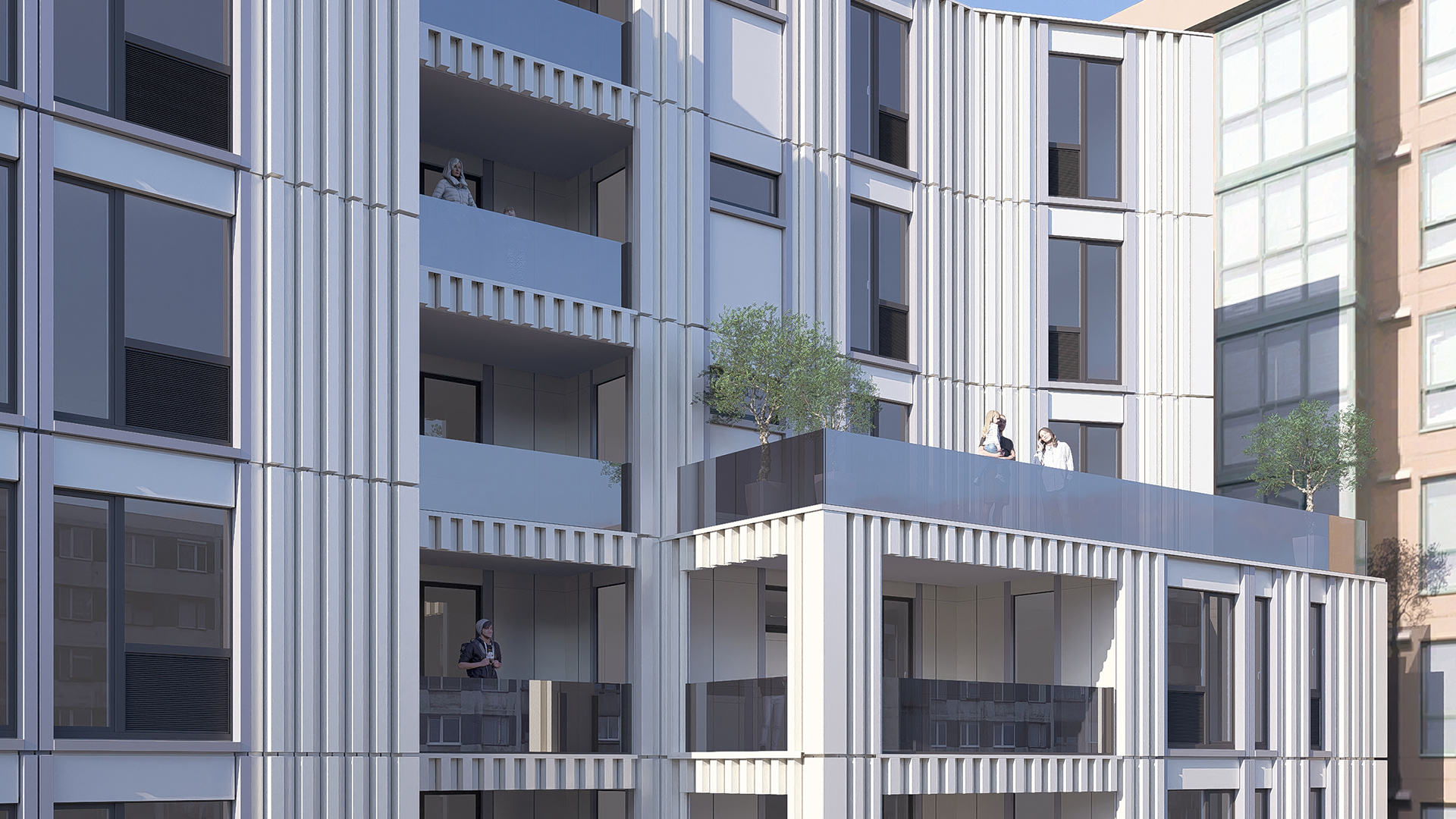
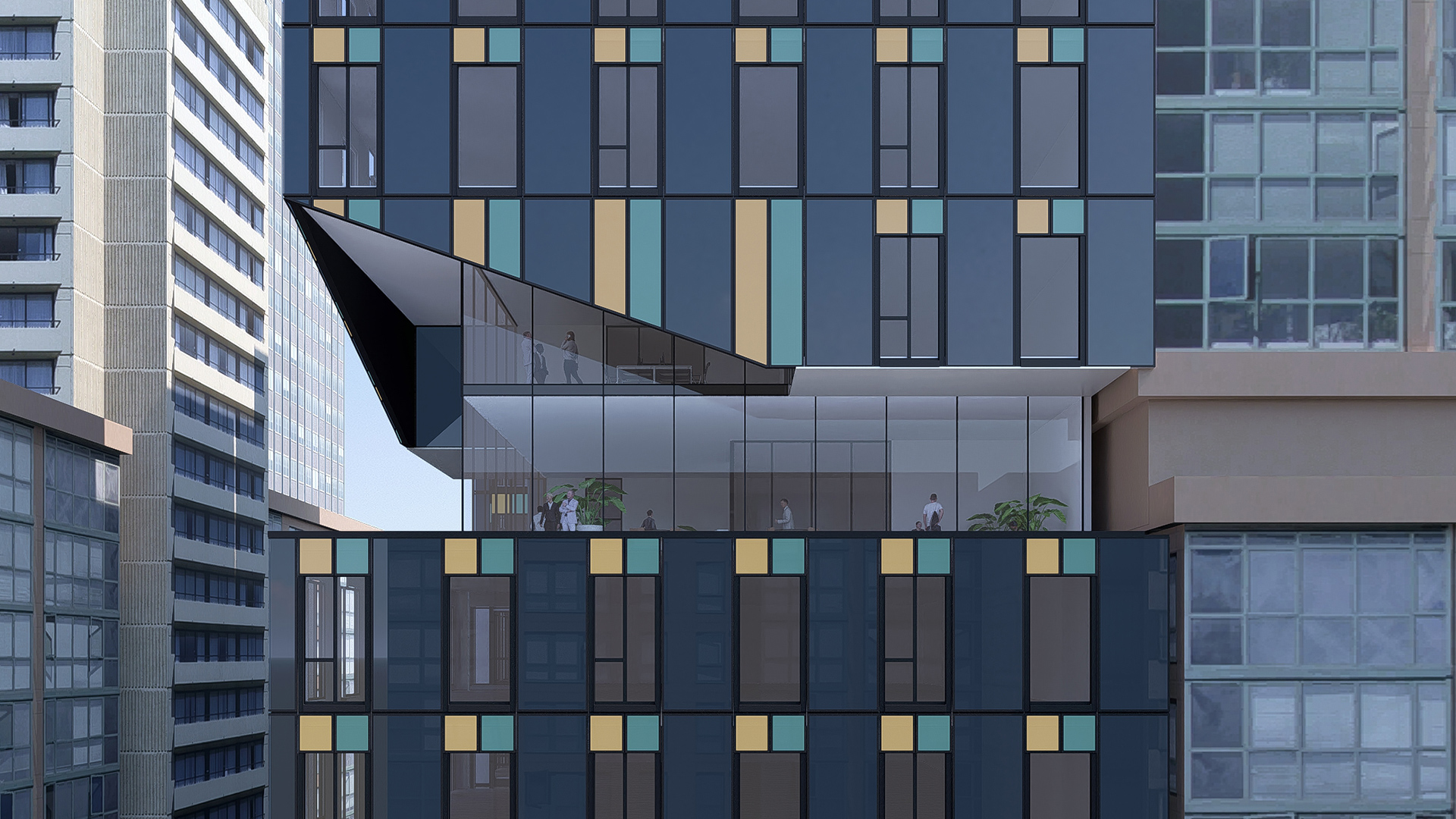
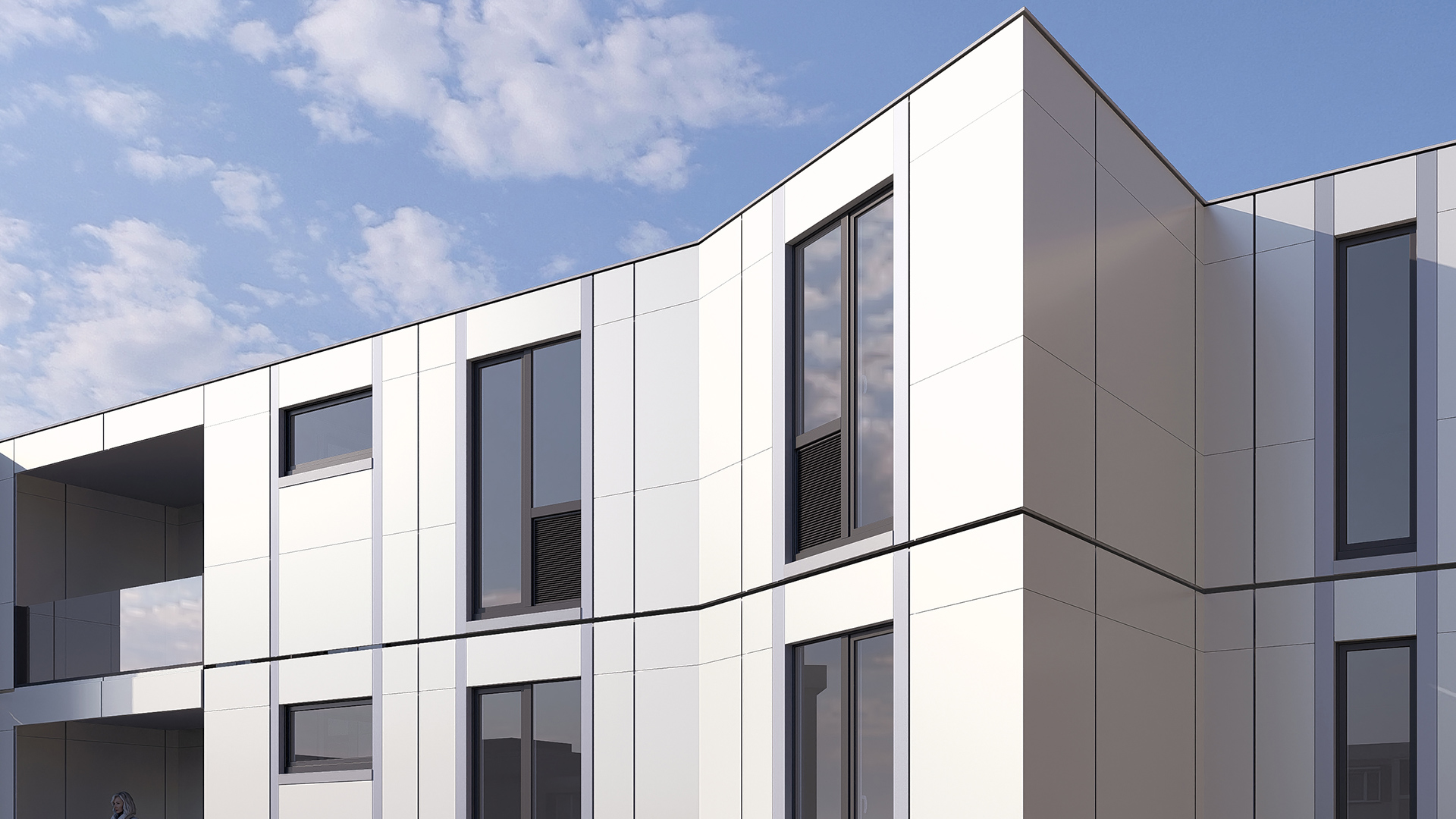
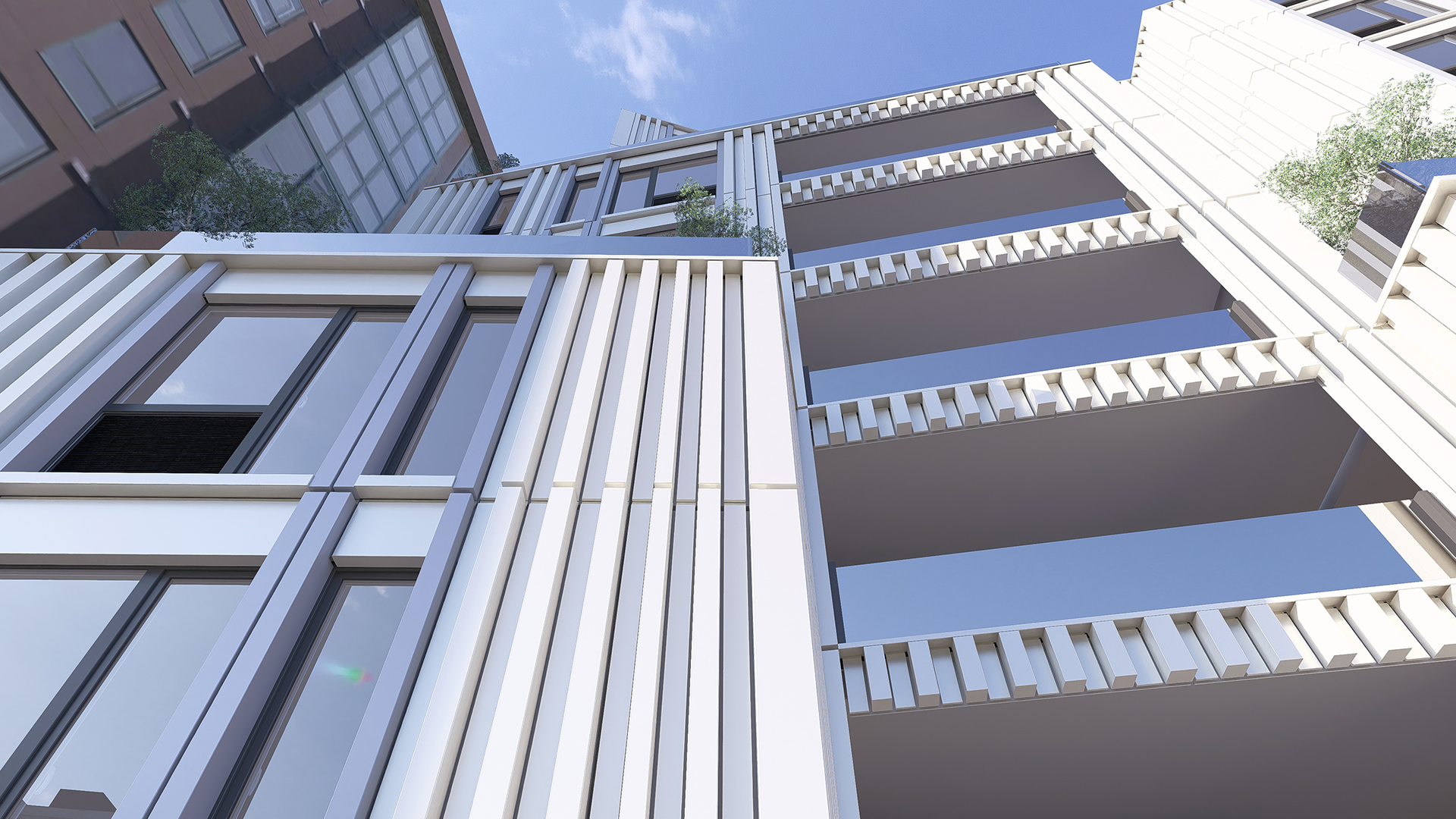
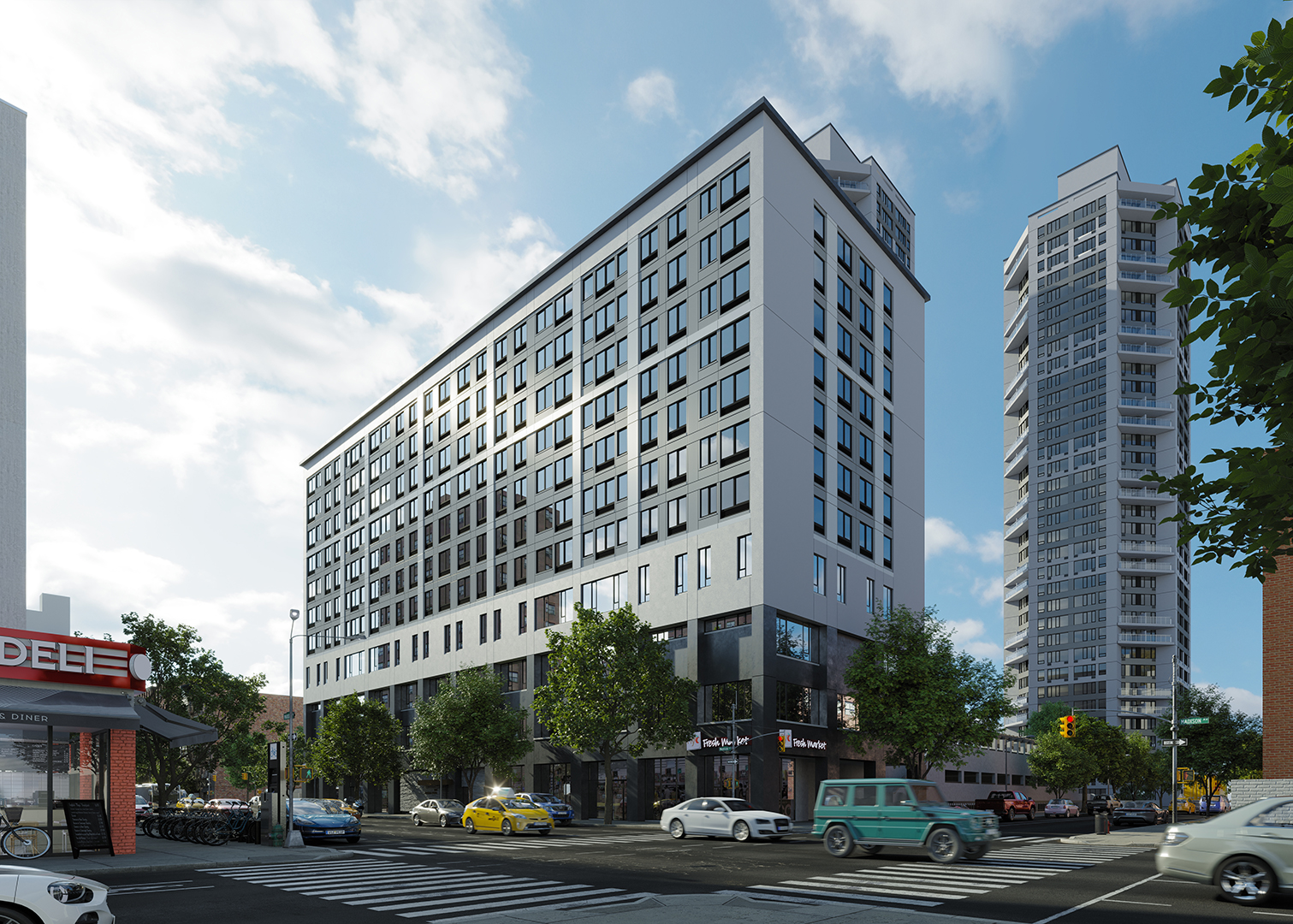
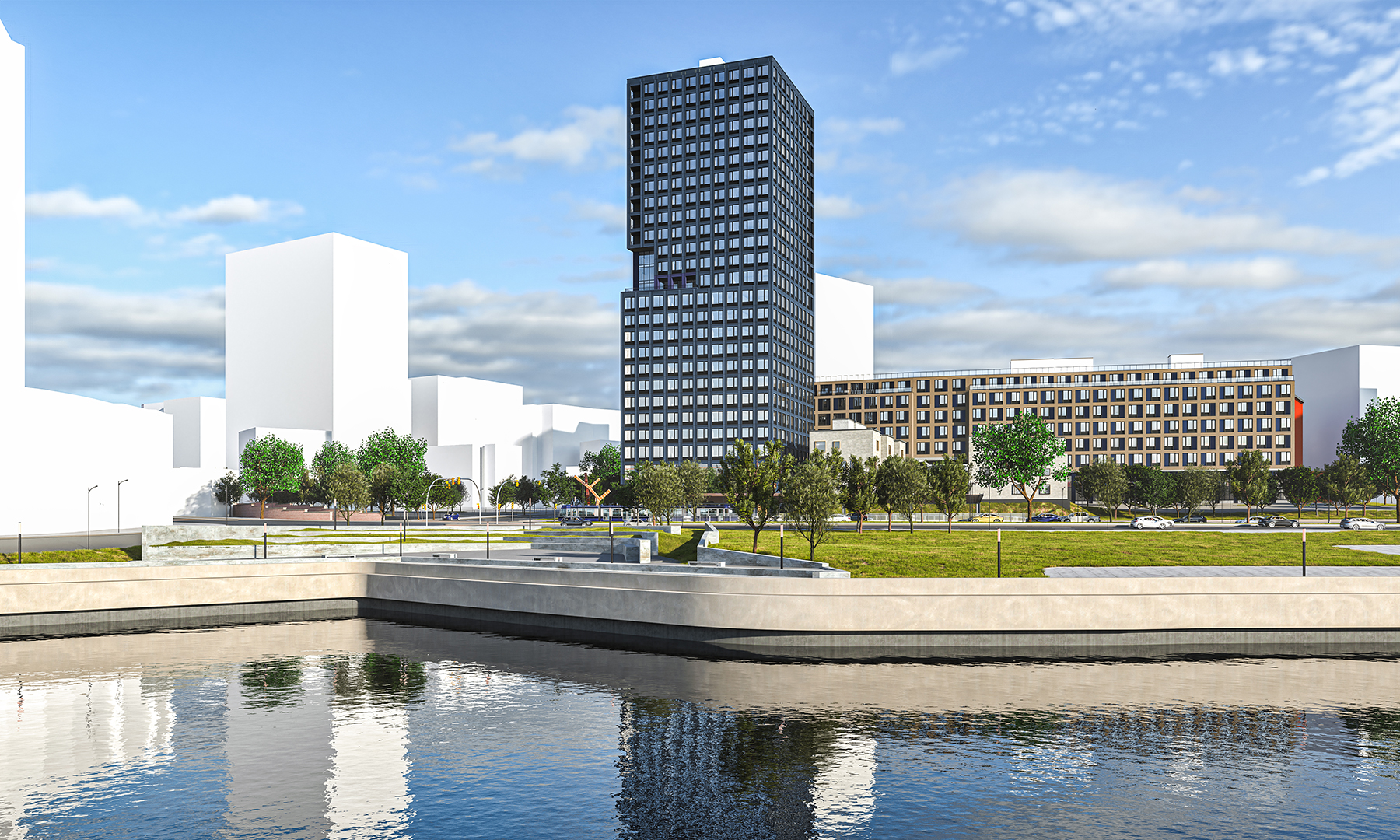
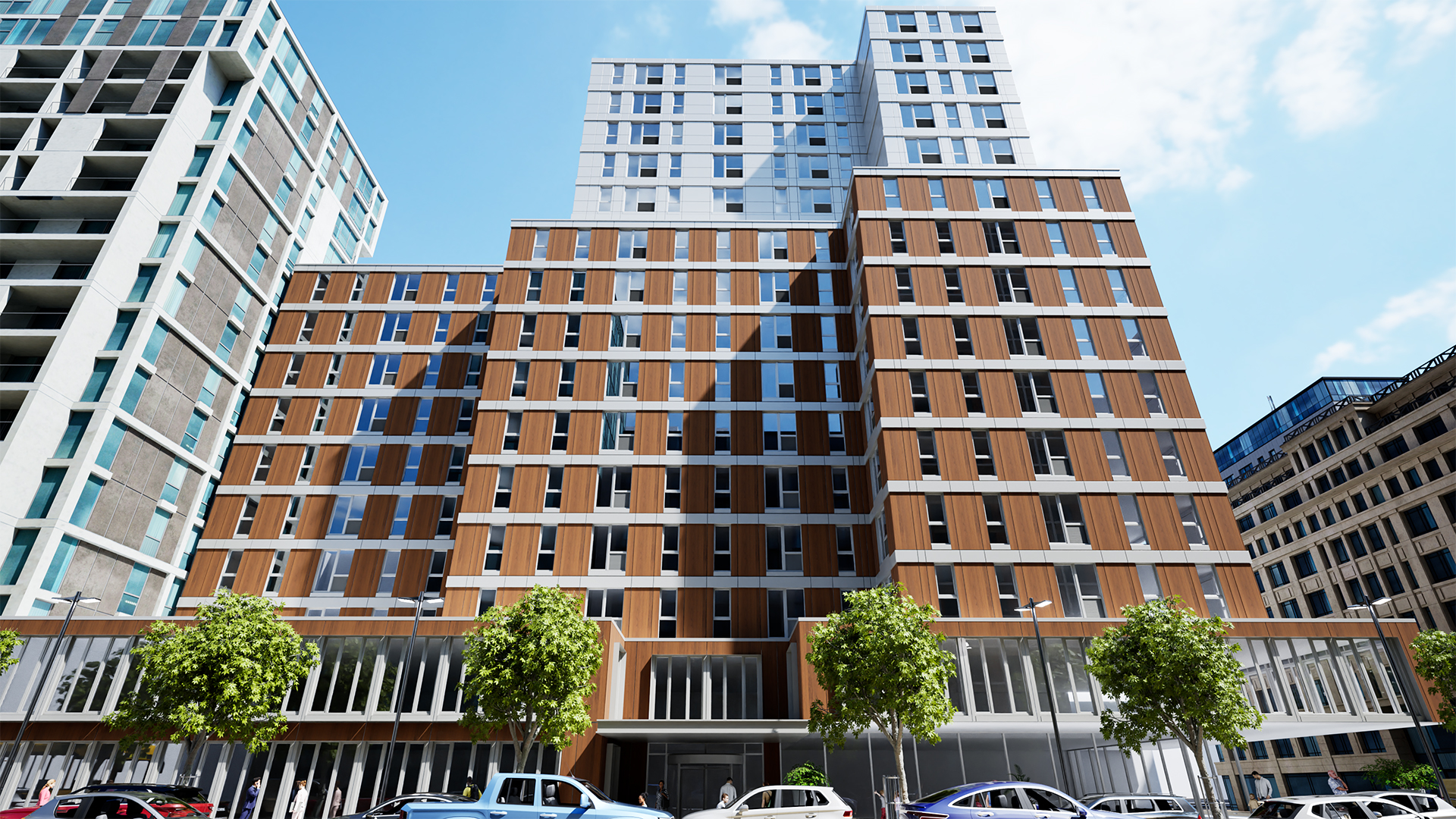
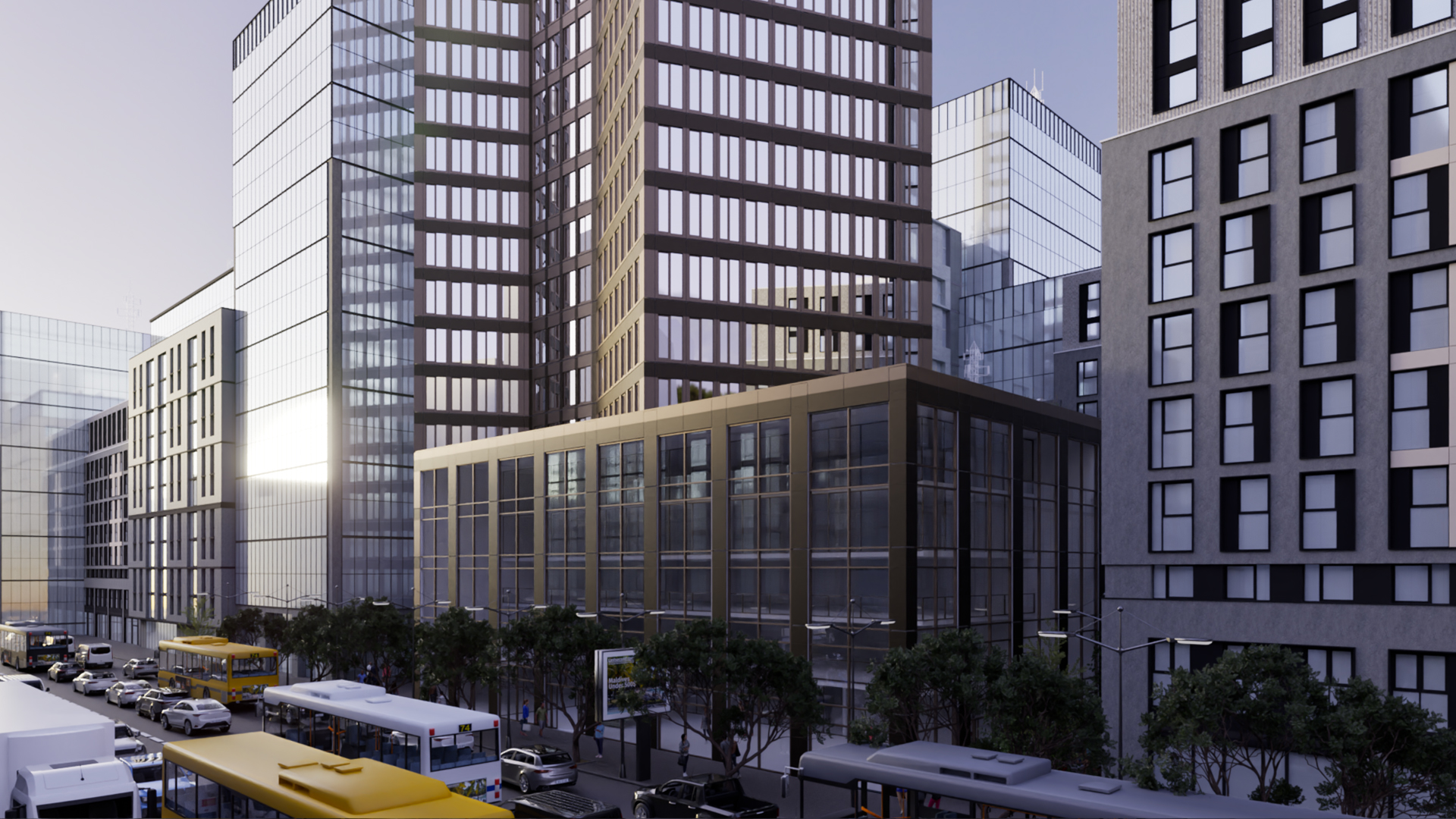
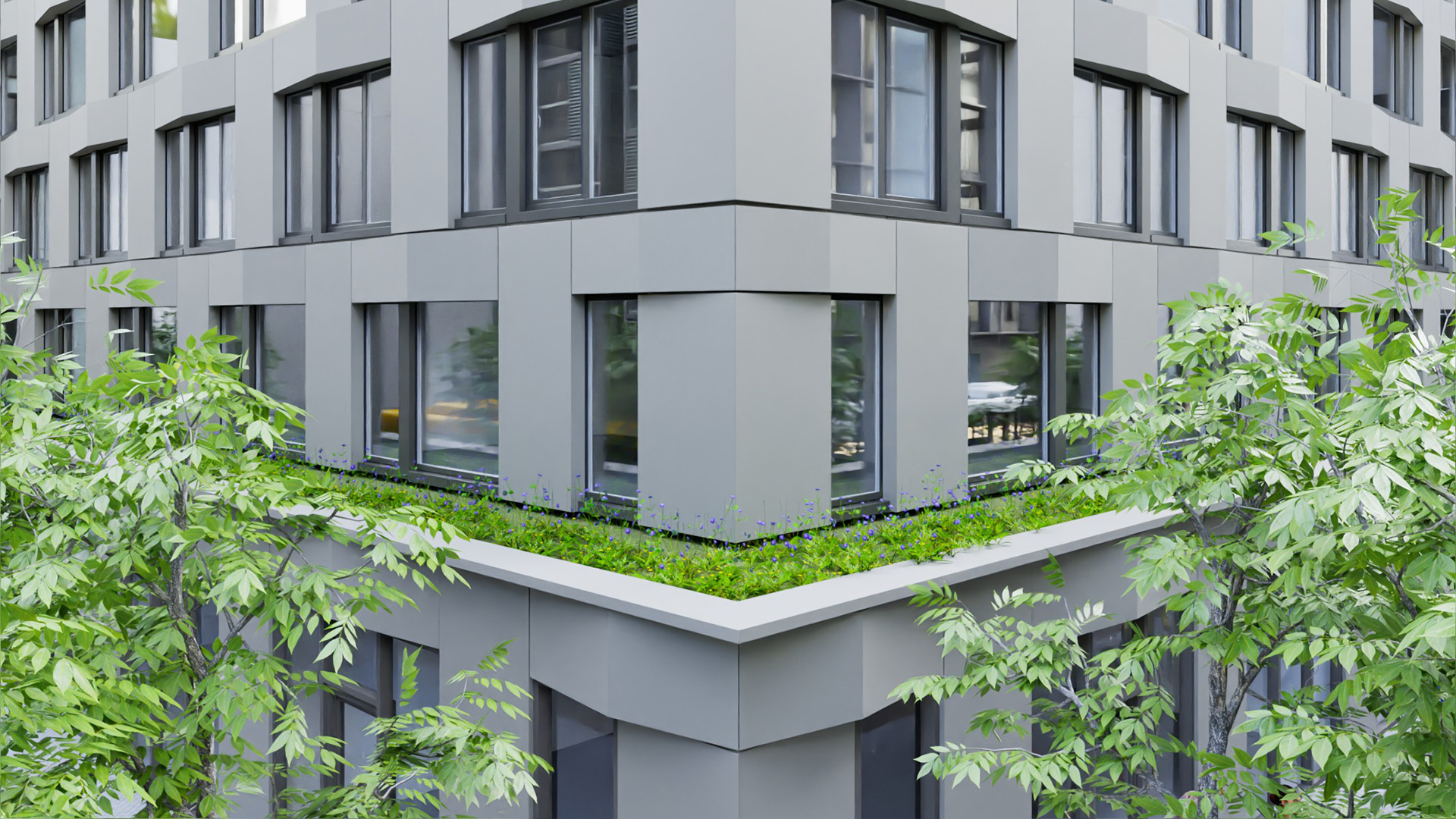
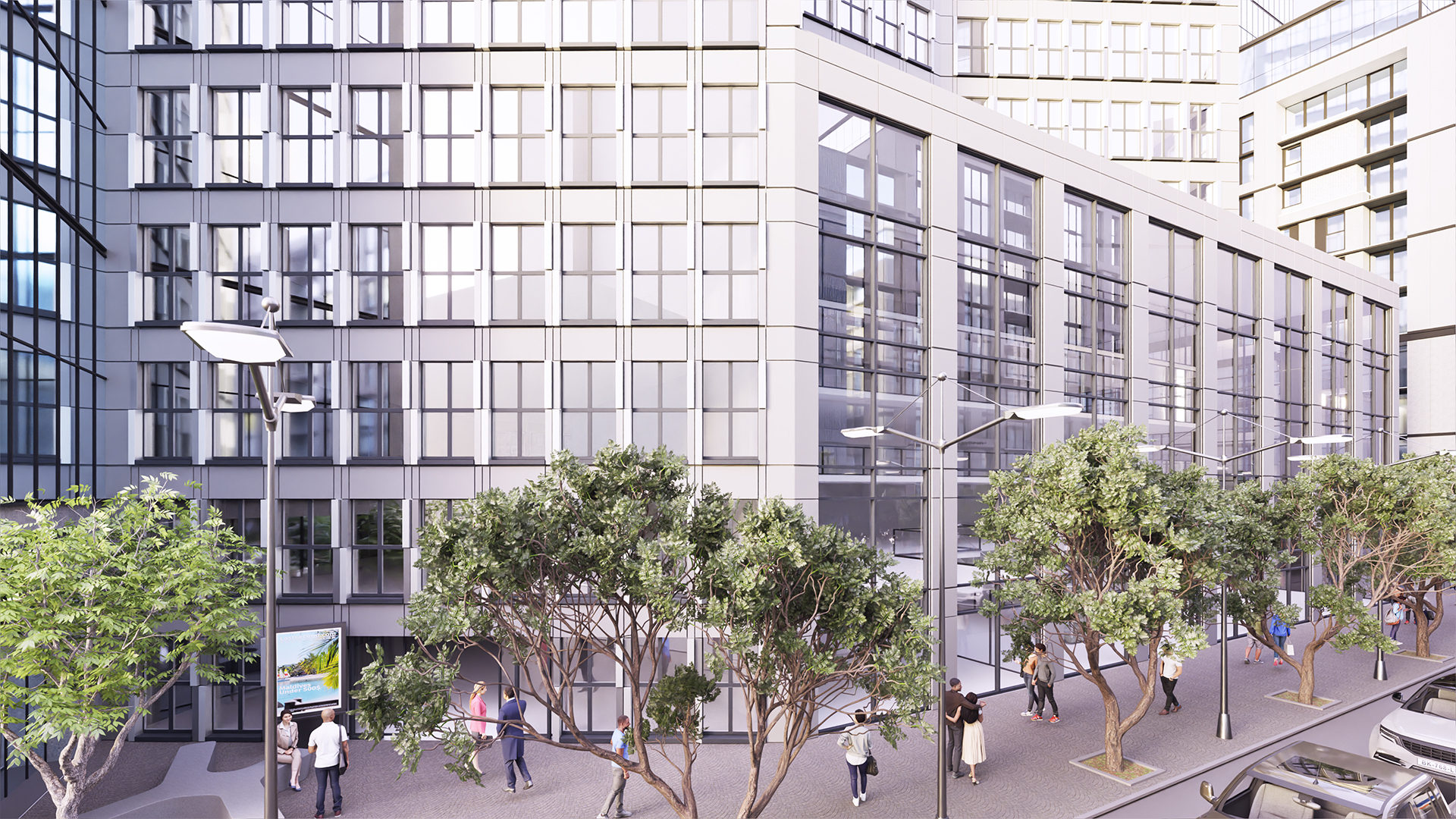
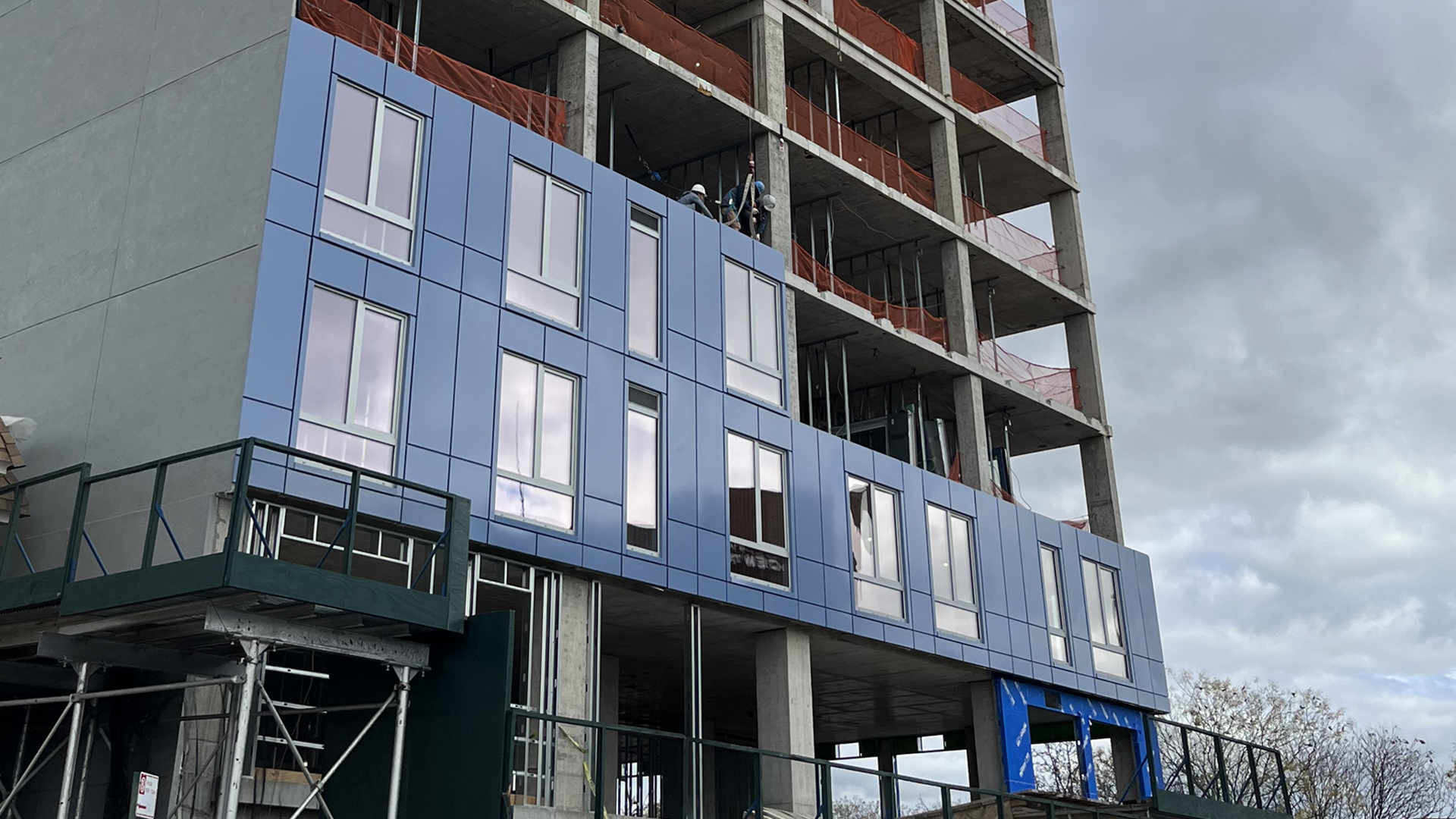
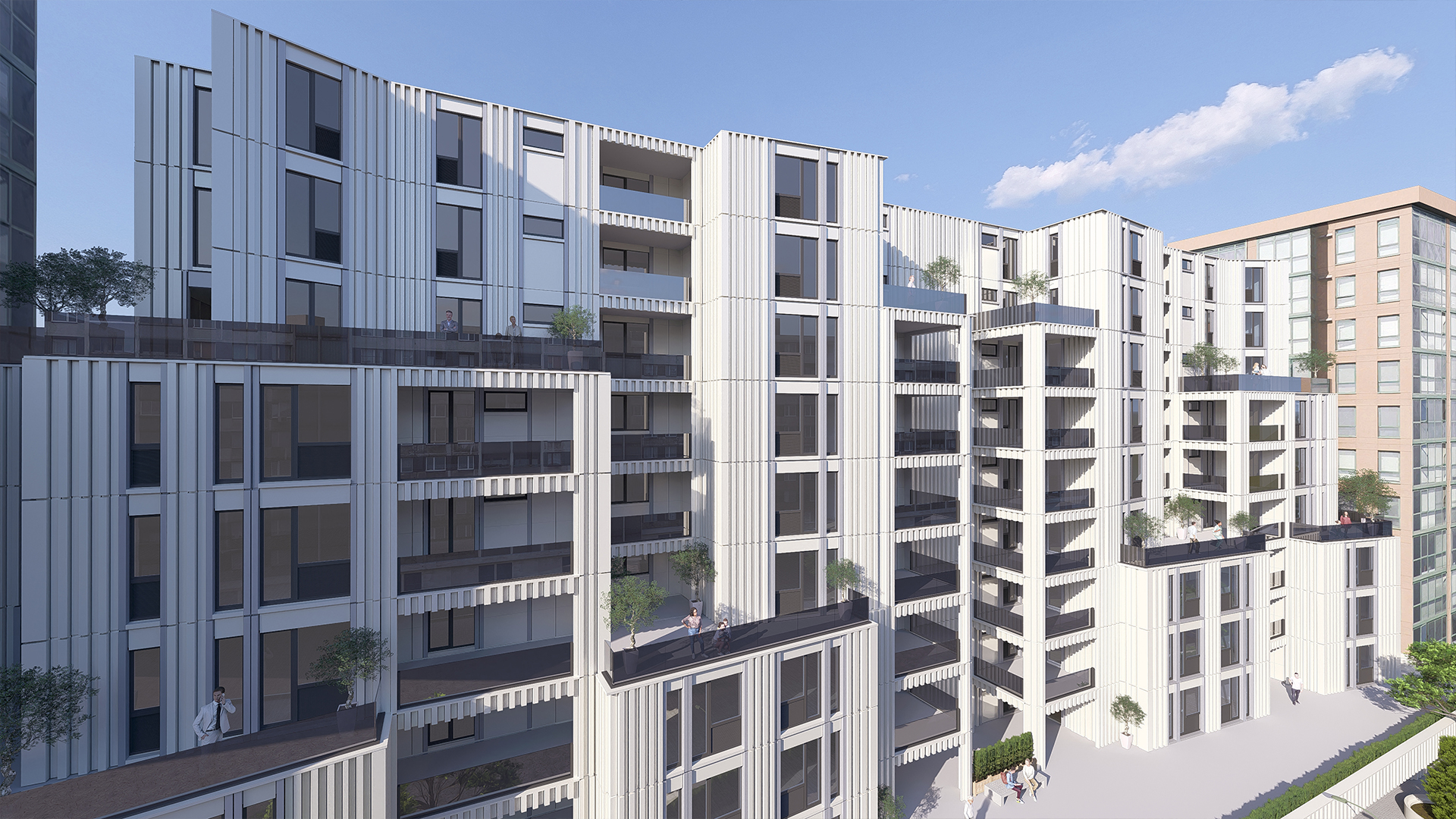
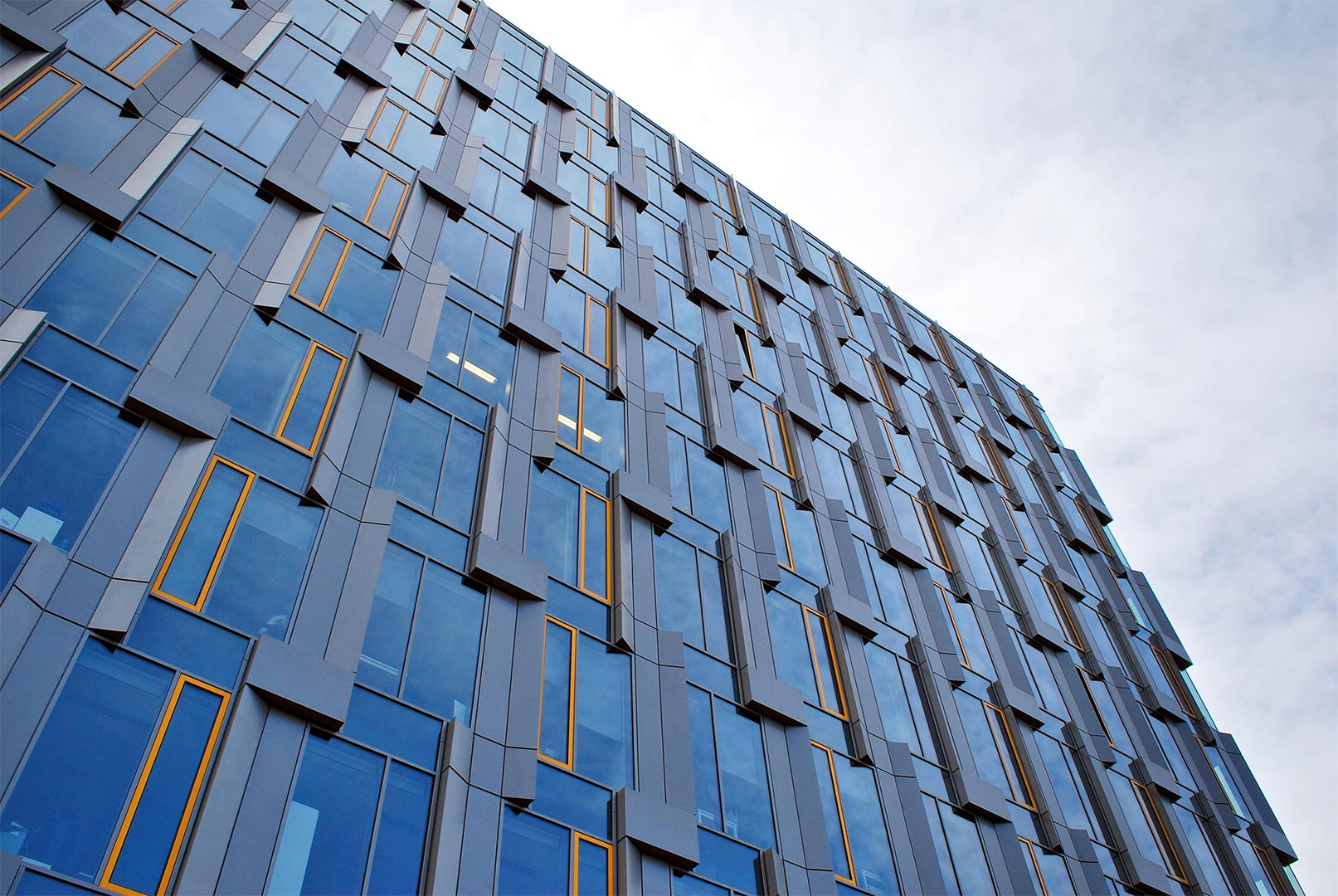
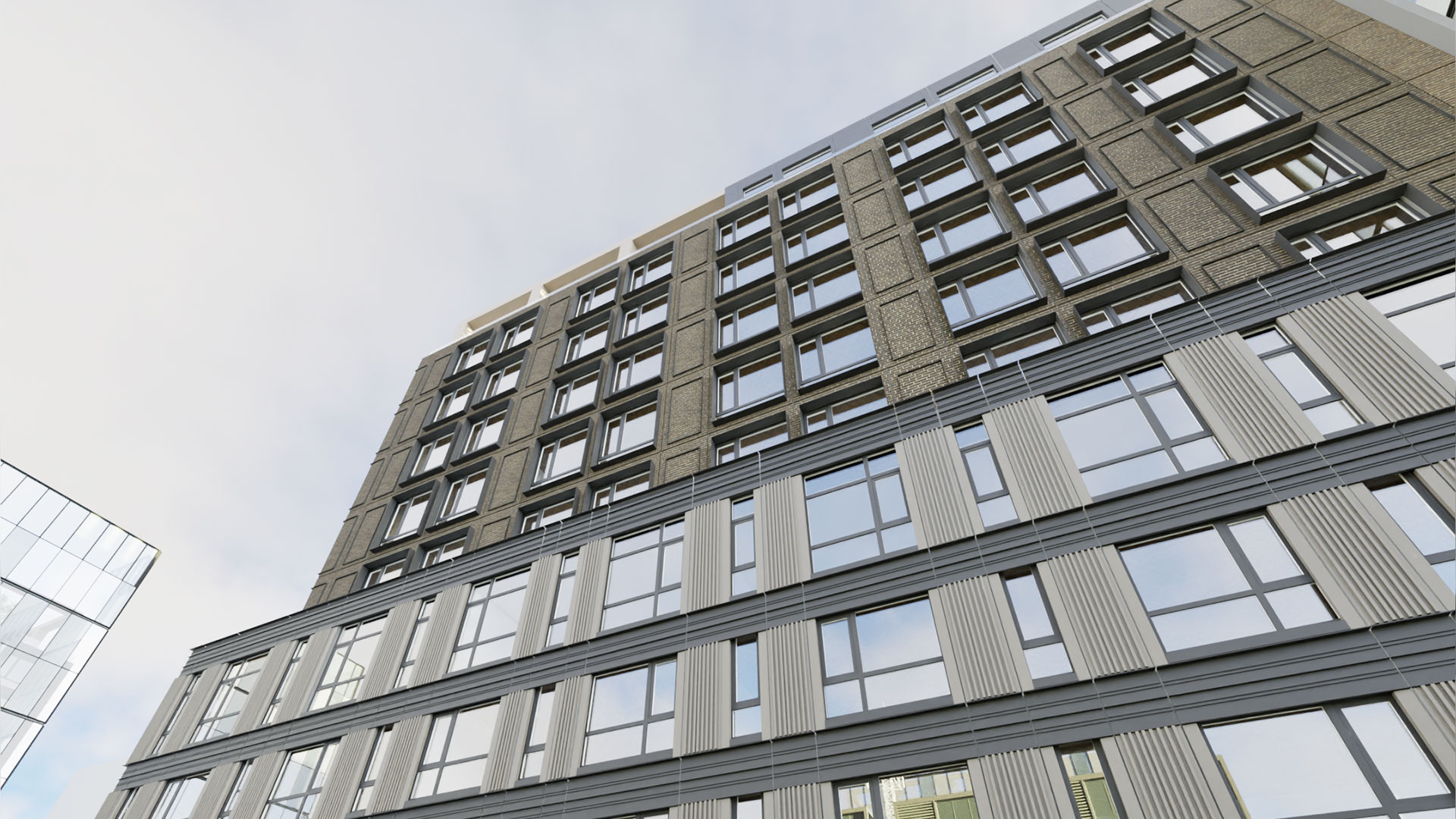
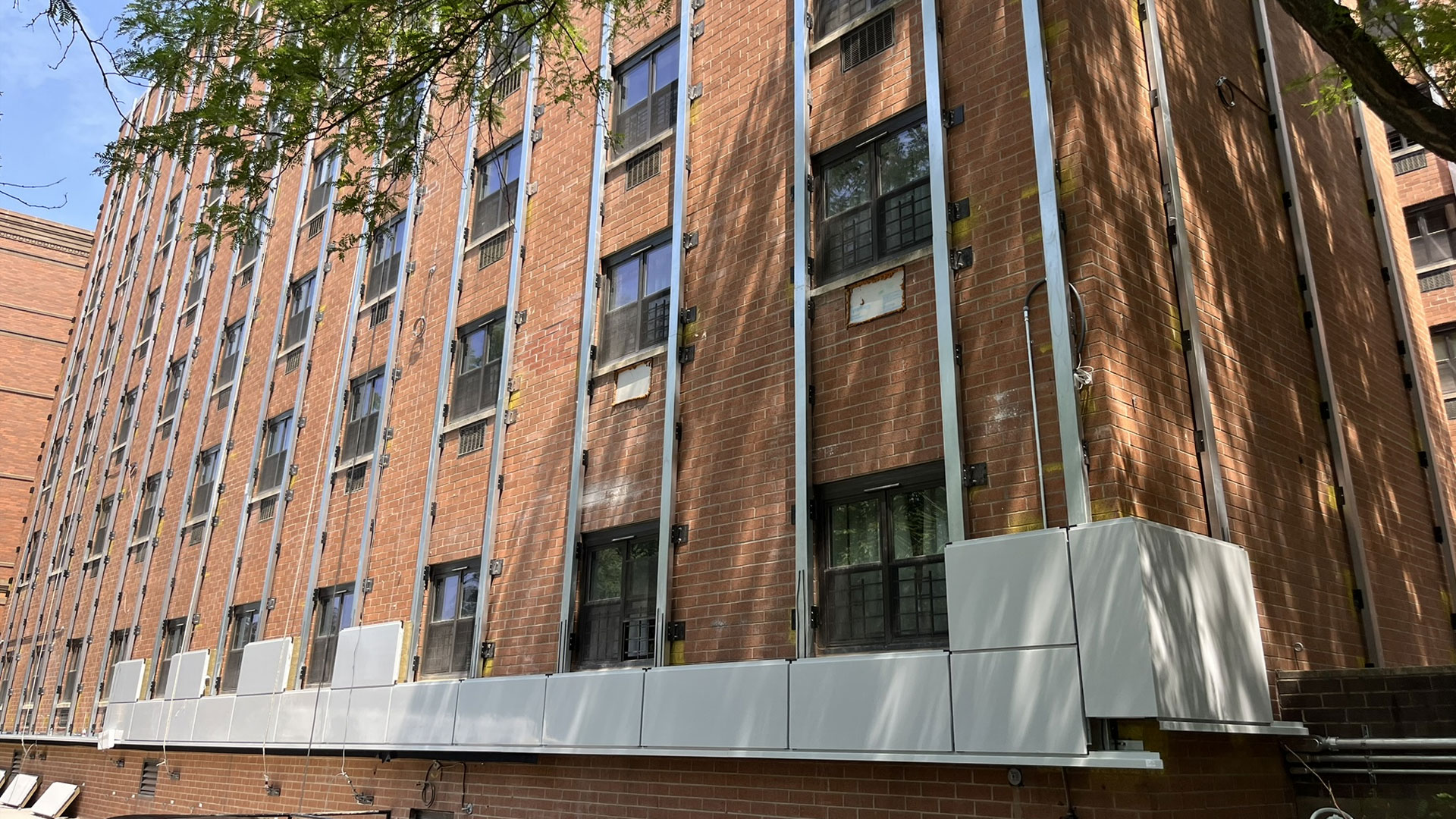
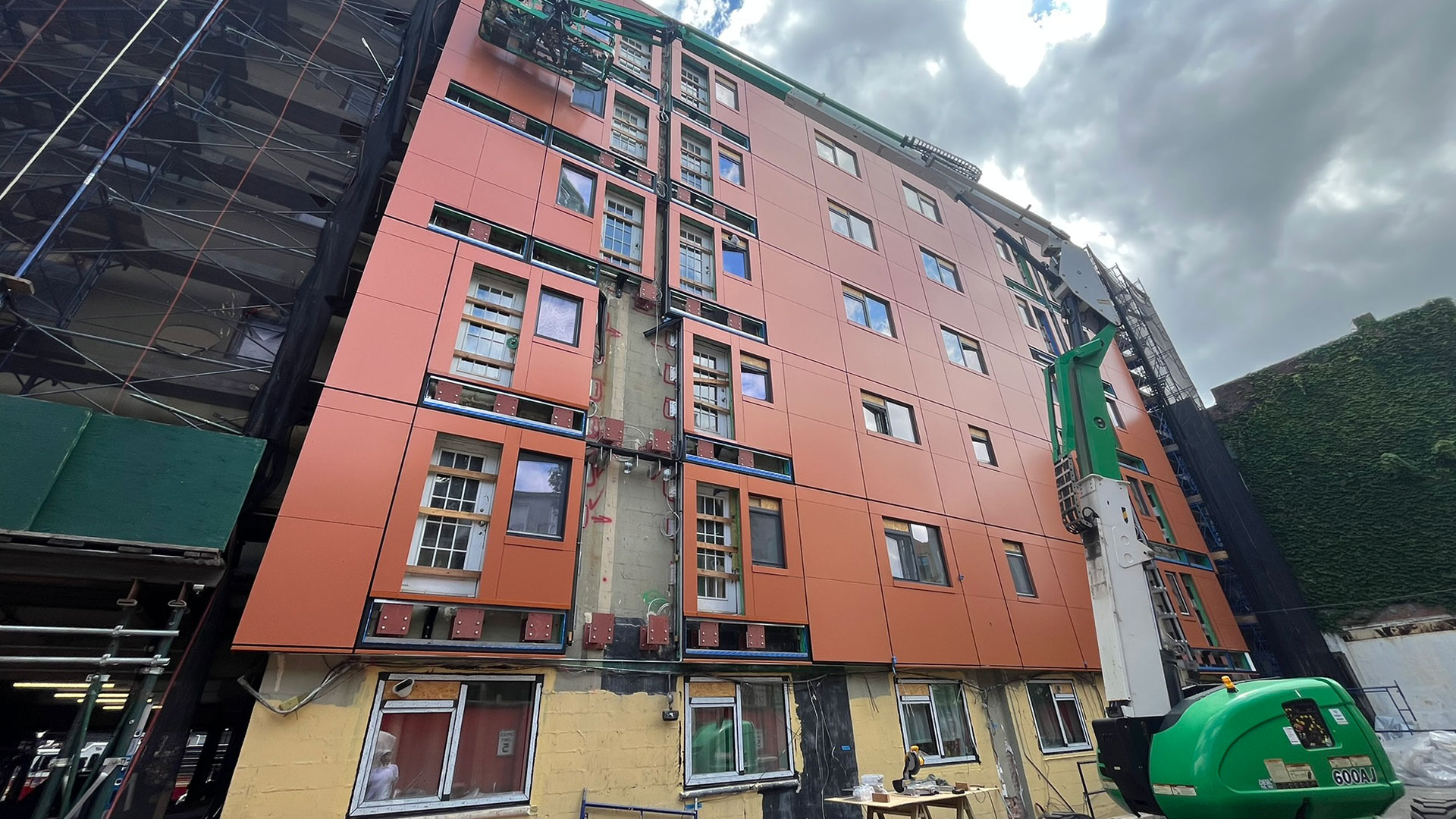
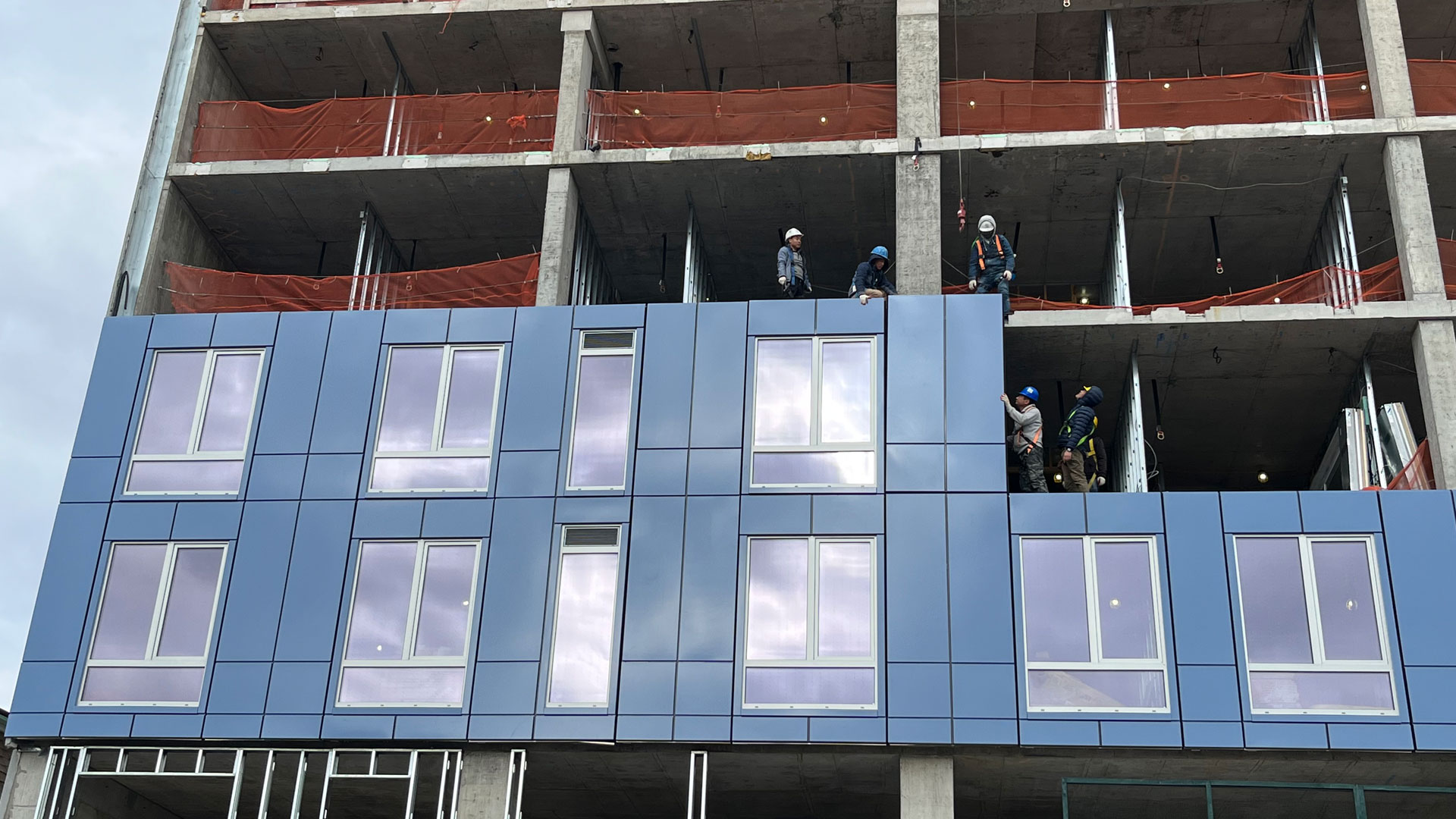
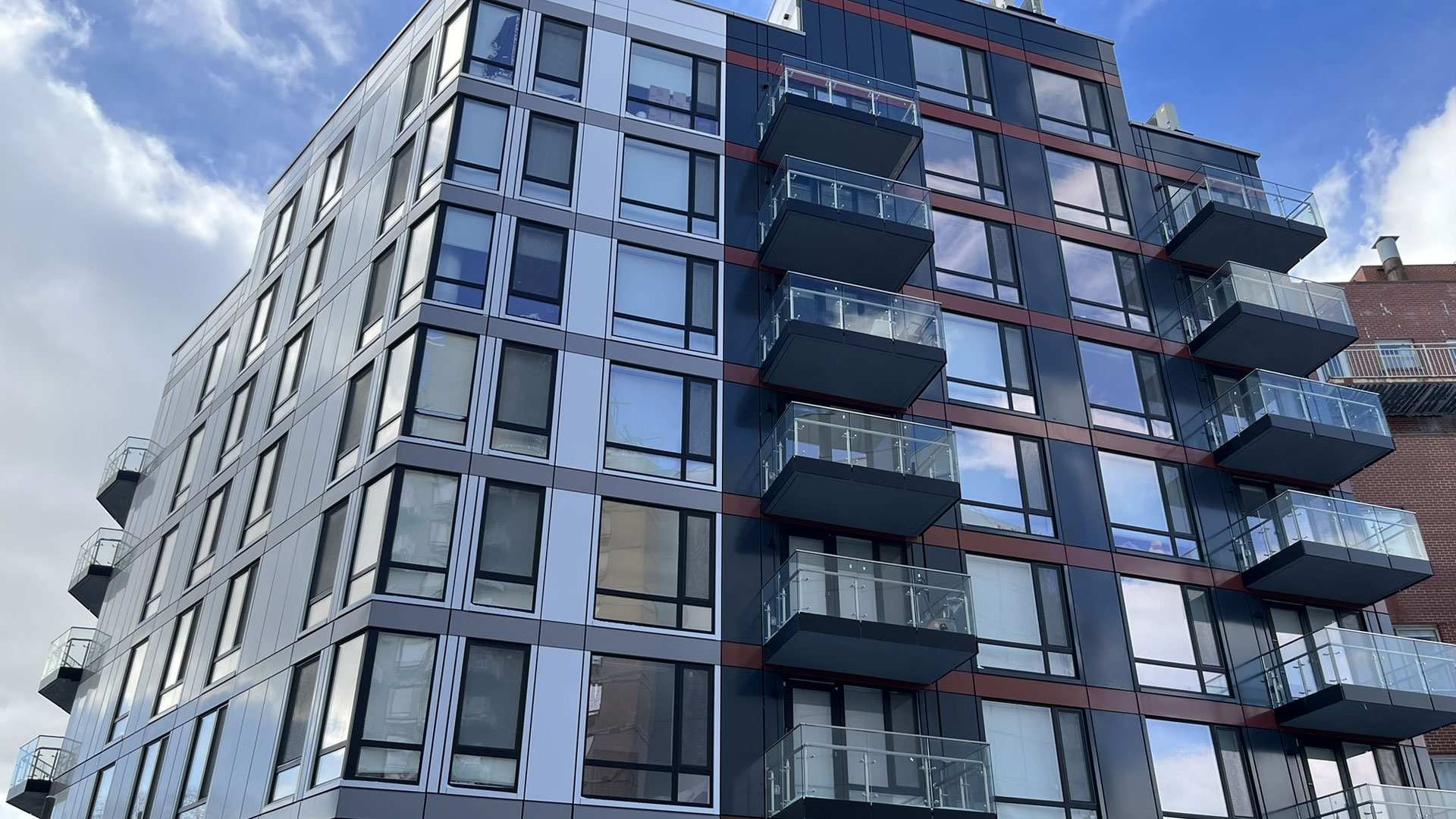
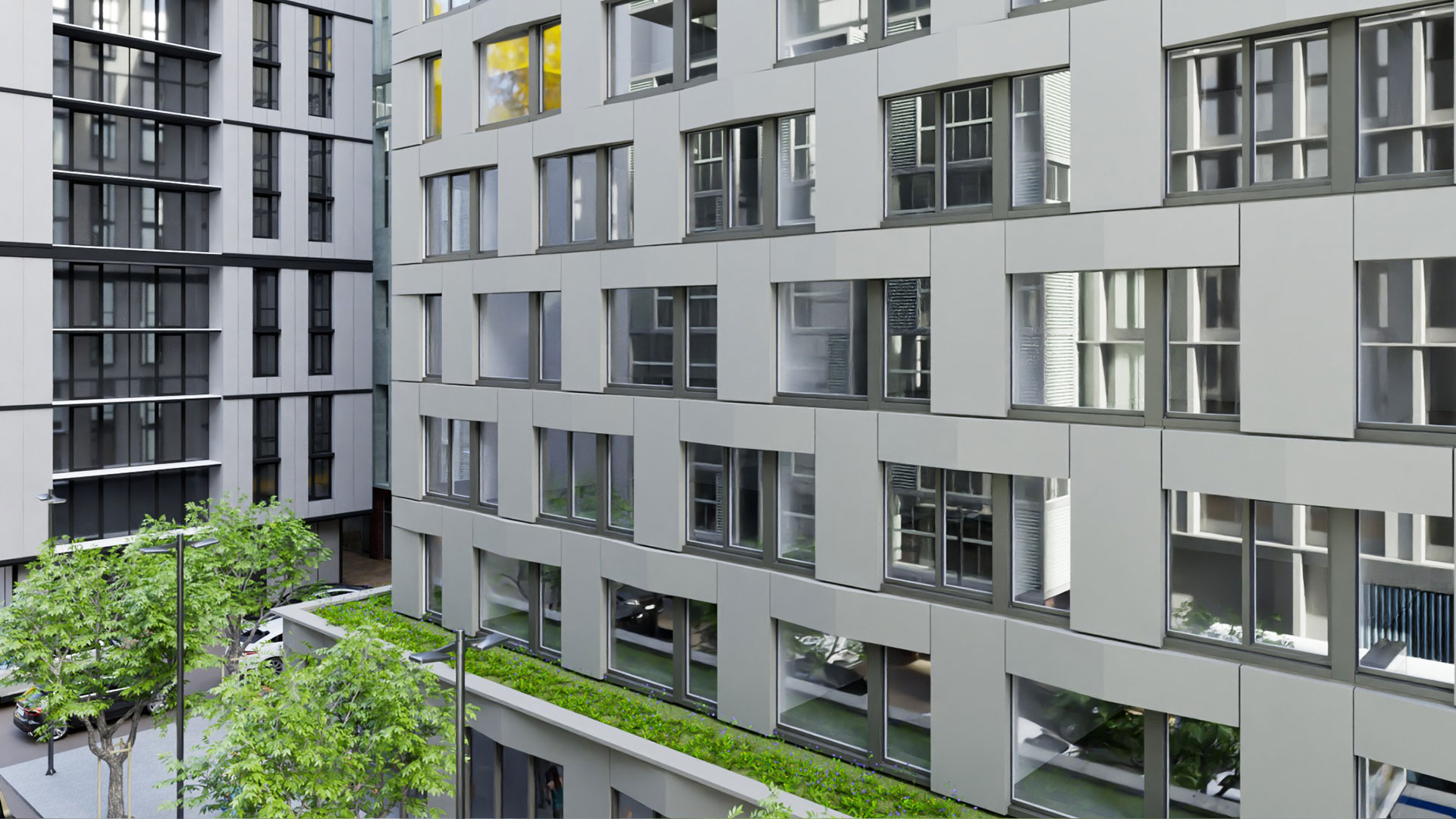
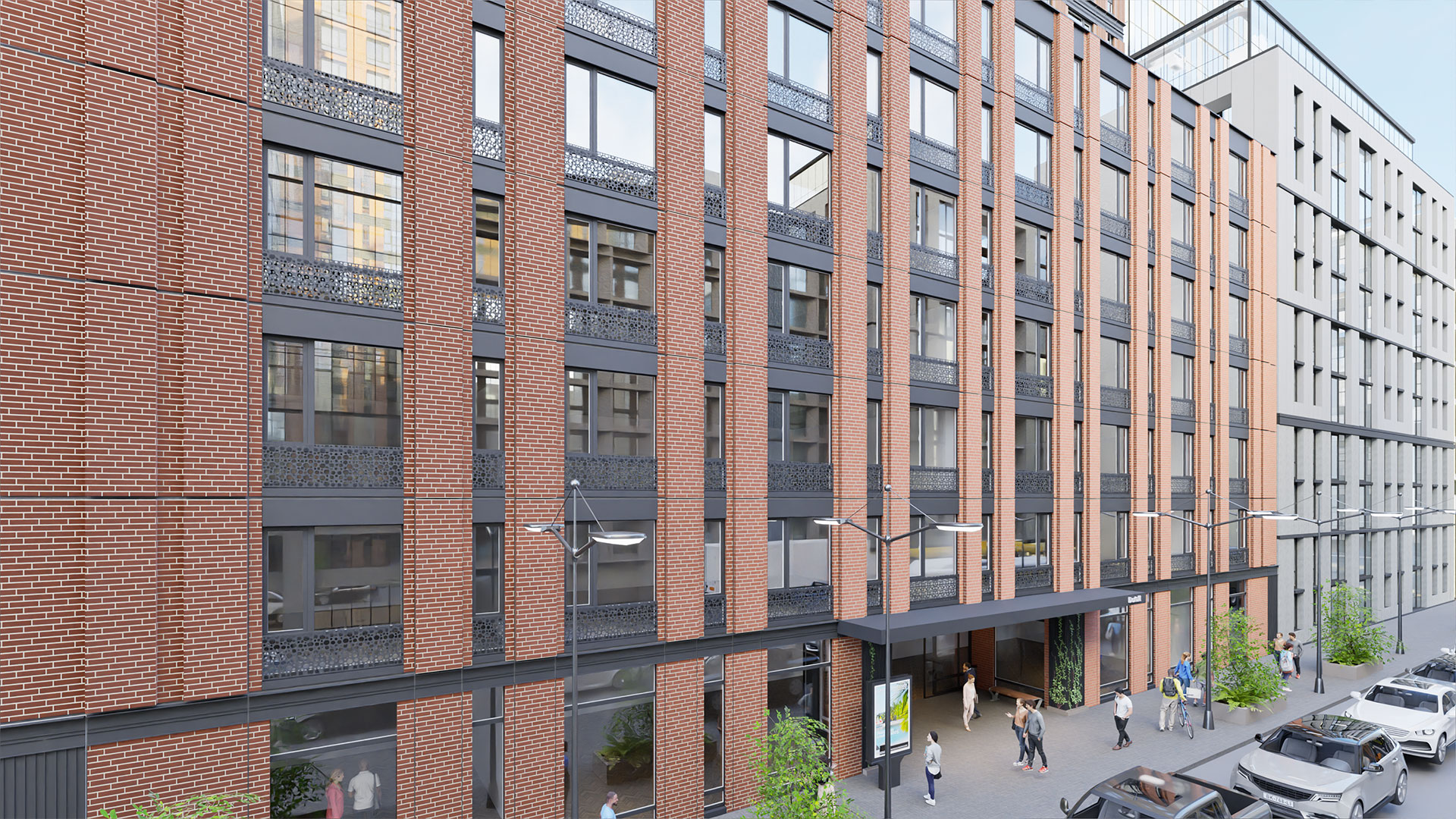
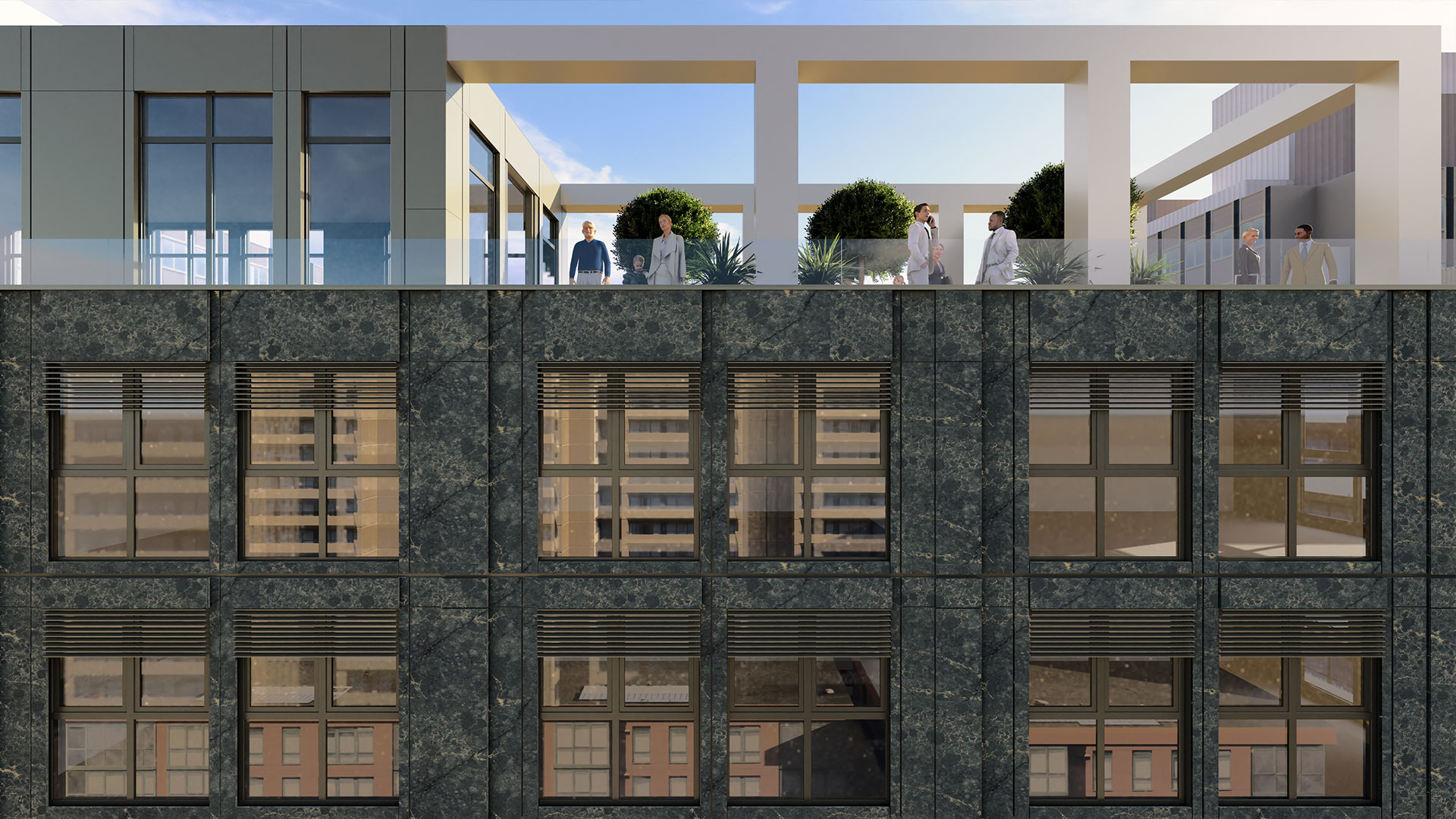
Images featured in this article depict Dextall's projects and are used for illustrative purposes only.
Sources
- Morpheus Hotel — Zaha Hadid Architects Official Project Page
- Morpheus Hotel / Zaha Hadid Architects — ArchDaily
- Morpheus Hotel by Zaha Hadid Architects opens in Macau — Dezeen
- Morpheus — BuroHappold Engineering
- Engineering facades at Zaha Hadid's Morpheus hotel — CIBSE Journal
- Outer strength: exoskeleton analysis — RIBA Journal









.jpeg)
-Compliance-for-NYC-Multifamily-%26-Co-Op-Facades.jpg)










_format(webp).avif)
_format(webp)%20(6).avif)
_format(webp)%20(5).avif)
_format(webp)%20(4).avif)
_format(webp)%20(2).avif)
_format(webp)%20(3).avif)


.avif)
_format(webp)%20(2).avif)