Bosco Verticale: How 800 Trees Were Engineered Into High-Performance Building Facade Panels in Milan
In October 2014, two residential towers opened in Milan's Porta Nuova district that permanently changed how architects think about building facades. Bosco Verticale — designed by Stefano Boeri Architetti with structural engineering by Arup — integrated 800 trees, 5,000 shrubs, and 15,000 plants into 3.35-meter cantilevered concrete panels across 26 and 18 floors. The project won the International Highrise Award 2014 from a field of 800 skyscrapers and holds LEED Gold certification. Developer: Hines Italia. Total project cost: €65 million.
What matters for construction professionals is the engineering beneath the greenery. Every planter on Bosco Verticale is a structural concrete panel — factory-precision logic applied to a biological system. The same discipline that governs prefabricated facades is what made 800 trees safe at 110 meters. This article examines how that system works and what mid-rise construction teams can extract from it.
What Makes Bosco Verticale the World's Most Structurally Demanding Living Facade System
Bosco Verticale is not a building with plants attached. It is a building where the facade structure was engineered to carry living loads — soil, water, and mature trees — as a primary structural design requirement, not an afterthought.
Each balcony slab is reinforced concrete, 28 cm thick, cantilevering 3.35 meters from the building core. Tree planters use 1 meter of specialized soil: a blend of agricultural earth, organic matter, and volcanic material, selected specifically to reduce volume weight at the cantilevered perimeter. Shrub planters use 50 cm. Every planter contains a root-resistant waterproofing membrane, a polyethylene and geotextile drainage layer, and a centralized drip irrigation system that recycles grey-water from the residential units above.
The structural engineering challenge was twofold. First, static load: hundreds of mature trees plus saturated soil plus stored water equals significant dead load on cantilevered concrete, with different totals on every floor depending on species mix. Second, dynamic load: trees at 100+ meters sway in wind. A tree that moves transfers horizontal force into the balcony structure and, through it, into the building core.
Arup ran two separate wind tunnel test campaigns to quantify these forces before finalizing anchor design. The results produced three levels of anchoring: standard trees received a safety cable to catch the trunk if it breaks under load; the most exposed trees — approximately 6–7% of the total — received a steel cage embedded in the root-bulb, connected to the inner face of the planter wall, to prevent overturning during major storms. No other residential facade system had previously required this level of wind-load engineering for biological elements.
How Arup Engineered 800 Trees Into Cantilevered Concrete Facade Panels at 110 Meters
The vegetation design was led by agronomists Laura Gatti and Emanuela Borio, in collaboration with the University of Milan and Karlsruhe Institute of Technology. Each of the 90+ plant species was evaluated for weight at maturity, root spread, water demand, and wind resistance profile. This botanical analysis fed directly into Arup's structural calculations — an approach that required landscape science and structural engineering to operate as one integrated design discipline, not two separate consultant workstreams delivering documents to each other.
The concrete planter panels were not identical. Dimensions varied by floor and by species: trees require deeper planters than shrubs, and the load distribution changes at every level. The asymmetric placement of balconies across all four facades was deliberate — it distributes the load pattern across the building core rather than concentrating it at regular structural intervals.
Planting was executed in phases: lower floors in 2012, middle floors in 2013, upper floors in 2014, immediately prior to building completion. This approach mirrors the sequencing logic used in controlled facade fabrication — systematic installation that preserves quality control at every stage rather than compressing all facade work into a final construction push.
The result across both towers: 800 cherry, olive, and oak trees measuring 3, 6, and up to 9 meters tall, growing from floors 1 through 27. Combined with 4,500 shrubs and 15,000 plants, the facade integrates what the architects described as the equivalent of 5 hectares of forest into two vertical towers. The Stefano Boeri Architetti office has since developed vertical forest projects in Nanjing, Lausanne, and Utrecht — each using the structural planter logic that Arup first engineered in Milan.
Five Lessons Mid-Rise Construction Teams Can Take from Bosco Verticale's Facade Panel Logic
Bosco Verticale is a residential supertall in Milan. Most projects in this article's audience are 8–18 story mixed-use buildings in New York, New Jersey, or Illinois. But the engineering principles that made Bosco Verticale buildable translate directly to how mid-rise teams should approach high performance building facade panels in any project with demanding performance requirements.
1. Facade load is a structural decision, not a finish decision. Every material choice on a facade carries weight. Soil, terracotta, GFRP, aluminum composite — each has a density profile that must be engineered into the structure from schematic design. Teams that treat facade material selection as an aesthetic decision made late in construction documents consistently face structural RFIs and scope changes that could have been avoided at the 30% design phase.
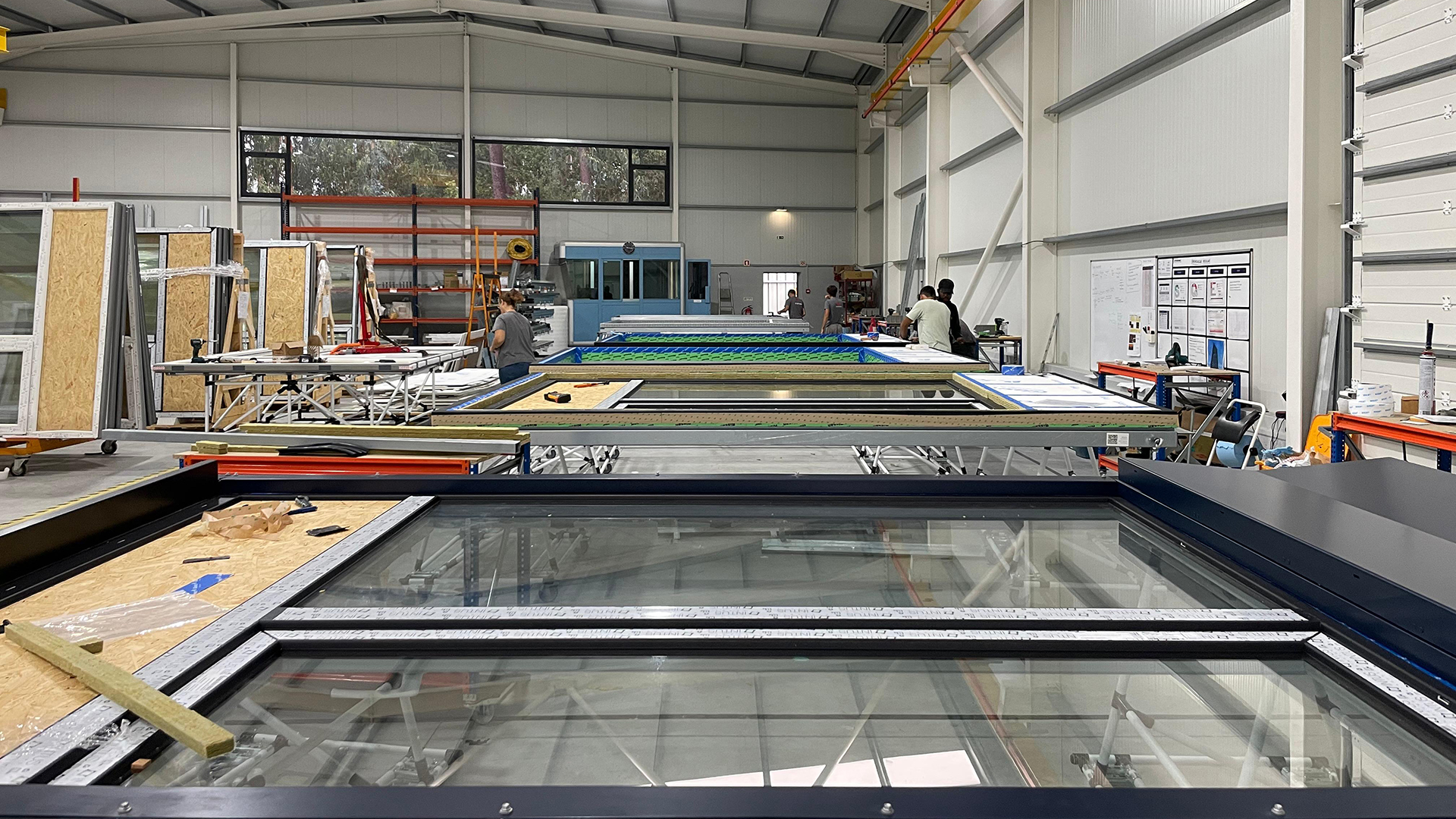
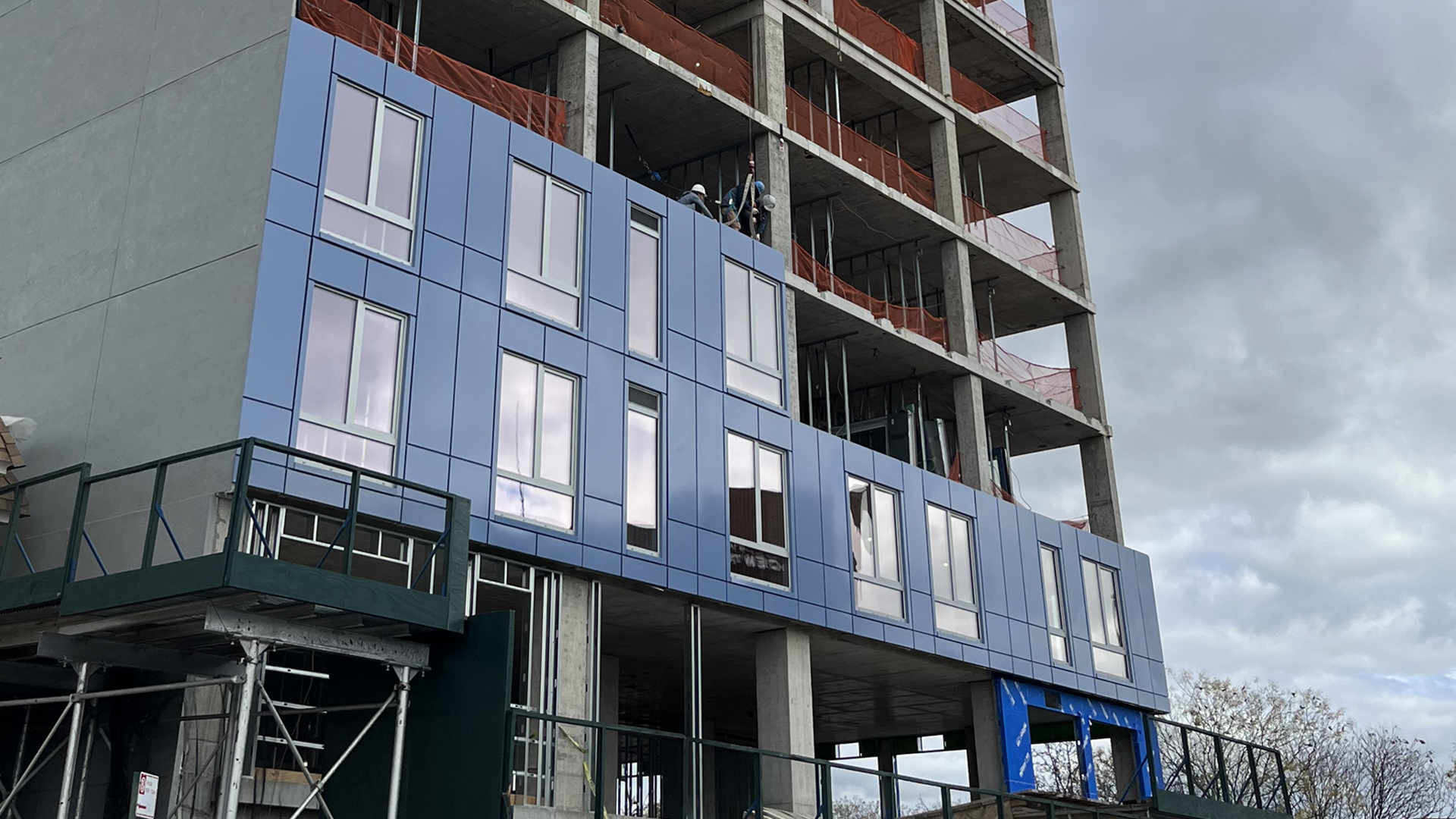
2. Off-site prefabrication improves precision for complex facade assemblies. Bosco Verticale's planters were designed and built to specific dimensions for specific plant species at specific floor levels. The same principle governs prefabricated wall panels in conventional construction: factory production allows tolerance control that field assembly at height cannot achieve. When facade elements must integrate drainage, waterproofing, and structure simultaneously, factory sequencing reduces coordination failures.
3. Wind load engineering is non-optional above six stories. Bosco Verticale's two wind tunnel test campaigns are an extreme case, but the underlying principle applies to any mid-rise building with heavy or projecting facade components. Teams specifying large terracotta panels, cantilevered green walls, or heavy composite cladding systems need wind load data before finalizing anchor design — not after the structural drawings are issued for permit.
4. Phased installation is a quality control tool, not a scheduling inconvenience. Bosco Verticale planted floor by floor over three years, with verification at each level before proceeding. For mid-rise prefab panel construction, sequenced crane lifting with floor-by-floor inspection is standard practice — and it produces measurably better air-barrier continuity than compressing installation into an uncontrolled final push.
5. Certification requires documented performance data, not design intent. LEED Gold at Bosco Verticale was earned through documented thermal performance, grey-water recycling, and verified biodiversity metrics. Mid-rise teams pursuing LEED, Passive House, or NYC Local Law 97 compliance need facade systems that generate performance data — not systems selected based on energy model assumptions that are never field-verified against as-built conditions.
How NYC and NJ Developers Can Apply High-Performance Facade Panel Principles to Green Buildings Today
The most actionable lesson from Bosco Verticale is not "add trees to your facade." It is: treat the facade as a precision-engineered performance layer, not a cosmetic skin applied after the building is structurally complete.
In New York City, façade energy efficiency NYC compliance under Local Law 97 means buildings over 25,000 sq.ft face carbon penalties starting 2030. Facade thermal performance is the most cost-effective lever for reducing operational carbon — more durable than MEP upgrades, which require ongoing maintenance and replacement cycles. An energy code compliant wall system selected during schematic design eliminates years of penalty exposure without requiring building-wide mechanical system overhaul.
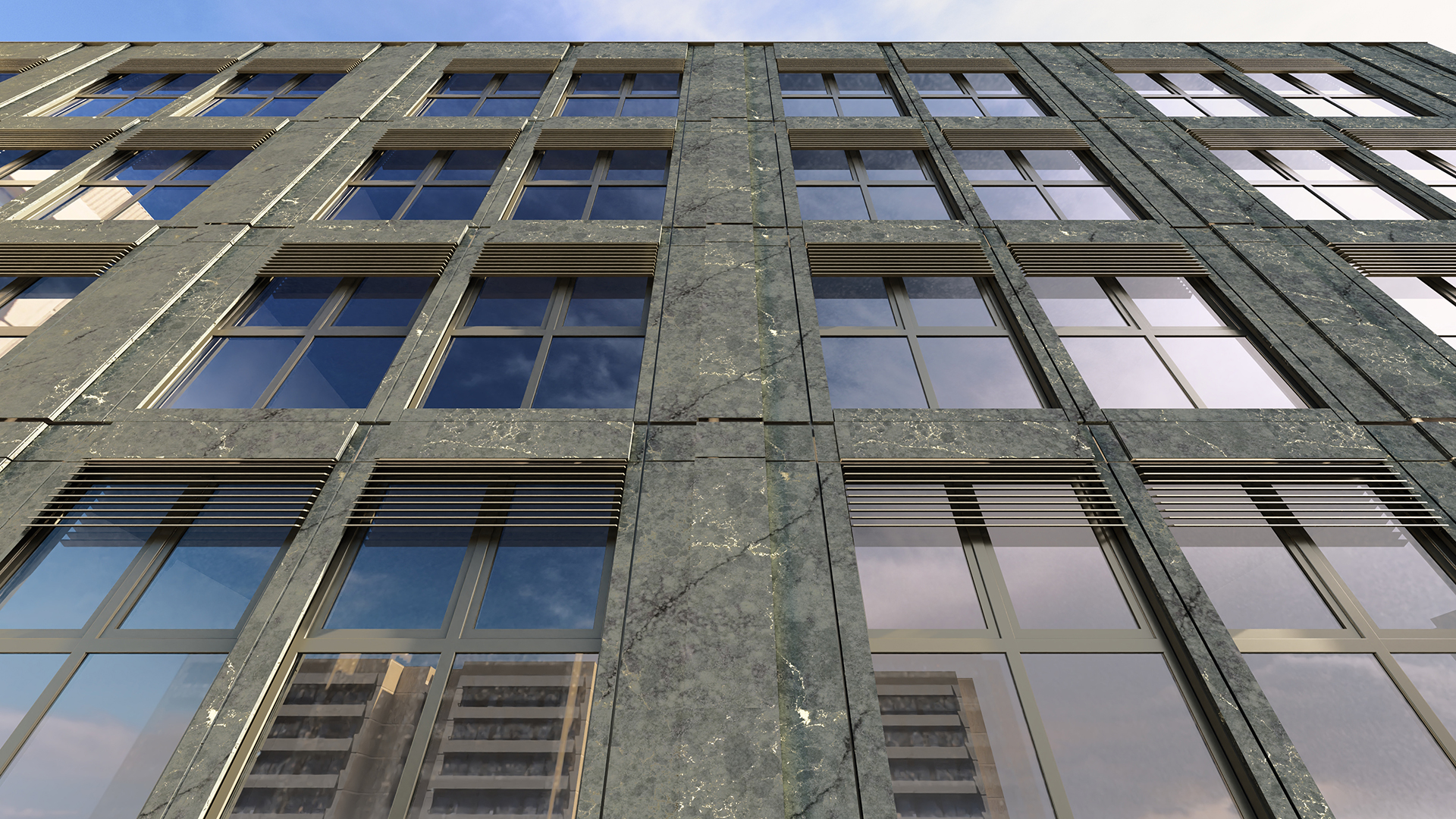
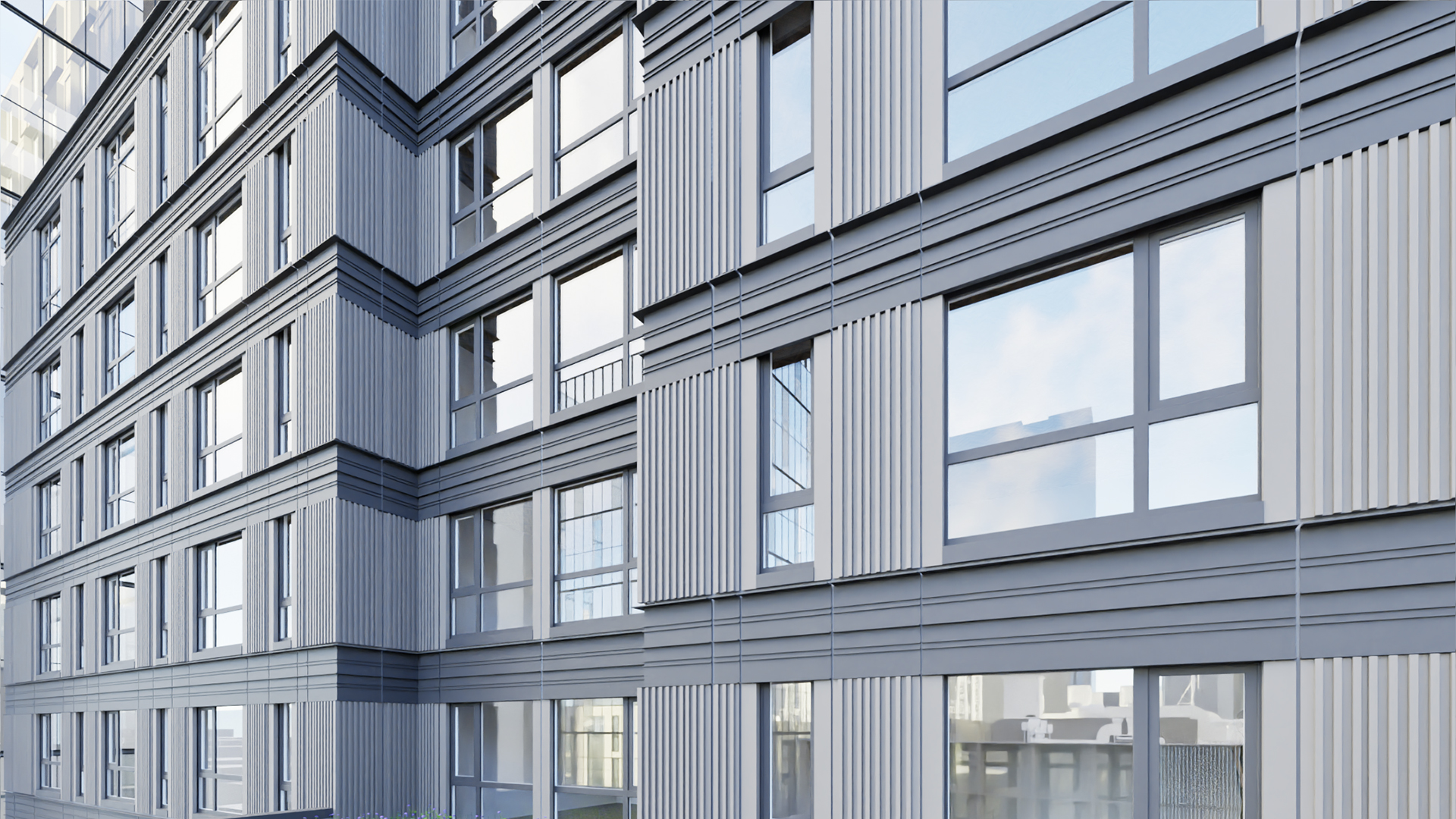
Prefabricated facade panel systems — including unitized curtain wall assemblies and exterior wall panel systems — deliver performance advantages that site-built systems cannot consistently replicate. Factory assembly under controlled conditions produces thermal bridging continuity, air barrier integrity, and weather-lap sequencing that field labor at altitude cannot guarantee to the same tolerance. For developers considering green facade elements — planted walls, heavy terracotta, textured composite panels — the structural load discipline Bosco Verticale demonstrated is the starting framework.
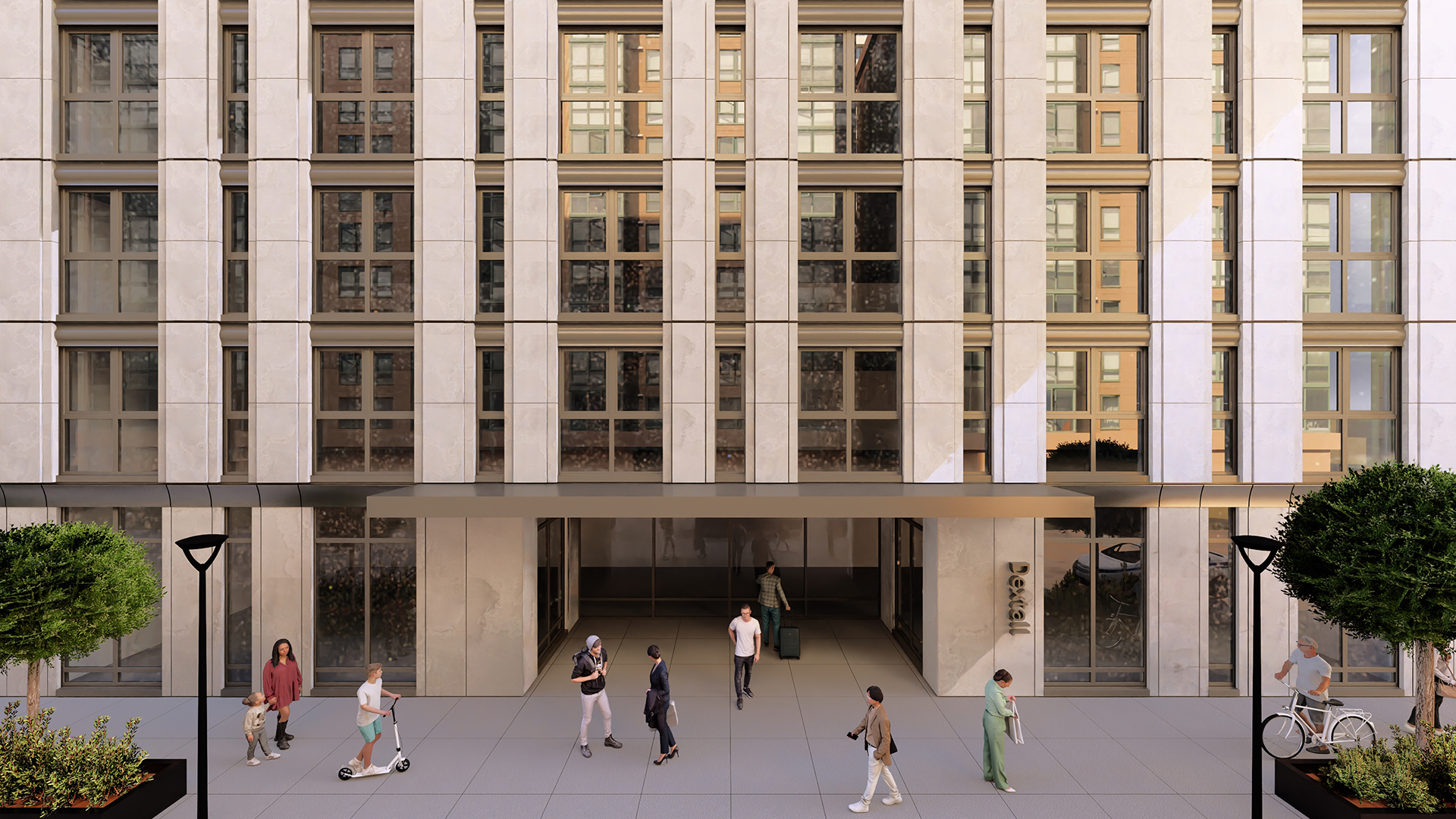
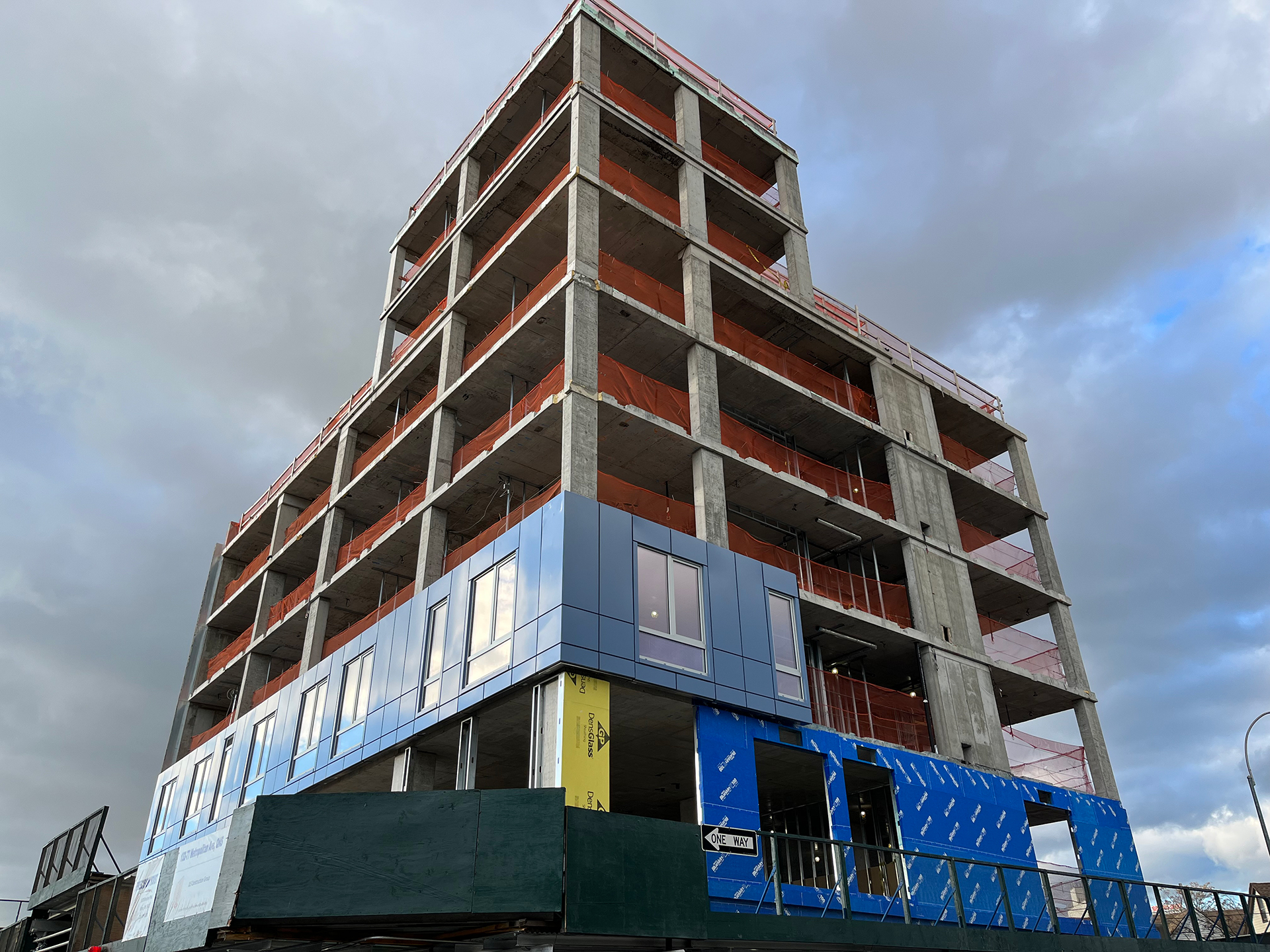
Dextall's prefabricated building façade system reduces on-site labor by 87%, with a 16-week lead time from design freeze to panel delivery. Installation runs 80% faster than traditional site-built cladding, with 15–20% overall cost savings on facade scope. These figures reflect the same factory-to-crane installation sequence that Bosco Verticale's phased planting schedule demonstrated is more reliable than compressing all facade work into an uncontrolled final site push.
For teams pursuing passive house building exterior performance, or for architects specifying sustainable wall systems for architects with documented R-value and air-change data, the engineering discipline starts at the same point Bosco Verticale started: treat the facade as a load-bearing performance system from day one, not a finish layer.
Bosco Verticale proved that a building envelope can carry 800 trees at 110 meters. The engineering rigor behind that result — structural analysis, wind testing, factory-precision component design, phased installation — is available to any mid-rise project team willing to treat the unitized wall system as the precision assembly it actually is.
Key Takeaways
- Bosco Verticale (Milan, 2014) integrated 800 trees, 5,000 shrubs, and 15,000 plants into 3.35-meter cantilevered reinforced concrete facade panels across towers of 26 and 18 floors (110 m and 76 m).
- Structural engineering by Arup included two wind tunnel test campaigns and a three-tier tree anchoring system, including root-bulb steel cages for the most exposed positions.
- The soil blend — agricultural earth, organic matter, and volcanic material — was selected specifically to reduce facade dead load at cantilevered perimeters while maintaining root stability.
- Planting was executed in three phases from 2012–2014, a sequenced installation logic directly parallel to best-practice prefab facade installation schedules.
- The project holds LEED Gold certification and won the International Highrise Award 2014 from a field of 800 skyscrapers worldwide.
- Dextall's prefabricated panel system delivers 87% less on-site labor, 16-week lead time, 80% faster installation, and 15–20% cost savings — applying the same factory-precision logic that made Bosco Verticale's complex facade engineerable at scale.
FAQ
What are the facade panels on Bosco Verticale made of?
The balcony planters are reinforced concrete, 28 cm thick, cantilevering 3.35 meters from the building core. Each planter contains a root-resistant waterproofing membrane, a polyethylene and geotextile drainage layer, and custom soil blended from agricultural earth, organic matter, and volcanic material to reduce dead load at the cantilevered perimeter.
How does Bosco Verticale handle wind loads on trees at over 100 meters?
Arup designed a three-tier anchoring system validated through two separate wind tunnel test campaigns. Standard trees have a safety cable to prevent falls from trunk breakage. Approximately 6–7% of trees in the most exposed positions have a steel cage embedded in the root-bulb, connected to the inner face of the planter, to prevent overturning during major storms.
Who designed the vegetation system at Bosco Verticale?
The vegetation strategy was designed by agronomists Laura Gatti and Emanuela Borio, in collaboration with the University of Milan and Karlsruhe Institute of Technology. Each of the 90+ plant species was evaluated for weight at maturity, root spread, water demand, and wind resistance before selection — with botanical data feeding directly into Arup's structural load calculations.
Is Bosco Verticale LEED certified?
Yes. Bosco Verticale holds LEED Gold certification. The rating reflects thermal performance, a grey-water recycling drip irrigation system that reuses residential wastewater, and urban biodiversity contributions from 800 trees and 90+ plant species integrated into the facade.
How can mid-rise developers apply Bosco Verticale's facade panel logic?
The transferable principles are: specify facade material loads in schematic design rather than construction documents; use factory-prefabricated panel systems for drainage and air-barrier continuity that field assembly cannot replicate consistently; sequence installation floor by floor for quality control; and select systems that generate documented thermal performance data for LEED or Local Law 97 compliance. Prefabricated panel systems from manufacturers like Dextall apply these principles to standard 8–18 story mid-rise construction.
Disclaimer
Dextall was not involved in the design, engineering, or construction of Bosco Verticale. This article is based on publicly available information from Arup, Stefano Boeri Architetti, ArchDaily, AIPH, and other sources listed below. It is intended for educational and professional reference purposes only.
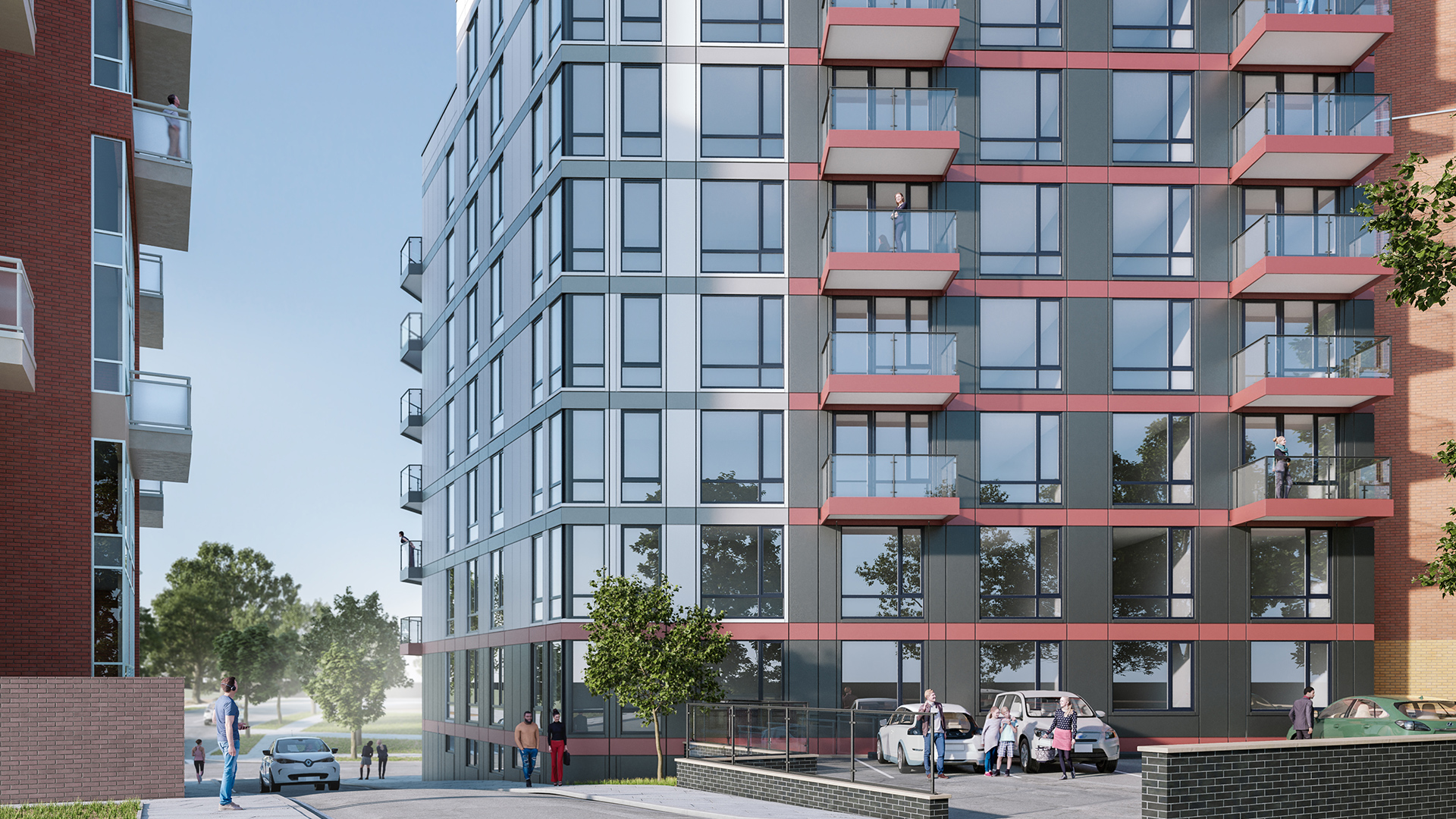
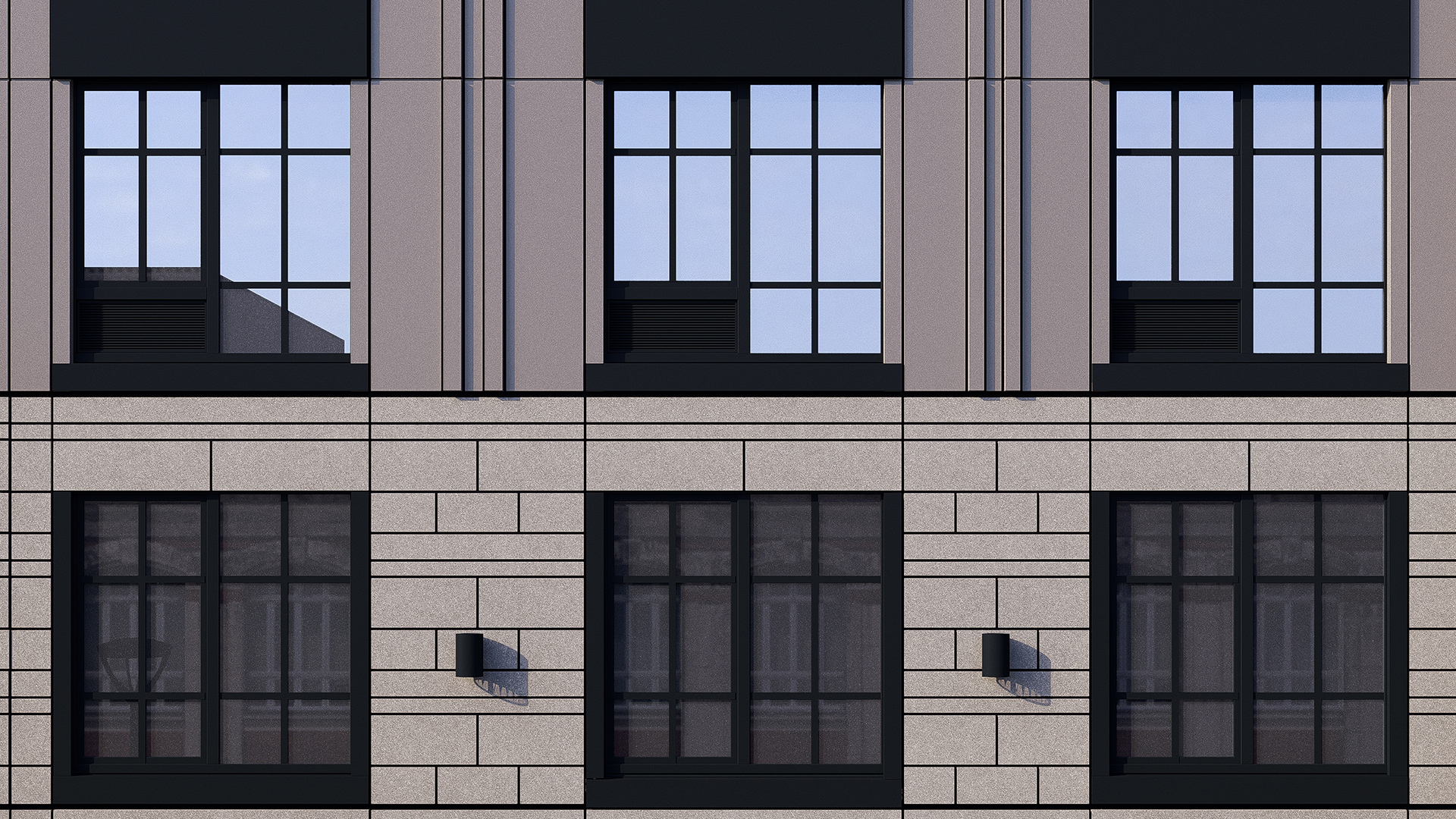
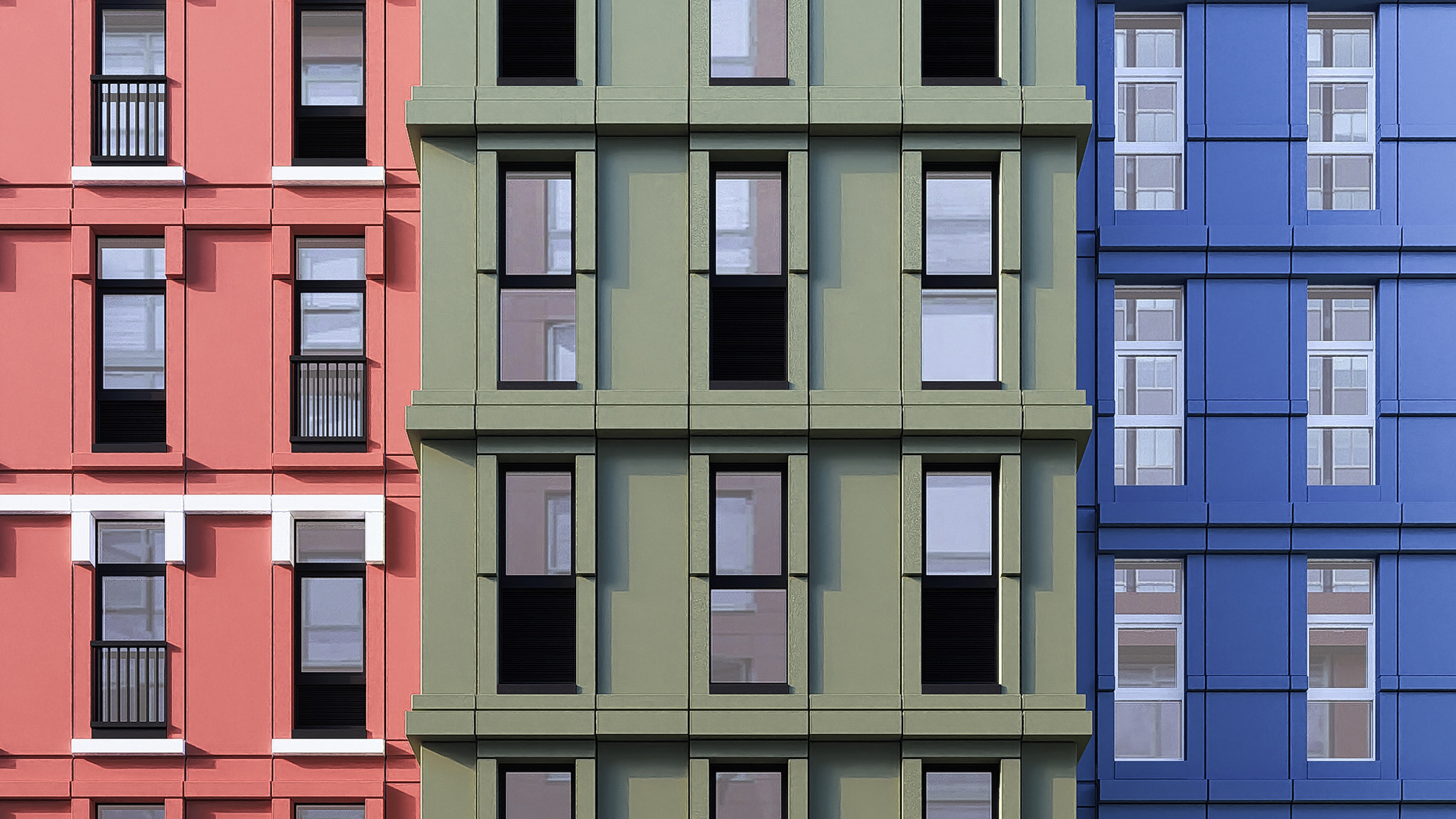
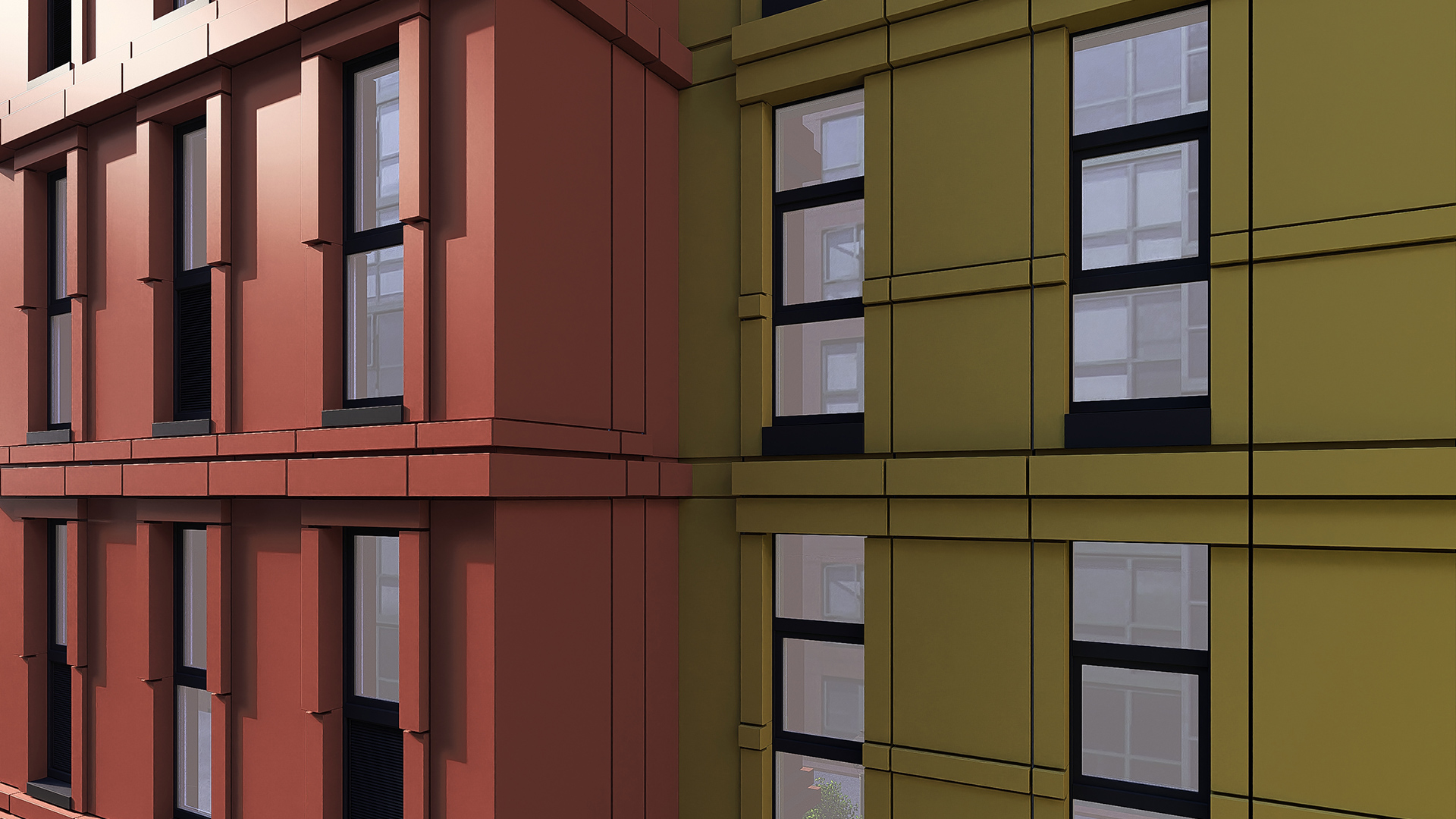
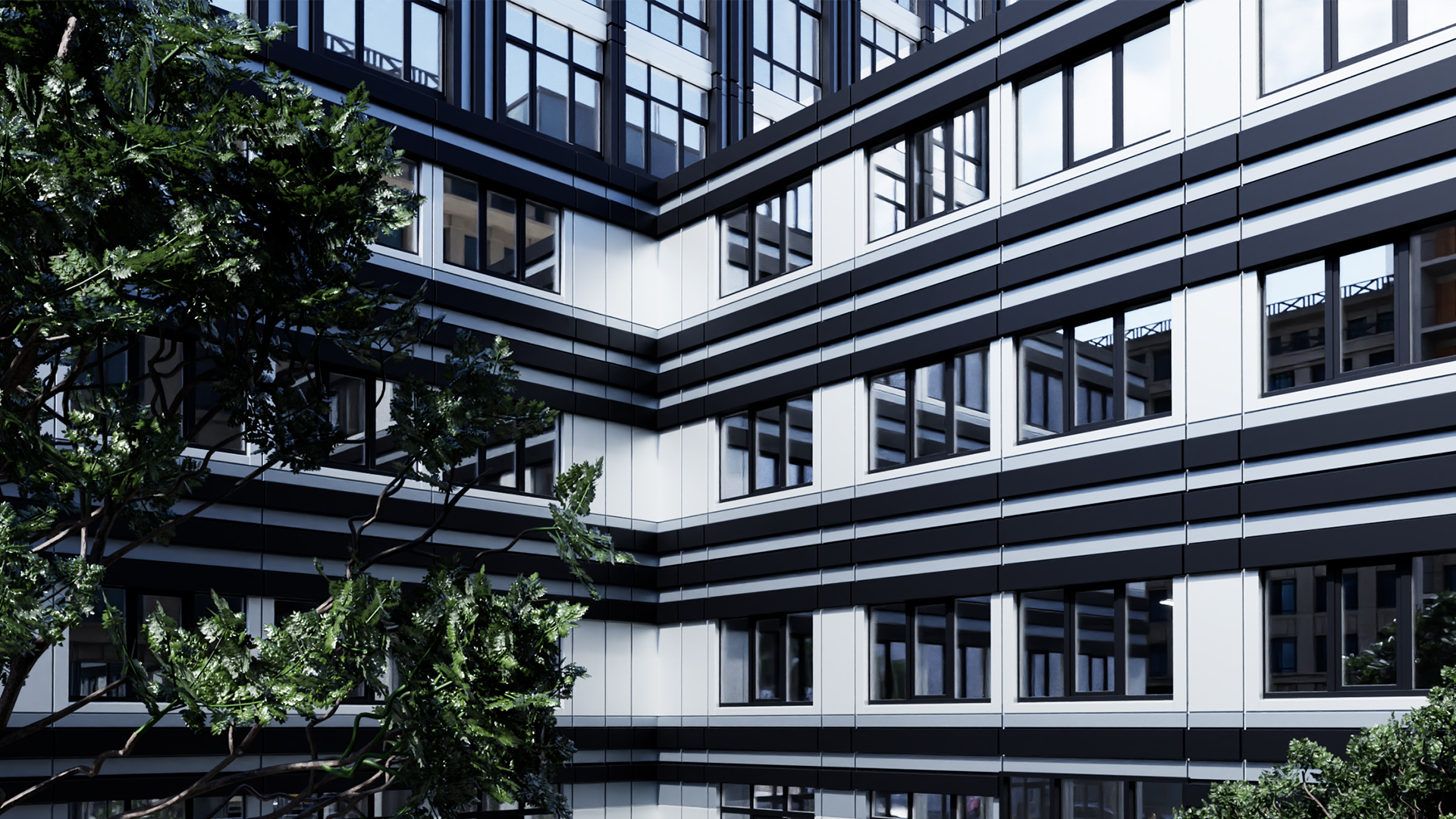
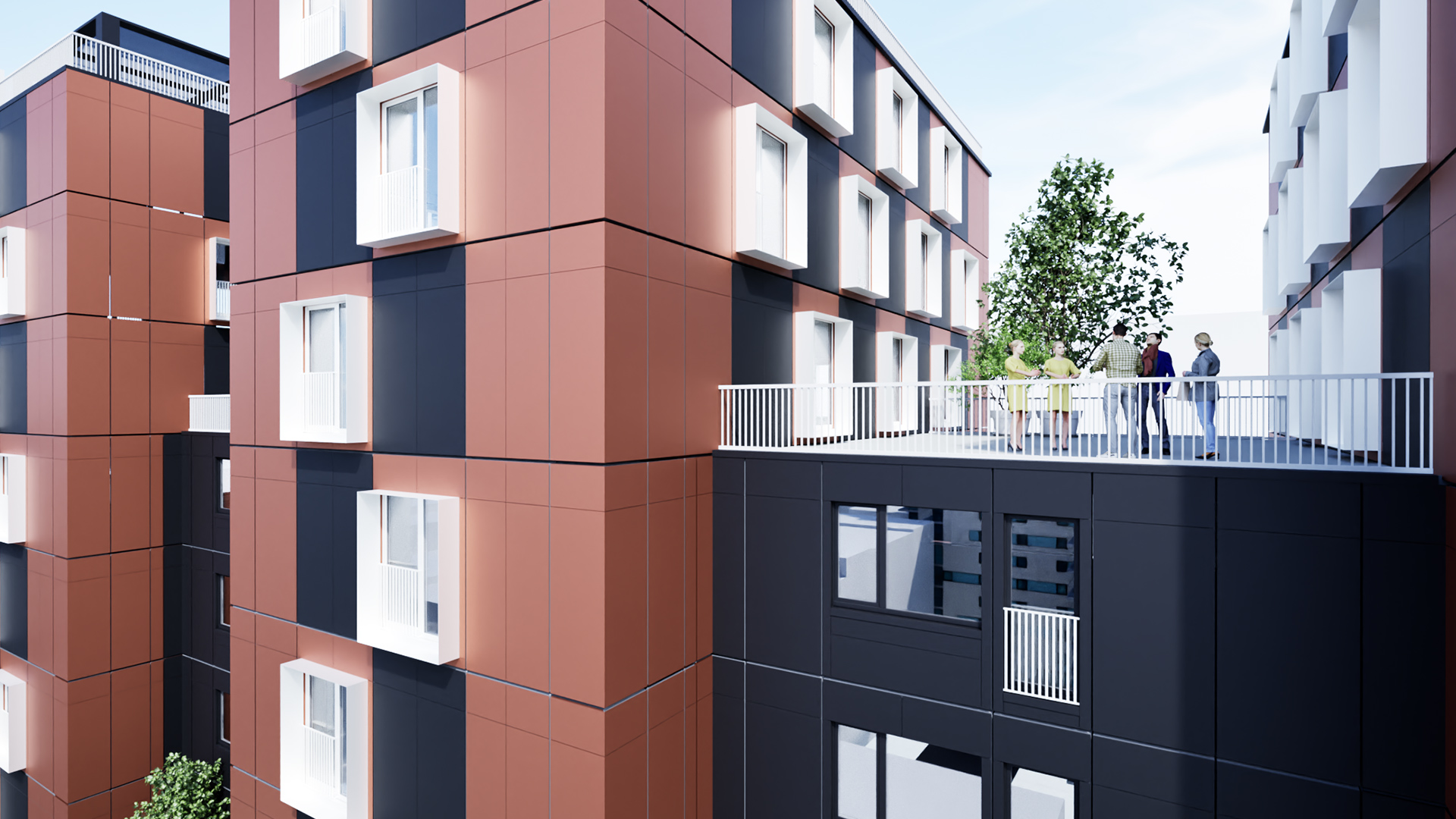
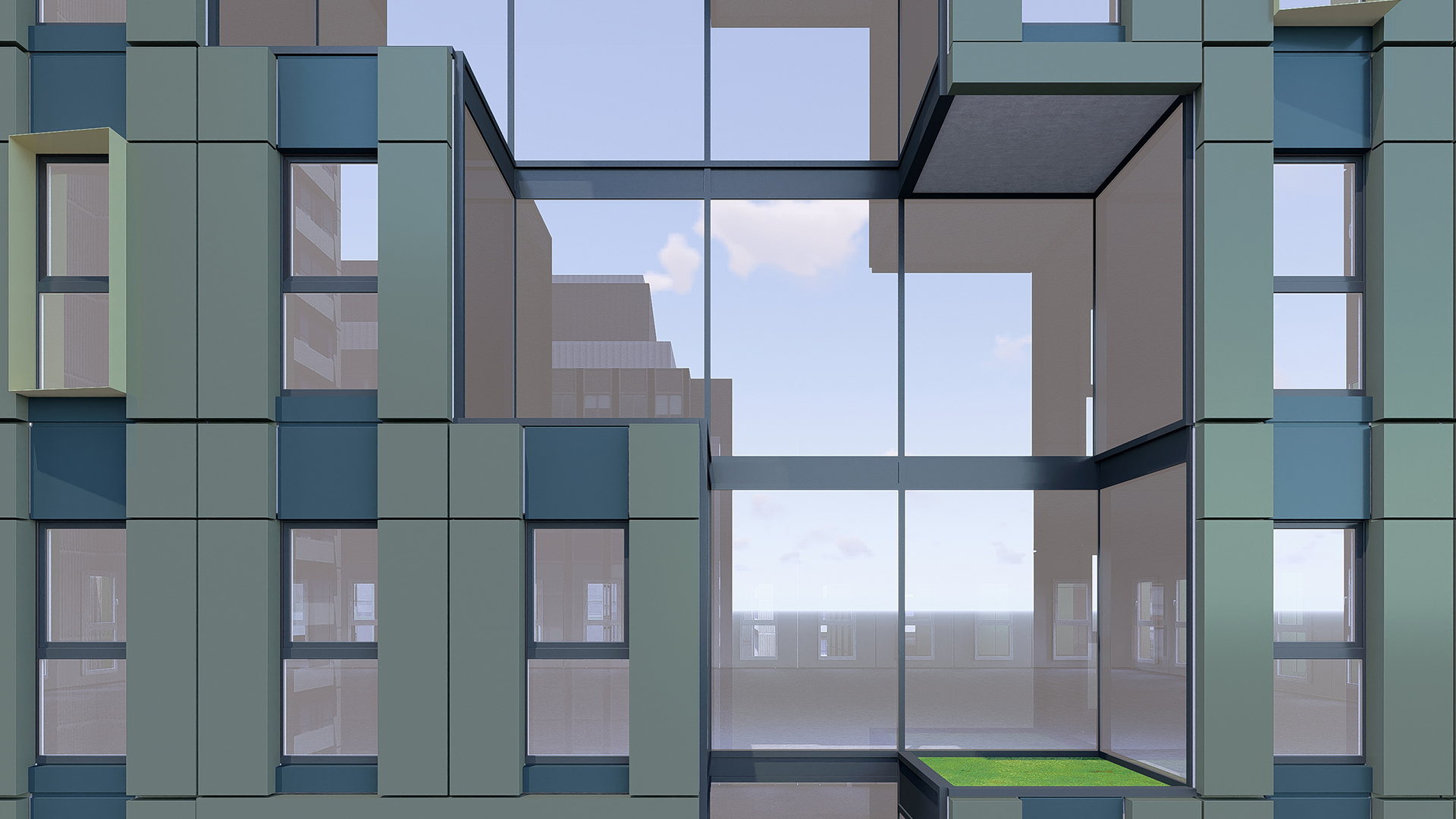
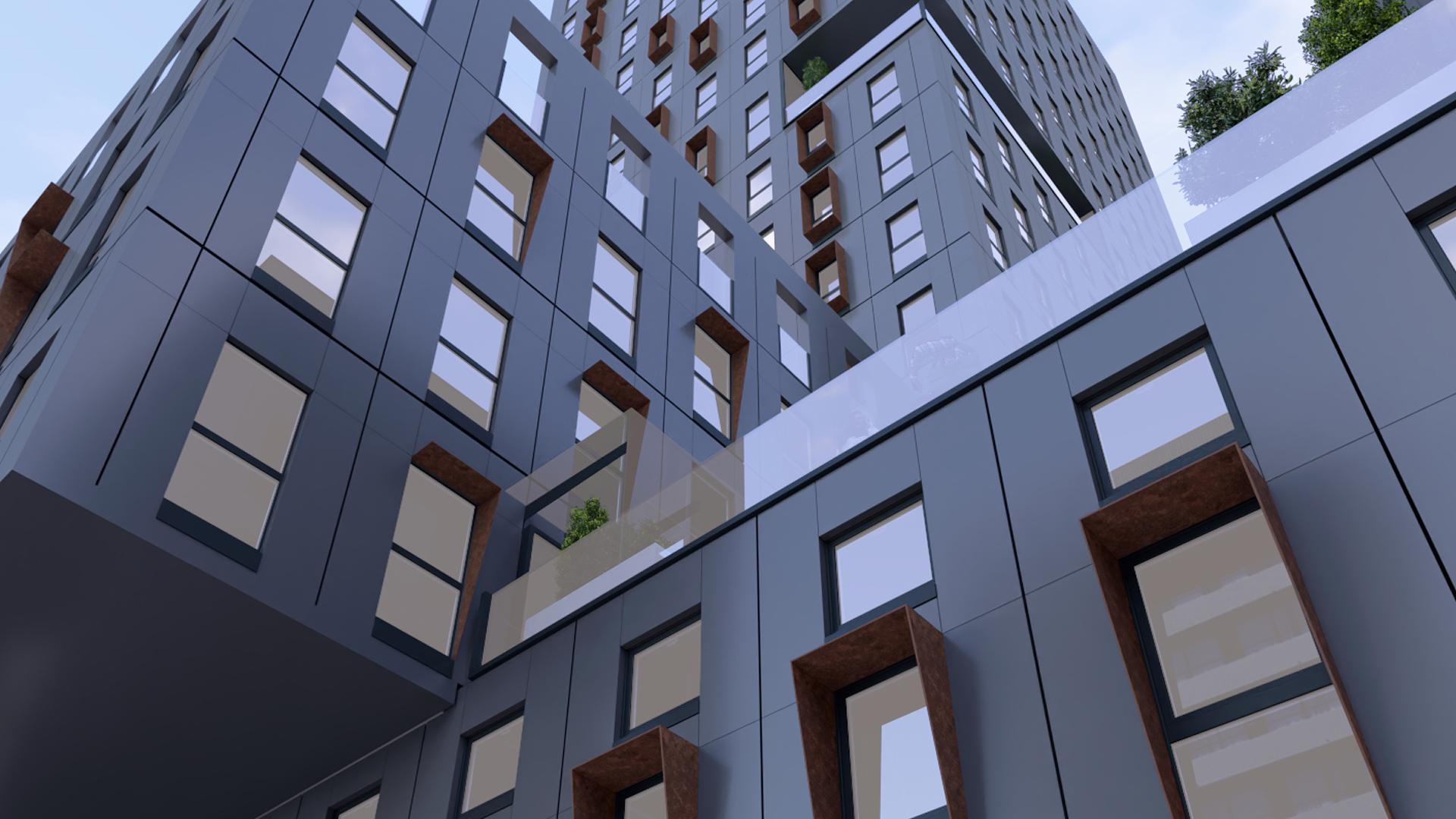
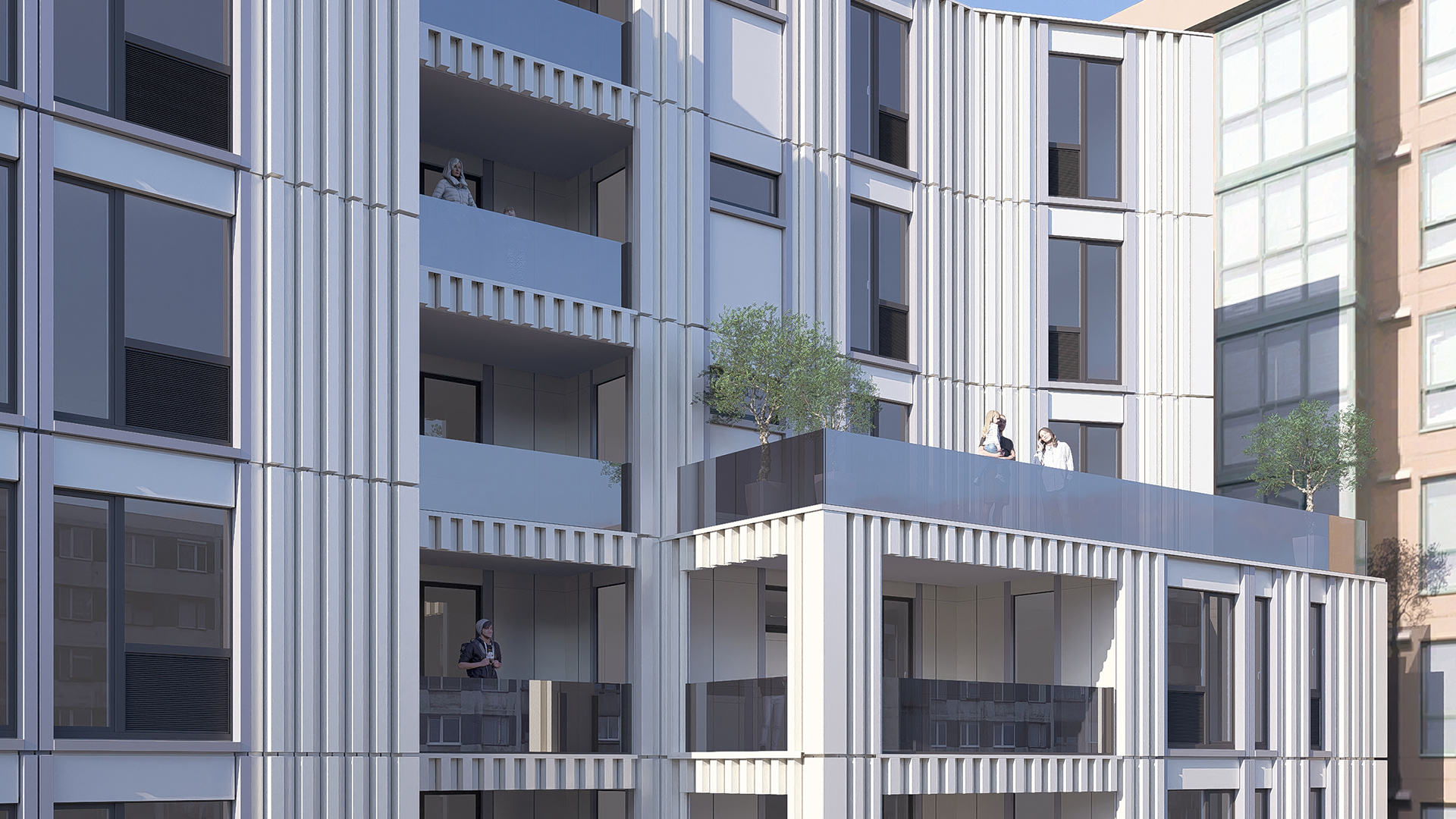
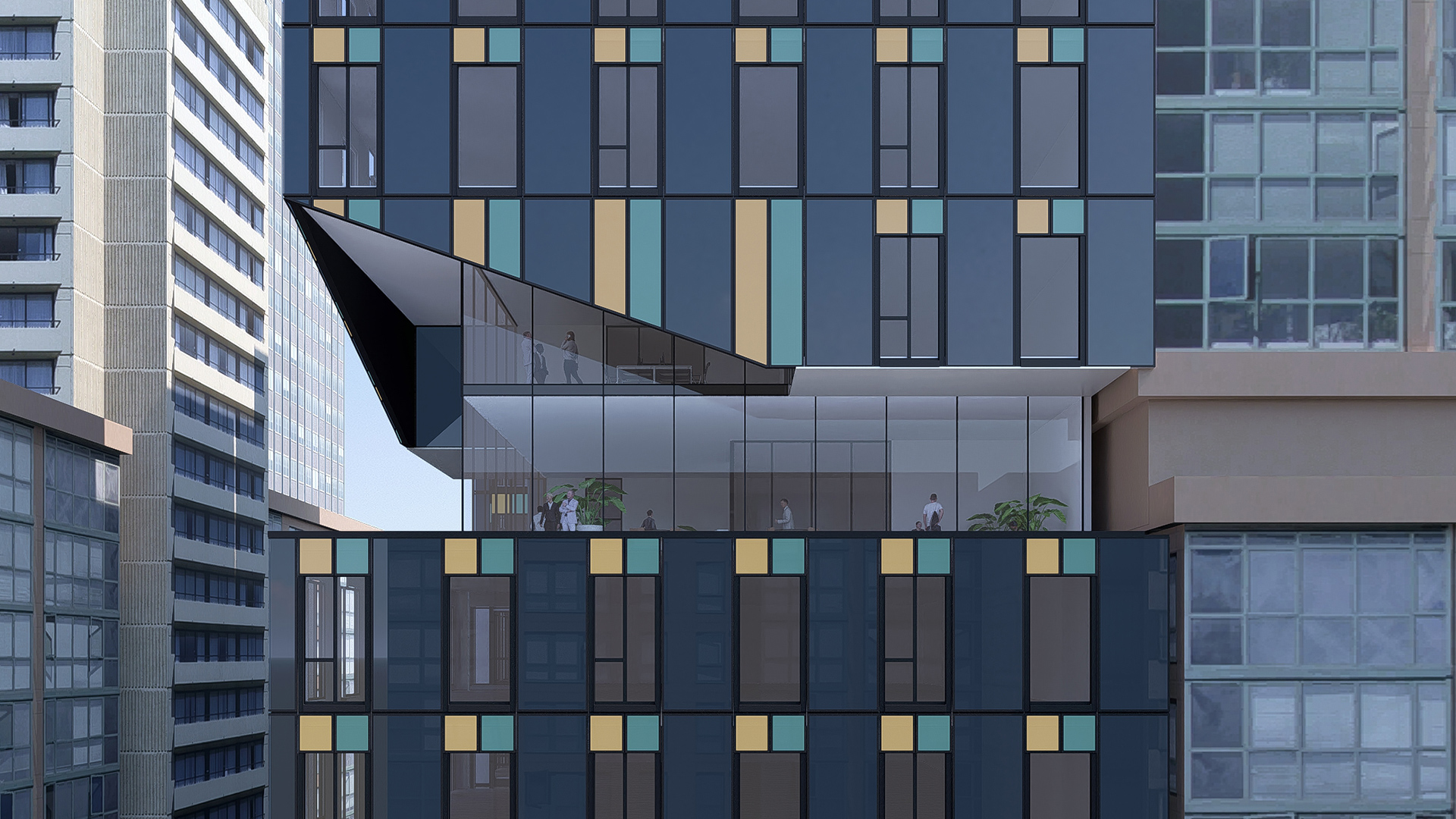
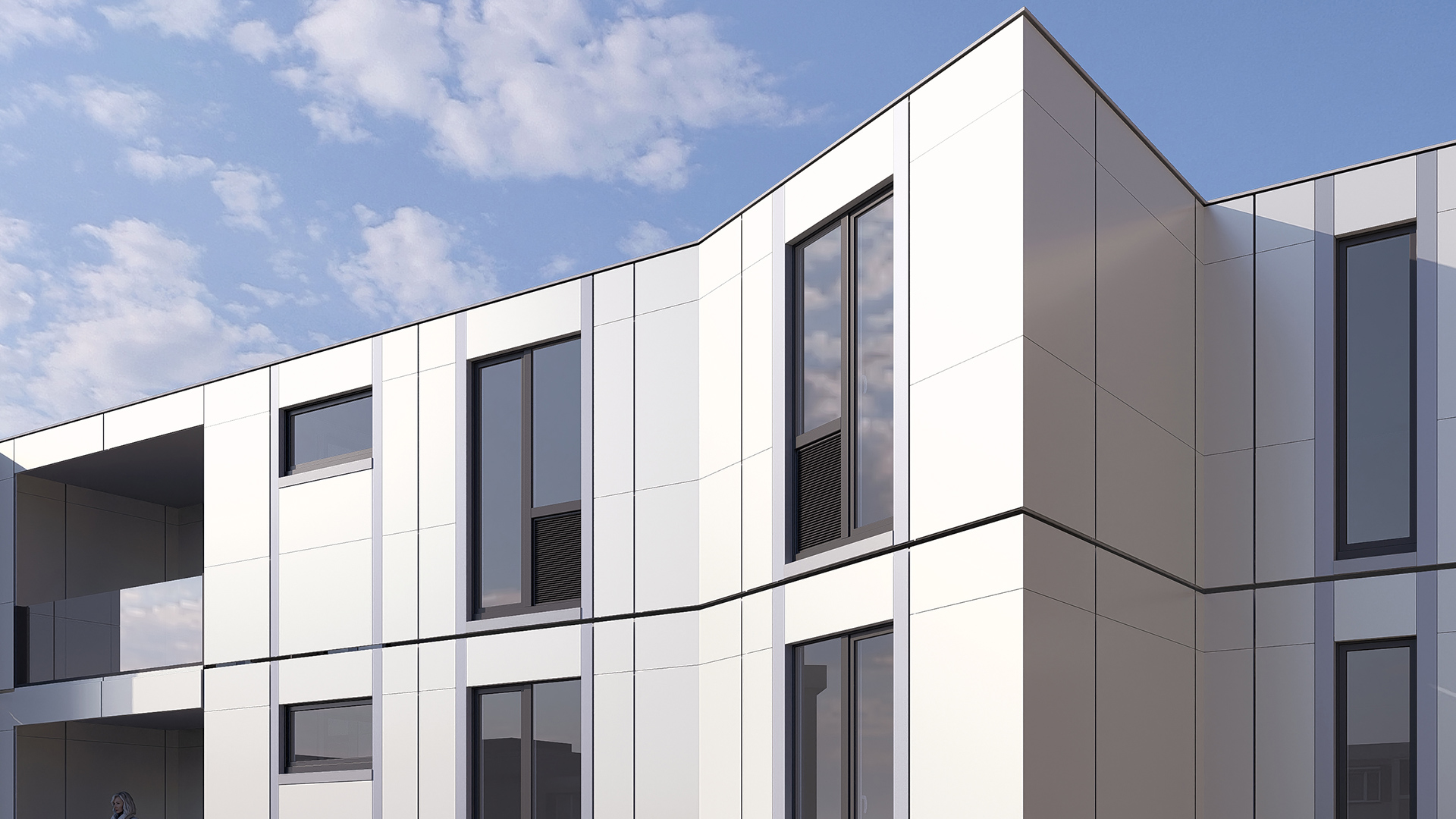
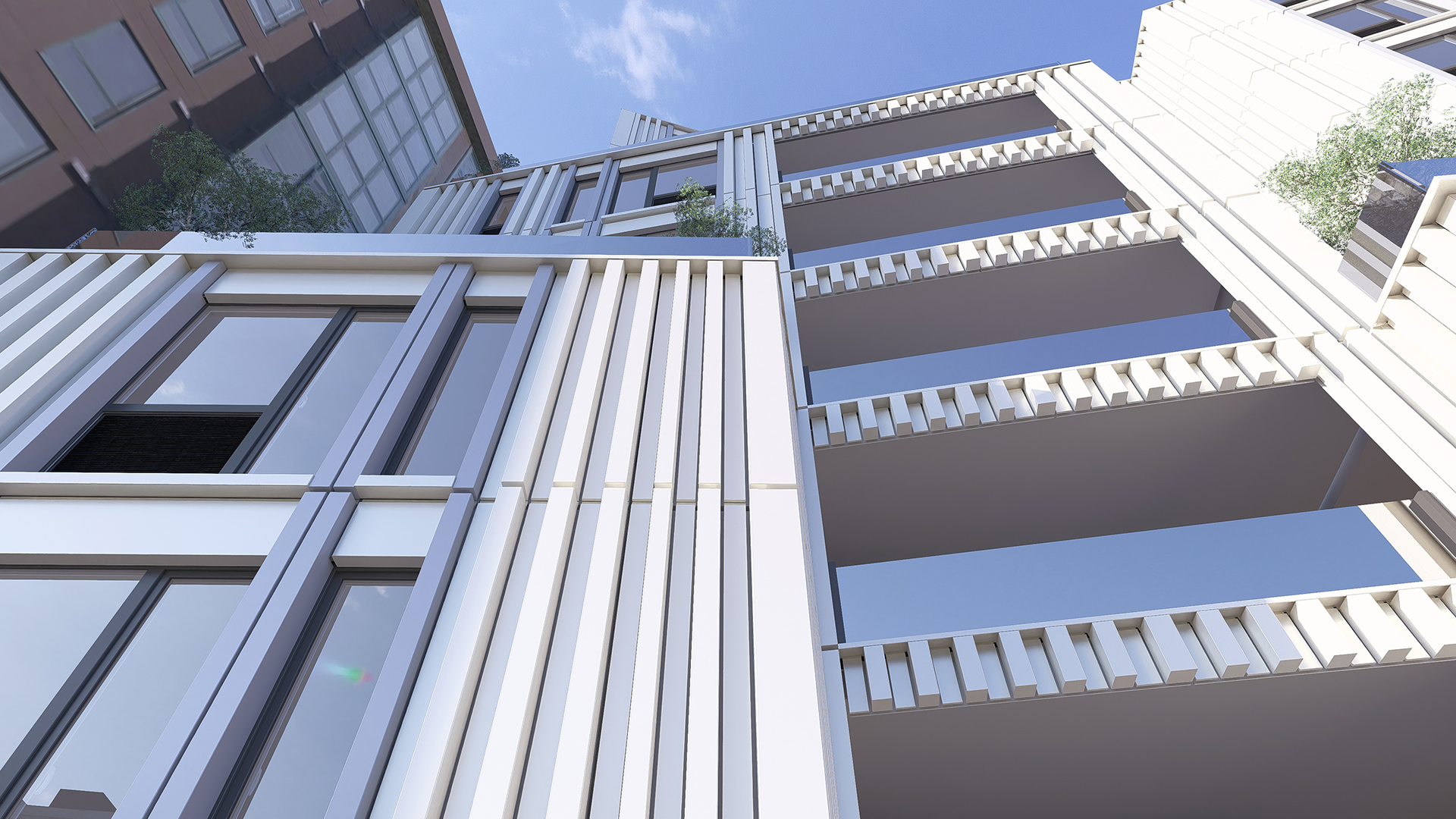
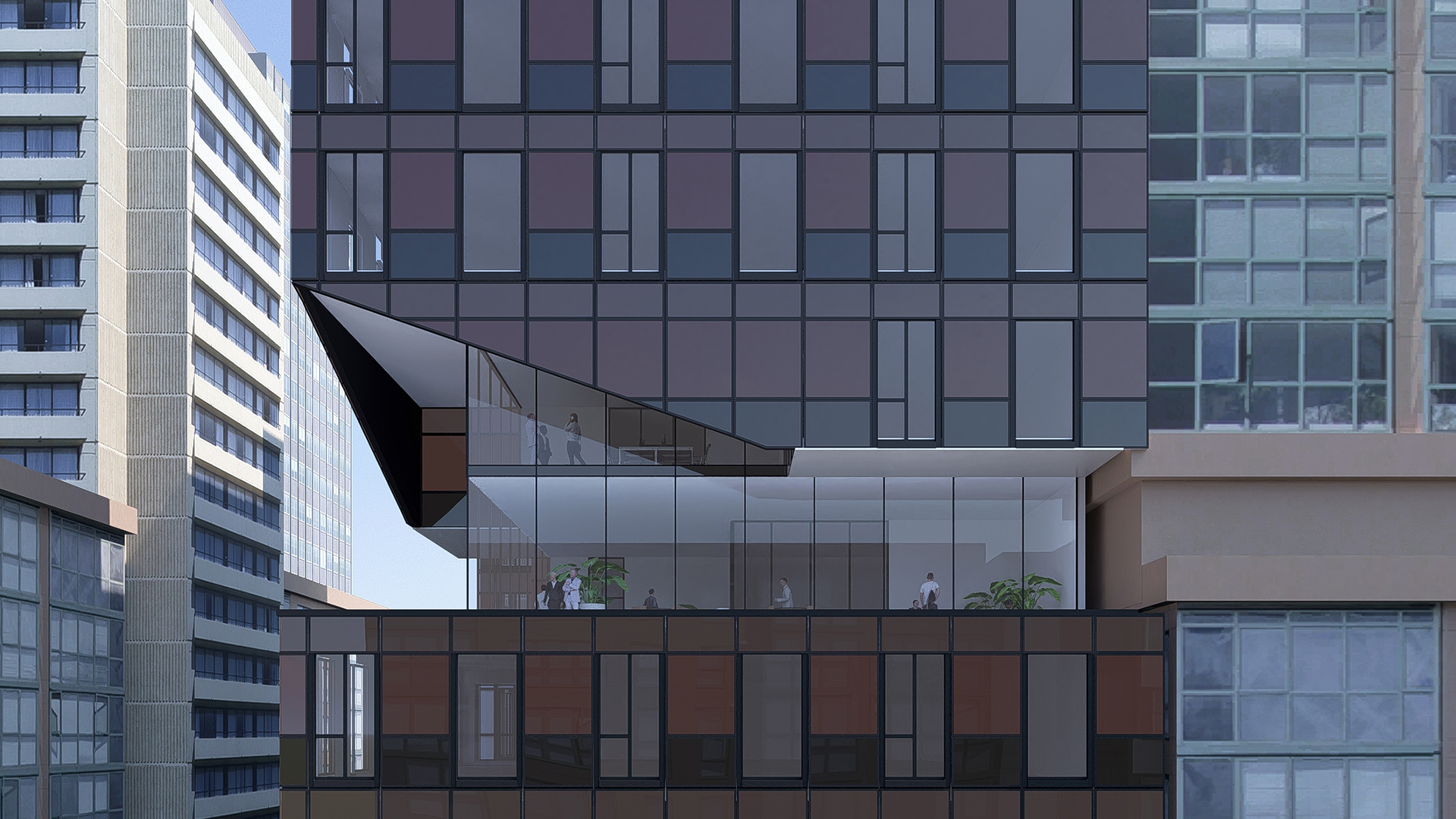
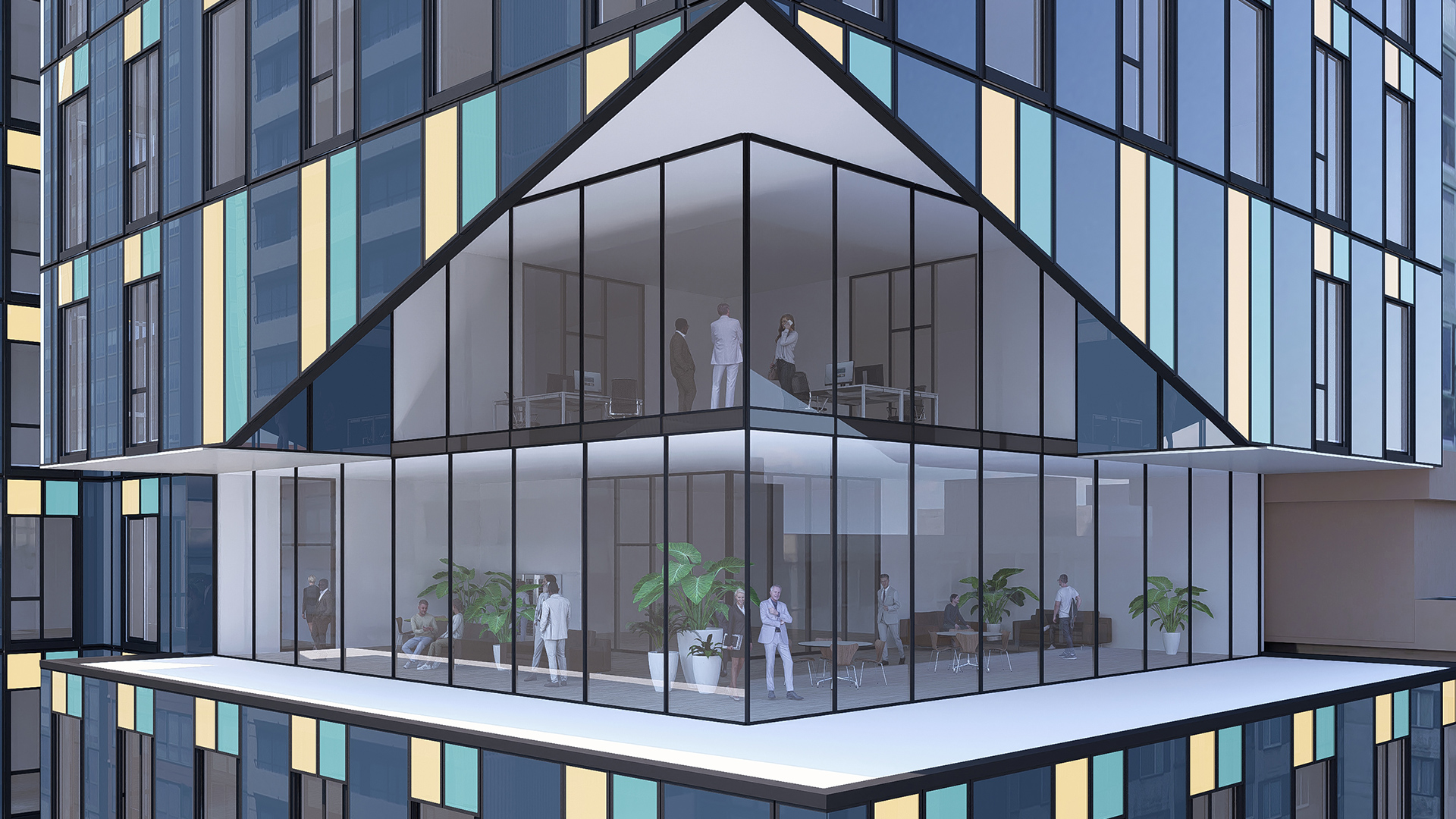
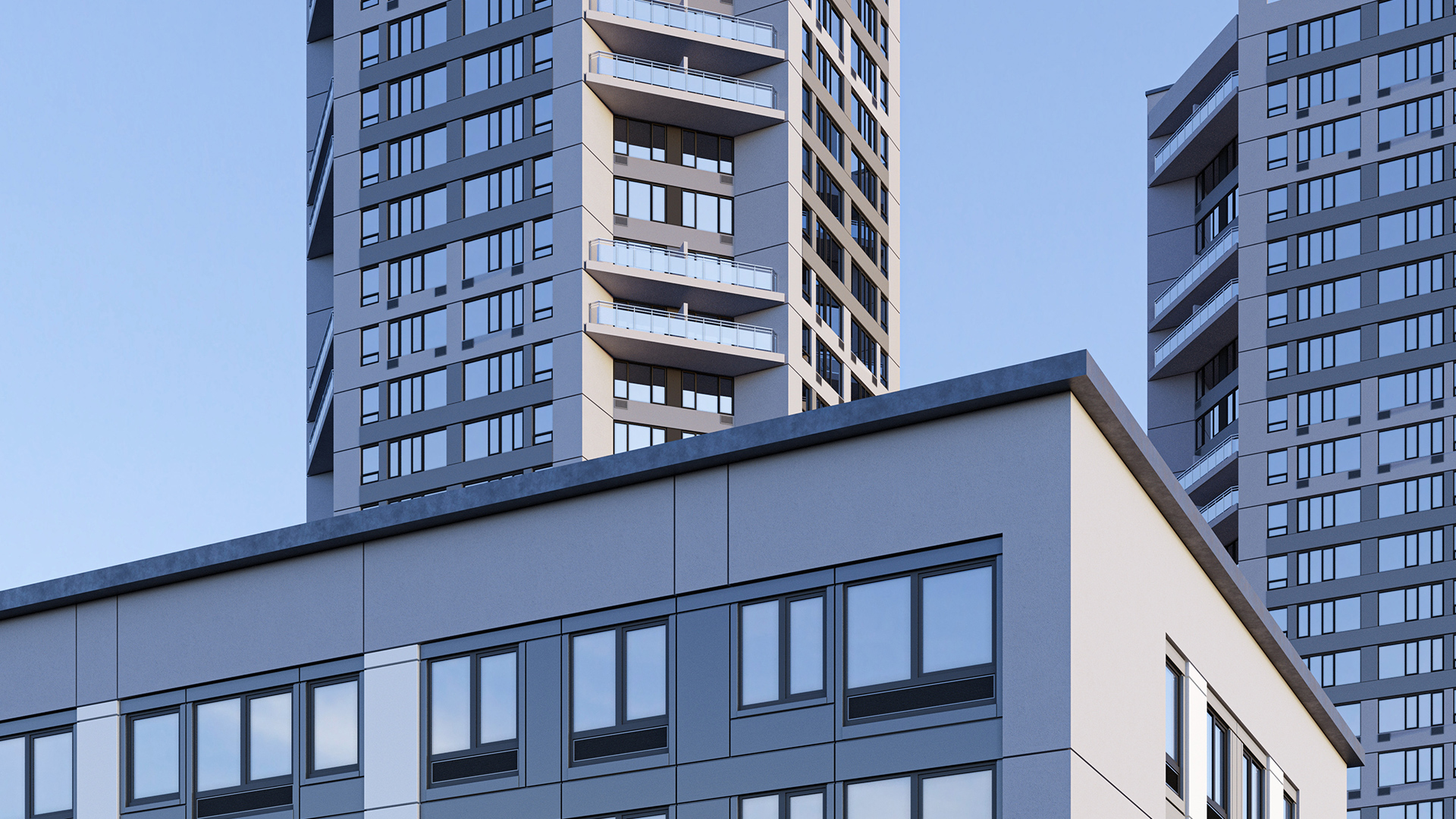
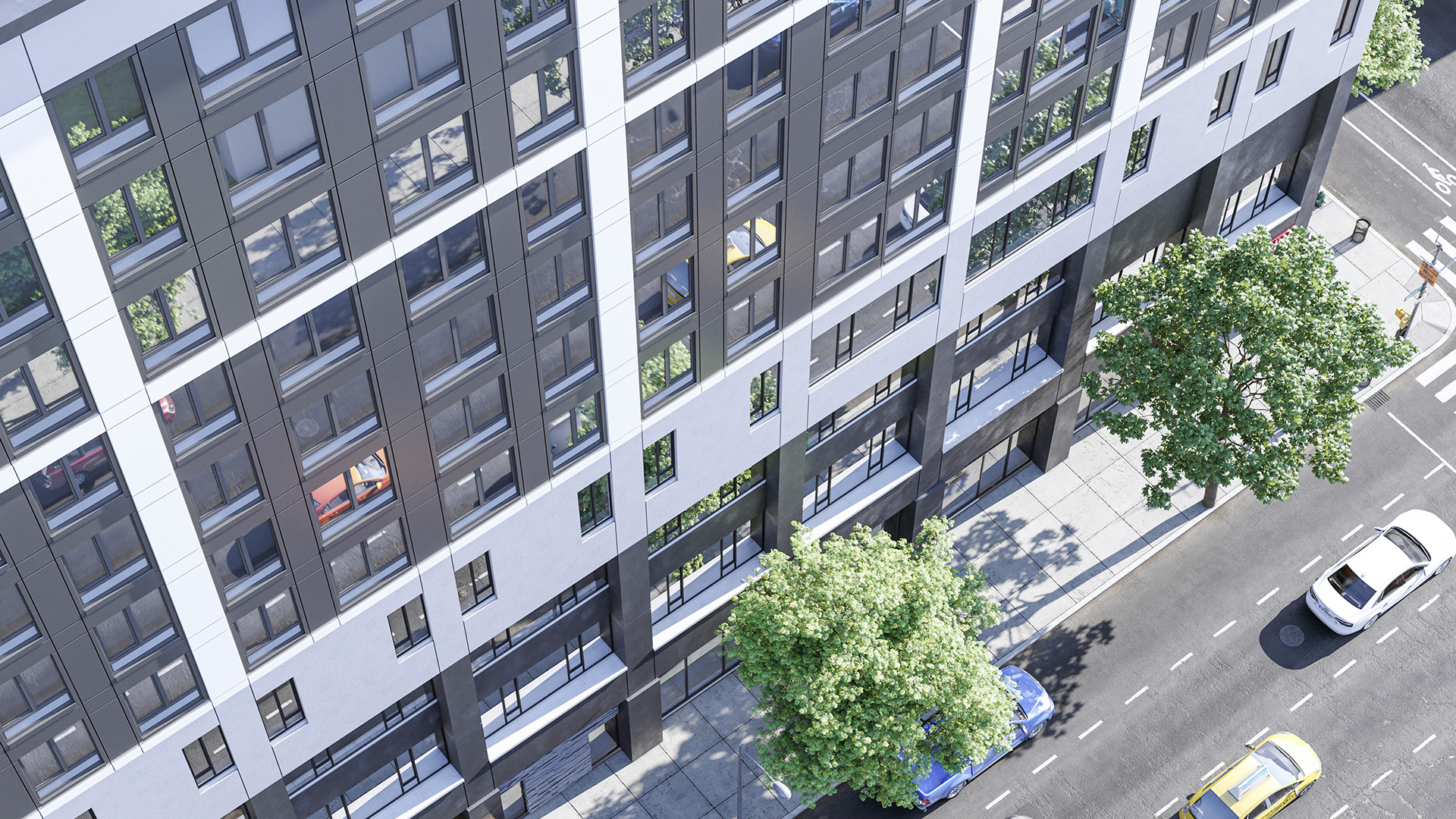
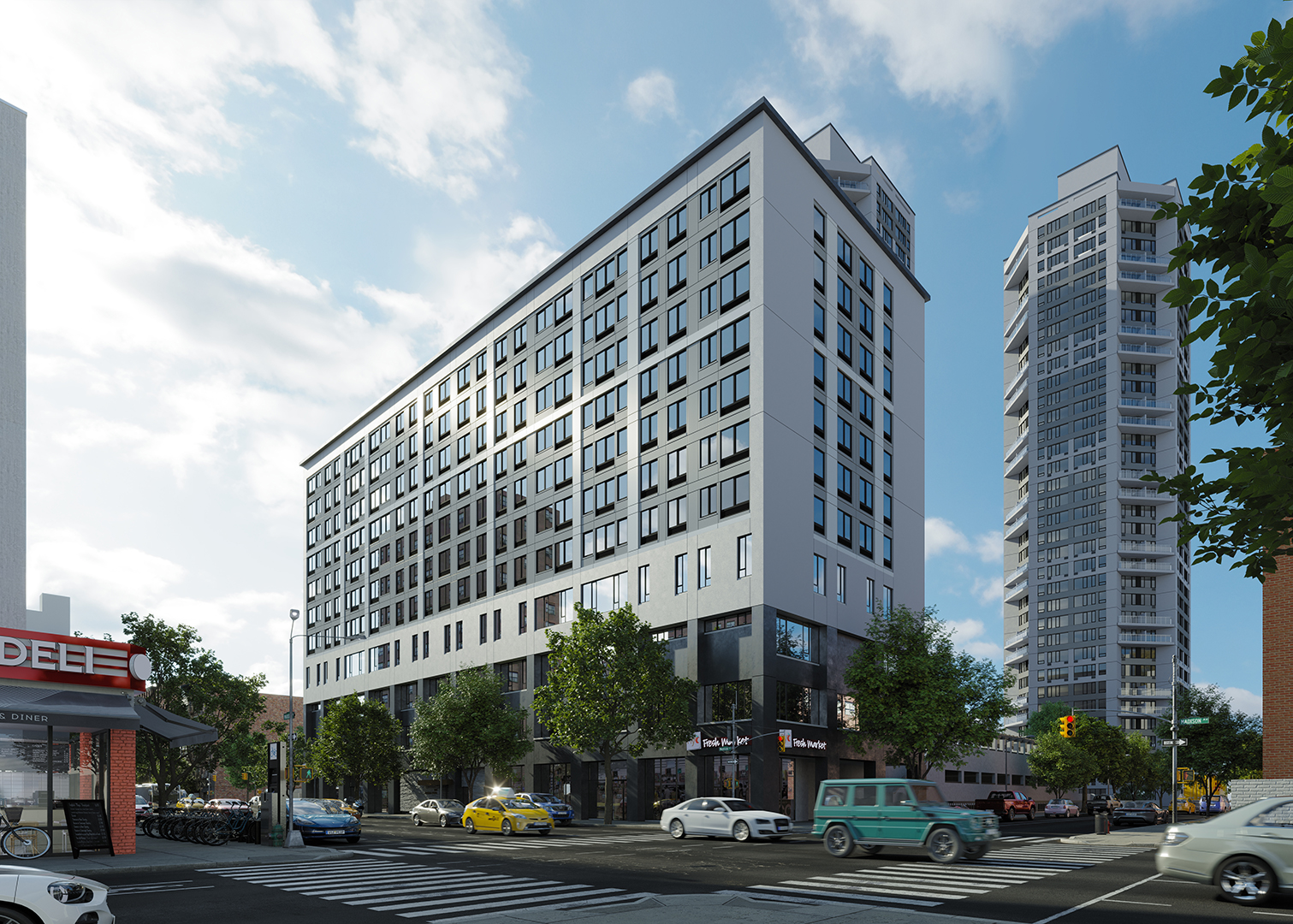
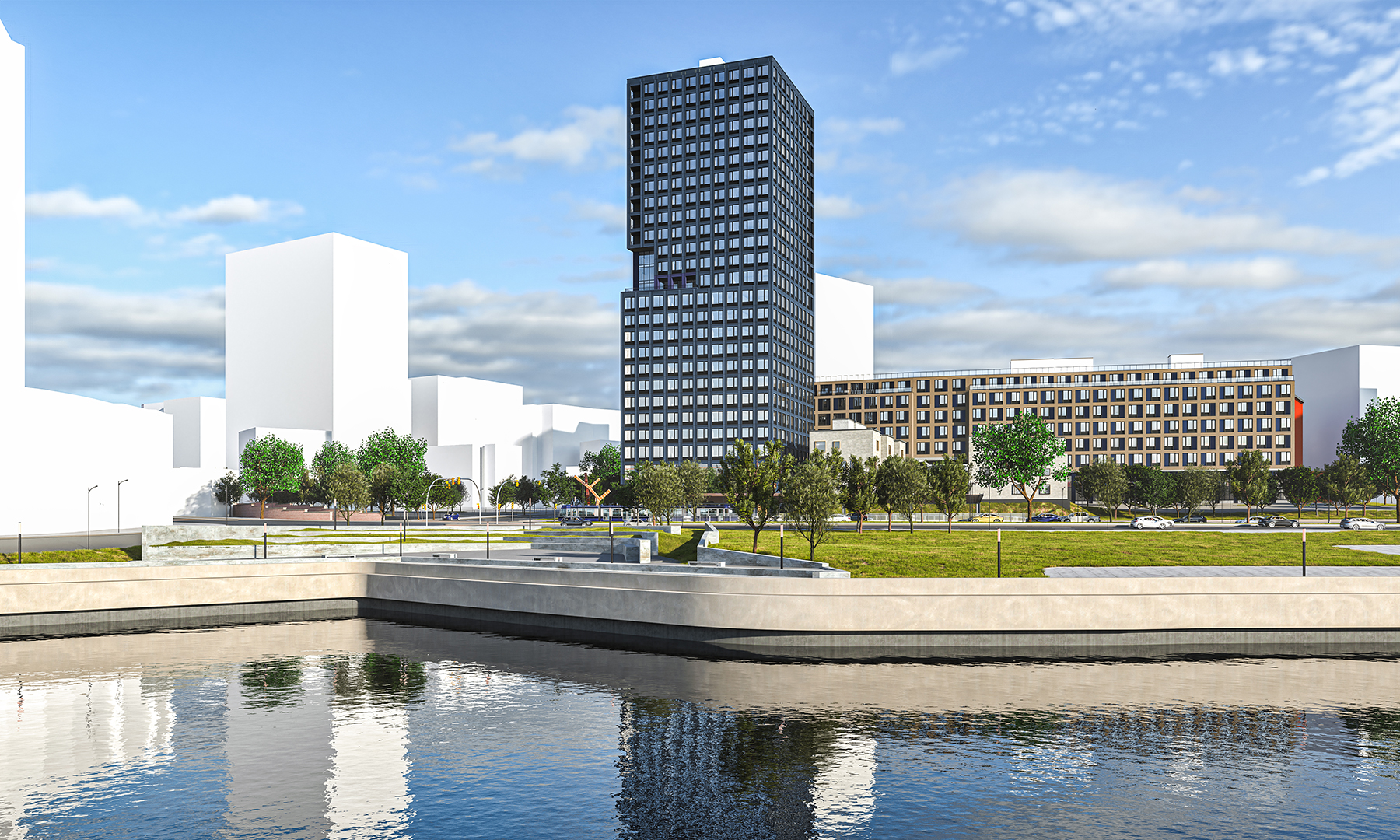
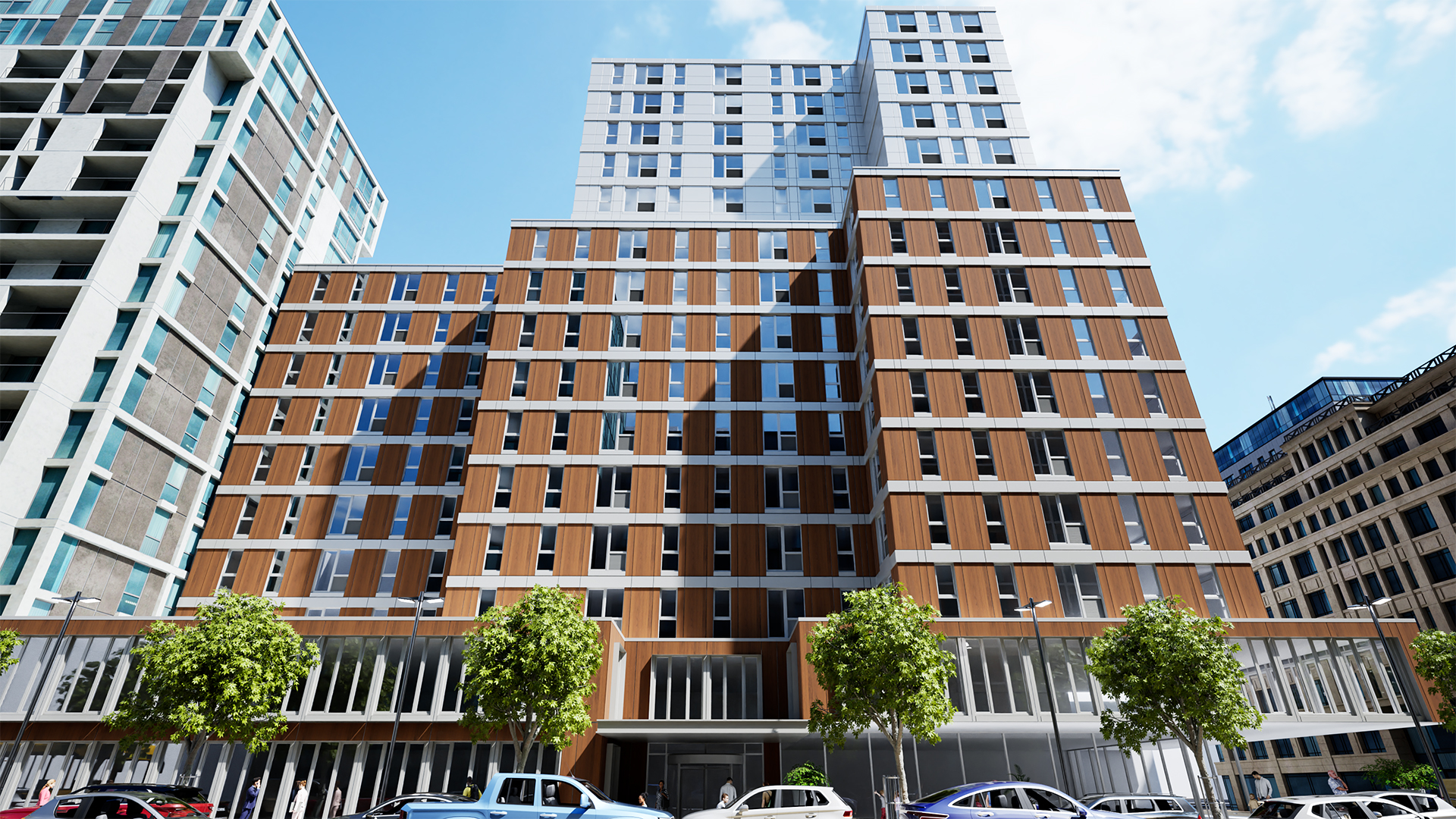
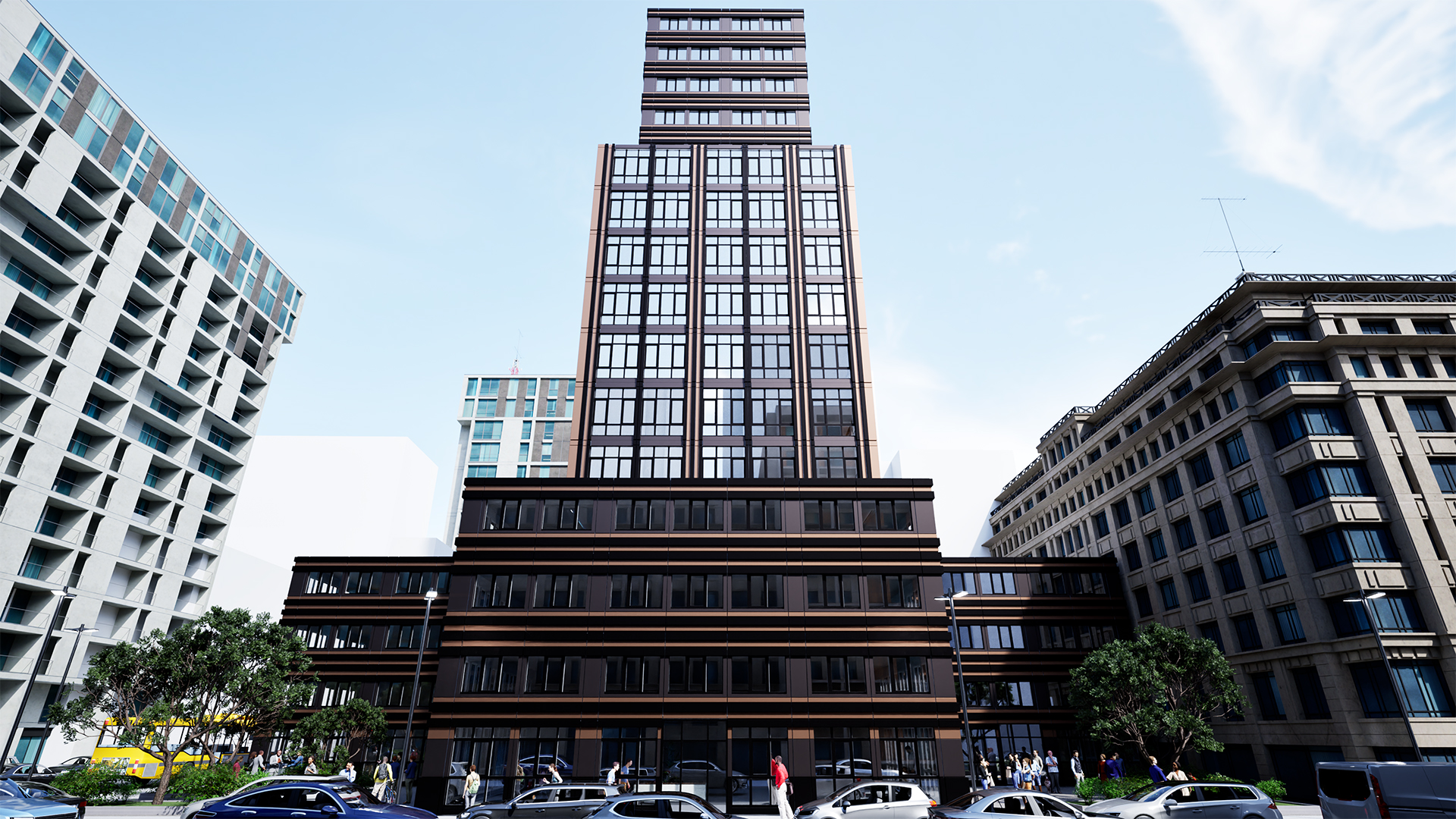
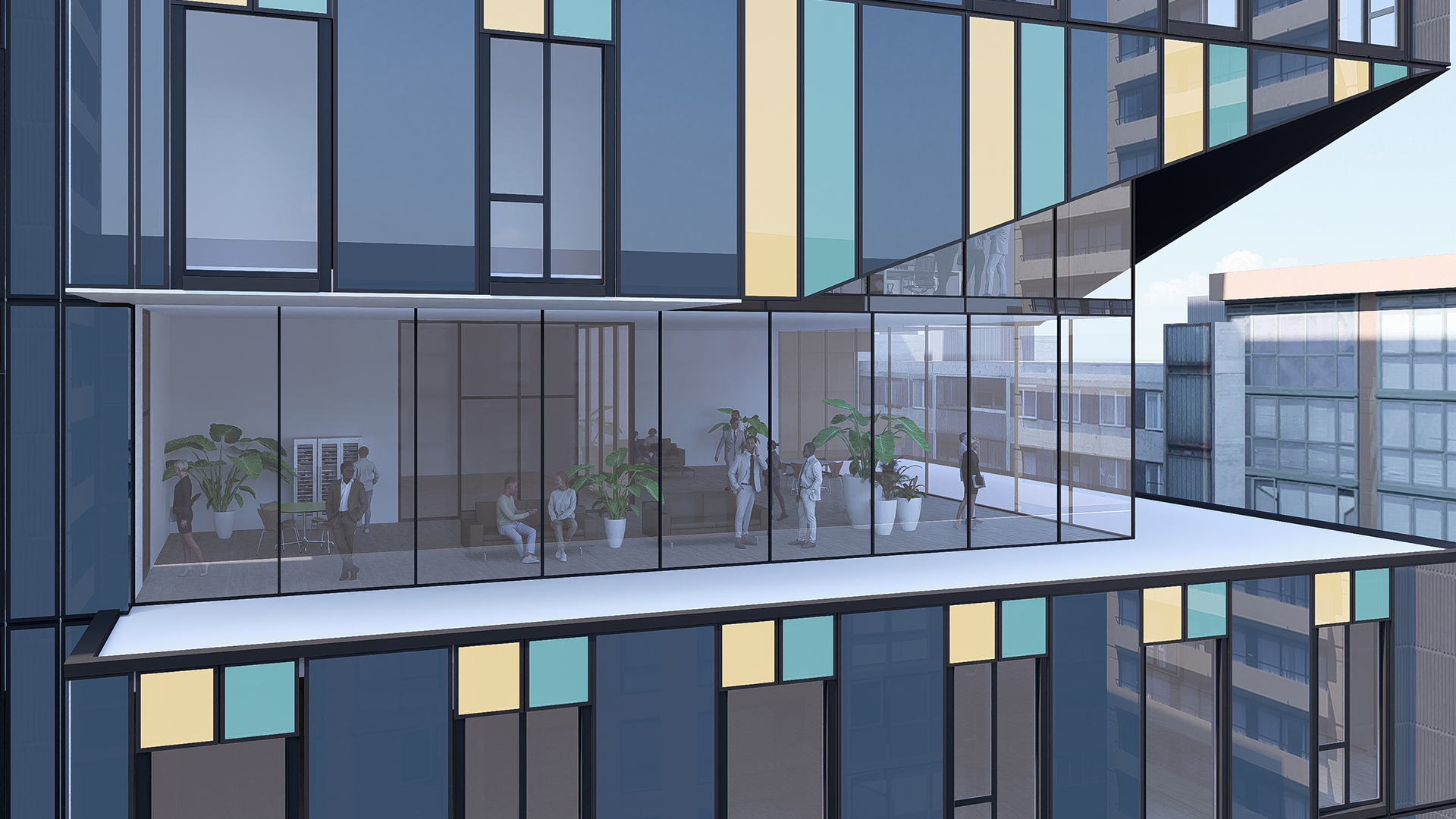
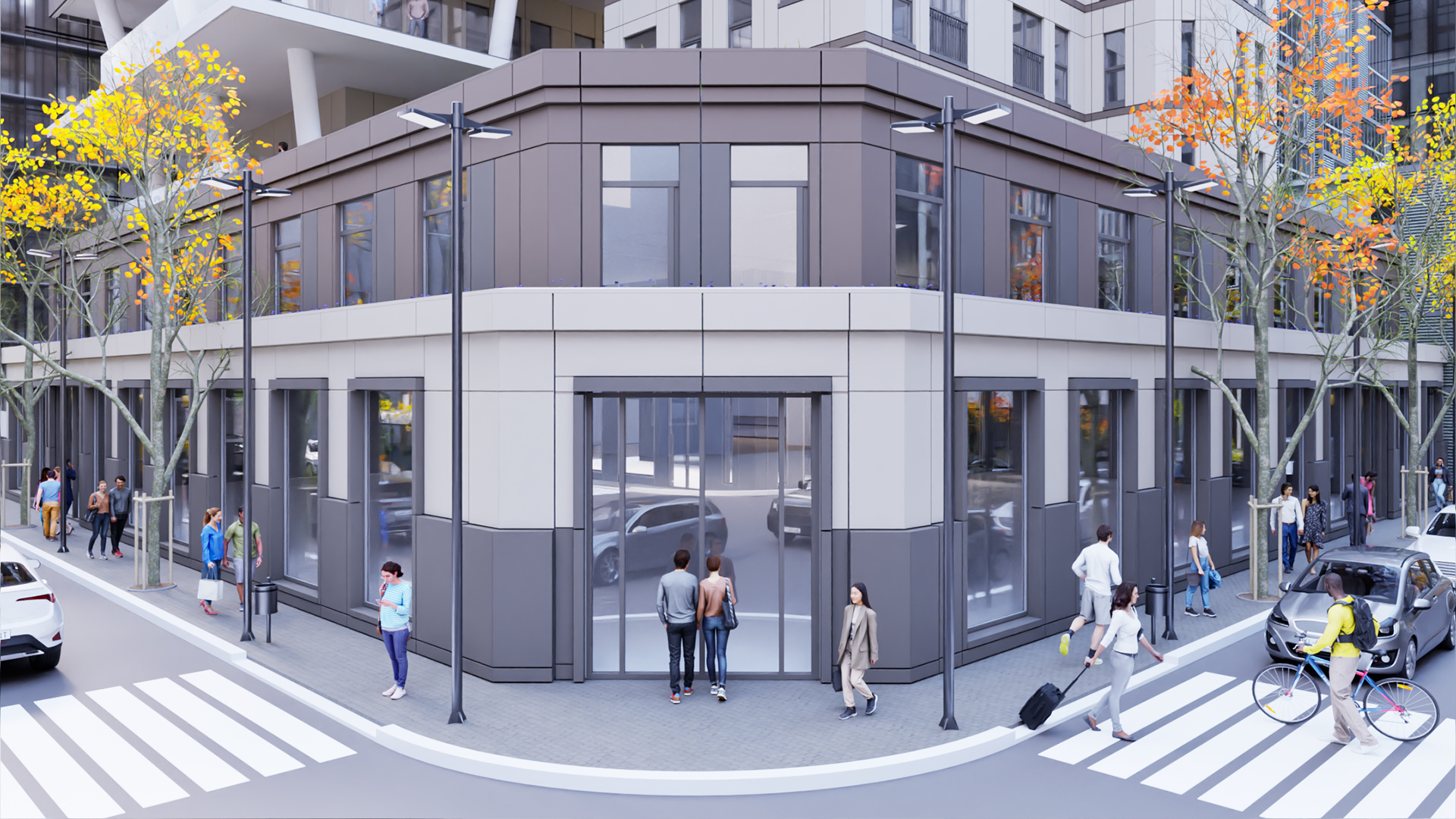
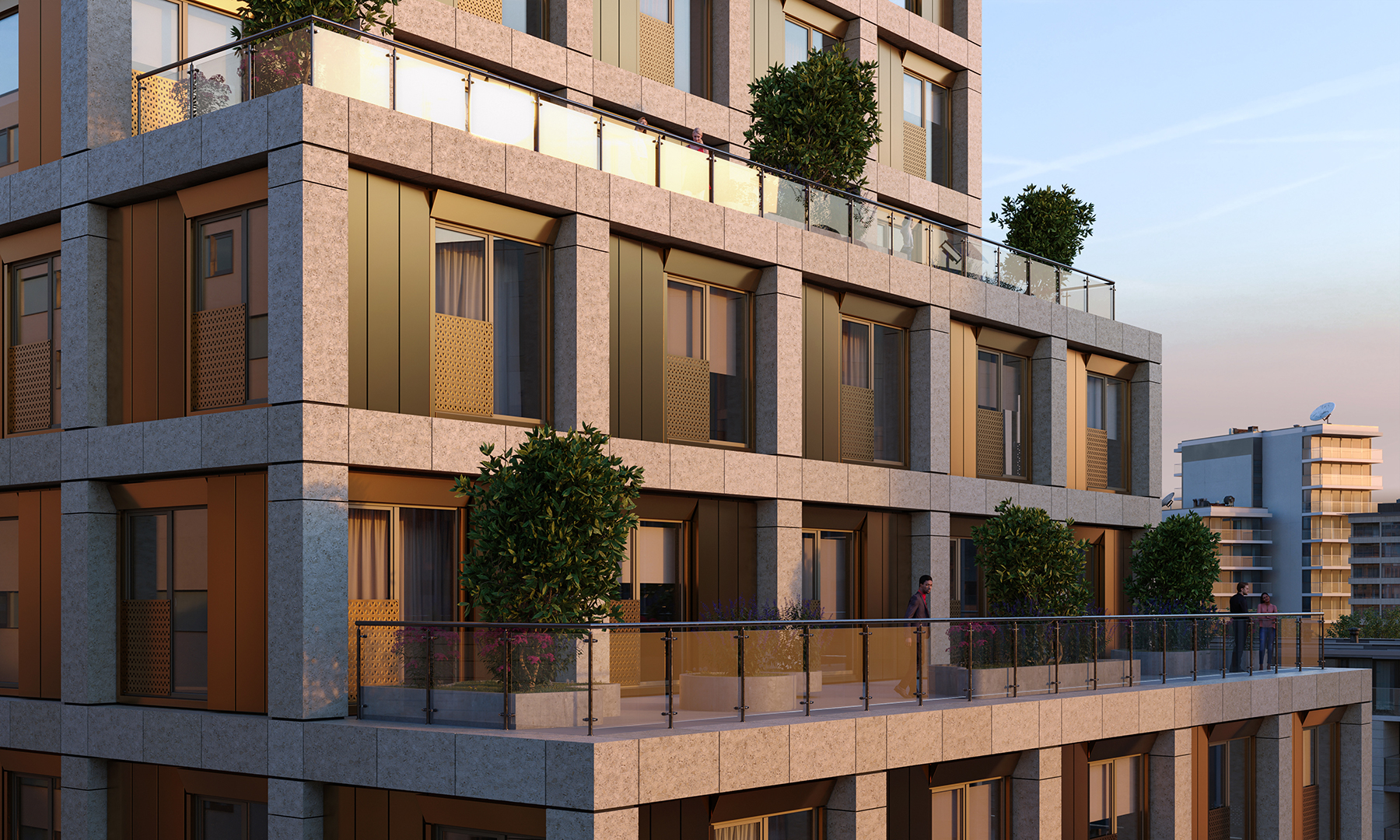
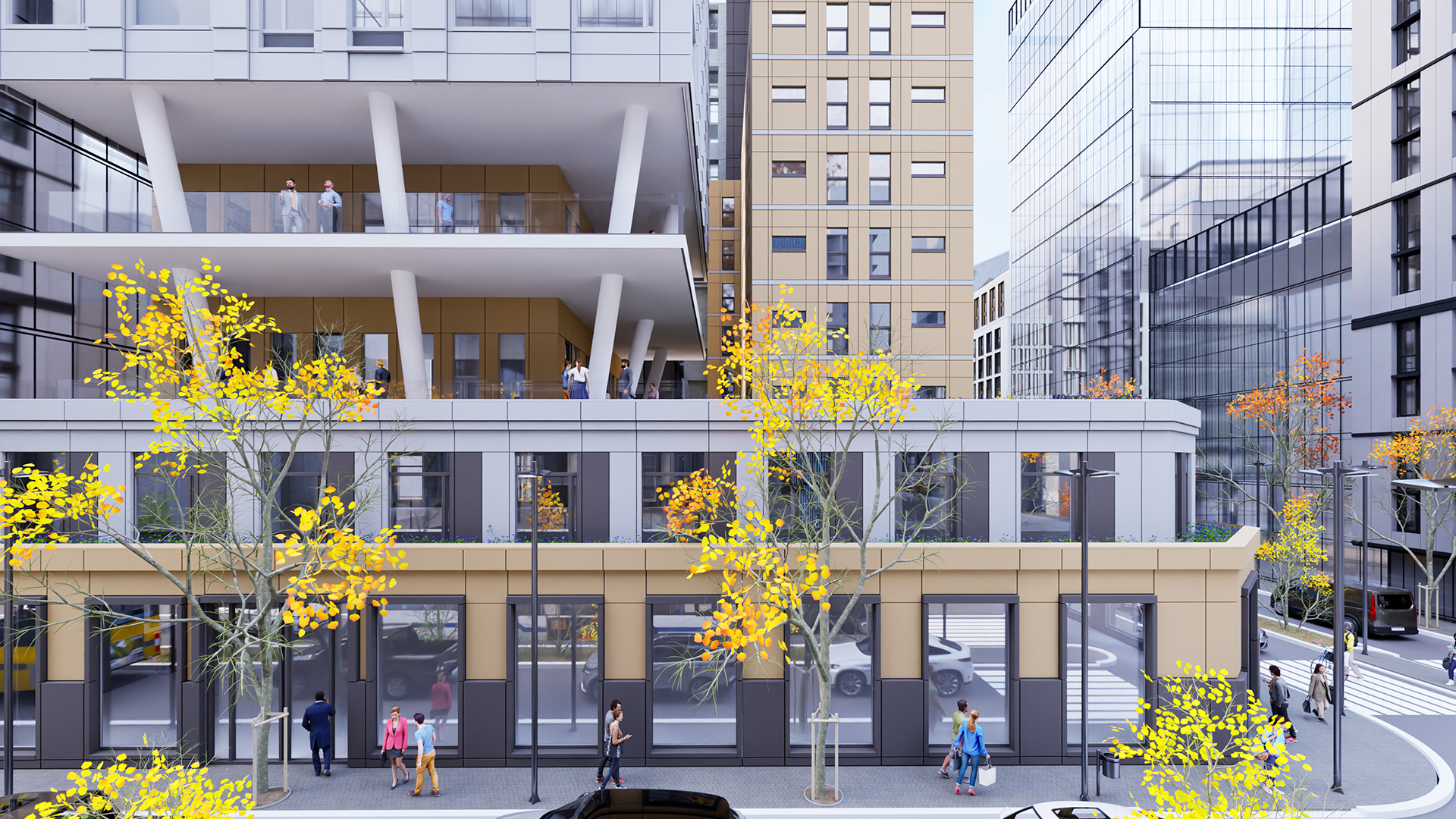
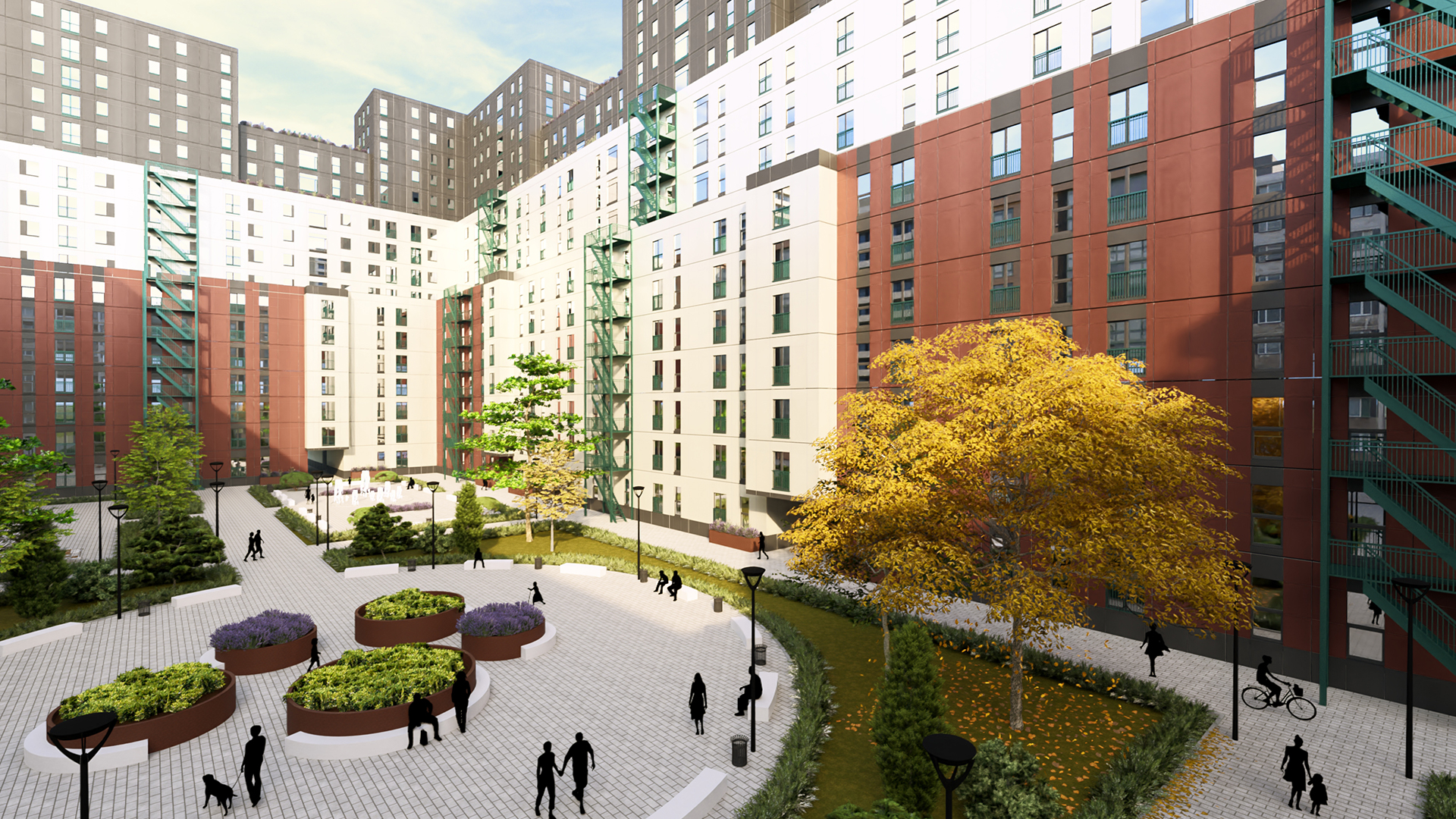
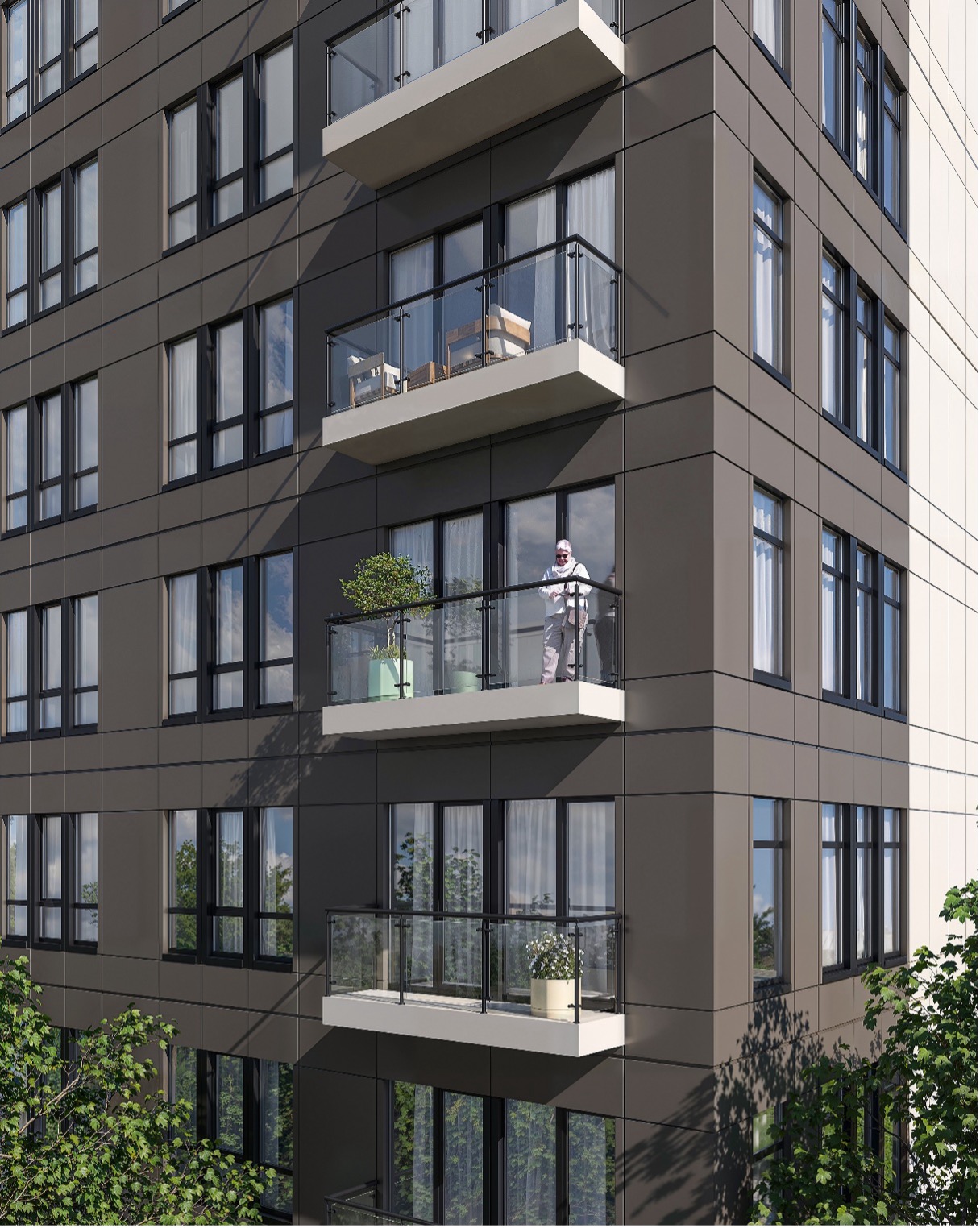
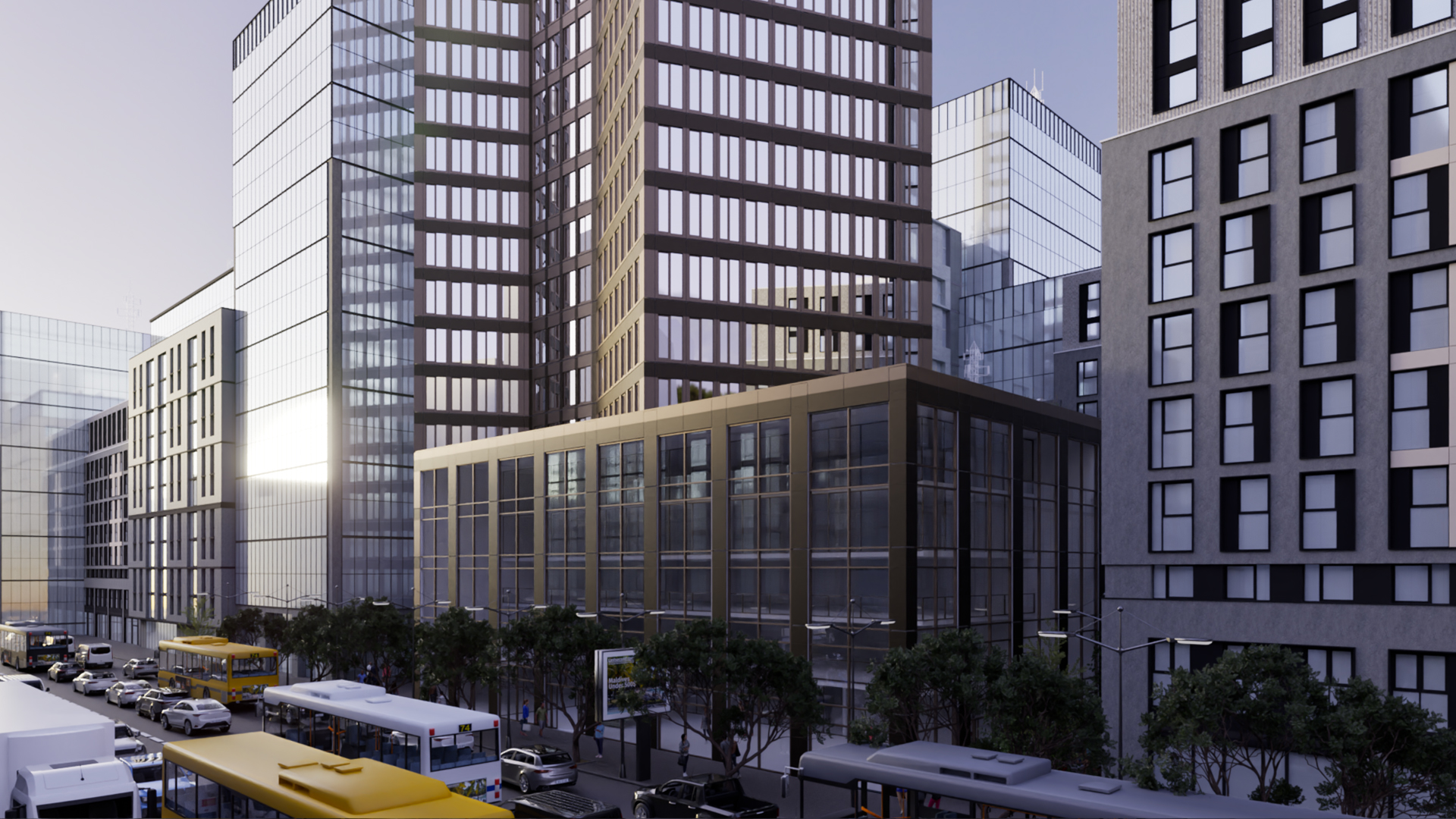
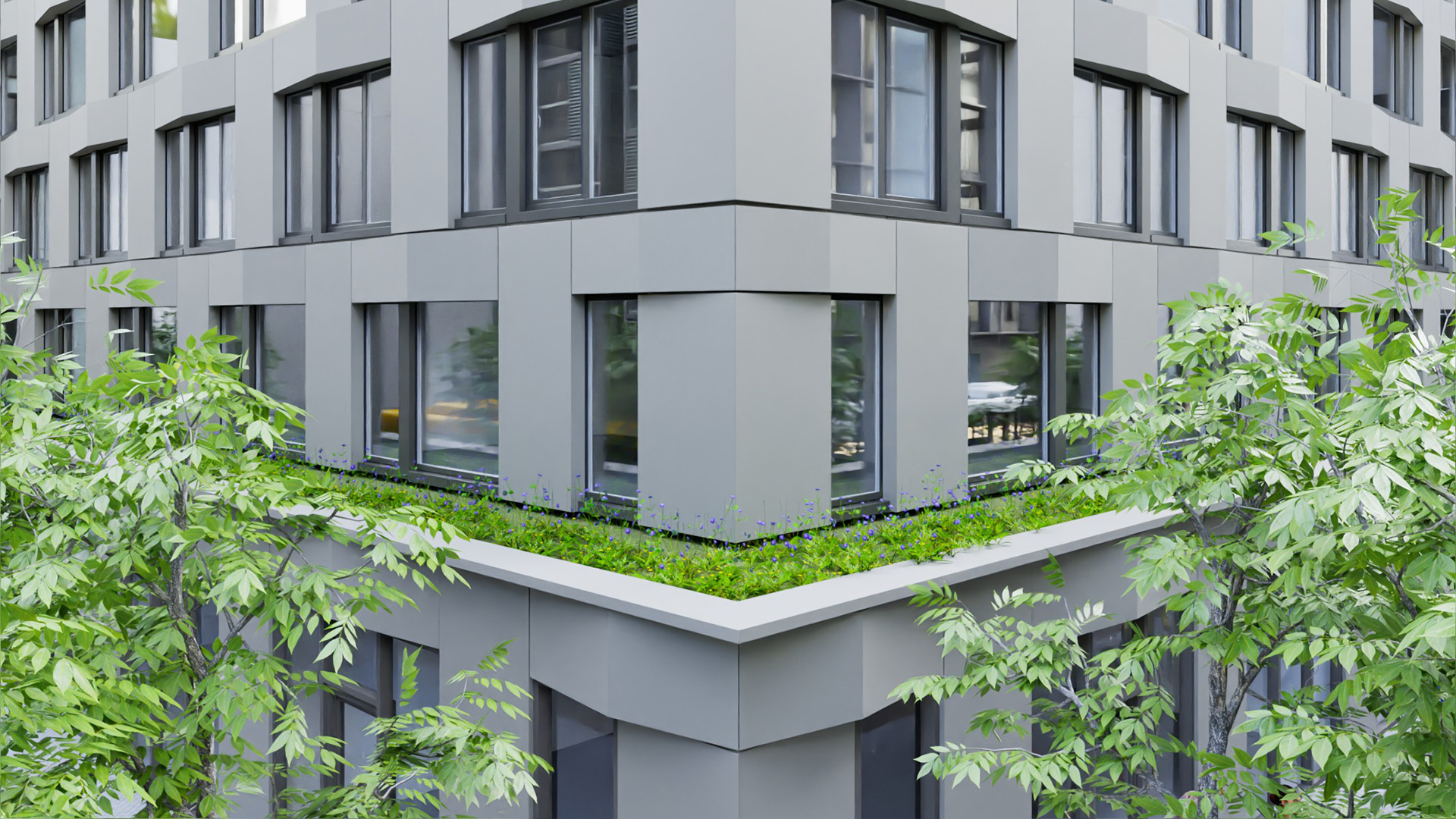
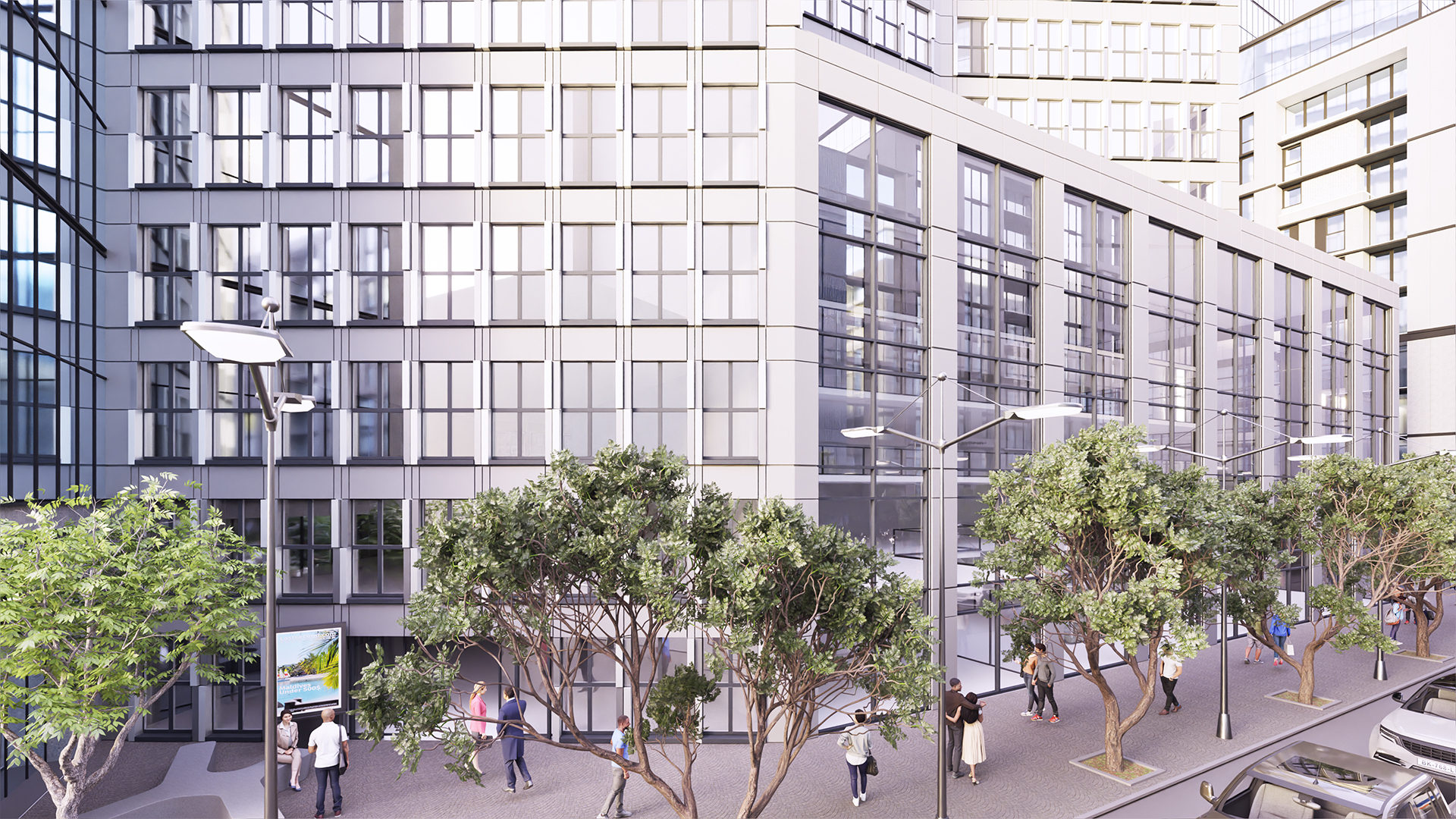
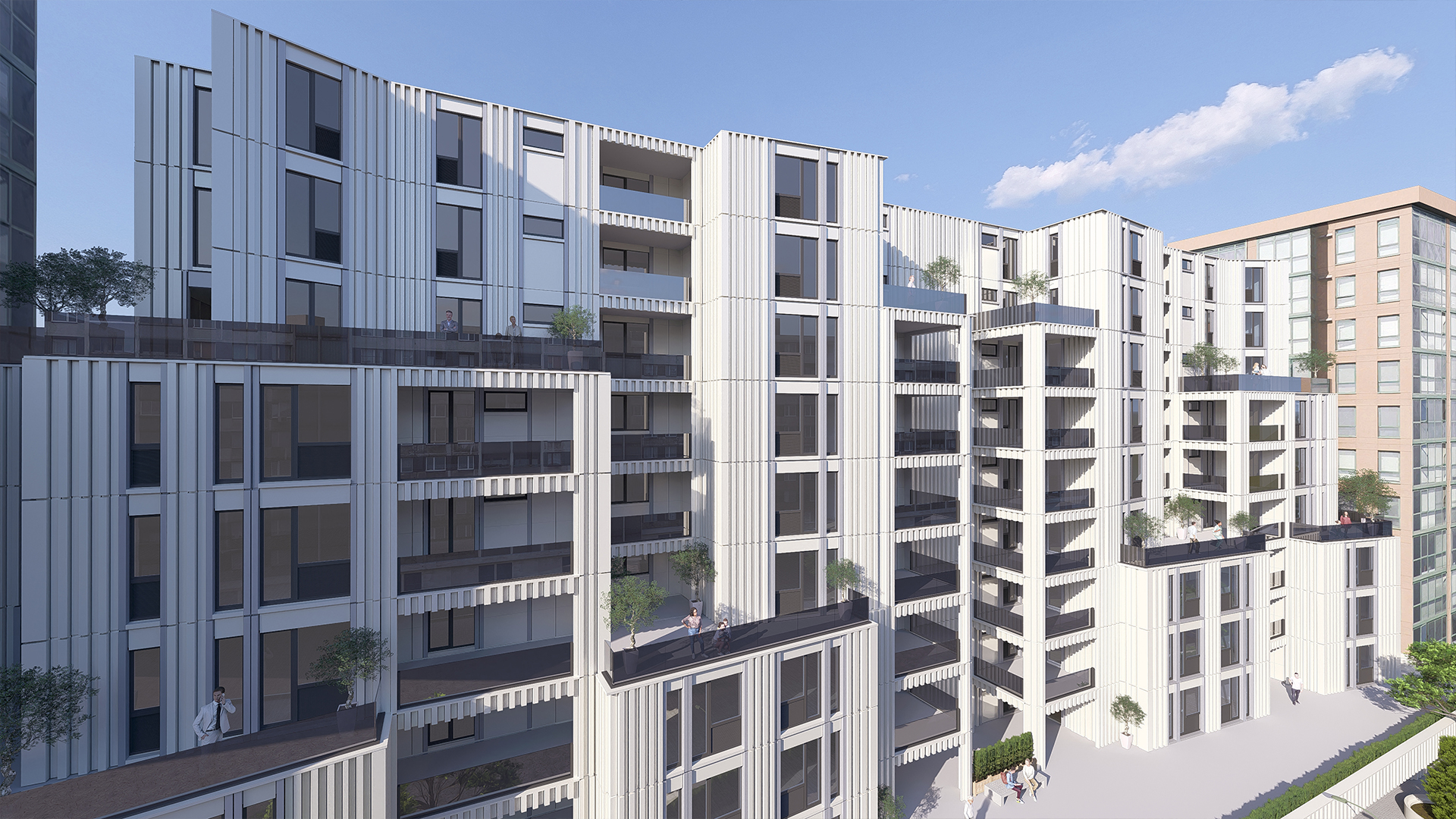
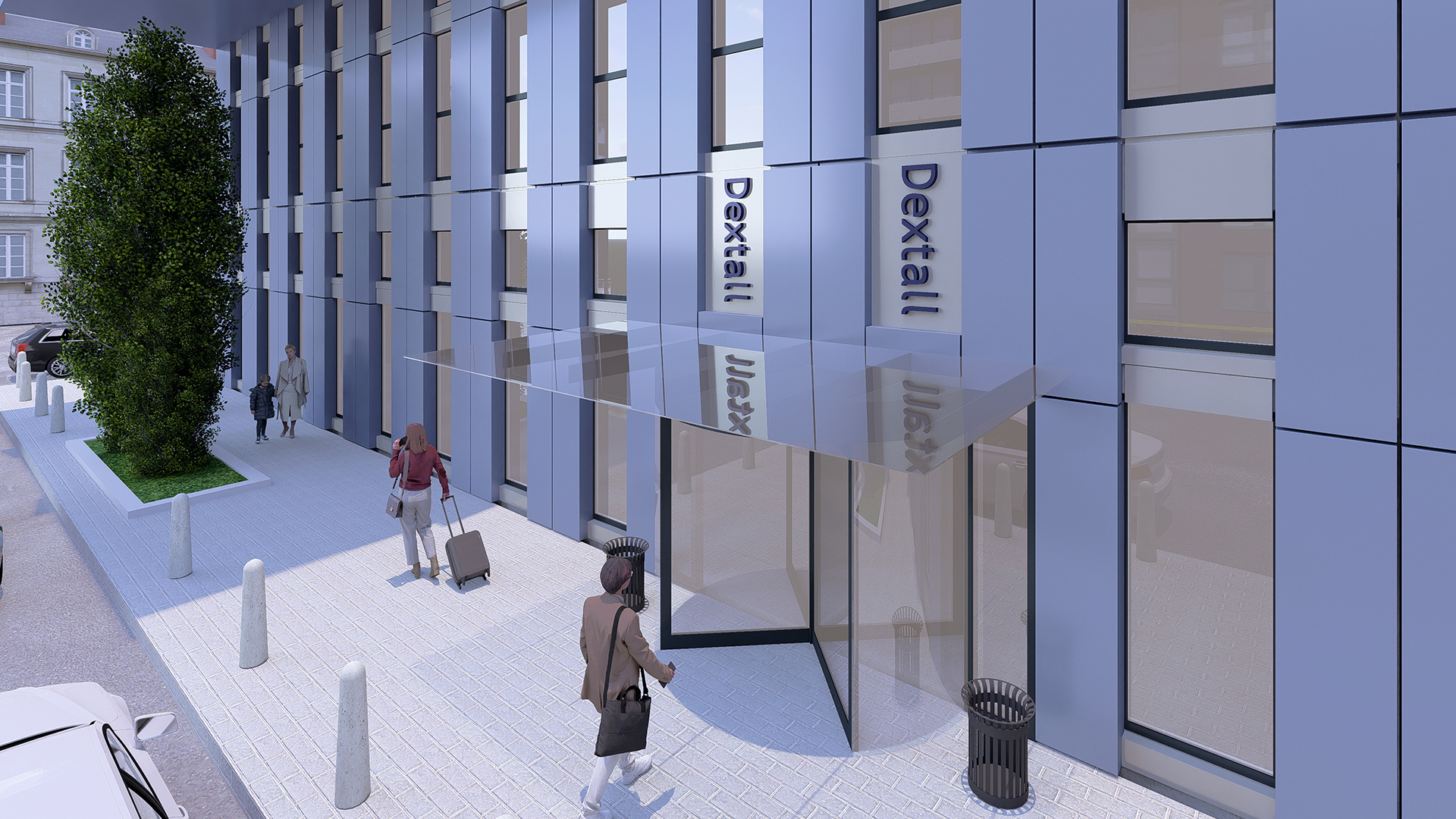
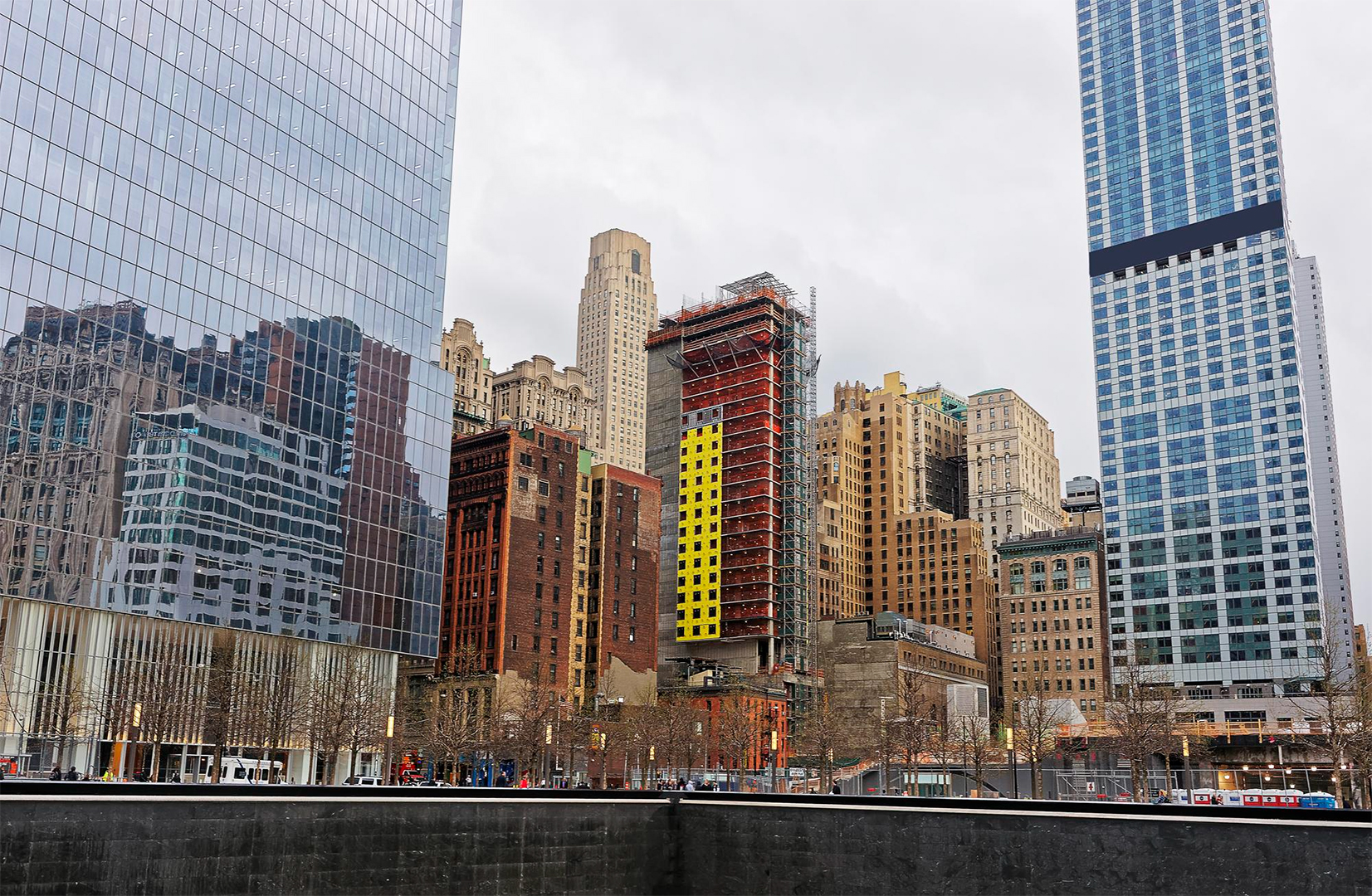
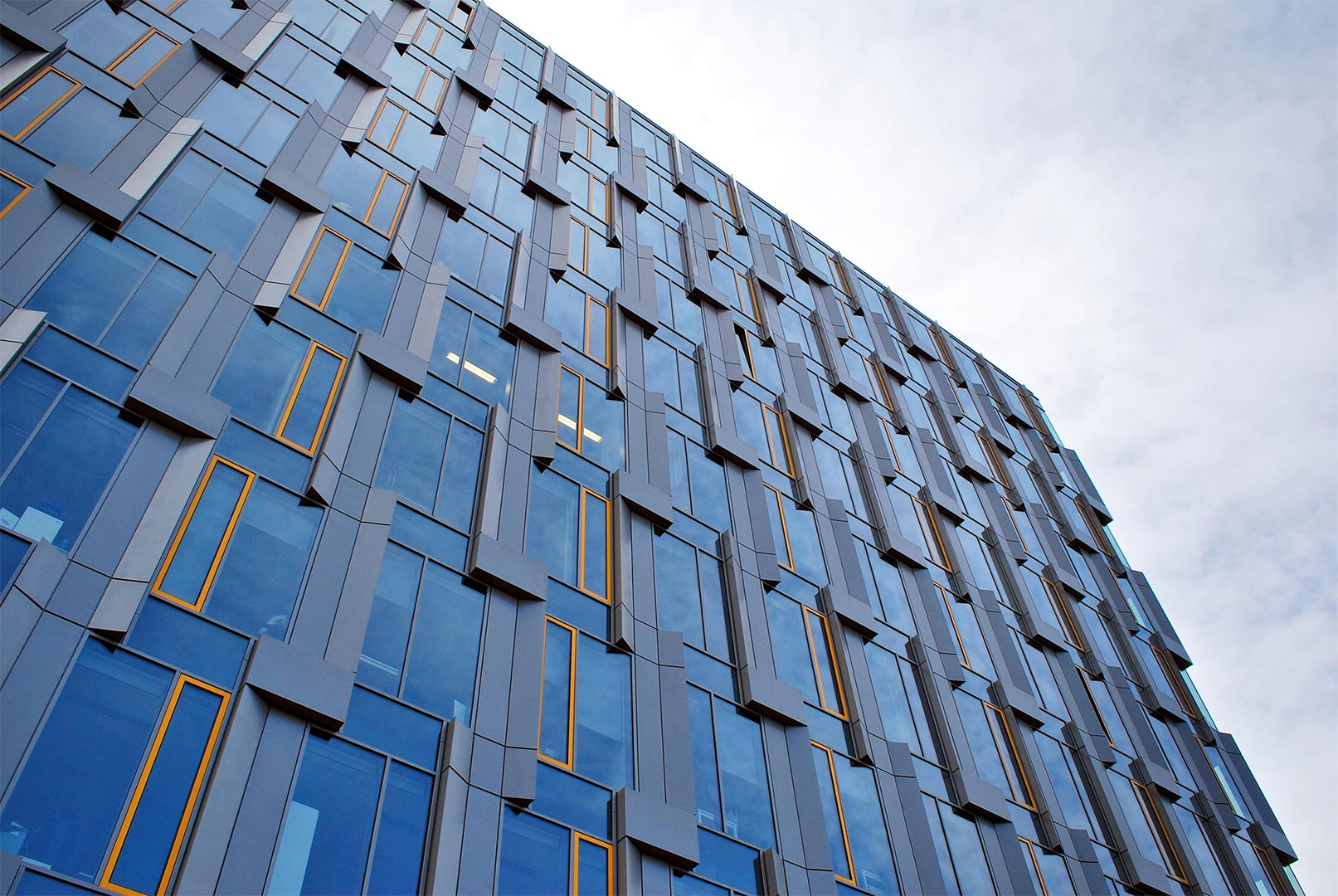
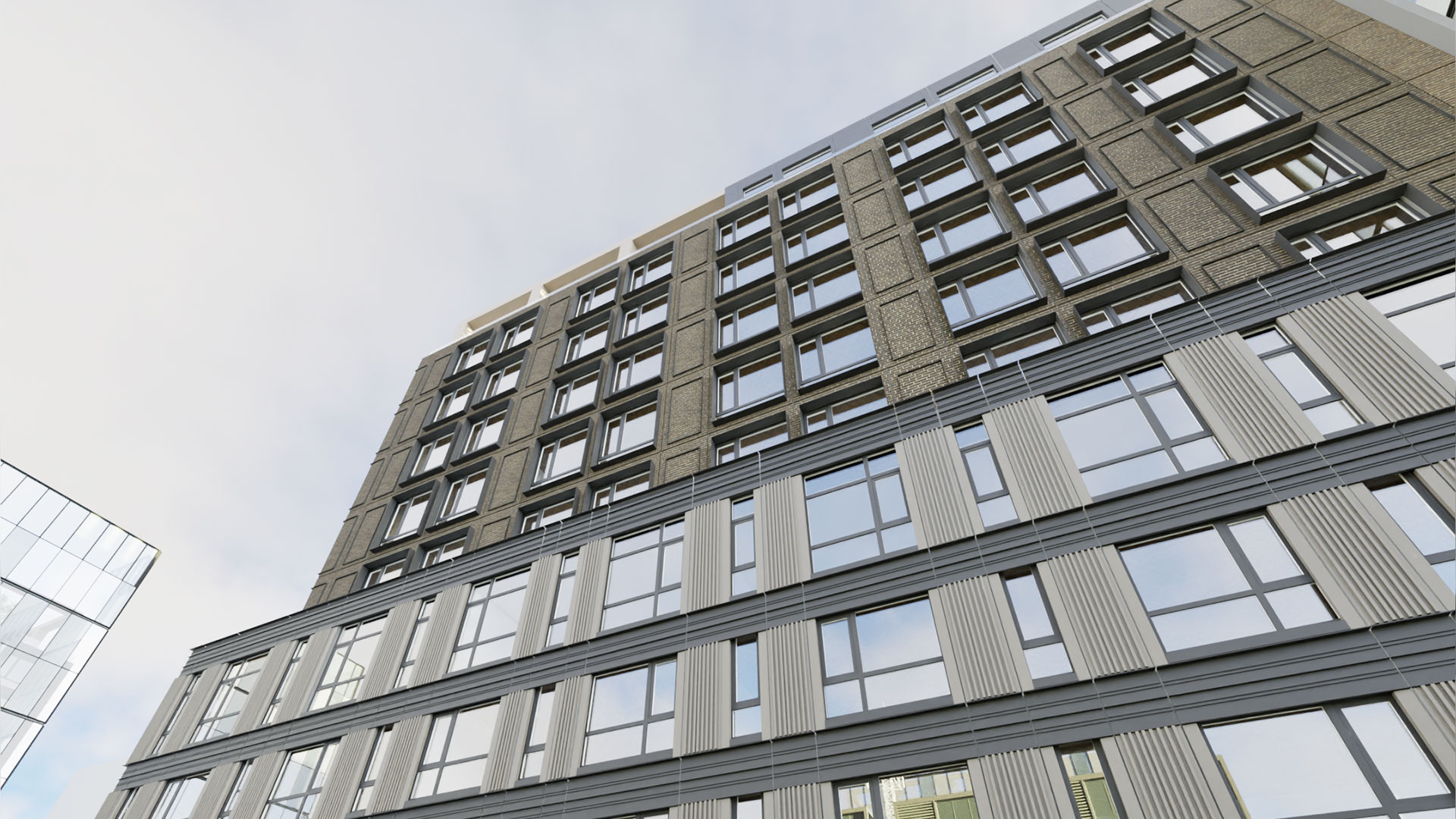
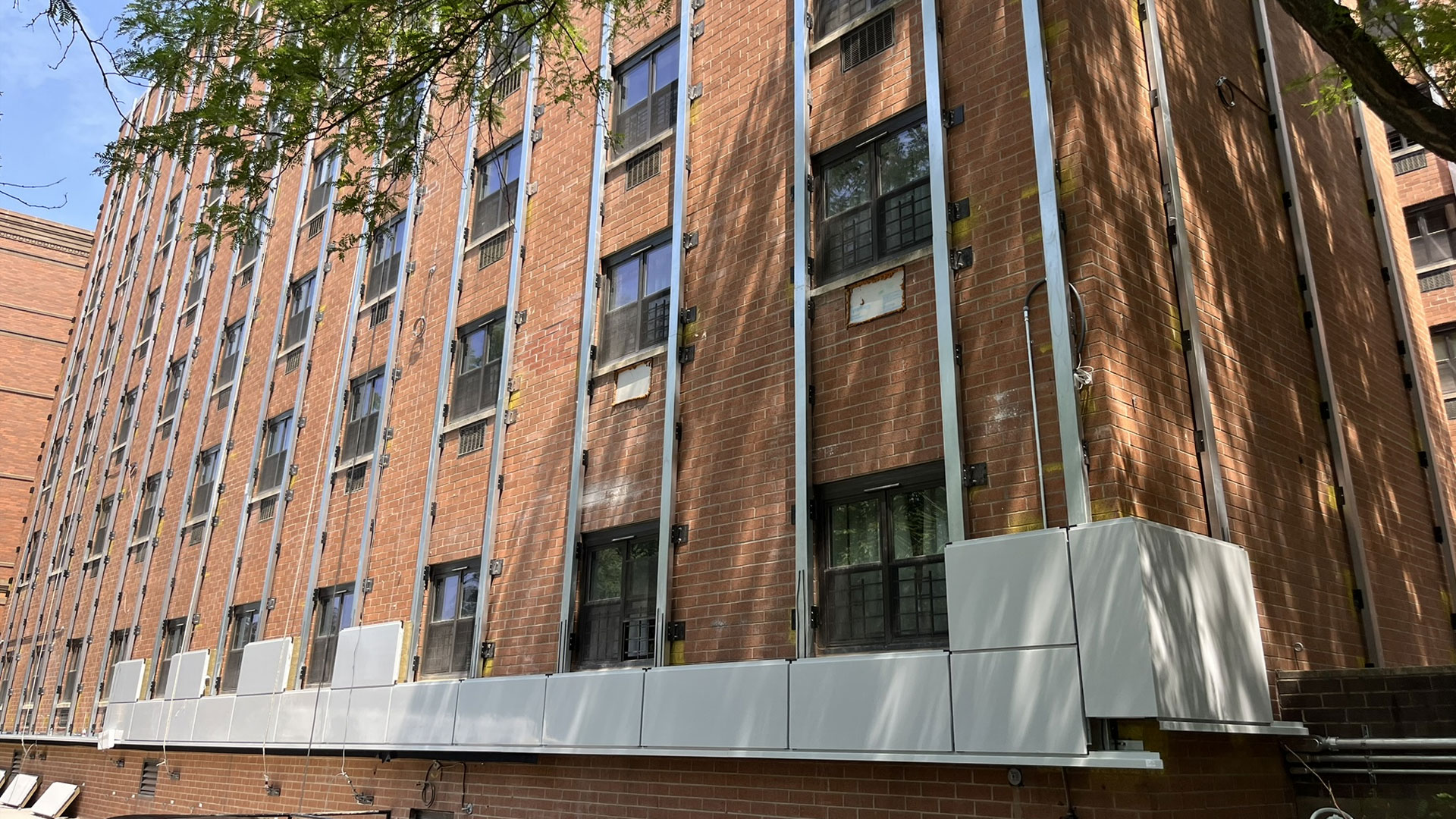
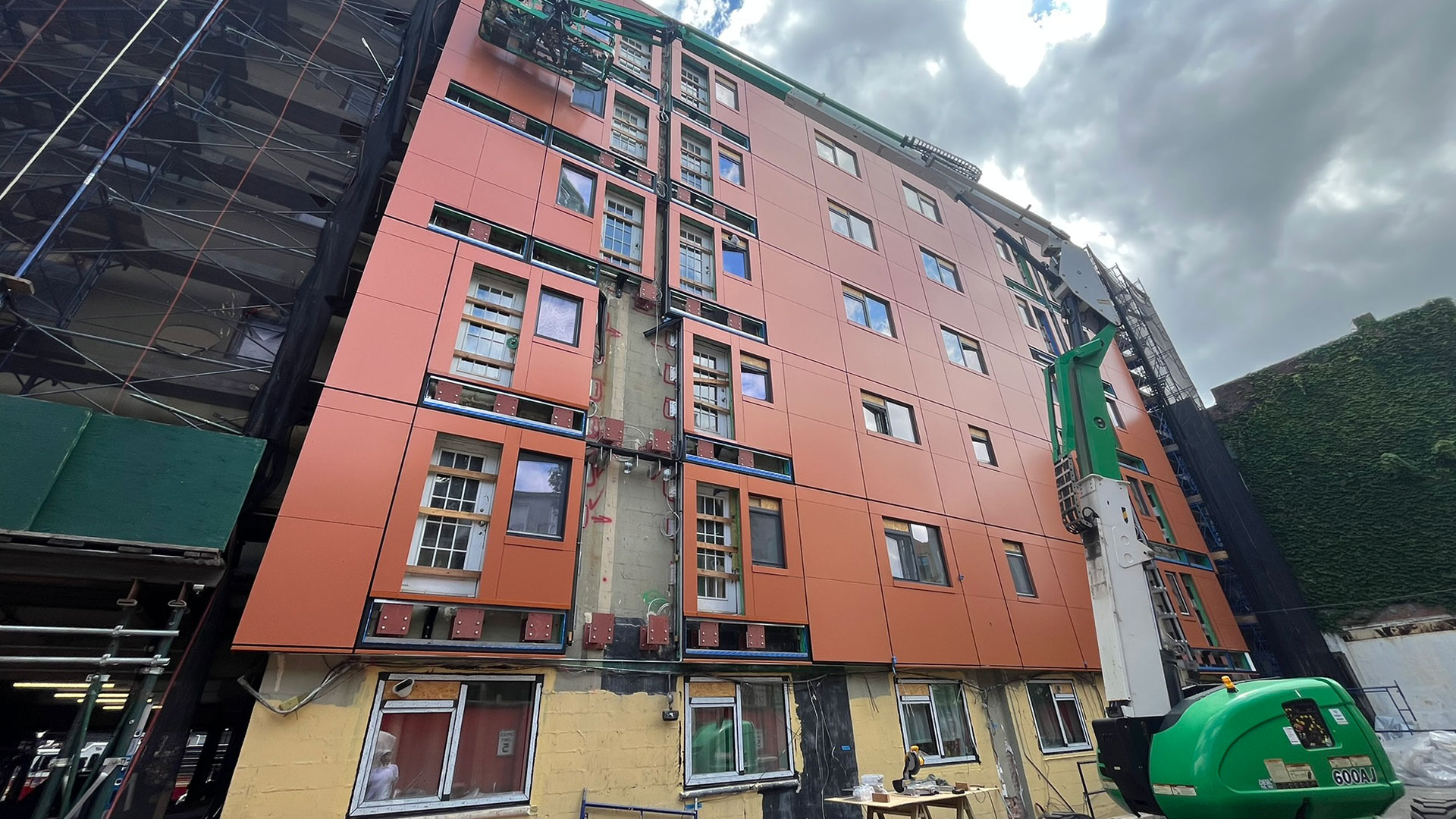
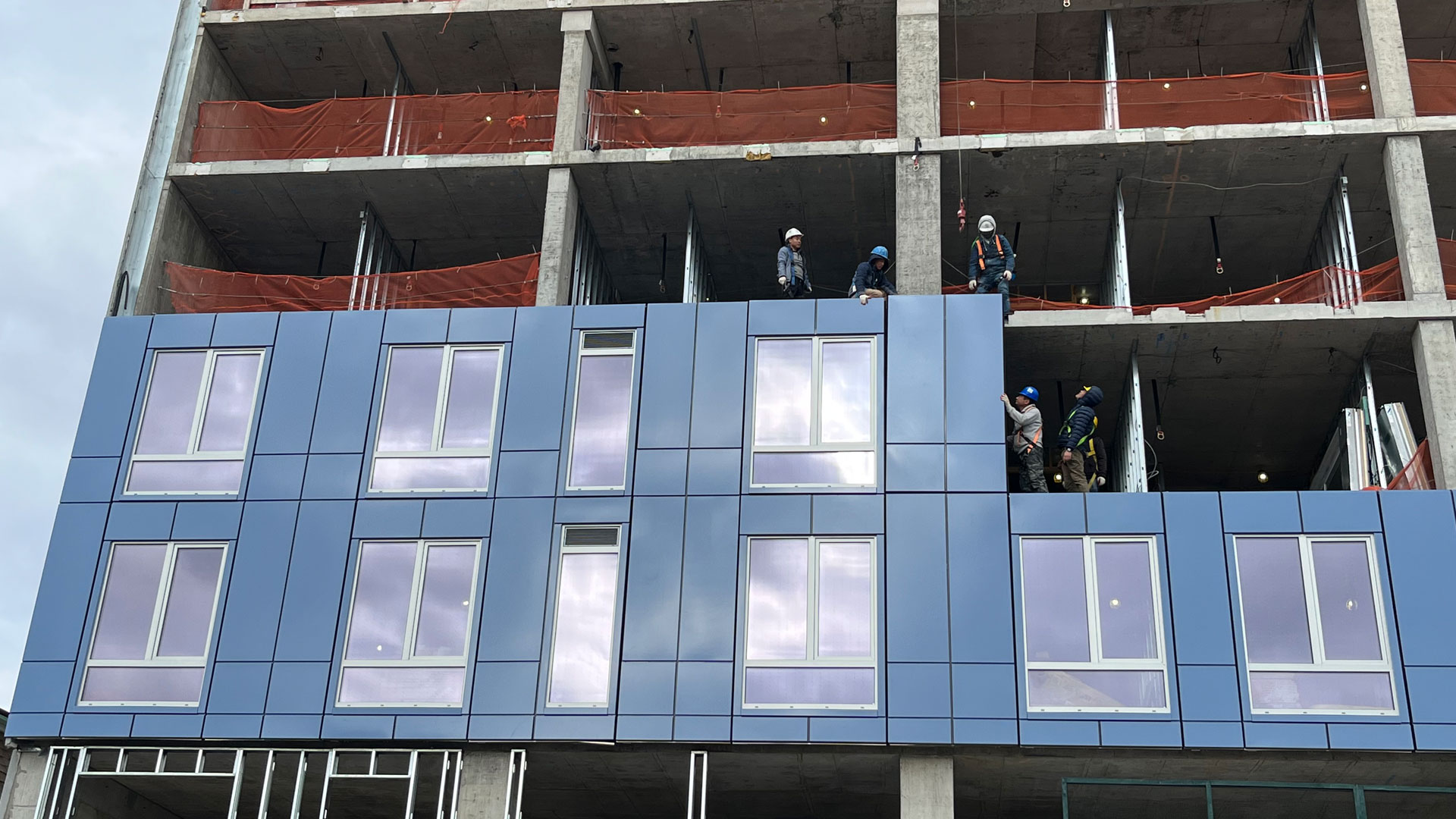
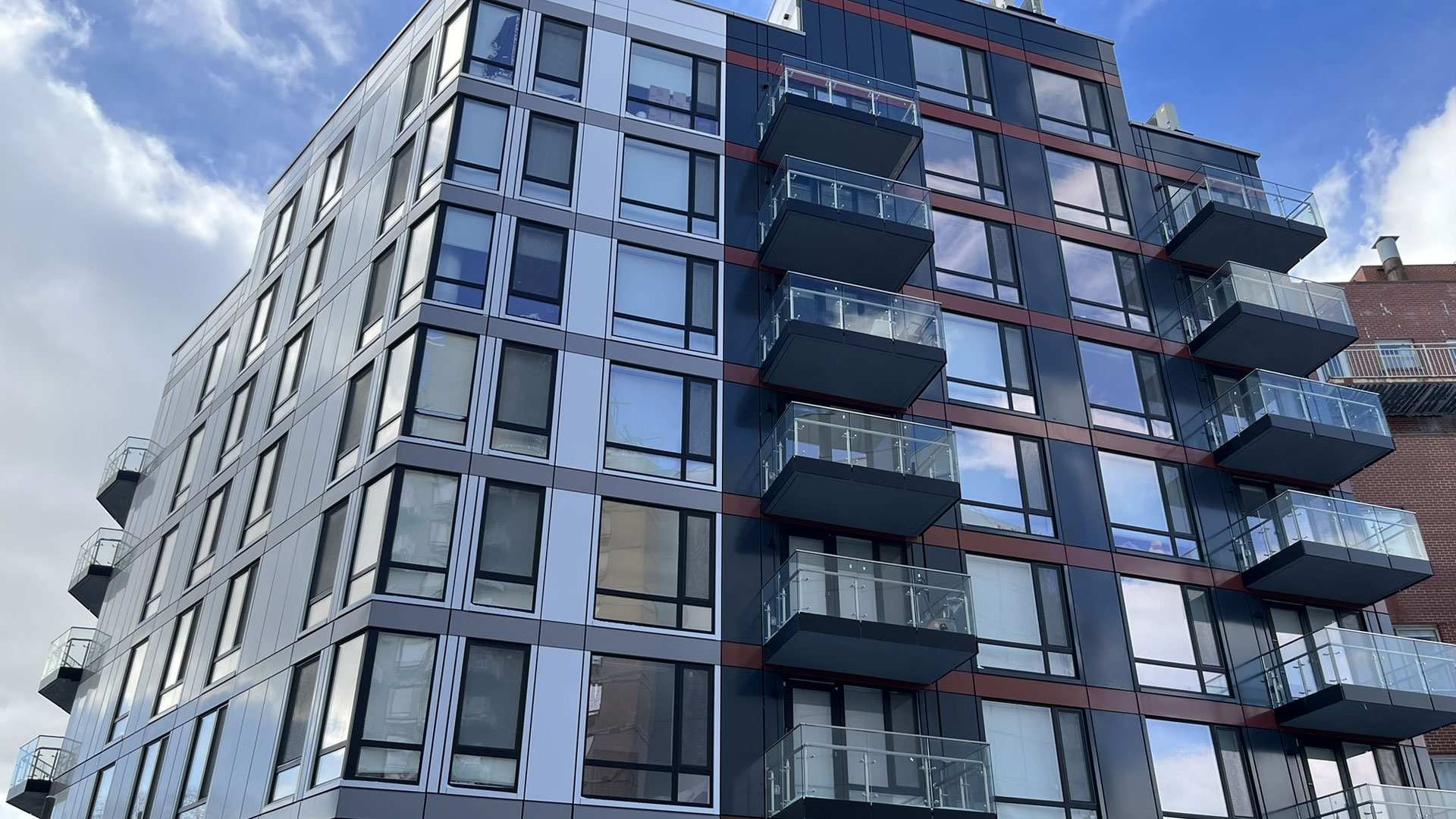
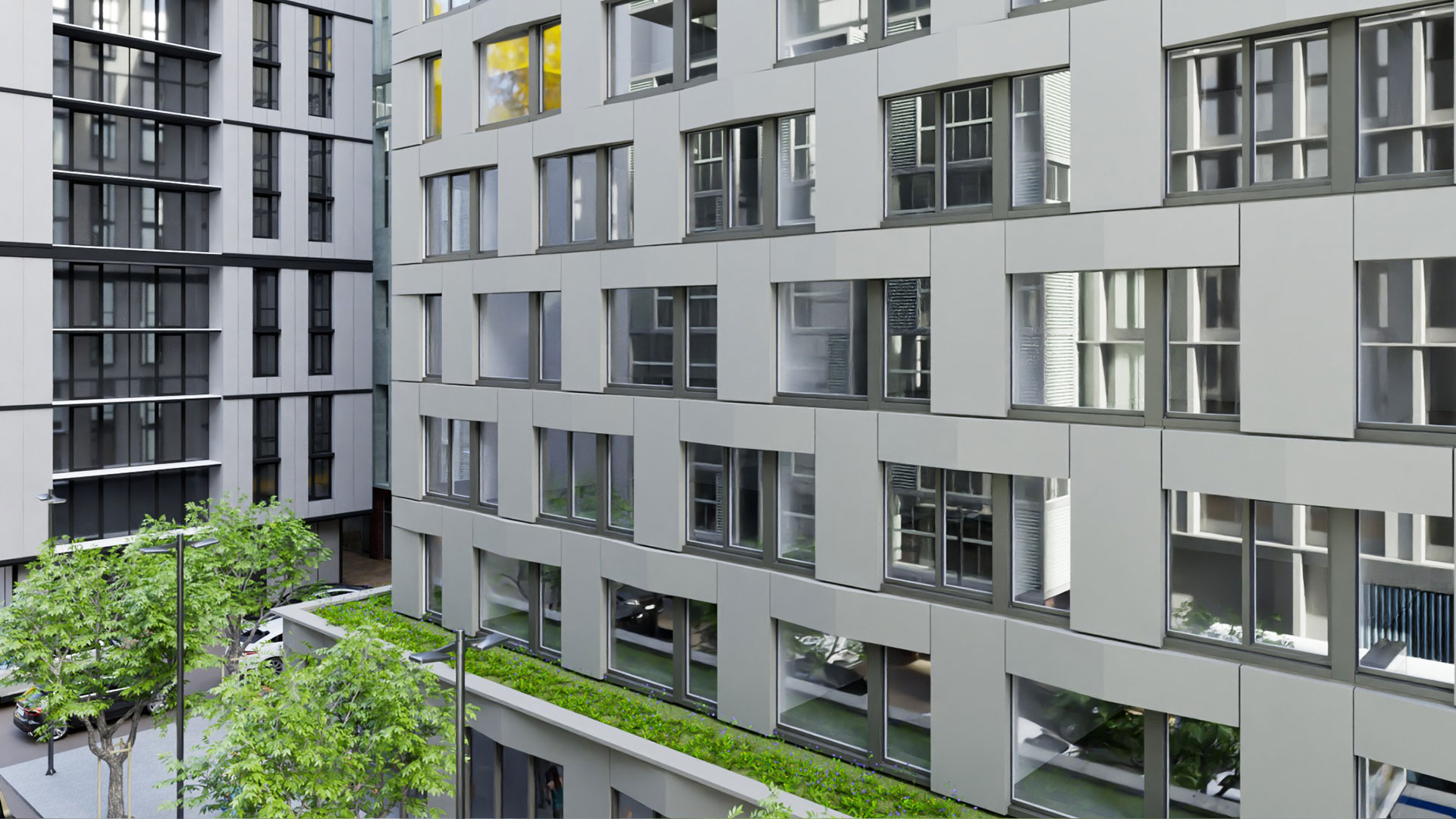
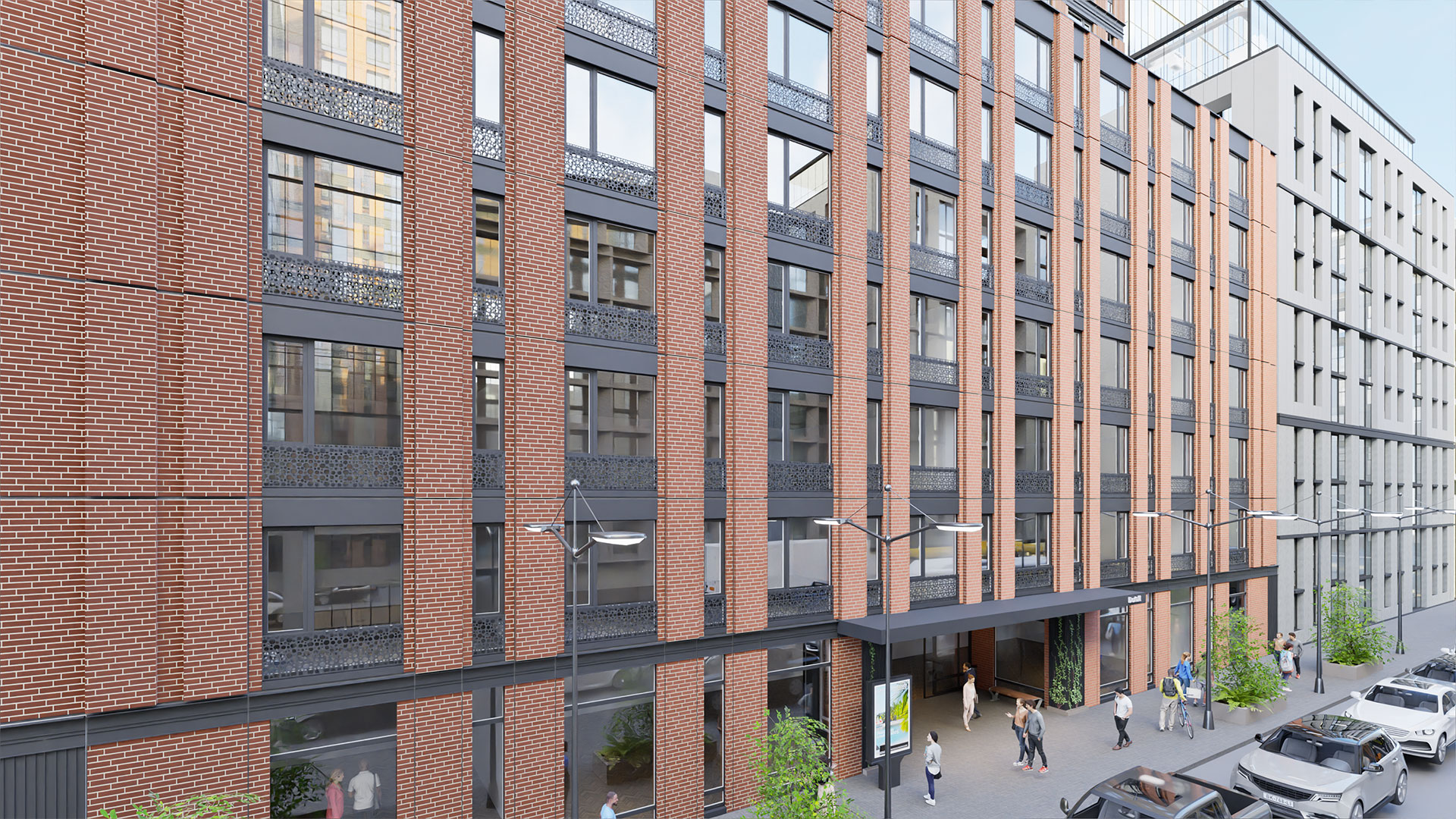
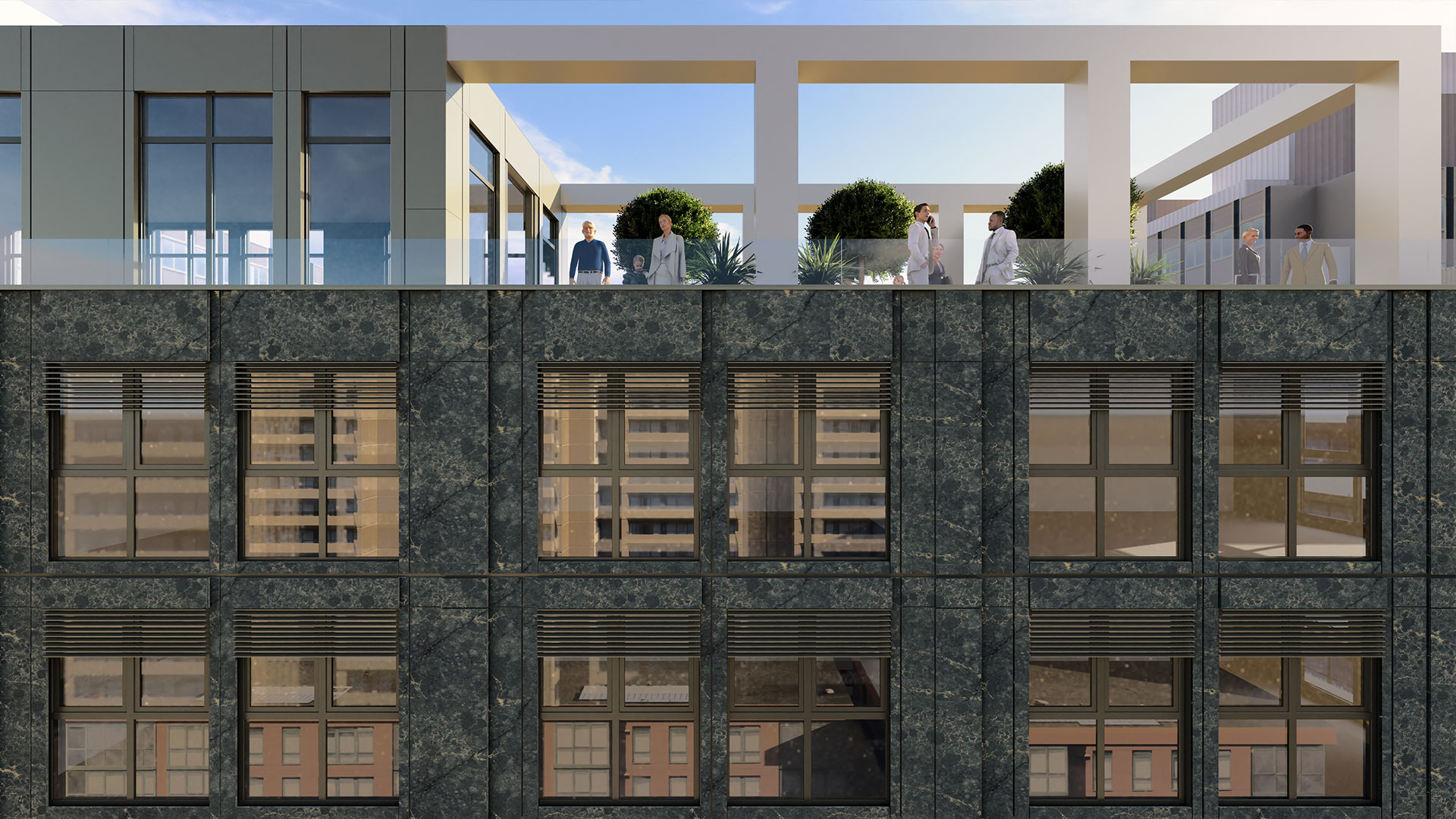
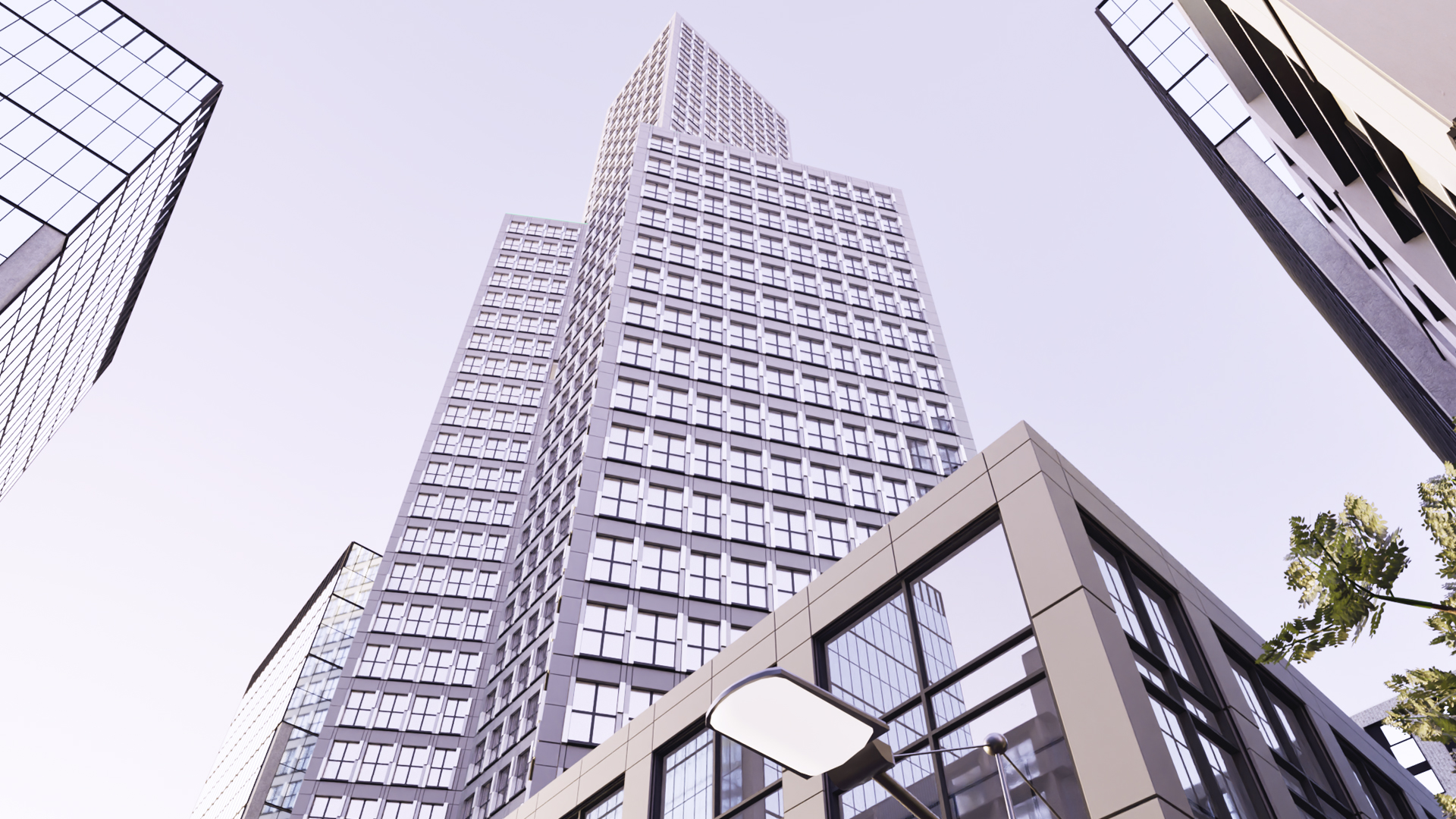
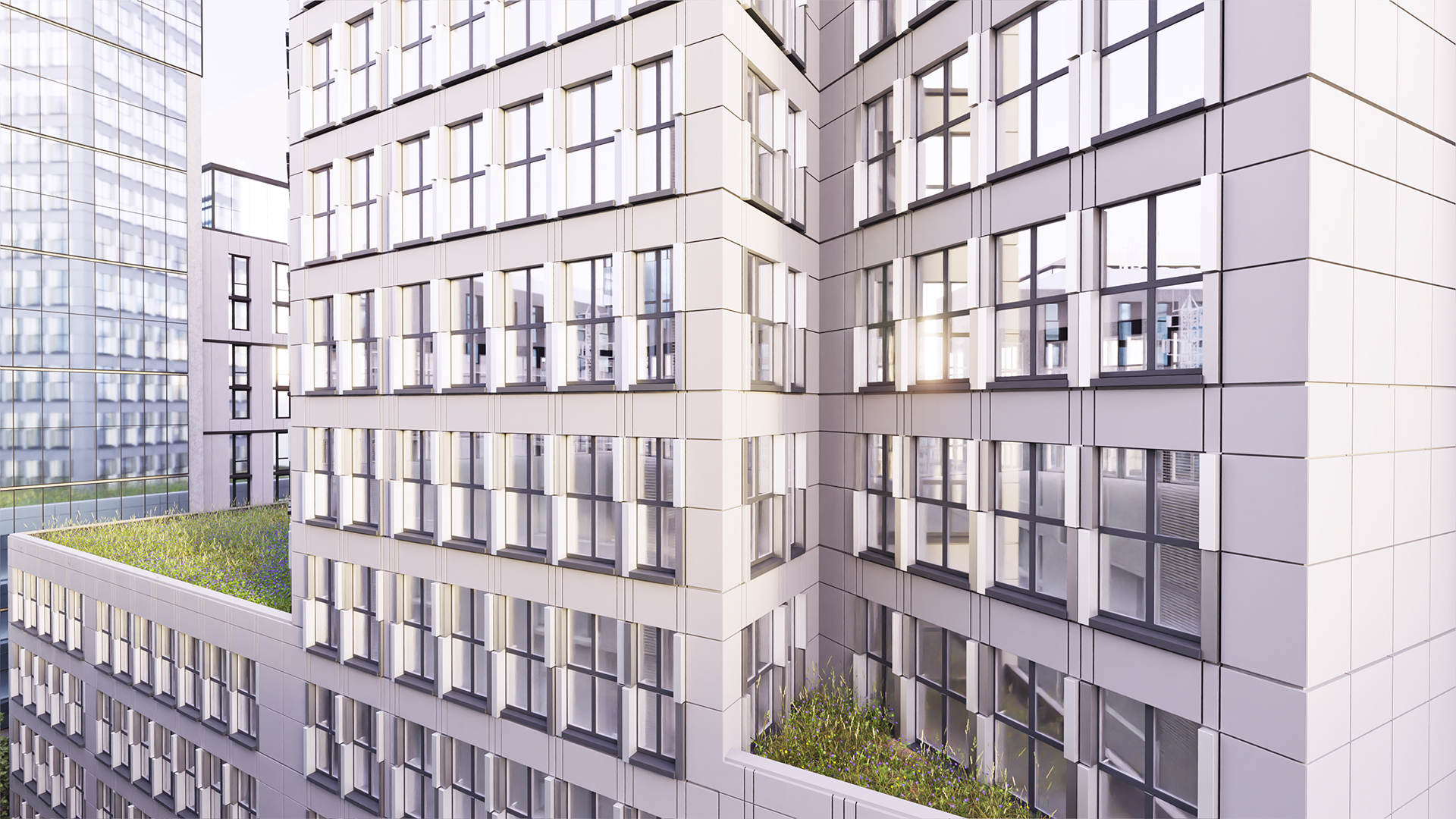
Images featured in this article depict Dextall's projects and are used for illustrative purposes only.
Sources









.jpeg)
-Compliance-for-NYC-Multifamily-%26-Co-Op-Facades.jpg)










_format(webp).avif)
_format(webp)%20(6).avif)
_format(webp)%20(5).avif)
_format(webp)%20(4).avif)
_format(webp)%20(2).avif)
_format(webp)%20(3).avif)


.avif)
_format(webp)%20(2).avif)