Architectural Stone Facade for Commercial Buildings: Specification Guide
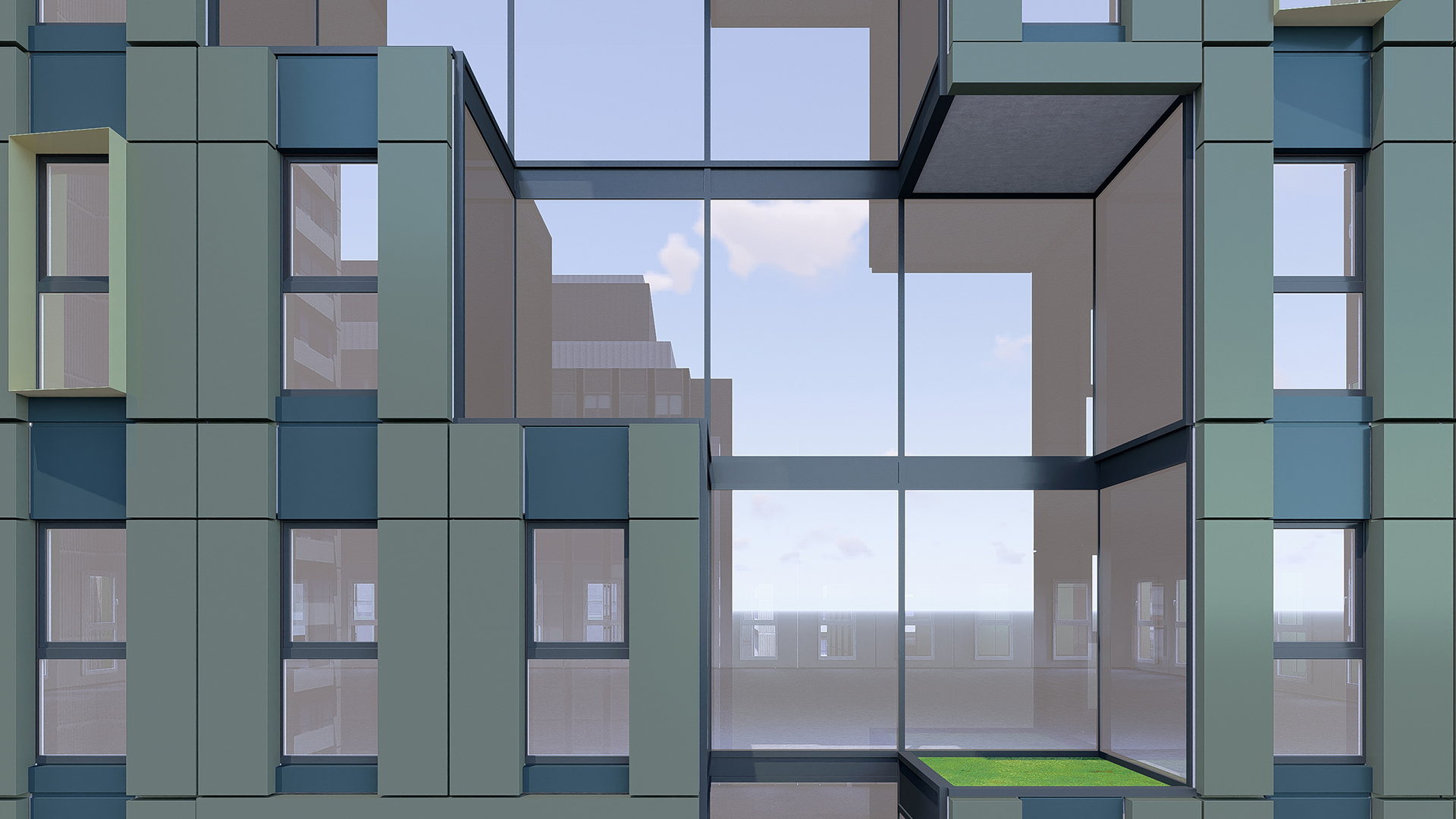
Architectural stone cladding covers a category of exterior finish materials that deliver the visual character of natural stone — texture, depth, color variation — without requiring full-thickness stone and the structural system that supports it. For commercial high-rise projects, this distinction matters from the earliest stages of structural design: natural granite or limestone at full thickness can weigh 12 to 25 pounds per square foot depending on the stone type and installation method, while thin stone veneer and stone-finish composite assemblies typically run 3 to 8 pounds per square foot. That difference propagates through the structural frame, the anchor system, and the long-term maintenance budget. Architects who understand this category can specify it precisely; those who treat all stone-look finishes as equivalent create coordination problems that surface during construction administration.
Demand for stone aesthetics on commercial facades has grown steadily across Dextall's primary markets — New York City, Boston, Chicago, and Washington D.C. — as developers seek the permanence and materiality that stone communicates without the schedule and cost implications of full natural stone. Understanding what distinguishes architectural stone products from each other, and how to write specifications that hold up through design development and construction, is the core skill this guide addresses.
What Distinguishes Architectural Stone from Natural Stone Cladding
The term "architectural stone" does not refer to a single product. It describes a finish category that includes several technically distinct materials, each with different performance profiles:
- Thin stone veneer — natural stone cut to 3/4 inch to 1.25 inches thick. Retains the authenticity of natural stone at reduced weight. Requires mechanical anchoring to an aluminum subframe and careful engineering of movement joints. Governed by ASTM C1242 (design and installation of exterior dimension stone anchor systems) and project-specific structural calculations for wind and seismic loads.
- Glass fiber reinforced concrete (GFRC) — a cement-based composite with glass fiber reinforcement, cast to replicate stone profiles and textures. Weighs 10 to 18 pounds per square foot depending on thickness. Highly durable, non-combustible, and well-suited to complex geometric profiles. Factory-cast to tight tolerances.
- Stone-finish aluminum composite (ACM) — an aluminum and ACM core product with a factory-applied stone-texture coating or digital print. The lightest option in the category, typically under 4 pounds per square foot. Non-combustible aluminum substrate meets IBC requirements for Type I and Type II construction. Factory coating to AAMA 2605 provides long-term finish durability.
- Porcelain and sintered stone — large-format fired ceramic or sintered mineral products. High compressive strength, low water absorption, UV stable. Requires a purpose-designed rail and clip system. Weight varies by thickness, typically 4 to 8 pounds per square foot at 12mm thickness.
Each material in this category qualifies as "architectural stone" in the context of design intent. Each has different structural implications, fire performance characteristics, installation requirements, and long-term maintenance demands. The specification must name the specific material type — not just "stone finish" or "stone cladding."
Why Architects Specify Architectural Stone for Commercial High-Rise
Full-thickness natural stone on a high-rise facade is rarely the right answer on cost or schedule grounds, even when it is the right answer aesthetically. The structural implications alone — additional dead load on a floor-to-floor basis, strengthened anchor conditions at every level, larger slab edges — add cost that compounds across 30 or 40 floors. Installation is slow because natural stone at full thickness is heavy, fragile to handle, and requires precision setting.
Architectural stone in its various forms resolves this tension. The structural and schedule advantages are straightforward:
- Lower dead load reduces structural steel and foundation requirements, which is meaningful on constrained urban sites where every pound matters.
- Factory fabrication — possible with thin stone veneer on aluminum subframes, GFRC, and stone-finish ACM — moves assembly work off the critical path and off the scaffold.
- Faster installation reduces crane time and the duration of work at height, which directly affects insurance, safety exposure, and schedule.
- Consistent color and texture are achievable in factory conditions in ways that are not achievable with field-cut natural stone, where quarry variation introduces visual inconsistency across an elevation.
For mixed-use residential towers in NYC — where Local Law 11 cycle costs are a long-term ownership consideration — low-maintenance exterior finishes are a legitimate underwriting factor. Architectural stone finishes that do not require sealing, are resistant to freeze-thaw spalling, and do not stain from urban pollution reduce the 40-year maintenance cost profile of the facade.
Fire Performance and Building Code Requirements
IBC Chapter 14 governs exterior wall finish materials. For Type I and Type II construction — the construction types that apply to commercial high-rise — exterior cladding materials must meet the non-combustibility requirements of IBC Section 1406 or demonstrate compliance through tested assemblies.
Within the architectural stone category, fire performance varies by material type:
- Natural thin stone veneer — inherently non-combustible. Meets IBC Section 703.4 non-combustible material definition without additional testing. No NFPA 285 trigger from the stone itself, though the full assembly — including the insulation behind it — may trigger NFPA 285 requirements if foam plastic insulation is present.
- GFRC — cement matrix is non-combustible. The glass fiber reinforcement is non-combustible. GFRC qualifies as a non-combustible material under IBC and does not trigger NFPA 285 independently.
- Stone-finish ACM — fire performance depends entirely on the ACM core type. PE-core ACM does not pass non-combustible facade requirements for high-rise. Mineral-filled core ACM in a NFPA 285-tested assembly meets IBC requirements for Type I and II buildings. Specifiers must confirm the core type and the full tested assembly, not just the surface finish.
- Porcelain and sintered stone — non-combustible. The fired ceramic matrix meets IBC non-combustible material definitions.
The consistent rule across all architectural stone types: verify the fire performance of the complete assembly, not the cladding finish in isolation. The insulation behind the cladding is typically the controlling variable for NFPA 285 compliance.
How to Write an Architectural Stone Specification
Architectural stone specifications fail most often because they describe an aesthetic outcome rather than a performance requirement. "Stone-look exterior finish" tells the contractor nothing about material type, fire rating, weight, anchor system, or coating durability. The following framework addresses the minimum performance requirements for commercial high-rise:
- Name the material type. Specify whether the requirement is for thin stone veneer, GFRC, stone-finish ACM, or porcelain. Each product category references different ASTM standards, installation methods, and tested assemblies.
- State the dead load limit. Structural engineers need a maximum weight per square foot for the cladding zone. Include this in the specification so substitutions can be evaluated against structural capacity, not just aesthetics.
- Reference the anchor system standard. For thin stone veneer, reference ASTM C1513. For GFRC, reference GRCA (Glass Fiber Reinforced Concrete Association) guidelines. For ACM, reference the manufacturer's tested anchor system in the context of the NFPA 285-tested assembly.
- Require movement joint documentation. Stone-look cladding on a high-rise undergoes thermal movement, structural deflection, and — in seismic zones — drift. Movement joints must be engineered and located before shop drawings are issued, not resolved in the field.
- Specify the coating standard for ACM finishes. AAMA 2605 is the correct standard for stone-finish ACM on commercial high-rise. It requires a 70% PVDF resin coating system and provides the highest durability rating for exterior architectural finishes.
- Require tested assembly documentation at submittal. For any assembly containing foam plastic insulation, NFPA 285 compliance of the full assembly — not the cladding product alone — must be confirmed before shop drawing approval.
Dextall's Architectural Stone for D Wall® Modular Building Components
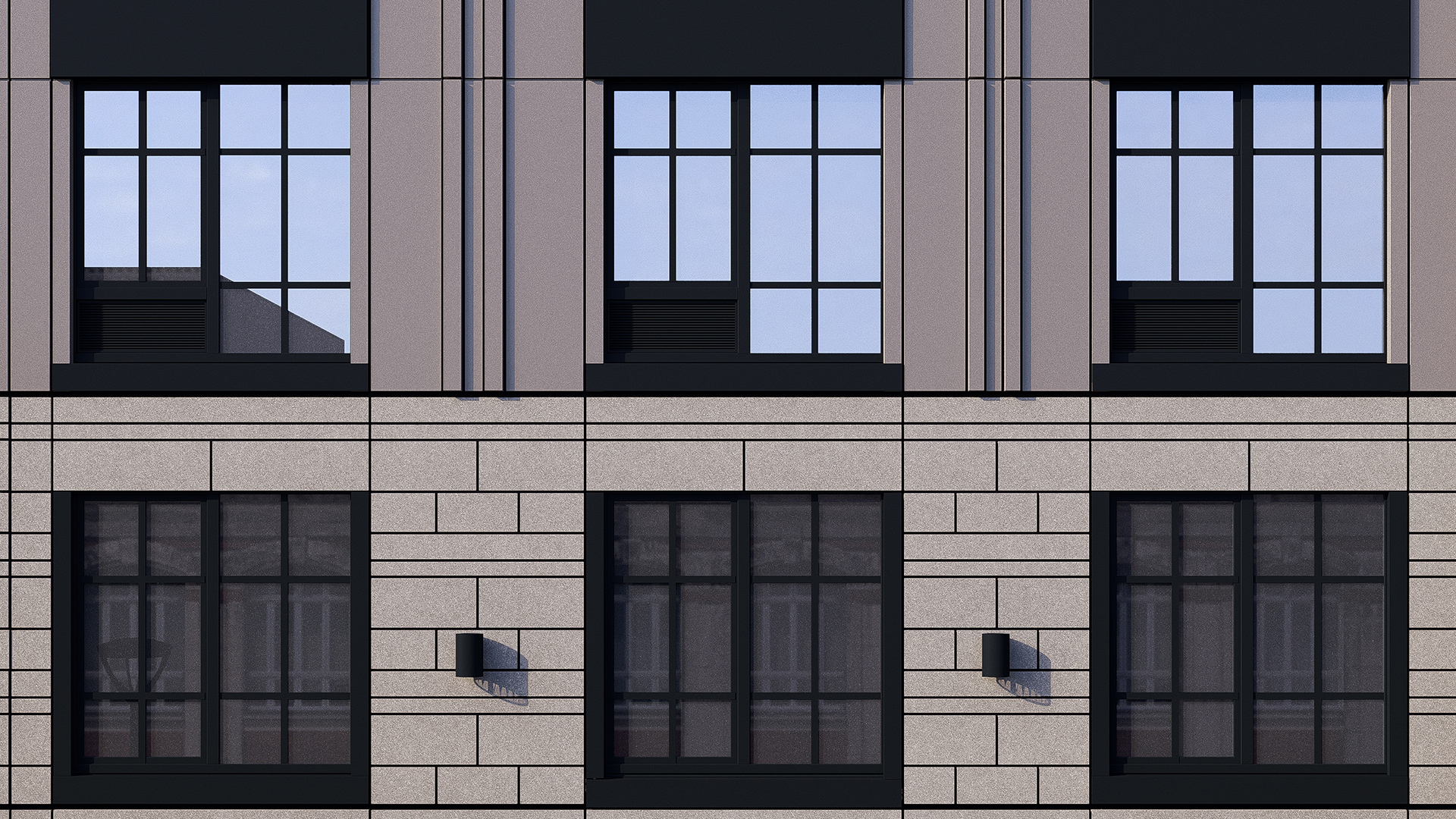
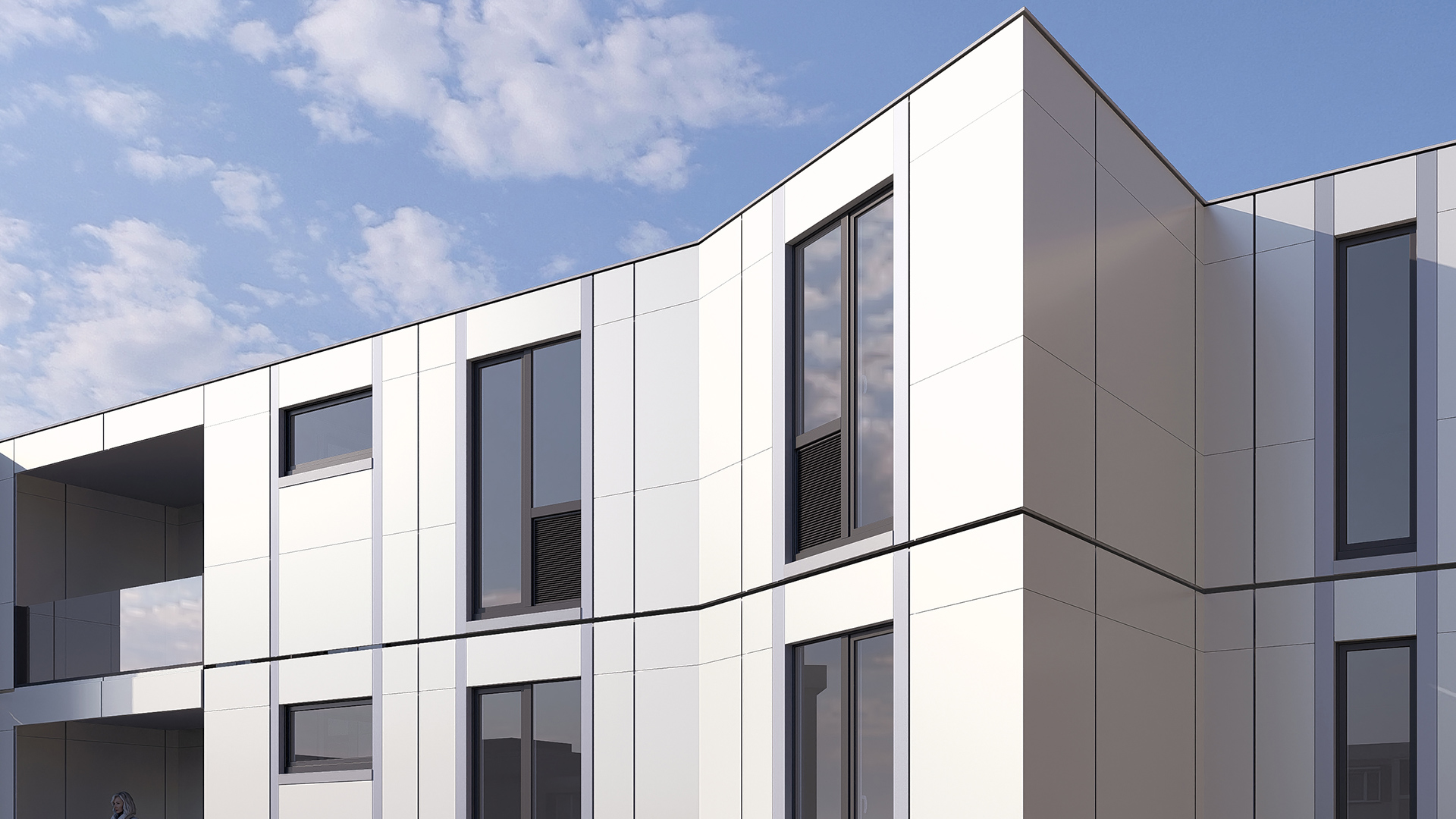
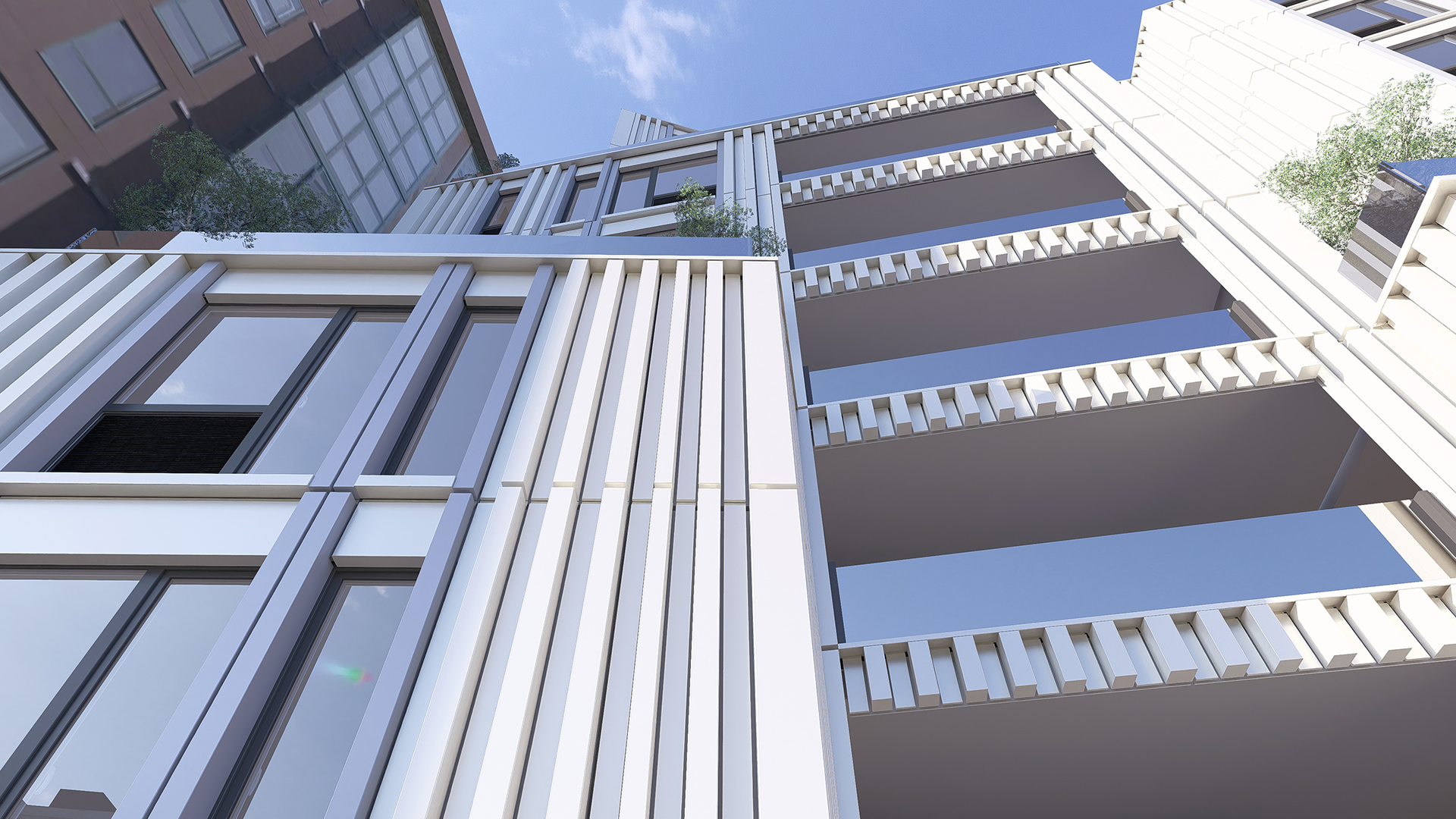
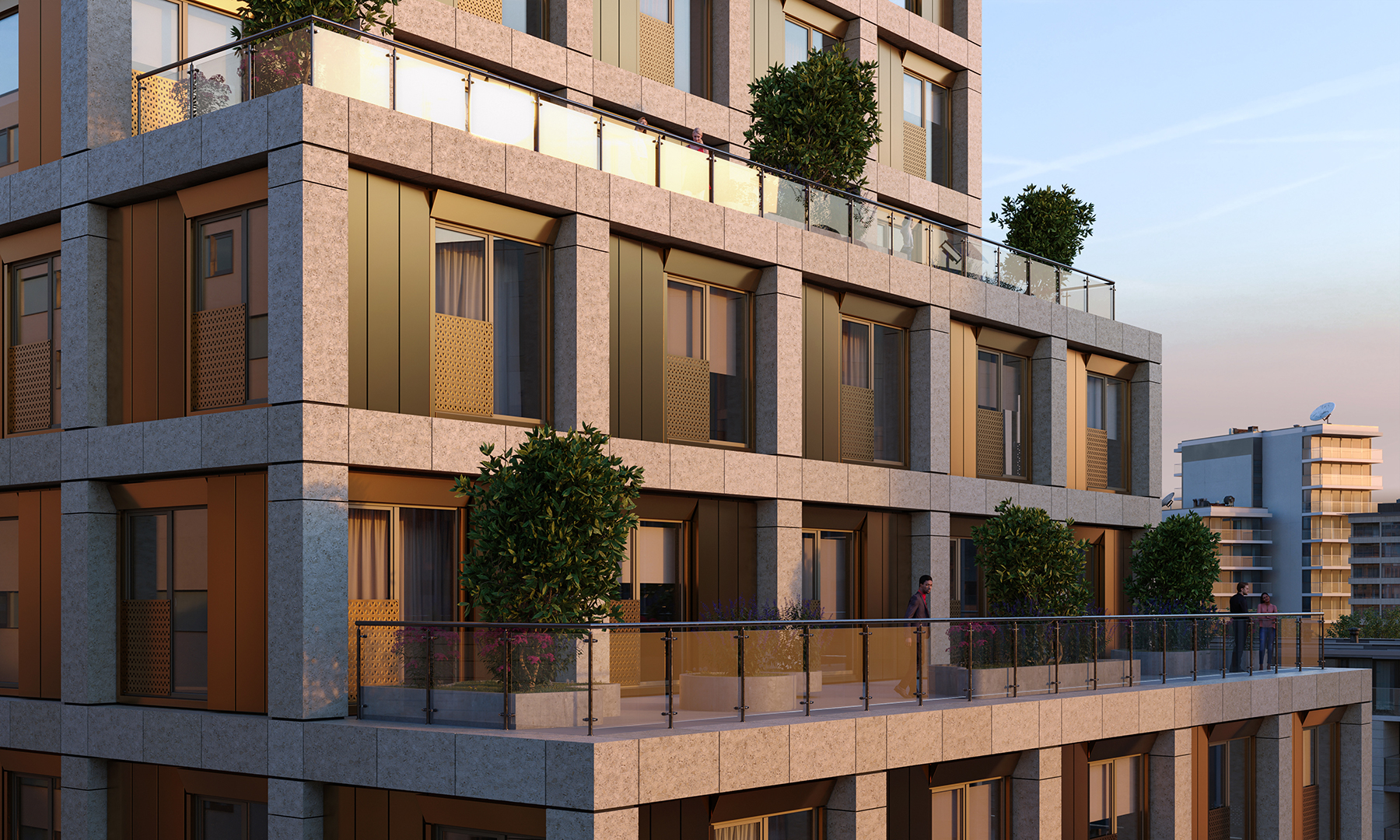
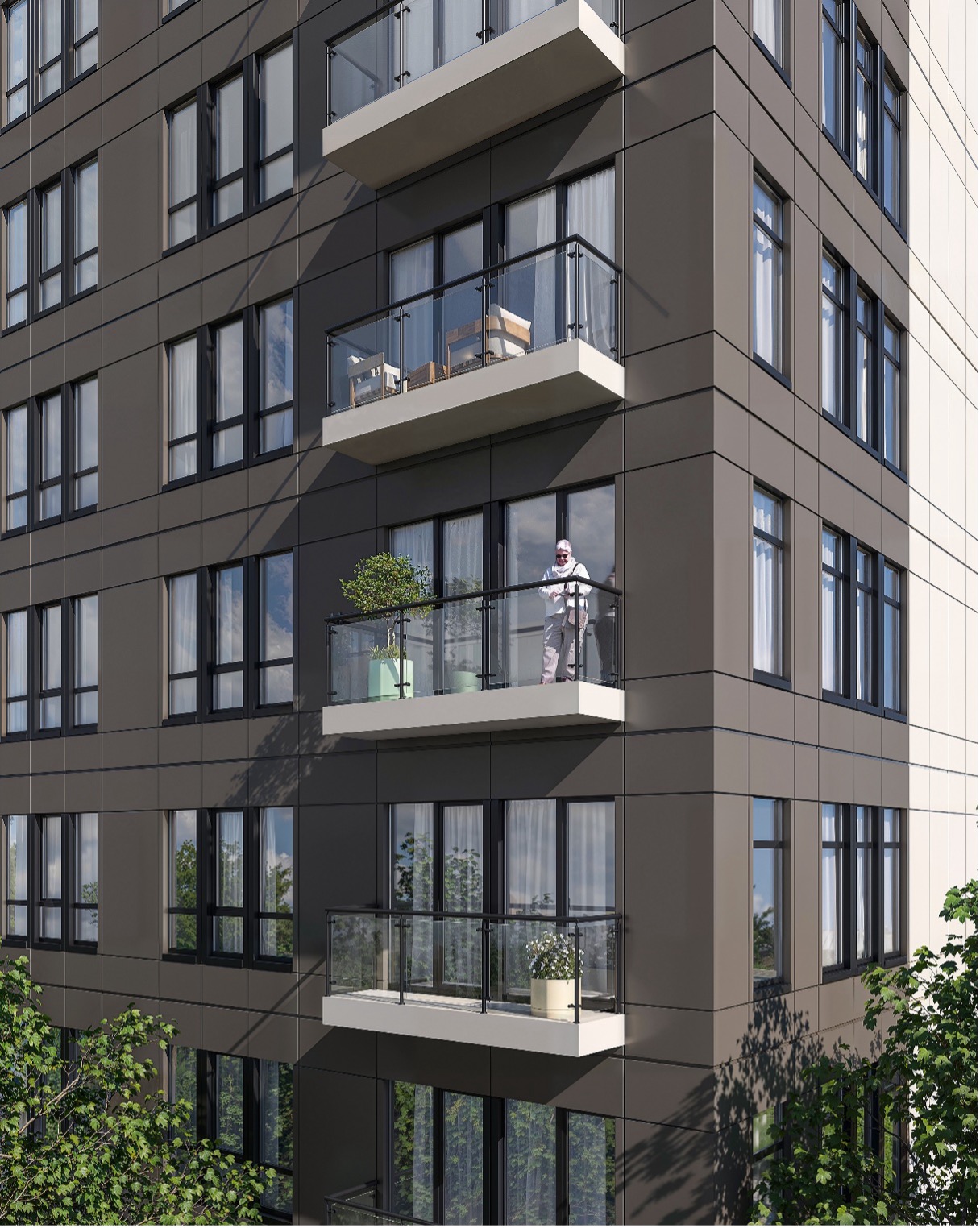
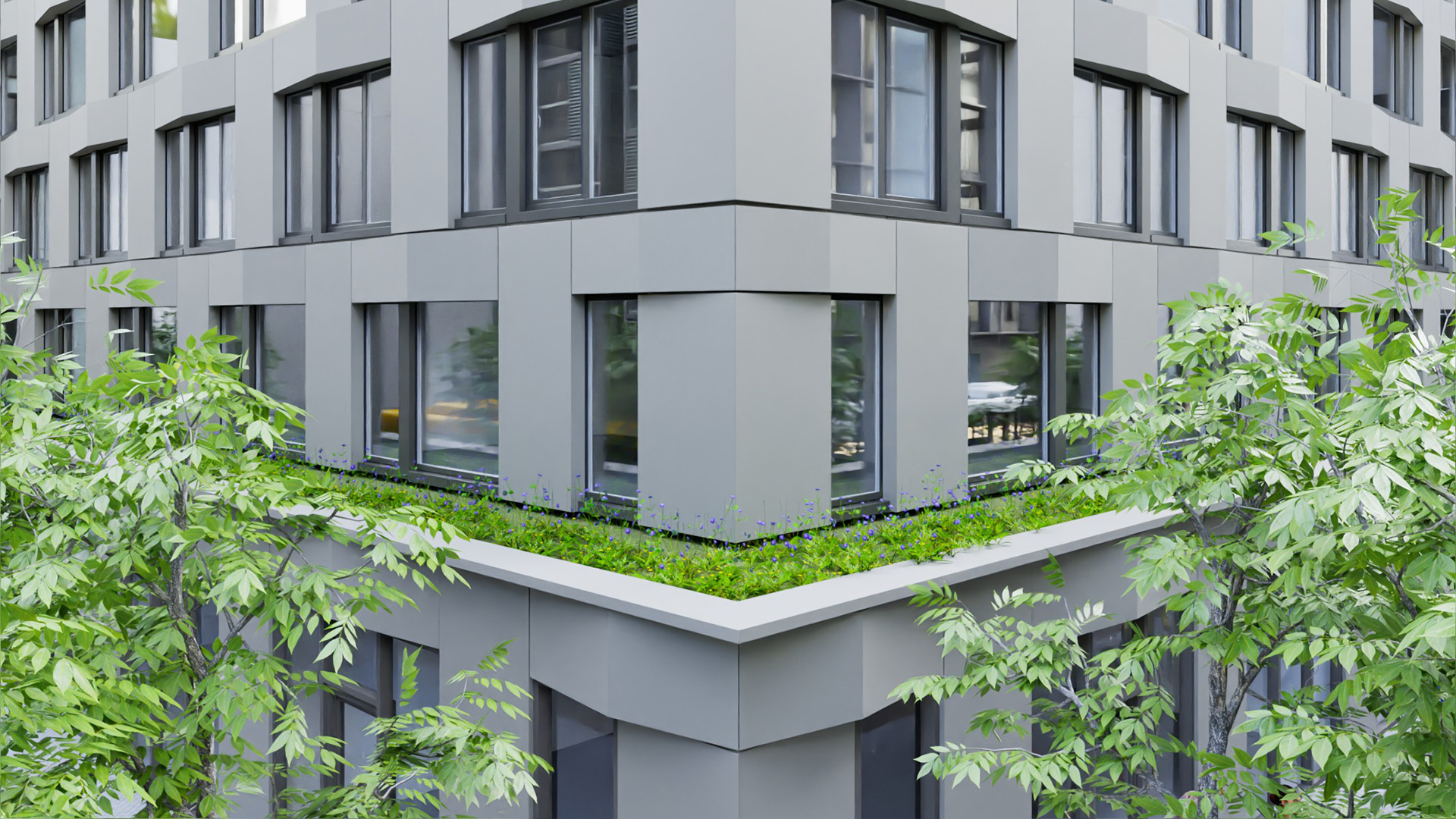
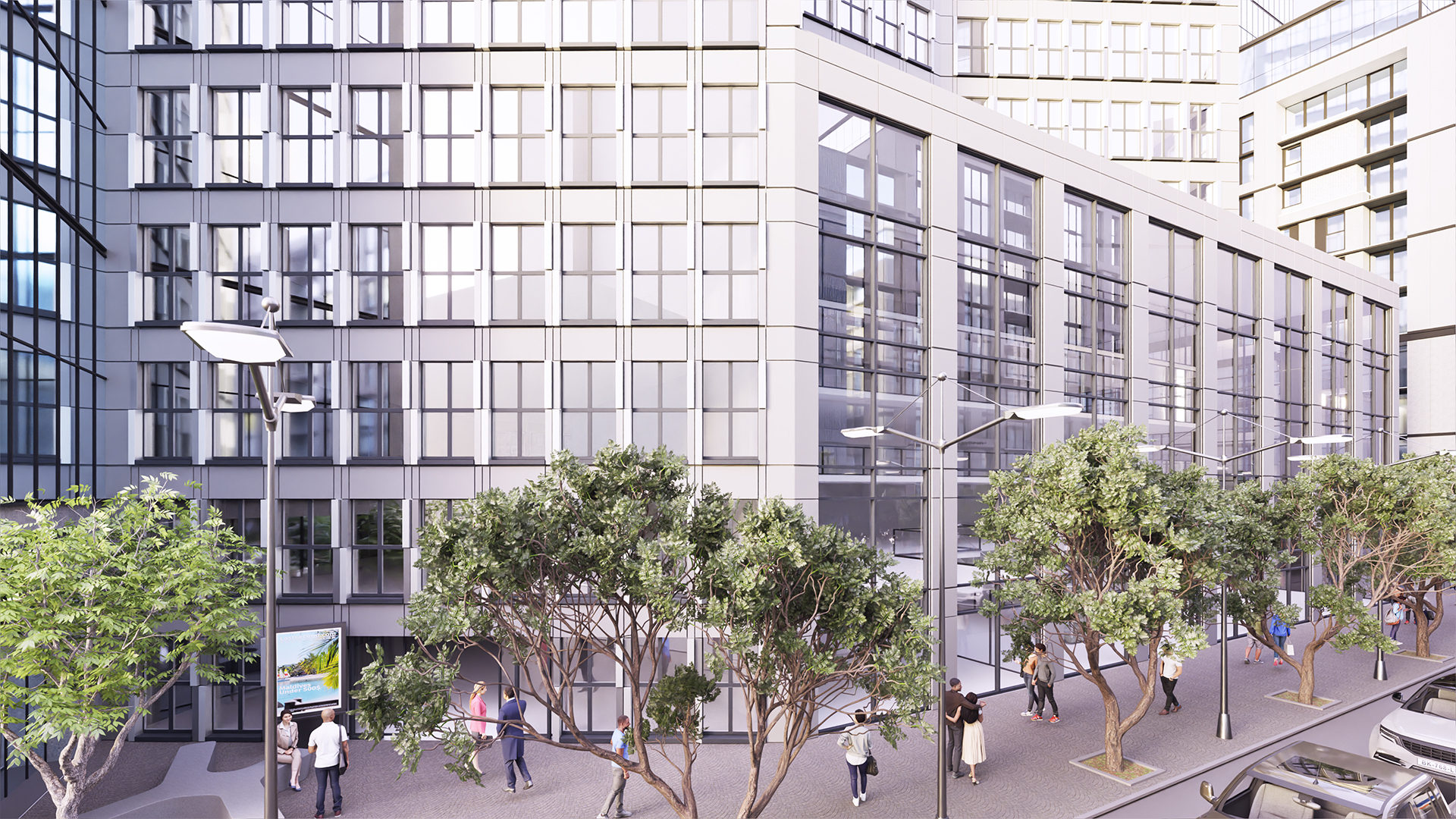
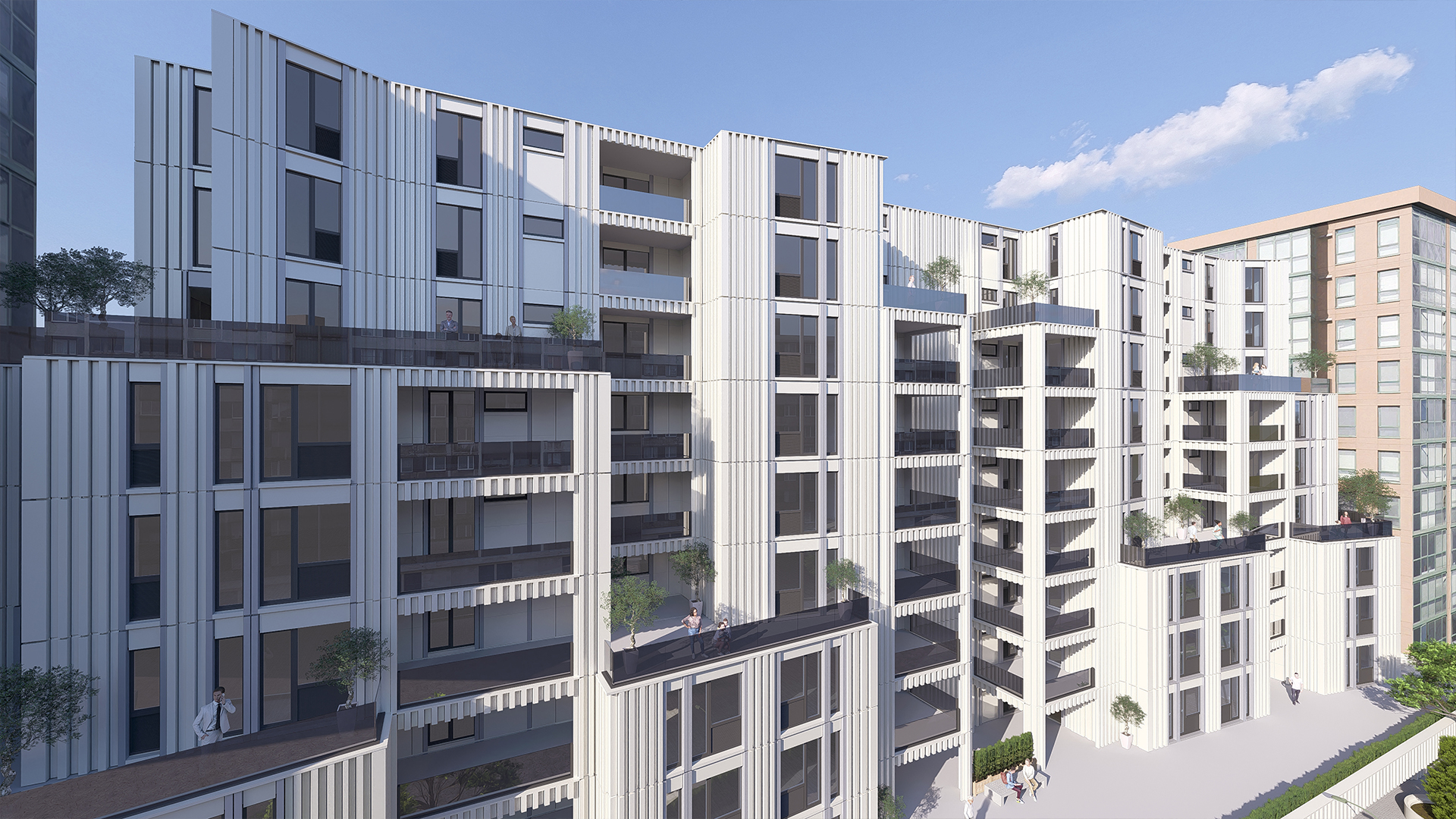
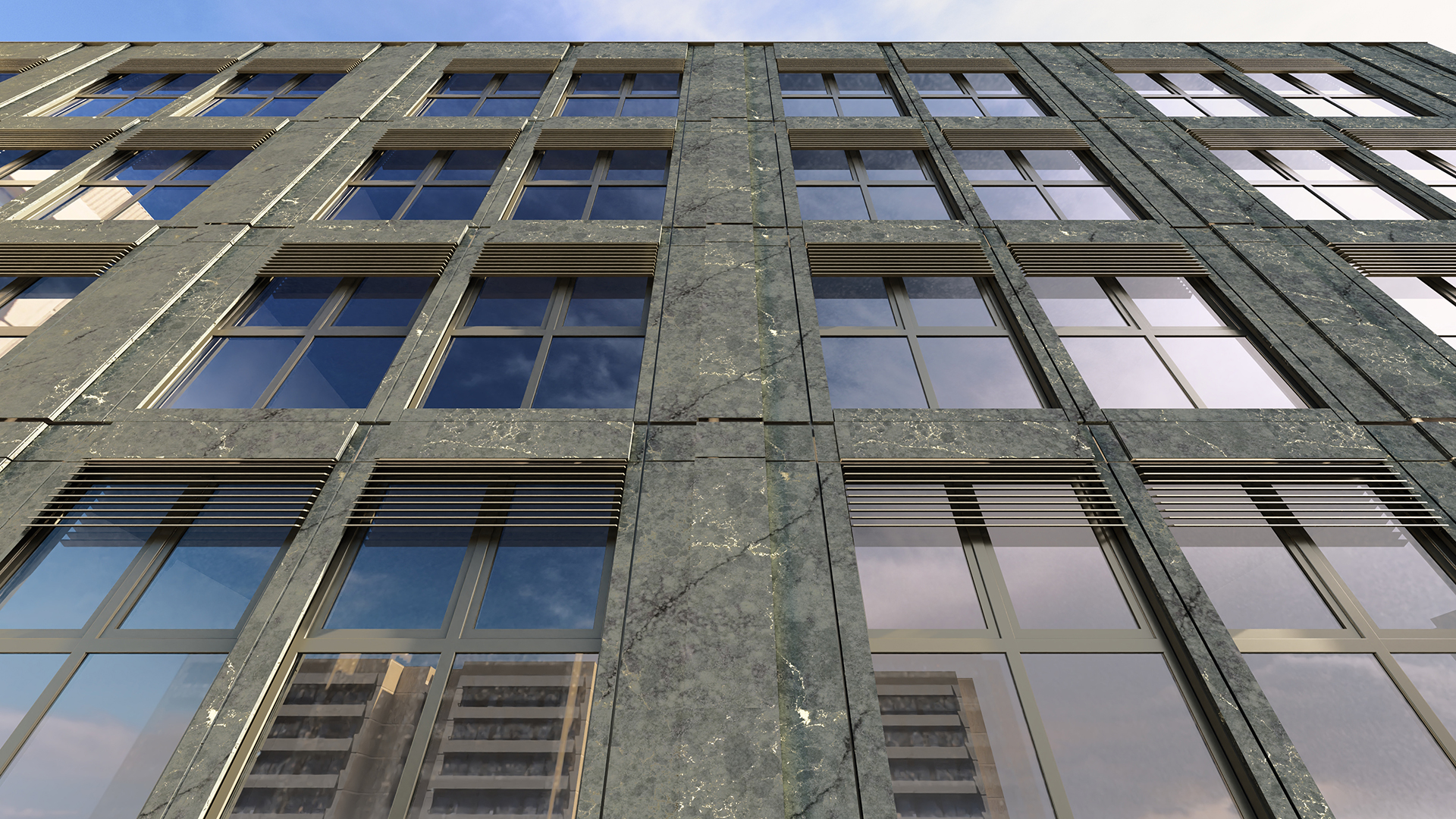
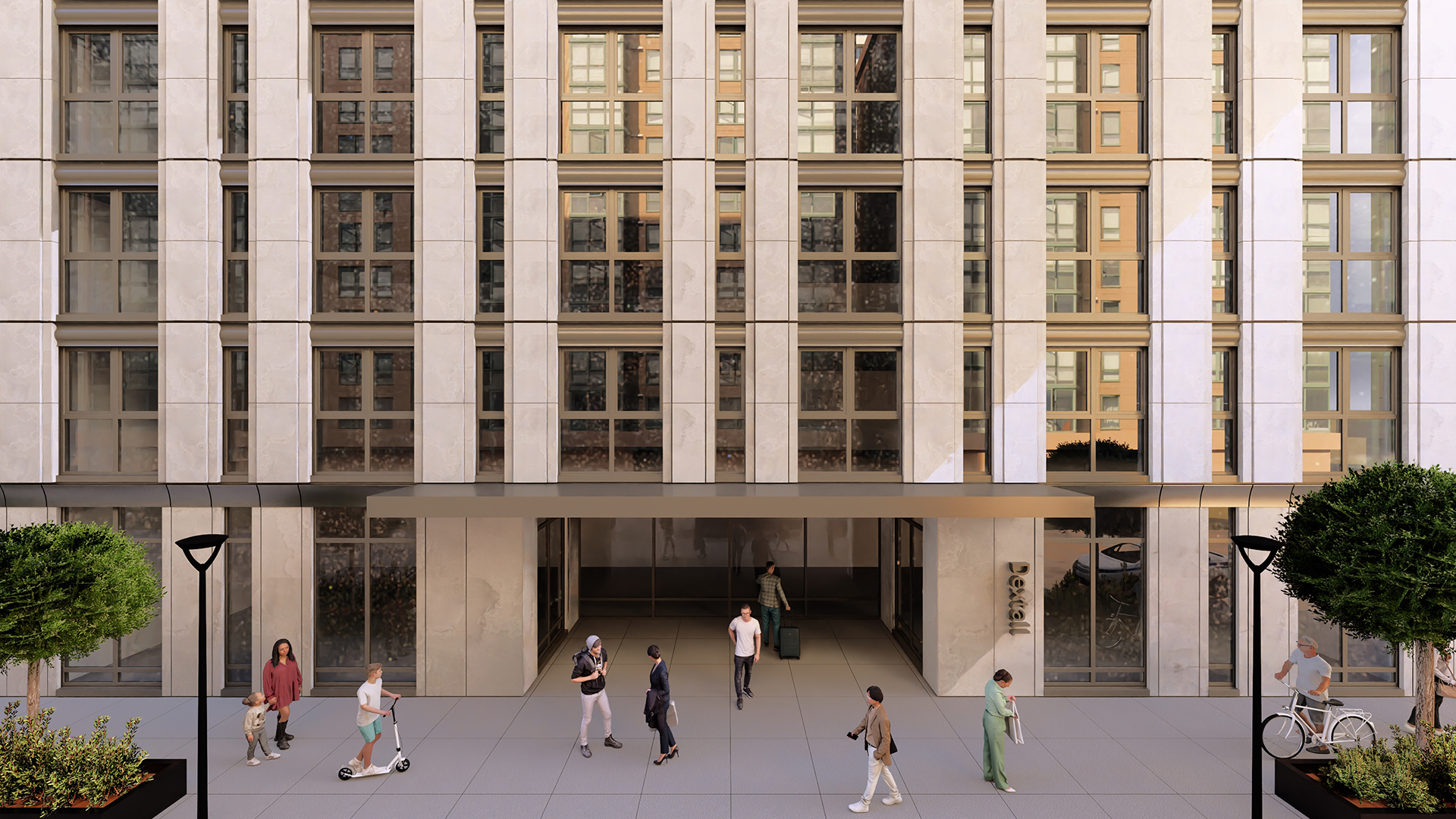
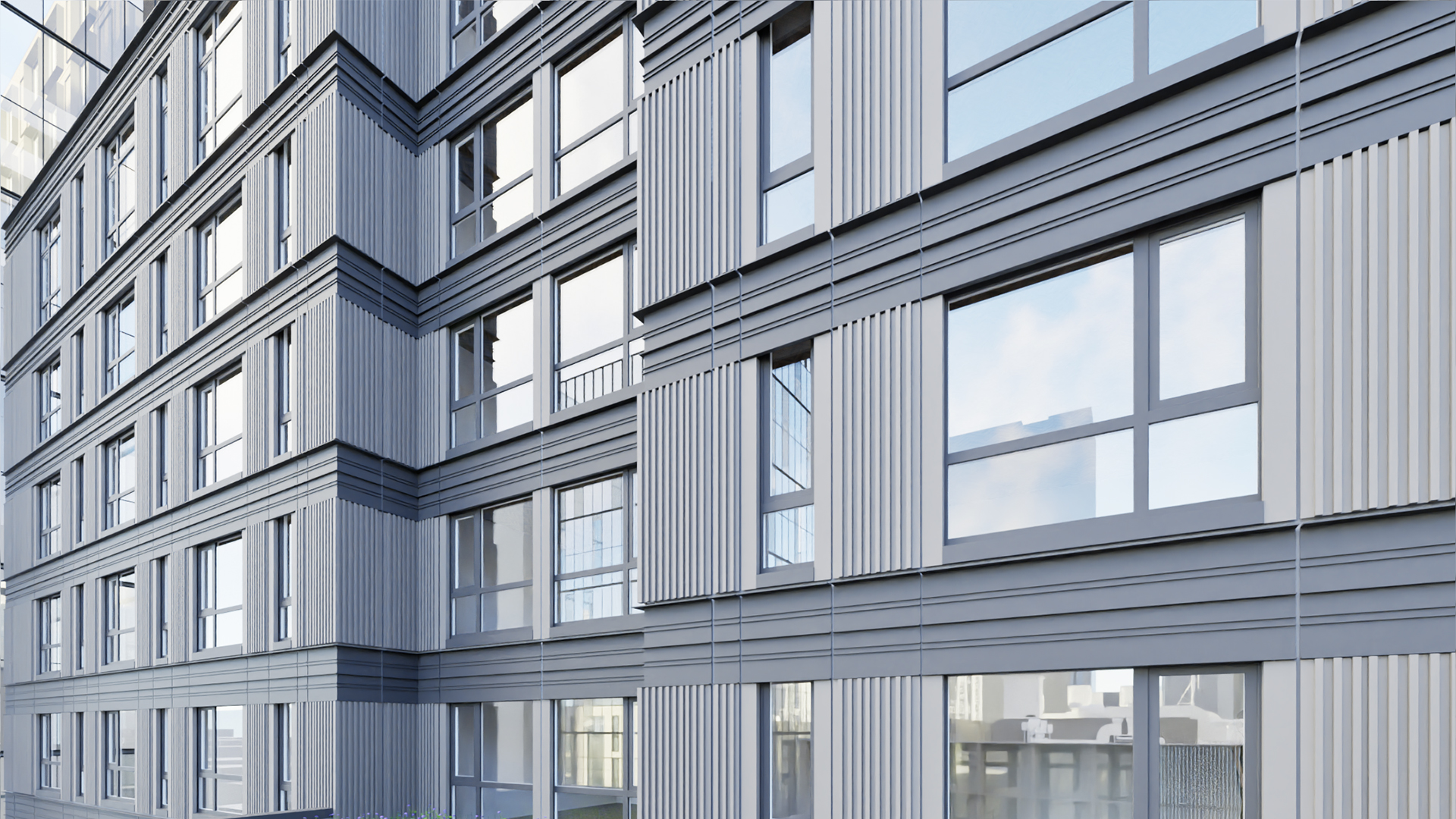
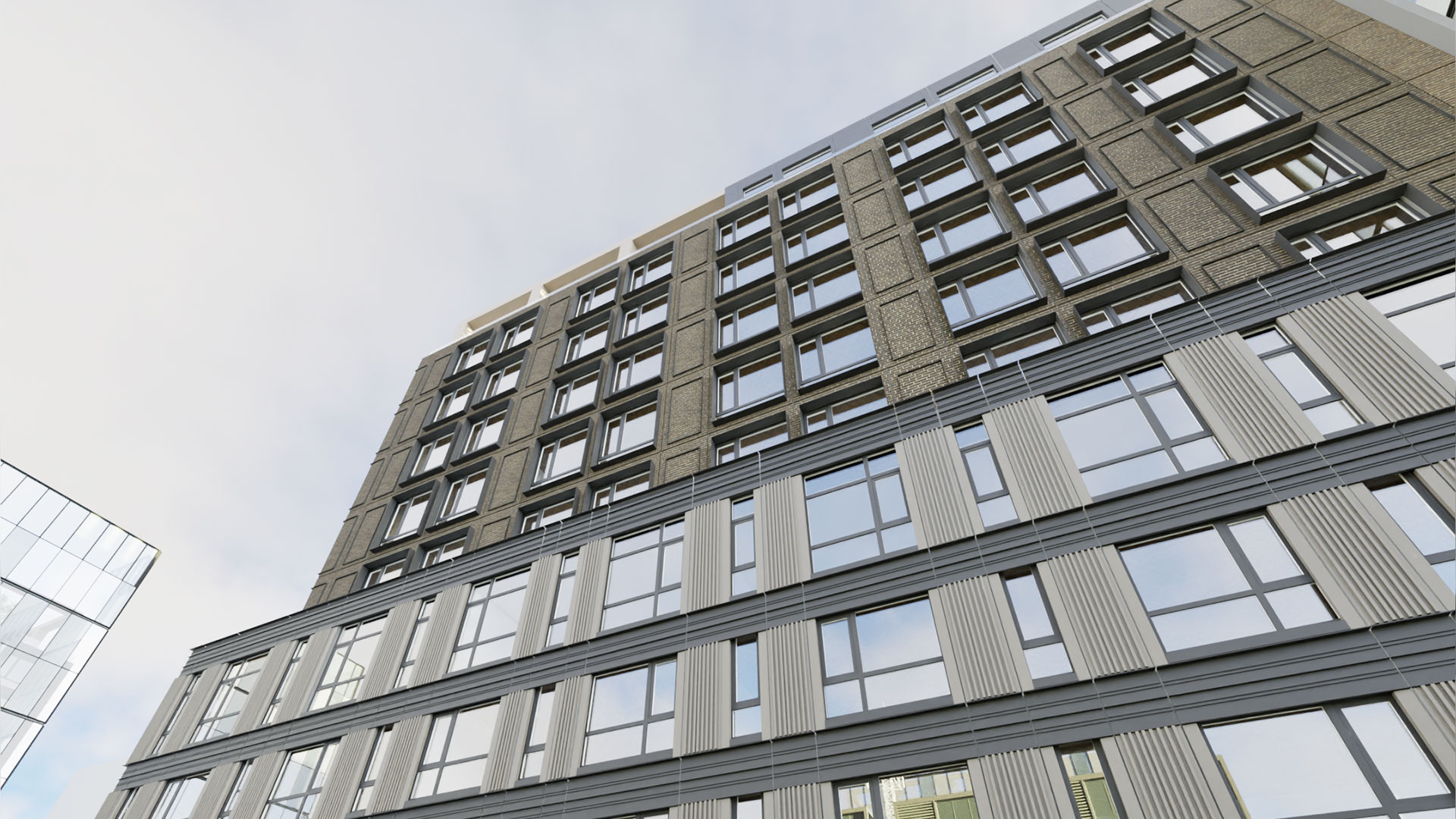
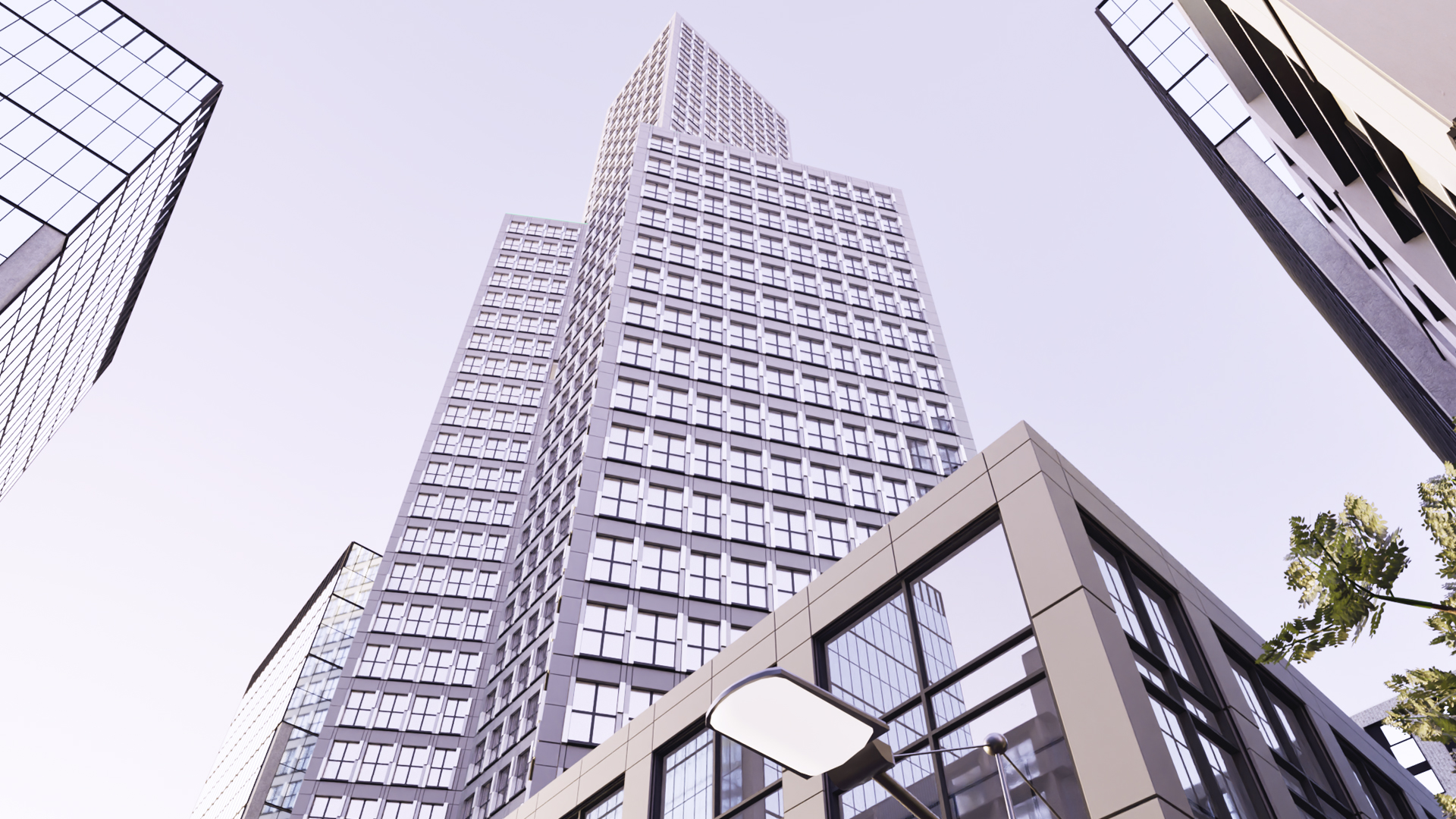
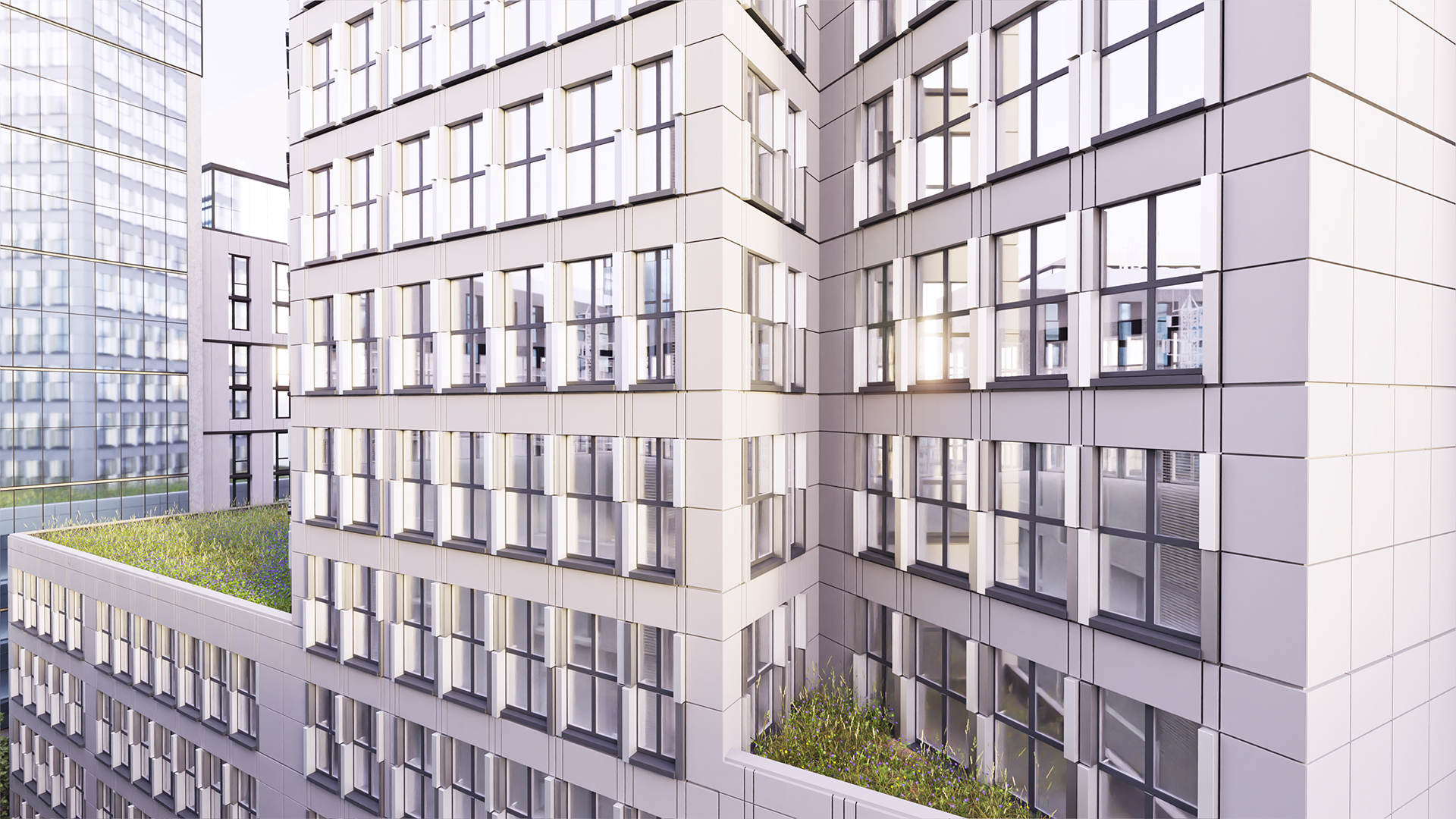
Dextall's D Wall® modular building components for exteriors are available with an Architectural Stone finish — a factory-applied stone aesthetic on an aluminum and ACM substrate, assembled to the same factory quality standards as all D Wall® configurations.
The aluminum and ACM core of D Wall® is non-combustible and, when assembled as part of the tested D Wall® configuration, meets NFPA 285 requirements. The stone finish is applied in the factory under controlled conditions, producing consistent color and texture across the full elevation — without the quarry variation that characterizes field-cut natural stone and without the weight that full-thickness stone imposes on the structure.
The AAMA 2605 coating standard applied to D Wall® aluminum components provides long-term finish performance that matches what architects specify on NYC and Boston high-rise projects. The 10-year Dextall warranty covers the complete assembled component — not individual materials — which simplifies the warranty chain for the owner and the architect of record.
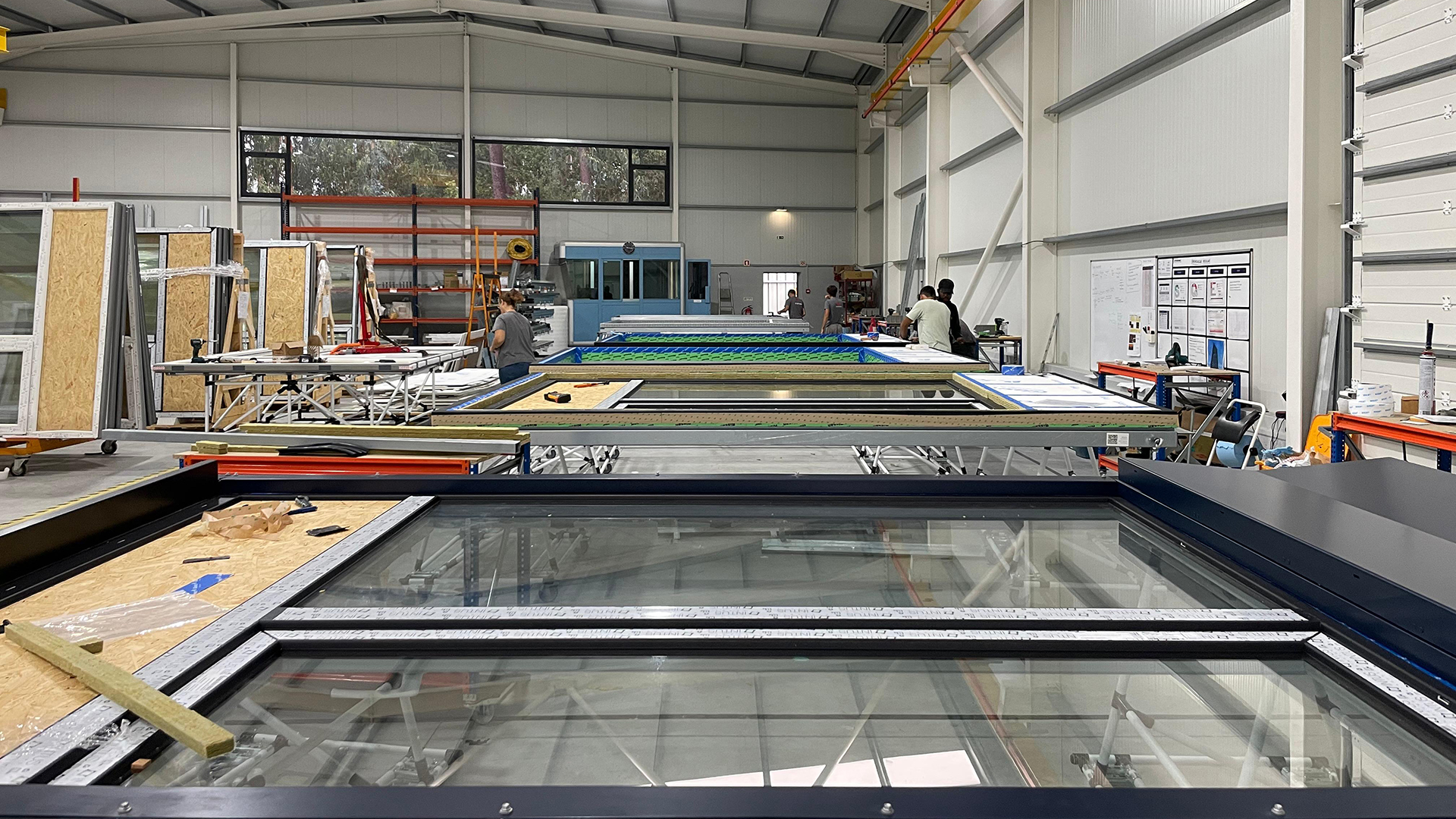
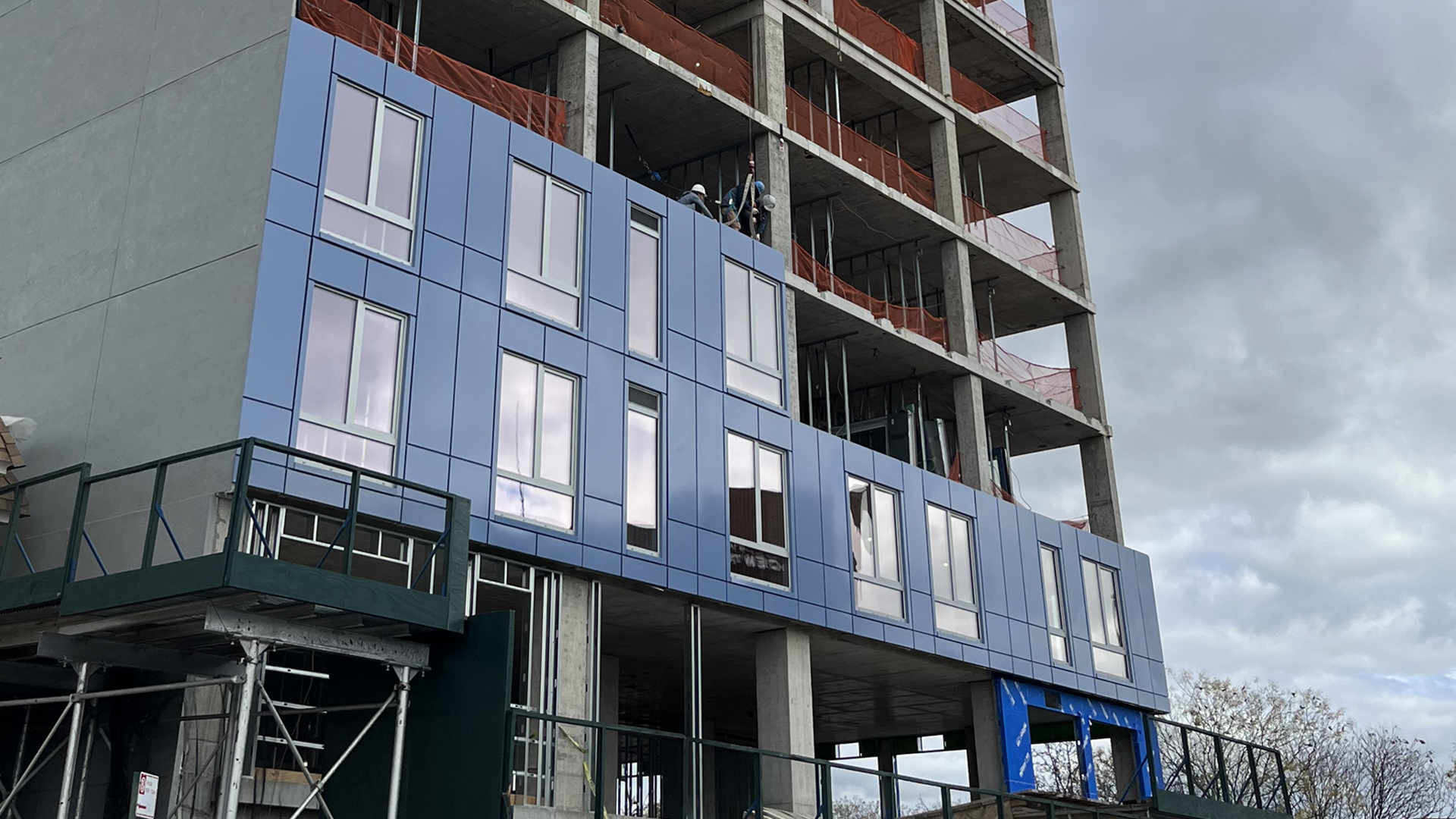
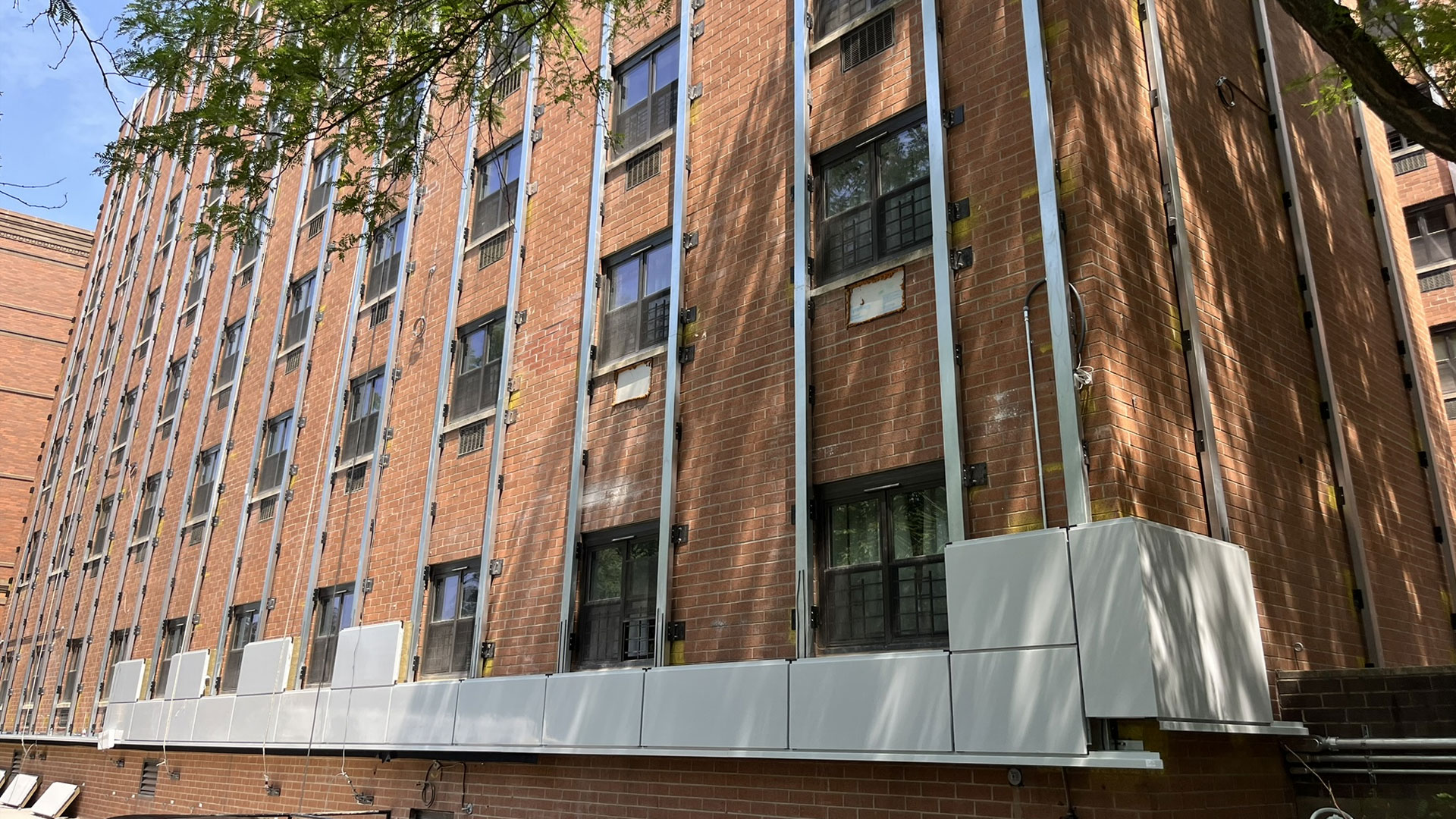
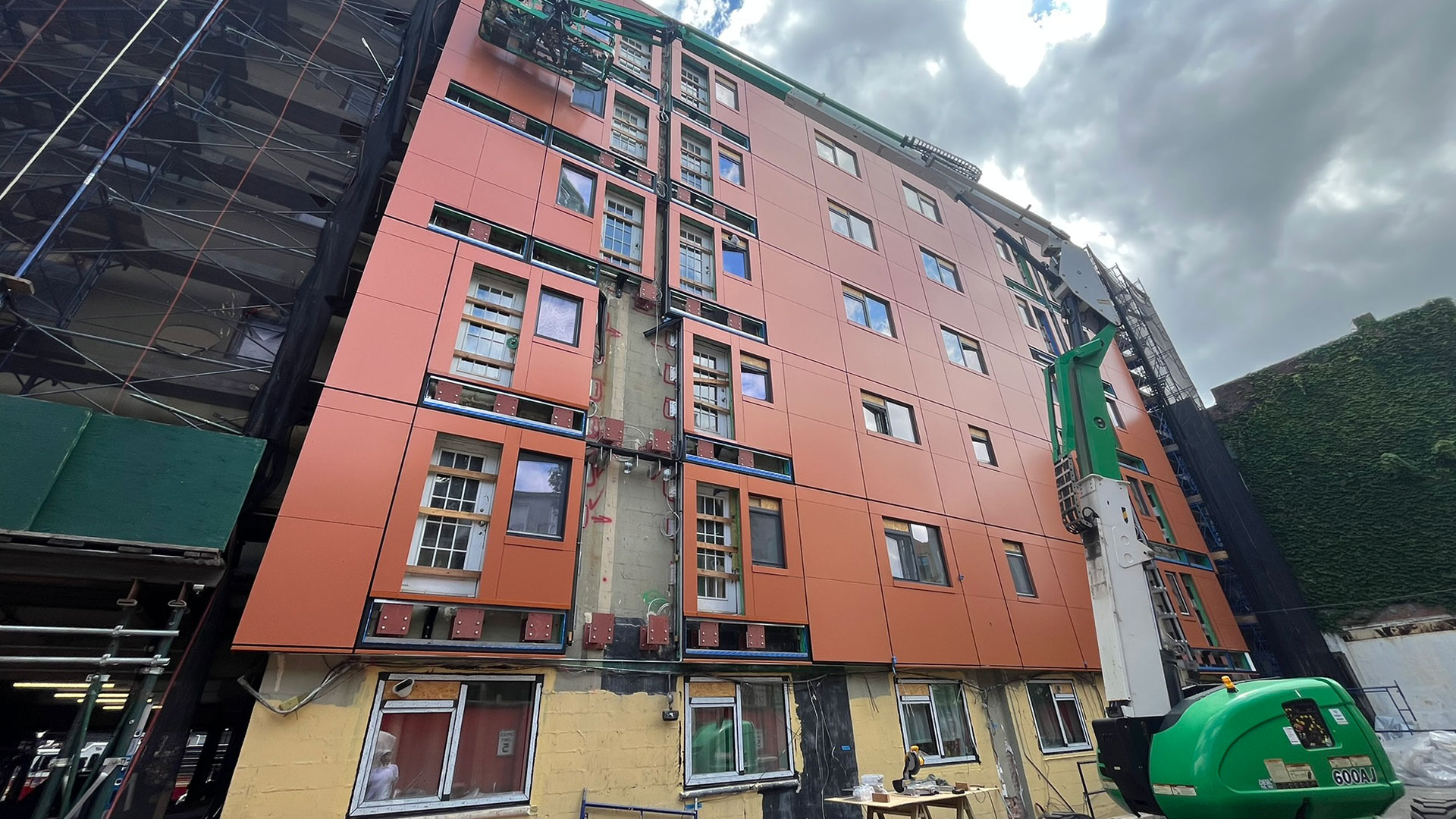
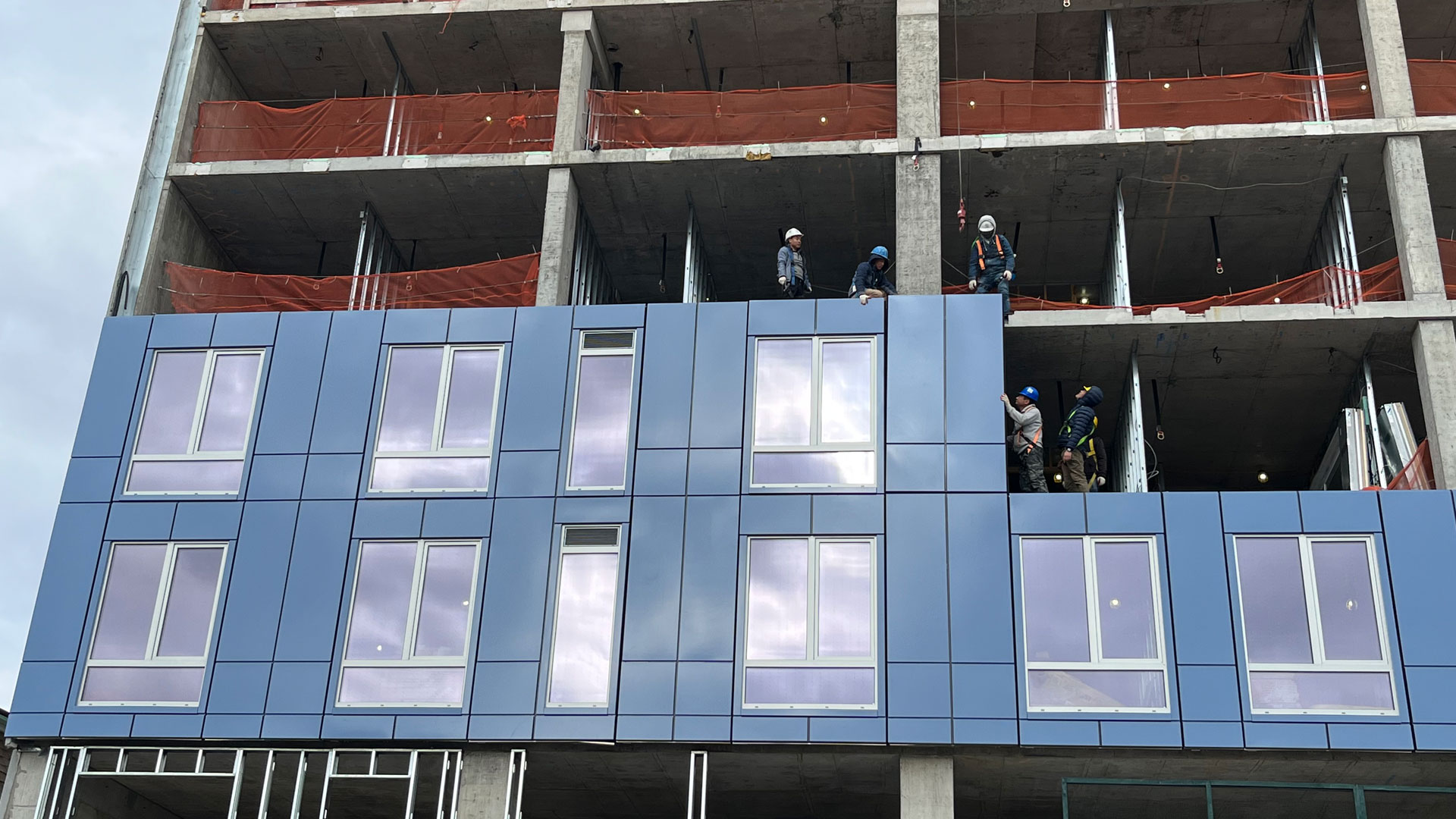
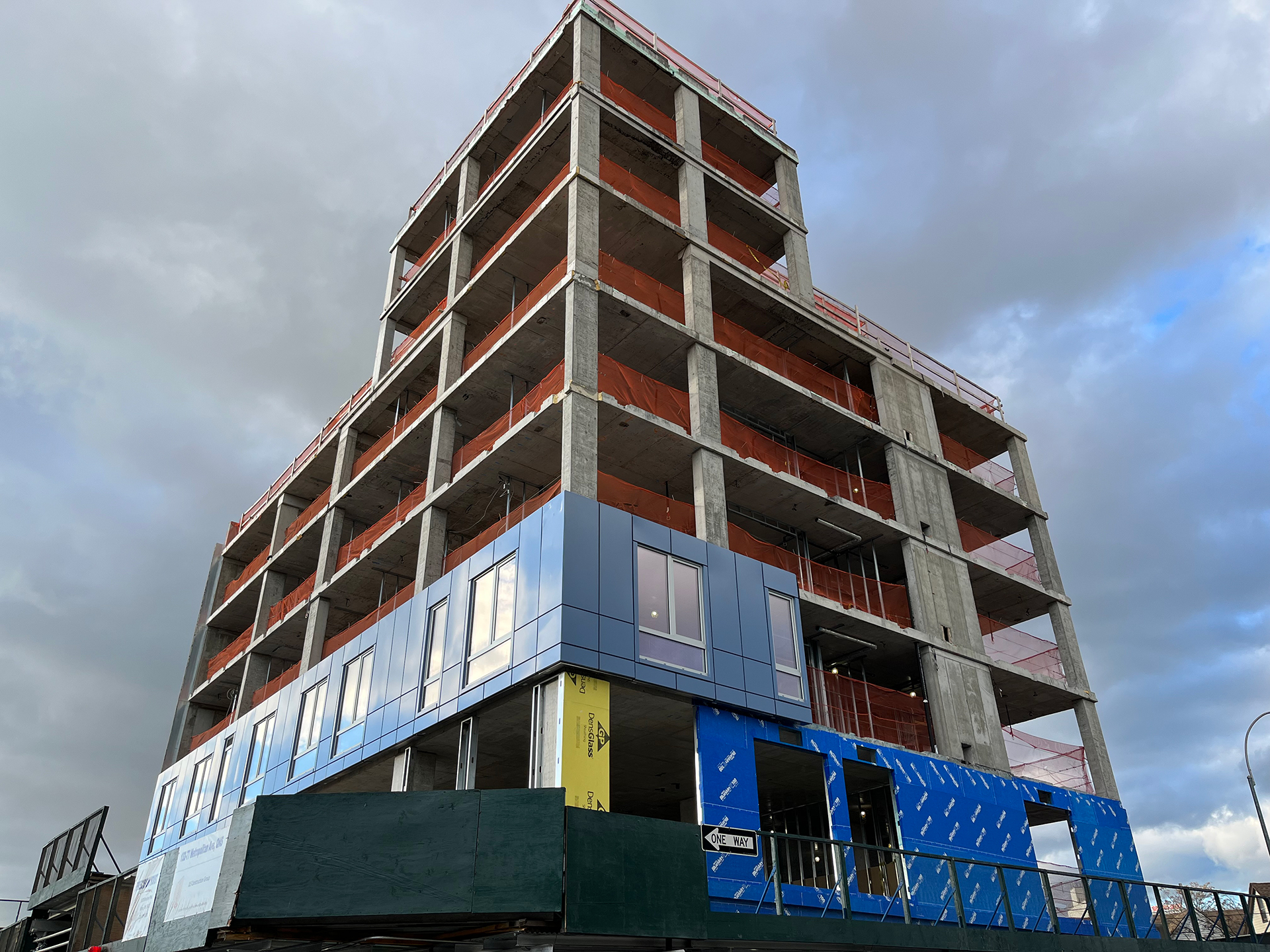
Because each D Wall® modular building component is factory-assembled, the Architectural Stone finish arrives on site as part of a complete, tested unit — not as a loose material to be adhered or anchored in field conditions where weather, labor variation, and substrate inconsistency affect the outcome. Factory assembly is what allows the specification to be met predictably, not just aspirationally.
For project-specific finish samples, weight data, and NFPA 285 documentation for D Wall® with Architectural Stone finish, contact Dextall's technical team at dextall.com.
Key Takeaways
- Architectural stone is a finish category, not a single material. Thin stone veneer, GFRC, stone-finish ACM, and porcelain all qualify — and each has different structural, fire, and installation implications.
- Weight is the primary structural variable. Natural stone at full thickness runs 12 to 25 pounds per square foot. Architectural stone alternatives typically run 3 to 8 pounds per square foot, reducing dead load at every floor.
- Fire performance depends on the complete assembly — not the stone finish itself. For assemblies with foam plastic insulation, NFPA 285 compliance of the full assembly must be confirmed.
- Specifications must name the material type, the dead load limit, the anchor system standard, and the coating standard. "Stone-look finish" is not a specification — it is a design intent.
- Factory-assembled exterior building components with stone finishes deliver consistent color, controlled weight, and tested assembly compliance in a single factory-produced unit.
FAQ
What is architectural stone cladding?
Architectural stone cladding is a category of exterior finish materials that deliver the visual character of natural stone at lower weight and reduced structural demand. The category includes thin stone veneer, GFRC, stone-finish aluminum composite material, and porcelain. Each type has different fire performance characteristics, weight, and installation requirements that must be addressed in the specification.
How does architectural stone differ from natural stone on a high-rise facade?
Natural stone at full thickness — granite, limestone, or marble — typically weighs 12 to 25 pounds per square foot and requires a robust anchor system engineered for that load at every floor. Architectural stone alternatives run 3 to 8 pounds per square foot for most product types, reducing structural demand, simplifying anchor design, and allowing factory assembly that is not practical with full-thickness natural stone.
Is architectural stone cladding non-combustible?
It depends on the material type. Natural thin stone veneer, GFRC, and porcelain are inherently non-combustible and meet IBC Section 703.4 without additional testing. Stone-finish ACM depends on the core type: mineral-filled core ACM in a tested assembly passes NFPA 285 requirements; polyethylene-core ACM does not. The fire performance of the complete assembly — including insulation — must be verified separately from the cladding finish.
What coating standard applies to stone-finish ACM on high-rise commercial projects?
AAMA 2605 is the correct coating standard for stone-finish aluminum composite material on commercial high-rise projects. It requires a 70% PVDF resin-based coating system and is the highest durability standard for exterior architectural aluminum finishes. Projects in New York City typically require AAMA 2605 as the minimum specification for exterior aluminum cladding components.
How does factory assembly affect architectural stone cladding quality?
Factory assembly removes the primary sources of variation in stone finish quality: field adhesive application in wet or cold conditions, inconsistent substrate preparation, and material substitution at the point of installation. Stone finishes applied in a factory environment are consistent across every component, and the full assembly — finish, substrate, insulation, and anchor — is controlled to the same tested configuration on every unit.
Sources
- ASTM C1242: Standard Guide for Selection, Design, and Installation of Exterior Dimension Stone Anchoring Systems — ASTM International
- IBC 2021, Chapter 14: Exterior Walls — International Code Council
- GRCA Technical Guidance for Glass Fiber Reinforced Concrete — Glass Fibre Reinforced Concrete Association
- Non-Combustible Facades: Why It Matters for High-Rise Design — Dextall
- D Wall® Modular Building Components — Dextall











.jpeg)
-Compliance-for-NYC-Multifamily-%26-Co-Op-Facades.jpg)












_format(webp).avif)
_format(webp)%20(6).avif)
_format(webp)%20(5).avif)
_format(webp)%20(4).avif)
_format(webp)%20(2).avif)
_format(webp)%20(3).avif)


.avif)
_format(webp)%20(2).avif)