How CapitaSpring's Unitized Curtain Wall System Integrates 80,000 Plants Into a 51-Story Tower

A curtain wall facade system is not just a weather barrier — at CapitaSpring in Singapore, it is the structural framework that holds 80,000 plants, delivers BCA Green Mark Platinum Super Low Energy certification, and closes a 280-meter tower with 50% custom-geometry facade modules, all fabricated off-site and craned into position. Completed in November 2021 by BIG (Bjarke Ingels Group) and Carlo Ratti Associati, CapitaSpring at 88 Market Street won the International High-Rise Award 2024/25 and a CTBUH Award of Excellence — in part because it demonstrated what a well-engineered unitized facade can accomplish when it carries more than one requirement at once.
The lessons from CapitaSpring transfer to mid-rise commercial construction in the United States. Factory-assembled curtain wall systems that handle geometric complexity, energy performance, and multi-function facades simultaneously are no longer exclusive to landmark towers. The same prefab logic — build it controlled, deliver it complete — applies equally to a 12-story mixed-use building in Chicago or a 20-story office tower in Manhattan navigating Local Law 97 carbon limits.
What Makes CapitaSpring the Most Technically Complex Biophilic Skyscraper Built to Date
CapitaSpring's central design challenge was not its height. It was integrating a 30-meter indoor forest — the Green Oasis spanning floors 17 through 20 — into a commercial tower while simultaneously achieving one of Singapore's most demanding energy certifications. BCA Green Mark Platinum Super Low Energy requires building energy consumption at least 60% below Singapore's baseline. Hitting that target meant the facade had to perform as a precision thermal and solar control instrument, not just an enclosure.
ARUP Singapore ran parametric analysis to optimize the facade geometry for wind, rain, daylight, and solar heat gain before a single panel was ordered. The vertical aluminum fins that define the building's exterior profile were not aesthetic choices — they were calculated to shade interior spaces, reduce solar load on the Green Oasis, and allow controlled airflow at the open terrace levels. Every dimension was driven by performance data.
The result: 8,300 square meters of landscaped area — 140% of the site footprint — integrated into a 51-story commercial tower with Universal Design Gold PLUS and BCA Green Mark Platinum Super Low Energy certification. The building also contains over 150 species in a rooftop farm across five themed plots. None of this was achievable with a field-assembled facade. The precision required to make it work demanded factory fabrication.
How YKK AP Built 550 Factory-Made Curtain Wall Units for a Non-Rectangular Tower
The rooftop section of CapitaSpring is not a simple rectangular box. Singapore's zoning and setback rules created a polygonal building footprint, and the architect's design introduced curved "pocket" openings that reveal interior terraces and greenery to the exterior. These curves meant that the rooftop facade required 550 unitized modules, of which approximately 275 — half the total — had irregular or curved geometry.
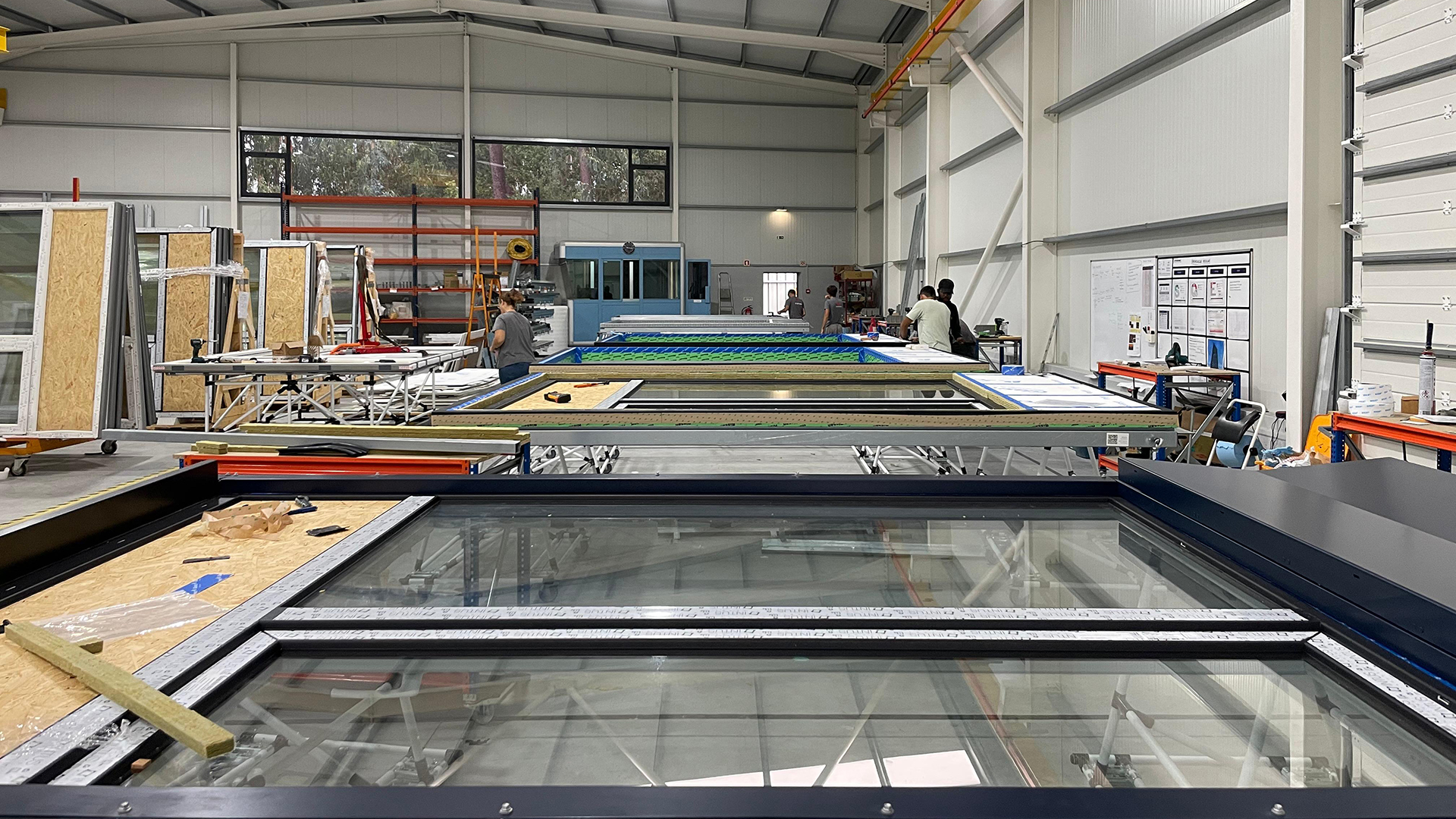
YKK AP prefabricated every module in a factory with glass, aluminum frame, and all components pre-assembled before delivery. This is the core logic of a unitized curtain wall system: each panel arrives at the site as a complete, tested unit. Craning it into position and connecting it to the building structure is the final step, not the beginning of the assembly process. For a rooftop section where half the panels are geometrically unique, this approach was not optional — field assembly of 275 custom shapes at 200-plus meters would have produced tolerance errors that no amount of site labor could correct.
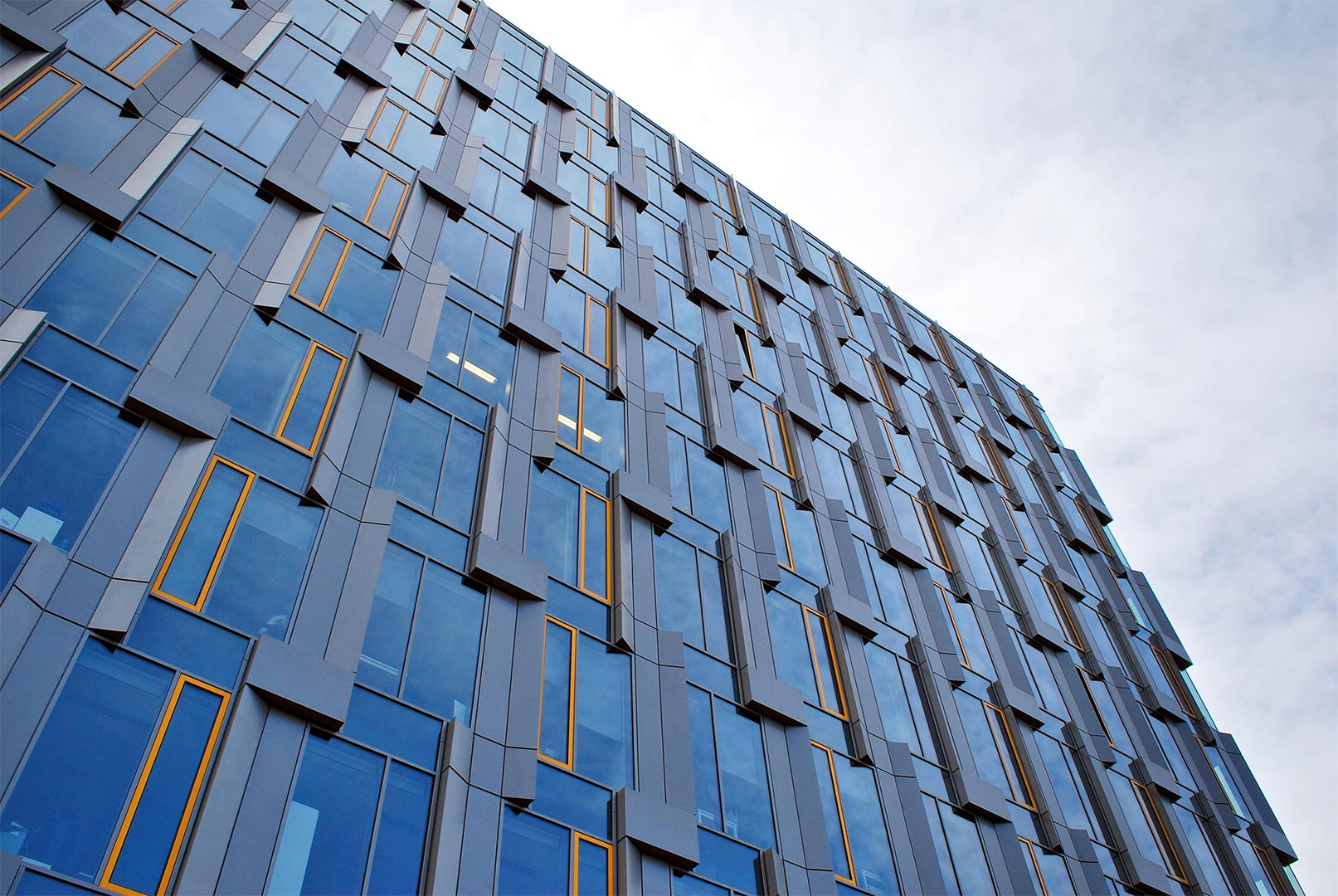
The vertical fins throughout the tower perform three functions simultaneously: structural support, solar shading, and visual articulation of the Green Oasis openings below. This multi-function logic — one engineered component carrying multiple performance requirements — is what separates a high-specification aluminum curtain wall system from a basic enclosure. The fins minimize wall depth while maximizing interior usable space, a priority on a constrained Singapore CBD site where every square meter has significant value.
The facade fabrication process at CapitaSpring illustrates a principle that holds at any scale: the more complex the performance requirements, the more the work must move into the factory. Field assembly cannot deliver the tolerances that precision energy performance and geometric accuracy require at the same time.
Five Lessons Mid-Rise Developers Can Apply from CapitaSpring's Curtain Wall Approach
Factory assembly handles geometric complexity better than field assembly
When half your facade panels are irregular shapes, field assembly becomes a tolerance management crisis. YKK AP's factory-built unitized modules for CapitaSpring demonstrate that geometric complexity is a fabrication problem, not an installation problem. For a mid-rise developer who wants setbacks, angled surfaces, or articulated corners, prefabricated facade panels designed in a factory environment will consistently outperform field assembly on accuracy and schedule predictability.
Parametric optimization happens before fabrication, not during installation
ARUP ran the performance optimization before YKK AP cut a single aluminum profile. By the time fabrication began, the fin dimensions, glass specifications, and opening geometry were locked to performance targets. This sequence — optimize, then fabricate, then install — is the basis of engineering prefabricated wall systems for any building type. It removes the performance uncertainty that comes from making decisions during field installation.
A unitized system supports multi-function facades without adding field complexity
CapitaSpring's facade carries thermal performance, solar shading, structural support, and visual articulation of interior greenery in a single system. A unitized wall system handles all of these requirements because they are resolved at the factory level. Adding a function to a factory-built panel adds design complexity, not installation complexity. On a mid-rise project, this means a developer can specify an energy-performing, architecturally expressive facade without multiplying the number of trades working at height.
Energy performance and greenery can share the same envelope strategy
The Green Oasis exists because the facade was designed from the start to support it — with calculated fin depths, controlled openings, and thermal management that kept 80,000 plants alive inside a commercial tower. Understanding how prefabricated facade systems work at this level of integration shows that biophilic design and energy compliance are not competing priorities. They share the same foundation: a facade system engineered to specification before it reaches the site.
Pre-certified performance removes compliance uncertainty from the schedule
CapitaSpring achieved BCA Green Mark Platinum Super Low Energy certification — Singapore's most demanding energy standard — because the facade performance was locked in by design, not retrofitted during construction. For NYC developers, the equivalent pressure comes from Local Law 97 carbon limits and New York's energy code requirements. An energy code compliant wall system that arrives pre-engineered removes one of the largest sources of schedule risk in a commercial facade project: discovering mid-installation that the assembly won't meet the performance targets.
How NYC Developers Can Specify High-Performance Curtain Wall Facades Today
CapitaSpring was built in Singapore's tropical climate for a landlord with a long-term sustainability mandate. New York mid-rise construction operates in a different regulatory context — but the underlying facade engineering logic is the same.
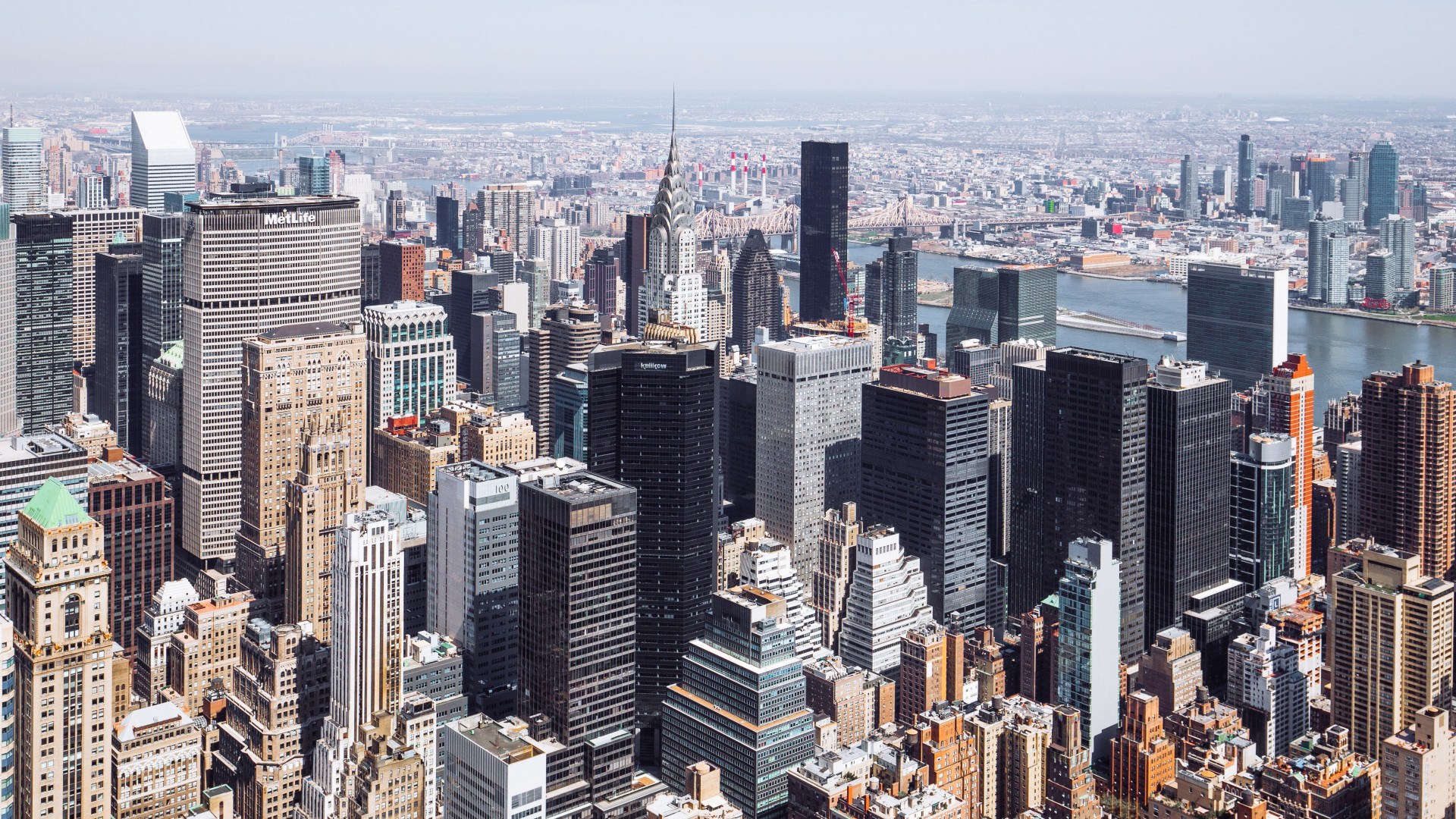
Local Law 97 sets carbon emission limits for buildings over 25,000 square feet, with penalties beginning in 2030 that scale with excess emissions. For a developer building a 15-story mixed-use project in Brooklyn or the Bronx, the facade system choice directly affects whether the building meets those limits from day one or accumulates penalties over its life. A facade designed for NYC energy code compliance must hit specific air infiltration rates, thermal resistance values, and solar heat gain coefficients — and the most reliable way to hit all three simultaneously is to engineer them into a factory-built panel before the panels arrive on site.
The high rise curtain wall systems that performed at CapitaSpring use the same fundamental approach as the prefabricated panel systems available for mid-rise construction today: factory quality control, unitized delivery, and mechanically fastened connections that close the building envelope in a predictable sequence. For projects where controlling the facade budget from day one is a priority, moving the performance work into the factory is the most direct lever available.
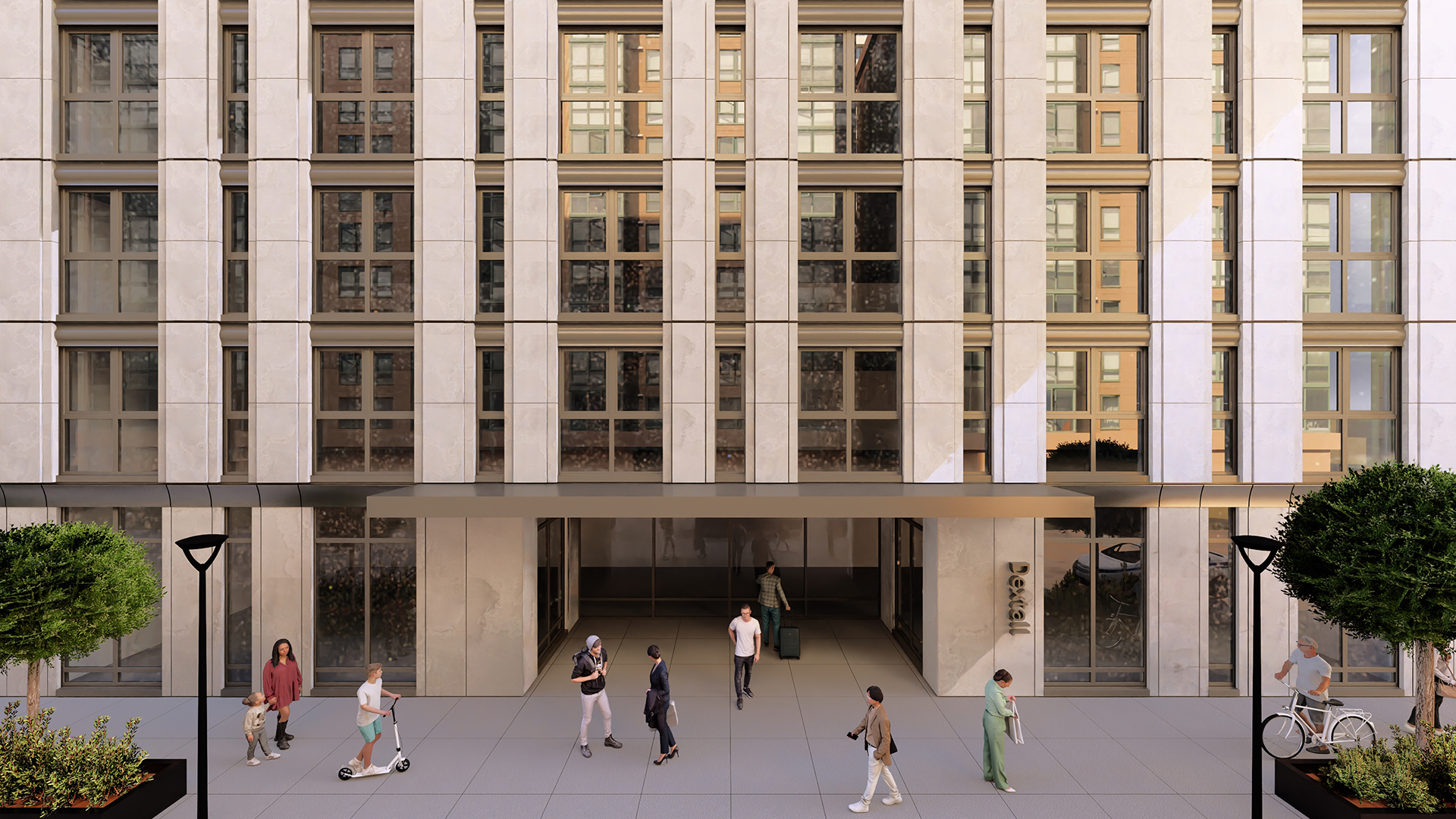
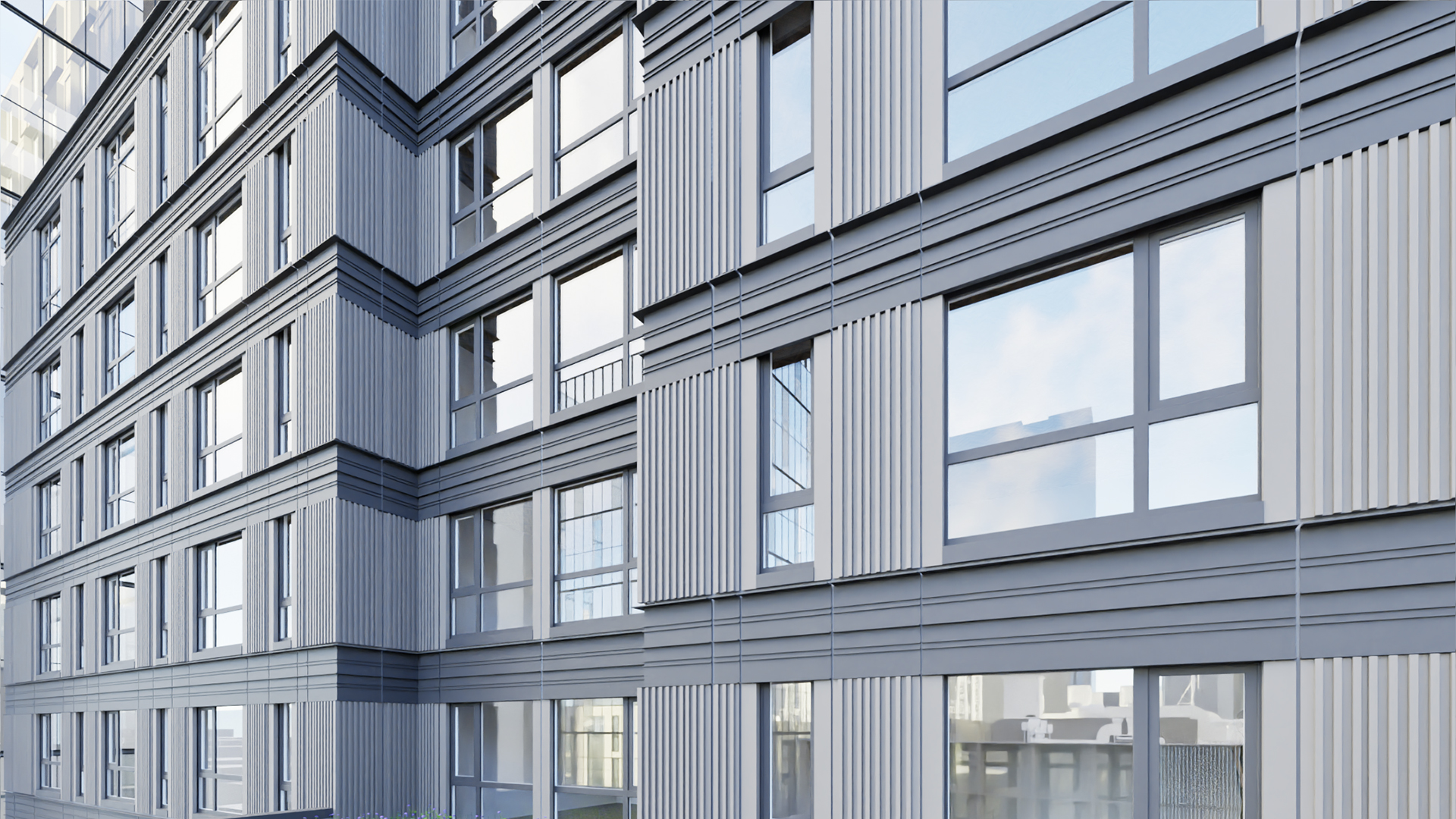
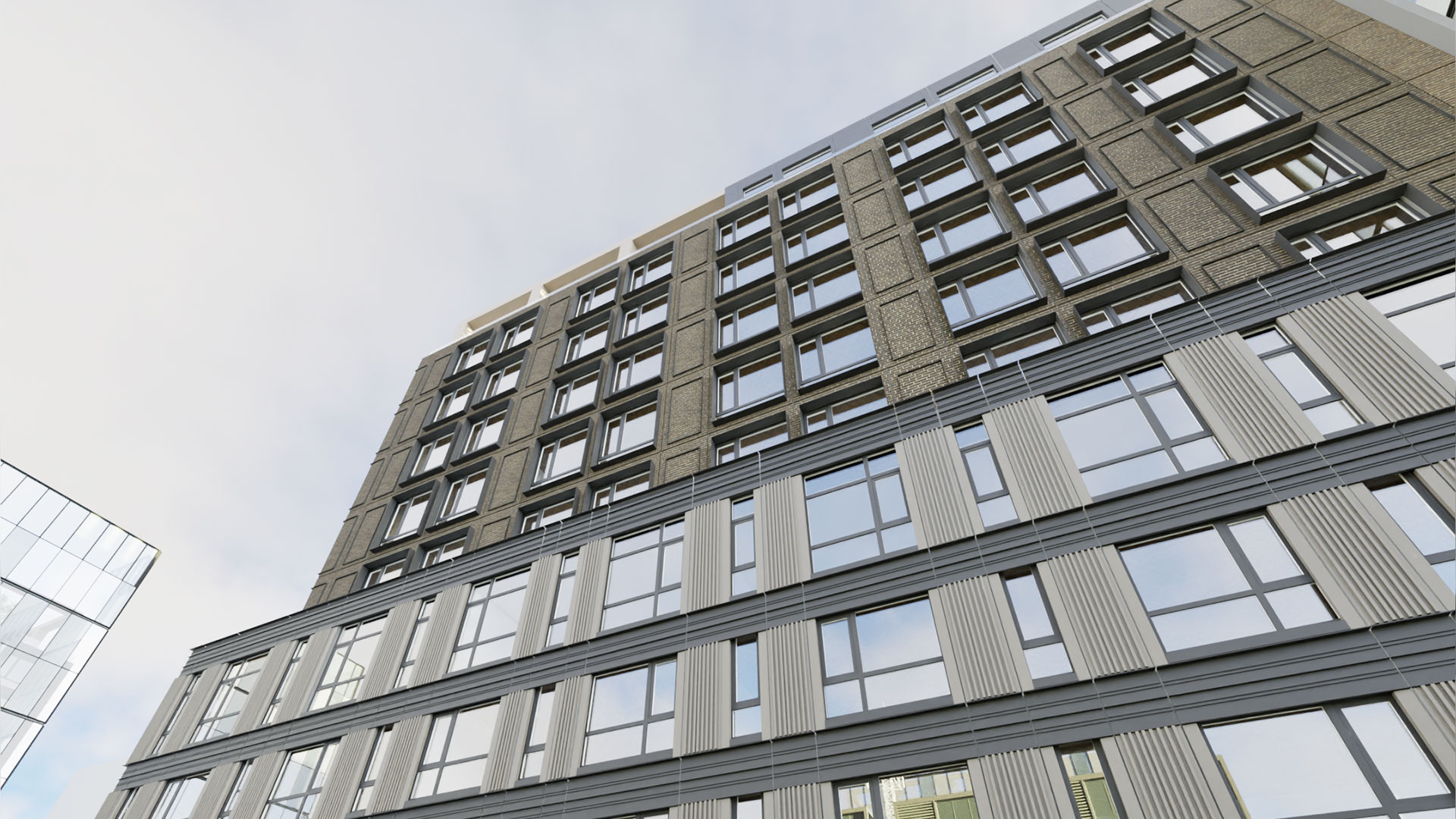
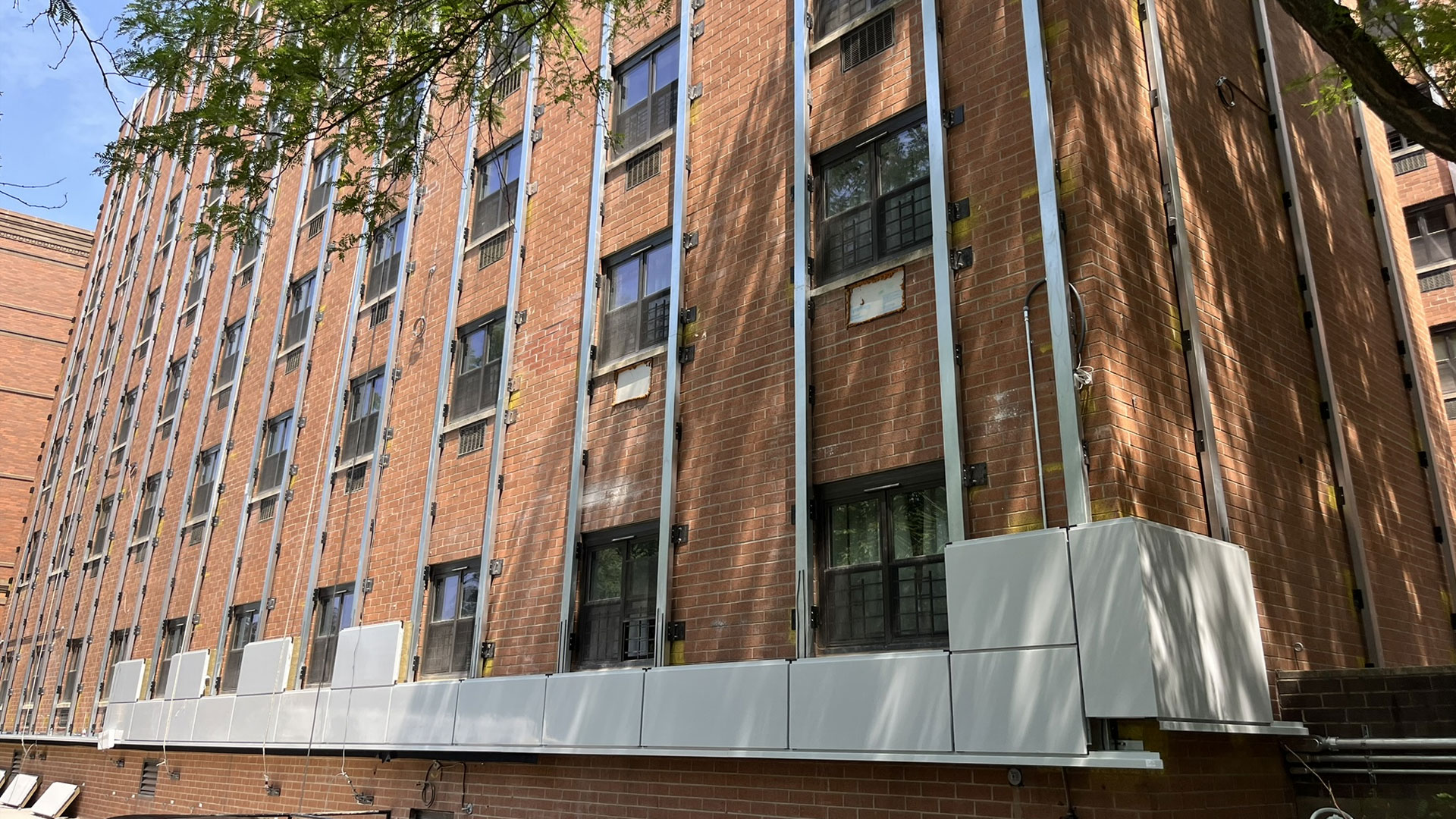
Dextall's D Wall® prefabricated panel system reduces on-site labor by 87% compared to traditional construction, delivers panels within a 16-week lead time from shop drawing approval, and is engineered to meet New York City energy code requirements for both new construction and retrofit applications. For commercial and multifamily developers navigating Local Law 97 compliance targets and rising labor costs, the CapitaSpring model — performance locked in at the factory, installed without field uncertainty — is directly applicable at mid-rise scale.
Key Takeaways
- CapitaSpring in Singapore, completed 2022 by BIG and Carlo Ratti Associati, integrated 80,000 plants into a 51-story commercial tower using a unitized curtain wall system fabricated by YKK AP.
- The rooftop facade comprises 550 factory-made modules, approximately half with custom irregular geometry — all pre-assembled with glass and components before delivery to site.
- BCA Green Mark Platinum Super Low Energy certification and LEED Gold were achieved because the facade system was optimized parametrically by ARUP before fabrication began — performance was designed in, not added during construction.
- Vertical aluminum fins perform three simultaneous functions: structural support, solar shading, and visual articulation of interior green terraces. One factory-engineered component, multiple performance requirements.
- For mid-rise developers in U.S. cities, the lesson is direct: a factory-built curtain wall facade system handles geometric complexity, energy compliance, and architectural expression more reliably than field assembly — at any scale above eight stories.
- NYC developers facing Local Law 97 carbon limits can reduce compliance risk by specifying pre-engineered curtain wall panels that arrive on site with performance targets already met.
FAQ
What is a unitized curtain wall system and how does it differ from a stick-built curtain wall?
A unitized curtain wall system consists of factory-assembled panels — each containing glass, frame, and connection hardware — delivered to the site as complete units and installed by crane. A stick-built curtain wall assembles individual components piece by piece on-site. Unitized systems offer better quality control, faster installation, and more predictable performance because the complex assembly work happens in controlled factory conditions rather than at height in variable field conditions.
How did CapitaSpring achieve BCA Green Mark Platinum Super Low Energy certification?
BCA Green Mark Platinum Super Low Energy requires building energy consumption at least 60% below Singapore's baseline code. CapitaSpring achieved this through parametric facade optimization by ARUP — calculating fin dimensions, glass specifications, and opening geometry before fabrication to lock in solar control, daylight access, and thermal resistance simultaneously. The performance was engineered into the facade system before installation, not adjusted during construction.
Who manufactured the curtain wall panels for CapitaSpring?
YKK AP manufactured the unitized curtain wall system for CapitaSpring. The rooftop section alone comprised 550 modules, with approximately half requiring custom geometry to accommodate the tower's curved "pocket" openings. All modules were factory pre-assembled with glass and components before delivery to the Singapore CBD site for crane installation.
Can the curtain wall techniques used at CapitaSpring apply to U.S. mid-rise construction?
Yes. The core logic — factory fabrication, parametric performance optimization, unitized delivery — applies at any building scale. For U.S. mid-rise developers, particularly in NYC where Local Law 97 requires specific carbon performance from the building envelope, factory-built curtain wall panels that arrive pre-engineered to energy code targets offer the same schedule and compliance certainty that YKK AP's system delivered at CapitaSpring.
What are the main advantages of factory-prefabricated facade panels for commercial mid-rise projects?
Factory-prefabricated facade panels reduce on-site labor, compress installation schedules, and deliver more consistent thermal and air-infiltration performance than field-assembled alternatives. For commercial mid-rise projects, they also reduce the number of specialty trades working at height simultaneously, lower insurance and safety risk during the facade phase, and allow performance verification to happen at the factory before panels reach the site.
Disclaimer
Dextall is not involved in the CapitaSpring project. This article analyzes publicly available information about BIG's, Carlo Ratti Associati's, and YKK AP's design and construction work to explore how unitized curtain wall engineering from large-scale commercial projects can inform mid-rise construction strategies in the U.S. market. For questions about CapitaSpring, contact CapitaLand Development. For information about Dextall's prefabricated building envelope solutions, visit dextall.com.
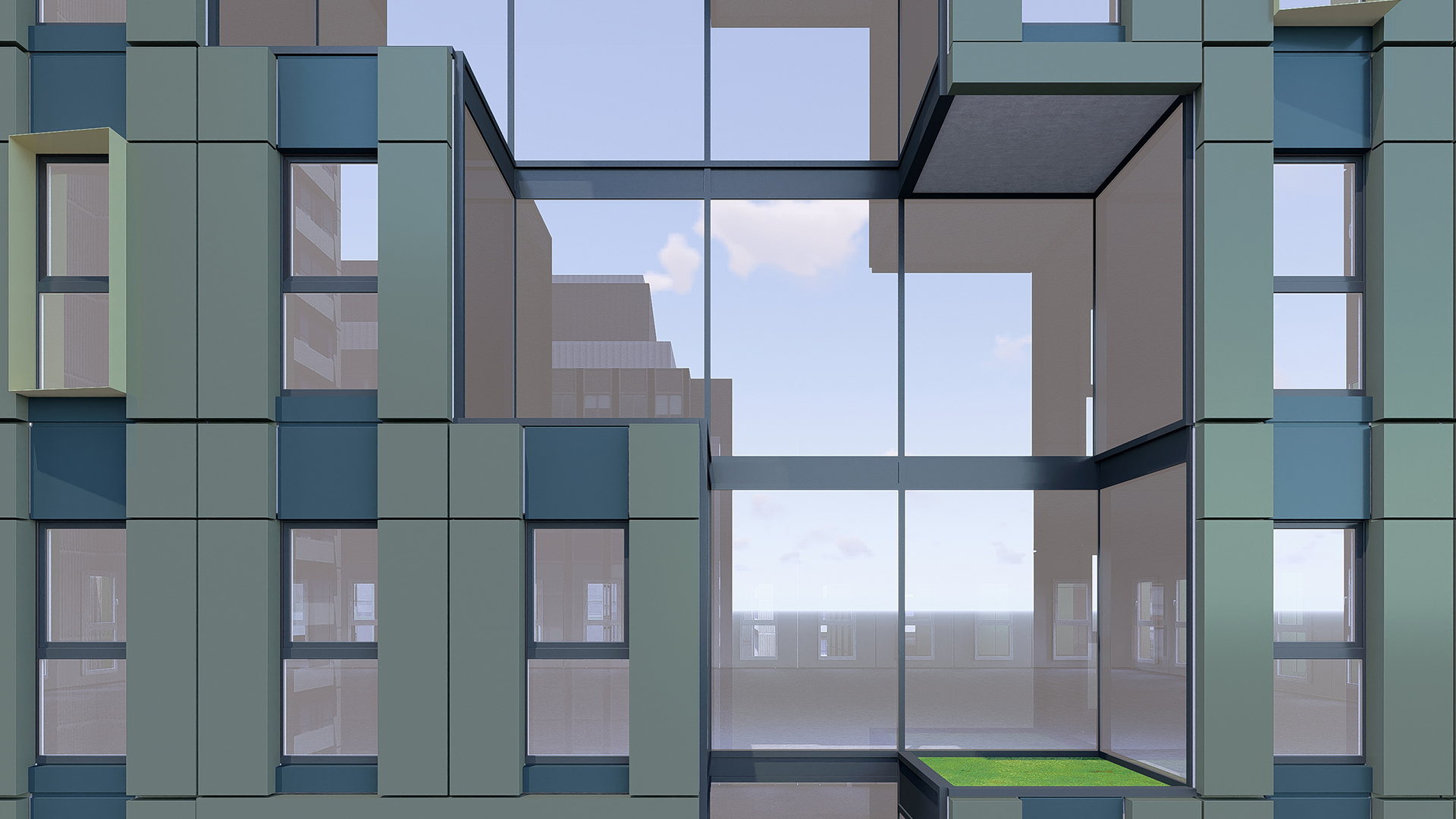
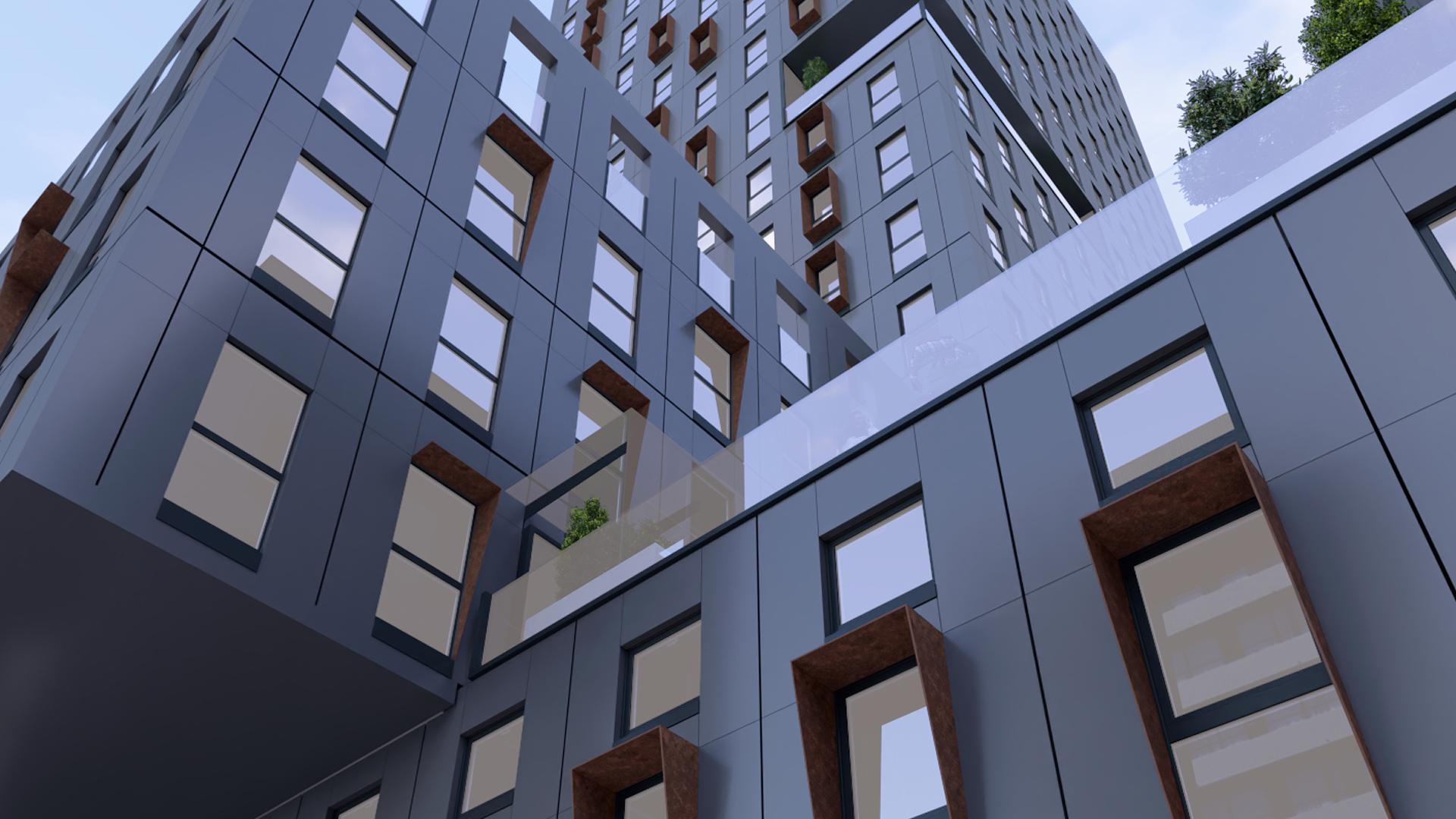
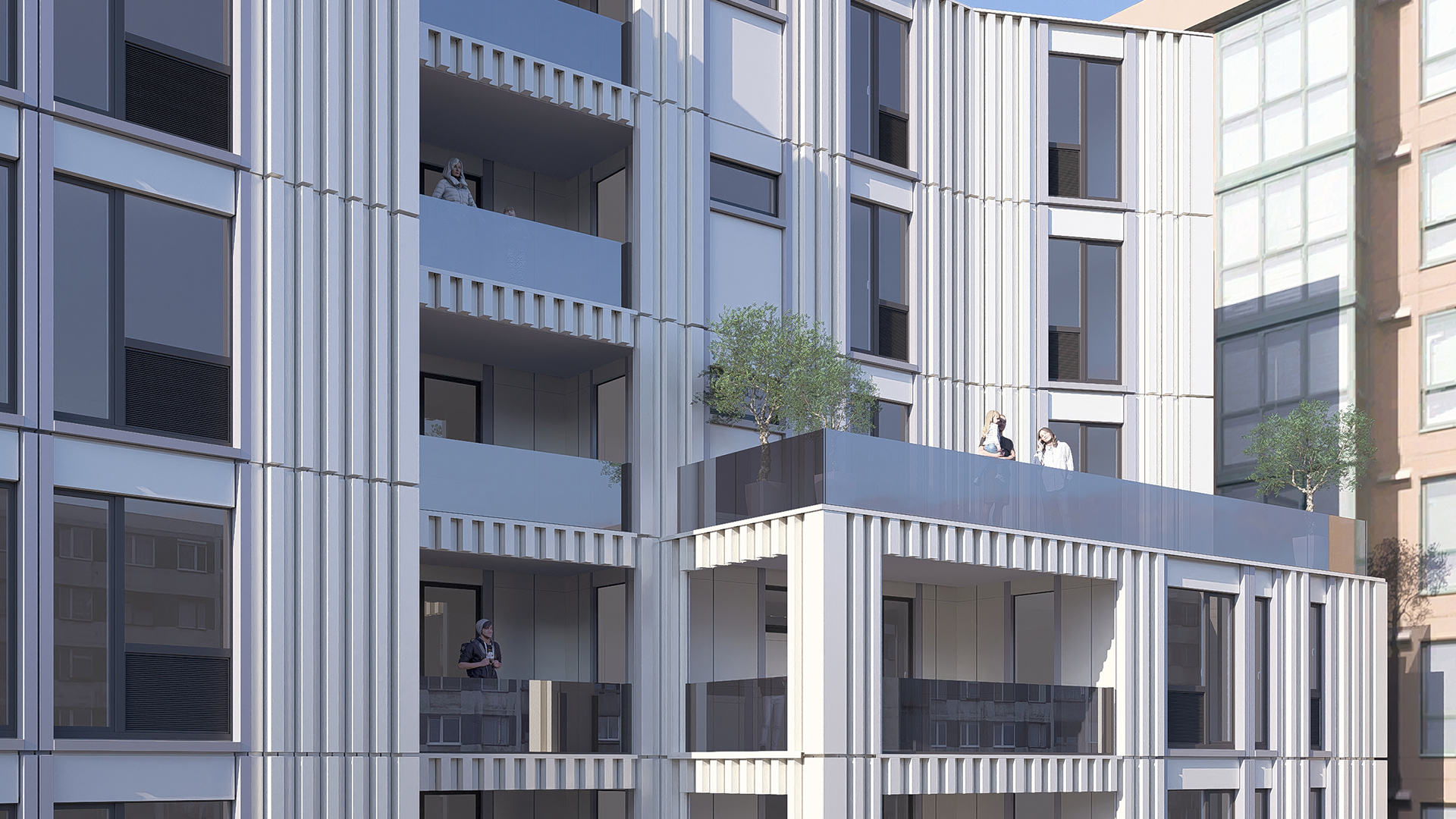
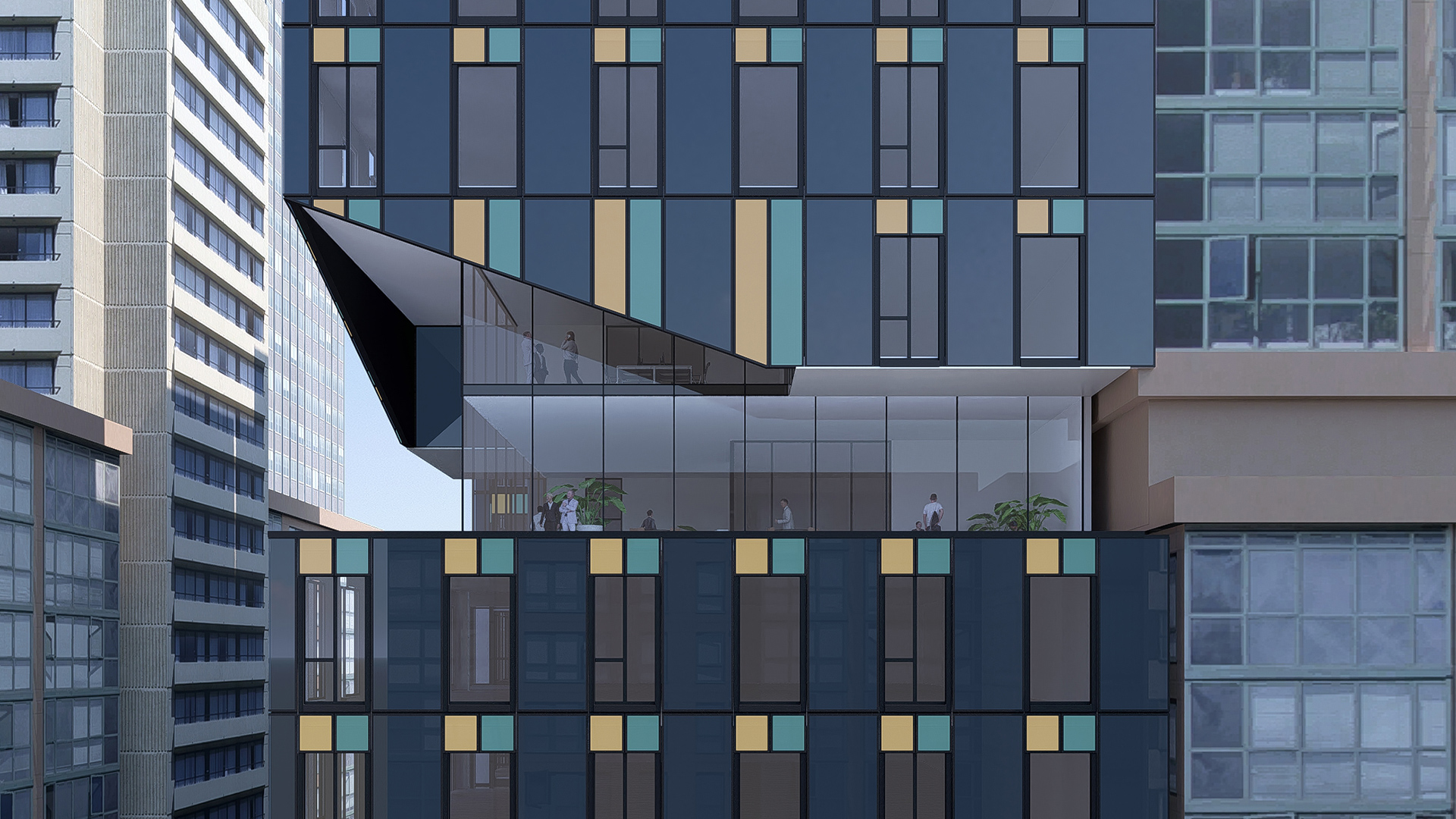
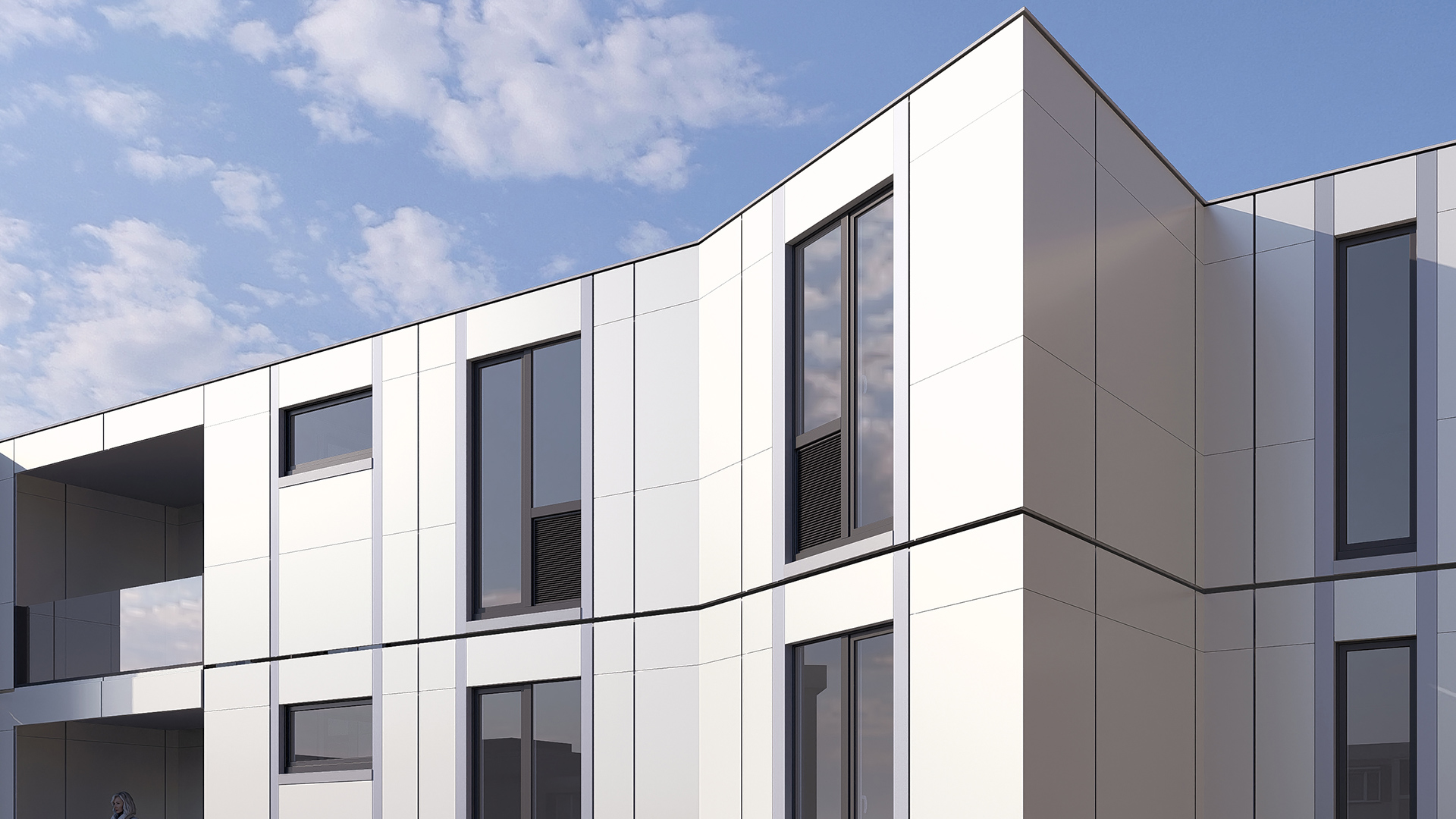
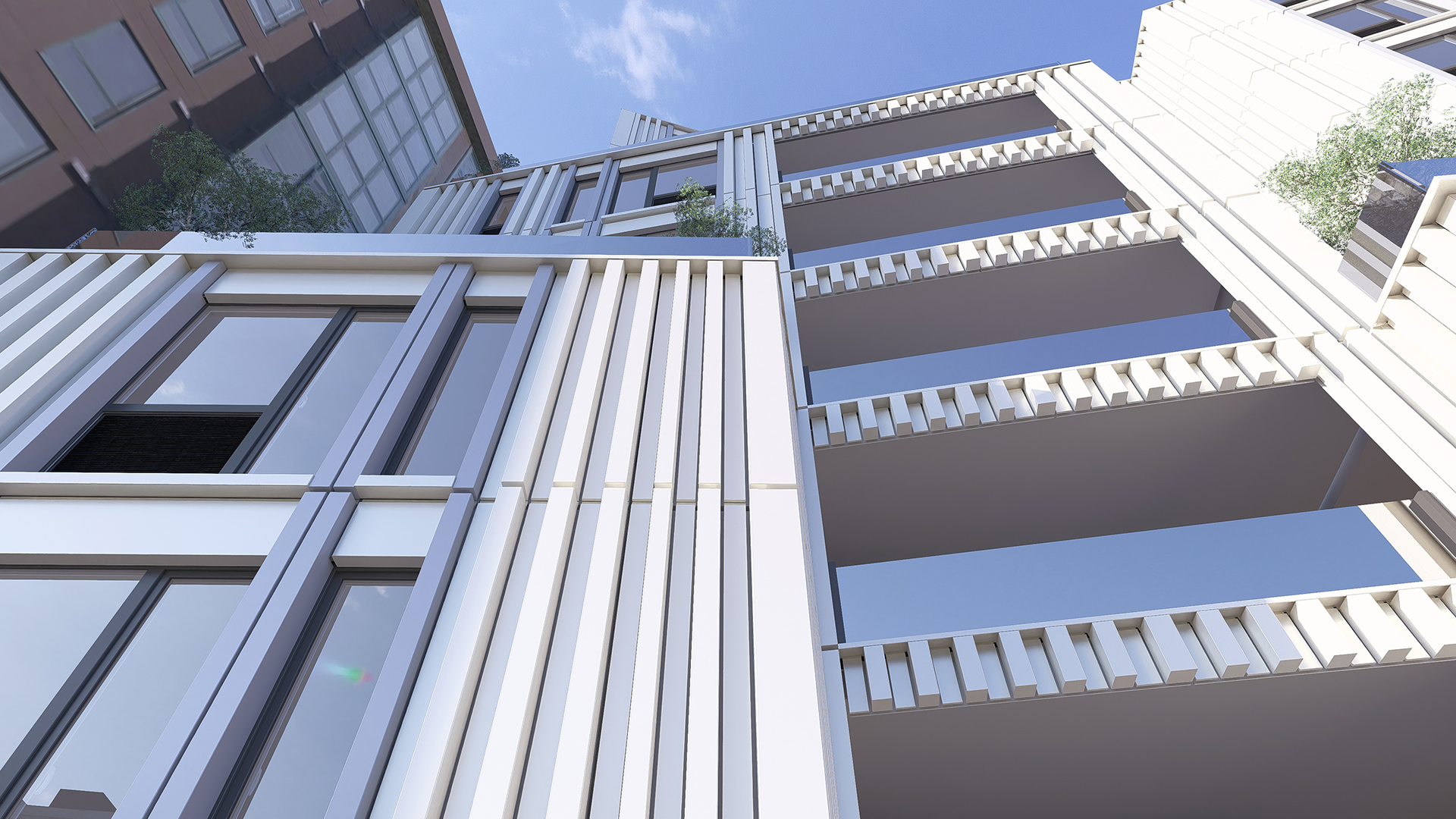
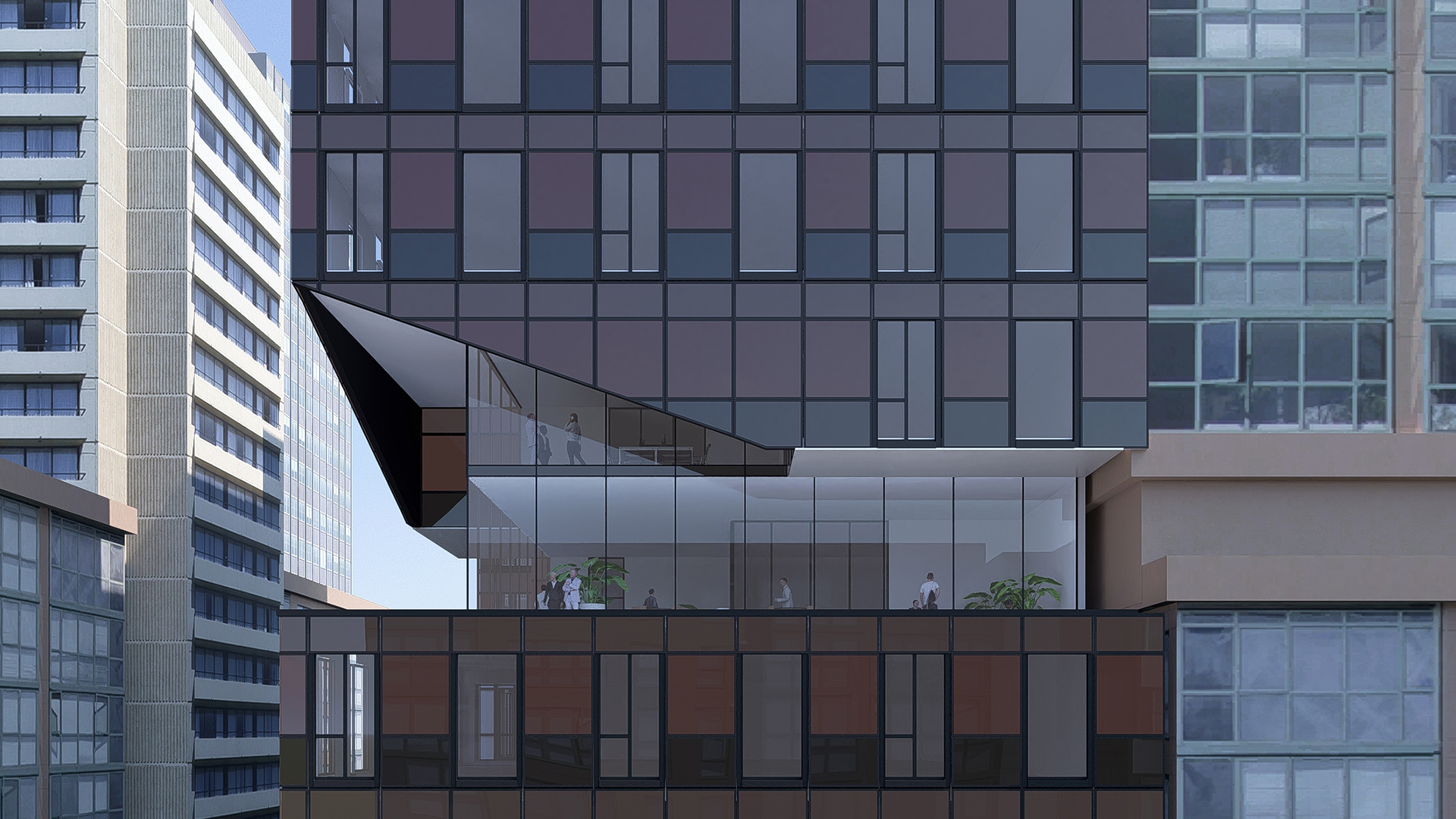
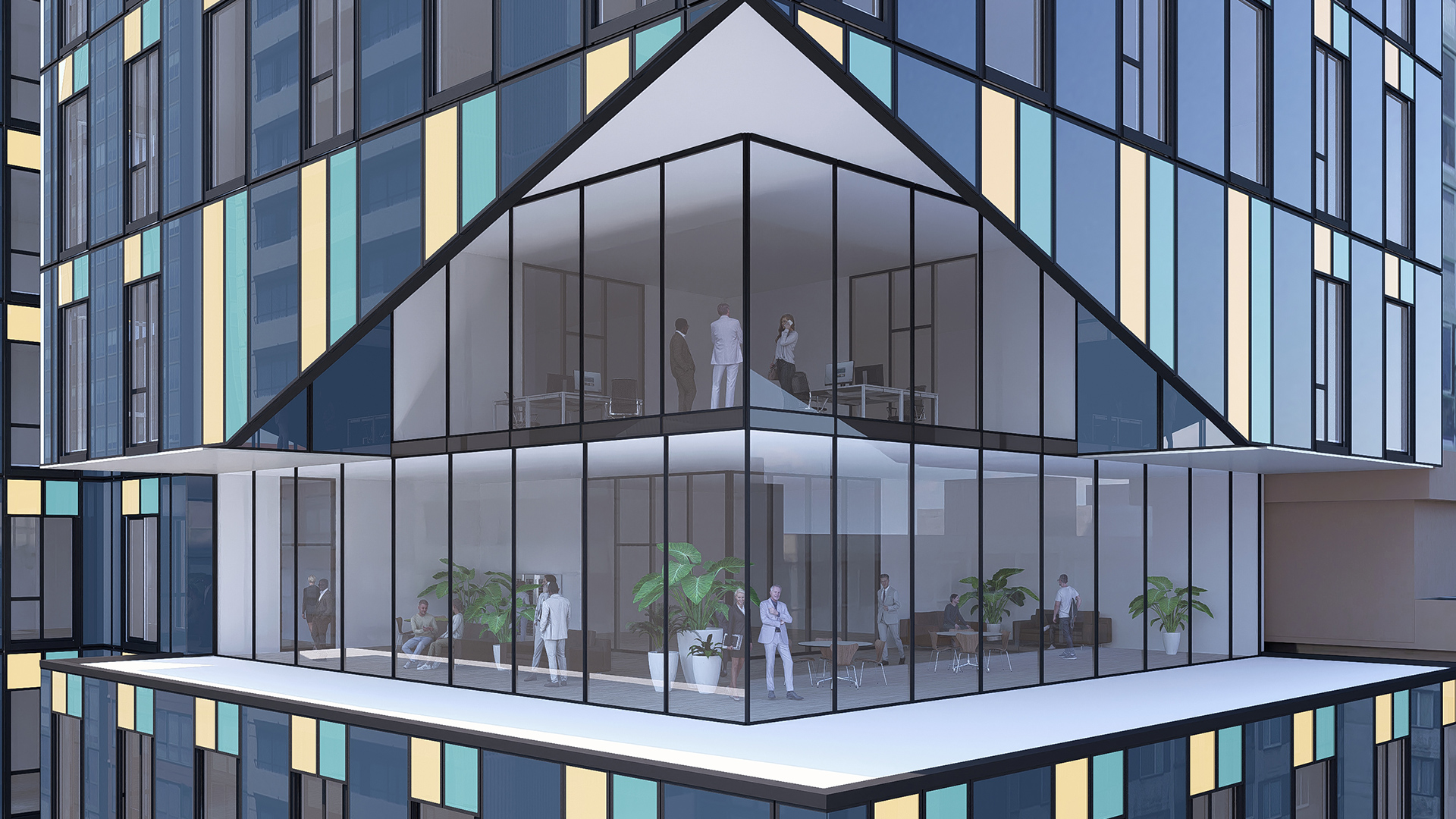
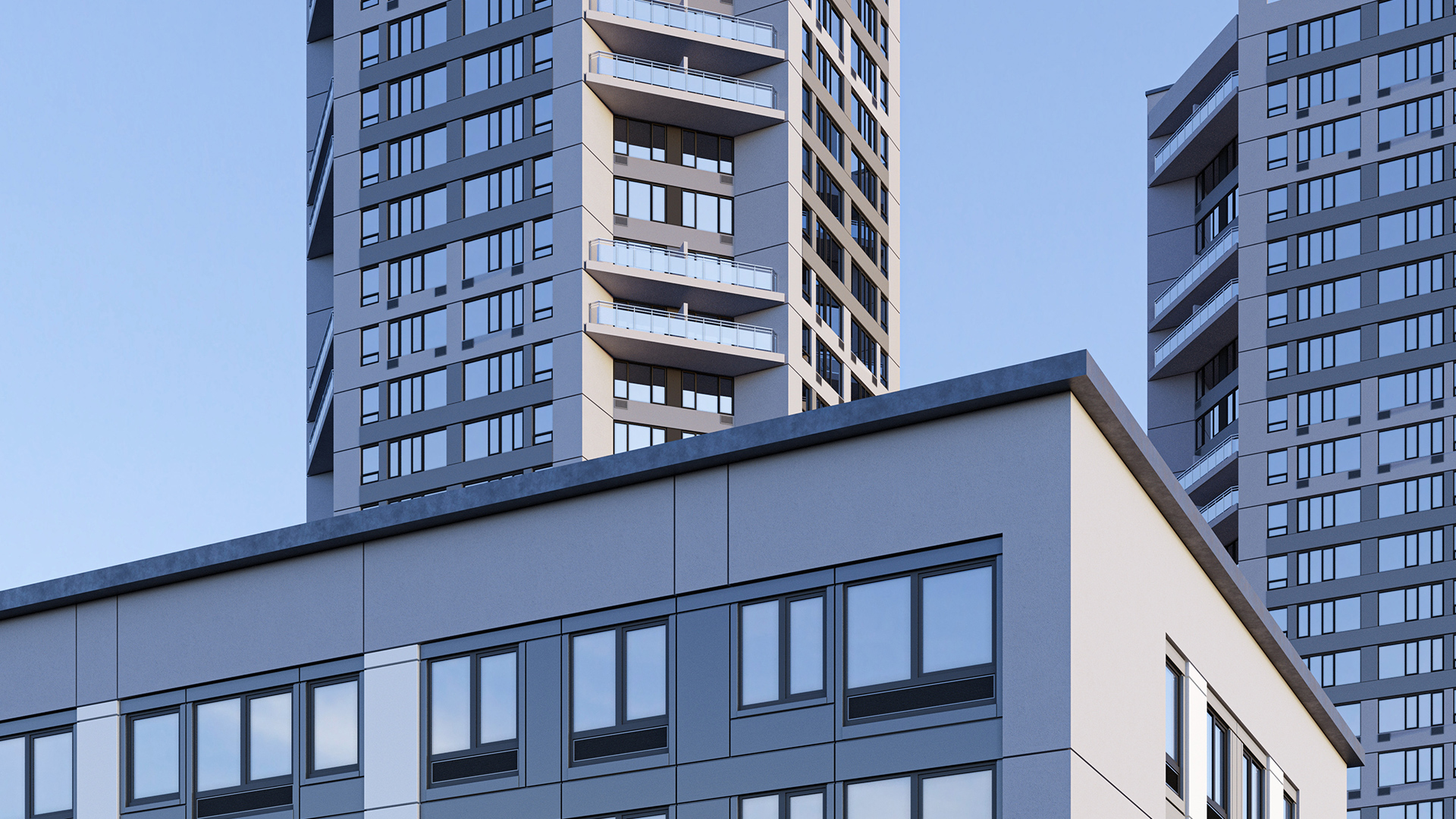
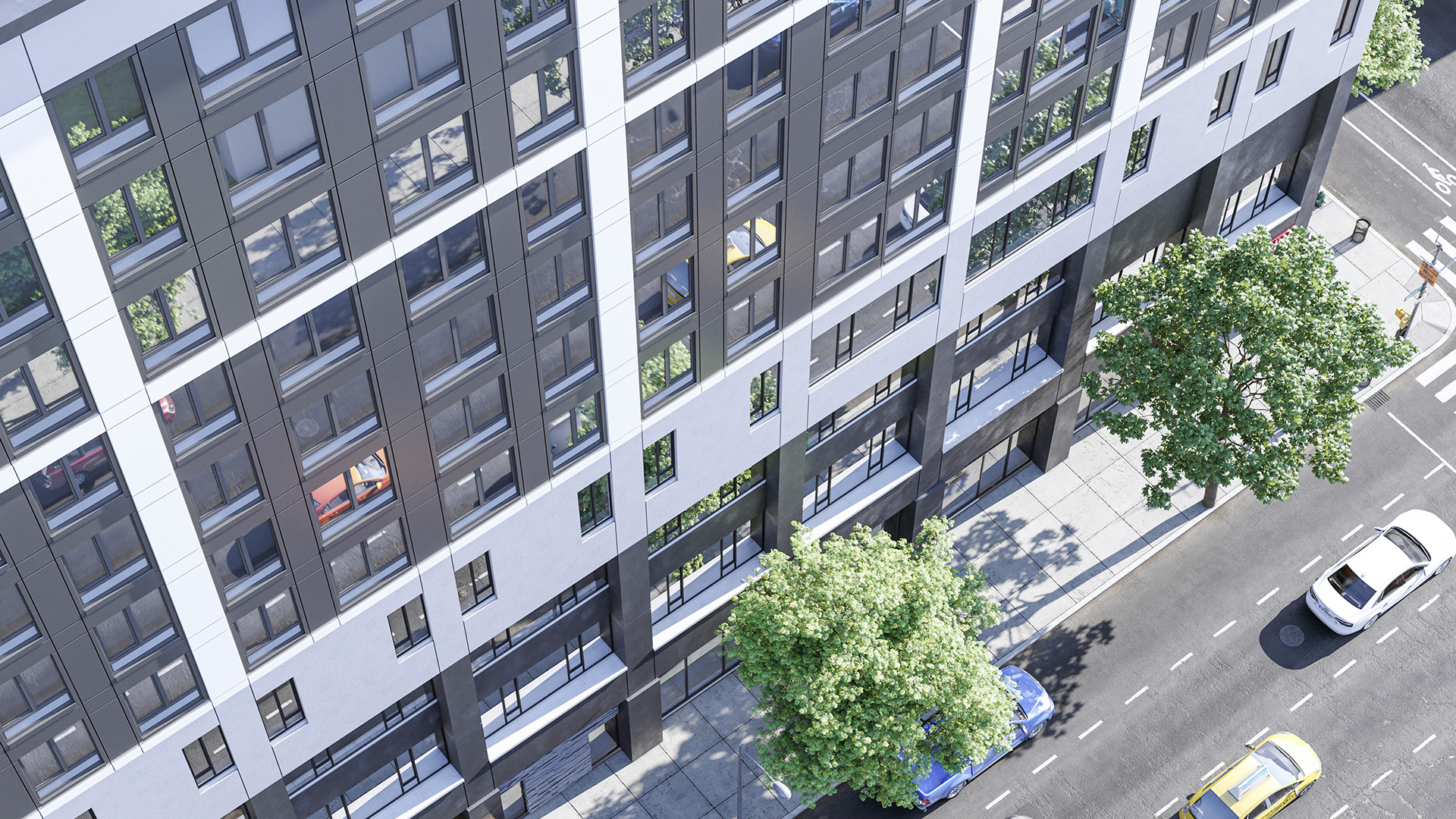
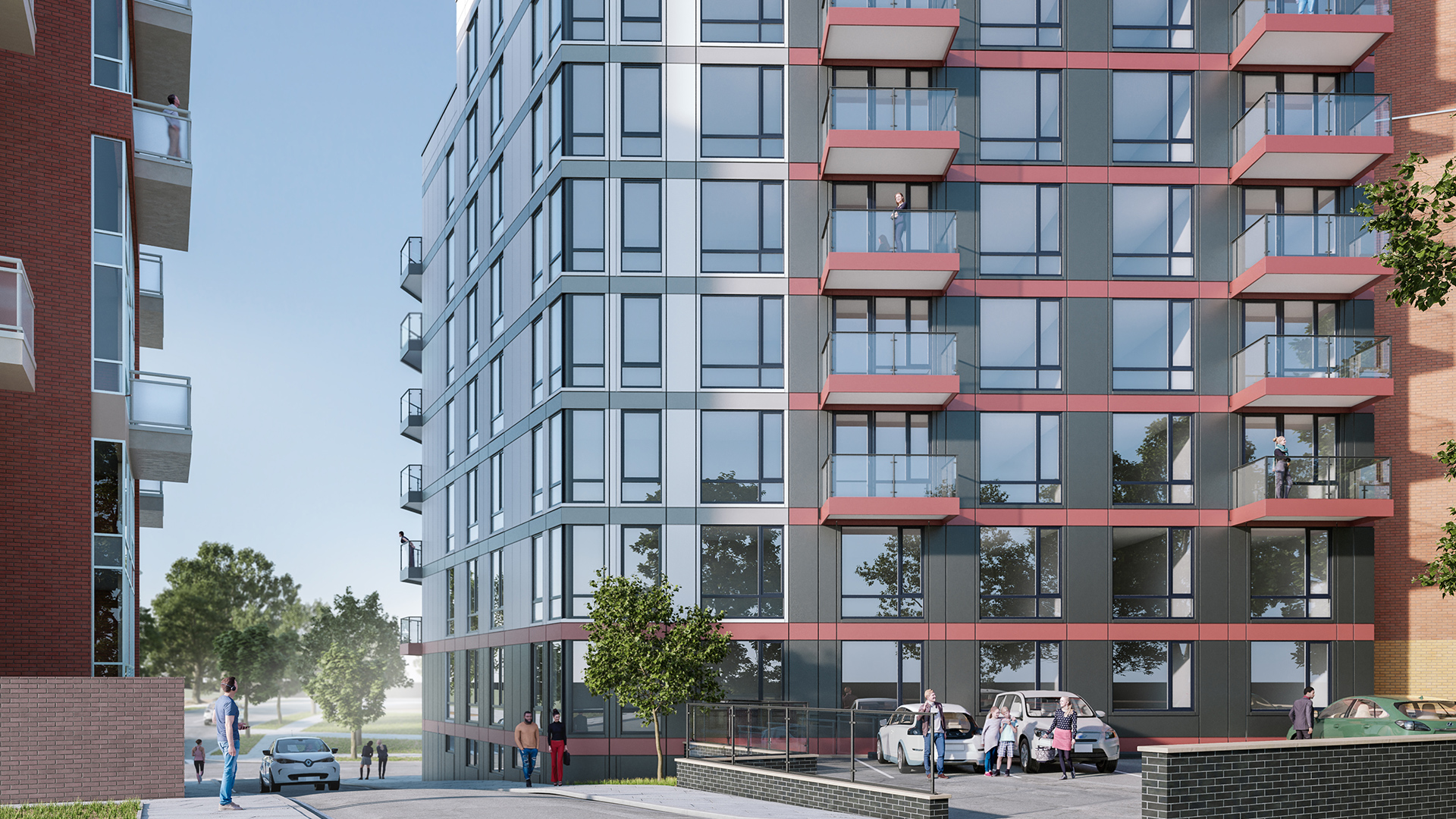
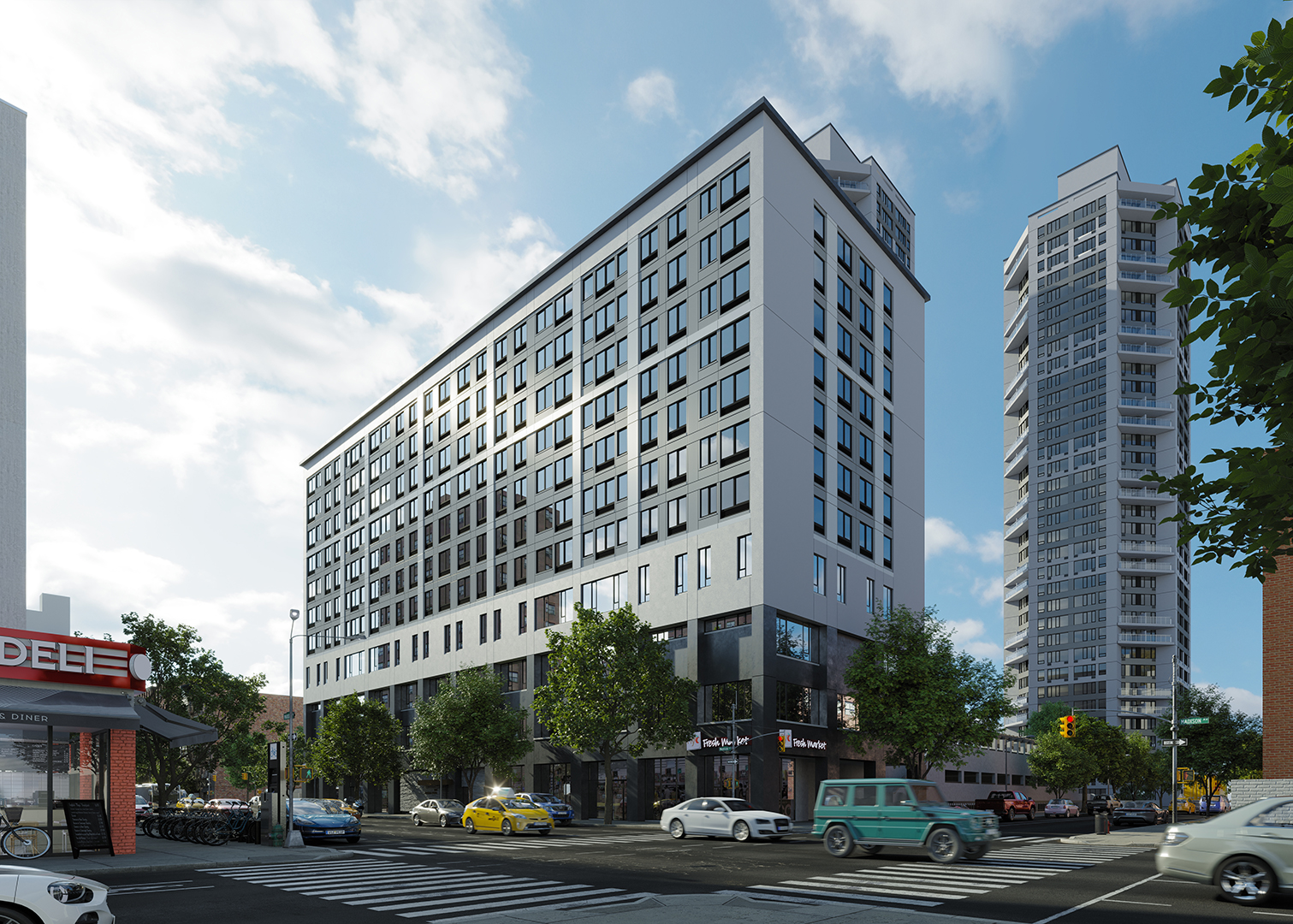
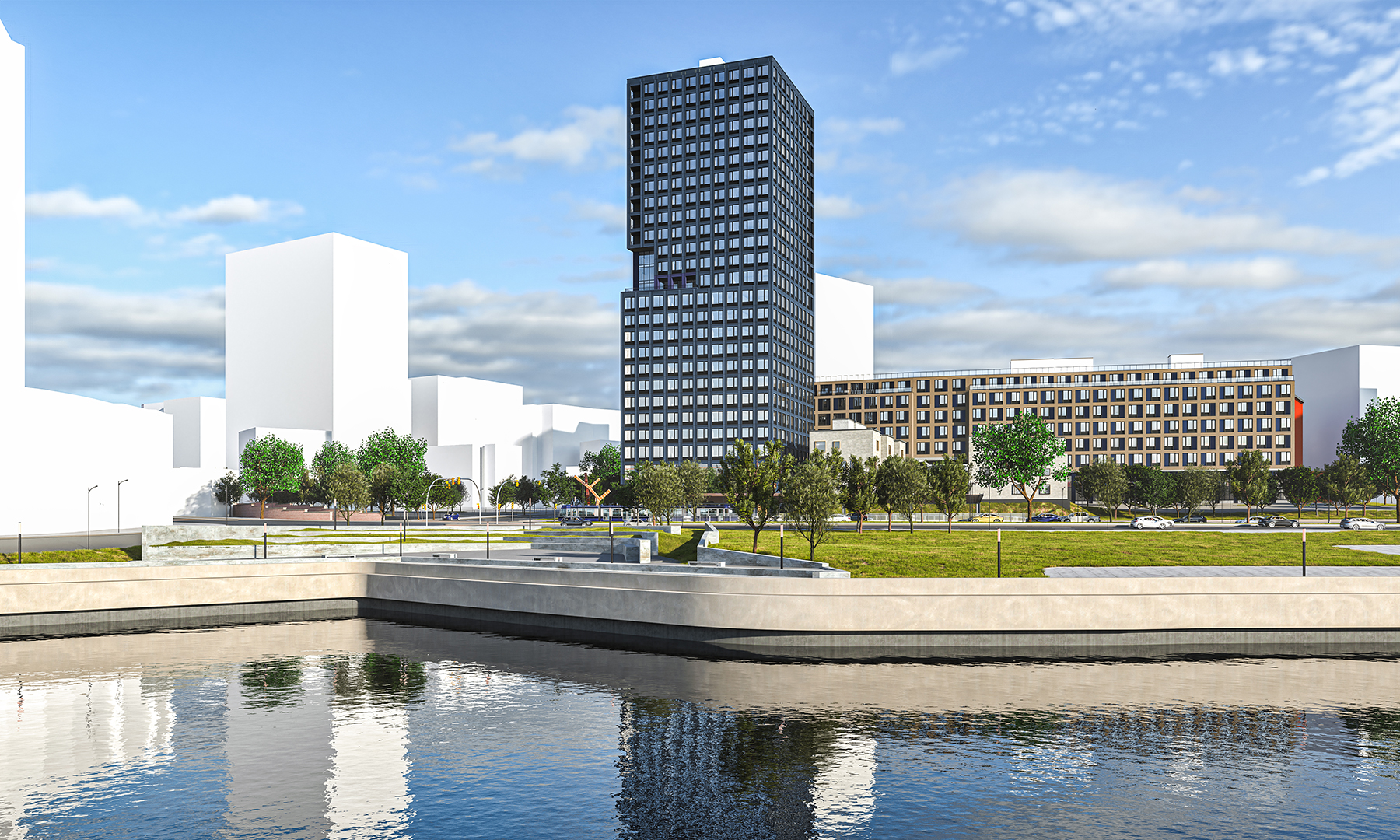
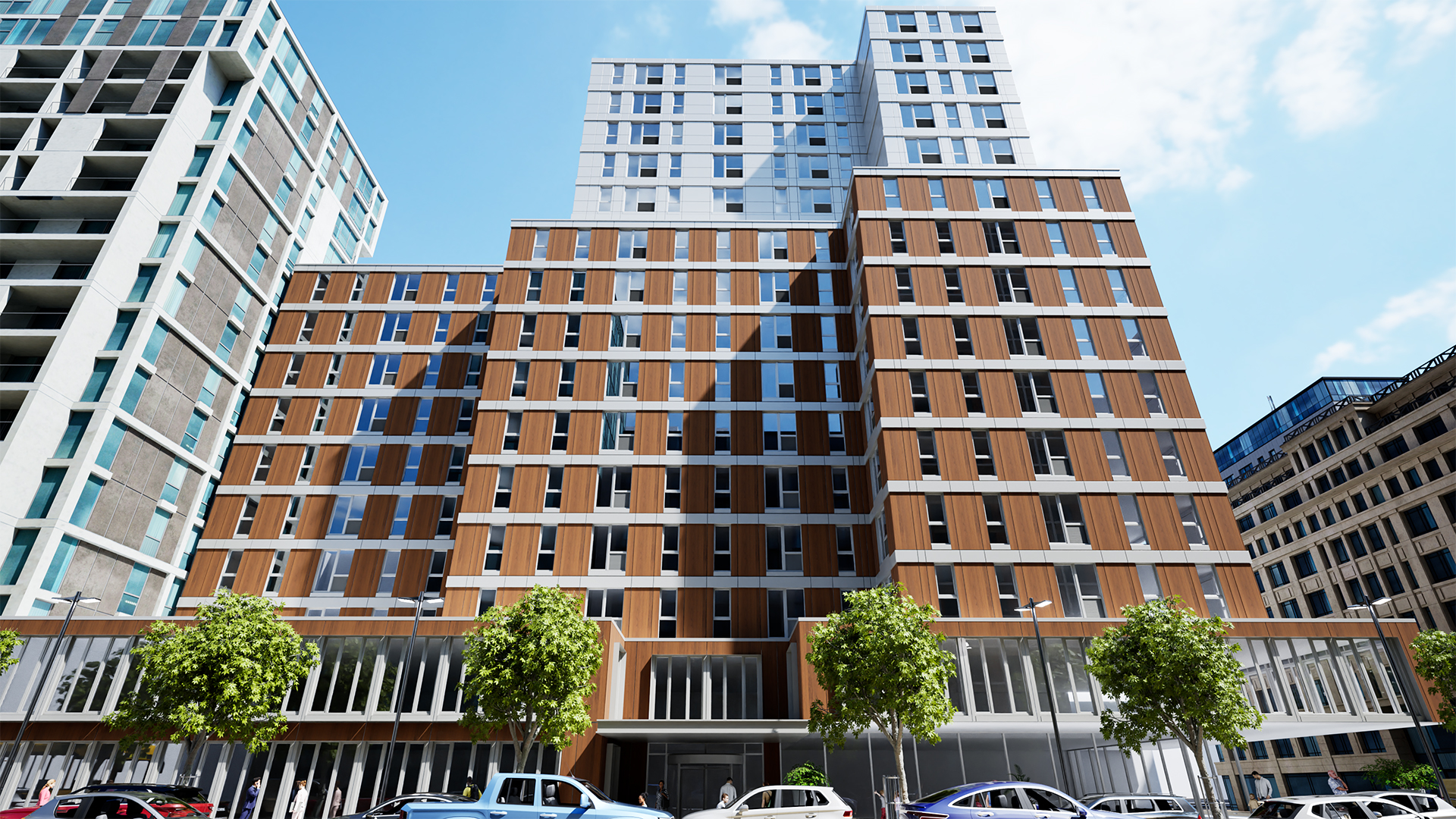
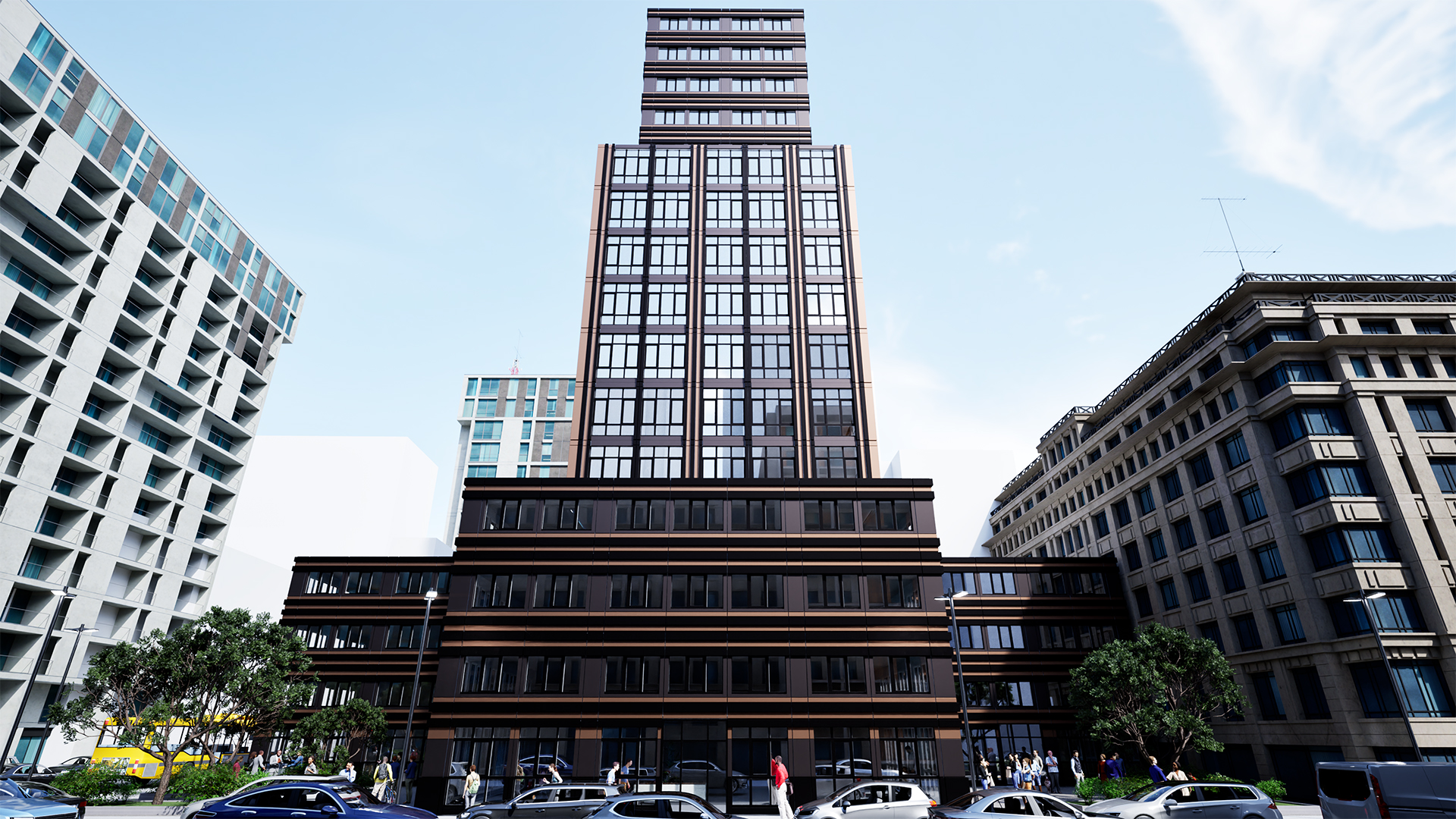
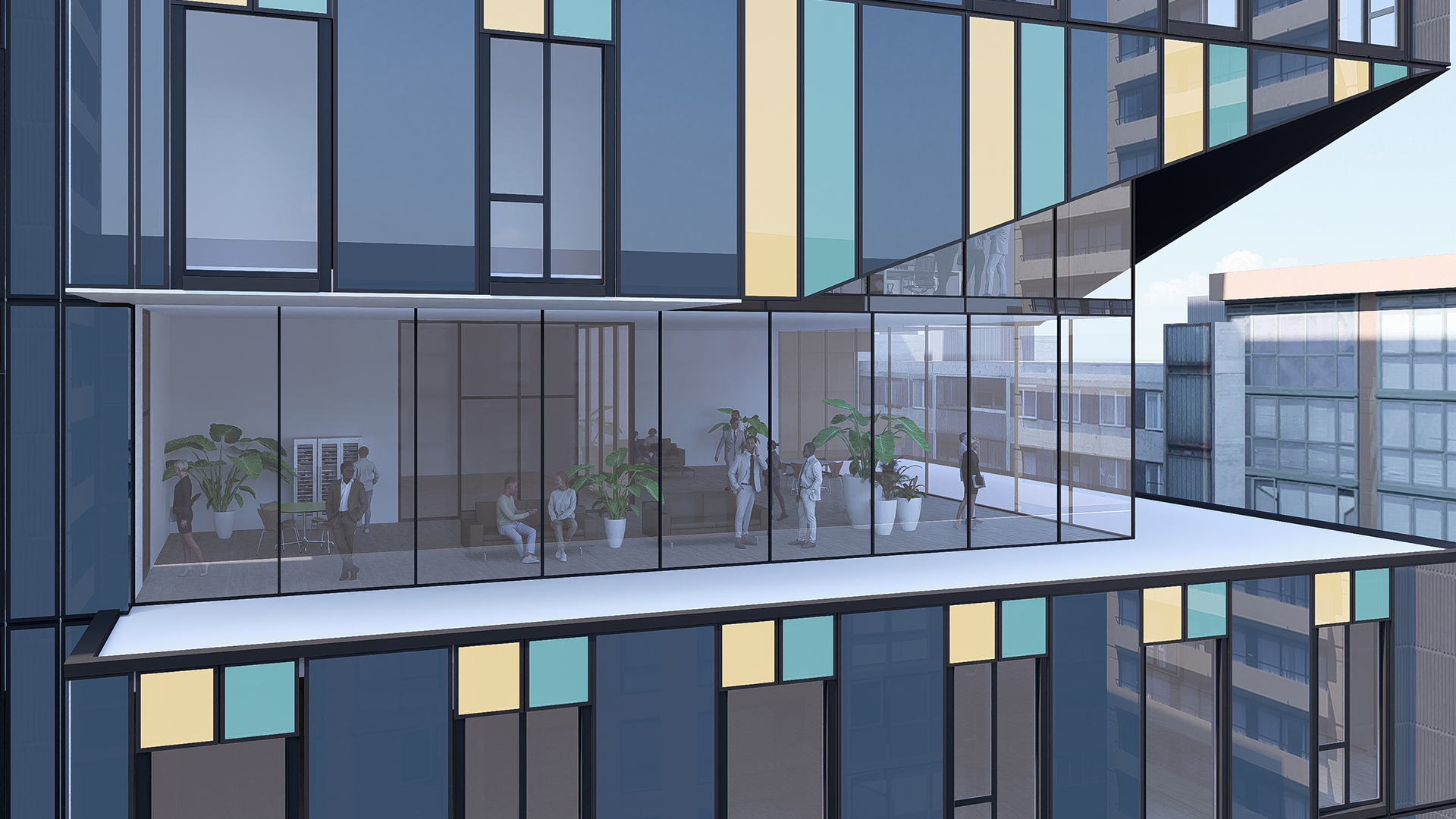
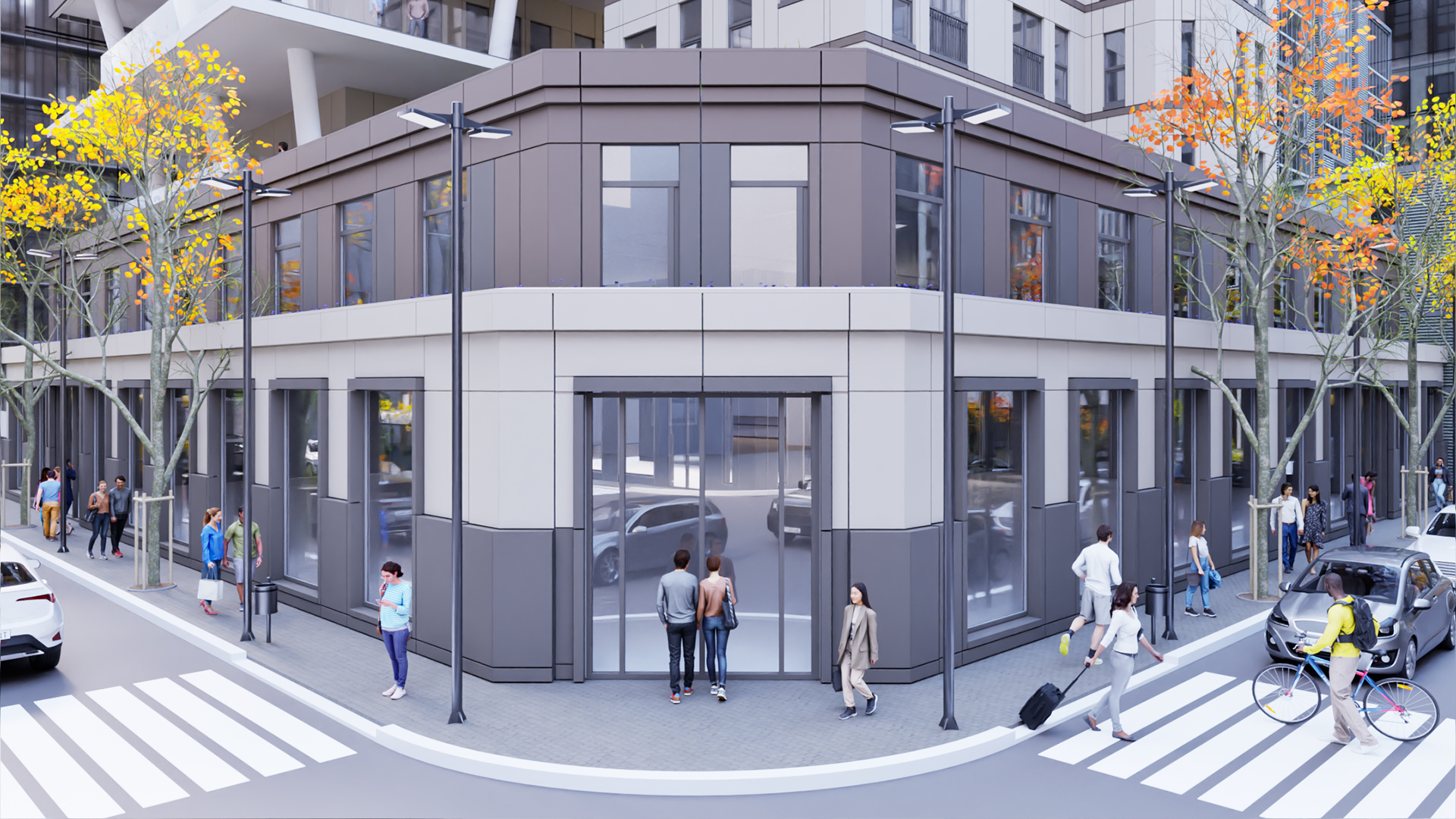
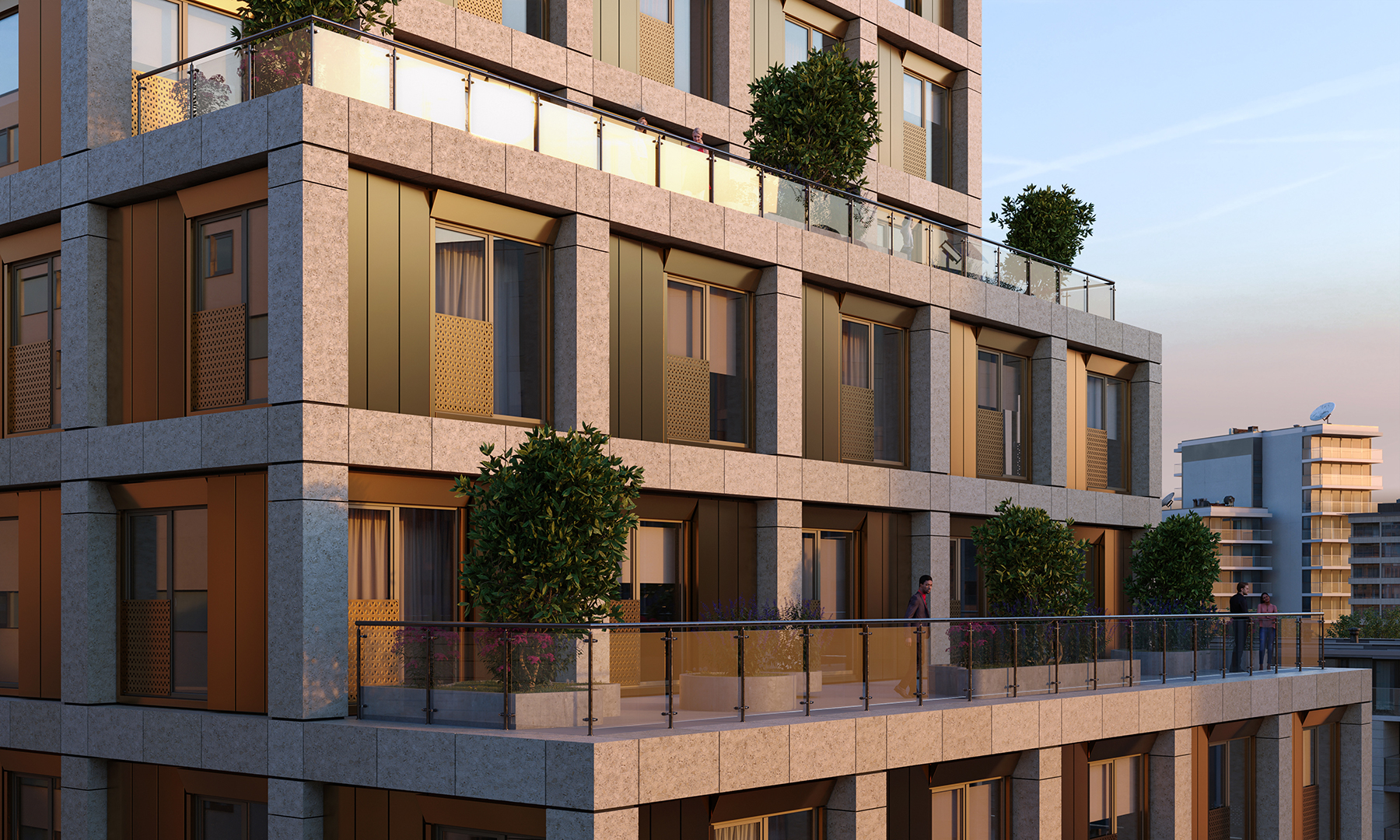
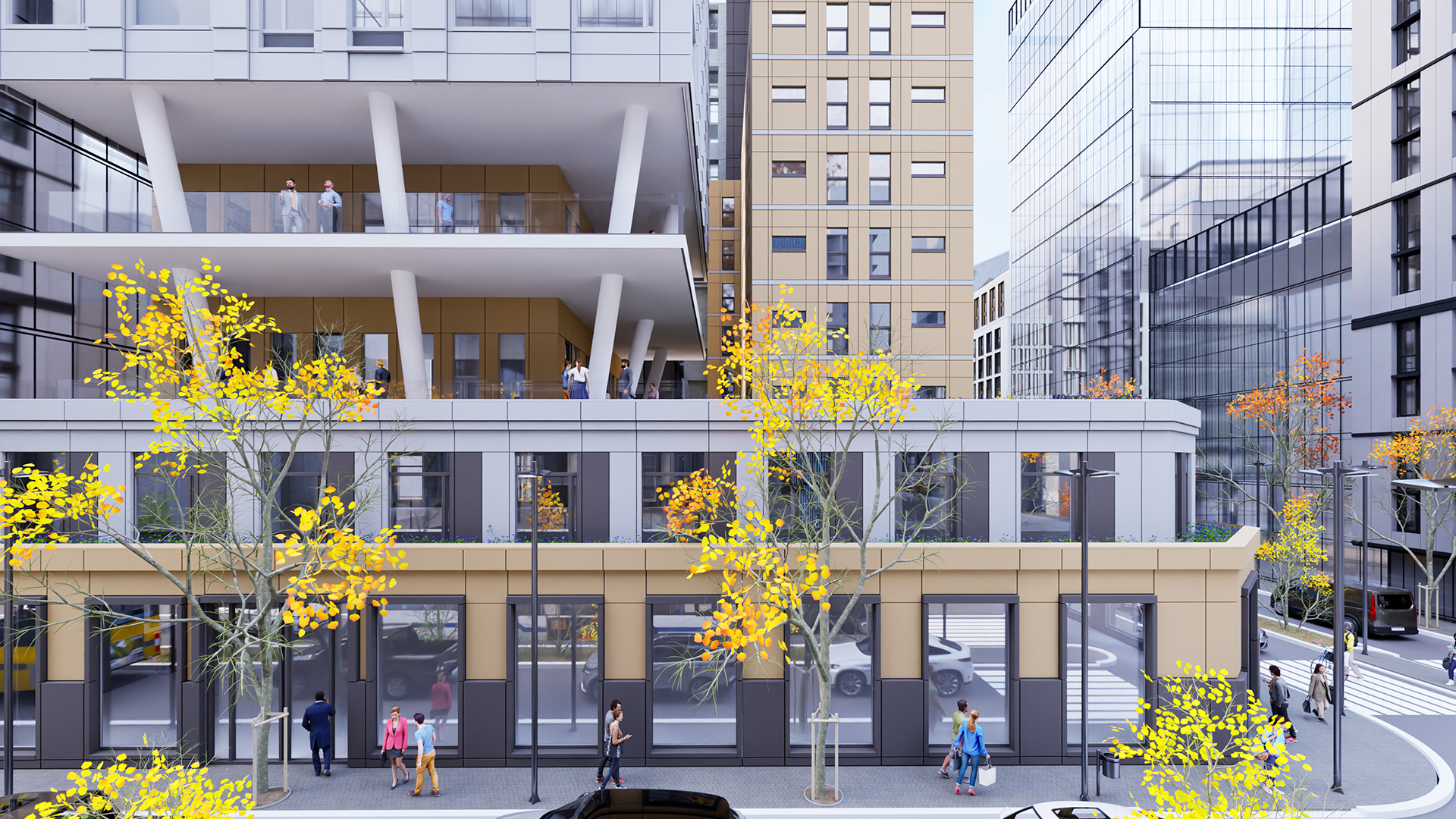
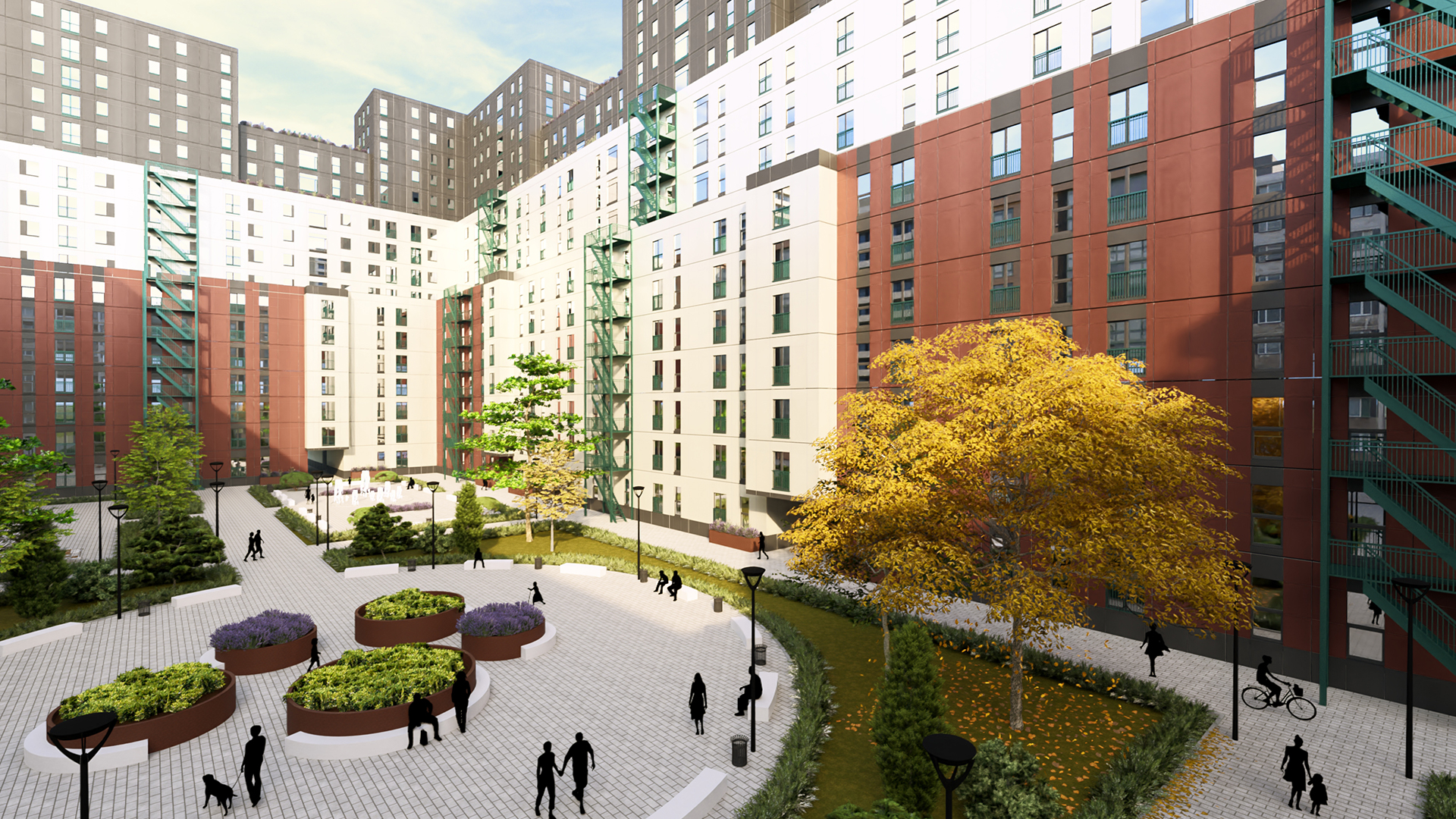
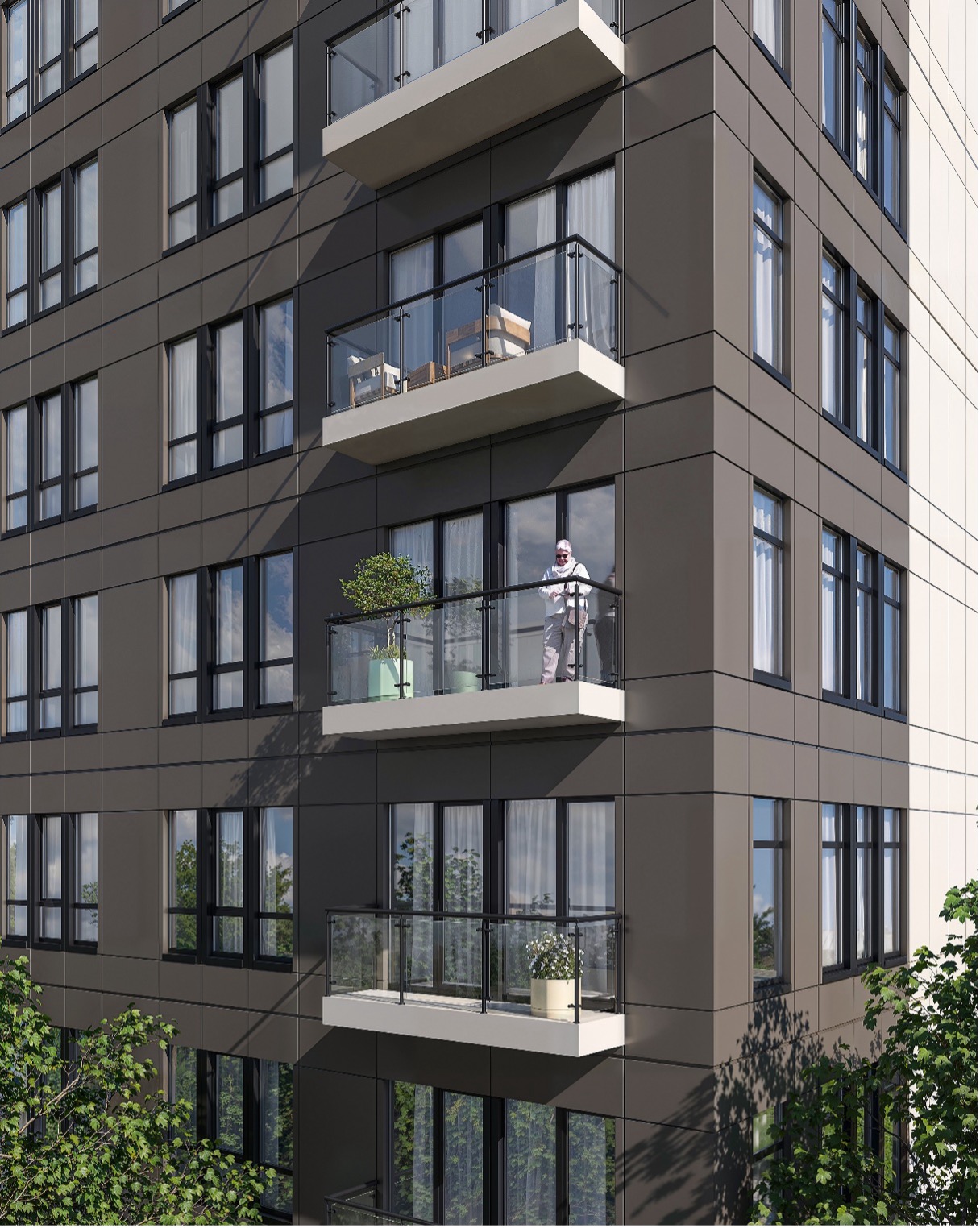
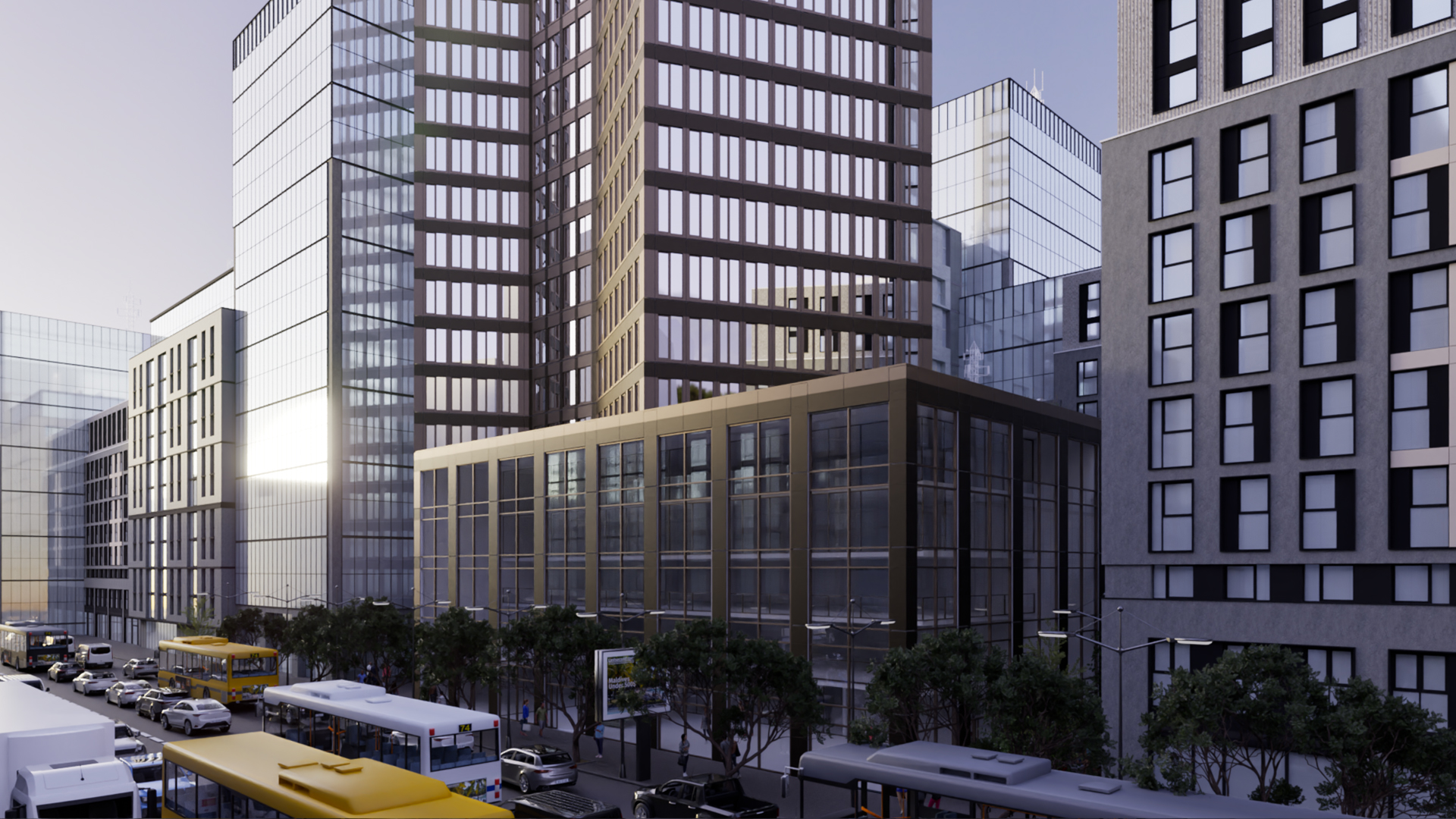
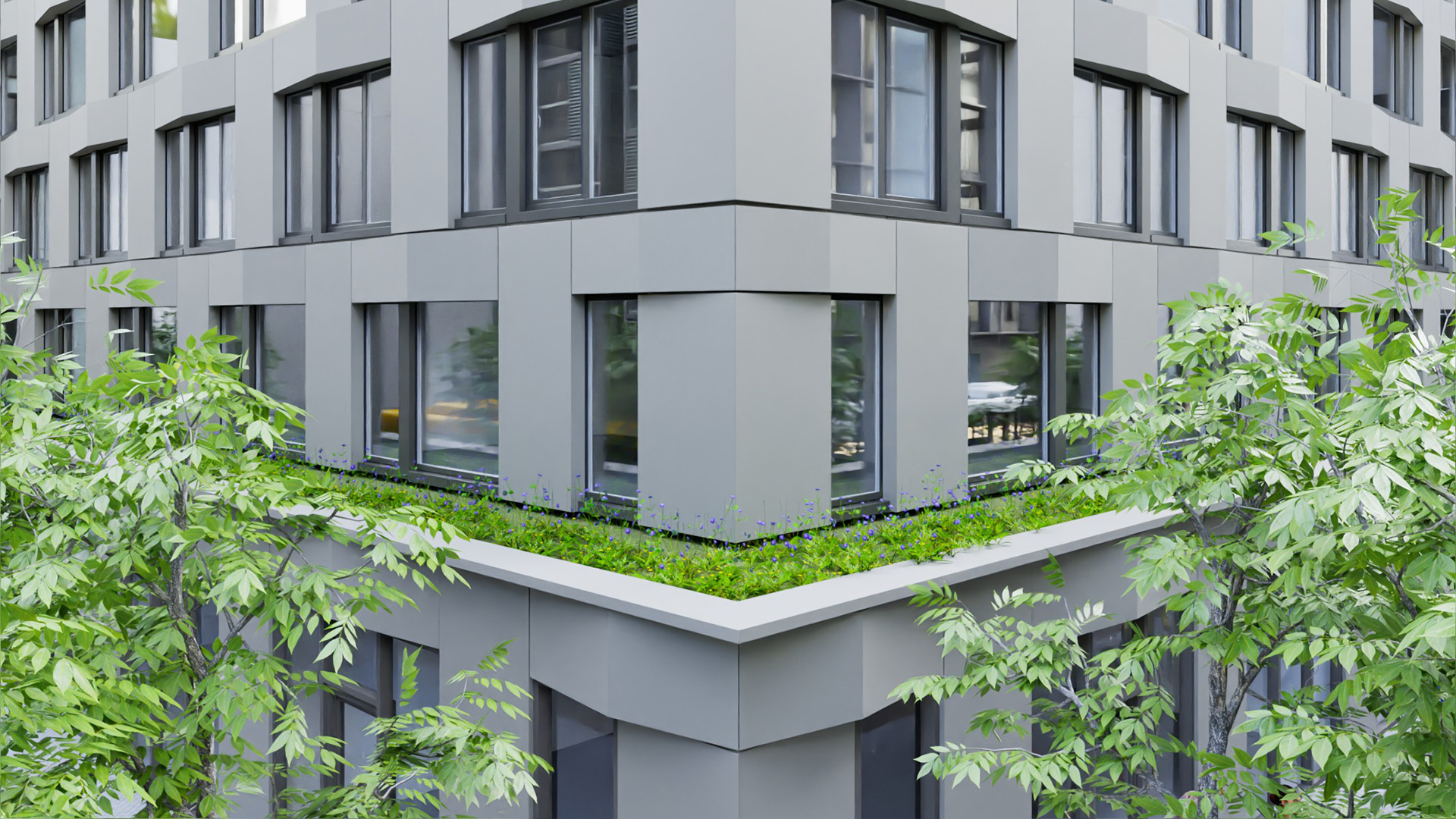
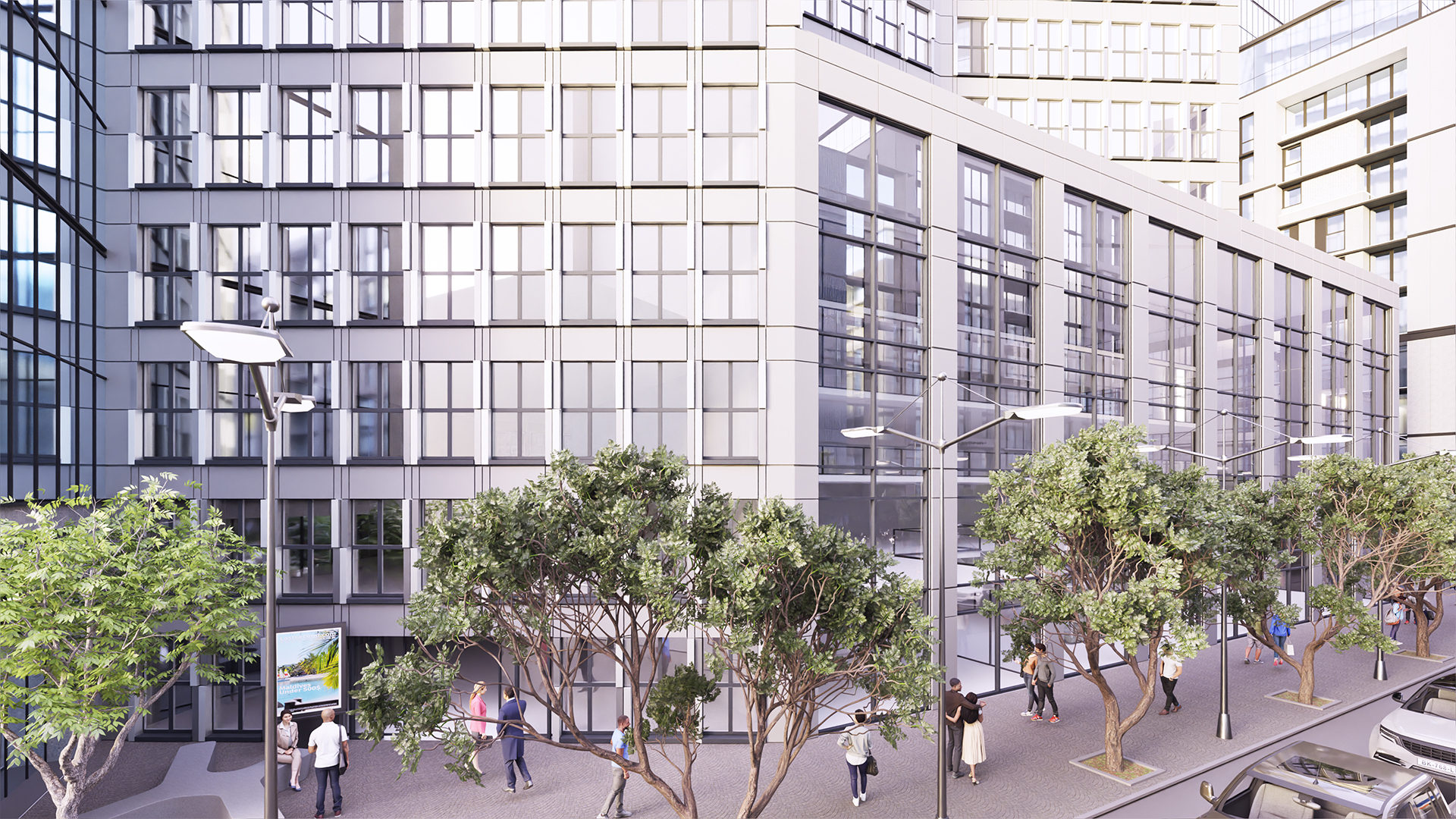
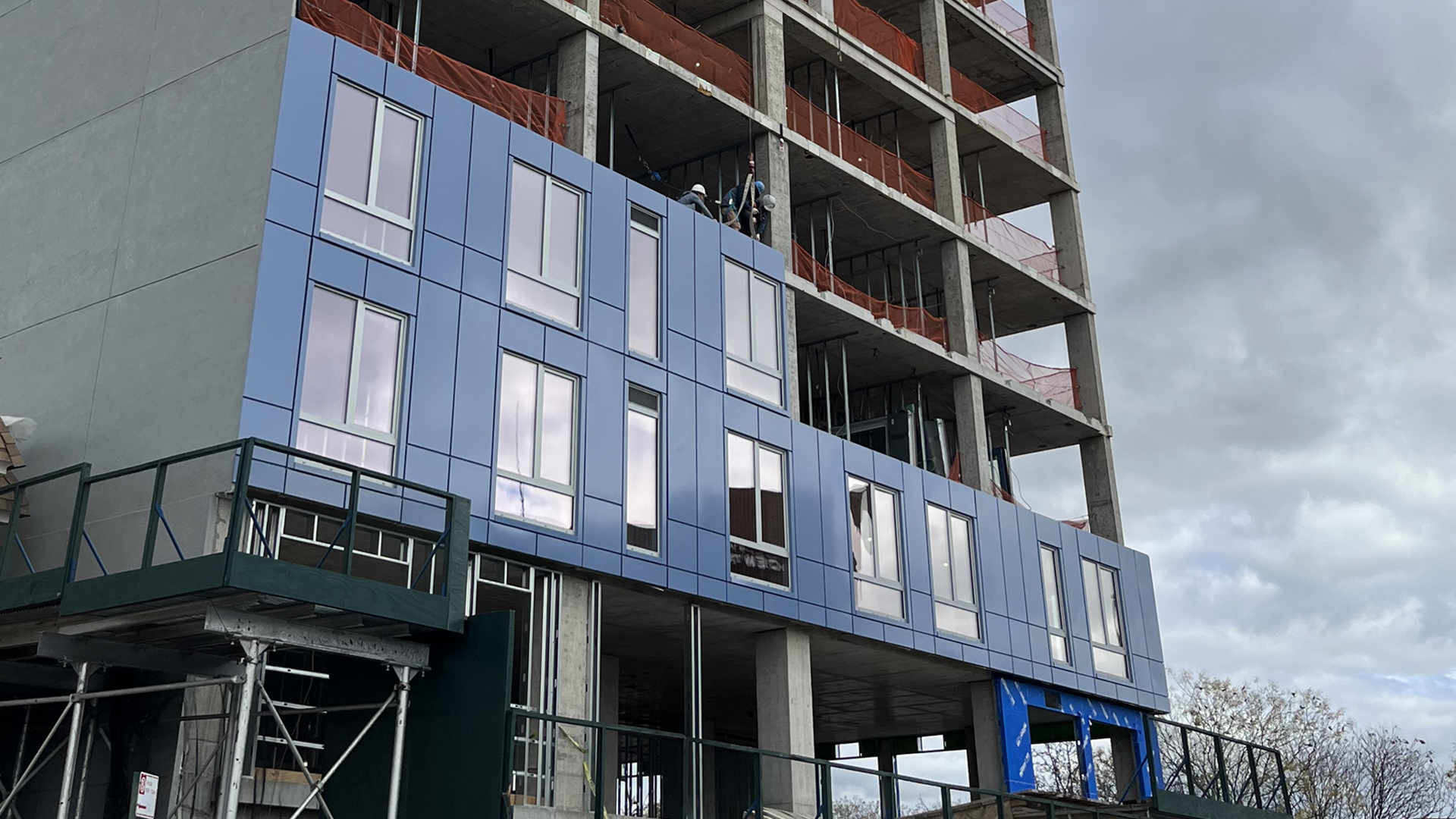
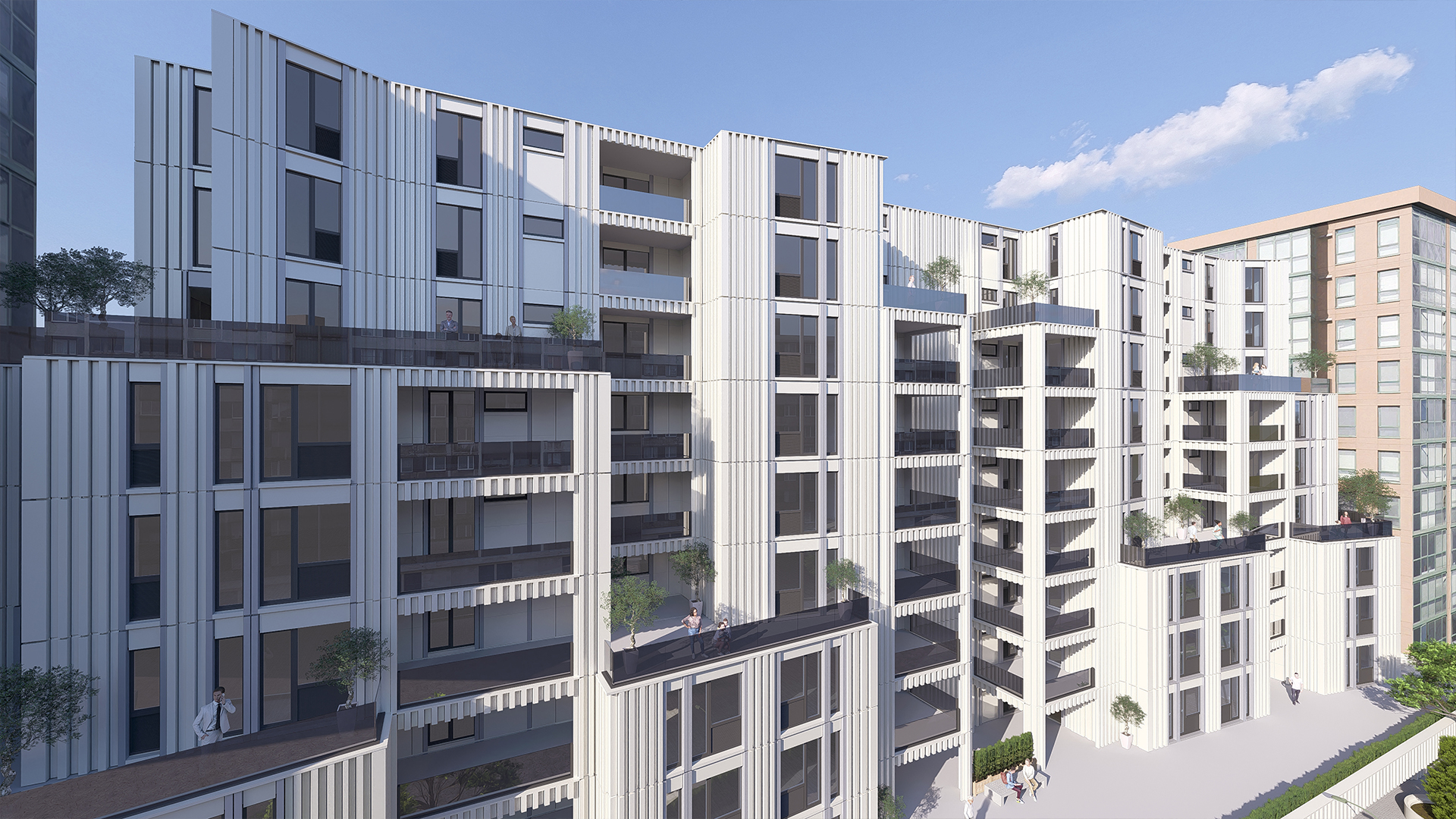
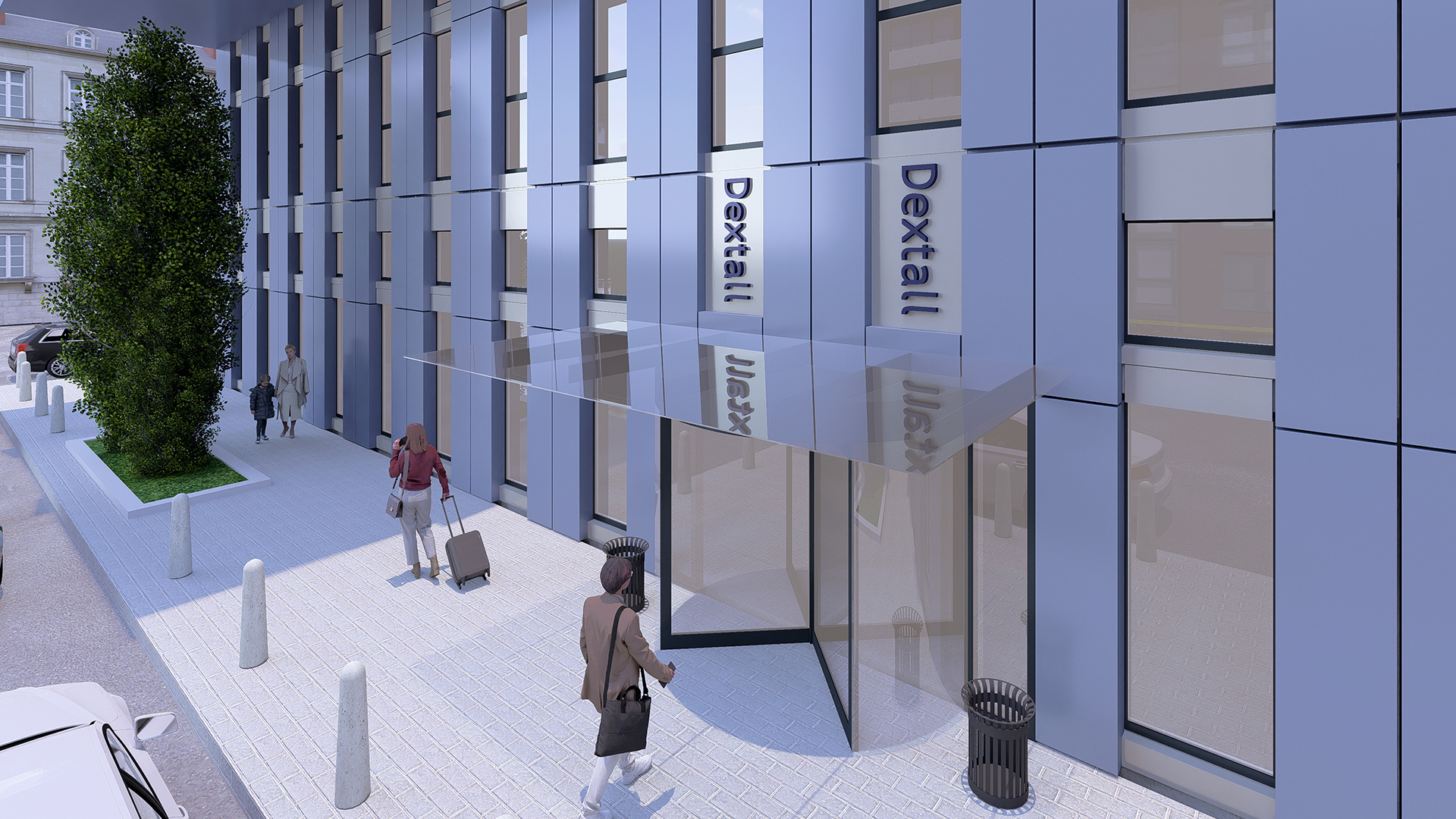
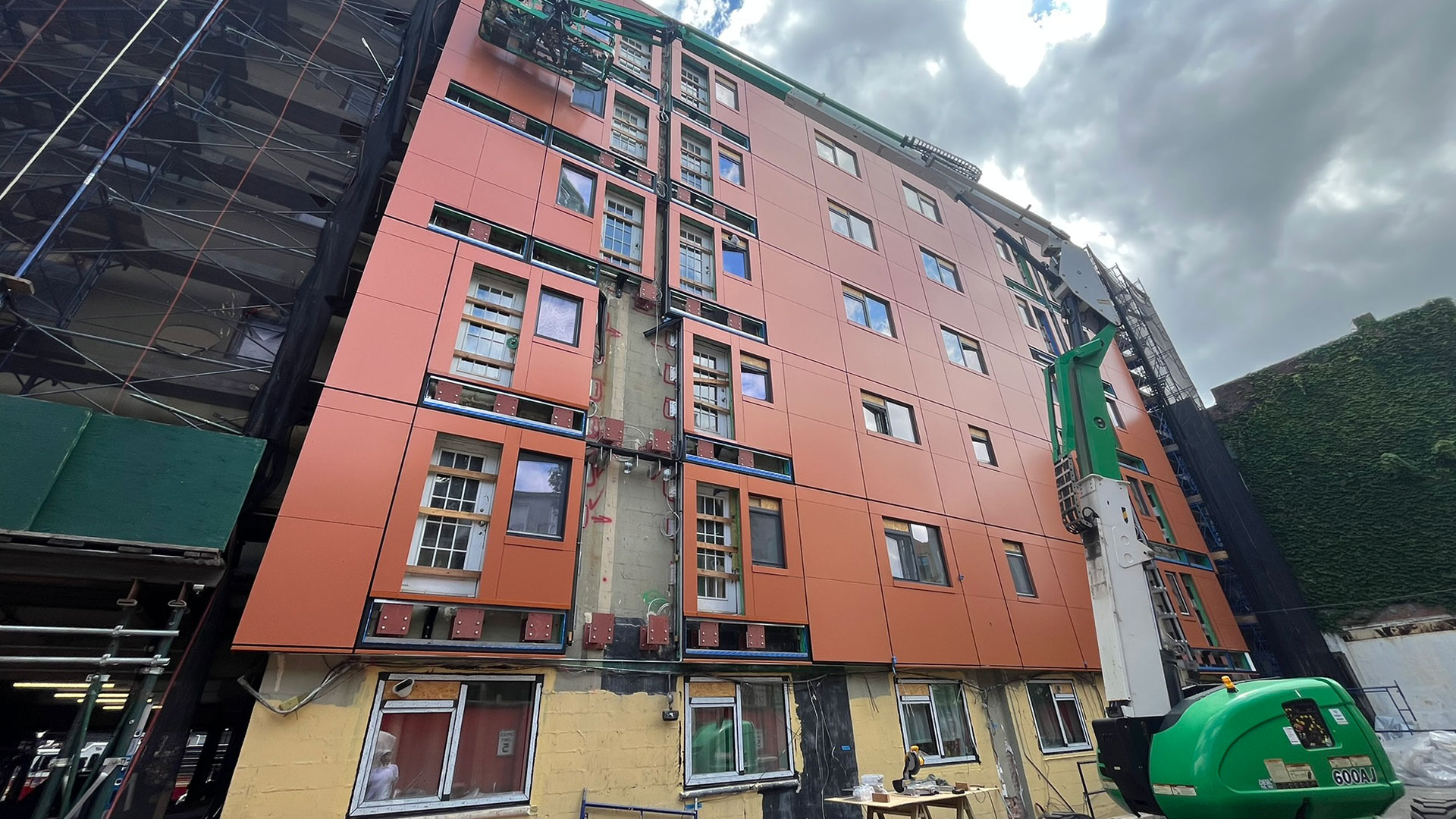
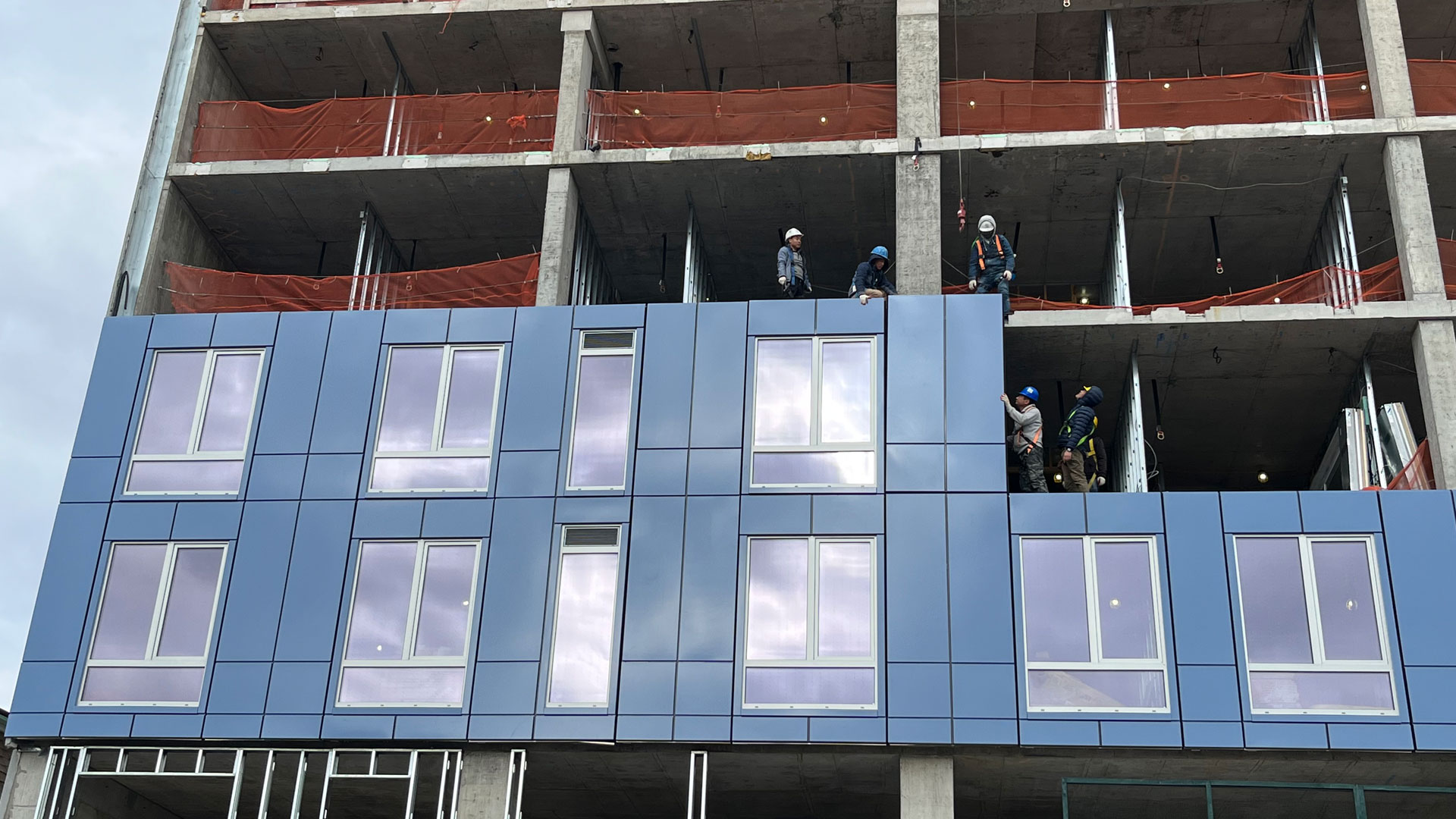
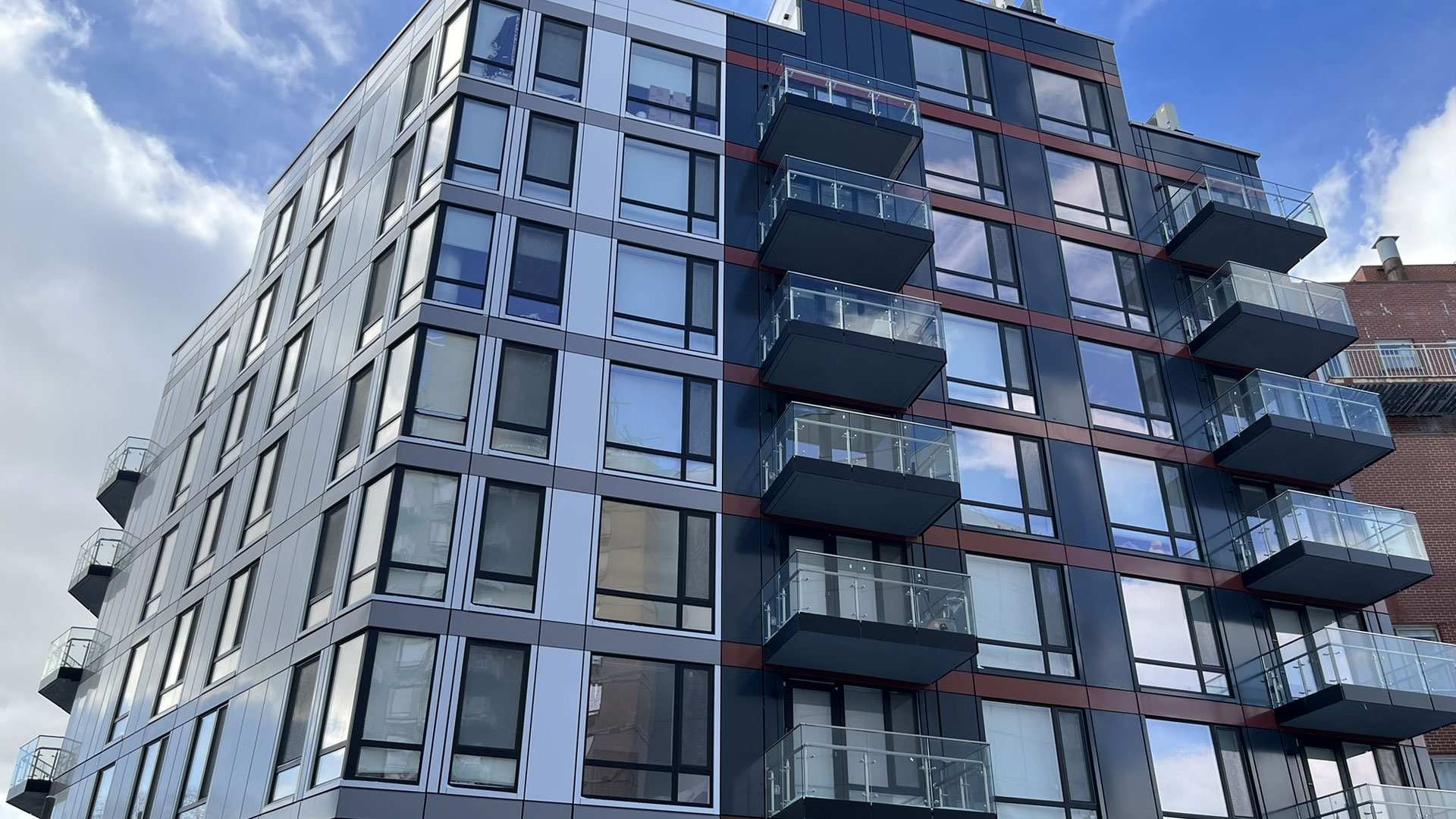
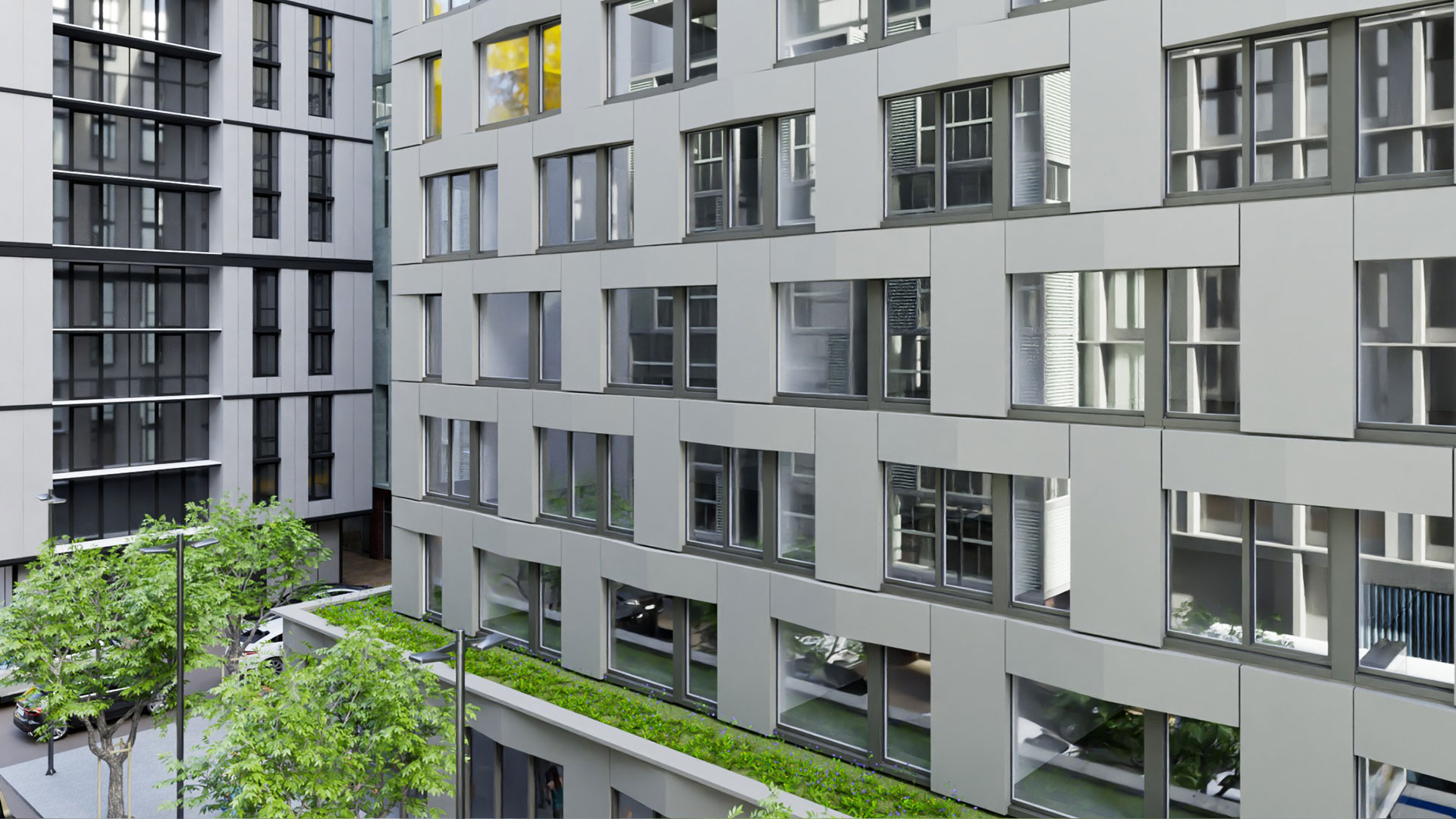
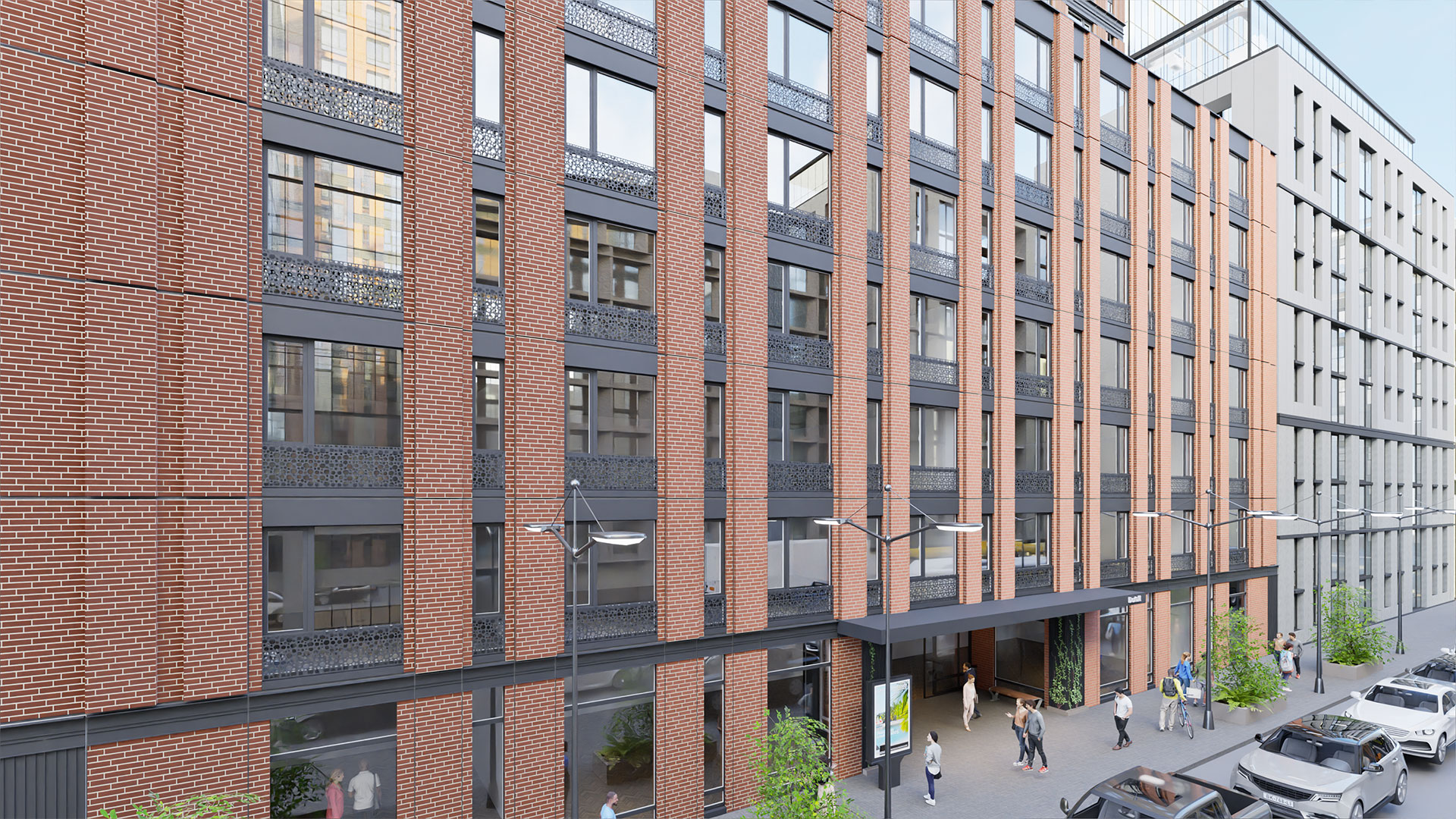
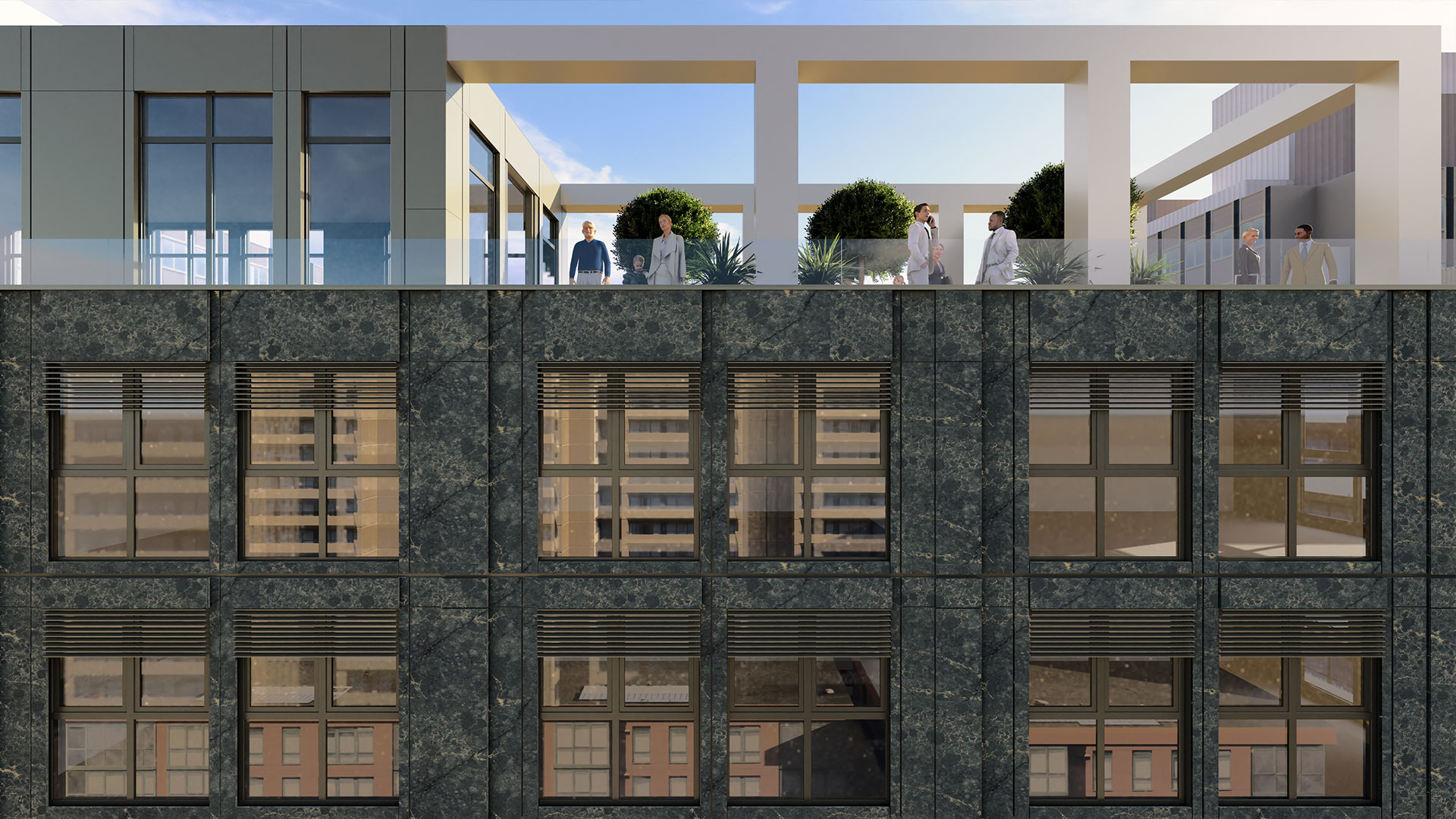
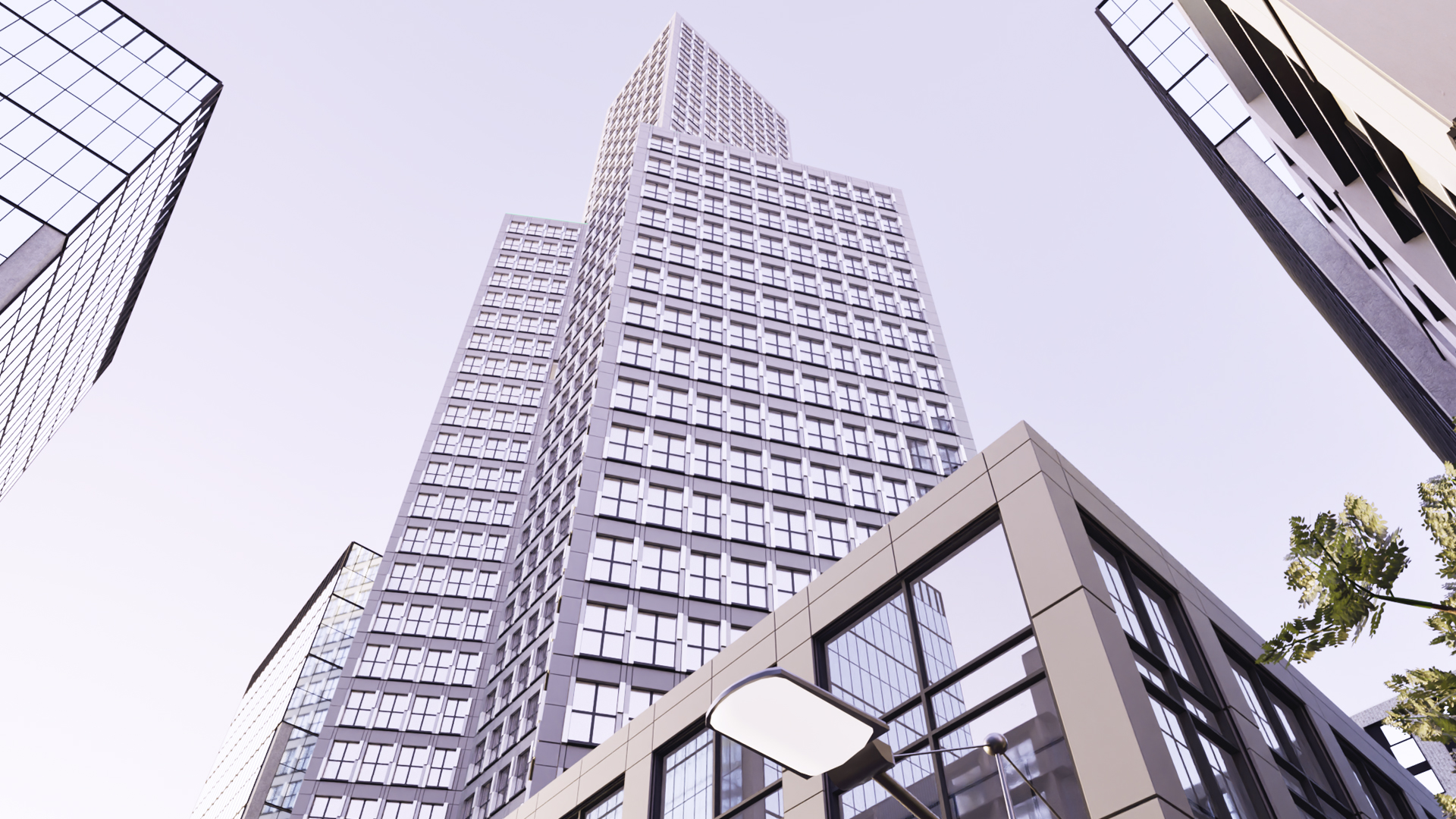
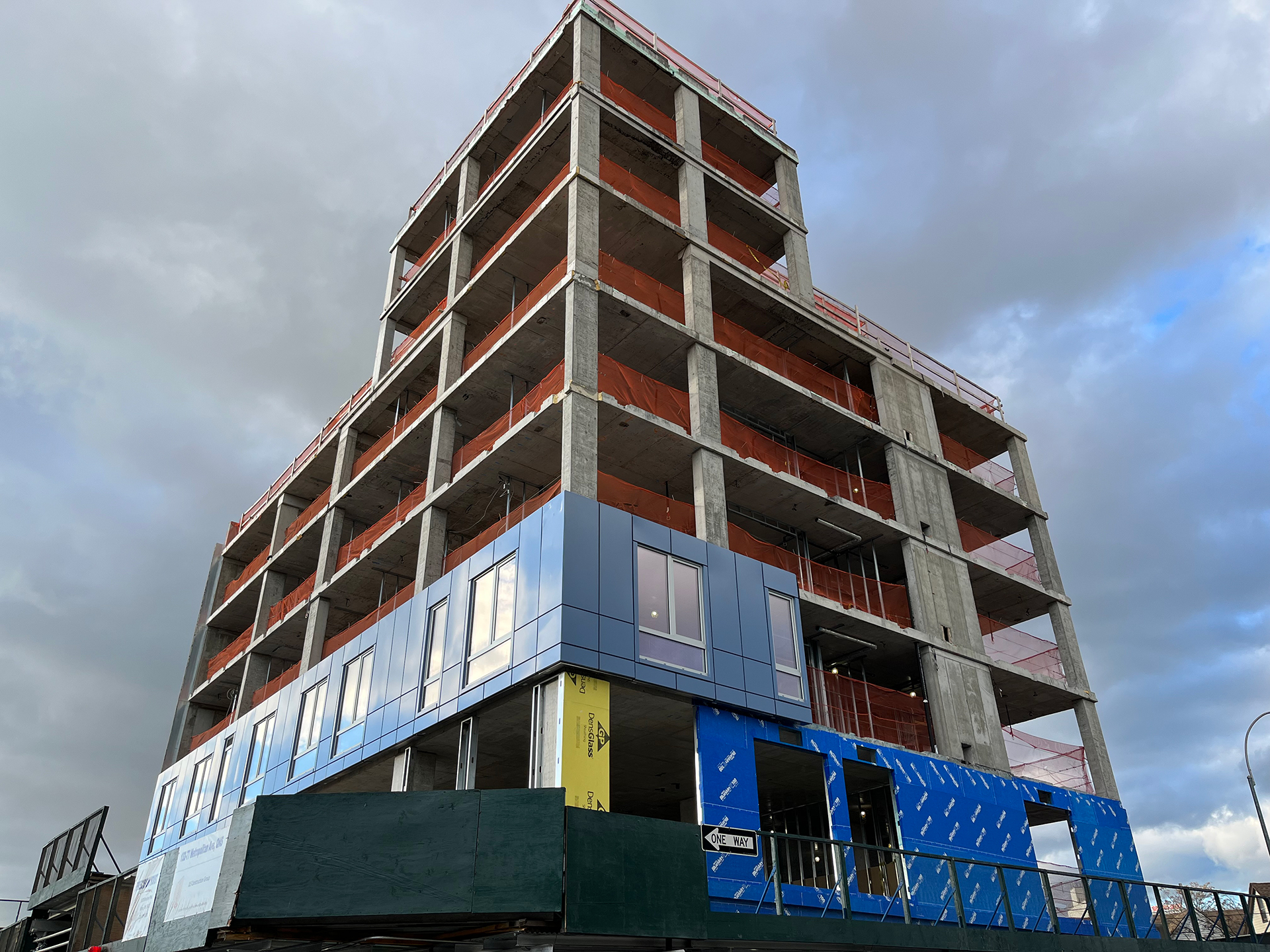
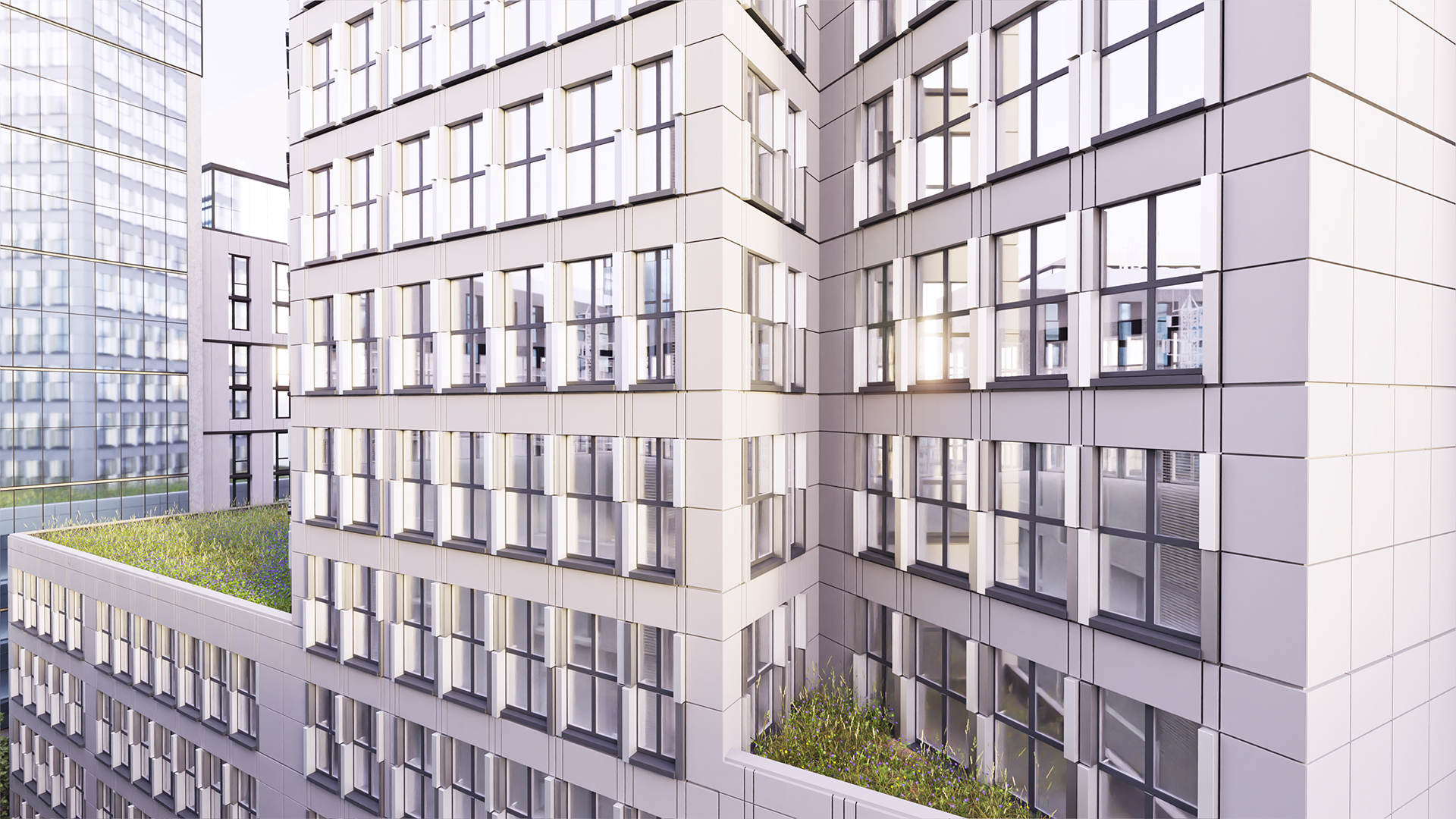
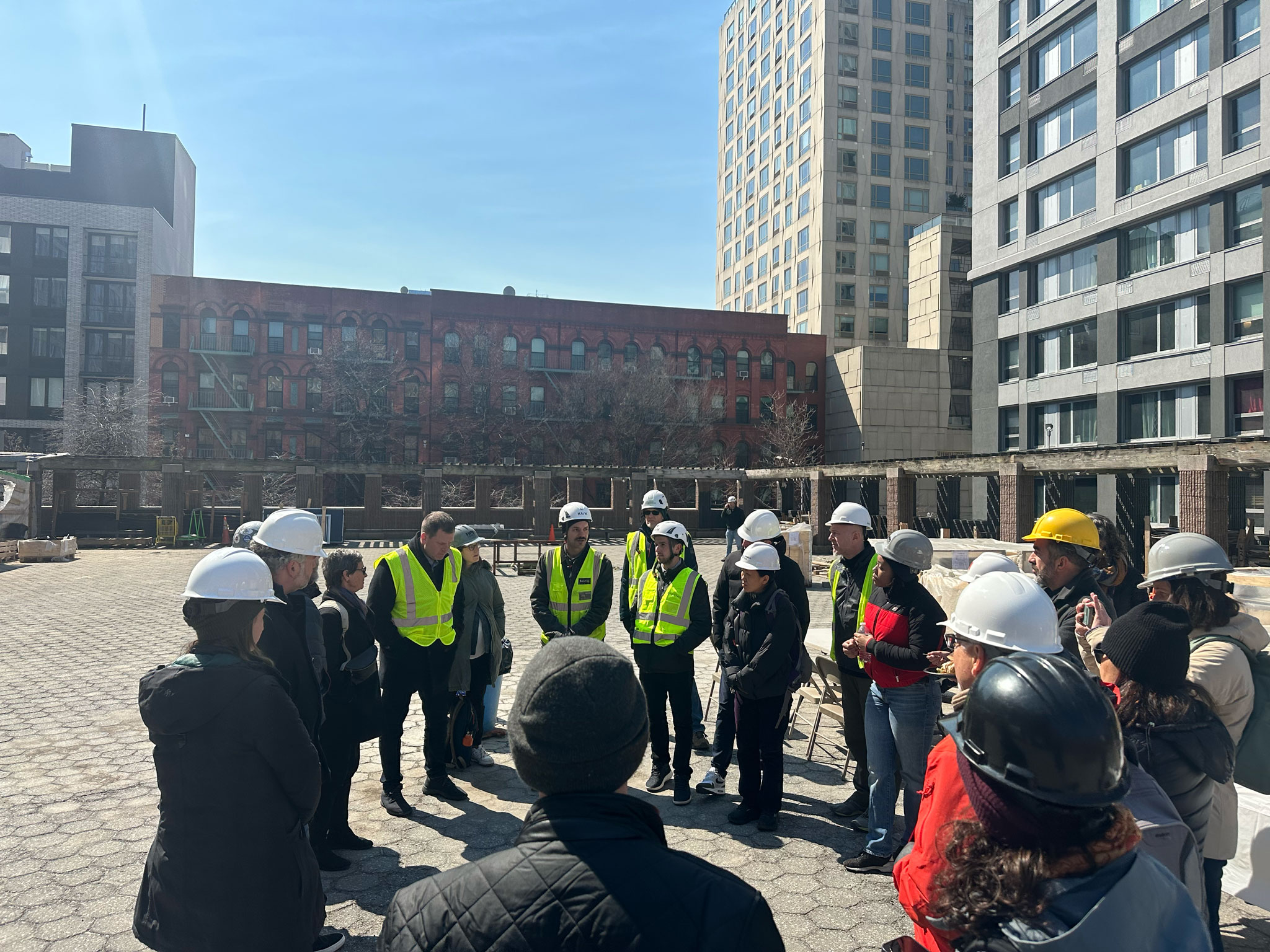
Images featured in this article depict Dextall's projects and are used for illustrative purposes only.
Sources










.jpeg)
-Compliance-for-NYC-Multifamily-%26-Co-Op-Facades.jpg)














_format(webp).avif)
_format(webp)%20(6).avif)
_format(webp)%20(5).avif)
_format(webp)%20(4).avif)
_format(webp)%20(2).avif)
_format(webp)%20(3).avif)


.avif)
_format(webp)%20(2).avif)