Hydronic Shell NYC: Exterior Facade Retrofit Without Displacing a Single Tenant
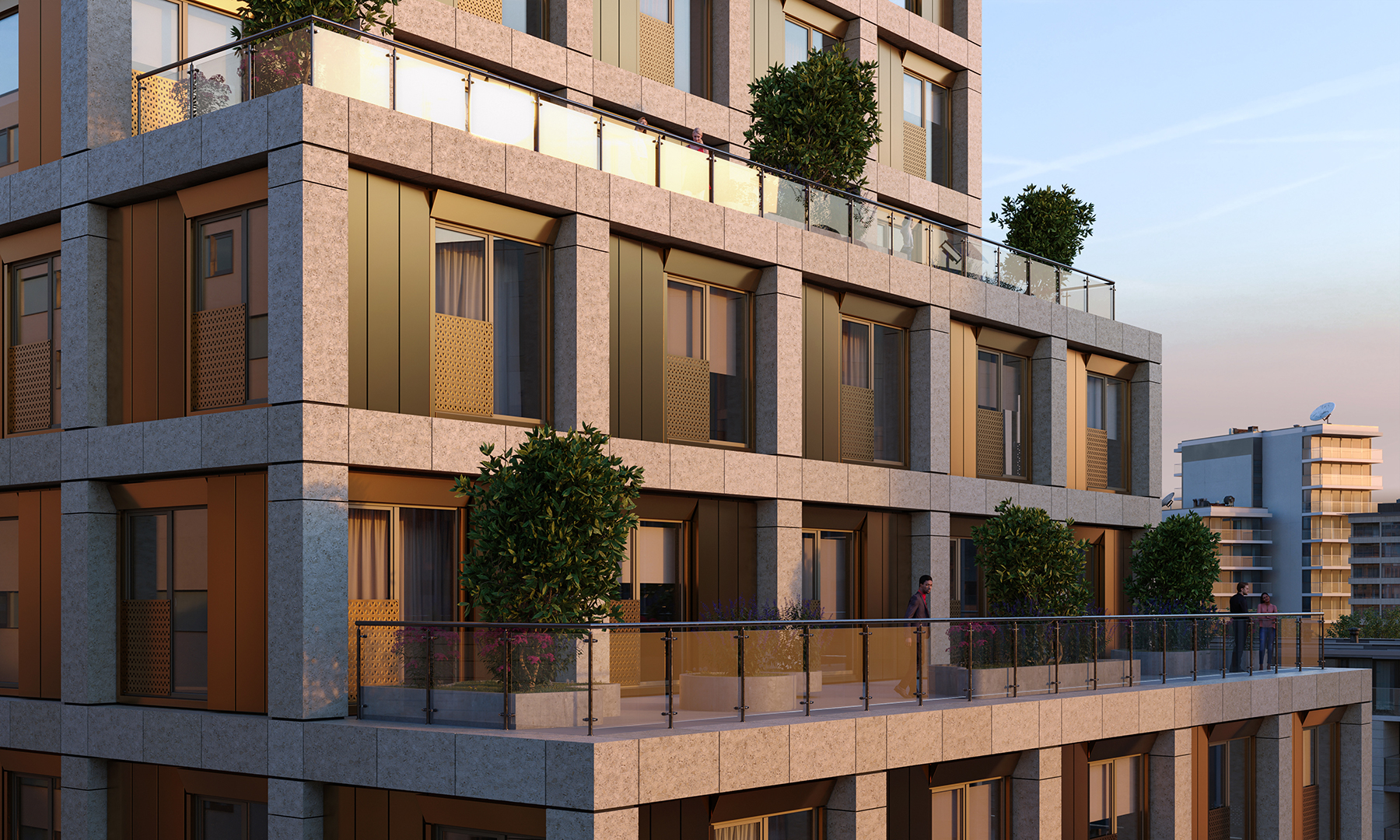
What if you could wrap an entire apartment building in a new skin—insulation, windows, heating, cooling, ventilation—without ever stepping inside a resident's home? That's the premise behind Hydronic Shell Technologies, a Queens-based startup that embeds complete HVAC systems directly into prefabricated facade panels. The panels bolt onto a building's exterior like oversized Tetris pieces, replacing crumbling brick and leaky windows with an airtight, climate-controlled shell. No tenant displacement. No interior construction crews. The entire retrofit happens from outside.
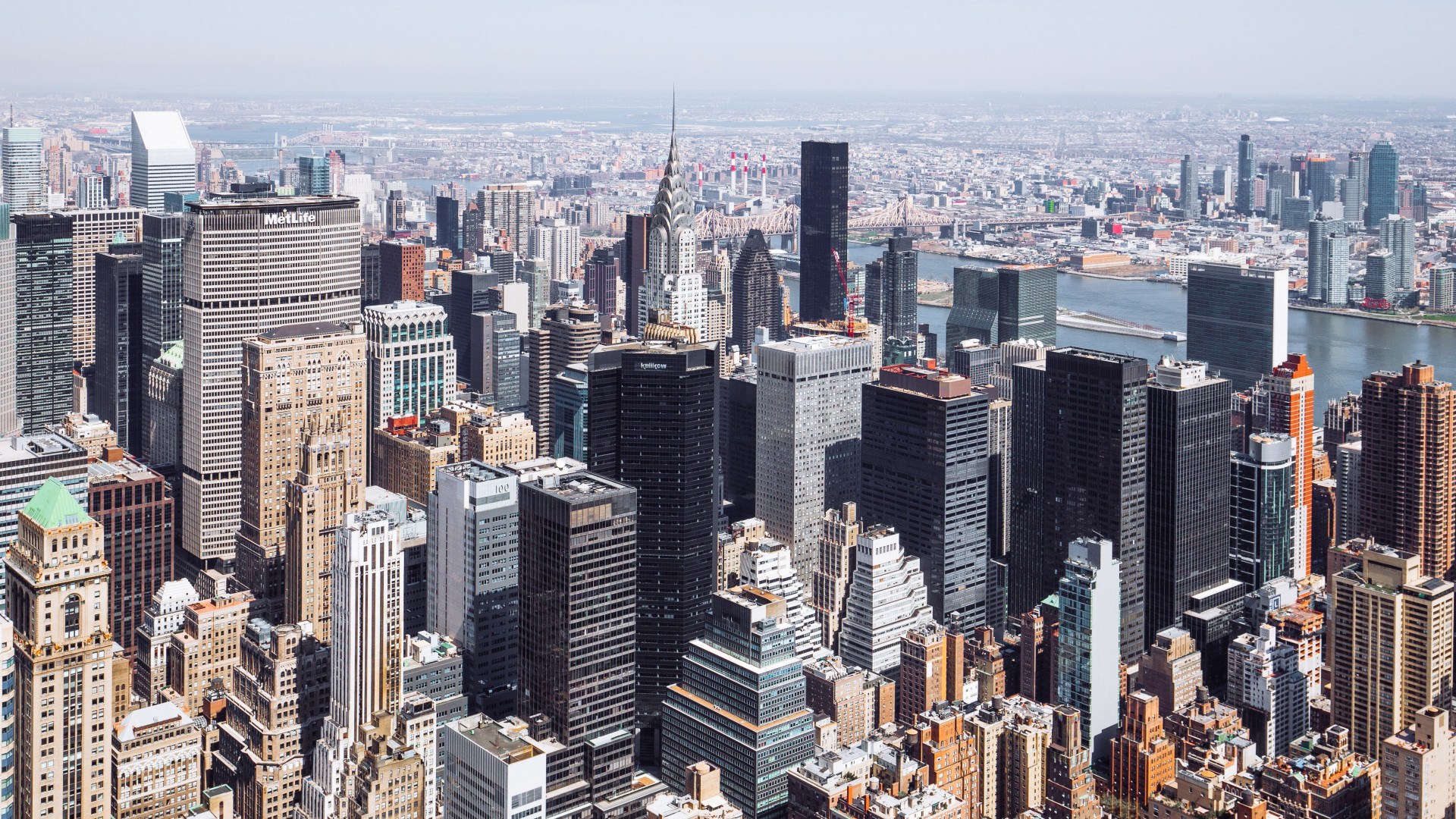
The timing matters. New York City's Local Law 97 now imposes carbon caps on buildings over 25,000 square feet, with penalties of $268 per metric ton of excess CO₂. Stricter limits arrive in 2030. Roughly 50,000 buildings fall under these requirements, and the vast majority are older multifamily structures where traditional retrofits mean months of disruption and costs that affordable housing operators cannot absorb. Hydronic Shell's exterior installation approach and Dextall's interior installation methodology represent two distinct solutions to the same urgent problem: how do you decarbonize occupied buildings at the scale cities actually need?
What Makes Hydronic Shell Notable
Mechanical engineer David Goldstein founded the company in 2020 after fifteen years in HVAC, convinced that conventional retrofit approaches couldn't scale. The math was blunt: traditional apartment-by-apartment renovations cost upward of $175,000 per unit at NYCHA scale. Much of that expense comes from working inside occupied apartments—moving furniture, scheduling access, managing complaints, fixing collateral damage.
Goldstein's answer: flip the problem. Instead of retrofitting inside out, work outside in. His company developed Facade-Integrated Mechanical Systems (FIMS)—prefabricated facade panels containing insulation, windows, hydronic piping, fresh air ducts, exhaust risers, and individual apartment terminal units called HydroBoxes. A crane installs six to ten panels per day, each covering one apartment's worth of exterior wall. The HydroBox sits in the extended windowsill area, delivering heating, cooling, and filtered ventilation without consuming any interior floor space.
The company won a $3 million grant through the Housing Affordability Breakthrough Challenge. That funding supports a first demonstration project: a wing of 418 Fabius Street, a seven-story public housing building in Syracuse. Engineering analysis by Taitem Engineering projects a 95% reduction in heating energy demand. Construction targets late 2025 with completion within nine months.
How Facade-Integrated HVAC Works
The process starts with a drone scanning the building's exterior to generate a precise 3D model. That digital twin maps panel dimensions, window locations, and HVAC routing for the specific structure. Although every building differs in geometry, the system uses standardized components—panels share common mechanical interfaces even when exterior dimensions vary. This balance between customization and standardization is what makes factory prefabrication viable for retrofit work.
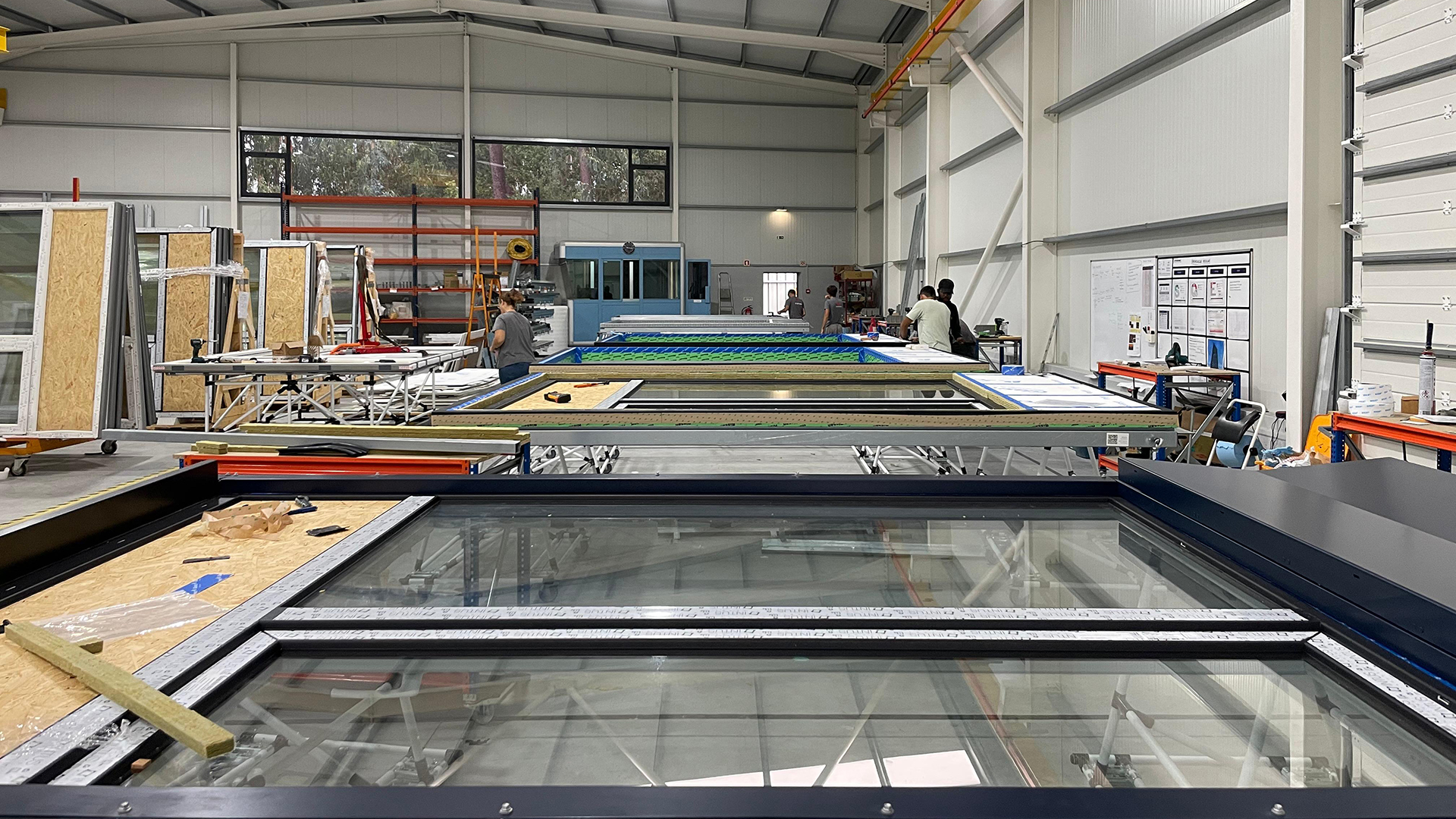
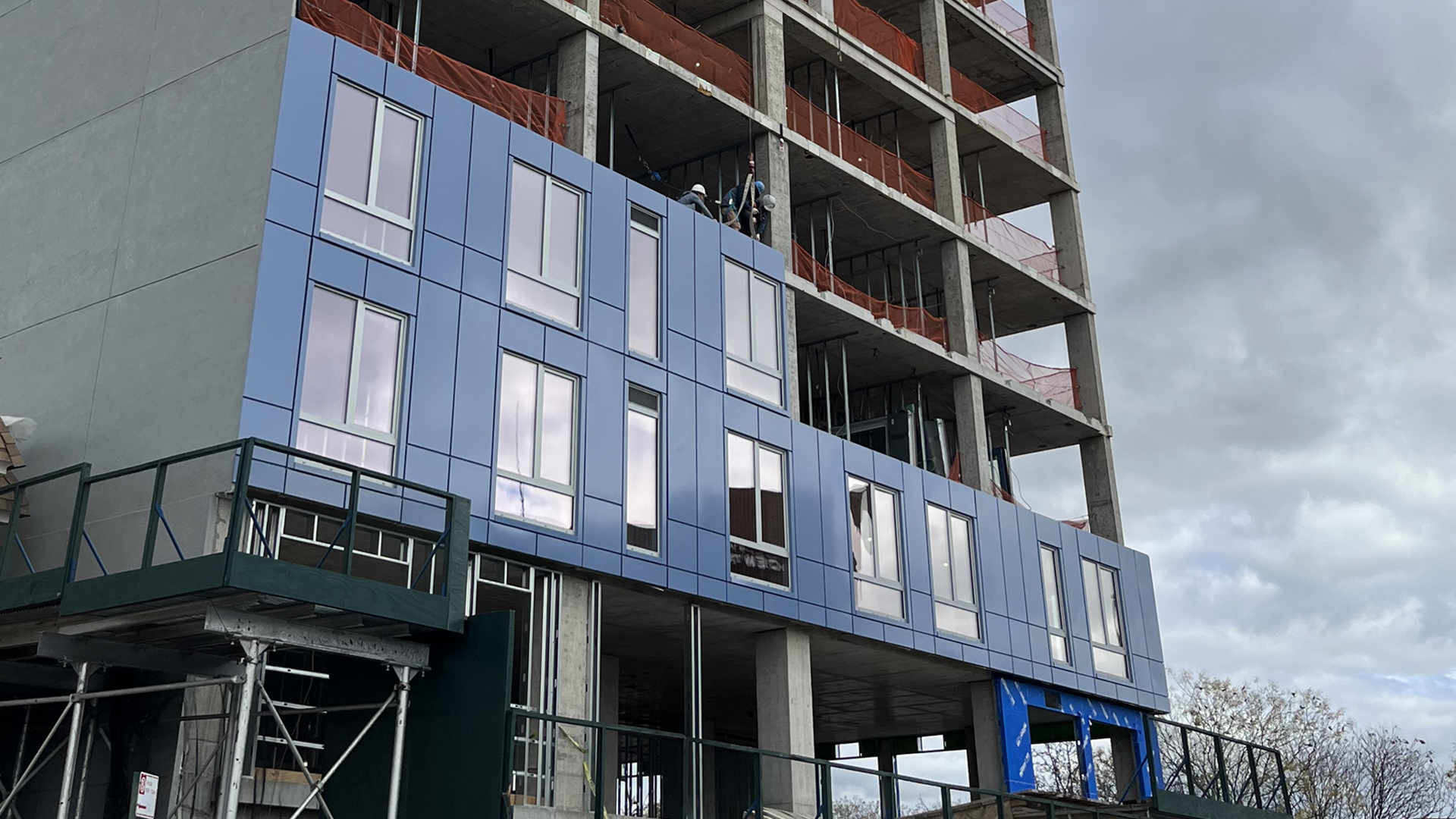
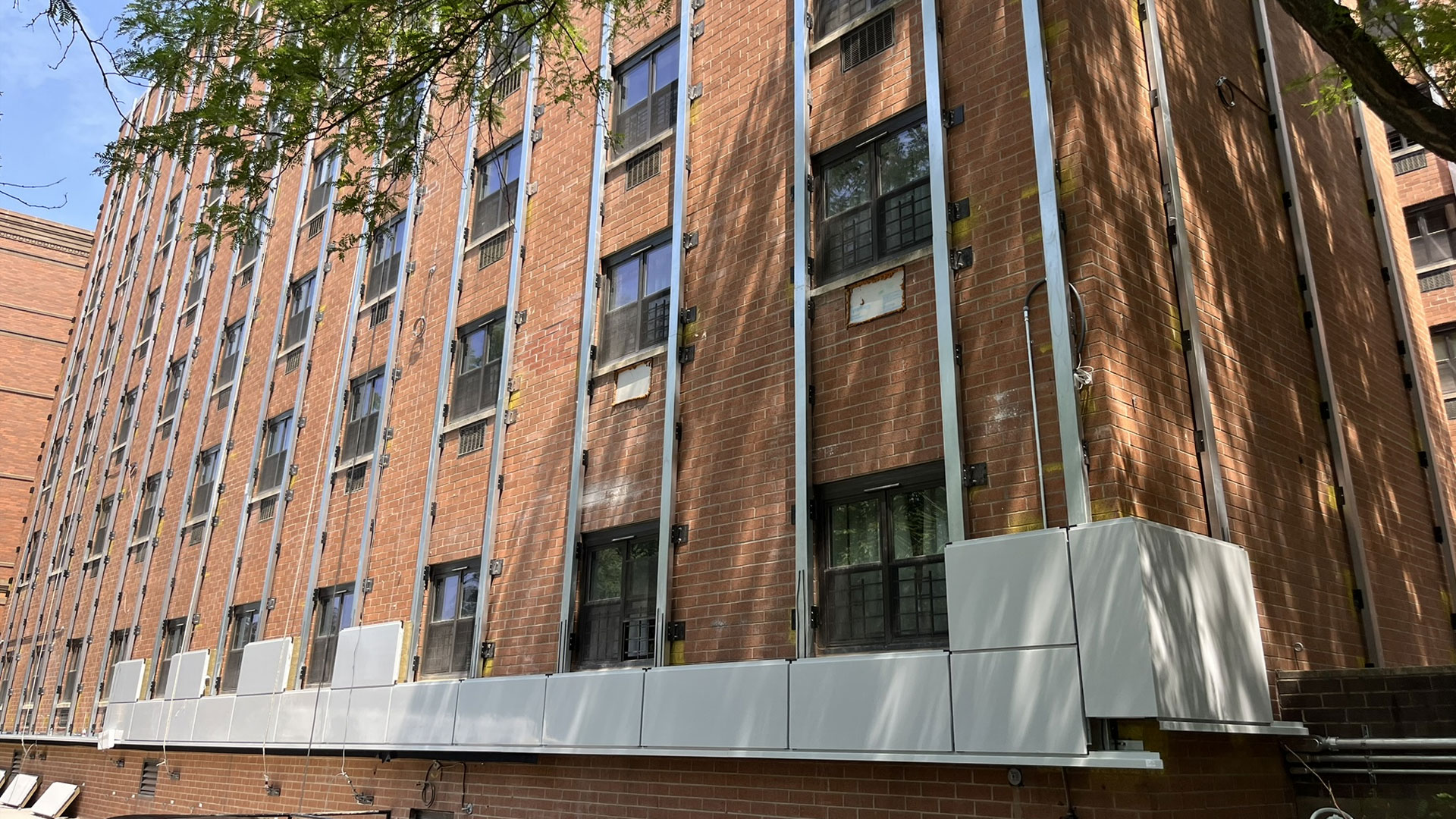
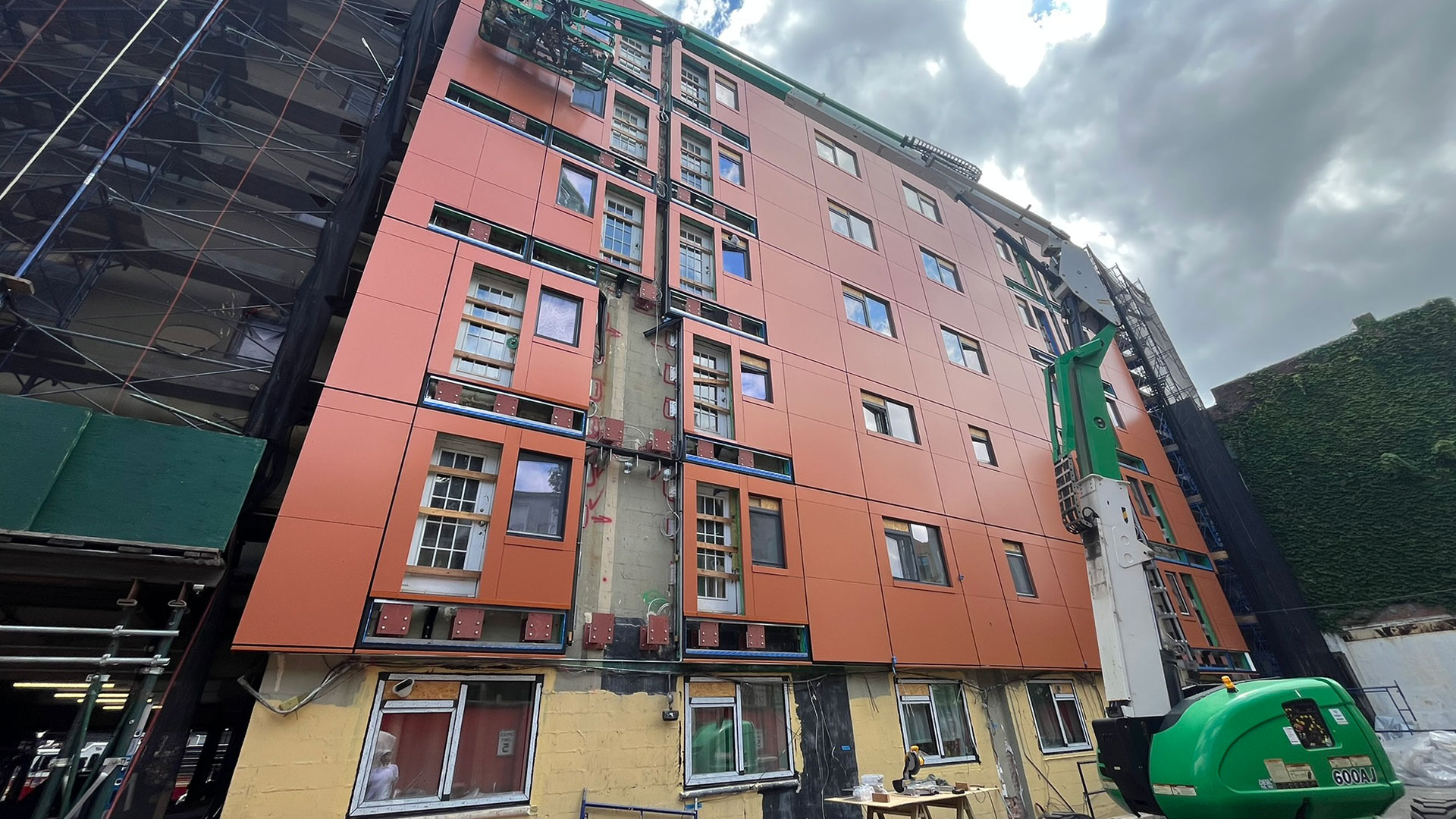
Each panel arrives as a self-contained unit. The insulated shell provides thermal performance comparable to Passive House-grade assemblies. Triple-glazed windows replace old single-pane units. Hydronic pipes carry heated or cooled water from rooftop air-source heat pumps to the HydroBox at each apartment. Fresh air ducts and exhaust risers run vertically through the panel assembly, connecting to rooftop air-handling units. Crews working from scaffolding remove existing facade elements section by section, anchor new panels to the structural frame, and connect mechanical distribution lines. The building keeps operating throughout.
Goldstein draws inspiration from Energiesprong, the Dutch whole-building retrofit strategy that pioneered insulated overclad panels. But Hydronic Shell's patented innovation goes further by integrating HVAC distribution into the panel itself. Two trades—facade and mechanical—become one prefabricated product. That consolidation is where cost and schedule advantages compound.
Exterior vs Interior Installation: Two Valid Approaches
Occupied building retrofits present a fundamental question: where do you access the envelope? The answer shapes cost structure, schedule, and resident experience.
Exterior systems like Hydronic Shell work from outside. Crews access the facade via scaffolding or cranes, installing new panels without entering apartments. Zero interior disruption. The tradeoffs: street access requirements in dense settings, weather exposure during installation, and visual impact on the neighborhood for the construction duration.
Interior installation systems like Dextall's D Wall® approach from inside. Crews work through corridors, accessing units to install new prefabricated panels from within. This eliminates exterior scaffolding—a cost factor that can add 20-30% to mid-rise project budgets. No cranes blocking sidewalks. No months of scaffolding wrapping the building. The tradeoff: coordinating scheduled unit access with residents.
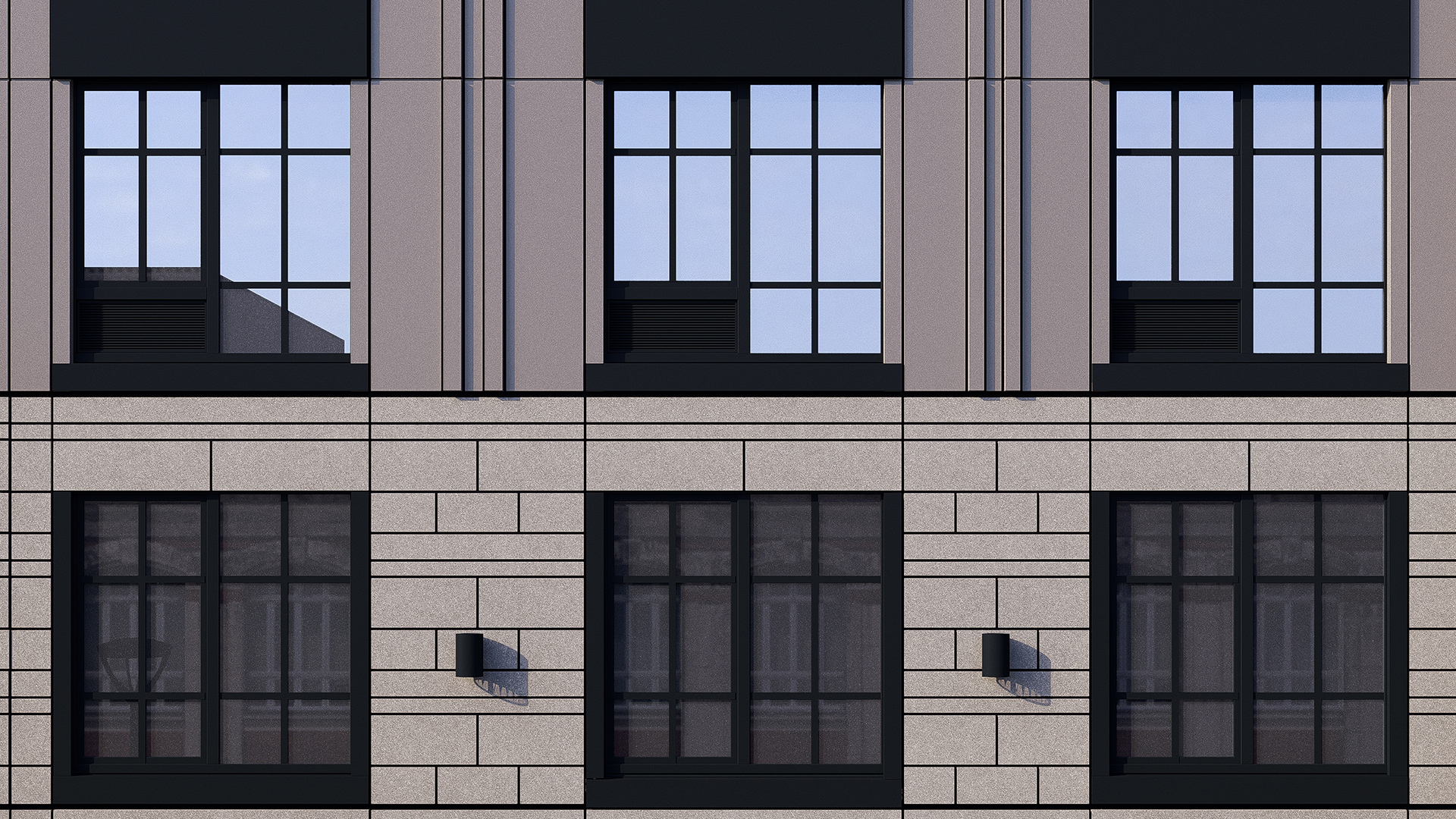
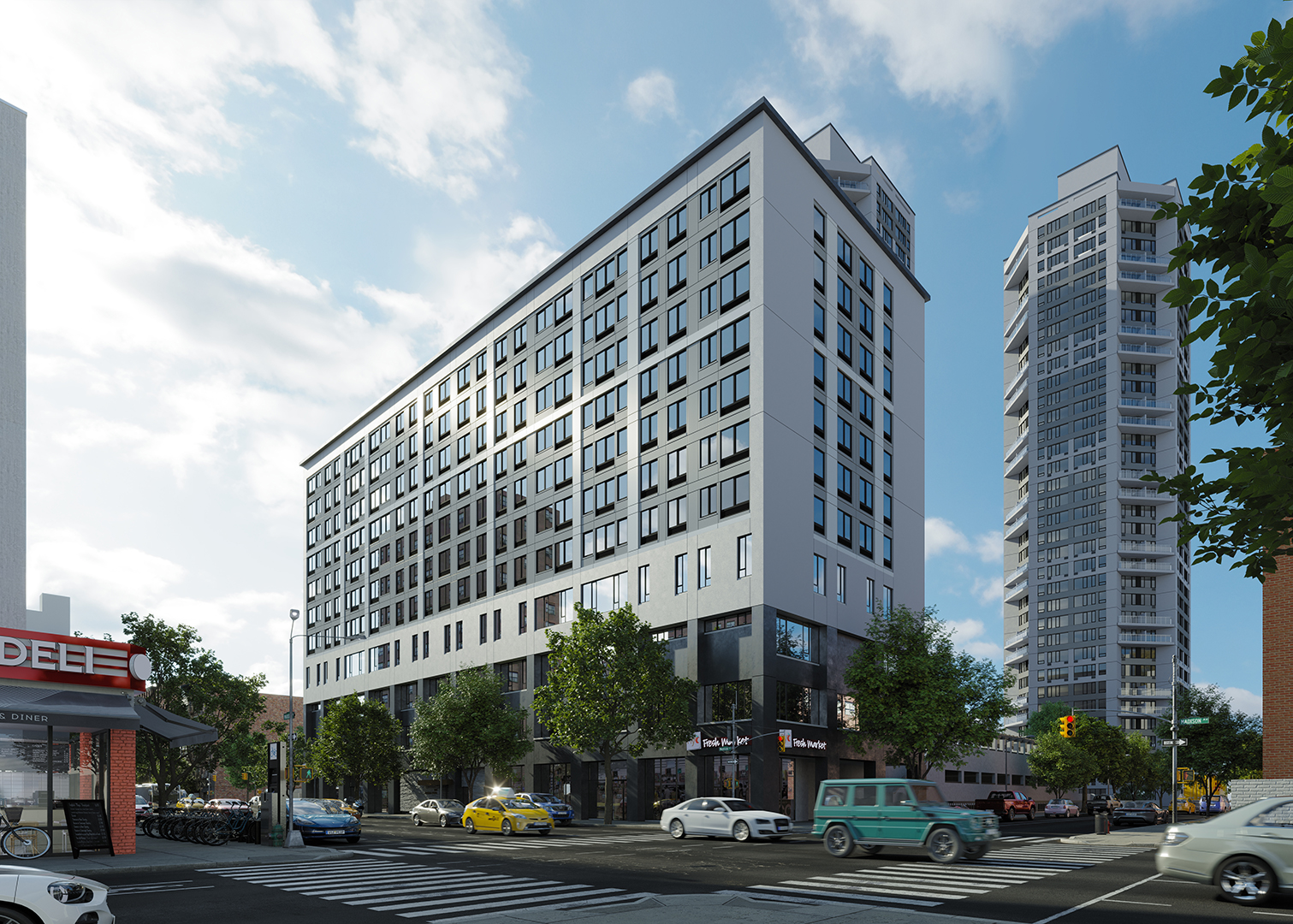
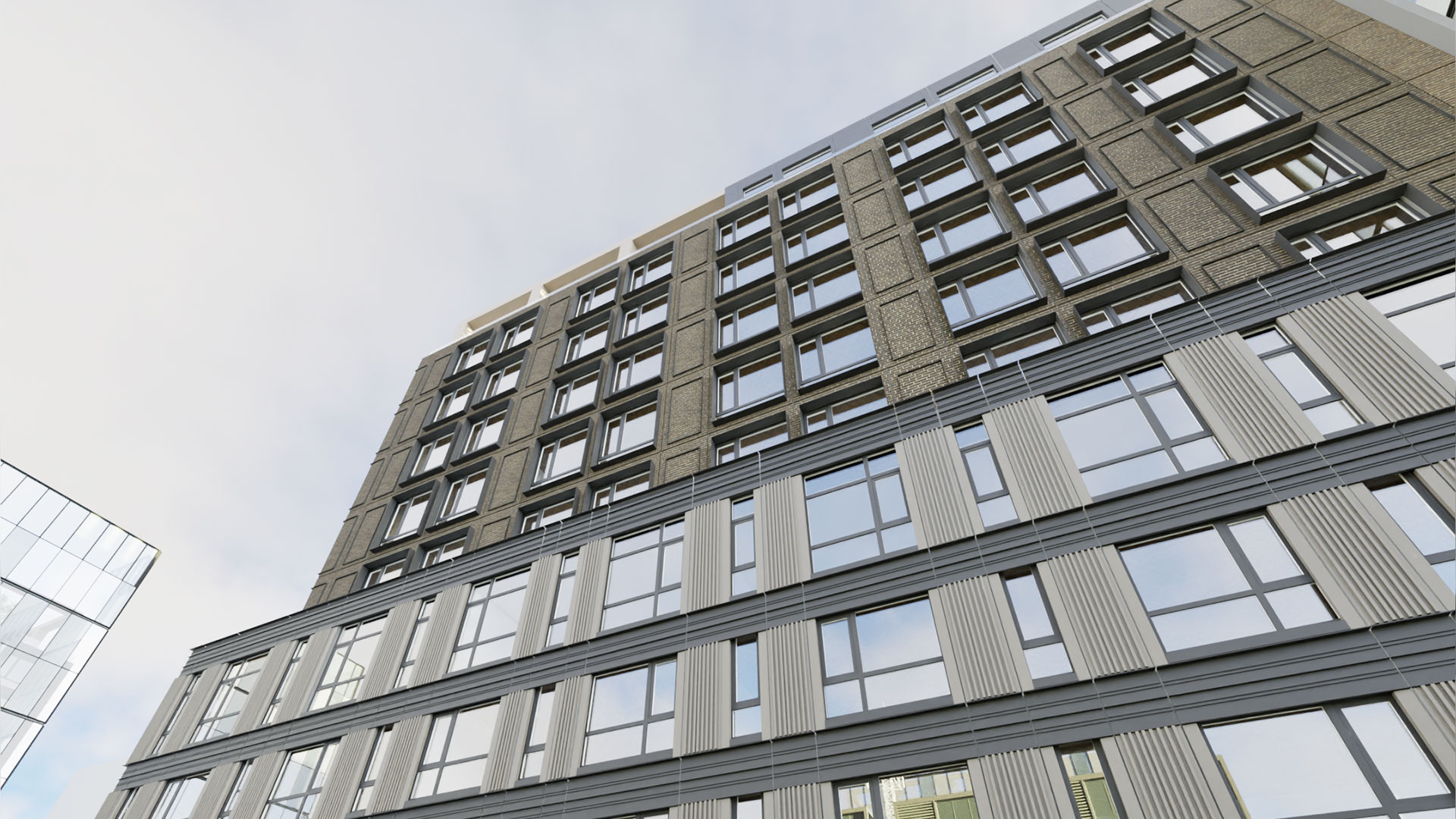
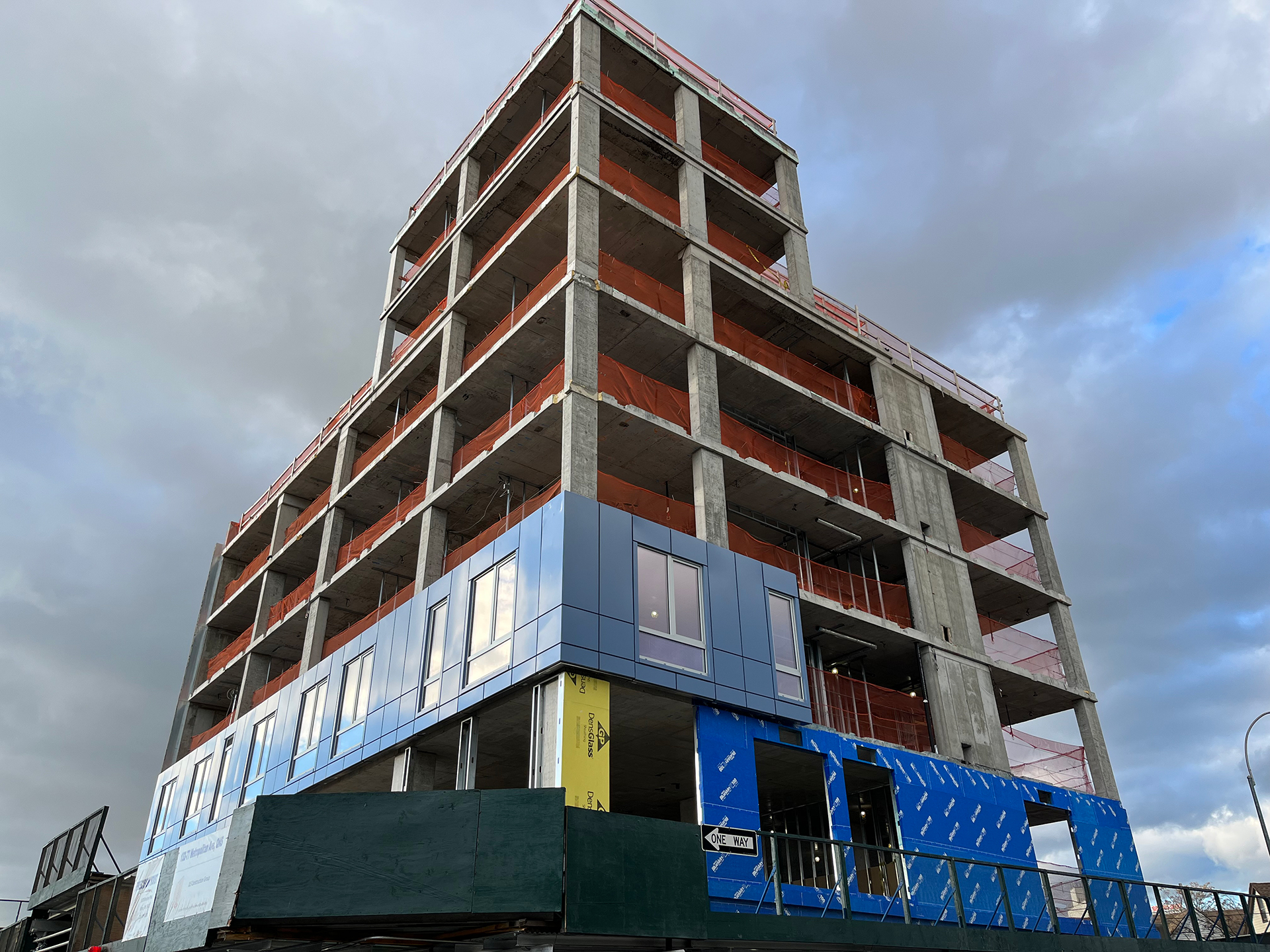
The Heritage project at 1660 Madison Avenue demonstrates interior installation on an occupied Harlem affordable housing building. D Wall® panels arrive with windows, insulation, and cladding pre-integrated from factory-controlled manufacturing. The method works where exterior access is constrained—narrow streets, attached buildings, limited staging—conditions common throughout New York's older residential neighborhoods.
Neither approach is universally superior. Building geometry, site access, budget, and tenant coordination all influence the choice. A freestanding mid-rise with clear perimeter space might suit exterior installation. A row of attached buildings on a narrow block might demand interior methods. Some projects could combine both.
What Prefab Brings to Retrofit Economics
Both Hydronic Shell and Dextall share a core conviction: factory prefabrication fundamentally changes retrofit economics. Quality consistency tops the list. Factory-built panels achieve airtightness levels that field construction struggles to match. Temperature and humidity stay controlled. Inspectors check every unit before it ships.
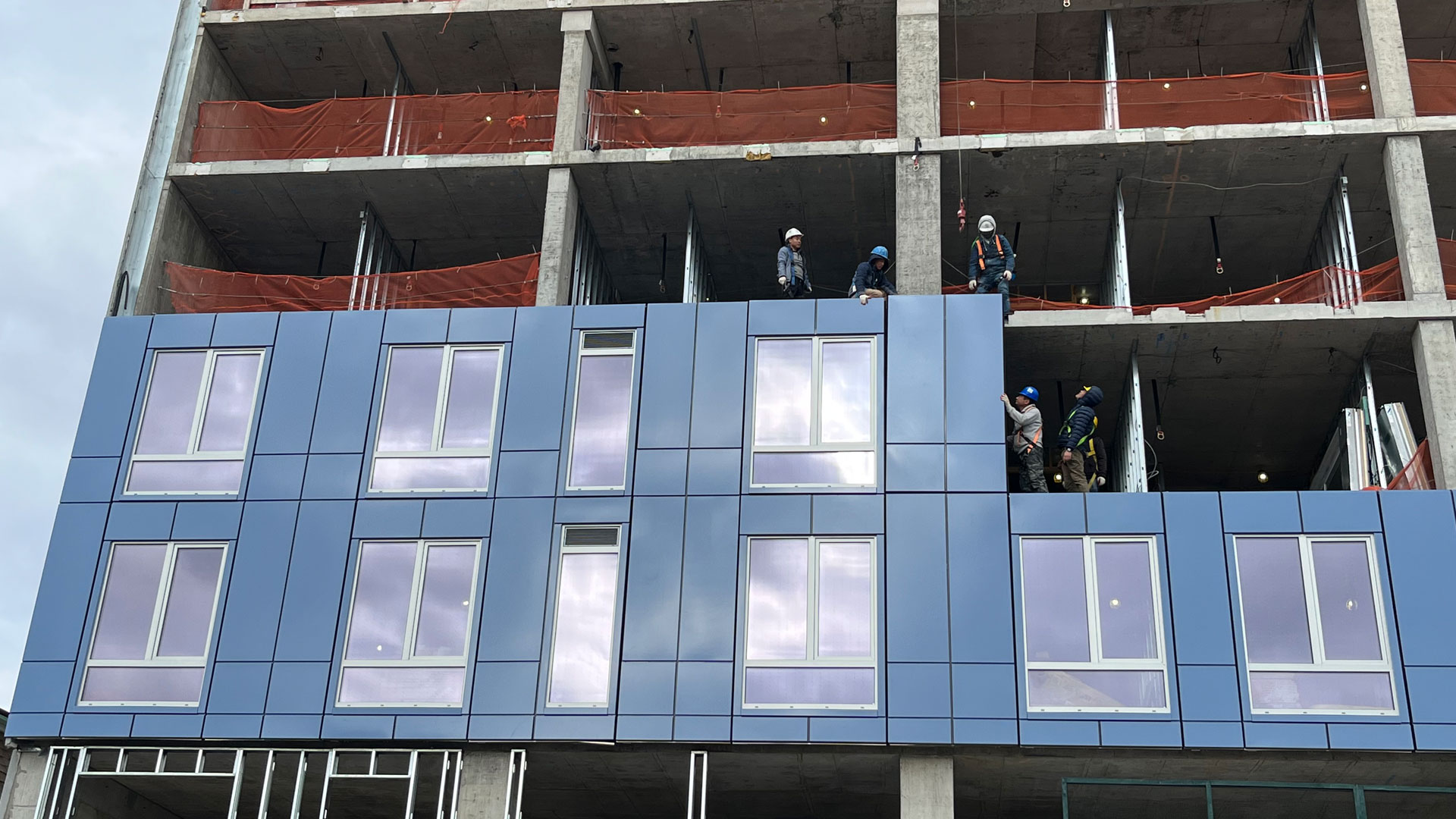
Schedule compression follows directly. Factory production runs parallel to site preparation. When panels arrive, installation proceeds rapidly—Hydronic Shell targets six to ten panels daily by crane; Dextall's unitized system similarly compresses on-site timelines. Dextall Studio further accelerates the process by compressing design-to-fabrication timelines from months to days through AI-powered automation.
Labor reduction matters in an industry facing chronic workforce shortages. Dextall reports up to 87% reduction in on-site labor compared to traditional construction. Hydronic Shell's HVAC-facade integration eliminates separate mechanical trades inside apartments. Both approaches shift work from unpredictable field conditions to controlled factory environments.
The Market Beyond New York
Local Law 97 gets the headlines, but similar building performance standards are spreading. Boston's BERDO targets net-zero by 2050. Washington D.C.'s Building Energy Performance Standards mandate efficiency improvements. Colorado, Maryland, and other states have enacted comparable legislation. Technologies that solve occupied building challenges at reasonable cost will define the next decade of construction.
The NJPAC project in Newark, Carmen Villegas Apartments with solar integration, and Alafia in Brooklyn with Passive House certification all demonstrate that prefabrication works across building types and energy code requirements. Each extends the evidence that factory-controlled panel systems deliver the performance tightening regulations demand.
Key Takeaways
- Occupied building retrofits no longer require tenant displacement. Both exterior (Hydronic Shell) and interior (Dextall D Wall®) methods enable full envelope replacement while residents stay in place.
- Facade-integrated HVAC consolidates two trades into one. Embedding heating, cooling, and ventilation within facade panels eliminates separate mechanical installations inside apartments.
- Local Law 97's 2030 limits will force action. Current lenient caps allow deferral. That window closes as 2030 limits become dramatically stricter.
- Prefabrication delivers the quality performance mandates require. Factory-controlled manufacturing achieves airtightness that field construction cannot match consistently.
- The retrofit market is enormous and just beginning. NYC alone needs billions of square feet retrofitted within 25 years, with national standards expanding.
FAQ
How does exterior facade installation differ from interior installation for occupied building retrofits?
Exterior systems like Hydronic Shell use scaffolding or cranes to attach new prefabricated panels from outside without entering apartments. Interior systems like Dextall's D Wall® install panels from inside through building corridors. Exterior methods eliminate all interior disruption but require street access and scaffolding. Interior methods eliminate scaffolding costs (often 20-30% of mid-rise budgets) and reduce neighborhood impact. Building geometry, site constraints, and budget determine which approach fits each project.
What is facade-integrated HVAC and why does it matter?
Facade-integrated mechanical systems (FIMS) embed heating, cooling, and ventilation into prefabricated facade panels. Instead of separately retrofitting envelope and HVAC, both arrive as one product. Hydronic Shell connects rooftop heat pumps to apartment terminal units through piping within the panel assembly, eliminating invasive apartment-by-apartment mechanical installations—historically the most expensive element of deep energy retrofits.
How does NYC Local Law 97 affect building retrofit decisions?
Local Law 97 imposes carbon caps on buildings over 25,000 square feet with penalties of $268 per metric ton of excess CO₂. The 2030-2034 period introduces dramatically stricter limits requiring significant facade and mechanical upgrades. Building owners who defer action face compounding penalties and rising costs as demand increases.
Can prefabricated facade panels achieve Passive House-level thermal performance?
Yes. Factory-controlled conditions enable the precision required for Passive House-grade airtightness. Projects like Alafia in Brooklyn demonstrate certification through prefabricated systems. Hydronic Shell's panels achieve high thermal performance through continuous insulation, triple glazing, and airtight connections.
What determines whether a building should use exterior or interior retrofit installation?
Site access is primary—buildings with clear perimeter space accommodate exterior scaffolding and cranes, while narrow-street buildings may require interior methods. Height, tenant coordination, budget, local regulations on street closures, and scope of mechanical upgrades all influence the choice. Many urban retrofit programs will need both methods to address the full range of building types.
Disclaimer
Dextall is not involved in Hydronic Shell Technologies projects. This article analyzes publicly available information about exterior facade retrofit methodology to explore how different technical approaches serve the occupied building retrofit market. Hydronic Shell uses exterior installation; Dextall uses interior installation—both valid strategies for different project contexts. For questions about Hydronic Shell, contact their team directly at hydronicshell.com. For information about Dextall's interior installation prefabricated building envelope solutions, visit dextall.com.
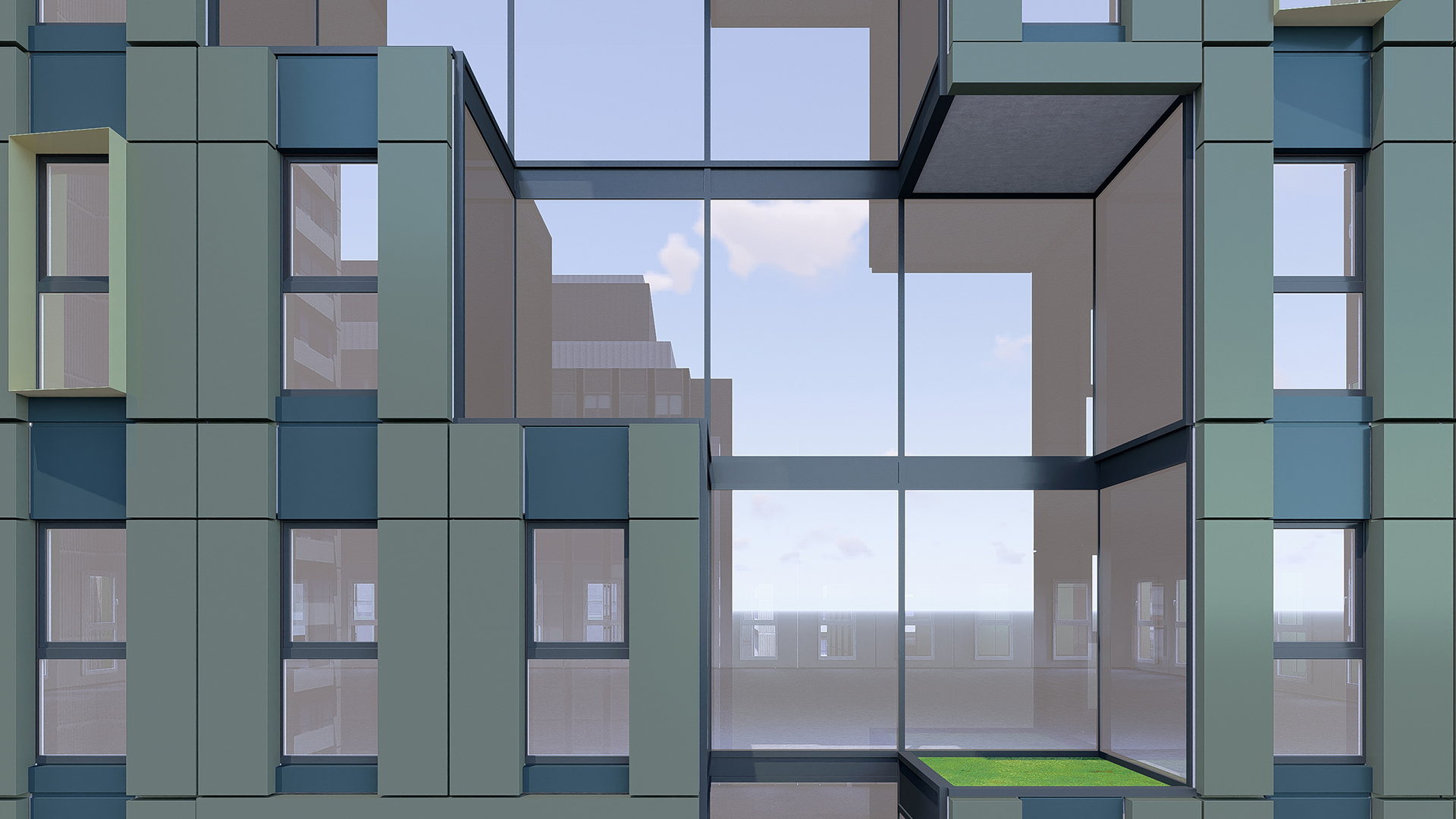
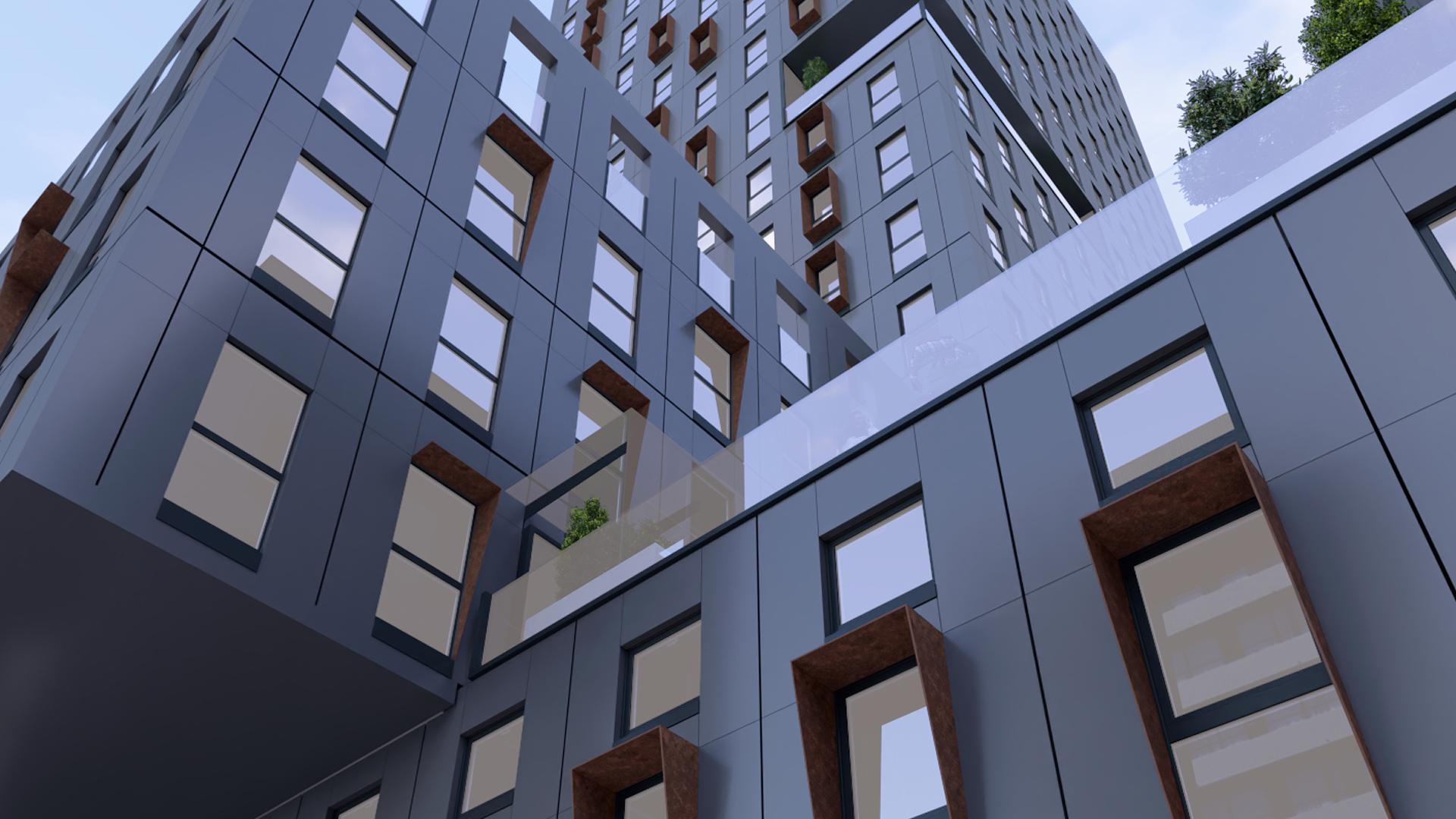
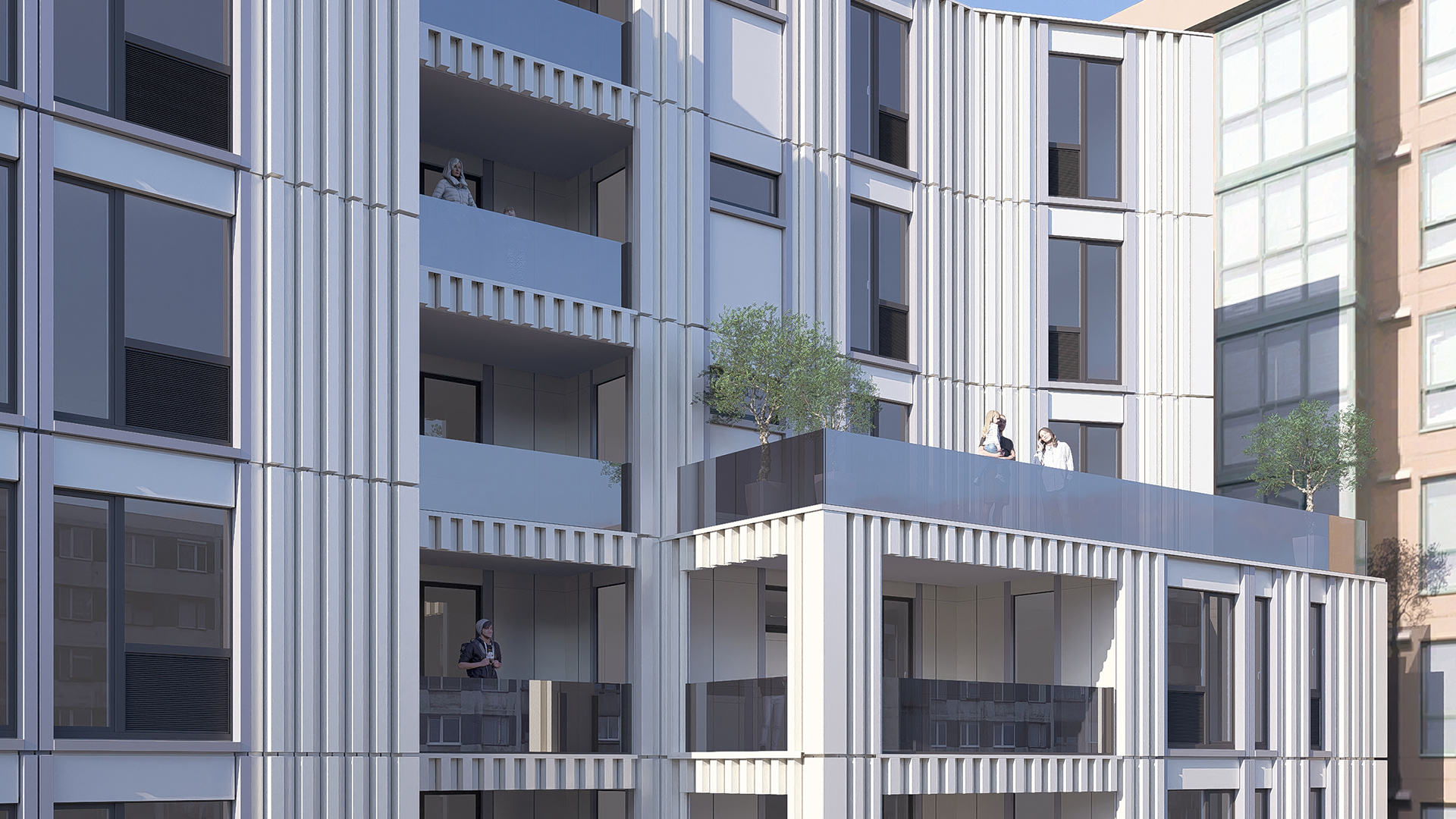
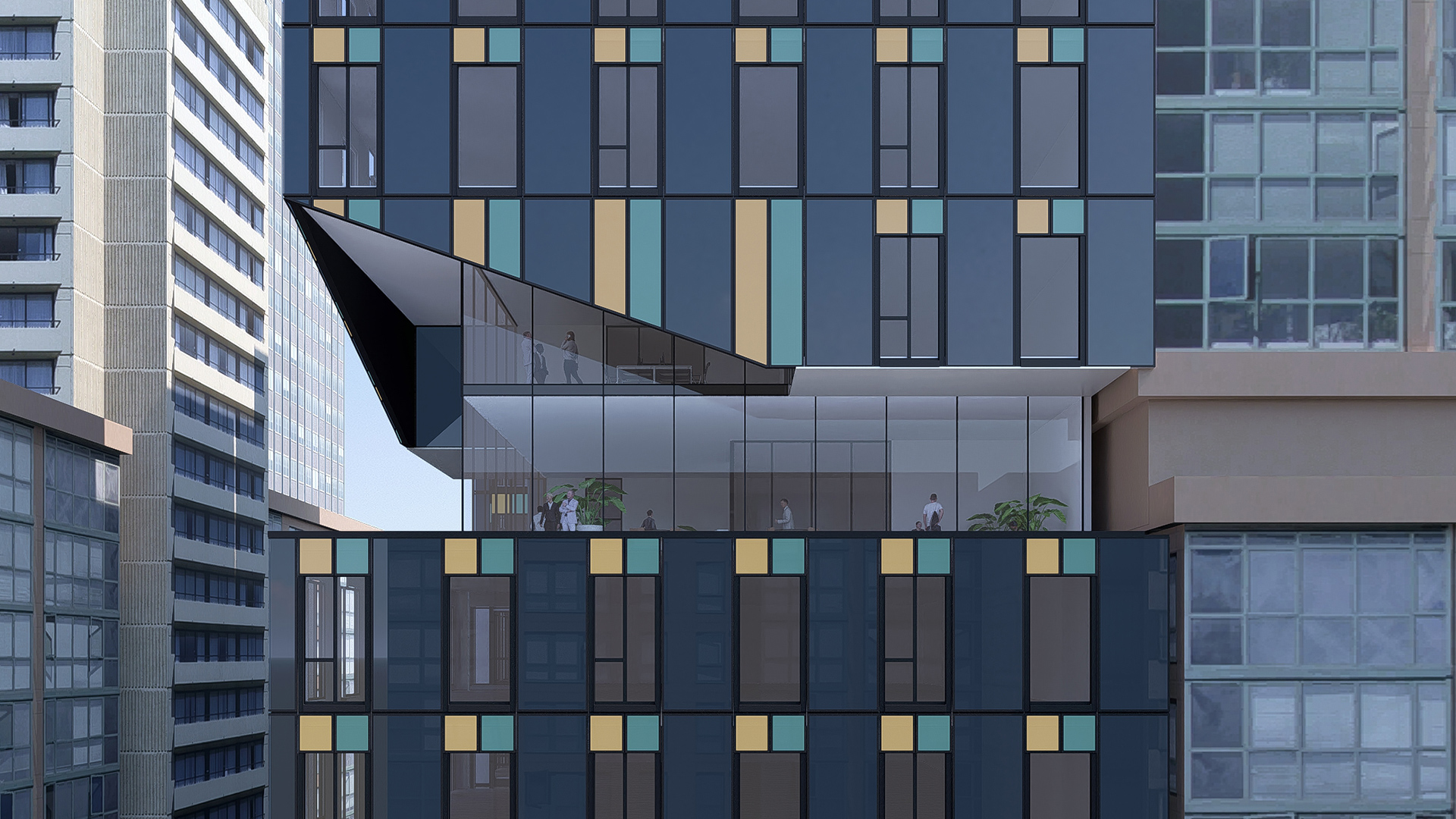
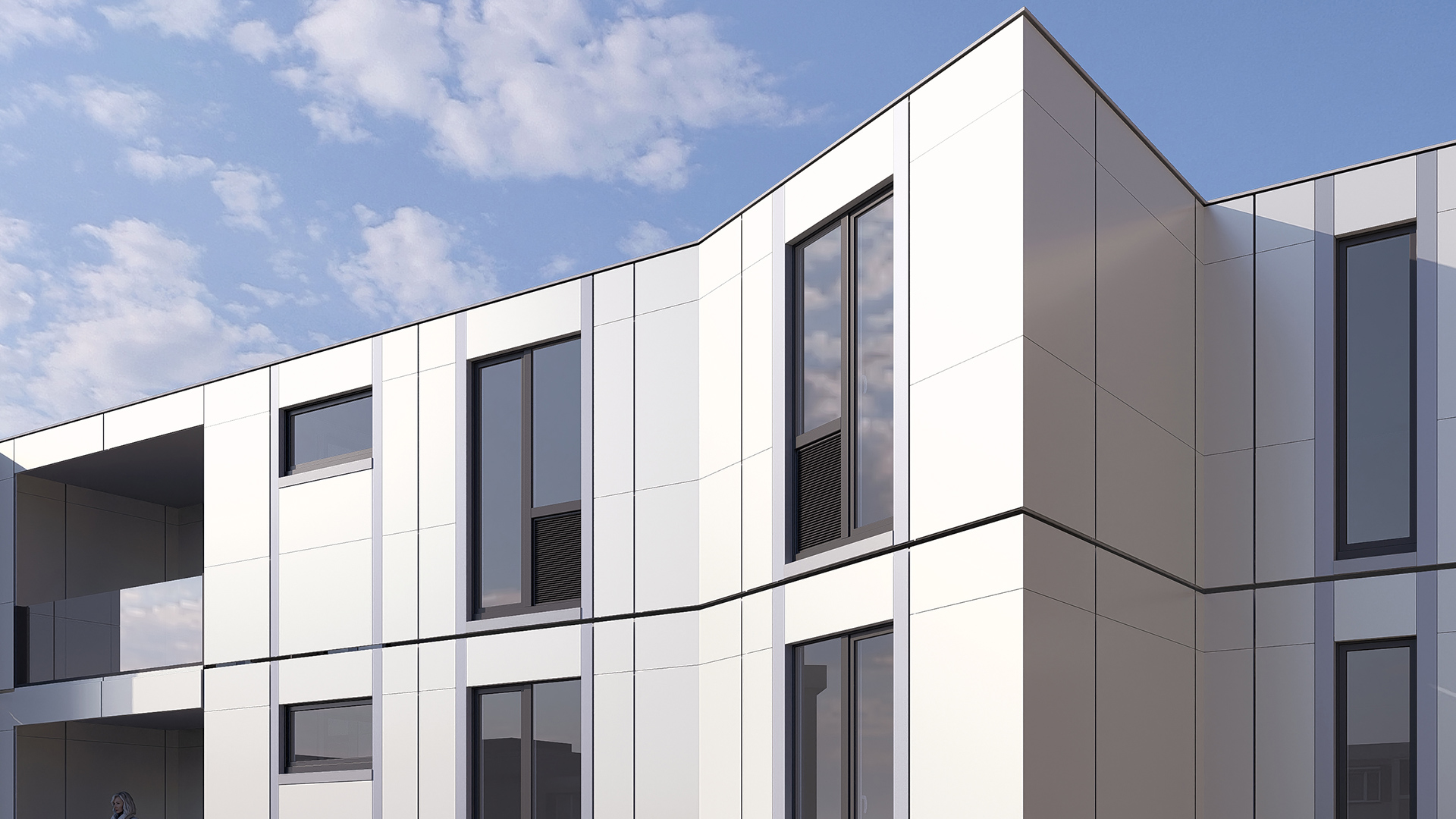
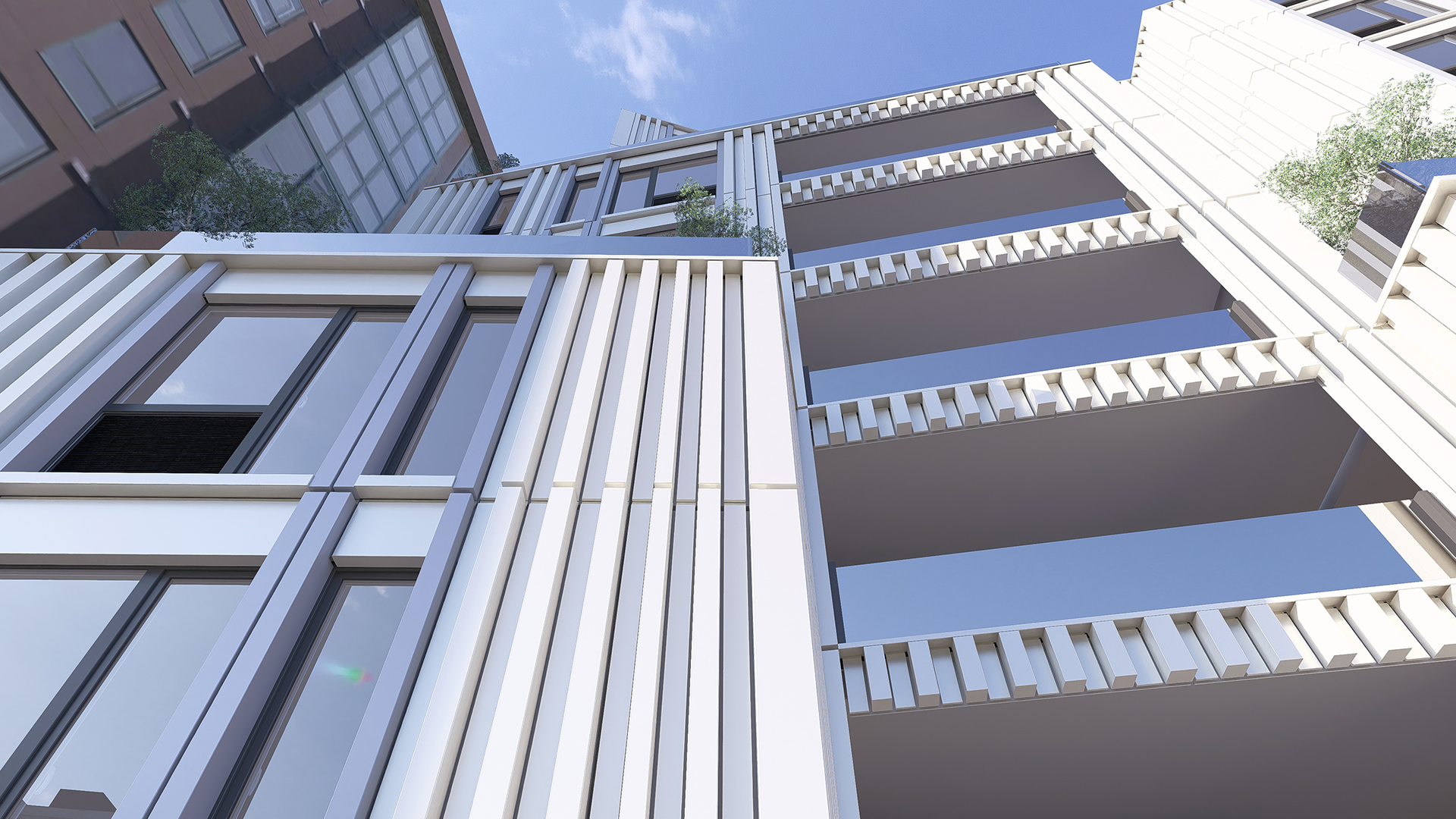
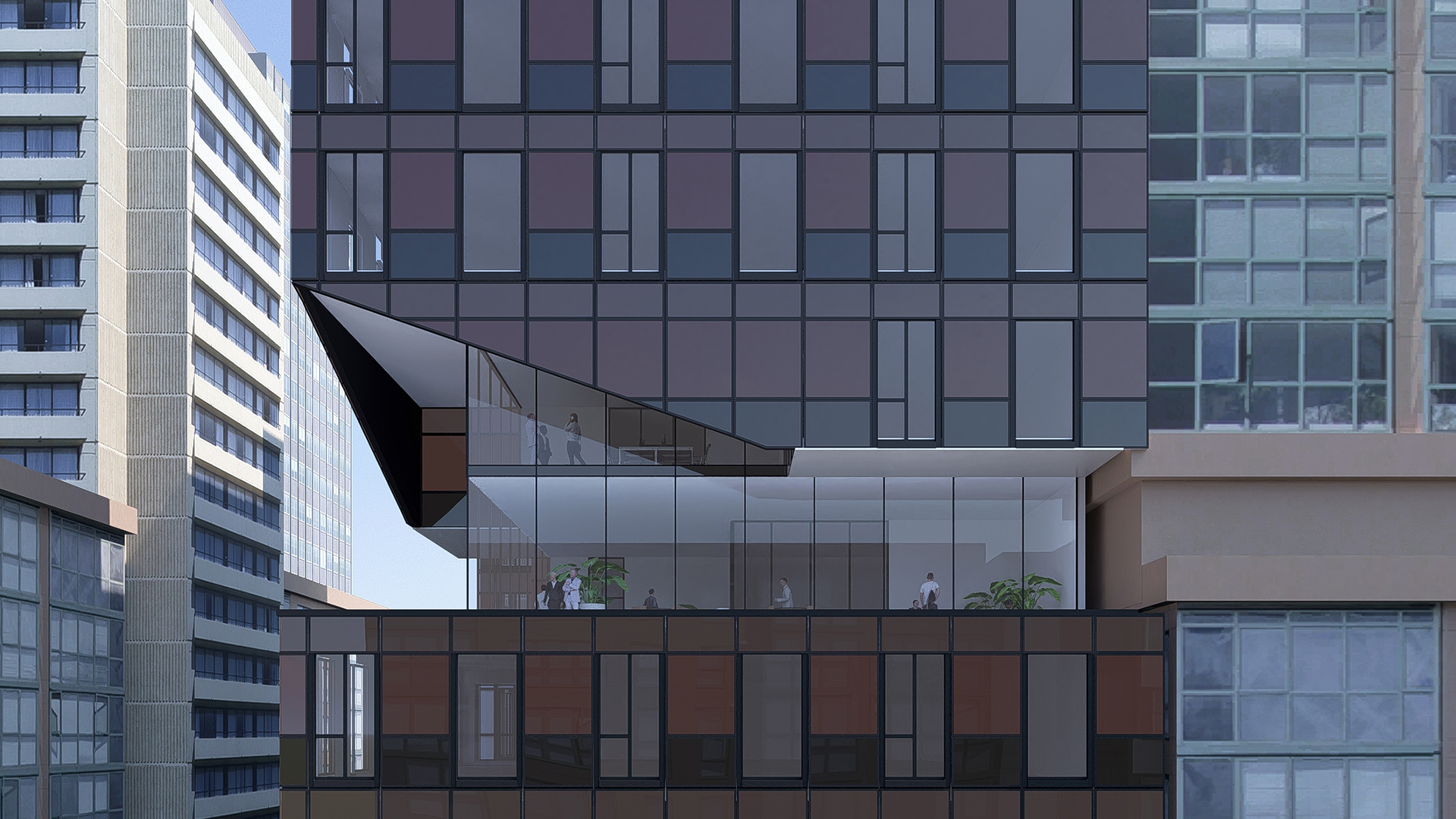
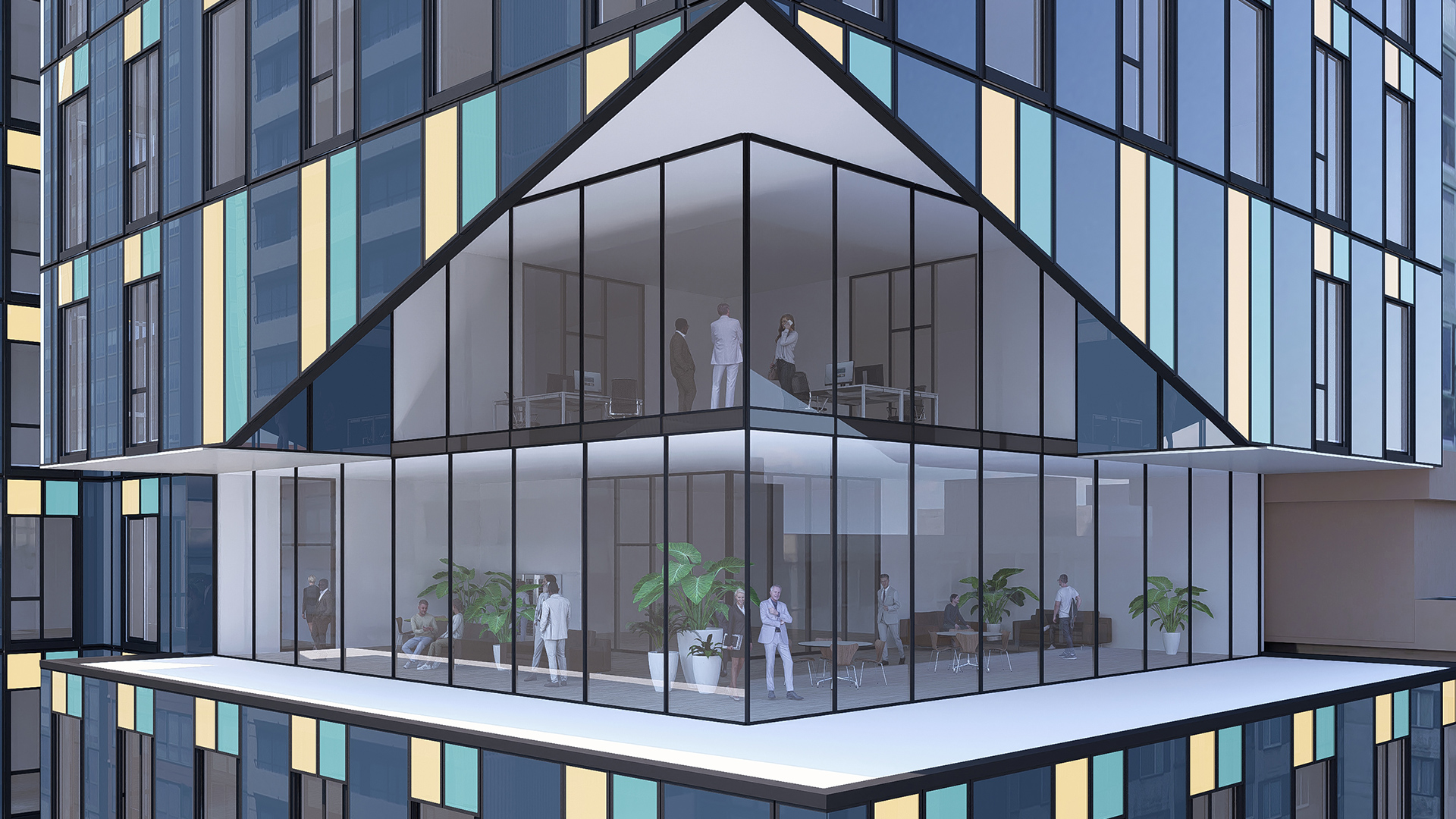
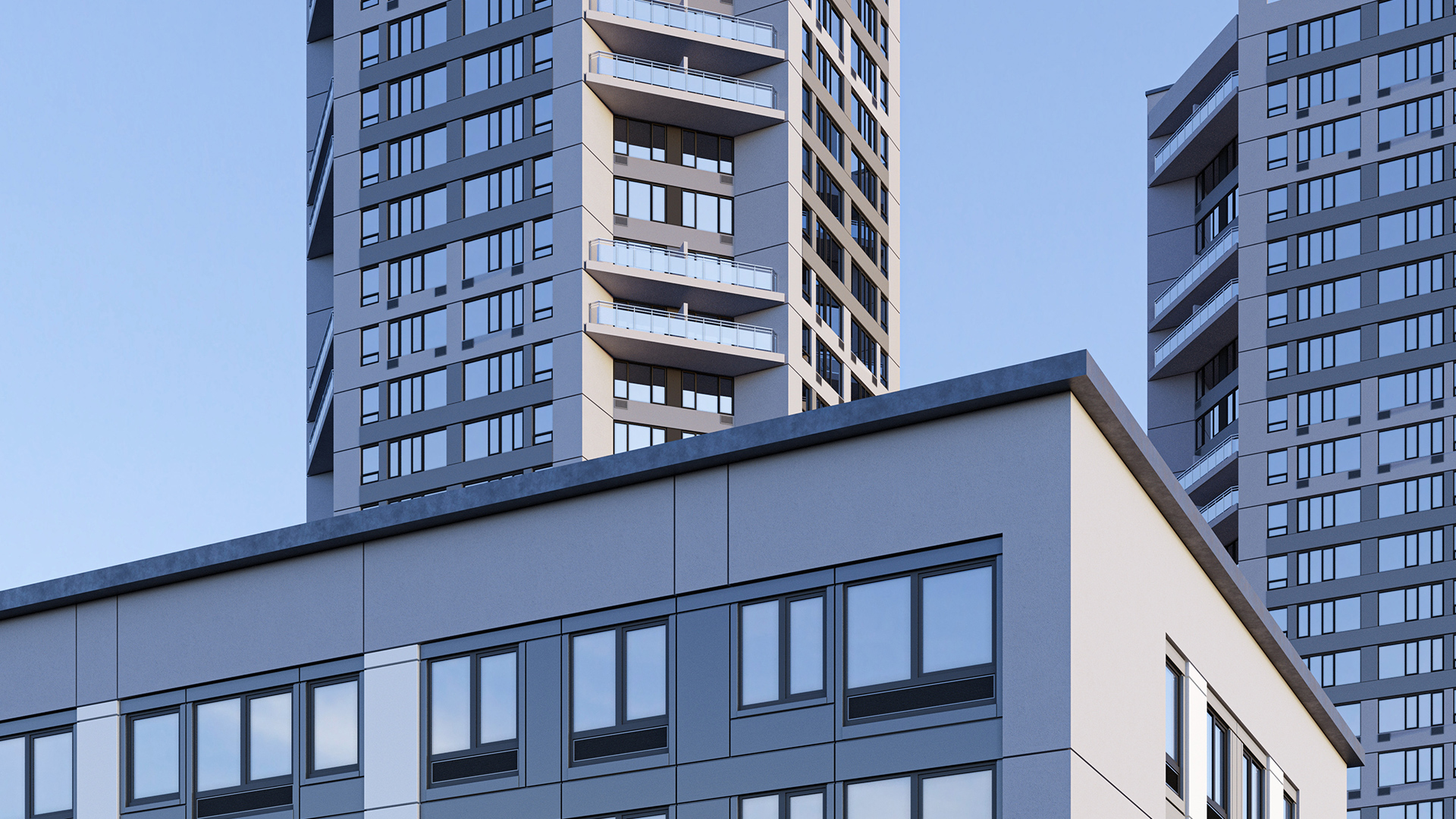
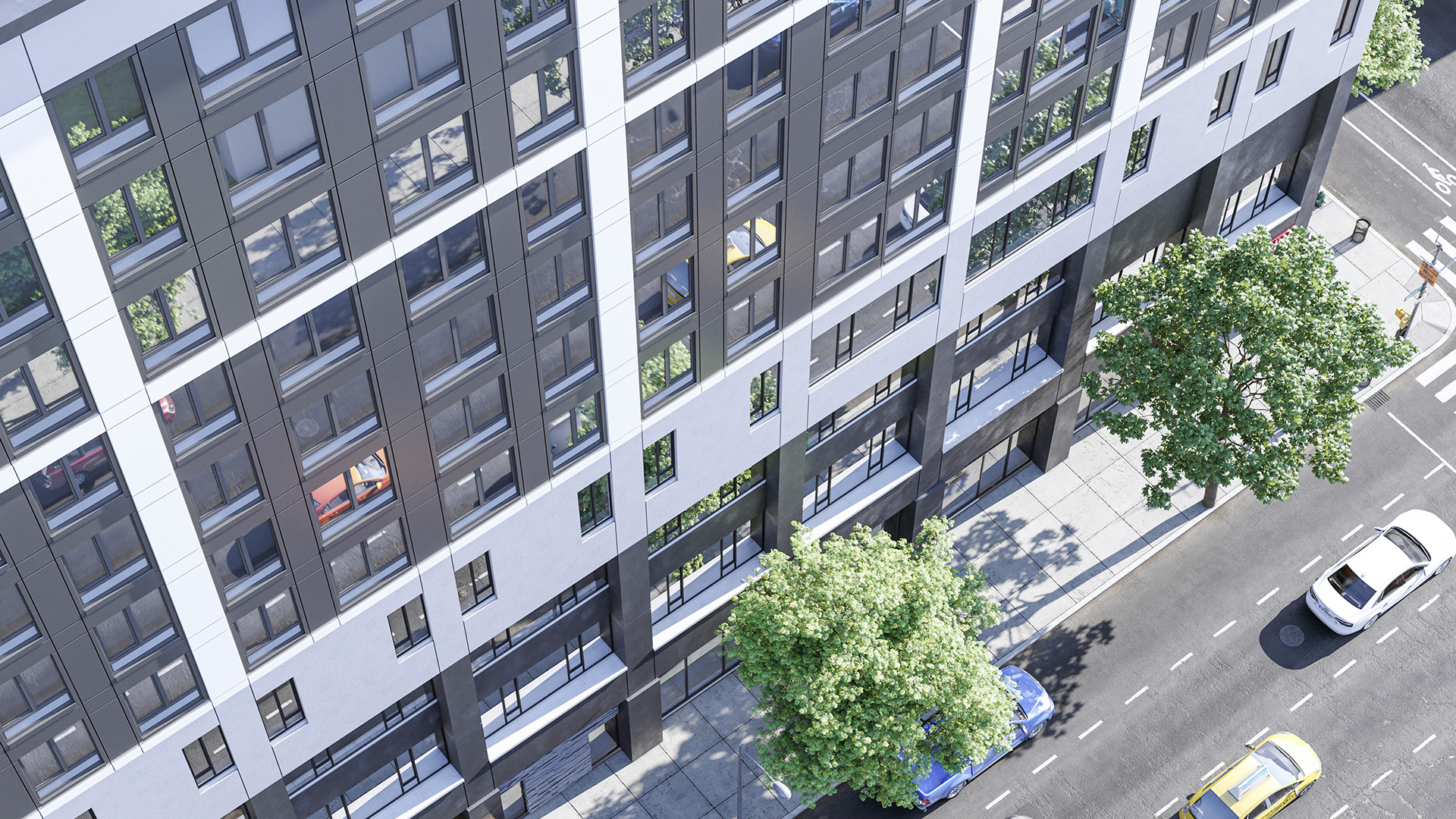
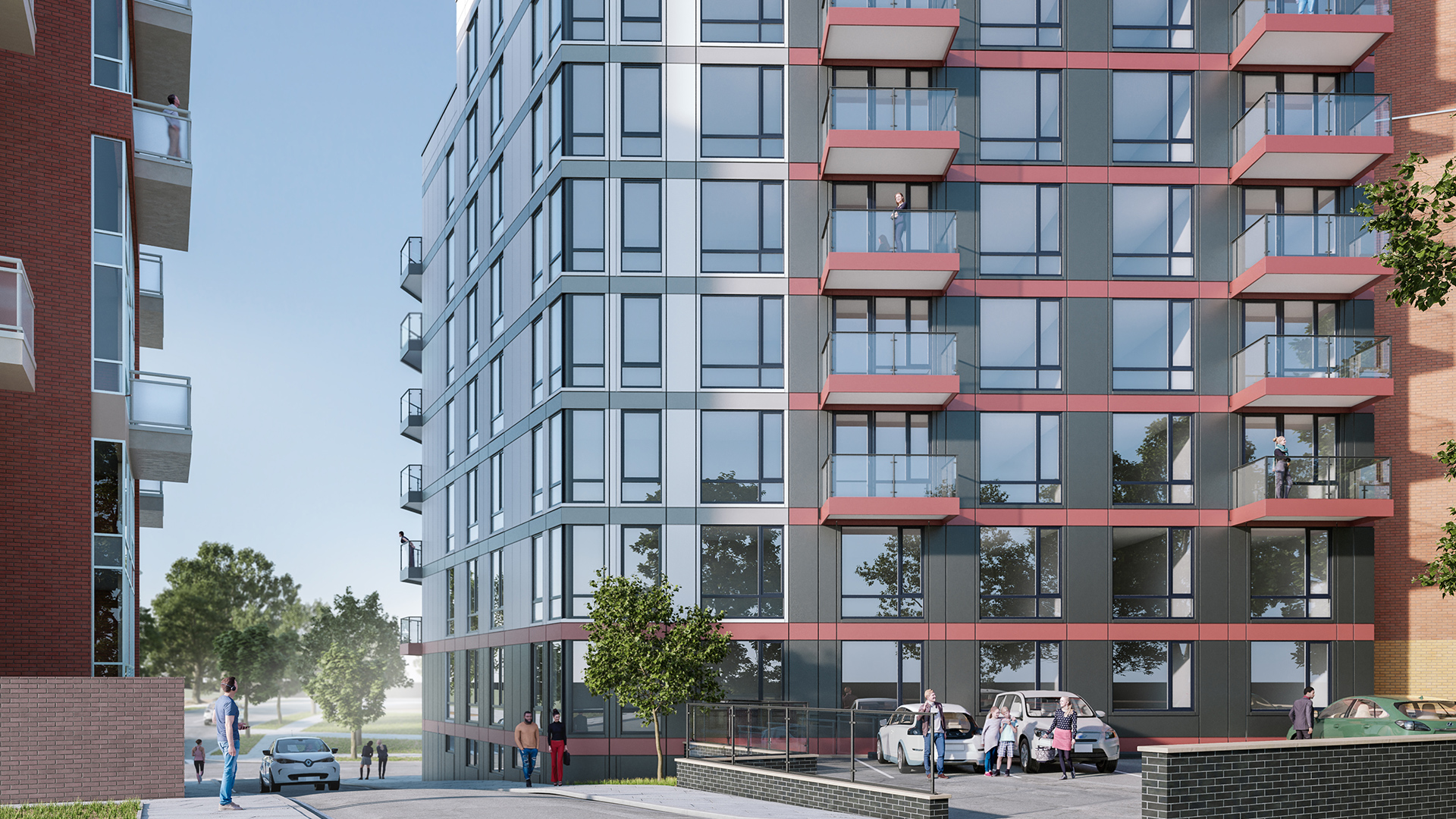
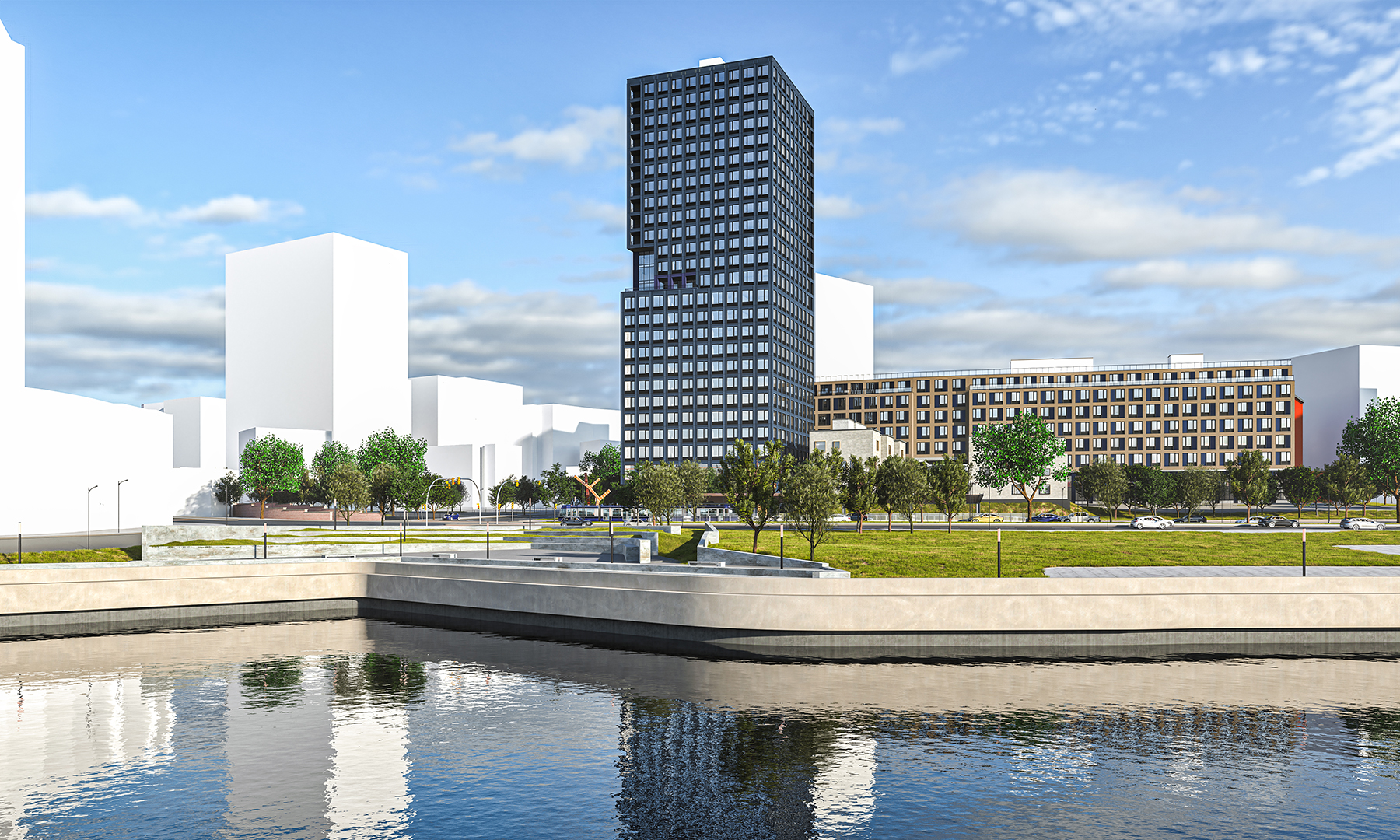
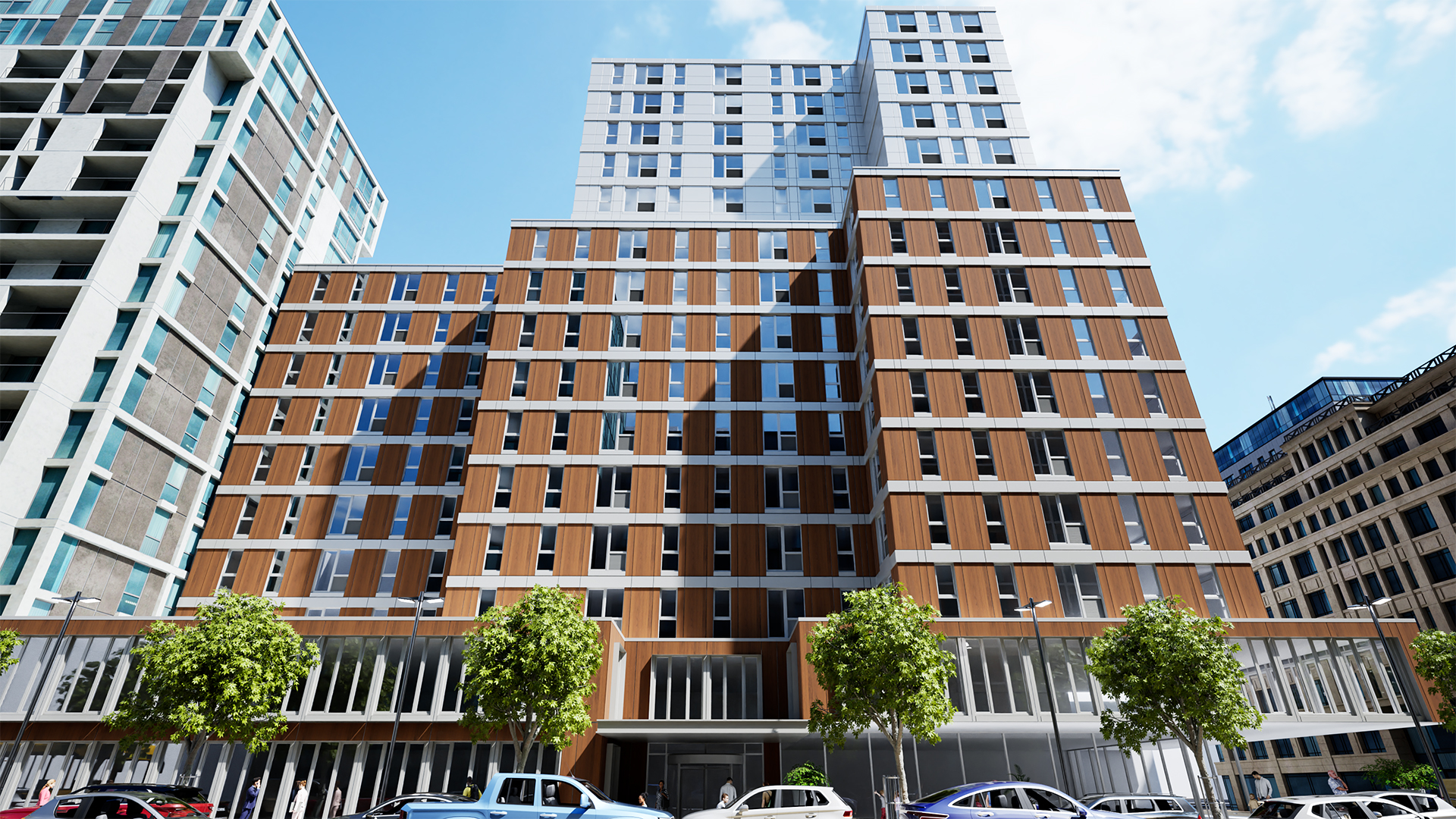
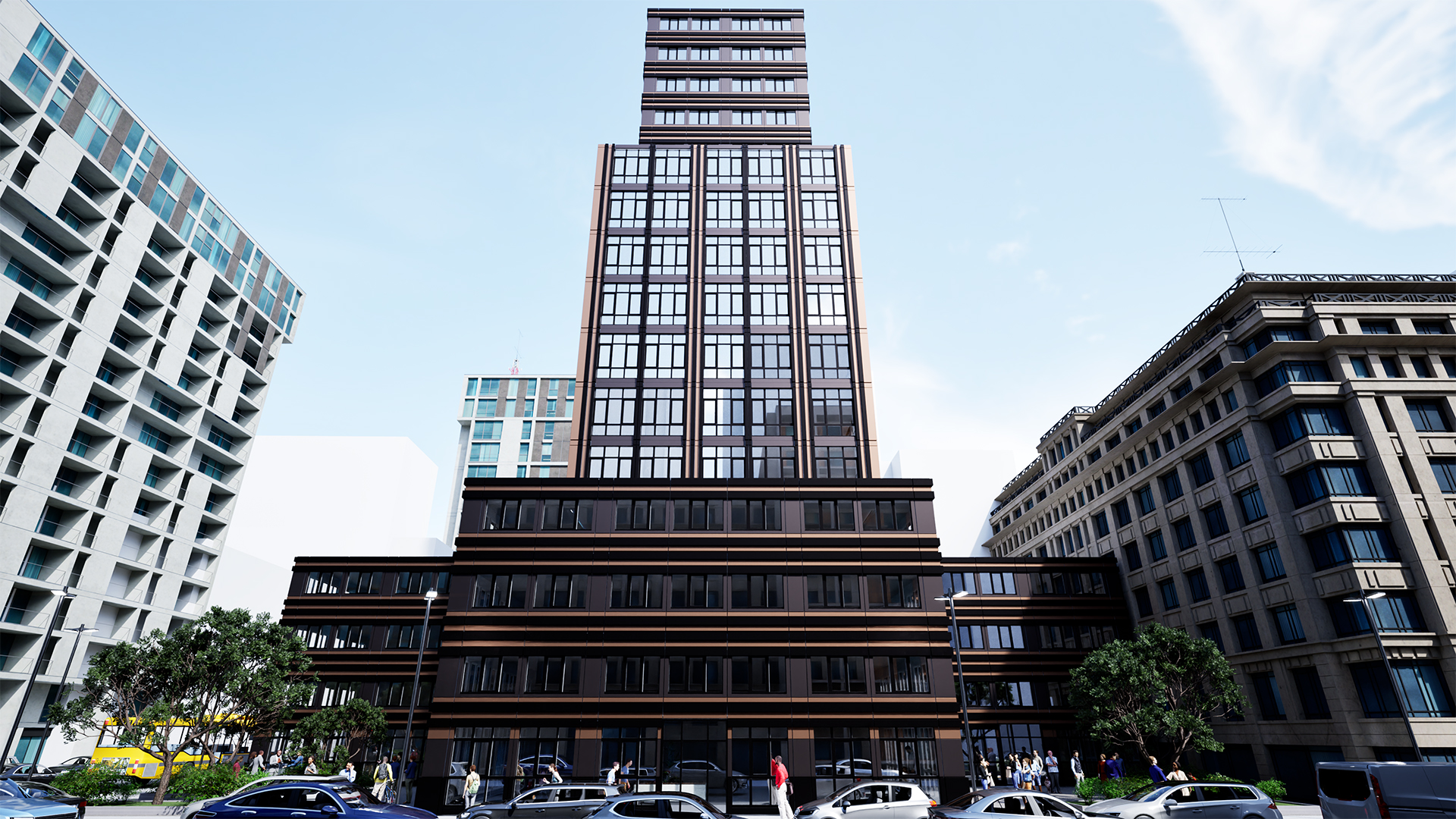
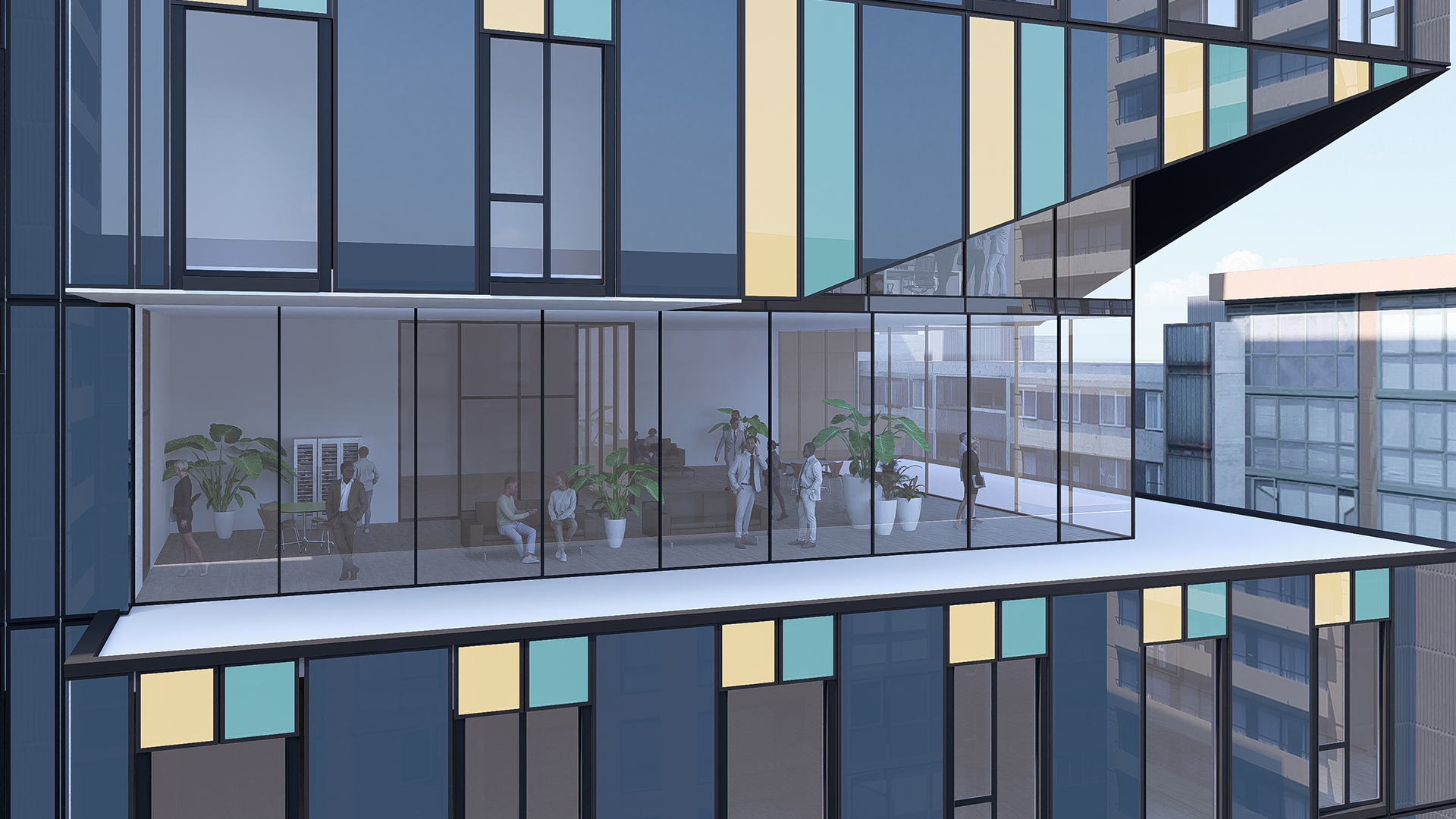
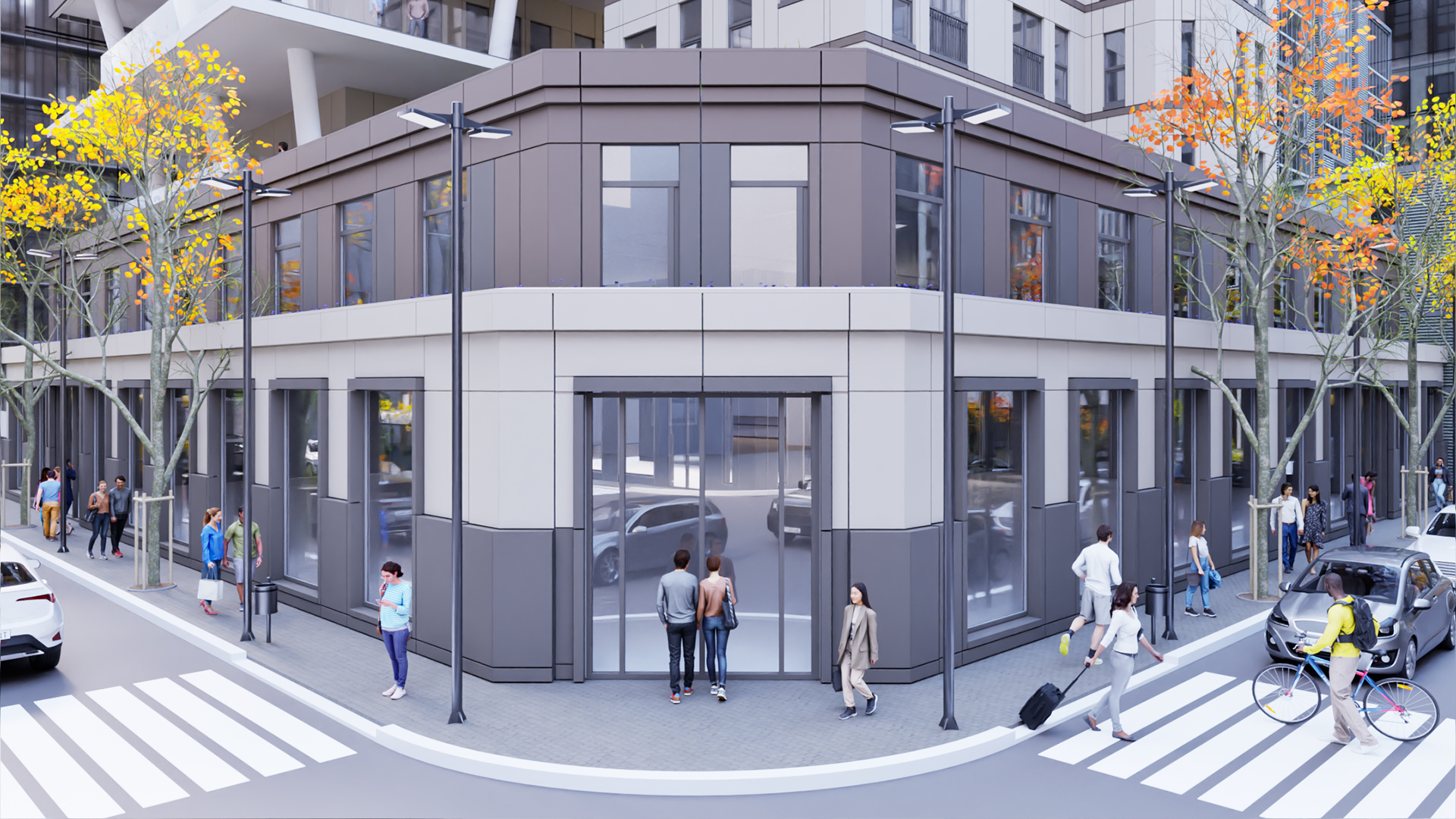
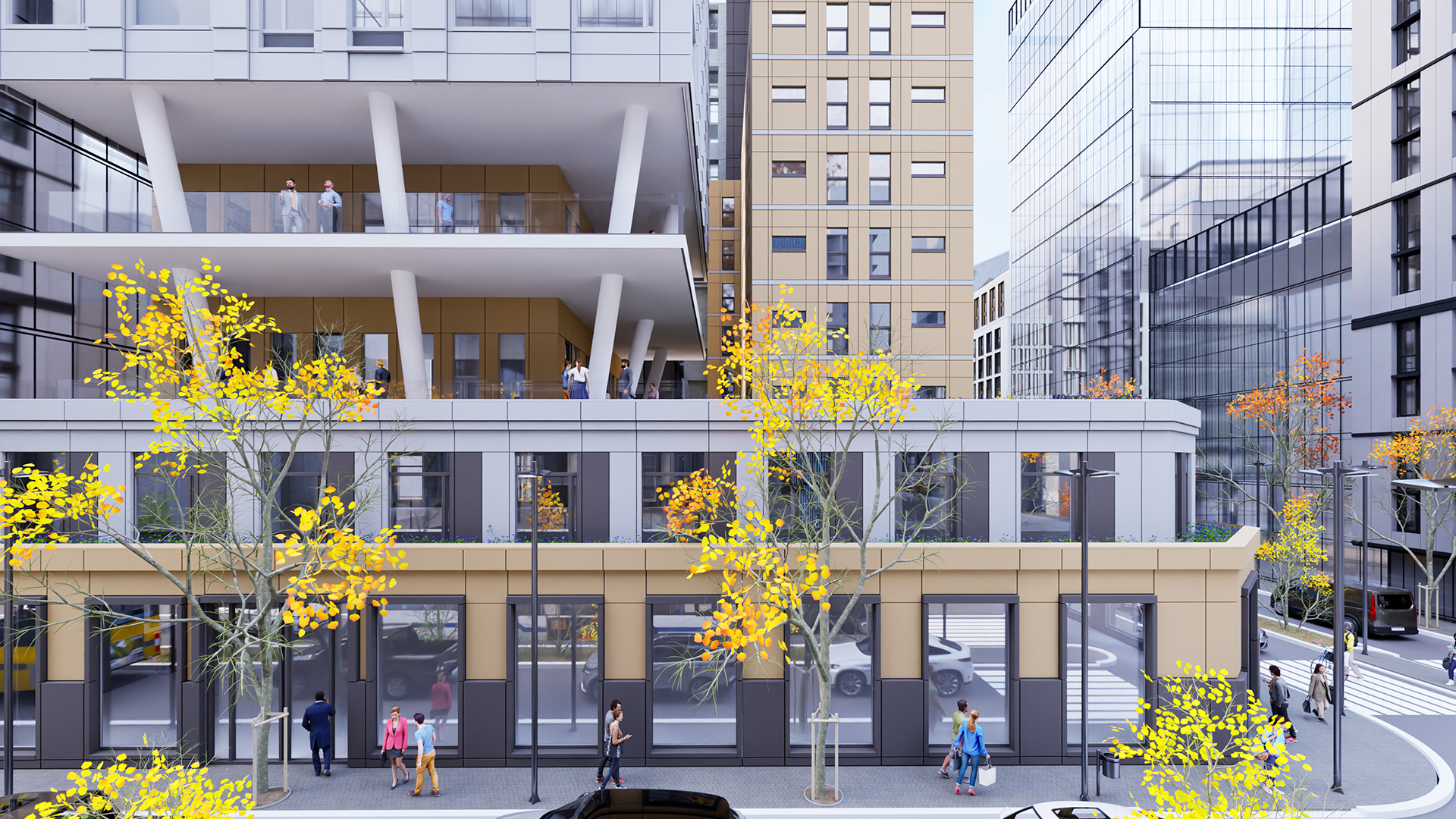
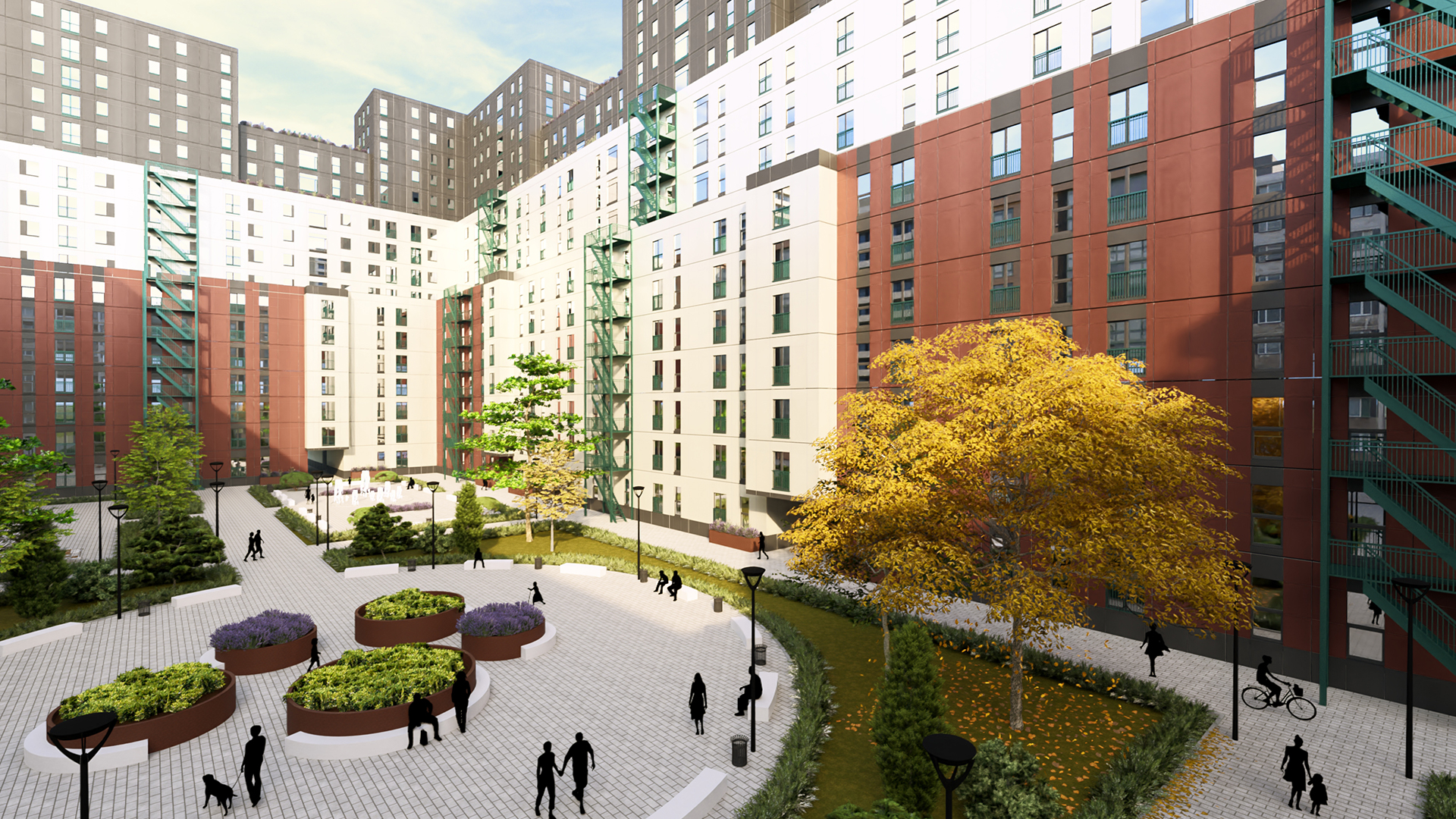
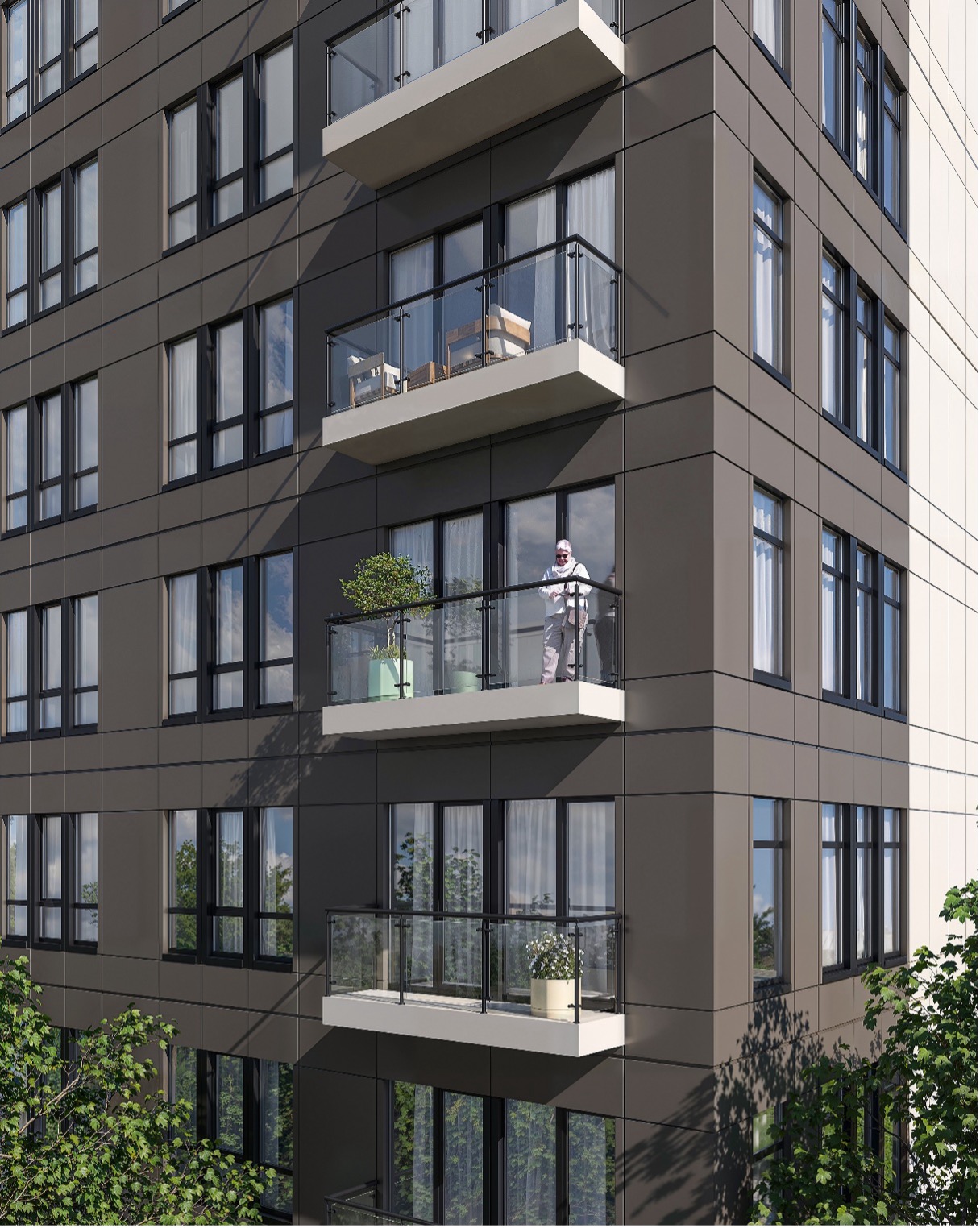
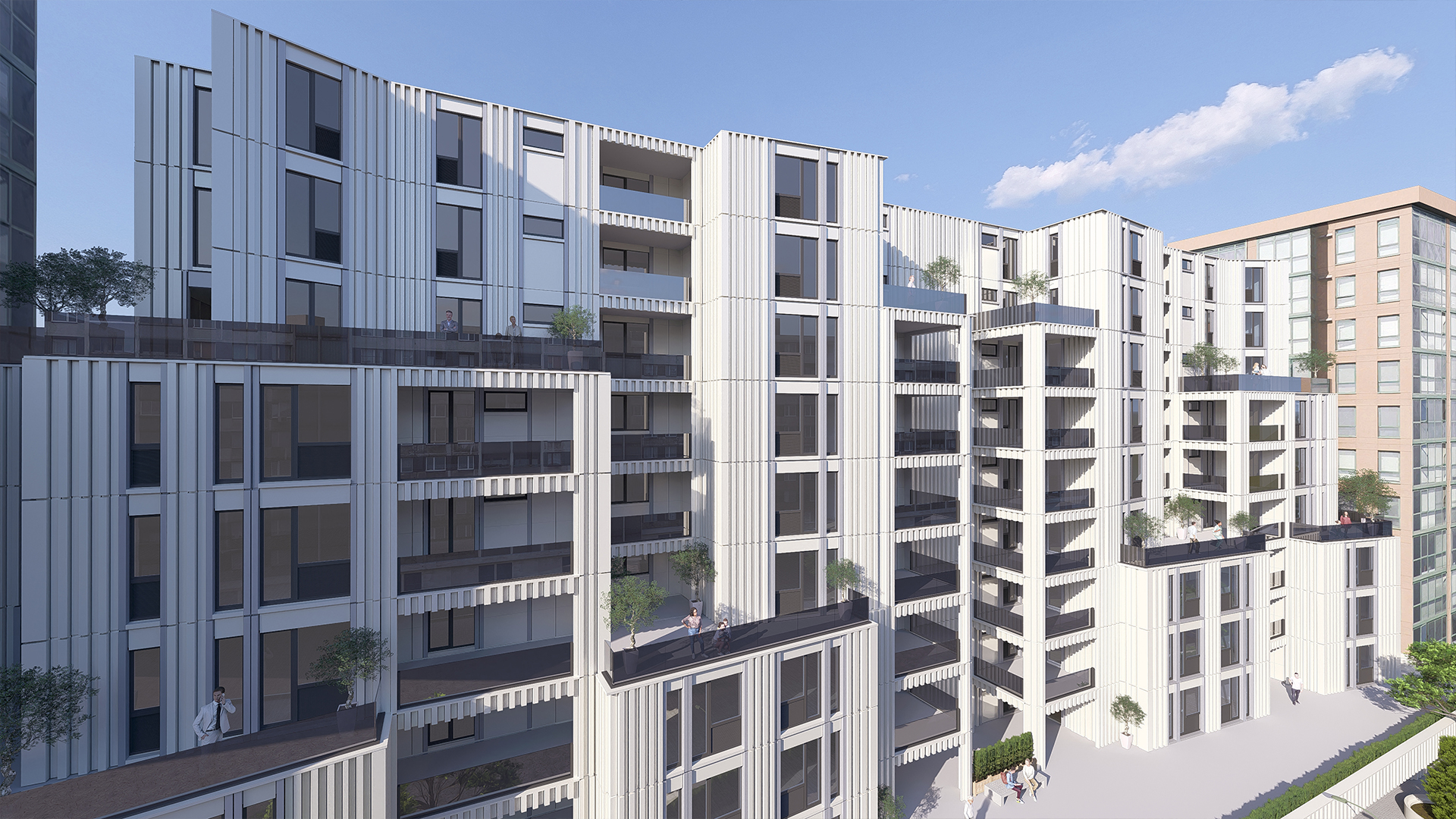
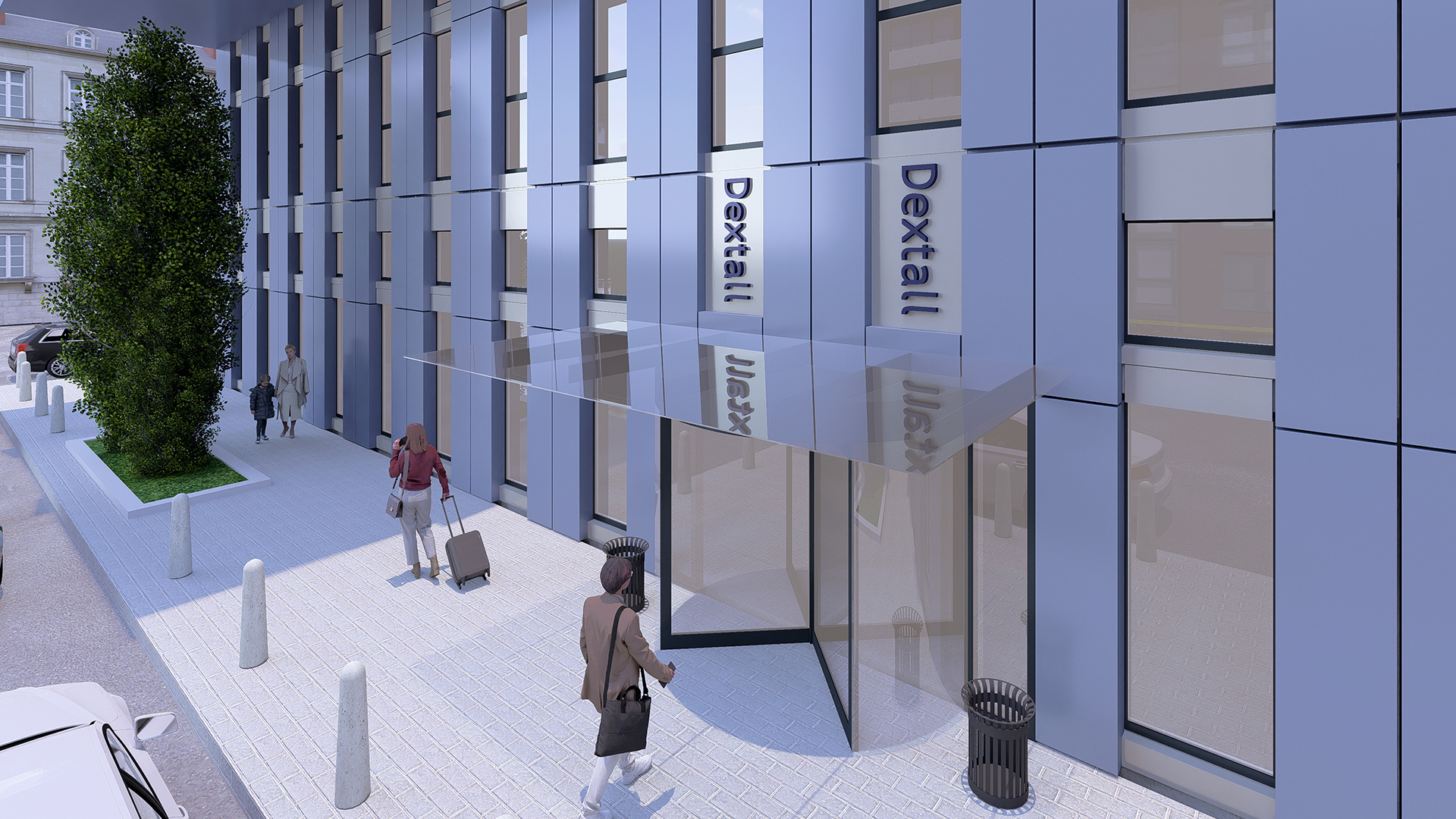
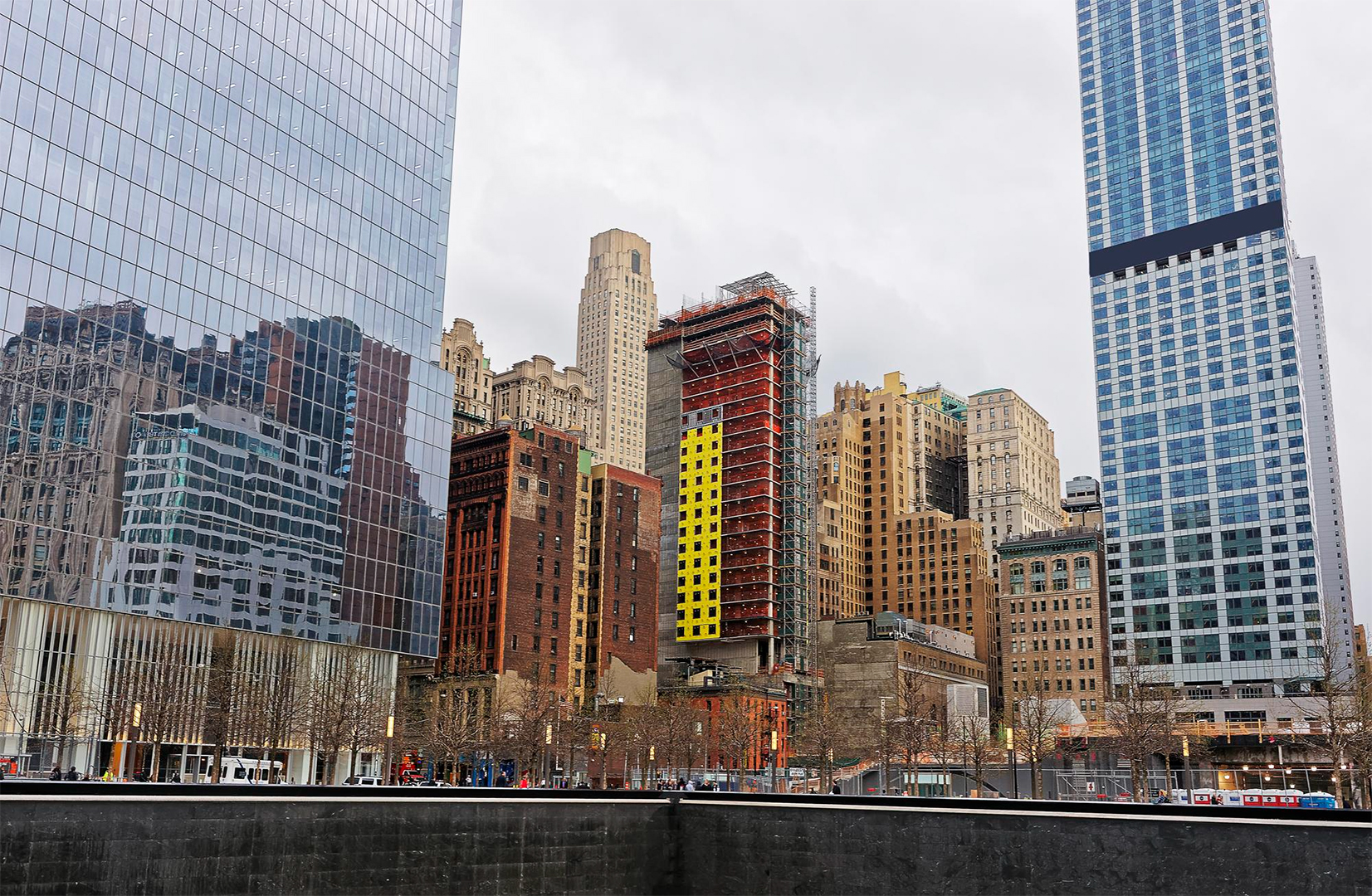
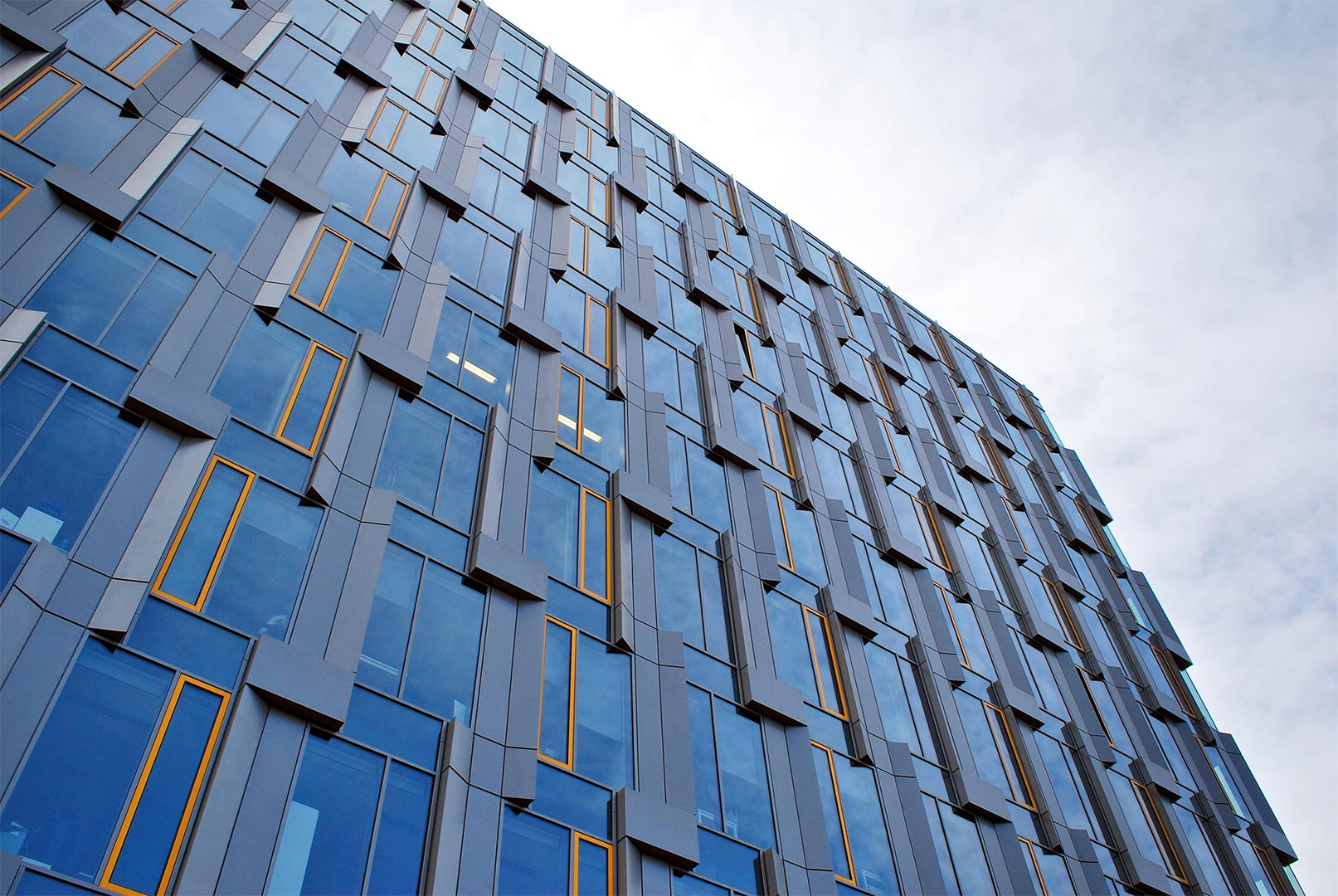
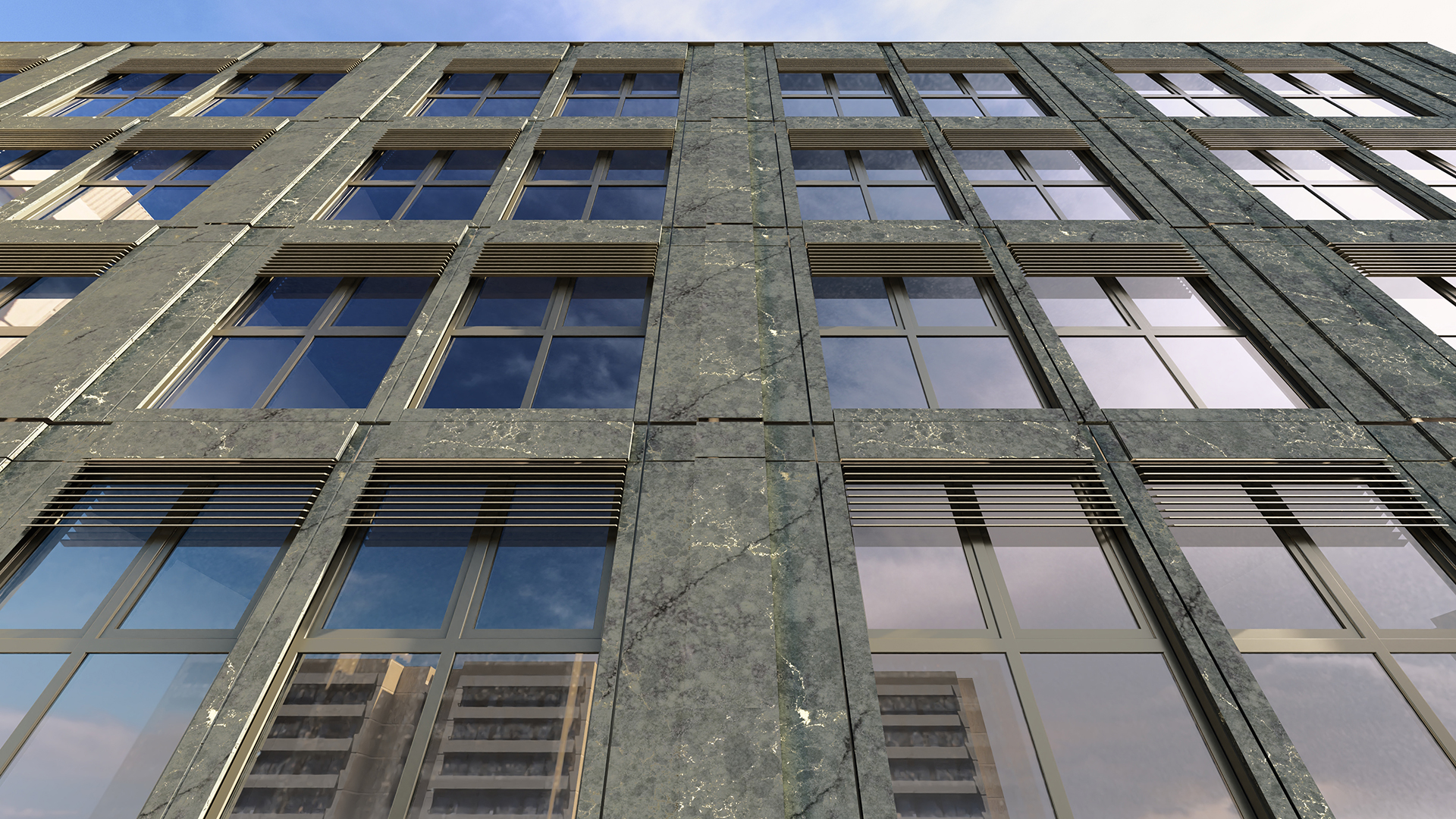
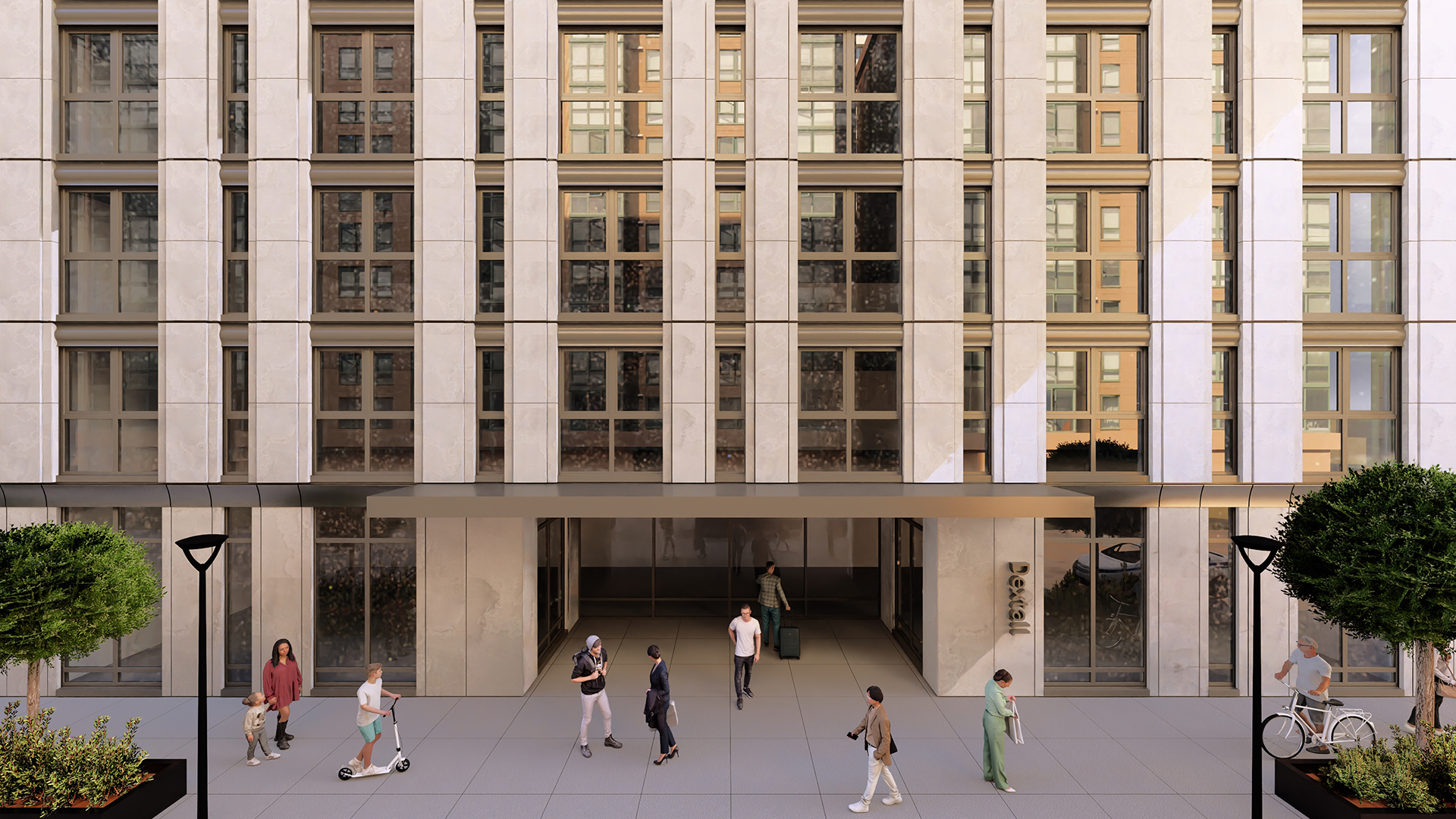
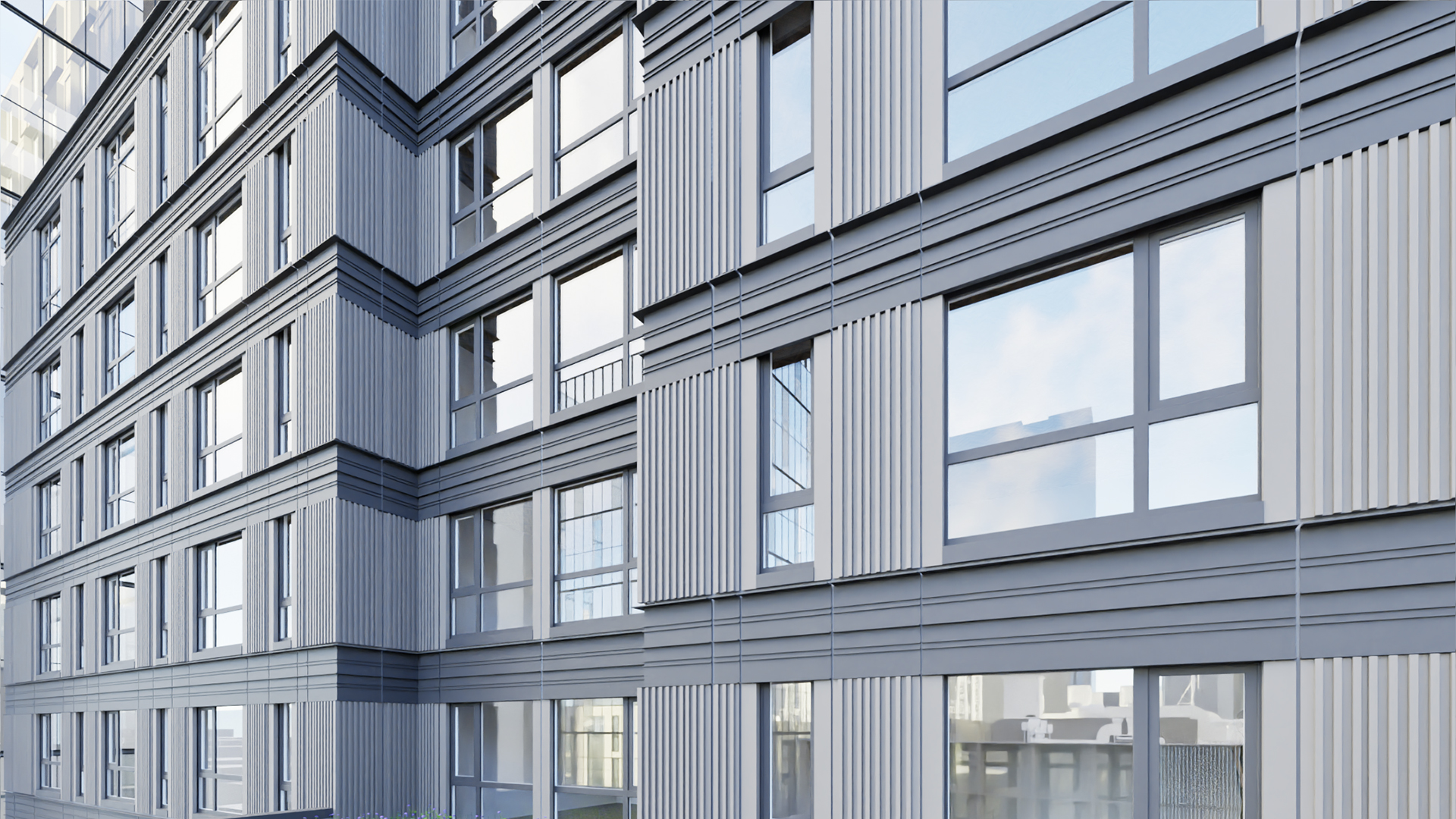
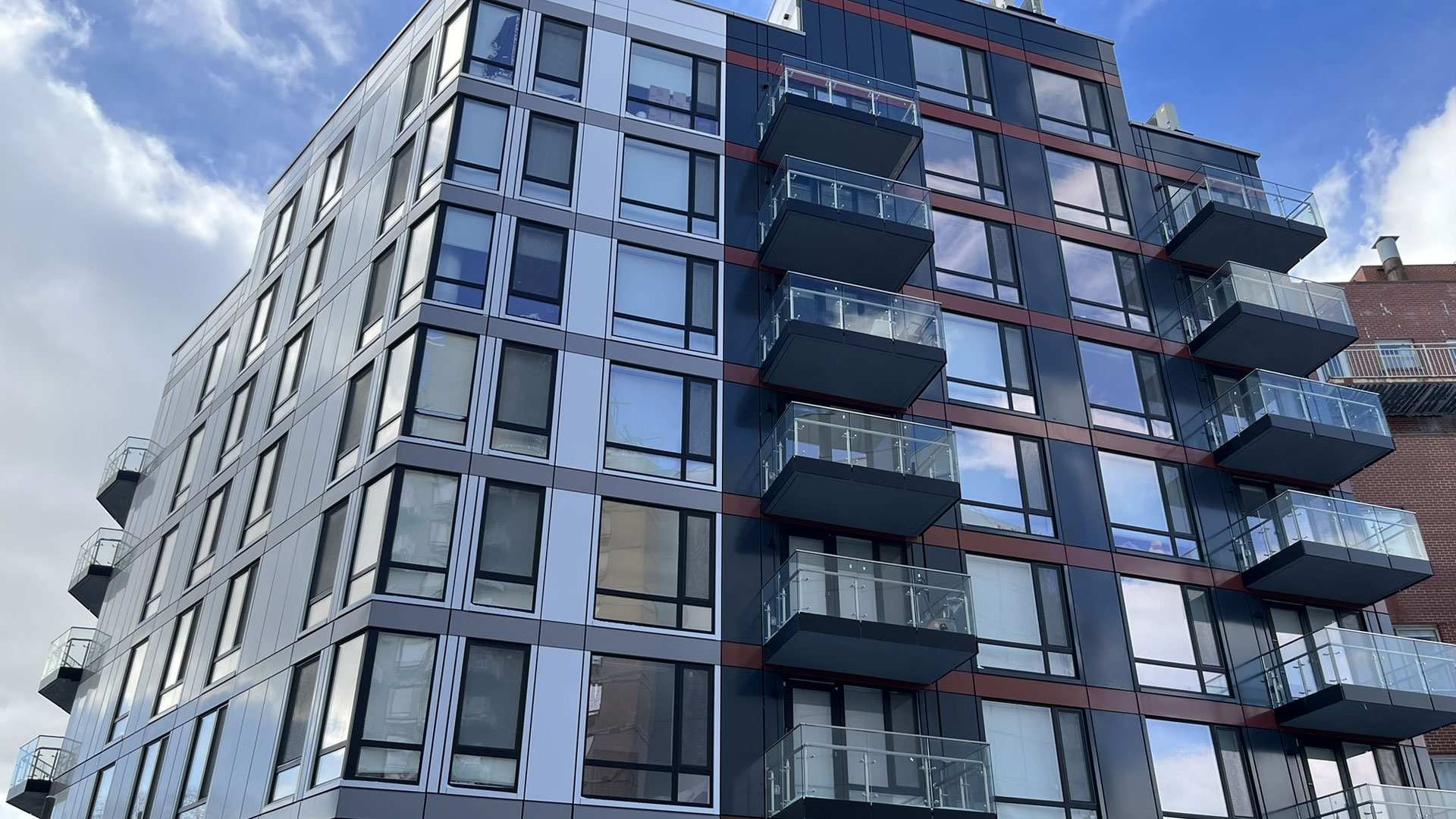
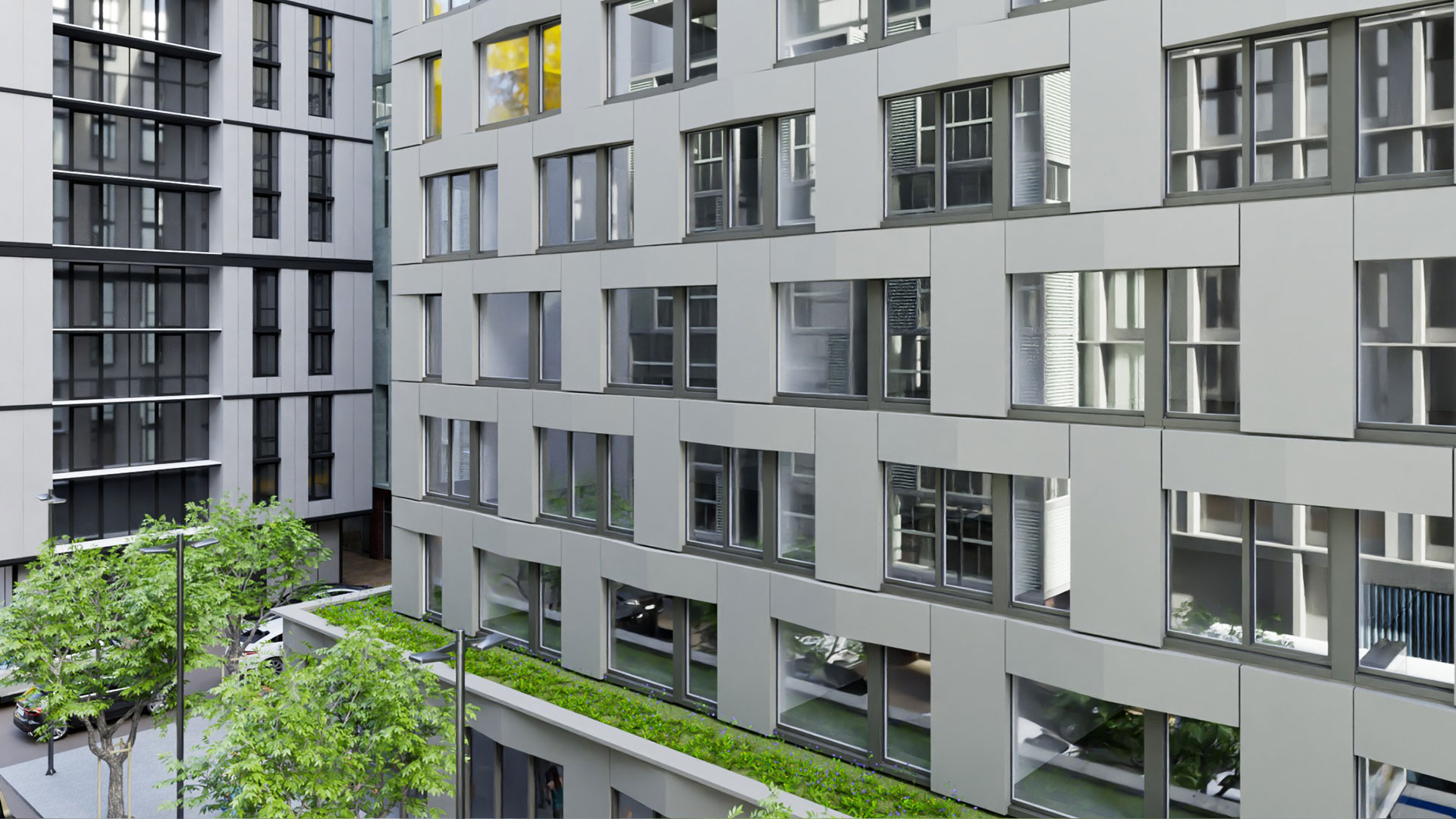
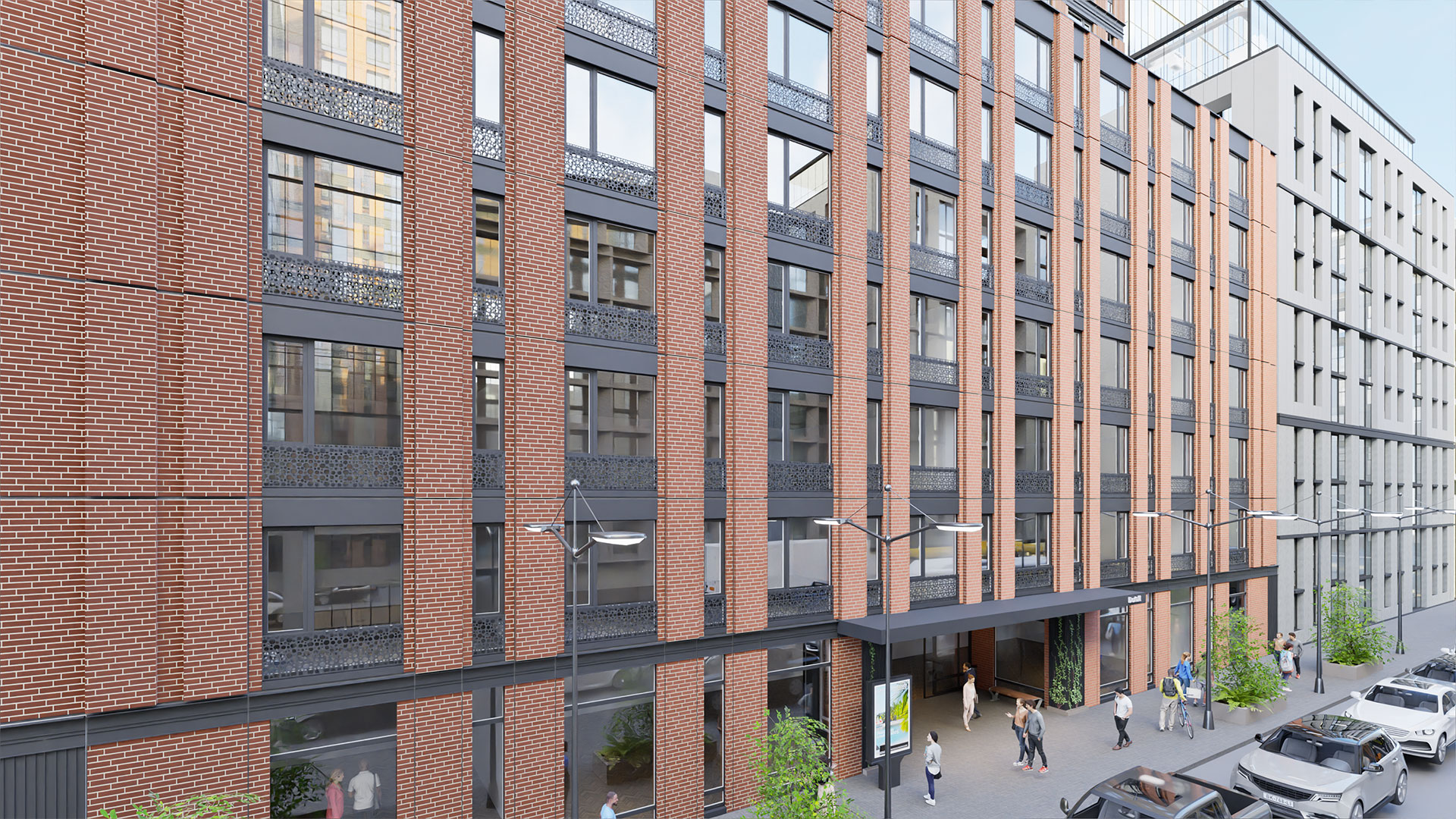
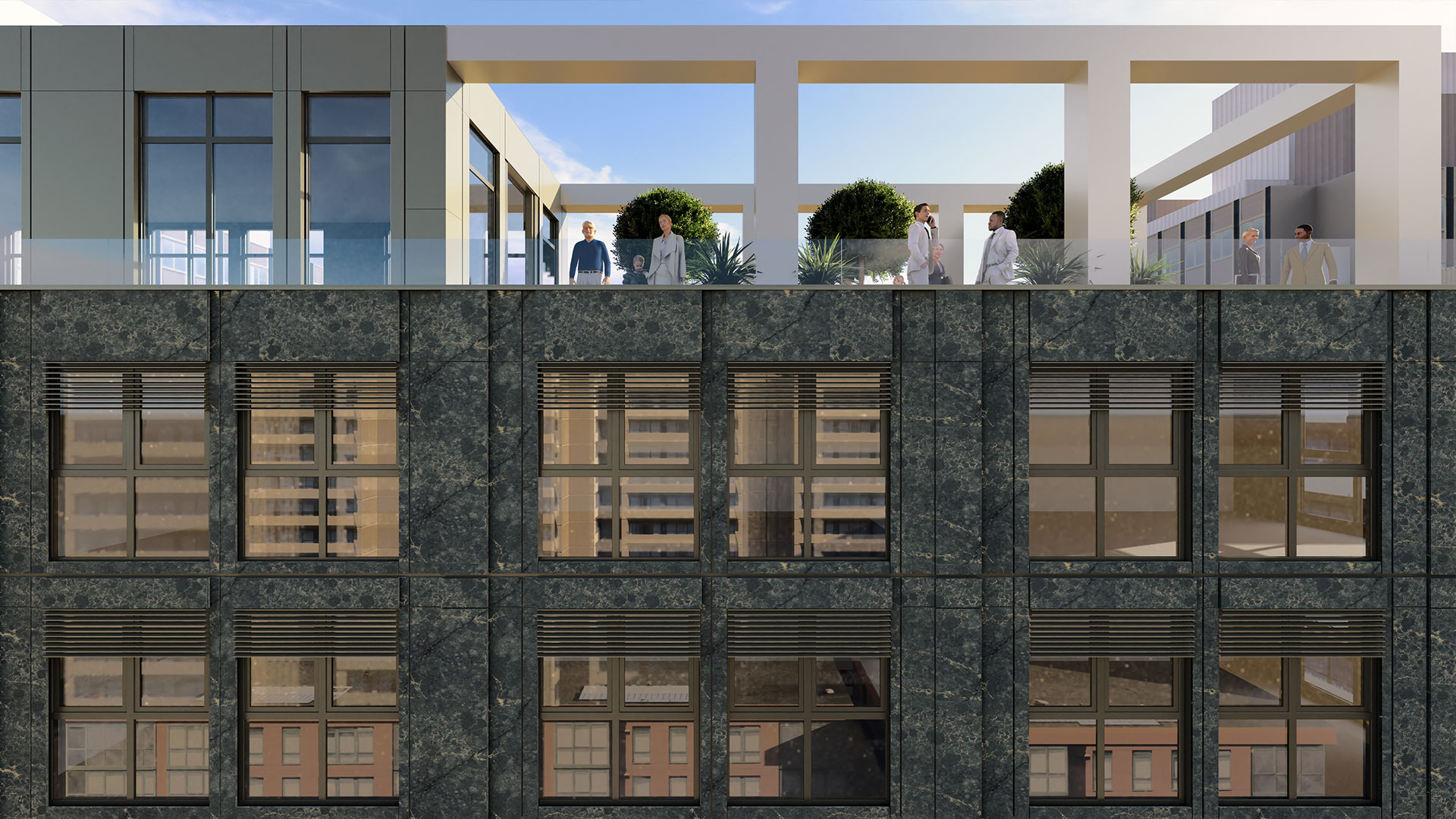
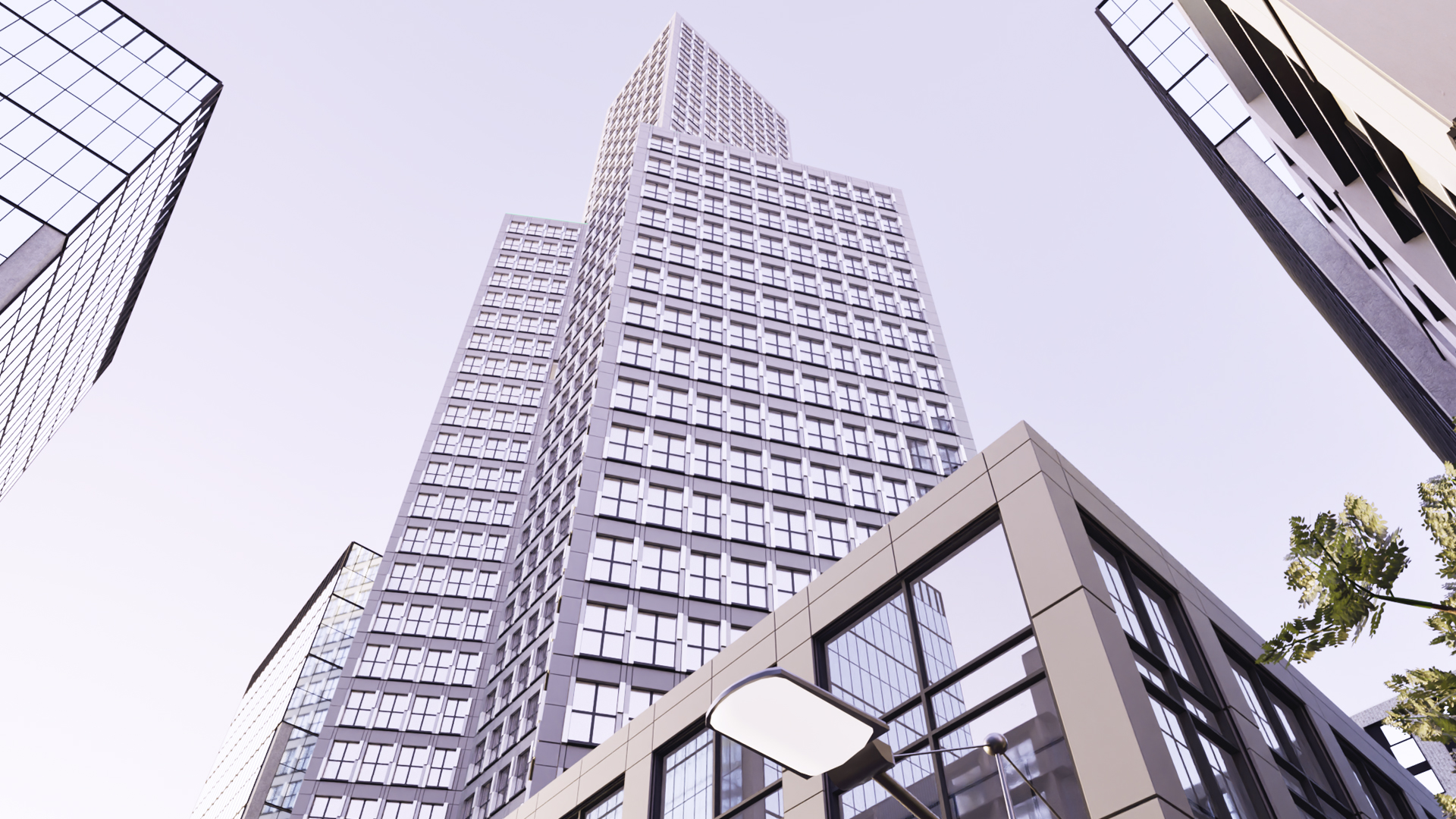
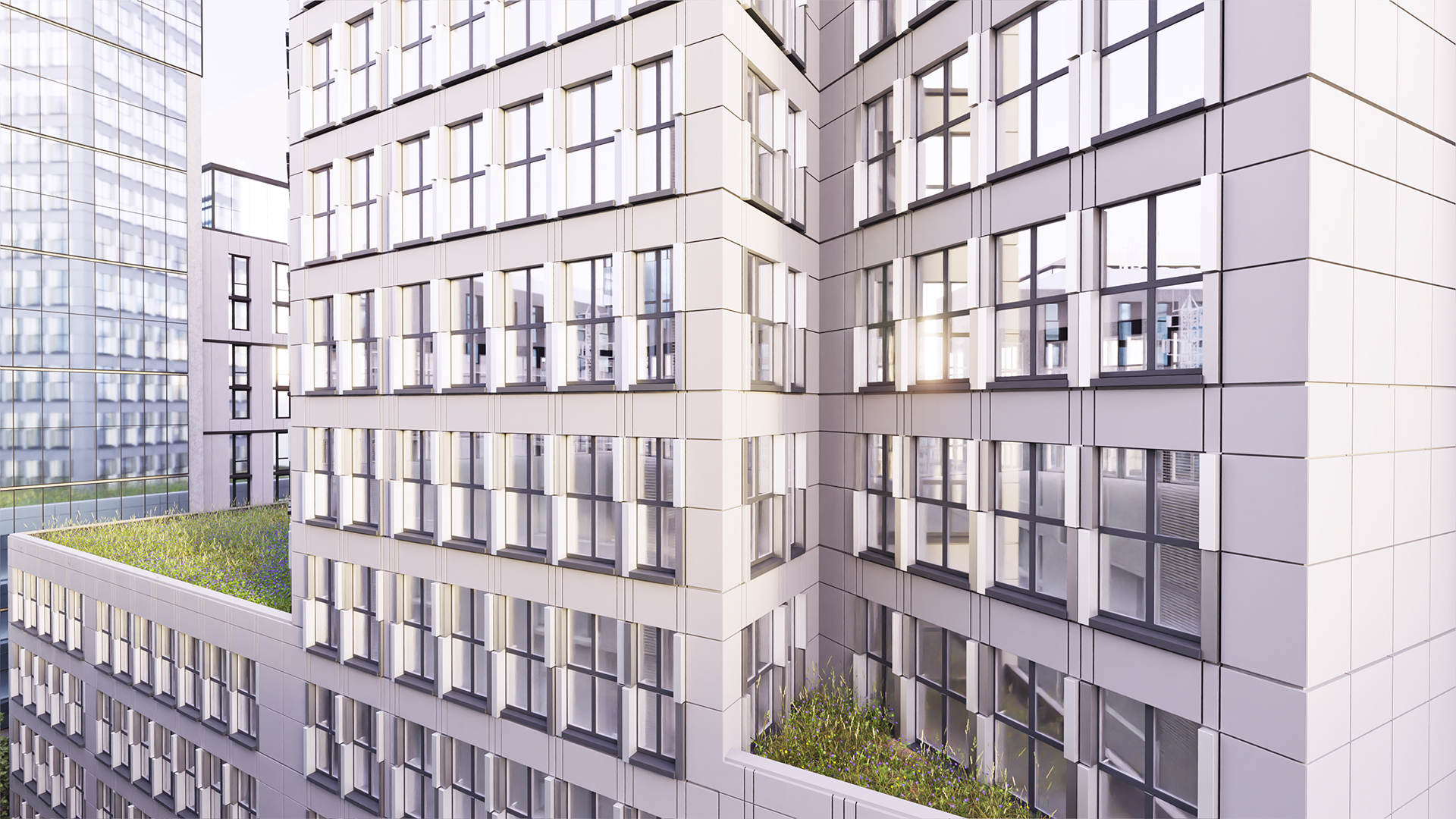
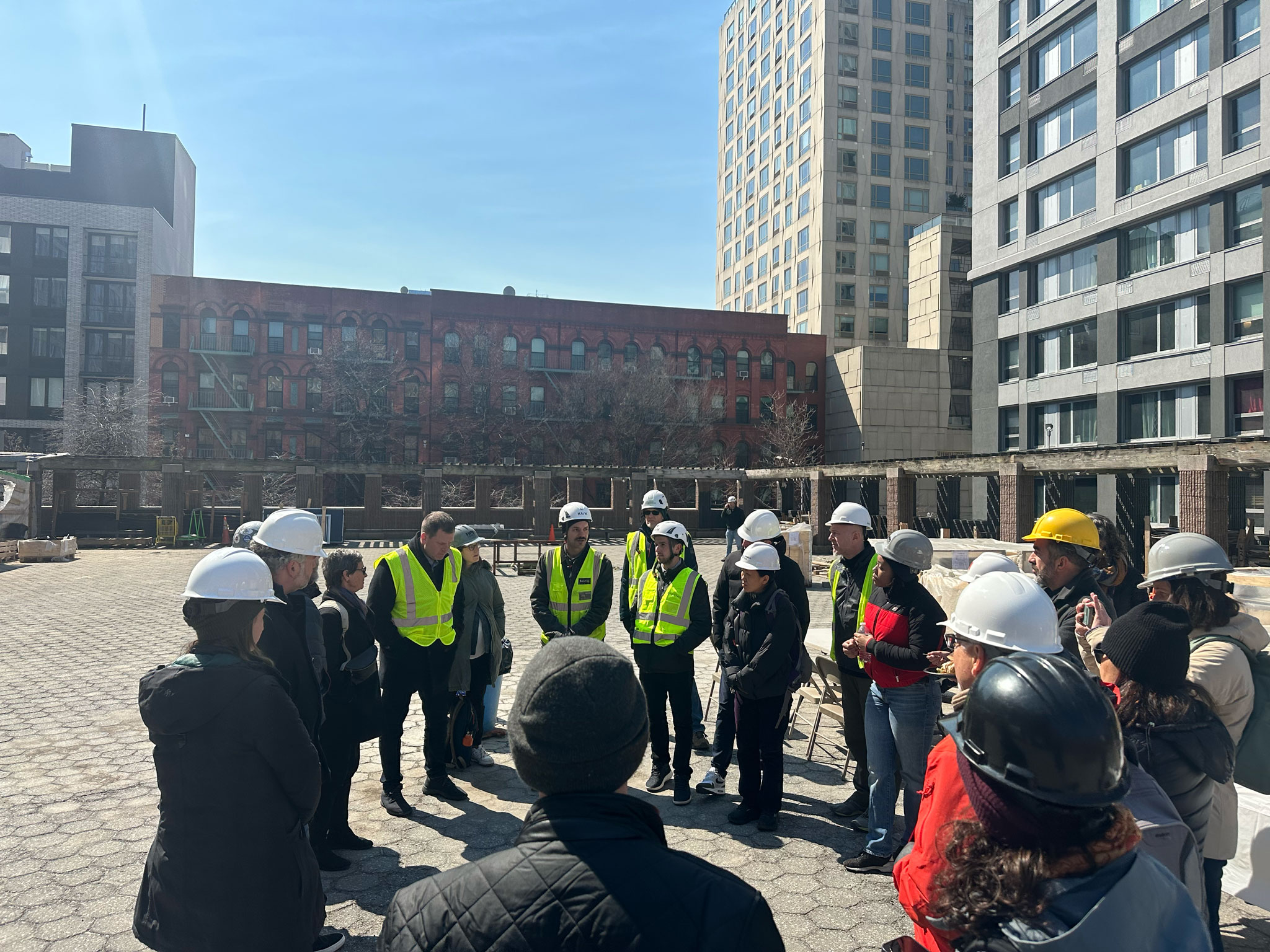
Images featured in this article depict Dextall's projects and are used for illustrative purposes only.












.jpeg)

-Compliance-for-NYC-Multifamily-%26-Co-Op-Facades.jpg)














_format(webp).avif)
_format(webp)%20(6).avif)
_format(webp)%20(5).avif)
_format(webp)%20(4).avif)
_format(webp)%20(2).avif)
_format(webp)%20(3).avif)


.avif)
_format(webp)%20(2).avif)