Fire-Resistant Exterior Wall Panels: Dextall Prefab Envelope System

When people talk about fire safety, they usually picture sprinklers, alarms, and stairwells. But there's another line of defense that can quietly decide how bad a fire becomes: the exterior wall. The envelope can either help contain flames and protect neighboring buildings—or become the path that lets fire jump, climb, and spread.
That's where fire-resistant wall panels for exterior envelopes step into a very specific, niche role. They're not just another finish. They have to stay non-combustible, hold a tested fire rating, comply with strict codes at tight property lines, and still work seamlessly with structure, glazing, and MEP—without blowing up the schedule or the energy model.
This is exactly where well-designed, thoroughly engineered fire-rated exterior wall systems prove their value: not just by passing tests on paper, but by performing consistently on real projects with demanding urban sites, complex facades, and uncompromising safety requirements.
What Fire-Resistant Exterior Wall Panels Do in a Real Fire
On a drawing set, fire ratings are just numbers and labels. In a real fire, they decide how long a wall can hold its line. Fire-resistant exterior wall panels are designed to do three things under pressure: slow down flame spread, limit heat transfer, and protect what's on the other side—whether that's another tenant, a stair core, or the building next door.
1-Hour vs. 2-Hour Fire-Rated Exterior Wall Assemblies
A 1-hour and a 2-hour exterior wall can look almost identical on the outside, but they're designed for very different levels of protection. The rating is not about if the wall will fail, but how long it can resist fire before losing its integrity and insulation performance in a standardized test.
1-hour exterior wall assemblies are typically used where the risk and exposure time are lower—for example, certain mid-rise or less exposed facades where codes allow shorter ratings. They're often thinner, lighter, and can give more flexibility on structure and detailing.
2-hour exterior wall assemblies are meant for higher-risk conditions, such as closer to property lines, taller buildings, or critical egress and separation zones. They usually feature more robust build-ups, additional layers, or denser materials to delay structural failure and heat transfer.
For designers and contractors, the real question is not "which one is better?" but "which rating does this specific facade location need to safely perform and stay compliant with code?" That's where tested assemblies and clearly documented performance become crucial.
Property Line Facades, IBC and Fire Separation Distance
Things get especially interesting—and restrictive—when the facade gets close to the property line. The International Building Code (IBC) ties required fire-resistance ratings and limitations on openings directly to the fire separation distance: how far the exterior wall is from the adjacent property line or another building.
At small separation distances, the exterior wall may need:
- Higher fire ratings (often 2-hour) to protect the neighboring parcel or structure.
- Limited or no unprotected openings (windows, louvers, doors) facing the property line.
- Non-combustible construction for key facade components to reduce the risk of flame spread across properties.
As that distance increases, the code gradually allows more flexibility—lower fire ratings, more openings, and more design freedom. For urban infill sites and tight lots, smart use of fire-resistant exterior wall panels becomes a strategic tool: it helps unlock building area and facade articulation while still satisfying IBC requirements tied to fire separation distance.
Detailing Fire-Rated Facades: Joints and Penetrations
A fire-rated facade is only as strong as its weakest detail. Even when the wall assembly itself carries a tested rating, that performance can be undermined at the places where reality gets messy—panel joints, outside corners, window openings, brackets, conduits, and every place someone wants to "just poke a small hole."
Detailing fire-rated facades is about keeping the fire barrier continuous while still allowing the envelope to move, drain, and integrate with structure and systems. That balance—between protection and practicality—is where good facade engineering really shows.
Joints, Corners and Panel-to-Panel Transitions
Every break in the surface is a potential shortcut for fire and hot gases. Joints and corners need more than just sealant; they need a clear strategy for how the rated layers wrap and connect:
- Continuous fire-resistive materials or tested joint systems that bridge panel edges.
- Allowance for building movement (thermal, structural, wind) without opening gaps.
- Corner and transition details that keep the rated layers uninterrupted, even when geometry changes.
Well-executed joints and transitions make fire performance invisible: the facade still looks clean and architectural, but behind the scenes the rated components stay tied together as one continuous barrier.
Openings, Penetrations and System Integration
Windows, doors, vents, anchors, and MEP penetrations all have to pass through the facade—and none of them get a free pass on fire performance. Each opening needs to be treated as a high-risk zone where the rating can be preserved or lost.
Here, proper integration means coordinating: fire-rated window and door assemblies where required, tested firestopping systems around pipes and cables, and attachment strategies that don't carve out unprotected paths through the wall. When these pieces are designed as part of the facade system instead of improvised on site, the result is a cleaner install and a fire-rated envelope that actually performs the way the drawings promise.
Dextall Fire-Resistant Wall Panels in Prefab Envelope Systems
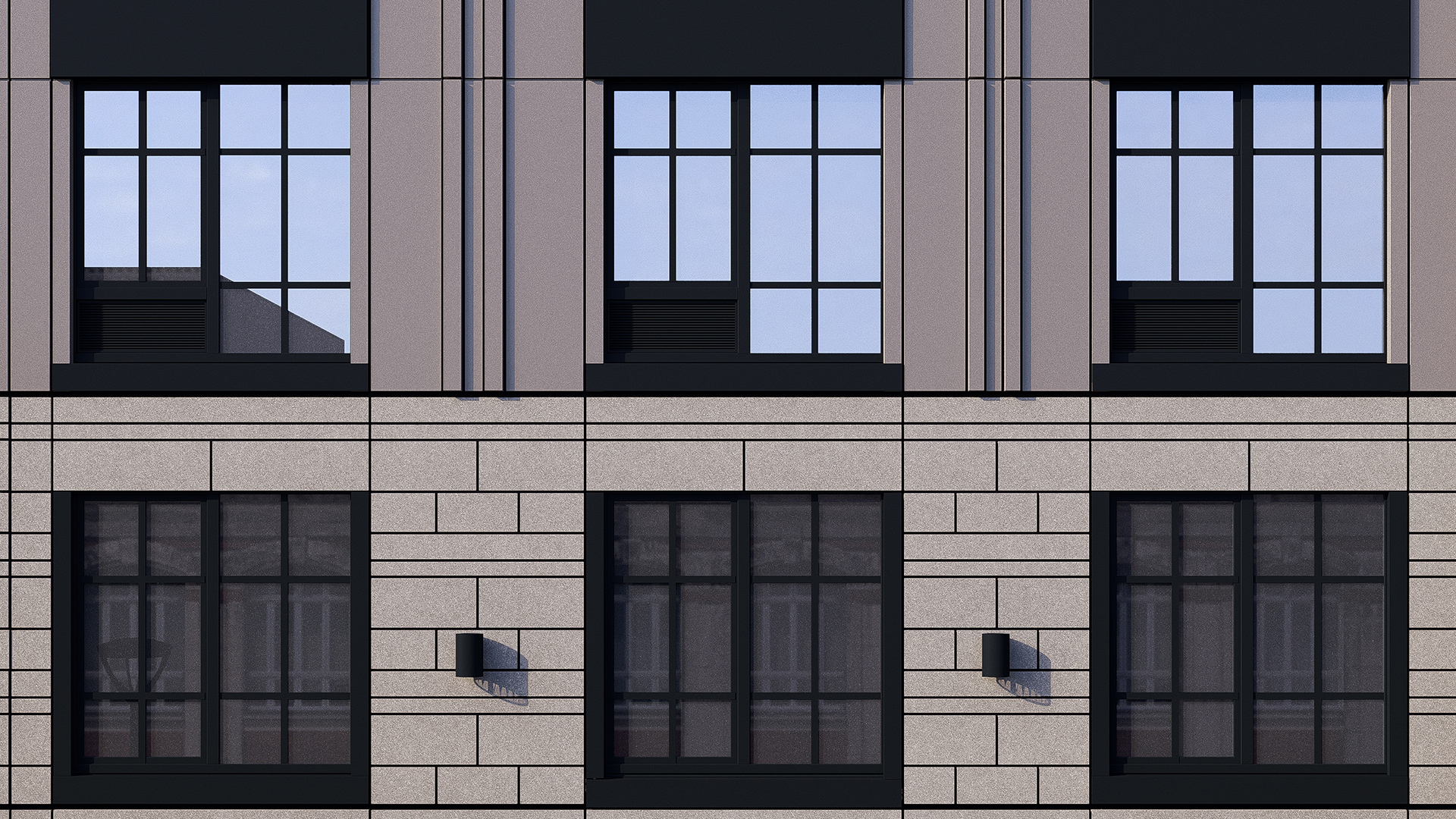
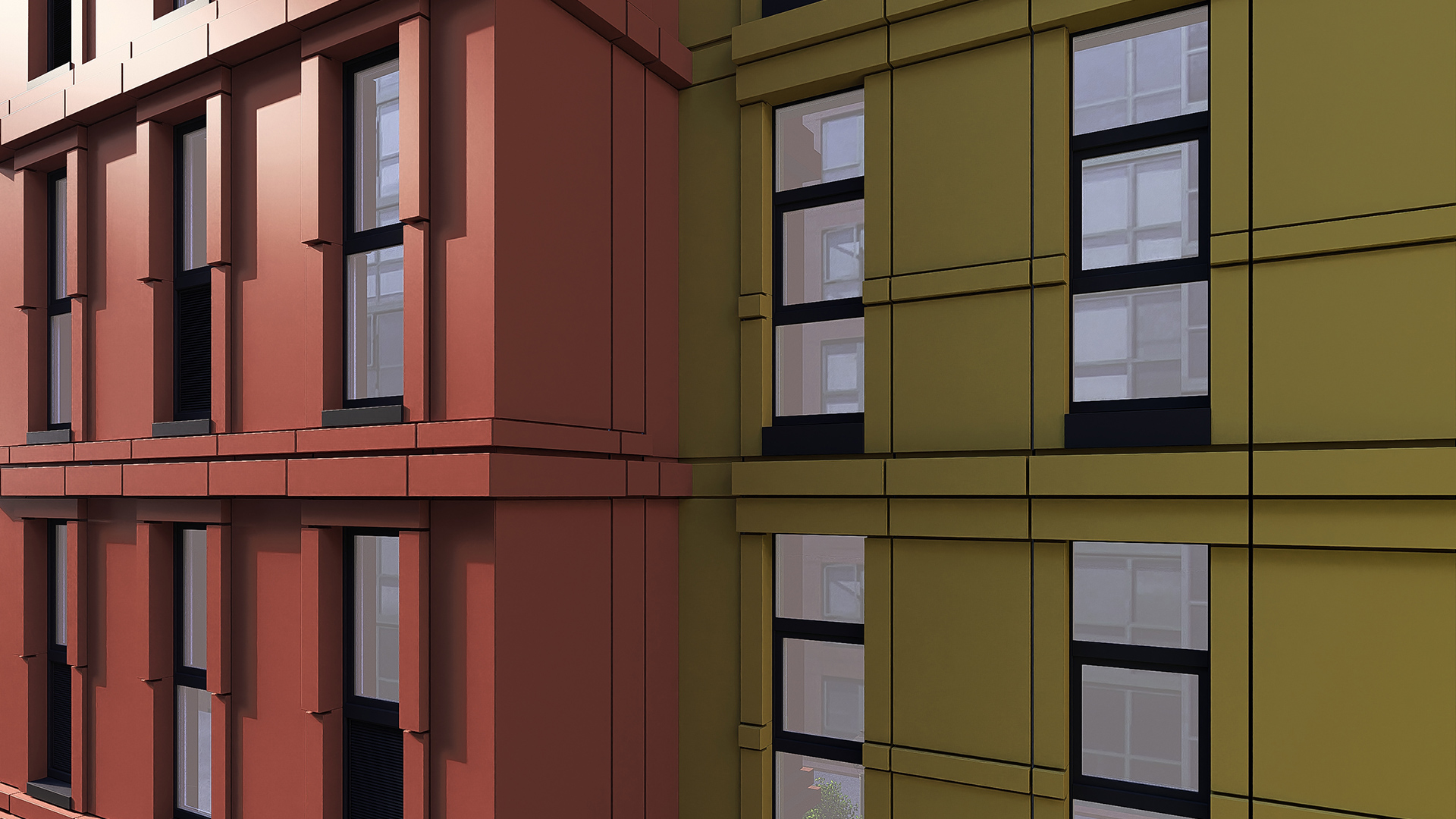
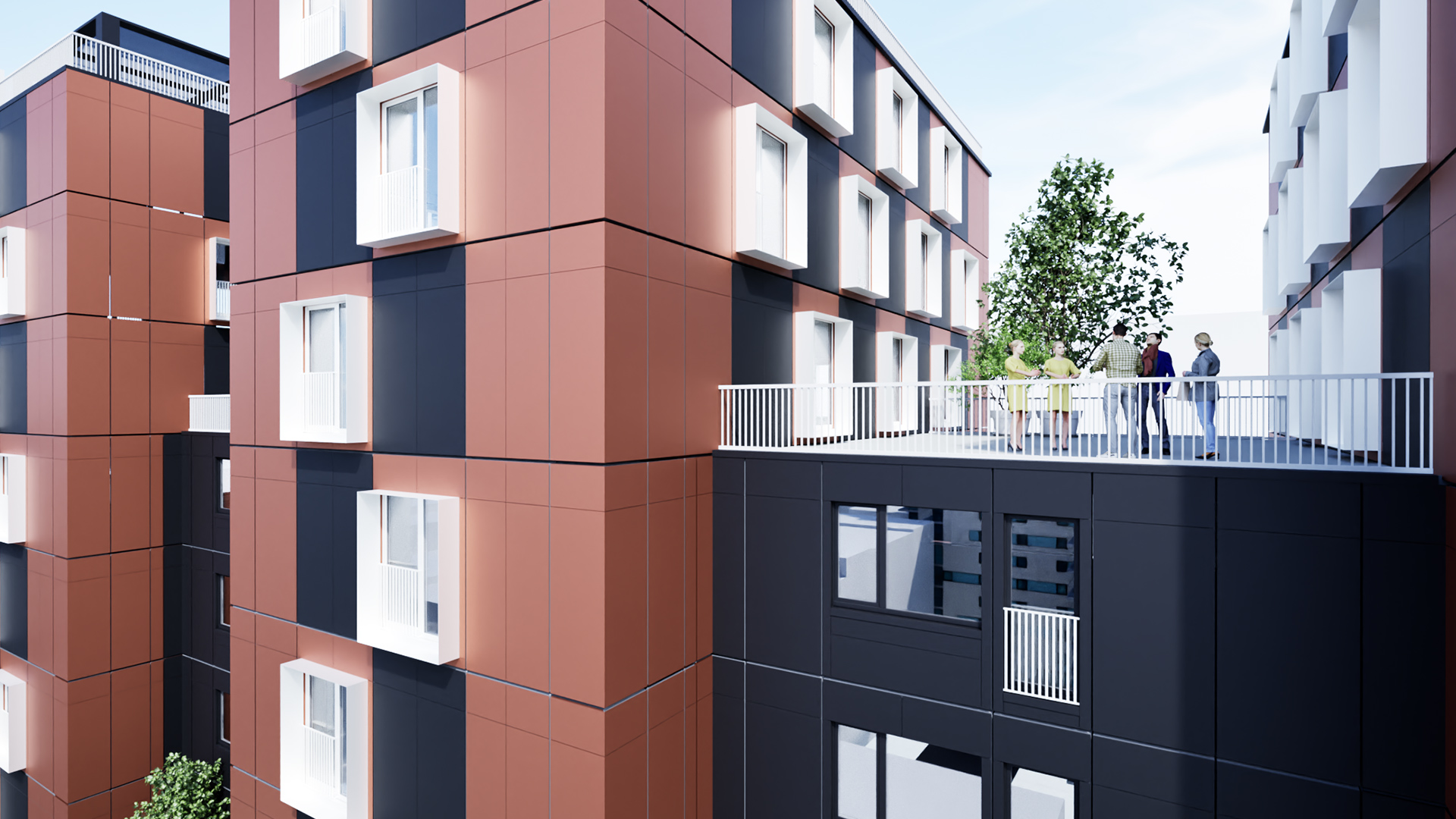
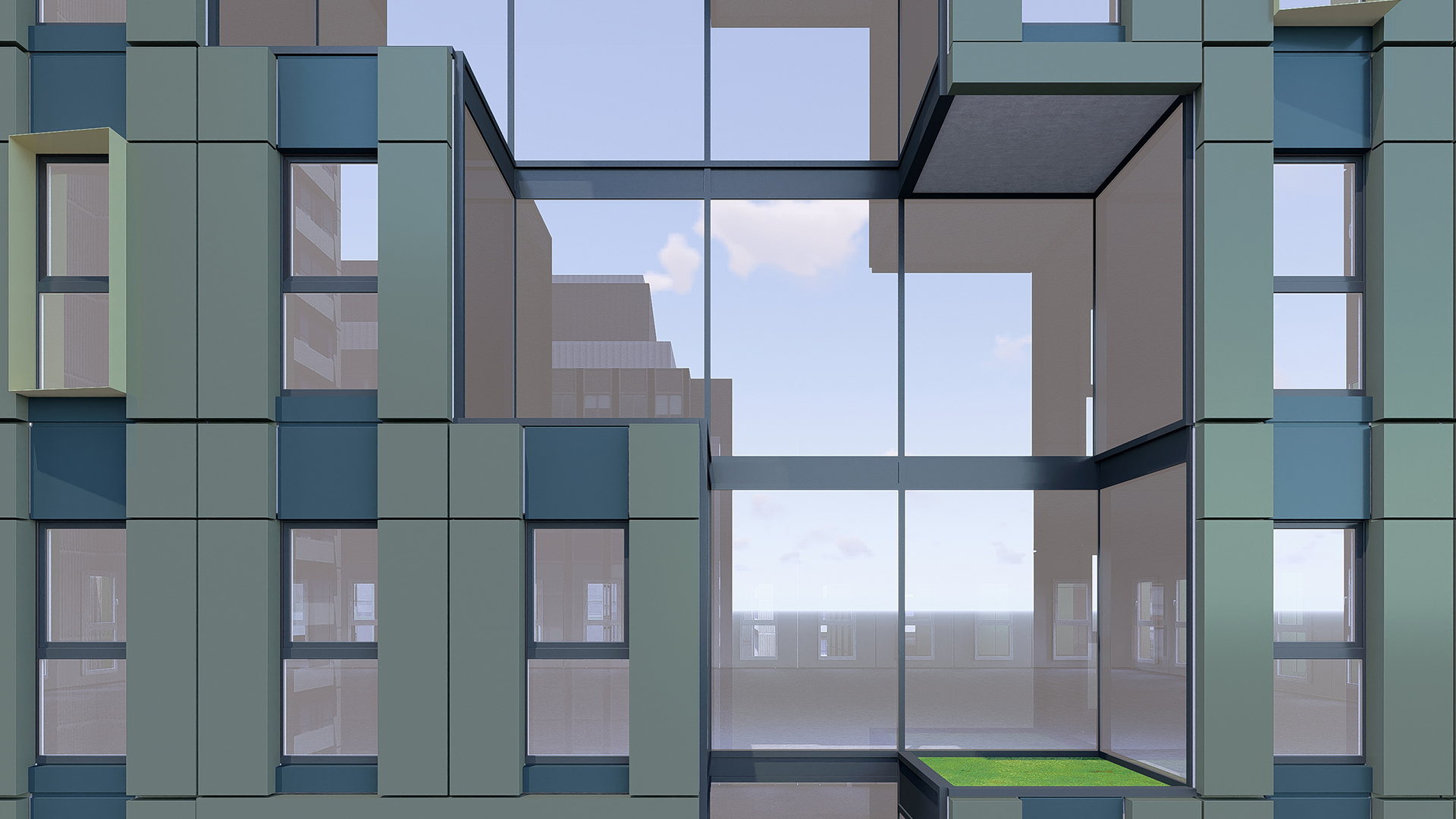
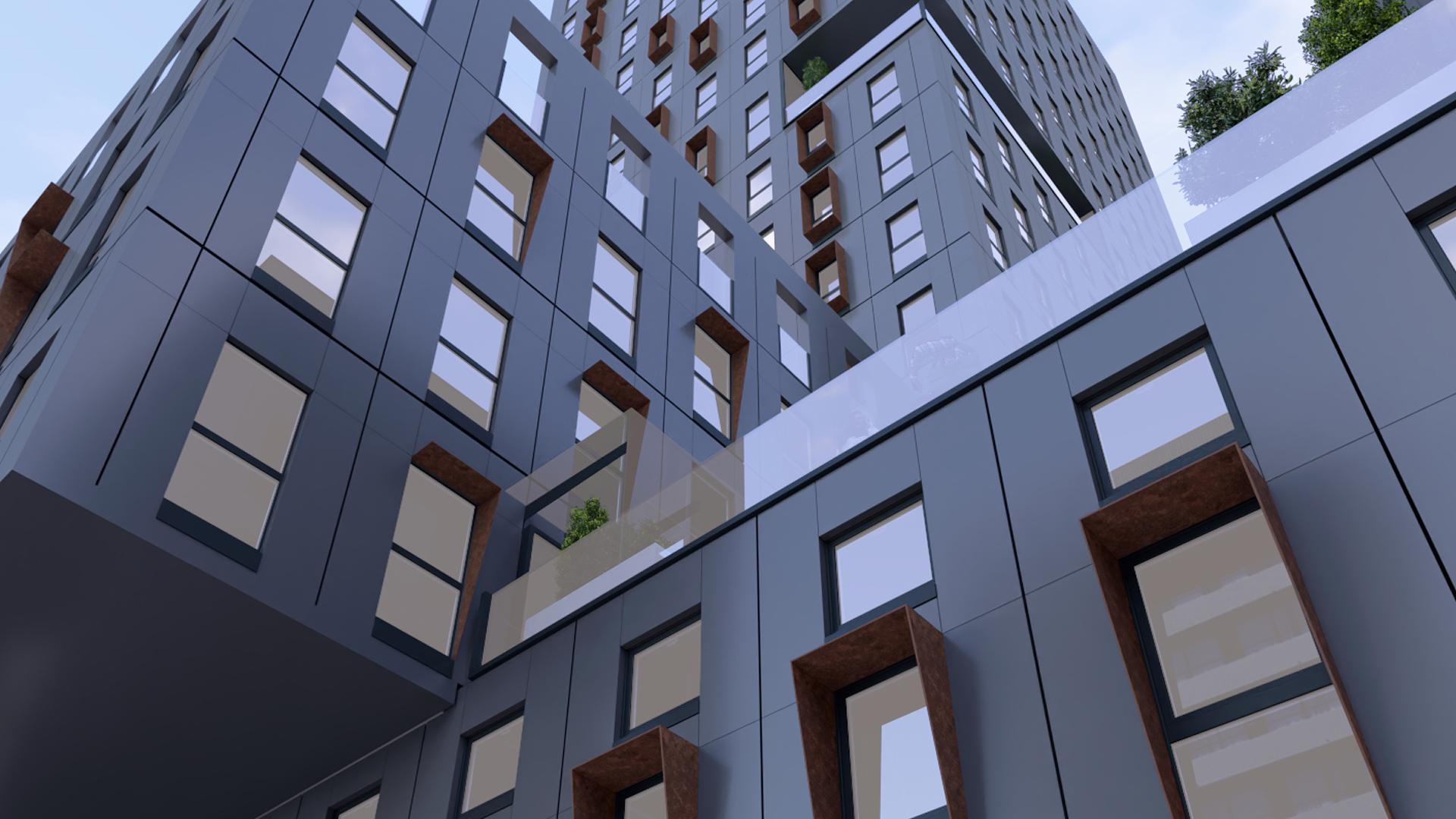
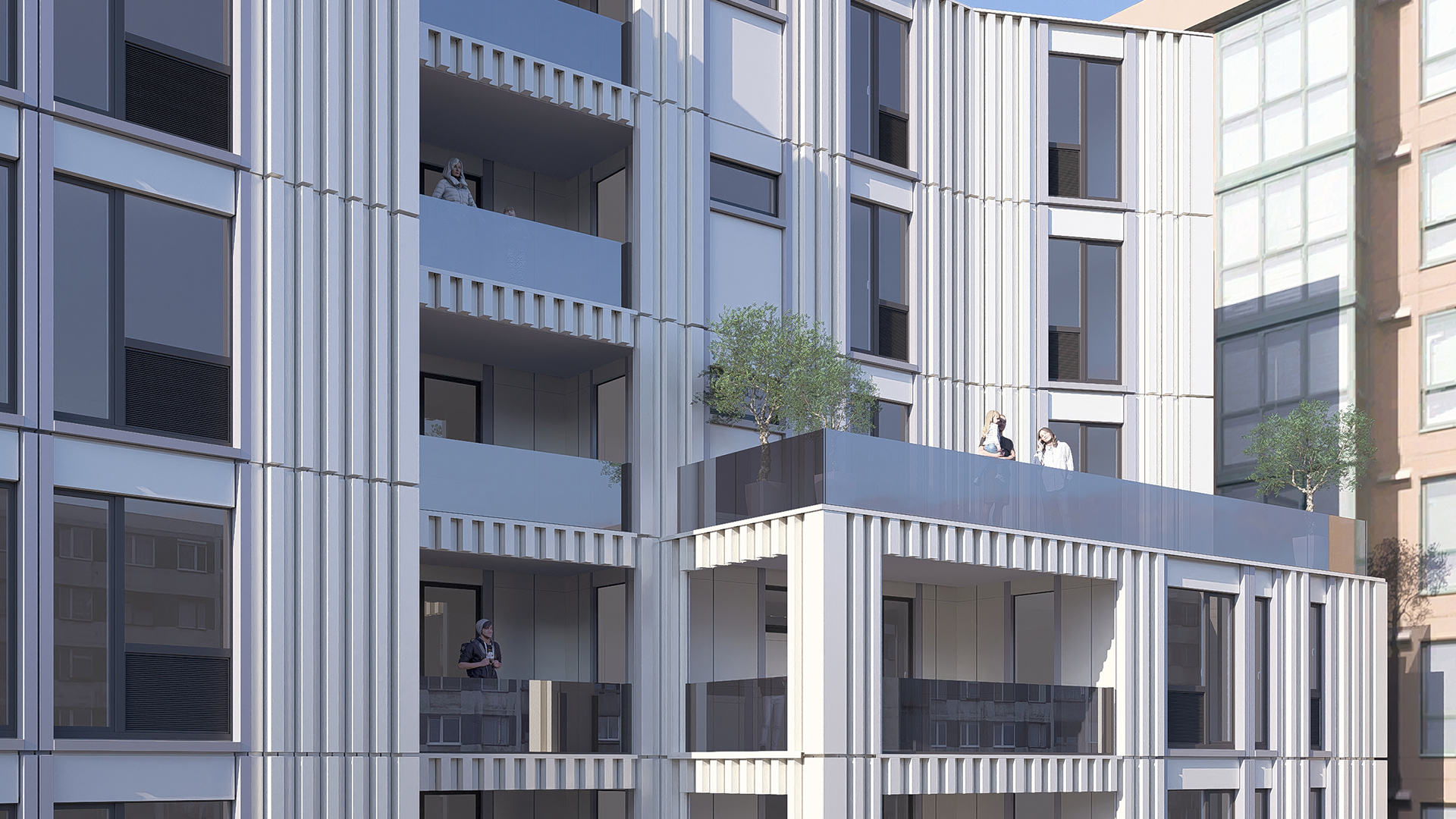
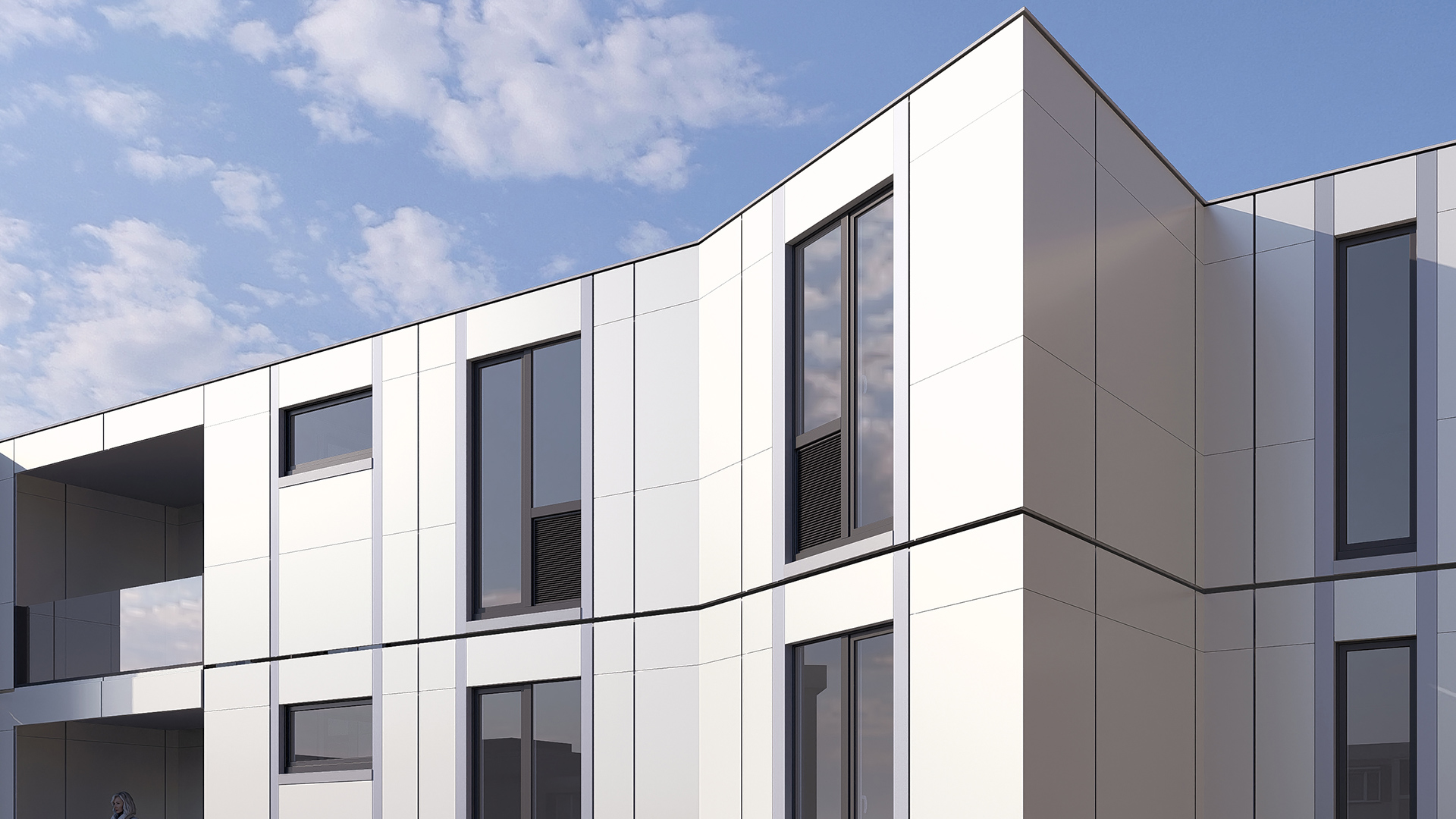
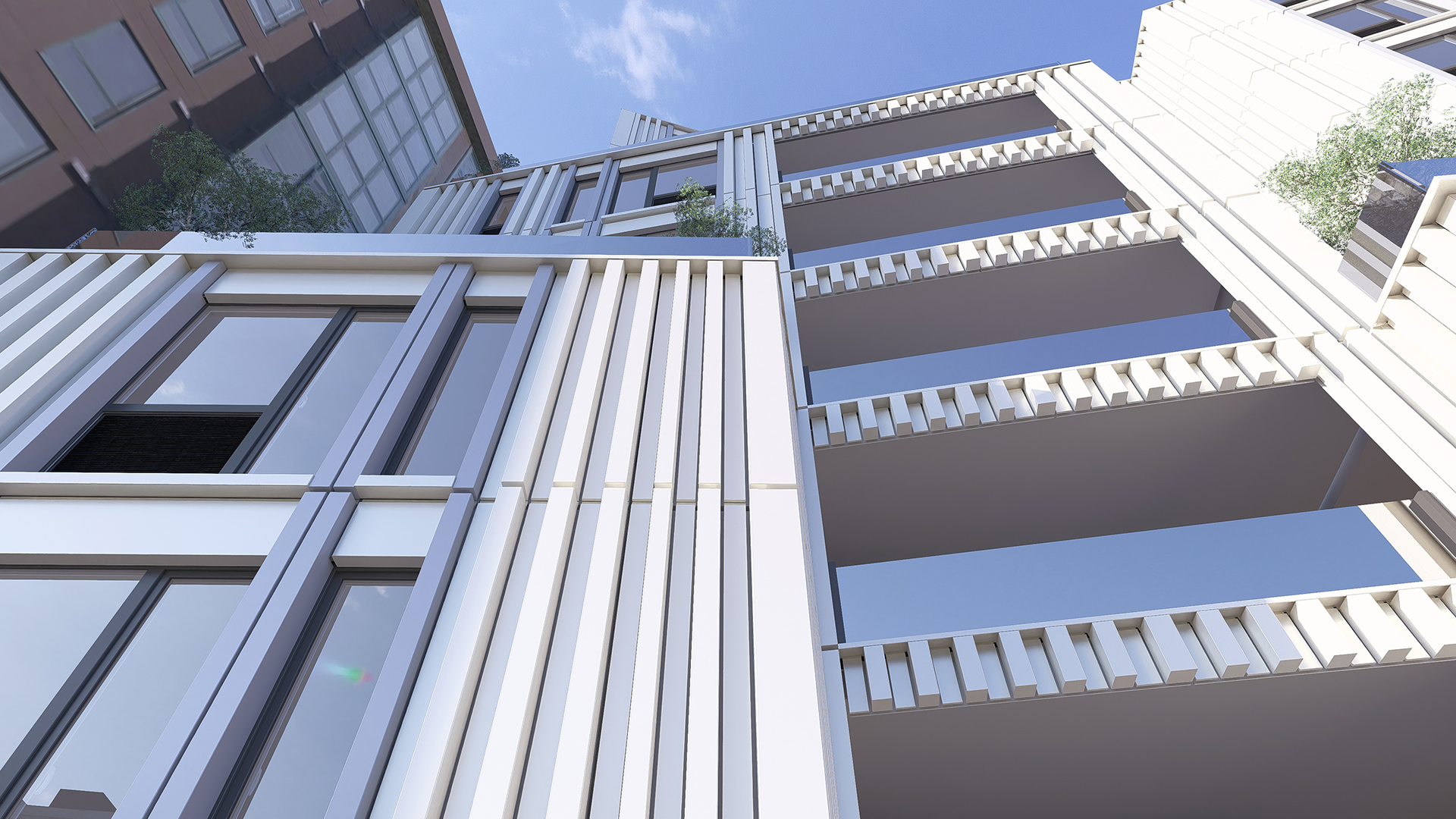
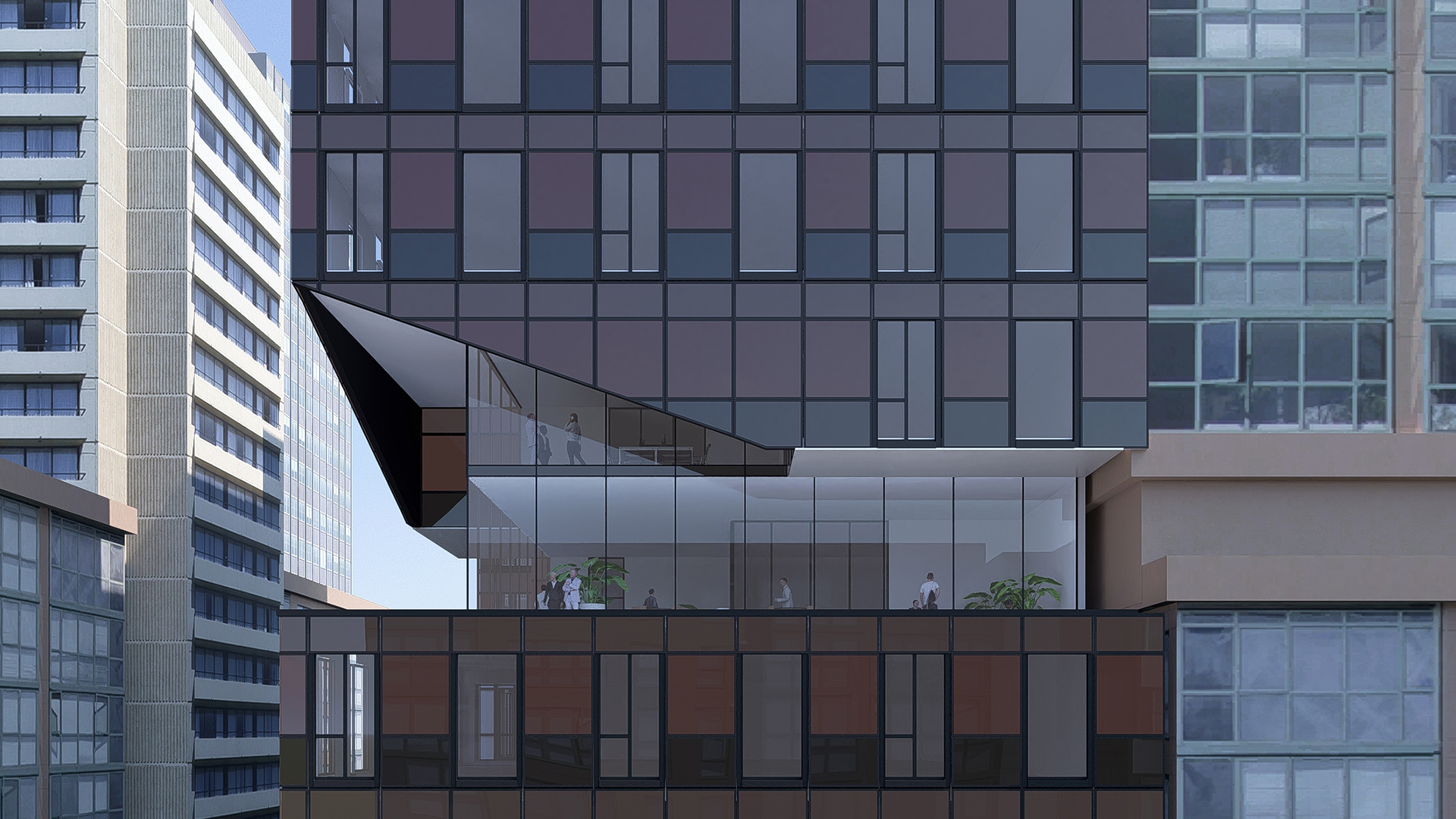
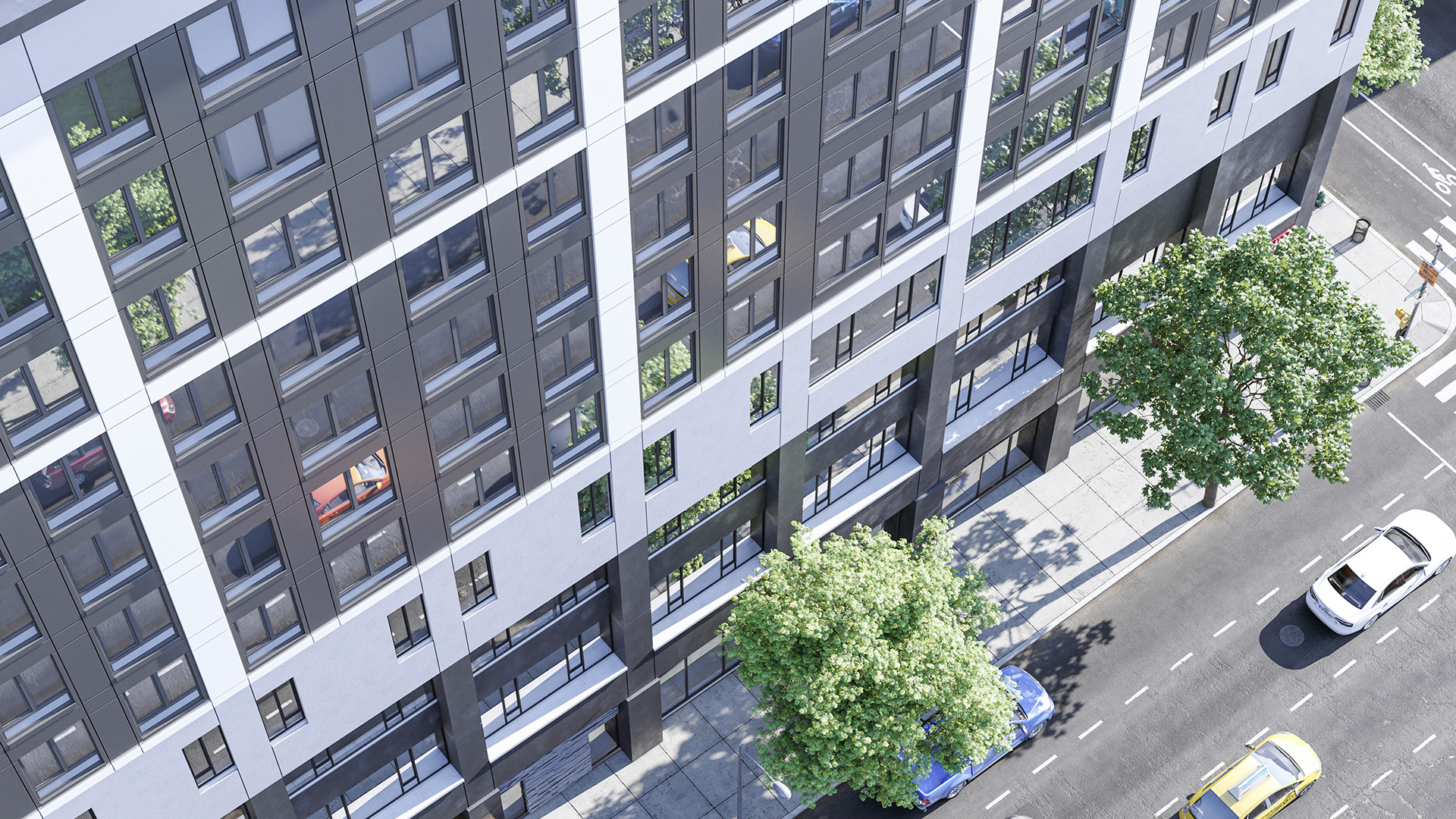
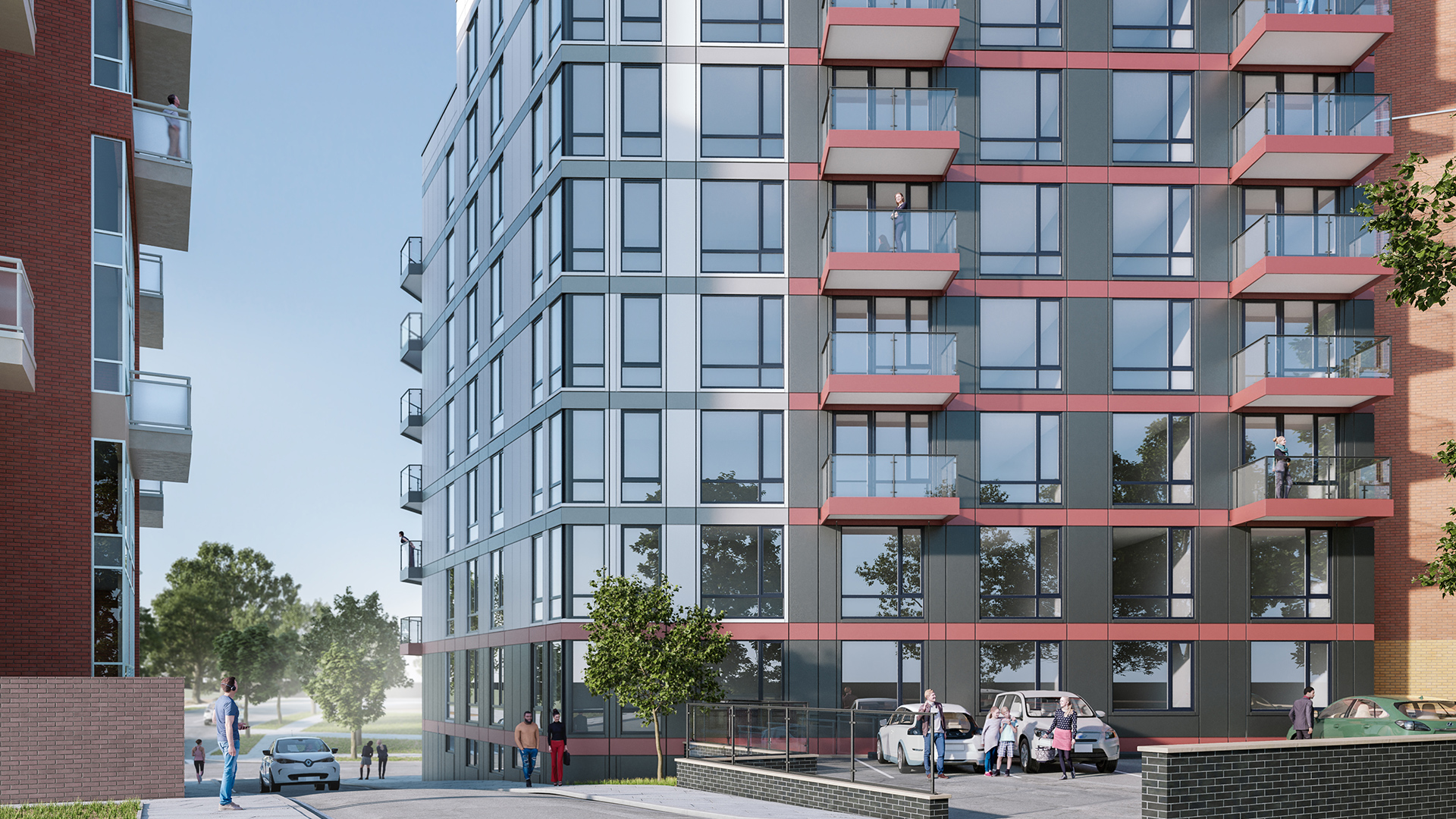
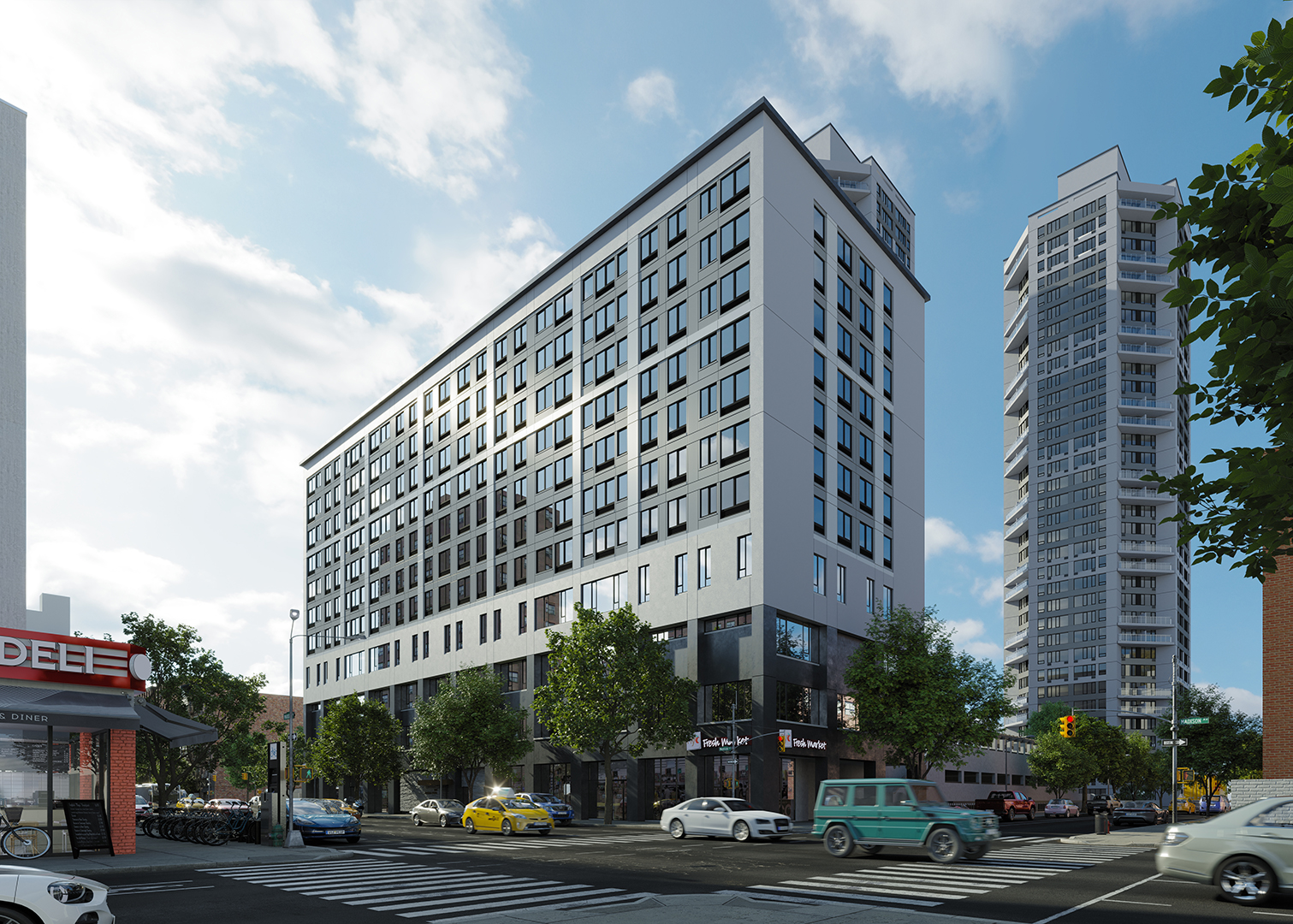
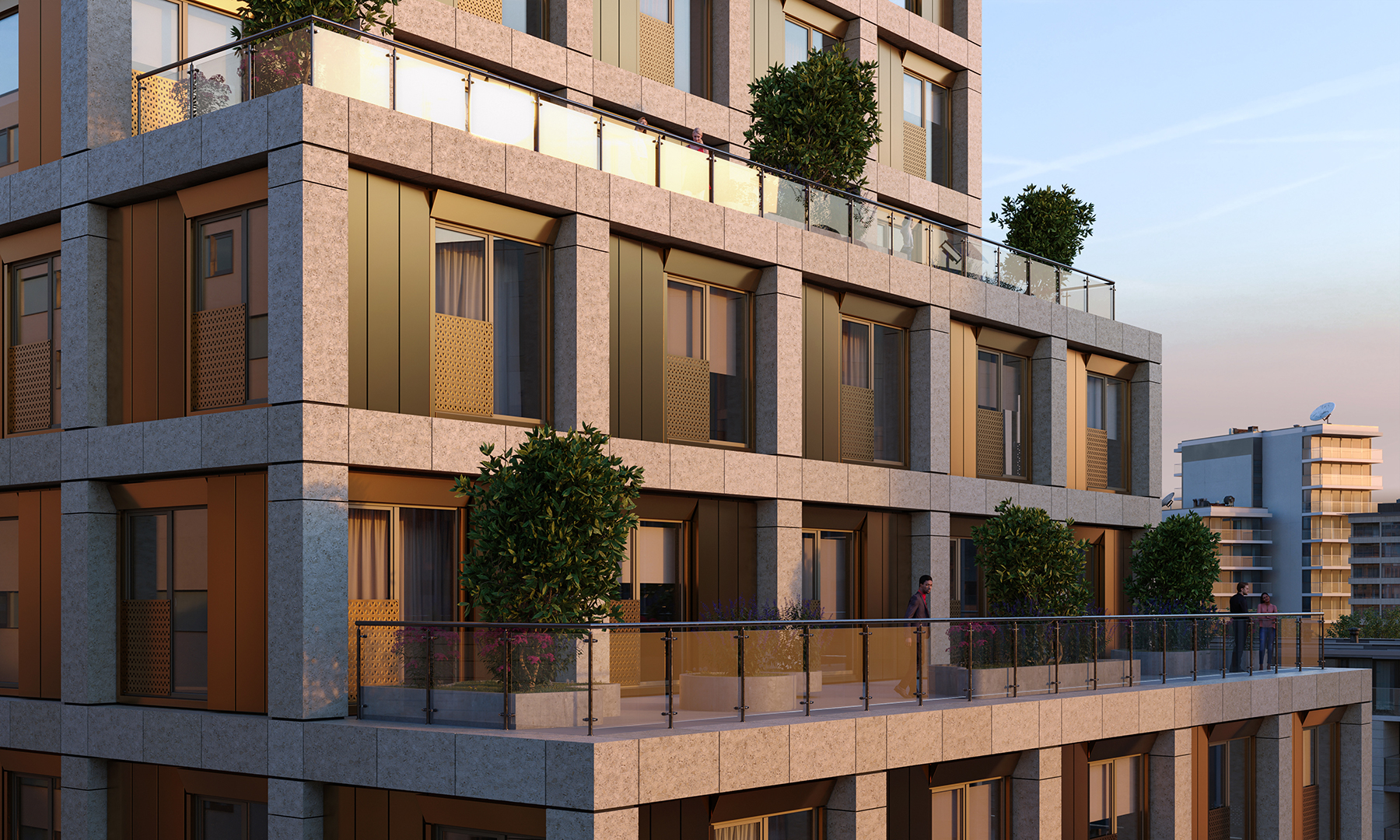
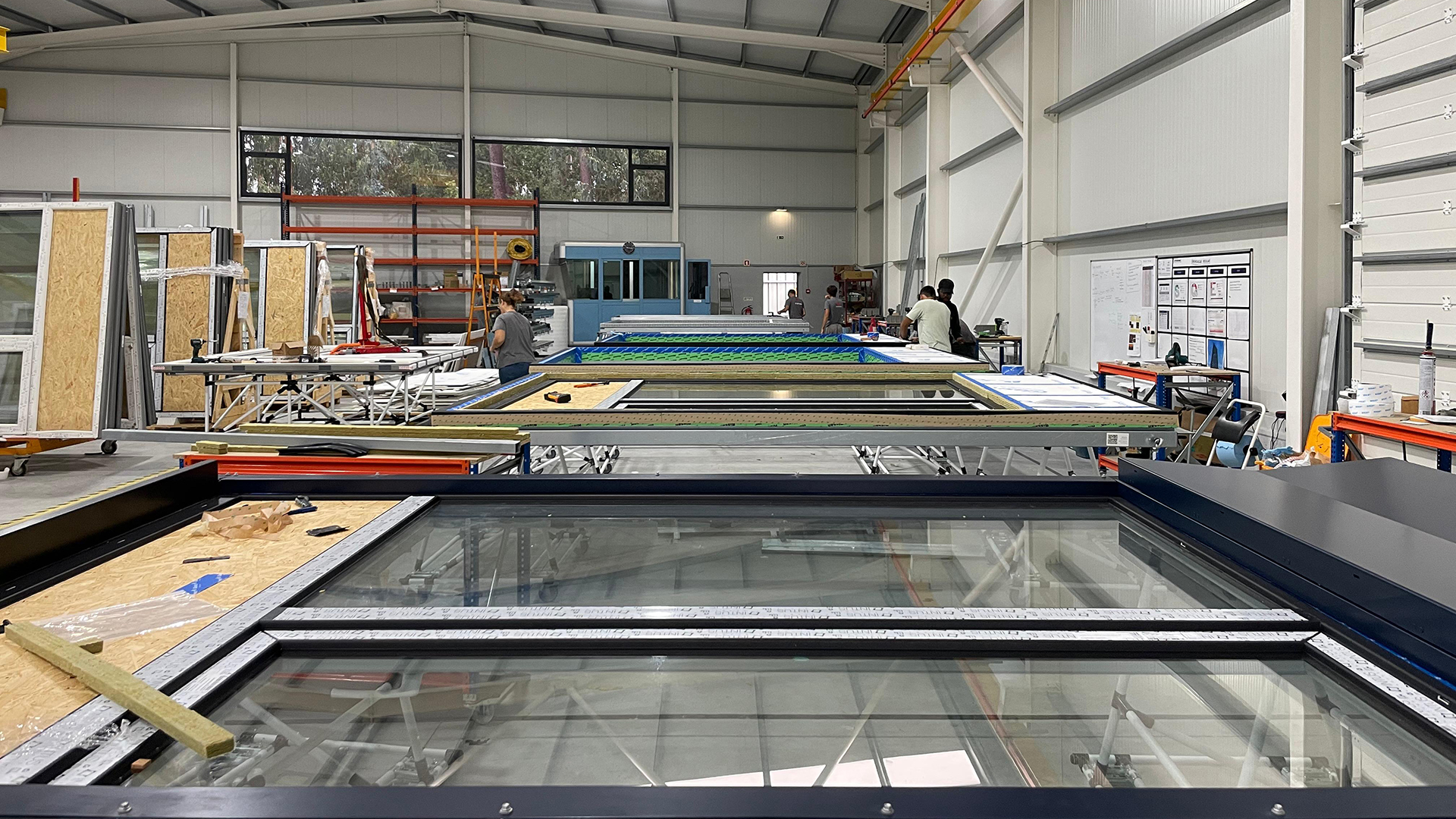
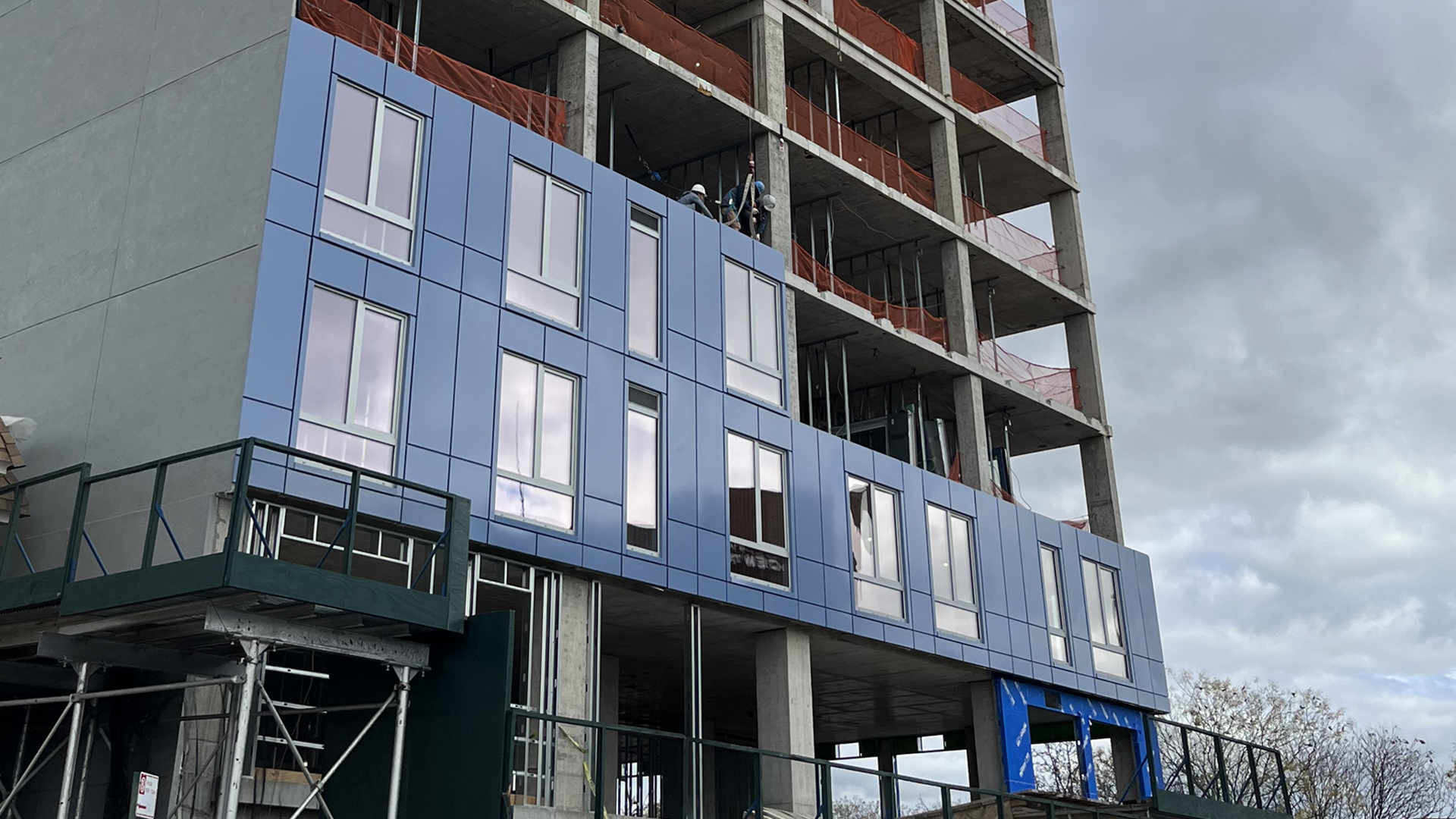
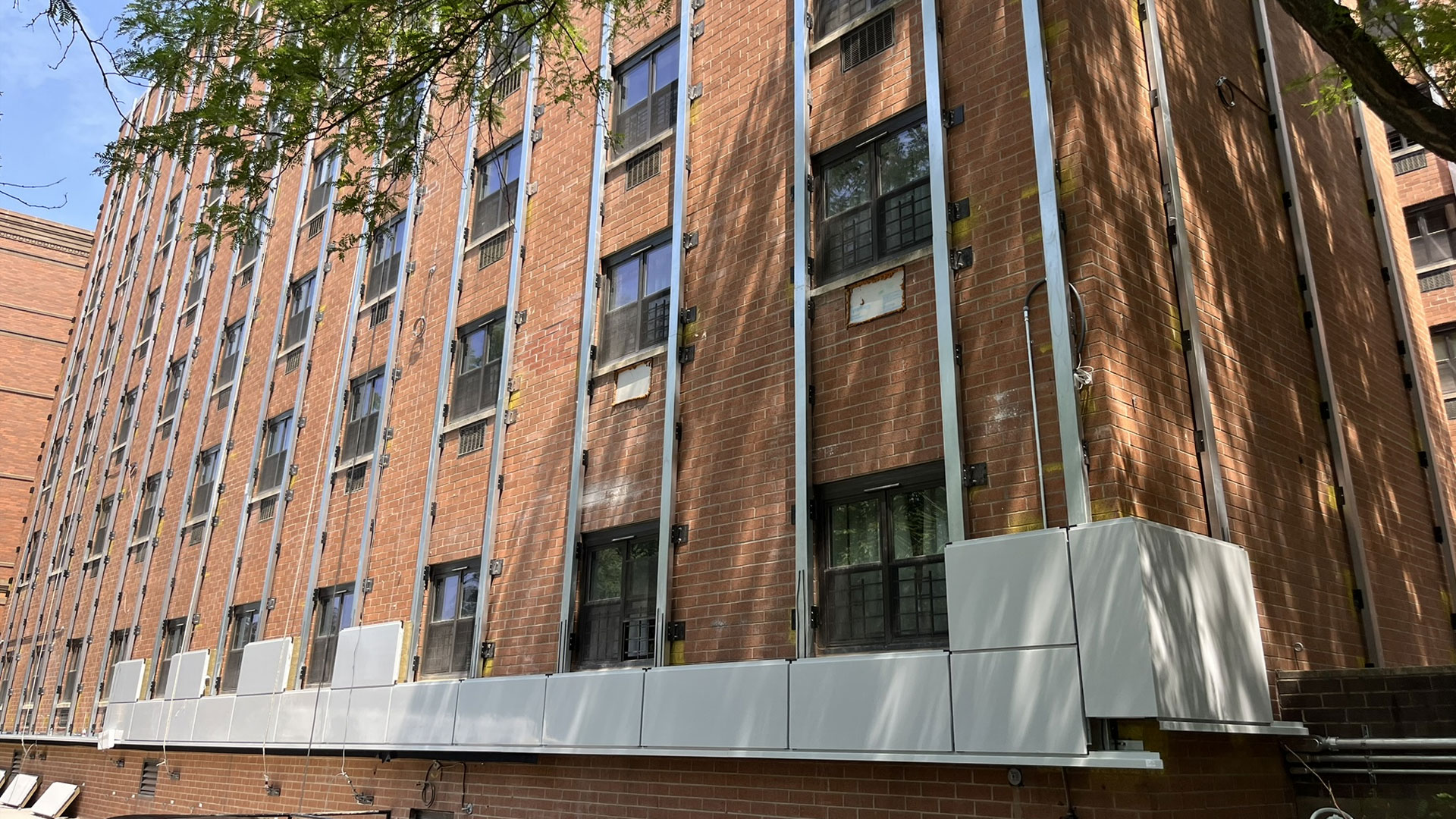
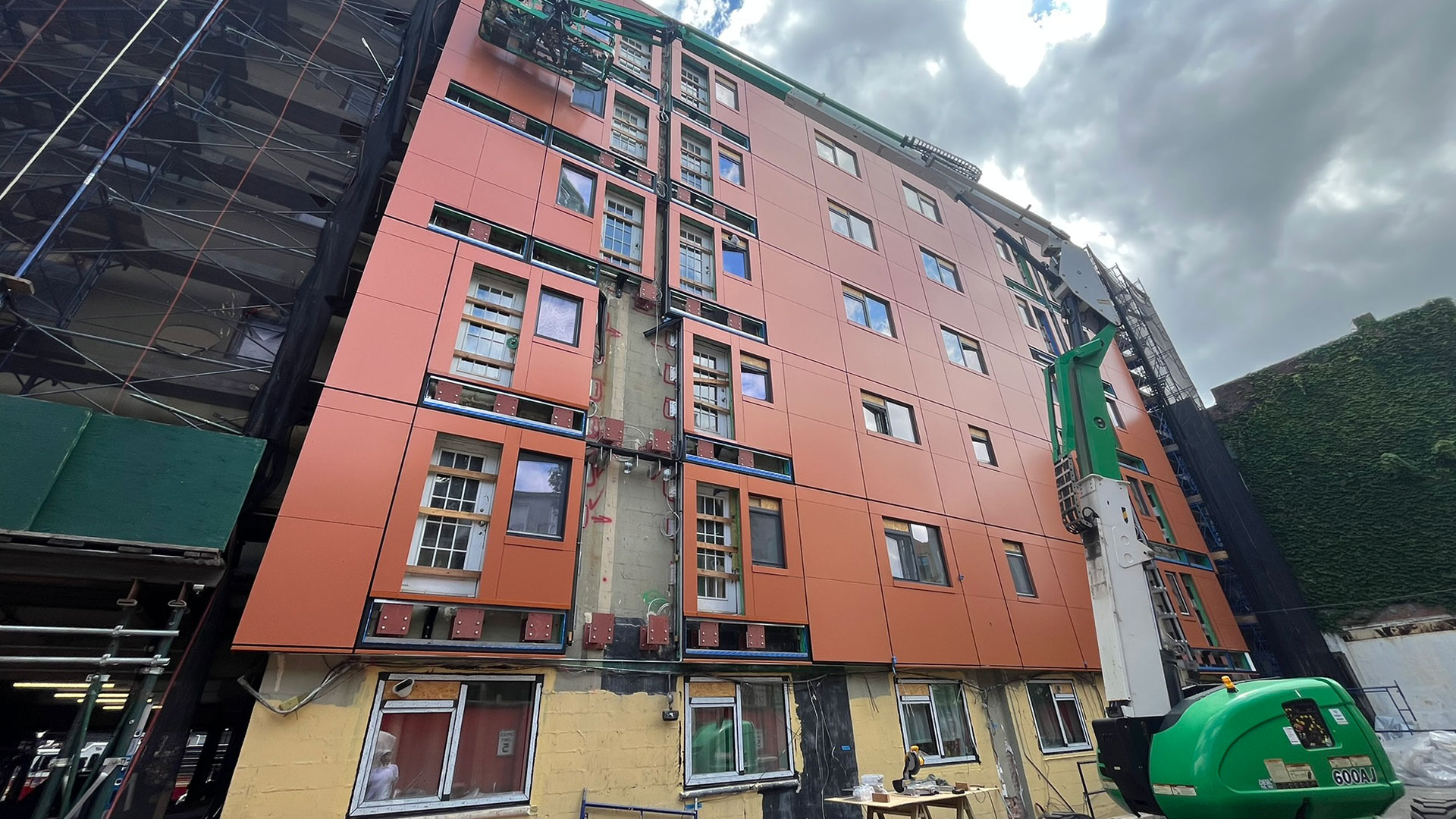
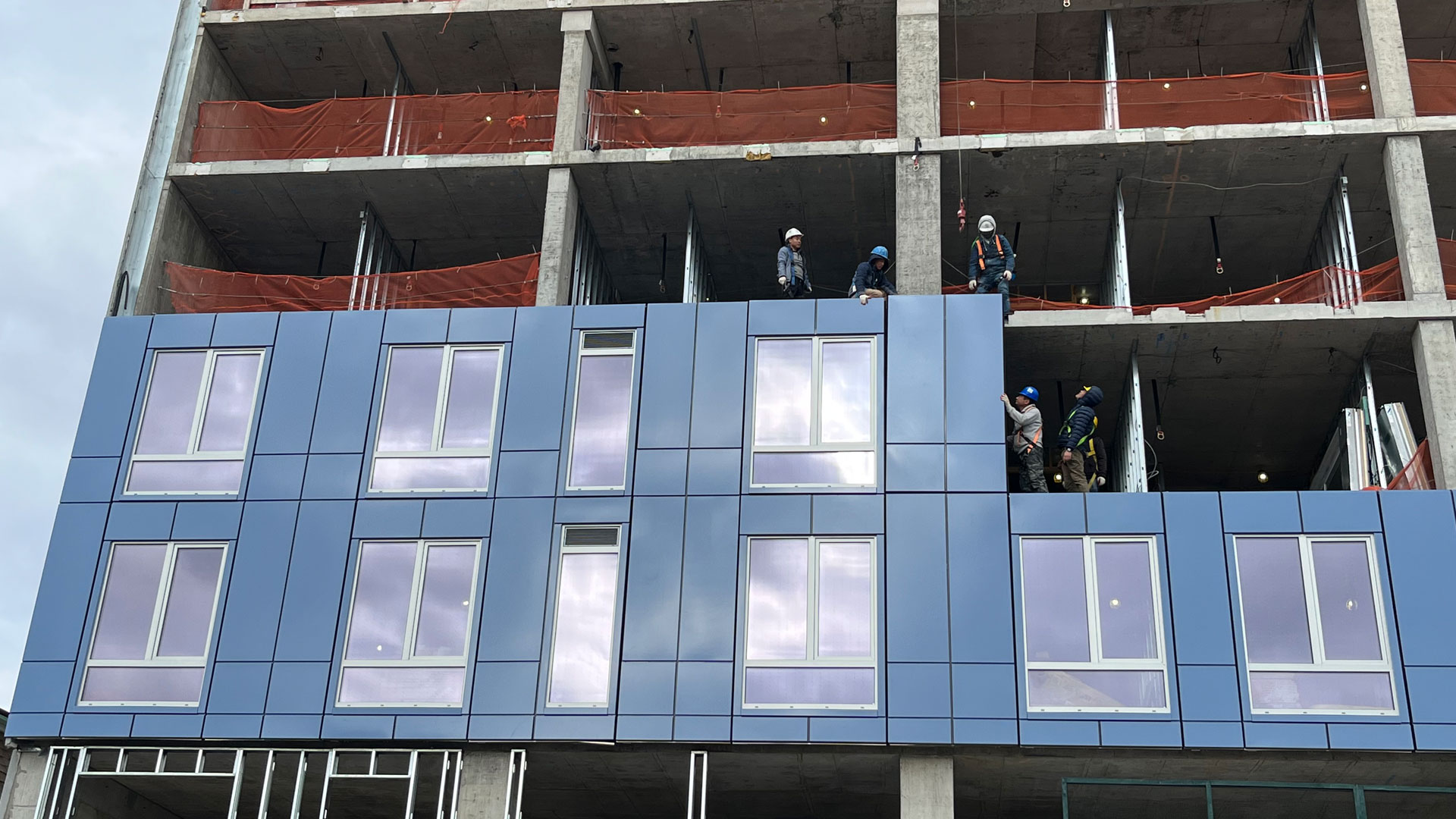
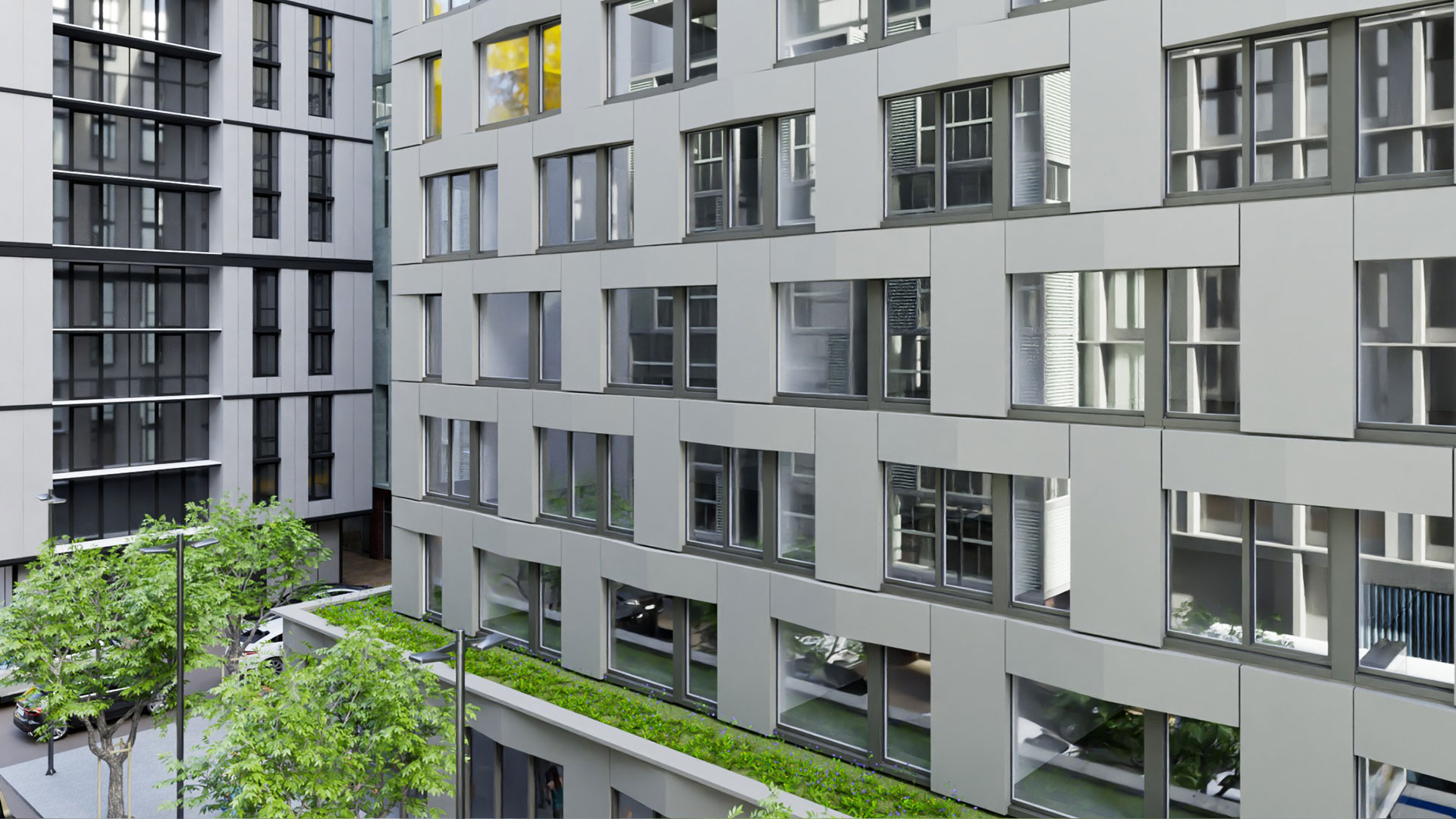
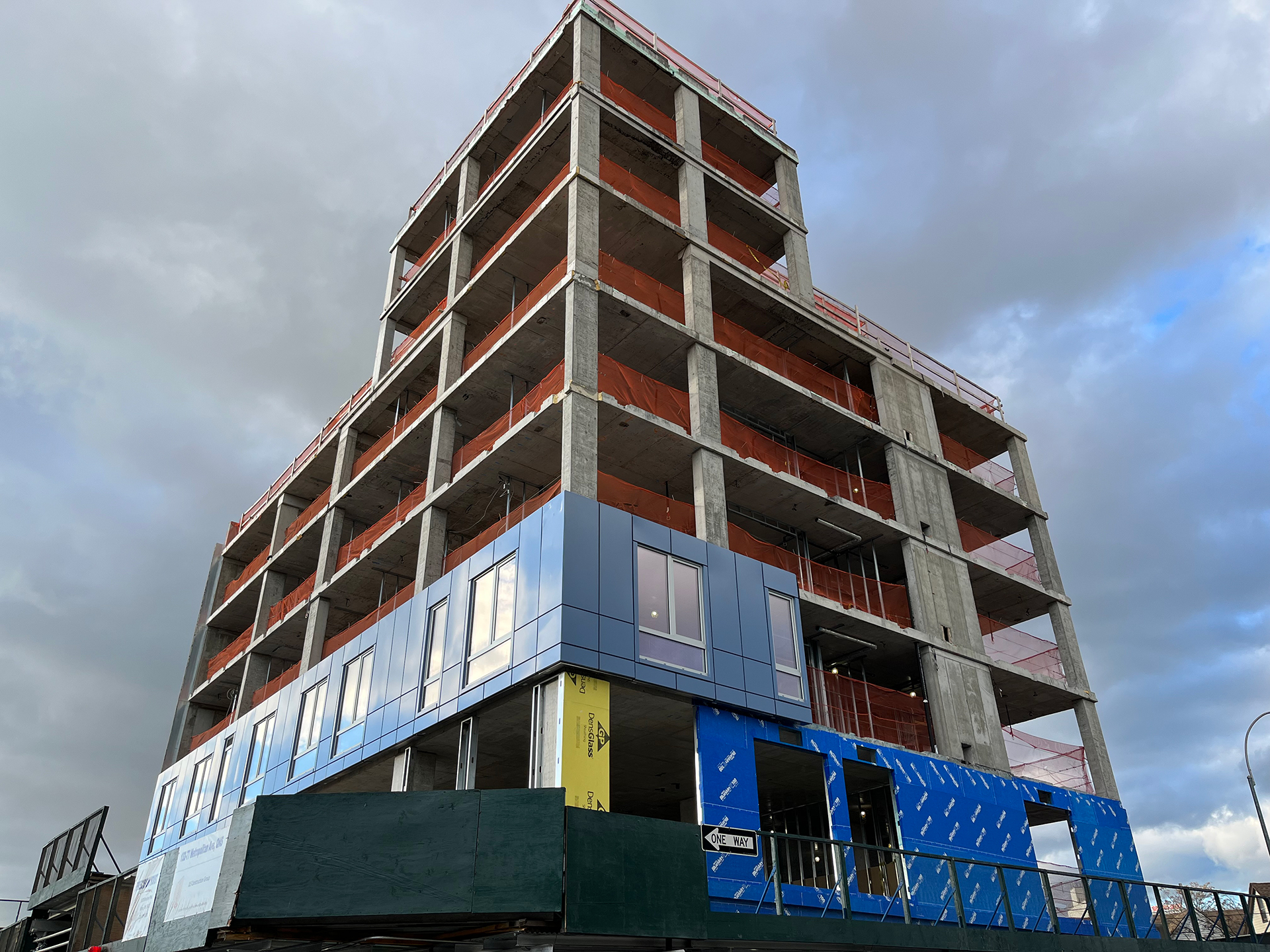
Fire-resistant wall panels are already a niche solution. Dextall takes that niche and turns it into a complete prefabricated exterior wall system of Dextall fire-resistant exterior wall panels: factory-built, unitized modules with structure, non-combustible insulation, sheathing, vapor control, cladding — and, when needed, windows - all in one panel.
Because the panels are produced off-site under controlled conditions, fire performance isn't assembled "by hand" on scaffolding; it's baked into a repeatable product. For urban, code-driven projects, this means a facade that is non-combustible, fast to install, and predictable in quality, instead of a one-off field experiment.
Dextall Fire-Rated Prefab Modules: Build-Up, Ratings and Integration
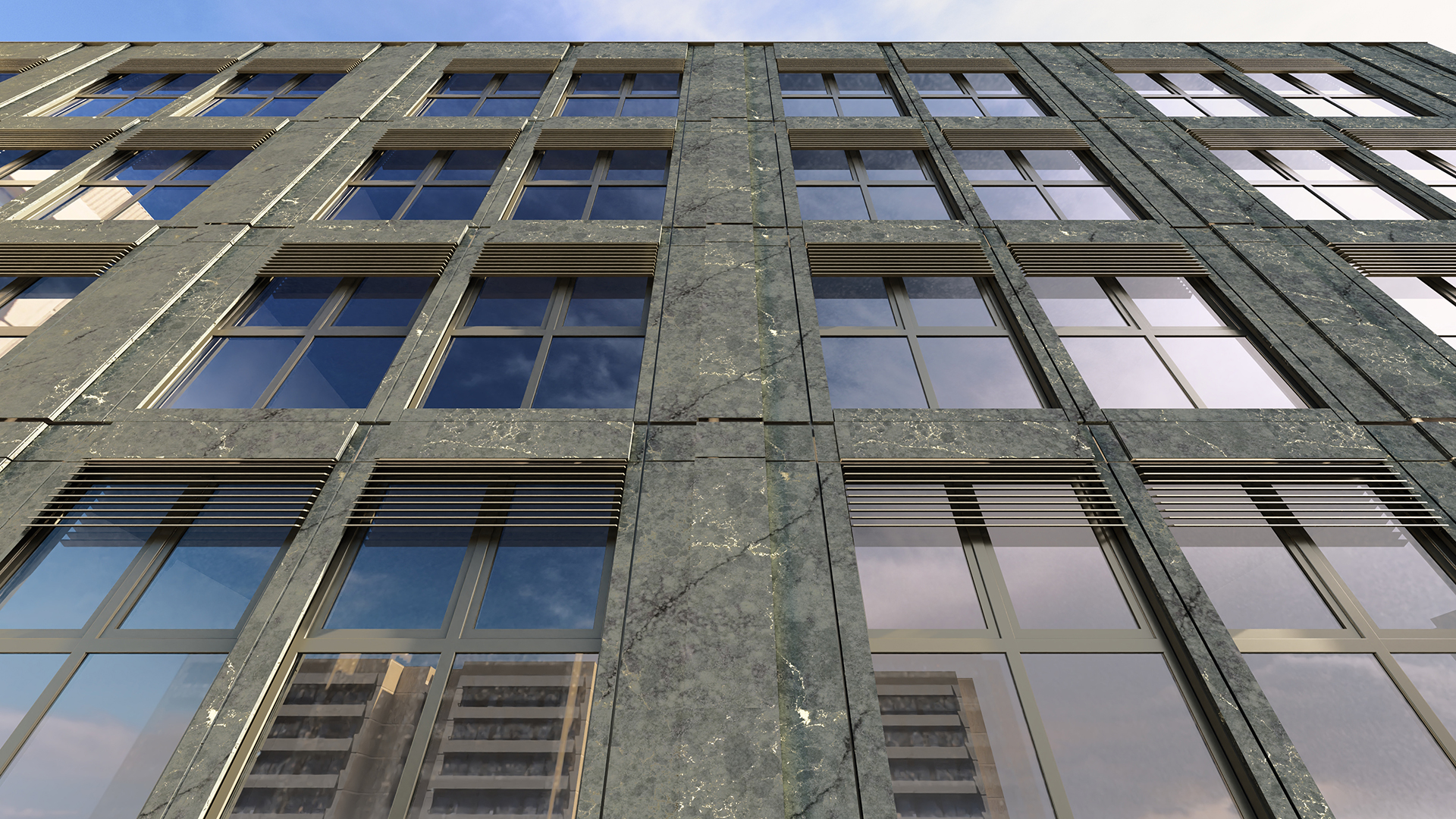
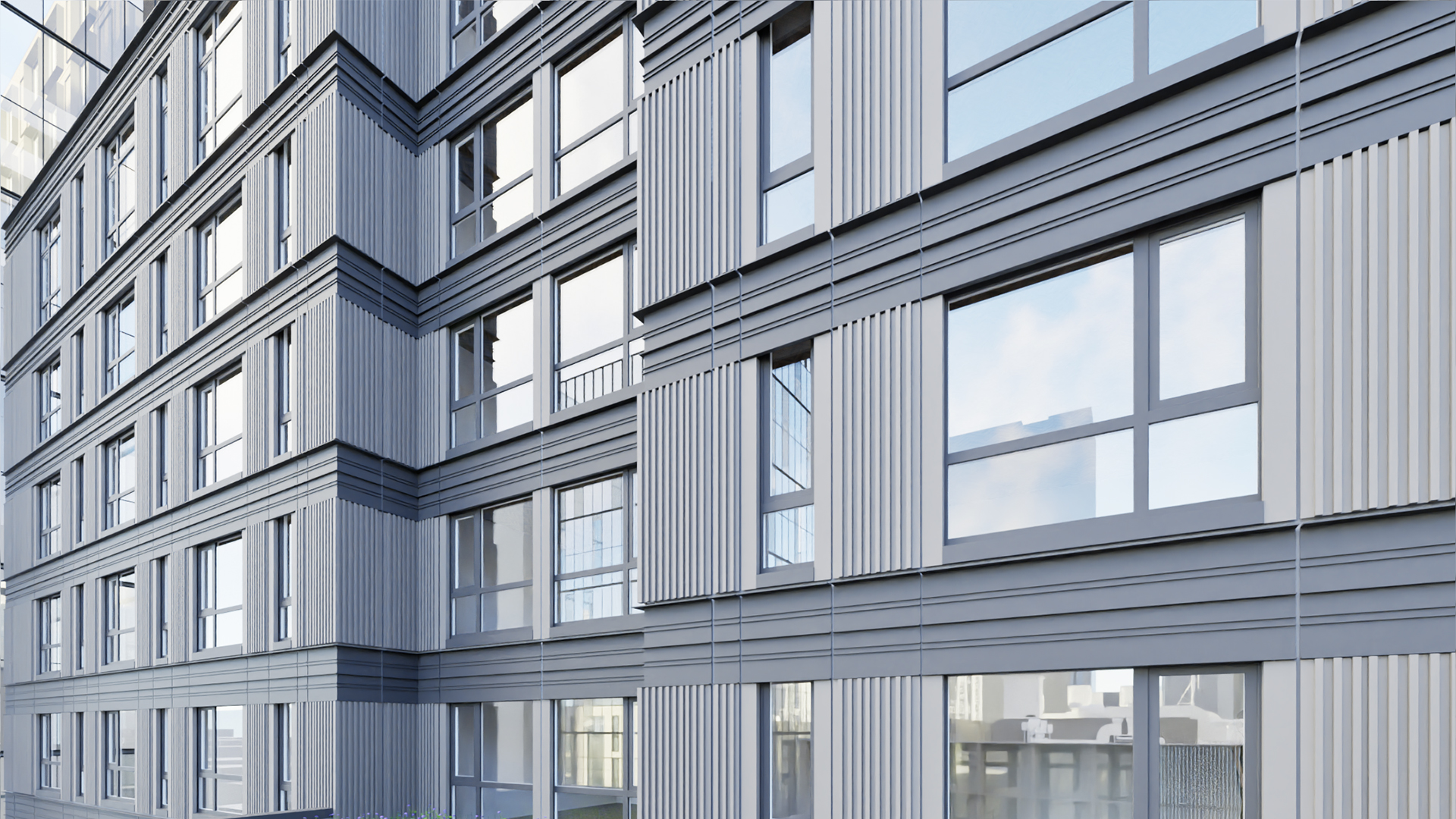
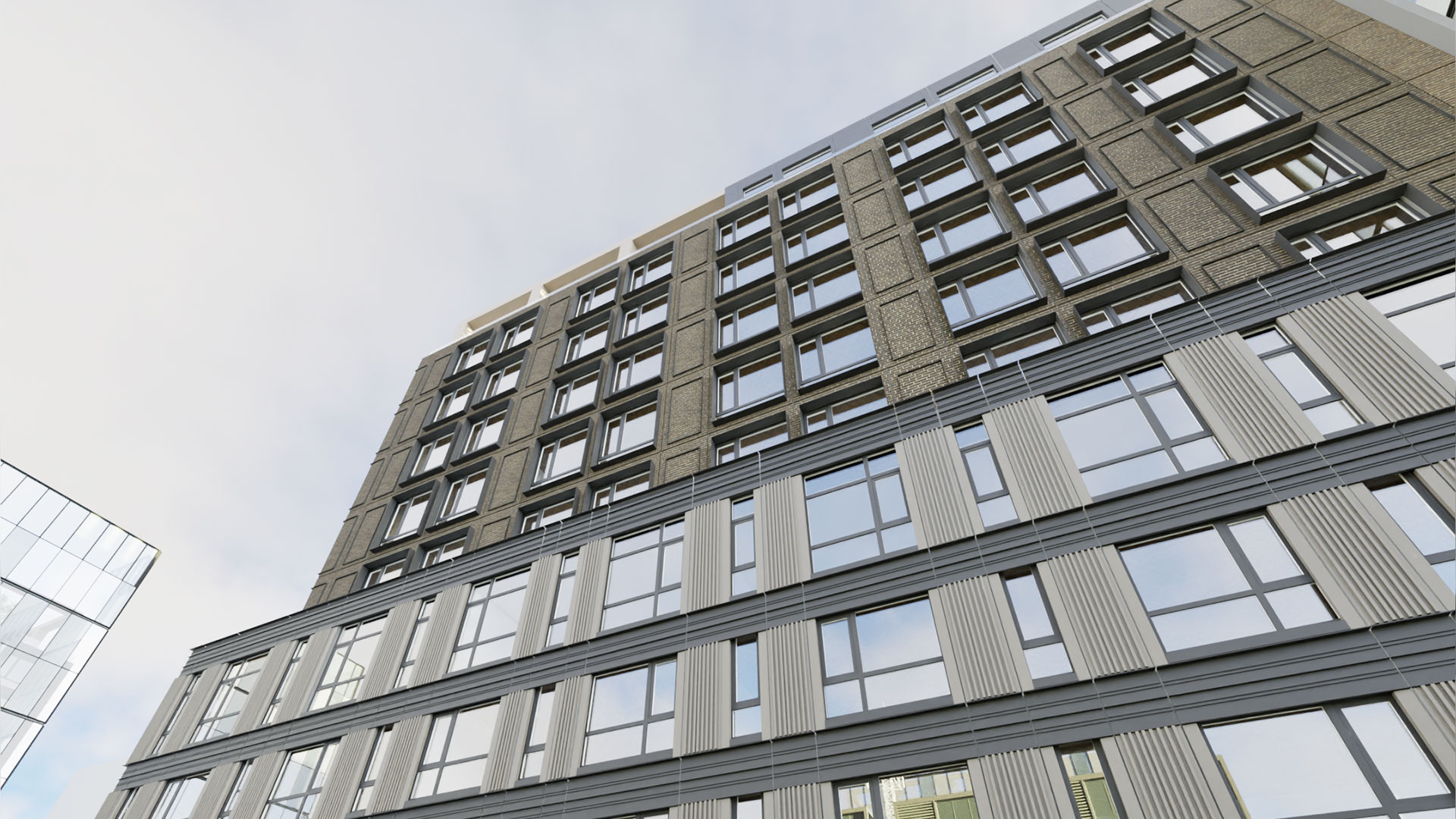
Dextall's modules are built around a light-gauge steel frame with a multi-layer build-up: non-combustible stone wool insulation, vapor-permeable sheathing with weather protection, sheet-metal vapor barrier, rainscreen cladding and high-performance gaskets that create dry, interlocking joints between panels. Many configurations also include factory-installed, steel-reinforced polymer windows in the same panel.
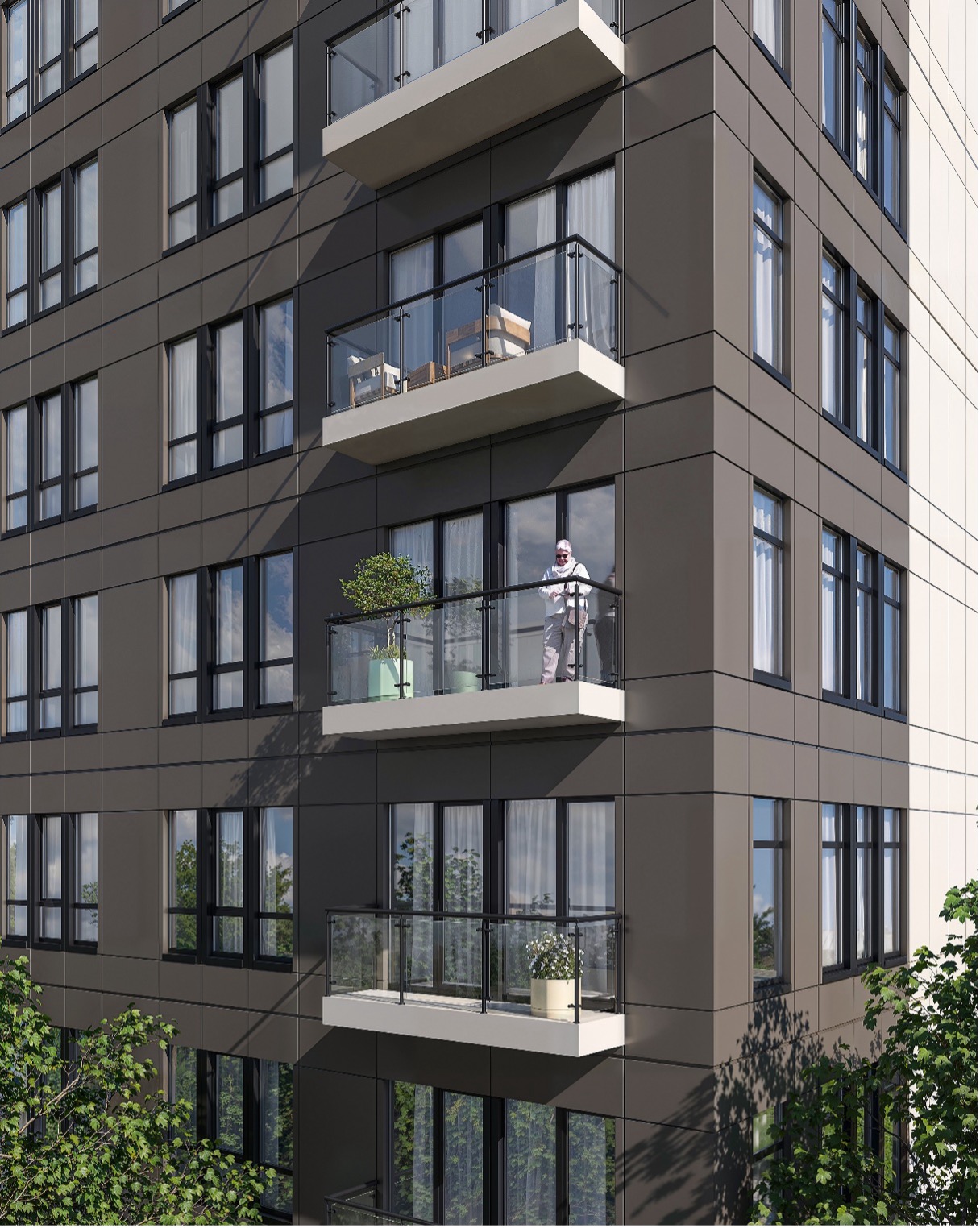
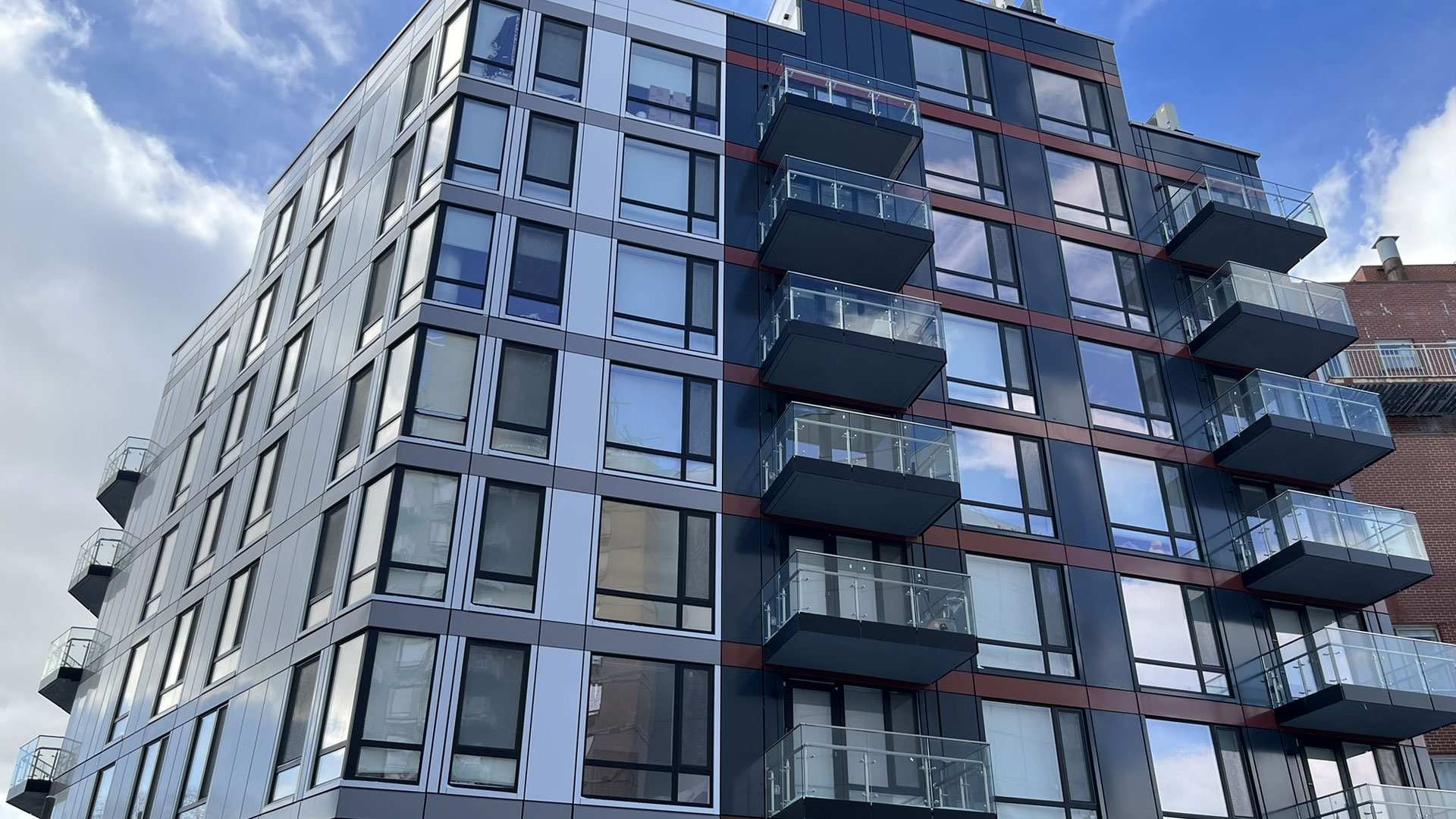
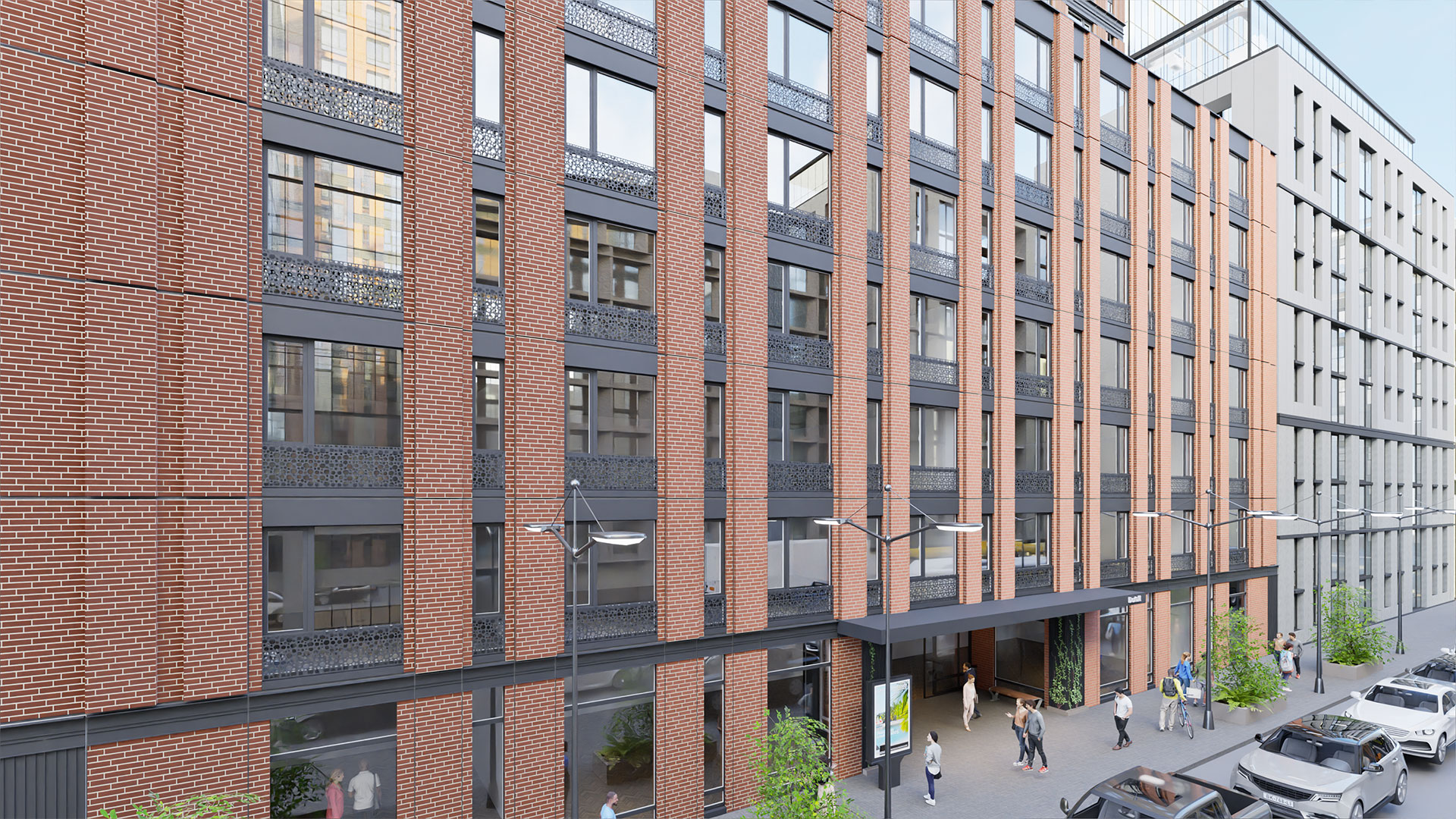
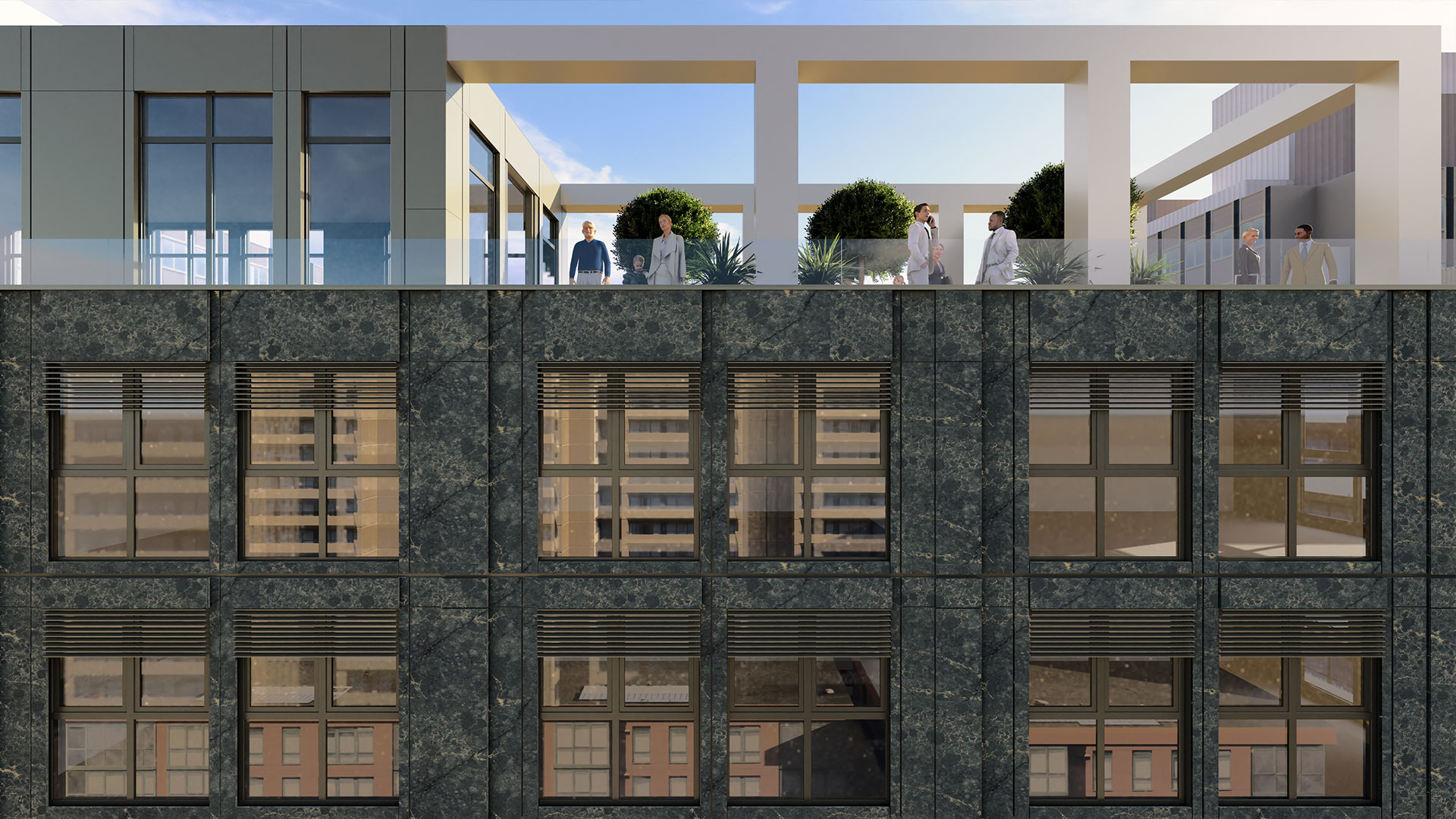
The system is engineered to meet stringent U.S. fire requirements using non-combustible materials and tested exterior wall assemblies, while still giving architects a wide palette of finishes—thin brick, fiber cement, aluminum, ACM, ultracompact surfaces and even BIPV.
In practice, that means Dextall doesn't just offer "panels"; it delivers one of the most streamlined high-performance, fire-conscious envelope solutions for dense, code-driven projects - dropping into the structure with fewer trades, fewer variables, and a much clearer path to both code compliance and schedule certainty.
Fast-Track FAQ: Fire-Resistant Facades & Dextall
What do fire-resistant exterior wall panels do in a fire?
They slow flame spread, cut heat transfer, and help keep fire from reaching adjacent spaces or buildings.
How is a 1-hour wall different from a 2-hour wall?
A 1-hour wall is tested to hold for at least 60 minutes; a 2-hour wall for at least 120. The closer to risk zones (like property lines), the more likely you'll need 2-hour.
Why does fire separation distance matter?
The closer the facade is to the property line, the stricter the code: higher fire ratings and fewer or smaller openings.
What's the danger with joints and penetrations?
Poorly detailed joints, corners, windows, and MEP penetrations can become shortcuts for fire, even if the wall itself is rated.
How does Dextall stand out here?
Dextall delivers factory-built, fire-conscious exterior wall modules where structure, non-combustible layers, and often windows are integrated into one system - making code compliance and installation faster, more predictable, and far easier to standardize across multiple projects.

















.jpeg)


-Compliance-for-NYC-Multifamily-%26-Co-Op-Facades.jpg)


















_format(webp).avif)
_format(webp)%20(6).avif)
_format(webp)%20(5).avif)
_format(webp)%20(4).avif)
_format(webp)%20(2).avif)
_format(webp)%20(3).avif)


.avif)
_format(webp)%20(2).avif)