Energy Code Compliant Wall Systems for Easier Envelope Design

Energy codes have turned exterior wall design into a high-stakes coordination exercise. It's no longer enough to "add more insulation" and move on—teams have to choose the right compliance path, account for real thermal performance (including thermal bridging), and detail continuity for air and moisture control, all while keeping the schedule moving.
This guide breaks down how IECC and ASHRAE 90.1 approach envelope compliance, what terms like U-factor and continuous insulation actually mean in practice, and why "real" assembly performance can differ from what's on paper. We'll also show how pre-engineered wall systems can reduce complexity and help teams reach energy-code targets with fewer design iterations—where Dextall's role is to make compliant envelope design easier, not to overwhelm you with a product pitch.
Making Sense of Energy Codes for Wall Systems
Energy code compliance can feel confusing because it isn't just one checklist—it's a set of rules that change by jurisdiction and can be met in different ways. For wall systems, the code is essentially asking one question: does the exterior enclosure limit heat flow well enough, consistently enough, across the whole building? That means looking beyond the insulation label and focusing on how the entire assembly performs, including corners, slab edges, fasteners, and other details where heat can leak through.
In this section, we'll translate the code language into practical design decisions: how IECC and ASHRAE 90.1 define compliance paths, what "prescriptive" versus "performance" really means for facades, and how thermal bridging and continuous insulation affect the U-values you actually need to hit.
Prescriptive vs. Performance Paths (IECC / ASHRAE)
Energy codes typically let you comply one of two ways: prescriptive (hit specific envelope targets) or performance (prove compliance through energy modeling). Prescriptive is usually quicker because you're meeting defined requirements like wall U-factor and insulation levels. Performance is more flexible, but it demands tighter coordination because the model inputs have to match what's actually detailed and built.
In practice, teams choose prescriptive when the envelope is simple and predictable, and performance when the project needs trade-offs (for example, higher glazing paired with stronger envelope or system efficiency).
Continuous Insulation, Thermal Bridges and Real U-Values
Insulation can look compliant on paper, but reviewers and real performance come down to the effective U-value of the whole assembly. Continuous insulation (CI) helps by keeping the thermal layer more uninterrupted, while thermal bridges—metal studs, slab edges, clips, anchors—create fast paths for heat that can raise U-factor even when nominal R-values seem high.
Where "real" U-values most often get worse is usually in these repeating details:
- slab edges at every floor line
- dense framing zones and metal studs
- frequent cladding attachments (clips/brackets)
- window perimeters and penetrations
Pre-Engineered Energy Code Compliant Wall Systems
Once you understand the code logic, the next challenge is execution: turning U-factor targets and "continuous insulation" intent into a wall design that's coordinated, buildable, and easy to document. That's where pre-engineered wall systems can change the game—because they reduce the number of unknowns that usually cause last-minute redesigns, RFIs, and "why doesn't this match the model?" surprises.
How Pre-Engineered Wall Systems Simplify Energy Code Design
Pre-engineered systems simplify compliance by treating the enclosure as a repeatable assembly rather than a one-off collection of details. Instead of re-solving the same junctions across dozens of sheets, teams work from coordinated, tested, and consistently detailed components—so thermal performance is easier to predict and harder to accidentally undermine during constructability changes.
Where it typically saves the most effort is in the "small" stuff that adds up fast:
- fewer thermal unknowns because assemblies are standardized and repeatable
- cleaner control of thermal bridges at typical connections and floor lines
- faster documentation since the compliance story is tied to defined assemblies, not improvised details
- fewer late-stage coordination clashes between envelope performance, structure, and installation sequencing
Where Dextall Fits in the Energy Code Landscape
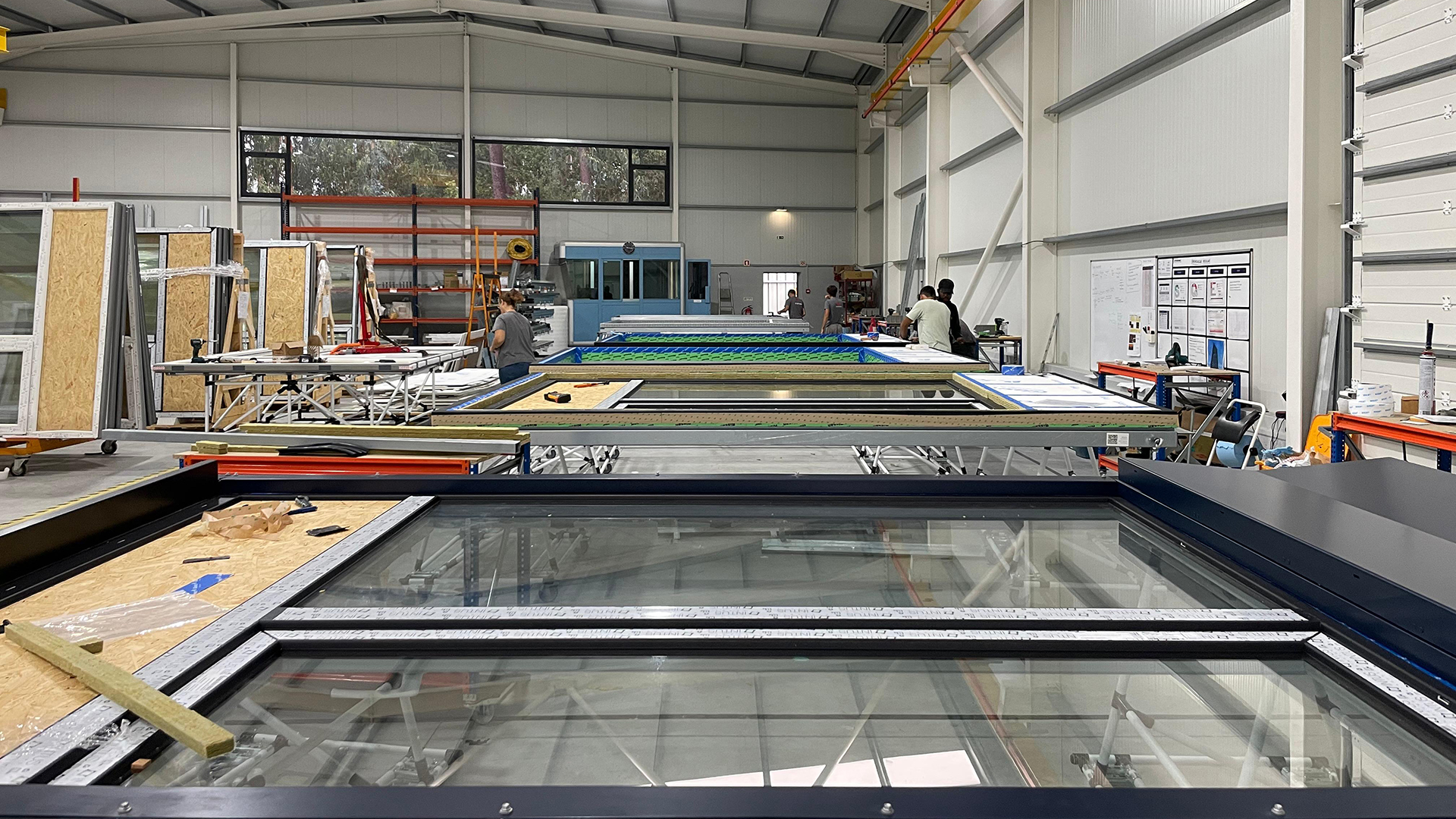
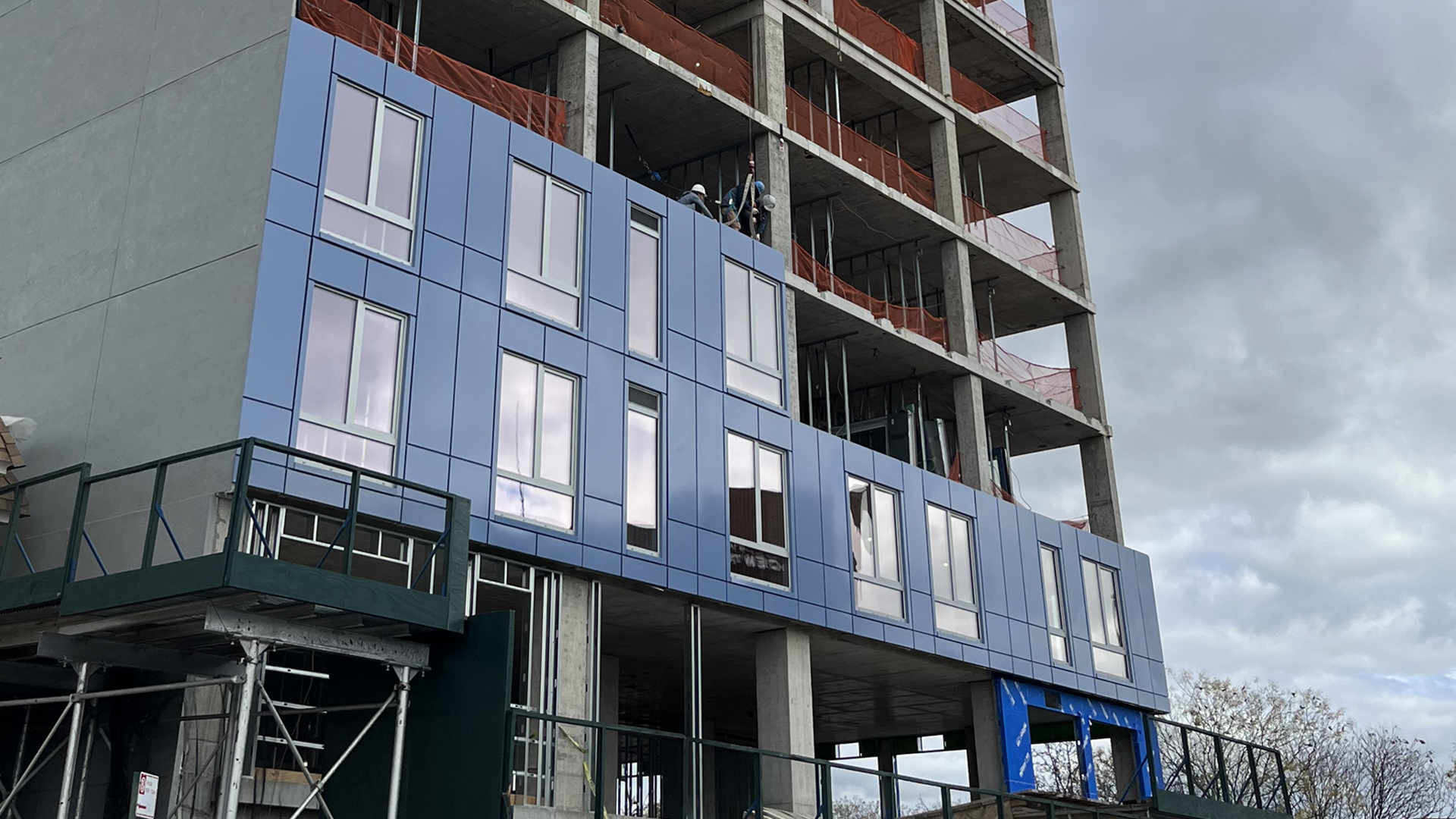
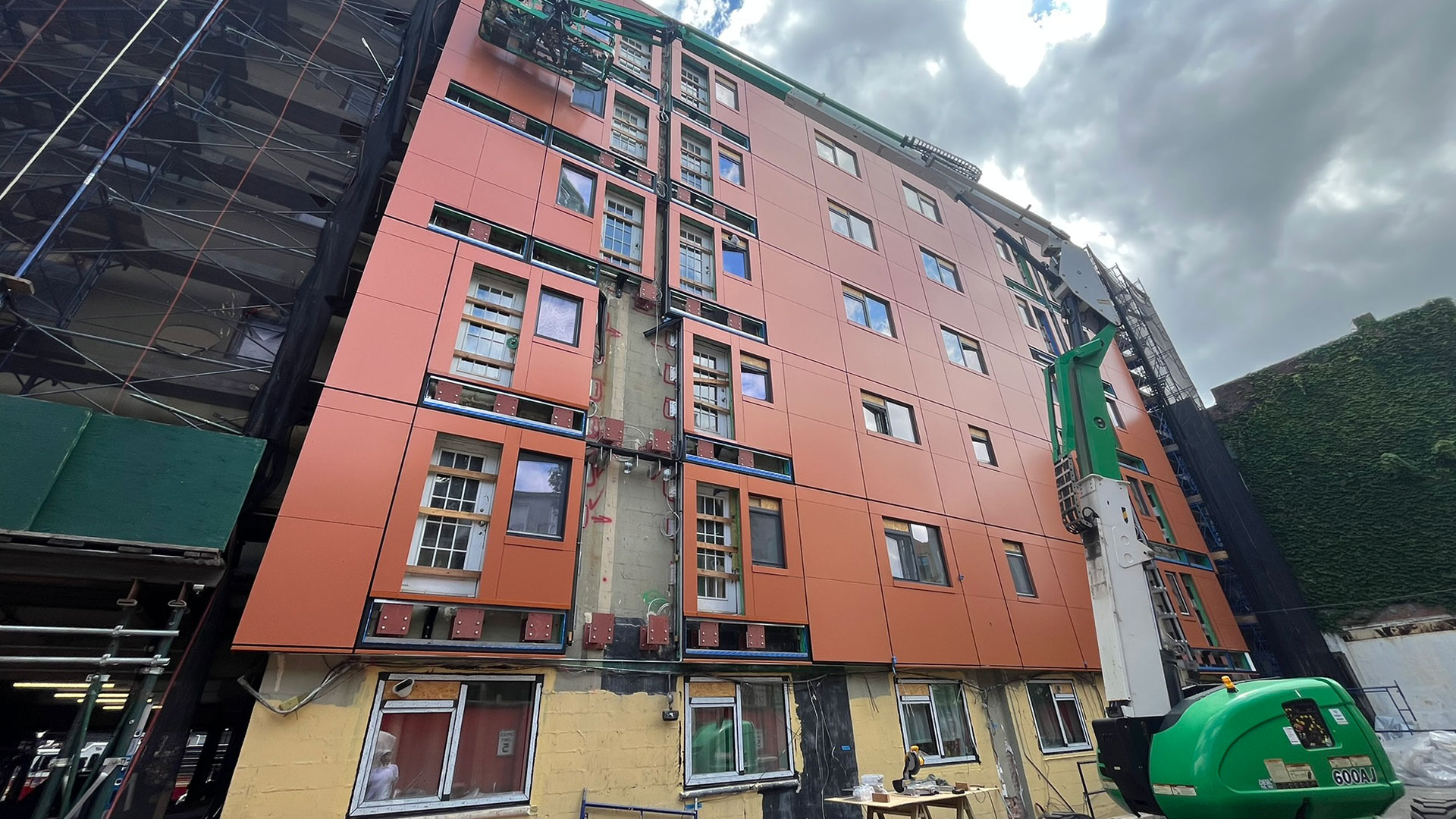
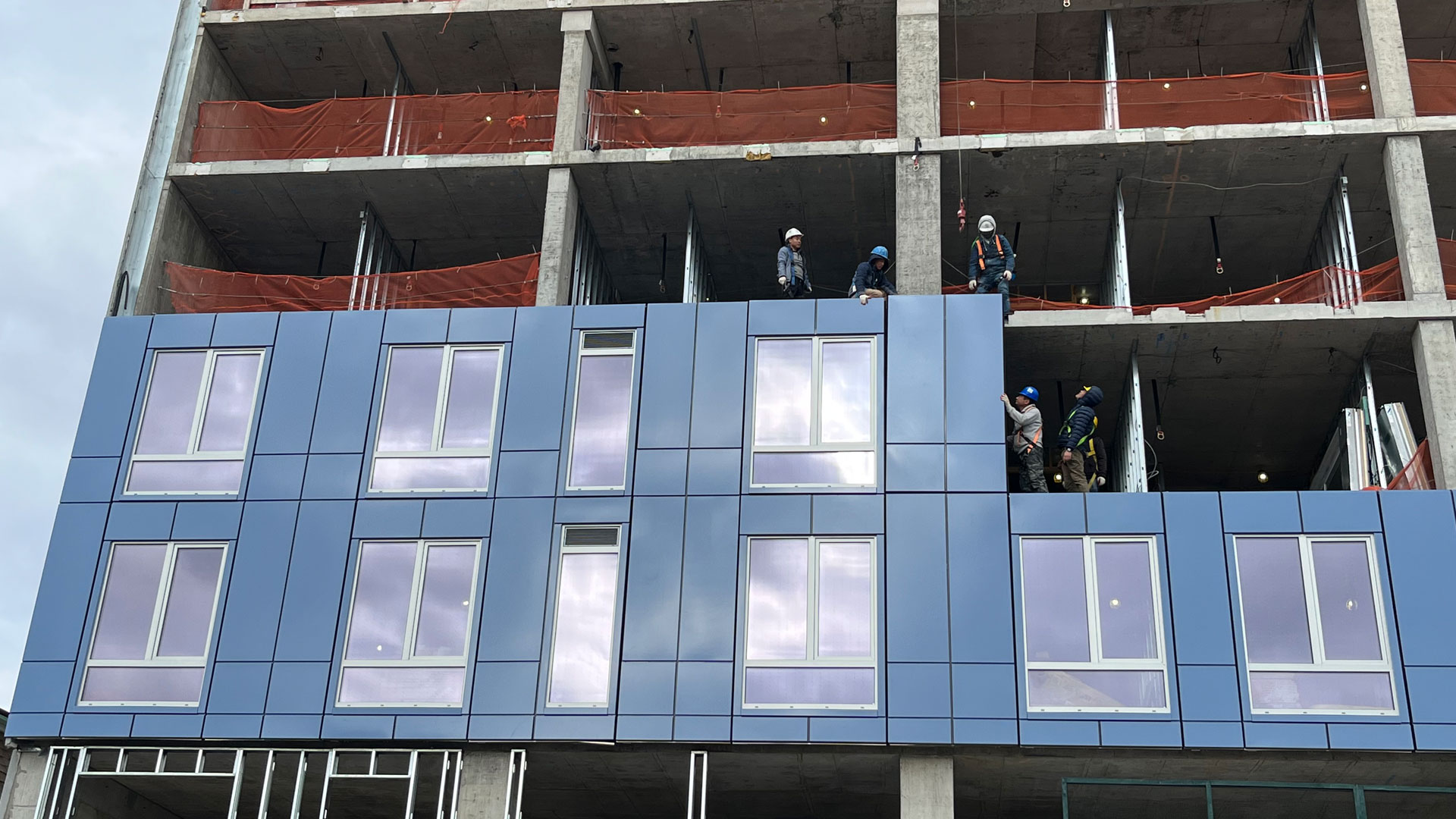
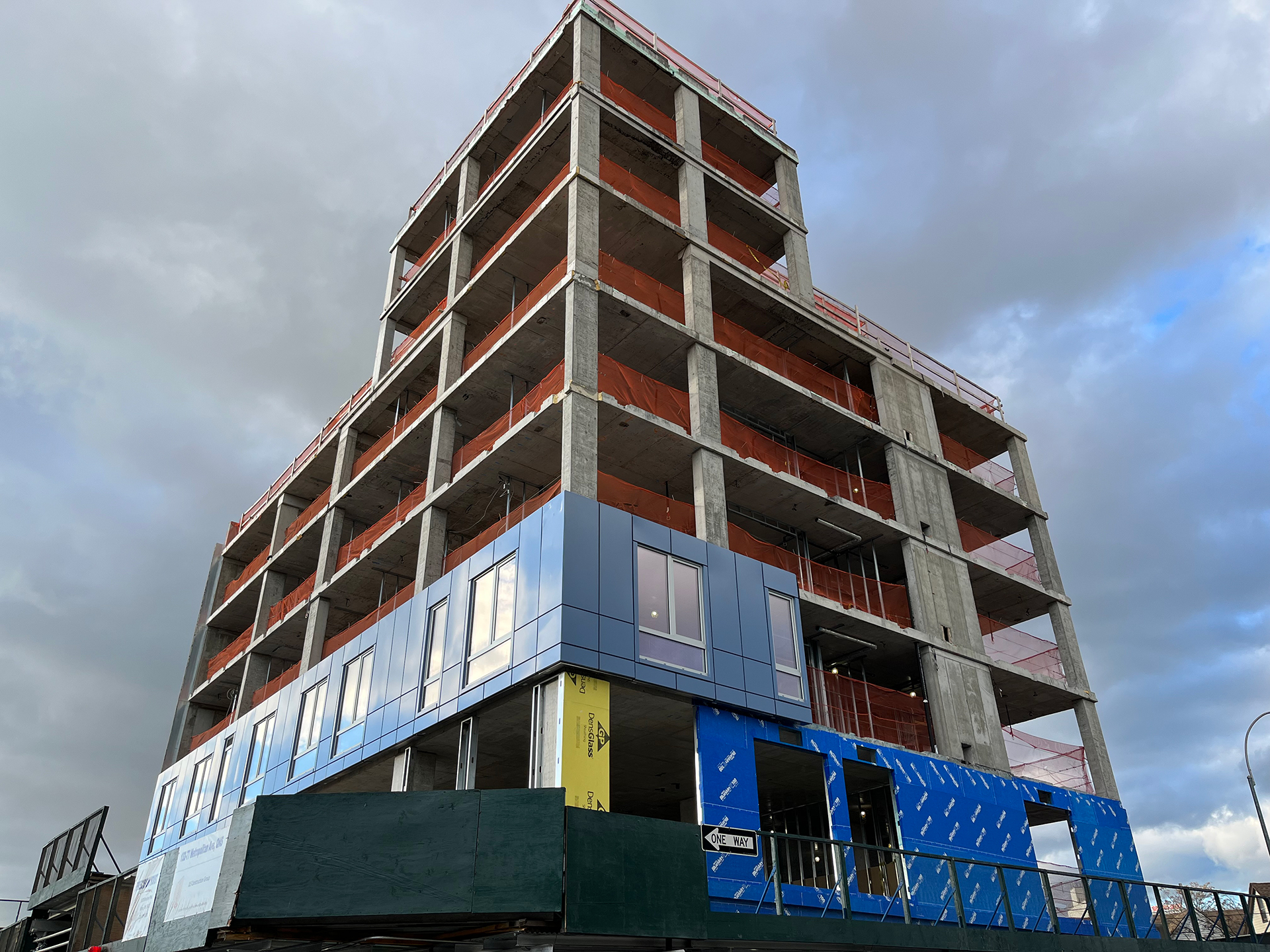
Dextall sits in this space as an enclosure simplifier: their core offering is factory-built, unitized prefabricated exterior wall panels designed to integrate key layers—such as windows, insulation, and cladding components—into a single panelized system. This approach supports energy-code thinking because it encourages teams to design around a coordinated "whole-assembly" solution instead of piecing performance together in the field.
On the workflow side, Dextall also positions Dextall Studio as a bridge between design and construction, emphasizing early feedback (including cost visibility from the start) and a more connected path from concept through execution.
In other words, rather than replacing the code conversation, Dextall aims to make it easier to carry code intent—thermal continuity, predictable assembly behavior, and consistent detailing—through the full facade process without turning the article into a product brochure.
The 5 Envelope Questions That Matter Most
Prescriptive or performance—which is easier?
Prescriptive is usually faster; performance is more flexible but needs tighter coordination and modeling.
Why can a "high R-value" wall still miss the mark?
Because compliance and real performance track the effective U-value, and thermal bridges can raise it.
Where do thermal bridges hurt most?
At repeating details: slab edges at every floor, frequent metal attachments, dense framing zones, and window perimeters.
Is continuous insulation just "more insulation"?
No—CI is about keeping the thermal layer uninterrupted so heat can't shortcut through the structure.
How do pre-engineered systems (and Dextall) help?
They reduce uncertainty with repeatable assemblies that are easier to coordinate and document; Dextall's factory-built, unitized panel approach is positioned to simplify the envelope workflow.



































.jpeg)

-Compliance-for-NYC-Multifamily-%26-Co-Op-Facades.jpg)































_format(webp).avif)
_format(webp)%20(6).avif)
_format(webp)%20(5).avif)
_format(webp)%20(4).avif)
_format(webp)%20(2).avif)
_format(webp)%20(3).avif)


.avif)
_format(webp)%20(2).avif)