Empire State Building Retrofit: How the World's Most Famous Skyscraper Proves Every Building Can Decarbonize
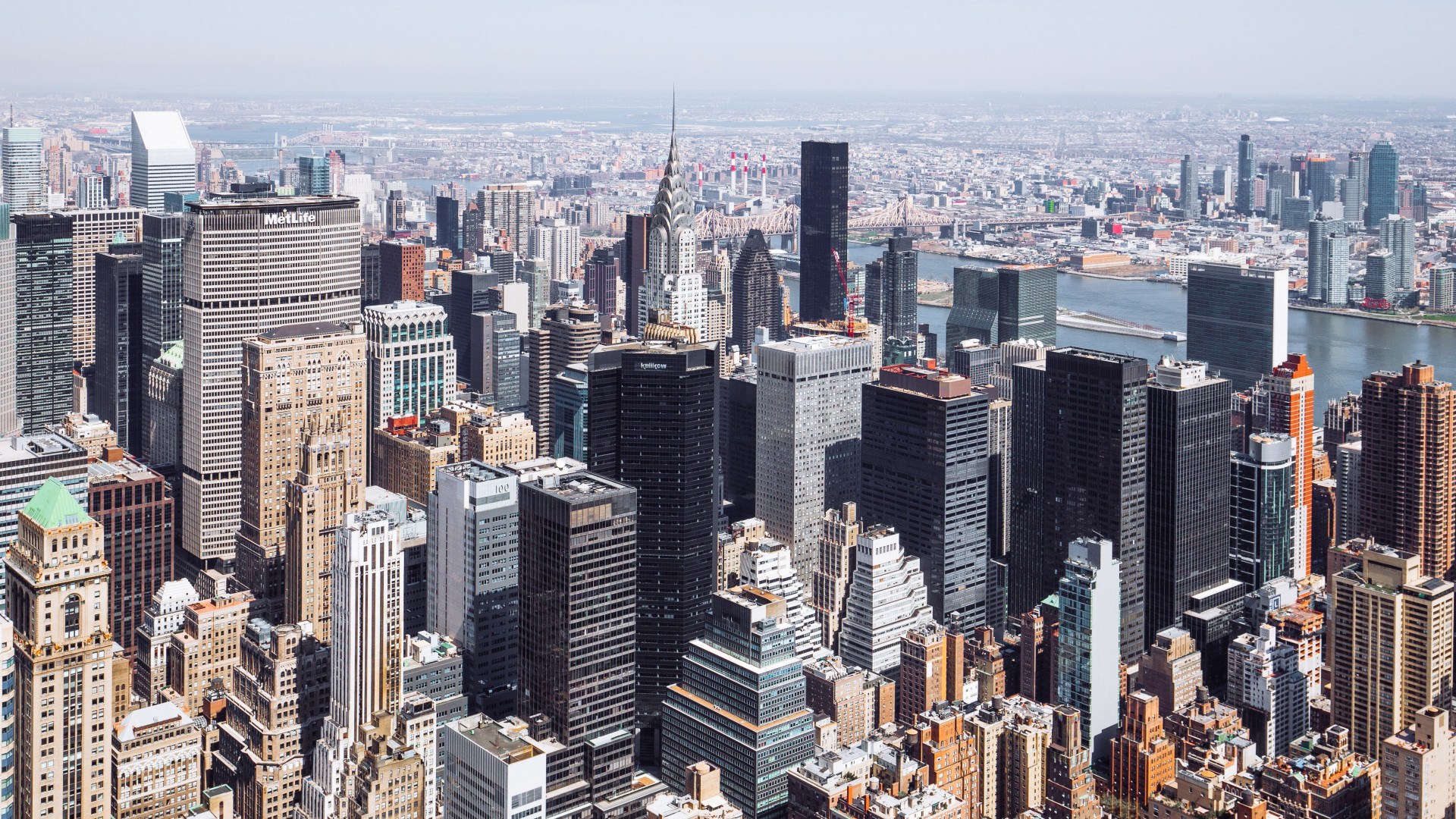
Six thousand five hundred and fourteen windows. That's how many the team had to rebuild inside the Empire State Building—in a makeshift production facility on the fifth floor, while thousands of office workers continued their routines above. The result: a 54% reduction in CO₂ emissions from the 2007 baseline, $5.86 million in annual savings, and full payback in three years. For a 102-story building erected during the Great Depression in 1931, those numbers demolished the assumption that old buildings aren't worth investing in for energy efficiency.
The real impact extends far beyond a single building. In New York City, buildings generate 70% of emissions. Local Law 97 sets mandatory carbon emission limits for buildings over 25,000 square feet—with penalties of $268 per excess ton of CO₂. Without the retrofit, the Empire State Building would face over $2.49 million in annual fines. Instead, it became an international model for building envelope retrofits, demonstrating an approach that scales from iconic skyscrapers to mid-rise residential complexes across the country.
What Makes the Empire State Building Retrofit Notable
The numbers are compelling on their own. The Empire State Building encompasses 2.85 million square feet of commercial space across 102 floors, with its own ZIP code and thousands of daily visitors. In 2009, Empire State Realty Trust (ESRT) added $31.1 million to already-planned renovations, launching one of the most successful deep energy retrofits in the world. Eight separate measures—from windows to chillers, radiator insulation to building management systems—together delivered a guaranteed 38% reduction in energy consumption. In practice, results exceeded projections every year since implementation.
ESRT has now moved beyond the first phase. ESB 2.0 is a comprehensive plan to reach net zero for the Empire State Building by 2030 and for ESRT's entire 10.1 million square foot portfolio by 2035. The team analyzed over 200 energy and carbon conservation measures, narrowing them to 60 and organizing them into five packages of varying ambition. The selected CO₂ Mid Reduction Package projects a 40% reduction in energy use intensity and 75% carbon reduction from the 2019 baseline by 2035.
Perhaps most importantly, ESRT made its approach open-source. The Empire Building Playbook, created in partnership with NYSERDA, the Clinton Global Initiative, and Buro Happold, provides step-by-step instructions for decarbonizing large buildings. Free and uncopyrighted. As Dana Robbins Schneider, ESRT's director of energy and ESG, noted: if it can be done at the Empire State Building, where countless constraints exist, then other building owners can do it in their own buildings across New York.
The Window Innovation That Changed Everything
Windows are the weak point in almost every older building. The Empire State Building's 6,514 double-hung windows, installed just 14 years before the retrofit, had already lost the inert gas between panes—and with it, their insulating properties. Replacing them with new windows would cost approximately $2,500 per window—$16.3 million total. The team chose a different path.
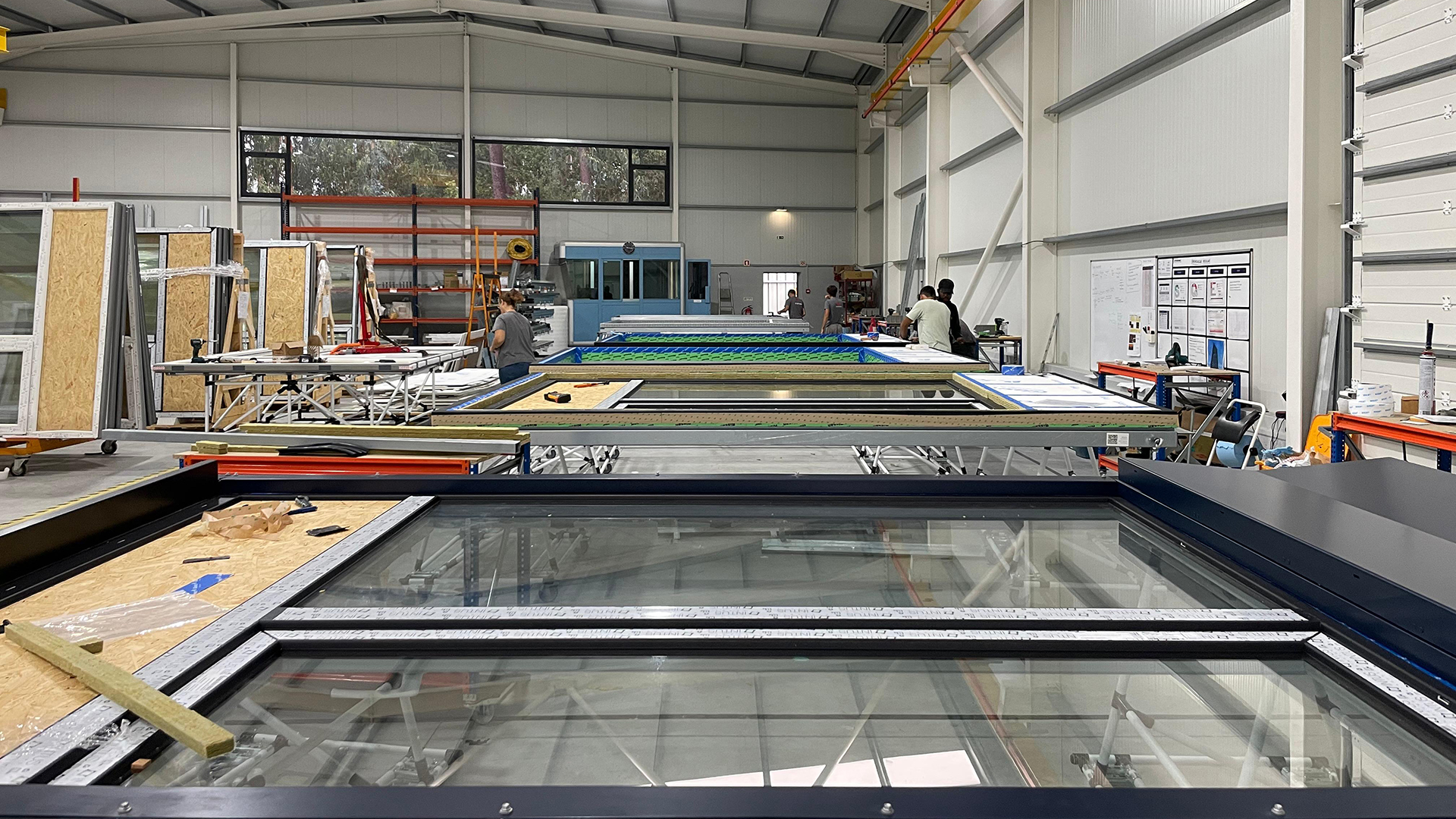
Serious Materials set up a manufacturing workshop right on the building's fifth floor. Workers removed old frames, disassembled the glass, cleaned and inspected every pane. Then they assembled new super-insulating glass units: between two original glass panes, they installed new spacers, a suspended low-emissivity film, and pumped in a mixture of argon and krypton gas. Effectively creating triple glazing while preserving original thickness and weight. R-value jumped from R-2 to R-8—a fourfold improvement. Solar heat gain dropped by more than 50%.
Cost? $700 per window—less than a third of full replacement. Annual savings from windows alone: over $400,000. The entire process took seven months—three months ahead of schedule. Crews worked overnight: removing sashes in the evening and installing temporary windows by morning. Tenants noticed nothing. This approach—on-site manufacturing in an occupied building—proved that large-scale building envelope retrofits don't require evacuating occupants.
From Steam to Heat Pumps: The Next Frontier
The first phase addressed the envelope. The second tackles building systems. The Empire State Building—like hundreds of other large Manhattan buildings—receives heat from the city's centralized steam network. Steam runs cleaner than gas in the short term, but reaching net zero requires electrification through heat pumps.
ESRT is already installing hydronic heat recovery systems at the Empire State Building—including steam condensate recovery and water-to-water heat pumps to capture waste thermal energy. Pilot projects with energy recovery ventilators run across several floors, reducing ventilation energy consumption. Each measure gets tested before scaling to the full building and portfolio.
The Empire Building Challenge—a $50 million NYSERDA program—funds these pilots. Ten of New York's largest real estate owners, controlling 127 million square feet, are collectively searching for pathways to decarbonize tall buildings in cold climates. The challenge isn't trivial: below 10°F, even cold-climate heat pumps push against efficiency limits. The solution is a phased approach: first reduce thermal loads through envelope improvements, then gradually shift systems to electricity while synchronizing with New York State's grid decarbonization timeline.
Lessons for Building Owners: Why the Envelope Comes First
The first and most important lesson from the ESB: start with the building envelope. As Tony Malkin, ESRT's CEO, put it: "When you look at energy savings, start with the building envelope before you work on mechanical systems." By improving windows and insulation, the building reduced cooling loads enough to avoid a costly chiller plant replacement. The envelope-first approach lowered total retrofit cost and accelerated payback.
Second lesson: phased implementation works better than one-time capital overhaul. ESRT didn't try to decarbonize the building in a single stroke. Instead, they developed a strategic 15-year roadmap where each measure pays for itself, and new measures get added as technologies mature and costs decline. This Resource Efficient Electrification (REE) approach optimizes across time and space, finding new solutions to hard problems.
Local Law 97 transforms these lessons from theoretical to mandatory. Without the 2009 retrofit, the Empire State Building would have exceeded the 2024 limit by 9,293 tons of CO₂—a $2.49 million annual penalty. The 2030-2035 limits tighten dramatically. The Urban Green Council estimates NYC needs $20 billion in retrofit investments to meet 2030 requirements—a thirteenfold increase from current spending. For owners who delay, penalties can reach millions.
How Dextall's Approach Extends the ESB Retrofit Logic
The Empire State Building proved the concept: envelope retrofit in an occupied building is feasible, profitable, and scalable. But it also revealed the limitations of on-site production. A fifth-floor workshop worked brilliantly for reassembling existing glass, yet fully replacing a facade system—with insulation, windows, and cladding—demands a different approach.
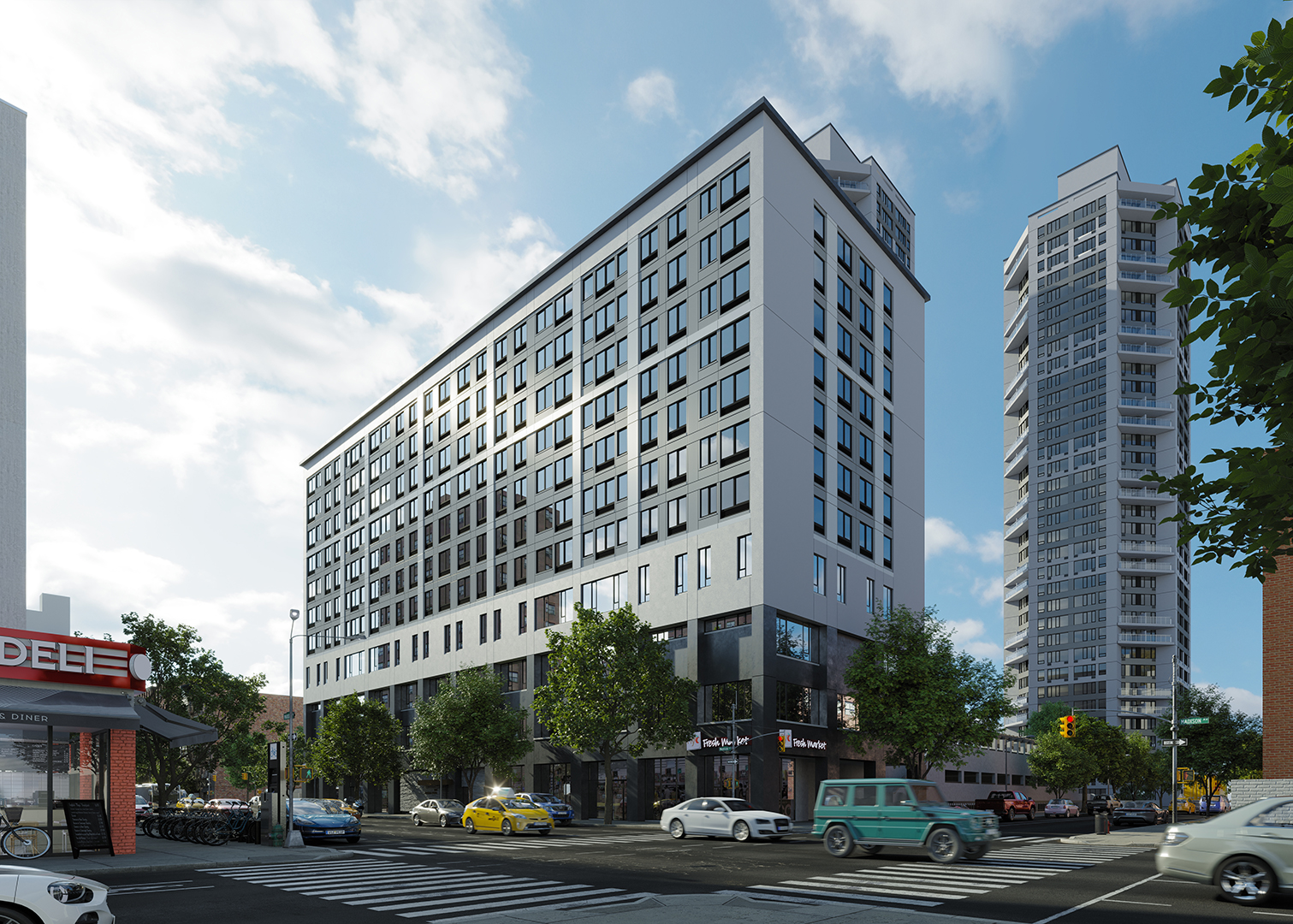
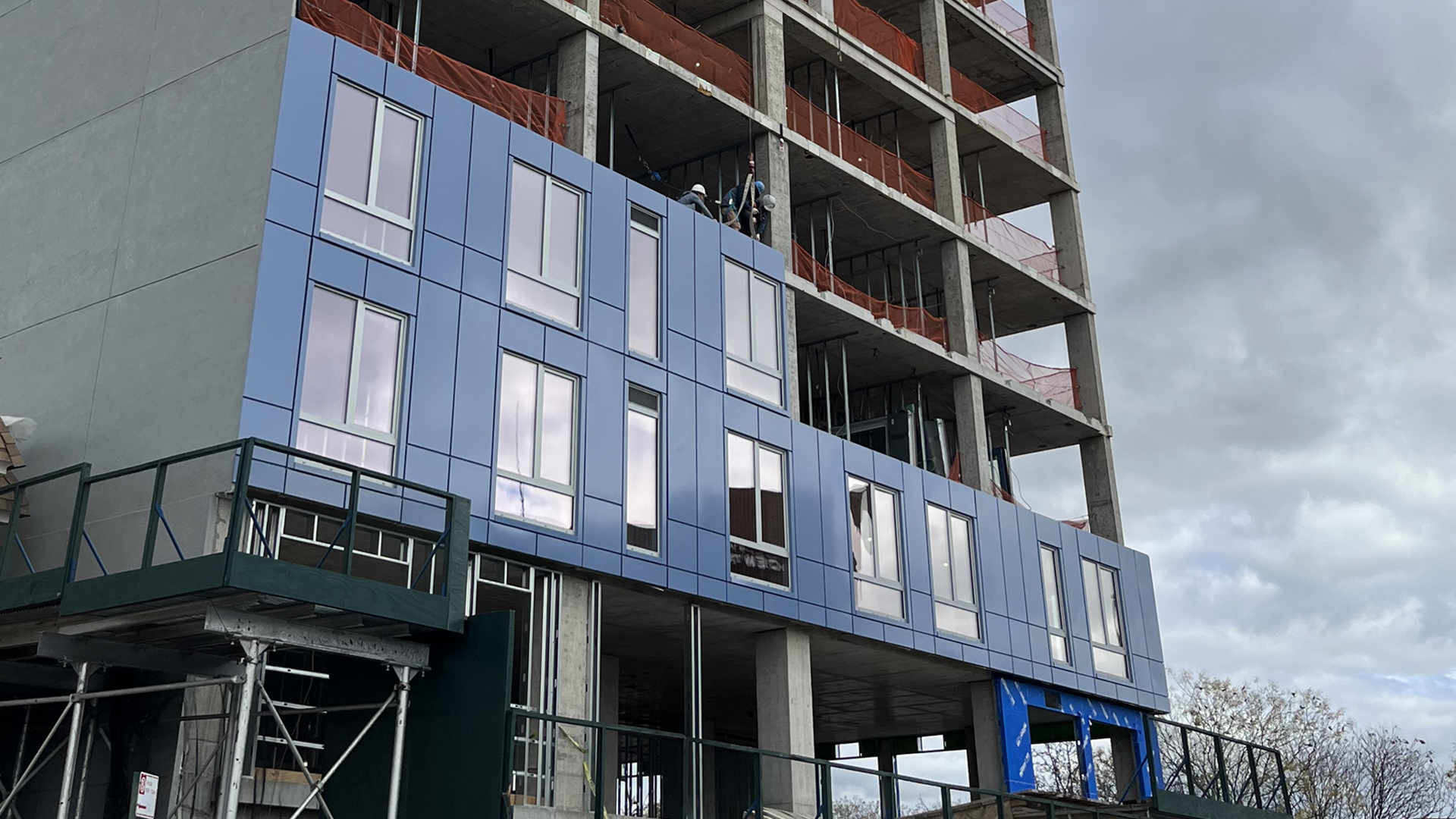
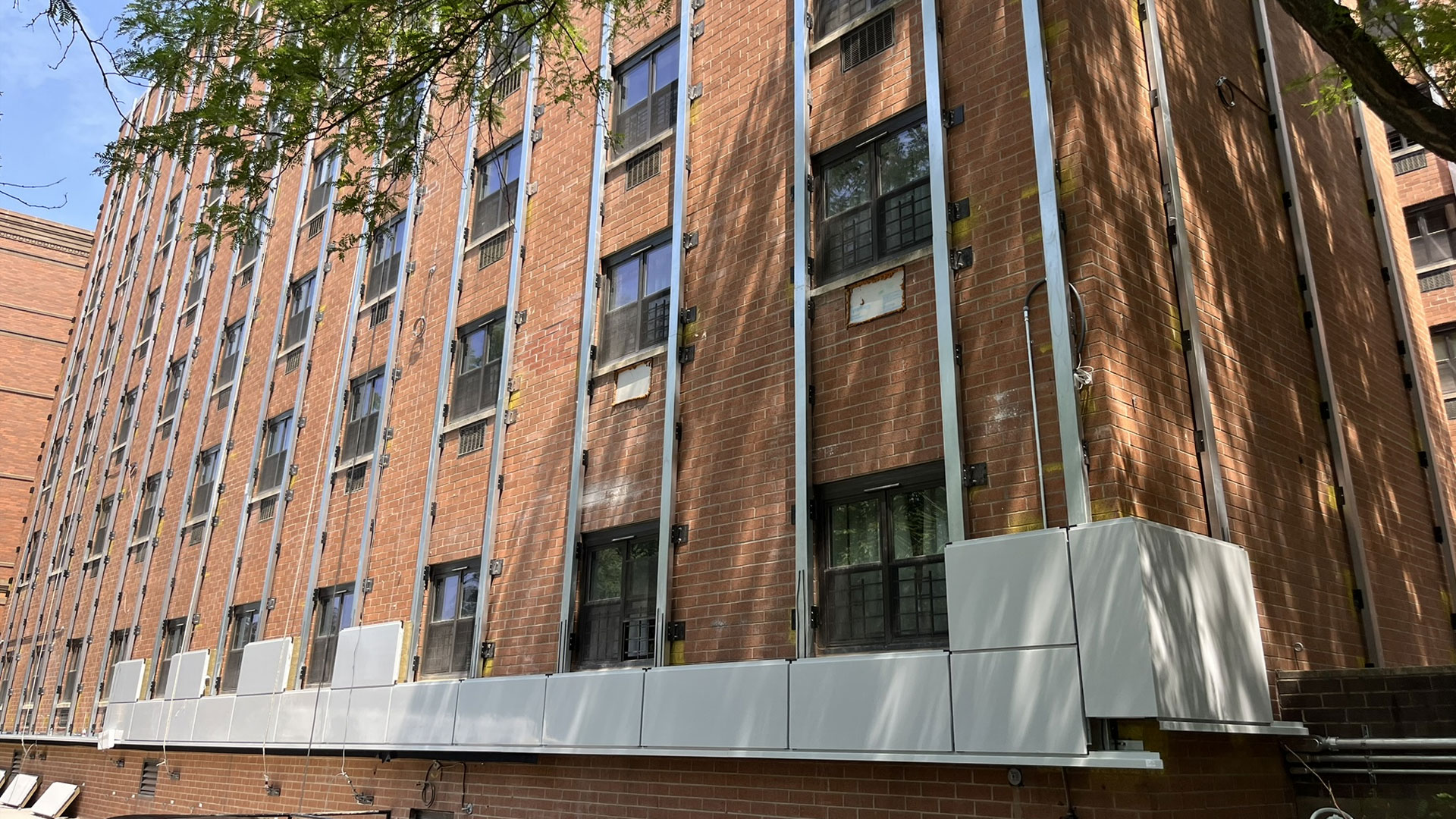
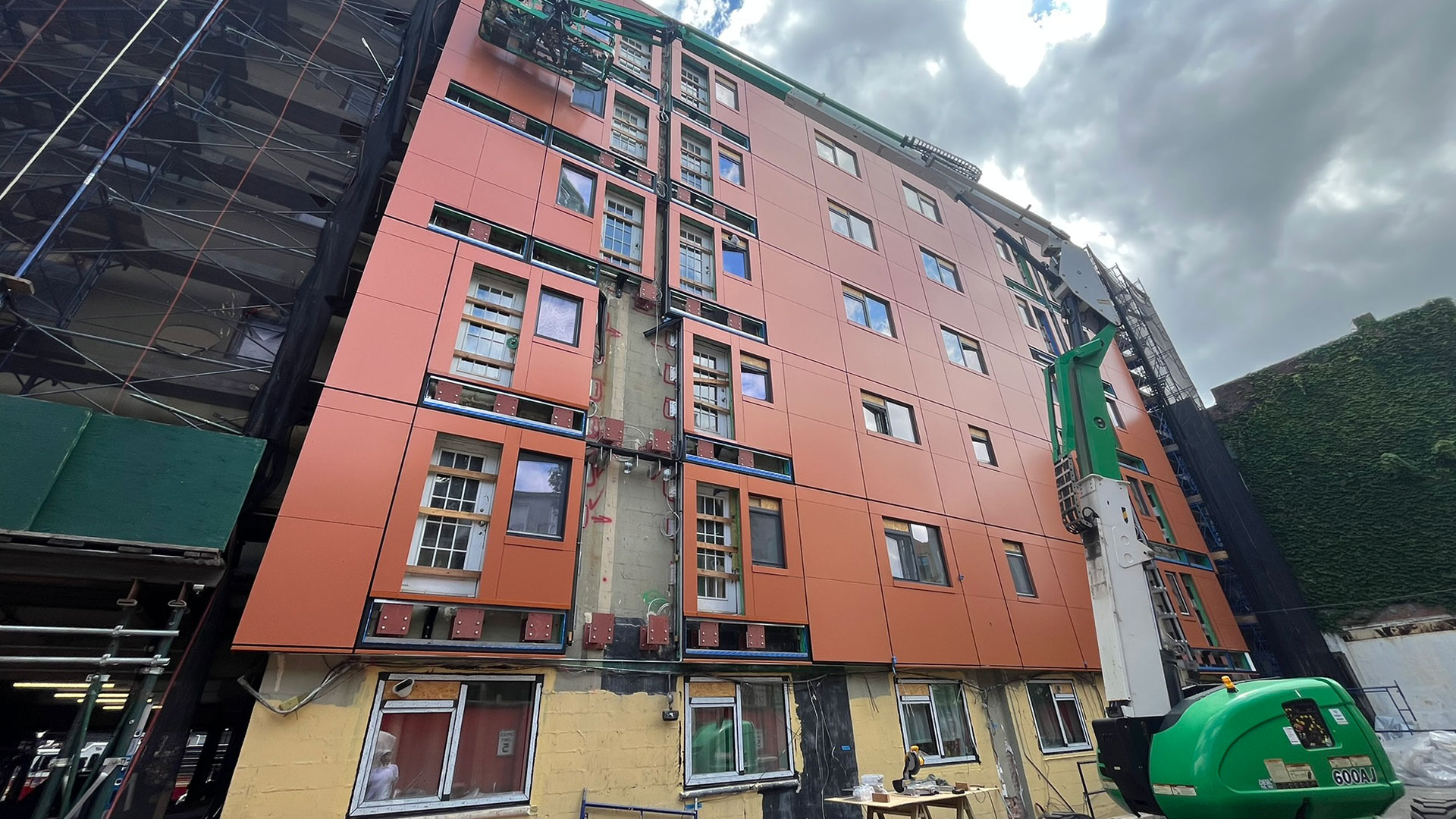
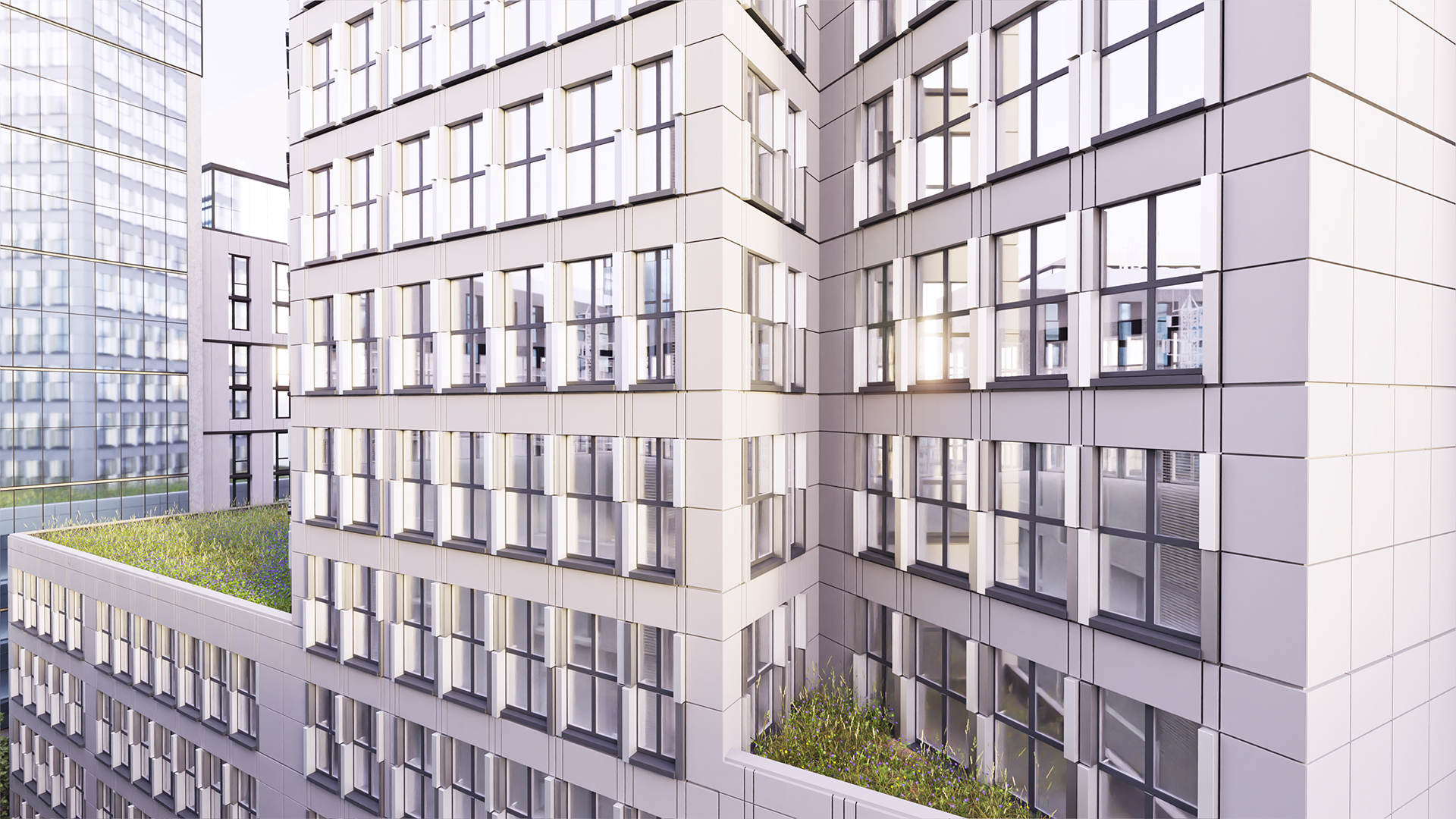
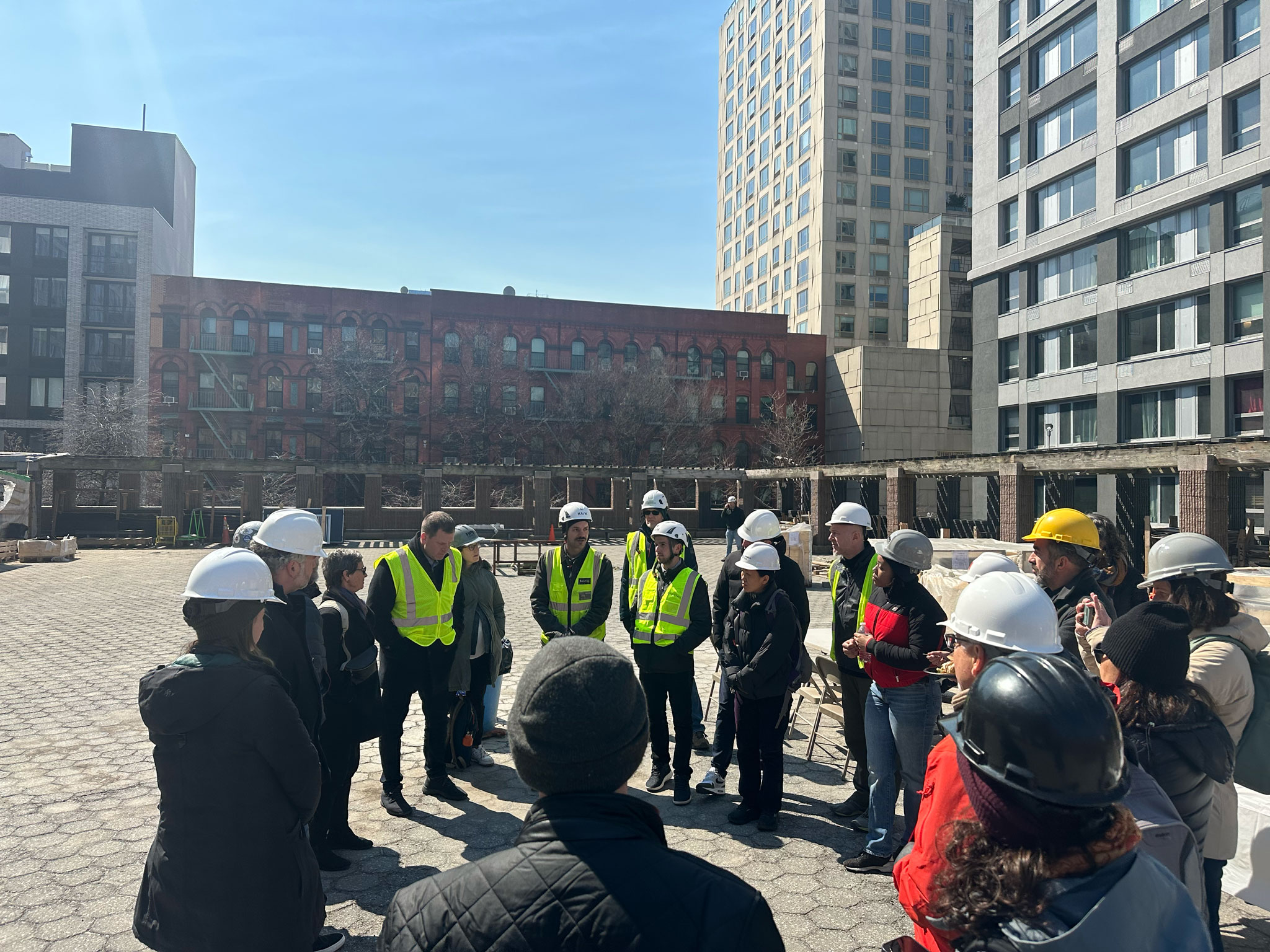
This is where prefabrication logic begins. The Heritage retrofit project at 1660 Madison Avenue in Harlem demonstrates how D Wall® prefabricated panels install from inside an occupied building, eliminating exterior scaffolding. Each panel arrives from the factory with windows, insulation, and cladding already integrated. Residents stay in their apartments while facade work resembles interior renovation more than external construction. This matters financially: exterior scaffolding adds 20-30% to project budgets on mid-rise buildings.
Factory-controlled manufacturing solves another problem that ESB sidestepped through scale and budget—consistency. In a controlled factory environment, temperature, humidity, and seam quality are guaranteed at every production stage. Automated equipment ensures precise connections between panel components. Digital coordination through Dextall Studio allows every connection to be verified before shipping—from schematic design to fully detailed drawings in weeks, not months.
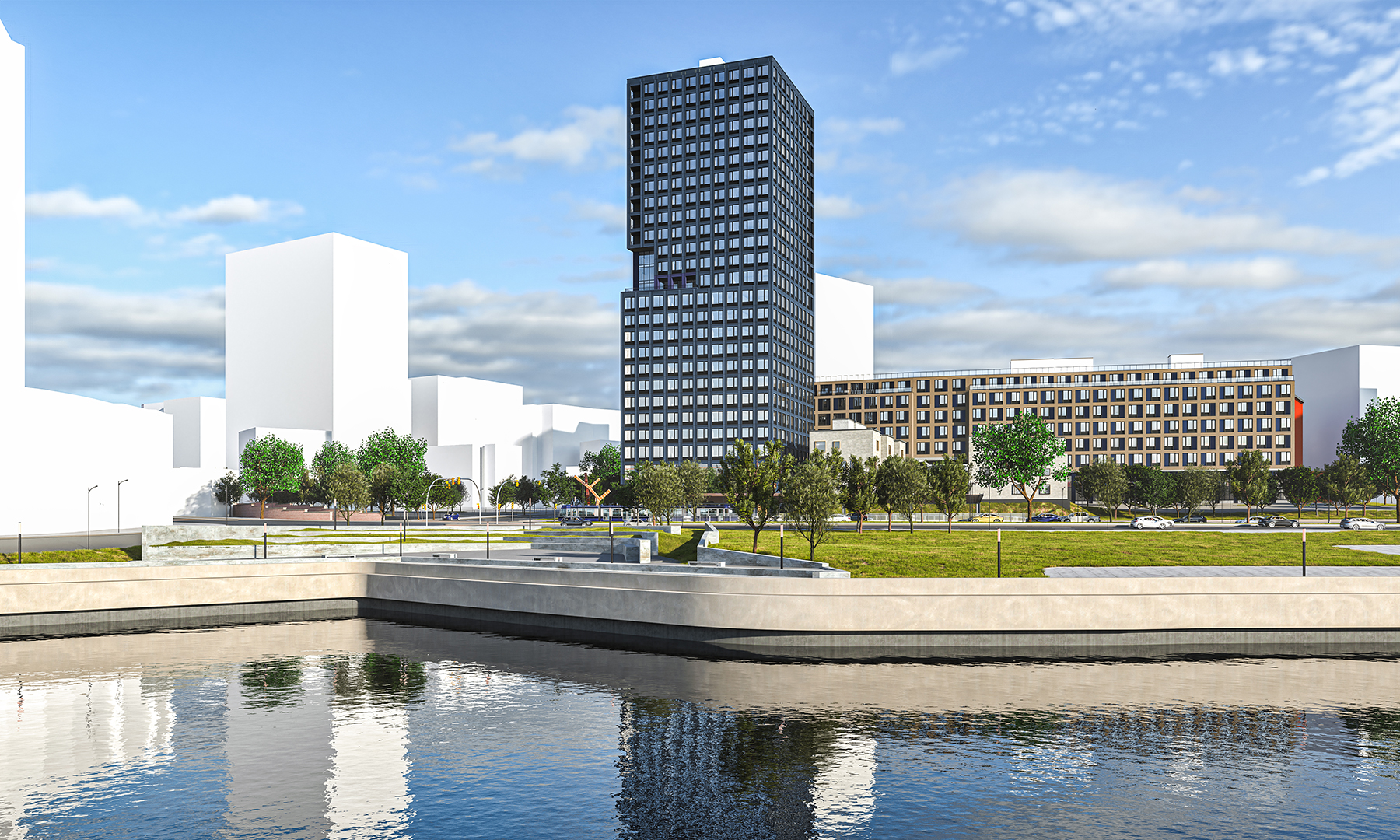
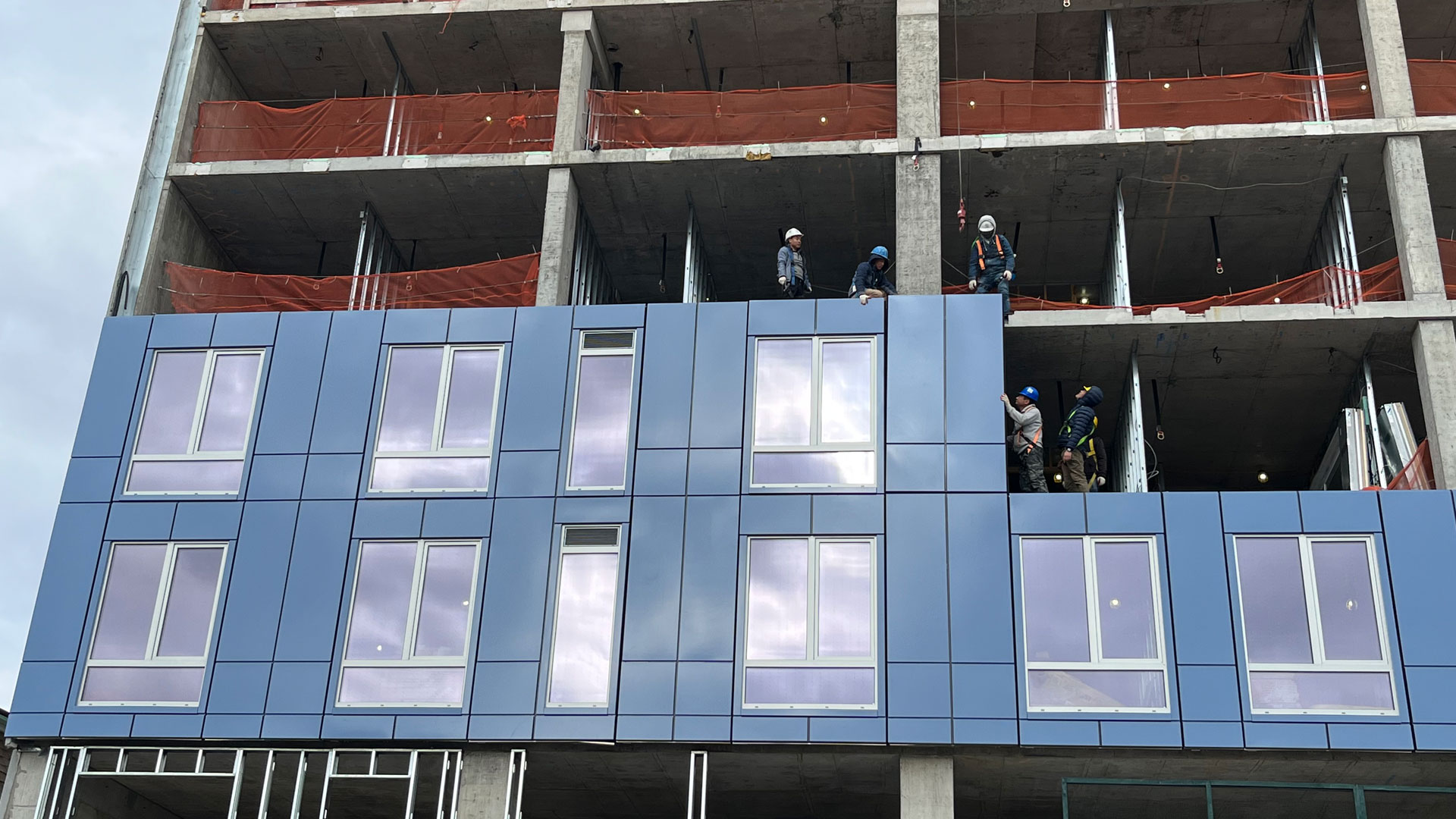
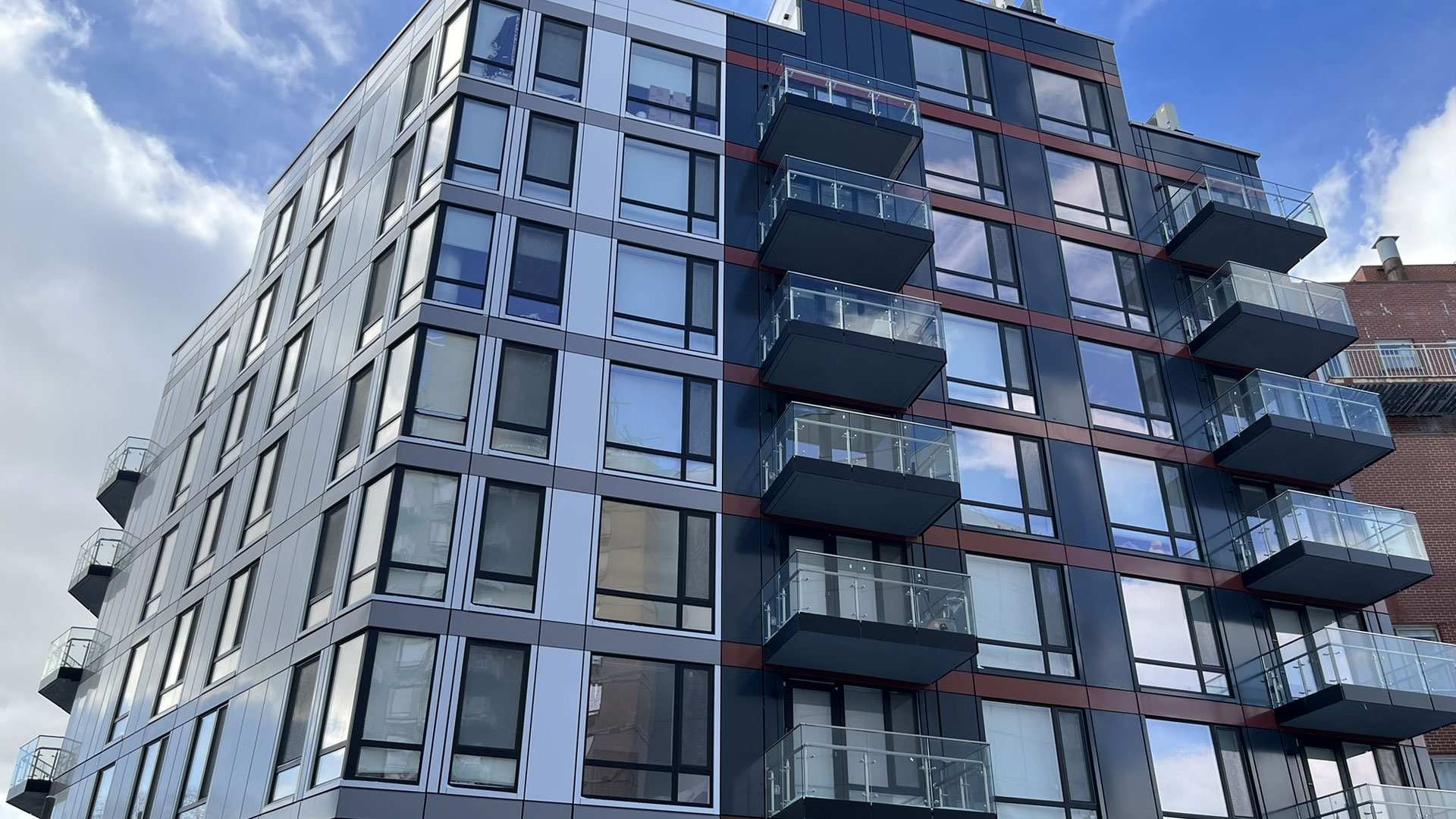
Project diversity demonstrates the scalability of this approach. NJPAC in Newark—a 25-story tower where factory production parallel to site work compressed overall schedules. Carmen Villegas Apartments in the Bronx showcase BIPV (building-integrated photovoltaics) integration into the facade system. Alafia in Brooklyn proves that prefabricated panel systems deliver Passive House certification at mid-rise scale. Each of these projects confirms the principle that ESB established first: the building envelope is the single most valuable decarbonization investment.
Key Takeaways for Developers and Architects
The Empire State Building crystallizes several principles that apply regardless of building scale. First, envelope retrofit should precede mechanical system upgrades. Reducing thermal loads through window and insulation improvements shrinks the size and cost of new HVAC systems. This principle works identically for a 102-story skyscraper and a 12-story residential building.
Second, the business case for retrofit is stronger than many believe. A $31.1 million investment paid back in three years. Annual savings of $5.86 million continue to accumulate. And avoiding LL97 penalties adds millions more. When Tony Malkin says "no investment costs more than the investment"—that's not a marketing slogan. That's an accounting fact.
Third, an occupied building is not an obstacle. ESB proved it with windows. Heritage proved it with prefabricated facade panels. Methods differ—on-site manufacturing versus factory prefabrication, overnight work versus interior installation—but the principle holds: a thoughtful process allows envelope modernization without displacing tenants.
Fourth, a phased approach distributes risk and enables learning. ESRT didn't trust models blindly—they tested, measured, adjusted. The 15-year ESB 2.0 roadmap includes pilot projects before scaling each measure. For any building owner, this means: start with the highest-payback measures, collect data, scale what works.
Finally, regulatory compliance is a competitive advantage, not a burden. Buildings meeting LL97 ahead of schedule attract tenants with ESG commitments, secure better financing terms, and avoid penalties that tighten annually. The Empire State Building proved that decarbonization isn't charity. It's a strategy that pays for itself.
FAQ
How much did the Empire State Building retrofit cost and what was the payback?
The 2009 deep energy retrofit added $31.1 million to already-planned renovation work. The project achieved a guaranteed 38% energy reduction, delivering $5.86 million in annual savings with a three-year payback. The window retrofit alone ($700 per window versus $2,500 for full replacement) saves over $400,000 annually. Since 2009, total CO₂ emissions have dropped 54%. The second phase (ESB 2.0) projects an additional 14.5% reduction and targets net zero by 2030 for the building and 2035 for ESRT's portfolio.
What does Local Law 97 mean for NYC building owners?
Local Law 97 sets mandatory carbon emission limits for buildings over 25,000 square feet in NYC. The penalty is $268 per metric ton of CO₂ above the limit. Initial limits took effect in 2024, with significant tightening in 2030-2035. The Urban Green Council estimates that meeting 2030 requirements demands approximately $20 billion in citywide retrofit investments. For individual buildings, annual penalties can reach millions. Facade and envelope retrofit is among the most effective paths to reducing emissions and avoiding penalties.
How do prefabricated facade systems compare to on-site window retrofitting?
On-site window retrofitting—as done at the Empire State Building—preserves existing frames and glass while improving only the glazing (R-value, gas fill, low-e coating). This works well for large commercial buildings with uniform window types. Prefabricated facade panels take a more comprehensive approach: they replace the entire envelope—windows, insulation, and cladding arrive as a single integrated system from the factory. This delivers higher thermal performance, better airtightness, and the ability to achieve Passive House standards. Factory quality control eliminates weather and human factors that affect on-site work quality.
Can deep energy retrofits work on occupied buildings?
Yes. The Empire State Building proved this for commercial buildings—6,514 windows were retrofitted overnight without disrupting tenants. For residential buildings, interior installation methodology allows new facade panels to be installed from inside apartments, without exterior scaffolding. Residents remain home while work in each unit takes significantly less time than traditional approaches. The key is planning: phased construction, digital coordination, and prefabrication of components prior to installation minimize both time and disruption.
What is the Empire Building Playbook and who is it for?
The Empire Building Playbook is a free, open-source guide to strategic decarbonization of large buildings, created by ESRT in partnership with NYSERDA, the Clinton Global Initiative, and Buro Happold. It contains step-by-step instructions, case studies, and resources for owners of commercial and residential buildings. Although developed based on high-rise commercial properties, most recommendations adapt easily to other building types. The Playbook is copyright-free and continually updated as new technologies and experience emerge.
Disclaimer
Dextall is not involved in the Empire State Building retrofit project. This article analyzes publicly available information about the deep energy retrofit executed by Empire State Realty Trust, Johnson Controls, Rocky Mountain Institute, and other partners to explore how principles from large-scale commercial building retrofits can inform mid-rise building retrofit strategies in the U.S. market. For questions about the Empire State Building retrofit, contact Empire State Realty Trust. For information about Dextall's prefabricated building envelope solutions and retrofit capabilities, visit dextall.com.
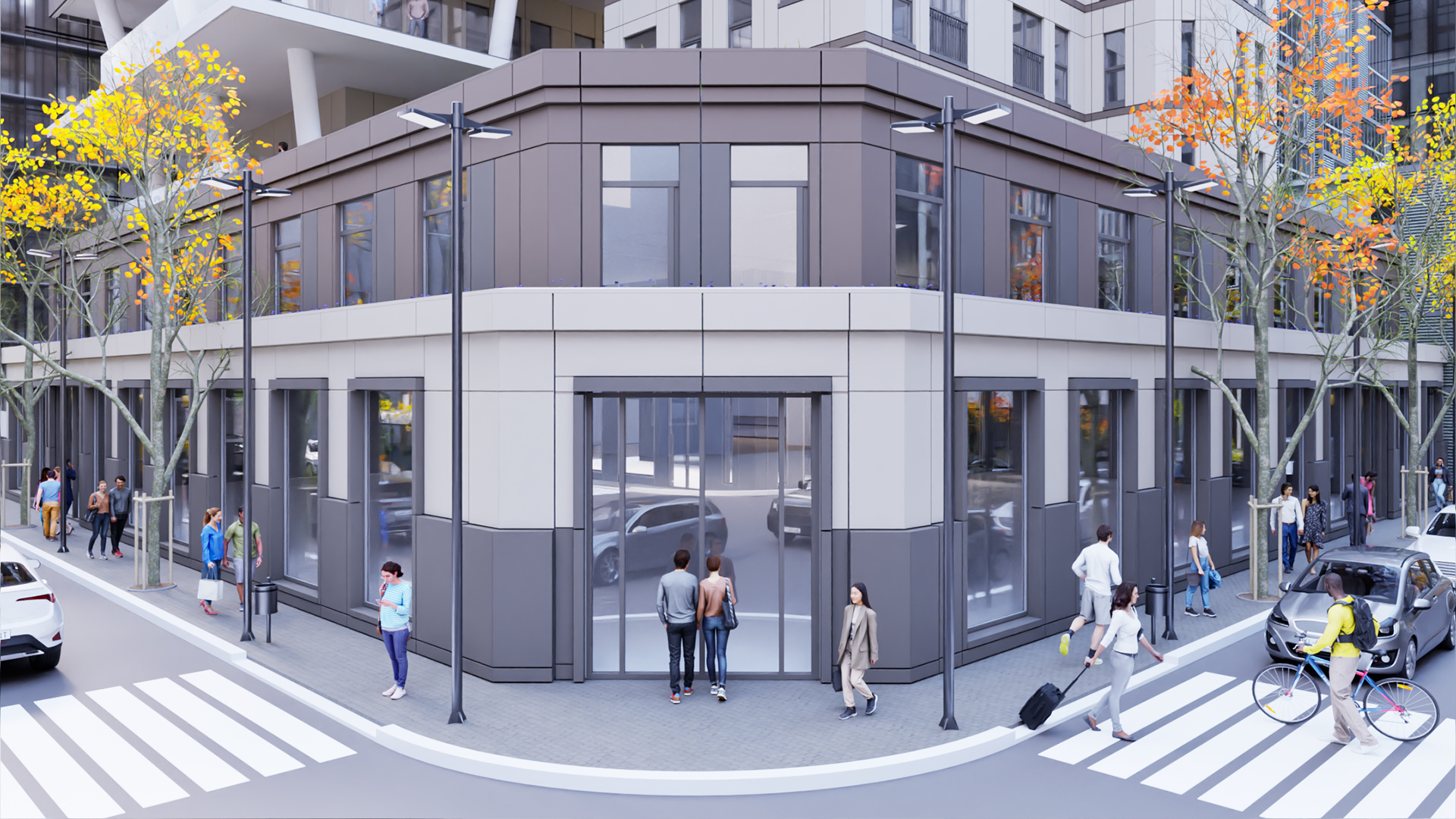
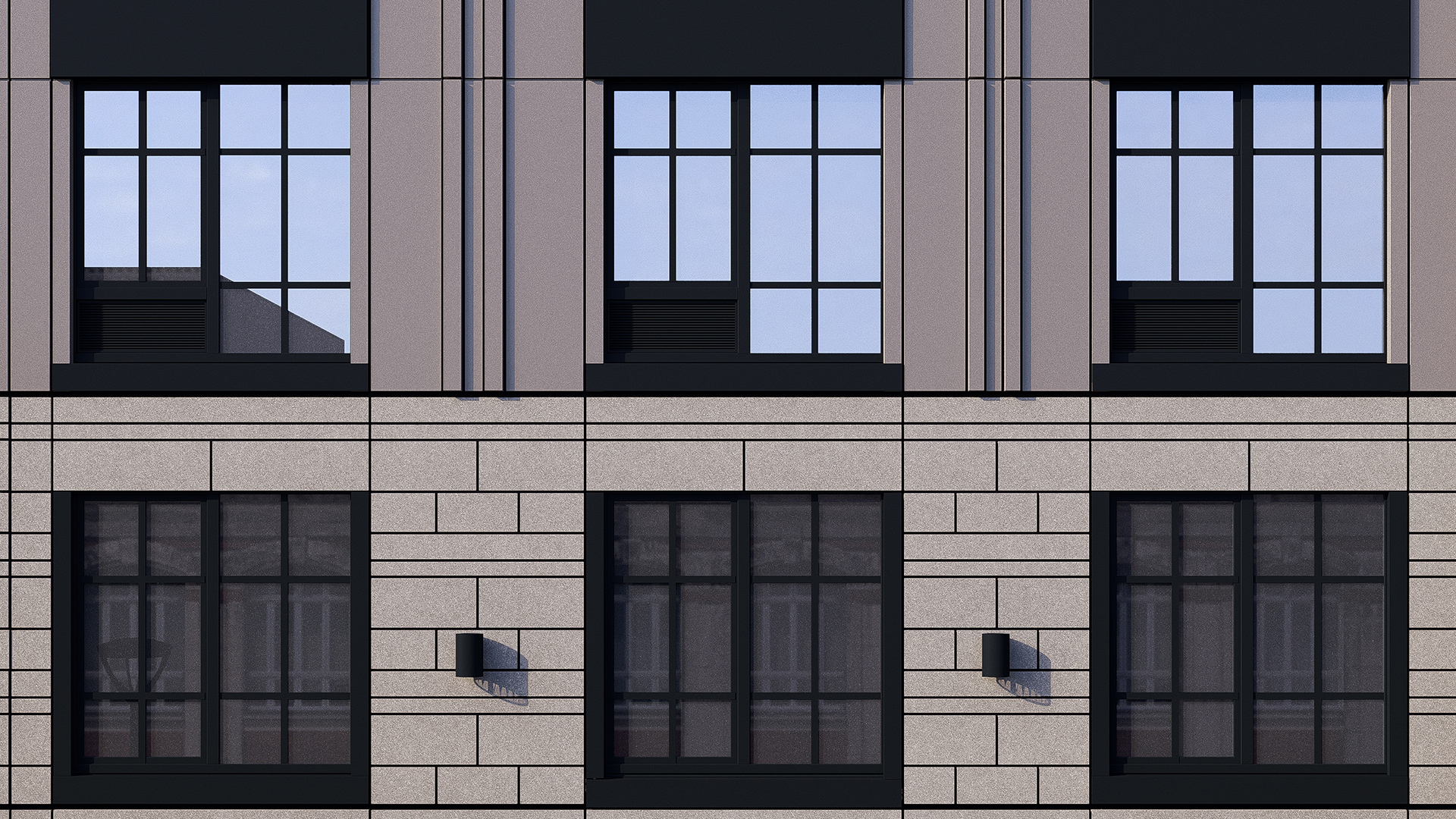
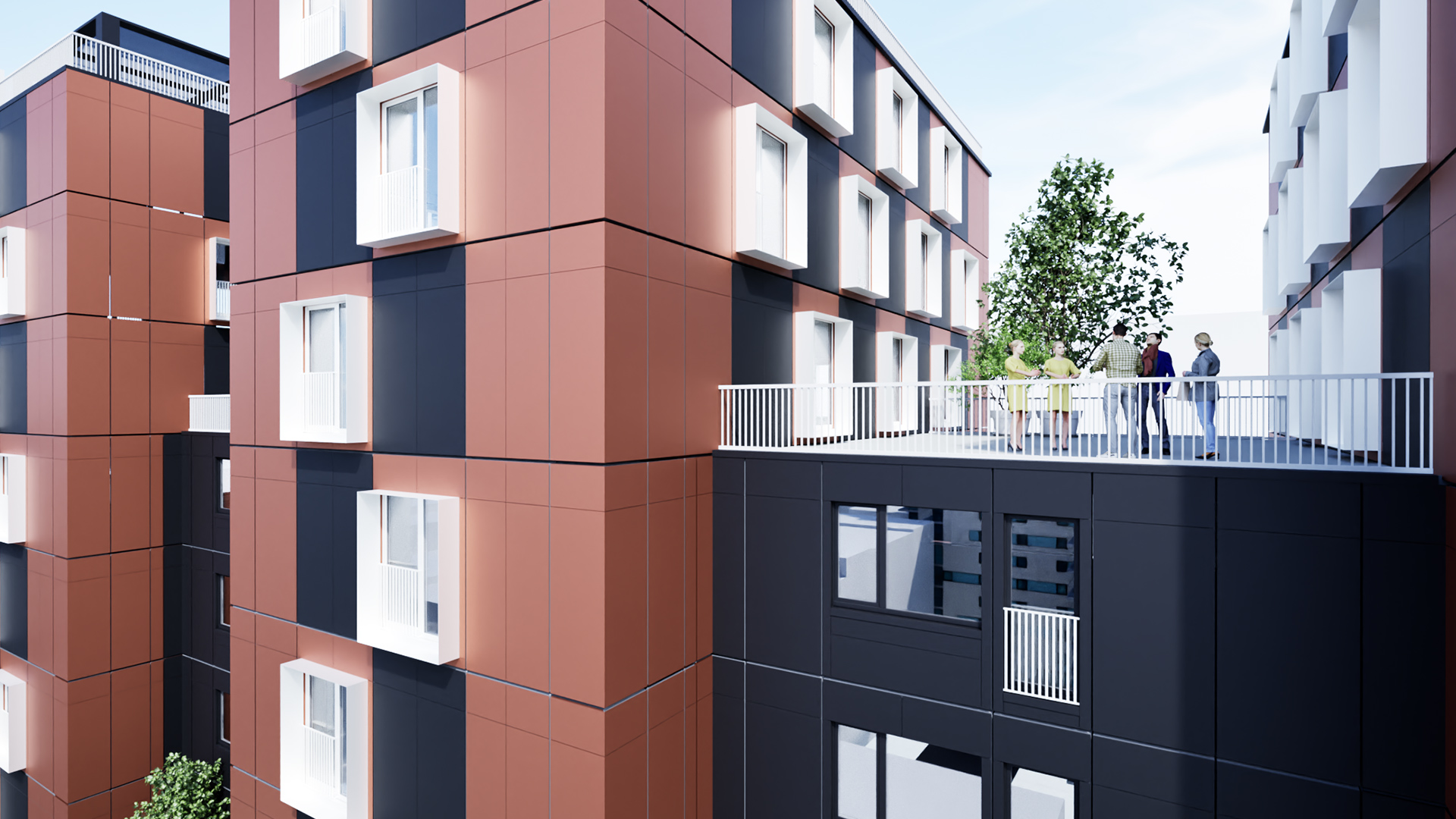
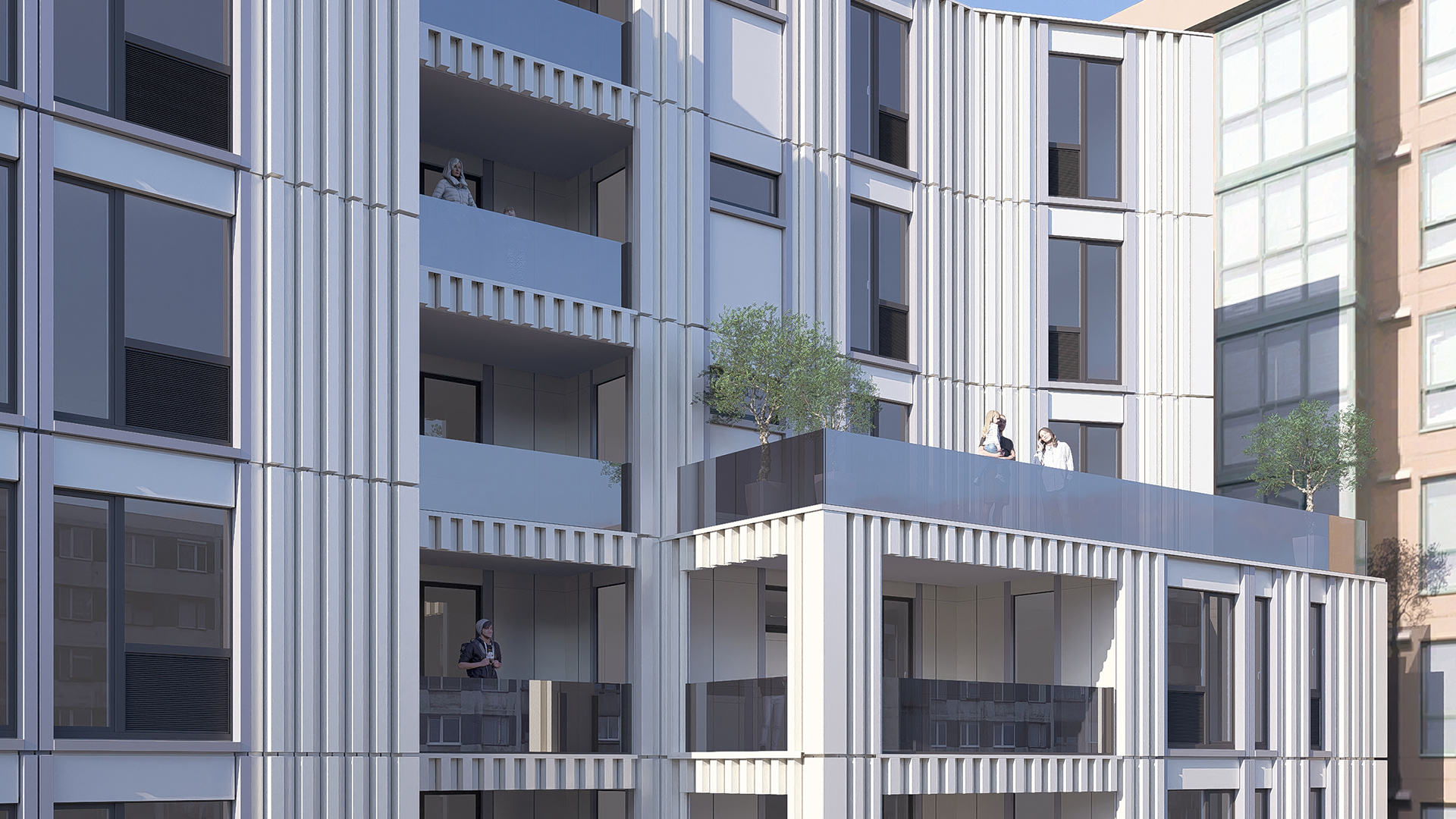
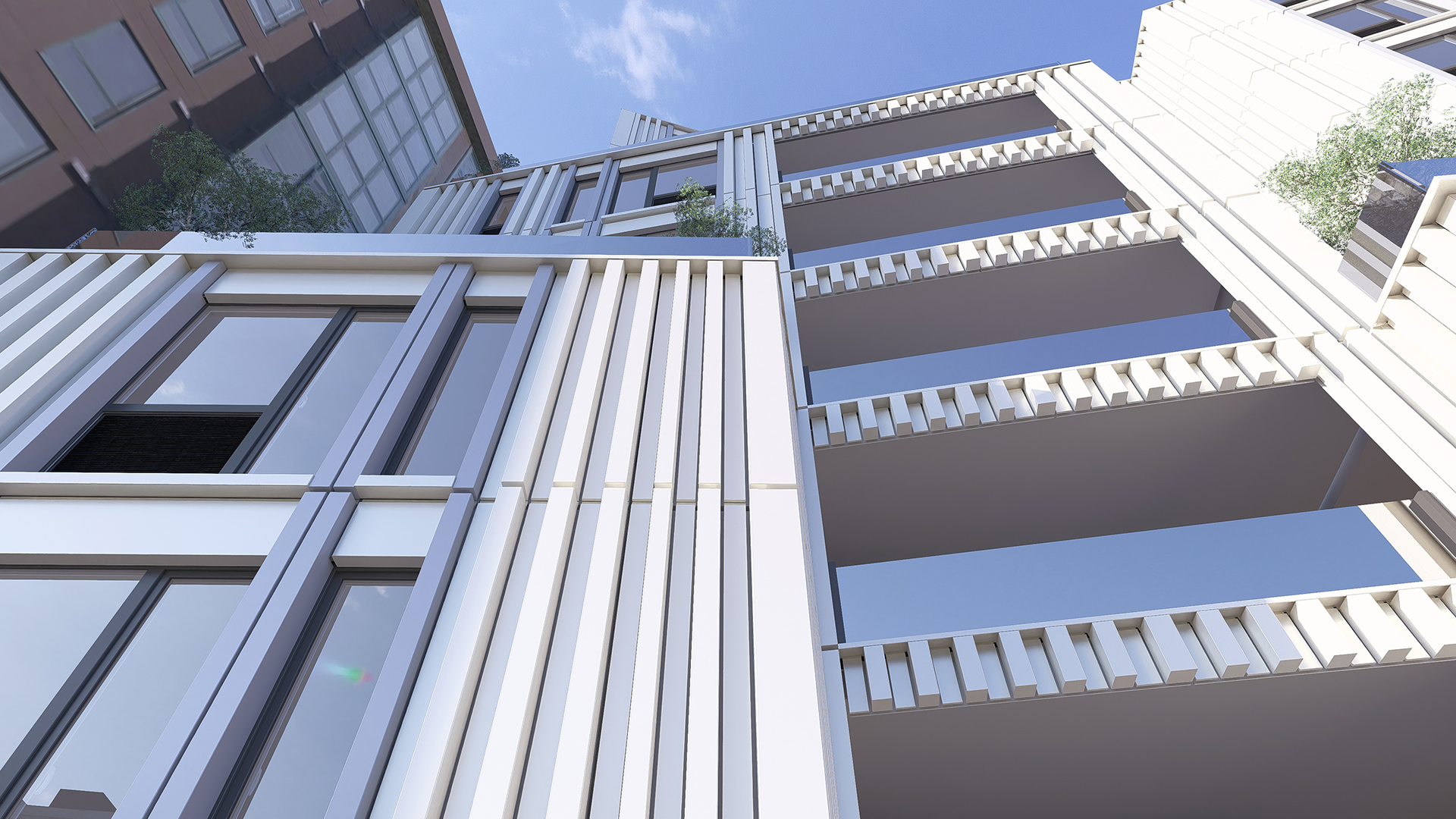
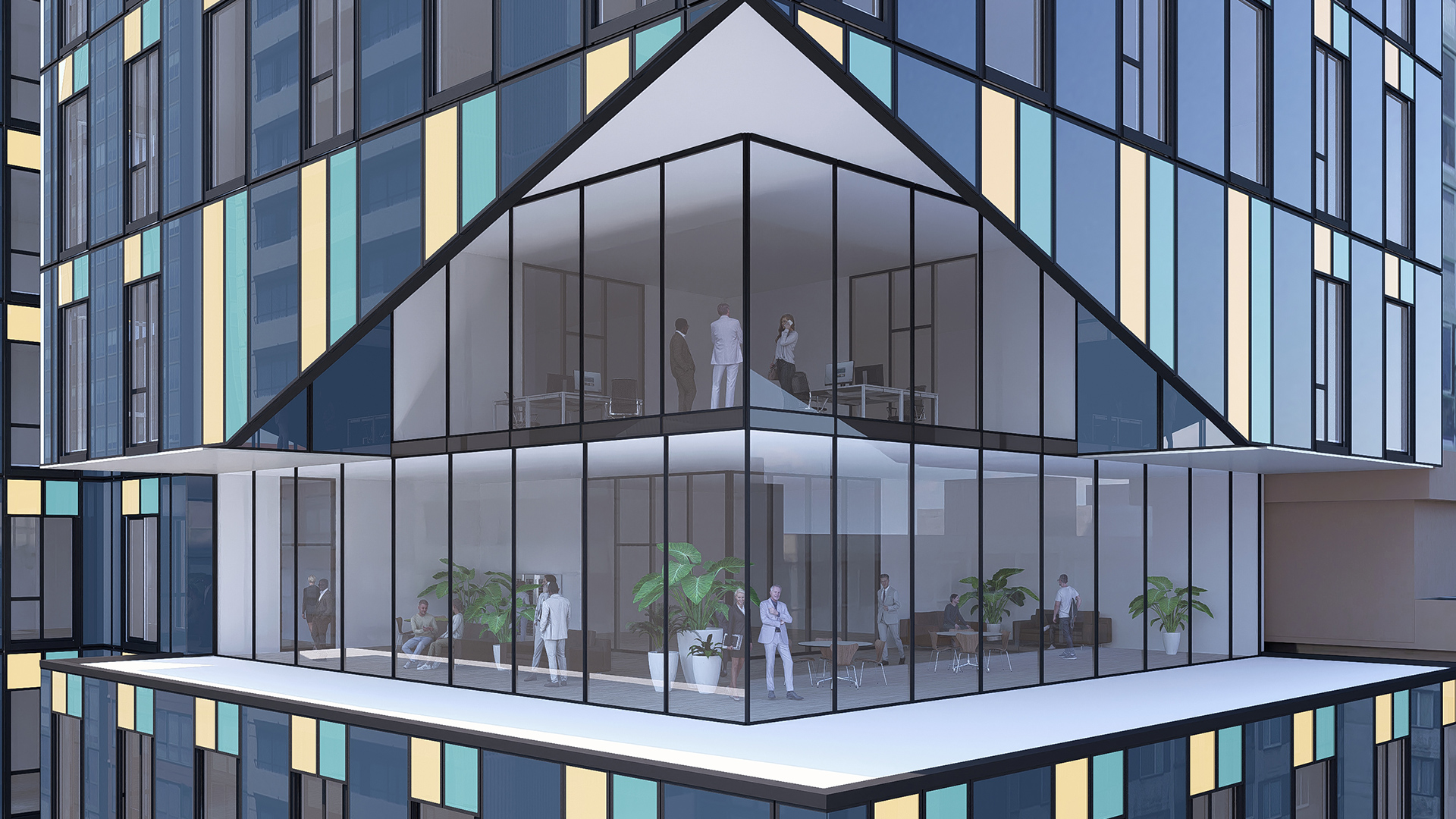
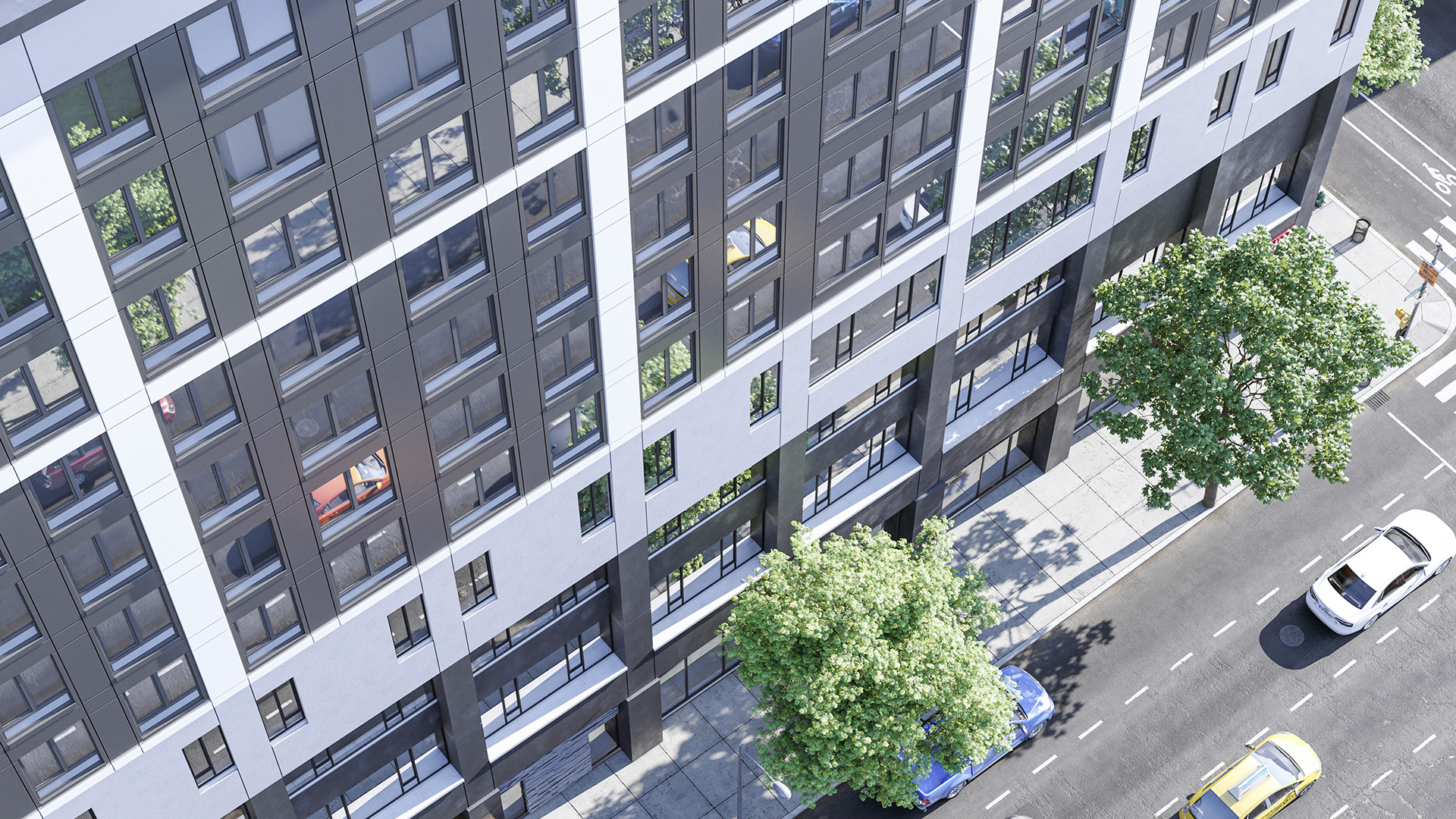
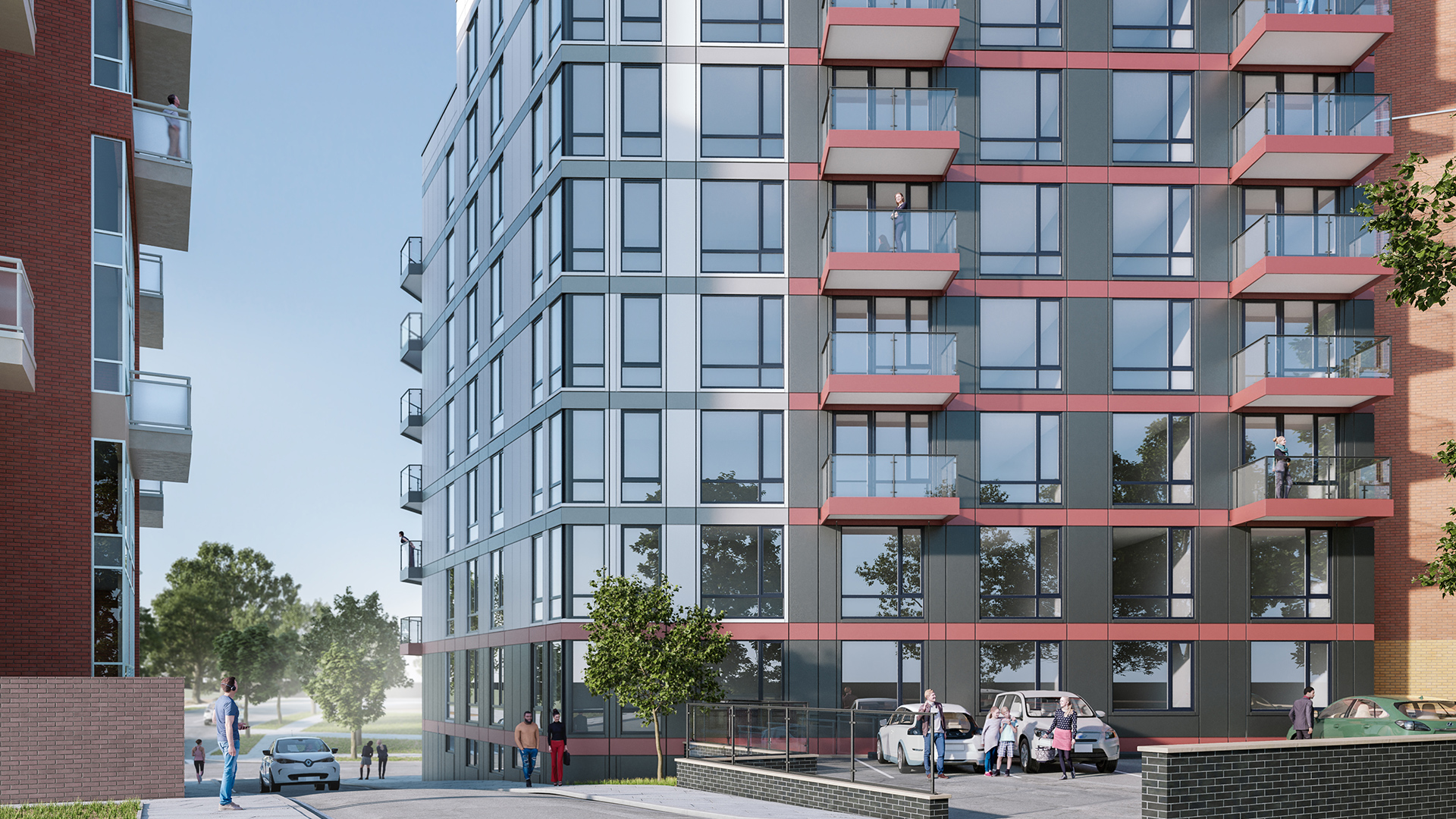
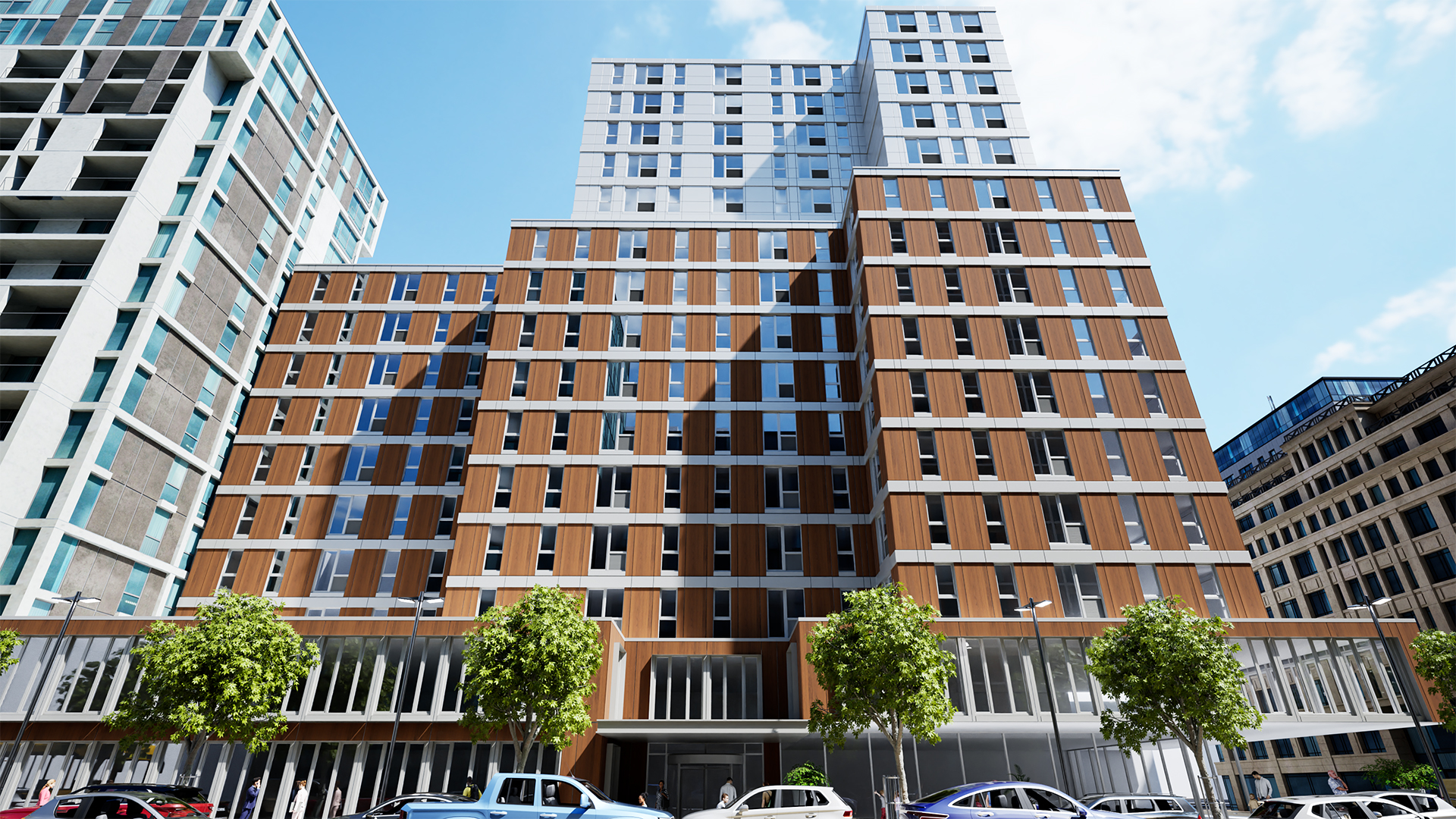
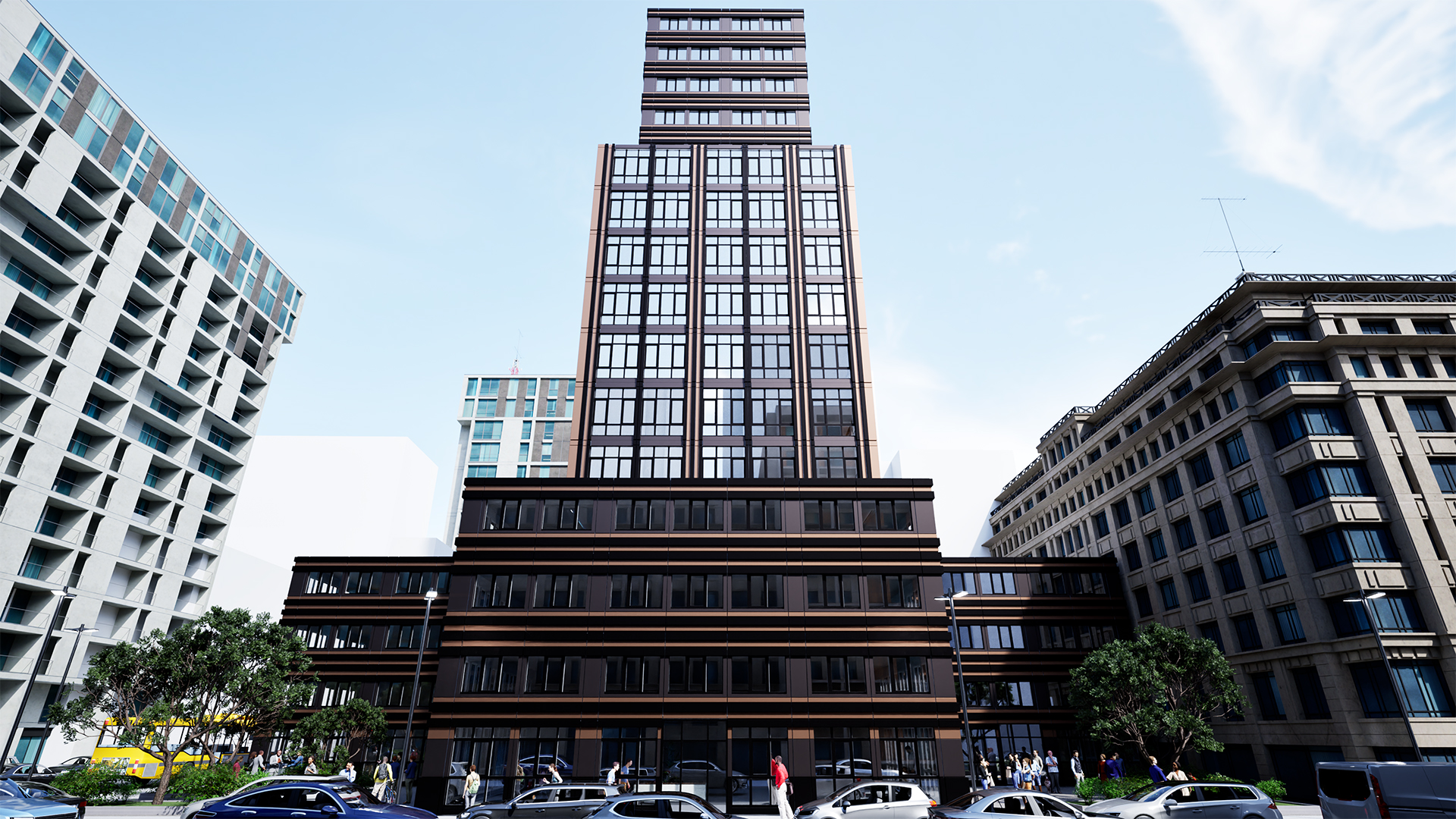
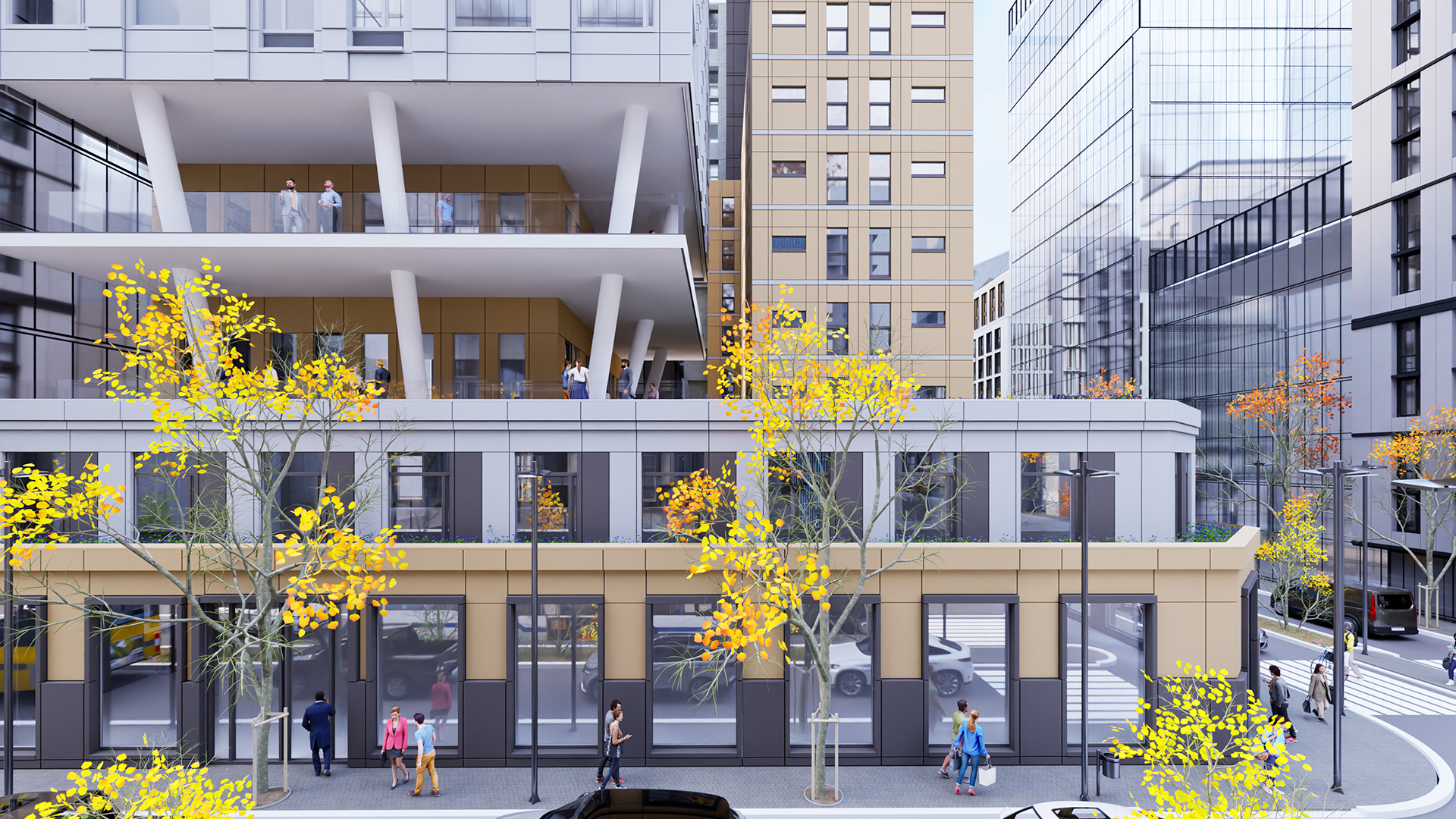
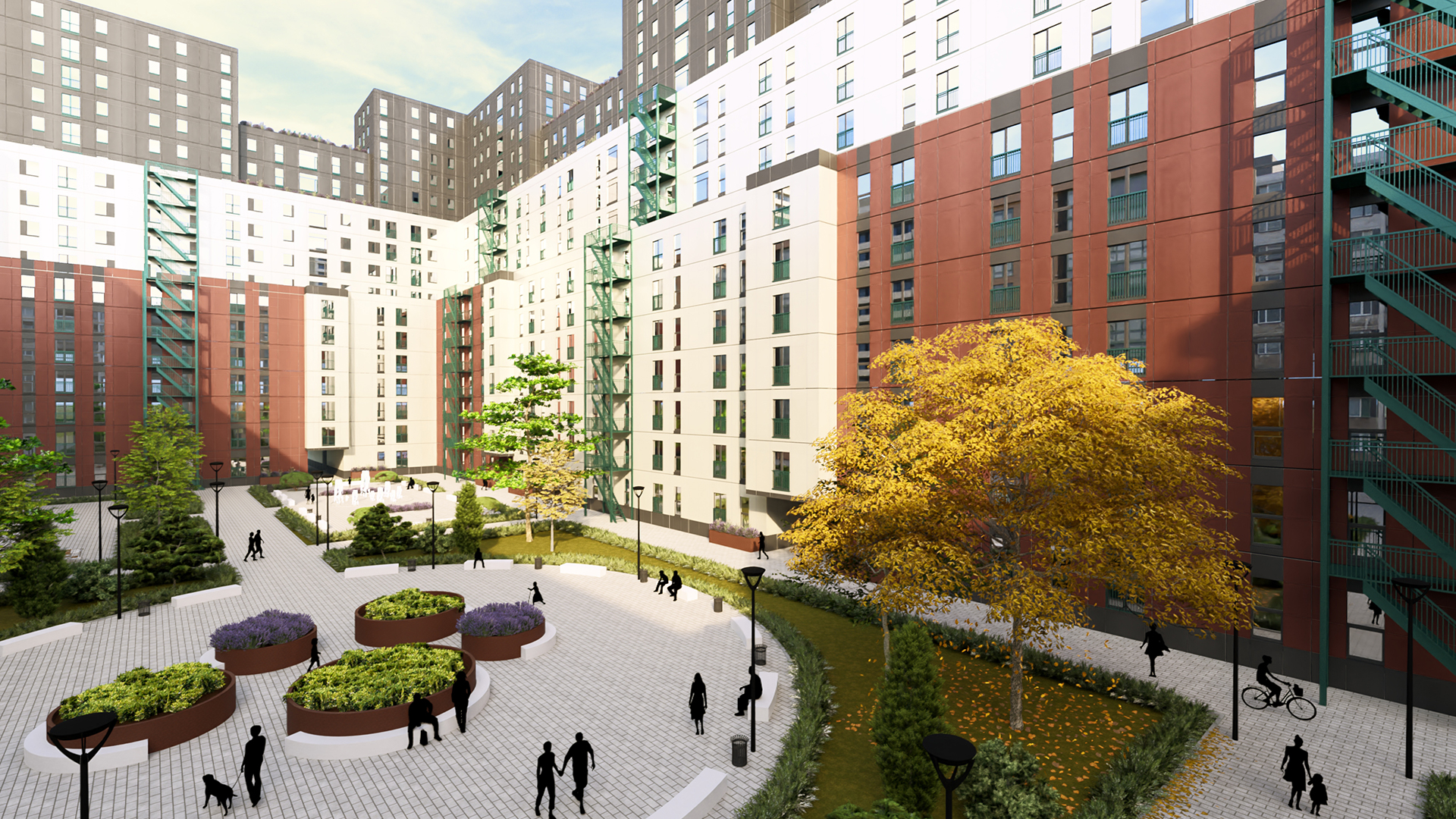
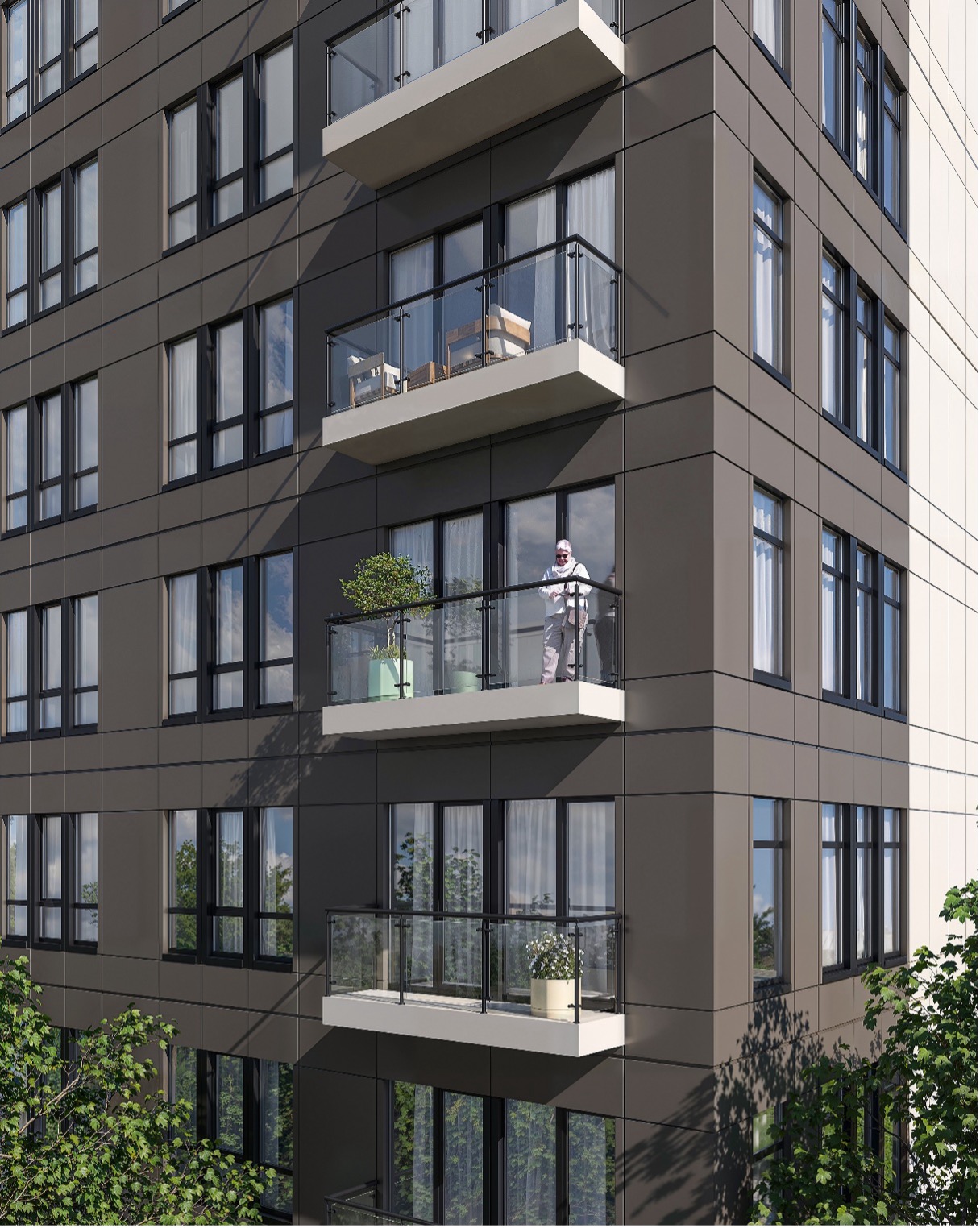
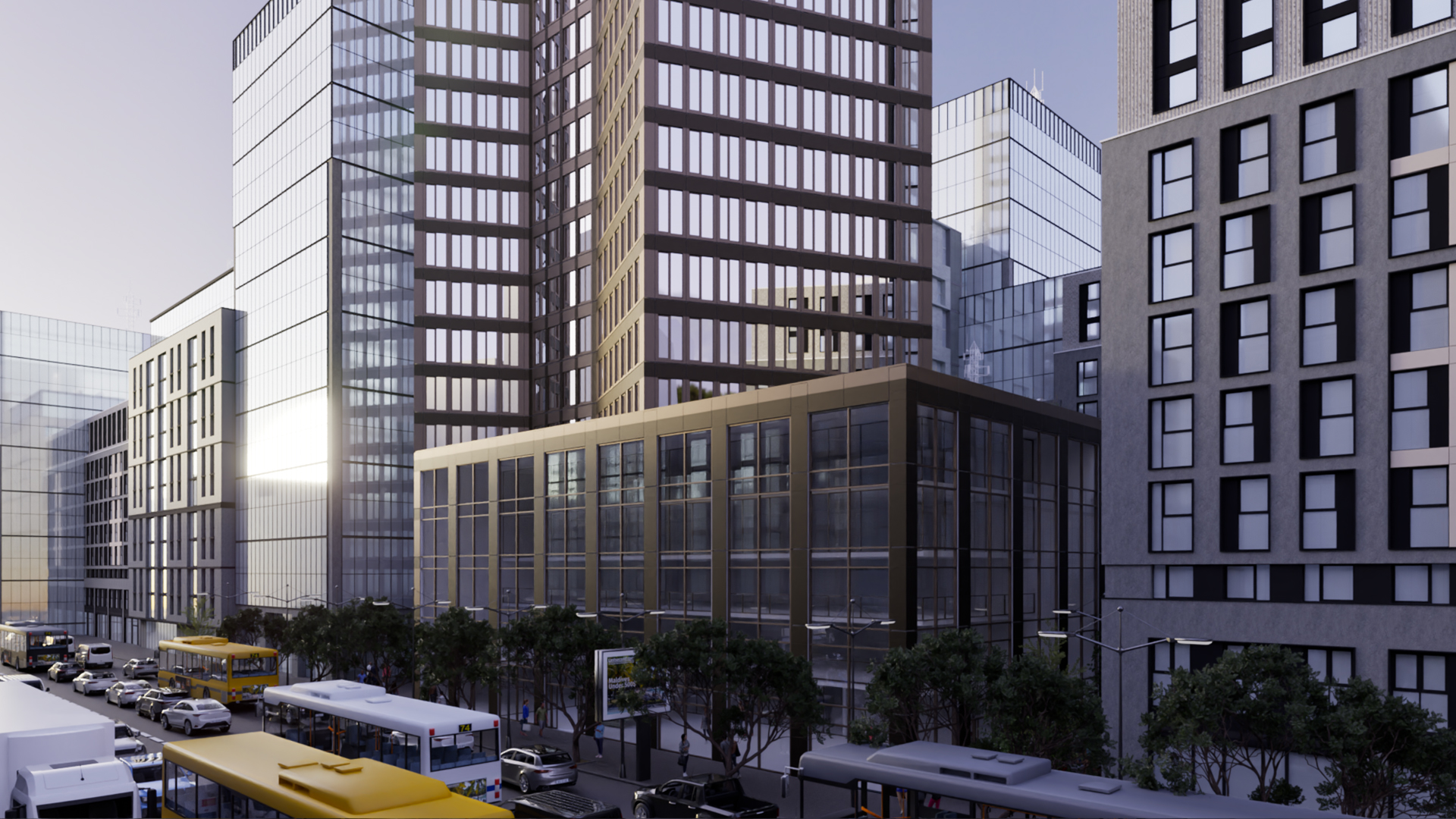
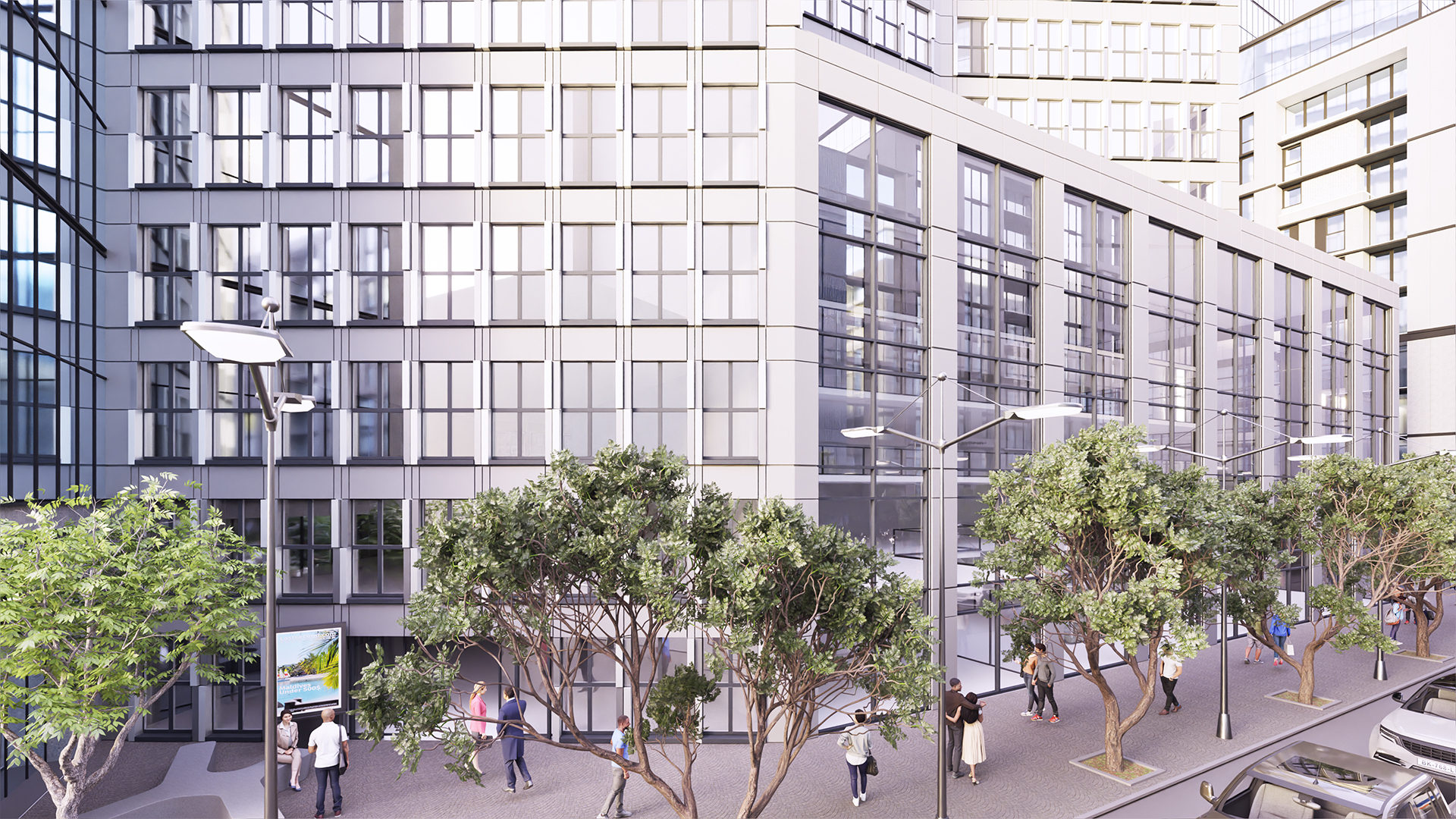
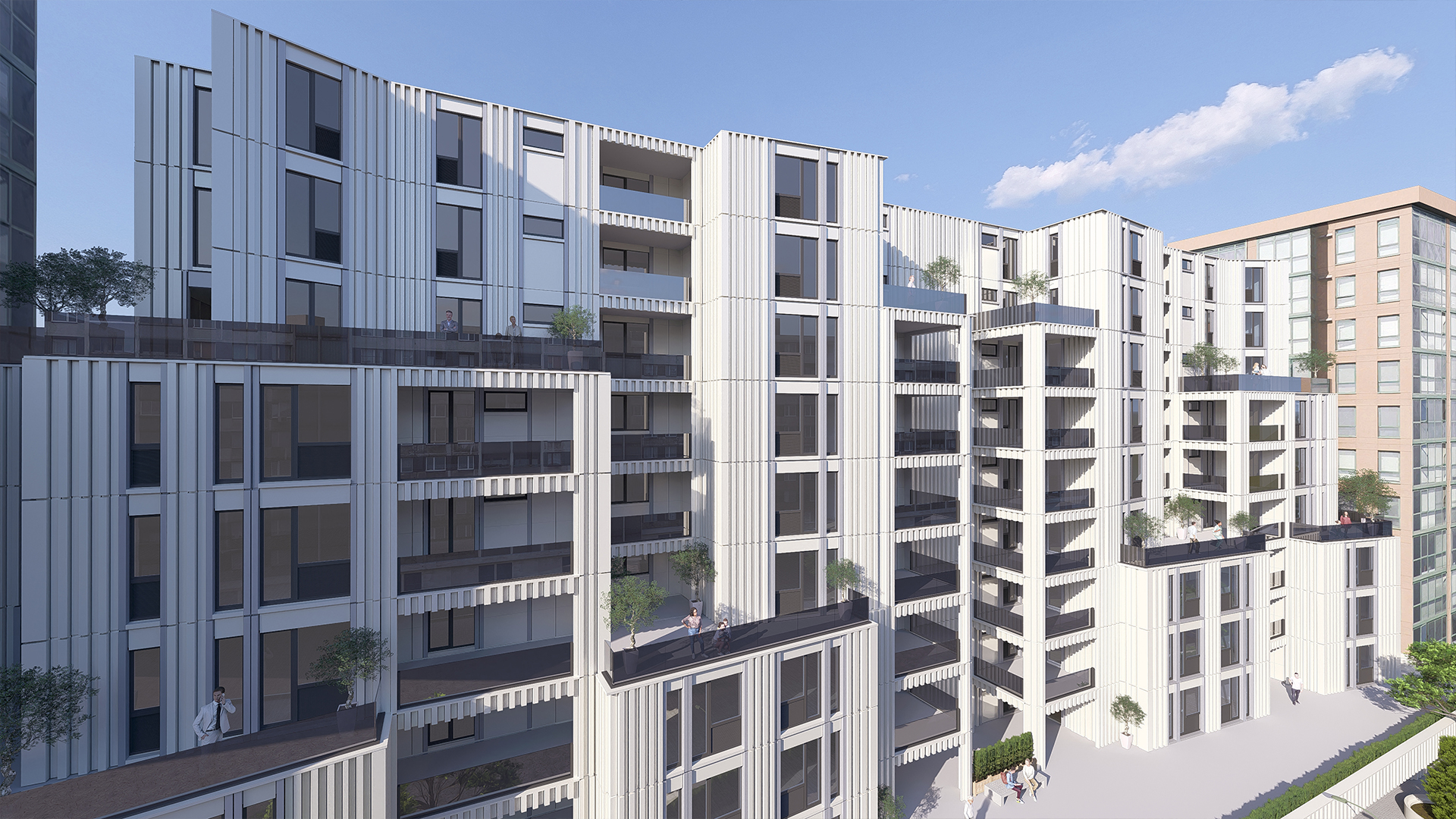
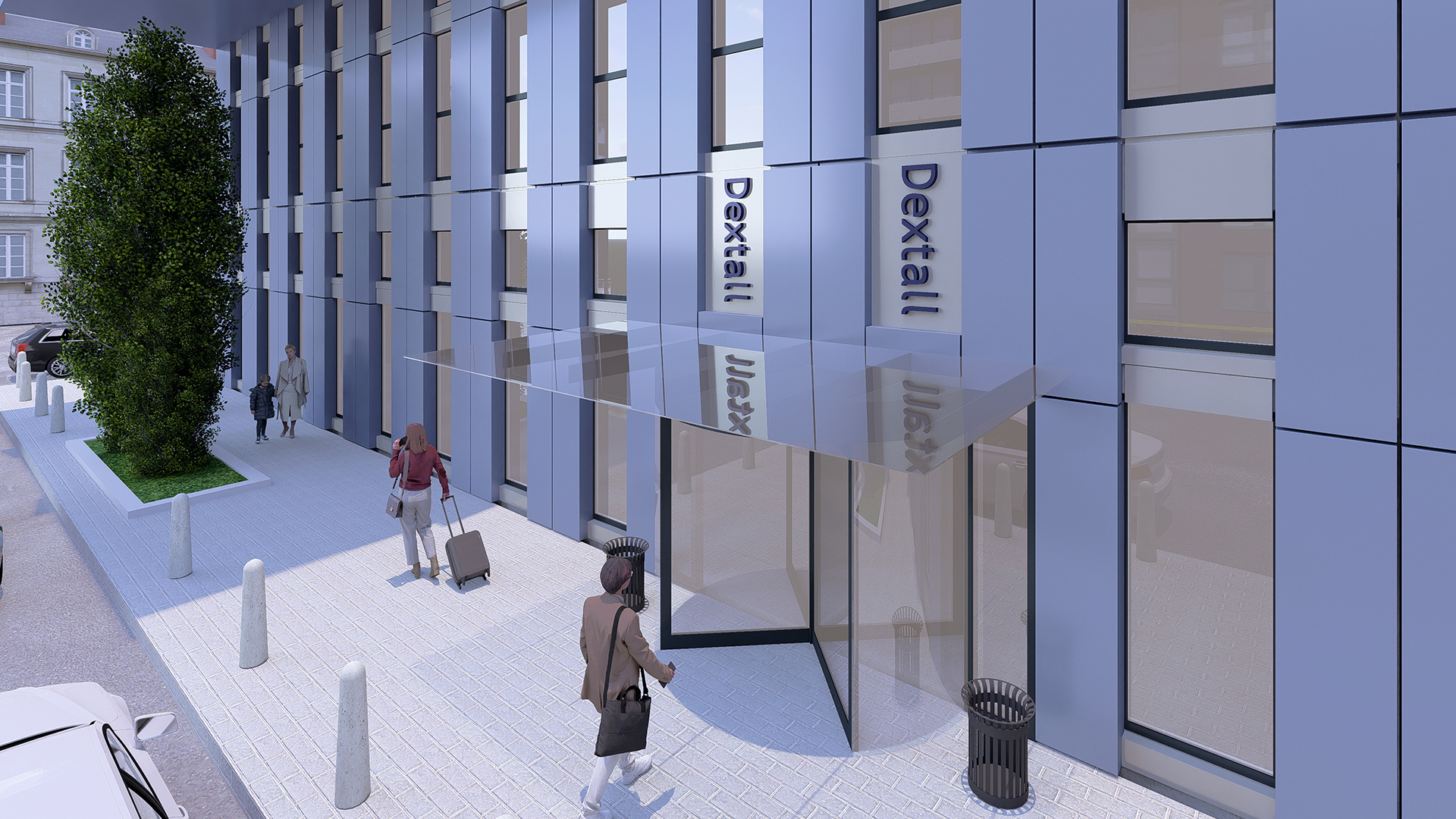
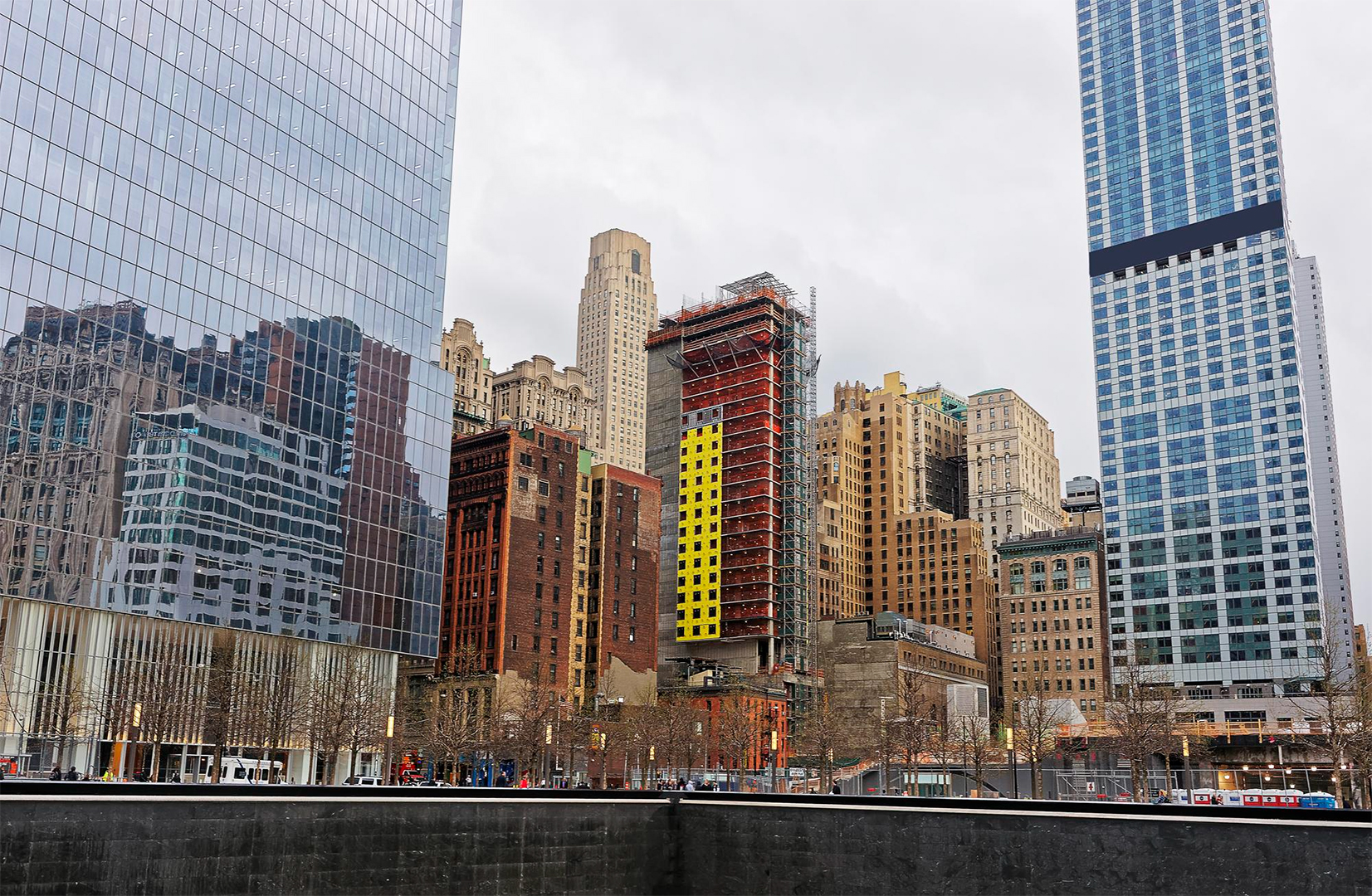
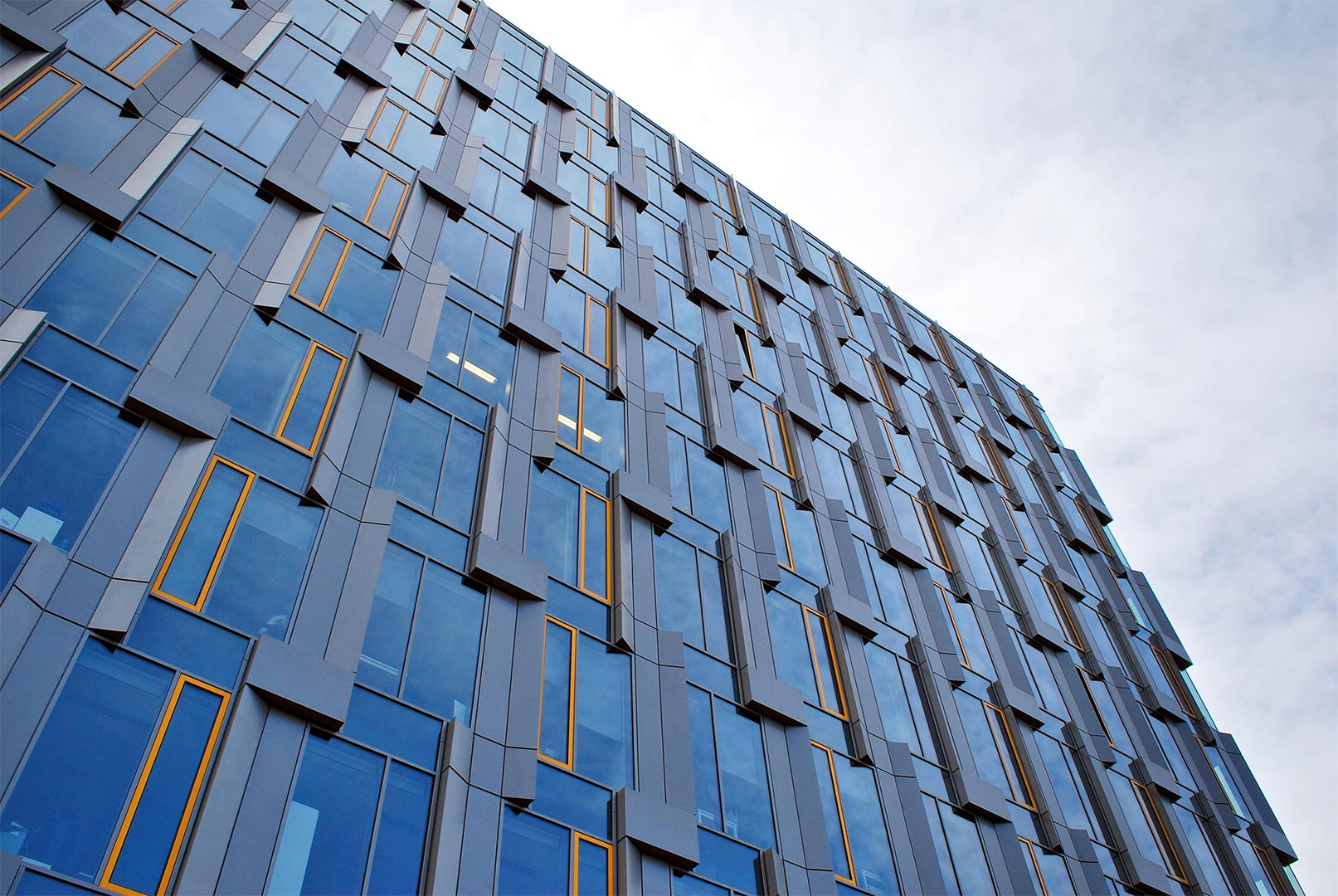
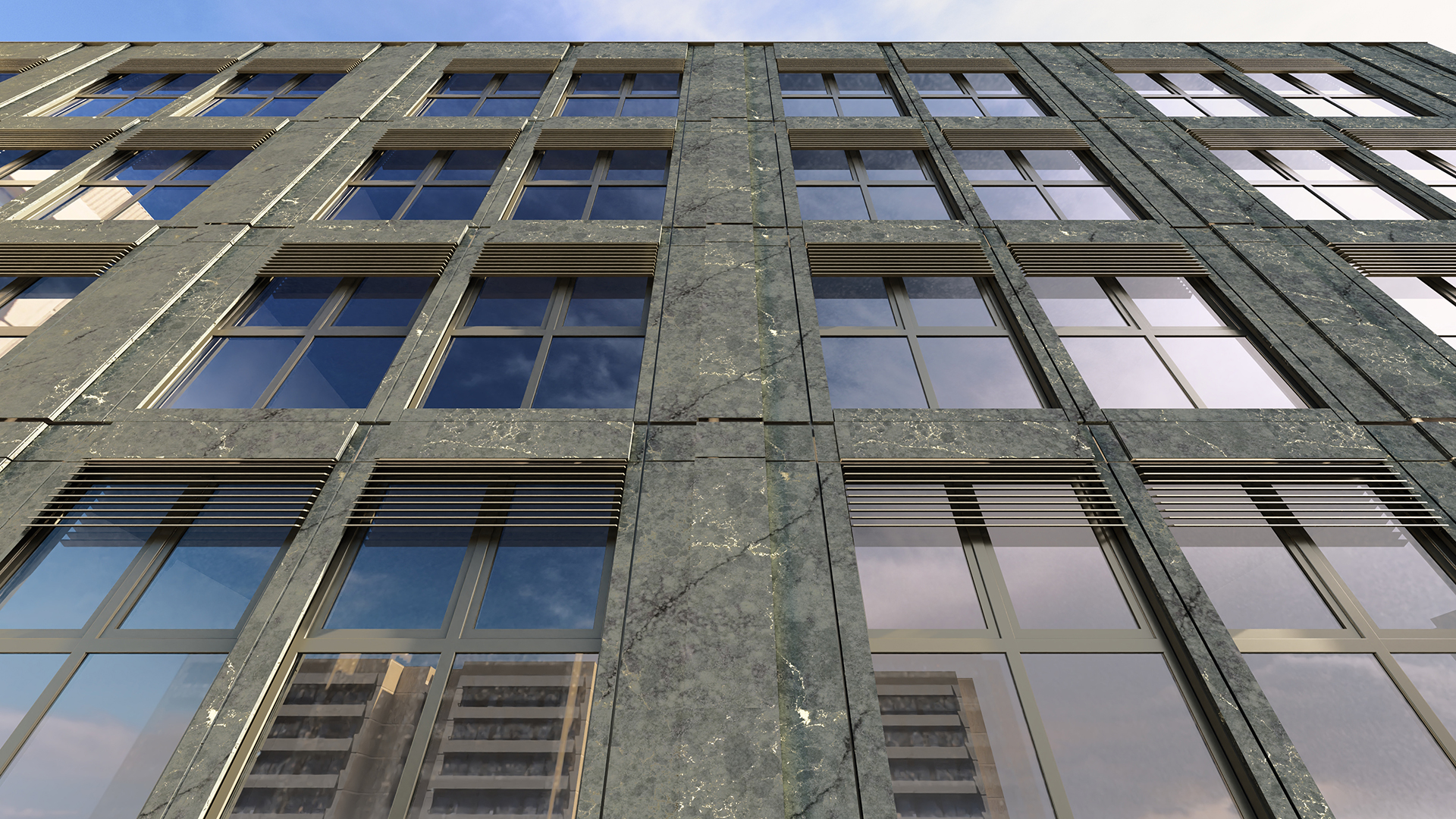
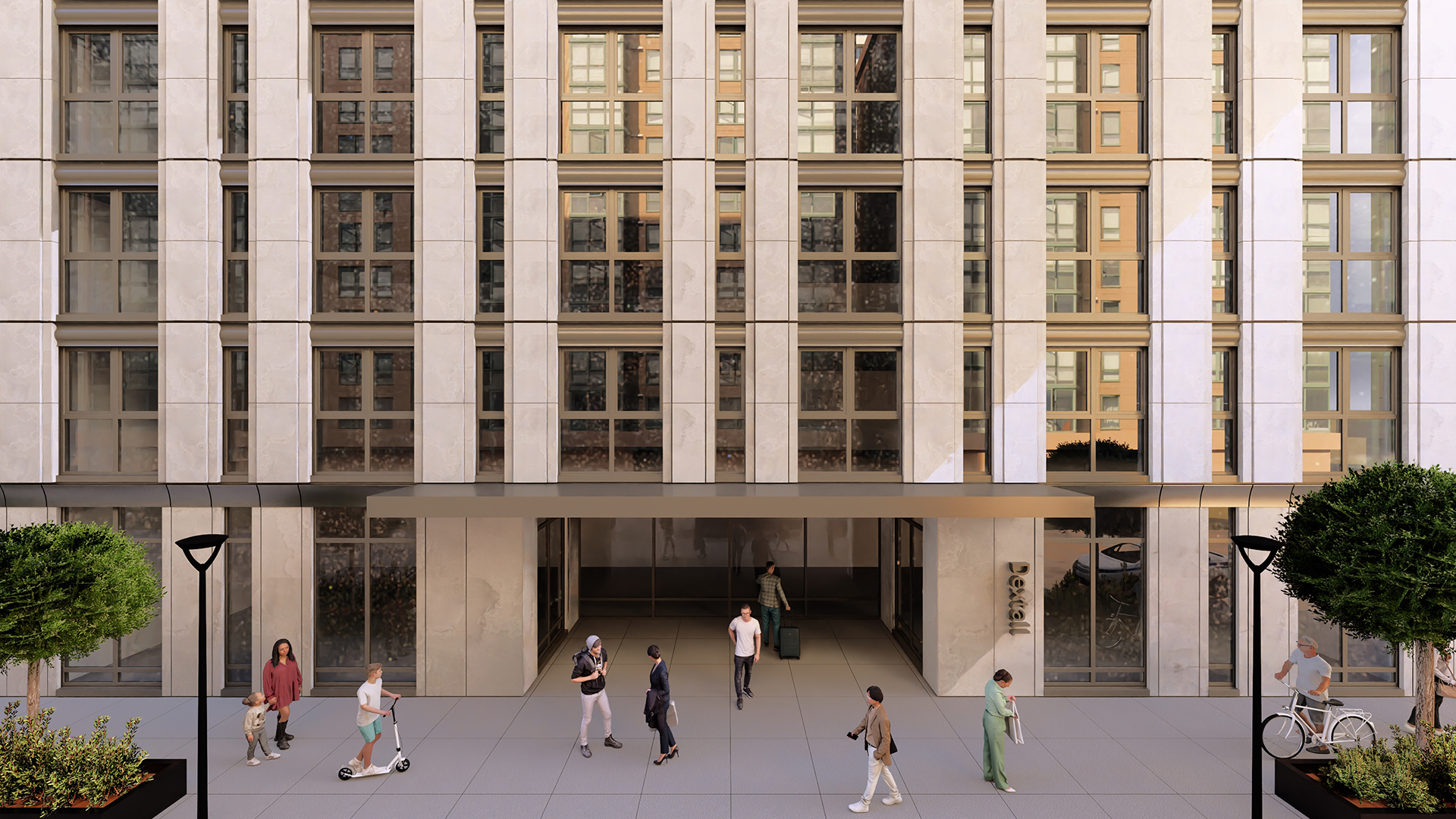
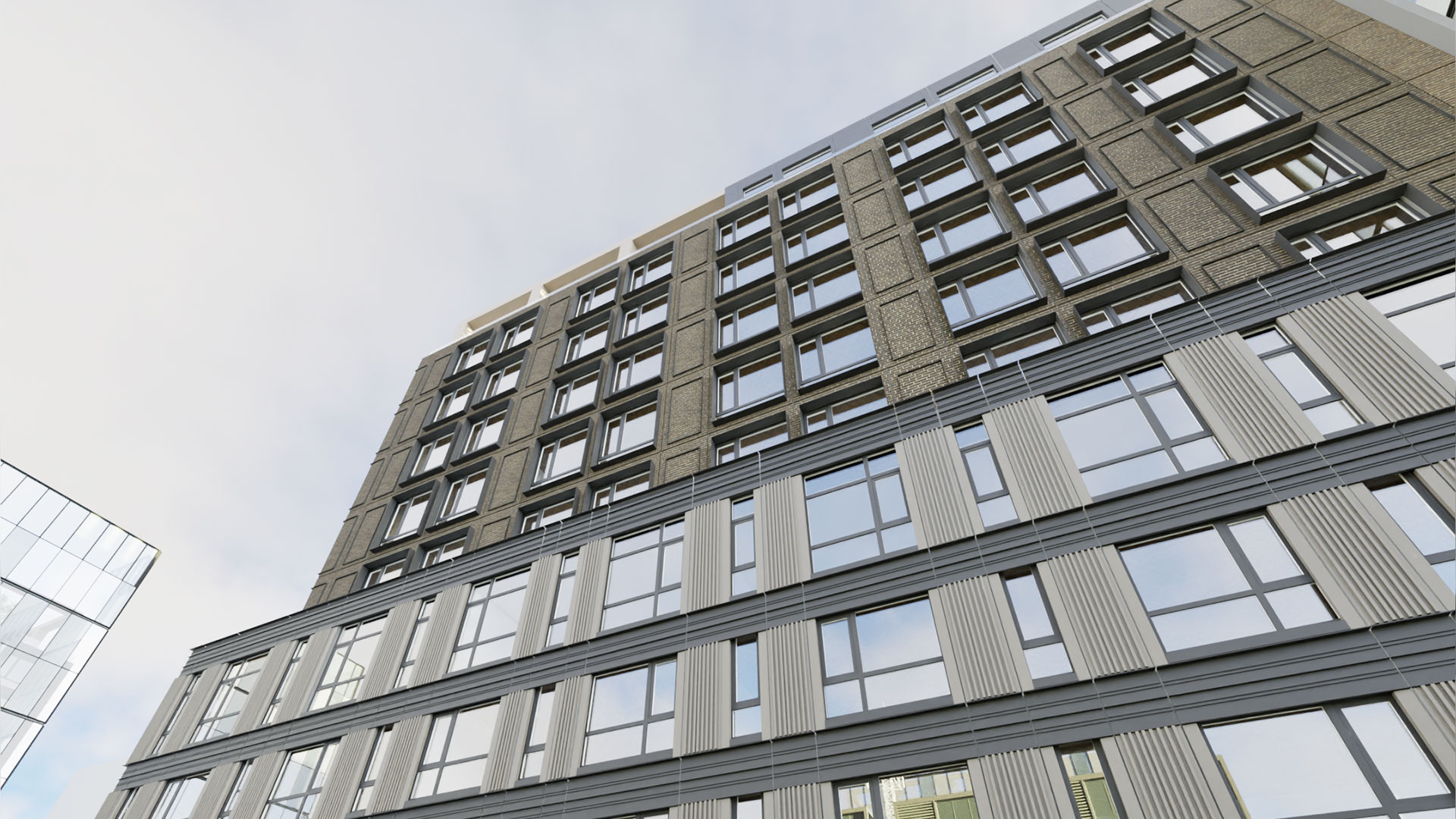
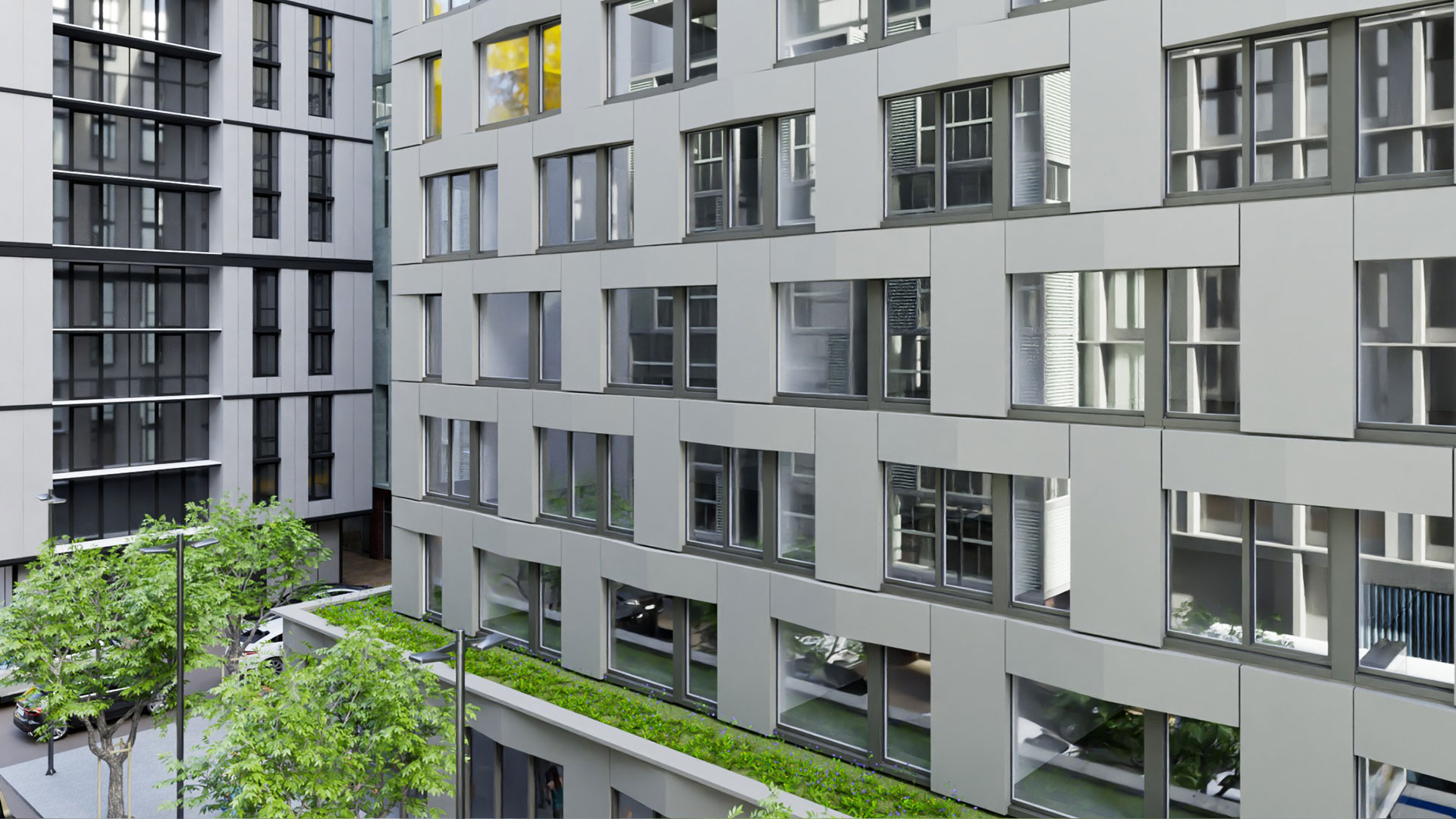
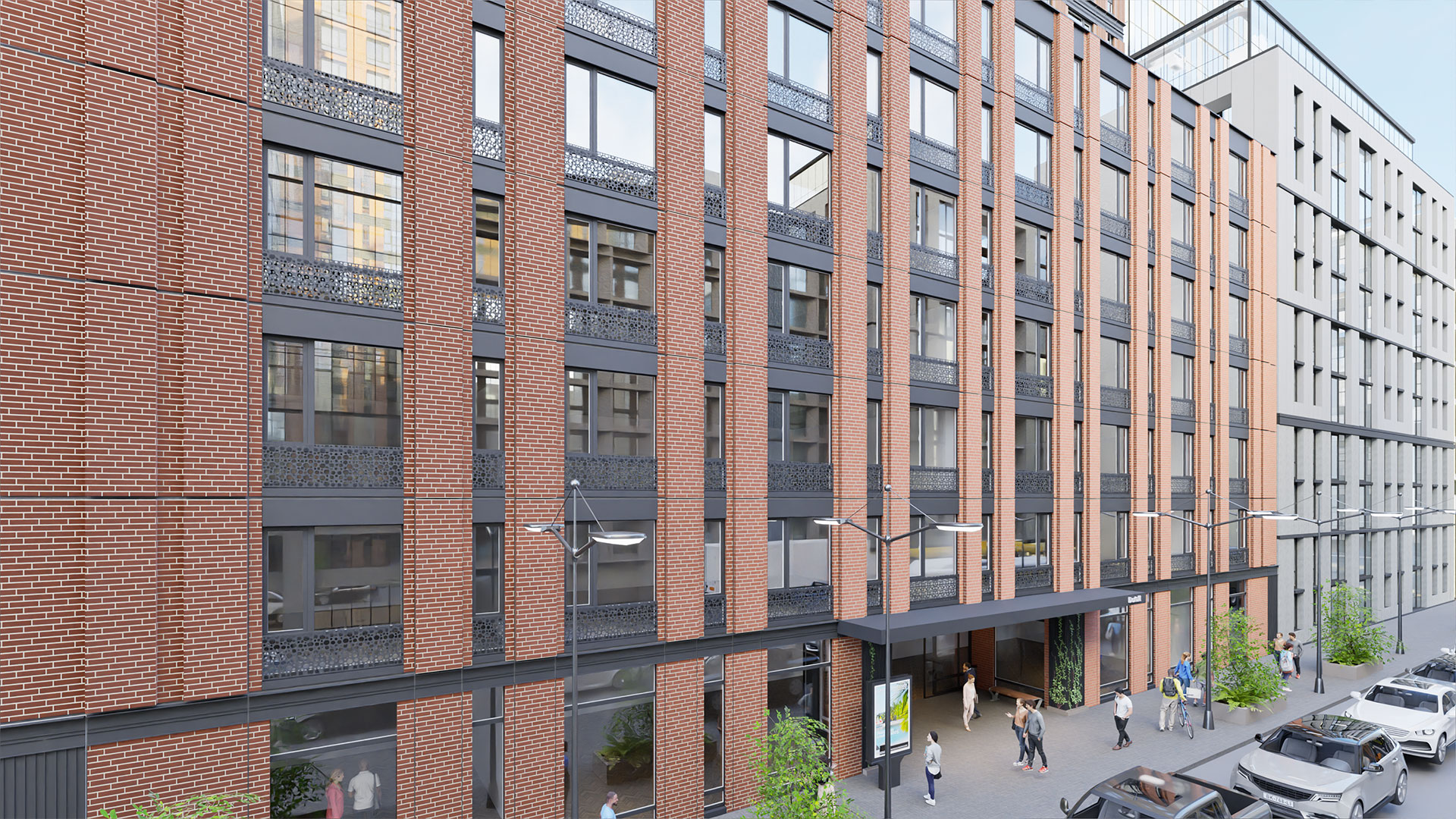
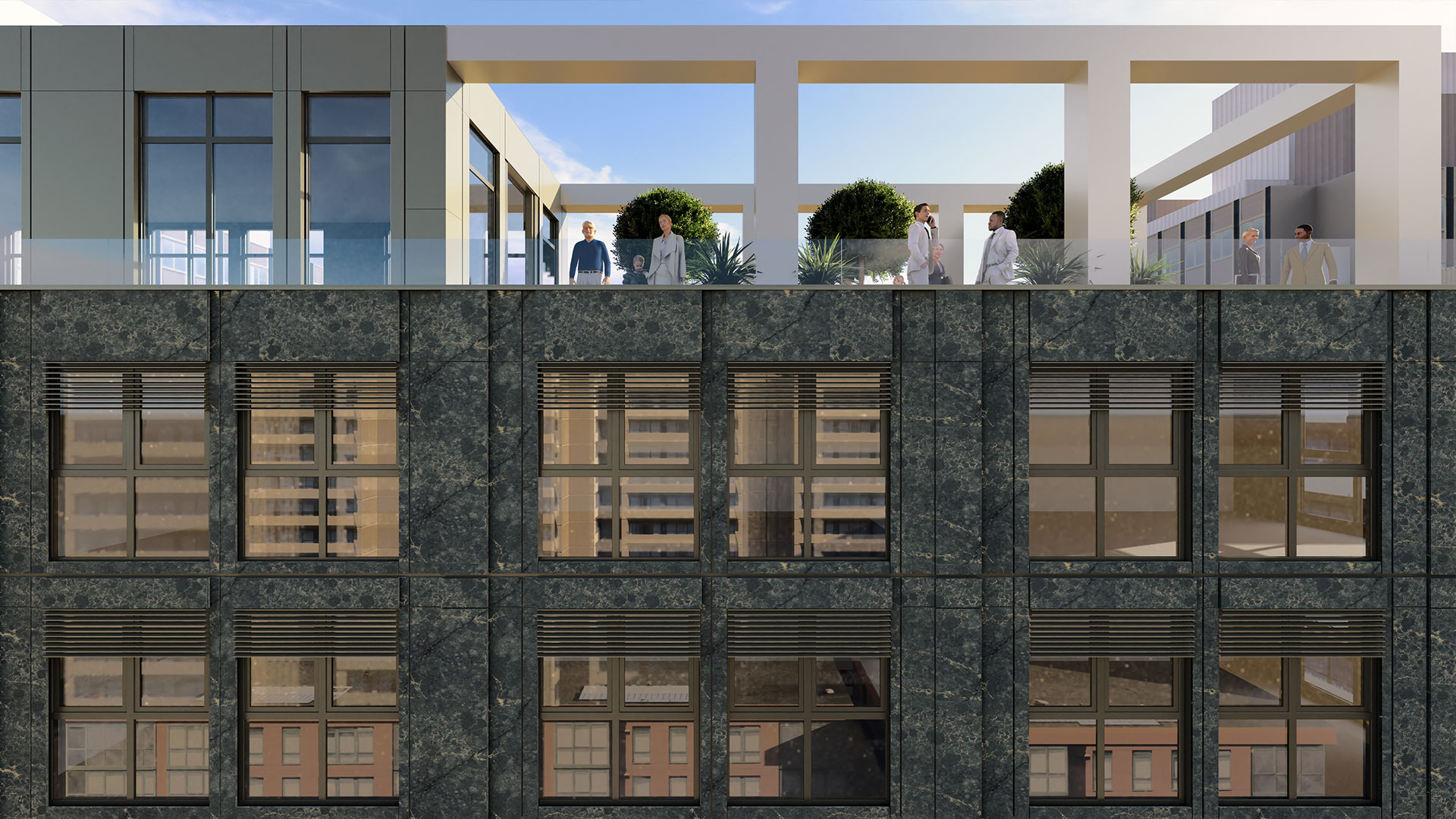
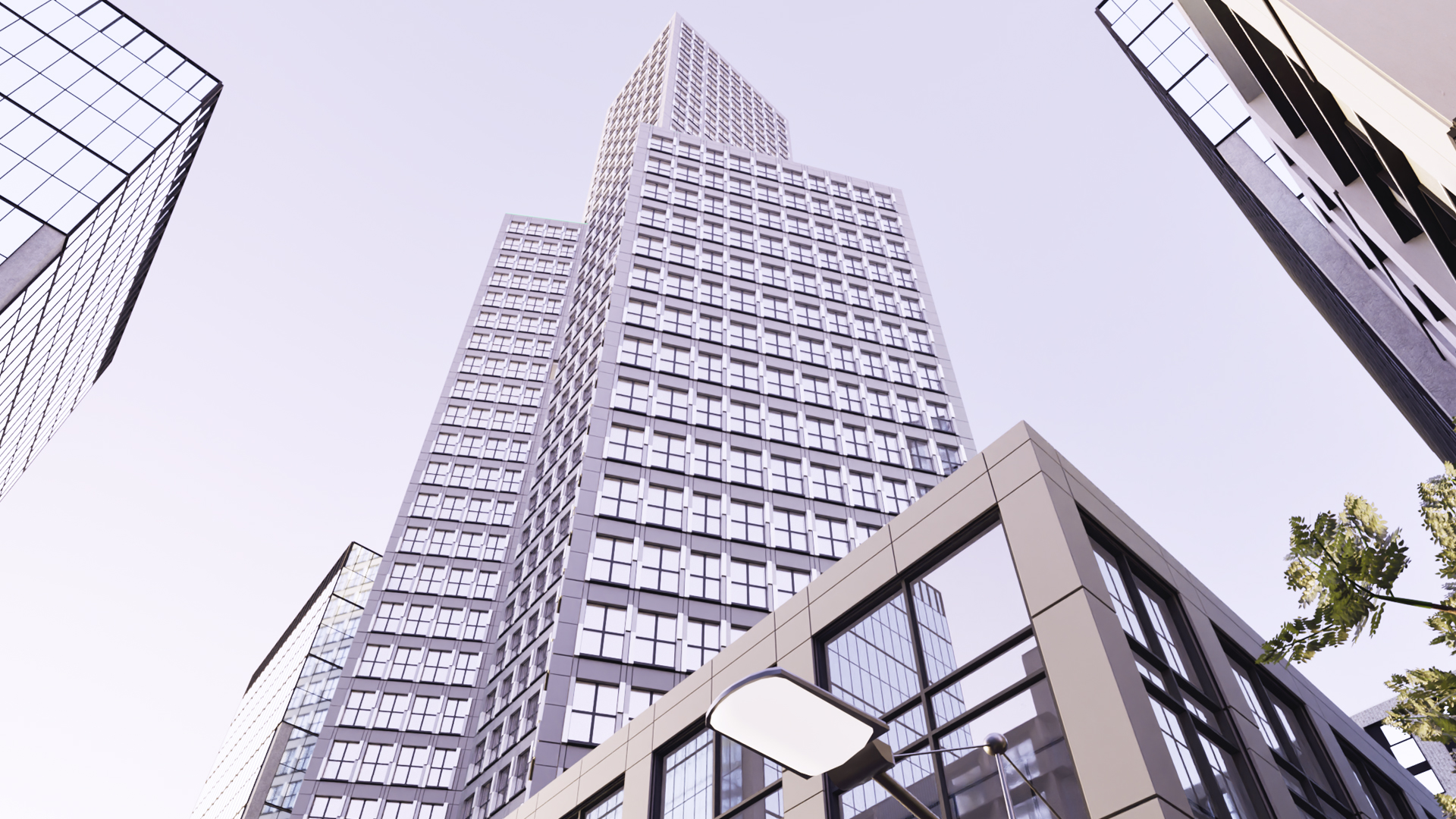
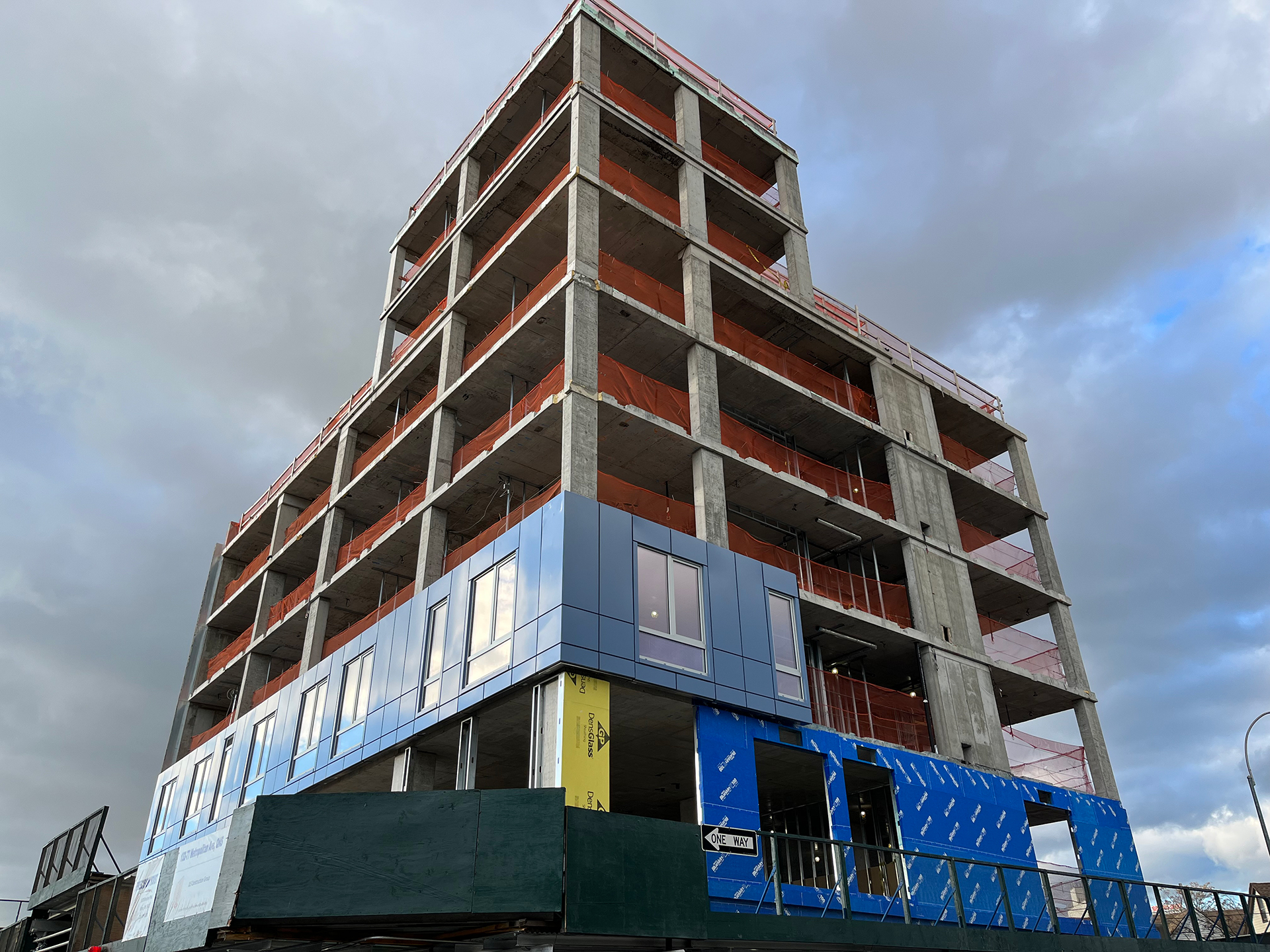
Images featured in this article depict Dextall's projects and are used for illustrative purposes only.





















.jpeg)

-Compliance-for-NYC-Multifamily-%26-Co-Op-Facades.jpg)















_format(webp).avif)
_format(webp)%20(6).avif)
_format(webp)%20(5).avif)
_format(webp)%20(4).avif)
_format(webp)%20(2).avif)
_format(webp)%20(3).avif)


.avif)
_format(webp)%20(2).avif)