One Dalton Boston: Engineering Cold-Climate Facades for Heating-Dominated Markets
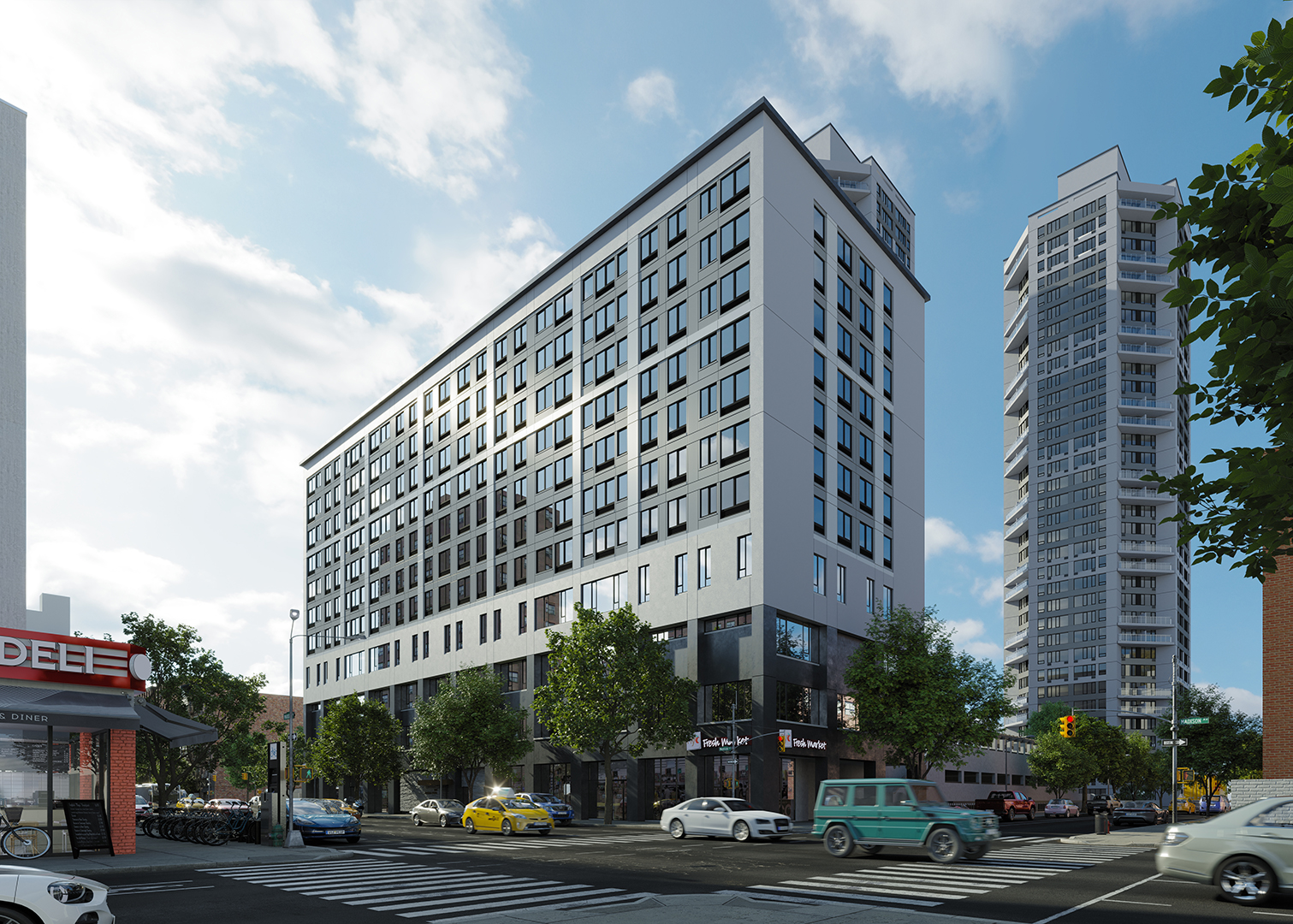
When architects and facade engineers move a project from New York to Boston, they move it from ASHRAE Climate Zone 4A to Climate Zone 5A — a single zone shift that changes how the building's envelope must be designed, detailed, and verified. In Zone 4A, solar heat gain is the primary energy driver. In Zone 5A, the dominant load is heating: long winters, deep outdoor temperatures, and moisture dynamics that push vapor from the heated interior outward through the wall assembly. The facade is no longer primarily a sun filter. It is a thermal retention and vapor management system.
One Dalton Street in Boston — a 742-foot, 61-story mixed-use tower completed in 2019 — stands as one of the most technically detailed high-rise glass curtain walls built in a cold-climate U.S. market in the past decade. Designed by Pei Cobb Freed & Partners (PCF&P) with Cambridge Seven Associates for developer Carpenter & Co., the building houses a 215-room Four Seasons Hotel on the lower floors and private residences above. Its triangular floor plan and curved all-glass facade were designed at a scale that PCF&P described as the largest curved glass panels they had worked with — 12 feet tall, 6 feet wide, bent to a 30-degree curve. Understanding how this facade handles Boston's climate is a practical guide to what any high-rise envelope in the U.S. Northeast must do.
What Makes One Dalton's Facade a Cold-Climate Engineering Problem
Curved Glass at Scale — the Fabrication and Performance Baseline
The defining element of One Dalton's exterior is its fully glazed, continuous curtain wall — no visible floor slab edges, no horizontal spandrel bands interrupting the glass. The triangular tower plan meant the facade curves continuously around three elongated faces, with each glass panel heat-bent to a 30-degree curve. At 12 feet tall and 6 feet wide, these panels were among the largest curved insulating glass units produced for a U.S. high-rise at the time of construction.
The performance requirements for each panel were set not by aesthetics but by Boston's climate: thermal insulation value, solar heat gain coefficient, visible light transmittance, acoustic performance, UV protection, and resistance to deflection and optical distortion under load. The upper forty floors of the tower include operable casement windows set into bay window incisions in the curtain wall, providing ventilation while maintaining the continuous glass plane from street level.
Climate Zone 5A — Heating-Dominated Performance Requirements
ASHRAE Climate Zone 5A covers Boston, the Chicago region, Minneapolis, and most of the U.S. Great Lakes area. Unlike Zone 4A (New York, Washington D.C., Philadelphia), Zone 5A buildings accumulate more heating degree days than cooling degree days — the annual energy balance tilts toward keeping heat inside rather than keeping heat out.
For curtain wall design, this shift has three direct consequences. First, the thermal performance requirement for the opaque portions of the facade — spandrel panels, column covers, slab edge closures — is higher than in Zone 4A. Massachusetts energy code, referencing ASHRAE 90.1, sets minimum continuous insulation values for curtain wall spandrel assemblies in Climate Zone 5A that exceed the requirements for warmer zones. Second, the air barrier continuity requirement is more consequential: air leakage at facade joints in cold climates carries interior moisture into the wall assembly, compounding thermal energy loss with moisture accumulation risk. Third, the direction of vapor drive reverses compared to hot-humid climates. In Boston winters, water vapor moves from the warm interior outward through the assembly — a moisture flow pattern that demands interior-side vapor control.
Vapor Management in Cold-Climate Curtain Walls
Class I and Class II Vapor Retarders in Climate Zone 5
ASHRAE 90.1 and the International Energy Conservation Code classify vapor retarders by permeance — their resistance to moisture vapor transmission. A Class I vapor retarder (0.1 perm or less) is essentially vapor-impermeable: foil-faced insulation, polyethylene film, glass itself. A Class II retarder (0.1 to 1.0 perm) allows some moisture transmission while slowing the overall vapor drive.
In Climate Zone 5A and colder, the code requires a Class I or Class II vapor retarder on the interior side — the warm side — of the wall assembly. For a curtain wall system, this typically means the interior face of the spandrel insulation or the back pan lining the spandrel zone. The intent is to slow vapor entry into the assembly from the heated interior before moisture can reach the cold exterior portions of the curtain wall frame and condense on metal surfaces.
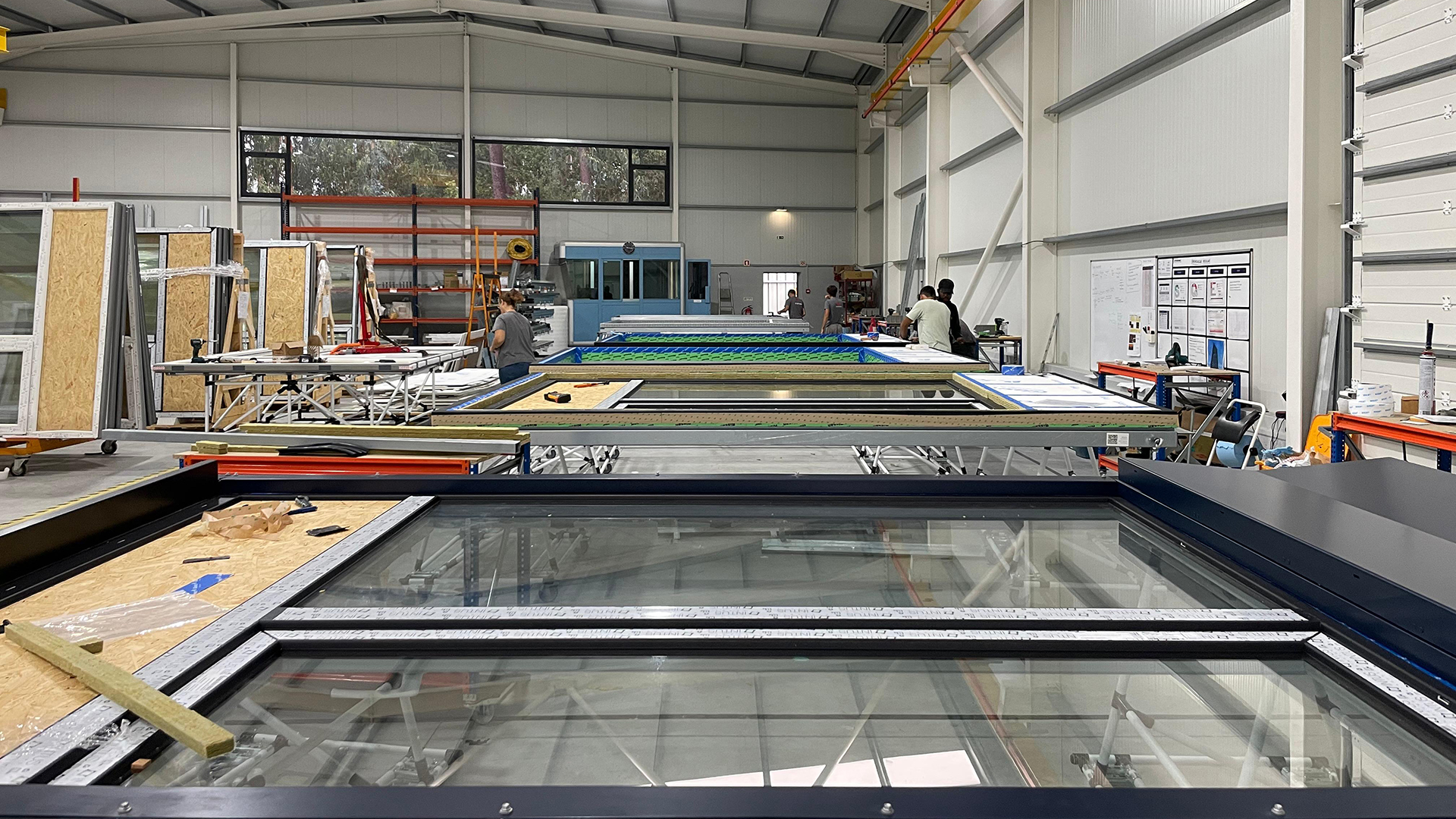
At One Dalton, the fully glazed facade — continuous glass from floor to floor with no exposed spandrel band — required the spandrel insulation and vapor management to be resolved entirely within the curtain wall unit itself, invisible from the exterior. Factory-assembled unitized panels handle this integration under controlled conditions: insulation placement, vapor retarder installation, and back pan sealing are completed in a shop environment where sequencing and continuity can be inspected and verified before the unit reaches the site.
Air Barrier Continuity — Why Cold Climates Demand More
In a warm climate, air barrier gaps at curtain wall joints are primarily a comfort and energy issue: conditioned air escapes, unconditioned air enters. In a cold climate, the same gaps carry interior moisture-laden air directly into the facade assembly. When this warm, humid air meets cold metal framing, glass, or insulation near the exterior, it can drop below the dew point and condense. In a steel curtain wall frame, repeated condensation cycles accelerate corrosion. In an insulated spandrel assembly, accumulated moisture reduces insulation effectiveness and can promote mold growth at the interior finish.
Massachusetts requires a continuous air barrier for all commercial buildings — not just at the primary wall plane but at all penetrations, joints, and transitions: window rough openings, mechanical penetrations, parapet tops, and floor-to-facade interfaces. For a unitized curtain wall system, the inter-unit joints are the critical location. Unitized panels use gasket-and-pressure-equalization systems at vertical and horizontal joints that, when properly installed, maintain air and water continuity across the entire facade without field-applied sealant.
Thermal Bridging in Cold-Climate Curtain Walls
Aluminum Framing as a Thermal Pathway
Every aluminum mullion in a curtain wall is a thermal bridge. Aluminum alloys used in curtain wall construction have a thermal conductivity of approximately 160 W/m·K — roughly 160 times more conductive than glass, and orders of magnitude faster at transmitting heat than the insulating glass unit it holds in place. In a warm climate, this means solar heat is conducted faster from the exterior surface inward at every mullion. In a cold climate, it means interior heat escapes significantly faster at every mullion location than through the insulated glazing between them.
High-performance curtain wall systems address aluminum thermal bridging through polyamide thermal breaks inserted between the exterior and interior faces of the mullion profile. These breaks interrupt the aluminum conduction path while maintaining structural integrity. In Climate Zone 5A, ASHRAE 90.1-2022's prescriptive compliance path for curtain wall assemblies accounts for the thermal bridging effect of aluminum framing through a modified U-factor calculation methodology — the assembly U-factor reflects not just the glazing unit performance but the framing fraction and the thermal bridge penalty at every mullion and transom.
Spandrel Zones — Where Thermal Performance Is Most Vulnerable
The spandrel zone of a curtain wall — the opaque section that conceals floor slabs, mechanical equipment, and structural members between glass vision areas — is the most thermally vulnerable portion of the facade. Because spandrel panels are opaque, they can carry significantly more insulation than a vision glass unit. But that insulation is only effective if it is continuous, correctly positioned, and not bypassed by metal-to-metal contact at panel edges and anchor points.
At One Dalton, the continuous glazed appearance means the spandrel zones are integrated invisibly behind matching glass — a glass spandrel assembly rather than a solid panel. Glass spandrels present a specific thermal challenge: the spandrel insulation is positioned between the inner glass lite and the backing, and the glass-to-frame edge joint must be carefully detailed to prevent thermal bridging at the perimeter of the opaque zone. The D Wall® system addresses this at a modular level — each panel unit integrates insulation, vapor control, and exterior cladding in a factory-assembled sequence that eliminates field-applied insulation gaps and provides consistent spandrel performance across the entire facade.
Cold Climate Envelope Strategy for High-Rise Developers
What Climate Zone 5A Means for Project Budgets and Schedules
Developers moving projects from Zone 4A to Zone 5A markets — from New York to Boston, from Philadelphia to Pittsburgh or Chicago — face a specific set of envelope upgrades that add first cost but protect long-term operating performance. Higher spandrel insulation values, thermal-break mullion profiles, and verified vapor retarder continuity each add to the facade system cost. But in a heating-dominated climate, the payback period is shorter: the energy saved by a well-insulated envelope compounds over a Boston building's 50-year life.
Dextall Studio enables developers and facade consultants to model envelope performance across climate zones during early design — before fabrication commitments are made. Running a thermal performance analysis in Climate Zone 5A versus 4A conditions at the panel design stage allows teams to right-size insulation values, select appropriate glazing specifications, and identify thermal bridge locations that require mitigation before they become field problems.
Prefab Panel Delivery in Cold-Climate Conditions
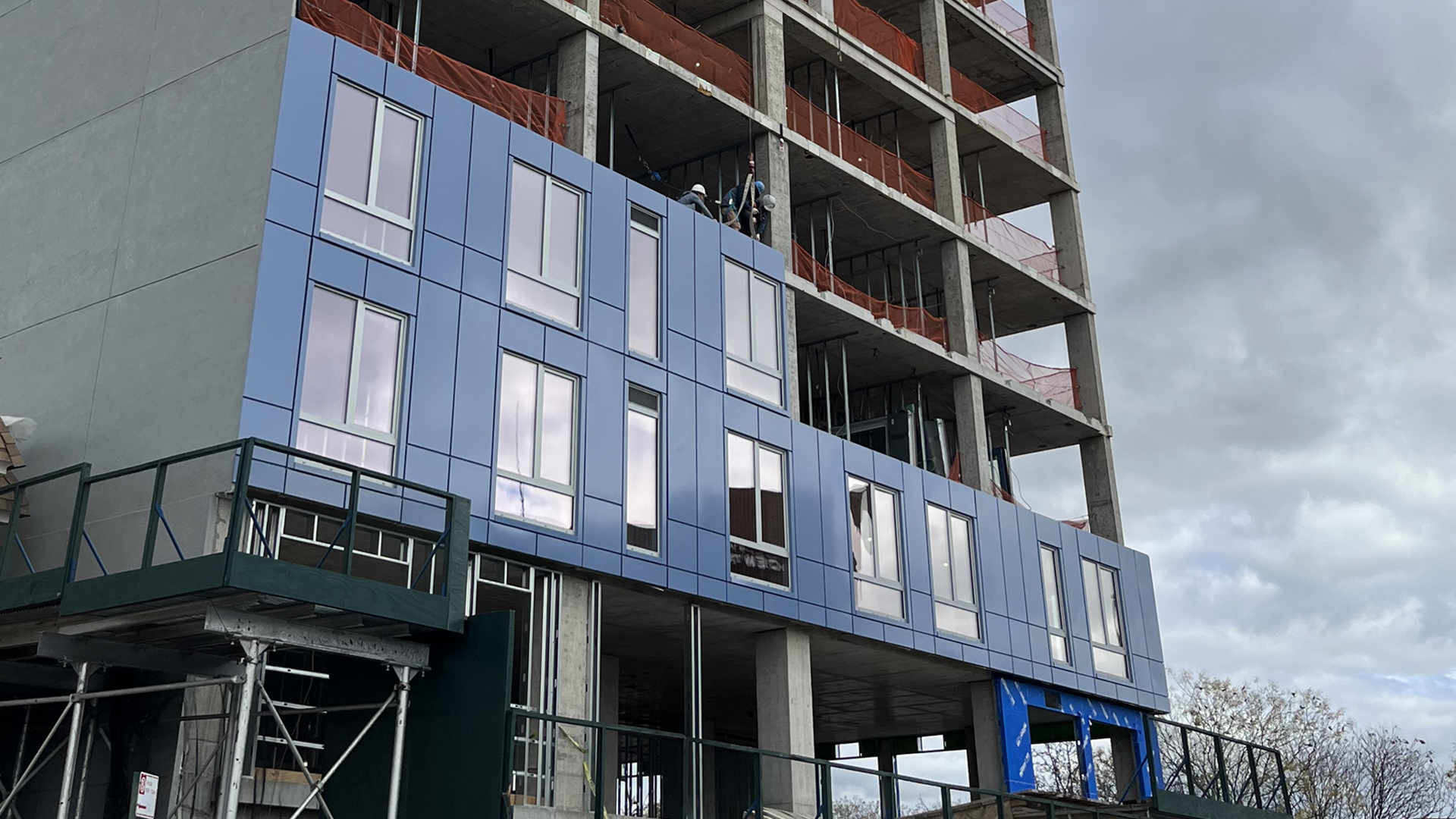
Cold-climate construction timelines add a site constraint that prefabricated facade systems address directly. A unitized curtain wall panel arrives at the site as a complete, factory-sealed unit: glass, insulation, vapor retarder, and framing assembled under controlled conditions. Installation in Boston winter conditions involves crane lifts and panel-to-panel joint connections — operations that can be executed in cold weather without the curing time or temperature constraints that sealant-based stick systems require. The unitized delivery method removes from the field all the operations most vulnerable to cold-weather quality degradation: foam backer rod setting, sealant application, insulation placement, and vapor retarder seaming.
For developers planning high-rise projects in Boston, Chicago, Minneapolis, or any Climate Zone 5 or colder market, the envelope specification decisions made at schematic design will determine operating costs, code compliance risk, and long-term moisture performance. The unitized panel approach — factory assembly, consistent detailing, field installation in any weather — is particularly well matched to the cold-climate requirement for air barrier and vapor retarder continuity that field-built systems struggle to verify uniformly.
FAQ: Cold Climate Facades and High-Rise Envelope Design
What is the difference between ASHRAE Climate Zone 4A and 5A for curtain wall design?
Zone 4A (New York, D.C., Philadelphia) is mixed-humid, with roughly balanced heating and cooling loads. Zone 5A (Boston, Chicago, Minneapolis) is heating-dominated: more heating degree days than cooling degree days annually. Zone 5A requires higher insulation values in spandrel assemblies, more stringent air barrier detailing, and vapor retarder placement on the interior (warm) side to manage the winter vapor drive from interior to exterior.
Why does vapor retarder placement matter in cold climates?
In cold climates, interior air is warmer and more humid than exterior air in winter. Water vapor moves from high concentration (interior) to low concentration (exterior) — outward through the wall assembly. If a vapor retarder is absent or placed on the wrong side of the insulation, moisture can condense within the wall at the dew point location, causing corrosion, insulation degradation, and mold growth. Building codes for Climate Zone 5A require a Class I or Class II vapor retarder on the interior side of wall assemblies.
How does aluminum thermal bridging affect curtain wall performance in cold climates?
Aluminum alloys used in curtain wall profiles conduct heat approximately 160 times faster than glass. Every mullion becomes a heat escape path through the facade. In cold climates, unmitigated aluminum thermal bridges lower the interior surface temperature of the mullion in winter, increasing condensation risk and reducing overall assembly thermal performance. High-performance curtain wall systems address this with polyamide thermal breaks inserted between the interior and exterior faces of the mullion profile.
What is a glass spandrel, and how is it insulated in a cold climate?
A glass spandrel is an opaque section of curtain wall covered with glass on the exterior to maintain a continuous glazed appearance. Behind the outer glass lite, insulation is placed between the glass and a backing panel. In cold climates, the glass spandrel must achieve code-required minimum continuous insulation values, and the glass-to-frame edge joints must be carefully detailed to avoid thermal bridging at the perimeter of the opaque zone.
Can Dextall's D Wall® system meet Climate Zone 5A performance requirements?
D Wall® prefabricated facade panels integrate insulation, cladding, and structural backup in a factory-assembled unit designed for high thermal performance and consistent quality across all climate zones. Dextall's engineering team works with project-specific climate zone data and energy code requirements to specify insulation values, vapor retarder placement, and assembly details that meet or exceed Zone 5A minimums. Contact Dextall to discuss performance targets for your project.
Disclaimer
Performance data referenced in this article reflects published technical documentation, energy code requirements, and publicly available project records for One Dalton Street, Boston. Thermal conductivity values, climate zone classifications, and vapor retarder permeance categories reference ASHRAE 90.1-2022 and related building energy standards as publicly documented. Dextall D Wall® performance characteristics are subject to project-specific engineering review and should not be applied directly to other projects without independent professional verification.
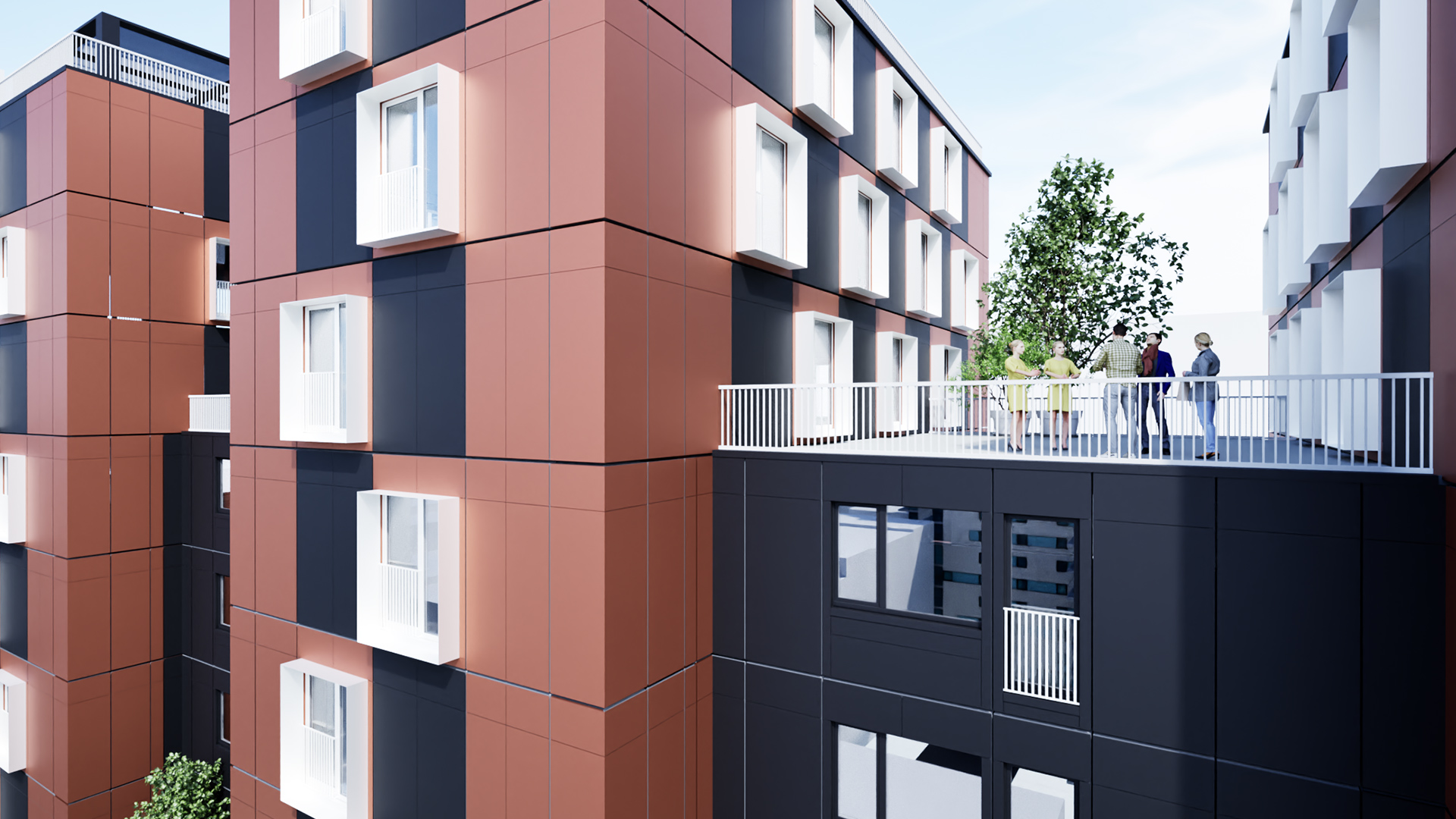
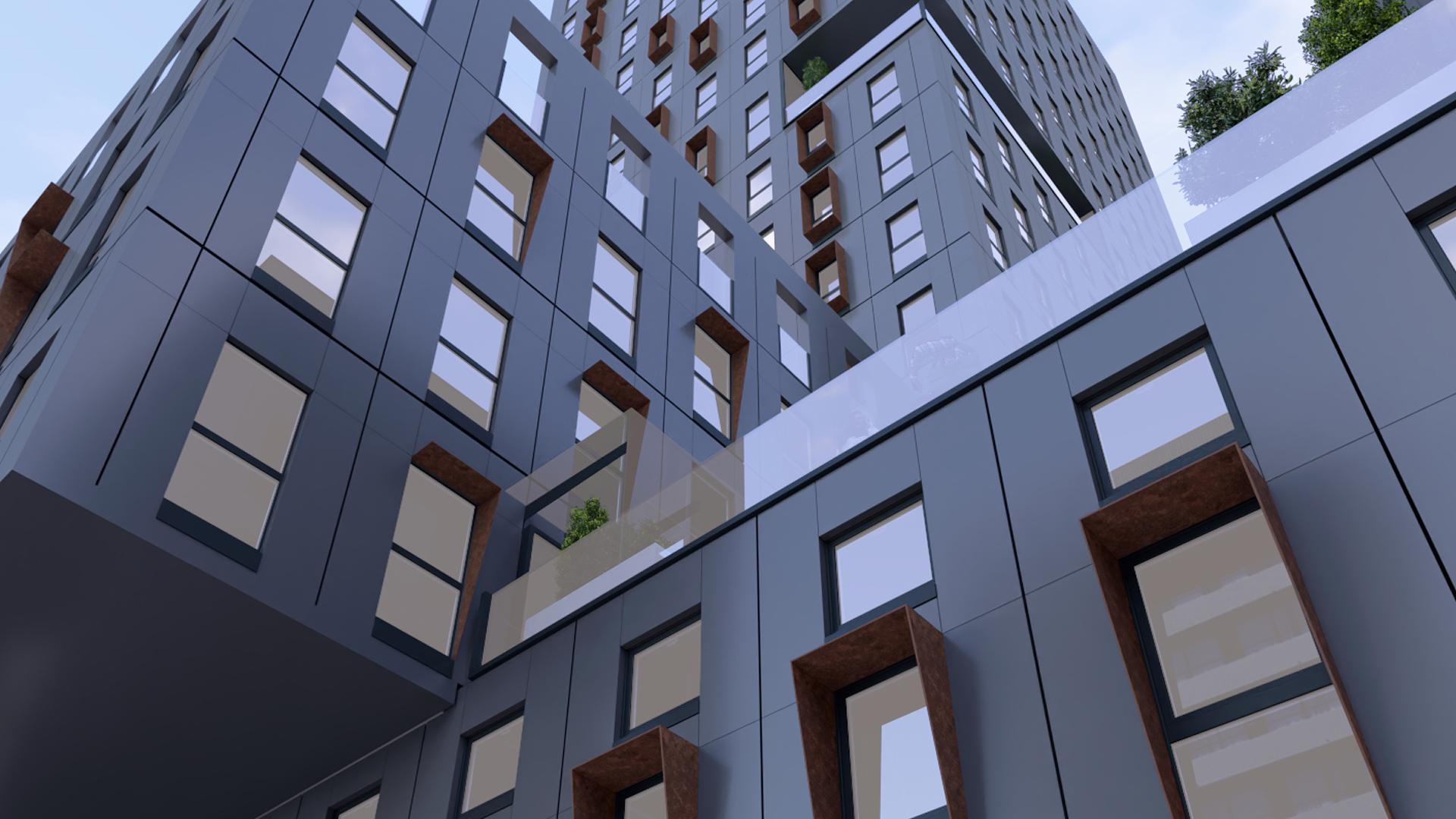
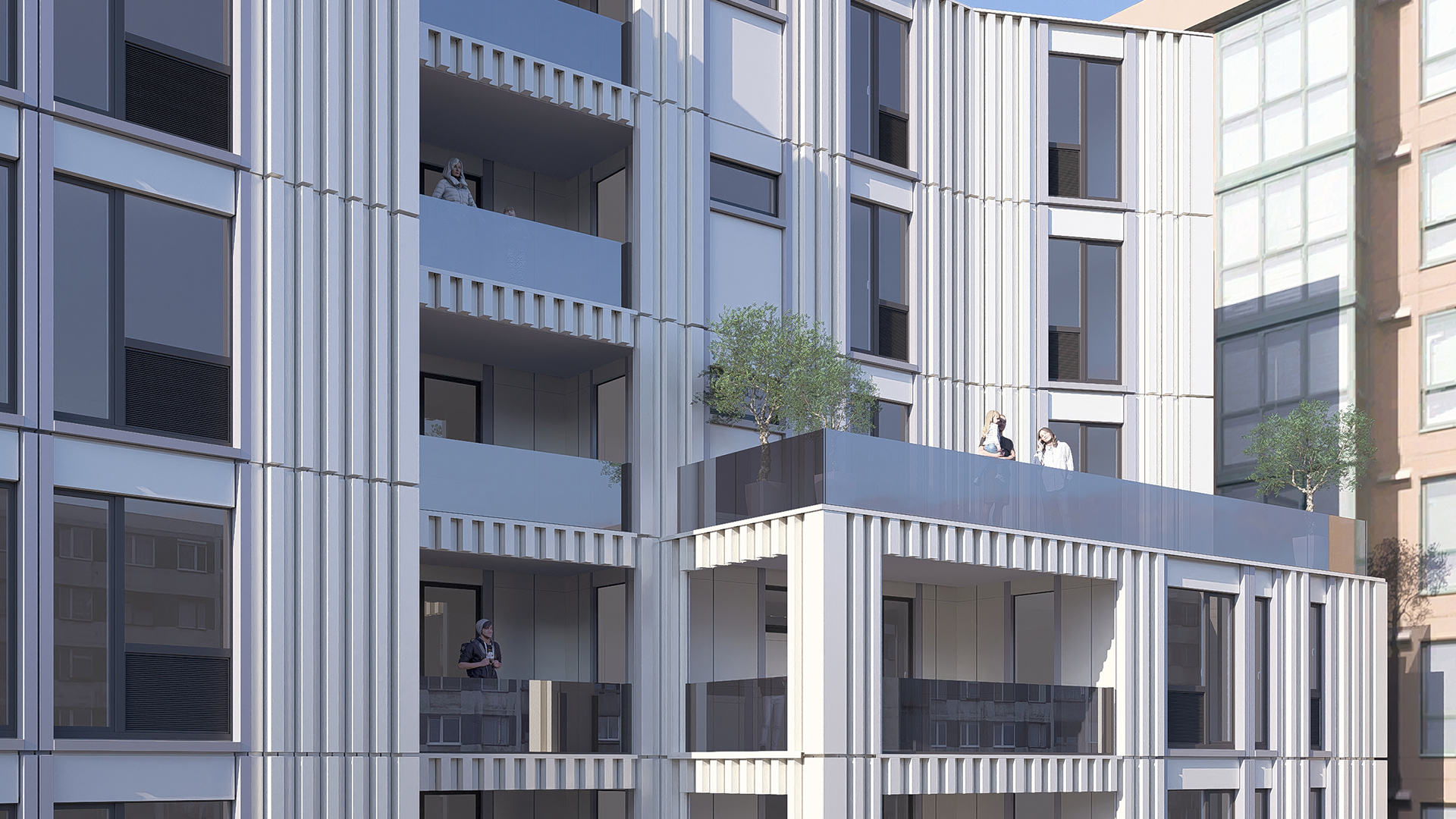
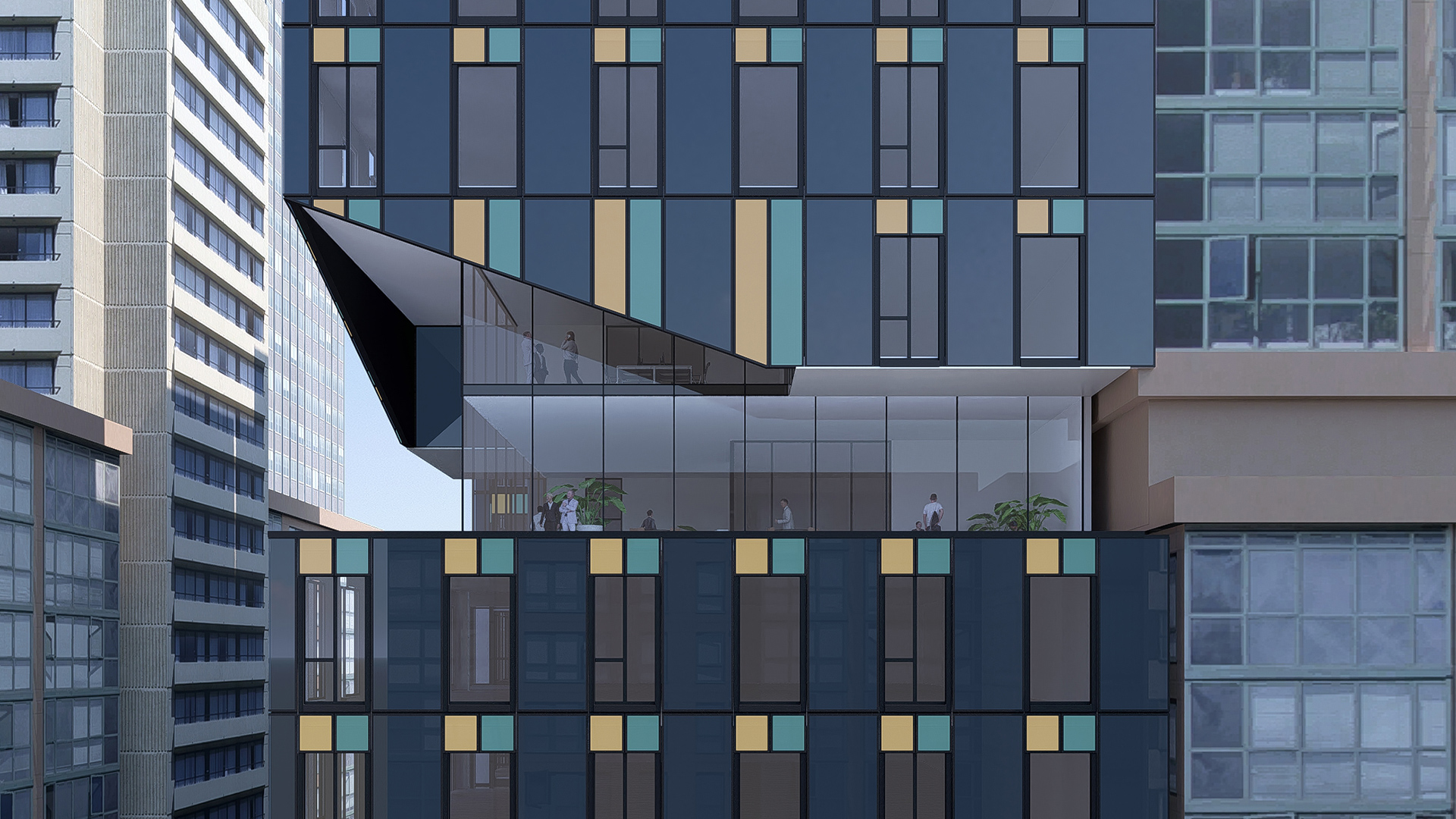
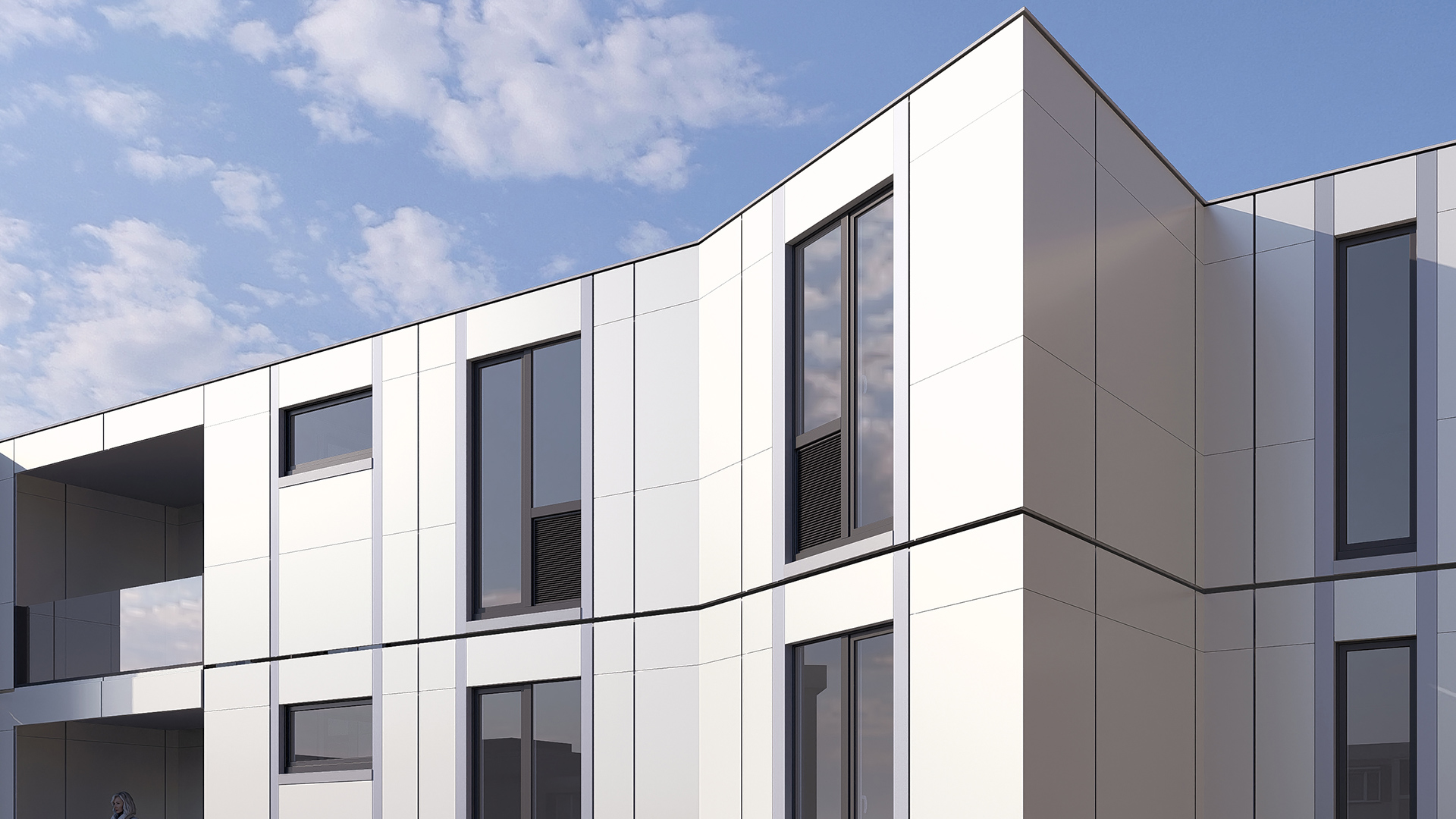
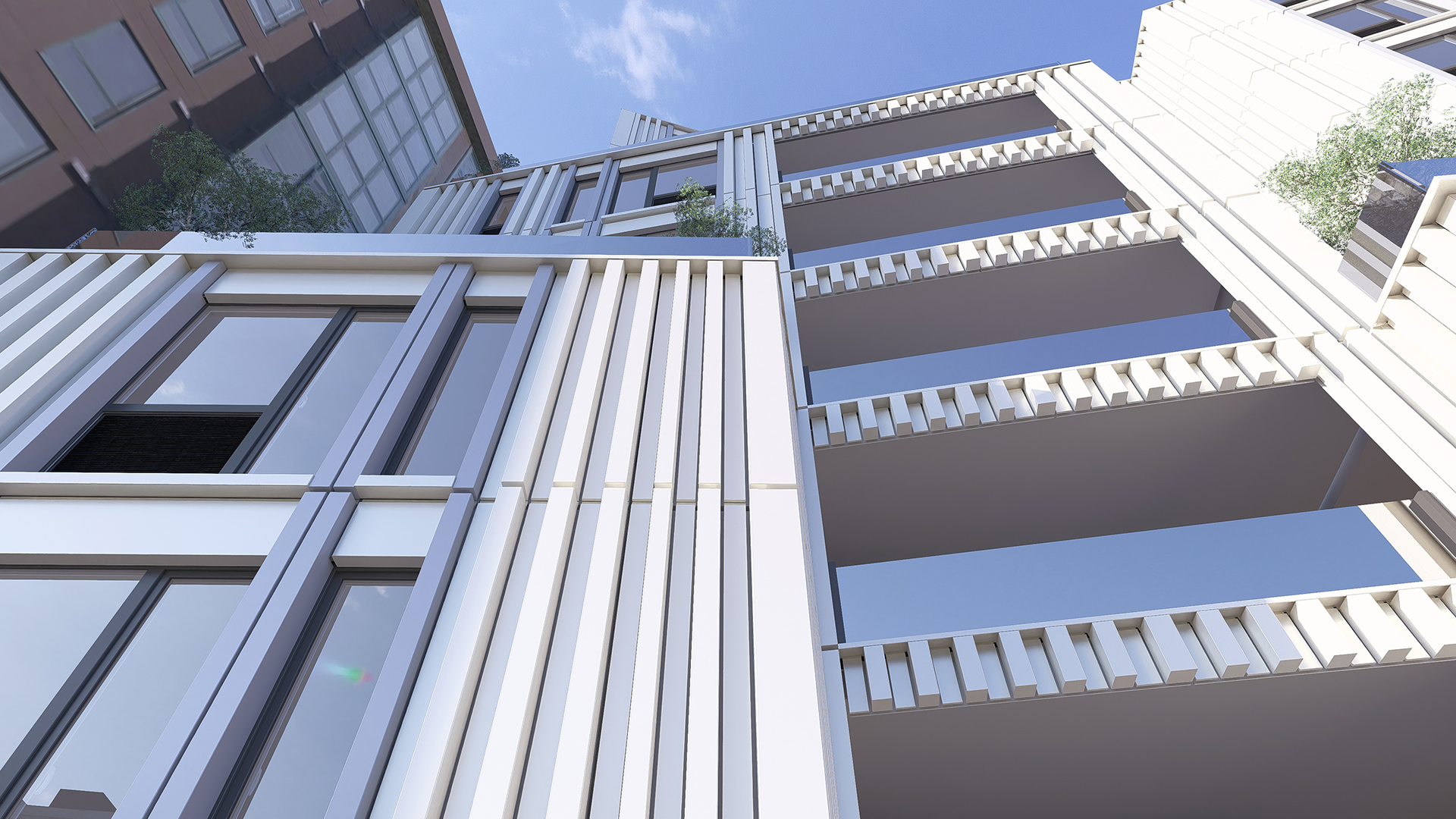
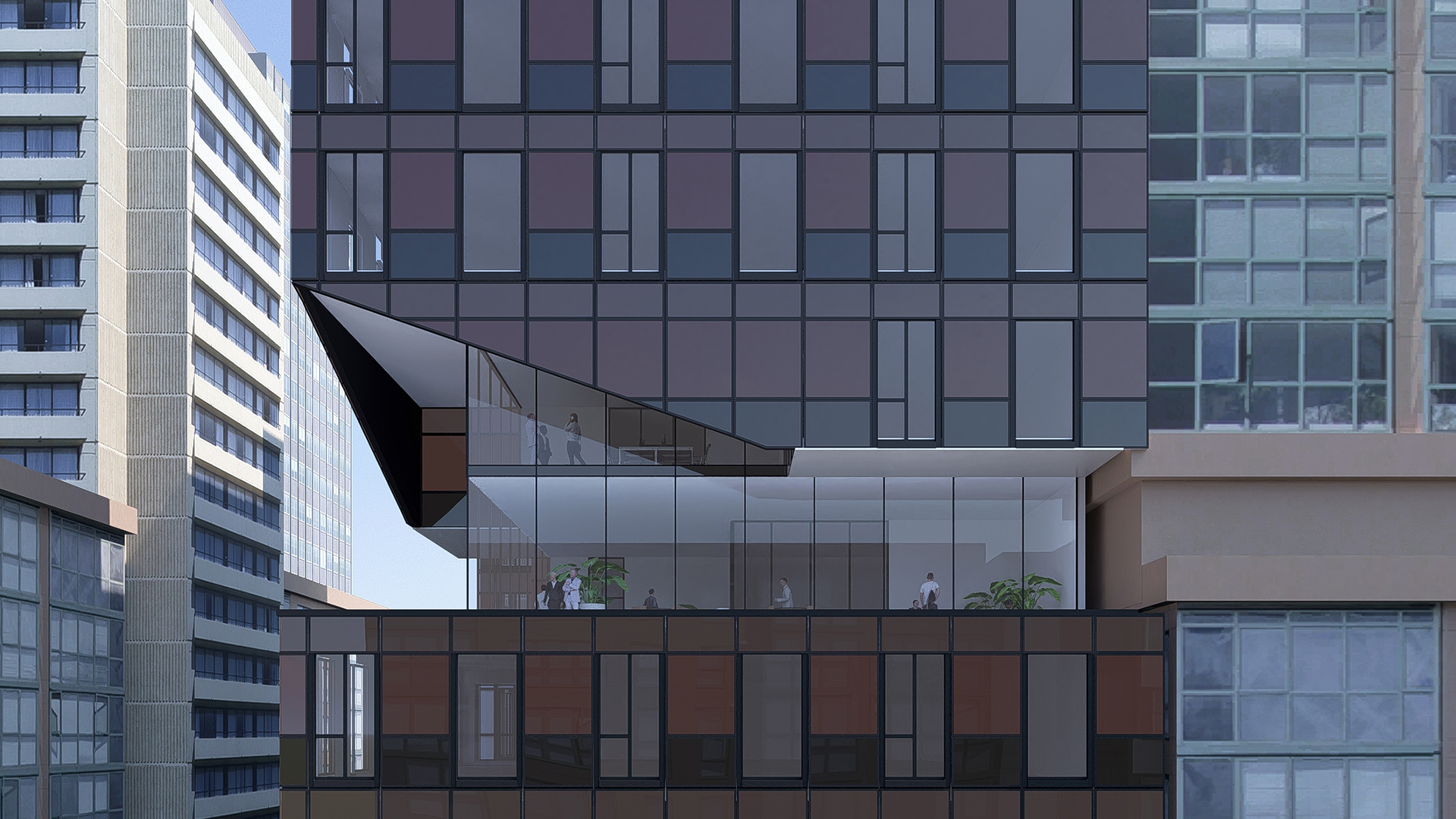
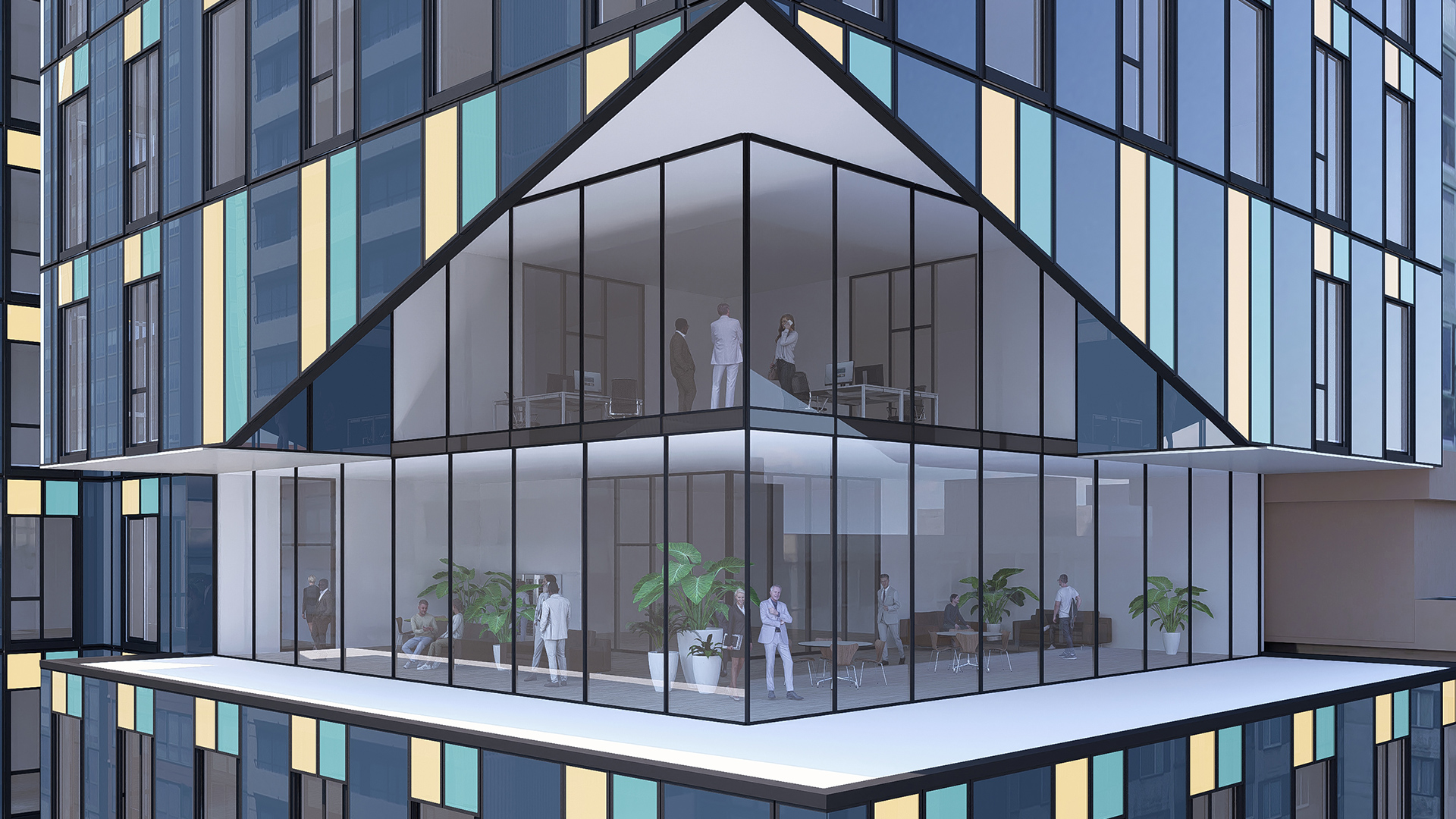
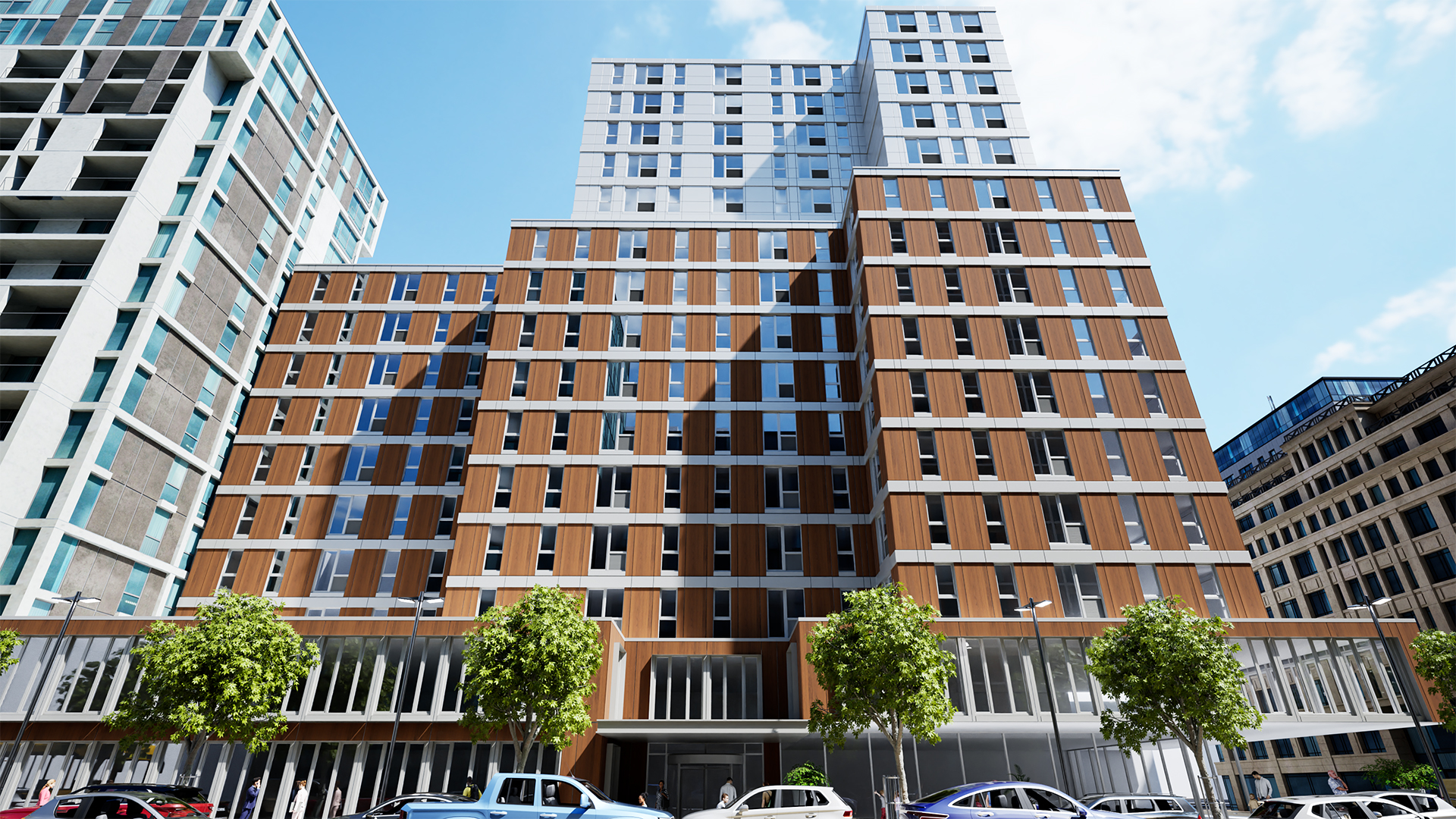
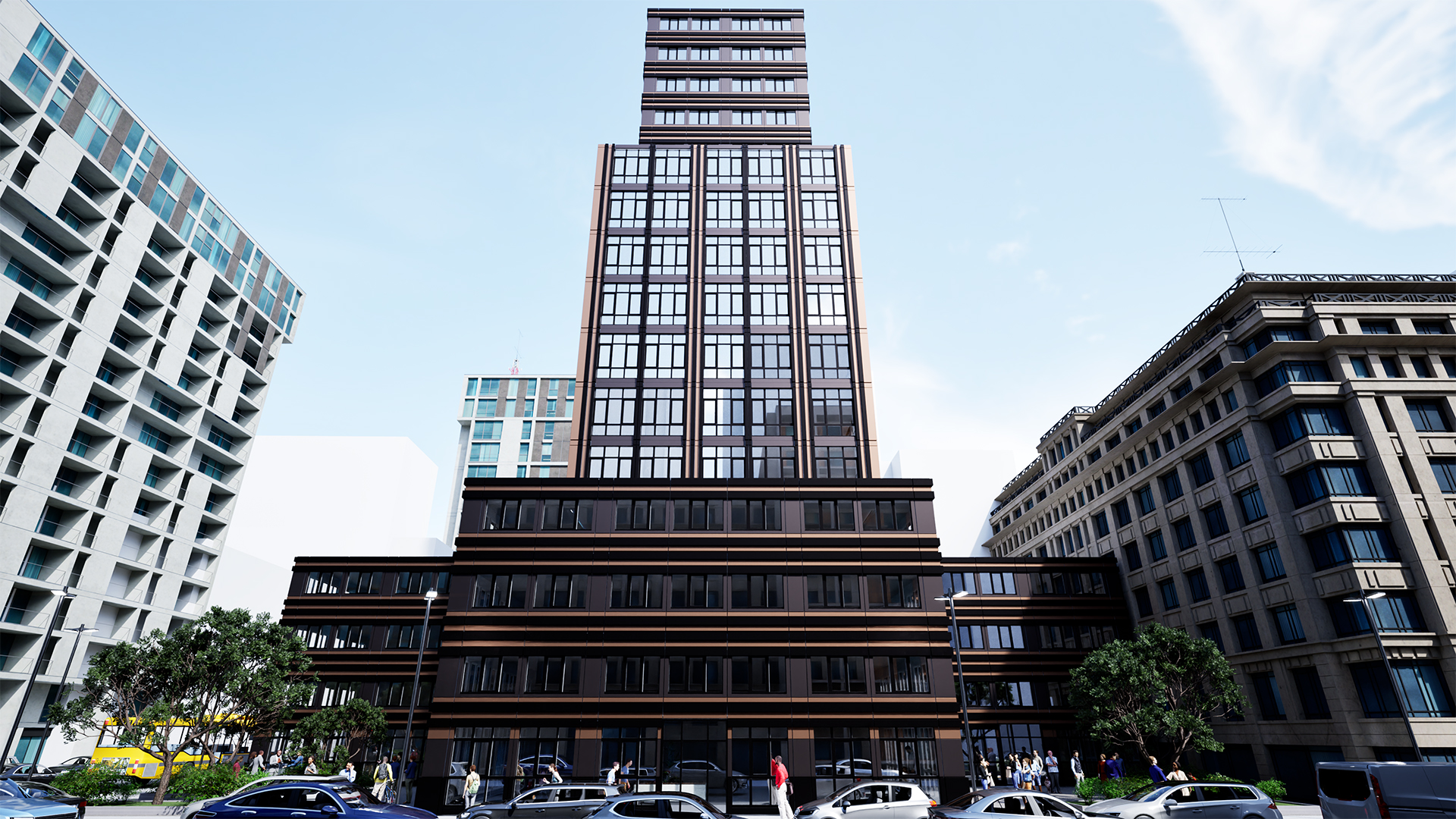
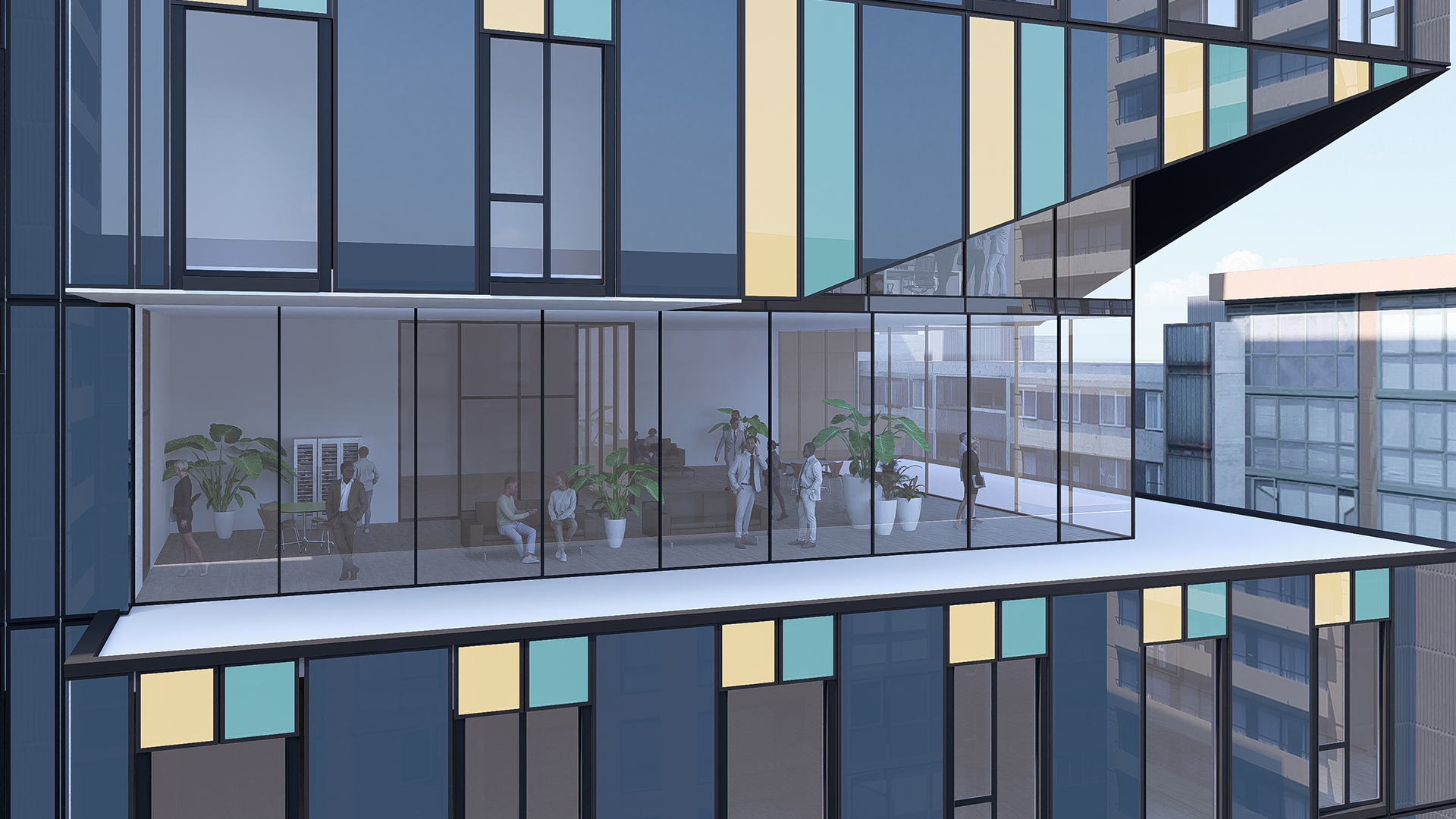
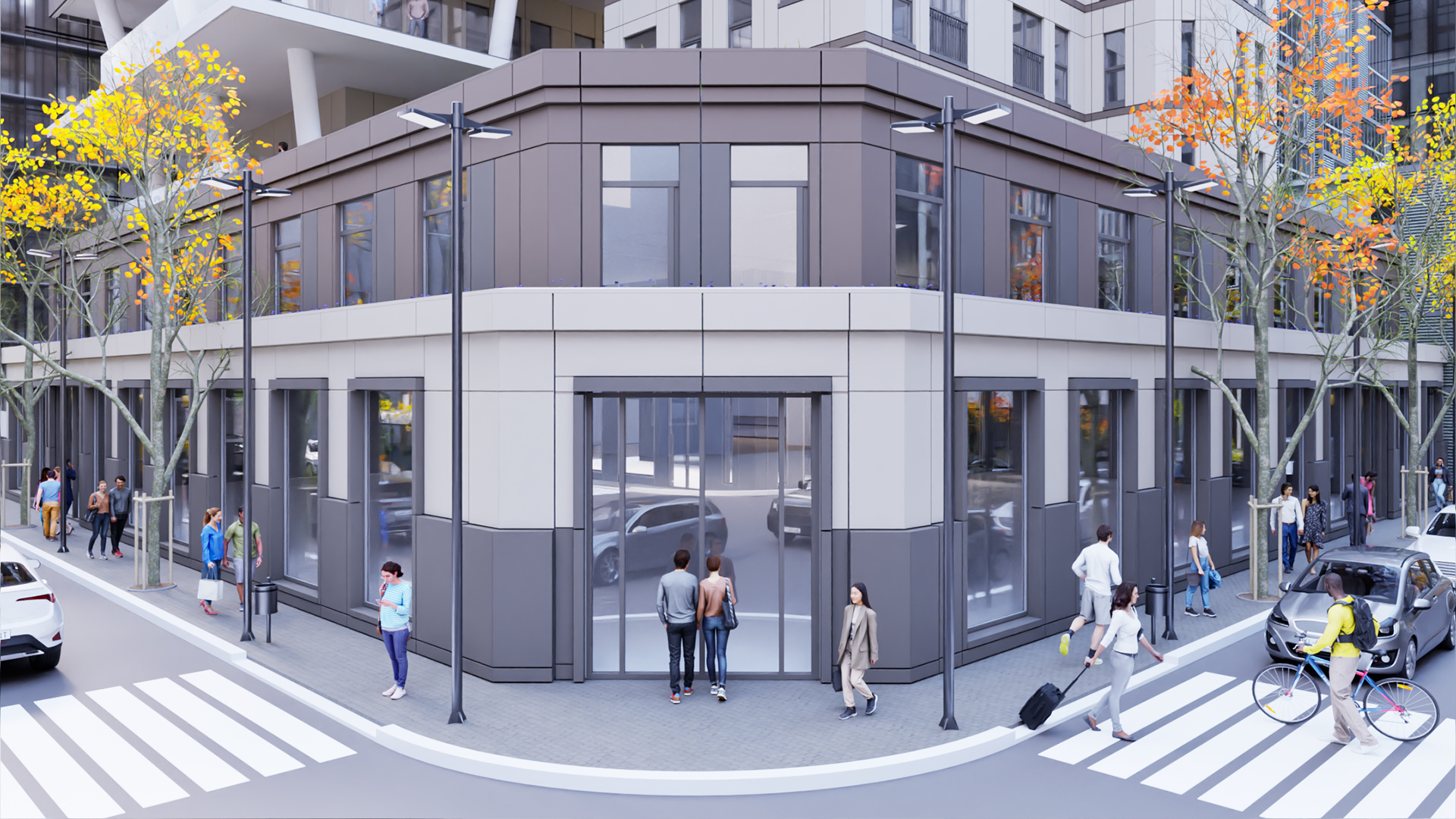
Images featured in this article depict Dextall's projects and are used for illustrative purposes only.
Sources
- Pei Cobb Freed & Partners — One Dalton Street project page
- Cambridge Seven Associates — firm portfolio
- ASHRAE 90.1-2022 — Energy Standard for Buildings Except Low-Rise Residential Buildings
- Massachusetts Board of Building Regulations and Standards — Energy Code
- International Energy Conservation Code 2021 — Climate Zone definitions and vapor retarder requirements












.jpeg)

-Compliance-for-NYC-Multifamily-%26-Co-Op-Facades.jpg)














_format(webp).avif)
_format(webp)%20(6).avif)
_format(webp)%20(5).avif)
_format(webp)%20(4).avif)
_format(webp)%20(2).avif)
_format(webp)%20(3).avif)


.avif)
_format(webp)%20(2).avif)