LL11 Re-cladding in NYC: When Repairs Don't Work
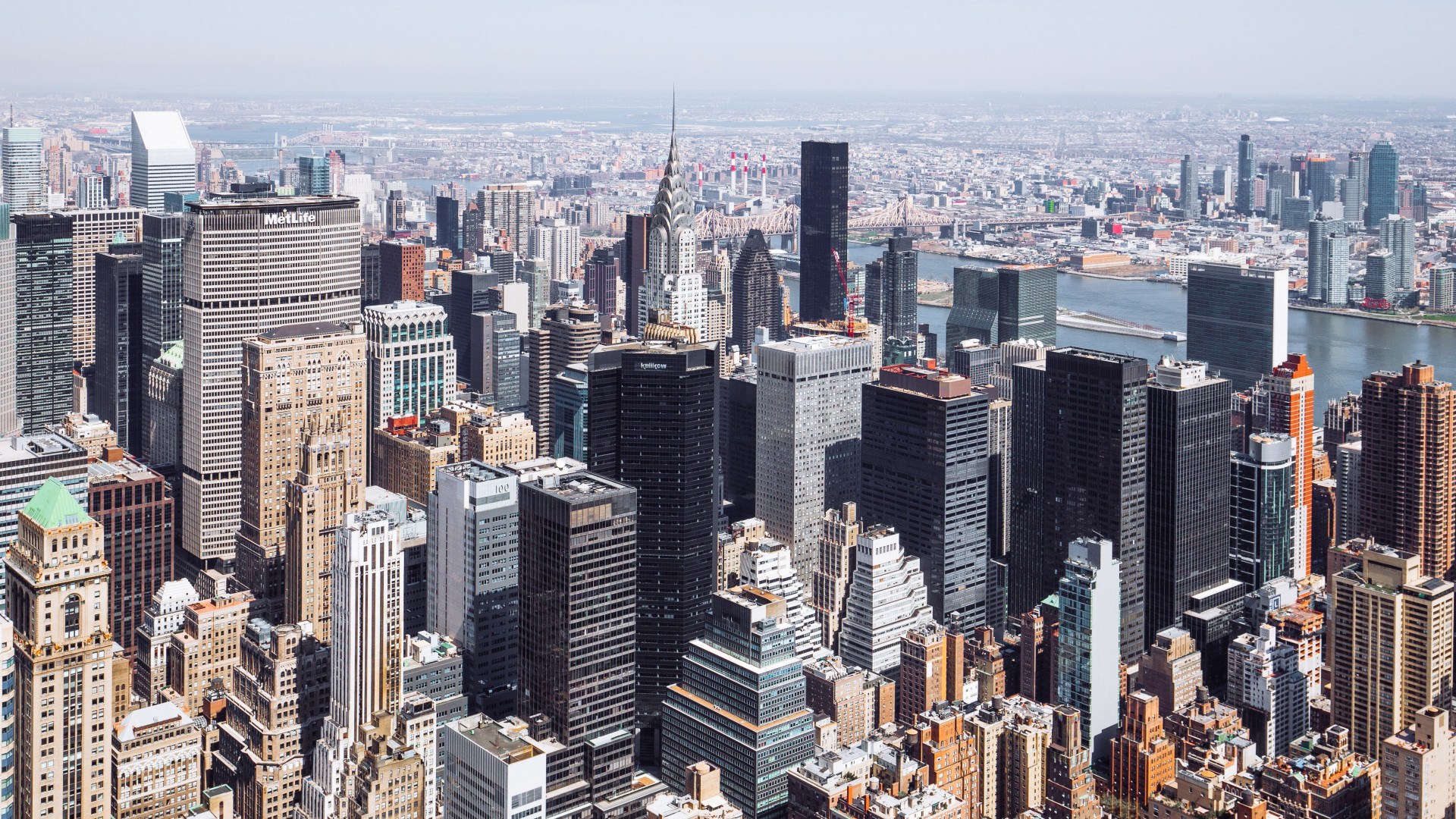
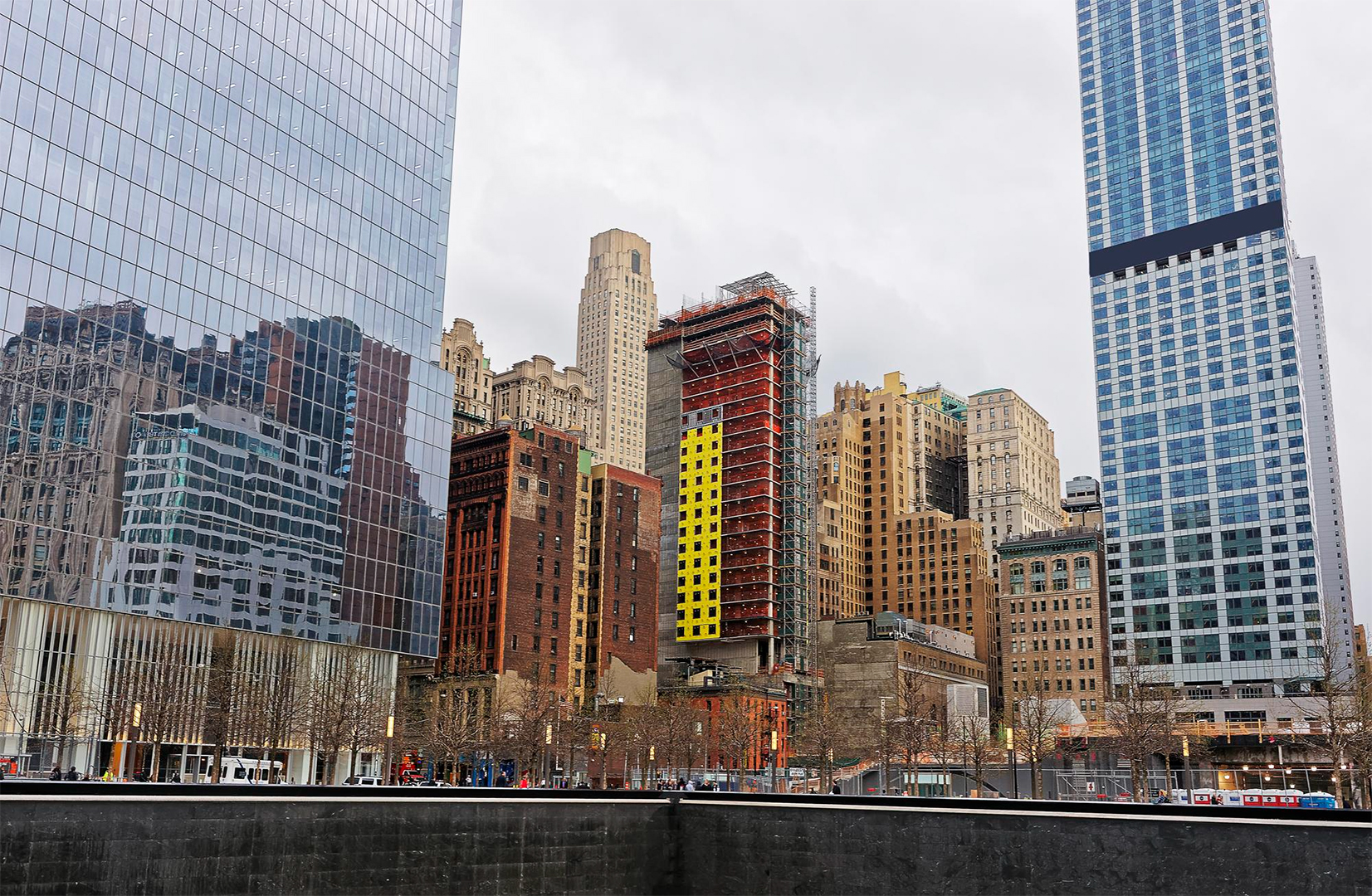
In New York City, a facade isn't just curb appeal—it's a liability if it's not performing. And every few years, LL11 can turn a perfectly livable building into a long, noisy season of scaffolding, tenant complaints, and fresh violations. You patch the weak spots, sign off on repairs, spend the money… and then the next cycle arrives with the same risks, the same surprises, and the same stressful "here we go again" feeling.
That's why more owners and property teams are asking a blunt question: what if repairs aren't fixing the problem—just postponing it? Full re-cladding sounds like a big leap, but in the right scenario it can be the smartest way to stop managing the facade in circles and start solving it for the long term.
Why Owners Switch to Full Re-cladding
For many NYC buildings, facade work starts as a "targeted repair" plan—until the same trouble spots keep coming back. When patching turns into a repeating cycle of scaffolding, disruption, and uncertainty, owners start looking for a solution that actually resets the clock. Full re-cladding is often chosen not because it's the biggest scope, but because it can deliver the clearest path to long-term compliance, lower risk, and a more predictable future for the property.
LL11 cycles: repeat scaffolding and repeat violations
LL11 (run through NYC's Facade Inspection & Safety Program, FISP) works in five-year cycles, with sub-cycles (A/B/C). That rhythm is exactly why some buildings feel stuck in a loop: inspection, filing, access, repairs, re-checks—then the next cycle arrives.
Everything hinges on the filing classification:
- SAFE: no unsafe conditions expected before the next cycle
- SWARMP: safe now, but repairs are required within the cycle
- UNSAFE: requires immediate public protection (sidewalk shed/fencing) and prompt correction
One detail owners can't afford to ignore: DOB guidance indicates that if SWARMP conditions from the prior cycle aren't corrected by the next filing, they must be reported as UNSAFE—so "we'll handle it later" can quickly become "we have to mobilize right now." Exact timelines and requirements still depend on the building's conditions, the QEWI's findings, and DOB filing/closeout steps—but the risk of escalation is real.
Re-clad vs. repair: cost, risk, long-term value
Targeted repairs can be the right call, but they're not always the cheaper path long-term. The cost that keeps coming back isn't just materials—it's access, scaffolding time, disruption, and the risk of discovering more issues each cycle.
Repair makes sense when deterioration is truly localized and you can close it out cleanly within the cycle.
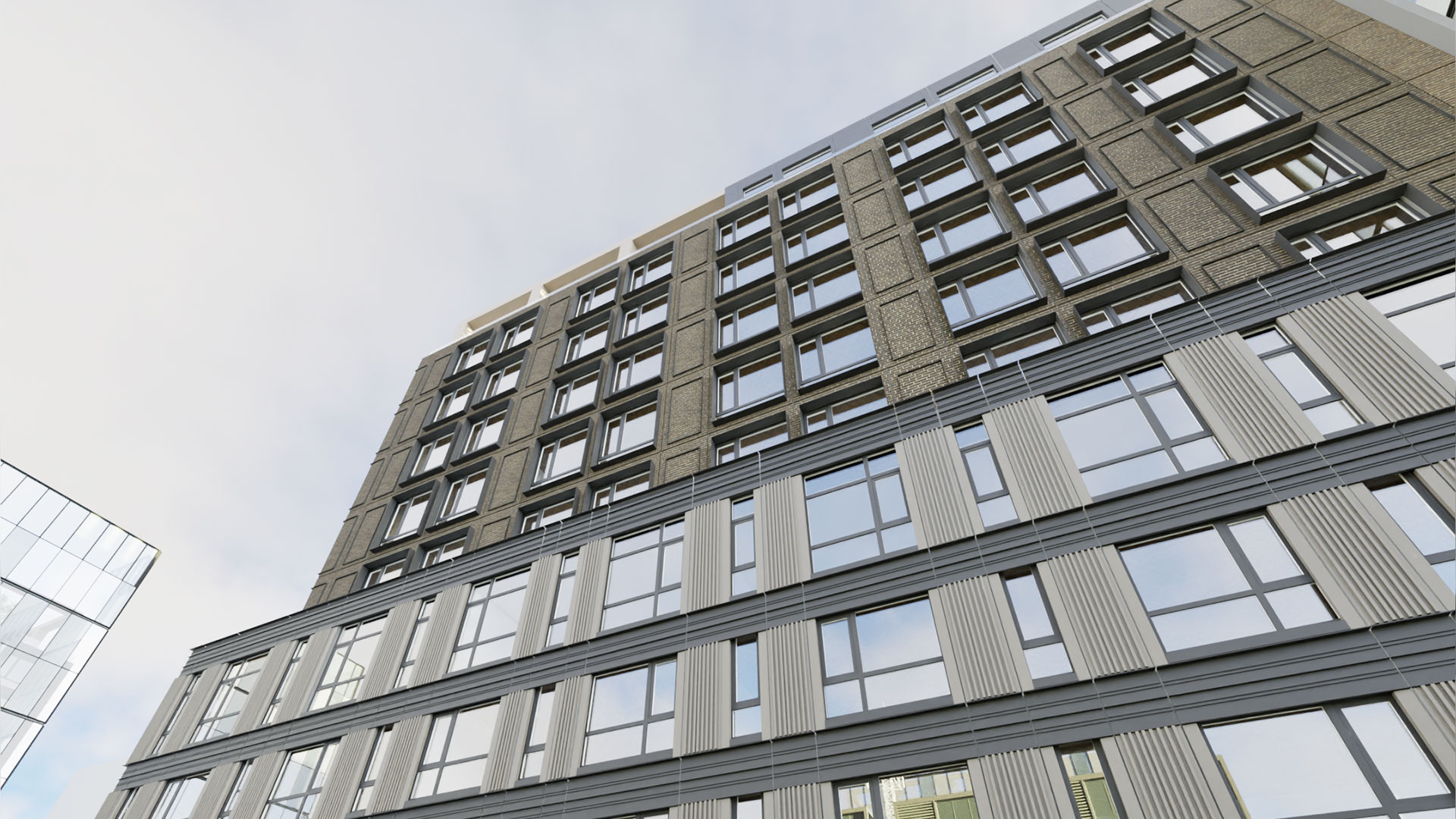
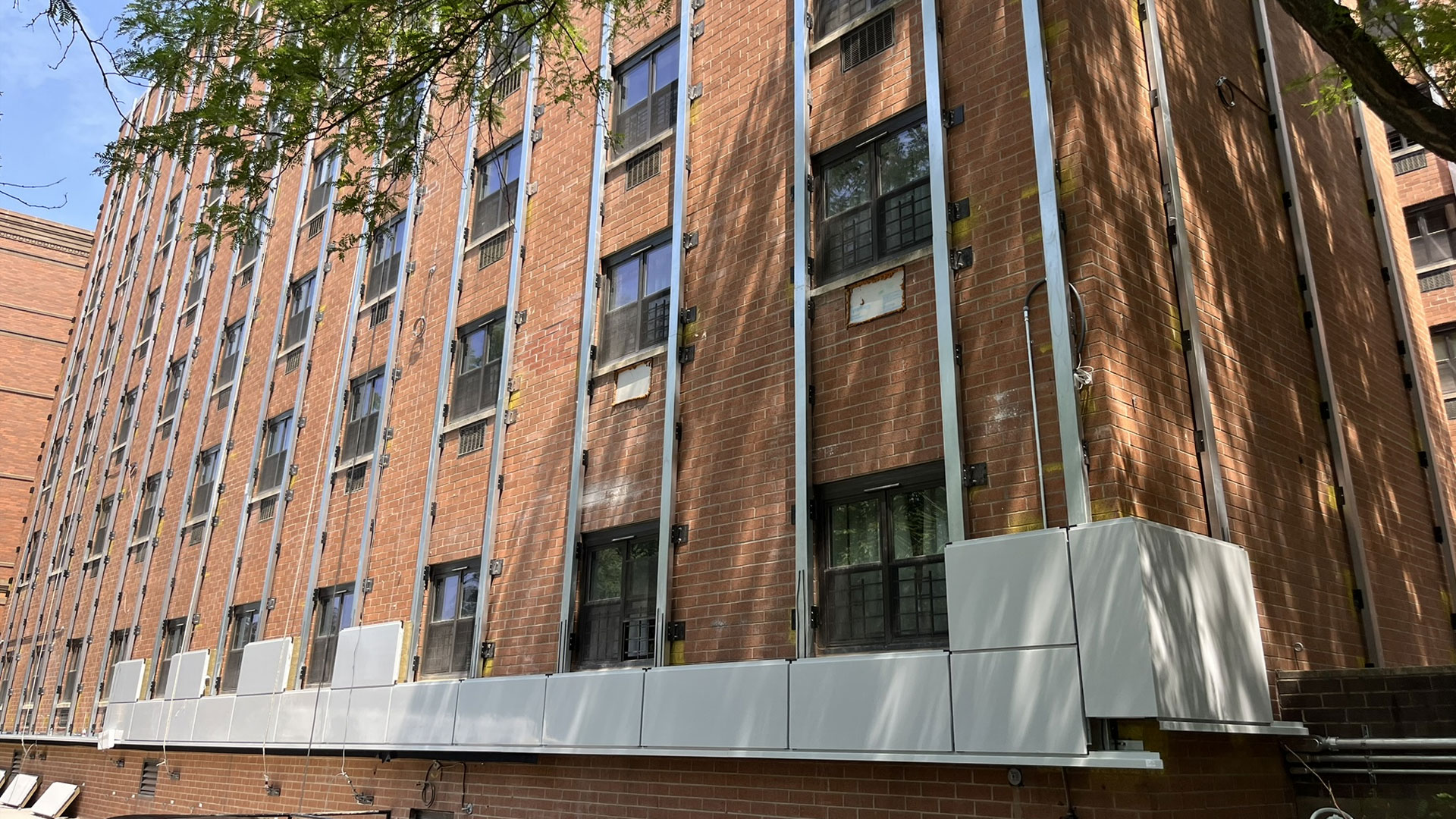
Re-cladding starts to make more sense when issues keep recurring or are spread across large areas, because it can address the facade as a system and reduce the chance of repeat mobilizations.
Put simply: repairs are a smart "surgical fix." Re-cladding is a reset—often chosen when owners want more predictable compliance, lower risk, and a facade that isn't living on patches.
Dextall Prefab Facades for LL11 Re-cladding
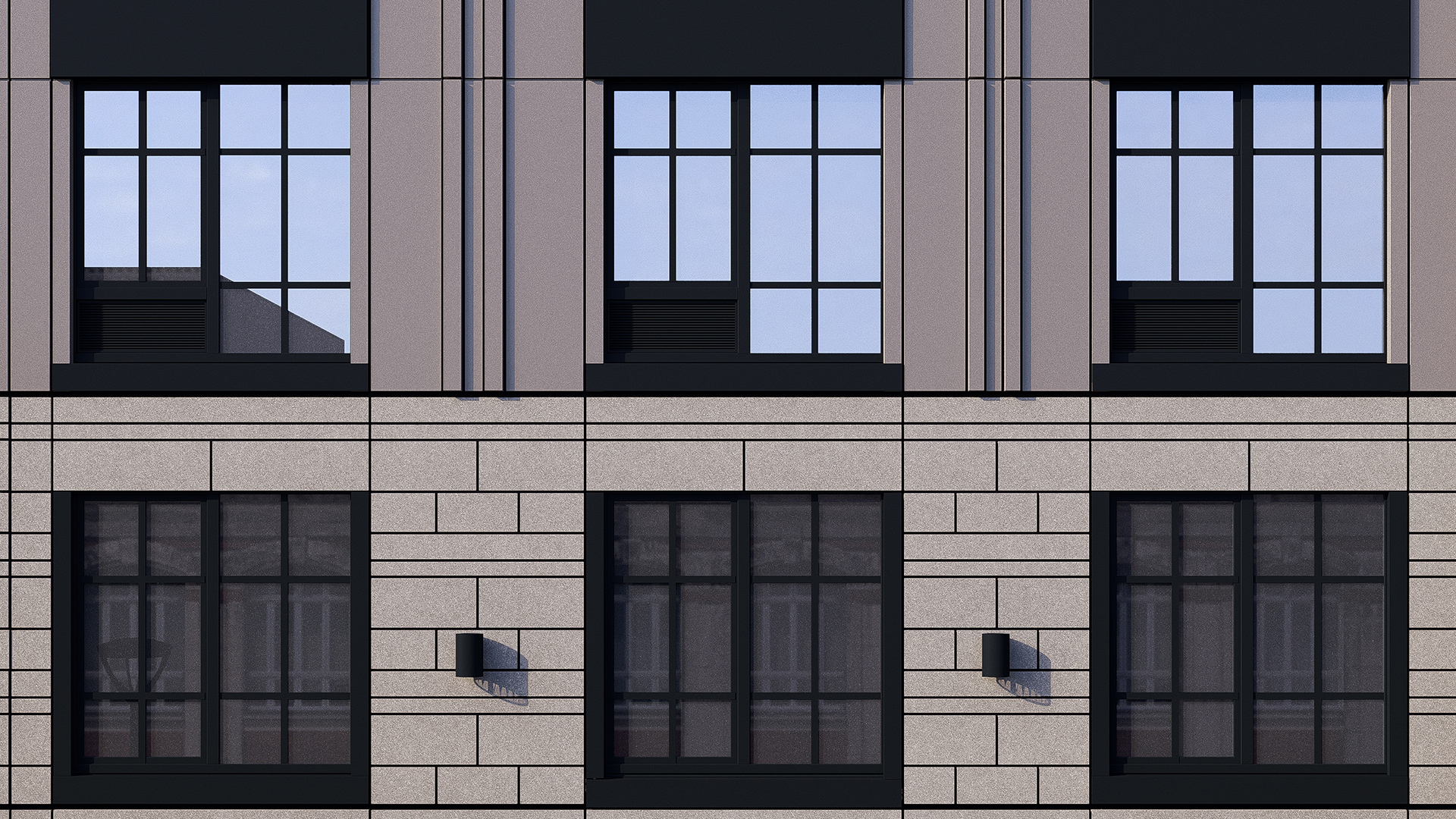
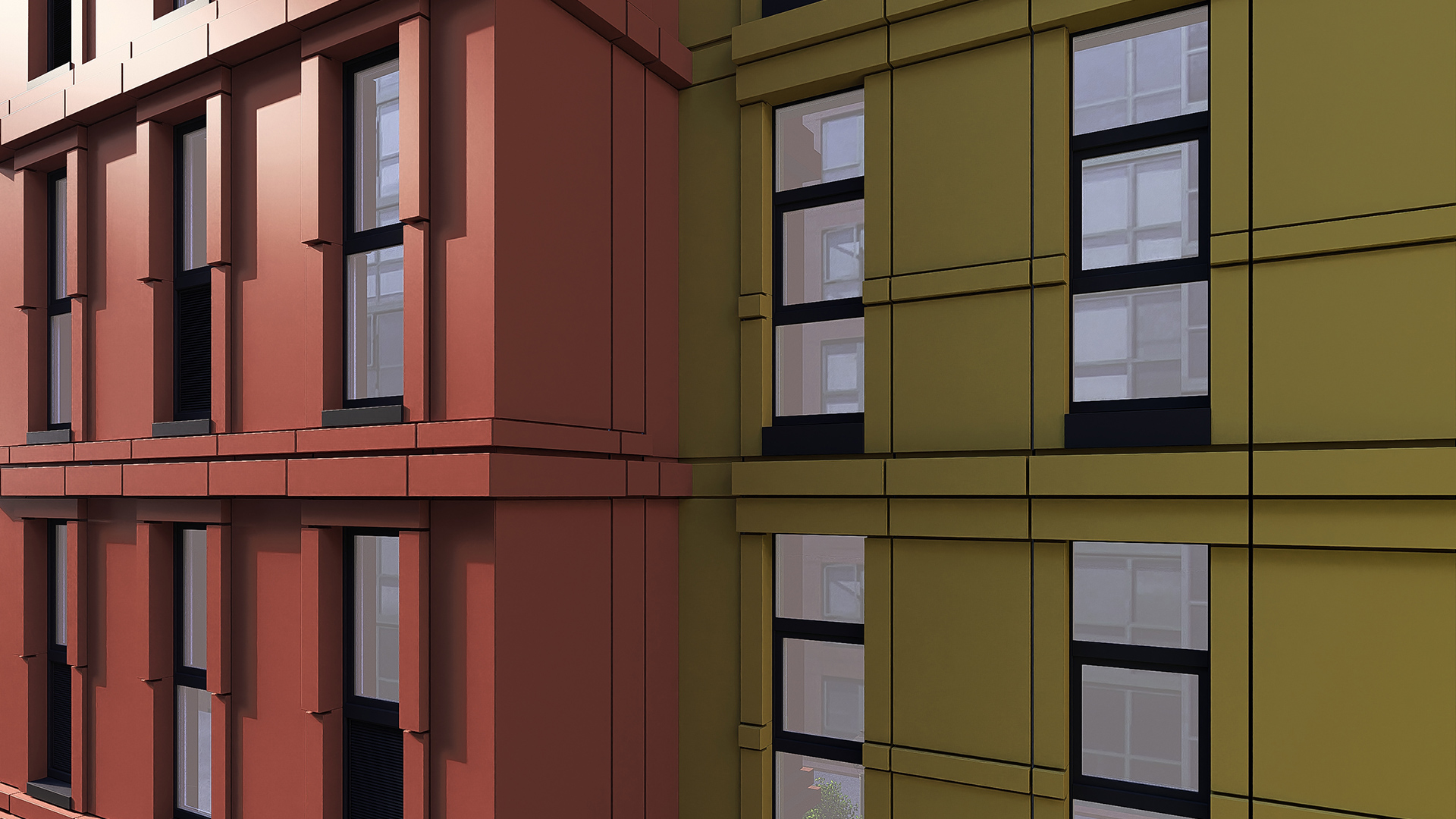
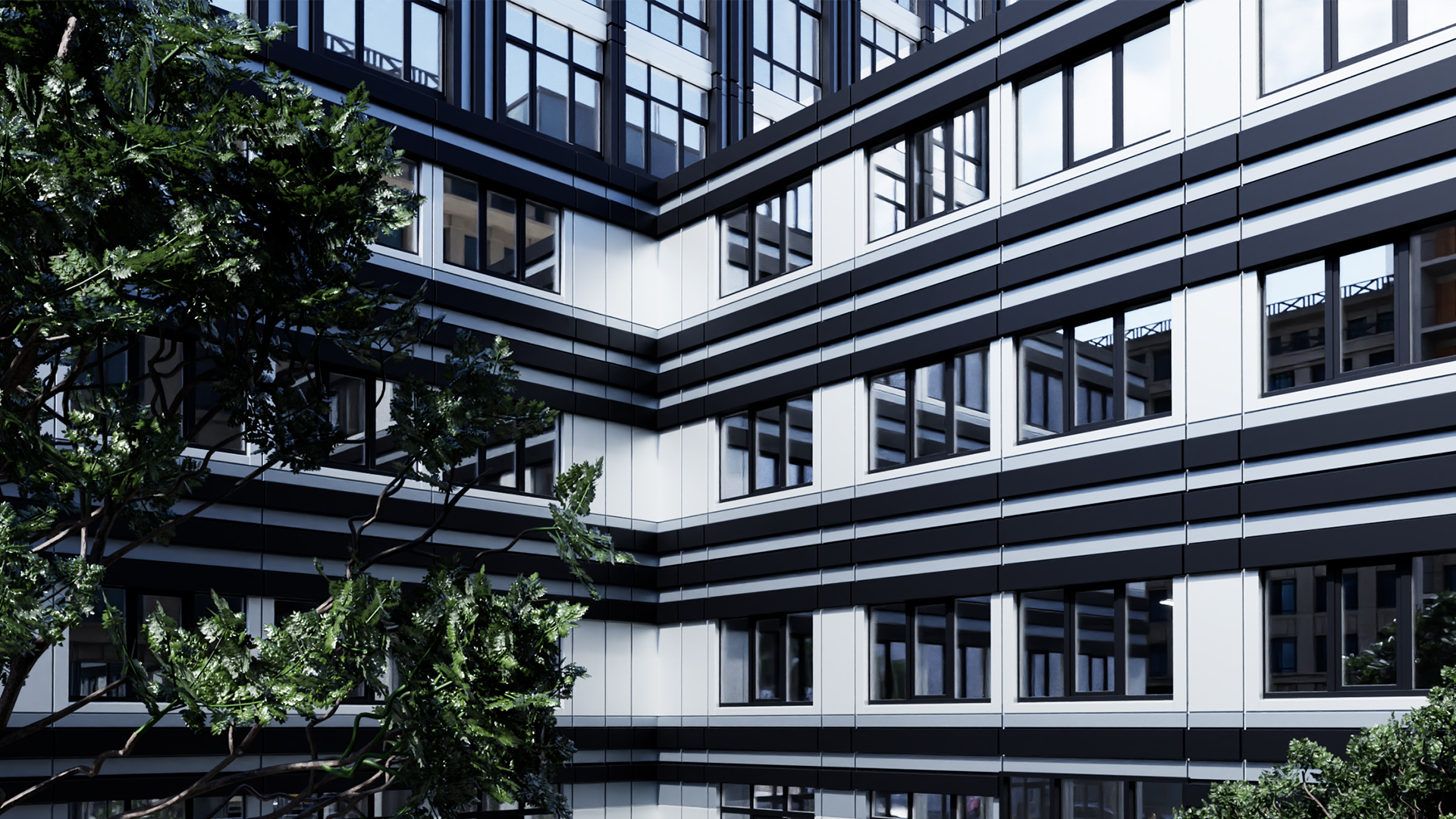
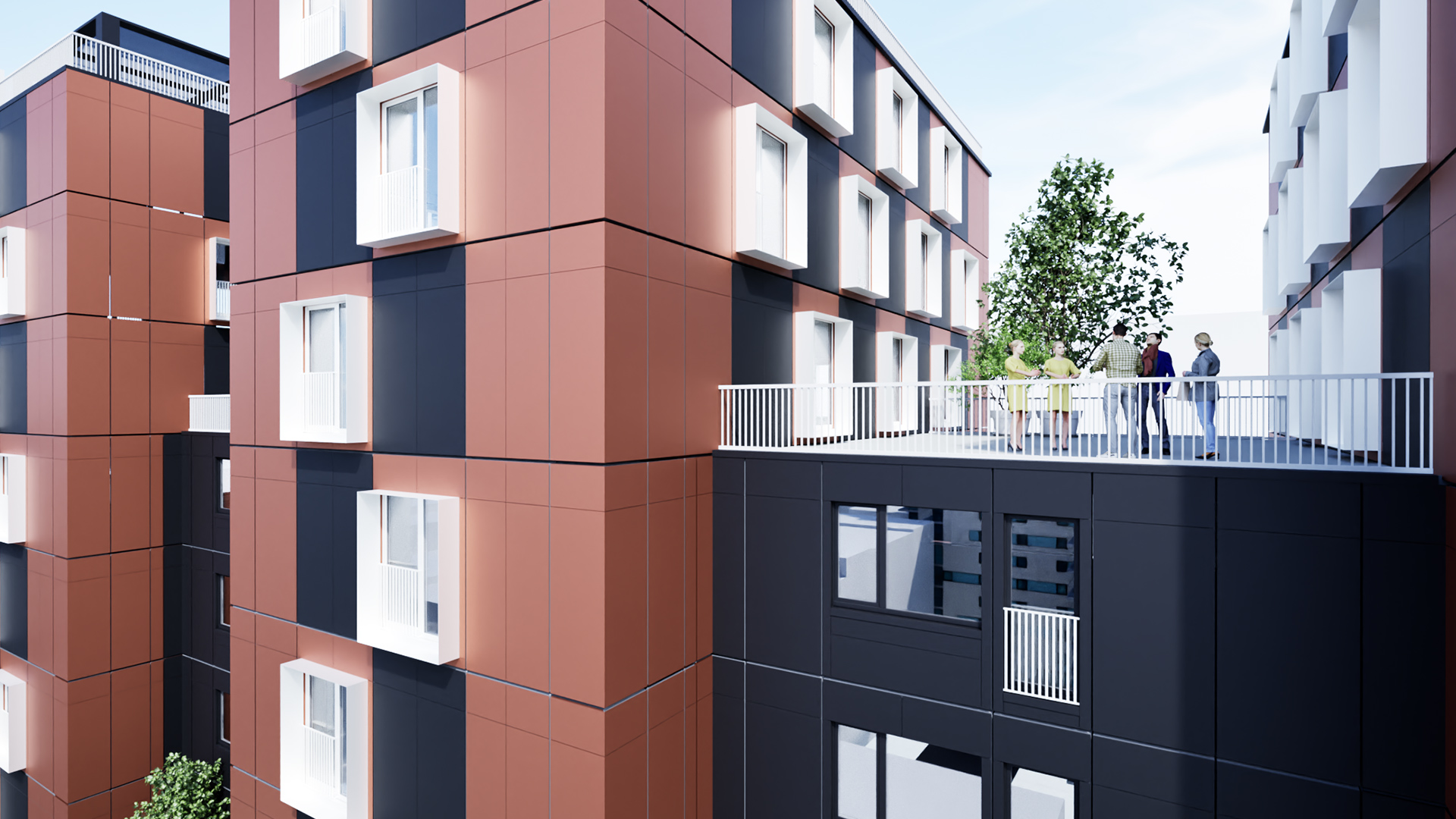
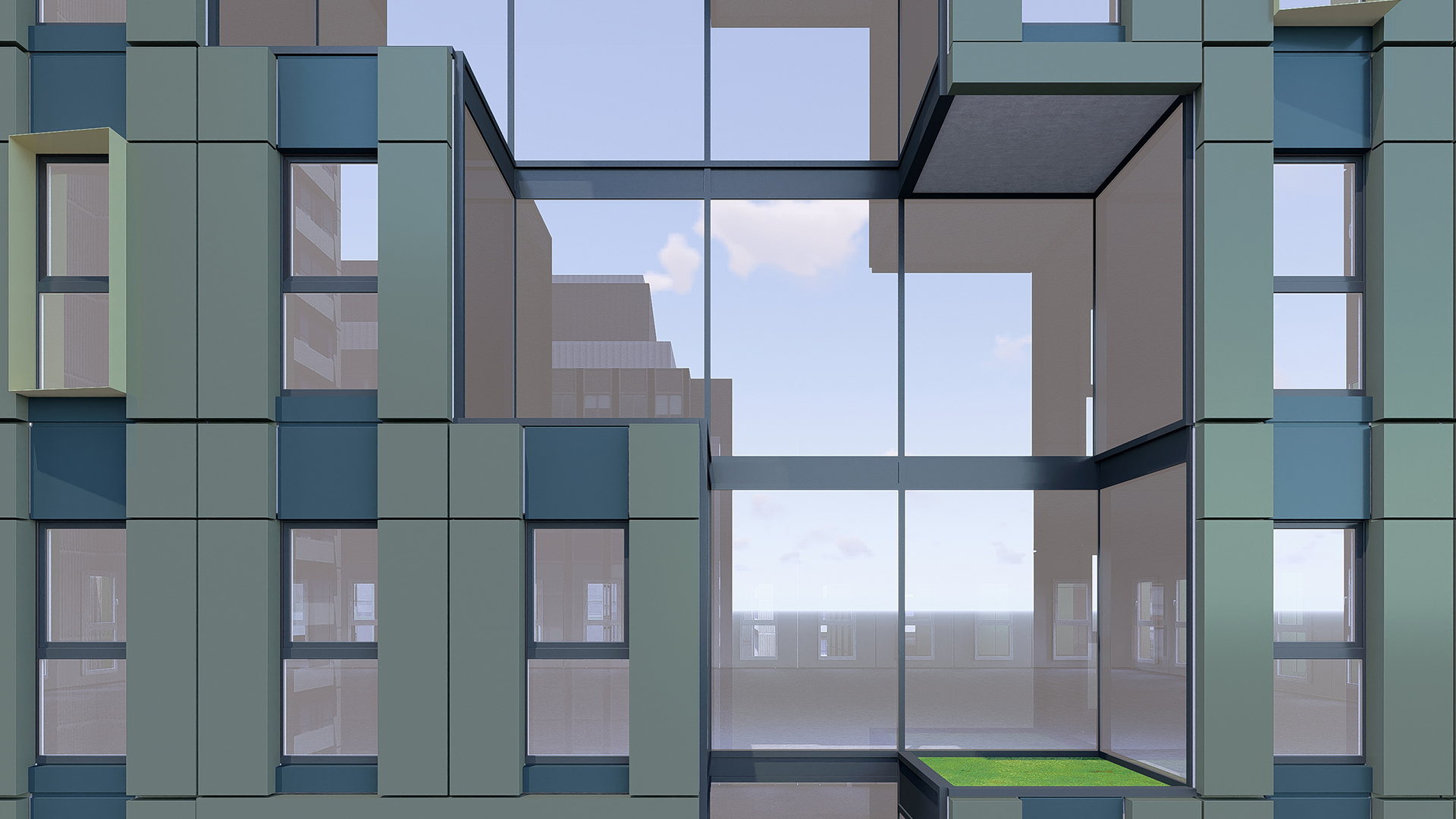
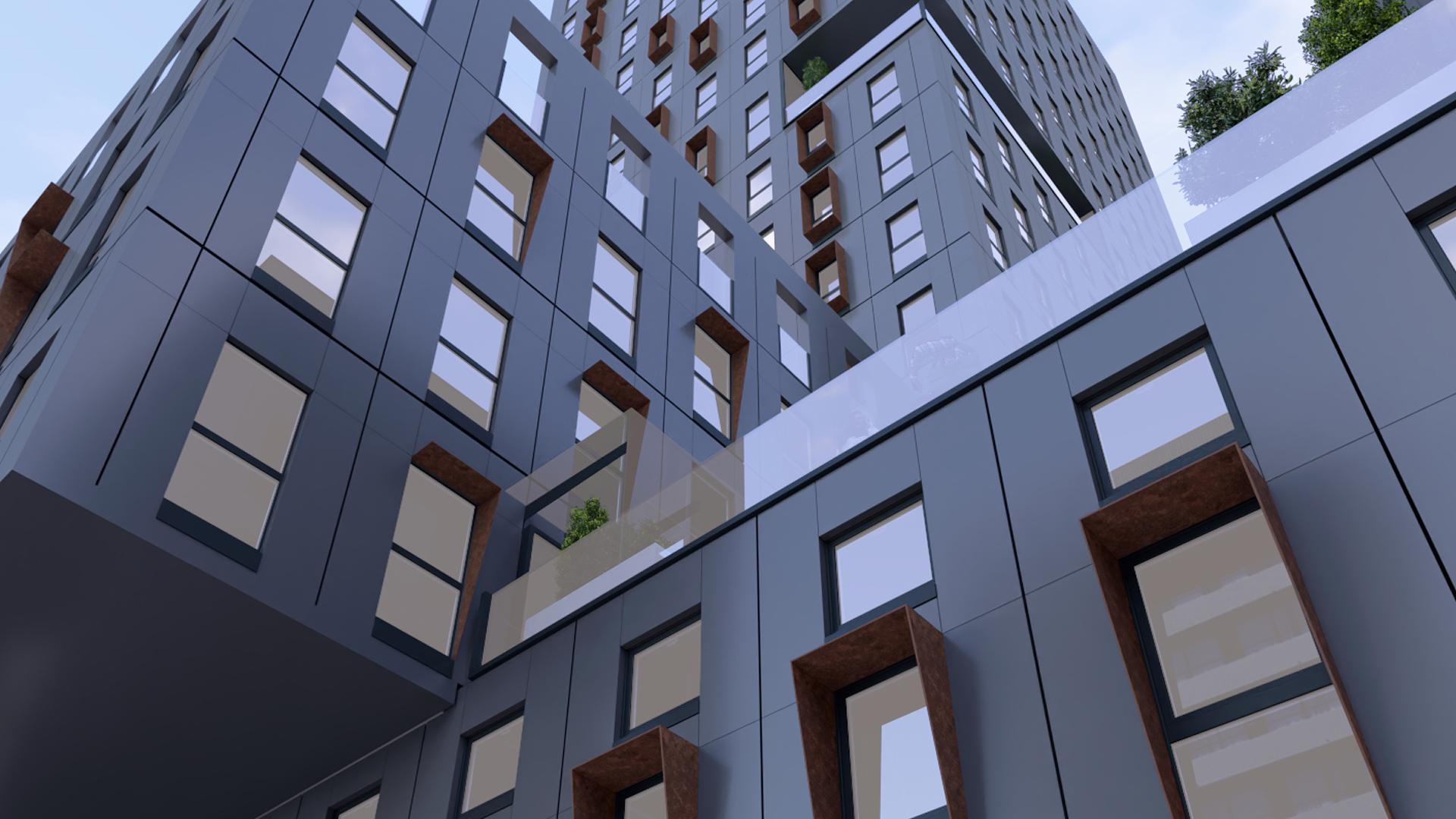
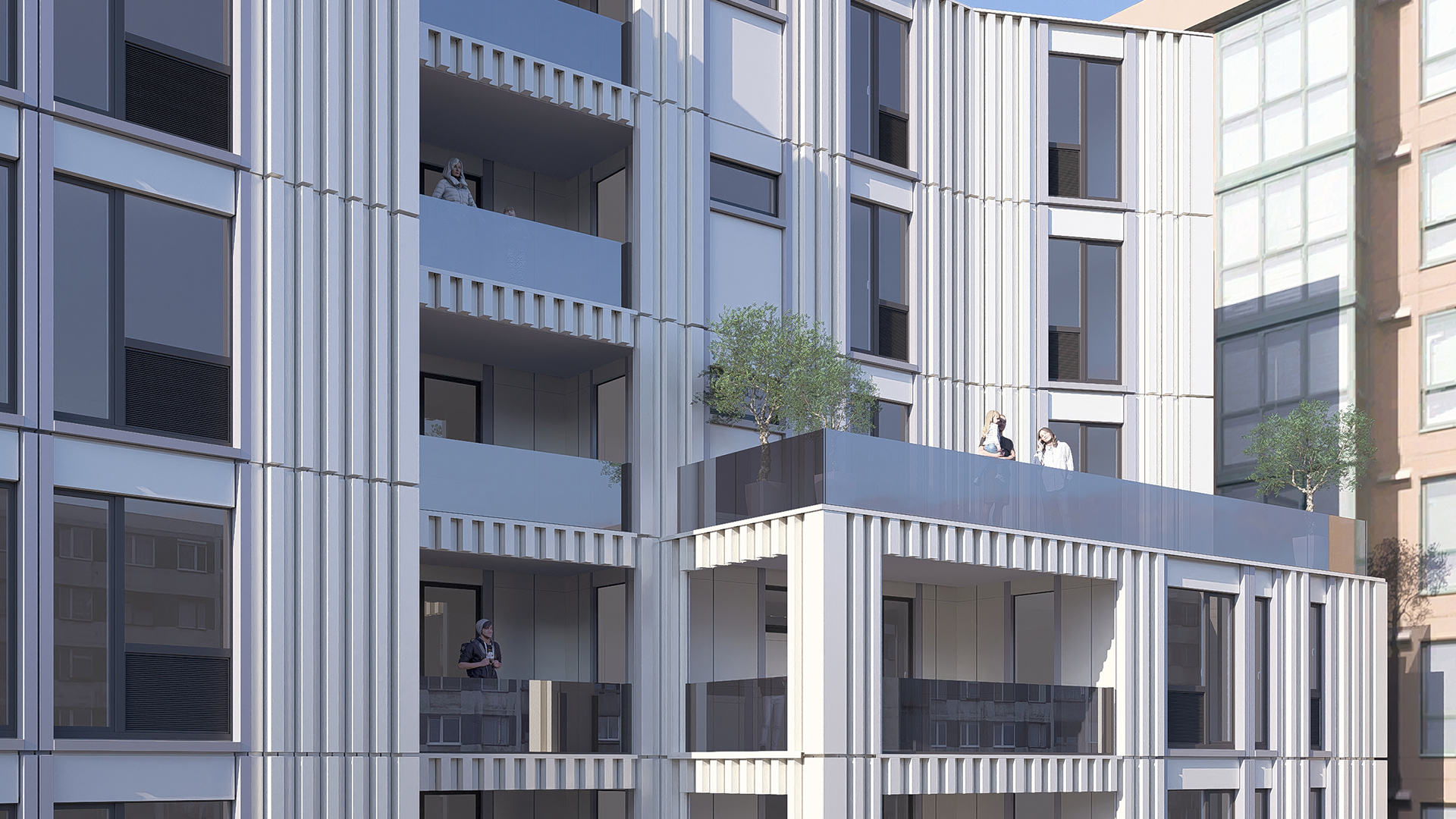
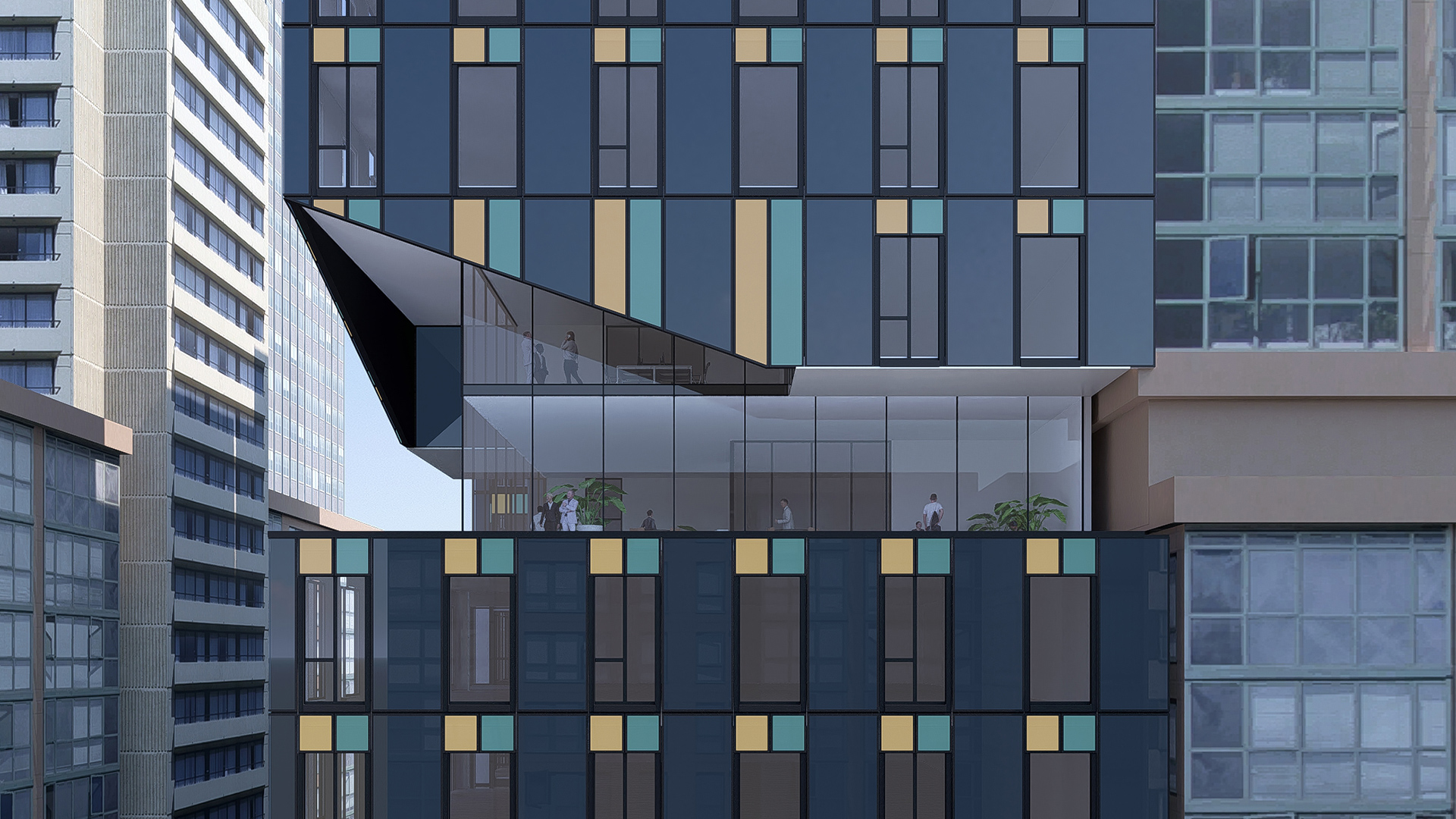
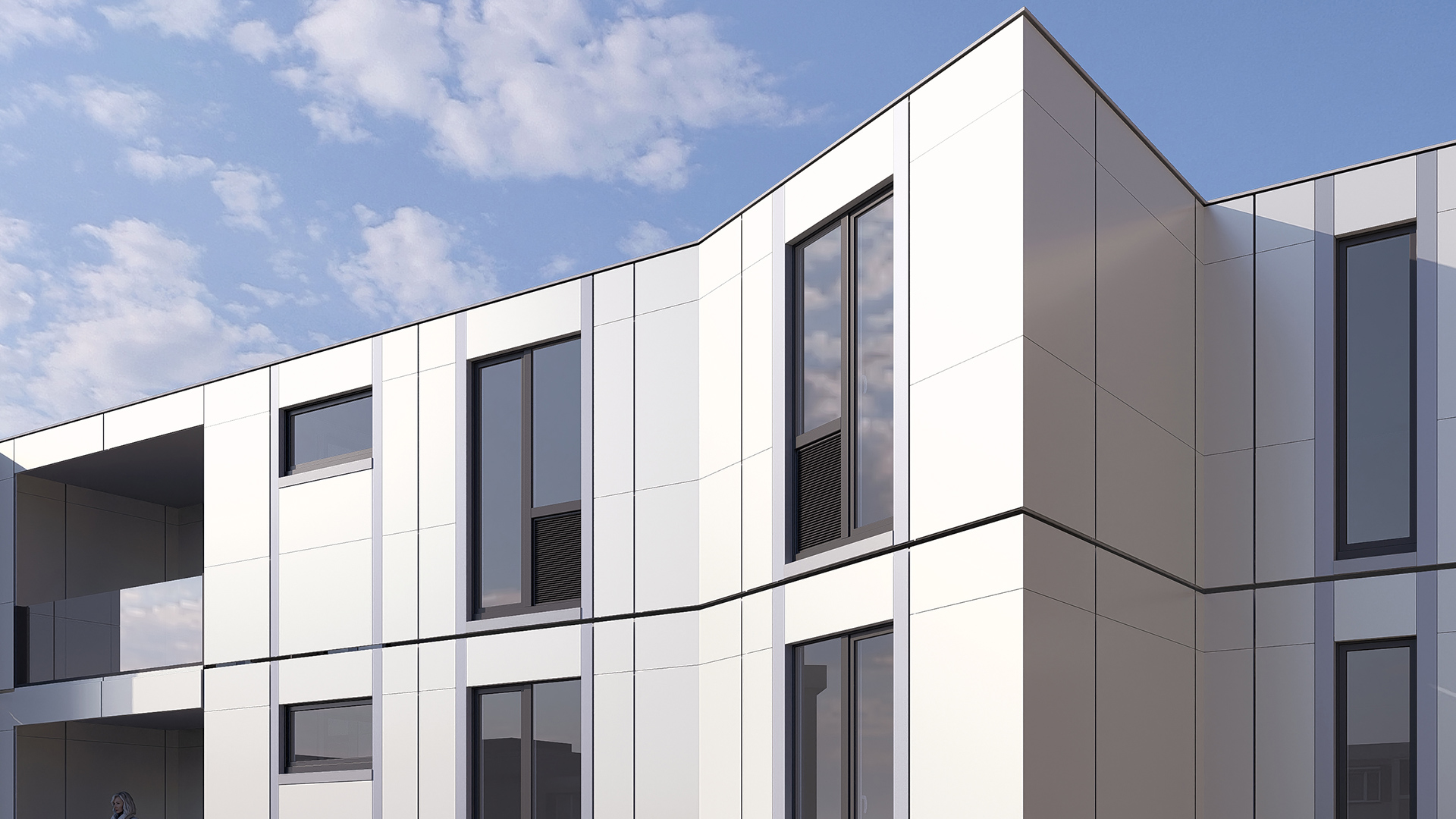
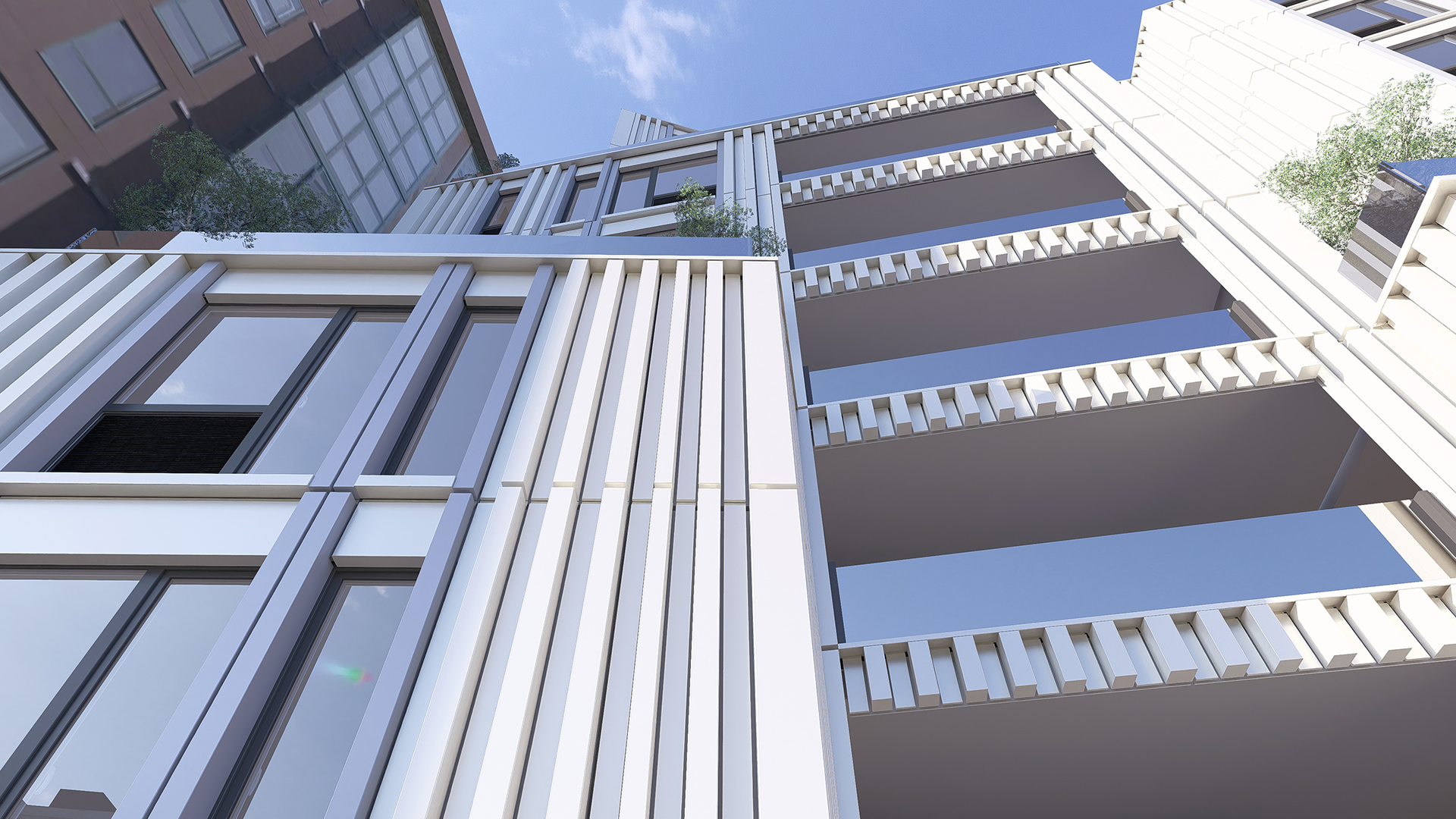
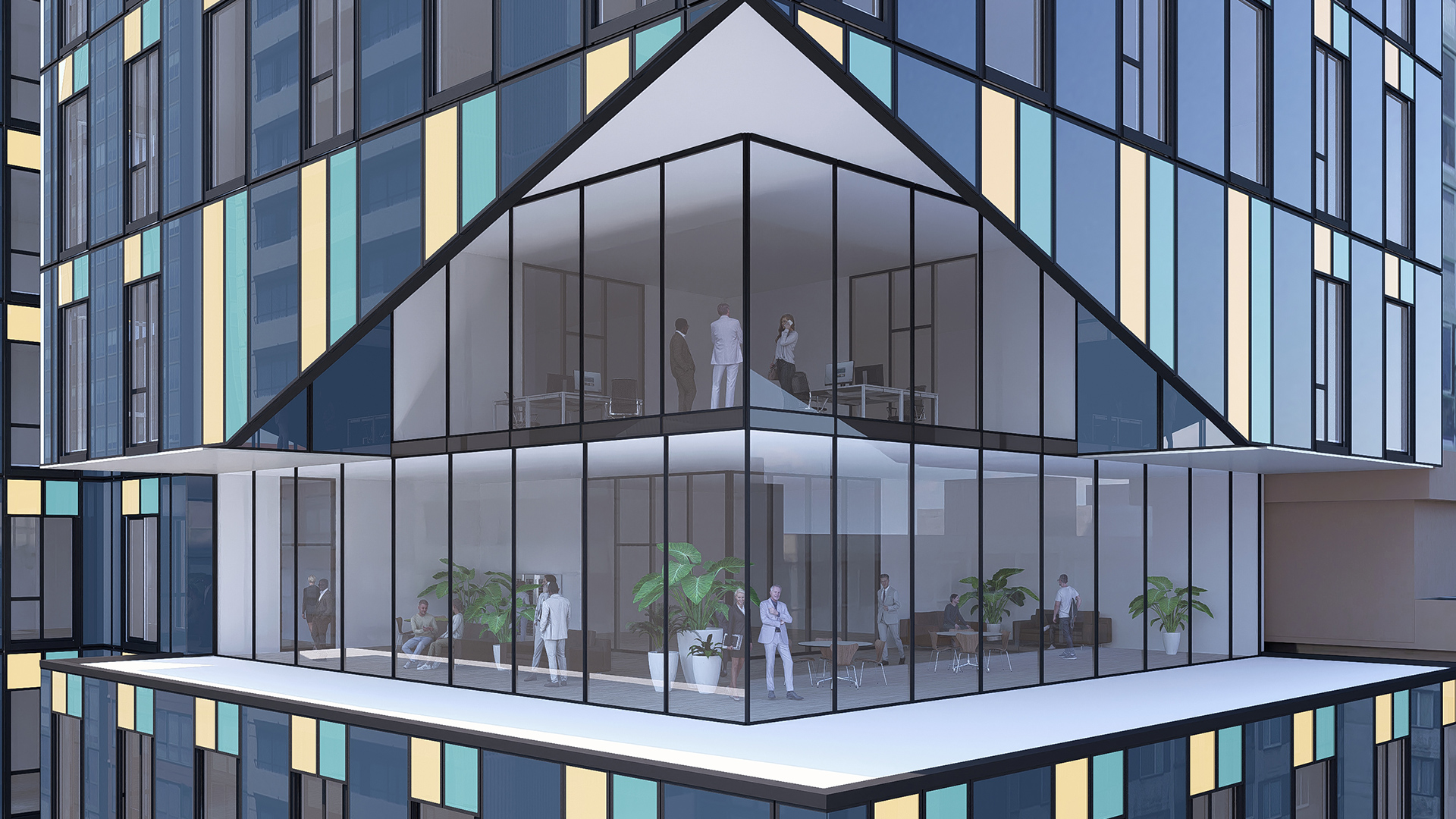
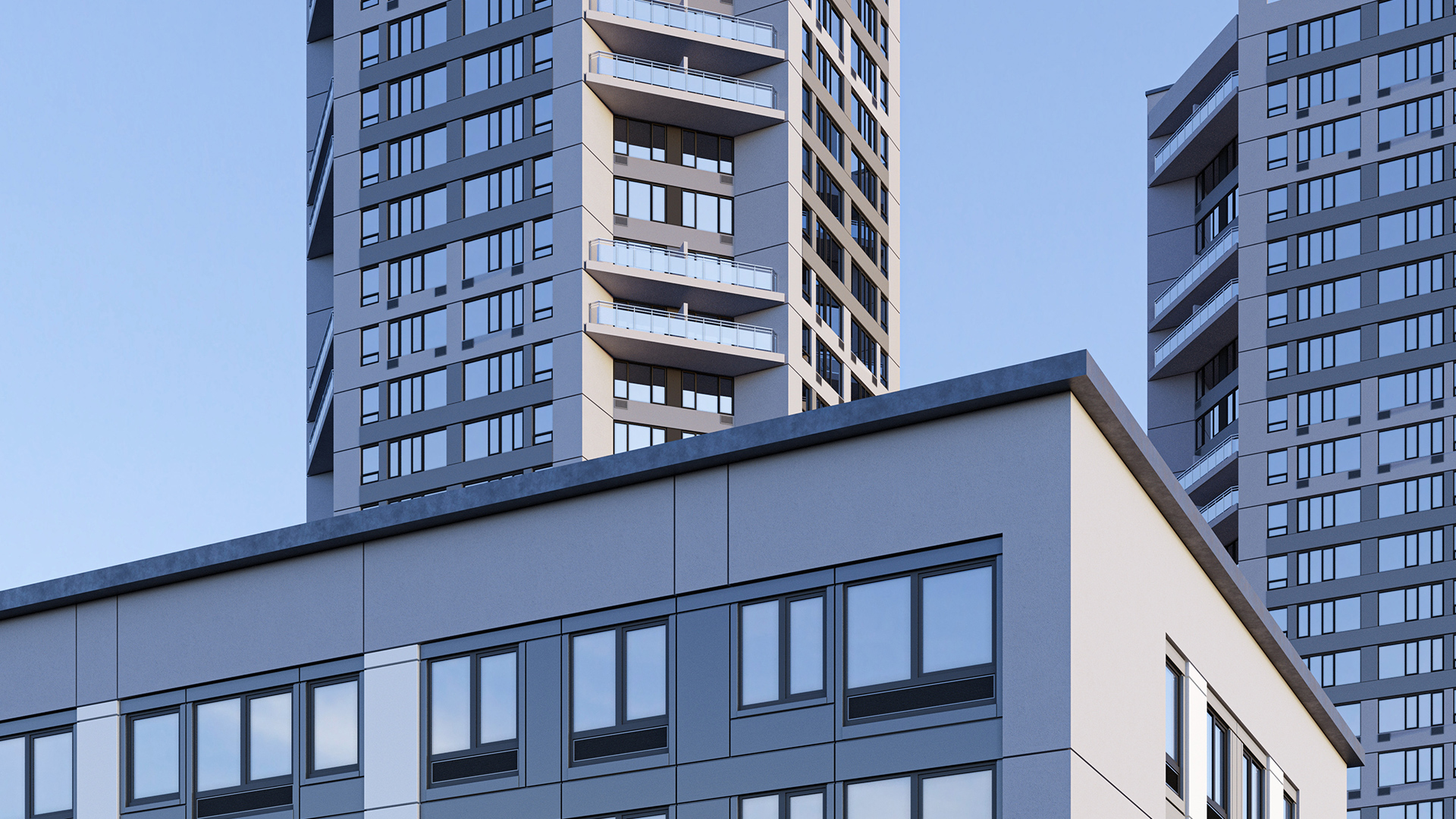
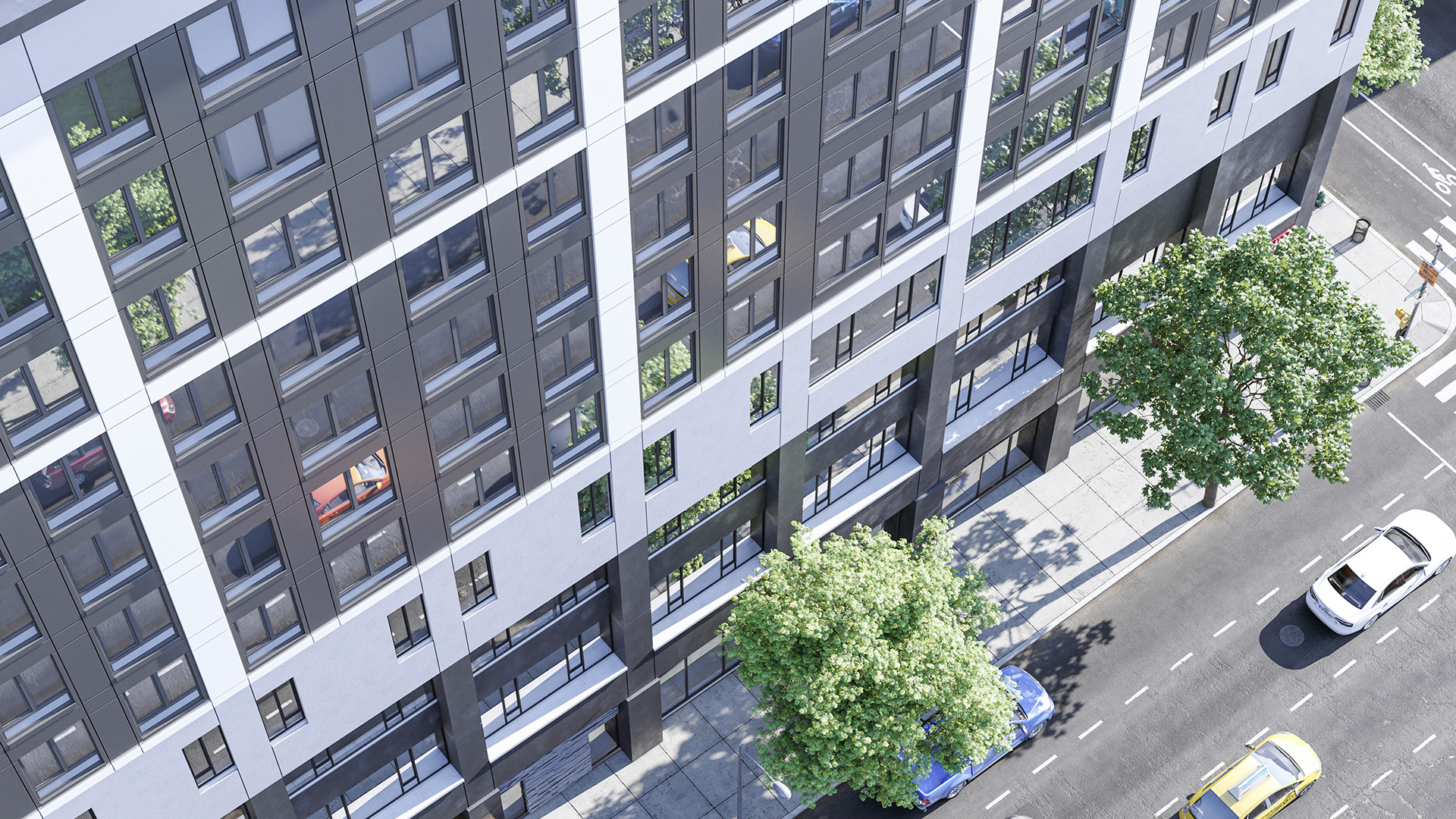
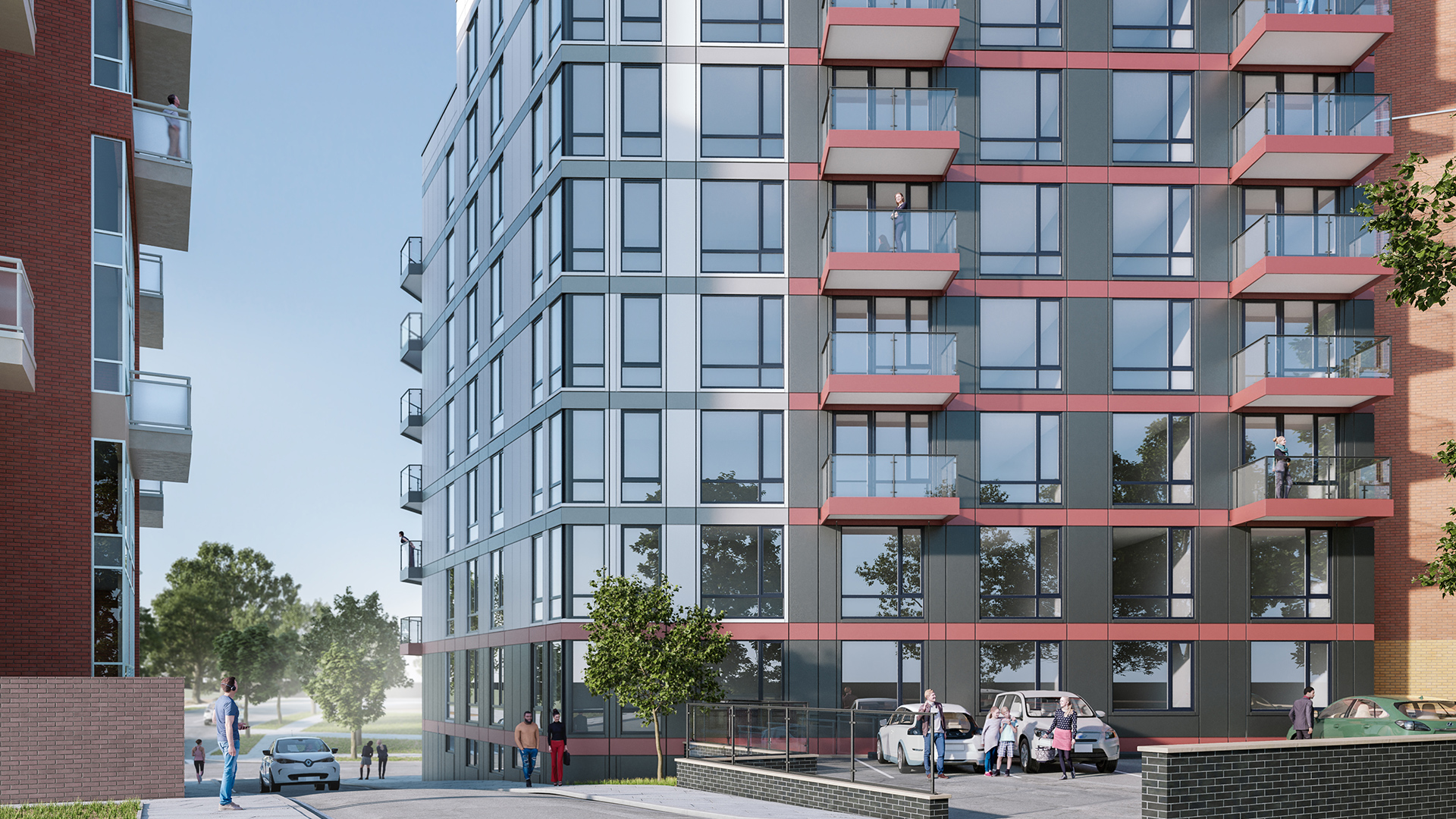
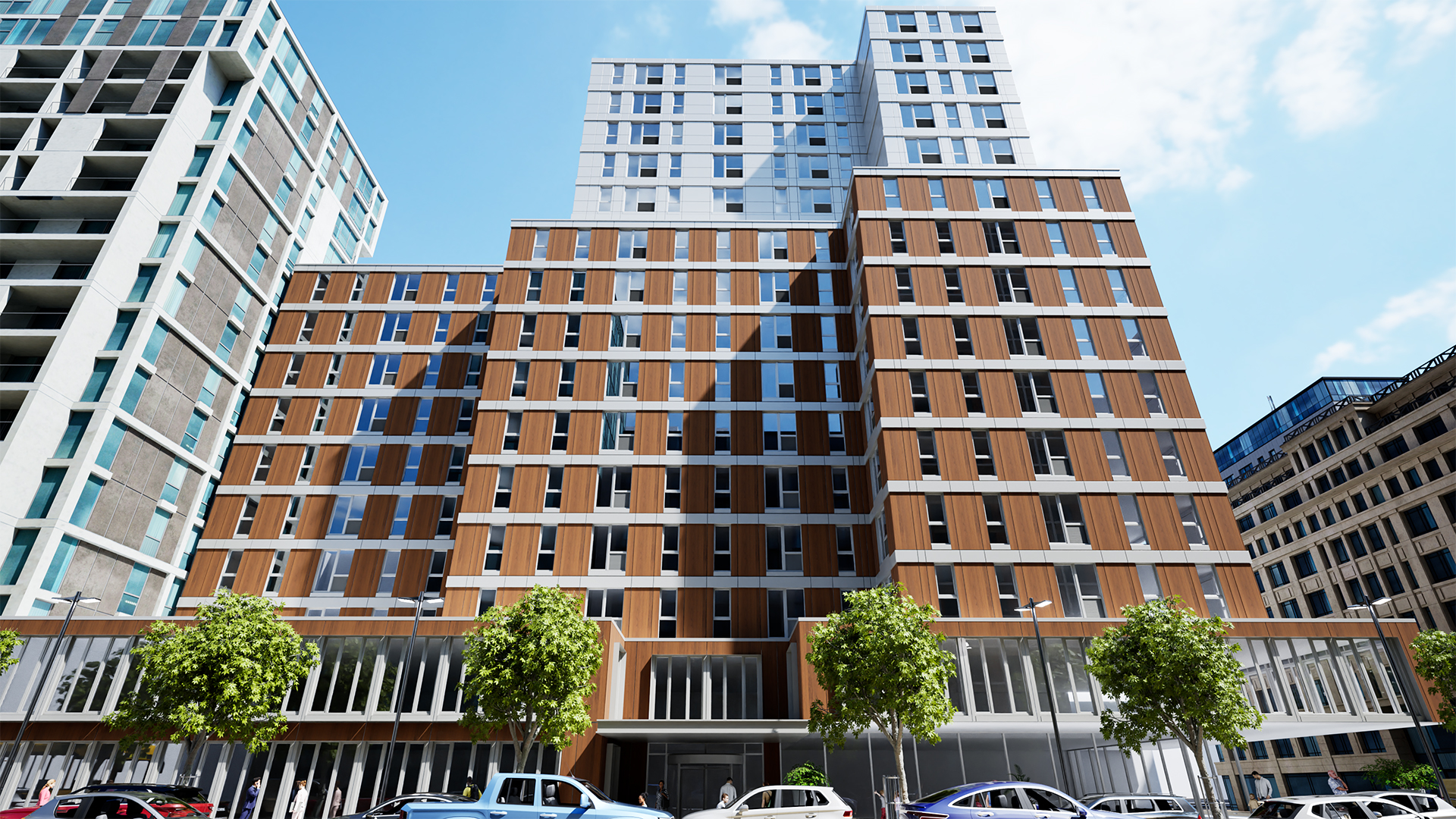
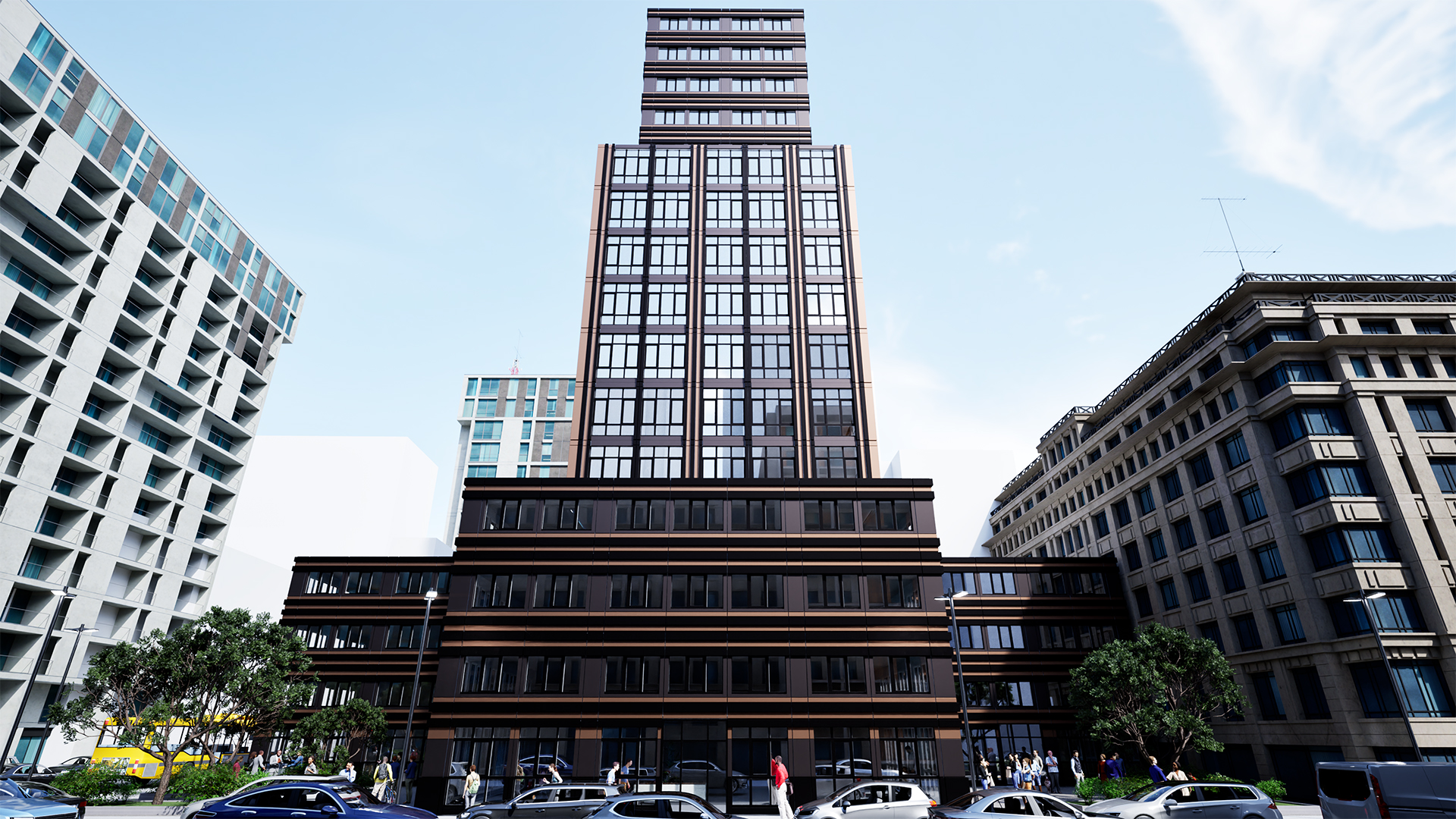
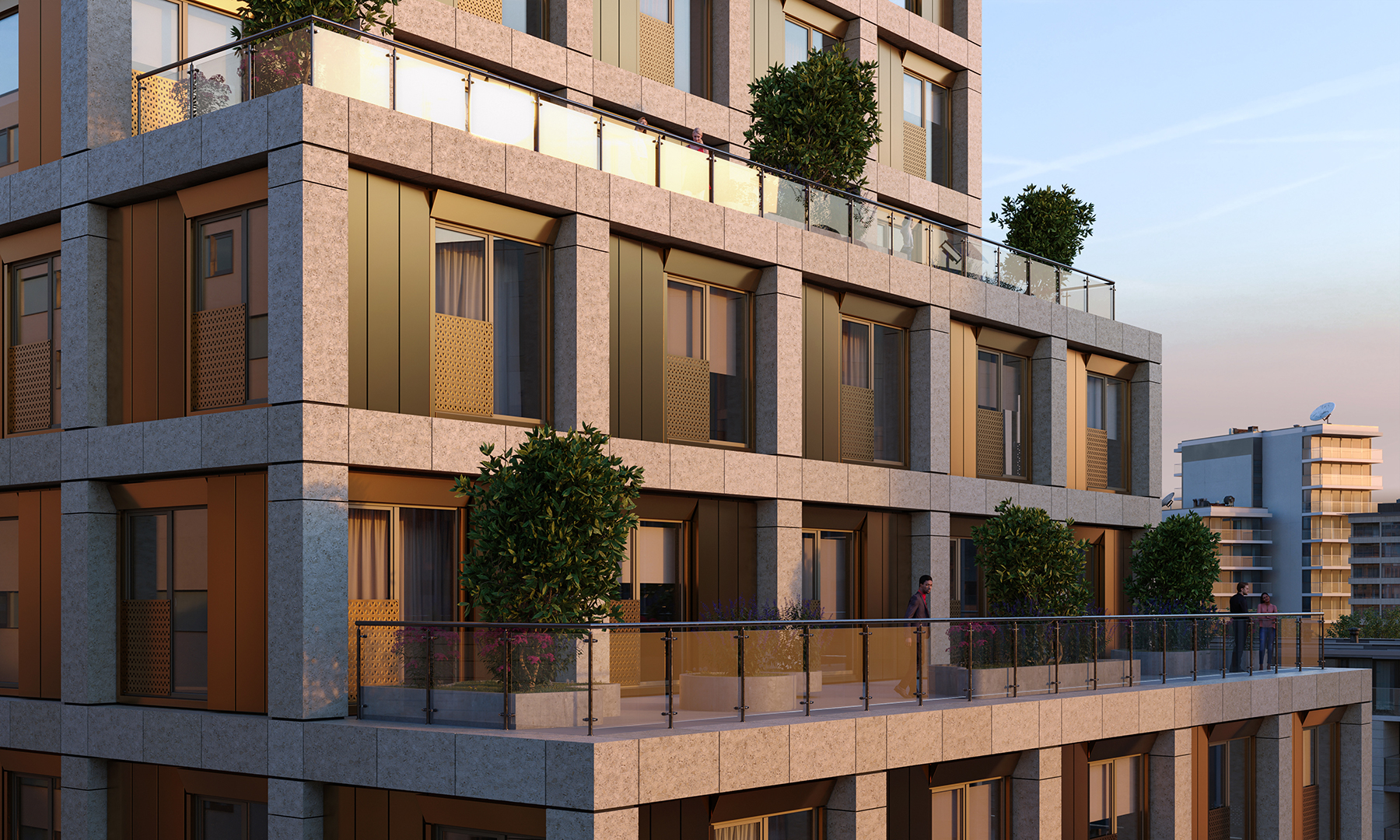
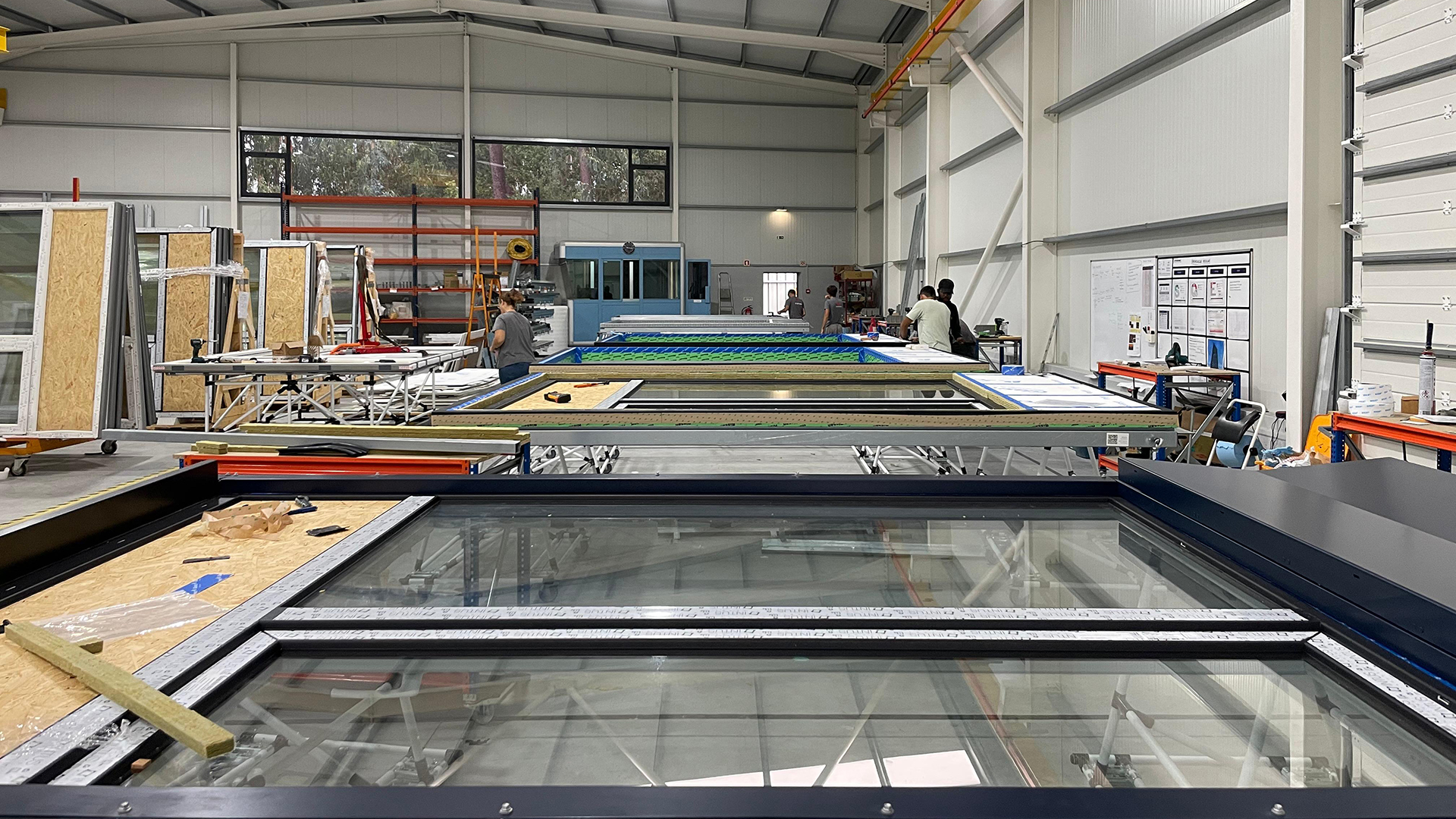
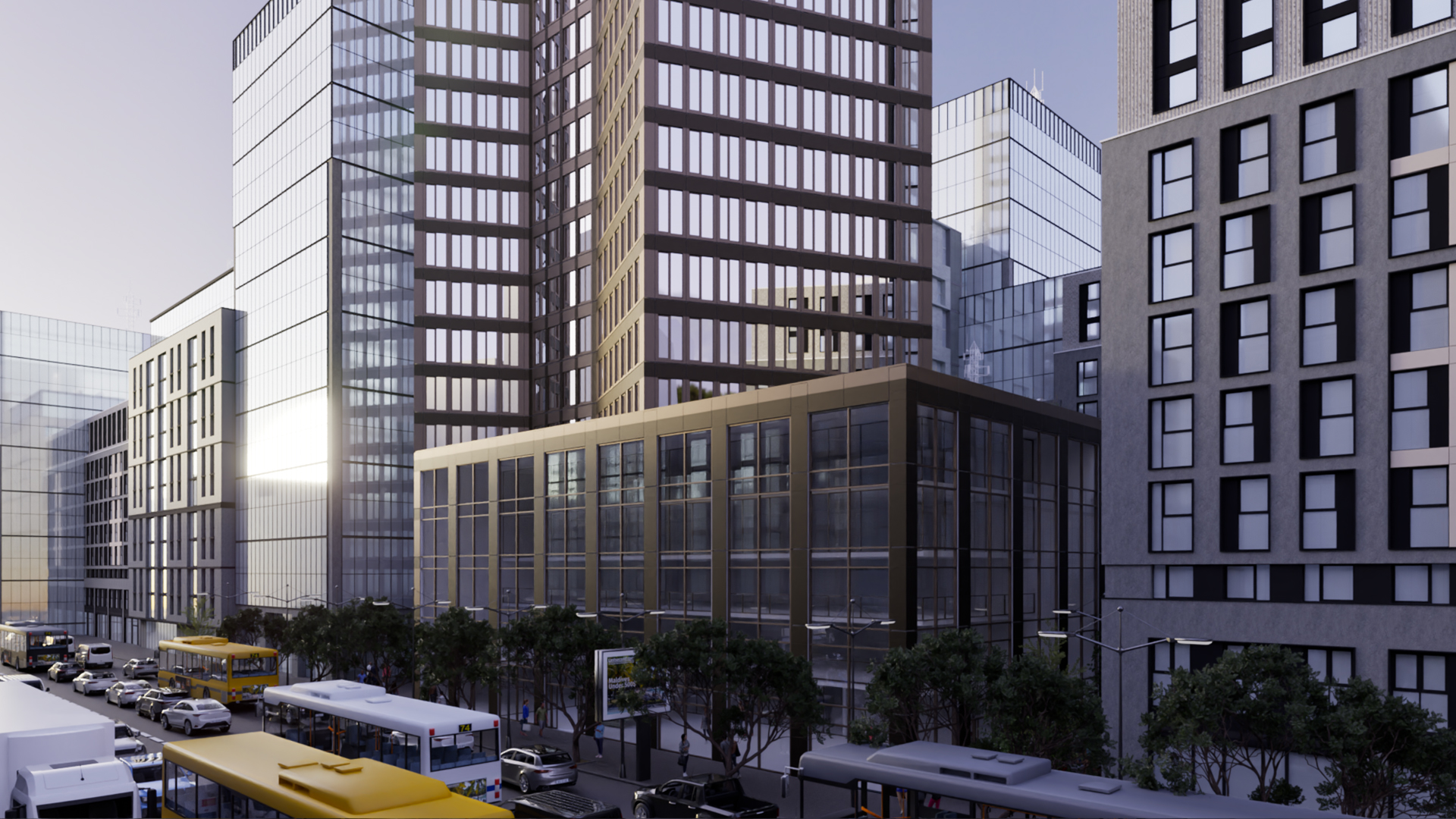
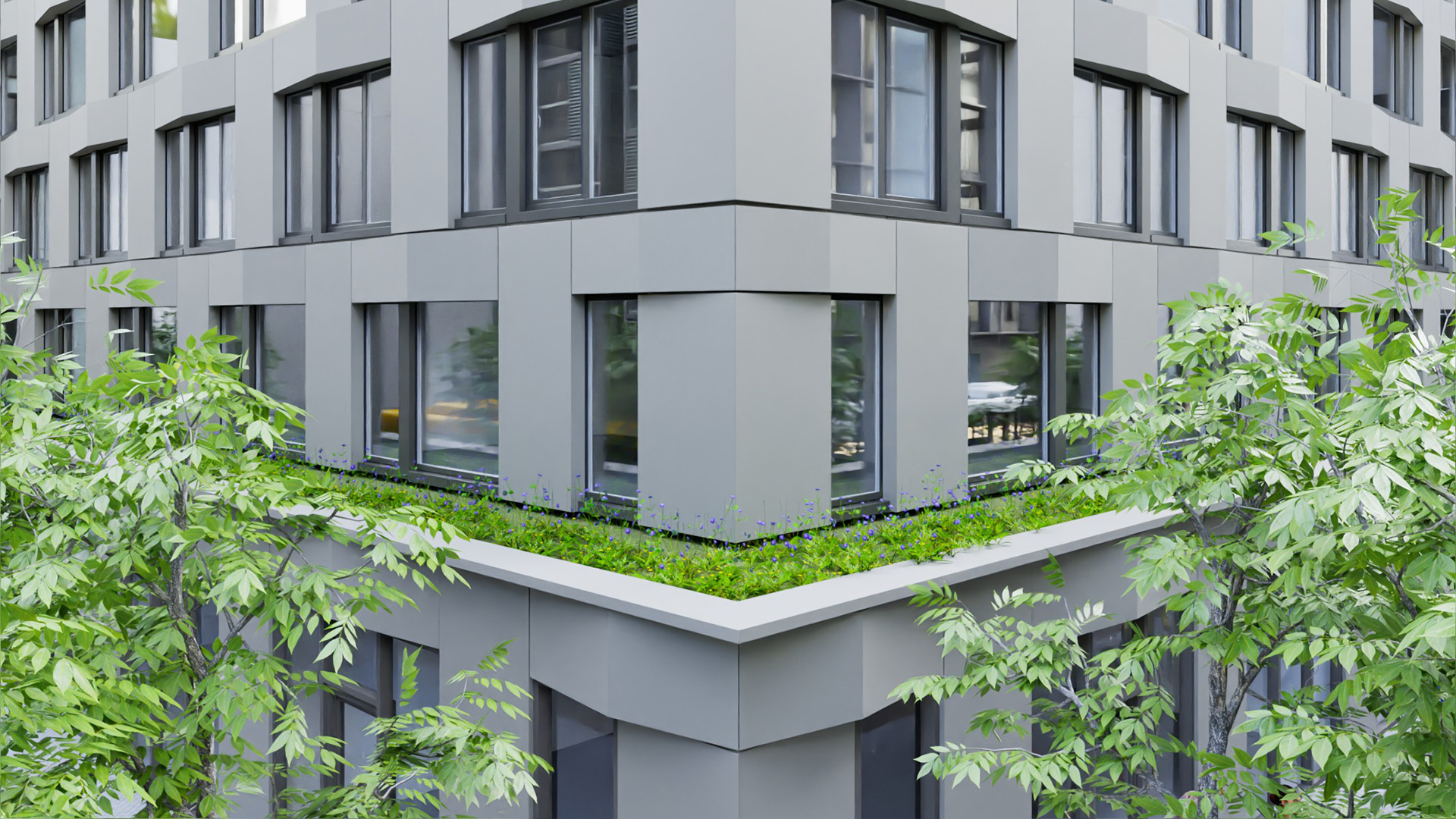
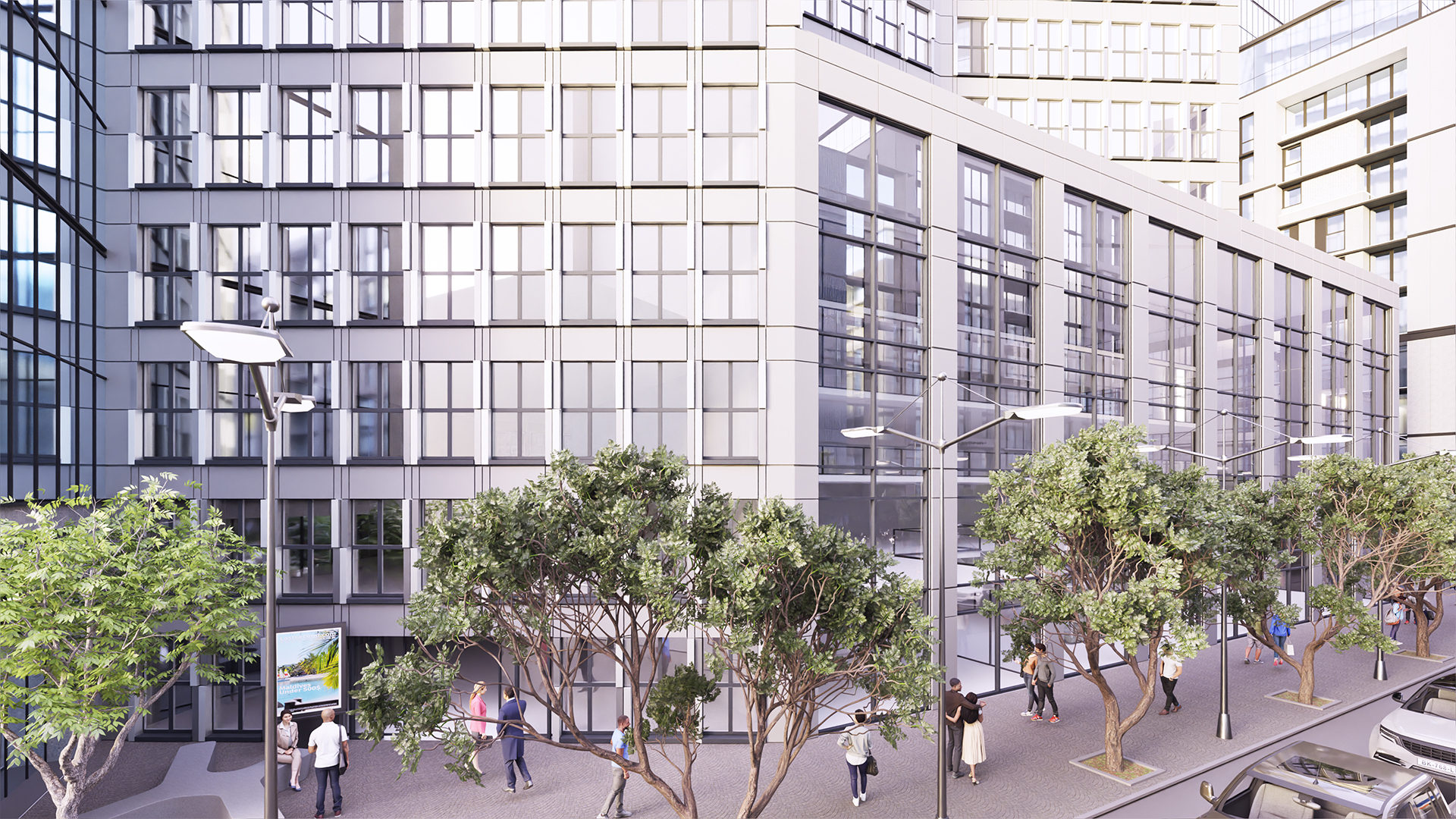
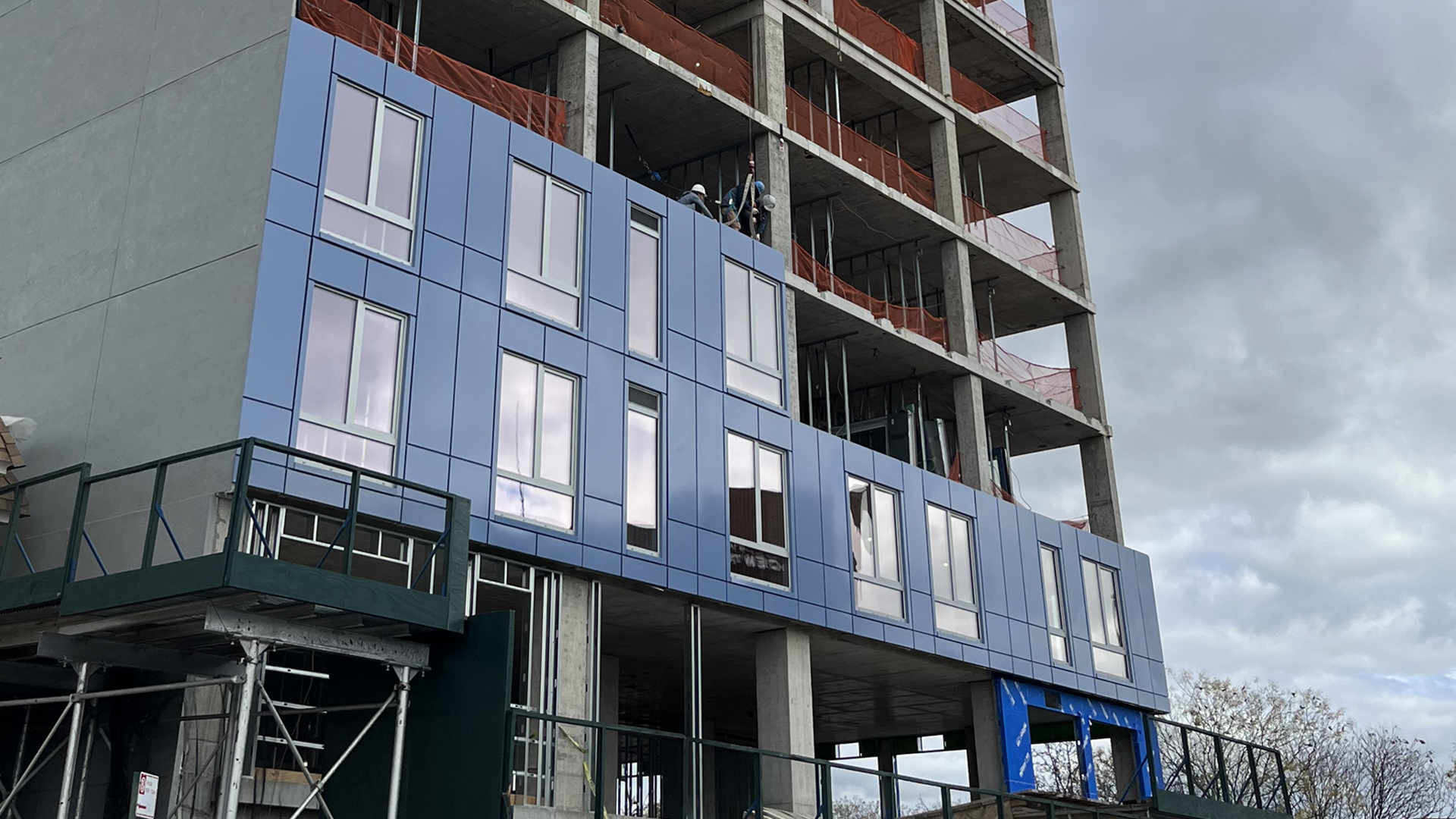
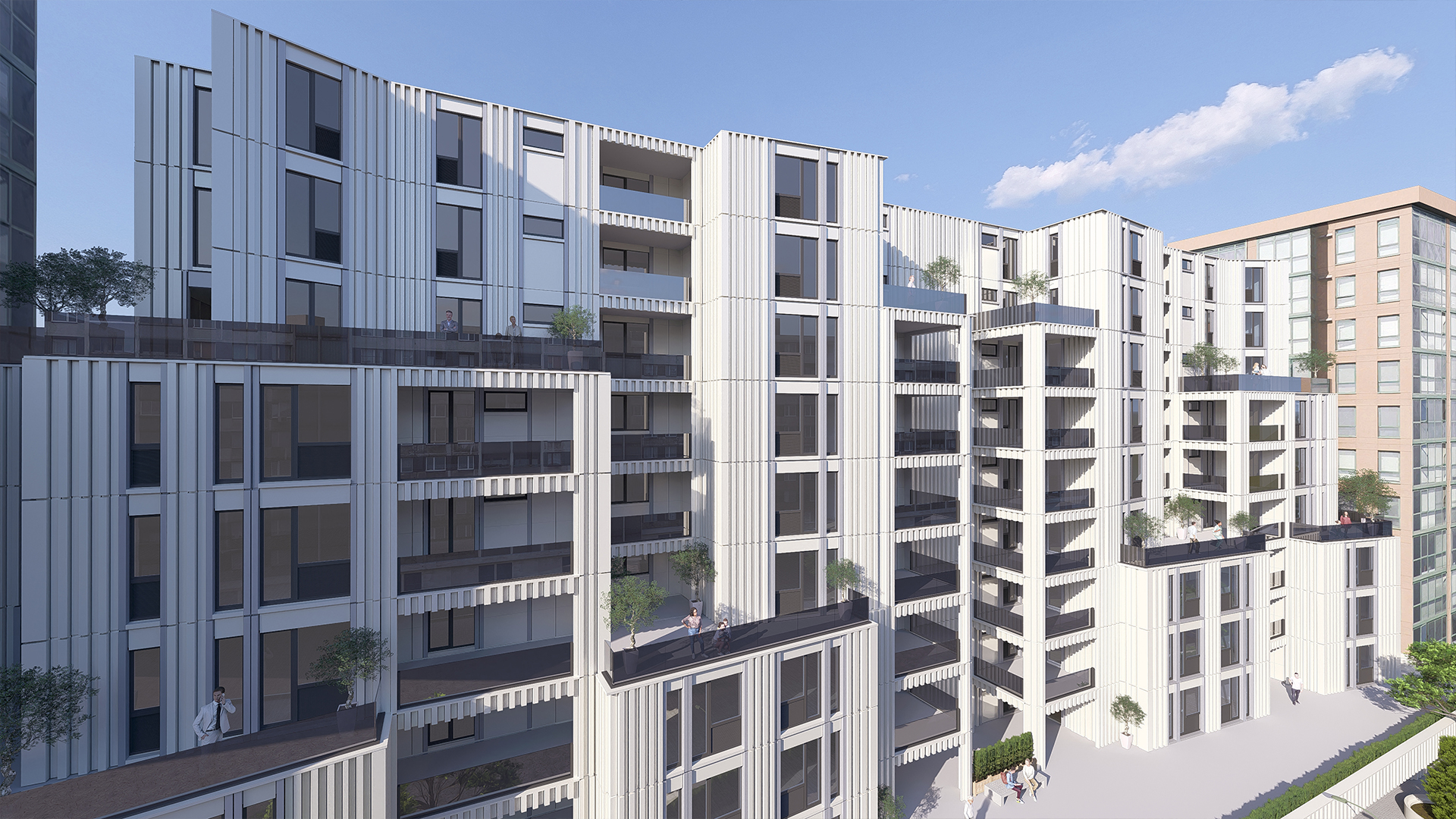
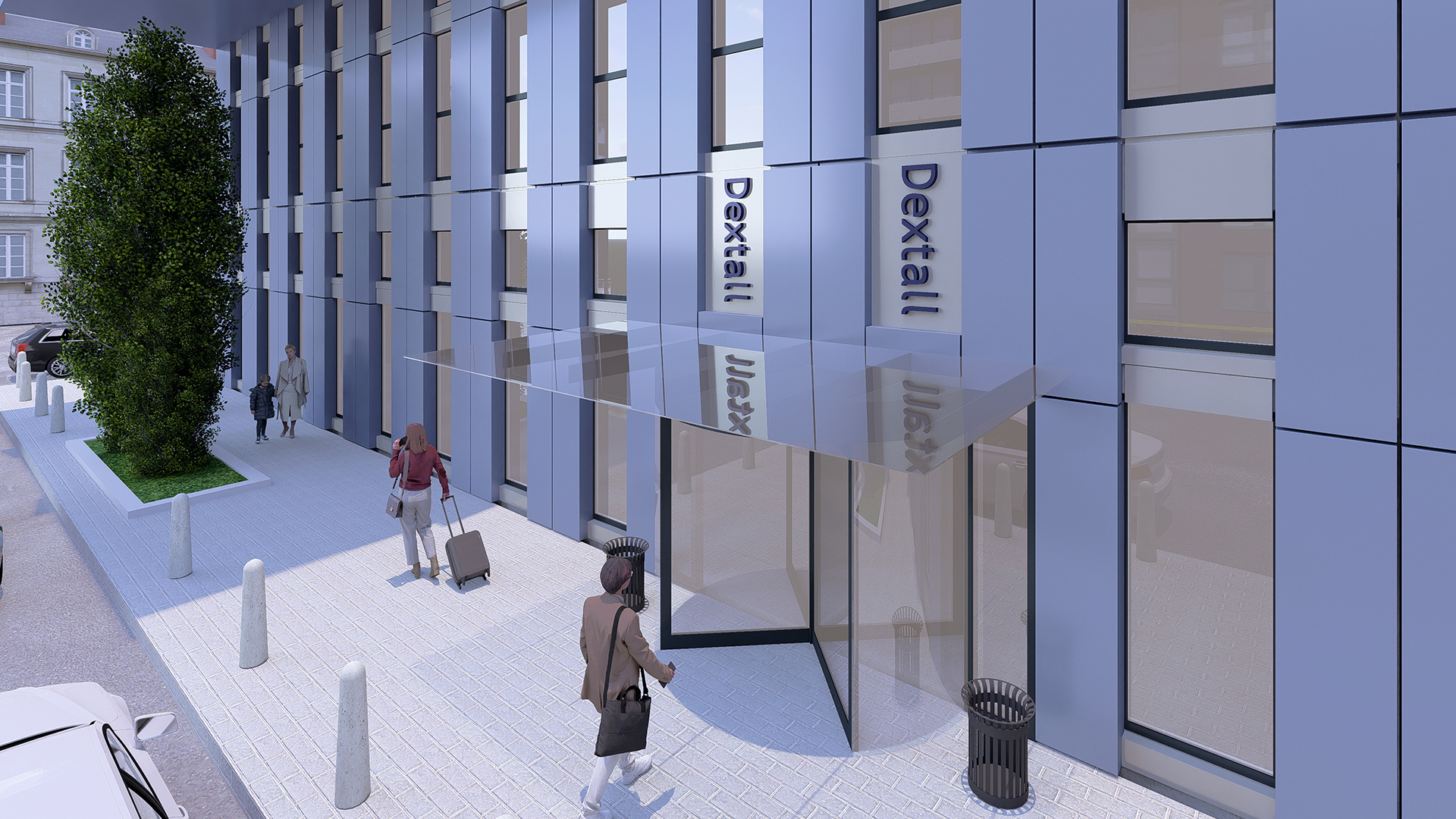
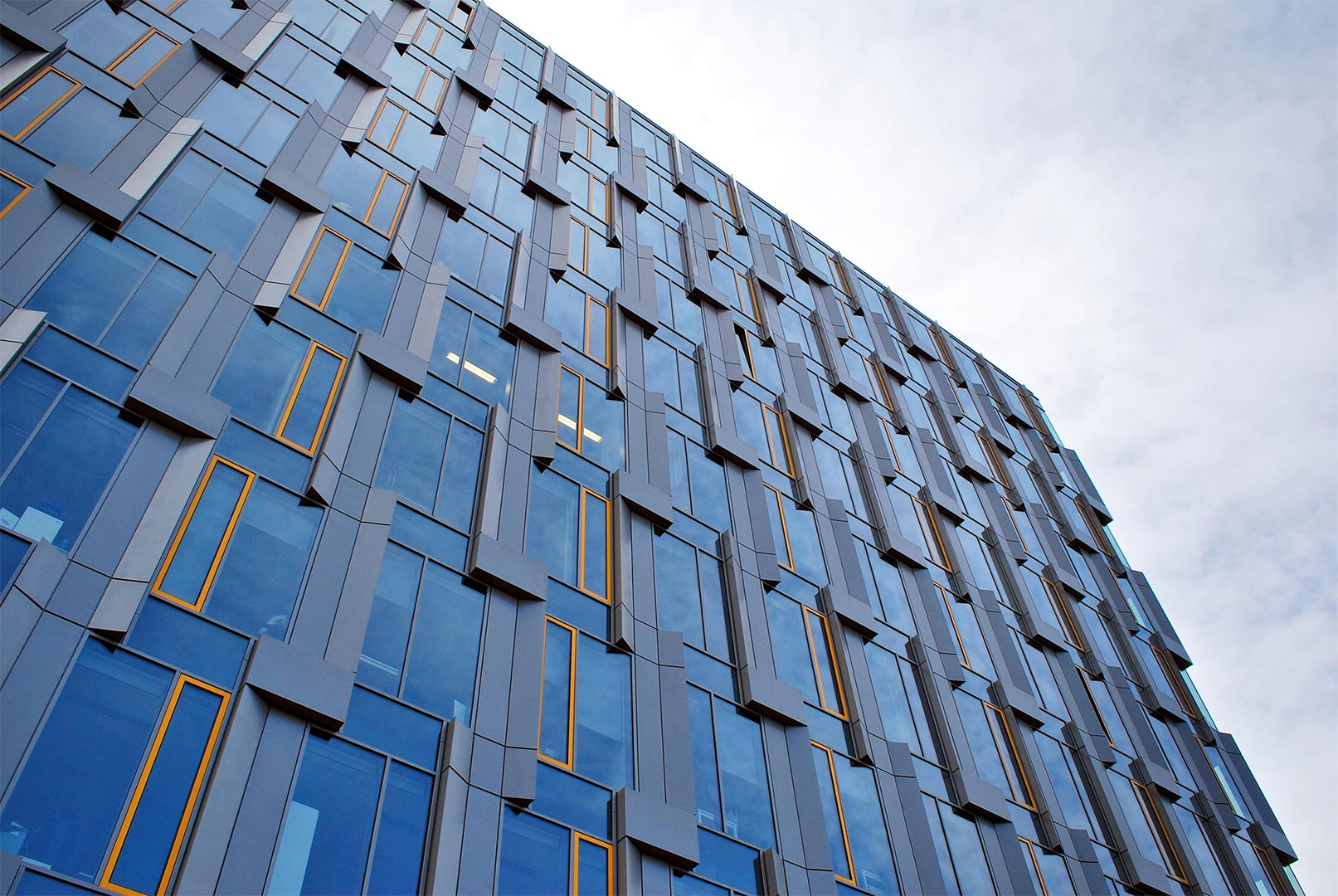
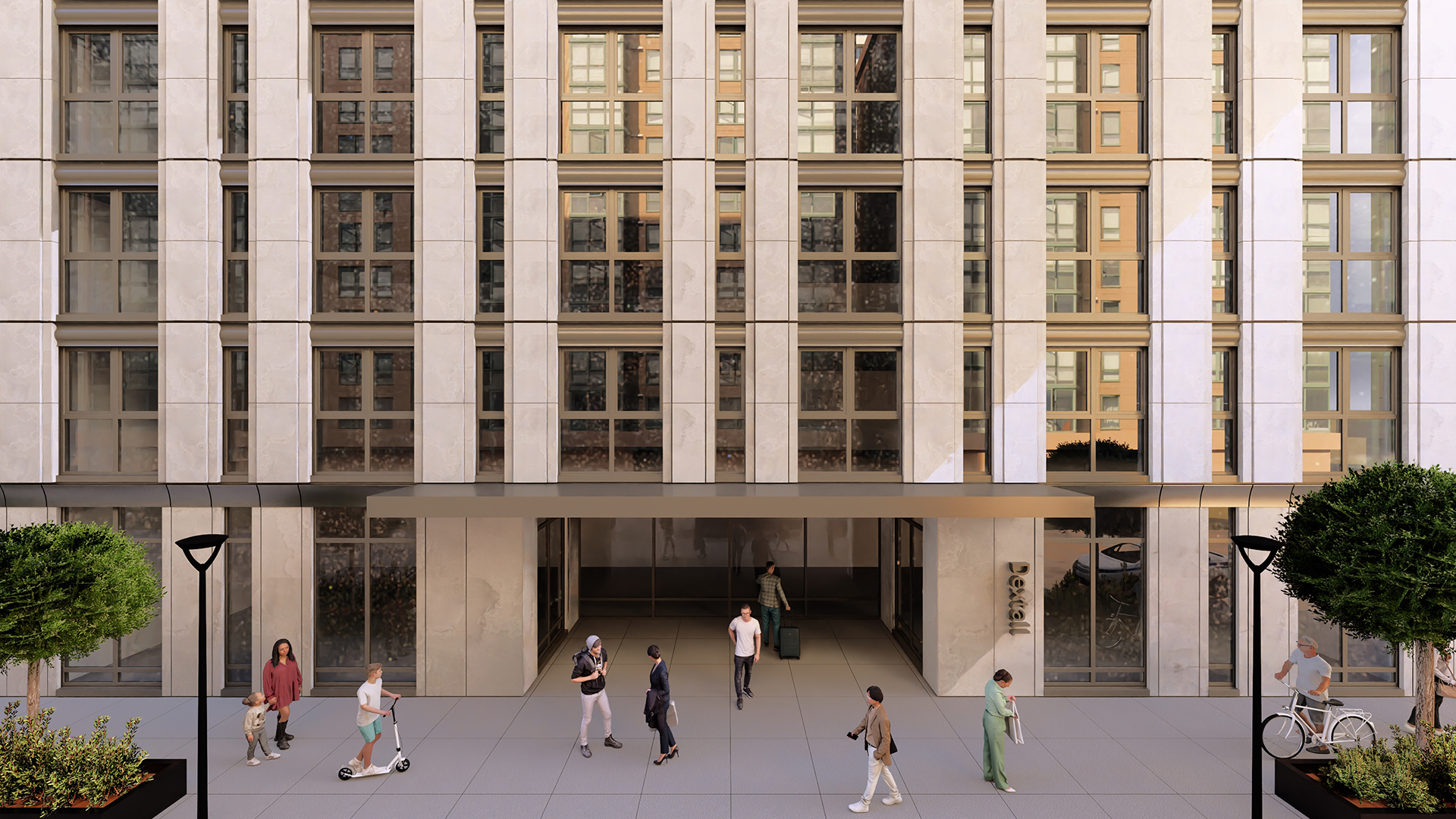
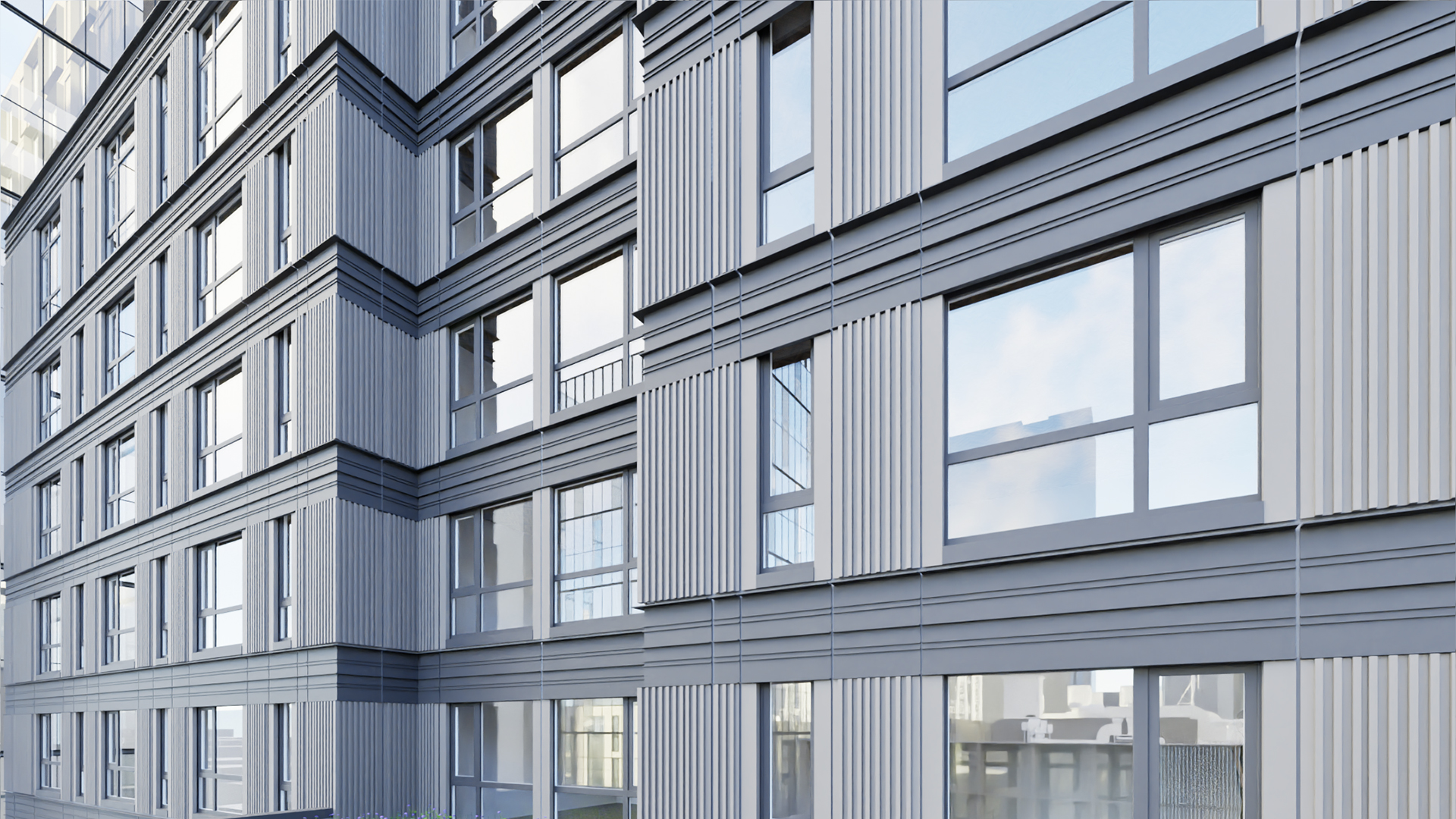
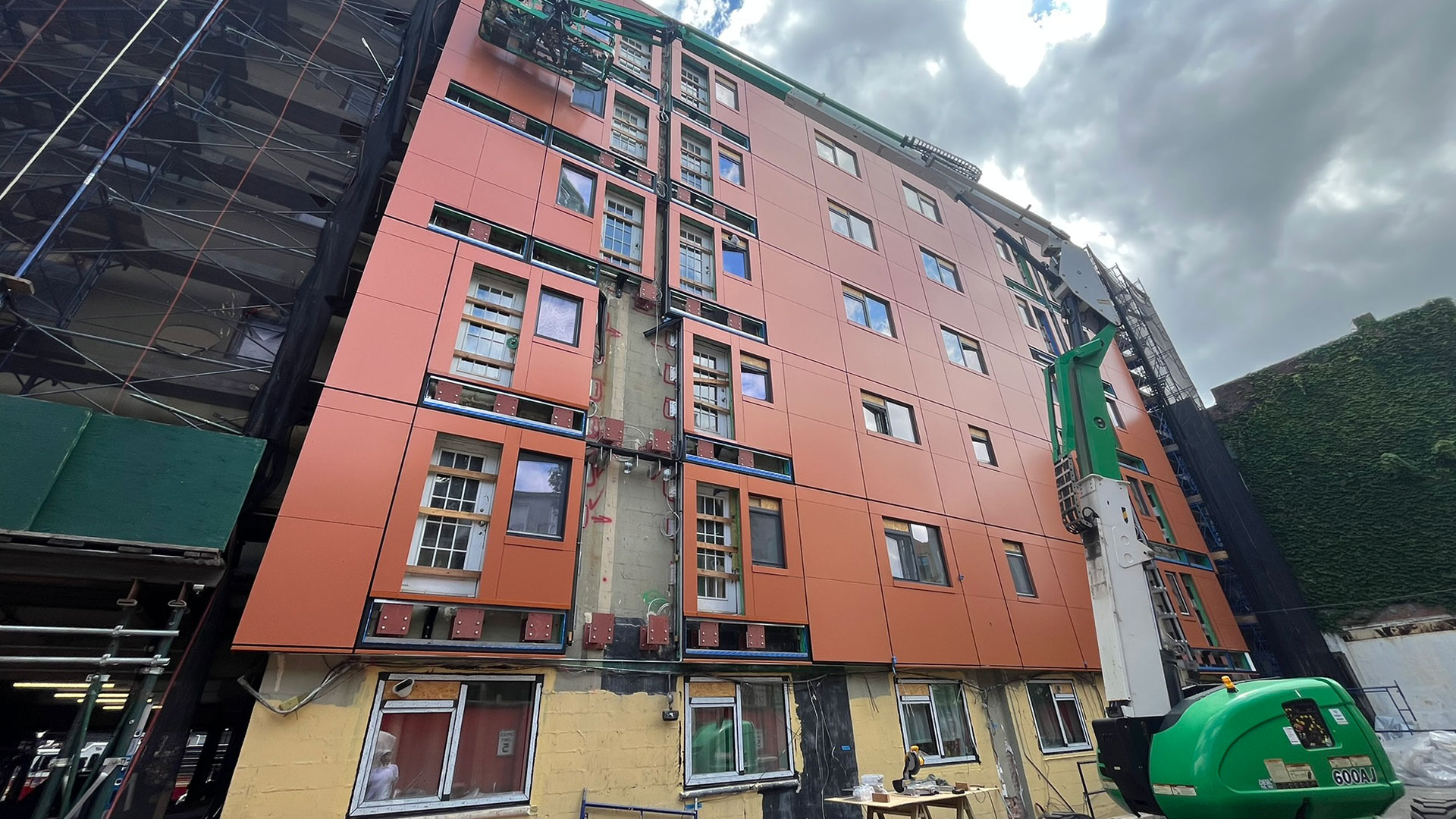
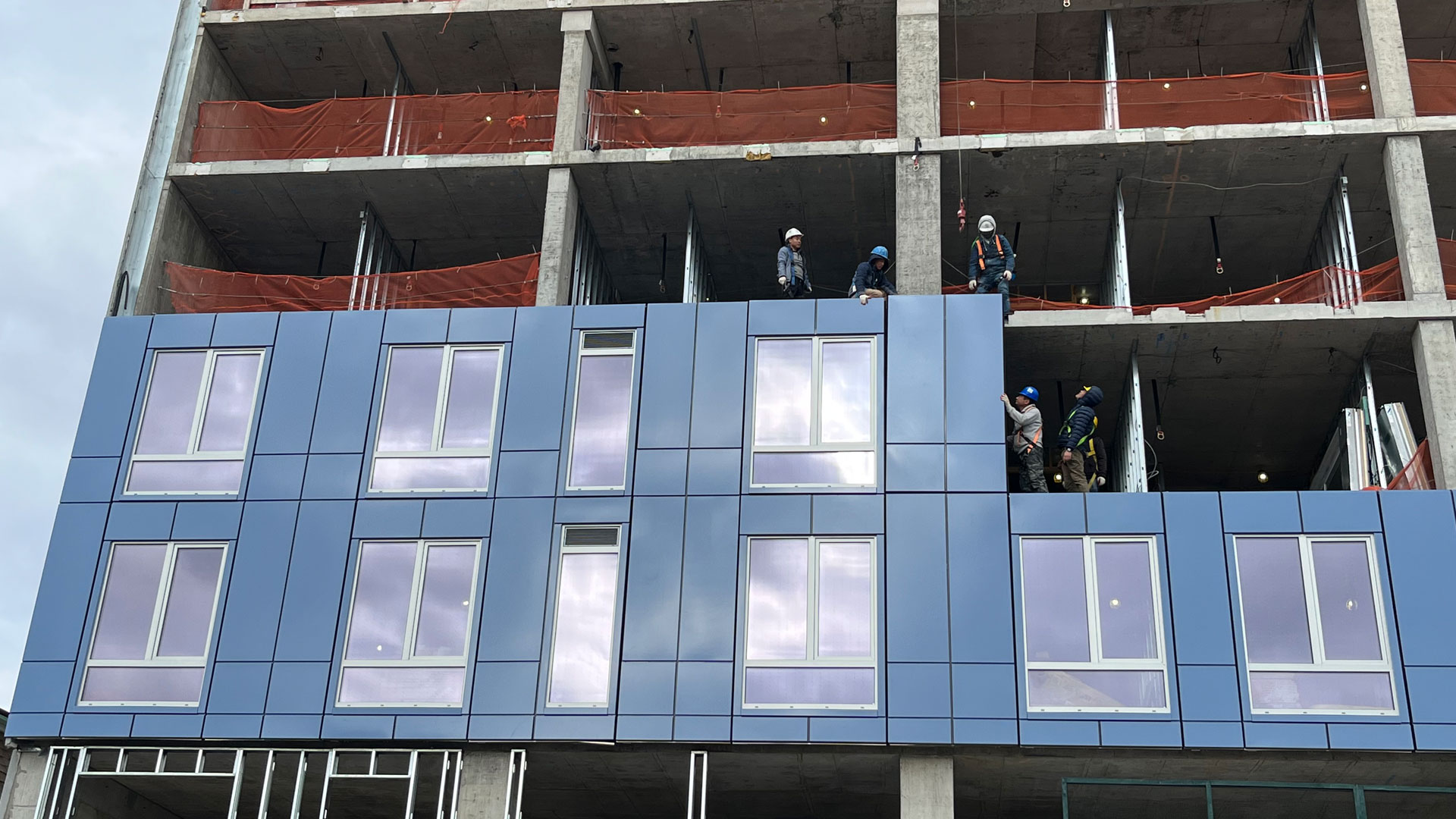
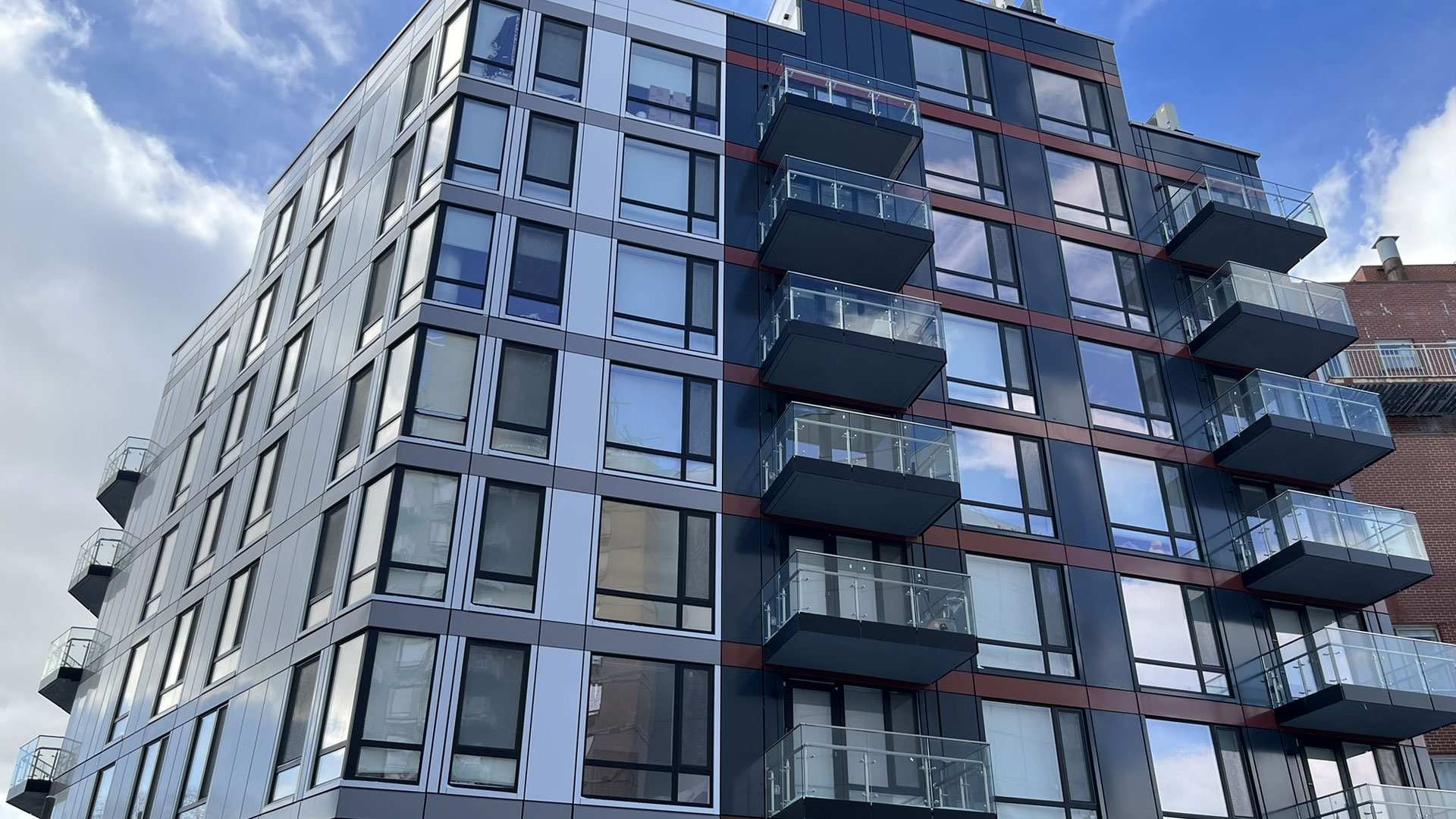
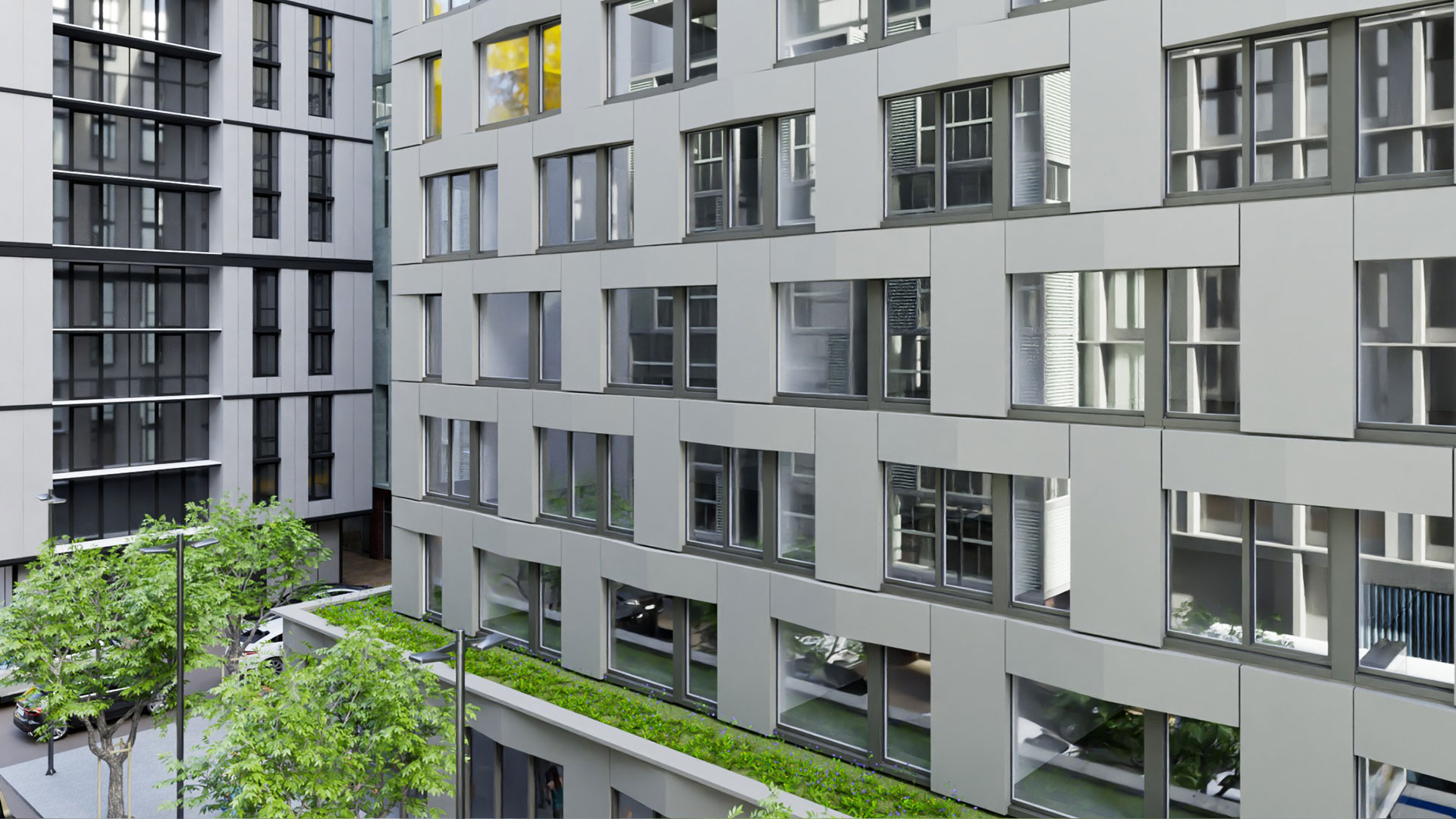
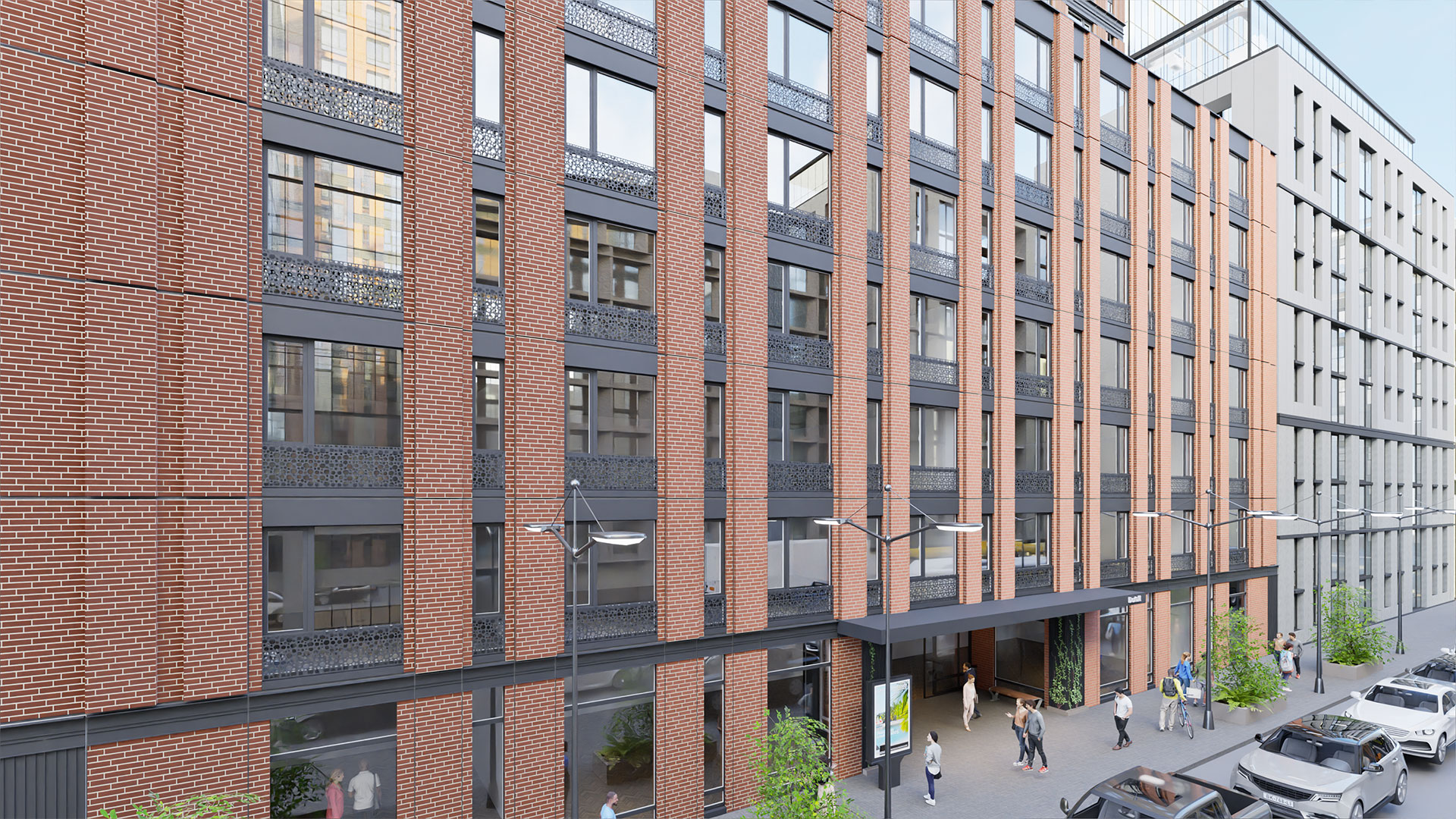
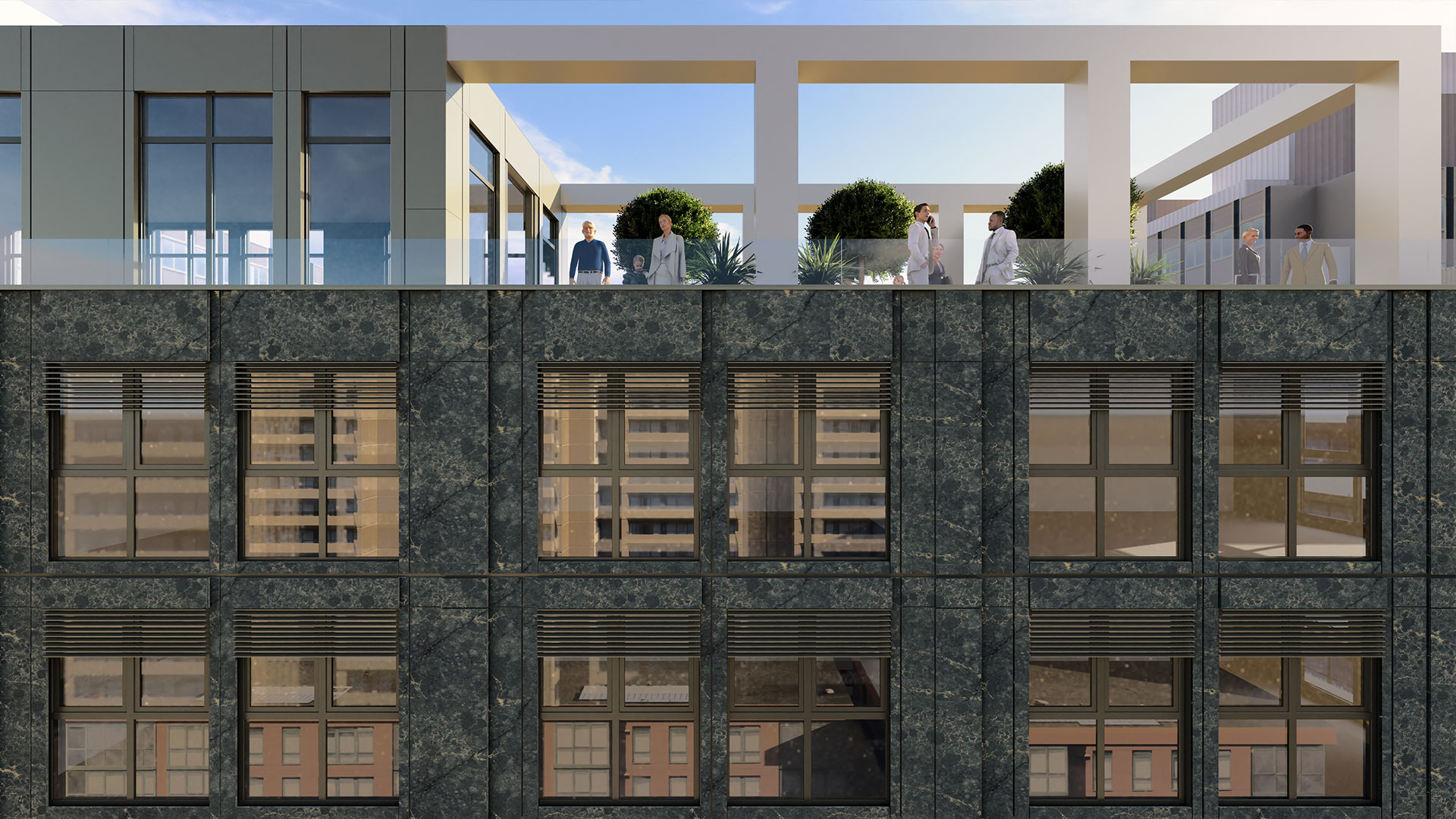
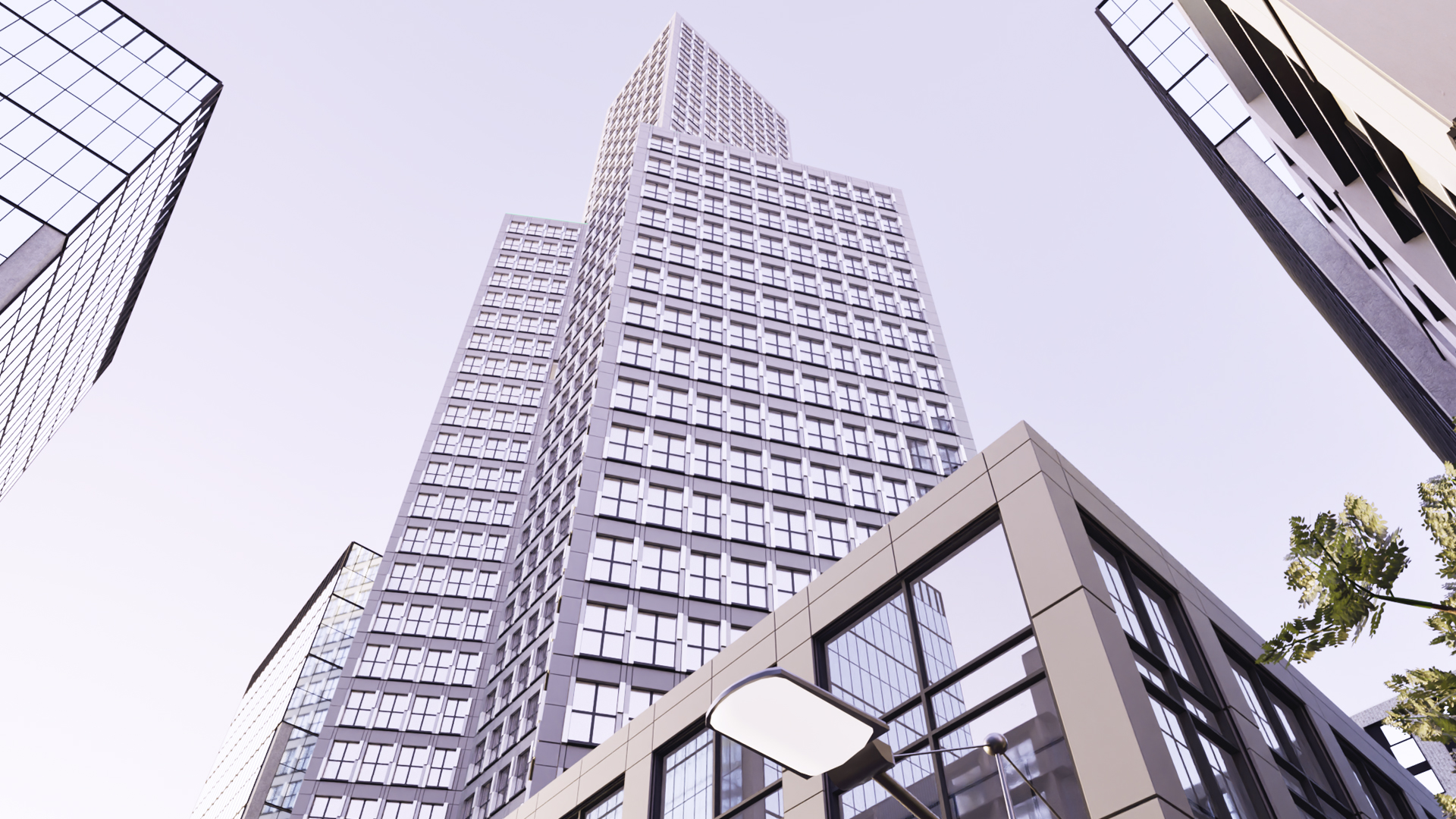
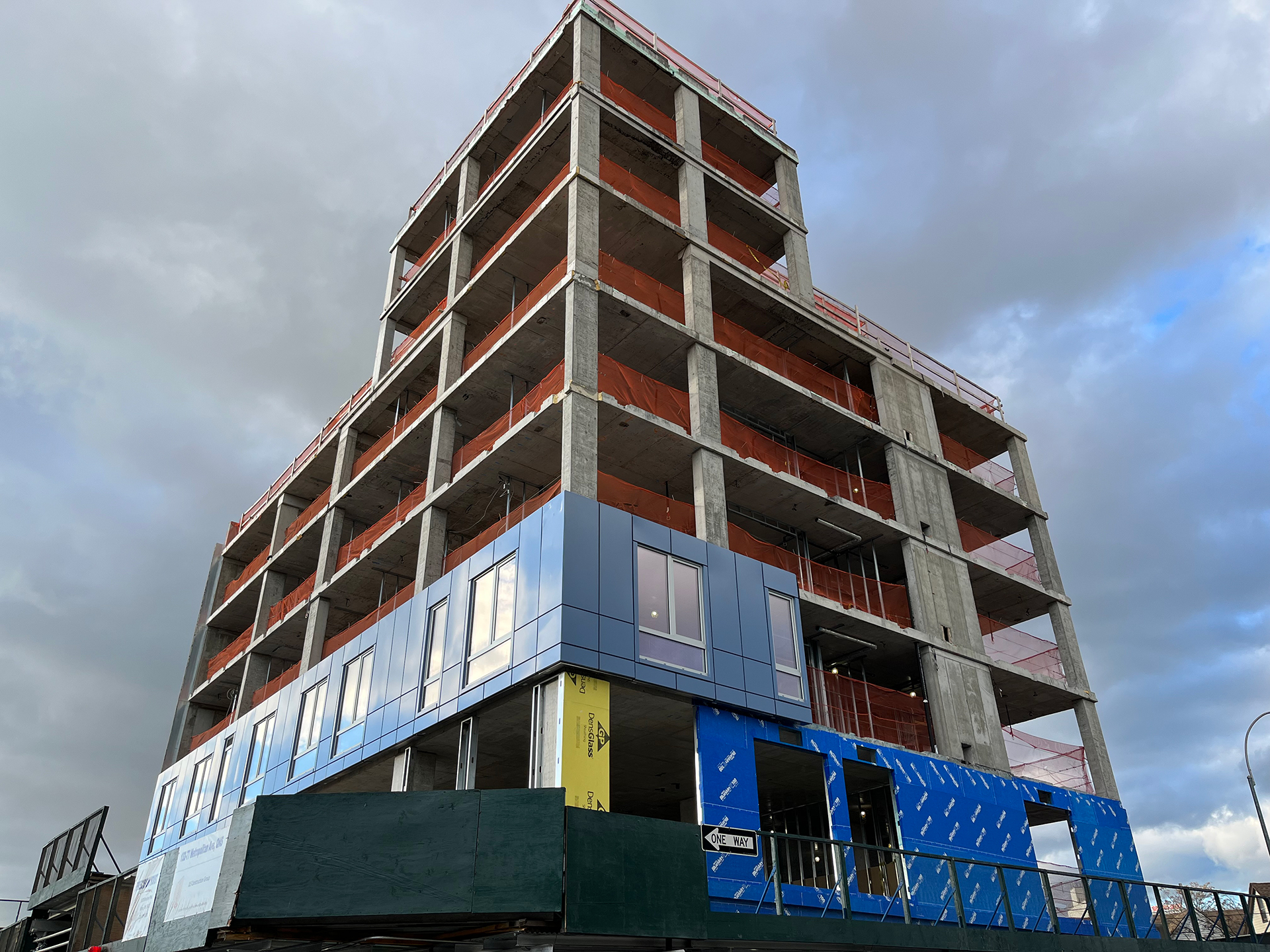
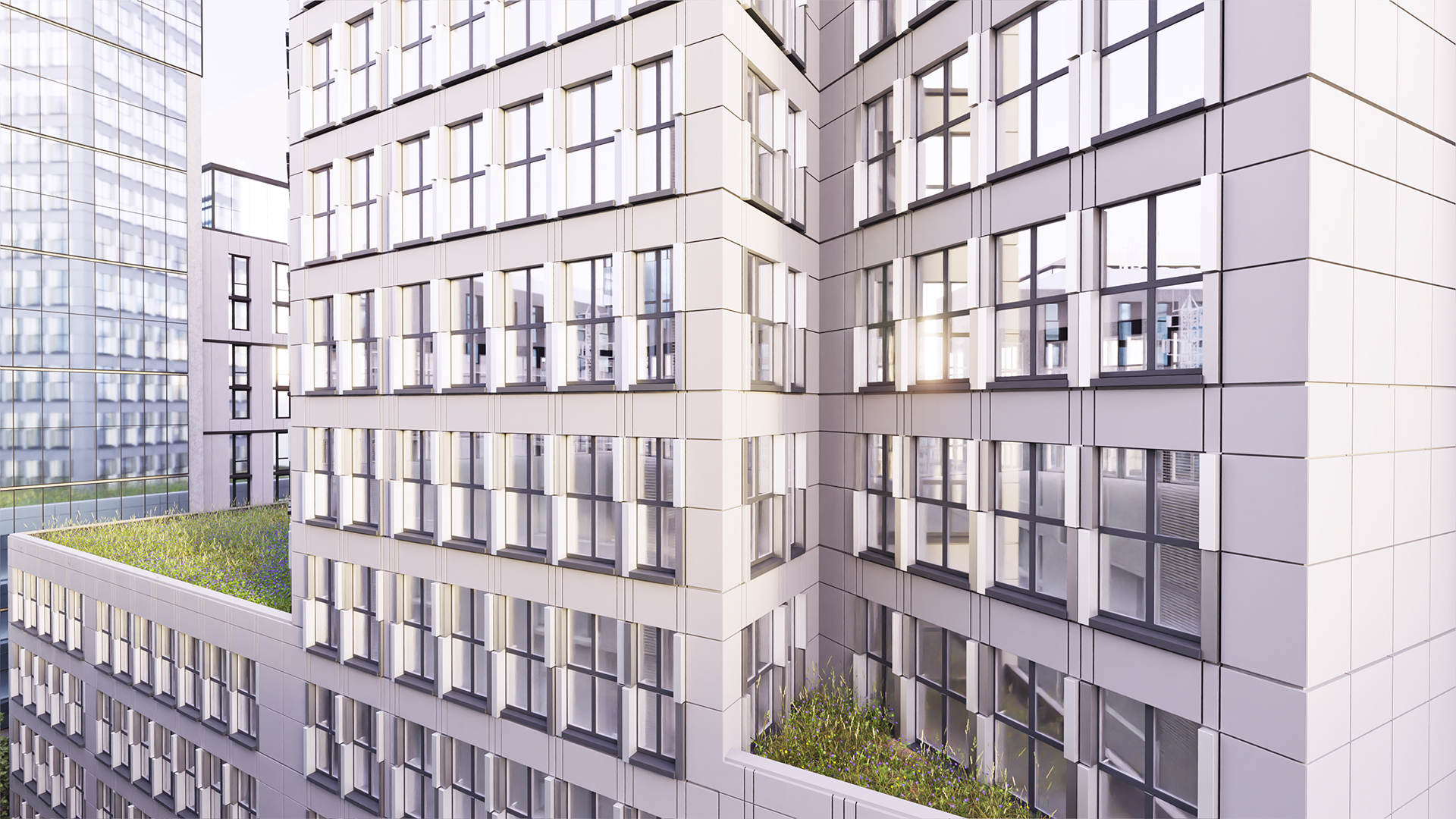
When a building reaches the point where re-cladding makes more sense than repeating repairs, the next question is execution: how do you upgrade the facade without turning the property into a prolonged construction zone? That's where Dextall's prefabricated facade approach stands out. Instead of building everything piece-by-piece in the field, Dextall delivers factory-built panelized wall systems designed to install faster and with more consistency—an advantage that matters in NYC, where time, access, and disruption drive a huge share of the real-world cost.
Faster installs with less on-site labor
Prefab works because it shifts a lot of work off-site, where conditions are controlled and repeatable. In practical terms, that typically means:
- Less field fabrication: fewer steps happening on scaffolding, fewer trades stacked on top of each other.
- More predictable installs: panels arrive ready to set, so the on-site sequence is tighter and easier to manage.
- Shorter "open wall" time: the building spends less time exposed to weather during the swap-out, which helps reduce risk.
For LL11 re-cladding projects, speed isn't about rushing—it's about reducing the time you're paying for access, supervision, and disruption. Dextall's panelized systems are built for that kind of schedule discipline.
Better fit for occupied multifamily buildings
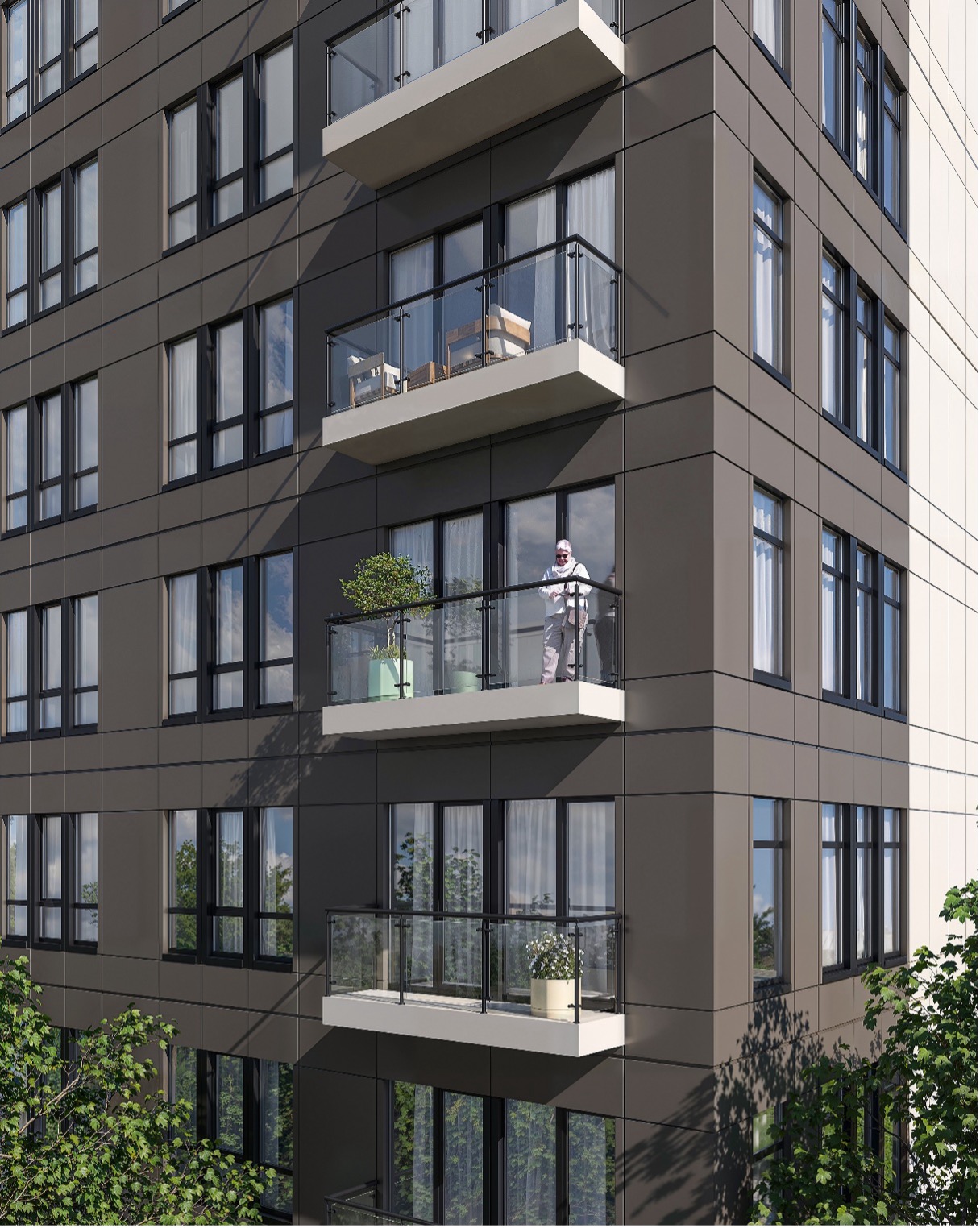
Occupied multifamily buildings have a different tolerance for construction. Residents still need sleep, safe entry, and a normal life—every day of the project. A prefab re-cladding strategy can be a better match because it's designed to minimize the messiest parts of exterior work.
- Fewer "all-day" disruptions: shorter install windows can mean less continuous noise at any single line of apartments.
- Cleaner staging: less material cutting and assembly happening on-site helps reduce dust, clutter, and site congestion.
- A smoother tenant experience: faster exterior closure and a tighter sequence can reduce the feeling that the building is "under construction forever."
This is where Dextall can feel like the "smart choice" rather than just a product choice: the system is aligned with what owners and property managers actually need during LL11-driven re-cladding—control, speed, and a project that respects the fact people live there.
FAQ: The Fast, Useful Stuff
When should we re-clad instead of keep repairing?
When the same issues return every cycle, repairs keep "spreading," or scaffolding becomes a recurring expense.
Can the building stay occupied during re-cladding?
Usually yes. It's planned in phases so residents can remain in place, with disruption managed line-by-line.
Does re-cladding help get rid of sidewalk sheds sooner?
It can—if it speeds up correction of unsafe conditions and reduces how long you need heavy access.
Why use prefab panels like Dextall for LL11 work?
Faster installs, less on-site labor, and a more predictable schedule—huge wins for NYC properties.
What's the first smart step to plan this?
Match inspection findings to a long-term scope, then pick an approach that minimizes repeat work and tenant disruption.










.jpeg)
-Compliance-for-NYC-Multifamily-%26-Co-Op-Facades.jpg)













_format(webp).avif)
_format(webp)%20(6).avif)
_format(webp)%20(5).avif)
_format(webp)%20(4).avif)
_format(webp)%20(2).avif)
_format(webp)%20(3).avif)


.avif)
_format(webp)%20(2).avif)