Inside Modern Prefab Facade Panels: Design and Assembly for Architects

Prefab facades aren't just a faster way to close a building—they redefine how the envelope is designed and assembled. For architects, the shift from field-built layers to factory-built panels changes the way windows connect to insulation, how moisture is managed, how thermal continuity is preserved, and how details behave on site. Looking inside a modern prefab facade panel reveals a coordinated assembly where structure, insulation, moisture control, and exterior finishes are engineered to work together, giving design teams more predictable performance and fewer surprises during construction.
What an Integrated Prefab Panel Includes
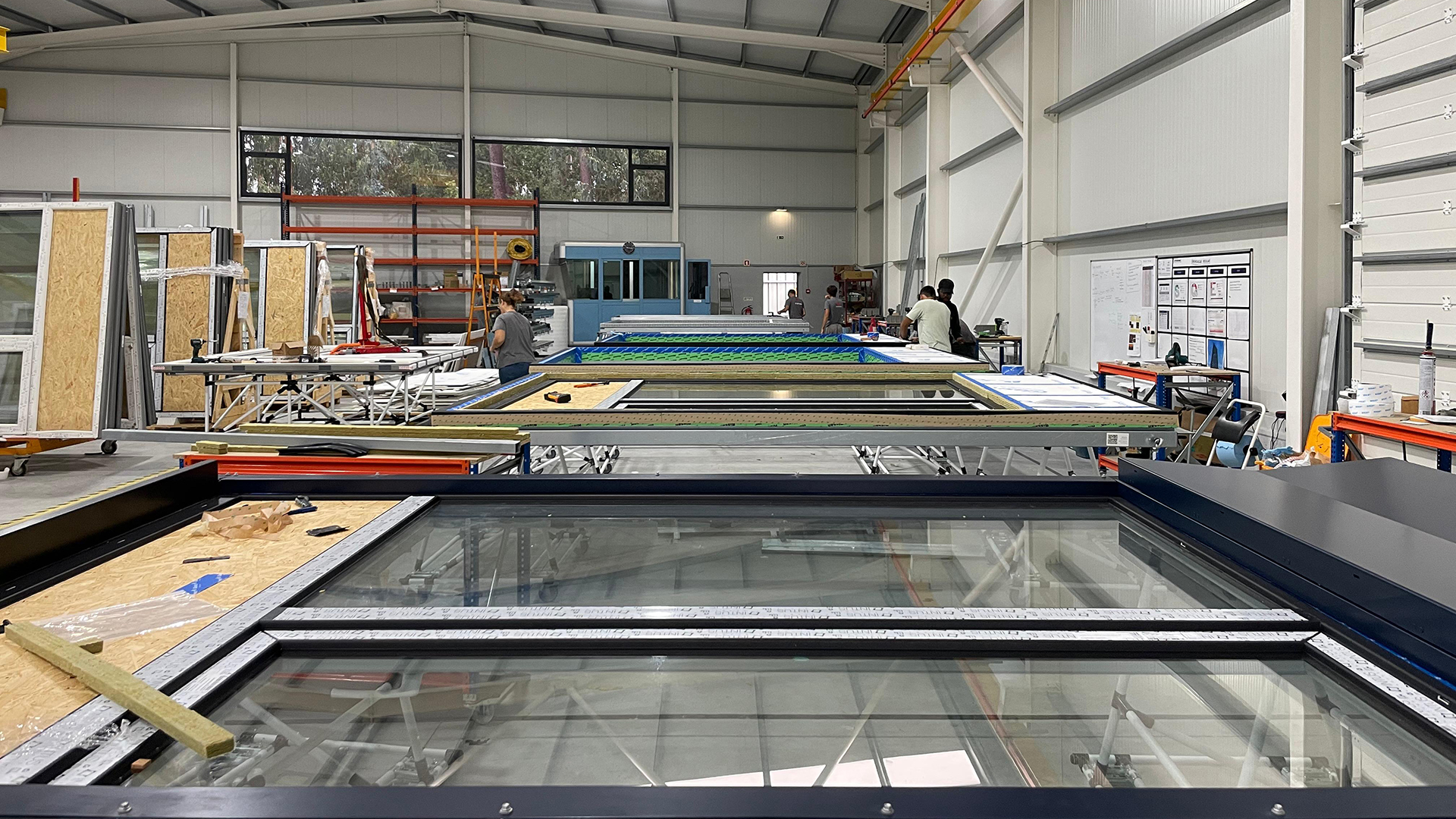
An integrated prefab panel is a complete facade unit, not just cladding. It combines windows, continuous insulation, air and moisture control, and exterior finish in one coordinated assembly. Instead of designing and managing each layer separately, architects work with a system that's already engineered to perform as a whole.
How Windows, Insulation, and Cladding Become One System
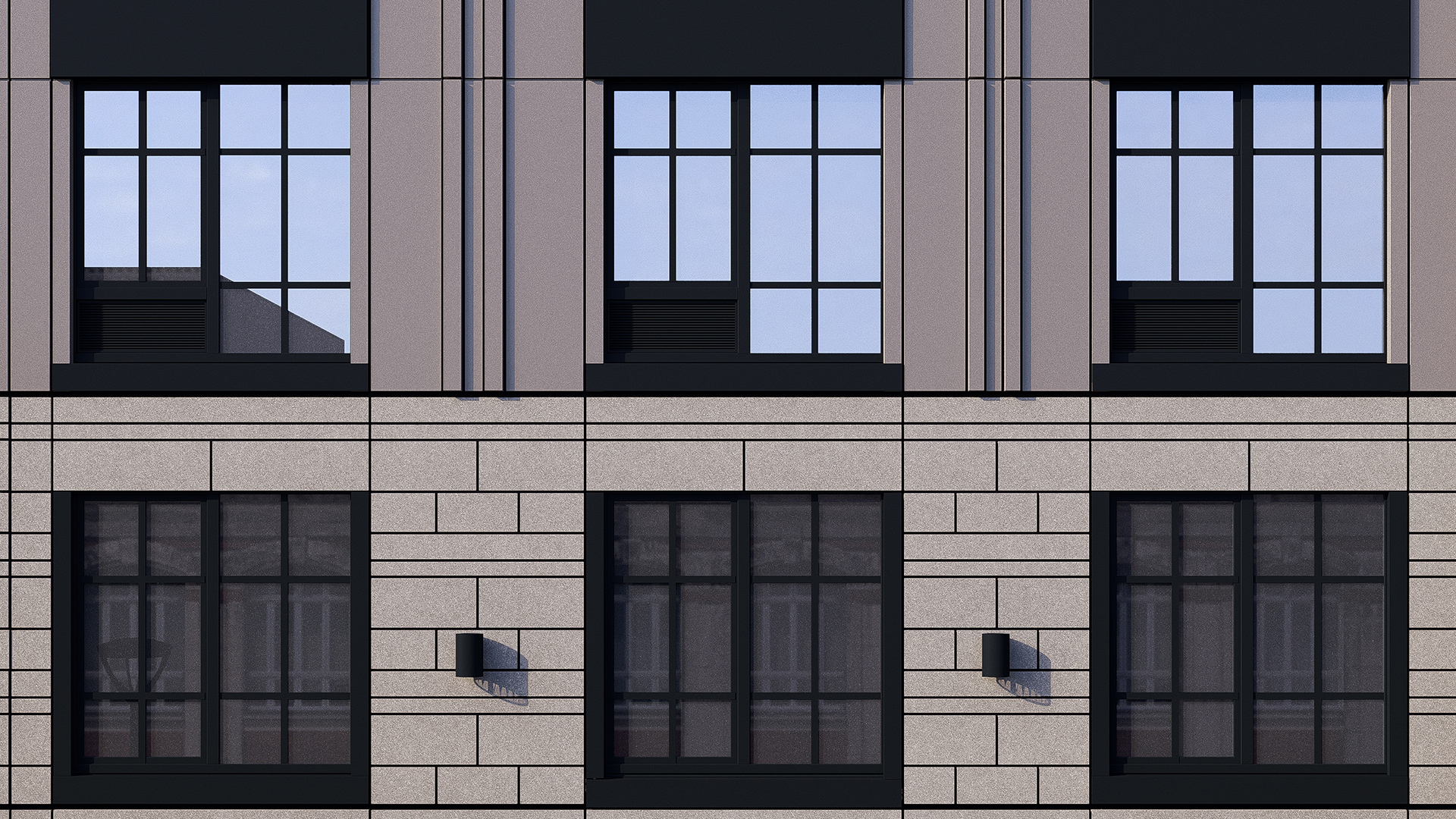
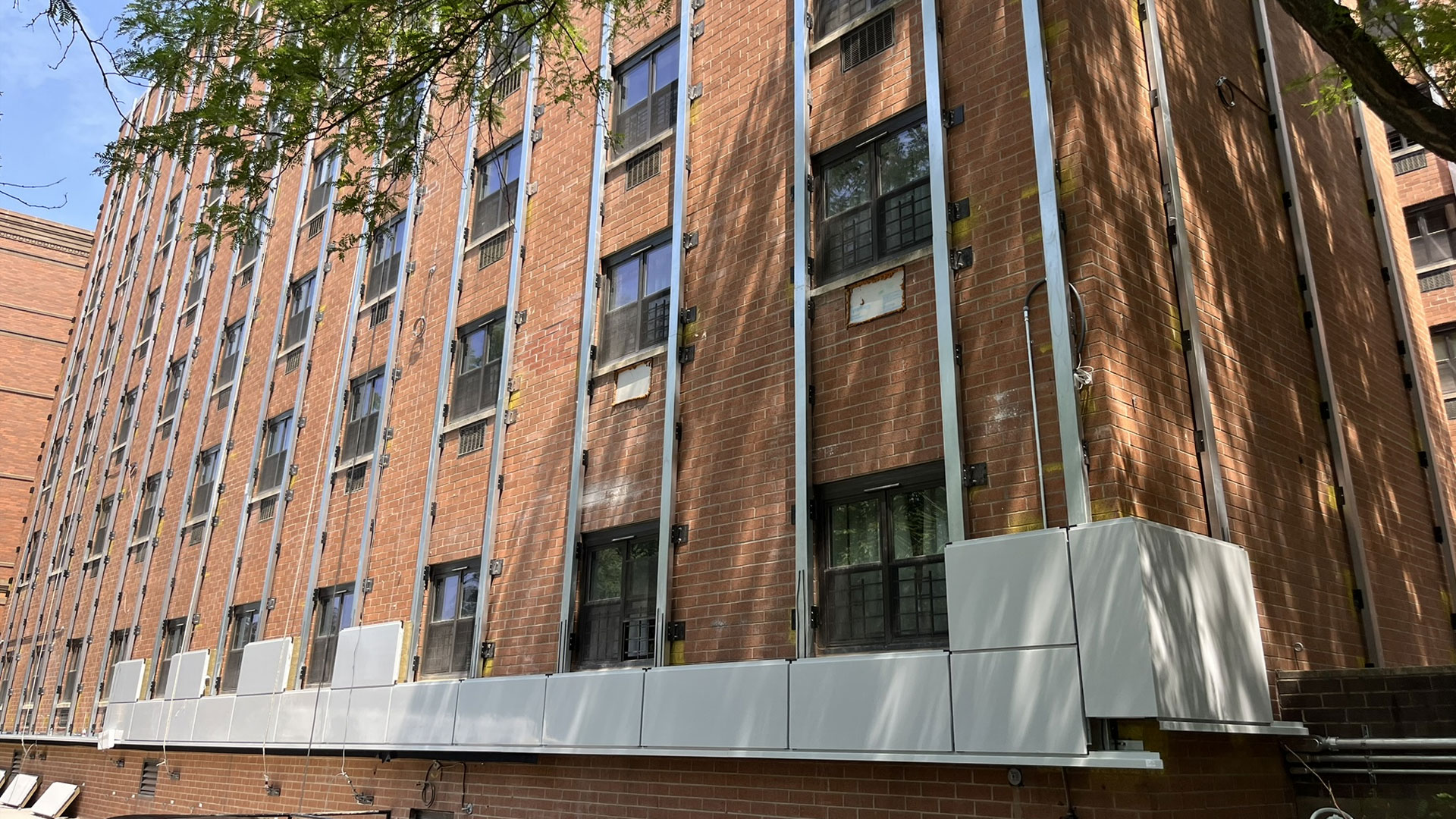
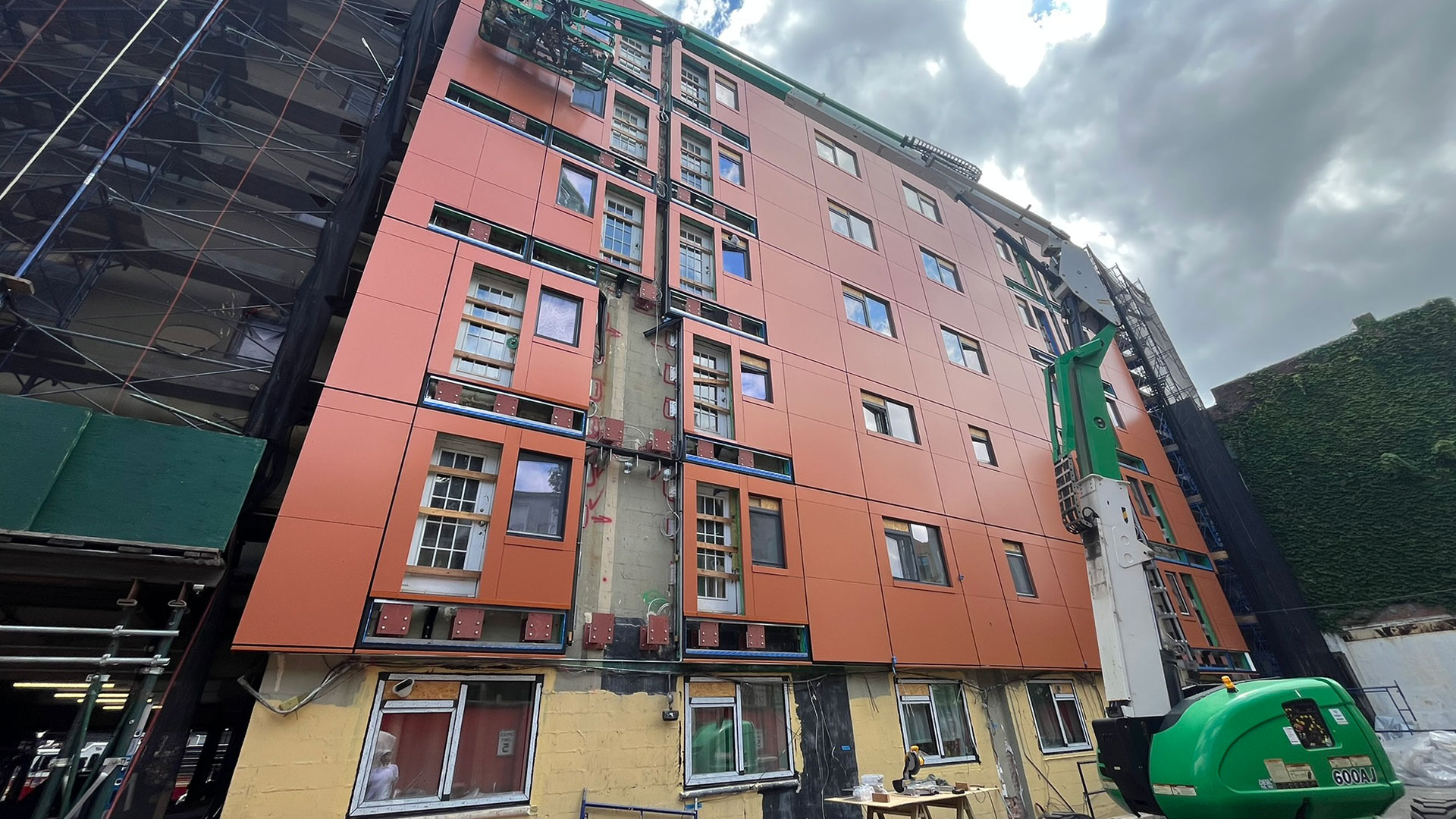
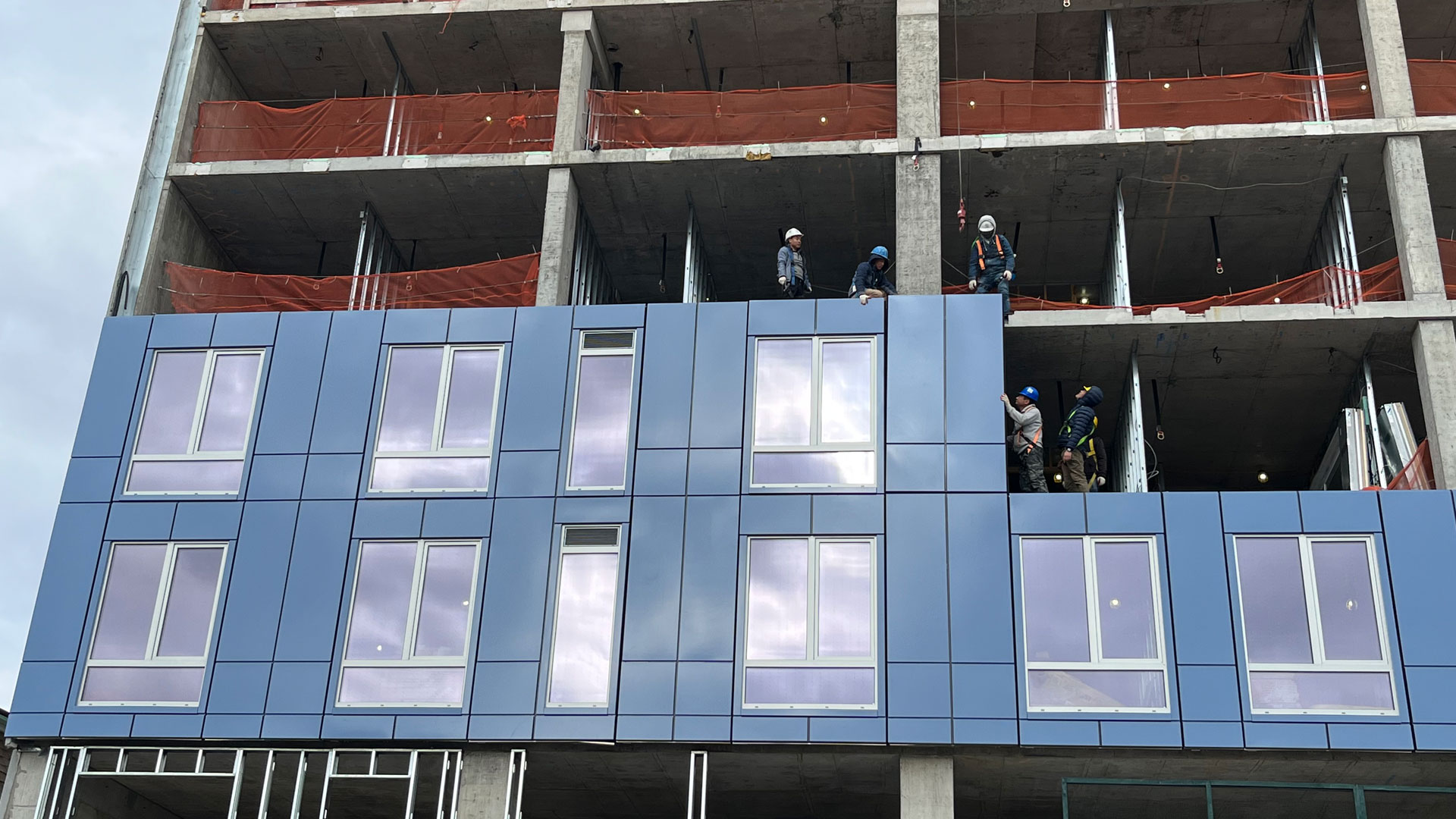
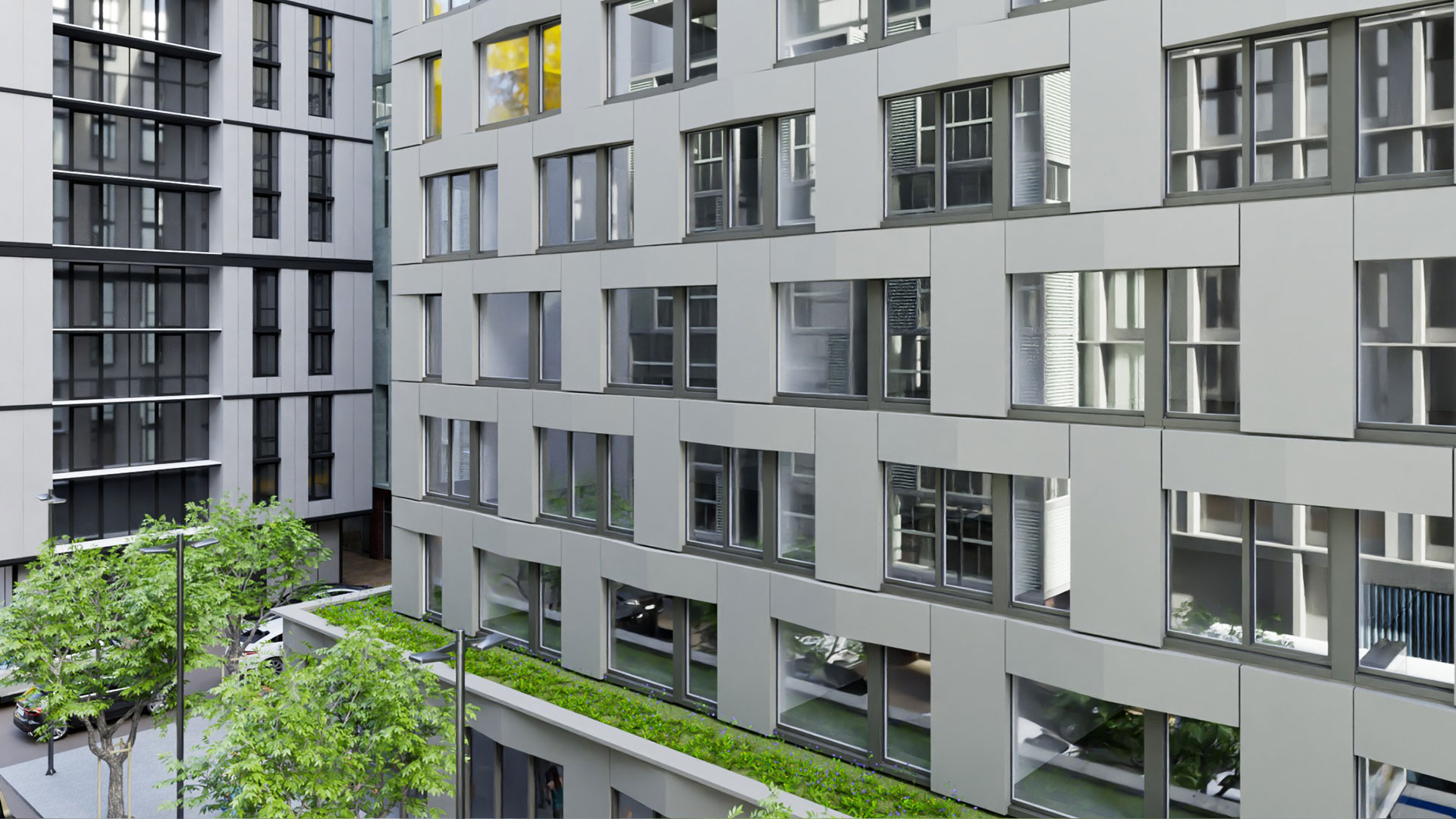
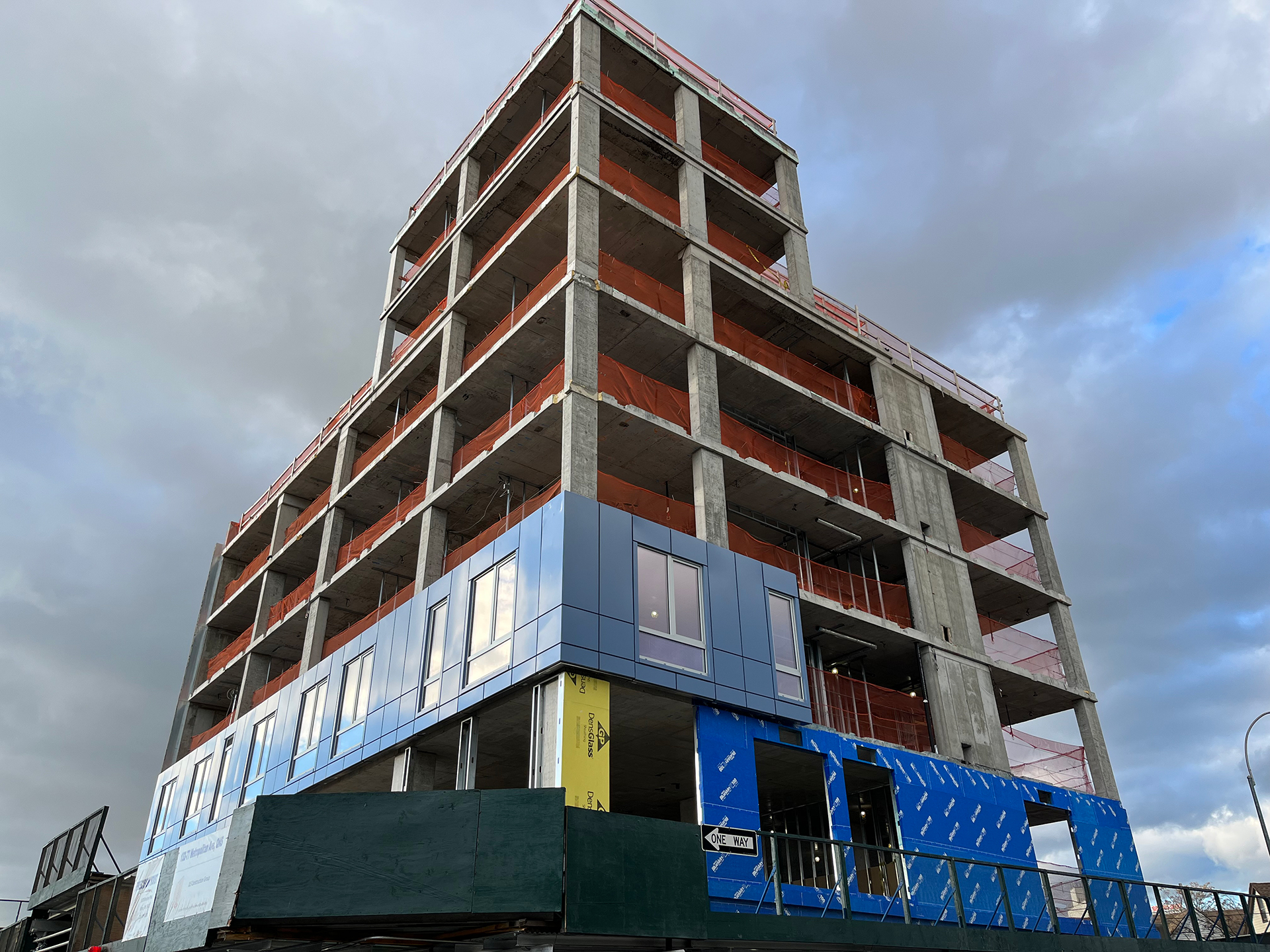
In a prefab panel, the window is factory-installed into a prepared opening, surrounded by insulation, sealed into the air and moisture barrier, and aligned with the cladding layout. The critical interfaces are resolved in controlled conditions, so the panel arrives on site as a ready-made envelope element, not a set of disconnected trades.
In practice, this means:
- The window frame ties directly into the air and moisture control layer.
- Insulation stays continuous around the opening, reducing thermal bridges.
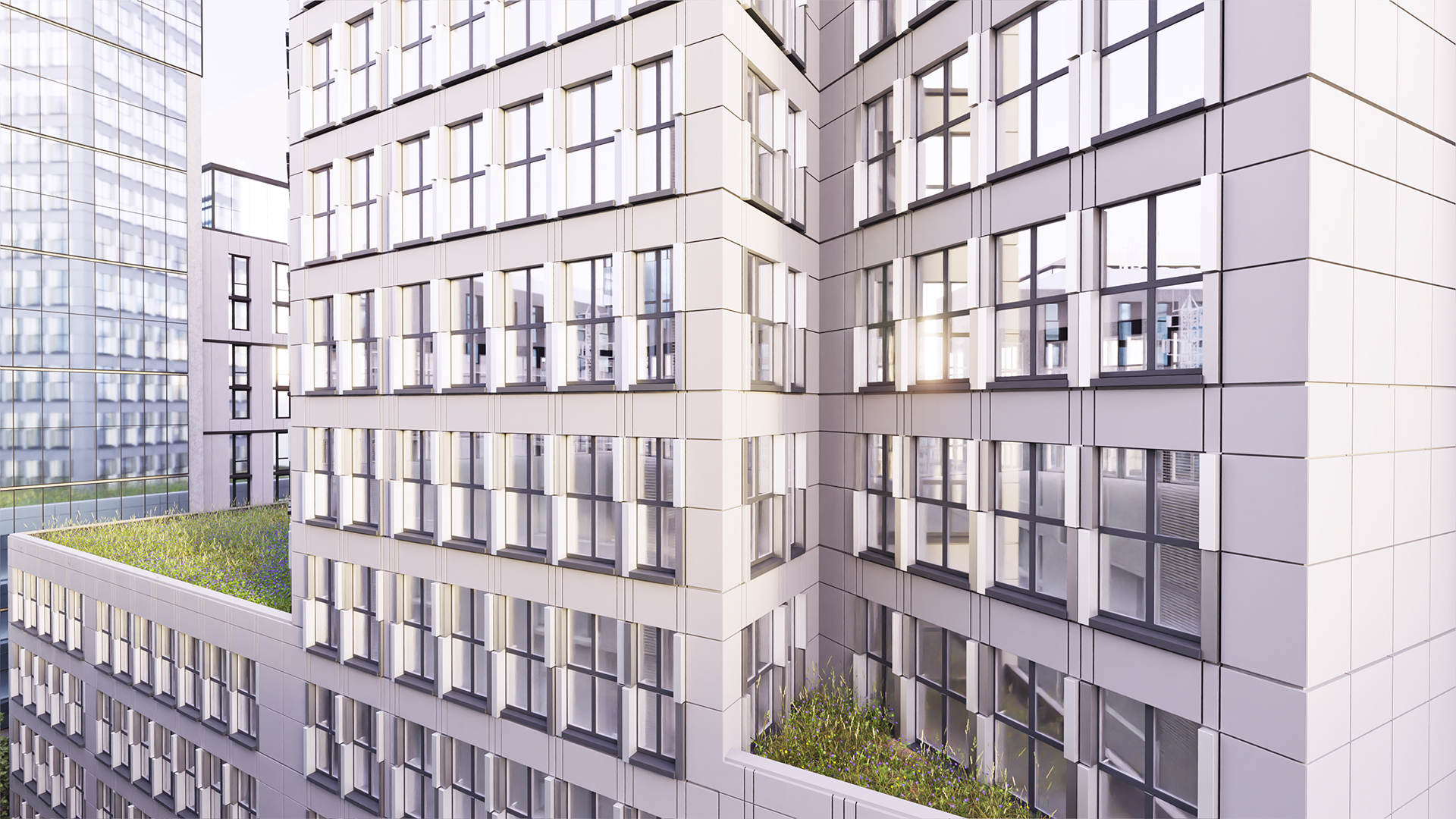
- Cladding, joints, and trims are coordinated to the panel grid, not improvised in the field.
The result is a facade module where performance and appearance are locked in before it ever reaches the jobsite.
Inside a Modern Prefab Panel
Behind the clean exterior of a prefab panel is a layered wall assembly that's engineered, not improvised. Each layer—structure, insulation, moisture control, and finish—has a defined role, and the way they're combined is what gives the system its predictable performance on site.
Frame, Insulation, Moisture Control, and Exterior Finish
A modern prefab panel starts with a light metal frame that sets the geometry and carries loads. Within and over that frame, non-combustible insulation, vapor-permeable moisture control layers, and a ventilated exterior finish are built up as a single assembly. The goal is a wall that stays dry, stable, and thermally efficient over its full life cycle.
Typically, this includes:
- A lightweight metal frame that defines the module and provides fixing points for all other layers.
- Stone wool or similar non-combustible insulation, installed continuously to limit thermal bridges and support modern fire-safety requirements.
- A vapor-permeable, water-shedding layer that lets the wall dry while protecting against bulk water.
- A rainscreen cladding and cavity, allowing drainage and ventilation behind the exterior finish.
Put together in the factory, these layers form a repeatable wall section with known performance, instead of a one-off field-built experiment.
From Design to Installation with Dextall
With Dextall, the prefab facade isn't just a product—it's a process. From the first BIM model to the last panel set in place, the system is designed to stay consistent: the same panel logic, the same connection strategy, the same data driving both design decisions and site operations.
Standardization, Workflow, and Data-Driven Coordination
Dextall combines standardized, non-combustible panels with a digital workflow that plugs directly into the way architects and engineers already work. The technical parts are fixed where it matters—panel build-up, connection details, installation sequence—while module sizes, layouts, and finishes remain flexible enough to support the design intent. Dextall Studio then ties it all together, turning the facade from a series of assumptions into a set of quantified, fabrication-ready choices.
In practice, that means:
- Standardized panel assemblies and connection details that reduce coordination risk between trades.
- BIM-driven layouts and early pricing from Dextall Studio, based on real assemblies and local labor data.
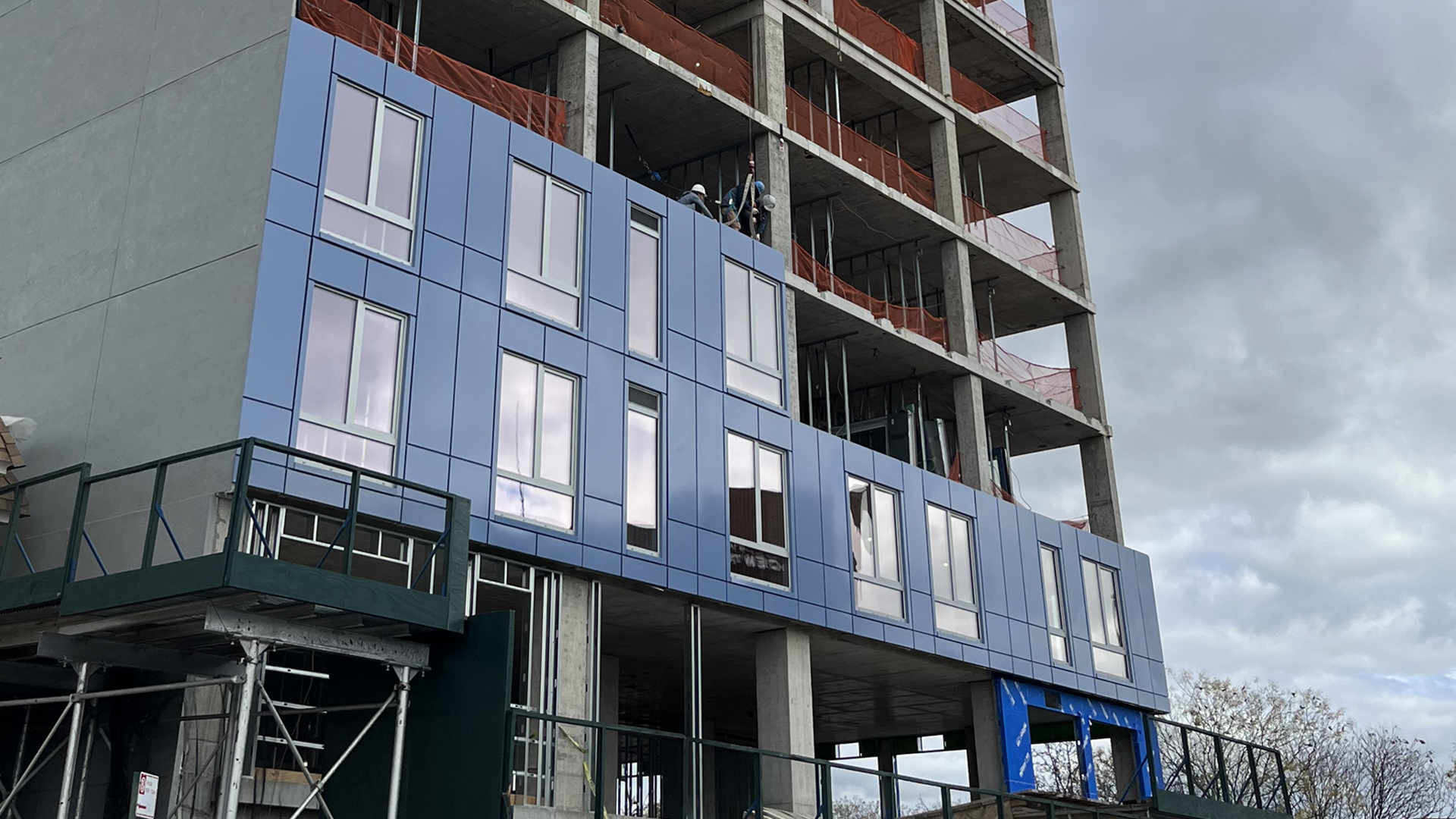
- A clear installation workflow—deliver, hoist, set, and seal—without wet facade processes on site.
- Fewer RFIs and late design changes, because details are resolved with the system manufacturer from the start.
The result is a facade process that feels less like a one-off experiment and more like a reliable, repeatable system—where Dextall handles the complexity behind the scenes so design teams can stay focused on architecture, not damage control on site.
FAQ: Quick Answers for Detail-Obsessed Architects
Do prefab panels lock me into fixed window sizes?
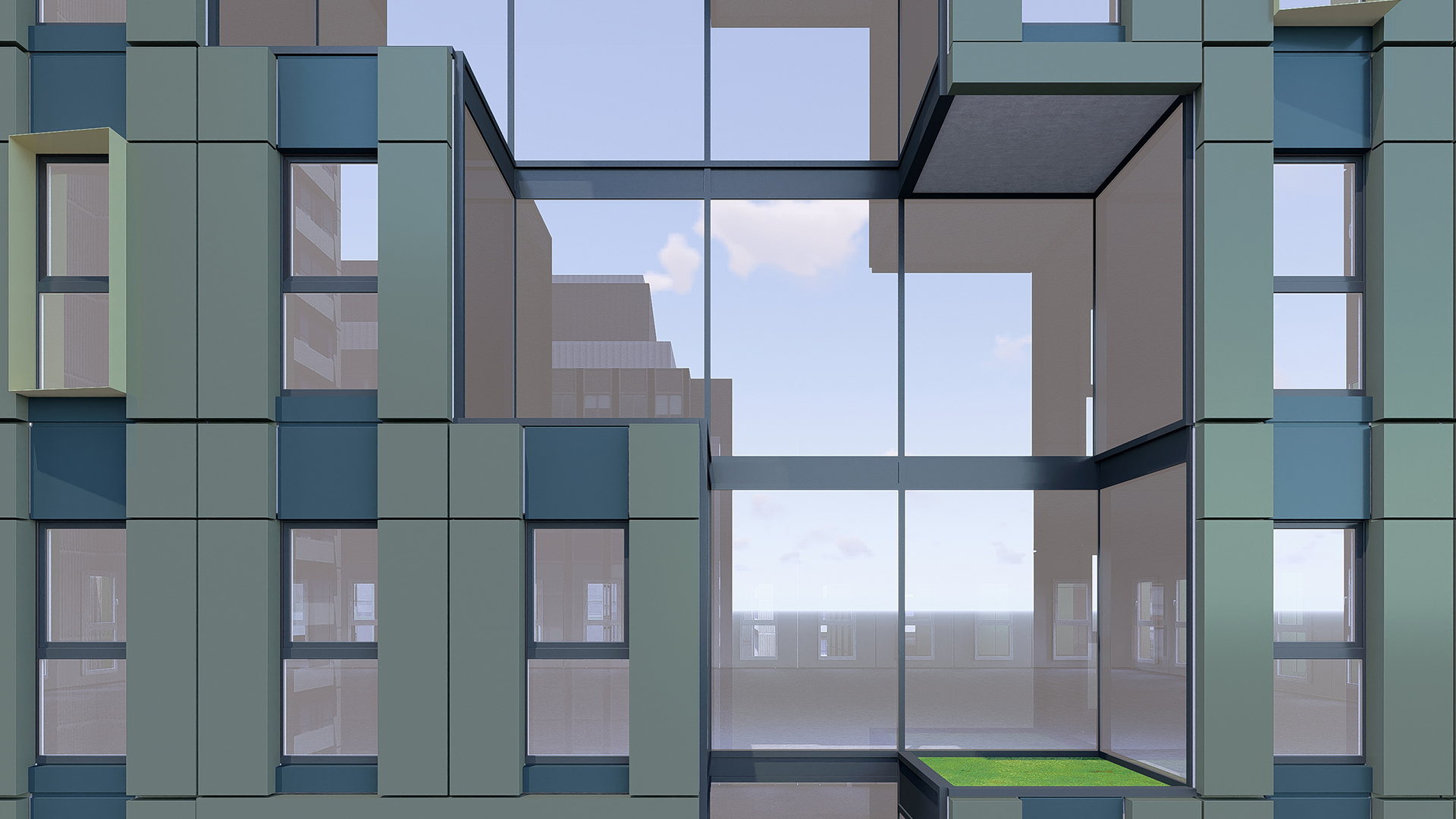
Not with systems like Dextall. The internal build-up and connection details are standardized, but window sizes, positions, and rhythms can be adapted to the facade concept within the panel grid.
Can prefab panels handle mixed facade expressions on one building?
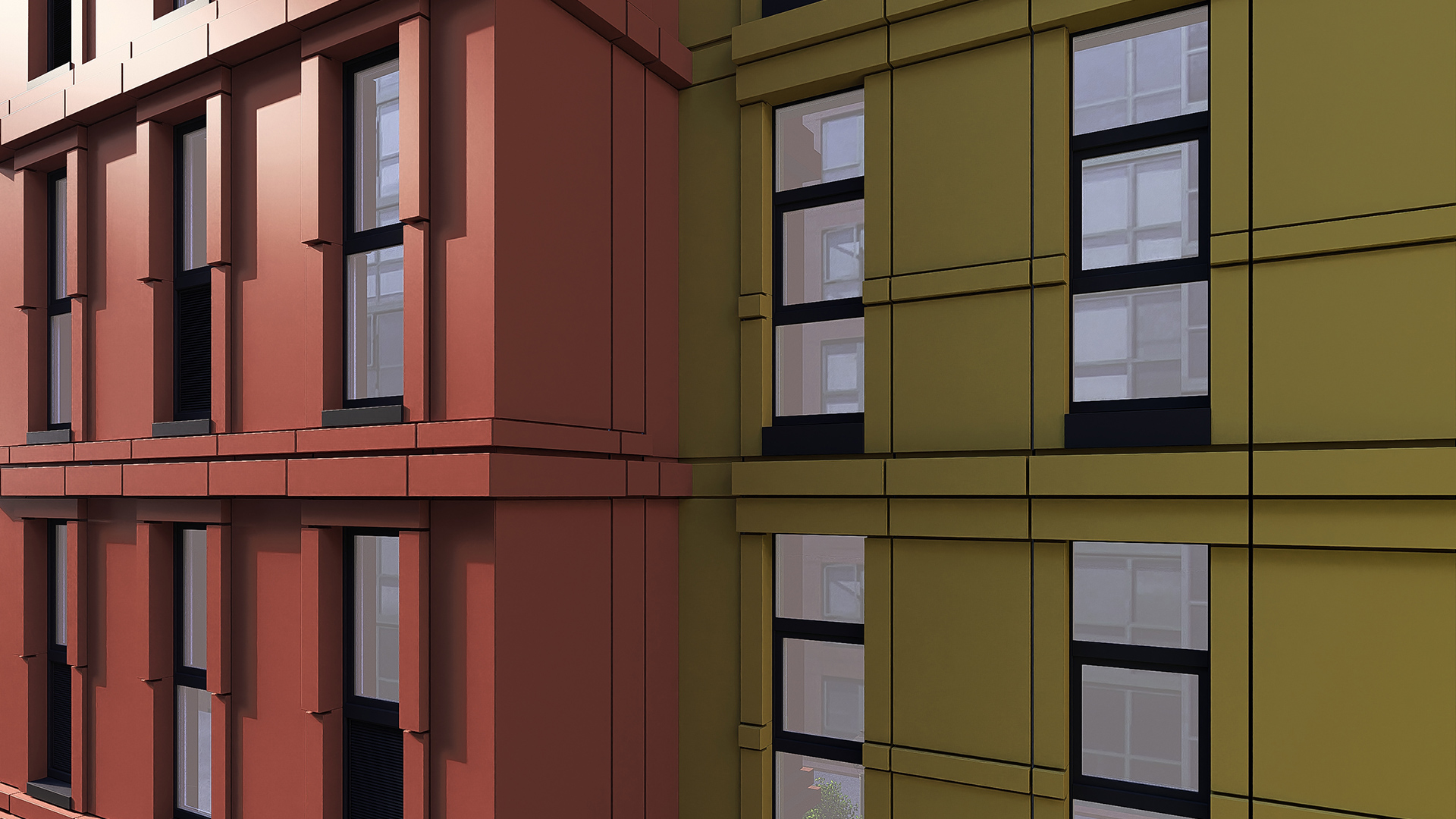
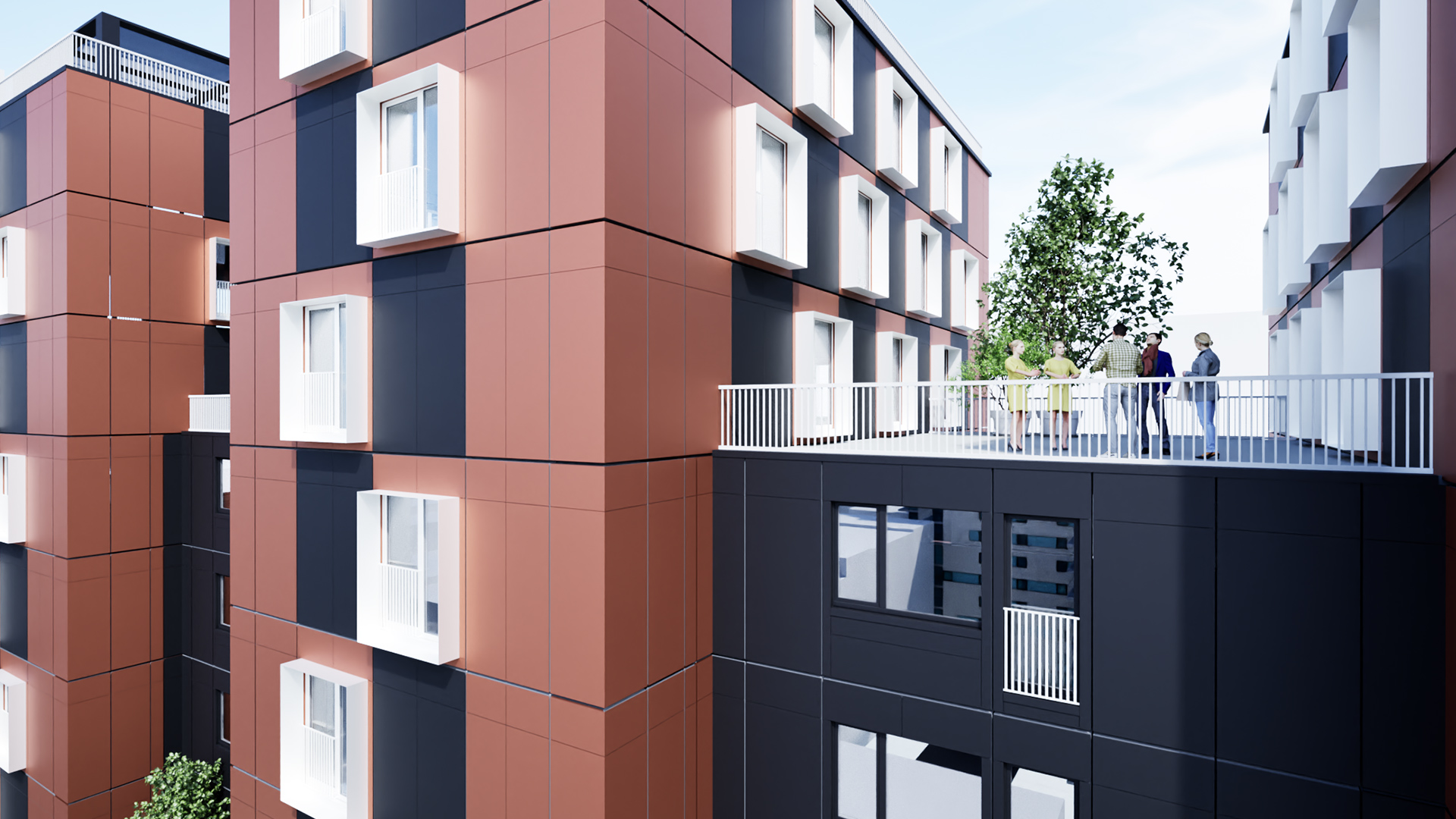
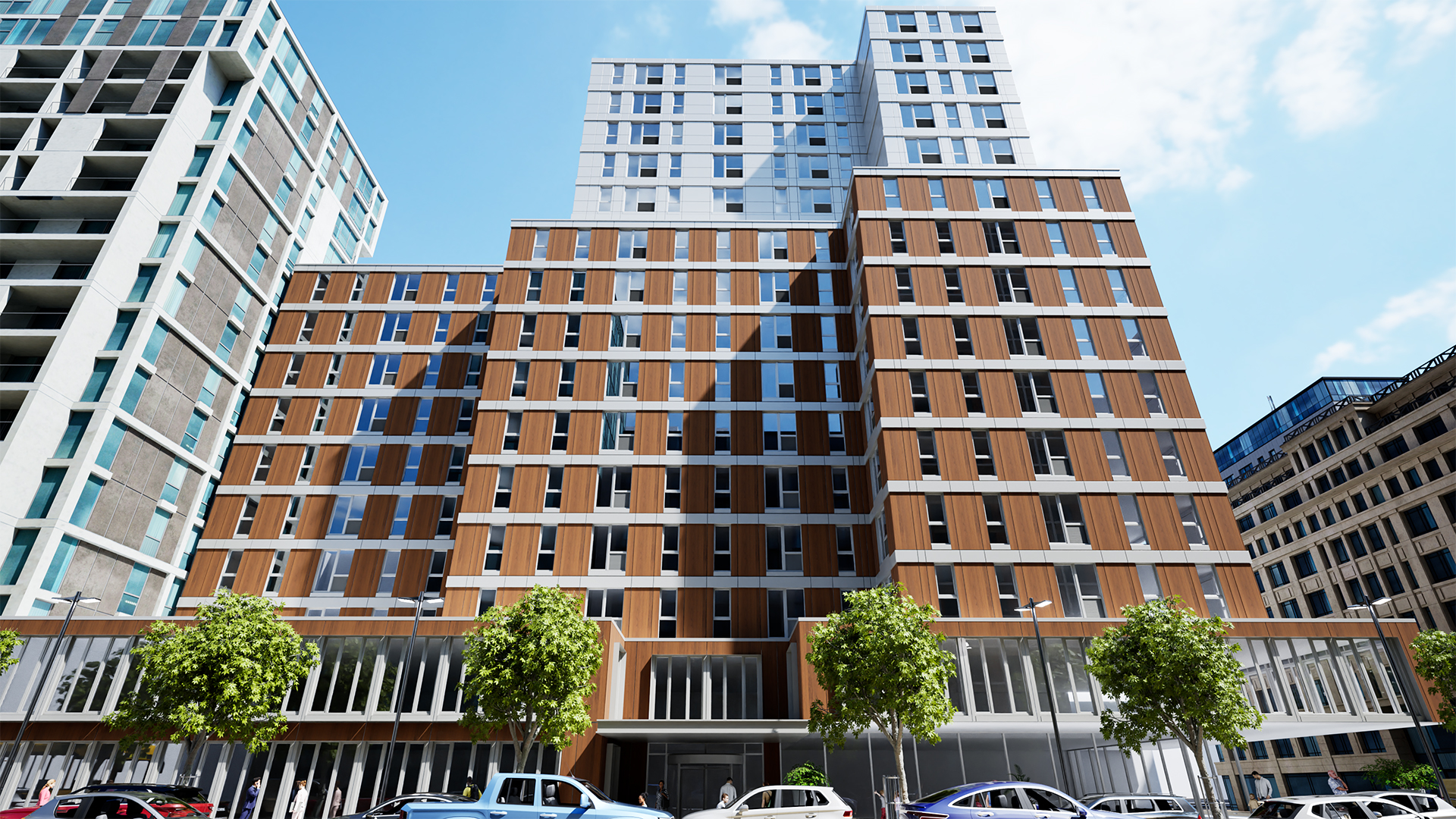
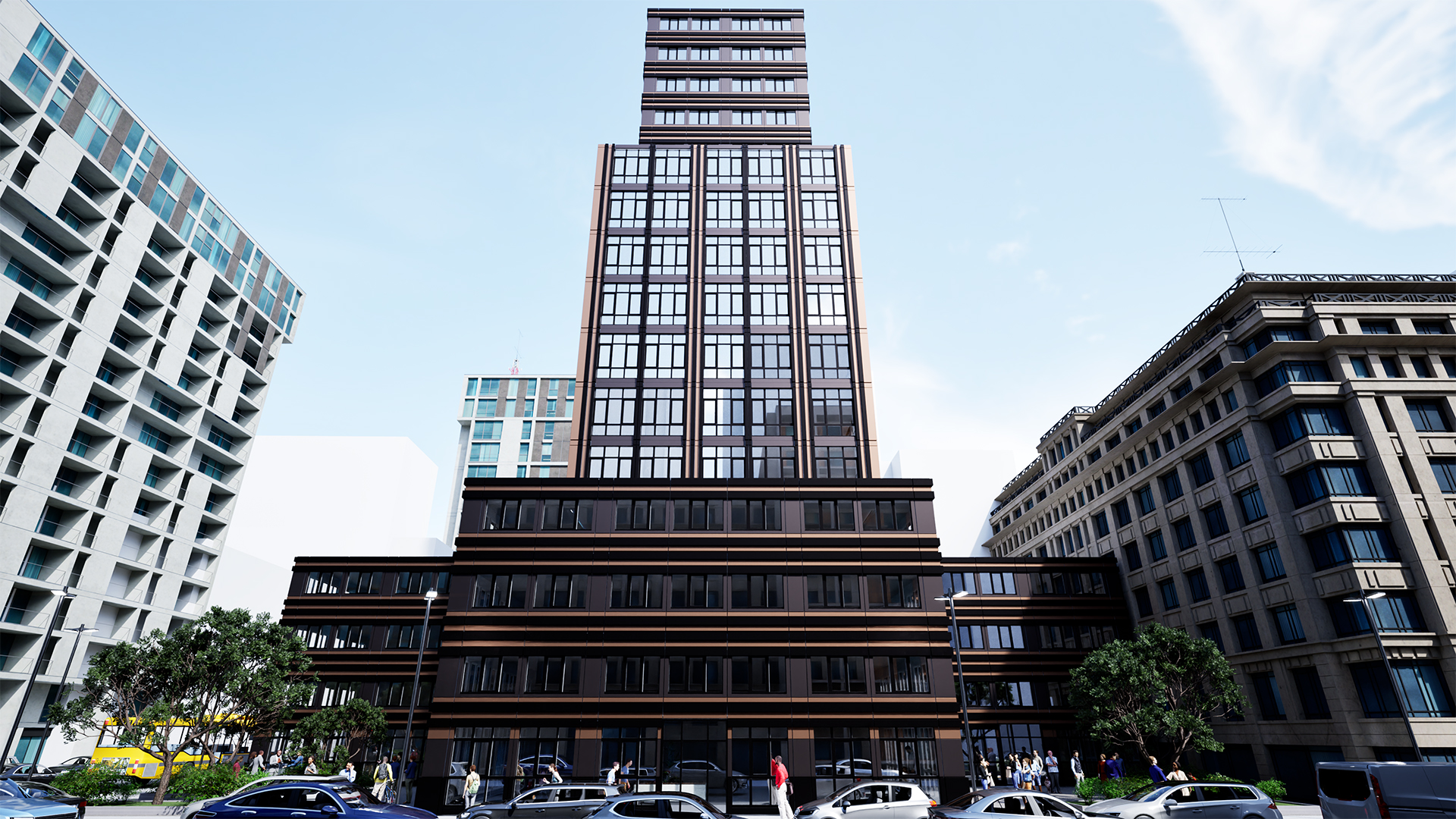
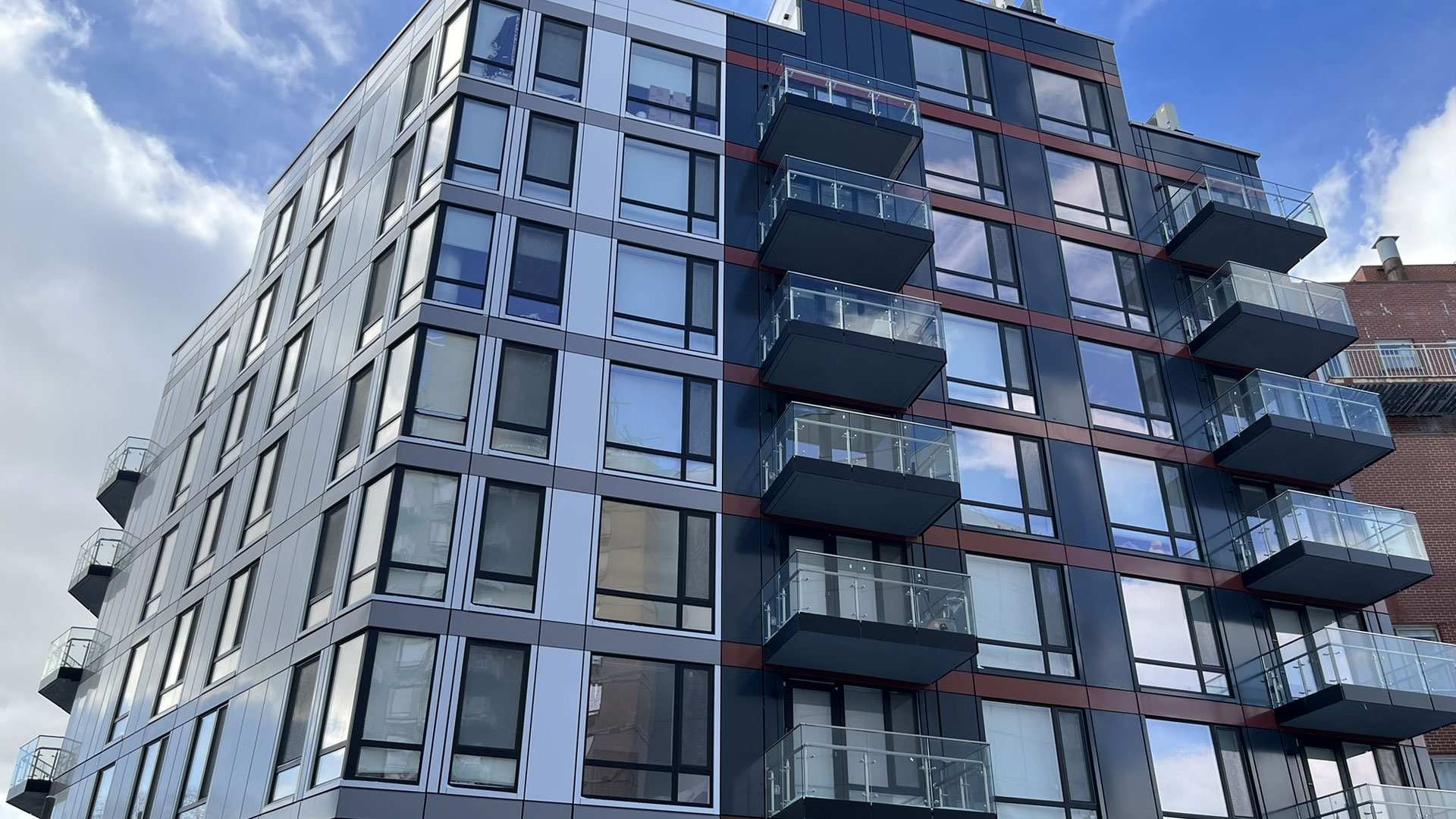
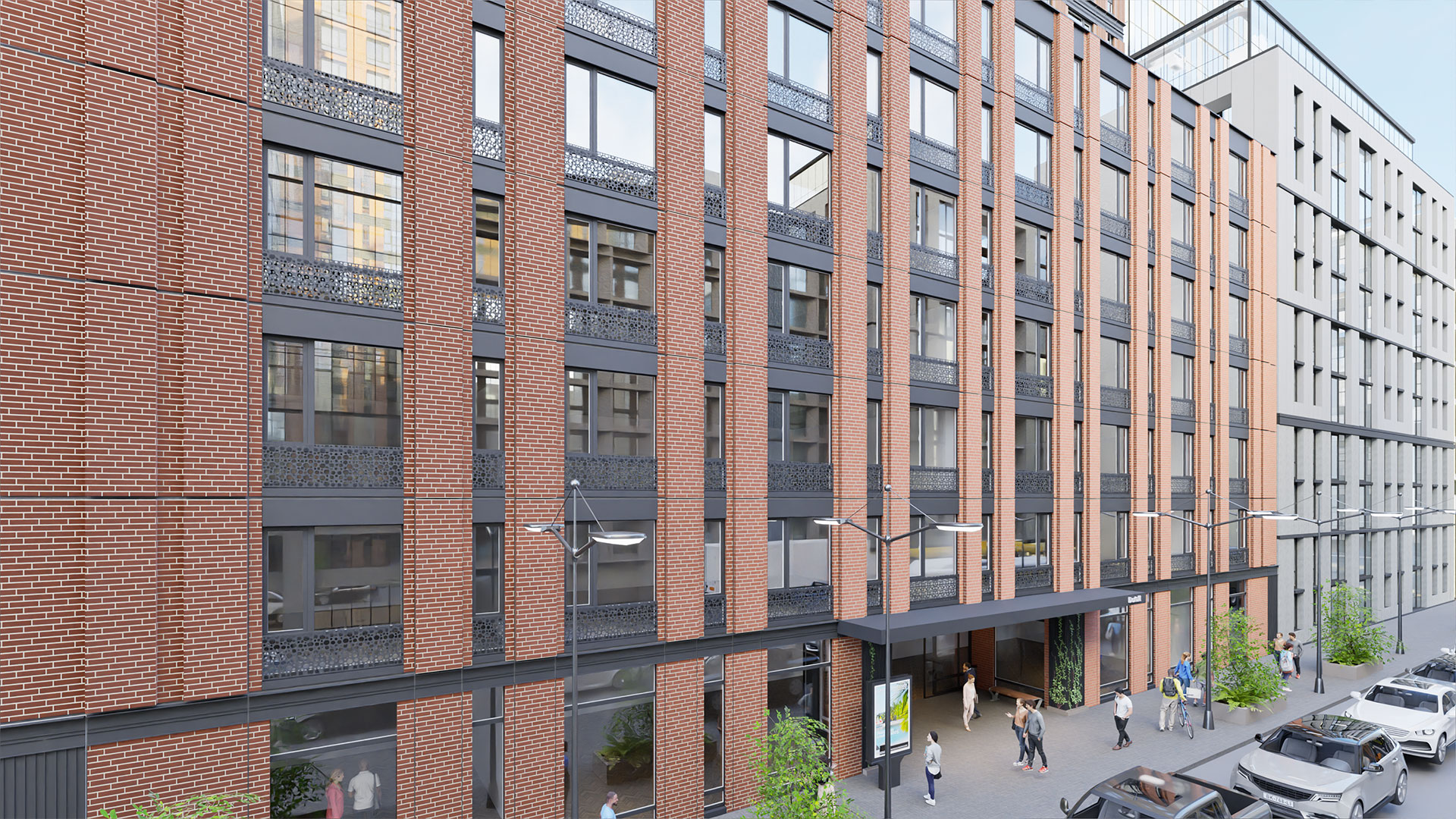
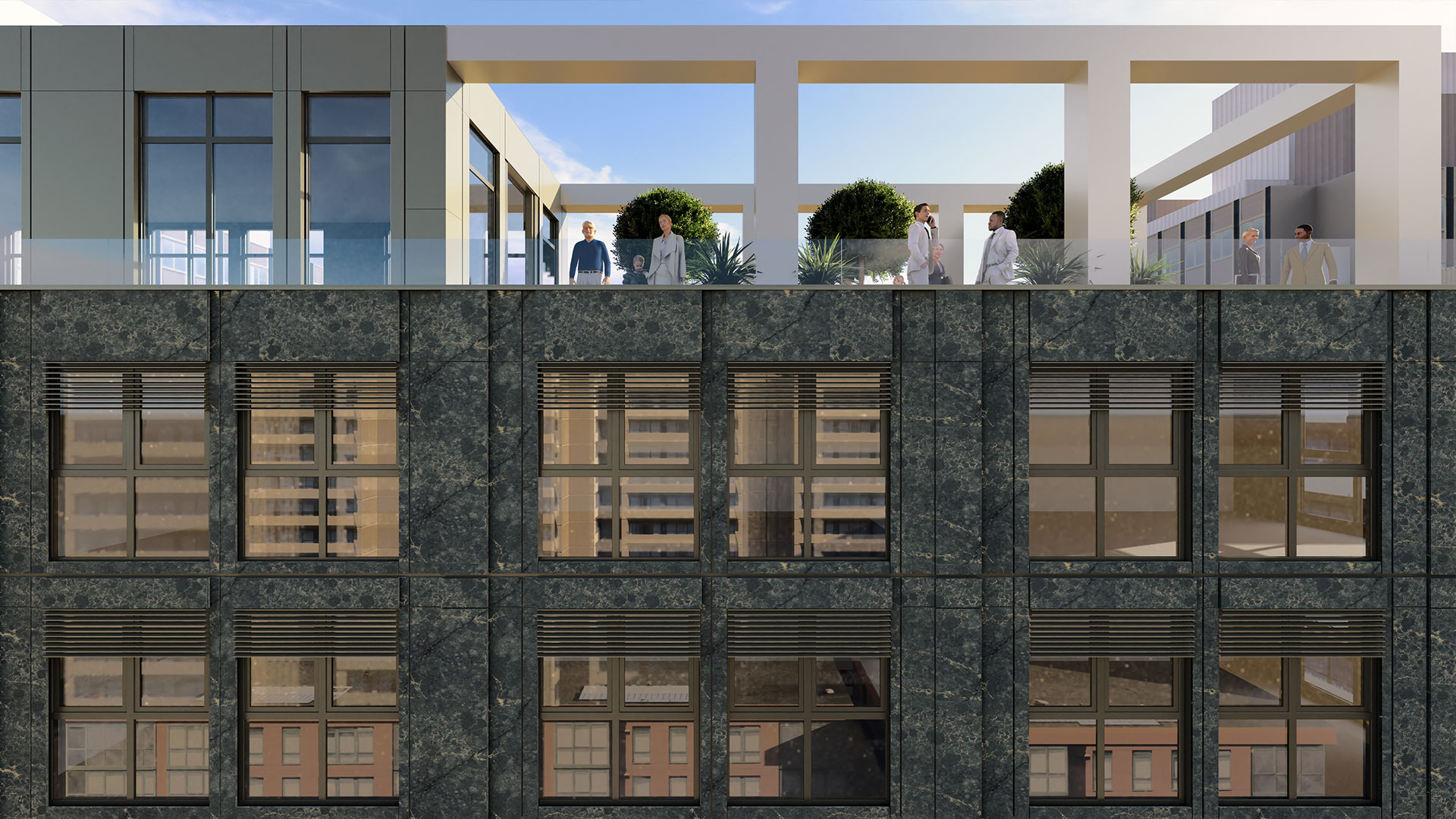
Yes. You can keep the same panel structure and moisture/insulation logic while varying cladding types, colors, and module layouts across different elevations or zones.
How precise is the geometry compared to field-built walls?
Factory-built panels typically deliver tighter tolerances than site-built assemblies, which simplifies alignment at corners, slab edges, and window heads/sills.
What happens if a panel is damaged years later?
Panels are designed as repeatable units. A single panel or selected elements (like a damaged exterior skin) can be replaced without dismantling entire elevations.
How early should Dextall be involved in the design?
Ideally at schematic or early design development. That's when Dextall Studio can provide realistic layouts, details, and cost ranges—so the facade strategy is optimized before documentation and coordination go too deep.












.jpeg)

-Compliance-for-NYC-Multifamily-%26-Co-Op-Facades.jpg)















_format(webp).avif)
_format(webp)%20(6).avif)
_format(webp)%20(5).avif)
_format(webp)%20(4).avif)
_format(webp)%20(2).avif)
_format(webp)%20(3).avif)


.avif)
_format(webp)%20(2).avif)