Local Law 11 (FISP) Compliance for NYC Multifamily & Co-Op Facades
-Compliance-for-NYC-Multifamily-%26-Co-Op-Facades.jpg)
New York City's Local Law 11—also known as FISP—isn't just a routine inspection. It's a safety program that requires building owners to prove their exterior walls are stable and not a risk to the public below. For multifamily and co-op buildings, that typically means moving quickly from an inspection report to a clear plan—whether that's targeted repairs, stabilization, or a more comprehensive facade upgrade.
The challenge is that the traditional "patch-and-repair" approach often doesn't hold up over multiple cycles. Cracking, spalling, water intrusion, and recurring conditions can keep resurfacing, driving repeat scaffolding, resident disruption, and unpredictable costs. In this guide, we'll clarify what LL11/FISP really requires, why patching can become an endless loop, and when a panelized facade retrofit—like Dextall's engineered system—becomes the smarter, more predictable compliance path.
Understanding LL11 / FISP for Multifamily and Co-Op Facades
For multifamily owners and co-op boards, LL11/FISP is less about a one-time "pass/fail" and more about managing facade risk on a strict NYC schedule. The process ties professional inspections to required filings, defined repair windows, and—when conditions are serious—immediate safety actions. Understanding how the program is structured helps you make better decisions early: what the inspection is actually evaluating, how conditions get classified, and why your next move should be a strategy, not just a quick fix.
From Inspection Report to Strategy: What LL11 Really Requires
An LL11/FISP report isn't a "to-do list" for patching—it's a risk document. NYC cares about whether facade components could fail before the next cycle, so the real work is turning findings into a plan that prevents repeat hazards, not just hiding symptoms.
What a real LL11 strategy includes:
- Prioritize public-safety risks first
- Define a clear scope (repair vs. replace vs. stabilize)
- Address why issues repeat (water paths, movement, detailing)
- Build a phased plan for an occupied building (access, noise, staging)
- Lock in schedule + budget controls to reduce surprises
When Patch-and-Repair Fails: Moving to Panelized Facade Retrofits
Patching works for isolated issues. It breaks down when cracking, spalling, and leaks keep returning—because the problem is often the assembly, not a single spot. At that point, a panelized retrofit shifts the approach from "fix again" to "replace the failing zone with a designed system."
Signs patching is no longer the smart move:
- Same conditions reappear cycle after cycle
- Ongoing water infiltration despite repairs
- Large areas of spalling/cracking from exposure and freeze-thaw
- Scaffolding becomes a permanent expense
- Too many change orders from hidden conditions
Why panelized retrofits appeal for multifamily/co-ops:
- More predictable scope and schedule
- Faster, repeatable installation on occupied buildings
- Lower risk of repeating the same violations next cycle
Why Dextall Panelized Facade Retrofits Break the "Endless Shed" Cycle
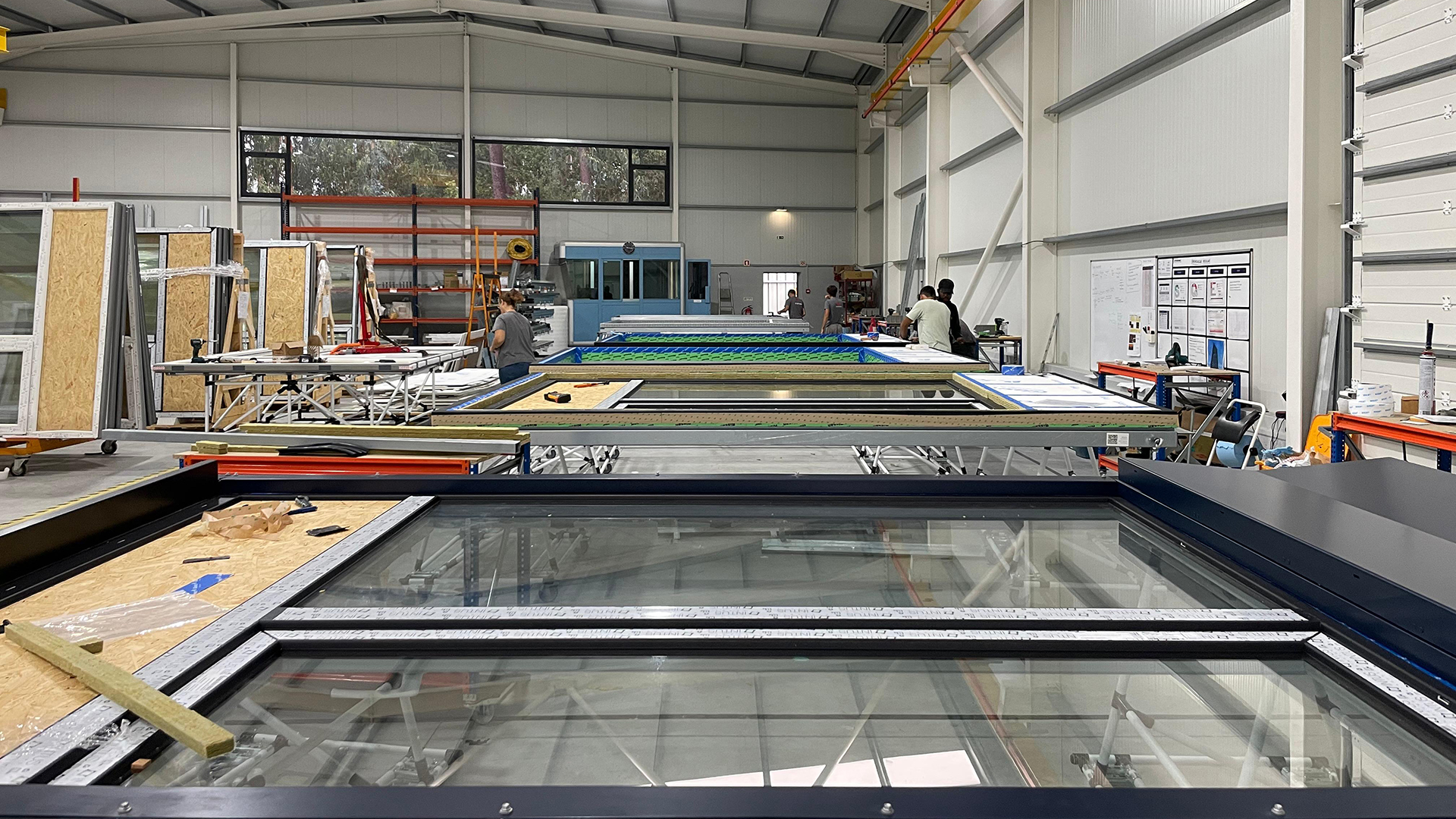
The "endless shed" problem usually isn't about one bad patch—it's about an aging exterior wall assembly that keeps letting water in, keeps moving, and keeps shedding defects back into the next LL11 cycle. Dextall's panelized retrofit approach is built to replace that repeat-repair loop with a more engineered, repeatable exterior wall upgrade—installed faster and with more work shifted off-site.
How Dextall LL11 Compliance Panels Address Recurring Violations
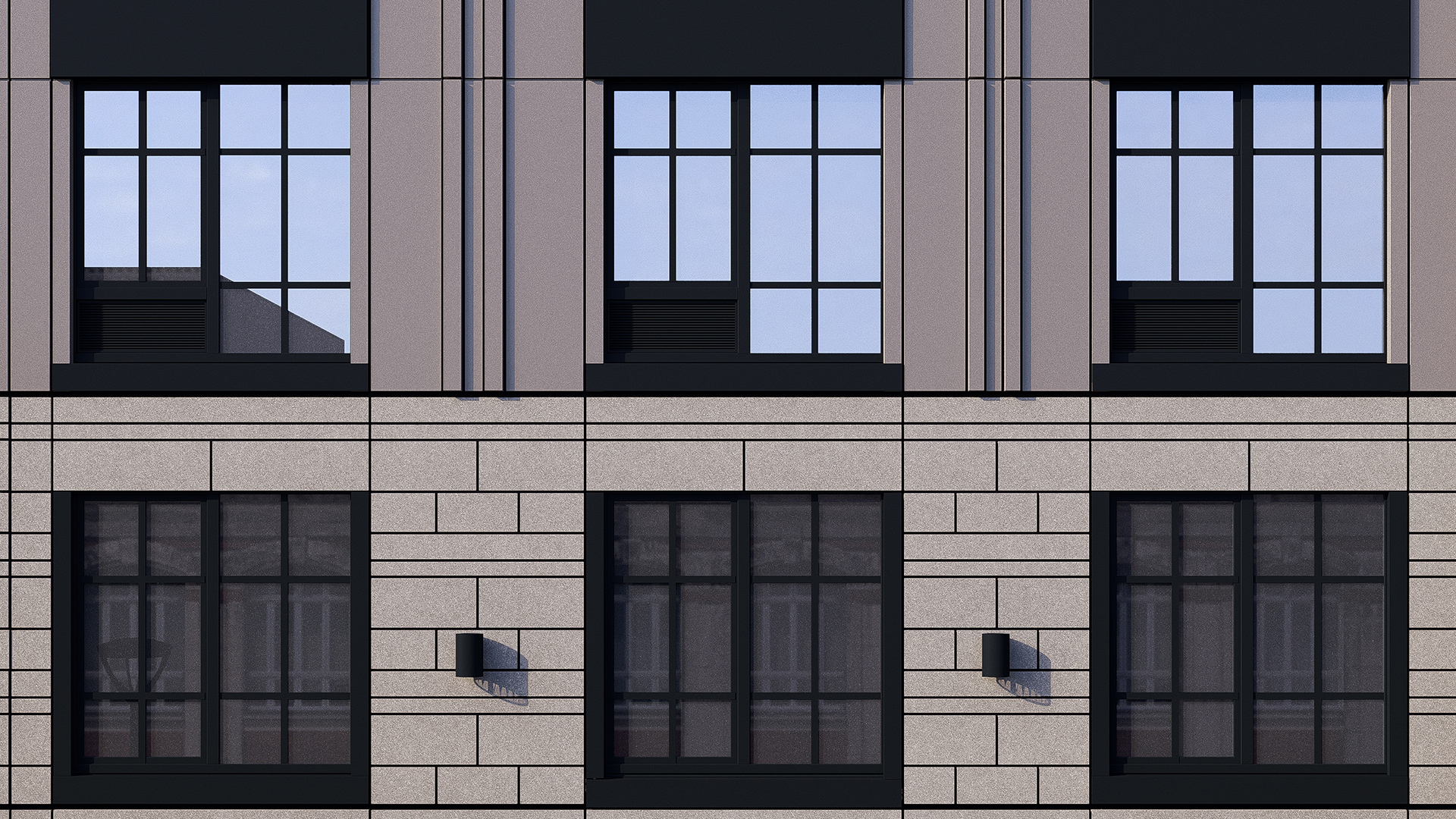
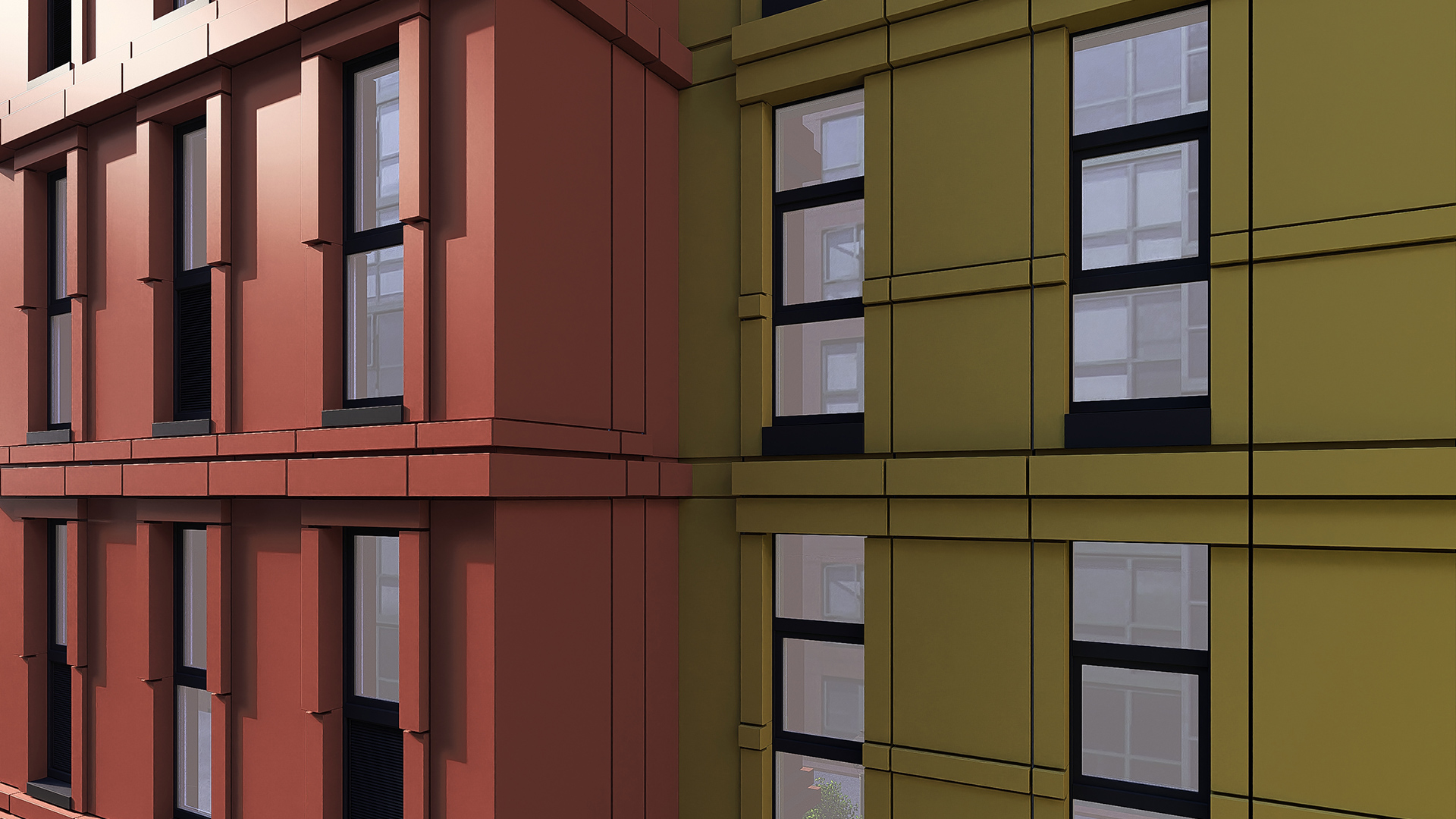
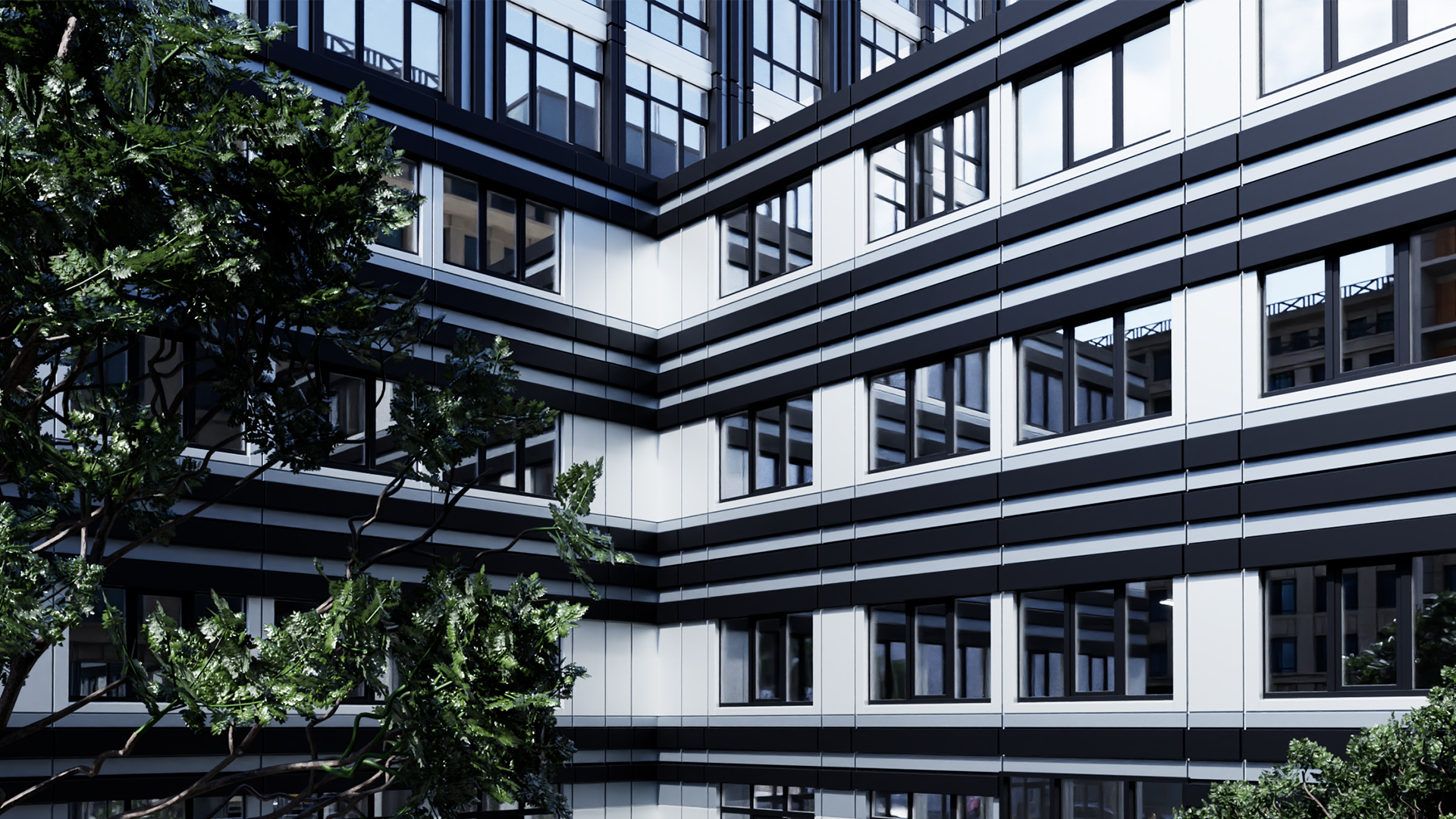
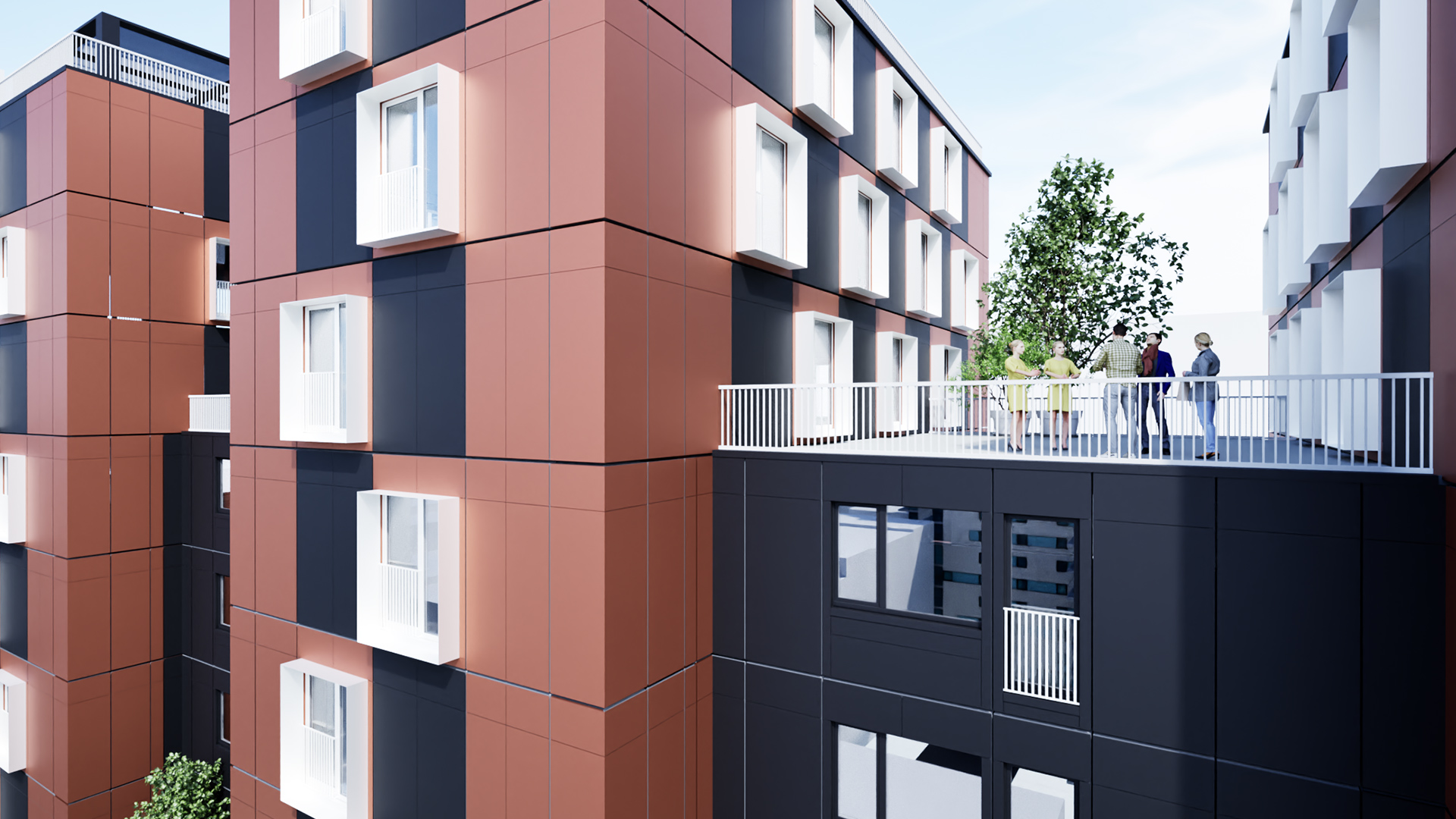
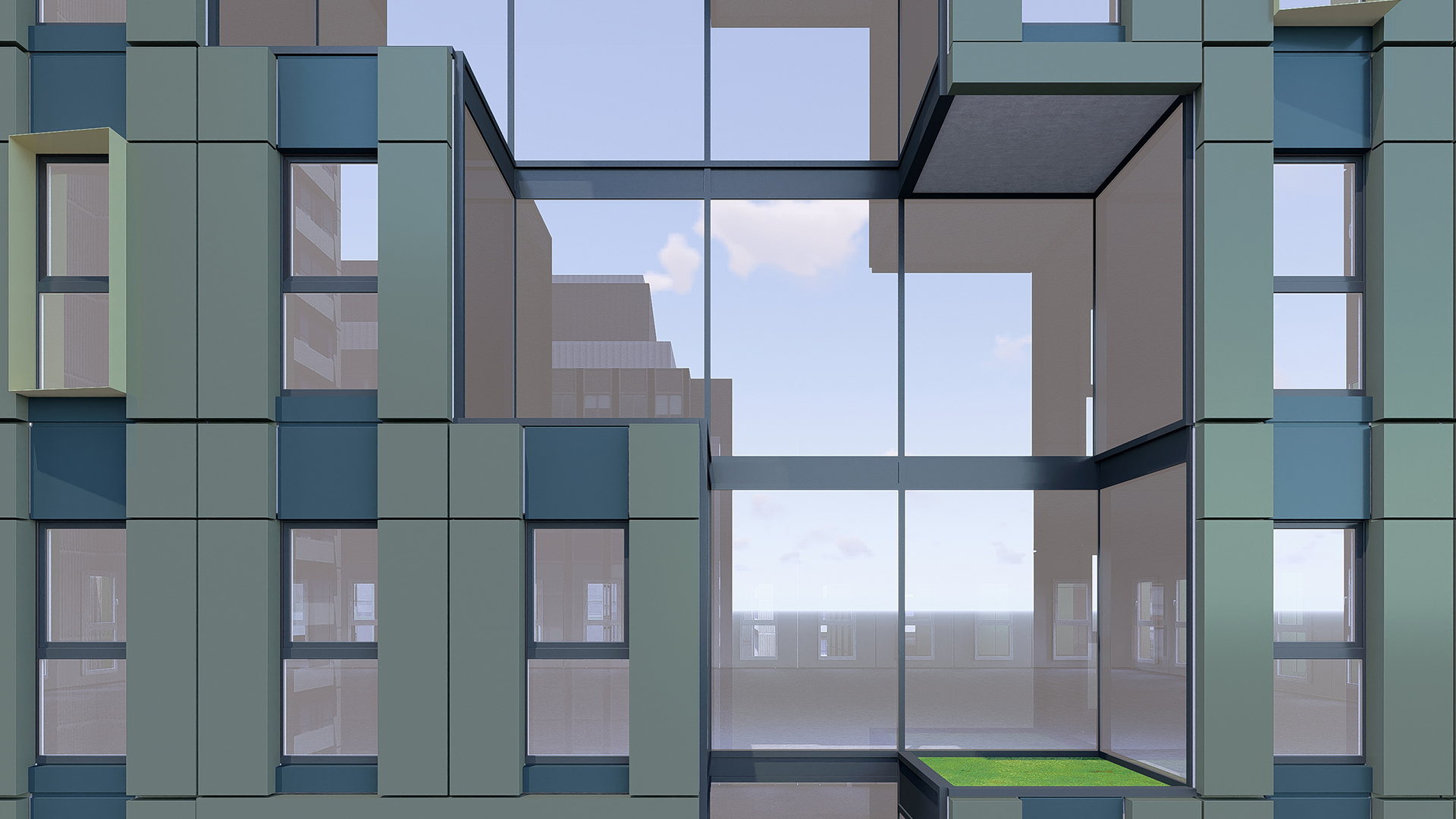
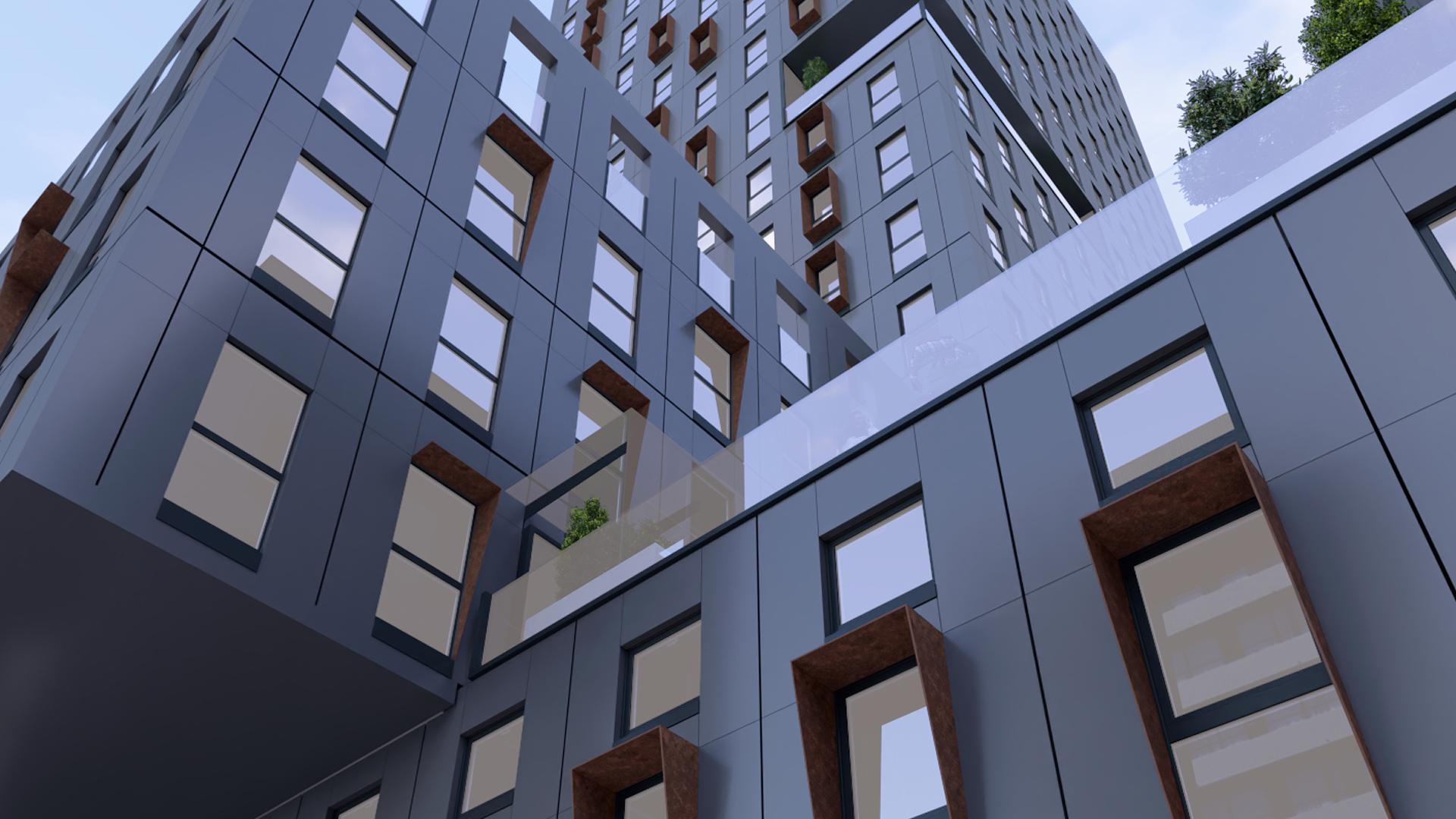
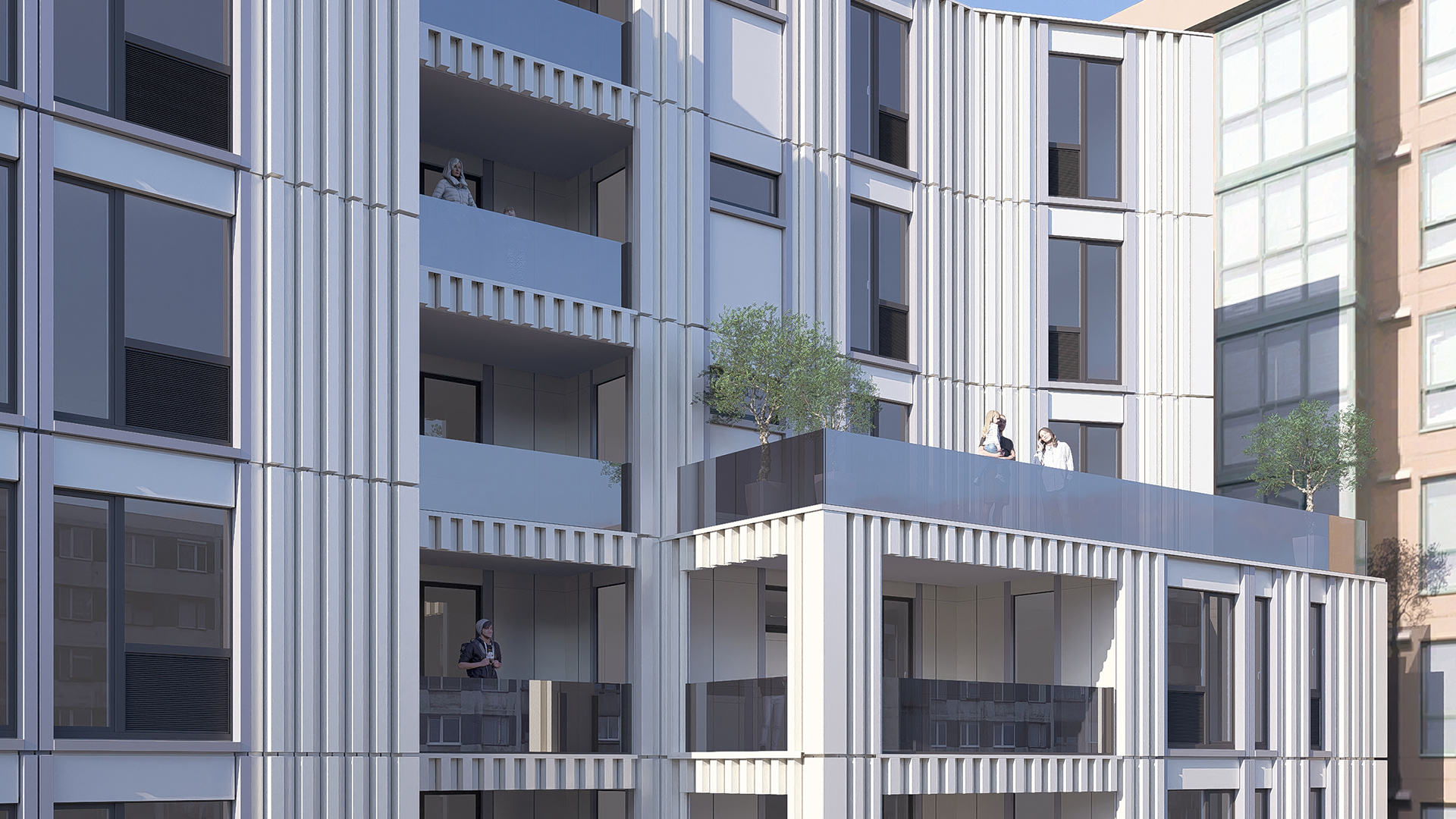
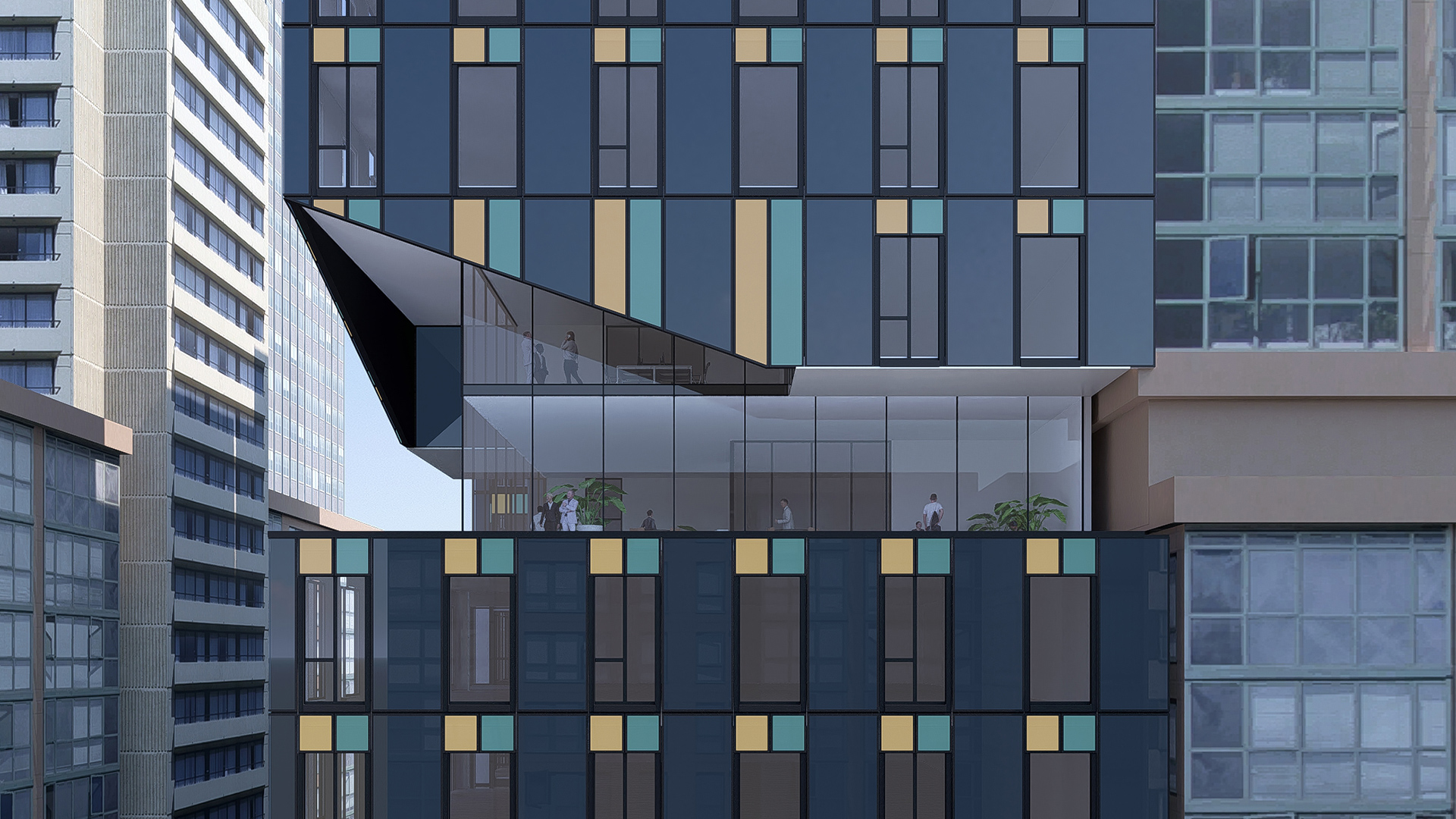
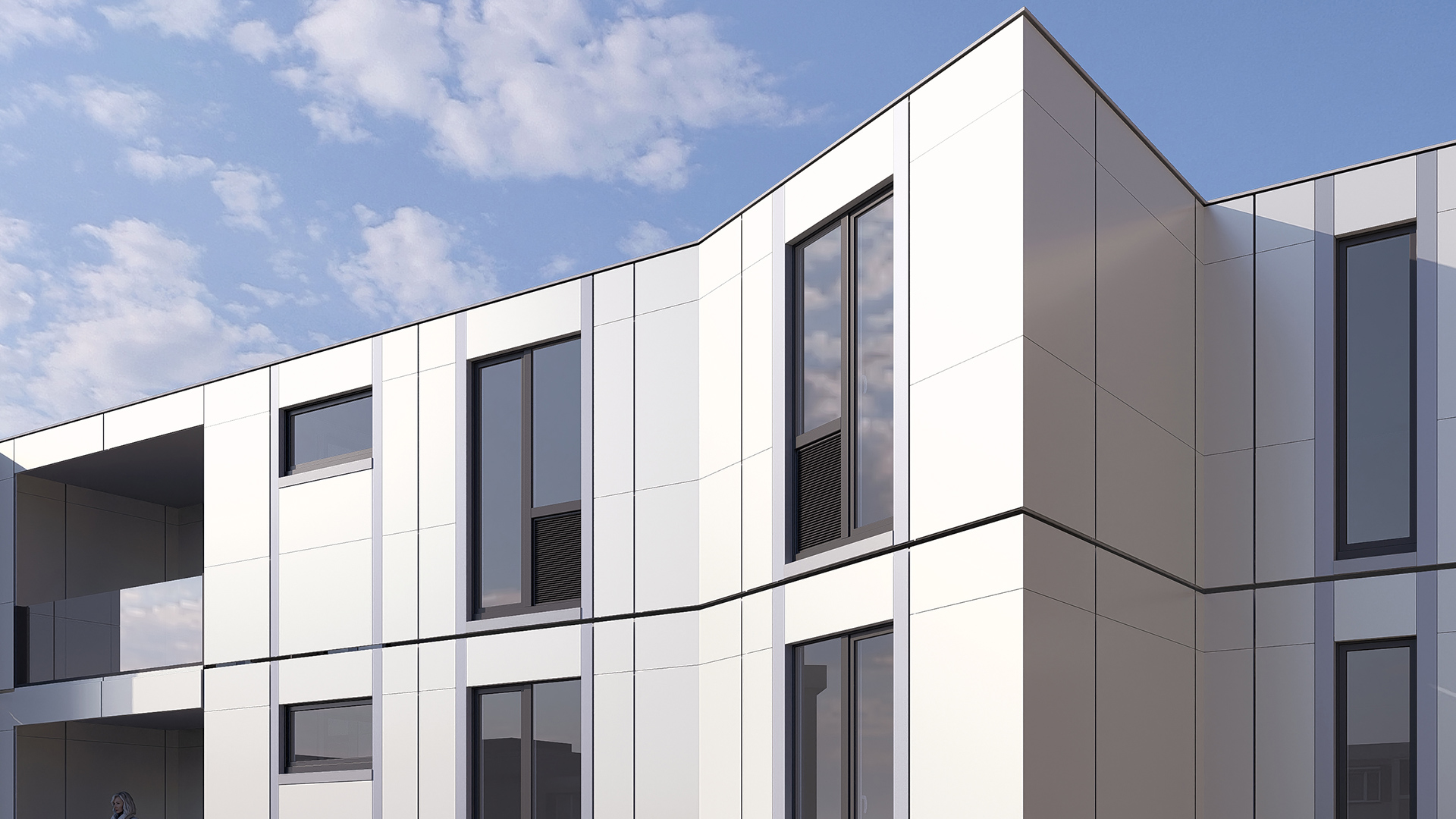
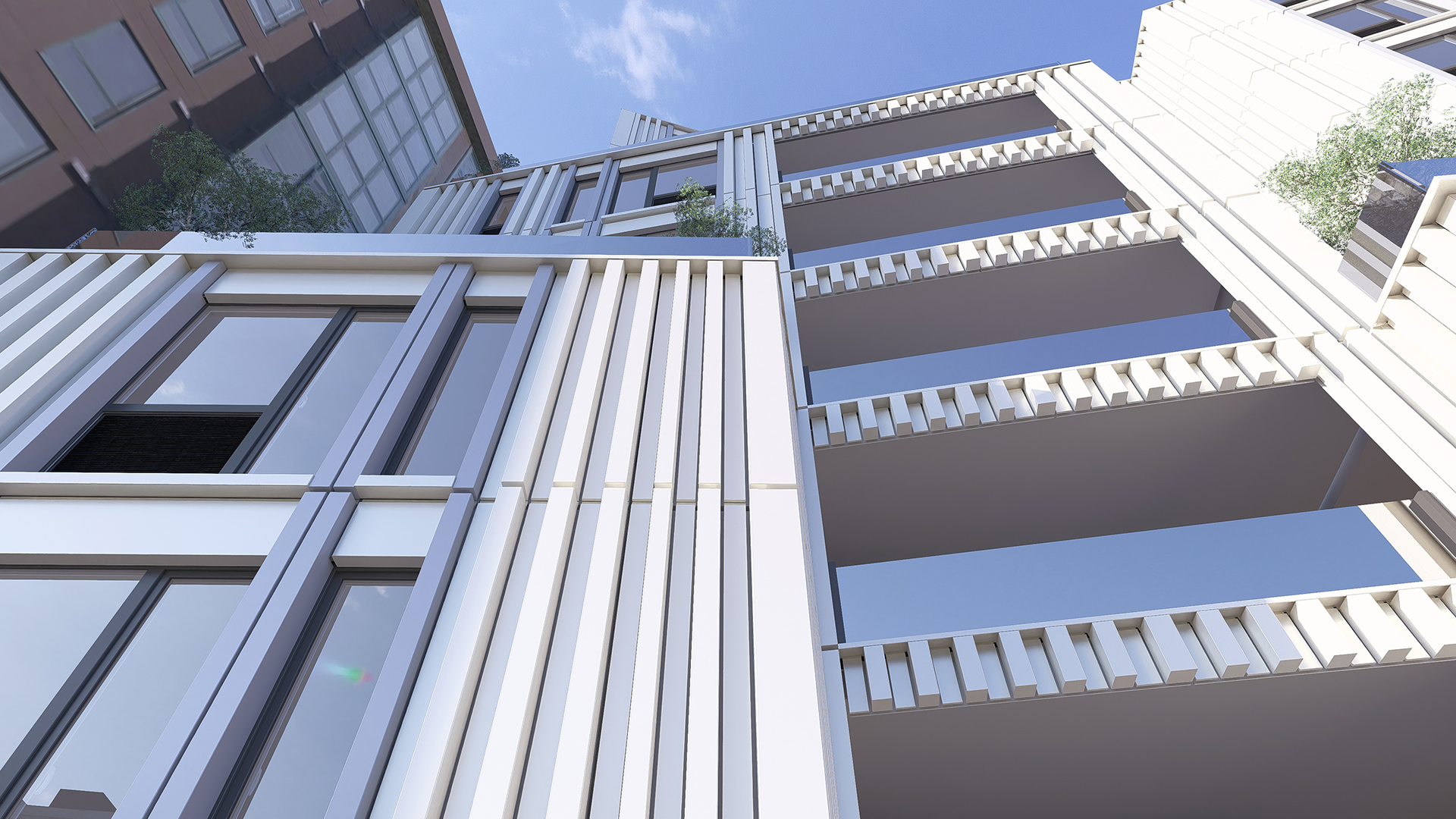
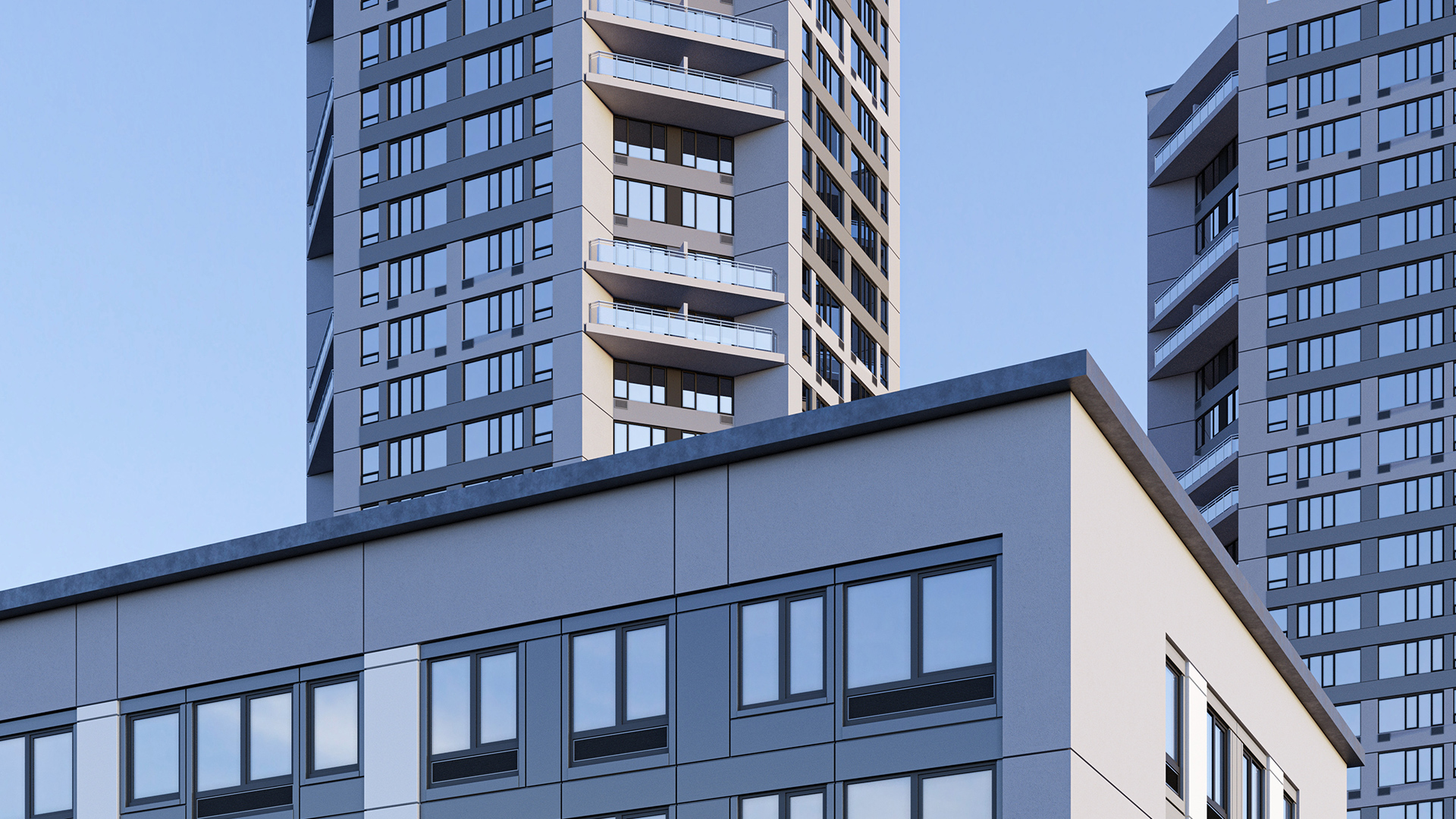
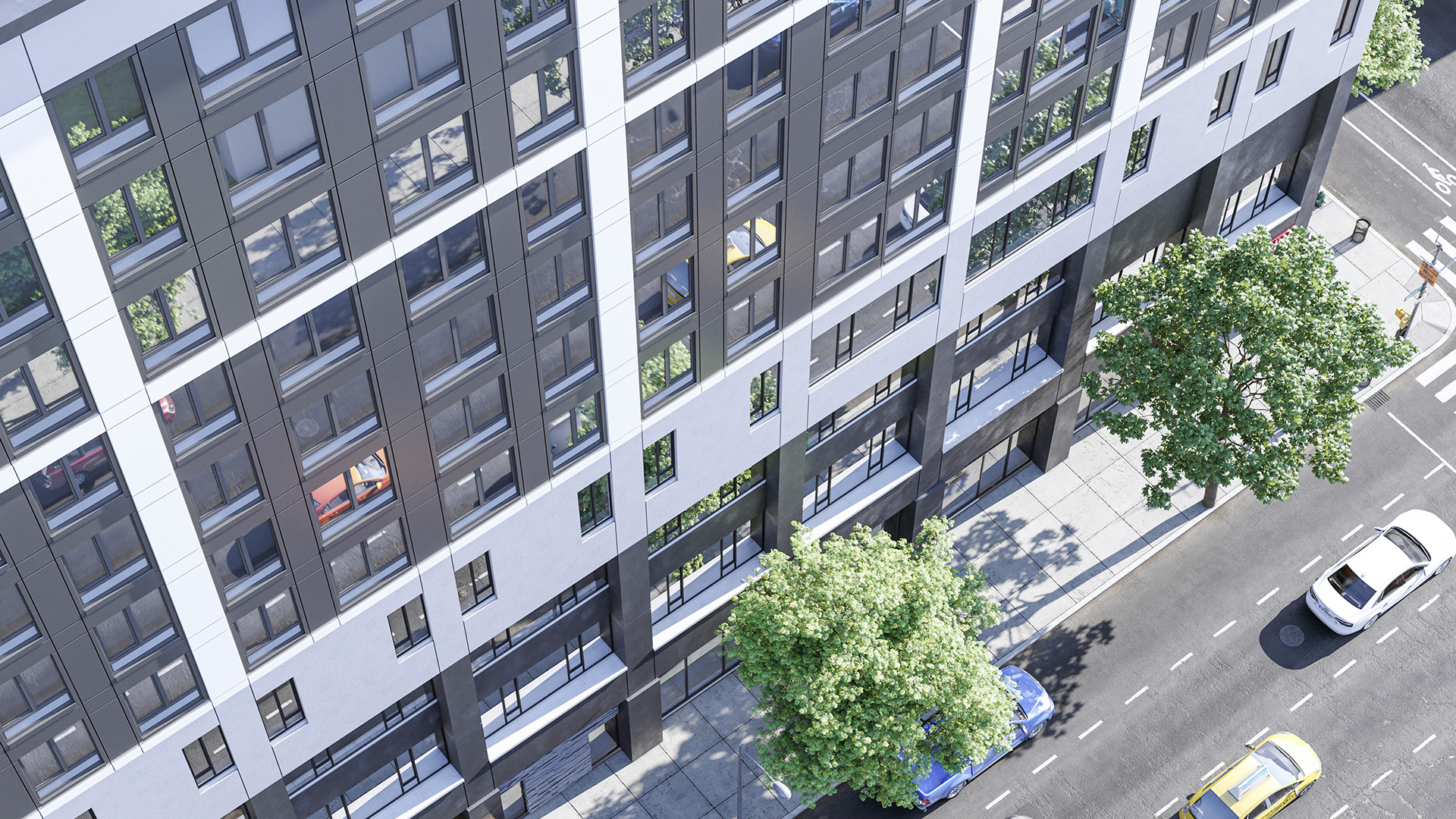
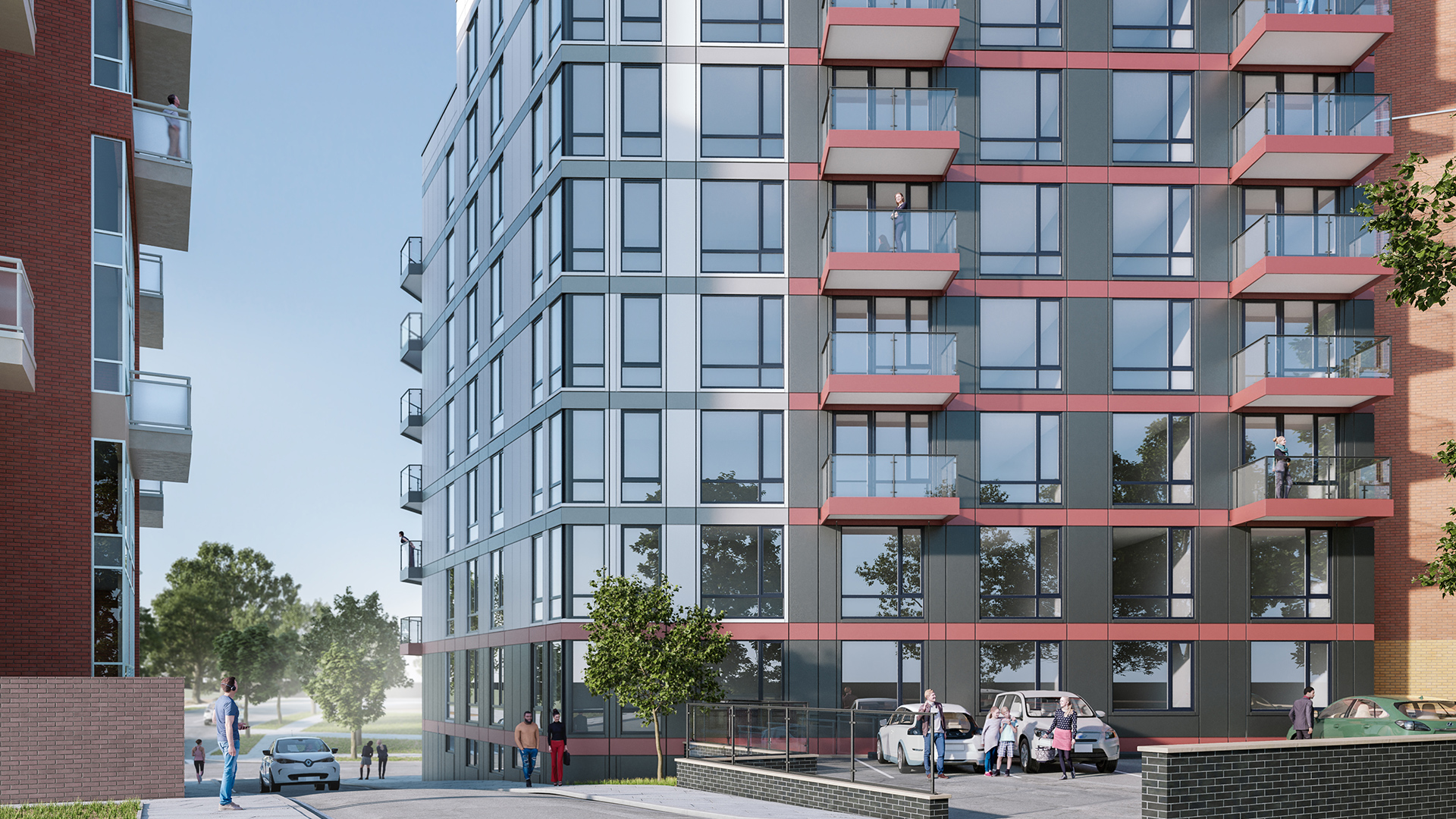
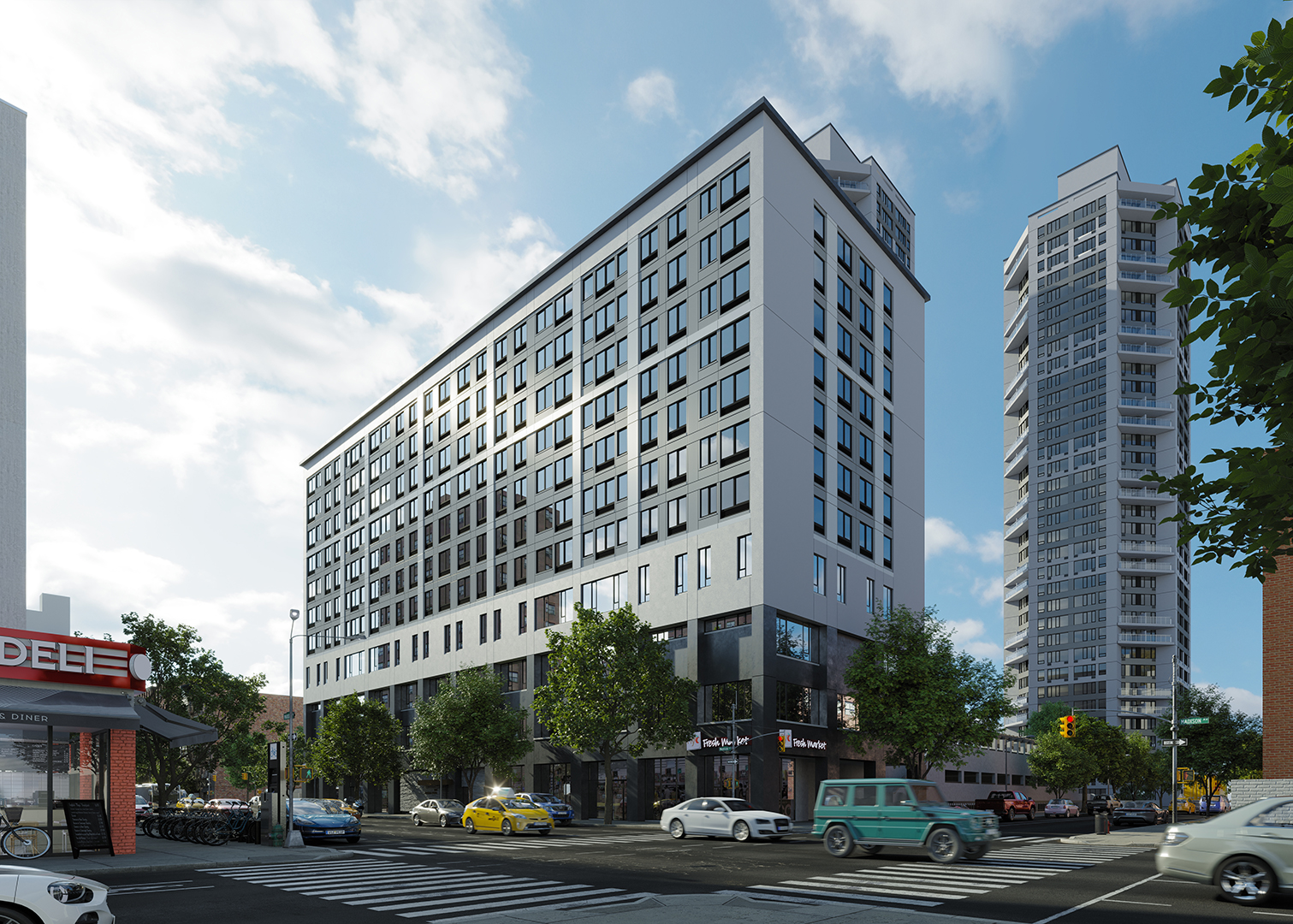
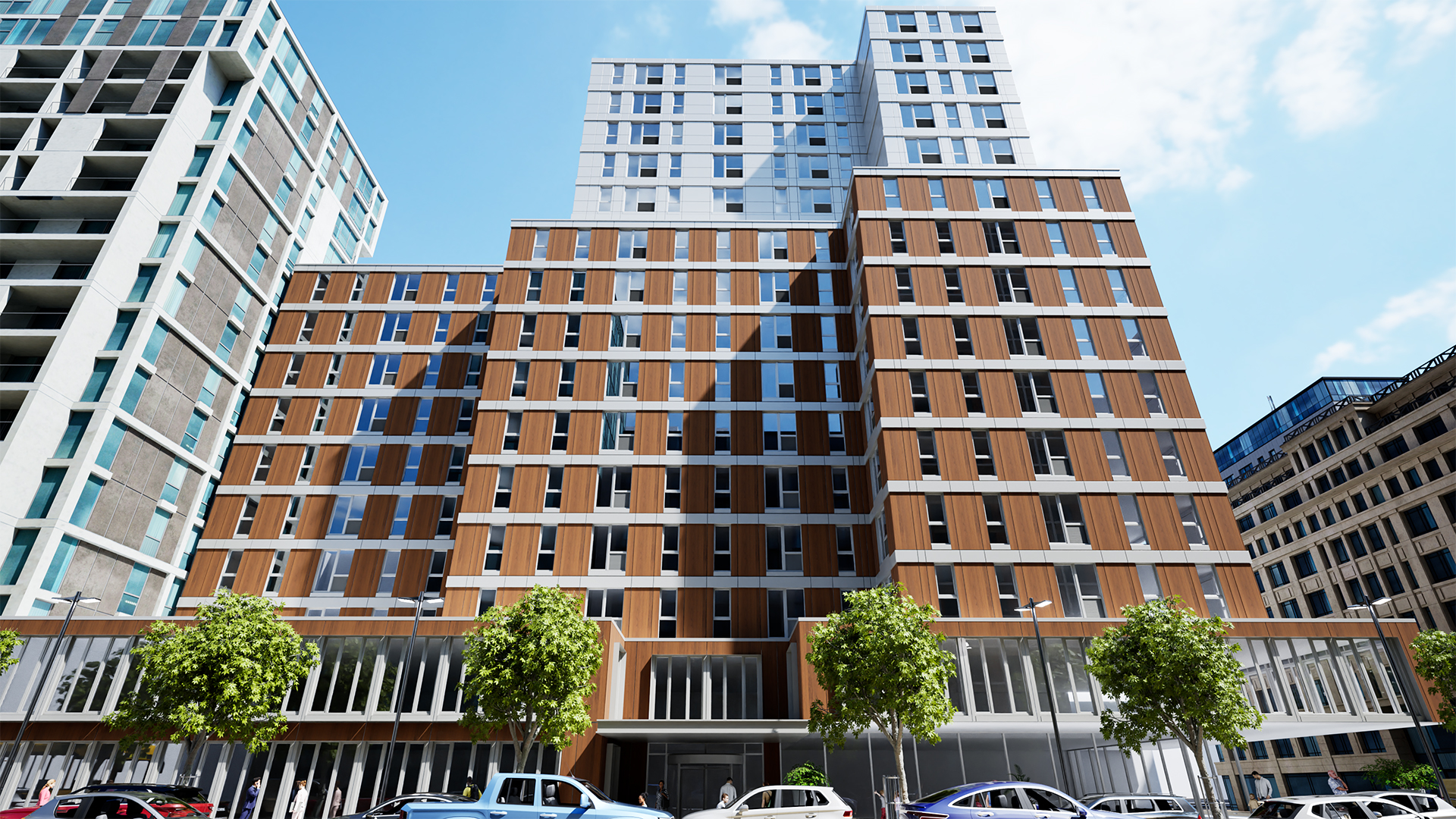
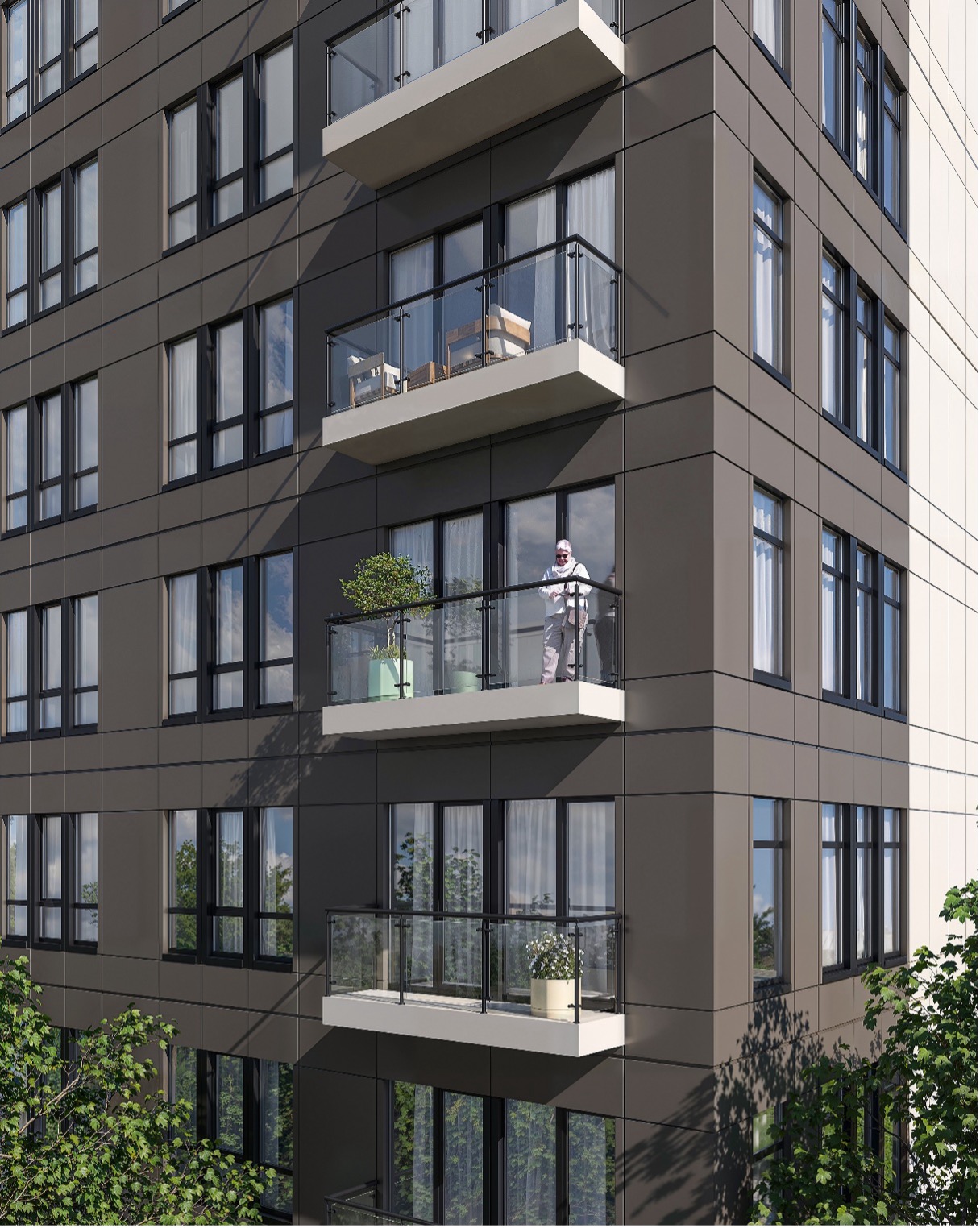
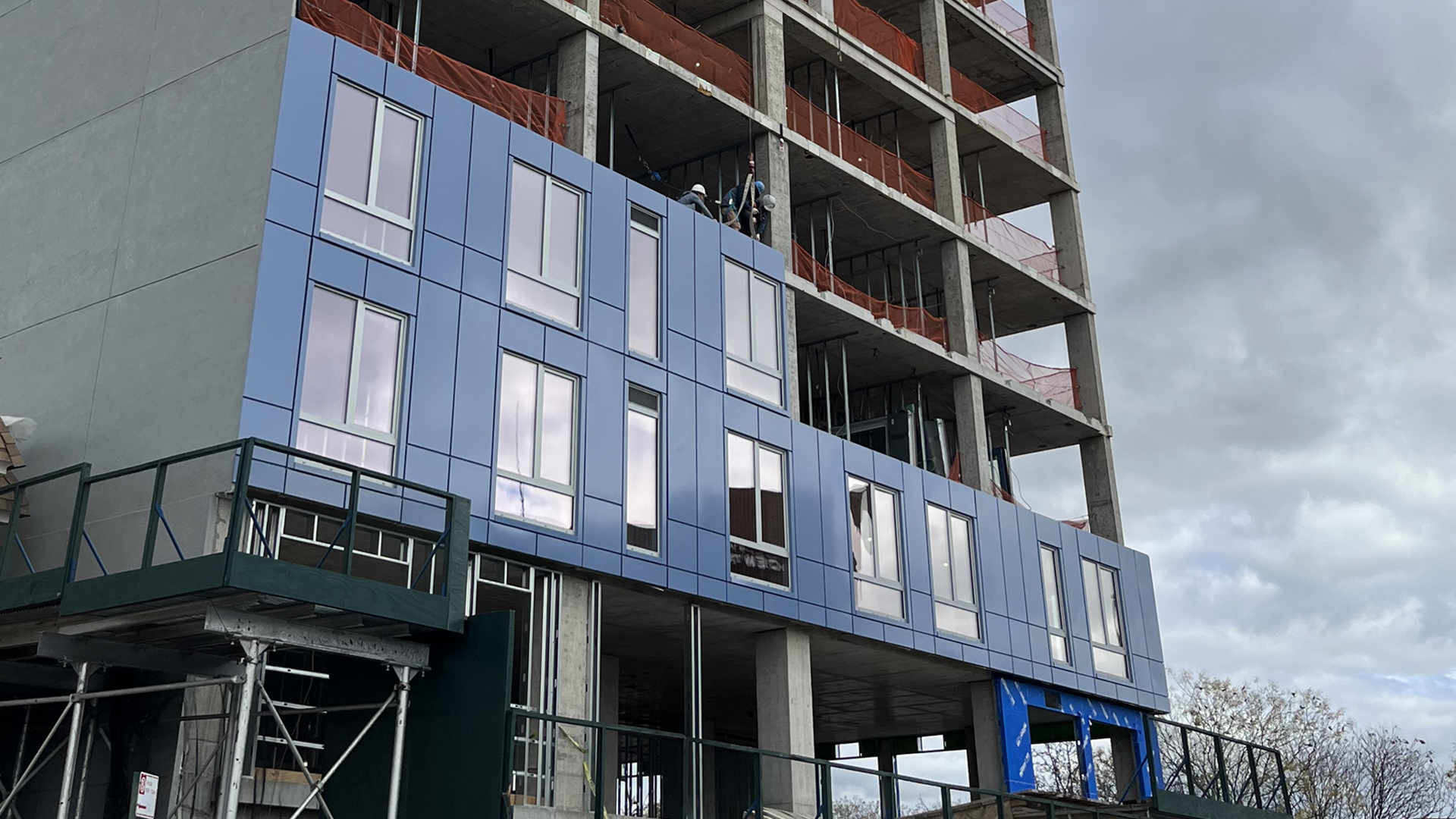
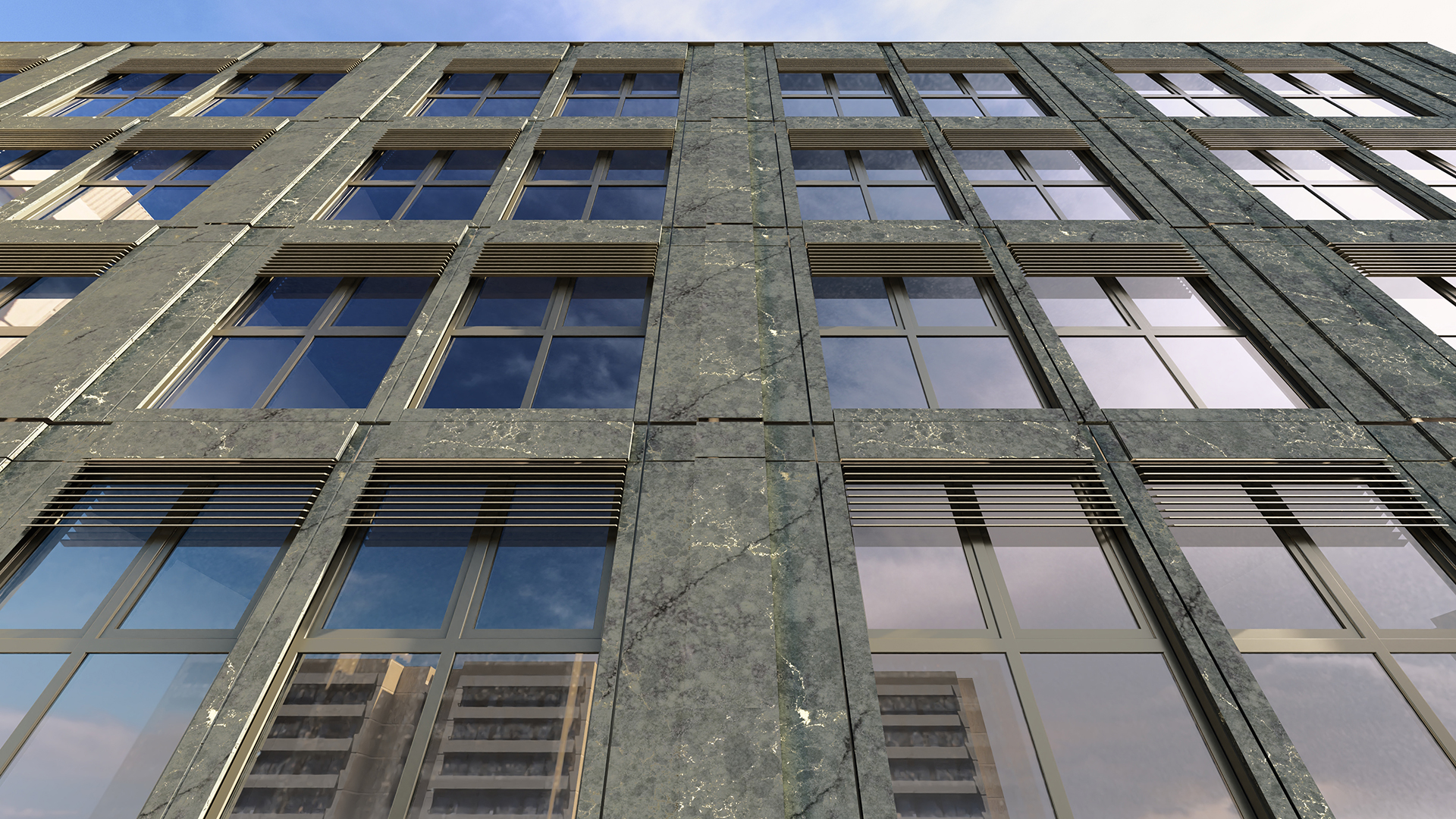
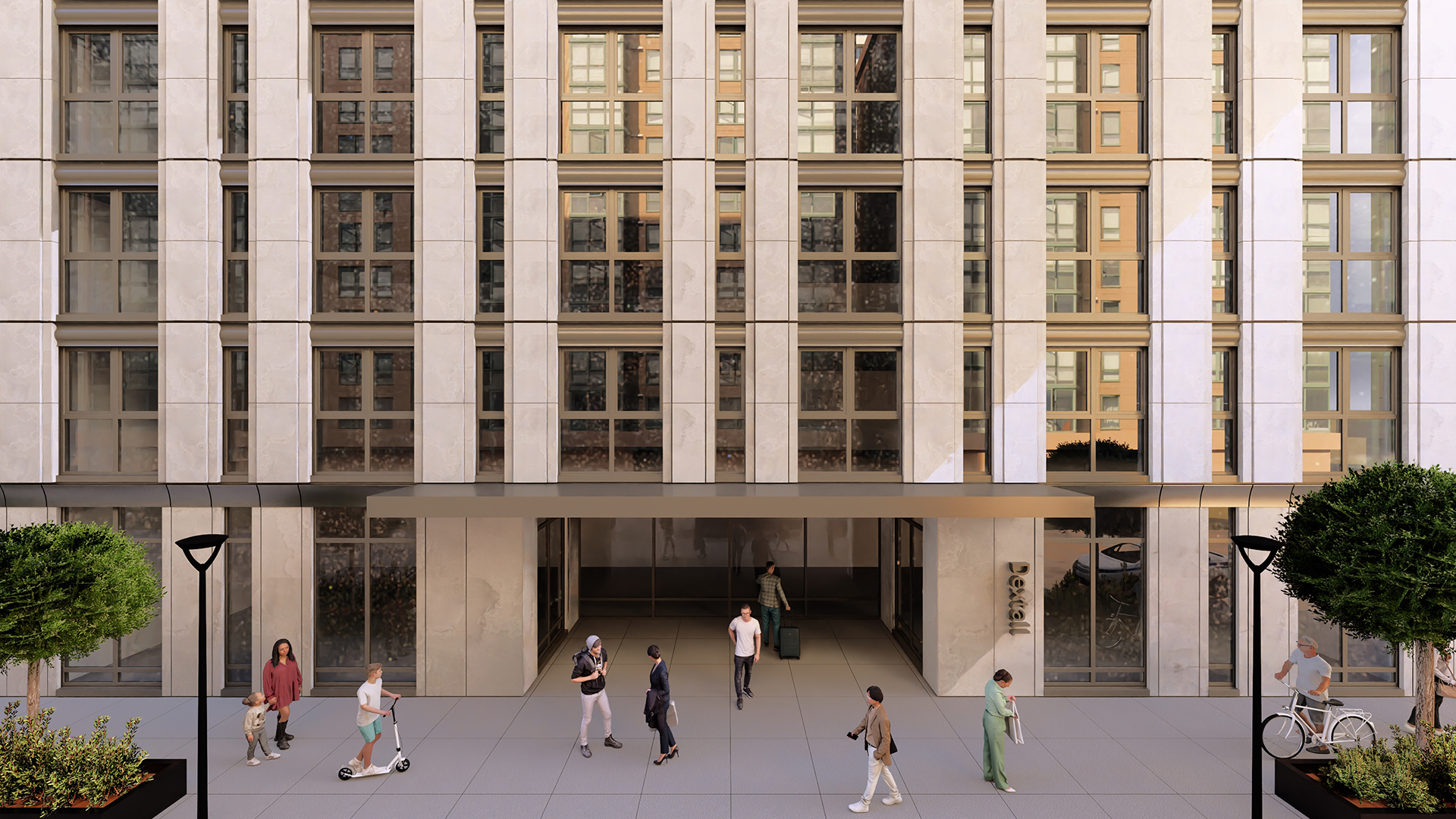
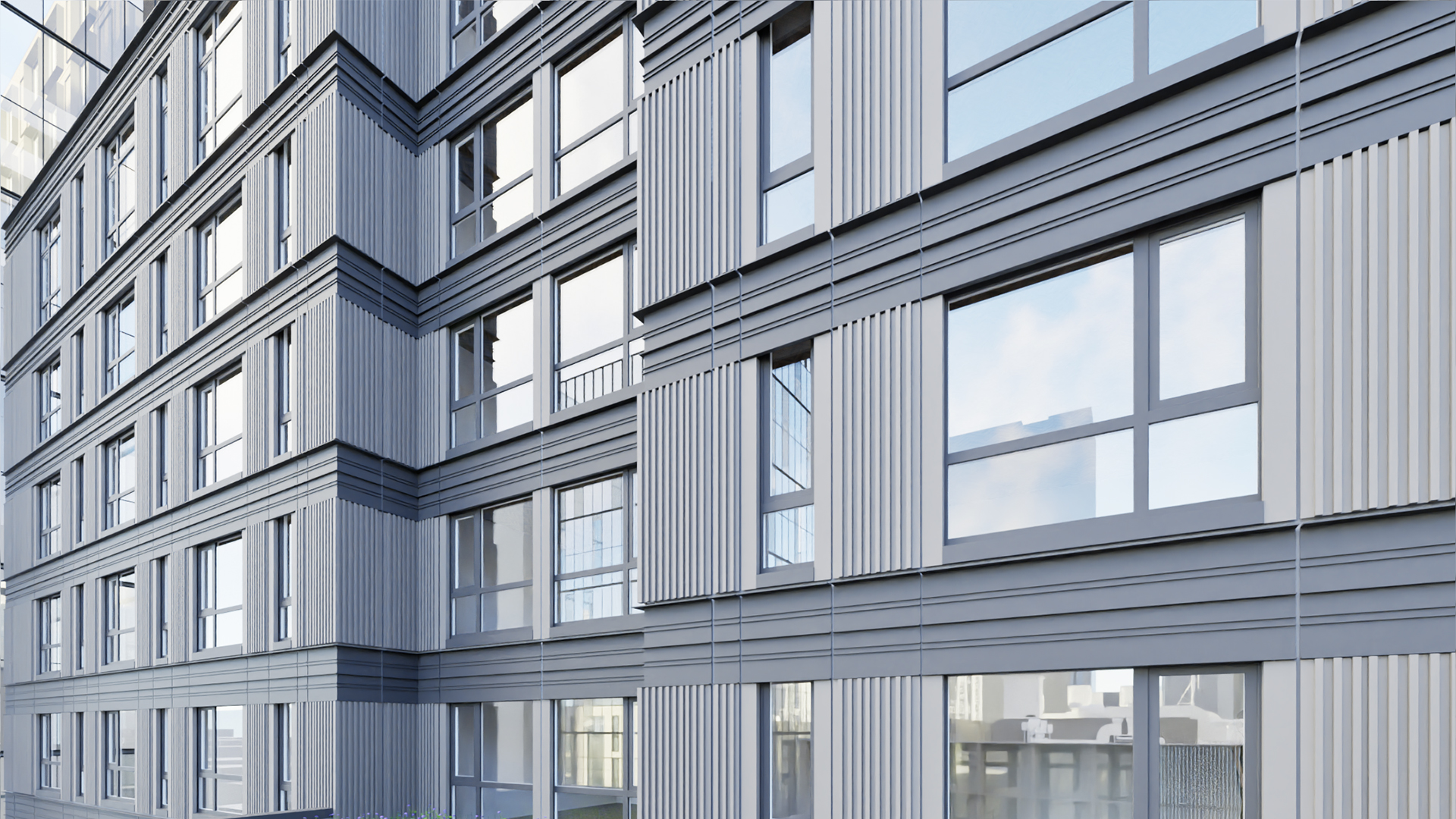
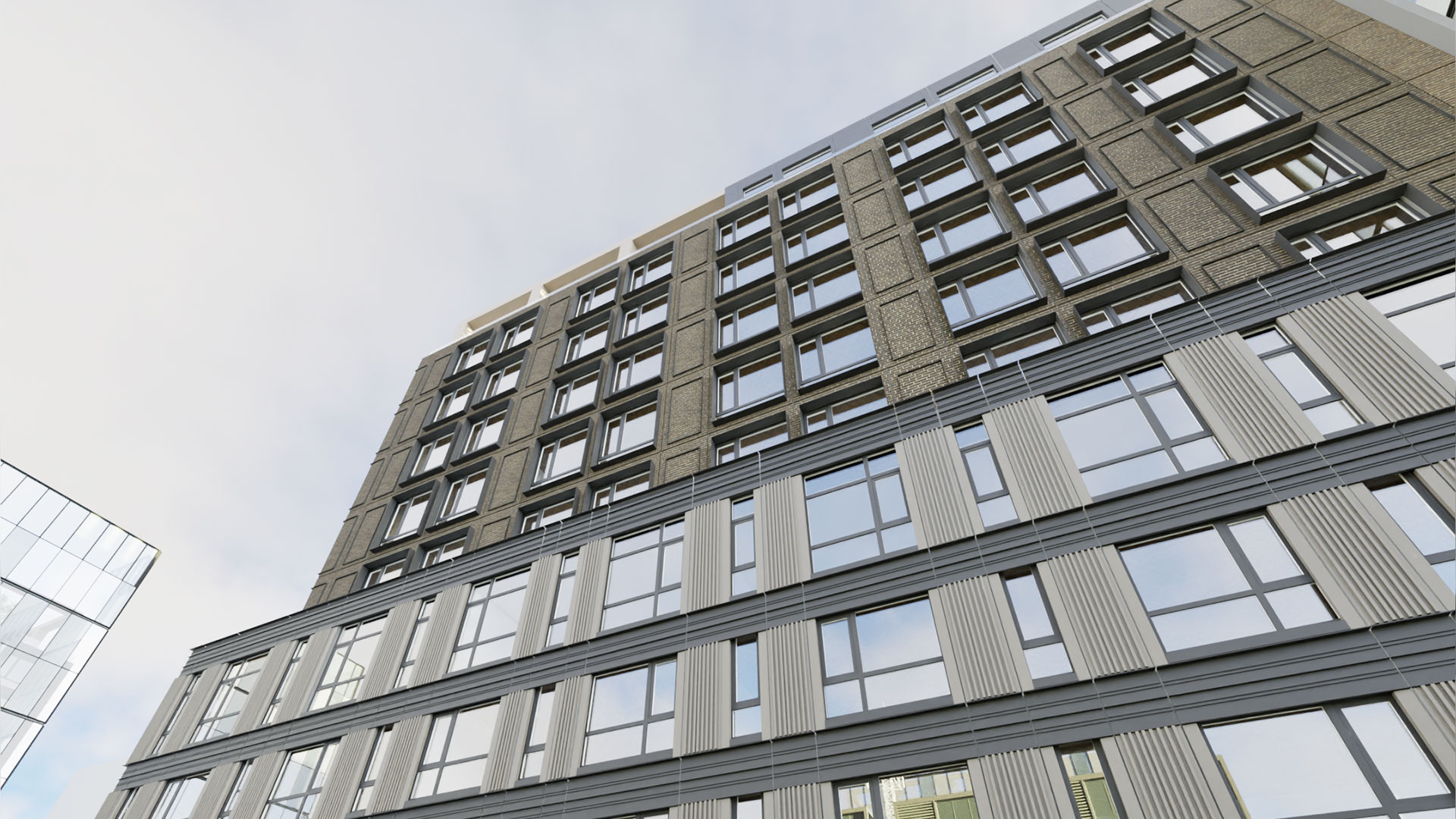
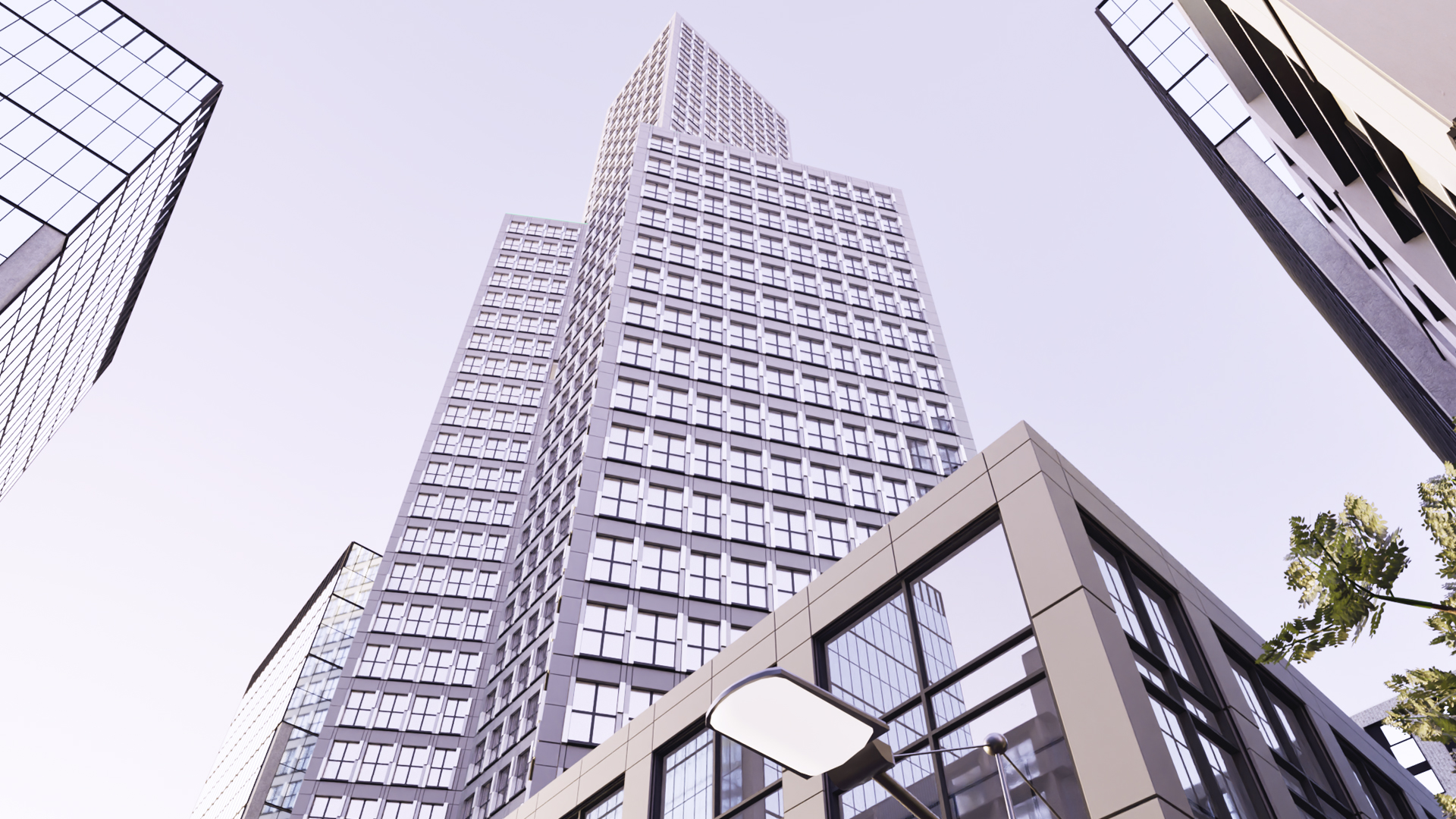
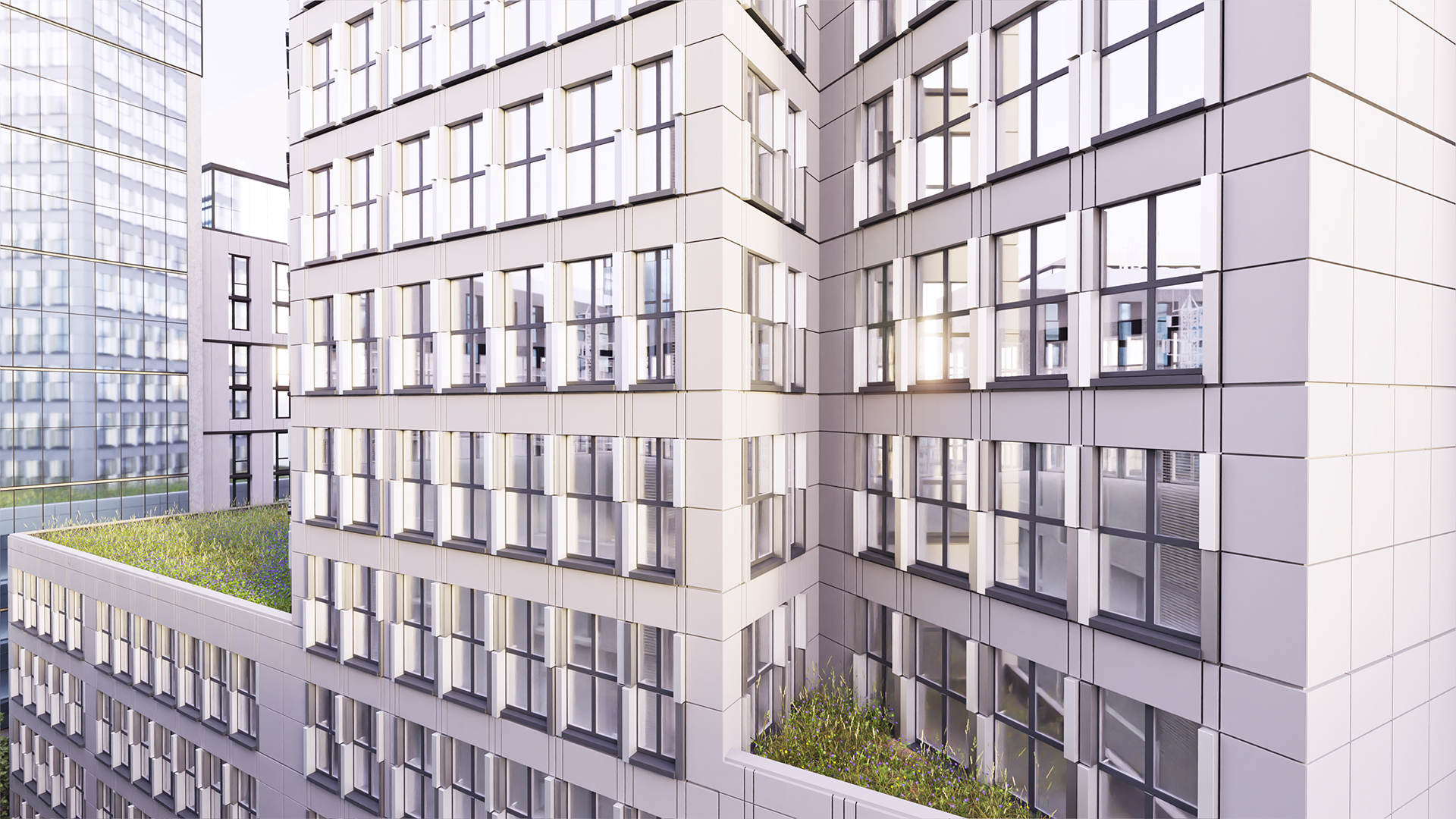
Instead of treating cracks and spalls as isolated spots, Dextall positions the retrofit as an assembly-level fix: factory-built panels that combine key enclosure layers into one coordinated system. Dextall describes integrated prefab panels as complete facade units that can include windows, continuous insulation, air/moisture control, and exterior finish—so performance is designed as a whole, not stitched together in the field.
What that changes (in practical terms):
- Fewer "weak links" in the field by coordinating layers as one system
- Thermal and energy upgrades built-in through insulation-focused panel assemblies
- NYC code + local-law pressure addressed head-on, with Dextall positioning its prefabricated systems around LL11/LL97-driven upgrade needs
Reducing Risk, Disruption and Uncertainty for Owners and Residents
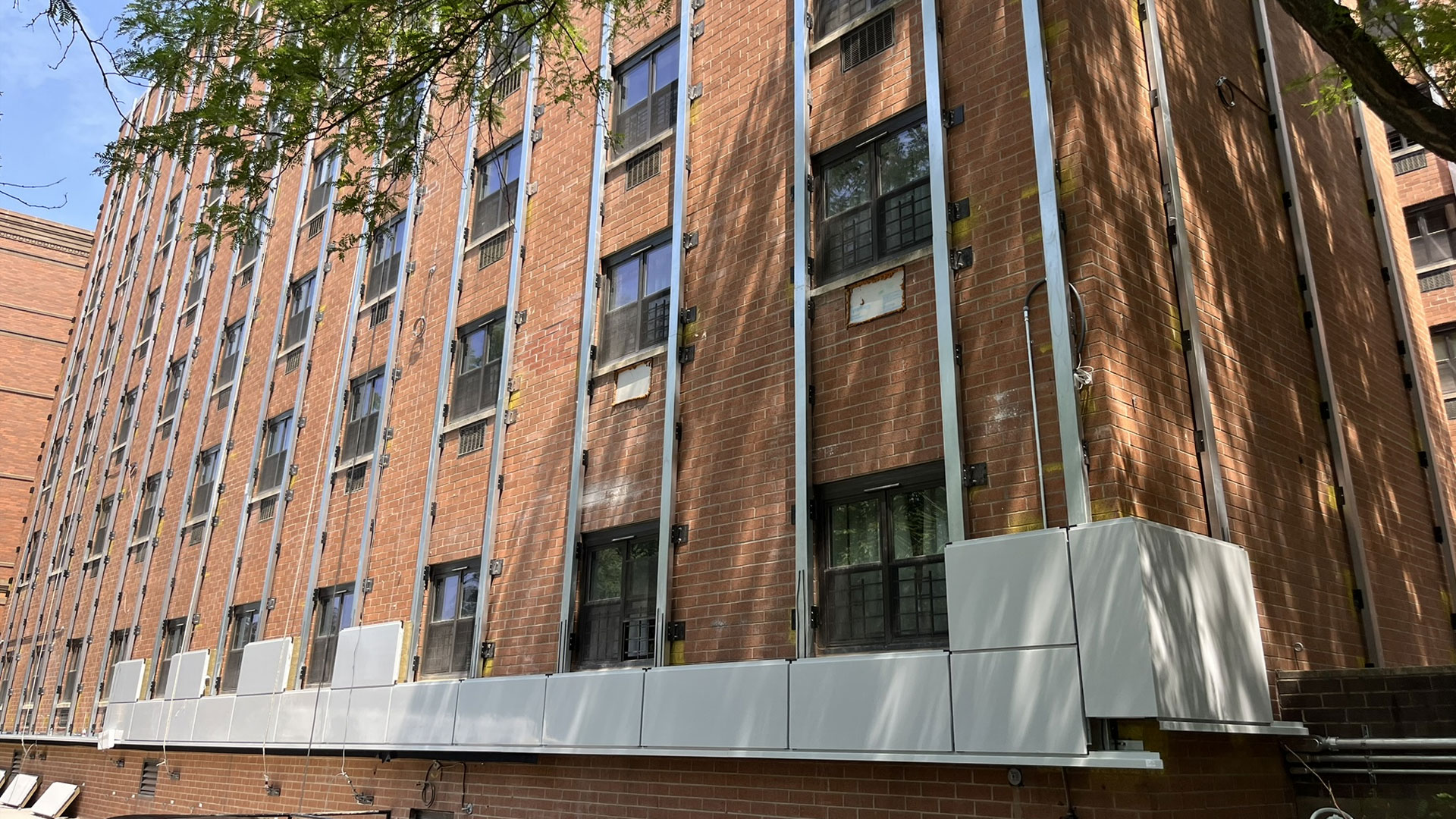
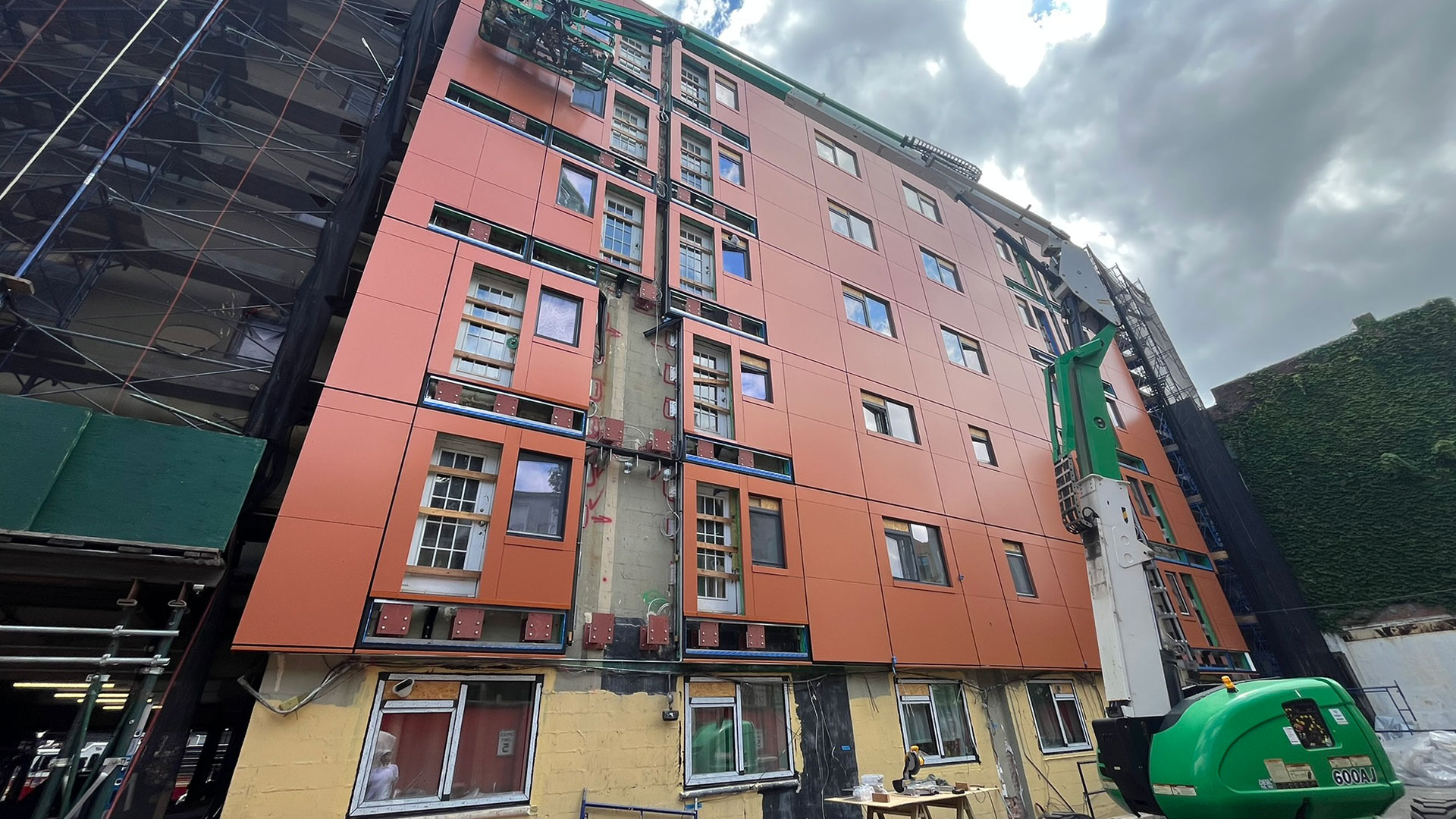
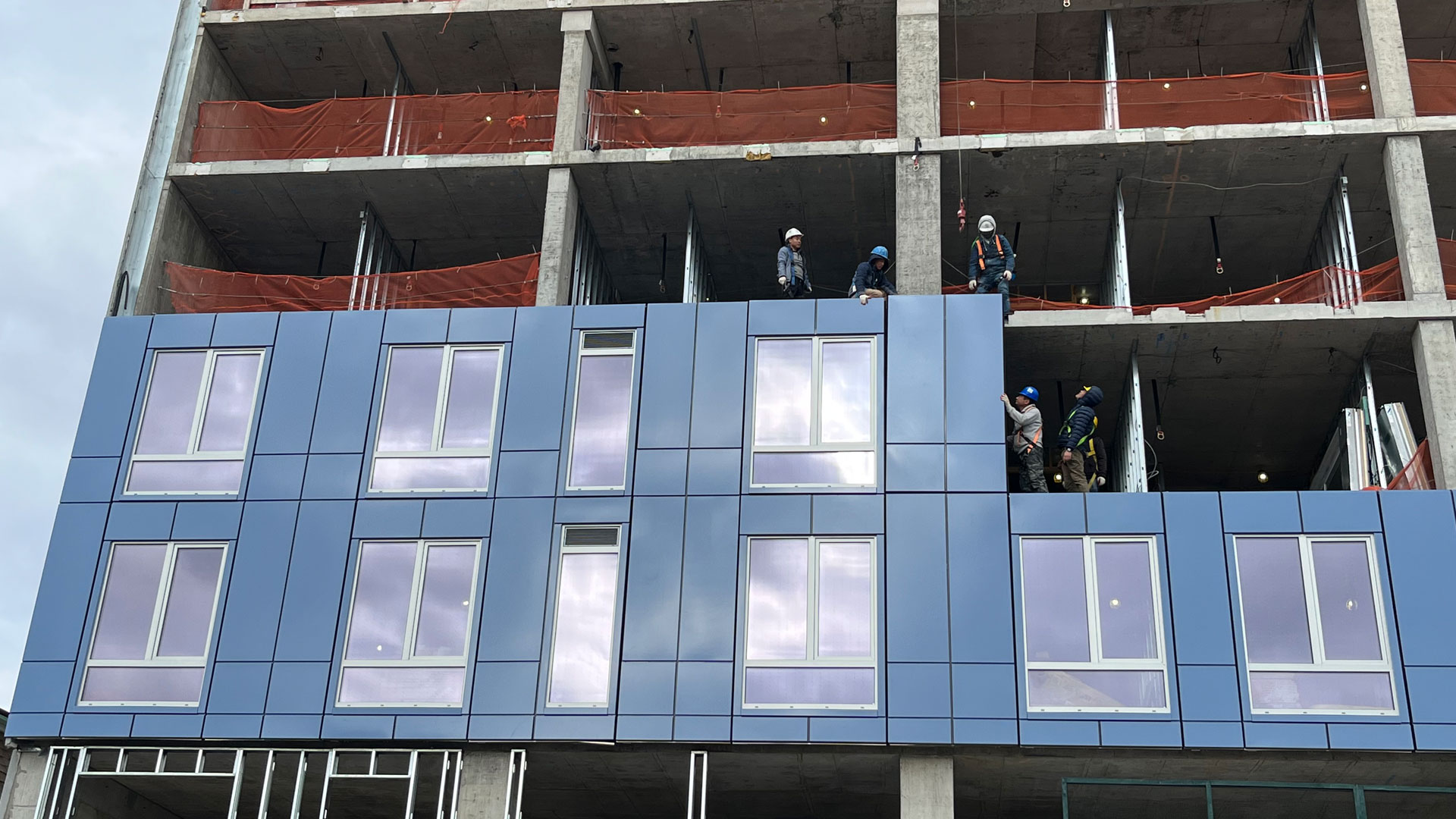
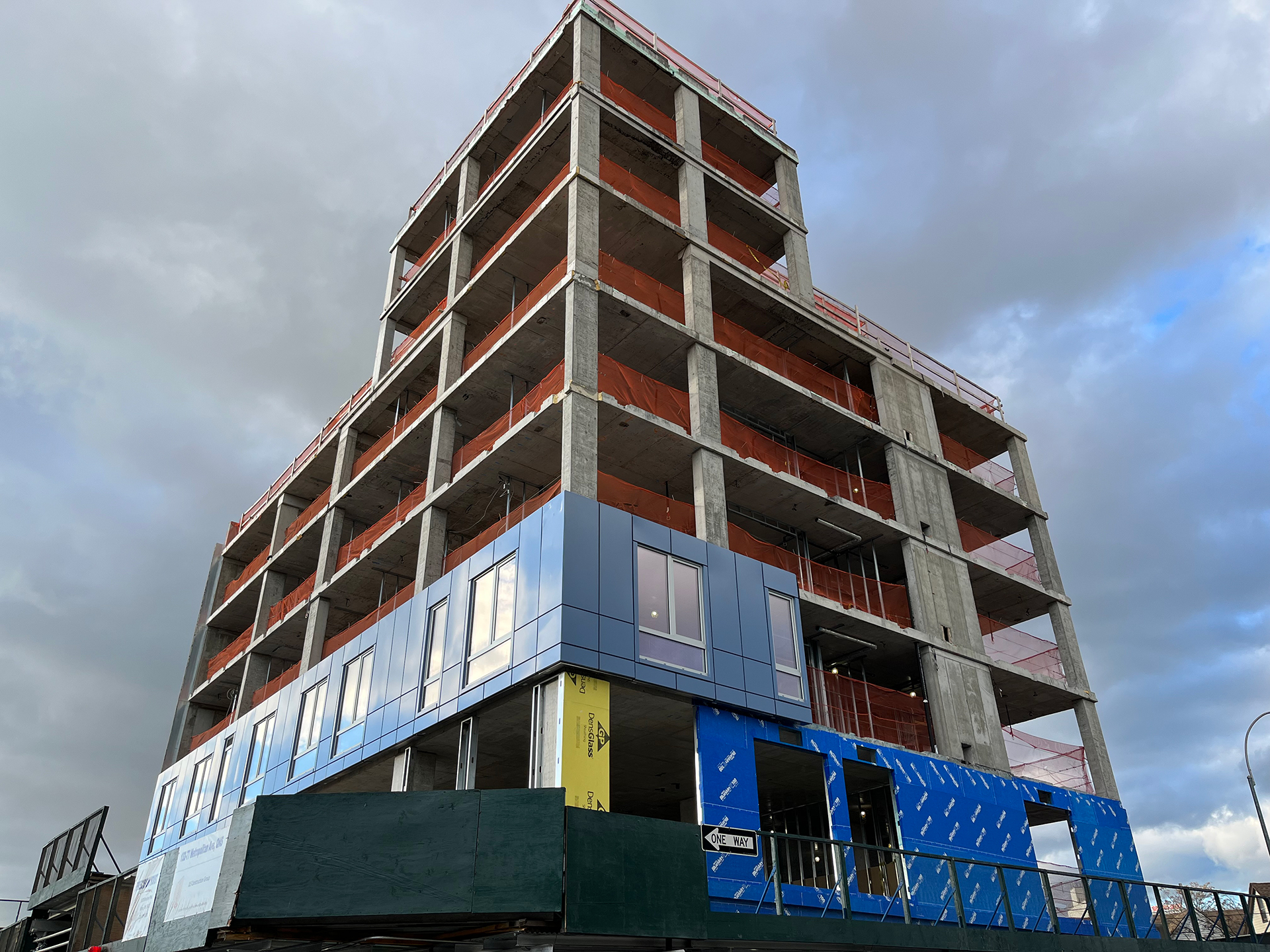
For occupied multifamily and co-ops, the real cost of facade work is often uncertainty: long sidewalk sheds, resident complaints, and change orders triggered by slow, wet, site-built methods. Dextall emphasizes a retrofit workflow where most work stays outside, with factory-built panels arriving "just in time" and installing stack-by-stack, helping keep residents in place and reduce the "jobsite on your block" effect.
Owner/resident benefits Dextall highlights:
- Faster, cleaner installation with fewer wet processes and more off-site production
- Shorter, more controlled shed duration (minimized as safety allows)
- More predictable scope + fewer surprises by planning from as-built geometry (e.g., 3D surveys/BIM) and running factory/site work in parallel
- Less on-site waste through prefabrication-driven delivery and installation
FAQ: The LL11 Stuff Owners Actually Care About
Who has to file under LL11 / FISP?
Most NYC buildings higher than six stories must complete facade inspections and file a technical report.
How often does it happen?
FISP runs on a five-year inspection/reporting cycle.
What does "SWARMP" mean in plain English?
It's safe right now, but repairs/maintenance are required during the cycle to avoid becoming Unsafe.
When do sidewalk sheds become mandatory?
If a facade is classified Unsafe, the owner must install public protection (often a shed, fencing, netting, etc.) and correct the condition.
When does a panelized retrofit (like Dextall) make more sense than patching?
When problems repeat, Dextall describes integrated prefab panels as complete facade units (e.g., insulation + air/water layers + factory-installed windows) to reduce "fix-it-again" cycles and disruption.











.jpeg)












_format(webp).avif)
_format(webp)%20(6).avif)
_format(webp)%20(5).avif)
_format(webp)%20(4).avif)
_format(webp)%20(2).avif)
_format(webp)%20(3).avif)


.avif)
_format(webp)%20(2).avif)