How Copenhagen International School's 12,000 BIPV Cladding Panels Became Europe's Largest Solar Facade
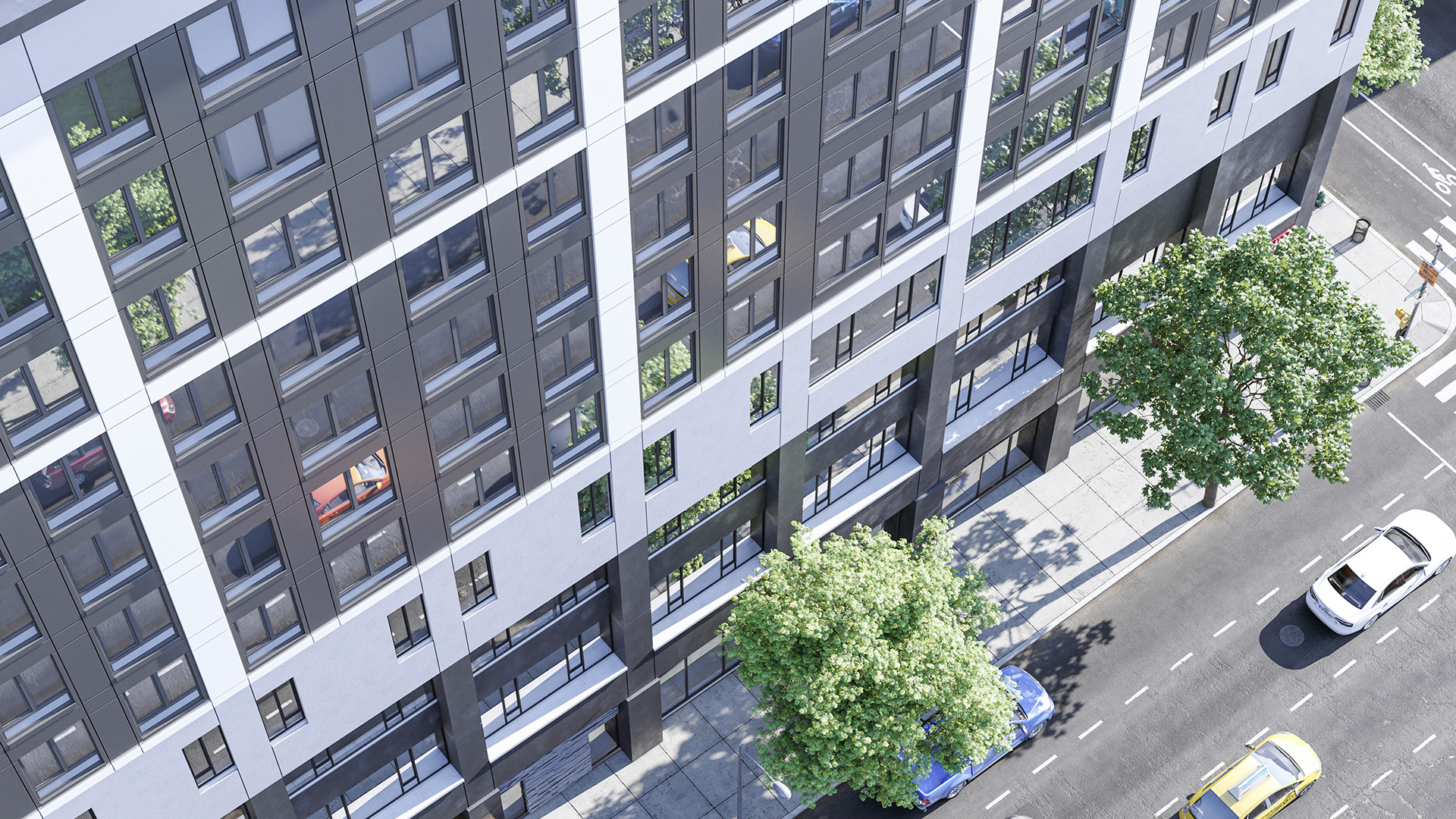
In 2017, C.F. Møller Architects completed Copenhagen International School (CIS) in the Nordhavn district — four mid-rise towers wrapped entirely in 12,000 factory-manufactured BIPV cladding panels. The installation covers 6,048 square meters of facade, generates 720 kWp of solar power, and supplies more than half of the school's annual electricity. At the time of completion, it was the largest building-integrated photovoltaic installation in Europe. BIPV cladding panels replaced the entire conventional rainscreen system — with factory-made PV modules that handle weatherproofing, moisture management, and power generation simultaneously.
For construction professionals, the CIS project demonstrates something more significant than sustainability marketing: a mid-rise building where the facade is the power infrastructure. The same factory-to-crane discipline that governs prefabricated facade panels applied here to a cladding system that generates measurable electricity. This article examines how that system was engineered and what mid-rise construction teams in New York and New Jersey can extract from it.
What Makes Copenhagen International School Europe's Most Technically Ambitious BIPV Cladding Installation
The CIS project is not a rooftop solar array tilted vertically and bolted to a finished wall. It is a facade system where the outer cladding layer — the element that would normally be aluminum composite, fiber cement, or stone — is replaced with factory-manufactured photovoltaic cassettes. The distinction matters: conventional add-on solar panels are an extra layer installed in front of a completed facade. BIPV cladding is the facade.
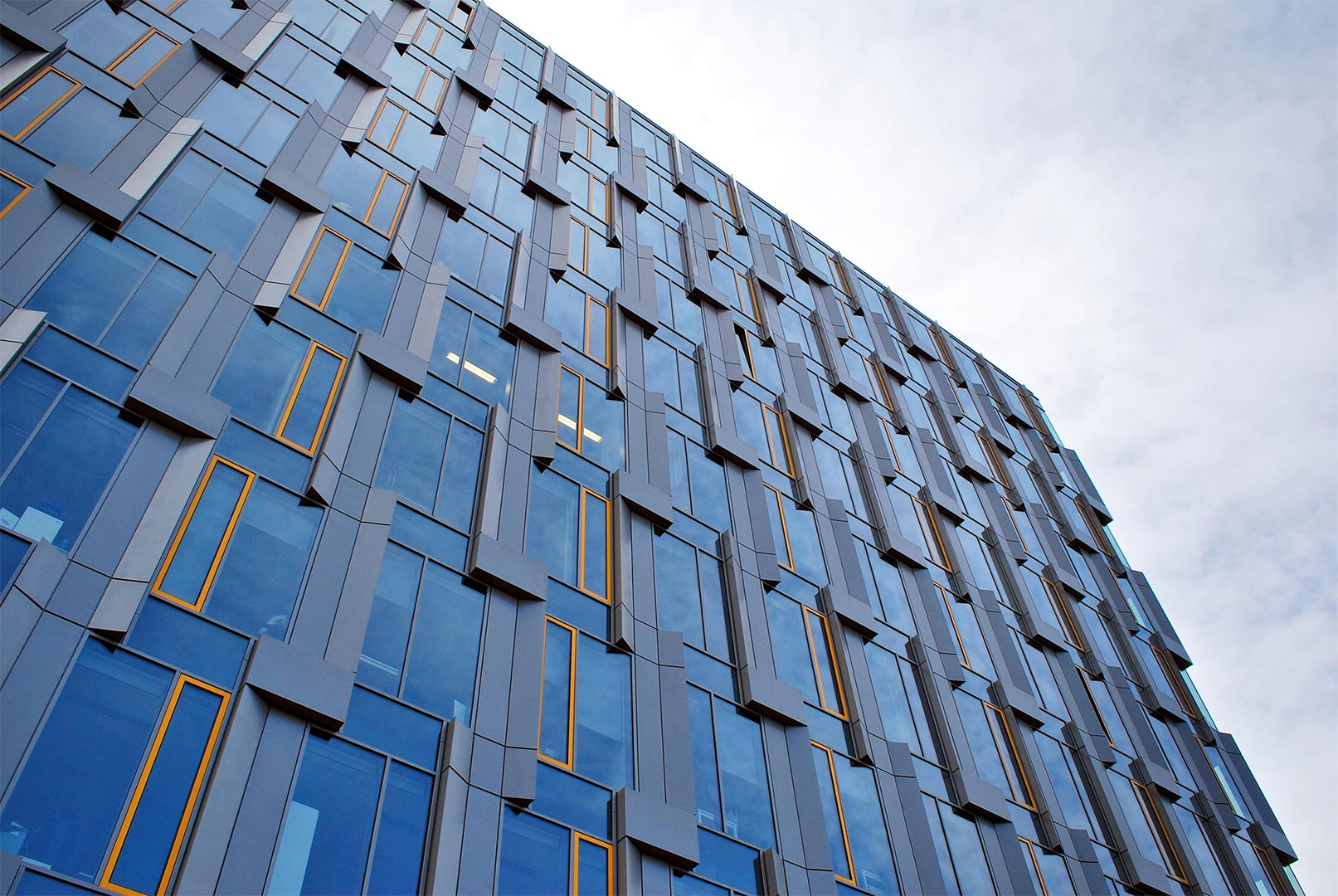
Each of the 12,000 panels at CIS measures 70 × 70 cm. Every panel consists of a PV front face mounted into an aluminum cassette that holds it at a 4-degree slope relative to the facade plane. That 4-degree tilt was an engineering decision — it optimizes solar incidence angle at Copenhagen's latitude while maintaining flush visual integration with the building envelope. The aluminum cassette also provides the structural connection to the substructure, exactly as a conventional rainscreen cassette would.
Behind the panels, a ventilated facade gap separates the BIPV cladding from the building's insulation layer. This gap is not a detail option: panel efficiency drops as surface temperature rises, and active ventilation keeps BIPV panels 5–10% cooler than flush-mounted systems under summer conditions. The ventilated cavity simultaneously performs the moisture management function required in any well-specified rainscreen — channeling water away from the insulation and structural frame.
The electrical system was engineered with micro-inverters installed for every 4 m² section of facade. String inverters — standard in conventional rooftop solar — suffer a cascade efficiency loss when any panel in the string is shaded: the shaded unit drags the output of the entire string. Micro-inverters eliminate this by allowing each small section to optimize independently. At CIS, where different facade orientations and building geometry create variable shading conditions throughout the day, micro-inverter architecture was essential to achieving the rated 720 kWp capacity across the full installation.
How SolarLab Engineered 12,000 Individually-Angled BIPV Panels Into a Complete Facade Cladding System
SolarLab, the Danish company that supplied the CIS BIPV facade system, treated each panel as a precision-manufactured cassette unit — not a commodity solar module adapted for facade use. The Kromatix colored PV technology integrated into the panels gives the photovoltaic cells a uniform colored appearance while still generating electricity, enabling C.F. Møller Architects to achieve a visually coherent facade surface across all four towers despite the varied panel angles that create a sequin-like texture in elevation.
The installation logic follows best-practice facade fabrication sequencing: a substructure was attached to the building's structural frame floor by floor; BIPV cassettes were then mounted to the substructure in order, with each panel connecting to the electrical system at its micro-inverter junction. No specialized solar installation crew was needed for the facade mounting work — the sequence is identical to installing any prefab rainscreen cassette system, with electrical connection as the one added step. NIRAS served as the engineering consultant for the project.
The completed building won the Active House Award 2018 as overall winner, a Special Recognition Award for Building-Integrated Solar Technology in 2017, and the ICONIC Award 2017 for Architecture with Distinction. The C.F. Møller Architects project page documents it as a landmark in low-energy educational building design.
The four CIS towers range from five to seven stories — a building scale directly comparable to mid-rise residential and mixed-use construction in New York, New Jersey, and other dense urban markets. CIS is not an outlier case of extreme supertall engineering. It is a proof of concept executed at the scale most developers actually build.
Five Lessons Mid-Rise Construction Teams Can Take from CIS's BIPV Cladding Approach
Copenhagen International School demonstrates a reproducible facade strategy, not a one-off research installation. These five lessons apply directly to mid-rise construction teams specifying prefabricated wall panel systems with energy performance requirements.
1. BIPV is a cladding specification decision, not an energy system add-on. At CIS, the PV panels were selected as the primary facade cladding material — not appended to a completed rainscreen. Teams that introduce BIPV late in design documentation face coordination conflicts between the facade contractor and the electrical contractor that should have been resolved at the 30% design phase. The earlier BIPV appears in the spec, the lower the coordination cost — and the better the structural frame can accommodate conduit routing and inverter placement.
2. Factory-manufactured BIPV cassettes follow the same installation logic as standard prefab rainscreen panels. The mounting substructure, the cassette connection detail, and the floor-by-floor installation sequence are identical to any exterior wall panel system. The only additional site activity is electrical connection at the micro-inverter junction. Teams experienced in prefab rainscreen installation face a minimal learning curve for BIPV cladding — the facade contractor does not need to become a solar installation contractor.
3. Micro-inverter architecture is non-optional for multi-orientation facades. Buildings with facades facing multiple directions — standard for any mid-rise tower — experience different shading and solar incidence conditions on each face throughout the day. String inverters force all panels in a string to operate at the output of the lowest-performing unit. Micro-inverter systems allow each small section to produce at its independent maximum. For urban mid-rise sites with adjacent buildings creating variable shade, micro-inverters can mean the difference between a system that performs to rated specification and one that underperforms by 20–30%.
4. The ventilated facade cavity is an engineering requirement, not a cost item to value-engineer out. BIPV panel efficiency is temperature-dependent. Crystalline silicon cells lose approximately 0.3–0.5% of rated output per degree Celsius of temperature rise above the standard test condition. A correctly detailed ventilated cavity behind the BIPV cladding reduces peak summer panel temperature enough to meaningfully improve annual energy yield. The same cavity also delivers the moisture drainage function required in all non-combustible cladding assemblies under NYC and NJ building code.
5. BIPV cost premium is smallest when it displaces high-value conventional cladding. Installed facade BIPV systems cost approximately €150–€400/m² depending on panel specification and mounting complexity, compared to €80–€150/m² for high-quality conventional facade cladding such as architectural aluminum, stone, or fiber cement. The net premium — approximately €50–€250/m² — is substantially lower than rooftop BIPV additions because the cladding budget it displaces is already significant. For mid-rise developers specifying a premium prefabricated facade panel, BIPV cladding may represent a lower incremental cost than it first appears when treated as a standalone energy investment rather than a cladding substitution.
How NYC and NJ Developers Can Apply BIPV Cladding to Mid-Rise Buildings Under Local Law 97
The most direct argument for BIPV cladding in the New York market is regulatory. Under façade energy efficiency NYC compliance requirements established by Local Law 97, buildings over 25,000 square feet face carbon penalties starting 2030, calculated against metered energy consumption. Reducing metered electricity import from the grid directly reduces the carbon intensity figure — and BIPV cladding that generates electricity on-site does exactly that without requiring building-wide mechanical upgrades.
A BIPV rainscreen deployed on a 10-story mid-rise in New York City will generate less power than the Copenhagen installation — lower solar irradiance and more urban shading both reduce output versus the Danish baseline. Even at a 30–40% reduction relative to CIS performance metrics, a well-specified BIPV facade could offset 15–25% of base building electricity for a typical mid-rise, translating directly to reduced LL97 penalty exposure. This projection assumes a facade area comparable to CIS (6,000+ m²); smaller buildings would achieve proportionally smaller offsets.
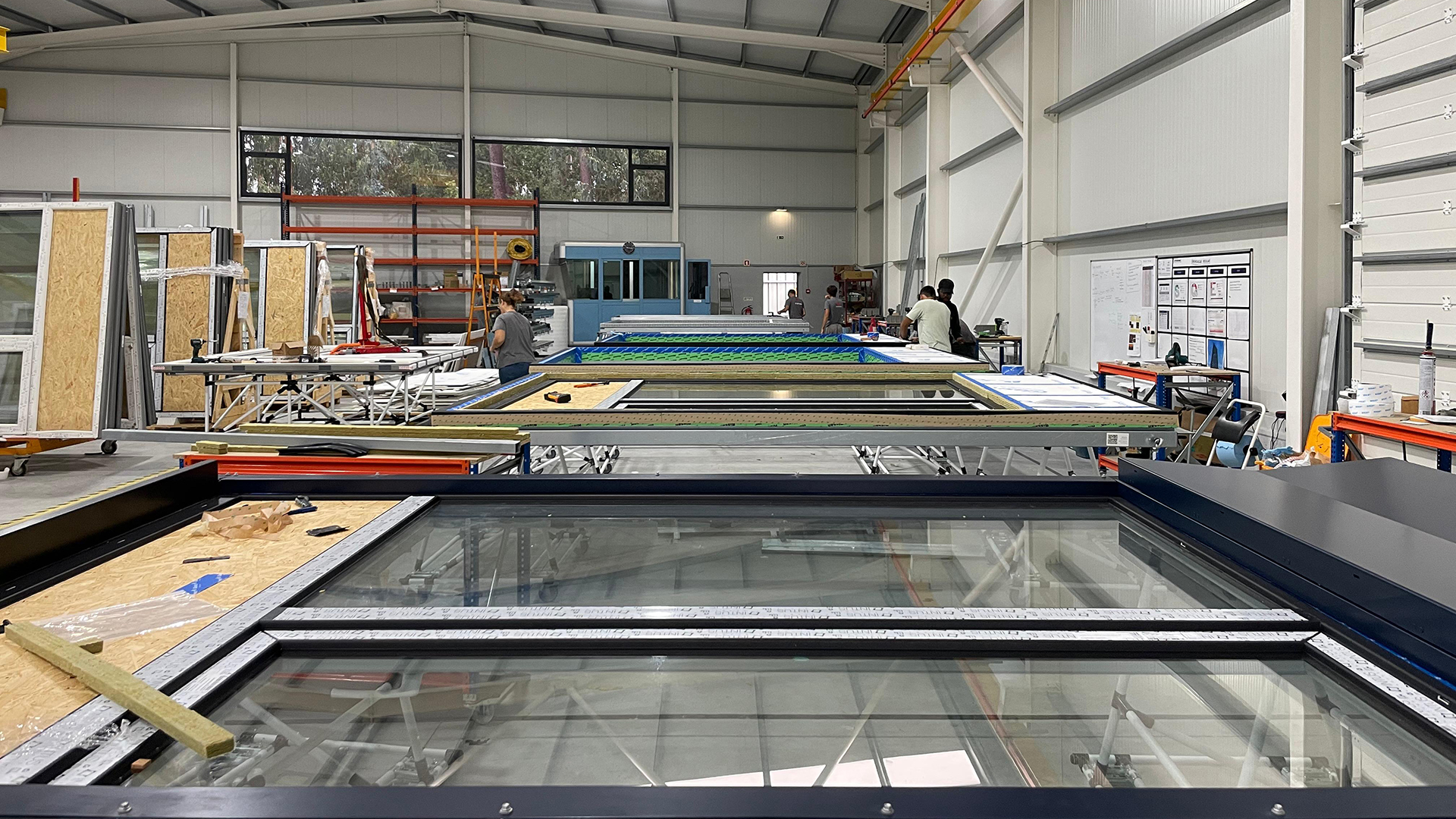
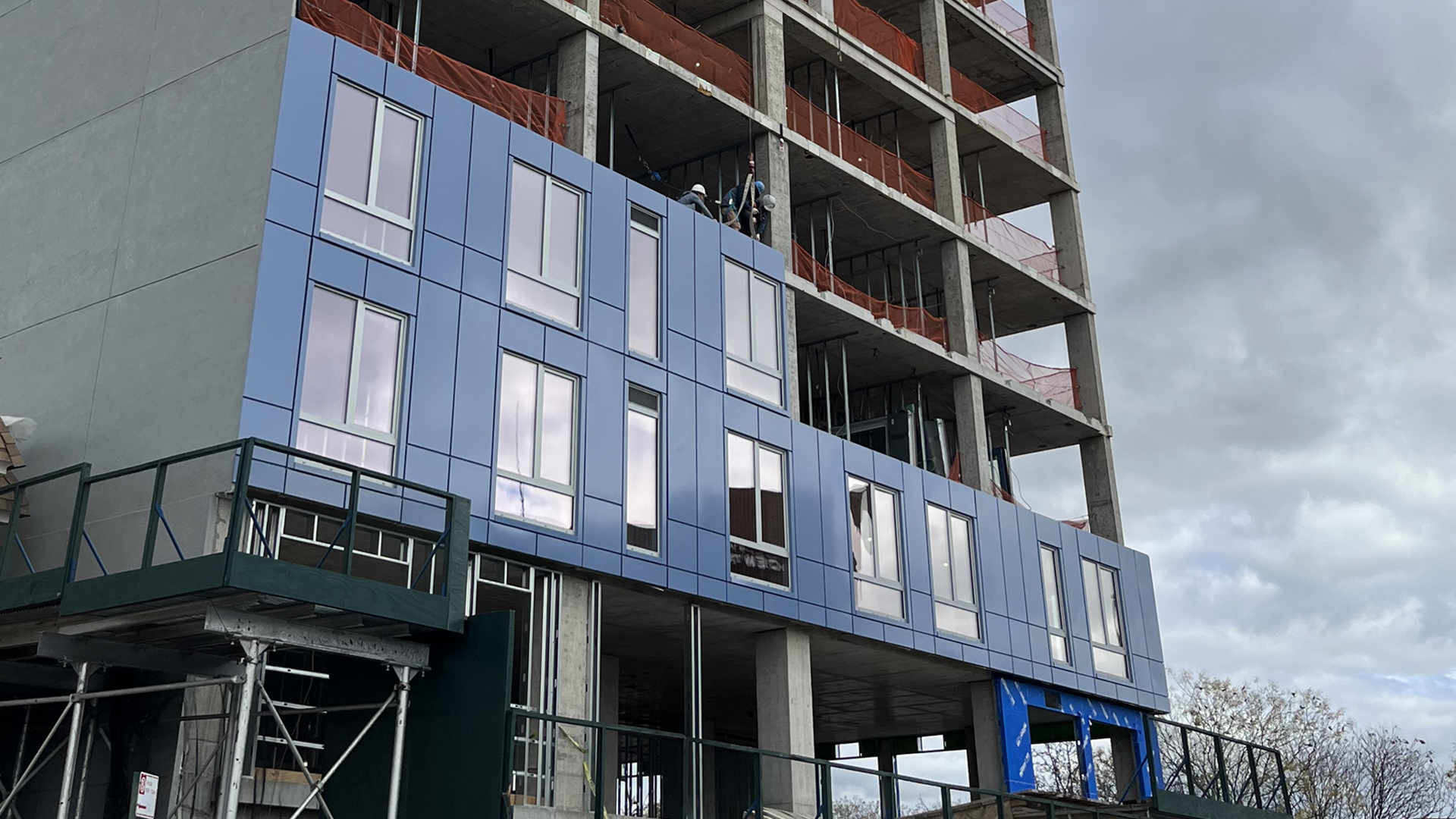
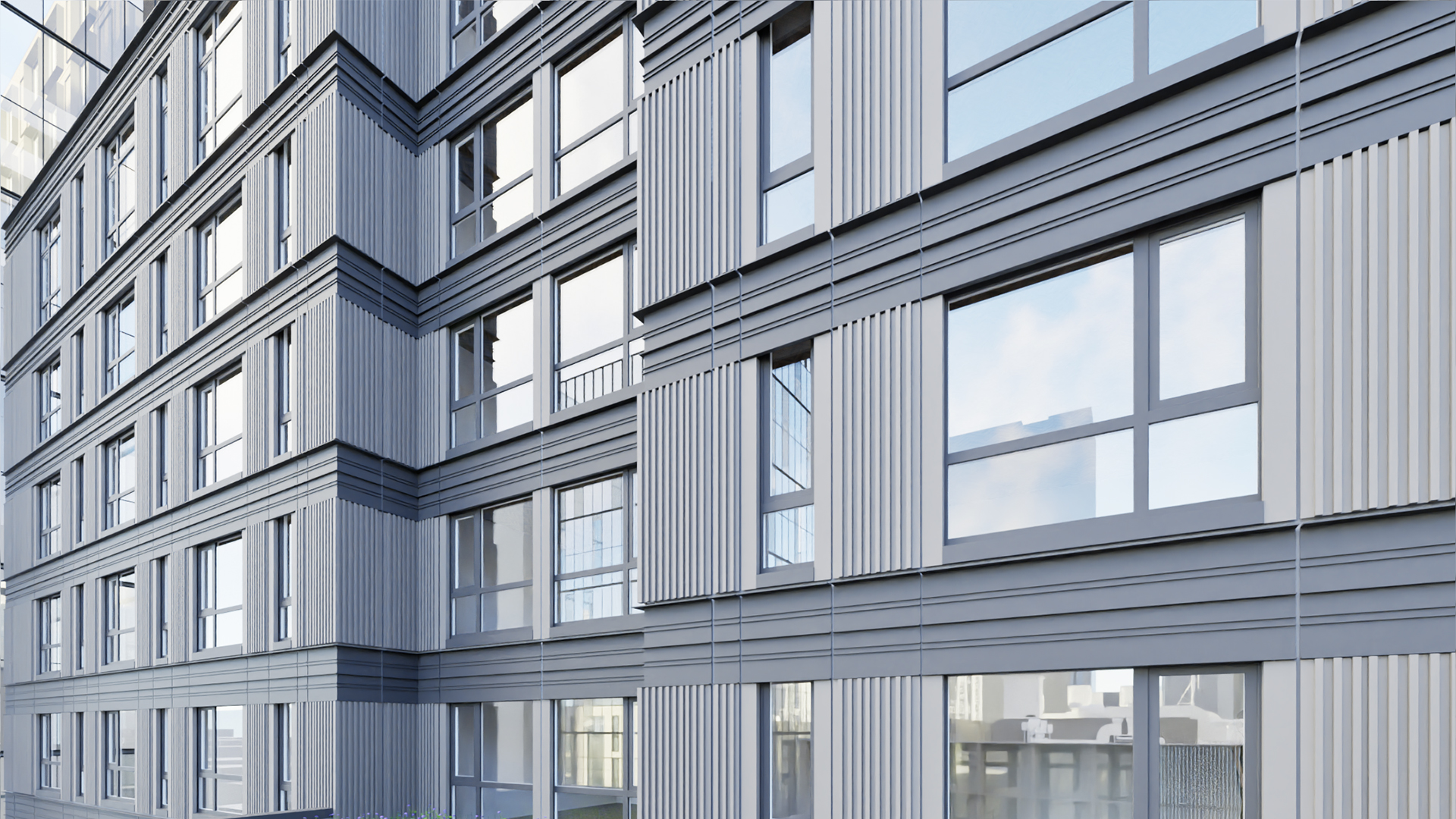
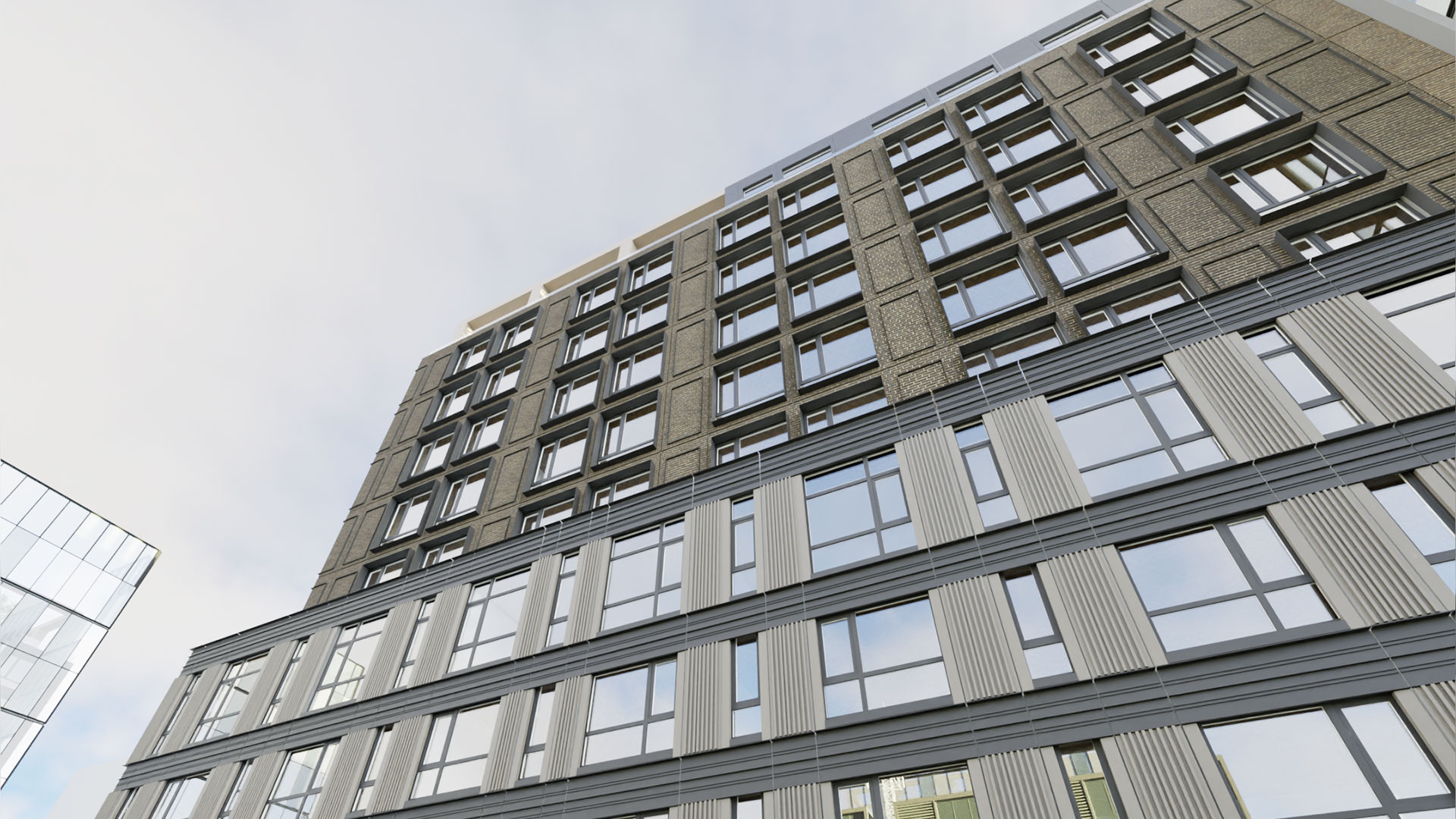
Dextall's prefabricated building façade system applies the factory-to-crane installation logic that made CIS buildable at scale. On-site labor is reduced by 87%, with a 16-week lead time from design freeze to panel delivery. Installation runs 80% faster than traditional site-built cladding, with 15–20% cost savings on facade scope. For a mid-rise developer integrating BIPV into a new envelope, the prefab sequence reduces the risk that electrical coordination delays compress the facade schedule — because the panel arrives as a complete cassette unit, pre-wired and ready to mount onto the substructure.
For developers specifying energy code compliant walls on multifamily or mixed-use buildings, BIPV cladding adds a performance dimension that no conventional material can match: it reduces energy consumption while functioning as the primary weatherproofing layer. For architects specifying sustainable wall systems for architects that need to document energy performance for LEED or passive house targets, a facade system with a measured electricity output gives the energy model something real to calculate against — not a projection that depends on assumptions never field-verified after occupancy.
Copenhagen International School demonstrated at mid-rise scale what a generation of BIPV research had proposed: a building where the cladding is the power plant, installed with factory-manufactured precision and the same substructure logic as any unitized wall system. The engineering is proven. The installation method is reproducible. Local Law 97 creates the economic incentive. What remains is specifying BIPV as a cladding decision at the beginning of design — not as an energy upgrade appended after the facade spec is closed.
Key Takeaways
- Copenhagen International School (2017) used 12,000 BIPV cladding panels covering 6,048 m² — the largest building-integrated photovoltaic facade in Europe at the time of completion, on towers of 5–7 stories.
- The 720 kWp system supplies more than half of the school's annual electricity across four towers directly comparable in scale to mid-rise residential and mixed-use construction.
- Each BIPV cassette (70 × 70 cm, 4-degree slope) was factory-manufactured and installed on a substructure identical to a conventional prefab rainscreen — the only additional site activity was electrical connection at the micro-inverter junction.
- Micro-inverters per 4 m² prevent string cascade losses critical for urban facades where shading from adjacent buildings varies by orientation and time of day.
- BIPV facade cost premium over conventional high-quality cladding is approximately €50–€250/m² — lowest when it displaces high-value conventional materials already in the project budget.
- Under NYC Local Law 97, BIPV cladding reduces metered electricity import and directly lowers the building's carbon intensity calculation, reducing penalty exposure from 2030.
FAQ
What is BIPV cladding and how does it differ from a conventional solar panel installation?
BIPV cladding replaces conventional facade materials — aluminum composite, fiber cement, or stone — with factory-manufactured photovoltaic modules that function as the building's primary weatherproofing layer. Unlike add-on solar panels installed in front of a completed facade, BIPV cladding is the facade. At Copenhagen International School, 12,000 BIPV cassettes replaced the entire conventional rainscreen system across four towers while generating 720 kWp of solar power.
How many BIPV panels does Copenhagen International School have?
The CIS Nordhavn campus has 12,000 photovoltaic panels covering 6,048 square meters of facade — the largest BIPV facade in Europe at the time of completion in 2017. Each panel measures 70 × 70 cm and is factory-mounted into an aluminum cassette at a 4-degree slope to optimize solar incidence angle at Copenhagen's latitude while maintaining flush visual integration with the building envelope.
How much electricity does the CIS BIPV facade generate?
The installed system has a capacity of 720 kWp and is designed to supply approximately 40–50% of the school's annual electricity consumption for 1,200 students and 280 employees. Micro-inverters for every 4 m² of facade allow each section to produce at its independent maximum, preventing the cascade losses typical of string inverter systems on multi-orientation facades with variable urban shading.
What does BIPV cladding cost compared to conventional rainscreen cladding?
Installed facade BIPV systems typically cost €150–€400/m² depending on panel specification and mounting complexity, compared to €80–€150/m² for conventional high-quality facade cladding such as architectural aluminum or stone. The net premium — approximately €50–€250/m² — is substantially lower than rooftop BIPV additions because the conventional cladding budget displaced is already significant. For mid-rise projects with premium cladding specifications, BIPV represents a smaller incremental investment than it appears when evaluated as a standalone energy system.
How can NYC mid-rise developers use BIPV cladding to comply with Local Law 97?
Local Law 97 calculates carbon penalties on metered energy consumption. BIPV cladding generates electricity on-site, reducing grid electricity import and directly lowering the building's measured carbon intensity. A well-specified BIPV rainscreen on a mid-rise can offset 15–25% of base building electricity in New York City conditions, translating to reduced LL97 penalty exposure starting 2030. BIPV must be specified as the cladding decision in schematic design — not added as an energy overlay after the facade contractor is under contract — to achieve full coordination between facade and electrical scopes.
Disclaimer
Dextall was not involved in the design, engineering, or construction of Copenhagen International School. This article is based on publicly available information from C.F. Møller Architects, SolarLab, ArchDaily, Dezeen, and other sources listed below. It is intended for educational and professional reference purposes only.
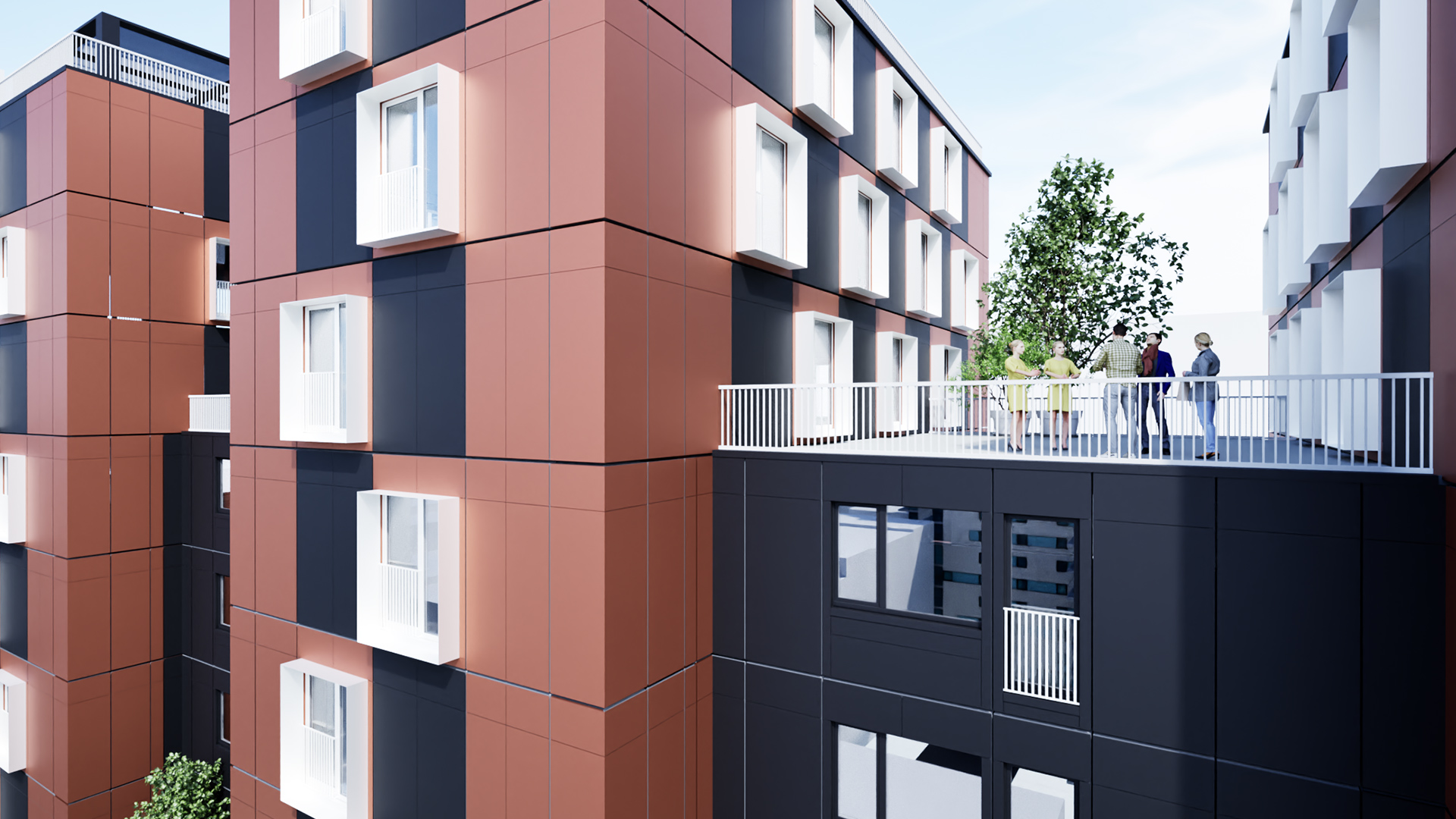
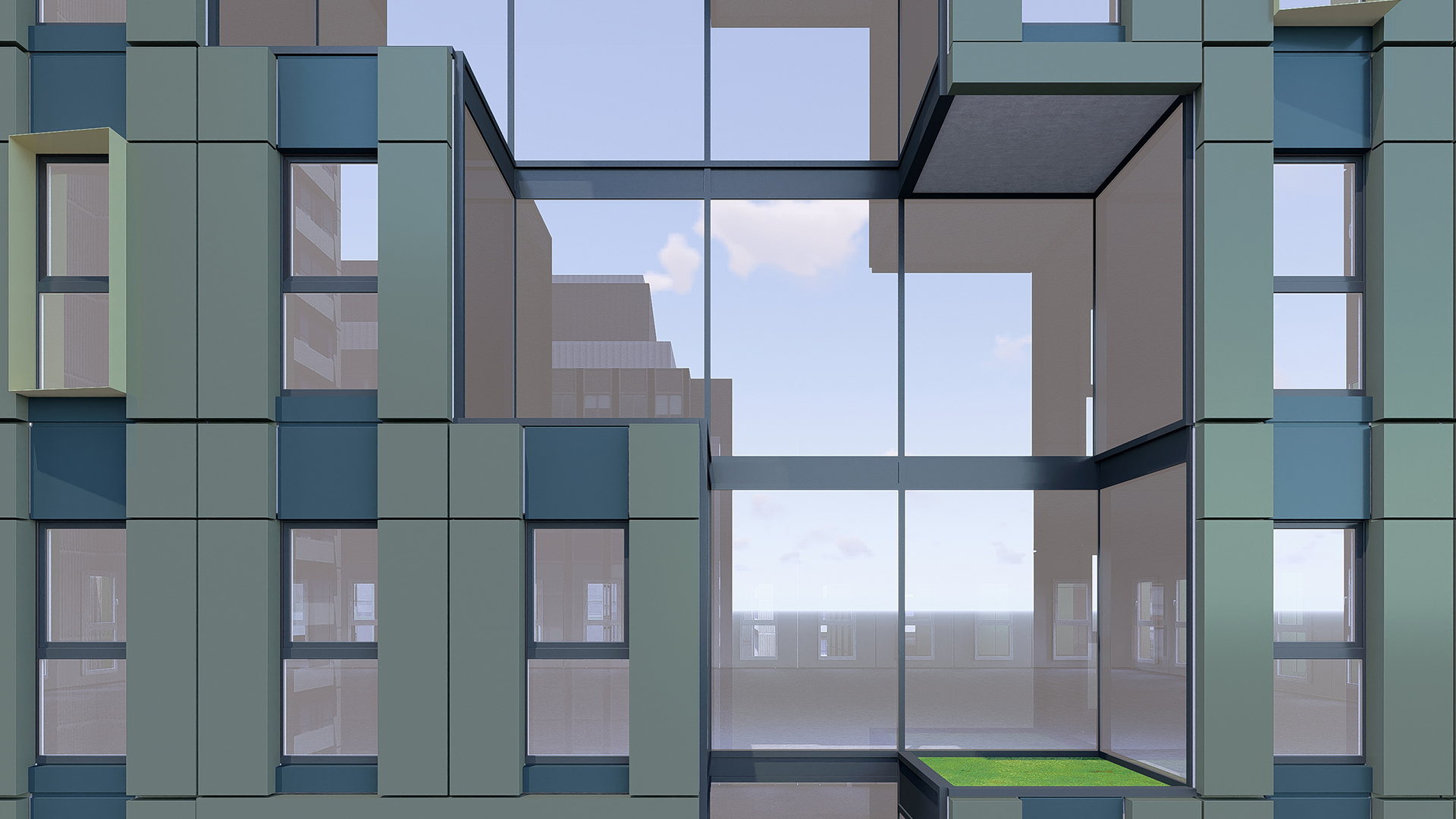
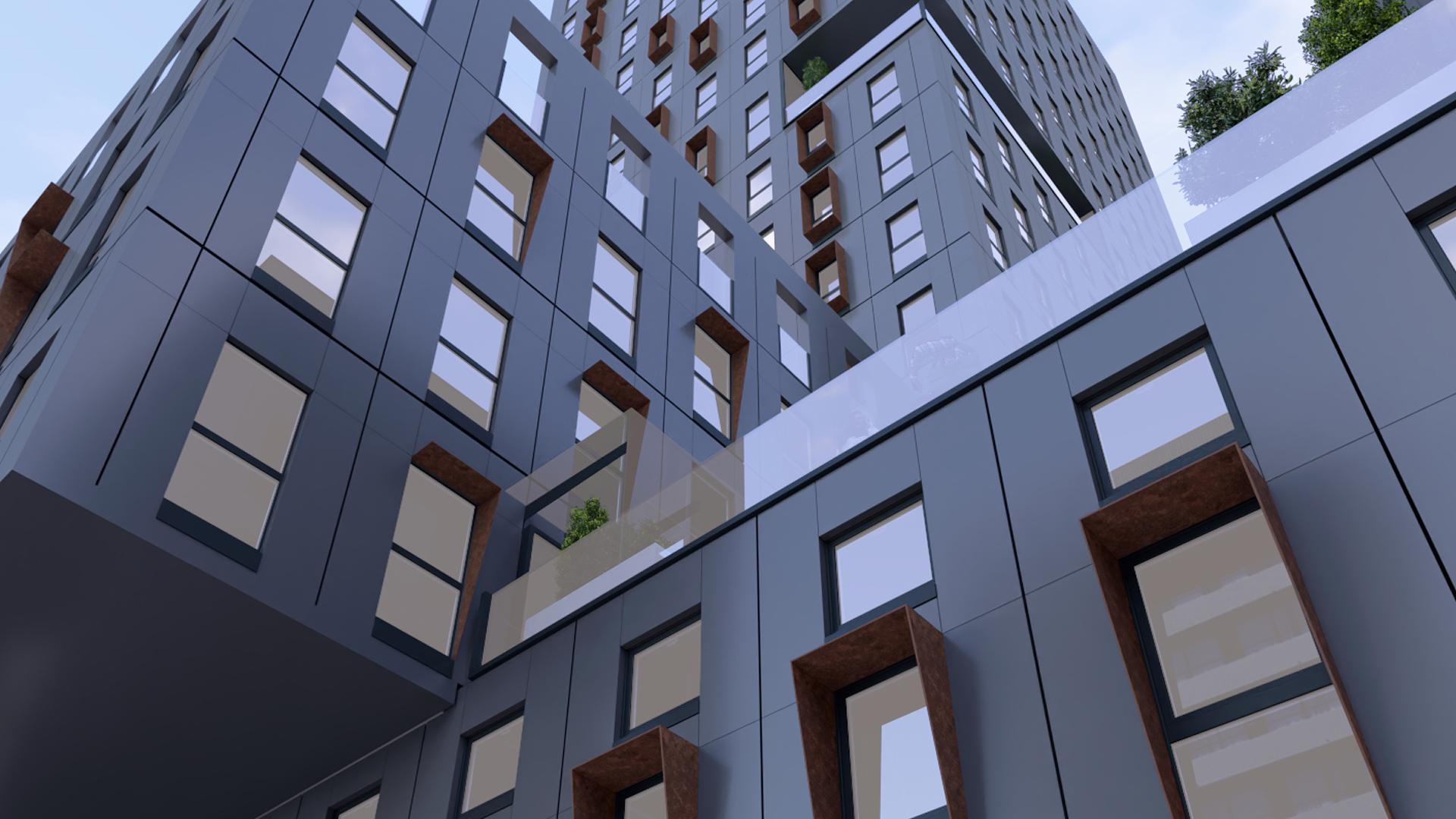
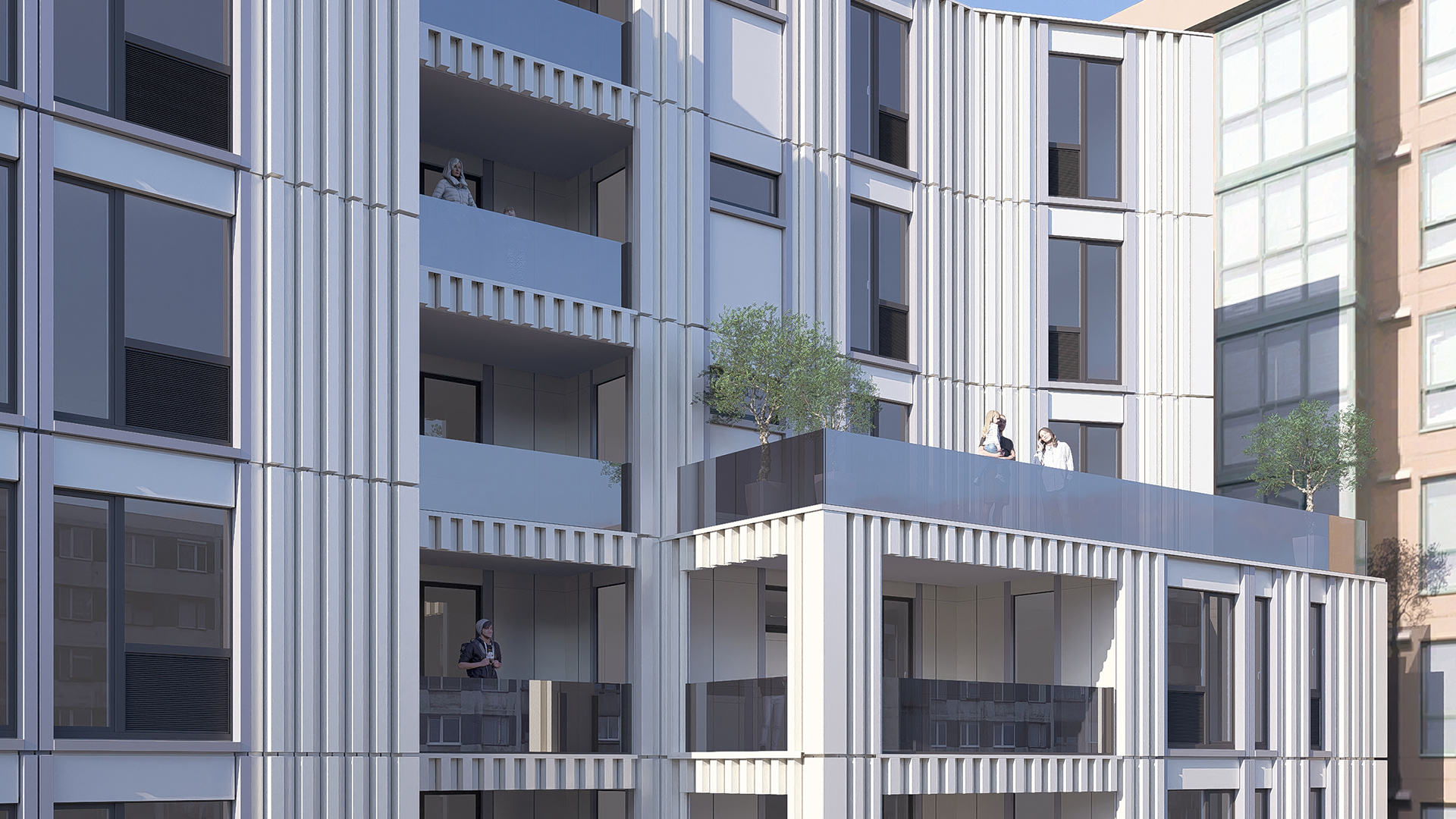
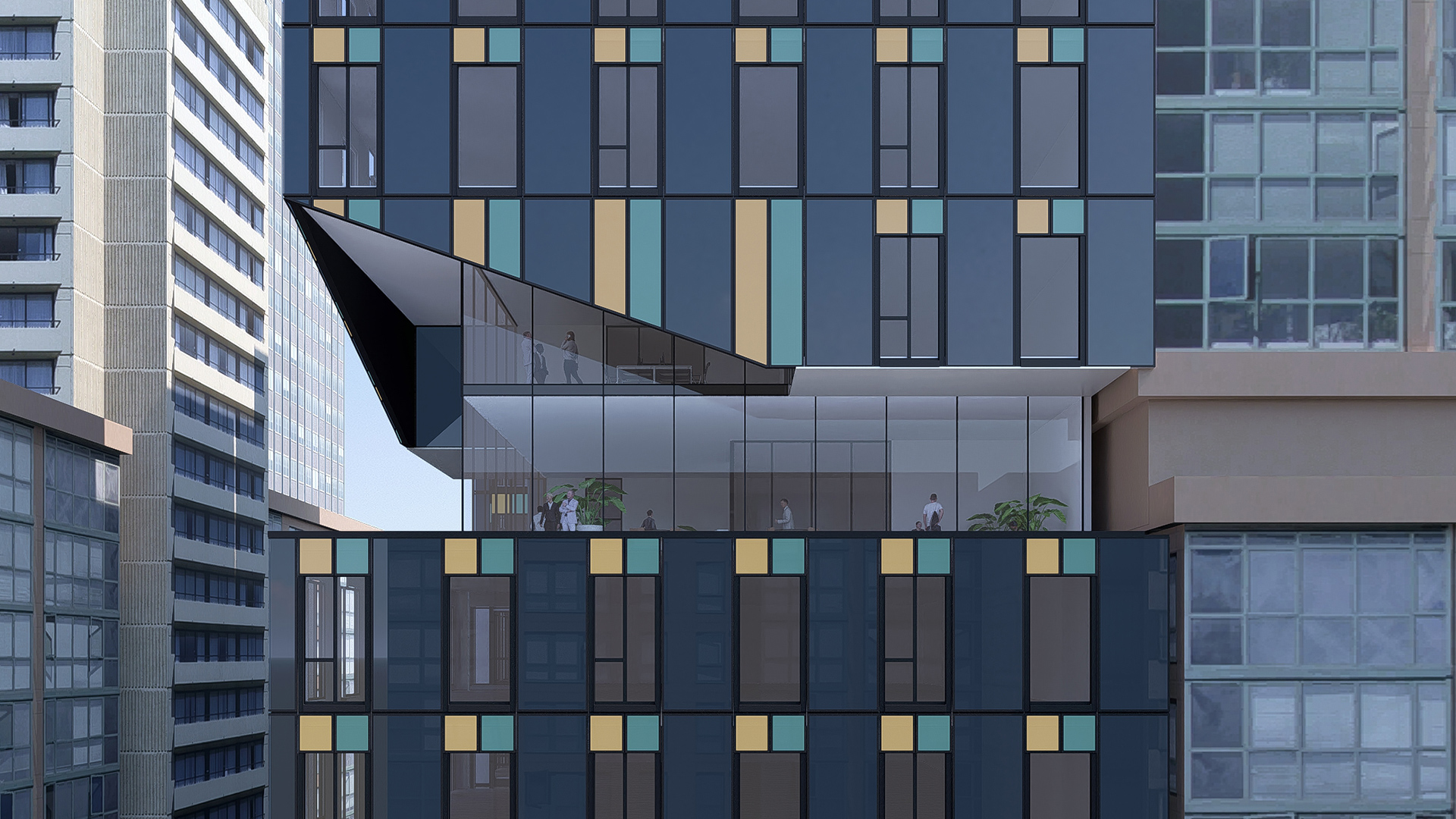
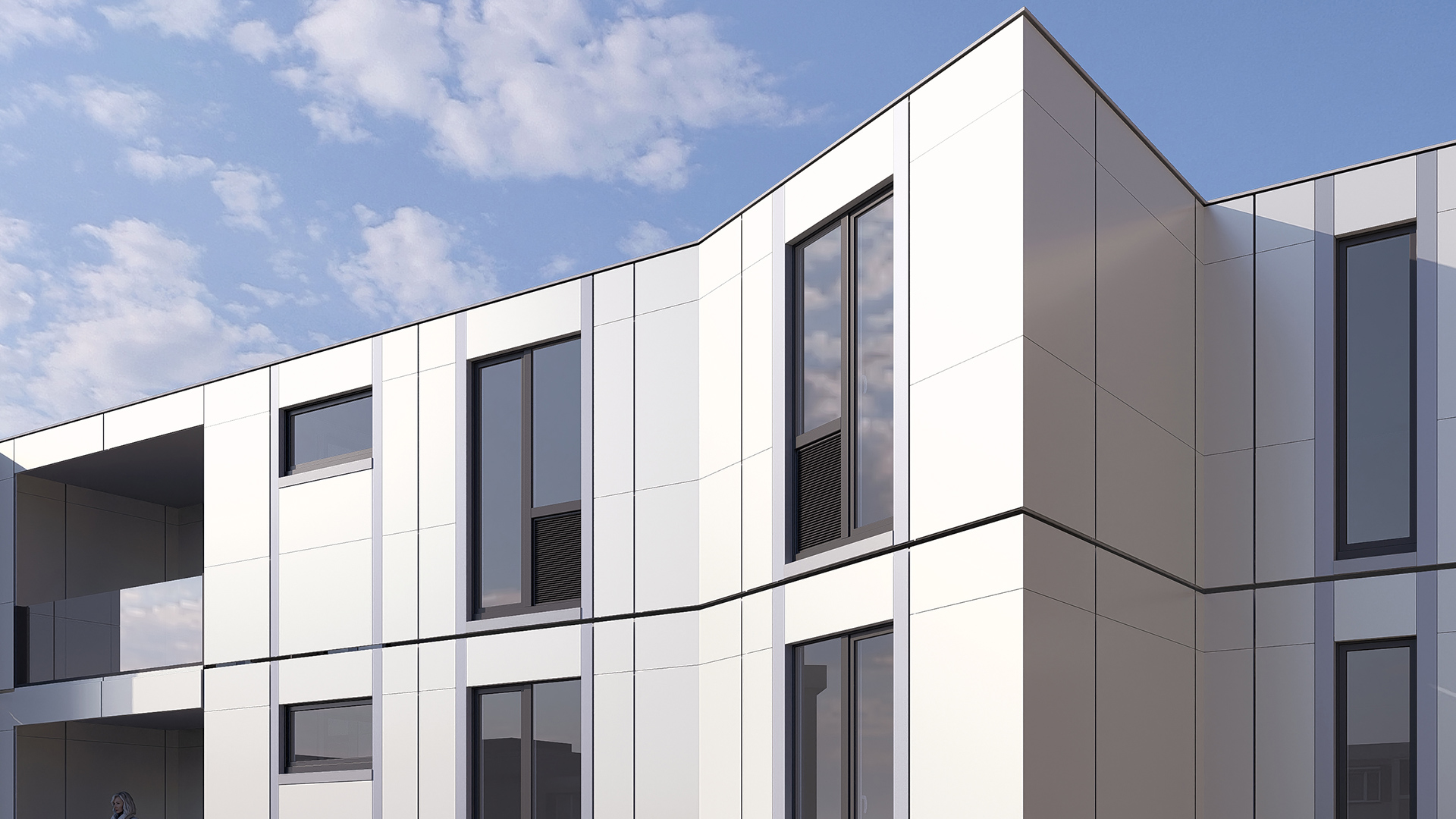
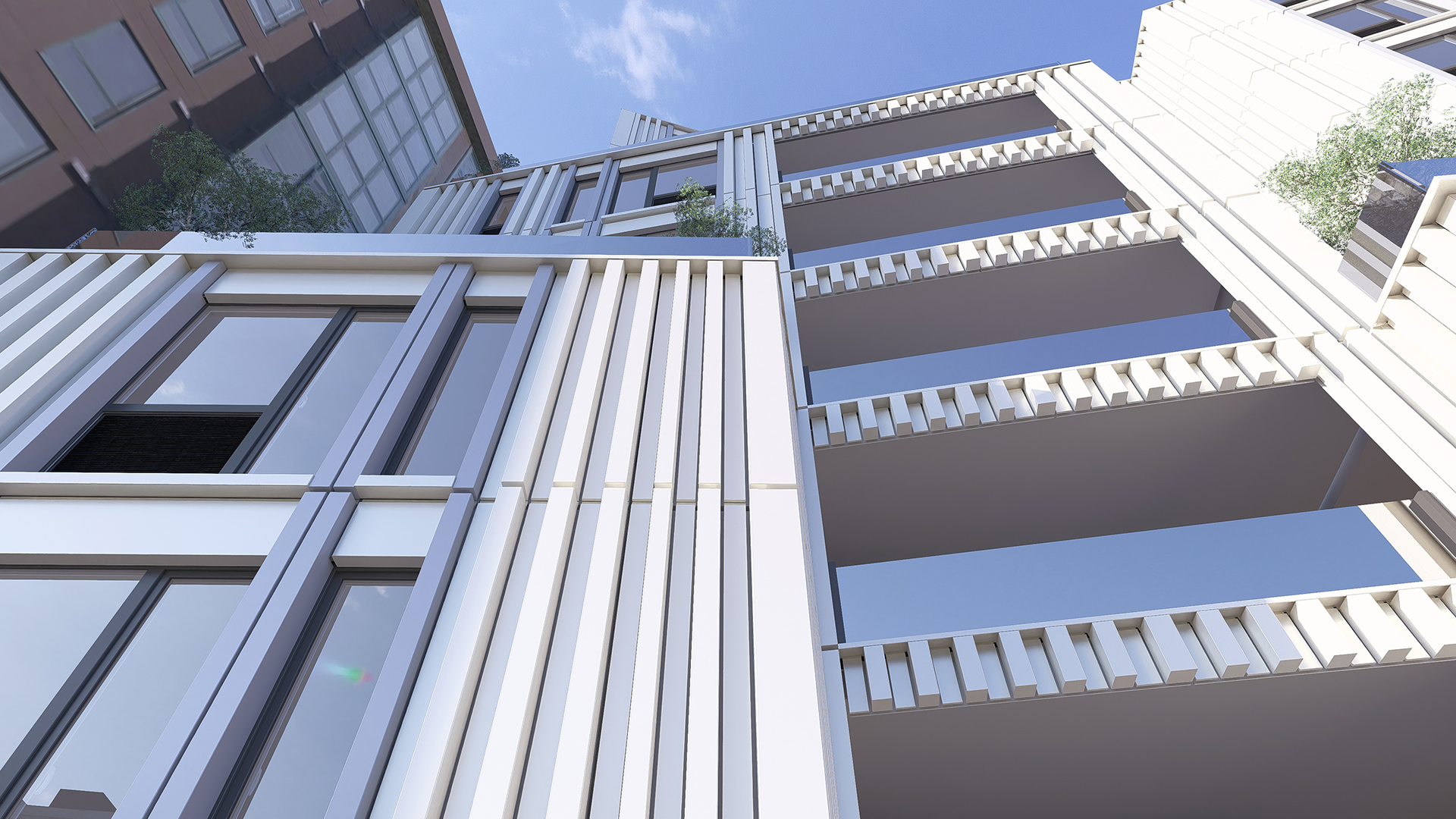
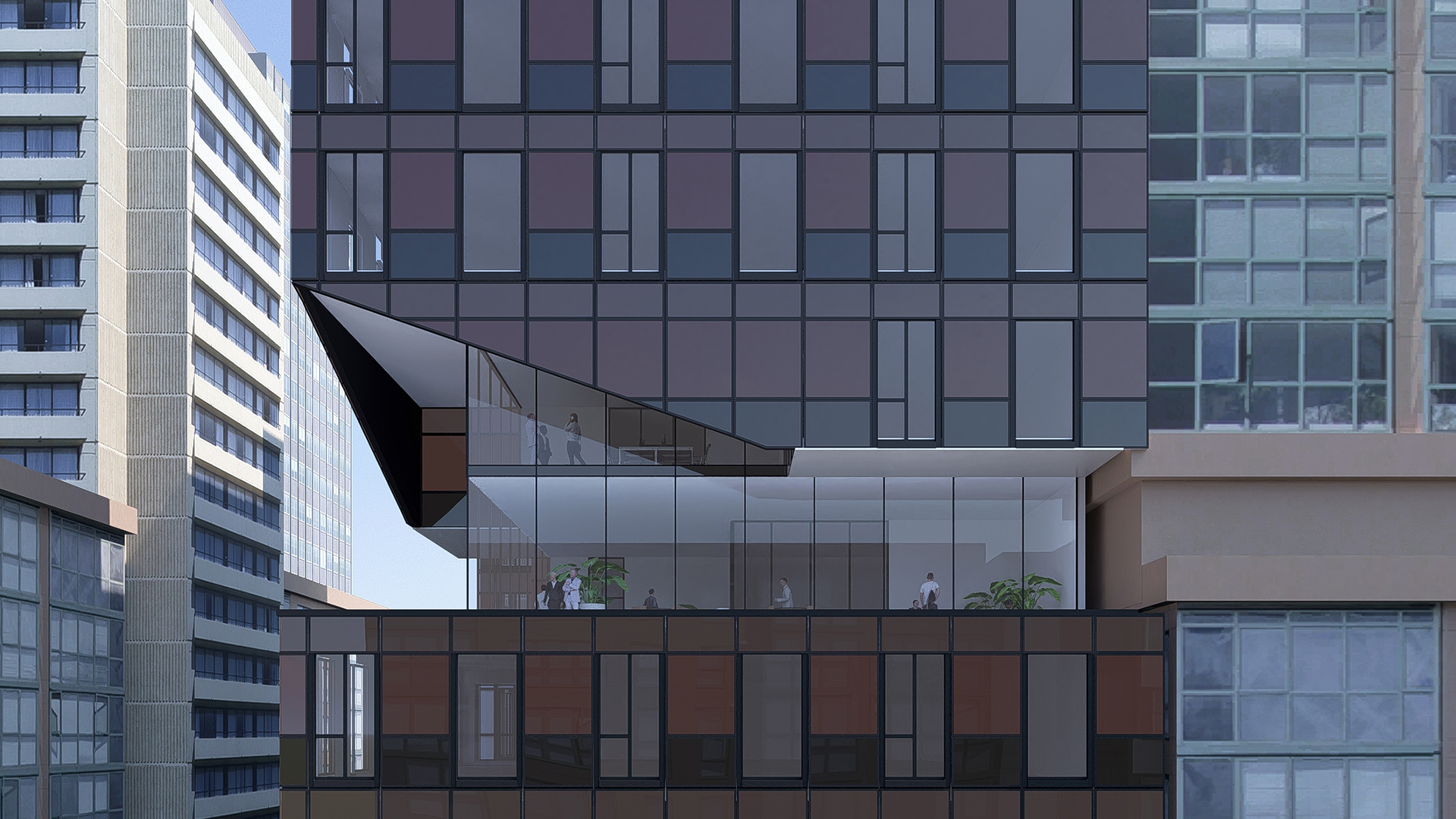
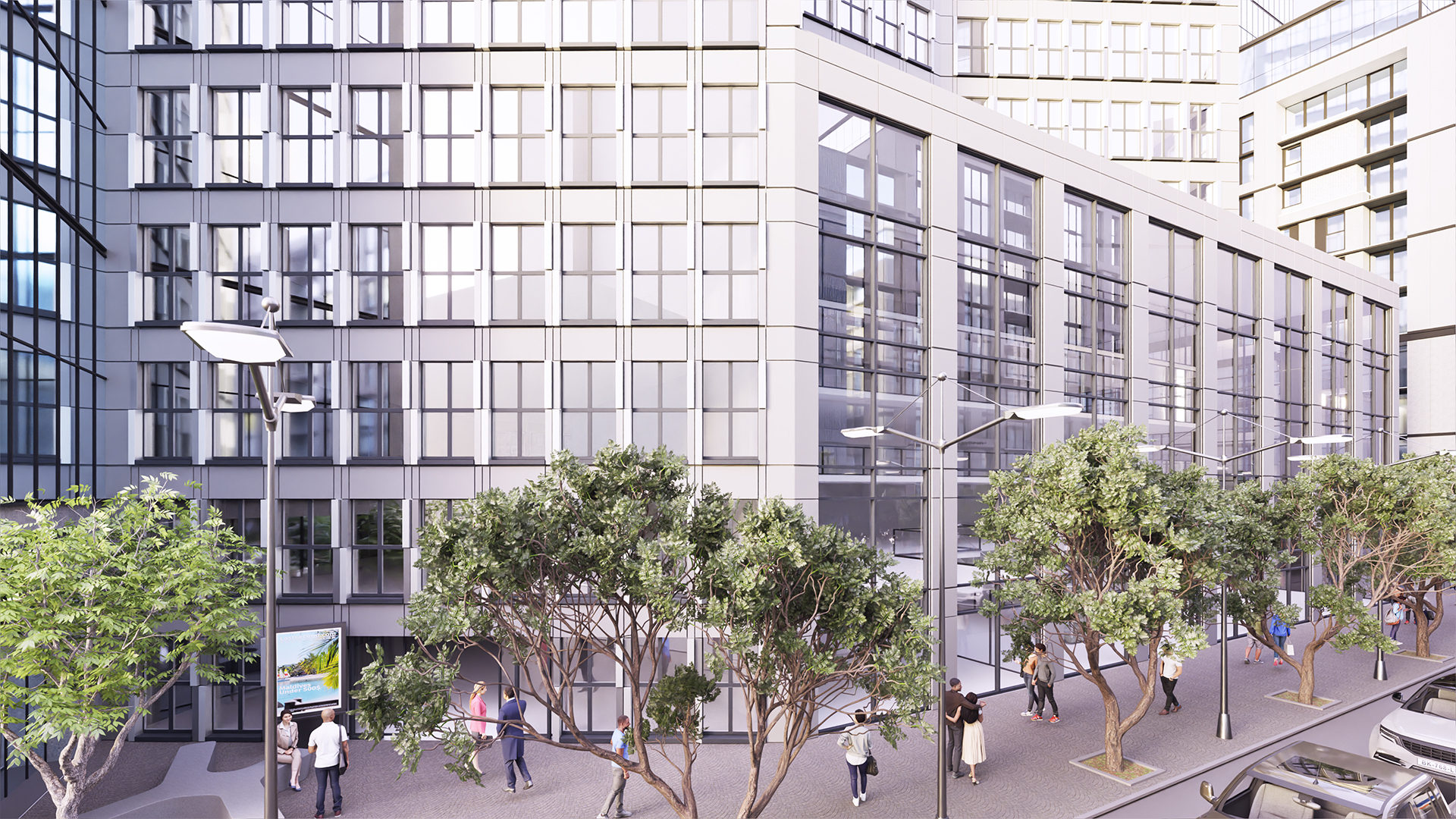
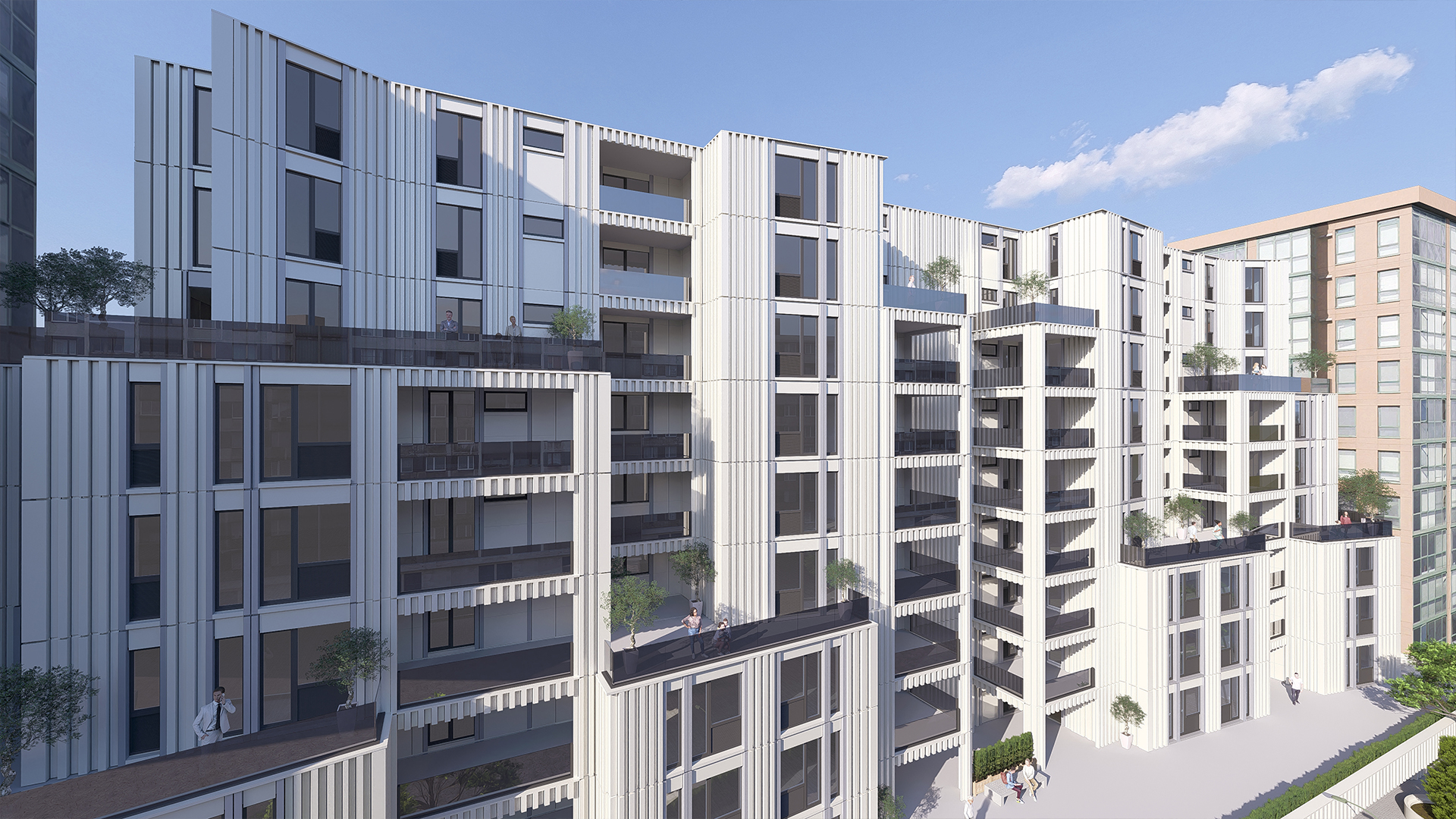
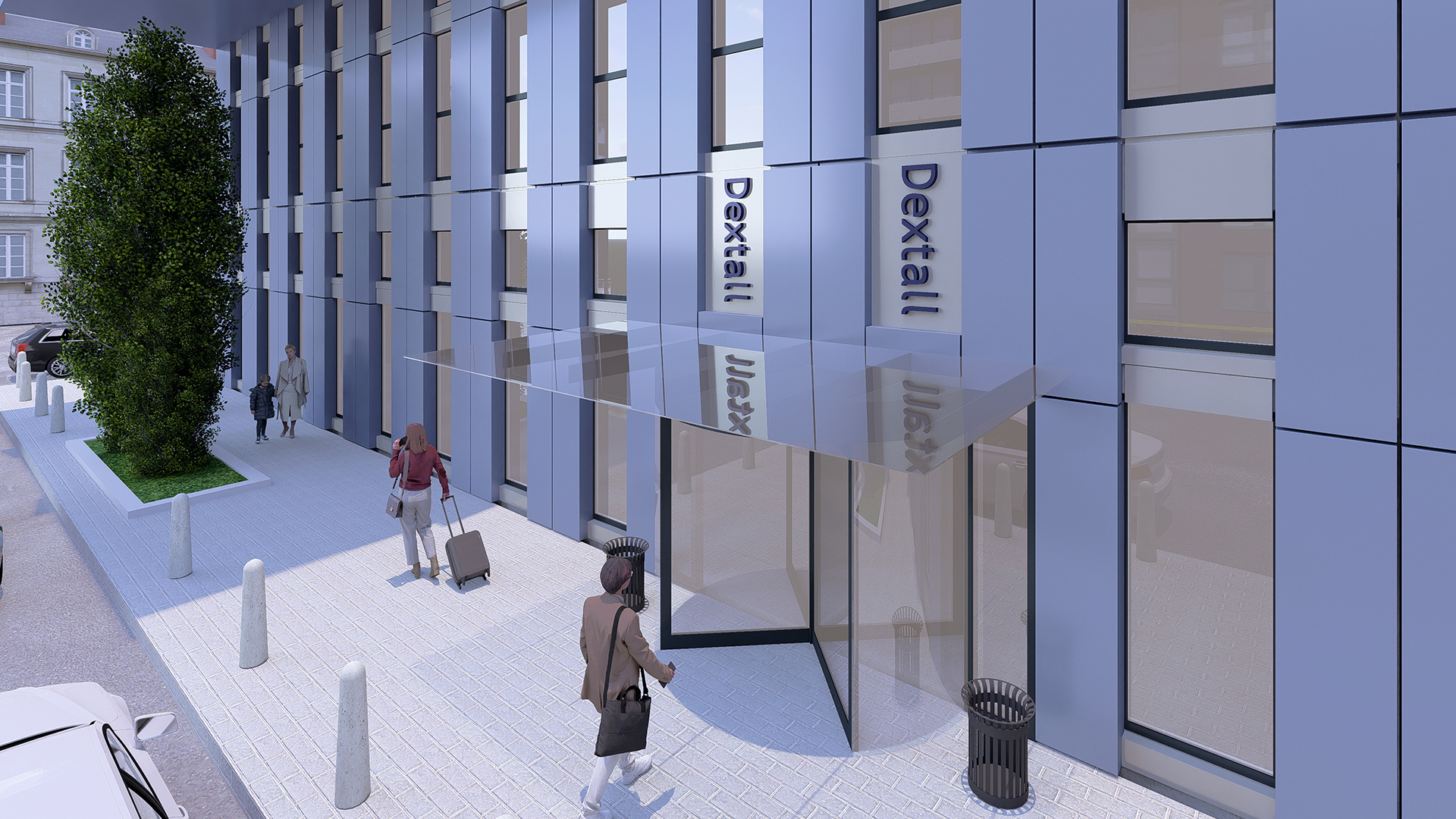
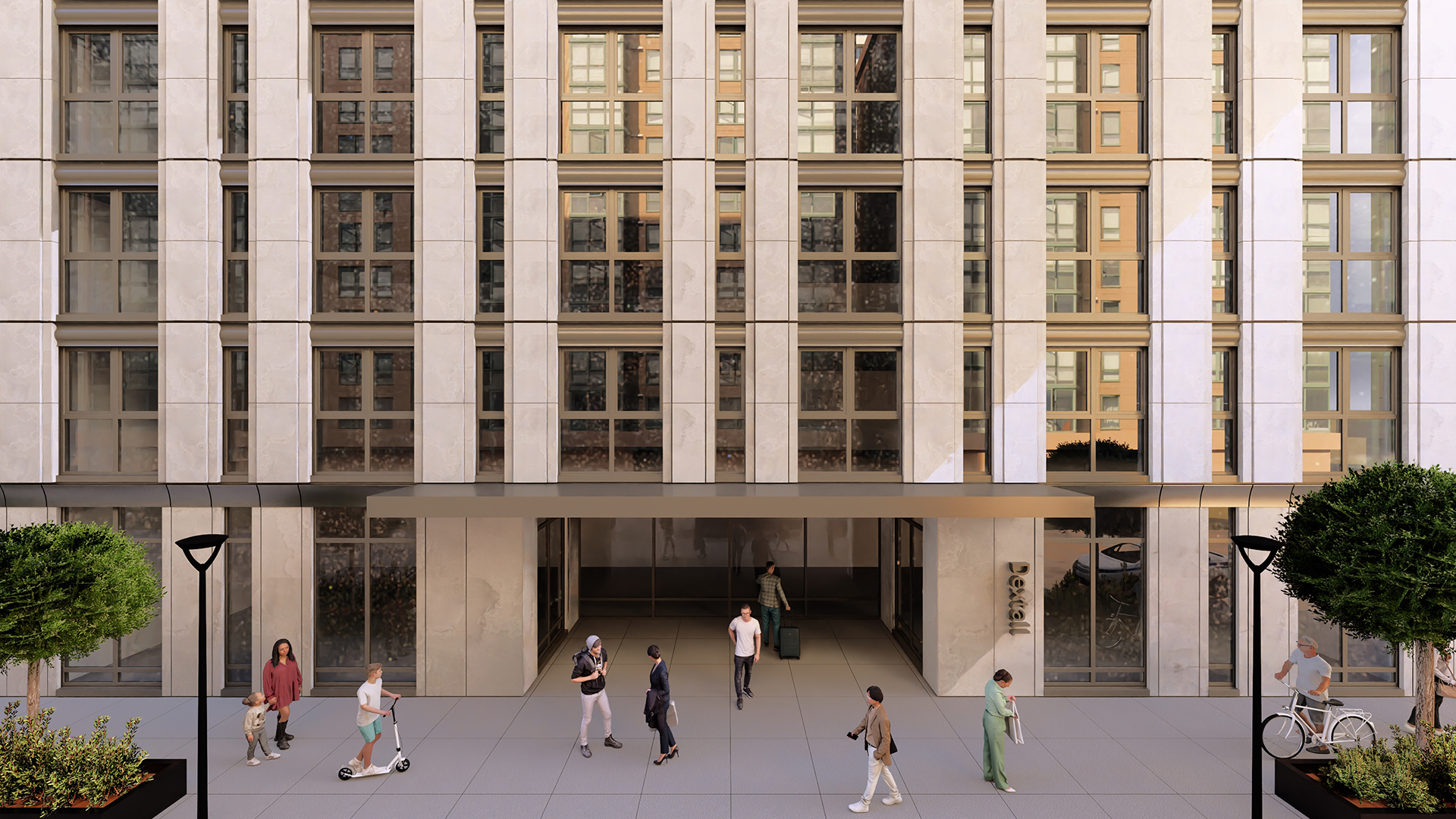
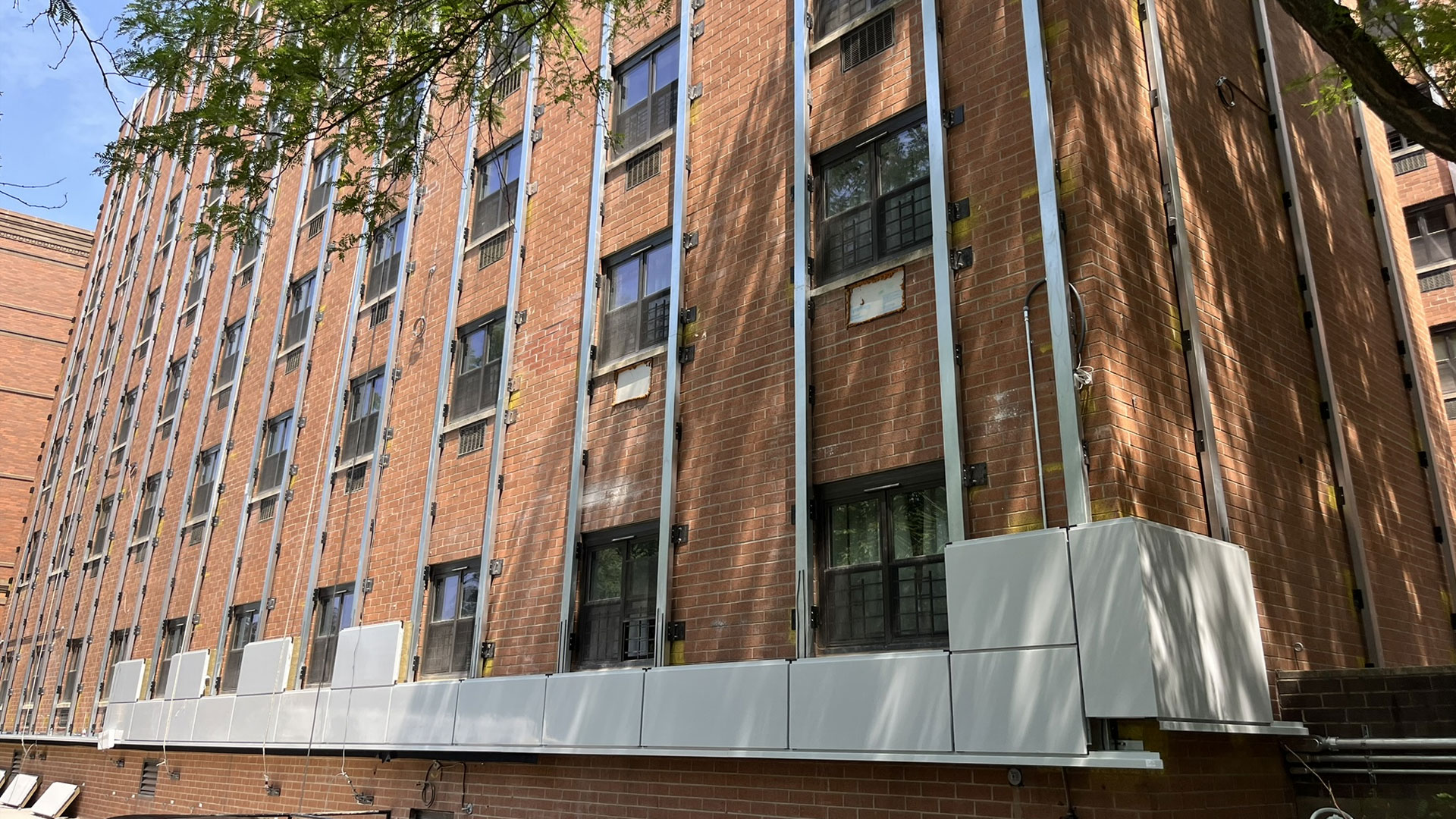
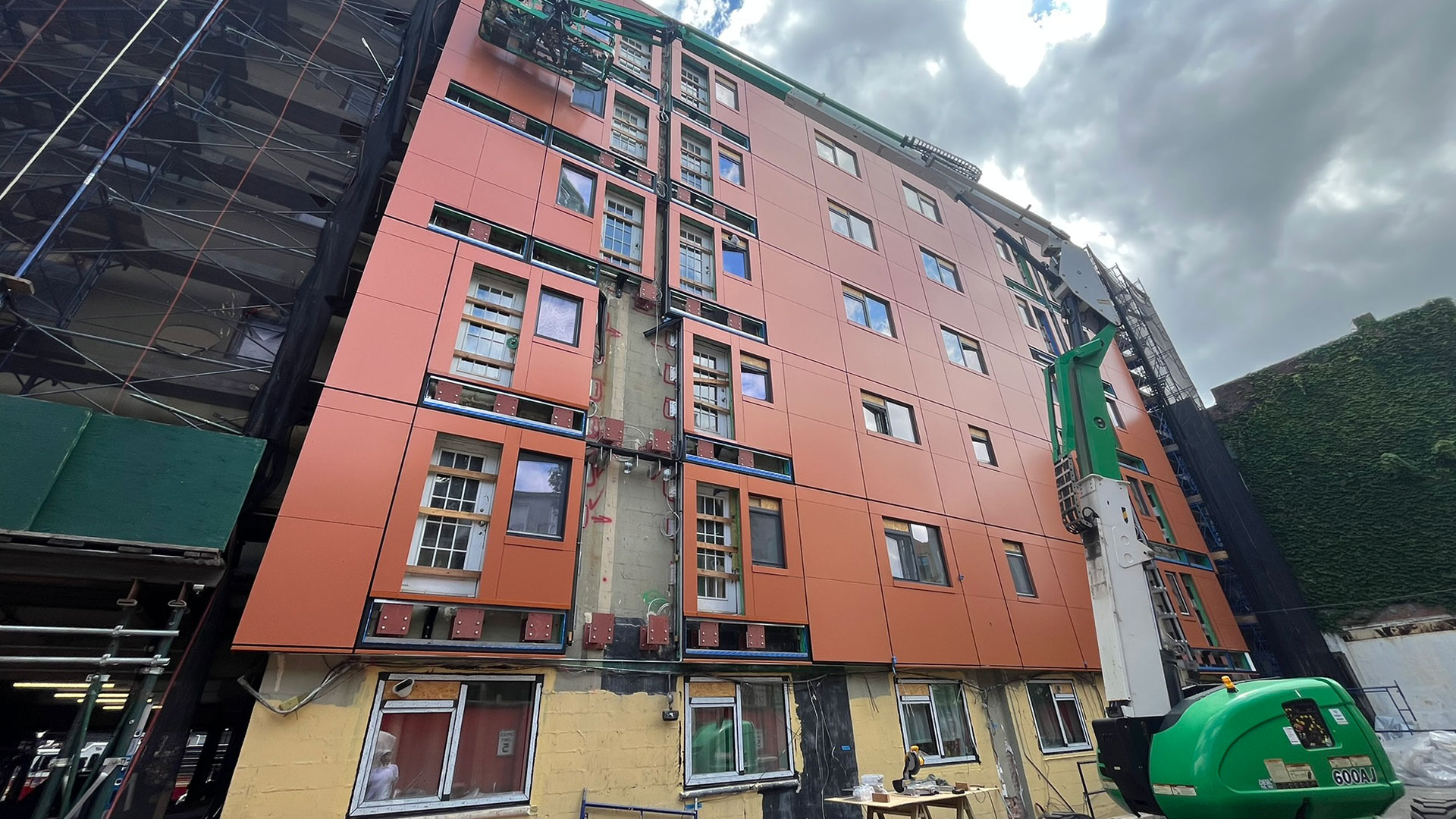
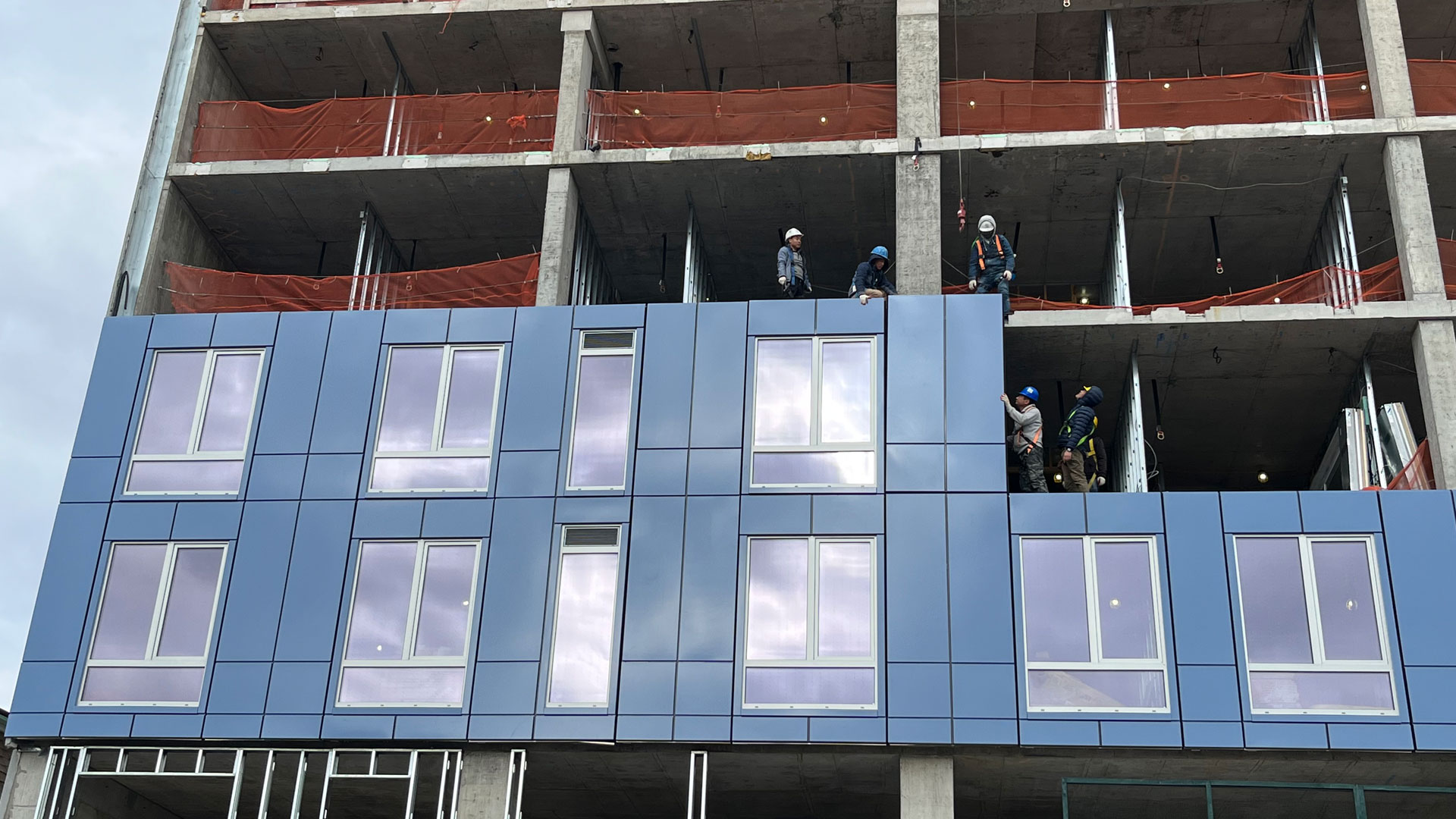
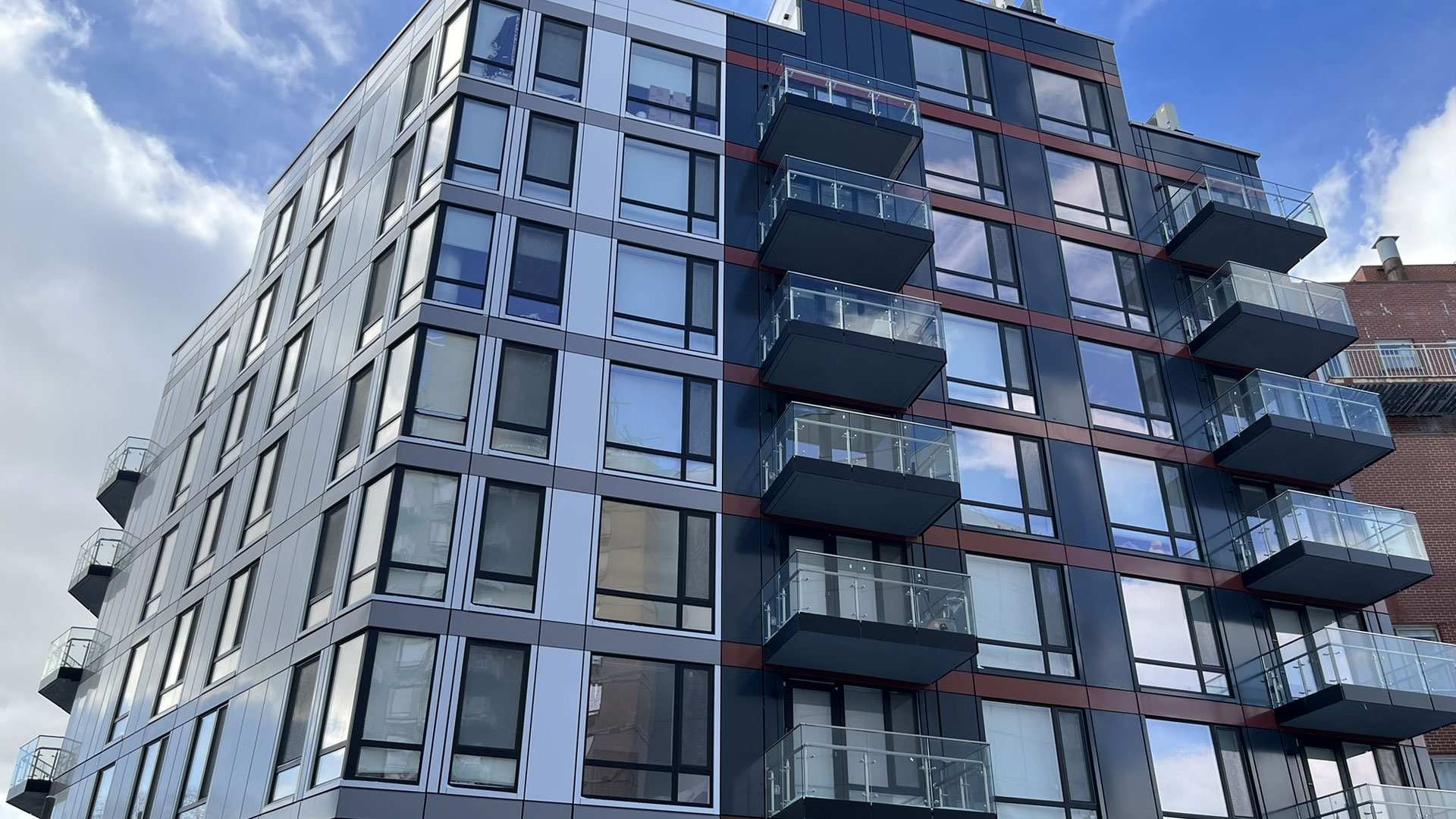
Images featured in this article depict Dextall's projects and are used for illustrative purposes only.
Sources
- ArchDaily — Copenhagen International School Nordhavn / C.F. Møller
- Dezeen — C F Møller covers Copenhagen school in 12,000 solar panels
- SolarLab — Copenhagen International School BIPV facade project
- C.F. Møller Architects — CIS Nordhavn project page
- Active House — CIS as milestone project
- EU Circular Economy Platform — CIS case study
- Eurac Research — CIS BIPV case study











.jpeg)
-Compliance-for-NYC-Multifamily-%26-Co-Op-Facades.jpg)













_format(webp).avif)
_format(webp)%20(6).avif)
_format(webp)%20(5).avif)
_format(webp)%20(4).avif)
_format(webp)%20(2).avif)
_format(webp)%20(3).avif)


.avif)
_format(webp)%20(2).avif)