Exterior Wall Panels for New Buildings: How to Choose Systems That Last

The exterior wall of a city building is its first line of defense against rain, wind, temperature swings, smog, noise, fire risk, and everyday wear. When the envelope works, the building feels quiet, stable, and efficient. When it doesn't, you see it immediately in drafts, cold corners, condensation around windows, tenant complaints, and energy bills that keep rising.
Modern exterior wall panel systems for new construction promise a lot in one package: structure, insulation, airtightness, fire performance, and a clean architectural finish. But behind similar labels—"non-combustible," "high R-value," "fast install"—you often find very different realities on site, different levels of risk, and very different lifespans.
On a new building, you only get one chance to design the envelope from scratch. The choices you make now will shape how the facade behaves over the next 10–20 years. This article focuses on how to choose exterior wall panel systems for new buildings so the facade can stand up to both the city and time.
What Really Matters When Choosing Panels
You shouldn't judge facade panels by how they look on a mood board, but by how they perform in real conditions: fire, moisture, corrosion, heat loss, and installation on tight urban sites. The core question is simple: will this system keep the building envelope safe, energy-stable, and predictable over its service life?
Safety and durability: fire performance and corrosion
The first filter is fire performance. In a dense city, the facade cannot act like fuel. What matters is not one "non-combustible" component, but the behavior of the entire tested system: core, cladding, adhesives, and fire-stopping details at floor lines and openings.
The second filter is corrosion and aging. Metal panels have to survive "rain–freeze–salt–smog" cycles without losing structural capacity or appearance. Robust corrosion protection, thoughtful drainage, and reliable fasteners keep the facade from loosening, staining, or demanding constant repairs after just a few seasons.
Energy and enclosure performance: U-factor, airtightness, watertightness
The facade has to work as a controlled thermal and air enclosure, not just "some insulation on the outside." The point isn't individual materials but the total system result.
When you evaluate panels, insist on:
- U-factor / R-value for the entire system, including fasteners and thermal bridges
- Details that minimize thermal bridges (thermally broken brackets, continuous insulation, etc.)
- Tested performance for air leakage and water penetration under pressure
- Dew point control, so moisture doesn't accumulate inside the wall
- A clear drainage path for wind-driven rain that gets behind the facade
If the system fails in even one of these areas, the building pays for it with condensation, cold spots, and extra kilowatt-hours every heating season.
Panel Materials: Pros, Cons, and Tradeoffs
Different panel types behave differently. Some give you low weight and design flexibility; others win on fire performance, mass, or a more "solid" look. The goal is to choose the material for the function and use of the building—not just for a good rendering.
Metal, mineral, composite systems: where each type performs best
Metal panels (aluminum, steel)
Are about low weight, clean geometry, and a contemporary look. They work well when you need large formats, fast installation, and crisp lines on mid- and high-rise projects.
Mineral-based solutions (fiber cement, stone, GRC)
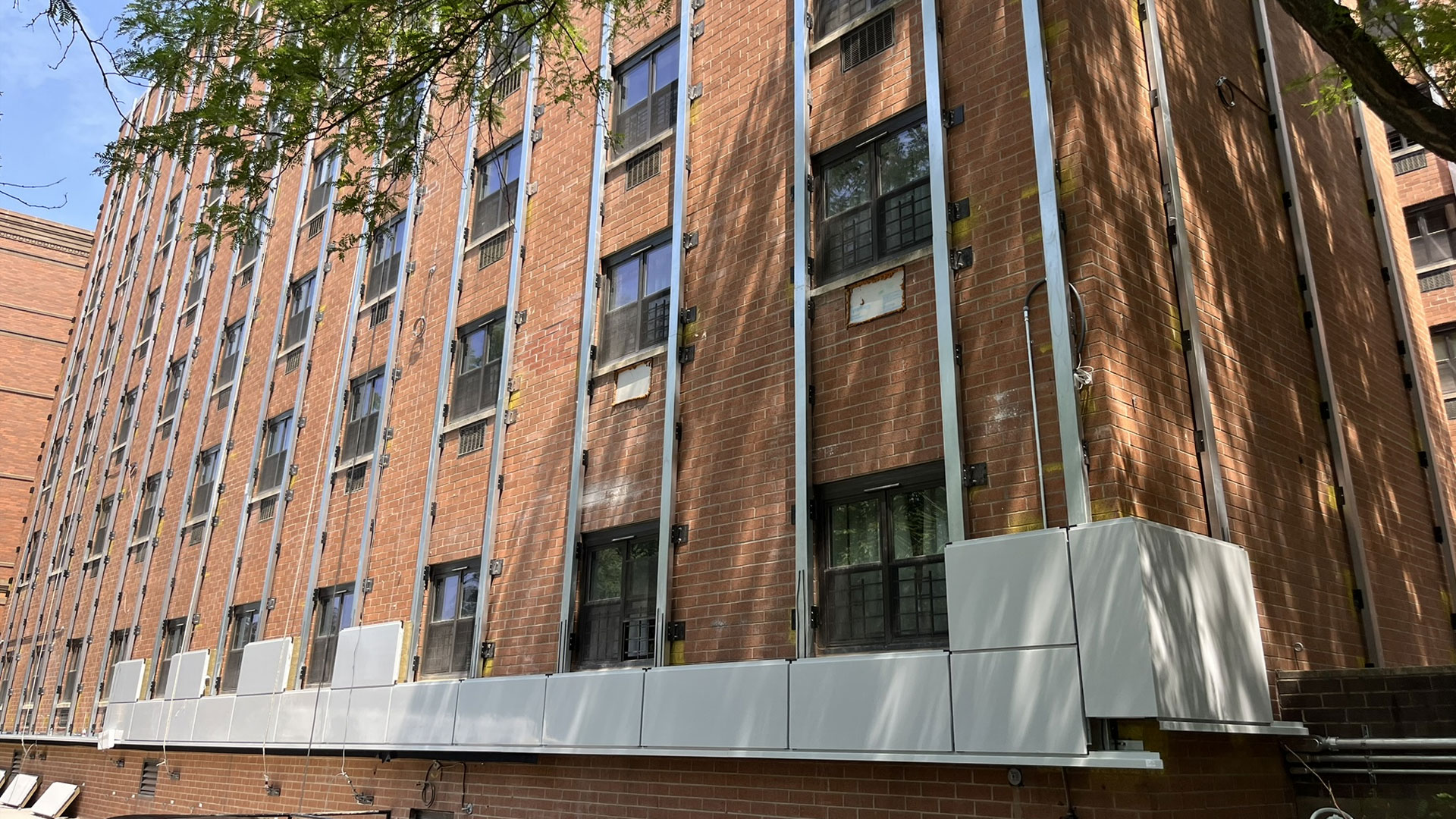
Bring mass, non-combustibility, and a heavier architectural feel. They usually require a stronger subframe and carefully engineered attachments, which should be coordinated early with the structure.
Composite panels
Offer very flat surfaces and wide finish options. They have to be checked carefully for core fire performance and code compliance in your jurisdiction, especially on taller buildings.
Weight, attachment, and finishes: what really drives installation complexity
Schedules usually slip not because of the "panel type" on the spec sheet, but because of the mix of weight, attachment method, and finish strategy.
Key things to check:
- Panel weight – will you need heavy equipment and a reinforced subframe?
- Attachment type – how many operations per panel, and can crews install from swing stages or from the interior?
- Tolerance – how much structural and framing deviation can the system absorb without rework?
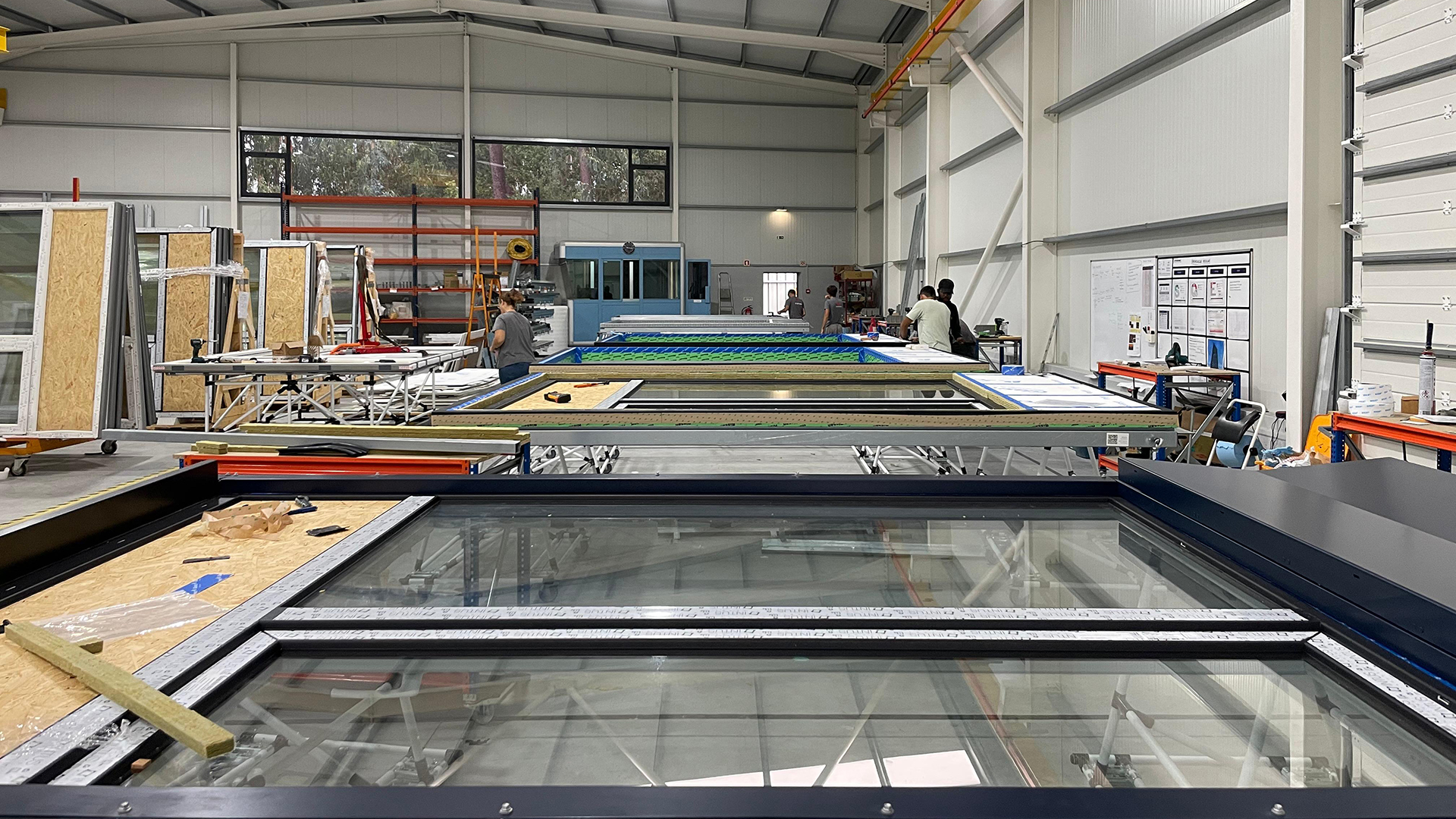
- Prefabrication level – how much comes pre-assembled from the factory (insulation, gaskets, windows) versus built up on site?
On a new building, these decisions are easiest and cheapest to optimize early, when structure, envelope, and construction schedule can still be aligned.
Spotlight on Dextall
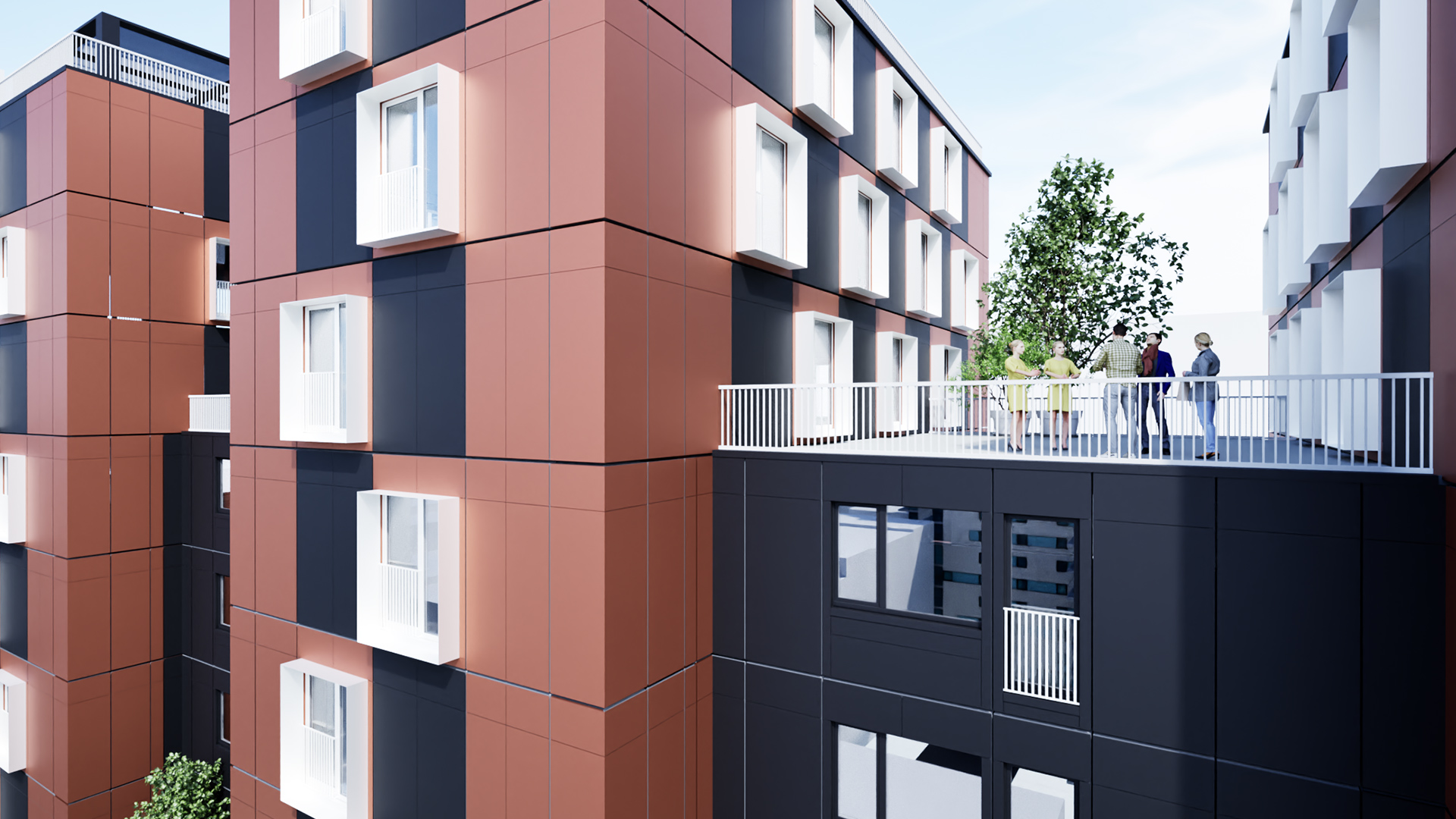
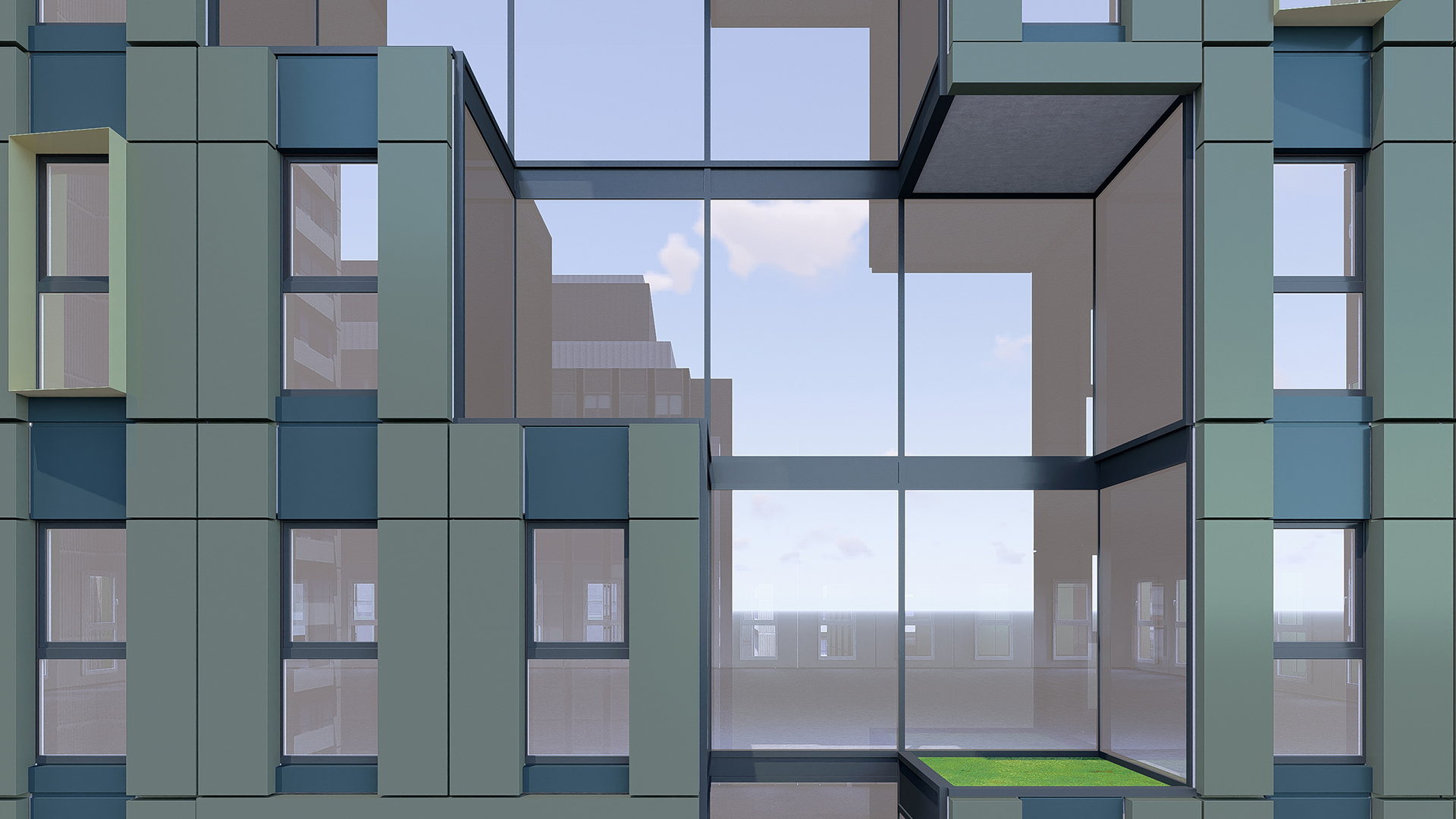
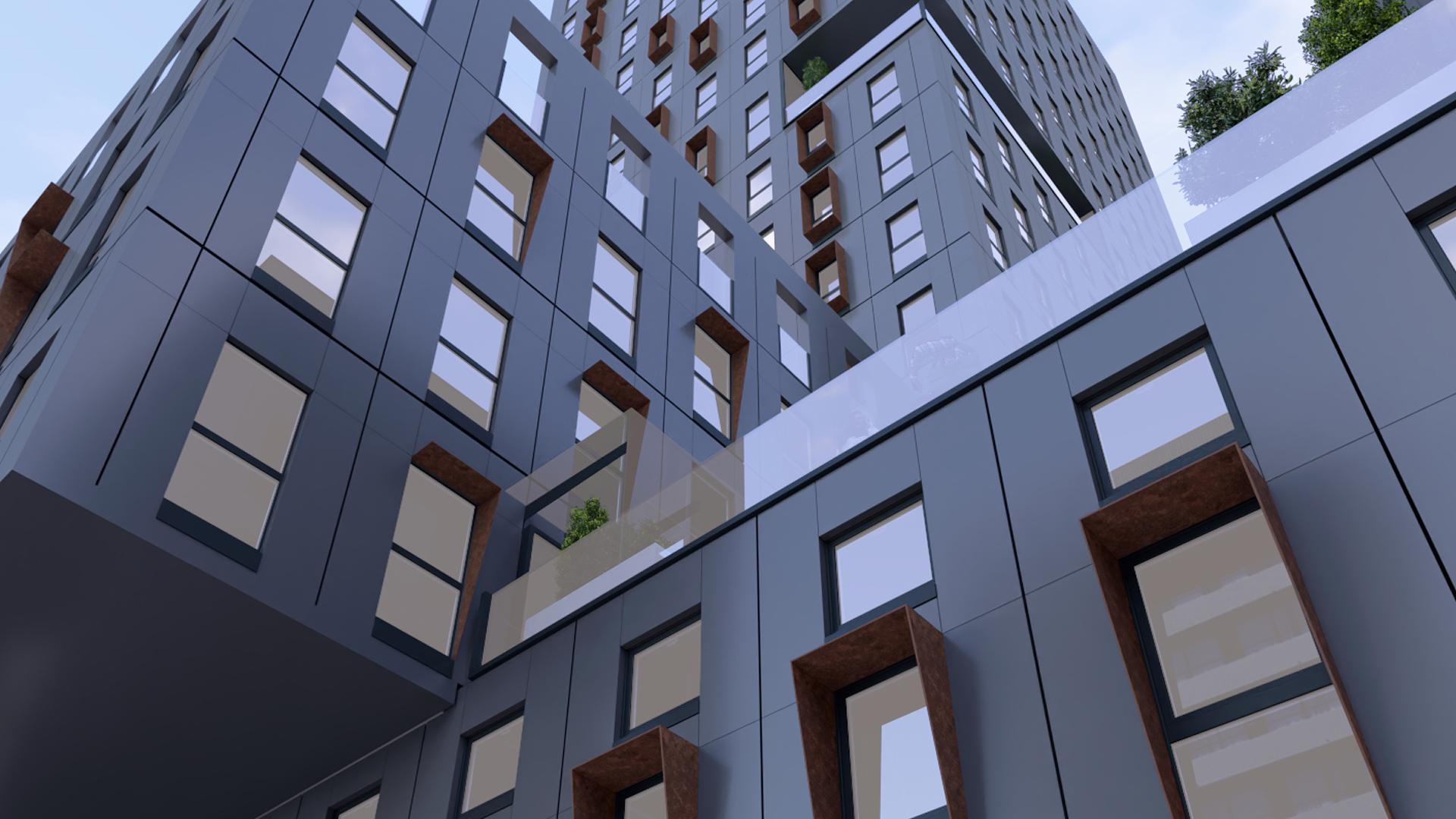
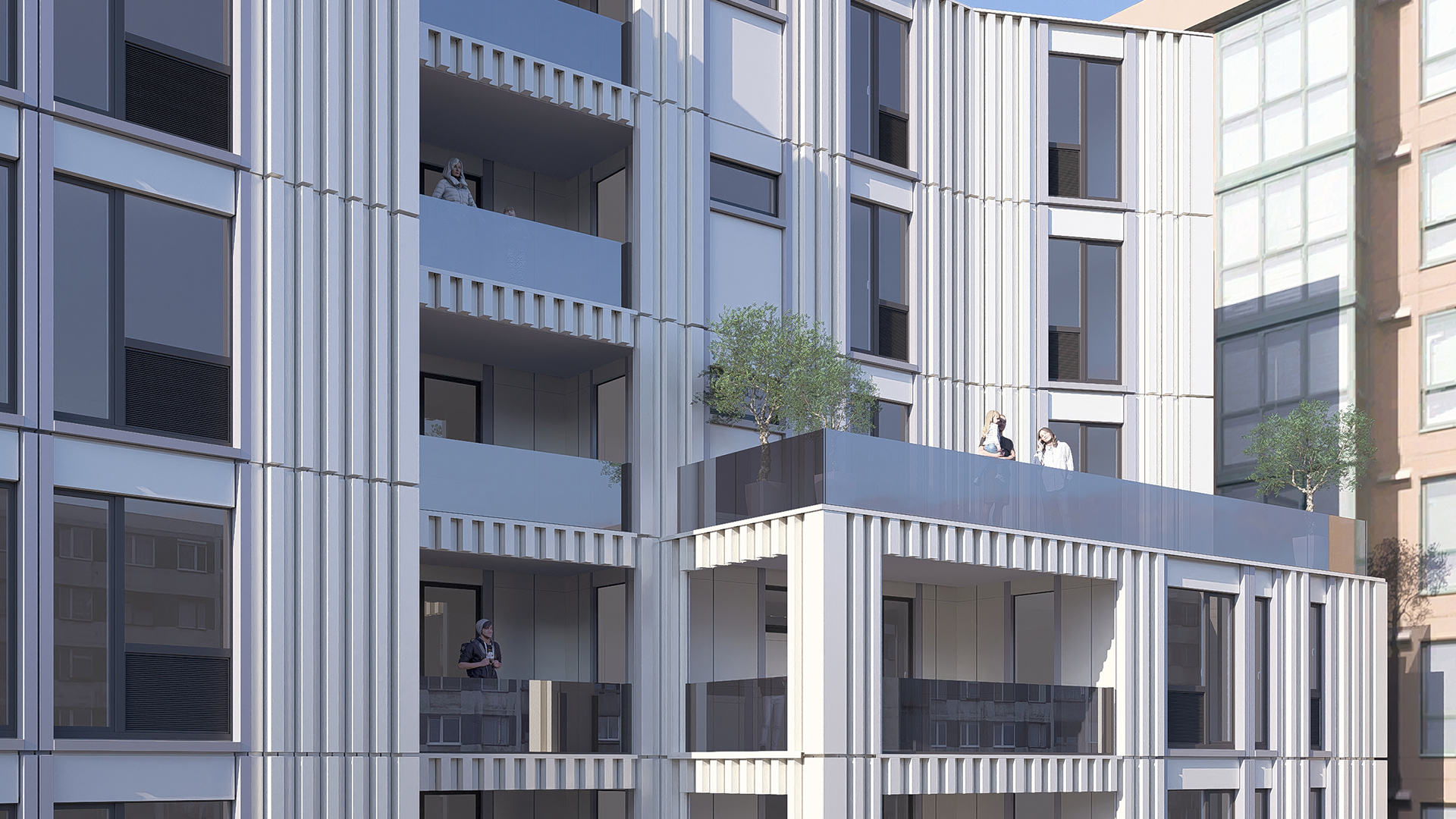
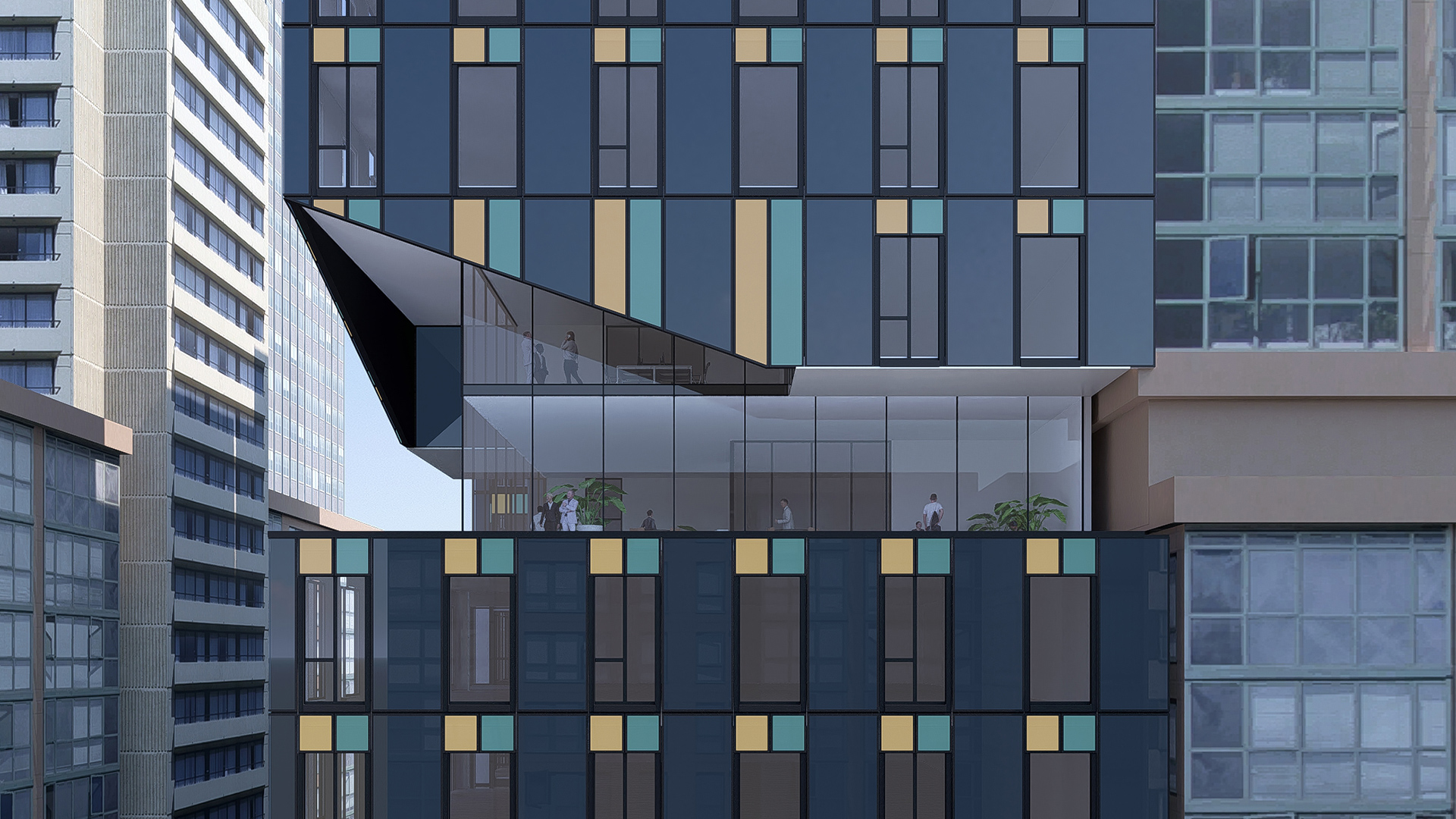
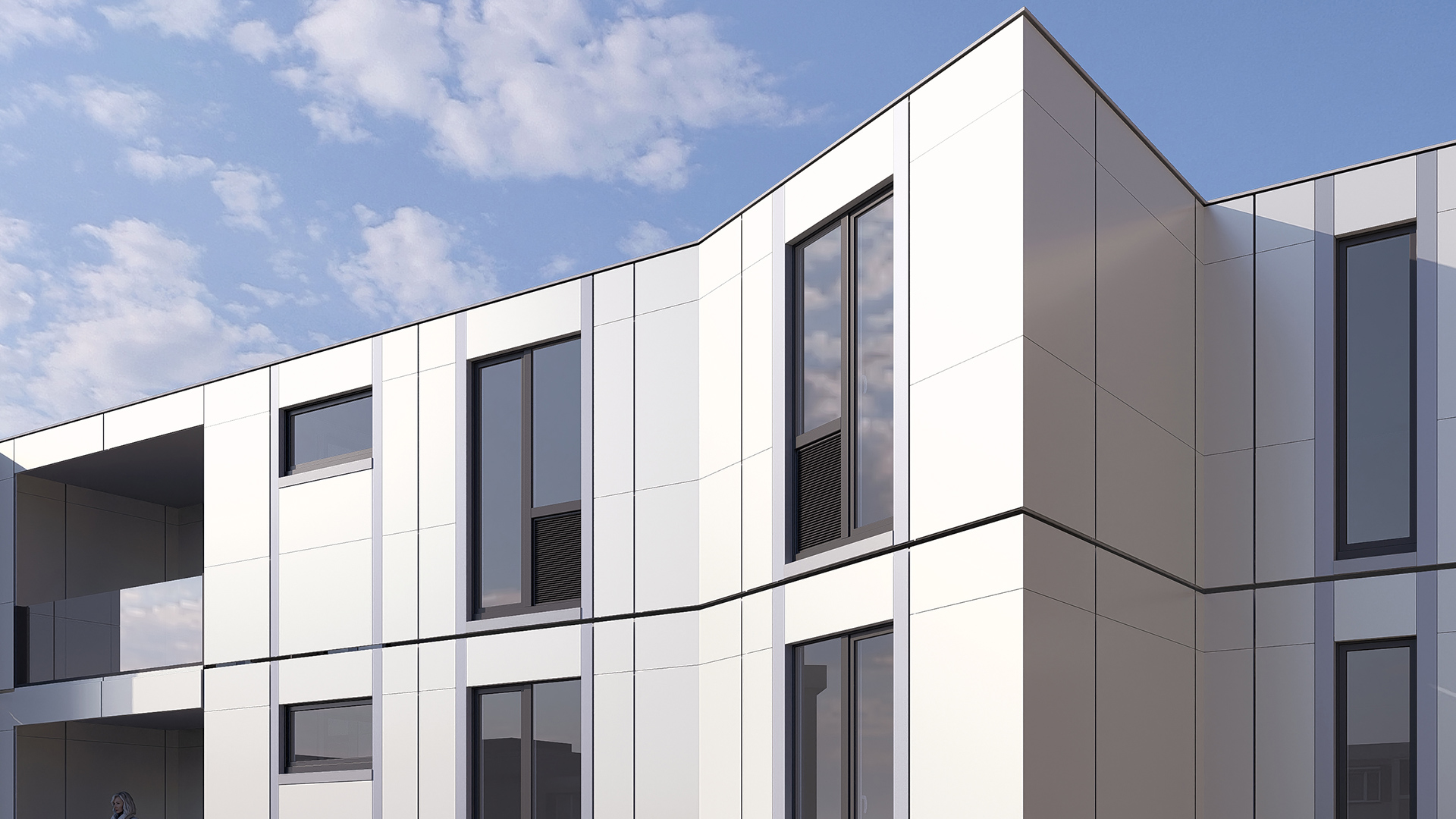
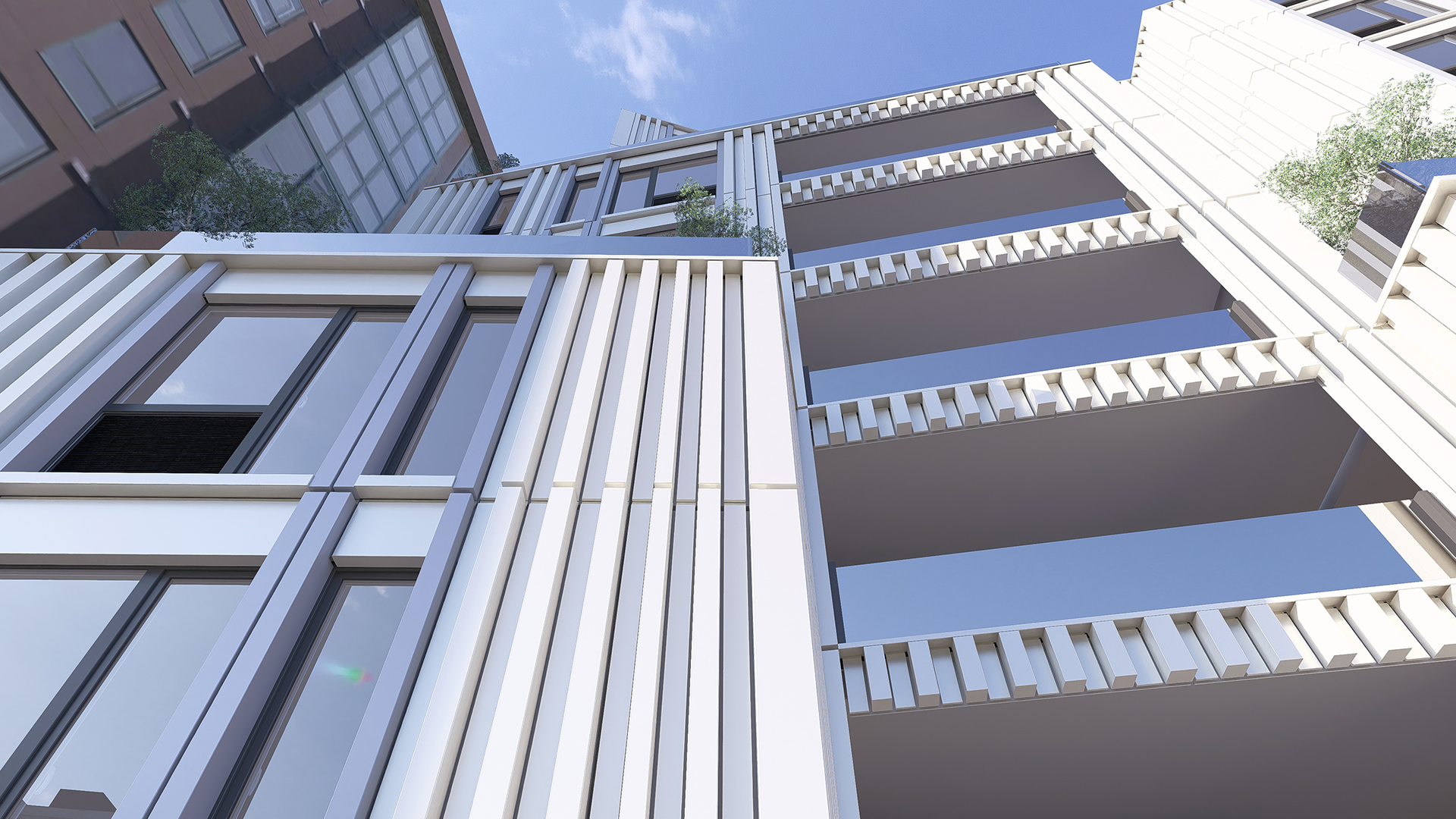
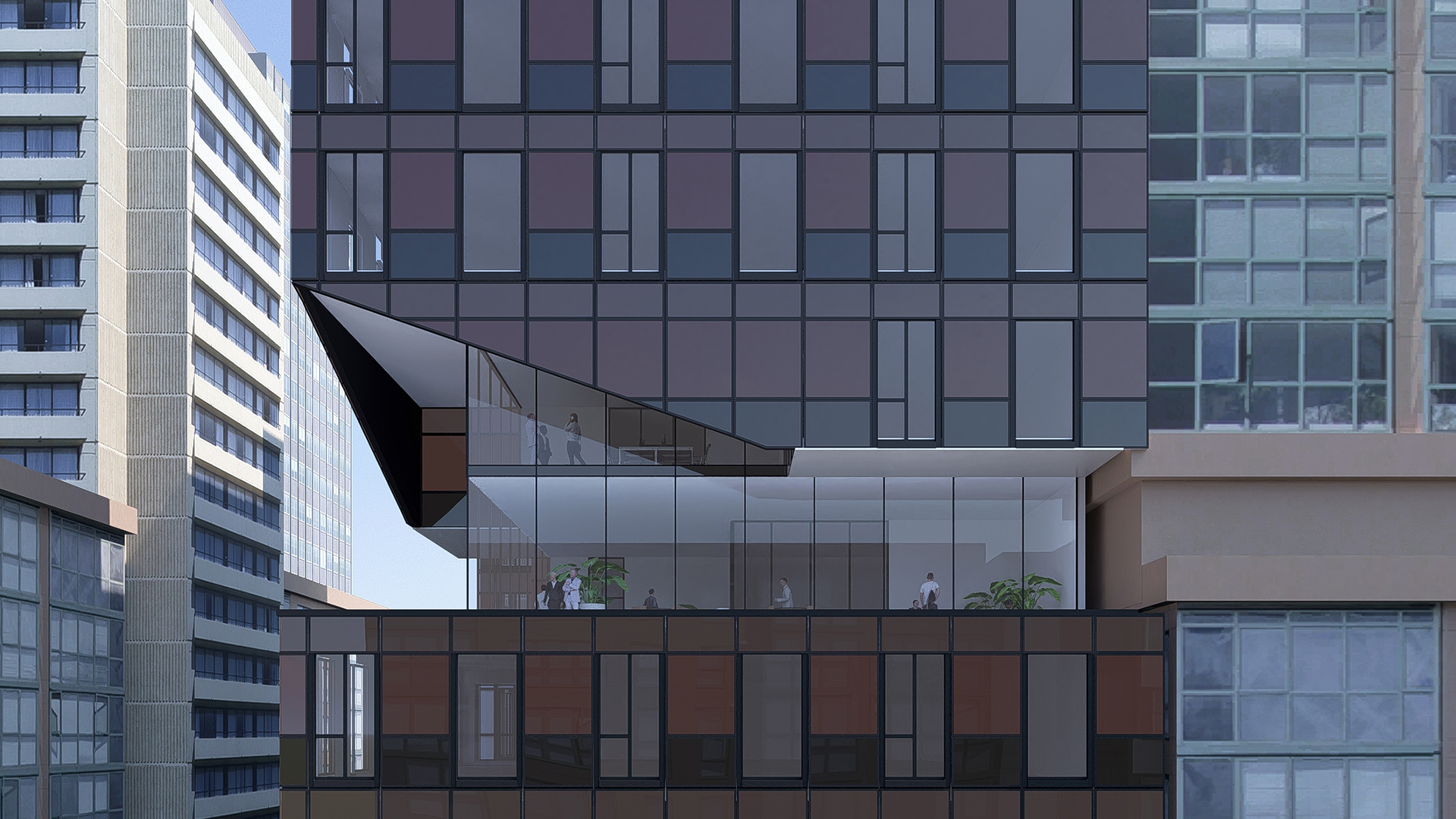
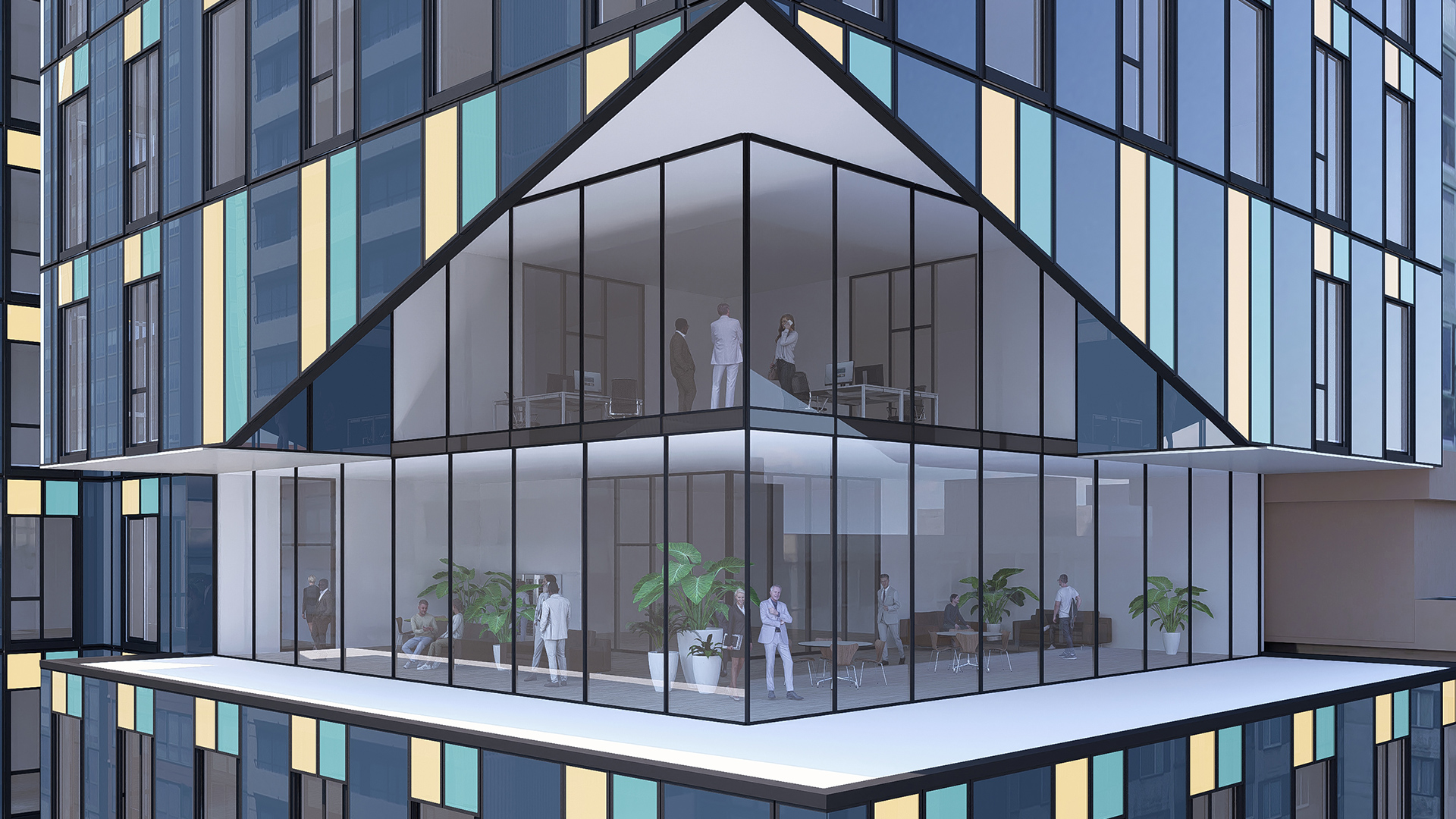
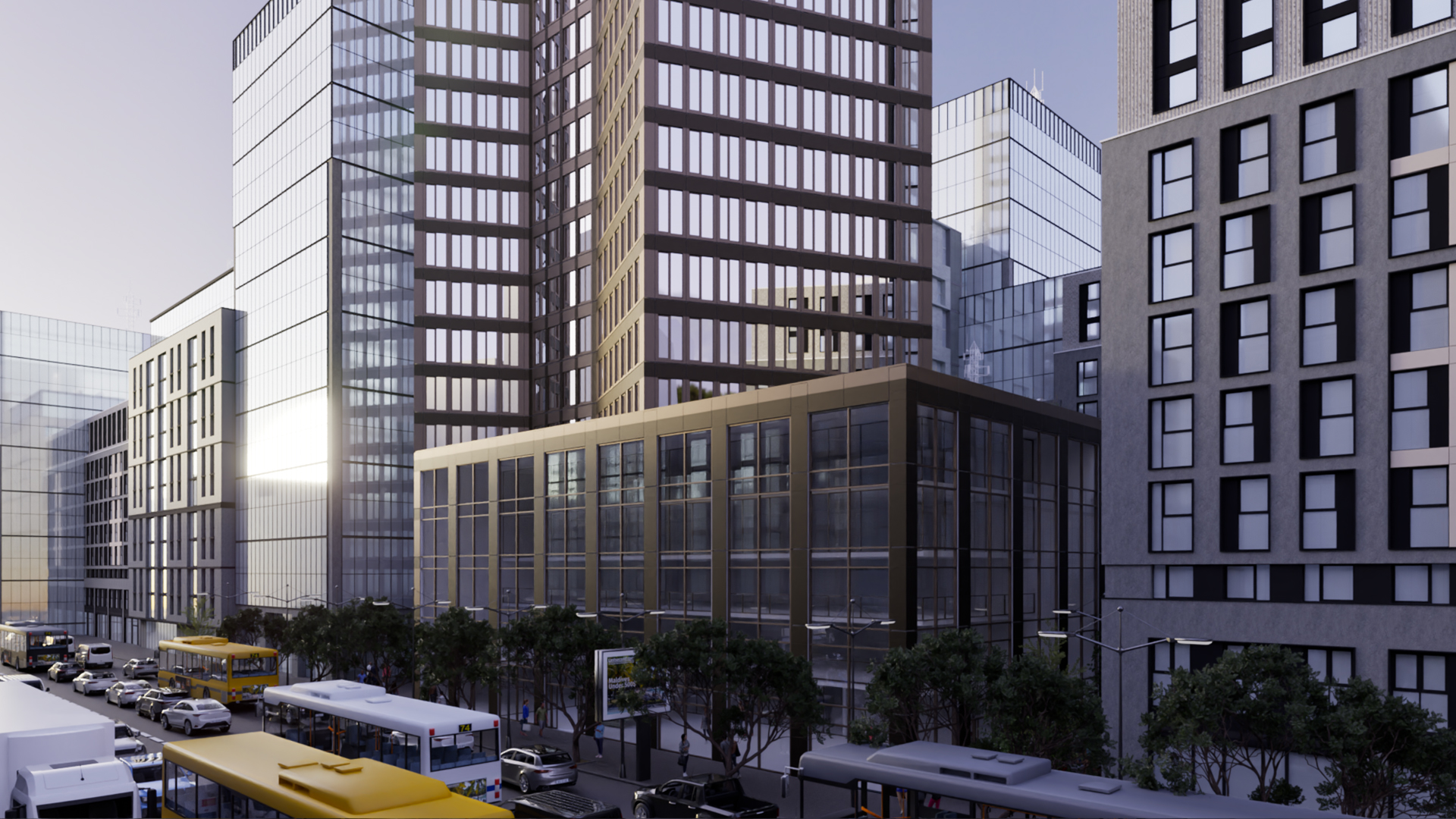
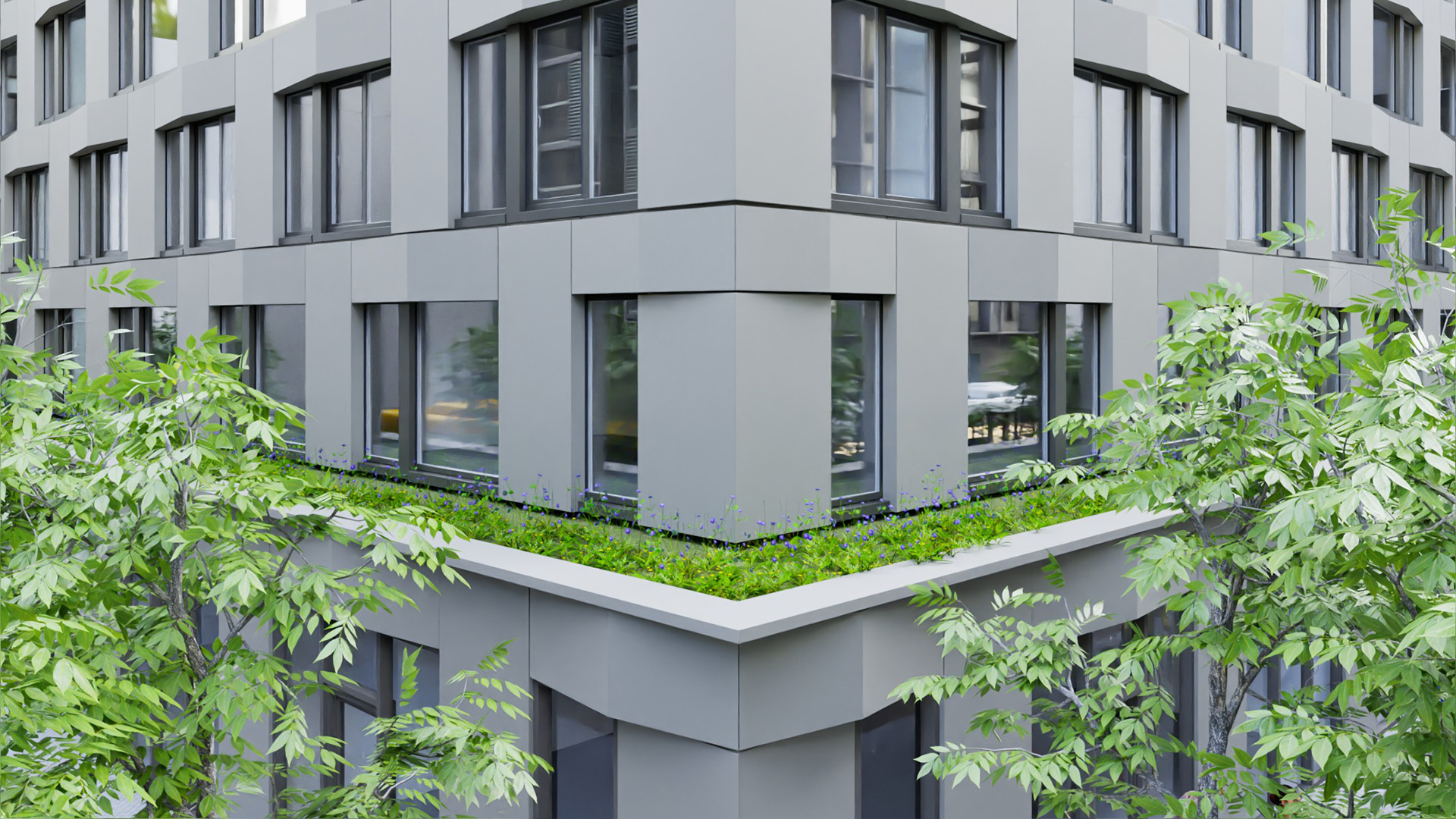
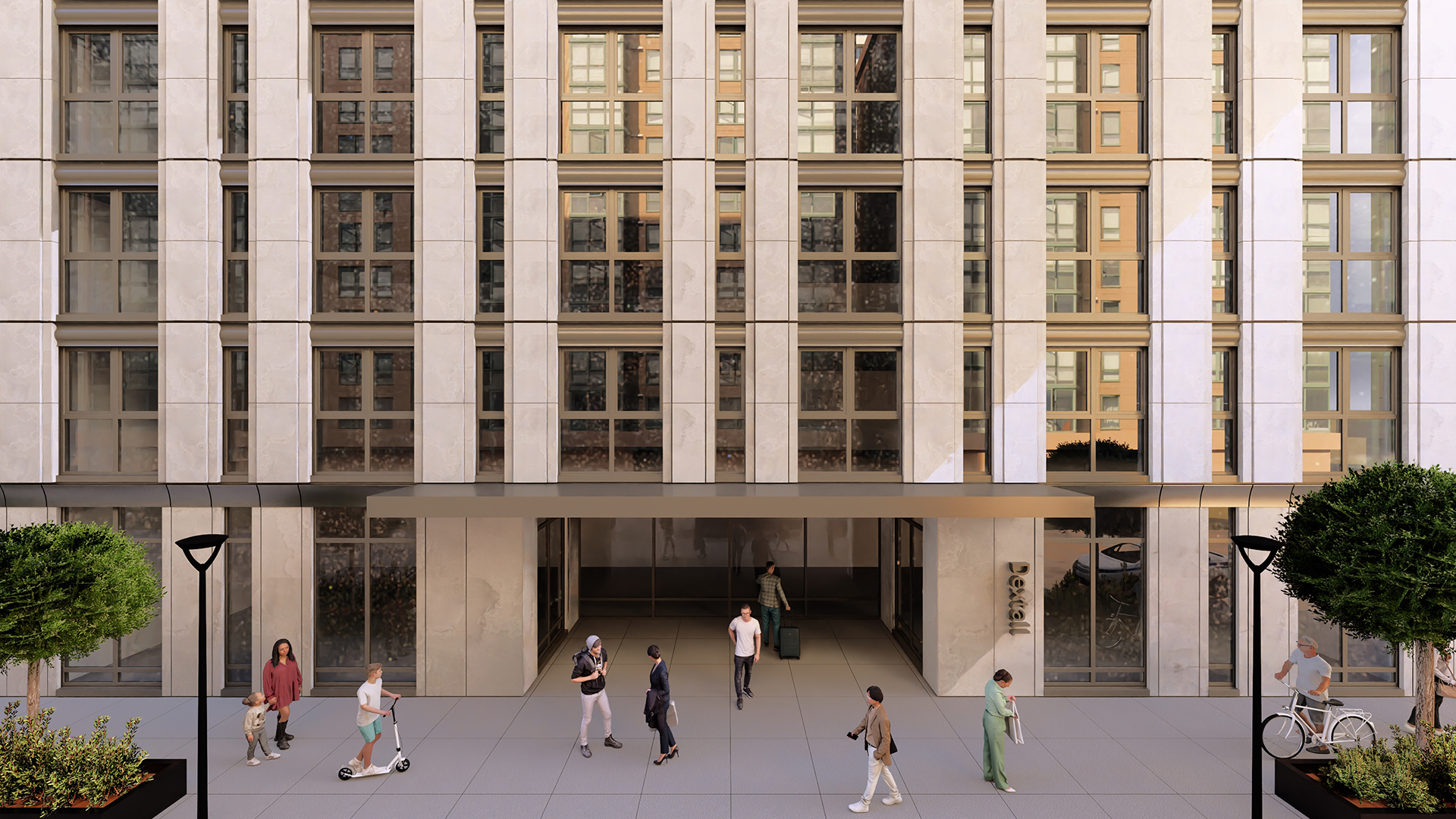
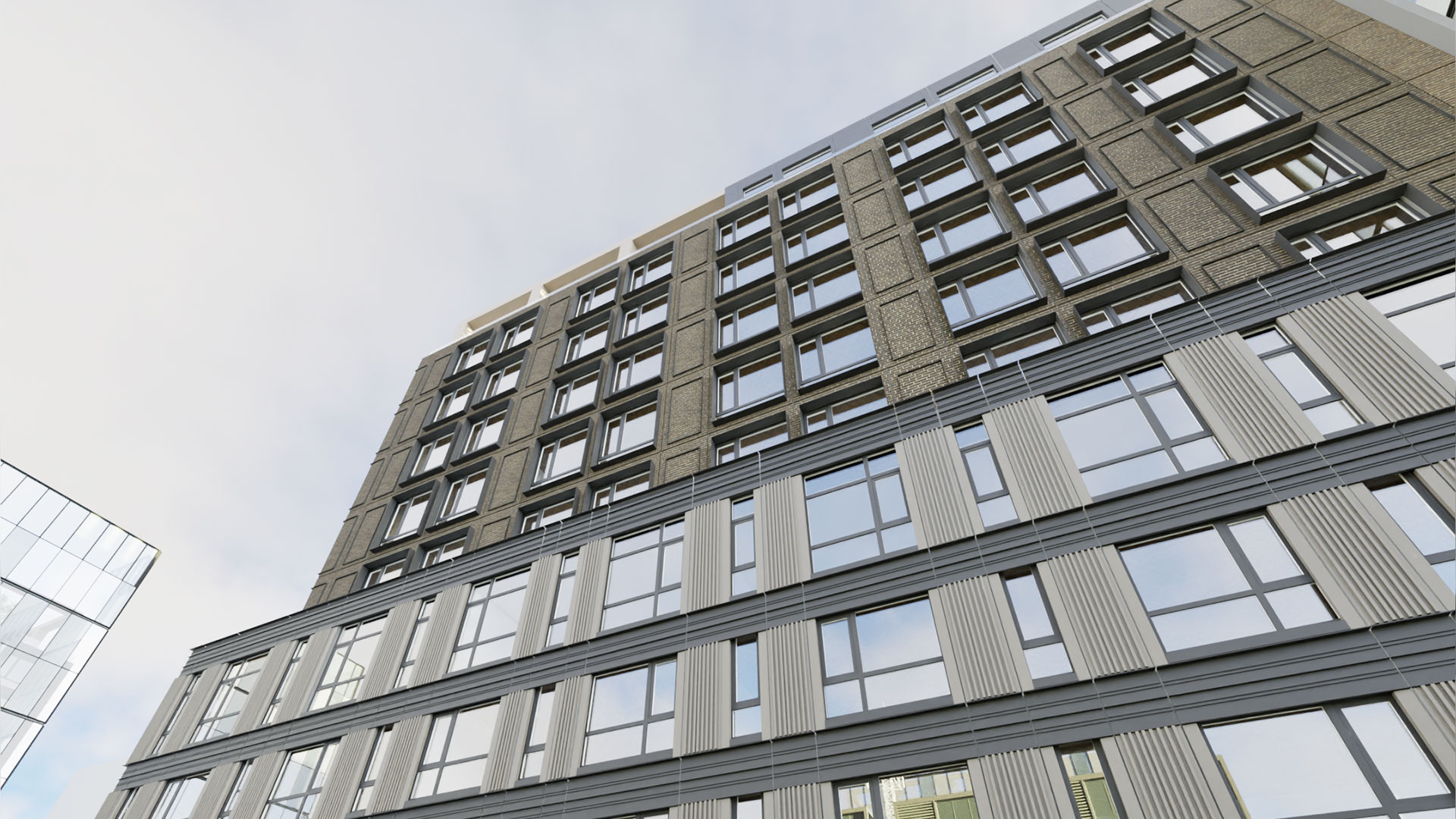
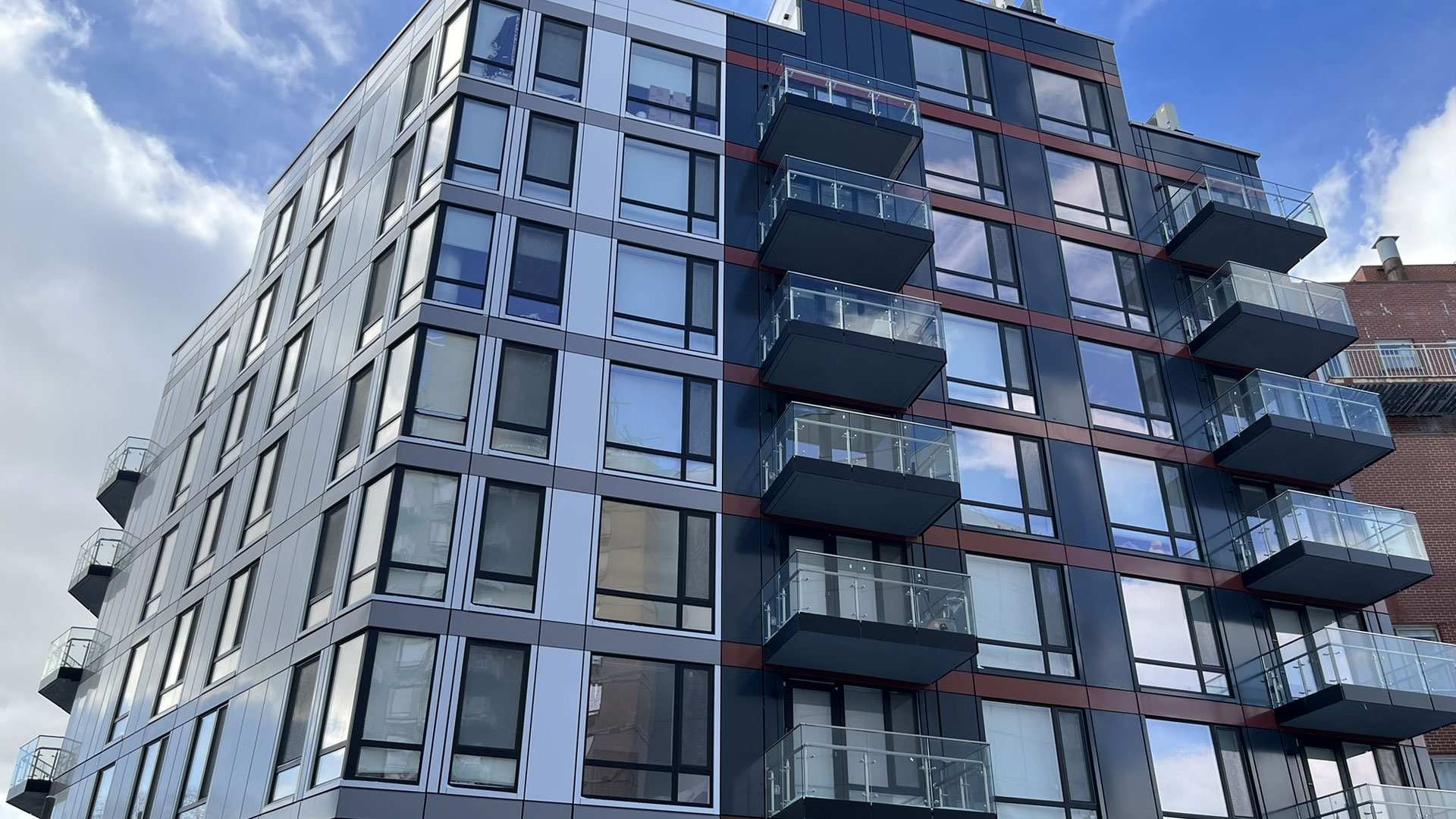
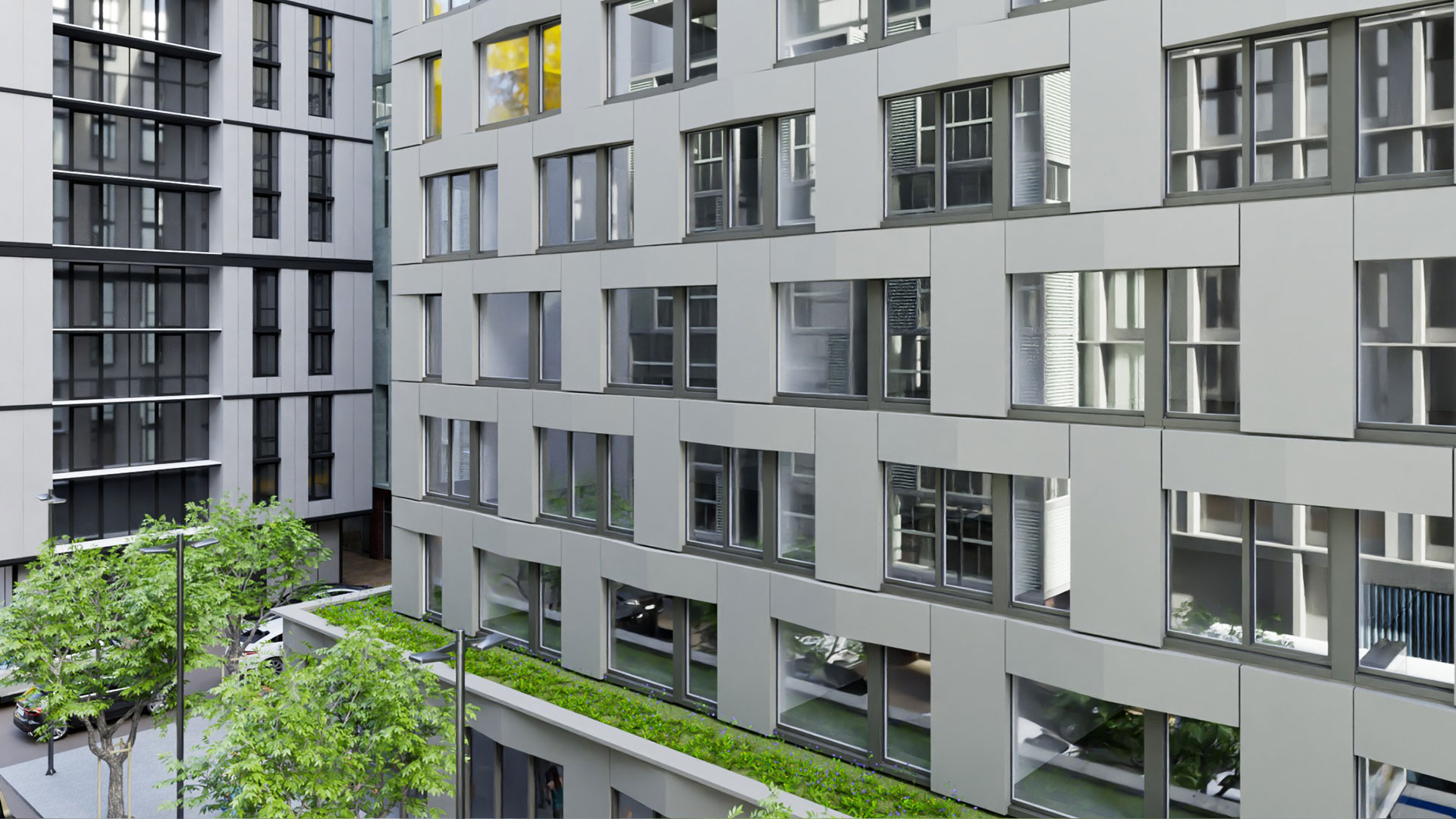
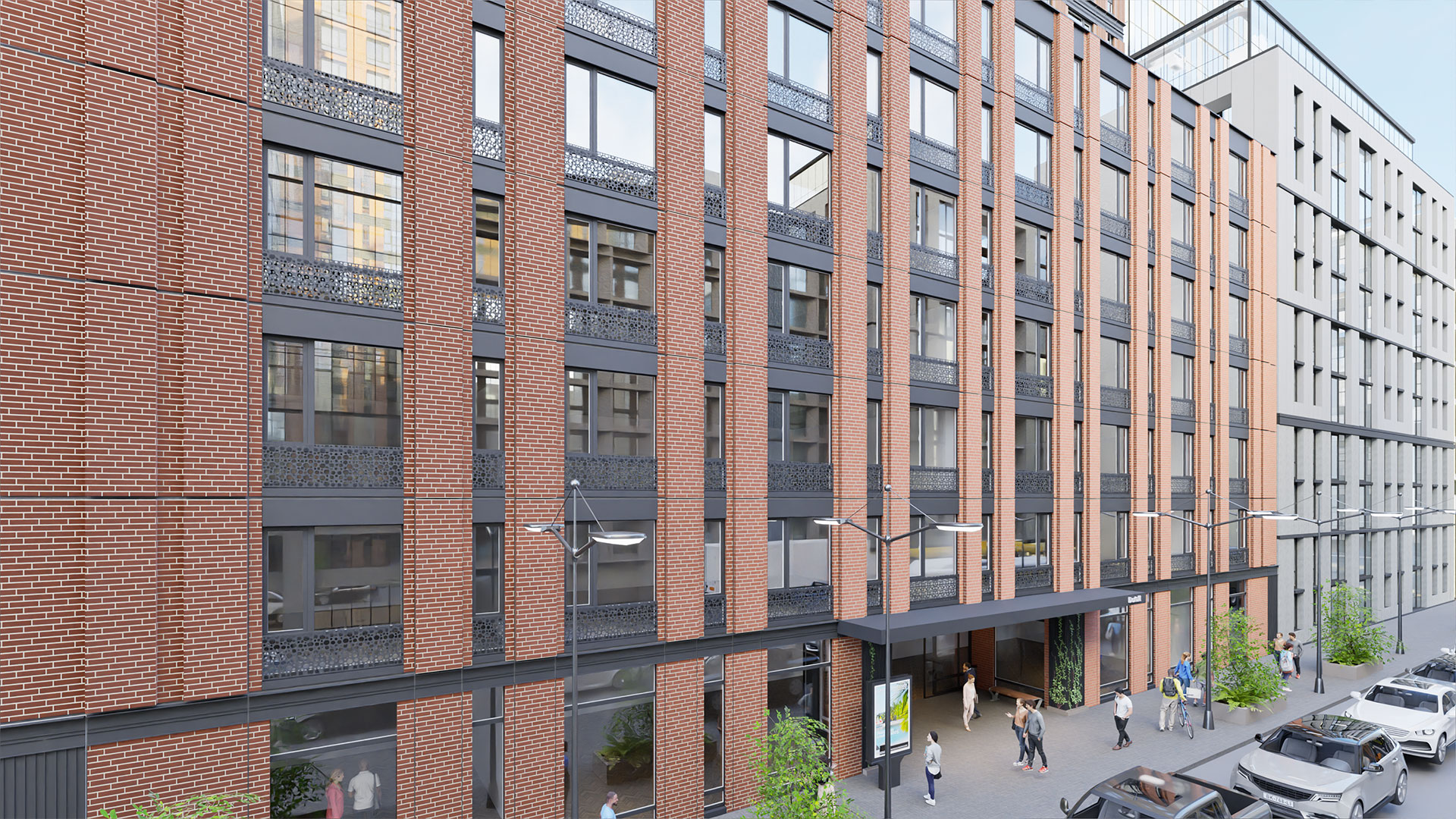
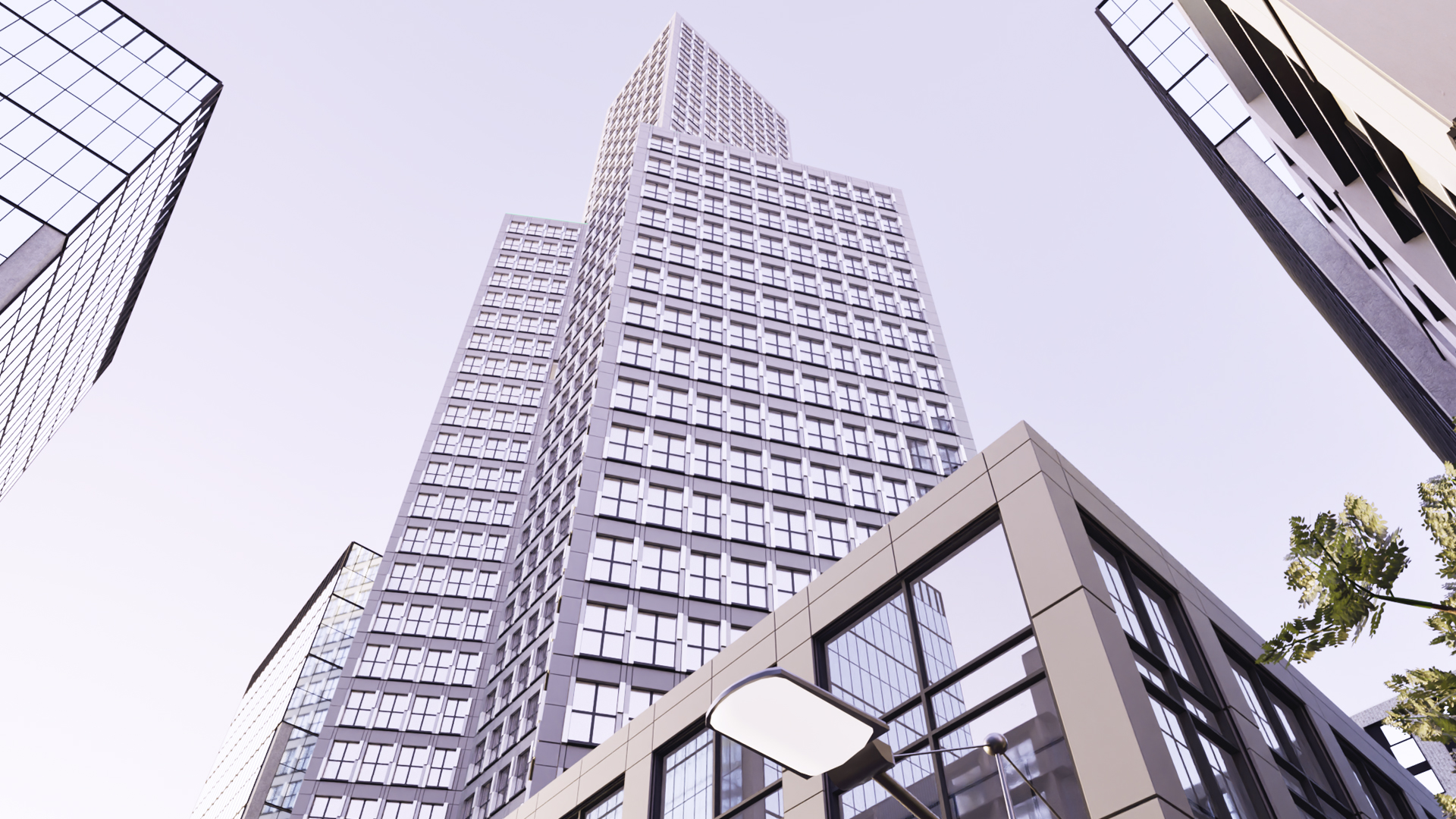
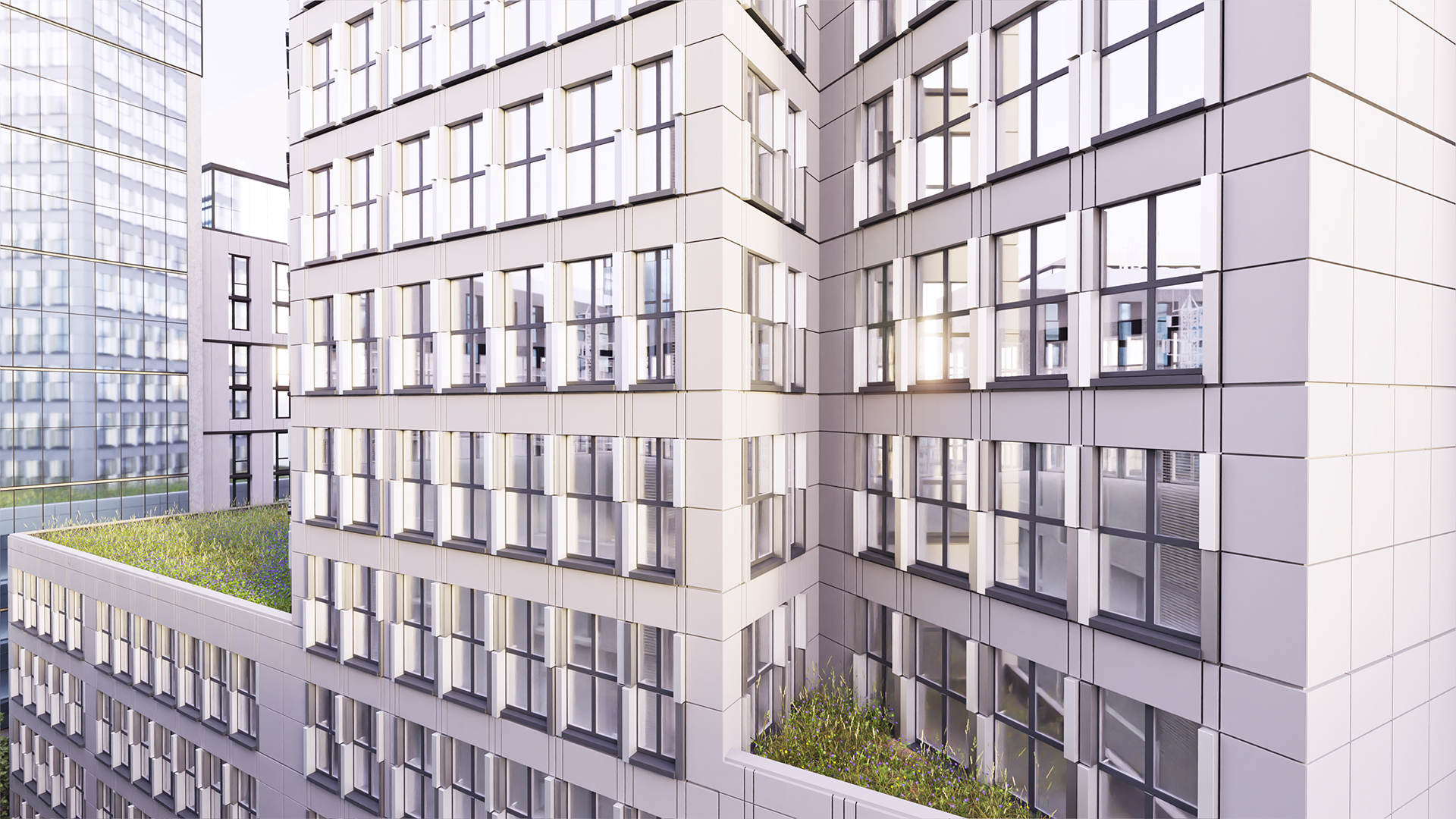
Dextall is a leading player in unitized prefab facades: this isn't "panels in a box," but complete exterior wall units that are digitally designed, factory-assembled, and installed quickly on urban projects.
What's included: D Wall unitized panels
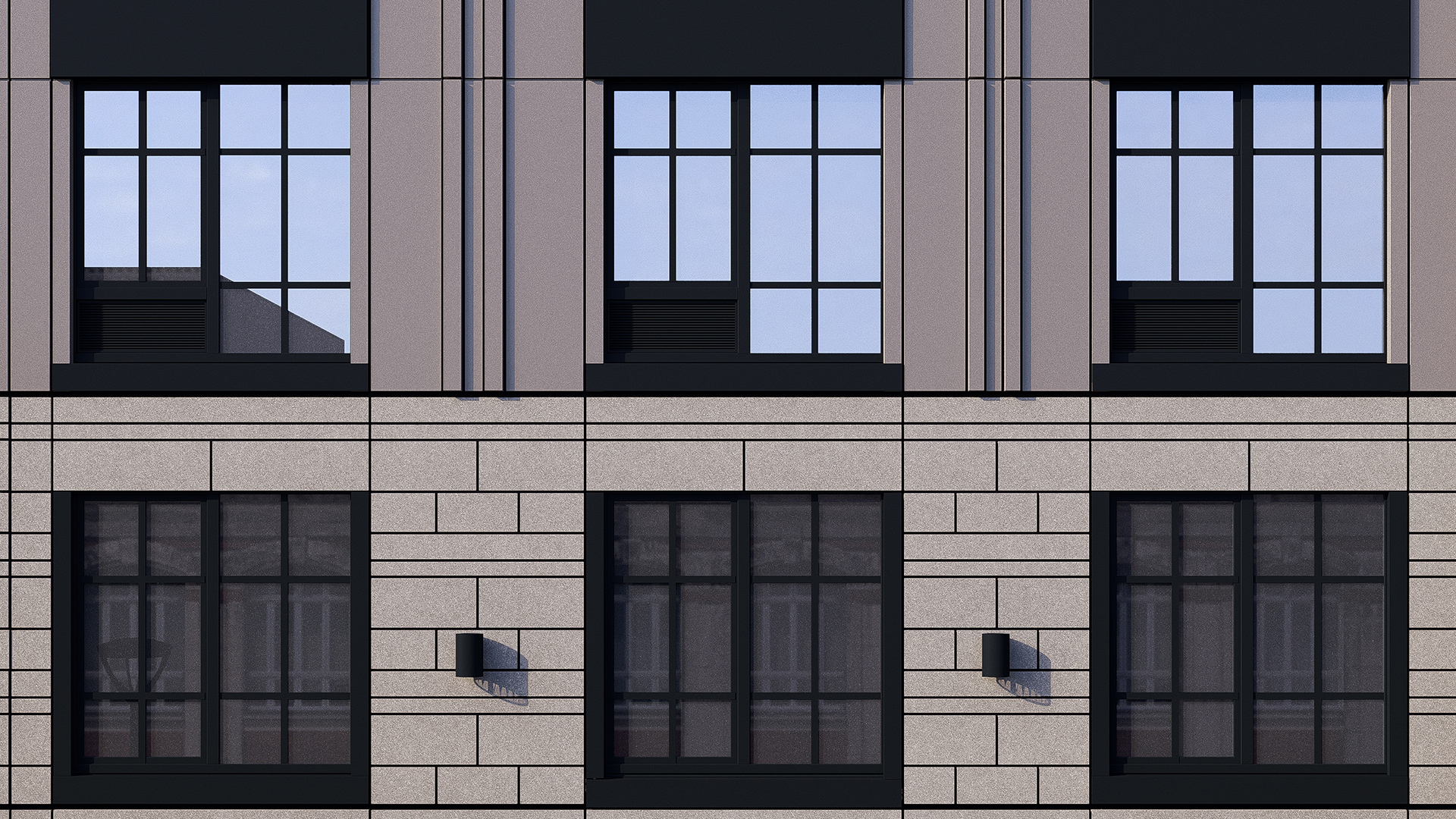
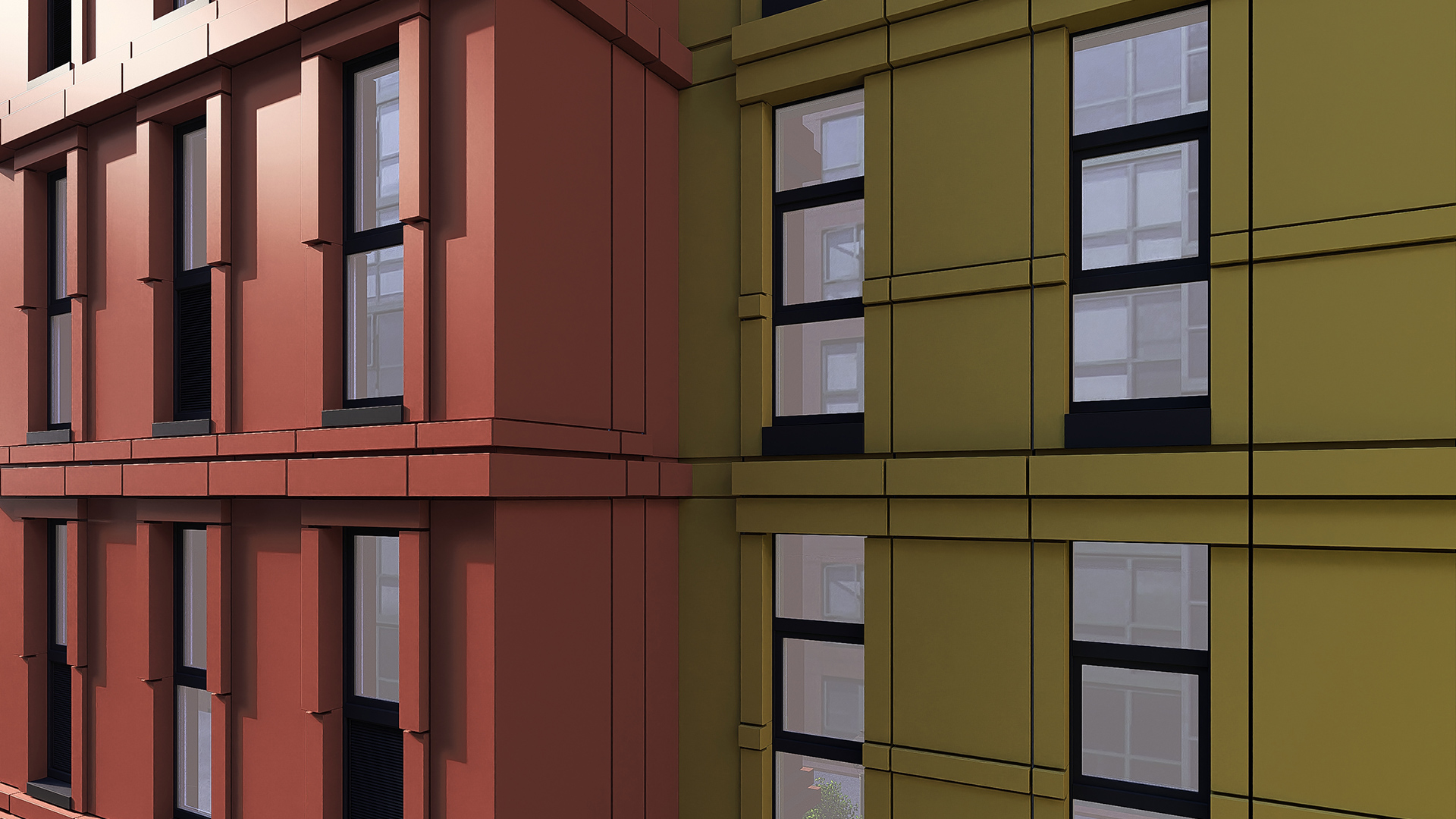
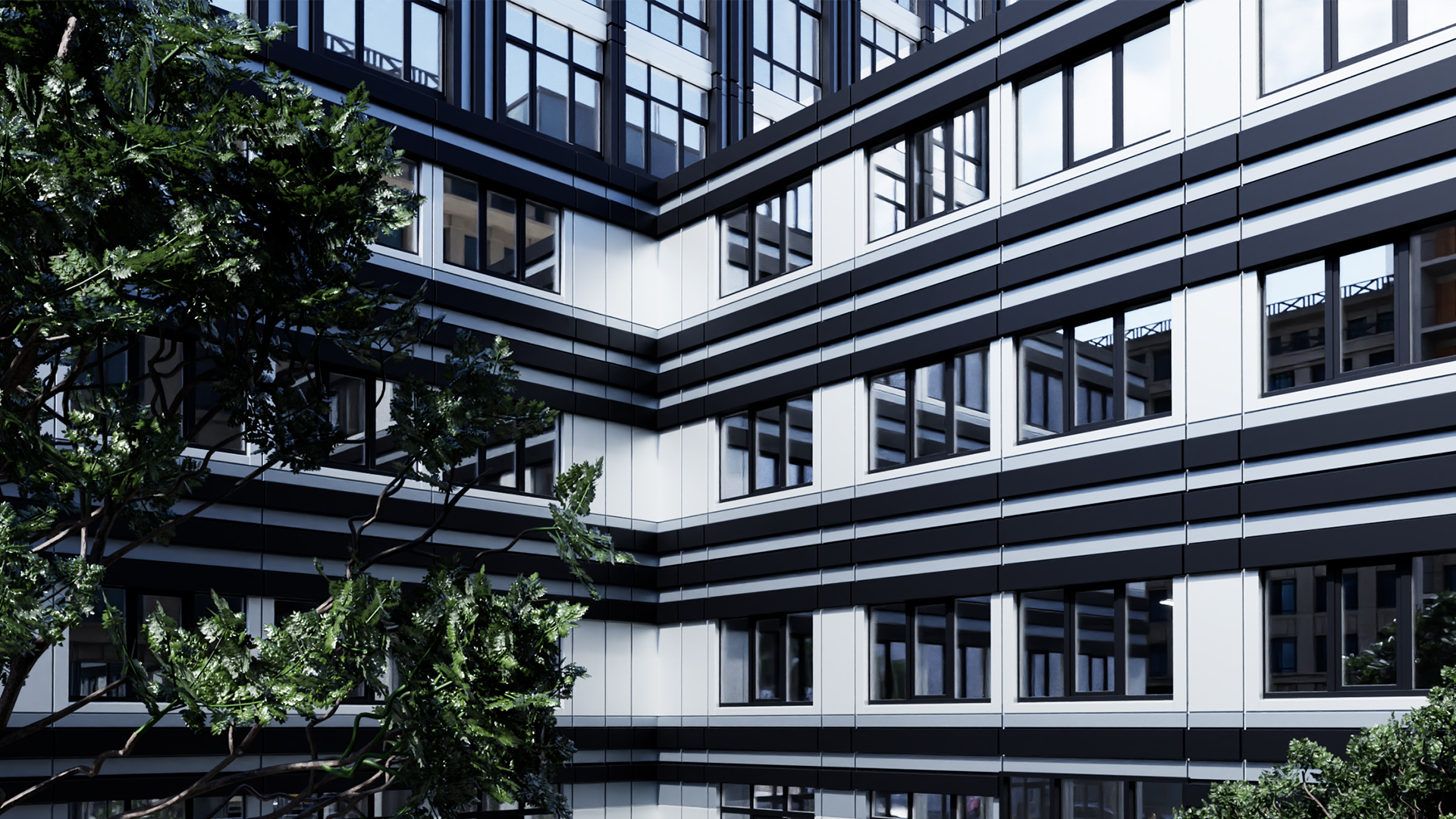
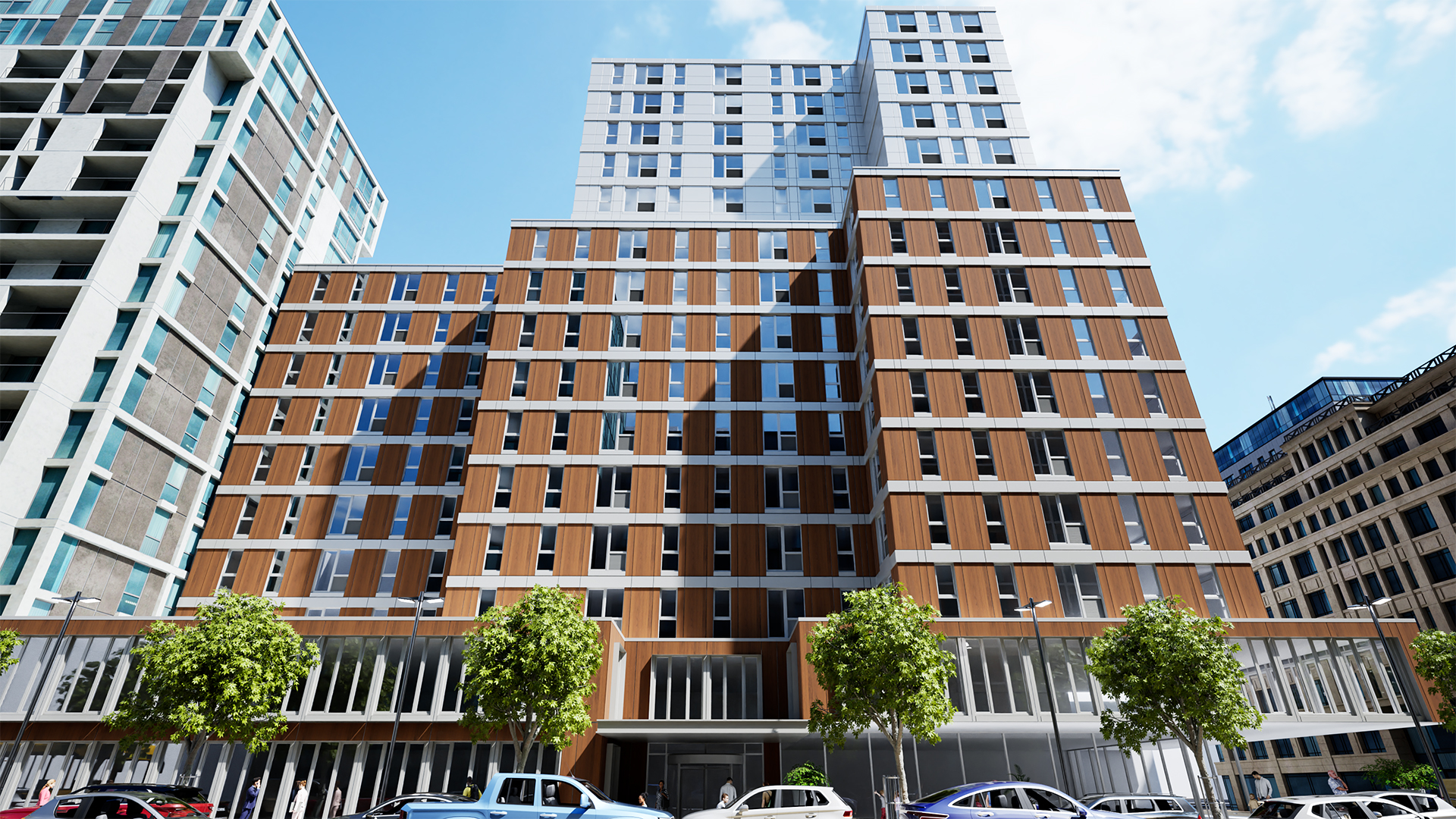
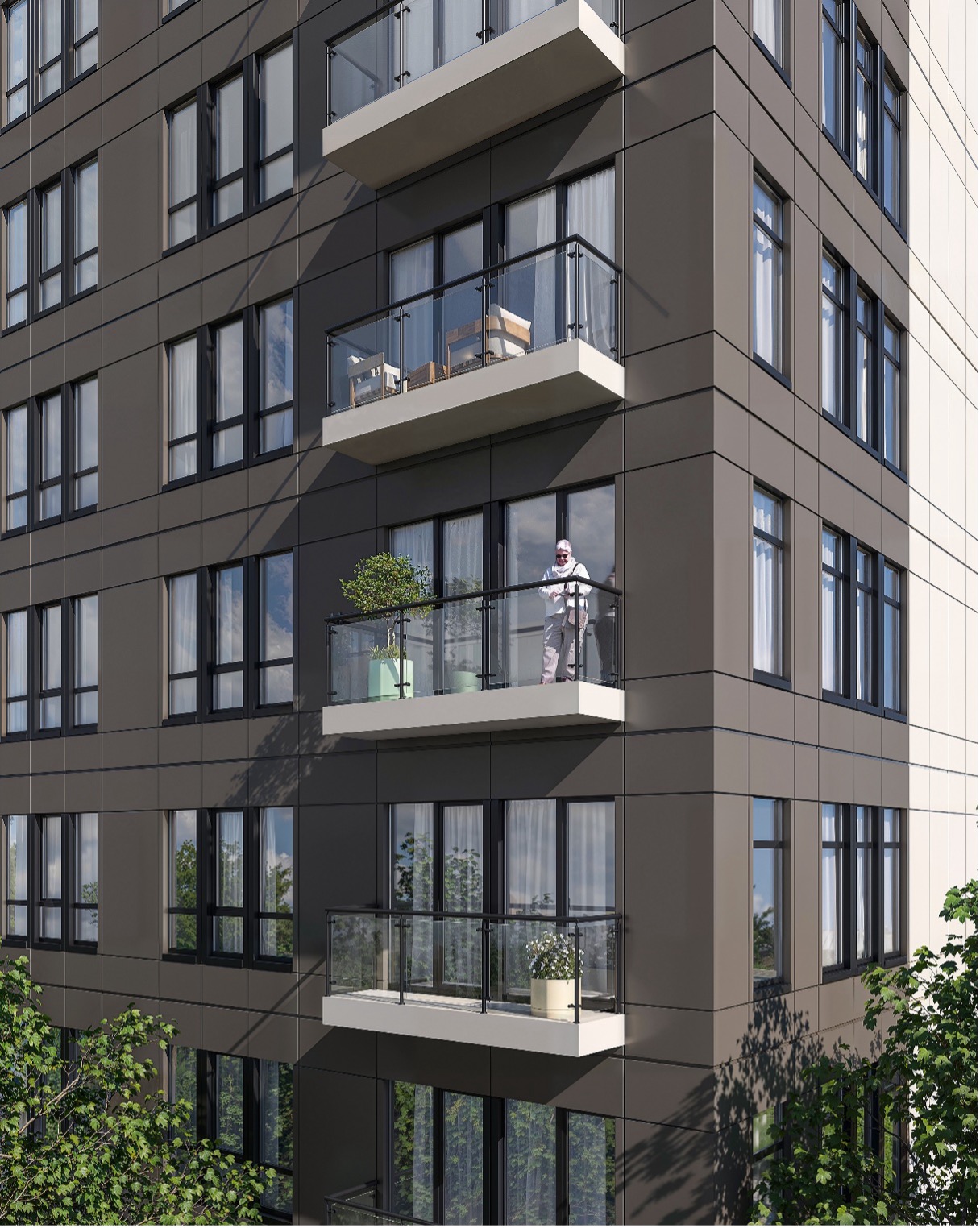
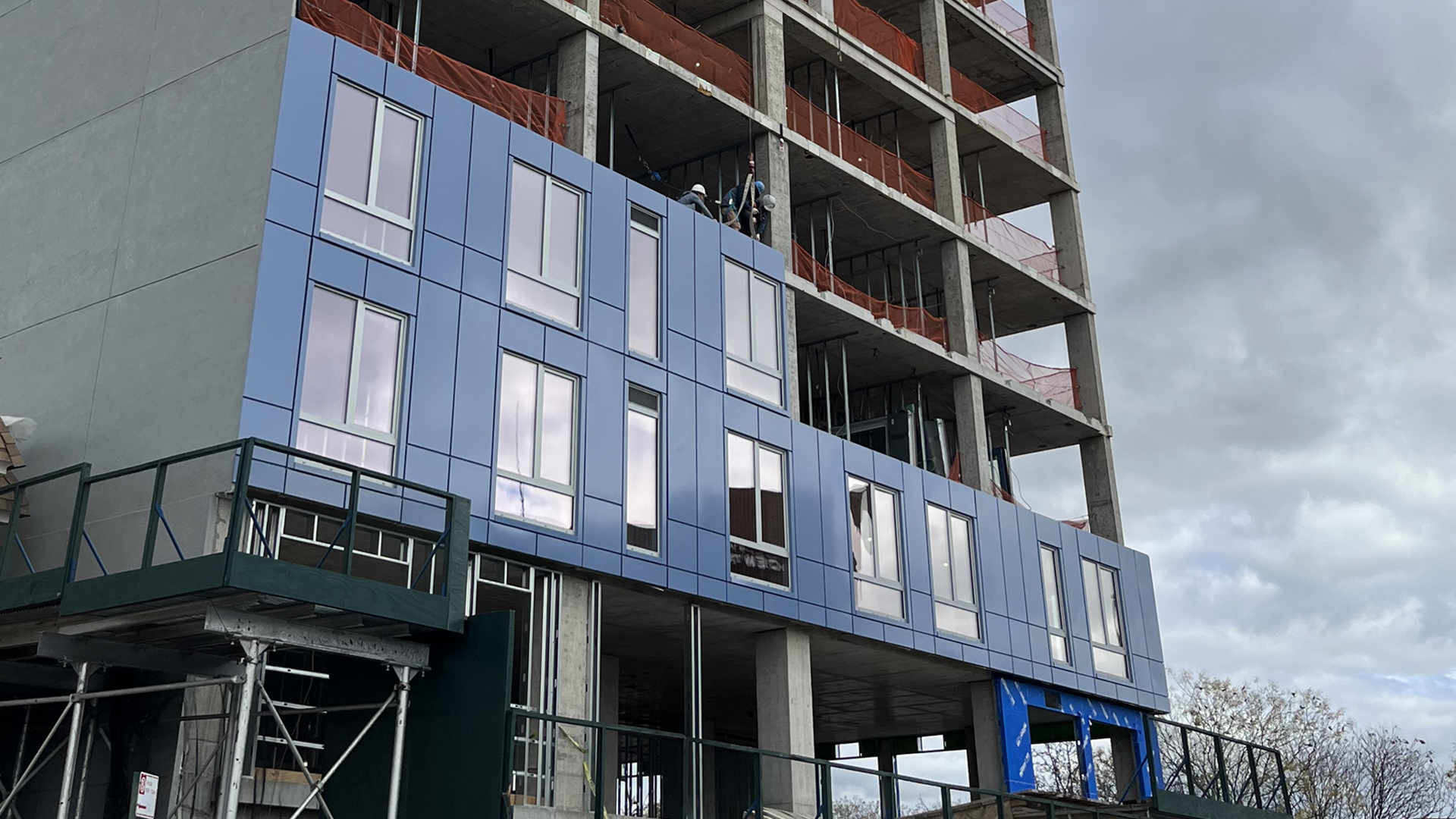
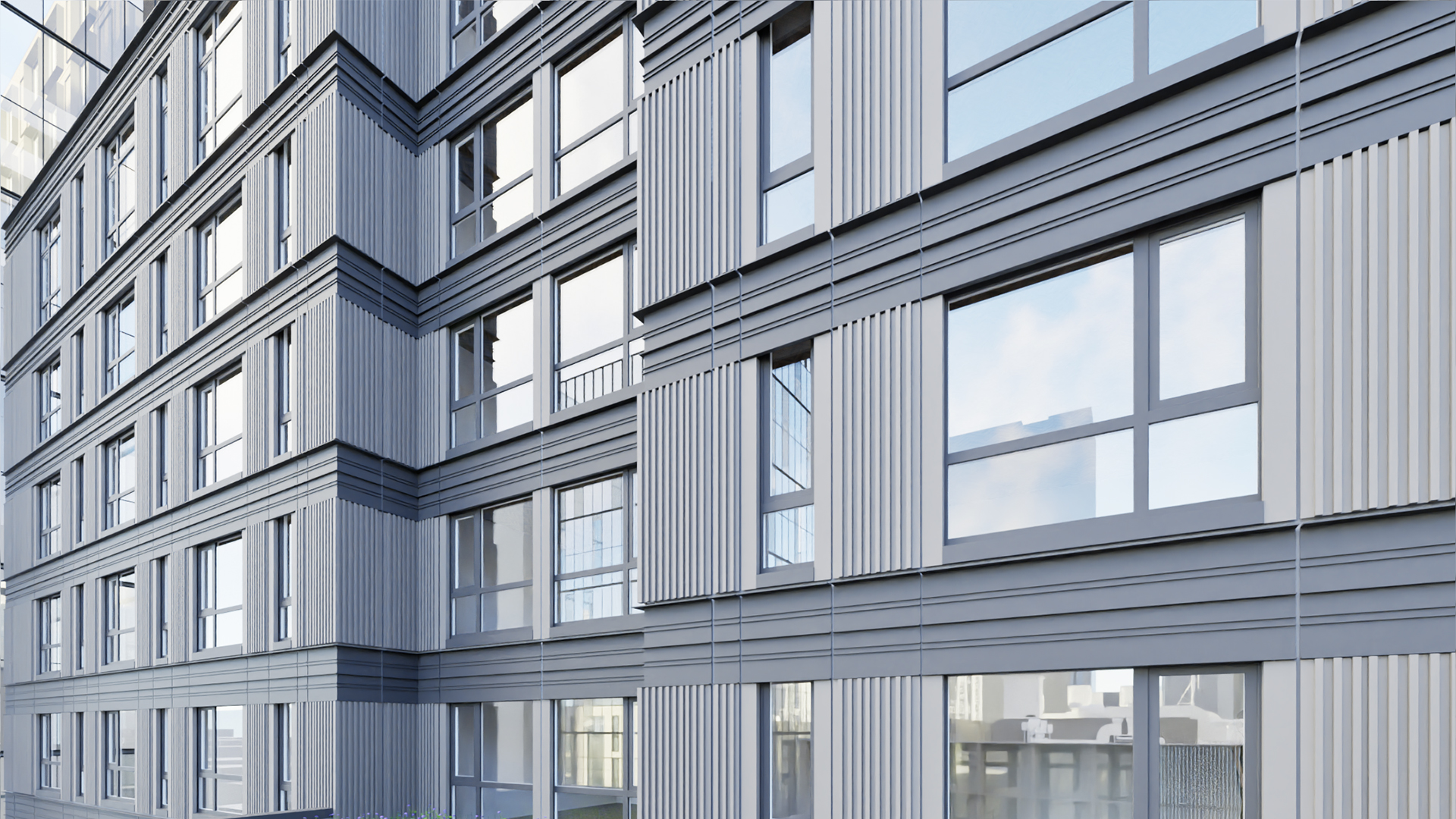
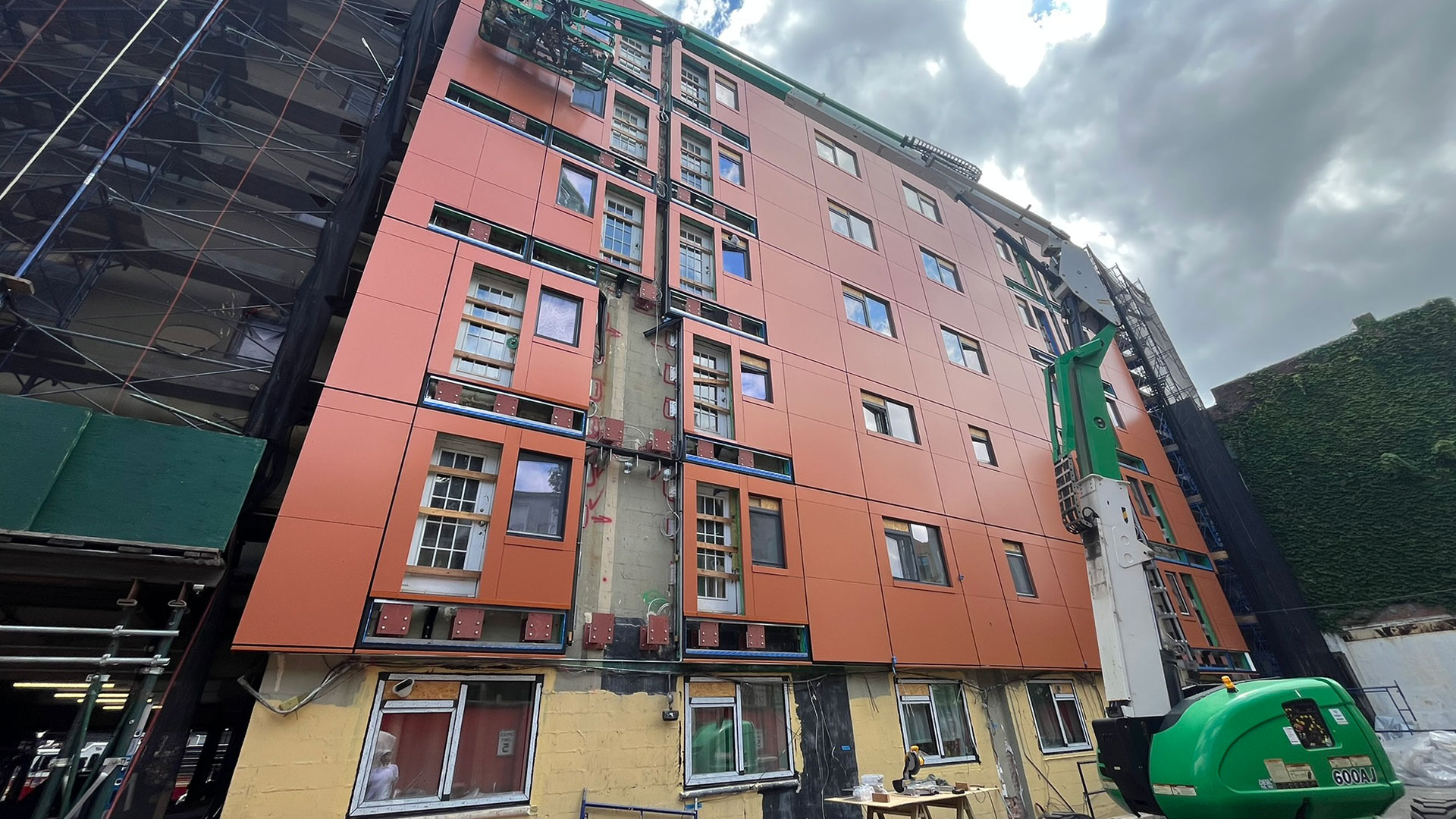
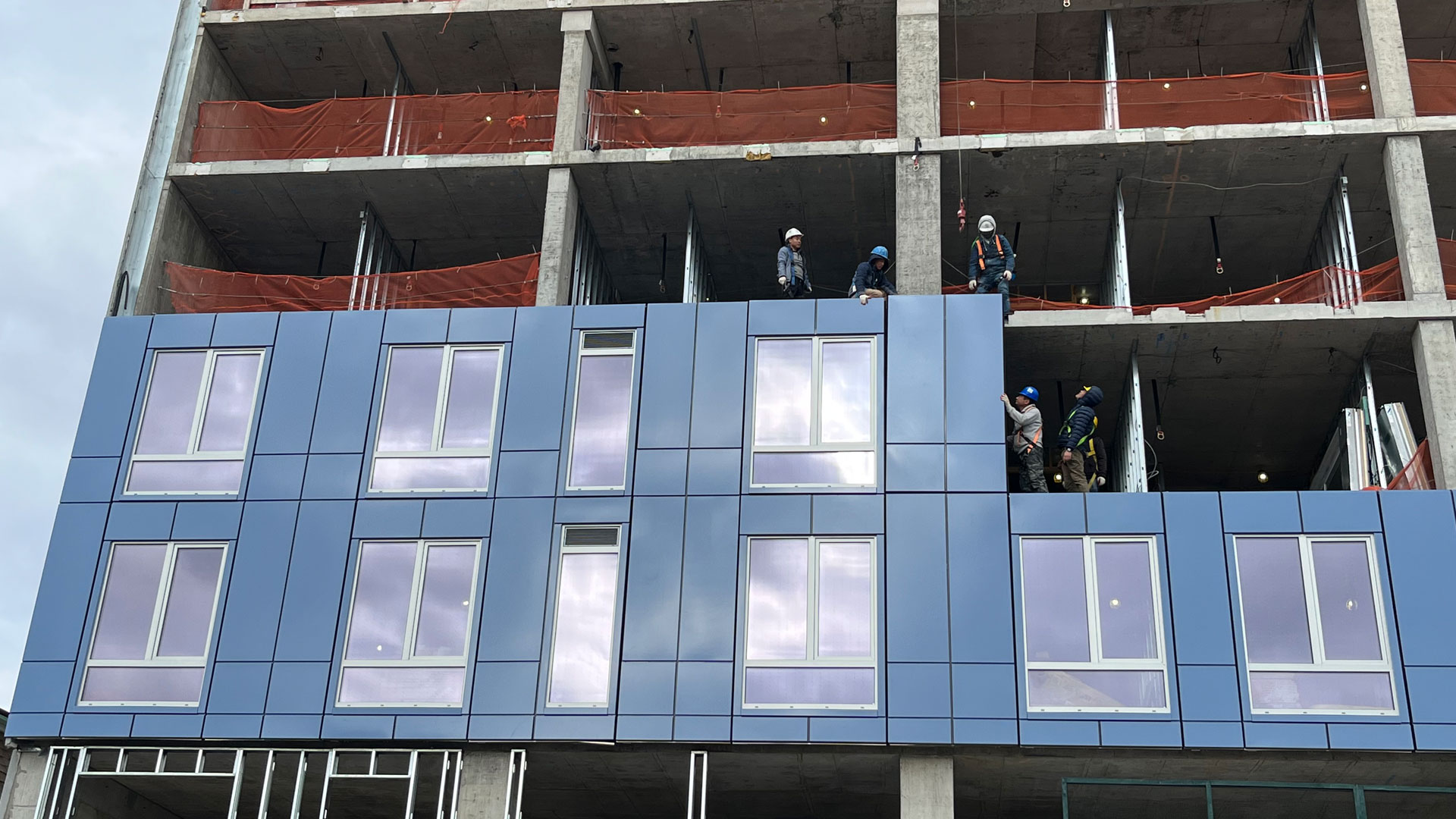
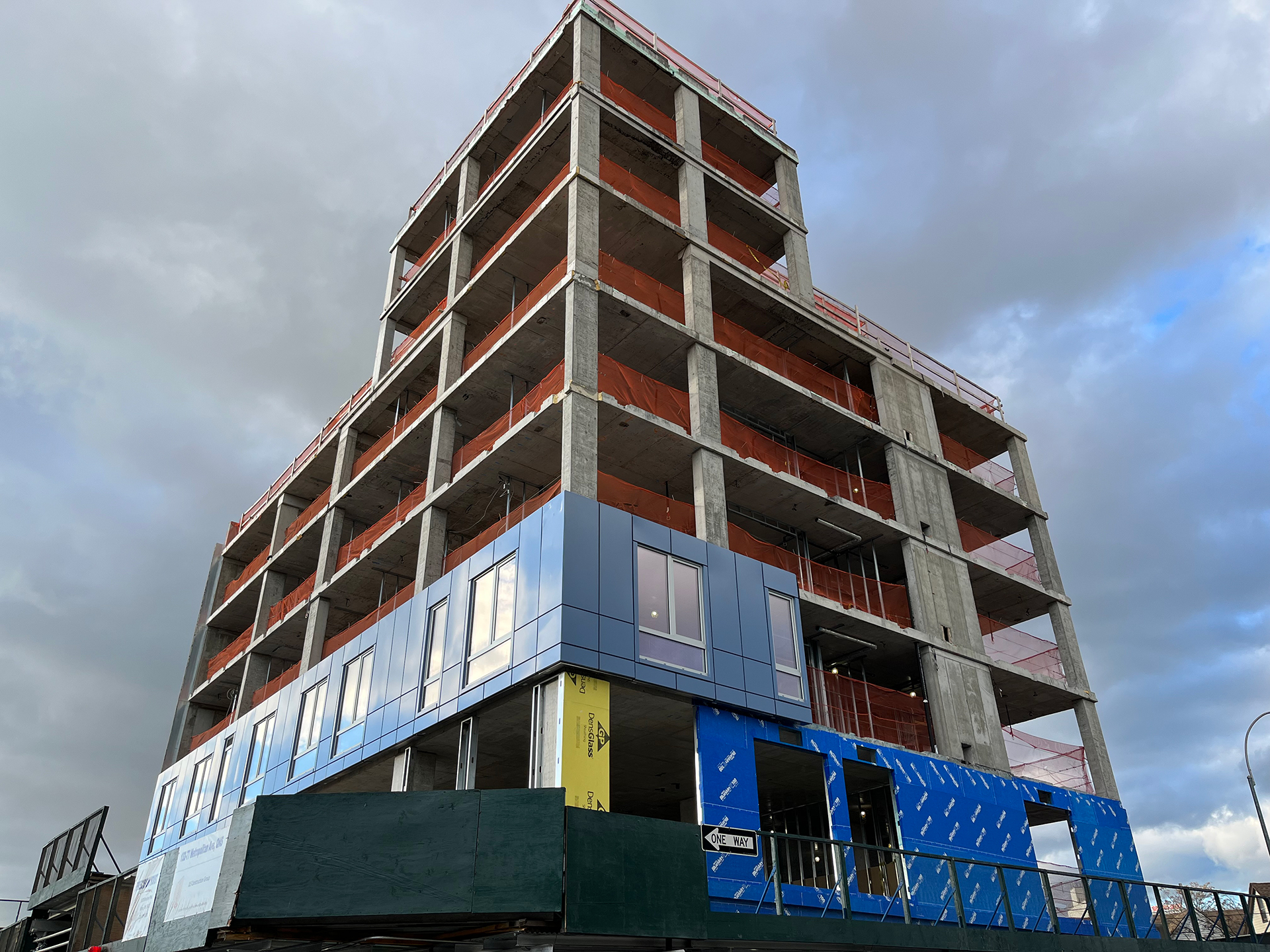
Dextall's core product is the lightweight, metal-framed D Wall unitized panel with full factory assembly: windows, non-combustible thermal insulation, an air and water control layer, exterior cladding, and gasketed joints. Instead of building the wall in many layers on site, you get repeatable, tested wall units that arrive ready to install on the structural frame.
Why it pays off on new buildings
Dextall's strength is the combination of product and software: unitized panels plus the Dextall Studio platform turn facade delivery from a long, manual, fragmented process into a controlled digital workflow. For new construction, the facade can be coordinated early with structure and MEP as a single, well-defined wall system instead of a late-stage risk.
Key benefits for owners and contractors:
- Major schedule compression. Dextall Studio and factory production cut the "design to install" path by more than 80%—from months down to weeks.
- Fewer trades on the facade. Windows, insulation, cladding, and joints are integrated into a single panel, and installation is a dry process without full scaffolding.
- Predictable budget and schedule. Dextall Studio provides BIM-integrated design, real cost analytics, and fabrication-ready models, so architects and owners see the impact of facade decisions on cost and time early in the design process.
- Sustainability and energy performance. Optimized panelization, controlled waste, reduced embodied carbon (up to about −43%), and a high-performance envelope that exceeds baseline code requirements.
Taken together, Dextall operates as a full facade service: from digital, AI-assisted design to fast, clean installation that helps complex urban projects move forward instead of slowing them down.
Quick Answers Before You Choose
Why can't I choose panels based only on price per square foot?
Because most of the real cost is in installation, logistics, subframing, and long-term operation. Cheap panels on paper can easily turn into a more expensive facade overall.
Do I have to use unitized systems for urban projects?
Not necessarily, but unitized systems mean less scaffolding, faster installation, and better quality control—benefits that are especially noticeable on tight city sites.
How critical is U-factor / R-value if the building is already "warm"?
It's not just about insulation level. You also need to eliminate thermal bridges and drafts. A "warm" wall with a leaky enclosure still performs poorly.











.jpeg)
-Compliance-for-NYC-Multifamily-%26-Co-Op-Facades.jpg)











_format(webp).avif)
_format(webp)%20(6).avif)
_format(webp)%20(5).avif)
_format(webp)%20(4).avif)
_format(webp)%20(2).avif)
_format(webp)%20(3).avif)


.avif)
_format(webp)%20(2).avif)