Aluminum Composite Material (ACM) for Commercial Exteriors: Full Specification Guide
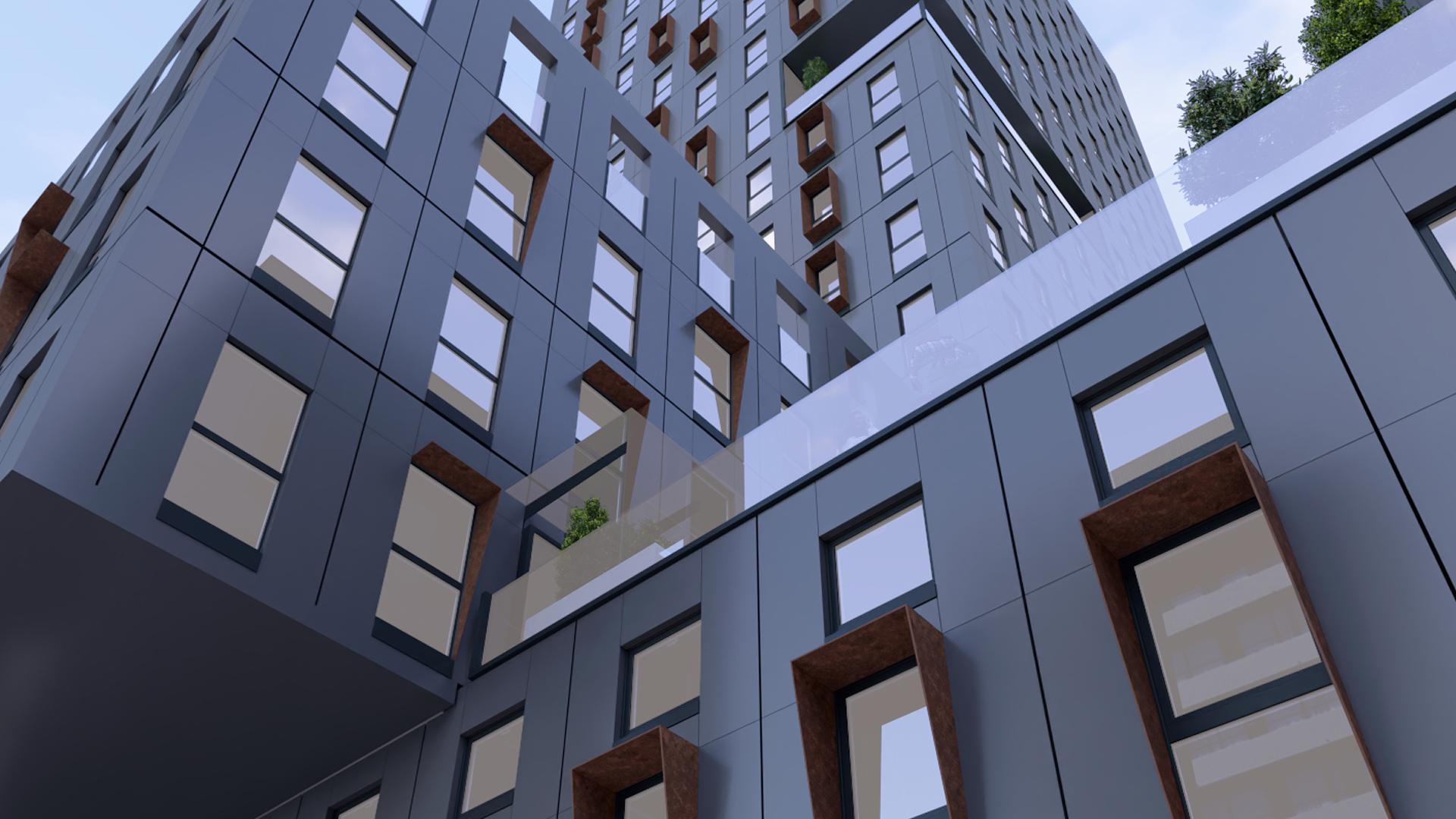
Aluminum composite material is one of the most specified exterior cladding materials in commercial construction — and one of the most frequently under-specified. ACM consists of two aluminum skins bonded to a core material, typically ranging from 3mm to 6mm in total thickness, and is available with core types that perform very differently under fire conditions. The specification decision that matters most is not the color, the thickness, or the finish — it is the core type, because the core determines whether the assembly will pass NFPA 285 on a building above 40 feet. Specifying ACM as a generic material without naming the core type, the coating standard, and the tested assembly creates a compliance gap that permit reviewers in New York City and Chicago now identify as a standard deficiency in exterior cladding submissions.
This guide addresses every decision point in an ACM specification for commercial high-rise: what the material is, how the core types differ, what coating standard applies, what fire testing is required, and how to write a specification that closes the gaps that lead to re-specification, submittal rejection, and field substitution. Dextall's D Wall® modular building components for exteriors use aluminum and ACM as core materials — the specification principles in this guide apply directly to how D Wall® is engineered and how it should be specified.
What ACM Is: Material Composition and Standard Properties
Aluminum composite material is a sandwich product: two aluminum skins, each typically 0.3mm to 0.5mm thick, bonded under heat and pressure to a core material that fills the space between them. Total panel thickness in commercial exterior applications is most commonly 4mm, though 3mm (lighter, used for signage and interior applications) and 6mm (heavier, used where additional rigidity is required) are also produced.
The properties that make ACM attractive for commercial exterior cladding are:
- Low weight. Standard 4mm ACM weighs approximately 1.0 to 2.0 pounds per square foot depending on core type — PE and FR cores at the lower end, mineral-filled cores at the higher end — significantly less than natural stone, GFRC, or concrete cladding. Lower cladding weight reduces dead load on the structure, simplifies the anchor system design, and allows installation with lighter handling equipment.
- Flat rigidity. The composite construction produces a material that is flatter and more dimensionally stable than aluminum sheet of equivalent weight. Large-format flat surfaces — common in contemporary commercial architecture — are achievable in ACM where aluminum sheet would require extensive internal bracing to prevent oil-canning.
- Fabrication flexibility. ACM can be CNC-routed, folded, and formed into three-dimensional shapes — column covers, reveals, return edges — without specialist metalworking equipment. Fabricators can produce complex geometries from ACM that would require casting or heavy tooling in other materials.
- Coating compatibility. The aluminum skin surface accepts PVDF-based coatings applied to AAMA 2604 or AAMA 2605 standards, producing long-term color stability under UV exposure that is not achievable with coatings applied to steel or other substrates.
Core Type Selection: The Most Consequential Specification Decision
The core material between the aluminum skins determines the ACM's fire performance. Three core types are in commercial use:
- Polyethylene (PE) core. The original and least expensive ACM core — a solid polyethylene sheet bonded between the skins. PE core produces the flattest, most rigid panel and is the standard for interior and signage applications. It is highly combustible. PE-core ACM does not pass NFPA 285 for assemblies on buildings above 40 feet, and its use on the exterior of Type I and Type II buildings is prohibited in jurisdictions that have adopted IBC 2015 or later. PE-core ACM was the cladding material on the Grenfell Tower in London, where its combustibility contributed to the rapid spread of fire in June 2017.
- Fire-retardant (FR) core. A blend of polyethylene and mineral fillers that reduces but does not eliminate combustibility. FR-core ACM can achieve NFPA 285 compliance as part of a specifically tested assembly — meaning the complete combination of ACM, substrate, insulation, and air barrier has been tested together and has passed. Substituting any component of the tested assembly with a different product — even one that appears equivalent — may invalidate the compliance claim. FR-core ACM is an acceptable specification choice for mid-rise commercial applications where the tested assembly is fully documented and strictly maintained during installation.
- Mineral-filled core. A core composed primarily of inorganic mineral compounds — typically aluminum hydroxide — with no organic binder. Mineral-filled core ACM has no meaningful fuel contribution and achieves the highest fire classification in the ASTM and EN testing frameworks. It passes NFPA 285 in a wider range of assembly configurations than FR-core, imposes fewer constraints on the insulation and substrate specification, and provides the most reliable compliance path for high-rise commercial applications. The European equivalent classification is A2 under EN 13501-1. Mineral-filled core ACM is the specification standard for exterior cladding on Type I and Type II buildings in markets where code enforcement is active.
The specification must name the core type. Writing "fire-rated ACM" or "non-combustible ACM" without referencing the core type and the tested assembly creates a document that does not tell the contractor what to buy or the reviewer what to verify.
Thickness and Skin Gauge: What the Numbers Mean
Total ACM thickness and aluminum skin gauge are related but distinct specification parameters:
- Total thickness is the combined measurement of both aluminum skins and the core. For commercial exterior cladding on high-rise projects, 4mm is the standard specification. 3mm ACM is lighter and less rigid — it is appropriate for applications where panel size is small and wind load is modest. 6mm ACM is heavier and stiffer — it is appropriate where large panel formats or high wind loads require additional rigidity without increasing skin thickness.
- Skin thickness (the individual aluminum layer) determines the dent resistance and the depth of material available for mechanical fastening at the panel perimeter. Standard skin thickness for commercial exterior applications is 0.5mm per skin. Thicker skins (0.8mm or heavier) are available for applications requiring enhanced impact resistance or where routing and folding operations must maintain tighter tolerances.
Both parameters should appear in the specification. "4mm ACM" without skin gauge specification allows the contractor to supply 4mm ACM with 0.3mm skins — lighter, less rigid, and less suitable for commercial high-rise application than 4mm ACM with 0.5mm skins.
Coating Standards: AAMA 2605 as the Commercial High-Rise Default
The coating applied to ACM aluminum skins determines long-term color retention, chalk resistance, and corrosion performance. For commercial high-rise exterior applications, AAMA 2605 is the appropriate standard:
- AAMA 2605 requires a minimum 70% PVDF resin content in the coating dry film, a 10-year minimum warranty against chalk and fade, and passing performance across the full test battery including 4,000 hours salt spray resistance (ASTM B117) and 10 years Florida south-facing outdoor exposure.
- AAMA 2604, the next lower standard, requires 50% PVDF and a 5-year warranty. It is appropriate for low-rise or interior-adjacent applications but is insufficient for the UV exposure, pollution, and thermal cycling that high-rise commercial facades experience in NYC, Boston, and Chicago.
- The coating is applied to the aluminum skin surface before the skin is bonded to the core — meaning the factory production sequence matters. Coil-coated ACM (where the aluminum coil is coated before forming) achieves more consistent coating quality than post-fabrication spray application, because coil coating is a continuous industrial process with tighter process controls.
Fire Requirements for ACM in Commercial Construction
Two distinct fire test standards apply to ACM in commercial exterior applications, and they are not interchangeable:
- ASTM E84 (the Steiner Tunnel test) measures the flame spread index and smoke development index of a material surface in isolation. It is used to classify interior finish materials and is required for ACM in interior applications. An ASTM E84 Class A rating — the highest classification — does not constitute NFPA 285 compliance and does not satisfy IBC requirements for exterior assemblies on high-rise buildings.
- NFPA 285 tests the complete exterior wall assembly — ACM, substrate, insulation, air barrier, and framing — at full scale in a two-story mock-up fire test. It is required by IBC Section 1403.5 for exterior assemblies containing foam plastic insulation on Type I, II, III, and IV buildings. Passing NFPA 285 requires a specific tested assembly, not just a compliant ACM product.
The specification must require NFPA 285 compliance of the complete assembly and require the contractor to submit the tested assembly report — naming the specific ACM product, core type, insulation product and thickness, substrate, and air barrier — as part of the shop drawing submittal. A product data sheet showing ASTM E84 Class A is not a substitute.
How to Write an ACM Specification for High-Rise Commercial Projects
A complete ACM specification for a commercial high-rise exterior addresses the following parameters explicitly:
- Core type: mineral-filled core, as tested in the NFPA 285 assembly report
- Total thickness: 4mm minimum
- Aluminum skin thickness: 0.5mm minimum per skin
- Coating standard: AAMA 2605, with coating manufacturer certification submitted at shop drawing stage
- Fire compliance: NFPA 285-compliant assembly; submit full tested assembly report with shop drawings, naming all components
- Structural performance: ACM and attachment system tested per ASTM E330 for the project's design wind pressure; submit test report or engineer's calculation at shop drawing stage
- Thermal movement accommodation: joint widths and fastener details to accommodate ACM thermal expansion of approximately 1.3 inches per 100 linear feet per 100°F temperature change; document in shop drawings
- Warranty: 10-year coating warranty from the coating manufacturer per AAMA 2605; 10-year product warranty from the cladding manufacturer
Each of these items should be a condition of shop drawing approval — not a submittal category that can be resolved with a letter after installation.
D Wall® Modular Building Components and ACM
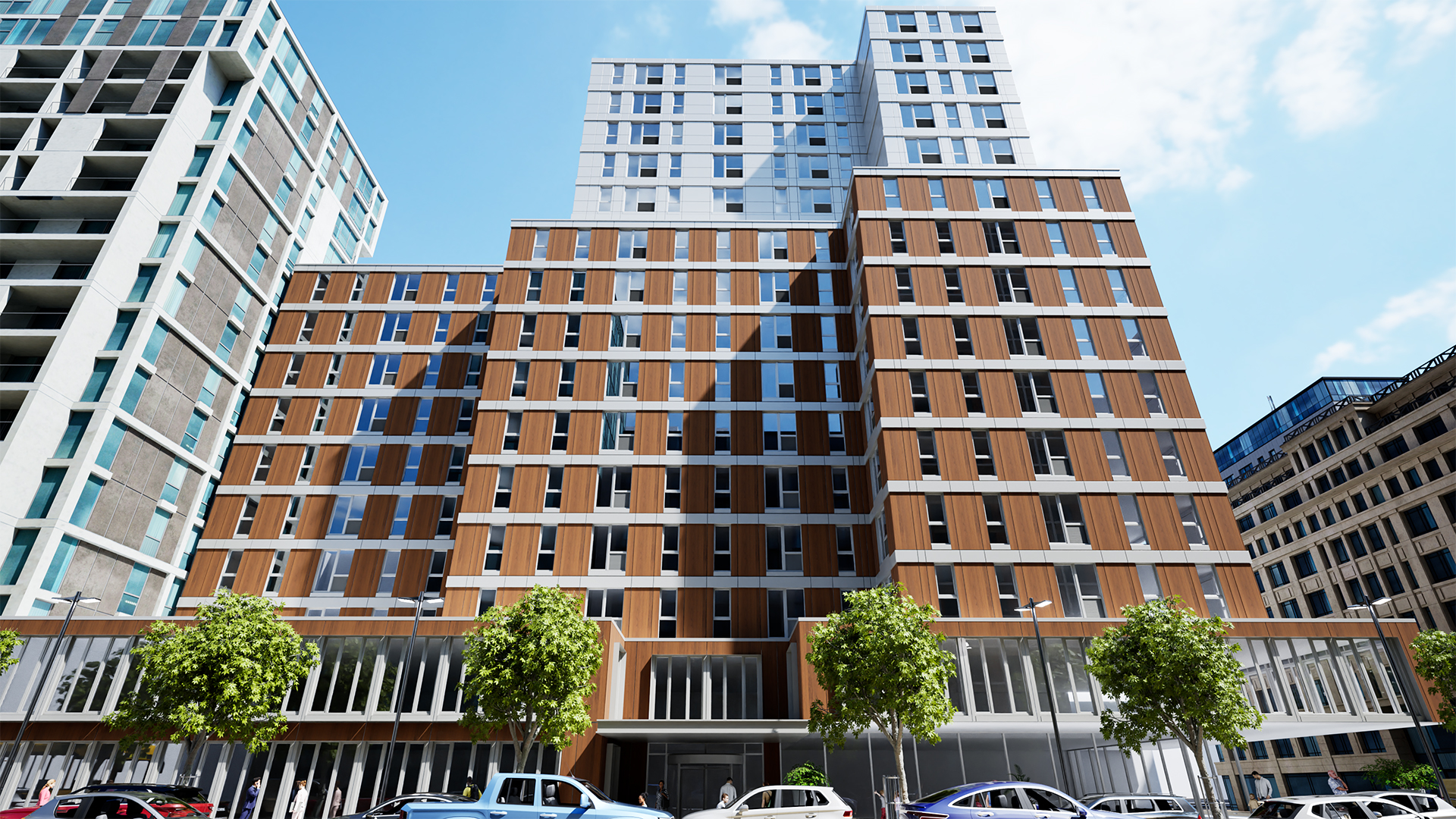
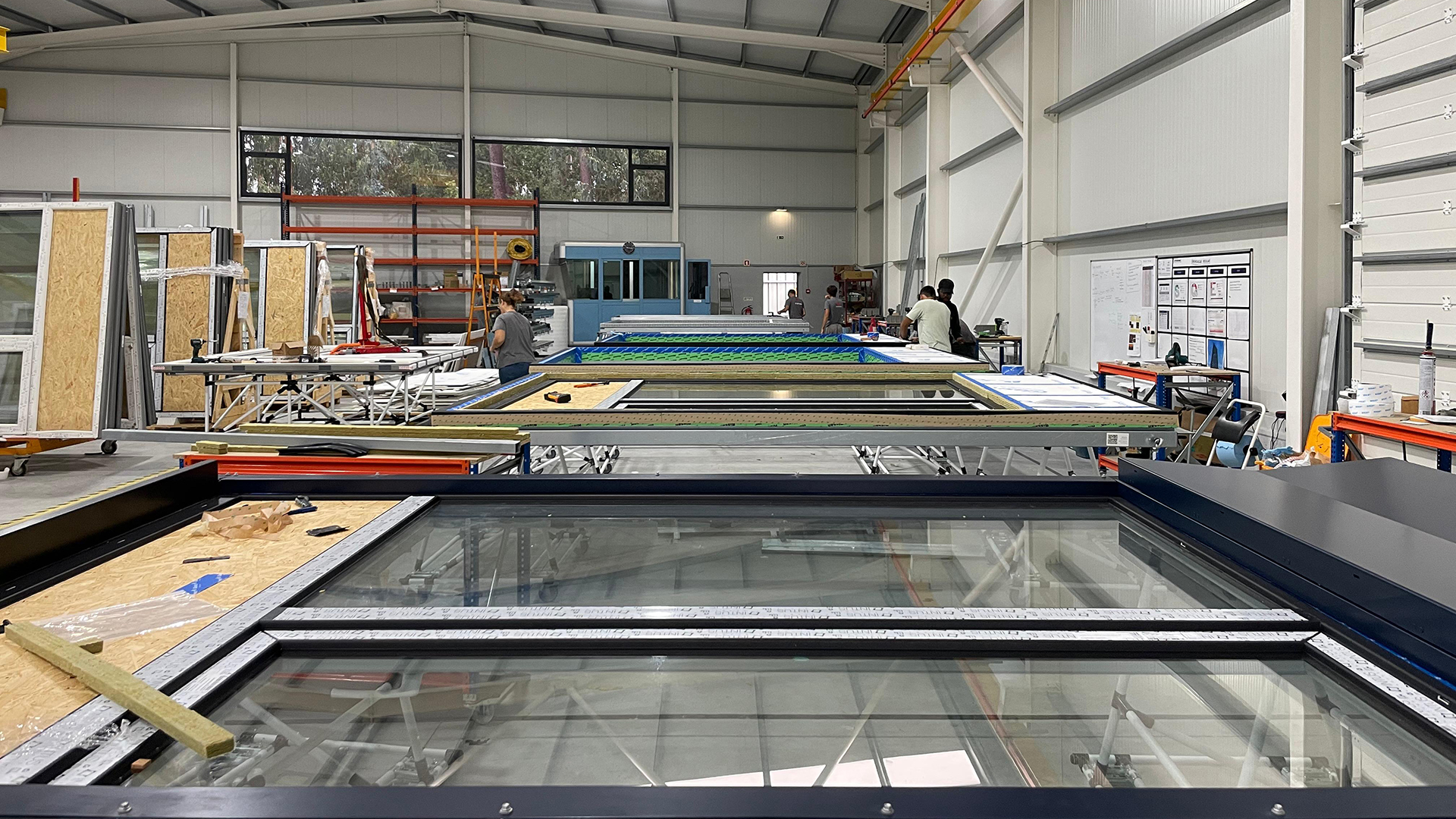
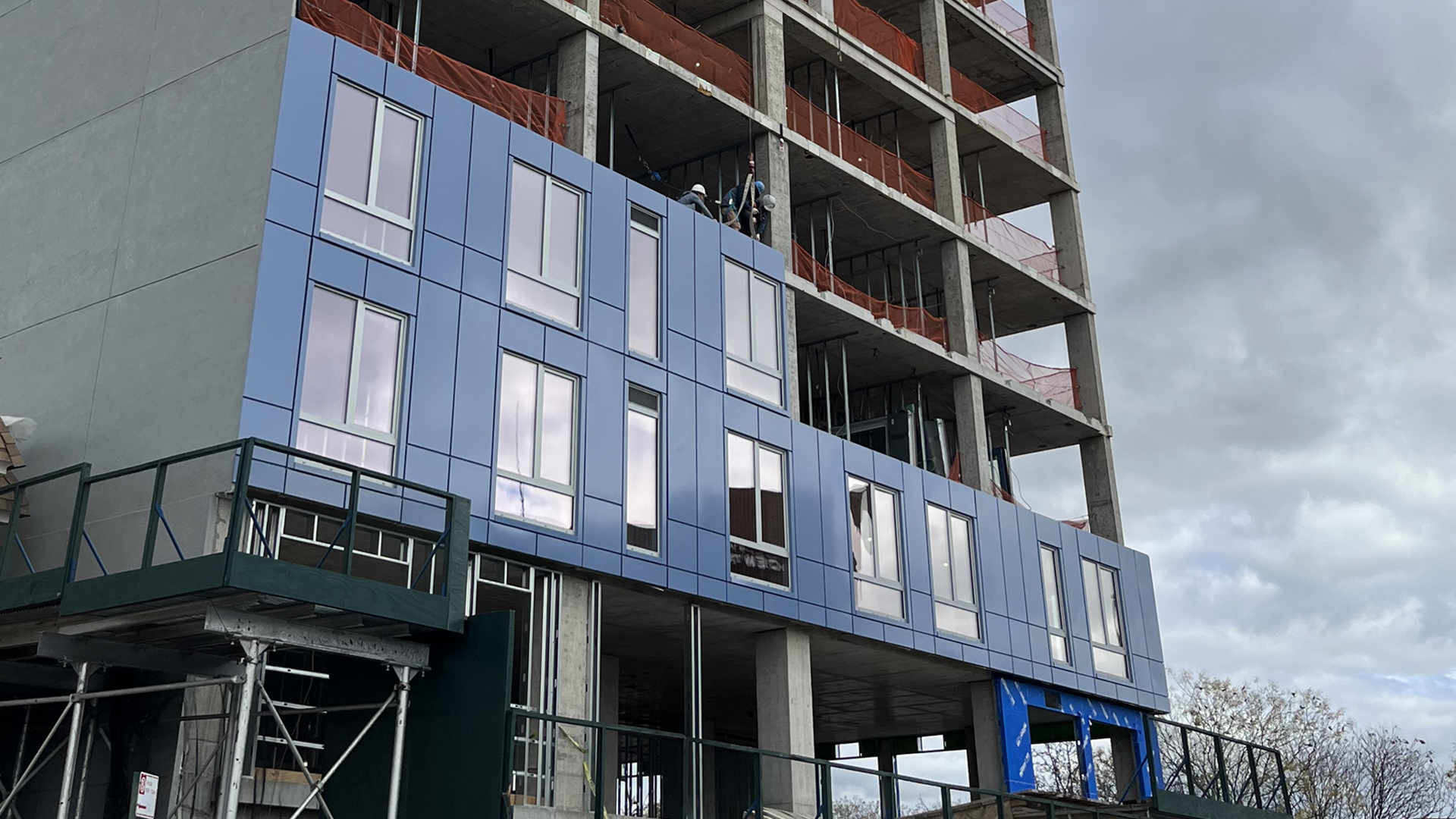
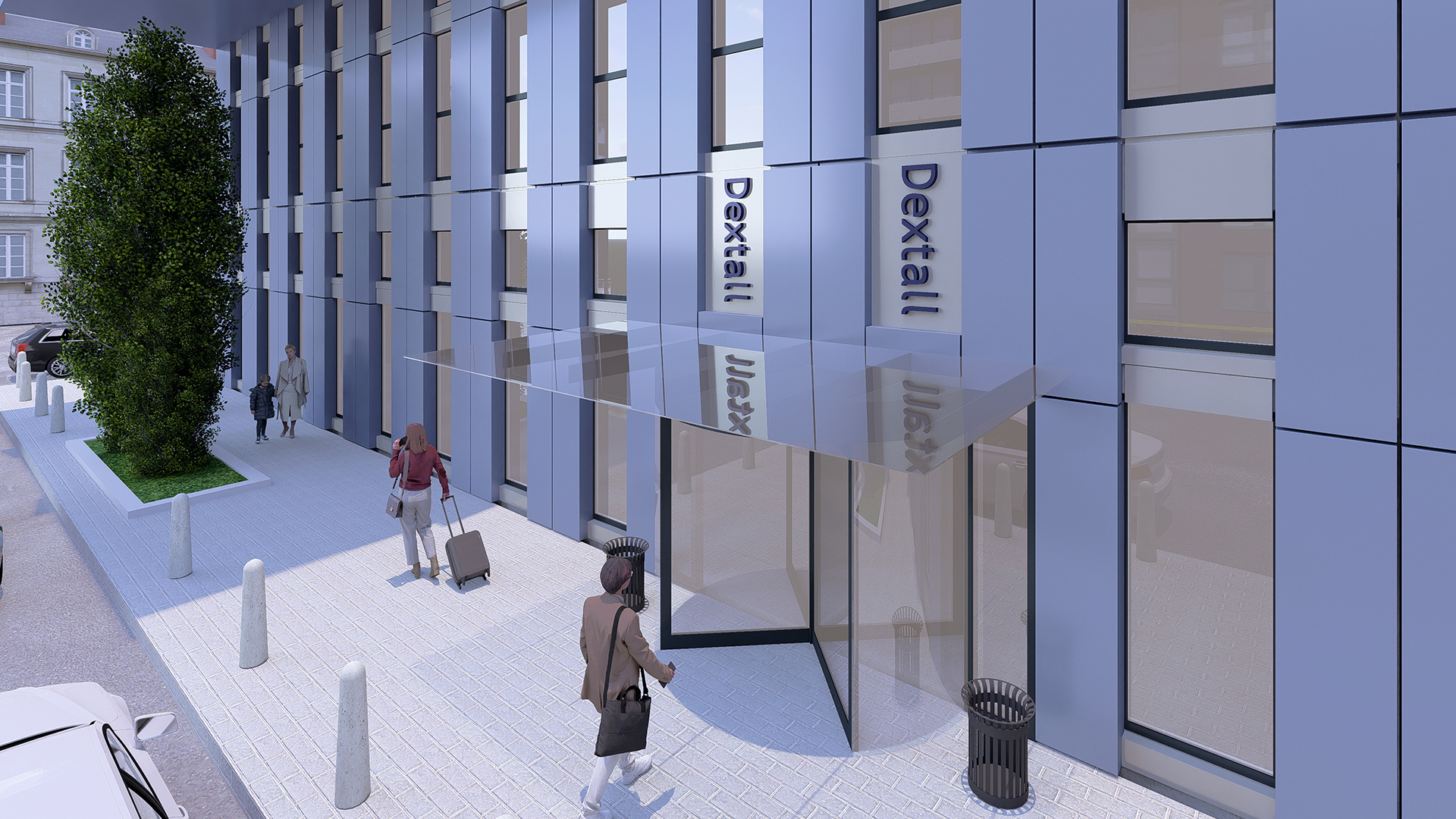
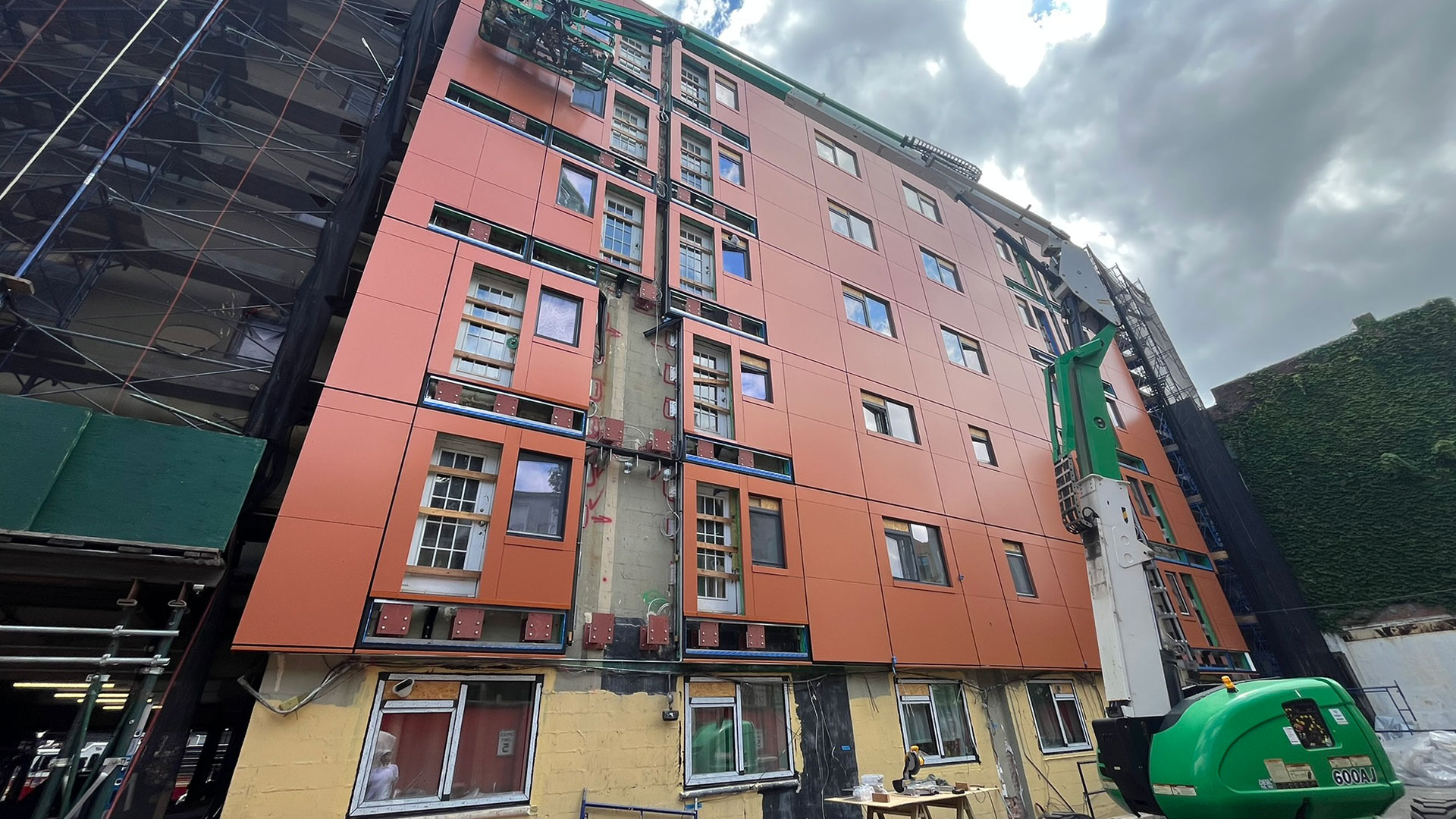
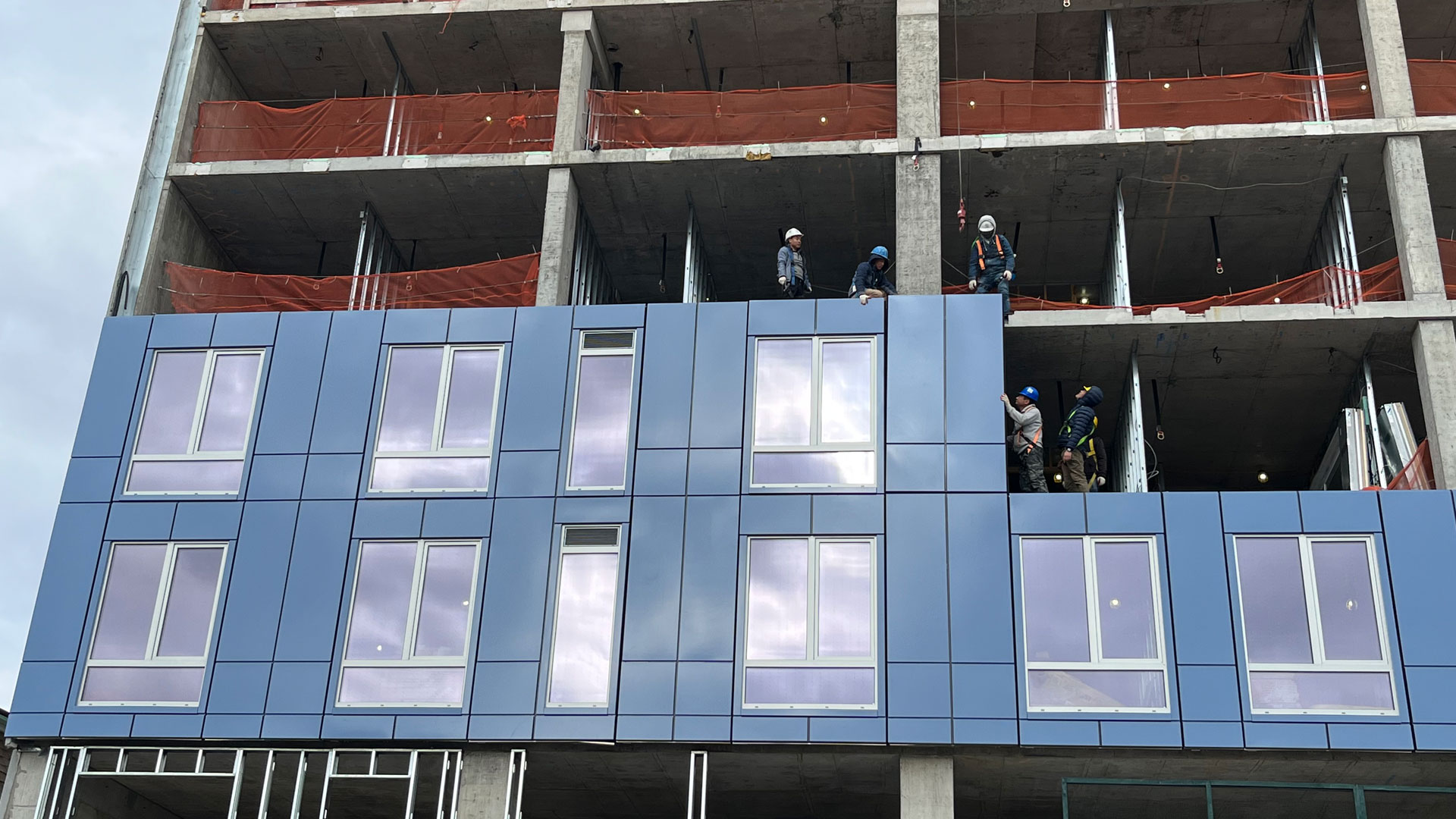
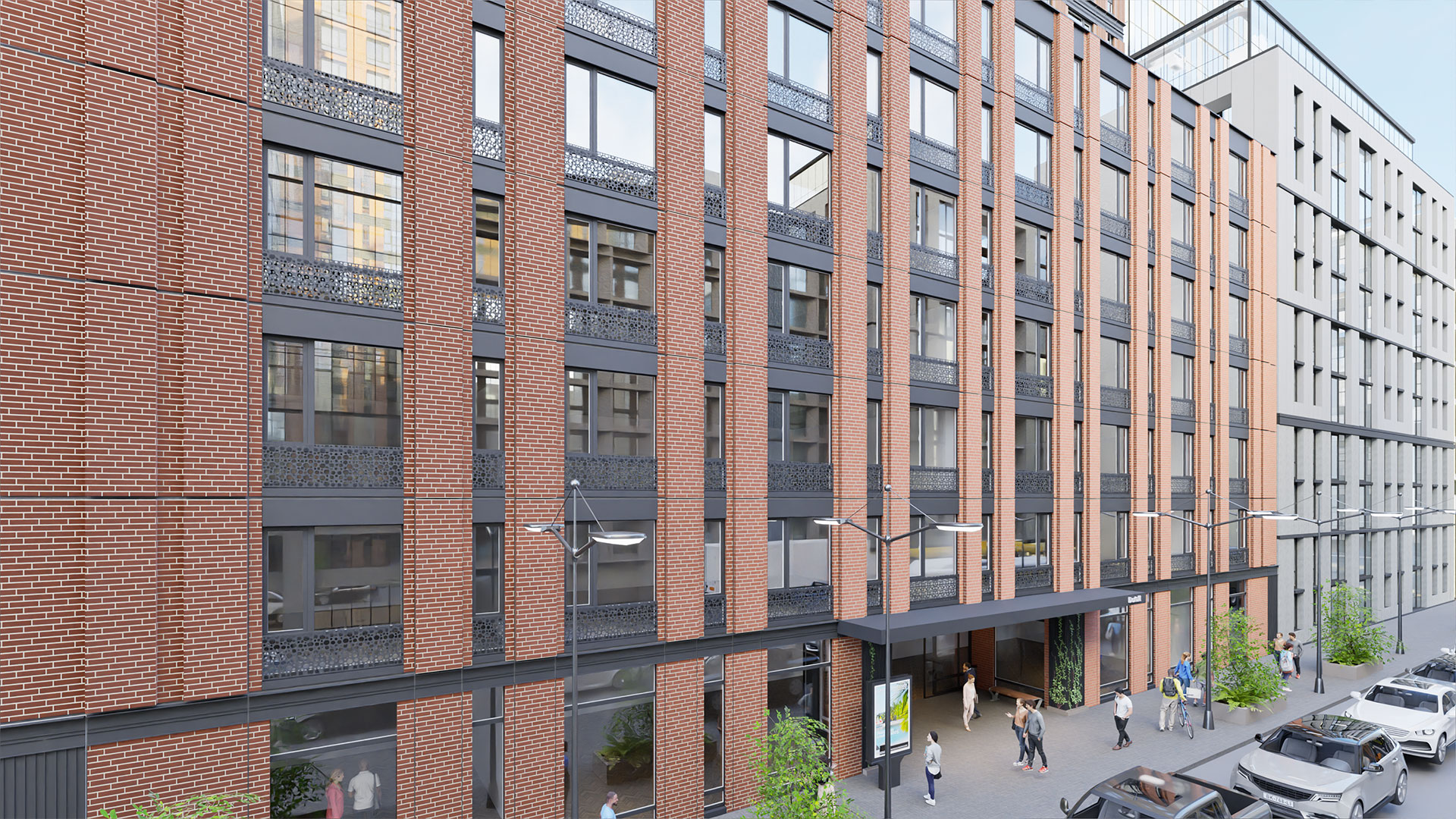
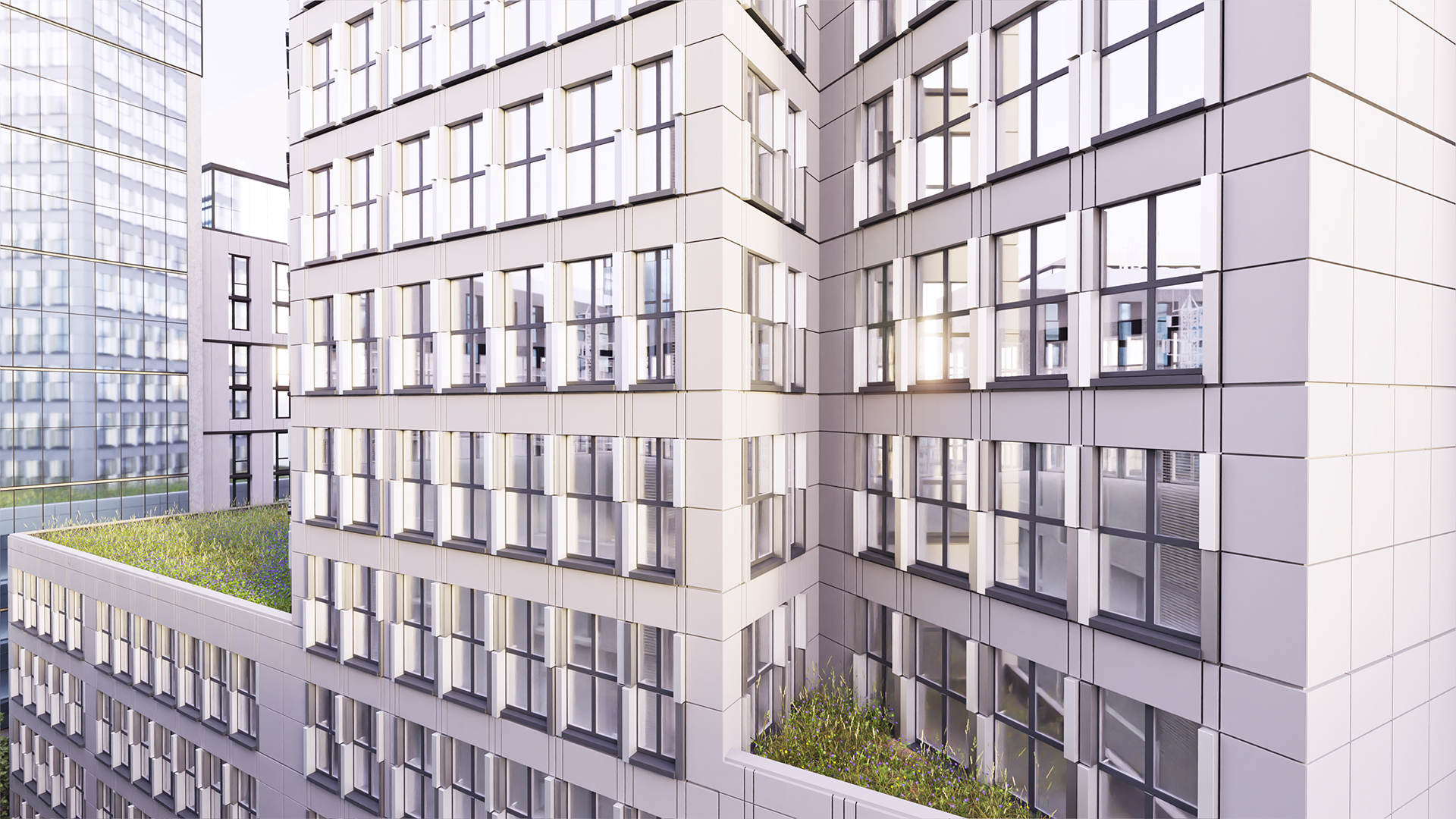
Aluminum and ACM are the core materials of D Wall® modular building components for exteriors. Each D Wall® component is factory-assembled using ACM as the primary cladding surface — coated to AAMA 2605, tested for NFPA 285 compliance as part of the complete D Wall® assembly, and fabricated to the skin thickness and core type standards that commercial high-rise specification requires.
Because D Wall® is factory-assembled, the ACM specification parameters — core type, skin gauge, coating standard, and tested assembly configuration — are fixed in production rather than resolved in the field. The NFPA 285 tested assembly report for D Wall® is available for inclusion in permit submissions. AAMA 2605 coating certification from the coating manufacturer is available at shop drawing stage.
For architects who need to specify ACM exterior cladding on a high-rise project and want factory assembly, tested compliance documentation, and a 10-year product warranty from a single manufacturer, D Wall® modular building components address all specification requirements in one submittal package. Contact Dextall's technical team at dextall.com for project-specific documentation.
Key Takeaways
- Core type is the most consequential ACM specification decision for commercial high-rise. PE core is prohibited above 40 feet in most jurisdictions. Mineral-filled core provides the most reliable NFPA 285 compliance path.
- ASTM E84 and NFPA 285 are not interchangeable. ASTM E84 tests materials in isolation; NFPA 285 tests the complete exterior assembly. Only NFPA 285 satisfies IBC Section 1403.5 for exterior assemblies on high-rise buildings.
- AAMA 2605 is the correct coating standard for commercial high-rise exterior ACM. It requires 70% PVDF resin content and a 10-year chalk and fade warranty. Specifications that allow AAMA 2604 as an alternative effectively permit the lower-performing coating.
- A complete ACM specification names core type, total thickness, skin gauge, coating standard, NFPA 285 tested assembly requirements, structural testing, and warranty terms — each as a condition of shop drawing approval.
- Factory-assembled exterior building components using ACM deliver tested compliance documentation, controlled production quality, and warranty coverage in a single submittal package — eliminating the field assembly variables that most frequently cause ACM specification failures.
FAQ
What is the difference between PE-core, FR-core, and mineral-filled core ACM?
PE-core ACM uses a solid polyethylene core — highly combustible, does not pass NFPA 285, prohibited above 40 feet in most U.S. jurisdictions for exterior use on Type I and II buildings. FR-core uses polyethylene blended with mineral fillers to reduce combustibility — can pass NFPA 285 as part of a specifically tested assembly. Mineral-filled core contains no organic binder and achieves the highest fire classification — passes NFPA 285 in the widest range of assembly configurations and is the standard specification for commercial high-rise exterior cladding.
What thickness of ACM is standard for commercial high-rise?
4mm total thickness with 0.5mm aluminum skins per side is the standard specification for commercial high-rise exterior ACM. 3mm ACM is used for signage and smaller-format applications where wind load is modest. 6mm ACM is used where large panel formats or high wind loads require additional rigidity. The specification should name both total thickness and skin gauge — "4mm ACM" without skin gauge specification allows contractors to supply thinner-skin material that underperforms the design intent.
Does ASTM E84 Class A satisfy NFPA 285 for high-rise exterior walls?
No. ASTM E84 tests ACM surface burning characteristics in isolation. NFPA 285 tests the complete exterior wall assembly — ACM, insulation, substrate, and air barrier — under conditions that simulate a real building fire. IBC Section 1403.5 requires NFPA 285 compliance for exterior assemblies containing foam plastic insulation on high-rise buildings. An ASTM E84 Class A rating on the ACM product does not satisfy this requirement.
What coating standard should be specified for ACM on a commercial high-rise?
AAMA 2605, which requires a minimum 70% PVDF resin content and a 10-year chalk and fade warranty. For projects in coastal locations, urban environments, or with dark color specifications on south and west exposures, AAMA 2605 is the minimum appropriate standard. The specification should require AAMA 2605 explicitly — not "AAMA 2604 or 2605" — and should require coating manufacturer certification as a condition of shop drawing approval.
How should thermal expansion be addressed in an ACM specification?
ACM expands and contracts with temperature at a rate of approximately 1.3 inches per 100 linear feet per 100°F change in surface temperature. On a high-rise facade where surface temperatures can swing 100°F or more between winter minimum and summer maximum, this movement must be accommodated in the joint design and the fastener detail. Shop drawings should document the expansion joint locations and widths, and the fastener detail should allow the ACM to move without buckling or pulling the fastener through the skin.
Sources
- NFPA 285: Standard Fire Test Method for Exterior Wall Assemblies — NFPA
- IBC 2021, Section 1403.5: Foam Plastic Insulation in Exterior Walls — ICC
- AAMA 2605: Superior Performing Organic Coatings on Aluminum — FGIA
- ASTM E330: Structural Performance of Exterior Windows, Doors, Skylights and Curtain Walls — ASTM International
- D Wall® Modular Building Components — Dextall

















.jpeg)

-Compliance-for-NYC-Multifamily-%26-Co-Op-Facades.jpg)

















_format(webp).avif)
_format(webp)%20(6).avif)
_format(webp)%20(5).avif)
_format(webp)%20(4).avif)
_format(webp)%20(2).avif)
_format(webp)%20(3).avif)


.avif)
_format(webp)%20(2).avif)