Neutral Edison Tower Milwaukee: Mass Timber High-Rise Goes to 31 Stories
A 31-story tower is rising above Milwaukee's riverfront using cross-laminated timber panels instead of conventional steel or concrete. Neutral Edison Tower will become the Western Hemisphere's tallest mass timber building when completed in 2027, standing on a site where timber logs once floated downriver to Milwaukee's industrial mills. The $133.3 million project demonstrates how engineered wood products now meet building code requirements for heights that were off-limits to timber construction just years ago.
The project operates within 2021 International Building Code provisions allowing mass timber up to 18 stories with proper fire protection. This regulatory shift—combined with factory fabrication techniques and demonstrated fire performance—means mass timber has moved from experimental to viable for mid-rise construction across U.S. cities facing embodied carbon reduction targets.
Project Overview and Hybrid Construction Approach
Neutral Edison Tower reaches 259 feet across 31 floors, containing 378 apartment units plus ground-floor retail along Milwaukee's Riverwalk. The structure uses hybrid construction—cross-laminated timber floor panels and glued-laminated columns combined with a concrete elevator core. This division allows timber to carry gravity loads while concrete provides lateral stability and fire separation for high-rises.
The project pursues both Passive House certification and Living Building Challenge 4.0, requiring extreme energy efficiency, materials transparency, and water conservation. A cooling system circulating 2 million gallons daily from the Milwaukee River demonstrates integration of natural resources with mechanical systems.
Milwaukee's precedent came from Ascent MKE, completed in 2022 as a 25-story mass timber building. Ascent reported 90% less construction traffic, 75% fewer on-site workers, and 25% faster delivery than comparable concrete construction. These advantages stem primarily from factory fabrication that allows parallel workflows instead of sequential site operations.
Building Code Evolution Enables Tall Timber
For decades, codes limited timber construction to 85 feet or six stories due to fire safety concerns. The 2021 International Building Code changed this by introducing three new construction types for mass timber: Type IV-A (up to 18 stories), Type IV-B (up to 12 stories), and Type IV-C (up to 9 stories). Each category has specific fire-resistance requirements and protection systems.
Mass timber products behave differently than dimensional lumber in fire. Cross-laminated timber panels measure 5-12 inches thick, creating solid wood surfaces without concealed cavities where fire spreads rapidly in conventional wood-frame construction. When exposed to flame, CLT's outer layers char at a predictable rate of approximately 1.5 inches per hour, forming an insulating layer that protects inner timber. Testing shows CLT can achieve two-hour fire-resistance ratings without additional protective membranes.
In April 2025, Neutral completed a three-hour fire test at Southwest Research Institute. The CLT assembly's outer surface heavily charred, but structural integrity remained uncompromised—core timber layers continued carrying design loads even with significant char depth. This charring behavior creates self-limiting fire resistance that differs fundamentally from steel beams, which can lose strength rapidly at elevated temperatures without spray-on fireproofing.
Factory Fabrication and Construction Speed
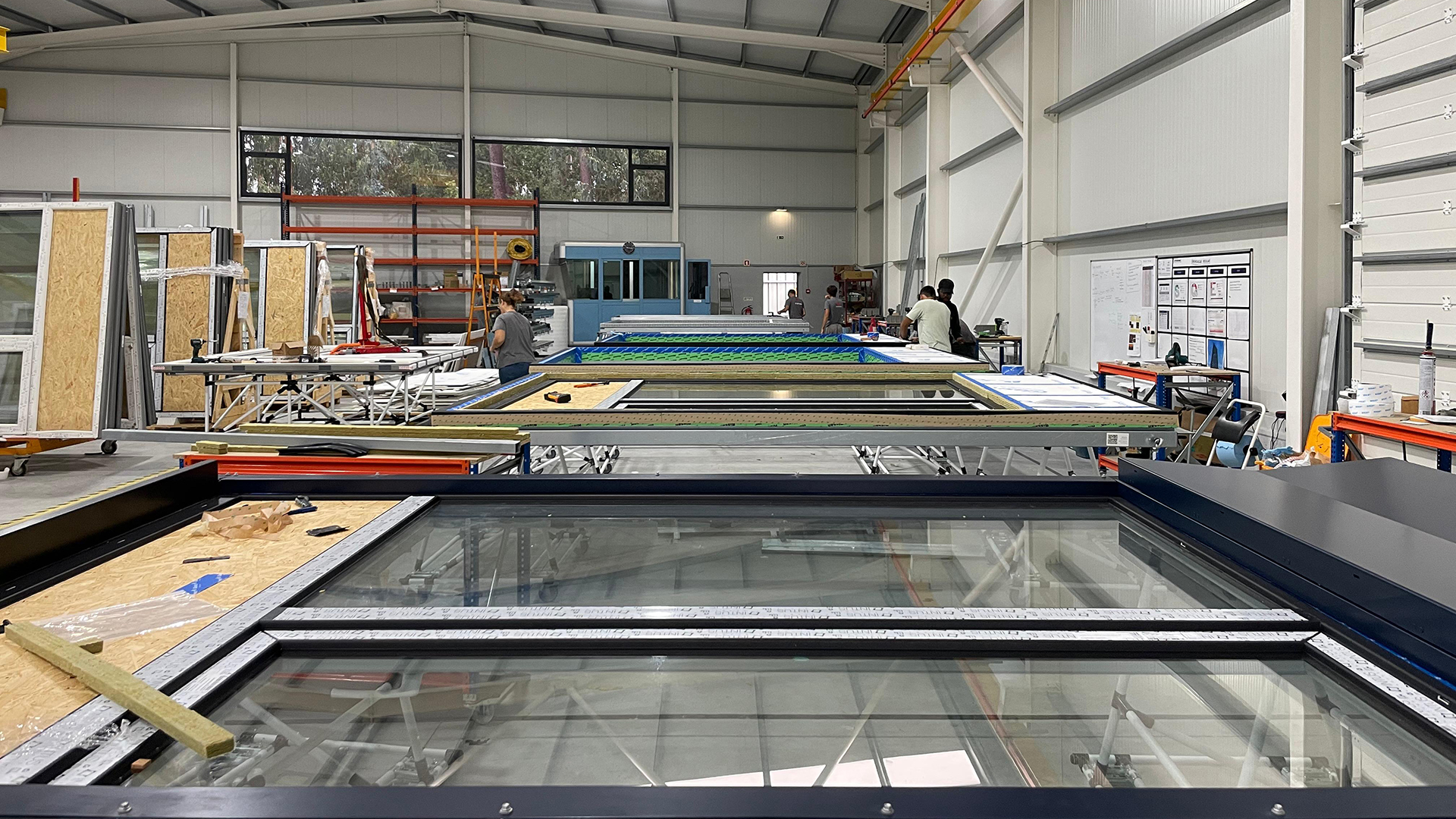
Mass timber construction inherently relies on factory production. CLT panels require specialized hydraulic presses, controlled environments, and precision cutting equipment found only in dedicated manufacturing facilities. Each panel for Neutral Edison arrives with window openings, mechanical penetrations, and connection hardware pre-installed according to shop drawings coordinating structural loads, envelope performance, and interior layouts.
This precision eliminates field improvisation. While contractors pour foundations and construct elevator cores, timber manufacturers fabricate floor panels and column sections offsite. Major building components are ready for installation as soon as the structure reaches appropriate height. Traditional cast-in-place concrete requires sequential pour cycles with cure times. Steel fabrication also occurs offsite, but field welding and connections extend erection timelines. Timber panels crane into place rapidly with small crews.
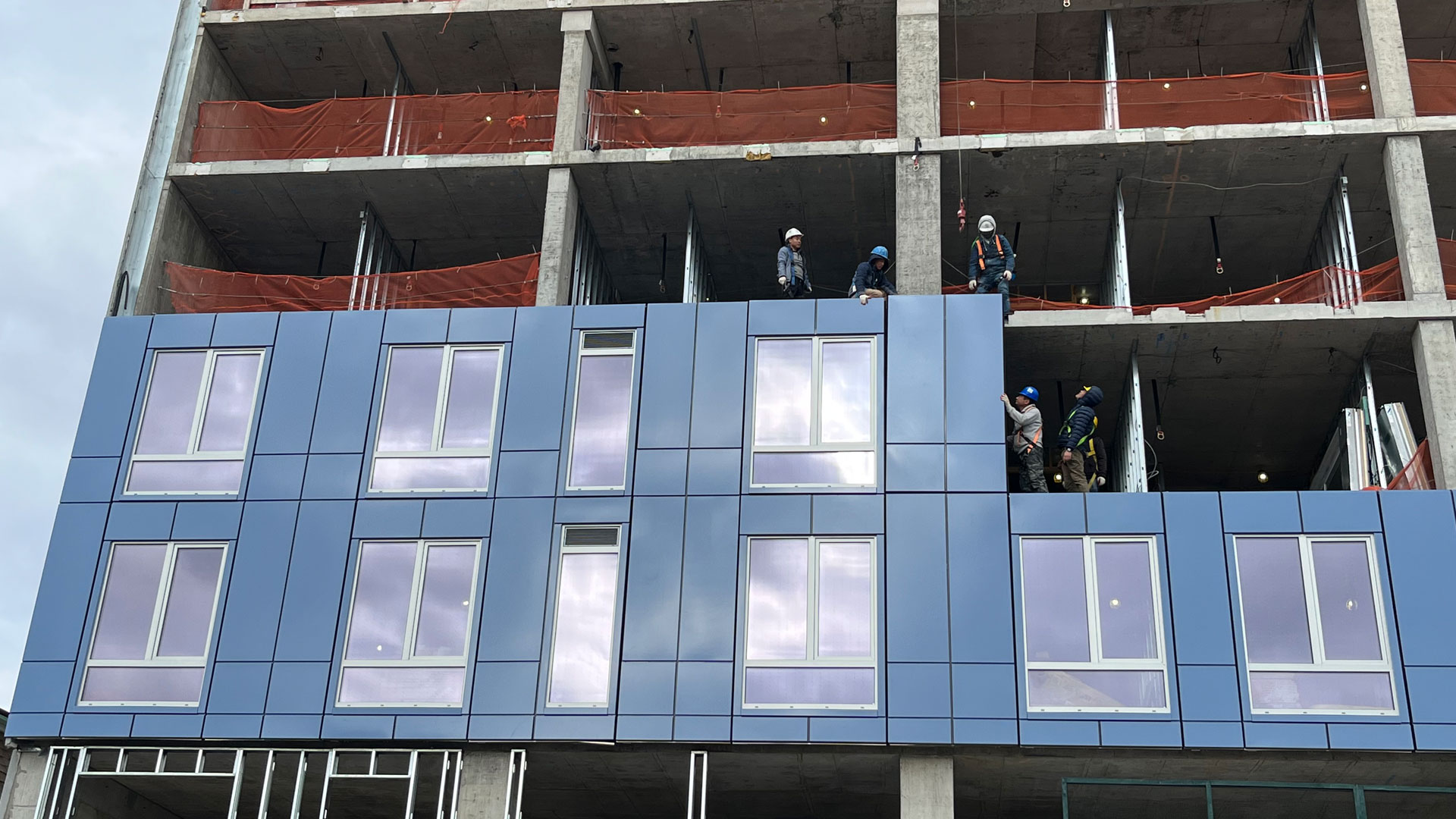
Quality control shifts from field conditions to factory environments where constant temperature, humidity, and cleanliness are maintained. Automated cutting produces tolerances measured in sixteenths of inches. Assembly jigs ensure dimensional accuracy across repetitive components. Field crews focus on joining precision-manufactured elements rather than creating building components from raw materials—an approach that applies equally to prefabricated facade systems that transform building envelopes regardless of structural material.
Embodied Carbon Considerations
Trees capture atmospheric CO2 through photosynthesis, storing carbon in cellulose and lignin. When harvested timber is incorporated into buildings, that stored carbon remains sequestered throughout the building's service life. Neutral Edison's materials are estimated to reduce embodied carbon by 54% compared to equivalent steel and concrete construction.
This reduction reflects fundamental differences in material production. Steel requires blast furnaces exceeding 2,500°F, releasing CO2 from both energy consumption and chemical processes. Cement manufacturing accounts for roughly 8% of global CO2 emissions because calcium carbonate decomposition releases carbon dioxide regardless of fuel source. Timber manufacturing—sawing, planing, drying lumber, and pressing CLT panels—requires significantly less energy. One cubic meter of CLT contains approximately one tonne of CO2 equivalent sequestered carbon.
Forest Stewardship Council certification ensures timber comes from responsibly managed forests where harvest rates don't exceed growth rates. Young trees planted after harvest absorb CO2 rapidly, regenerating forest carbon stocks while harvested timber stores carbon long-term in buildings. As grid electricity decarbonizes, operational building emissions decrease, making embodied carbon in materials an increasingly dominant factor in lifecycle analysis.
Practical Applications for Mid-Rise Development
Neutral Edison operates at a scale most developers won't encounter, but principles transfer to the 8-15 story buildings dominating American cities. Code compliance starts with understanding which provisions apply. Buildings under 85 feet can use Type IV-HT heavy timber construction. Structures between 85 feet and Type IV-A/B/C maximums require navigating newer provisions that many jurisdictions are still unfamiliar with. Early coordination with building officials identifies documentation requirements and inspection protocols.
Insurance and financing affect project economics. Insurers traditionally charge higher premiums for combustible construction. Mass timber projects must educate underwriters about fire performance through testing documentation and sprinkler system design. Lenders unfamiliar with mass timber may apply conservative underwriting. Providing precedent projects and performance data helps establish realistic expectations.
Team selection proves critical. Mass timber requires architects, engineers, and contractors with specific expertise. Structural engineers need understanding of char rates and fire-resistance calculations unique to CLT. Fire protection engineers inform sprinkler design and compartmentation strategies. General contractors experienced with prefabricated systems understand crane logistics and quality protocols that differ from conventional construction.
Integration with Prefabricated Building Envelopes
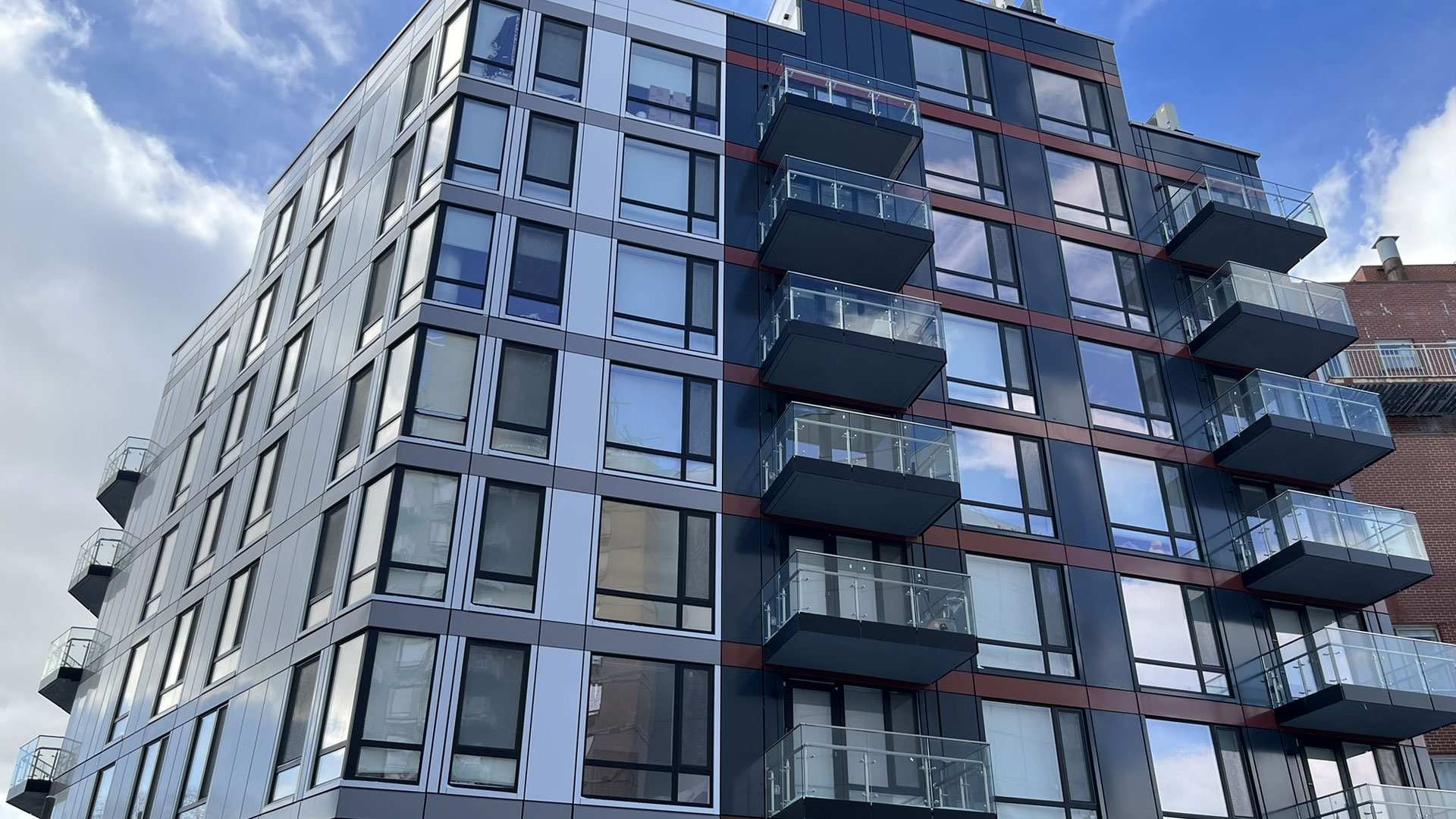
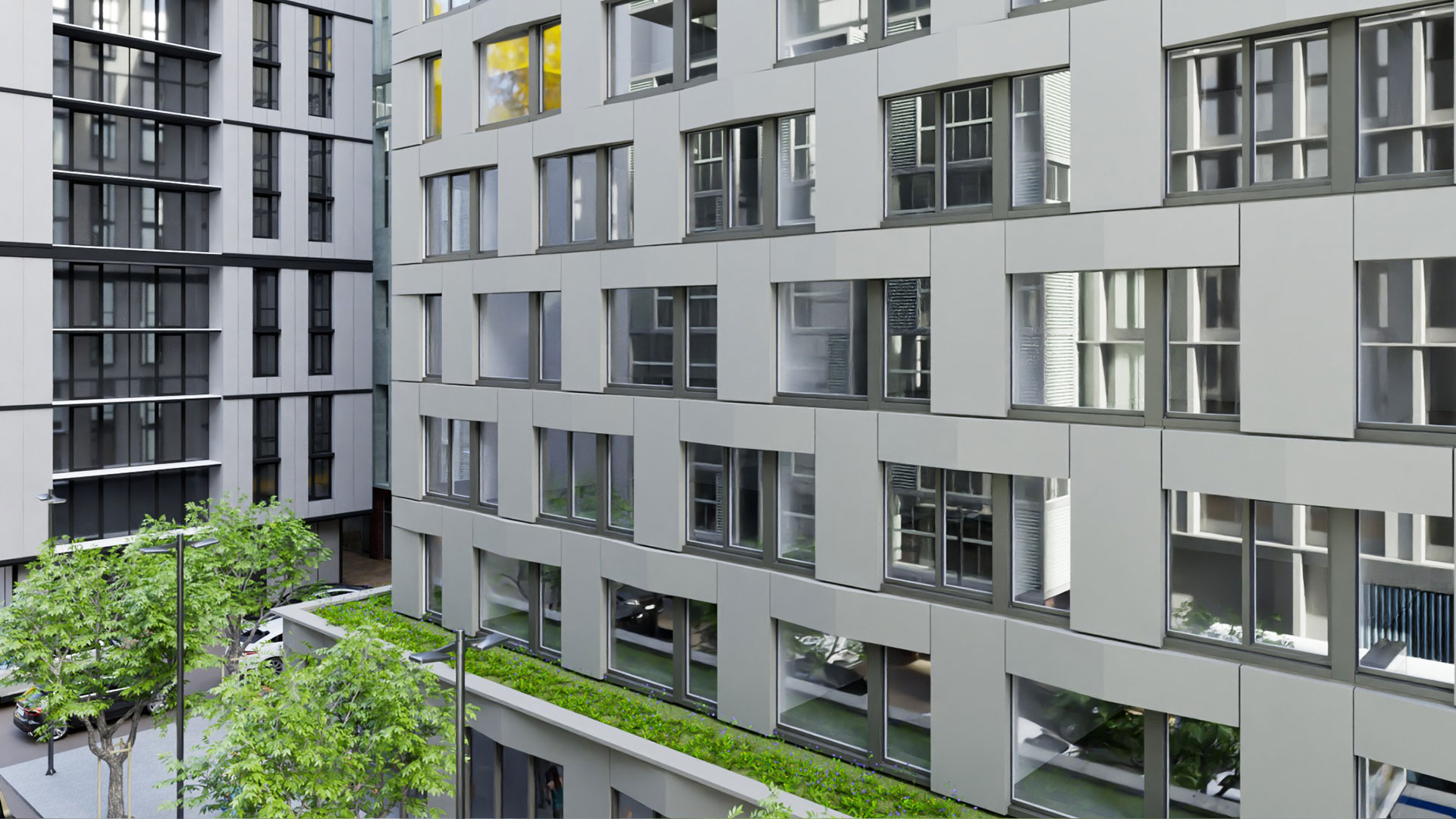
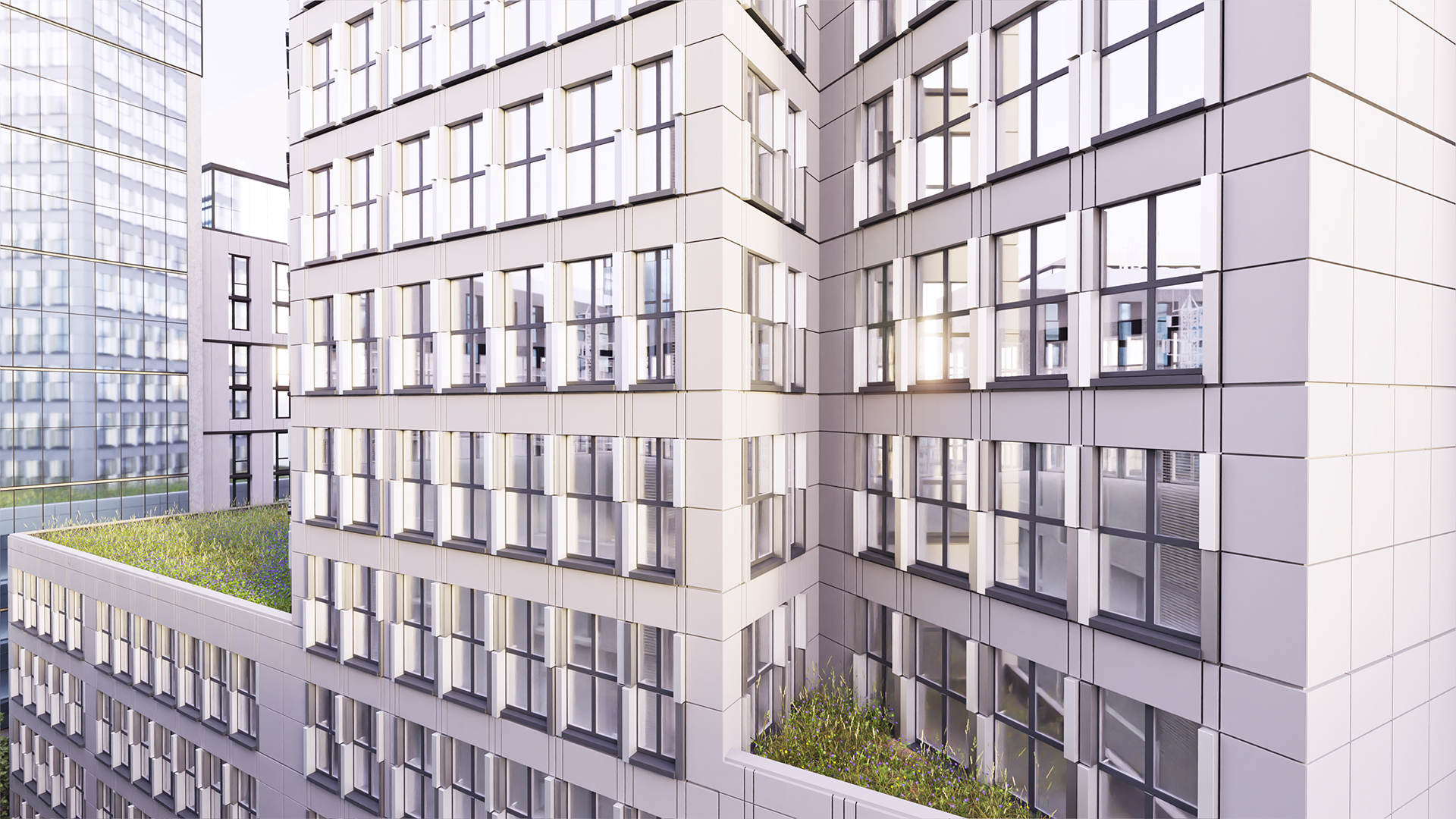
While Neutral Edison showcases mass timber structural systems, the factory-control principles enabling timber construction apply equally to building envelopes. Prefabricated facade panels work across structural material types, bringing similar advantages: precision manufacturing, quality control, and compressed schedules.
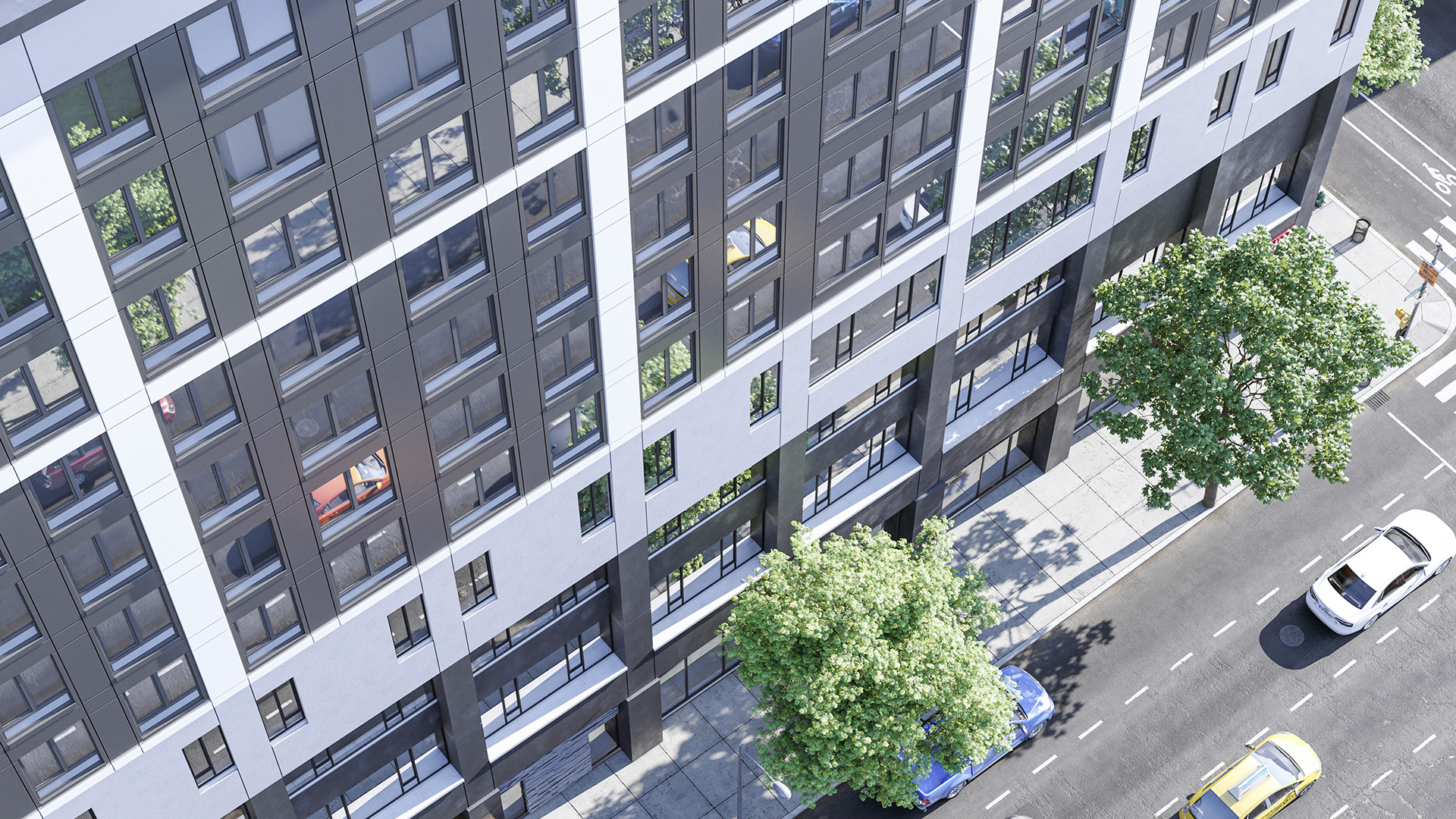
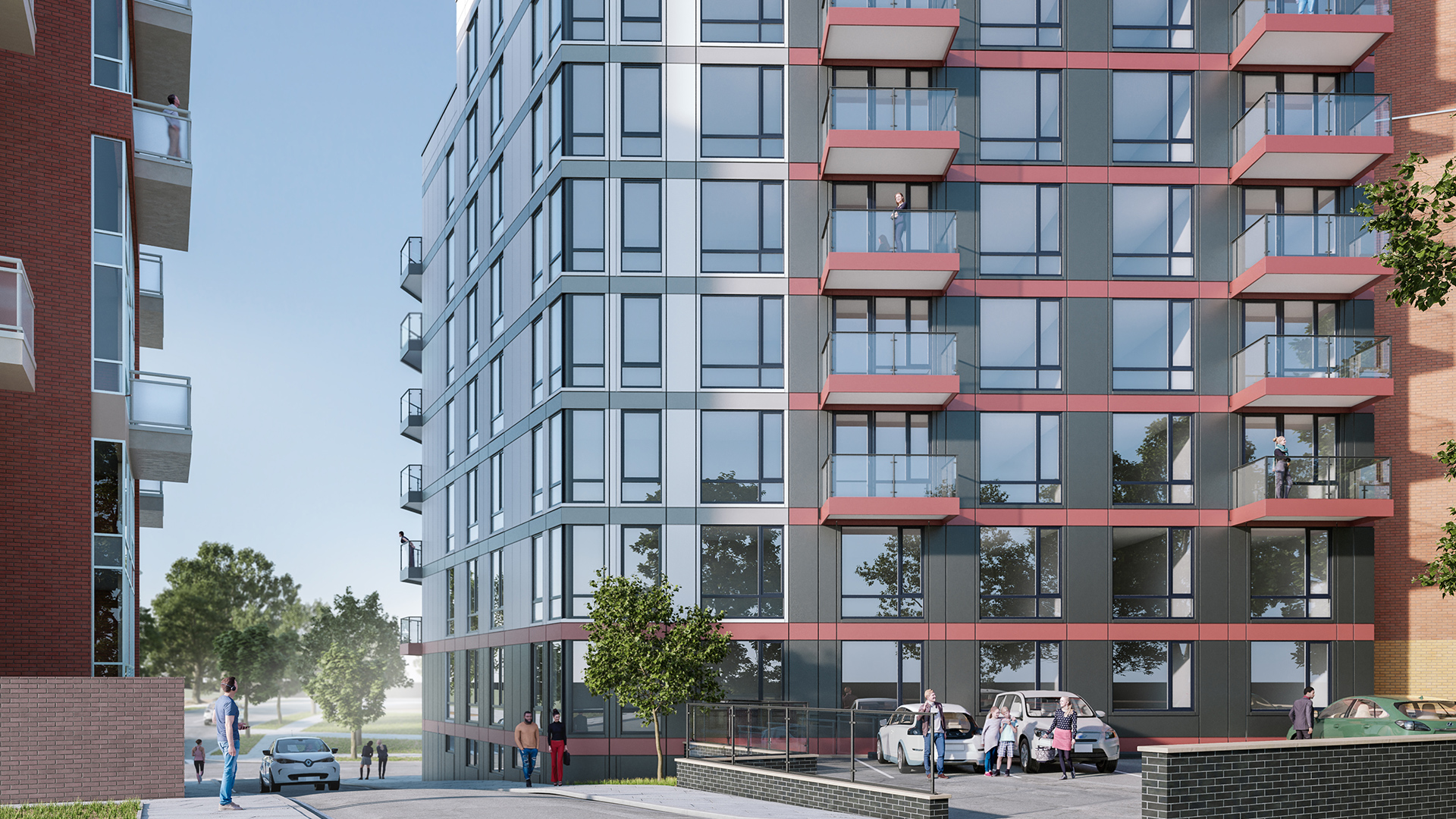
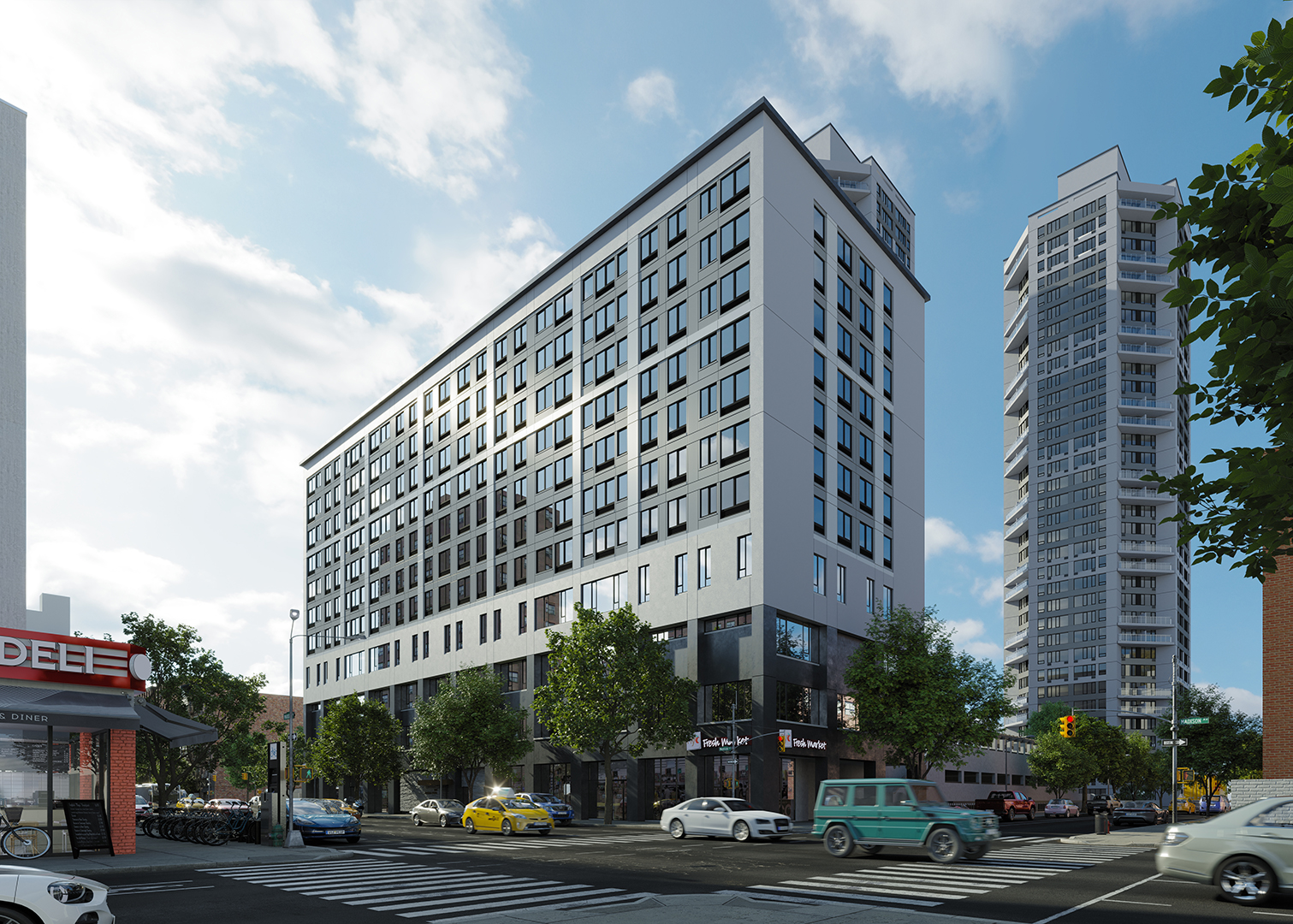
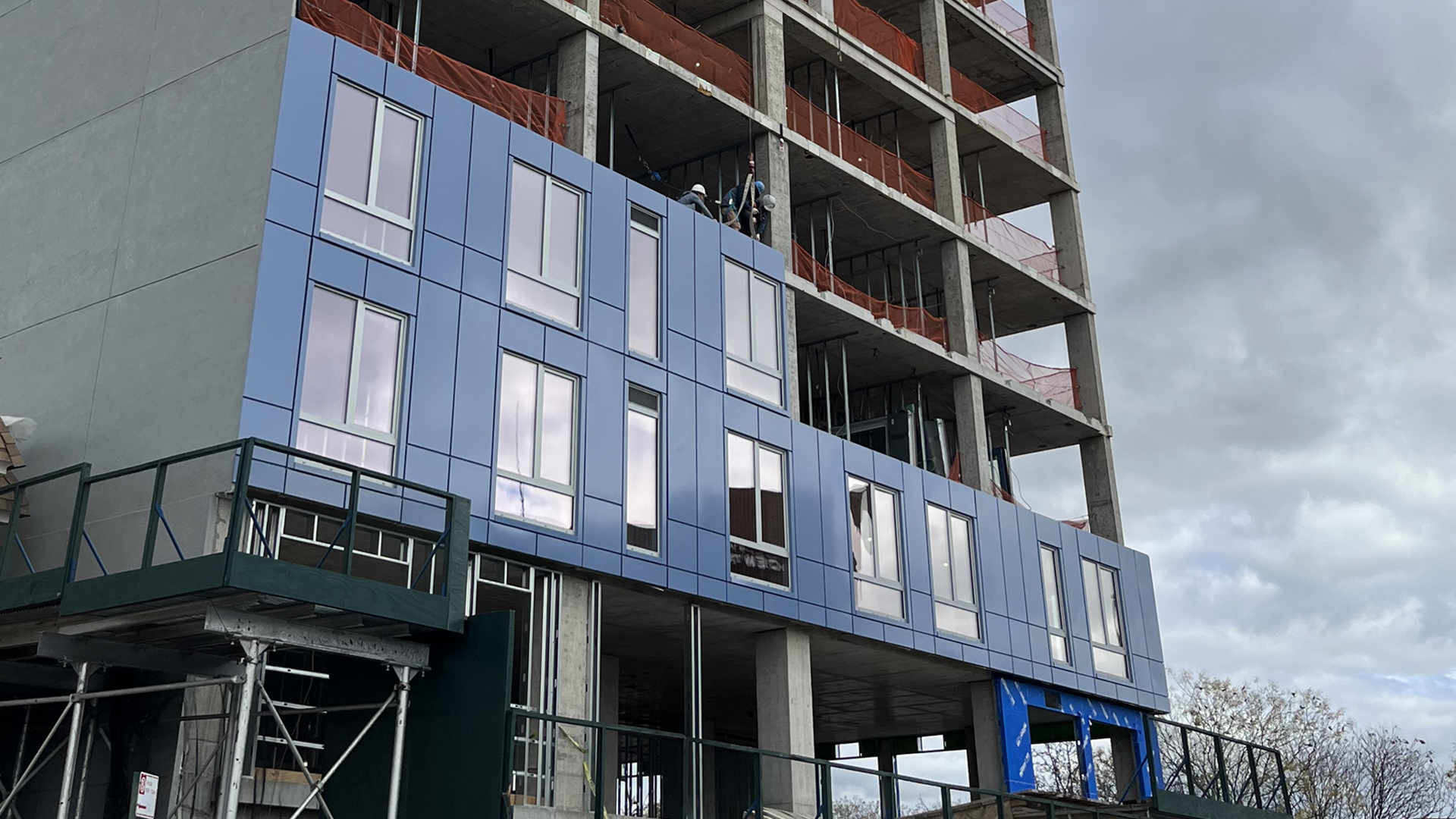
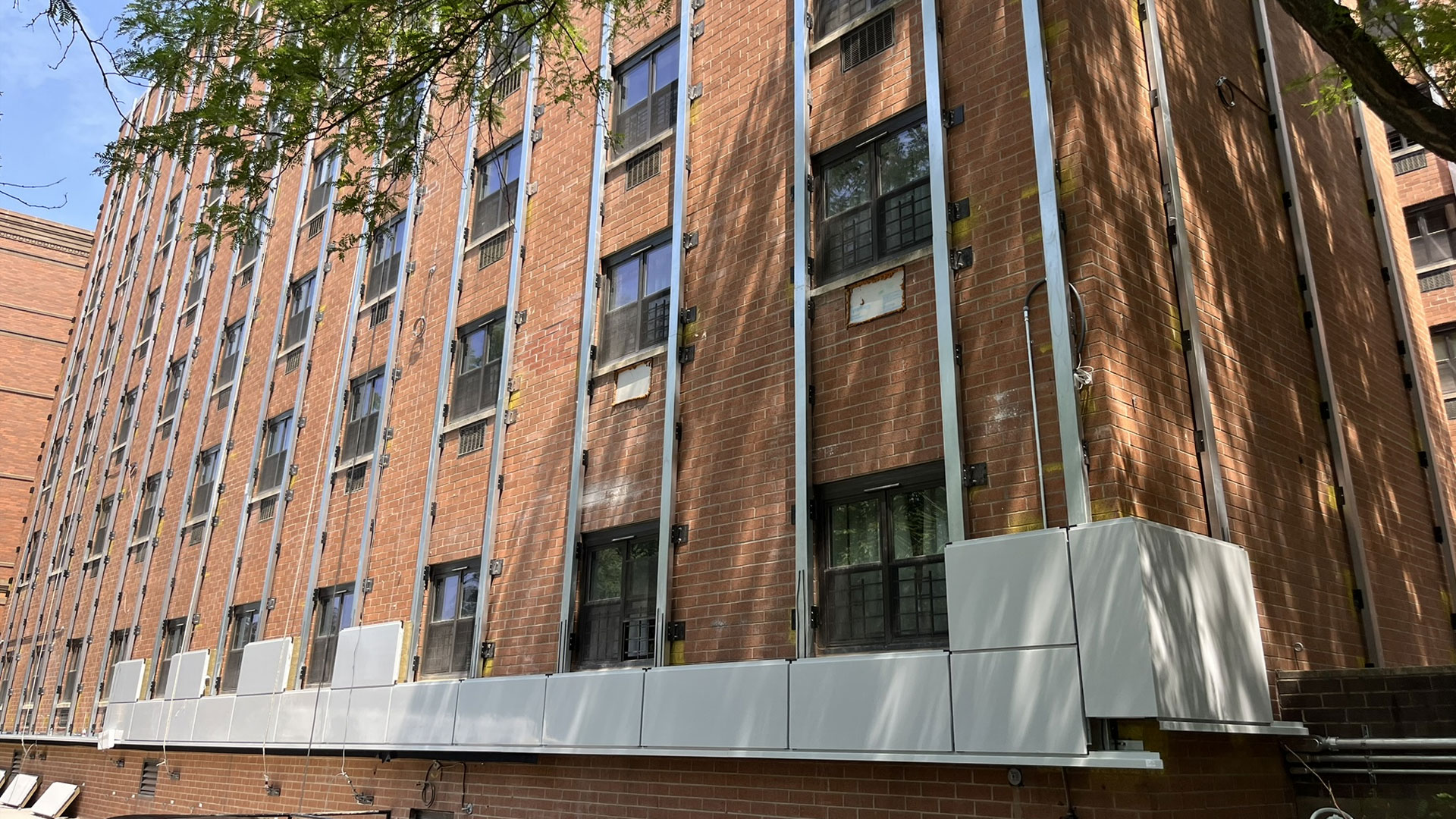
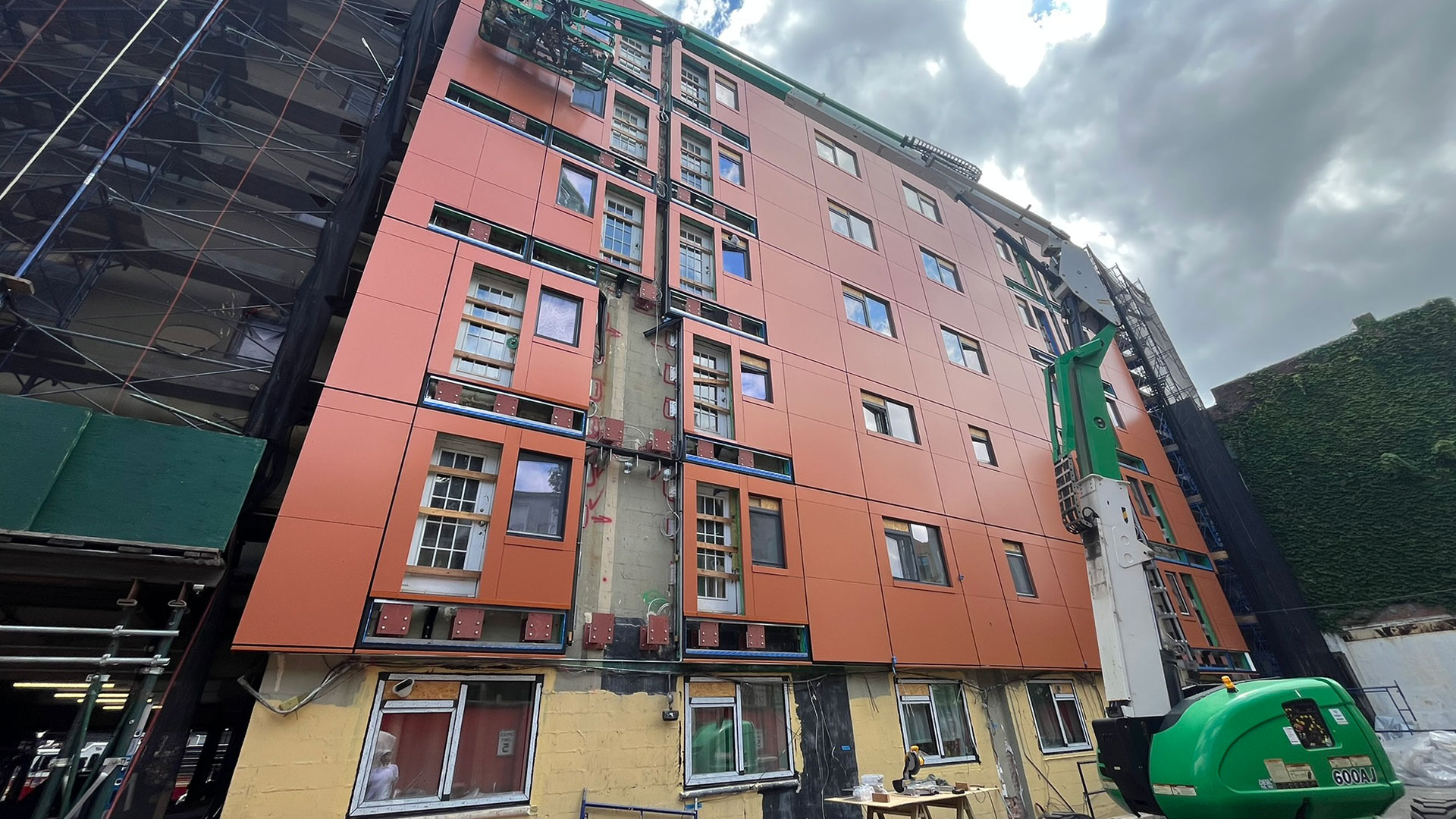
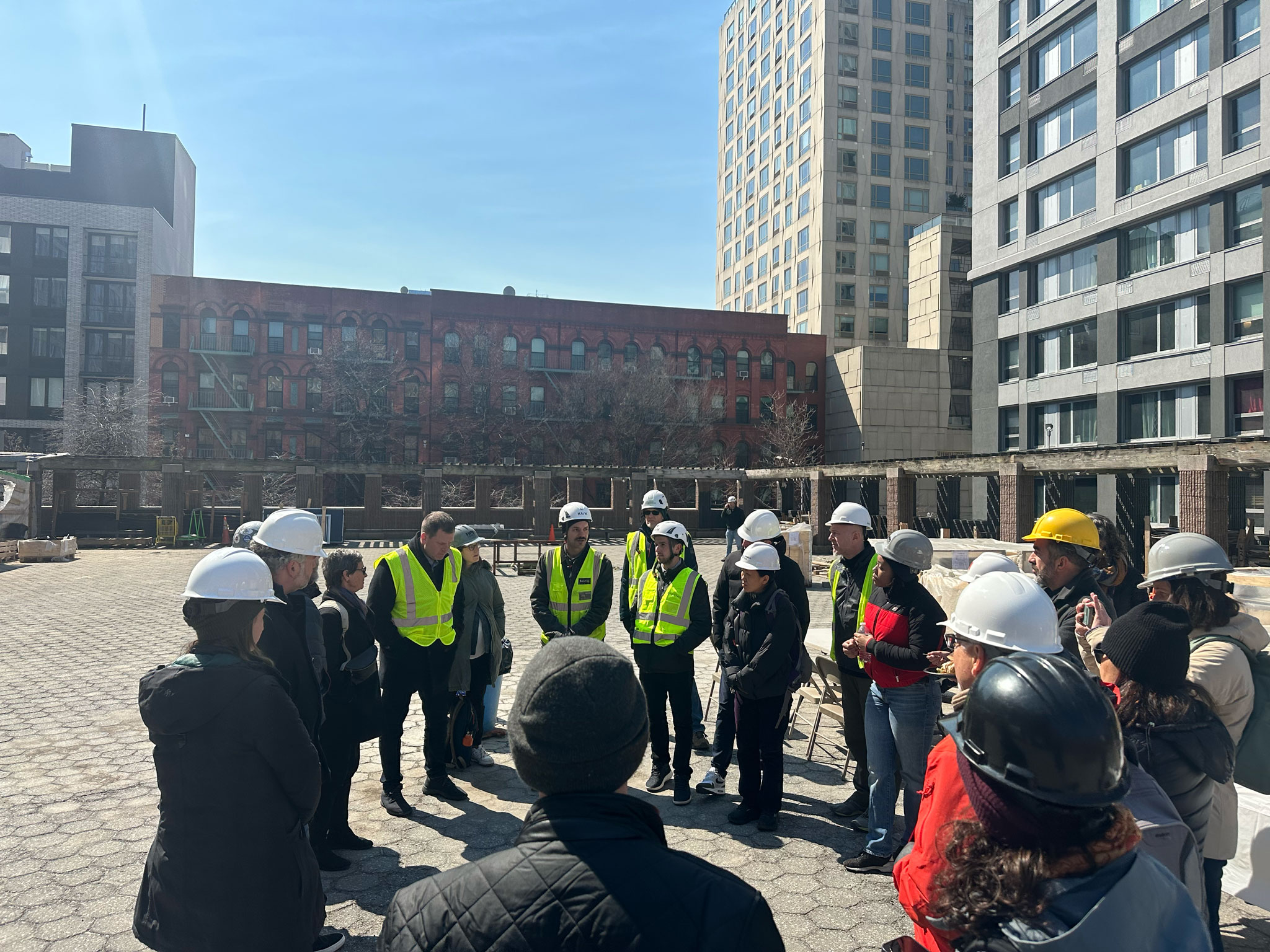
The Heritage project at 1660 Madison Avenue demonstrates envelope transformation independent of structure. Factory-fabricated facade panels replaced the deteriorated envelope while the existing structure remained in place. Interior installation eliminated exterior scaffolding, reducing neighborhood disruption and cutting budgets by 20-30%. Residents remained during construction, experiencing renovation more like interior work than external overhaul.
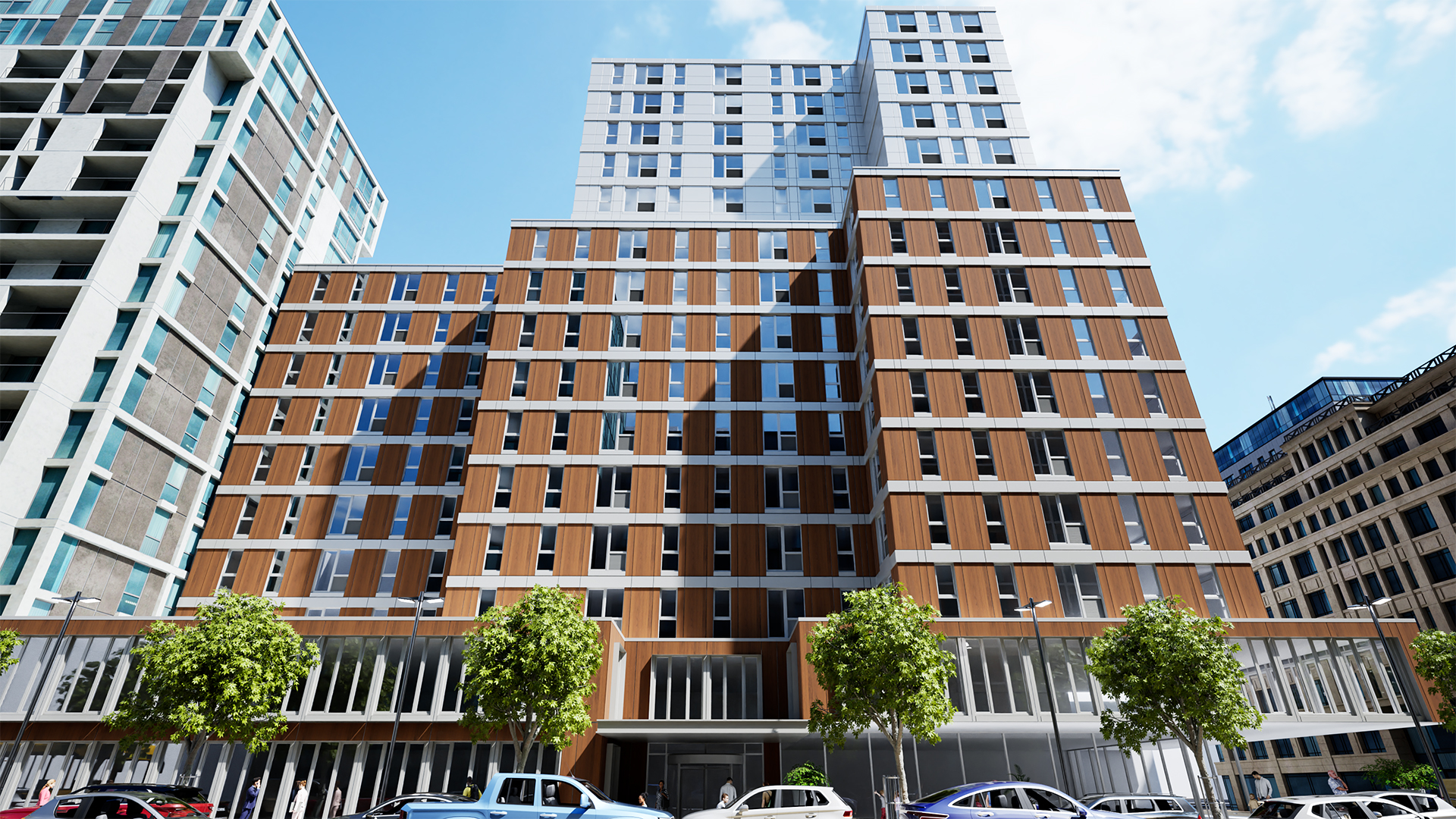
NJPAC Newark showcases prefabricated envelope integration with new construction. The 25-story mixed-use tower compressed schedules through factory fabrication parallel to foundation work. Digital coordination through Dextall Studio ensured facade panels integrated with structural frame, mechanical systems, and interior layouts.
Hybrid systems combining mass timber structure with prefabricated facades represent a logical evolution. Timber delivers low embodied carbon structural advantages. Prefab envelopes provide superior thermal performance and installation speed. Factory-controlled manufacturing of both major systems eliminates weather-dependent work and quality inconsistencies. Projects pursuing aggressive sustainability goals increasingly adopt multi-system prefabrication strategies.
Key Takeaways
- Building codes now enable tall timber construction. The 2021 IBC introduced provisions allowing mass timber buildings up to 18 stories with proper fire protection, creating pathways that didn't exist five years ago.
- Fire performance is documented and predictable. CLT charring behavior creates self-limiting fire resistance. Testing demonstrates two-hour ratings without additional protection. This differs fundamentally from dimensional lumber's rapid fire spread through concealed cavities.
- Factory fabrication drives speed and quality. Parallel offsite production while foundations and cores are built compresses schedules significantly. Quality control in manufacturing facilities outperforms field construction conditions regardless of structural material.
- Embodied carbon advantages are substantial. Timber stores carbon absorbed during growth. Material production requires far less energy than steel or cement manufacturing. As operational emissions decrease with grid decarbonization, embodied carbon becomes increasingly important.
- Team expertise determines execution success. Innovative construction methods require specialists who understand material behavior, fabrication tolerances, and installation sequences. Early engagement enables collaborative detailing that prevents field problems.
FAQ
How does CLT perform in fire compared to traditional timber?
CLT behavior differs fundamentally from dimensional lumber. When exposed to fire, CLT's outer layers char at approximately 1.5 inches per hour, forming an insulating layer protecting inner timber. Thick panels maintain structural integrity for hours even after outer charring. Traditional lumber with concealed spaces allows rapid fire spread through cavities. CLT's solid mass construction eliminates these spaces. Testing consistently demonstrates CLT can achieve two-hour fire-resistance ratings without additional protective membranes.
What building codes allow tall mass timber construction?
The 2021 International Building Code introduced Type IV-A, Type IV-B, and Type IV-C construction types for mass timber. Type IV-A allows up to 18 stories with two-hour fire-resistance ratings and non-combustible protection for exposed timber. Type IV-B permits up to 12 stories with reduced requirements. Type IV-C allows up to 9 stories with more flexibility. All require automatic sprinklers, compartmentalization, and specific connection details. Most U.S. states adopt the IBC with varying effective dates.
Can prefabricated facade systems work with mass timber structures?
Yes. Both approaches rely on precision manufacturing and factory control. CLT panels arrive with connection points positioned per shop drawings. Facade panels are fabricated to precise dimensions with pre-installed windows, insulation, and cladding. Integration requires coordination between timber fabricator and facade manufacturer to ensure connections align structurally and thermally. Projects combining both systems achieve compounding schedule benefits through parallel factory fabrication.
How does embodied carbon of timber compare to steel and concrete?
Timber stores carbon absorbed during tree growth. One cubic meter of CLT contains approximately one tonne of CO2 equivalent sequestered carbon. Steel production releases 1-2 tonnes CO2 per tonne of material from energy consumption and chemical processes. Cement manufacturing accounts for roughly 8% of global emissions. Neutral Edison estimated 54% embodied carbon reduction versus equivalent steel-concrete construction. As grid electricity decarbonizes, operational emissions decrease, making material choices increasingly important.
What are typical construction speed advantages for mass timber?
Ascent Milwaukee reported 25% faster completion than comparable concrete. Factory fabrication happens while foundations and cores are built, meaning components are ready immediately when structure reaches appropriate height. Concrete requires sequential pour cycles with cure times. Steel needs field welding and connections. CLT panels crane rapidly into place. Mid-rise projects can achieve 30-50% timeline reductions versus conventional methods depending on project specifics and team experience. Faster completion reduces carrying costs and accelerates revenue generation.
Disclaimer
Dextall is not involved in the Neutral Edison Tower project. This article analyzes publicly available information about Hartshorne Plunkard Architecture's design and Neutral's development plans to explore how principles from tall mass timber projects can inform mid-rise construction strategies in the U.S. market. For questions about the Neutral Edison project, contact Neutral or C.D. Smith Construction. For information about Dextall's prefabricated building envelope solutions, visit dextall.com.
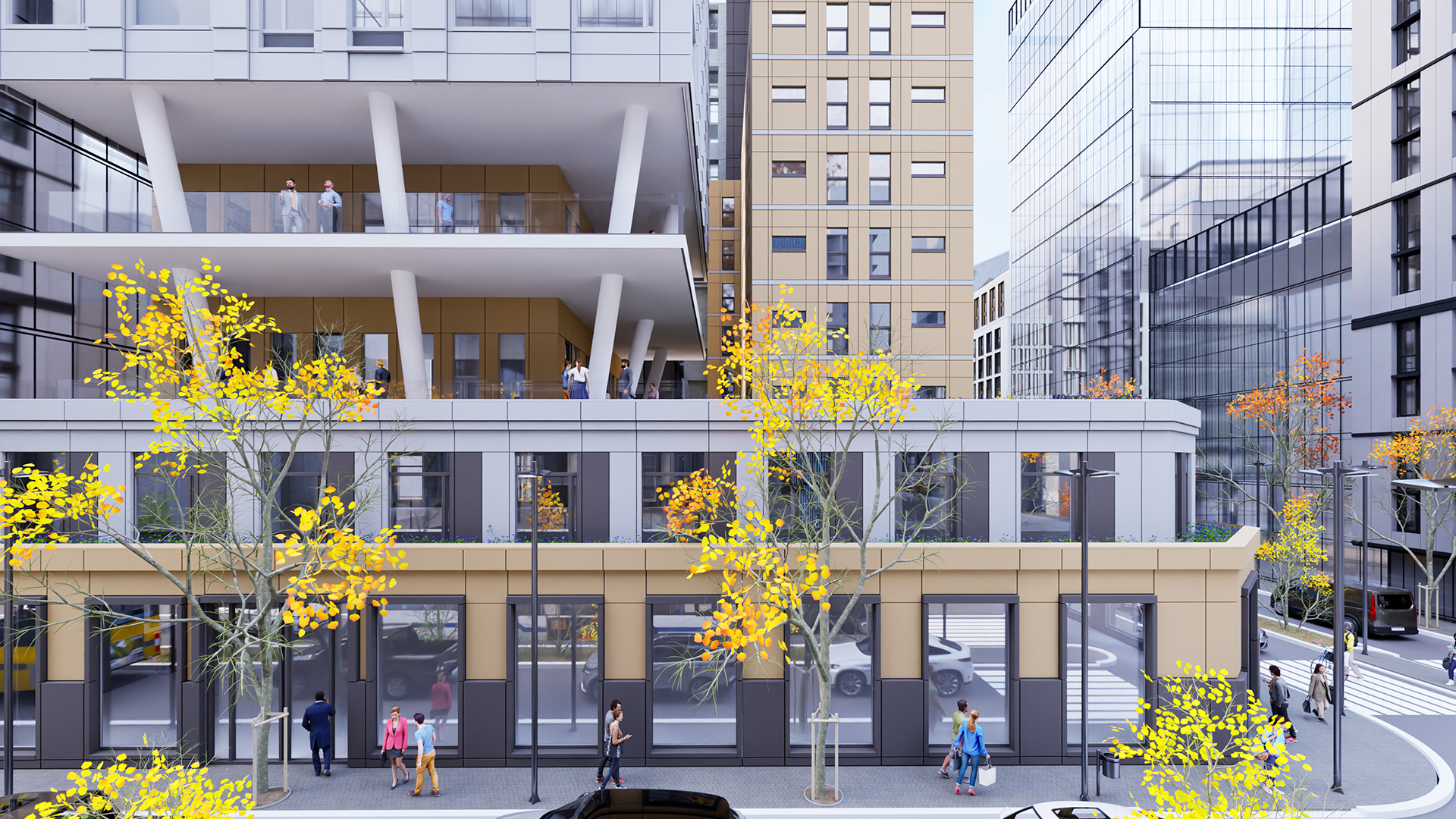
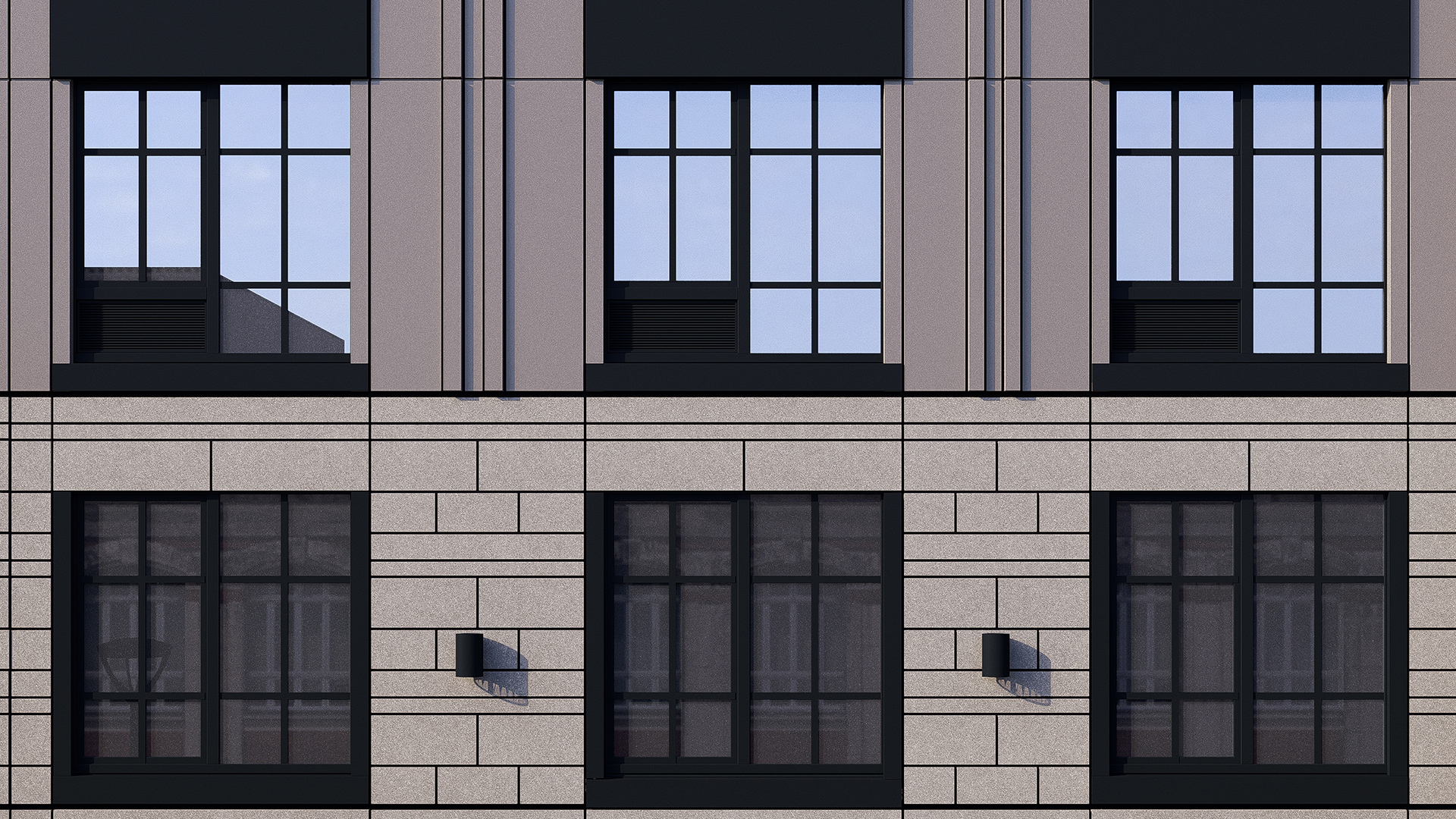
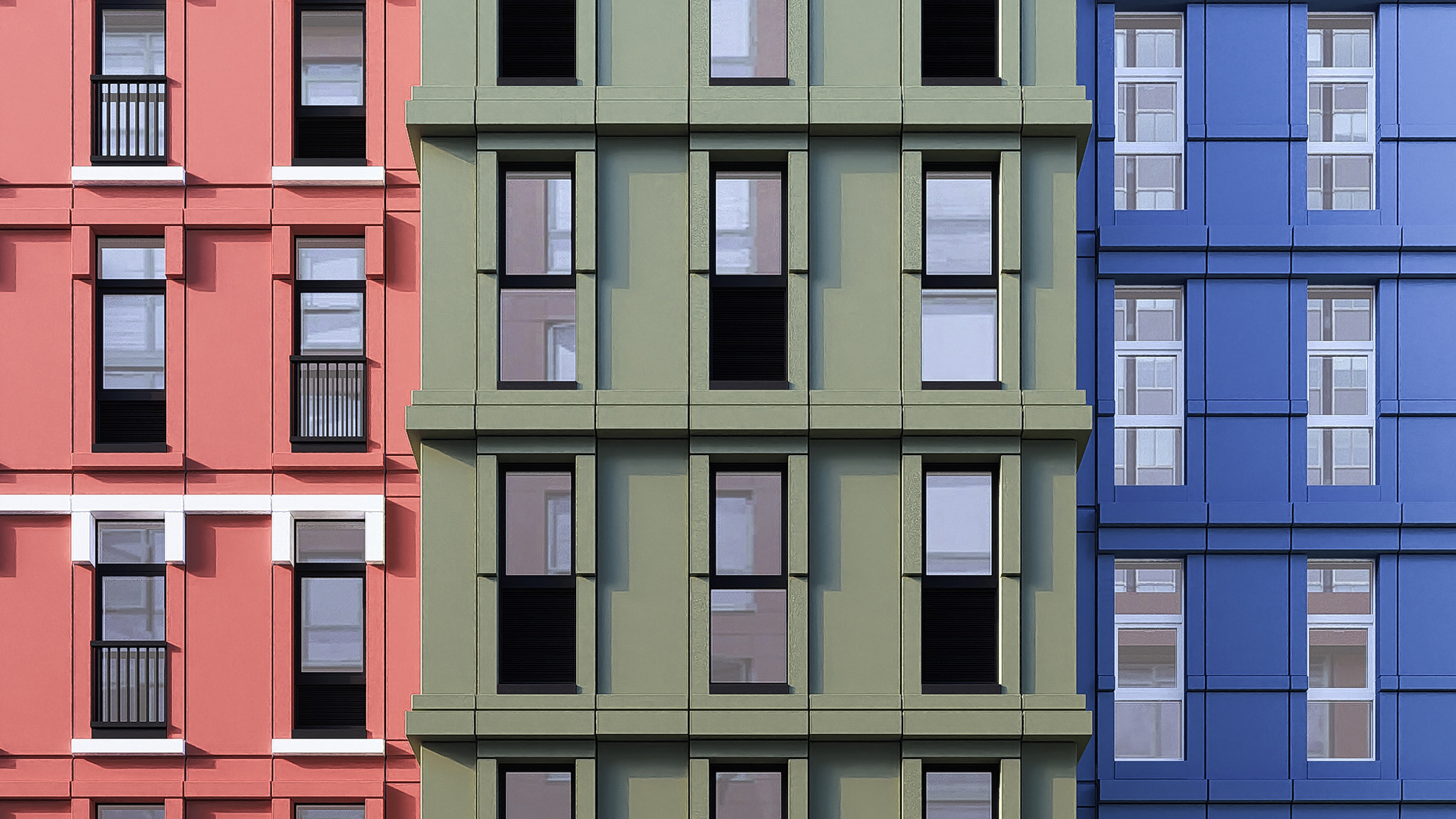
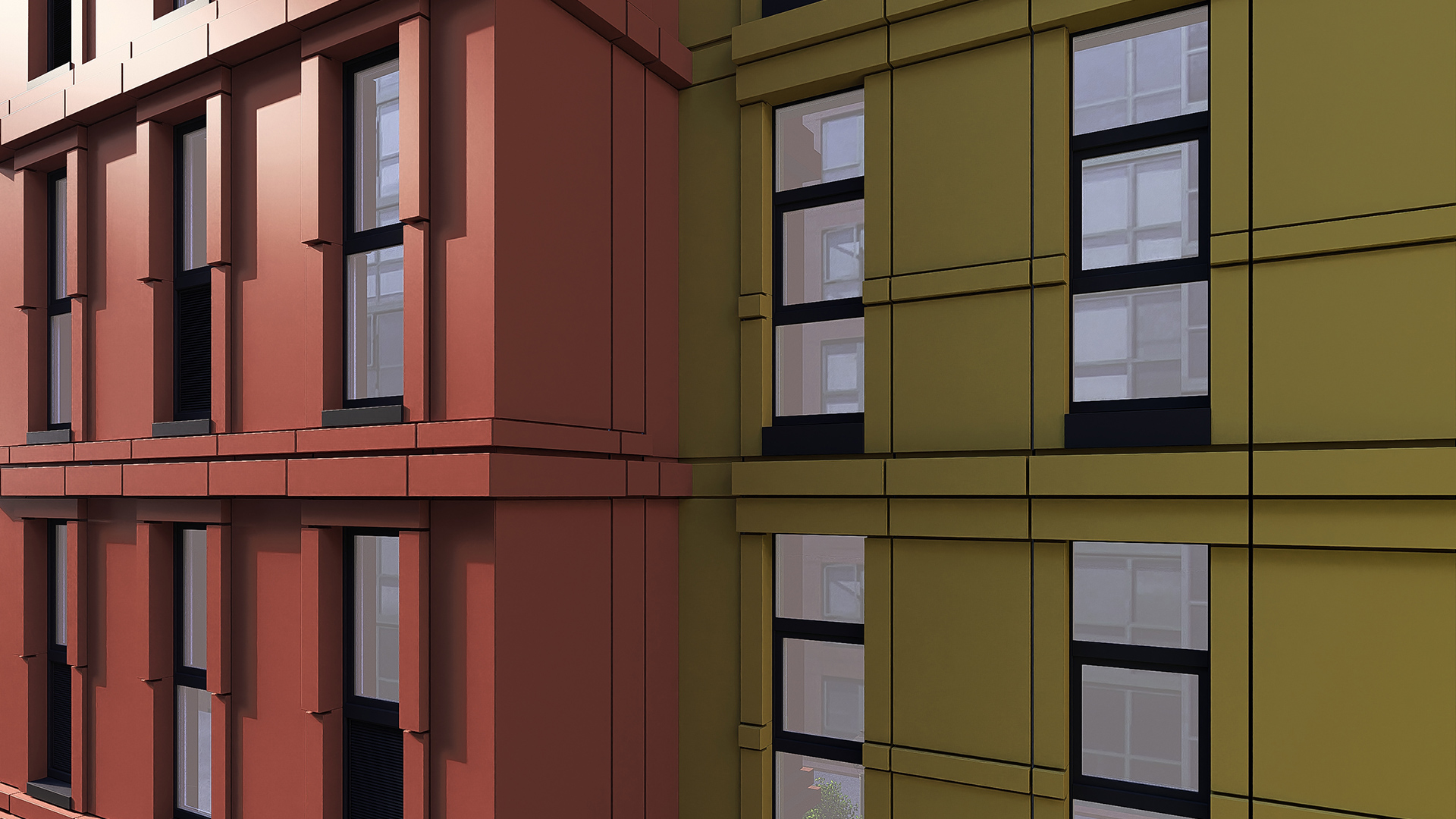
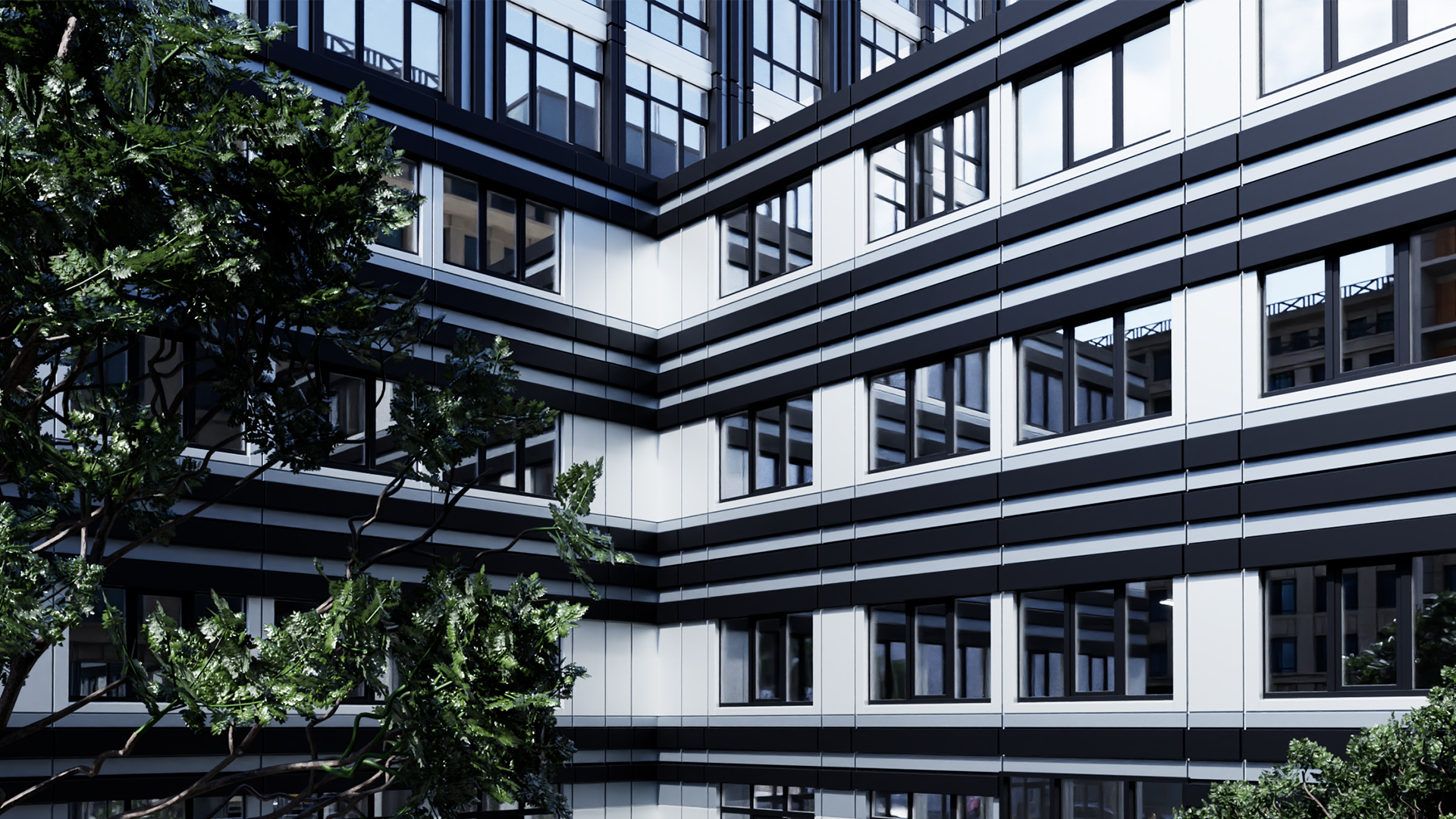
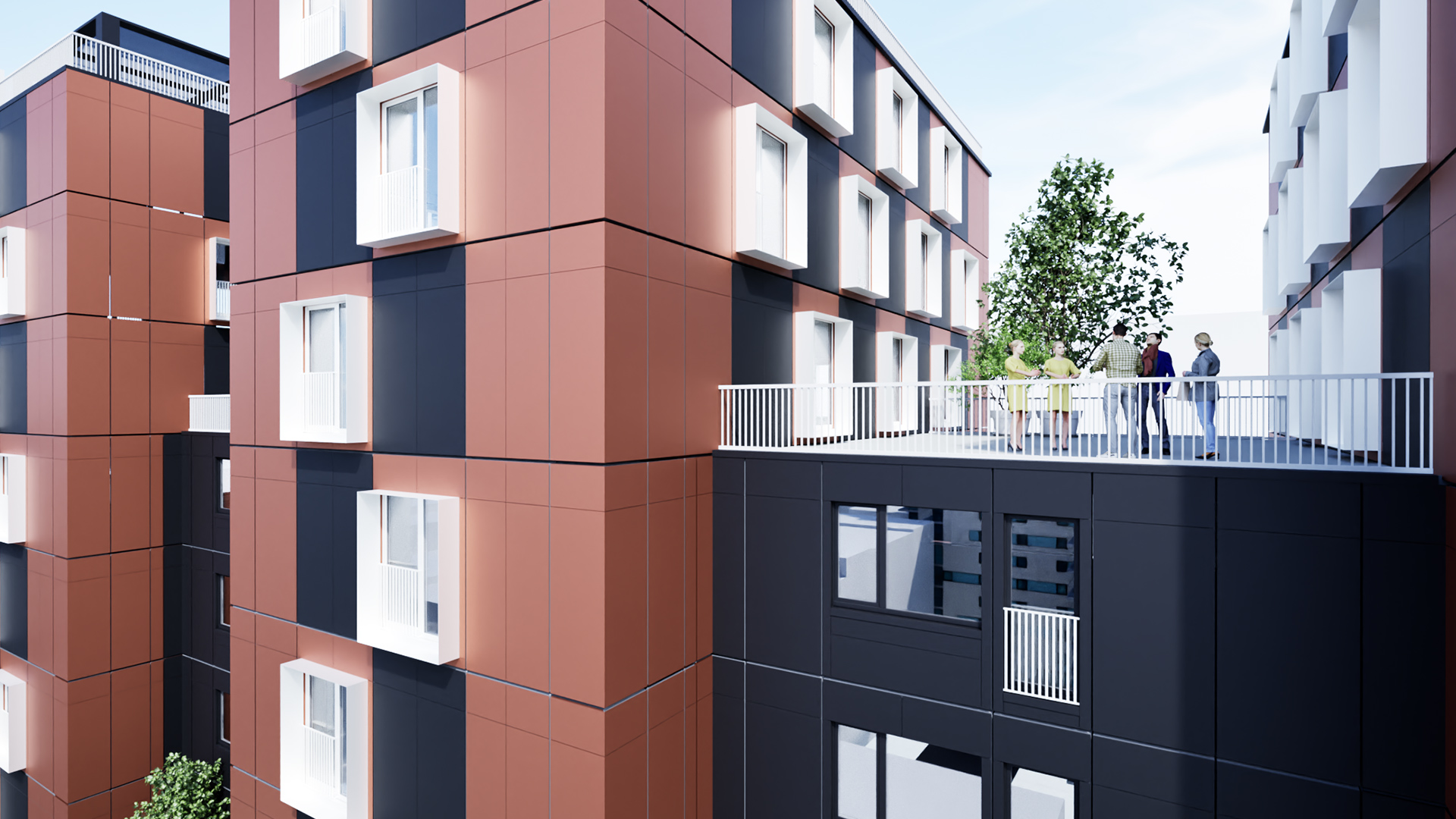
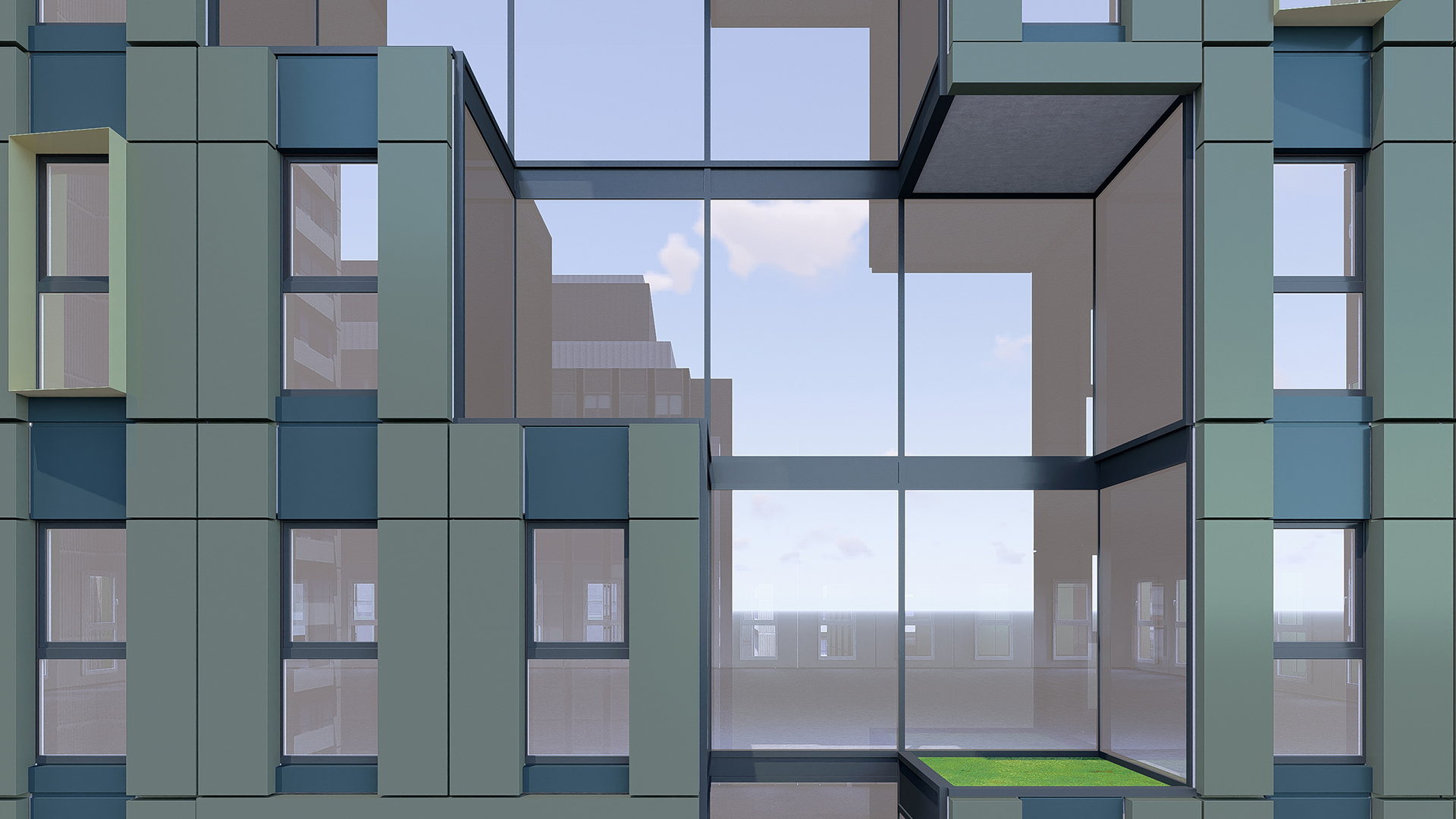
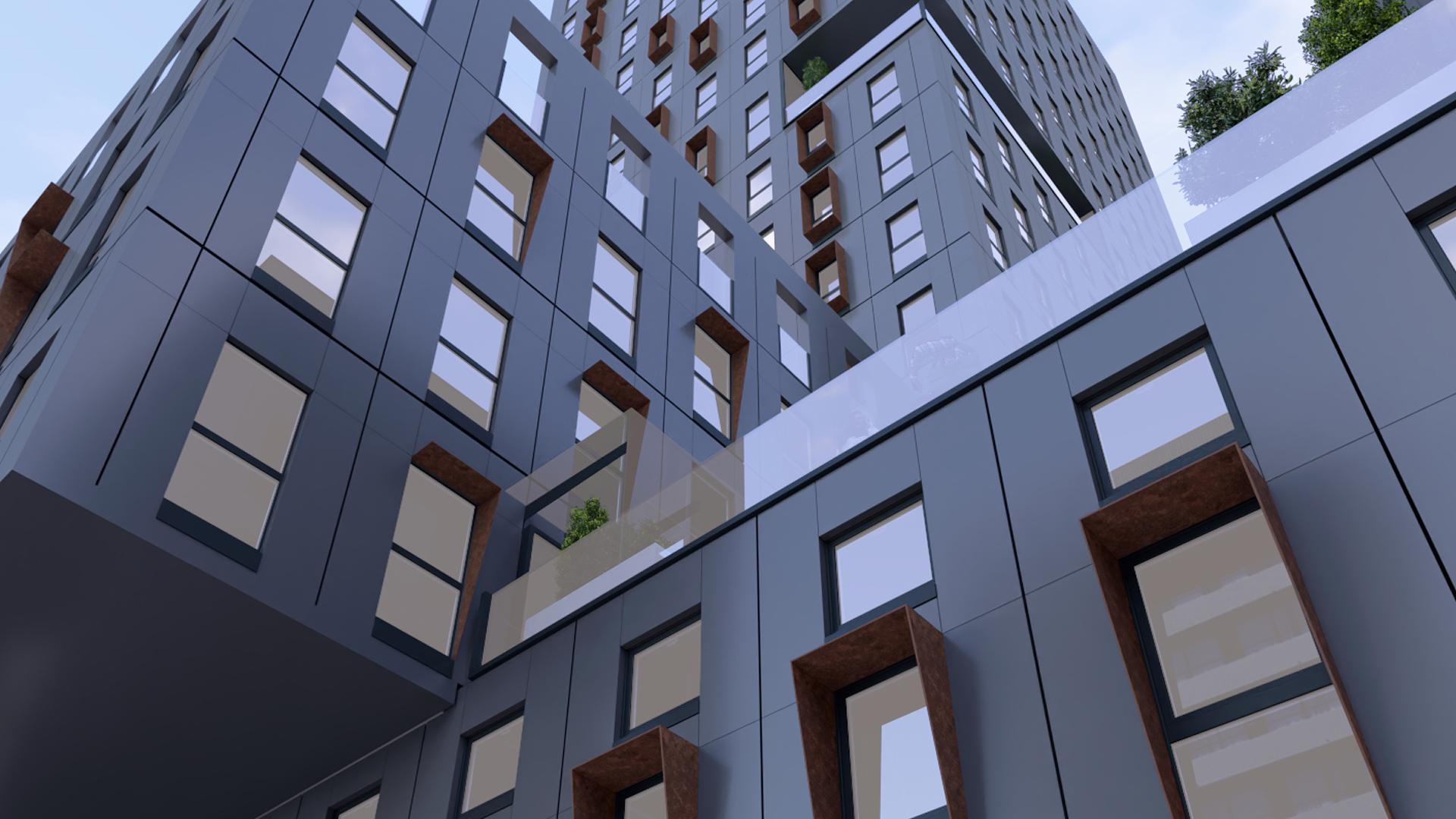
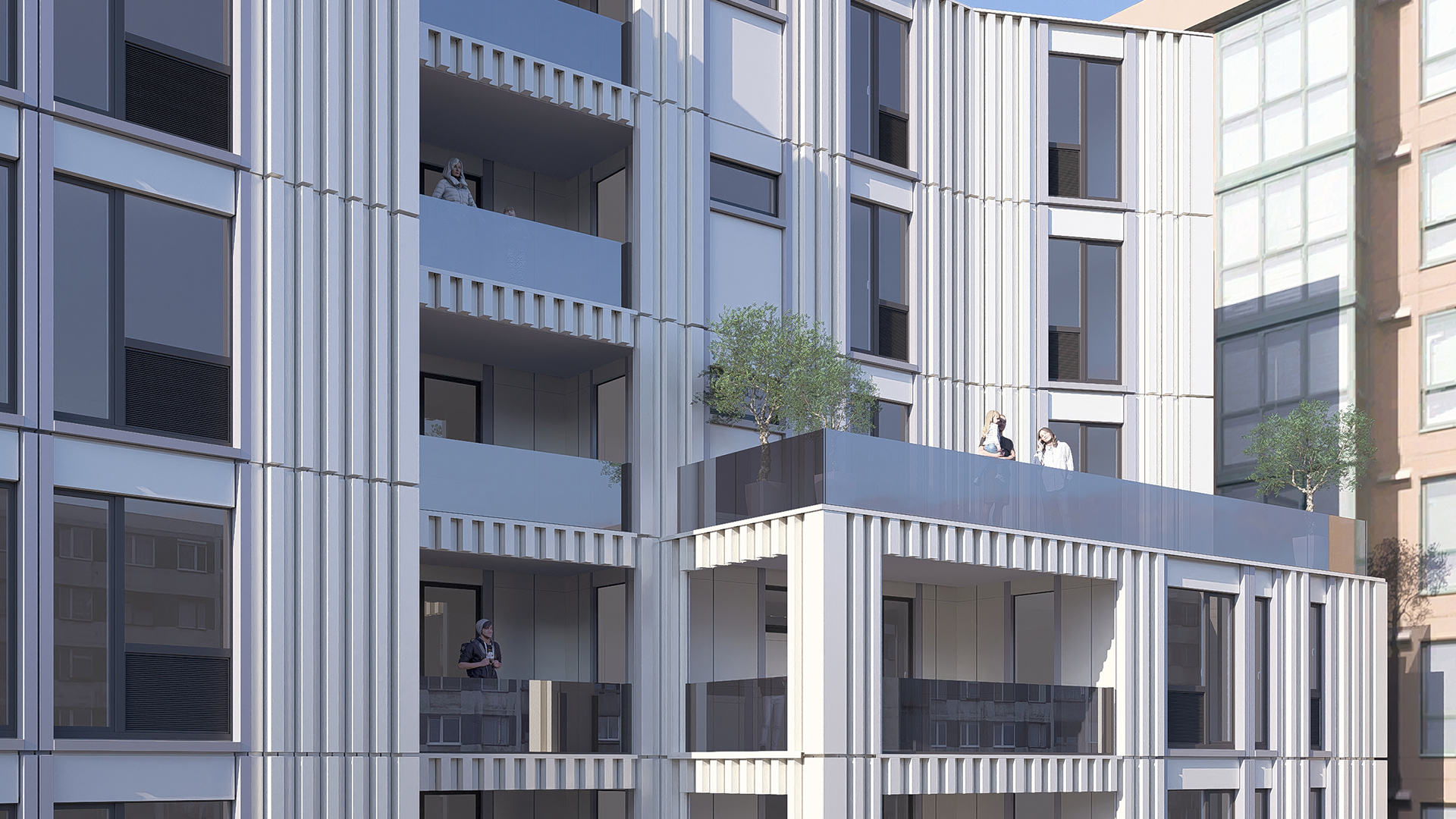
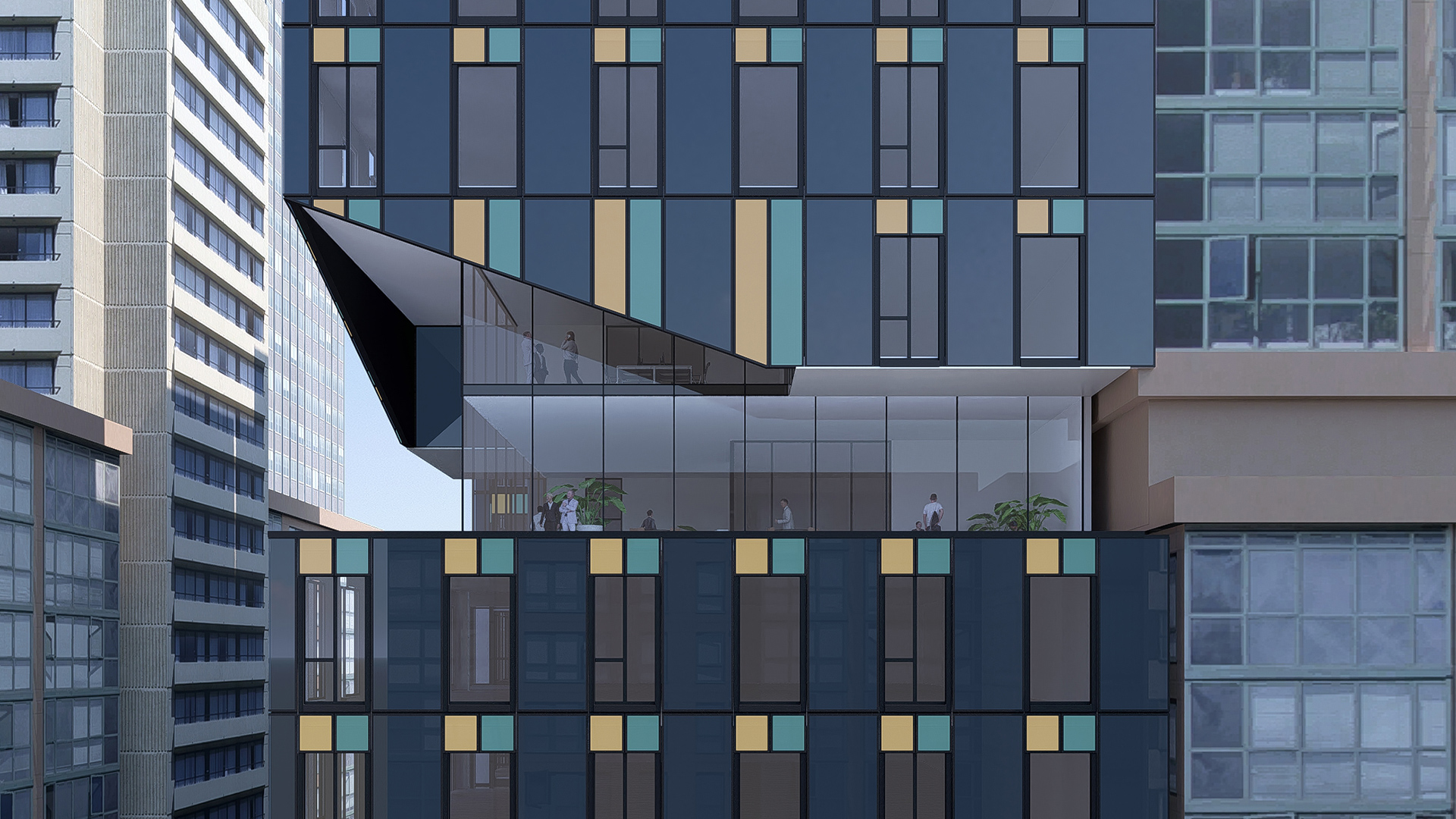
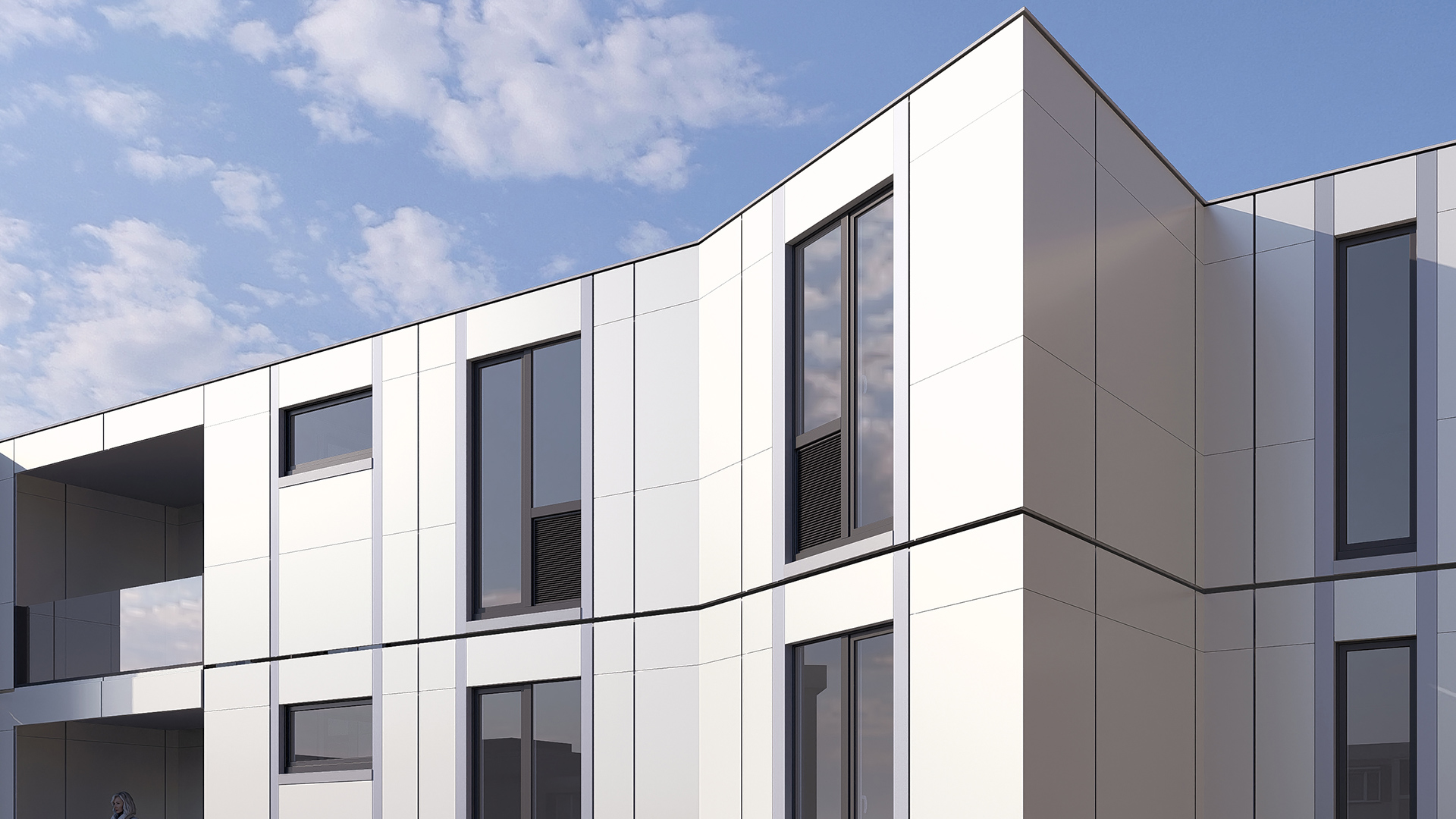
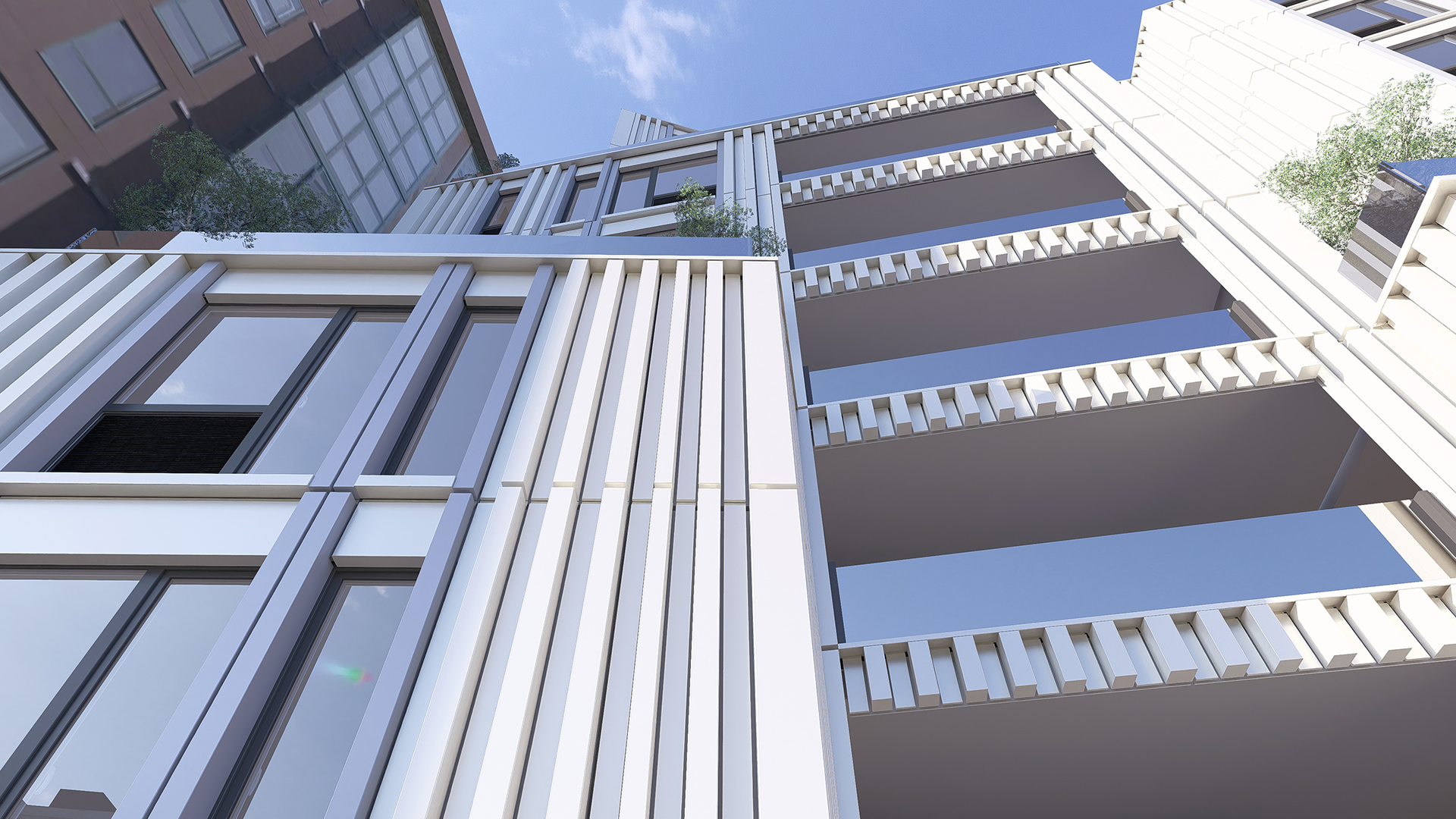
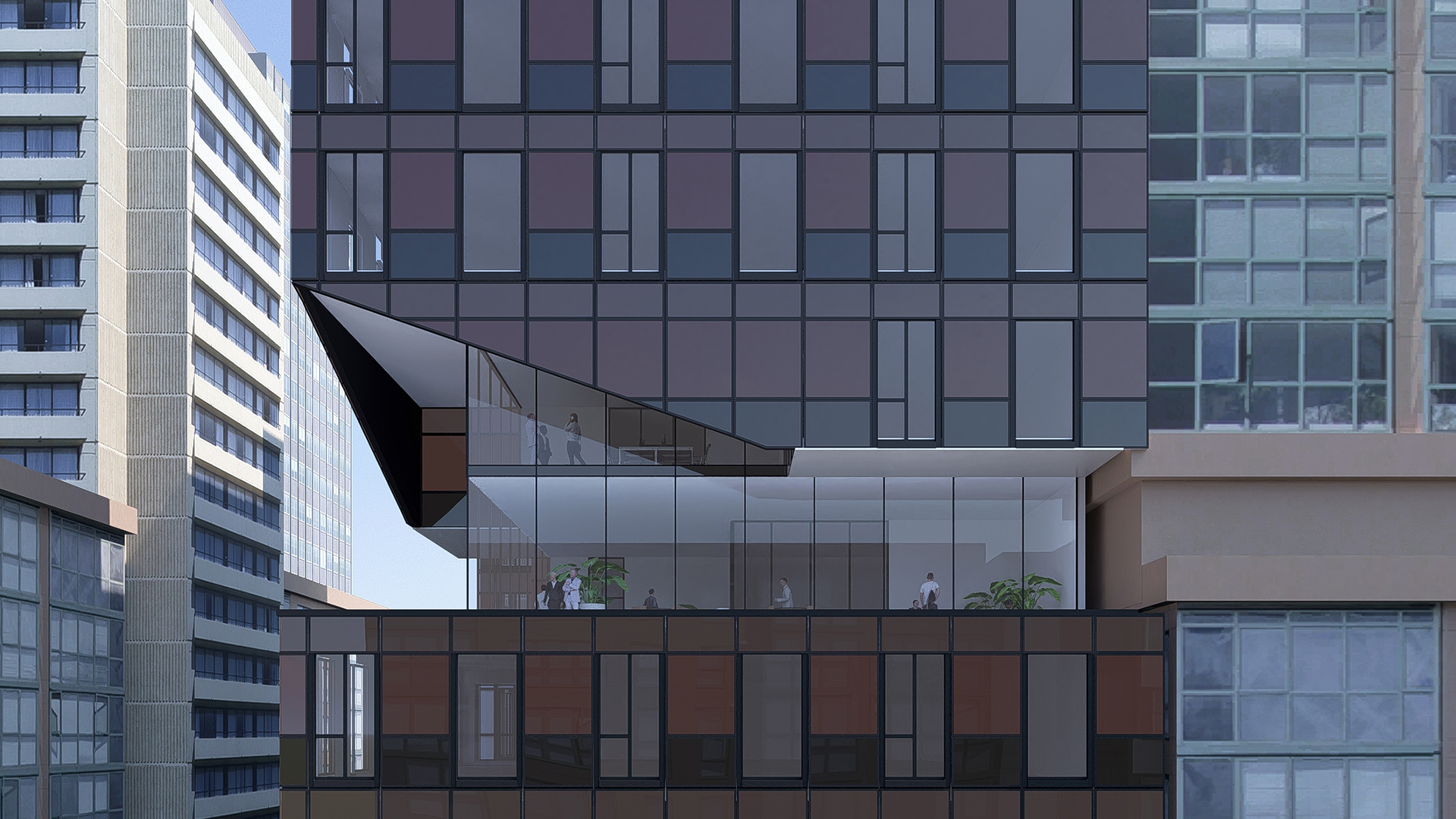
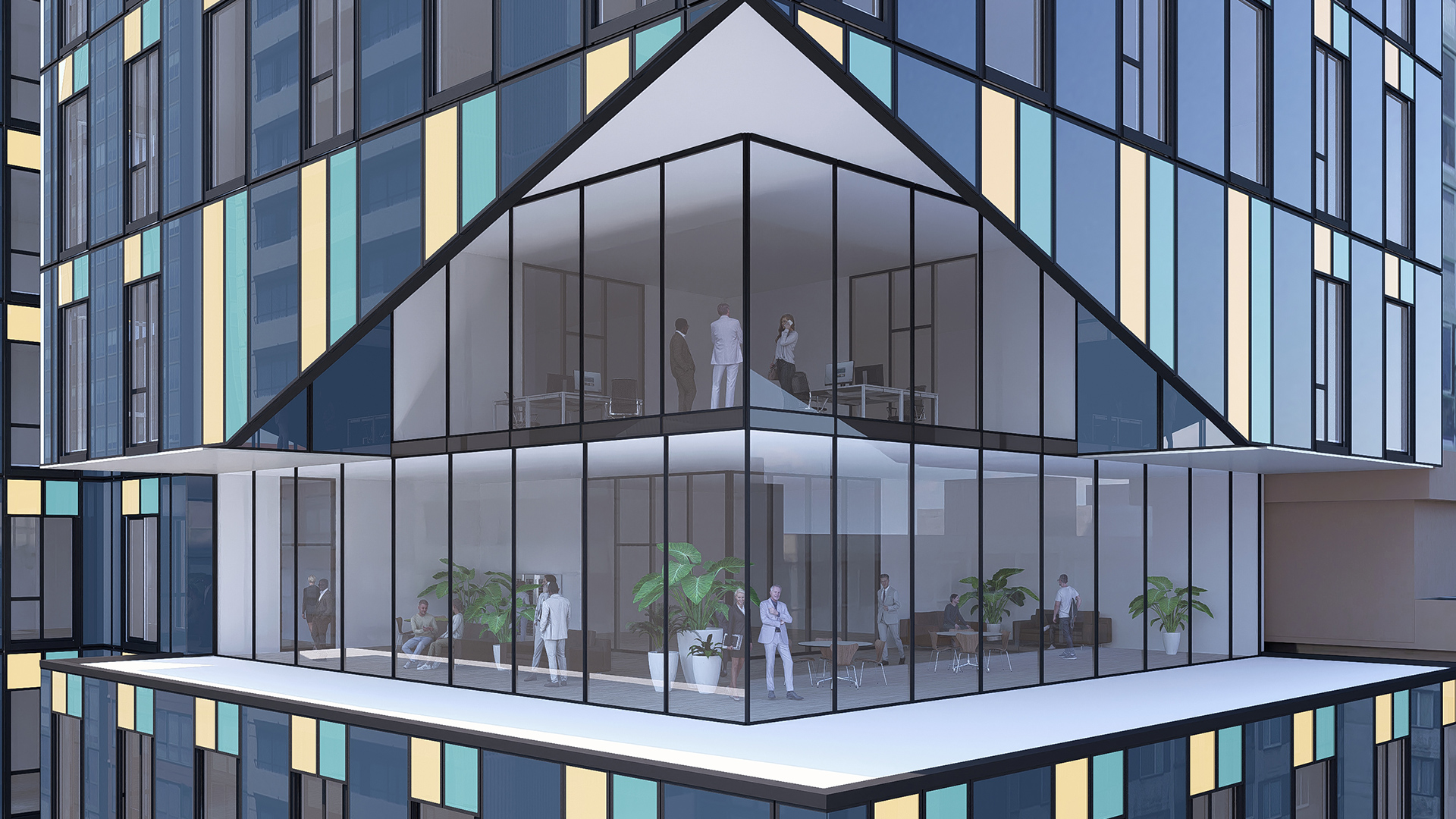
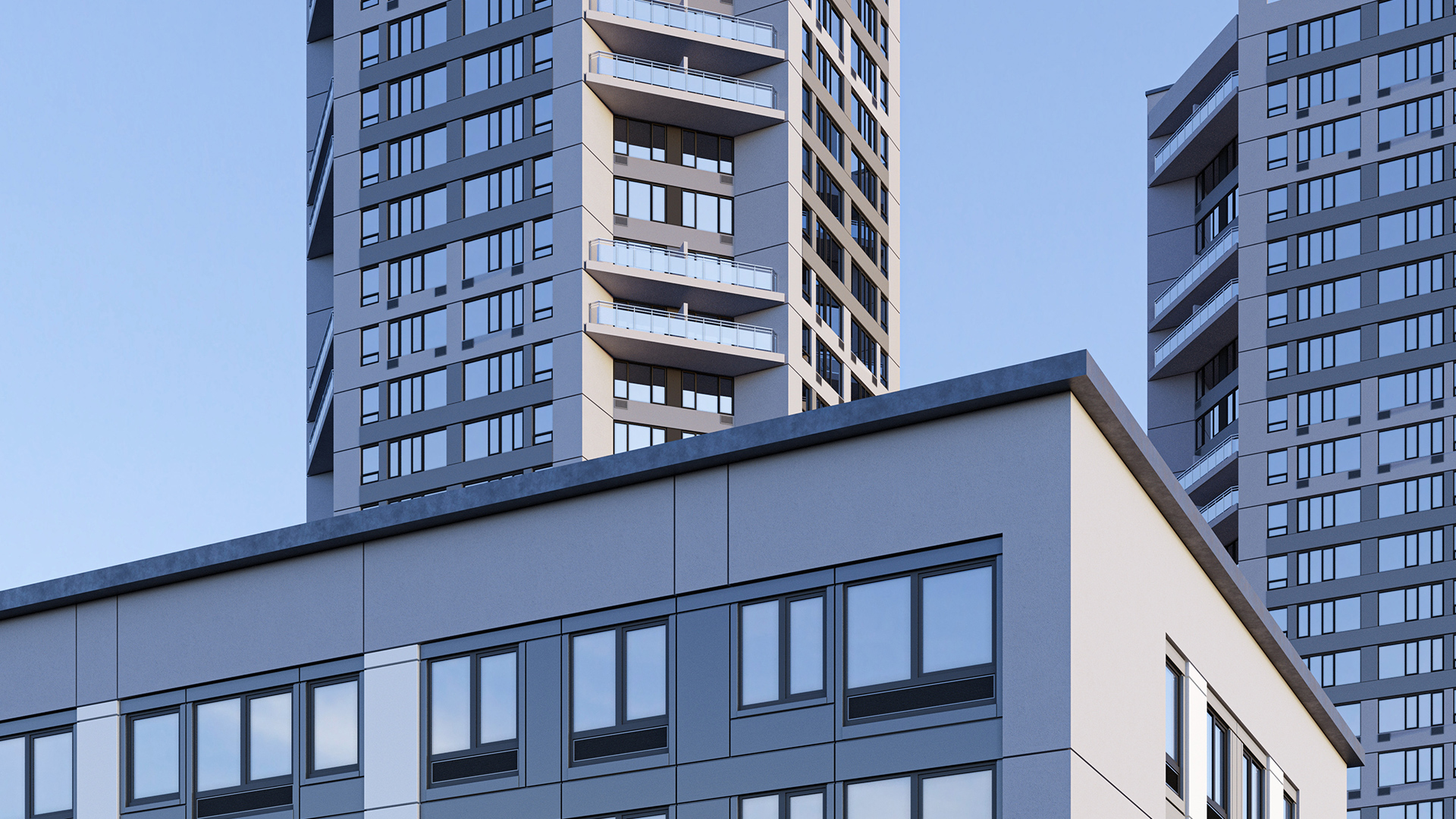
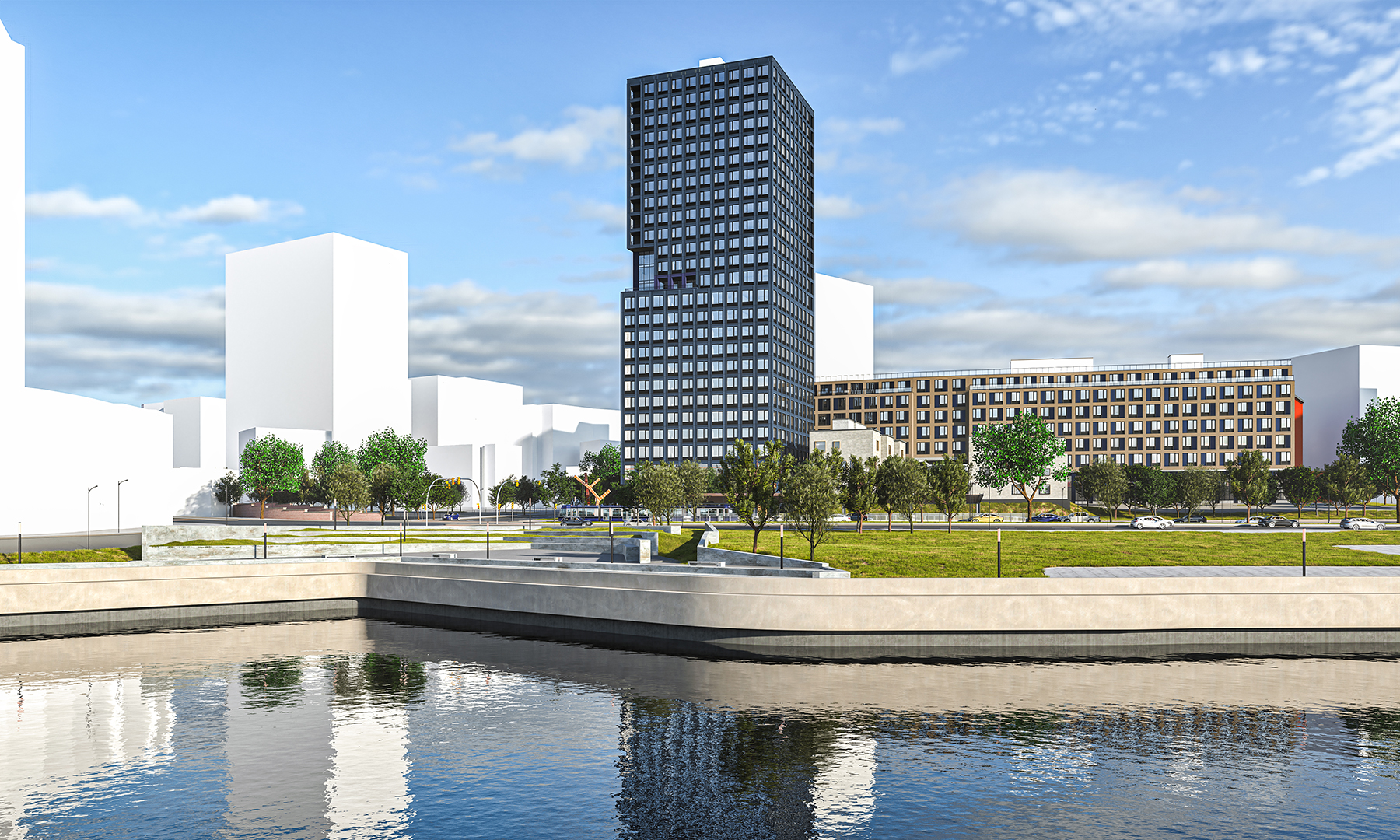
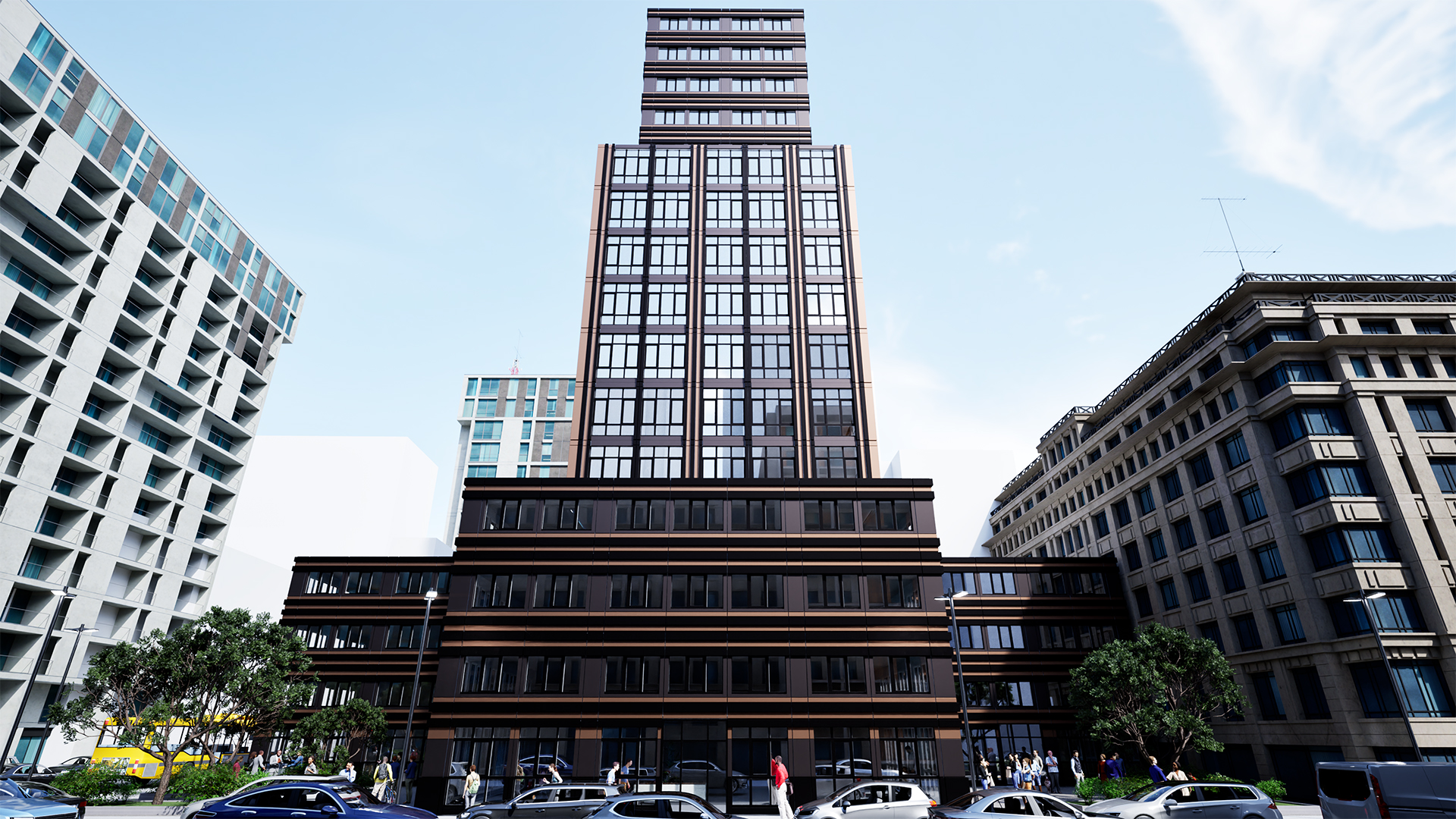
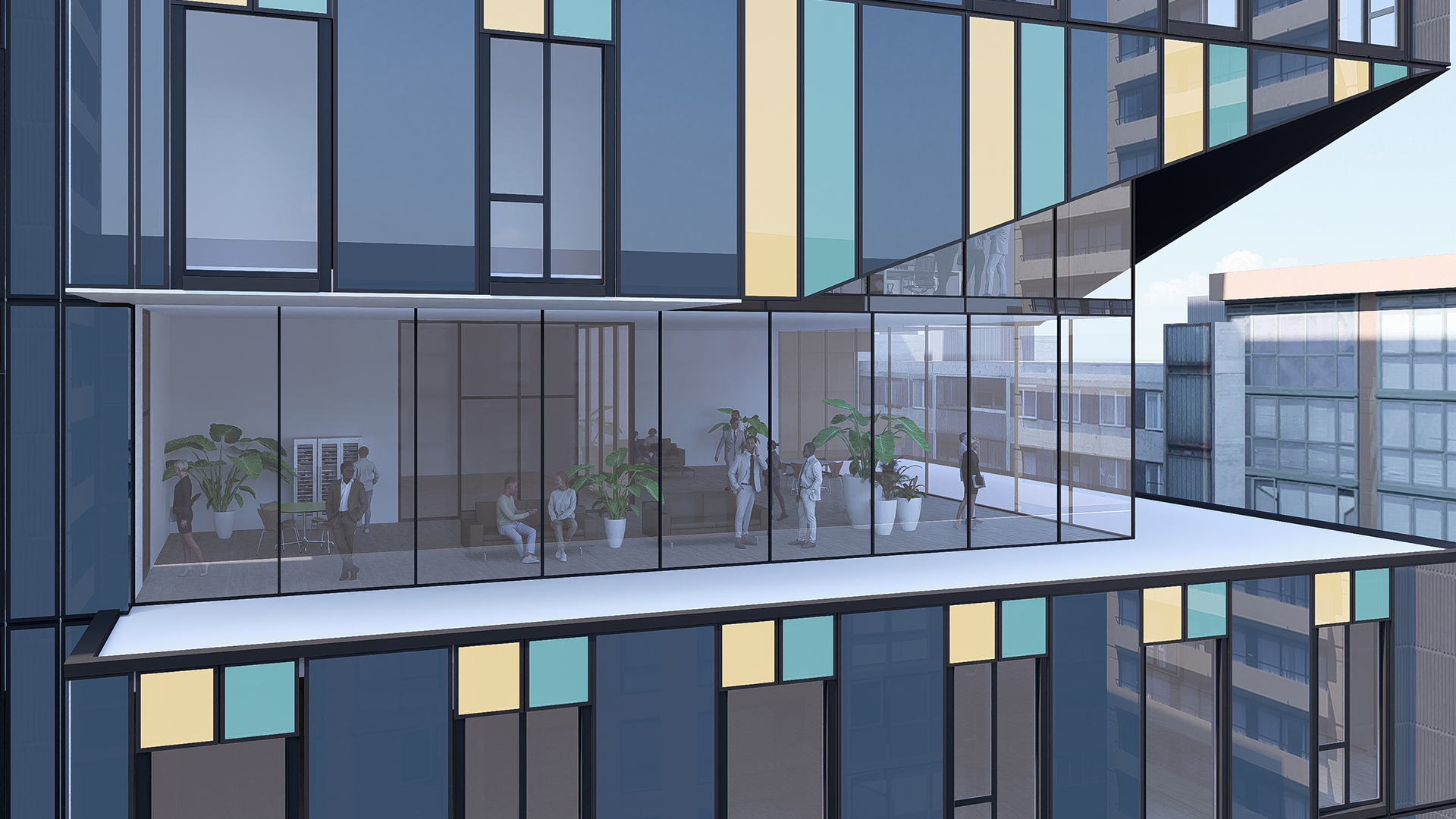
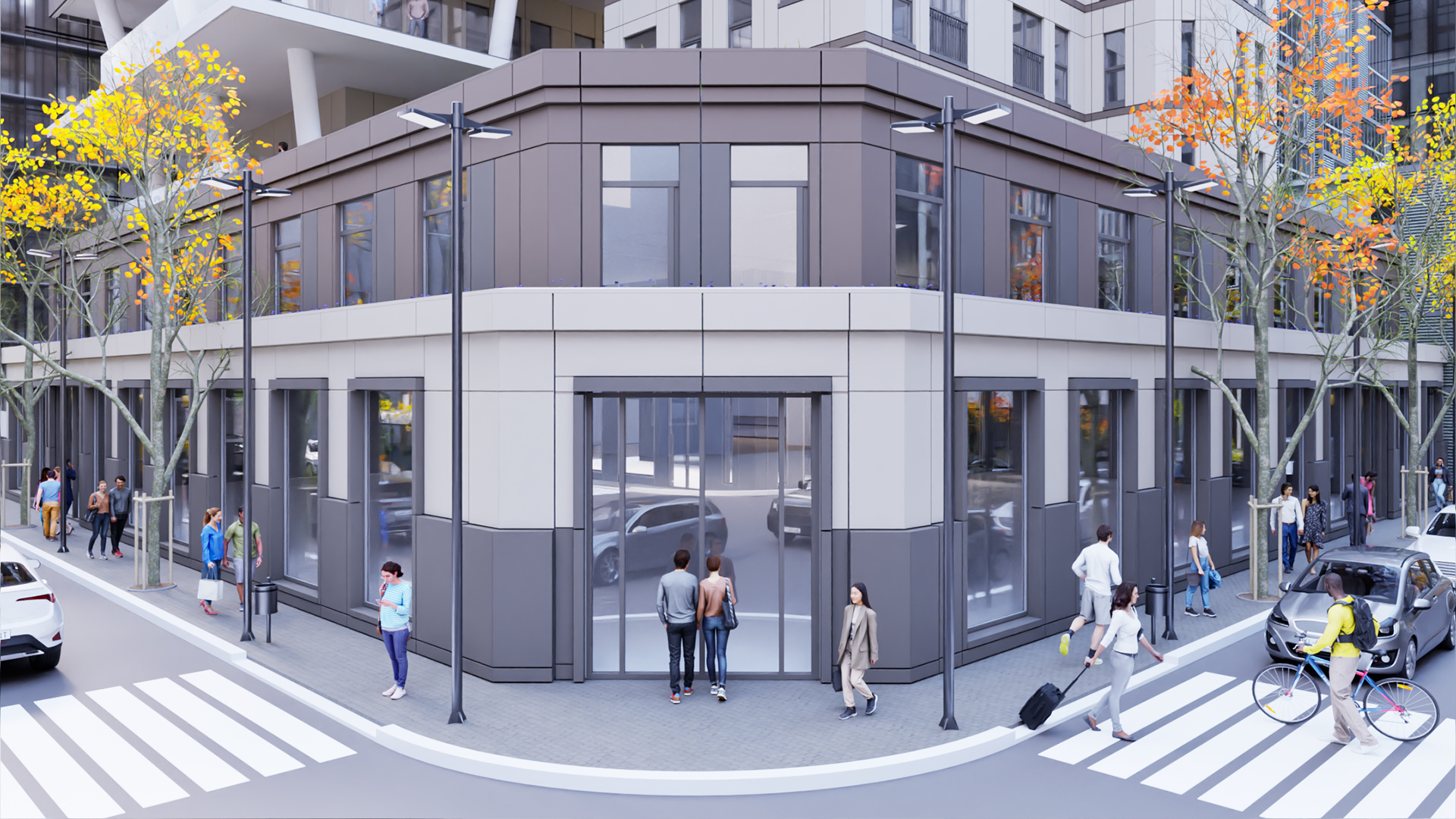
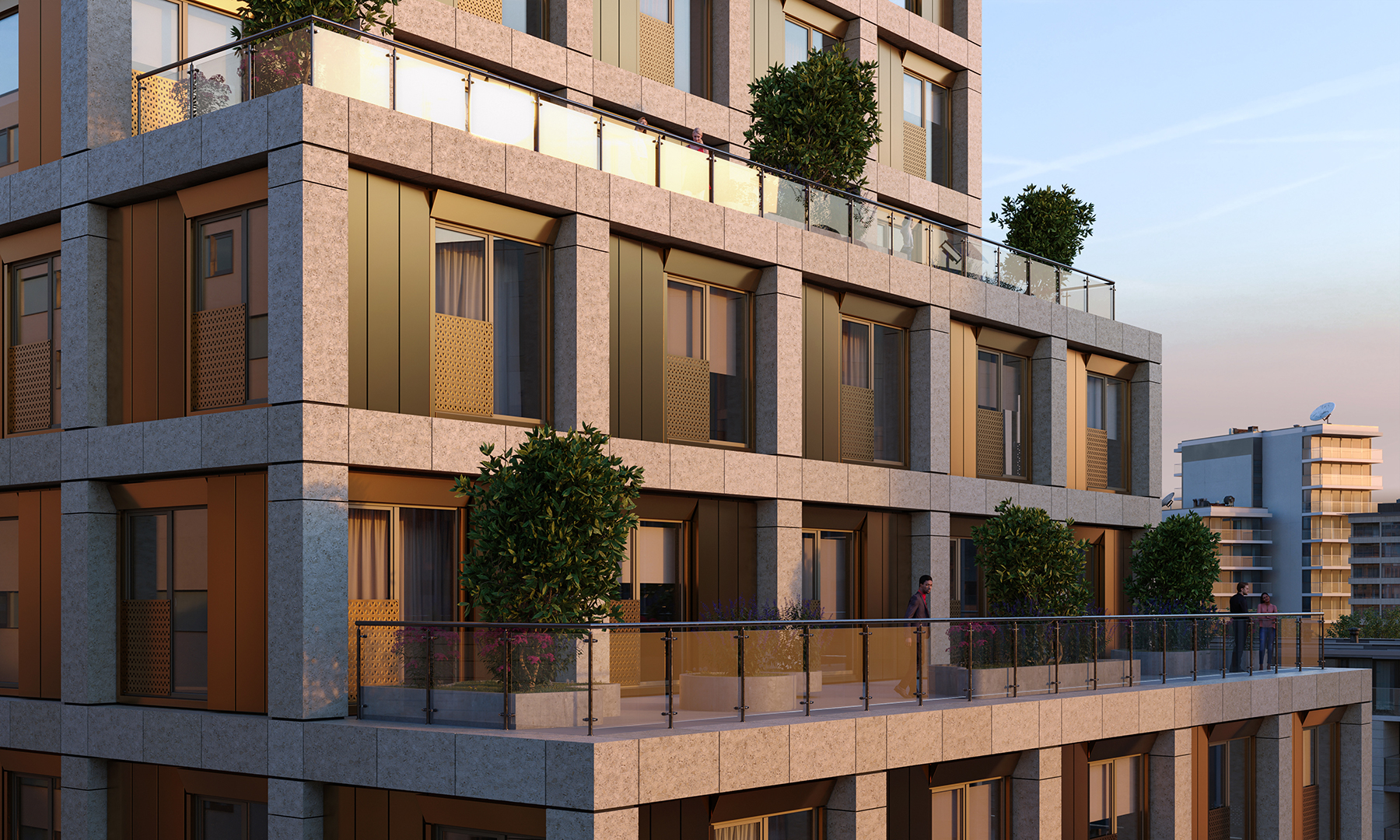
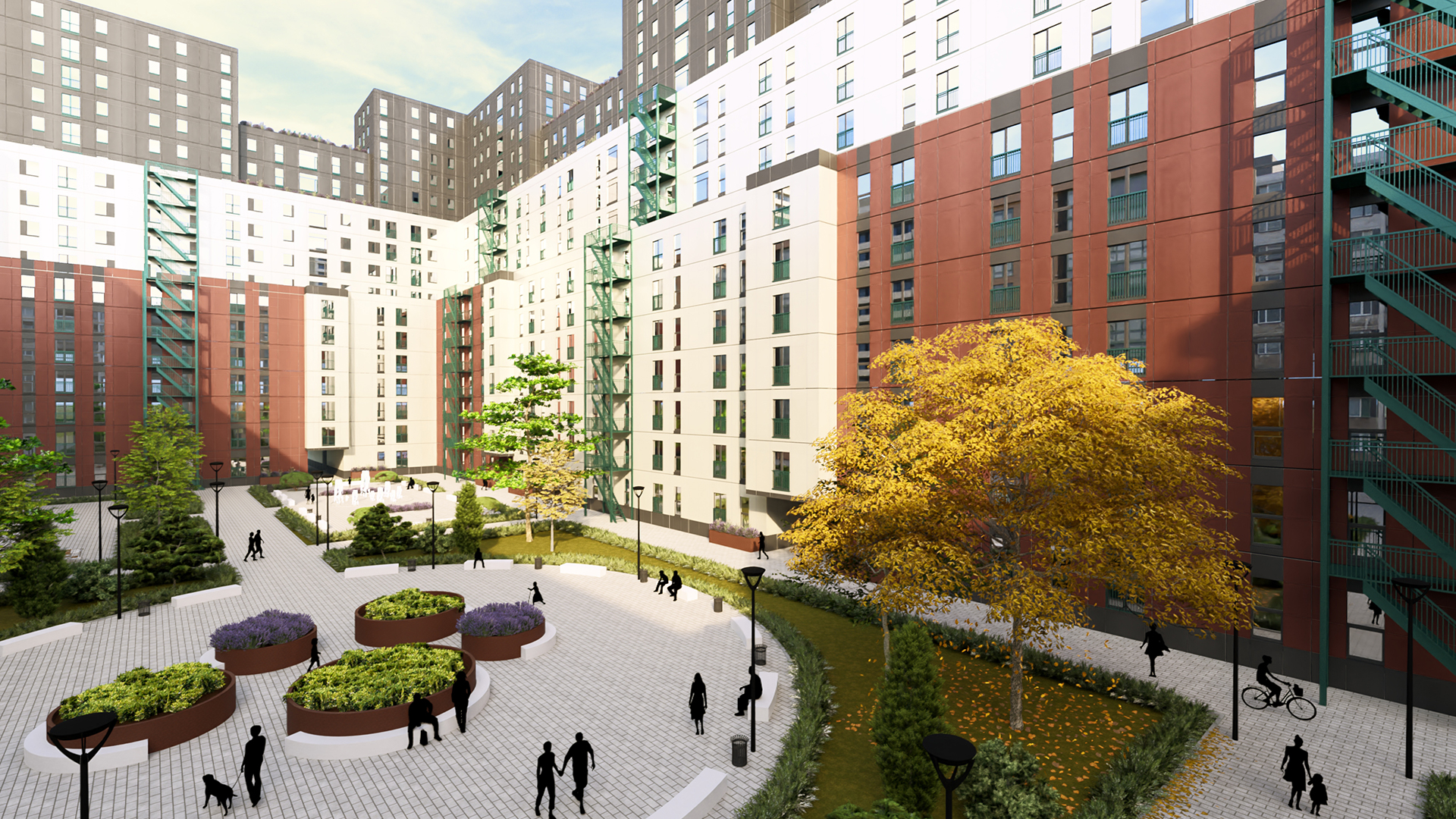
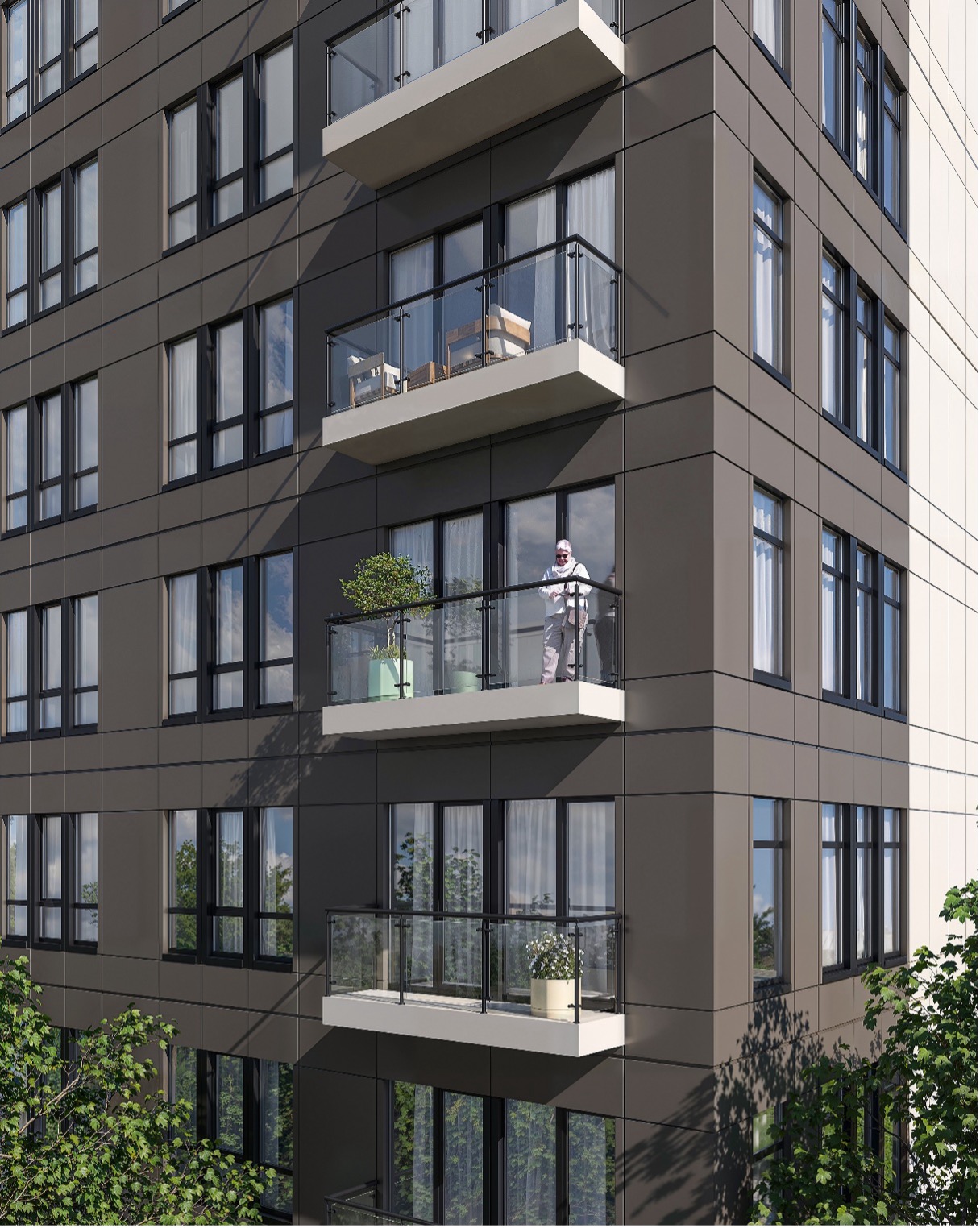
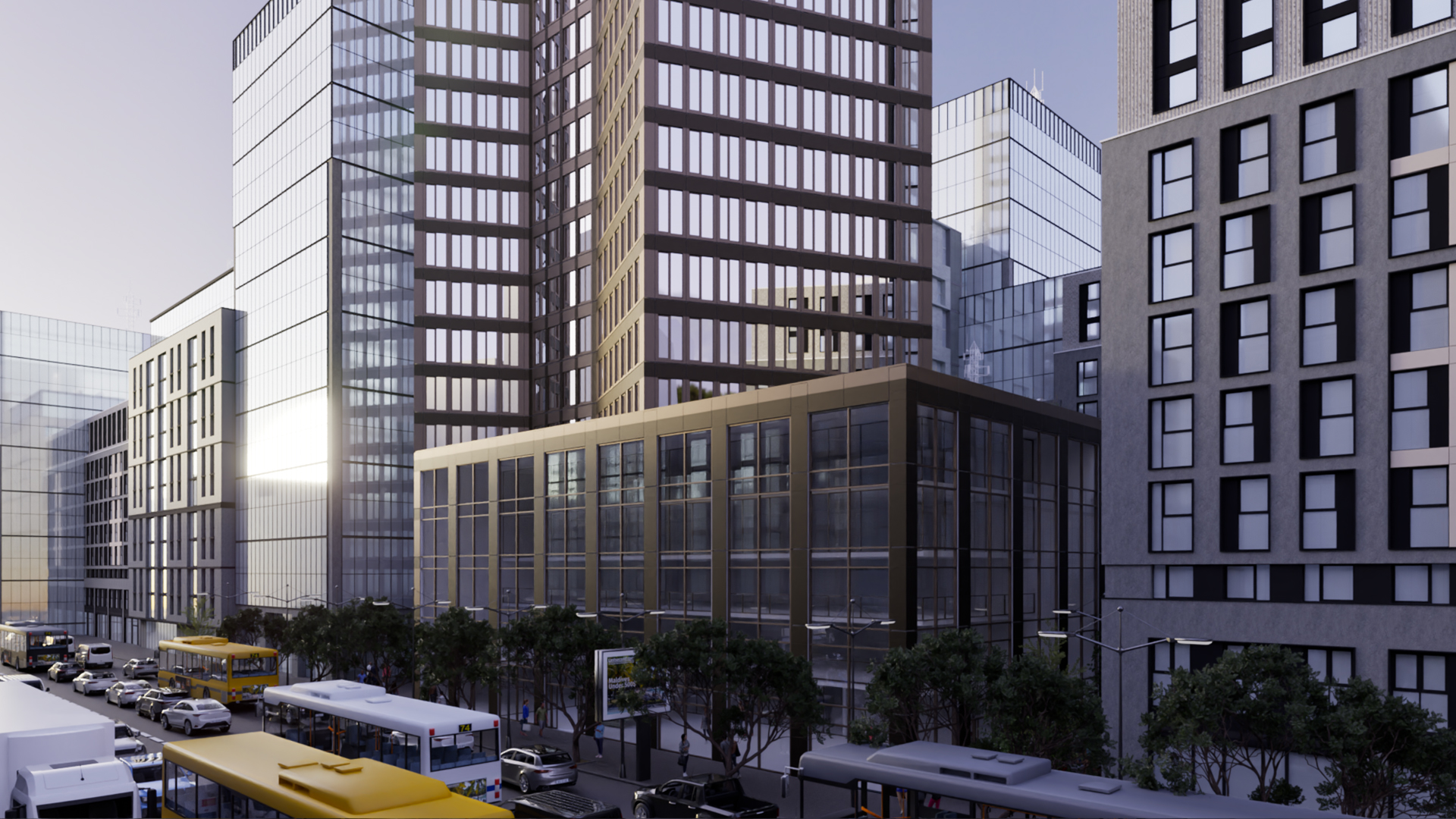
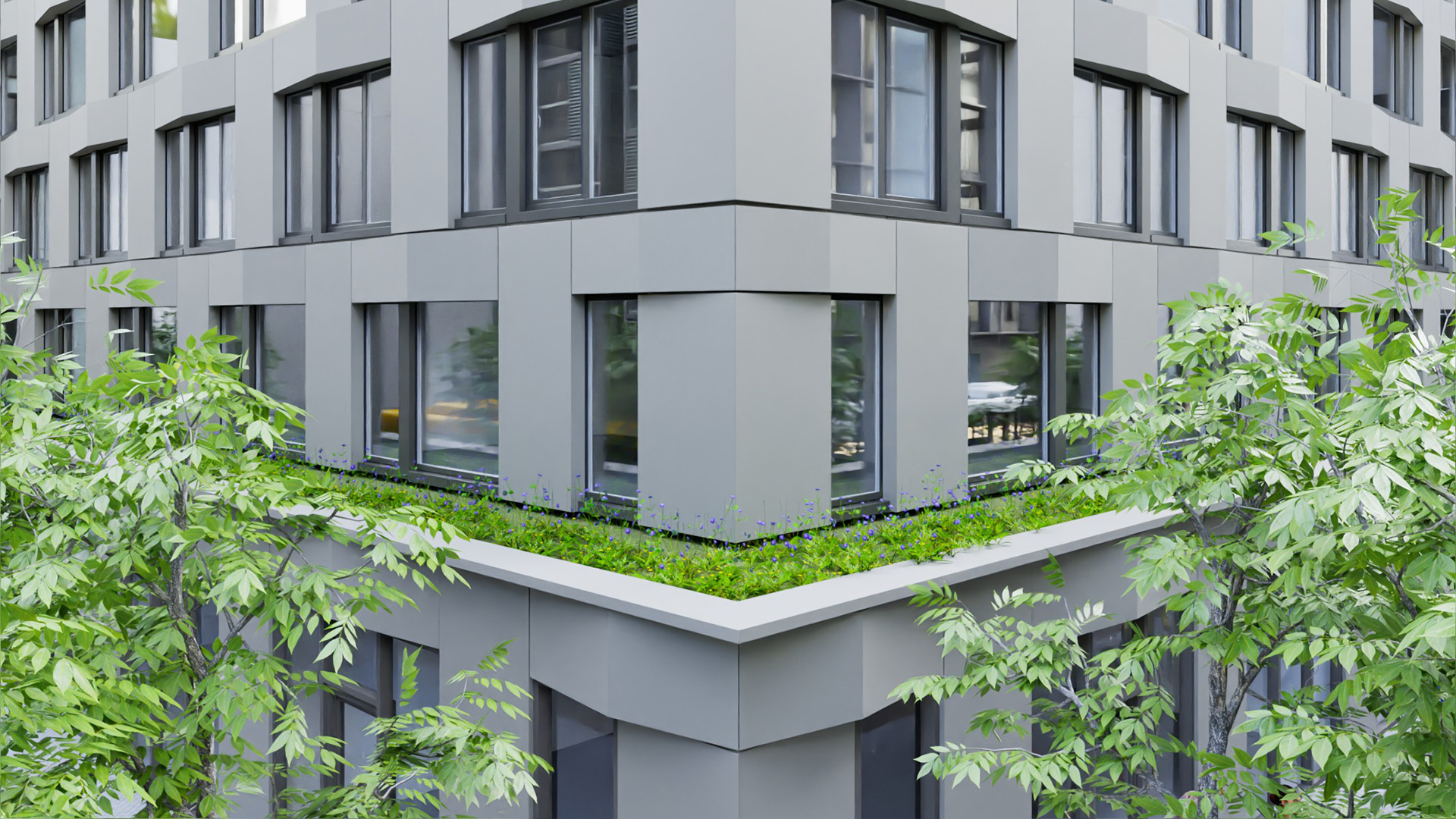
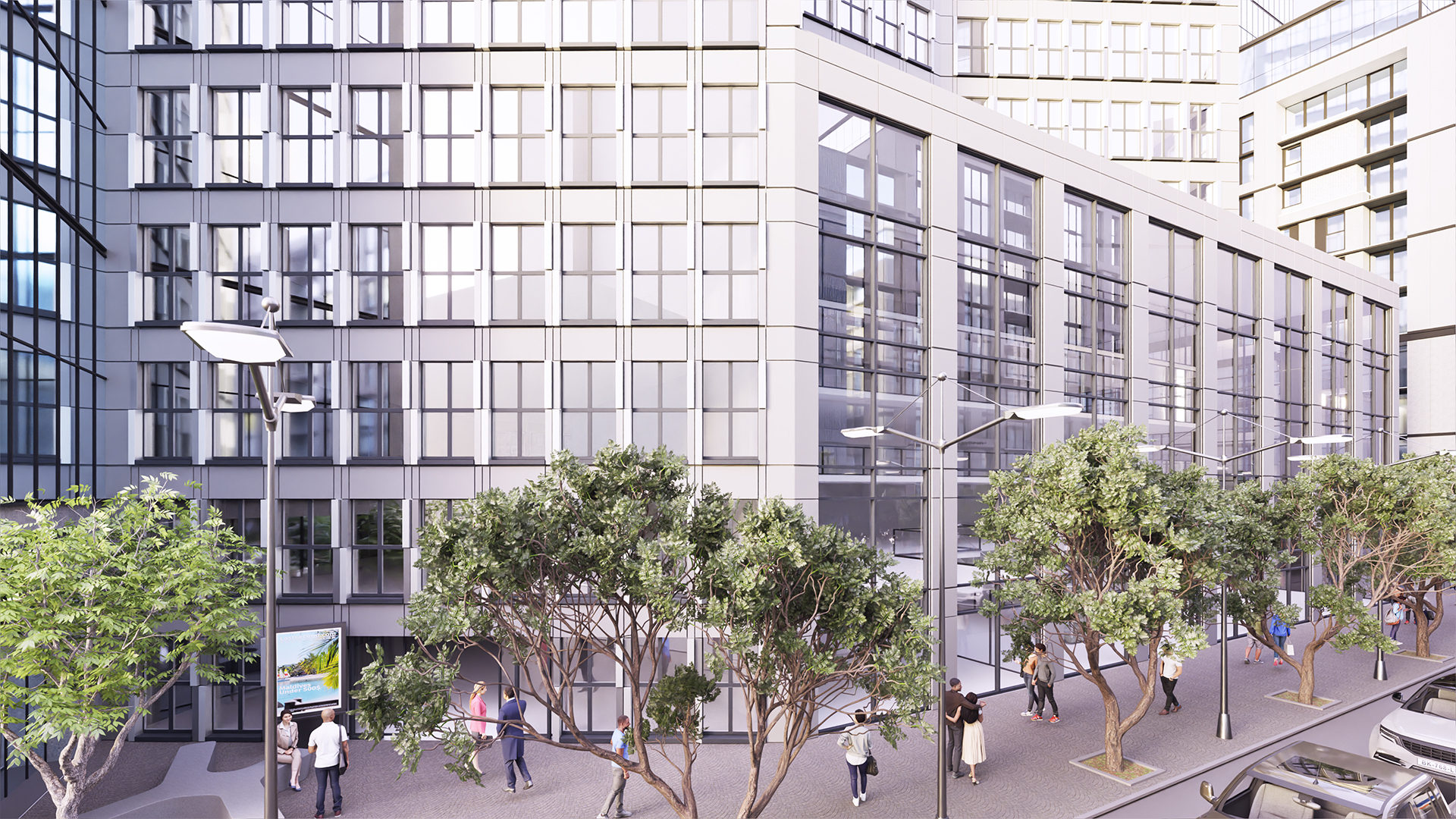
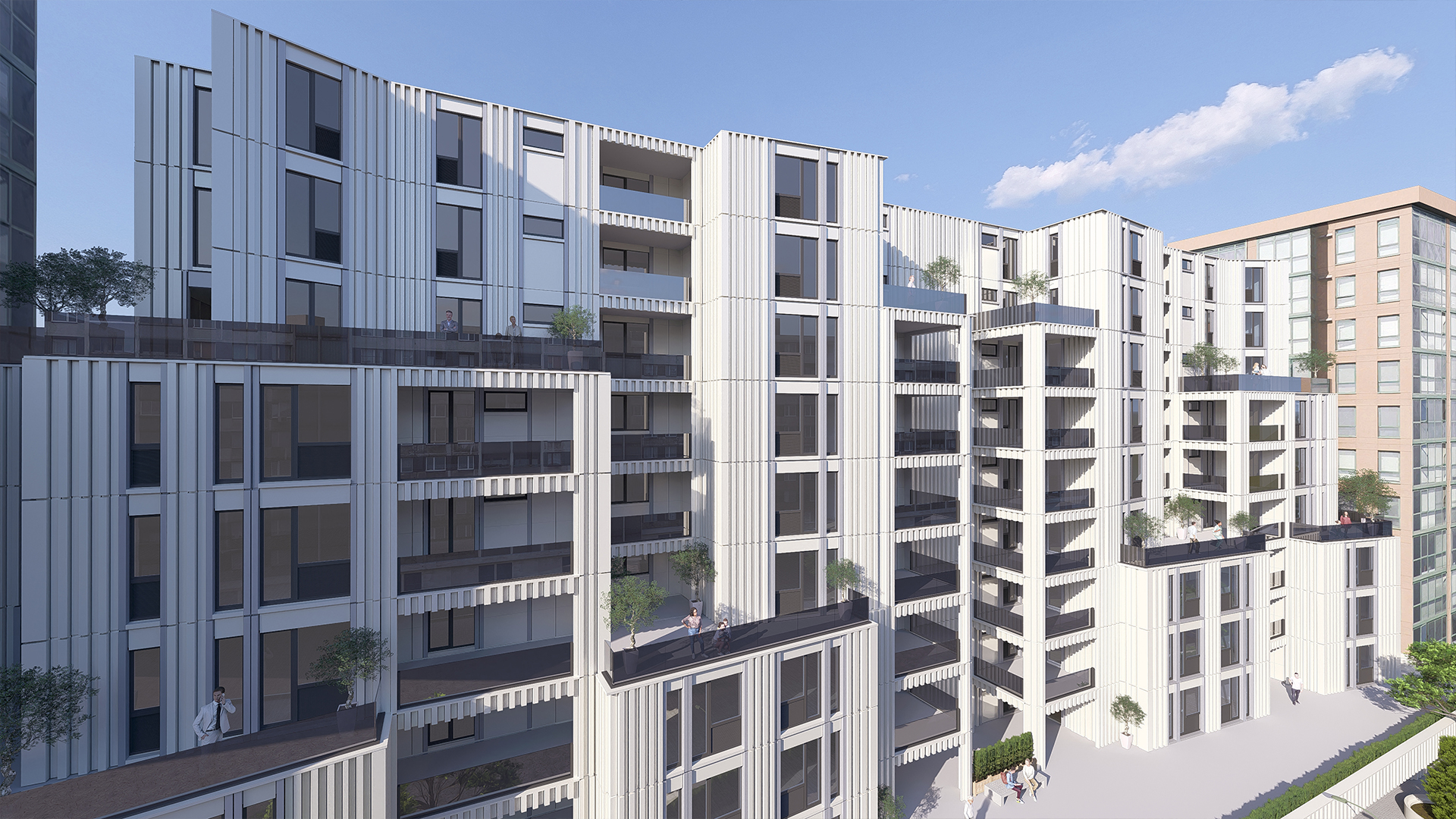
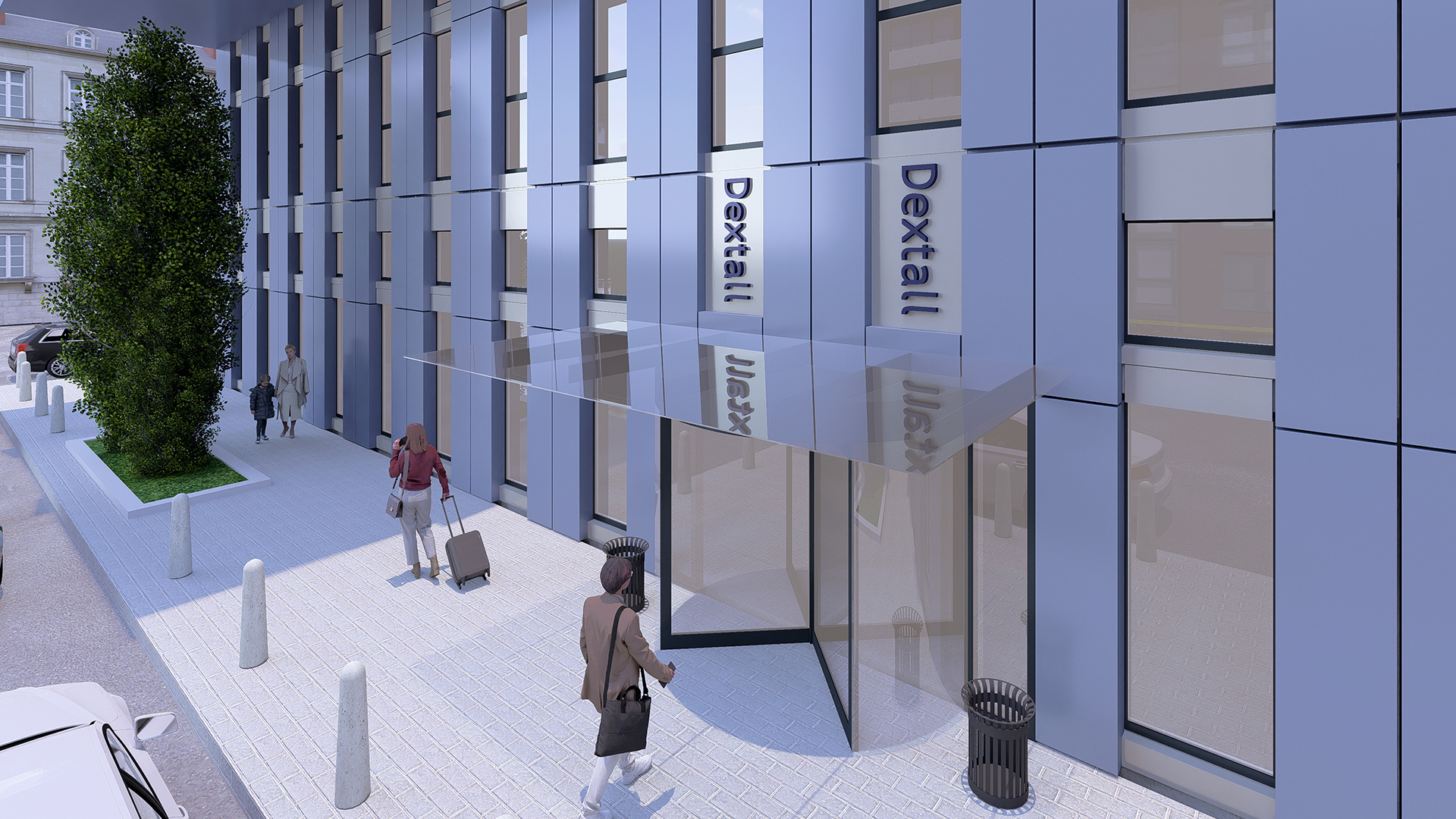
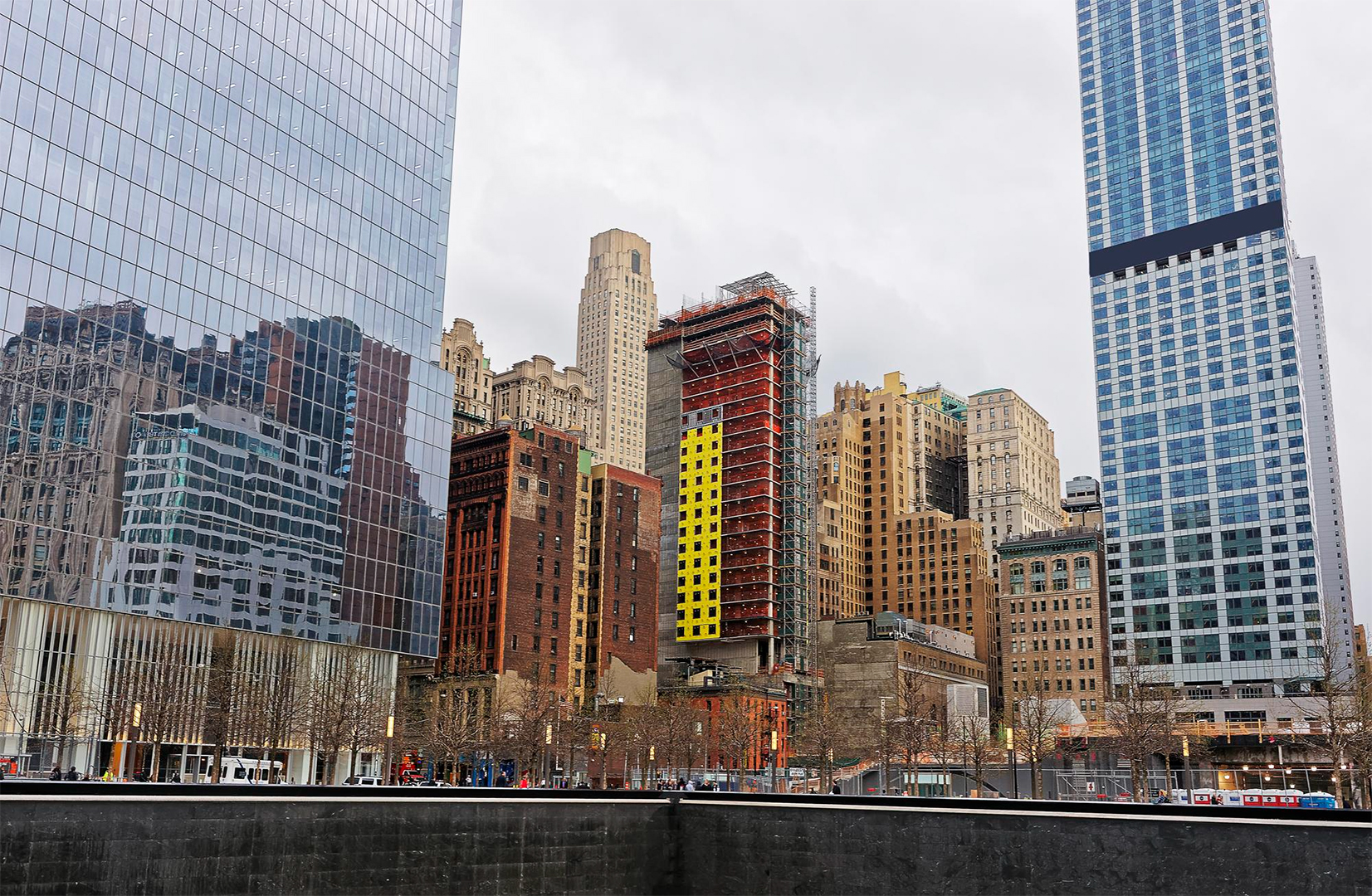
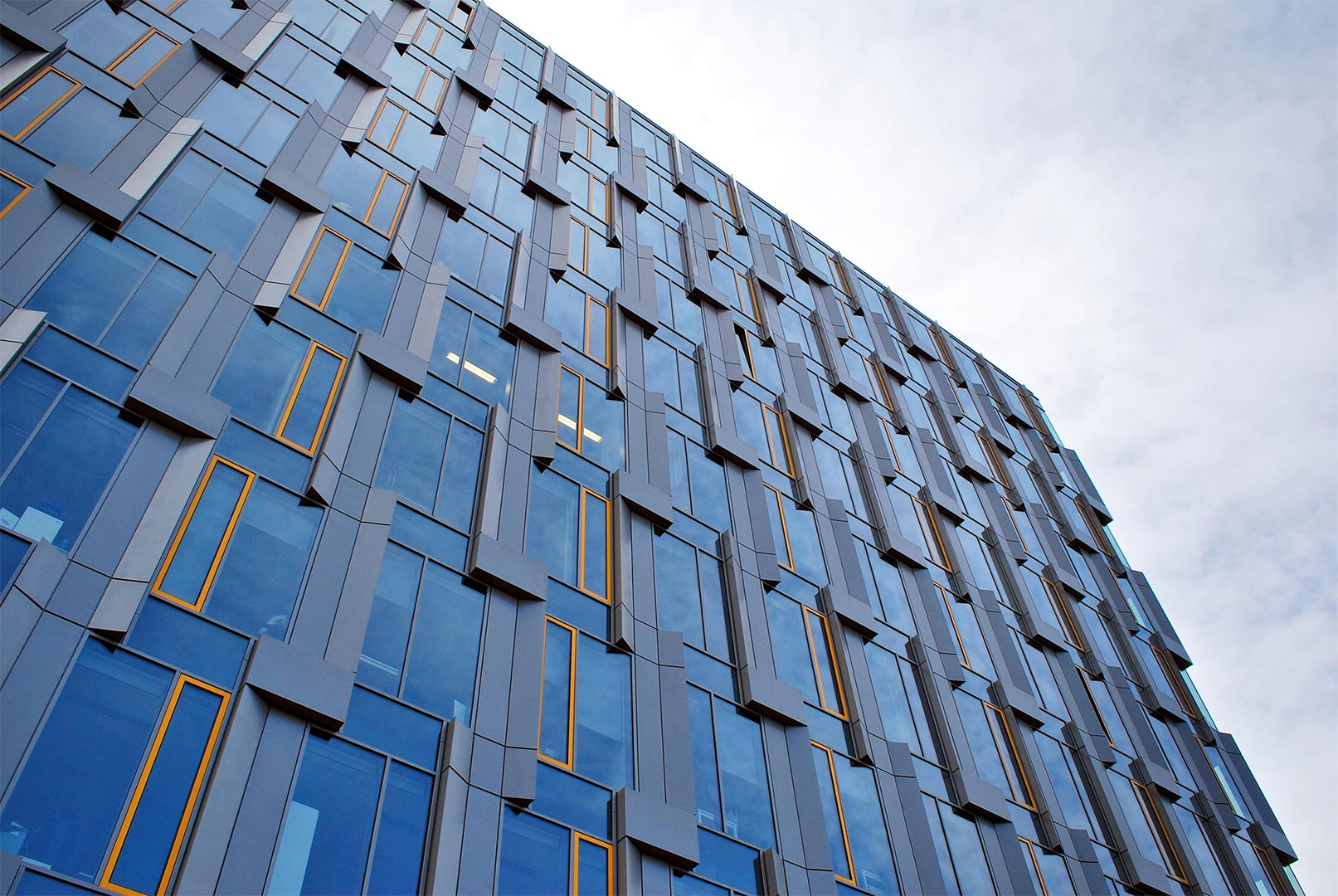
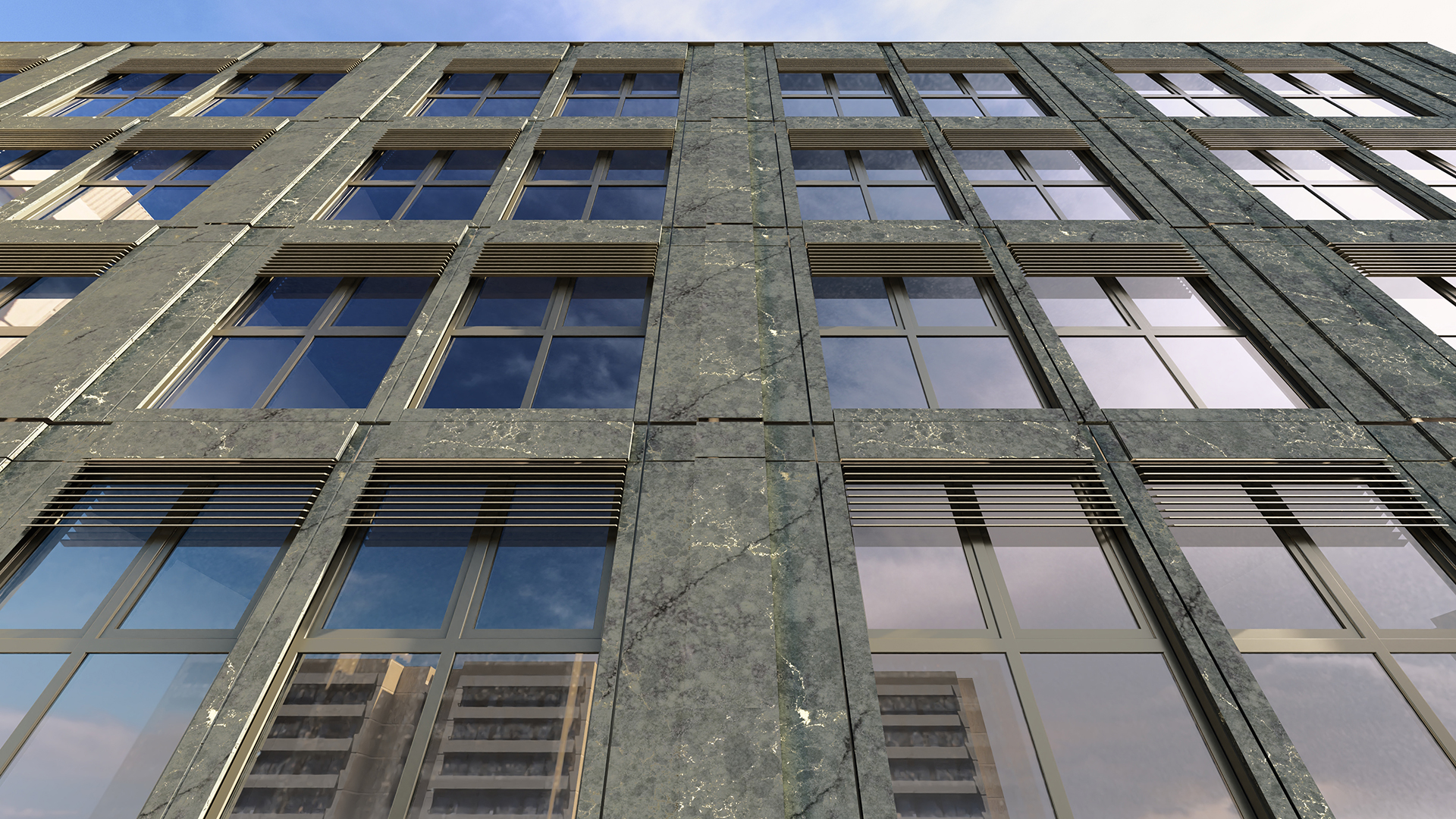
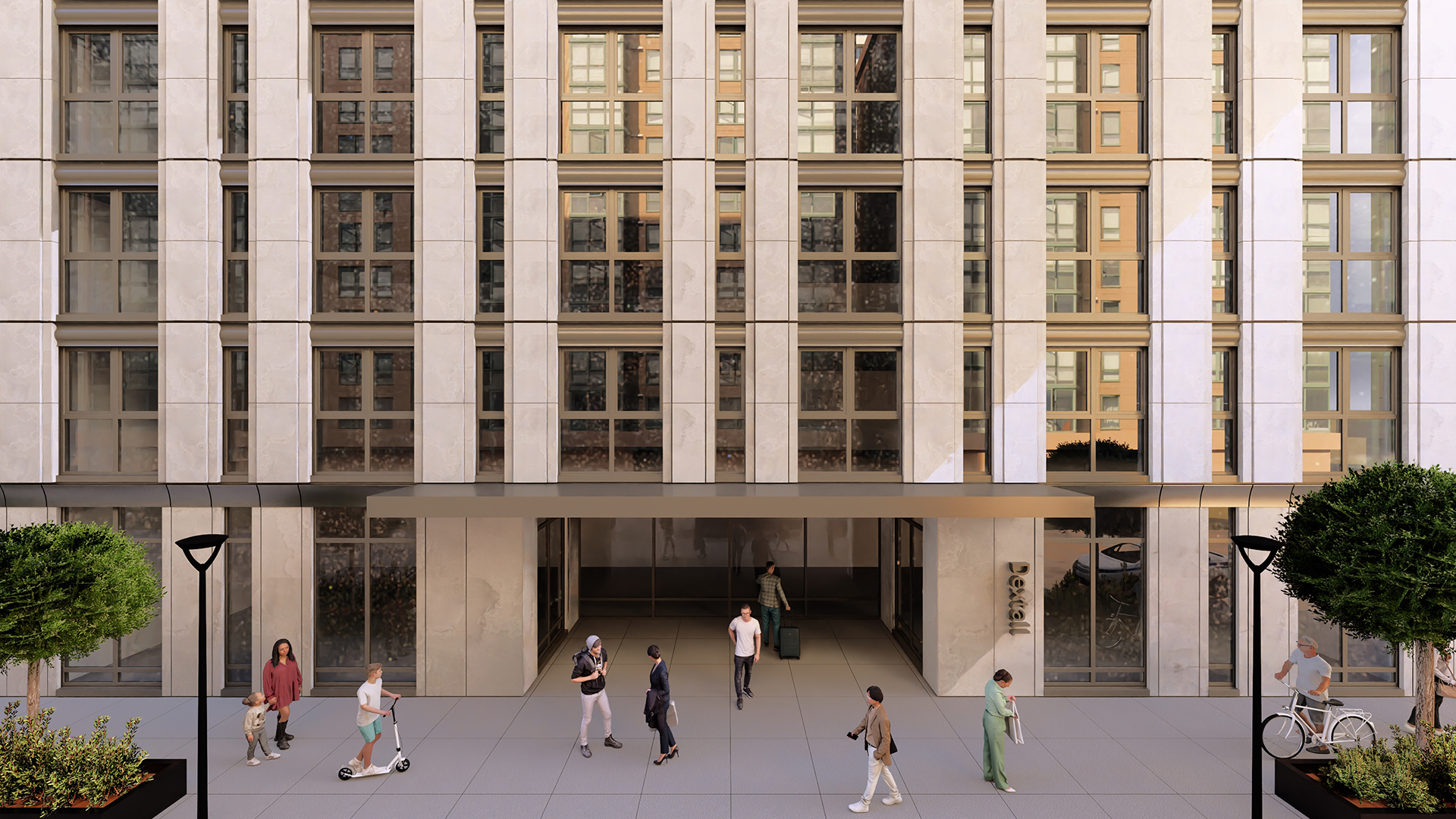
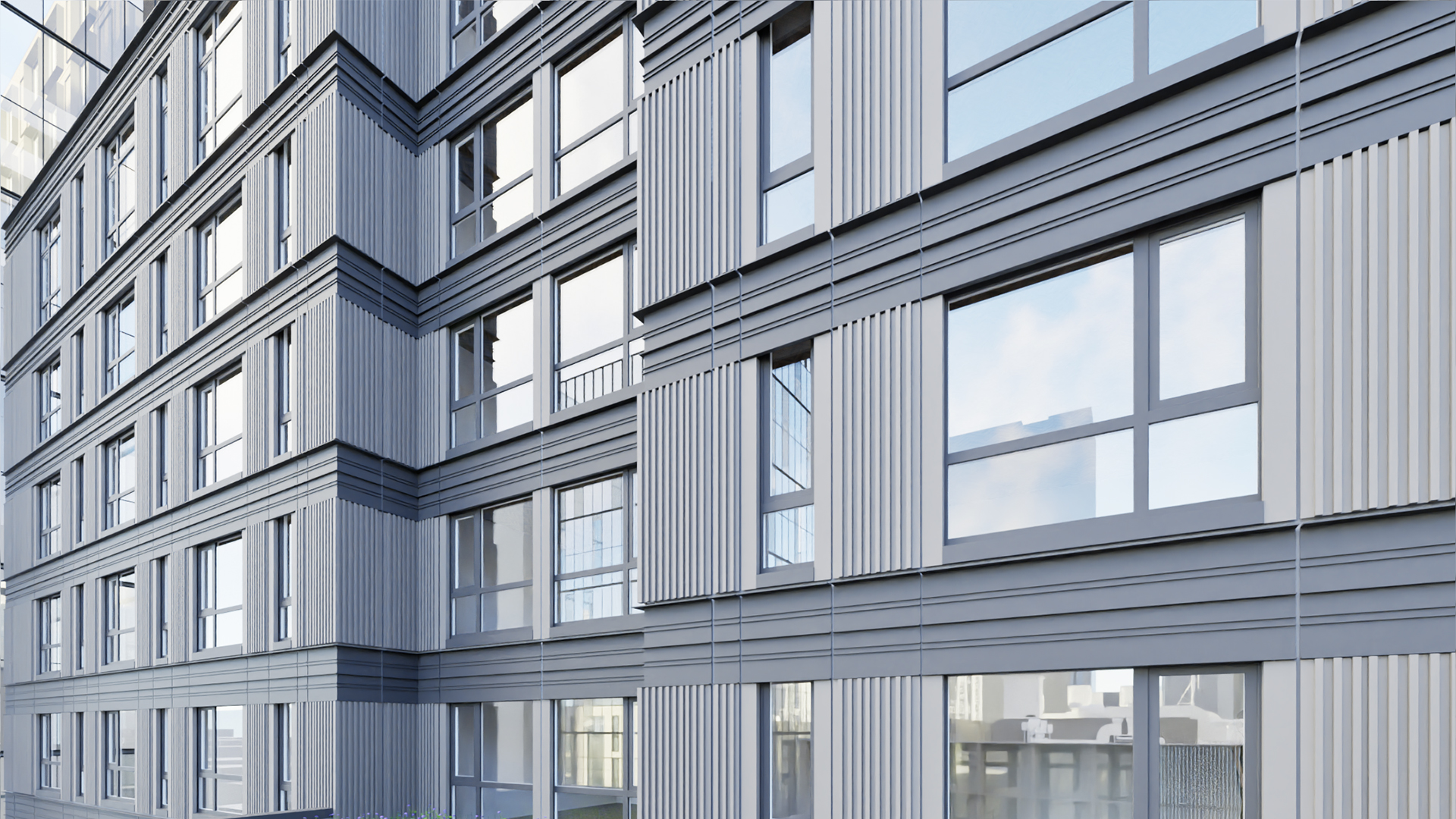
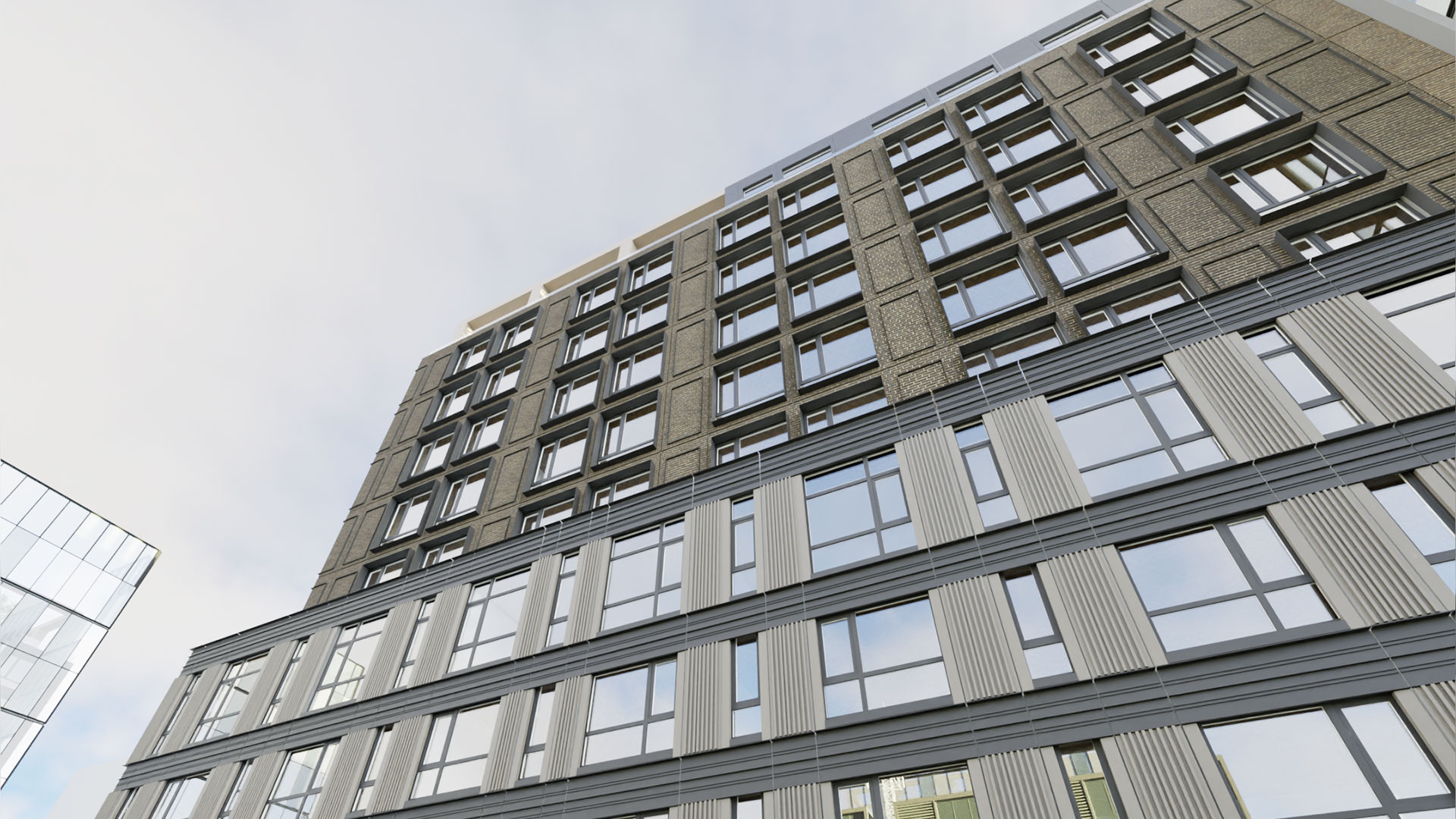
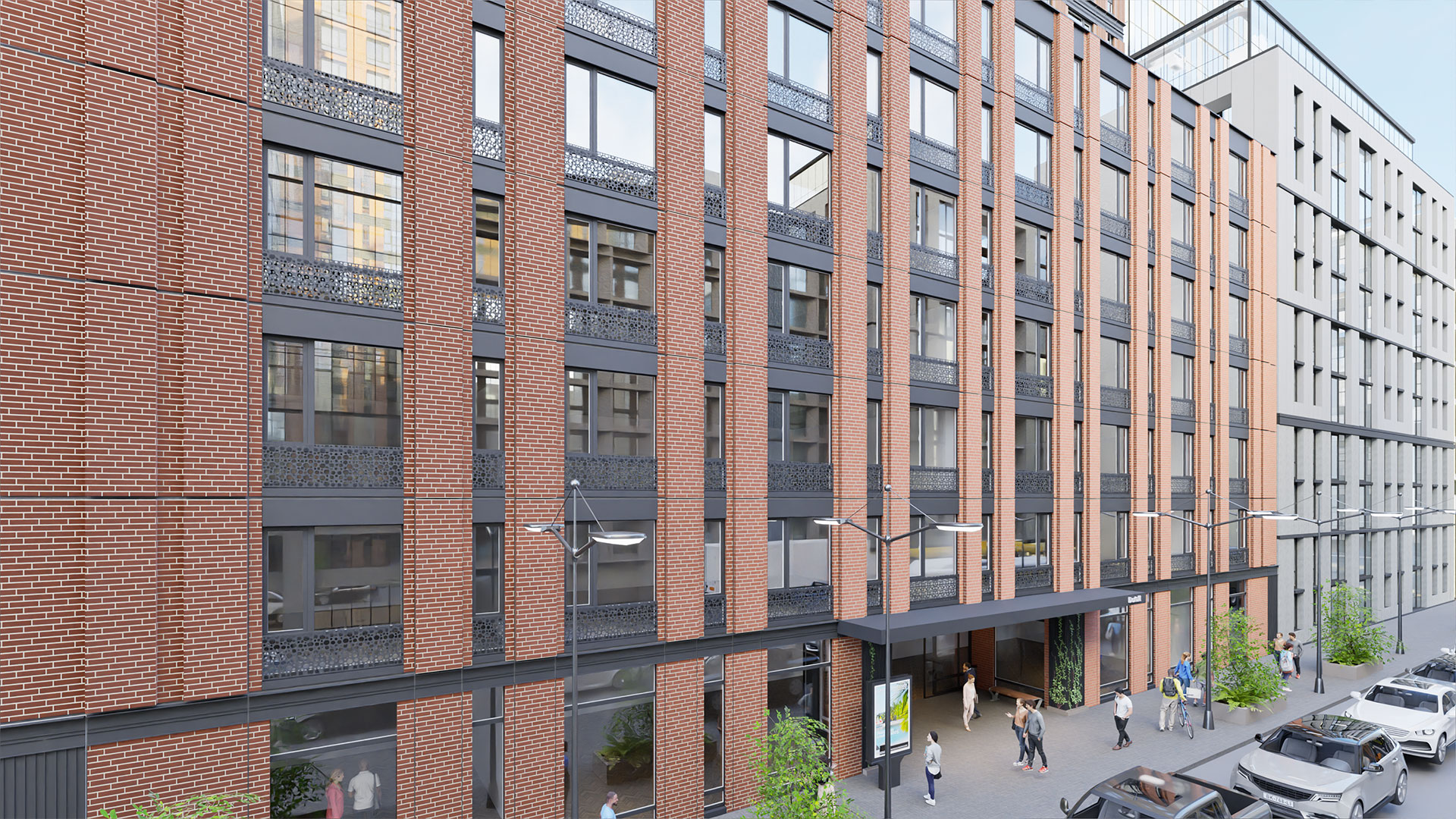
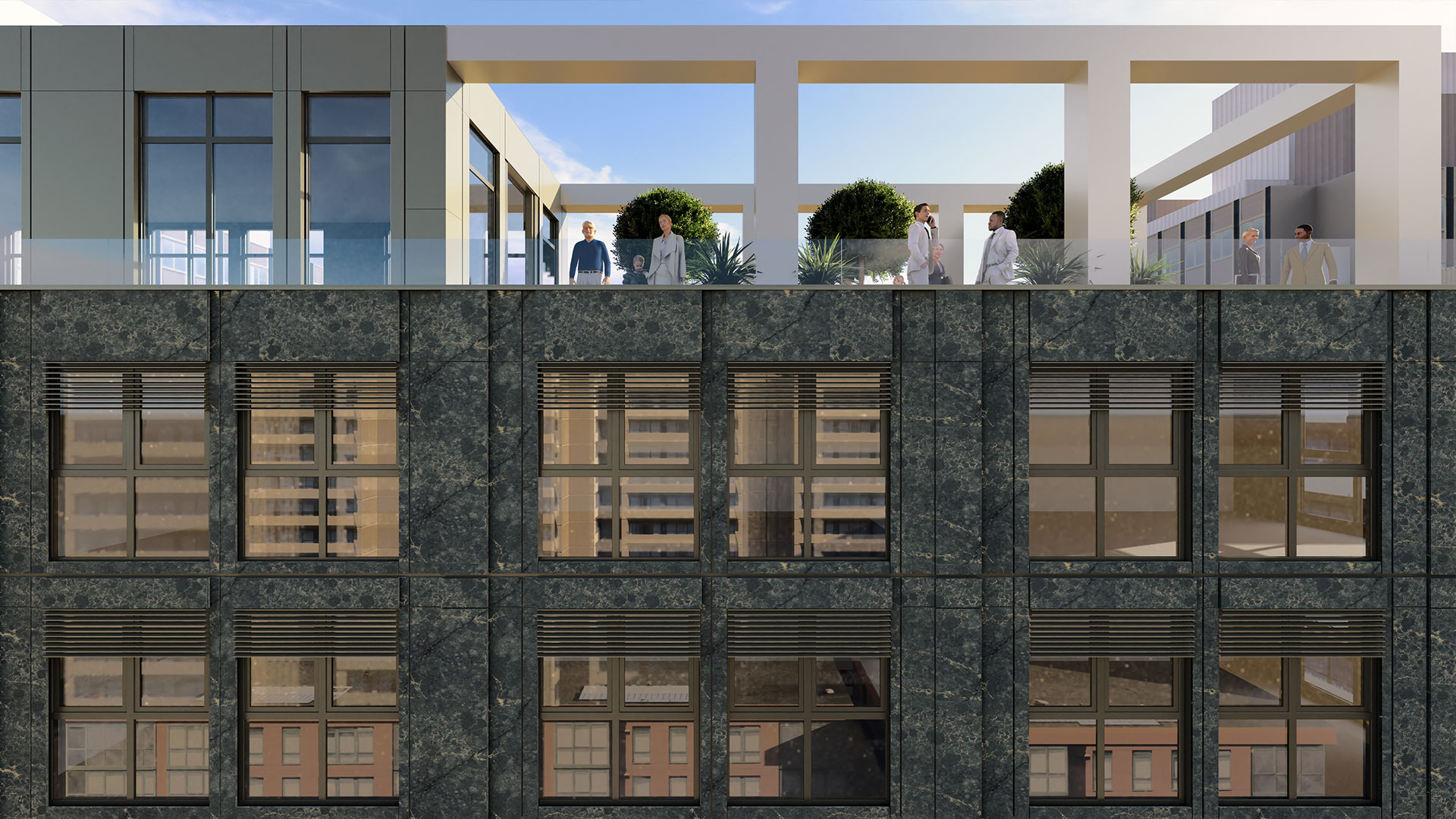
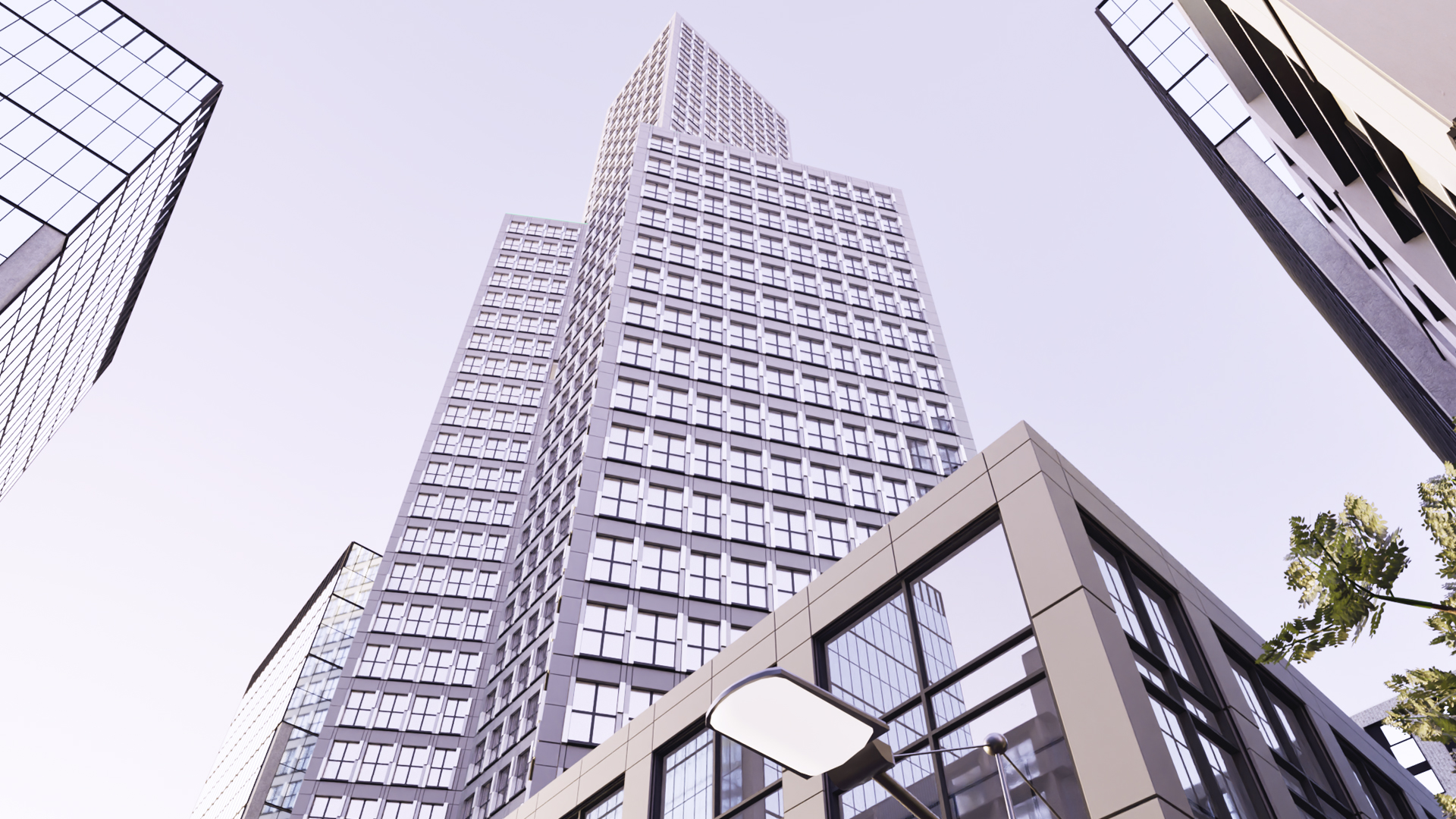
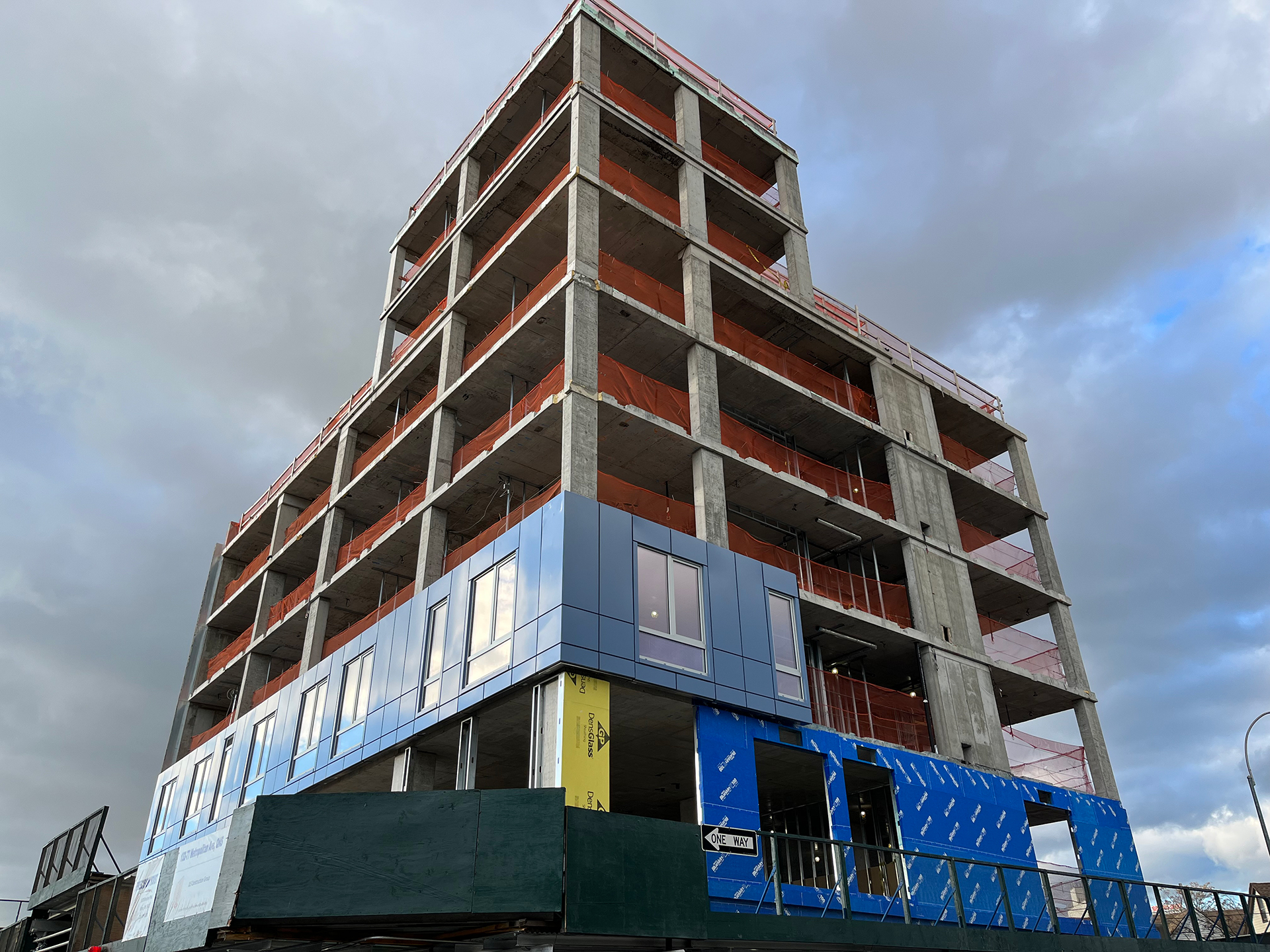
Images featured in this article depict Dextall's projects and are used for illustrative purposes only.










.jpeg)
-Compliance-for-NYC-Multifamily-%26-Co-Op-Facades.jpg)











_format(webp).avif)
_format(webp)%20(6).avif)
_format(webp)%20(5).avif)
_format(webp)%20(4).avif)
_format(webp)%20(2).avif)
_format(webp)%20(3).avif)


.avif)
_format(webp)%20(2).avif)