How Lucas Museum's 1,500 Unique Prefabricated Facade Panels Are Redefining Curved Building Envelopes

The exterior of Lucas Museum of Narrative Art in Los Angeles is built from 1,500 prefabricated facade panels — each one uniquely shaped, none interchangeable, every one fabricated at a factory in Northern California before being shipped to the site and installed. MAD Architects' 300,000-square-foot museum, designed by Ma Yansong and opening September 22, 2026, uses Glass Fiber-Reinforced Plastic (GFRP) panels manufactured by Kreysler & Associates through a process that combines CNC milling, robotic scanning, and hand-finishing. The result is a cloud-like building that appears to float above Exposition Park — a form that would have been impossible to build through field assembly alone.
The principle behind Lucas Museum's facade is the same one that applies to a rectangular mid-rise in Brooklyn: factory fabrication produces better outcomes than field assembly, at any level of geometric complexity. If a prefabricated panel system can handle 1,500 unique curved shapes for a $1 billion museum, it can handle the repetitive floor-by-floor geometry of a 15-story multifamily building with significantly less effort and cost. This article examines how Kreysler & Associates built the envelope, what decisions drove the material selection, and what mid-rise construction teams can apply directly.
What Makes Lucas Museum's Facade the Most Complex Prefabricated Panel System in U.S. Construction
MAD Architects designed Lucas Museum with no right angles. The building's biomorphic form — shaped, in Ma Yansong's words, by "light, clouds, and the surrounding tree canopy" — creates a continuous curved surface across five stories and approximately 35 meters of height. There is no standard panel that repeats across this surface. Each of the 1,500 exterior facade panels occupies a unique position in the geometry, with a unique curvature, orientation, and edge profile. The average panel measures approximately 5 to 8 feet wide and up to 30 feet long.
Producing 1,500 individually designed panels required a parametric design workflow. MAD's team used Rhino, Maya, and Dynamo with custom scripts to model each panel as its own digital object. Those files were transmitted directly to Kreysler & Associates' production facility on Mare Island in Northern California, where CNC machines cut foam molds for each panel, resin was injected and cured, and robotic arms scanned, trimmed, and finished each piece. No two panels went through the same mold. The factory sequence — design, mill, inject, cure, scan, finish — handled the complexity that field assembly could never manage at this scale.
Why GFRP replaced GFRC: the seismic weight budget that changed everything
The original material specification for Lucas Museum's cladding was Glass Fiber-Reinforced Concrete (GFRC) — a standard choice for complex curved facades. Structural engineer LERA and facade consultant Walter P Moore identified a problem: the building sits on 281 seismic base isolators, each a six-foot-diameter concave steel bowl with a ball bearing, designed to allow the structure to move up to 42 inches laterally during an earthquake. GFRC panels would have added too much weight to the building mass, limiting the isolation system's ability to perform correctly.
The solution was switching to GFRP — Glass Fiber-Reinforced Plastic — which delivers comparable durability and weather resistance at a fraction of GFRC's weight. This was not an aesthetic decision. It was a structural engineering decision driven by the seismic performance requirements of the site. The lesson for mid-rise construction teams is direct: prefab facade panels are not interchangeable — material selection affects structural load, seismic performance, thermal mass, and long-term maintenance, and those decisions are best resolved during design, not during installation.
How Kreysler & Associates Fabricated 1,500 Panels Without a Single Field Assembly
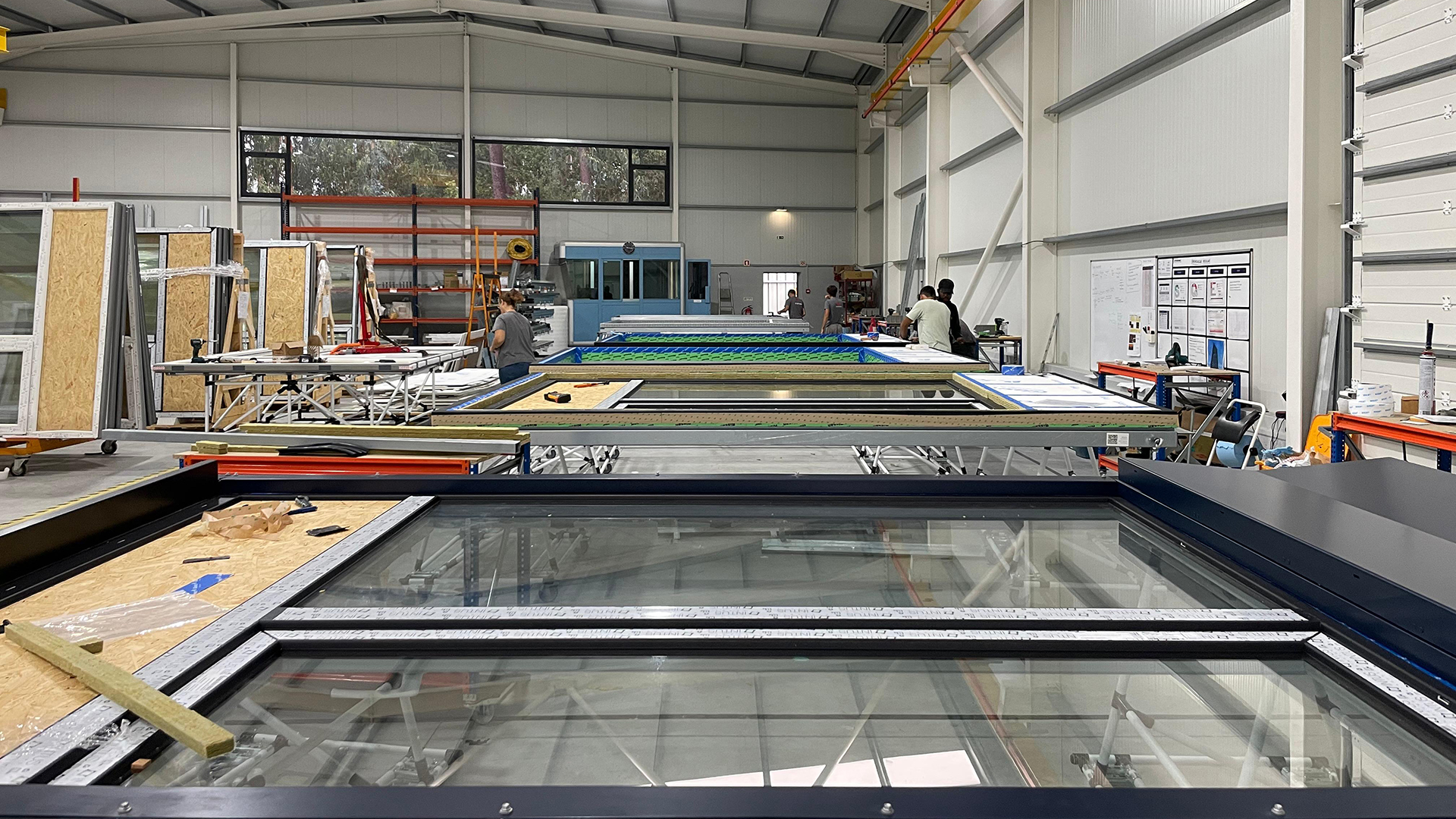
The fabrication sequence at Kreysler & Associates illustrates what facade fabrication looks like when geometric complexity is fully absorbed into the factory process. Each panel started as a digital file. CNC machines translated that file into a custom foam mold. Resin was injected into the mold and cured under controlled conditions. A robotic arm then scanned the cured panel against the digital model, verified dimensional accuracy, trimmed the edges to precise geometry, and smoothed the surface. Finally, craftspeople hand-finished each panel to achieve consistent color and surface quality across all 1,500 pieces.
This hybrid approach — robotics for dimensional precision, hand-finishing for surface quality — is what distinguishes museum-grade facade fabrication from standard commercial production. For mid-rise construction, the relevant insight is not the hand-finishing, but the robot-verified dimensional accuracy. Precision facade elements verified at the factory arrive on site with known, confirmed geometry. Installers connect panels to the structure without measuring, adjusting, or resolving tolerances in the field. That speed and predictability is what factory fabrication delivers regardless of whether the panels are curved museum cladding or flat residential units.
Understanding how prefabricated facade systems work at Lucas Museum's scale reveals a simple rule: the more complex the geometry, the more essential it is to move production into the factory. Field assembly of 1,500 unique curved panels at height would have required years of additional on-site labor, produced significant tolerance accumulation errors, and made quality control nearly impossible. Factory production — with digital precision from design file to finished panel — resolved all of those problems before the first crane lift.
Five Lessons Mid-Rise Construction Teams Can Take from Lucas Museum's Prefab Facade Logic
Factory production handles complexity better than field assembly at every scale
Lucas Museum required 1,500 unique panels. A typical mid-rise multifamily building requires 200 to 600 panels — most of them identical. If factory production handles the more complex case, it handles the simpler case with significantly less effort. Prefabricated exterior wall panels for mid-rise construction benefit from the same factory quality logic without the complexity premium. The result is faster installation, fewer field errors, and more consistent thermal performance across the entire envelope.
Parametric design scales — unique doesn't mean expensive
Each of Lucas Museum's 1,500 panels is unique. The design workflow used custom parametric scripts to manage that uniqueness without producing 1,500 custom contracts. Once the workflow is built, generating individual panel files for each position in the geometry is a computational task, not a manual one. For mid-rise architects, this means that non-standard panel dimensions — corner panels, spandrel variations, setback faces — can be produced from the same digital workflow as standard repeating units. Prefab panel construction is not limited to cookie-cutter geometry.
Material weight is a structural decision, not an aesthetic one
The switch from GFRC to GFRP at Lucas Museum was forced by the seismic isolation system's weight budget. For mid-rise construction in seismic zones — or any project where floor load limits, structural depth, or foundation capacity are constrained — the weight of facade panels directly affects structural design. Selecting prefabricated wall panels without coordinating on weight early in design can force expensive structural changes later. Material selection and structural engineering need to happen in the same conversation.
Digital design-to-fabrication eliminates field interpretation errors
At Lucas Museum, the digital model went directly from the design team's software to Kreysler's CNC machines. No contractor had to interpret a drawing and make judgment calls about dimensions. No measurement errors accumulated across 1,500 installation points. This direct digital pipeline — design intent to fabricated object without manual translation — is available for panel facade systems at mid-rise scale today. The parametric tools that Kreysler and MAD used are the same tools available to any architect and panel manufacturer working from coordinated BIM models.
Factory QC at source costs a fraction of site remediation
Kreysler's robots scanned every panel before it left the factory. A panel that fails dimensional verification at the factory is replaced before it reaches the site. A panel that fails after installation requires scaffolding, removal, remanufacture, and reinstallation — typically at ten to twenty times the cost of a factory fix. Precision wall systems built with factory verification eliminate the most expensive category of facade defect: the one discovered mid-installation.
How Architects and Developers Can Apply Prefabricated Facade Panel Logic to Mid-Rise Projects
Lucas Museum's $1 billion budget and curved geometry place it at the far end of the construction complexity spectrum. Mid-rise commercial and multifamily projects occupy the other end — repetitive floors, rectangular footprints, standard panel sizes. The gap between these cases is larger in appearance than it is in factory logic.
The prefabricated building facade system principles at work in Lucas Museum — factory assembly, digital precision, pre-verified tolerances, crane installation — are the same principles that govern panel systems for 10-to-25-story buildings. For a developer building a mixed-use project in Philadelphia or a multifamily building in Boston, the relevant question is not "can factory-built panels handle my geometry?" but "when do I need to lock in panel specifications so the factory can start production?"
Lead time is the most common planning error in prefabricated facade projects. Unlike field-assembled facades that can be adjusted during installation, factory-built panels require design decisions to be final before fabrication begins. For mid-rise developers, this means facade engineering needs to happen in parallel with structural and MEP design — not as a downstream activity. The payoff is significant: prefab panels attract architects precisely because they compress on-site schedules, reduce labor exposure, and deliver performance targets that are verified before the first panel is craned into position.
For projects in New York, Philadelphia, Washington D.C., and Boston — where energy codes are tightening and labor costs continue to rise — the factory logic that Kreysler demonstrated at Lucas Museum is available at mid-rise scale without the museum's complexity premium. Dextall's D Wall® prefabricated panel system delivers panels within a 16-week lead time from shop drawing approval, reduces on-site labor by 87% compared to traditional construction, and is engineered to meet New York City energy code requirements. The industrialized facades movement that produced Lucas Museum's envelope is the same movement producing cost-effective, energy-compliant wall systems for mid-rise construction across U.S. cities today.
Key Takeaways
- Lucas Museum of Narrative Art in Los Angeles, designed by MAD Architects (Ma Yansong) and opening September 22, 2026, uses 1,500 unique GFRP facade panels fabricated by Kreysler & Associates — no two panels are identical.
- GFRP was chosen over GFRC specifically because the seismic base isolation system — 281 isolators allowing 42 inches of lateral movement — required lighter cladding to function correctly. Material weight is a structural engineering decision, not an aesthetic one.
- The factory fabrication sequence — CNC molds, resin injection, robotic scanning, hand-finishing — demonstrates that 1,500 unique curved panels can be produced with consistent dimensional accuracy through factory processes that field assembly could not replicate.
- The central arched steel beams spanning 185 feet (56 meters) create the building's floating appearance, while 281 base isolators protect the structure and 40,000+ artworks during seismic events.
- For mid-rise construction, the relevant lesson is not the complexity but the factory logic: pre-verified tolerances, digital precision, and crane-ready panels that arrive at the site without requiring field adjustment.
- Lead time coordination — aligning facade panel design with structural and MEP schedules — is the most common planning gap in prefabricated facade projects, and the most avoidable one.
FAQ
What material is used for the Lucas Museum's exterior cladding?
Lucas Museum's exterior is clad in Glass Fiber-Reinforced Plastic (GFRP), not concrete. The original specification called for Glass Fiber-Reinforced Concrete (GFRC), but GFRC was too heavy for the building's seismic base isolation system, which requires lighter building mass to allow the required 42 inches of lateral movement during earthquakes. Kreysler & Associates manufactured all 1,500 GFRP panels at their facility on Mare Island in Northern California.
How many facade panels does Lucas Museum have, and are any of them the same?
Lucas Museum uses 1,500 exterior facade panels. No two panels are identical — each occupies a unique position in the building's curved geometry with a unique shape, curvature, and edge profile. The average panel measures approximately 8 by 32 feet. All 1,500 were individually designed using parametric software and individually fabricated using CNC-milled molds.
What is a seismic base isolation system and how does it affect facade design?
A seismic base isolation system separates the building structure from ground motion during earthquakes. Lucas Museum's system uses 281 isolators — each a six-foot-diameter concave steel bowl with a ball bearing — that allow the building to move up to 42 inches laterally while the ground shifts below. This system required that the facade cladding be as light as possible to stay within the structural weight budget, which is why GFRC was replaced by GFRP.
How are prefabricated facade panels installed on a curved building?
Each panel is designed digitally with its exact position, curvature, and connection points modeled before fabrication. The factory produces the panel to those exact specifications. On site, panels are craned into position and connected to the structure at pre-engineered attachment points. Because dimensional accuracy is verified at the factory by robotic scanning, installers connect rather than adjust — the fitting work happens in the factory, not at height on a curved surface.
Can prefabricated facade panels be cost-effective for mid-rise buildings that don't require curved geometry?
Yes — and typically more so than for complex curved projects. Mid-rise buildings with repeating floor plans and rectangular footprints allow a single panel design to be reproduced many times, spreading engineering and tooling costs across a larger number of identical units. The factory fabrication advantages — quality control, speed, reduced on-site labor — are fully available for standard rectangular panel systems without any of the custom mold costs required for 1,500 unique curved panels.
Disclaimer
Dextall is not involved in the Lucas Museum of Narrative Art project. This article analyzes publicly available information about MAD Architects' design and Kreysler & Associates' fabrication work to explore how prefabricated facade panel engineering from large-scale architectural projects can inform mid-rise construction strategies in the U.S. market. For questions about Lucas Museum of Narrative Art, contact the museum directly at lucasmuseum.org. For information about Dextall's prefabricated building envelope solutions, visit dextall.com.
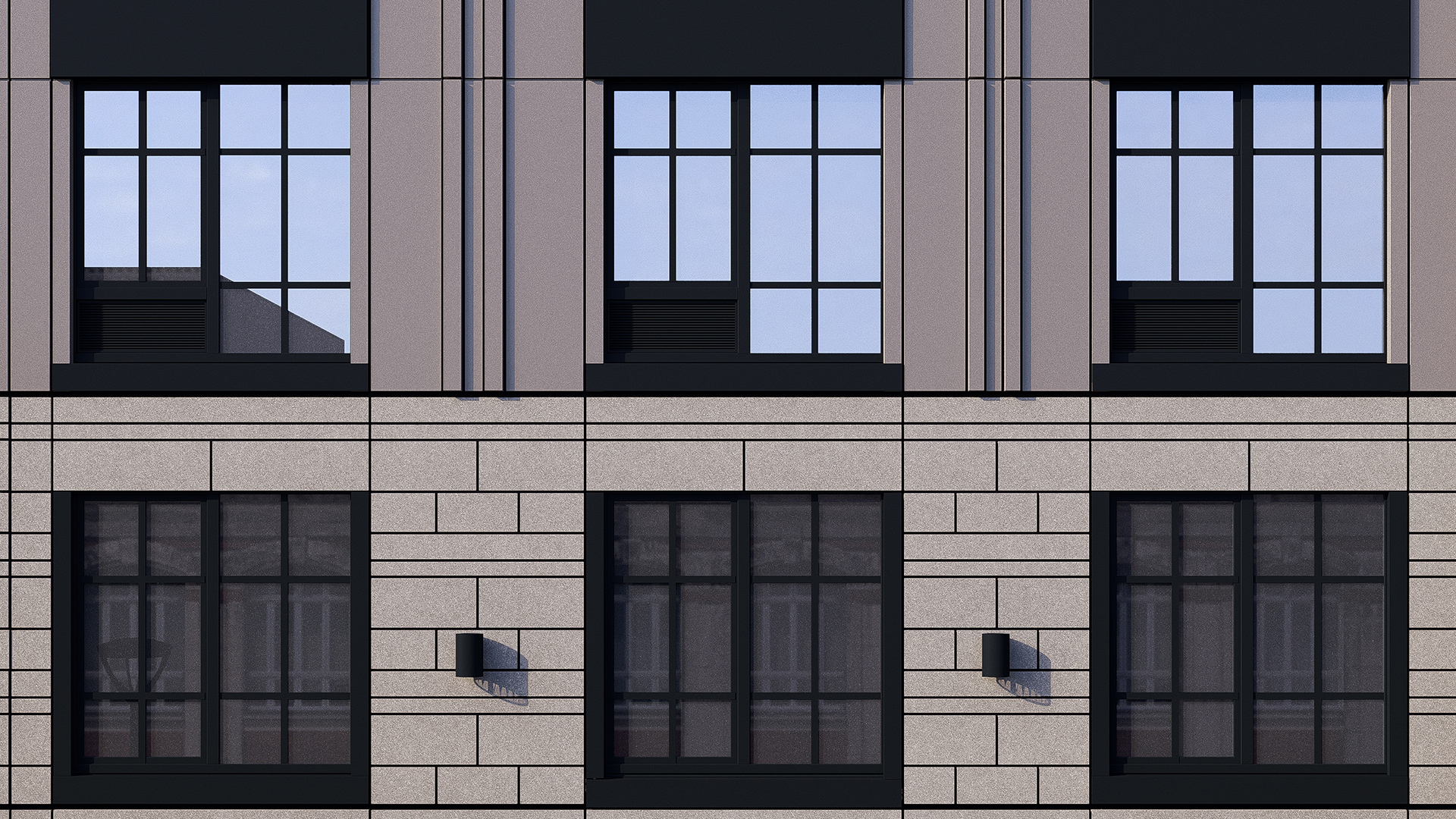
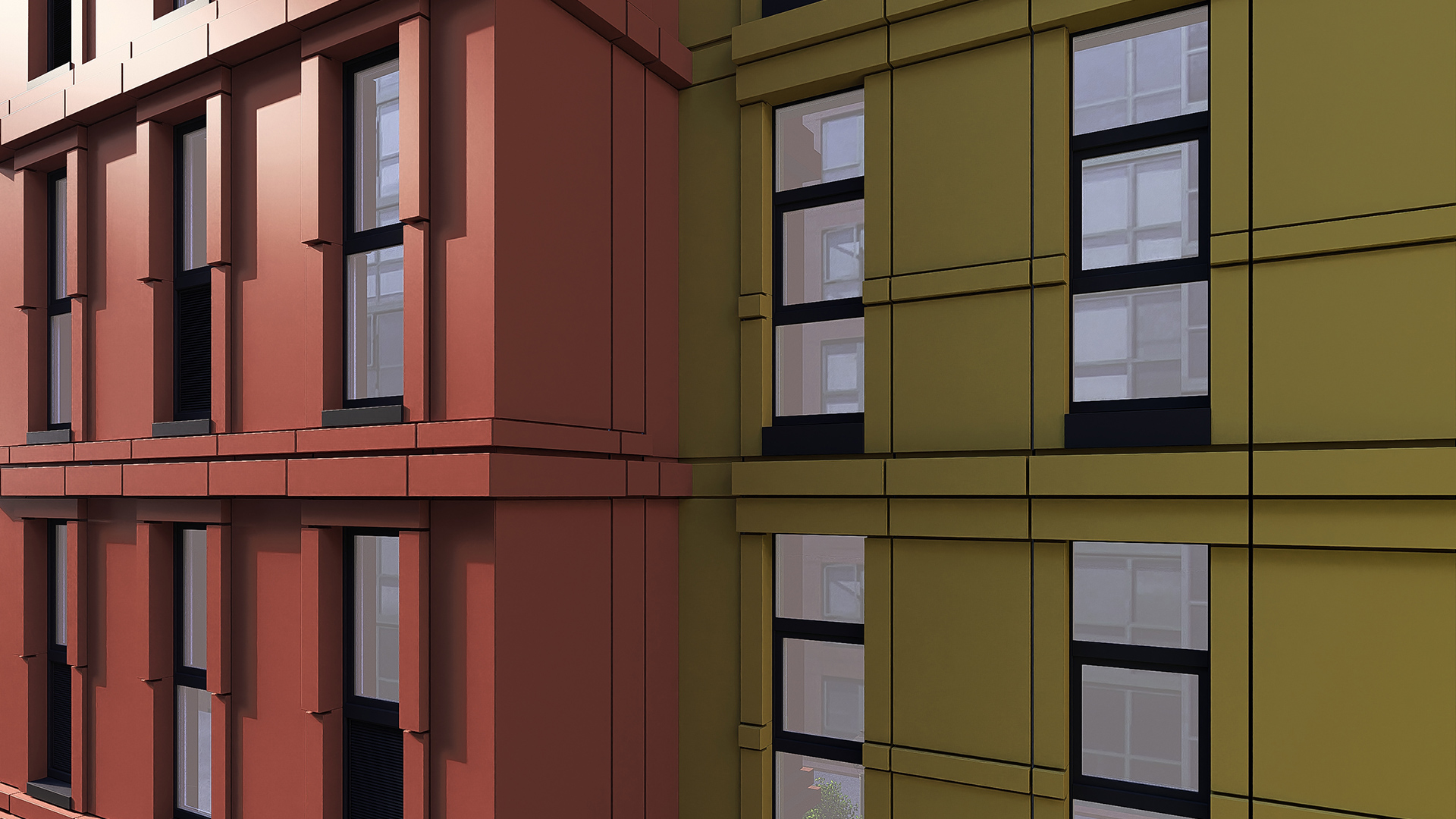
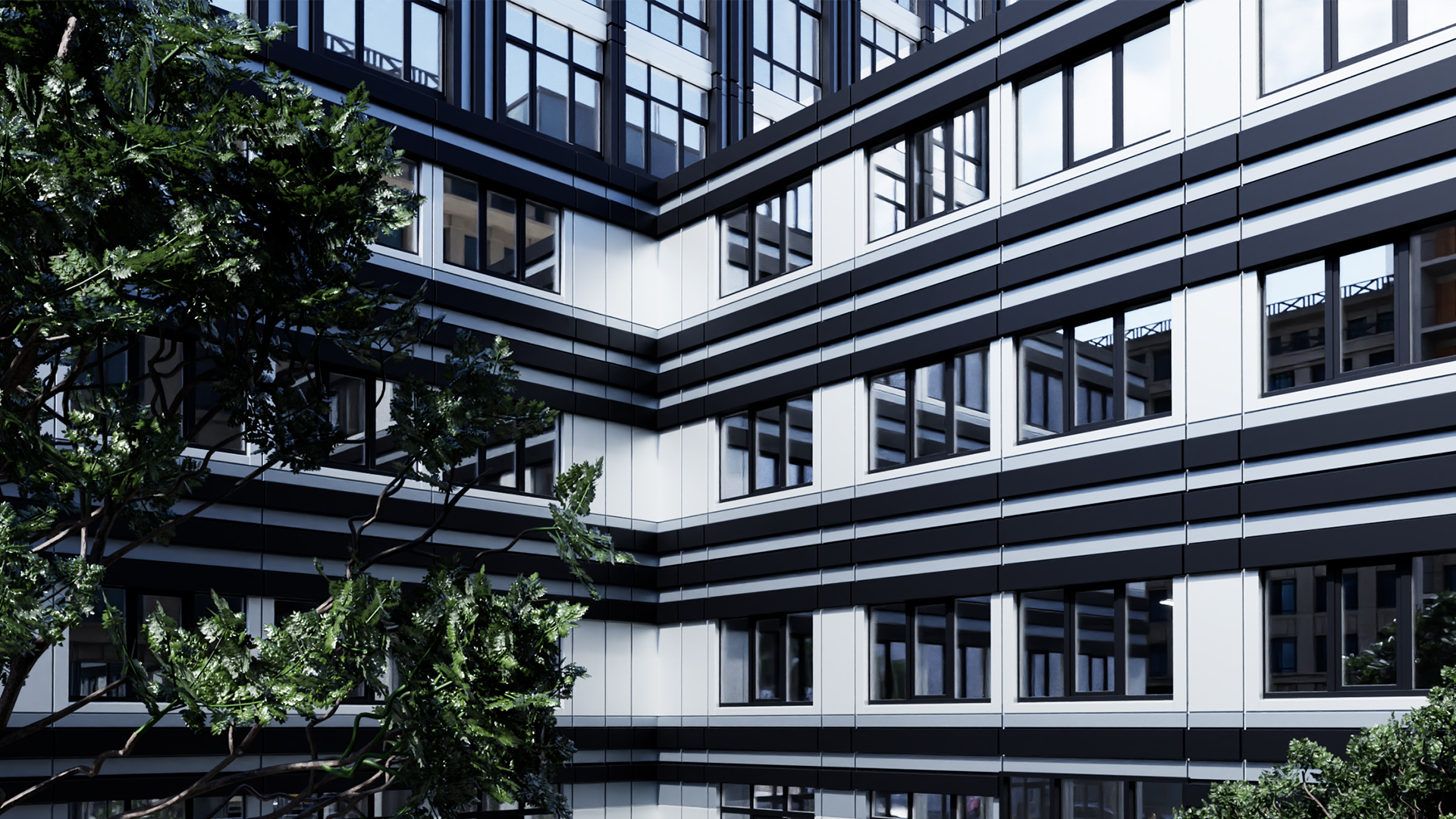
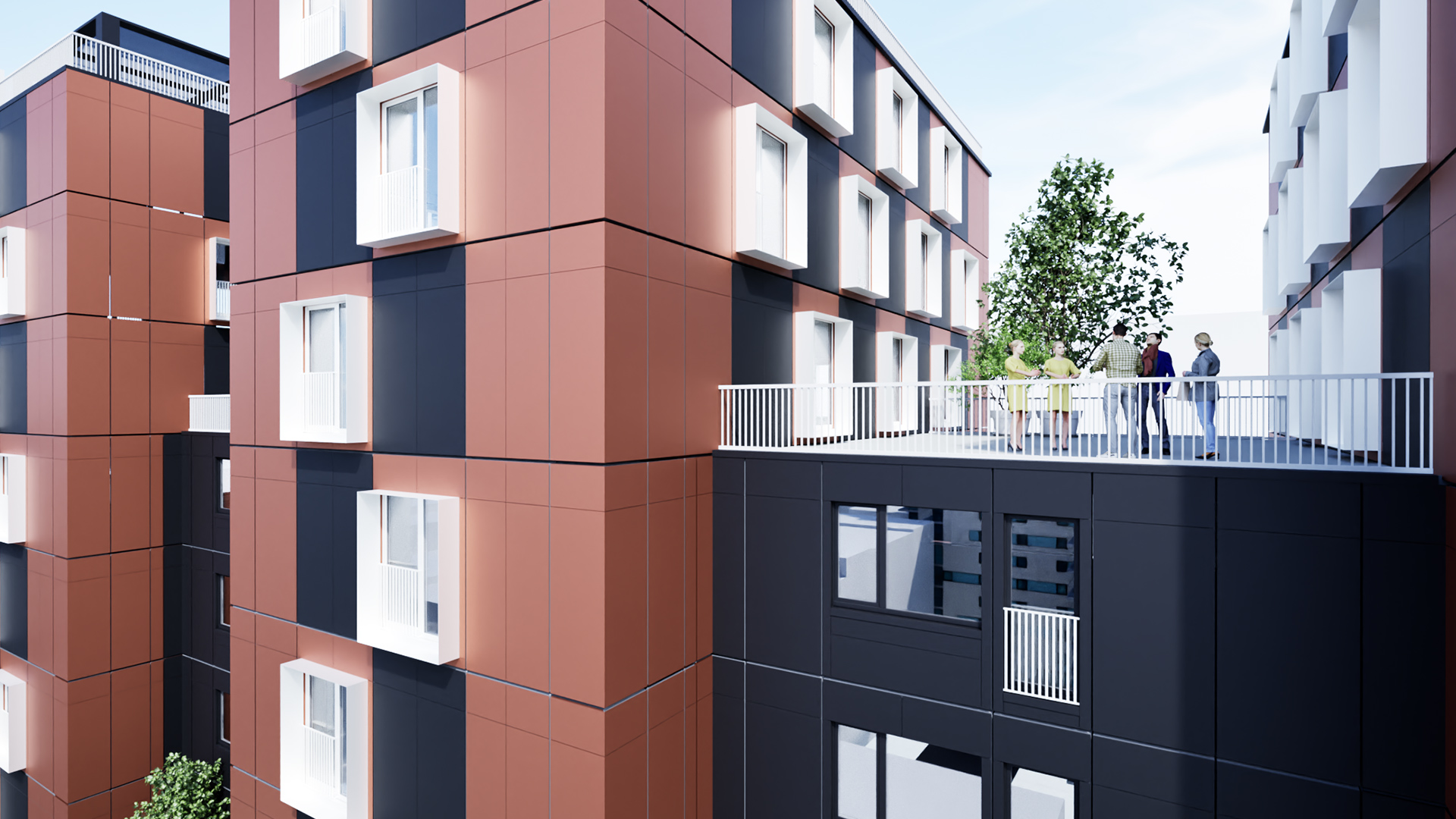
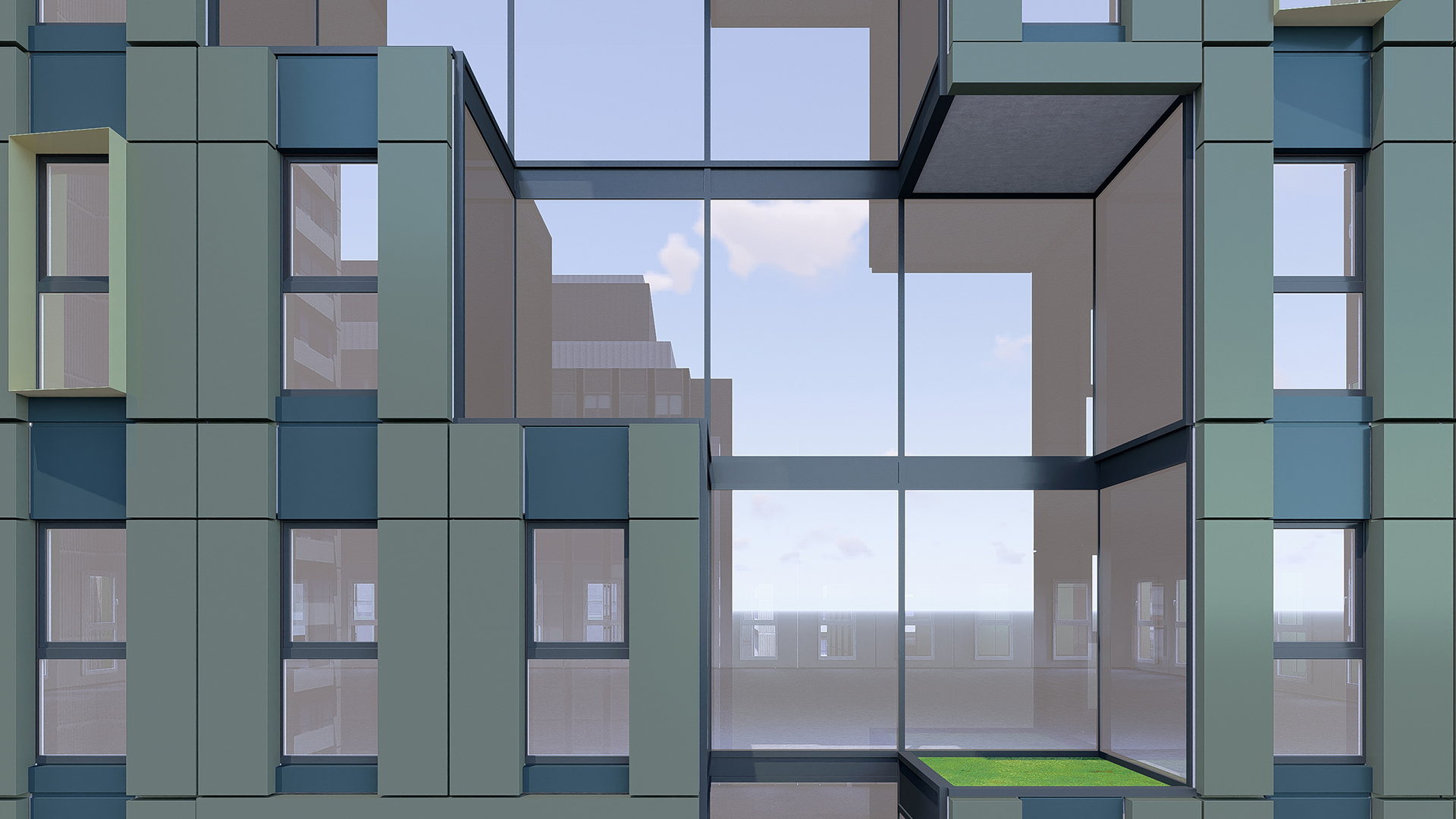
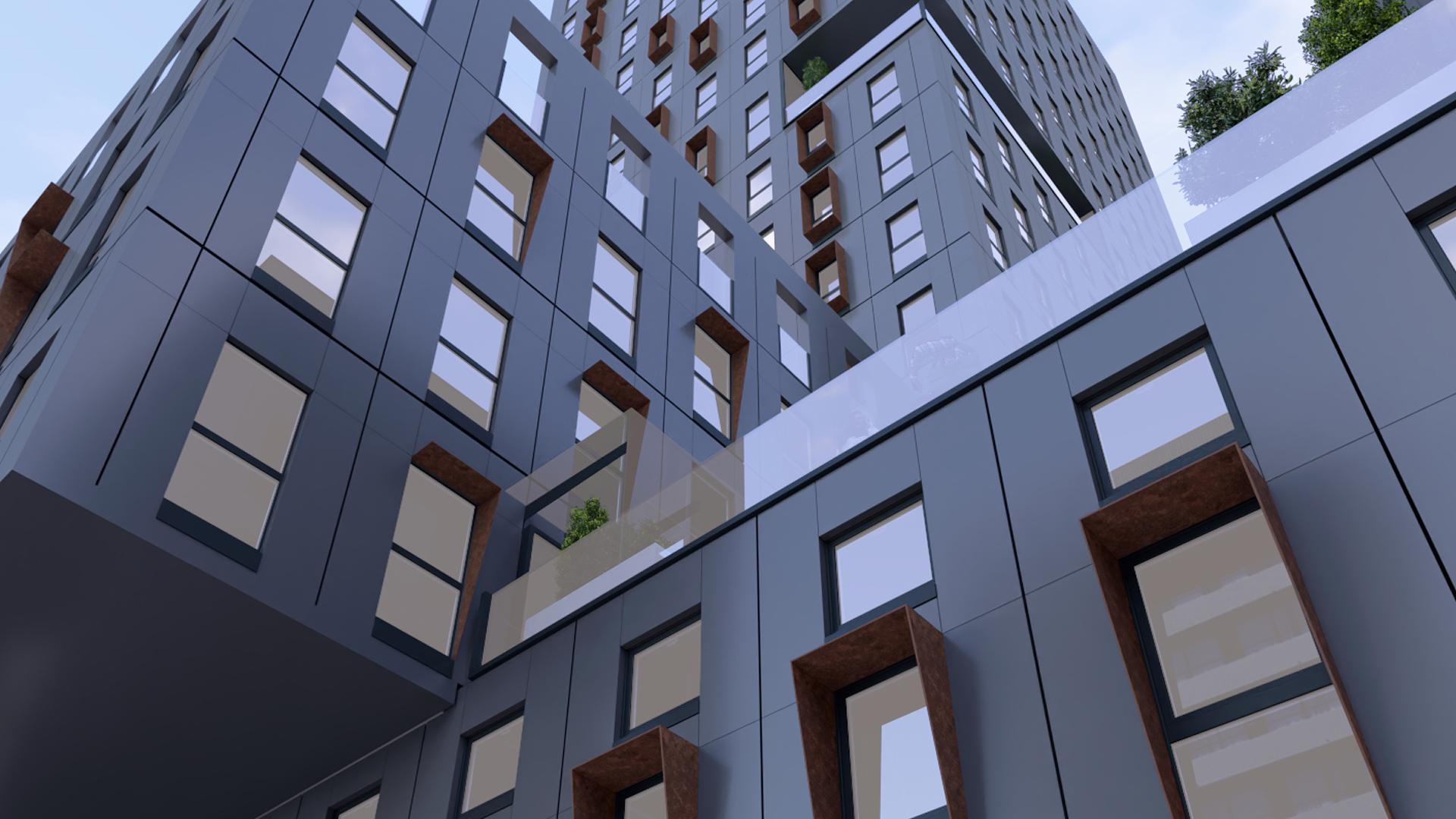
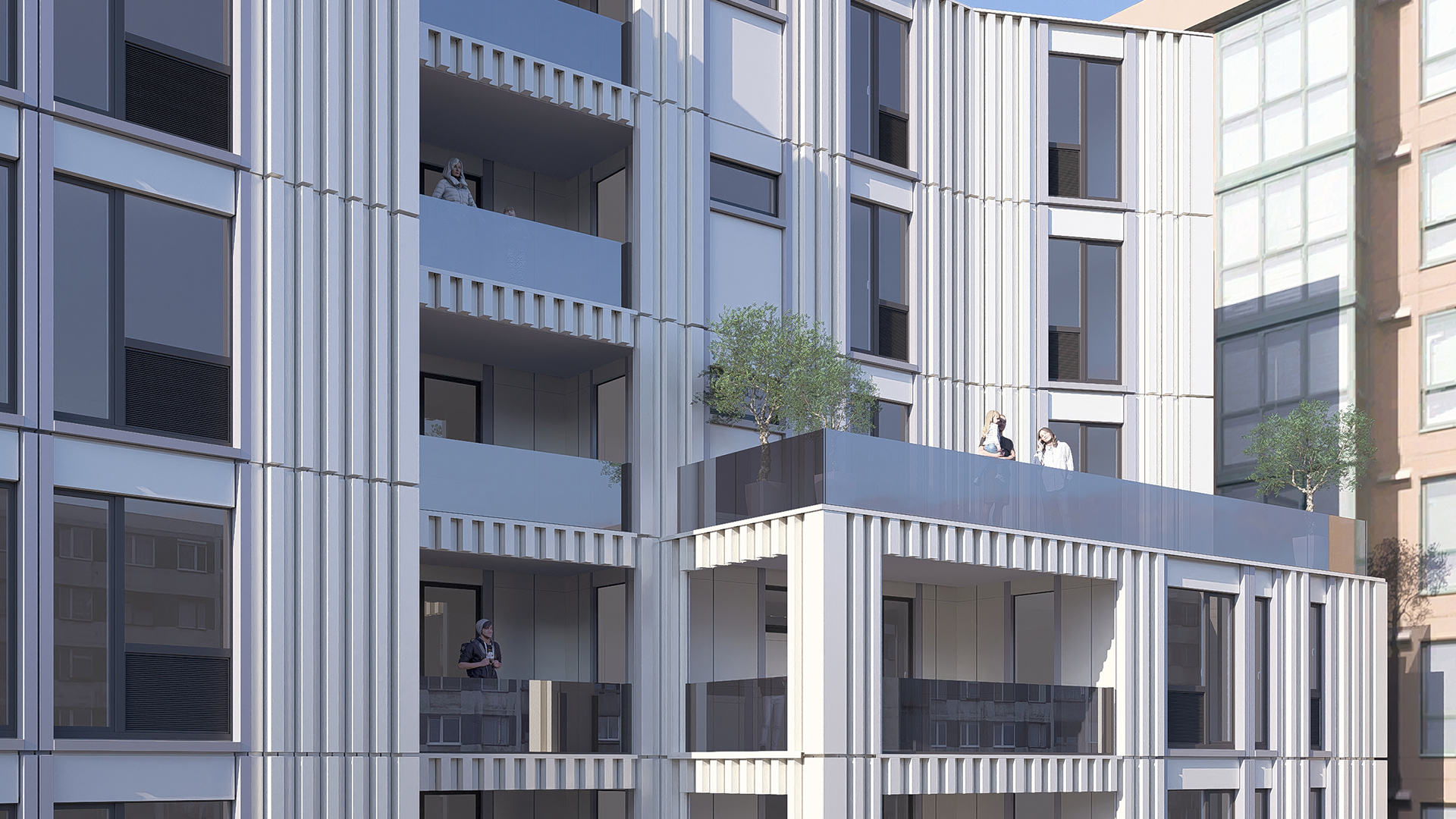
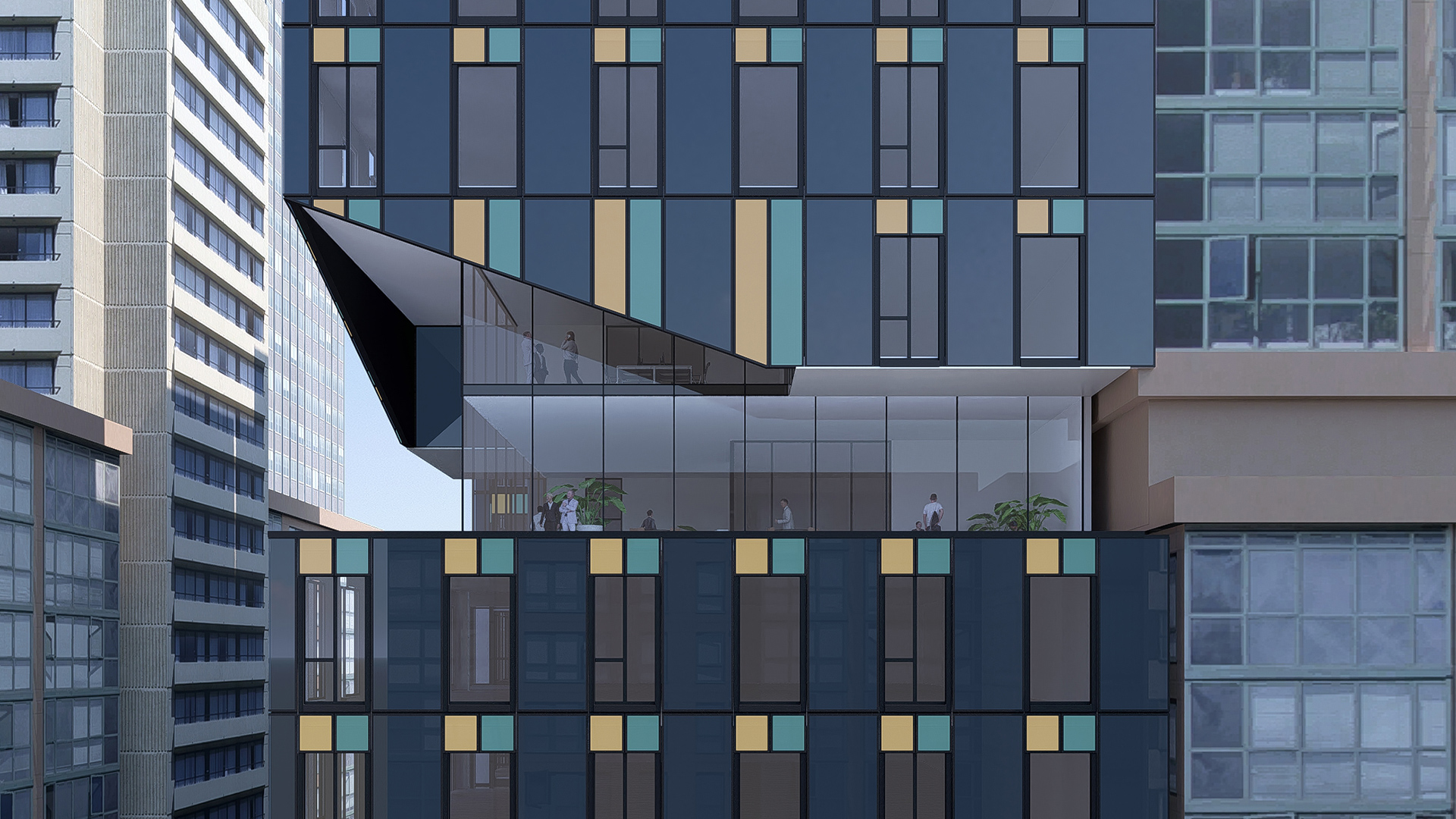
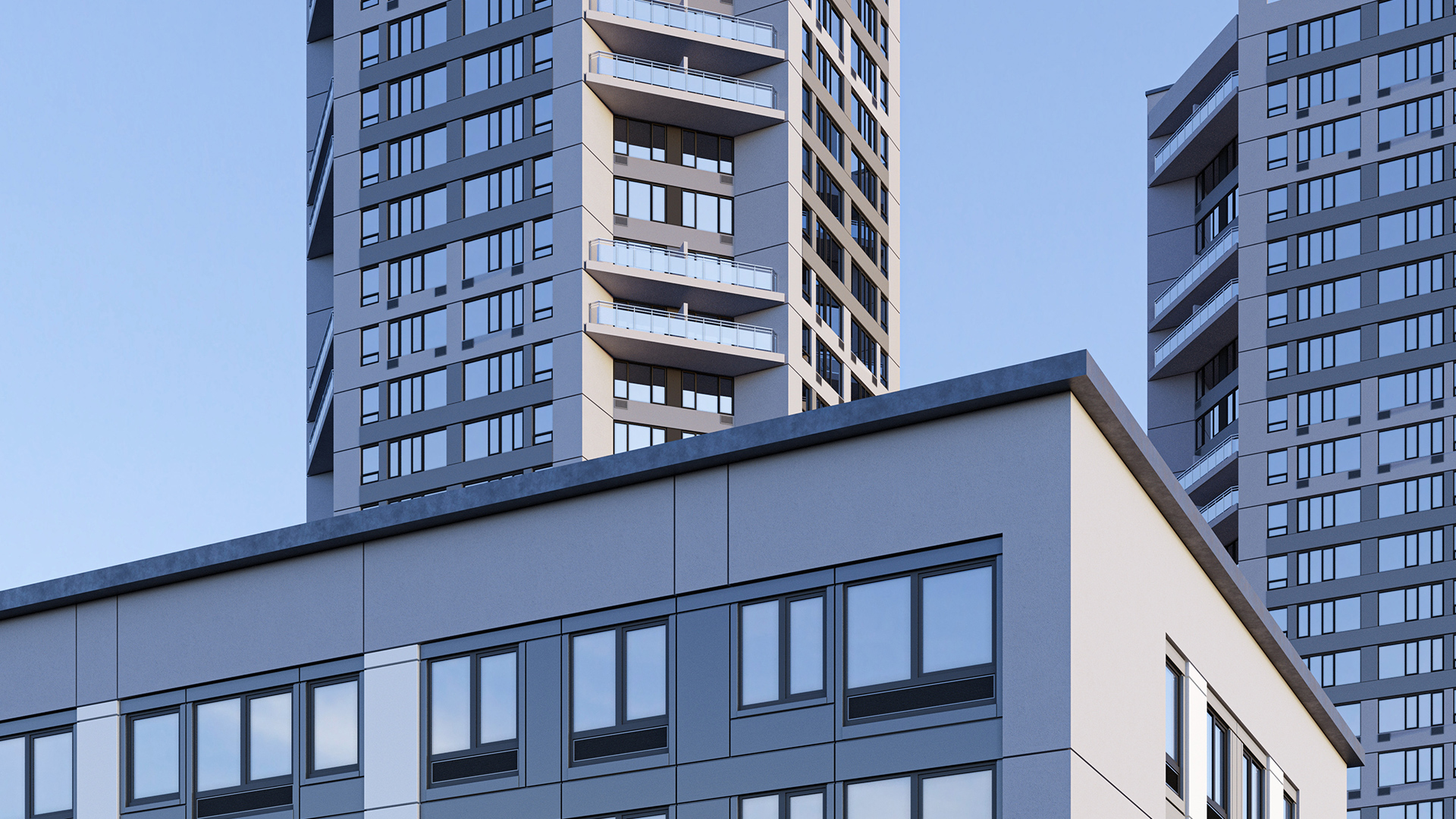
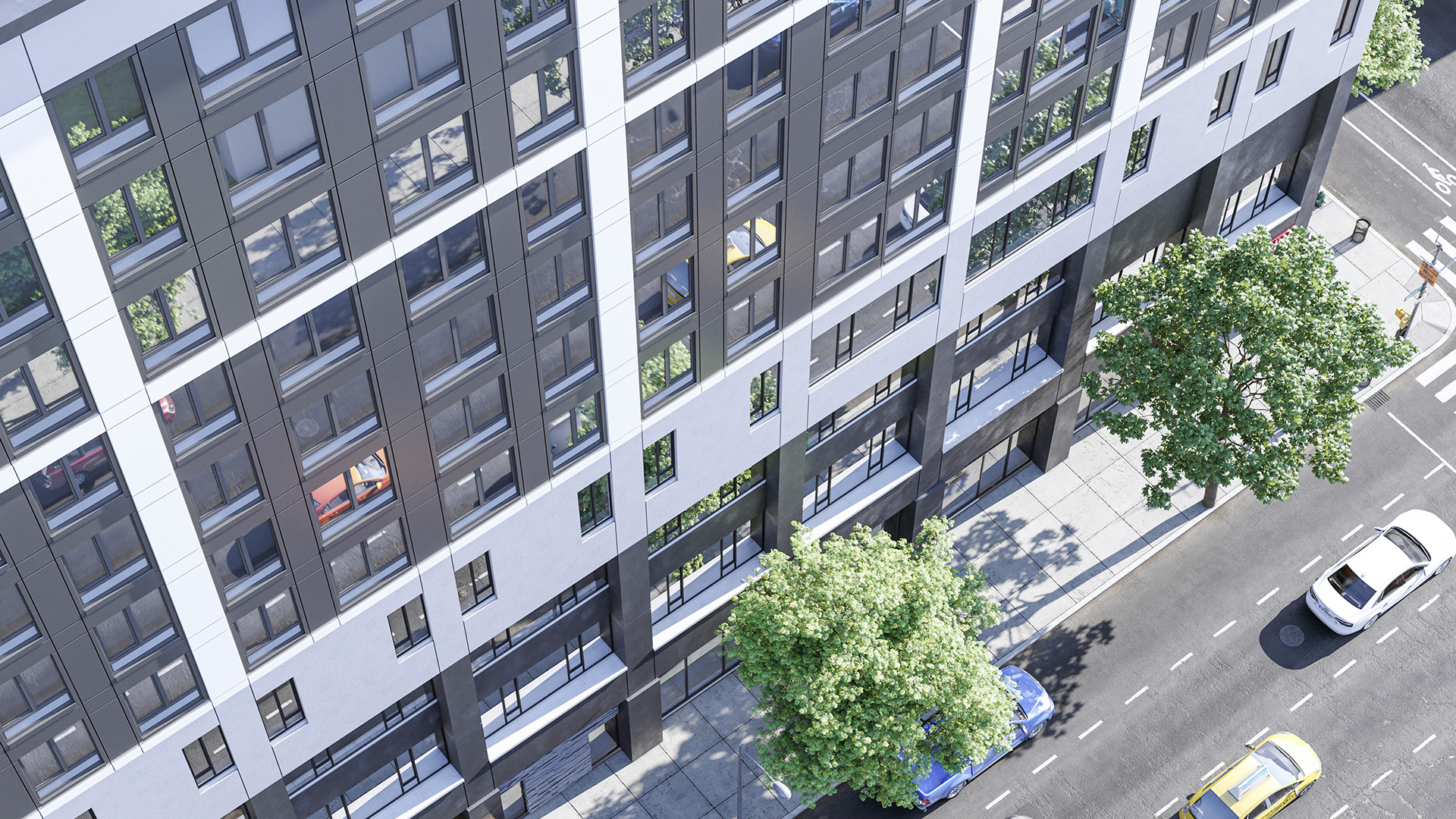
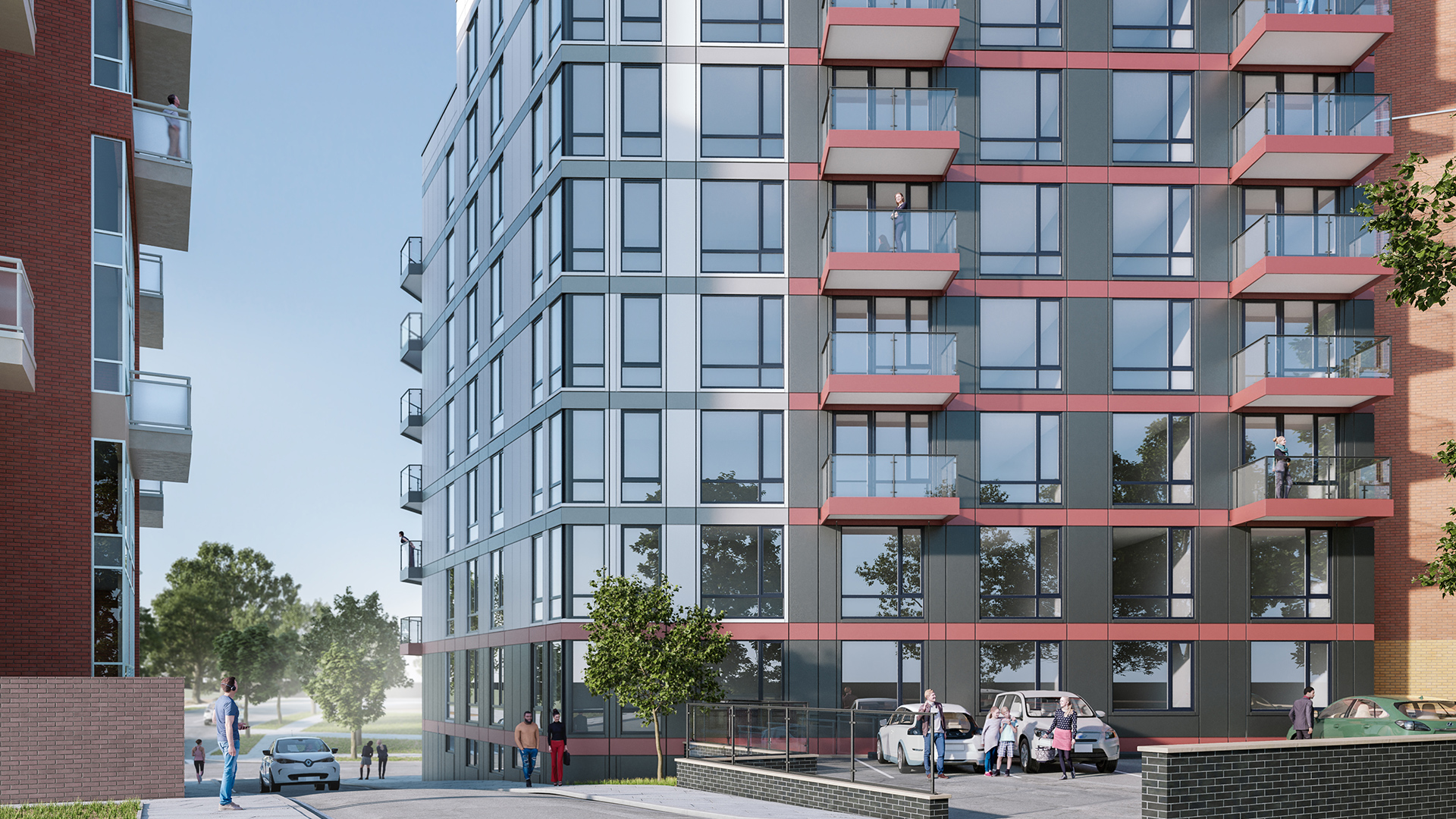
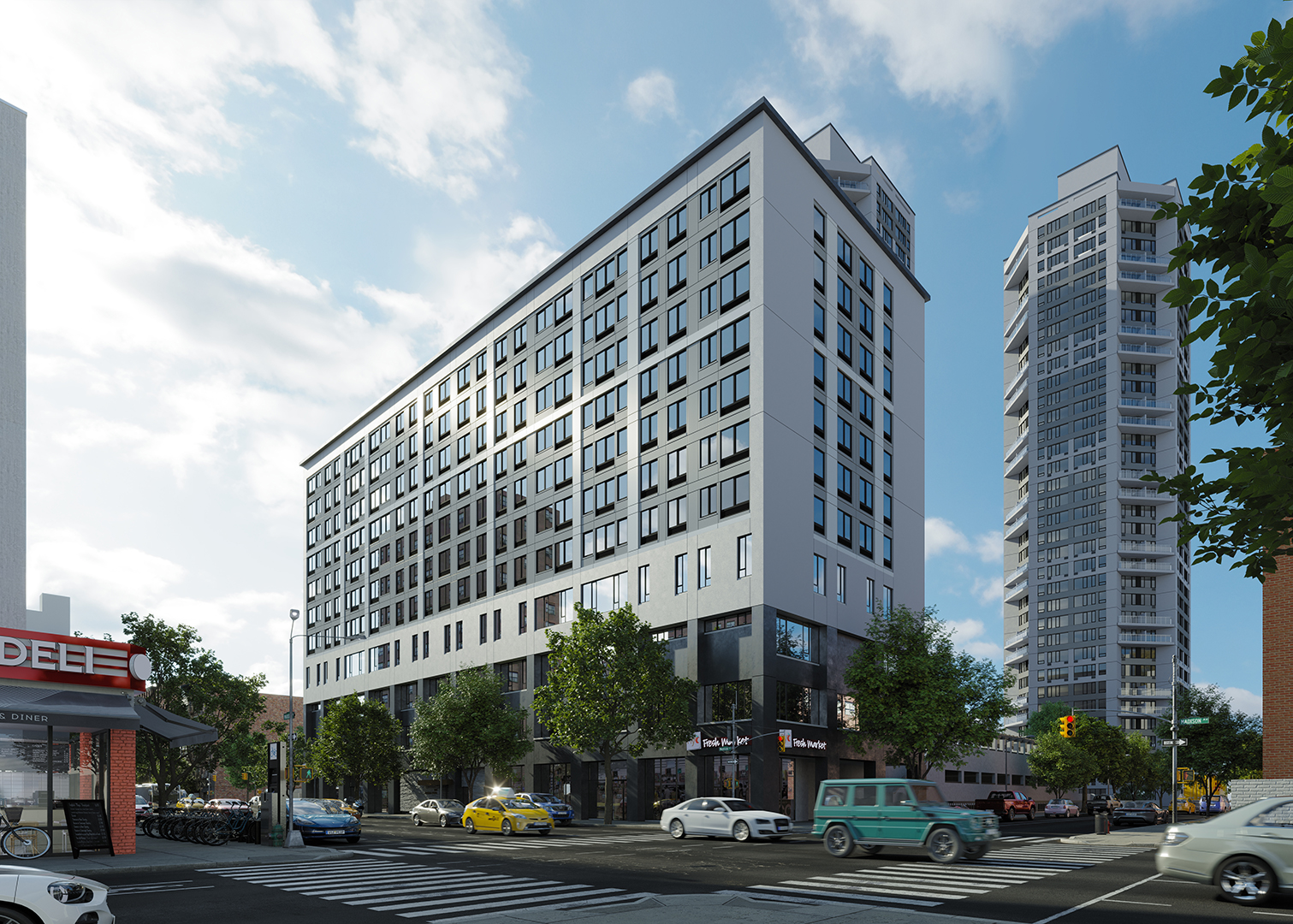
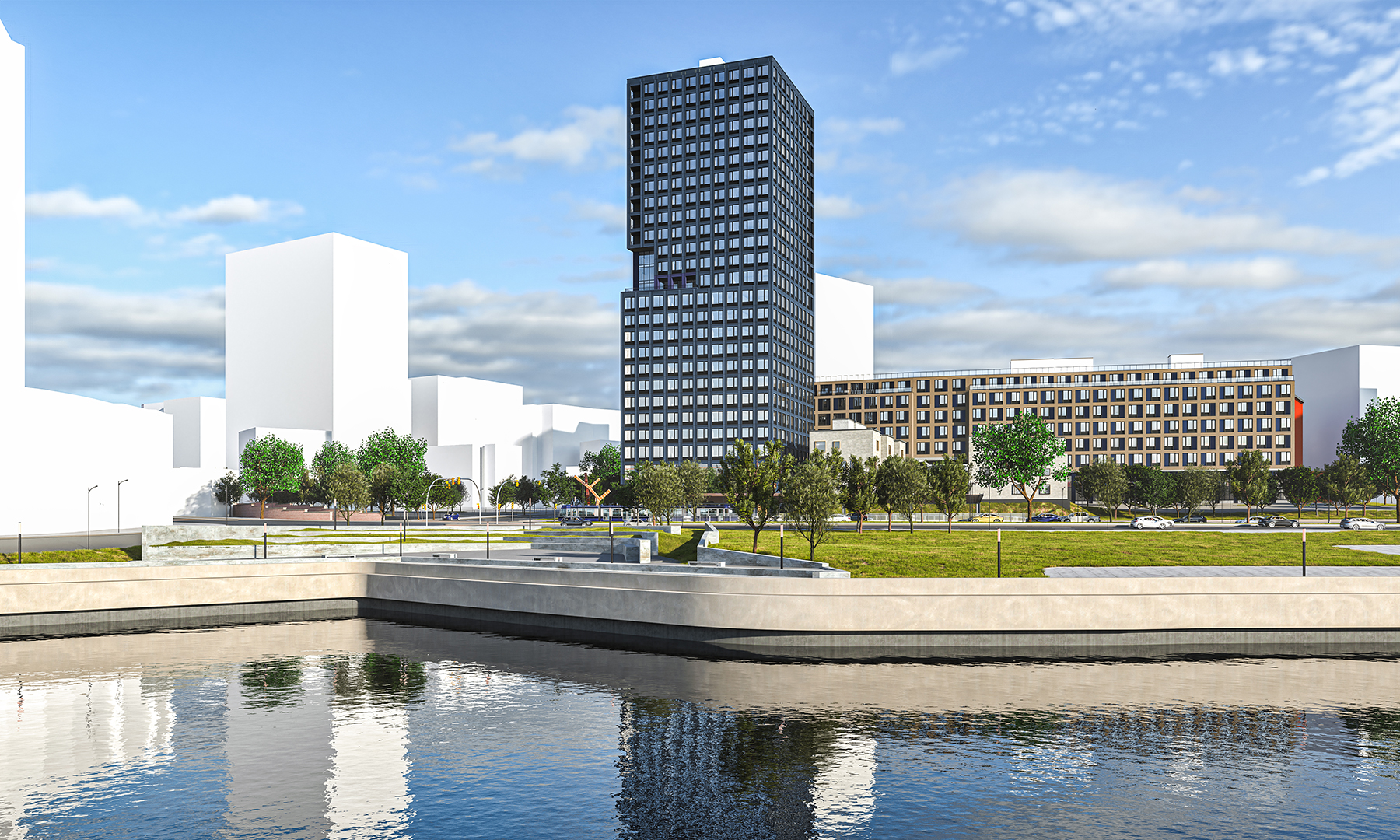
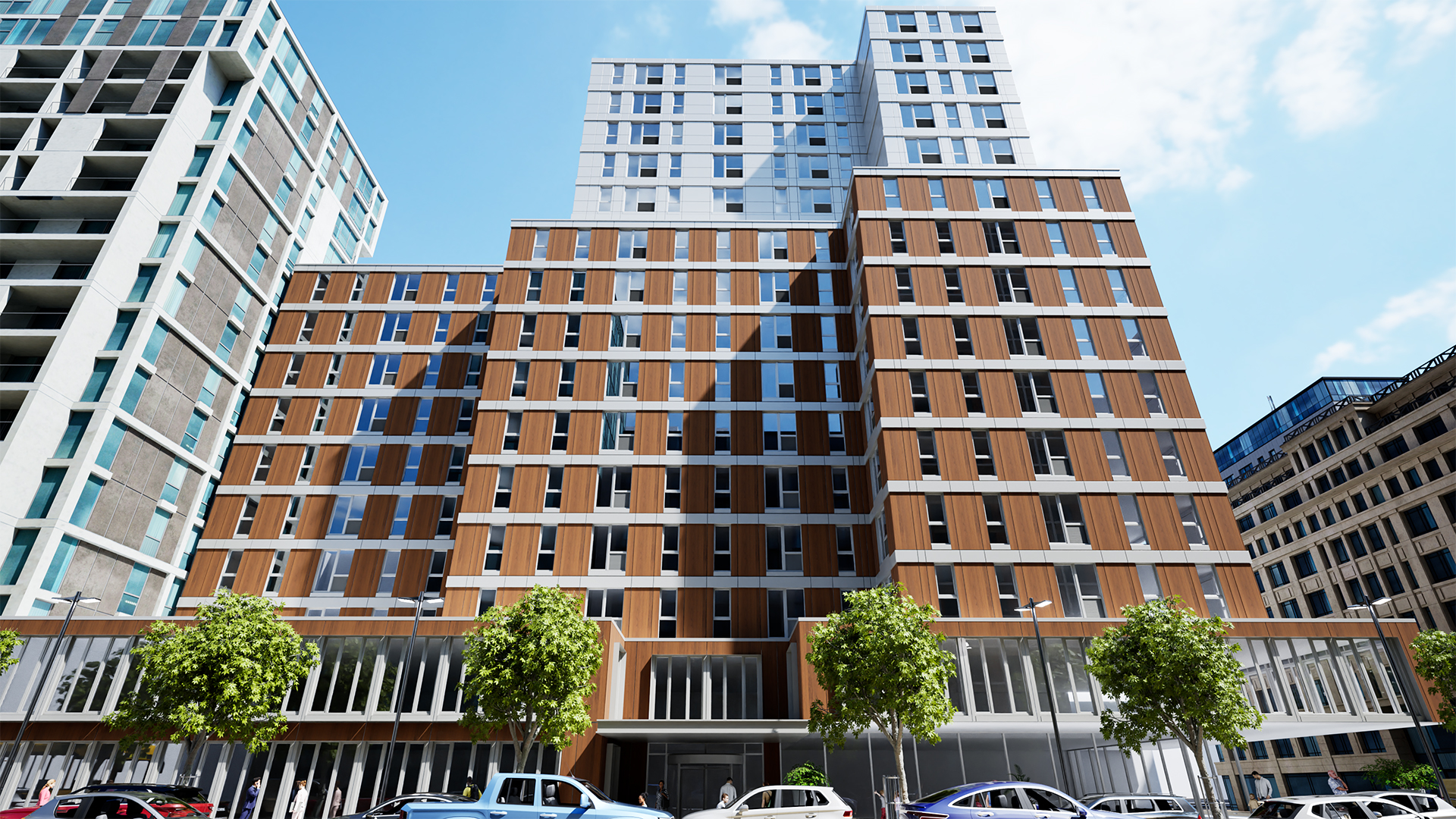
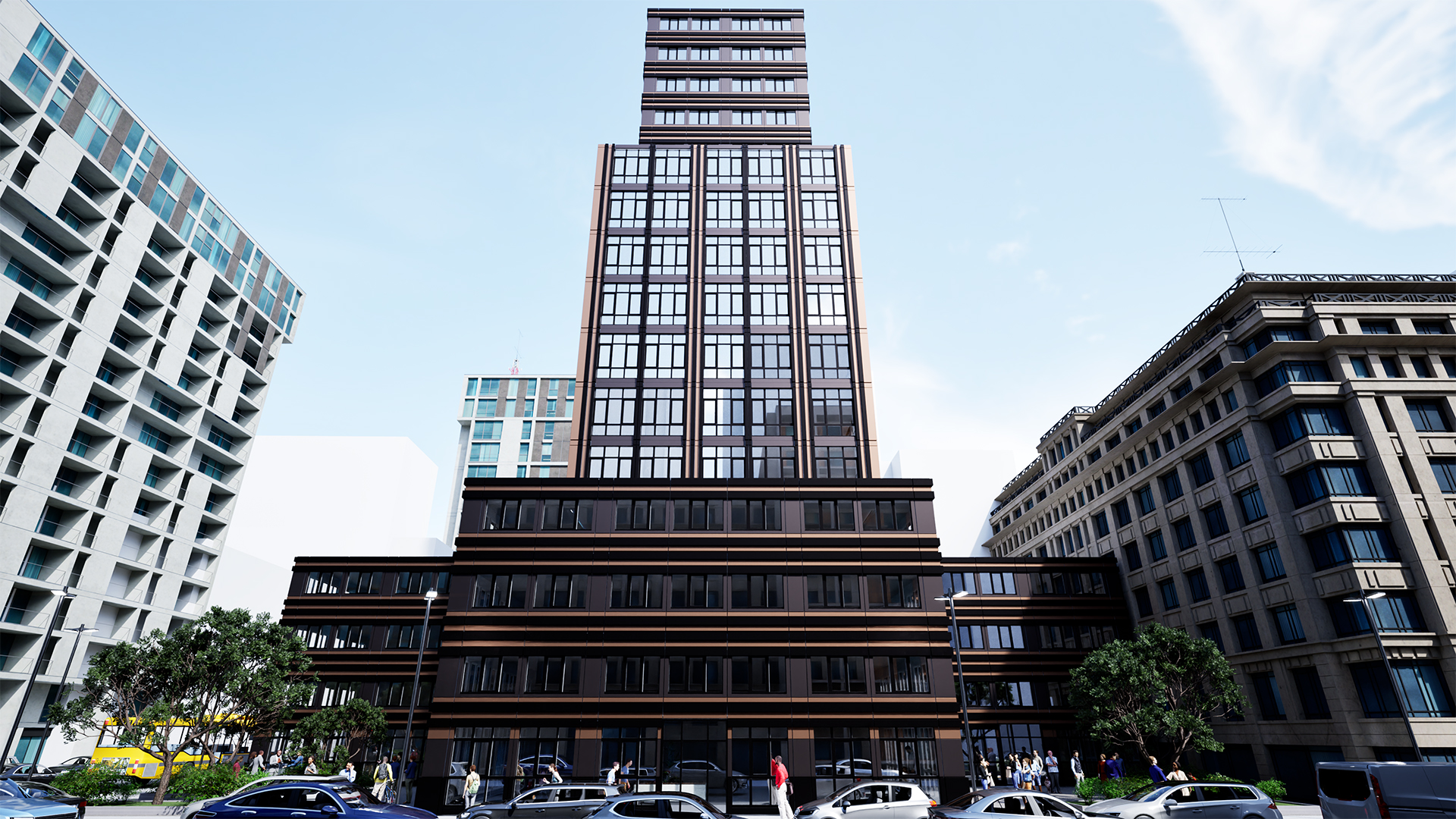
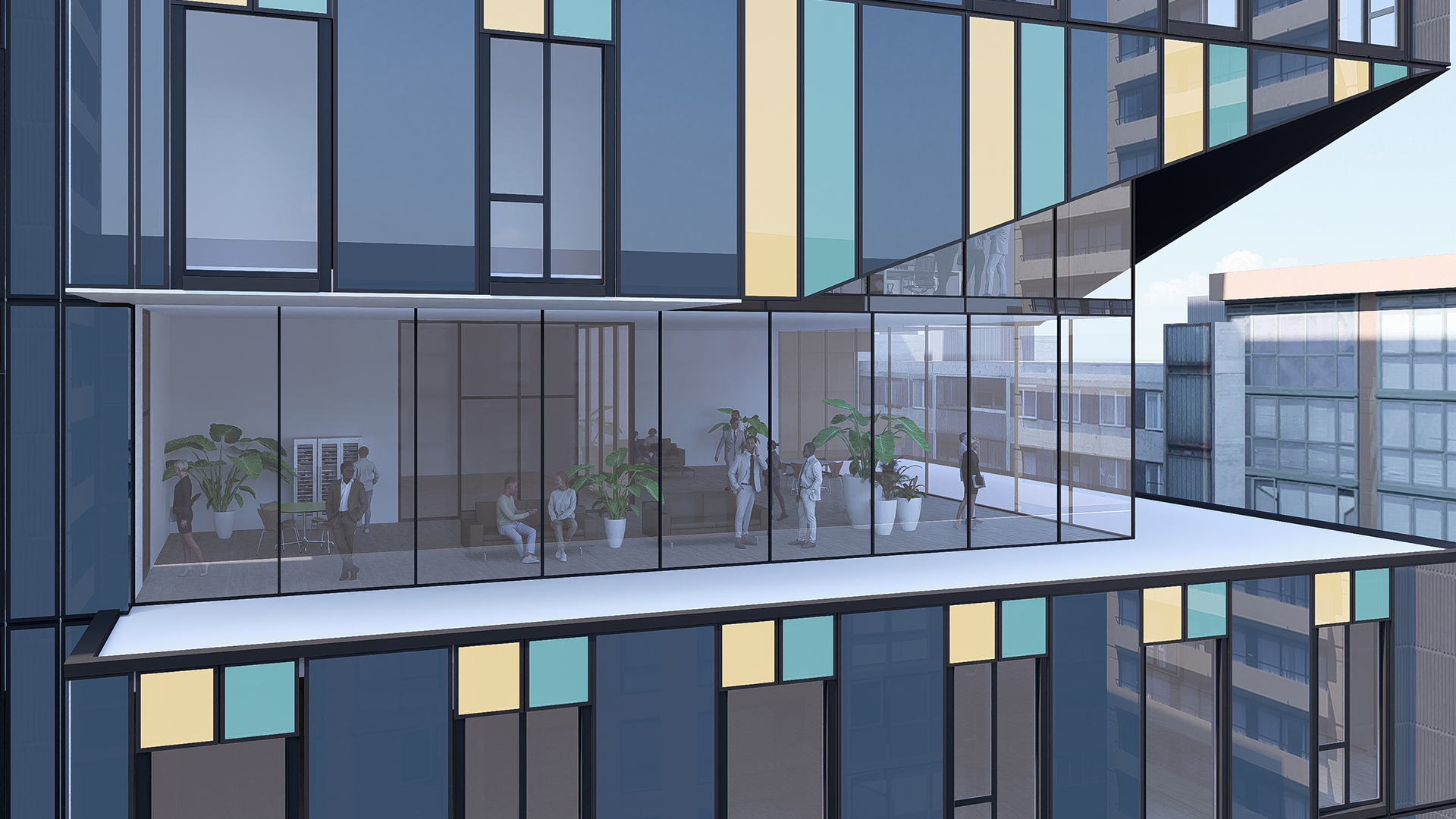
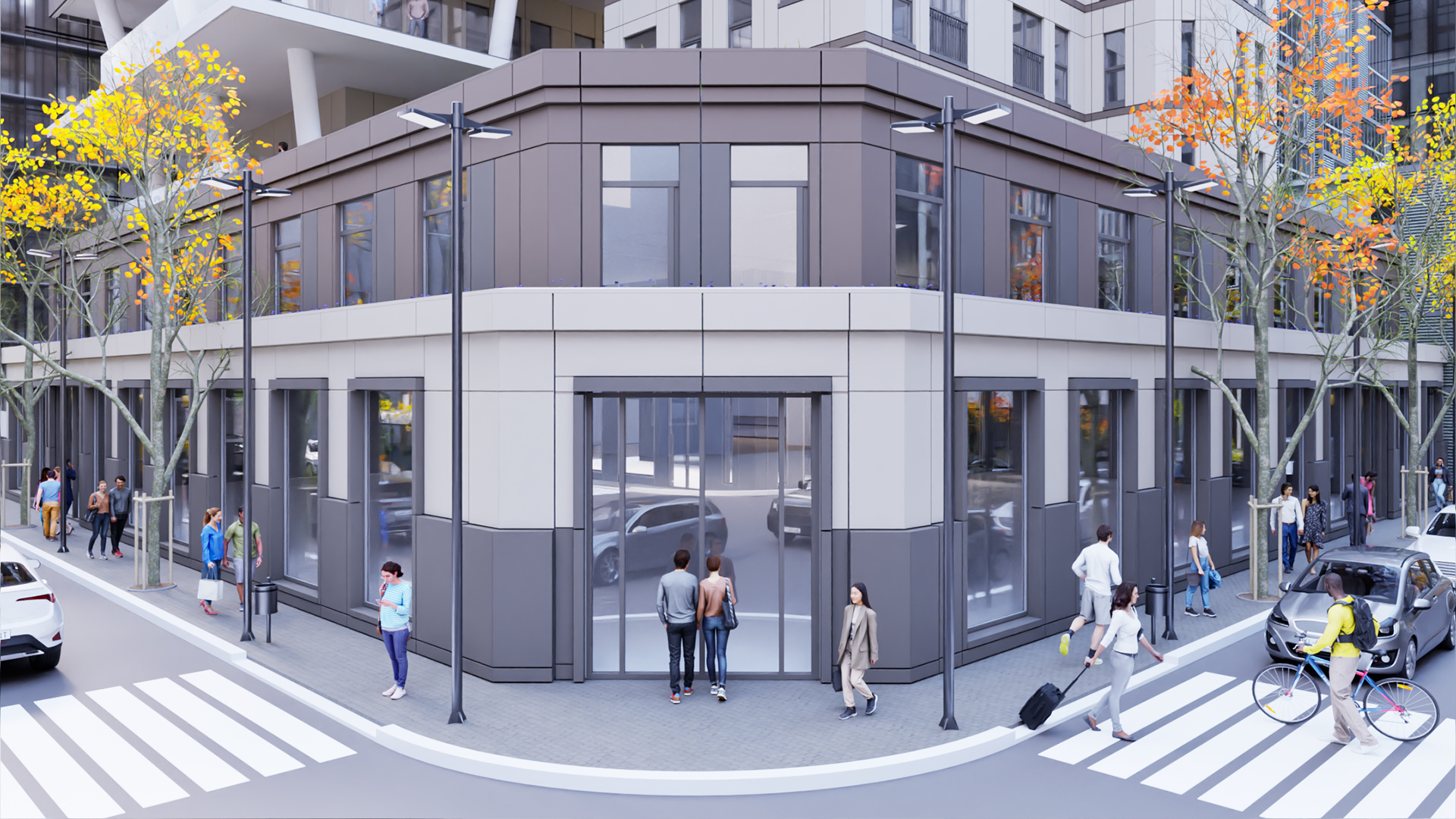
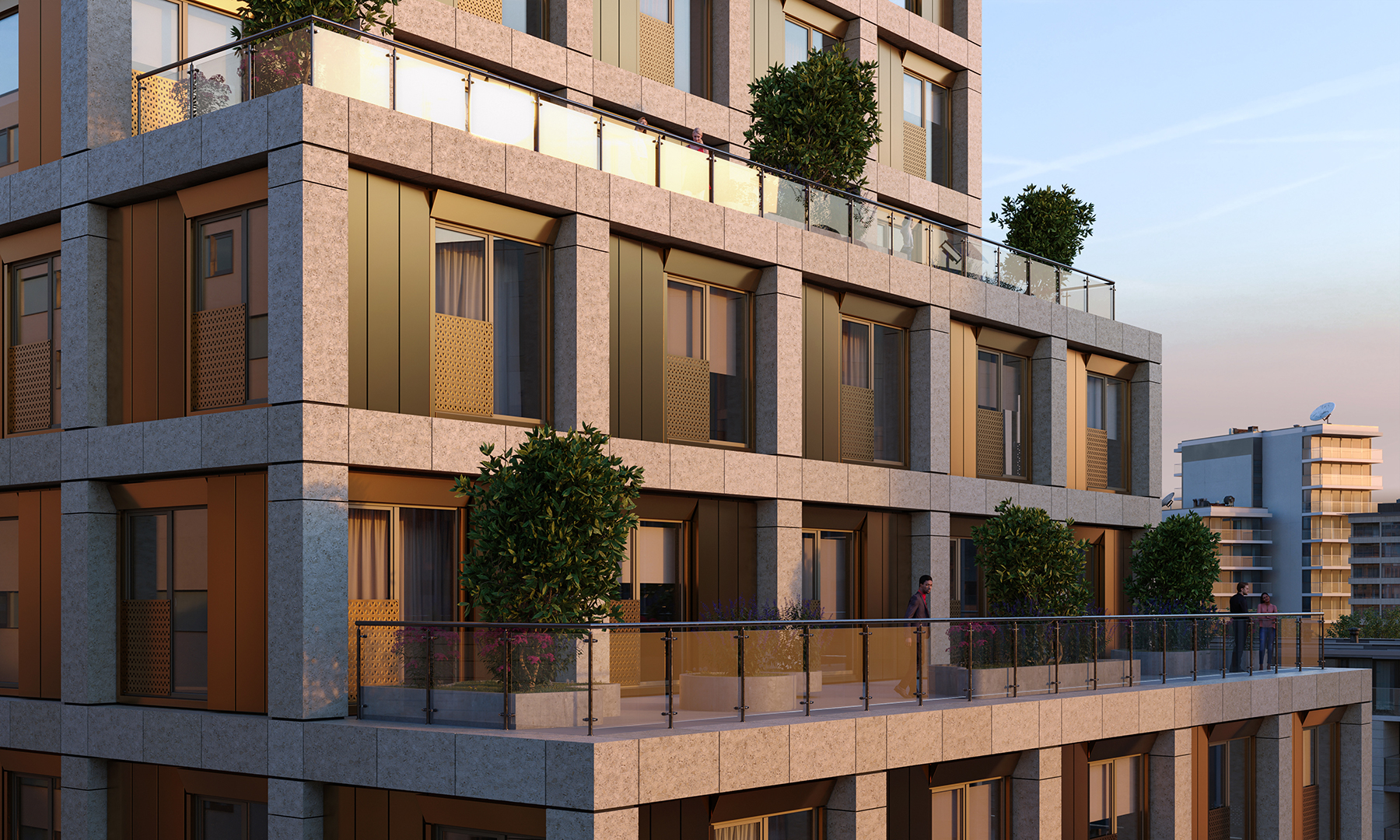
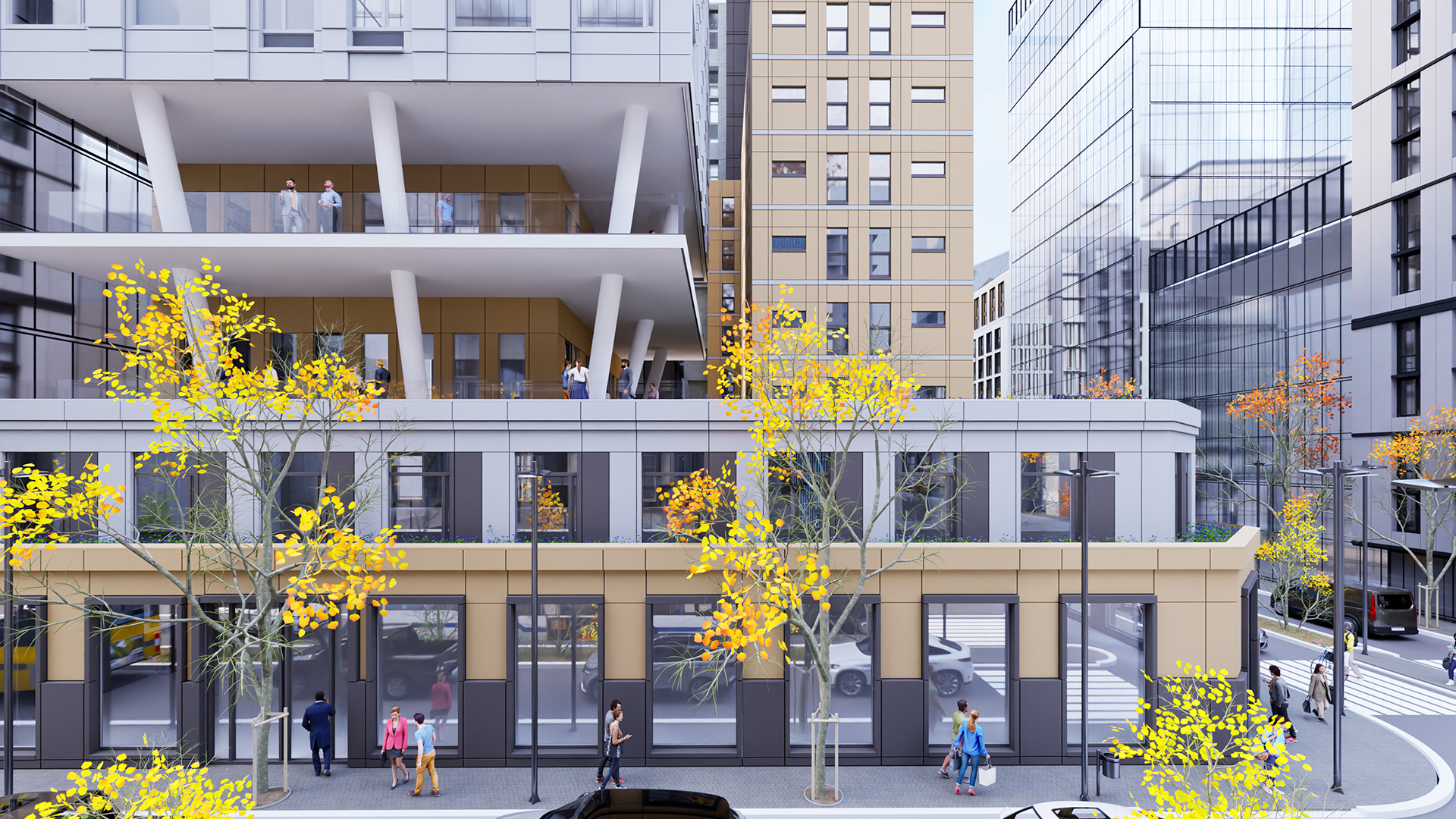
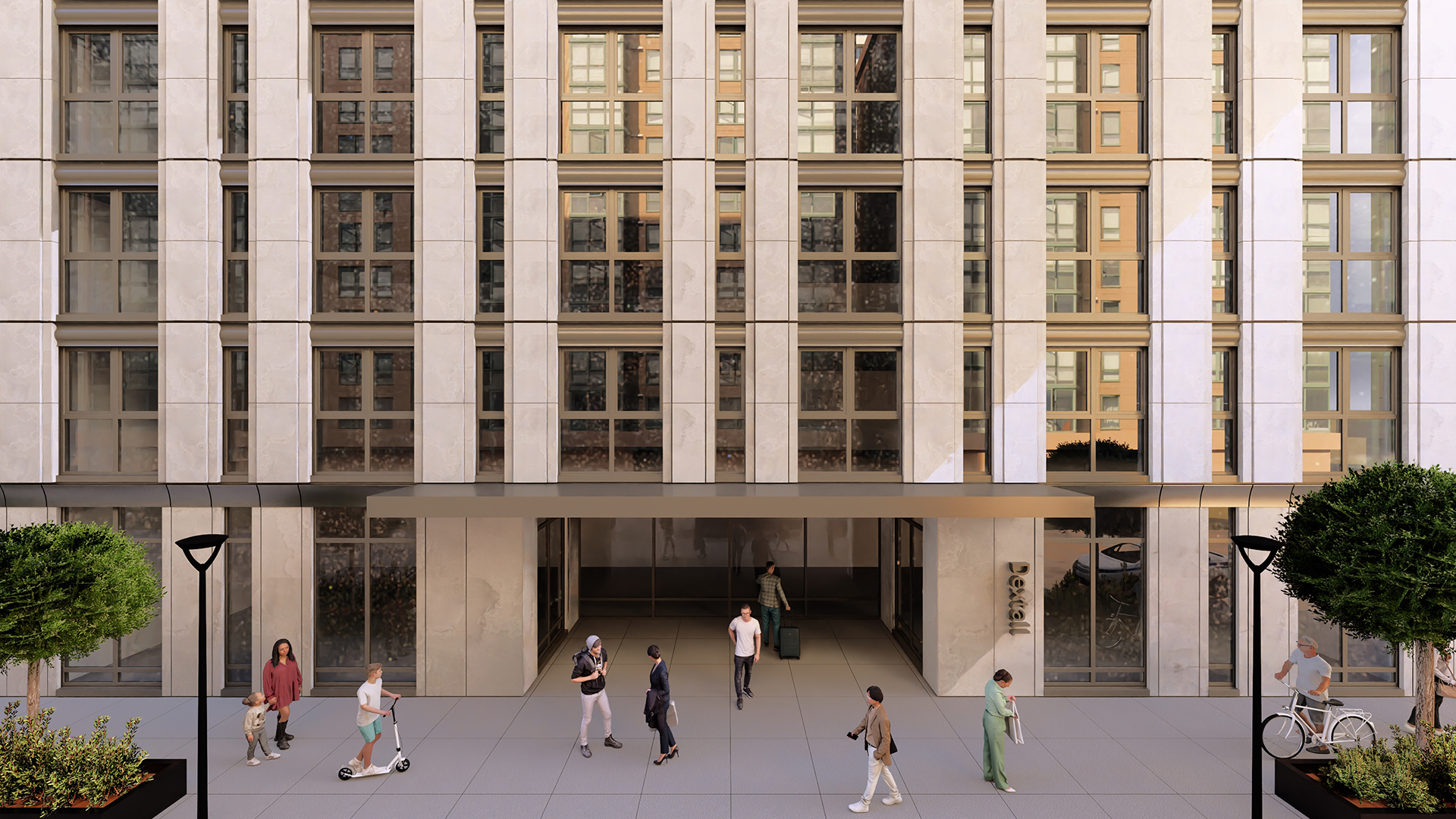
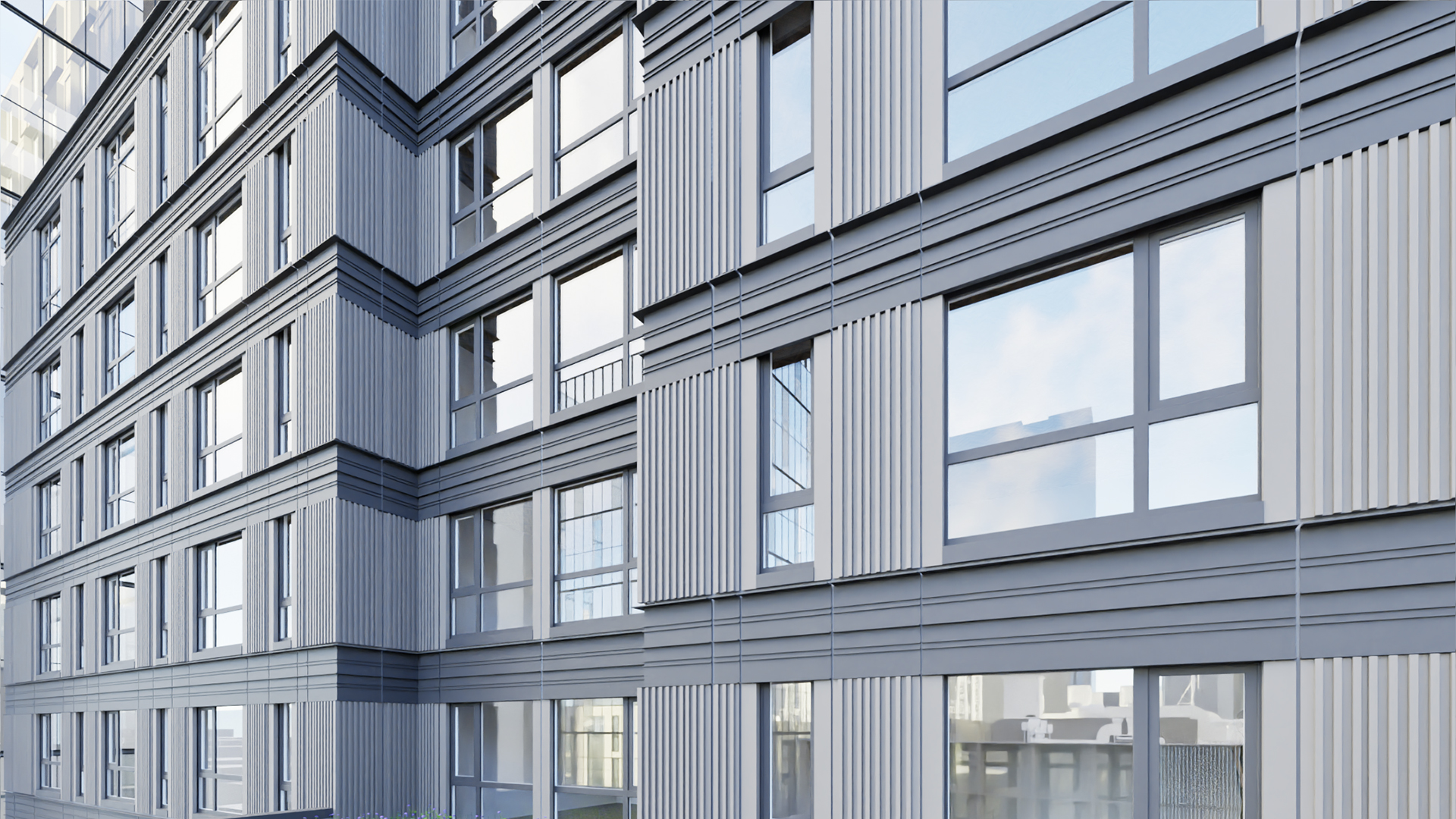
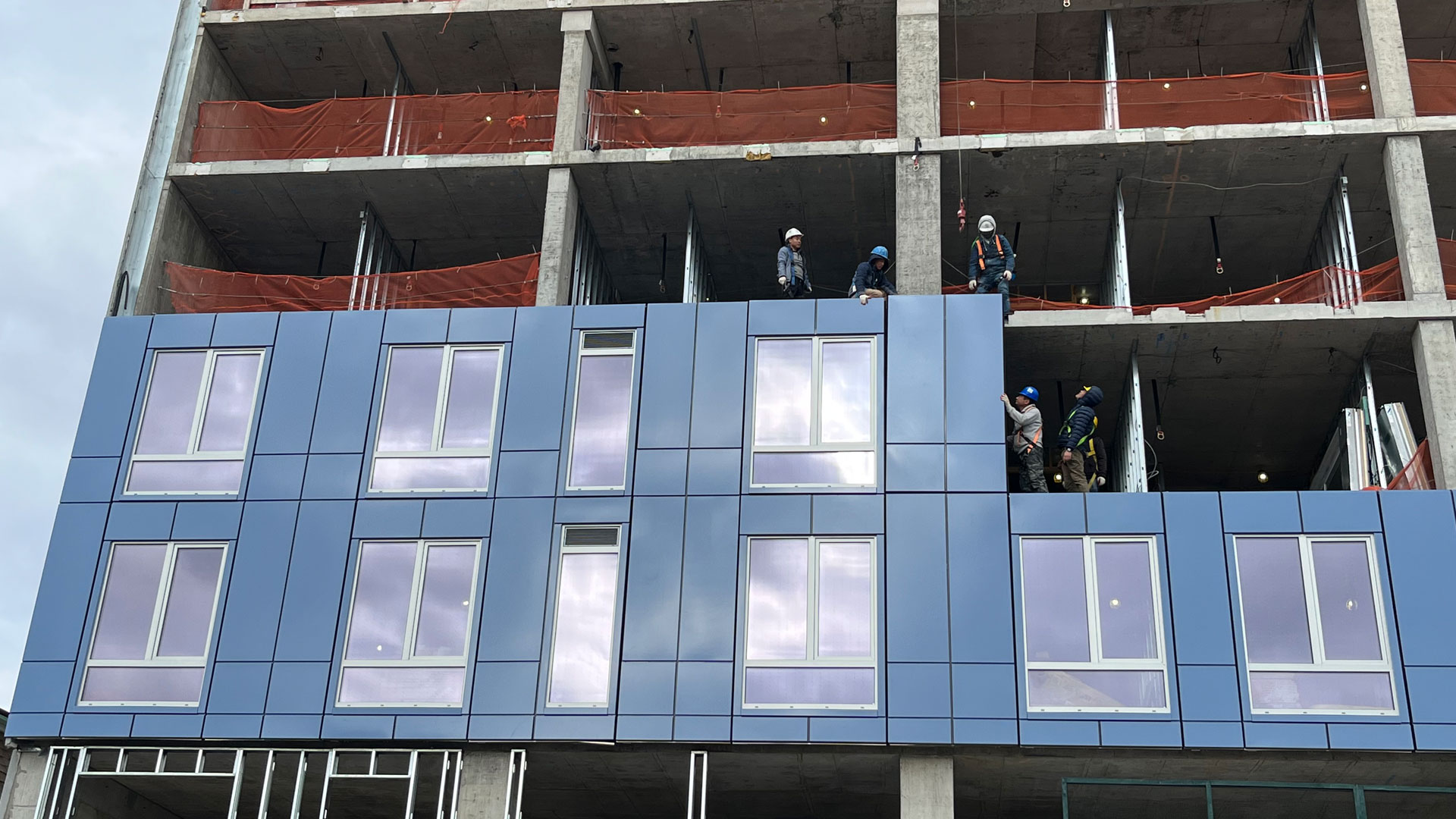
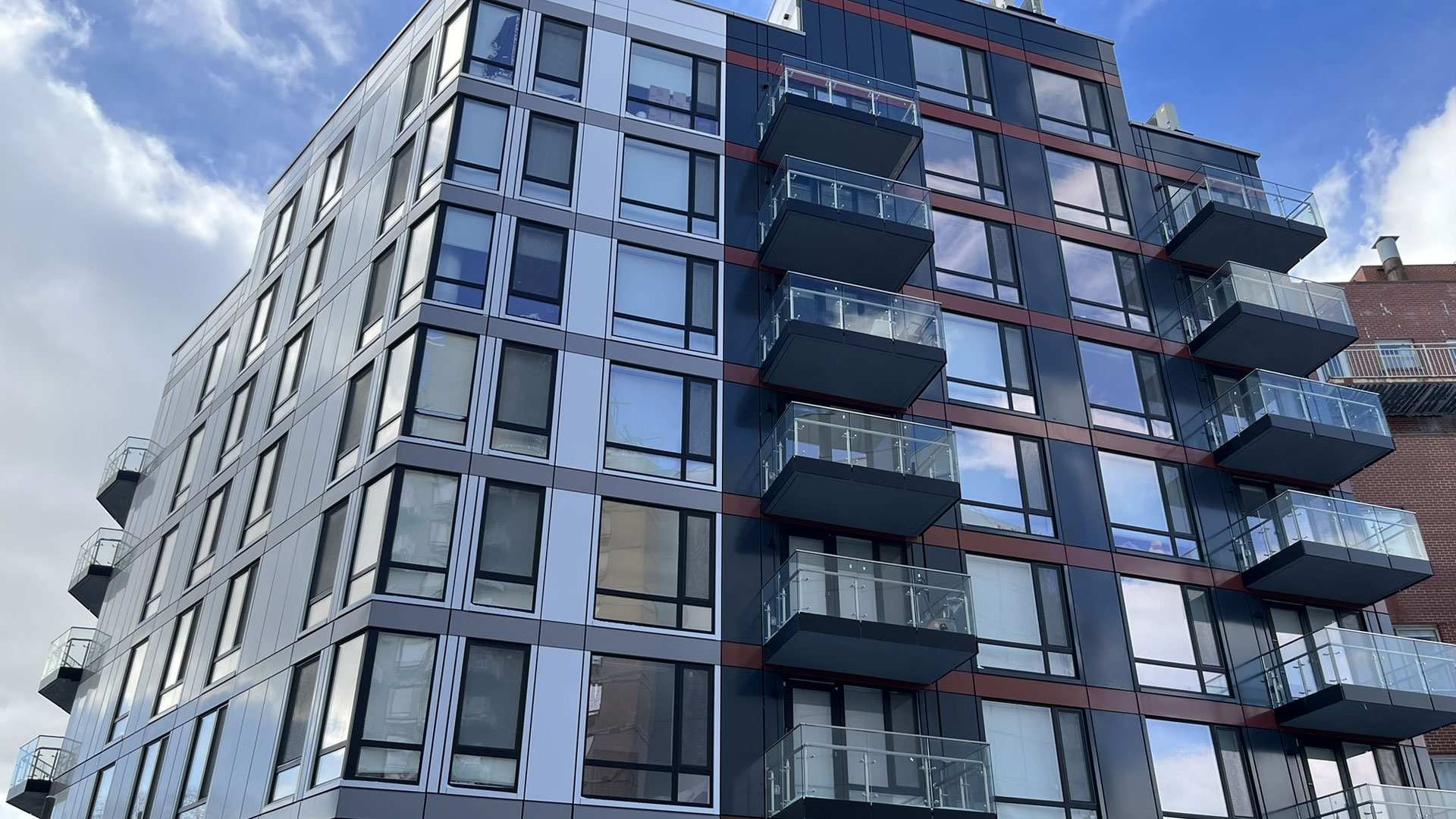
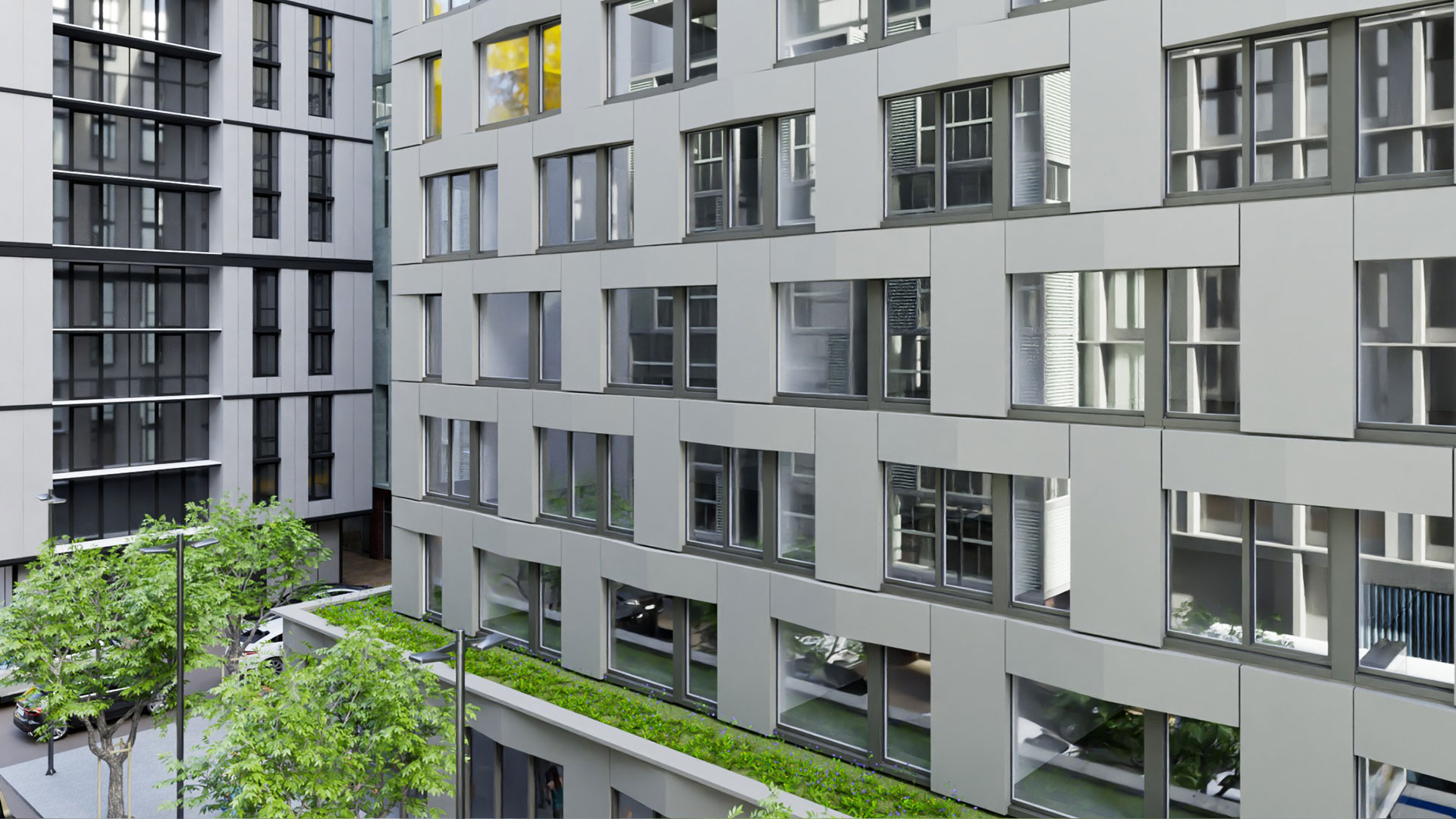
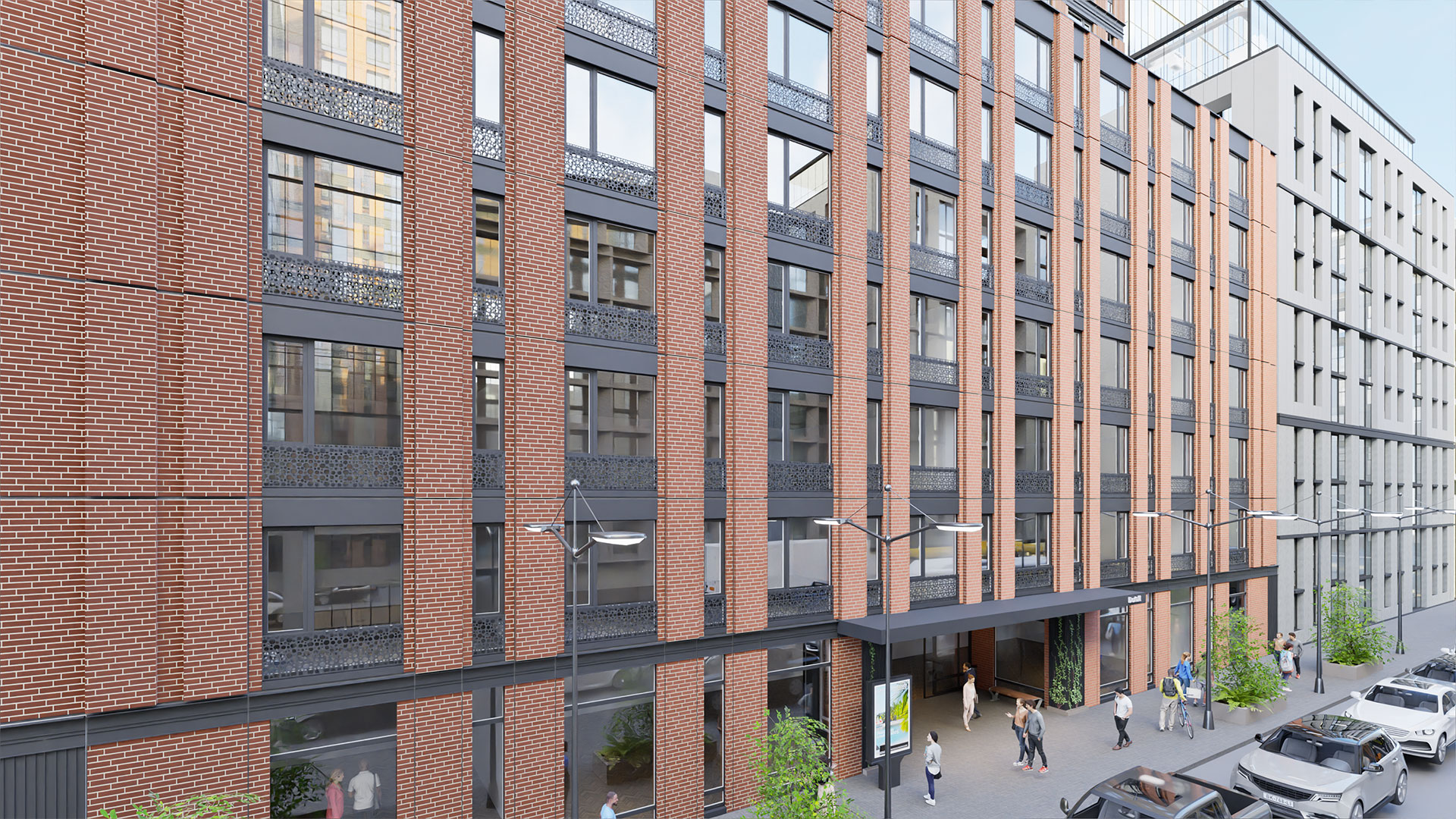
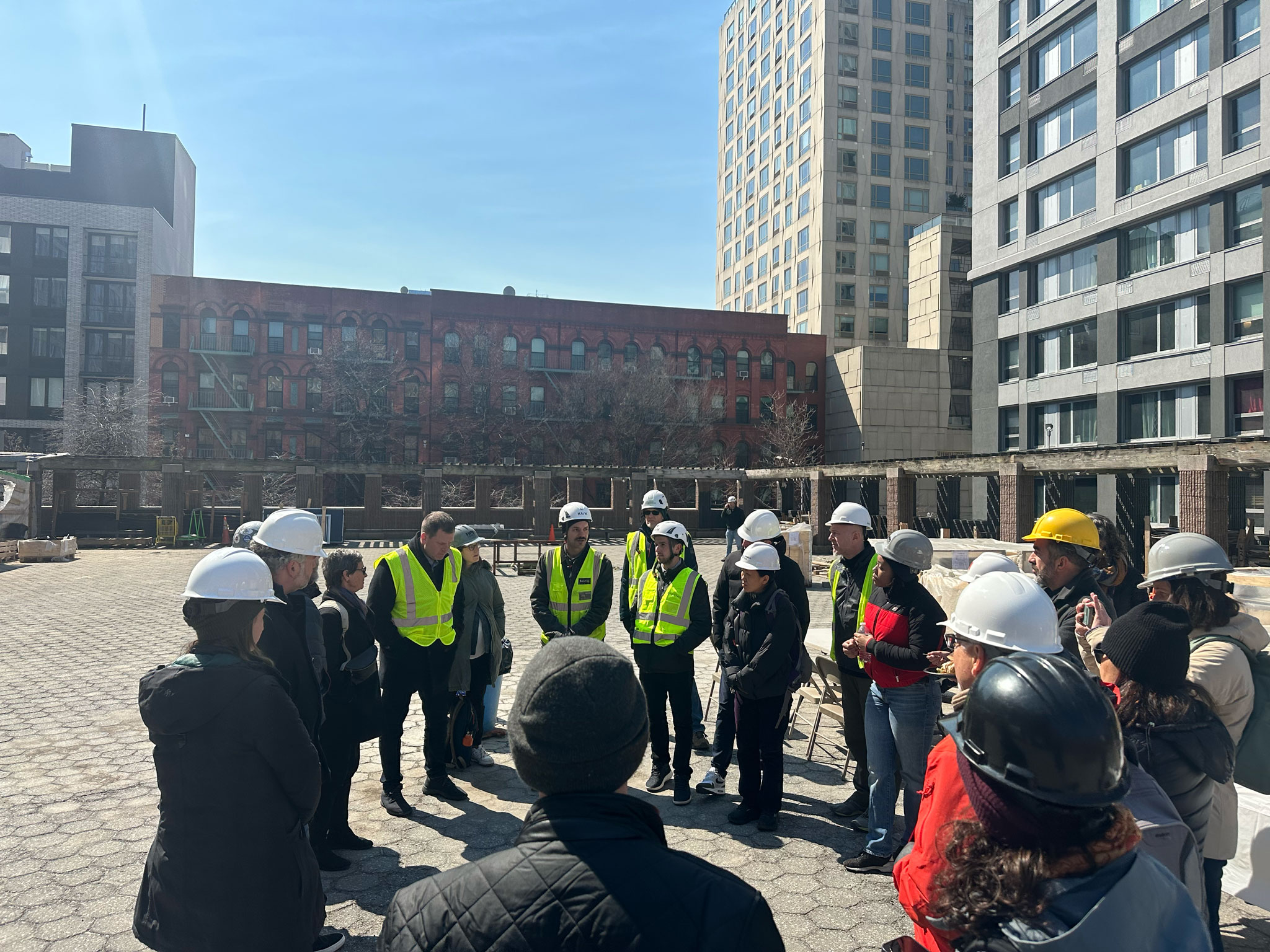
Images featured in this article depict Dextall's projects and are used for illustrative purposes only.
Sources
- Lucas Museum of Narrative Art by MAD Architects Set to Open September 2026 — ArchDaily
- Dream-like Lucas Museum of Narrative Art by MAD takes shape in LA — Dezeen
- Lucas Museum of Narrative Art uses GFRP base isolation system — CompositesWorld
- An innovative GFRP facade is a big part of the magic of the Lucas Museum — The Architect's Newspaper
- Building — Lucas Museum of Narrative Art (official)
- Lucas Museum of Narrative Art Breaks Ground in Los Angeles — Architectural Record
- MAD's Lucas Museum takes shape in Los Angeles — DesignBoom









.jpeg)
-Compliance-for-NYC-Multifamily-%26-Co-Op-Facades.jpg)












_format(webp).avif)
_format(webp)%20(6).avif)
_format(webp)%20(5).avif)
_format(webp)%20(4).avif)
_format(webp)%20(2).avif)
_format(webp)%20(3).avif)


.avif)
_format(webp)%20(2).avif)