Brooklyn Tower: How a 1,066-Foot Supertall Pushes Curtain Wall Engineering to New Heights

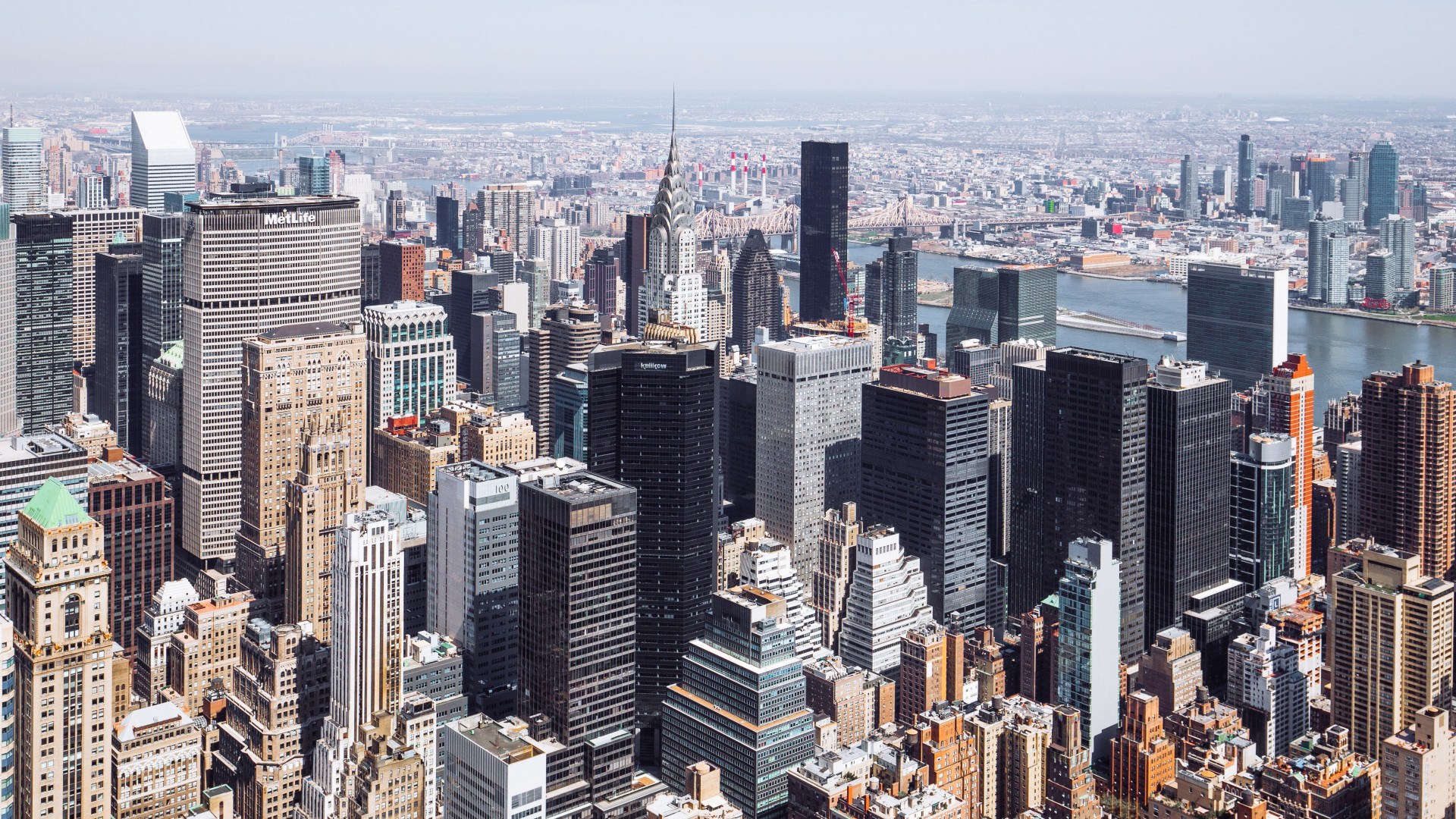
In Downtown Brooklyn stands a building unlike anything else on the New York City skyline. Dark and shimmering with bronze and black tones, The Brooklyn Tower rises 1,066 feet above DeKalb Avenue—the first supertall skyscraper outside Manhattan. But the most interesting part isn't the height itself. At the base of this 93-story tower sits the Dime Savings Bank from 1908—an architectural landmark with marble columns and a Guastavino dome. SHoP Architects didn't just place a tower next to the bank. They extracted the hexagonal geometry of the banking hall and transformed it into the language of the entire skyscraper—from hexagonal floor plans to cascading facade setbacks.
For architects and developers working on mid-rise and high-rise projects across the United States, Brooklyn Tower demonstrates several principles that scale downward. Unitized curtain wall systems operating at supertall heights rely on the same factory processes as panel systems for 10-to-25-story buildings. Integrating landmark architecture with new construction is a challenge encountered constantly in dense urban environments. And the mixed-income model with 120 affordable units out of 550 total shows that even supertall projects can and should address housing affordability.
What Makes Brooklyn Tower Notable
The numbers grab attention immediately. 1,066 feet. 550 residences. 100,000 square feet of retail in the restored landmark bank. 120,000 square feet of indoor-outdoor amenities. But behind those figures stands a decision that defined the entire project: JDS Development Group purchased the Dime Savings Bank for $90 million in 2016 and acquired 385,000 square feet of air rights that enabled an additional 30 floors. Instead of demolishing the landmark—integration. Instead of a standard glass box—a tower that speaks the bank's language.
SHoP Architects extracted the hexagonal motif from the coffered ceilings and ornate floors of the banking hall and scaled it to supertall height. The tower's floor plans are hexagonal. The building mass consists of interlocking hexagonal volumes rising to different heights, creating terraced setbacks. Six facade faces—each with its own character. Gregg Pasquarelli, one of SHoP's principals, called the design both "badass" and "quite elegant." An accurate description.
The mixed program reflects the reality of contemporary New York development. 150 condominiums begin on the 53rd floor—each higher than any penthouse in Brooklyn. 280 market-rate and 120 affordable rental units occupy the tower's lower floors. At the podium level and restored bank—retail and public spaces. A pool on the bank's rooftop wraps around the Guastavino dome. On the 66th floor—a basketball court on one of the "wind floors," open-air levels that reduce building sway.
Engineering a Supertall Curtain Wall System
Brooklyn Tower's structure is a reinforced concrete frame with columns, beams, and shear walls carrying the building's full load. The facade is a non-load-bearing curtain wall attached to slab edges through brackets and mullions. At 1,066 feet, every curtain wall panel must withstand wind loads, thermal expansion, differential movements between floors, and seismic activity. WSP Global served as structural engineer and Canadian firm RWDI as wind engineer.
The facade's material palette is one of the project's most complex aspects. At the base—white marble "convexacave" columns that SHoP designed for visual continuity with the bank's marble colonnade. The columns begin with a convex shape at the bottom and transition to a concave form at the top—hence the name. Higher up, the facade shifts to blackened stainless steel with bronze and copper tones. Fluted, cylindrical, and triangular shapes alternate in a vertical composition between large glass panels. The sizes of these metal elements change across the height of each of the six faces, creating a gradient from bronze to black that intensifies toward the crown.
The hexagonal footprint complicates facade system engineering compared to standard rectangular towers. Six different facade planes mean six sets of angular connections between panels. Each setback is an additional curtain wall interruption with unique junction details. WC Skins, a New York-based firm specializing in complex facade solutions, served as curtain wall consultant.
Wind floors represent a separate engineering feature. At several tower levels, floors open to exterior air on all sides. Wind passes through the building rather than pressing against it, reducing sway. One such floor—the 66th—has been converted into a Sky Park with a basketball court considered one of the highest in the world. This solution combines structural engineering with the amenity program, turning a technical necessity into a competitive advantage.
Heritage Meets High-Rise: Integrating Landmark Architecture
The Dime Savings Bank of Brooklyn is not a backdrop for the tower. The bank, founded in 1859, moved into its DeKalb Avenue building in 1908. Architects Mowbray & Uffinger created a neoclassical structure from Pentelic marble—the same material used in ancient Greek temples. The bank's cornice features ancient Greek and Roman elements. The interior contains seven types of marble and bronze gates. In 1931-1932, Halsey, McCormack & Helmer expanded the building while preserving the classical style. The New York City Landmarks Preservation Commission granted landmark status in 1994—both exterior and interior.
When the LPC reviewed SHoP's project in 2016, Commissioner Meenakshi Srinivasan called it "interesting, exciting, and respectful in the way that it tips its hat to the primacy of the landmark." Commissioner Frederick Bland described it as "enlightened urbanism at its best." Such assessments from a preservation commission for a supertall project are rare. They became possible through a specific design decision: instead of a standard as-of-right tower behind the bank (which would have blocked sky views from Albee Square), SHoP proposed an interlocking structure where tower and bank become a single organism.
The financial structure of this integration merits attention. Purchasing the bank and its air rights for $90-95 million allowed the transfer of 385,000 square feet of development rights to the tower site. In exchange, JDS committed to fully restoring the bank inside and out. The $664 million construction financing became possible only after resolving landmark issues. For developers working with existing building stock, this model demonstrates how heritage can become an asset rather than an obstacle.
Digital Construction: Augmented Reality on the Building Site
SHoP Architects didn't just design Brooklyn Tower—they used its construction site as a testing ground for augmented reality technologies. Adam Chernick of SHoP demonstrated software powered by the Unity engine that generates real-time 3D data for construction workers directly on-site. A contractor can look through a tablet to "peer" past the virtual facade and determine where plumbing should be installed, whether the electrician left adequate space for ventilation ducts, or if columns are correctly aligned.
"One of the challenges that we face industrywide is communication," explained Michael Jones, project director at JDS Development, to The New York Times. "Having that information get down all the way to the guy with the tool in his hand in the snow—it's a difficult game of telephone." AR was designed to prevent on-site mistakes, avoiding the need for expensive remedies after the fact.
This approach reflects a broader trend: digital coordination between design and construction is becoming not a luxury but a necessity. When a facade consists of thousands of unique panels with complex geometry, manual coordination through paper drawings simply doesn't work. Dextall Studio addresses a similar problem for prefabricated facade systems—transforming schematic designs into fabrication-ready models in days instead of months. BIM integration, automated panel optimization, and bill of materials generation eliminate that same "game of telephone" between architects and manufacturers.
Dextall's Approach to High-Rise Facade Systems
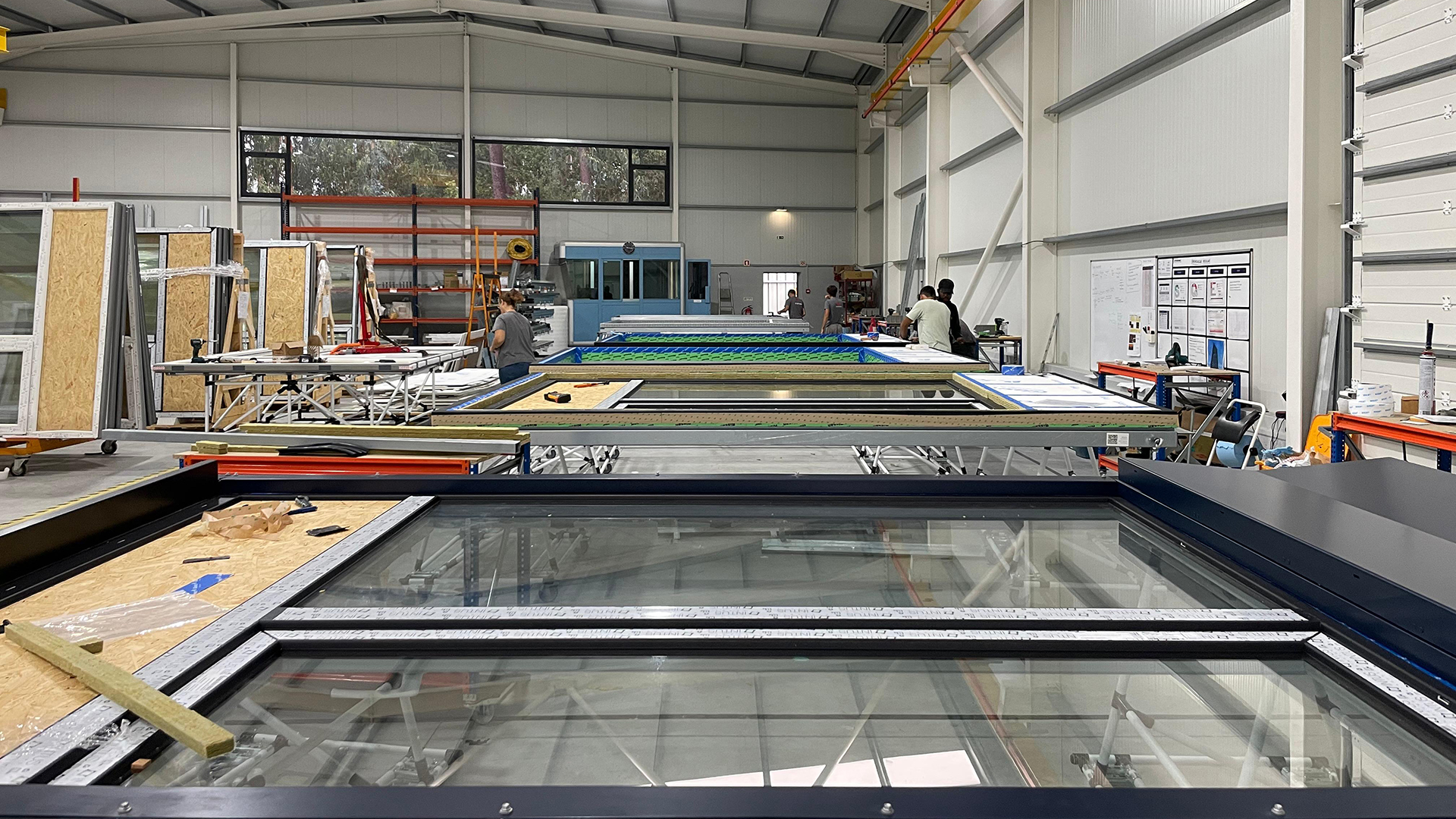
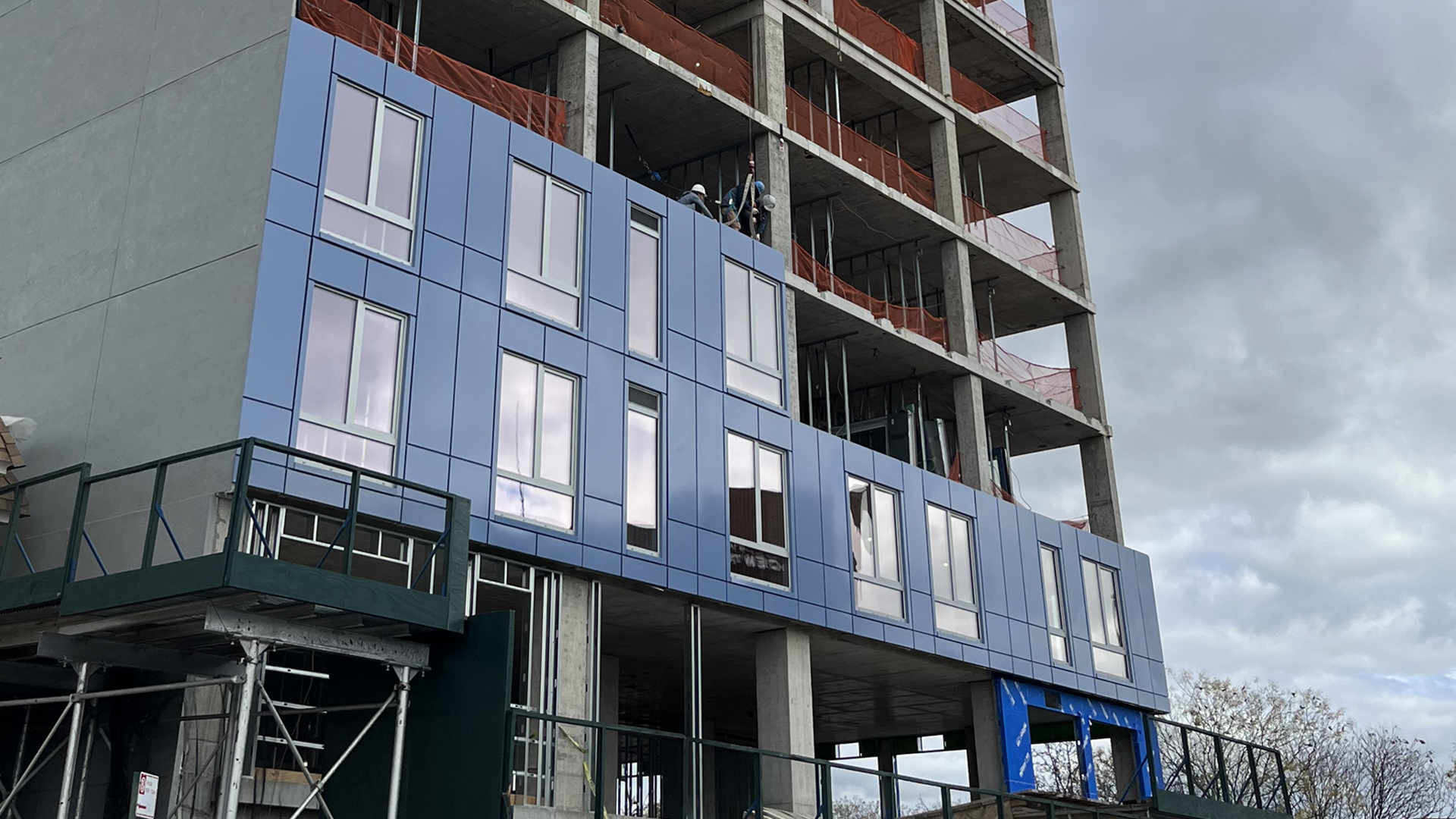
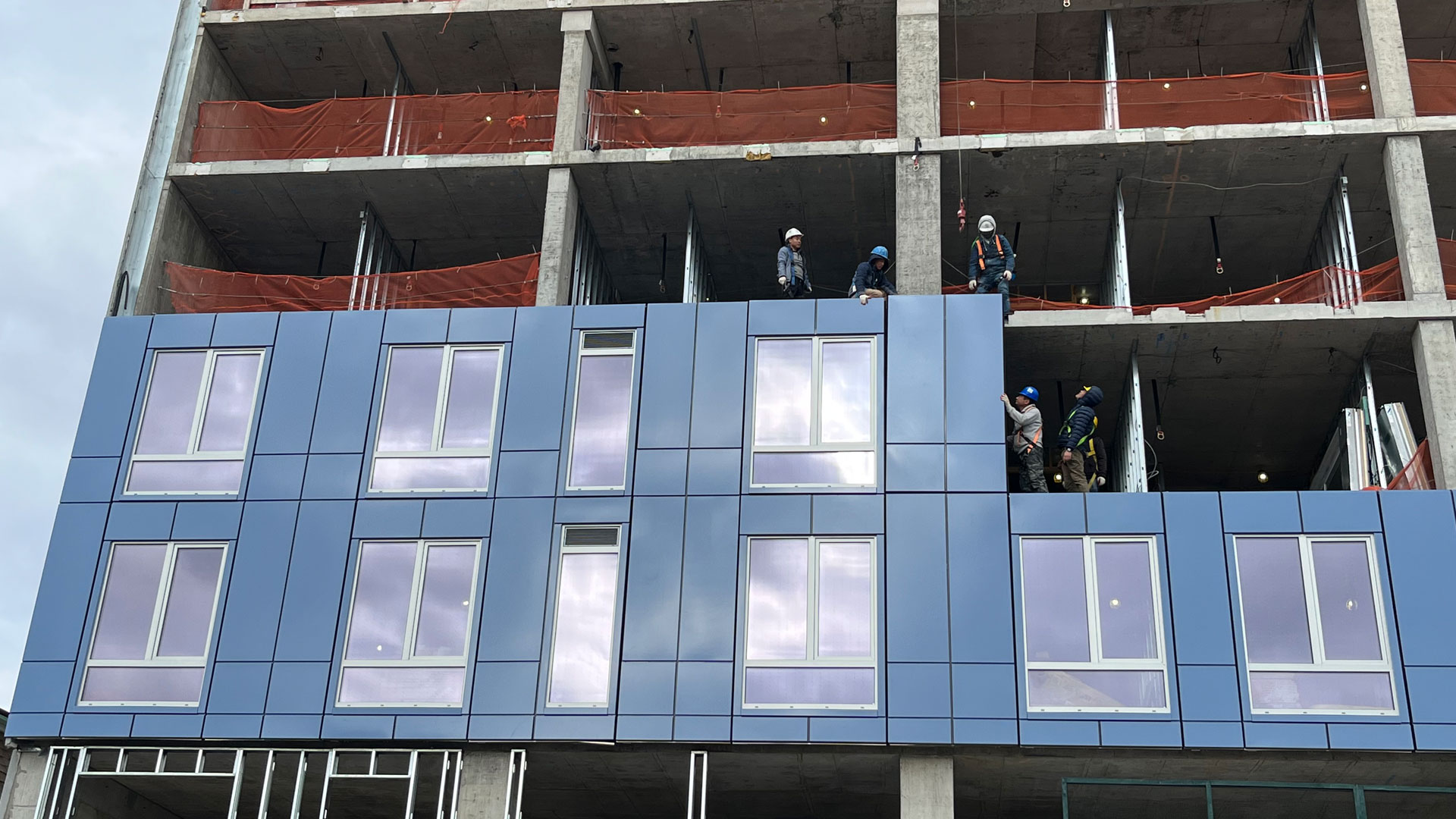
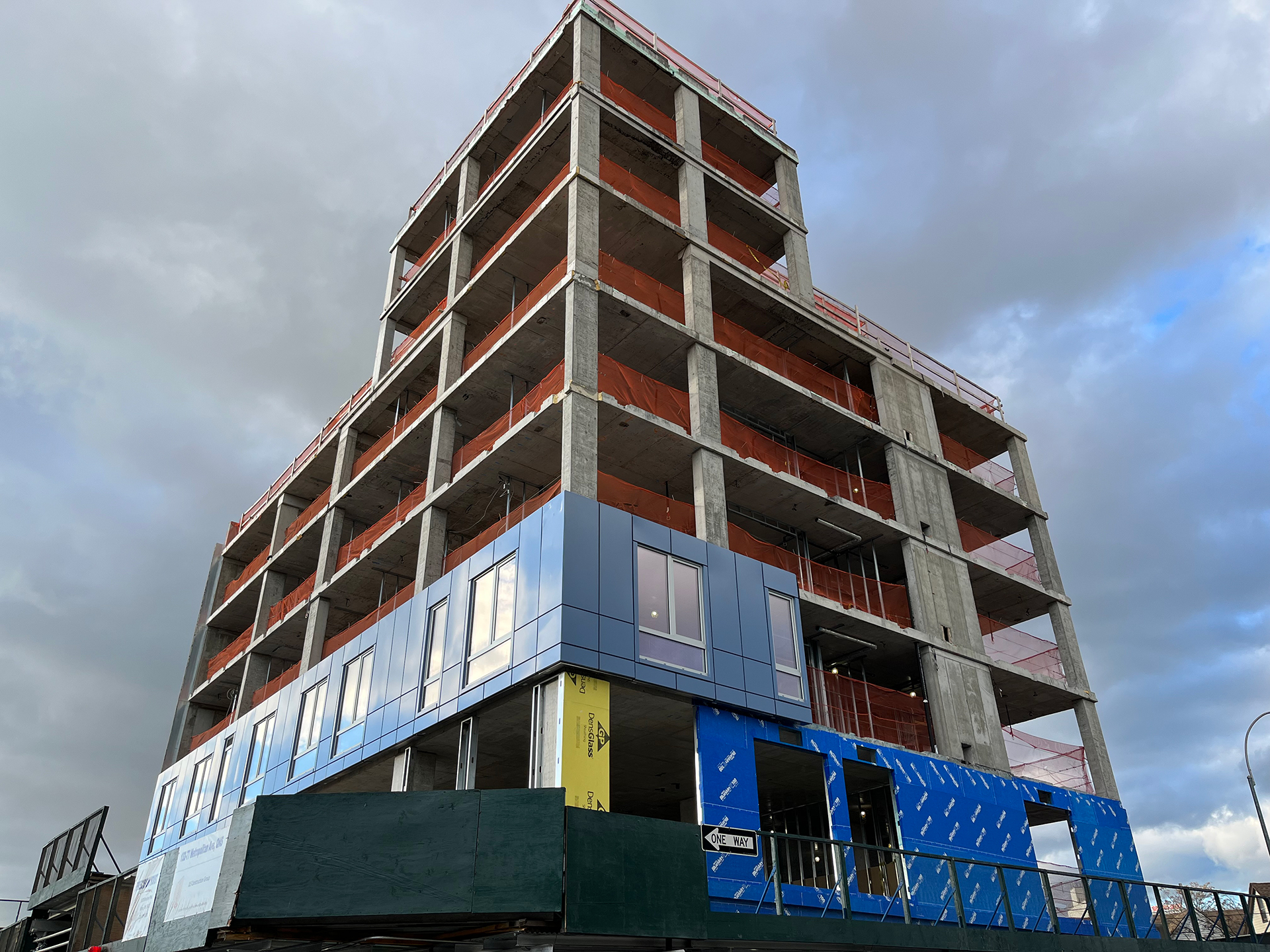
Brooklyn Tower uses a traditional curtain wall system where panels are factory-fabricated, delivered to the site, and crane-installed onto floor slabs. The D Wall® system from Dextall is based on the same fundamental logic: factory production ensures quality that field conditions cannot guarantee. Controlled environment. Automated equipment. Quality verification at every production stage rather than after installation, when corrections cost three times more.
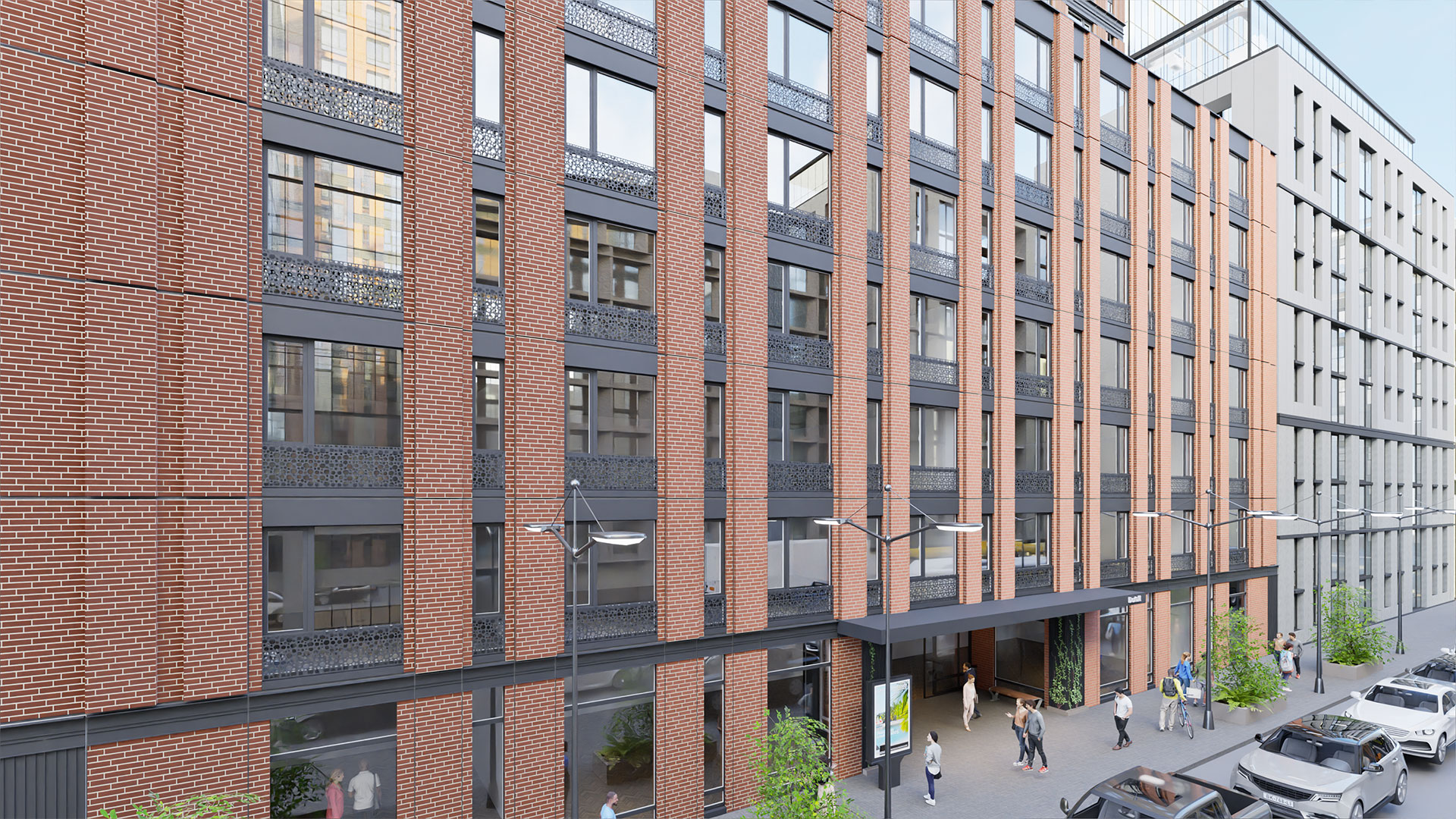
The NJPAC project in Newark demonstrates these principles at the scale of a 25-story mixed-use building with 199 units. Factory fabrication parallel to site work compressed overall timelines. Precision manufacturing eliminated weather delays and quality inconsistencies inherent in field construction. Digital coordination through BIM integration ensured seamless panel alignment with existing structure and new interior layouts.
Where Brooklyn Tower and Dextall converge is in the recognition that unitized facade systems aren't a luxury for special projects. They're a necessity for any high-rise where quality, speed, and budget predictability matter. Stick-built methods, where facades are assembled element by element on-site, create dependencies on weather, specific crew qualifications, and logistics complexity at tight urban sites. Unitized systems move that complexity into a controlled factory environment.
For affordable housing projects where margins are thin and delays directly impact financial models, this advantage becomes critical. Brooklyn Tower with its 120 affordable units shows that even supertall projects include affordable housing. But it's at the 5-to-25-story scale—Dextall's primary market—where facade budget control and factory quality make the biggest difference for end residents.
Key Takeaways for Architects and Developers
Brooklyn Tower crystallizes several principles that extend beyond supertall construction. First, heritage integration creates value rather than destroying it. The Dime Savings Bank could have been an obstacle. Instead, its air rights, hexagonal geometry, and cultural significance became the foundation for the entire concept. For developers working with existing buildings in dense urban environments, this approach offers an alternative to the binary choice of "preserve or demolish."
Second, unitized curtain wall systems are essential for high-rise facade construction, but their advantages aren't limited to supertalls. Factory production, quality control, weather independence, parallel workflows—these advantages scale to any project where predictability and quality matter. The difference between stick-built and unitized methods often determines the difference between a project that finishes on time and one with cost overruns.
Third, digital coordination transforms the entire chain from design to installation. Brooklyn Tower used AR on the construction site. Dextall Studio automates the transition from architectural concept to fabrication-ready models. In both cases, digital tools eliminate communication gaps that traditionally cost construction projects weeks of time and percentage points of budget.
Fourth, mixed-income models require cost-efficient facade delivery. Brooklyn Tower proves that 120 affordable units can exist in the same building as luxury condominiums. But the economics of such a model work only when construction costs remain under control. Quality facade systems delivered on time and within budget are one of the key factors making mixed-income development financially viable.
FAQ
What is a unitized curtain wall and how does it differ from stick-built systems?
A unitized curtain wall is a facade system where large panels are fully assembled at a factory—including glass, metal elements, and insulation—and delivered to the construction site ready for installation. Stick-built systems are assembled element by element directly on-site. The unitized approach provides better quality control in factory environments, faster installation (typically one floor per week on high-rise buildings), and independence from weather conditions. For high-rise projects where facade access is limited and the cost of correcting errors increases with height, unitized systems are the standard solution.
How does wind engineering affect facade design in high-rise construction?
At heights exceeding 300 meters, wind loads become one of the primary design factors. Facade panels must withstand both sustained pressure and dynamic gusts. Brooklyn Tower uses wind floors—open levels where wind passes through the building, reducing overall structural loading. For mid-rise buildings, wind loads are less extreme but still affect bracket selection, glass thickness, and joint details between panels. Prefabricated systems have an advantage: connections between panels are designed and tested in advance rather than relying on field installation quality.
Can prefabricated facade panels achieve the design complexity of curtain walls?
Yes. Brooklyn Tower demonstrates that even the most complex facades with multiple materials, angular elements, and color gradients are based on the unitized principle—factory assembly of panels. Modern prefabricated panel systems offer a wide range of cladding materials, window configurations, and architectural details. The key differentiator is digital coordination: BIM models allow individual panel design while maintaining serial production efficiency.
What role does digital coordination play in facade construction?
Digital coordination eliminates communication gaps between design, manufacturing, and installation. Brooklyn Tower used augmented reality on the construction site to visualize design decisions in real-time. Dextall Studio automates the transformation of architectural concepts into fabrication-ready models, compressing the process from months to days. BIM integration ensures each panel corresponds to its specific building location with millimeter precision. For projects with thousands of facade elements, this accuracy is the difference between smooth installation and costly rework.
How does Dextall approach mixed-income high-rise projects?
Dextall's D Wall® system is designed to balance quality and cost, which is critical for mixed-income development. Factory production ensures consistent quality across all units—both affordable and market-rate. Reducing timelines by over 80% compared to traditional methods decreases carrying costs, directly impacting the financial model for affordable housing. Projects like NJPAC in Newark demonstrate this approach at the scale of a 25-story mixed-use building.
Disclaimer
Dextall is not involved in the Brooklyn Tower project. This article analyzes publicly available information about SHoP Architects' design and JDS Development Group's construction to explore how principles from supertall curtain wall engineering can inform mid-rise and high-rise facade strategies in the U.S. market. For questions about the Brooklyn Tower project, contact SHoP Architects or Silverstein Properties. For information about Dextall's prefabricated building envelope solutions, visit dextall.com.
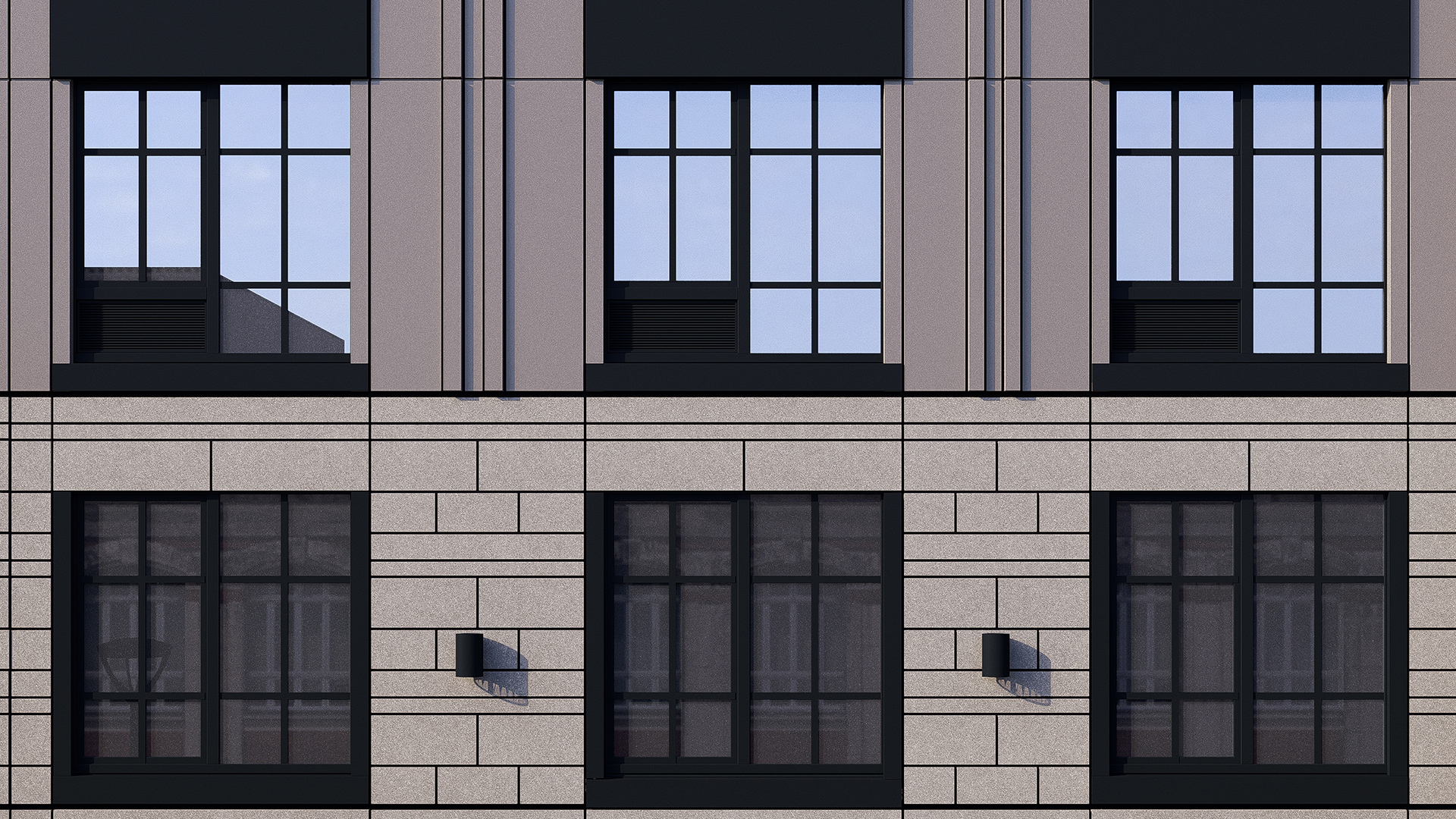
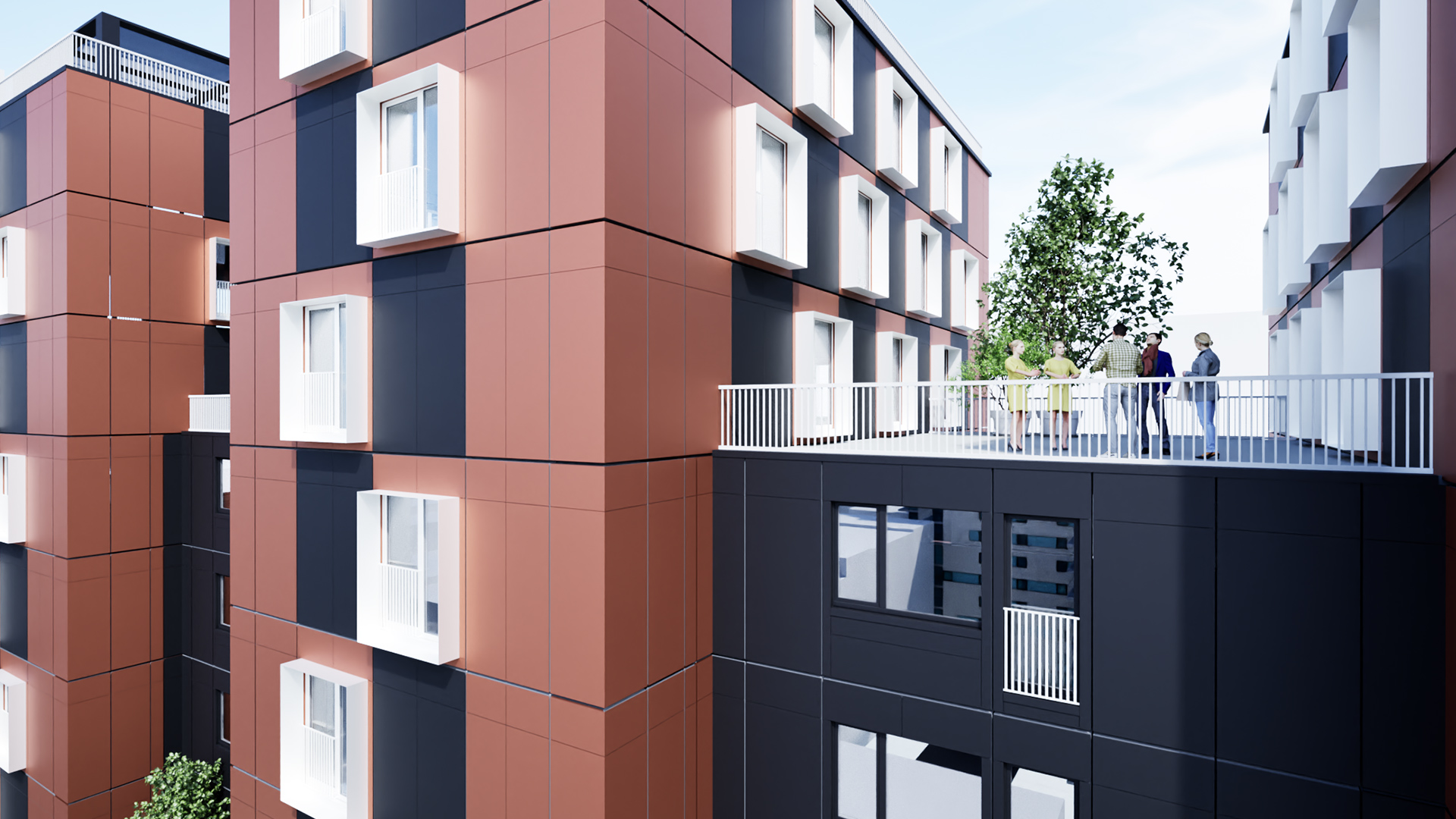
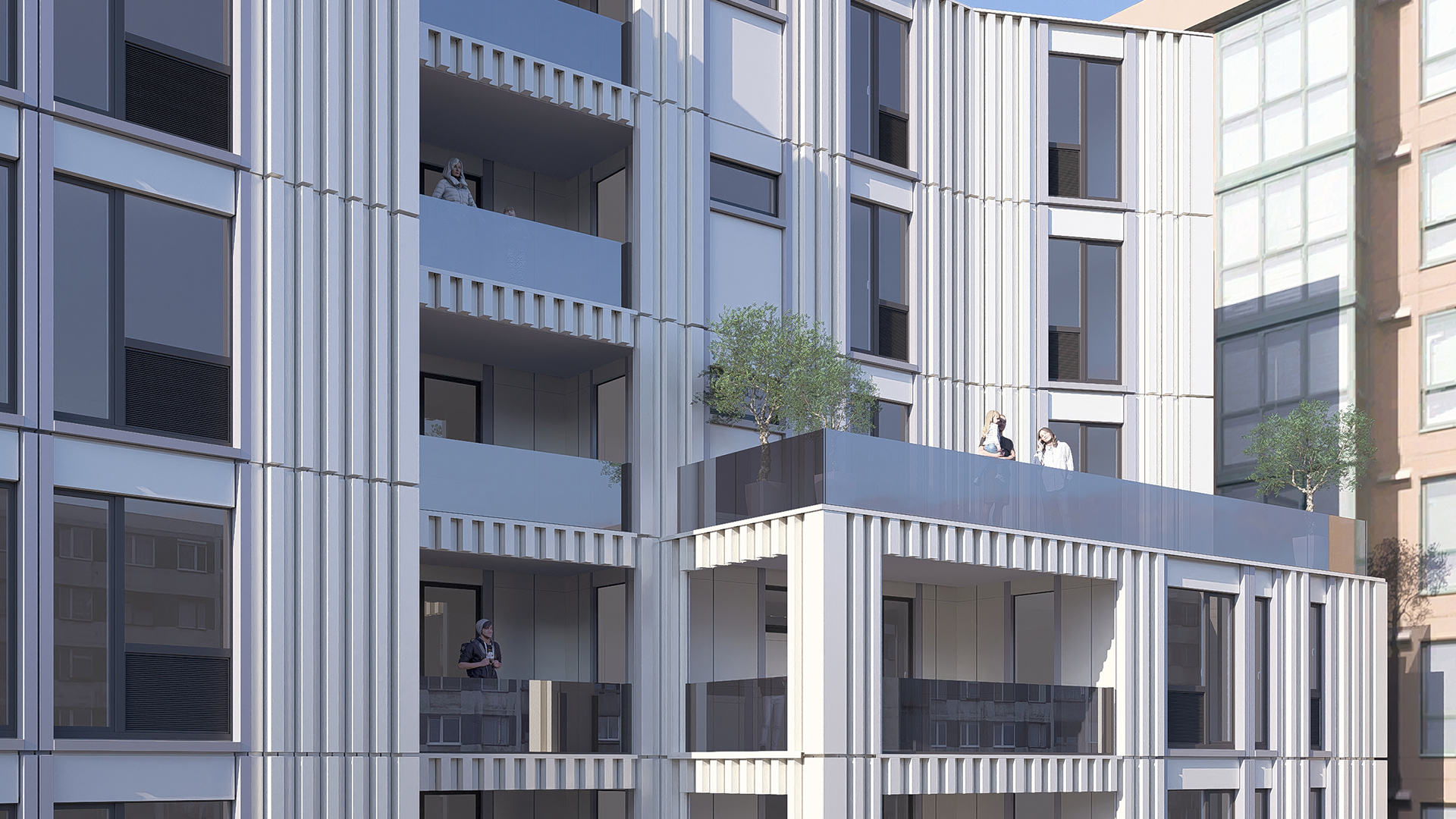
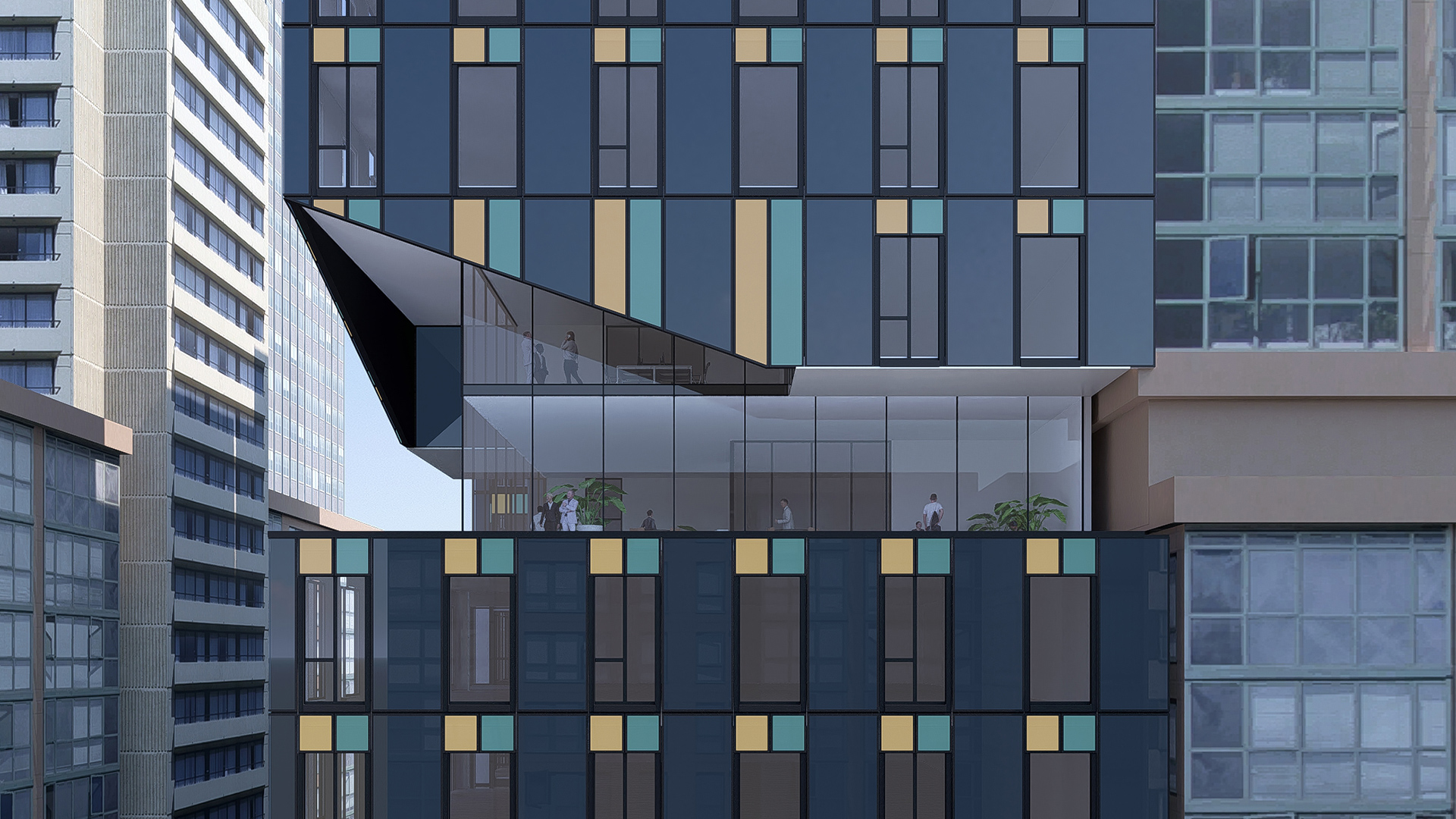
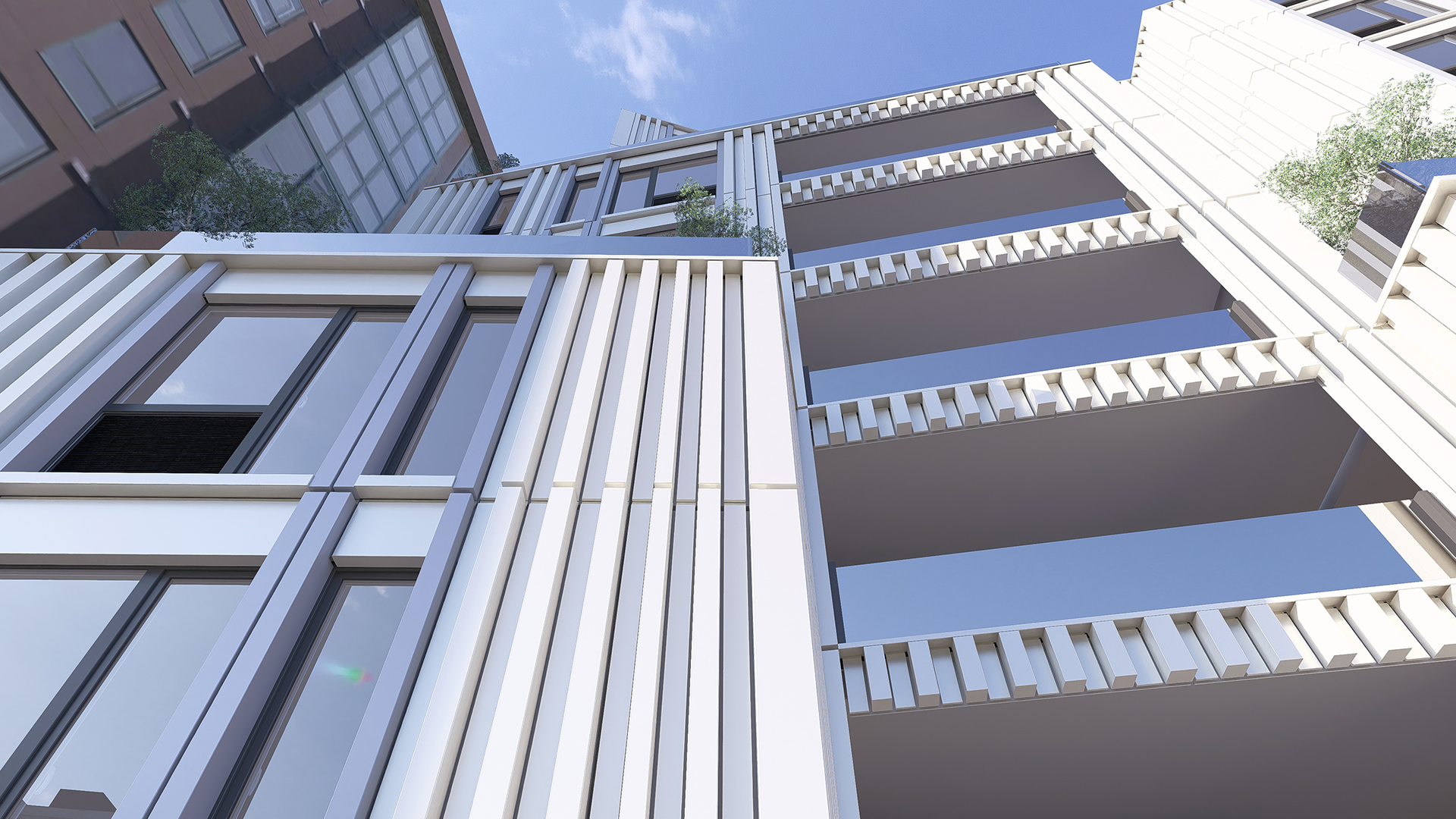
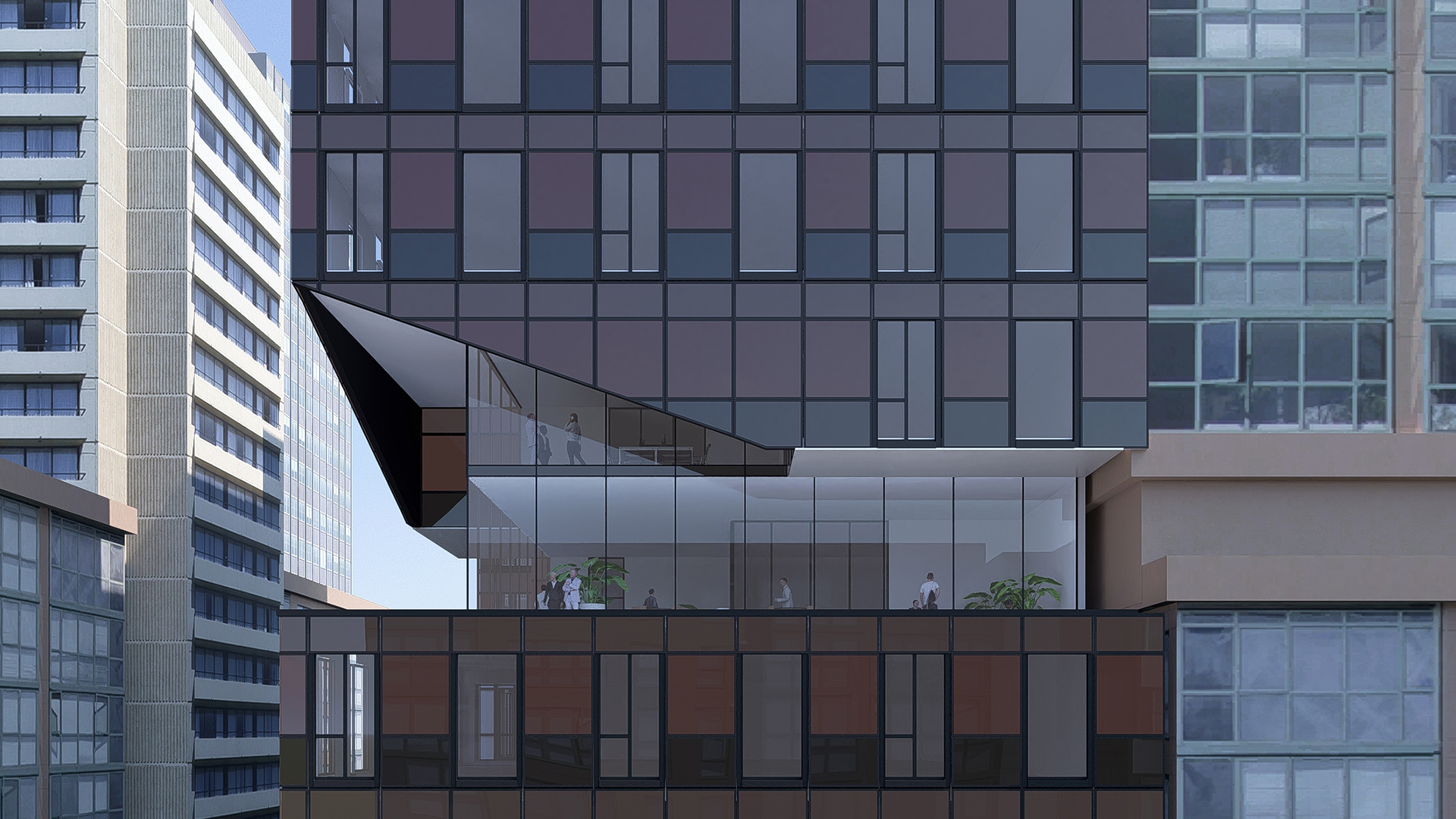
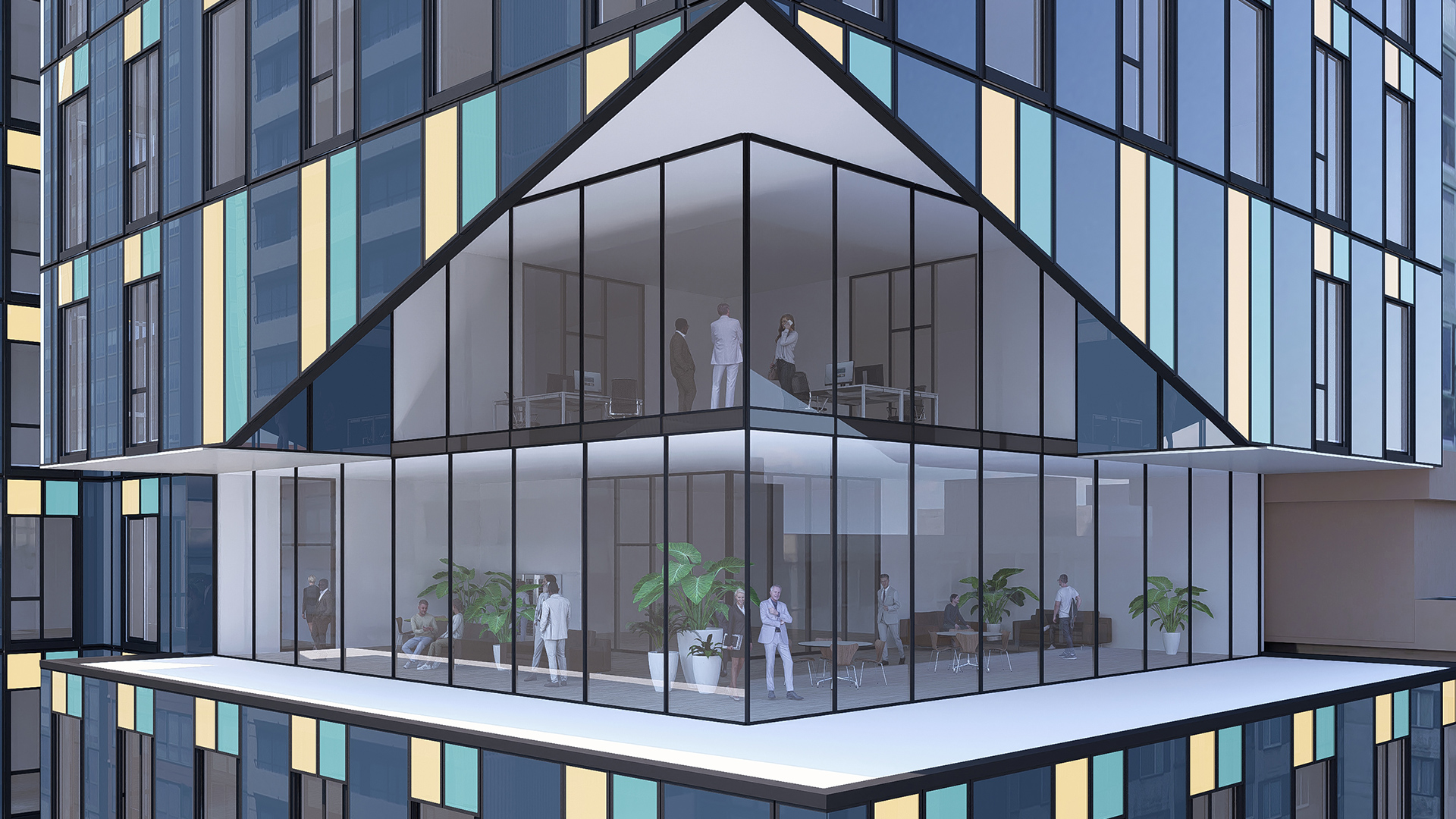
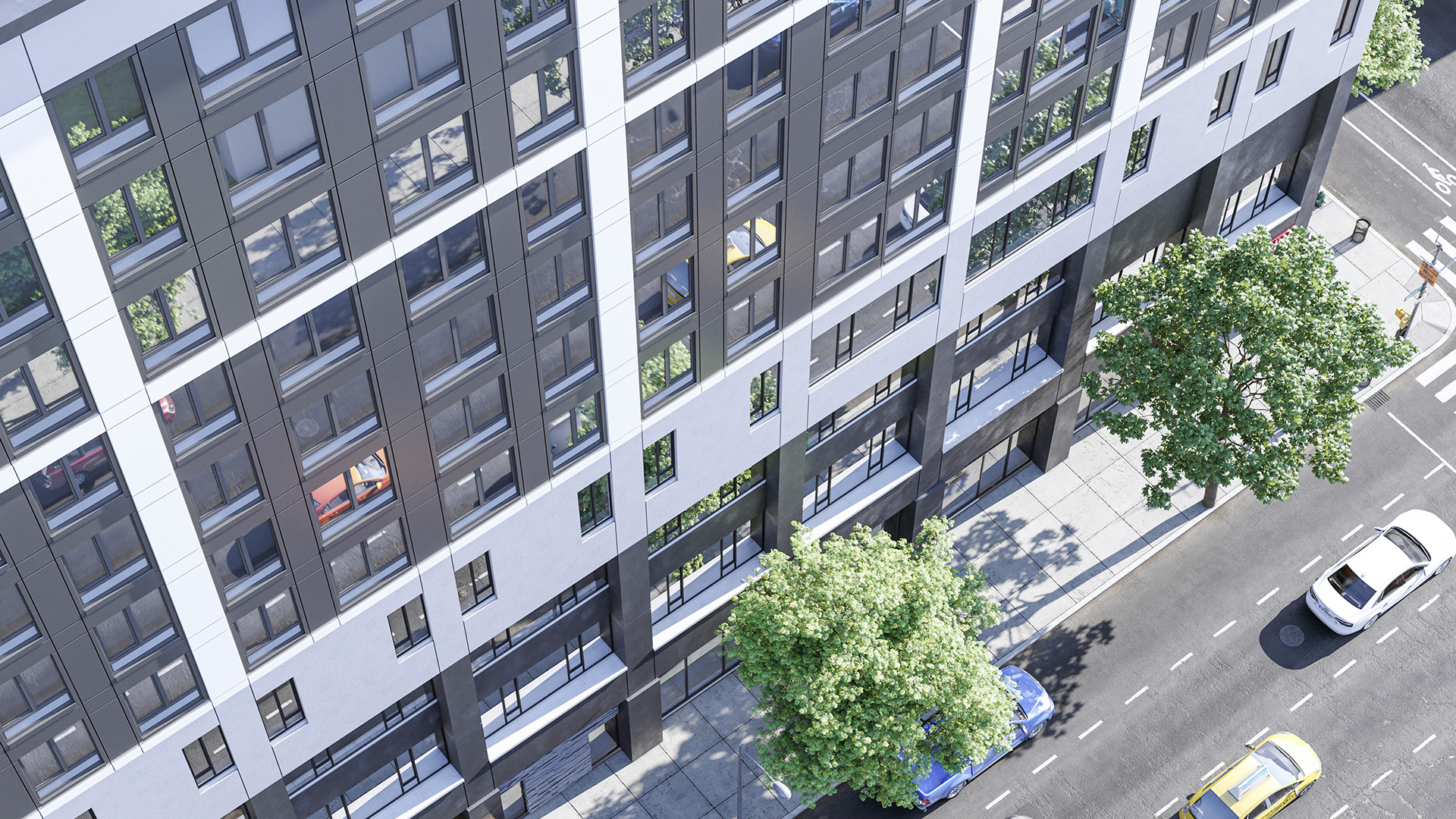
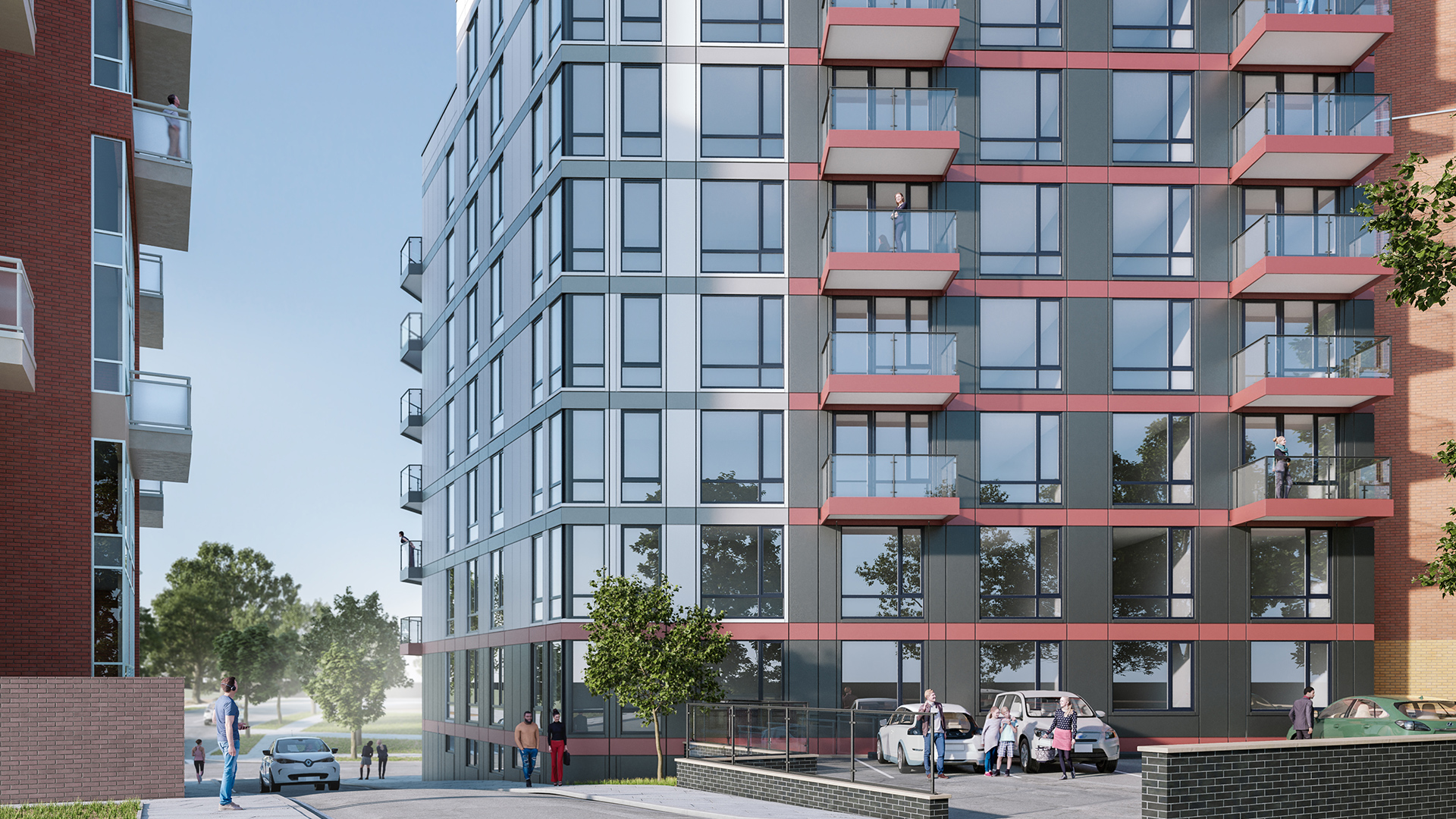
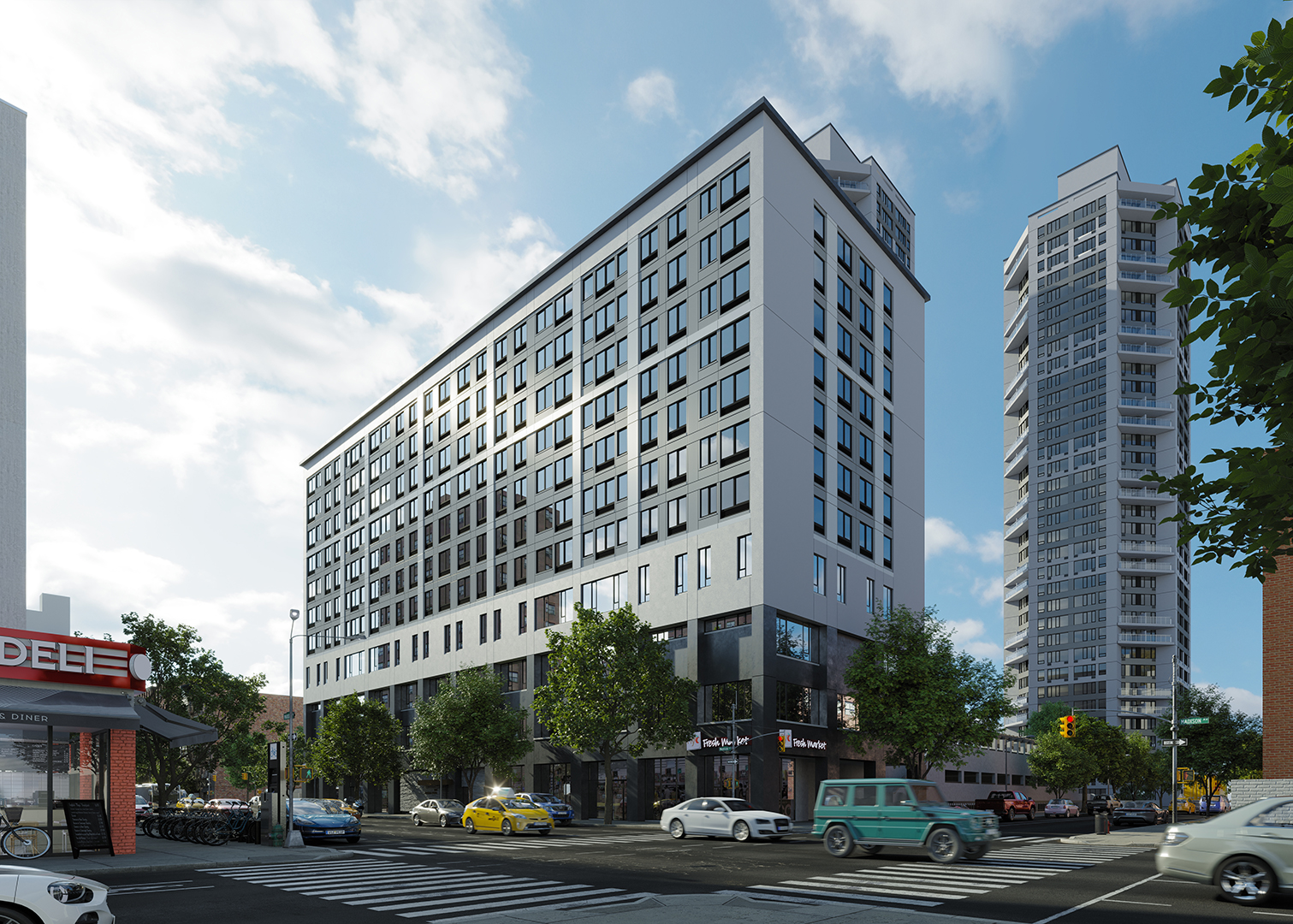
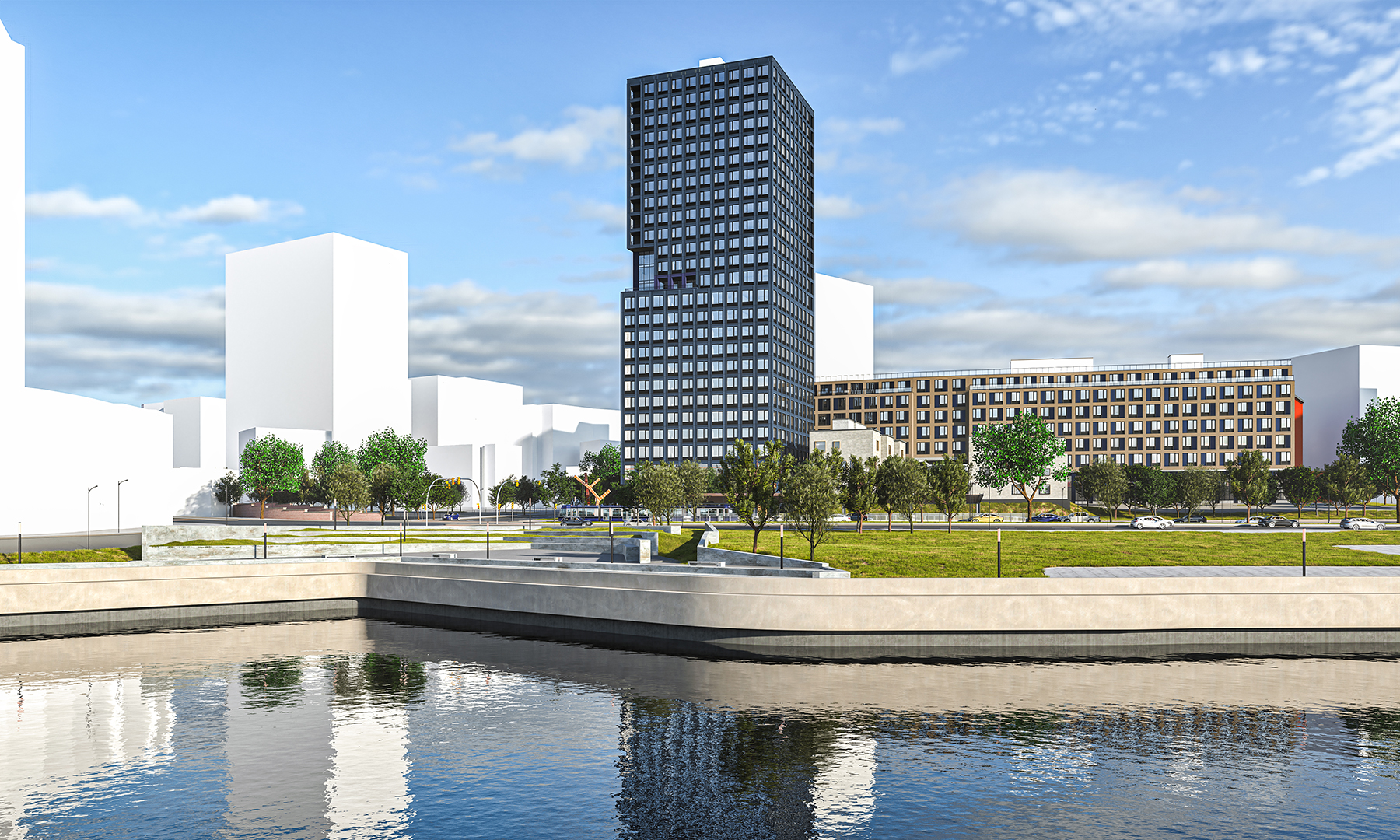
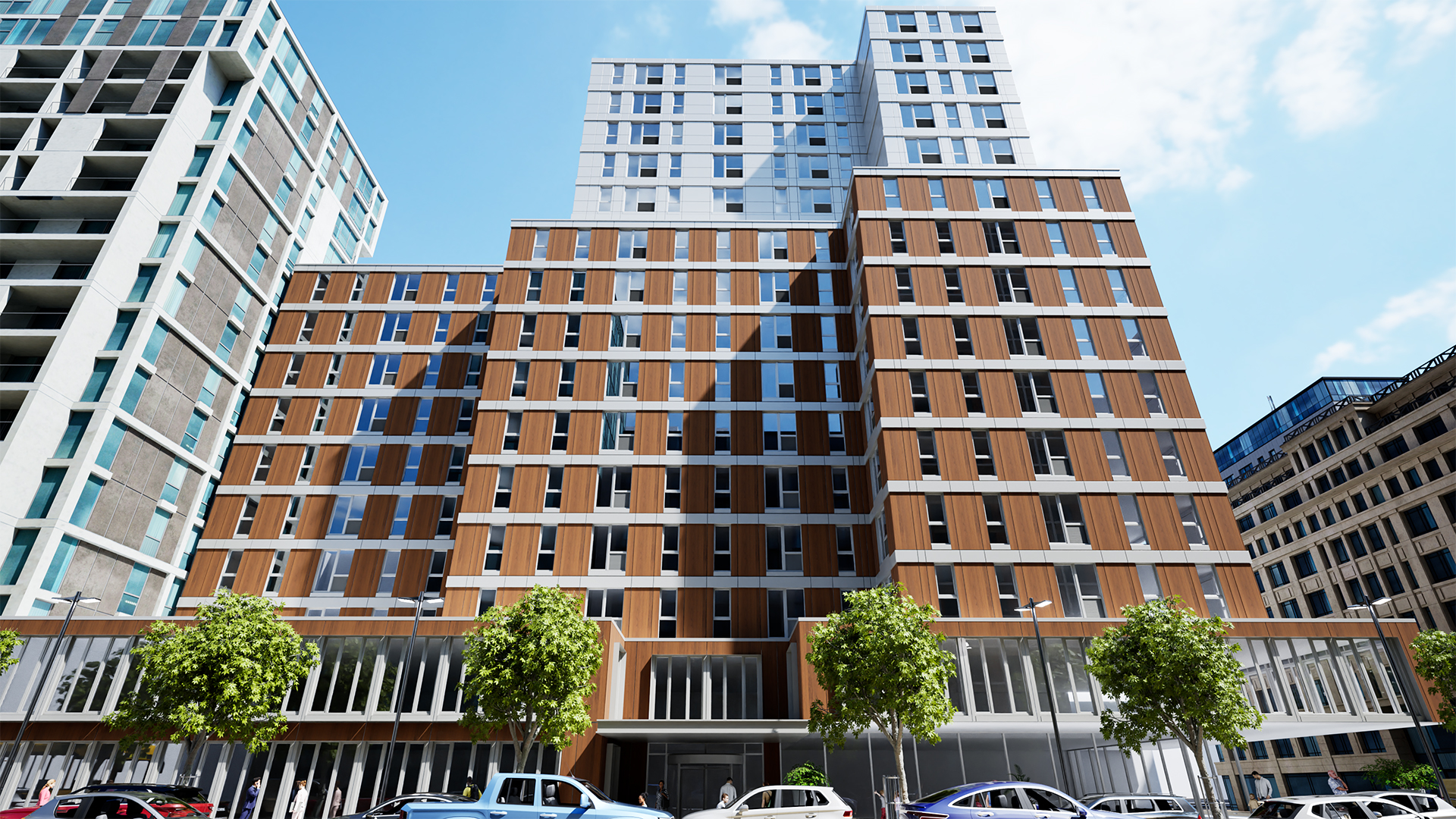
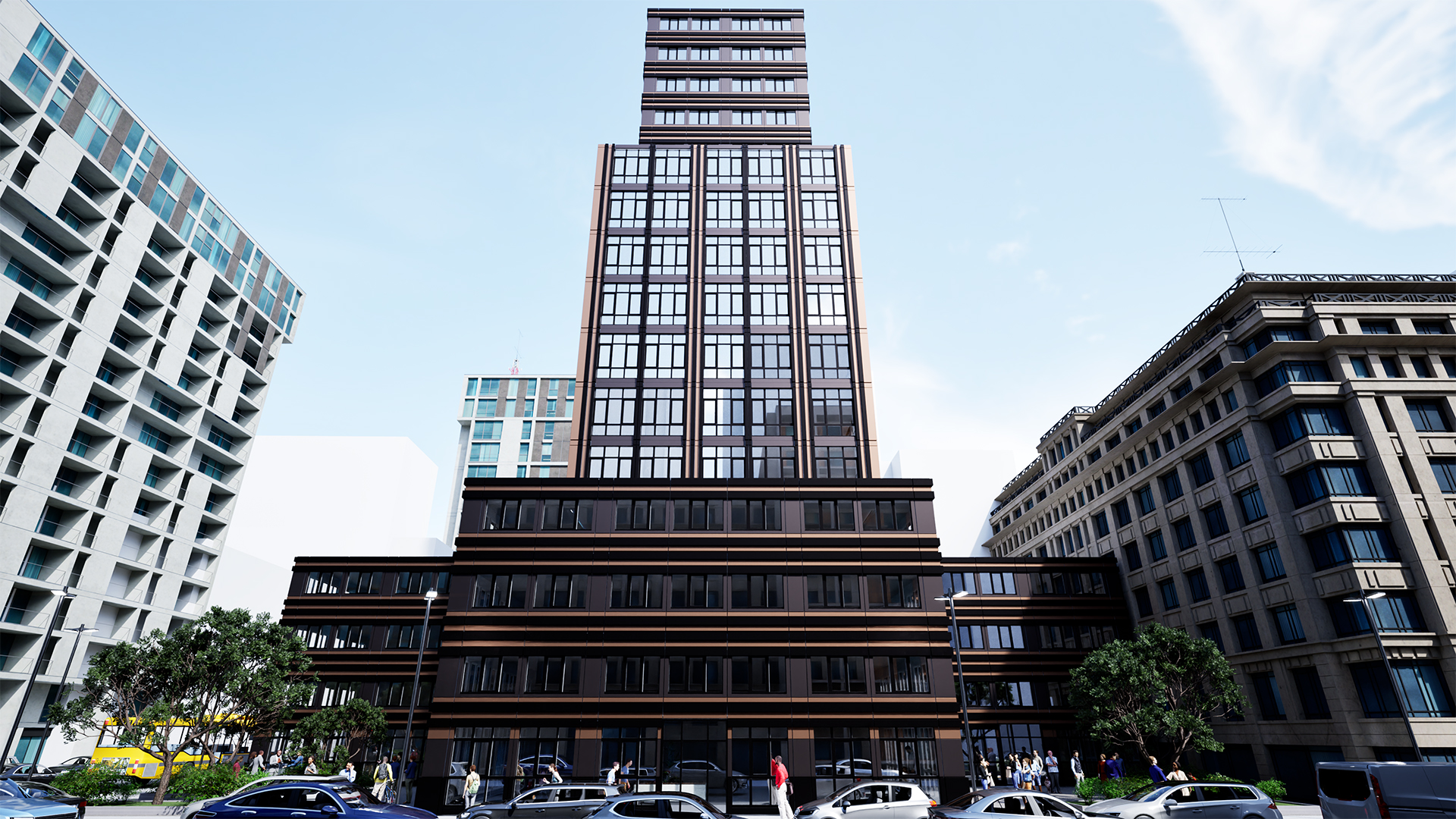
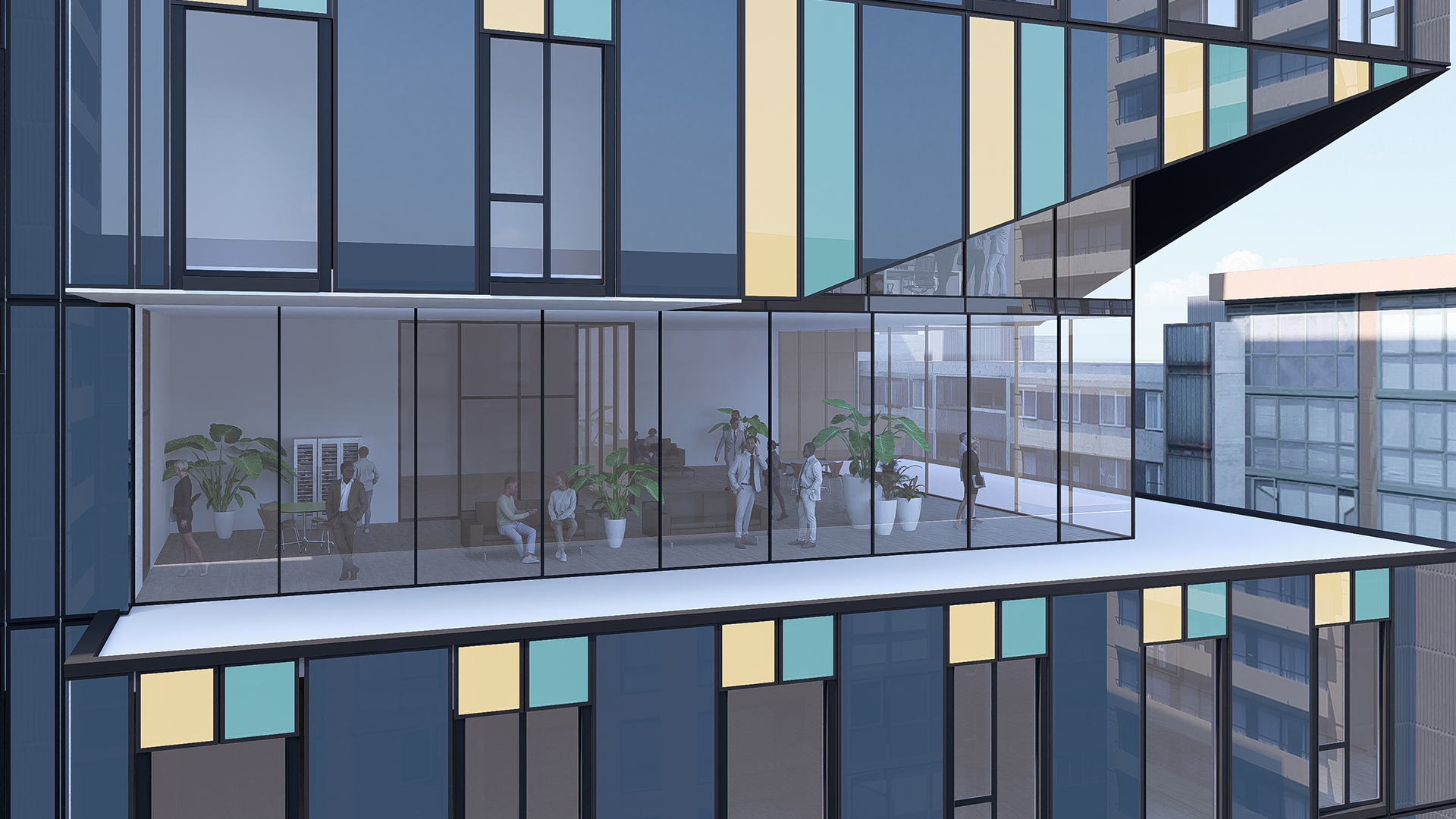
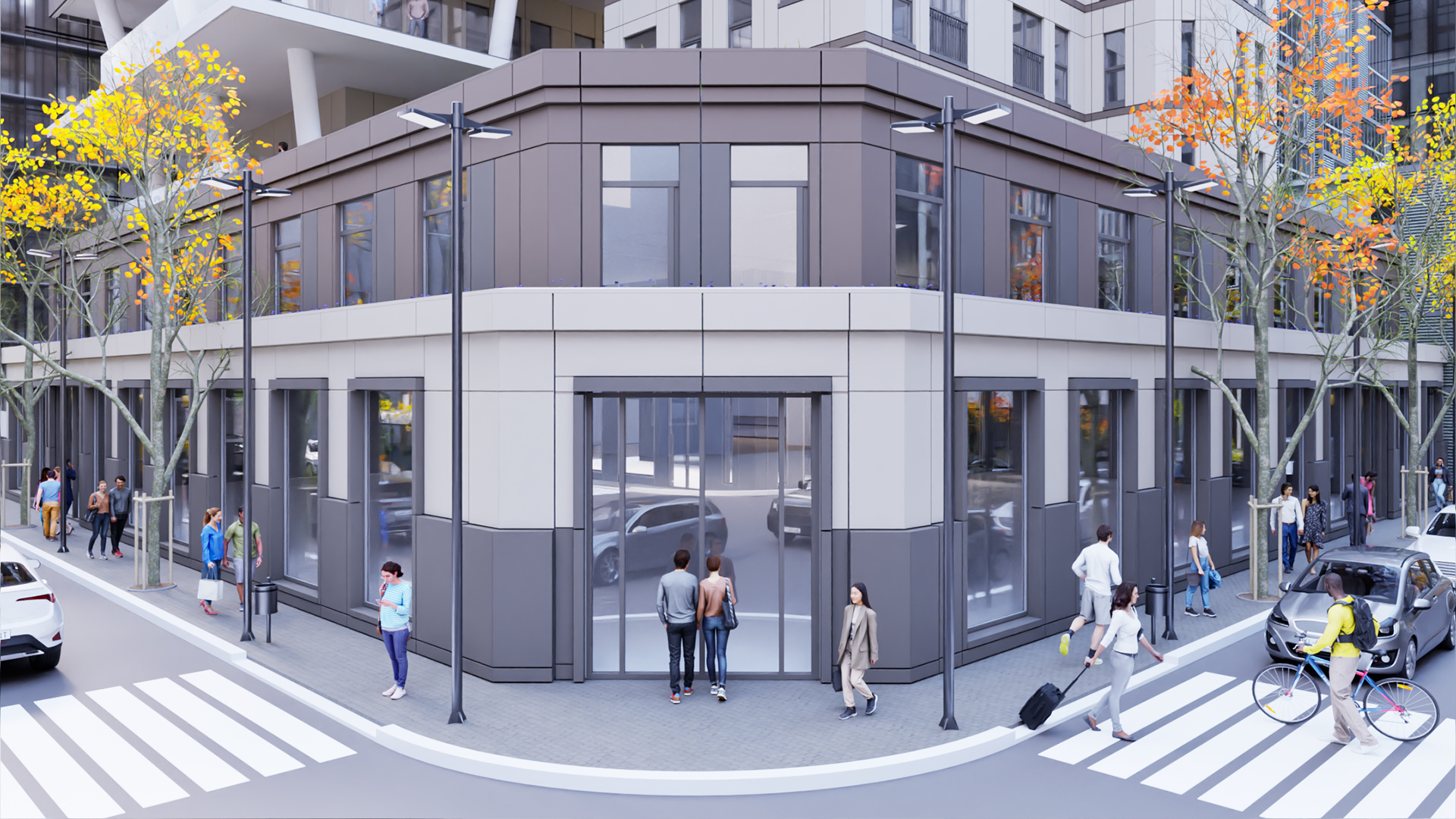
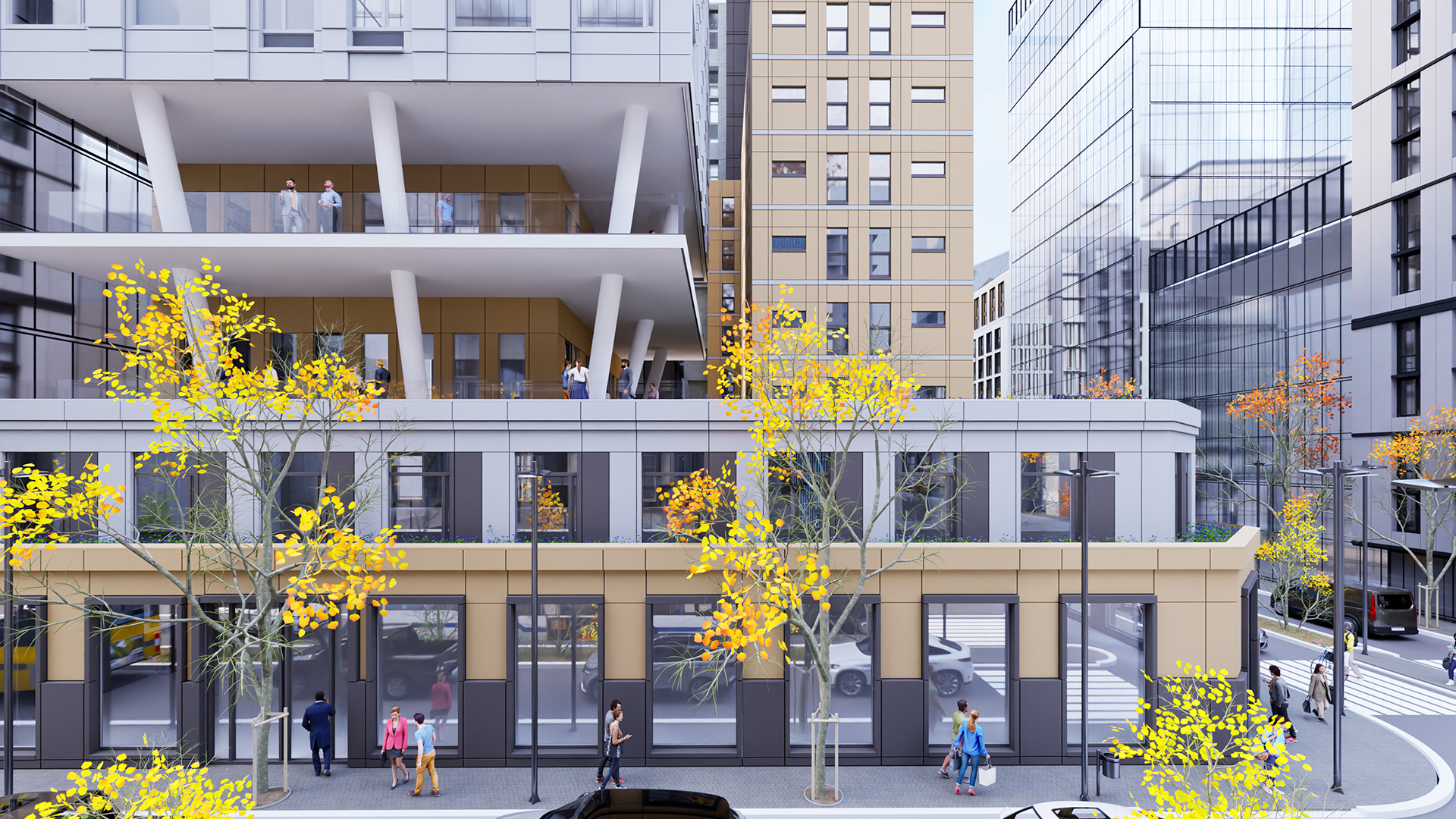
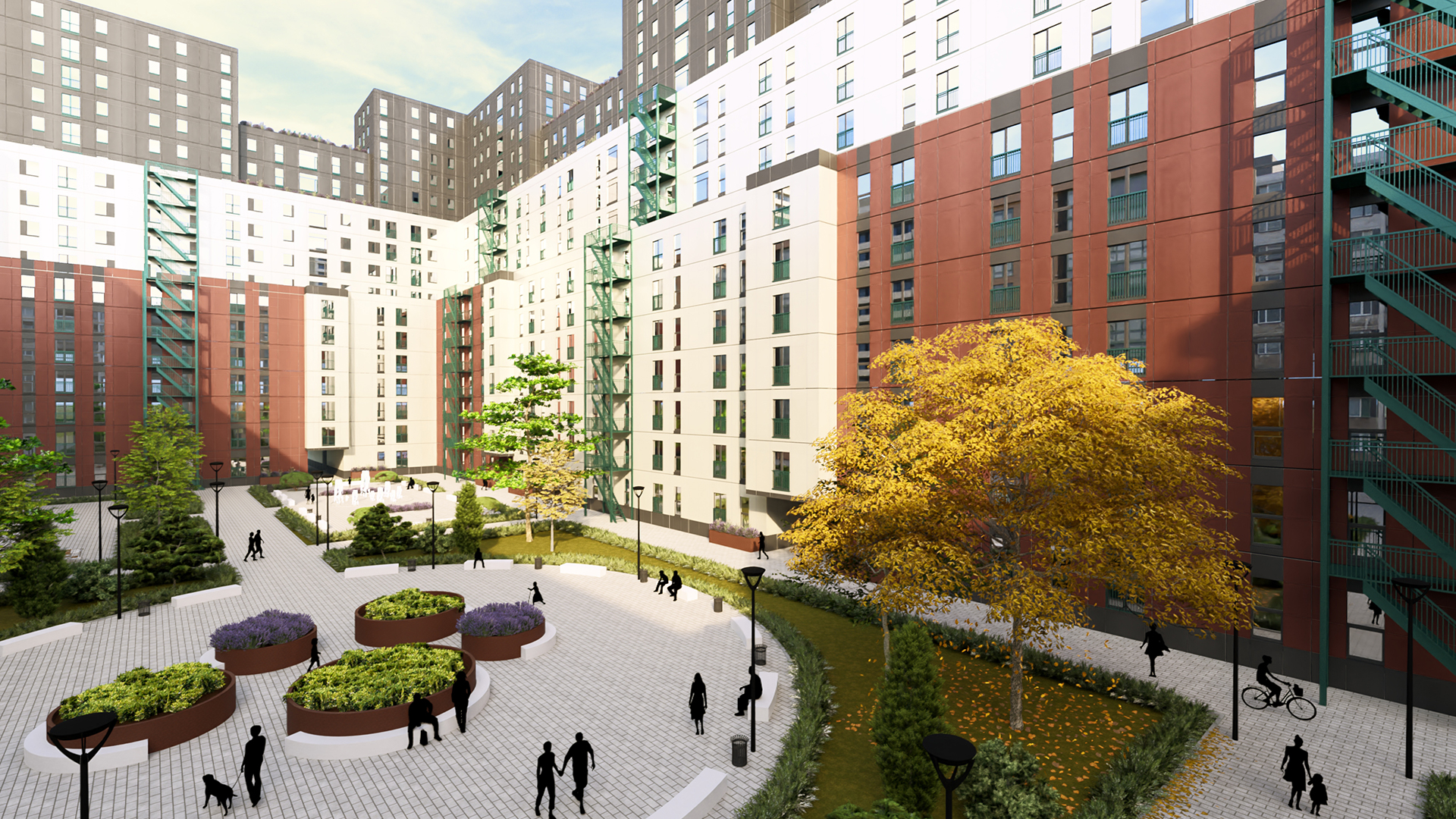
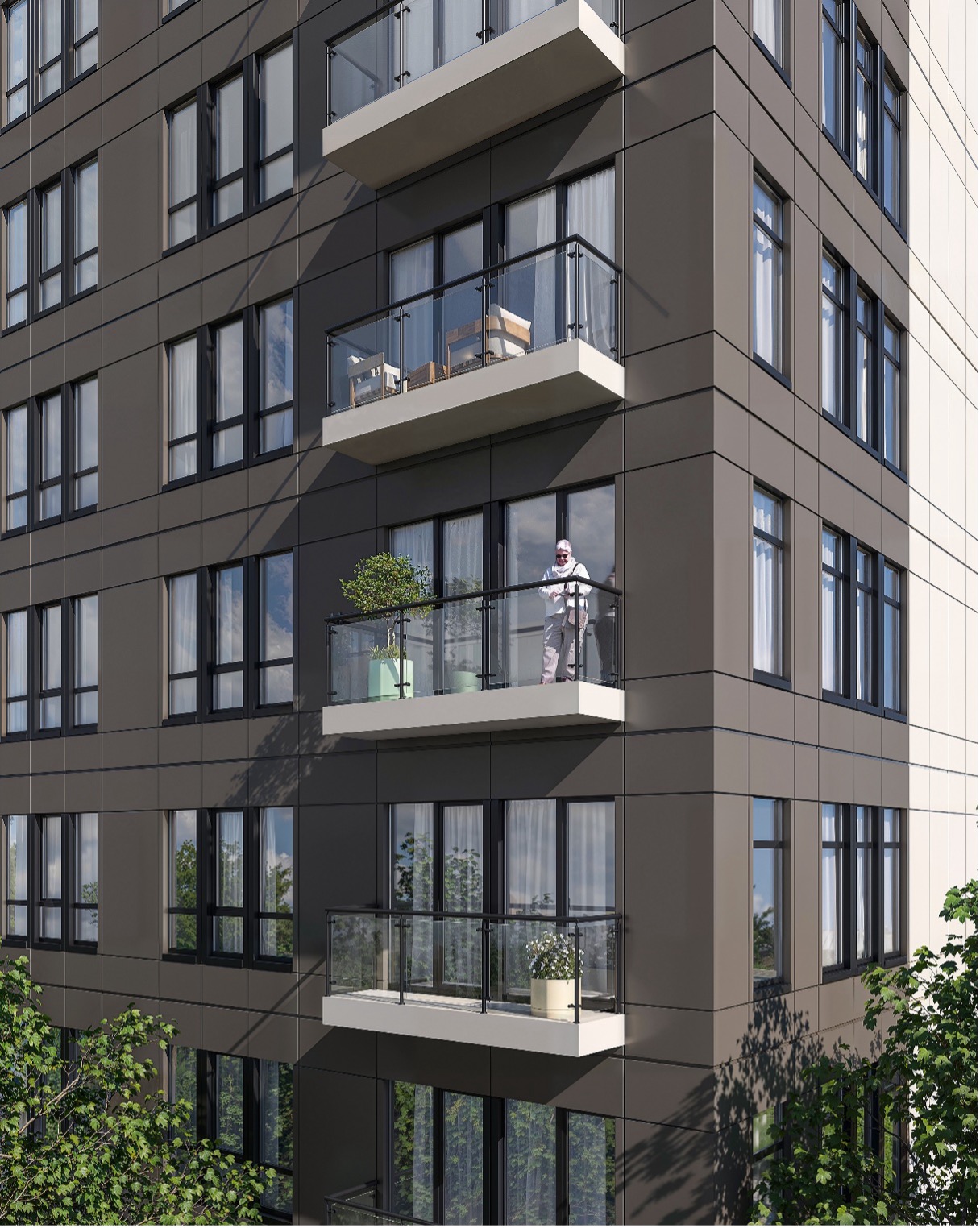
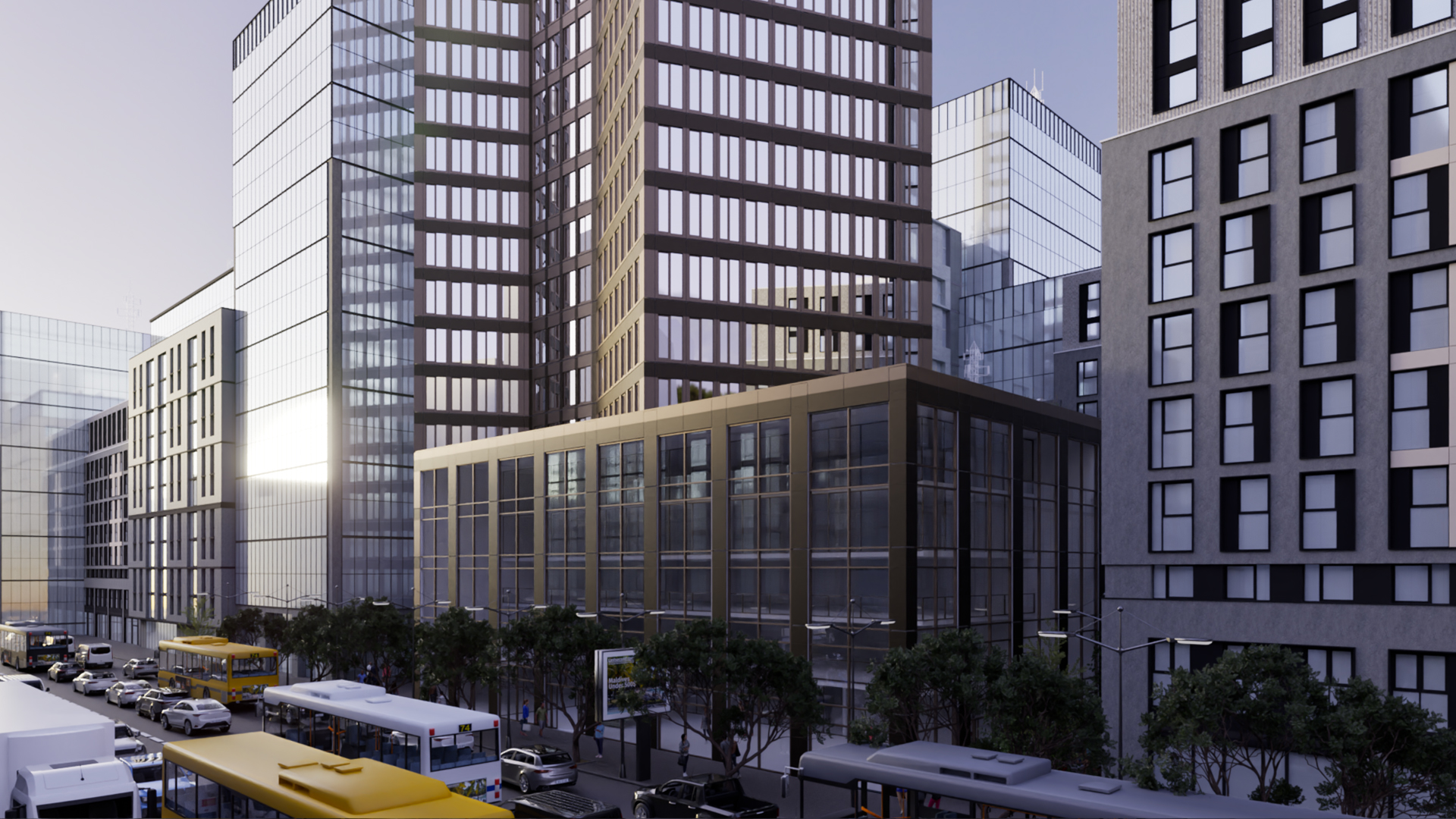
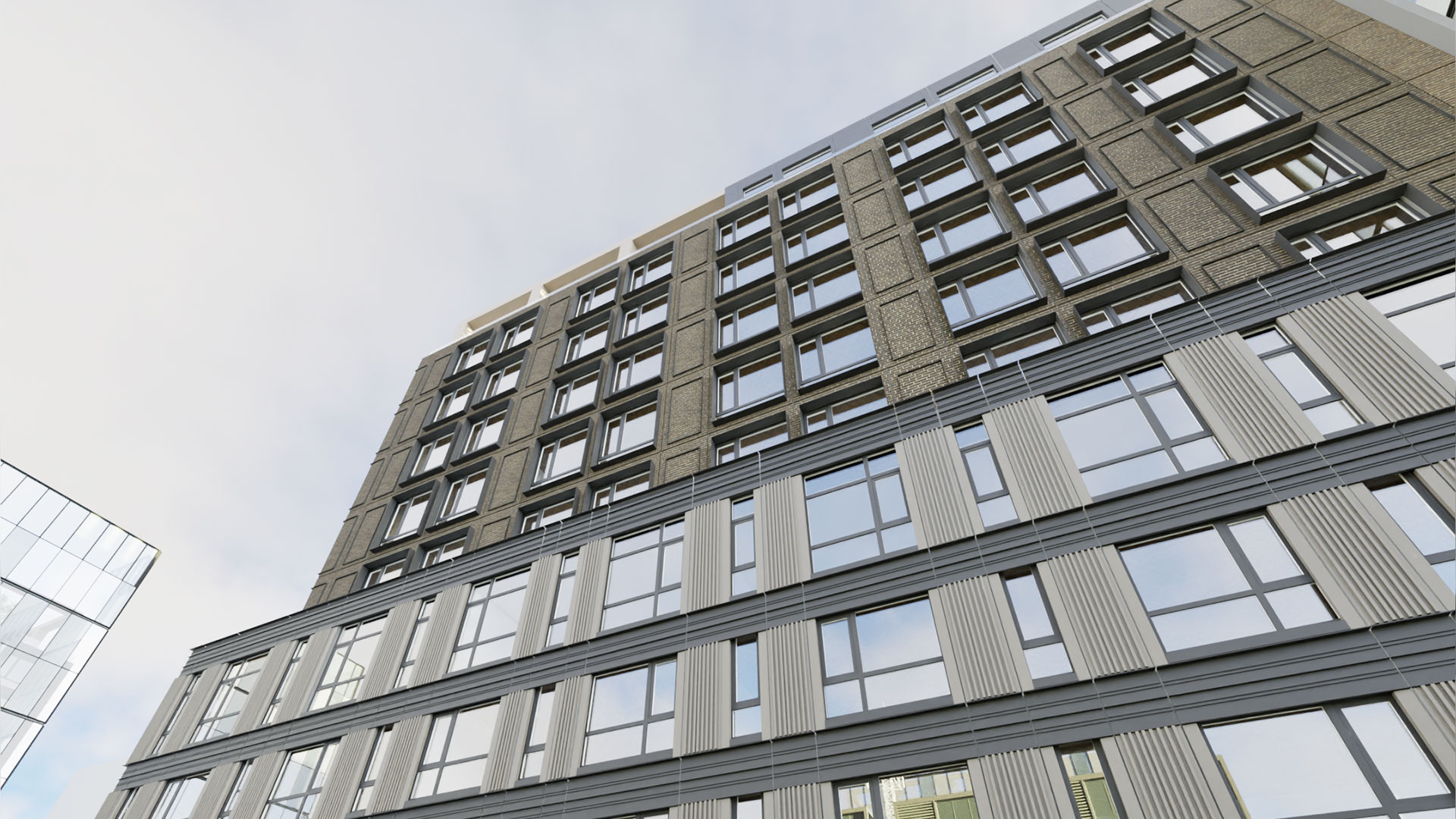
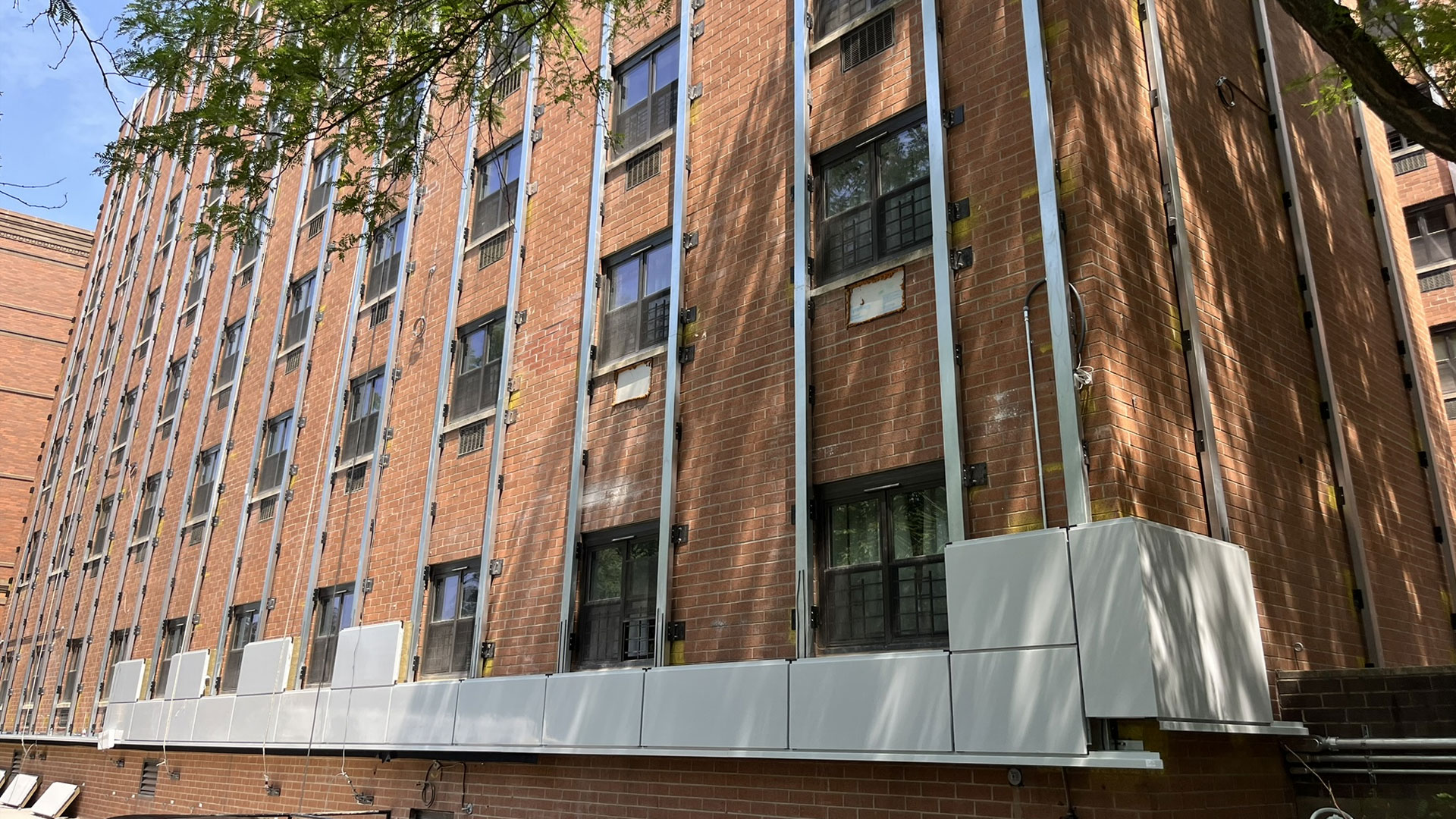
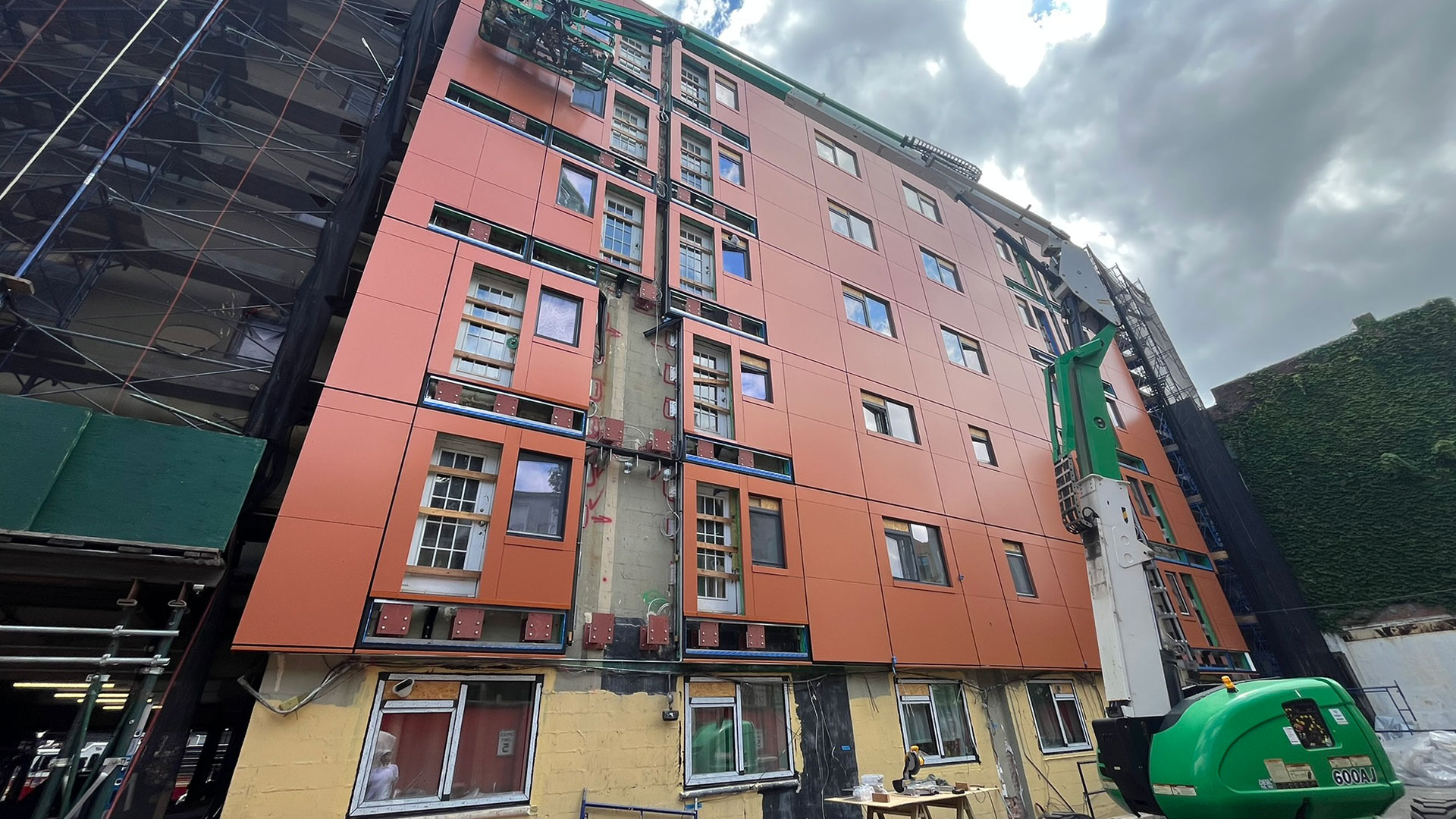
Images featured in this article depict Dextall's projects and are used for illustrative purposes only.
Sources
- SHoP Architects — 9 DeKalb Avenue Project Page
- JDS Development Group — The Brooklyn Tower
- Wikipedia — Brooklyn Tower
- Architizer — Brooklyn's Supertall Skyscraper
- JDS Development / The New York Times — AR Construction at 9 DeKalb
- The Architect's Newspaper — Brooklyn Tower Reaches Final Height
- Stirworld — Brooklyn Tower First Supertall in the Borough

















.jpeg)

-Compliance-for-NYC-Multifamily-%26-Co-Op-Facades.jpg)



















_format(webp).avif)
_format(webp)%20(6).avif)
_format(webp)%20(5).avif)
_format(webp)%20(4).avif)
_format(webp)%20(2).avif)
_format(webp)%20(3).avif)


.avif)
_format(webp)%20(2).avif)