Curtain Wall Systems for Modern Towers

Glass towers used to be about one thing: the look. All-glass facades, glossy renderings, skyline hero shots. But today, curtain wall systems have to do much more than wrap a building in glass.
Tenants expect quiet interiors in loud cities, comfortable temperatures without drafts, natural daylight without glare or overheating, and energy bills that don't wreck the operating budget. Owners expect a facade that performs on year 15 the way it did on day one. That's why more project teams are looking beyond traditional all-glass approaches and toward hybrid envelopes and prefab facade solutions like Dextall that can lock in performance over the long term.
What Modern Curtain Walls Must Deliver Beyond "All Glass"
The era of "all-glass = premium" is over. A modern curtain wall isn't just a shiny skin—it's a performance system that has to juggle comfort, energy, acoustics, code compliance, and long-term durability at the same time. Architects still want transparency and clean lines, but tenants and owners are now judging the facade by how it feels inside the building and how it performs on the balance sheet, not just how it photographs from across the street.
From All-Glass Icons to Human-Centered Envelopes
Early glass towers were built to impress from the outside: continuous glass, sharp lines, clear corporate branding. Inside, though, people often dealt with glare, temperature swings, and blinds permanently down.
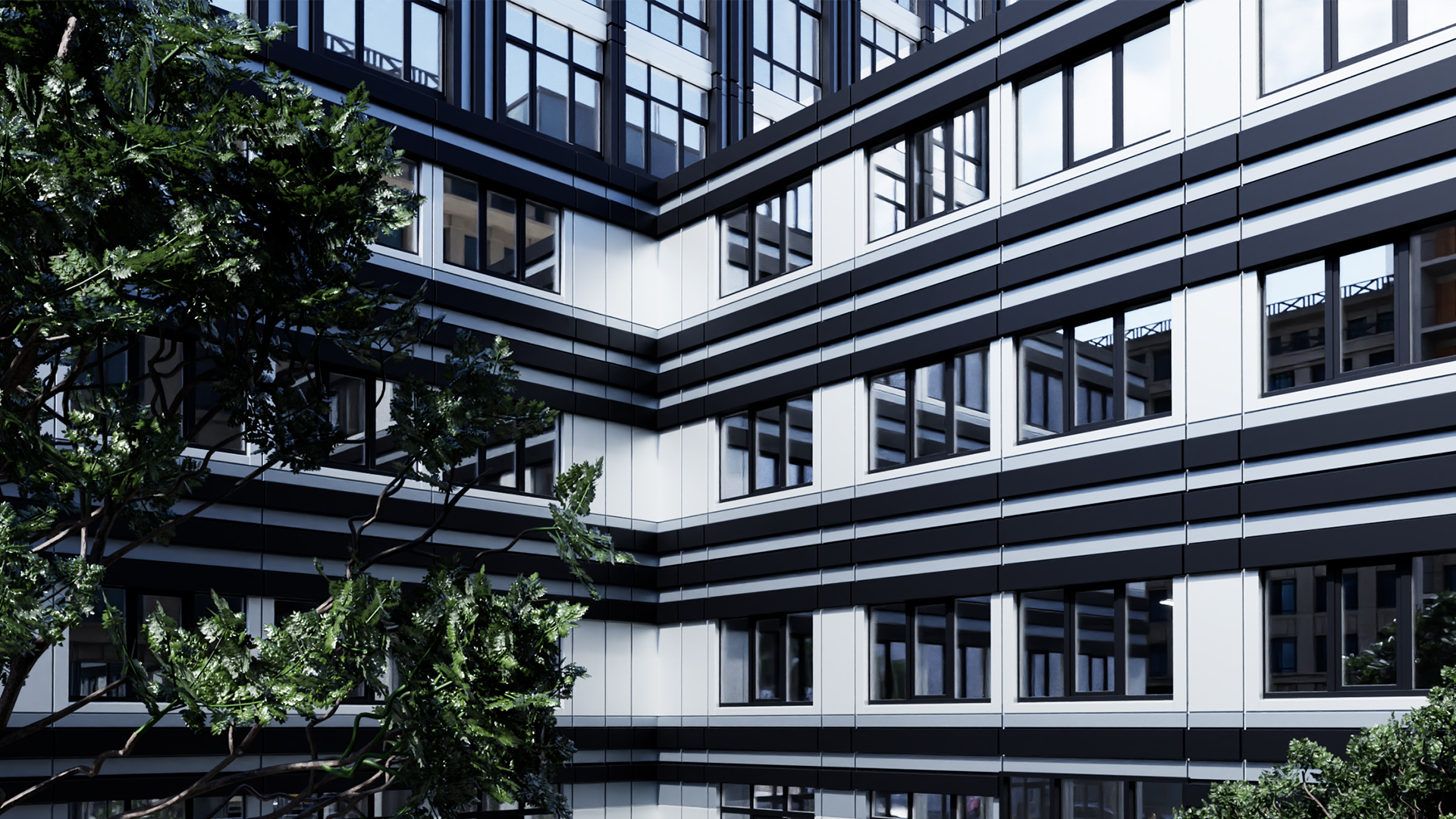
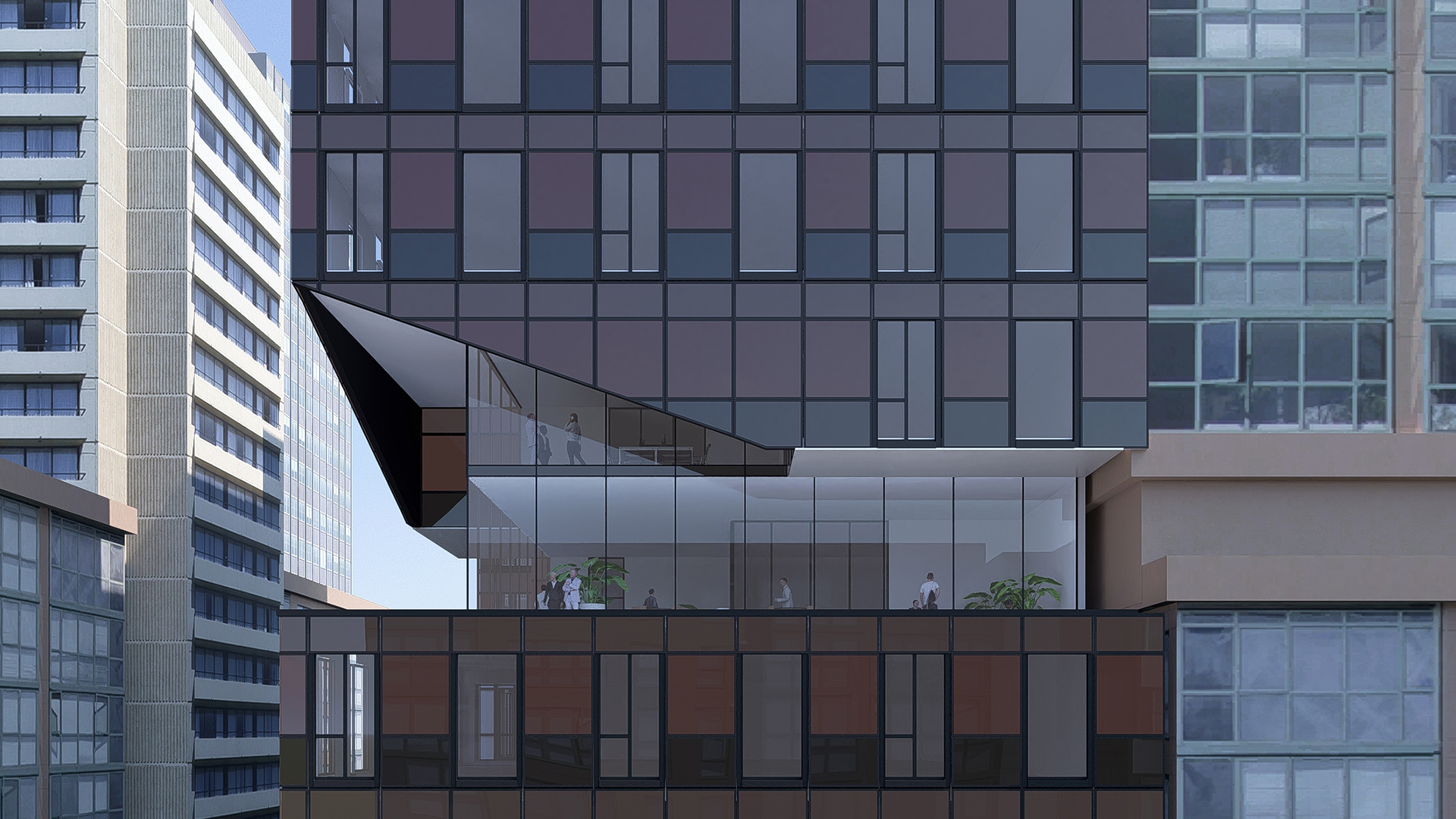
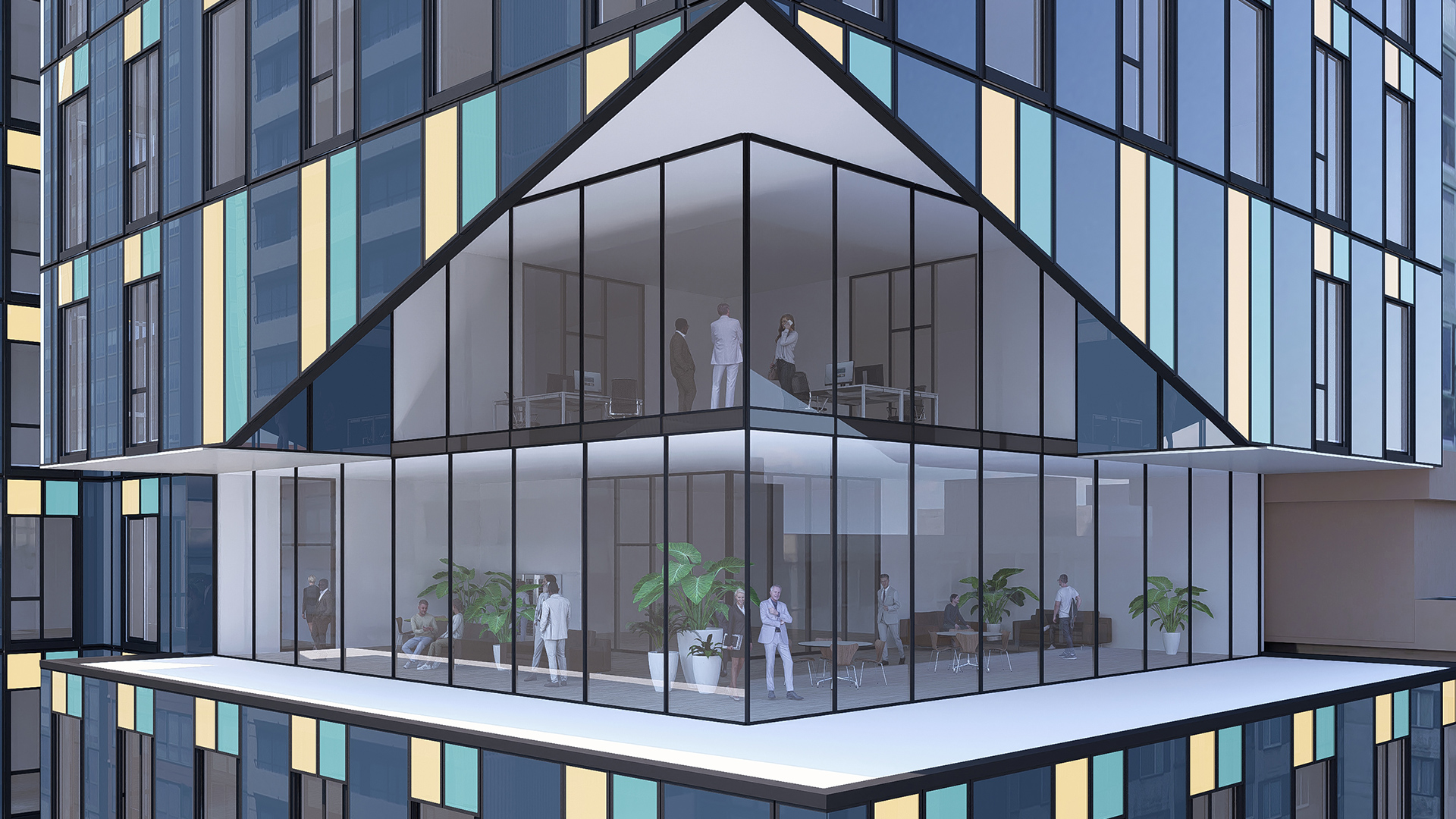
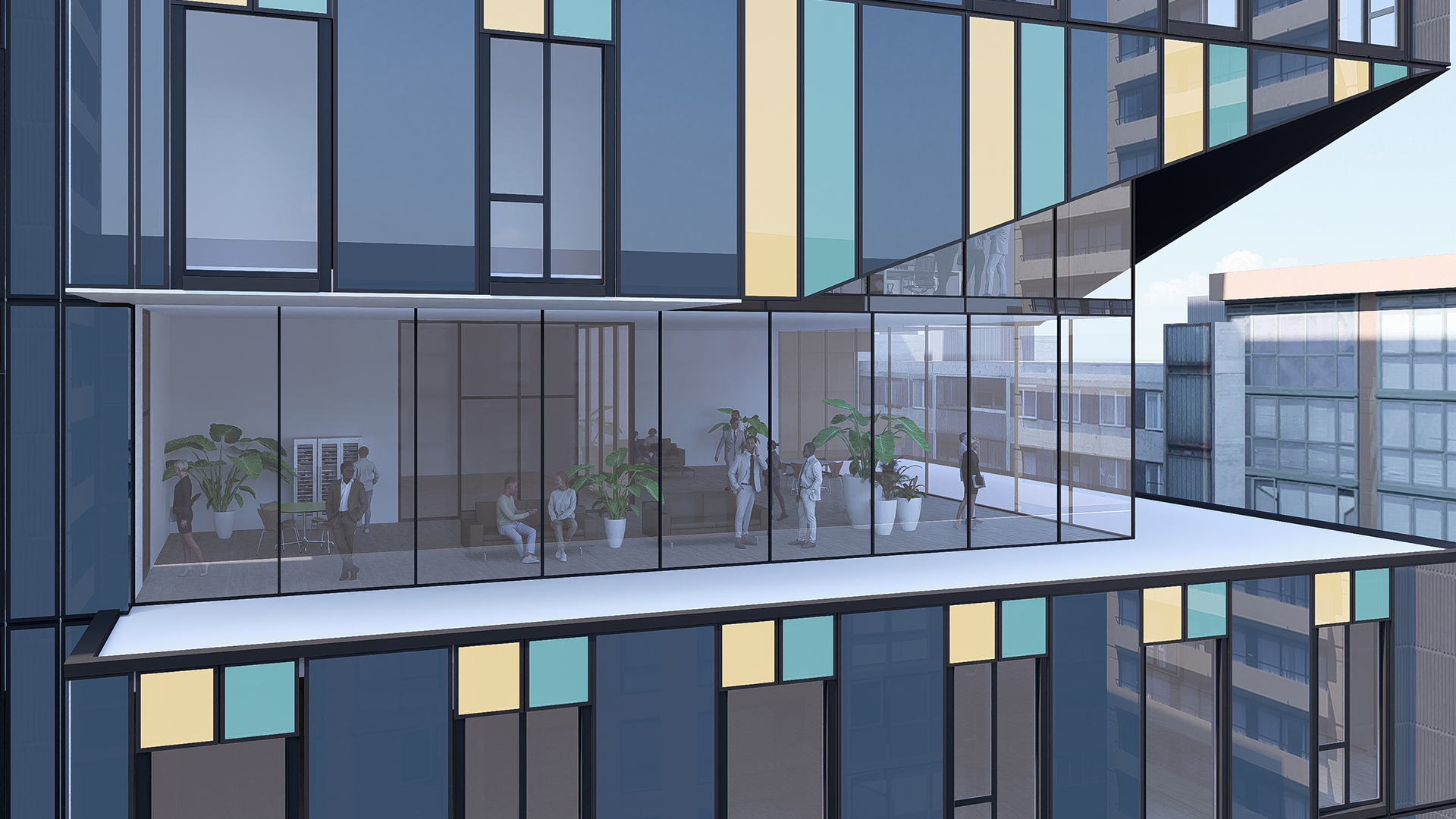
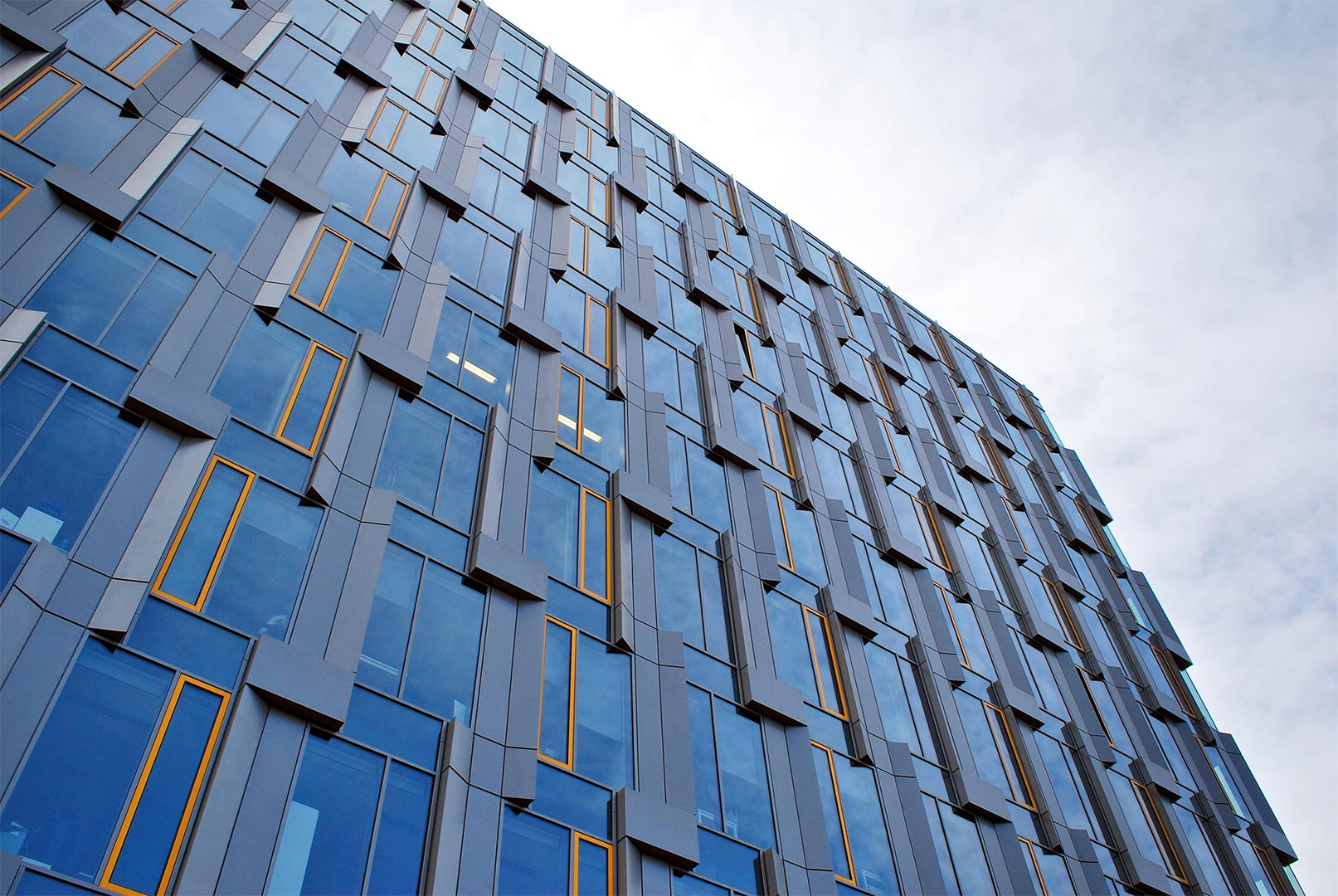
Now the focus has shifted from "maximum glass" to "maximum quality of space." A human-centered envelope uses glass where it adds value and controls it where it doesn't. That means smarter compositions instead of pure all-glass:
- Vision glass for views and daylight where people actually sit
- Opaque or spandrel zones where insulation and structure matter more than transparency
- Shading, frit, or articulation to manage solar gain and glare
- High-performance framing that seals air and water, not just holds the IGUs
The facade becomes part of the building's comfort and performance strategy, not just a visual statement.
Indoor Comfort: Daylight, Thermal, Acoustics
In a modern tower, comfort is a three-part equation: light, temperature, and sound. A good curtain wall has to balance all three, not optimize just one.
Daylight
The goal is usable, even daylight—not blinding perimeter zones. Glass selection (light transmission vs. solar gain) and framing layout help bring in light while keeping glare under control.
Thermal comfort
Occupants near the facade shouldn't feel hotter or colder than those in the core. High-performance glazing, insulated spandrels, and thermally broken frames reduce cold downdrafts and overheating, so perimeter workstations stay comfortable year-round.
Acoustic comfort
In busy urban locations, curtain walls must block city noise through laminated glass, tuned air gaps, and airtight frames. That turns noisy streets into quiet interiors that feel premium and productive.
When these three dimensions align, the facade stops being just "the glass on the outside" and becomes a major reason why tenants want to stay in the building.
Keeping Curtain Walls Efficient Over Time
A curtain wall that tests well on day one isn't enough. Weather, movement, tenant fit-outs, and new codes will keep pushing the facade. To protect the building's value, the system has to hold its energy performance, air/water control, and durability for decades, not just through the first warranty period.
Energy Codes, Condensation and Air/Water Tightness
Every new code cycle tightens envelope requirements, and curtain walls are front and center. The systems that age well are built around:
- Energy compliance beyond glass specs - Frames, spandrels, and transitions are designed with real thermal continuity, not just good IGUs.
- Condensation control - Details and thermal breaks keep interior surfaces above dew point at frames, corners, and slab edges, reducing staining and moisture issues.
- Lasting air and water tightness - Robust gaskets, tested drainage paths, and continuous air/water barriers keep performance stable after years of movement and service.
When these three are handled properly, operating costs and complaints stay predictable over the life of the tower.
Hybrid Curtain Wall + Dextall Prefab Panels
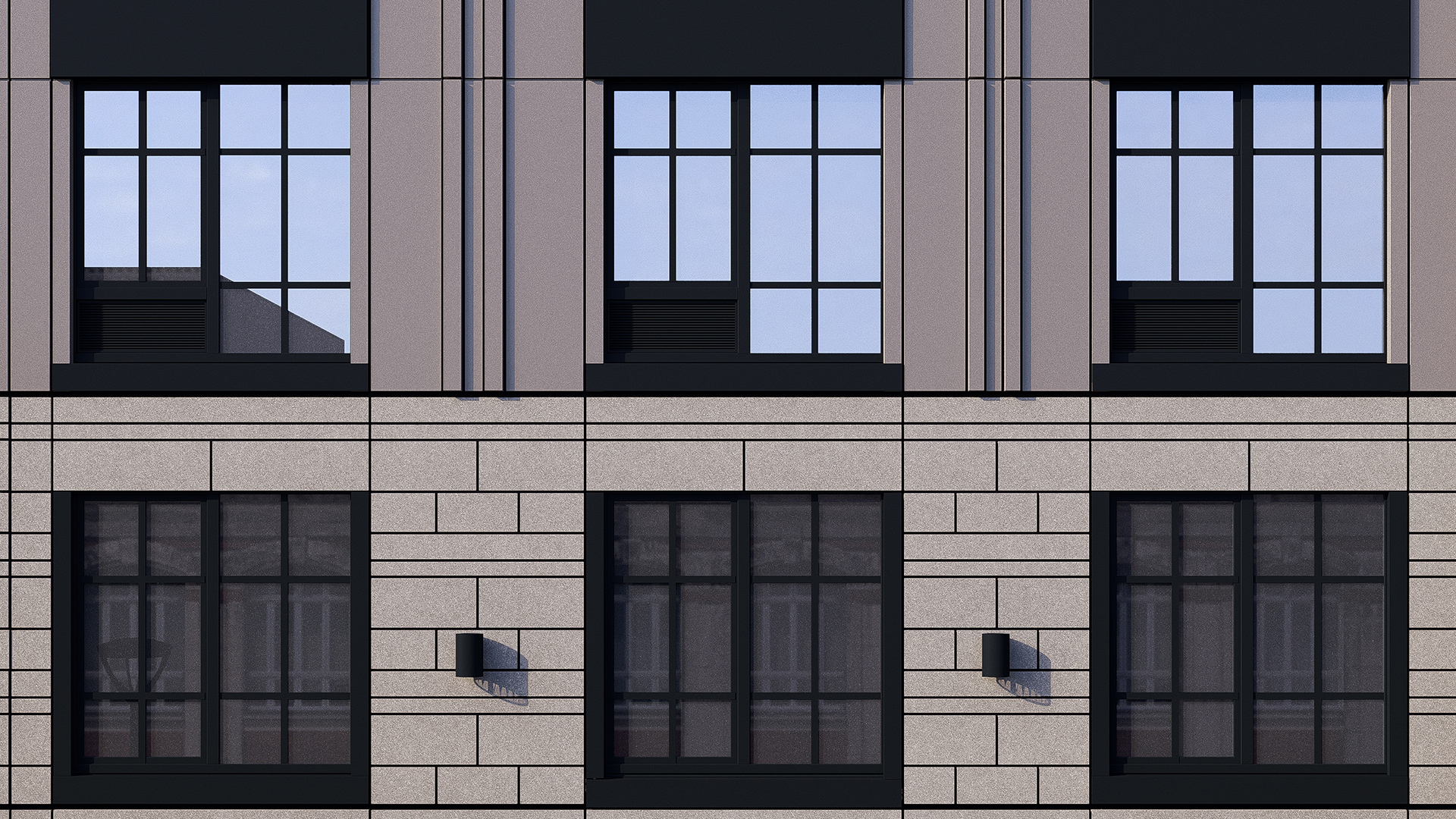
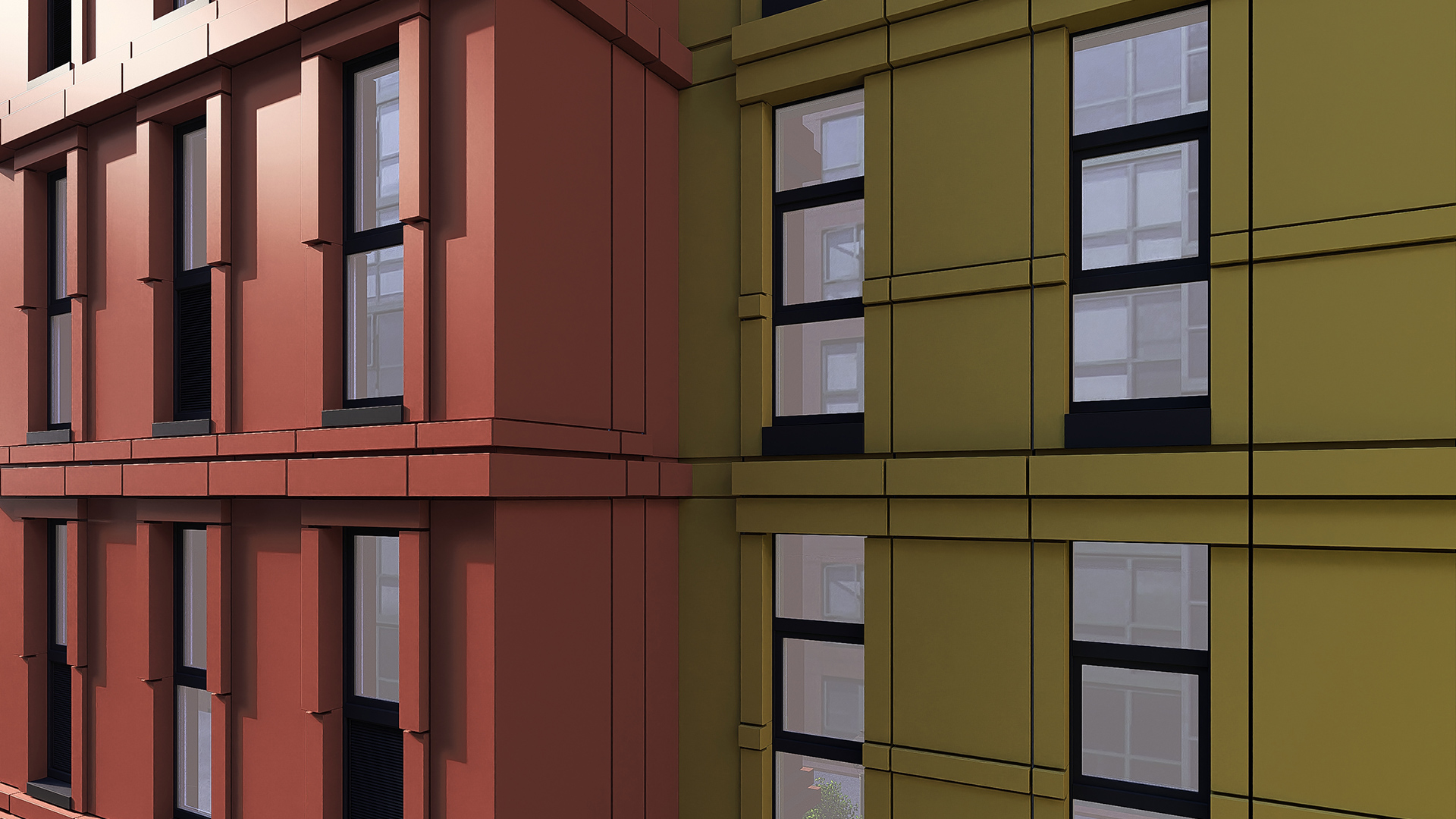
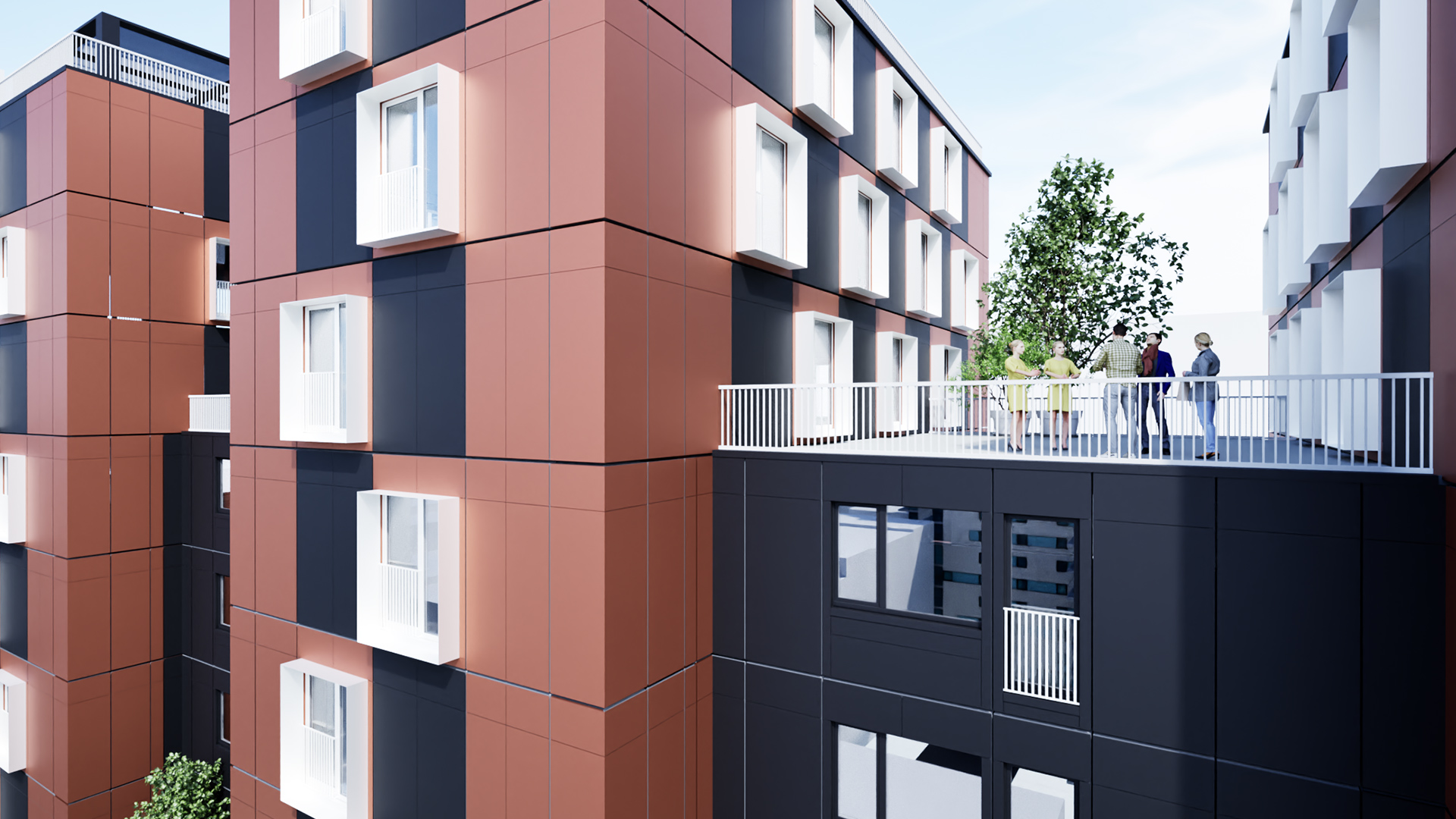
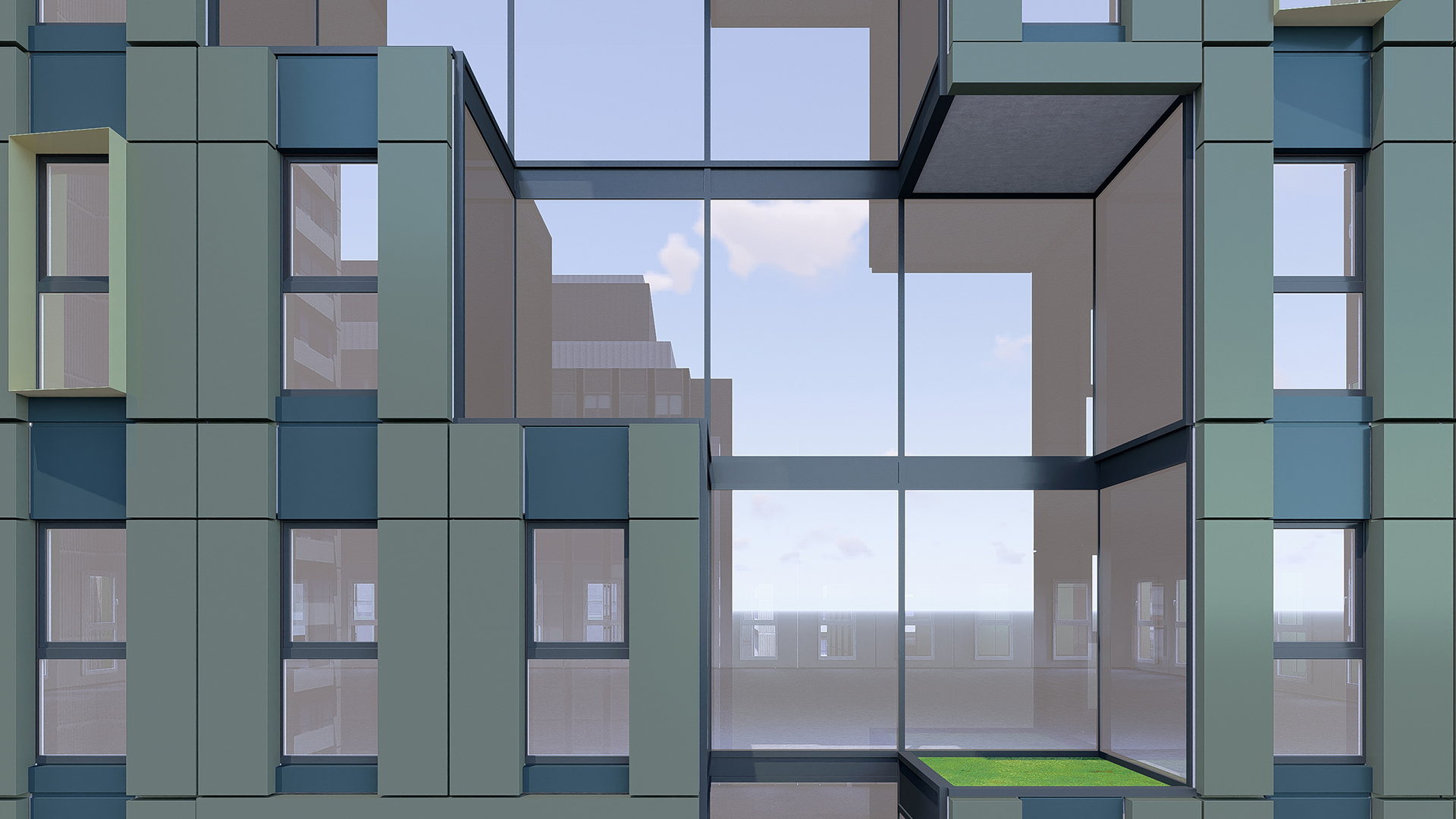
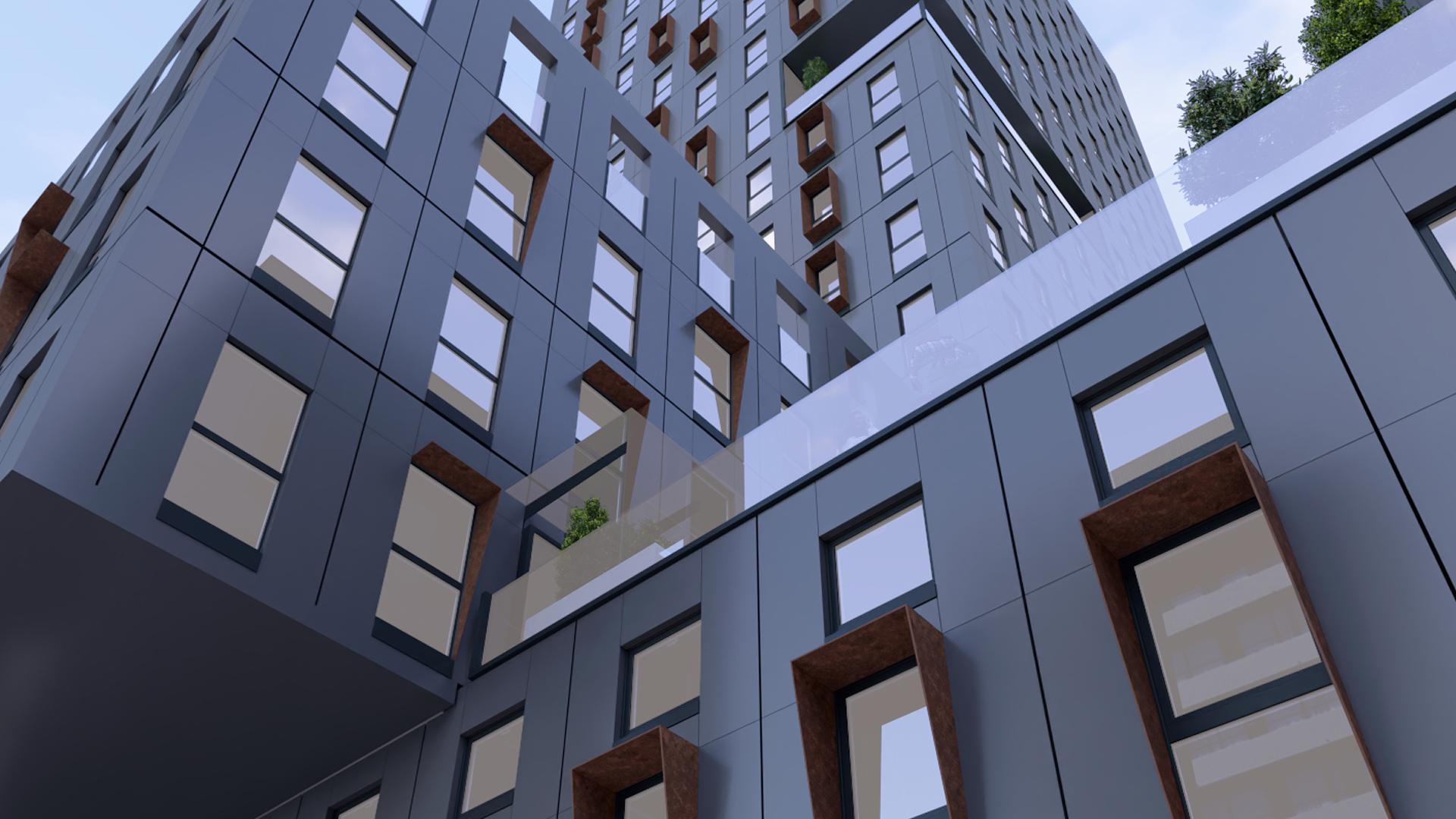
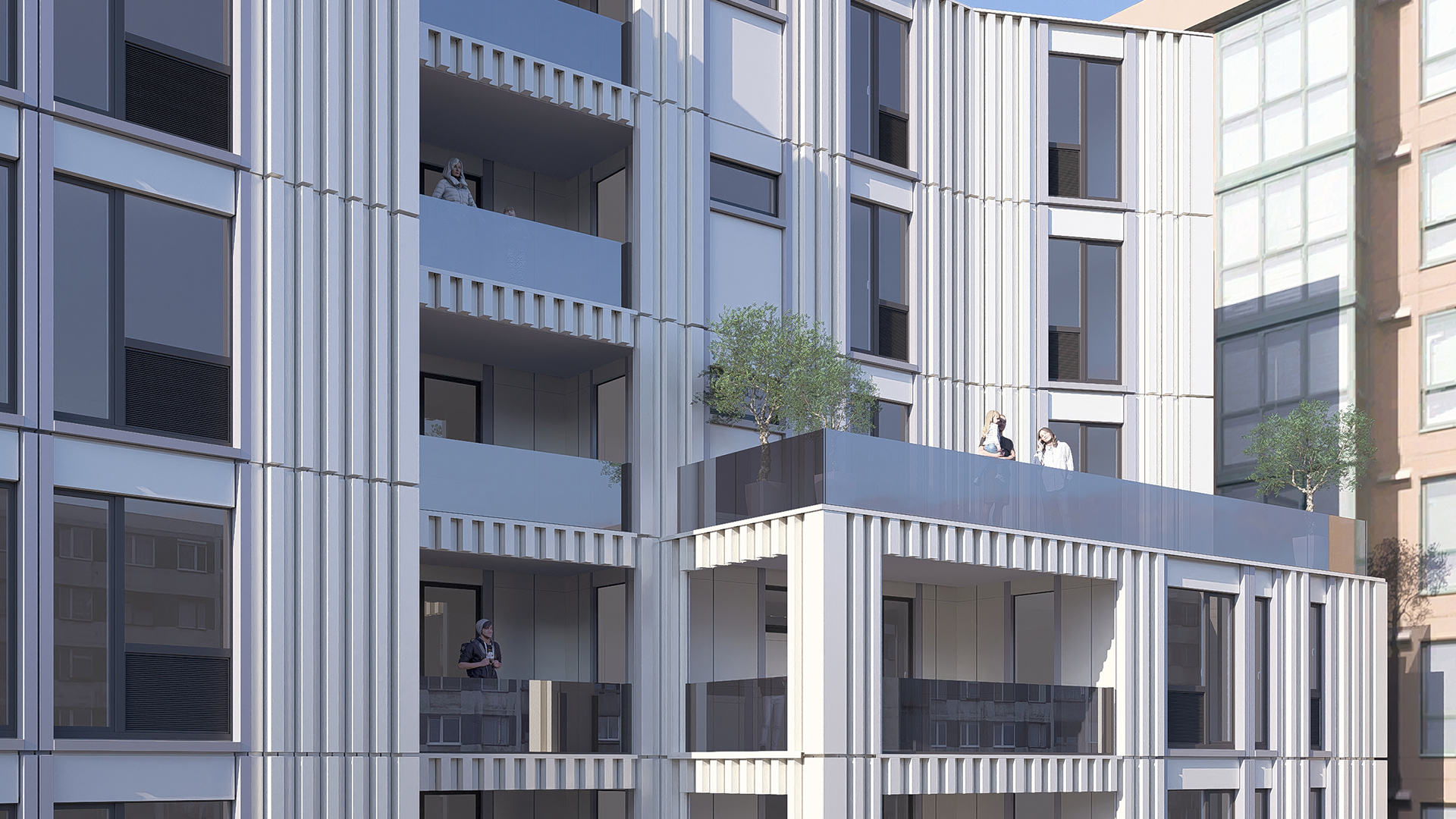
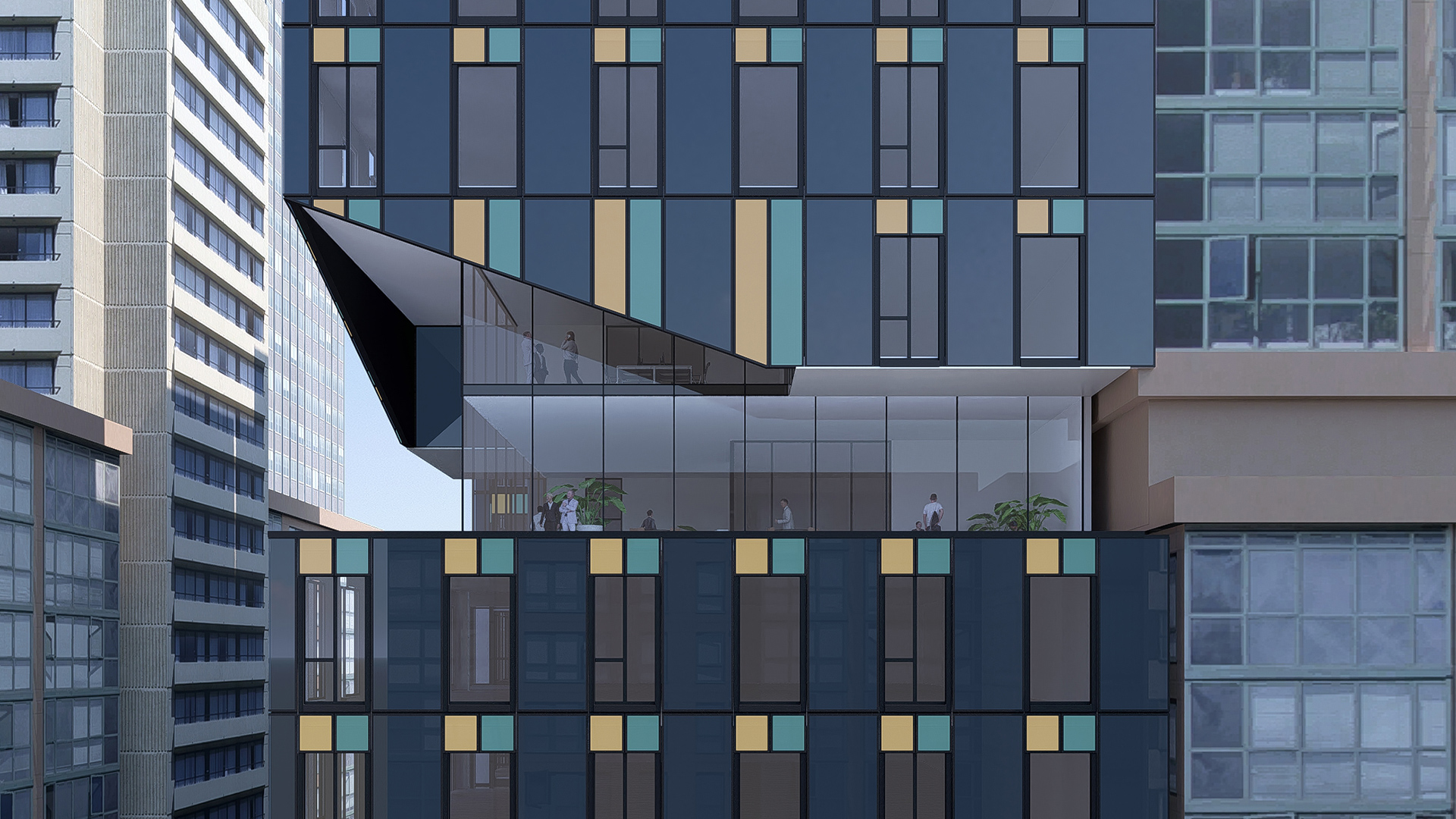
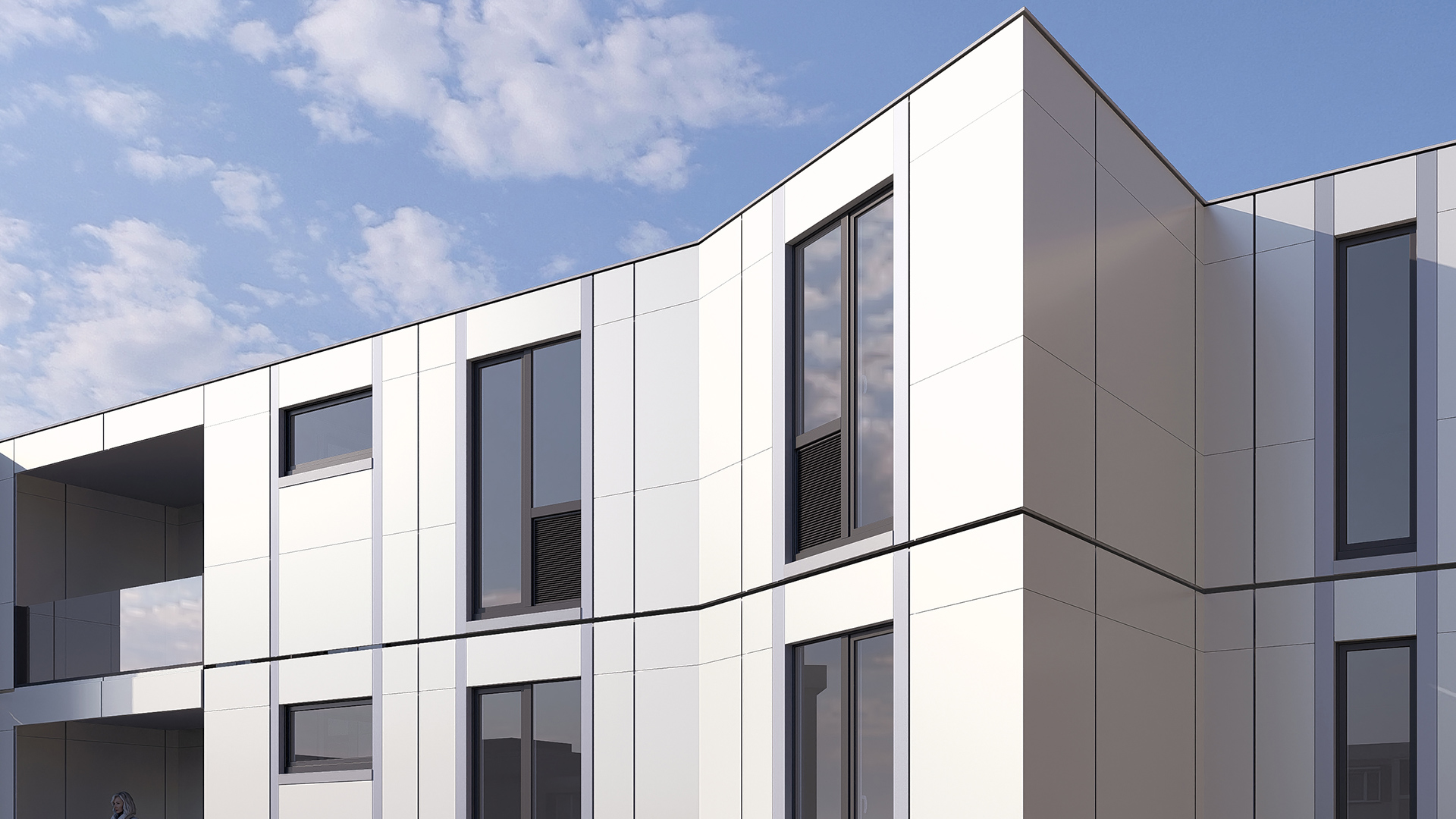
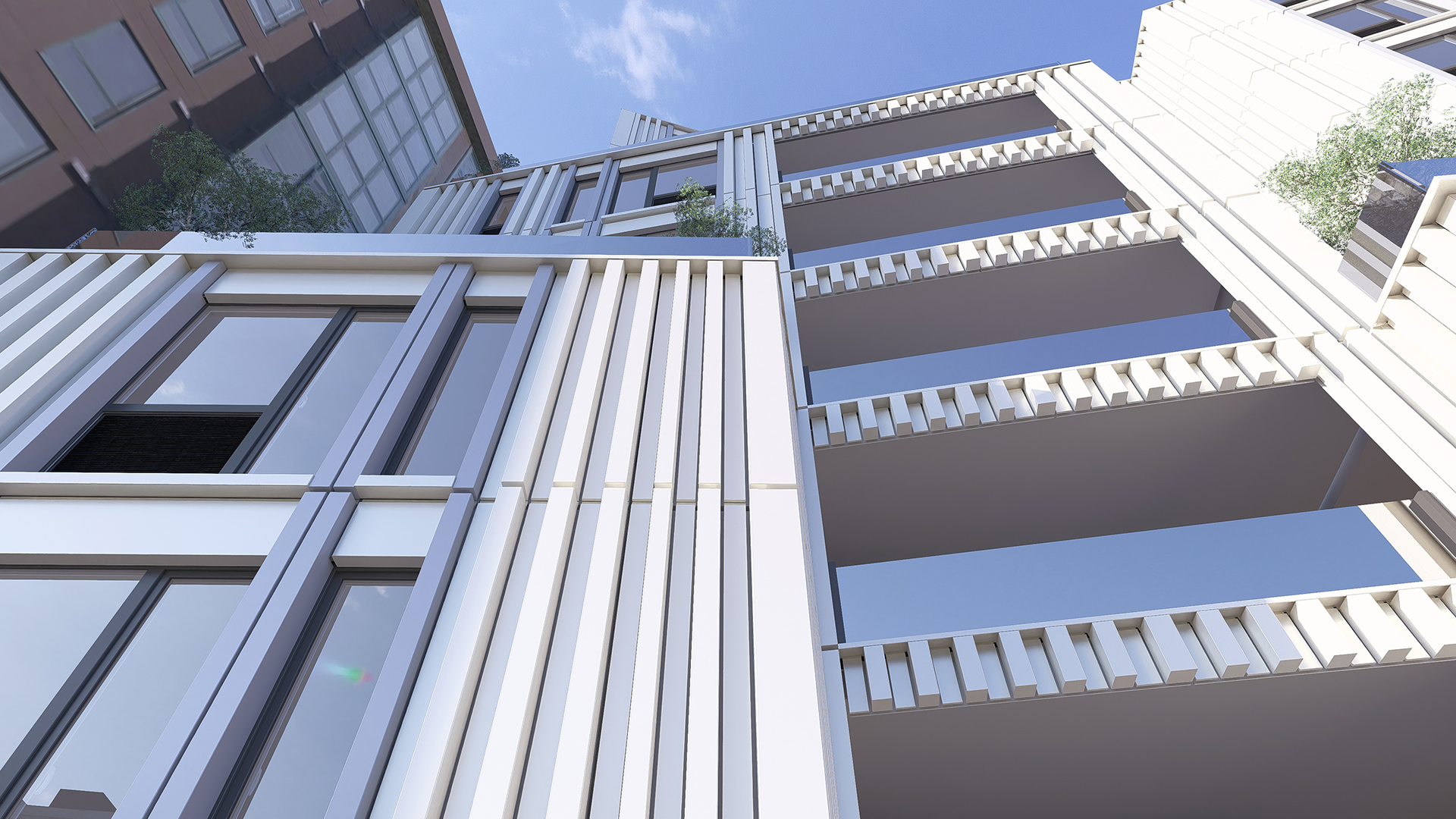
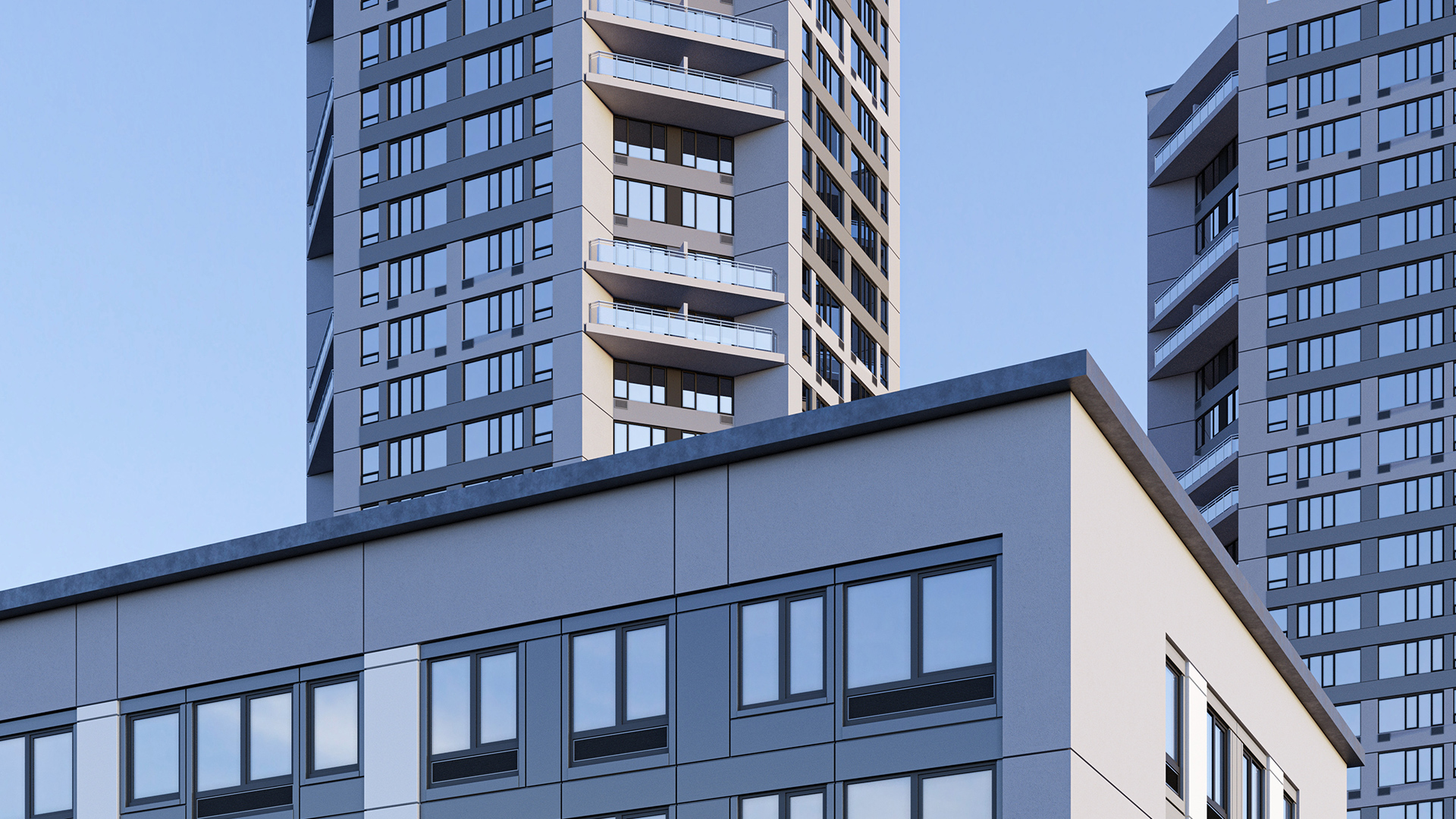
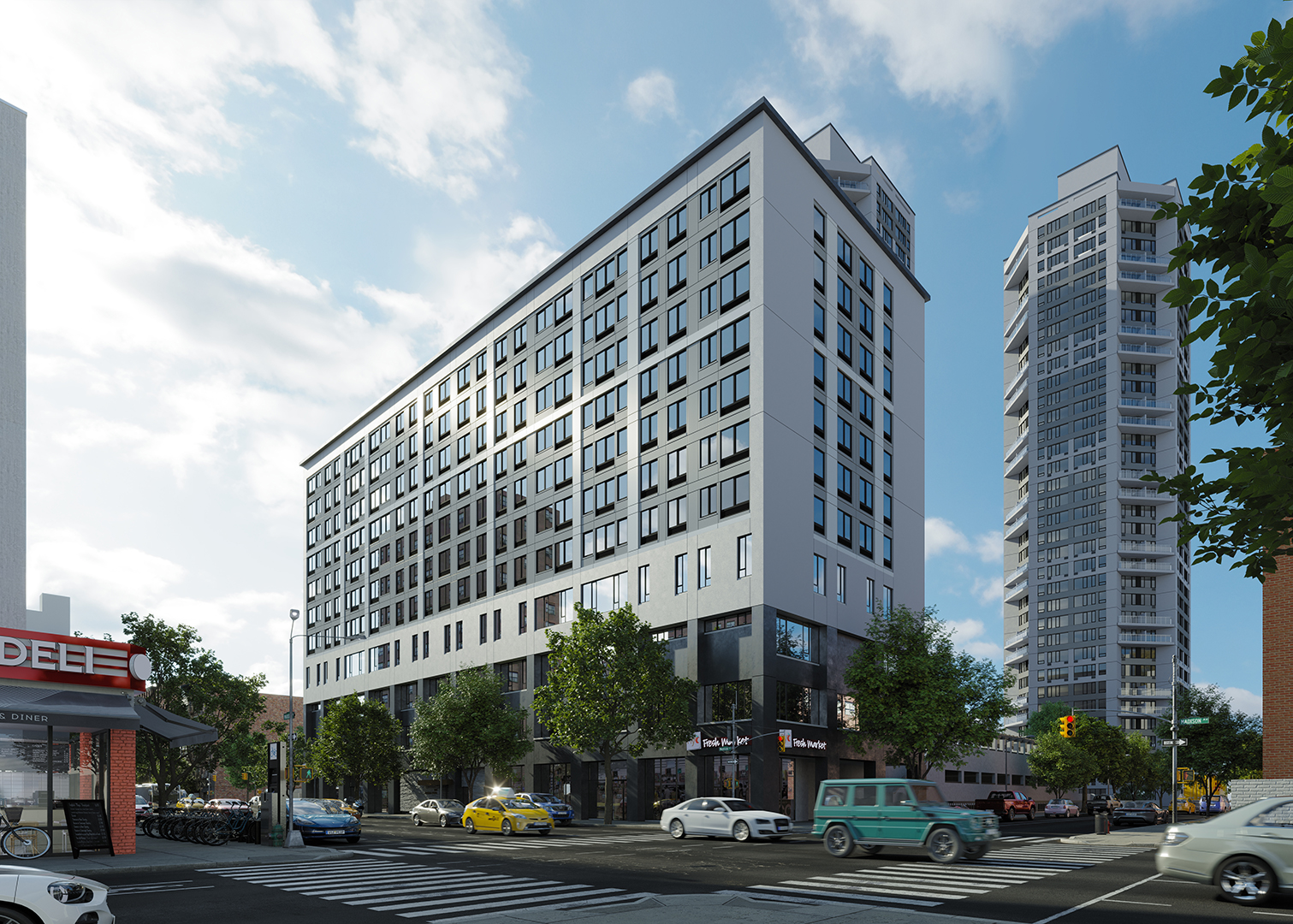
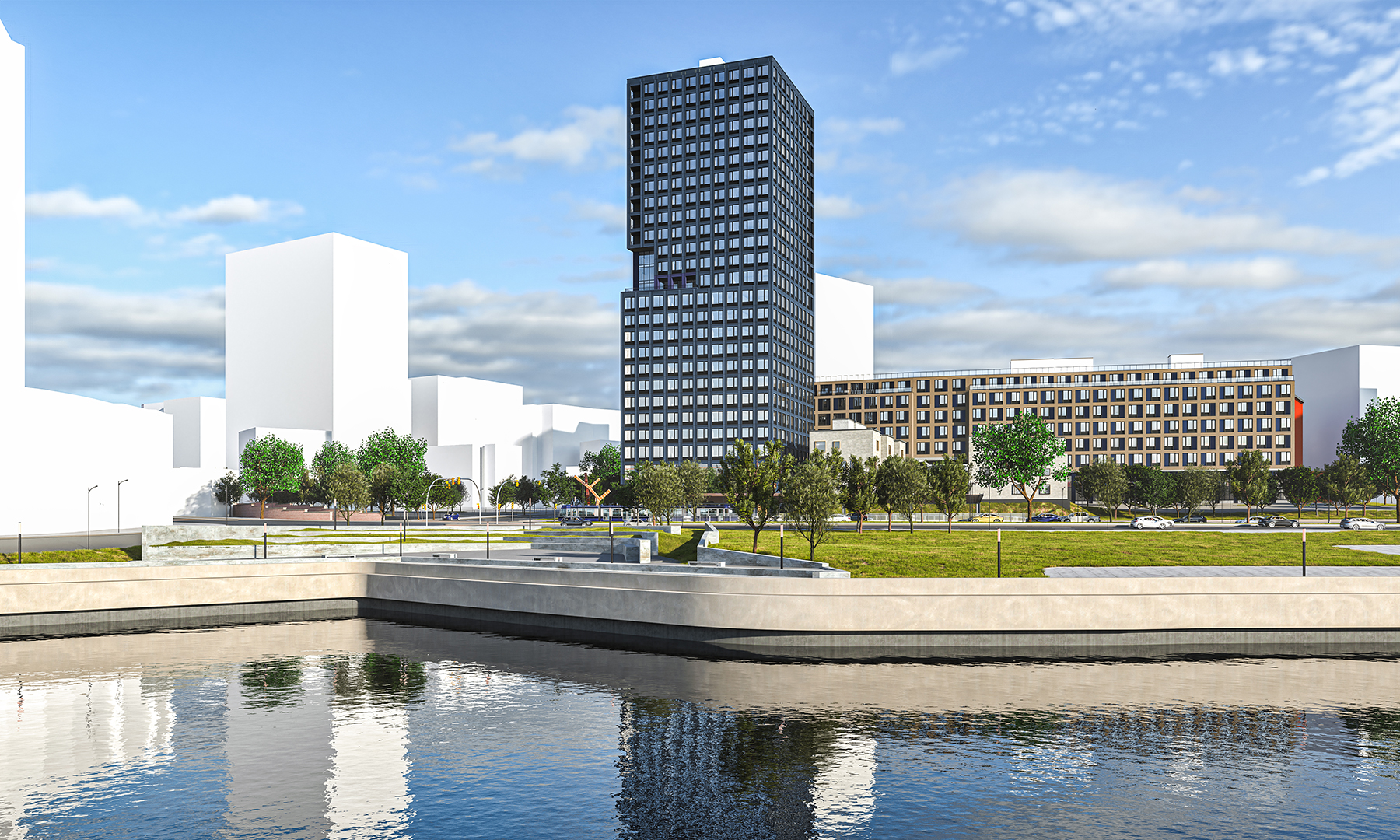
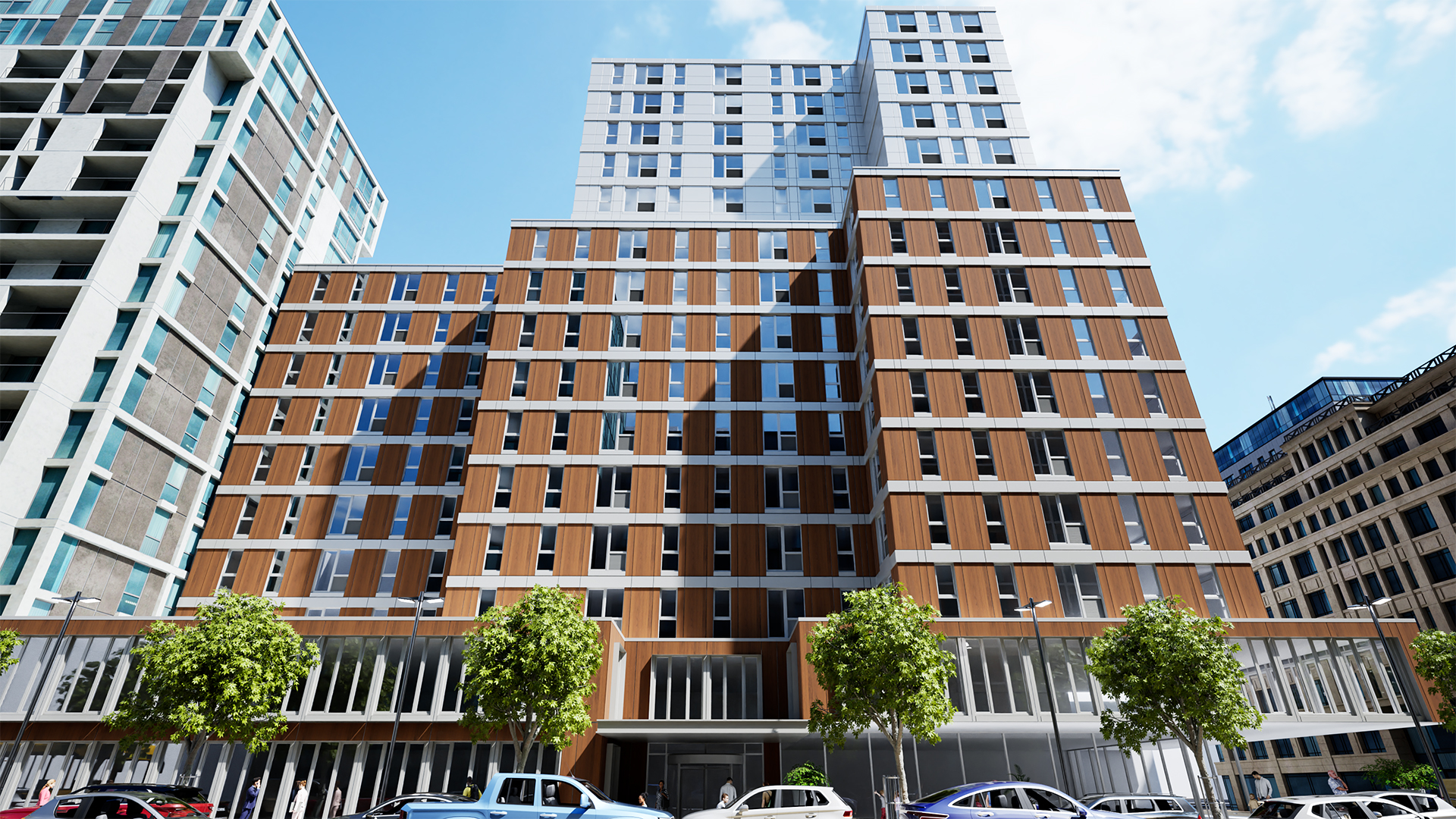
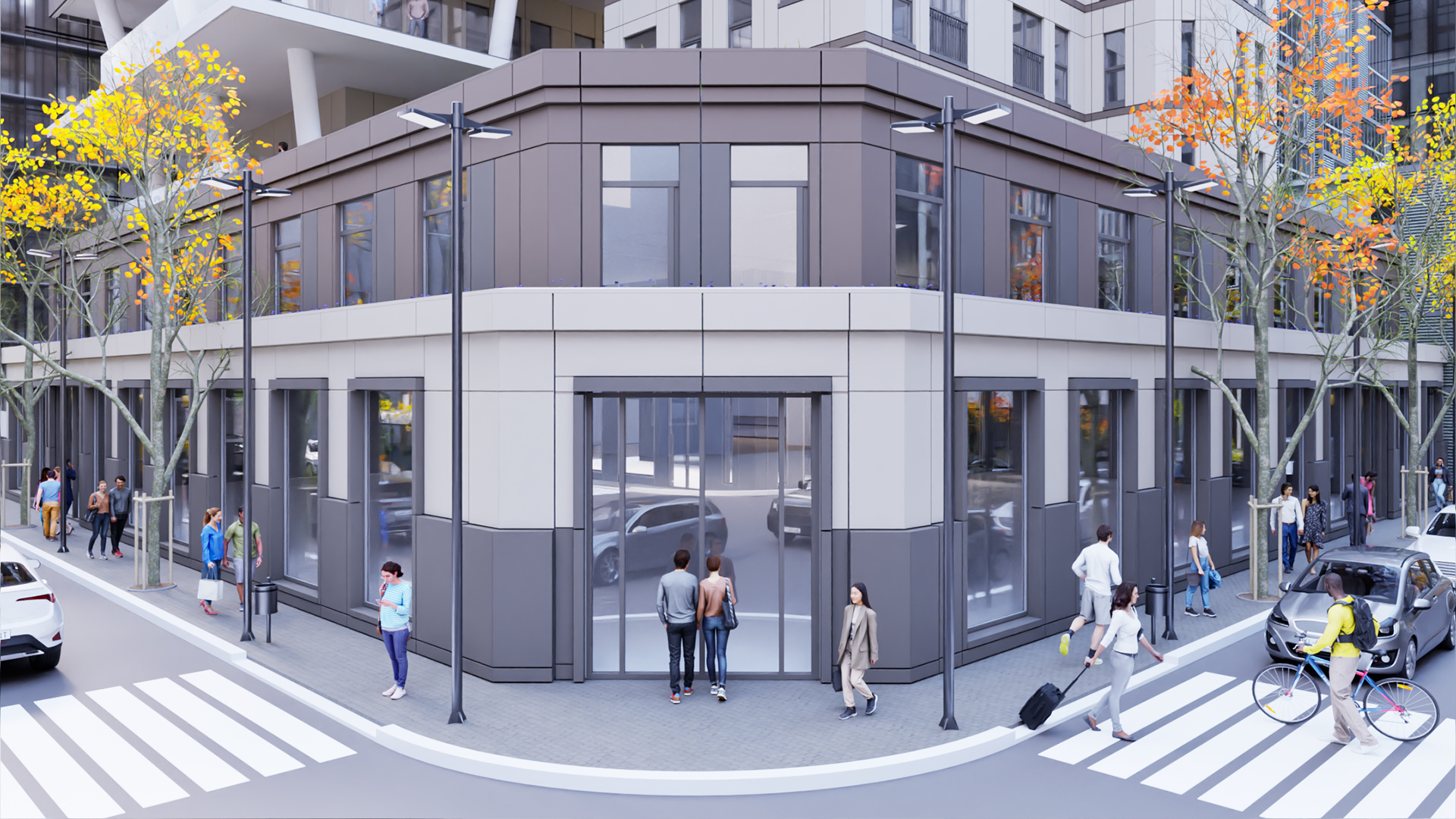
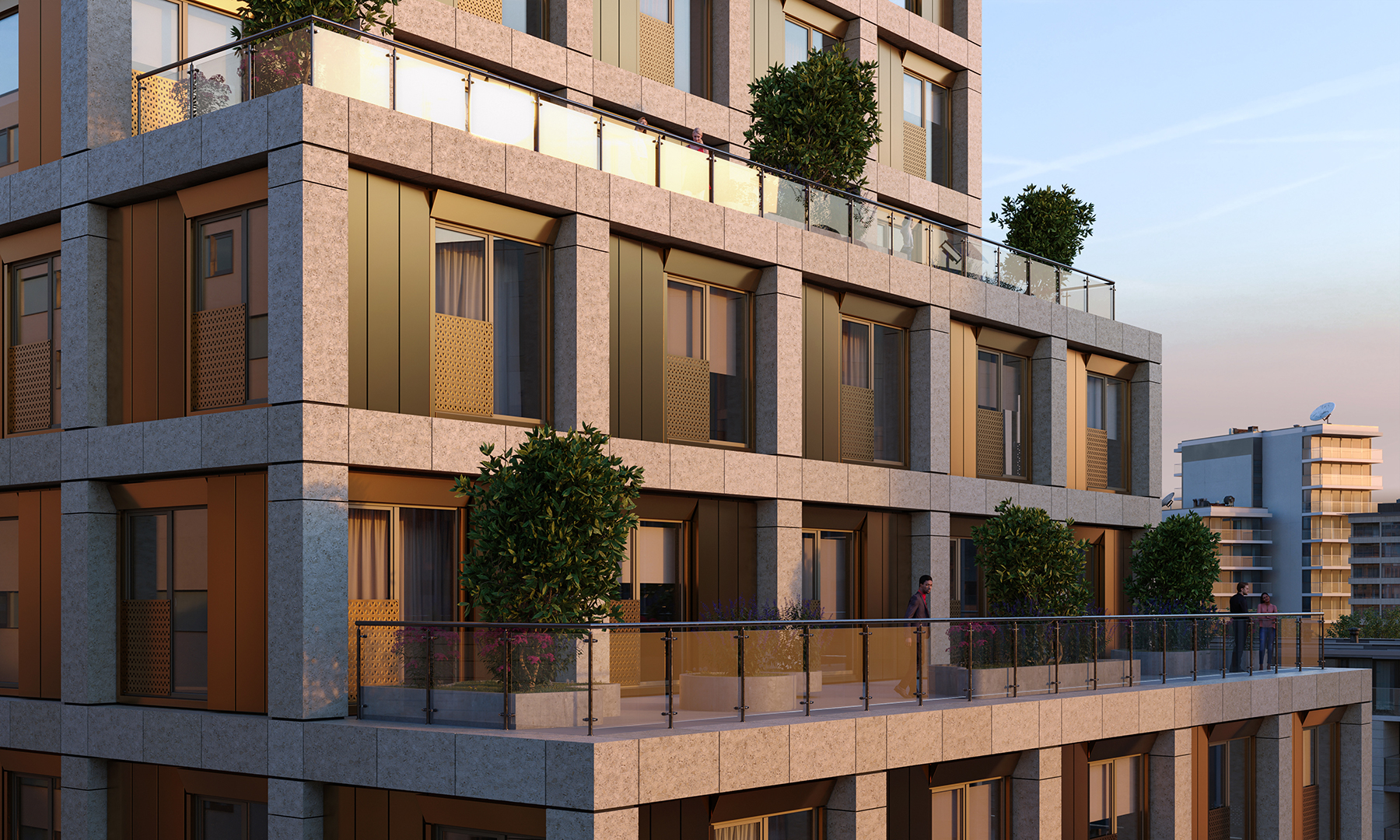
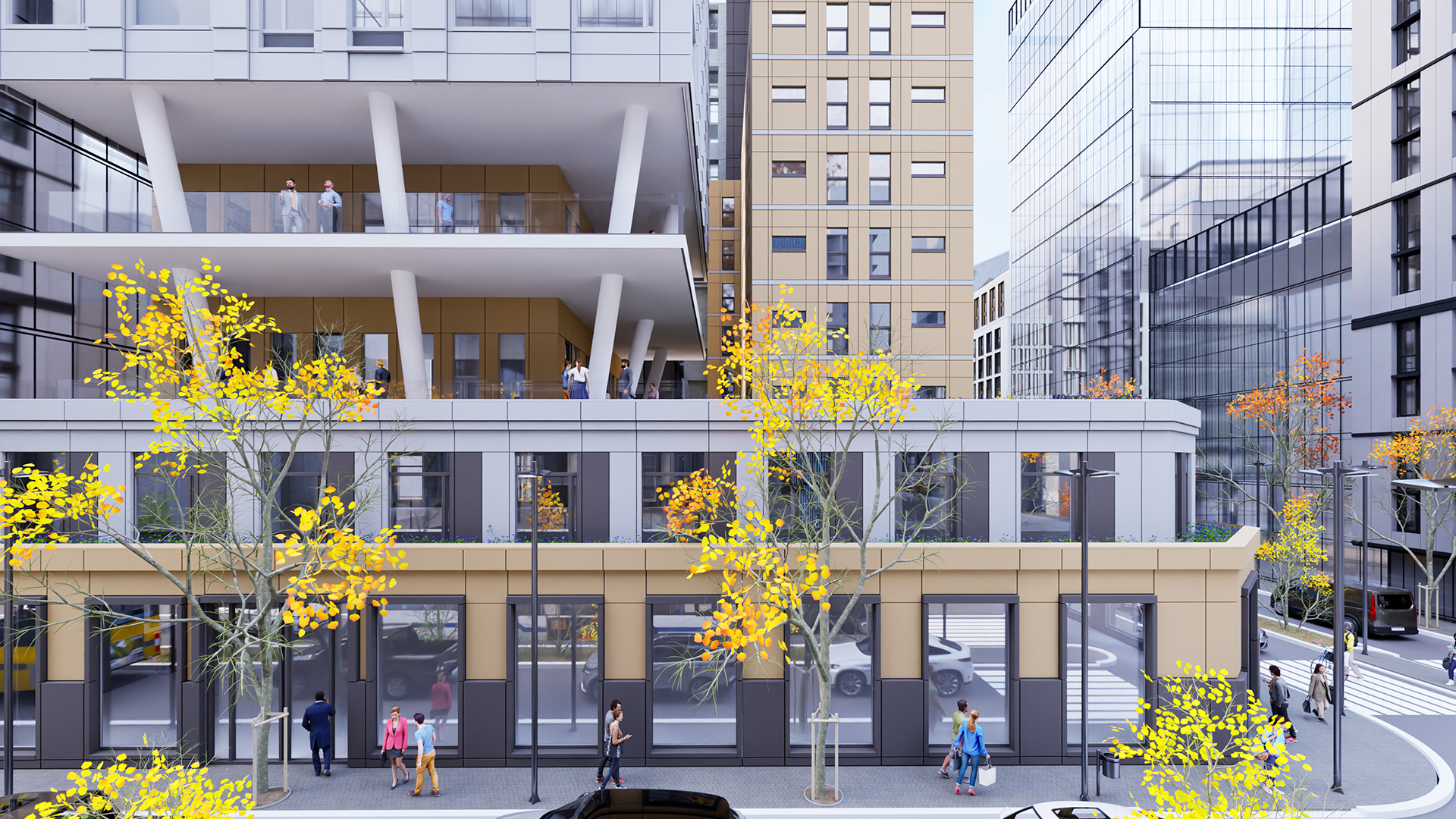
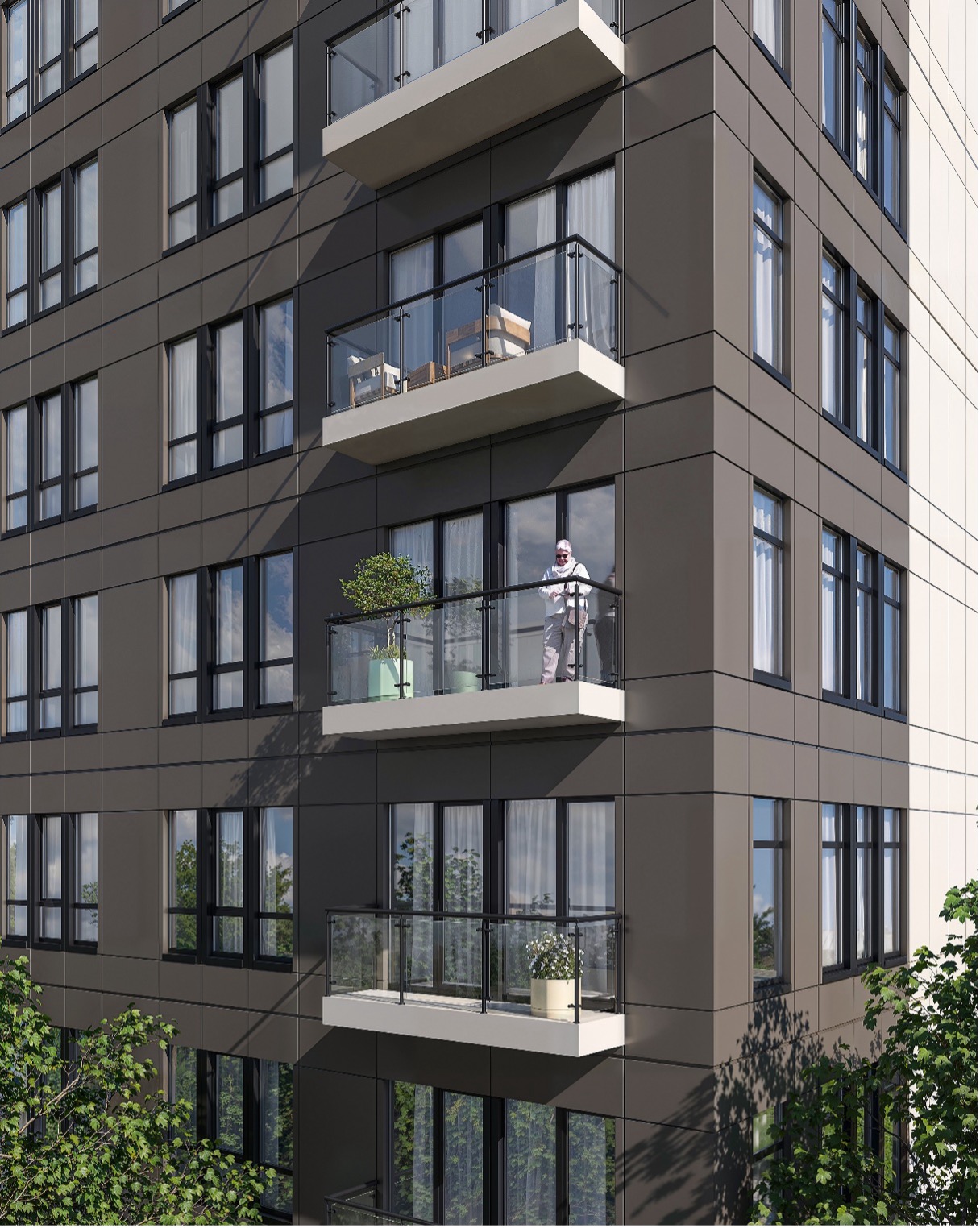
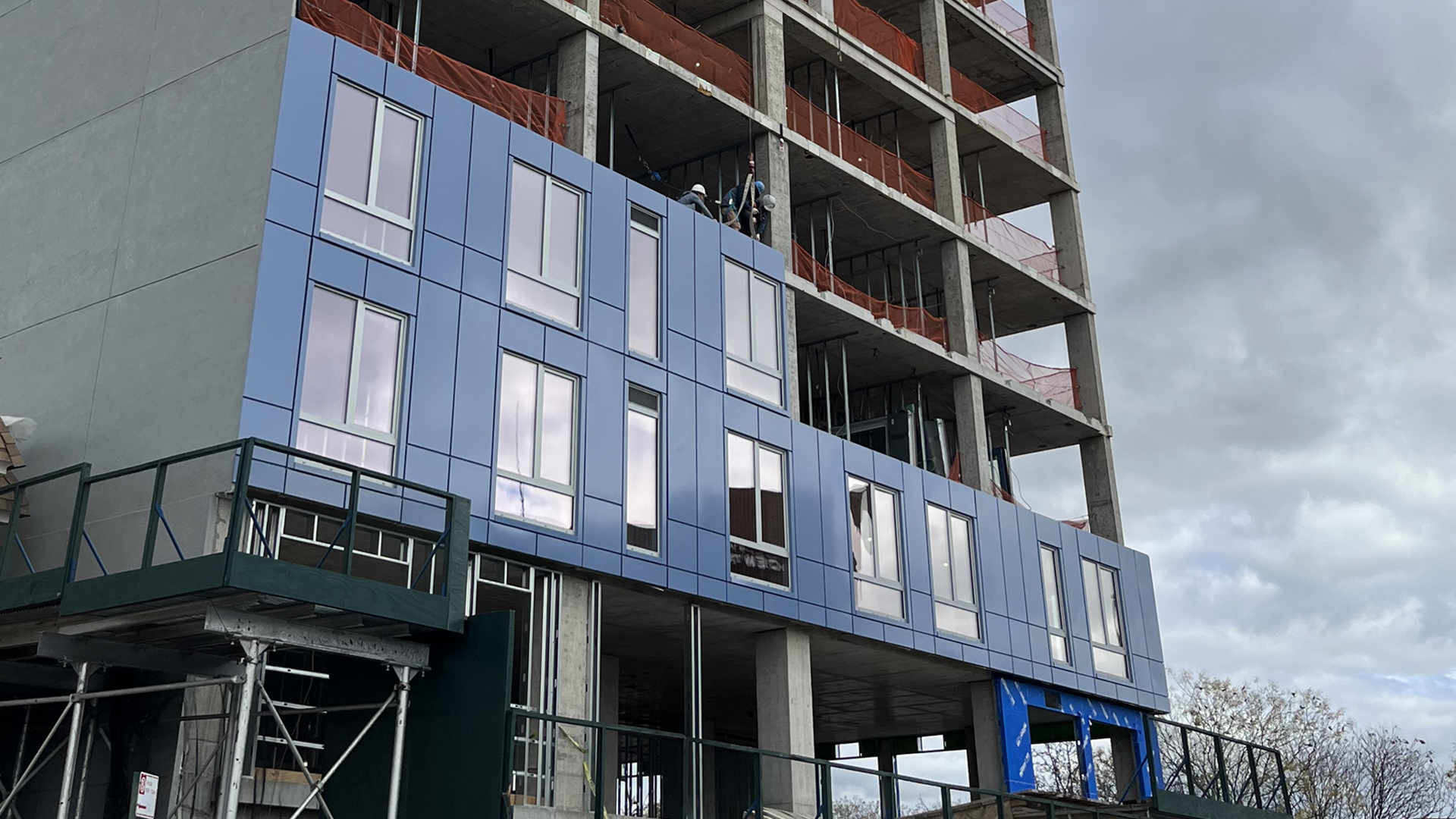
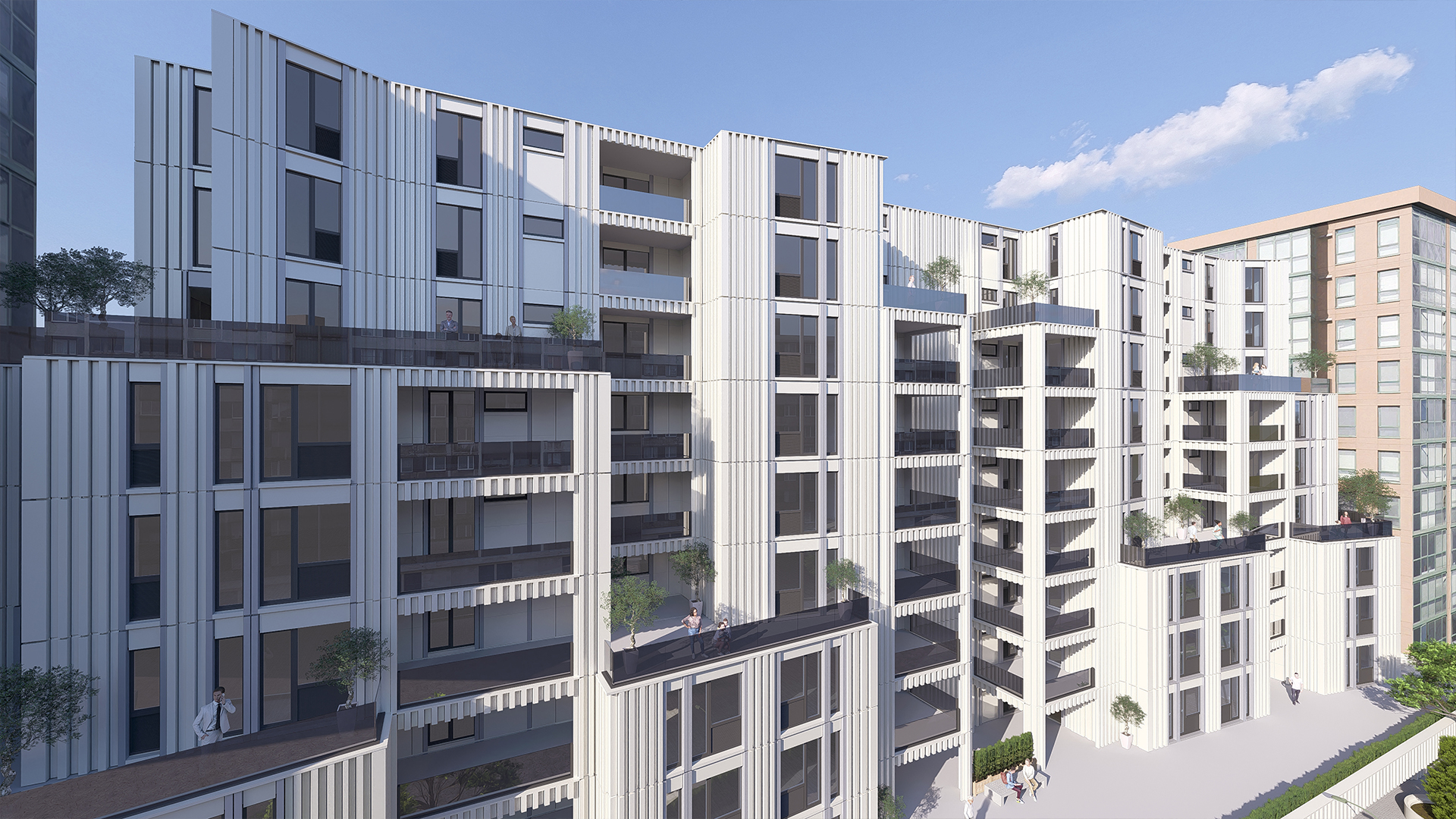
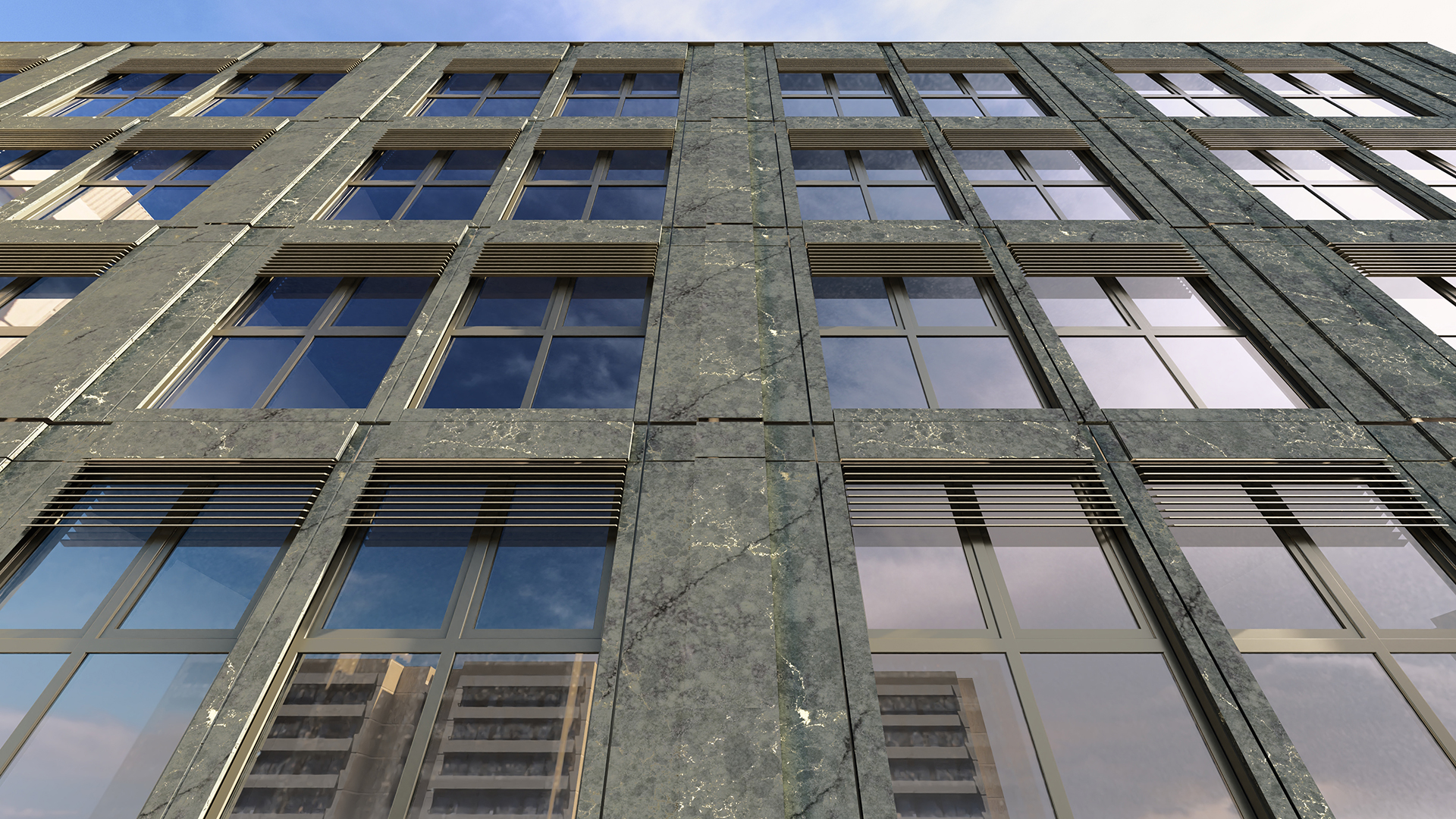
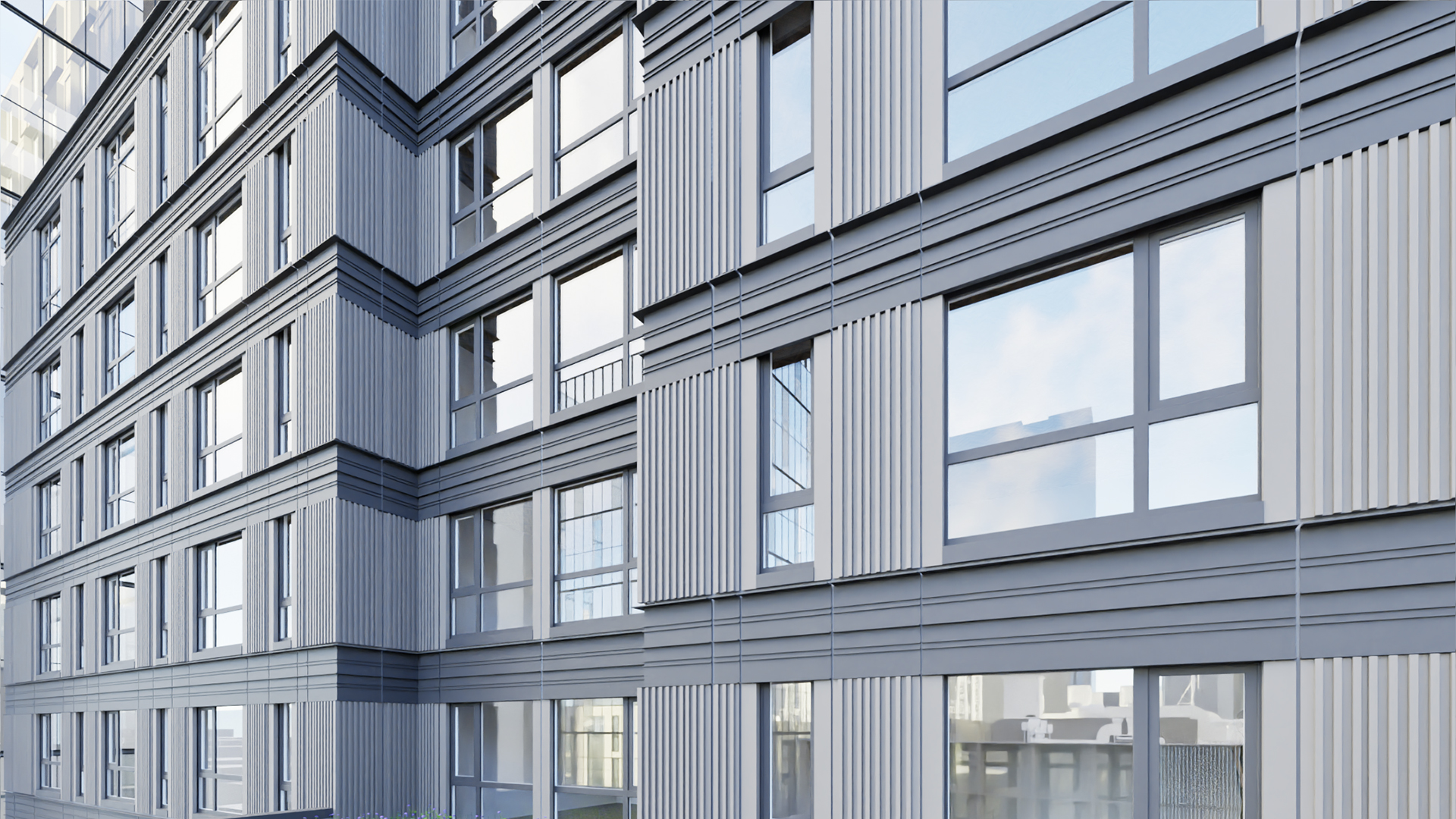
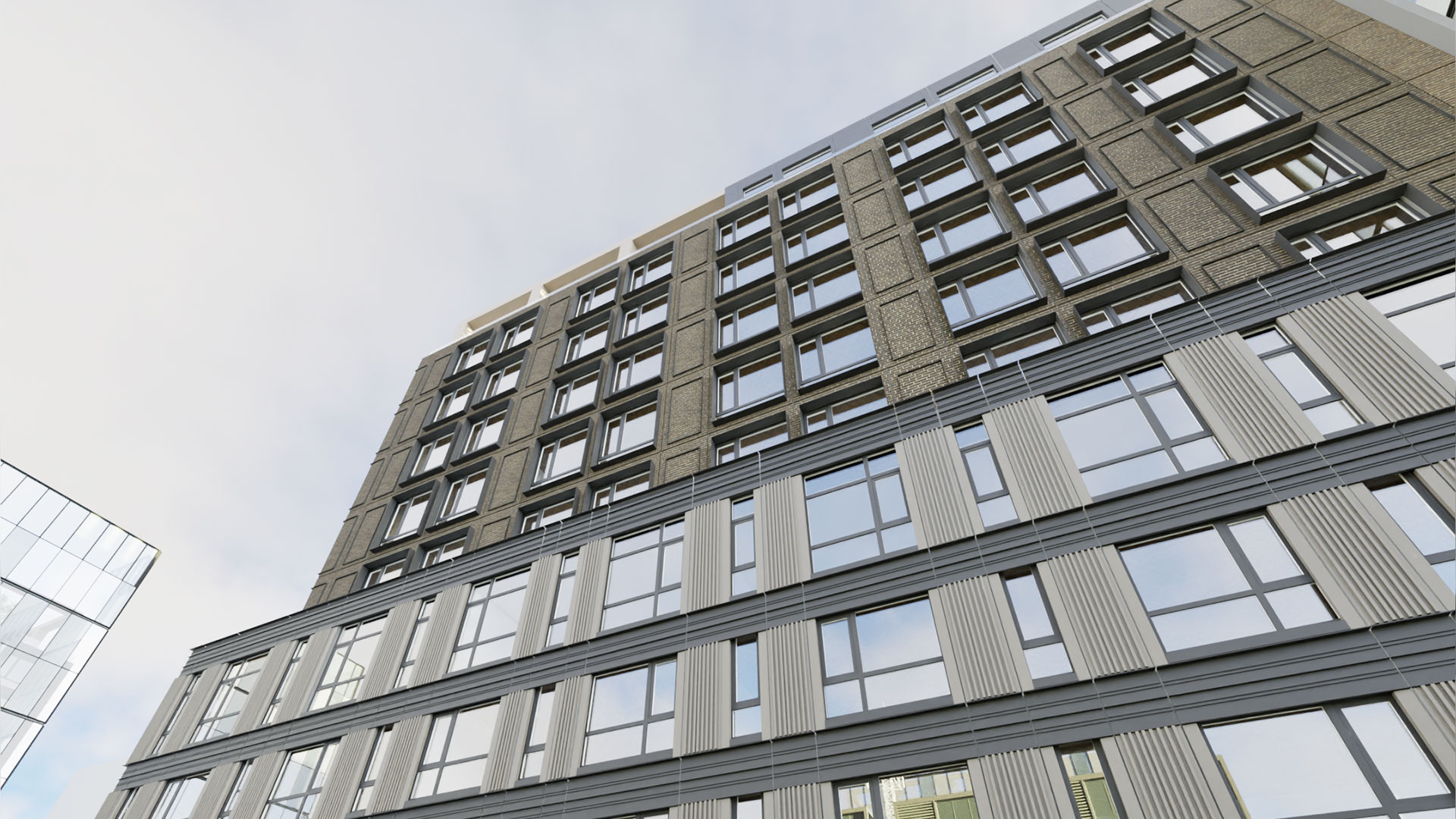
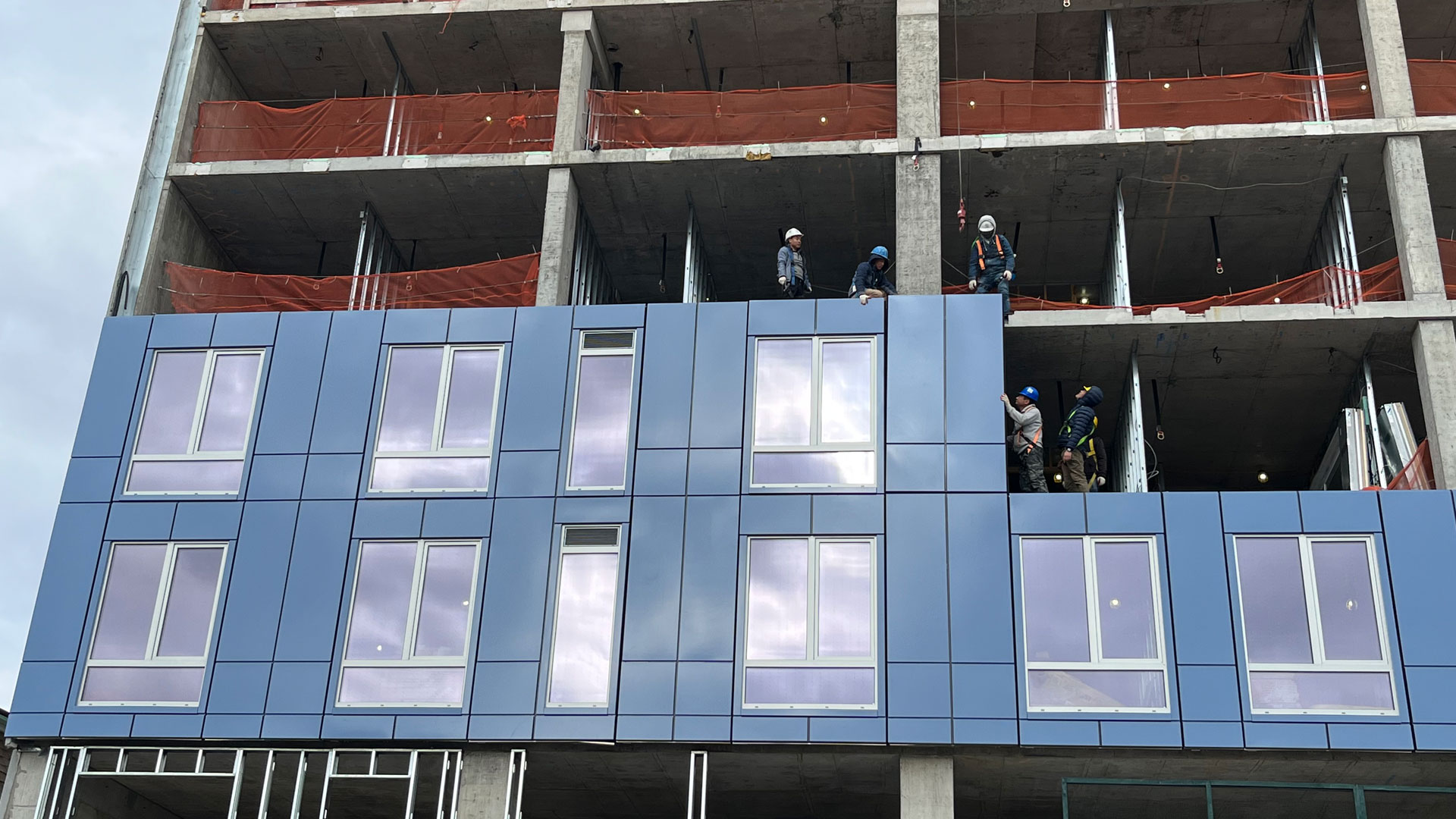
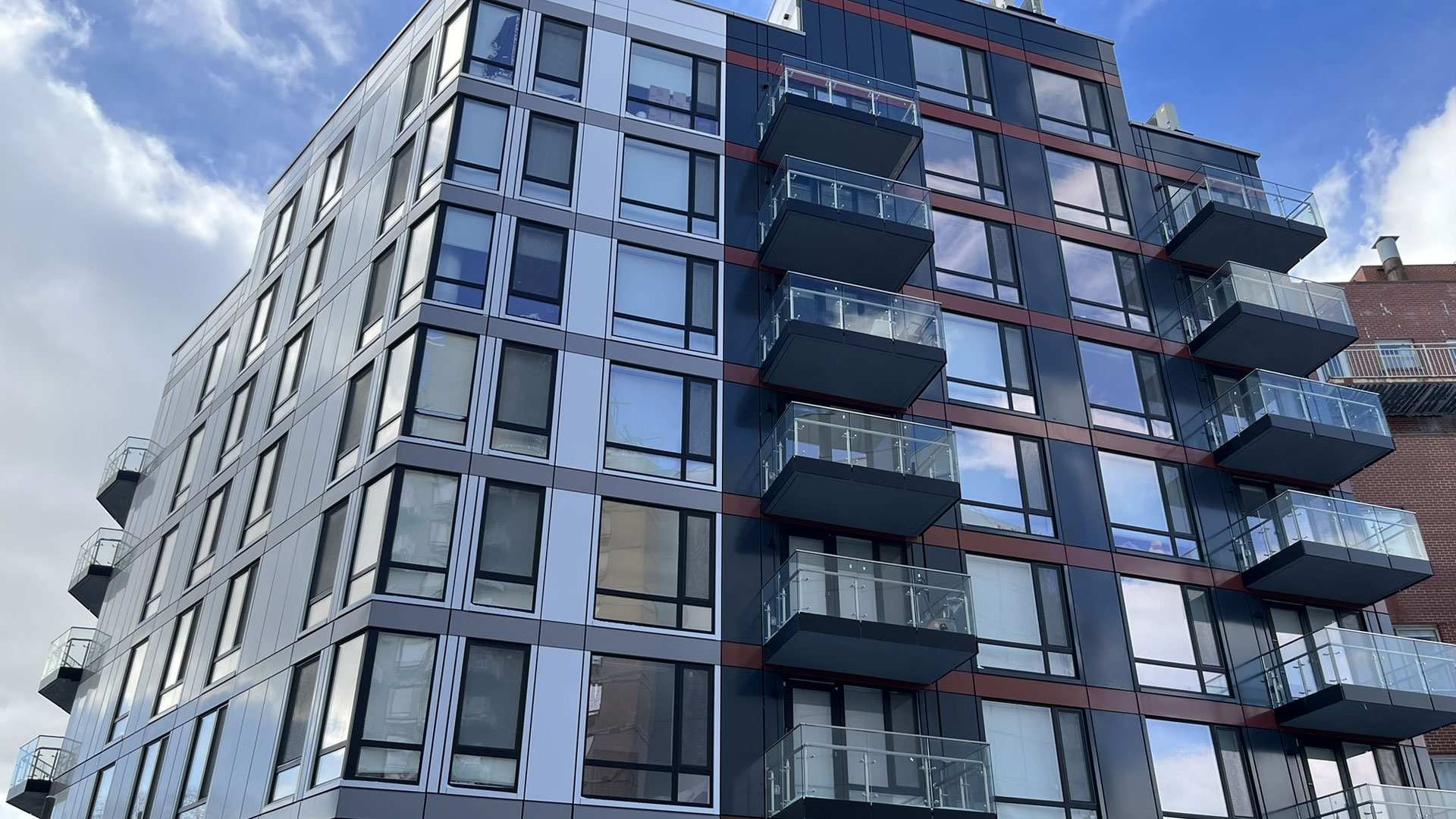
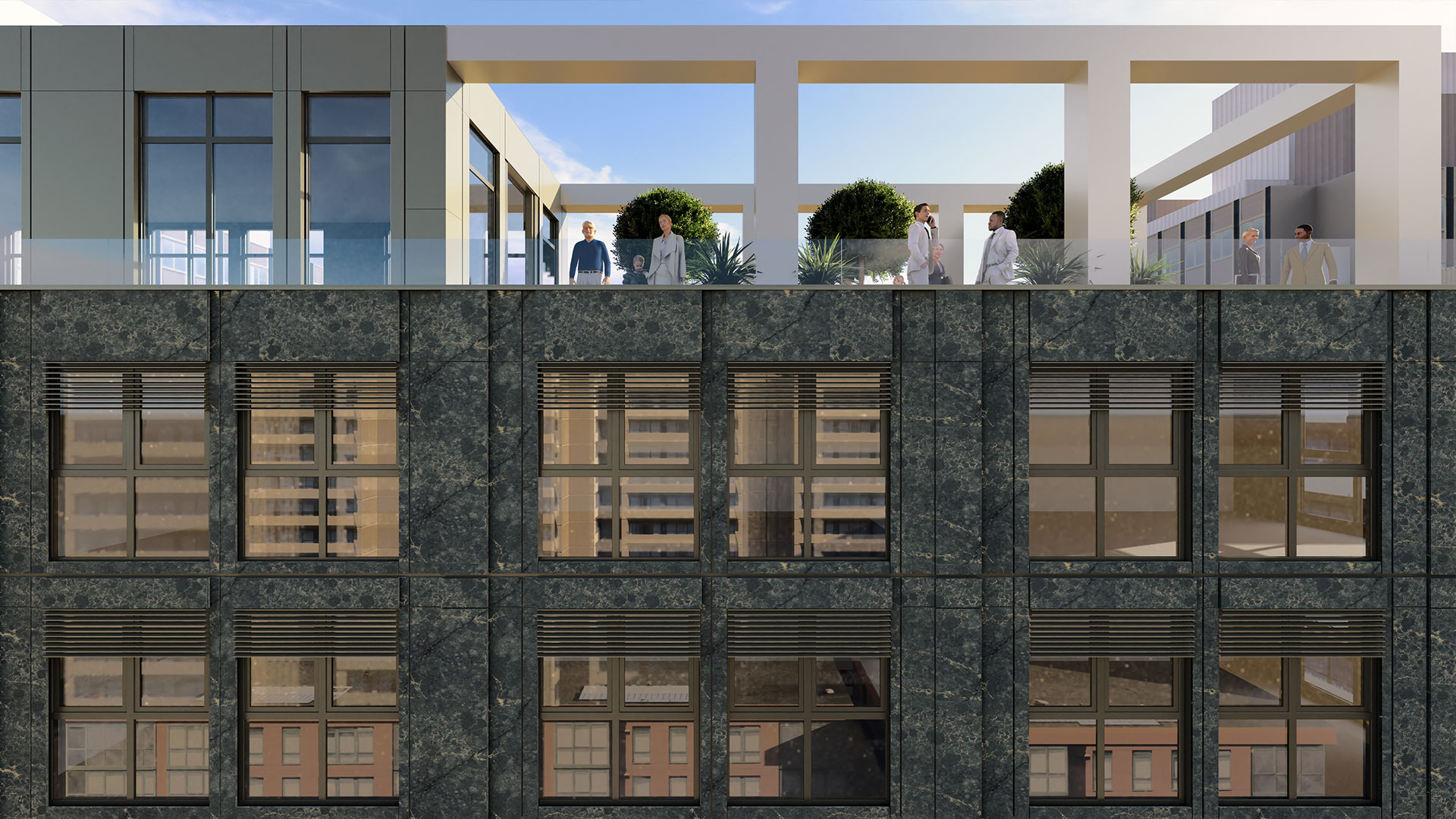
Instead of "glass everywhere," more high-rises are using curtain wall where full transparency matters and prefabricated panels where performance is the priority. Dextall is purpose-built for this hybrid approach, giving design and construction teams a prefab system that is specifically engineered to work alongside curtain wall on high-rise projects.
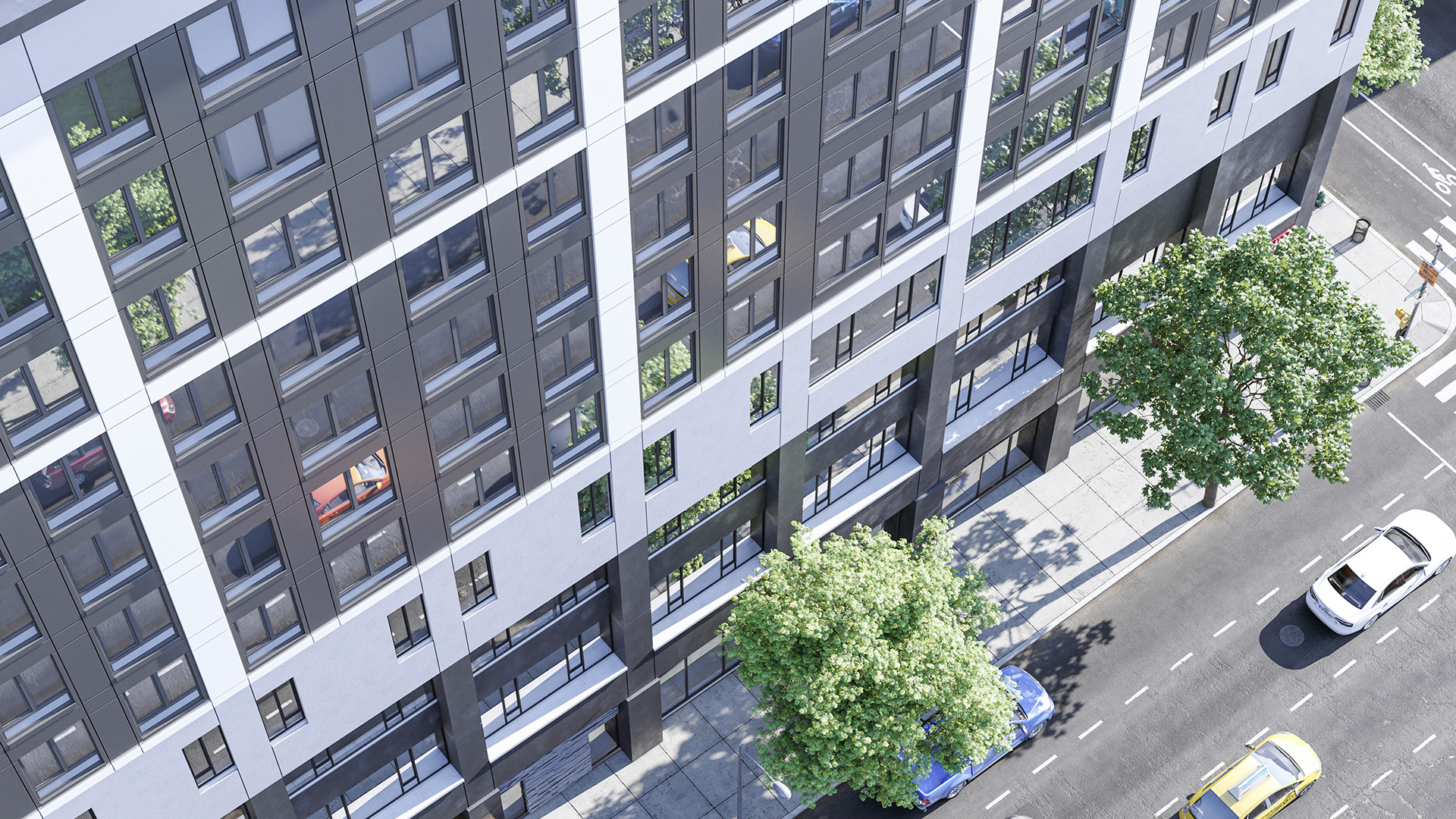
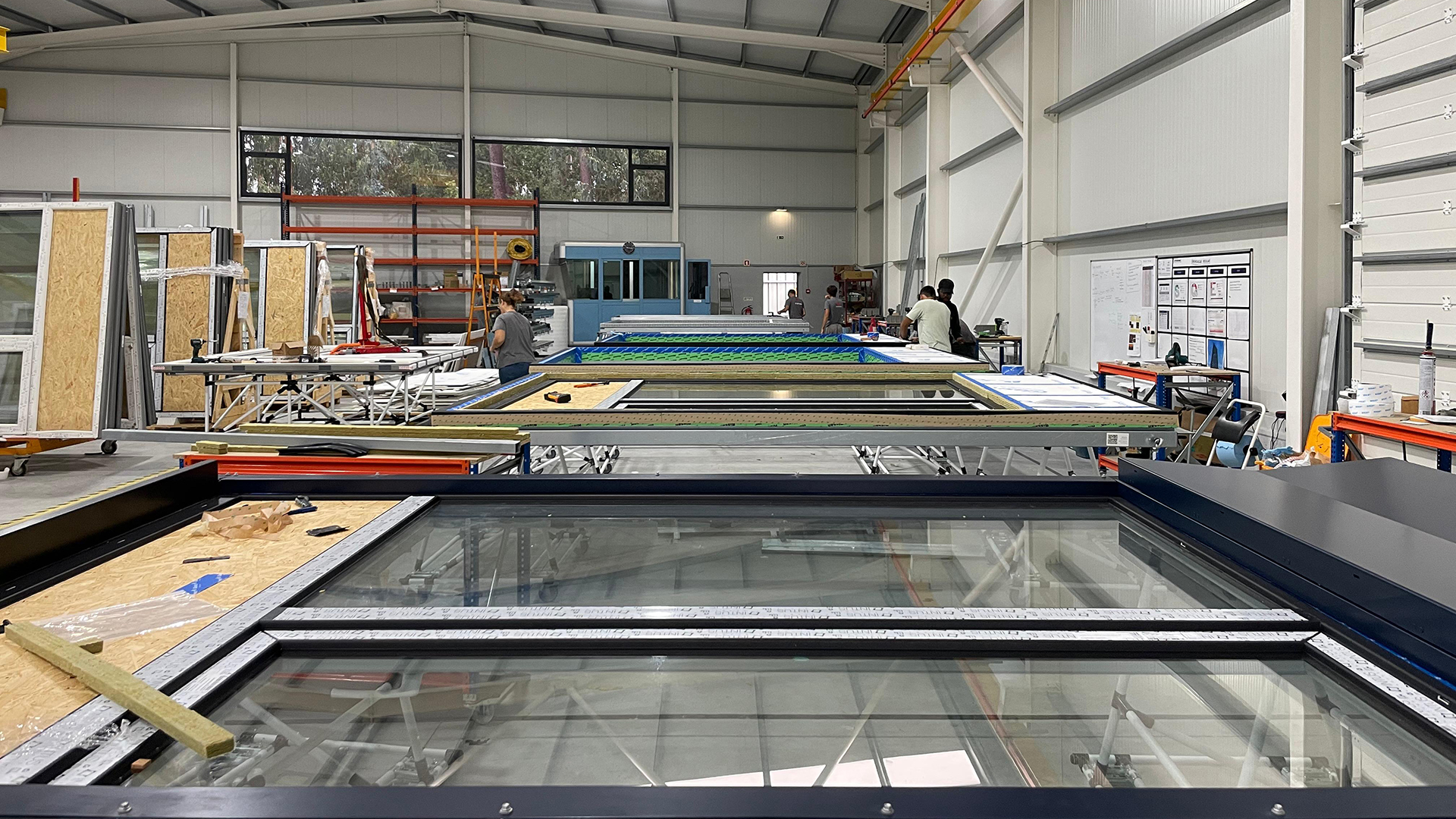
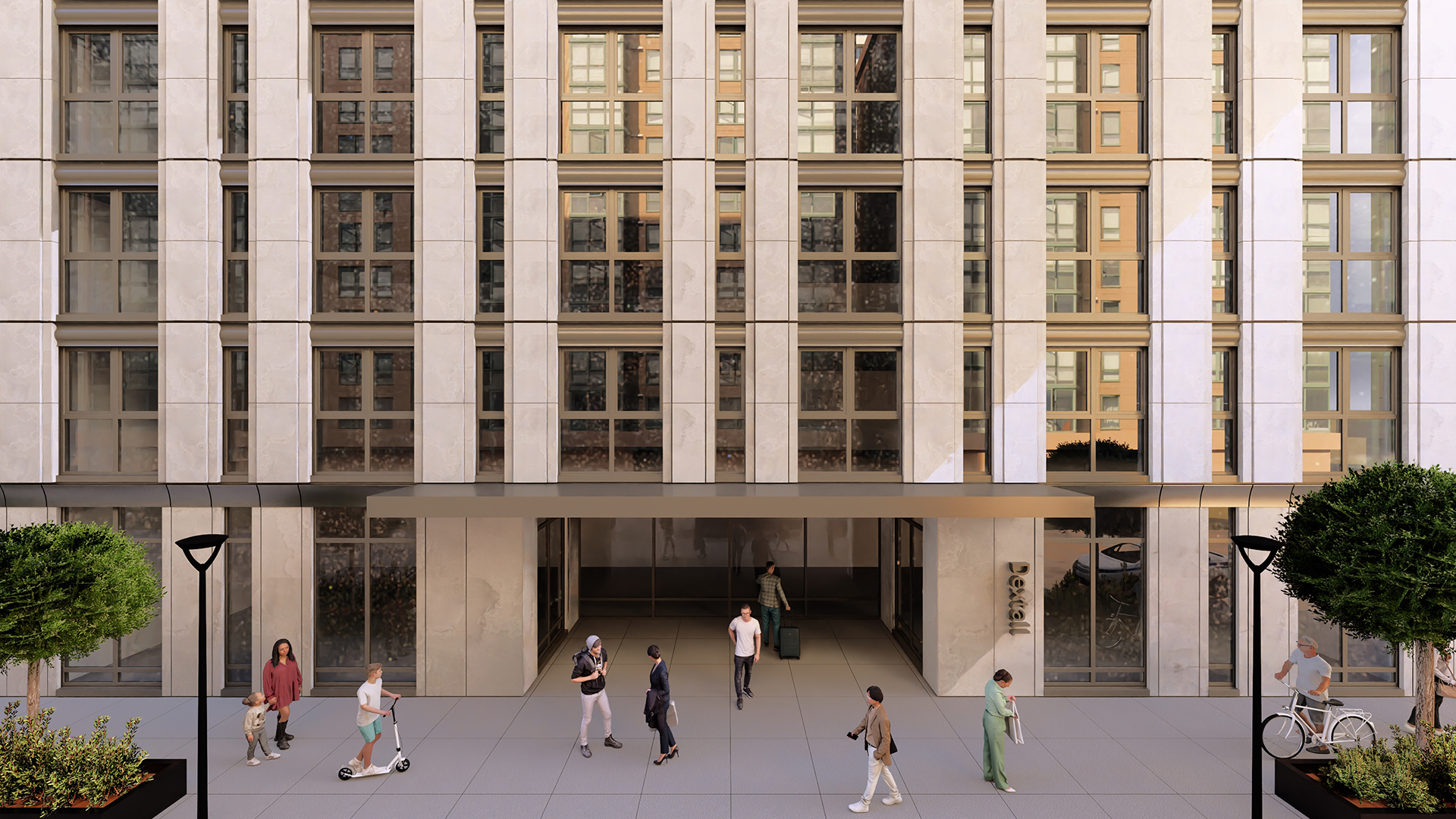
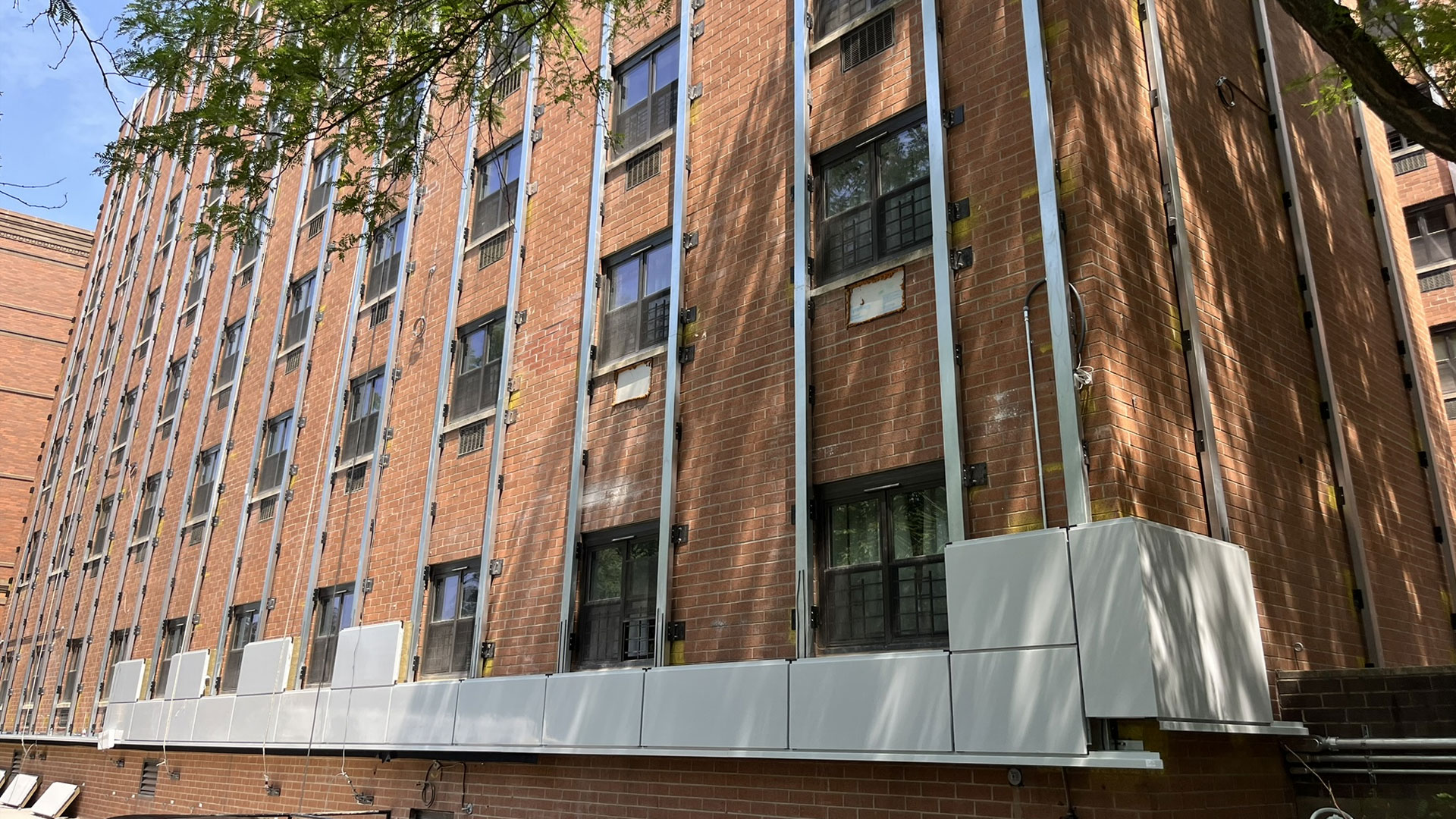
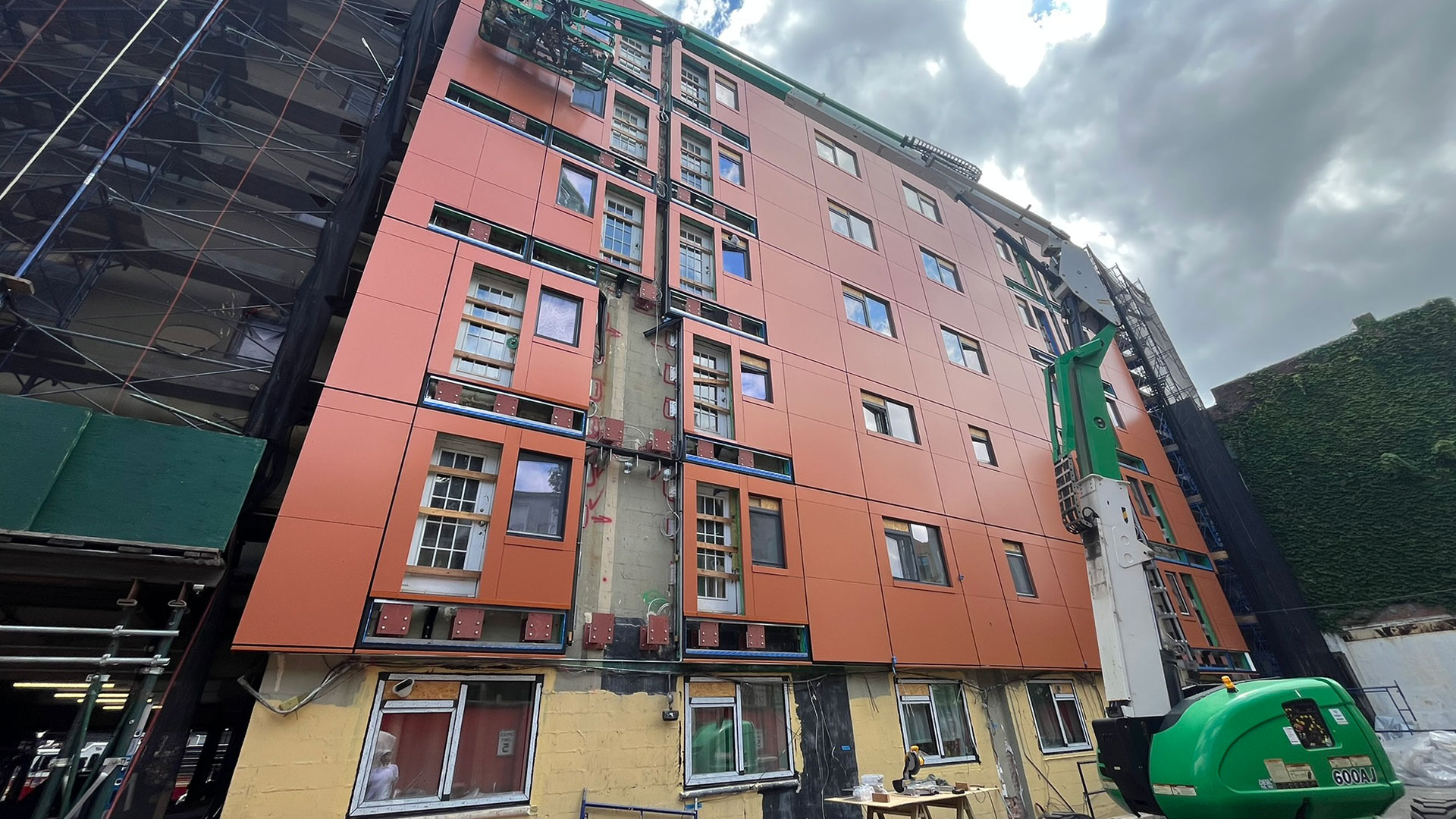
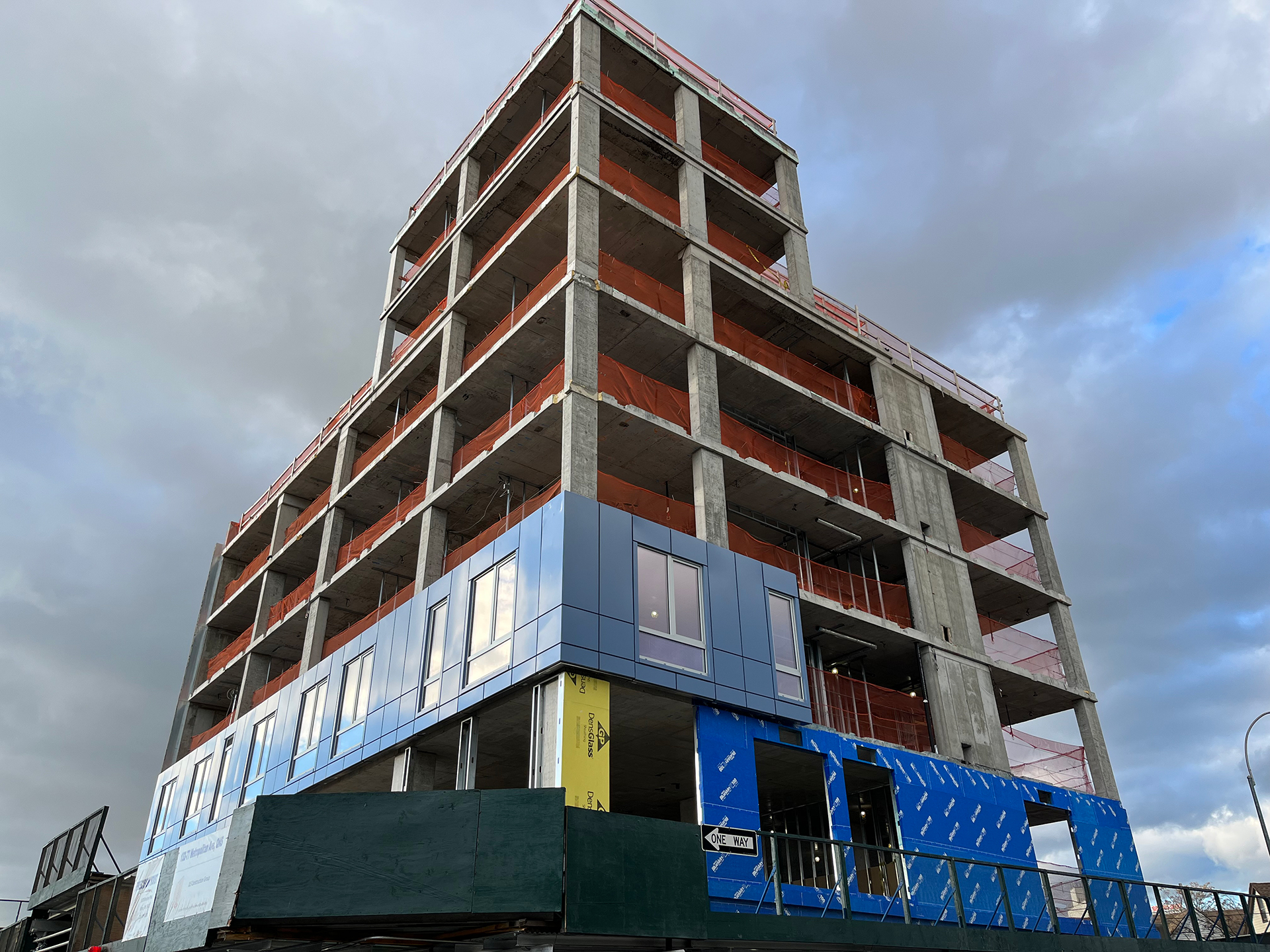
Dextall panels combine structure, continuous insulation, air/water barriers, and finished cladding in factory-built modules that tie cleanly into curtain wall. That means:
- Higher-performing opaque zones with reliable thermal and moisture control
- Less on-site risk, since critical detailing happens in a controlled environment
- Faster enclosure, as panels arrive ready to install in coordination with curtain wall
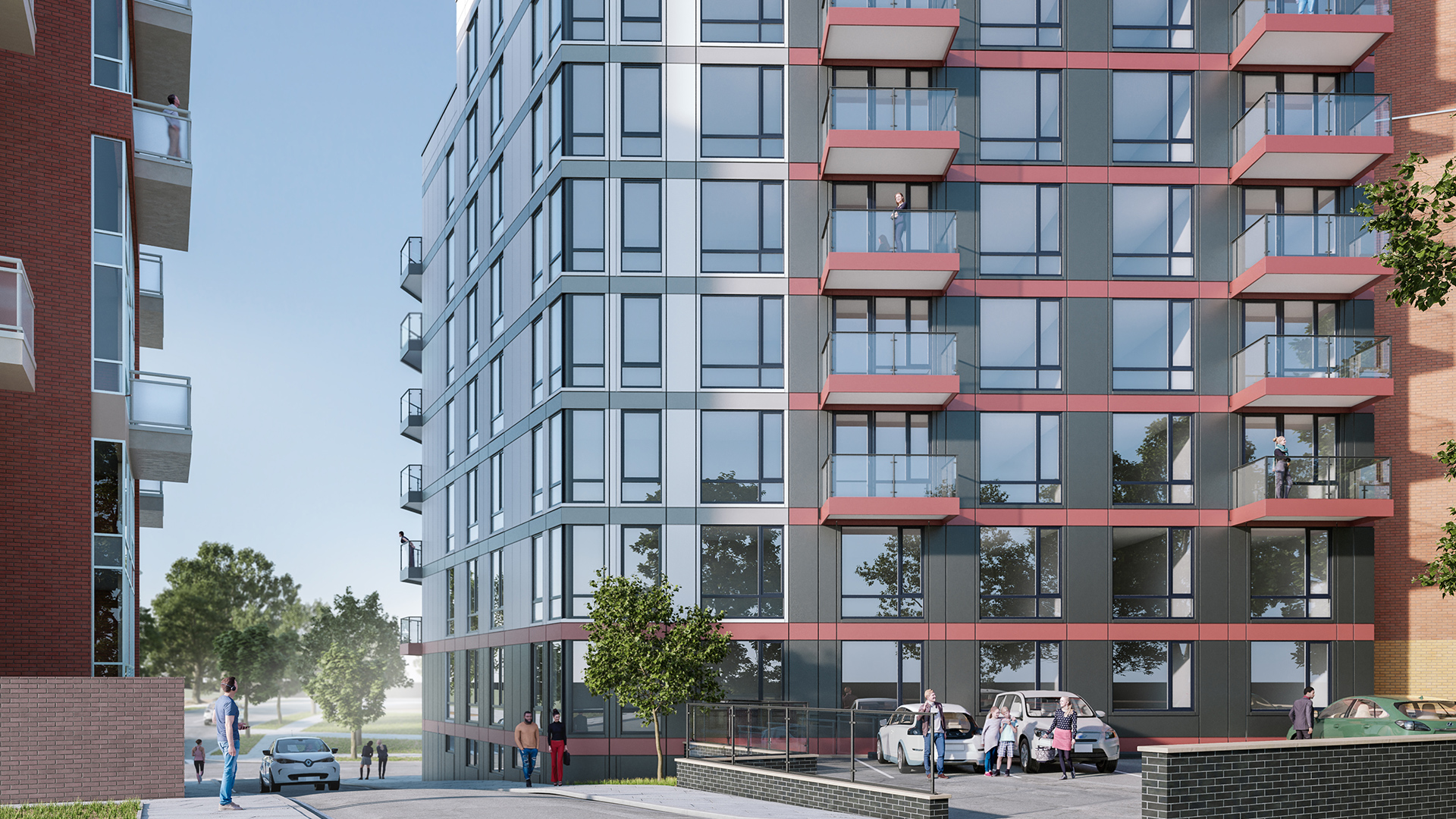
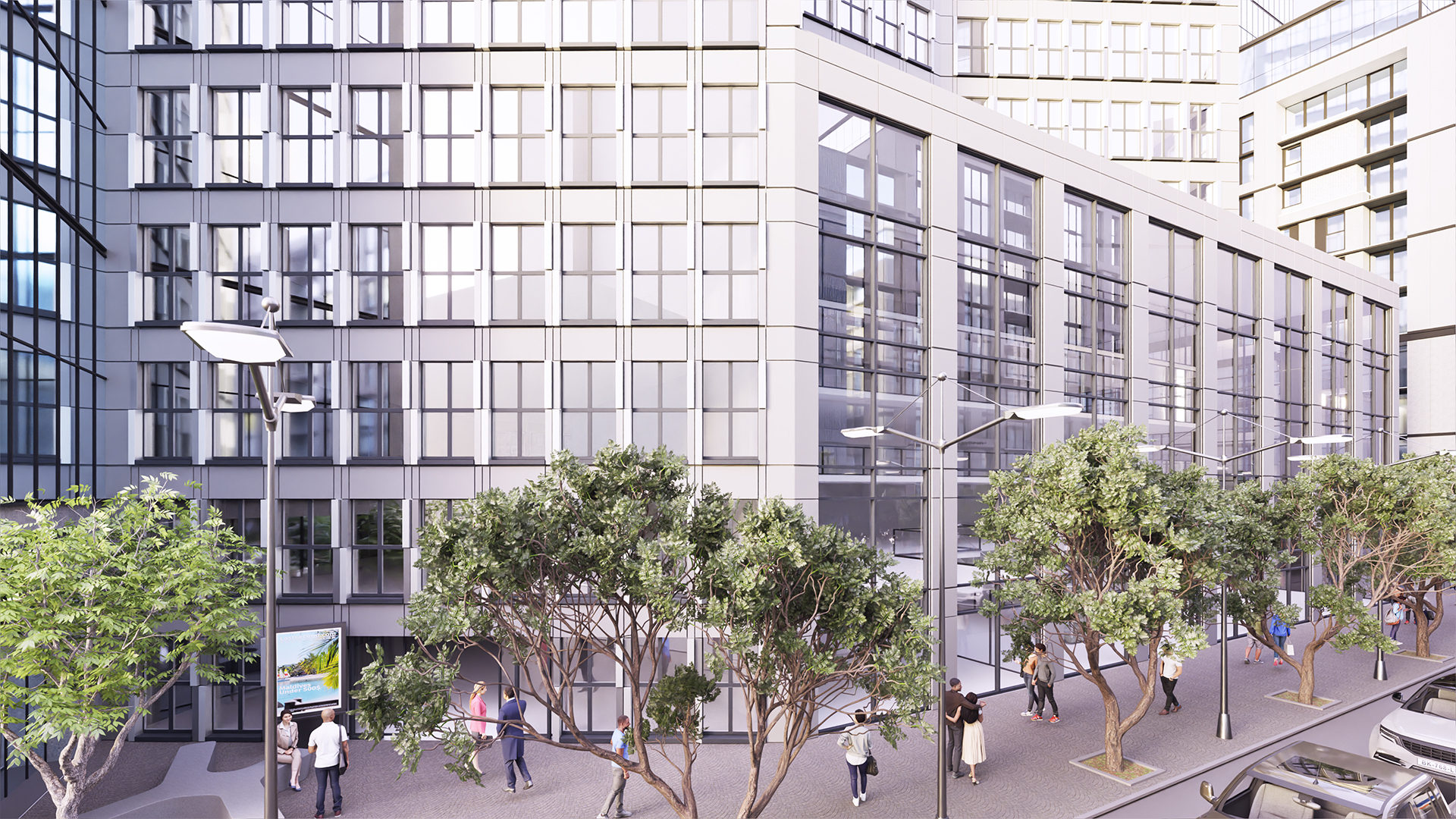
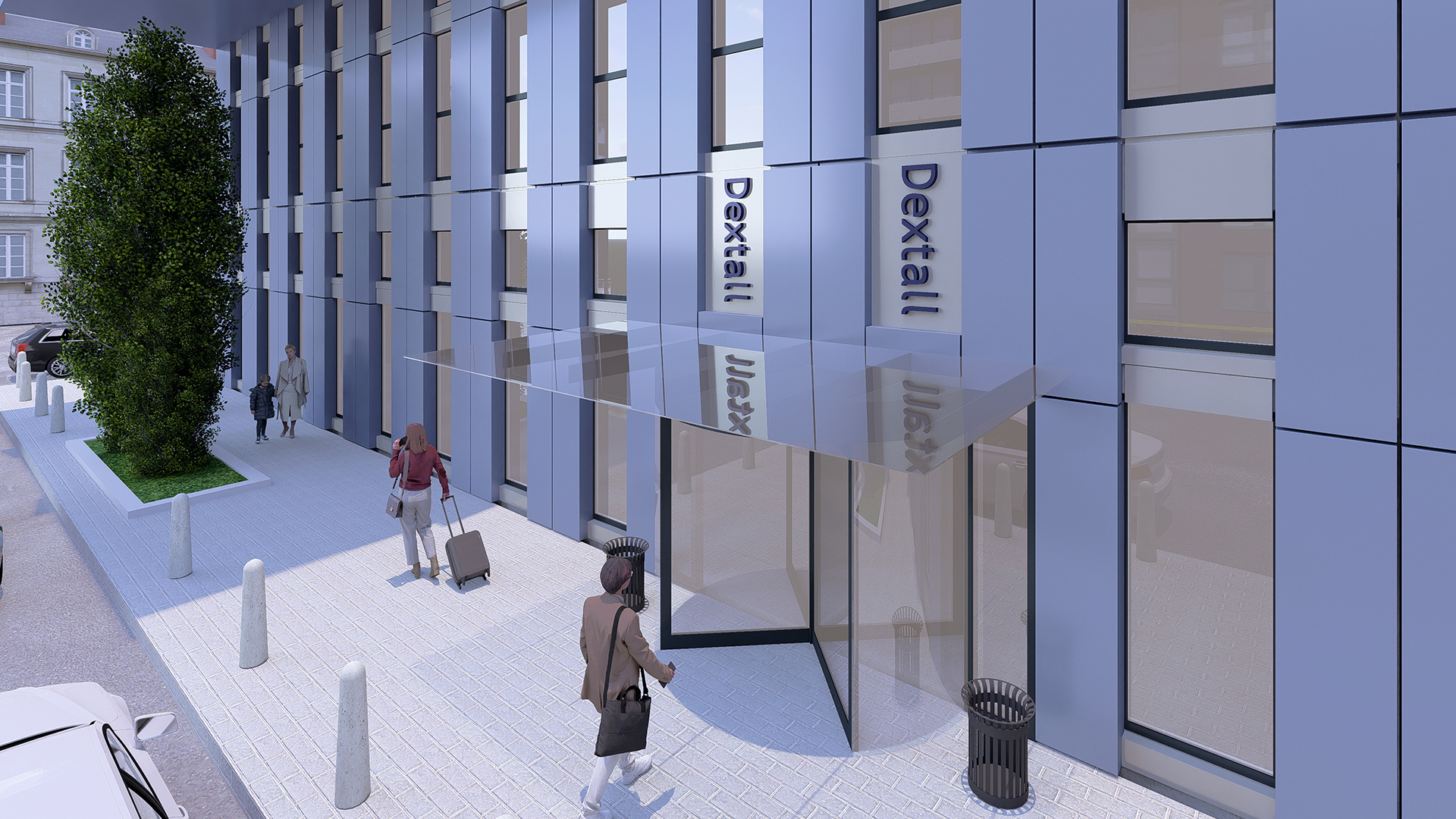
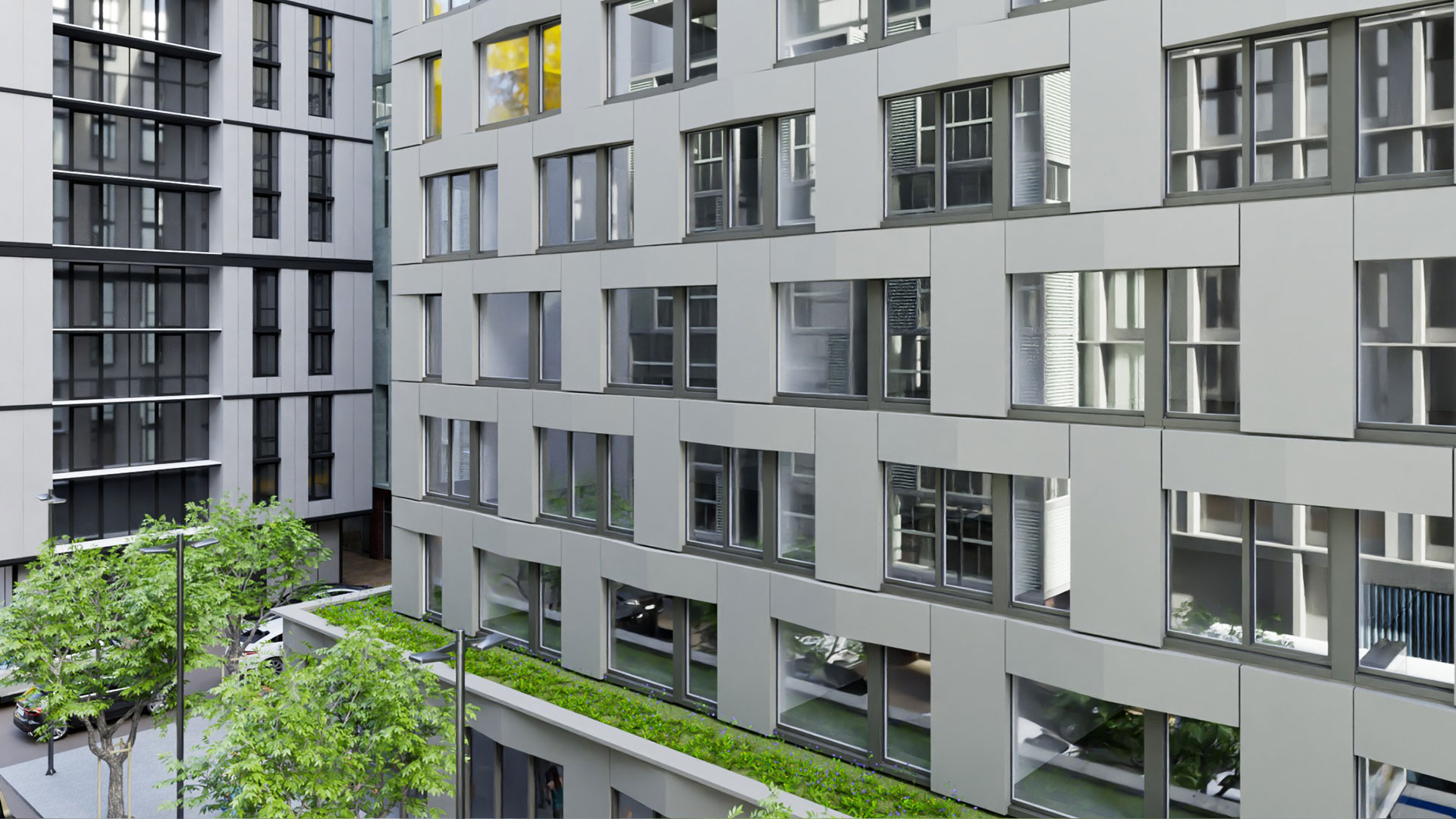
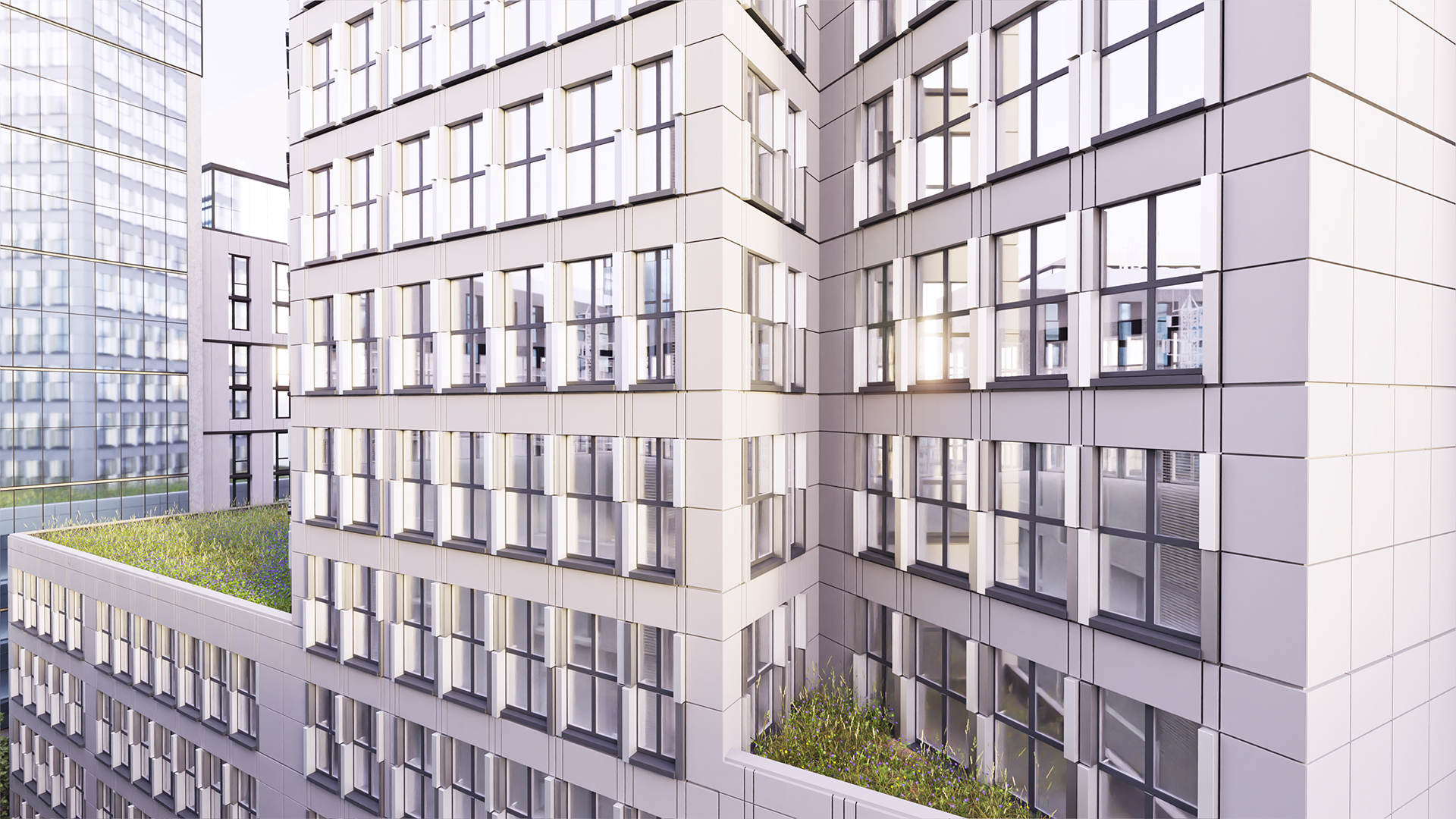
- A unified look, because Dextall can match modern curtain wall grids and finishes
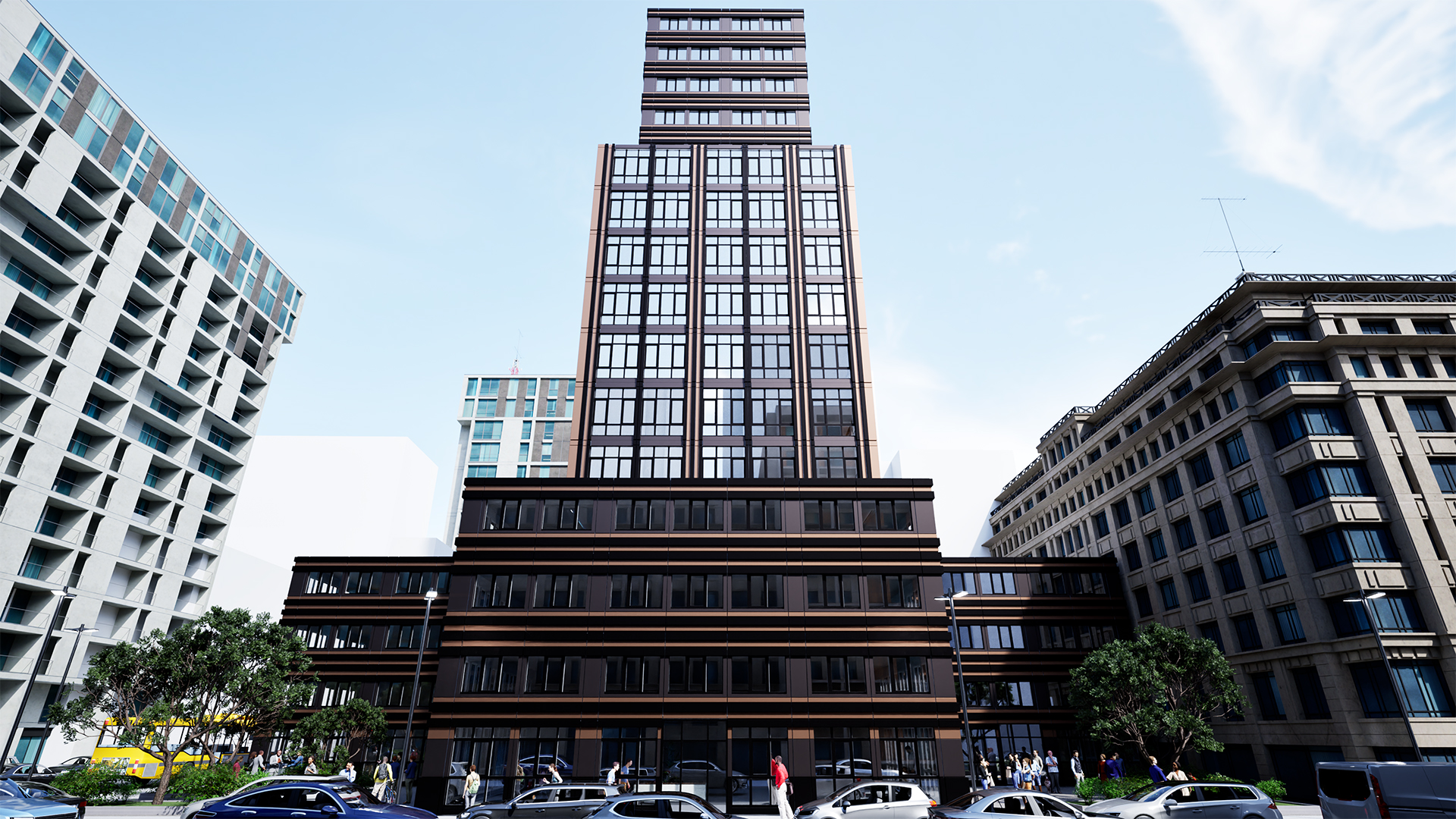
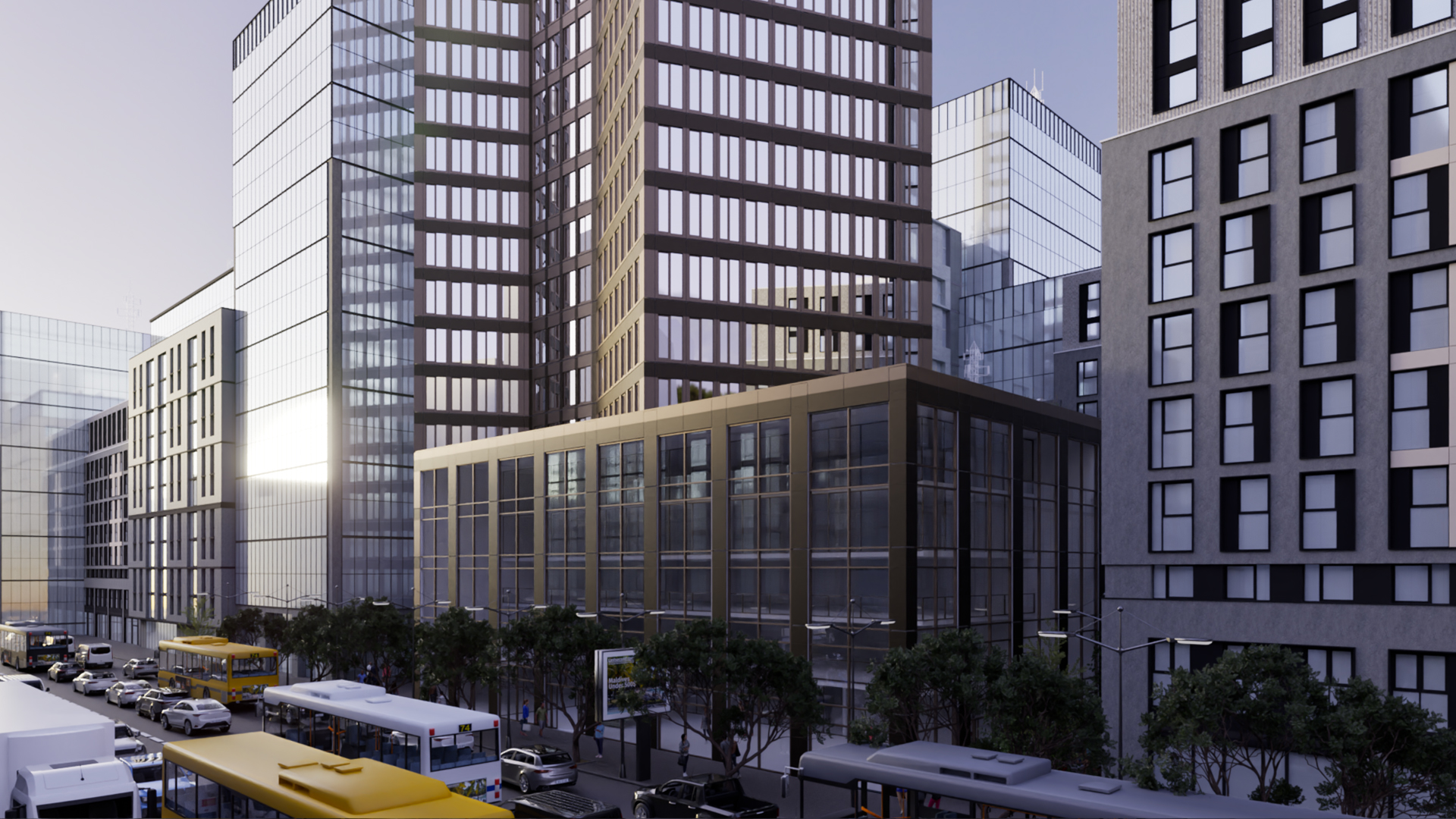
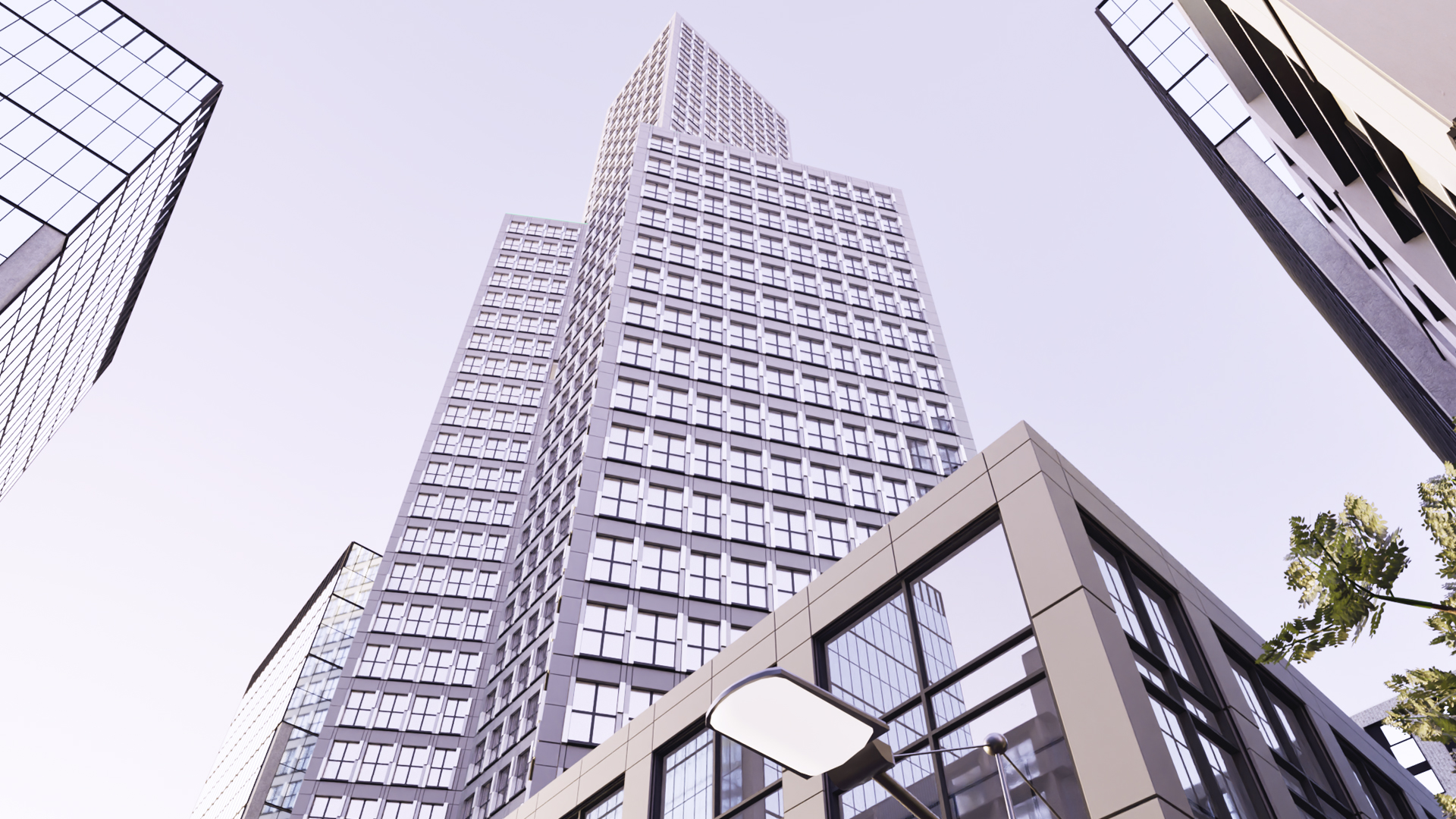
The result is a tower that still reads as a sleek glass building from the skyline—but behind that image, the envelope quietly performs at a much higher, more consistent level.
FAQ: Curtain Wall Systems for Modern Towers
What is a curtain wall system?
A non-load-bearing exterior facade (often glass + aluminum) that hangs off the structure, providing daylight, views, and weather protection without carrying floor or roof loads.
Why isn't an all-glass facade always a good idea?
It can look premium but often means glare, hot/cold perimeter zones, higher energy use, and more comfort complaints. Mixing vision glass with high-performance opaque areas usually works better.
How do modern curtain walls improve comfort?
They bring in controlled daylight, stabilize temperatures near the facade, and reduce city noise-so perimeter workstations feel usable, not like a different climate or a noisy zone.
What keeps curtain walls efficient over time?
Good thermal design, controlled condensation at frames/slab edges, and durable air/water tightness so the facade performs well years after installation, even as codes and weather demands increase.
What is a hybrid curtain wall + Dextall system?
Curtain wall is used where transparency matters, while Dextall prefab panels handle opaque zones with built-in insulation and air/water control. This combo boosts energy performance, reduces on-site risk, speeds enclosure, and still delivers a clean, modern tower look.











.jpeg)

-Compliance-for-NYC-Multifamily-%26-Co-Op-Facades.jpg)














_format(webp).avif)
_format(webp)%20(6).avif)
_format(webp)%20(5).avif)
_format(webp)%20(4).avif)
_format(webp)%20(2).avif)
_format(webp)%20(3).avif)


.avif)
_format(webp)%20(2).avif)