1000 Museum Miami: Hurricane-Resistant Facades in Coastal High-Rise Construction

Miami sits at the intersection of two forces that define modern facade engineering: relentless subtropical heat and catastrophic wind. For architects and developers building in coastal markets — from South Florida to New York's waterfront to Boston Harbor — the building envelope is not a design afterthought. It is a structural and regulatory challenge that determines whether a building survives a Category 4 storm intact.
In 2020, Zaha Hadid Architects completed One Thousand Museum at 1000 Biscayne Boulevard — a 62-story, 709-foot residential tower that reset expectations for high-rise facade engineering in hurricane-prone climates. The building's glass fiber reinforced concrete (GFRC) exoskeleton, designed by facade engineers e.construct, is the first permanent formwork construction system of its complexity and scale in the world. For mid-rise developers and architects working in coastal zones, the engineering decisions behind 1000 Museum offer a blueprint that translates directly to smaller projects.
What Makes 1000 Museum a Facade Engineering Benchmark
The GFRC Exoskeleton: Structure and Cladding in One
Most high-rise facades separate structure from skin. Steel or concrete frames carry loads; curtain wall or cladding panels fill the openings. At 1000 Museum, Zaha Hadid Architects collapsed this distinction. The building's white exoskeleton carries lateral loads, provides hurricane-resistant diagonal bracing, and serves as the architectural finish — simultaneously.
The material is glass fiber reinforced concrete (GFRC), which combines concrete's compressive strength with the tensile resilience of glass fiber reinforcement. e.construct designed the GFRC panels to withstand both the pressure of fresh concrete poured during construction and hurricane-force wind loads during the building's operational life. The structural system fans out at the base, meets at the corners of the tower, and forms a rigid tube — a configuration specifically engineered to transfer Miami's demanding wind loads to the foundation.
Permanent Formwork — a World-First Technique
Traditional construction uses formwork as temporary scaffolding: pour the concrete, strip the forms, repeat. At 1000 Museum, the GFRC cladding panels stayed in place permanently, becoming the finished exterior surface. This permanent formwork approach eliminated the labor-intensive process of stripping and removing traditional formwork after each pour, compressing the construction timeline on a 62-story building.
According to e.construct, this was the first application of permanent formwork construction at this level of complexity and scale anywhere in the world. The technique required precise value engineering — reducing structural member sizes to make the system buildable — while maintaining the structural performance required for a building in one of the most stringent hurricane zones in the United States.
Designed for Hurricane-Force Loads
Miami falls entirely within the High Velocity Hurricane Zone (HVHZ), a designation under the Florida Building Code that imposes the most stringent envelope requirements in the country. Design wind speeds in coastal areas under ASCE 7-22 reach 170 to 180 mph depending on location and risk category.
At 1000 Museum, the exoskeleton's diagonal geometry does more than define the building's silhouette. The curving structural members create passive shading that reduces solar heat gain and, critically, form a hurricane-resistant frame that transfers wind loads directly to the foundation. Every cladding decision — material selection, panel geometry, connection detailing — was made against the backdrop of Miami-Dade's hurricane testing requirements.
How Miami's Building Code Shapes Every Facade Decision
High Velocity Hurricane Zone Requirements
The HVHZ designation affects every component that touches the building envelope. In HVHZ, the entire exterior — windows, unitized curtain walls, cladding panels, and doors — must resist wind-borne debris impact. This requirement is not limited to glazing. Solid panels, metal cladding, and composite systems all require product approval demonstrating compliance with HVHZ protocols.
Every product used in an HVHZ project must carry a permanent label identifying the manufacturer, product approval number, design pressures, and test data. This documentation requirement pushes developers and architects toward systems with established certification records — and away from improvised or unverified field-assembled solutions.
ASTM E1996 — the Impact Testing Standard
The primary performance standard for hurricane-exposed glazing and prefabricated facade systems in hurricane zones is ASTM E1996 — the Standard Specification for Performance of Exterior Windows, Curtain Walls, Doors, and Impact Protective Systems Impacted by Windborne Debris in Hurricanes. Both the 2023 Florida Building Code and the 2021 International Building Code adopt ASTM E1996-17.
ASTM E1996 defines two missile test levels based on height above grade. Glazed openings within 30 feet of grade must pass the large missile test — a 2x4 lumber projectile at specified velocity. Openings above 30 feet must pass the small missile test using two-gram steel balls at high speed. Both tests are followed by cyclic pressure loading to verify structural integrity under sustained wind conditions. For a 62-story building, the vast majority of glazed area faces the small missile test — but system-level requirements for air and water infiltration under pressure apply to every floor.
Design Wind Speeds: 170–180 mph
The practical consequence of HVHZ classification is a design wind speed that exceeds almost every other U.S. construction market. Under ASCE 7-22, coastal areas in South Florida design for 170 to 180 mph ultimate wind speeds. New York City's design wind speed under the same standard is approximately 115 mph; Chicago sits around 105 mph.
This gap explains why facade systems designed for South Florida represent the performance ceiling for most U.S. projects. A curtain wall assembly certified for Miami-Dade HVHZ requirements carries credentials that exceed what most other markets demand — making it straightforward to deploy in secondary coastal markets with less stringent requirements.
Lessons for Mid-Rise Construction in Coastal Markets
Factory Quality Control Beats Field Exposure
Post-hurricane building investigations consistently identify installation joints as the primary failure point — sealant failures, improperly anchored panels, and field-cut openings that bypass tested assemblies. A system that passes ASTM E1996 in a laboratory can fail in a hurricane if field installation deviates from the tested configuration.
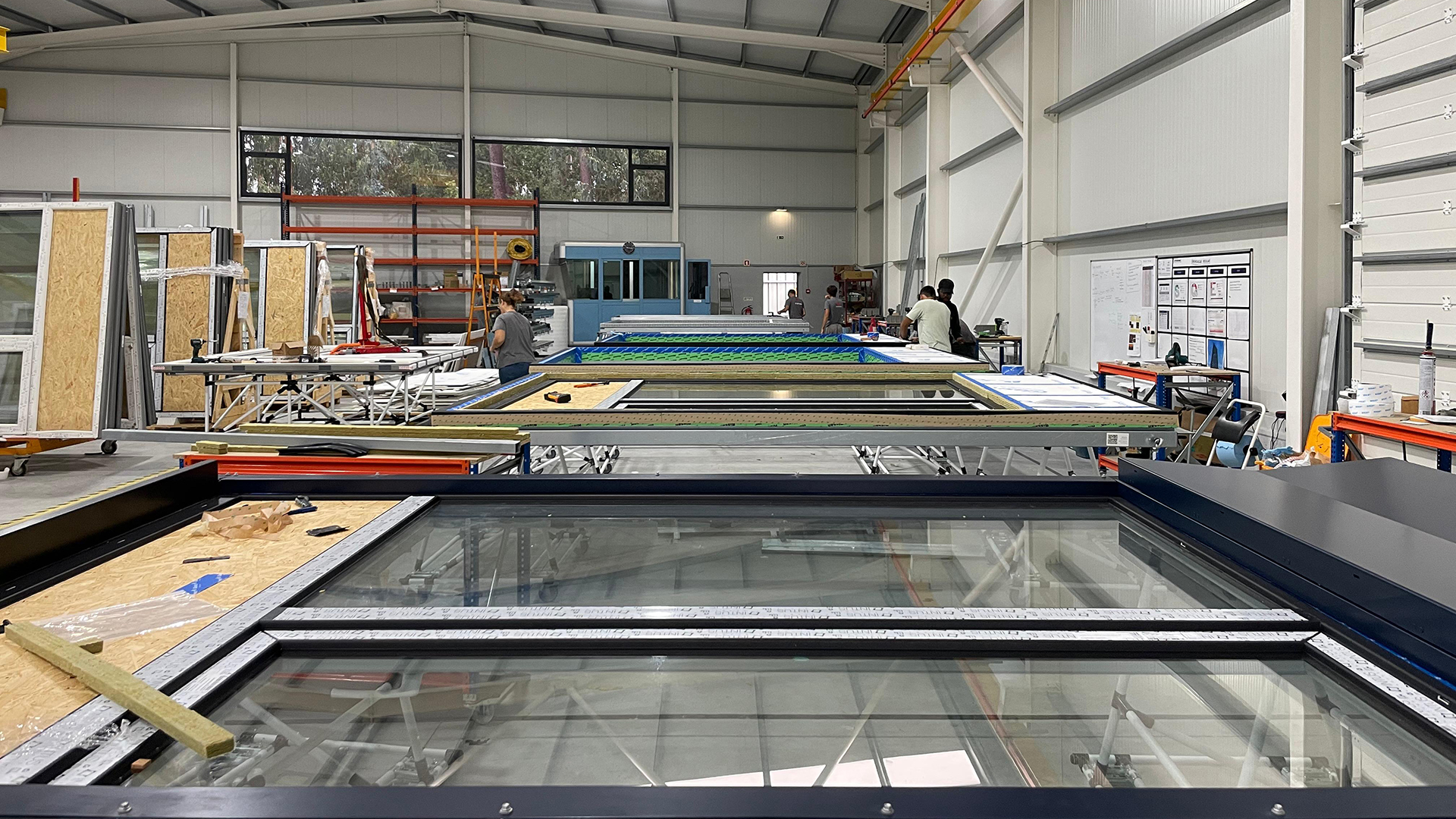
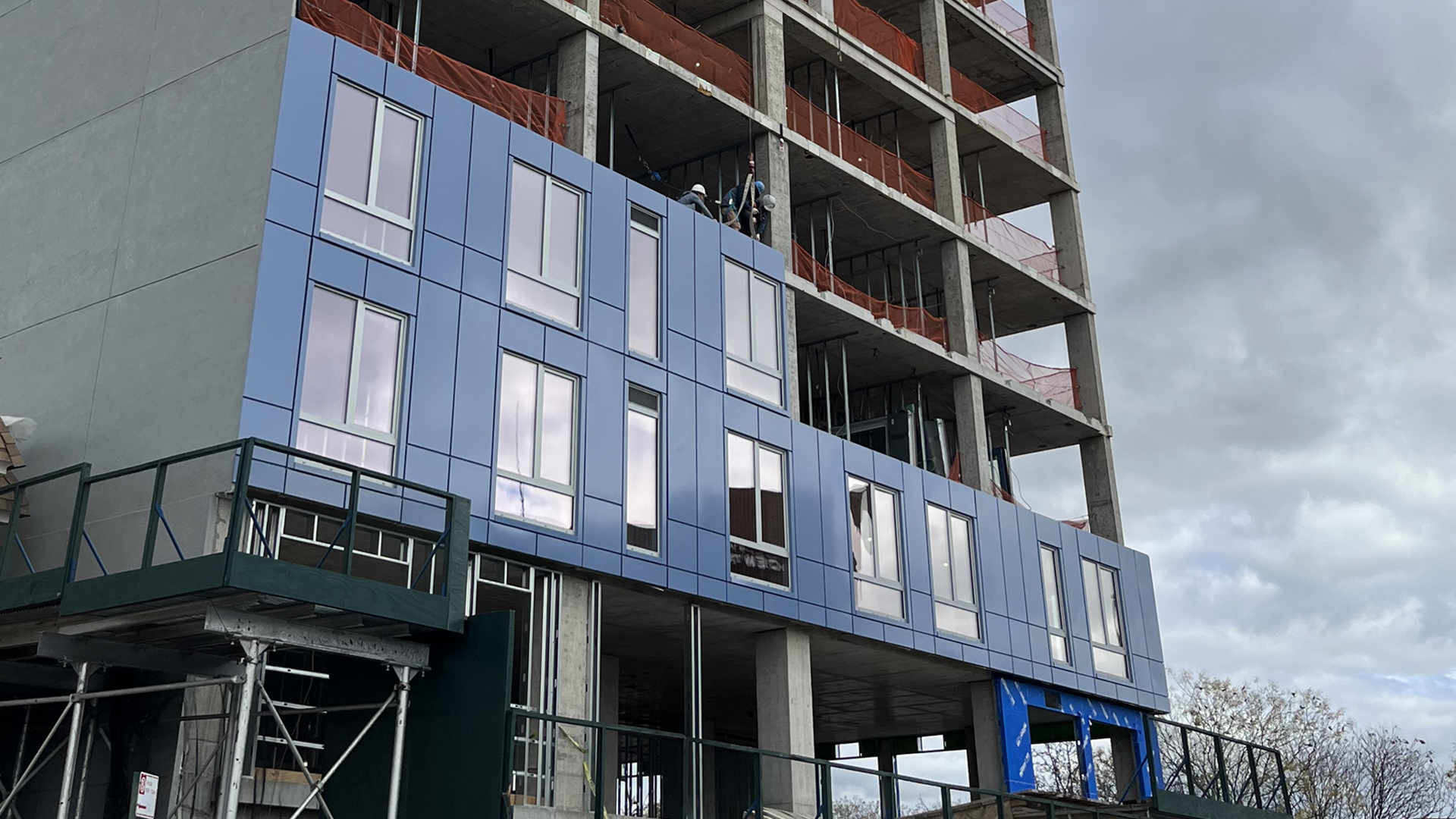
Factory-fabricated facade systems reduce this risk by completing most assembly under controlled conditions before panels arrive on site. The testing performed on the system reflects the assembly as manufactured, not a field recreation of tested conditions. Installation becomes alignment and anchorage, not fabrication. For prefabricated facade panels, the gap between tested performance and installed performance is substantially narrower than for field-built alternatives.
Column-Free Interiors Through Perimeter Envelope Design
The structural logic behind 1000 Museum's exoskeleton — transferring lateral loads through the perimeter rather than through internal columns — applies directly to mid-rise design. At 10 to 20 stories, a high-performance perimeter facade system can reduce the internal column grids that constrain residential and mixed-use floor plans.
For developers, this means larger units and more flexible layouts. For architects, it opens the floor plate to configurations that aren't possible when wind bracing runs through the building's core. The 1000 Museum exoskeleton took this principle to a 62-story extreme; mid-rise projects achieve the same logic with unitized facade panels engineered for tall buildings.
Speed of Installation in Storm-Season Markets
Florida's hurricane season runs from June through November. A project in Miami or along the Gulf Coast that begins envelope work in summer faces a six-month window of weather risk. Unitized facade systems — factory-assembled and craned into place floor by floor — compress the on-site installation window compared to stick-built curtain wall or field-applied cladding.
Faster envelope closure means earlier weather-tight status, less risk of water intrusion during construction, and a shorter exposure window before materials are fully sealed. In storm-season markets, this schedule advantage is not just a cost factor — it is a risk management decision that affects construction insurance, draw schedules, and project delivery timelines.
Practical Applications for Dextall Market
Coastal Certifications for Prefab Facade Systems
Dextall's D Wall® prefabricated facade panels are engineered to meet ASTM standards for wind and water performance — the same certification pathway required for high-rise envelope systems in coastal markets. When a developer specifies a prefab panel system for a coastal project, the documentation trail from factory testing to installed assembly is clear and defensible.
For projects targeting LEED certification, energy code compliance, or incentive programs in coastal states, tested and documented prefab systems deliver the performance data that field-built alternatives often cannot match. The Dextall Studio design platform enables architects to specify and document panel configurations directly, connecting design intent to factory production without the translation errors that accumulate in conventional procurement chains.
NYC Waterfront, Boston Harbor, Miami — Growing Markets
All three of Dextall's active markets include significant coastal development zones. New York City's waterfront rezoning in Brooklyn and Queens has produced dozens of mid-rise residential projects within blocks of the water. Boston's Seaport District is one of the most active development corridors in New England. Each environment presents wind load, moisture exposure, and salt air conditions that reward factory-certified, high-performance envelope systems over field-assembled alternatives.
The lessons from 1000 Museum — GFRC performance under hurricane loads, HVHZ certification requirements, the advantage of factory-tested assemblies — apply directly to the 8- to 20-story multifamily and mixed-use projects that define Dextall's market. Earlier articles in this series examined supertall curtain wall engineering at Brooklyn Tower and unitized systems at 400 Lake Shore Drive — both projects where factory quality and installation speed shaped the outcome.
How Unitized Systems Meet HVHZ Requirements
Unitized curtain wall panels — factory-assembled, pressure-equalized, and tested as complete units — are the industry standard for high-performance facades in hurricane markets. Each panel ships as a complete assembly including framing, glazing, insulation, and connections. On site, installation crews anchor units to the structural frame without field fabrication.
Pressure equalization is a key design principle: water that enters the outer face of the panel drains through an internal cavity before reaching the interior air seal. Under the cycling wind pressures of a hurricane, this design prevents the water infiltration that damages conventionally glazed assemblies. For mid-rise projects in coastal markets, unitized and prefabricated systems represent the most reliable path to a building envelope that performs as tested. The Apple Store Miami project demonstrated how prefab construction principles are gaining mainstream acceptance in South Florida — coastal performance requirements included.
Key Takeaways
- 1000 Museum's GFRC permanent formwork exoskeleton is the first system of its kind and scale globally, designed for HVHZ wind loads of 170–180 mph.
- Miami's HVHZ classification requires the entire building envelope — not just glazing — to meet impact and pressure resistance standards under ASTM E1996.
- Factory-fabricated facade systems eliminate the field installation variables that cause envelope failures in post-hurricane investigations.
- Perimeter structural facades free interior floor plates for flexible residential and mixed-use layouts at any height.
- Mid-rise projects in NYC waterfront, Boston Harbor, and coastal mid-Atlantic markets benefit from the same certification principles that shaped 1000 Museum's engineering approach.
FAQ
What is the High Velocity Hurricane Zone and which cities fall under it?
The High Velocity Hurricane Zone (HVHZ) is a designation under the Florida Building Code covering Miami-Dade and Broward counties. In HVHZ, the entire building envelope — windows, curtain walls, cladding, and doors — must resist wind-borne debris impact. Design wind speeds in HVHZ reach 170 to 180 mph under ASCE 7-22.
How does ASTM E1996 impact testing work for curtain wall assemblies?
ASTM E1996 defines two missile test levels based on height above grade. Openings within 30 feet of grade face the large missile test — a 2x4 lumber projectile at specified velocity. Openings above 30 feet face the small missile test — two-gram steel balls at high speed. Both tests are followed by cyclic pressure loading to verify structural integrity under sustained wind conditions.
What makes GFRC different from standard precast concrete cladding?
Glass fiber reinforced concrete (GFRC) combines concrete's compressive strength with tensile resilience from glass fiber reinforcement. Compared to standard precast, GFRC is thinner, lighter, and capable of complex curved geometries. These properties made it suitable for the combined structural and architectural role it plays at 1000 Museum.
Can prefabricated facade panels be certified for hurricane zone requirements?
Yes. Prefabricated facade panels can be tested and certified to ASTM E1996 and HVHZ product approval requirements. Factory-assembled systems are tested as complete units, so the installed assembly matches the tested configuration — a key advantage over field-built alternatives where site modifications can void test compliance.
What are the most common envelope failure points in coastal high-rise buildings?
Post-hurricane investigations consistently identify installation joints as the primary failure source — sealant failures, improperly anchored panels, and field-cut openings that bypass tested assemblies. Factory-fabricated systems reduce these risks by completing most assembly under controlled conditions before delivery to site.
Disclaimer
Dextall is not involved in the One Thousand Museum project. This article analyzes publicly available information about Zaha Hadid Architects' design to explore how principles from large-scale coastal facade projects can inform mid-rise construction strategies in the U.S. market. For questions about One Thousand Museum, contact the building's sales office. For information about Dextall's prefabricated building envelope solutions, visit dextall.com.
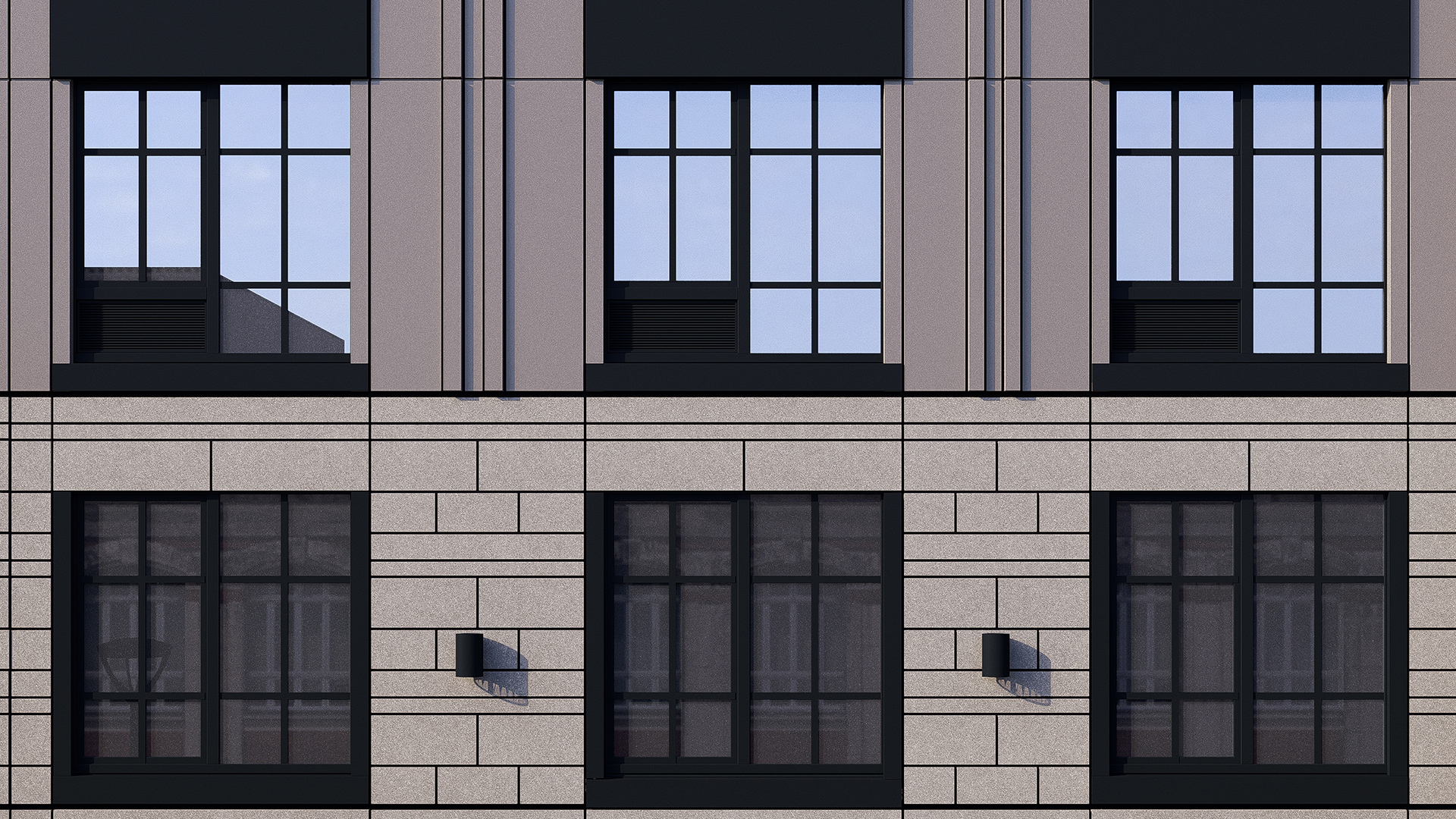
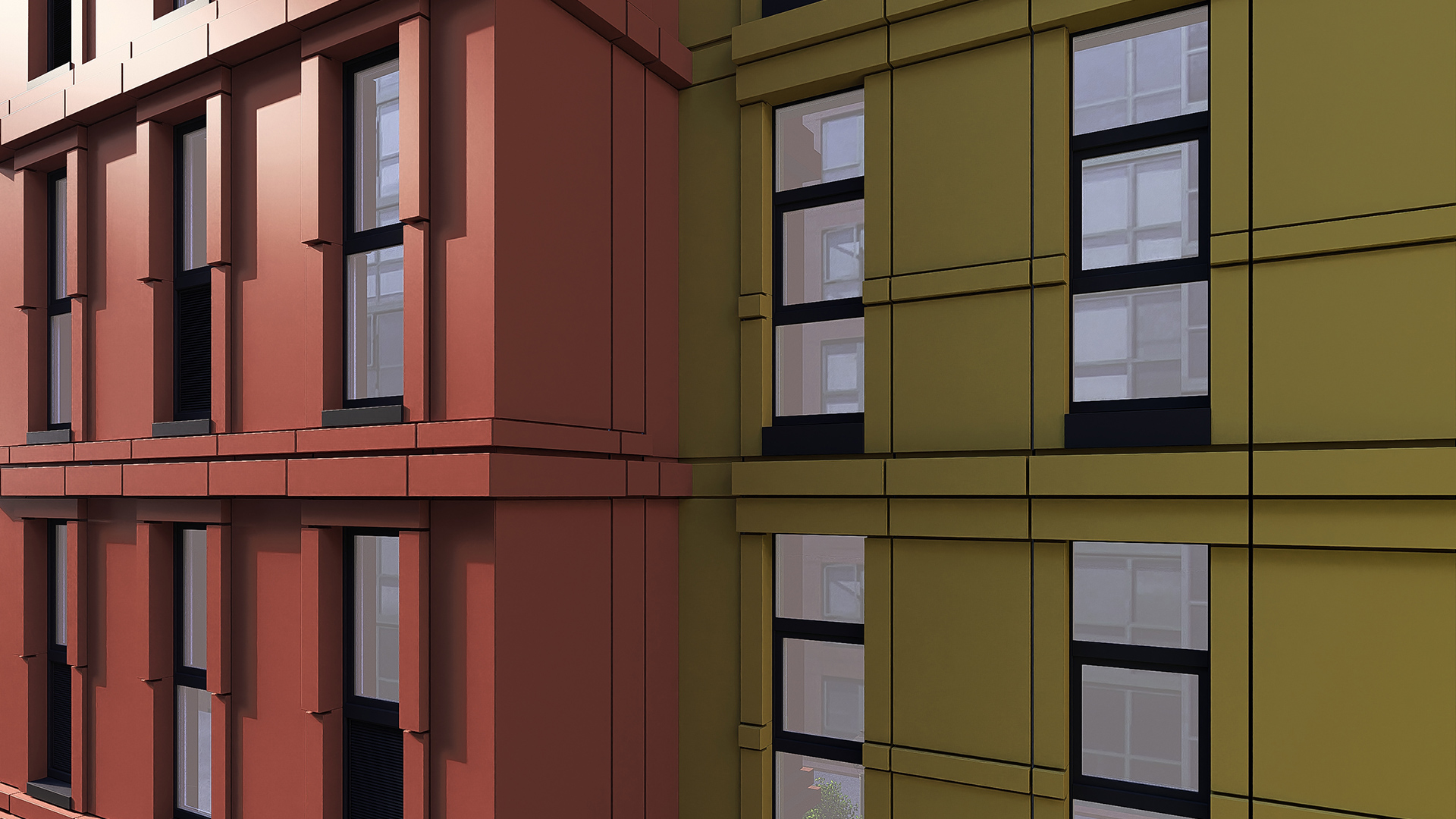
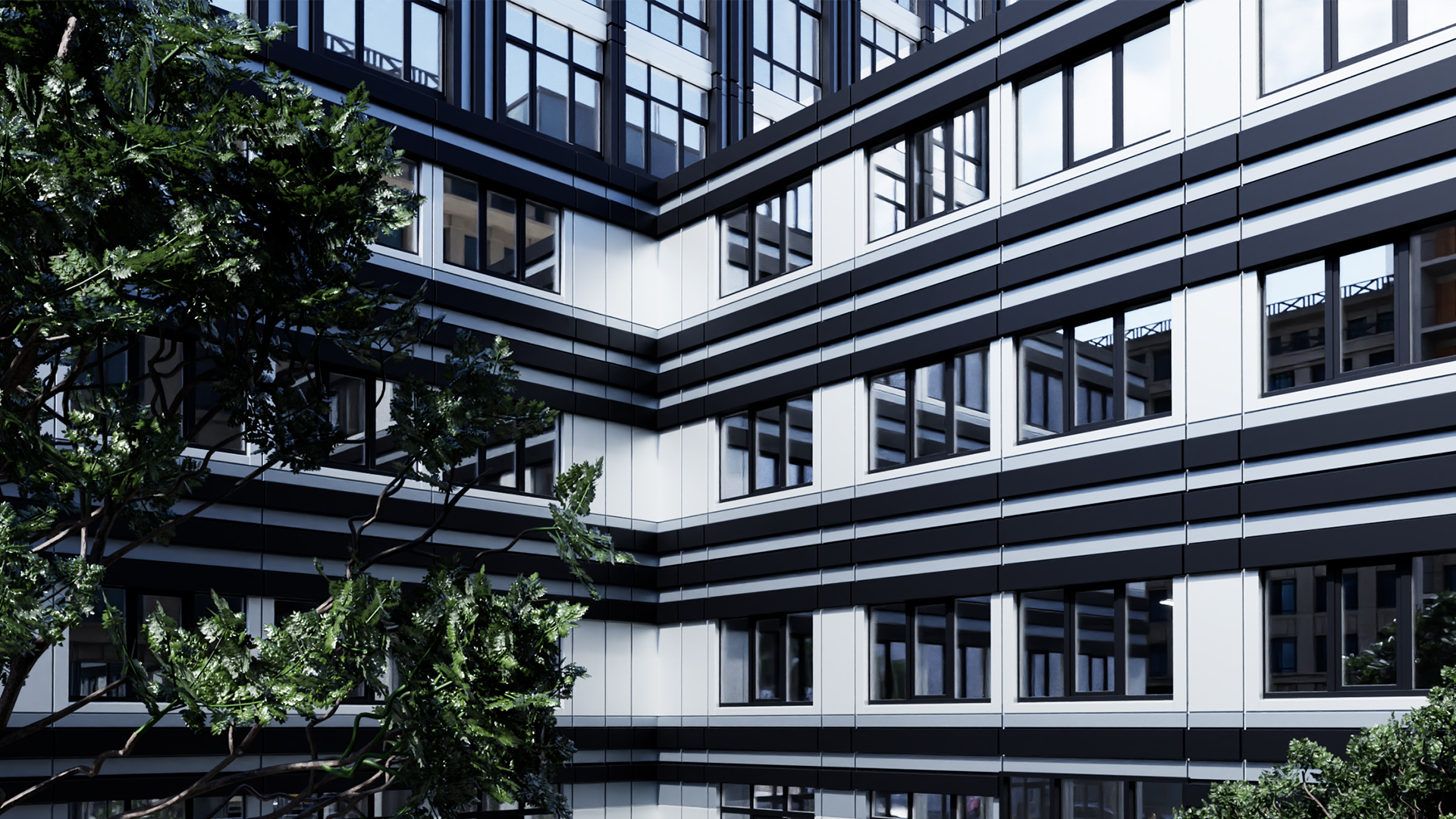
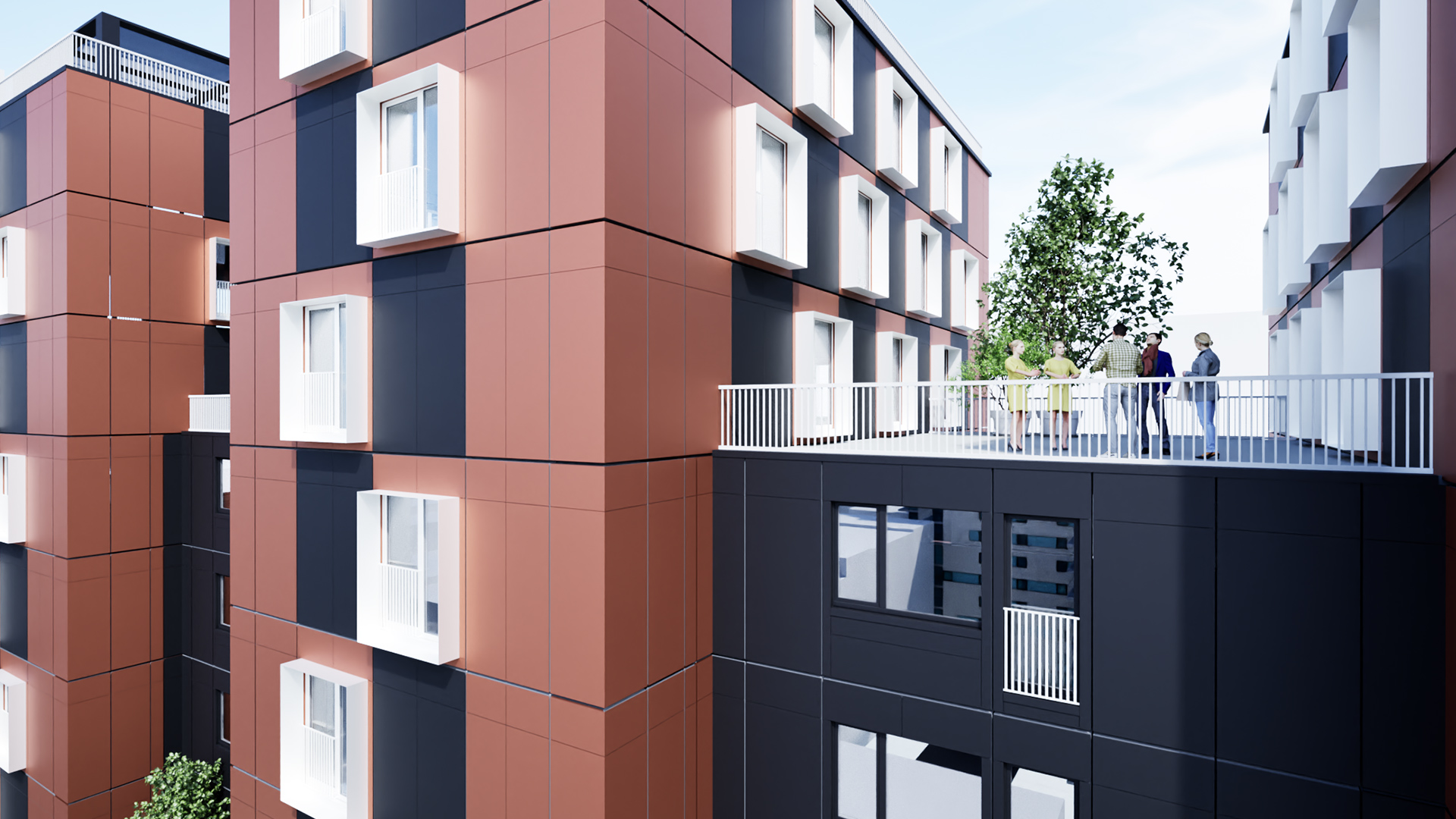
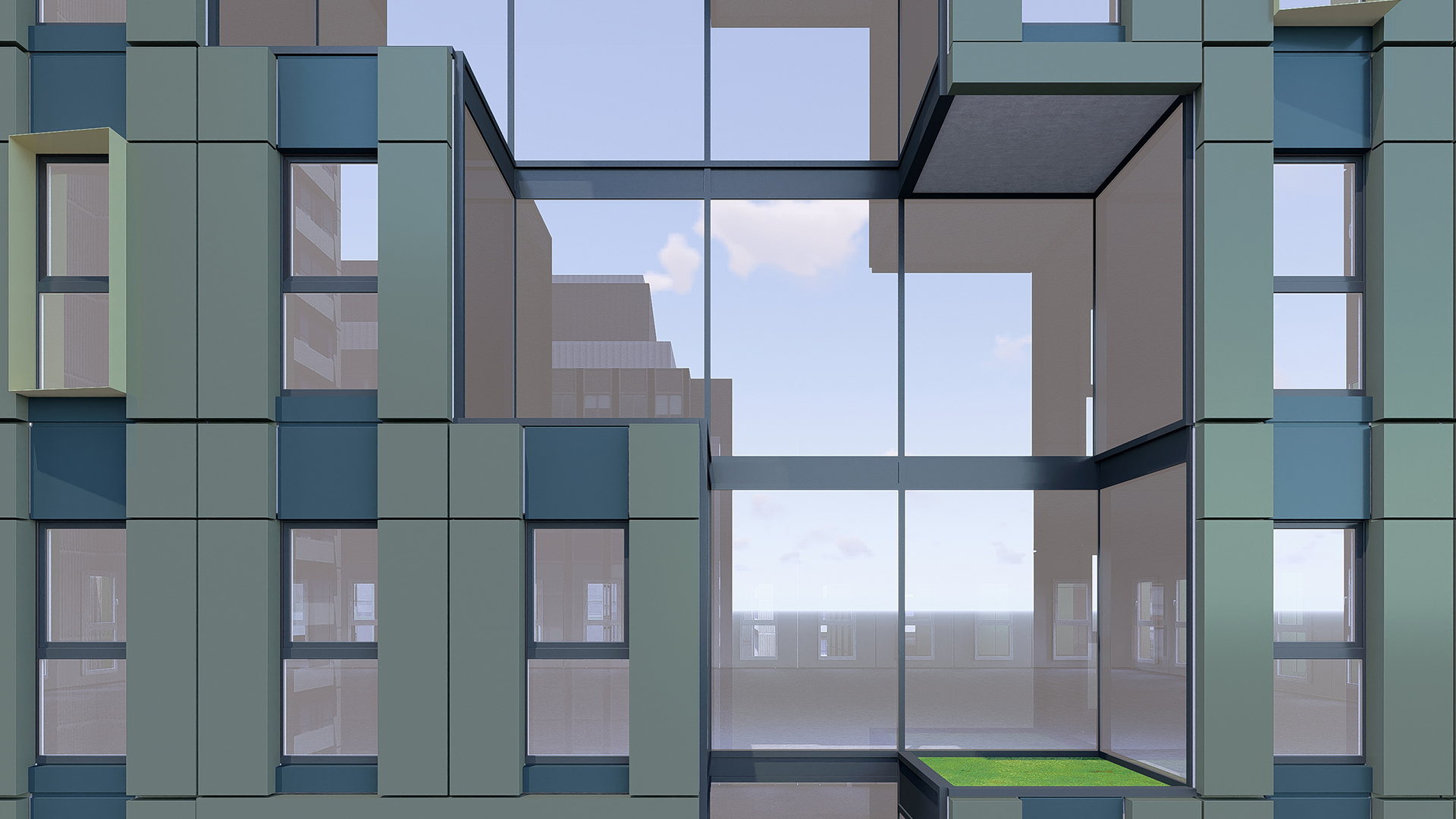
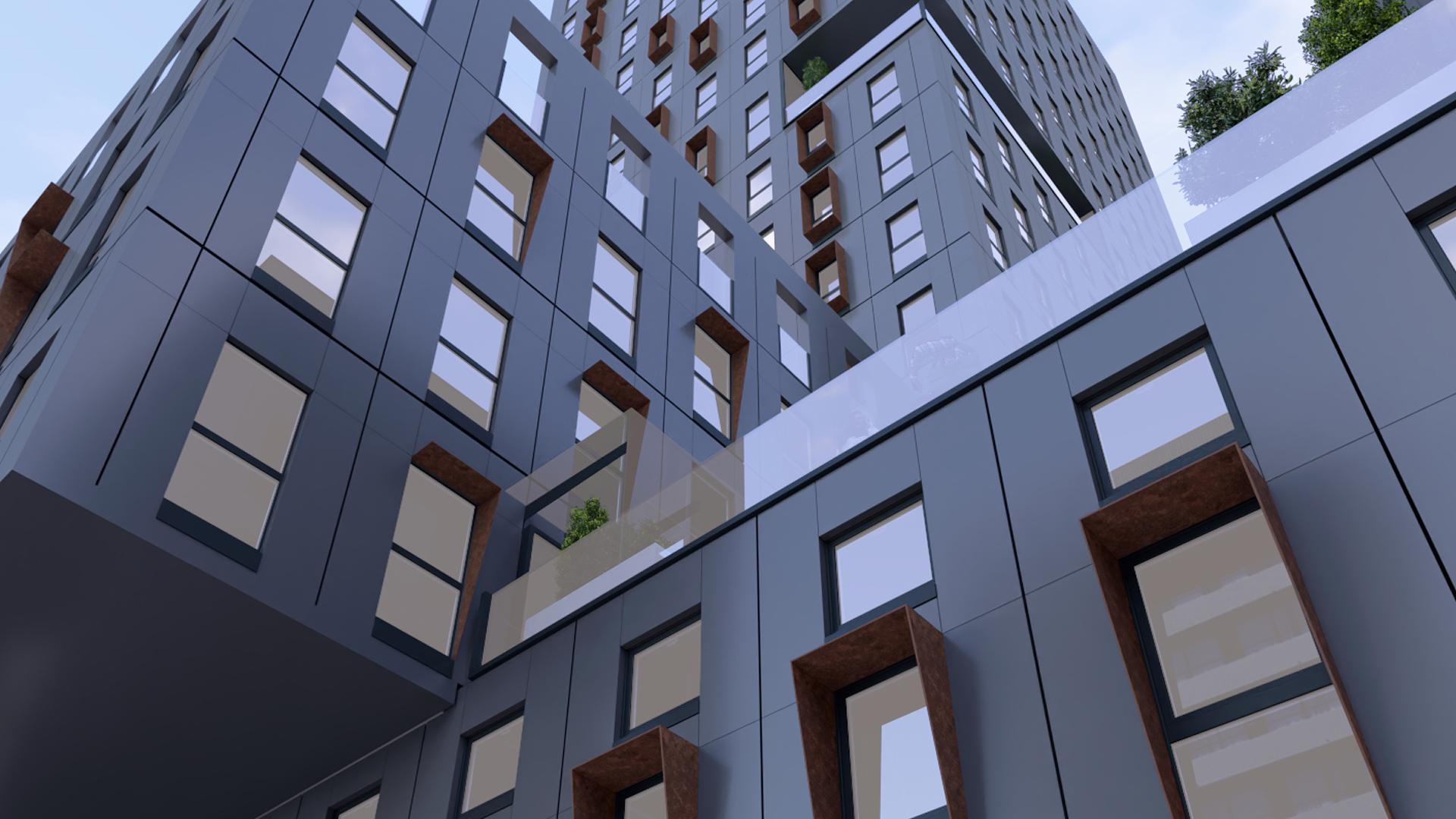
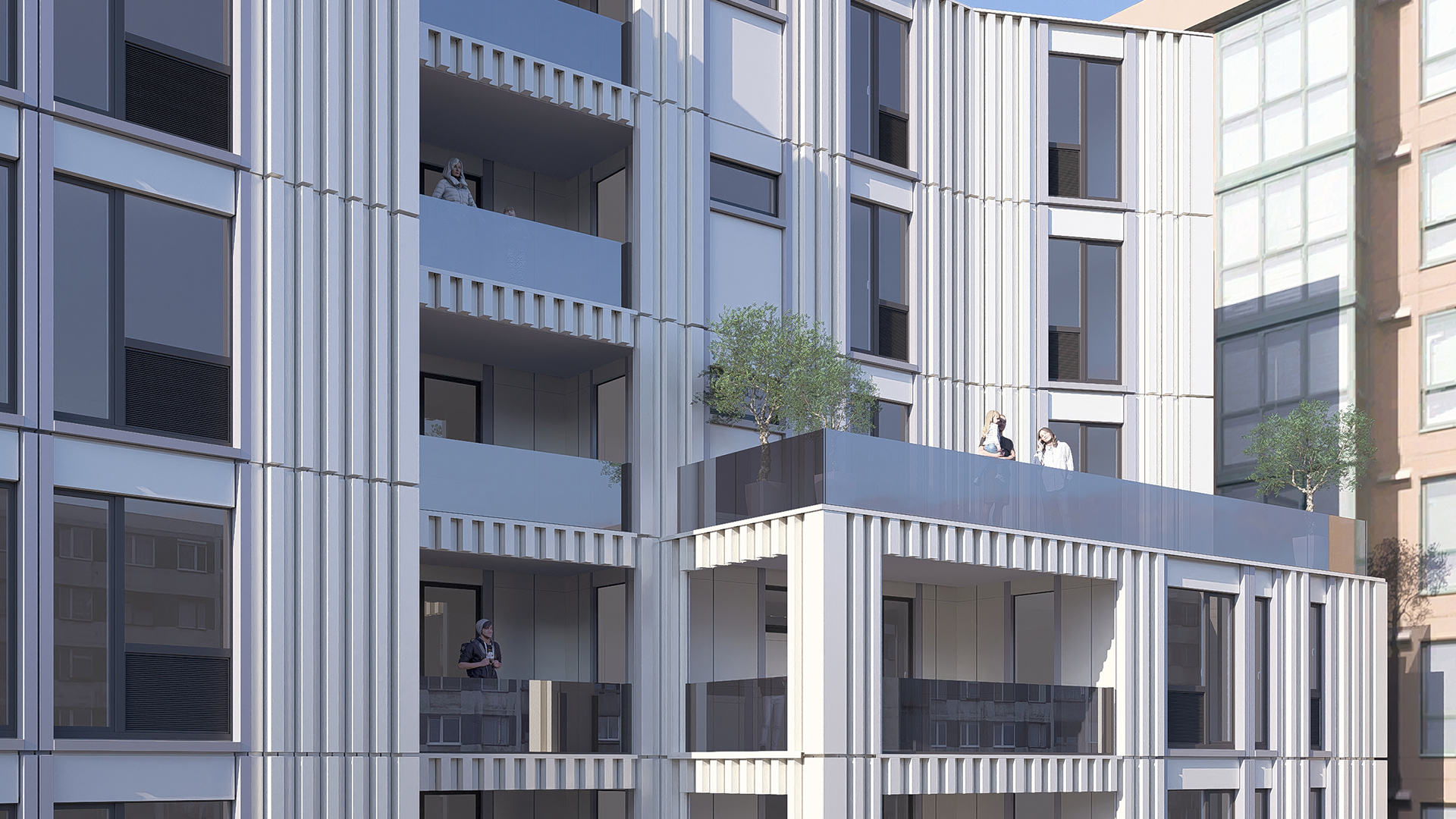
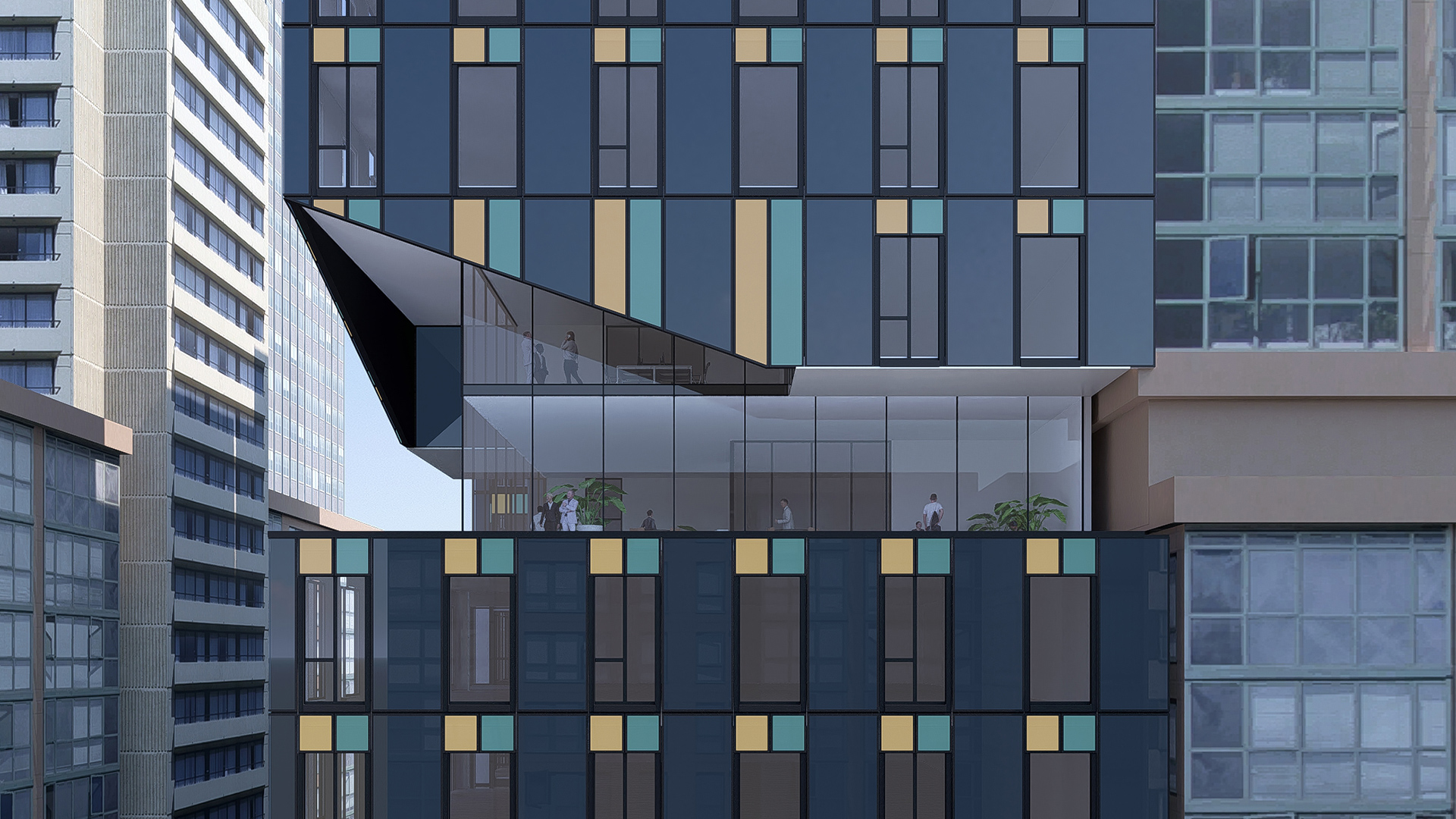
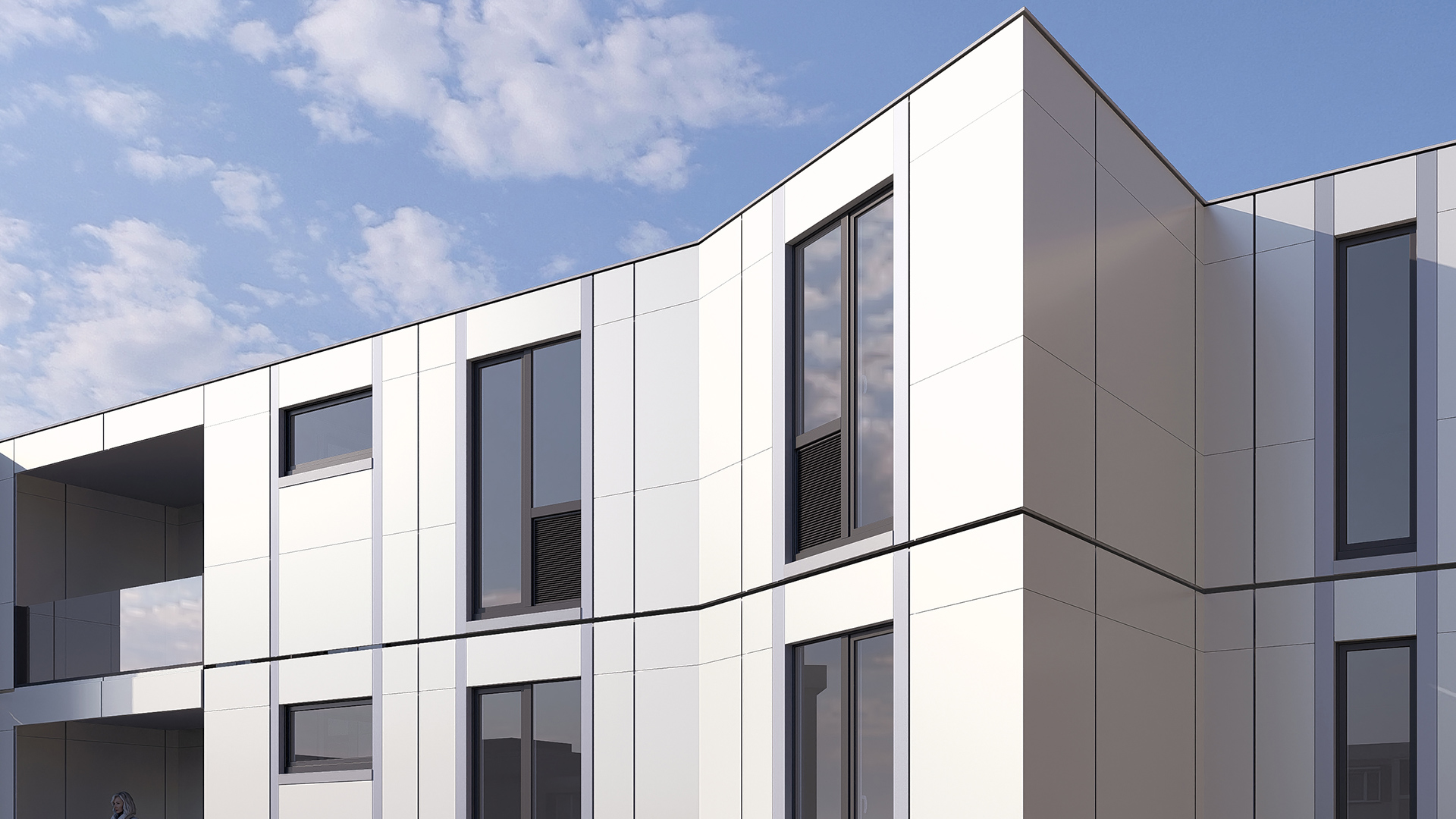
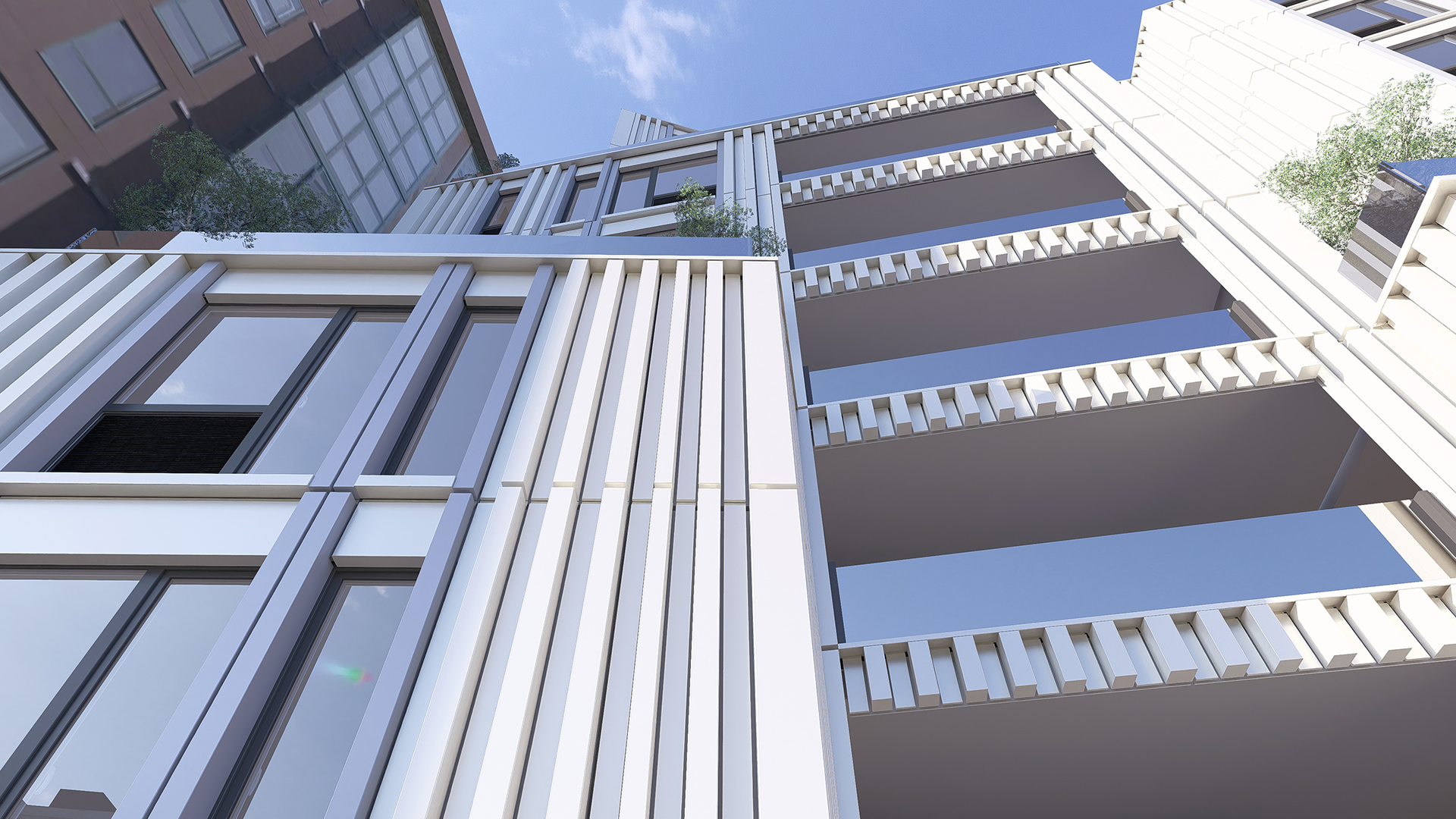
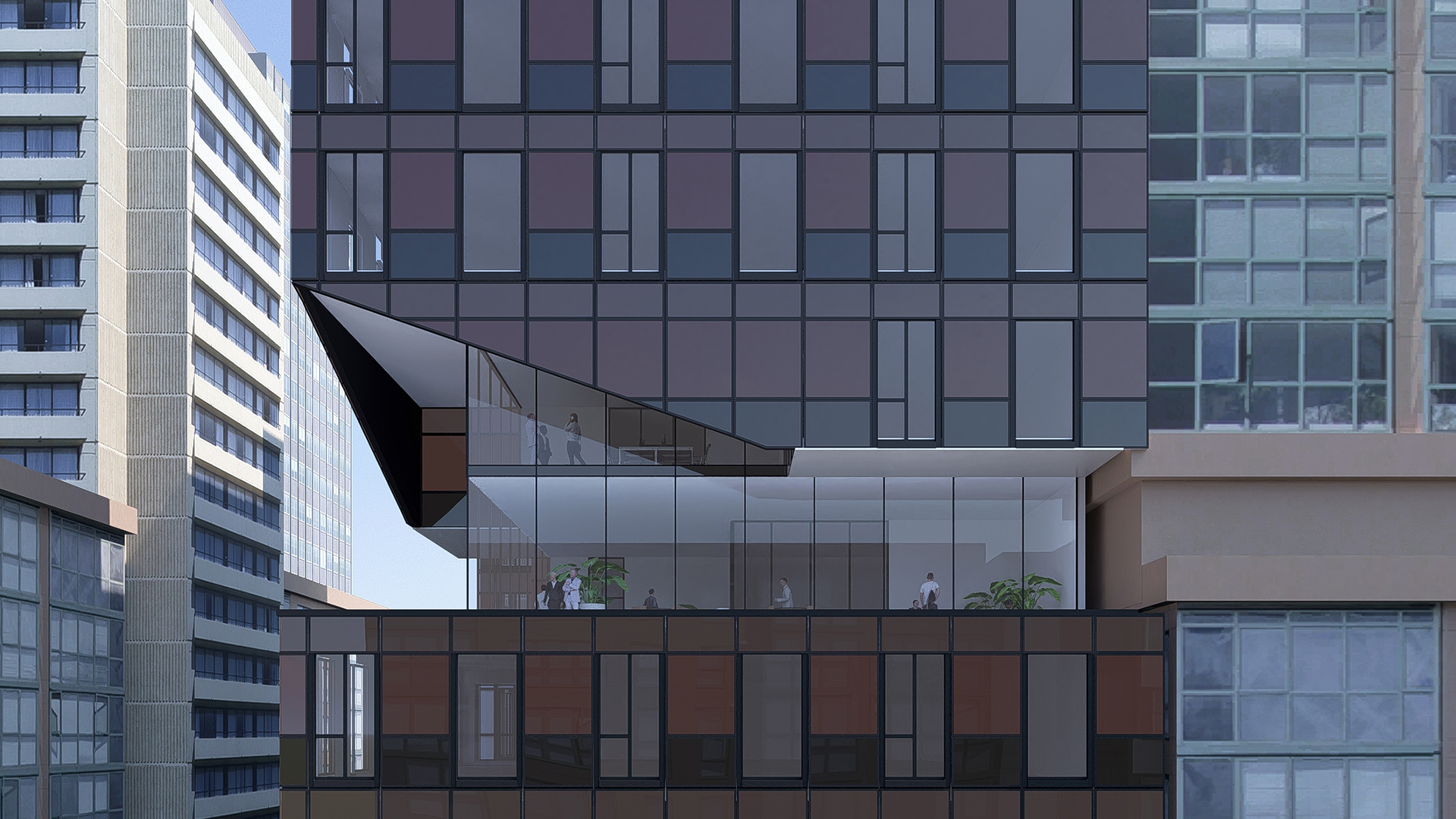
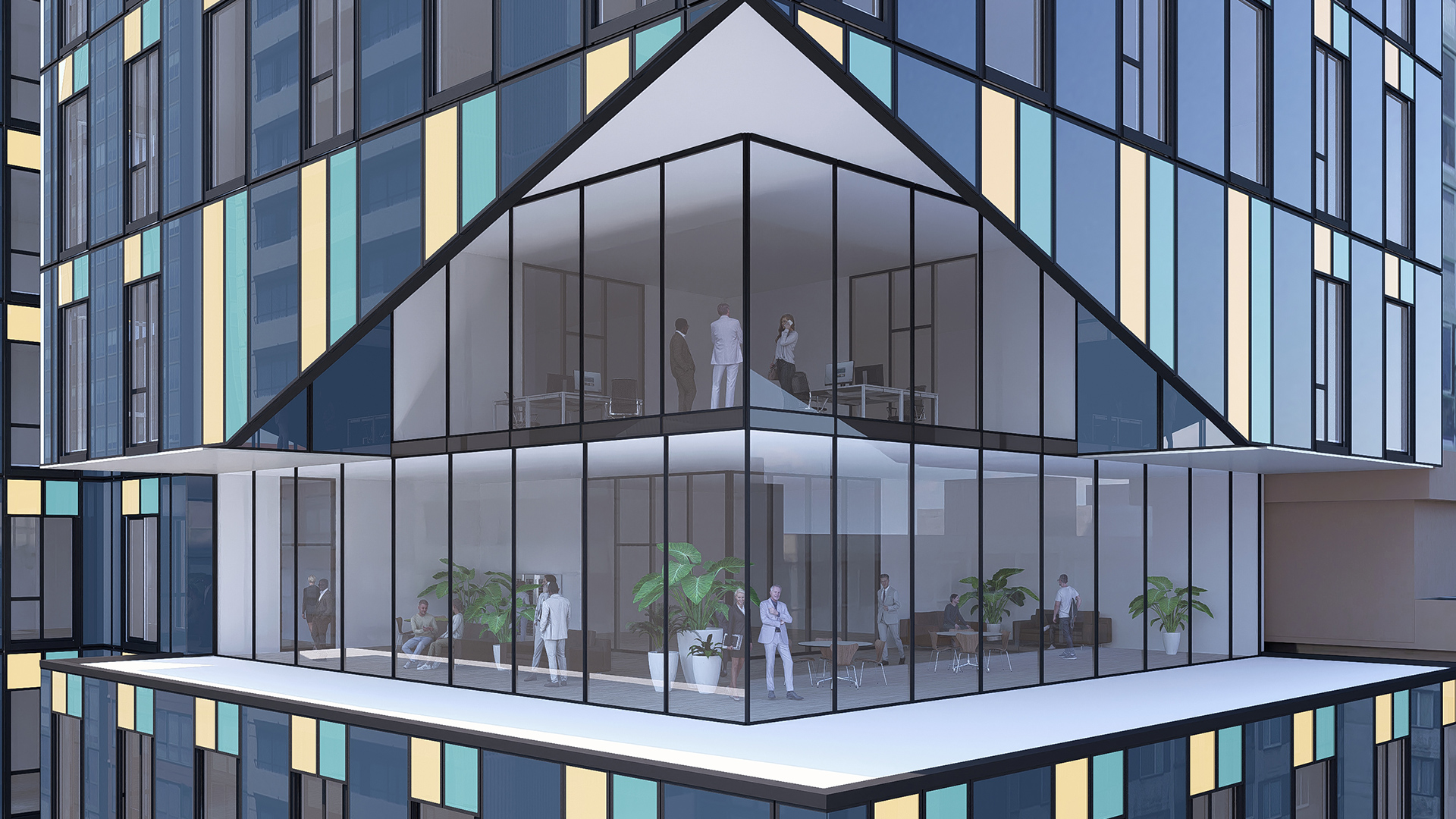
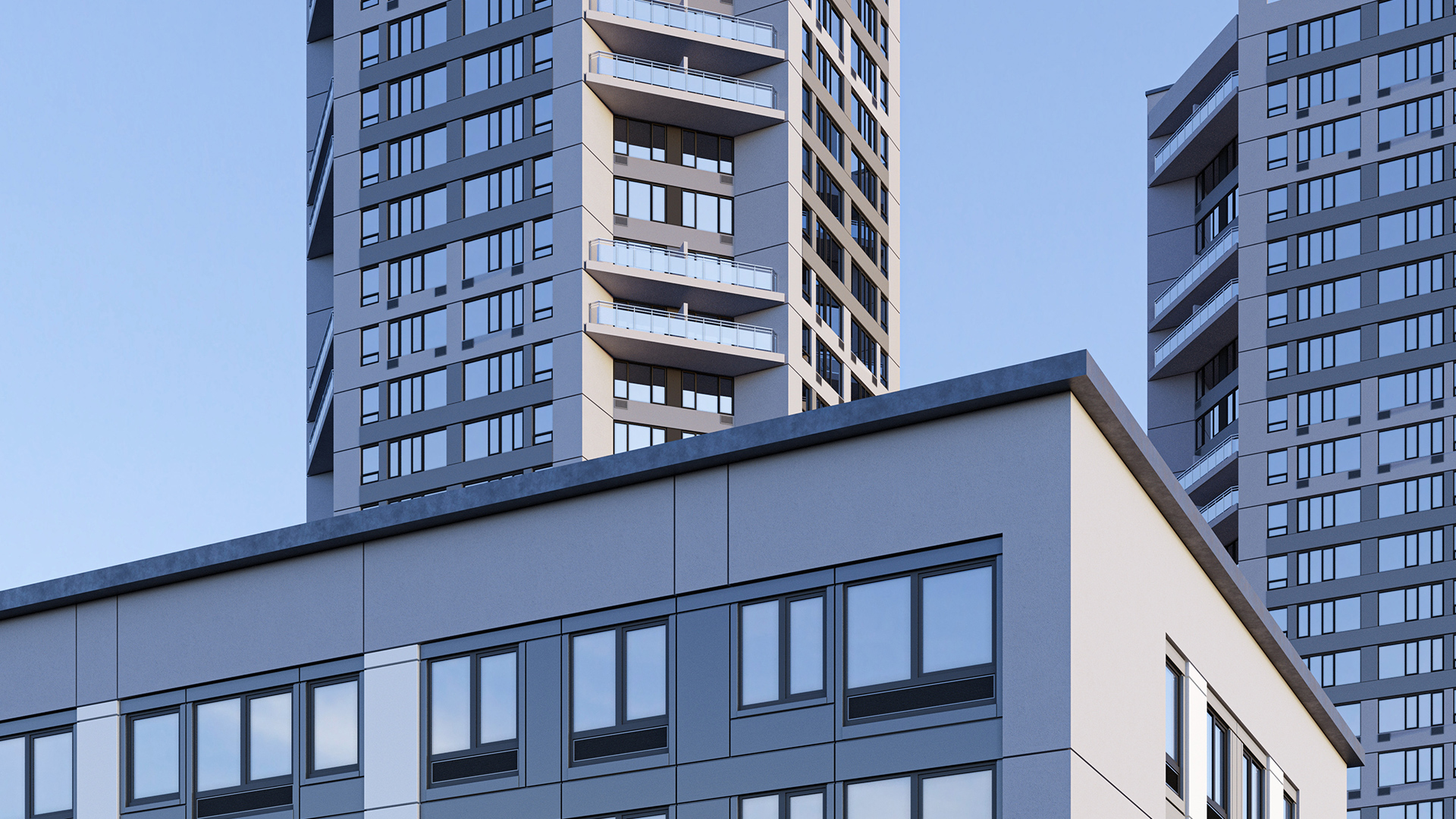
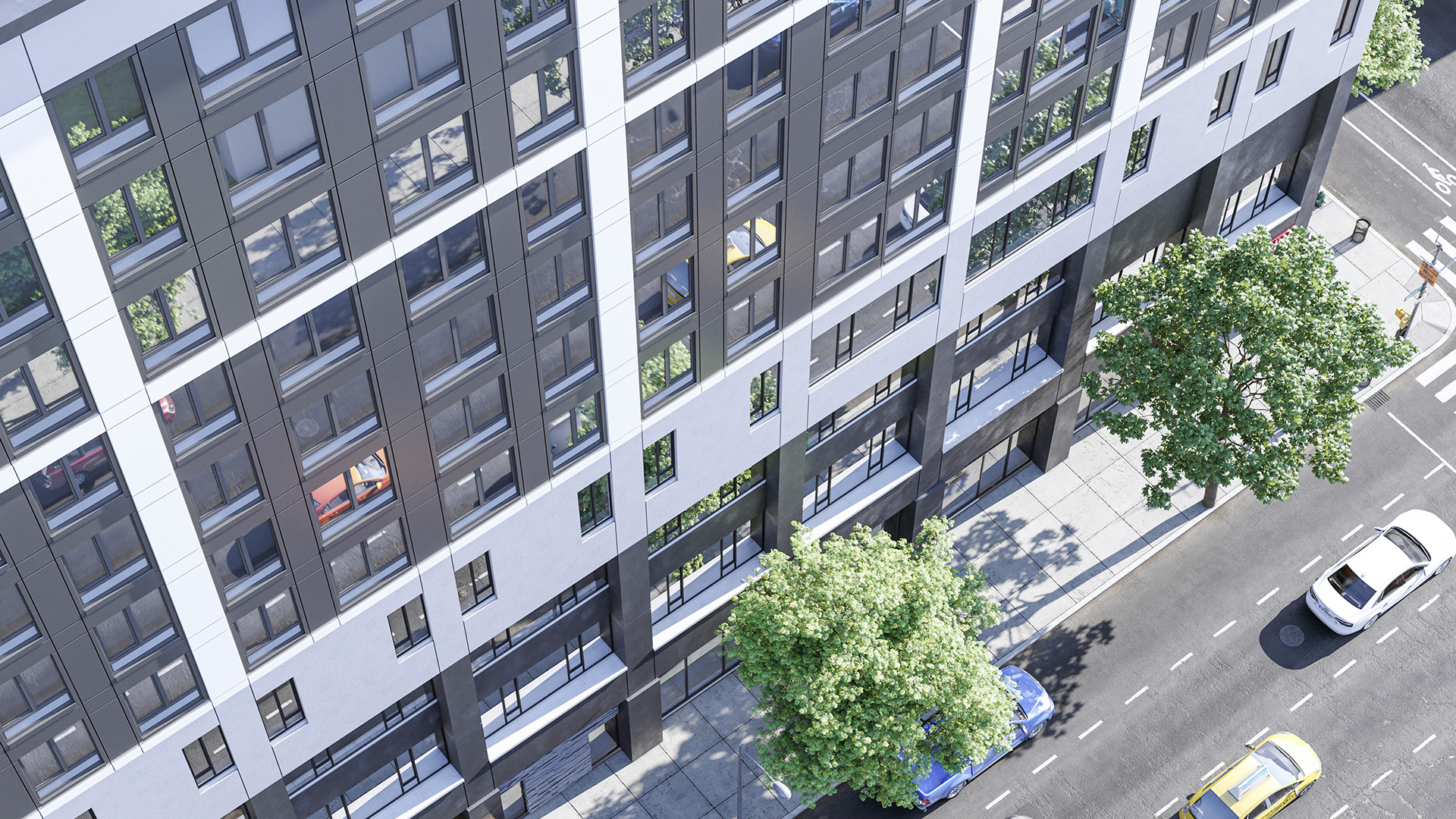
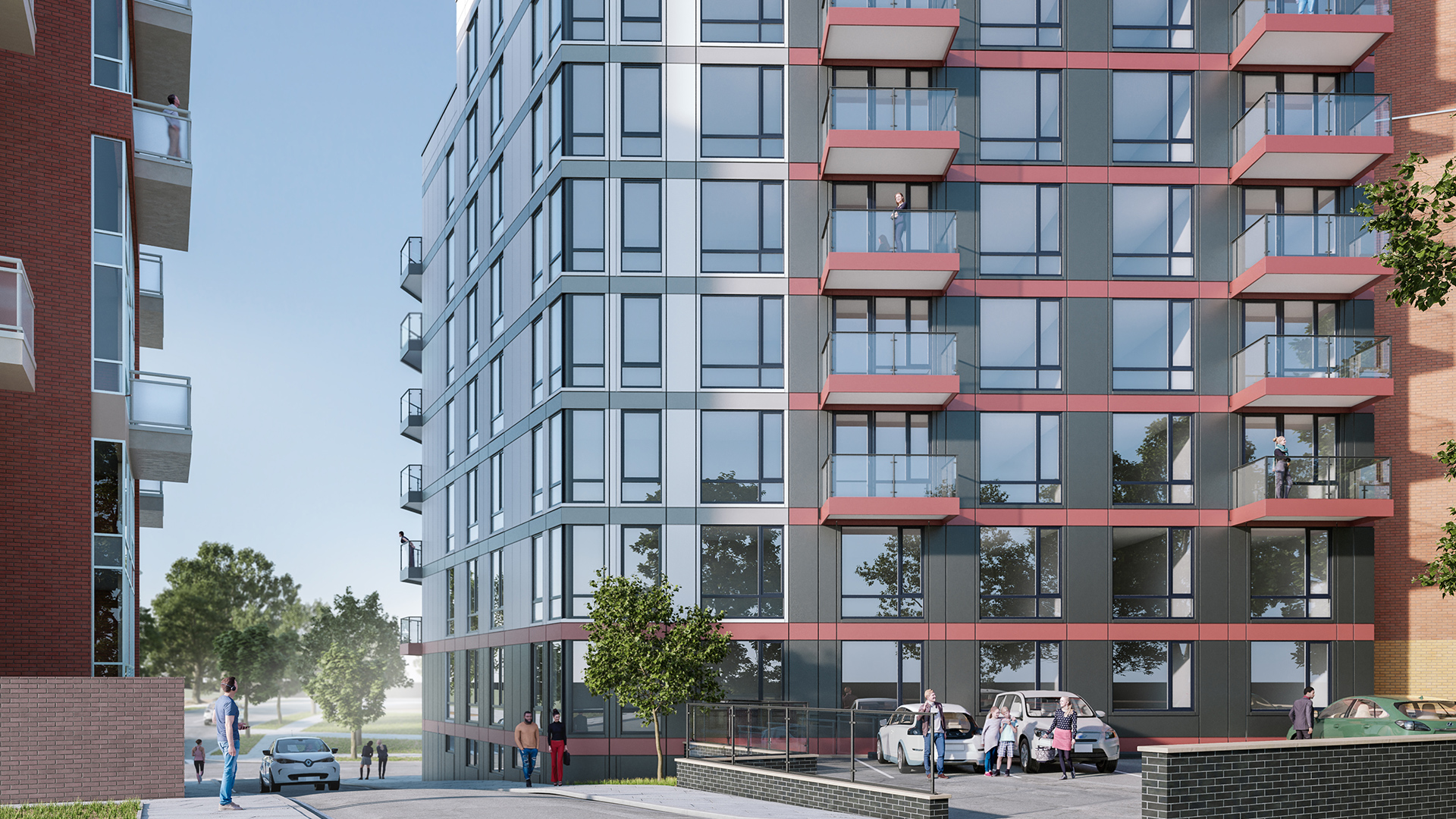
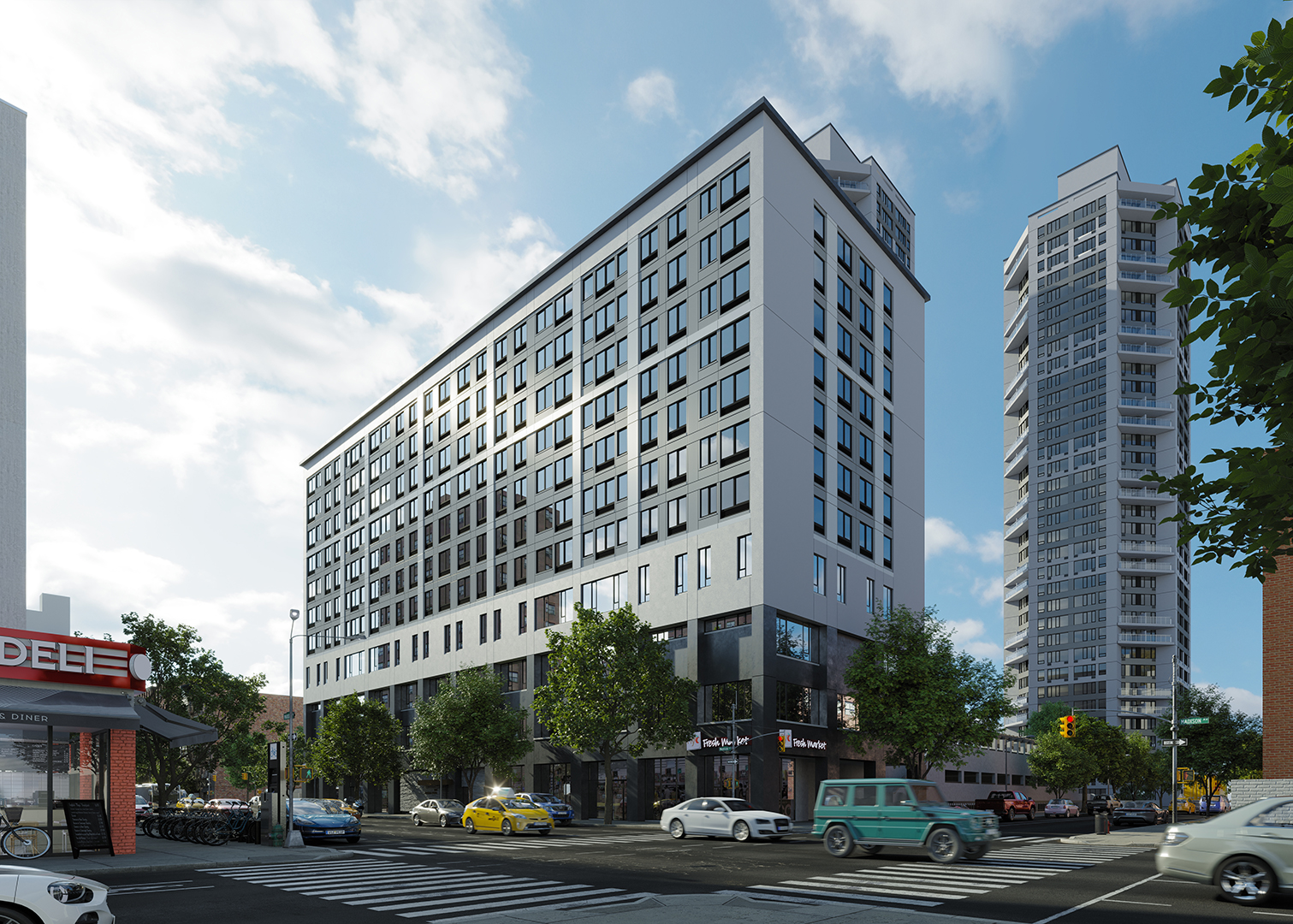
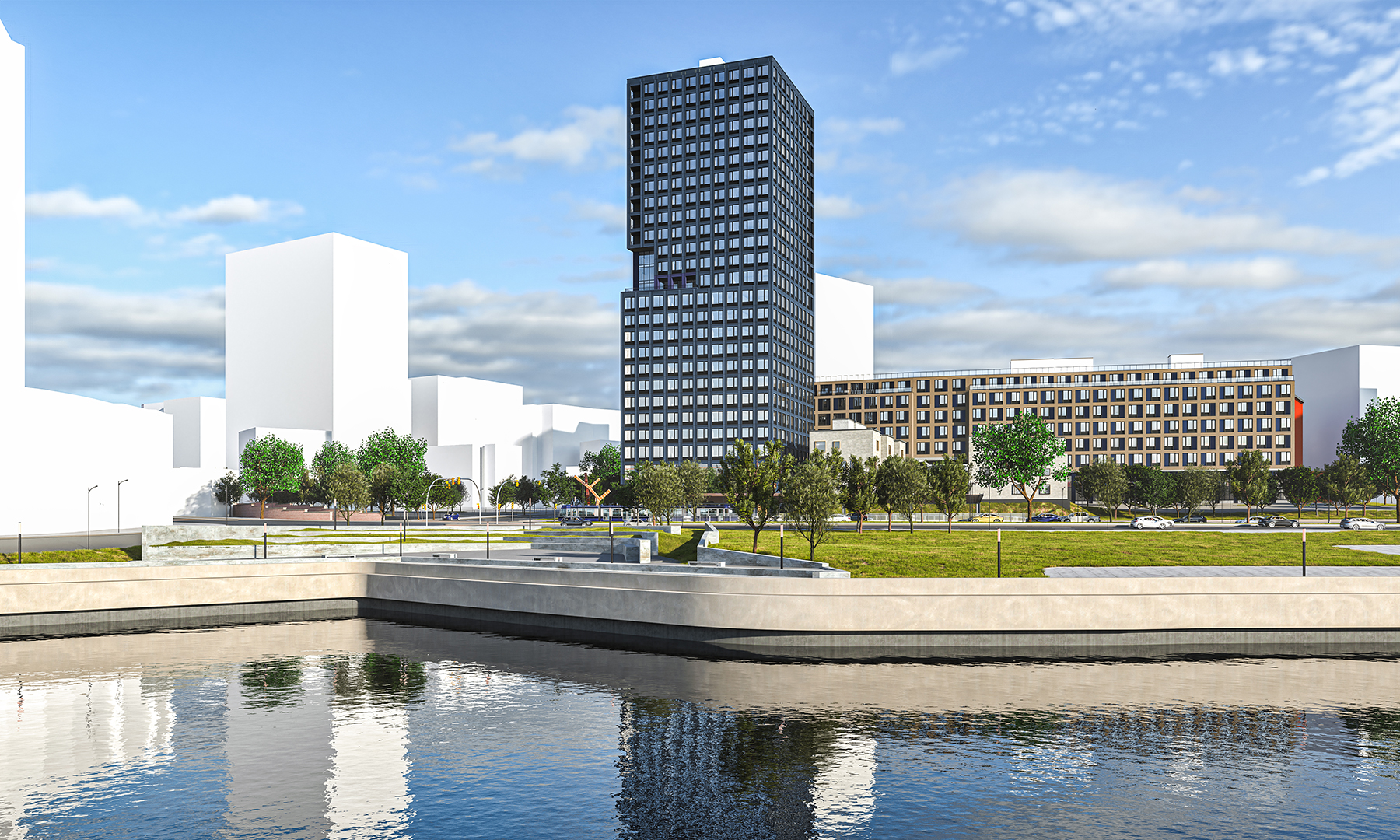
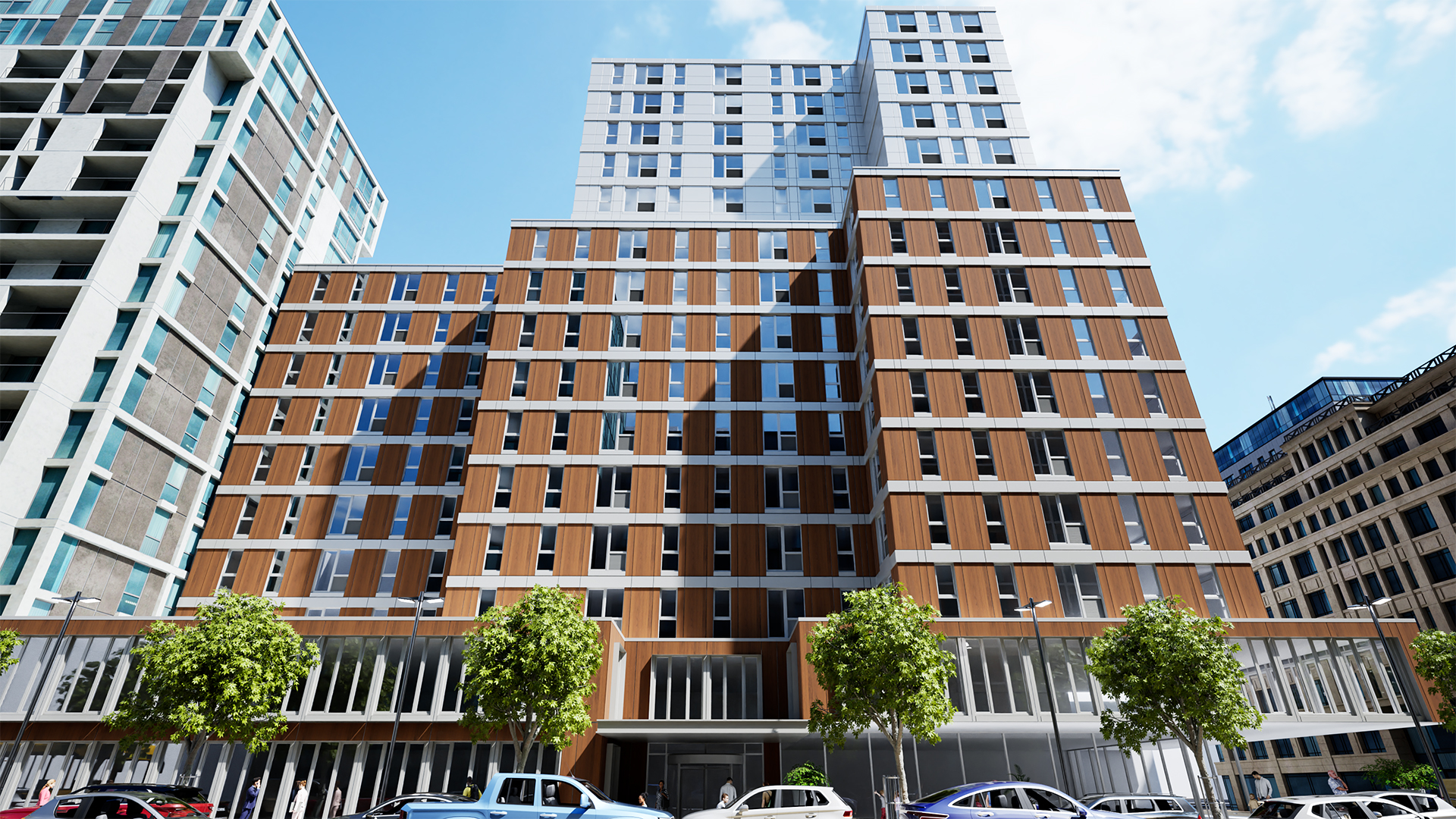
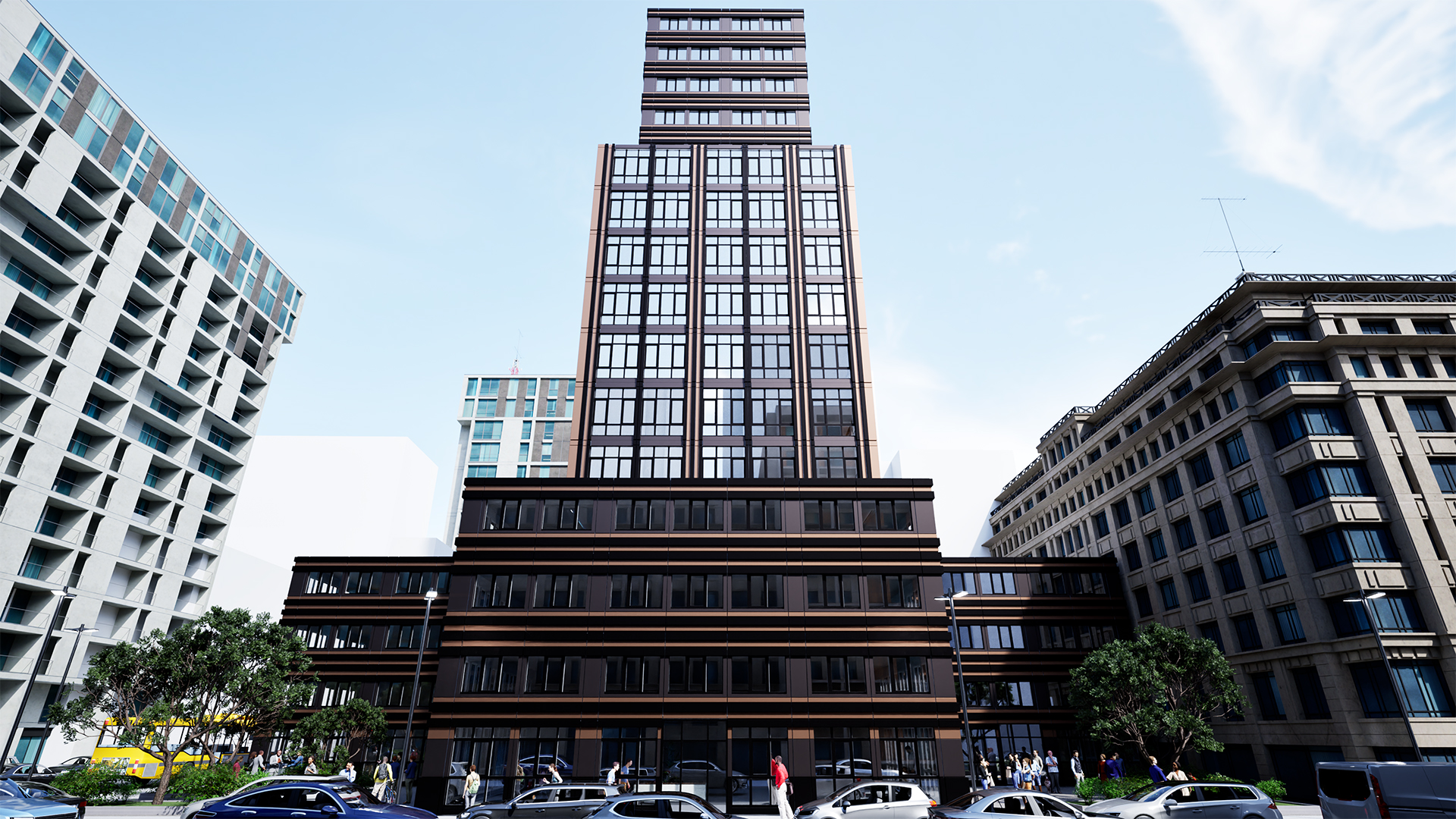
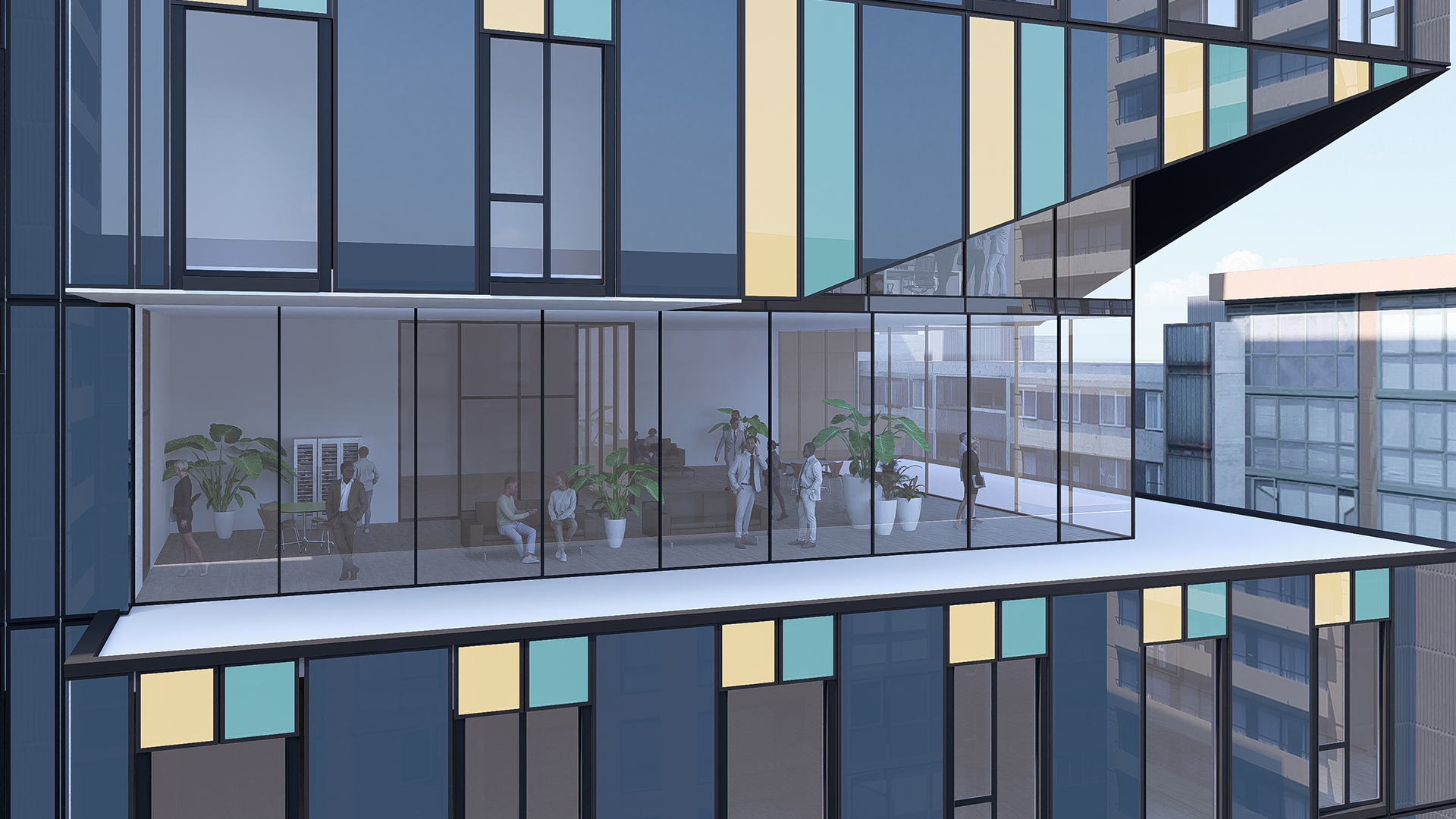
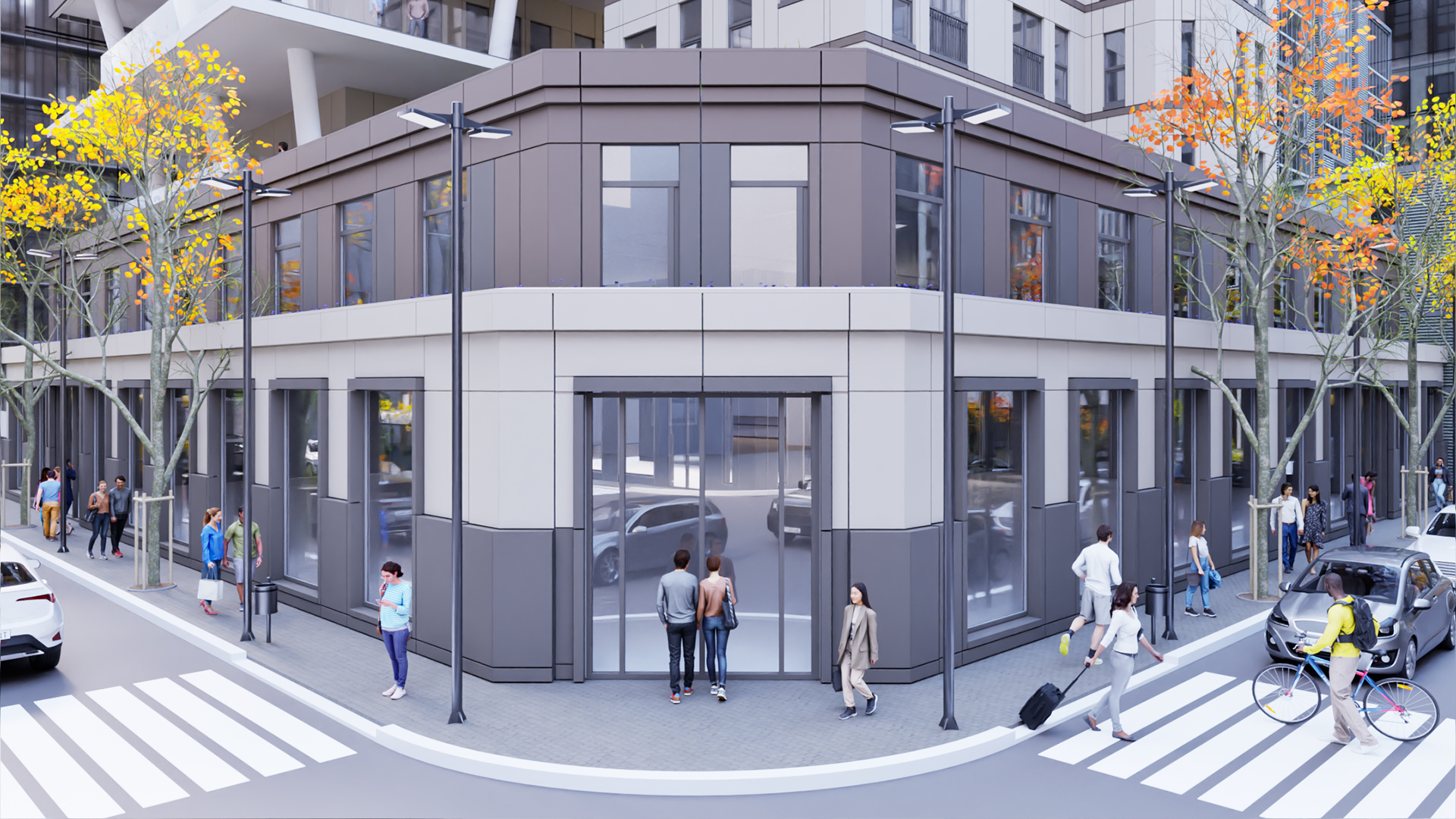
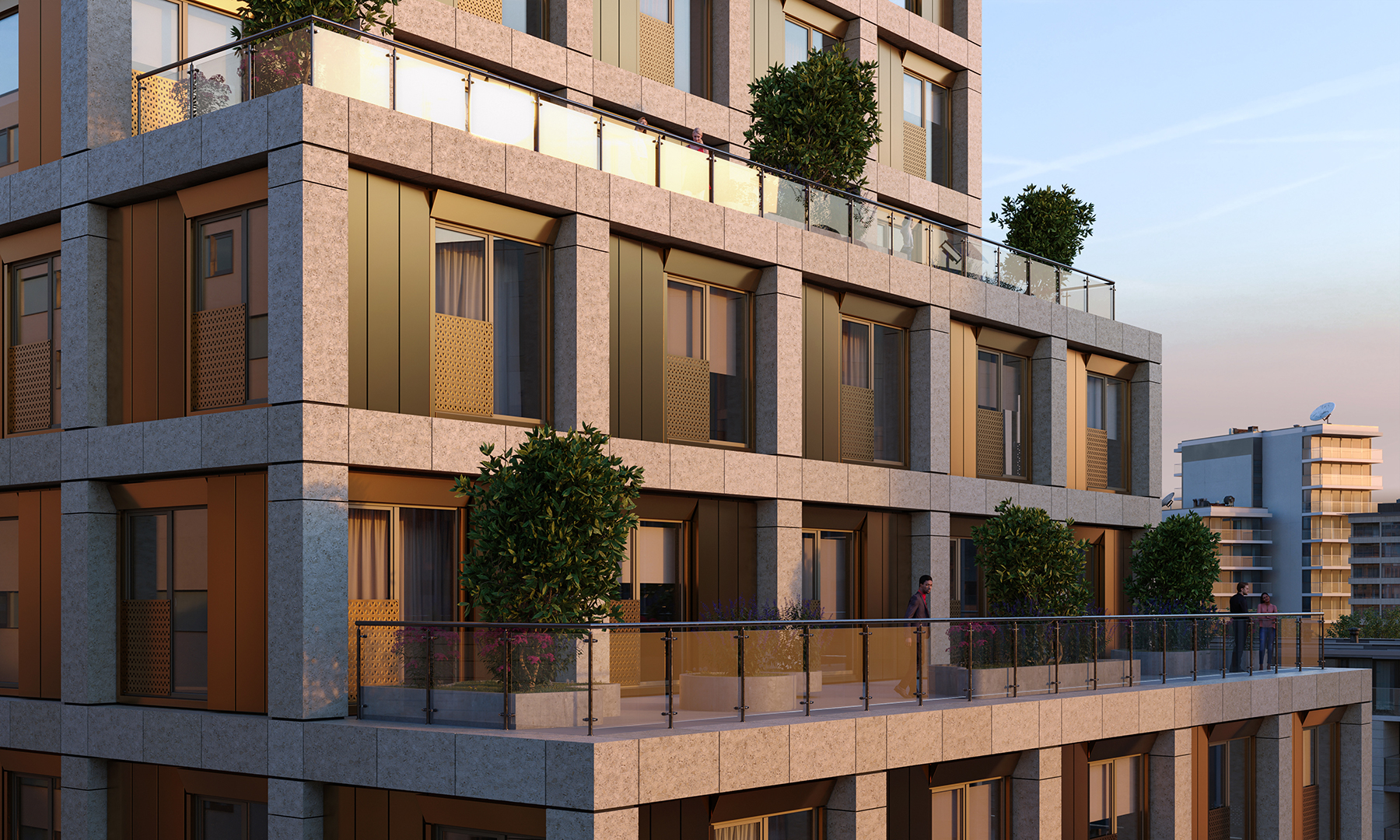
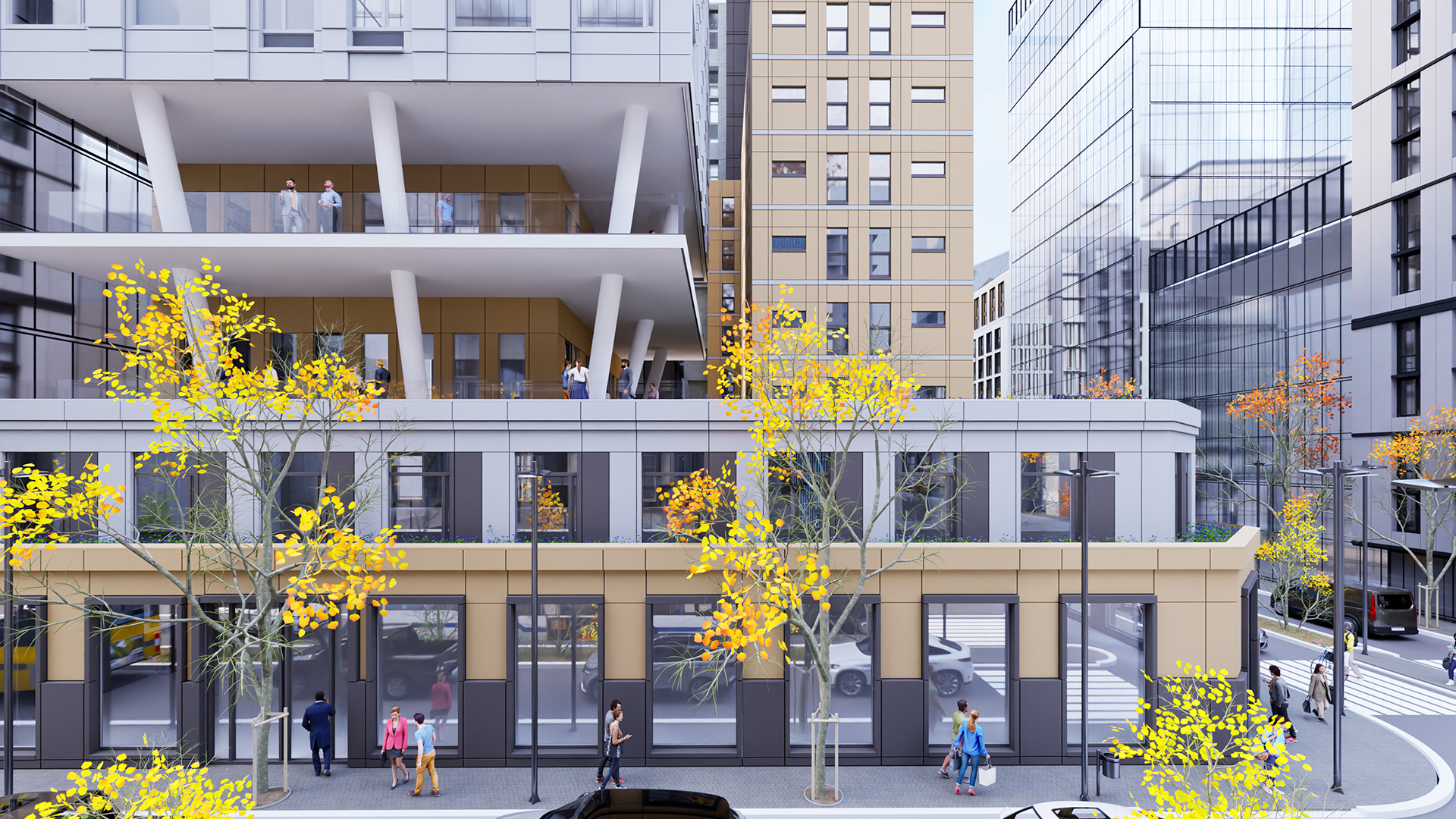
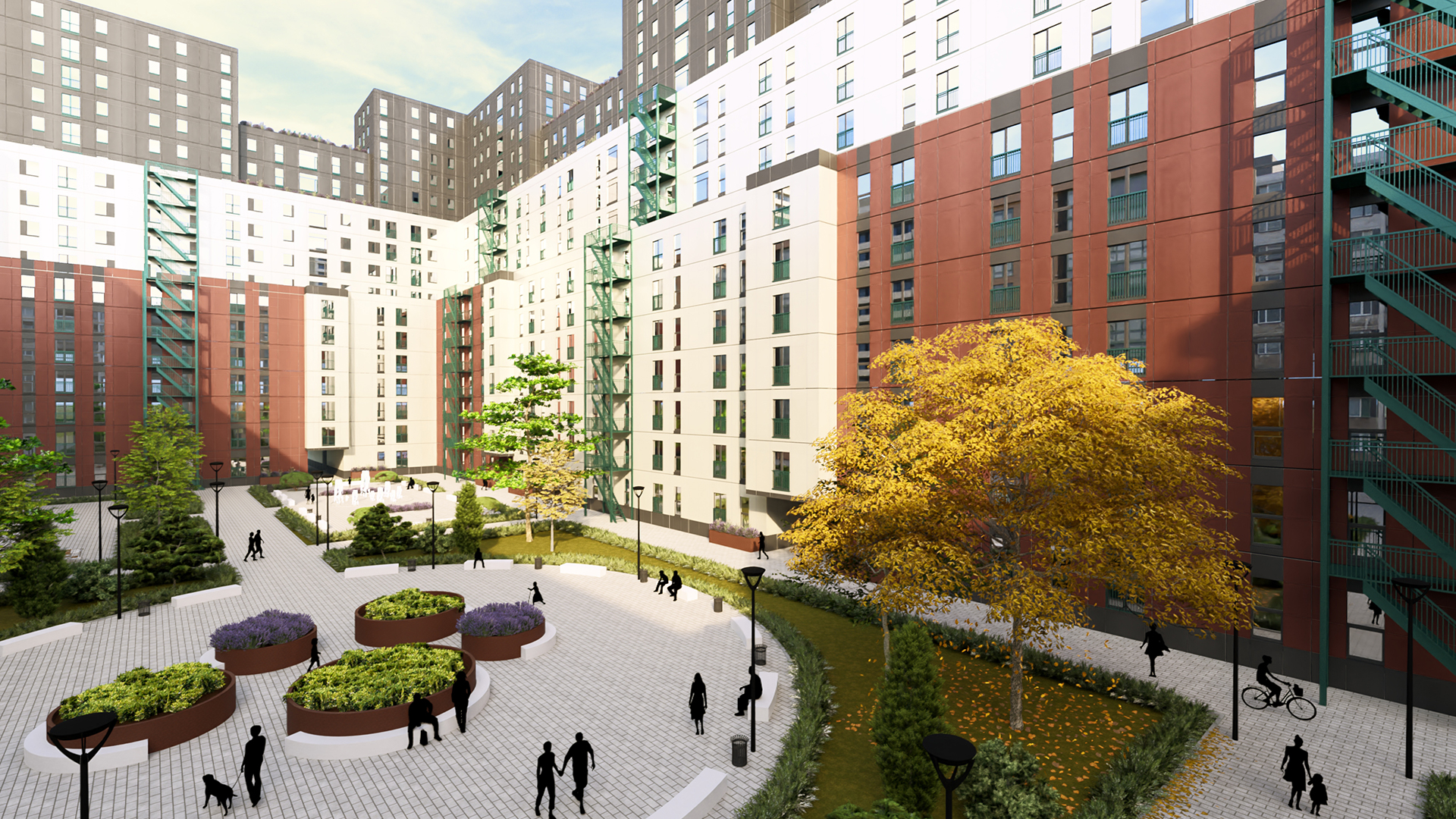
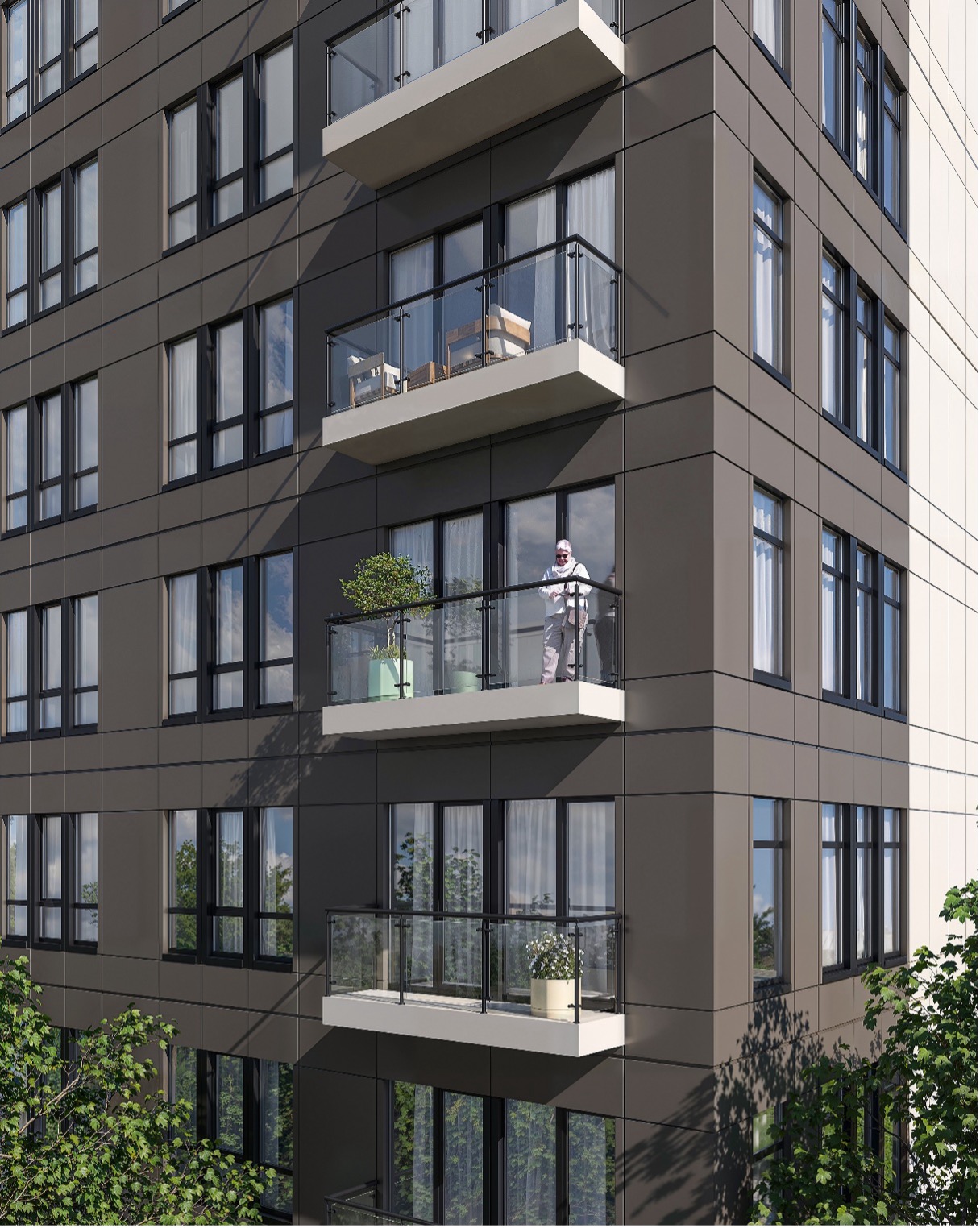
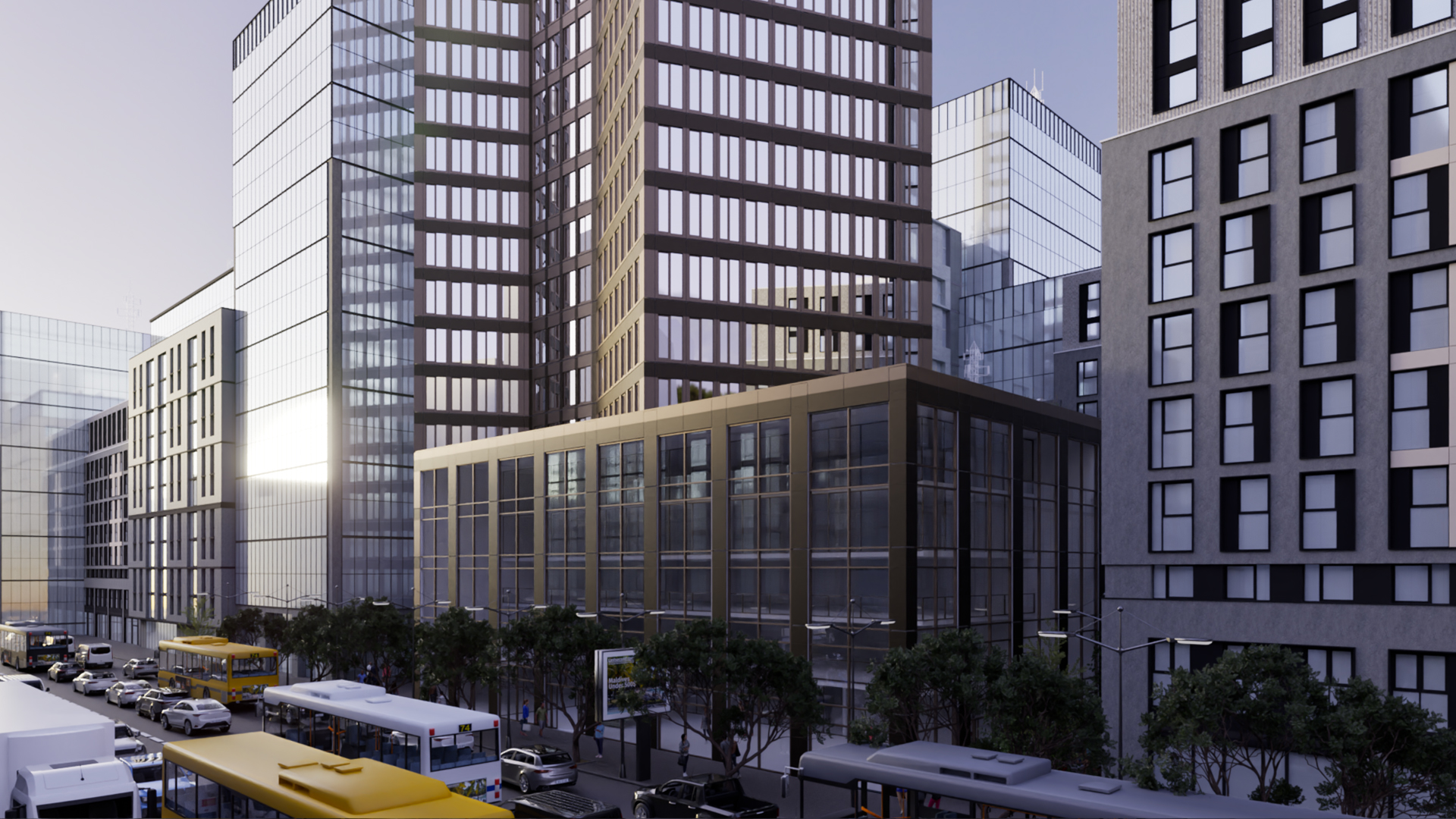
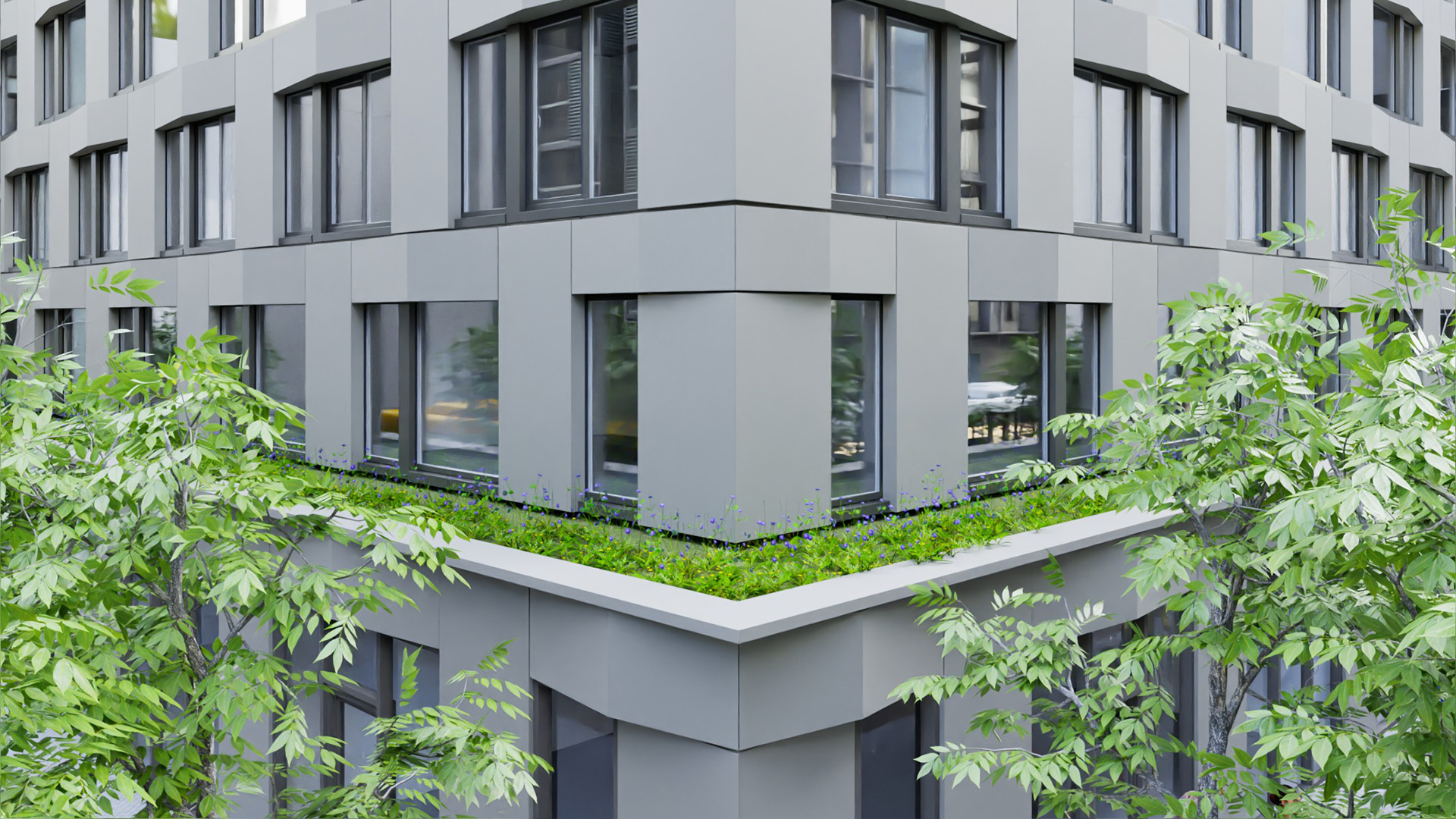
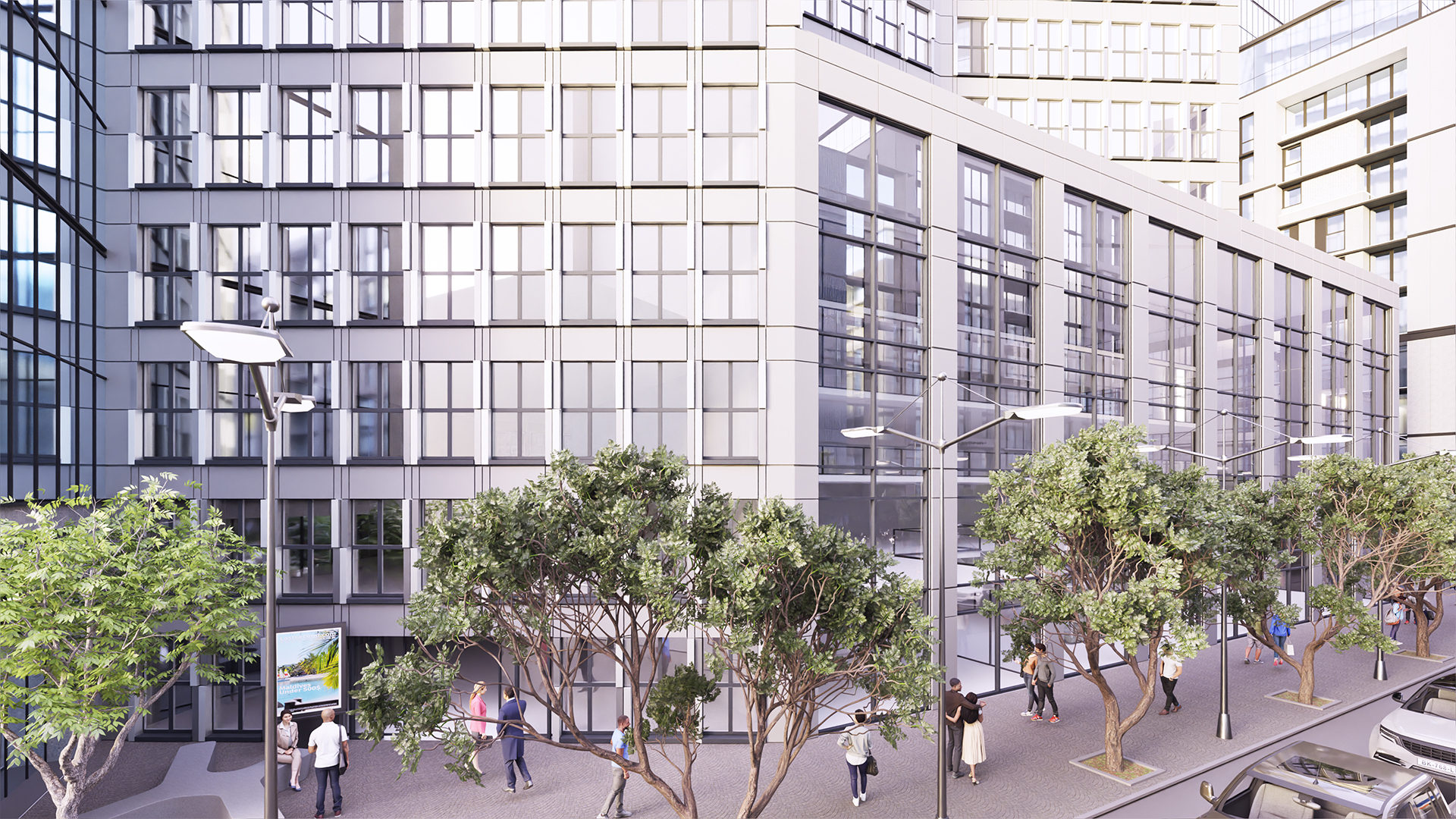
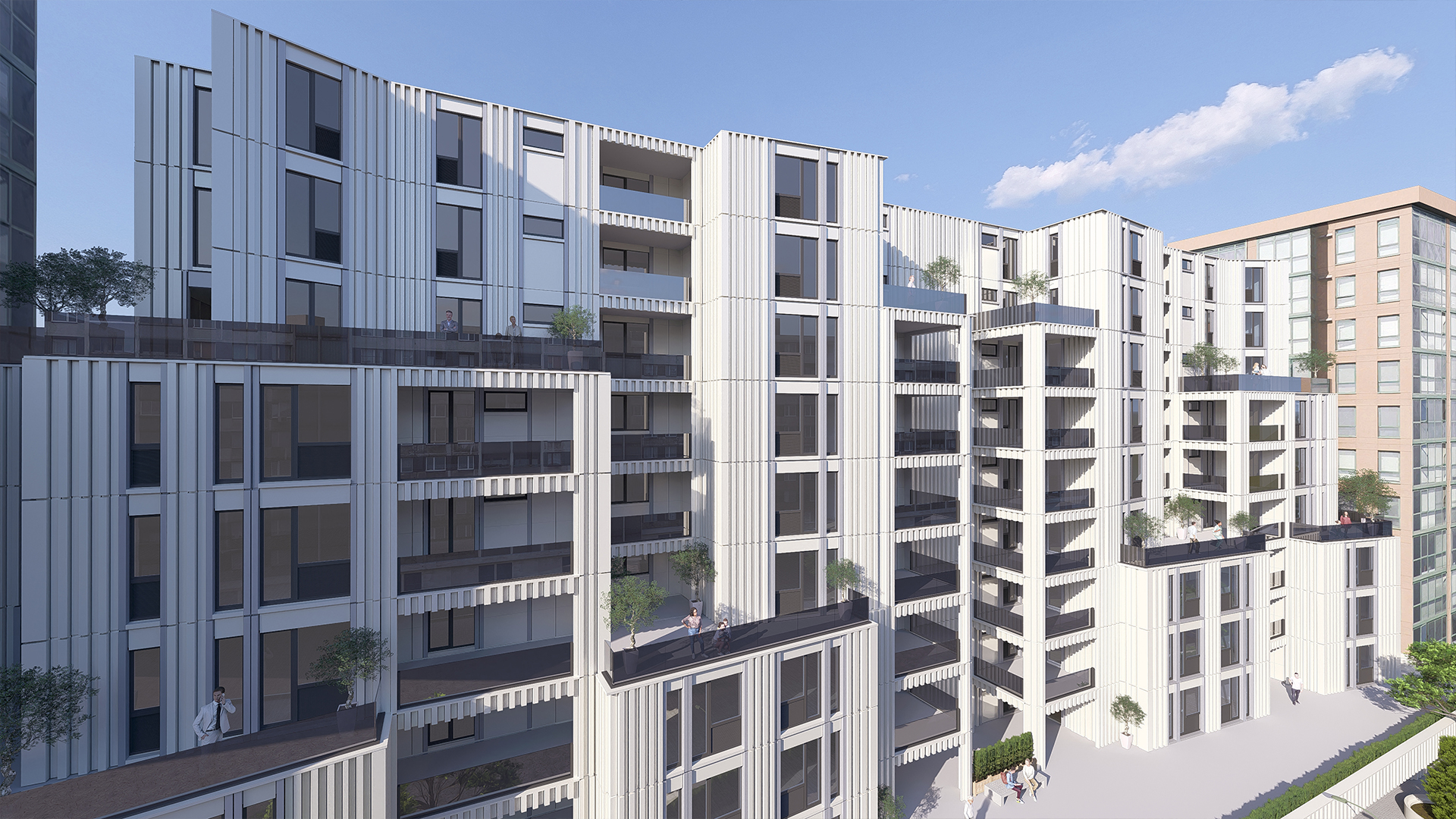
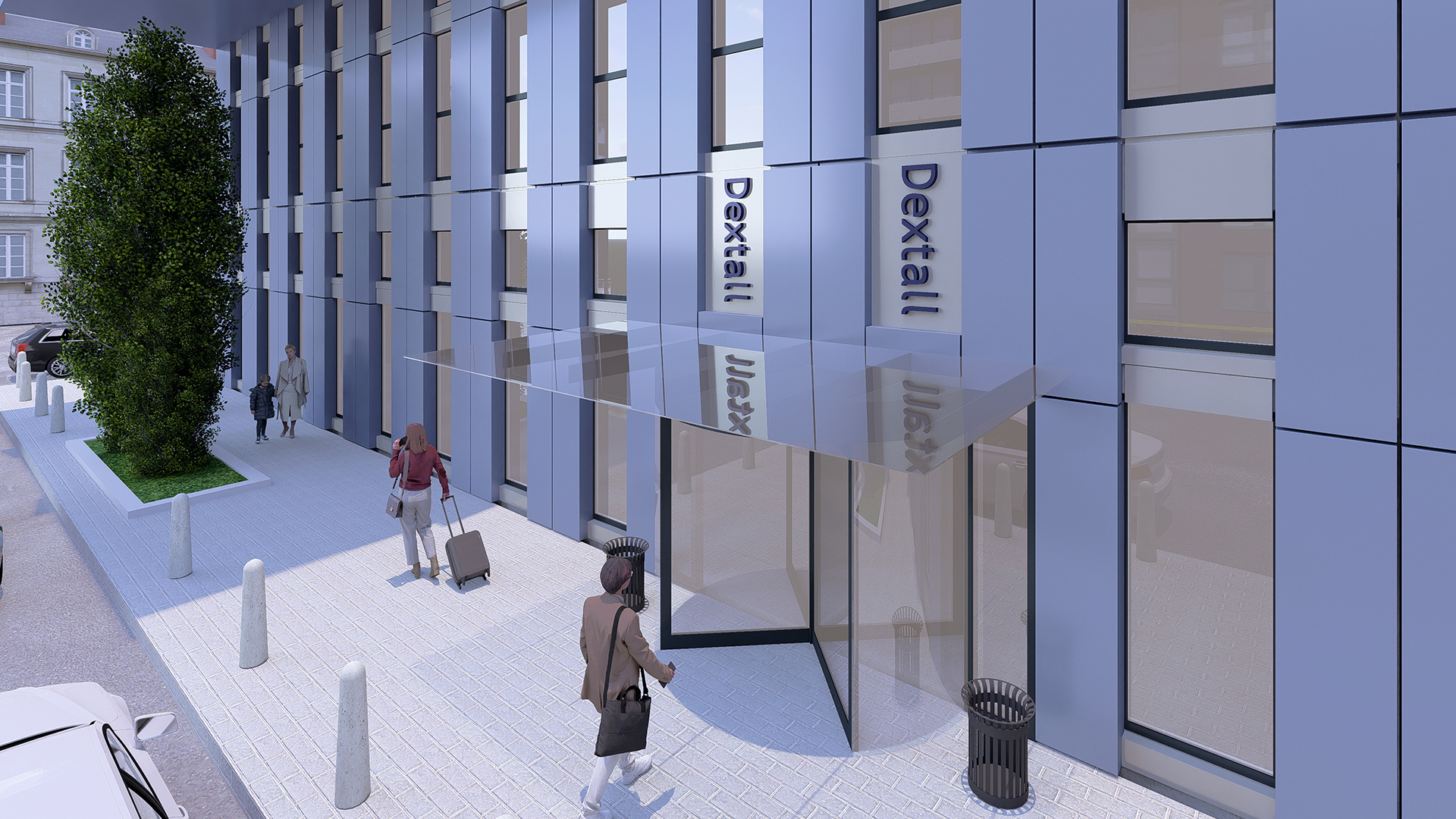
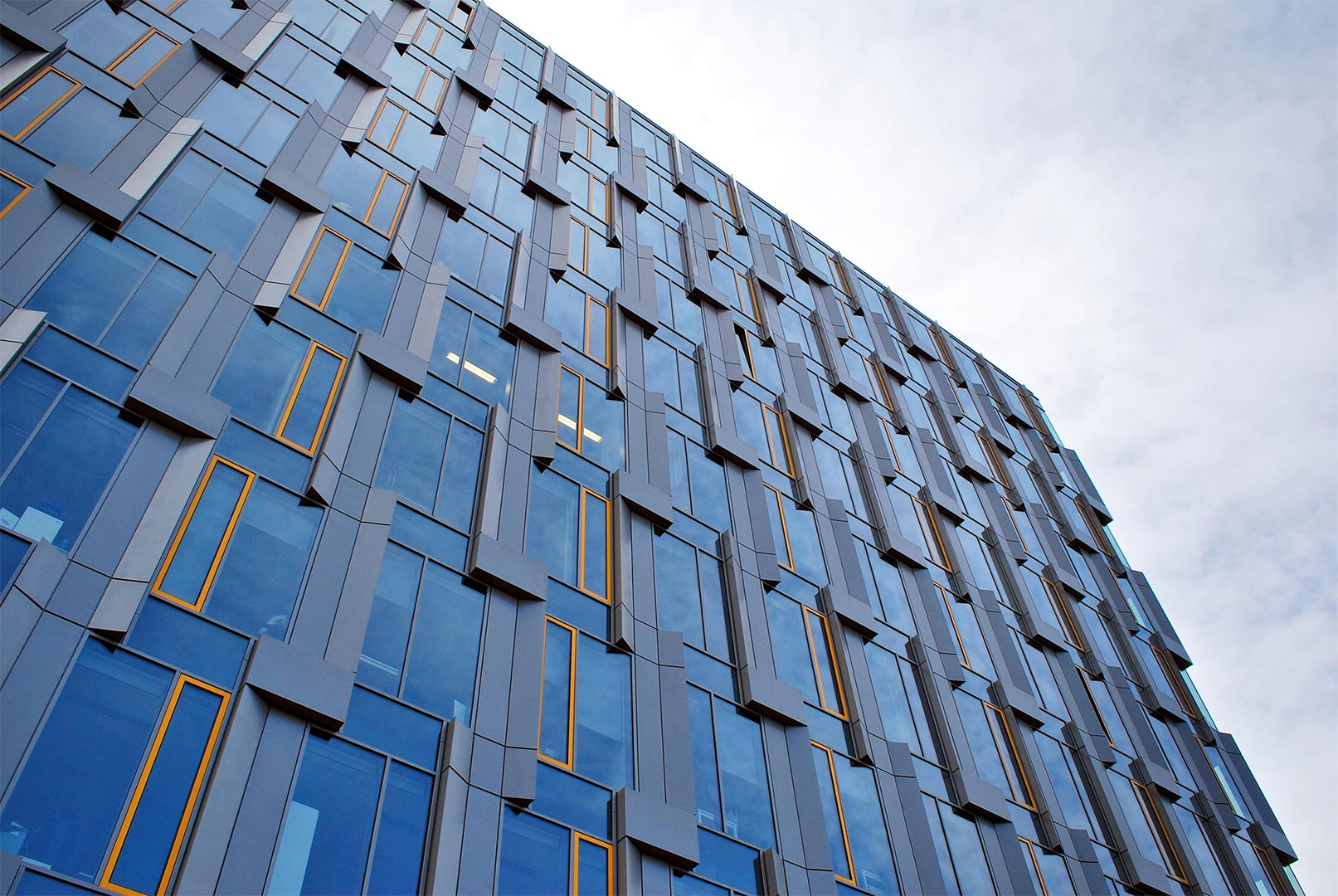
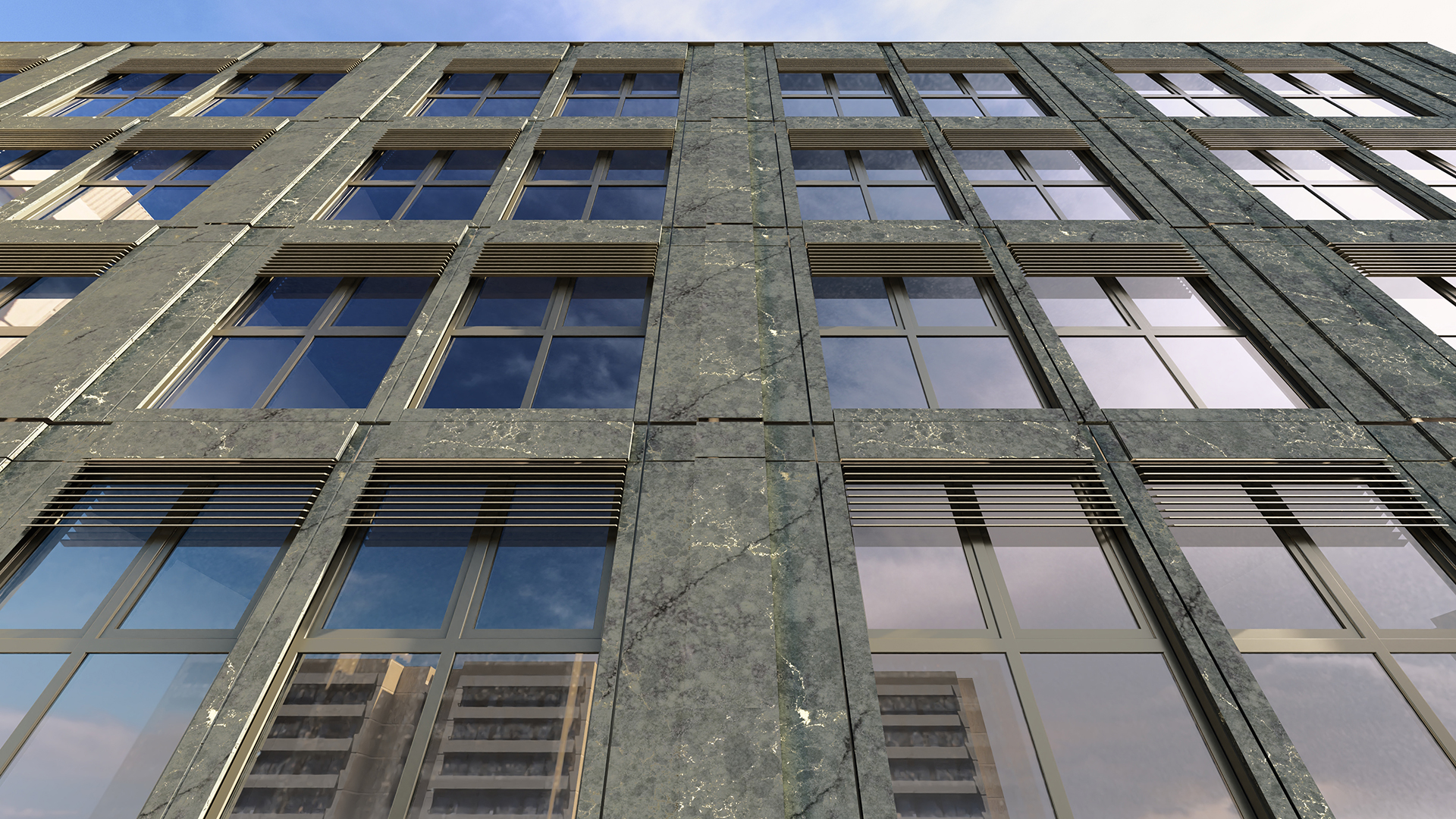
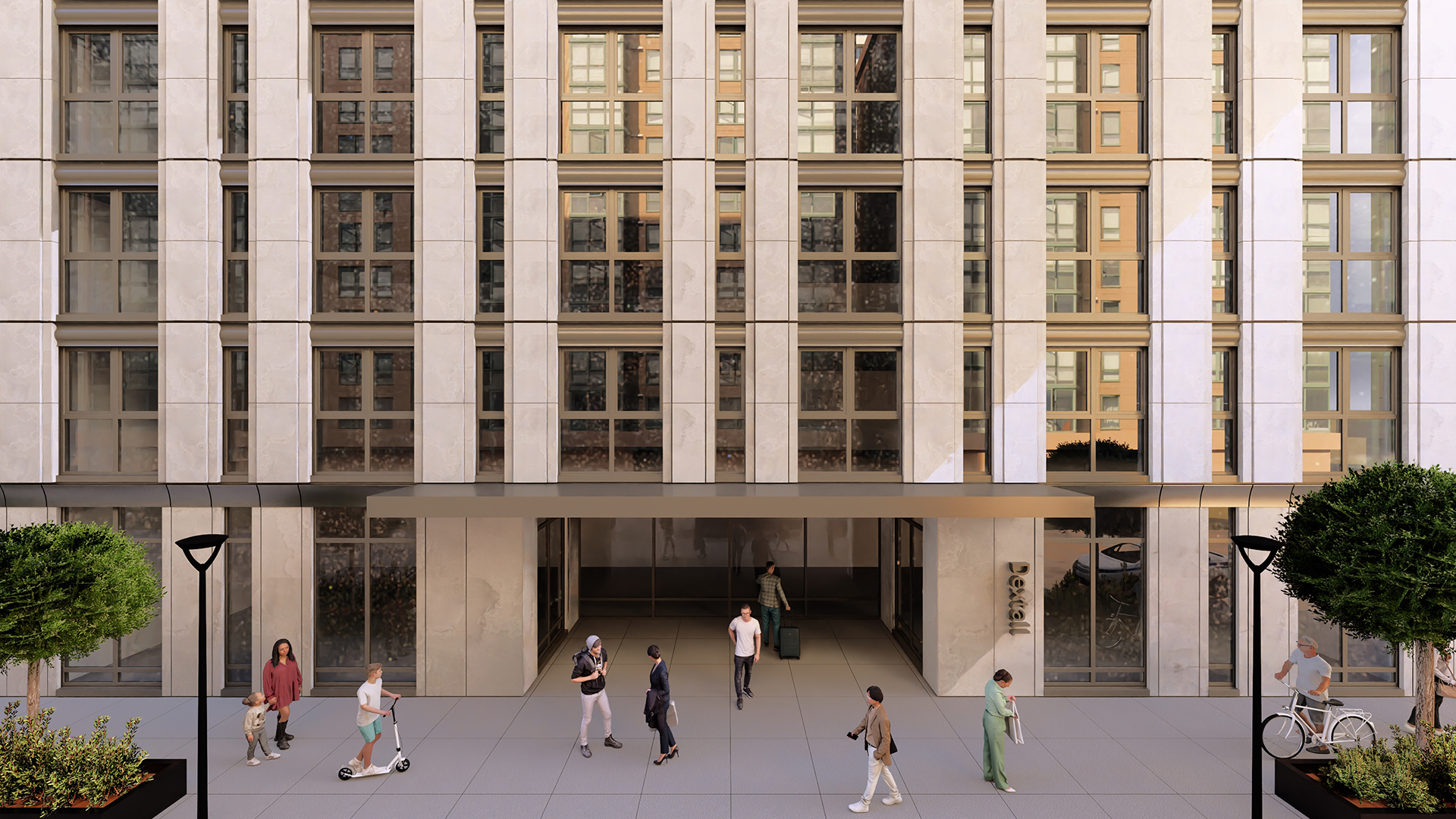
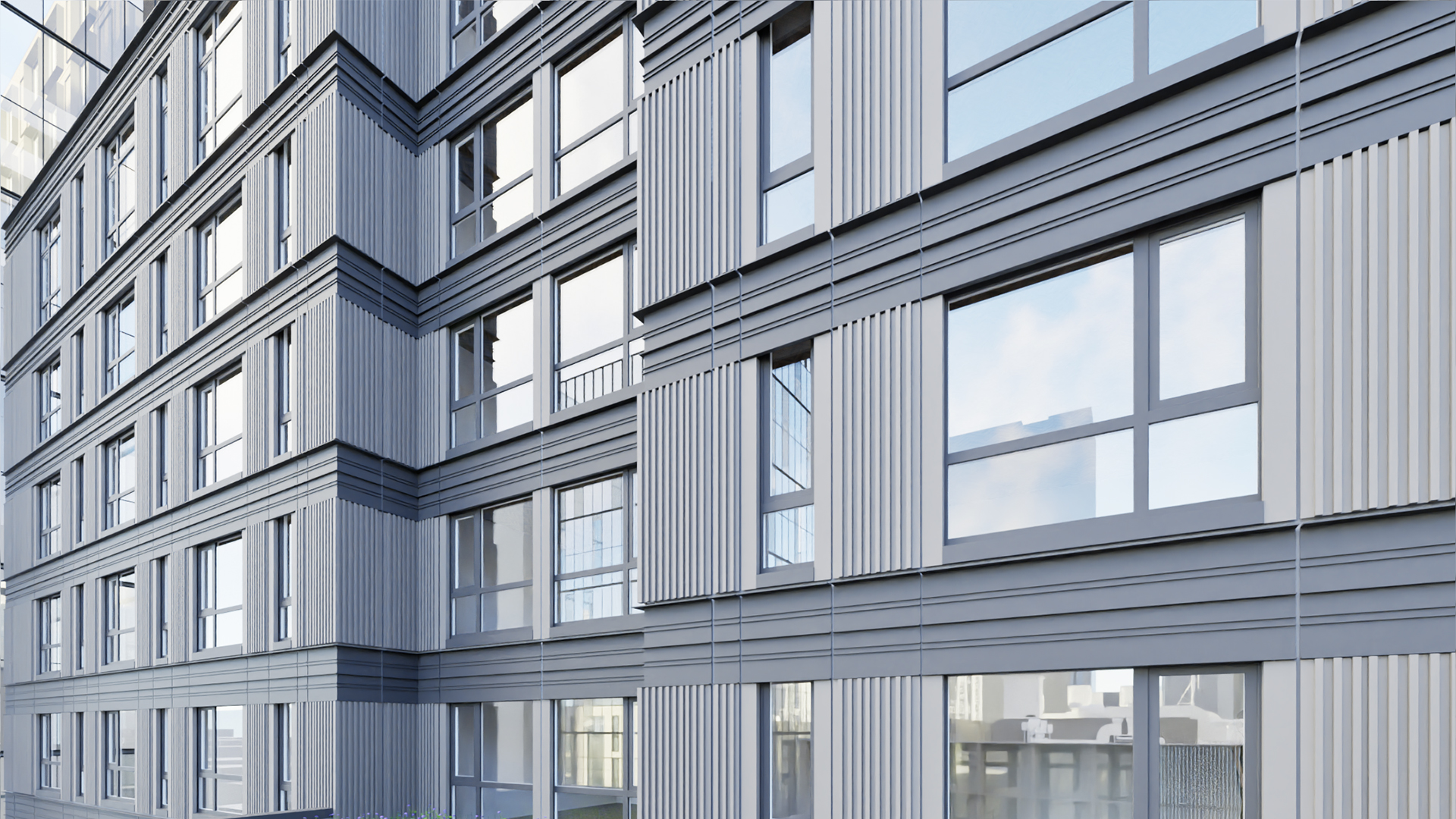
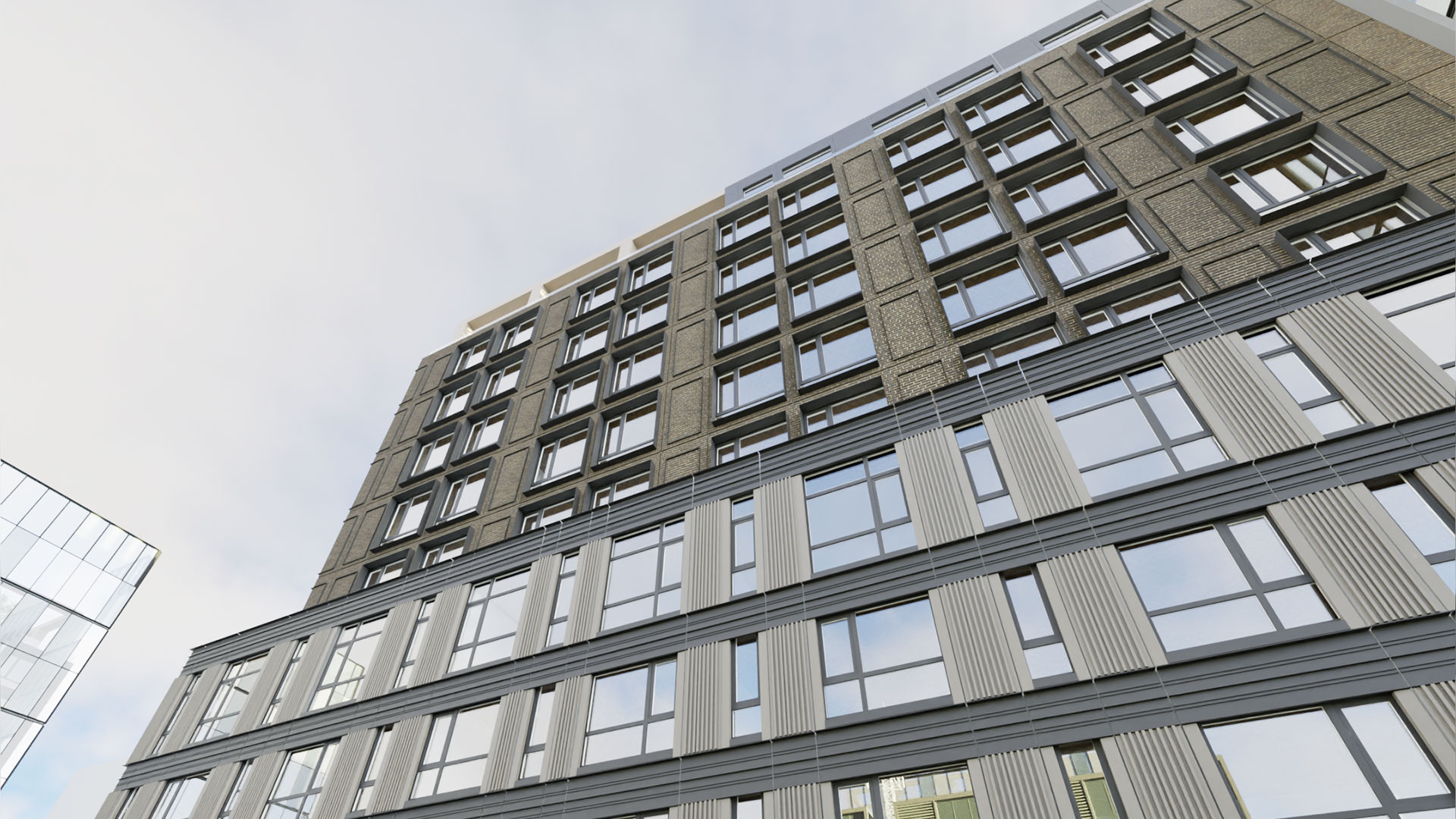
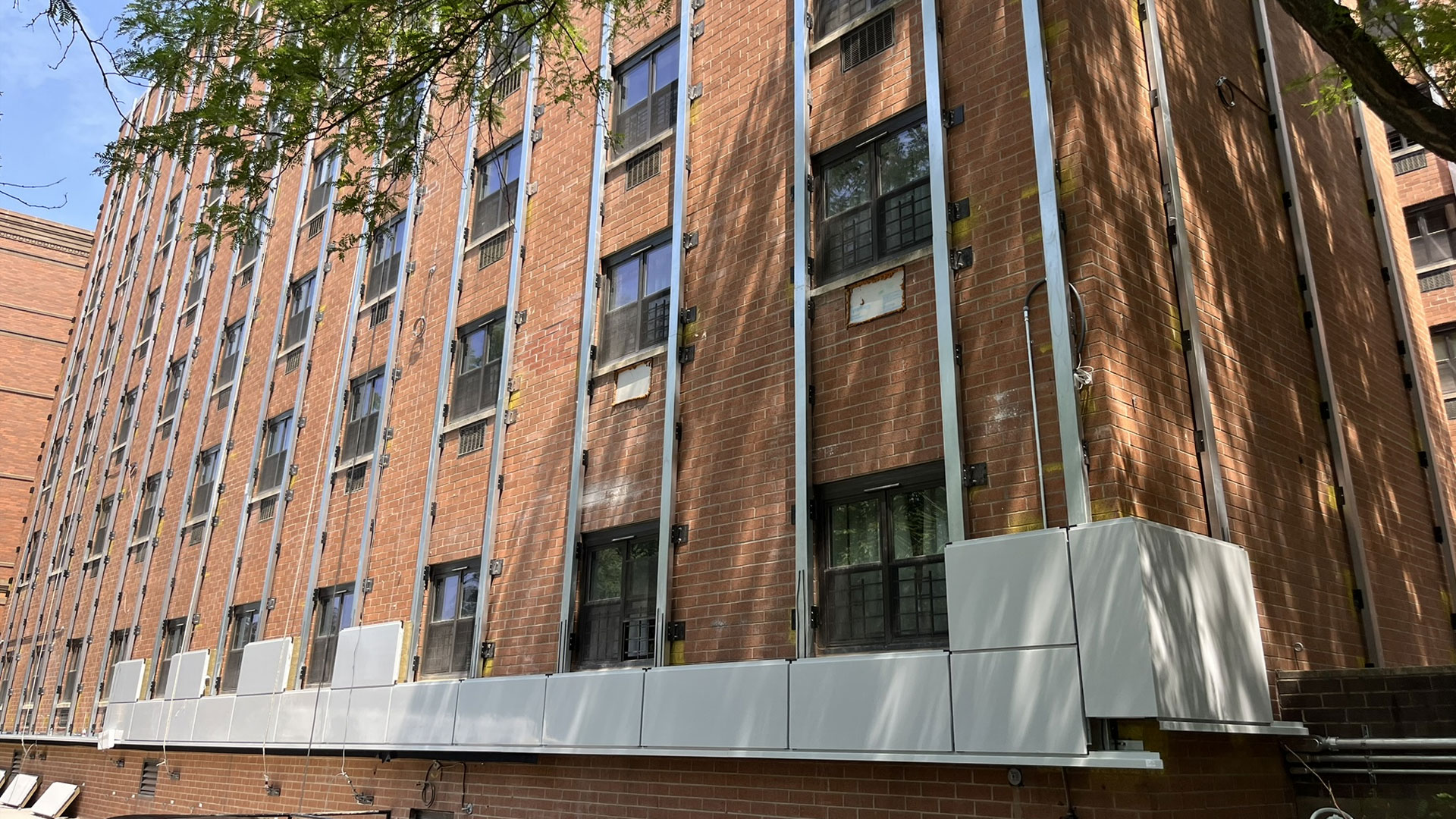
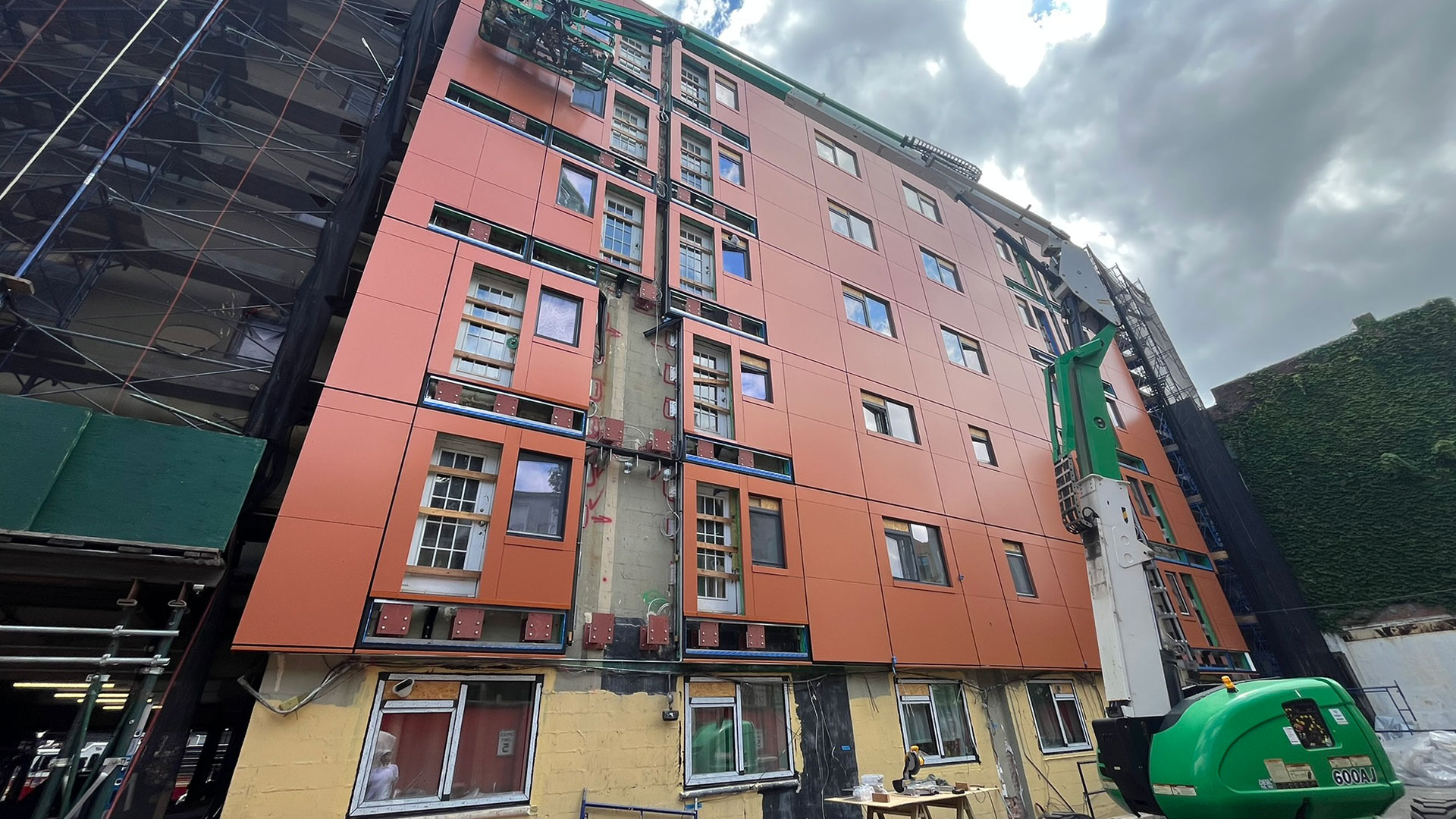
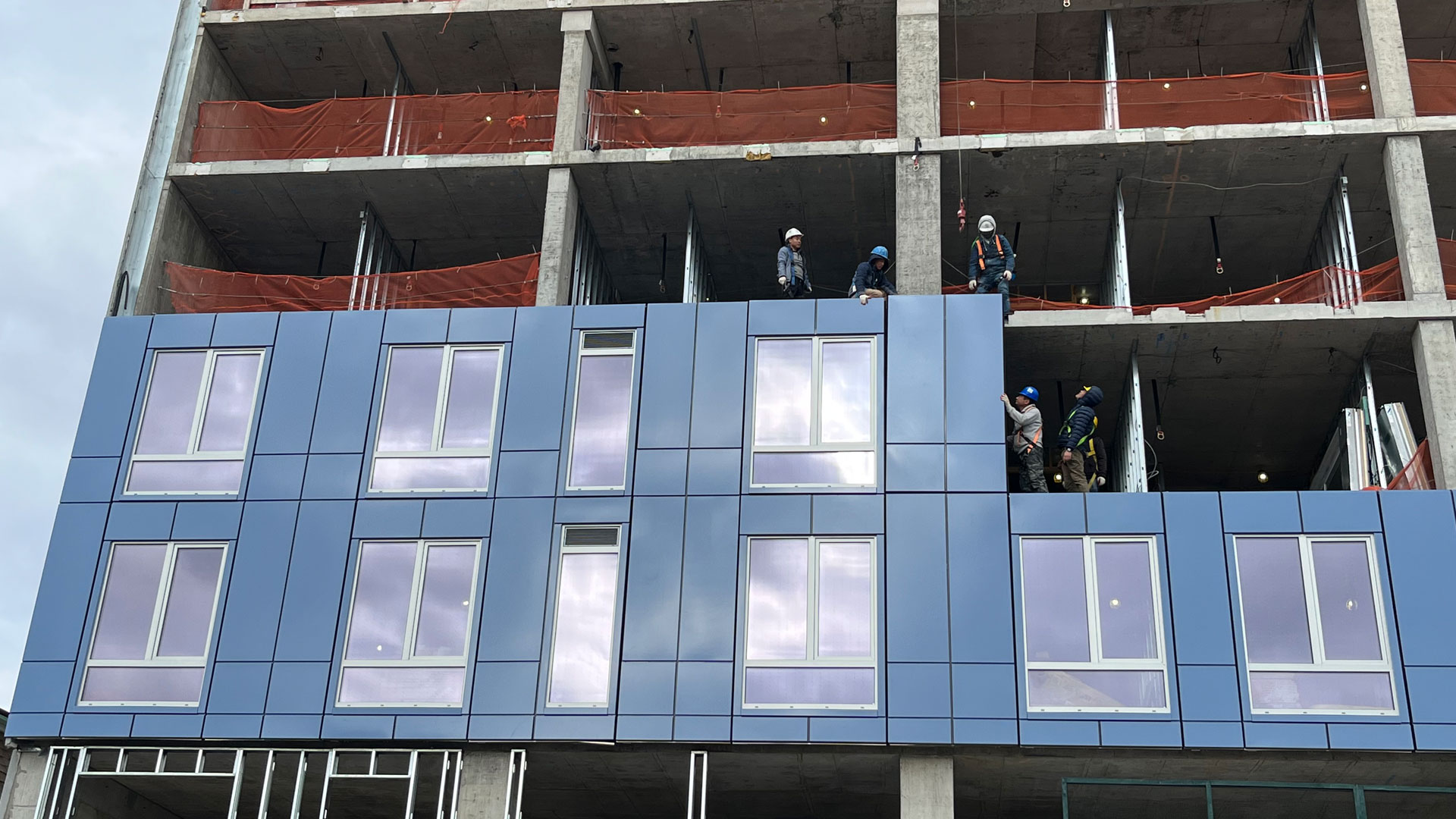
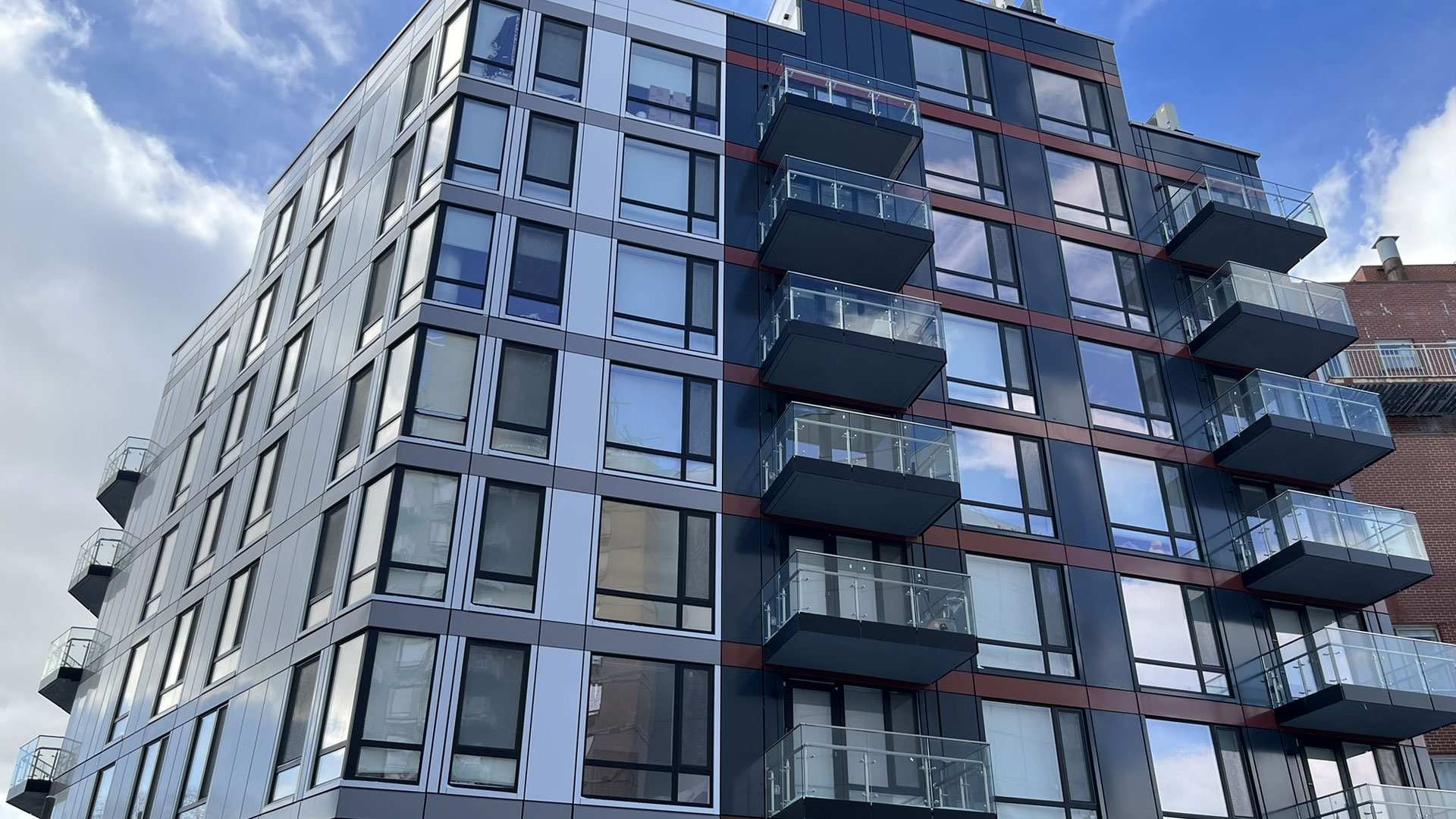
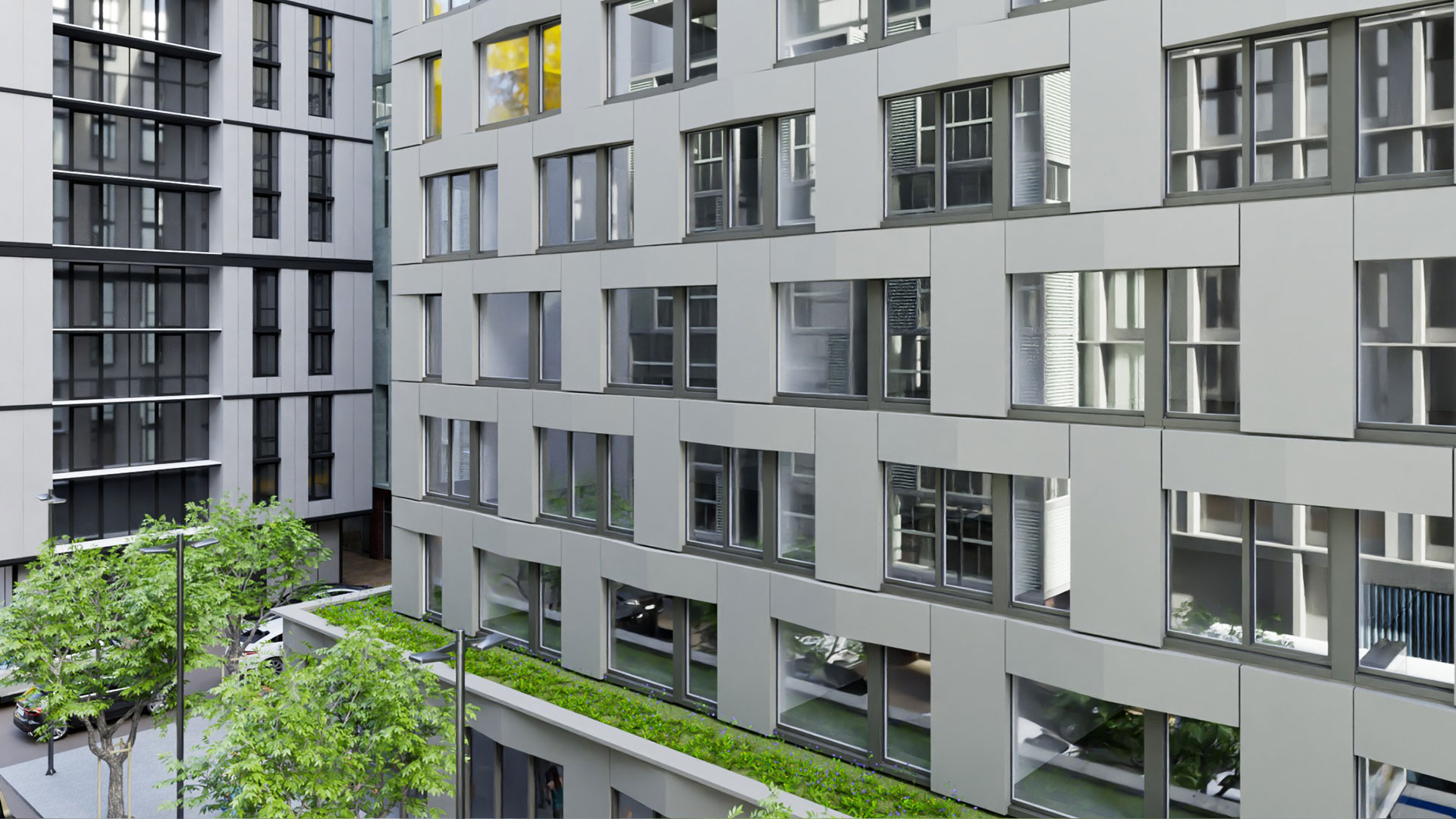
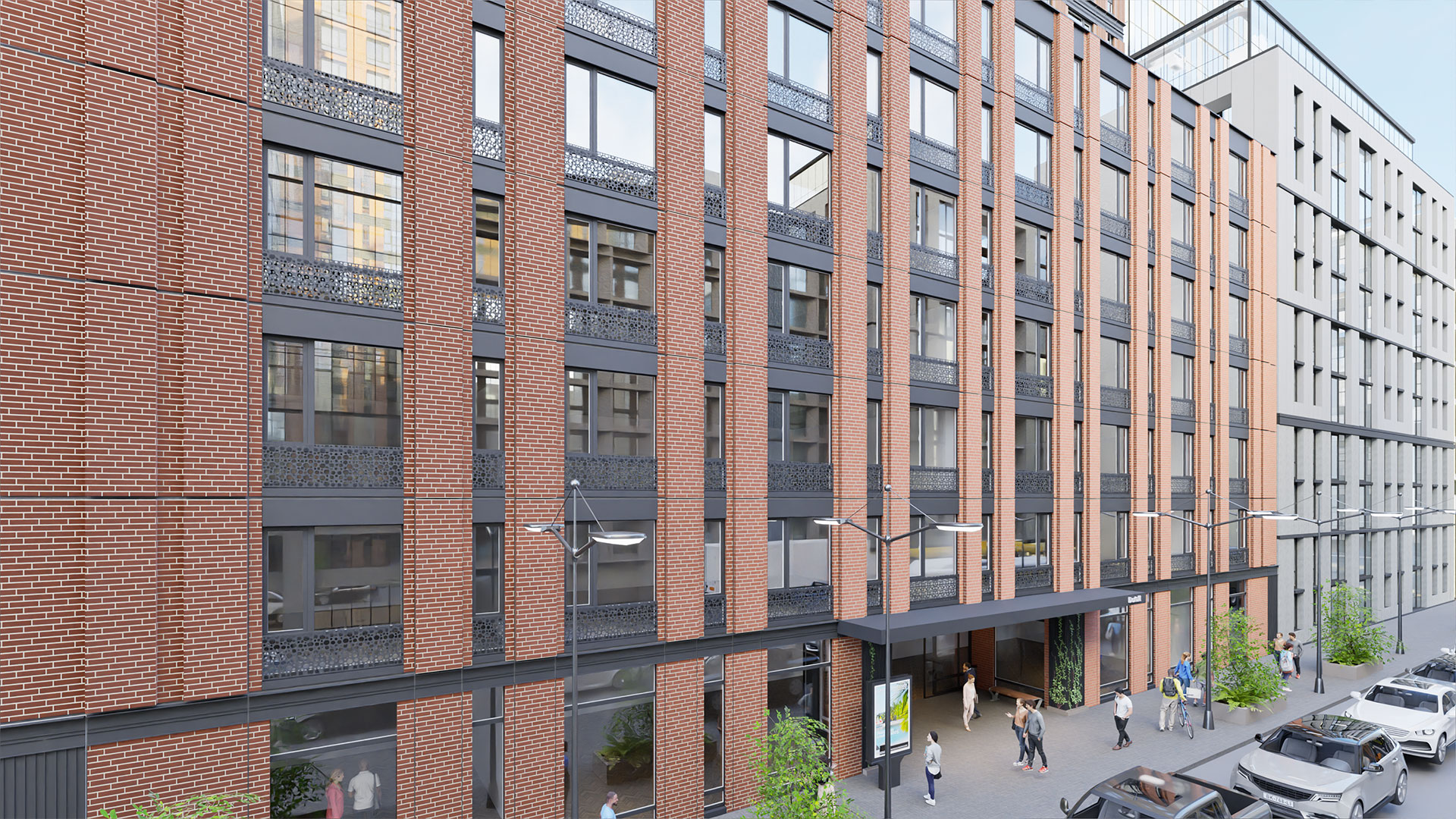
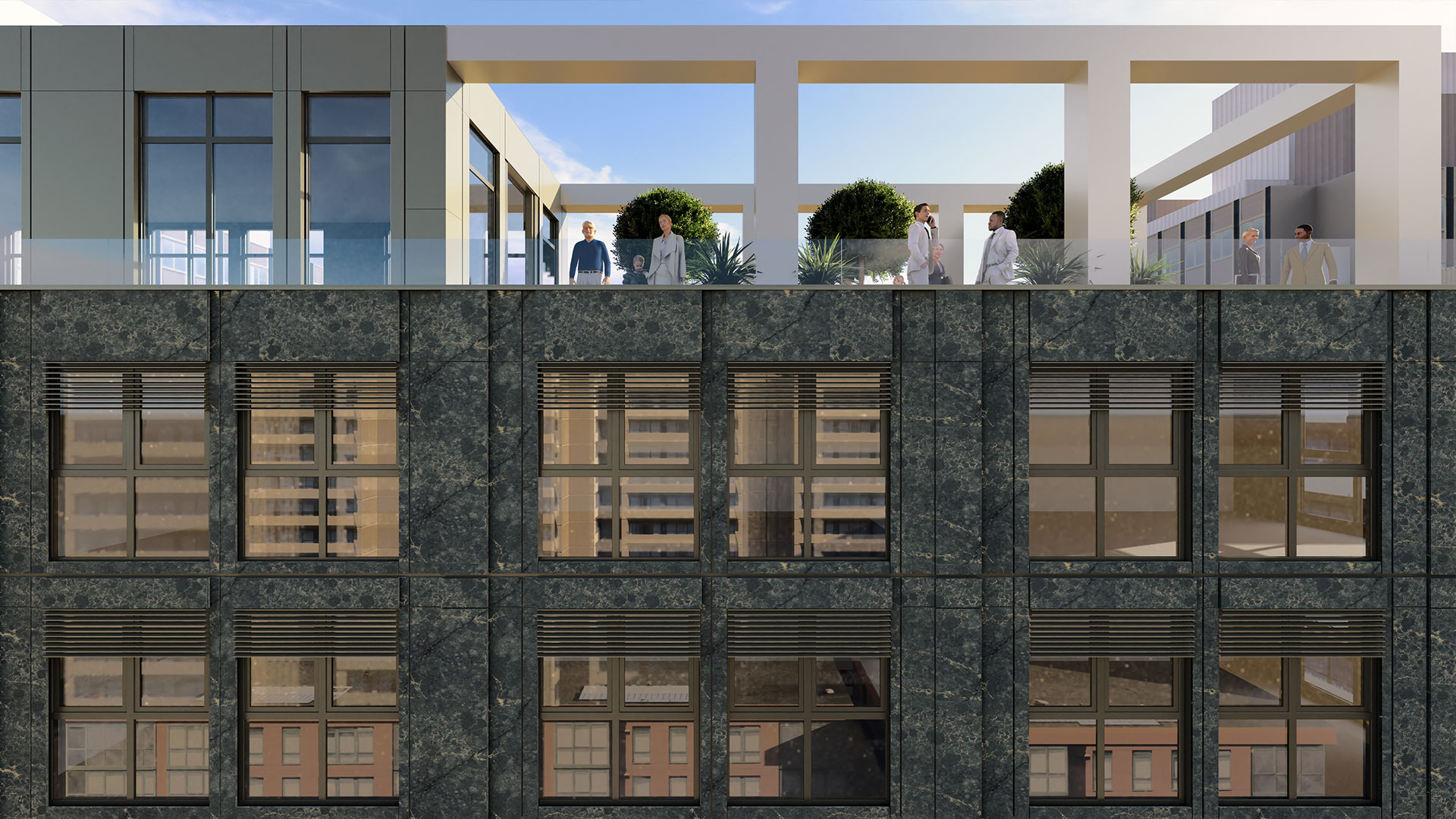
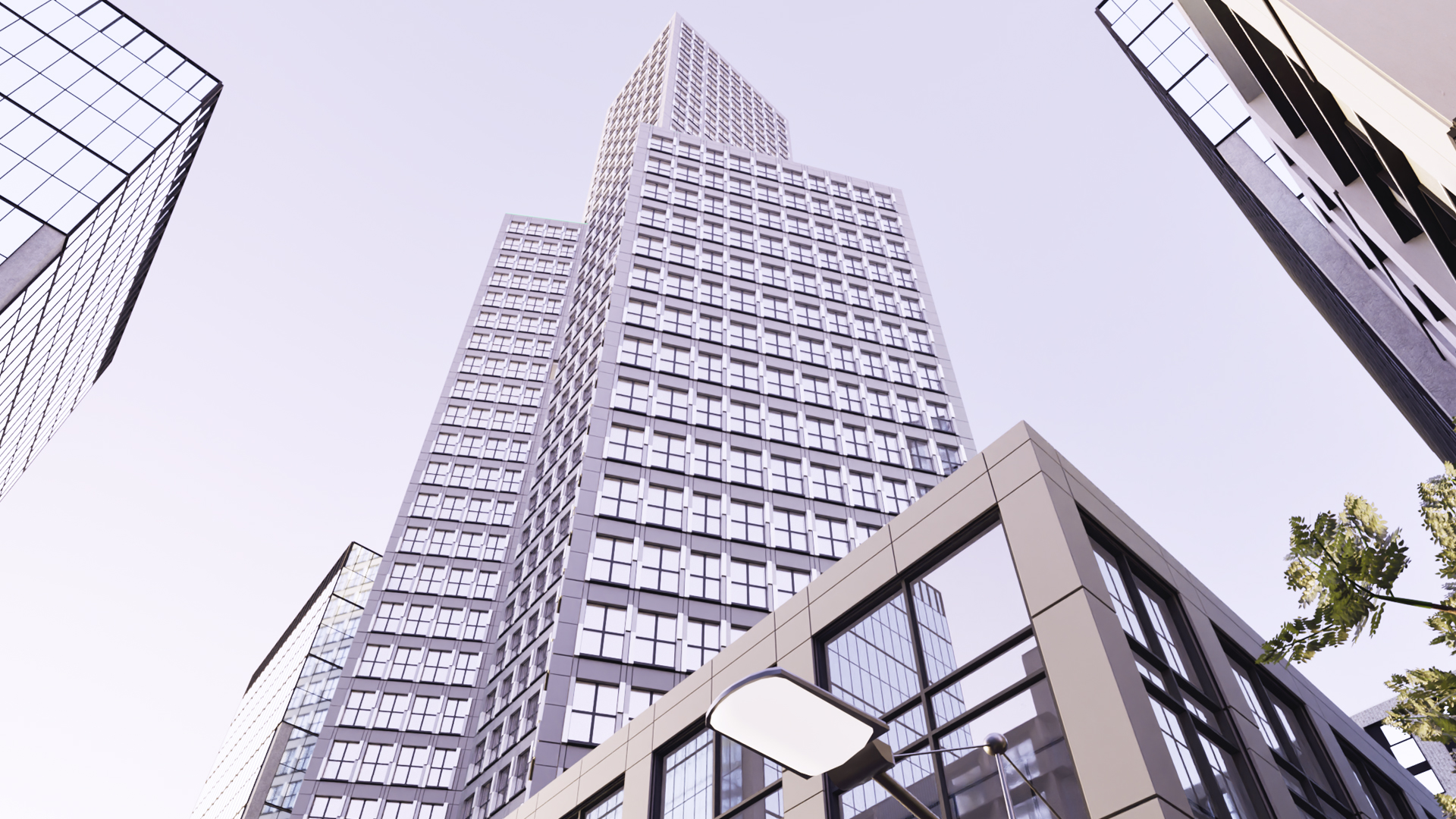
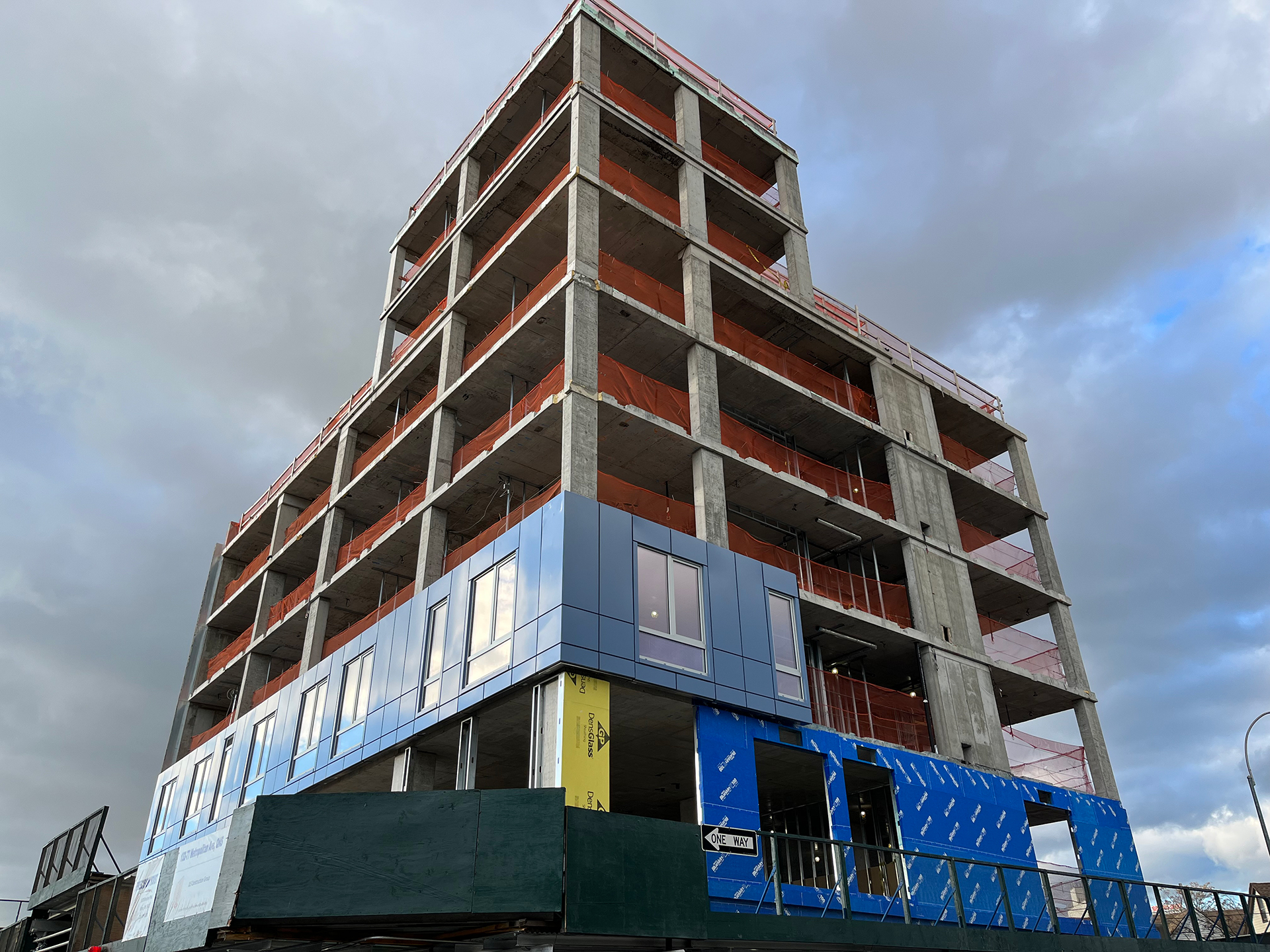
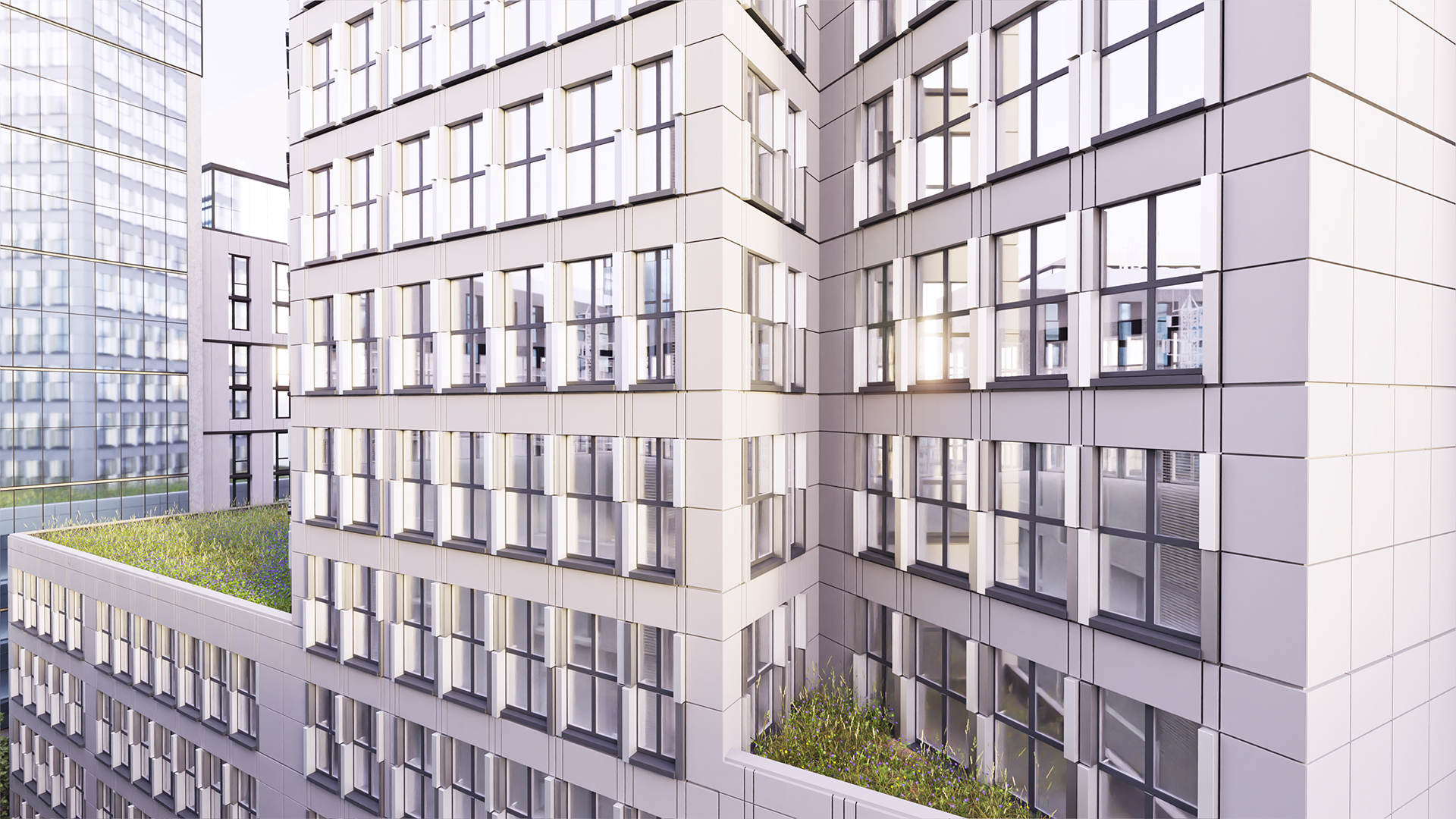
Images featured in this article depict Dextall's projects and are used for illustrative purposes only.
Sources









.jpeg)
-Compliance-for-NYC-Multifamily-%26-Co-Op-Facades.jpg)











_format(webp).avif)
_format(webp)%20(6).avif)
_format(webp)%20(5).avif)
_format(webp)%20(4).avif)
_format(webp)%20(2).avif)
_format(webp)%20(3).avif)


.avif)
_format(webp)%20(2).avif)