Exterior Cladding Lead Times: How to Schedule Facade Procurement for High-Rise
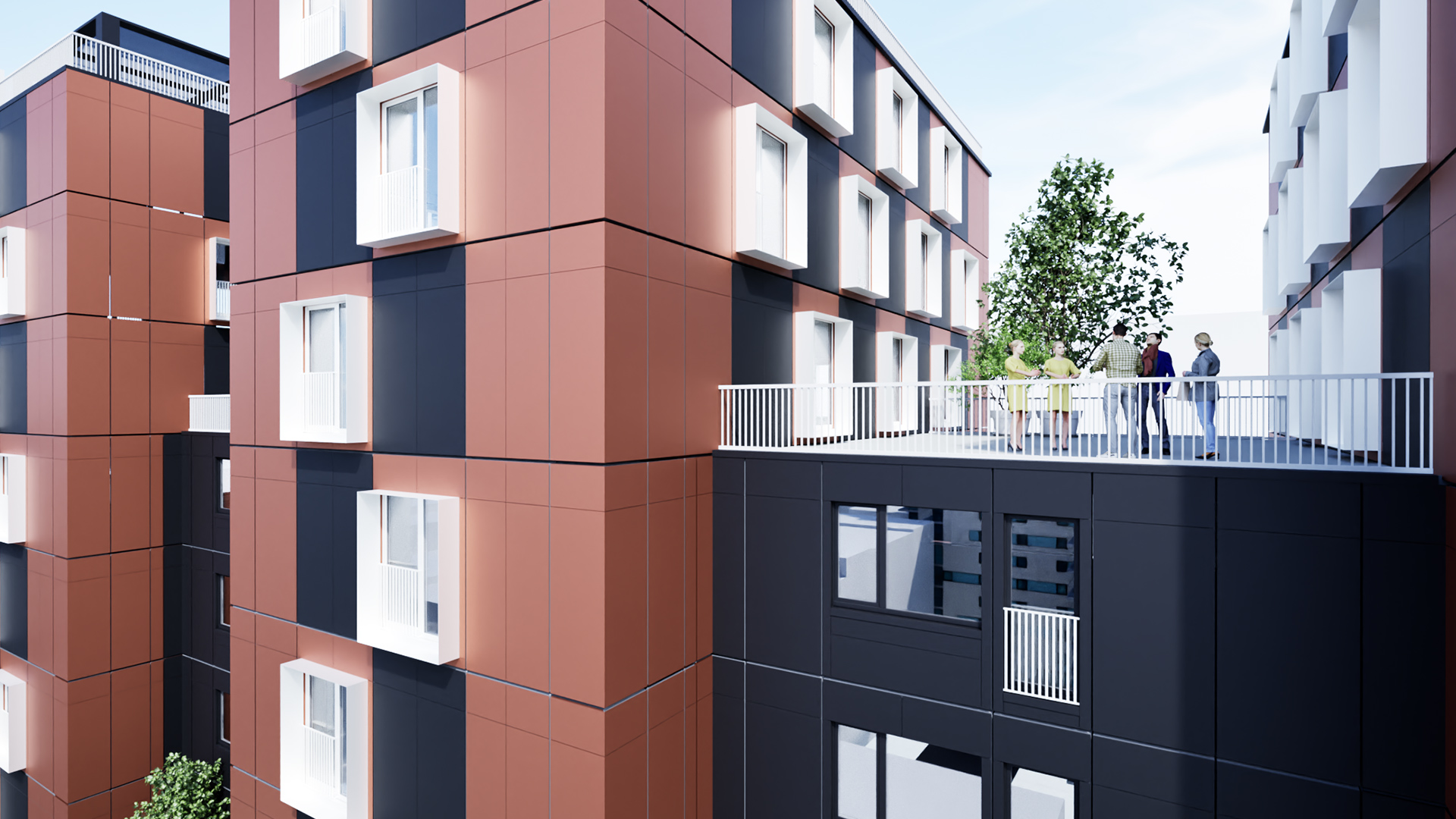
The exterior cladding on a high-rise building takes longer to procure than most project teams plan for — and when procurement starts late, the consequences are not recoverable through acceleration. Factory-assembled exterior cladding systems typically require 16 to 26 weeks from shop drawing approval to delivery on site. Add the time required to develop shop drawings after contract award — typically 4 to 8 weeks — and the total elapsed time from contractor engagement to first delivery runs 5 to 8 months under favorable conditions. On projects where the facade contractor is engaged late, or where design changes carry into construction documents, that window compresses in ways that cannot be solved by paying overtime.
Facade schedule failures follow a consistent pattern: the cladding system is treated as a finish trade rather than a long-lead procurement item, the manufacturer is not engaged until structural steel is substantially complete, and the result is a building that waits — topped out, interior rough-ins complete, mechanical commissioned — for exterior cladding that arrives 3 to 6 months after it was needed. This guide explains how facade procurement actually works, when each decision must be made, and how Dextall's 16-week lead time and design compression approach change the schedule math for architects and developers.
Why Exterior Cladding Is the Most Commonly Misscheduled Item in High-Rise Construction
Three characteristics of facade procurement make it persistently difficult to schedule correctly:
- Design completion is a prerequisite. A facade manufacturer cannot issue shop drawings until the architectural design is sufficiently resolved — floor-to-floor heights confirmed, anchor locations coordinated with the structural engineer, window sizes finalized. On projects where design evolves through construction documents, the facade contractor is waiting on information that the design team has not yet produced. Every design change that occurs after the facade contract is awarded restarts portions of the shop drawing process.
- Factory capacity is finite and shared. Facade manufacturers run production schedules that are booked months in advance. A project that engages a manufacturer late does not move to the front of the production queue — it takes whatever slot is available, which may be later than the project schedule requires. In a strong construction market, preferred manufacturers are booked 6 to 9 months out from the point of initial inquiry.
- Approval cycles add time that is rarely budgeted. Shop drawings for exterior cladding on a commercial high-rise require review by the architect, the structural engineer of record, and the facade consultant if one is engaged. Each review cycle takes 2 to 4 weeks. Multiple review cycles — common when the first submission requires revisions — add months that few project schedules account for explicitly.
The Typical High-Rise Facade Procurement Timeline
Working backwards from the target installation start date, a realistic high-rise facade procurement timeline looks like this:
- Manufacturer engagement and contract award: Minimum 2 to 4 weeks for bid, review, and contract execution after the project team issues the facade package for pricing. On fast-track projects, this can overlap with design completion, but the facade contractor cannot begin shop drawings until the design is sufficiently resolved.
- Shop drawing development: 4 to 8 weeks from contract award to first shop drawing submission, assuming design information is complete and stable at the time of engagement. Additional time required if the contractor must coordinate with the structural engineer on anchor conditions or if the design changes after engagement.
- Shop drawing review and approval: 2 to 4 weeks per review cycle, with 1 to 3 cycles typical on complex projects. Total elapsed time: 2 to 12 weeks, with 4 to 6 weeks representing a realistic average on well-managed projects.
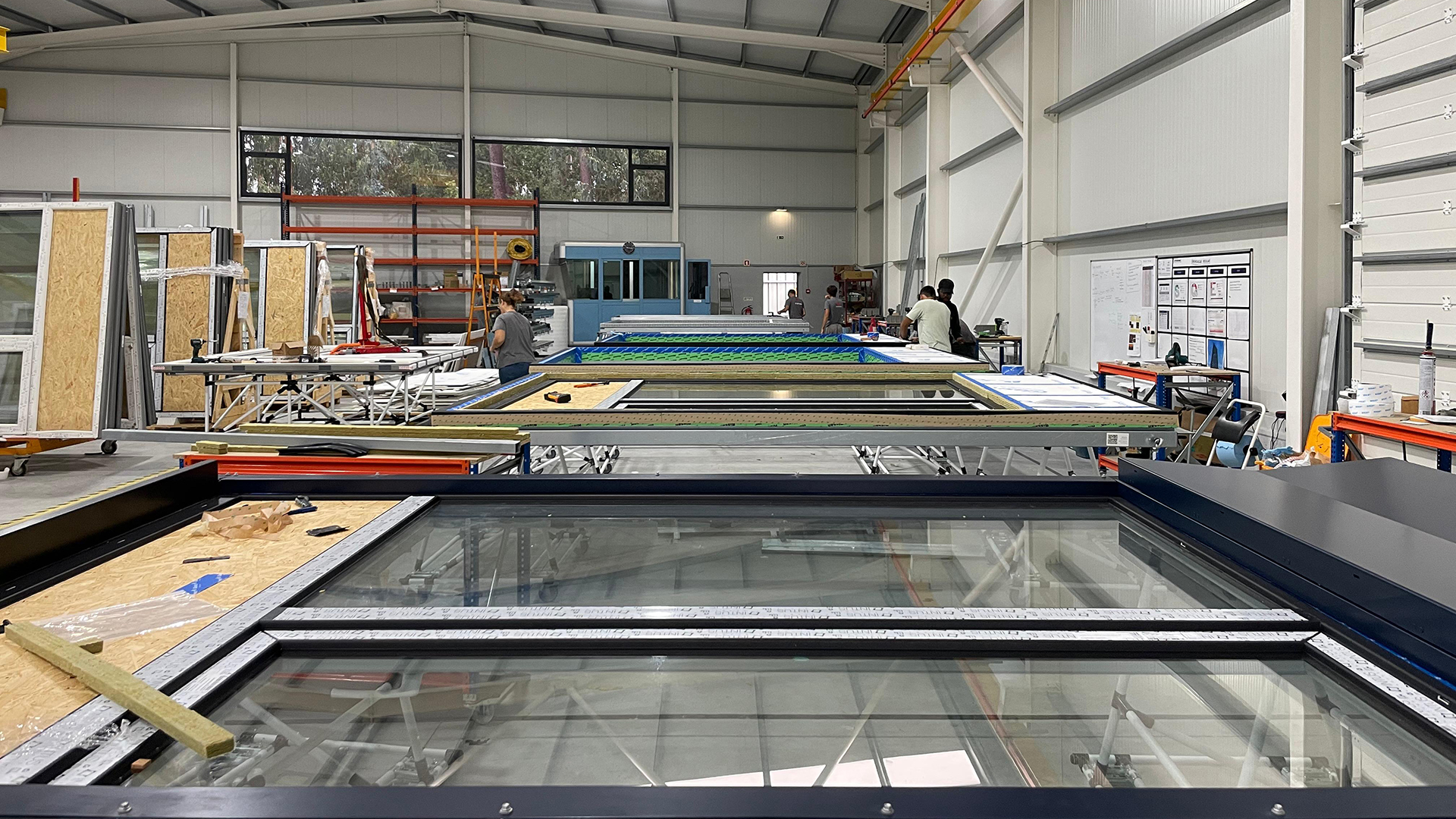
- Factory production and delivery: 16 to 26 weeks from shop drawing approval to delivery on site, depending on the manufacturer, the complexity of the system, and available production capacity at the time of award.
Adding these stages: on a straightforward project with a well-coordinated design team and an engaged facade contractor, the minimum elapsed time from manufacturer engagement to first delivery is approximately 22 to 30 weeks — roughly 5.5 to 7.5 months. On projects with design evolution, slow approval cycles, or production capacity constraints, 9 to 12 months is a realistic expectation.
What Triggers Delays — and How They Compound
Facade schedule delays are rarely caused by a single event. They compound from a sequence of smaller delays, each of which would be manageable in isolation:
- Late engagement of the facade contractor. The most common and most consequential delay trigger. If the facade contractor is not engaged until structural steel is substantially complete — a point that many project schedules use as the trigger for facade procurement — the project has already consumed most of the available float in the facade schedule.
- Design changes after contract award. Changes to floor-to-floor heights, anchor conditions, window configurations, or cladding material after the facade contractor is engaged require revisions to shop drawings in progress. Each revision is a partial restart of work already done.
- Slow shop drawing approval. Architect review that takes longer than scheduled — a common occurrence when the design team is simultaneously finishing construction documents for other trades — extends the pre-production period directly. The factory cannot begin production until shop drawings are approved.
- Production capacity constraints. A project that reaches shop drawing approval in a period when the manufacturer's production schedule is full must wait for an available production slot. This delay is entirely invisible during the design phase and emerges only when the contract is about to be awarded.
The compounding effect is significant. Three delays of 3 weeks each — late engagement, one additional shop drawing revision cycle, and a 3-week production queue wait — add 9 weeks to a schedule that already had no float. That is more than 2 months of delay on a construction program where occupied building delivery may carry contractual penalties.
How to Build Facade Procurement Into the Master Schedule
Avoiding facade schedule failures requires treating cladding procurement as a design-phase activity rather than a construction-phase activity. The following sequence reflects how high-performing project teams manage it:
- Identify the facade manufacturer at design development, not at construction documents. Early engagement — even a non-binding pre-qualification — allows the manufacturer to hold production capacity and begin preliminary coordination. It also allows the design team to align their design decisions with what the manufacturer can produce without extended custom tooling.
- Lock facade design parameters before 75% construction documents. Floor-to-floor heights, anchor conditions, and window module dimensions should be fixed before the facade contractor begins shop drawings. Each parameter that changes after shop drawing commencement extends the shop drawing schedule.
- Schedule shop drawing approval as a milestone, not a background activity. The architect and structural engineer of record should have a defined review period — 14 to 21 calendar days — written into the project schedule for each shop drawing submission. Unscheduled review periods default to whatever time is available, which is rarely enough.
- Verify production capacity at the time of contract award, not at the time of design. A manufacturer who is available when you begin design may be fully booked by the time you award the contract 6 months later. Capacity confirmation should be part of the award conversation.
- Float the facade procurement date, not the installation date. Build float into the procurement sequence — the period between design completion and manufacturer engagement — rather than assuming the installation date can absorb delays. Once the installation date is fixed by the structural completion schedule, the procurement sequence must hit its milestones with precision.
How Dextall's Lead Time and Design Compression Change the Schedule
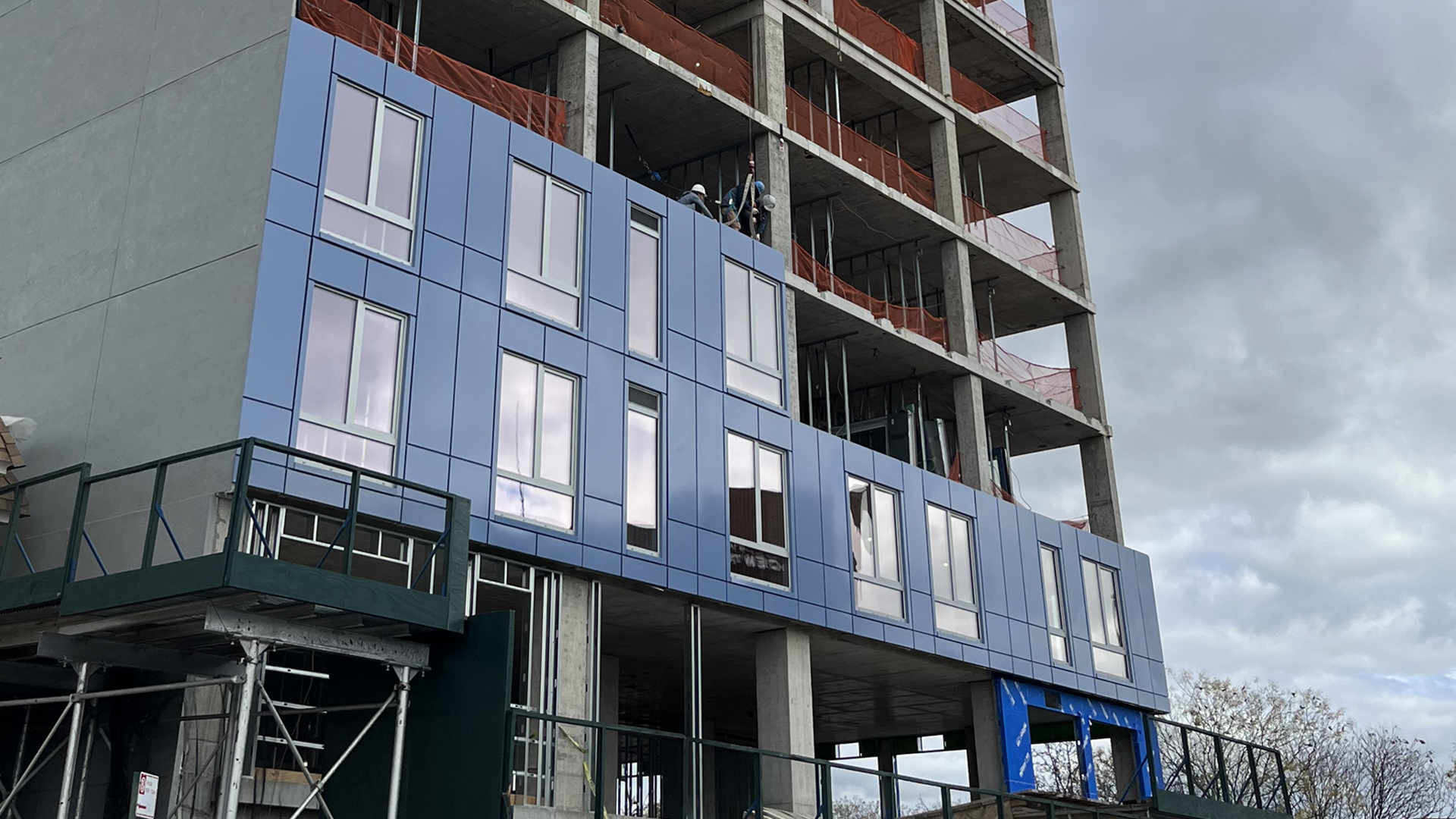
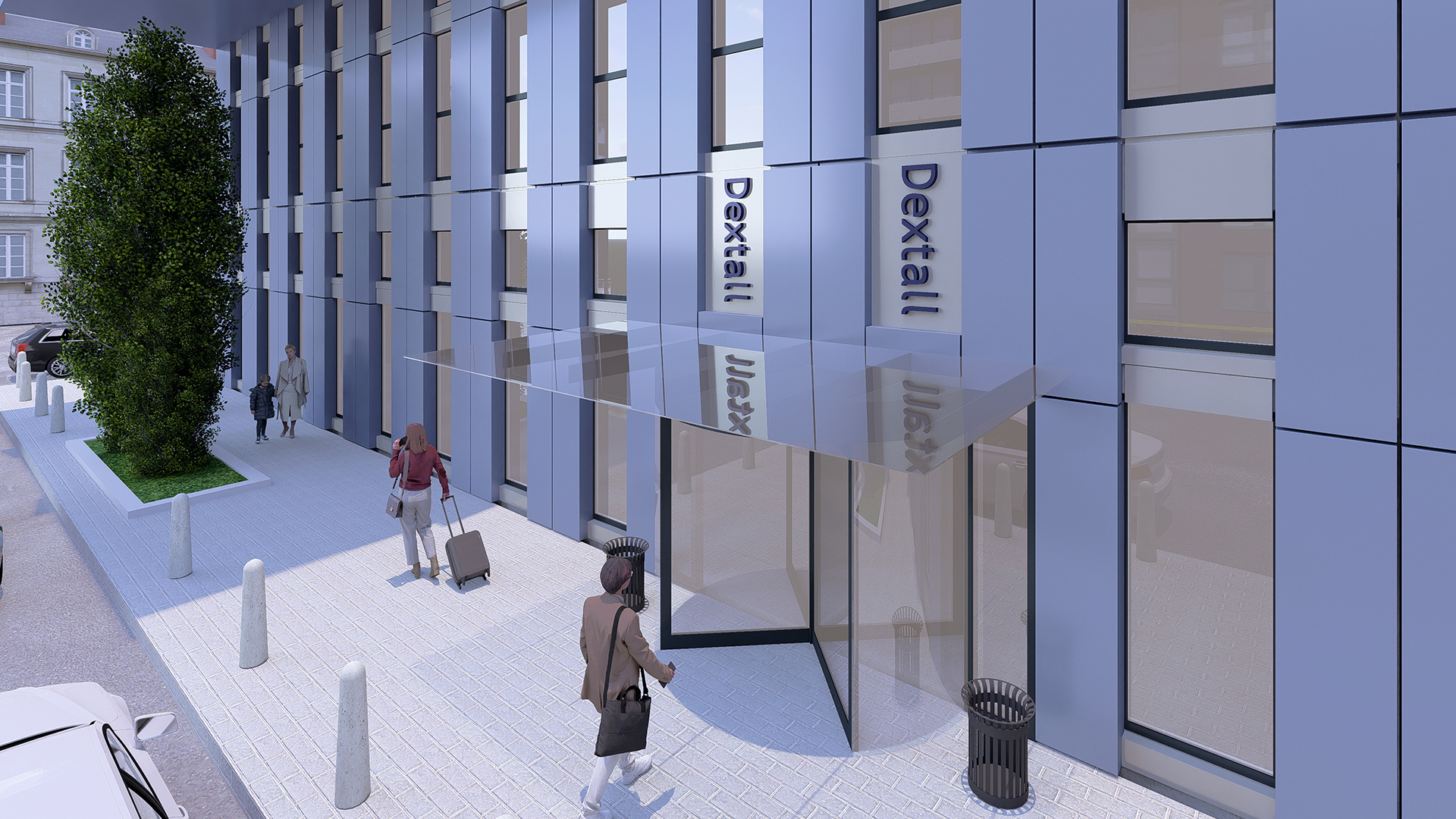
D Wall® modular building components for exteriors carry a 16-week lead time from shop drawing approval to delivery — at the shorter end of the industry range for factory-assembled exterior cladding. That lead time reflects factory production capacity and logistics, not an aspirational target. It is consistent across Dextall's project portfolio in New York City, Boston, Chicago, and Washington D.C.
The more significant schedule impact comes earlier in the process. Dextall's engineering team compresses the time from architectural design concept to shop-drawing-ready documentation from a process that traditionally takes months of back-and-forth coordination to under one week. Dextall's team produces the shop-drawing-level geometry directly from architectural intent, eliminating the iterative coordination cycle between architect, facade consultant, and manufacturer that conventional practice requires.
For a project team that engages Dextall at design development, the combined effect is material. Shop-drawing-ready documentation in under a week, followed by a 16-week production and delivery cycle, puts first facade delivery on site approximately 20 weeks after design intent is confirmed. That is 10 to 16 weeks faster than the conventional procurement sequence allows — a difference that either compresses the overall schedule or restores float that was consumed elsewhere in the program.
For architects and developers planning high-rise schedules in Dextall's markets, the right question is not "when do we need to order the facade" — it is "when do we need to finalize design intent so that Dextall's team can prepare shop drawings." The answer, for a building targeting a specific delivery date, works backwards cleanly from the 16-week production window. Contact Dextall at dextall.com to discuss procurement scheduling for your project.
Key Takeaways
- Factory-assembled exterior cladding systems require 16 to 26 weeks from shop drawing approval to site delivery. Add shop drawing development and approval time, and total elapsed time from manufacturer engagement to first delivery runs 5 to 8 months on well-managed projects.
- The most common cause of facade schedule delay is late engagement of the facade contractor — treating cladding as a finish trade rather than a long-lead procurement item with design-phase dependencies.
- Design changes after the facade contractor is engaged extend the shop drawing schedule. Locking facade design parameters — floor-to-floor heights, anchor conditions, window modules — before 75% construction documents is the most effective single schedule protection measure.
- Production capacity constraints are invisible during design and emerge only at the time of contract award. Verifying manufacturer availability at award, not at design, prevents the most expensive form of schedule surprise.
- Dextall's 16-week lead time, combined with the ability to compress design-to-shop-drawing time to under one week, reduces total procurement elapsed time by 10 to 16 weeks compared to conventional practice.
FAQ
How long does exterior cladding procurement take on a high-rise project?
From manufacturer engagement to first site delivery, a realistic range is 5 to 8 months on well-managed projects with stable designs. This includes 4 to 8 weeks for shop drawing development, 4 to 6 weeks for review and approval (assuming one revision cycle), and 16 to 26 weeks for factory production and delivery. Projects with design changes after contractor engagement, slow approval cycles, or production capacity constraints routinely run 9 to 12 months from engagement to delivery.
When should a high-rise project team engage the facade manufacturer?
At design development — not at construction documents. Early engagement allows the manufacturer to hold production capacity, begin preliminary coordination with the structural engineer, and alert the design team to any design decisions that would require extended custom tooling or non-standard production sequences. Projects that engage facade manufacturers at construction documents have typically consumed most of the available schedule float before shop drawings begin.
What causes facade procurement delays on high-rise projects?
The most common causes are late contractor engagement, design changes after shop drawing commencement, slow shop drawing approval cycles, and production capacity constraints at the manufacturer. These delays compound: three separate 3-week delays add 9 weeks to a schedule that rarely has that much float in the facade procurement sequence.
What is Dextall's lead time for D Wall® modular building components?
Dextall's lead time is 16 weeks from shop drawing approval to site delivery. Combined with Dextall's ability to prepare shop-drawing-ready documentation from architectural design intent in under one week, the total elapsed time from design confirmation to first delivery is approximately 20 weeks — significantly shorter than conventional facade procurement sequences allow.
How does Dextall compress facade procurement time?
Dextall's team prepares shop-drawing-ready documentation directly from architectural design intent, producing the geometry and documentation needed for factory production without the iterative coordination cycle that conventional practice requires. A process that traditionally takes months of back-and-forth coordination is compressed to under one week, moving the project into the factory production phase significantly earlier in the overall program.
Sources












.jpeg)
-Compliance-for-NYC-Multifamily-%26-Co-Op-Facades.jpg)















_format(webp).avif)
_format(webp)%20(6).avif)
_format(webp)%20(5).avif)
_format(webp)%20(4).avif)
_format(webp)%20(2).avif)
_format(webp)%20(3).avif)


.avif)
_format(webp)%20(2).avif)