Seismic Drift in Exterior Cladding: Design Requirements for High-Rise Buildings
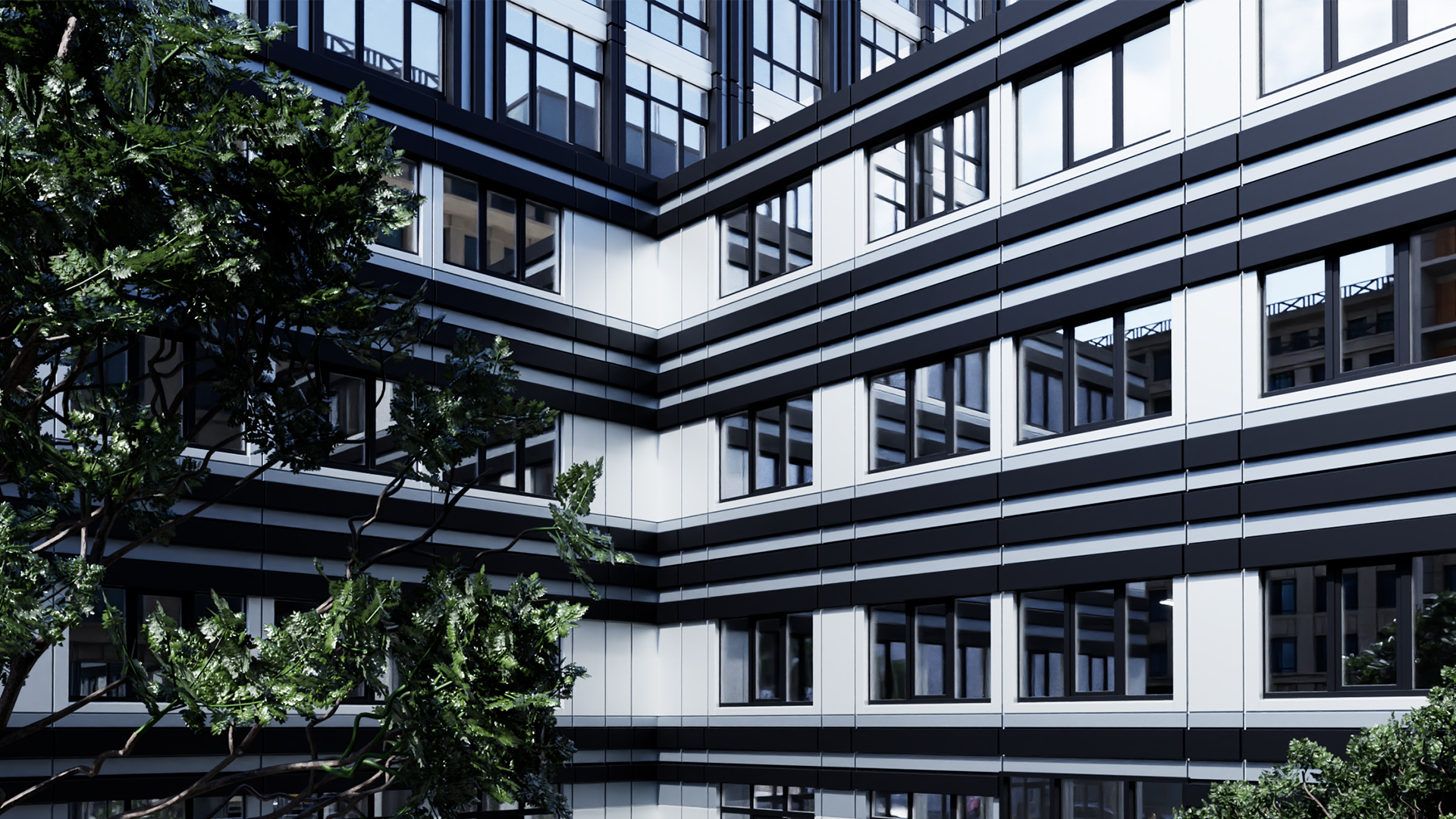
Seismic interstory drift is the relative lateral displacement between two adjacent floors of a building during an earthquake. For exterior cladding on a high-rise, that movement — which can range from fractions of an inch to several inches depending on the building's seismic design category and story height — must be accommodated by the facade anchor system without the cladding cracking, detaching from the structure, or becoming a falling hazard. ASCE 7-22, the standard that governs structural loads in the United States and is referenced by the International Building Code, sets allowable story drift ratios and requires that non-structural components — including exterior cladding — be designed to accommodate the building's calculated drift. Facade specifications that do not address seismic drift explicitly rely on contractors to solve a structural engineering problem in the field, which is not a reliable approach and is not compliant with IBC Chapter 16 requirements for non-structural component design.
This guide explains what seismic drift is, what ASCE 7 requires of exterior cladding systems, how anchor system design accommodates drift, and what the specification must include to demonstrate compliance. D Wall® modular building components for exteriors use an adjustable anchor system designed to absorb seismic drift and thermal movement — the technical basis for that design is the framework this article describes.
What Seismic Drift Is and Why Exterior Cladding Must Accommodate It
During an earthquake, a building's structural frame deflects laterally — the upper floors move relative to the lower floors in a wave-like pattern. The interstory drift at any given level is the difference in lateral displacement between that floor and the floor immediately below it. On a rigid building with a well-designed lateral force resisting system, interstory drift is small. On a taller, more flexible building in a high seismic zone, interstory drift can be substantial.
Exterior cladding is attached to the structural frame at each floor level. When the frame drifts laterally during a seismic event, the attachment points move relative to each other — the anchor at the upper floor displaces relative to the anchor at the lower floor. If the cladding system has no capacity to accommodate this relative movement, one of three failure modes occurs:
- Cladding fracture — glass, stone, or other brittle cladding materials crack or shatter when forced to absorb the racking deformation that the building's frame imposes on the facade.
- Connection failure — anchors or fasteners pull out of the structure or fracture, detaching the cladding from the building. This is the most dangerous outcome because detached cladding at height is a falling hazard for building occupants and pedestrians.
- Frame distortion — the cladding frame racks out of plane, breaking the gaskets and seals that maintain weather tightness and potentially jamming windows and doors in their frames.
All three failure modes have been observed in post-earthquake building damage surveys, including surveys following the 1994 Northridge earthquake and the 2010 and 2011 Canterbury earthquakes in New Zealand. The design objective is not to prevent drift — the structural frame will drift under seismic loading by design — but to ensure the cladding system can accommodate the drift without failing.
ASCE 7-22 Drift Limits and What They Mean for Facade Design
ASCE 7-22 Table 12.12-1 establishes allowable story drift limits (Δa) for different structure types, expressed as a fraction of the story height (hsx):
- Risk Category I and II structures (most commercial buildings): Δa = 0.020 hsx. At a 12-foot story height, this allows 0.020 × 144 inches = 2.88 inches of interstory drift.
- Risk Category III structures (assembly occupancies, schools): Δa = 0.015 hsx. At 12-foot story height: 2.16 inches.
- Risk Category IV structures (essential facilities, hospitals): Δa = 0.010 hsx. At 12-foot story height: 1.44 inches.
- Structures with masonry or other brittle cladding: additional limits apply to protect cladding from damage at drift levels below the structural limit.
These are the allowable limits — not the expected drift in a design-level earthquake. The actual calculated interstory drift at design seismic intensity is typically 50% to 75% of the allowable limit on well-designed high-rise structures. However, the facade anchor system must be designed to accommodate the full allowable drift — not just the expected drift — because seismic events can exceed design-level predictions.
ASCE 7-22 Section 13.5.3 specifically addresses glass in glazed curtain walls and storefronts, requiring that the glazing system be designed without glass breakage at the design story drift level and without glass fallout at 1.25 times the design story drift. These are drift magnitude criteria — not separate seismic events — derived from the structural engineer's calculated design interstory drift for the building.
How Facade Anchors Must Accommodate Interstory Drift
The anchor system is where seismic drift accommodation is engineered into an exterior cladding system. Three primary approaches are used in commercial high-rise facade design:
- Slotted connections. The anchor bolt or screw passes through a slotted hole in the facade framing rather than a round hole. The slot allows the framing to translate horizontally relative to the structural anchor point without transferring the full drift force into the cladding frame. The slot length must be equal to or greater than the design interstory drift at that level. Slotted connections are common in stick-built curtain wall systems where individual mullion anchors must accommodate movement independently.
- Racking joints. Horizontal joints between cladding units are designed with a clear gap that allows the upper unit to displace relative to the lower unit by the design drift amount. The gap is maintained by a compressible filler or is left open with a covered reveal. Racking joints are common in stone and metal cladding systems where the cladding is attached to a rail-and-clip subframe.
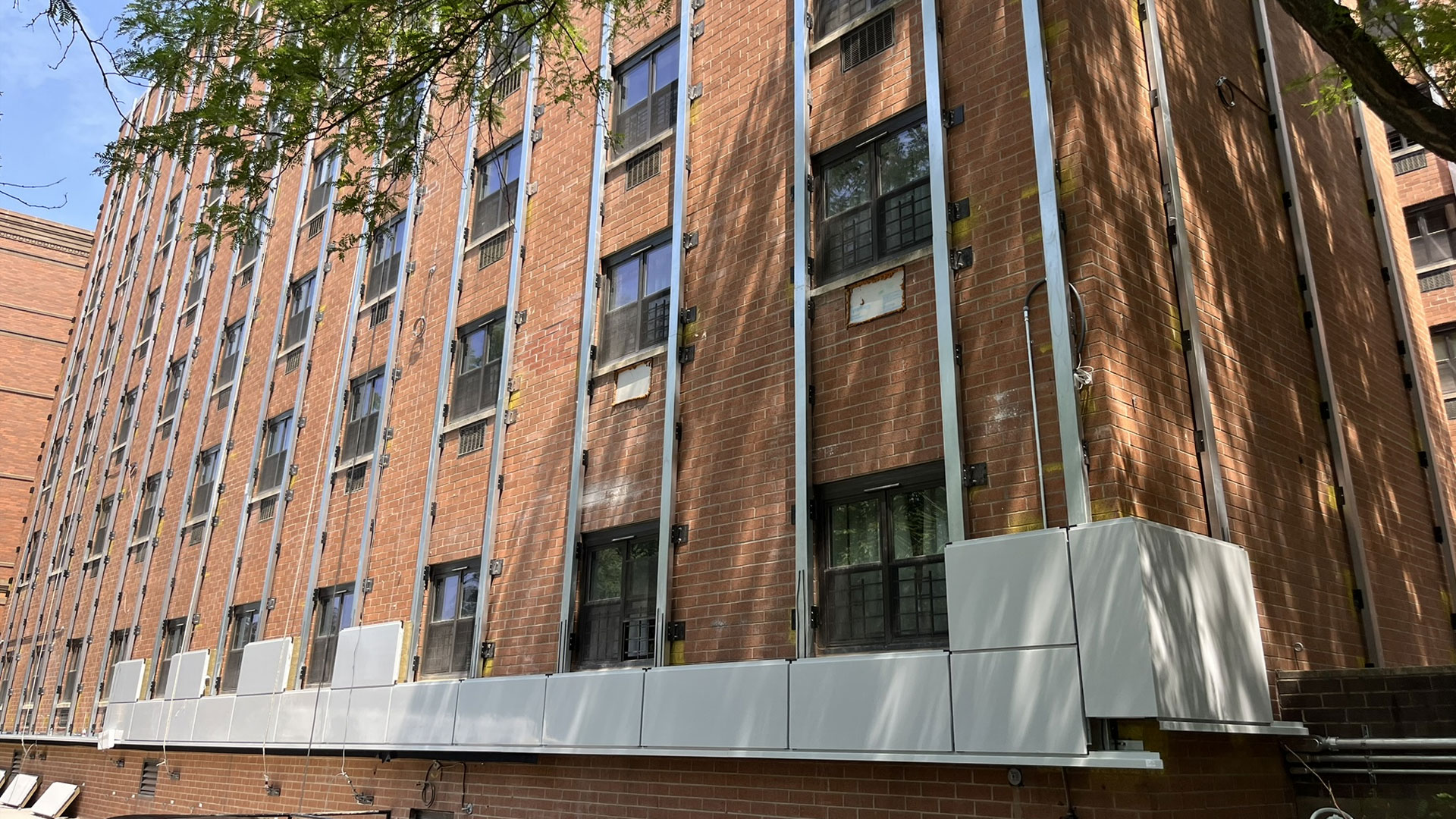
- Adjustable anchor systems. The anchor assembly incorporates both vertical adjustment (to accommodate construction tolerance) and horizontal adjustment (to absorb drift). Three-way adjustable anchors — up-down, in-out, and left-right — are standard on factory-assembled exterior building components where the anchor must accommodate cumulative tolerance from the structural frame, the anchor embedment, and the cladding production tolerances simultaneously. The horizontal adjustment capacity must equal or exceed the design interstory drift at the anchor level.
The anchor system design is specific to the building — it depends on the story height, the seismic design category, the calculated drift from the structural engineer's model, and the weight and configuration of the cladding system. Generic anchor designs that do not reference project-specific drift calculations are not appropriate for commercial high-rise exterior cladding.
Seismic Design Categories and Geographic Risk in Dextall's Markets
The IBC assigns buildings to Seismic Design Categories (SDC) based on the site's mapped seismic hazard and the building's occupancy. SDC determines both the required seismic design approach and the stringency of non-structural component requirements including exterior cladding:
- New York City: SDC B/C. NYC sits above a network of faults including the Ramapo Fault Zone. The city is not in a high seismic zone by western U.S. standards, but it is not seismically inactive. Most commercial high-rise projects in Manhattan and the outer boroughs fall into SDC B or C, where ASCE 7 Section 13.5 non-structural component requirements — including exterior cladding drift accommodation — apply.
- Boston: SDC C. Similar to NYC, Boston has moderate seismic hazard from regional fault systems. SDC C triggers more stringent non-structural component requirements than SDC B, including explicit drift accommodation documentation for exterior cladding systems.
- Chicago: SDC B. Lower seismic hazard than the East Coast coastal cities. ASCE 7 non-structural requirements still apply, but allowable drift values are generally smaller because the design seismic forces are lower.
- Los Angeles and San Francisco: SDC D. High seismic hazard — the full ASCE 7 drift limit and non-structural component requirements apply with maximum stringency. Exterior cladding on high-rise buildings in SDC D must be specifically designed, tested, and documented for drift accommodation. This is a more demanding design environment than Dextall's current primary markets but represents a realistic expansion trajectory.
Thermal Movement vs. Seismic Drift: Different Problems, Different Solutions
Exterior facade specifications must address both thermal movement and seismic drift, but these are distinct phenomena that require different design solutions:
- Thermal movement is slow, predictable, and cyclic — it occurs every day and every season as the facade surface temperature changes. Aluminum cladding expands and contracts at approximately 13 × 10⁻⁶ per °F. Over a 100°F temperature swing (common on dark-colored south-facing facades in most U.S. climate zones), a 10-foot aluminum extrusion changes length by approximately 0.16 inches. Thermal movement is accommodated by expansion joints with flexible sealant that can repeatedly compress and extend without tearing.
- Seismic drift is sudden, rare, and potentially large — it occurs once per earthquake event and may not recur for decades. It is accommodated by anchor system geometry — slotted holes, racking gaps, or adjustable connections — that allow the structural displacement to occur without transferring it as a force into the cladding frame. Flexible sealant alone cannot accommodate seismic drift of 1 to 3 inches; structural accommodation in the anchor is required.
Facade specifications that address only thermal movement — a common deficiency in specifications written by teams without seismic design experience — leave the seismic accommodation as an unresolved shop drawing problem. Shop drawings are not the appropriate place to engineer primary structural accommodation for seismic drift.
How to Specify Seismic Drift Accommodation in the Facade
A complete exterior cladding specification for a building in SDC B or higher includes the following seismic requirements:
- Reference the design interstory drift. Obtain the calculated design interstory drift from the structural engineer of record for each floor level. Include the drift values — in inches, not as a percentage of story height — in the facade specification as a performance requirement the anchor system must accommodate.
- Require drift accommodation documentation at submittal. The facade contractor must demonstrate, through shop drawings reviewed by the structural engineer, that the anchor system accommodates the specified drift without transferring seismic forces into the cladding frame beyond the cladding's capacity.
- Reference ASCE 7-22 Section 13.5. This section governs exterior non-structural components and specifically addresses glazed curtain wall systems, architectural cladding, and their attachment systems. Including this reference in the specification establishes the applicable standard without requiring the specification writer to reproduce it.
- Coordinate with the structural engineer of record. The facade anchor conditions — embedment depth, anchor spacing, and anchor type — are typically included in the structural engineer's drawings. The facade specification should cross-reference the structural drawings for anchor requirements rather than specifying anchors independently, which creates coordination conflicts.
- Address glazing separately. For glazed zones, specify compliance with ASCE 7-22 Section 13.5.3: no glass breakage under the serviceability earthquake and no glass fallout under the design earthquake. This typically requires a tested glazing system with documented drift accommodation capacity rather than a calculated estimate.
D Wall® Modular Building Components and Seismic Drift
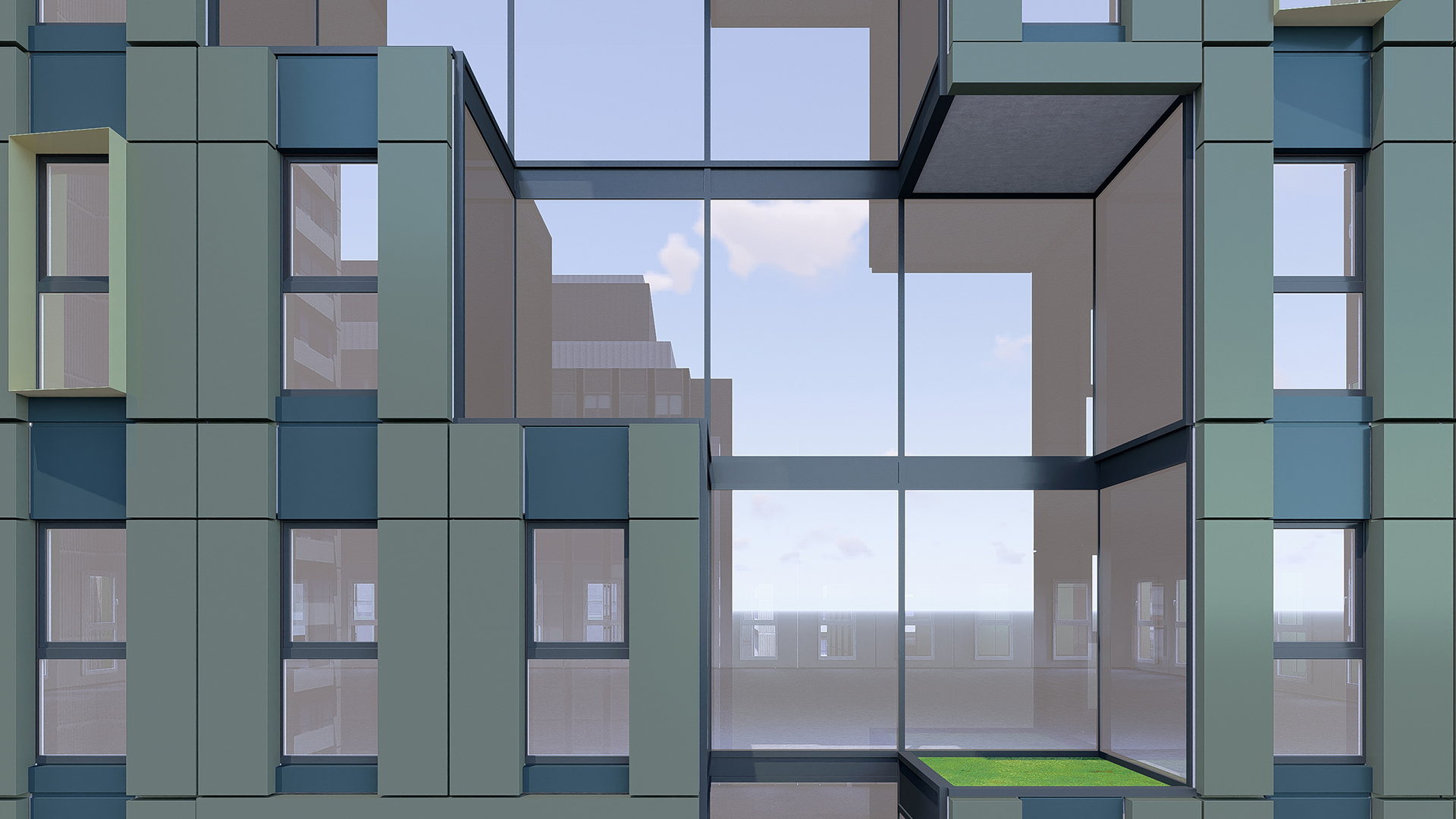
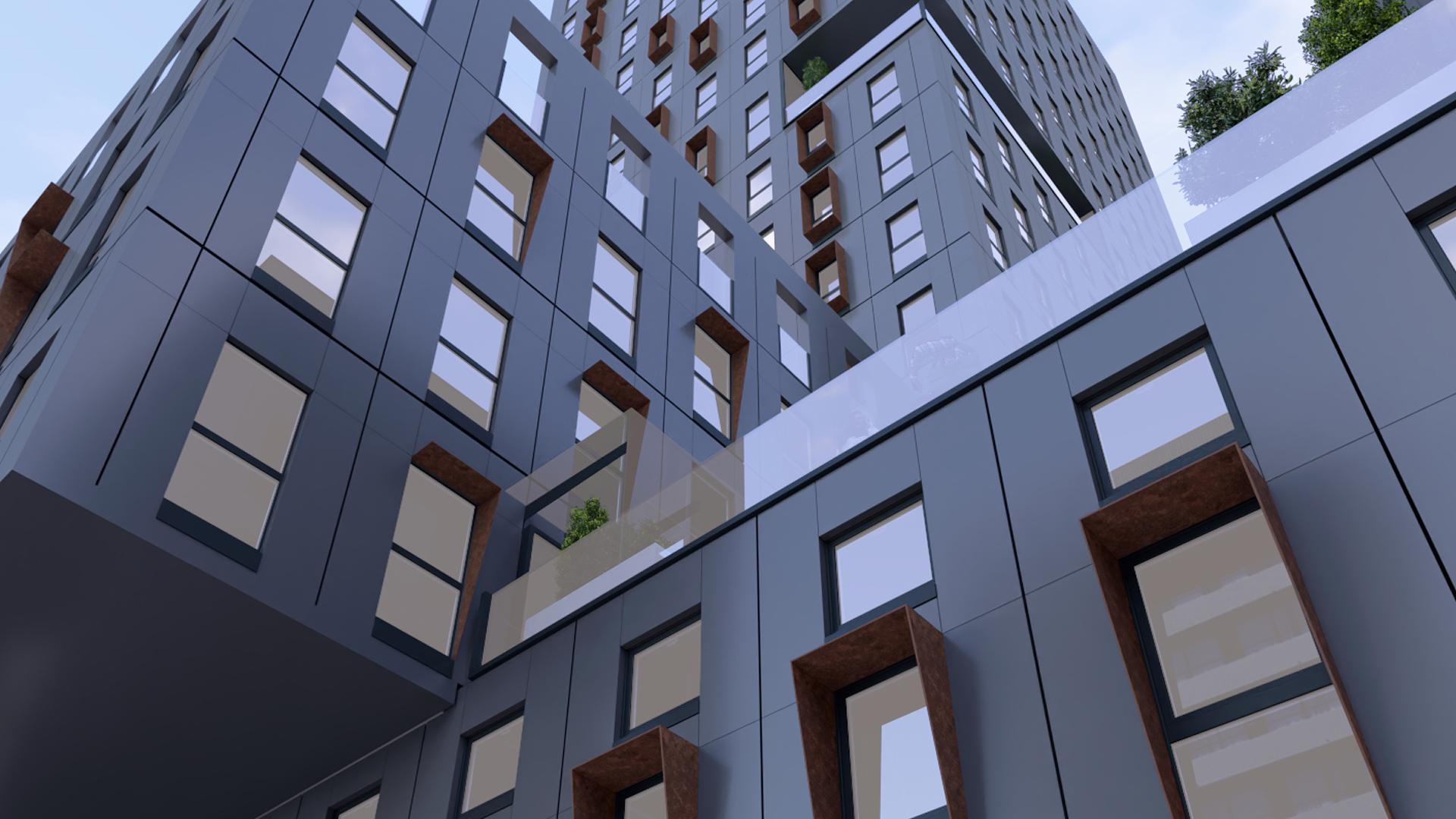
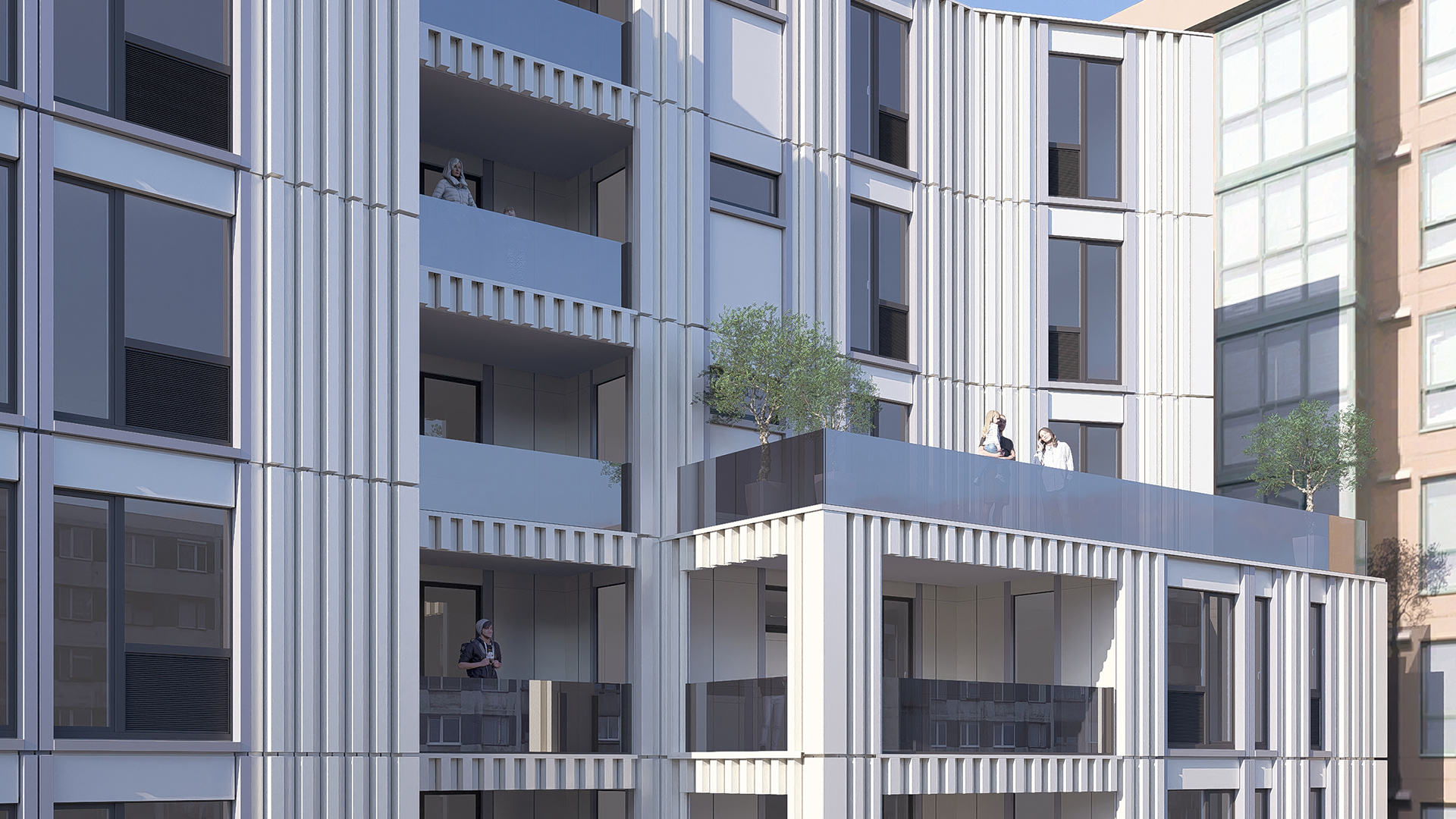
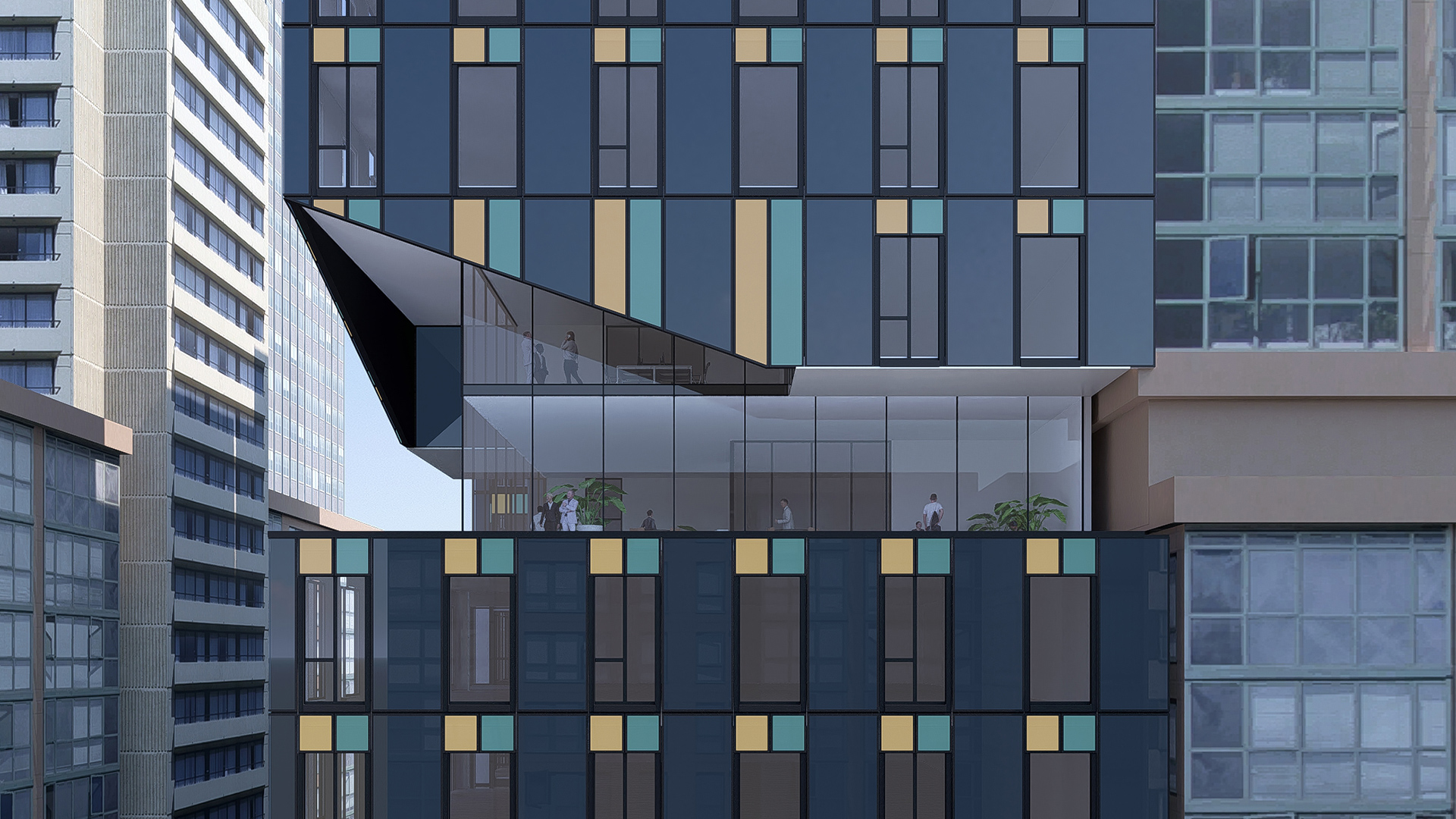
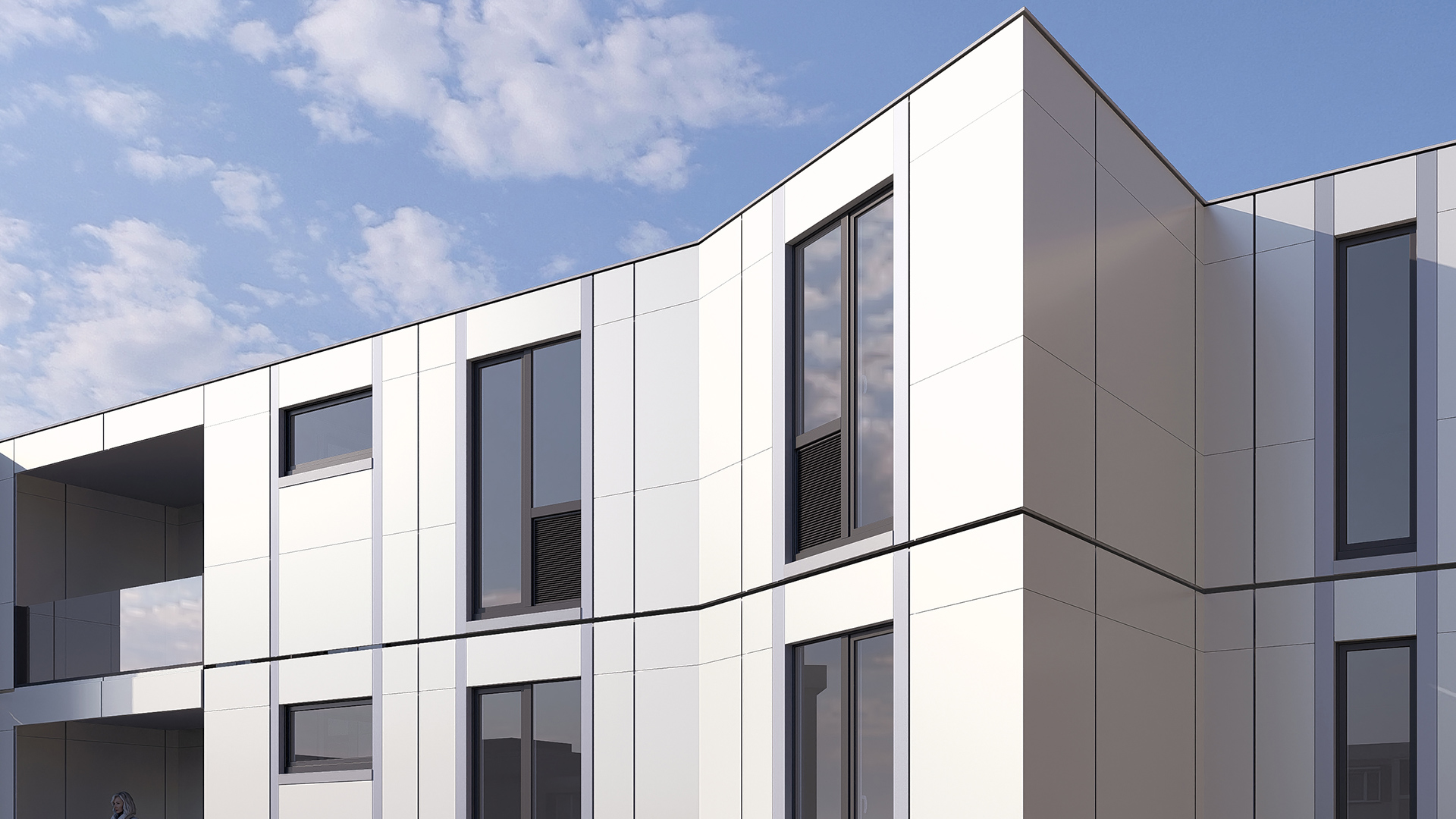
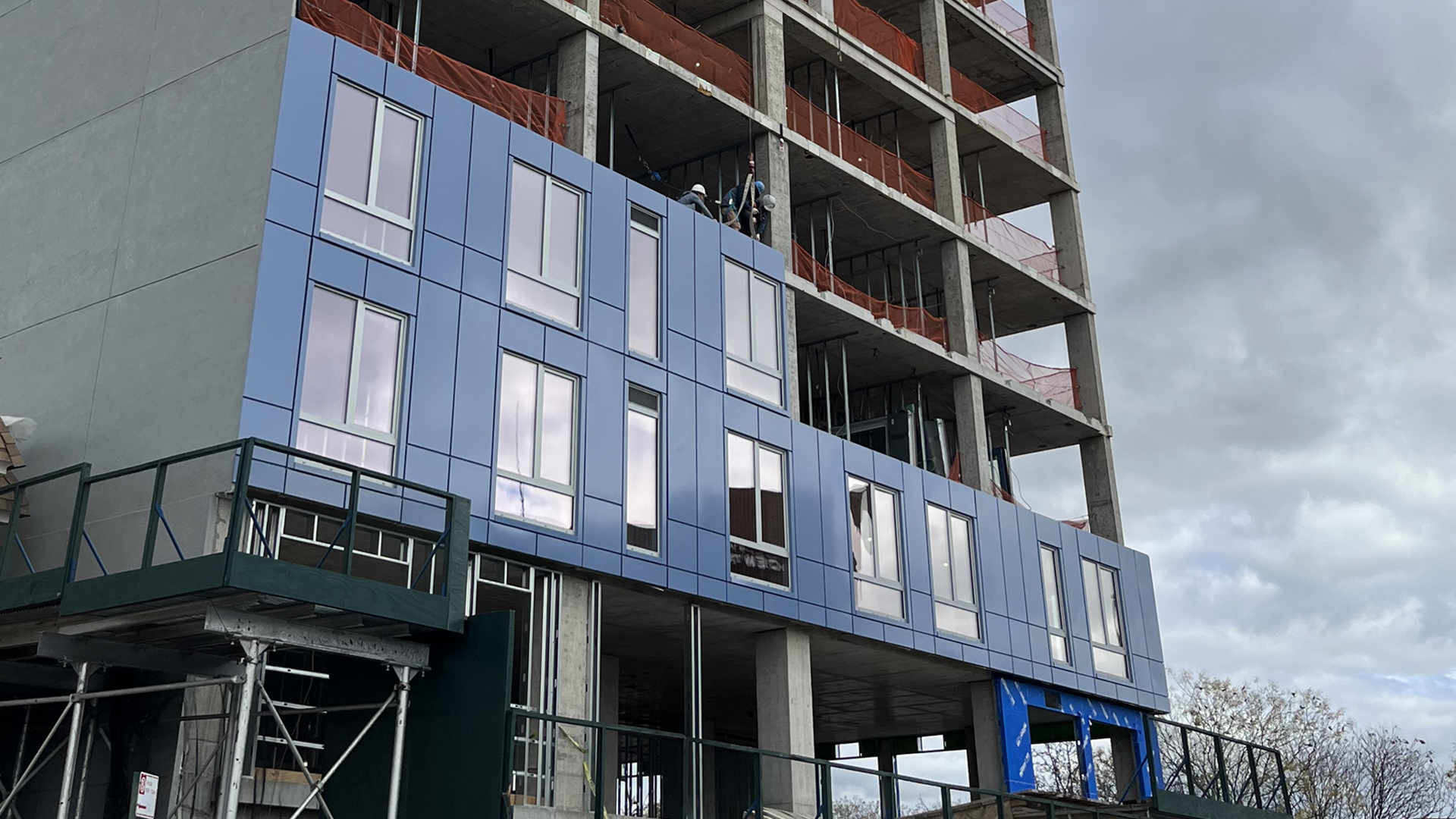
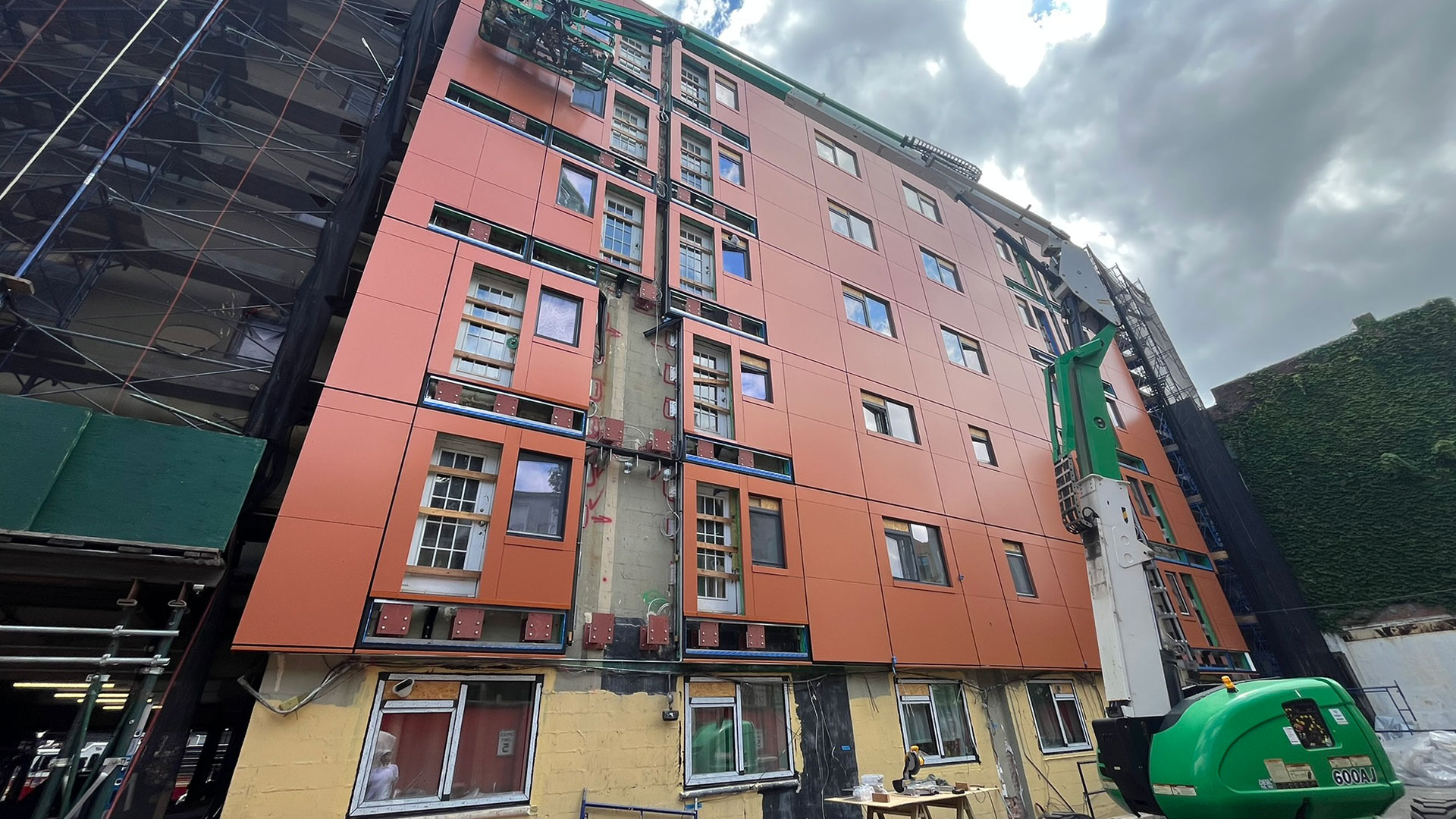
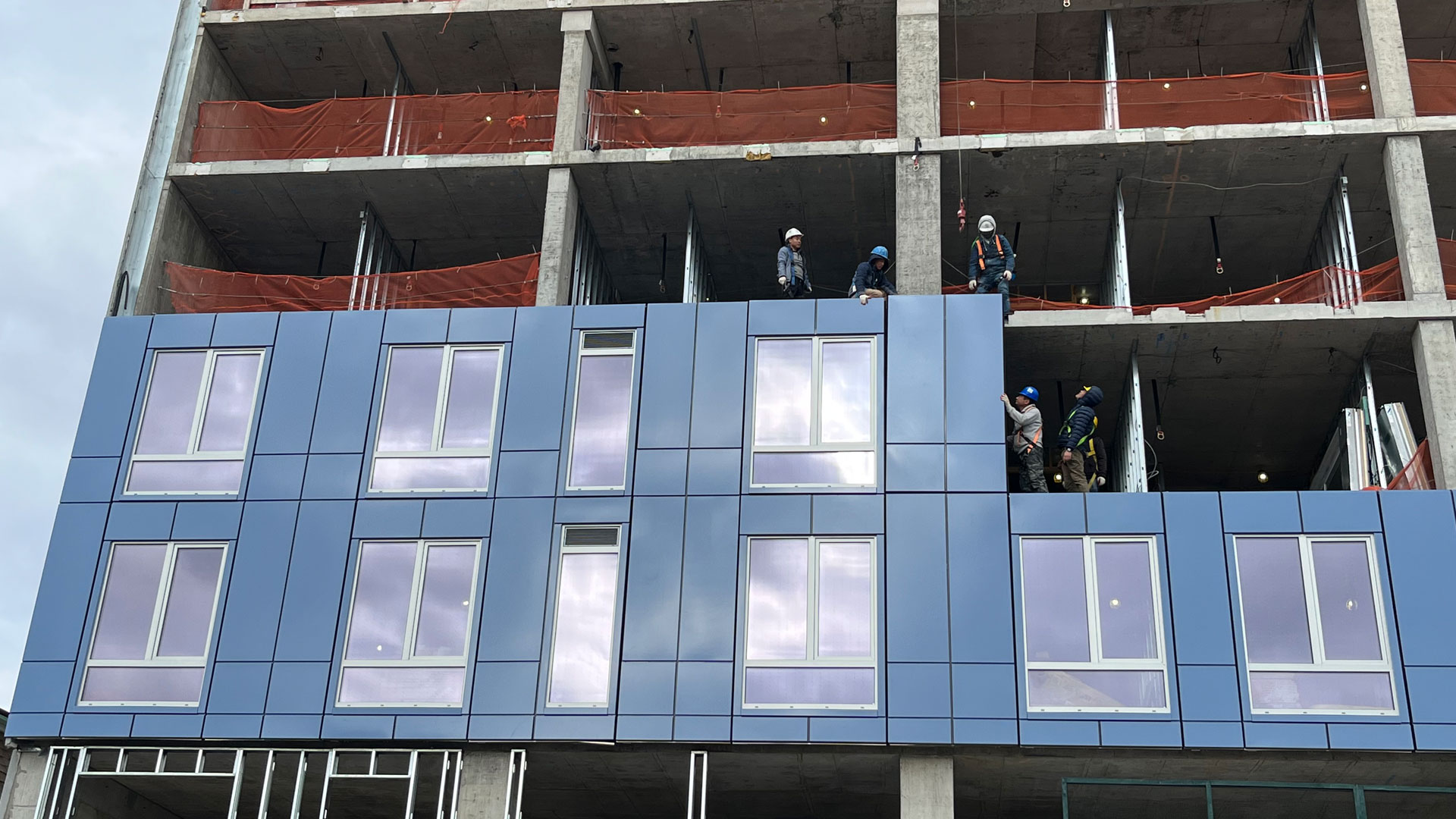
D Wall® modular building components for exteriors use an adjustable anchor system designed to accommodate seismic interstory drift and thermal movement simultaneously. The three-way adjustability of the D Wall® anchor — vertical, horizontal, and in-out — serves two functions: it absorbs the cumulative construction tolerances that accumulate across multiple floors of a high-rise structural frame, and it provides the horizontal movement capacity required for seismic drift accommodation.
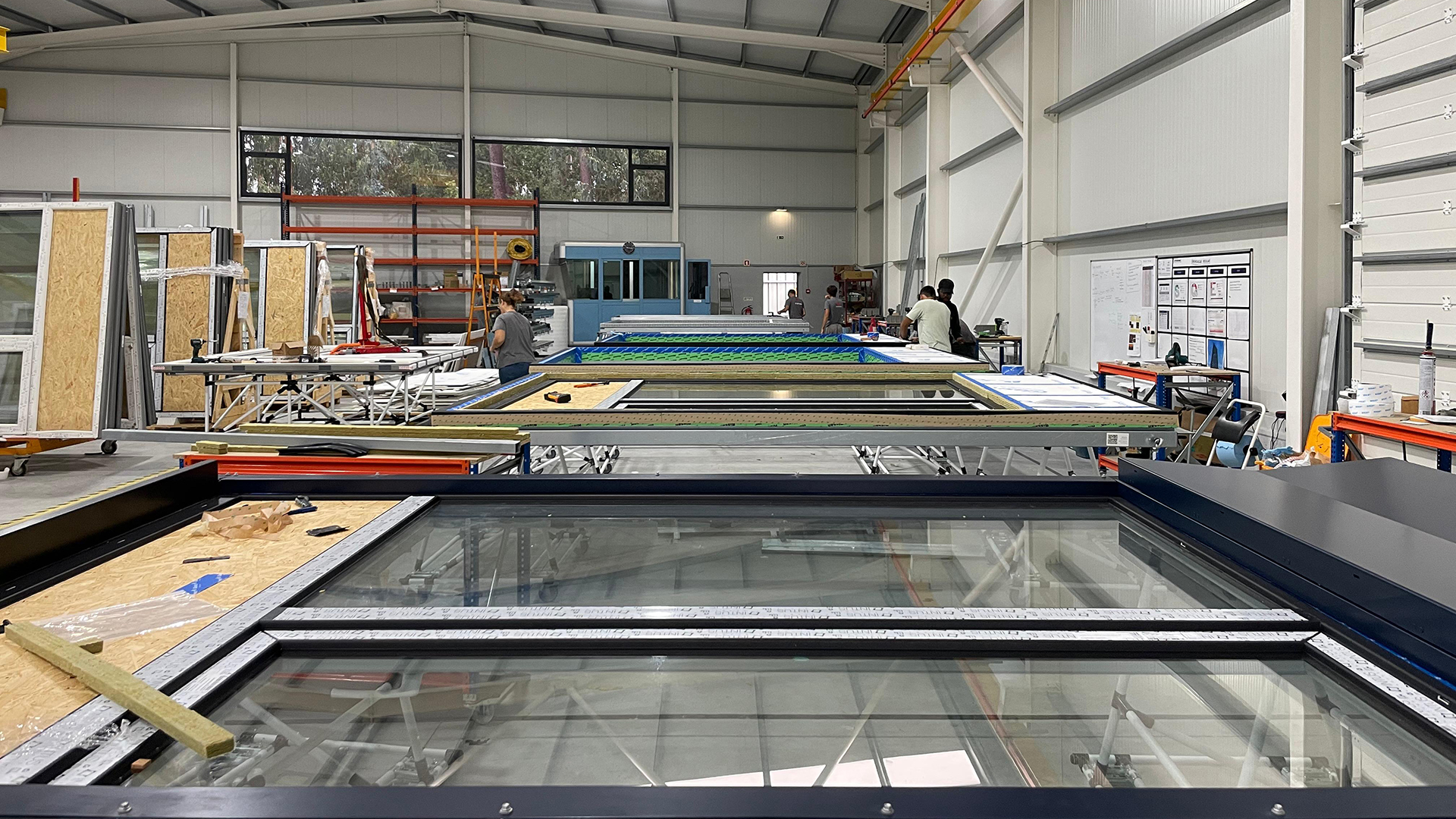
Because D Wall® is factory-assembled and delivered as a complete unit, the anchor system geometry — including the horizontal slot dimensions that define the drift accommodation capacity — is set in production to match the project's structural engineer's drift calculations. The anchor detail is coordinated with the structural engineer of record during the shop drawing phase, which is the appropriate stage for this coordination on any high-rise cladding project.
Dextall's technical team works with structural engineers at the shop drawing stage to document drift accommodation for permit submissions in all jurisdictions where D Wall® is specified — including New York City, Boston, and Chicago. For seismic drift accommodation documentation specific to your project, contact Dextall at dextall.com.
Key Takeaways
- Seismic interstory drift is the lateral displacement between adjacent floors during an earthquake. Exterior cladding must accommodate this movement without fracturing, detaching, or becoming a falling hazard — by design, not by luck.
- ASCE 7-22 Table 12.12-1 sets allowable story drift ratios up to 0.020 hsx (2% of story height) for most commercial buildings. At a 12-foot story height, this allows up to 2.88 inches of drift — a range the facade anchor system must be designed to absorb.
- Drift accommodation is an anchor system engineering requirement — not a sealant or expansion joint question. Slotted connections, racking joints, and adjustable anchor systems each provide drift accommodation through structural geometry rather than material flexibility.
- Thermal movement and seismic drift are distinct phenomena requiring different design solutions. A specification that addresses only thermal movement leaves seismic accommodation unresolved at the shop drawing stage, which is too late.
- D Wall® modular building components use an adjustable anchor system with horizontal movement capacity coordinated to the project's structural engineer's drift calculations, with documentation prepared for permit submission in all primary markets.
FAQ
What is seismic interstory drift and why does it affect exterior cladding?
Seismic interstory drift is the relative lateral displacement between two adjacent floors of a building during an earthquake. Exterior cladding is attached to the building structure at each floor level. When the frame drifts, the upper and lower attachment points displace relative to each other. If the cladding system cannot accommodate this relative movement, the cladding cracks, the connection fails, or the frame racks out of plane — all of which create safety hazards and weather tightness failures.
What drift limit does ASCE 7-22 set for commercial high-rise buildings?
ASCE 7-22 Table 12.12-1 sets an allowable story drift of 0.020 hsx (2% of story height) for Risk Category I and II structures, which includes most commercial high-rise buildings. At a 12-foot story height, this allows 2.88 inches of interstory drift. The facade anchor system must be designed to accommodate the full allowable drift — not just the expected drift in a typical seismic event.
What Seismic Design Category applies to buildings in New York City?
Most commercial high-rise buildings in New York City fall into Seismic Design Category B or C under ASCE 7-22, depending on the site's mapped seismic hazard parameters and the building's occupancy. SDC B and C both trigger ASCE 7 Section 13.5 non-structural component requirements, including explicit seismic drift accommodation for exterior cladding systems. NYC is not in a high seismic zone by Pacific Coast standards, but it is not seismically inactive — the Ramapo Fault Zone is an active seismic source in the region.
What is the difference between thermal movement and seismic drift in facade design?
Thermal movement is slow, predictable, and cyclic — it occurs daily and seasonally as facade surface temperatures change. It is accommodated by flexible sealant in expansion joints. Seismic drift is sudden, rare, and potentially large — it occurs during earthquake events and must be accommodated by structural geometry in the anchor system (slotted holes, racking gaps, adjustable connections), not by sealant flexibility alone. Specifications must address both independently.
How do adjustable anchor systems accommodate seismic drift in exterior building components?
Adjustable anchor systems provide movement capacity in multiple directions through their connection geometry. Horizontal slotted holes or sliding connections in the anchor assembly allow the facade component to displace laterally relative to the structural attachment point by the design drift amount, without transferring the full seismic force into the cladding frame. The slot or sliding range must equal or exceed the design interstory drift at that floor level, as calculated by the structural engineer of record.
Sources
- ASCE 7-22: Minimum Design Loads and Associated Criteria for Buildings and Other Structures — American Society of Civil Engineers
- IBC 2021, Chapter 16: Structural Design — International Code Council
- Reducing the Risks of Nonstructural Earthquake Damage — Applied Technology Council (ATC-69)
- Post-Earthquake Reconnaissance Reports — Earthquake Engineering Research Institute
- D Wall® Modular Building Components — Dextall











.jpeg)
-Compliance-for-NYC-Multifamily-%26-Co-Op-Facades.jpg)














_format(webp).avif)
_format(webp)%20(6).avif)
_format(webp)%20(5).avif)
_format(webp)%20(4).avif)
_format(webp)%20(2).avif)
_format(webp)%20(3).avif)


.avif)
_format(webp)%20(2).avif)