Unitized Curtain Walls for Urban High-Rises
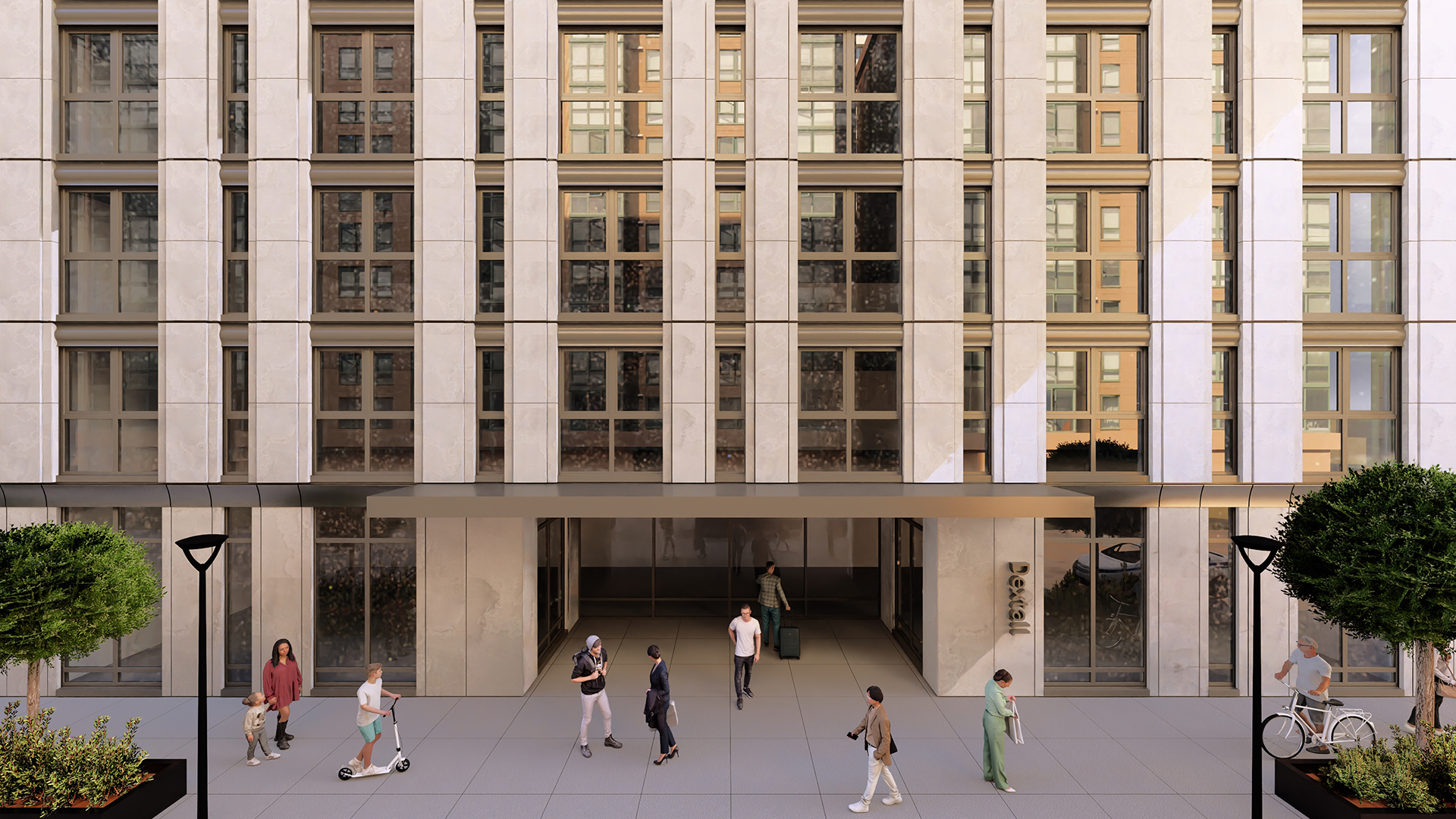
In crowded city cores, the facade is no longer just architecture — it's where schedule, budget, and risk all collide. When streets can't be shut down for long and labor is tight, hanging glass and metal one piece at a time starts to work against the project.
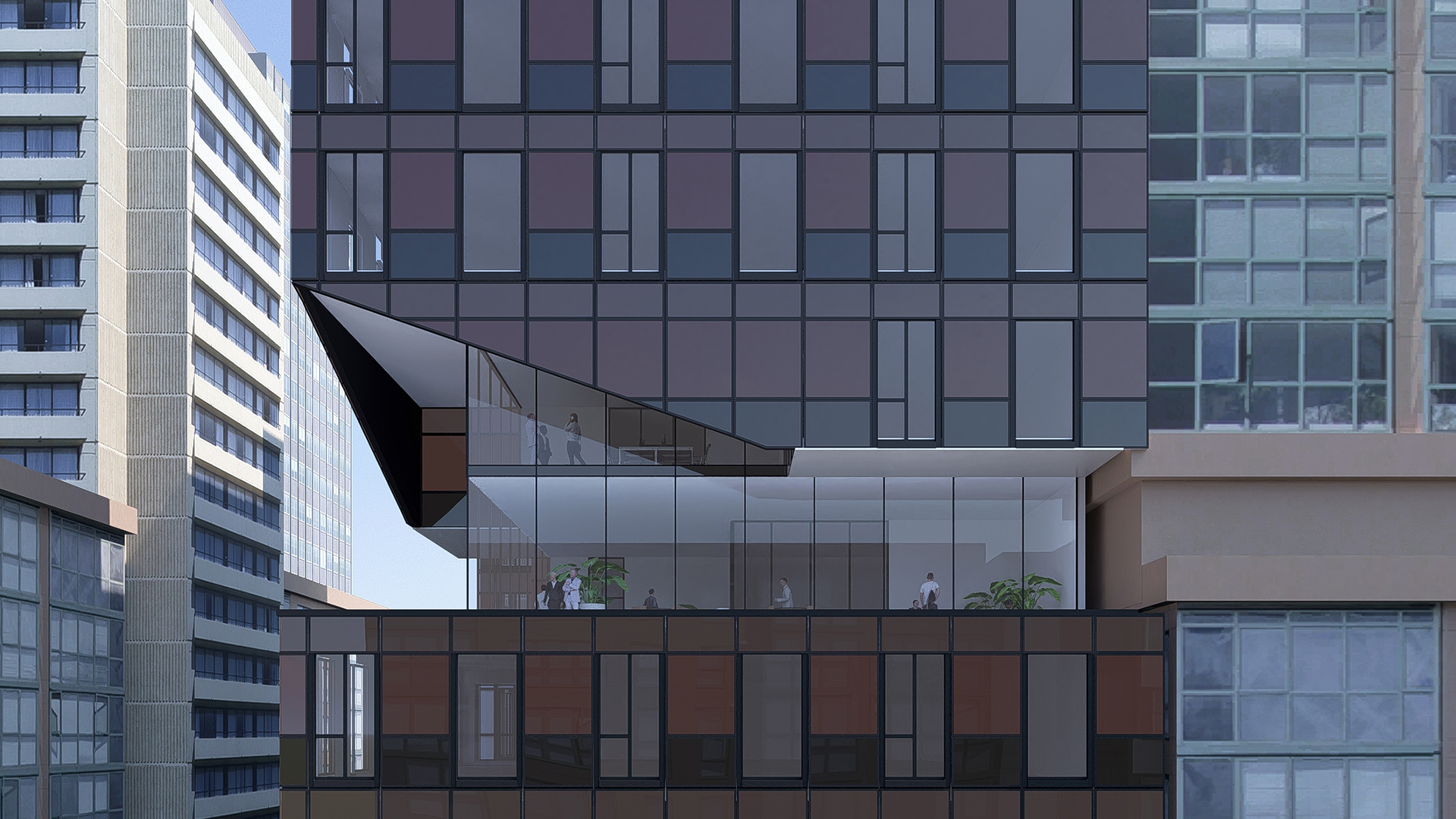
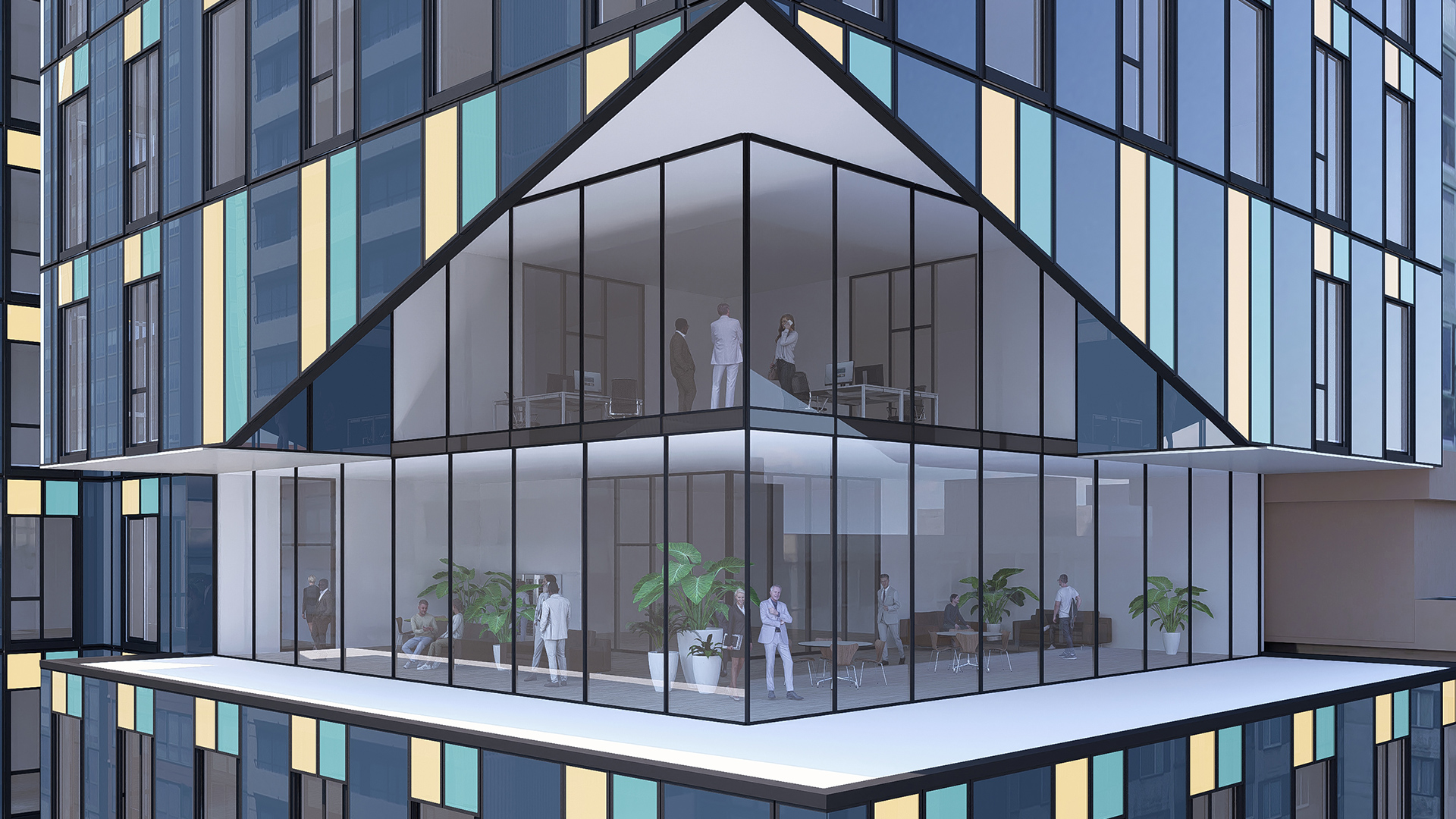
Unitized curtain wall systems flip that script. Complete facade modules arrive on trucks, get hoisted, and lock into place in a matter of minutes, floor by floor. The result: cleaner coordination, faster enclosure, and more predictable performance. And with hybrid, unitized-style solutions like Dextall, even complex or constrained urban sites can tap into this level of speed and control.
Design and Facade Impacts
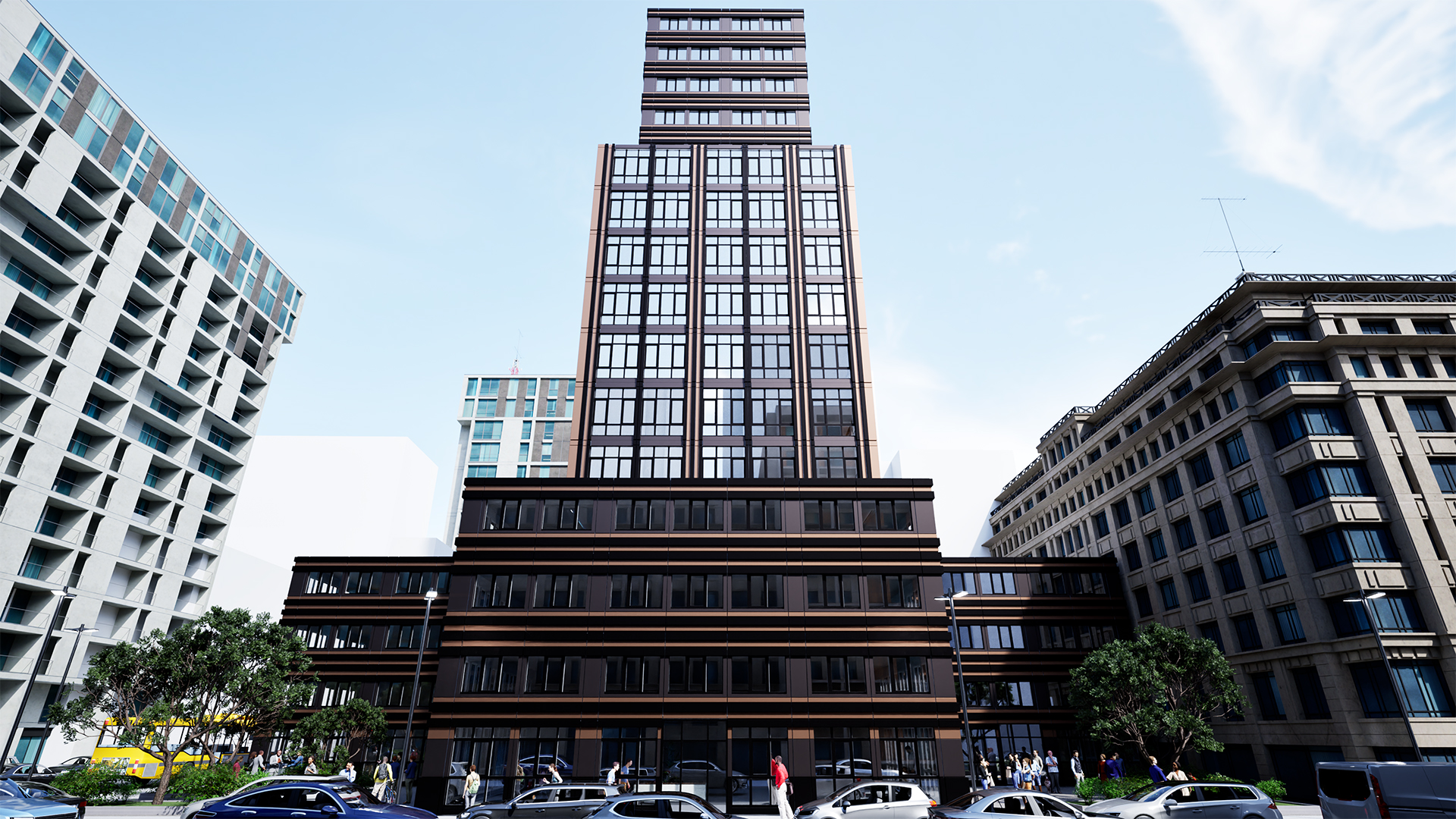
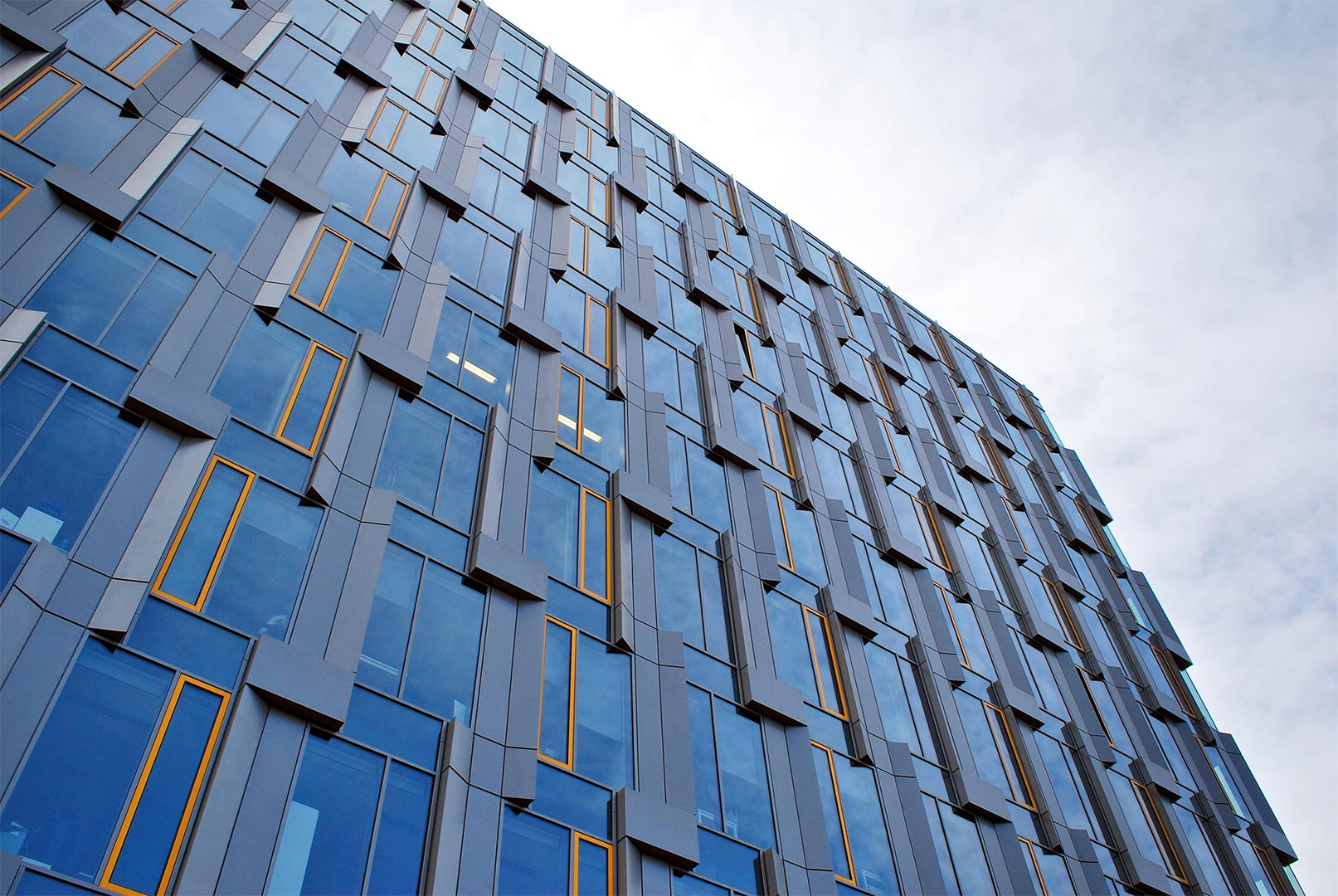
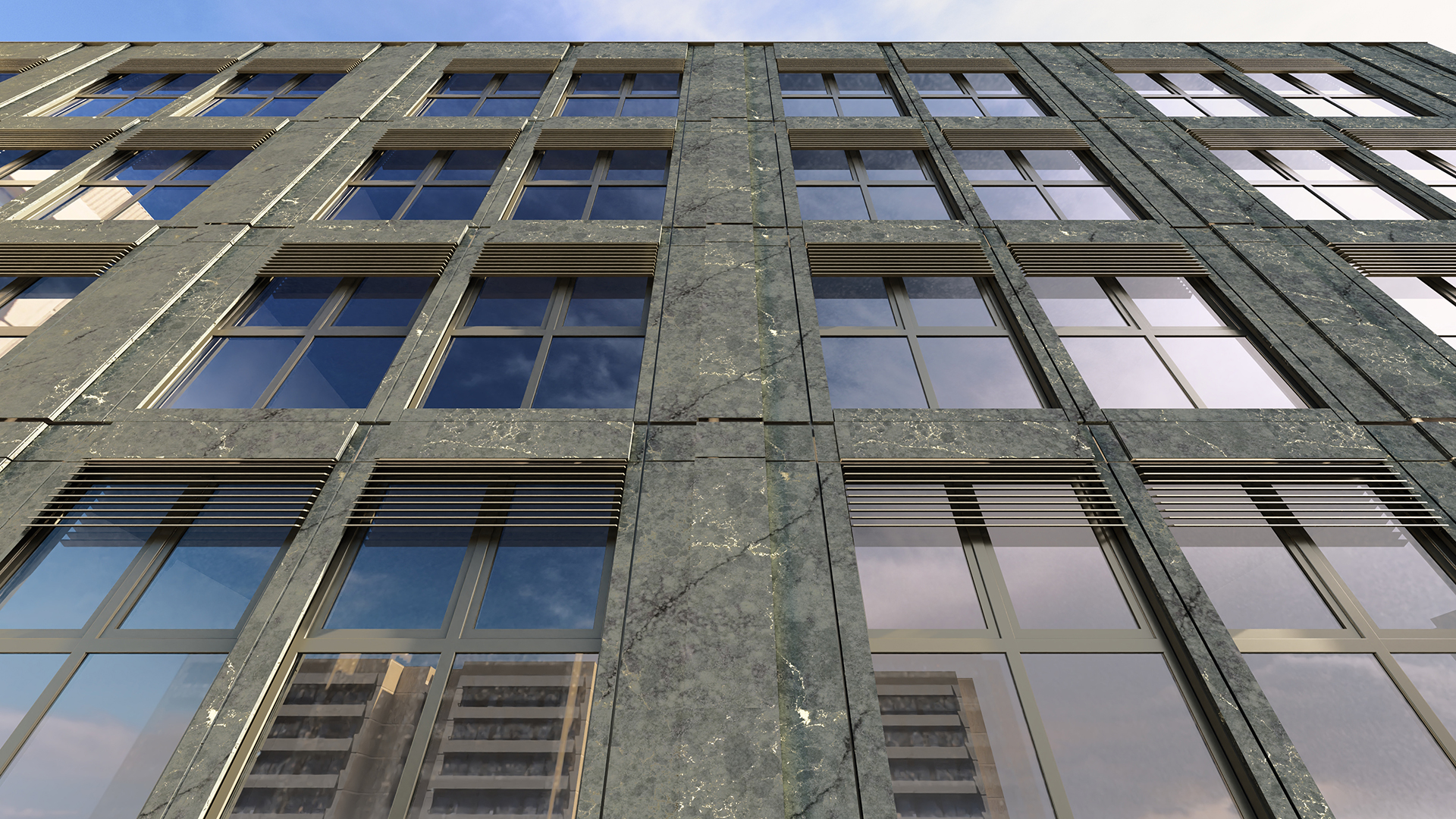
Once the facade shifts from stick-built to unitized curtain wall systems, the design playbook changes too. Module size drives grid rhythm, joint layout shapes the whole elevation, and performance details — from air-water tightness to thermal breaks — get locked in much earlier. Architects, engineers, and contractors have to think in modules, not individual mullions, aligning aesthetics with what can be fabricated, shipped, and installed at scale on a tight urban site.
Unitized vs. Stick-Built Systems
Stick-built curtain walls are built on the building: mullions, anchors, and glass are installed piece by piece at height. That gives some flexibility in the field, but makes quality, alignment, and weather exposure much harder to control.
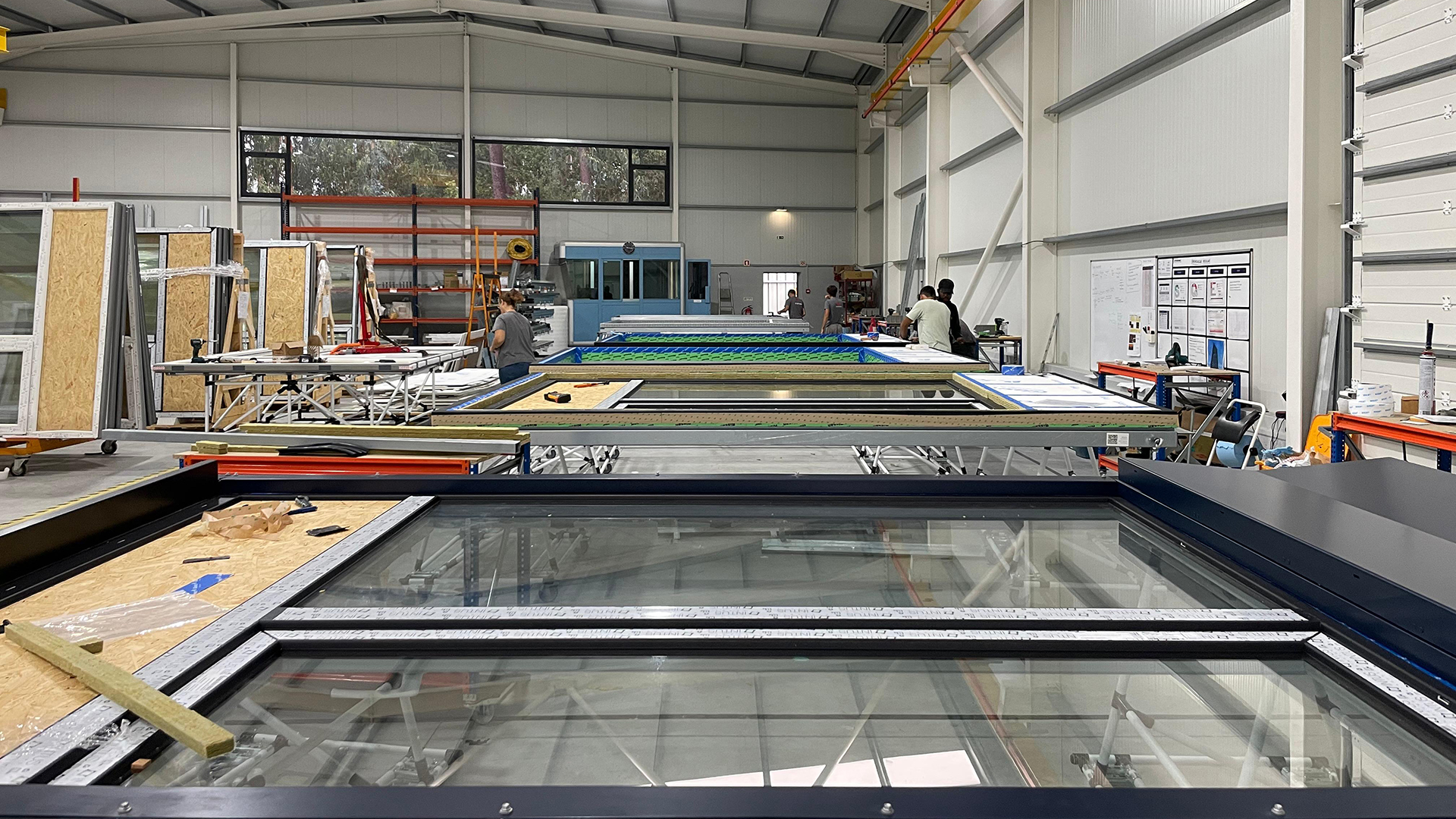
Unitized systems push the work into the factory. Full panels are engineered, glazed, and tested before they ever reach the site. On the design side, that means: earlier decisions, tighter coordination with structure, and a much closer match between the 3D model and the final facade. On tall urban projects, this usually translates into faster enclosure, fewer surprises, and more predictable performance.
Module Repetition and Joint Layout
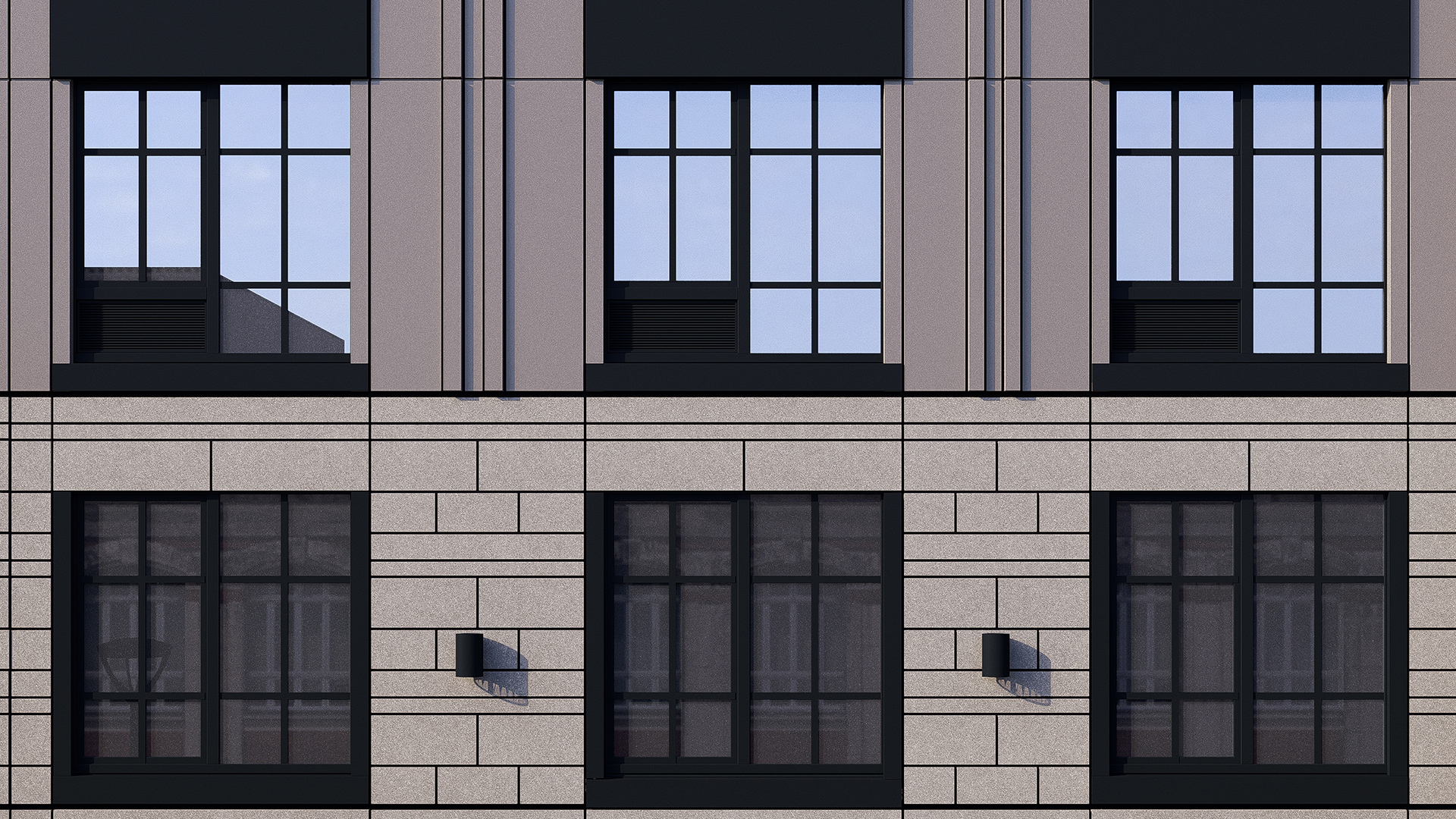
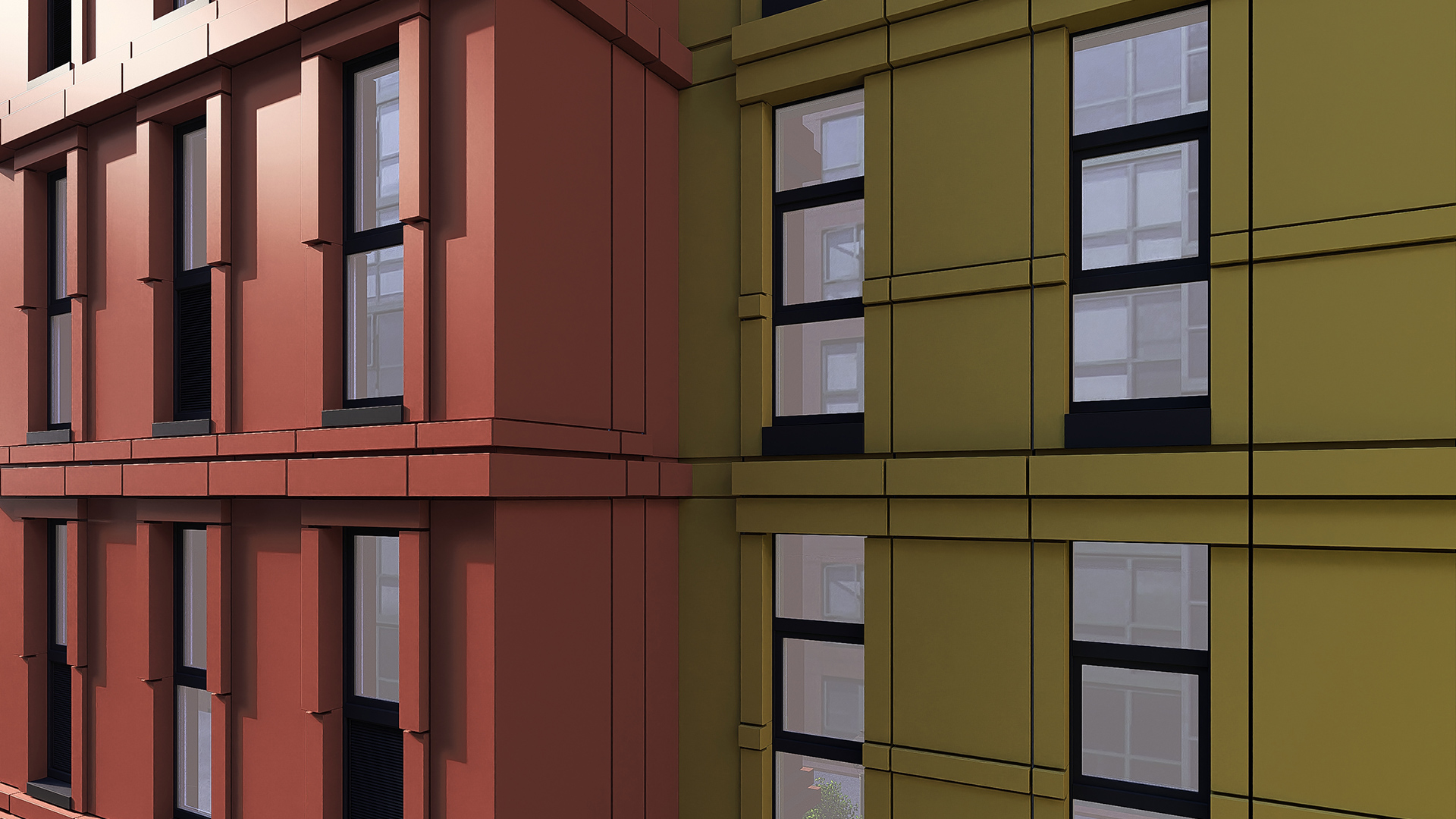
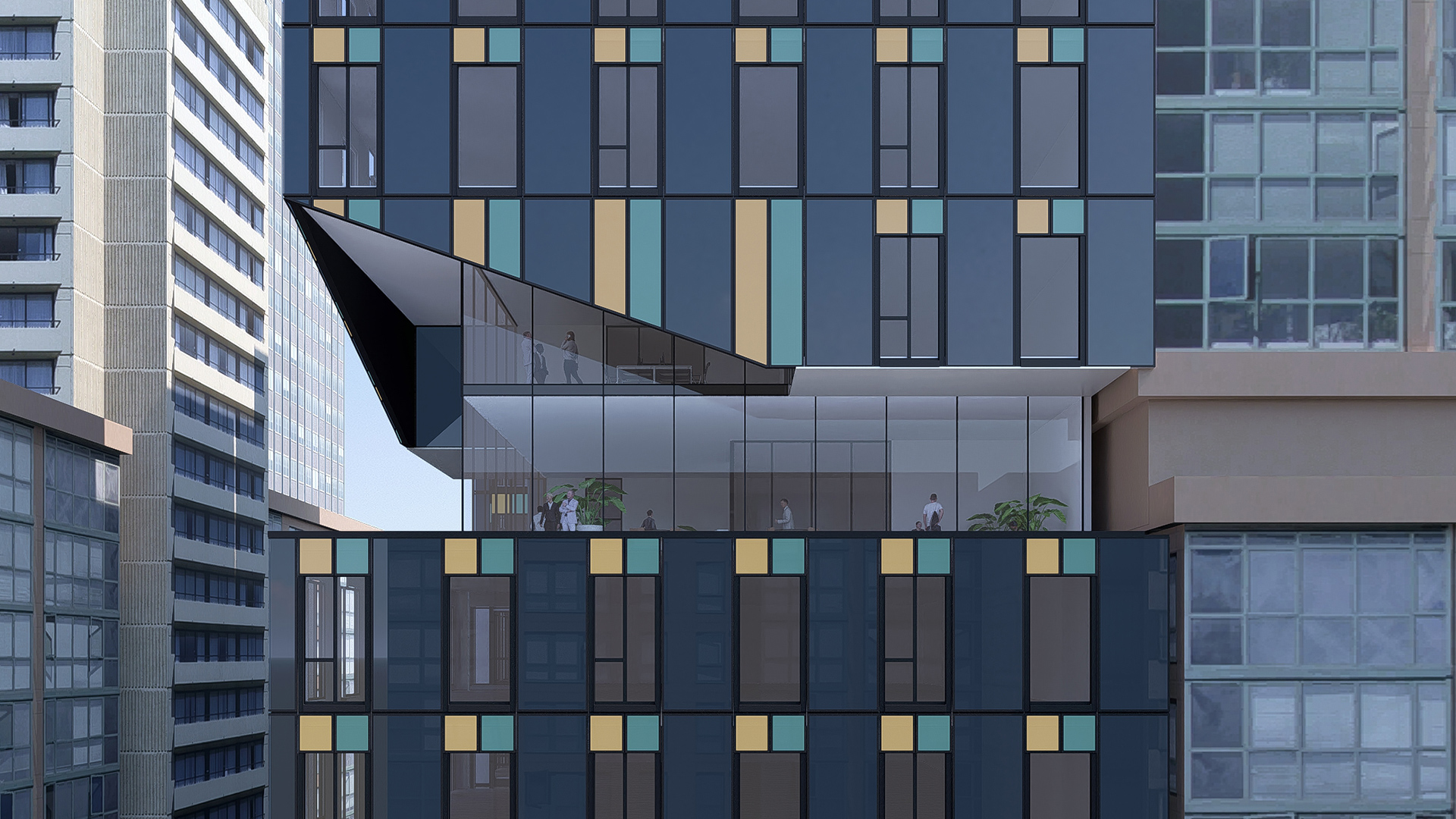
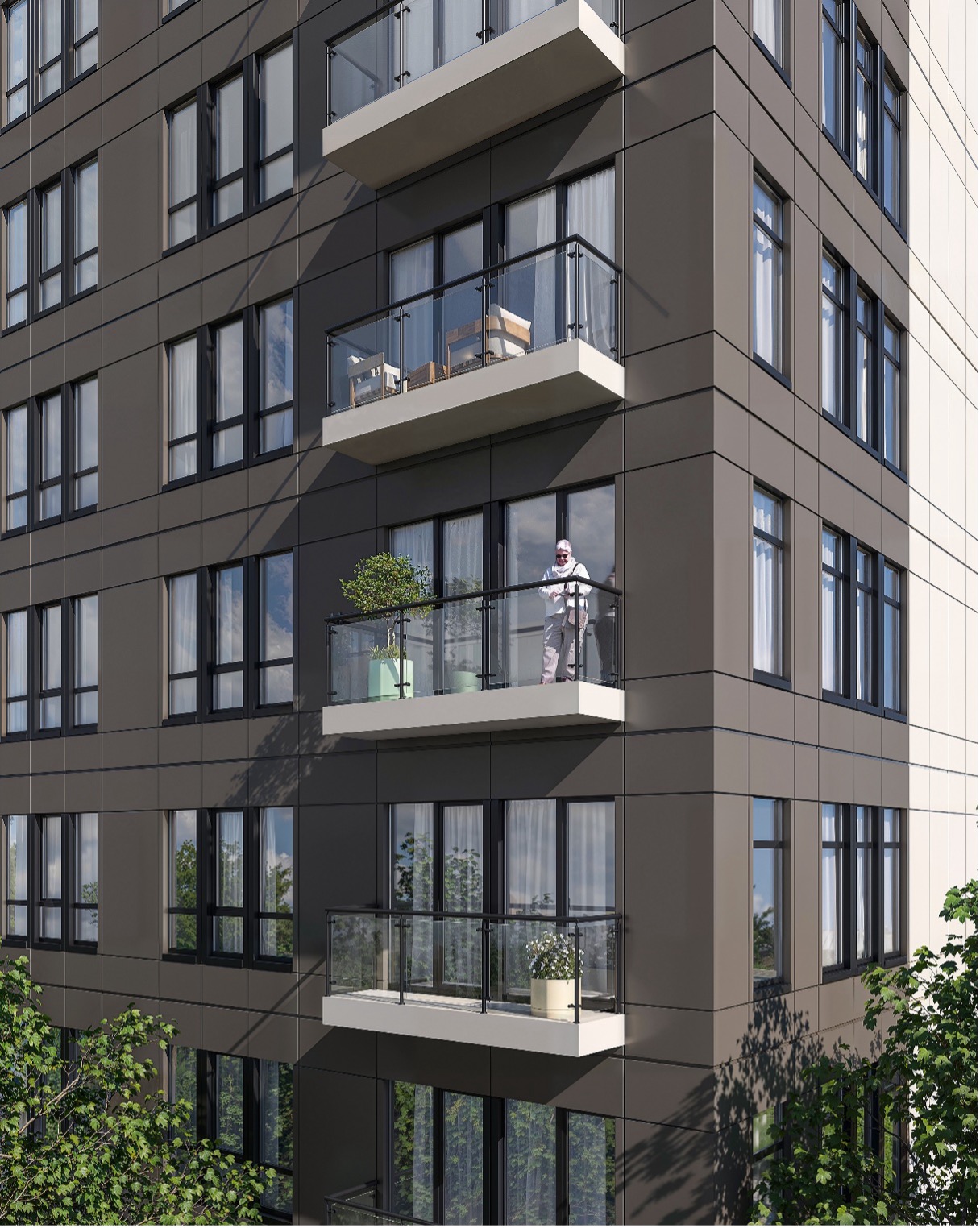
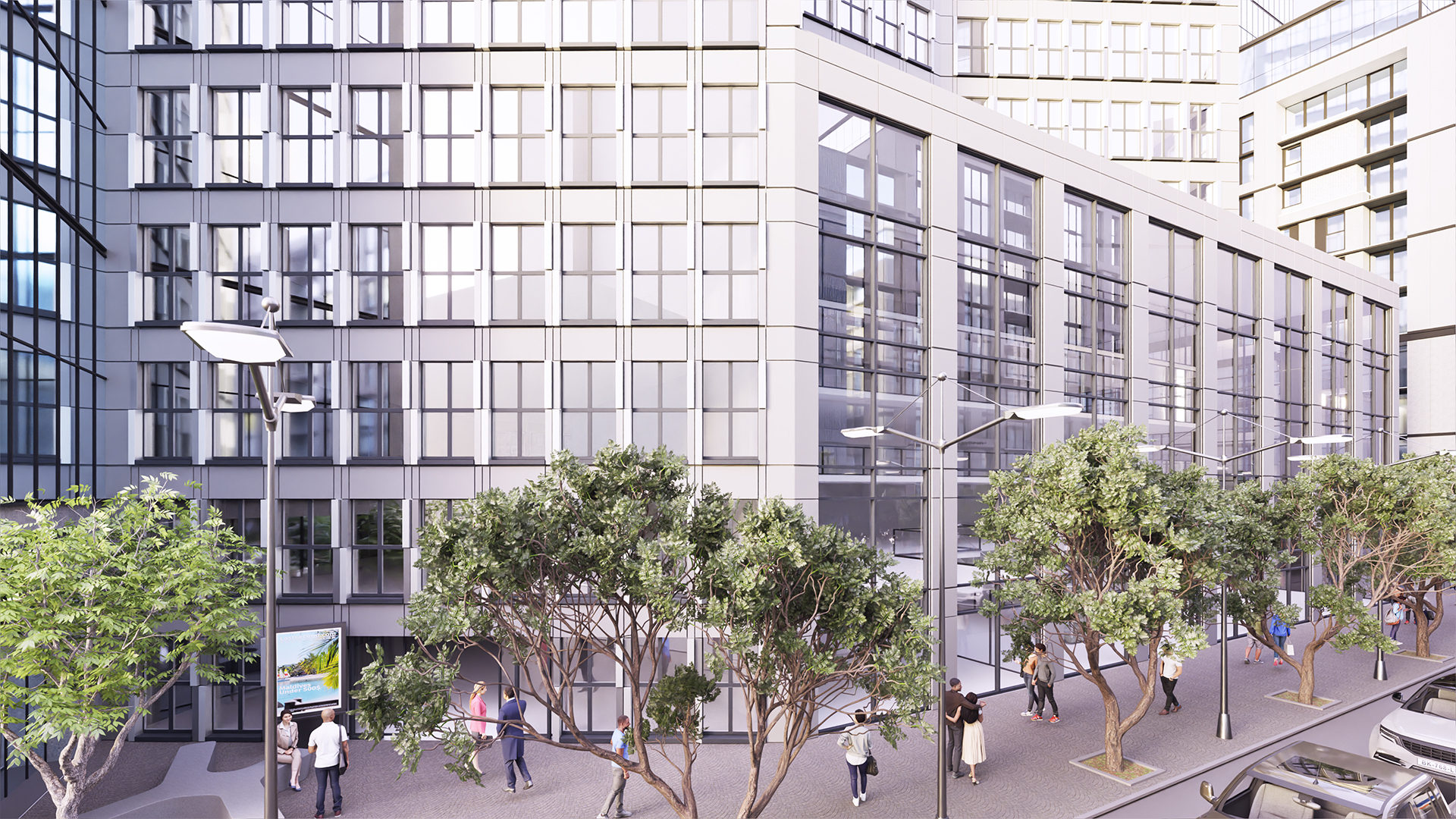
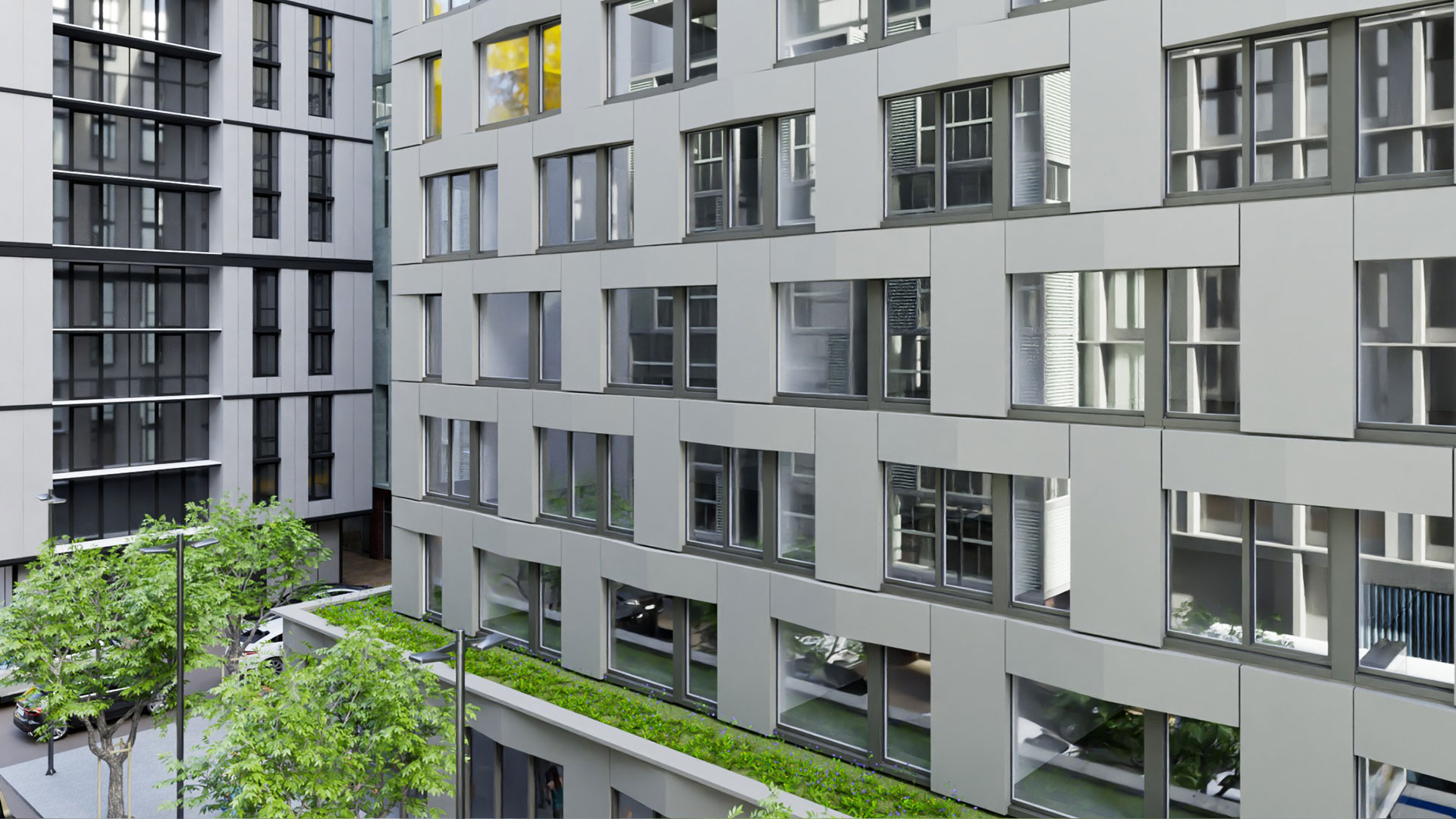
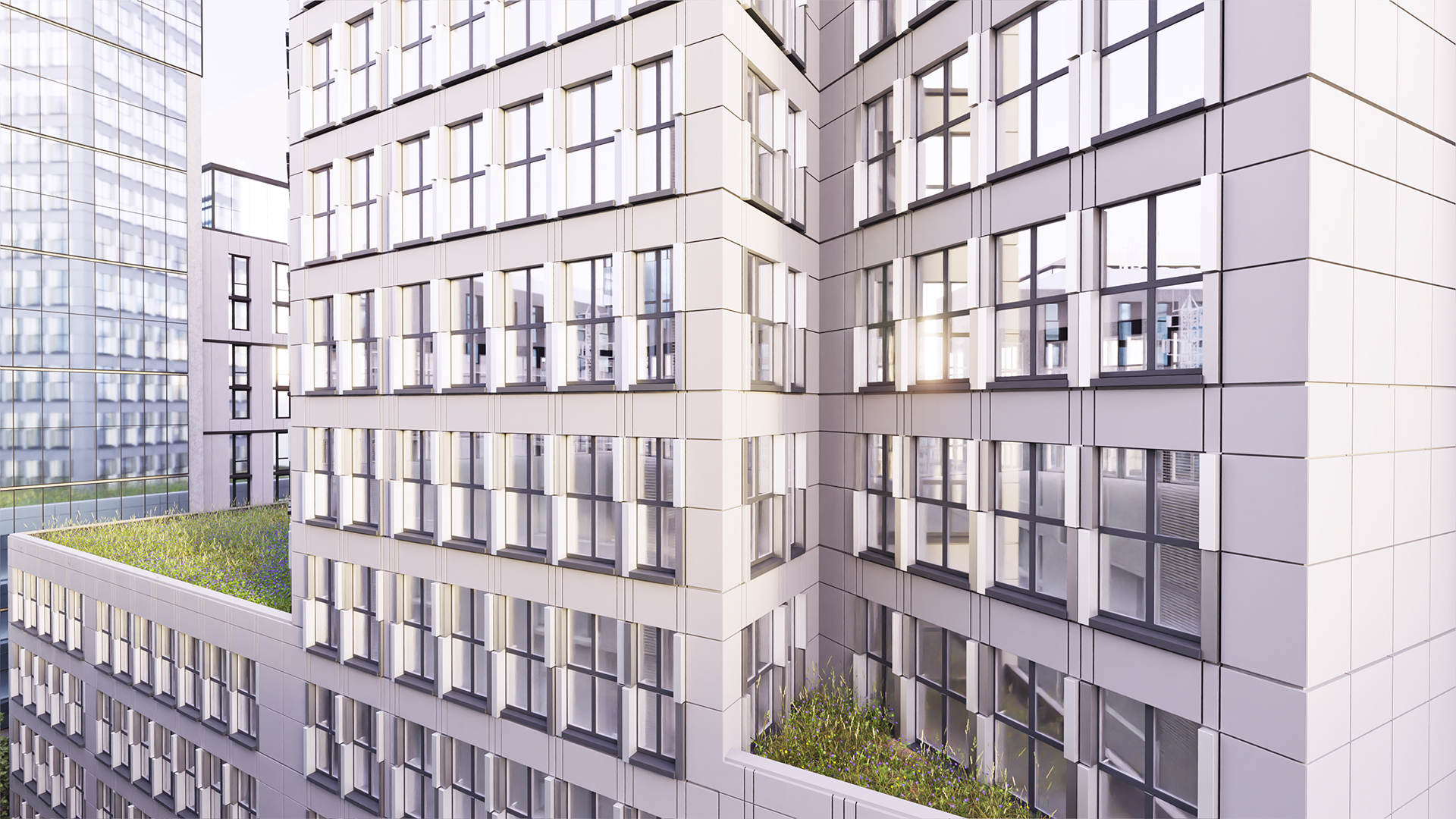
With unitized curtain walls, the module becomes the basic design unit. Its width and height are set by structure, transport limits, and hoisting — and that grid defines how the facade looks and behaves.
Here joints do a lot of silent work:
- Handle movement and tolerances – let the building move without stressing the glass.
- Control water and air – create continuous barriers and drainage paths between panels.
- Set the visual rhythm – the pattern of vertical and horizontal joints is what the eye reads first.
A clear, repetitive module and well-aligned joints keep the facade visually calm, reduce the number of unique panel types, and make installation faster and more reliable on tight urban high-rise sites.
Urban Installation and Logistics
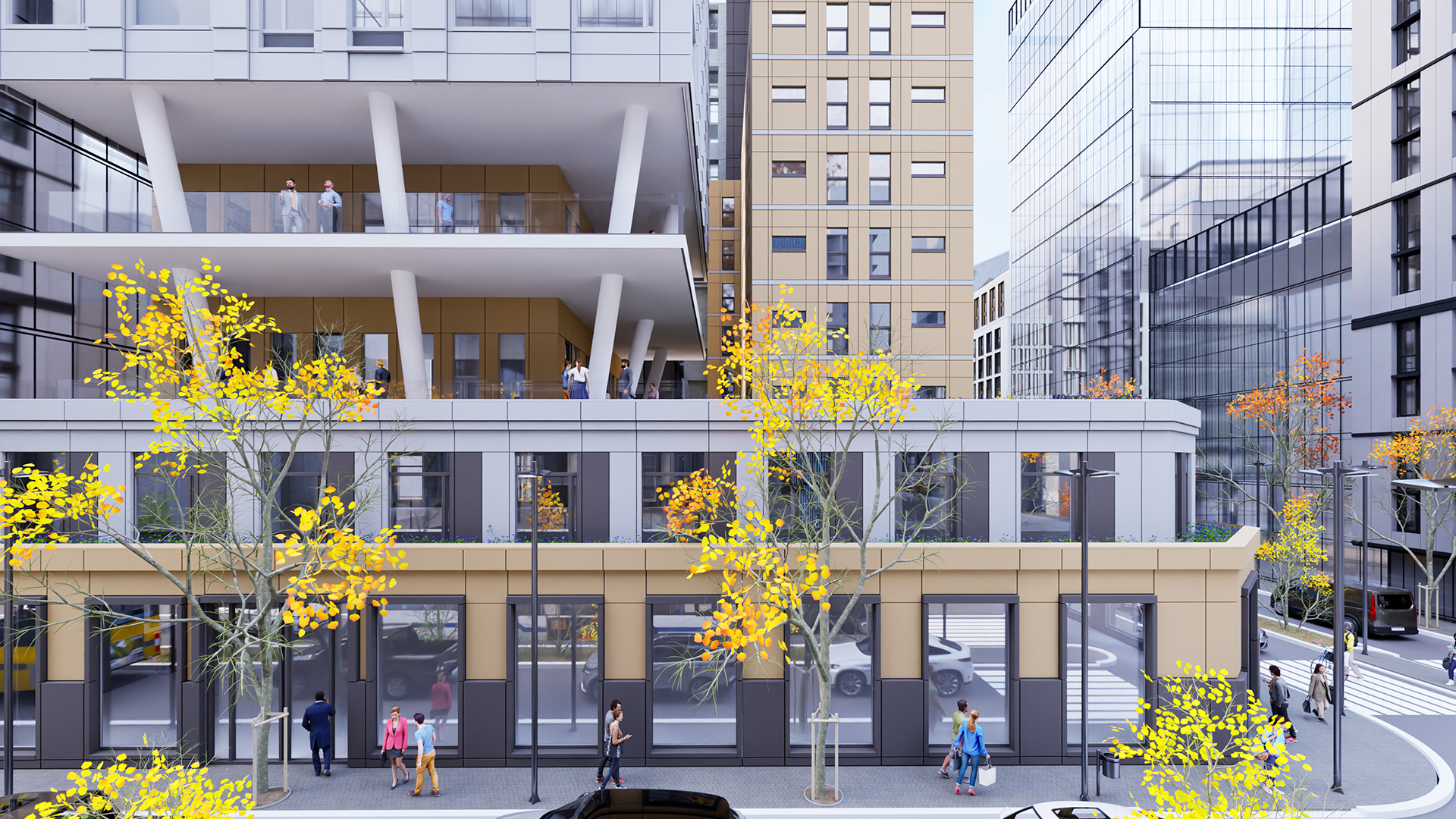
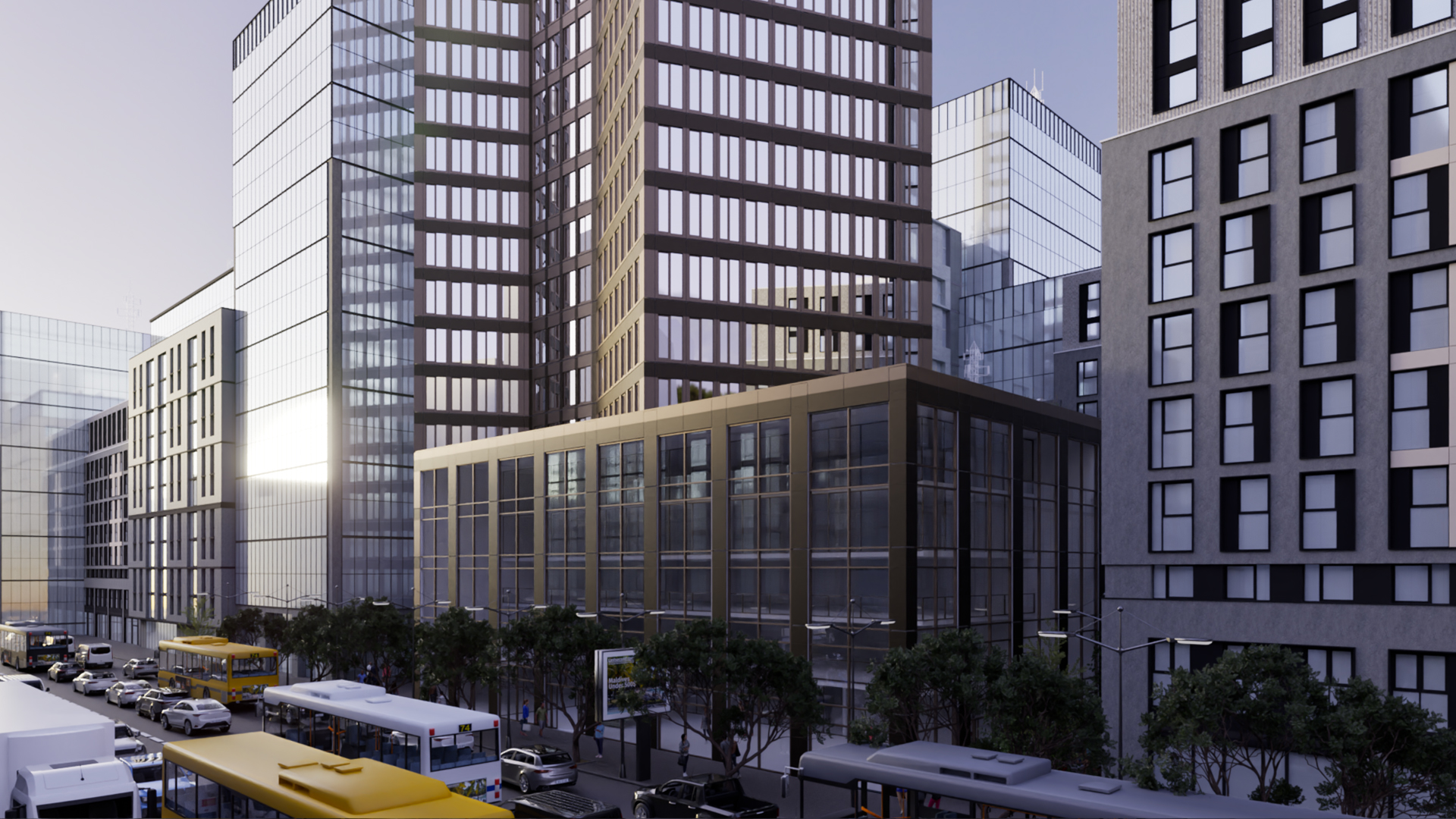
In dense urban cores, getting the facade on the building is as much a logistics problem as a design one. Street closures, crane windows, laydown limits, and neighbor sensitivities all push projects toward systems that can be installed quickly, predictably, and with minimal on-site staging — which is where unitized curtain walls really earn their keep.
Erection Sequencing and Floor Cycles
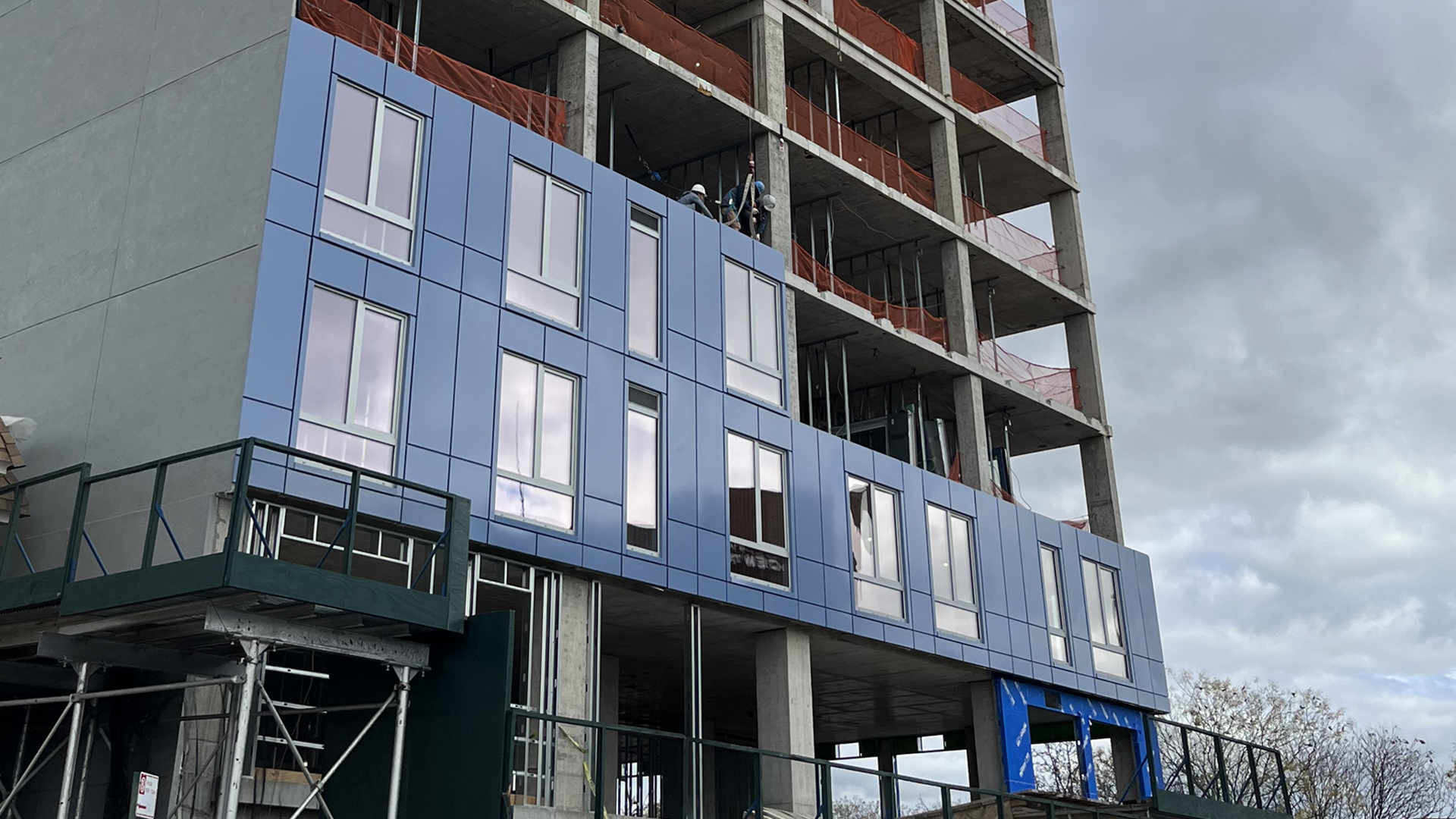
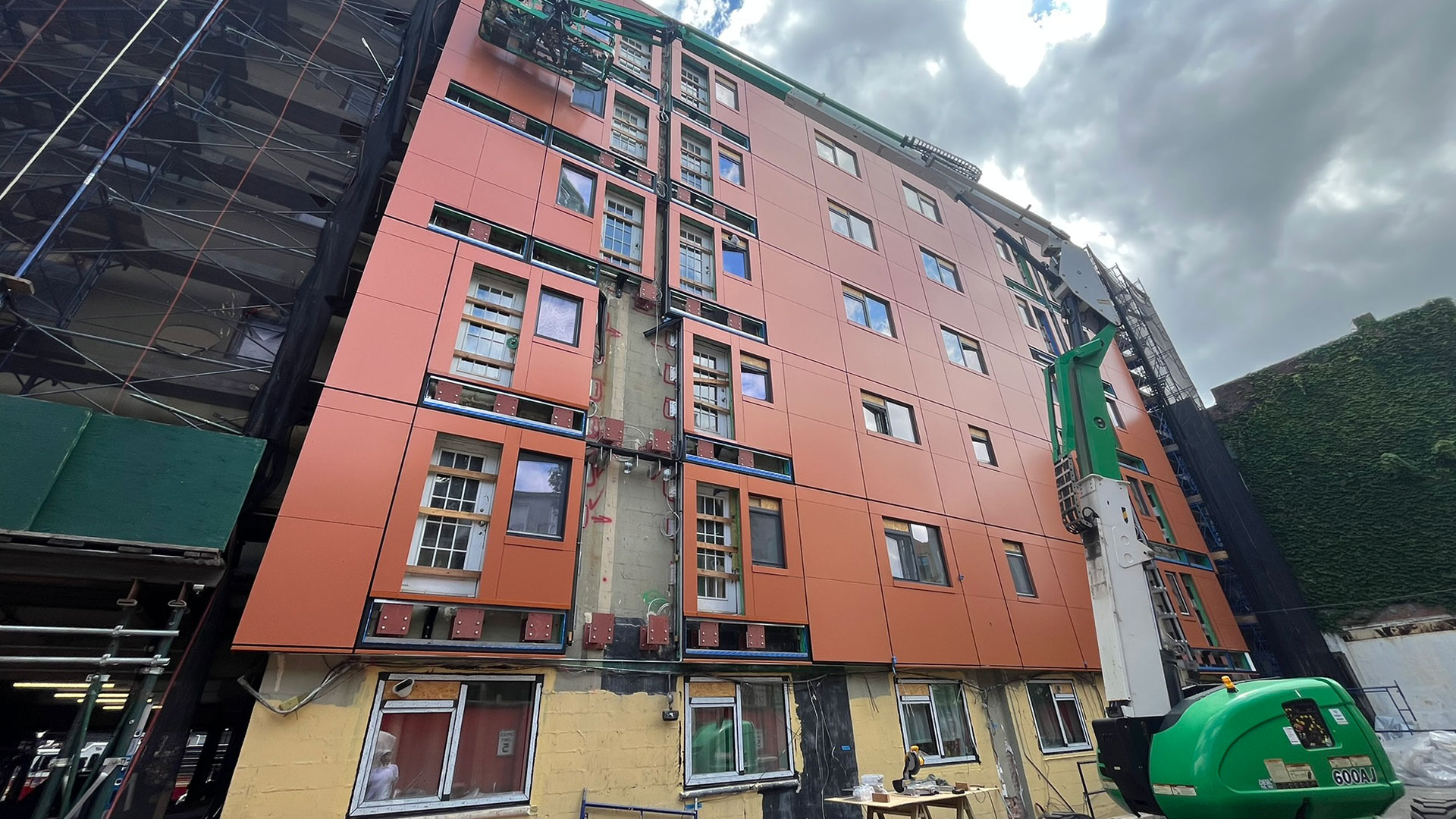
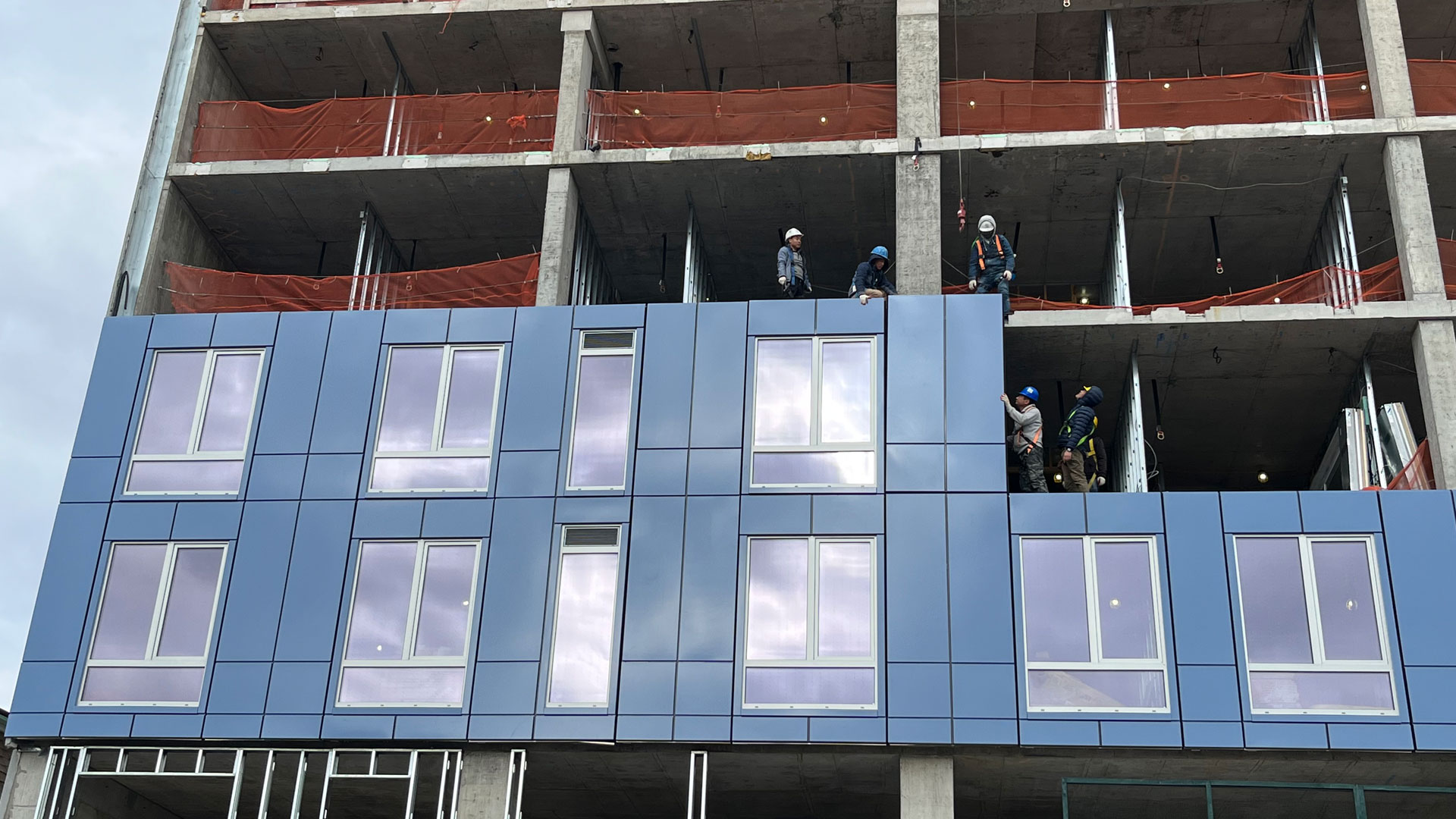
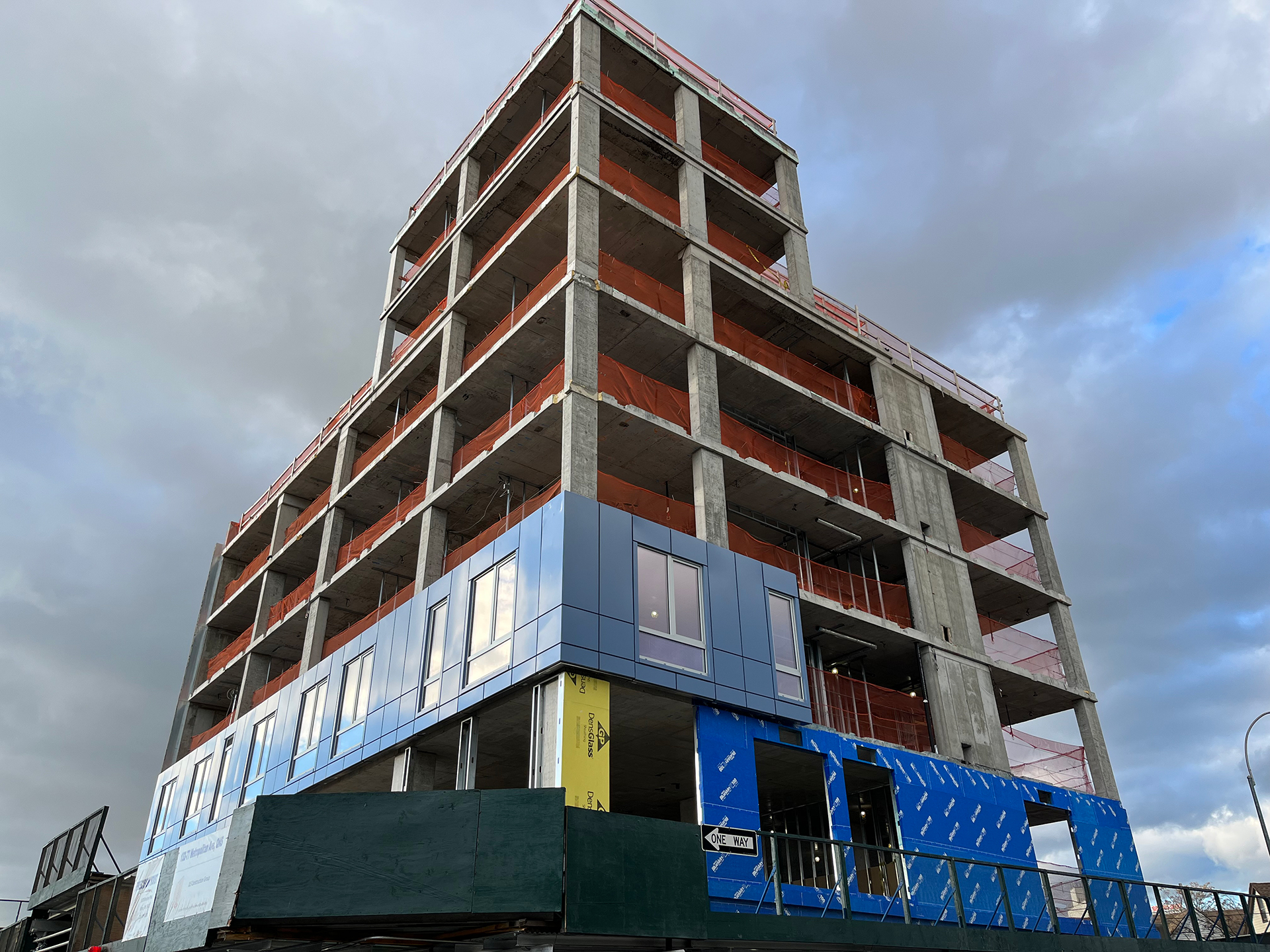
With unitized curtain walls, installation follows a clear, repeatable rhythm. Panels arrive in the right order, are hoisted to the active floors, and are hung directly off the structure. Crews work from the slab, not from full scaffolding, enclosing one elevation band at a time.
For the construction team, that means shorter floor cycles to get the building "closed in," earlier start on interior finishes, and fewer clashes between trades at the perimeter. On tall towers, shaving even a day or two off each floor cycle adds up to a noticeable impact on the overall schedule.
Hoisting and Just-in-Time Deliveries
Urban projects rarely have the luxury of large staging yards. Unitized curtain walls solve this by aligning delivery, hoisting, and installation into one flow. Panels come on site close to the moment they're needed, get lifted, and go straight onto the building.
Just-in-time deliveries help to:
- Keep sidewalks and loading areas clear instead of stacked with pallets.
- Maximize crane efficiency by reducing idle time between picks.
- Minimize double-handling and damage risk from temporary storage.
This tight control over material flow is one of the main reasons unitized systems are favored for high-rises squeezed into narrow city streets.
Dextall as a Hybrid Envelope Option
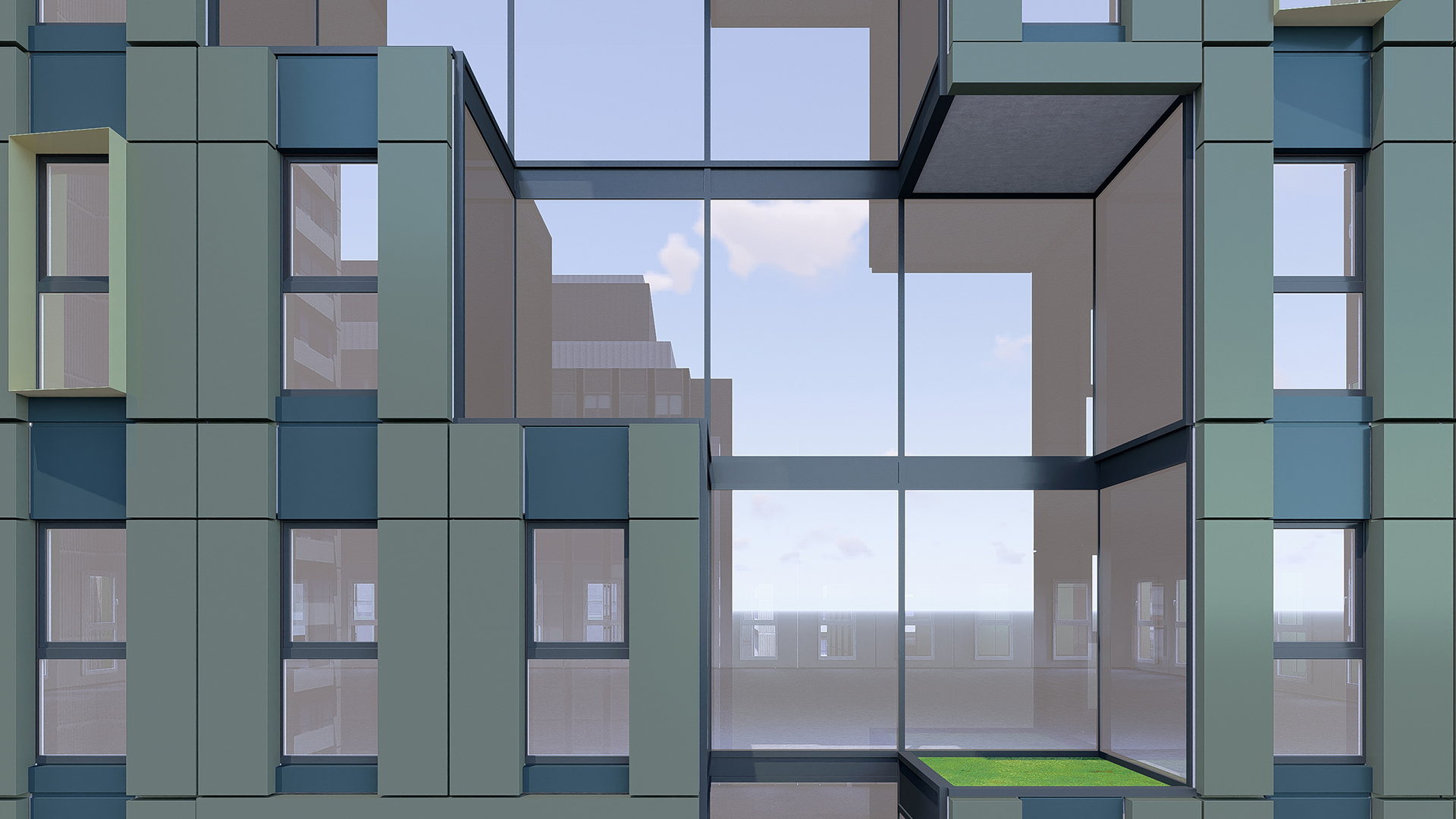
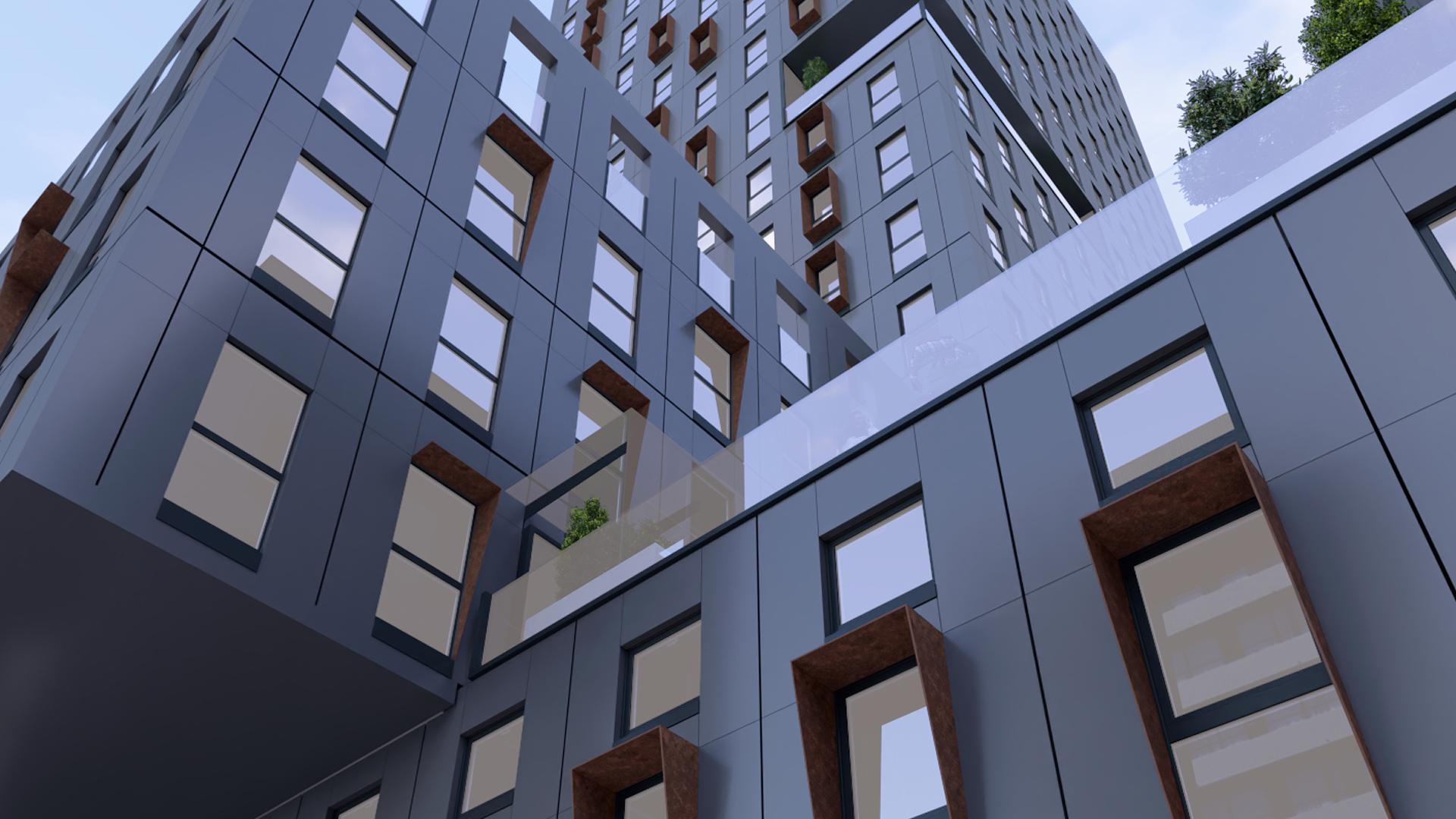
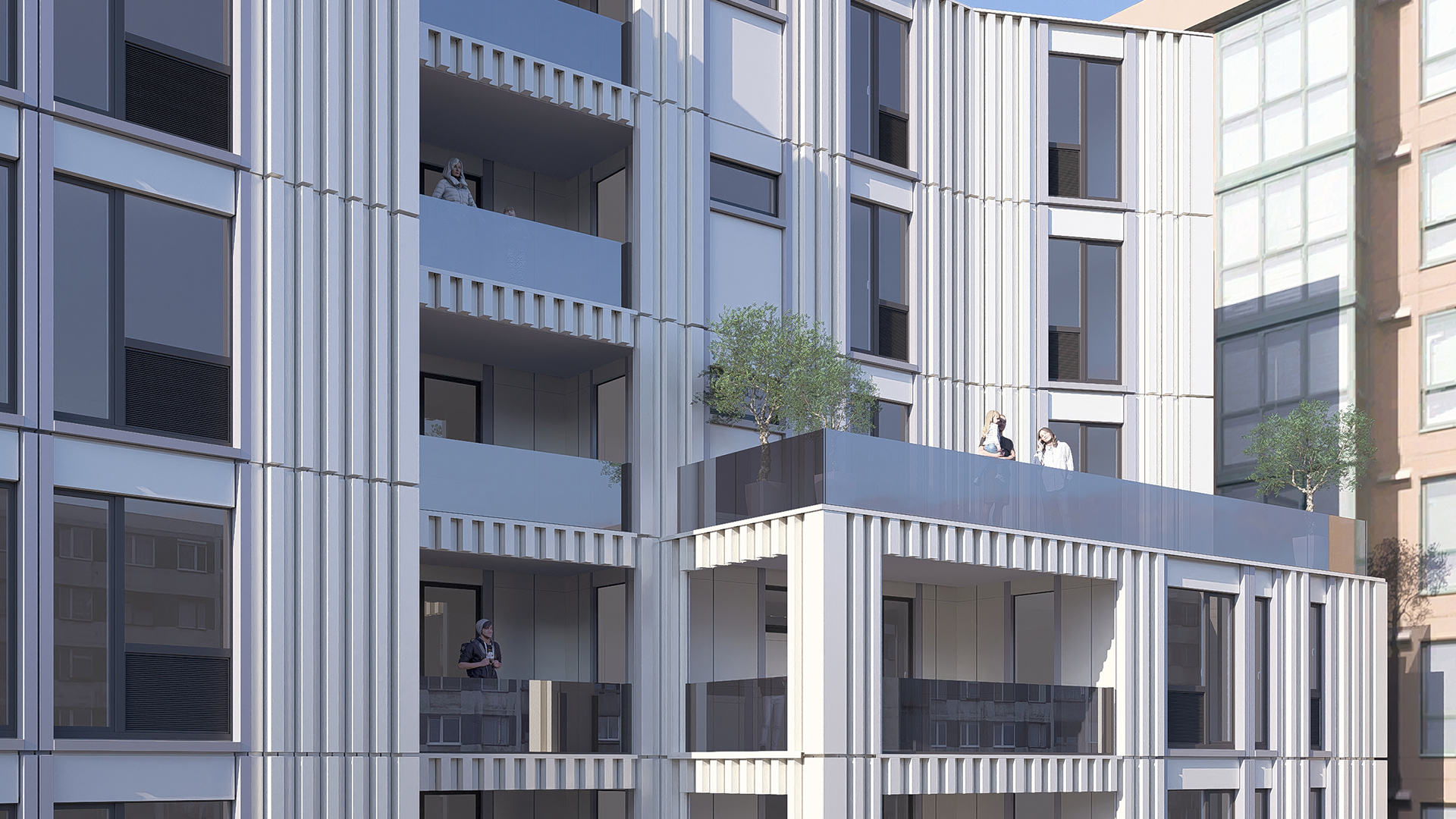
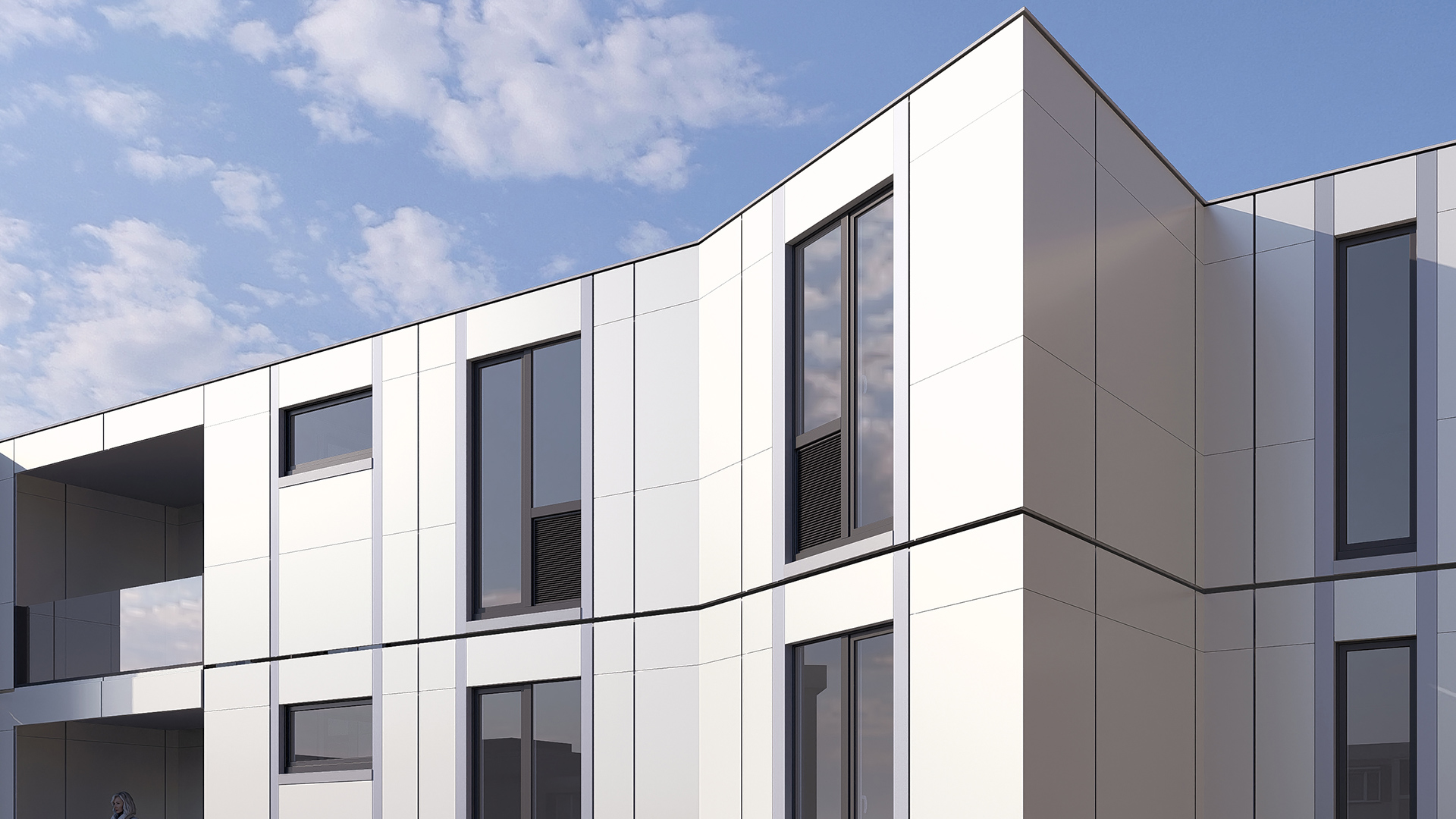
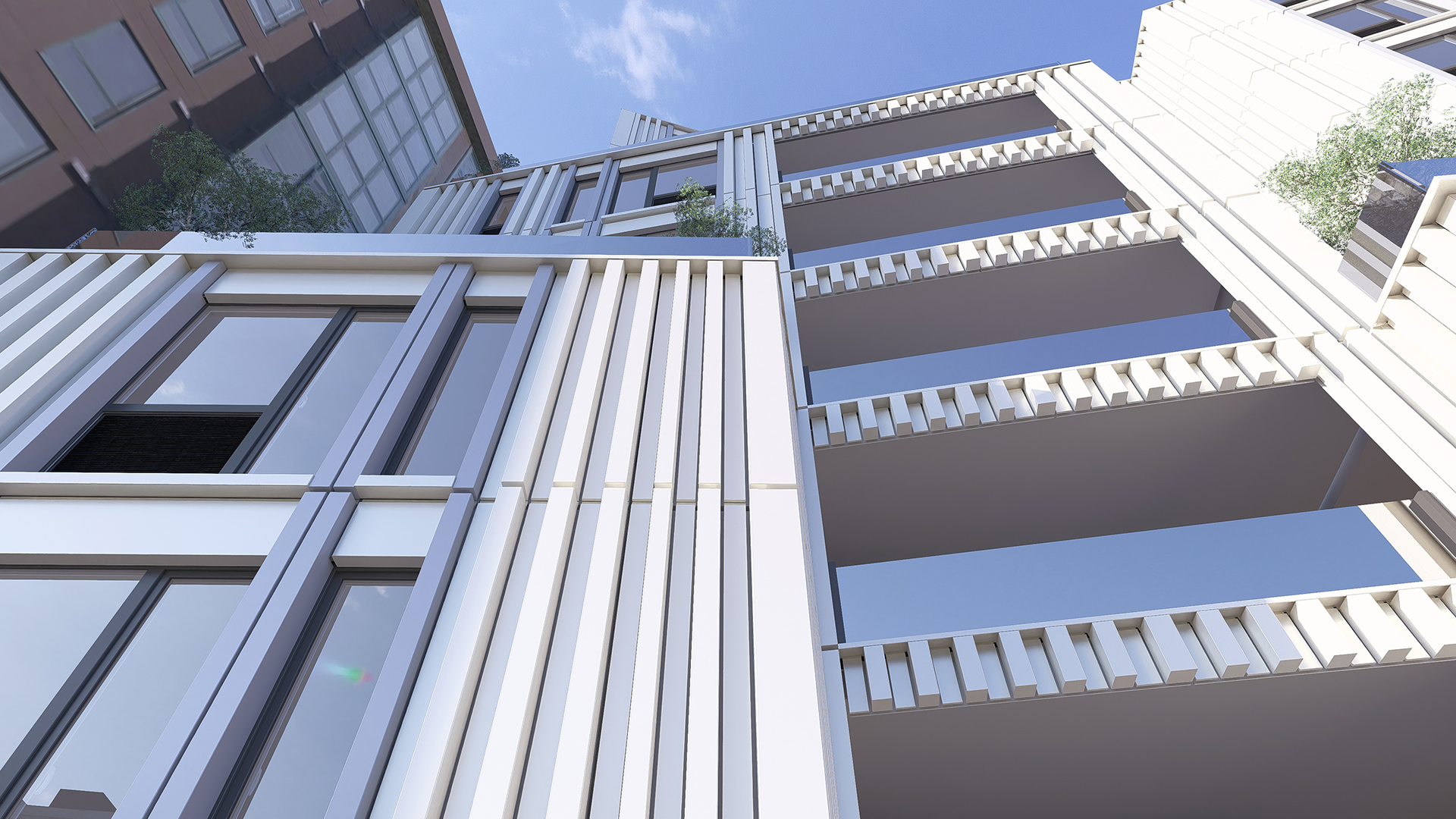
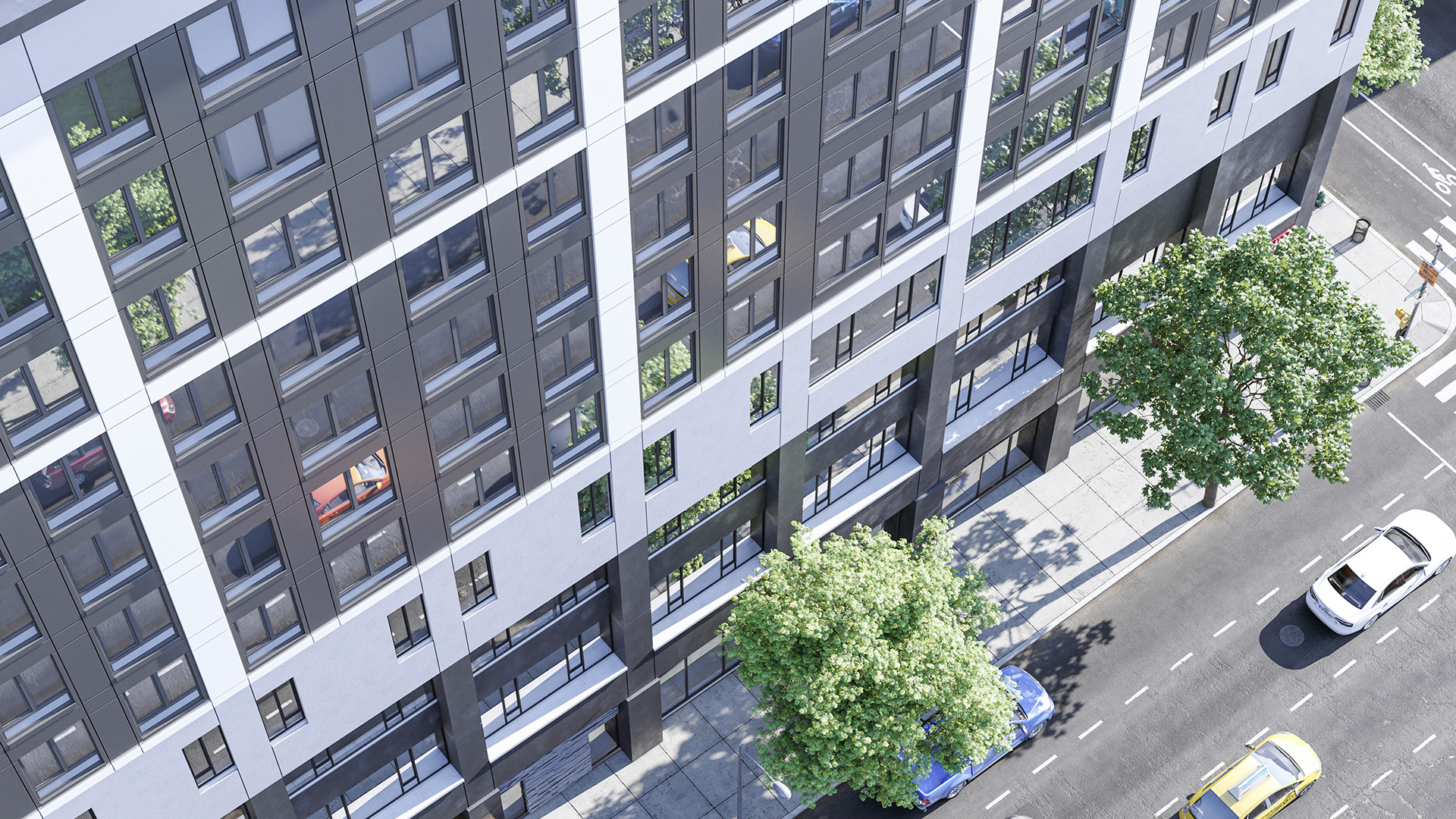
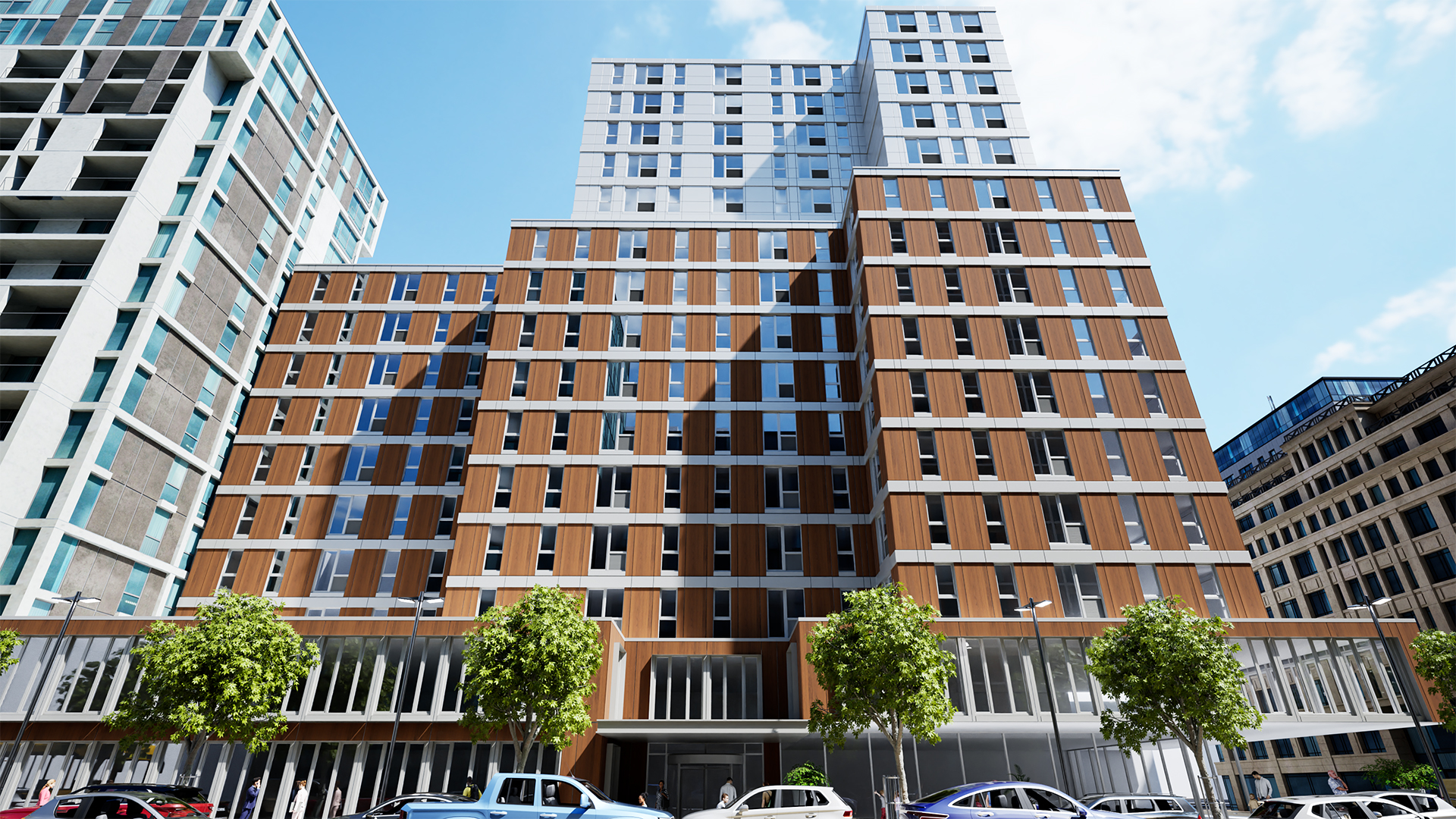
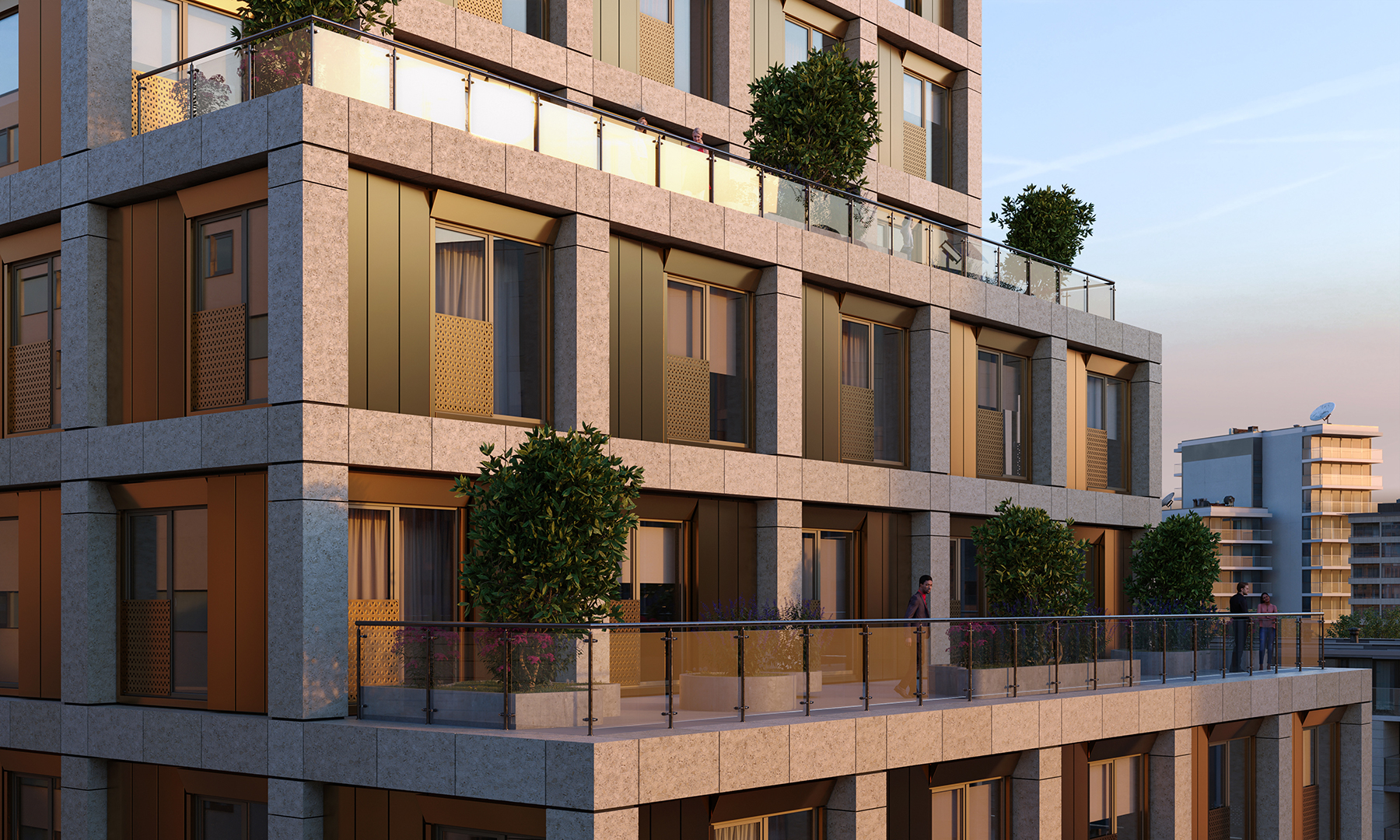
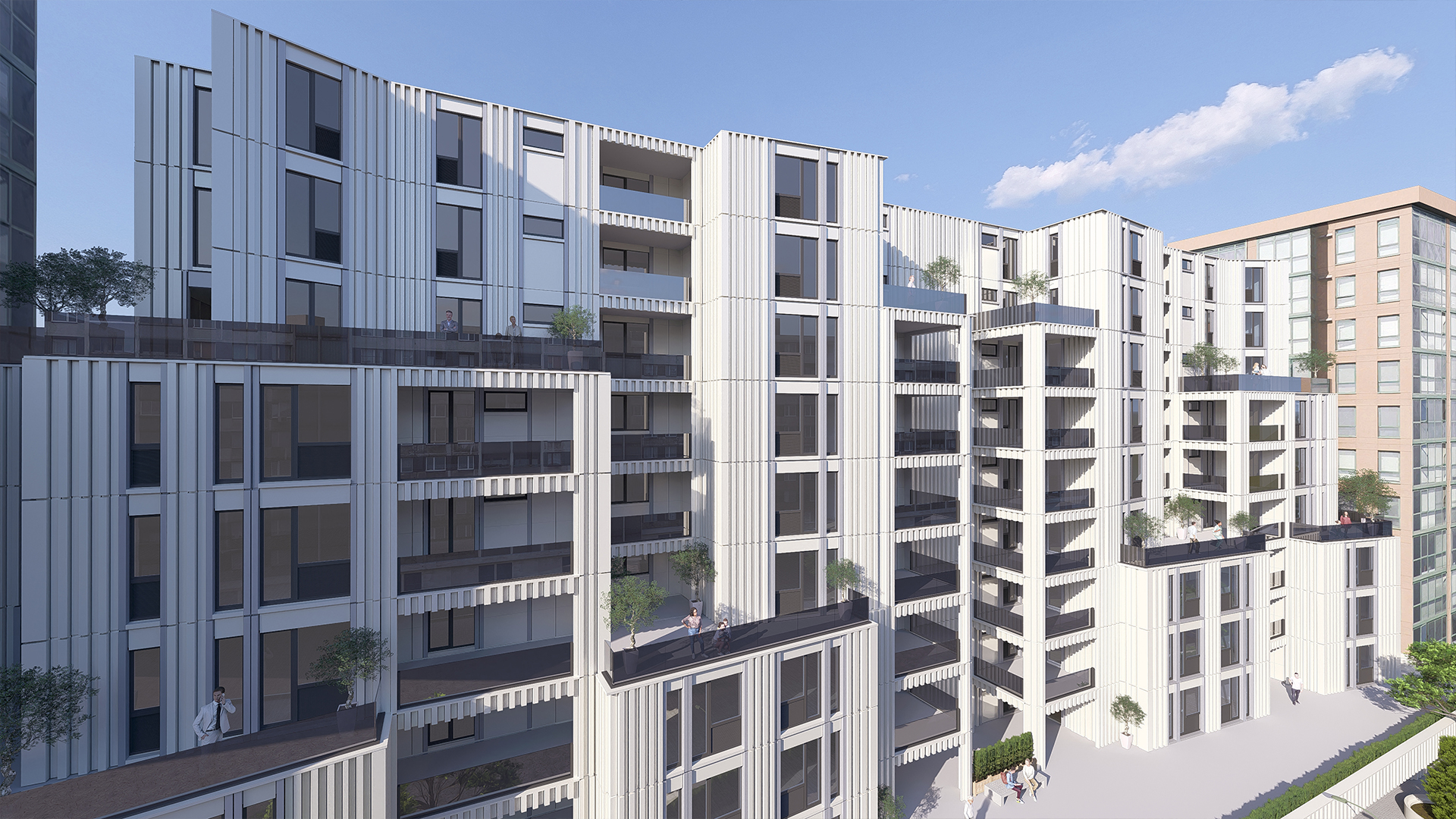
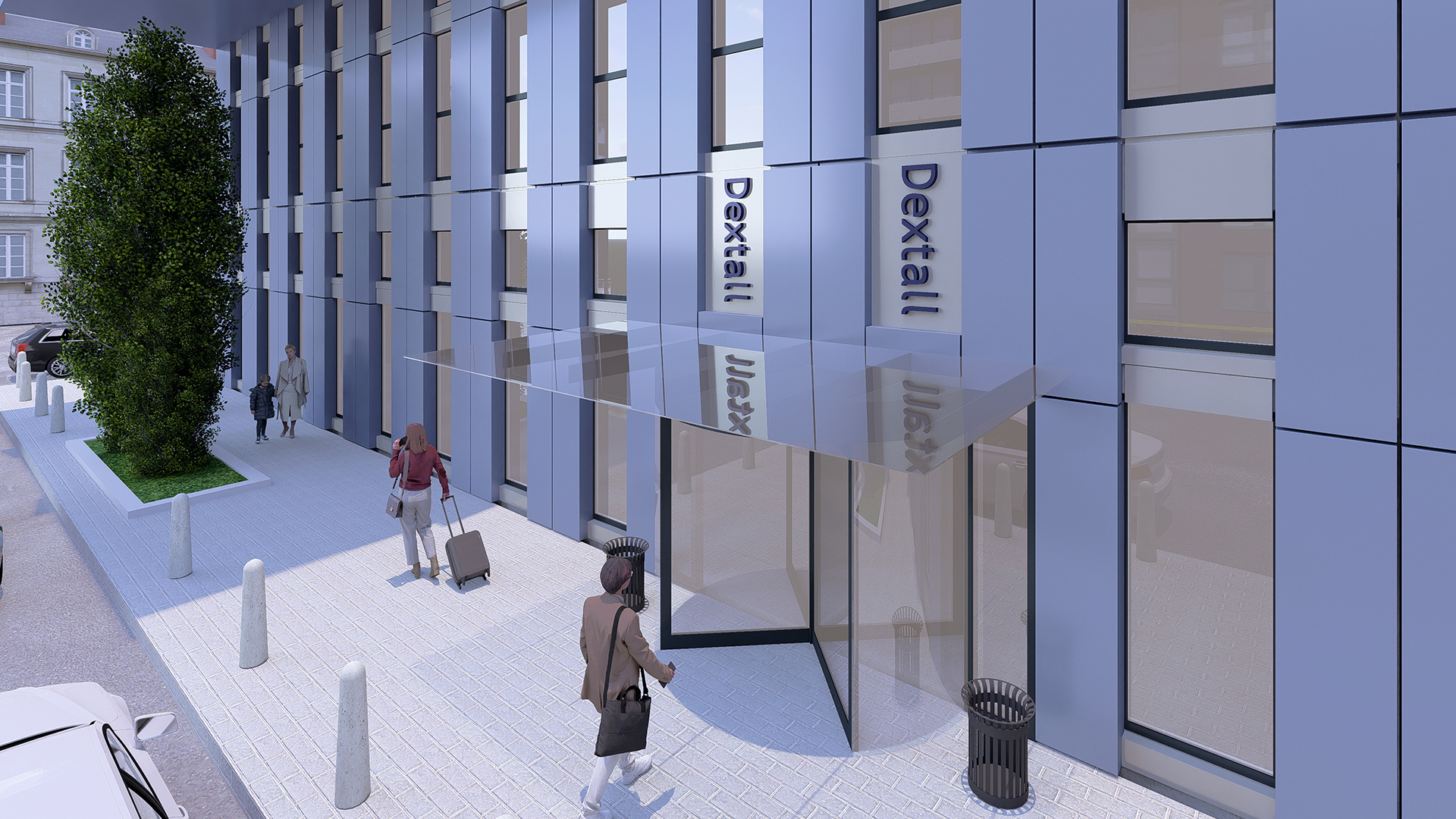
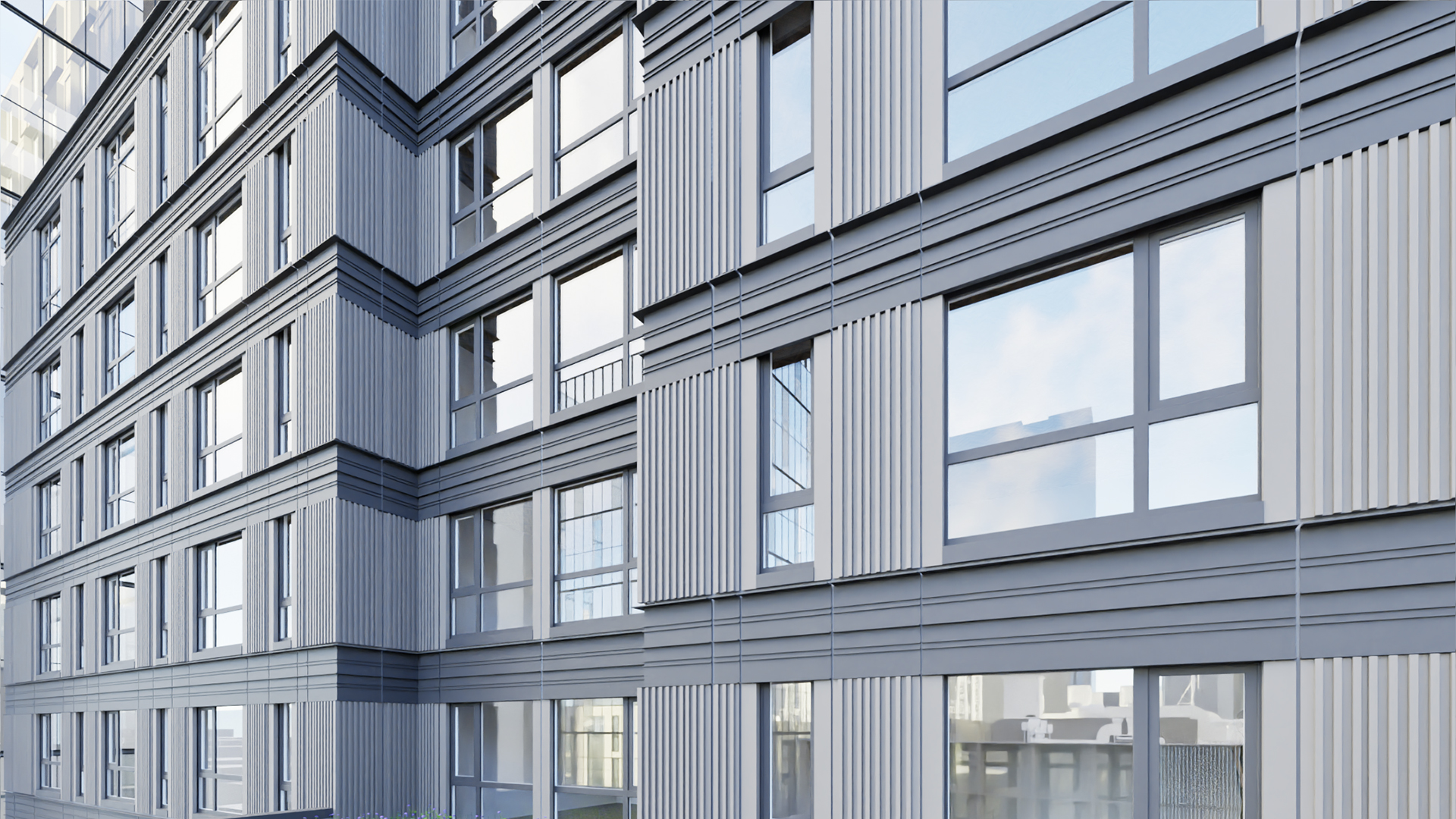
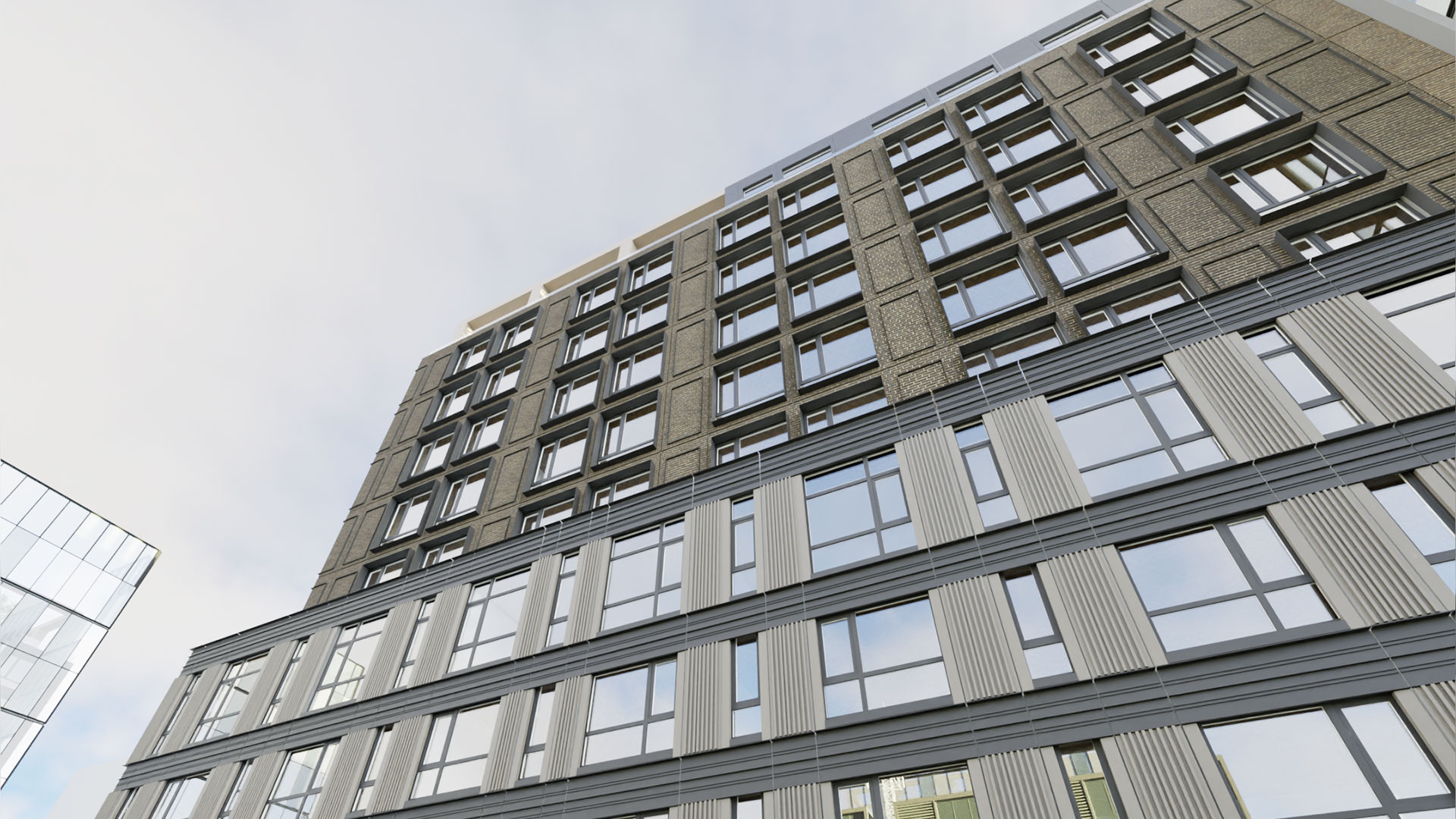
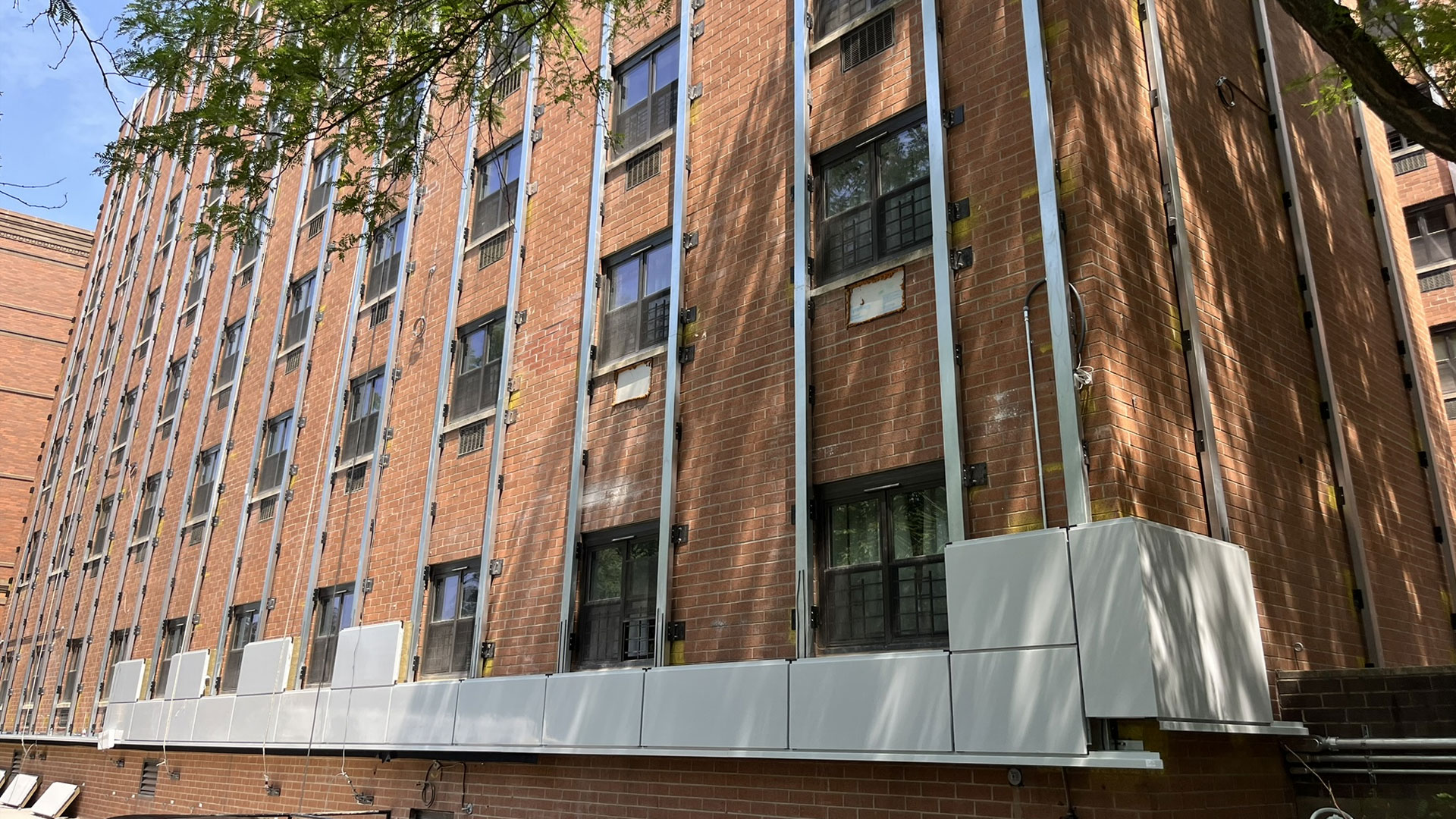
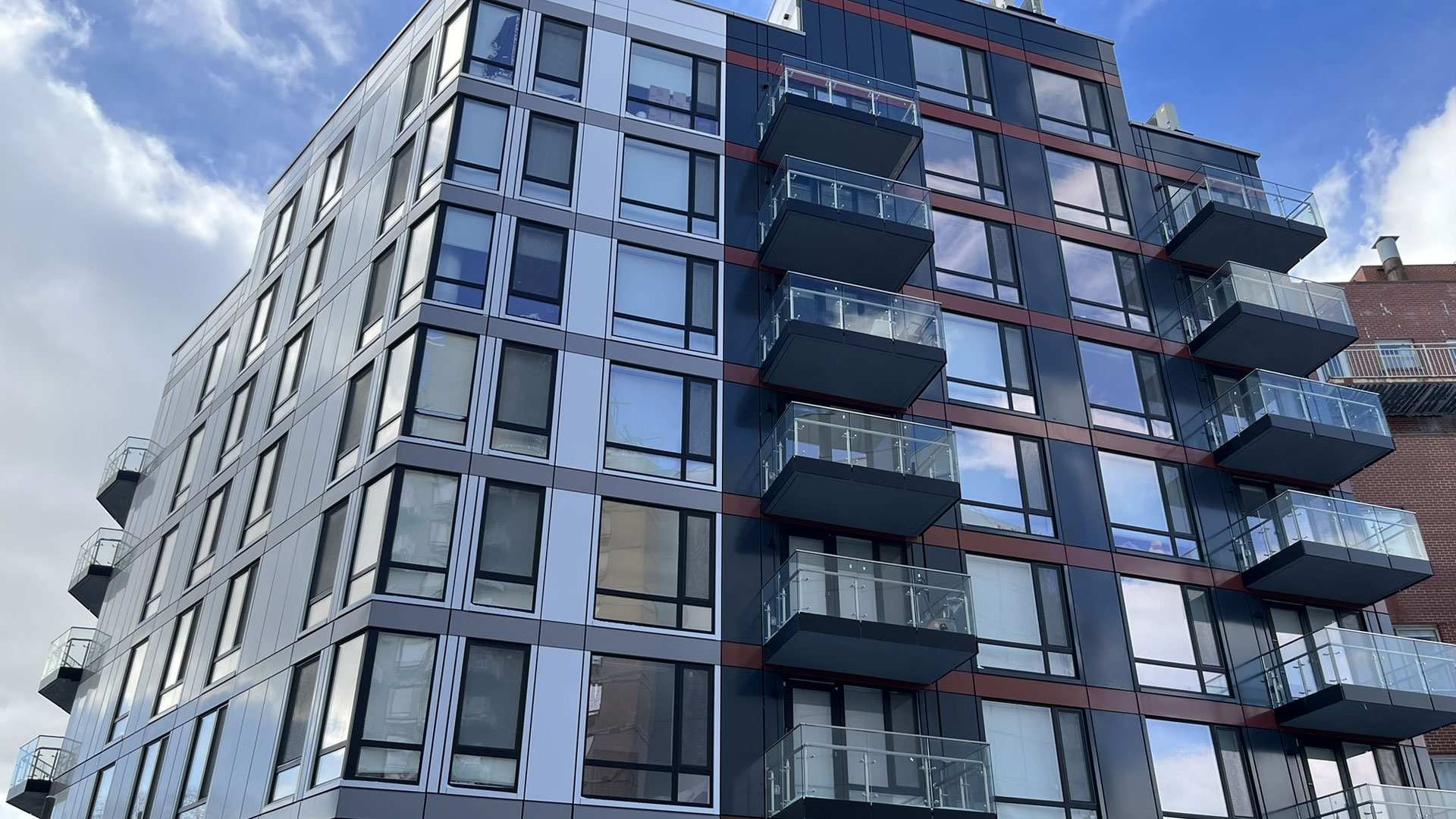
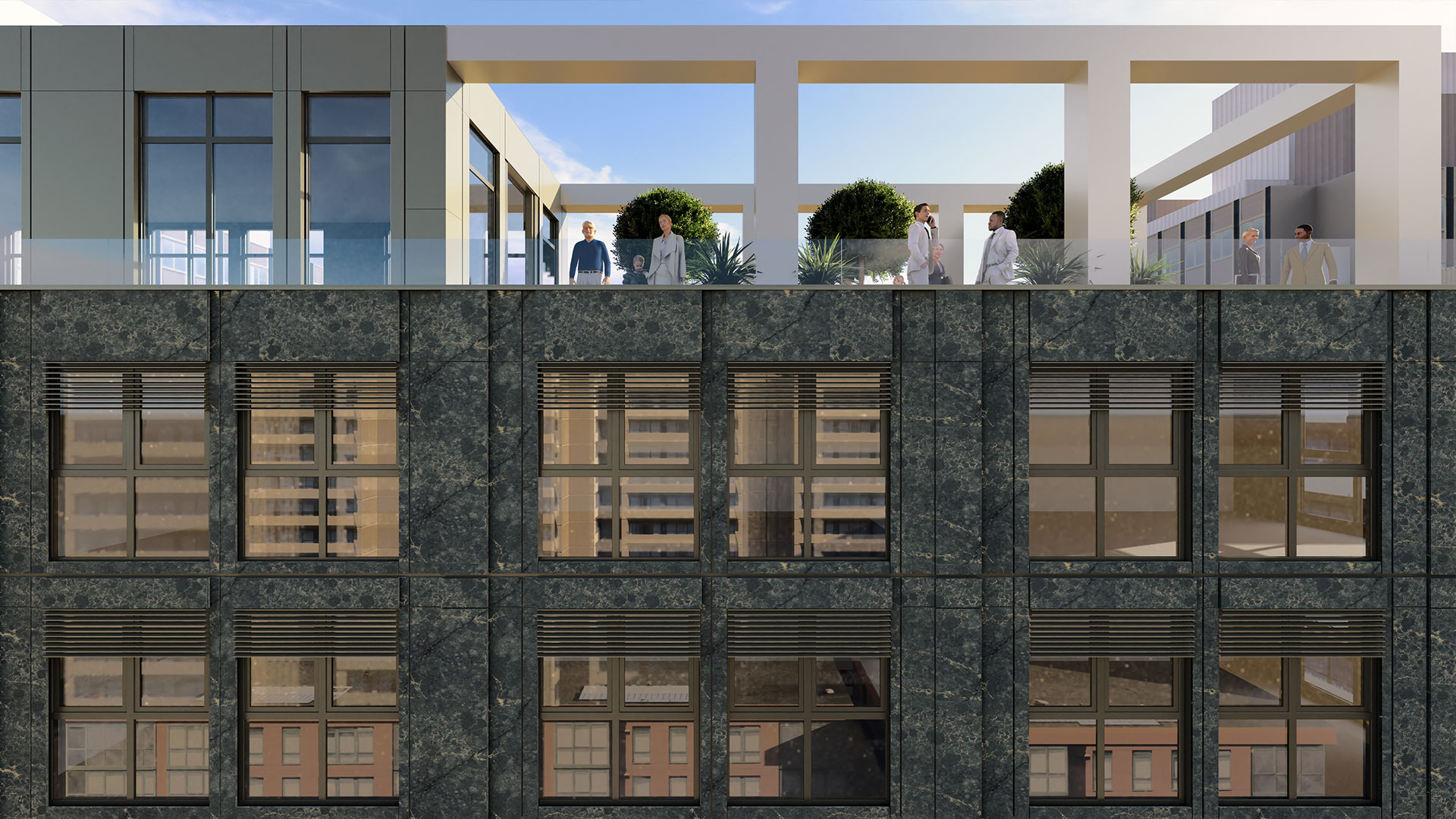
Dextall takes this logic a step further with a hybrid envelope system that brings many unitized-style benefits into a more flexible, panelized format. Facade units are manufactured offsite with integrated finishes, insulation, and openings, then delivered in a sequence that supports the same kind of disciplined floor-by-floor installation used for unitized curtain walls.
Because Dextall panels are lighter and highly coordinated, they can work especially well on tight urban sites, renovations, or mixed-structure projects where a full curtain wall isn't the best fit. The system is designed to streamline hoisting, reduce on-site labor, and deliver a clean, consistent exterior — positioning Dextall as a go-to option when projects want the speed and predictability of prefabrication without giving up flexibility in how the envelope is detailed and installed.
Quick FAQs: Unitized Curtain Walls in the City
Why do urban high-rises often use unitized curtain walls instead of stick-built?
Because they go up faster, with fewer people on site, and offer more predictable quality in tight, congested conditions.
Do unitized curtain walls limit facade design?
Not necessarily — they work with a modular grid, but within that grid you can vary glass types, spandrels, fins, and patterns.
How do unitized systems help the project schedule?
They allow repeatable floor cycles: panels arrive, get hoisted, and close in multiple floors in days instead of weeks.
What's the benefit of just-in-time deliveries for facades?
Less site clutter, better crane utilization, and lower risk of damage from storing panels on crowded streets.
Where does Dextall fit into all this?
Dextall offers a hybrid, prefabricated envelope that brings unitized-style speed and quality to projects that need more flexibility in structure, phasing, or renovation.













.jpeg)

-Compliance-for-NYC-Multifamily-%26-Co-Op-Facades.jpg)












_format(webp).avif)
_format(webp)%20(6).avif)
_format(webp)%20(5).avif)
_format(webp)%20(4).avif)
_format(webp)%20(2).avif)
_format(webp)%20(3).avif)


.avif)
_format(webp)%20(2).avif)