Robotic Welding at 3× Speed: Dextall's Blueprint for Industrial-Scale Facade Manufacturing

Dextall, a facade manufacturer with a $210 million project pipeline, has launched a proprietary robotic welding platform that triples the production speed of critical structural components — and the story behind it challenges how most companies think about automation.
The breakthrough did not begin with robots. It began with a spreadsheet.
Standardize First. Automate Second.
Before a single robotic workcell was installed, Dextall's engineering team identified a specific bottleneck in facade production: structural steel hooks. These components — the load-bearing connections between prefabricated facade panels and building structure — existed in five distinct configurations across Dextall's projects.
Five configurations meant five separate production runs. Five setups. Five quality-control protocols. The volume per configuration was too low to justify automation.
The decision was counterintuitive: before introducing any new technology, Dextall consolidated all five hook variants into a single standardized component.
That one change — eliminating variation — created the volume stability that made automation economically viable.
"Automation is not a strategy. It is a reward for having built something stable enough to automate," said Aurimas Sabulis, founder and CEO of Dextall.
What the Robotic Platform Delivers
The robotic workcell now produces Dextall's structural hook at three times the speed of manual welding. But speed is not the only gain.
In facade fabrication, weld quality is not a cosmetic issue. Structural connections must meet strict tolerances across hundreds or thousands of identical components on a single project. A variation that is acceptable on one component becomes a cumulative error at scale.
Manual welding introduces human variability — fatigue, inconsistency between operators, performance variance across a work shift. The robotic platform eliminates these variables entirely.
"The machine does not get tired. It does not have a bad weld on a Friday afternoon," Sabulis said. "When the component is stable, the output is stable, every time, at any volume."
A Blueprint for the Construction Industry
Dextall's approach is being watched because the construction sector faces a specific, structural challenge: it cannot automate its way out of complexity. Automation requires volume, and volume requires standardization. Most construction companies never achieve the standardization threshold that makes automation viable — so they rely on manual labor indefinitely, absorbing rising costs and quality inconsistency as permanent operating conditions.
Dextall's standardize-first methodology offers a different sequence. Identify the component. Eliminate variation. Build volume. Then — and only then — introduce automation as a natural next step rather than a forced initiative.
The company currently has active projects with Turner Construction, Suffolk Construction, SOM (Skidmore, Owings and Merrill), SLCE Architects, Aufgang Architects, and L&M Development.
What's Next
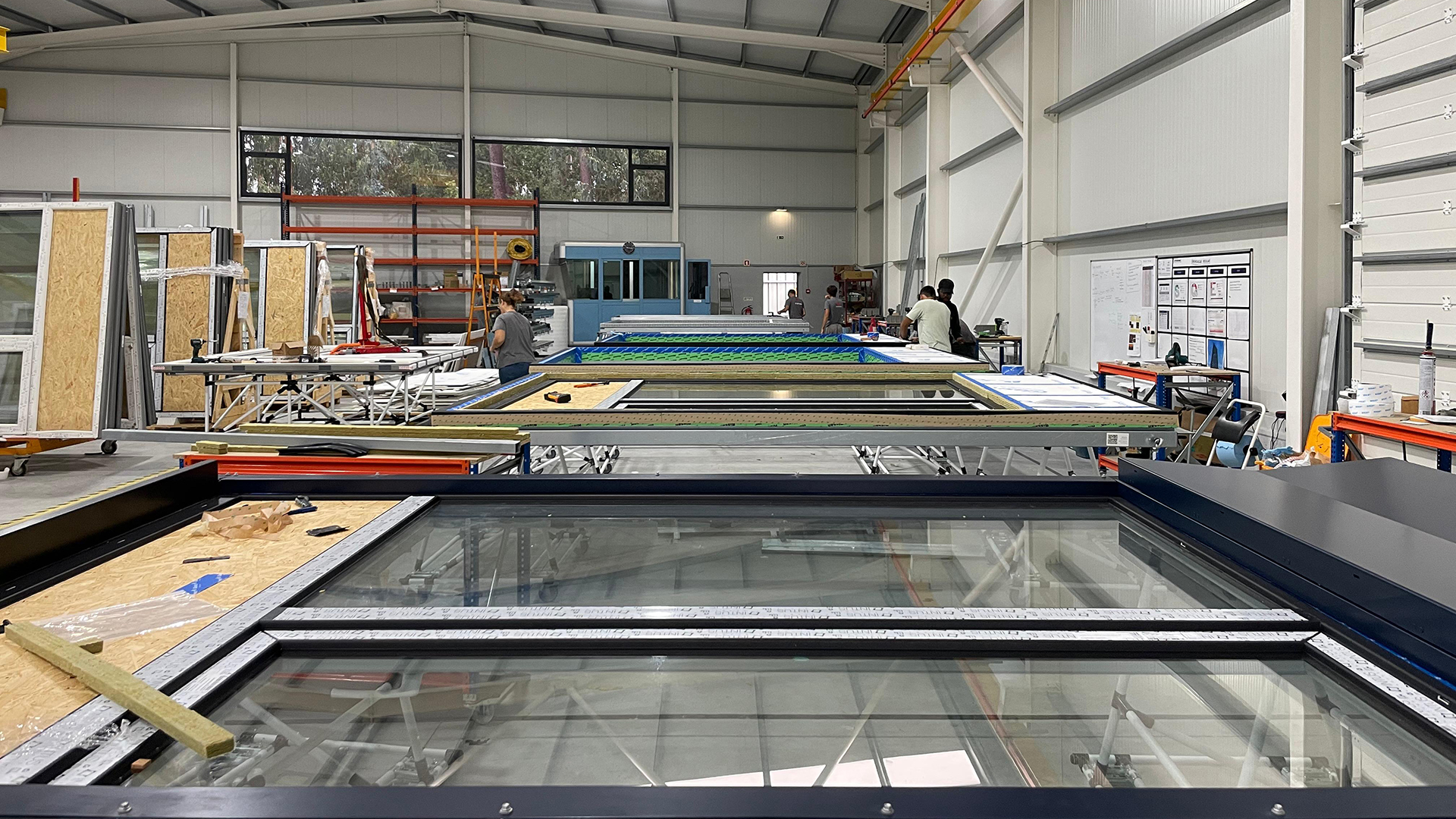
The robotic welding platform is the first application of a broader program. Dextall is now applying the same standardization logic across its full component library, with the goal of automating production of prefabricated wall panels at industrial scale.
The launch signals a shift in how Dextall describes its own trajectory: from a company running pilot programs to one building hardened, high-output production infrastructure — designed for the volume its $210 million pipeline requires.
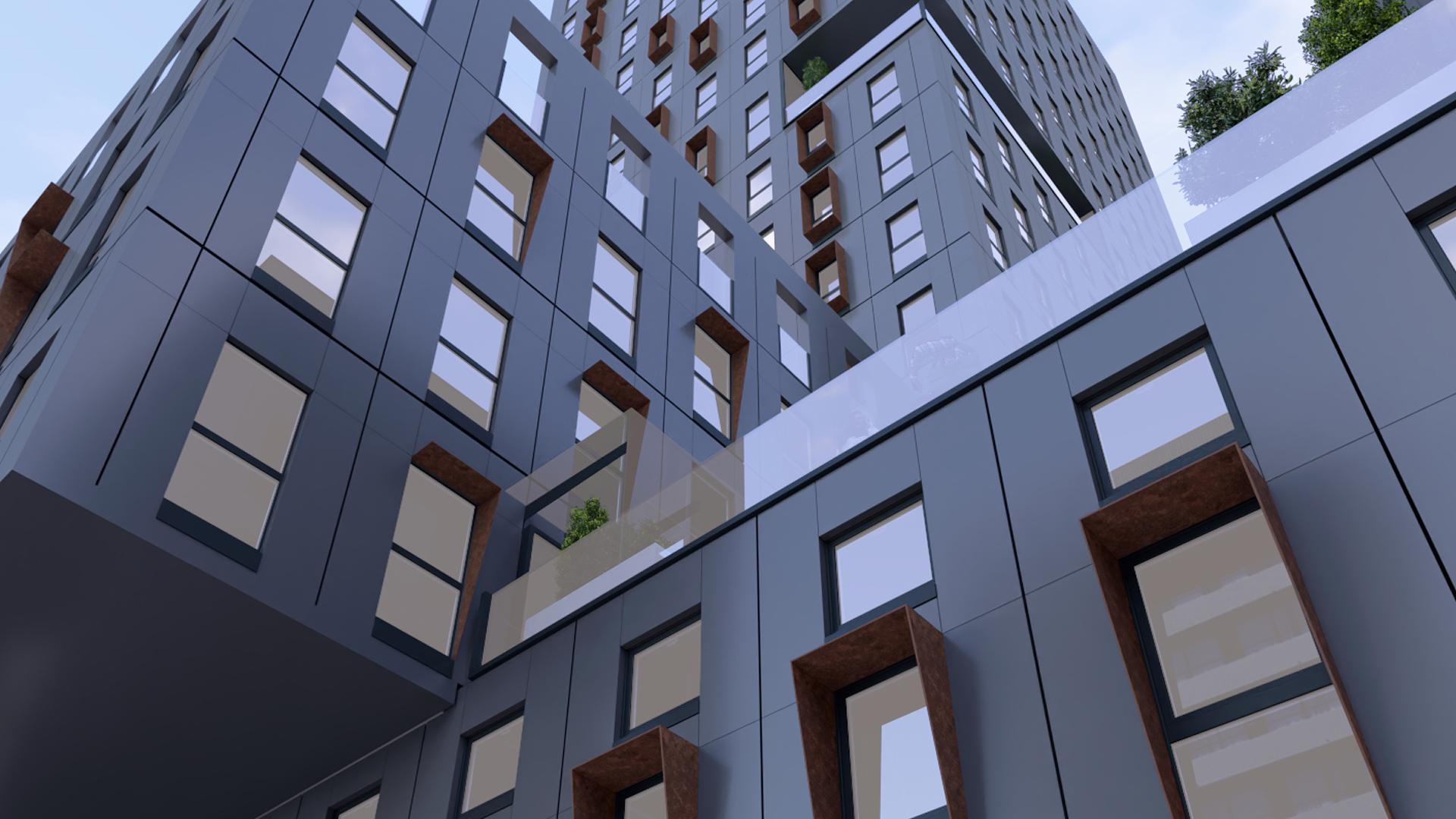
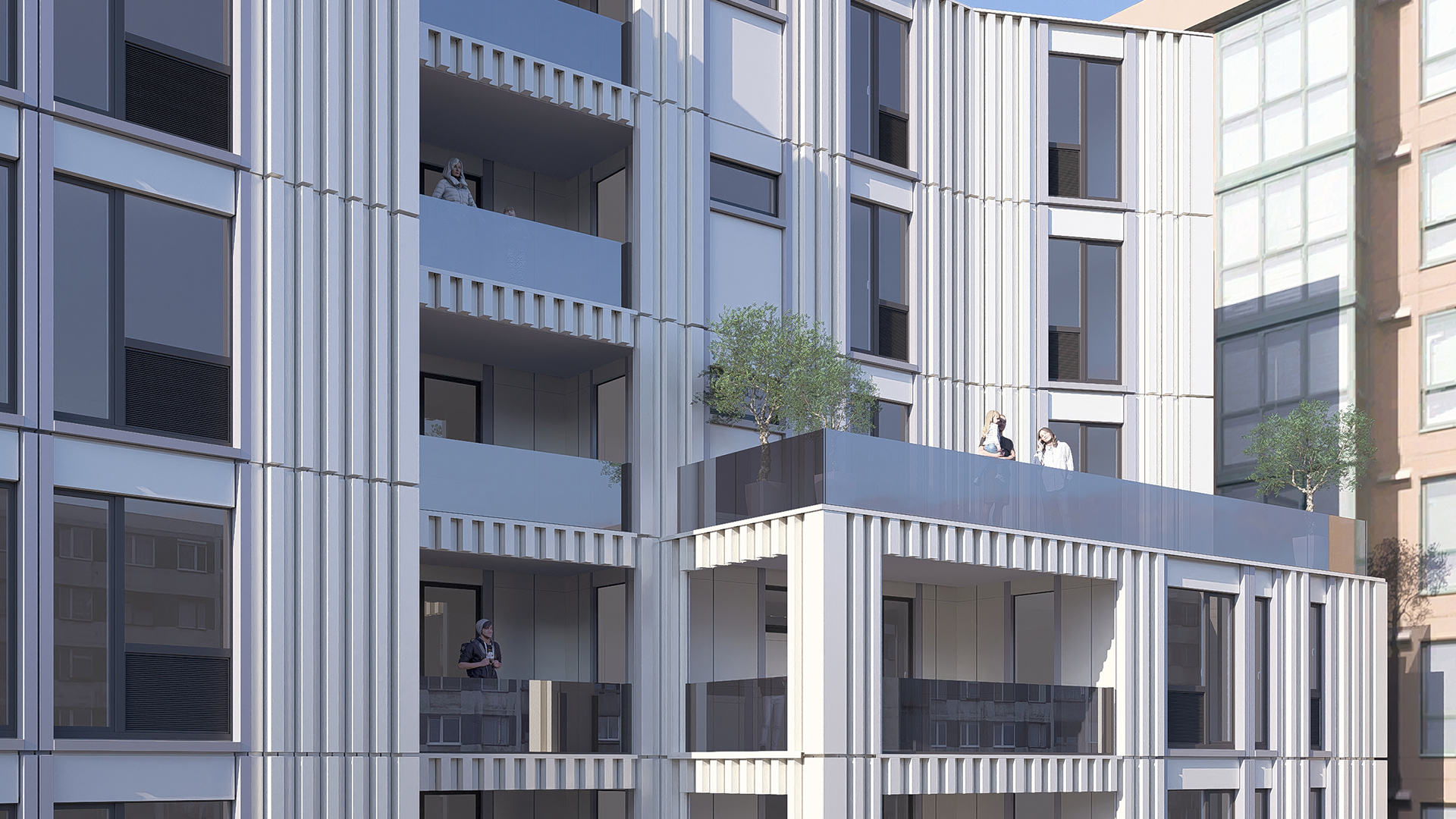
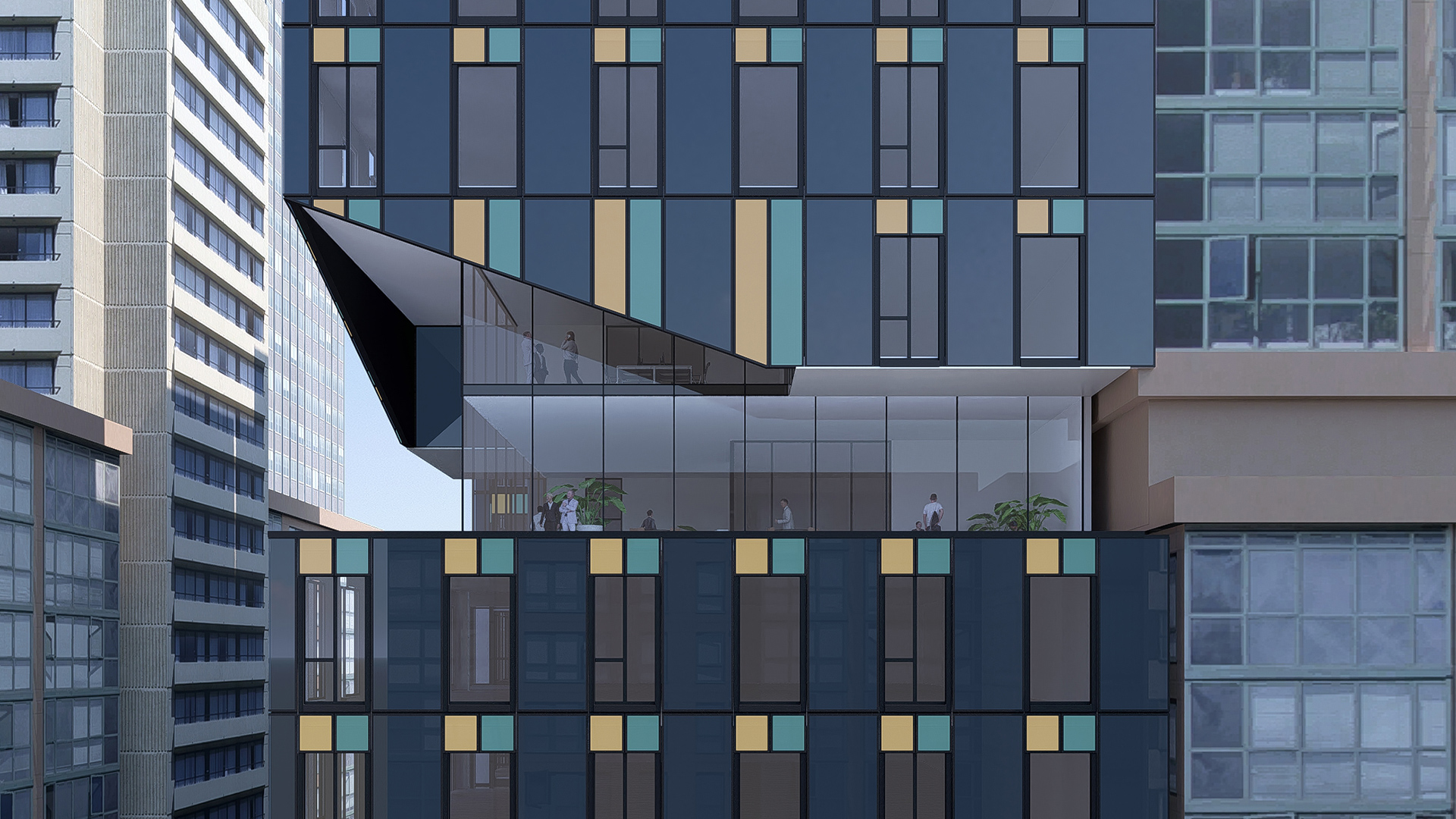
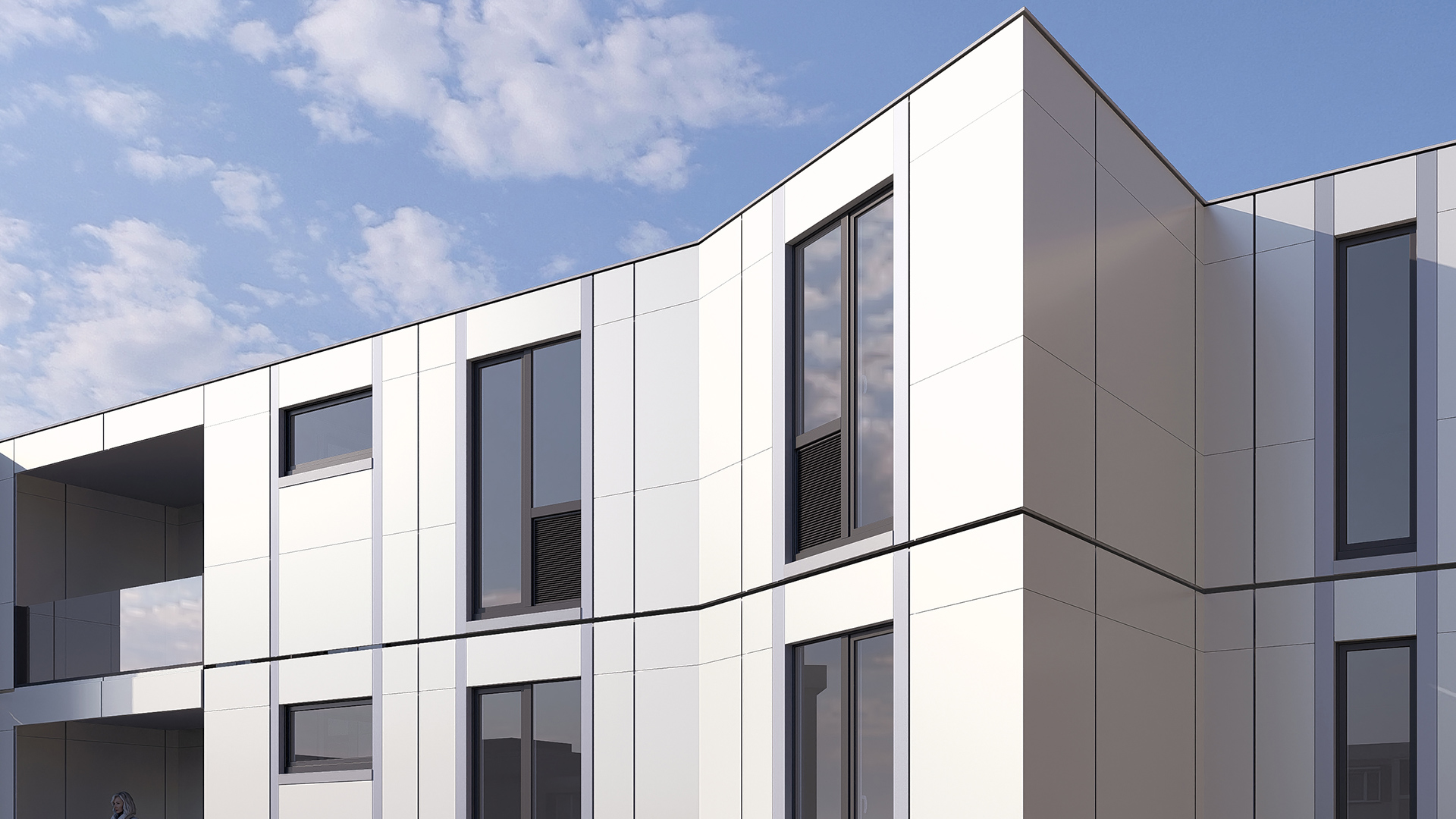
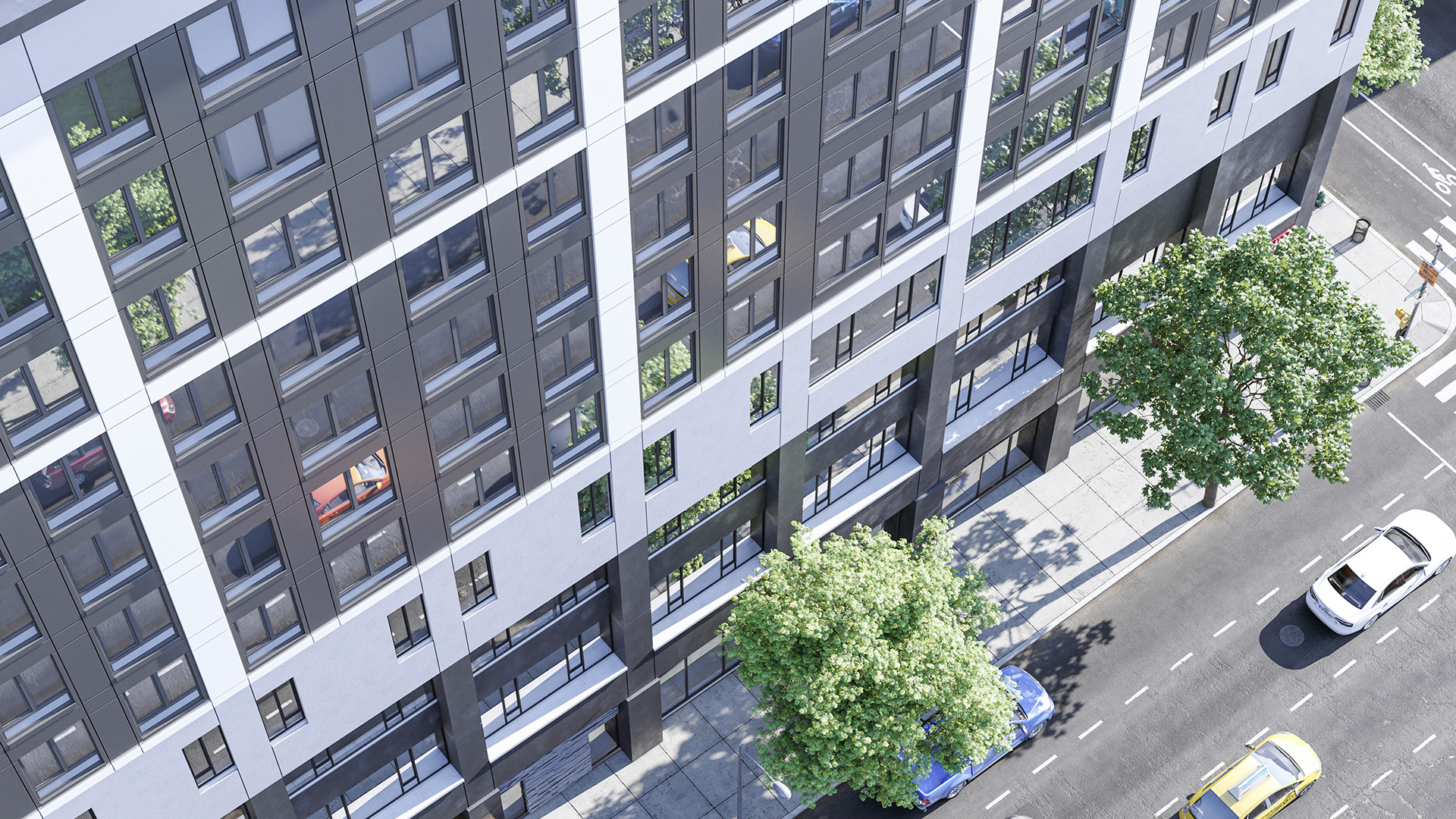
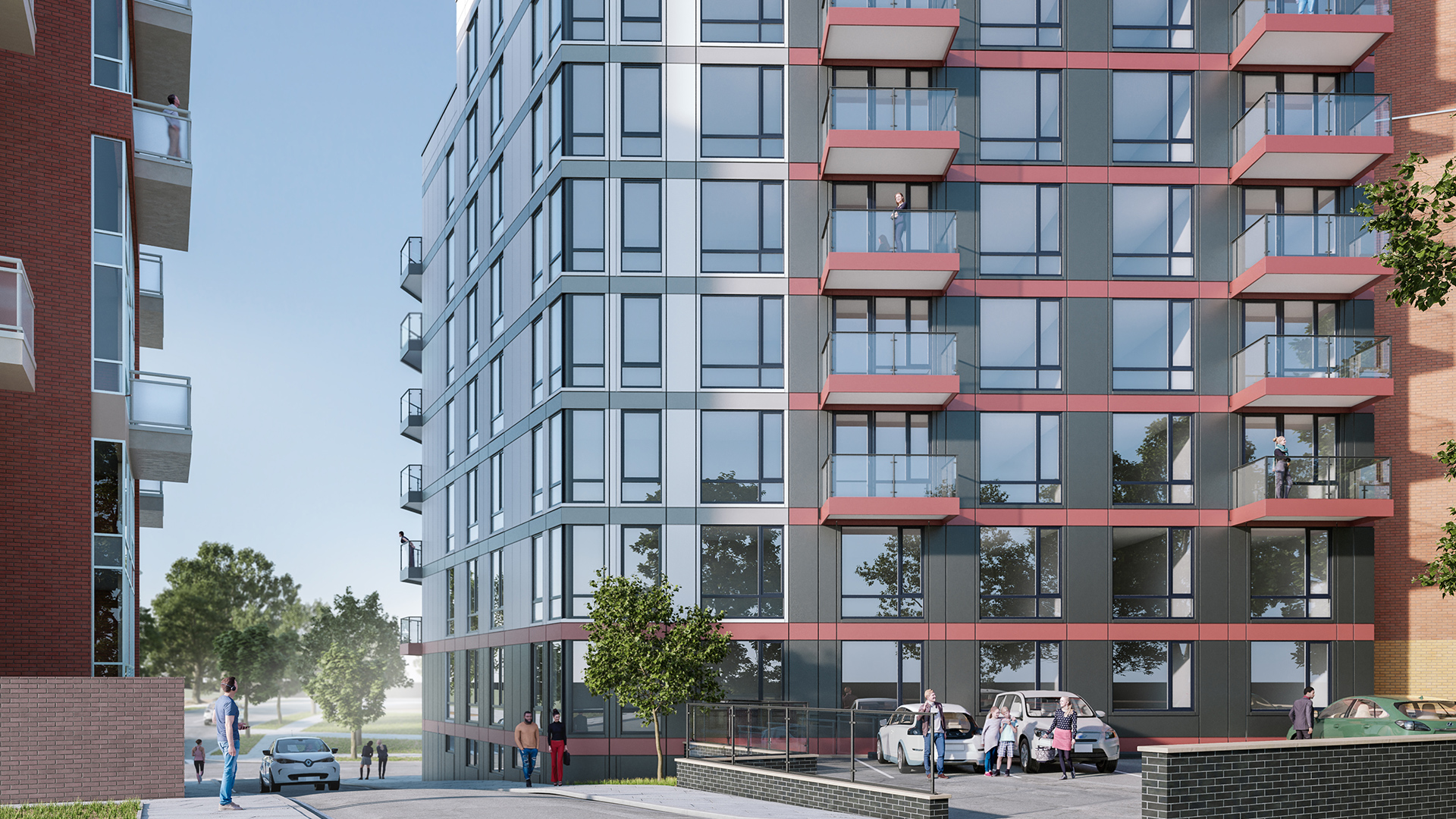
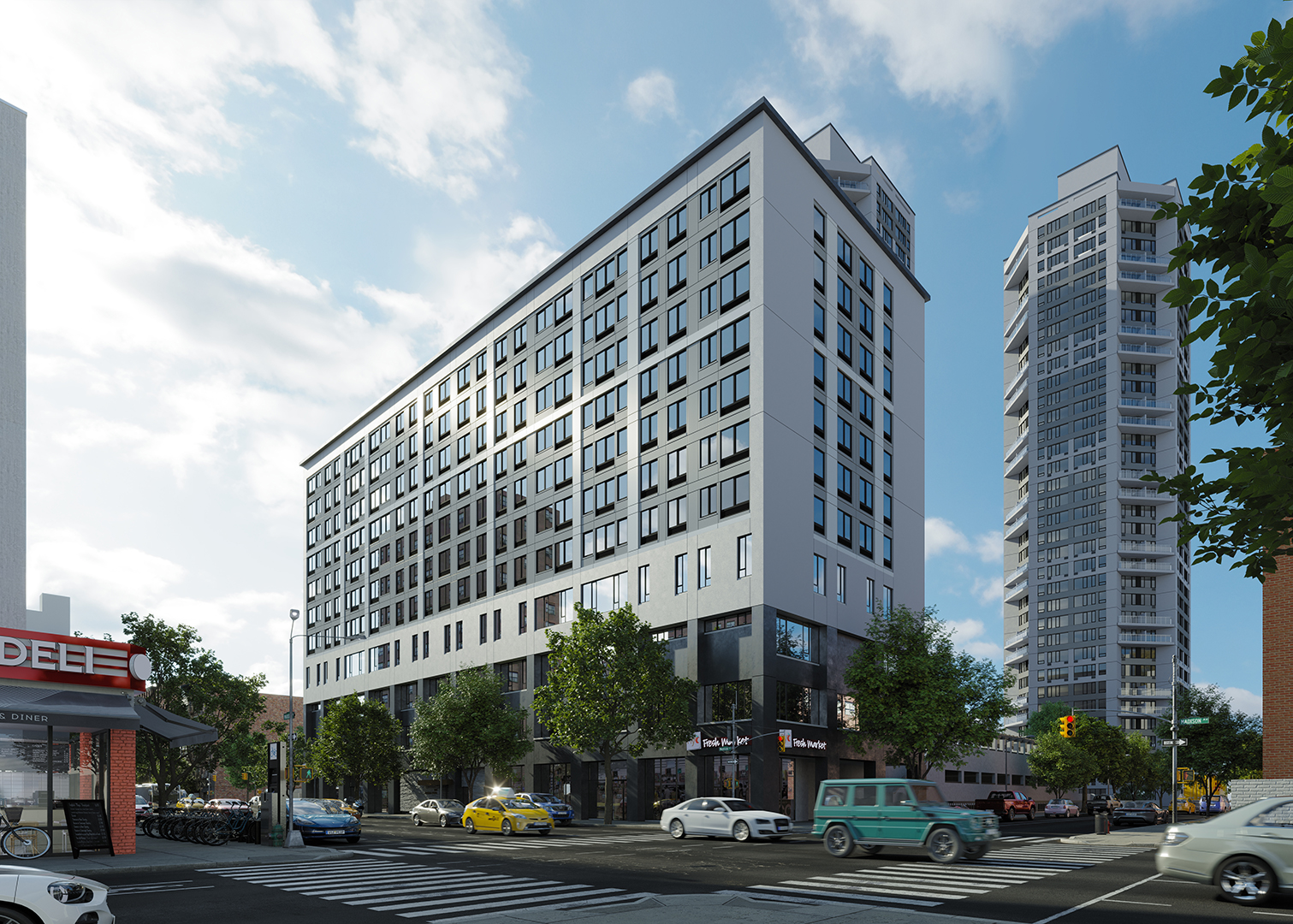
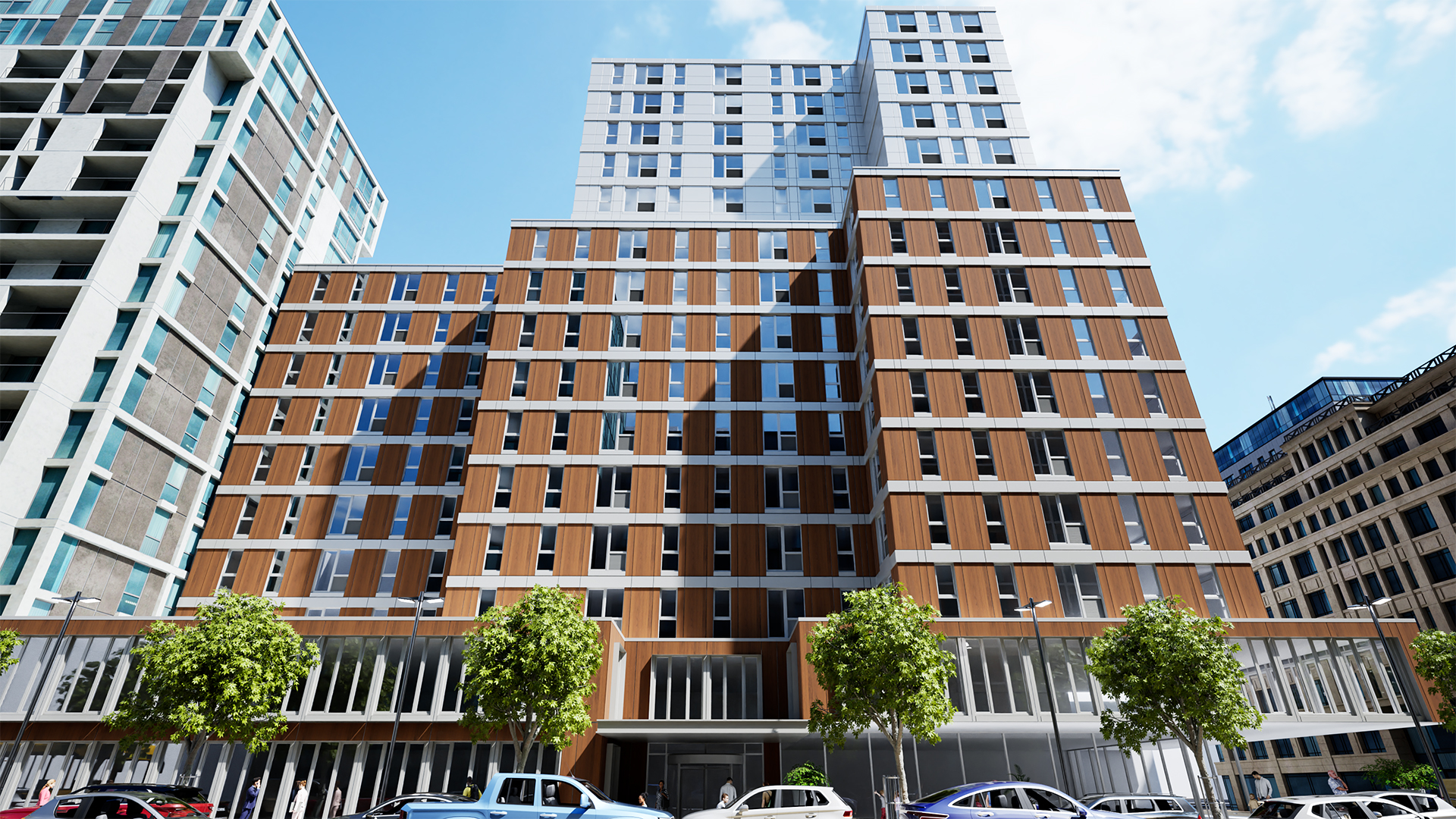
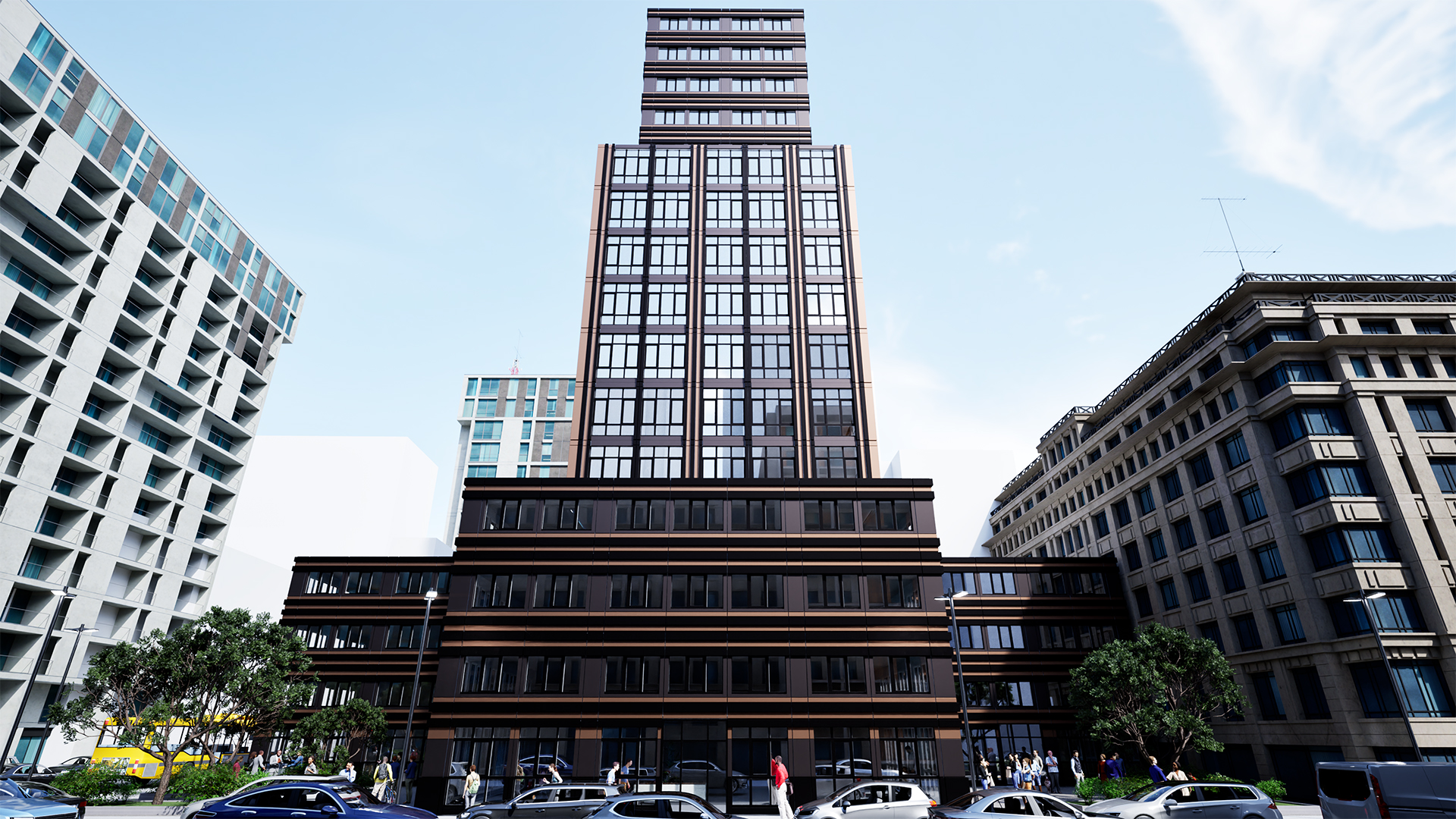
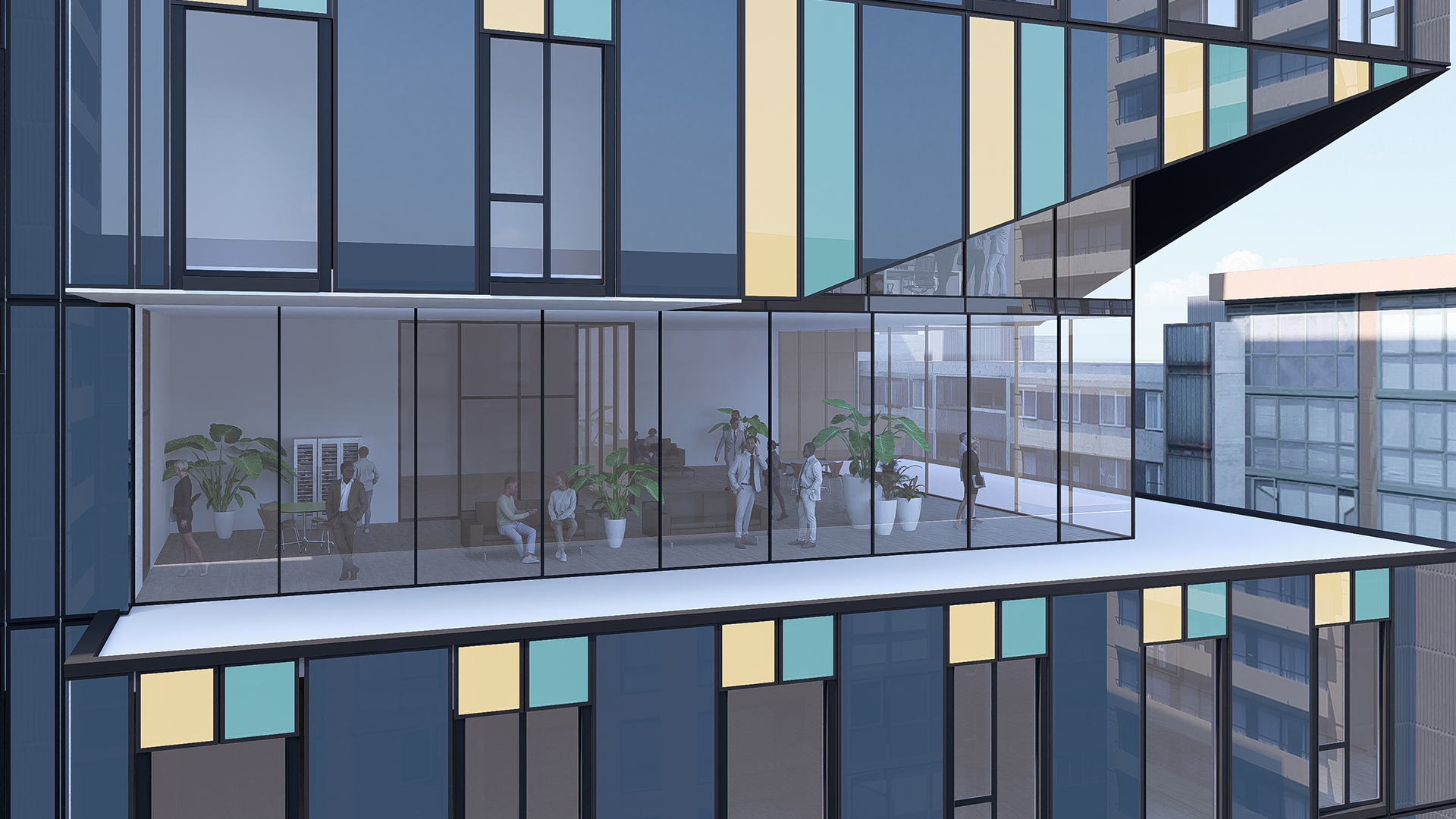
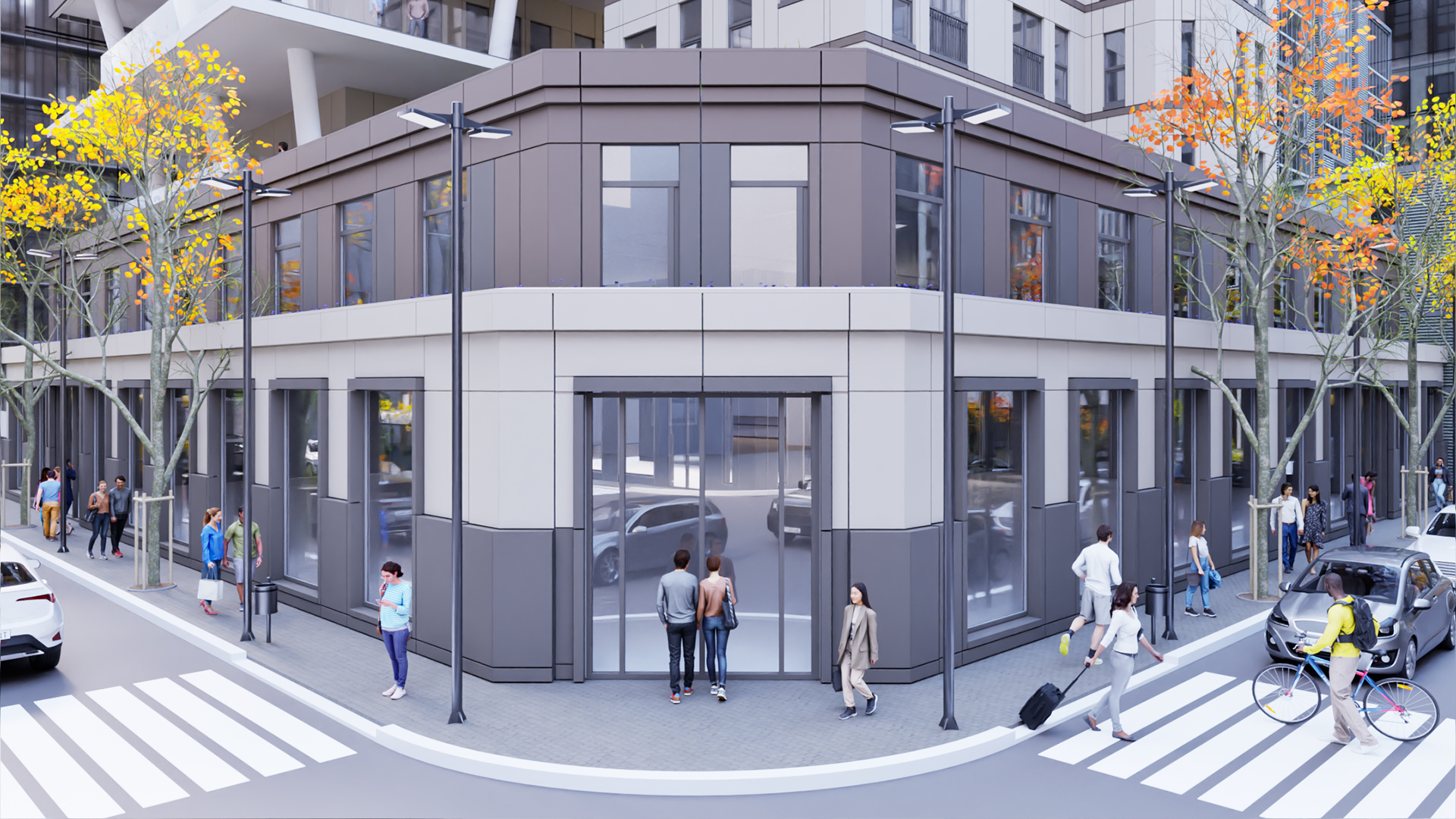
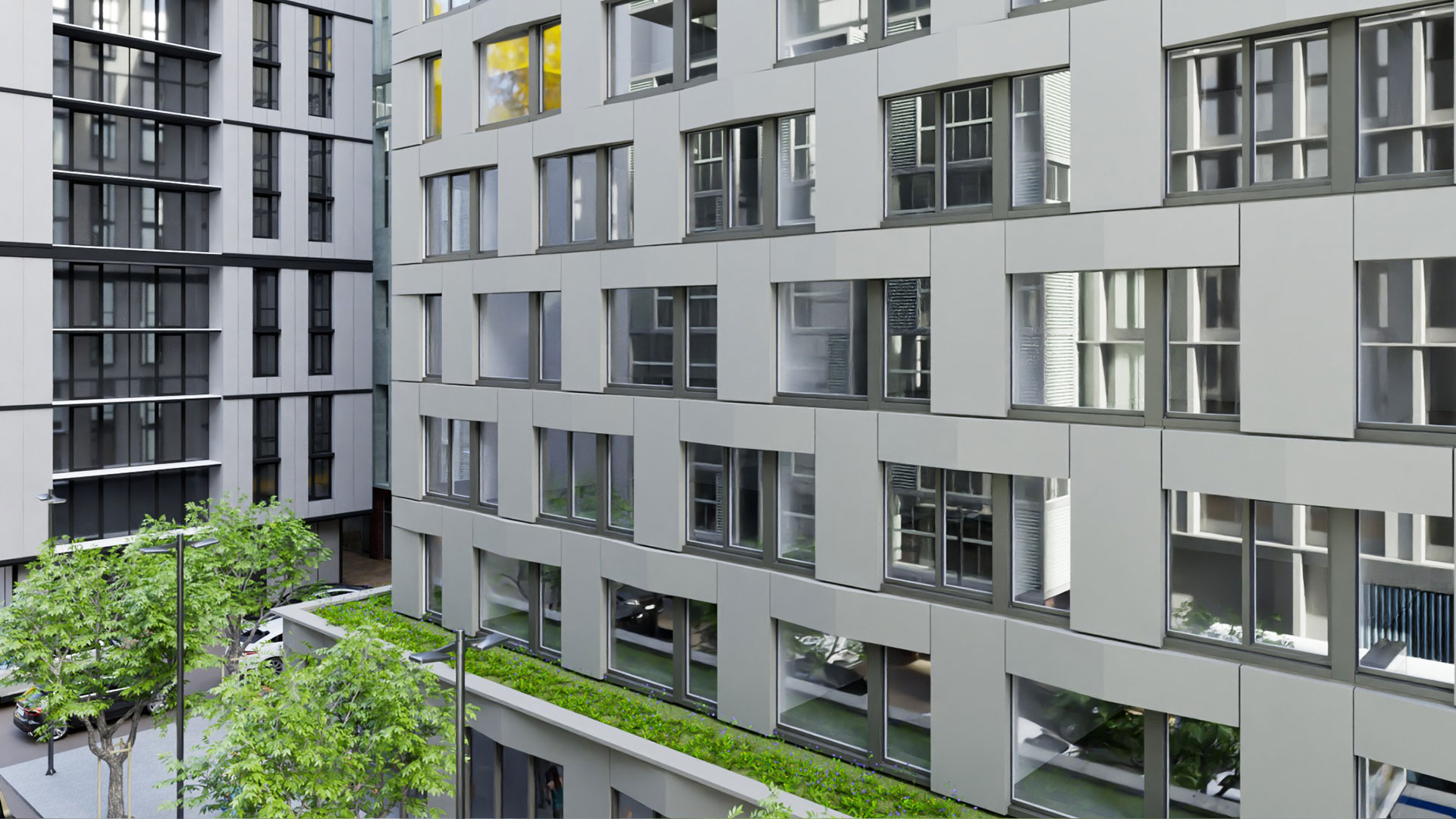
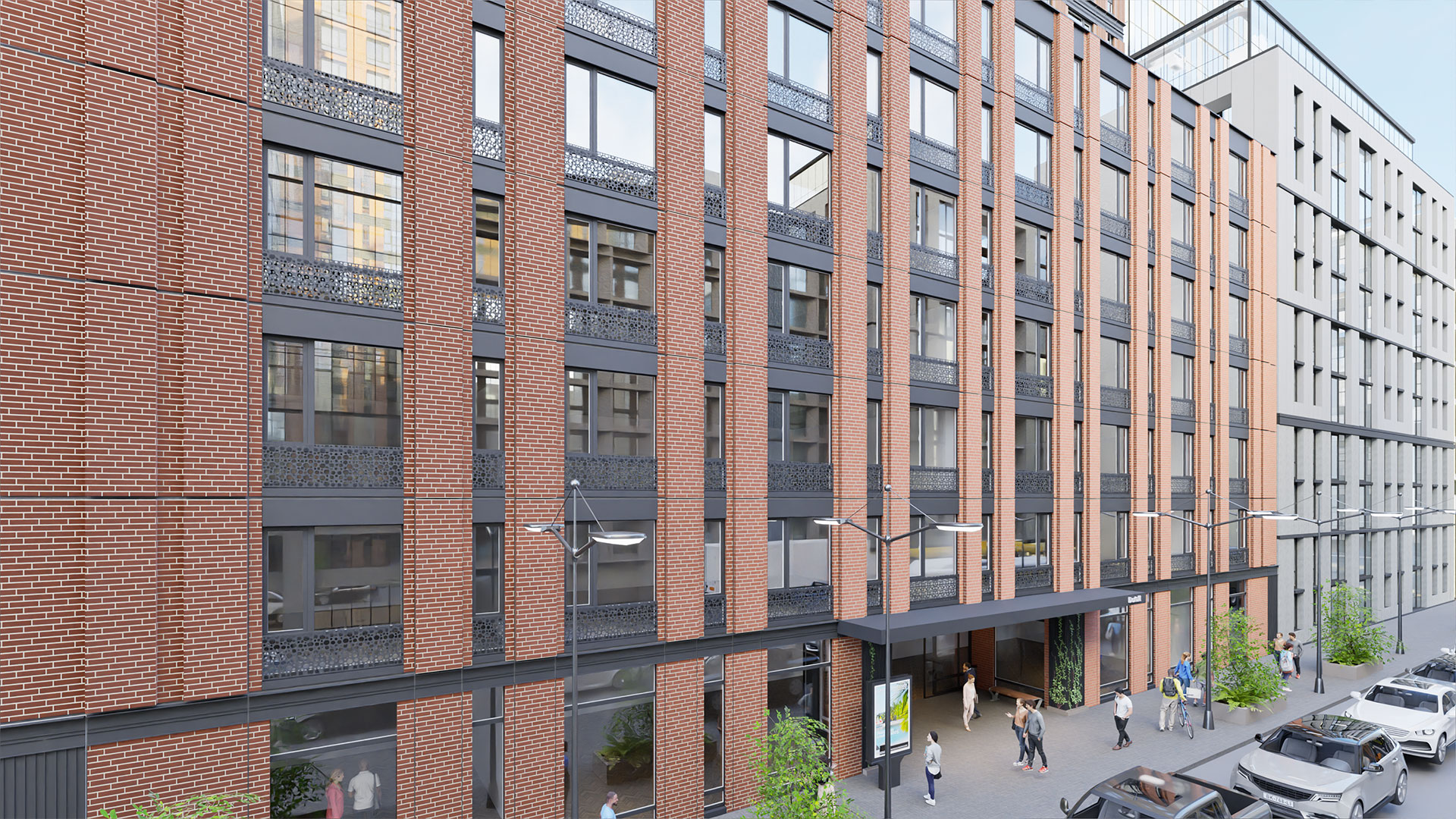
Dextall manufactures prefabricated facade systems for mid- and high-rise buildings. Its D Wall® panel system reduces construction timelines by 80%, requires 87% less on-site labor, and delivers 15–20% cost savings compared to traditional methods. Learn more at dextall.com.











.jpeg)
-Compliance-for-NYC-Multifamily-%26-Co-Op-Facades.jpg)












_format(webp).avif)
_format(webp)%20(6).avif)
_format(webp)%20(5).avif)
_format(webp)%20(4).avif)
_format(webp)%20(2).avif)
_format(webp)%20(3).avif)


.avif)
_format(webp)%20(2).avif)