Facade Acoustic Performance: STC and OITC Ratings for High-Rise Residential
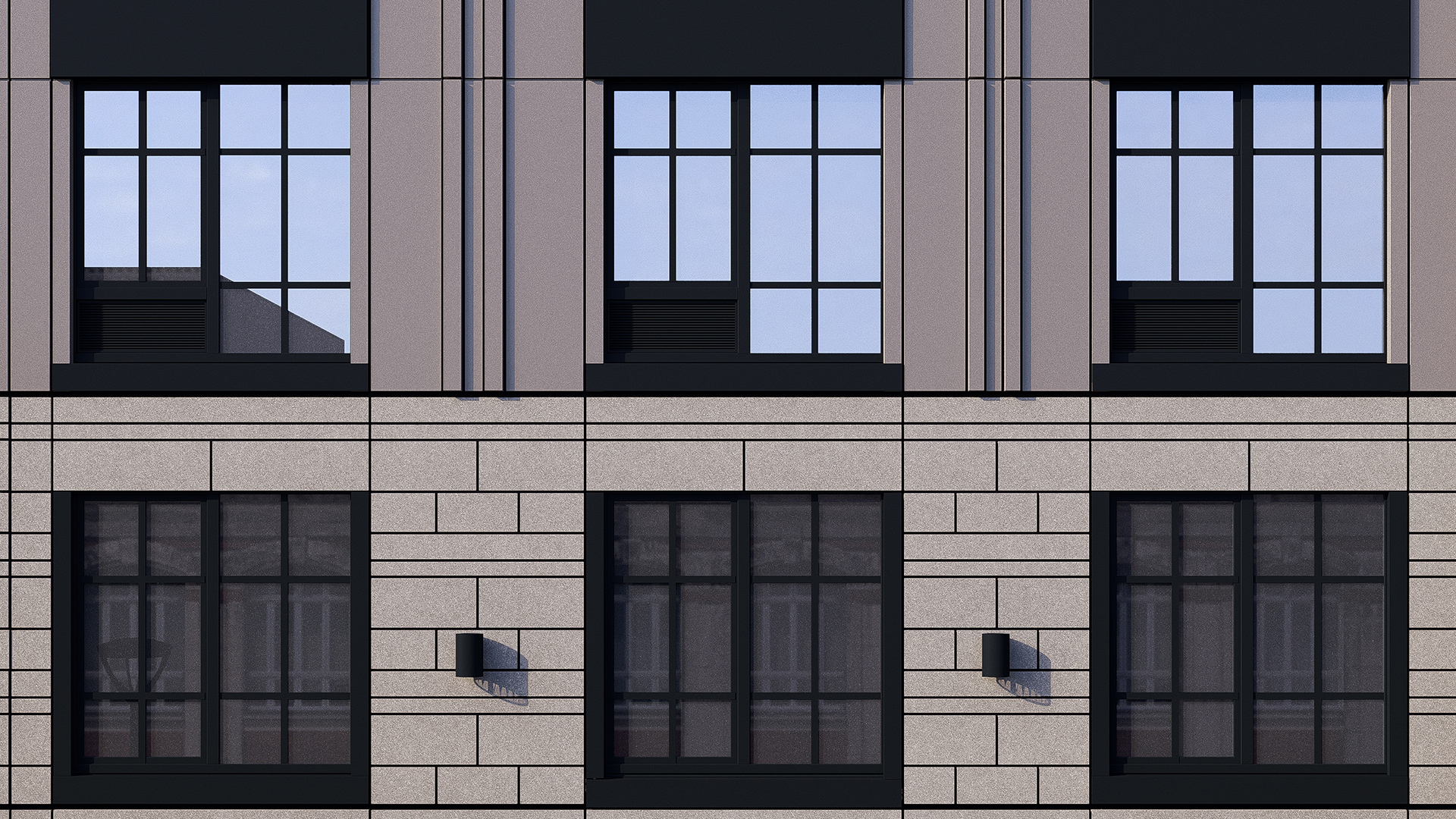
STC (Sound Transmission Class) and OITC (Outdoor-Indoor Transmission Class) are the two acoustic ratings used to evaluate how well an exterior facade assembly reduces outdoor noise transmission into a building interior. For high-rise residential and mixed-use projects in dense urban markets — New York City, Boston, Chicago — exterior acoustic performance is a code requirement, a tenant expectation, and a design problem that must be solved at the facade level. STC measures airborne sound isolation across an assembly and is the standard metric in most building code references. OITC measures the same property but weights low-frequency sound more heavily — which makes it a more accurate predictor of how well a facade blocks traffic, subway, and aircraft noise, the dominant outdoor noise sources in U.S. urban environments. Architects and acoustic consultants specifying exterior facades for residential high-rise should understand why these two ratings produce different results for the same assembly, and which one their project actually requires.
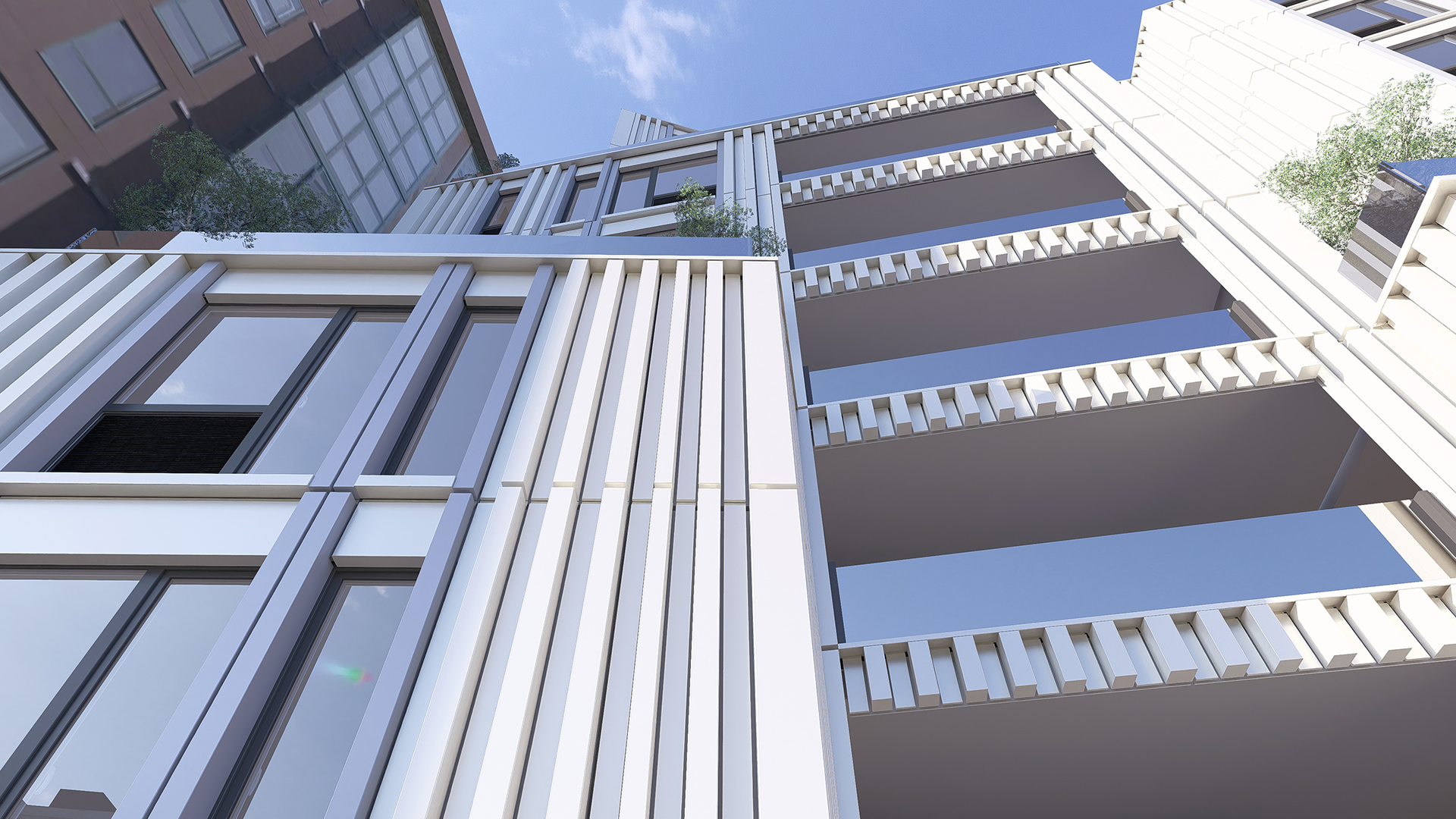
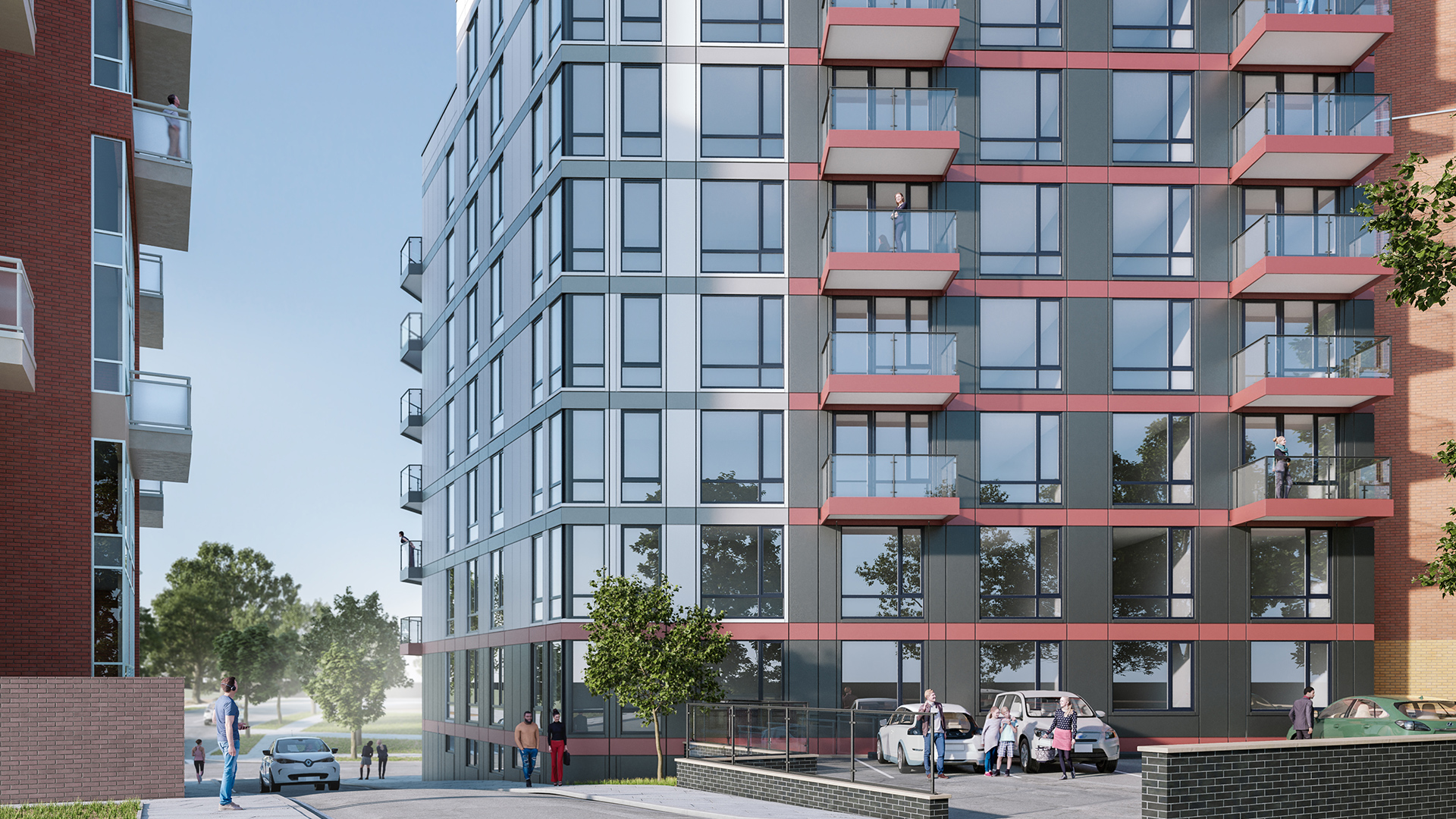
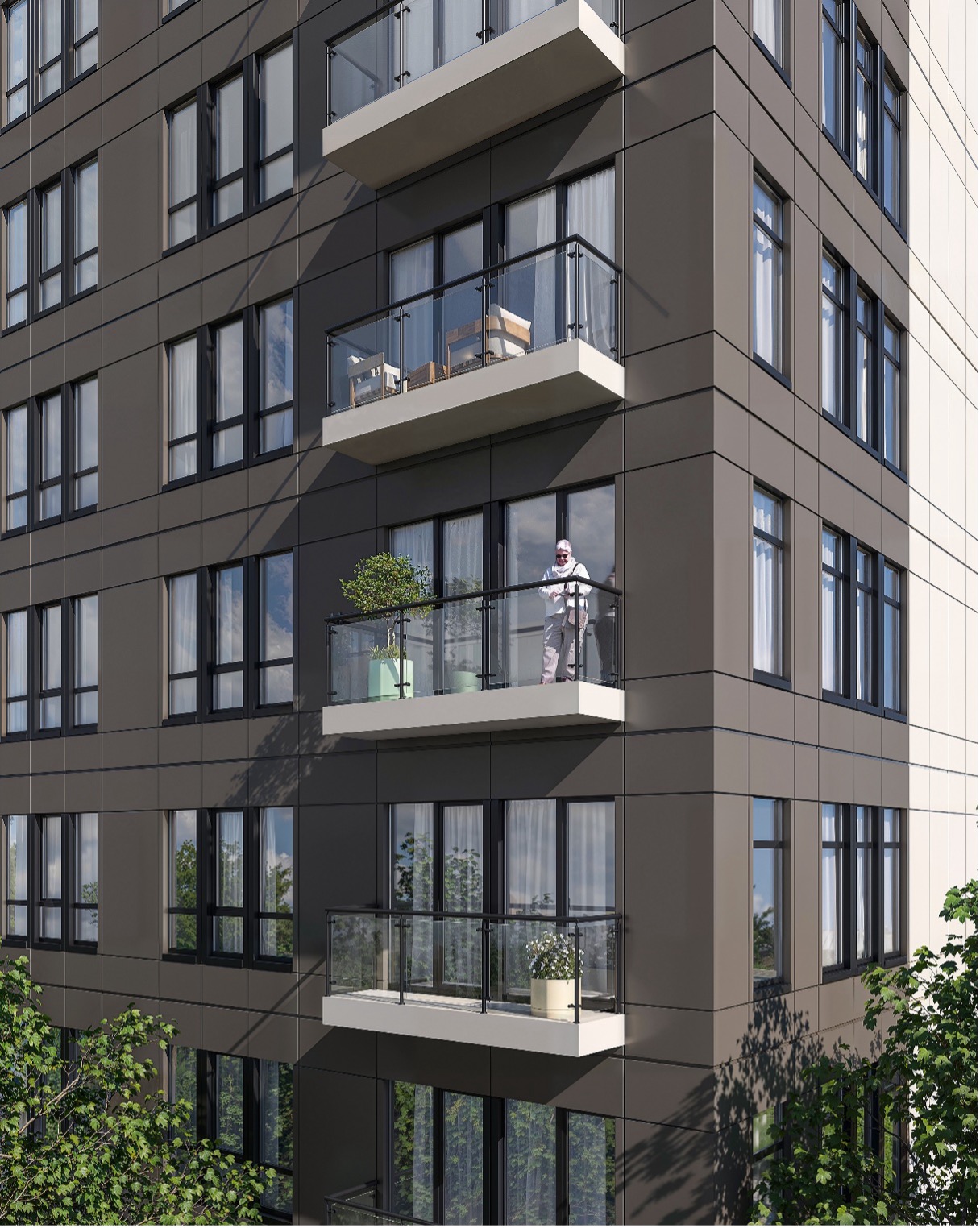
D Wall® 1500 modular building components for exteriors carry certified STC and OITC ratings — technical data that is available to architects and acoustic consultants at the specification stage. This guide explains what those ratings mean, how they are measured, and how to write an exterior facade specification that addresses acoustic performance with the same precision as fire compliance or thermal performance.
STC vs. OITC: Why Two Ratings Exist for the Same Property
Both STC and OITC quantify sound transmission loss — the reduction in sound level that occurs when sound passes through a building assembly. The difference between them is the frequency weighting used to produce the single-number rating:
- STC is calculated under ASTM E413, using sound transmission loss measurements taken at 16 one-third octave band frequencies from 125 Hz to 4,000 Hz. This frequency range corresponds approximately to human speech. STC was developed primarily for interior partitions — walls, floors, and ceilings between occupied spaces — where speech privacy is the primary design objective. An STC rating of 50, for example, means that loud speech on one side of the assembly is inaudible on the other side.
- OITC is calculated under ASTM E1332, using a frequency range that extends from 80 Hz to 4,000 Hz and applies a weighting that emphasizes lower frequencies (80 Hz to 400 Hz) more heavily than STC does. This frequency weighting was developed specifically for exterior assemblies because transportation noise — vehicles, rail, aircraft — concentrates energy at lower frequencies than human speech. An assembly that performs well at speech frequencies (STC) may perform significantly worse at the lower frequencies where traffic and transit noise is concentrated.
The practical result: for the same assembly, the OITC rating is typically 4 to 8 points lower than the STC rating. An exterior facade assembly that tests at STC 42 may test at OITC 35 — a difference that is acoustically significant and matters for code compliance when the applicable code references OITC rather than STC.
What STC and OITC Ratings Mean in Practice
Both ratings use a single-number scale where higher numbers indicate better acoustic isolation. The following reference points are useful for exterior facade design:
- OITC 25–30: Minimal exterior noise reduction. Standard residential window construction without acoustic specification. Appropriate only for very quiet exterior environments — low-traffic residential neighborhoods with no rail or transit nearby.
- OITC 30–35: Moderate noise reduction. Entry-level acoustic specification for urban residential. Traffic noise remains audible and intelligible but is reduced in level. Not appropriate for buildings adjacent to arterial roads, elevated rail, or flight paths.
- OITC 35–40: Meaningful noise reduction for most urban environments. Suitable for high-rise residential on standard urban streets with bus and vehicle traffic. Adjacent elevated rail or highway may require additional performance.
- OITC 40–45: High-performance acoustic specification. Required for buildings adjacent to elevated rail, highways, or airports. Achievable with combination of high-performance glazing (laminated, triple-pane) and thermally broken, acoustically optimized framing.
- OITC 45+: Specialized acoustic design. Required for extremely high outdoor noise environments. Typically involves acoustic consultants, laminated glass with optimized air gap specifications, and full acoustic envelope analysis.
Urban Noise Sources and Why Low Frequencies Dominate
The frequency profile of outdoor noise in urban environments is the reason OITC is more relevant than STC for exterior facade specification in cities like New York, Boston, and Chicago:
- Road traffic — diesel trucks, buses, and motorcycles generate significant energy from 63 Hz to 500 Hz. A fully loaded diesel truck passing at close range can generate 85 to 95 dB at the curbside facade of a building. The low-frequency component of this noise source is exactly what STC underweights and OITC captures.
- Subway and elevated rail — wheel-rail interaction and traction motor noise concentrate energy from 100 Hz to 1,000 Hz, with significant content below 400 Hz. Buildings adjacent to elevated rail lines in NYC — the 1, 2, 3, 4, 5, 6, 7, A, C, E and B, D, F, M lines all have surface or elevated sections — experience sustained low-frequency rail noise that STC-rated assemblies perform poorly against.
- Aircraft — approach and departure paths for LaGuardia, JFK, and Logan airports affect residential towers across significant portions of their surrounding cities. Aircraft noise is dominated by frequencies below 500 Hz. The OITC weighting was partly developed to address aircraft noise transmission through building envelopes.
- HVAC and mechanical equipment — rooftop mechanical units and street-level exhaust fans generate low-frequency tonal noise (50 Hz to 250 Hz) that passes through facades with minimal attenuation unless the facade is specifically designed for low-frequency performance.
How the Facade Assembly Determines Acoustic Performance
The acoustic performance of an exterior facade assembly is determined by its weakest element — the component with the lowest transmission loss at each frequency. In most high-rise residential facades, the glazed zone is the controlling element:
- Single-pane glass — STC 26 to 32 for standard thicknesses. Not appropriate for urban residential exterior specification.
- Standard insulating glass unit (double-pane, 1-inch total thickness) — STC 28 to 34. Provides moderate noise reduction but underperforms at low frequencies due to the acoustic resonance of the air gap between panes.
- Laminated glass in an IGU — using laminated glass for one or both lites in an insulating glass unit significantly improves low-frequency performance by damping the coincidence effect. A 1-inch IGU with one laminated lite may achieve STC 36 to 42 and OITC 30 to 36, depending on glass thickness and interlayer specification.
- Triple-pane IGU — additional air gap provides more attenuation but does not uniformly improve low-frequency performance. Configuration matters: identical glass thicknesses in a triple-pane unit can produce resonance effects that reduce performance in specific frequency bands. Acoustic engineers typically recommend unequal glass thicknesses in triple-pane configurations for exterior acoustic applications.
- Opaque zones — insulated opaque wall assemblies in high-rise exteriors typically achieve STC 45 to 55 or higher, depending on the insulation type, mass, and facing materials. The opaque zone is almost never the controlling element in exterior facade acoustic performance — the glazing always is.
The framing and connection between glazed and opaque zones is the second source of acoustic weakness. Flanking paths — where sound travels around the glass through the frame, anchor, or slab edge rather than through the glass itself — reduce the installed acoustic performance of a well-specified glazing system if the frame is not designed to interrupt the flanking path.
Code Requirements for Exterior Facade Acoustics
Exterior facade acoustic requirements vary by jurisdiction and are often referenced through a combination of building code and environmental noise regulations:
- New York City Building Code 2022, Section 1207: Requires that residential occupancies achieve interior noise levels that do not exceed 45 dB(A) Leq during daytime hours from exterior noise sources. This is a performance requirement that must be demonstrated by acoustic analysis — it does not prescribe STC or OITC values directly, but reaching 45 dB(A) interior from a 70 to 75 dB(A) exterior noise environment requires an exterior facade assembly with OITC in the 30 to 35 range at minimum.
- HUD Noise Assessment Guidelines: For federally funded housing projects, HUD requires acoustic analysis when exterior noise levels exceed 65 dB(A) DNL. Projects in HUD-defined "normally acceptable" noise zones (below 65 DNL) still benefit from acoustic specification to protect tenant satisfaction.
- WELL Building Standard v2, Feature A04: For projects pursuing WELL certification, the standard requires that exterior glazing achieve a minimum STC of 35 in noise-sensitive spaces. The WELL standard references STC, though acoustic consultants working on WELL projects frequently also evaluate OITC for exterior applications.
How to Specify Acoustic Performance for a High-Rise Facade
An acoustic specification for an exterior facade should address the following parameters:
- Reference the correct rating metric. For exterior facades in urban environments, specify OITC — not STC. Write "minimum OITC [X] for the complete exterior facade assembly at the glazed zone." STC references are appropriate for interior partitions; OITC is appropriate for exterior assemblies in transportation noise environments.
- Specify the complete assembly, not just the glazing. Acoustic performance of the installed facade depends on the glazing, the frame, the connection between the facade and the slab edge, and the opaque zone construction. Require the facade manufacturer to submit tested assembly acoustic data — not glazing-only STC or OITC ratings.
- Require tested data, not calculated estimates. Acoustic ratings must be from ASTM E90 laboratory testing of the full assembly. Calculated estimates using addition of individual component ratings underestimate the effect of flanking paths and are not appropriate for code compliance documentation.
- Coordinate with the mechanical engineer. HVAC supply and return penetrations through the facade are potential acoustic weak points. The acoustic specification for the facade should be coordinated with the mechanical engineer's penetration details before shop drawings are issued.
D Wall® 1500 Acoustic Performance
D Wall® 1500 modular building components for exteriors carry certified STC and OITC ratings, tested per ASTM E90 and classified per ASTM E413 and ASTM E1332 respectively. The acoustic performance data for D Wall® 1500 is available to architects and acoustic consultants at the specification stage — not as a post-submittal supplement, but as part of the initial technical documentation package.
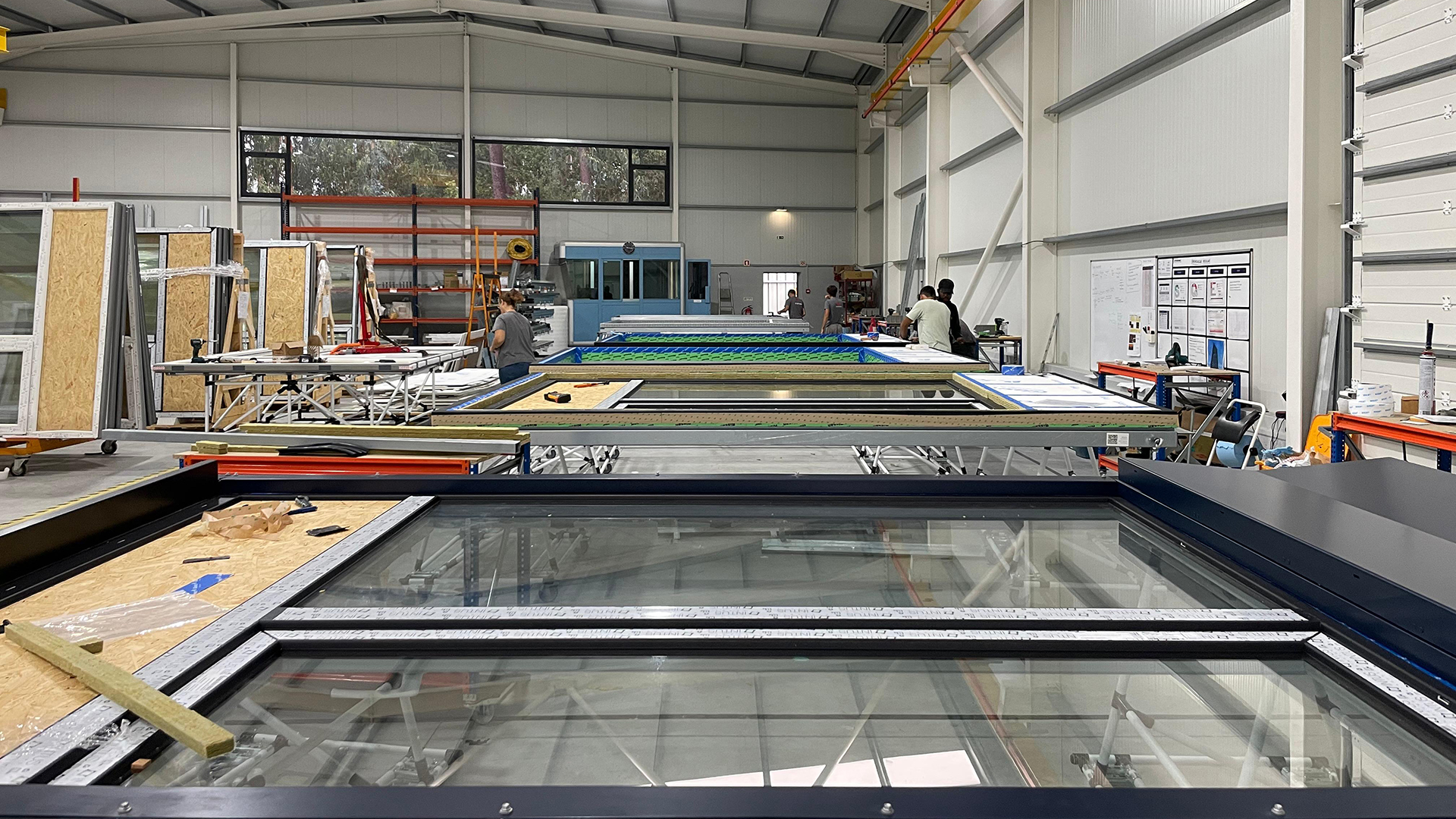
Because D Wall® 1500 is factory-assembled, the acoustic performance of the delivered component reflects the tested configuration — glazing type, frame design, gasket system, and opaque zone construction — as a complete unit. Field-assembled systems are subject to installation variables that can reduce installed acoustic performance below the laboratory-tested value: gasket compression inconsistency, sealant gaps at the frame-to-slab interface, and infill setting tolerances all create flanking paths that degrade acoustic performance. Factory assembly under controlled conditions maintains the tested configuration through production and delivery.
For project-specific acoustic documentation for D Wall® 1500 — including STC and OITC test reports formatted for permit submissions and acoustic consultant review — contact Dextall's technical team at dextall.com.
Key Takeaways
- STC and OITC both measure sound transmission loss through an assembly, but OITC weights low frequencies more heavily. For exterior facades in urban environments — where traffic, rail, and aircraft noise dominate — OITC is the more relevant performance metric.
- OITC ratings are typically 4 to 8 points lower than STC for the same assembly. Specifying STC for an exterior facade acoustic requirement in a transportation noise environment overstates the assembly's actual performance against the dominant noise sources.
- The glazed zone is almost always the controlling element in exterior facade acoustic performance. Laminated glass in an insulating glass unit significantly improves low-frequency performance compared to standard double-pane construction.
- Acoustic specifications for exterior facades should require OITC, tested assembly data (not glazing-only ratings), and documentation of the flanking path design at the frame-to-slab interface.
- D Wall® 1500 modular building components carry certified STC and OITC ratings. Factory assembly maintains the tested configuration from production to delivery, preserving the acoustic performance measured in the laboratory test.
FAQ
What is the difference between STC and OITC for exterior facade specification?
STC (Sound Transmission Class) is calculated using a frequency weighting that corresponds to human speech — 125 Hz to 4,000 Hz. OITC (Outdoor-Indoor Transmission Class) uses a frequency range of 80 Hz to 4,000 Hz and weights lower frequencies more heavily. Since urban transportation noise — traffic, rail, aircraft — concentrates energy at lower frequencies, OITC predicts how well a facade blocks urban outdoor noise more accurately than STC does. For the same assembly, OITC is typically 4 to 8 points lower than STC.
What OITC rating does a high-rise residential facade in NYC need?
New York City Building Code Section 1207 requires residential occupancies to achieve interior noise levels no greater than 45 dB(A) Leq from exterior sources. The required facade OITC depends on the exterior noise level at the building face. For buildings on typical urban streets with bus and vehicle traffic (65 to 70 dB exterior), a minimum OITC of 25 to 30 is typically required. For buildings adjacent to elevated rail or highways (75 to 80 dB exterior), minimum OITC of 35 to 40 or higher may be required. An acoustic consultant should calculate the site-specific requirement.
Why does laminated glass improve acoustic performance more than adding a third pane?
Standard glass has a "coincidence dip" — a frequency range where its acoustic isolation is reduced due to the structural resonance of the glass lite. Laminated glass uses a viscoelastic interlayer (typically PVB or SGP) that damps this resonance, improving performance at the affected frequencies. A third pane adds an additional air gap, which provides general attenuation but does not address the coincidence effect. Laminated glass in at least one lite of an insulating glass unit is generally more effective at improving low-frequency OITC performance than adding a third pane of the same glass thickness.
Does the opaque zone of a facade assembly affect overall acoustic performance?
The opaque zone of a high-rise exterior facade — insulated wall construction with ACM or stone cladding — typically achieves STC 45 to 55 or higher, which is significantly better than the glazed zone. The opaque zone is rarely the controlling element in exterior facade acoustic performance. The overall acoustic performance of a mixed glazed-and-opaque facade assembly is limited by the glazed zone, which is why acoustic specifications for exterior facades focus on the glazing system rather than the opaque cladding.
What is a flanking path and why does it matter for facade acoustics?
A flanking path is a route through which sound travels around — rather than through — the primary barrier. In exterior facades, common flanking paths include sound transmission through the frame rather than the glass, through gaps at the sealant joint between the facade and the slab edge, and through mechanical penetrations in the facade. Even a high-performing glazing system can be undermined by flanking if the frame and connection details are not designed and installed to interrupt these paths. Factory-assembled components reduce flanking risk by controlling gasket compression and joint sealing in production.
Sources
- ASTM E1332: Standard Classification for Determination of Outdoor-Indoor Transmission Class — ASTM International
- ASTM E413: Classification for Rating Sound Insulation — ASTM International
- NYC Building Code 2022, Chapter 12: Interior Environment — NYC Department of Buildings
- HUD Noise Guidebook — U.S. Department of Housing and Urban Development
- D Wall® Modular Building Components — Dextall





























.jpeg)


-Compliance-for-NYC-Multifamily-%26-Co-Op-Facades.jpg)

























_format(webp).avif)
_format(webp)%20(6).avif)
_format(webp)%20(5).avif)
_format(webp)%20(4).avif)
_format(webp)%20(2).avif)
_format(webp)%20(3).avif)


.avif)
_format(webp)%20(2).avif)