The House at Cornell Tech: How the World's First Passive House High-Rise Proved Prefab Could Scale to 26 Stories
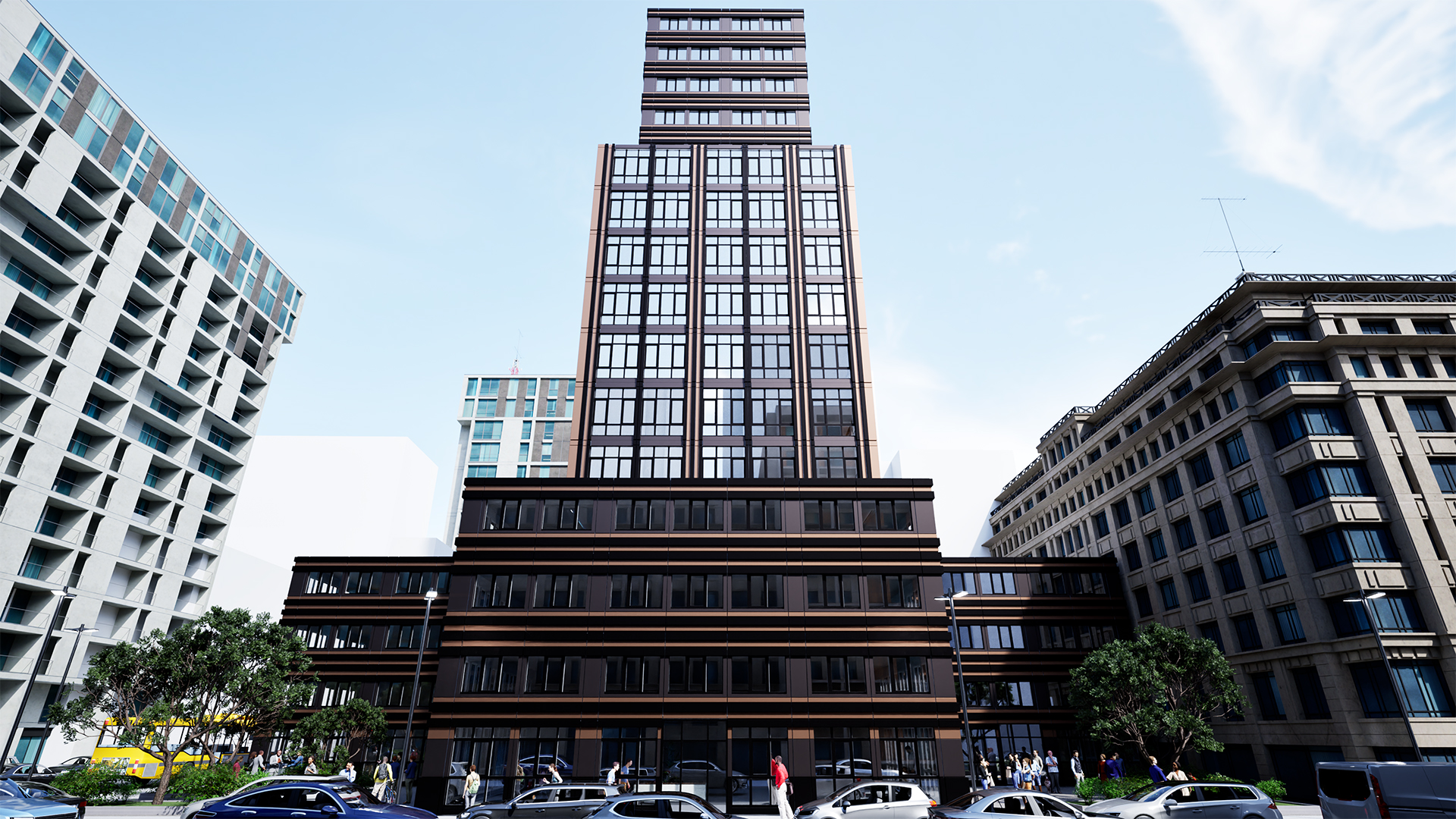
On a narrow island in the middle of the East River stands a 26-story tower that consumes 60-70% less energy than any comparable building in New York City. The House at Cornell Tech isn't an experiment or a demonstration pavilion. It's a residential high-rise with 352 apartments housing graduate students, faculty, and staff at Cornell University. When the Passive House Institute in Darmstadt issued its certification in October 2017, the building became the tallest and largest residential Passive House in the world. A facade of prefabricated metal panels—each one story tall, with windows installed at the factory—made it possible.
Why should this matter to anyone building 8-15 story buildings in Brooklyn or Queens? Because Cornell Tech settled the central question: can Passive House work at height, with wind loads, with hundreds of apartments, and still come in on budget? The answer is yes. $115 million, delivered on time, budget intact. The principles that Handel Architects and BuroHappold engineers refined across 26 floors translate directly to mid-rise affordable housing nationwide. And the key to all of it was a prefabricated envelope.
What Makes The House at Cornell Tech Notable
The numbers speak for themselves. Twenty-six stories, 270 feet tall, 352 apartments for approximately 530 residents. The building anchors the Cornell Tech campus on Roosevelt Island—a partnership between Cornell University and Technion (Israel Institute of Technology). Hudson Companies and Related Companies served as co-developers alongside the university.
But The House isn't just another tall residential building in New York. It holds firsts in several categories: the world's first high-rise Passive House, certified to the most rigorous international energy efficiency standard. The building simultaneously earned LEED for Homes Multifamily High-Rise Platinum, ENERGY STAR, and compliance with NYSERDA's Multifamily Performance Program. That stack of certifications on a single project is rare even in the luxury segment. Here it was done for student housing.
The facade commands attention before you learn about the energy performance. A special color-changing paint makes the building shimmer—shifting from silver to warm champagne depending on the angle of sunlight. On the southwest facade facing Manhattan, the outer skin opens to reveal a louver system running the full height of the building. These "gills" conceal the heating and cooling equipment, allowing the system to literally breathe. Beautiful and functional at the same time.
The Prefabricated Envelope That Made It Possible
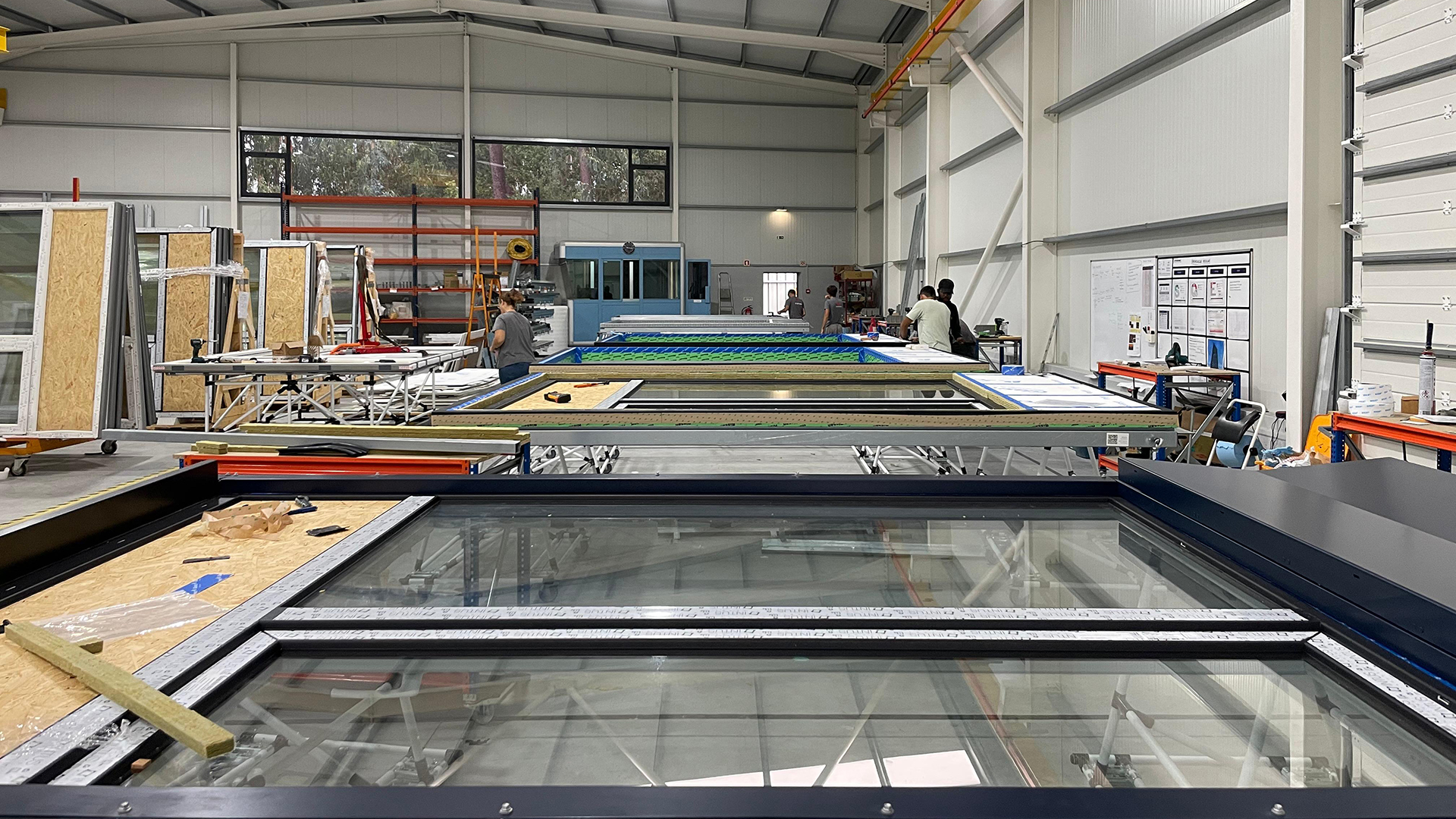
The heart of The House is its facade panels. Not traditional stick-built construction where dozens of crews assemble a wall layer by layer on the 26th floor in wind and rain. Instead—Mega Panels from Eastern Exterior Wall Systems: each panel one story tall, 30 to 36 feet wide, with triple-glazed windows with thermally broken frames installed and sealed at the factory in York, Pennsylvania. Finished panels were transported by barge across the East River to Roosevelt Island, where a crane lifted them into place.
Factory fabrication solved the problem that haunts every Passive House project: airtightness. The PHI standard requires a maximum of 0.6 air changes per hour at 50 pascals pressure—ten times tighter than typical new construction (6-8 ACH) and forty times tighter than the average brownstone (25 ACH). At 26 stories, where wind loads create pressure differentials that simply don't exist on low-rise buildings, achieving that level of tightness through stick-built methods would have been extraordinarily difficult.
The result exceeded expectations. The blower door test showed airtightness four times better than the Passive House standard requires. Four times. That's not a marginal improvement—it's proof that factory quality control fundamentally outperforms field construction when it comes to sealing performance.
Wall insulation reached R-values from R-5 to R-40 depending on the facade section, averaging R-19 overall. Glazing area was limited to 23%—a deliberate choice that maximizes the thermal efficiency of the envelope. Triple-glazed windows with thermally broken frames deliver insulation without compromising natural light. The building is oriented due south to maximize solar gains—a classic Passive House strategy.
One detail reveals the team's level of commitment to airtightness. When doors were needed for the HVAC condenser rooms on each floor, the project team purchased and installed actual walk-in freezer doors—massive white units complete with lever handles. Sounds absurd. Works flawlessly.
Why Passive House at Height Changes Everything
Before Cornell Tech, Passive House was considered a standard for low-rise buildings. Single-family homes, townhouses, maybe 4-5 stories at most. Skeptics had an argument: at height, wind loads create a stack effect that pulls warm air upward and draws cold air in from below. Panel joints face greater stress. Ventilation systems must work against larger pressure differentials. All of this supposedly made Passive House at height theoretically possible but practically unreachable.
The House disproved that skepticism empirically. The critical element was the Energy Recovery Ventilation (ERV) system, which delivers filtered fresh air to every bedroom and living room. ERVs recover energy from exhaust air—instead of simply venting heated air outside, the system transfers its warmth to the incoming stream. The result: constant fresh air circulation without energy loss.
The savings are striking: 882 tons of CO2 per year compared to a conventional building—equivalent to planting 5,300 trees. Residents see this difference directly in their electricity bills. The developers added another element—an energy monitoring display in the lobby where residents can see actual consumption and compare their usage. The system creates a feedback loop that encourages conscious energy use.
The construction process revealed important lessons. Sealing joints between prefabricated panels and the building structure required several iterations—trial and error, as the Steven Winter Associates team describes it. The initial method didn't produce expected results. But precisely because panels were manufactured in the factory, the team could quickly adapt the solution and apply it consistently across all subsequent floors. With stick-built construction, that adaptation would have taken considerably longer.
General contractor Monadnock Construction invested in PHI-certified training for all crews. This wasn't a formality—it was recognition that Passive House demands a different level of attention to detail at every stage. When a worker on the 18th floor understands why sealant in every joint is critical, quality improves systemically.
Scaling Passive House Principles to Mid-Rise Construction
Cornell Tech cost $115 million. The financing structure was unique: Cornell University took a significant equity stake in the building, reducing risk for developer Hudson Companies and keeping rents affordable for students. That model doesn't directly transfer to typical affordable housing construction. But the principles absolutely do.
First principle: factory control solves the quality problem. On an 8-story building in Brooklyn, wind loads are lower than on Roosevelt Island. That means airtightness is easier to achieve. If prefabricated panels delivered four times the PH standard on 26 floors, they'll reliably achieve certification on mid-rise projects where conditions are significantly milder.
Second principle: parallel production compresses schedules. While crews poured foundations and erected the structural frame at Cornell Tech, panels were already being manufactured in Pennsylvania. This parallelism cut the overall schedule by months. For affordable housing, where carrying costs and delayed rental income generation directly impact project economics, faster delivery means a better financial model.
Third principle: multiple certifications multiply project value. Cornell Tech simultaneously earned PH, LEED Platinum, ENERGY STAR, and NYSERDA compliance. Each certification opens access to different funding programs and tax incentives. For affordable housing developers where margins are thin, these additional funding sources can determine the difference between a viable and unviable project.
Fourth principle: operational savings work for residents. Buildings with energy-efficient envelopes cut utility bills by 60-70%. For a family earning $40,000 a year, those savings—$100-150 per month—represent a significant portion of their budget. Sustainable building solutions aren't a luxury amenity. They're an economic stability tool.
Dextall's Approach to High-Performance Building Envelopes
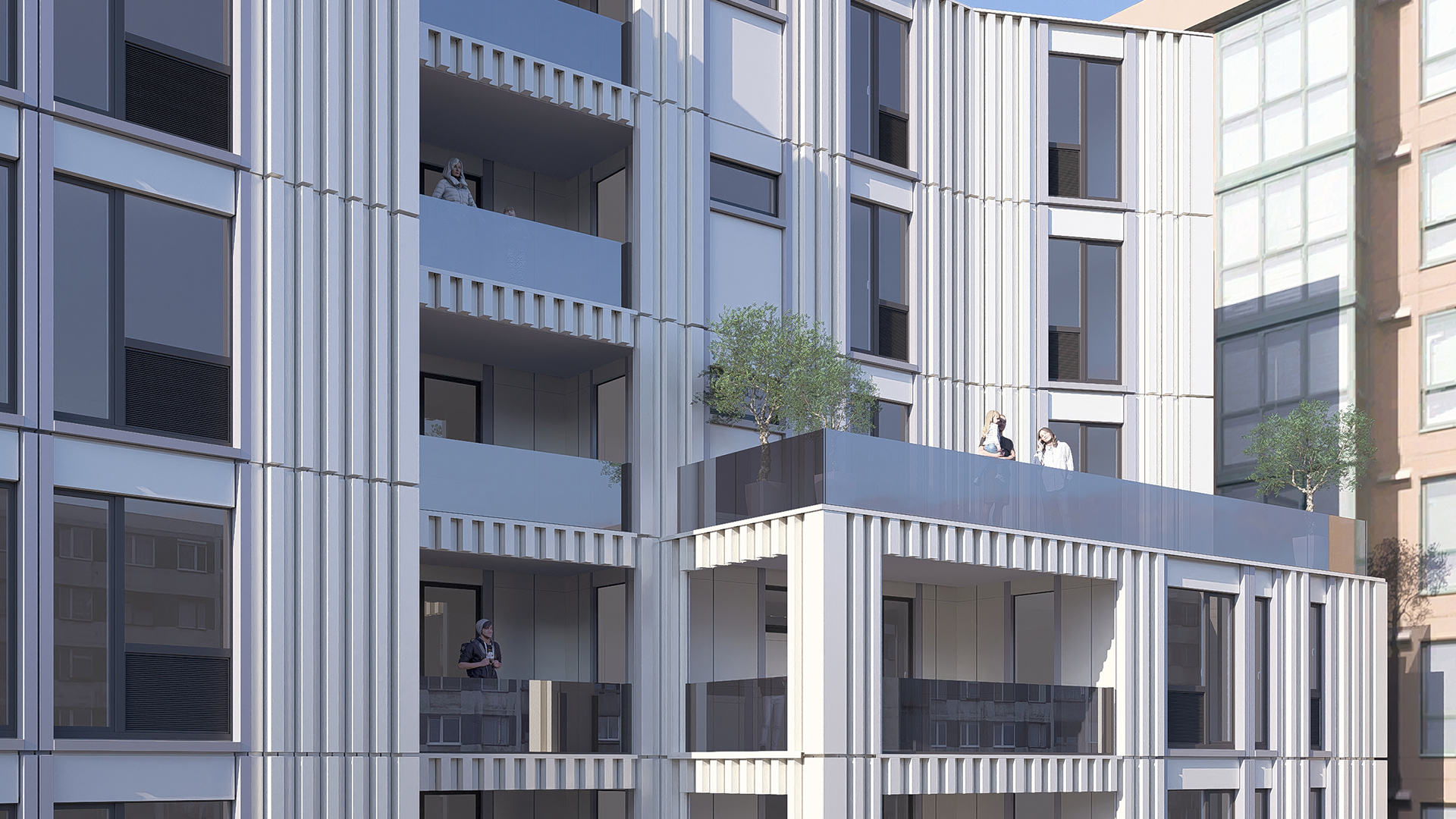
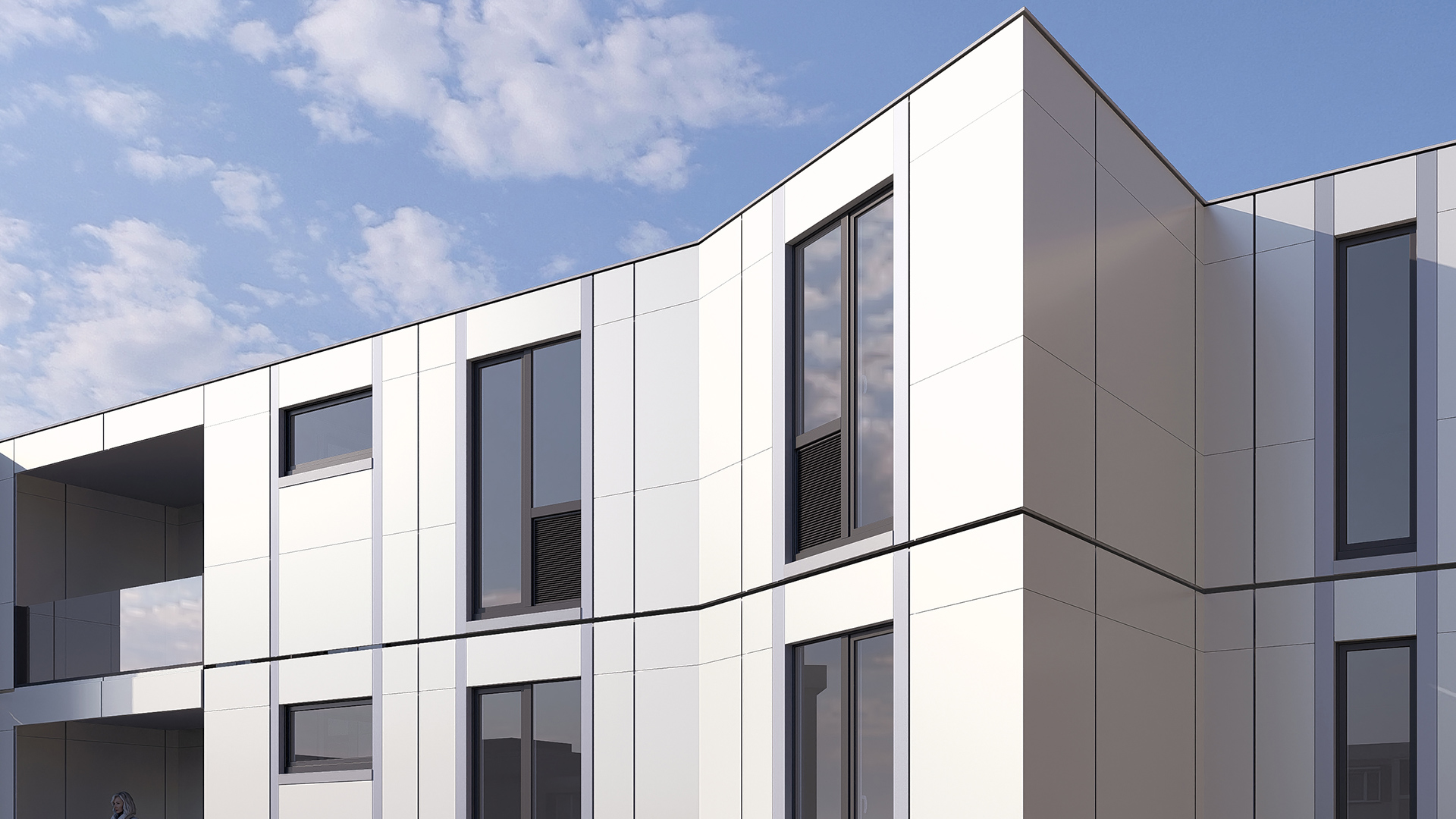
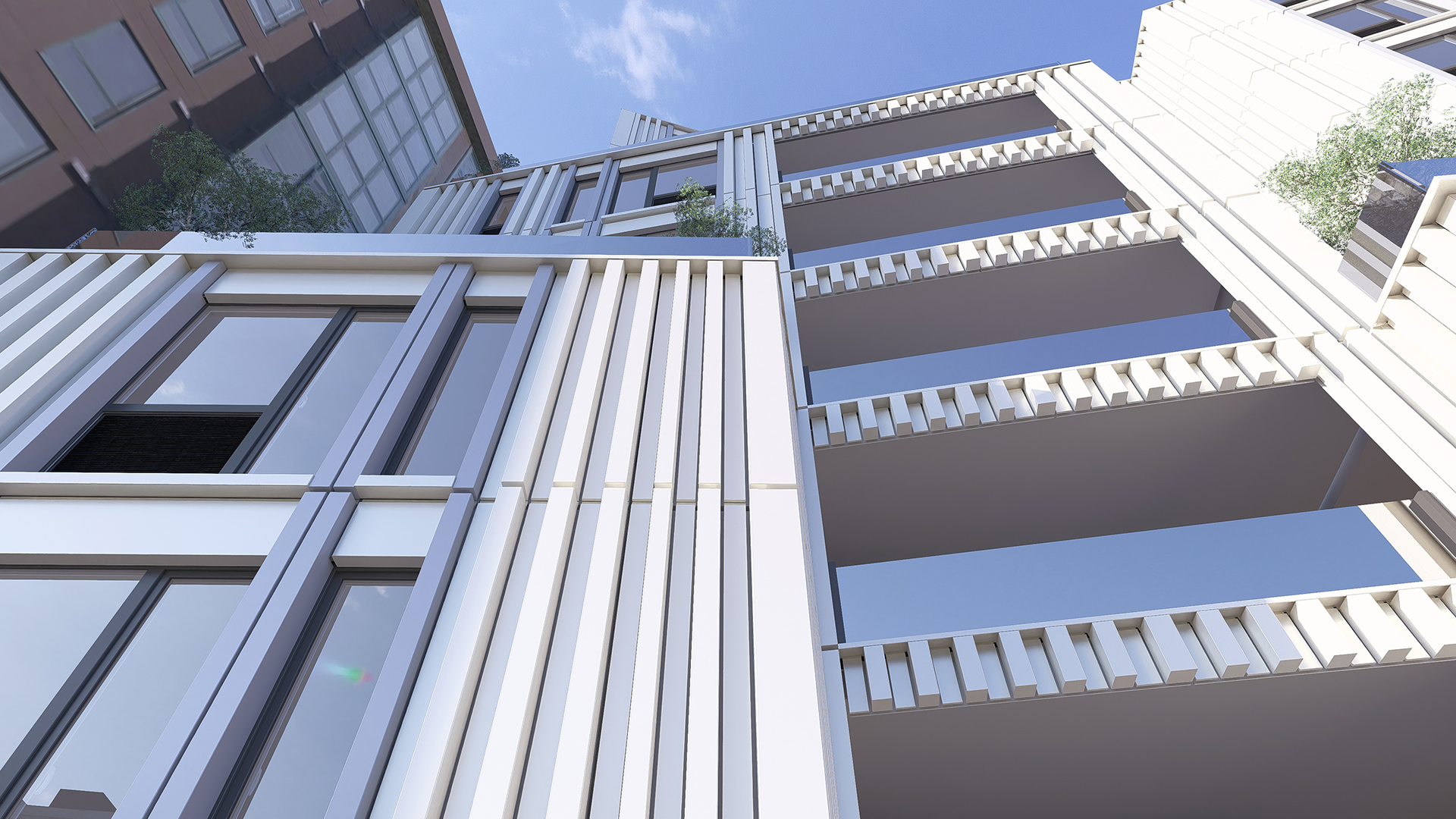
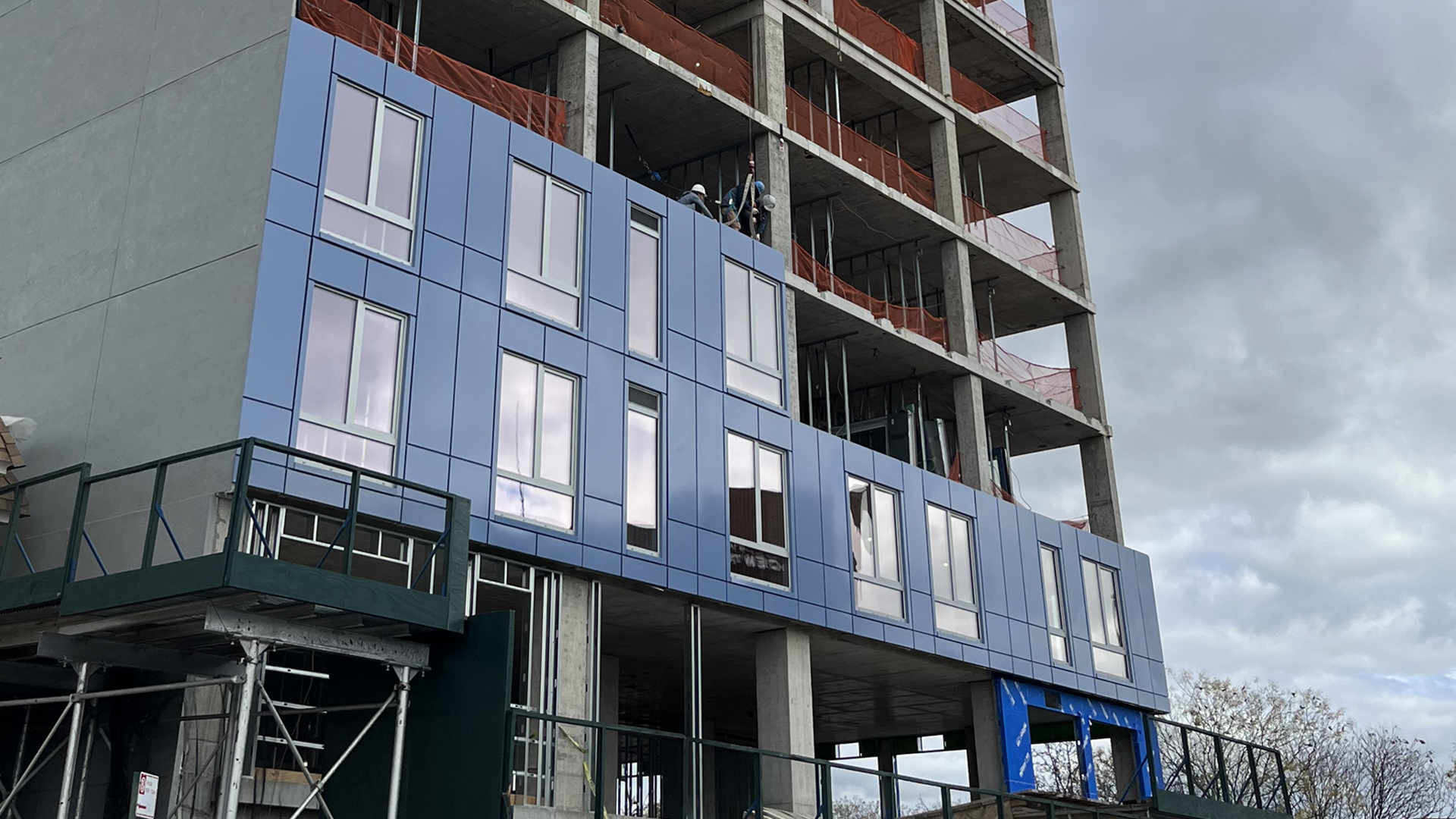
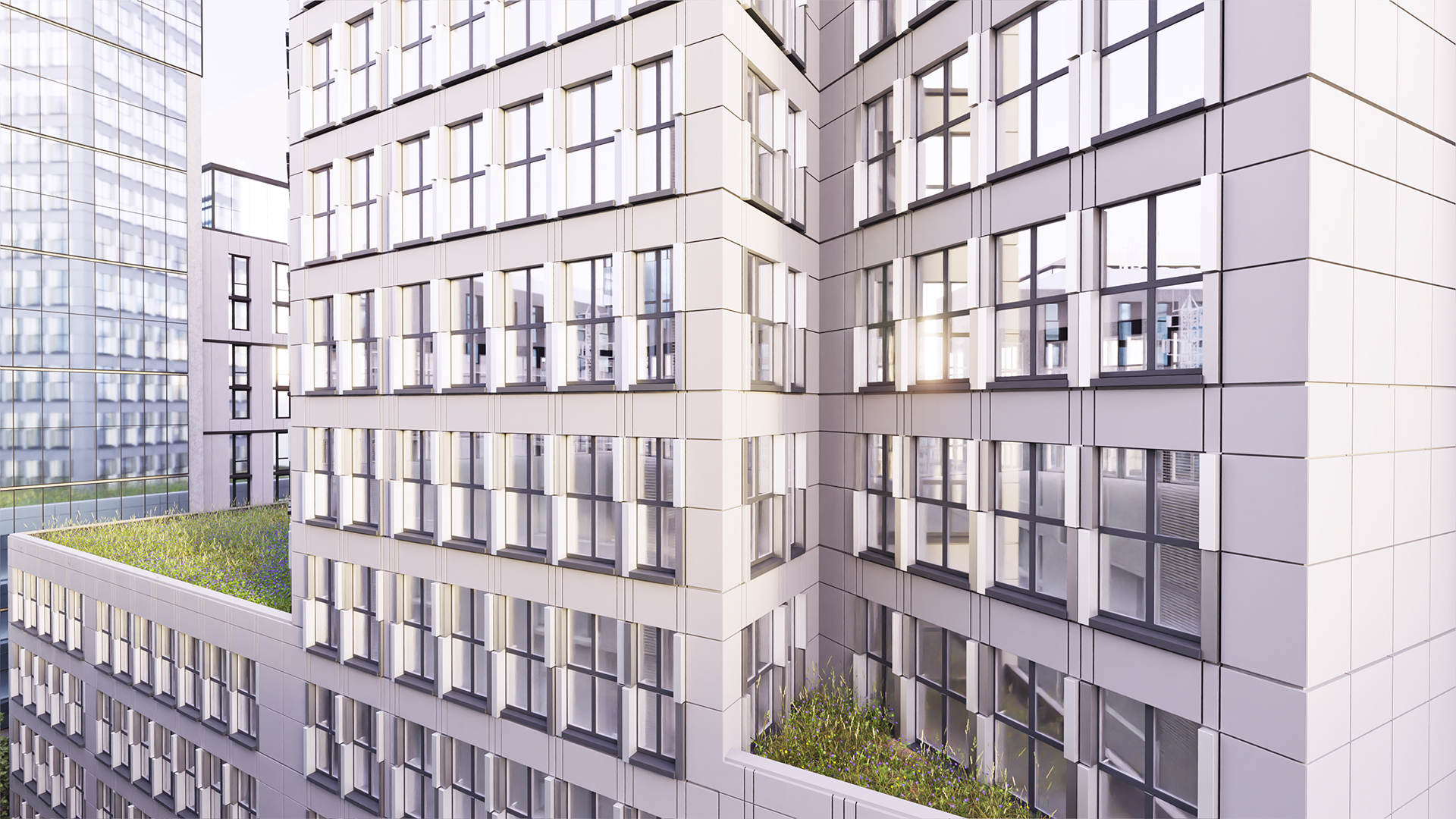
The principles Cornell Tech demonstrated at proof-of-concept level, Dextall applies in production-scale construction. D Wall® prefabricated panels follow the same logic as the Mega Panels at Cornell Tech: windows, insulation, and cladding are installed at the factory before shipping to the construction site. This ensures consistent sealing quality that's impossible to guarantee with stick-built methods.
The Alafia project in Brooklyn demonstrates how these principles work for Passive House at mid-rise scale. Fire-resistant panels with non-combustible core insulation meet the stringent requirements of NYC building codes while delivering both energy efficiency and fire safety. The same balance Cornell Tech achieved on 26 floors through custom solutions, Dextall delivers systematically through a standardized product.
The NJPAC project in Newark shows the scalability of this approach. The 25-story, 199-unit tower uses factory fabrication parallel to site work—the same strategy that compressed Cornell Tech's schedule. Precision manufacturing eliminates weather delays and quality inconsistencies that plague traditional construction.
Digital coordination through Dextall Studio addresses another challenge the Cornell Tech team faced: coordinating facade panels with building structure. At Cornell Tech, joints between panels and structure required multiple iterations and manual adaptation. Dextall's AI-powered platform automates this coordination, generating detailed fabrication drawings from BIM models and eliminating months of manual coordination.
Where Cornell Tech and Dextall converge is in recognizing that a high-performance envelope isn't an optional upgrade. For buildings designed to serve 50-60 years, high-performance facade systems are an infrastructure investment. They protect residents from rising energy costs, ensure compliance with Local Law 97 and other regulations, and reduce operating costs for decades ahead.
Key Takeaways for Developers and Architects
The House at Cornell Tech crystallized several principles that apply regardless of project scale.
Passive House at height is proven technology, not an experiment. After 2017, no skeptic can reasonably claim that PH standards don't work above 4-5 stories. Cornell Tech passed the blower door test at four times the required threshold. That's not a marginal result. That's a margin of safety.
A prefabricated envelope is the key enabler for PH certification. Not the only element, but a critical one. Factory-controlled panel manufacturing delivers a level of airtightness that stick-built methods simply cannot guarantee consistently. For projects where PH certification is a goal, next-gen prefab facade systems aren't an option—they're a necessity.
Crew training changes everything. Monadnock Construction invested in PHI-certified training for all crews at Cornell Tech. The result: every worker understood why their work was critical to overall airtightness. Technology alone can't replace this. The best panels in the world won't help if the installation crew doesn't understand the standards.
Multiple certifications are a strategy, not a luxury. PH + LEED Platinum + ENERGY STAR + NYSERDA compliance opens different funding sources and incentives. For affordable housing where every percentage point in capital costs matters, access to these programs can determine a project's fate.
Finally, operational data from Cornell Tech confirms the theoretical calculations. The building has been operating since 2017. Real energy consumption is monitored. Residents see the difference in their bills. This is no longer a projection—it's a fact confirmed by years of occupancy.
FAQ
How do prefabricated facade panels help achieve Passive House certification?
Passive House requires airtightness of 0.6 air changes per hour—ten times tighter than typical new construction. Achieving that level of tightness through stick-built methods on high-rise buildings is extraordinarily difficult due to wind loads, temperature variations during installation, and human factors. Prefabricated panels solve this through factory control: windows are installed and sealed in controlled conditions, quality is verified at every production stage, and panels arrive at the construction site ready for installation. Cornell Tech demonstrated this—the blower door test showed results four times better than the standard requires.
What are the typical costs and ROI for Passive House construction compared to conventional?
Capital premiums range from 0% to 15% depending on project scale, team experience, and climate. Experienced teams in North America regularly achieve premiums of 0-5%. The key to ROI is operational savings: Passive House buildings consume 60-70% less energy than typical building stock, meaning significant reductions in utility bills for residents. For affordable housing, government programs—NYSERDA grants, federal tax credits, utility rebates—often cover the entire premium, making lifecycle costs lower than code-minimum alternatives.
What are the key challenges when building Passive House at height?
Three primary challenges: wind loads, stack effect, and coordination scale. Wind loads at 20+ stories create pressure differentials that test the airtightness of every joint. Stack effect—natural draft pulling warm air upward—intensifies with building height. And coordinating hundreds of panels, thousands of joints, and dozens of crews requires a systematic approach to quality. Cornell Tech addressed these challenges through prefabrication (factory quality control), PHI crew training (human factors), and ERV systems (ventilation without energy loss).
How does Dextall's approach differ from traditional high-performance envelope construction?
Traditional approaches assemble walls layer by layer on site: framing, insulation, membranes, windows, cladding—each element separately, by different crews, in varying weather conditions. Dextall's D Wall® panels integrate all these layers at the factory. Windows installed and sealed. Insulation in place. Cladding attached. A finished panel arrives at the construction site ready to install. This reduces on-site labor requirements by up to 87%, eliminates weather dependency, and ensures consistent quality that's impossible to guarantee with stick-built methods.
How does energy monitoring affect real consumption in Passive House buildings?
Cornell Tech implemented a monitoring system in the building lobby where residents can see actual energy consumption and compare their usage. The system encourages conscious energy use and further reduces consumption through behavioral changes. Transparency works: when people see real numbers, they adapt their habits. This principle applies to any energy-efficient building—physical systems provide baseline efficiency, while monitoring amplifies it through resident engagement.
Disclaimer
Dextall is not involved in The House at Cornell Tech project. This article analyzes publicly available information about Handel Architects' design and the development team's plans to explore how principles from the world's first Passive House high-rise can inform mid-rise housing strategies in the U.S. market. For questions about The House at Cornell Tech, contact Cornell University, Hudson Companies, or Handel Architects. For information about Dextall's prefabricated building envelope solutions and energy-efficient construction capabilities, visit dextall.com.
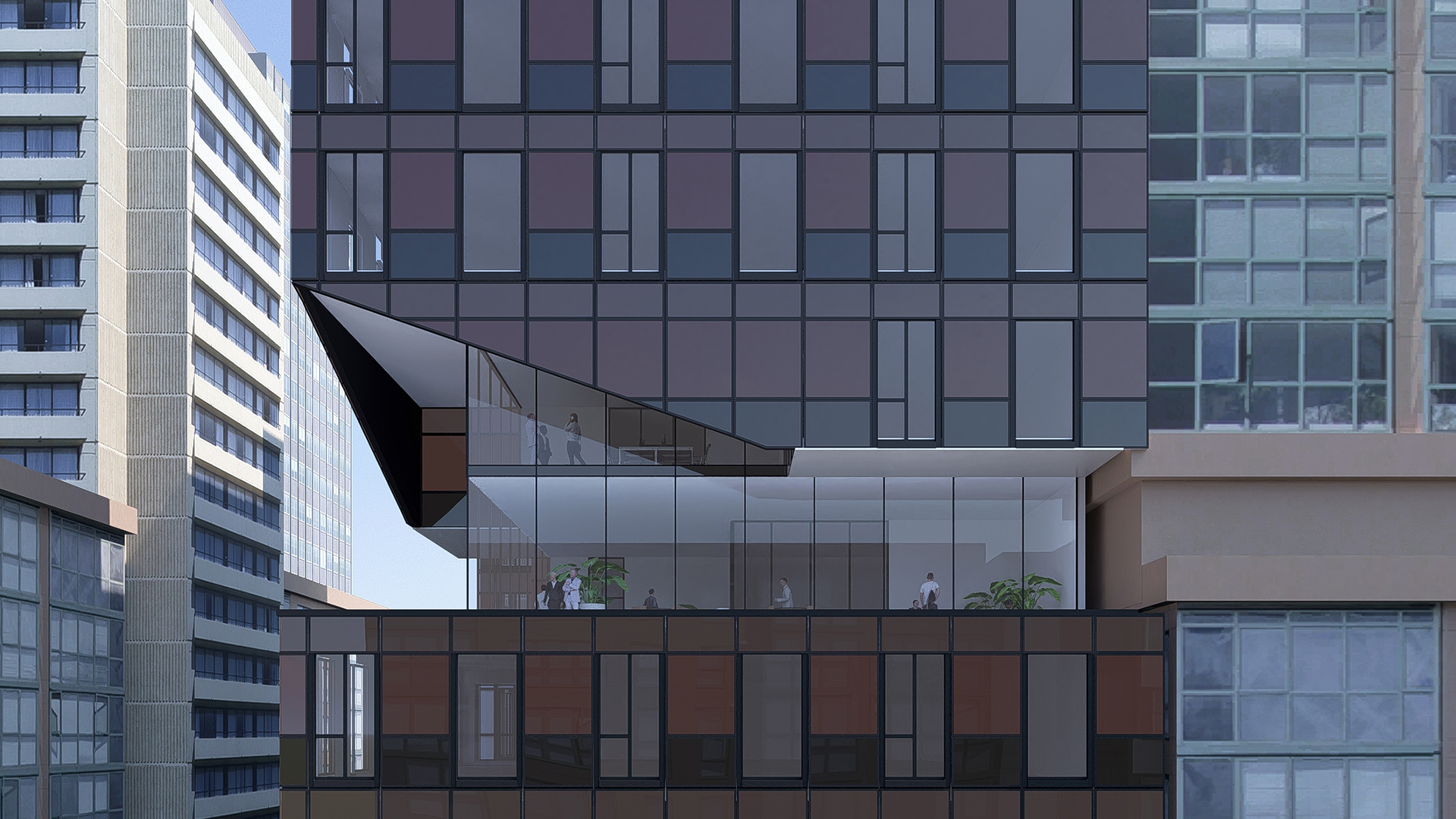
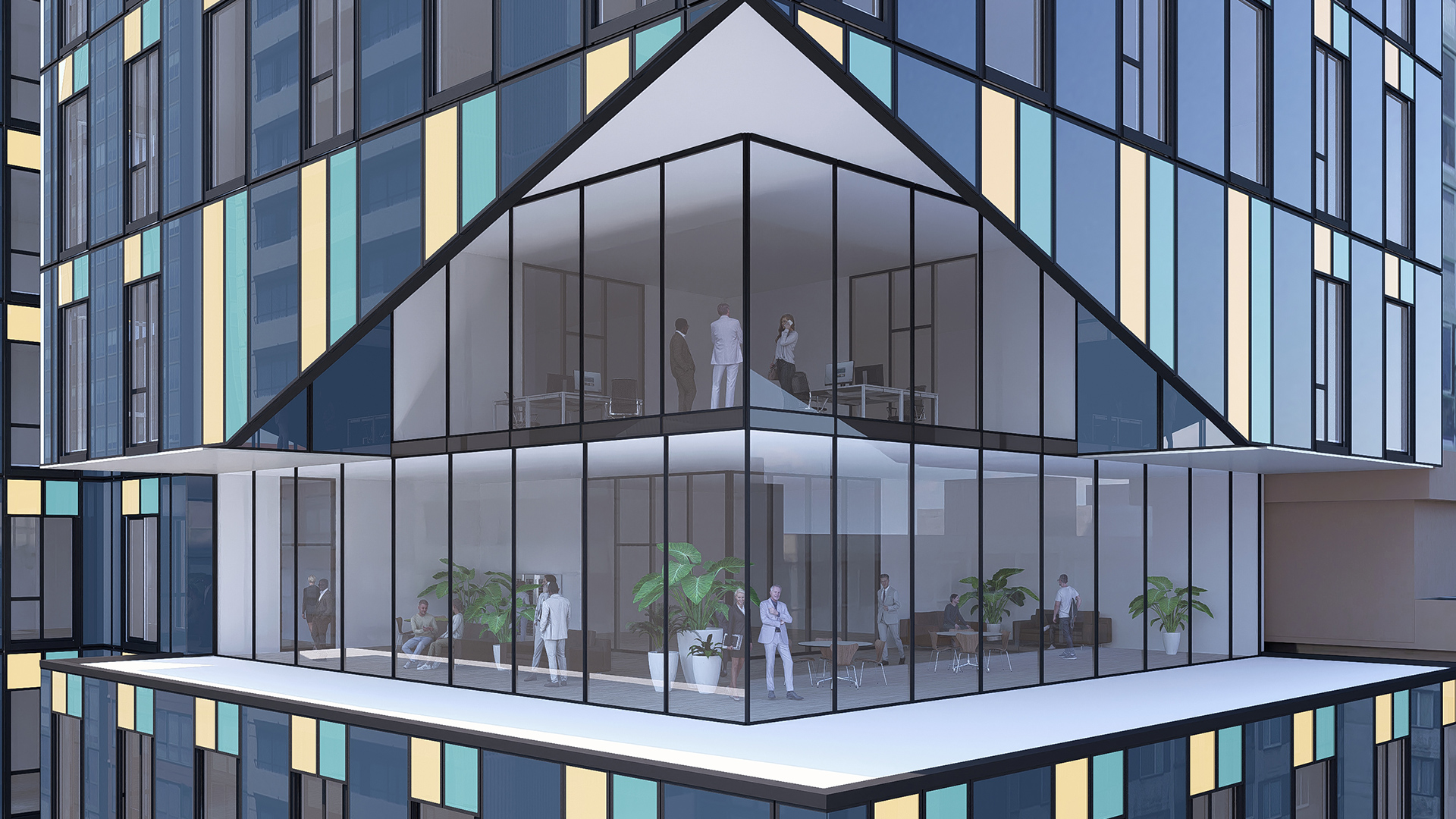
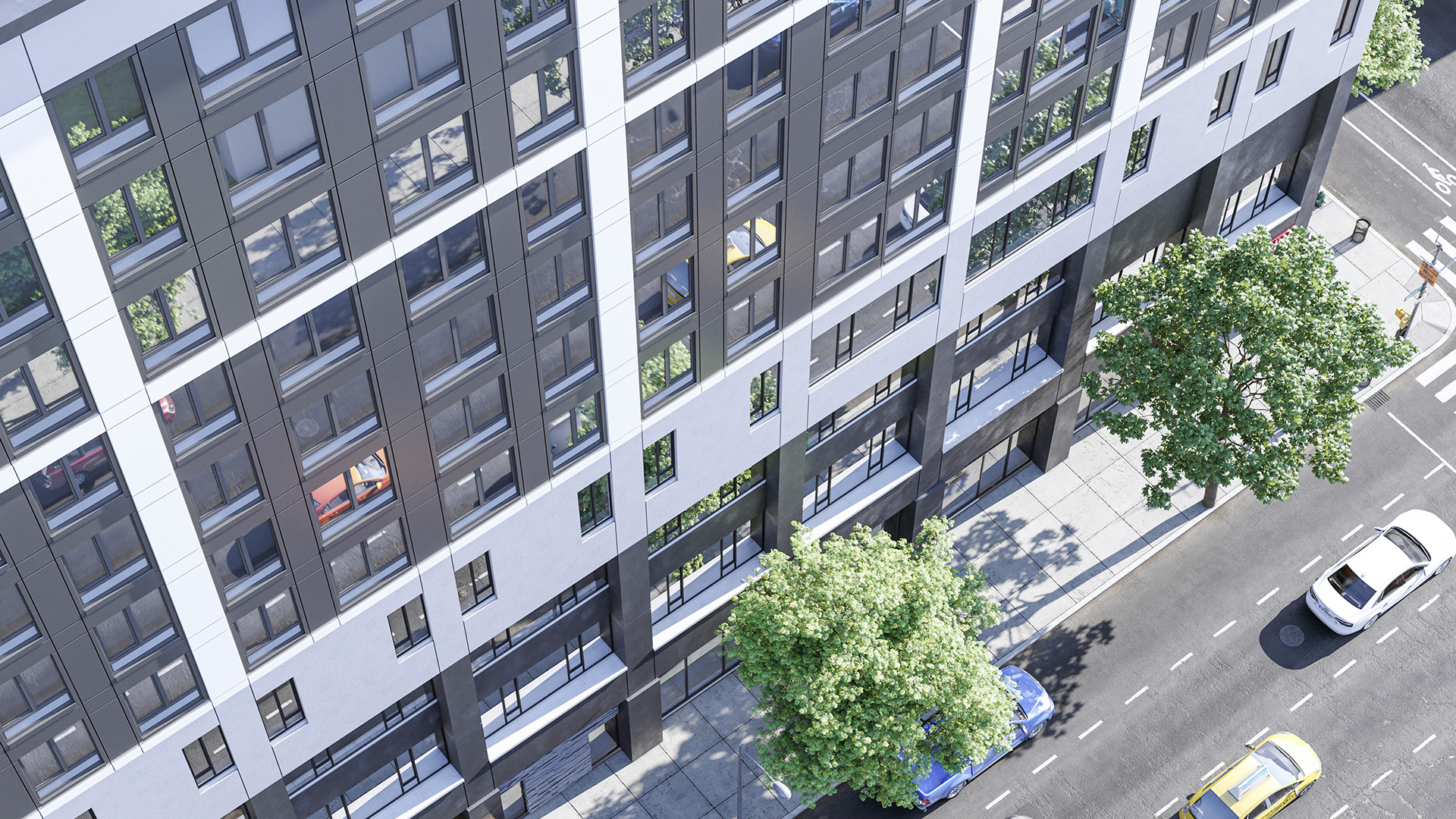
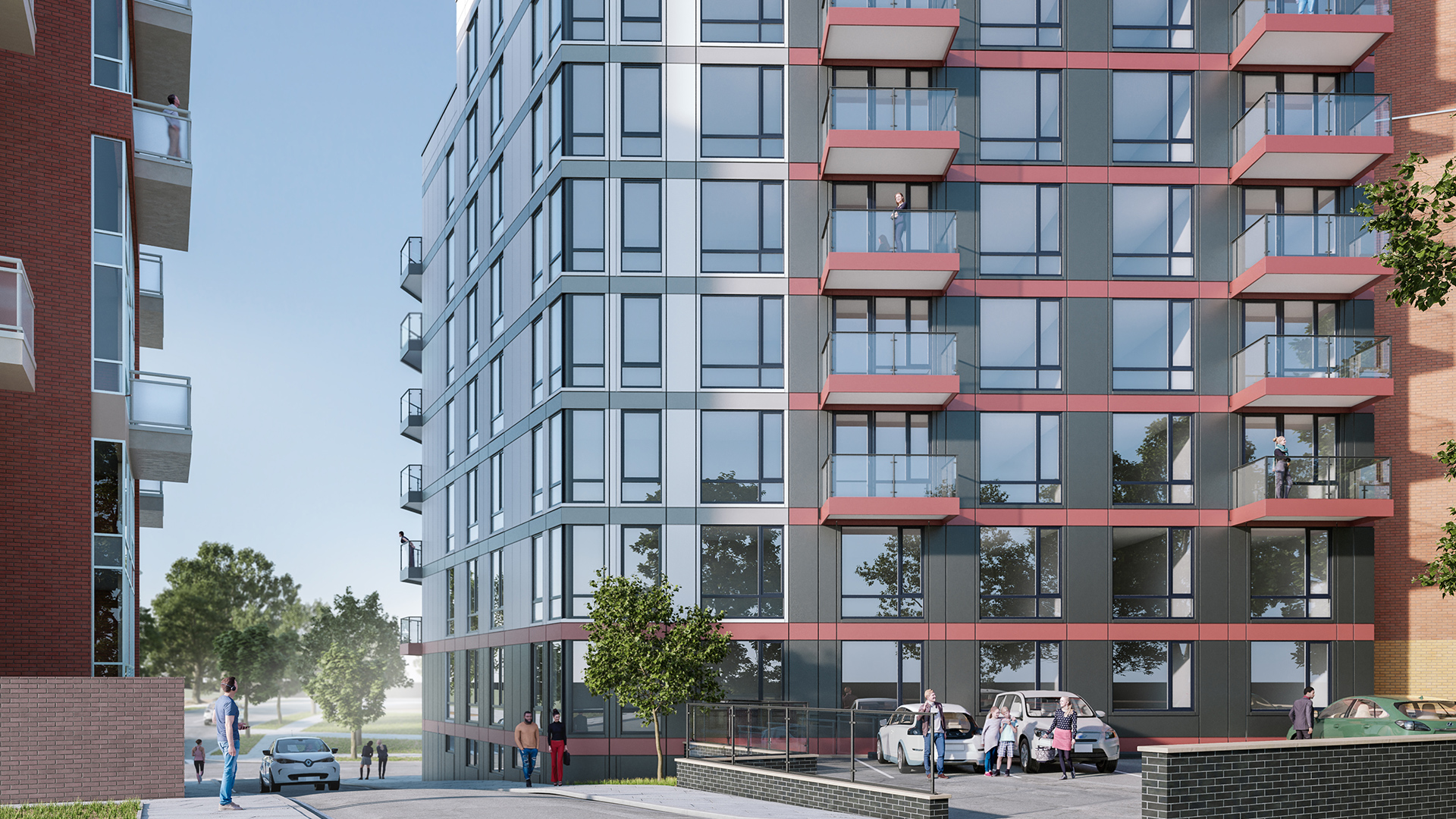
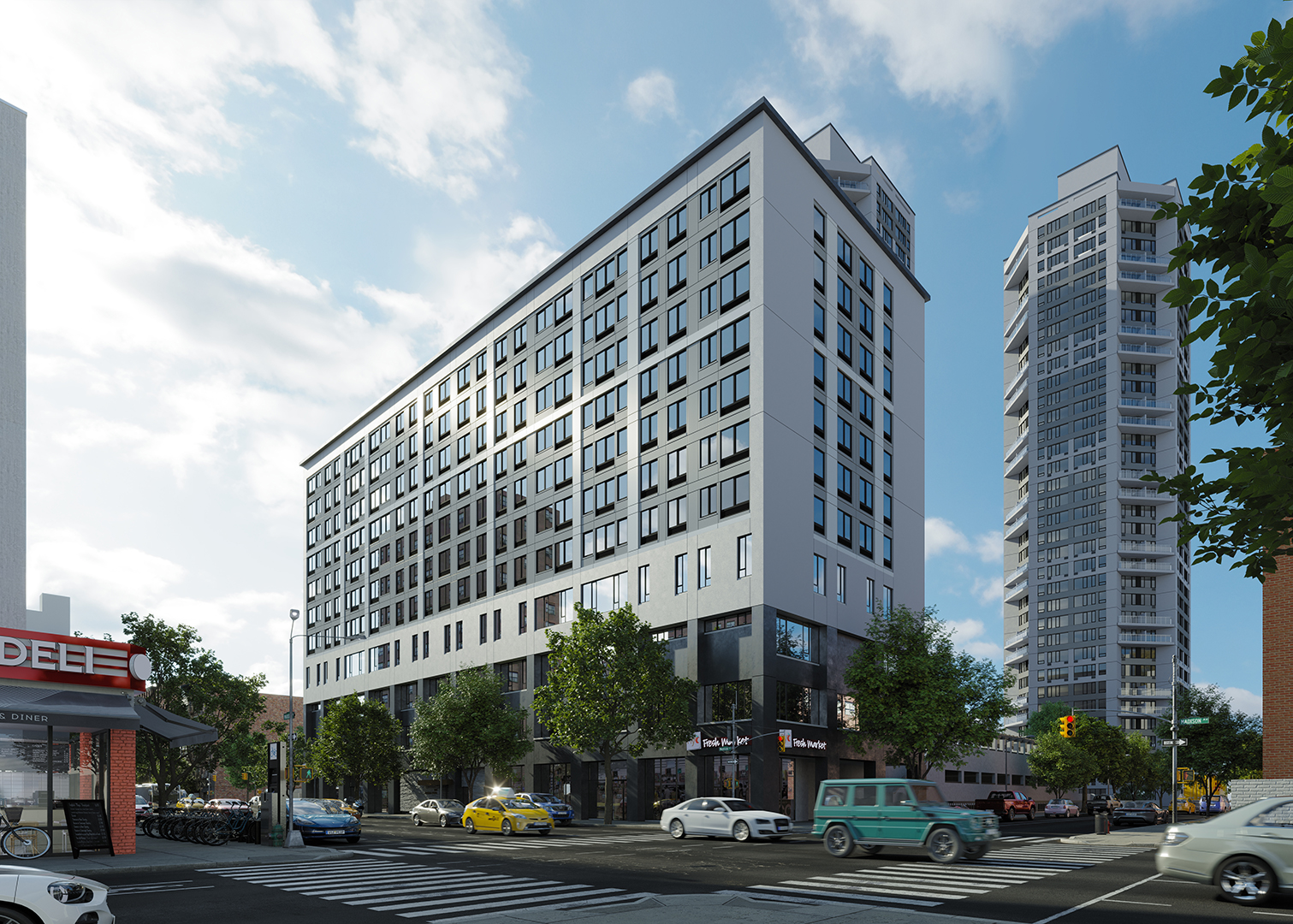
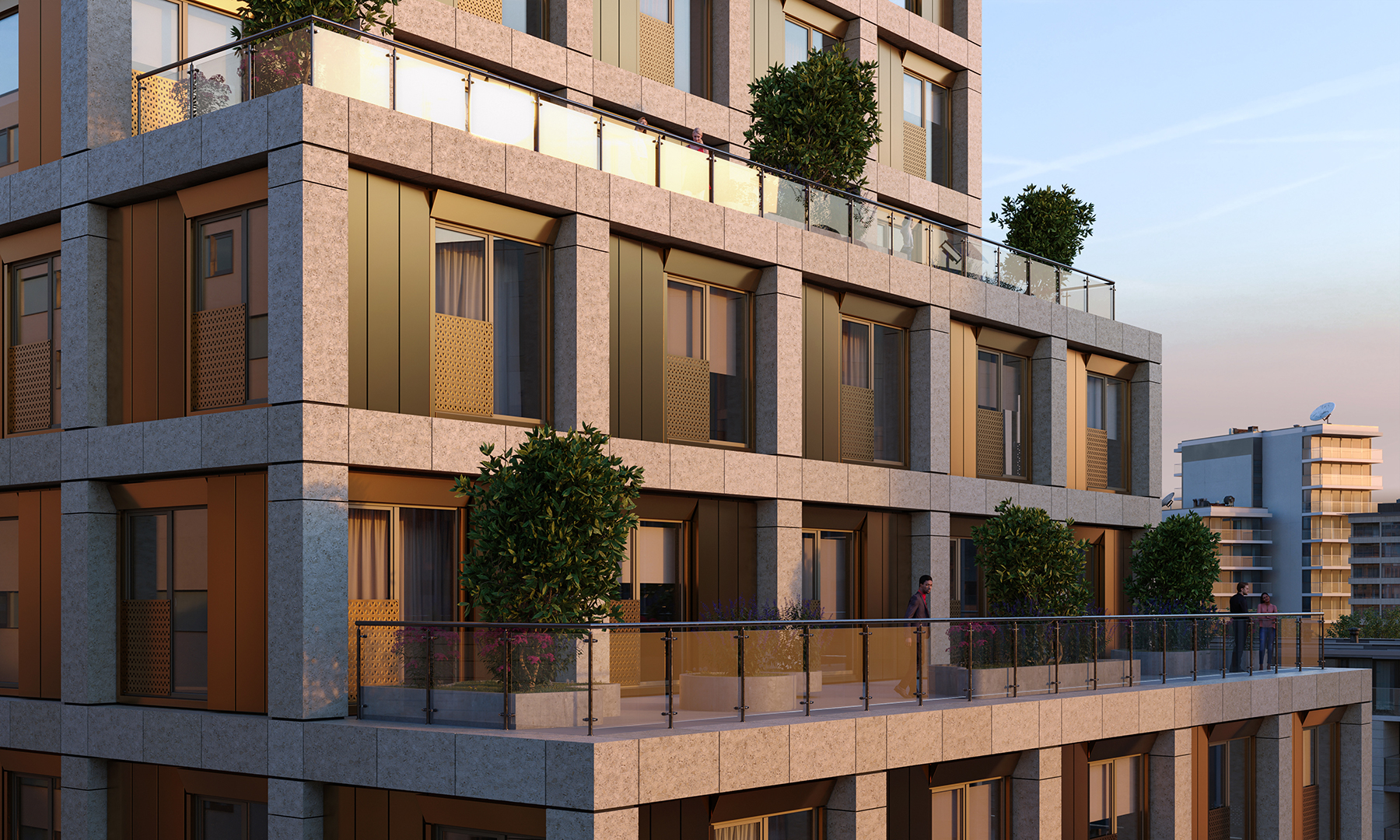
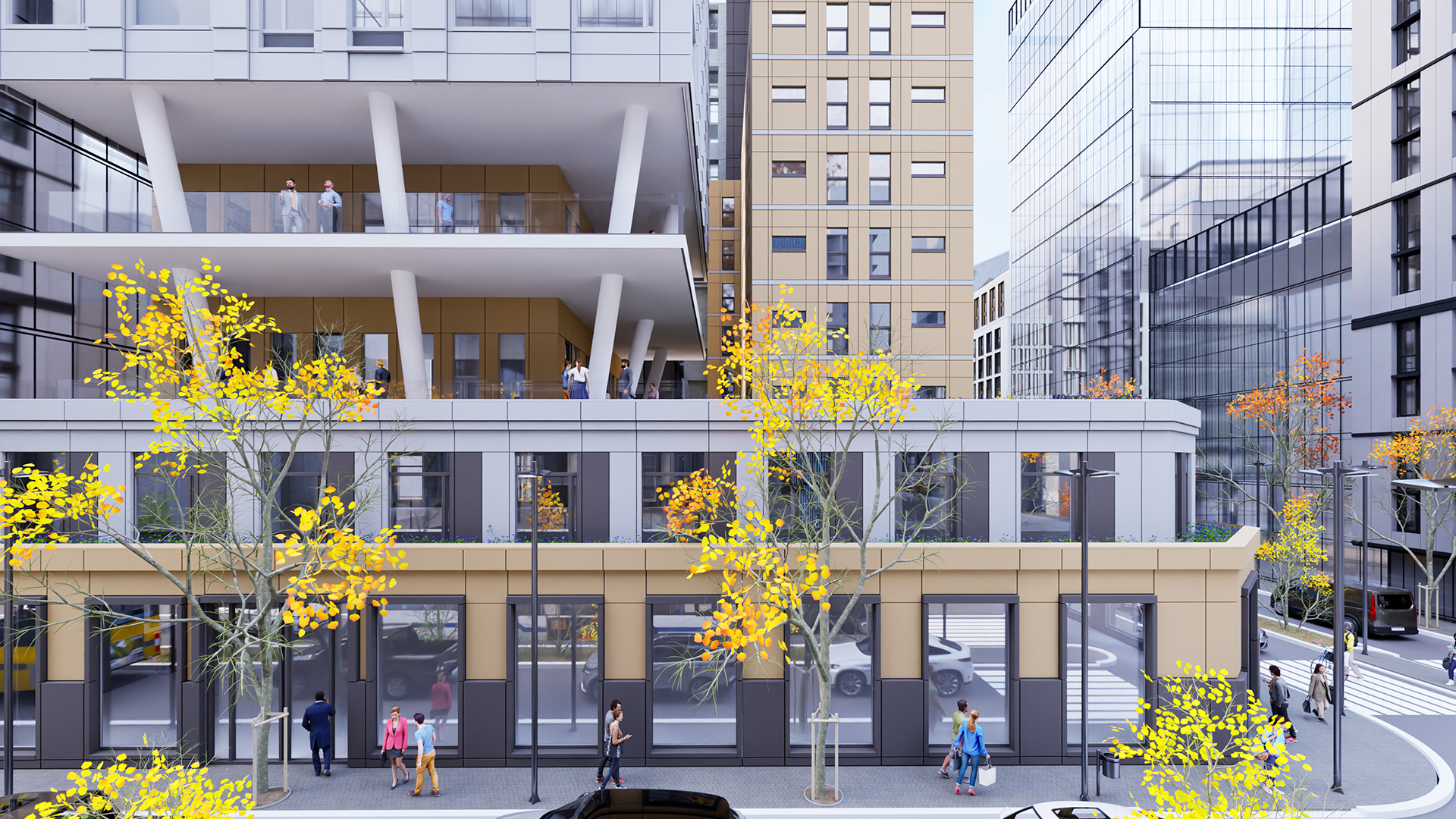
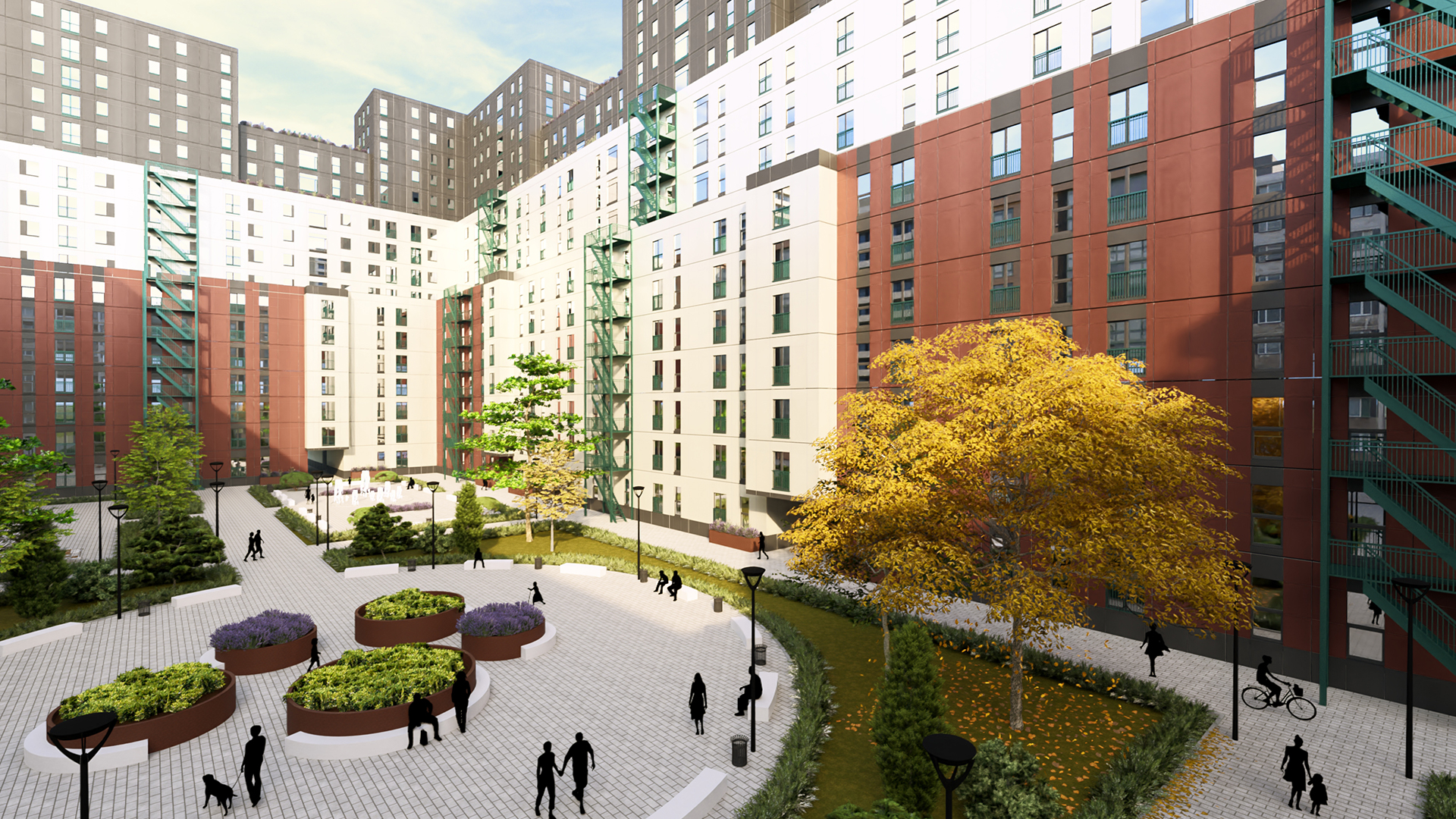
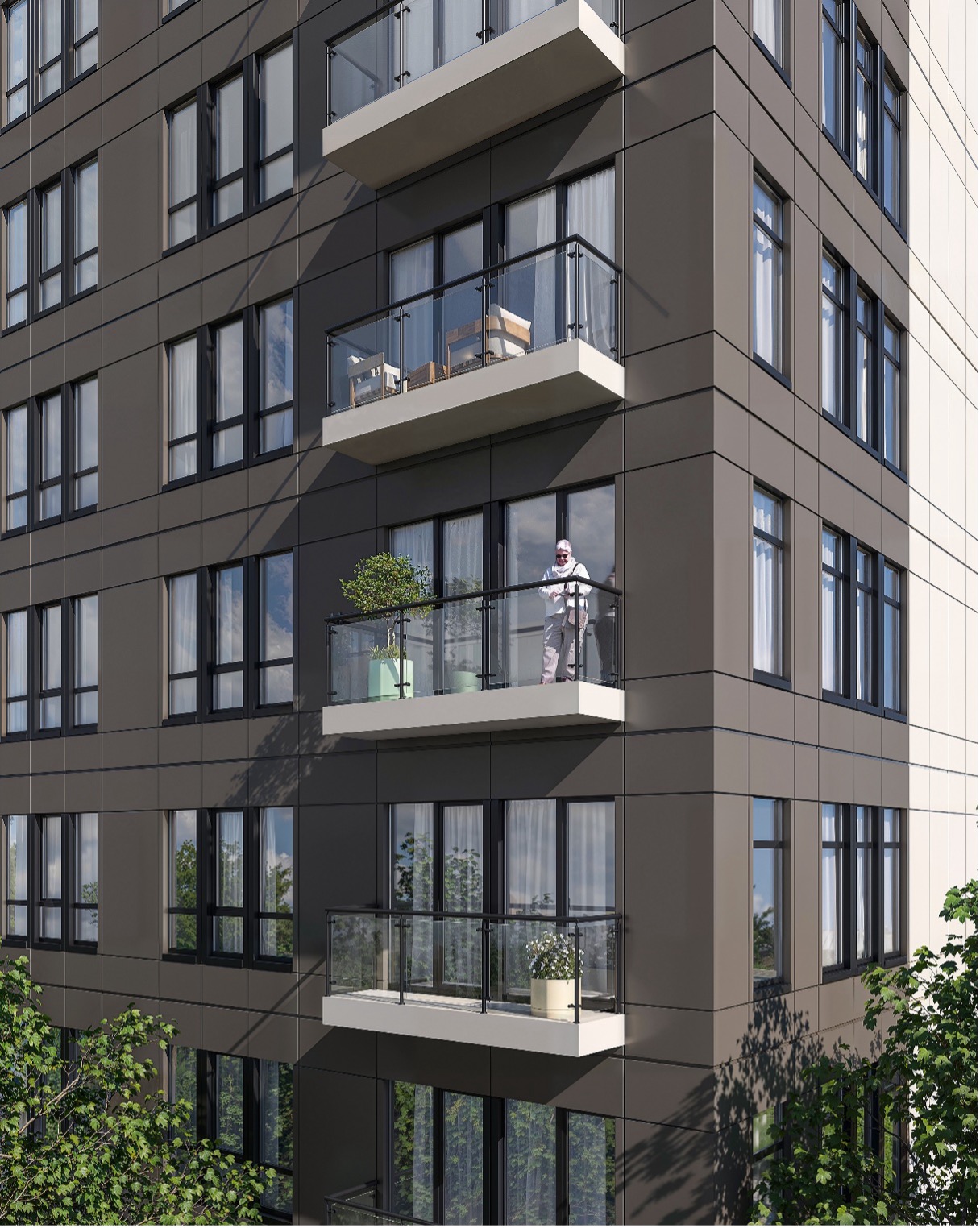
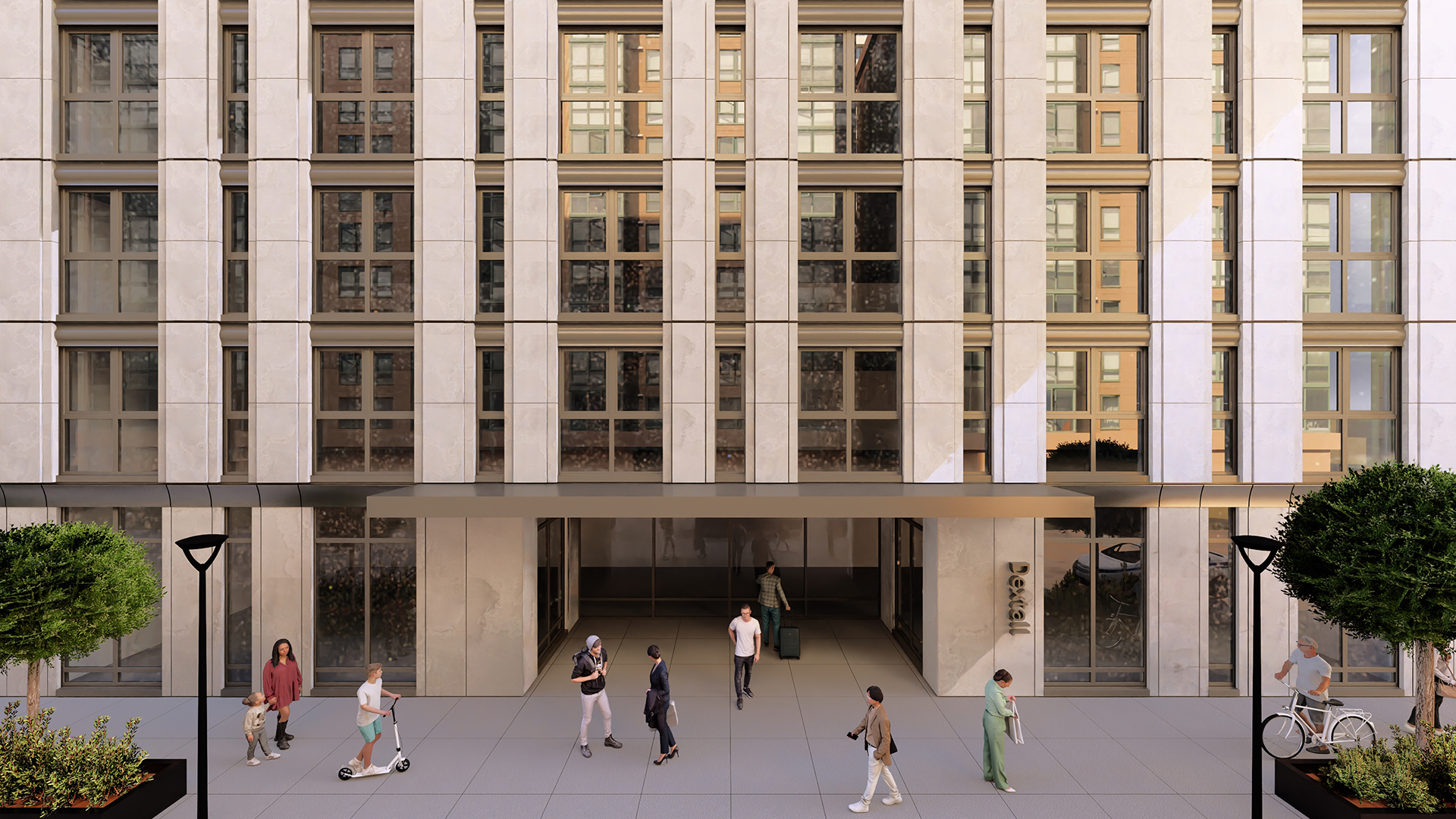
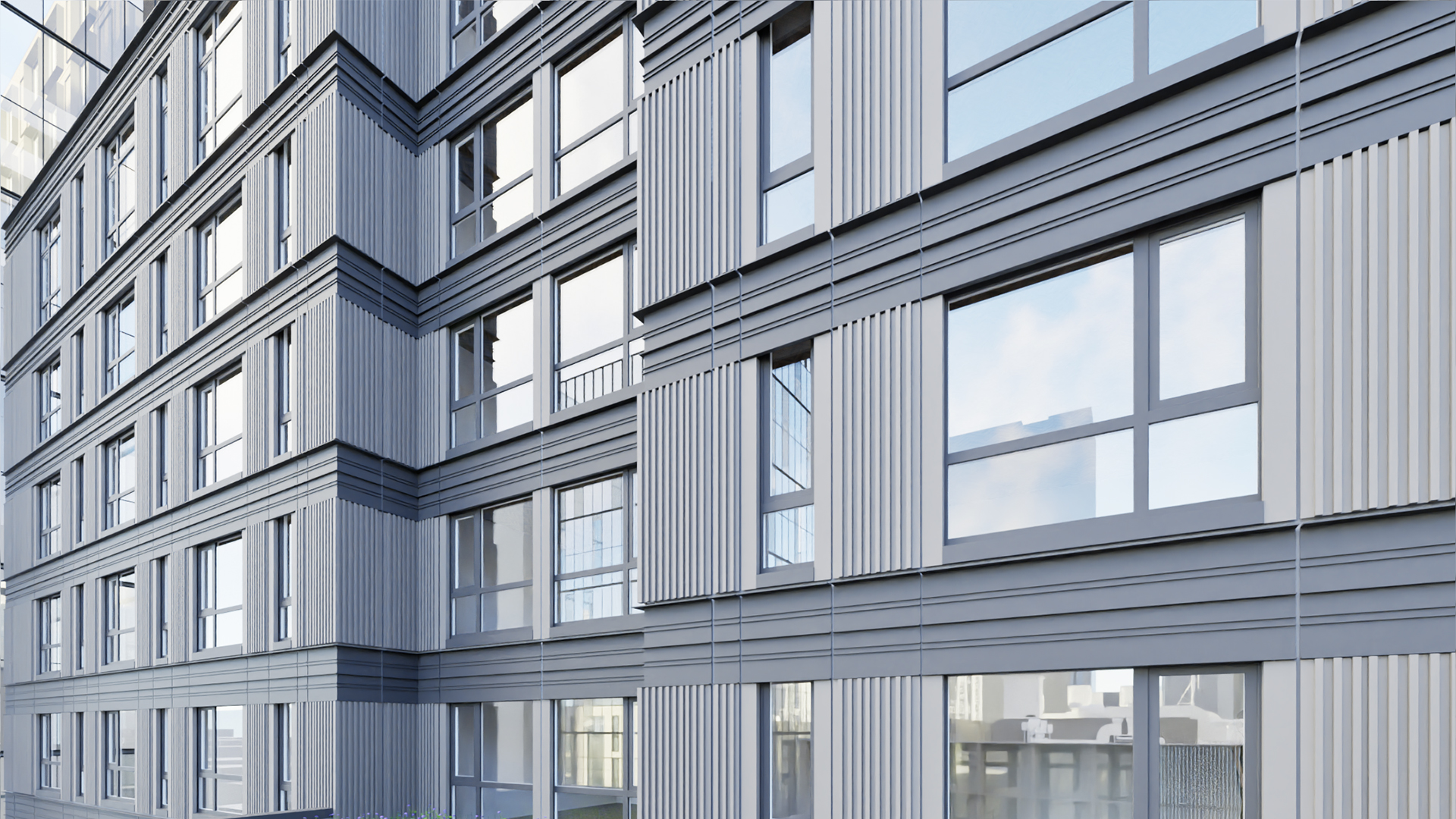
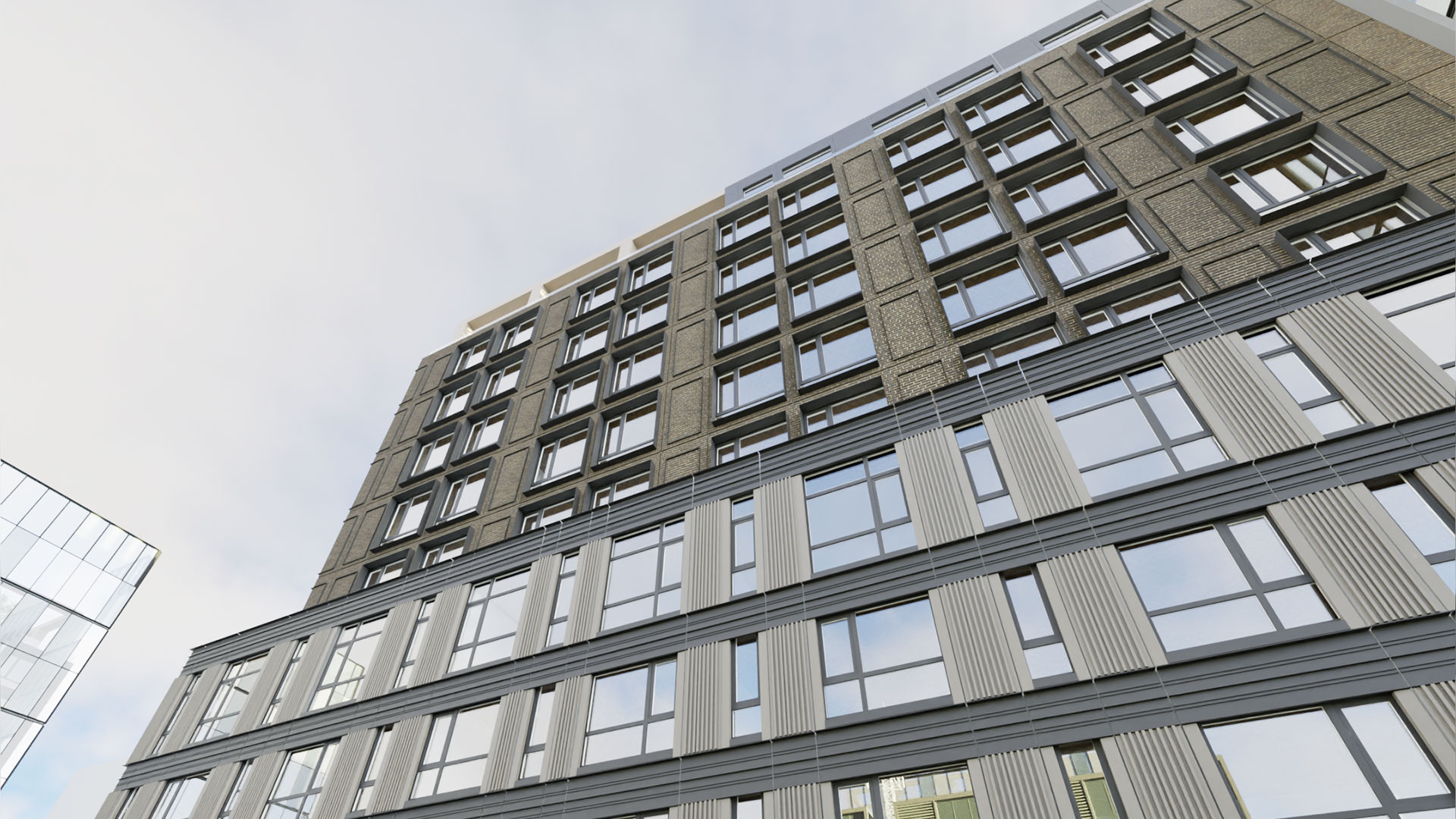
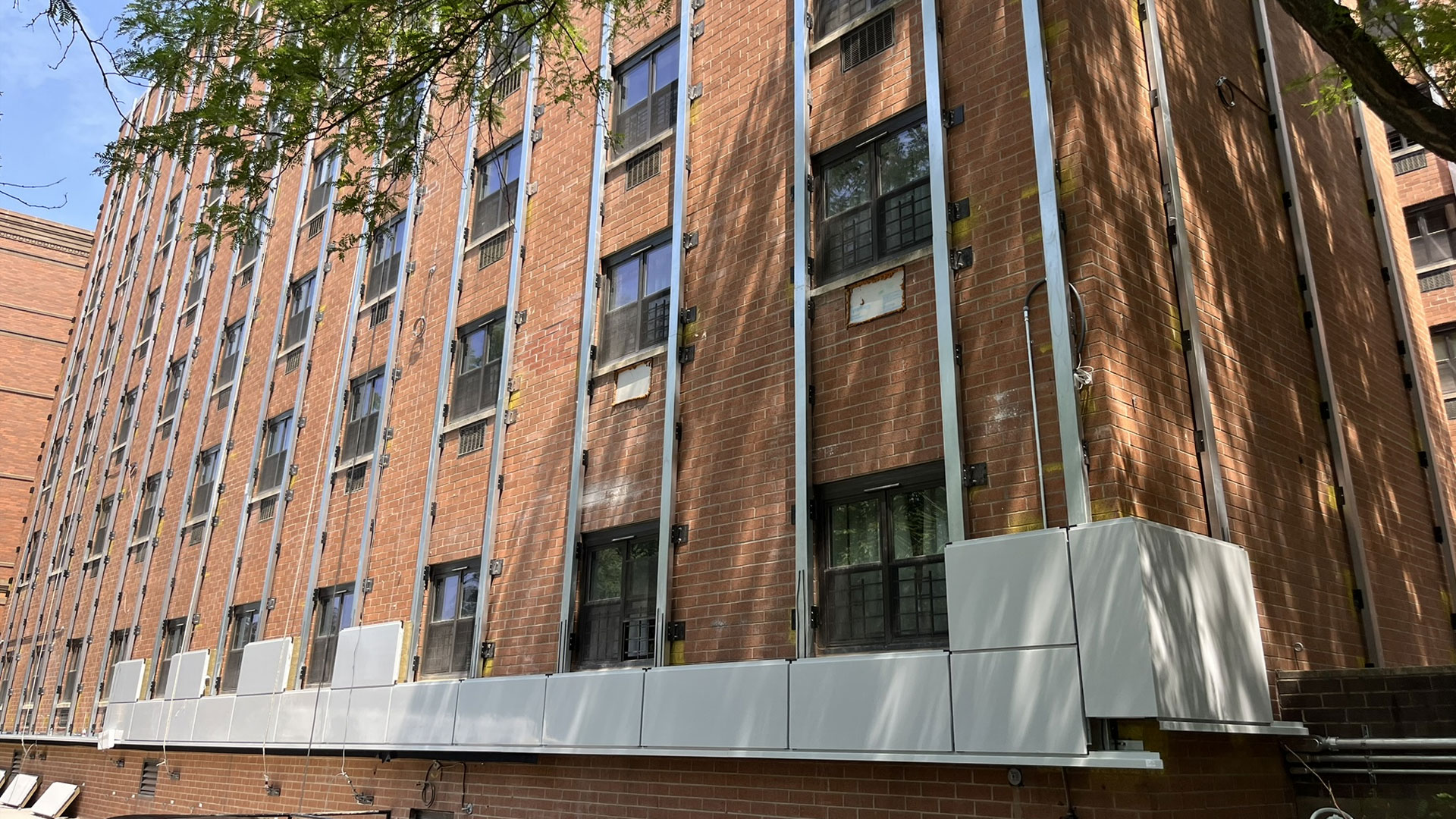
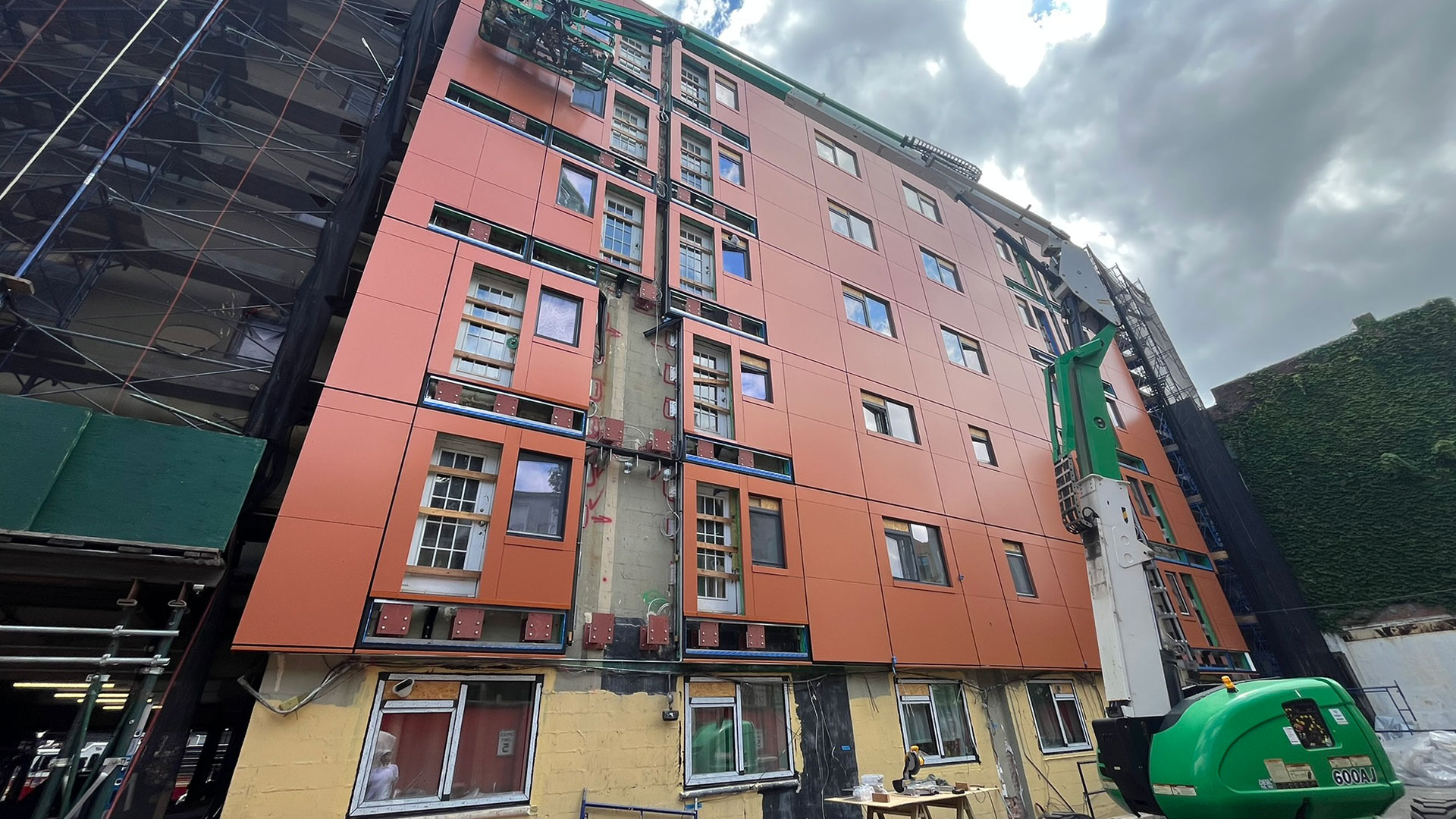
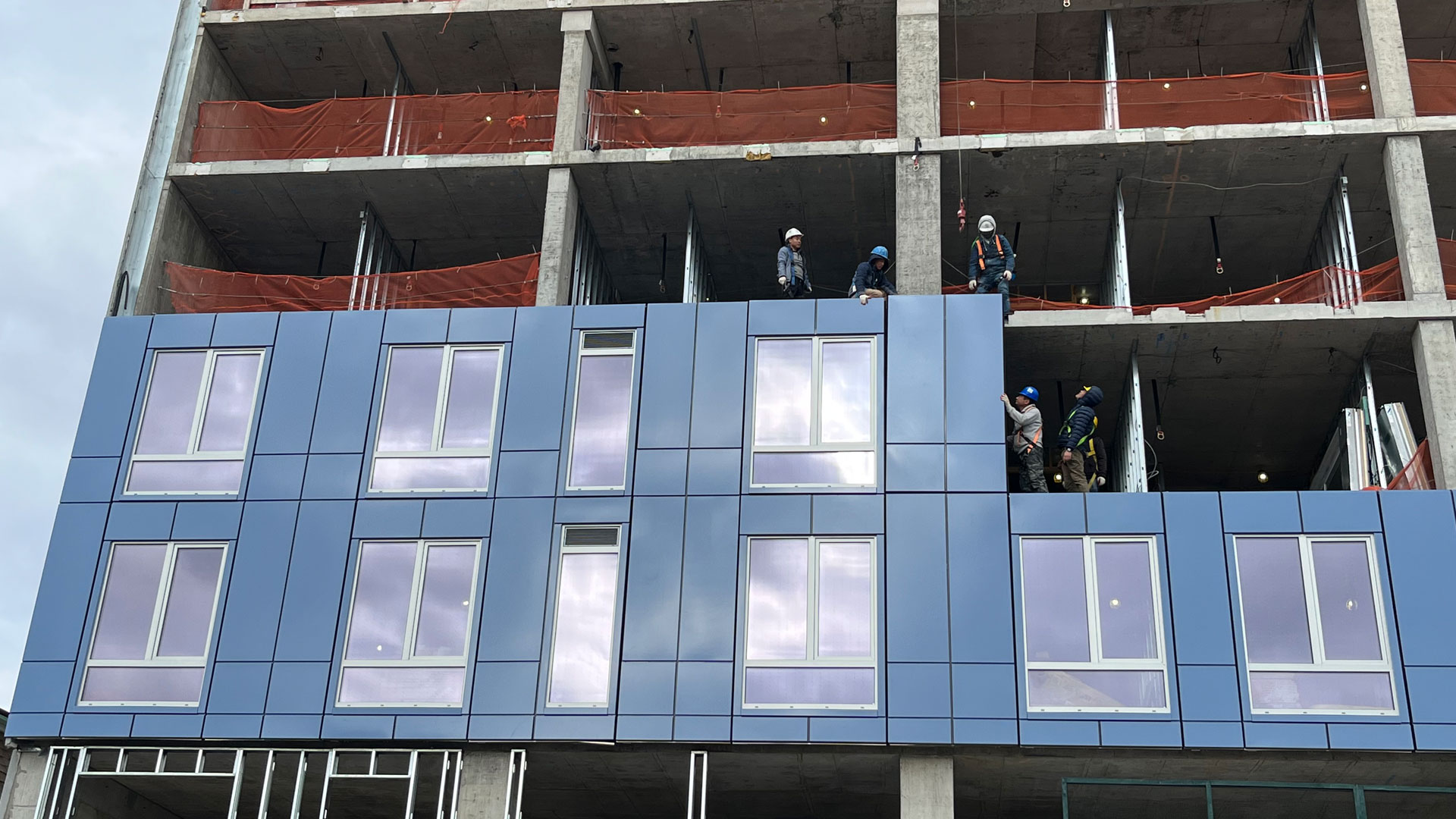
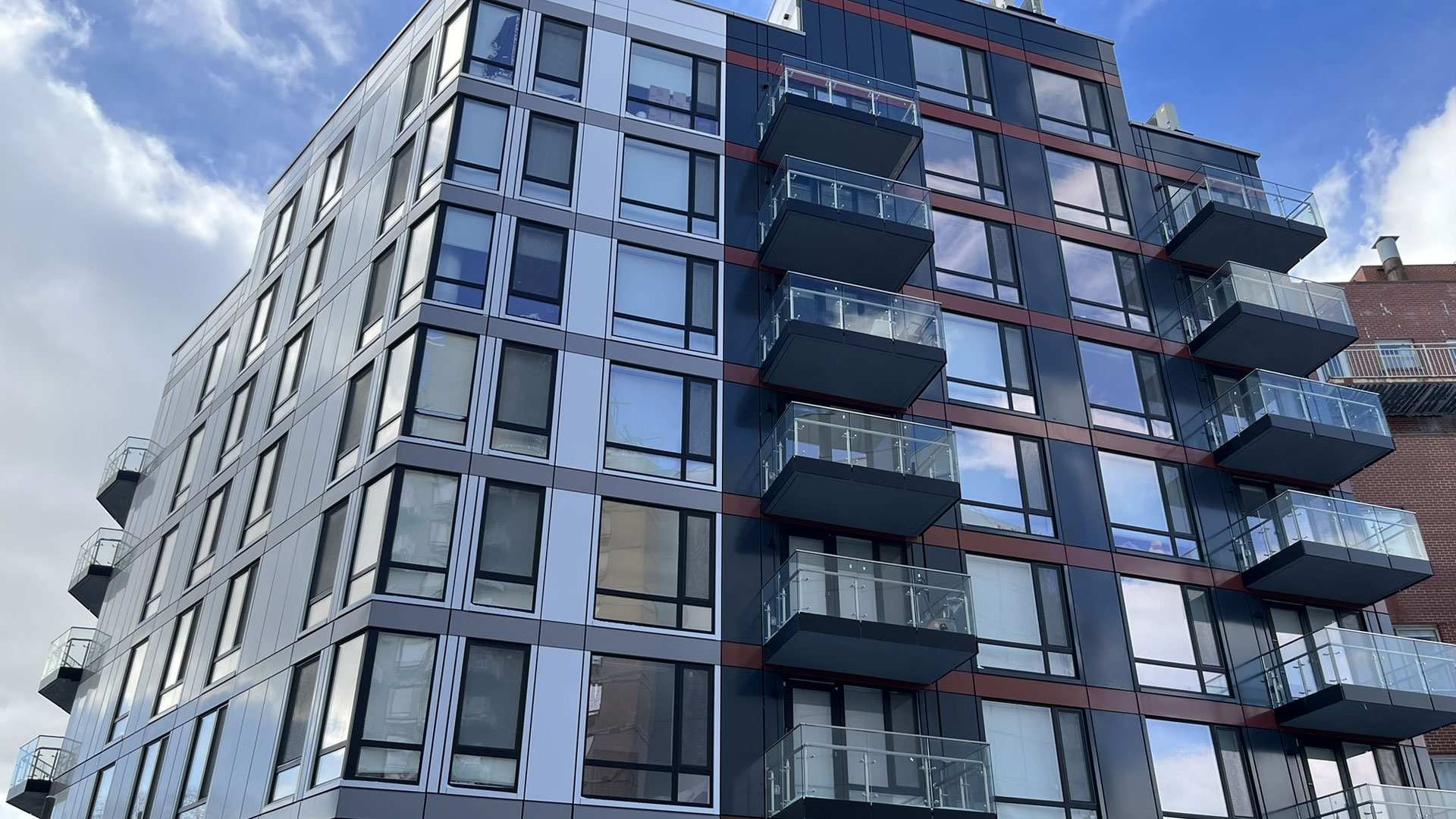
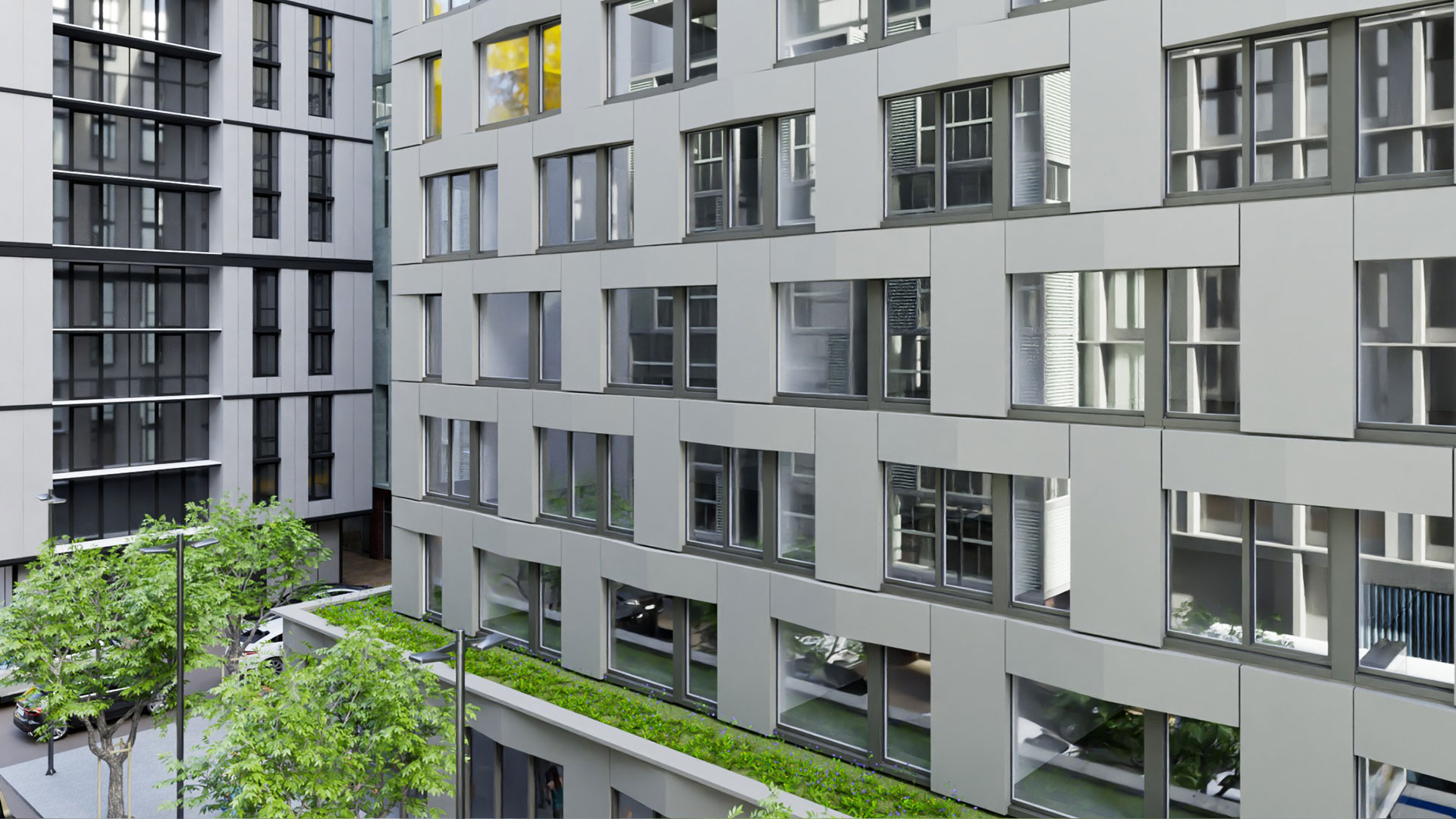
Images featured in this article depict Dextall's projects and are used for illustrative purposes only.
Sources
- Handel Architects — The House at Cornell Tech Project Page
- Handel Architects — Designing and Building the Largest Passive House in the World
- Cornell Tech — Construction Announcement
- Metropolis Magazine — The World's Tallest Certified Passive House
- Steven Winter Associates — Cornell Tech Passive House
- Building Energy Exchange — Collaboration at The House
- The Architect's Newspaper — Key to Cornell Tech Passive House Success
- Passive House Institute (PHI)















.jpeg)


-Compliance-for-NYC-Multifamily-%26-Co-Op-Facades.jpg)















_format(webp).avif)
_format(webp)%20(6).avif)
_format(webp)%20(5).avif)
_format(webp)%20(4).avif)
_format(webp)%20(2).avif)
_format(webp)%20(3).avif)


.avif)
_format(webp)%20(2).avif)