Steinway Tower: How 43,000 Prefabricated Terracotta Panels Built a Supertall Facade
Prefabricated wall panels are not a compromise — they are the engineering strategy that makes complex facades achievable on budget and on schedule. Steinway Tower at 111 West 57th Street in Manhattan proves this at the most extreme scale possible. SHoP Architects and JDS Development Group completed the world's slenderest supertall in 2022 using nearly 43,000 factory-made terracotta pieces assembled into a unitized curtain wall by Ellicc Americas. The result is a 1,428-foot tower with a 24:1 slenderness ratio — a Guinness World Record — clad in a facade that required millimeter-level precision across every panel.
The lessons from Steinway Tower translate directly to mid-rise construction. When a factory-prefabricated facade system can perform on a building that sways one meter in the wind, it can handle a 12-story multifamily project in Brooklyn. This article examines how the terracotta panel system was designed, manufactured, and installed — and what those methods mean for developers building under 30 stories in New York and beyond.
What Makes Steinway Tower the World's Most Extreme Facade Engineering Challenge
Steinway Tower stands 1,428 feet (435 meters) tall. Its base is just 59 feet (18 meters) wide. That produces a slenderness ratio of 24:1 — the building is 24 times taller than it is wide. Guinness World Records recognized it as the most slender building on Earth.
The structural engineering firm WSP USA faced a problem most buildings never encounter: a tower so thin that wind forces cause visible sway. At the top, the building moves up to one meter in high winds. Without intervention, that movement would make upper-floor apartments uninhabitable and place extraordinary stress on every facade connection.
WSP's solution combined four systems. An 800-ton tuned mass damper near the crown absorbs kinetic energy from wind-induced sway. Two one-meter-thick concrete shear walls on the east and west facades resist lateral loads. Four outrigger floors link the central core to perimeter columns, stiffening the entire structure. And three intentionally unenclosed floors let wind pass through the building — reducing the vortex shedding that causes slender towers to vibrate at resonant frequencies.
Every one of these structural decisions shaped how the facade had to be engineered. Panels needed to perform not just for thermal resistance and weather, but for a building in constant subtle motion.
How 43,000 Factory-Made Pieces Became a Unitized Curtain Wall
The facade of Steinway Tower combines terracotta, glass, and bronze across a surface that curves and shifts as it rises. SHoP Architects generated the wave geometry using a computational design script. NBK Architectural Terracotta in Germany then translated that geometry into a manufacturable system using 26 custom molds, producing nearly 43,000 individual pieces. Each piece features a quasi-fluted profile that reflects the wave pattern. Because the geometry changes across the facade, each mold produces a specific family of shapes — not a single repeating unit.
Manufacturing all of them at one facility, under controlled conditions, was the key to achieving consistent tolerances across the entire run. This is exactly the principle behind facade fabrication at scale: move complexity into the factory and strip it out of the field.
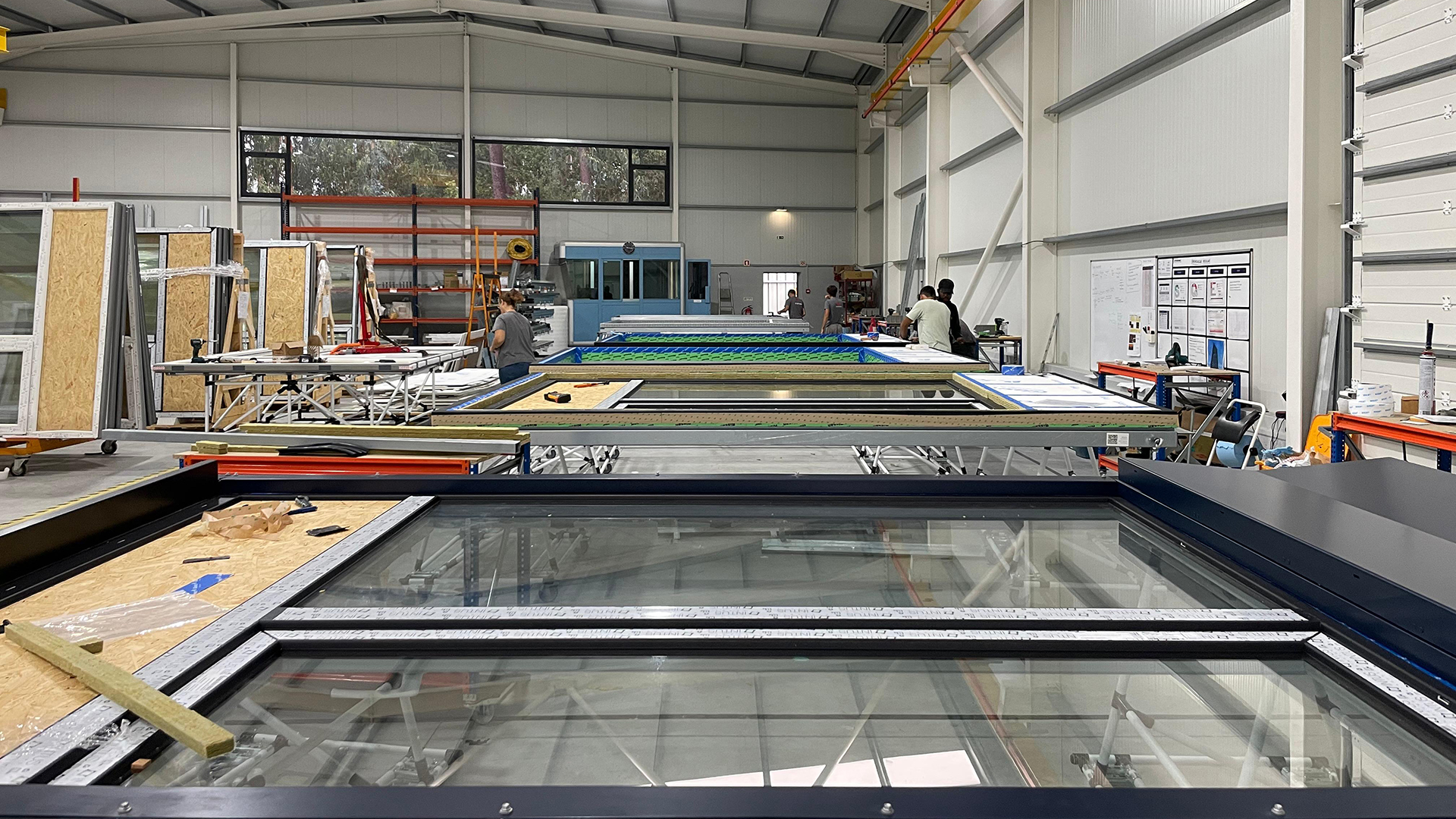
Ellicc Americas then assembled the terracotta strips with glass and bronze into roughly 4-by-16-foot panels — each mechanically fastened to an aluminum frame. These assembled units are the working element of the curtain wall facade system. Each panel was shipped to the site, craned into position, and connected to the building structure. This is how prefabricated facade panels are designed to work: multi-material assemblies built in controlled conditions, installed quickly without resolving every joint at height.
Five Lessons Mid-Rise Construction Teams Can Take from Steinway Tower
Factory conditions produce better outcomes than field conditions
NBK manufactured 43,000 terracotta pieces in a single German facility. Quality checks happened at the source, not at 900 feet in the air. For mid-rise projects, the same principle applies: precision facade elements built in a controlled environment eliminate the field variables — weather, staging constraints, trade coordination — that drive cost overruns and schedule delays.
Computational design enables precision at any scale
SHoP used parametric scripts to generate the facade geometry and export it directly to NBK's production system. This closed loop between design intent and manufacturing output is now standard across the industry. Engineering prefabricated wall systems for tall buildings no longer requires bespoke fabrication contracts — digital design-to-manufacture workflows are available to mid-rise architects at no additional process cost.
Unitized systems deliver schedule certainty
Because Ellicc Americas pre-assembled panels off-site, installation at Steinway Tower proceeded in a predictable sequence. Each unitized wall system panel arrived ready to hang. On a mid-rise project, this translates to faster floor cycles and fewer weather delays — the longest lead-time work happens in a factory, not on a scaffold. Prefabricated wall systems from factory to tower follow the same logic regardless of building height.
Multi-material facades don't require custom stick systems
Terracotta, glass, and bronze on the same panel — assembled off-site and delivered as a single unit. This is the core advantage of curtain wall systems built on unitized logic: material complexity doesn't have to mean field complexity. A developer who wants brick texture, glazing, and metal trim doesn't need a three-trade field assembly sequence. A factory-assembled panel delivers the same result with fewer site risks.
Off-site quality control finds problems before delivery
The Steinway Tower terracotta pieces were inspected before they left Germany. Any issue was resolved at the source, not mid-installation. Understanding how prefabricated facade systems work at every scale comes back to this principle: a defect caught in the factory costs a fraction of one discovered at the 8th floor on a tight urban site.
How NYC Mid-Rise Developers Can Apply Prefabricated Wall Panel Logic Today
Steinway Tower cost $2 billion and took eight years to build. Mid-rise construction in New York operates on different timelines and budgets — but the prefab logic transfers directly.
The prefabricated wall panel construction methods visible at Steinway Tower are available to developers building 8-to-25-story multifamily, mixed-use, and commercial buildings. Modern prefabricated facades use factory assembly, unitized delivery, and mechanically fastened connections — adapted to projects where floor-by-floor repetition replaces geometry-driven complexity.
For a typical mid-rise in Brooklyn or Queens, the math is direct. Panels leave the factory ready to install. Site labor is reduced. The schedule becomes predictable. And because panels are engineered to specific thermal targets, they directly support compliance with Local Law 97 carbon limits and New York's energy codes. An energy code compliant wall system that arrives pre-engineered removes one of the largest sources of on-site uncertainty for developers navigating the city's tightening performance requirements.
The rise of industrialized facades across the construction industry points to one consistent advantage at every scale: the hard work happens before delivery. By the time a panel reaches the site, its performance is already locked in. That is the lesson Steinway Tower teaches at extreme scale — and it applies equally to a 15-story building in the Bronx as to the world's slenderest supertall on Billionaires' Row.
For developers managing rising material costs and tightening margins, the facade system choice is one of the few variables that still allows meaningful schedule and cost control. Dextall's D Wall® prefabricated panel system reduces on-site labor by 87% compared to traditional construction methods, delivers panels within a 16-week lead time from shop drawing approval, and is engineered to meet New York City energy code requirements for new construction and retrofits.
Key Takeaways
- Steinway Tower at 111 West 57th Street holds the Guinness World Record as the world's most slender building — 1,428 feet tall with a 24:1 slenderness ratio.
- Nearly 43,000 factory-made terracotta pieces, produced by NBK Architectural Terracotta using 23 custom shapes, were assembled into unitized curtain wall panels by Ellicc Americas at approximately 4 by 16 feet each.
- An 800-ton tuned mass damper and three open wind-relief floors manage building sway — and both decisions directly shaped how facade panels had to be engineered for a building in constant motion.
- Factory prefabrication of multi-material panels reduces field risk, improves quality control, and creates predictable installation sequences on tight urban sites.
- For mid-rise construction under 25 stories, prefabricated wall panels provide the same core advantages — factory quality, faster installation, and energy compliance — without the supertall engineering complexity.
- NYC developers facing Local Law 97 targets and rising labor costs can reduce both pressures by specifying pre-engineered facade panels designed to meet performance requirements before they arrive on site.
FAQ
What is a prefabricated wall panel and how does it differ from traditional facade construction?
A prefabricated wall panel is a factory-assembled facade unit that arrives at the construction site ready to install. Traditional facade construction assembles components piece by piece on-site, requiring multiple trades working at height. Prefabricated panels combine cladding, insulation, and connection hardware in a controlled factory environment, reducing on-site labor and improving quality consistency across the entire facade.
How did Steinway Tower's slenderness ratio affect its facade engineering?
At a 24:1 slenderness ratio, Steinway Tower sways up to one meter at the crown in high winds. This required panels engineered for a building in constant motion — with mechanical fastening systems that accommodate displacement without compromising weather resistance or thermal performance. Every facade connection had to account for both static loads and dynamic wind-induced movement.
Who manufactured the terracotta panels for Steinway Tower?
NBK Architectural Terracotta in Germany manufactured nearly 43,000 terracotta pieces using 26 custom molds derived from SHoP Architects' computational design. Ellicc Americas assembled these pieces with glass and bronze components into unitized curtain wall panels approximately 4 by 16 feet in size, which were shipped to the site and installed by crane.
Can prefabricated wall panels meet New York City's energy code requirements?
Yes. Prefabricated facade panels can be engineered to meet New York City's energy codes, including the requirements affecting multifamily and mixed-use buildings under Local Law 97. Panels are designed with specific R-values, air barrier systems, and thermal bridge management to hit compliance targets before they arrive on site — eliminating the performance uncertainty that often comes with field-assembled facades.
What are the main schedule advantages of unitized curtain wall systems for mid-rise projects?
Unitized curtain wall systems compress schedules because the most labor-intensive work — assembly, quality control, and finishing — happens at the factory, not on site. Panels arrive ready to connect to the building structure without additional field work. For mid-rise projects in NYC, this typically reduces the facade installation phase by weeks compared to stick-built alternatives, and allows other trades to follow in a tighter sequence.
Disclaimer
Dextall is not involved in the Steinway Tower project. This article analyzes publicly available information about SHoP Architects' and JDS Development Group's design and construction to explore how prefabricated facade panel engineering from large-scale supertall projects can inform mid-rise construction strategies in the U.S. market. For questions about 111 West 57th Street, contact JDS Development Group. For information about Dextall's prefabricated building envelope solutions, visit dextall.com.
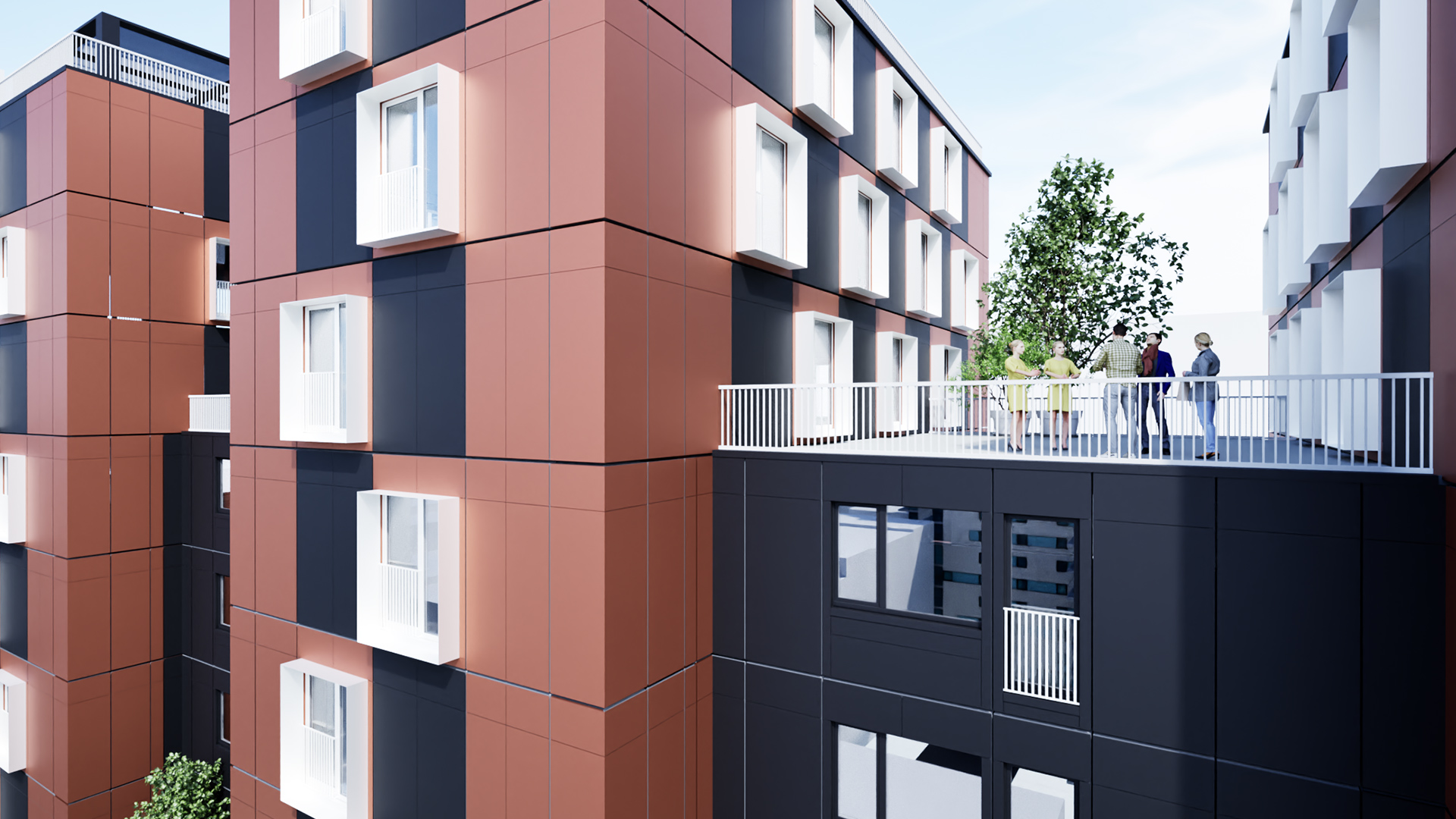
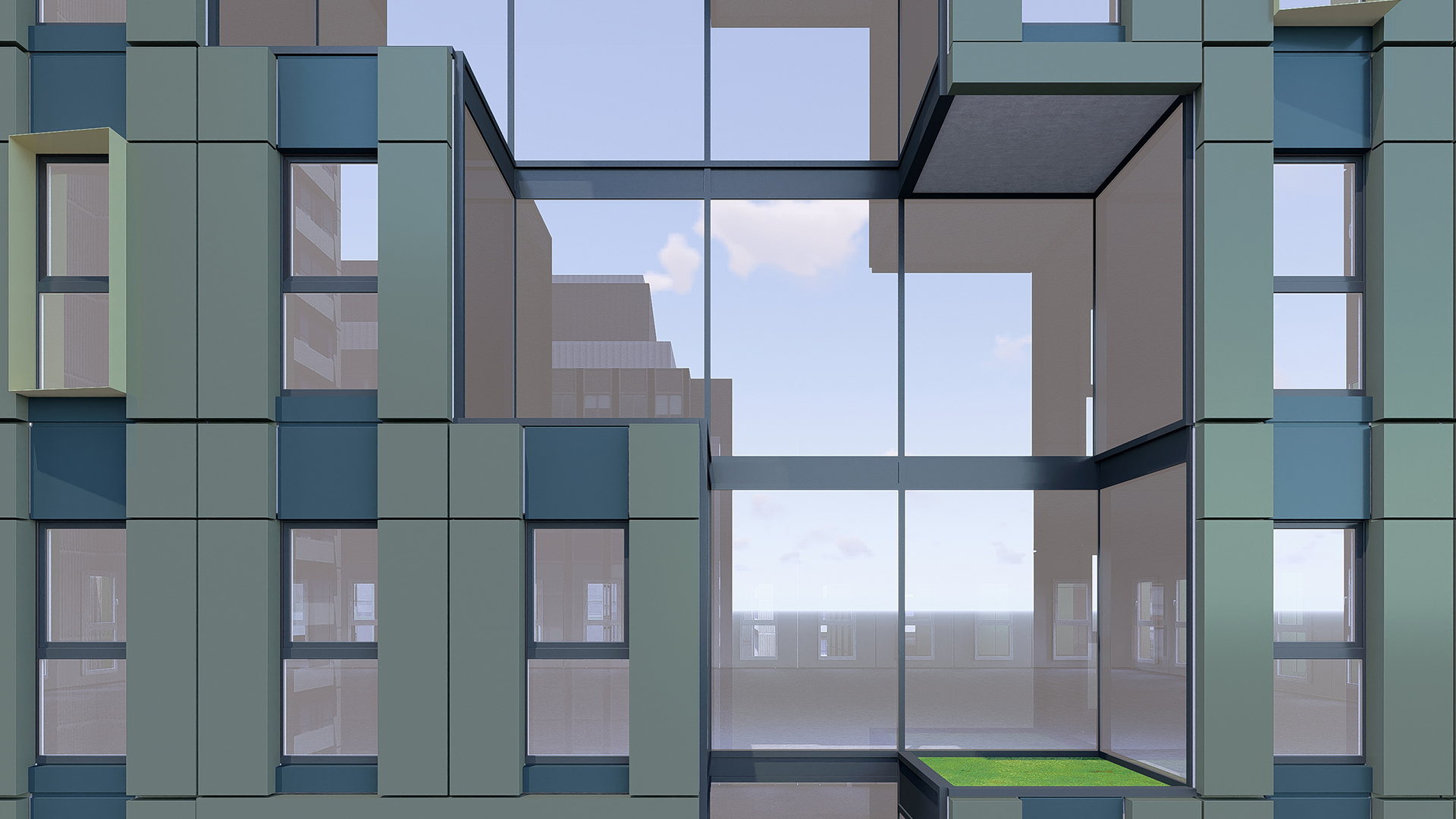
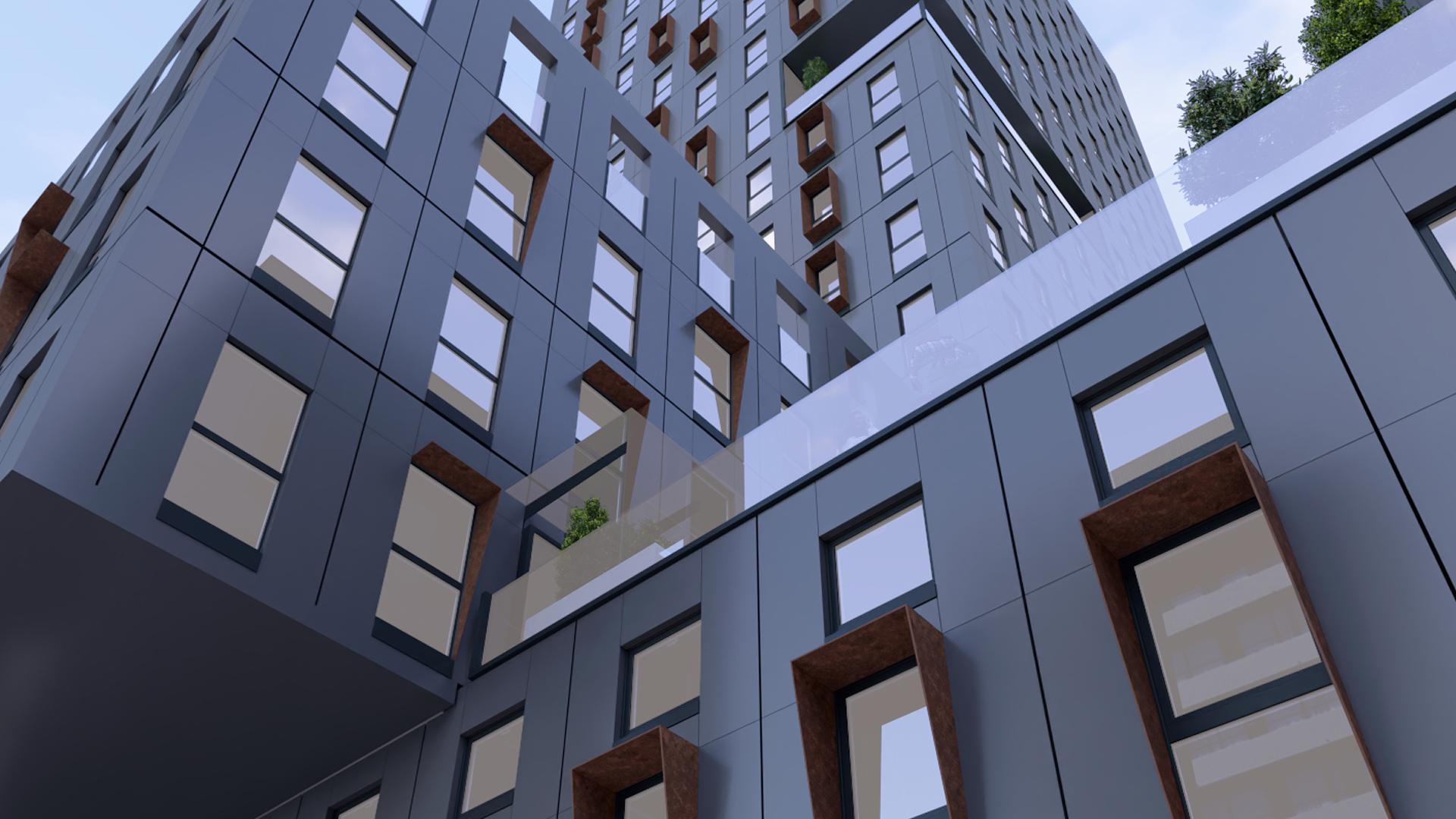
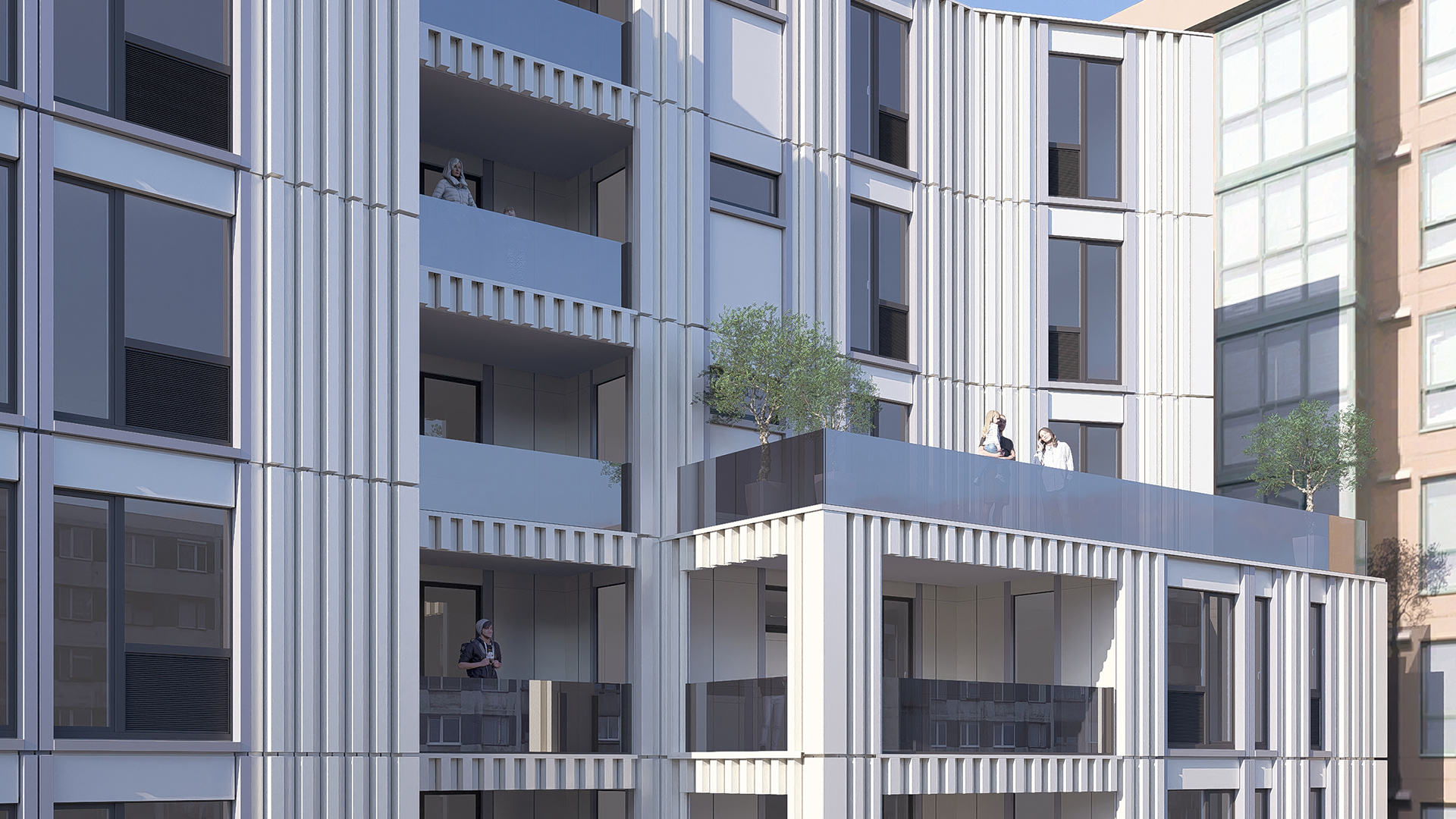
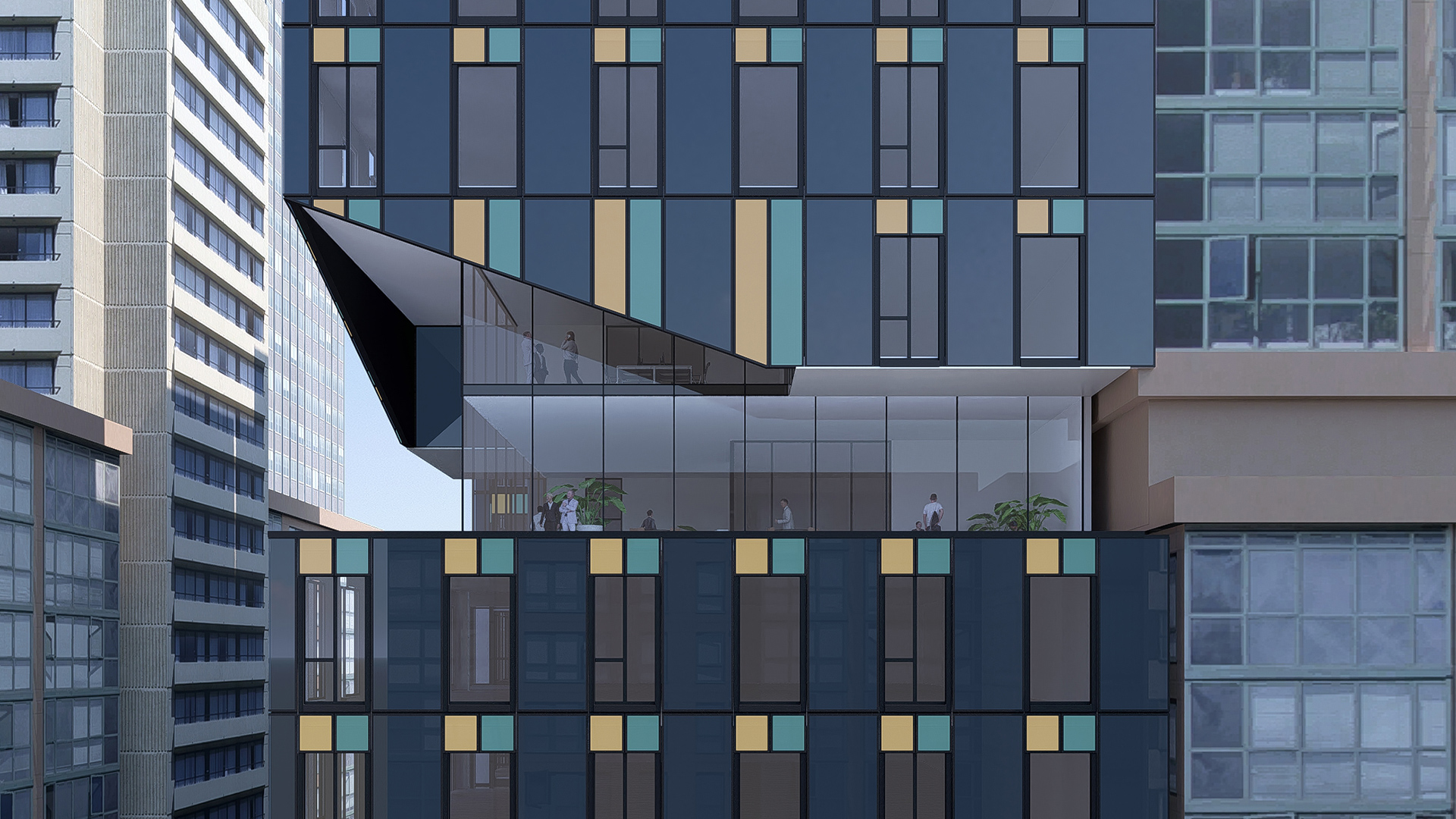
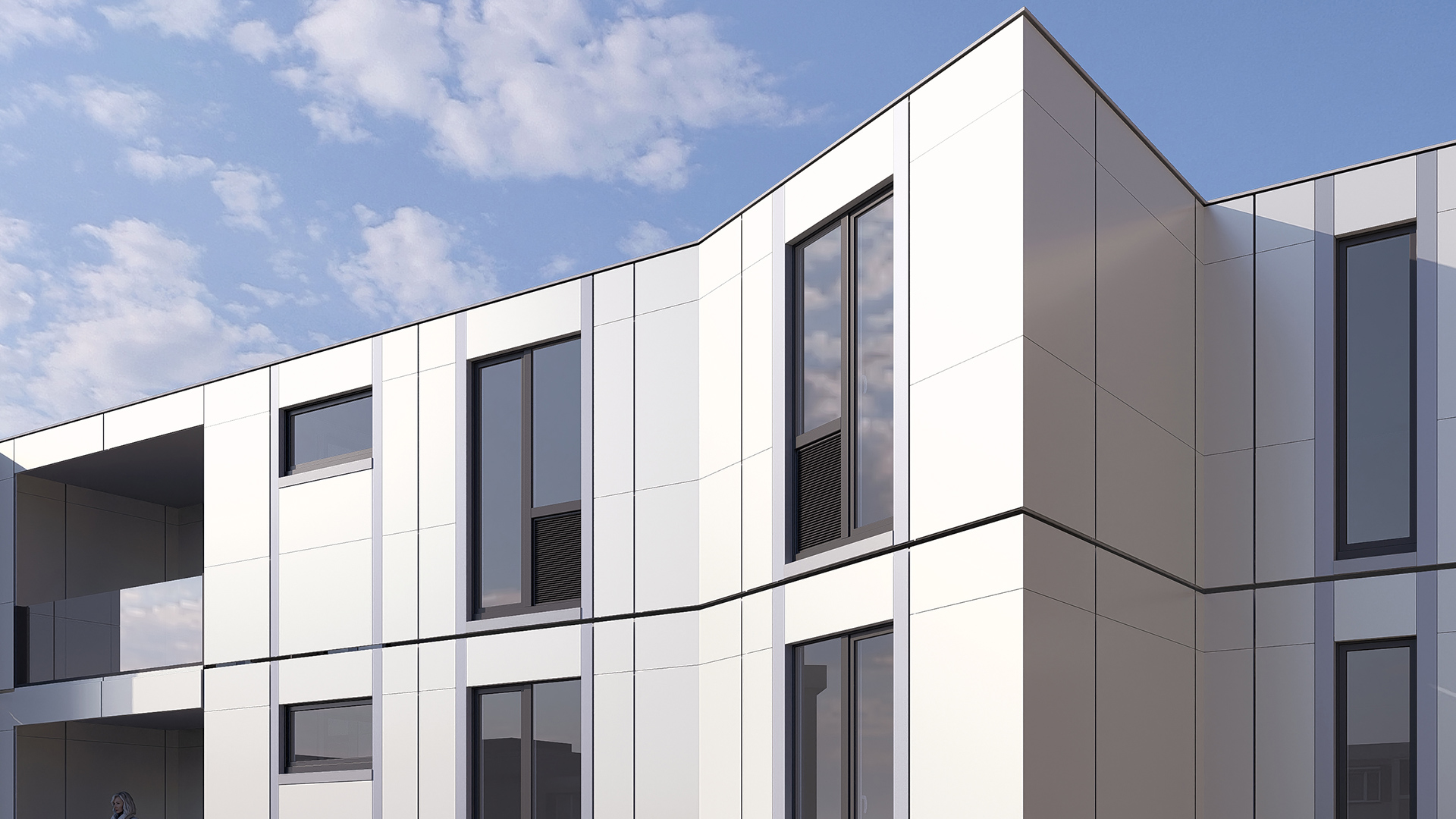
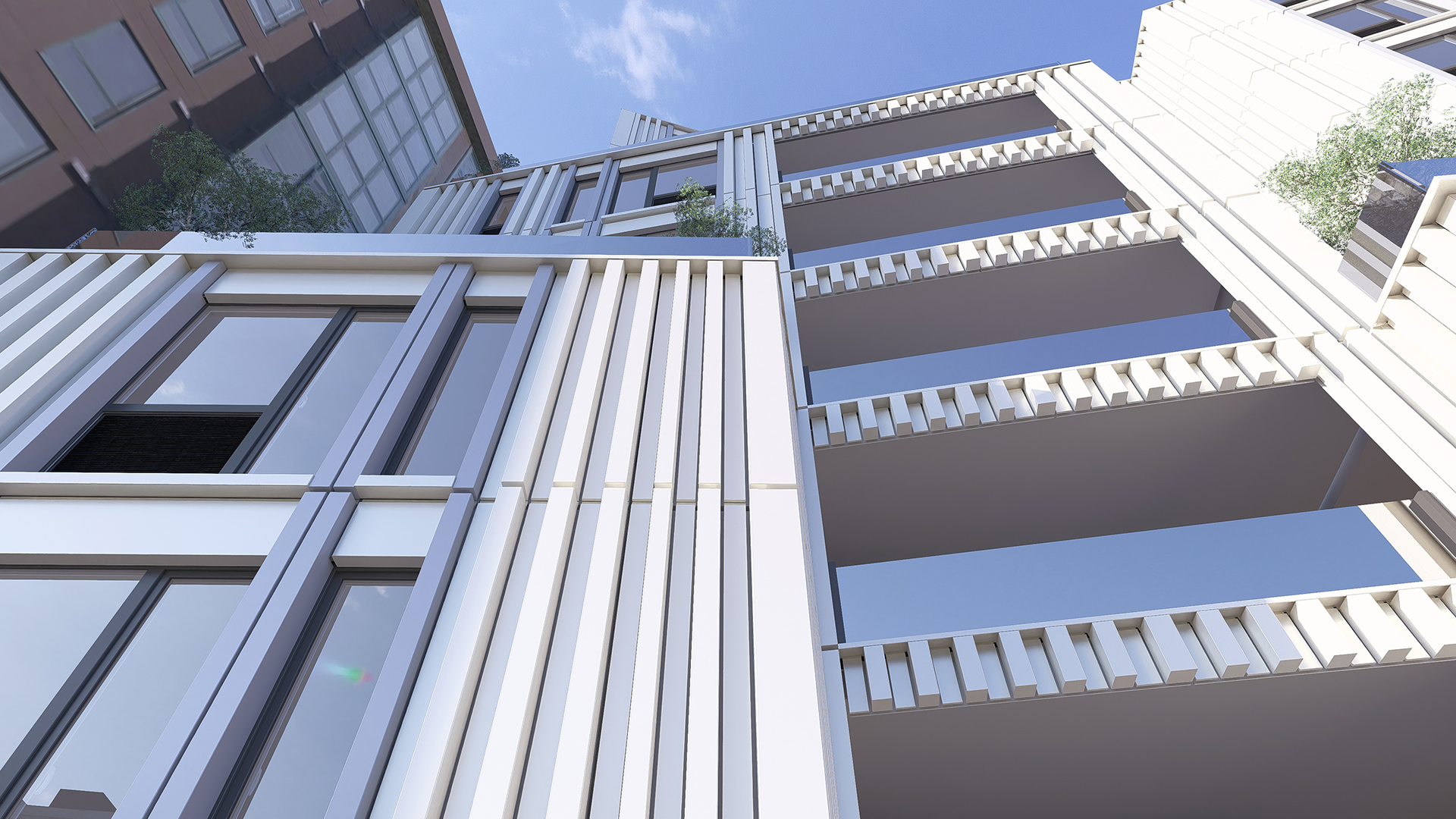
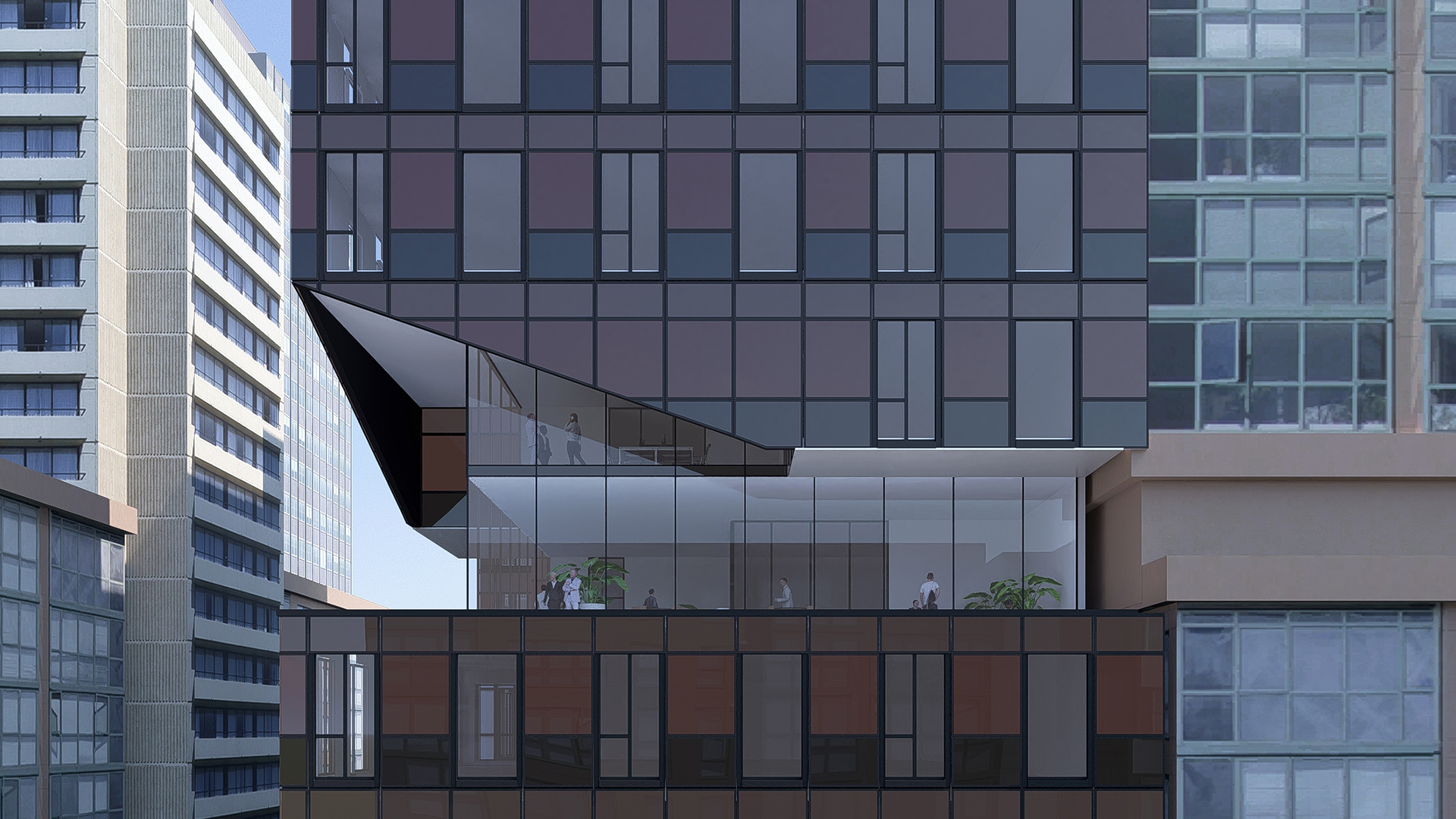
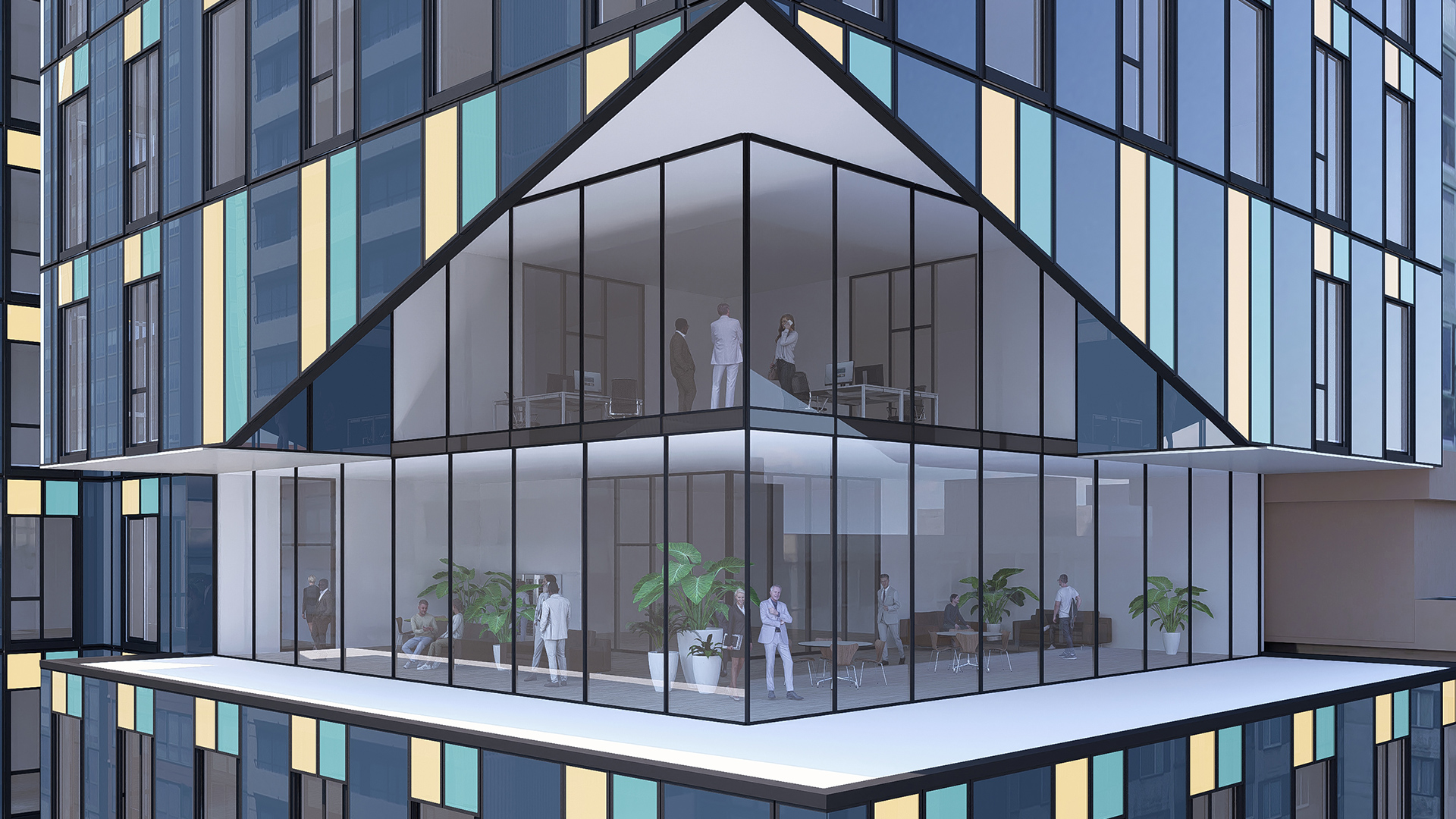
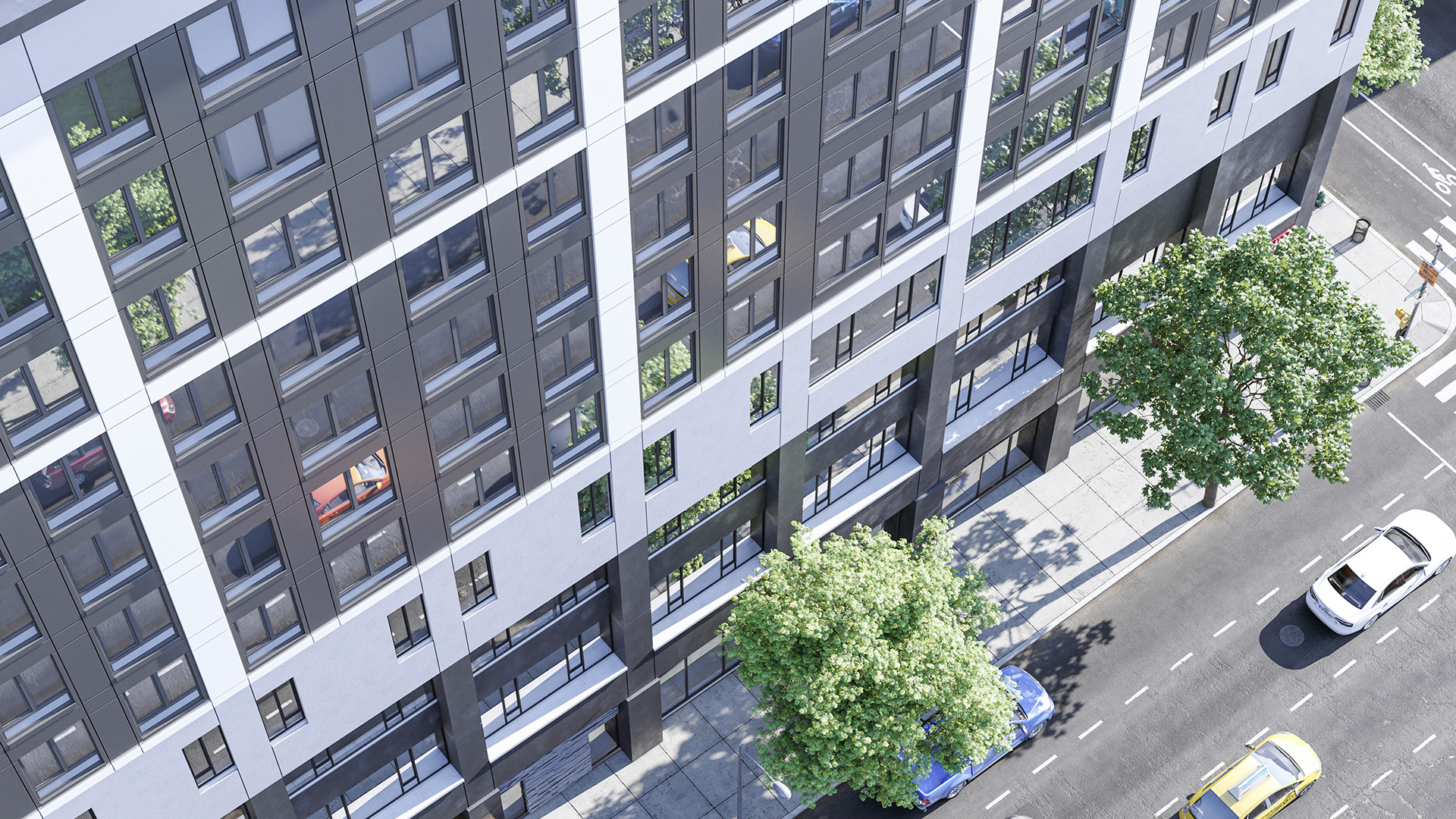
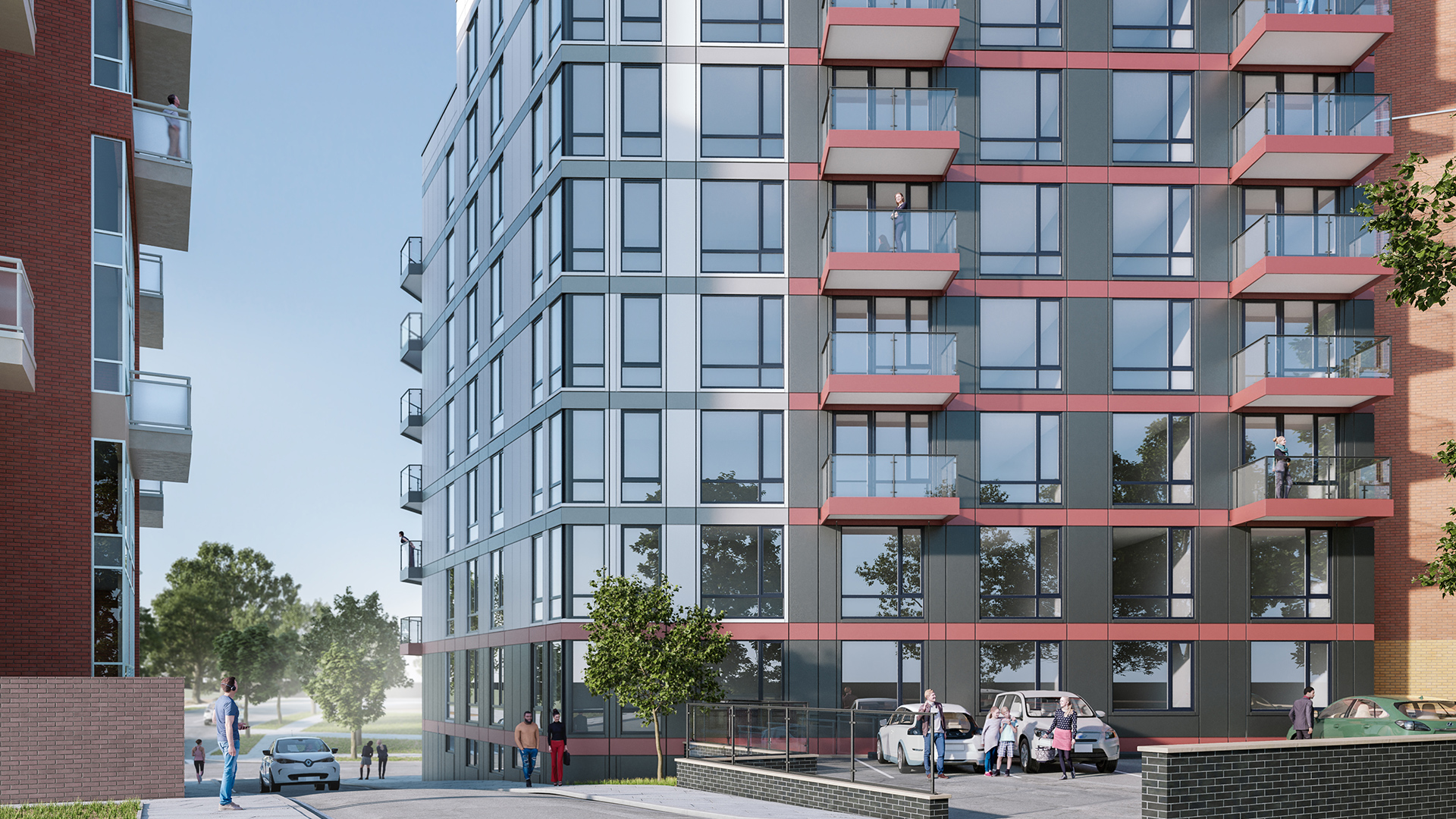
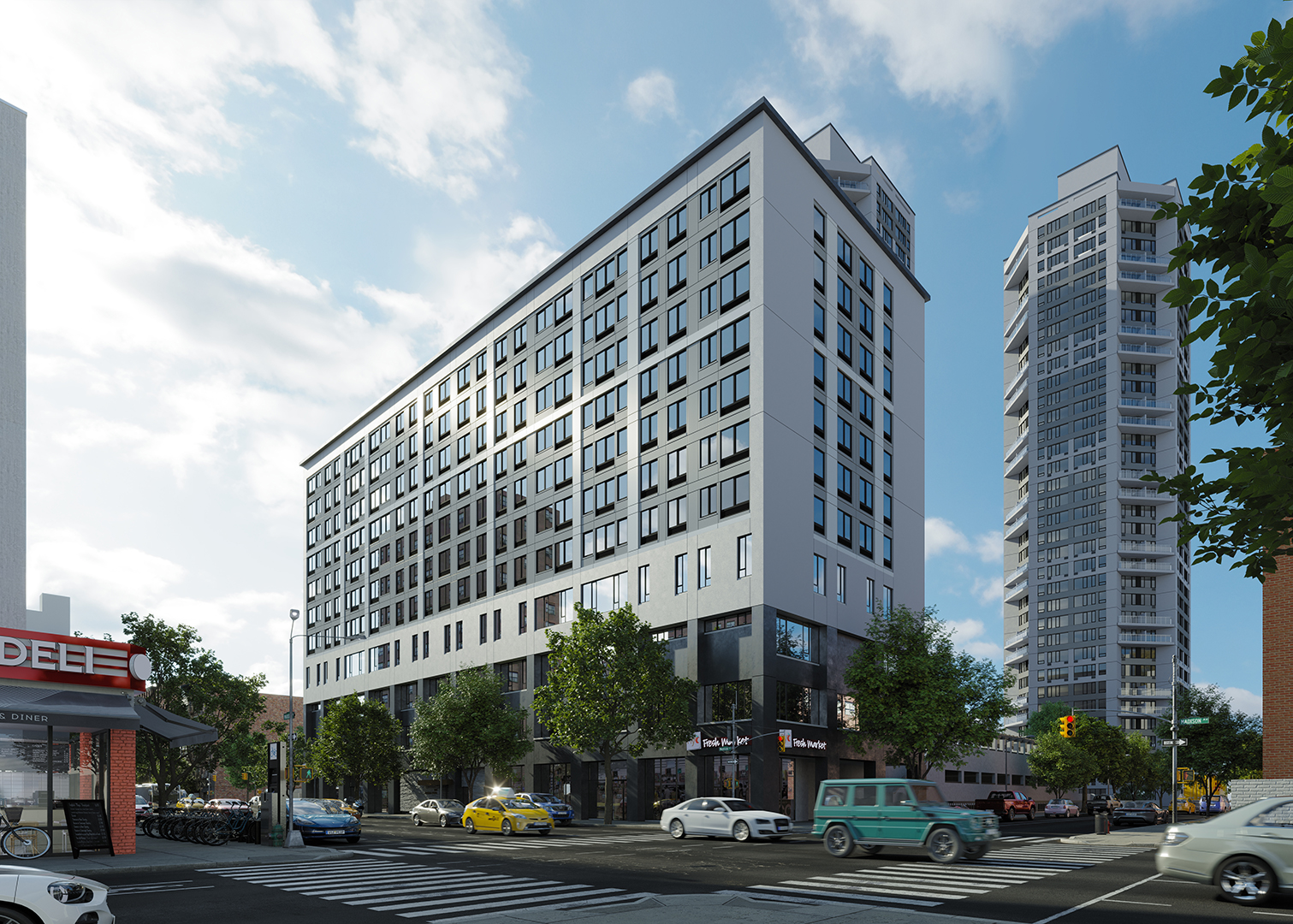
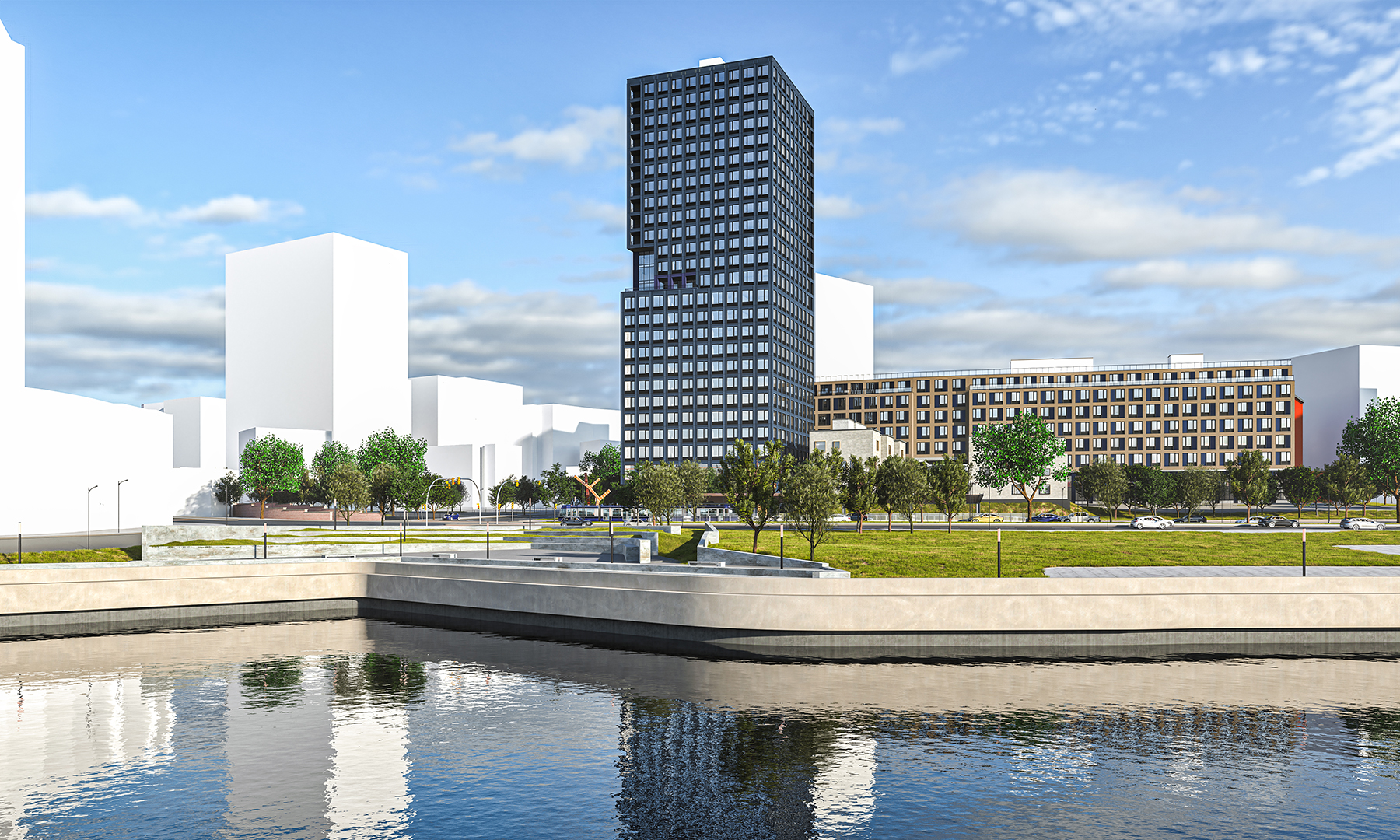
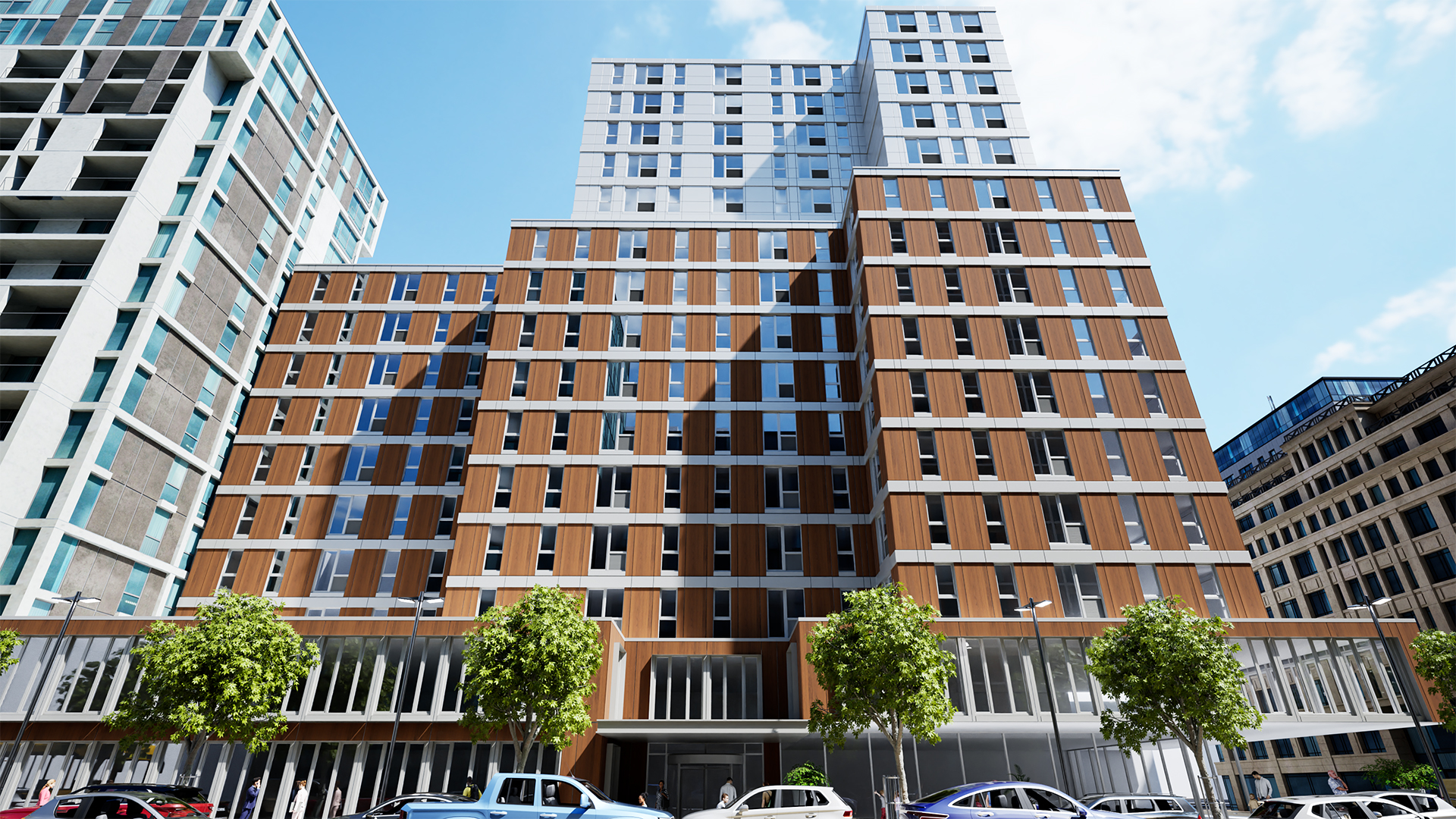
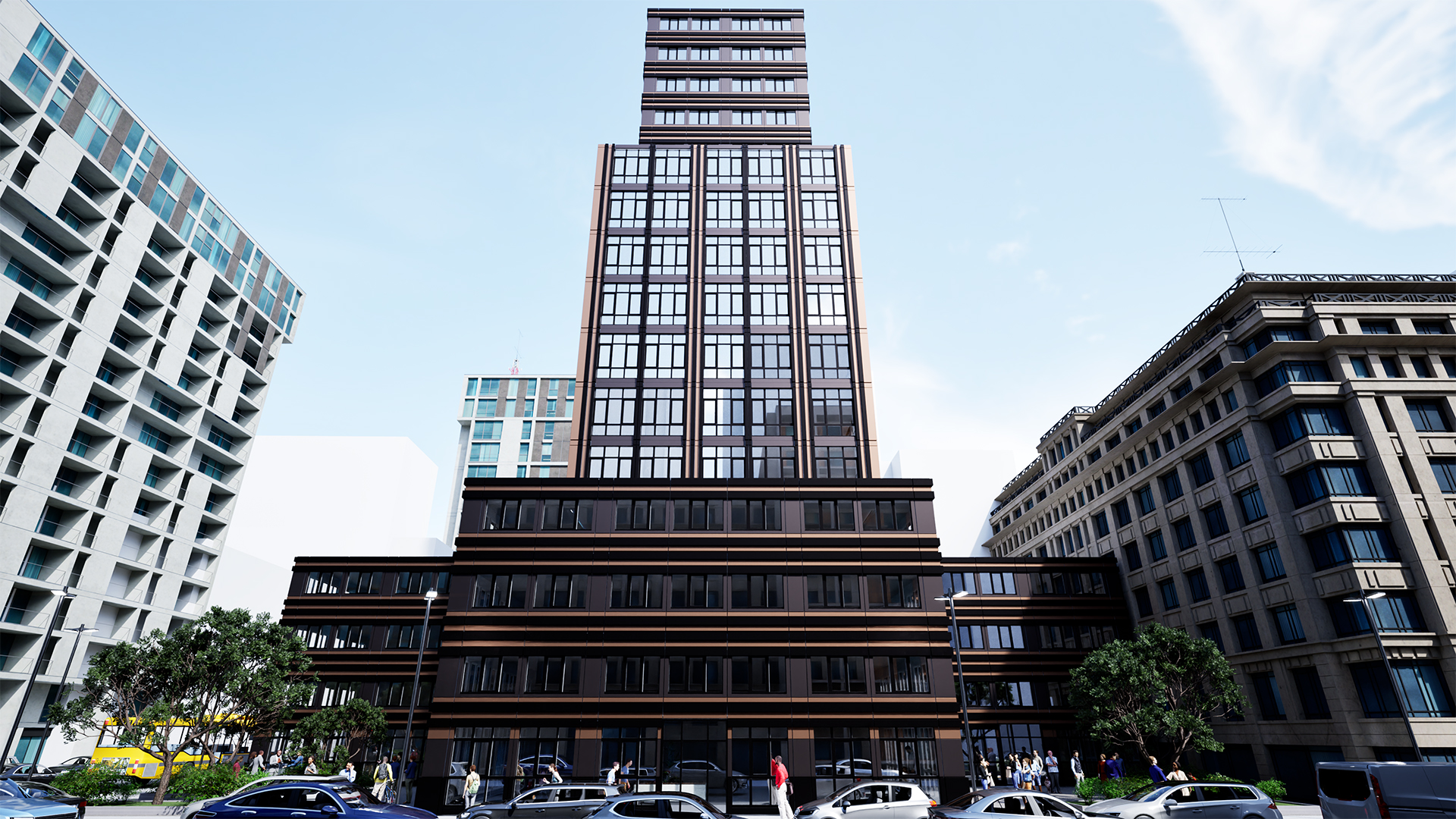
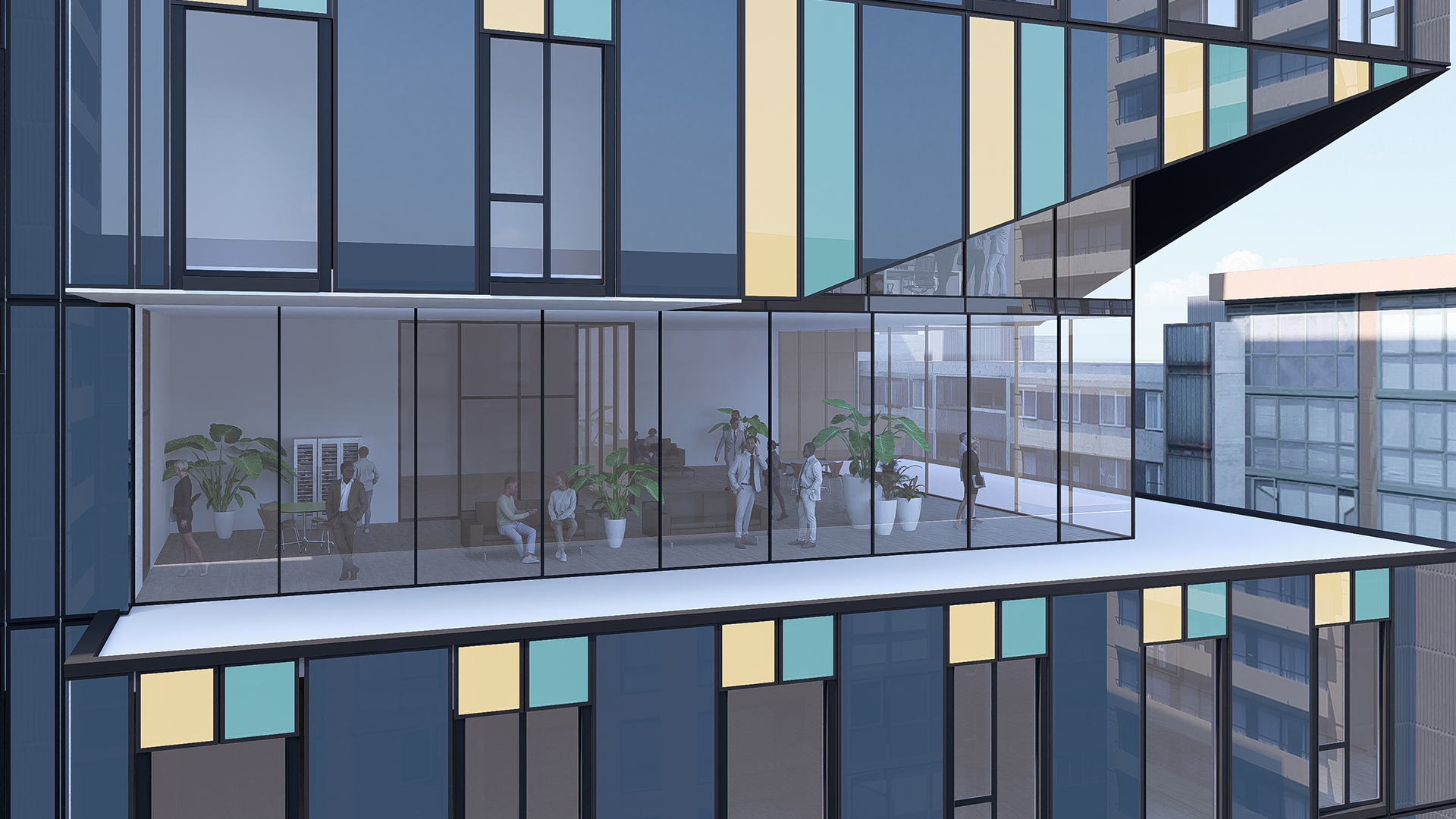
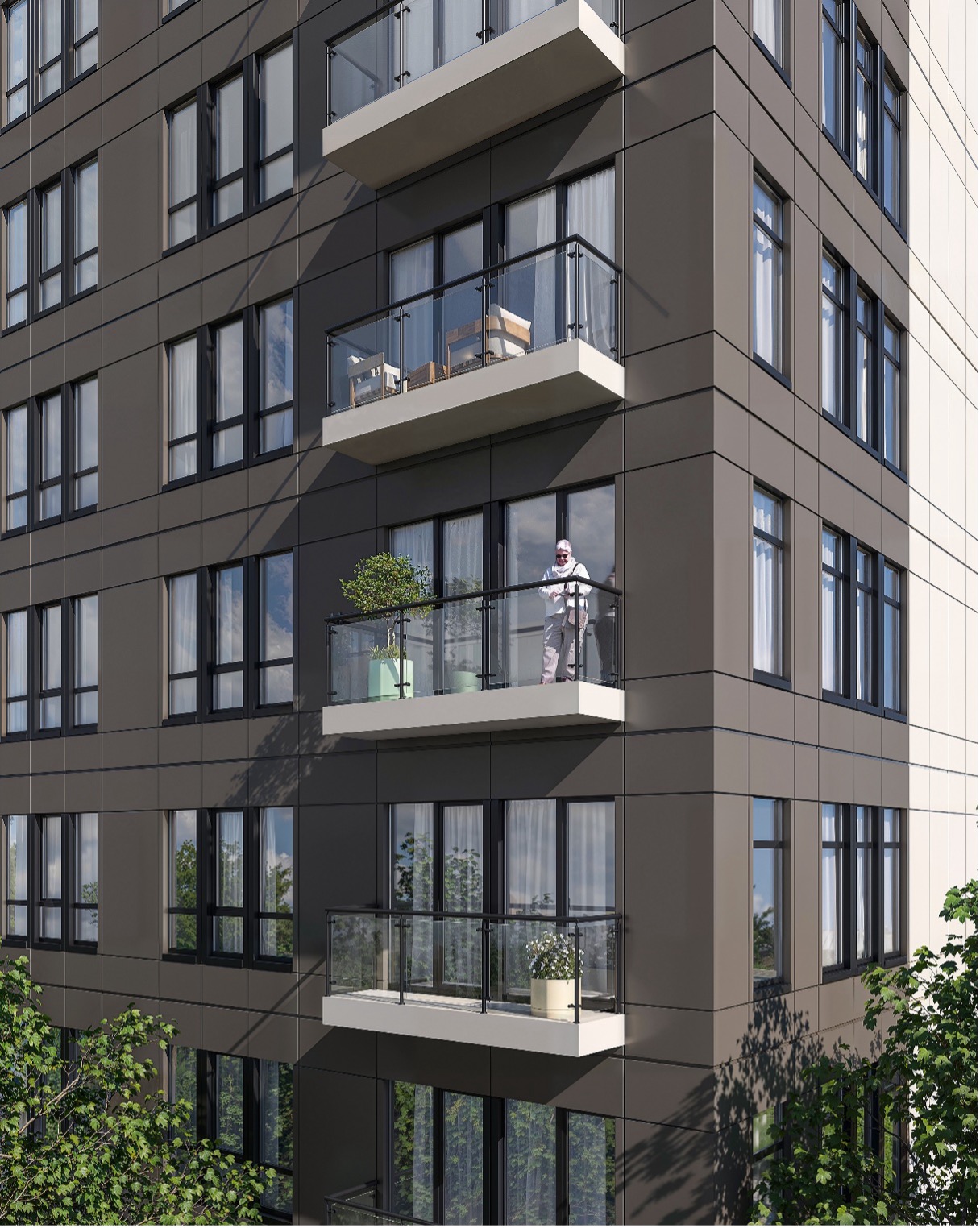
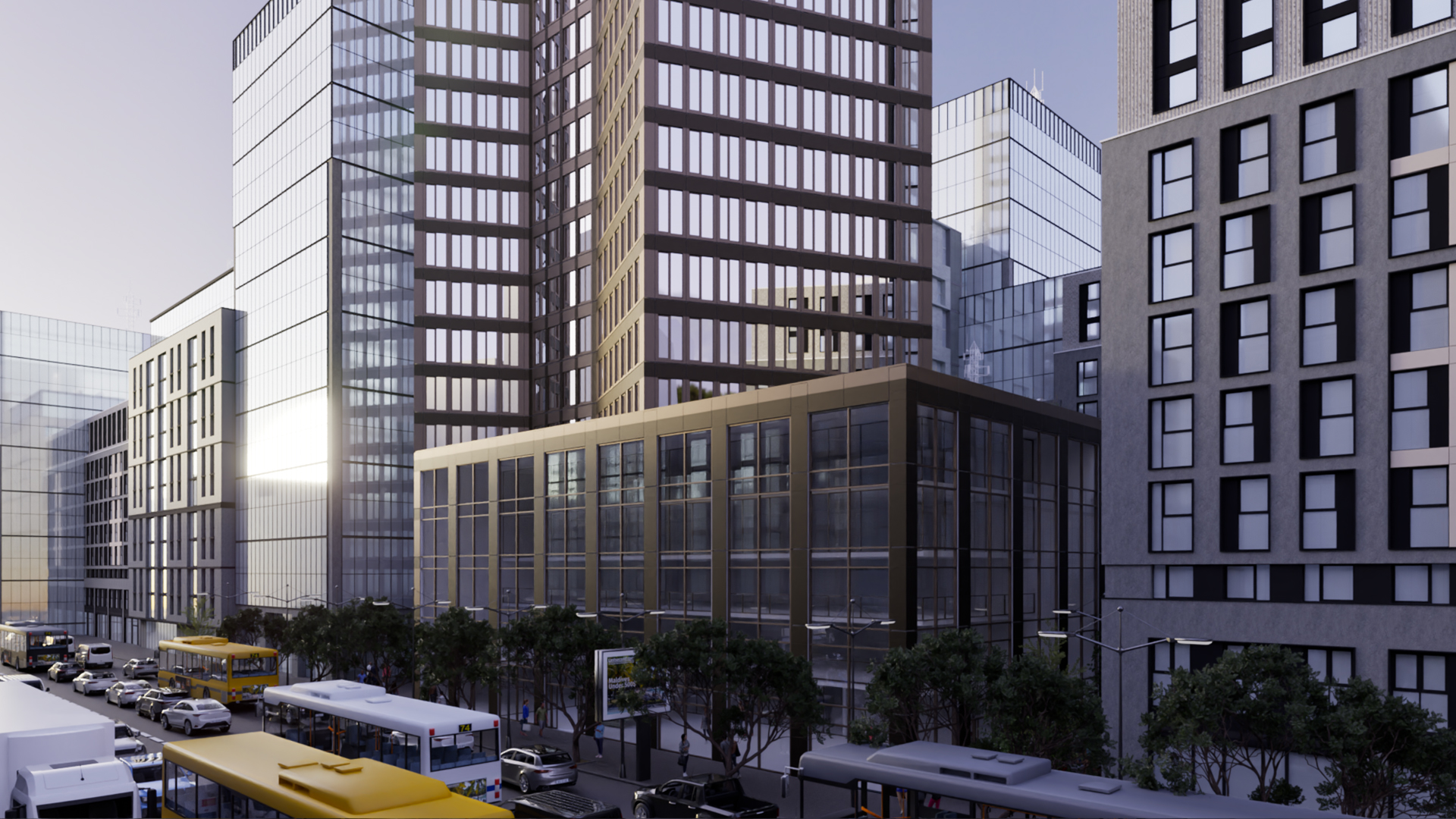
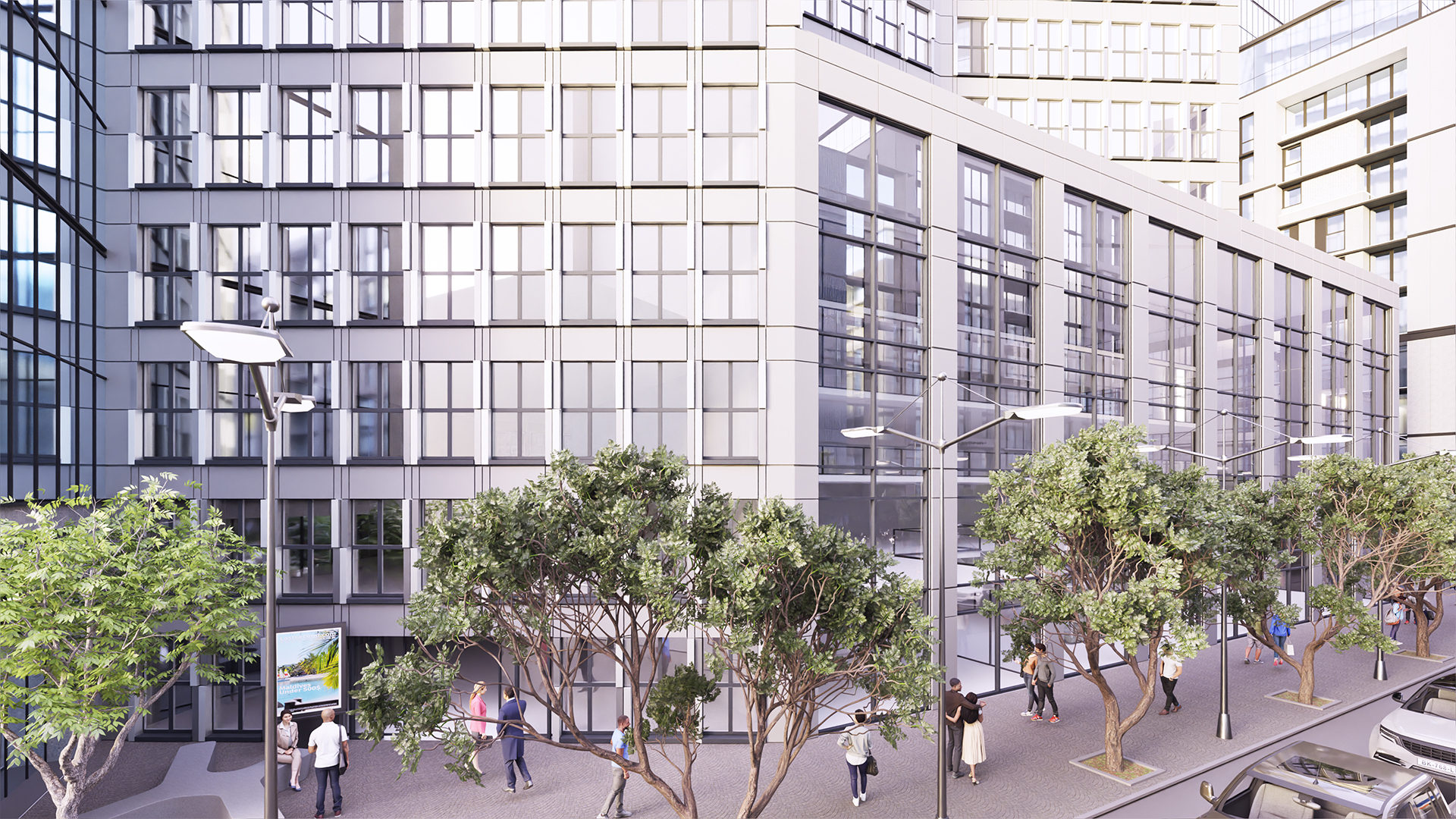
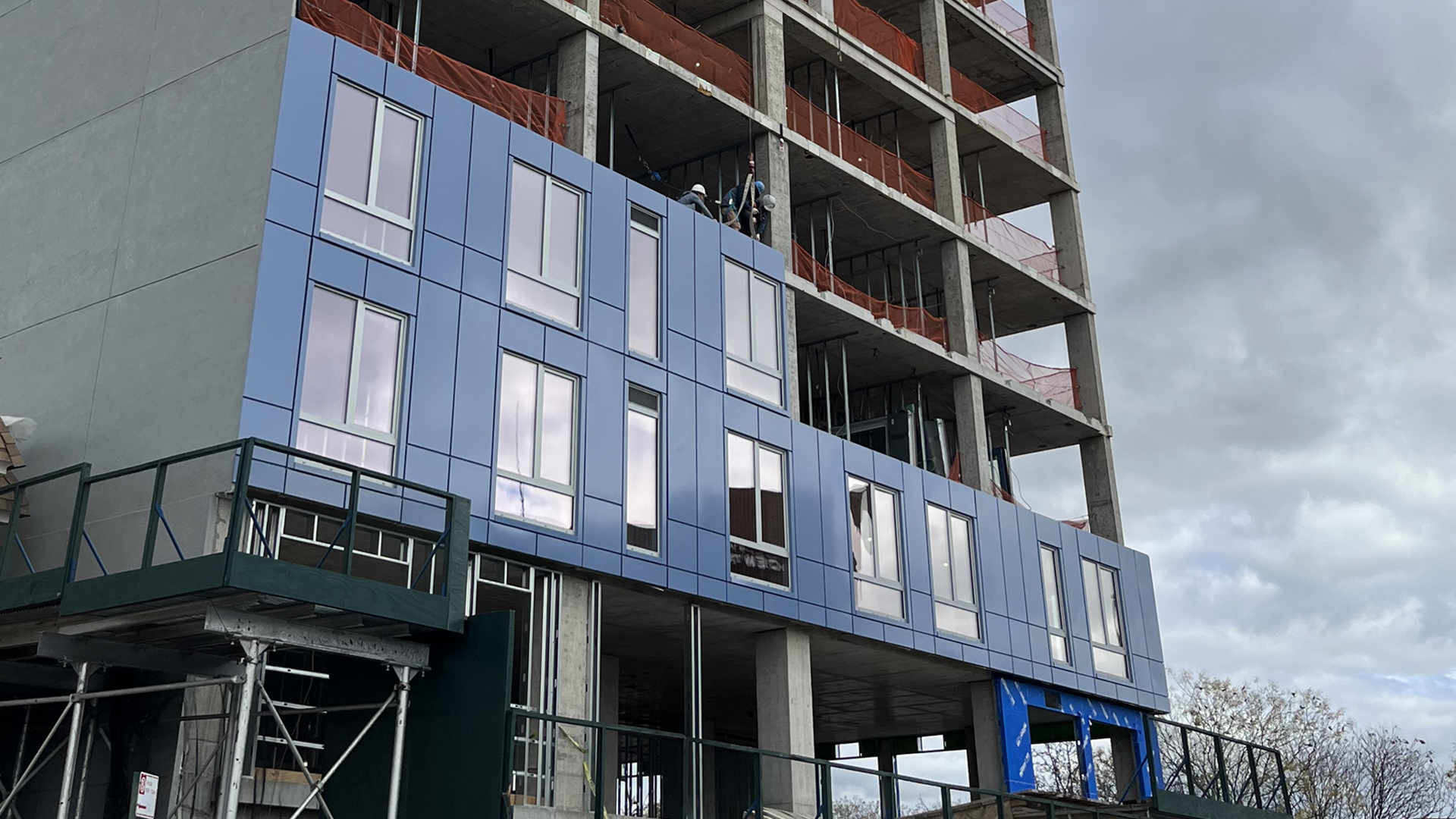
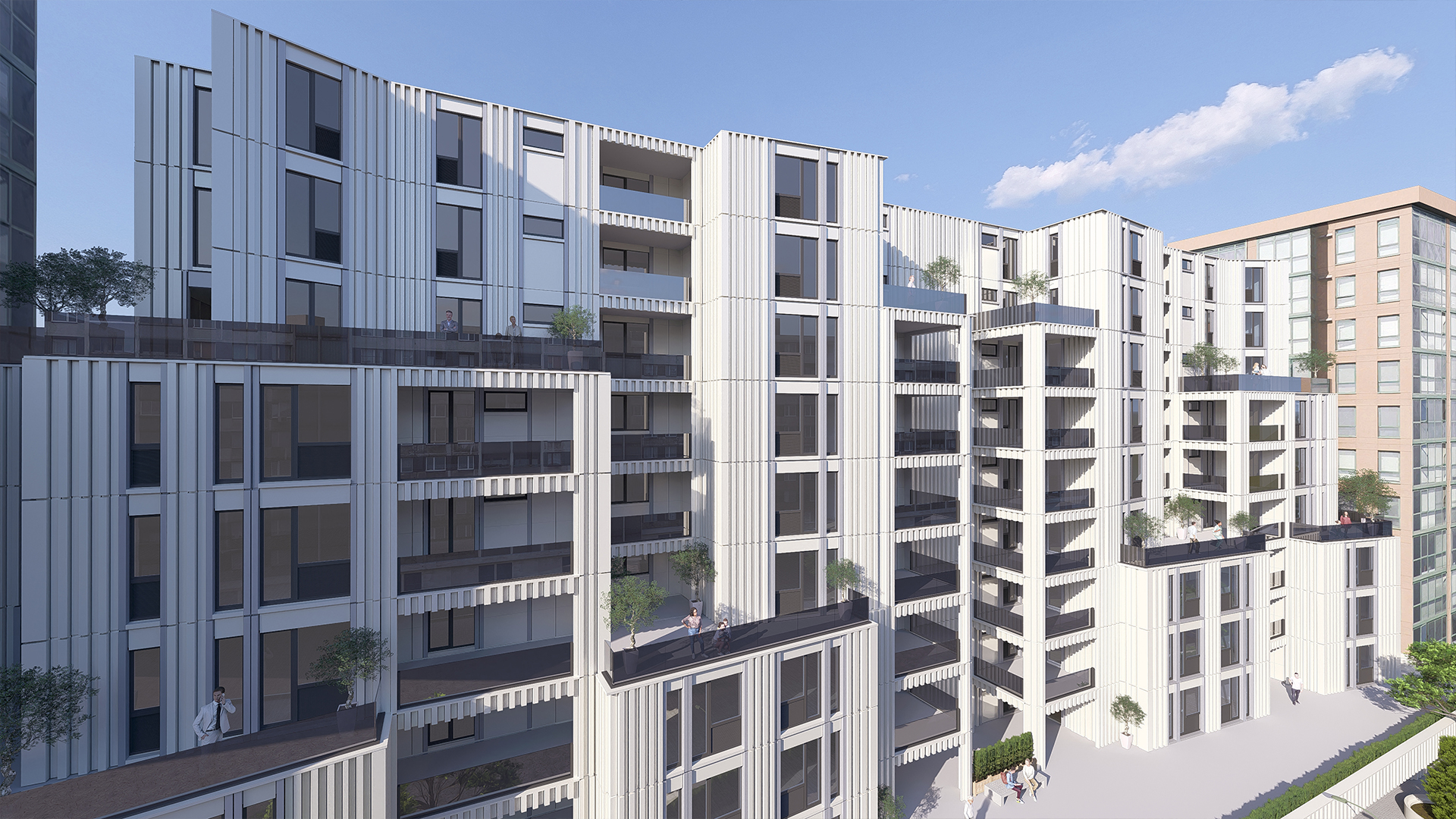
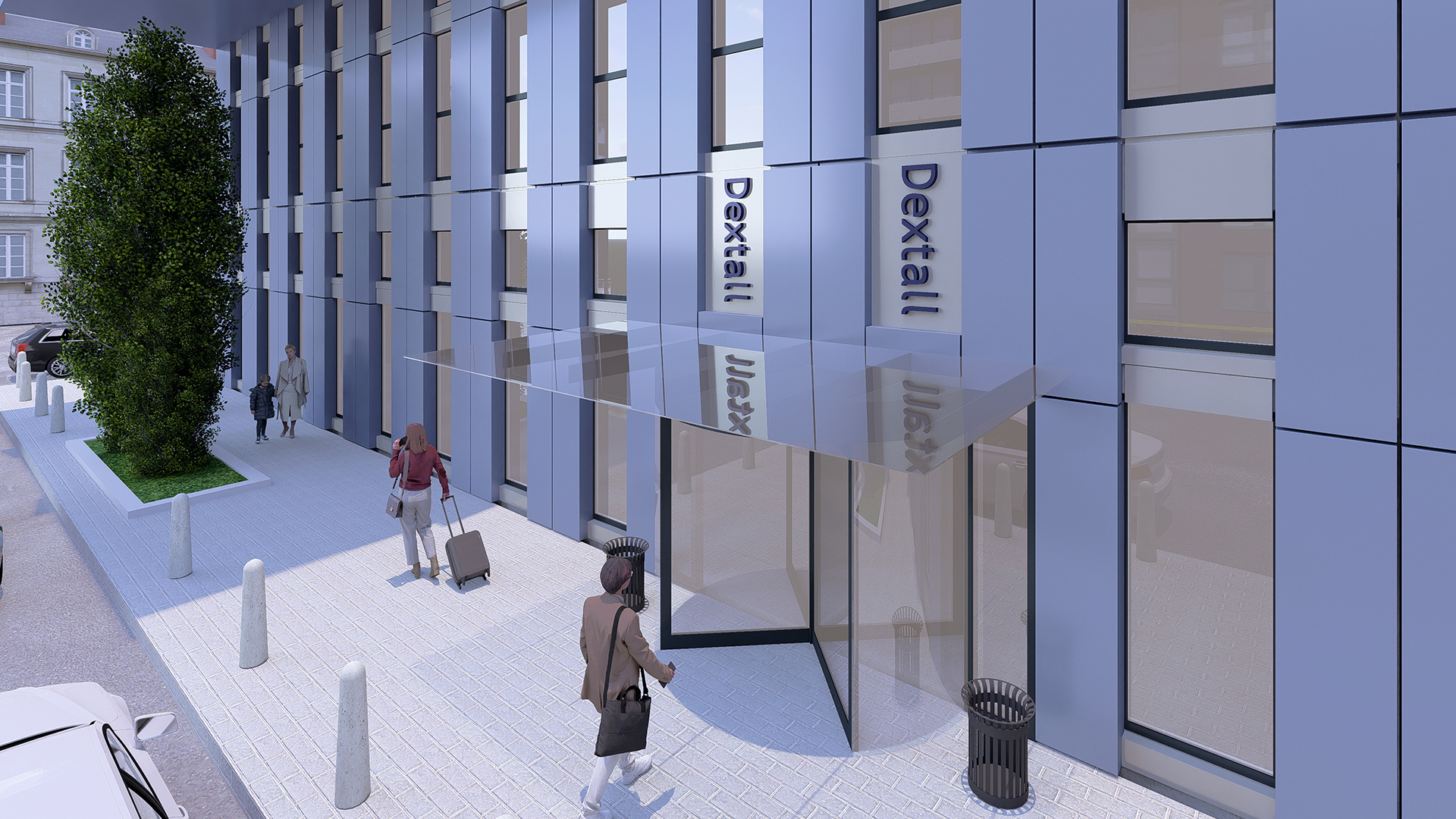
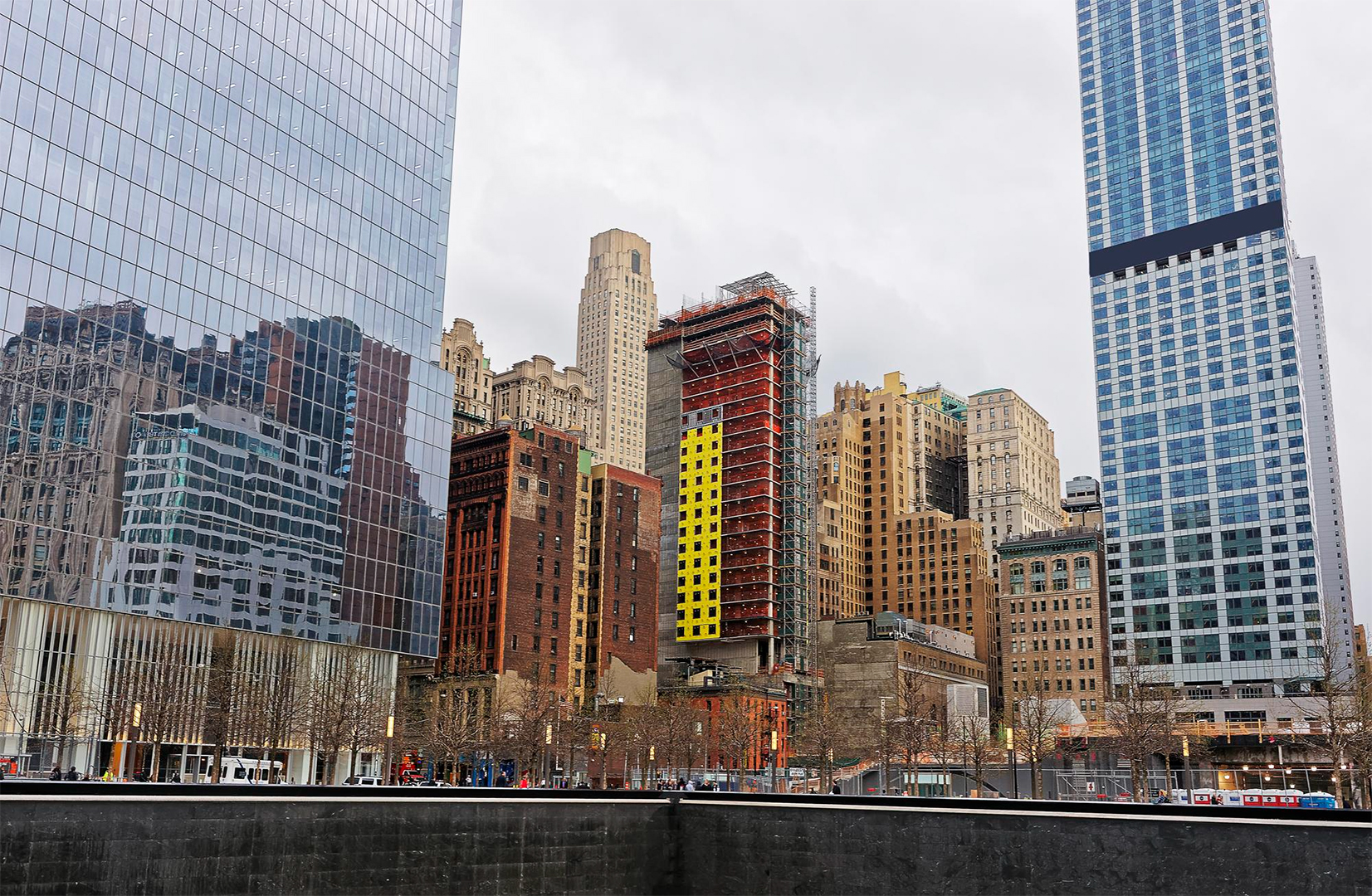
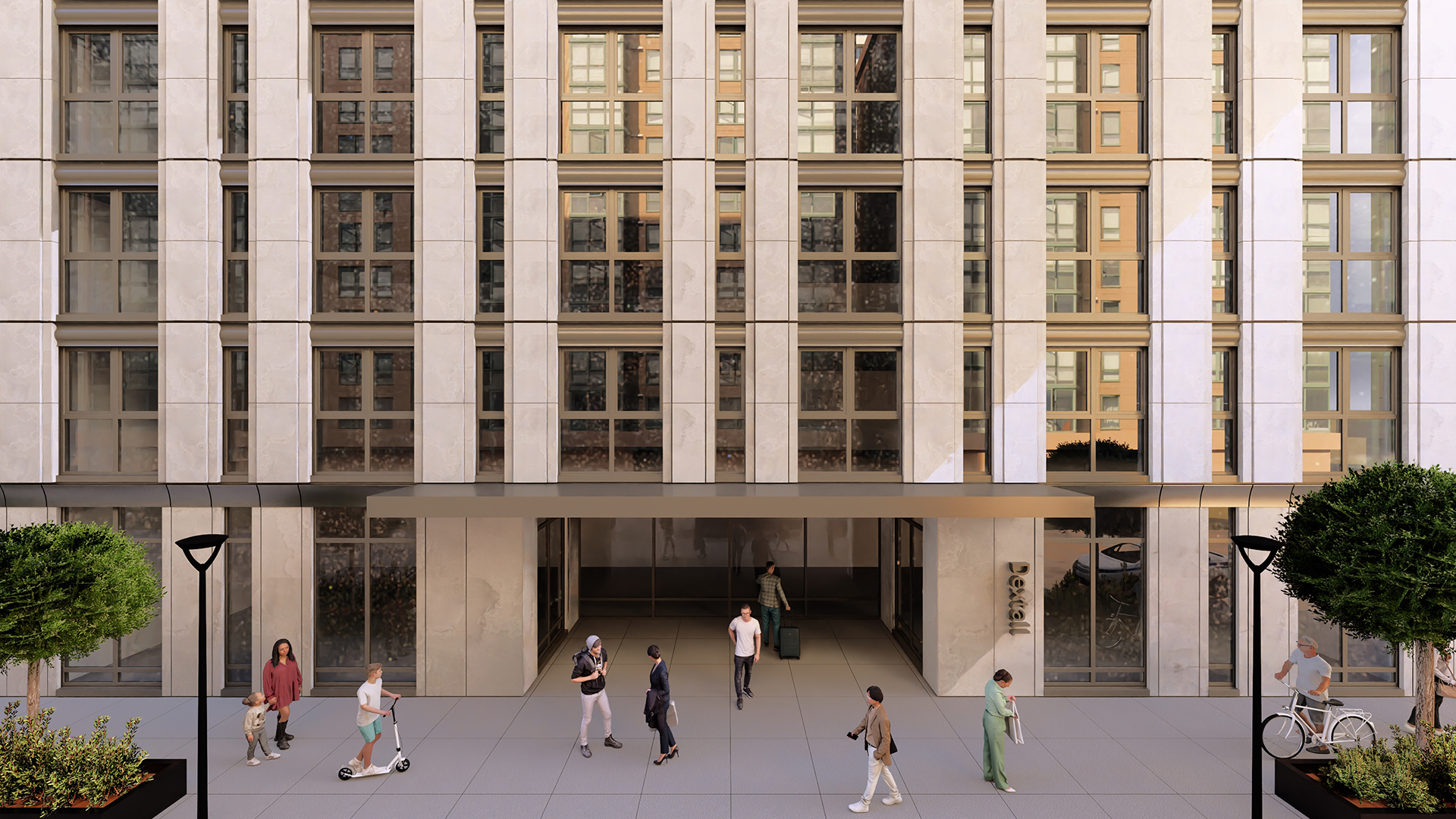
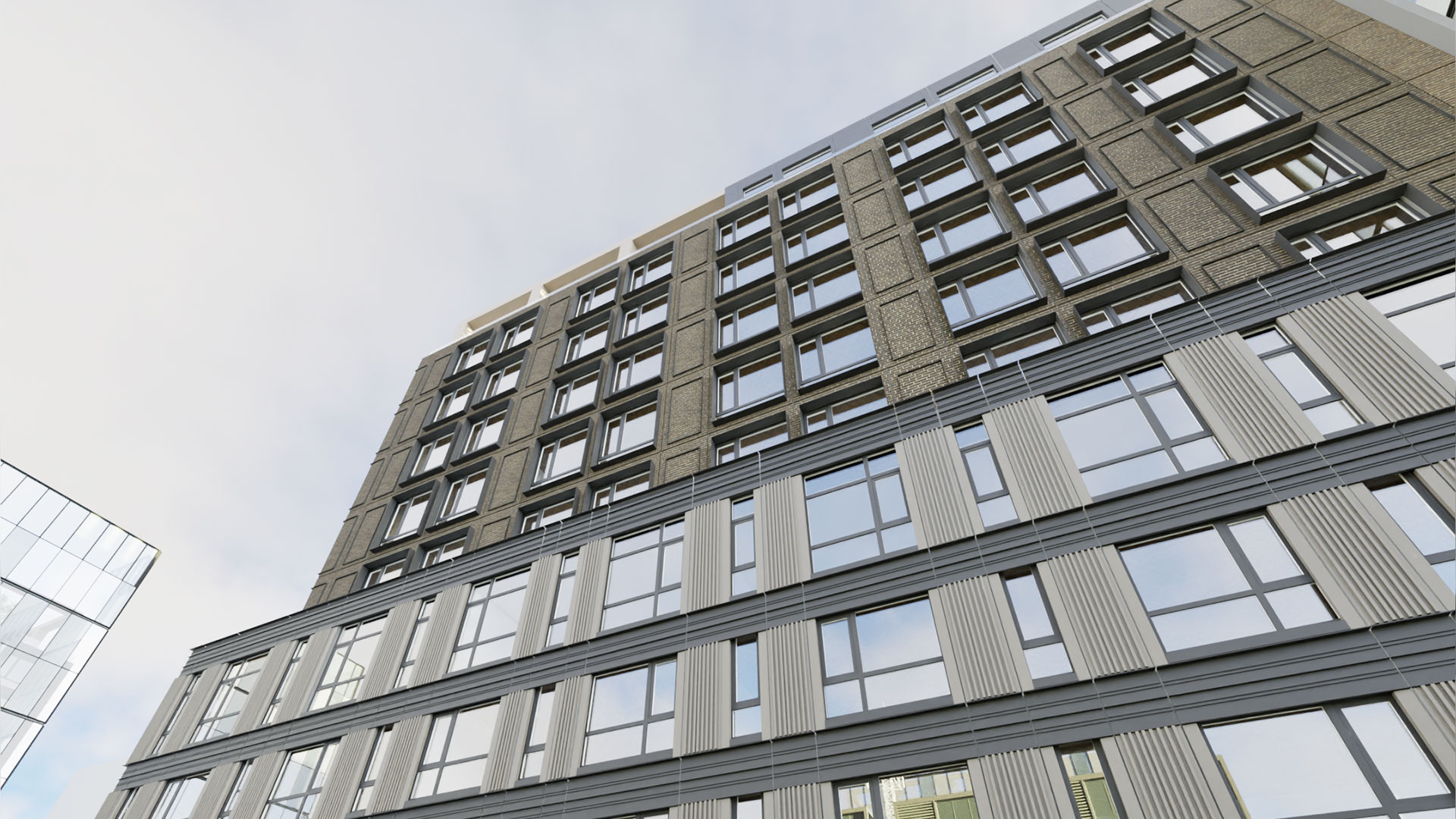
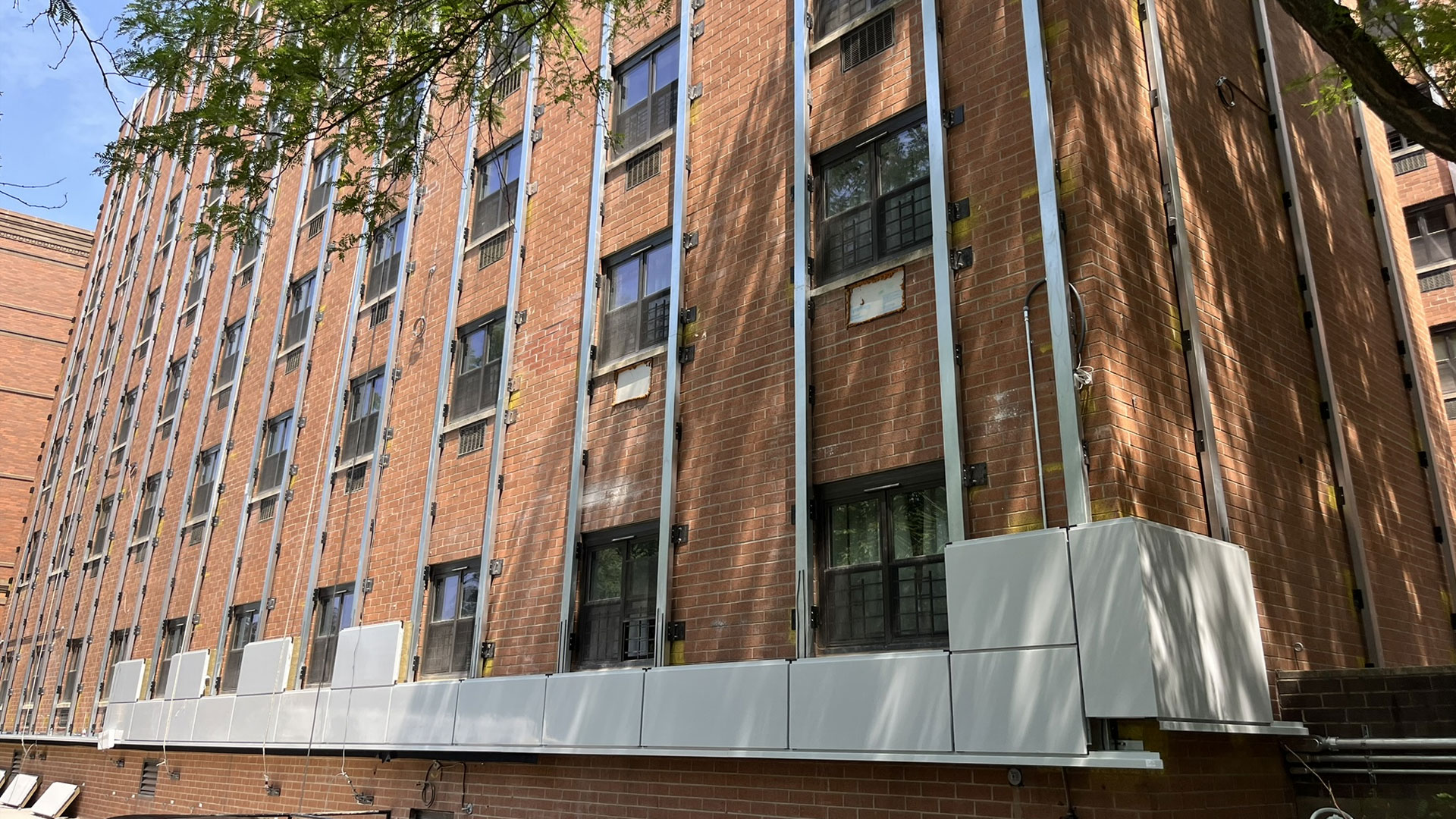
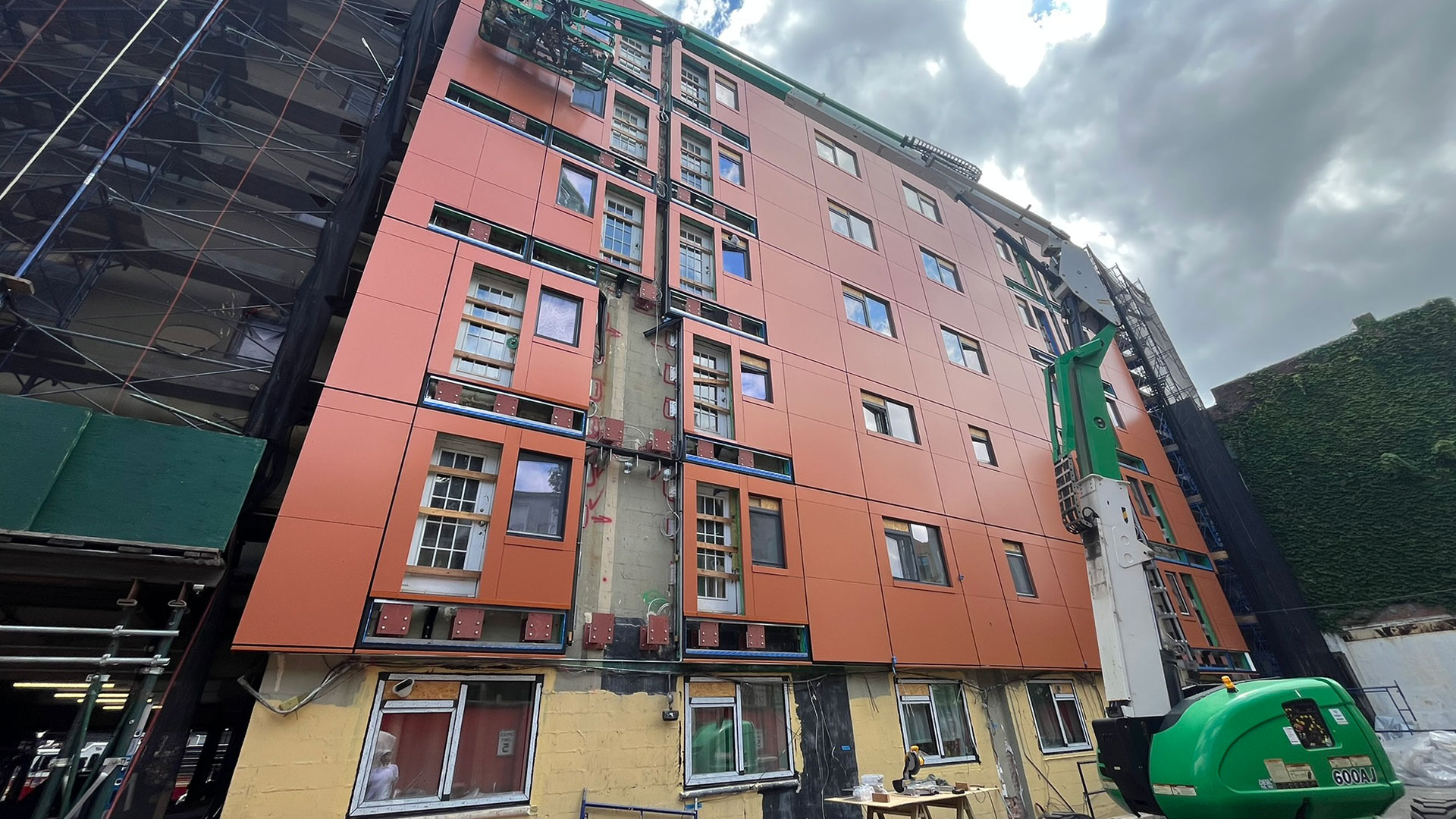
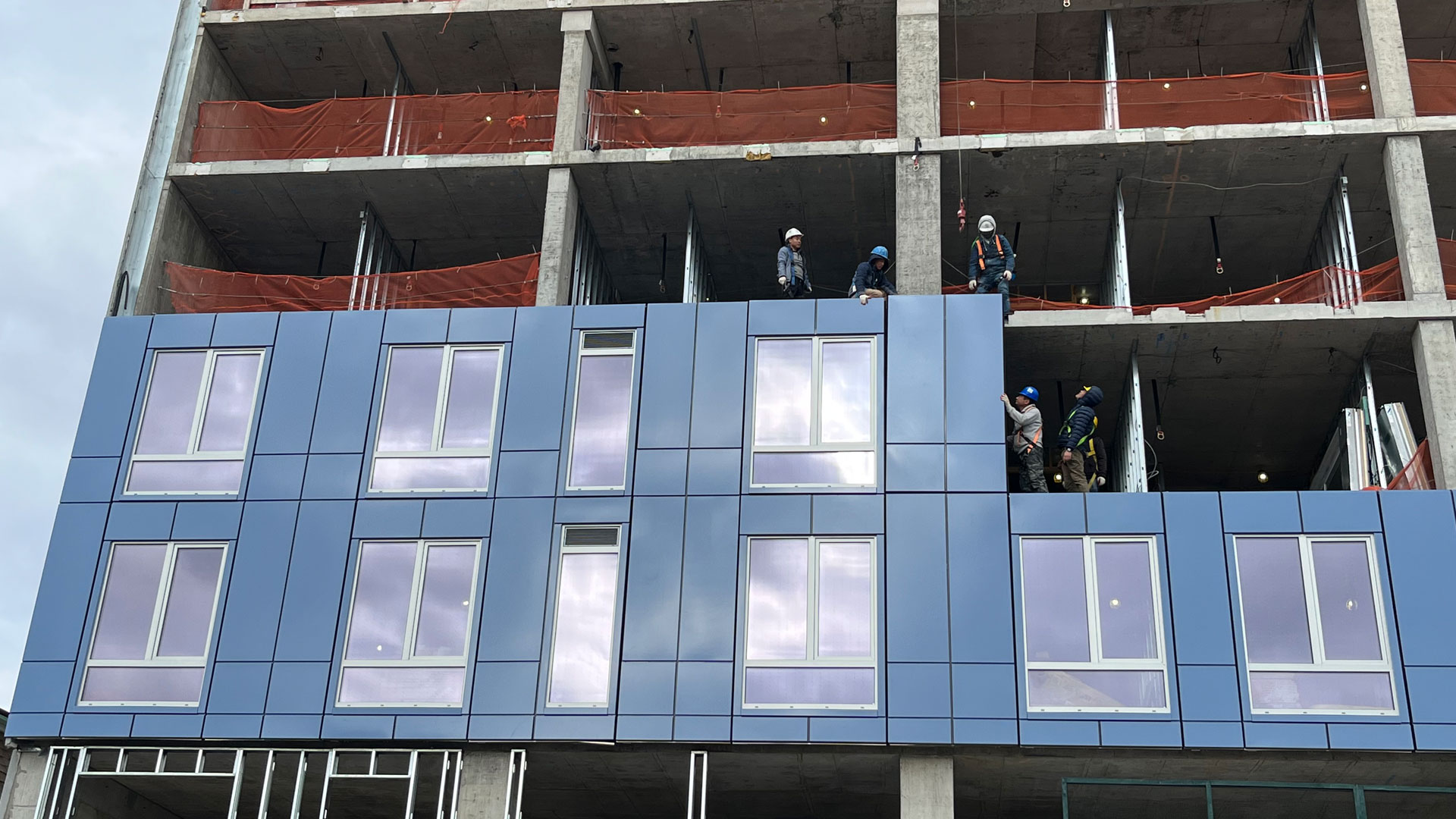
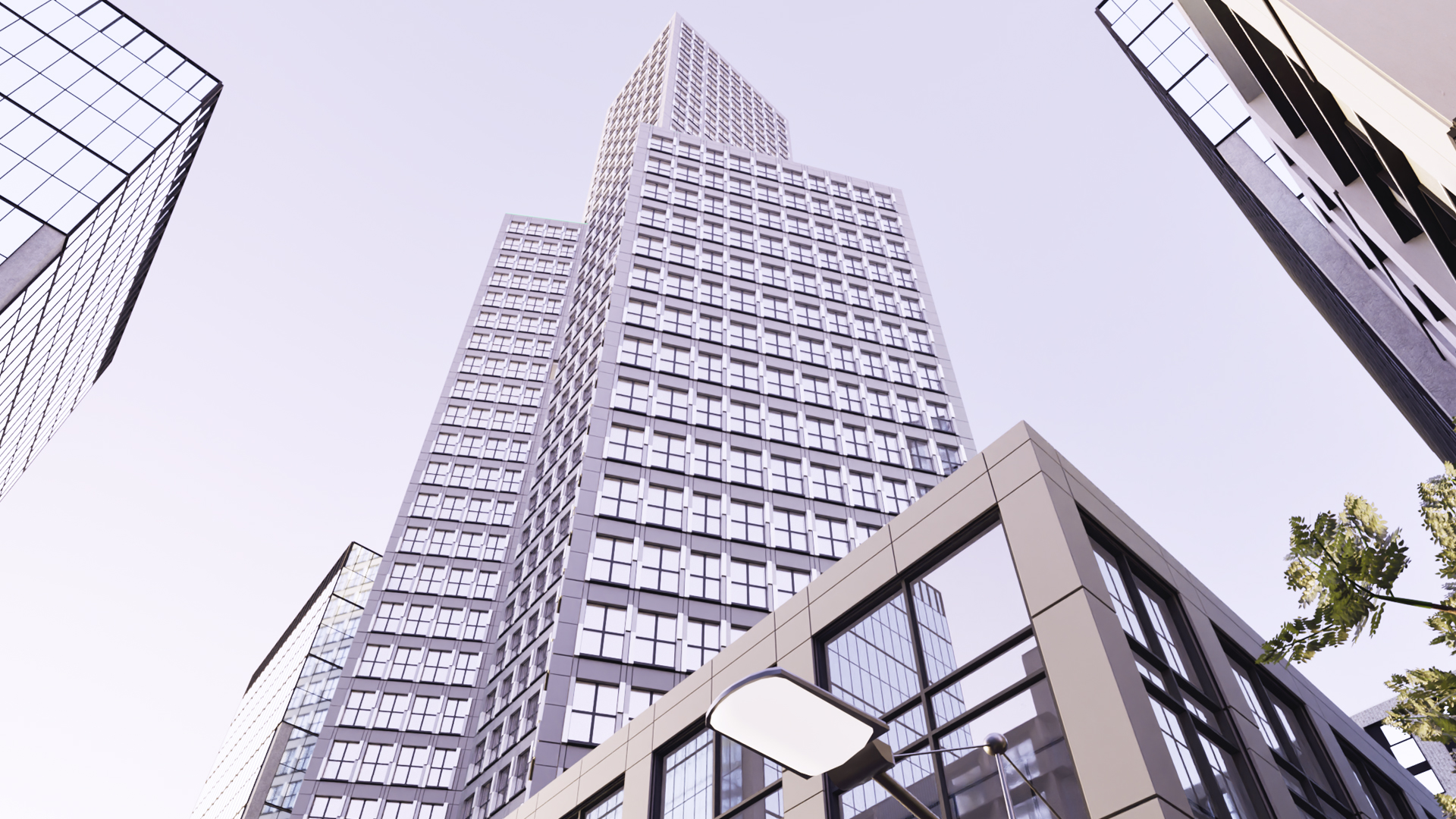
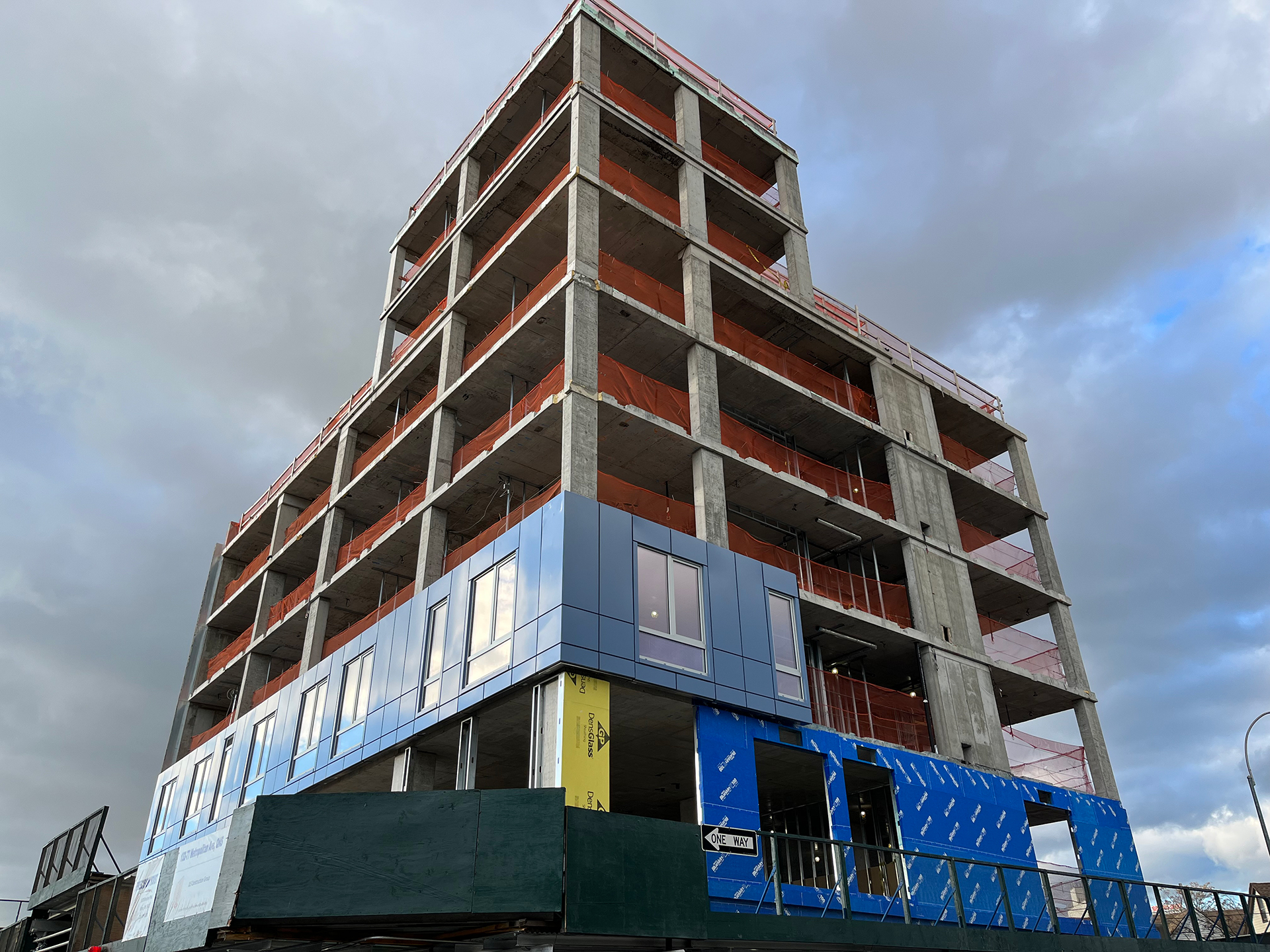
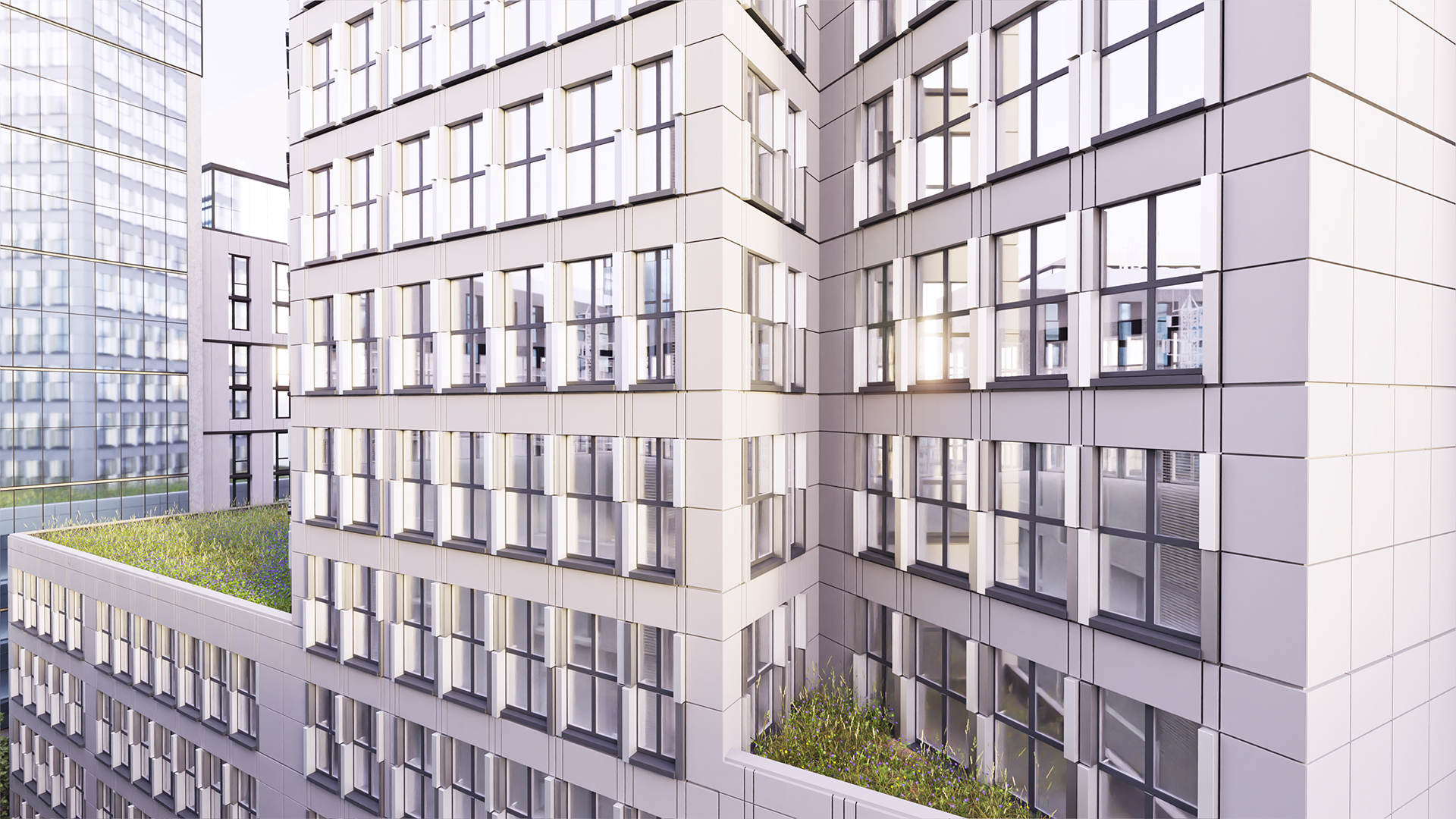
Images featured in this article depict Dextall's projects and are used for illustrative purposes only.
Sources
- 111 West 57th Street — Wikipedia
- World's skinniest skyscraper by SHoP Architects completes in Manhattan — Dezeen
- SHoP's Midtown supertall brings terra-cotta and bronze to new heights — The Architect's Newspaper
- 111 West 57th Street — NBK Architectural Terracotta
- 111 West 57th Street New York — WSP
- Most slender building — Guinness World Records
- 10 Facts About Steinway Tower, the World's Thinnest Skyscraper — Architizer











.jpeg)

-Compliance-for-NYC-Multifamily-%26-Co-Op-Facades.jpg)











_format(webp).avif)
_format(webp)%20(6).avif)
_format(webp)%20(5).avif)
_format(webp)%20(4).avif)
_format(webp)%20(2).avif)
_format(webp)%20(3).avif)


.avif)
_format(webp)%20(2).avif)